Nergal and Ereshkigal Chapter 1
The Queen’s Share
Ereshkigal sends Namtar for her share of the gods’ banquet. One god fails to rise before him. Nergal goes to the Netherworld with Ea’s help. When he threatens Ereshkigal, she offers him a share in its rule.
SourcesTurn the pages with the arrows, the arrow keys or a swipe.
THE QUEEN’S SHARE
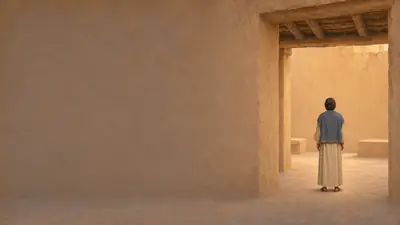
The gods gathered for a banquet in the upper world. The old tablet begins with the feast, before the first messenger is sent.
The gods wished to speak to Ereshkigal, whom they called their sister. They sent a messenger to take their words to her.
The message spoke of the limits between their realms. The gods said they could not descend to Ereshkigal, and she could not ascend to them.
The gods had set aside a share for Ereshkigal. They asked her to send word so that someone could come and collect it.
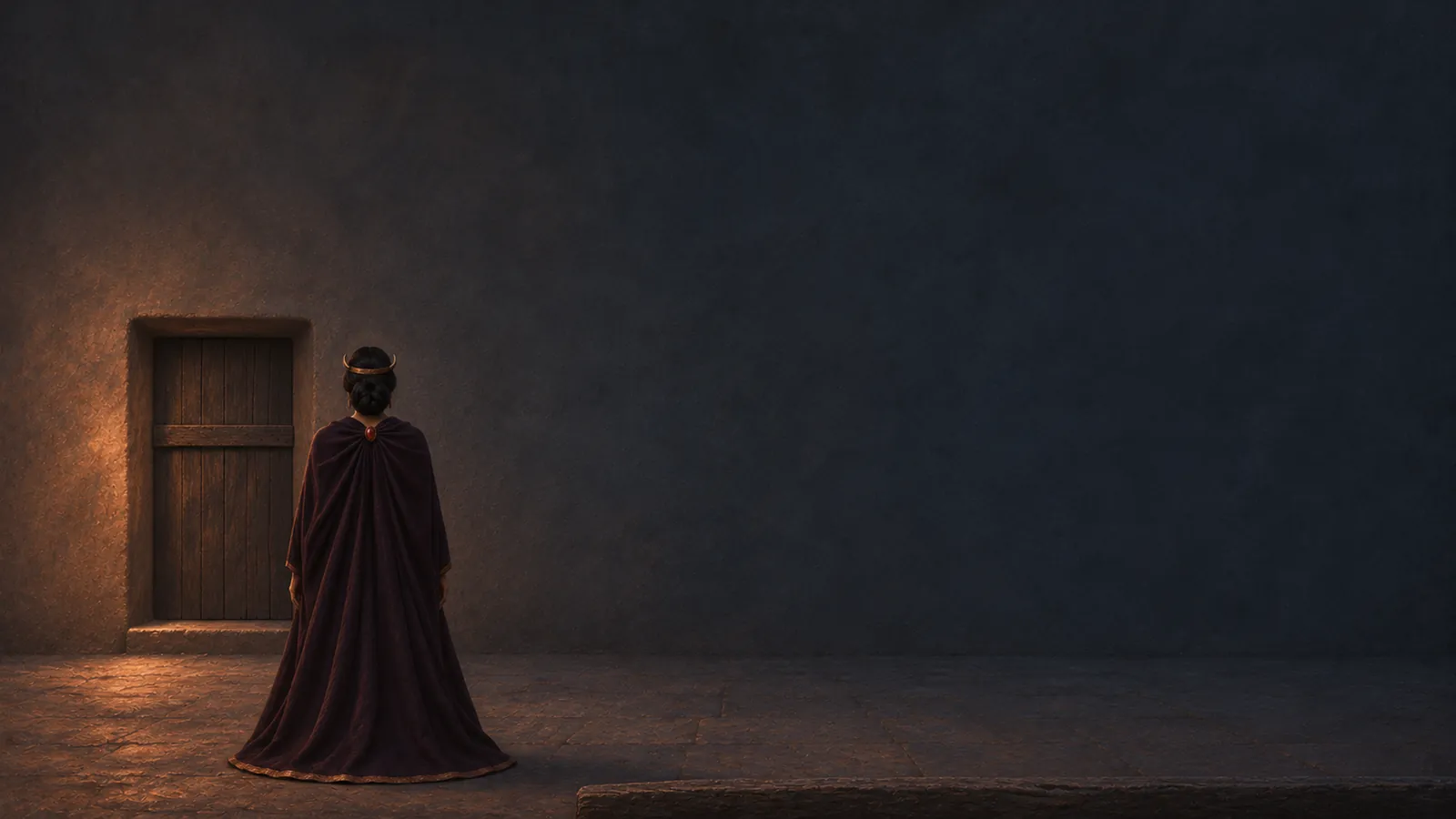
Ereshkigal chose her own minister, Namtar, to go in her place. He was the one who would receive her portion from the upper gods.
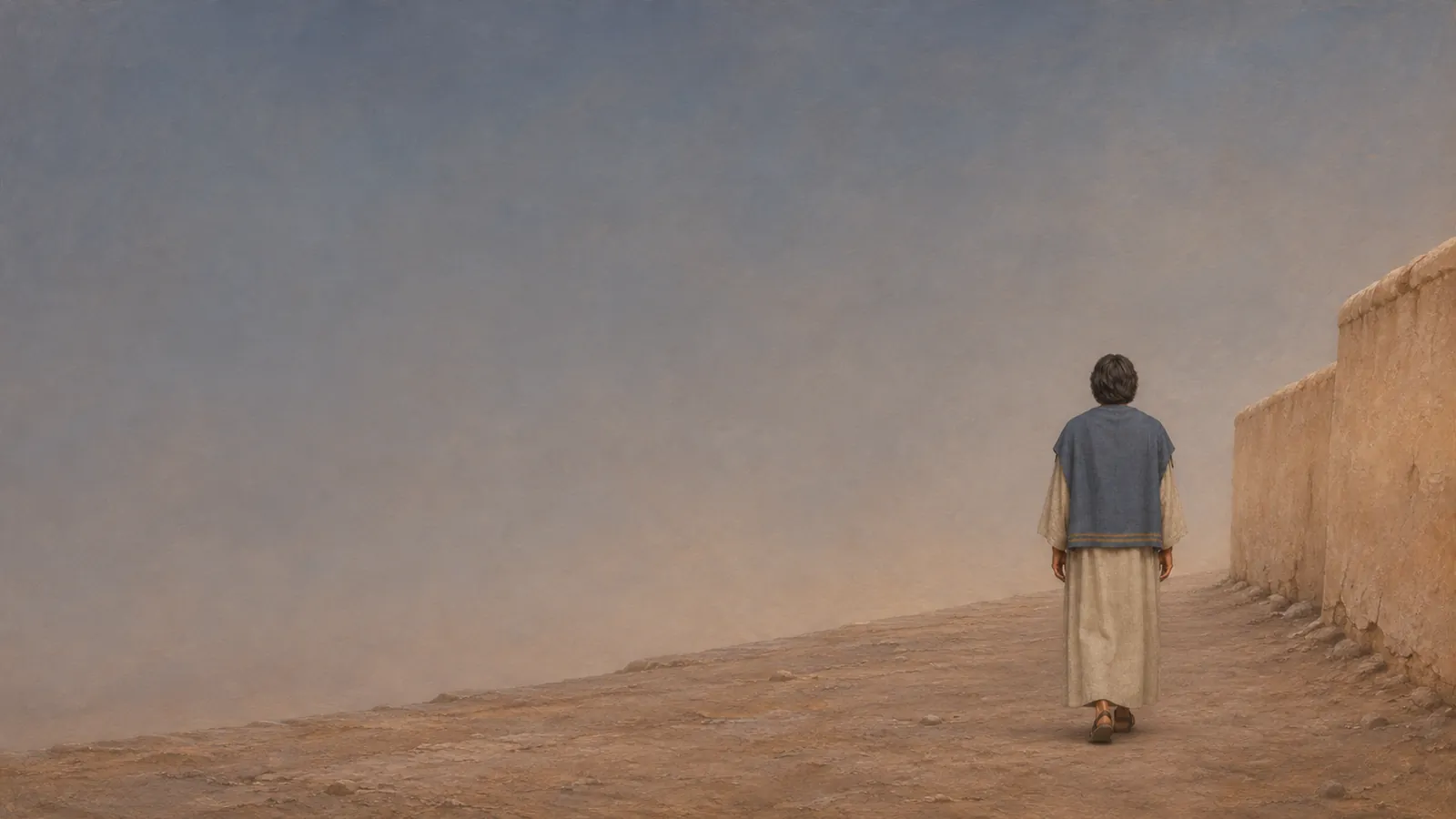
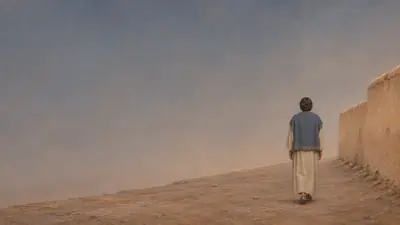
Namtar went up to the high heaven. The old text tells us where he went and leaves the way there undescribed.

When Namtar came into the court, the gods rose. Some of the words that follow are broken, though the passage seems to describe their greeting.
Here the tablet names Nergal. The words about who saw whom are open to more than one reading, and part of the scene is lost.
Only fragments of the feast survive at this point. There may be a word for food and there are words of distress, but their context is damaged.

Here several lines are badly broken or missing. The tablet leaves a gap before we hear what was said about the offence.
The name Ea can still be read in the damaged lines. There are traces of speech and movement, but much of what happened here is lost.
THE DEMAND
Ereshkigal asked for the god who had stayed seated before her messenger. She wanted him brought to her and threatened to kill him.
Namtar came before the upper gods and spoke to them. They called him toward their assembly and told him to count those who were there.
The gods told Namtar to look for the one who had failed to rise. When he found him, he was to take him to his mistress.
Namtar counted the gods in the assembly. The tablet says the last god he counted was bald and leaves the reason unstated.
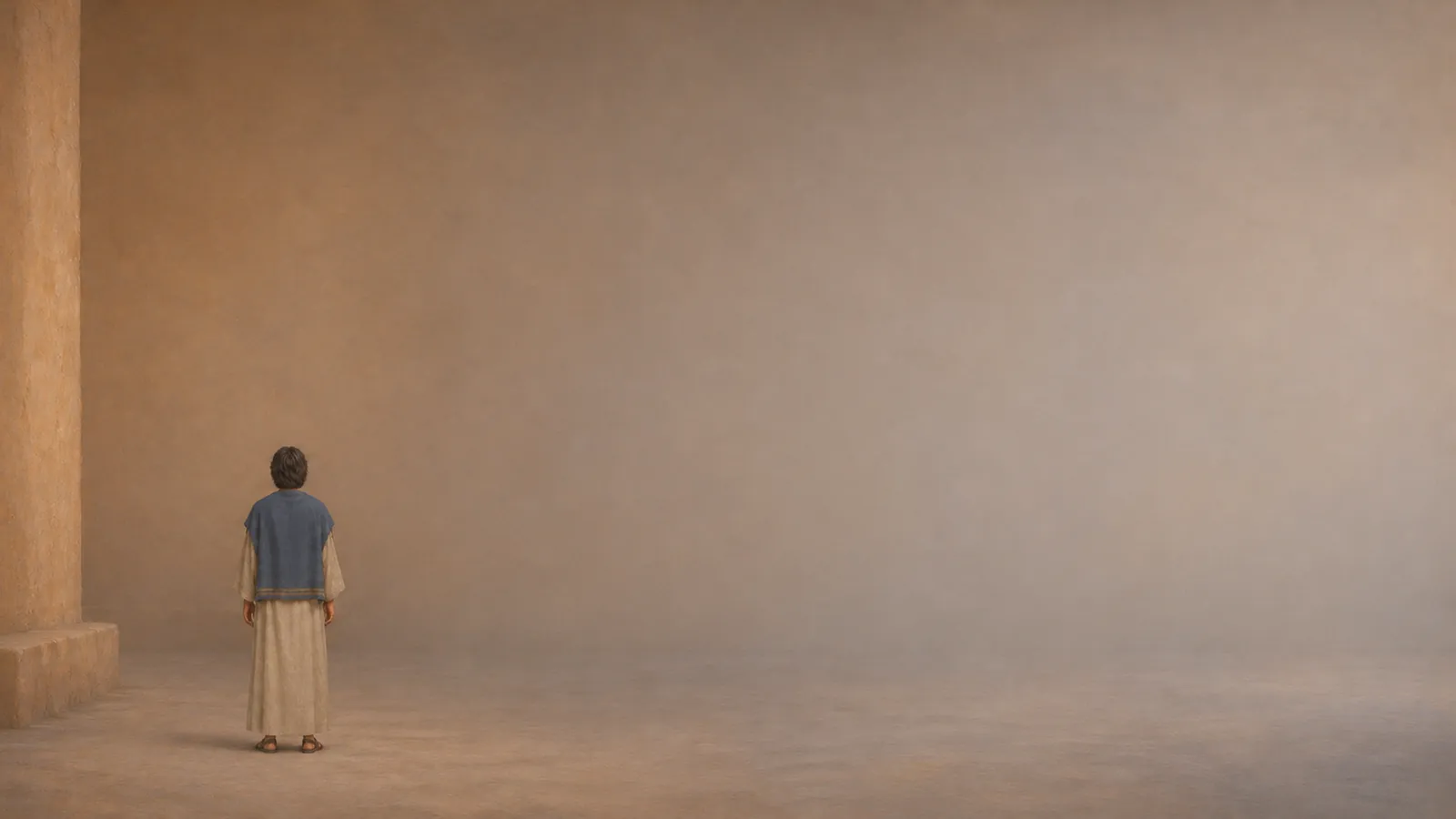
Namtar concluded that the god who had not risen before him was absent. He had looked among the assembly and could not point him out.
The damaged lines seem to repeat what Namtar had found. The god who had failed to rise was missing from the assembly he had counted.

The tablet preserves a word for her messenger and a word for a month. It gives us too little to say what took place in between.
EA’S CHAIR
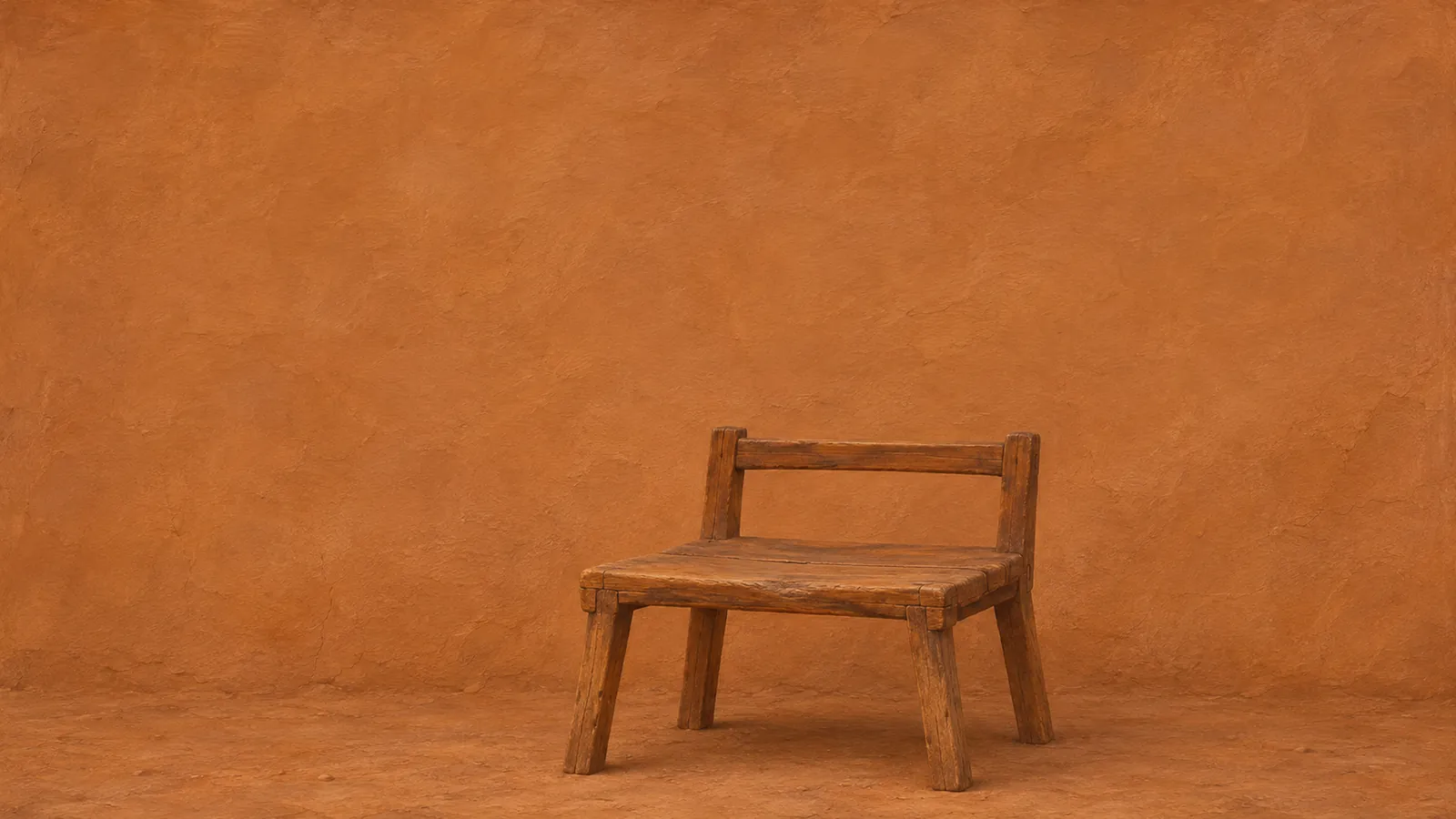
When the story becomes clearer again, Ea gives Nergal a chair. That is how Izre’el reads this part of the damaged tablet.

Ea told Nergal to take the chair to Ereshkigal. The rest of the line is damaged, and Nergal’s first response is uncertain.
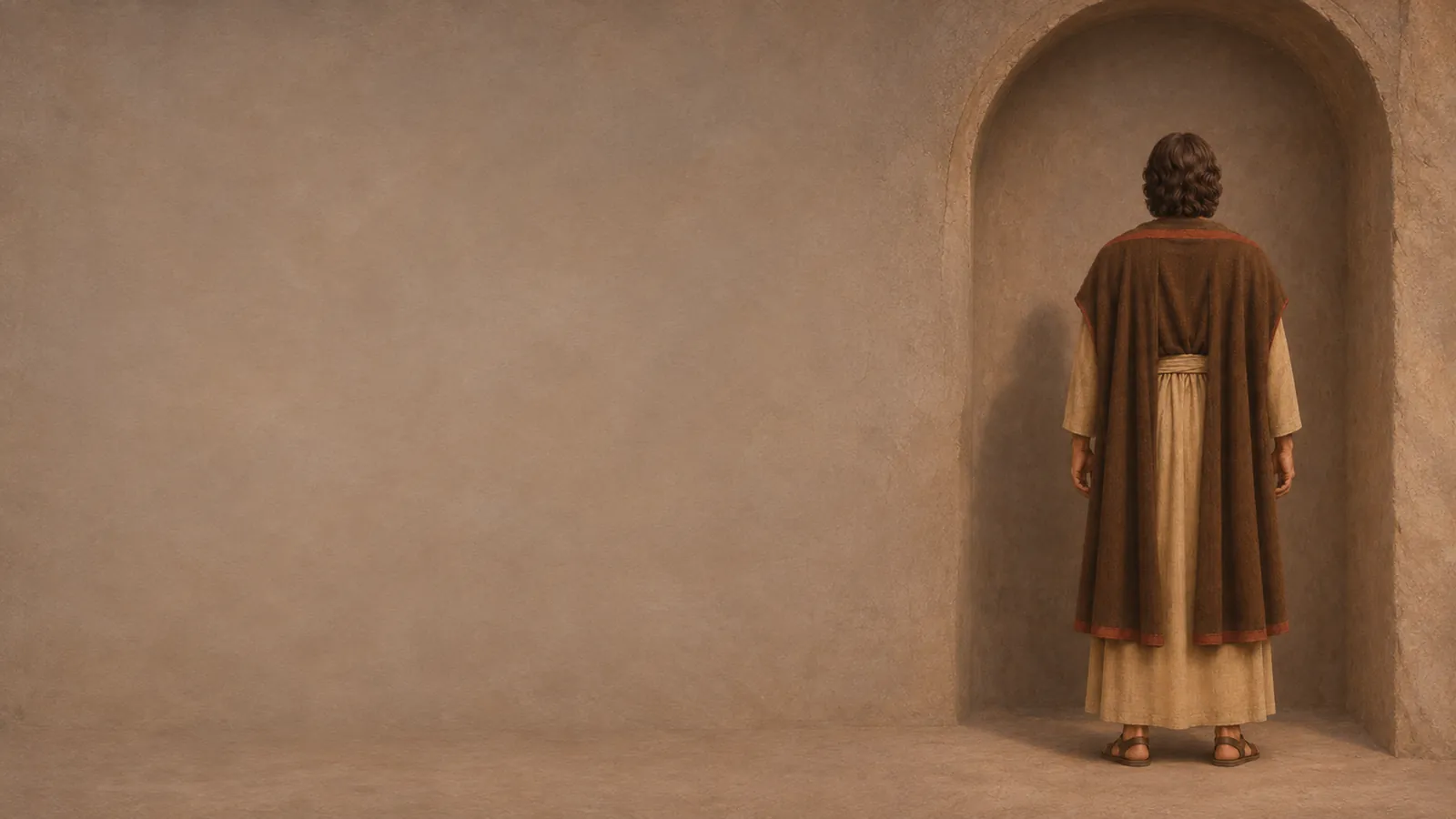
Nergal told Ea, his father, that Ereshkigal would see him. He was afraid that she would not let him leave alive.
Ea told Nergal to put aside his fear. He promised him companions for the journey, numbering seven and seven in the surviving words.
The companions’ names are damaged here. Izre’el restores much of the list from the passage where Nergal stations them at the doors.

The words that describe the journey are broken. When the account becomes clear again, Nergal is at the gate of Ereshkigal.

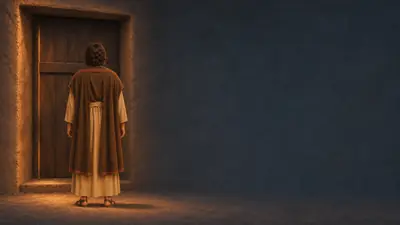
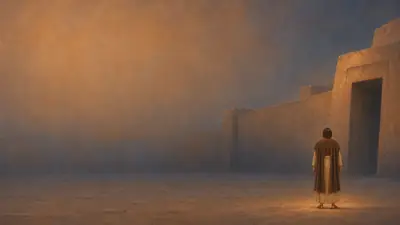
Nergal called out to the gatekeeper. He asked him to open the gate and loosen the bolts so that he could come in.
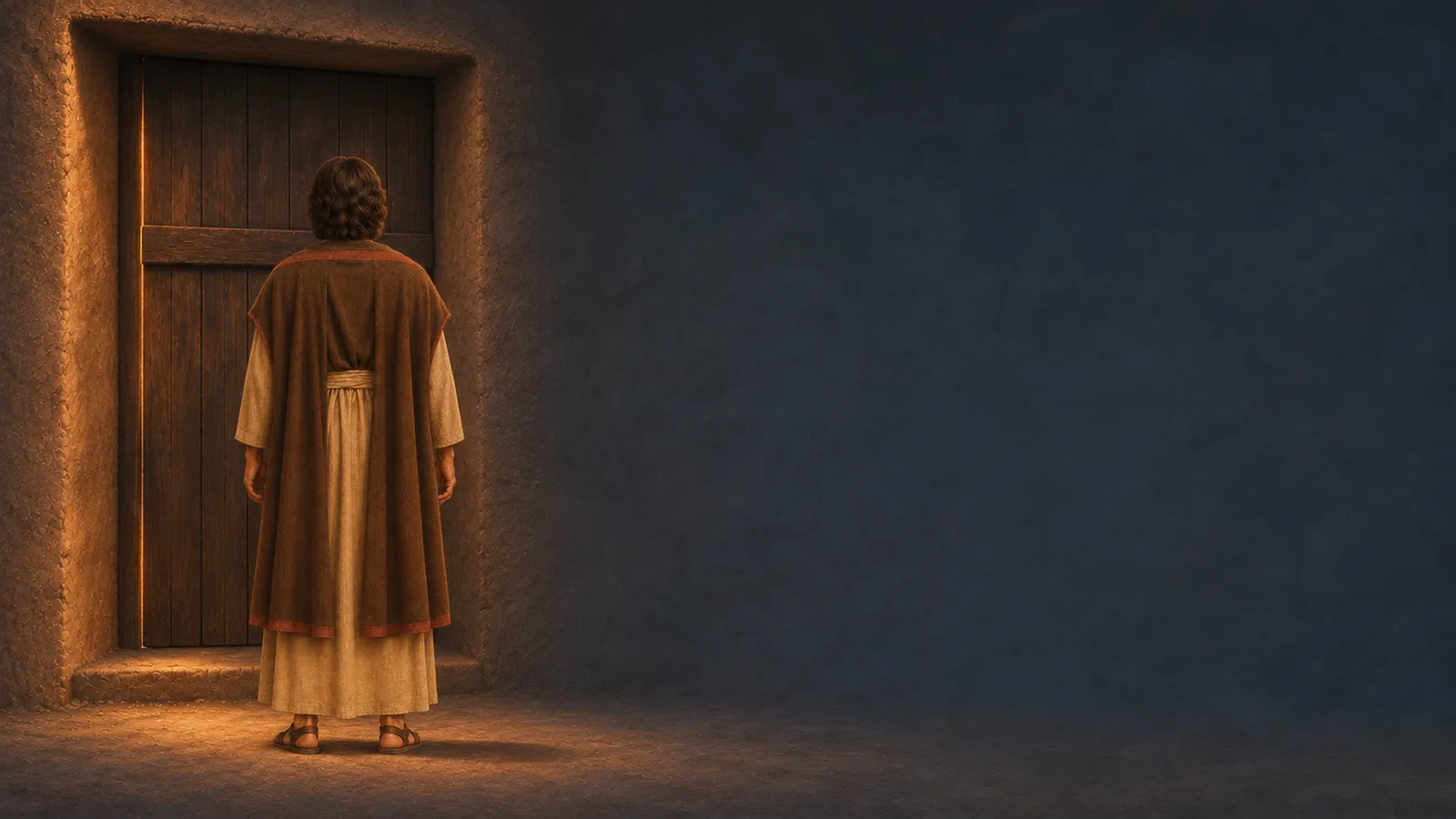
Nergal said that he had been sent to the gatekeeper’s lady, Ereshkigal. He addressed the keeper from outside the door.

The gatekeeper told Namtar that a god was standing outside. He asked Namtar to come and see who it was before admitting him.
RECOGNITION
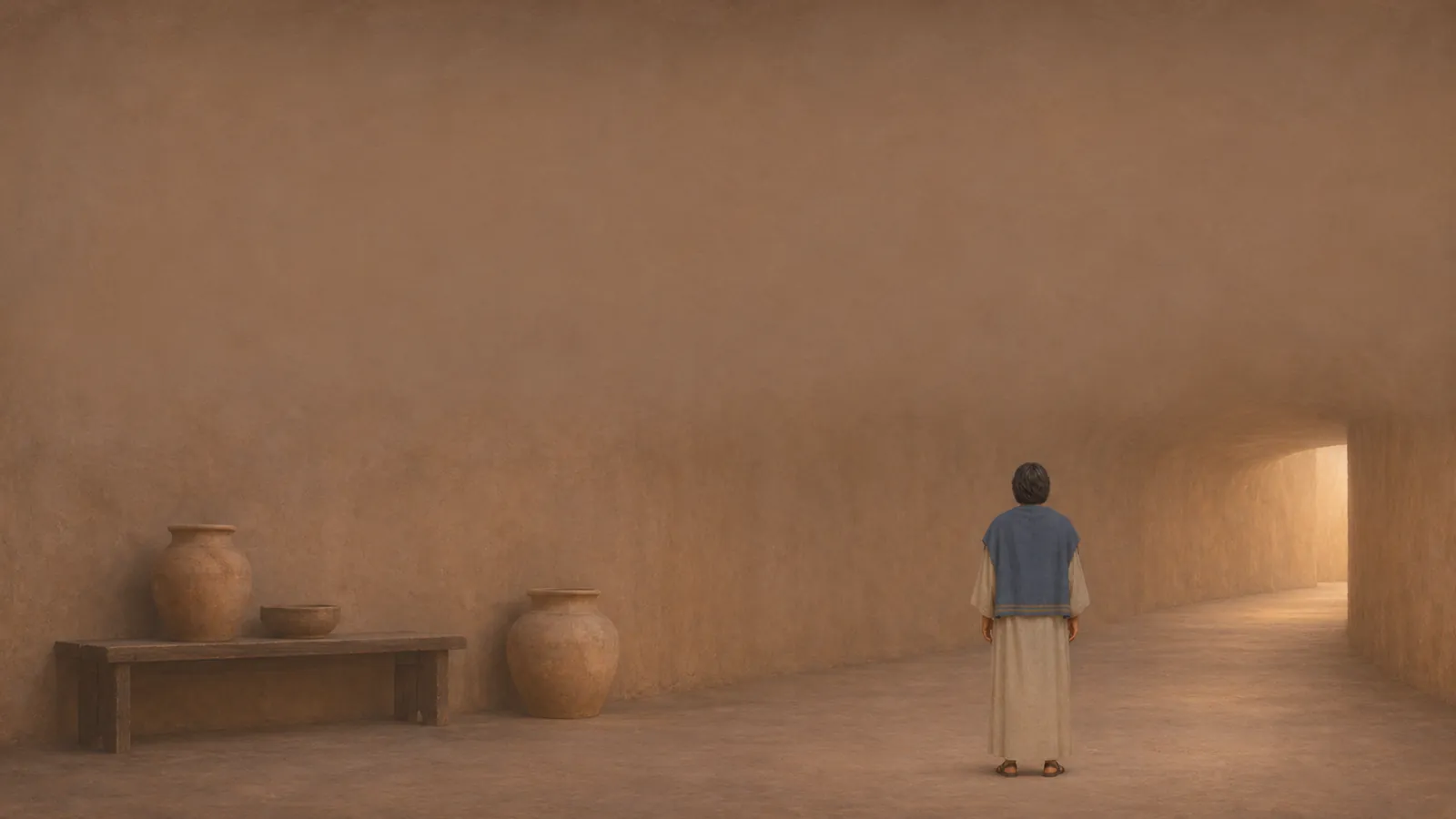
Namtar came out and saw Nergal. The tablet says he rejoiced and hurried away to report what he had seen.

Namtar told Ereshkigal that this was the god who had been missing before. This was the one who had not risen before her messenger.
Ereshkigal told Namtar to let the visitor come in. The partly restored words repeat her threat to take his life.

Namtar went back to the gate and invited Nergal inside. He told him to enter the house of his sister and receive his share.
A few words of an answer survive, and the tablet seems to give them to Nergal. Then the exchange breaks off again.

About two lines are missing before a heavily damaged line. The names at the first door positions cannot be read.

The third name survives only in part. Nergal placed Muttabriqa at the fourth position and Sharrabda at the fifth.
At the sixth position he set Rabisa, and at the seventh, Tirid. At the eighth came Idiptu, and at the ninth, Benna.
Sidana took the tenth position and Miqit the eleventh. Then the list names Bel’uri, Umma and Liba at the twelfth, thirteenth and fourteenth positions.
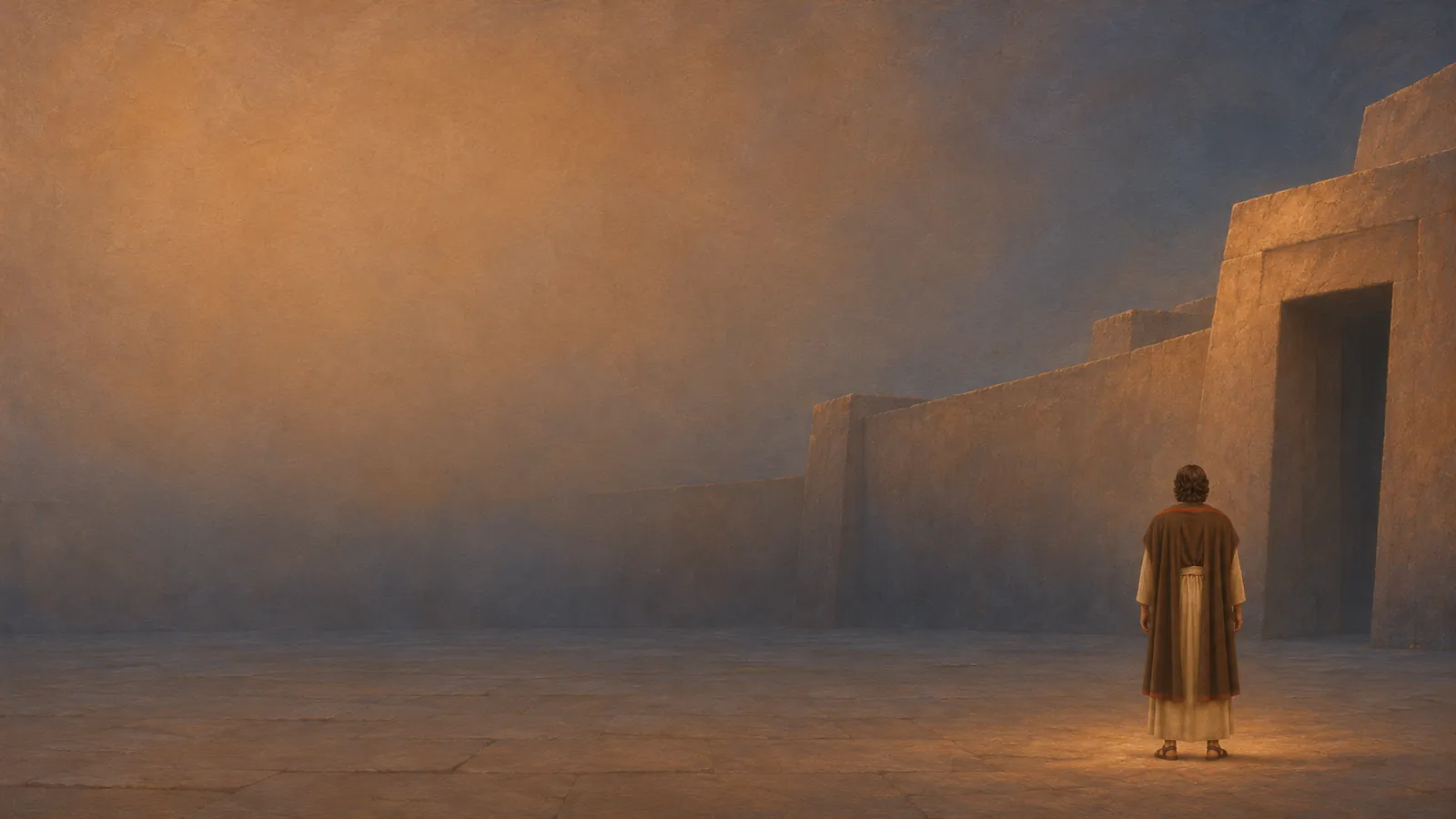
The tablet completes its list of positions. It then says, in Izre’el’s reading, that Nergal overcame his fear once he was in the courtyard.

THE GATES
Nergal called to Namtar and his troops and ordered them to open the gates. He told them he was coming toward them.
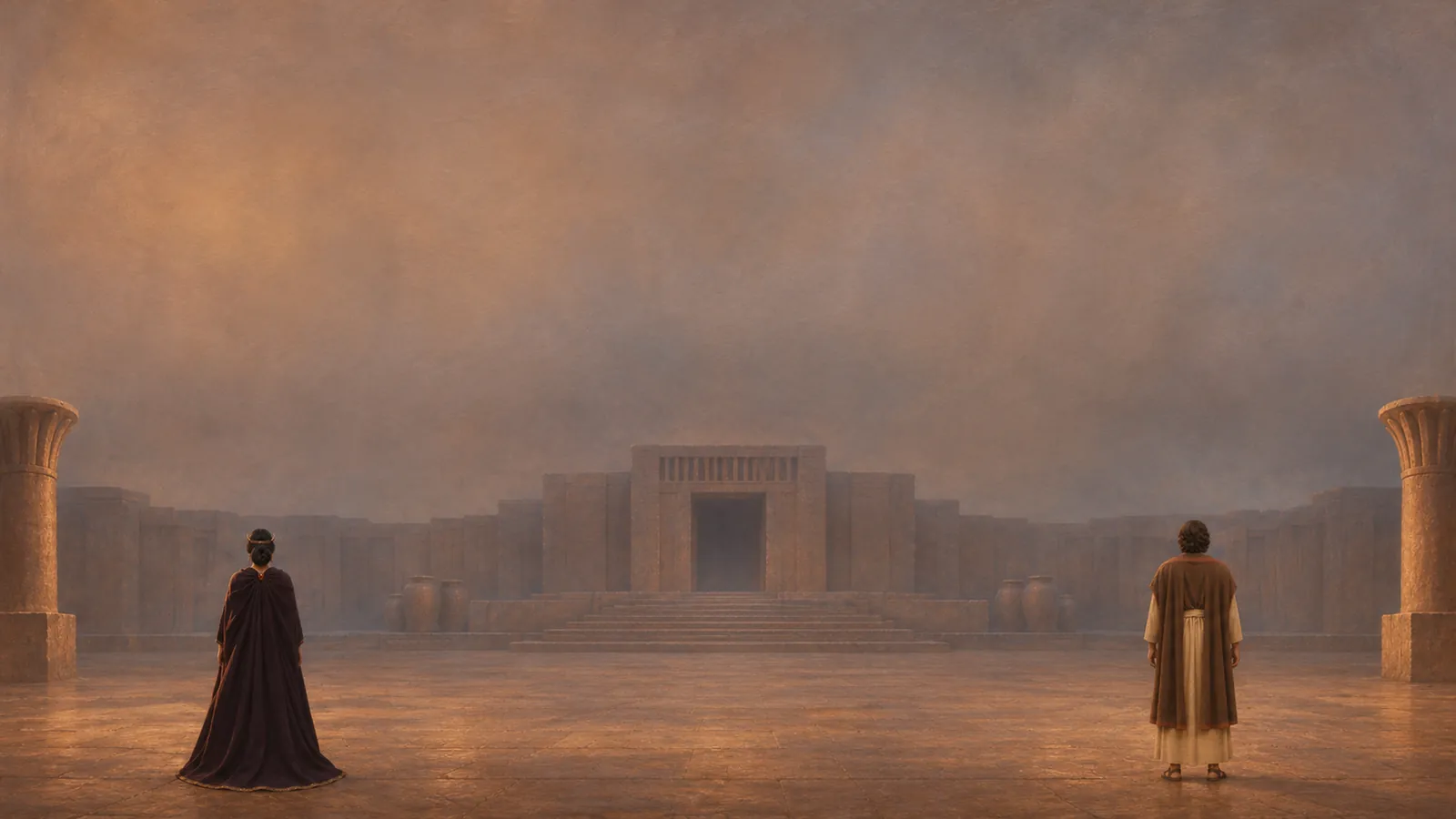
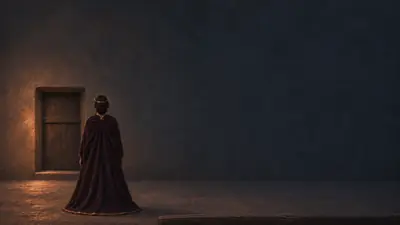
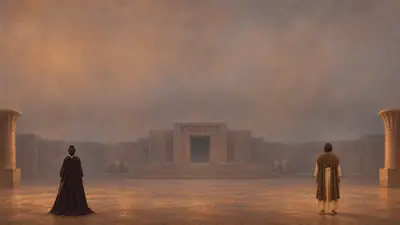
Inside the house, Nergal seized Ereshkigal by the hair and pulled her down from her throne, intending to behead her.
Ereshkigal asked Nergal to spare her and let her speak. He stopped to listen, and the queen wept.
THE OFFER
Ereshkigal made her own offer. She asked Nergal to be her husband and said she would be his wife.

Ereshkigal offered him kingship in the Netherworld and the tablet of wisdom. She would call him master, and she would remain mistress.
Nergal heard Ereshkigal’s offer. He embraced her, kissed her and wiped away her tears before the last speech.
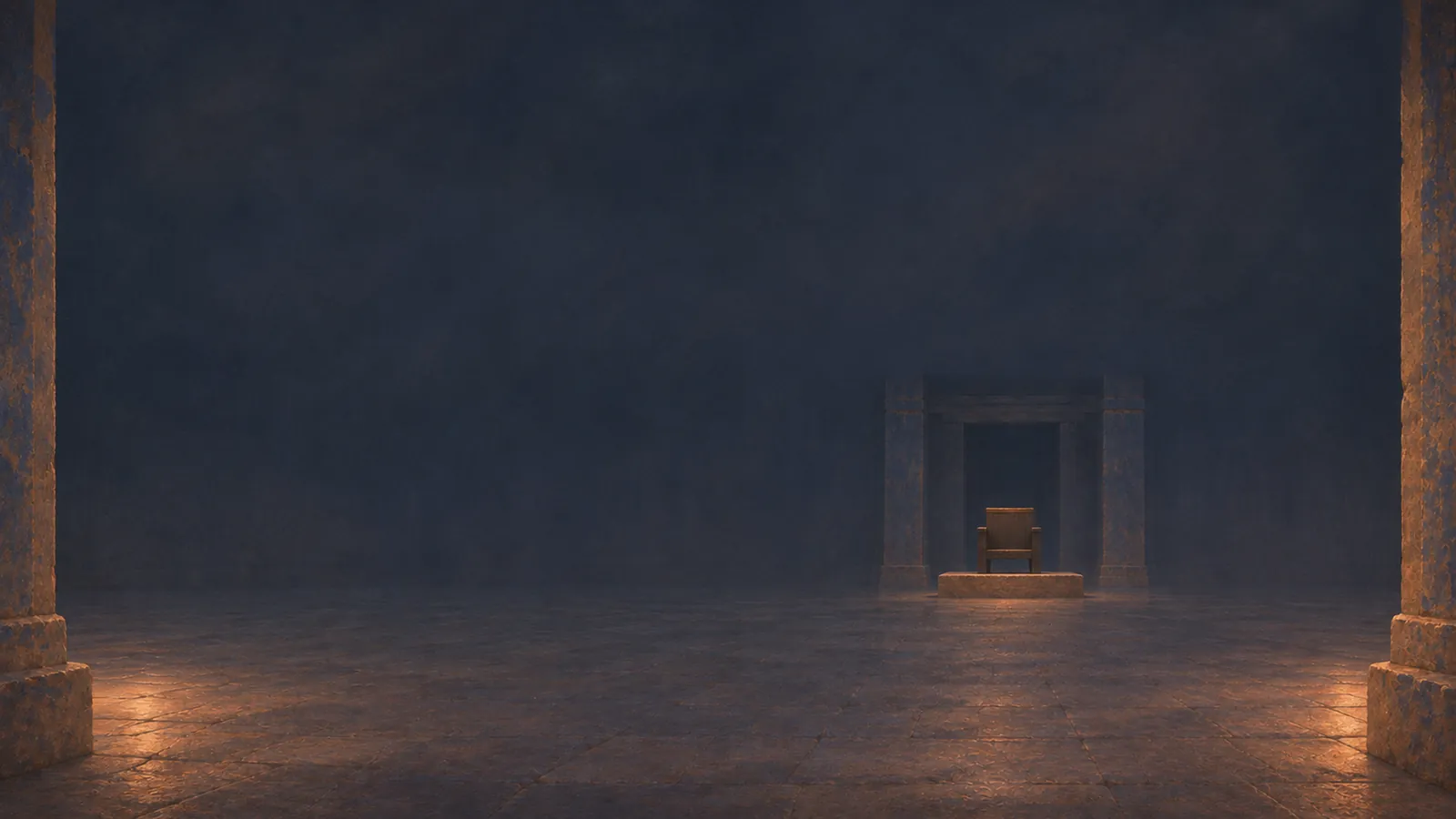
The final speech is difficult to make out. Izre’el suggests that the last line may tell the scribe where to stop.
End of chapter 1
All pages




















Sources
Editions consulted
- Izre’el, The Amarna Scholarly Tablets, EA 357 edition and translation, pp. 50–60
- CDLI, Amarna tablet EA 357, P270856
- Hebrew University SEAL, EA 357 witness record
- Gurney, edition of the Sultantepe witness
- Ponchia and Luukko, the Standard Babylonian version
- Novotny, the door counts in the Amarna and later versions
- Rozzi, Jiménez and Bennett, edition of the Babylon fragment BM 39743
- IL Archive, Ereshkigal
Ancient lines behind each page
- Page 1: EA 357 (Izre’el) 1
- Page 2: EA 357 (Izre’el) 2–3
- Page 3: EA 357 (Izre’el) 4–5
- Page 4: EA 357 (Izre’el) 6
- Page 5: EA 357 (Izre’el) 7
- Page 6: EA 357 (Izre’el) 8
- Page 7: EA 357 (Izre’el) 9–11
The entrance, standing and greeting have partly restored wording. - Page 8: EA 357 (Izre’el) 12
The subject of the verb of seeing and the object set out earlier in the line are uncertain. - Page 9: EA 357 (Izre’el) 13–15
The references to food and the subject of the distress are uncertain. - Page 10: EA 357 (Izre’el) 16–22
The seven numbered lines are very fragmentary or missing in Izre’el’s edition. - Page 11: EA 357 (Izre’el) 23–25
Ea’s name is partly preserved. - Page 12: EA 357 (Izre’el) 26–27
Parts of the demand are reconstructed from the surviving text. - Page 13: EA 357 (Izre’el) 28–29
The count command at the end of 29 is partly restored. - Page 14: EA 357 (Izre’el) 30–31
- Page 15: EA 357 (Izre’el) 32
- Page 16: EA 357 (Izre’el) 33
- Page 17: EA 357 (Izre’el) 34–38
Namtar’s movement and the details of the report are partly restored. - Page 18: EA 357 (Izre’el) 39–40
The lines preserve fragmentary words for messenger and month. The length and events of the interval remain uncertain. - Page 19: EA 357 (Izre’el) 41–42
The chair, the person giving it and the person receiving it are read with restorations in Izre’el’s edition. - Page 20: EA 357 (Izre’el) 43
Nergal’s initial reaction is uncertain. - Page 21: EA 357 (Izre’el) 44–45a
- Page 22: EA 357 (Izre’el) 45b–46
The reassurance and exact word describing the companions are partly damaged. - Page 23: EA 357 (Izre’el) 47–50
The first roster is largely restored from 68–73. - Page 24: EA 357 (Izre’el) 51
The transition to the gate is fragmentary. - Page 25: EA 357 (Izre’el) 52–53
The beginning of the call is partially restored. - Page 26: EA 357 (Izre’el) 54a
- Page 27: EA 357 (Izre’el) 54b–56
- Page 28: EA 357 (Izre’el) 57
The details of his recognition are given in the next lines. - Page 29: EA 357 (Izre’el) 58–59
Some wording about the earlier months and the missing god is restored. - Page 30: EA 357 (Izre’el) 60
The line is partly restored and the precise wording of the order is uncertain. - Page 31: EA 357 (Izre’el) 61–62
- Page 32: EA 357 (Izre’el) 63–64
Its introductory phrase and the words which follow are damaged. - Page 33: EA 357 (Izre’el) 65–67
Izre’el estimates about two missing lines. - Page 34: EA 357 (Izre’el) 68–69a
Individual positions are legible even though the physical form of the gates is debated. - Page 35: EA 357 (Izre’el) 69b–71a
- Page 36: EA 357 (Izre’el) 71b–73
- Page 37: EA 357 (Izre’el) 74
Izre’el reads a metaphor for overcoming fear. The phrase has been interpreted differently. - Page 38: EA 357 (Izre’el) 75–76
- Page 39: EA 357 (Izre’el) 77–79
- Page 40: EA 357 (Izre’el) 80–81
Izre’el takes Ereshkigal as the subject of the words about weeping. - Page 41: EA 357 (Izre’el) 82
- Page 42: EA 357 (Izre’el) 83–85a
The kingship and the tablet belong to the offer. The surviving words call Nergal master and Ereshkigal mistress. - Page 43: EA 357 (Izre’el) 85b–86
- Page 44: EA 357 (Izre’el) 87–88
Line 87 is difficult. The tablet supplies no further action.
Illustrations made with AI tools by IL Archive; the text is based on the ancient sources (see the sources at the end of each chapter).