Study
Returning from the Underworld and Resurrection: What Resembles What?
An extended study of a topic, with evidence and references.
From Inanna and Alcestis to Daniel, Paul, and the Qur’an: distinguishing descent, rescue, apotheosis, and resurrection, with precise three-day sequences and transmission limits.
Estimated reading time: 9 min Published Last reviewed:
Share article
Text
Introduction
Do InannaInanna / IshtarA prominent Mesopotamian goddess whose Sumerian name Inanna became associated with Akkadian Ishtar across diverse traditions. She was associated with desire, war, royal authority and Venus, while local forms and genealogies varied among texts.Glossary · Click to read the explanation’s return from the underworld, AlcestisAlcestis in Euripides’ playA Greek narrative figure who accepts death for her husband Admetus and returns at the end of Euripides’ play, performed in 438 BCE.Glossary · Click to read the explanation’s rescue from death, and resurrection in Jewish and Christian texts and the Qur’anThe QuranThe central scripture of Islam, consisting of 114 Arabic surahs; its study distinguishes Quranic discourse from manuscript history, reading traditions, and historical inference.Glossary · Click to read the explanation express the same idea? This study compares what happens in each account, the age of its witnesses, and possible contact between its settings. Its purpose is to understand the similarities and differences, then assess the historical connections they can support.
We begin with a Sumerian composition preserved in Old Babylonian copies, then a play performed in AthensAthensAthens is a Greek city renowned in antiquity for philosophy, arts and political institutions, preserving the Acropolis and monuments from several periods.Glossary · Click to read the explanation in 438 BCE, before turning to Daniel’s vision, PaulPaul the ApostlePaul was a first-century CE Christian letter writer whose letters preserve early Christian formulations.Glossary · Click to read the explanation’s letter, and the Qur’an. These sources differ in date and genre: a story about a goddess, drama about a household, and texts describing the future of the dead. The sequence helps distinguish a return to a previous life from acquiring divine status or anticipating a world in which death ends. [1][2][4][5][7][10]
Who returned, and to what life?
Inanna, a goddess in MesopotamianMesopotamiaHistorical region associated with the Tigris and Euphrates: Uruk, Ur, Eridu, cuneiform, Sumer, Akkad, Babylon and Assyria, their languages and cults, and the limits of archaeological evidence.Glossary · Click to read the explanation traditions, dies and is restored to life; leaving the underworld then requires a substitute. Alcestis, the woman in the Greek play, dies for her husband and is brought home by a hero. Resurrection in the passages discussed below also concerns humanity’s future, judgment, or transformation. These scenes share a crossing of death’s boundary, while the returning figure and the outcome differ.
Descent to the underworld is called katabasisKatabasis: descent to the underworldGreek for descent; in literary criticism, a purposeful journey to the realm of the dead, distinct from necromancy and resurrection.Glossary · Click to read the explanation. A living being can undertake it, so visiting does not itself mean dying. ApotheosisApotheosis: acquiring divine statusAttribution of divine standing to a hero, person or ruler in narrative, worship or official recognition; distinct from mere immortality, hero cult or return to life.Glossary · Click to read the explanation grants divine status; eschatological resurrection here means the dead rising in an end-time setting. These are tools for comparison, and a narrative can include more than one such action.
Michael LloydMichael Lloyd, scholar of Greek literatureA scholar of Greek literature affiliated with University College Dublin; his 2025 article examines death, return to life, and dramatic construction in Euripides’ Alcestis.Glossary · Click to read the explanation, a scholar of Greek literature, studies Alcestis’s return with this distinction between a living traveler and someone rescued after death. He asks how the Greek dramatist EuripidesEuripidesFifth-century BCE Greek tragedian, died 406 BCE. In his Iphigenia among the Taurians, the heroine recounts a deer substituted for her.Glossary · Click to read the explanation makes the event convincing on stage while repeatedly affirming death’s inevitability. [3]
Inanna: death, revival, and the price of leaving
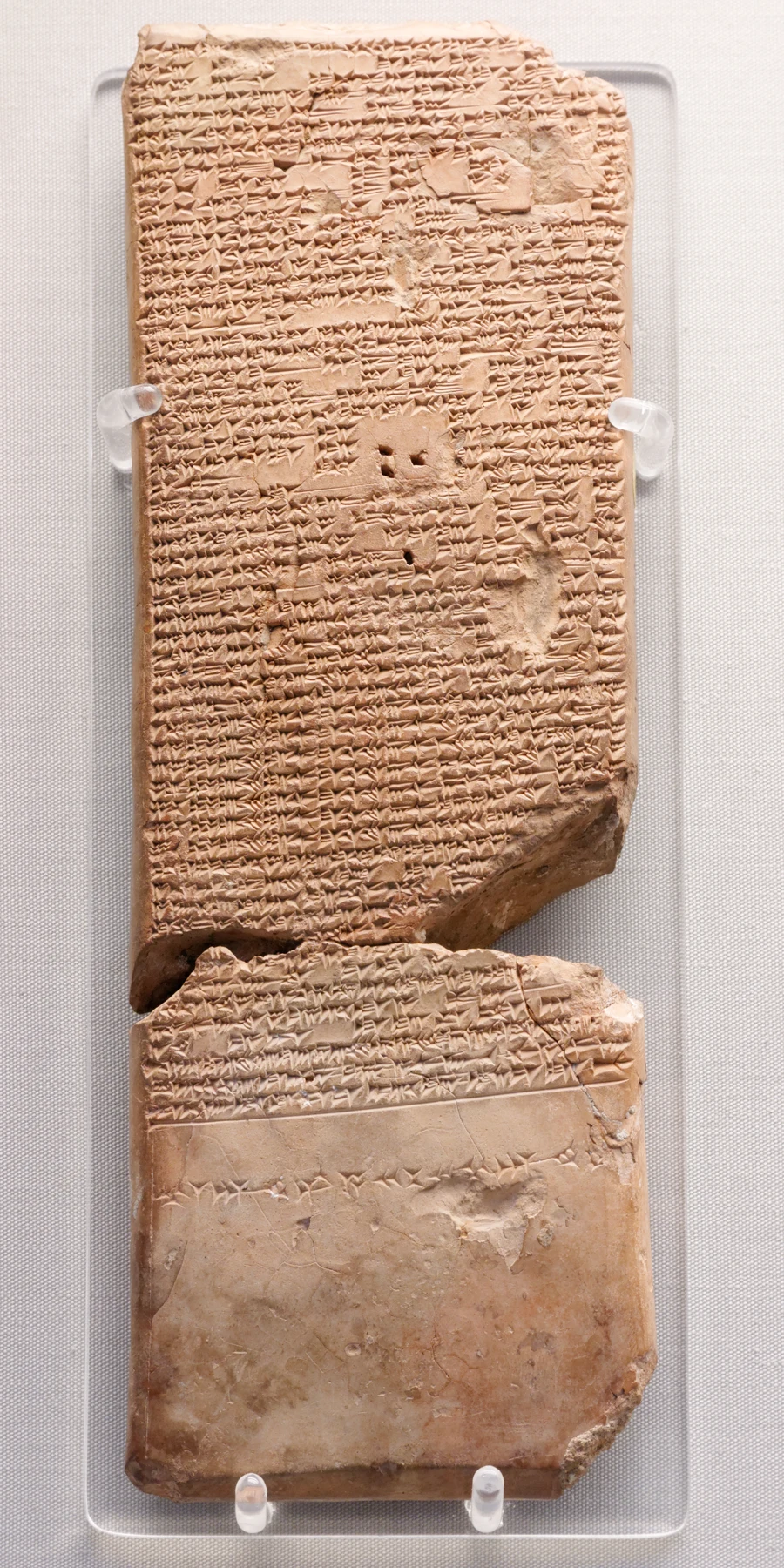
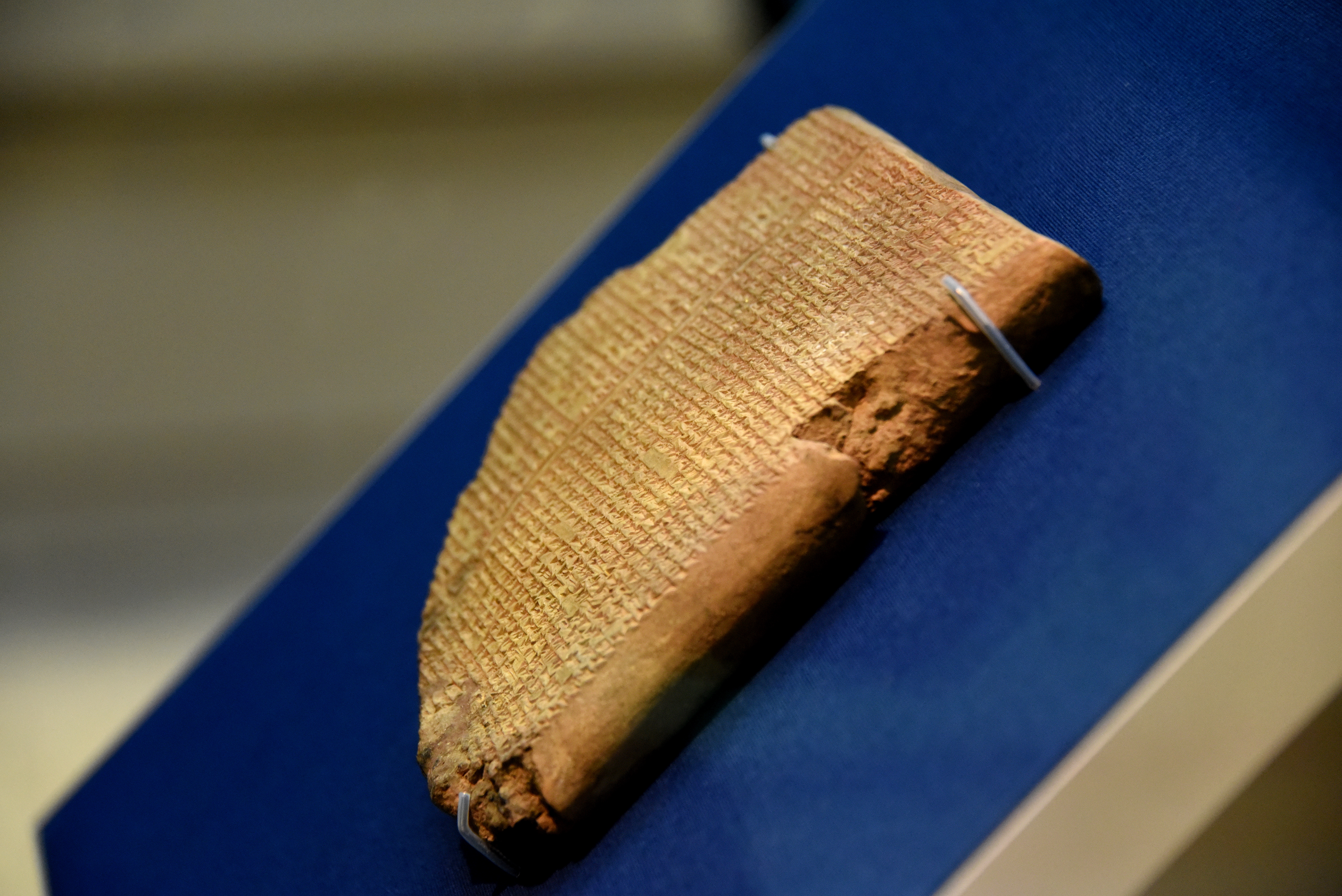
In Inanna’s Descent to the Netherworld, the goddess is turned into a corpse and hung on a hook. After three days and nights, NinshuburNinshubur: Divine Messenger of Inanna and AnMesopotamian divine messenger and intermediary associated with Inanna in Sumerian narratives and with An in inscriptions and hymns; identity and gender vary by context and must not be equated automatically with Papsukkal.Glossary · Click to read the explanation, her attendant and minister, follows her instructions and seeks help. Assistance eventually arrives: the life-giving plant and water are sprinkled on the corpse, and Inanna rises. Alongside descent, the text explicitly describes death and revival. [1]
Revival alone does not settle her departure. As Inanna prepares to ascend, the underworld’s judges demand a substitute. The ending divides residence between DumuziDumuzi / TammuzDumuzi is a deity of ancient Mesopotamian traditions associated with shepherding and Inanna; Tammuz appears as the name in later linguistic and textual traditions.Glossary · Click to read the explanation and his sister, half a year each. The annual alternation concerns these two figures; Inanna’s rescue and the demand for a substitute belong to earlier stages of the narrative. [1]
The three days mark the beginning of the appeal for help, rather than a stated deadline for completing the rescue. This matters for comparison, as does acknowledging that Inanna really is restored to life: resemblance and the sequence of actions both belong in the account.
Oxford’s translation is composite, combining witnesses with gaps and alternative readings. One British Museum witness is assigned to the Old Babylonian period, in the early second millennium BCE. That situates the surviving copies, separately from the first composition or the story’s oral beginnings. [1][10]
Annual return and ritual
The half-year arrangement invites investigation of absence, return, and ritualRitualAn organised or distinguished practice meaningful to a community; it may leave traces, but its form alone does not reveal an associated doctrine.Glossary · Click to read the explanation time. An agreement between narrative figures, however, differs from instructions for a festival; it does not by itself show that all the story’s events were annually reenacted in one rite.
We therefore distinguish restoring someone to life, alternating residence, and welcoming a divine presence in a festival. These actions may connect within a tradition, with their historical relationship assessed through evidence. Dumuzi and Adonis examines further texts about return and celebration; the focus here remains Inanna, Alcestis, and eschatological resurrection.
Alcestis: her husband’s life and survival’s cost
Euripides, the fifth-century BCE Greek dramatist, wrote Alcestis, performed in Athens in 438 BCE. The story allows AdmetusAdmetus in AlcestisAlcestis’s husband in Greek narrative, allowed to escape death if another person dies for him; his wife accepts the exchange.Glossary · Click to read the explanation to escape his appointed death if someone dies in his place. His wife Alcestis accepts what others refused. During her death scene she addresses her husband and children, asking him not to marry a woman who would harm them. [2][3]
The exchange becomes tangible within the household: the husband survives, but his remaining life is filled with grief. The dialogue announces Alcestis’s departure at the end of the death scene. Later HeraclesHeracles, Greek heroA hero of Greek traditions, also known as Hercules; rescues Alcestis in Euripides’ play, while other witnesses depict his apotheosis.Glossary · Click to read the explanation, the Greek hero and Admetus’s guest, brings back a woman whom the husband recognizes as the wife he buried. [2]
This permits comparison of self-sacrifice and rescue through another person across traditions. Such comparison becomes clearer by identifying the initiator, the exchange’s purpose and authority, and who benefits. Saving someone’s life does not by itself settle the meaning of redemption in every later text.
The fight beside the tomb and the alternative plan
Learning what happened, Heracles decides to ambush Death beside the tomb and hold him until he releases the woman. He also proposes an alternative: if Death is absent, he will approach PersephonePersephonePersephone is a Greek goddess associated with the underworld and a participant in one account of Adonis’s childhood.Glossary · Click to read the explanation and the underworld’s king and ask them to restore Alcestis. [2]
In the final dialogue, Admetus asks where he fought Death. Heracles answers that he caught him beside the tomb. This specifies the action reported by the play; descending to request her from the underworld’s rulers remains the alternative plan.
Lloyd sees the text using the tension between two images: death as a journey elsewhere and Death as a figure who can be wrestled. He also examines Alcestis’s position between life and death during her dying scene and silent return. This is a literary reading of the play’s construction alongside its dialogue, rather than a single belief shared by all Greeks. [3]
Three days: where the number belongs
Alcestis stands silent after her return. Heracles explains that speech awaits purification from the gods below and the arrival of the third day. This interval follows her restored appearance on stage; it does not specify a period spent dead before he brings her back. [2]
For Inanna, the three days precede the appeal for rescue. In 1 Corinthians 15:3–4, Paul describes Christ’sJesus ChristJesus Christ is Christianity’s central figure, who lived in the first century CEGlossary · Click to read the explanation death, burial, and resurrection on the third day according to the scriptures. A similar number appears in all three sources, but it marks different actions and occupies different positions relative to return. [1][5]
Numerical resemblance can contribute to a comparative argument, assessed with narrative structure, chronology, and the circumstances of circulation. A specific borrowing claim must explain these elements together, including the different timing within each scene.
Daniel: differing destinies at awakening
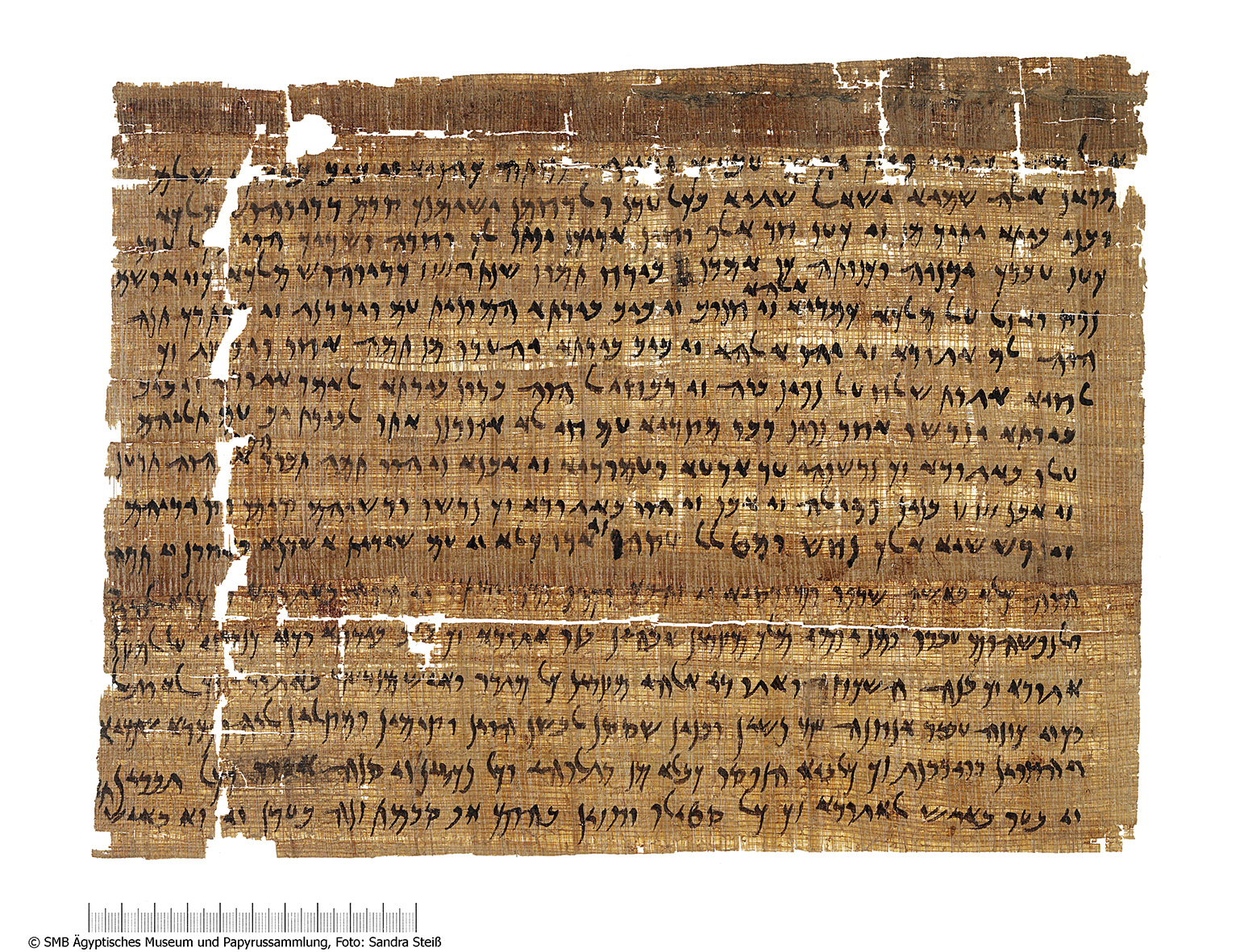
Daniel 12:1–3 describes distress and deliverance, followed by many sleepers in the earth’s dust awakening: some to everlasting life and others to disgrace. The wise shine like stars. Human return here reaches beyond rescuing one individual to a household. [4]
In Christine Hayes’sChristine HayesChristine Hayes studies Jewish history, rabbinic literature and interpretation of the Hebrew Bible.Glossary · Click to read the explanation reading, this part of the book belongs to the persecution of Jews under the Seleucid king Antiochus IVAntiochus IV EpiphanesAntiochus IV Epiphanes was a Seleucid king who ruled from175 to164 BCE.Glossary · Click to read the explanation, around 167–164 BCE. This distinguishes the visions’ composition from the older setting in which the story places DanielDaniel in the biblical bookDaniel is the Jewish sage and visionary in the biblical book bearing his name.Glossary · Click to read the explanation. [11]
The word “many” and the differing outcomes are part of the passage itself. The scope of resurrection and its later interpretations form a larger question; we retain the verses’ wording before tracing that history.
Paul: from Christ’s resurrection to death’s end
Paul, a first-century CE Christian writer, addresses a community in Greek CorinthAncient CorinthCorinth was an ancient Greek city with a strategic position between central Greece and the Peloponnese.Glossary · Click to read the explanation. Chapter 15 of his first letter connects Christ’s resurrection with that of the dead: Christ is the firstfruits, the first portion of a harvest, then those who belong to him rise at his coming; death is the last enemy abolished. [5]
In the second half he asks what body rises and uses sowing to explain the change from corruption to incorruptibility. At the last trumpet the dead rise and the living are transformed. Verse 44’s “spiritual body” places transformation within a discussion of embodiment; understanding it requires the argument’s context rather than reducing it to a soul separated from a body.
Yale’s study guide presents alternative reconstructions of the audience’s position: denying life after death, imagining the soul’s survival, or treating resurrection as already present. Against these possibilities it emphasizes futurity and transformation in the letter’s argument. [6]
The difference from Alcestis also concerns the outcome’s scope: the play restores a woman to her family, while the letter describes a future ending death’s rule. We examine the meanings presented by the texts, leaving the occurrence of a miracle itself outside this historical comparison’s verdict.
The Qur’an: rising, judgment, and deeds
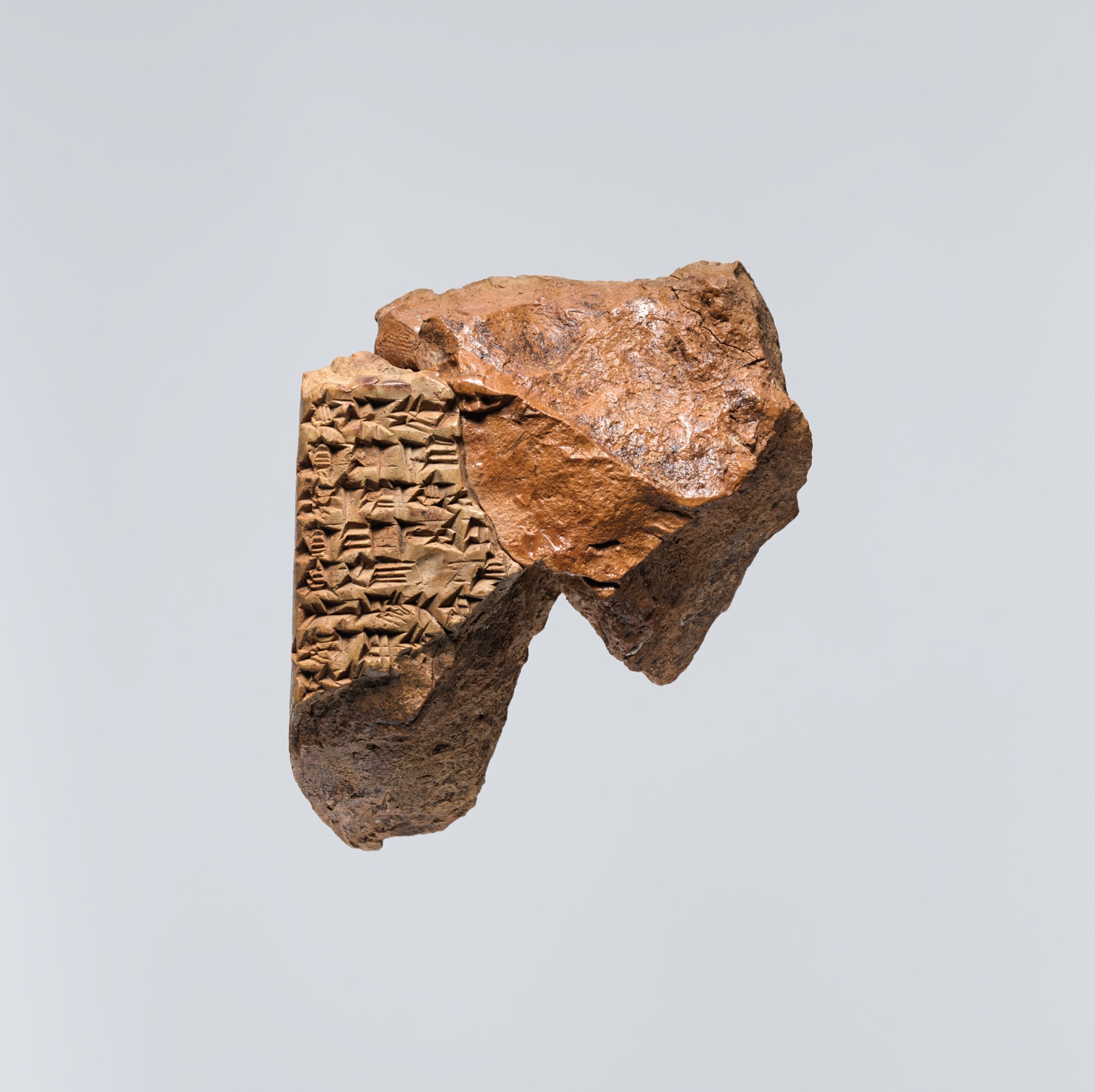
In the Qur’an, the Islamic religious text of the seventh century CE, al-Zumar 39:68–70 connects the second trumpet blast with the dead rising. The record, prophets, witnesses, judgment in truth, and each soul’s recompense for its deeds follow. Verse 68 retains an exception for those God wills in describing the first blast. [7]
Humans, their deeds, and divine judgment occupy the scene’s center. These verses share an eschatological horizon with Jewish and Christian texts while presenting their own sequence and expression. Identifying historical connections requires comparison with relevant texts and settings of reception; three verses alone do not establish a route from the Sumerian poem or Greek play.
The cover: when a hero becomes divine
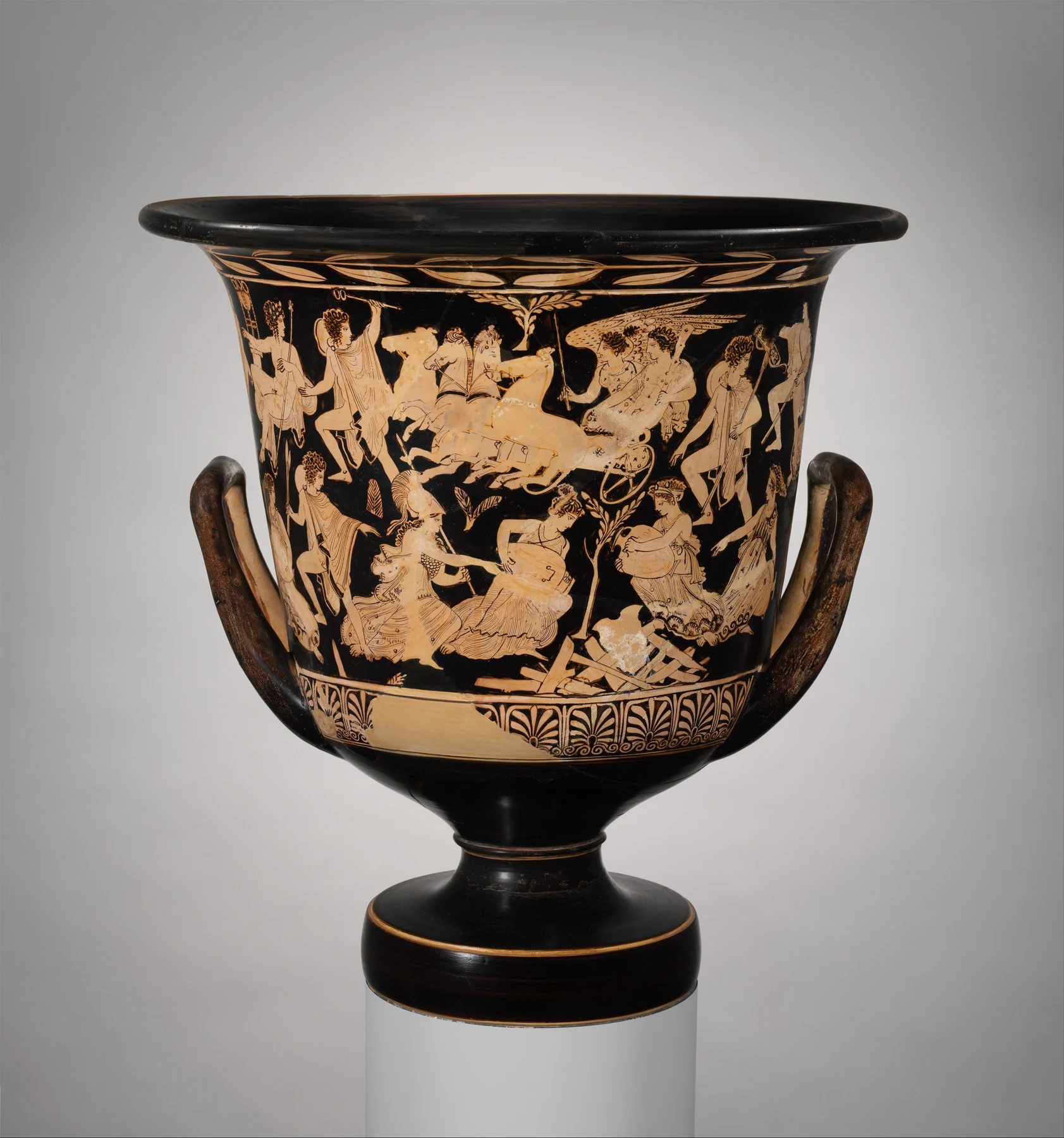
The Attic vase on the cover dates to the fourth century BCE. The Metropolitan Museum identifies its scene as Heracles’s death and apotheosis: he appears in a chariot heading toward OlympusMount OlympusMountain in northern Greece associated in ancient traditions with the divine community’s dwelling.Glossary · Click to read the explanation, the gods’ home in Greek imagination. It depicts apotheosis, a different event from Alcestis’s rescue. [8]
The object illustrates another way of crossing death’s boundary: a hero’s acquisition of divine status. Its production date witnesses this Greek representation, while the play’s date and its relationship to later texts remain separate questions.
Weighing historical connections
The Mediterranean connected GreeksAncient Greek worldGreek-speaking communities and cities around the Aegean and beyond, extending across the borders of modern Greece.Glossary · Click to read the explanation, PhoeniciansPhoeniciansCommunities of Levantine coastal cities known for Mediterranean contact during the first millennium BCE.Glossary · Click to read the explanation, and others. A Metropolitan Museum essay describes trading centers spread across this region by the late eighth century BCE. This setting makes the movement of stories and ideas worth investigating, without itself identifying which story circulated. [9]
A transmission hypothesis is assessed through converging evidence: suitable chronology, distinctive shared details, contact settings, and intelligible changes between texts. Evidence for intermediaries can help when available, without making a named carrier or a surviving manuscript at every step a universal requirement. Shared traditionShared traditionAn explanatory model in which several texts draw on circulating stories or imagery; it proves neither direct copying nor a particular lost original on its own.Glossary · Click to read the explanation and independent developmentIndependent developmentSimilar narrative or cultural elements arising in different settings without historical transmission of the specific feature between them; a testable explanation, not a default assumption when records of borrowing are absent.Glossary · Click to read the explanation remain alternatives to weigh.
These witnesses establish the antiquity of some forms of death and return and show their differing functions. Inanna dies, is revived, and bears the price of departure; Alcestis is restored to her household; Daniel, Paul, and the Qur’an describe scenes concerning the dead and a future beyond present life. The comparison presented does not establish that a later text derives directly from Inanna or Alcestis.
Resemblance becomes more informative when we know who died, who intervened, to what life someone returned, and whether death remained. These questions turn broad similarity into historical inquiry whose evidence and conclusions can be tested.
Further reading: Inanna’s and Ishtar’s descent; The quest for immortality; Judaism between exile and Christianity; Similarity does not establish borrowing.
References and notes (11)
- Oxford’s composite translation of the Sumerian descent: death, revival, the substitute, and the half-year settlement. ETCSL 1.4.1, lines 164–175, 217–294, 404–412. Return to the text ↑
- Euripides, Alcestis; historical translation by E. P. Coleridge, 1906 printing. The dialogue distinguishes the alternative descent from the tomb-side fight and places purification after return. Prologue 1–27; death scene 244–392; rescue plan 837–860; recognition and ending 1118–1163. Return to the text ↑
- Michael Lloyd, “Death, Resurrection, and Realism in Euripides’ Alcestis” (2025): literary analysis of personified Death, journey imagery, and Alcestis’s transitional status. Greece & Rome 72(1), pp.109–125; DOI: 10.1017/S 0017383524000214. Return to the text ↑
- Daniel, Hebrew with facing English: “many,” differing destinies, and the wise shining. Daniel 12:1–3. Return to the text ↑
- Paul’s First Letter to the Corinthians, chapter 15, historical King James Version: third day, firstfruits, transformation, and death’s end. 1 Corinthians 15:1–58, especially 3–4, 20–28, 35–54. Return to the text ↑
- Yale Bible Study guide on resurrection in First Corinthians: alternative reconstructions of the audience’s position, futurity, and bodily transformation. The Meaning of Resurrection – Study Guide, on chapter 15. Return to the text ↑
- Qur’an, al-Zumar: Arabic verses and displayed English translation; the two blasts, exception, rising, judgment, and deeds. Al-Zumar 39:68–70. Return to the text ↑
- Metropolitan Museum, vase 52.11.18: the museum identifies the scene as Heracles’s death and apotheosis; its image is public domain. Attic red-figure calyx-krater, fourth century BCE; object 254710. Return to the text ↑
- Department of Ancient Near Eastern Art, Met, “The Phoenicians (1500–300 B.C.)” (2004): trading contact context, rather than evidence identifying this story’s transmission. Paragraph on Mediterranean trading posts by the late eighth century BCE. Return to the text ↑
- British Museum fragment 1889,1014.641, Sumerian descent, catalogued as Old Babylonian. The indexed identification documented during preparation is retained; the direct page was unavailable during this revision. Fragment identification and period, not a date for the story’s oral beginnings. Return to the text ↑
- Christine Hayes, Yale lecture on Daniel and apocalyptic literature: distinguishes the book’s layers and dates its visions to the crisis of 167–164 BCE. Lecture 23, discussion of chapters 7–12 and AntiochusIV. Return to the text ↑
Suggest a correction · Suggest a source for this record
Cite this record
IL Archive, «Returning from the Underworld and Resurrection: What Resembles What?», https://ilarchive.com/en/studies/underworld-journeys-and-resurrection
Continue reading
Related readings