Study
The Tree of Life and Gilgamesh’s Plant: Did Genesis Borrow the Serpent Story?
An extended study of a topic, with evidence and references.
- Region
- The Near East
Serpent, vegetation and lost life in Gilgamesh, Genesis and the Qur’an: youth and immortality, Levantine witnesses and the possibility of literary reworking.
Estimated reading time: 7 min Published Last reviewed:
Share article
Video
The Epic of Gilgamesh: The Complete Story from the Ancient Tablets
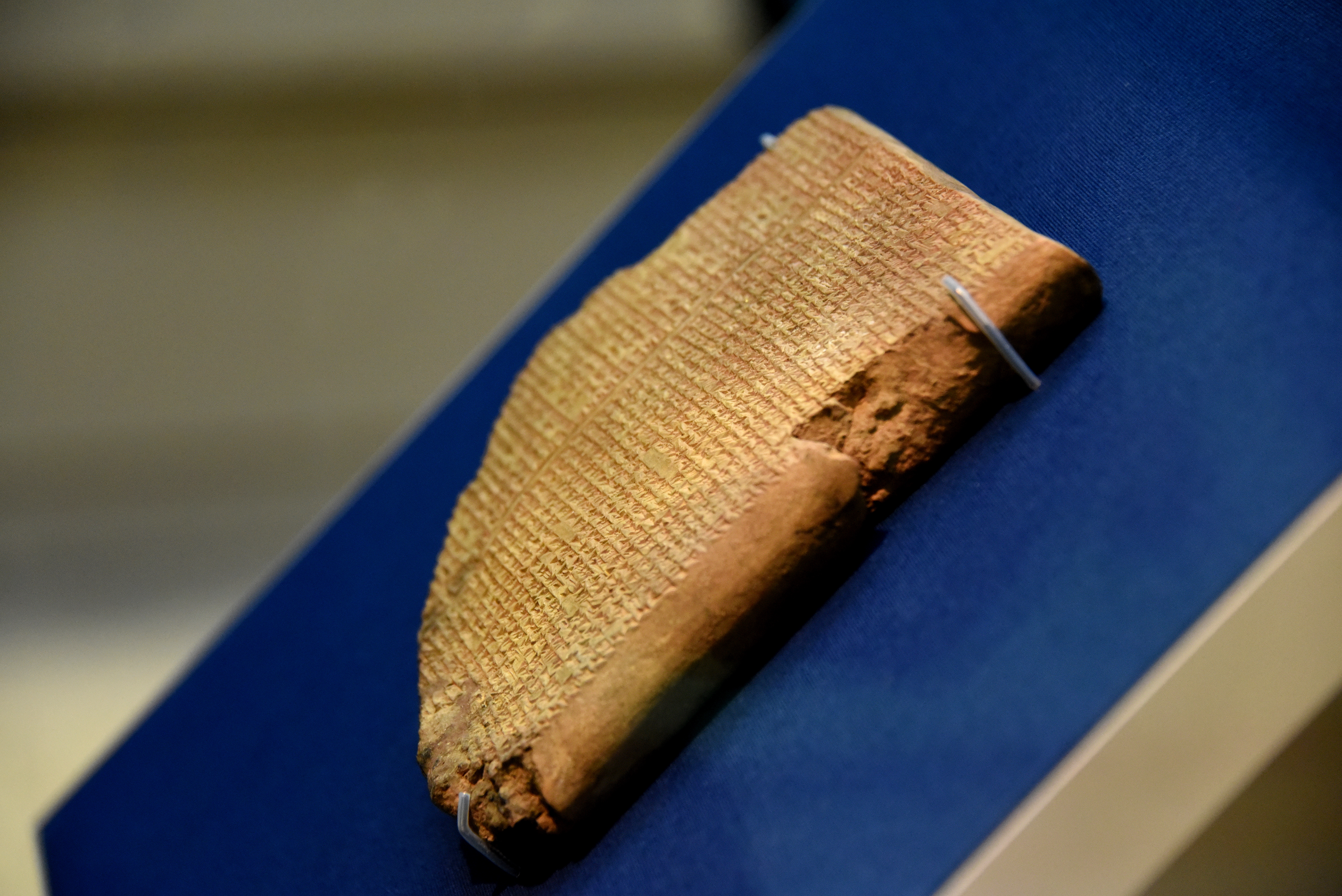
A king no one could stop, a wild man made to match him, and a friendship that changes both. The whole Epic of Gilgamesh in eight illustrated chapters, told from the clay tablets of ancient Iraq; where the tablets are broken, the narration says so. Illustrations, narration voice and visual effects were created with AI tools by IL Archive; the text is a faithful retelling based on the ancient tablets.
The YouTube player loads only when you press play. Watch on YouTube
Text
Introduction
Did Genesis’s EdenEden: The Setting of Genesis’s GardenThe place in which the garden of Genesis 2–3 is planted; the story describes rivers, trees and a human test, while its archaeological location and name’s derivation remain unsettled.Glossary · Click to read the explanation story rework the serpent, plant and lost life familiar from GilgameshGilgameshA king of Uruk in Mesopotamian tradition and the hero of Sumerian poems and a multi-tablet Akkadian epic, with his companion Enkidu, the loss of a friend and the search for life. In standard Tablet XI, Utnapishtim tells him of the flood.Glossary · Click to read the explanation? This study compares the episodes, asks how renewed youth differs from unending life, and examines what Levantine copies of the epic contribute to the possibility of contact between traditions.
It follows the characters’ actions and the sequence of witnesses, then considers the Qur’an’s promise of a “tree of eternity” as a later formulation of Adam’s story. Its aim is to understand the history of literary images and their changing meanings, assessing influence through converging evidence without making every resemblance a borrowing or every difference proof of no connection. [1][2][3][8][9]
Two scenes of life escaping human possession
Gilgamesh descends into water and obtains a plant that renews youth, then loses it when a snake carries it away. In Eden’s gardenEden: The Setting of Genesis’s GardenThe place in which the garden of Genesis 2–3 is planted; the story describes rivers, trees and a human test, while its archaeological location and name’s derivation remain unsettled.Glossary · Click to read the explanation, a serpent speaks to a woman; the couple eat from one tree, and the path to another, life-giving tree is closed. Both scenes contain a serpent, vegetation and a limit on human life. Understanding each element’s role takes the comparison beyond juxtaposing similar images. [1][2][3][11]
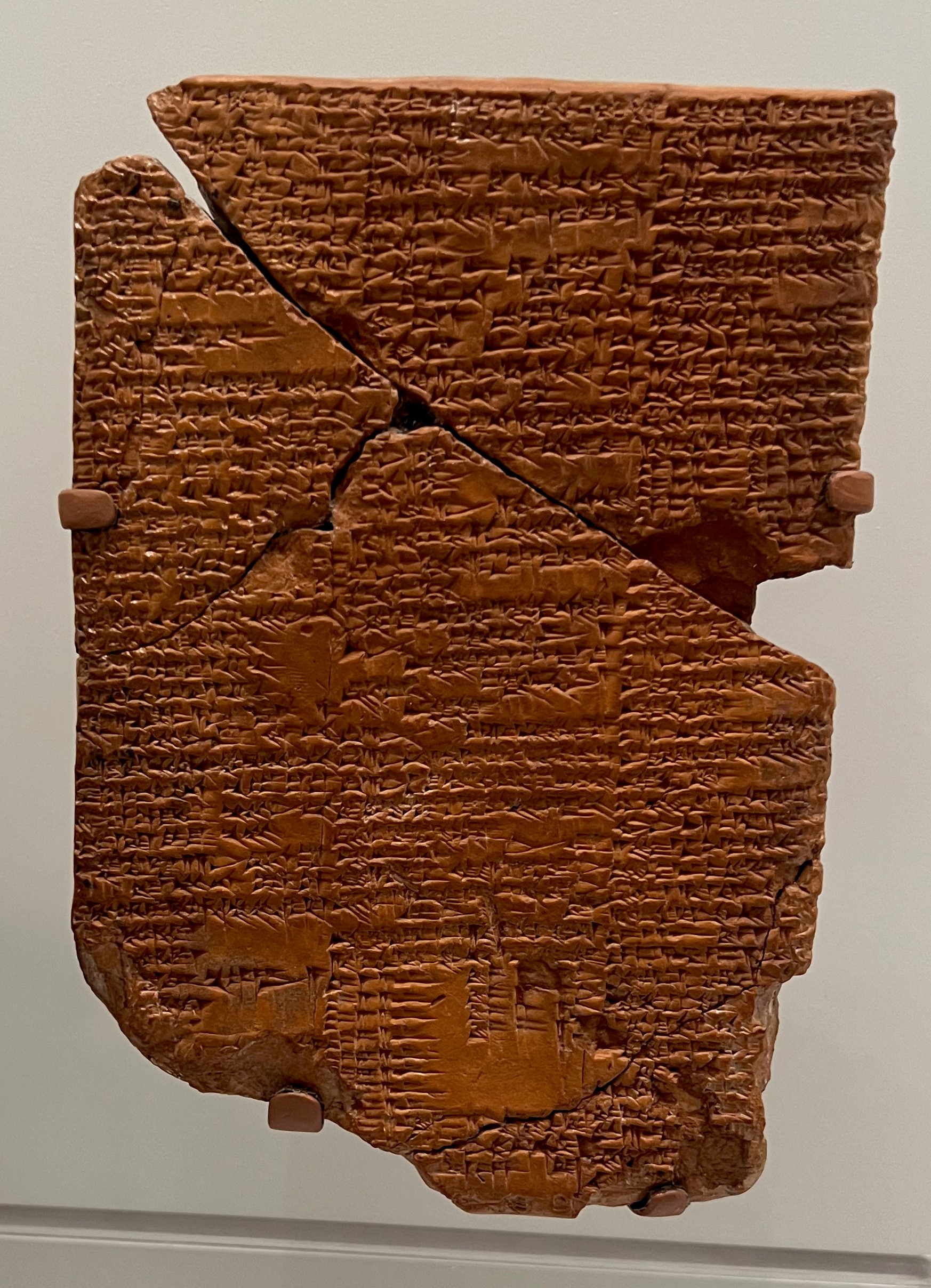
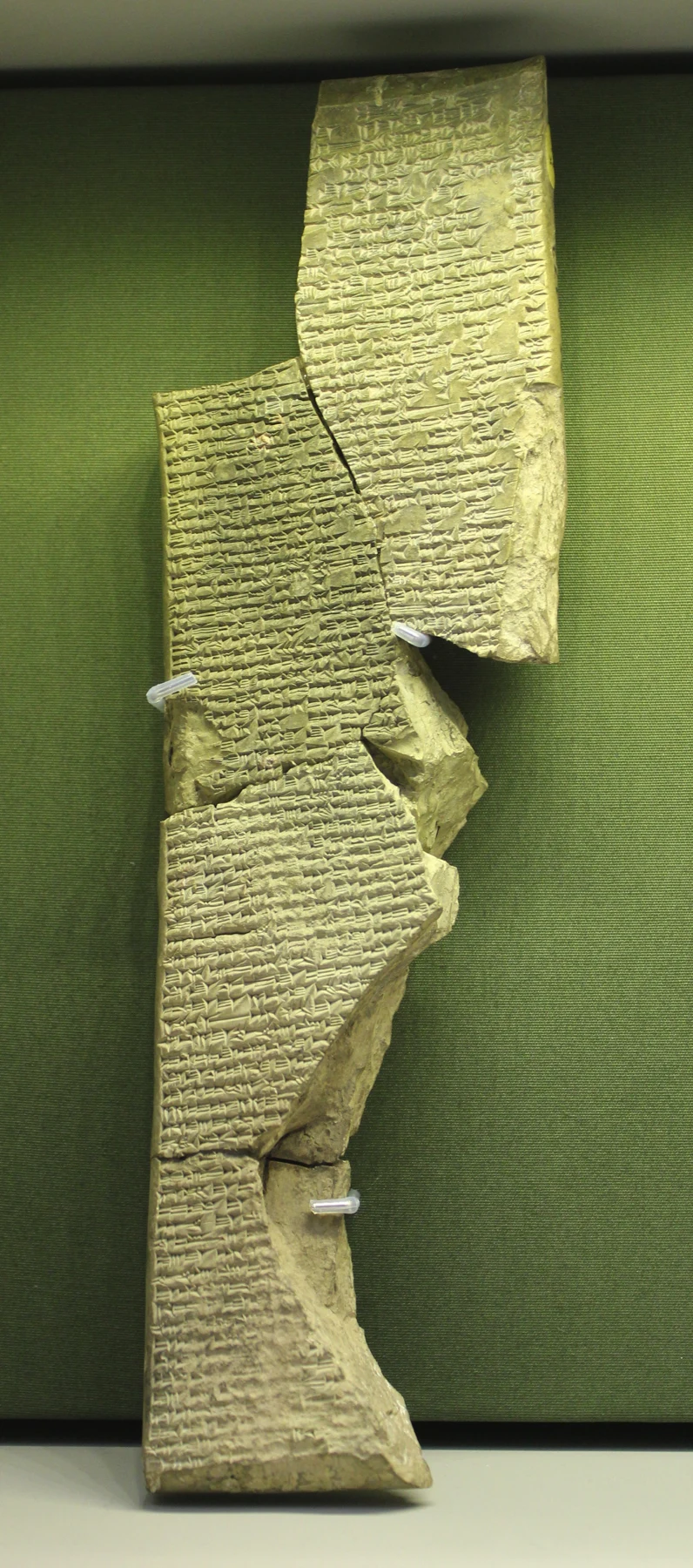
The epic has a long history. Independent Sumerian poems and Old Babylonian witnesses about Gilgamesh survive from the second millennium BCE, followed by copies circulating toward its end and first-millennium witnesses used to reconstruct the Standard Babylonian text. Eden belongs to Genesis, the first book of the Torah, whose narrative formation scholars debate. The age of a tradition therefore differs from the date of the copy preserving a particular passage. [4][10]
The plant that did not end Gilgamesh’s mortality
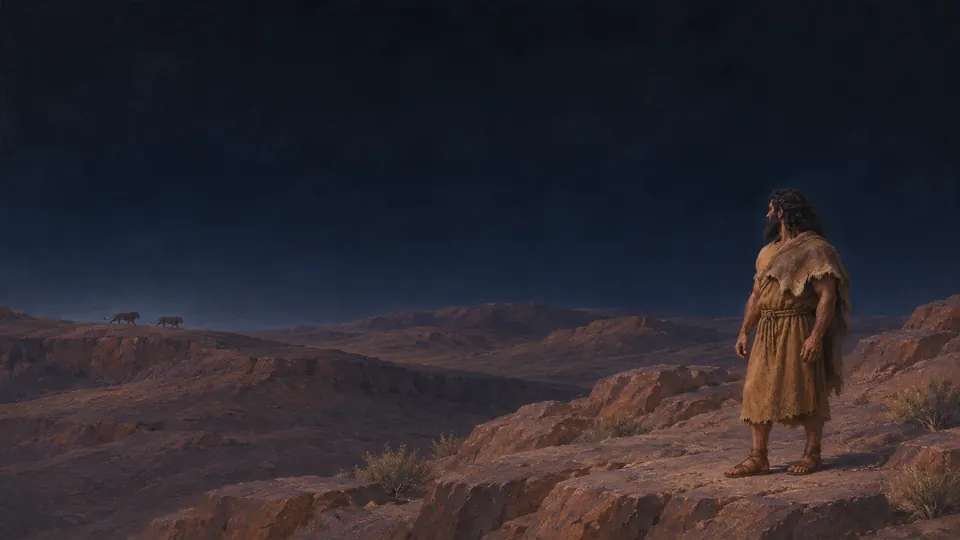
Gilgamesh’s journey toward life begins with his friend EnkiduEnkidu, Gilgamesh’s companionGilgamesh’s companion in the Babylonian epic; his death sets the king searching for life beyond mortality.Glossary · Click to read the explanation’s death. Fearing the same fate, the king seeks UtnapishtimUtnapishtimThe flood hero of Standard Babylonian Gilgamesh, granted exceptional life with his wife by the gods. He tells Gilgamesh how he survived; his name overlaps with Atrahasis and Ziusudra traditions without making their narratives identical.Glossary · Click to read the explanation, the flood survivor who, with his wife, received an exceptional status resembling that of the gods. Gilgamesh reaches him but fails a test of remaining awake. He then learns of a thorny plant underwater and pulls it up. [1][4][11]
In Andrew GeorgeAndrew R. GeorgeAssyriologist and editor of Gilgamesh, and emeritus professor of Babylonian at SOAS.Glossary · Click to read the explanation’s edition in the electronic Babylonian Library, Gilgamesh says he will take the plant to UrukUrukAncient city at Warka in southern Iraq, a major urban centre around 3200 BCE that preserved early writing and accounting tablets.Glossary · Click to read the explanation, feed some to an old man and test it: if the man becomes young, he too will eat it. Its promise concerns recovered vitality and youth. That differs from Utnapishtim’s status: a remedy for ageing does not itself guarantee that its recipient can never die. [11]
On his way back, Gilgamesh enters cool water to bathe. A snake smells the plant, carries it off and sheds its skin as it departs; the king sits weeping. The scene joins the snake’s renewed skin with humanity’s loss of a means to renew its years. [1][11]
Comparing editions clarifies a familiar detail of retellings. The modern translation describes carrying off the plant and shedding skin without expressly mentioning eating. Alexander HeidelAlexander HeidelAssyriologist who wrote The Gilgamesh Epic and Old Testament Parallels, second edition 1949.Glossary · Click to read the explanation’s 1949 translation does likewise, but his note 212 explains the event as the snake eating the plant. Eating makes sense as an interpretation of the image; it remains distinct from the action stated in the translated lines. [1][11]
Genesis has two trees, not one
Genesis 2:9 names the tree of lifeTree of Life in GenesisA tree in the garden of Genesis 2–3, distinct from the tree of knowledge. After the forbidden fruit is eaten, the way to the tree of life is guarded lest humans eat from it and live forever. The text does not identify its fruit or explain precisely how it works.Glossary · Click to read the explanation and the tree of the knowledge of good and evilTree of the Knowledge of Good and EvilThe tree prohibited in Genesis 2:17 and eaten from in Genesis 3, narratively distinct from the tree of life; its fruit is unidentified.Glossary · Click to read the explanation. The prohibition in 2:16–17 concerns the latter. In chapter 3, the serpent says eating will open the humans’ eyes and confer knowledge of good and evil. The man and woman eat, recognize their nakedness and make themselves coverings from fig leaves. [2][3]
The tree of life becomes central in 3:22–24. After gaining knowledge, the human is prevented from eating from it and living forever, expelled from the garden, and barred by cherubim and a flaming sword guarding the way. Lost access results from divine decision and the guarded path, whereas Gilgamesh loses his plant through the snake’s action. [3][11]
The serpent’s role also changes. In the epic it appears after the hero obtains the plant and carries it away without speaking to him. In Genesis it speaks before the eating, discusses the prohibition and is then cursed. Genesis 3:1 presents it among the creatures of the field; calling it Satan belongs to later religious interpretations. Such differences help explain how each text organizes knowledge and mortality. [1][3][6][11]
What does the shared serpent show?
Both accounts combine life-related vegetation, a serpent and a human whose life remains limited. In his 2015 article, John DayJohn Day, Old Testament scholarOld Testament scholar who discussed Eden’s serpent and Babylonian traditions in a 2015 article.Glossary · Click to read the explanation consequently presents reworking as a possibility worth investigating, without claiming certainty. [6]
The comparison gains strength when we examine relationships between the elements: who obtains the vegetation, what benefit it offers, and how access is lost. The epic loses a plant brought from water that promises youth. In Genesis, eating from the knowledge tree leads to new understanding, followed by closing the way to the life tree. A writer can change an inherited image’s function, so differences in plot do not exclude influence. Connected cultures can also share images of death and renewal without copying a particular text. [1][2][3][5][11]
David M. CarrDavid M. Carr, Hebrew Bible scholarProfessor of Hebrew Bible at Union Theological Seminary, studying textual formation, writing and memory.Glossary · Click to read the explanation adds another angle: his 2020 chapter abstract links wisdom and mortality in Eden with Mesopotamian reflections on human understanding and limited life. Comparison thus concerns the construction of meaning as well as the serpent and vegetation. [10]
Did the epic reach the Levant?
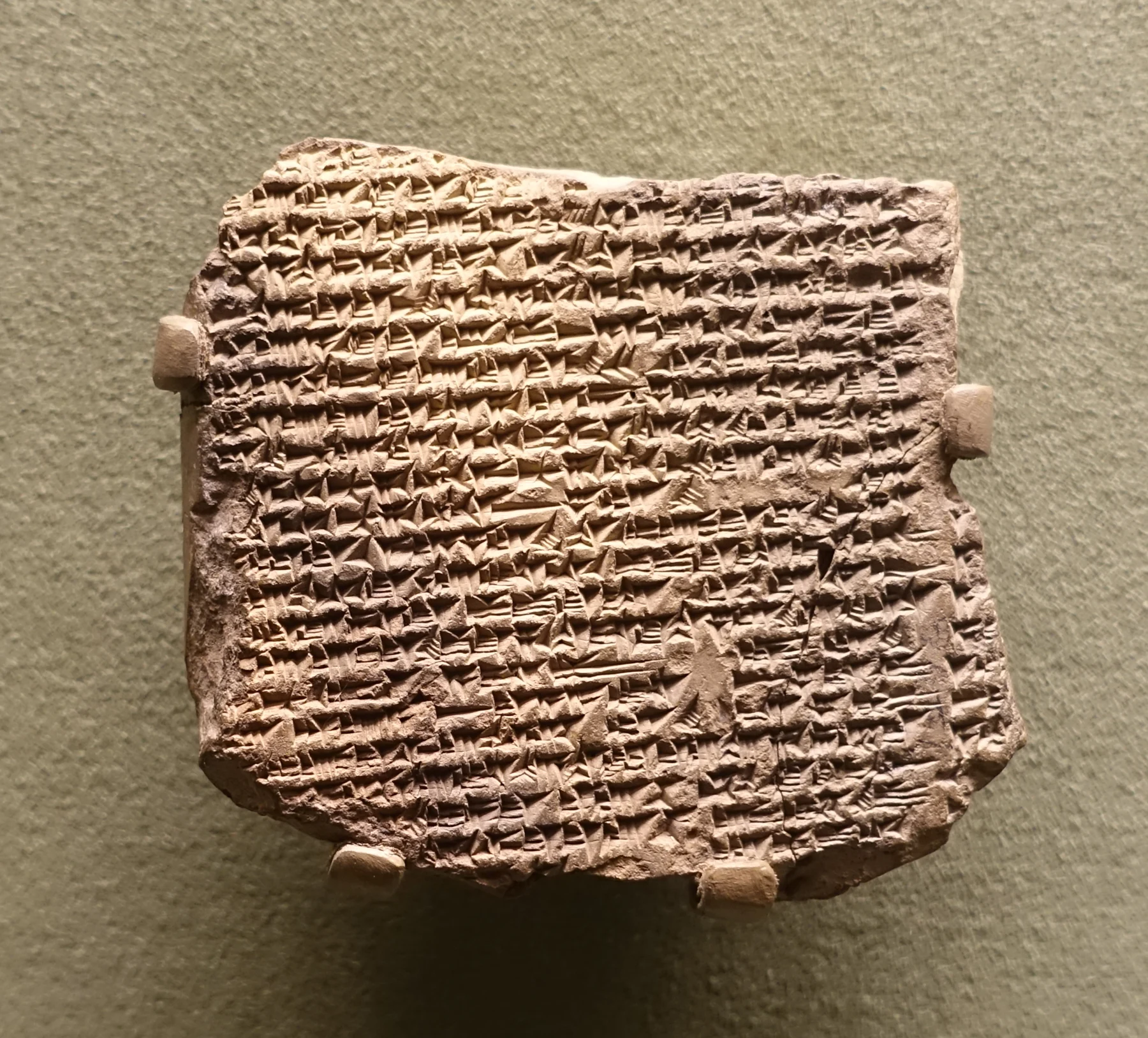
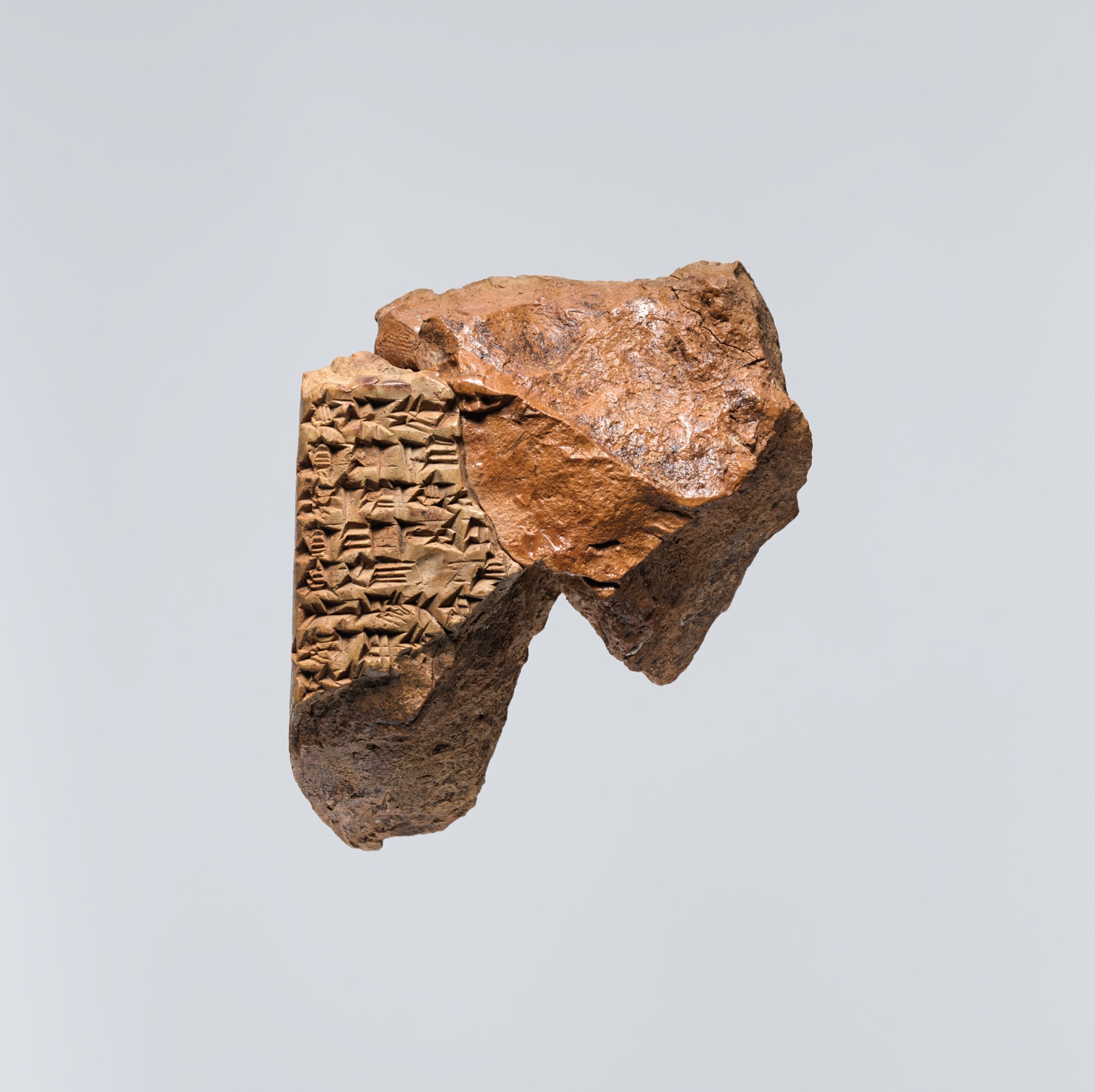
Yes: witnesses attest Gilgamesh texts in MegiddoMegiddo, Tell el-MutesellimArchaeological mound in present-day northern Israel with Bronze and Iron Age cities, associated with a Gilgamesh fragment.Glossary · Click to read the explanation, EmarEmar, ancient MeskeneAncient Euphrates city in Syria with Late Bronze Age cuneiform archives and Gilgamesh fragments.Glossary · Click to read the explanation and UgaritUgaritAncient city and kingdom at Ras Shamra on the Syrian coast, flourishing between the fourteenth and early twelfth centuries BCE and preserving multilingual archives.Glossary · Click to read the explanation during the Late Bronze AgeLate Bronze AgeAn archaeological period around 1600–1200 BCE in much of the Near East, with international diplomacy, exchange and religious diversity; its endpoints vary by region.Glossary · Click to read the explanation. Emar was a Euphrates city in present-day Syria, whose archives preserve literary and educational works within cuneiformCuneiformWriting with wedge-shaped signs, developed from Mesopotamian recording traditions and used for several languages from the third millennium BCE.Glossary · Click to read the explanation scribal networks. CDLI dates the Megiddo-associated fragment P273198 to about 1400–1100 BCE, while qualifying its precise provenance as uncertain. [5][7][12]
George studies Ugarit pieces from the twelfth century BCE: one preserves the epic’s opening, while others concern Gilgamesh and Enkidu’s Cedar Forest expedition and encounter with its guardian HumbabaHumbaba, guardian of the Cedar ForestGuardian of the Cedar Forest confronted by Gilgamesh and Enkidu in the epic traditions.Glossary · Click to read the explanation. From copying errors and the order of some passages, he proposes a role for memory among scribes who were not native AkkadianAkkadianAn ancient East Semitic language written in cuneiform from the third millennium BCE; its varieties include Babylonian and Assyrian, and it served in international diplomacy.Glossary · Click to read the explanation speakers. These witnesses document a real setting for contact, beyond supposing that stories could travel. [5]
The studied Ugarit pieces, however, do not preserve the plant-and-snake episode, and Megiddo’s catalogue entry does not locate it in that fragment. What reached the LevantThe LevantThe Levant is a regional name for lands along the eastern MediterraneanGlossary · Click to read the explanation was changing texts and traditions, rather than a book fixed at every stage. Which form reached the Eden story’s milieu remains open. This identifies the available witness’s strength; it does not make the future discovery of a direct transmission document the sole way to establish influence, since literary and historical evidence can converge. [4][5][7]
Is the same story in the Qur’an?
The Qur’an belongs to the seventh century CE and opens a later stage in readings of AdamAdamAdam is a figure in Genesis’s narratives of beginnings, linked with Cain, Seth and Abel.Glossary · Click to read the explanation’s story. Qur’an 7:20 attributes the whispering to Satan and reports his claim that the prohibition prevents the pair from becoming angels or everlasting beings. In 20:120 he offers Adam a “tree of eternity” and a dominion that will not decay. The next verse recounts both eating, becoming aware of their nakedness and trying to cover themselves with garden leaves. [8][9][13]
Immortality here is a promise voiced by the tempter, rather than the narrator certifying that eating really grants it. Genesis’s serpent speaks about knowledge, with the life tree barred at the end; the Qur’an brings temptation and eternity together in this passage. This change invites reception history: how later texts formulate questions and images known earlier. The verses name neither Gilgamesh’s plant nor a snake stealing it; their relation to the epic is a historical comparison, not a claim made by the Qur’an itself. [2][3][8][9]
Where does the evidence leave us?
The texts meet over life humans do not acquire, but differ in the route toward it and the meaning of its loss. Gilgamesh’s plant promises renewed youth and is lost; Genesis’s human acquires knowledge while being barred from the life tree; the Qur’anic tempter promises everlasting life. [2][3][8][9][11]
The epic’s Levantine circulation makes a shared literary background or reworking a serious historical possibility. Direct dependence by Eden on this particular episode remains a research question: the comparison strengthens and clarifies that question without settling a single transmission route. Its value lies in seeing how serpent and vegetation images turn questions of friendship, death and knowledge into different stories. [4][5][6][7][10]
Related reading
References and notes (13)
- Alexander Heidel, The Gilgamesh Epic and Old Testament Parallels, 2nd ed., 1949: pp. 91–92 visually reread with notes 211–212; pp. 90 and 93 selectively checked and available preface excerpt consulted, not the whole book. Alexander Heidel, The Gilgamesh Epic and Old Testament Parallels, 2nd ed., 1949: pp. 91–92 visually reread with notes 211–212; pp. 90 and 93 selectively checked and available preface excerpt consulted, not the whole book. Return to the text ↑
- Genesis 2, Hebrew and facing JPS English: whole chapter reread, especially 2:9 and 16–17. Genesis 2, Hebrew and facing JPS English: whole chapter reread, especially 2:9 and 16–17. Return to the text ↑
- Genesis 3, Hebrew and facing JPS English: whole chapter reread, especially dialogue, eating and 3:22–24. Genesis 3, Hebrew and facing JPS English: whole chapter reread, especially dialogue, eating and 3:22–24. Return to the text ↑
- Andrew R. George, The Epic of Gilgamesh, in The Cambridge Companion to the Epic, ed. Catherine Bates, 2007: excerpt pp. 1–4 and 9–10, not the whole book or George’s complete critical edition. Andrew R. George, The Epic of Gilgamesh, in The Cambridge Companion to the Epic, ed. Catherine Bates, 2007: excerpt pp. 1–4 and 9–10, not the whole book or George’s complete critical edition. Return to the text ↑
- Andrew R. George, The Gilgameš Epic at Ugarit, Aula Orientalis 25, 2007, pp. 237–254: pp. 237–239 and 246 reread, closing p. 254 and selected passages checked; not all cuneiform signs independently read. Andrew R. George, The Gilgameš Epic at Ugarit, Aula Orientalis 25, 2007, pp. 237–254: pp. 237–239 and 246 reread, closing p. 254 and selected passages checked; not all cuneiform signs independently read. Return to the text ↑
- John Day, The Serpent in the Garden of Eden and its Background, 2015: main article passages, especially comparison, read. Some comments and replies were visible; reader opinions are not used as independent scholarly evidence. John Day, The Serpent in the Garden of Eden and its Background, 2015: main article passages, especially comparison, read. Some comments and replies were visible; reader opinions are not used as independent scholarly evidence. Return to the text ↑
- CDLI P273198, Gilgamesh II 030: complete metadata read, Middle Babylonian about 1400–1100 BCE and uncertain provenance associated with Megiddo. Neither signs nor the listed clay-provenance study independently read. CDLI P273198, Gilgamesh II 030: complete metadata read, Middle Babylonian about 1400–1100 BCE and uncertain provenance associated with Megiddo. Neither signs nor the listed clay-provenance study independently read. Return to the text ↑
- Qur’an 7:20–21, Quranic Arabic Corpus morphological display: words and analysis of the passage read, not the whole sura. Qur’an 7:20–21, Quranic Arabic Corpus morphological display: words and analysis of the passage read, not the whole sura. Return to the text ↑
- Qur’an 20:120–121, Quranic Arabic Corpus morphological display: both verses read, including the tempter’s speech and the eating, not the whole sura. Qur’an 20:120–121, Quranic Arabic Corpus morphological display: both verses read, including the tempter’s speech and the eating, not the whole sura. Return to the text ↑
- David M. Carr, Precursors to the Eden Narrative, in The Formation of Genesis 1–11, 2020, pp. 30–65: accessible publisher abstract only, not the full chapter. David M. Carr, Precursors to the Eden Narrative, in The Formation of Genesis 1–11, 2020, pp. 30–65: accessible publisher abstract only, not the full chapter. Return to the text ↑
- Andrew R. George, Standard Babylonian Gilgamesh XI, eBL, 2022, with E. Jiménez and G. Rozzi, translated by George: lines 199–241 and 271–328 and translation read, especially 295–307. Composite edition, not every line copied from K.8517 alone. Andrew R. George, Standard Babylonian Gilgamesh XI, eBL, 2022, with E. Jiménez and G. Rozzi, translated by George: lines 199–241 and 271–328 and translation read, especially 295–307. Composite edition, not every line copied from K.8517 alone. Return to the text ↑
- Freie Universität Berlin, Emar: location, excavations and texts sections read, with the French Ministry of Culture site checked in parallel. Freie Universität Berlin, Emar: location, excavations and texts sections read, with the French Ministry of Culture site checked in parallel. Return to the text ↑
- University of Birmingham, Qur’an manuscript: early Islamic and seventh-century context, previously verified during the Joseph review. Radiocarbon dates parchment, not ink directly, and does not make the leaf a witness to every verse discussed. University of Birmingham, Qur’an manuscript: early Islamic and seventh-century context, previously verified during the Joseph review. Radiocarbon dates parchment, not ink directly, and does not make the leaf a witness to every verse discussed. Return to the text ↑
Suggest a correction · Suggest a source for this record
Cite this record
IL Archive, «The Tree of Life and Gilgamesh’s Plant: Did Genesis Borrow the Serpent Story?», https://ilarchive.com/en/studies/immortality-gilgamesh-and-genesis
Continue reading
Related readings