The Epic of Gilgamesh Chapter 6
Beyond the Edge of Day
Gilgamesh crosses the darkness of Mount Mashu and seeks a way beyond the sea. His search brings him to Utnapishtim, whose words make him question what a human life can hold.
Watch the filmSourcesTurn the pages with the arrows, the arrow keys or a swipe.
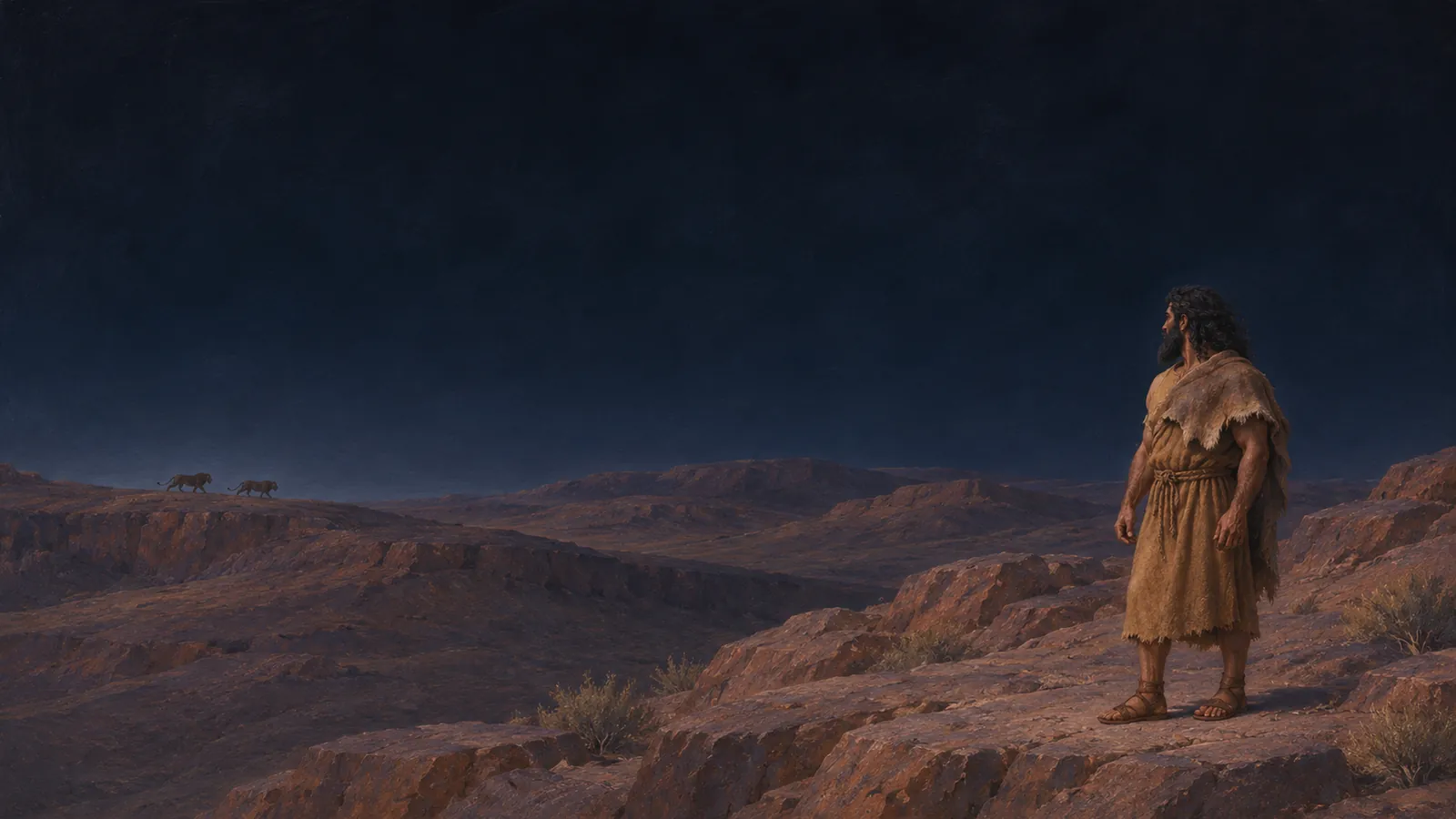
NIGHT
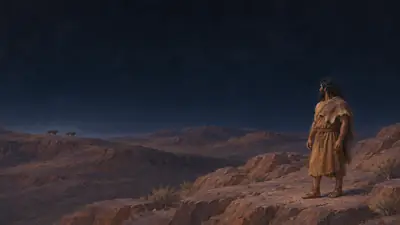
Night had fallen when Gilgamesh reached the mountain passes. He saw lions in the dark and grew afraid, far from any place he knew to be safe.
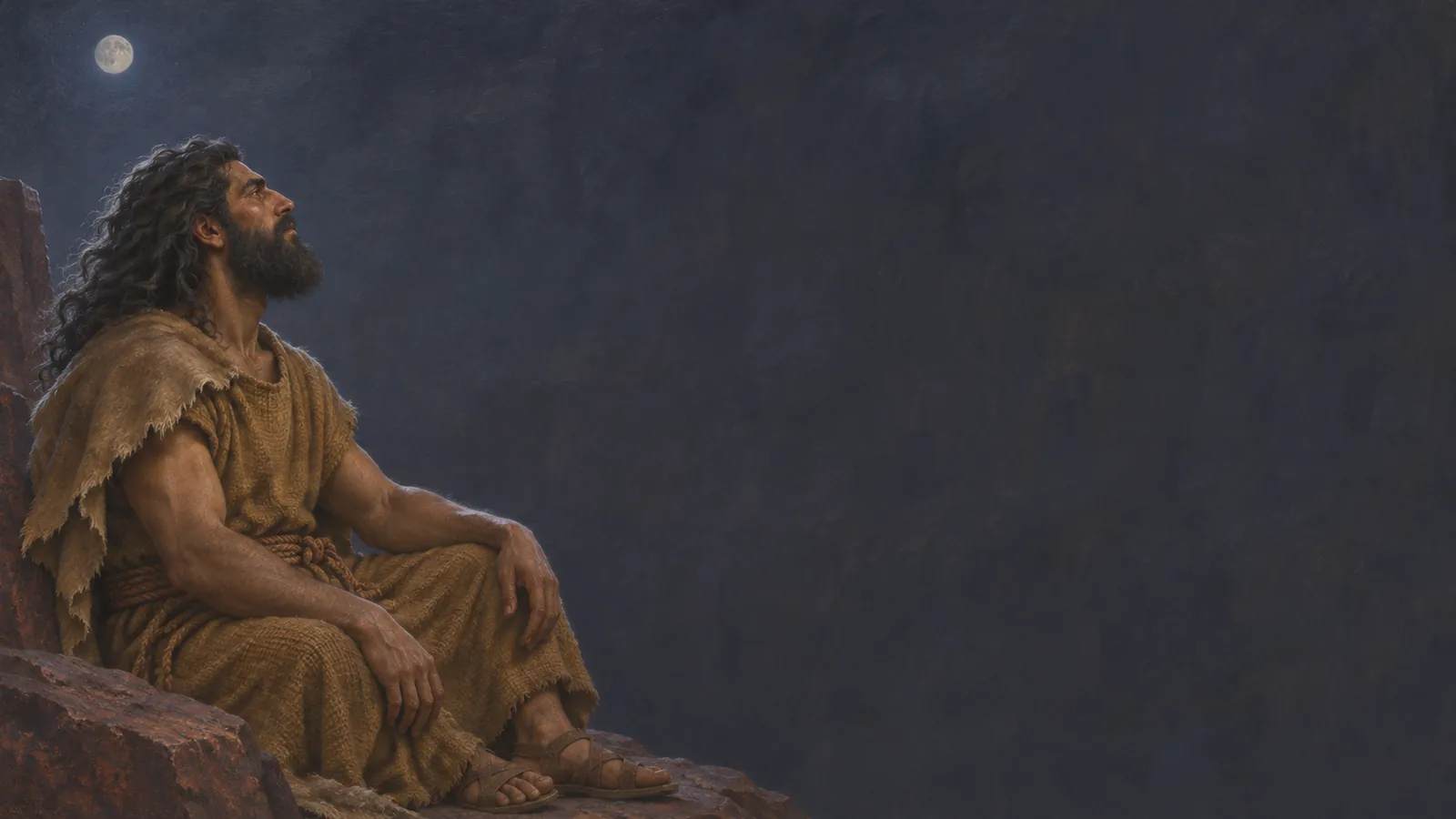
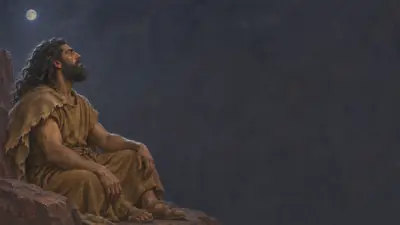
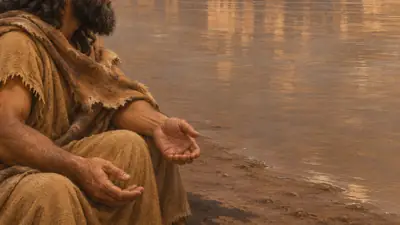
Gilgamesh lifted his face to the Moon God and asked to be kept safe. Far from the walls of Uruk, a prayer was what he had in the dark.
Gilgamesh woke with a start. The poem tells of a rush at the lions, then breaks into fragments before we find him again at Mount Mashu.
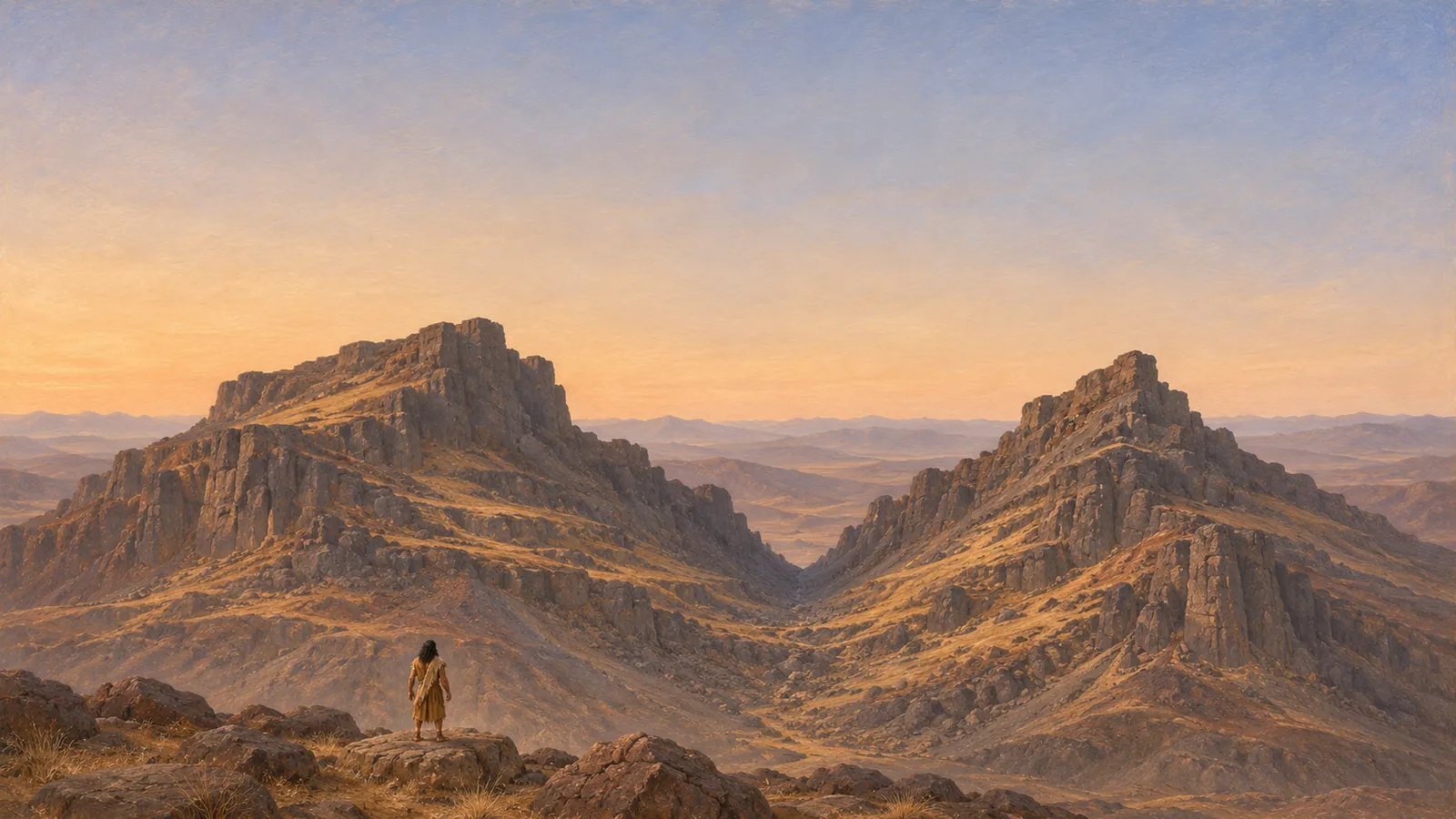
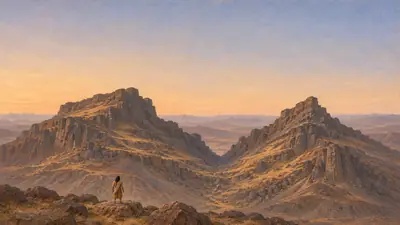
Gilgamesh came to the twin peaks of Mashu, where the poem places the rising sun. Their tops reach the rim of the sky and their bases touch the world below.
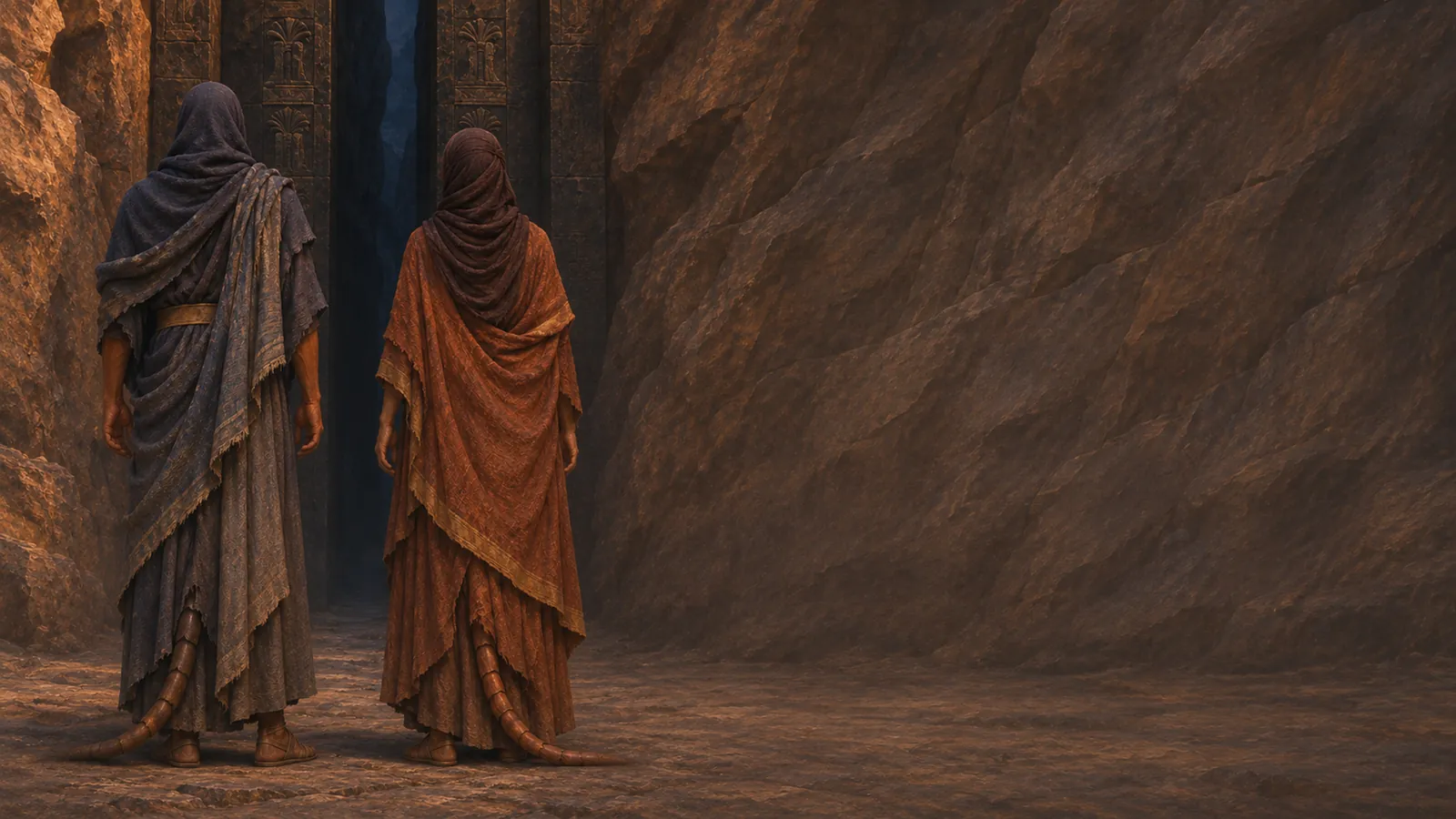
GUARDIANS
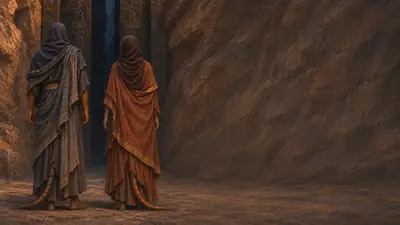
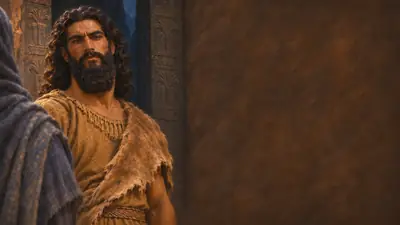
The gate belonged to two scorpion beings. The poem says the sight of them could bring death, and that they guarded the sun as it rose and set.
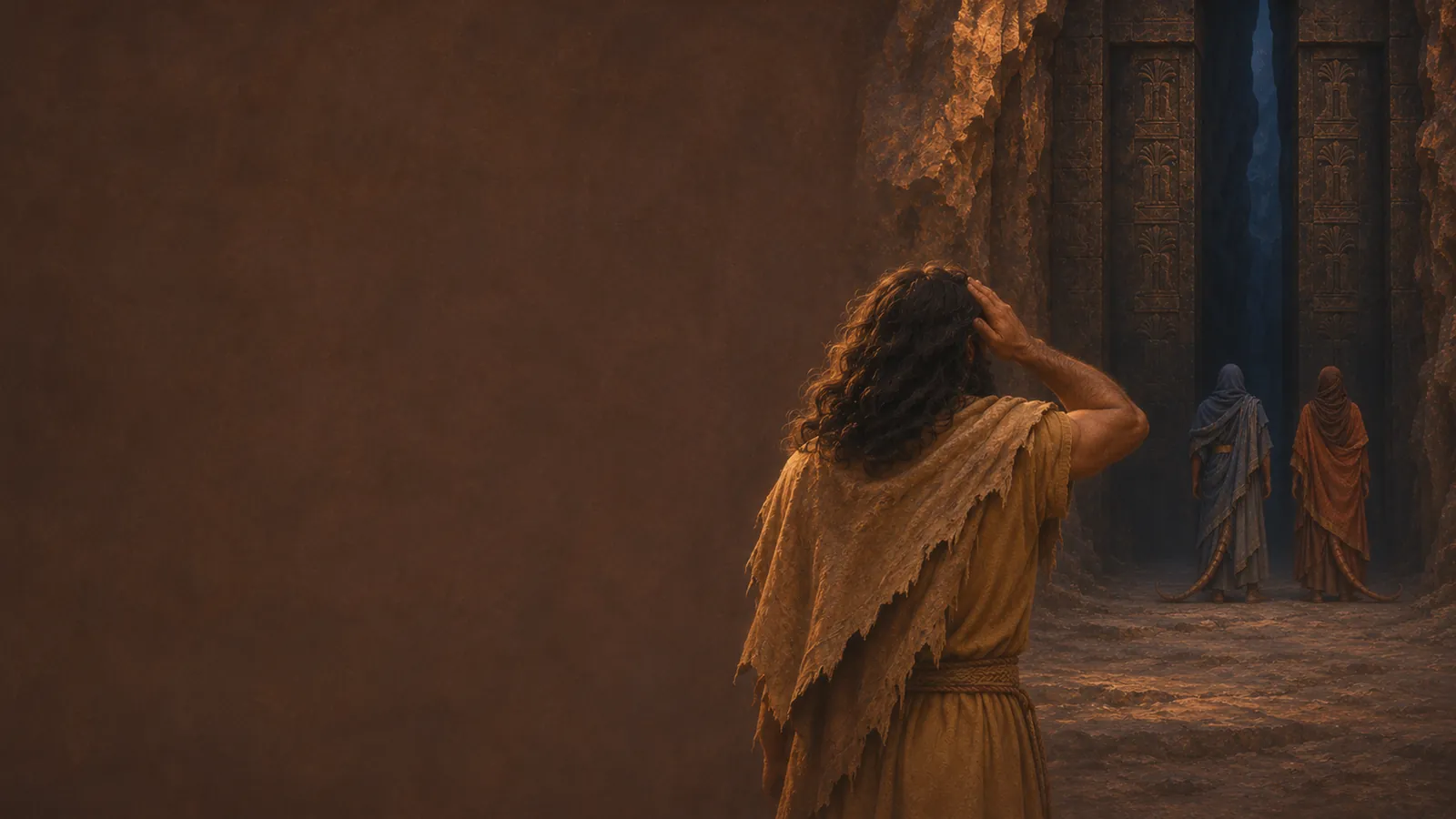
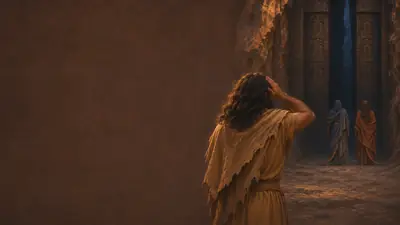
At the sight of them, Gilgamesh covered his face in fear. He gathered his wits and drew nearer to the two beings who stood at the gate.
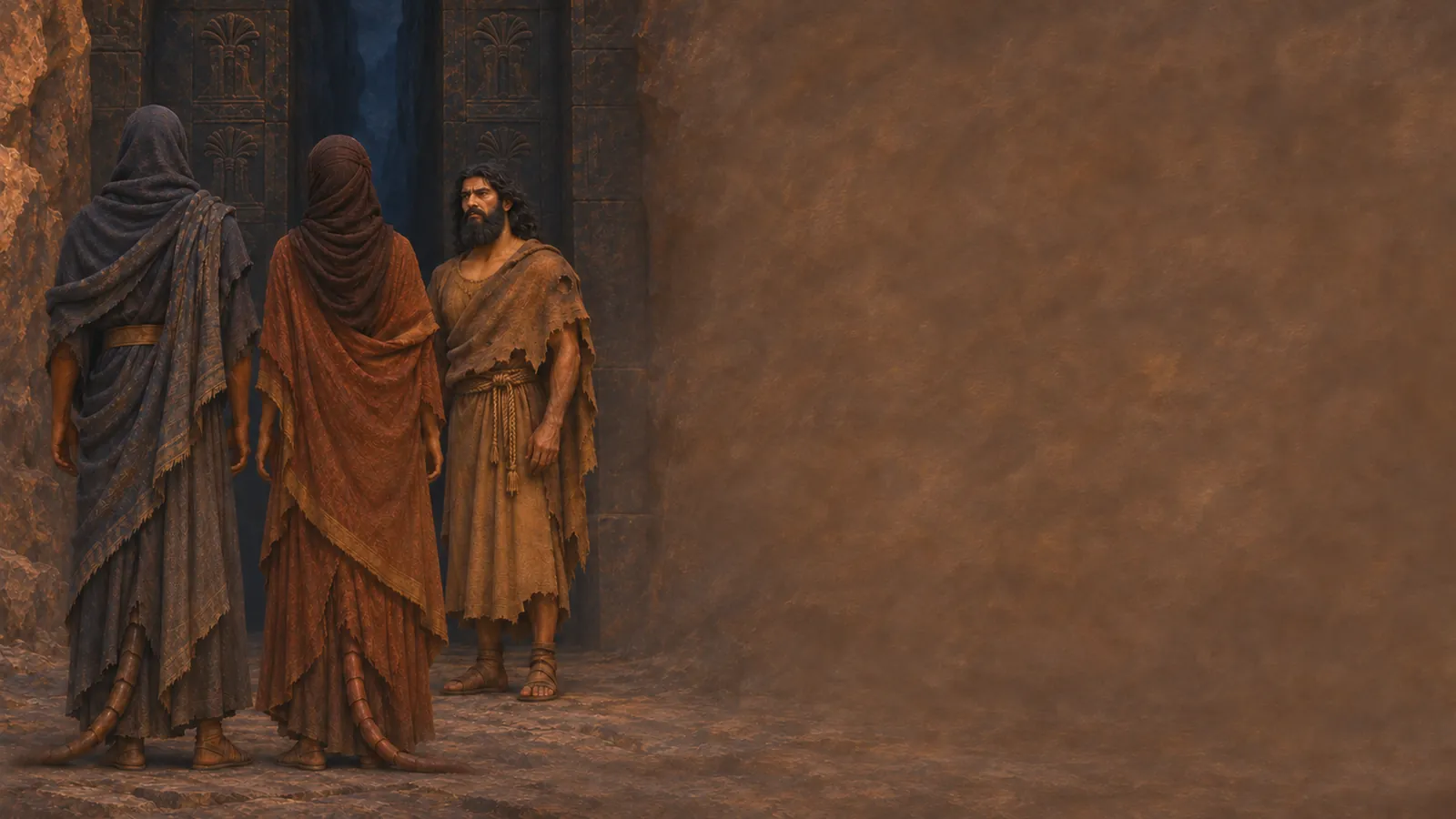
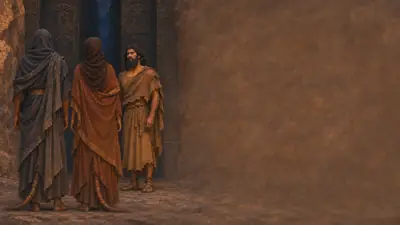
The first guardian recognized something divine in the traveler. His wife saw the rest of him too: Gilgamesh was partly a god and partly a man.
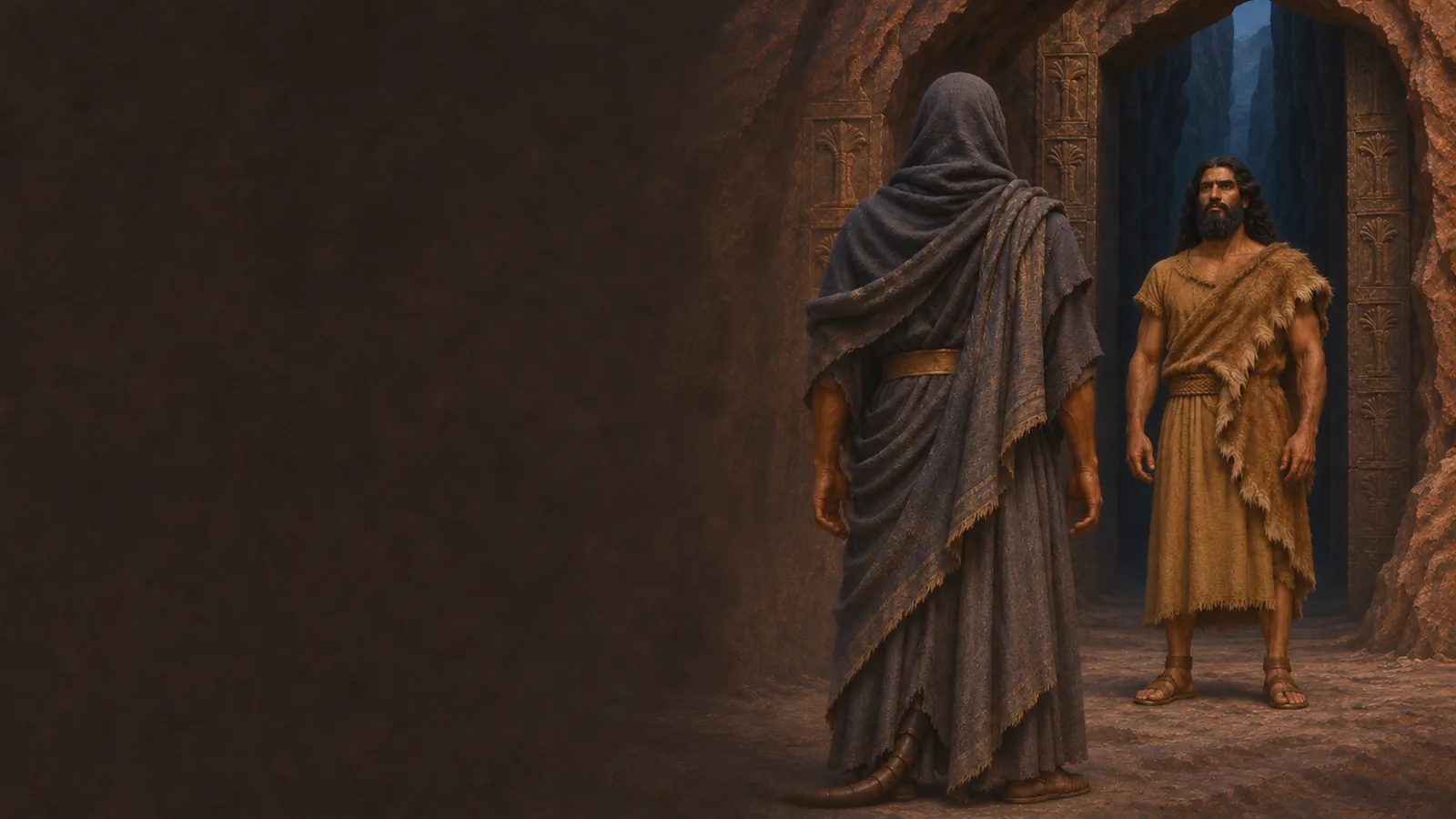
The guardian asked what had brought Gilgamesh so far from home. The question survives in fragments, but the need to explain himself comes through clearly.
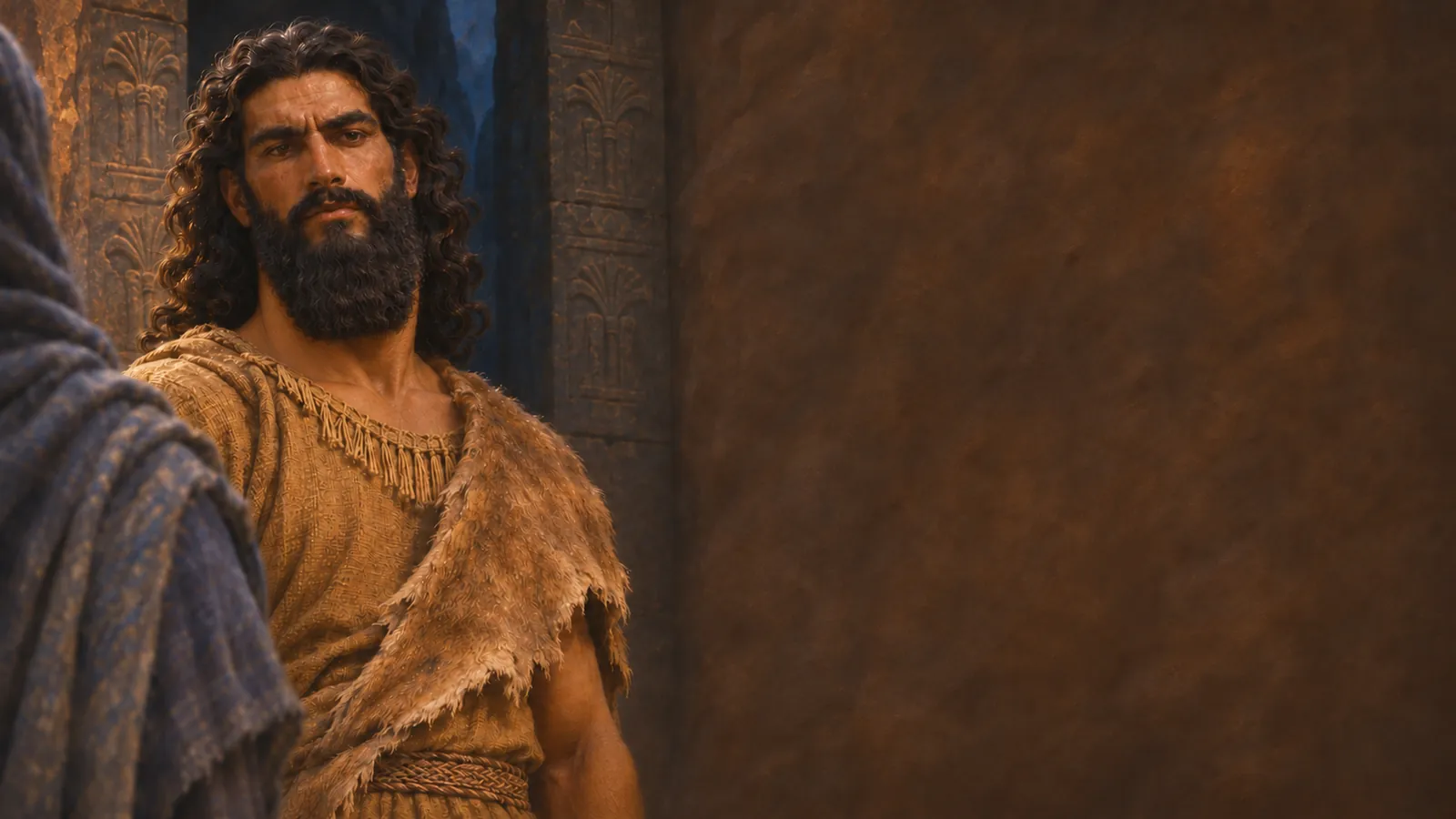
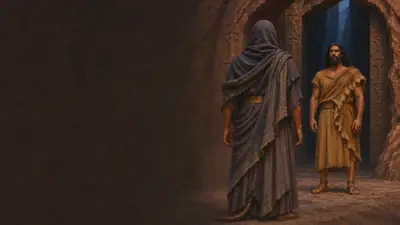
Gilgamesh had come for Utnapishtim, his distant forebear. He wanted to ask him about life and death, the question he had brought all the way to Mashu.
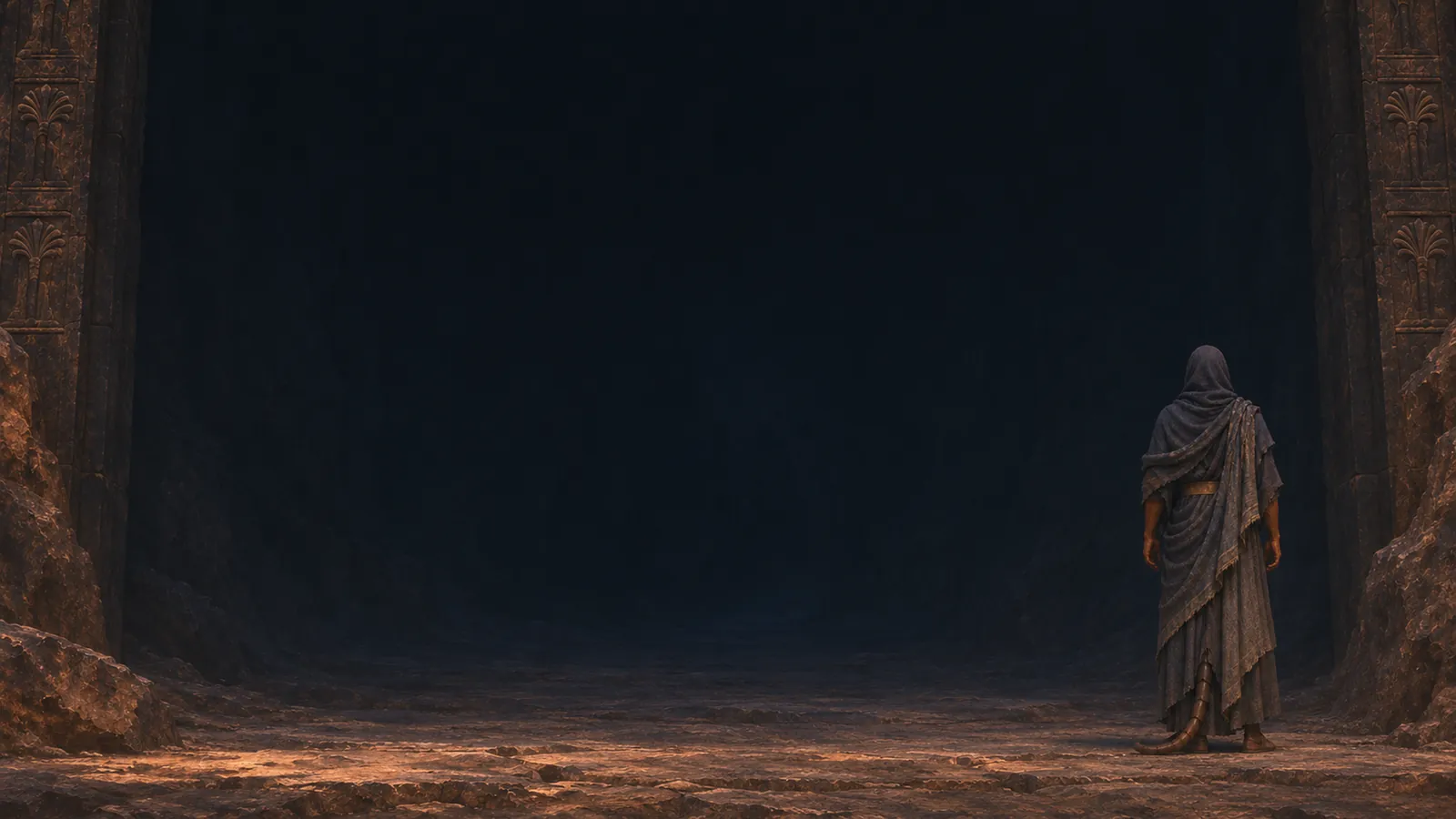
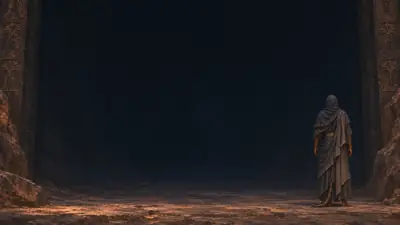
The guardian warned him that nobody had traveled through the mountain that way. For a long stretch the passage was dark, with no light to guide a traveler.
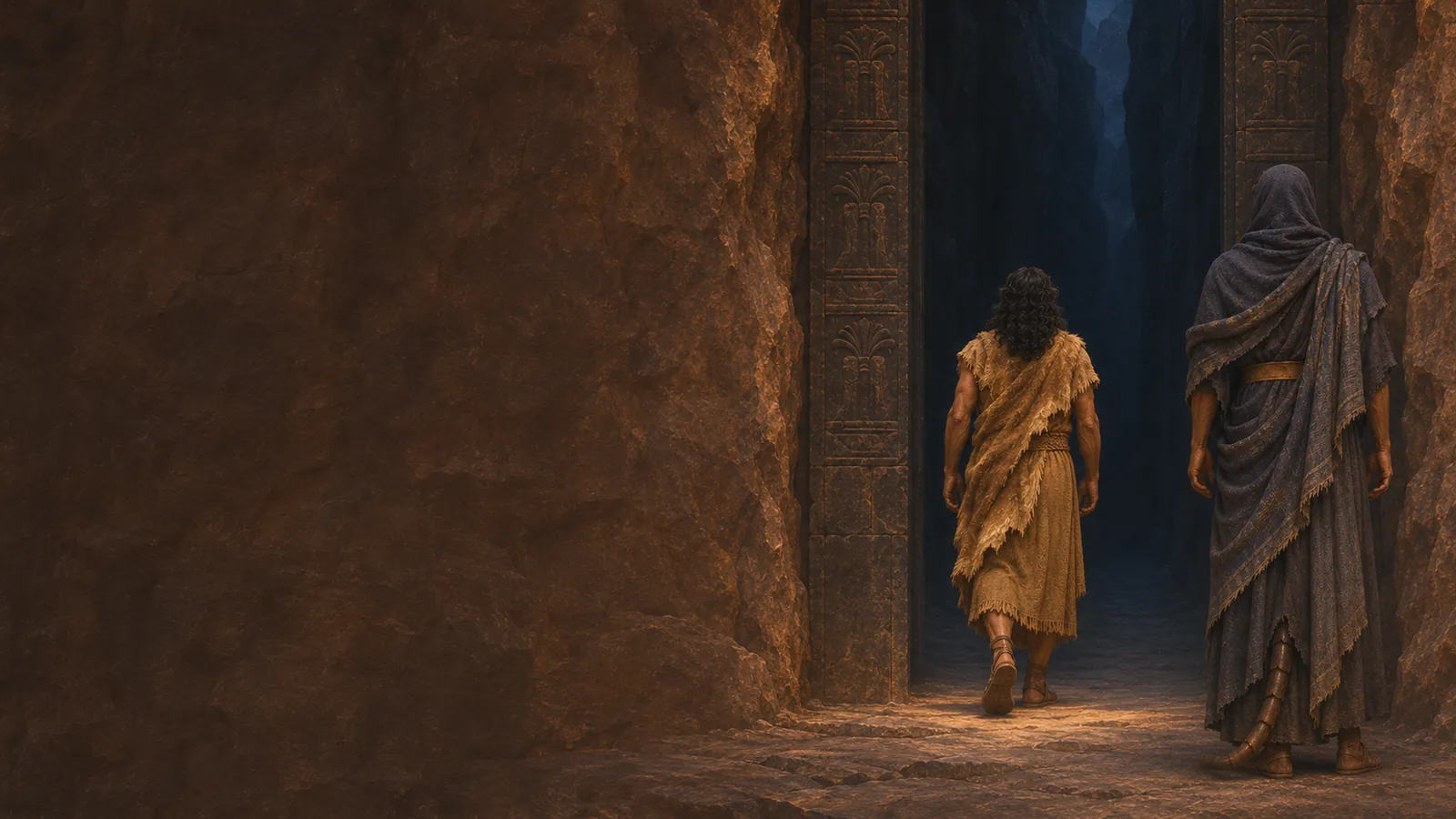
The tablet breaks off before we hear the whole exchange. When the words return, the guardian allows Gilgamesh through Mashu and wishes him a safe passage.
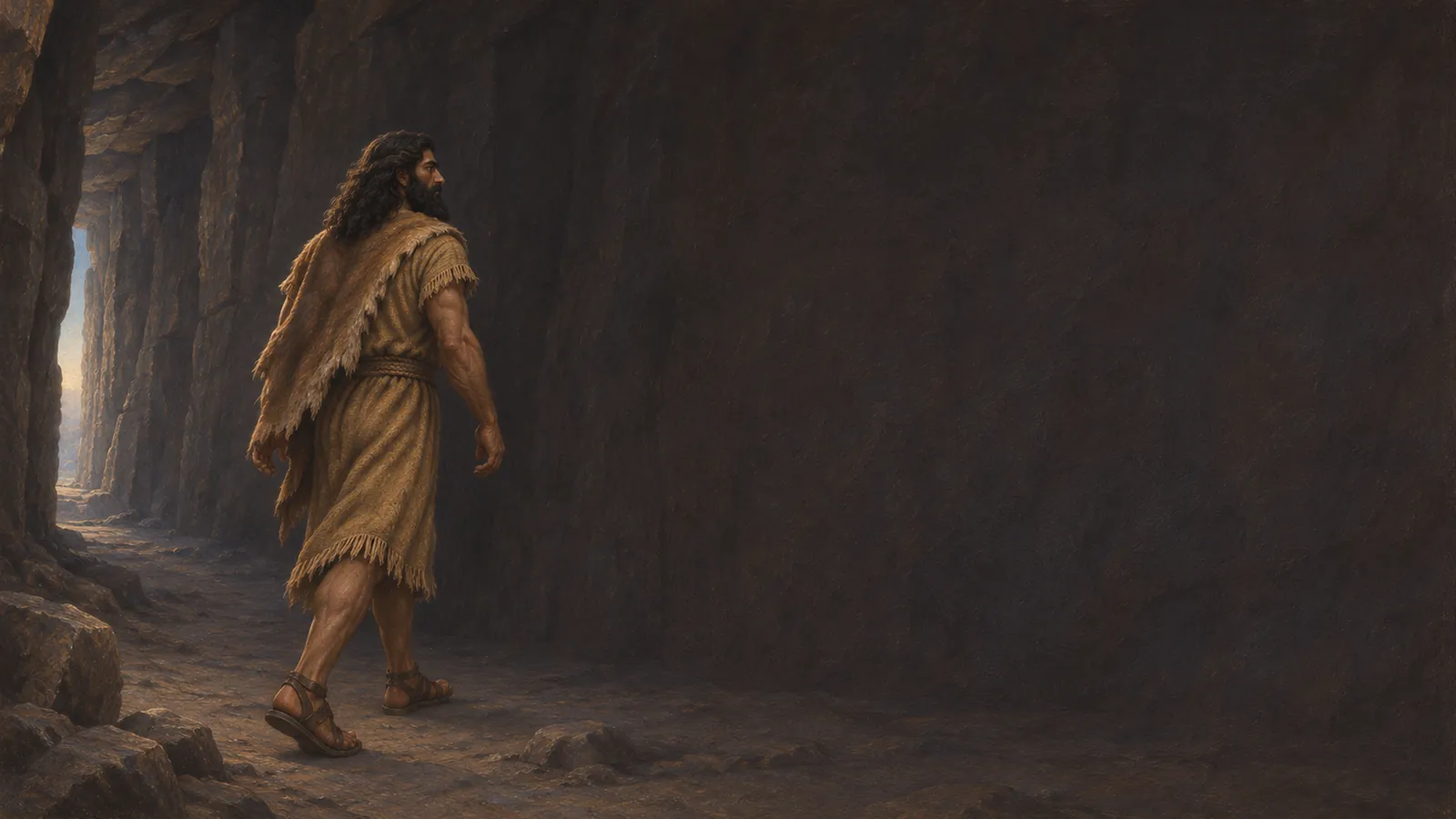
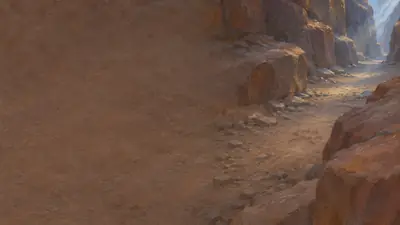
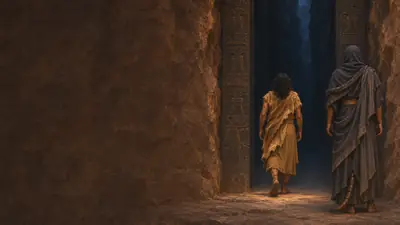
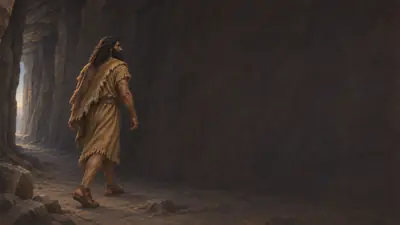
Gilgamesh listened and stepped onto the road the Sun God took. The opening behind him grew small as he followed the path into the rock.
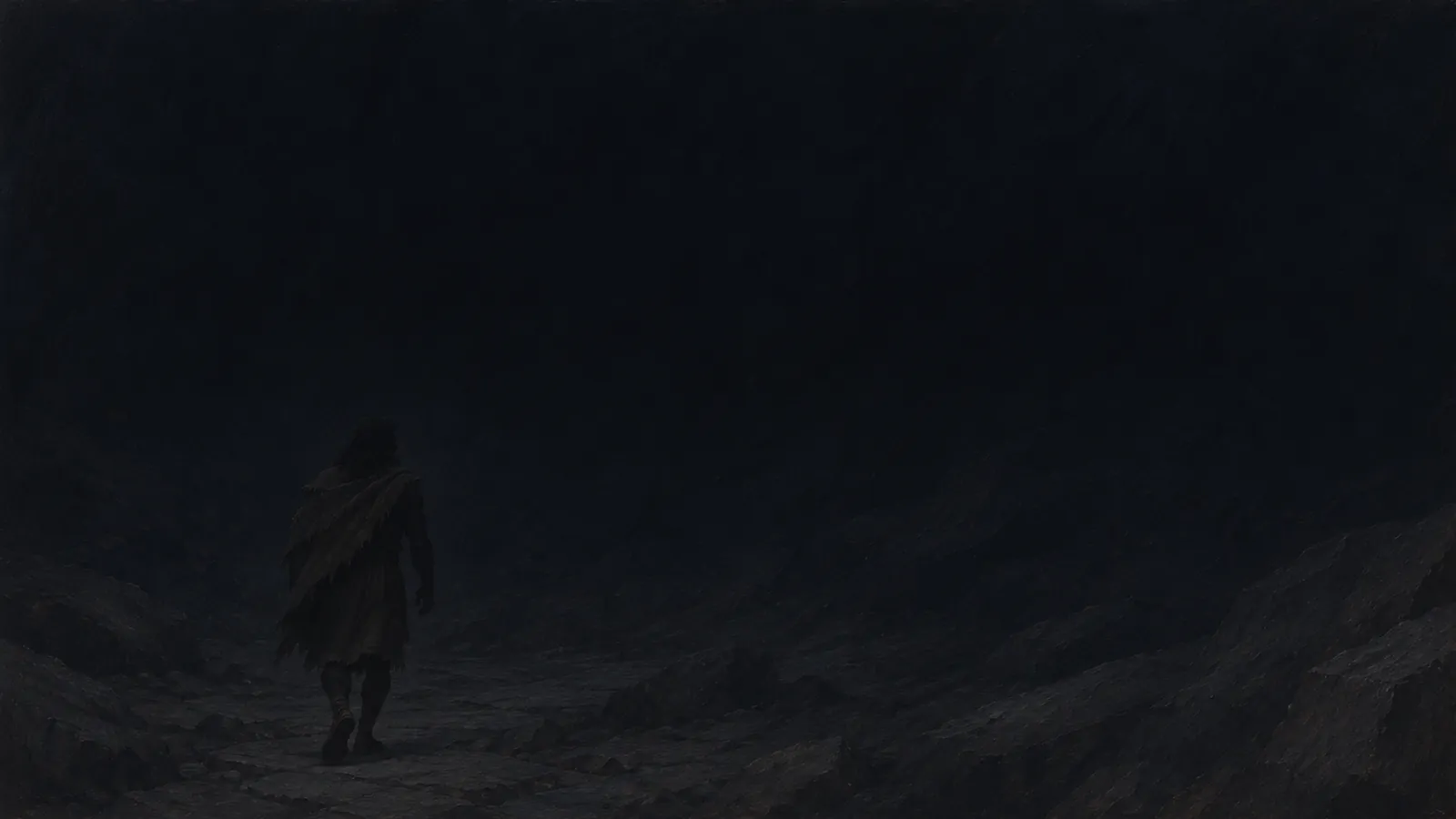
The first stretch passed in darkness so thick that Gilgamesh could no longer see the way he had come. The poem repeats that darkness as he goes.
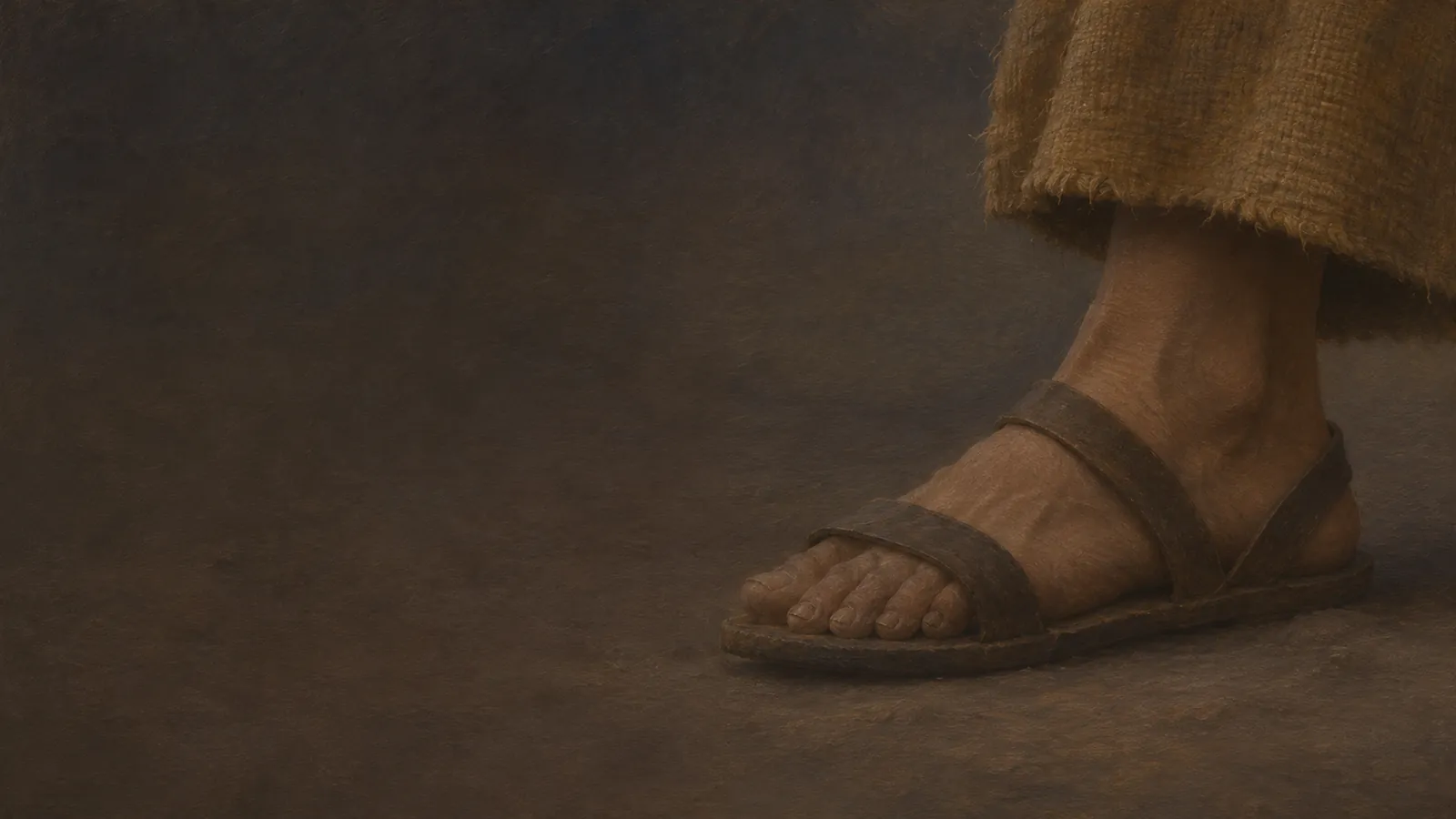
The poem counts another stretch, then another. The repeated words give us a sense of distance while Gilgamesh has nothing he can see by which to measure it.
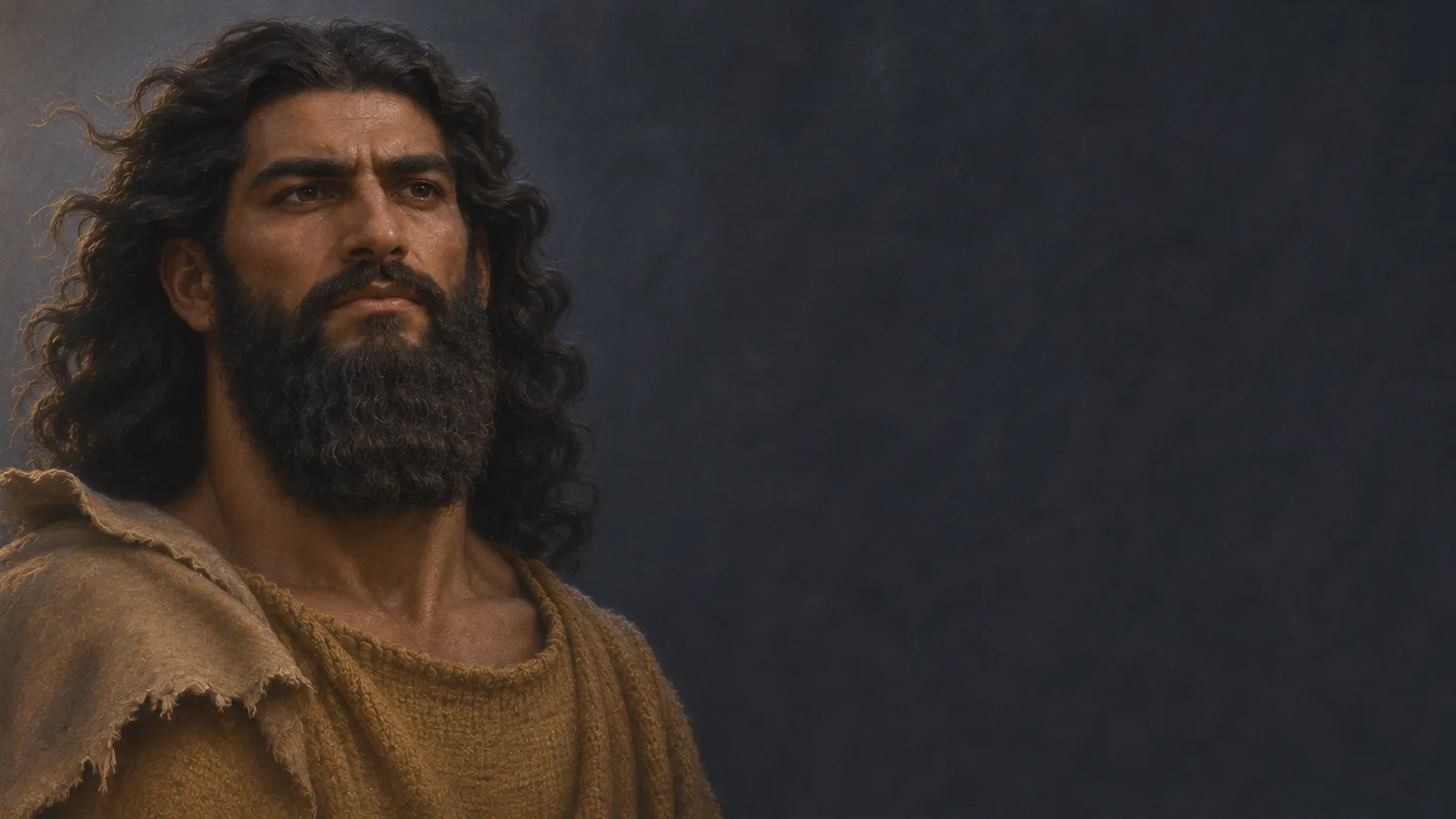
Deep in the passage, the poem mentions a north wind. The line is damaged, but it comes just before the darkness begins to yield to the coming day.
LIGHT
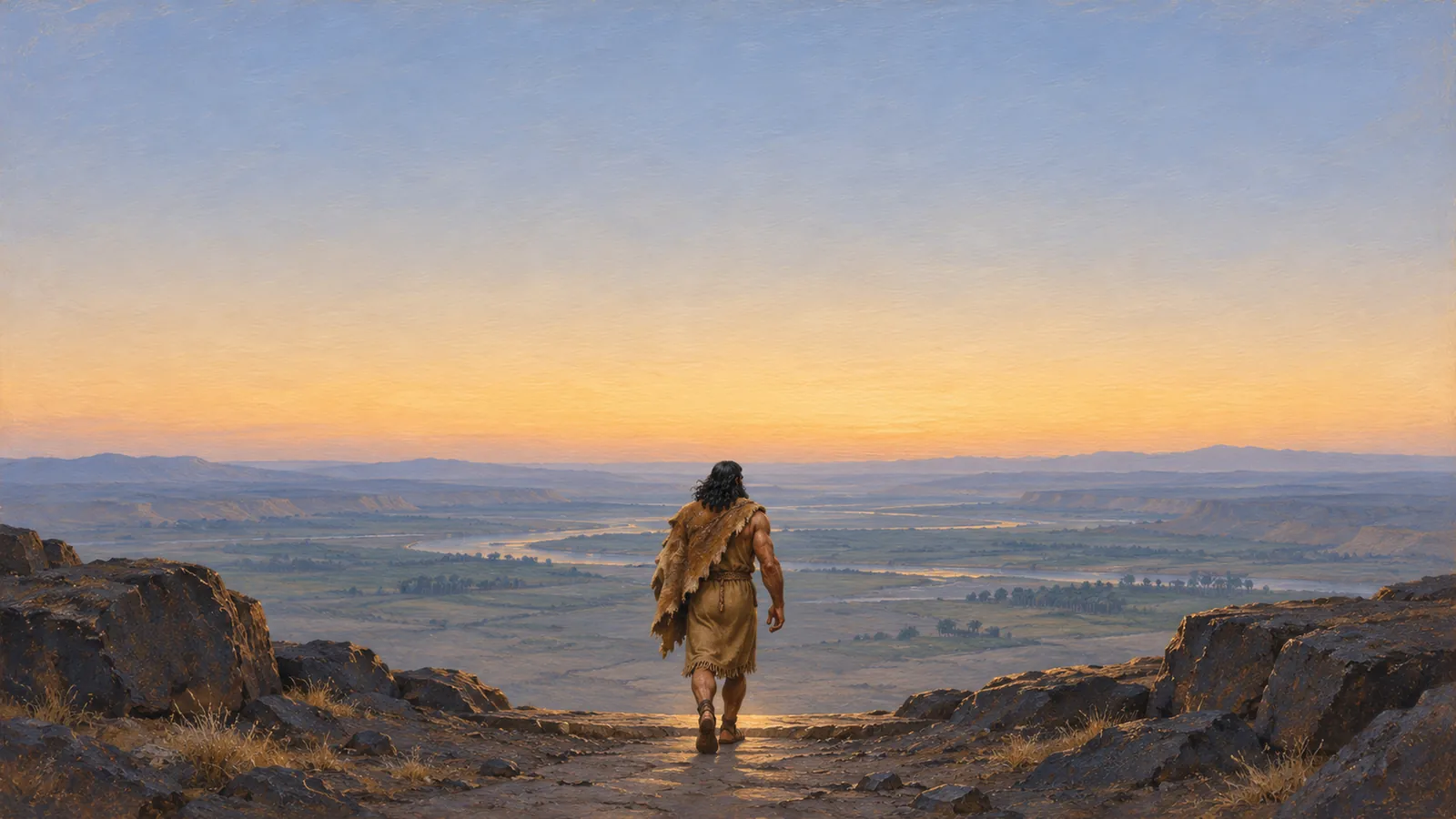
Gilgamesh reached the end of the passage ahead of the sun. He had come through the whole length of darkness into a brilliance the poem describes in fragments.
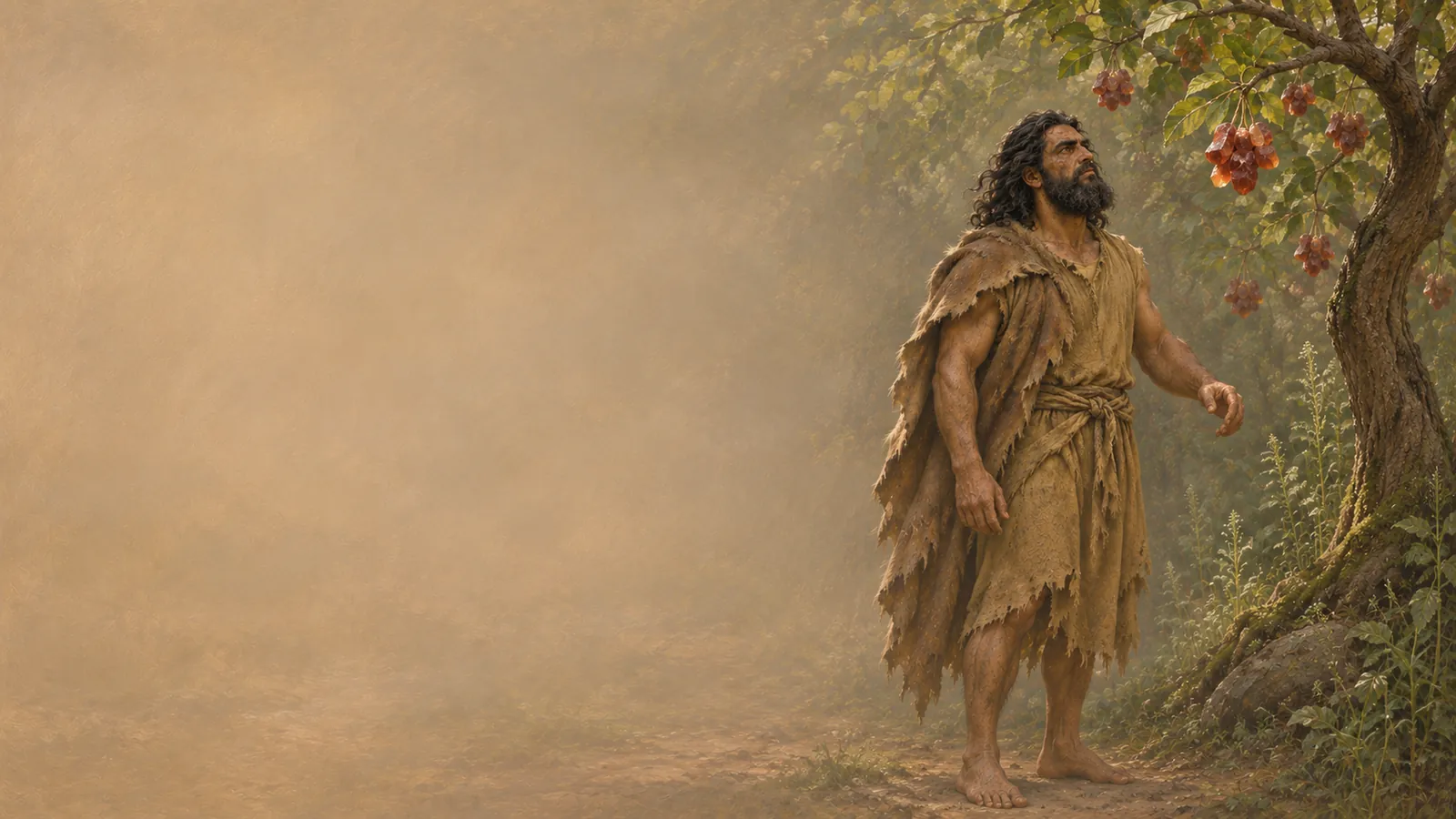
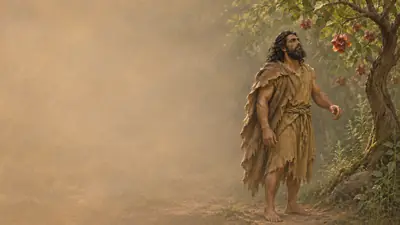
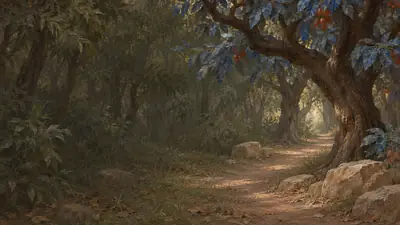
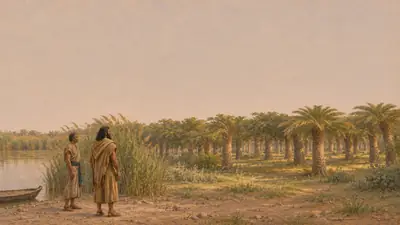
The daylight revealed a garden where precious stones grew on branches. Gilgamesh drew near and saw clusters of red carnelian hanging like fruit in the sun.
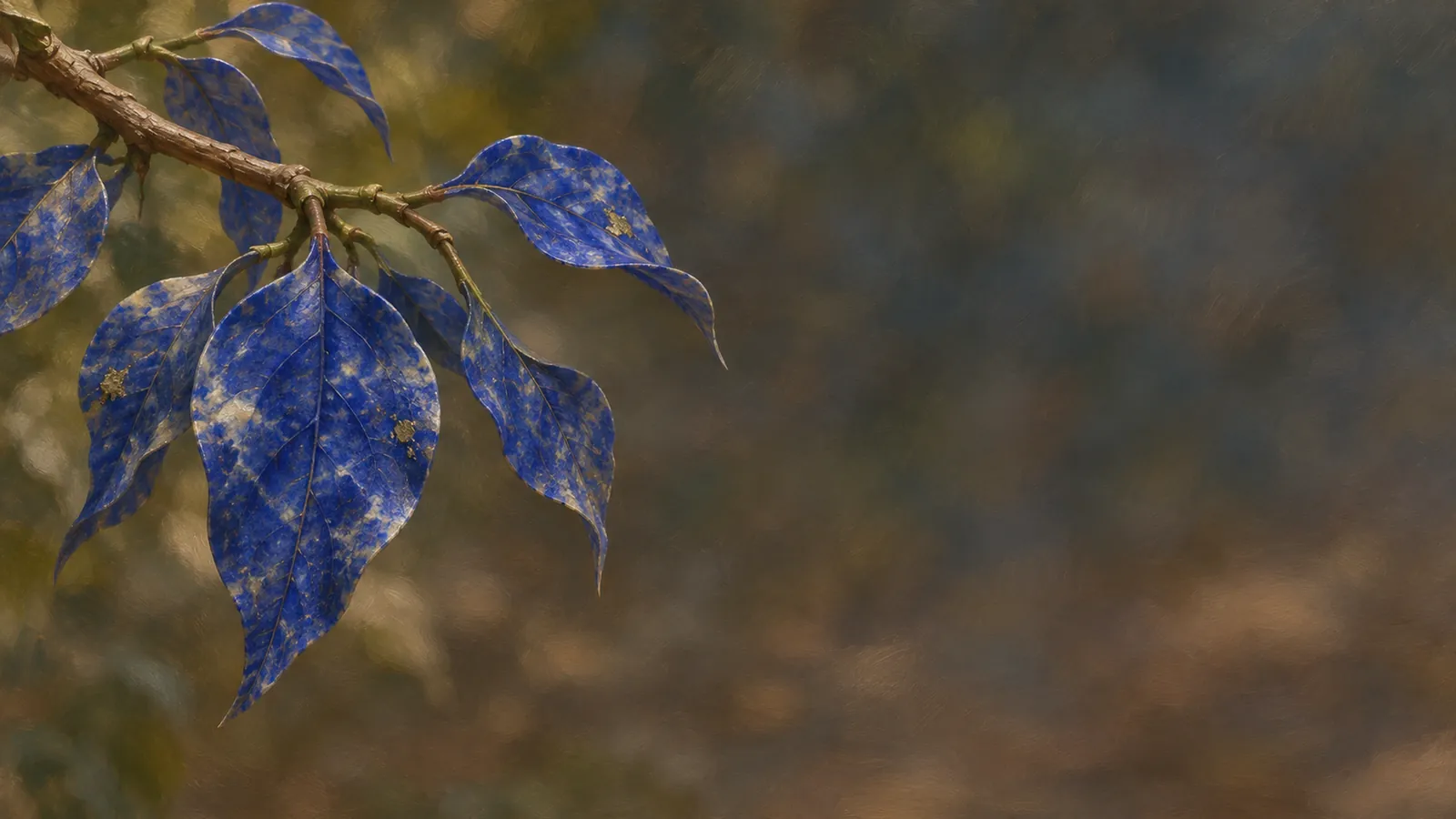
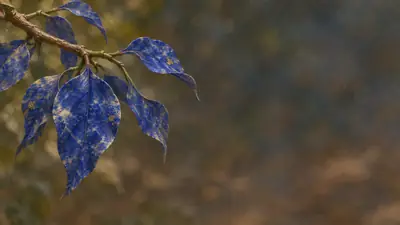
Another branch carried lapis lazuli where we might expect leaves. The poem lingers over what Gilgamesh could see now, after following a road through darkness.
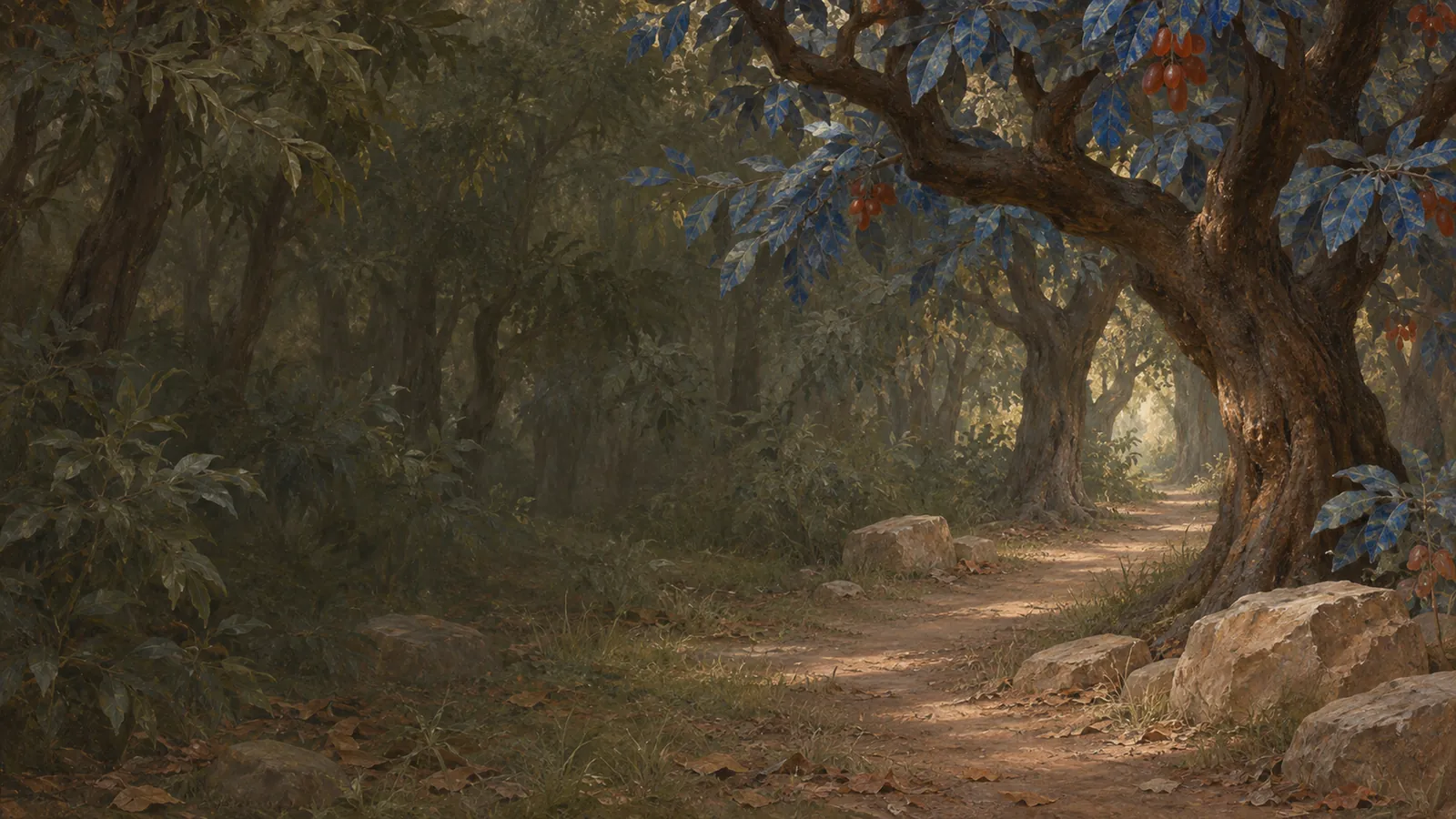
The rest of the garden survives in glimpses. At the end of the tablet as Gilgamesh walks in wonder, someone lifts her head to watch him.
SIDURI
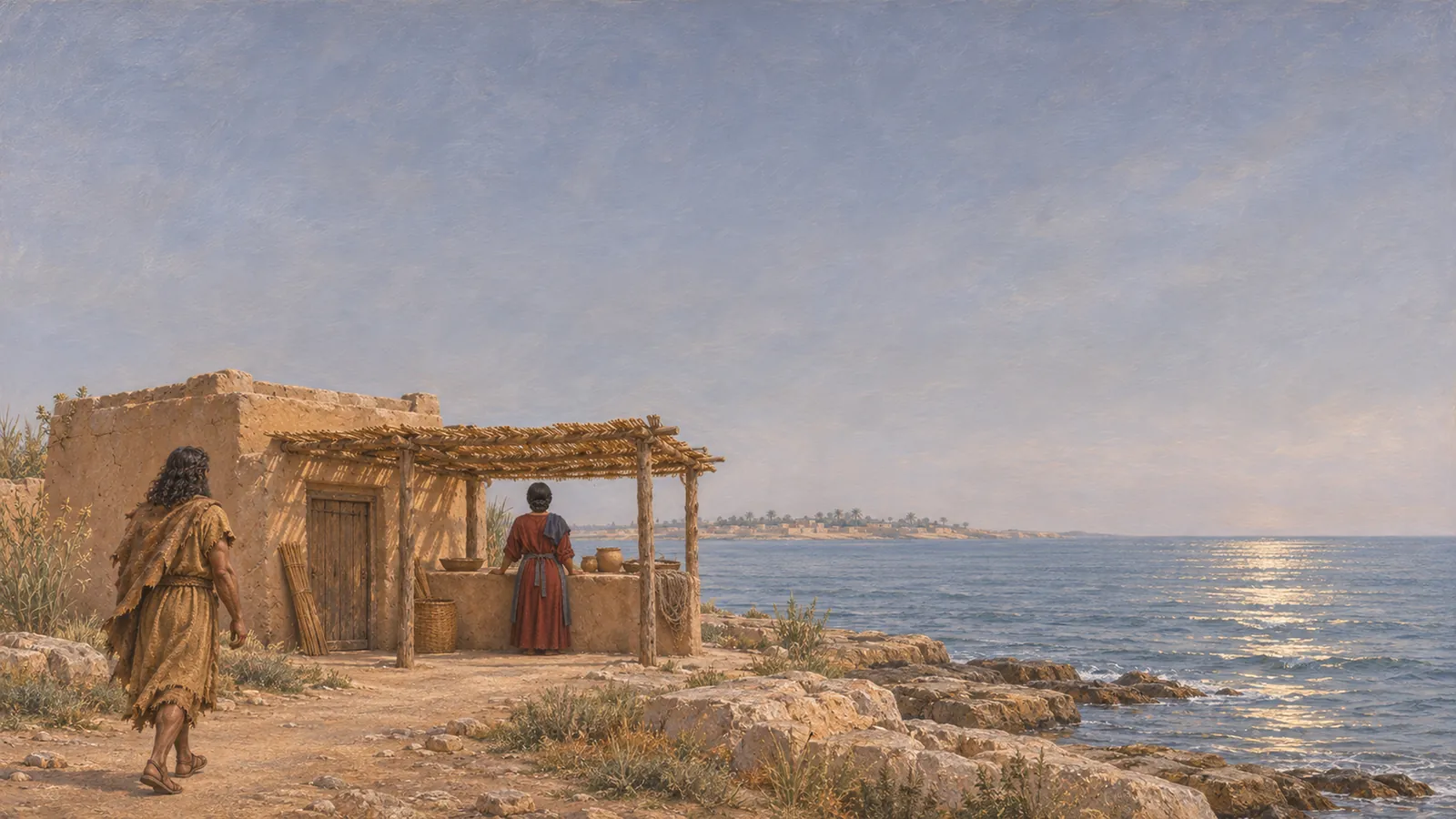
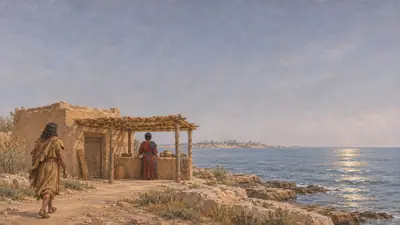
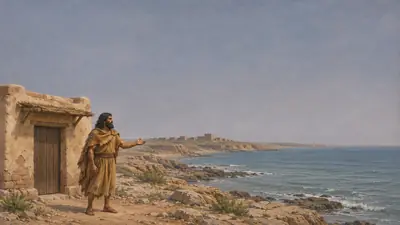
A tavern keeper called Siduri lived where the land met the broad water. Gilgamesh came from the wild country to the place where she kept her door.
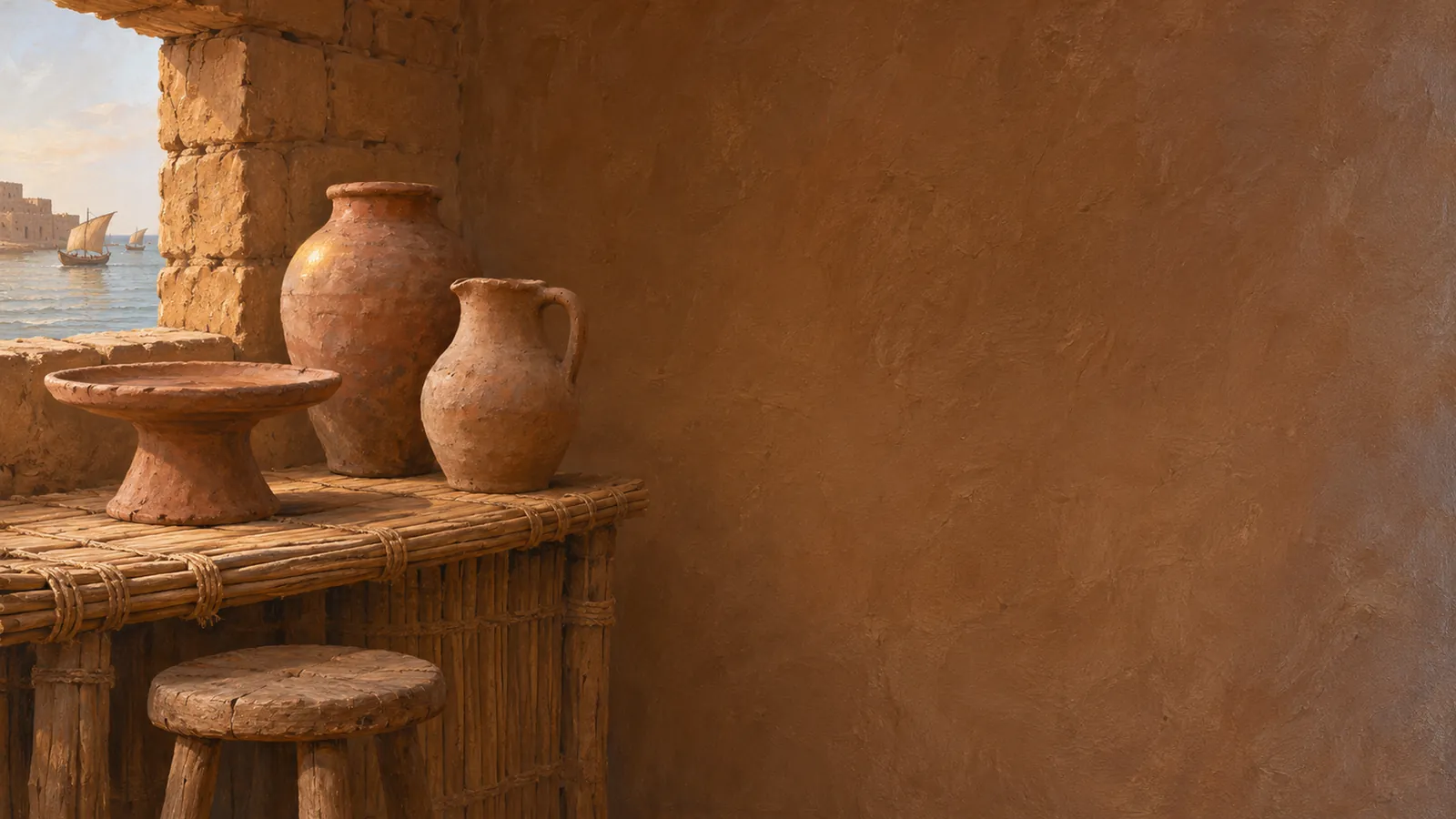
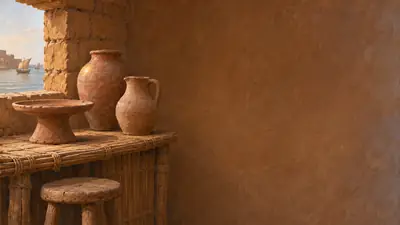
Siduri had stands for vessels, and the damaged line may also describe vats of gold. Someone approaching from the wild had come into view from her house.
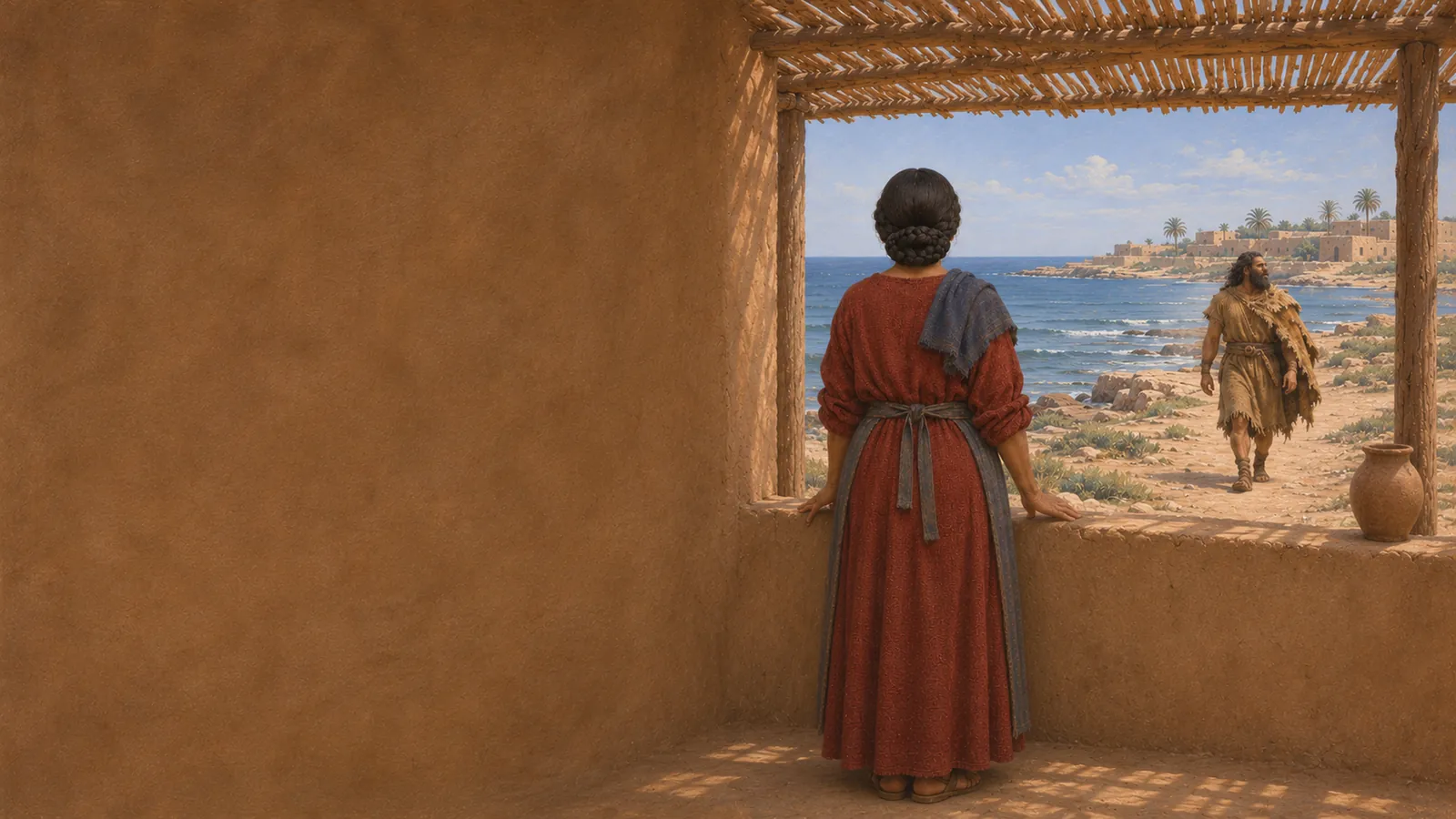
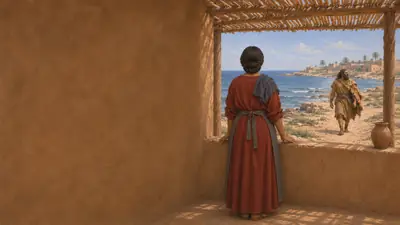
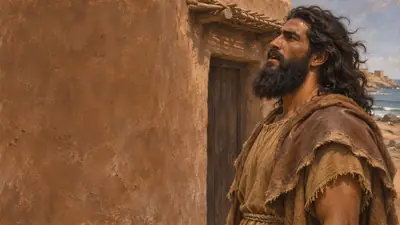
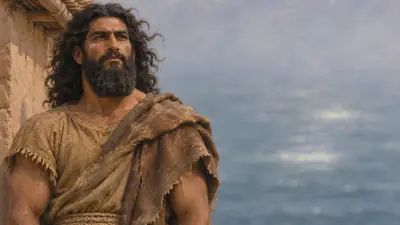
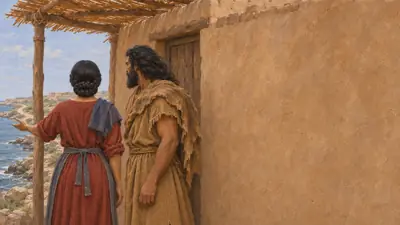
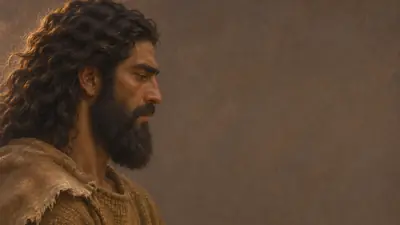
Siduri watched a man in a pelt come toward her gate. He looked like someone who had traveled far and, to her, a man who could kill a wild bull.
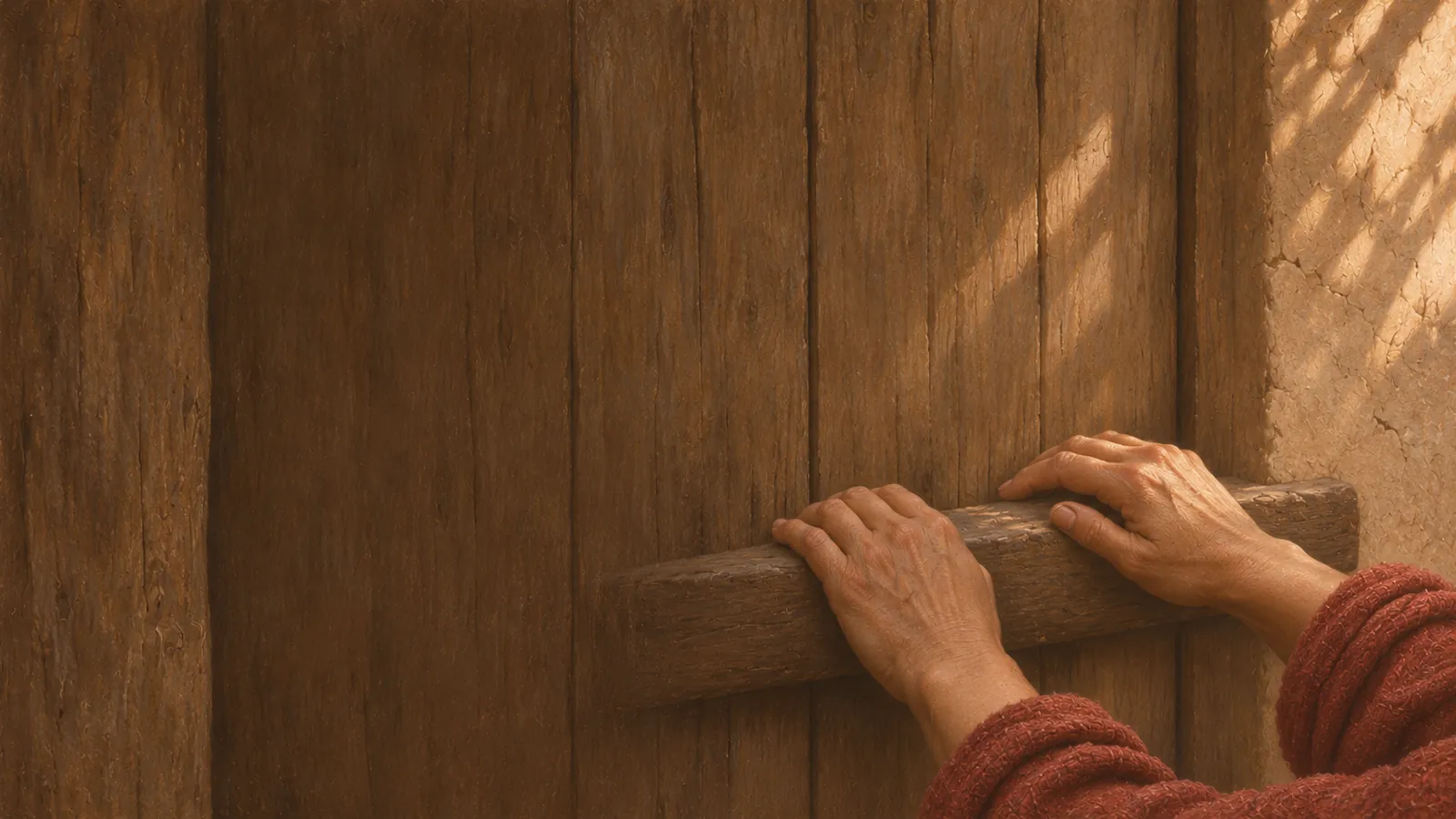
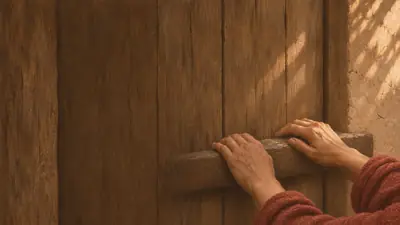
Siduri shut her door and went up to the roof. A closed door gave her room to see who had come without letting him inside.
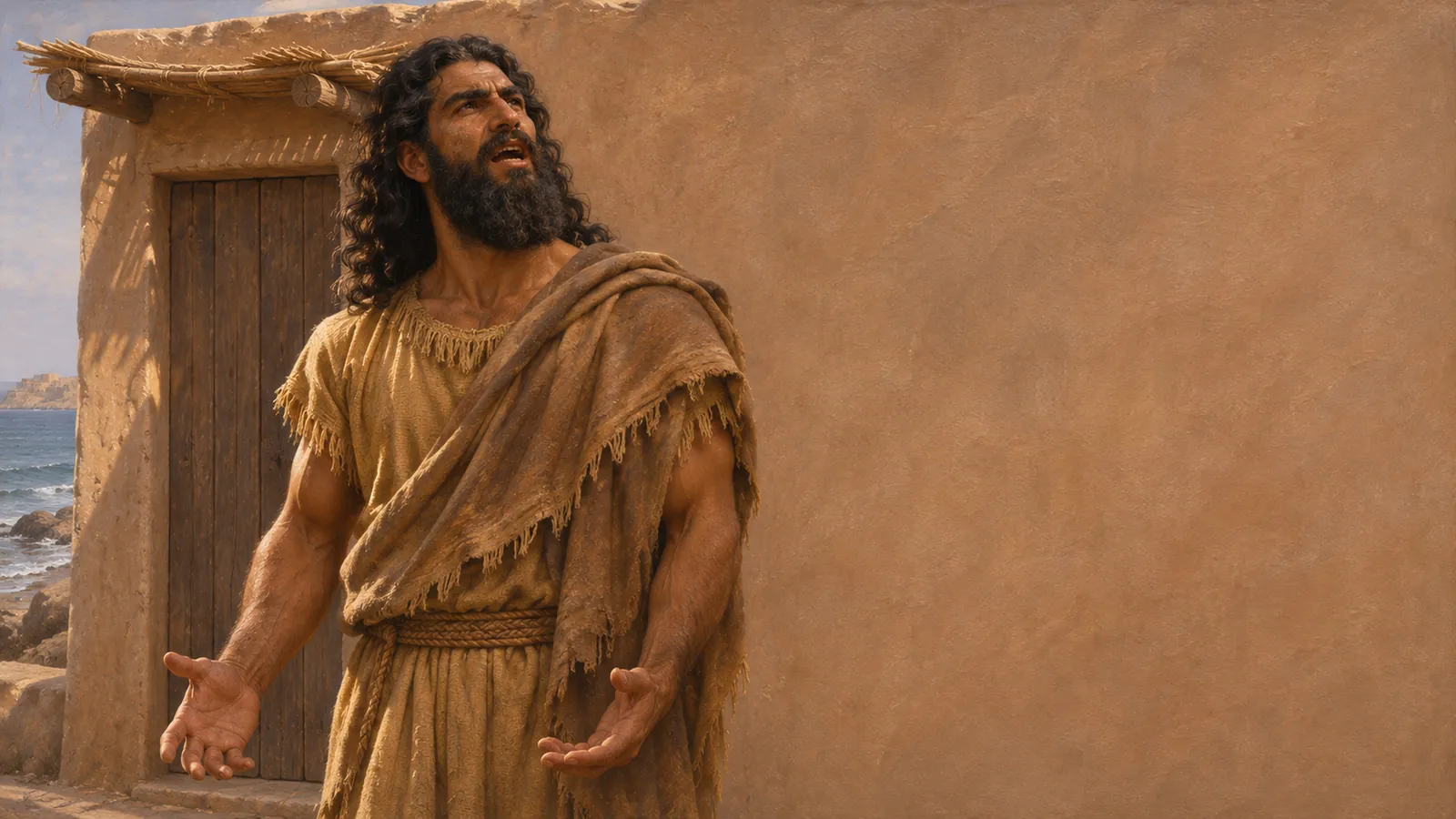
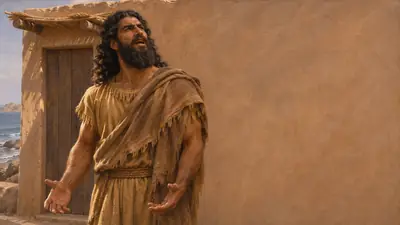
Gilgamesh asked Siduri why she had shut him out. In the surviving lines he threatens to break the door, and we can hear how harsh he must have sounded to a stranger.
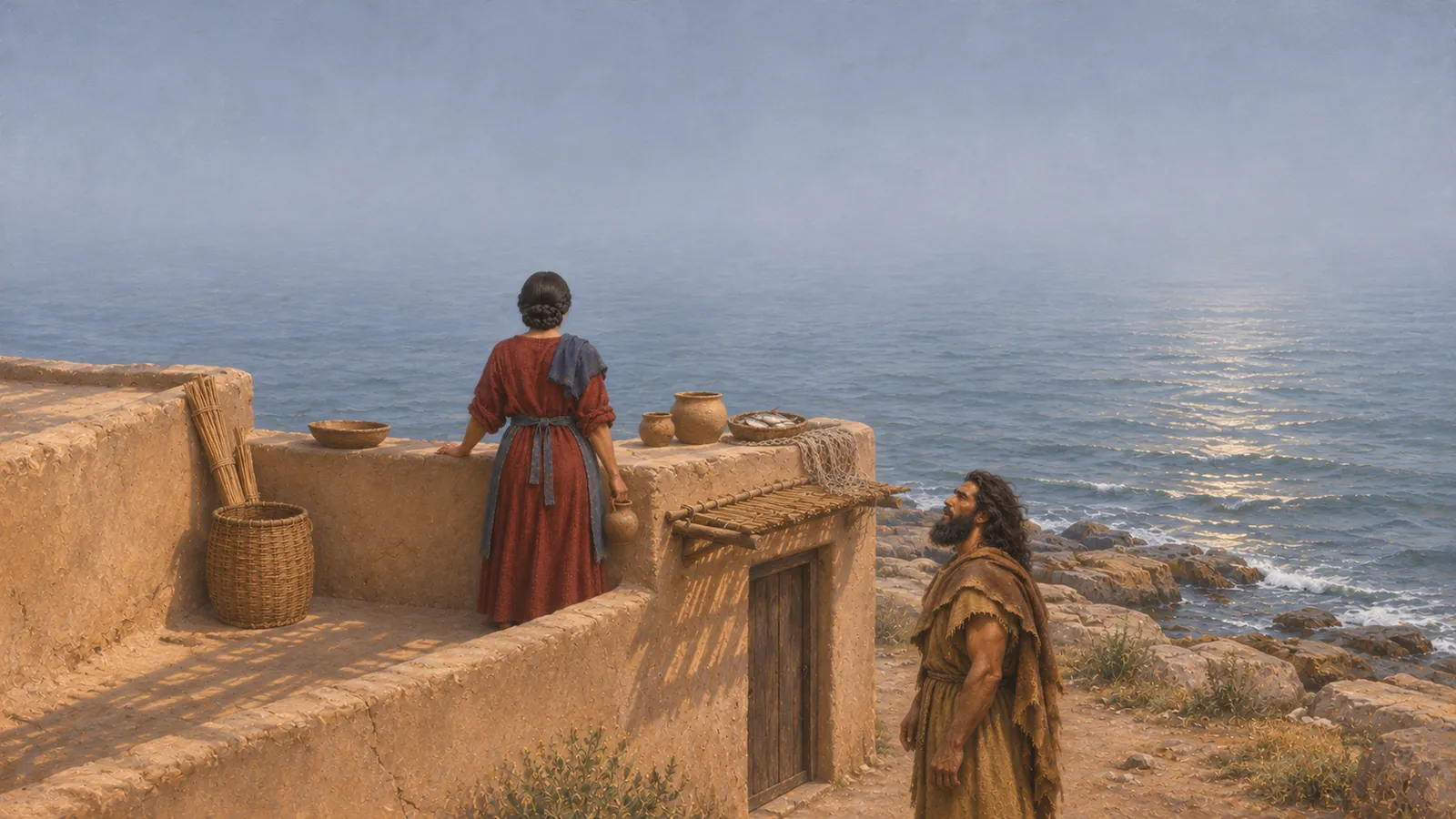
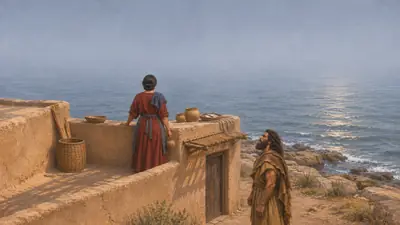
From the roof, Siduri asked about the road that had brought him there. The damaged exchange preserves her caution even as she begins to listen.
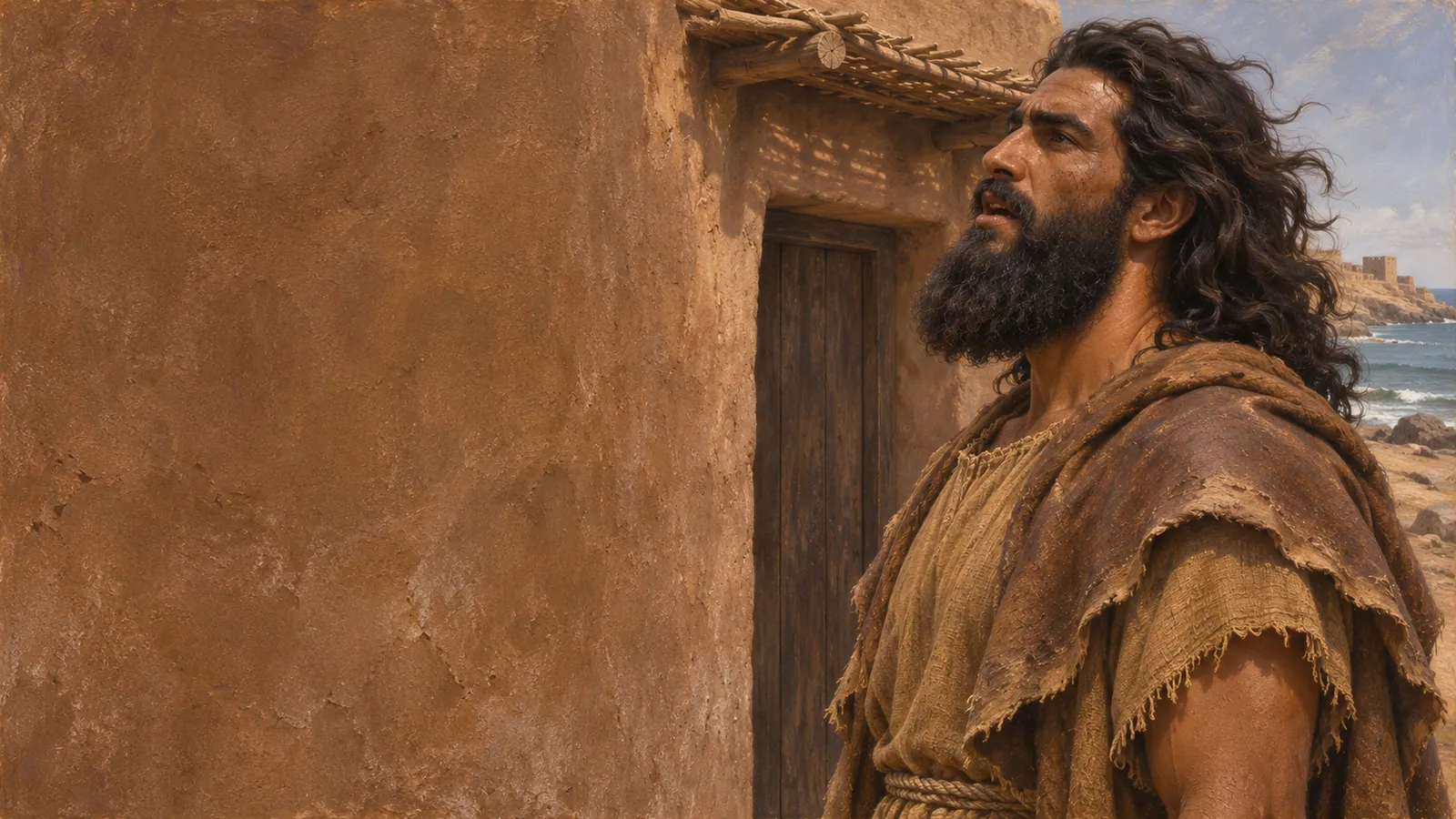
Gilgamesh told her about the mountain crossings, the Bull of Heaven, and the forest guardian. He spoke in the plural when he recalled the things he and Enkidu had done together.
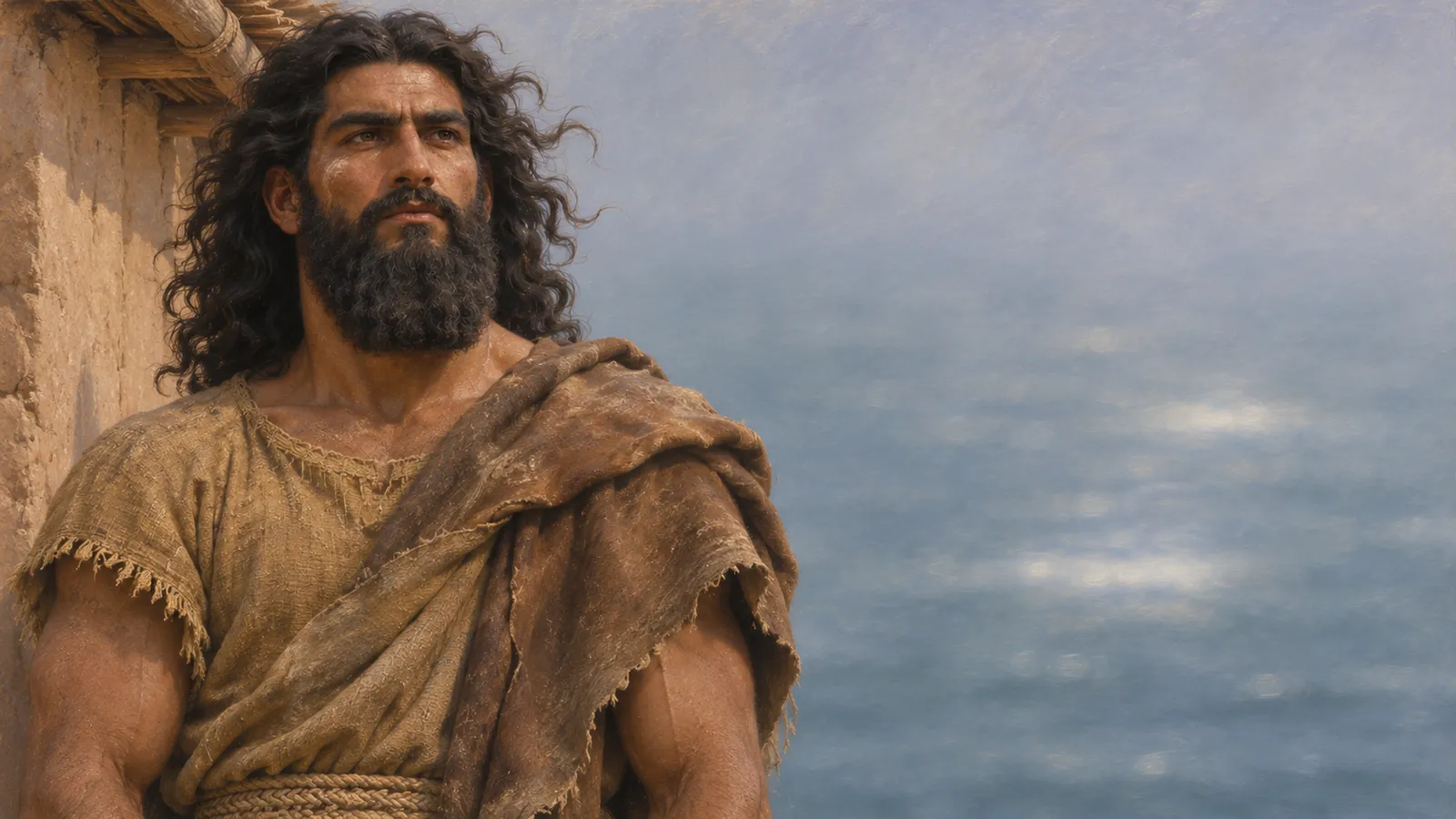
Siduri had heard what he claimed to have done. She wanted to know why his face looked as it did, weathered and drawn like that of a man who had come a long way.
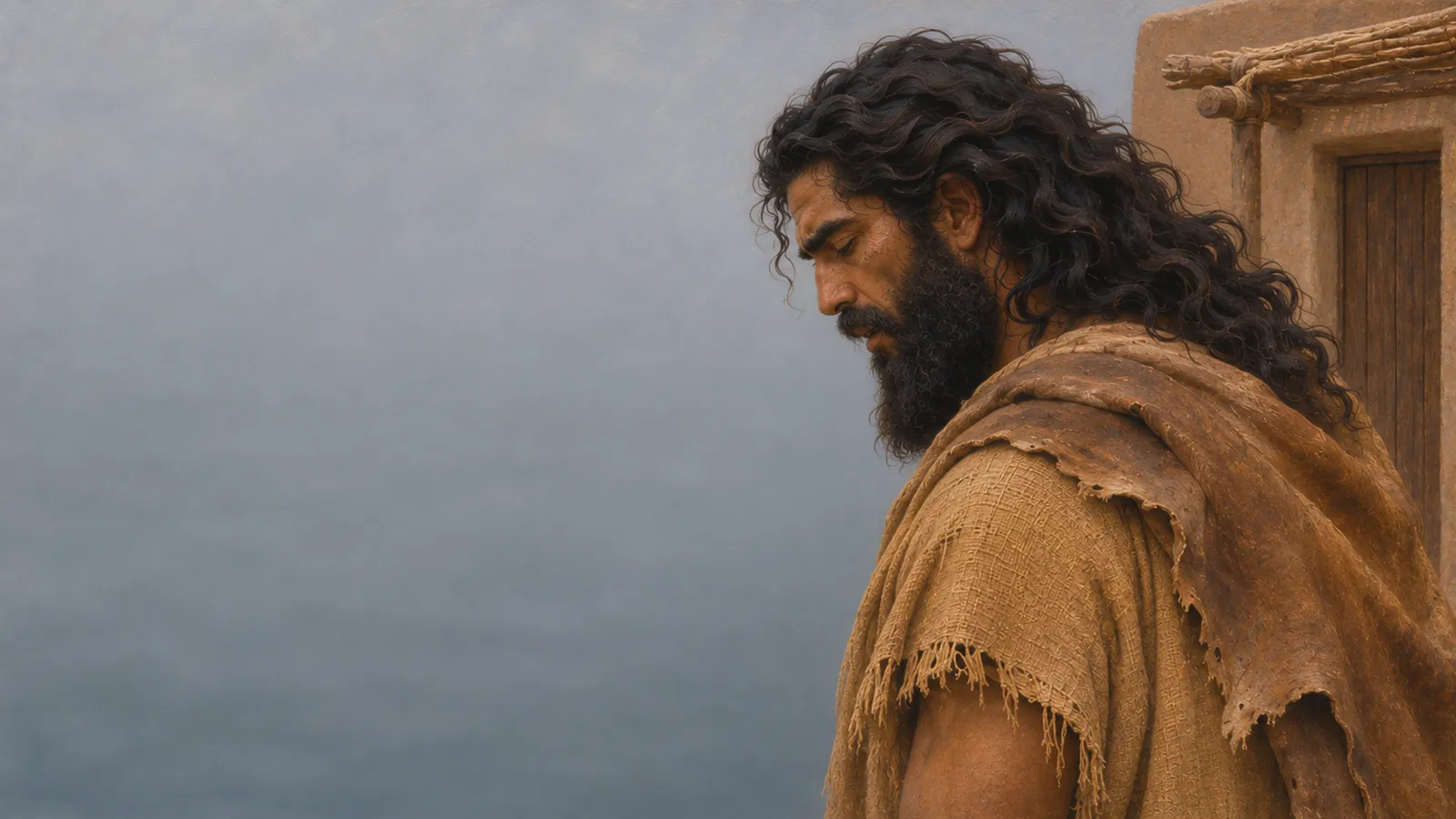
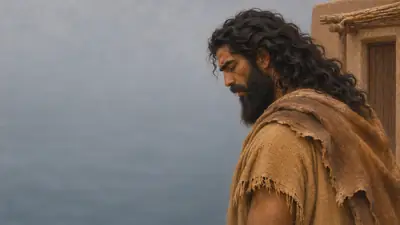
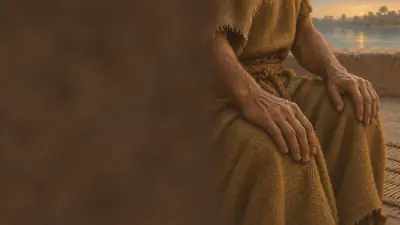
Gilgamesh mourned Enkidu for six days and seven nights and would not let him be buried. When he saw signs of decay in his friend’s body, he grew afraid of his own death.
WAY
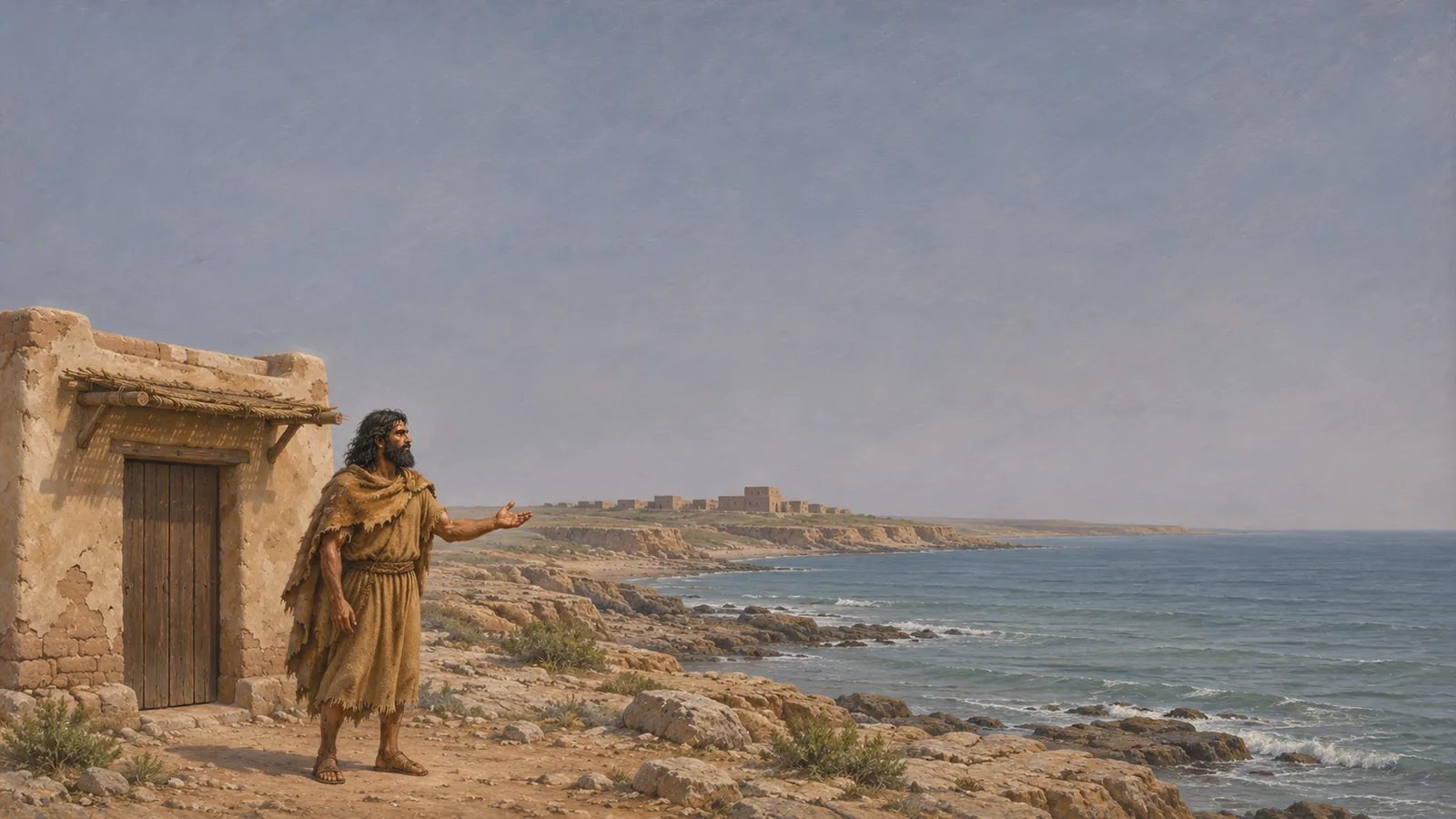
Gilgamesh asked how to get to Utnapishtim. If there was a way across the sea, he meant to try it, though his road up to now had already cost him much.
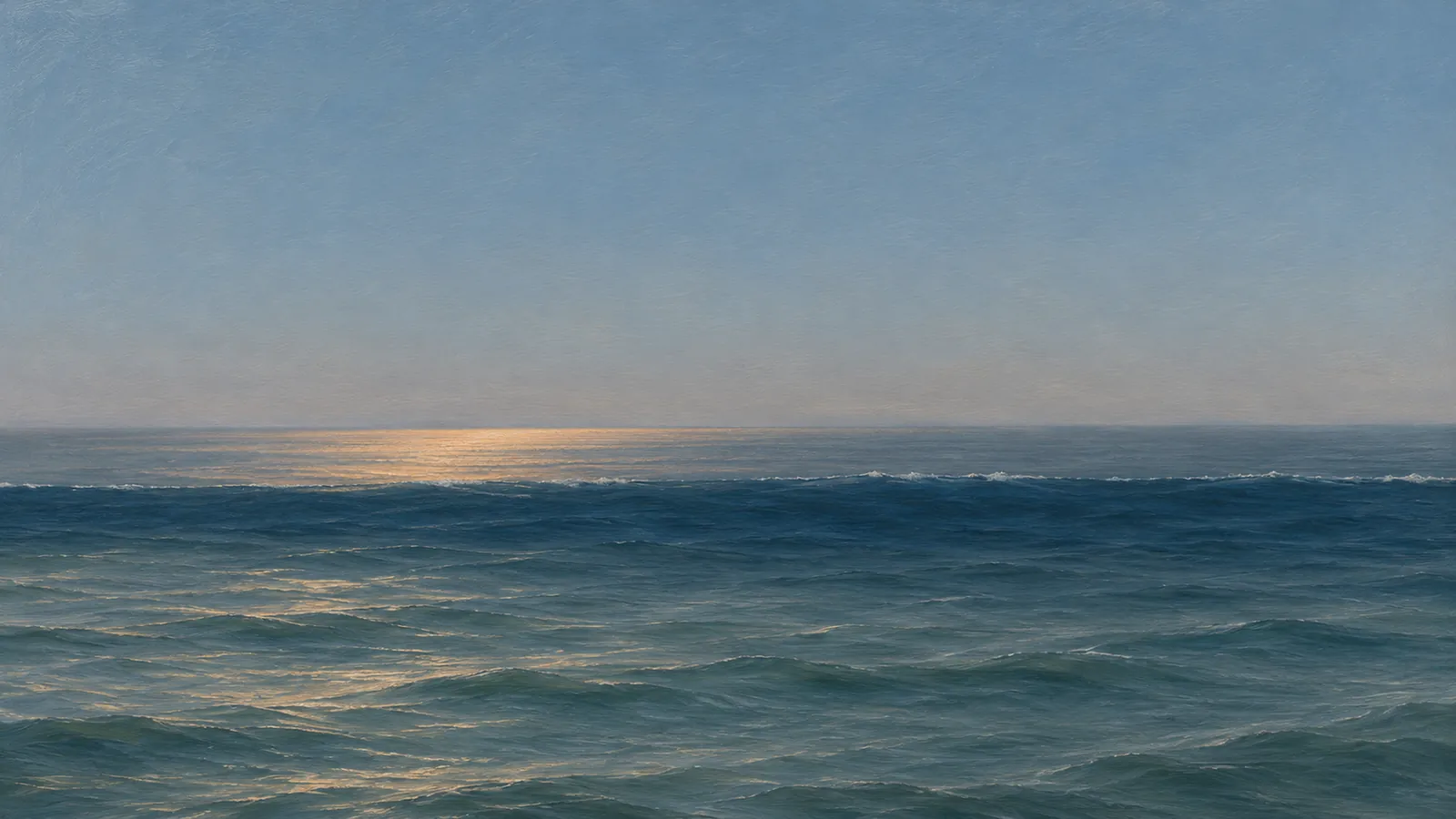
Siduri told him that the Sun God crossed the sea, but the passage lay beyond ordinary travelers. The way was barred by what she called the Waters of Death.
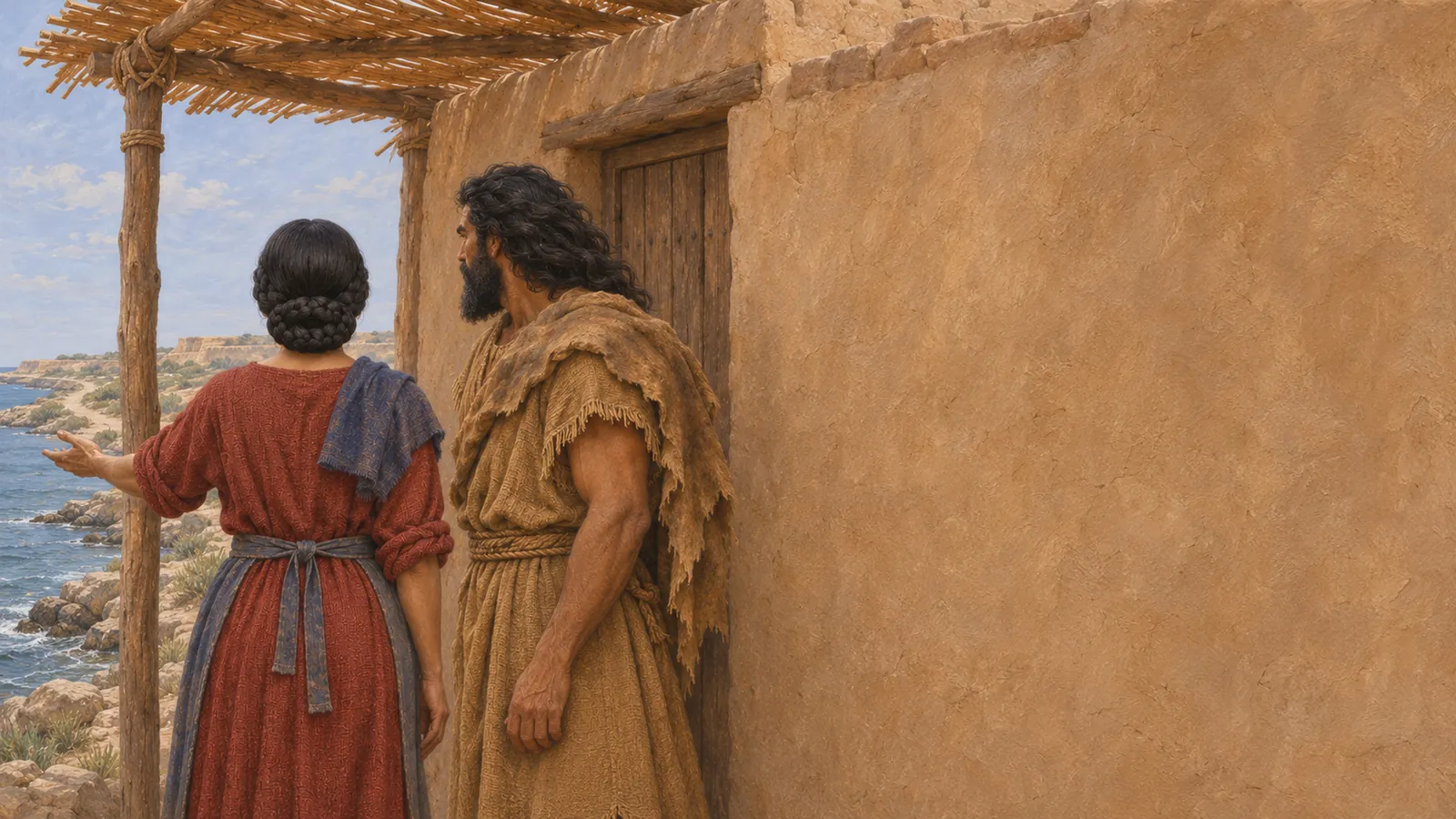
Even so, Siduri knew someone Gilgamesh could seek. She pointed him toward Urshanabi, Utnapishtim’s ferryman, who had with him what the poem calls the Stone Ones.
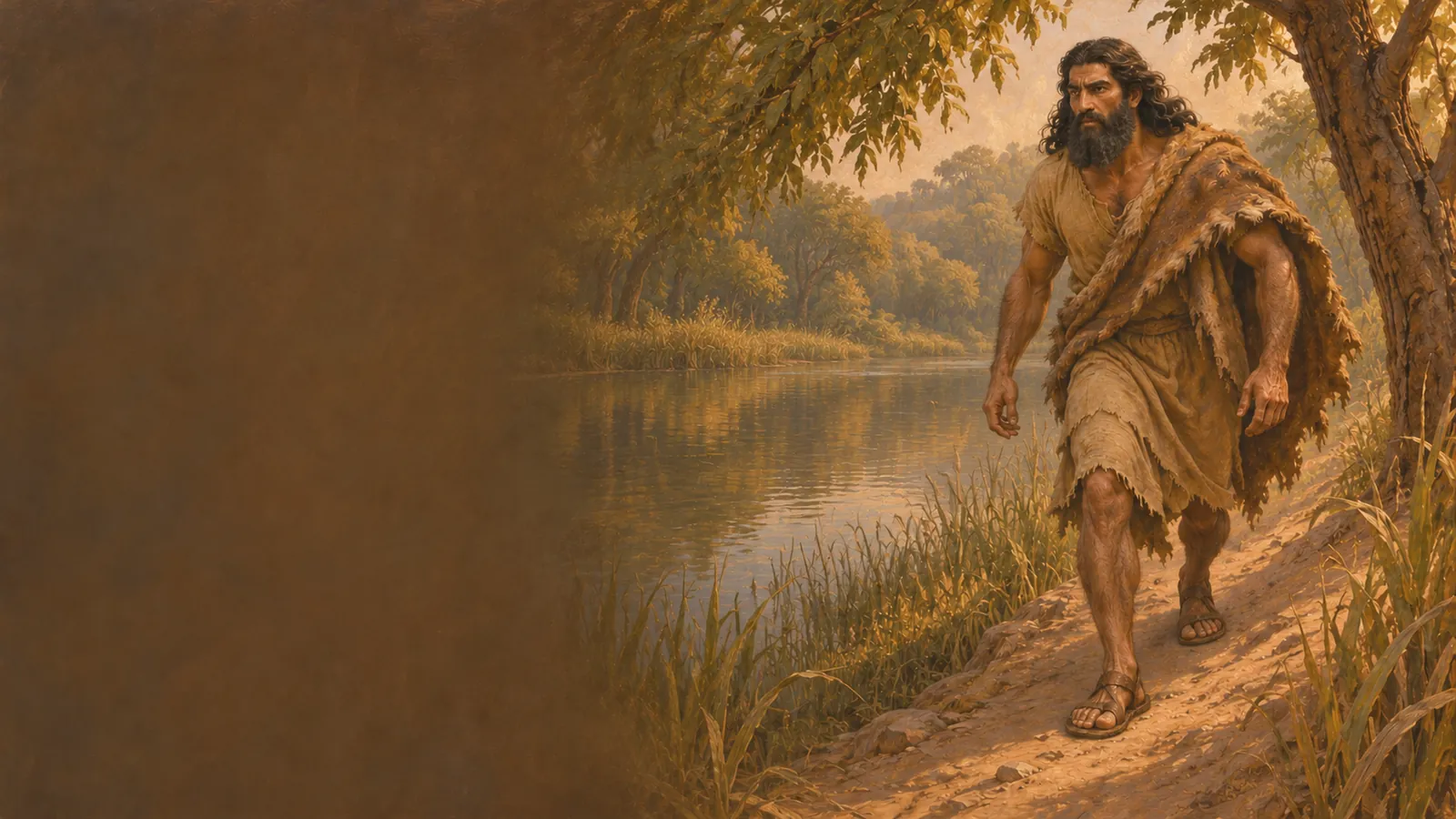
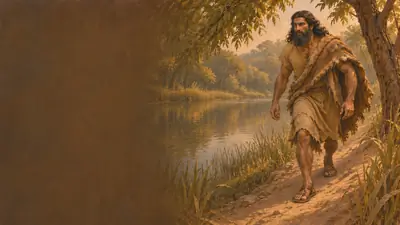
Gilgamesh heard Siduri and rushed down through the woods. He laid hands on the ferryman, the very person Siduri had told him could help.
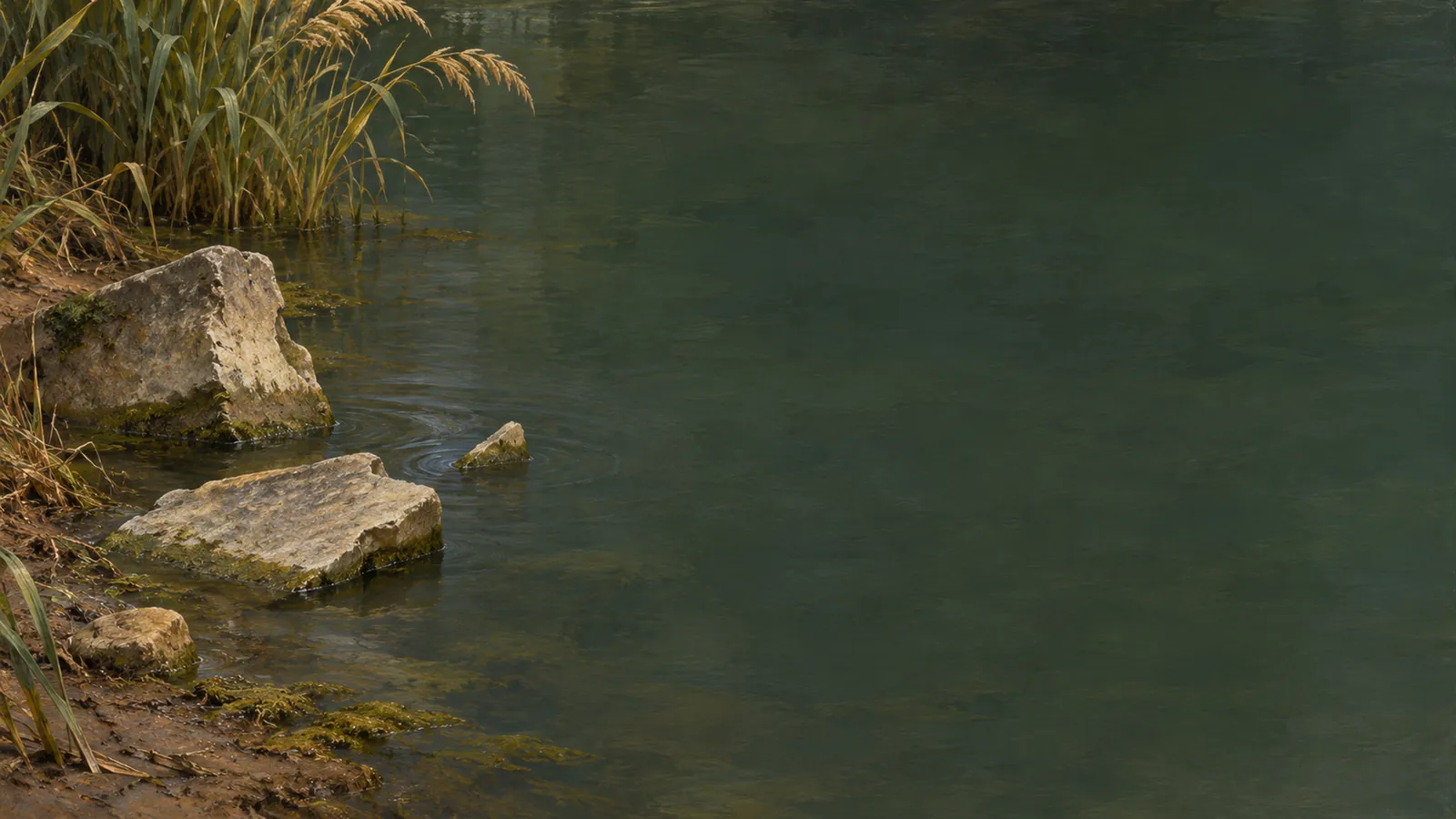
The Stone Ones were broken and thrown into the river. The poem tells us what Gilgamesh did to them and how much that mattered, while their precise nature remains uncertain.
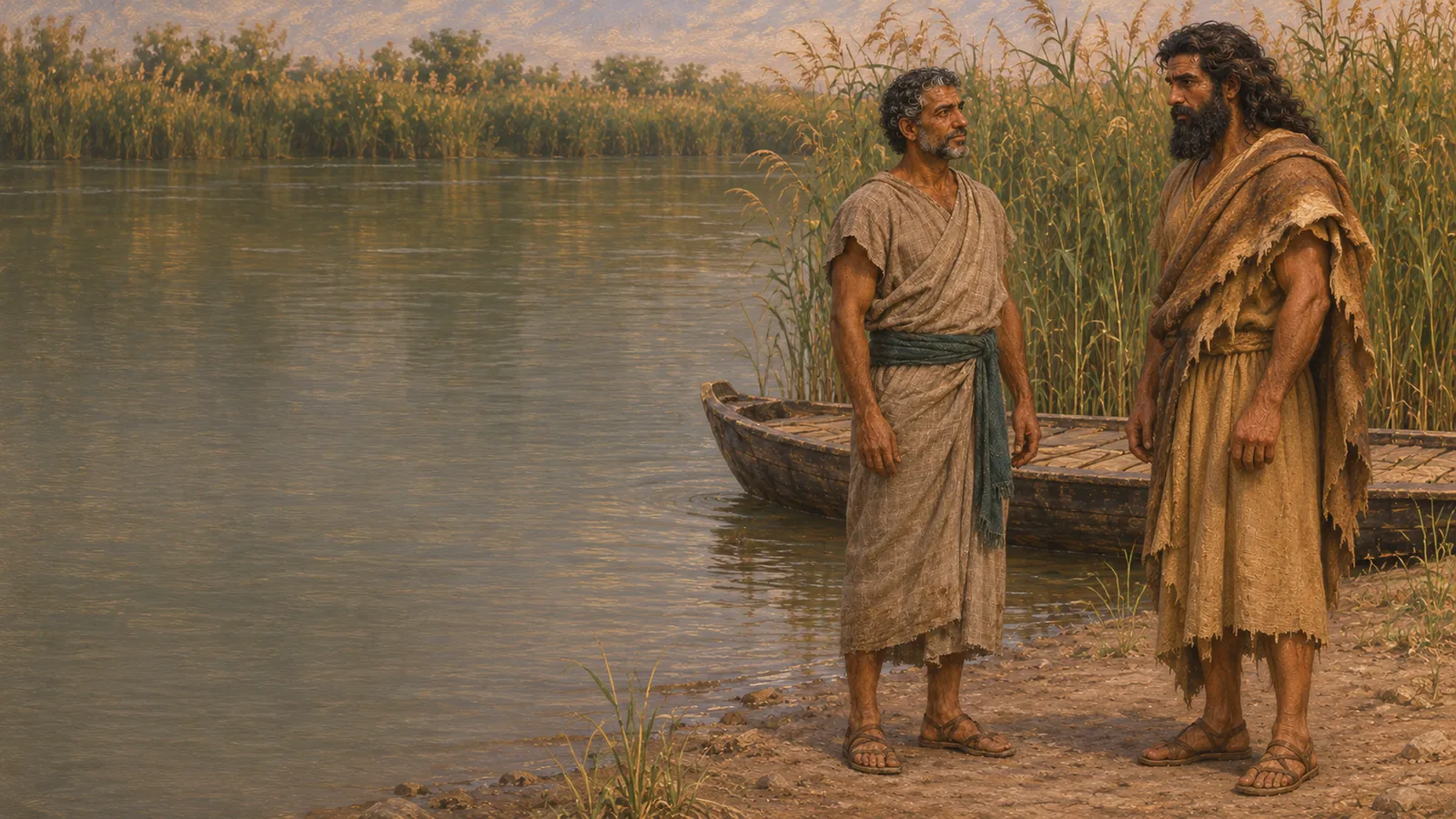
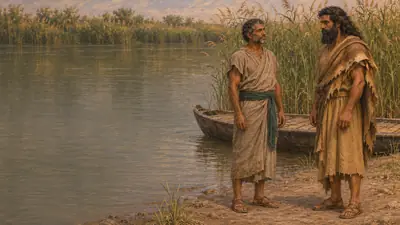
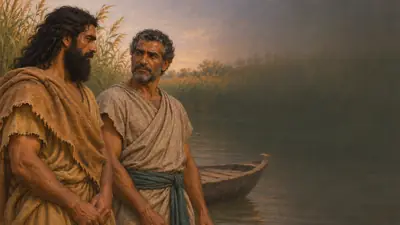
At the bank Gilgamesh finally spoke with Urshanabi, the man who could take him across. The ferryman was looking at a stranger who had already broken something he needed.
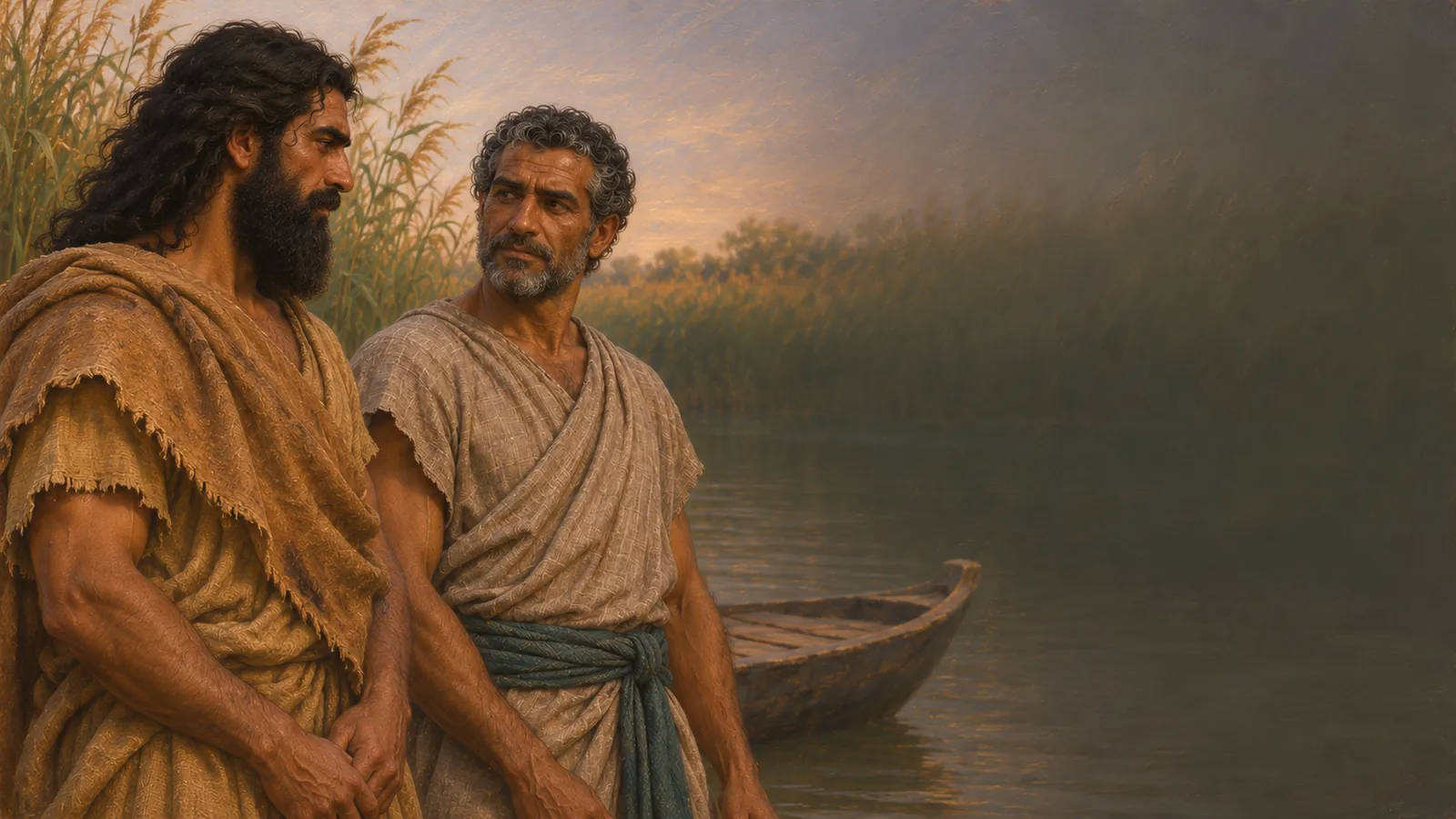
Urshanabi asked why he looked so hollow after his journey. Like Siduri, he wanted to understand what could have sent a man so far from home.
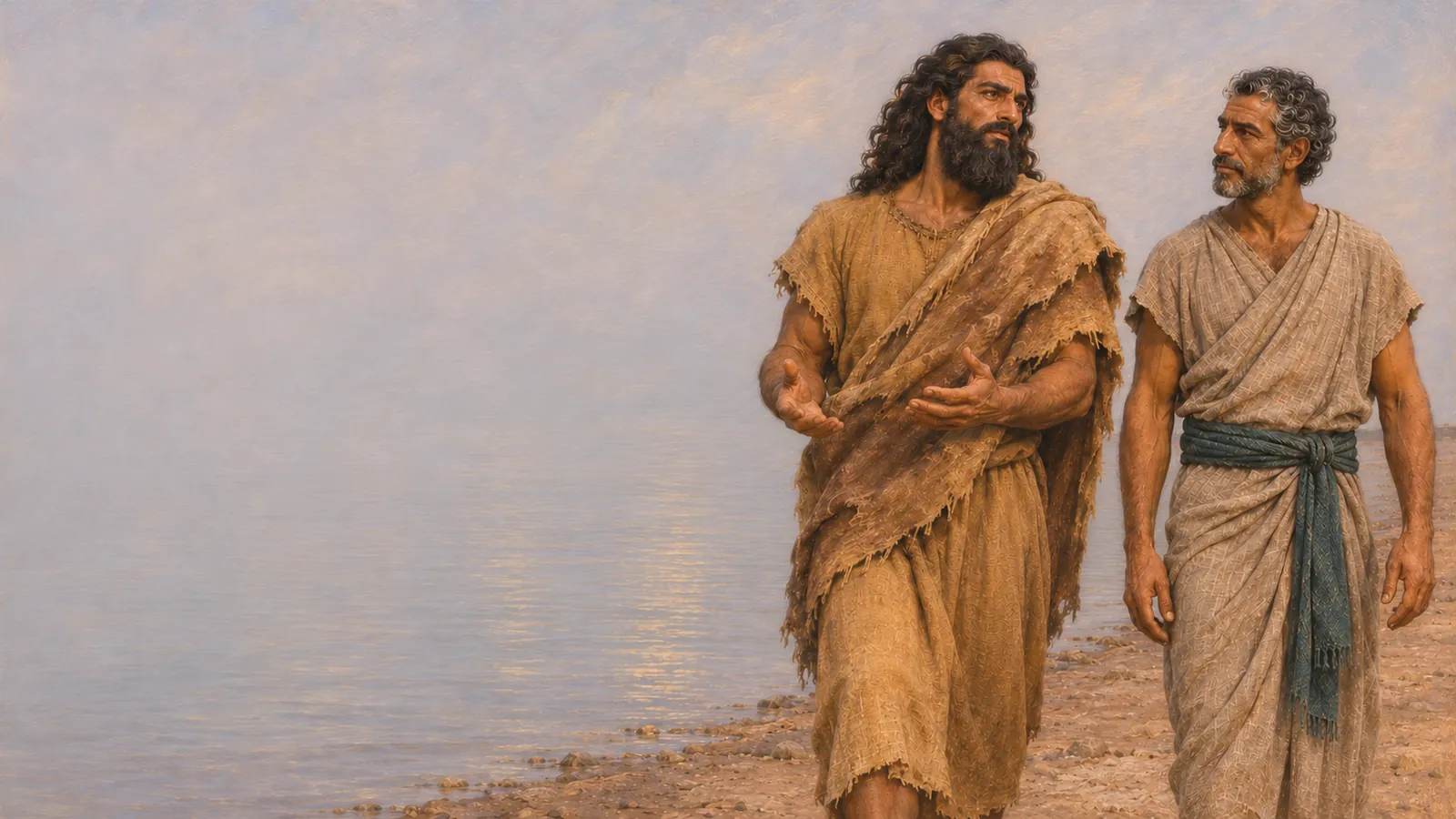
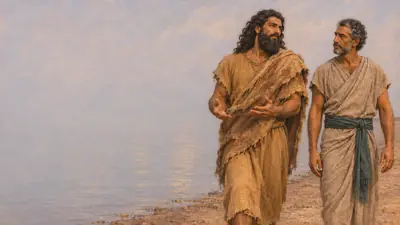
Gilgamesh told the story again. Enkidu had been beside him through every danger, and now the thought of his friend’s death followed him farther than any of their journeys.
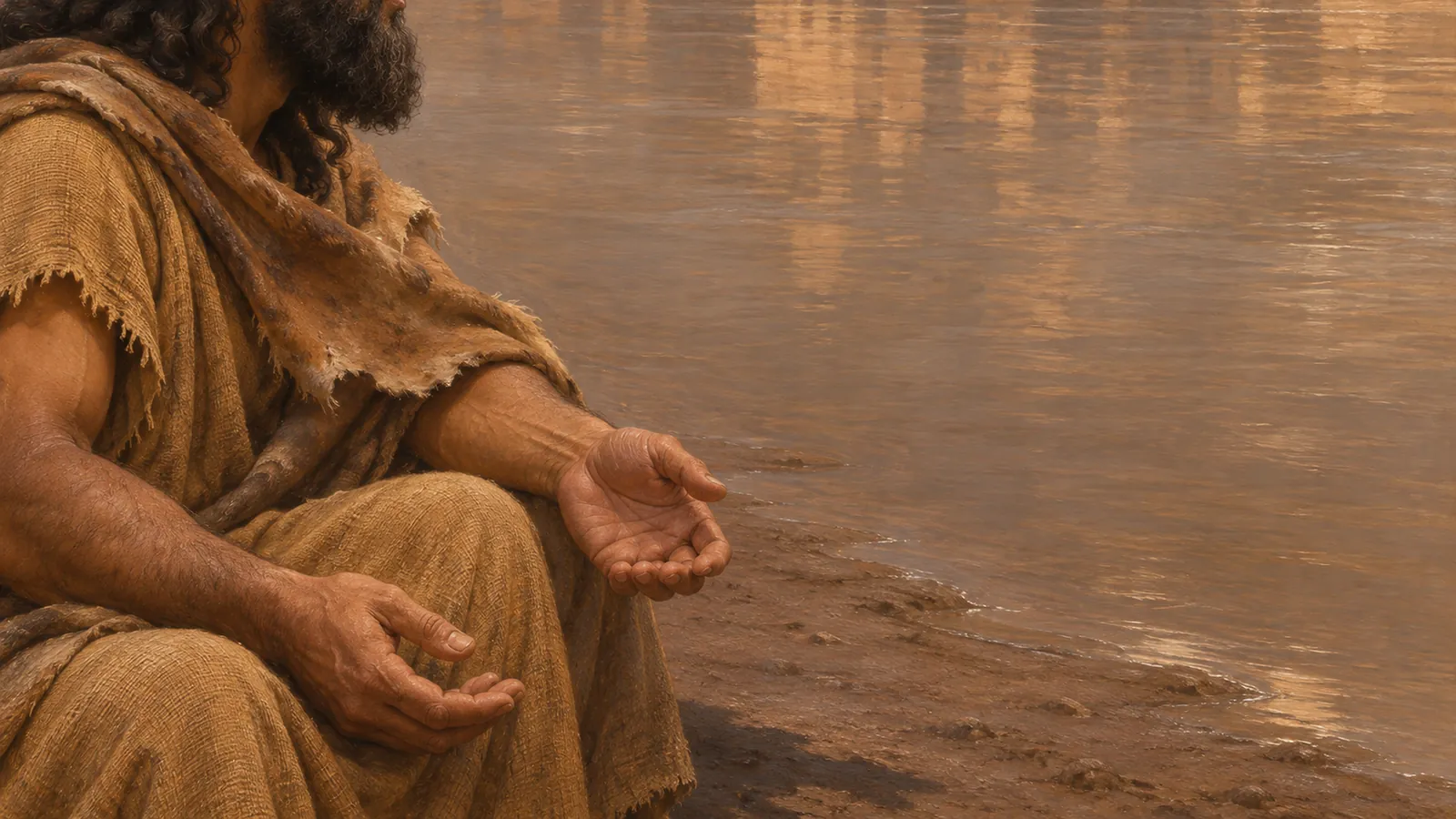
When Gilgamesh asked again for a route, Urshanabi told him his own hands had blocked it. By breaking the Stone Ones, he had made the crossing harder for himself.
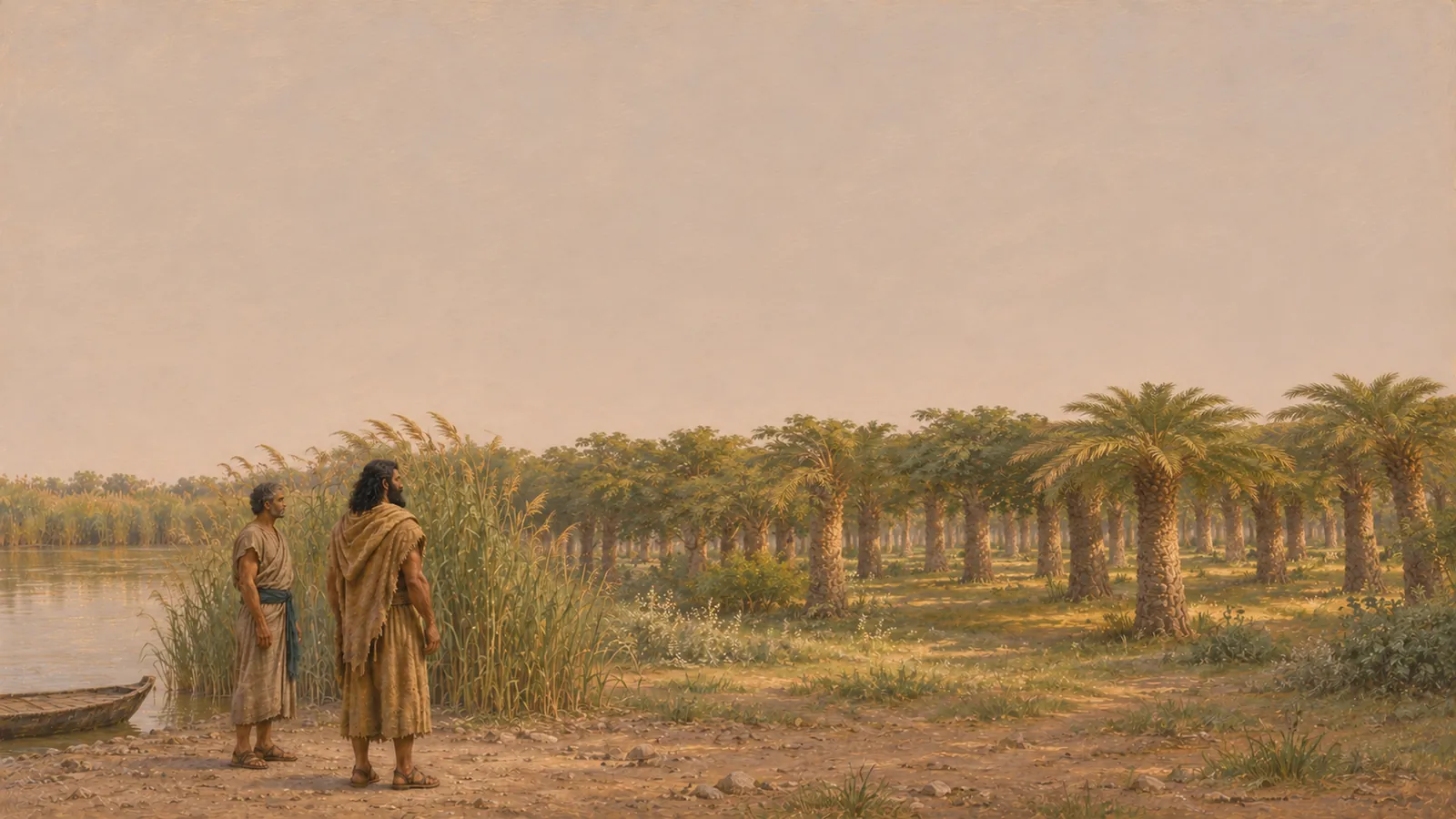
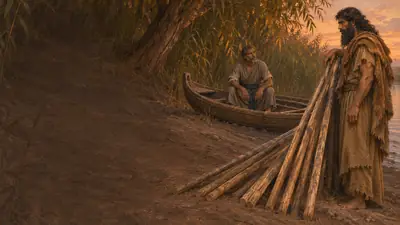
Urshanabi gave Gilgamesh work to do. He would need to cut long poles in the woods and make them ready for the crossing without the Stone Ones.
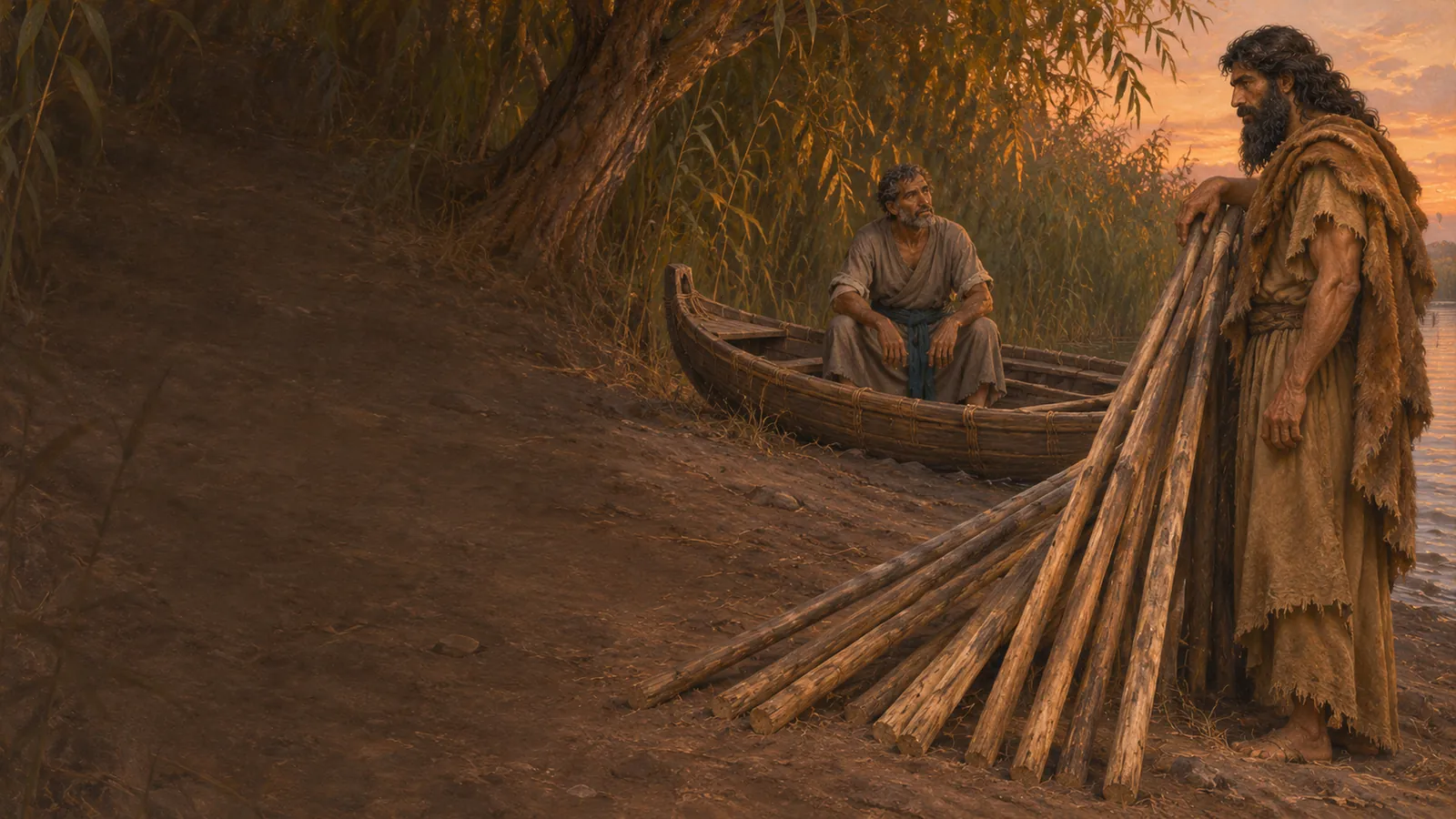
Gilgamesh went into the woods, cut the poles, and brought them back to the ferryman. He had found someone who knew the water, and this time he took the man’s advice.
SEA
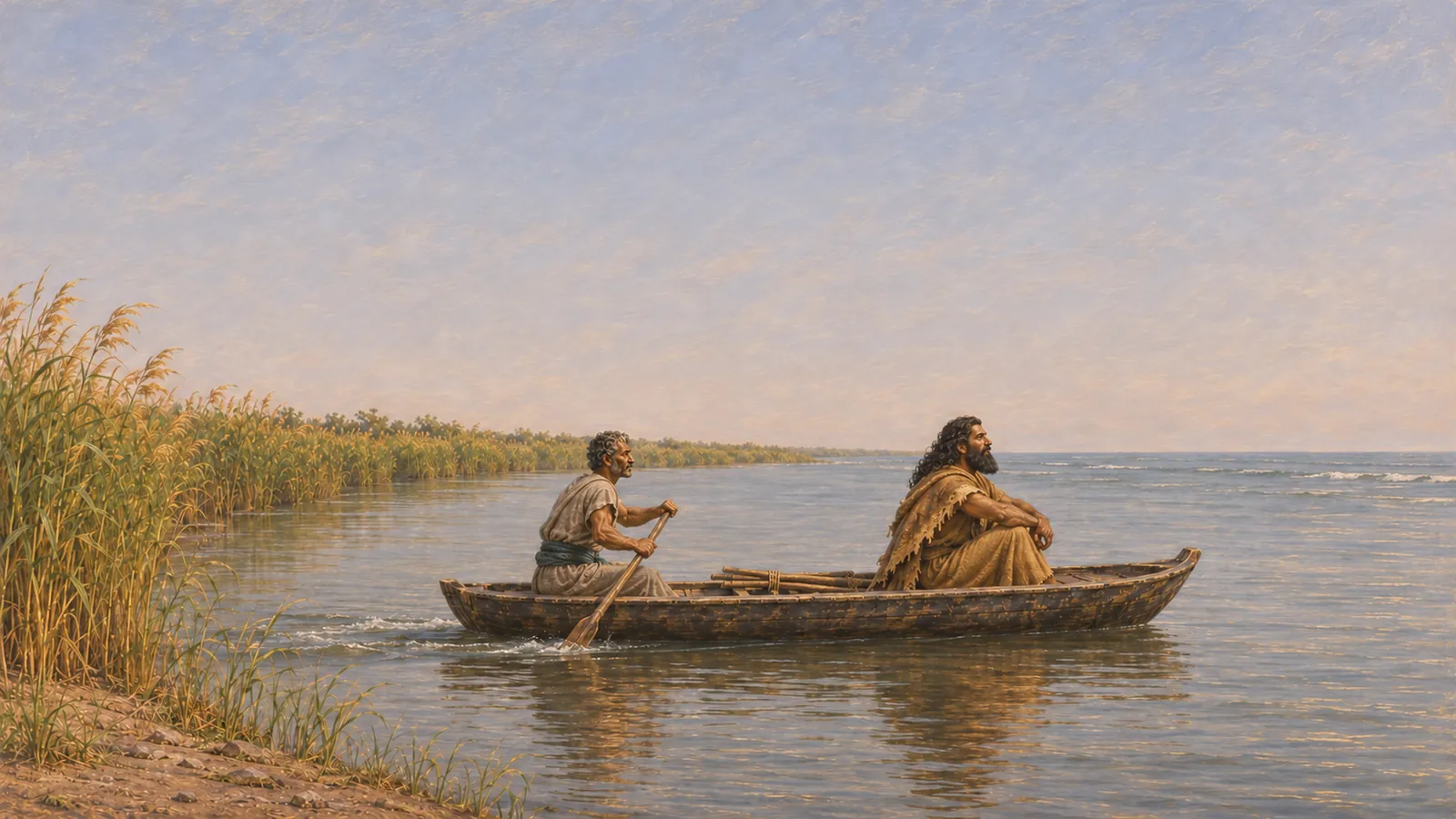
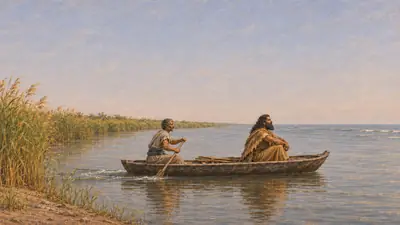
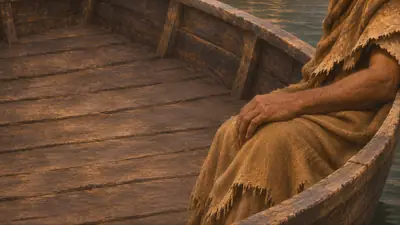
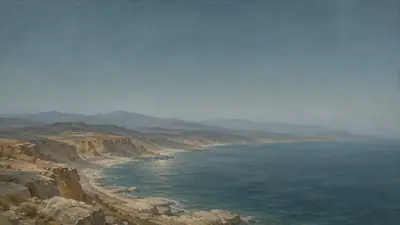
With the poles ready, Gilgamesh and Urshanabi boarded the boat. The land fell away behind them as the ferryman took them out onto the open water.
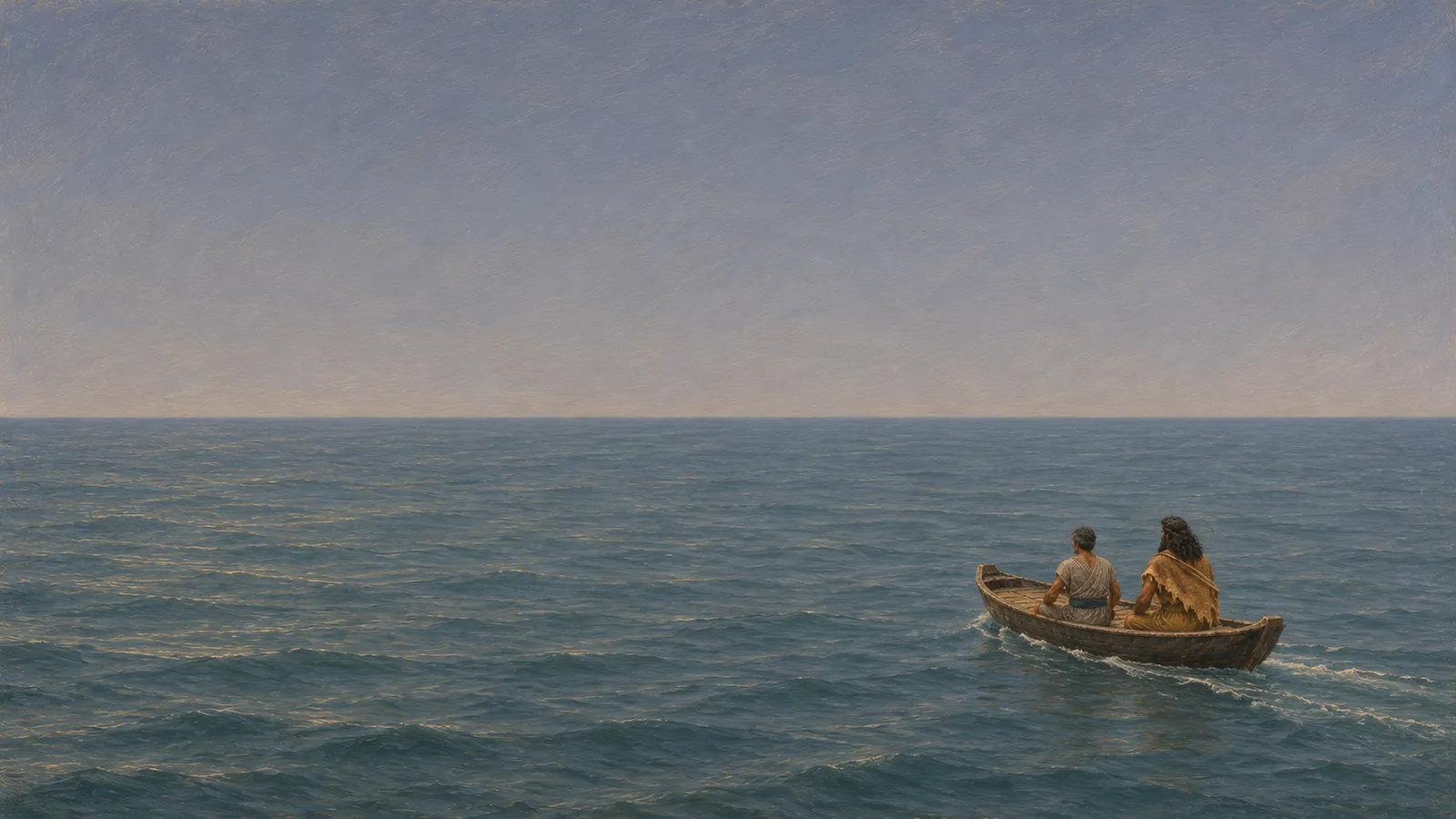
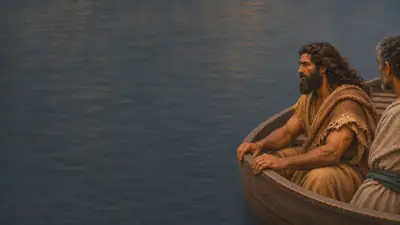
By the third day they had covered the distance of a month and a half’s voyage. Then Urshanabi brought Gilgamesh to the waters Siduri had warned him about.
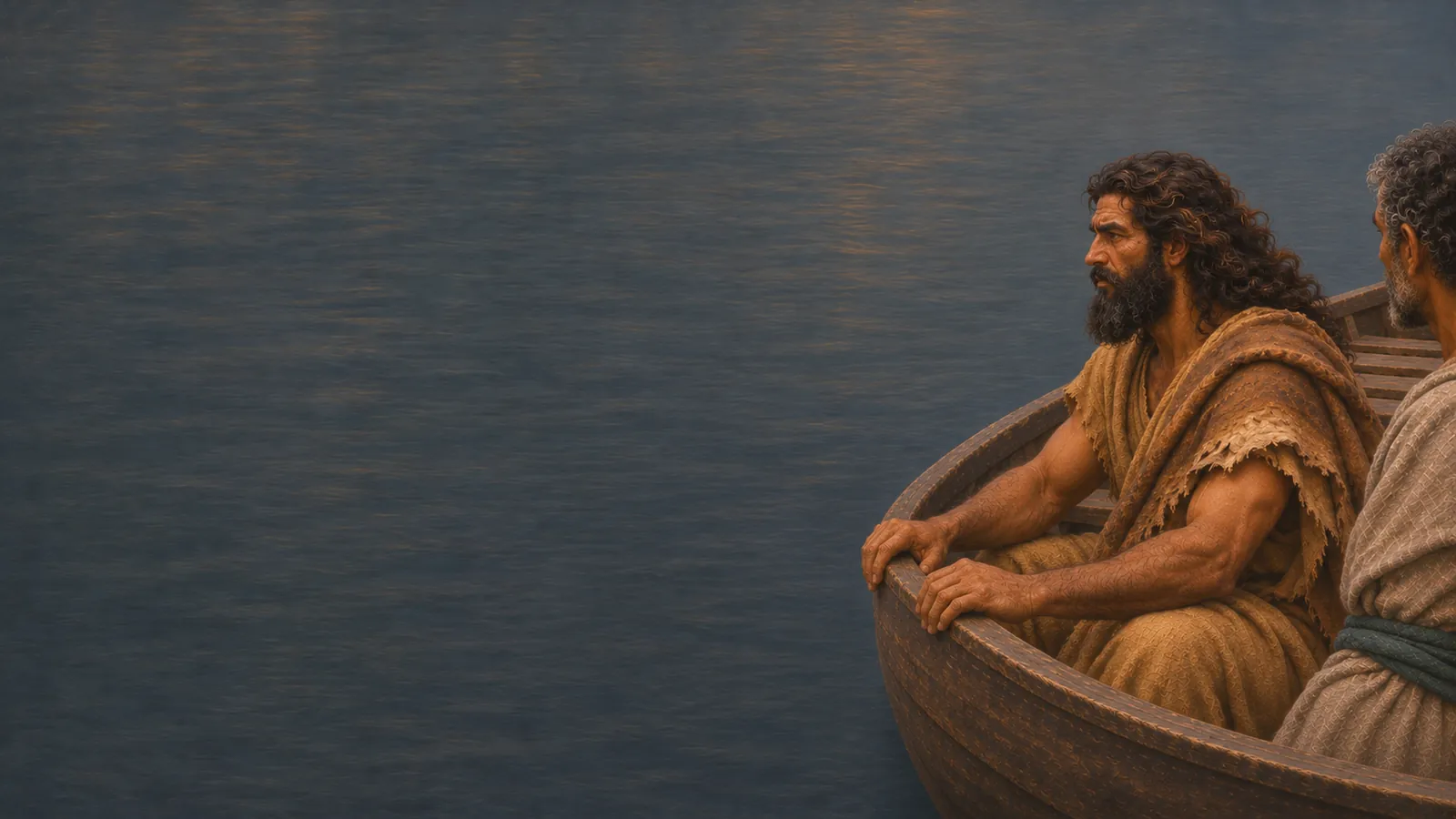
At the Waters of Death, Urshanabi warned Gilgamesh to keep his hands clear of the water. What his hands could do now was steer the boat by the poles.
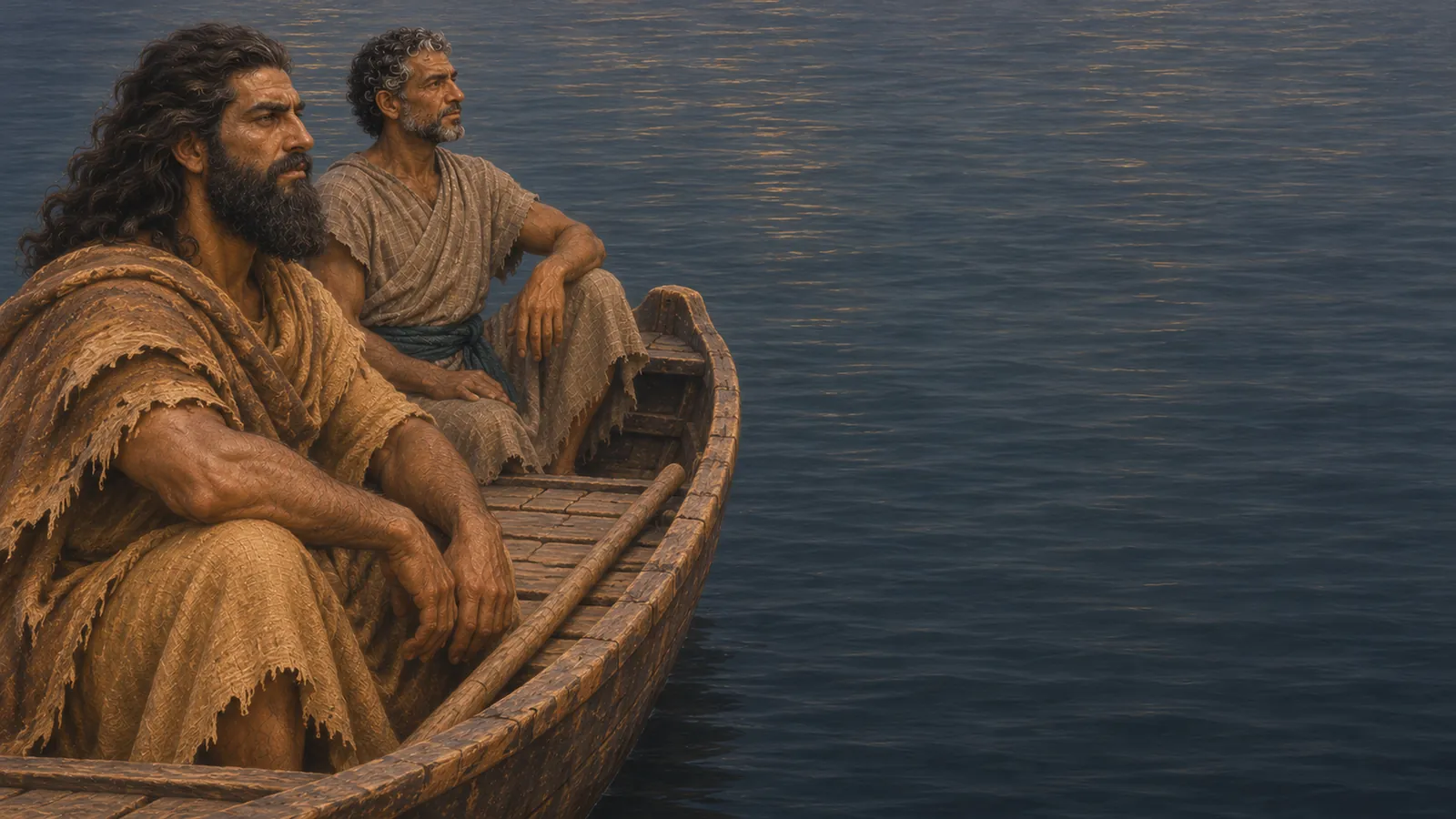
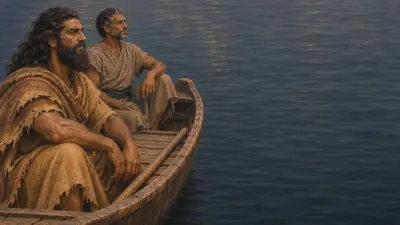
Urshanabi called for another pole, then another. The poem keeps count as Gilgamesh works, but the boat still has a long way to go in the silence.
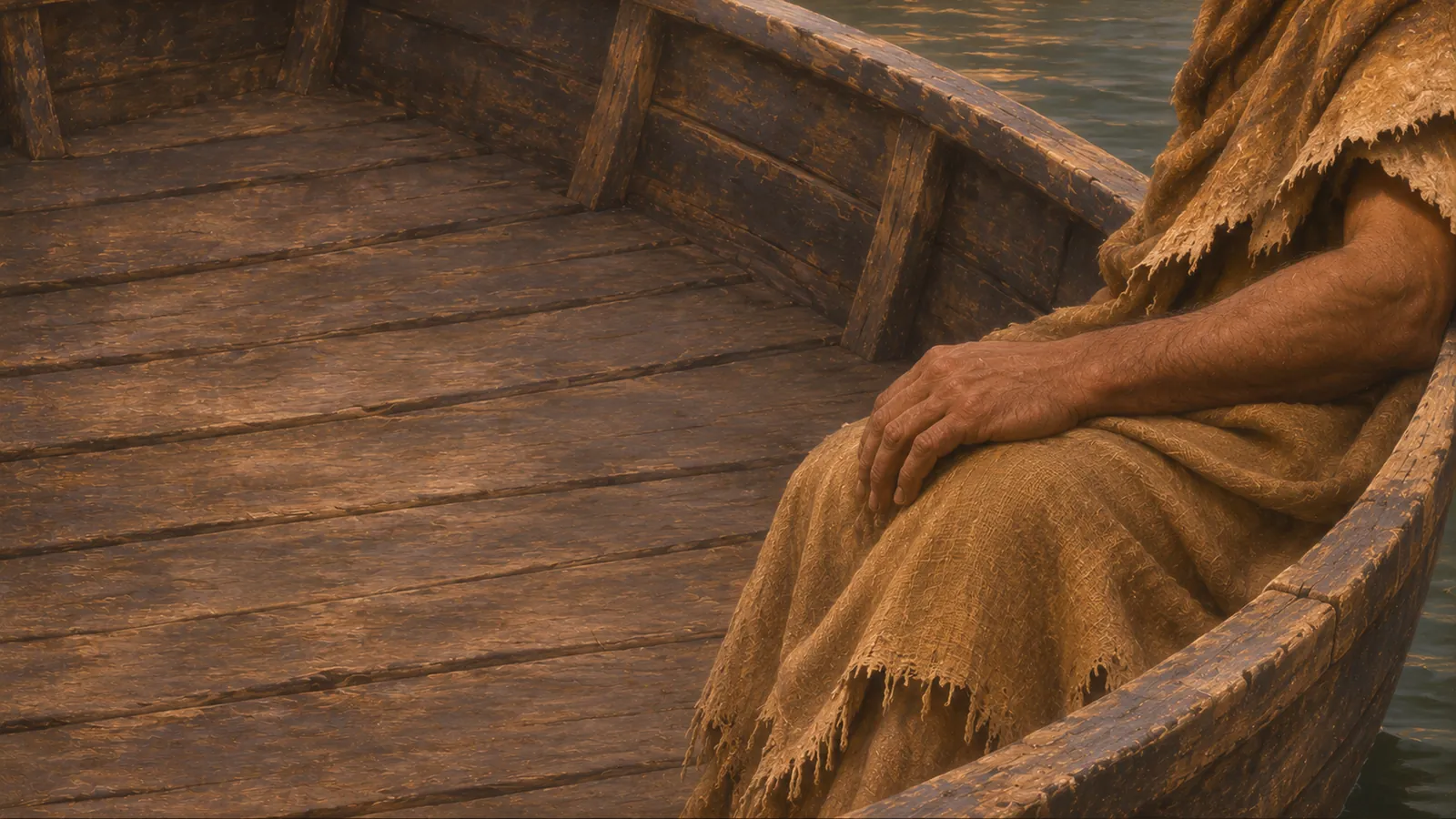
At last there were no more poles to use. Gilgamesh had reached the limits of his preparations while the boat was still on the Waters of Death.
SAIL
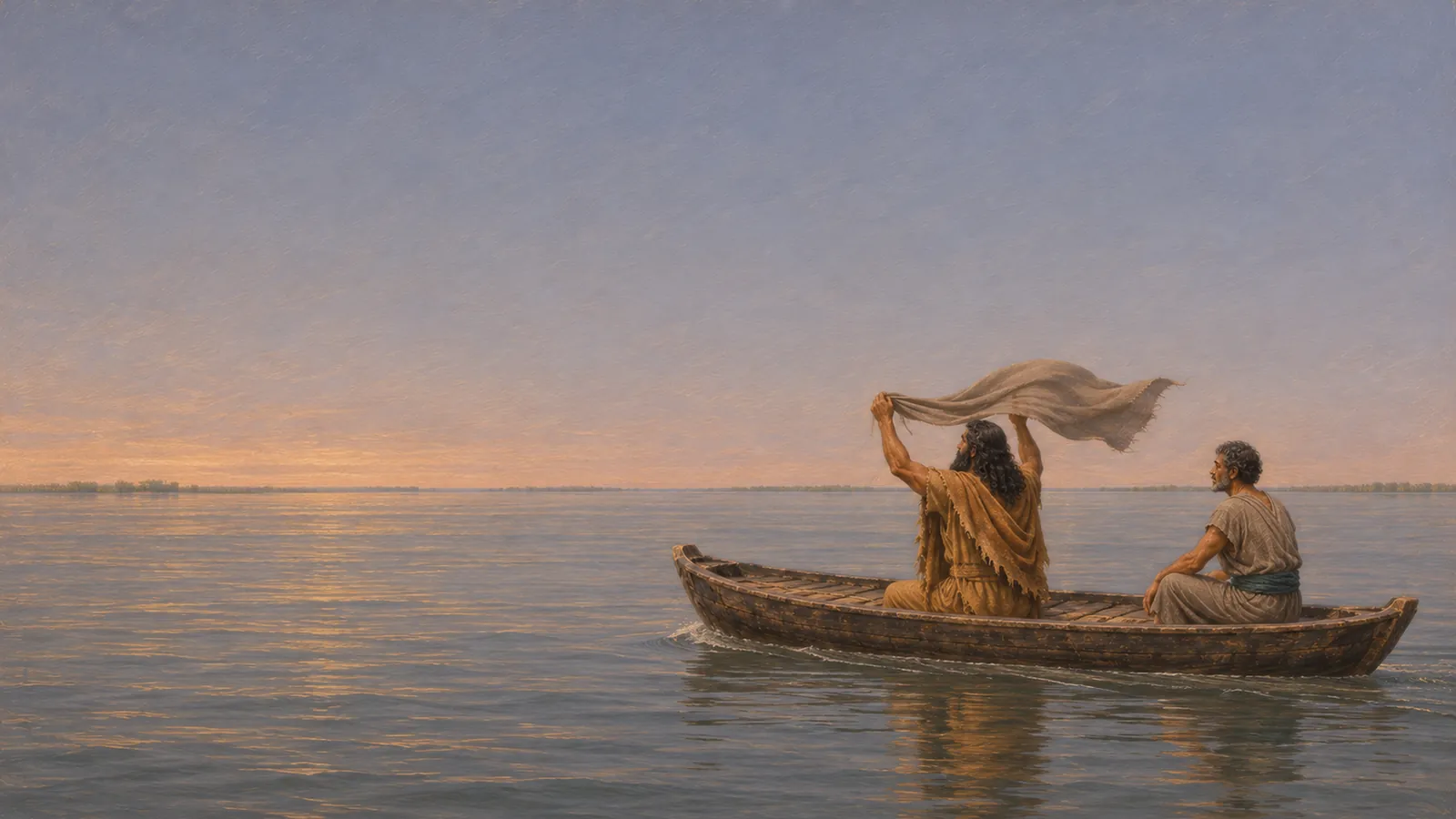
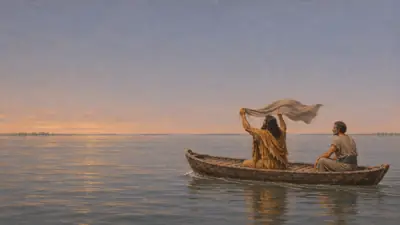
Gilgamesh lifted a garment into the wind and used it as a sail. From the far shore, someone could see the boat coming.
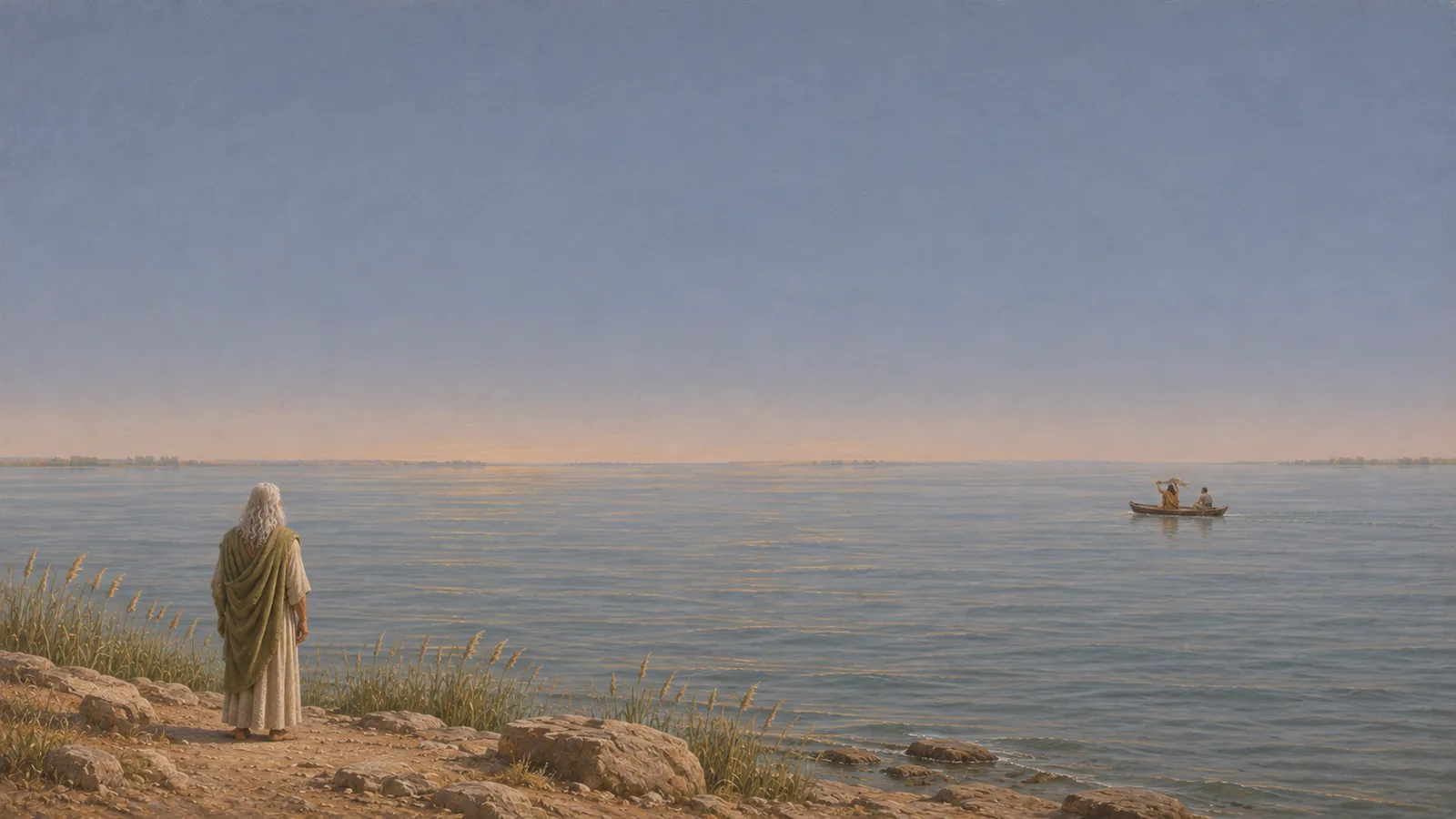
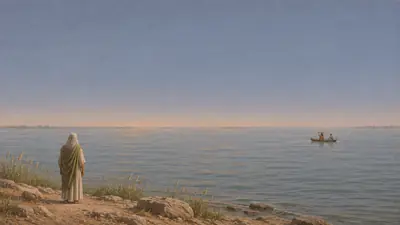
Far off, Utnapishtim saw the boat coming. Up to this point Gilgamesh had carried the old man’s name through every hardship, and now the man himself could see him.
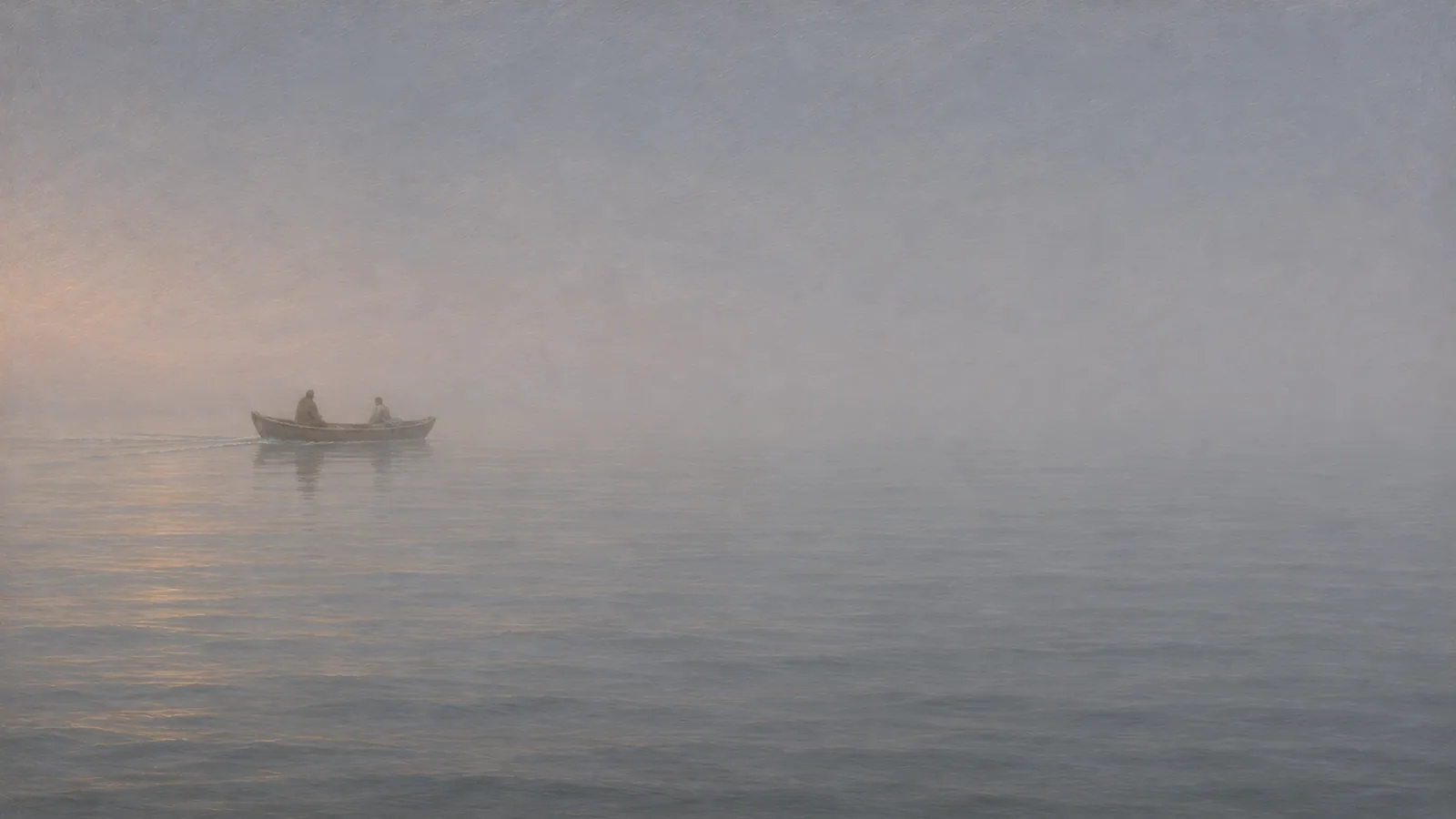
Utnapishtim noticed that something was wrong with the boat. The Stone Ones were broken, and the man aboard with the ferryman was a man he did not recognize.
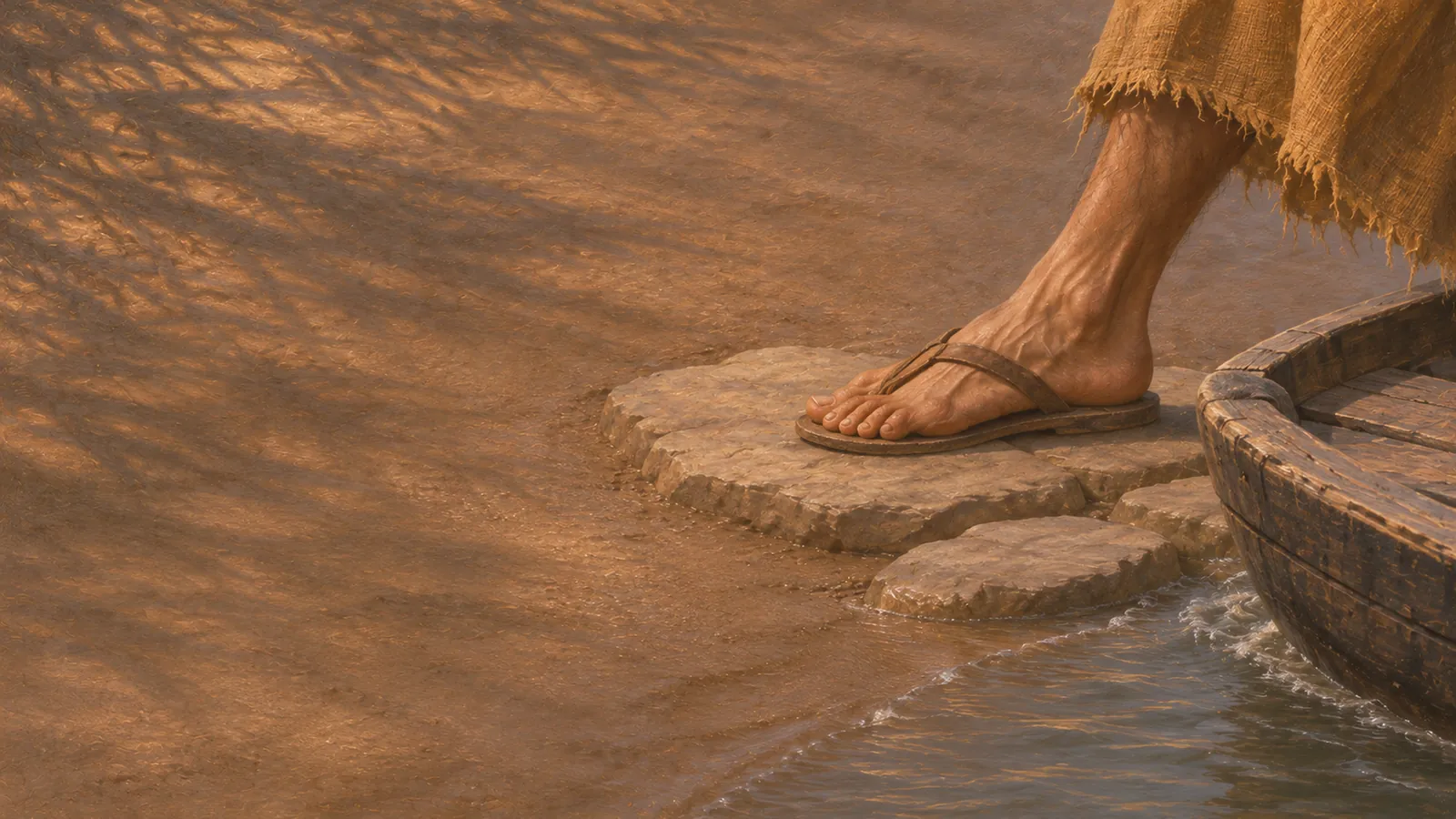
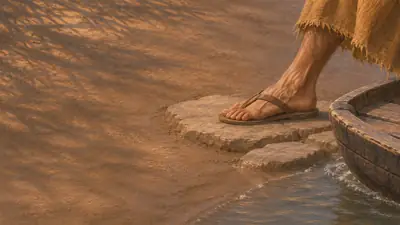
The boat came to the far bank. The lines around the landing are damaged, but they bring Gilgamesh safely onto the shore where Utnapishtim is waiting.
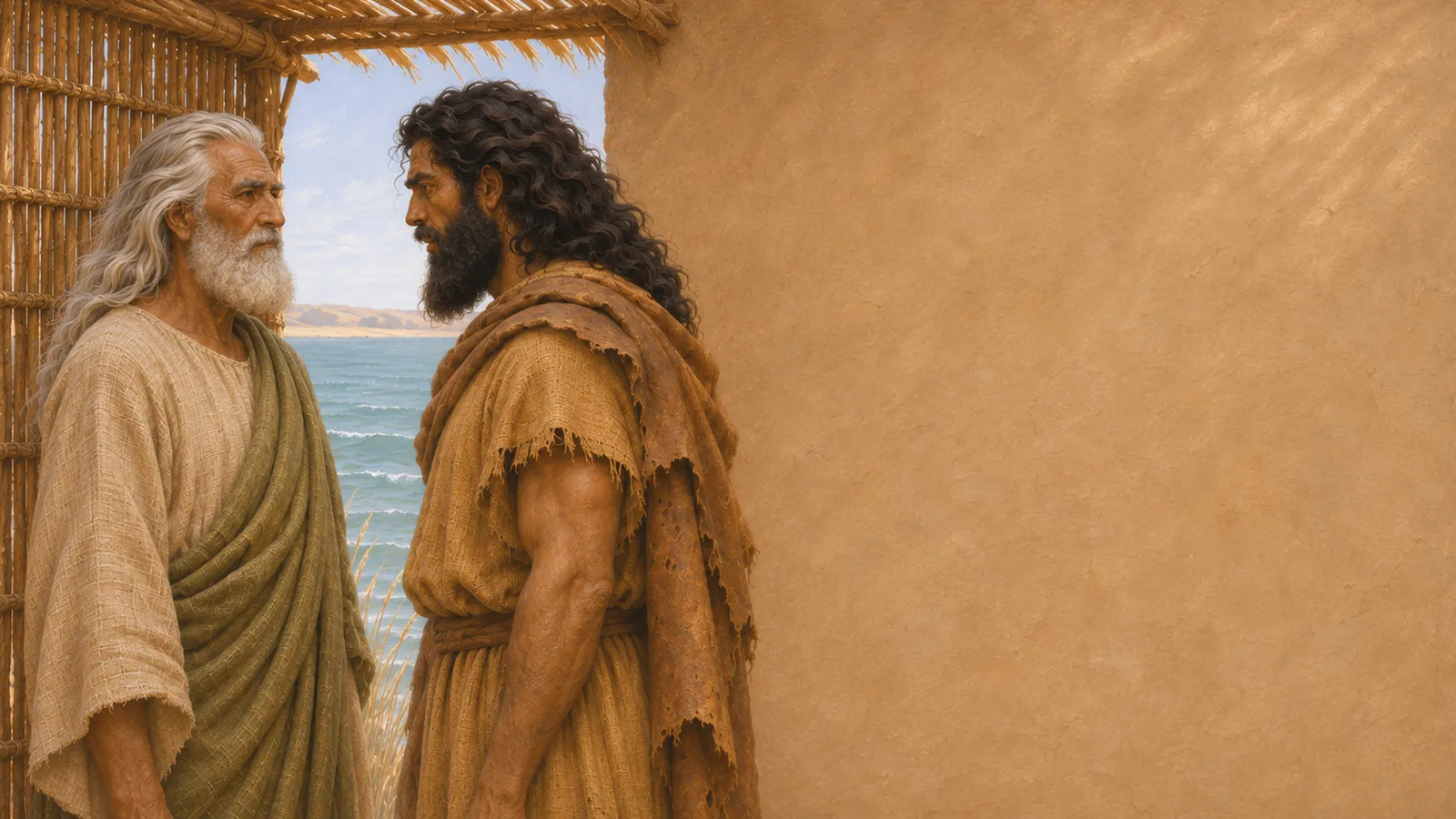
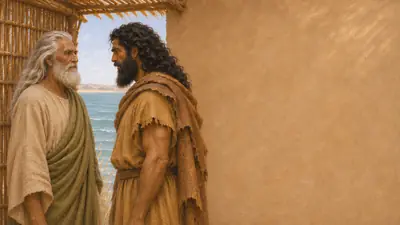
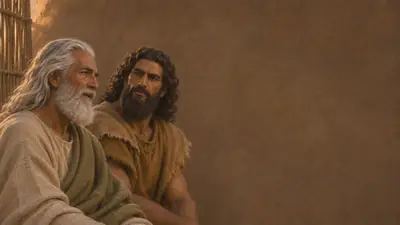
Gilgamesh spoke at last to the man he had crossed the sea to find. He knew Utnapishtim as the son of Ubar-Tutu, the name carried in the surviving lines.
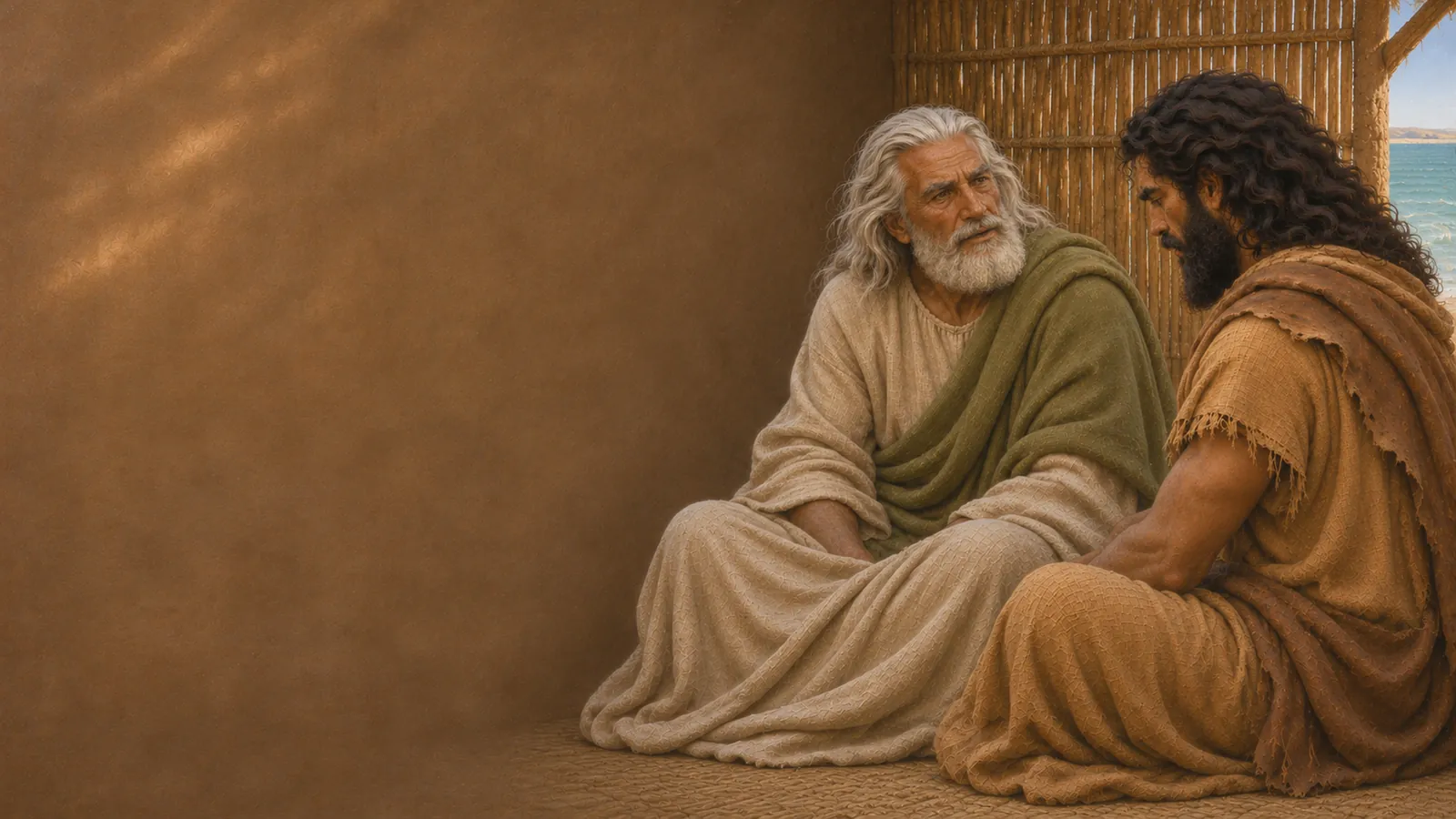
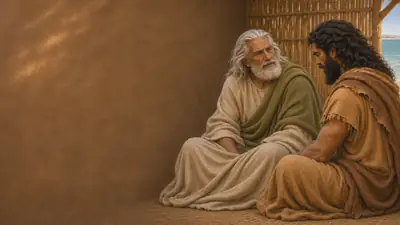
Utnapishtim looked at Gilgamesh and asked much what Siduri and the ferryman had asked. In his face he saw the wear of the journey and the grief that had set it in motion.
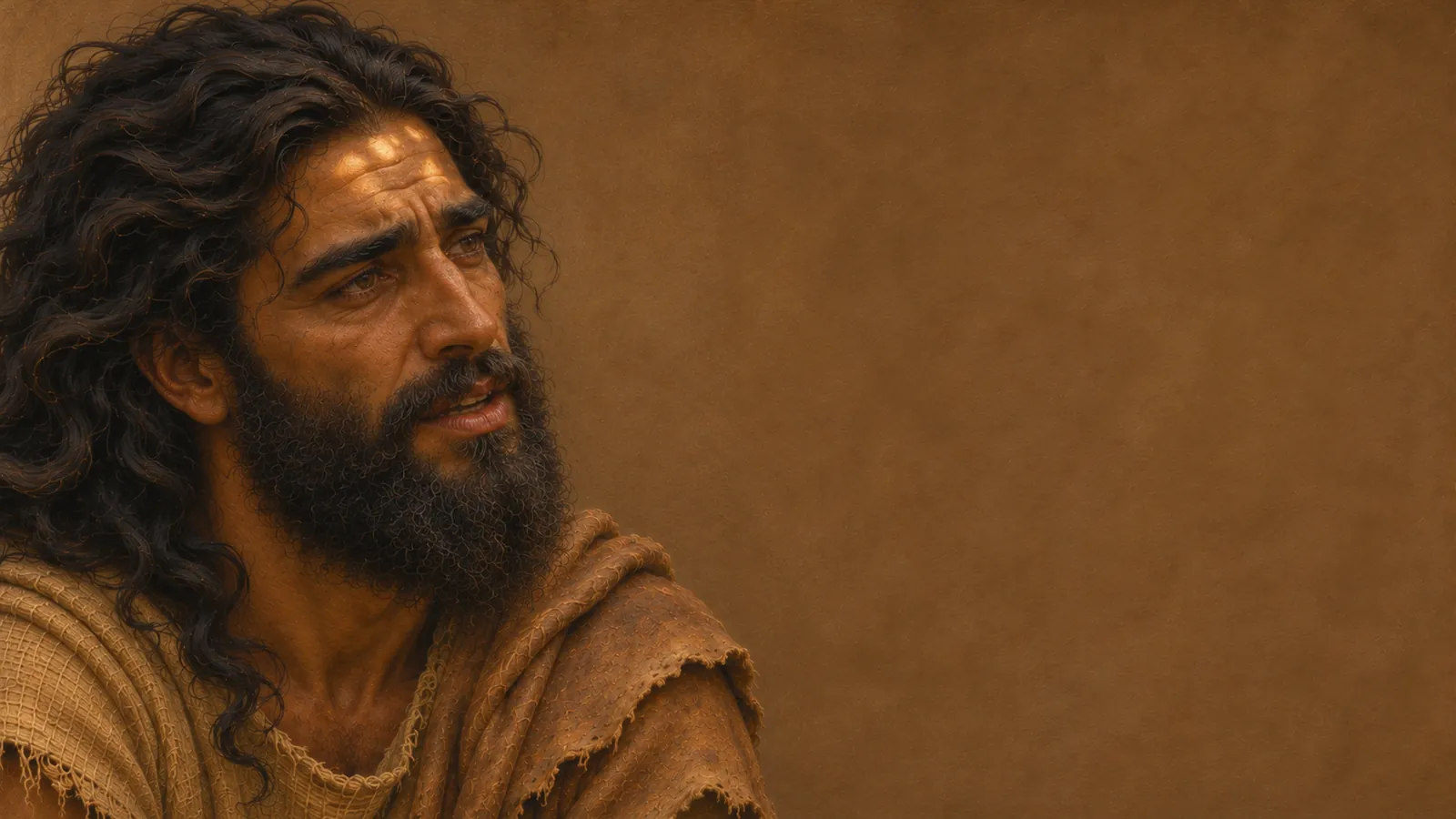
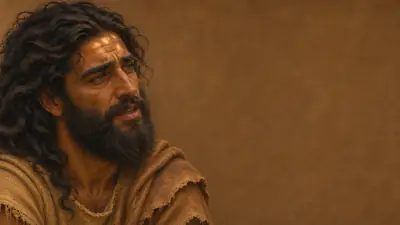
Again Gilgamesh spoke of their deeds and of the friend he loved. Whatever he could say about his own courage, the story still returned to Enkidu’s death.
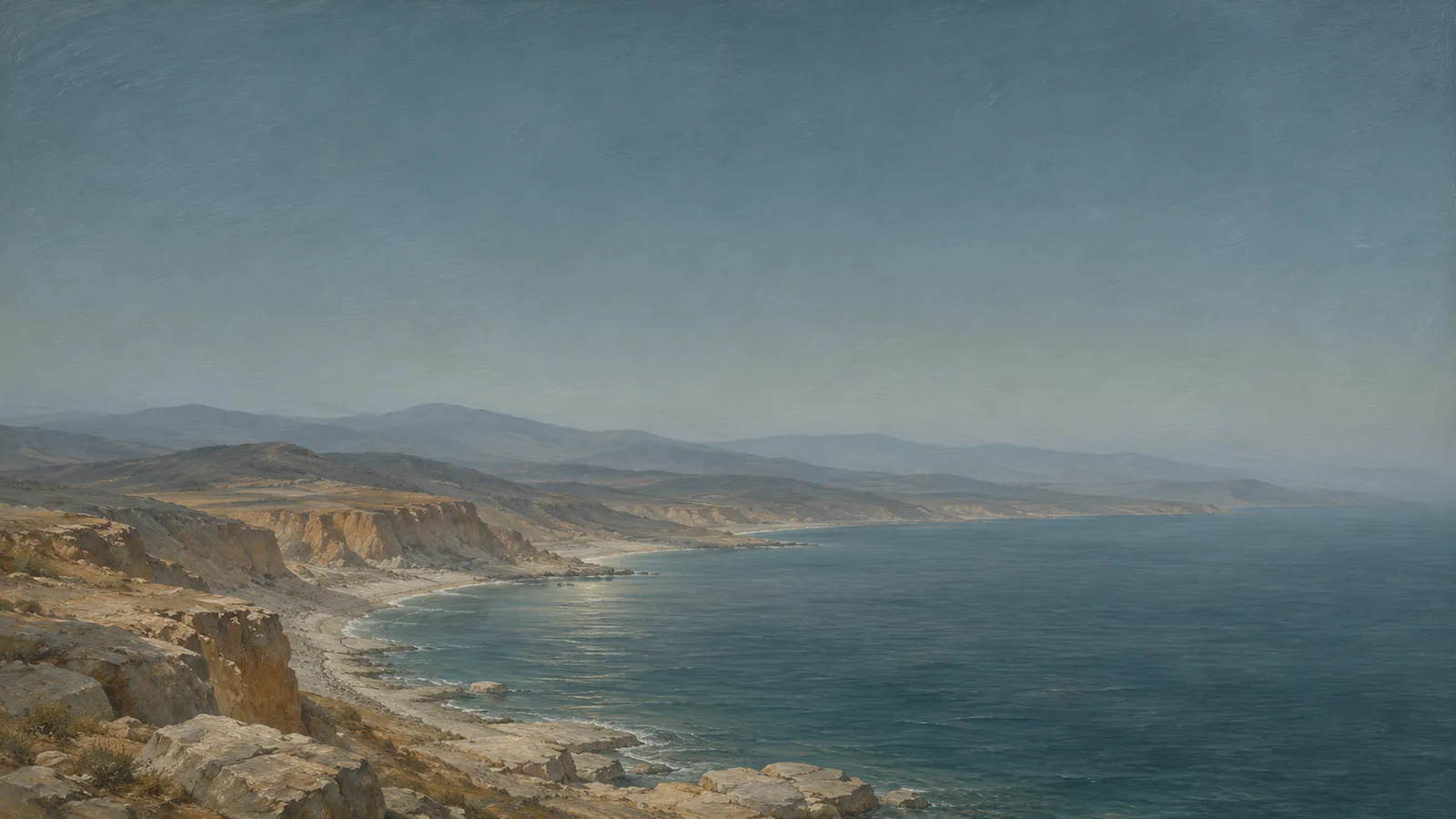
Gilgamesh told him of countries he had passed through, mountains he had crossed, and the seas he had traveled. All that distance lay between him and the life he knew.
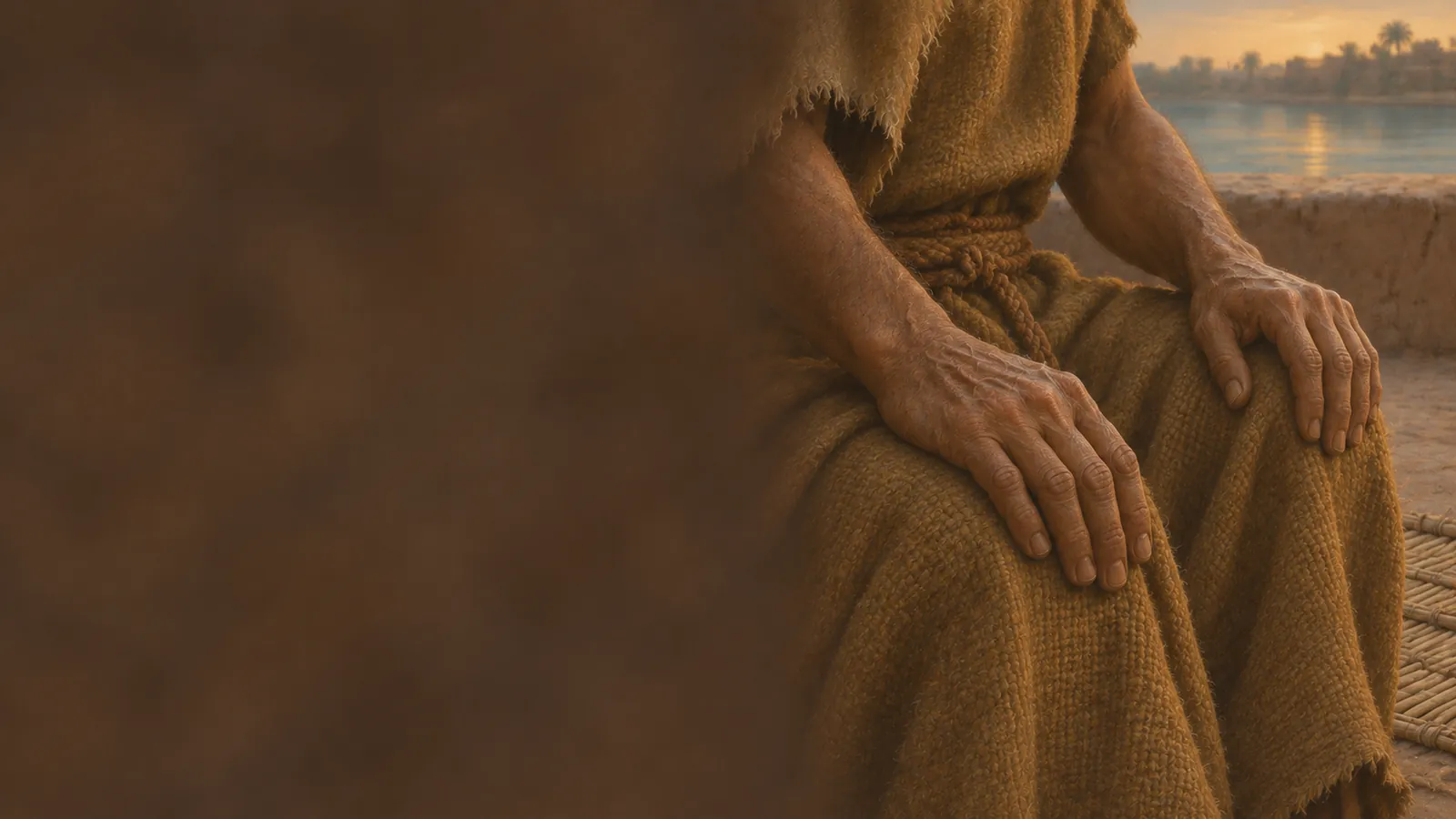
He spoke of nights when he could hardly sleep and of the trouble the road had brought him. Finding Utnapishtim was what had kept him going.
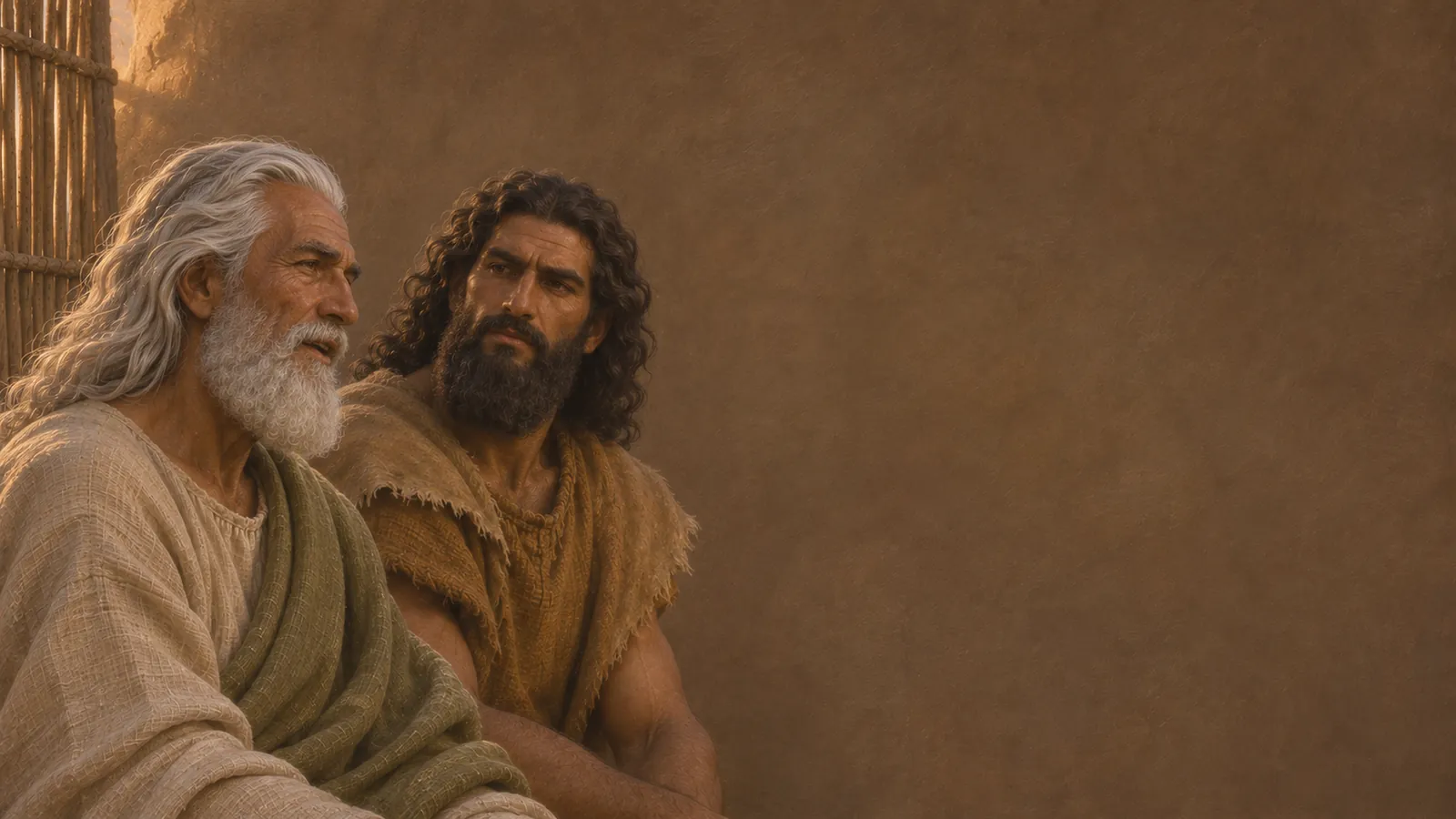
Utnapishtim answered by speaking of Gilgamesh’s sorrow and his birth from gods and humans. Parts of that answer are broken in the clay.
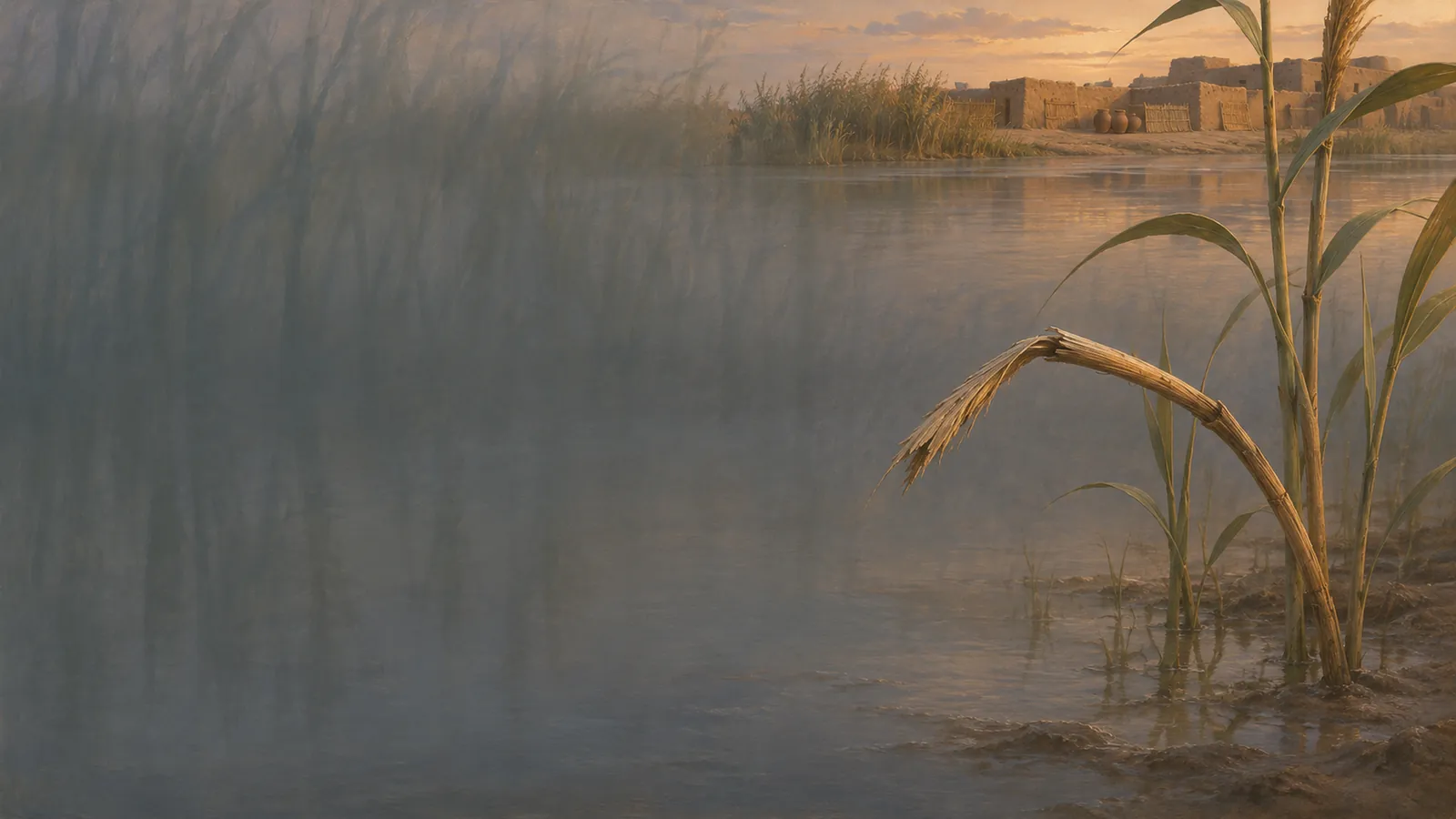
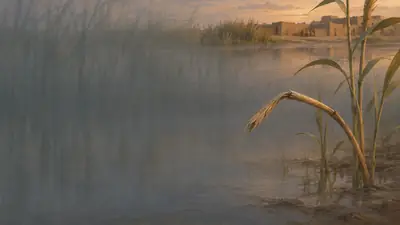
Utnapishtim likened people and their children to reeds that could be snapped. Even men and women in the prime of life could be taken by death.
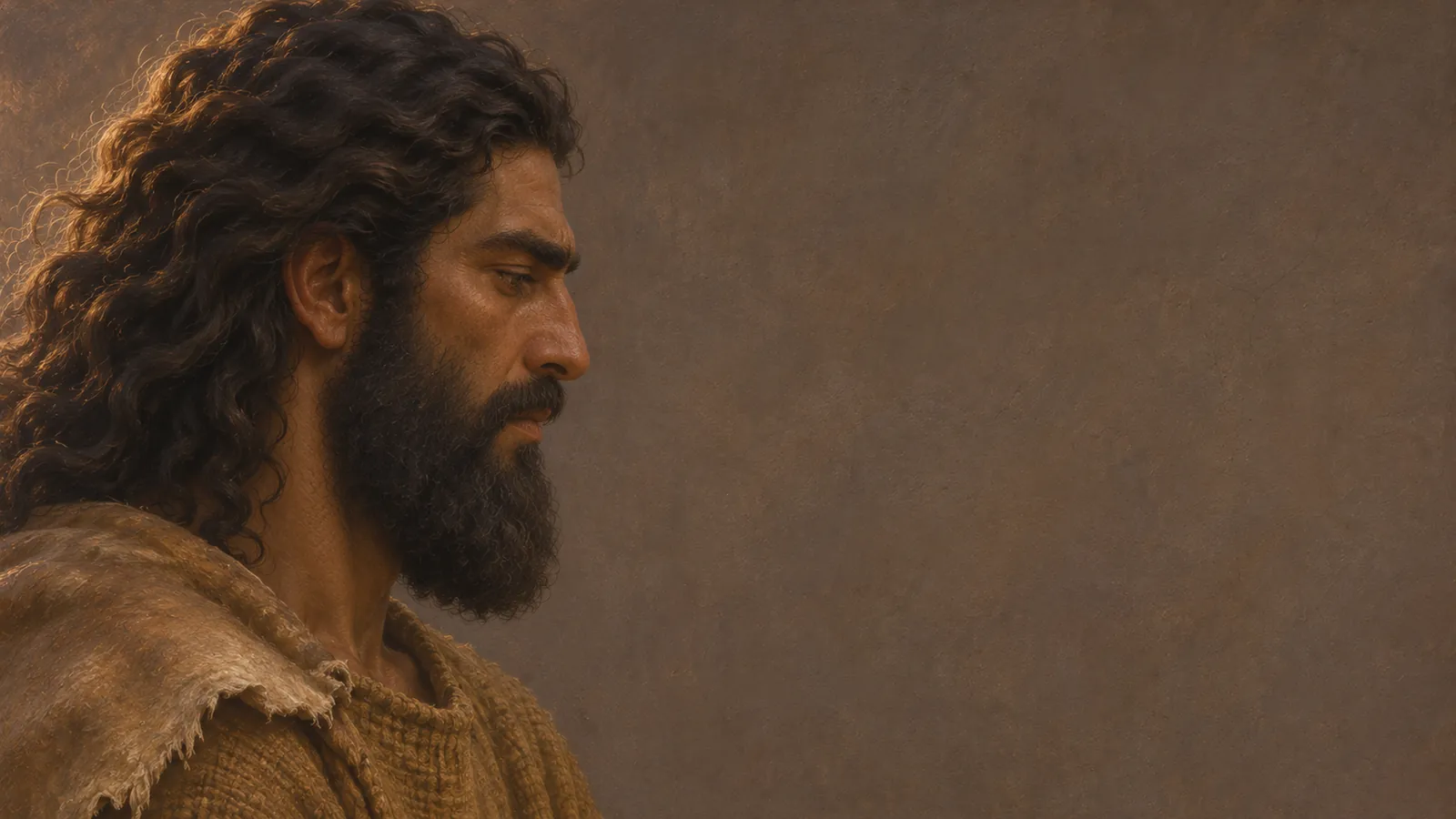
No one sees the face of death or hears its voice coming toward them, Utnapishtim said. All Gilgamesh had done could give him no warning of when it would arrive.
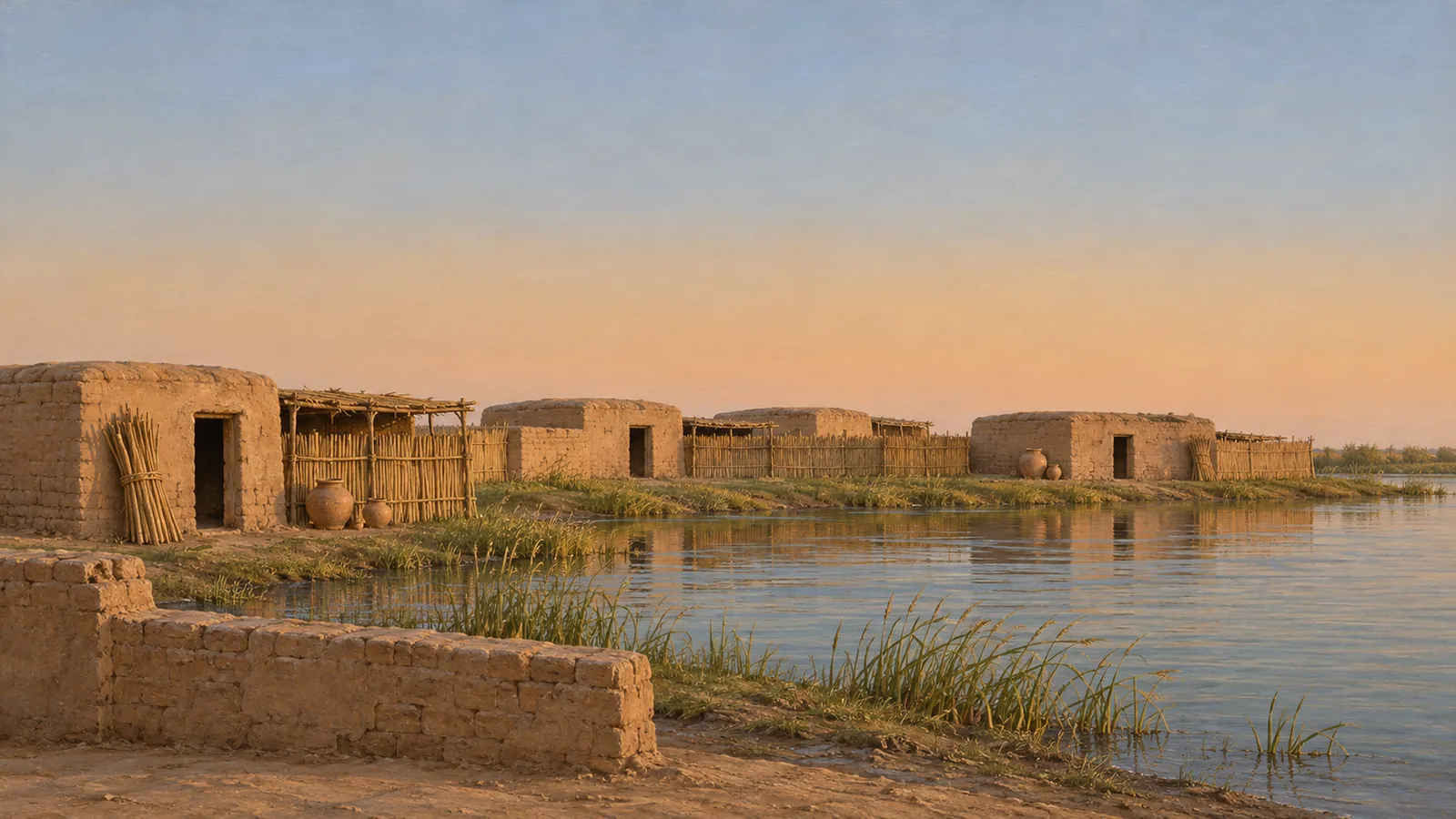
He spoke of houses being built, families being started, and brothers dividing their shares. The poem sets these familiar acts beside a picture of how quickly life can disappear.

Utnapishtim pictured a river in flood and a mayfly floating on it in the light. It was there for a moment, and then it was gone.
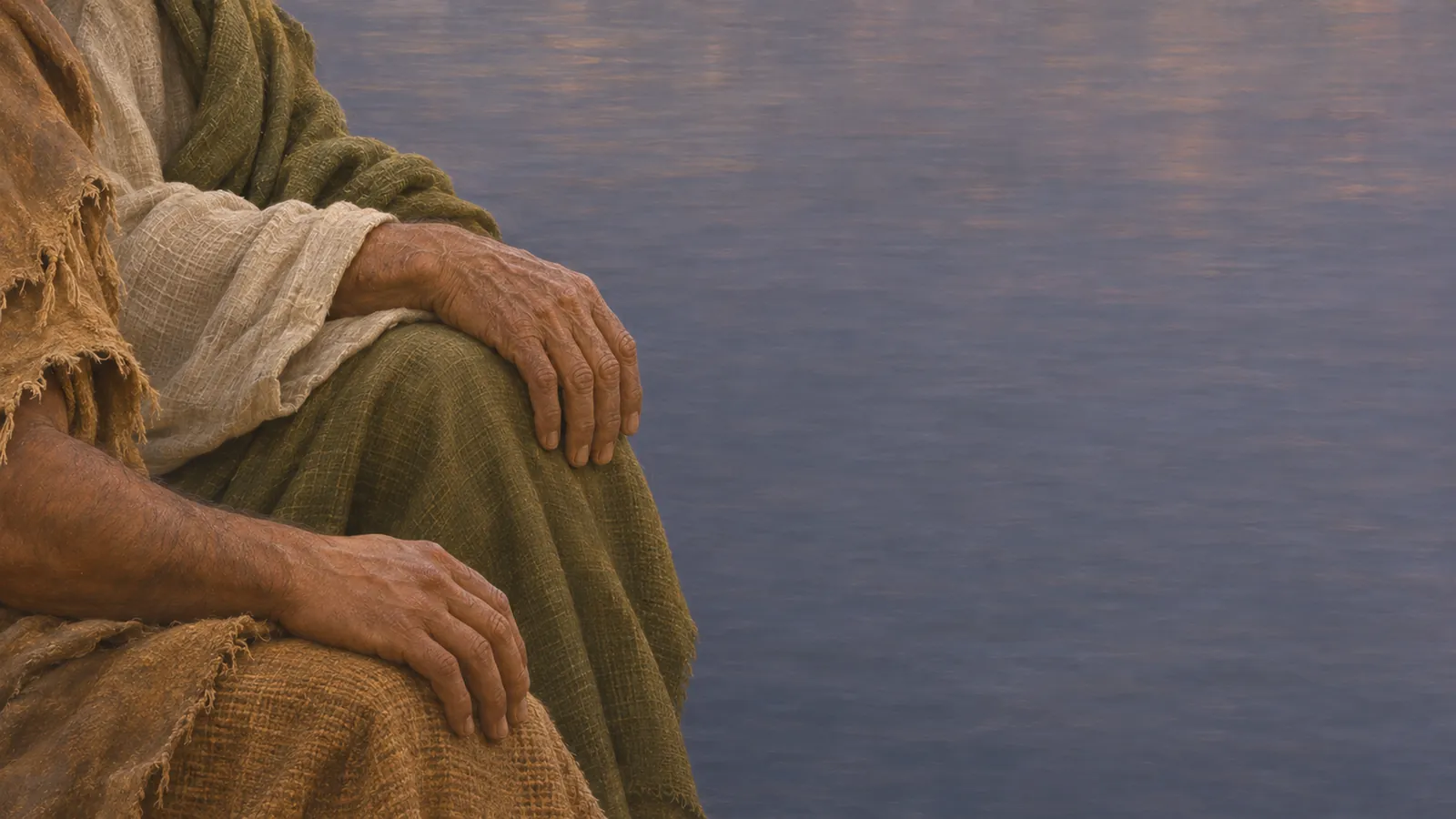
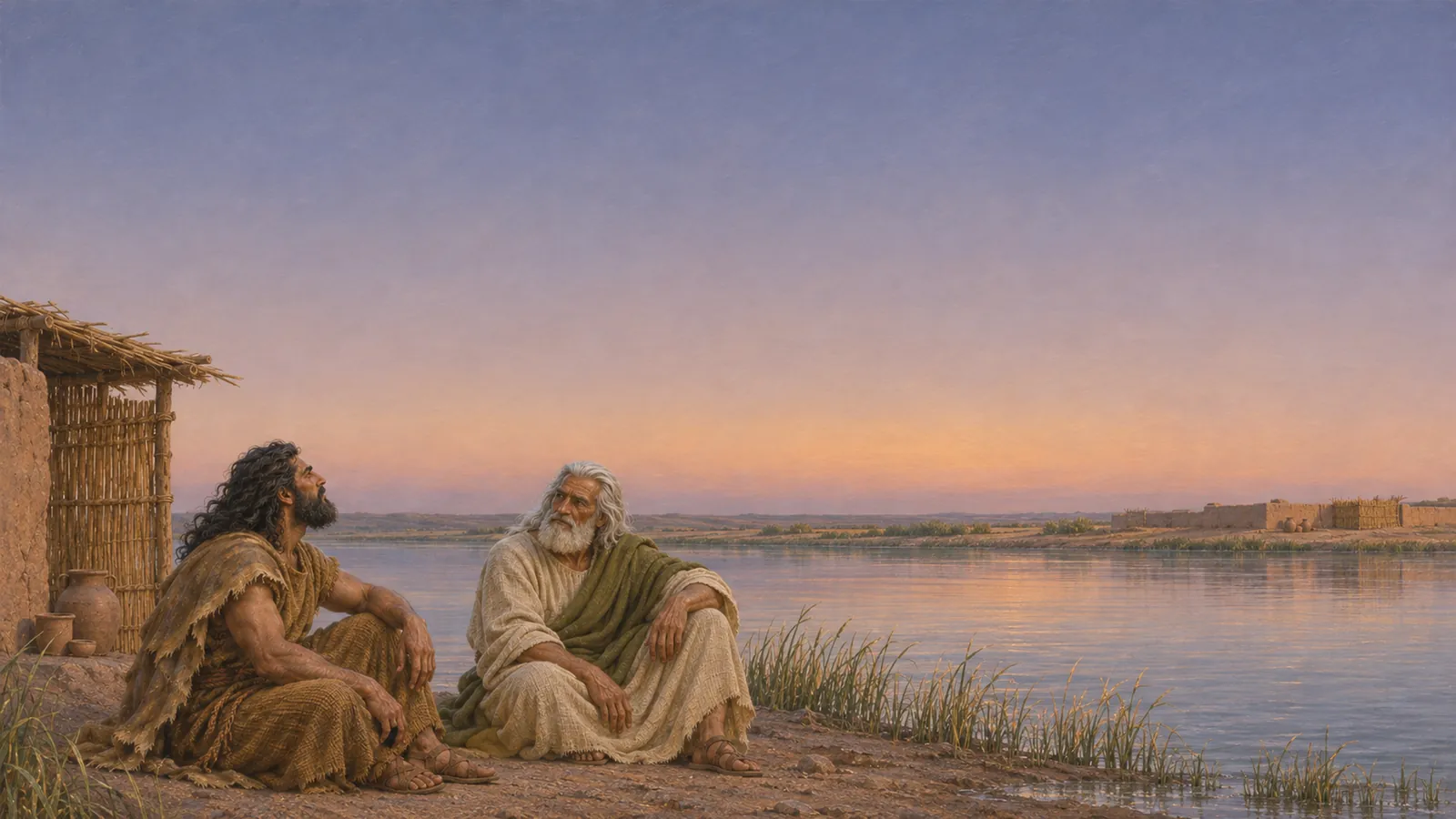
Utnapishtim came back to the thing Gilgamesh wanted to know. The gods had set life and death in place, but they left the day of death unknown to people.
TABLET XI
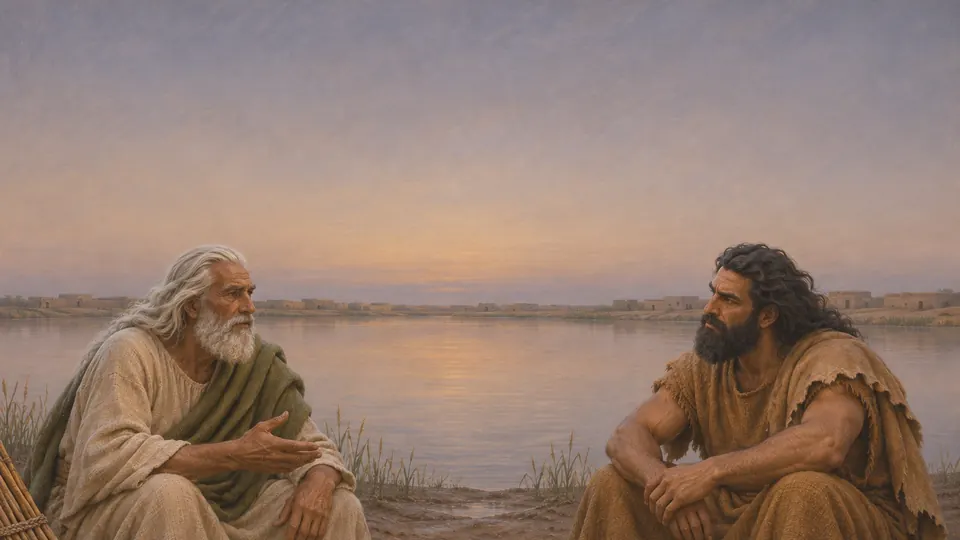
At the opening of the next tablet, Gilgamesh looks at Utnapishtim and sees a man much like himself. He asks how this man came to stand among the gods and live on.
End of chapter 6
All pages





Sources
On pages 28, 36 and 51, Gilgamesh says he would not give Enkidu up for burial until a maggot fell from his nostril (SB Gilgamesh X 58–62, 135–139 and 235–239, George’s eBL translation). The retelling describes the sign of decay on page 28 and condenses the two later repetitions.
Editions consulted
- Electronic Babylonian Library, Tablet IX: and [Tablet X](https://www.ebl.lmu.de/corpus/L/1/4/SB/X). Both official text exports were checked line by line.
- Electronic Babylonian Library, Tablet XI: opening address credited separately.
- Andrew George, “The Epic of Gilgamesh”: synopsis of the westward journey and Utnapishtim’s answer.
- Andrew George, “Gilgamesh and the Babylonian World”: with the latter part of Tablet X discussed alongside manuscript context.
Notes on this retelling
On page 3, Gilgamesh takes up an axe and a dagger, strikes the lions and kills and scatters them in a partly restored passage (SB Gilgamesh IX 13–18, George’s eBL translation). On page 26 he tells Siduri that he and Enkidu killed the Bull, destroyed Humbaba and killed lions in the passes (SB Gilgamesh X 29–39, partly restored). The retelling condenses the attack and the list of deeds.
Ancient lines behind each page
- Page 1: SB IX 8–9, eBL
- Page 2: SB IX 10–12, eBL
- Page 3: SB IX 13–29, gap before 37, eBL
The awakening and brief rush are attested. - Page 4: SB IX 37–41, eBL
- Page 5: SB IX 42–45 and 48–51, eBL
- Page 6: SB IX 46–47, eBL
- Page 7: SB IX 48–51, eBL; cf. SB I 48
Her correction is preserved. - Page 8: SB IX 52–59, eBL
- Page 9: SB IX 5–7 and 75–77, eBL
- Page 10: SB IX 78–90, especially 80–83, eBL
- Page 11: SB IX 91–93, lacuna before 125, and 125–135, eBL
- Page 12: SB IX 136–139, eBL
- Page 13: SB IX 139–144, eBL
- Page 14: SB IX 145–162, eBL
- Page 15: SB IX 163–169, eBL
- Page 16: SB IX 169–172, eBL
- Page 17: SB IX 172–174, eBL
- Page 18: SB IX 175–176, eBL
- Page 19: SB IX 184–196, eBL; cf. SB X 1–2
The last line is damaged and the pronoun points forward to Siduri. - Page 20: SB X 1–4, 5–9, eBL; George, synopsis p. 9; George X score
- Page 21: SB X 1–9, eBL; George X score; Heidel, Tablet X, Assyrian version col. i
- Page 22: SB X 5–14, eBL; George X score; Heidel, Tablet X, Assyrian version col. i
- Page 23: SB X 15–16, 20–21, eBL; George X score; George, synopsis p. 9
- Page 24: SB X 17–22, eBL; George X score; Heidel, Tablet X, Assyrian version col. i
Only the spoken threat is attested. - Page 25: SB X 25–28, eBL; George X score; George, synopsis p. 9
The wording of her question is damaged and restored in part. - Page 26: SB X 29–39, eBL; George X score
The shared action is preserved in the repeated lines. - Page 27: SB X 35–45, eBL; George X score
- Page 28: SB Gilgamesh X 53–62, especially 58–62, eBL; compare X 134–139 and 234–239
Original paraphrase of largely restored and repeated lines. - Page 29: SB X 72–77, eBL; George X score
Paraphrased request. - Page 30: SB X 78–86, eBL; George X score; George, synopsis p. 9
- Page 31: SB X 87–91, eBL; George X score; George, Ur-šanabi
- Page 32: SB X 92–105 and 155–158, eBL; George X score; George, synopsis p. 9
The composite preserves the ambush’s broad action despite damaged phrases. - Page 33: SB X 102–108 and 155–158, eBL; George, Ur-šanabi
- Page 34: SB X 108–113, 155–158, eBL; George X score; George, Ur-šanabi
- Page 35: SB X 112–119, eBL; cf. X 40–46; George X score
- Page 36: SB X 119–148, eBL; George X score; George, synopsis p. 9
This is the poem’s deliberate repetition condensed. - Page 37: SB X 149–158, eBL; George X score; George, synopsis p. 9
- Page 38: SB X 159–163, eBL; George X score; George, synopsis p. 9
The composite restorations at X 160 and 166 give three hundred exceptionally long poles. - Page 39: SB X 163–168, eBL; George X score
- Page 40: SB X 169–171, eBL; George X score; George, Ur-šanabi
- Page 41: SB X 169–172, eBL; George X score; George, synopsis p. 9
The exceptional duration is a reading of the poem at X 171. - Page 42: SB X 172–175, eBL; George X score; Heidel, Tablet X, Assyrian version col. iv
- Page 43: SB X 174–179, eBL; George X score
- Page 44: SB X 179–181, eBL; George, synopsis p. 9
- Page 45: SB X 181–183, eBL; George X score; George, synopsis p. 9
The clothing actions in 181–182 are partly restored. - Page 46: SB X 184–186, eBL; George X score; George, synopsis p. 9
- Page 47: SB X 186–195, eBL; George X score
Utnapishtim’s observations are damaged in places. - Page 48: SB X 196–207, especially 204–207, eBL; George X score; George, synopsis p. 9
- Page 49: SB X 207–212, eBL; George X score
The nearby flood word is broken and its sense is uncertain, with the full account starting in XI. - Page 50: SB X 212–225, eBL; George X score; George, synopsis p. 9
- Page 51: SB X 226–248, eBL; George X score; George, synopsis p. 9
- Page 52: SB X 249–253, eBL; George X score
- Page 53: SB X 254–265, eBL; George X score; George, synopsis p. 9
- Page 54: SB X 266–280, eBL; George X score; George, synopsis p. 9
The passage contains partially preserved counsel. - Page 55: SB X 296–307, especially 301–303 and 307, eBL; George X score; George, synopsis p. 9
The simile and examples support the mortality lesson. - Page 56: SB X 304–307, eBL; cf. X 322; George X score
- Page 57: SB X 308–311, eBL; George X score; George, synopsis p. 9
- Page 58: SB X 312–315, eBL
- Page 59: SB X 316–322, eBL; George X score; George, synopsis p. 9
- Page 60: SB X catchline; SB XI 1–7; George, synopsis p. 9; SOAS BAPLAR XI 1–34
Illustrations made with AI tools by IL Archive; the text is based on the ancient sources (see the sources at the end of each chapter).