The Epic of Gilgamesh Chapter 5
The Friend Who Could Not Stay
Enkidu learns that his days are numbered. He walks with Gilgamesh one last time, then falls ill, leaving the king to mourn him and face his own fear of death.
Watch the filmSourcesTurn the pages with the arrows, the arrow keys or a swipe.
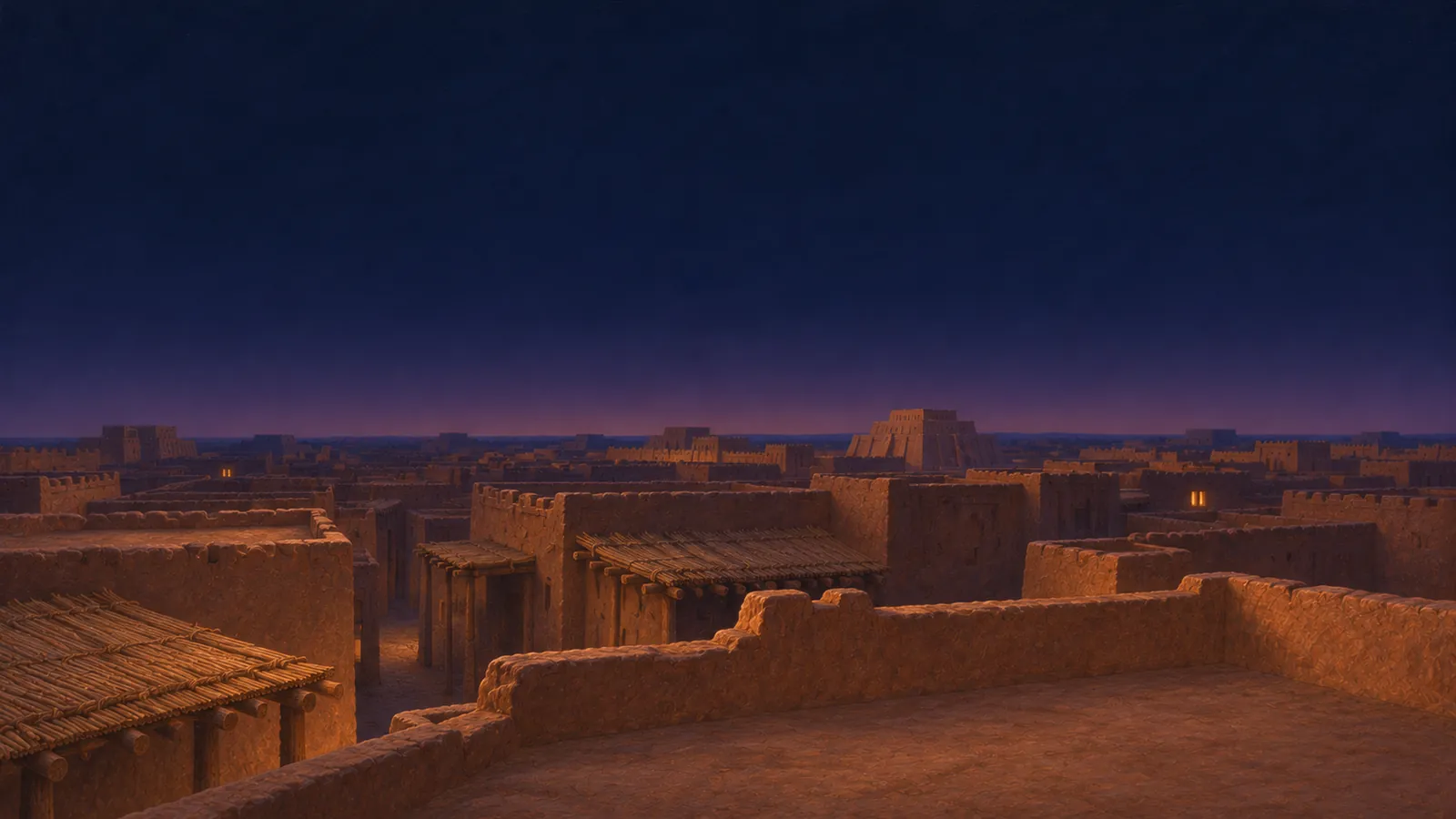
AFTER THE FEAST
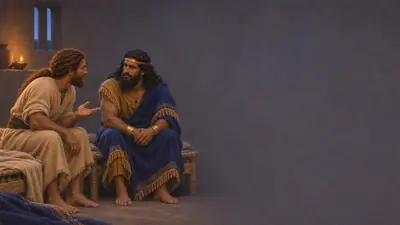
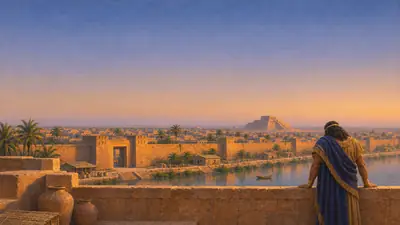
Uruk had celebrated the fall of the Bull of Heaven. That night Enkidu had a dream he would need to tell his friend.
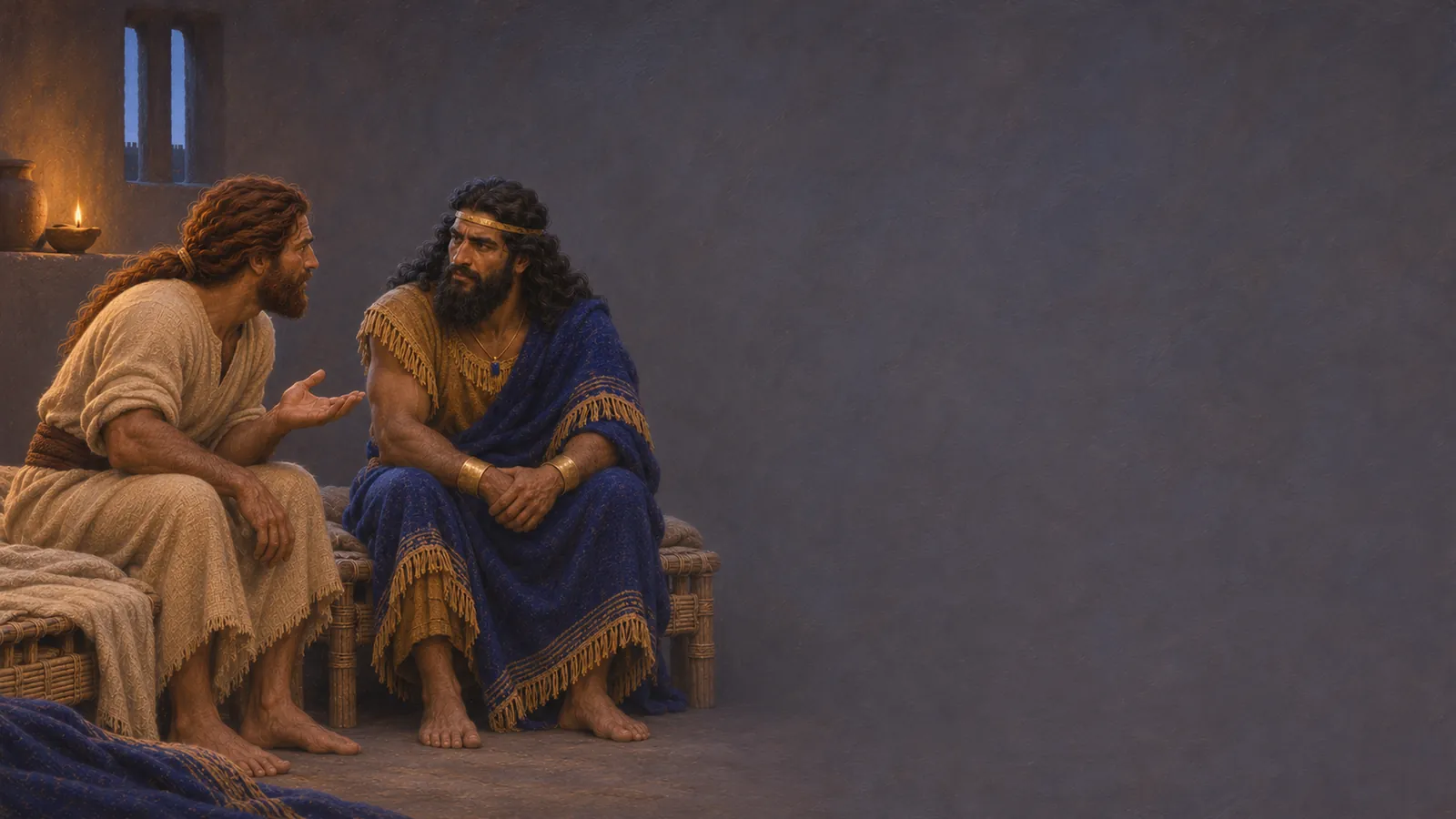
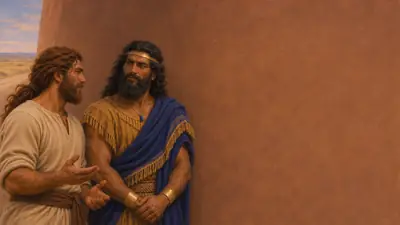
Enkidu turned to Gilgamesh with a question about the gods and why they had gathered. The Babylonian tablet preserves that question near an otherwise broken opening.
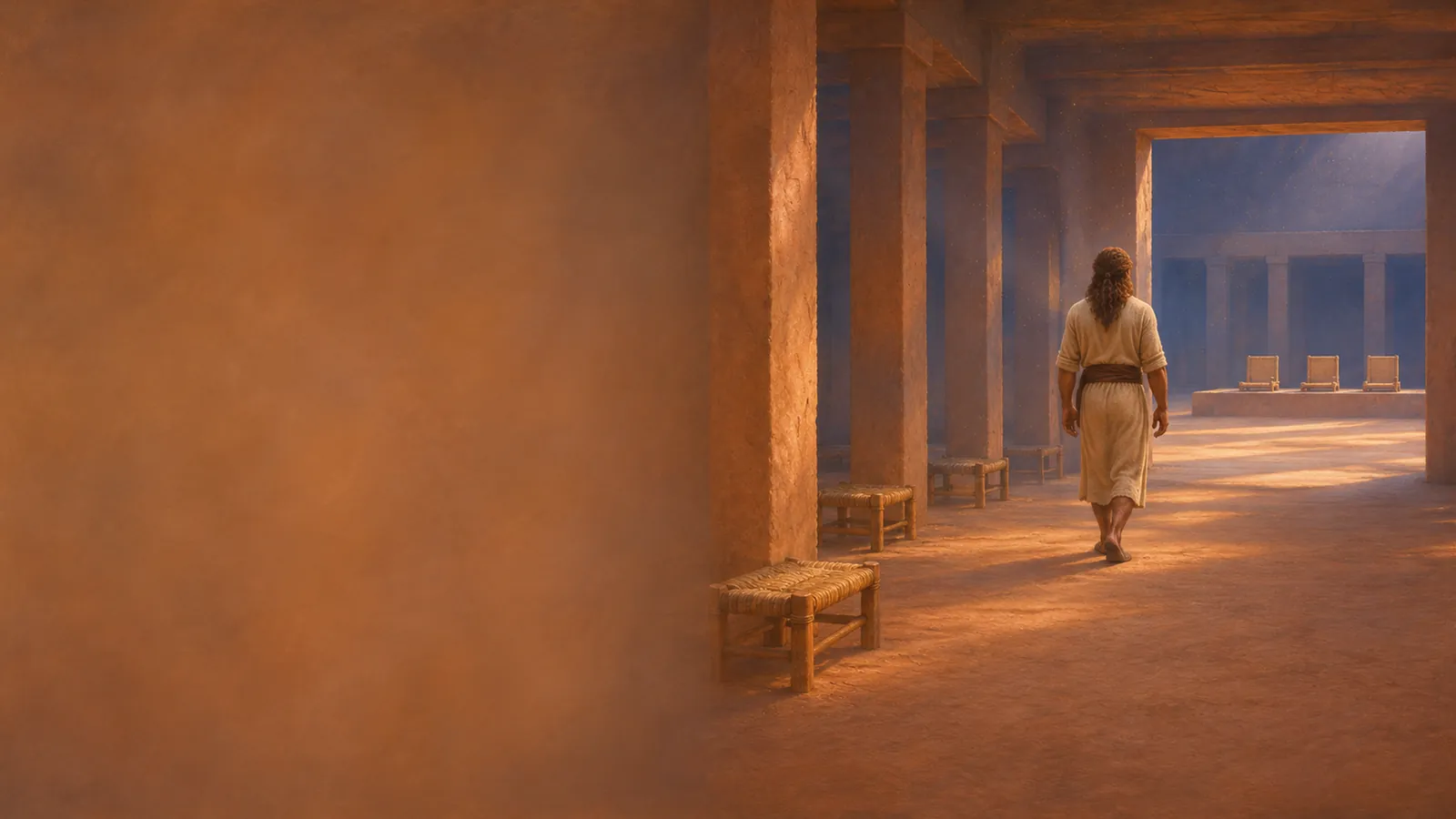
A telling from Hattusa preserves the dream behind that question. In this Hittite version, Enkidu sees the great gods gather to decide the friends’ fate.
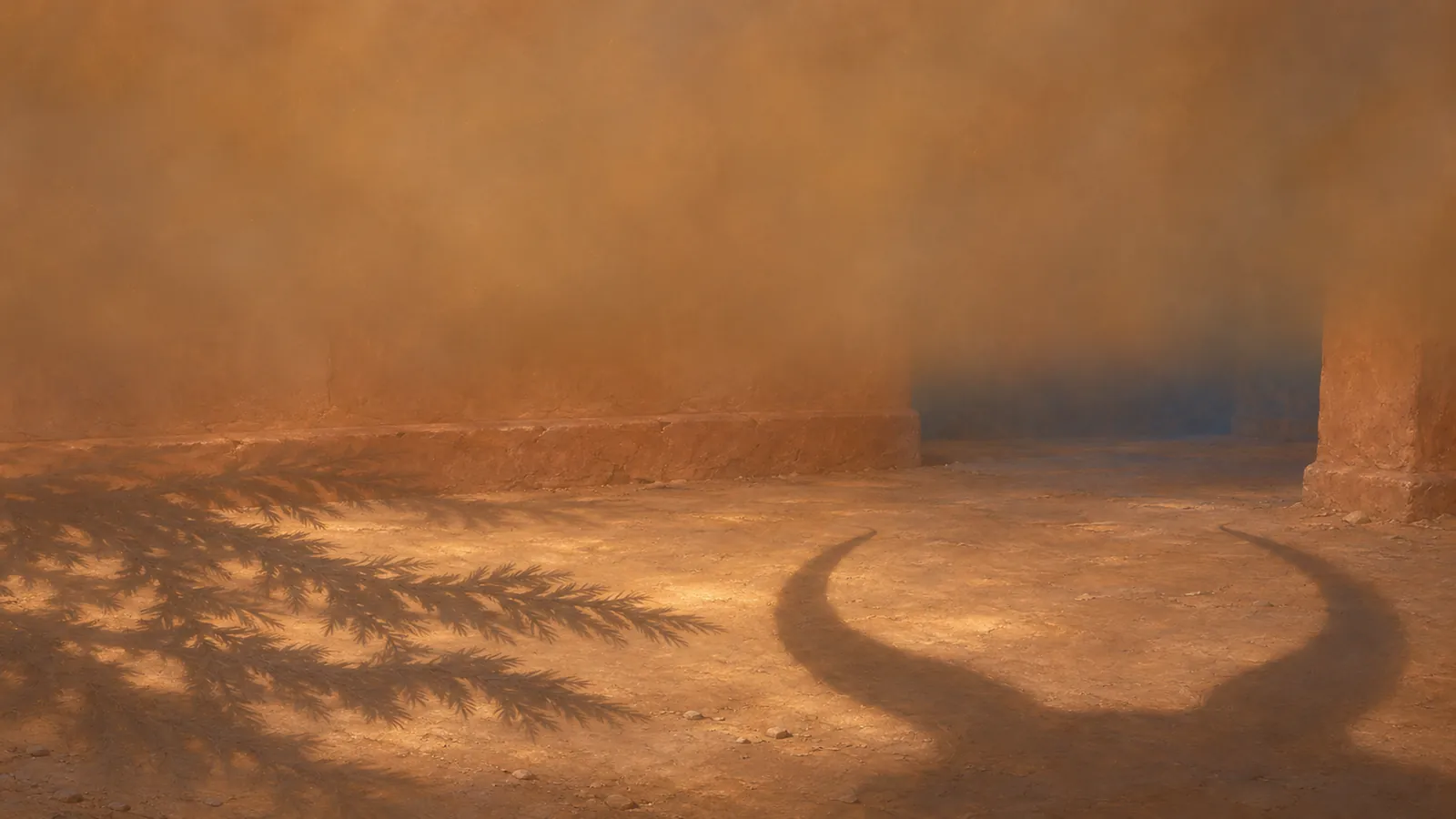
The assembly considered two deeds: the killing of the Bull of Heaven and the killing of the guardian of the Cedar Forest. Both men had taken part.
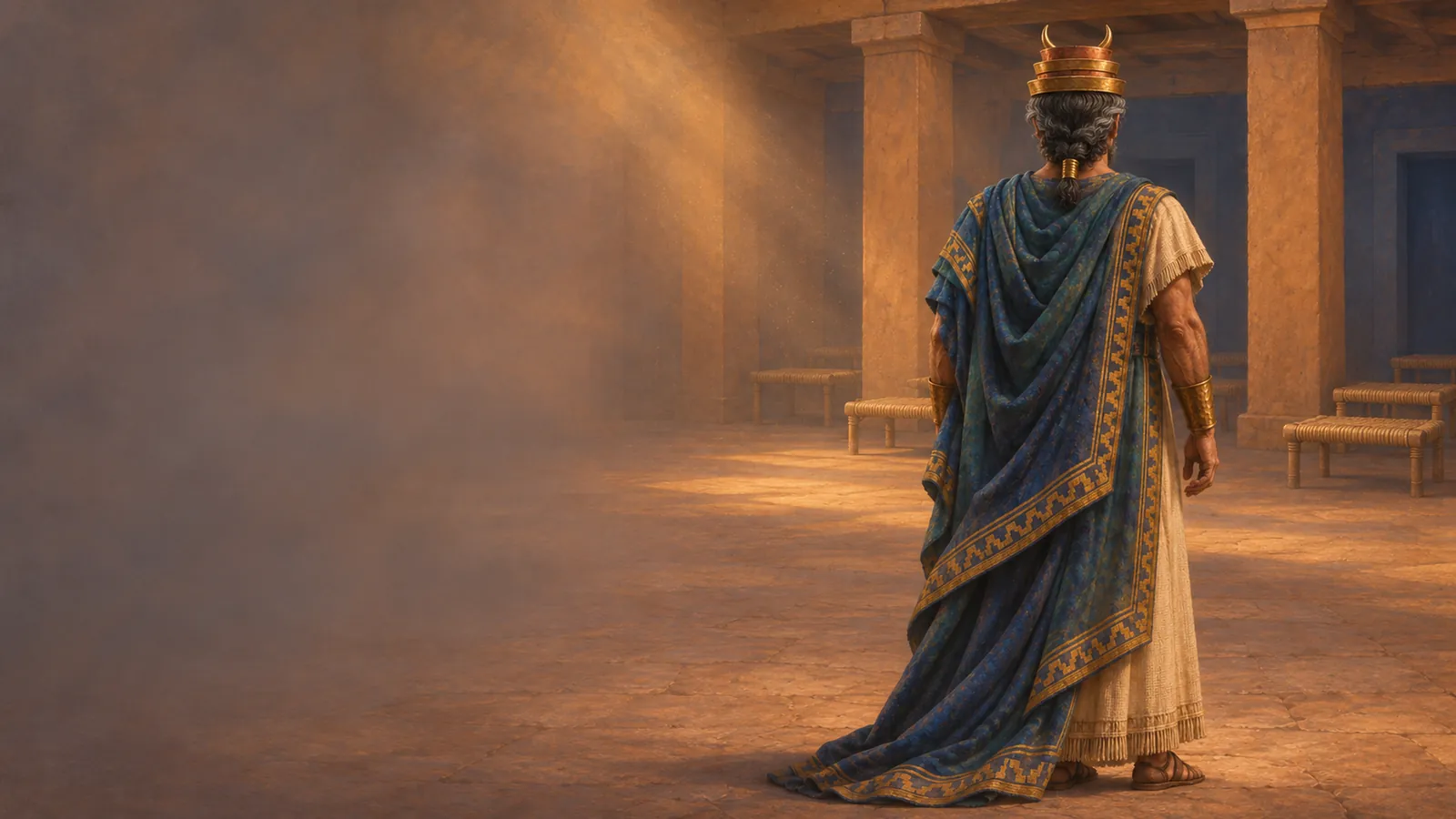
In Enkidu’s dream, Enlil decided that Enkidu would die and Gilgamesh would live. The Sun God objected, but the surviving account gives Enkidu no reprieve.
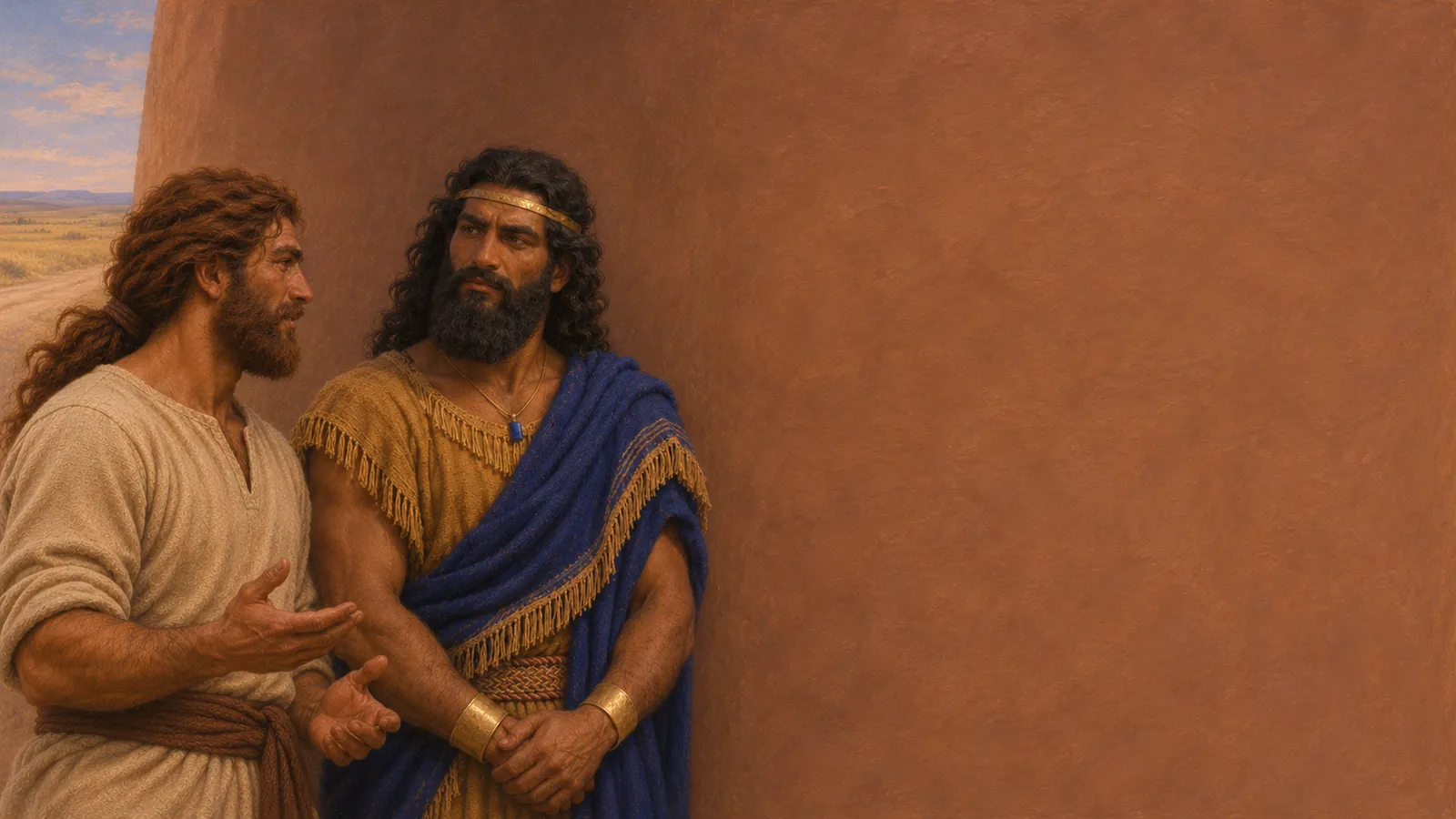
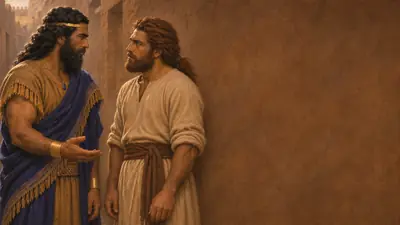
When the Babylonian text becomes readable again, Enkidu has something he wants to do. He asks Gilgamesh to go with him to Nippur and pull down the cedar door of Enlil’s temple.
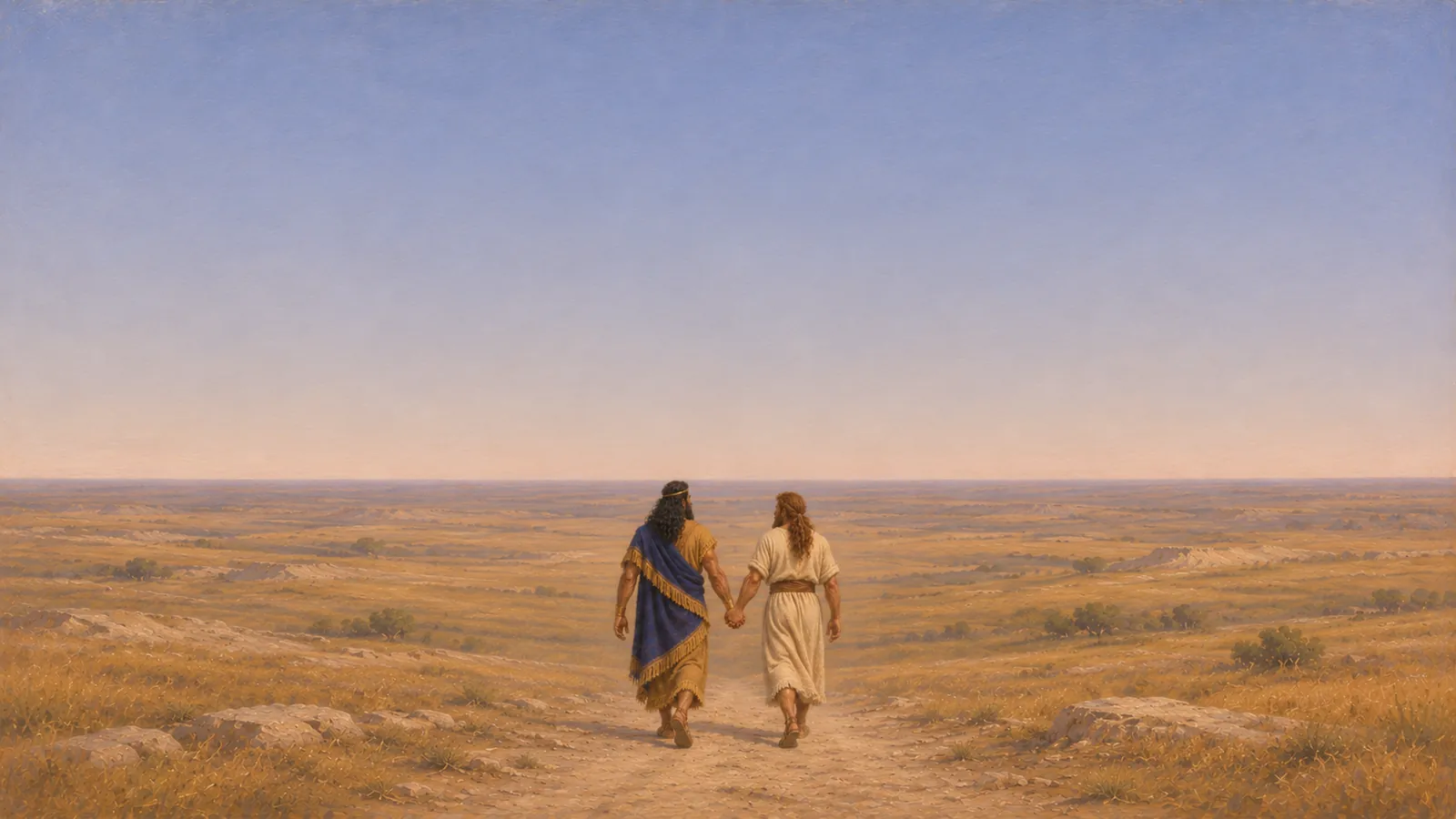
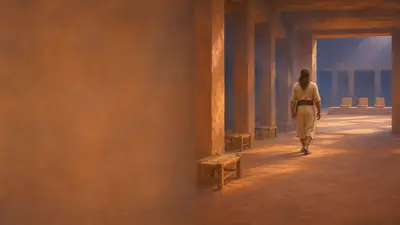
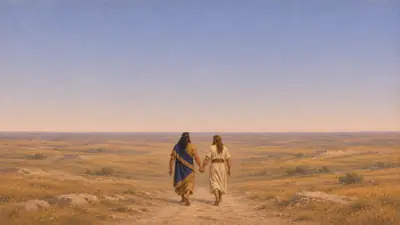
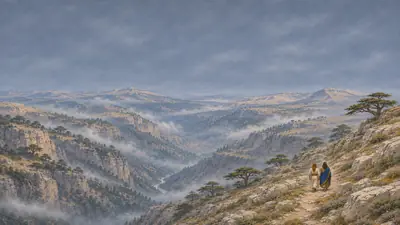
Gilgamesh went with him. The new fragment preserves a familiar gesture from earlier in the poem: the friends take one another’s hand as they set out together.
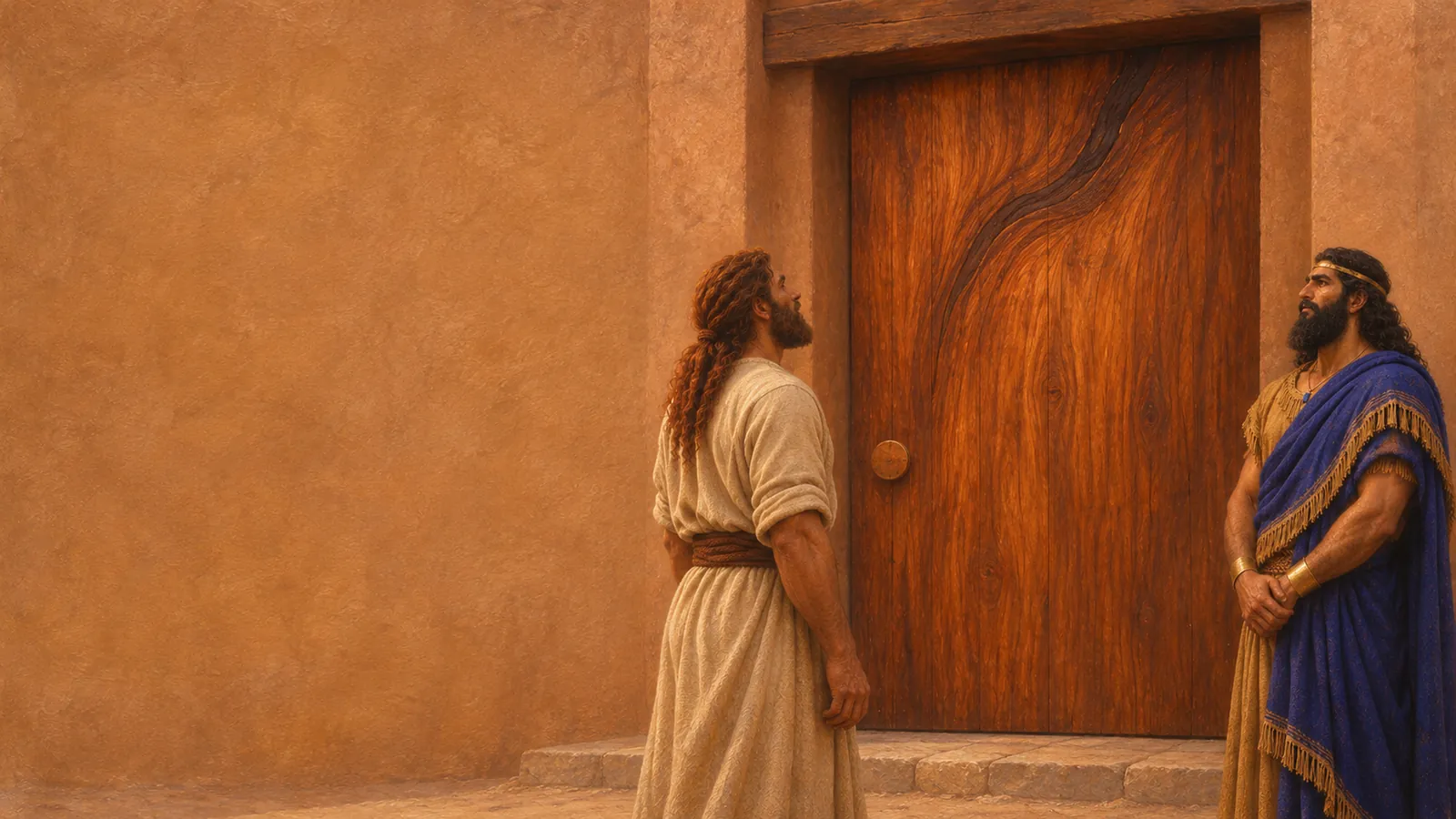
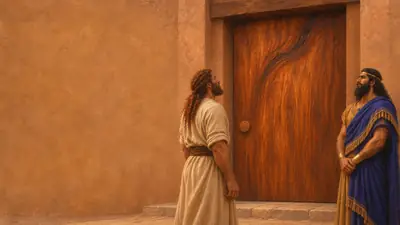
At Enlil’s temple, Enkidu faced the great cedar door he had once intended as a gift. He spoke to it as though it were able to hear him.

The door brings him back to the day he admired the timber. Much of what he says is damaged, but his regret is clear: he wishes he had chosen differently.
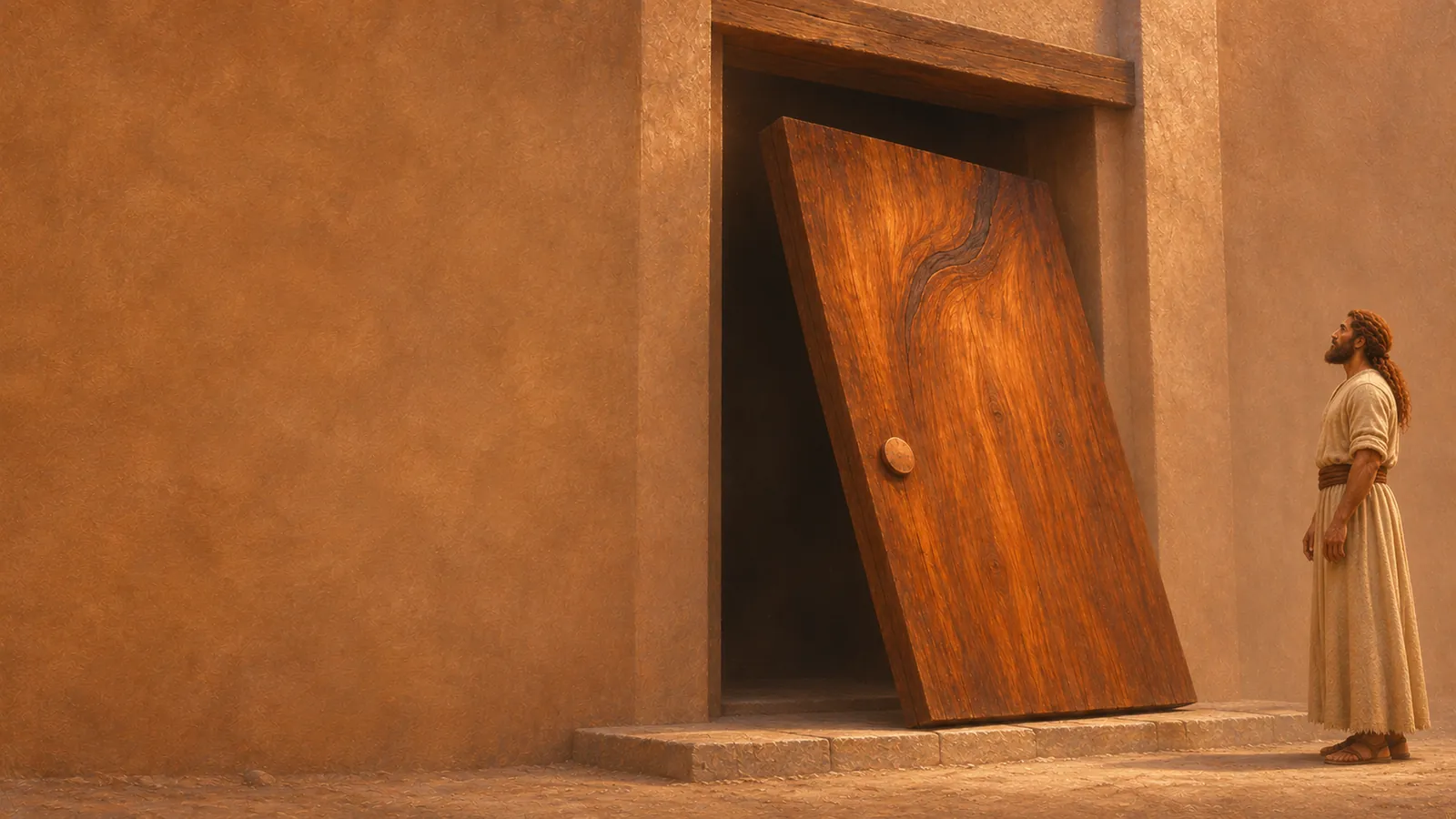
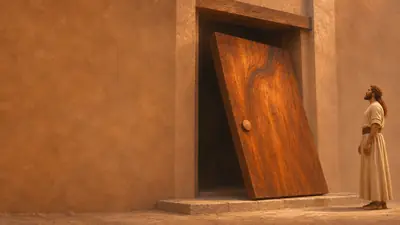
For Enkidu, the door had become a sign of what he had given and what he had lost. After cursing it, he pulled it down, as he had told Gilgamesh he would.
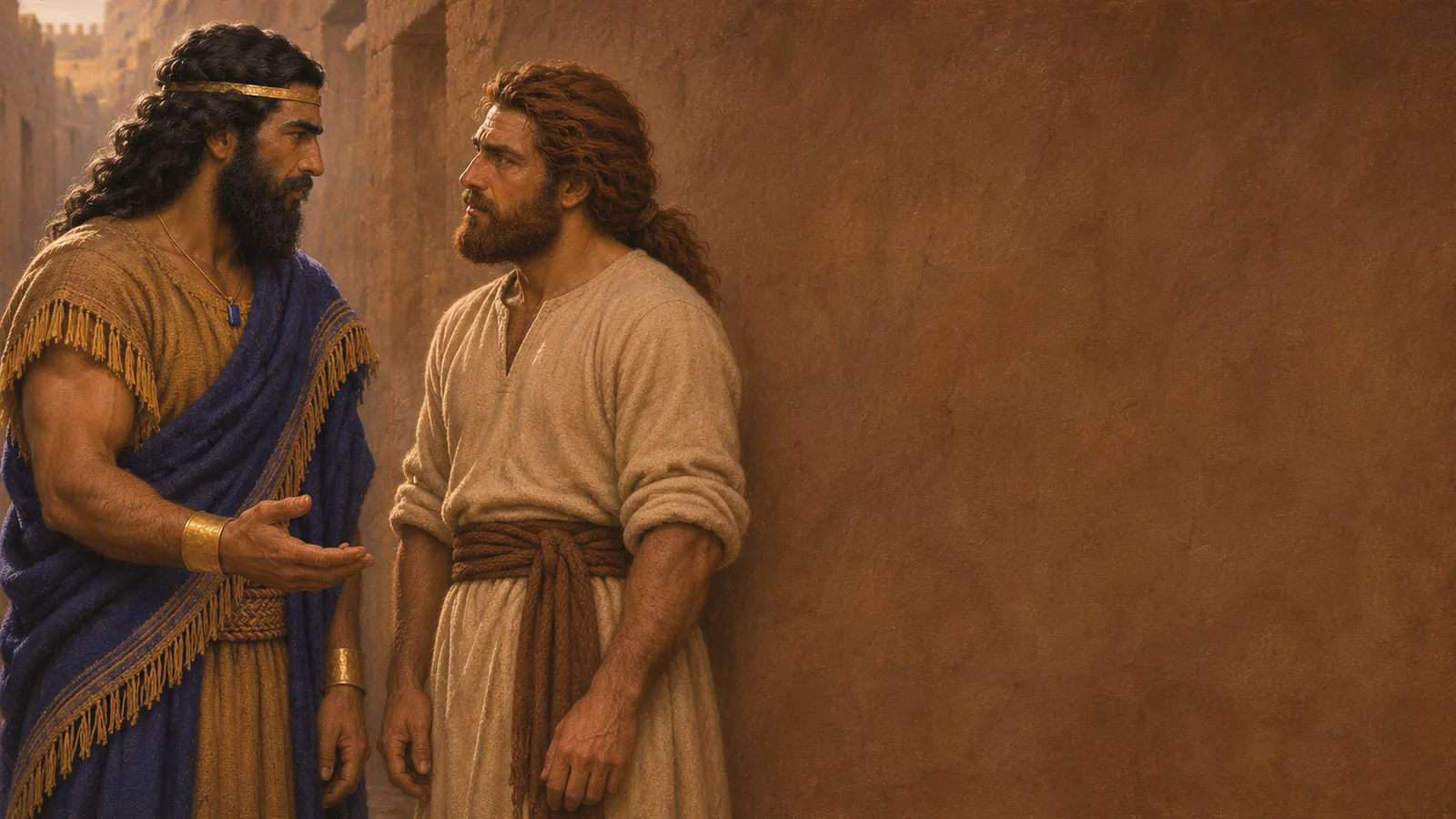
Gilgamesh heard the fear beneath his friend’s anger. In the damaged passage that follows, he offers to appeal to the great gods on Enkidu’s behalf.
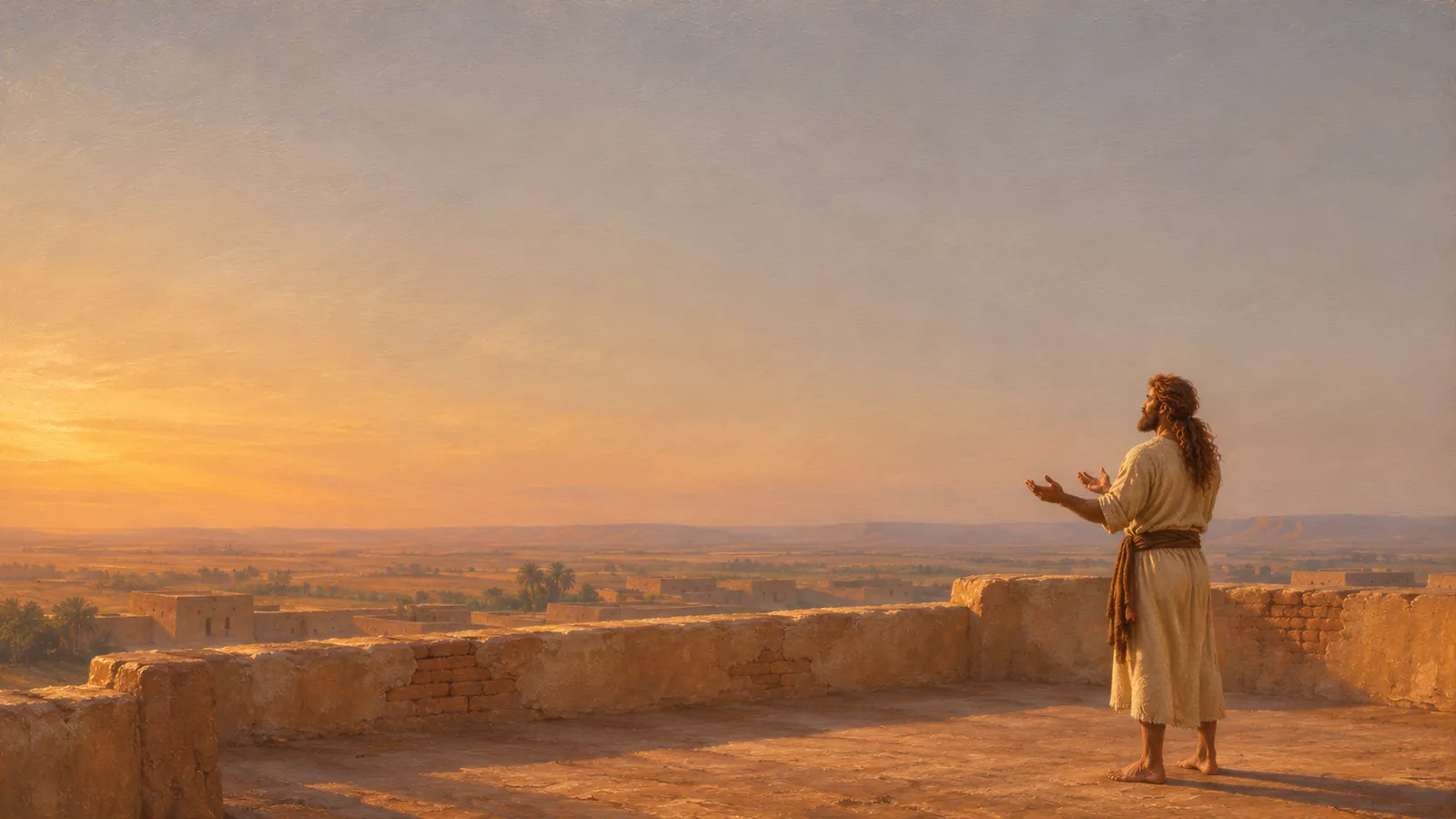
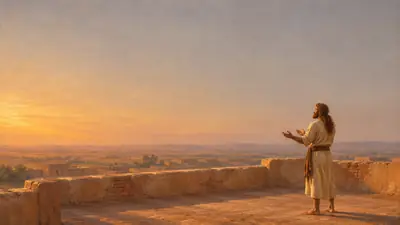
At first light Enkidu called out to Shamash. He pleaded for his life in the rays of the rising sun.

Enkidu blamed the hunter who had first set his life on a different course. He wished the man’s work would fail and his livelihood would dwindle.

Enkidu turned his anger on Shamhat, who had helped bring him into the life of the city. He cursed her to a life without a home, at crossroads and among drunkards.
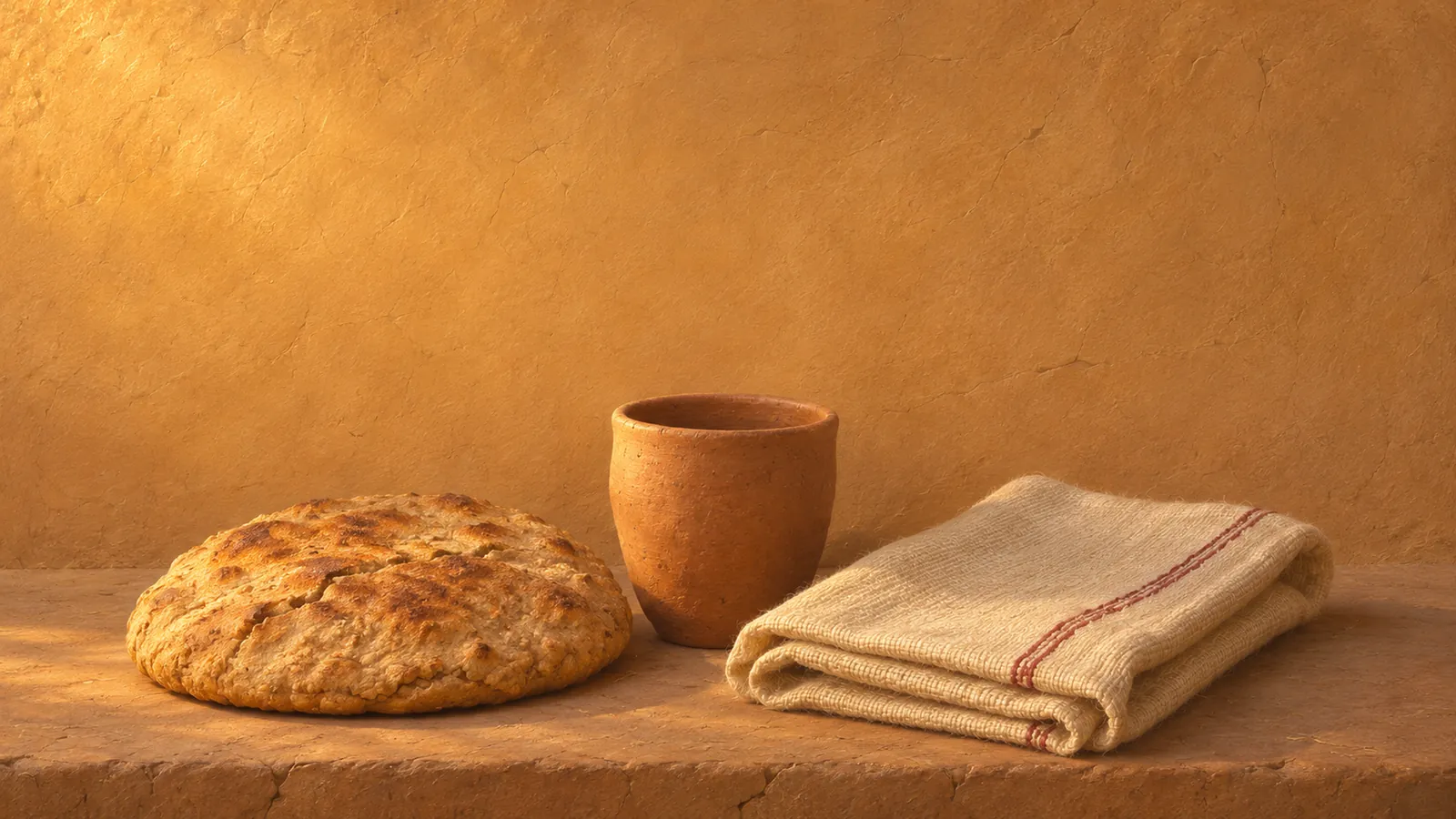
Shamash reminded him of the food, drink and clothing Shamhat had offered him. She had also helped him find the friend he now feared he would lose.
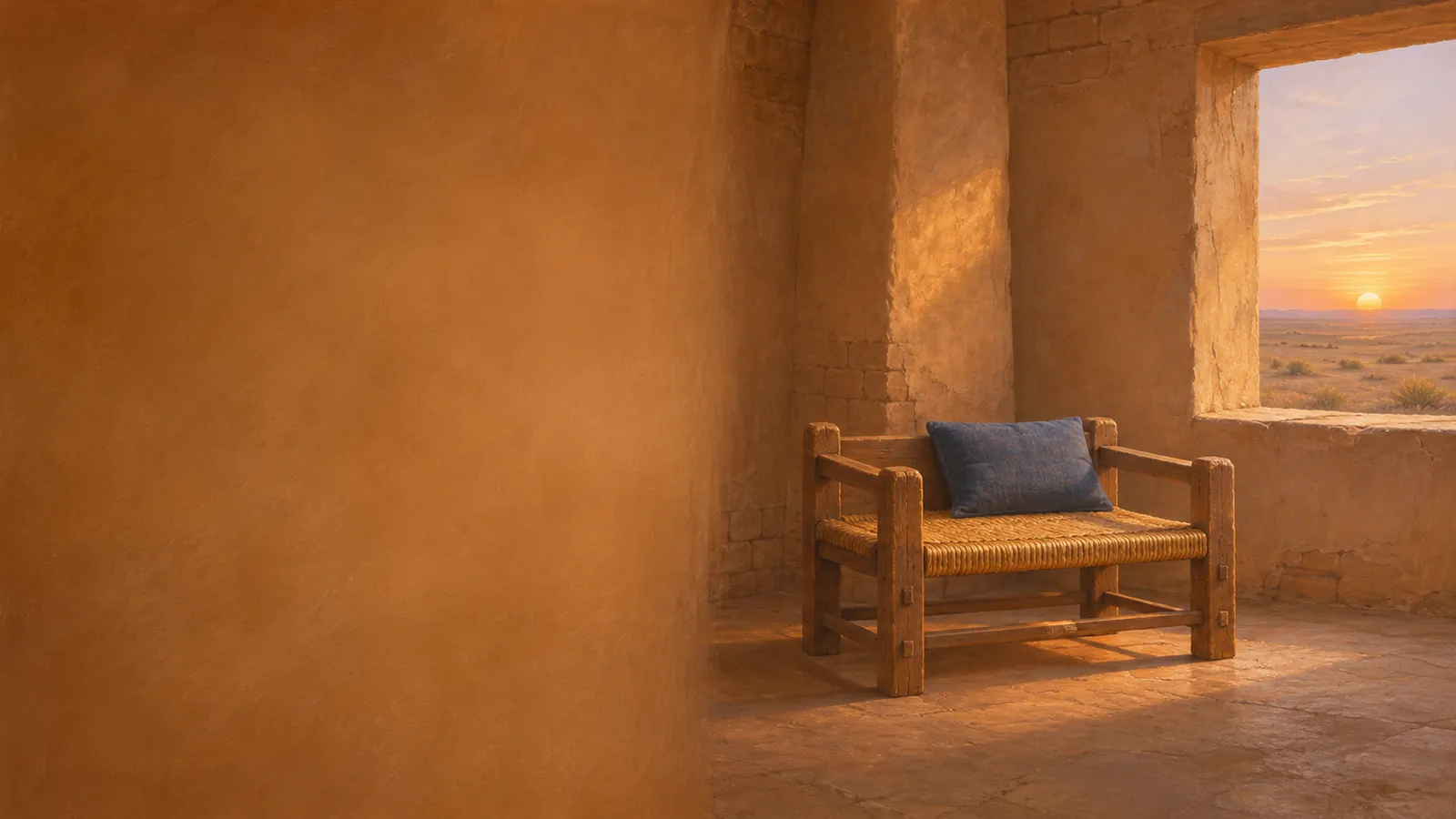
Shamash told Enkidu what Gilgamesh would do for him: give him a place of honor and ask all Uruk to mourn. He also foretold that Gilgamesh would take to the open country.

The reminder quieted Enkidu. He took back what he had wished on Shamhat and blessed her instead, wishing her the regard of people who held power.
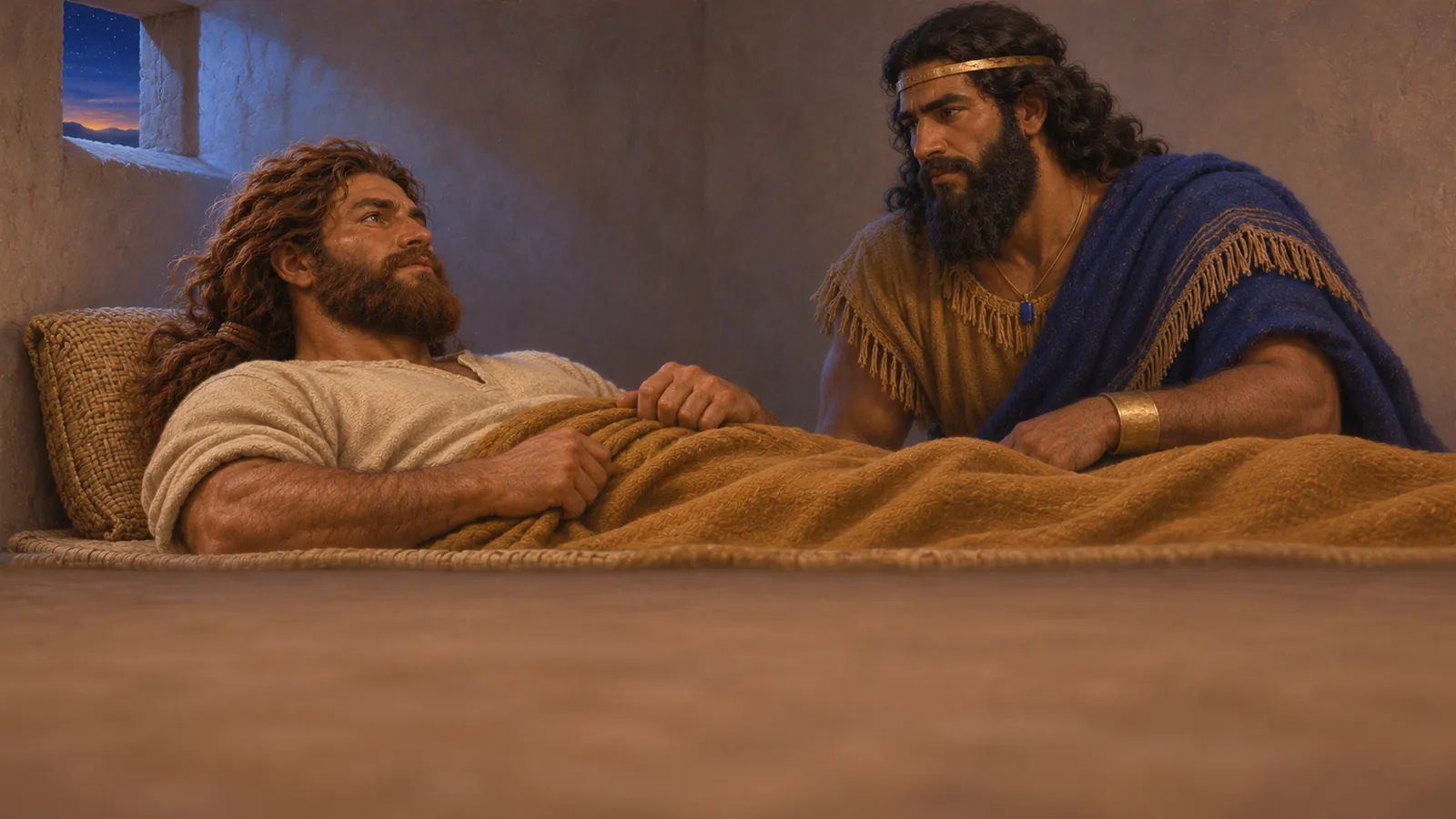
Now ill, Enkidu had another dream and told it to Gilgamesh. Heaven cried out, the earth answered, and Enkidu stood amid the noise before anyone came to help him.
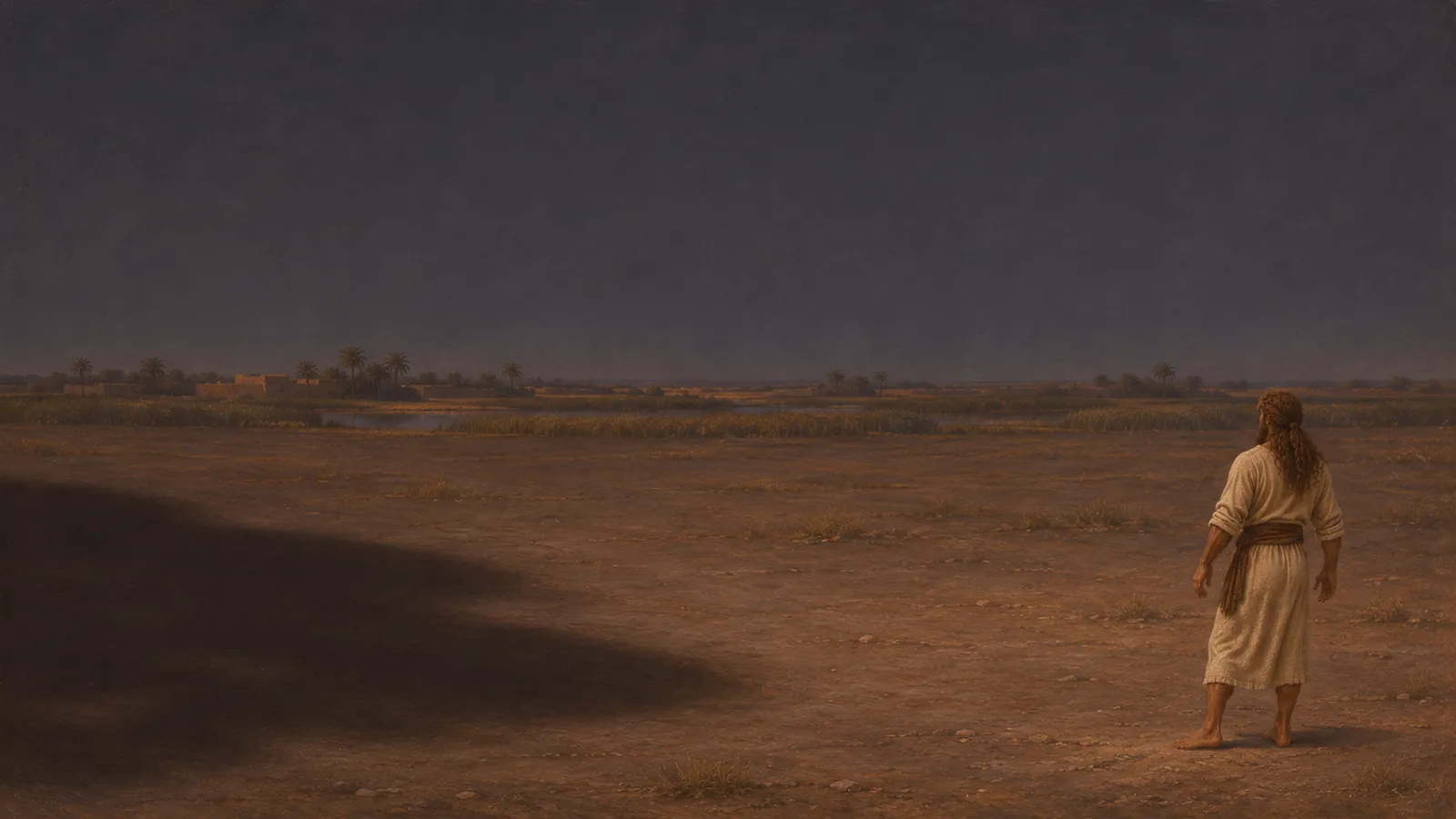
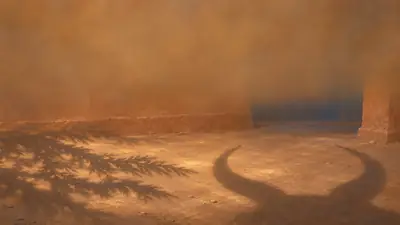
A figure with a dark face appeared in the dream. Enkidu described a lion’s hands and an eagle’s claws; the figure held him fast and overpowered him.
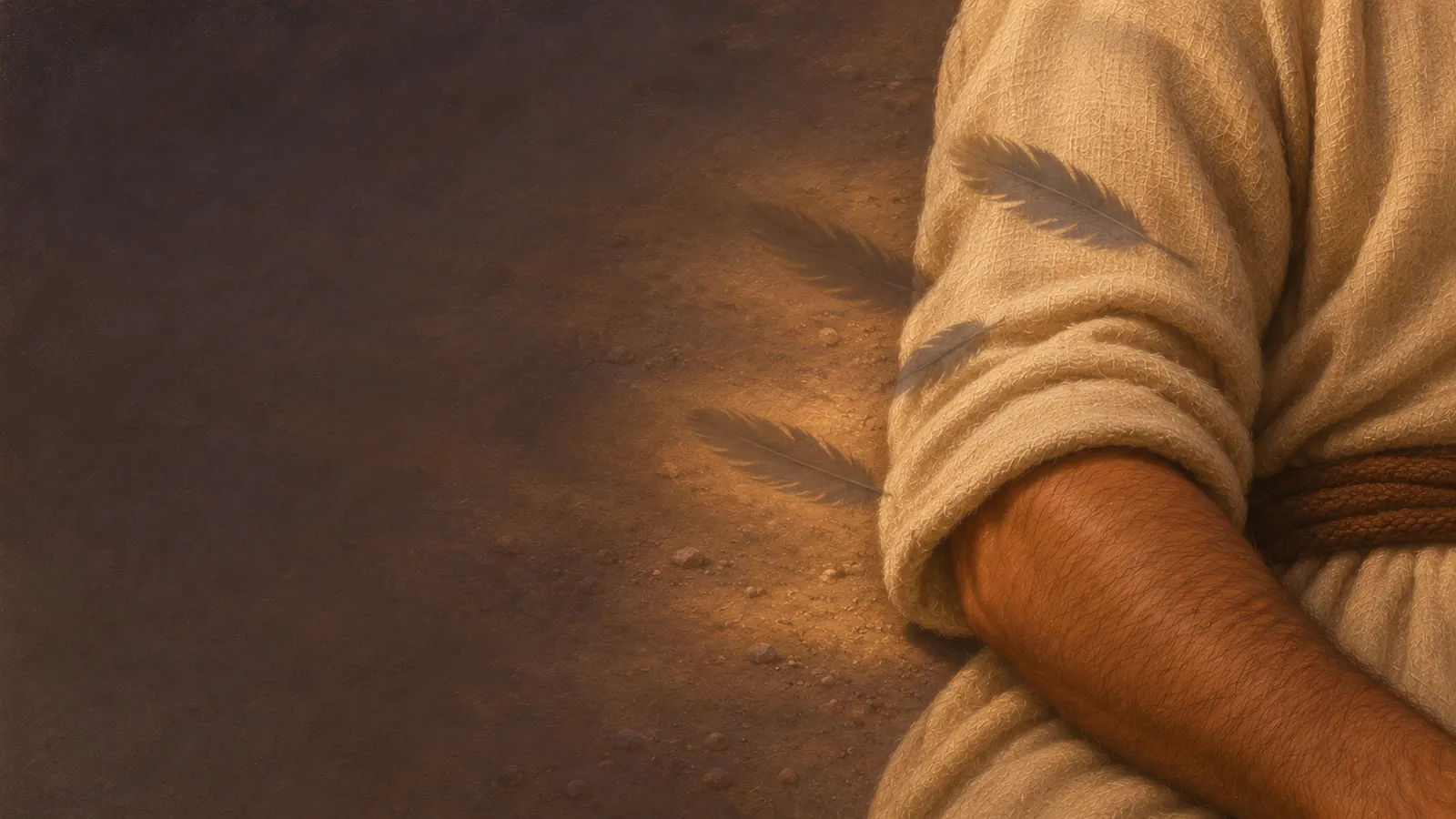
In the dream, Enkidu found his arms changed, feathered like a bird’s. The figure led him on, toward a road that only ran one way.

NO RETURN
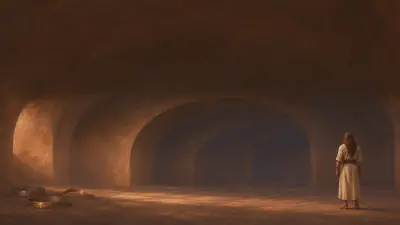
The road led to a house without daylight. Those who entered it did not come back, and its people had dust and clay for their food.
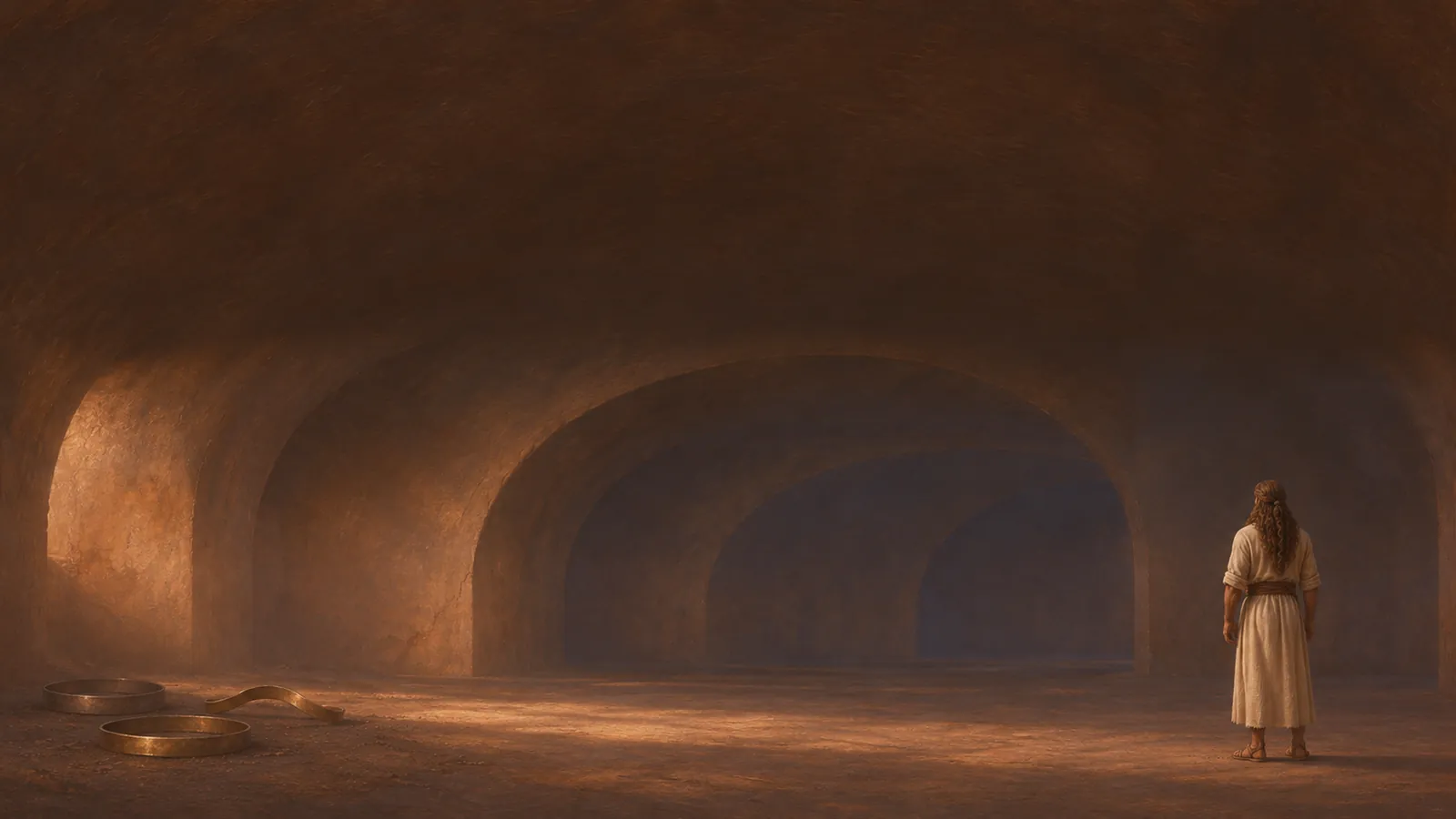
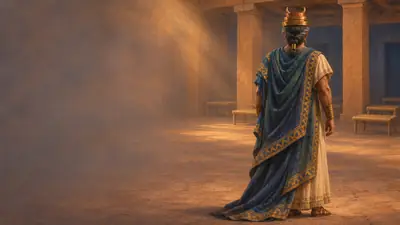
Enkidu saw people who had once worn crowns. Long ago they had ruled the land; here, they shared the darkness with the other inhabitants of the house.
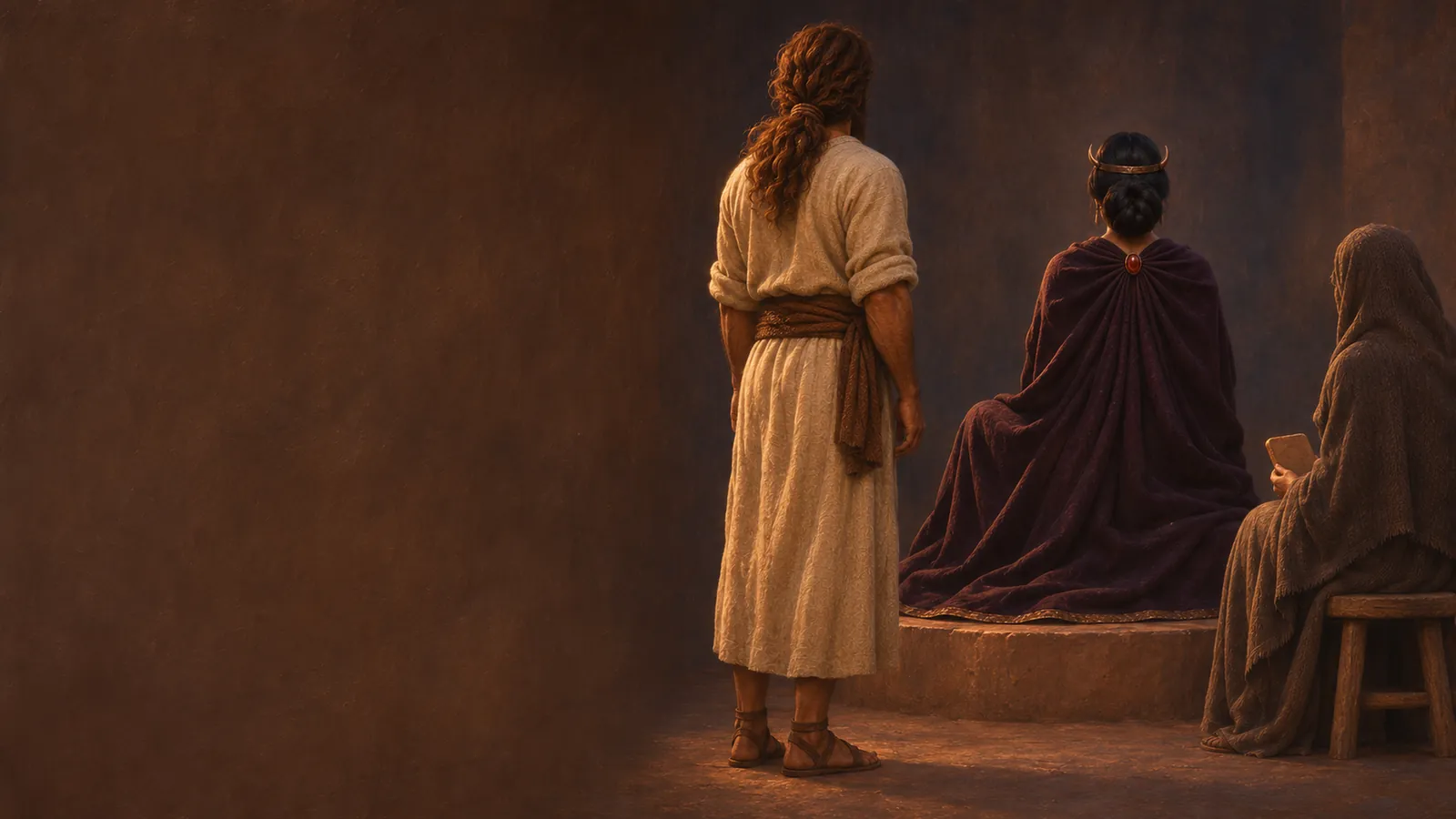
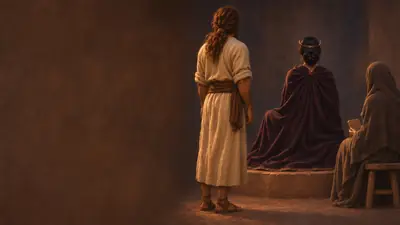
In the House of Dust sat Ereshkigal, queen of the dead. Belet-seri read a tablet before her, and the queen asked who had brought Enkidu there.
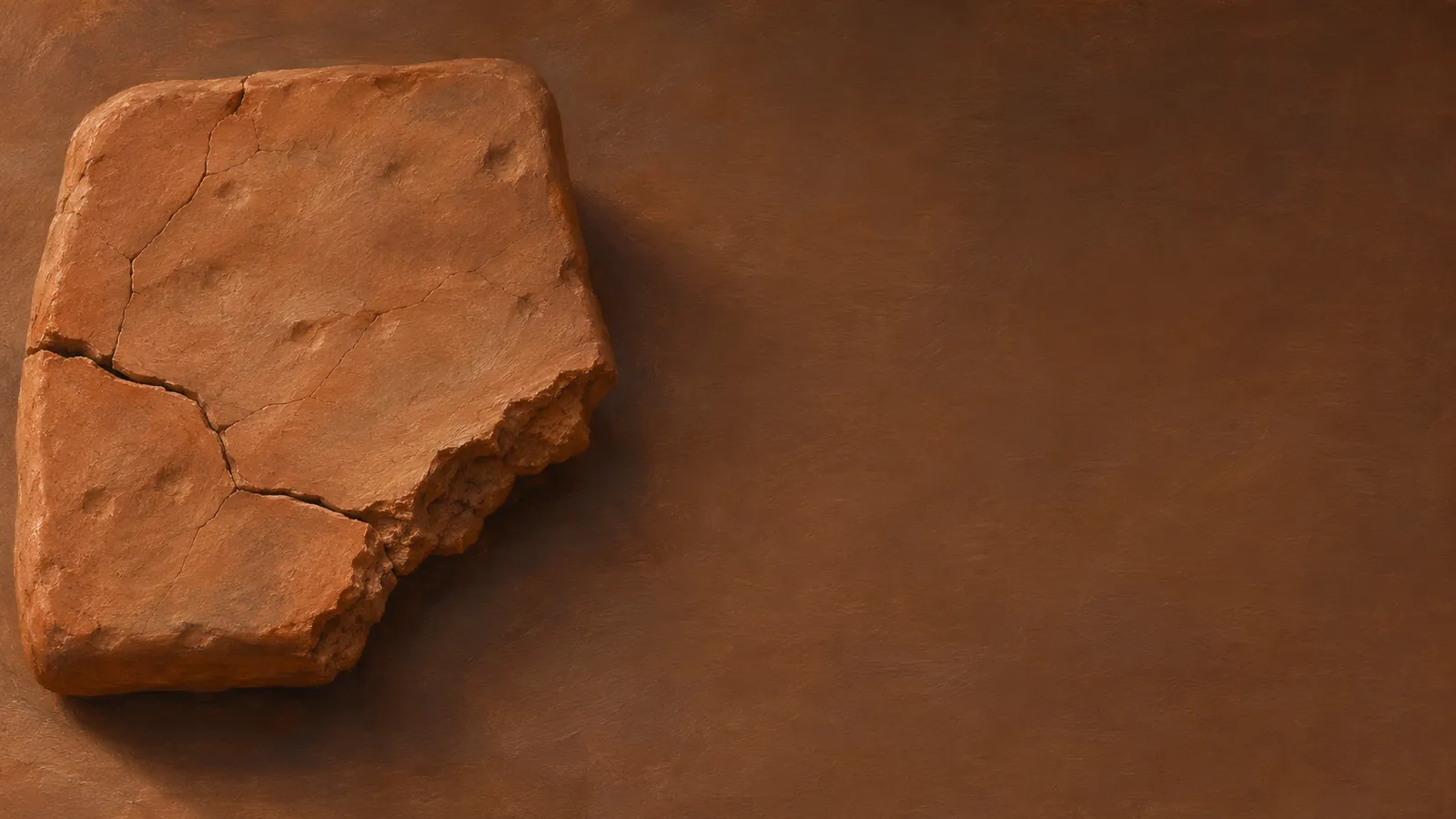
A recovered fragment holds an order to prepare offerings and build a tomb. It may be meant for Enkidu, but the clues become scattered before his account ends.
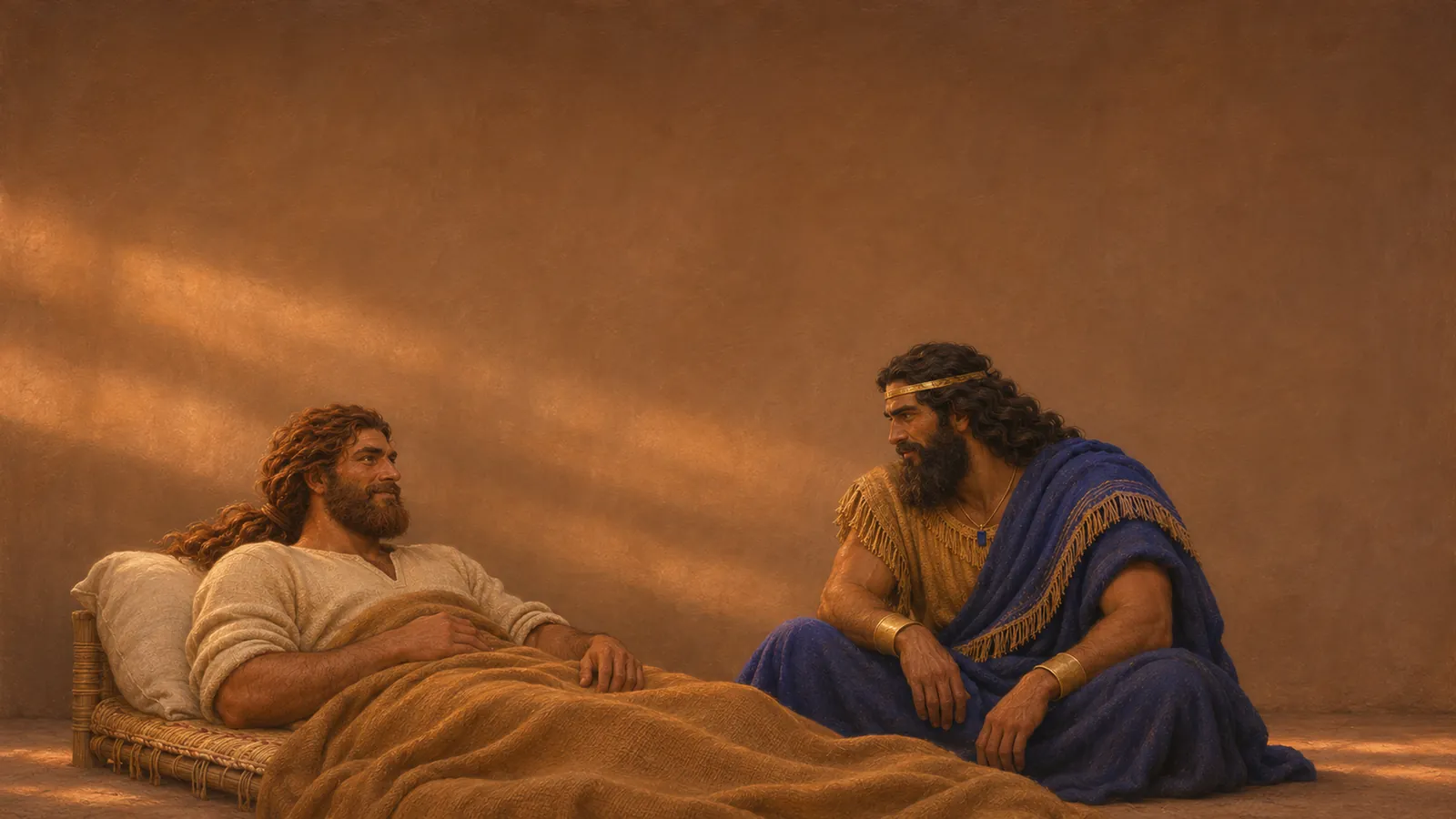
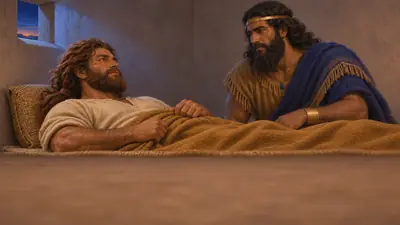
The poem begins counting days. Enkidu stayed on his bed as the illness went on, and the count reached its eleventh and twelfth days.
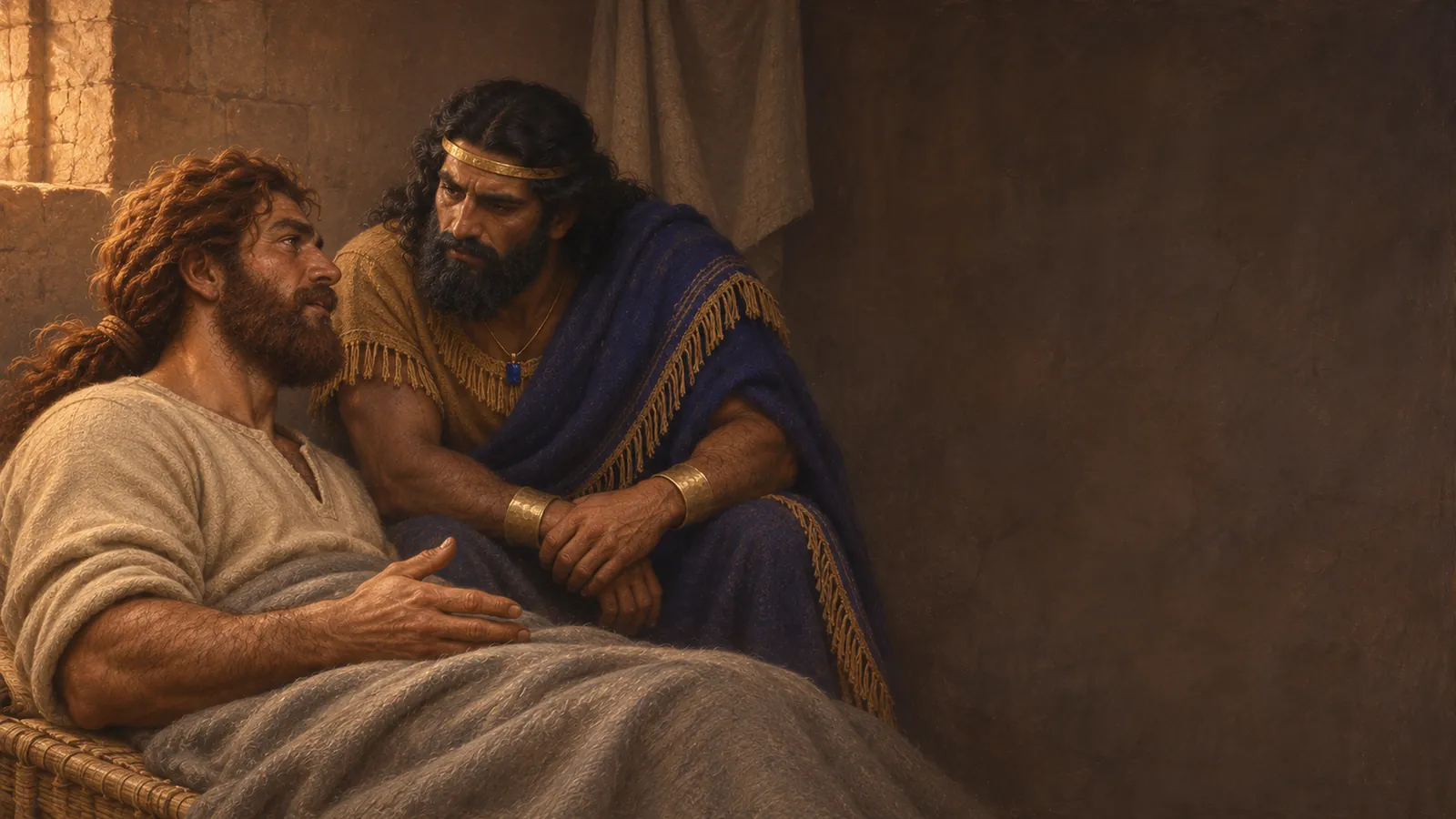
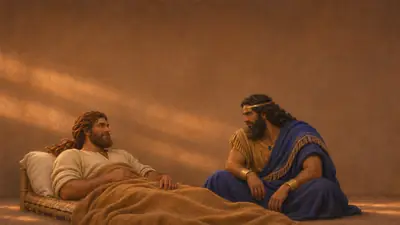
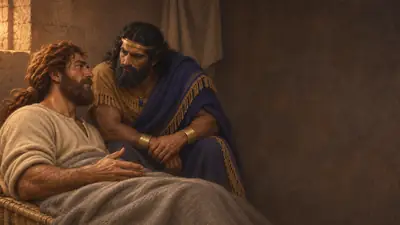
Enkidu called to Gilgamesh from his bed. The surviving words turn to battle: he had imagined that if death came for him, it would come there.

The last surviving scene of Enkidu alive has him calling for his friend. The poem leaves us with the sound of that call and the space beside his bed.
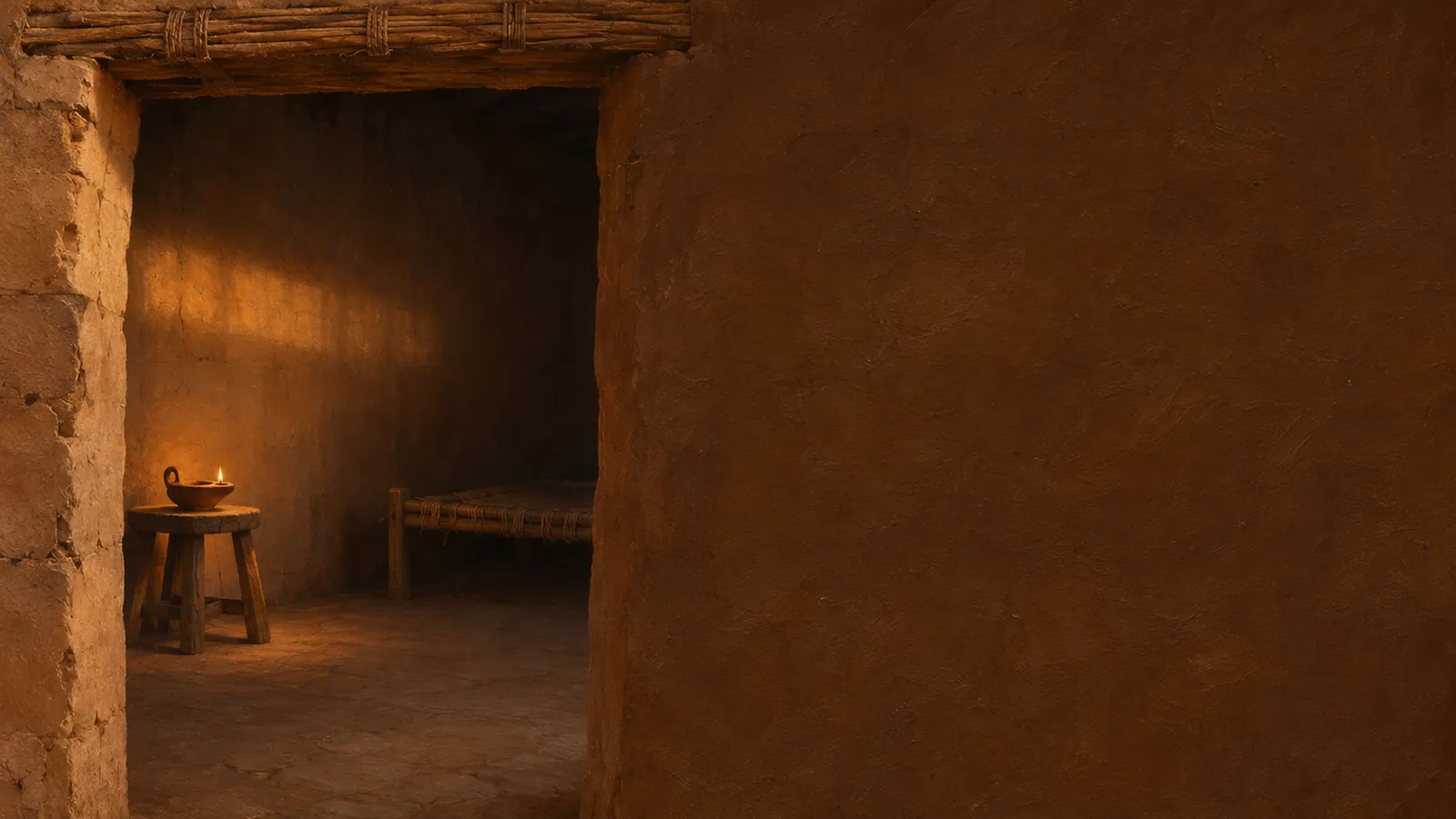
The tablet breaks off after these words. Enkidu’s death is clear from the lament that follows, while the manner and moment of his passing are lost with the clay.
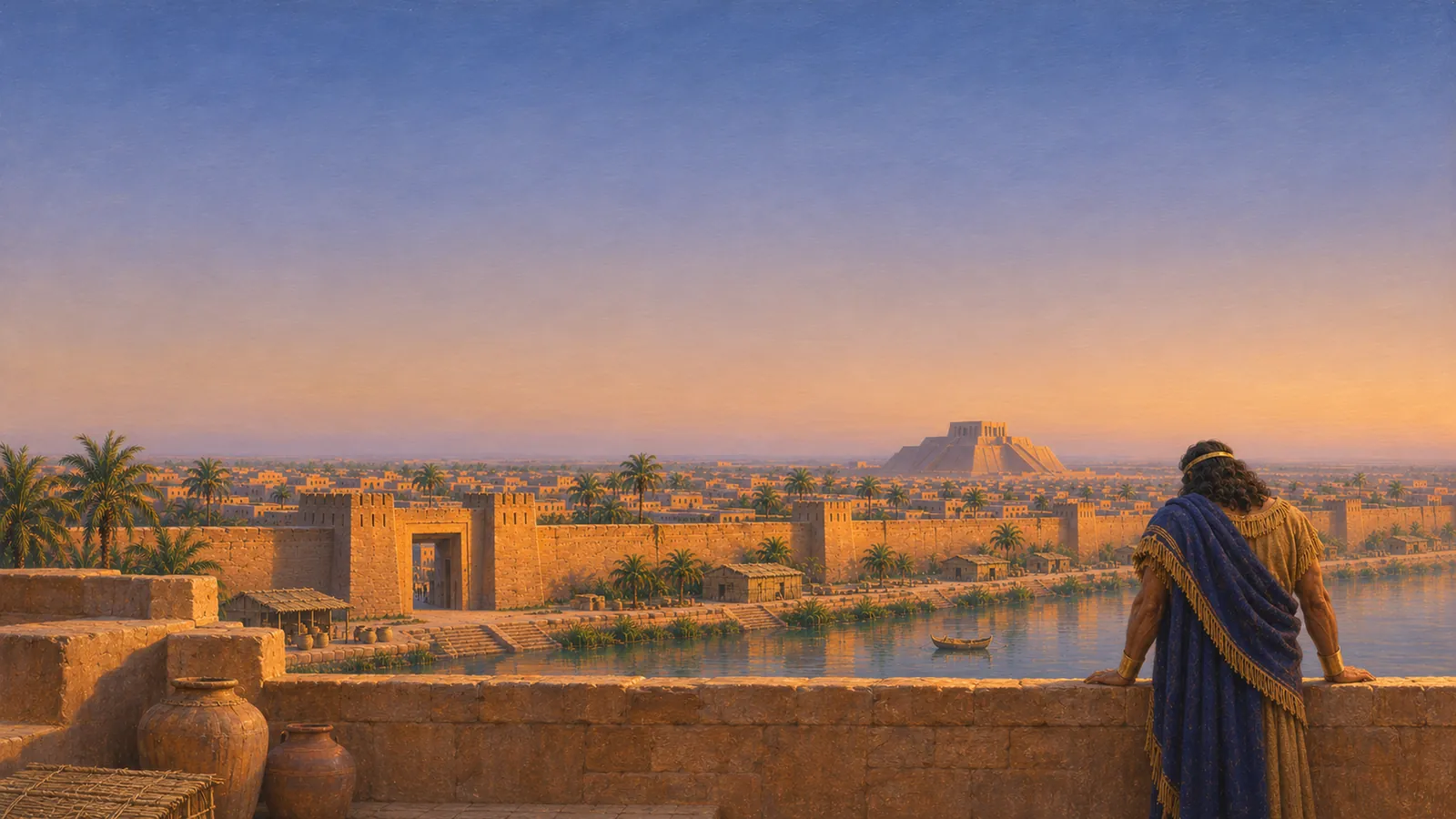
MOURNING
With the first light of the next tablet, Gilgamesh begins to lament. The king speaks first about the man he knew and the life Enkidu had lived.
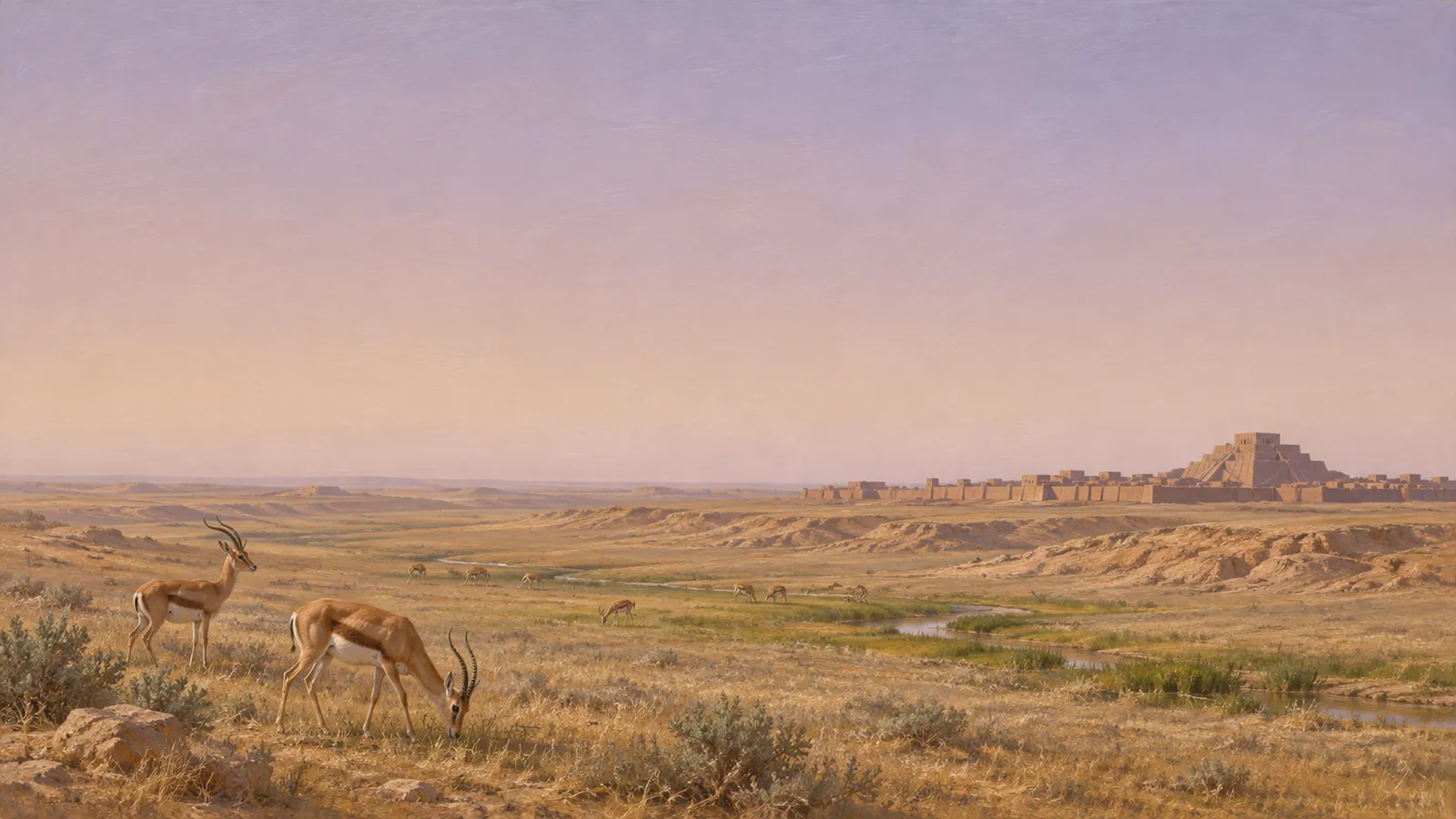
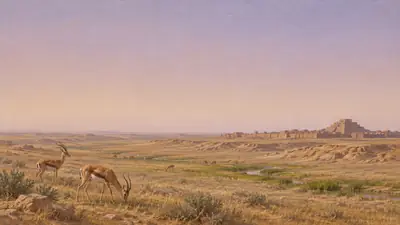
Gilgamesh first remembers the life Enkidu had before Uruk. The lament reaches back to the gazelle and the herds that taught him the grazing grounds.

He calls on the ways through the Cedar Forest to mourn, as if the paths could remember who walked them. He calls on the trees and hills as well.

The lament names animals of the wild, including deer and lions. Once the steppe had been Enkidu’s whole world; Gilgamesh calls on that world to grieve for him.
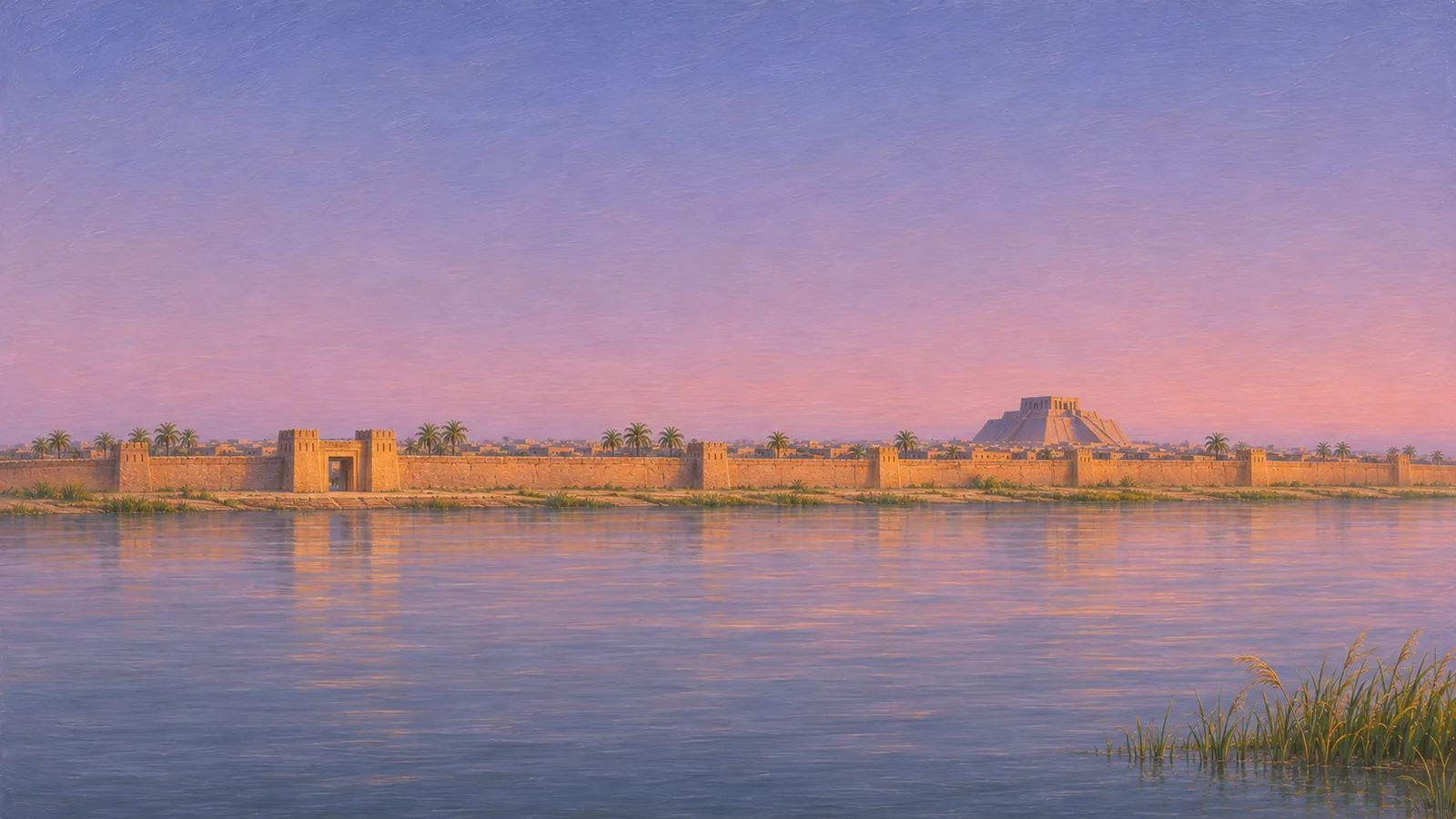
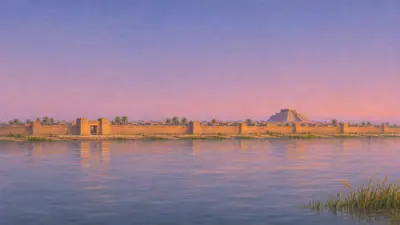
He calls on the Euphrates, whose water the two friends had used. The river belongs in the lament because it had belonged to their life together.
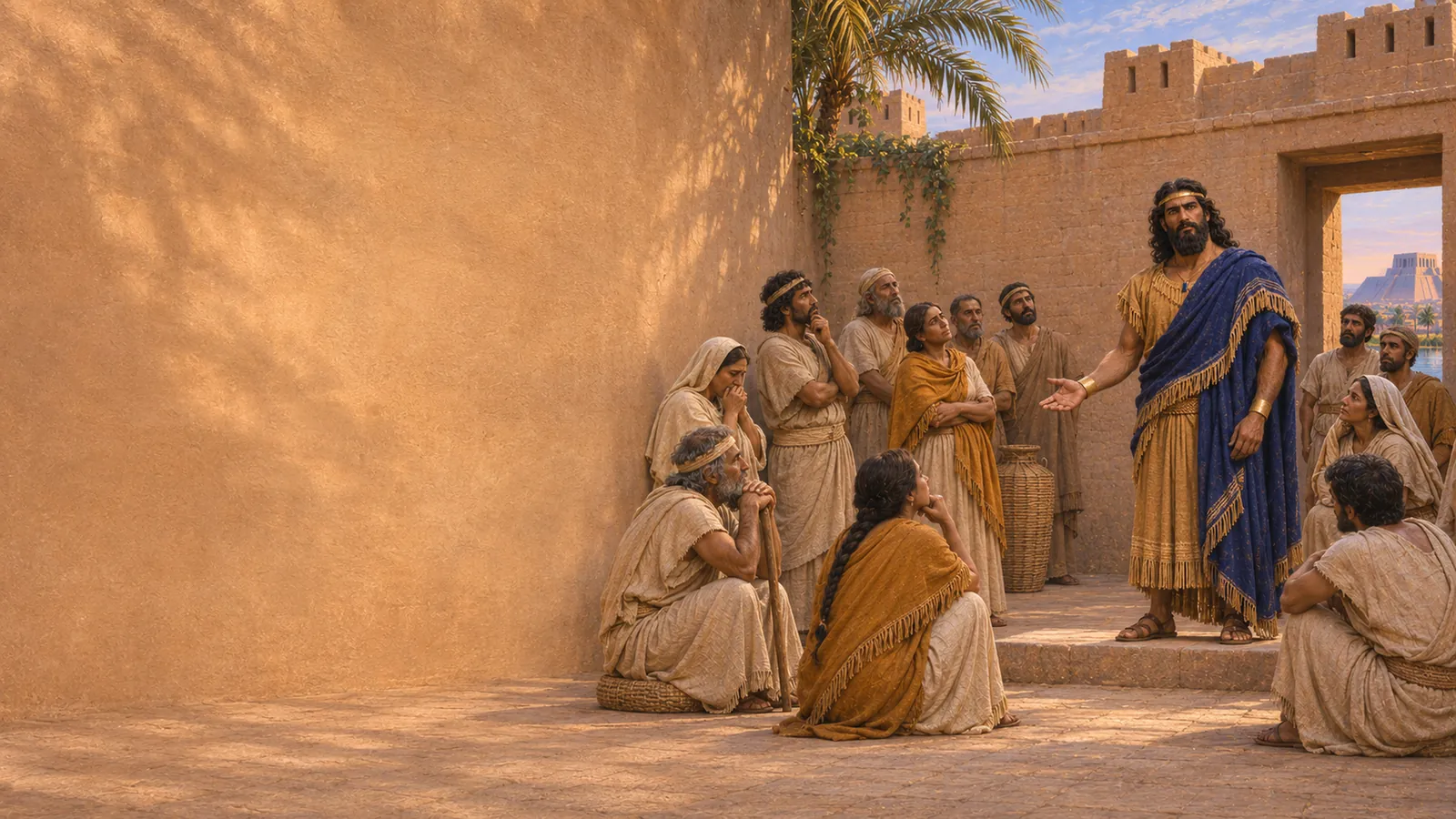
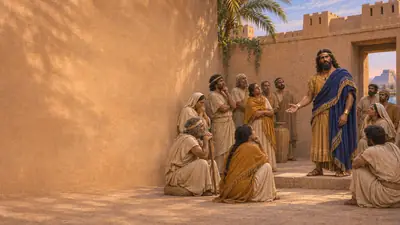
Gilgamesh asks the people of Uruk to mourn. He remembers the people who fed Enkidu and those who once watched the two friends face the Bull of Heaven.
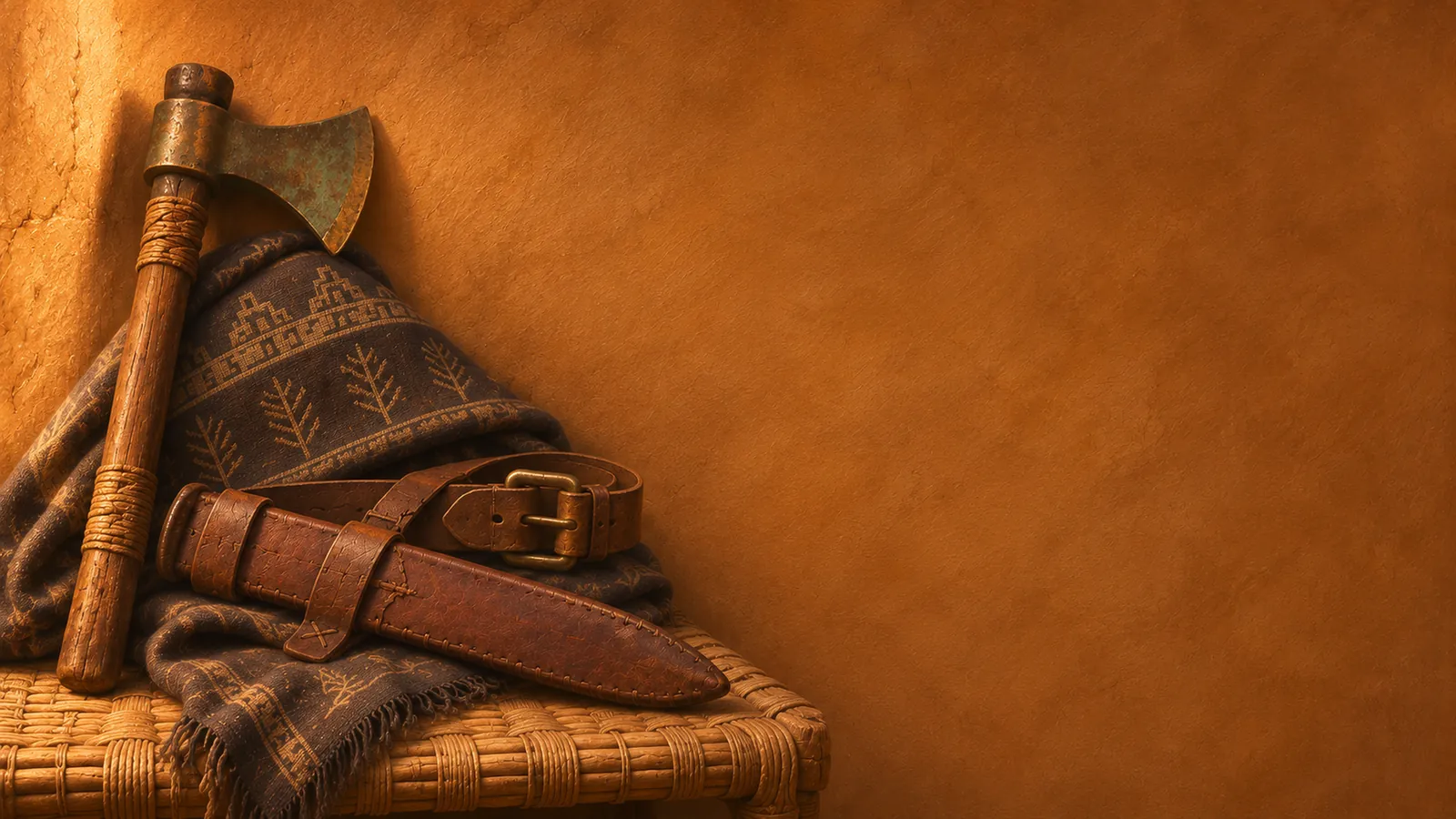
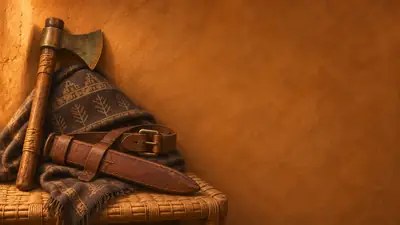
Gilgamesh remembers how safe he had felt when Enkidu stood beside him. His lament reaches for the things a fighter trusts most: the axe at his side and the sword at his belt.
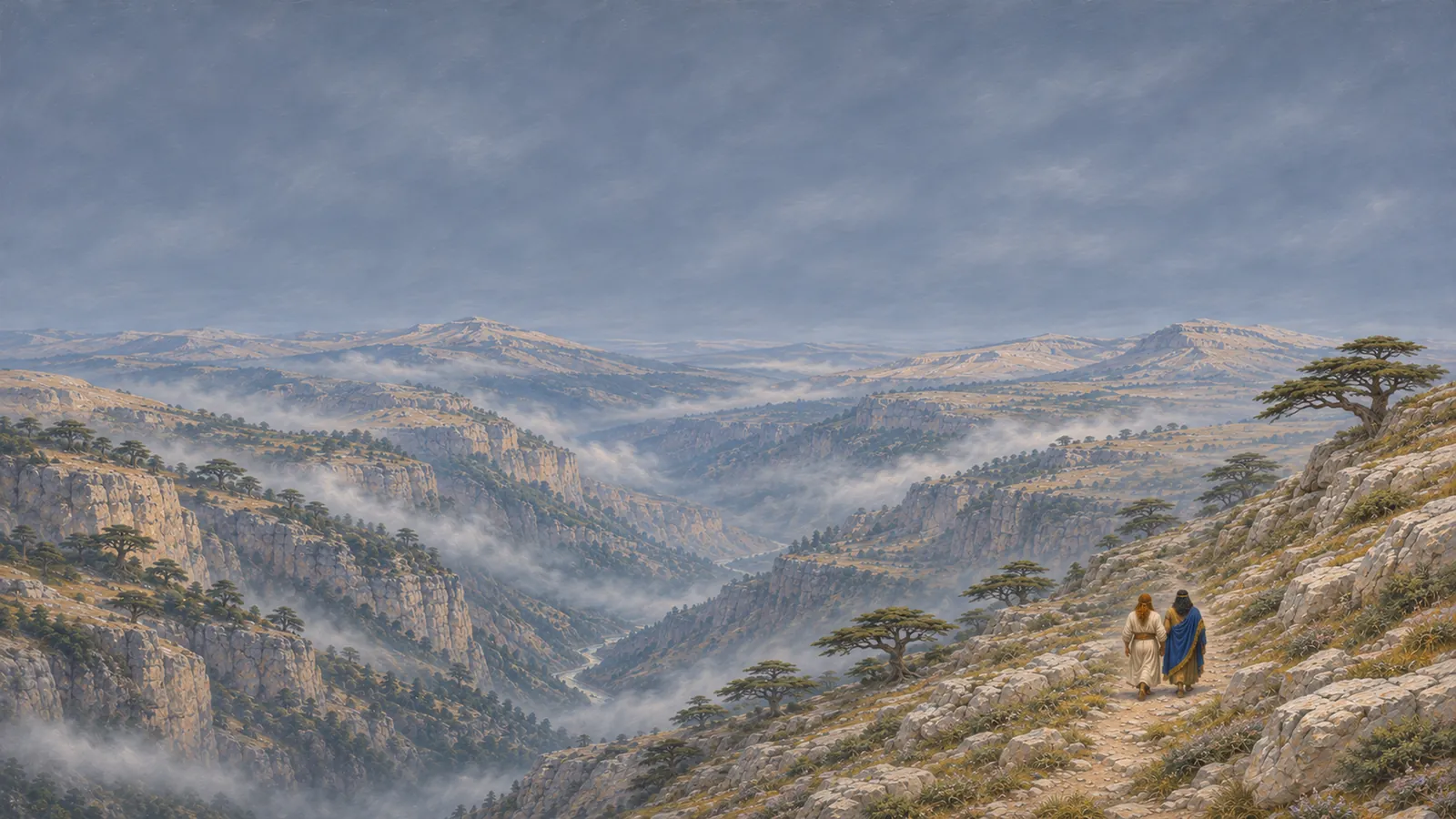
They had crossed mountains together. Gilgamesh remembered the Bull of Heaven and the guardian of the Cedar Forest. He had faced them both with Enkidu beside him.
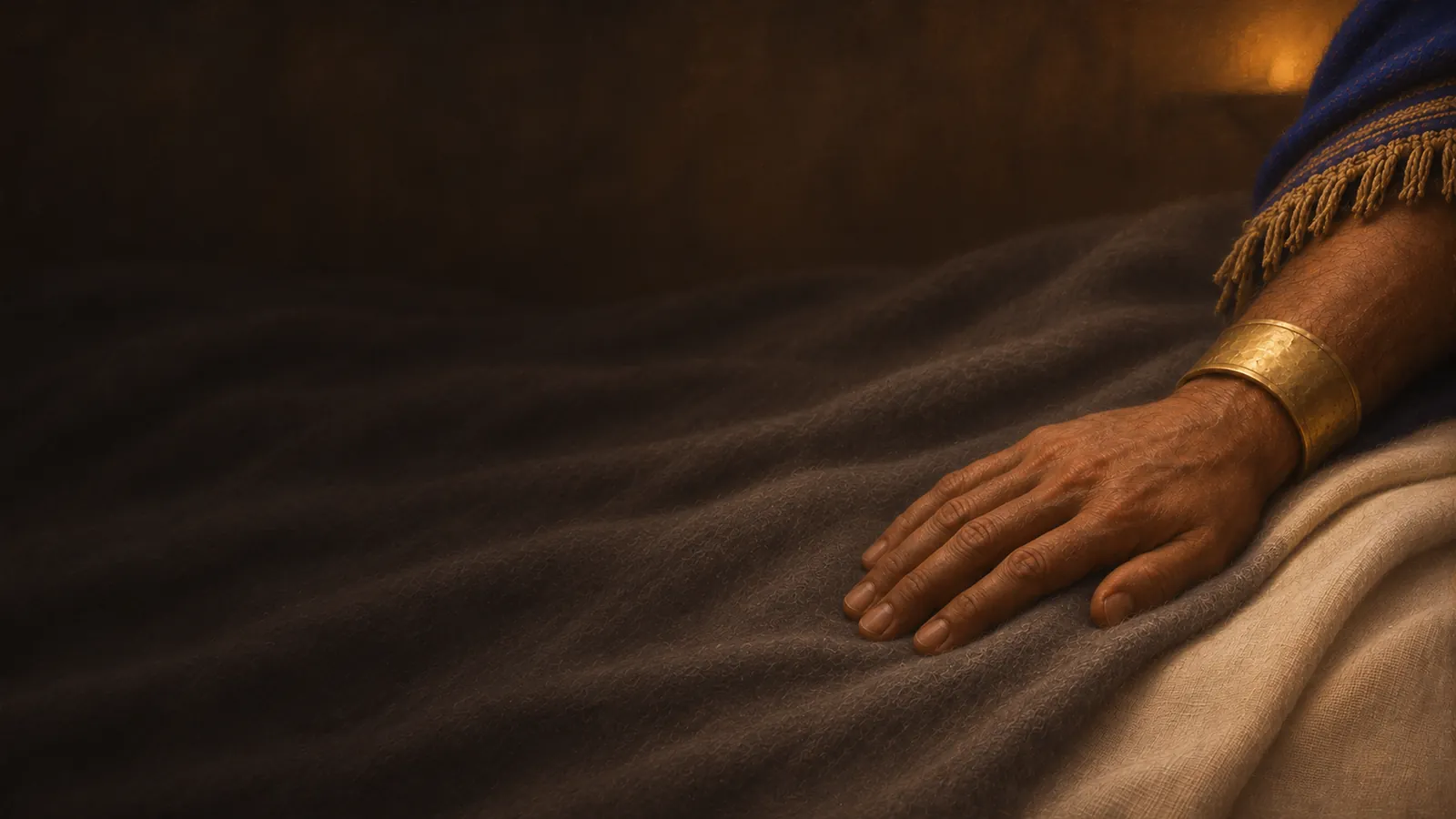
Gilgamesh asked what had come over Enkidu. His friend did not answer. Gilgamesh touched his chest and felt that his heart was still.
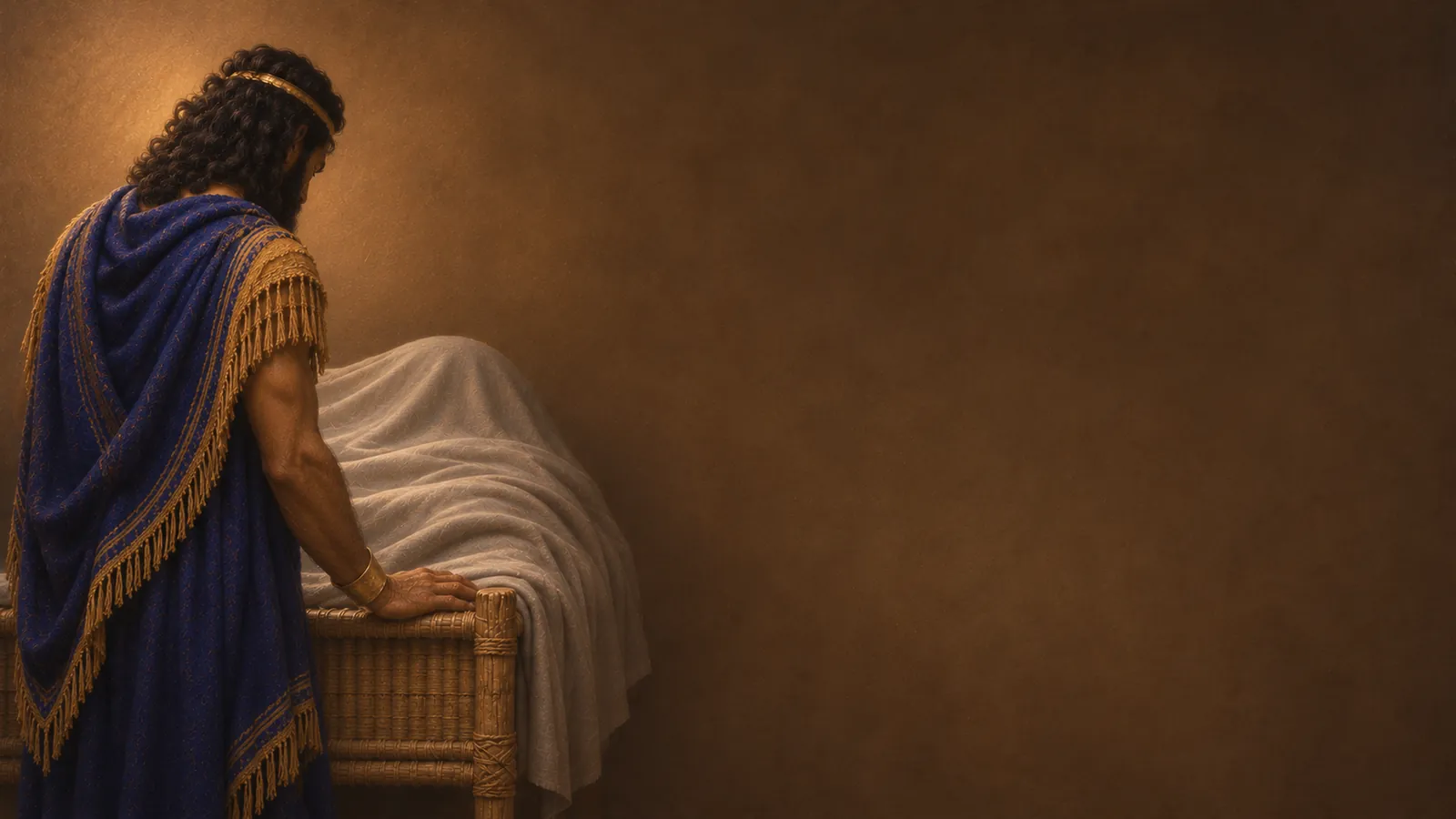
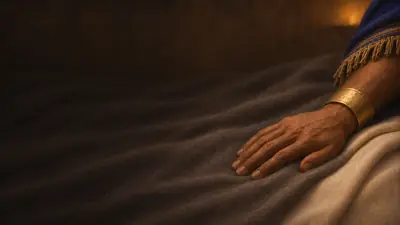
Gilgamesh covered Enkidu’s face, and the poet compares him to a bride behind her veil. With that small gesture, the king began to care for his friend in death.
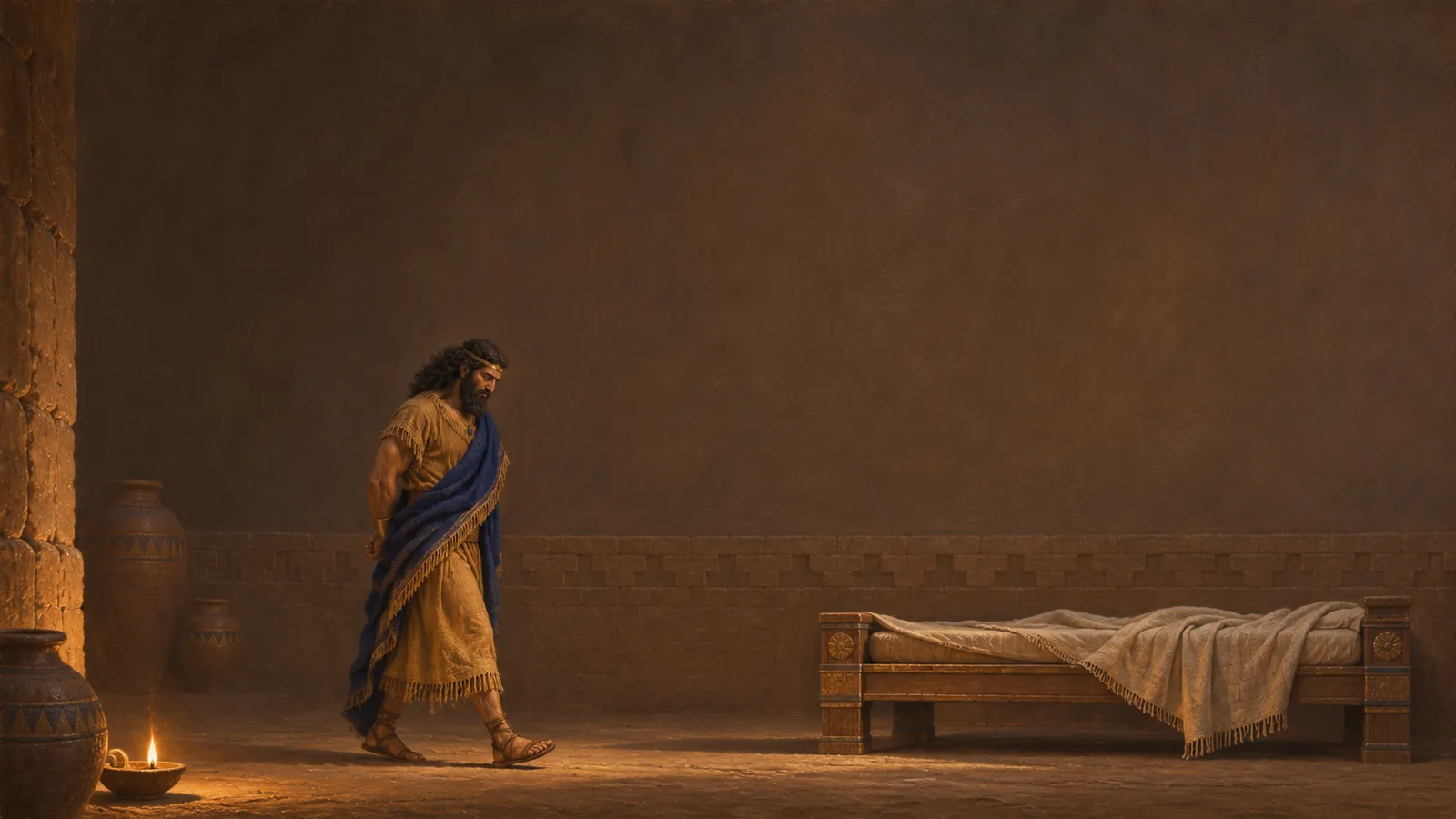
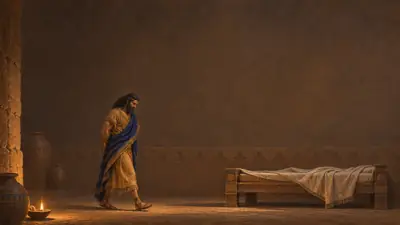
The lament likens Gilgamesh to a lioness whose young have been taken. He moves back and forth beside Enkidu, with nowhere he can go to set things right.
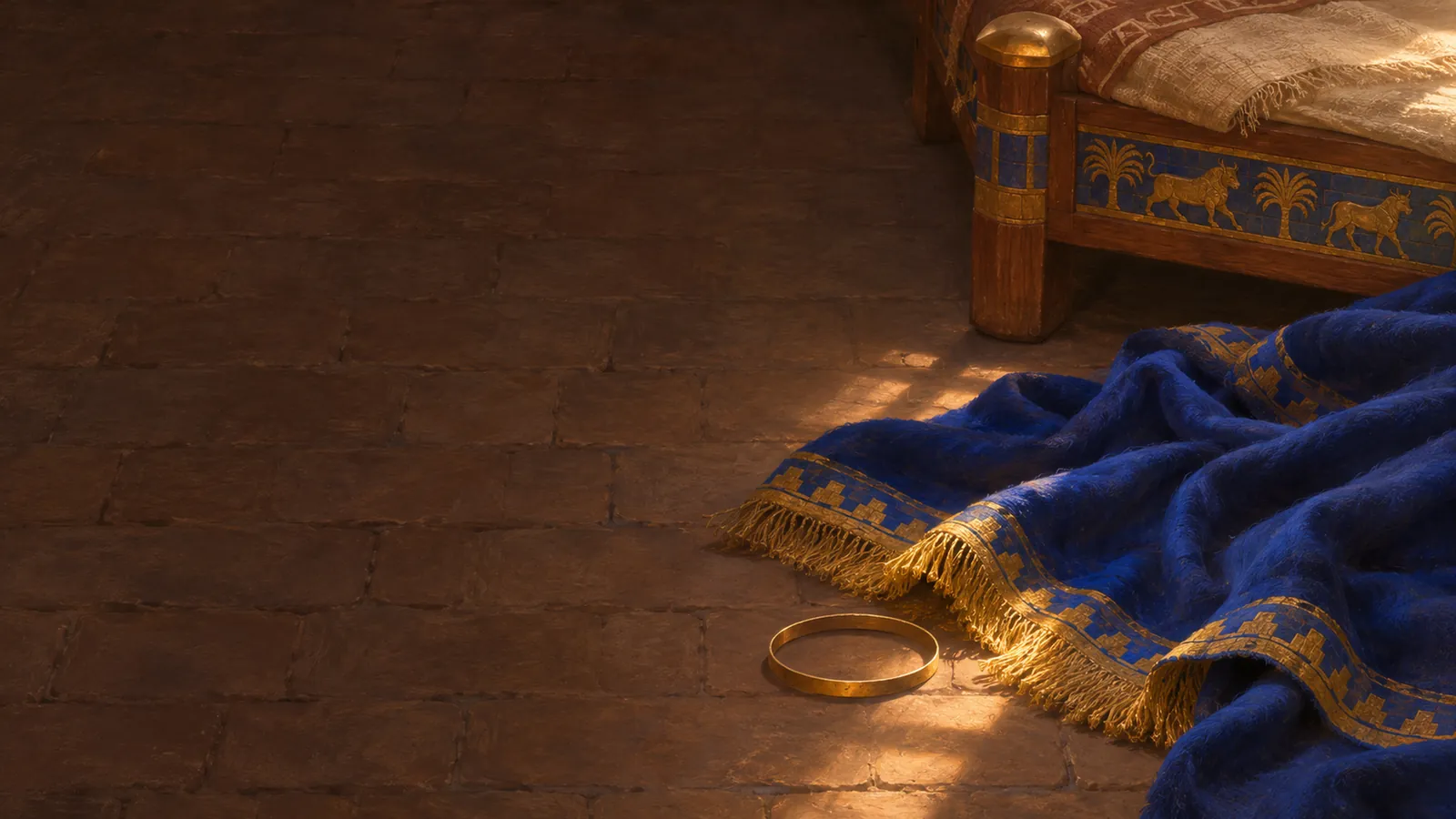
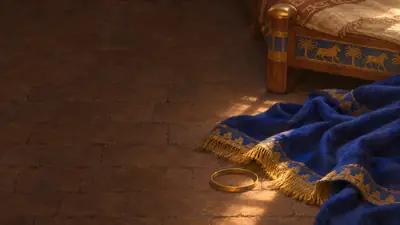
In his grief Gilgamesh tore at his hair and cast away his fine clothes. The bright fabric he had once worn in celebration now lay discarded.
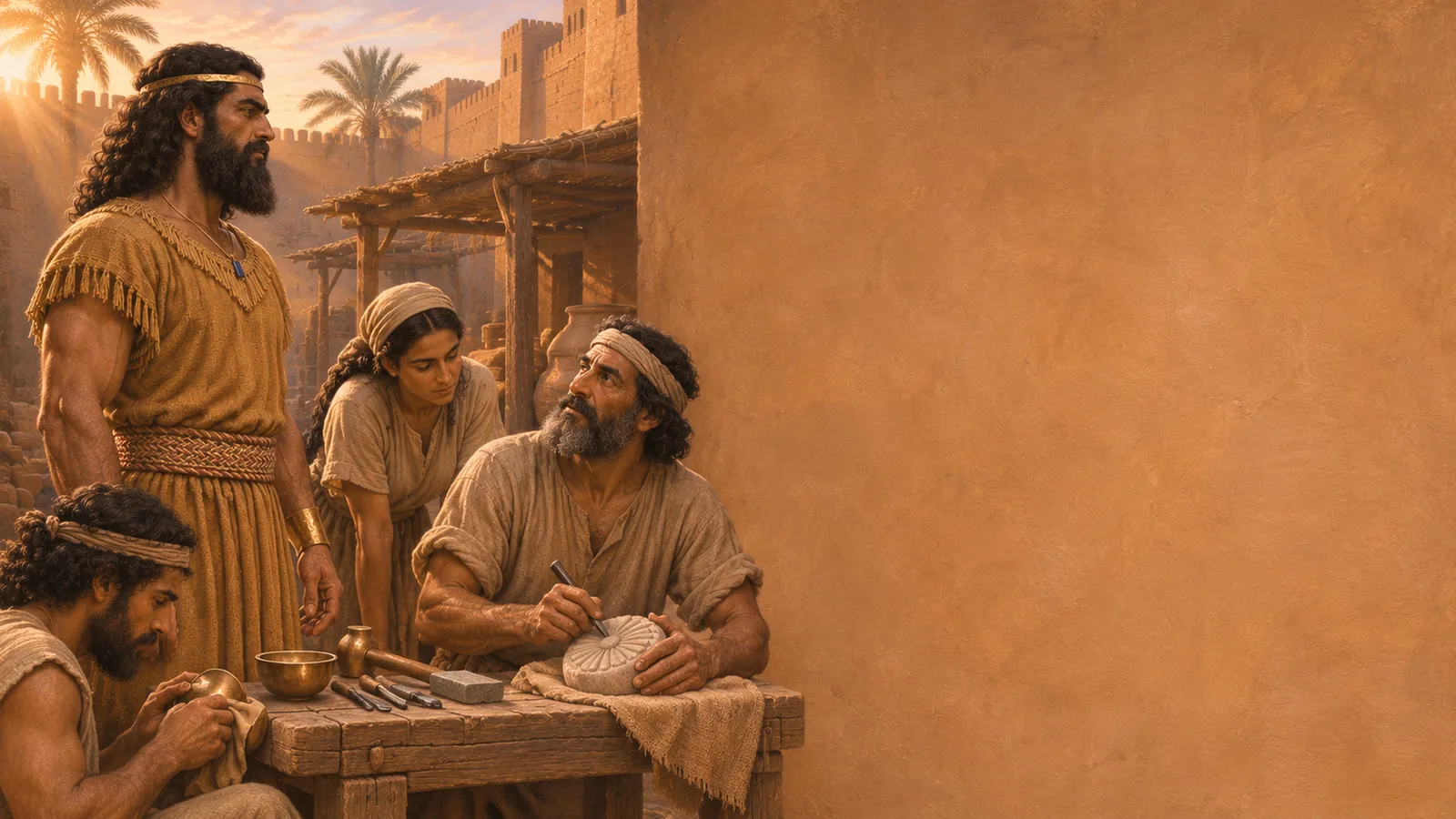
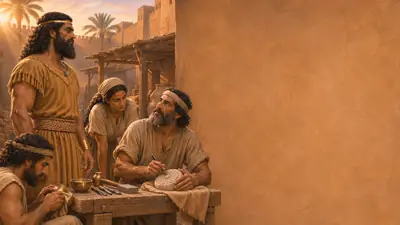
At another dawn Gilgamesh summoned people who knew how to work metal and stone. He asked them to make an image of the friend he had lost.
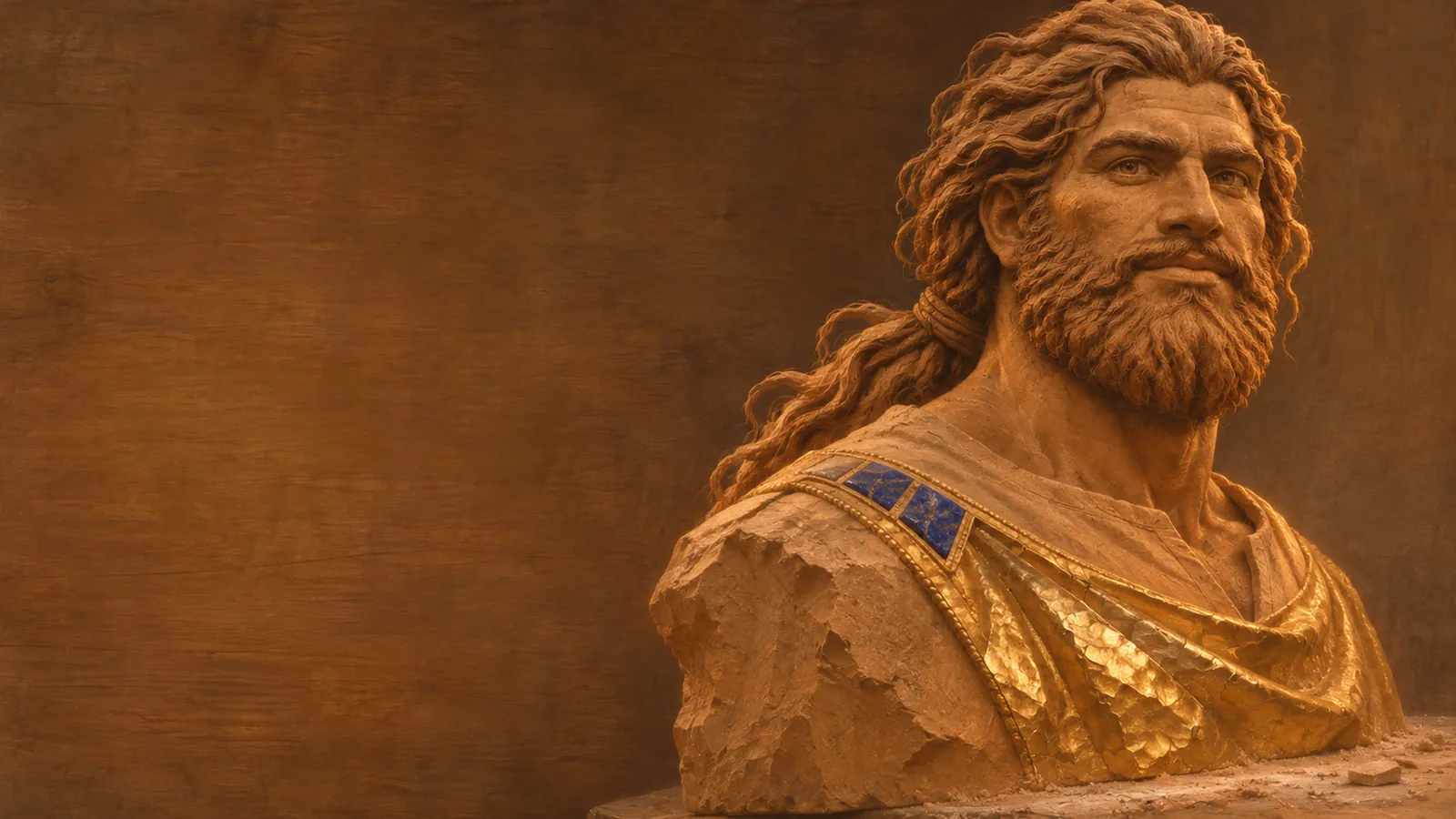
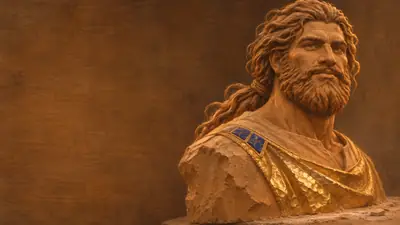
The craftworkers made a statue of Enkidu. The damaged lines preserve two of its materials, lapis lazuli and gold, though the whole figure cannot be recovered from them.
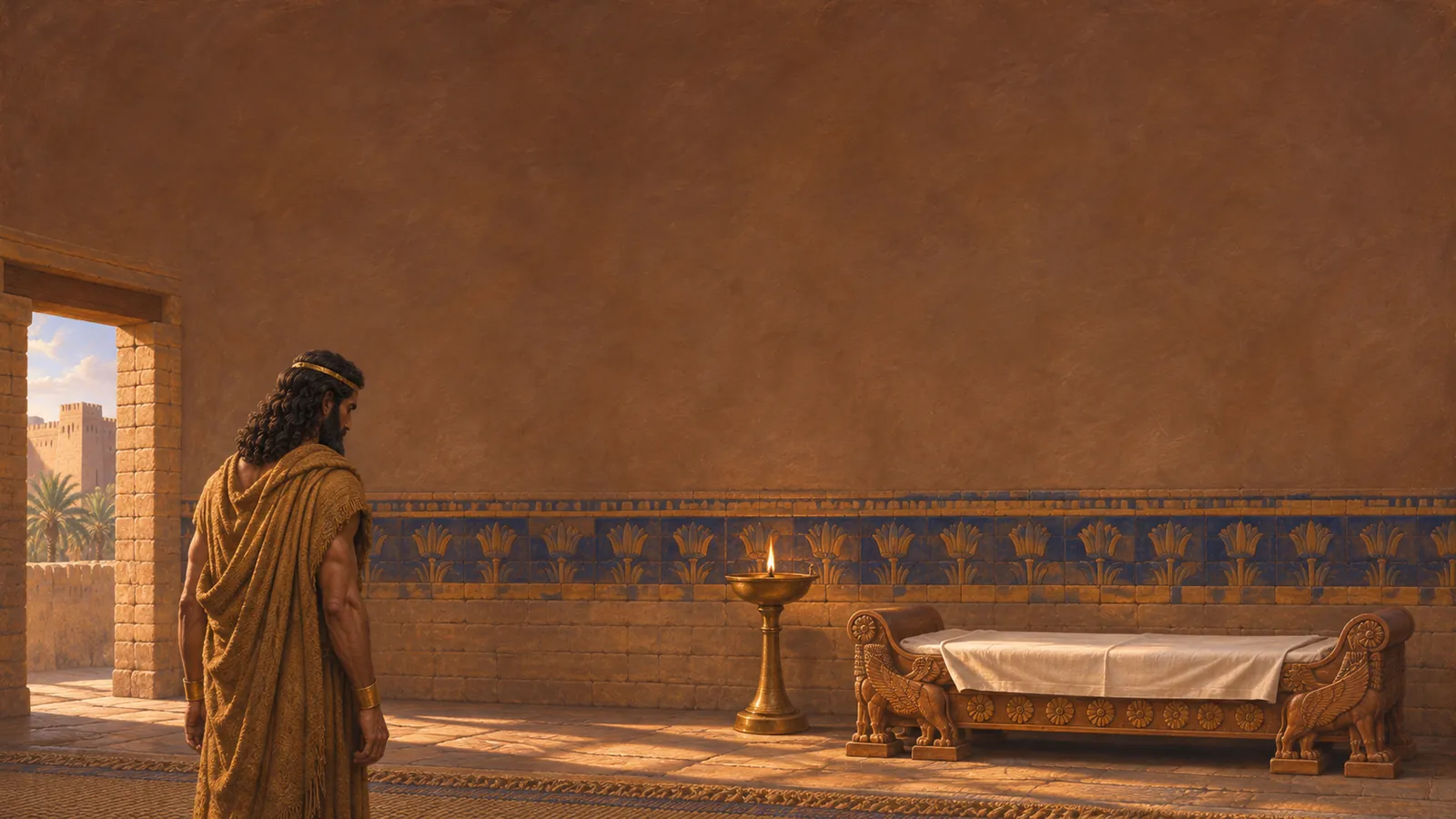
A PLACE OF HONOUR
Gilgamesh promises Enkidu an honored resting place and calls for the people of Uruk to mourn him. In the same passage he speaks of wandering the steppe in a lion’s skin.
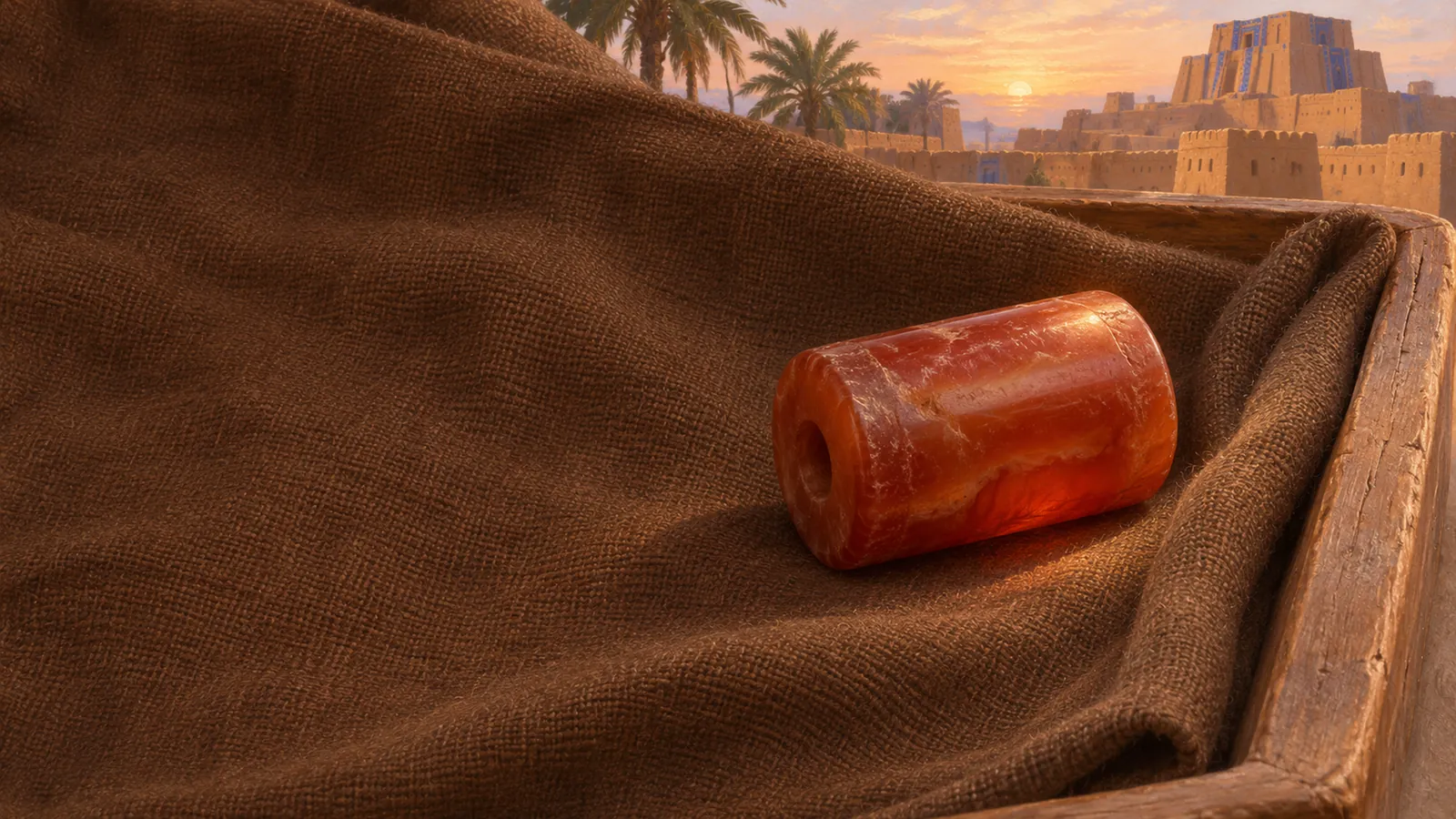
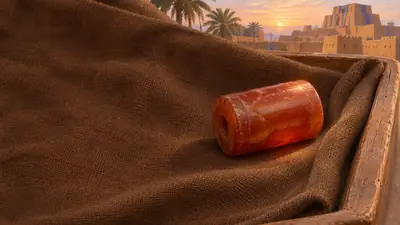
At dawn the poem turns to objects laid out for the friend. Among the broken lines, a newly read fragment preserves a small detail: a seal made of carnelian.
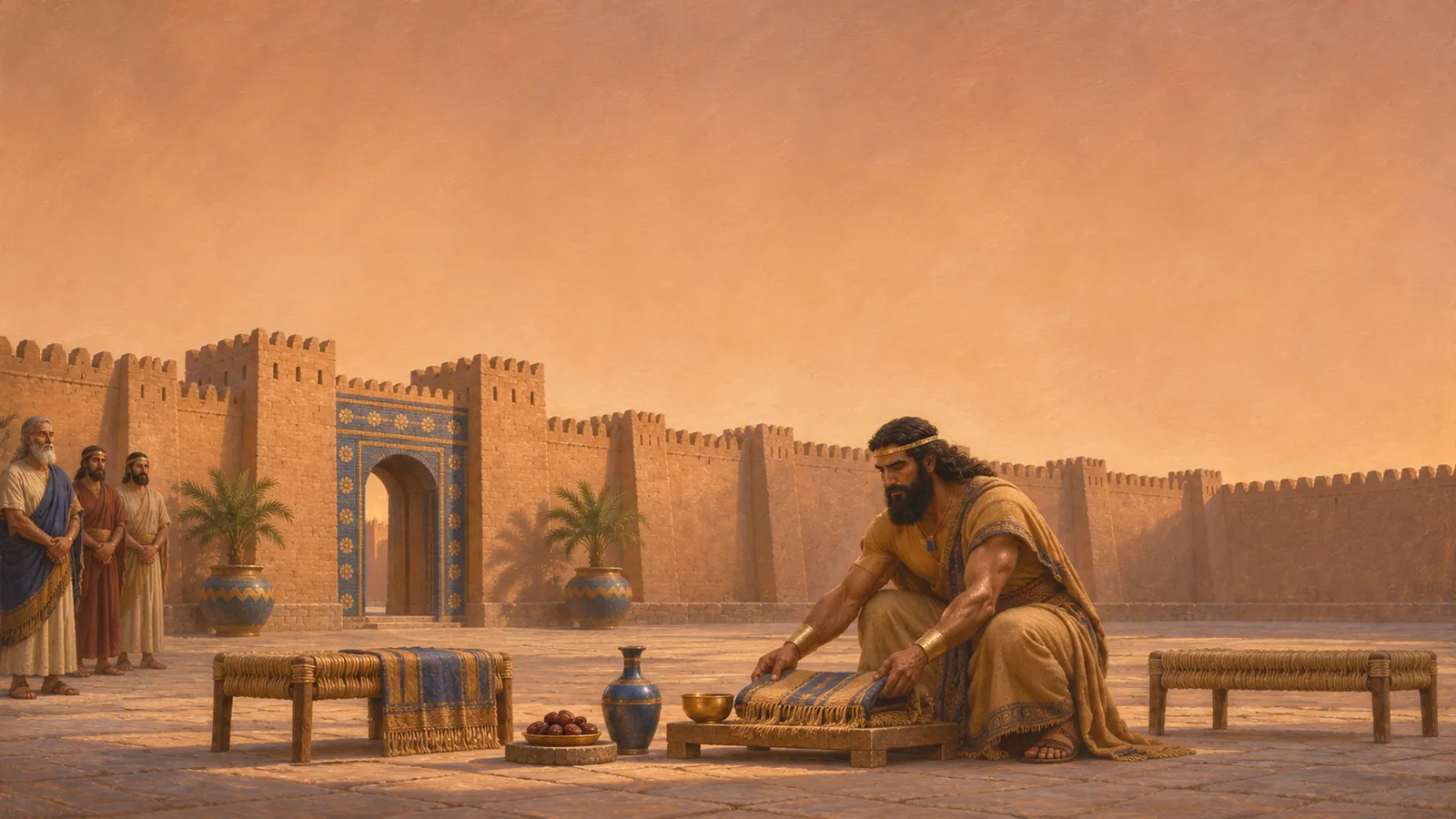
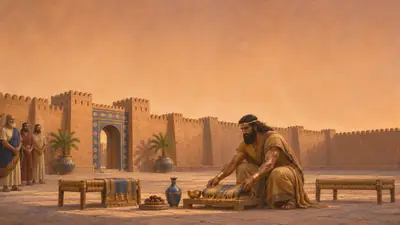
Gilgamesh laid out the funeral gifts for others to see. He displayed them before Shamash and asked for help for Enkidu in the land of the dead.
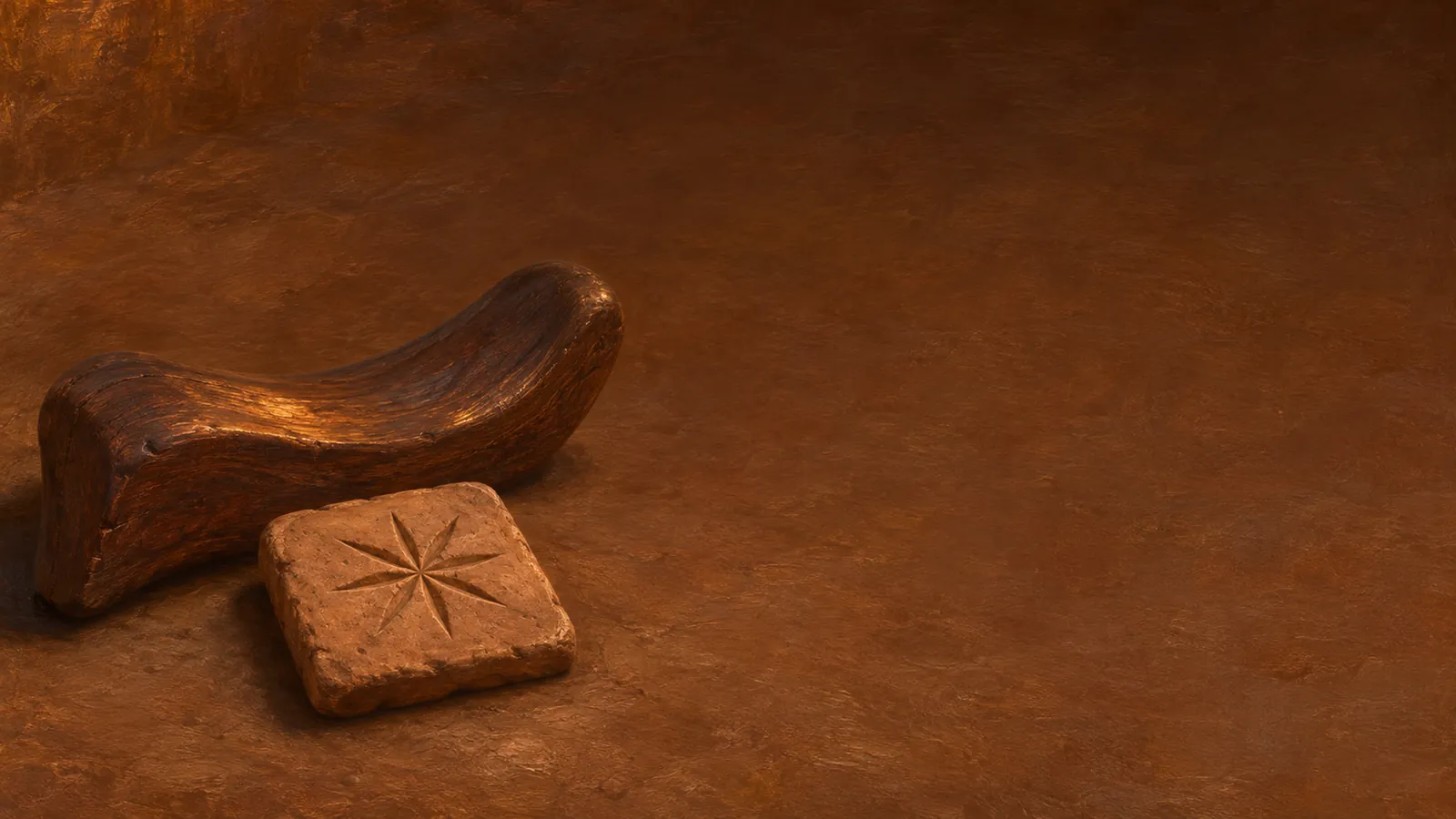
One gift was for Ishtar, who had sent the Bull of Heaven against Uruk. Here Gilgamesh appeals to her as a queen who could welcome the man he loved.
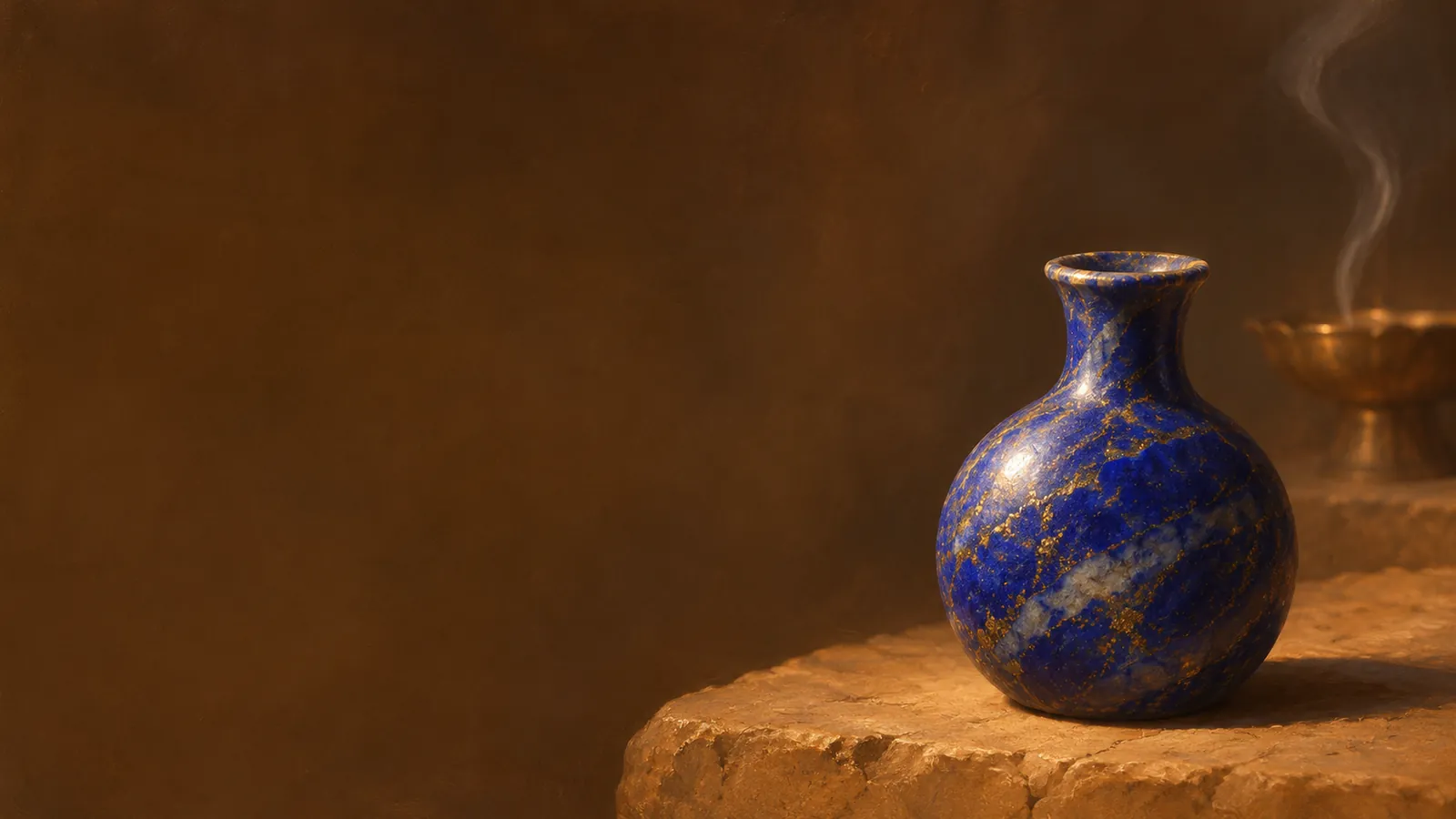
Gilgamesh set out a lapis lazuli flask for Ereshkigal, queen of the dead. He asked her to welcome his friend and be near him as he went.
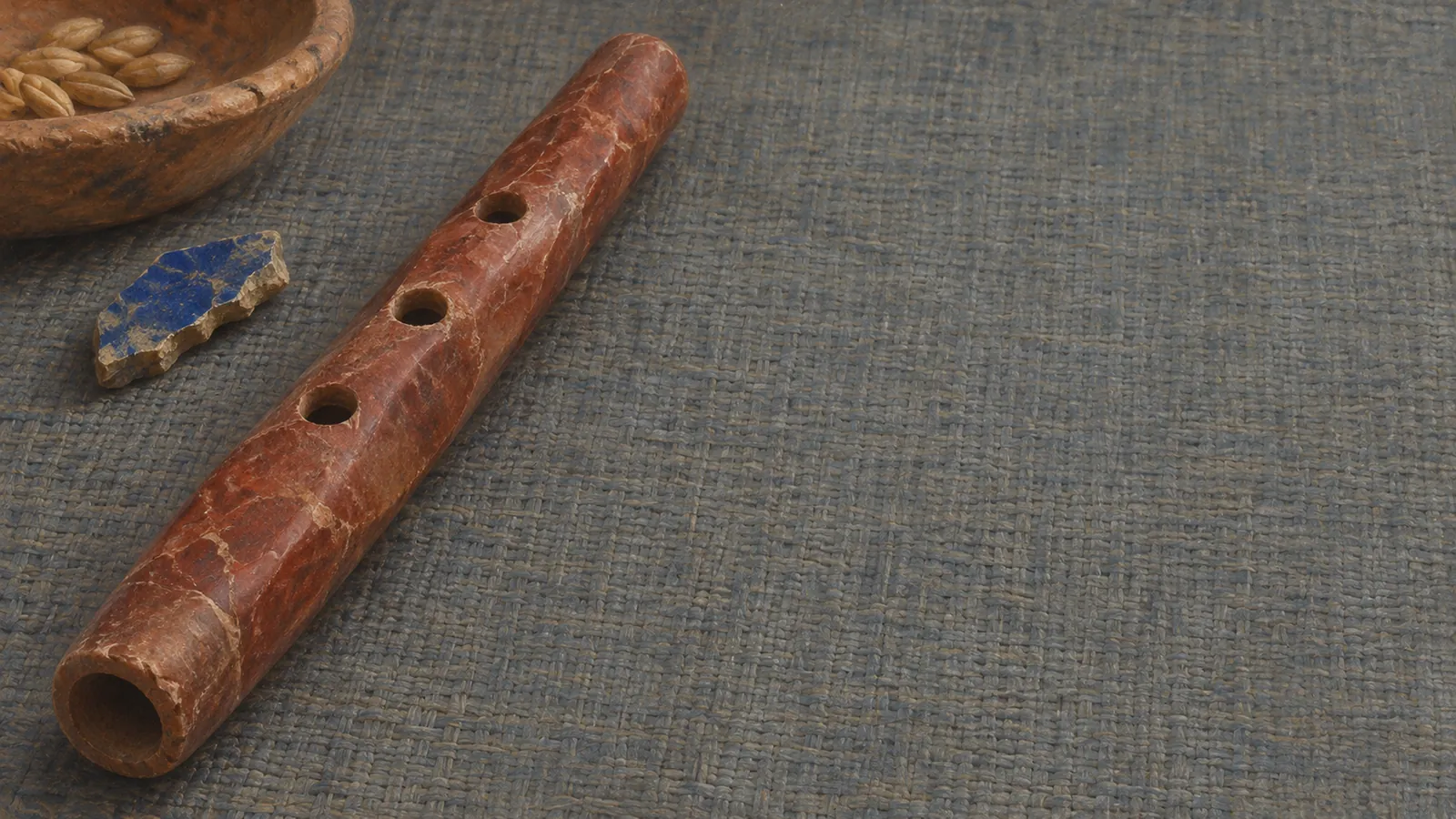
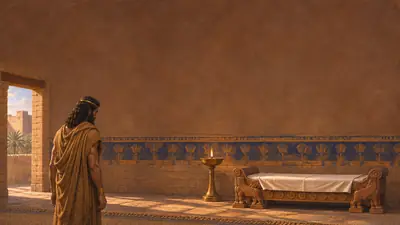
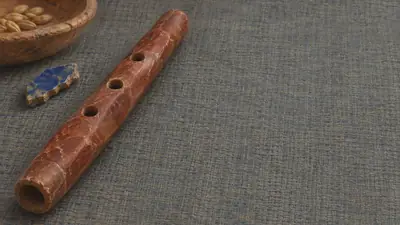
For Dumuzi there was a carnelian flute; for other powers of the world below there were other gifts. In each appeal we hear Gilgamesh asking someone to walk with his friend.
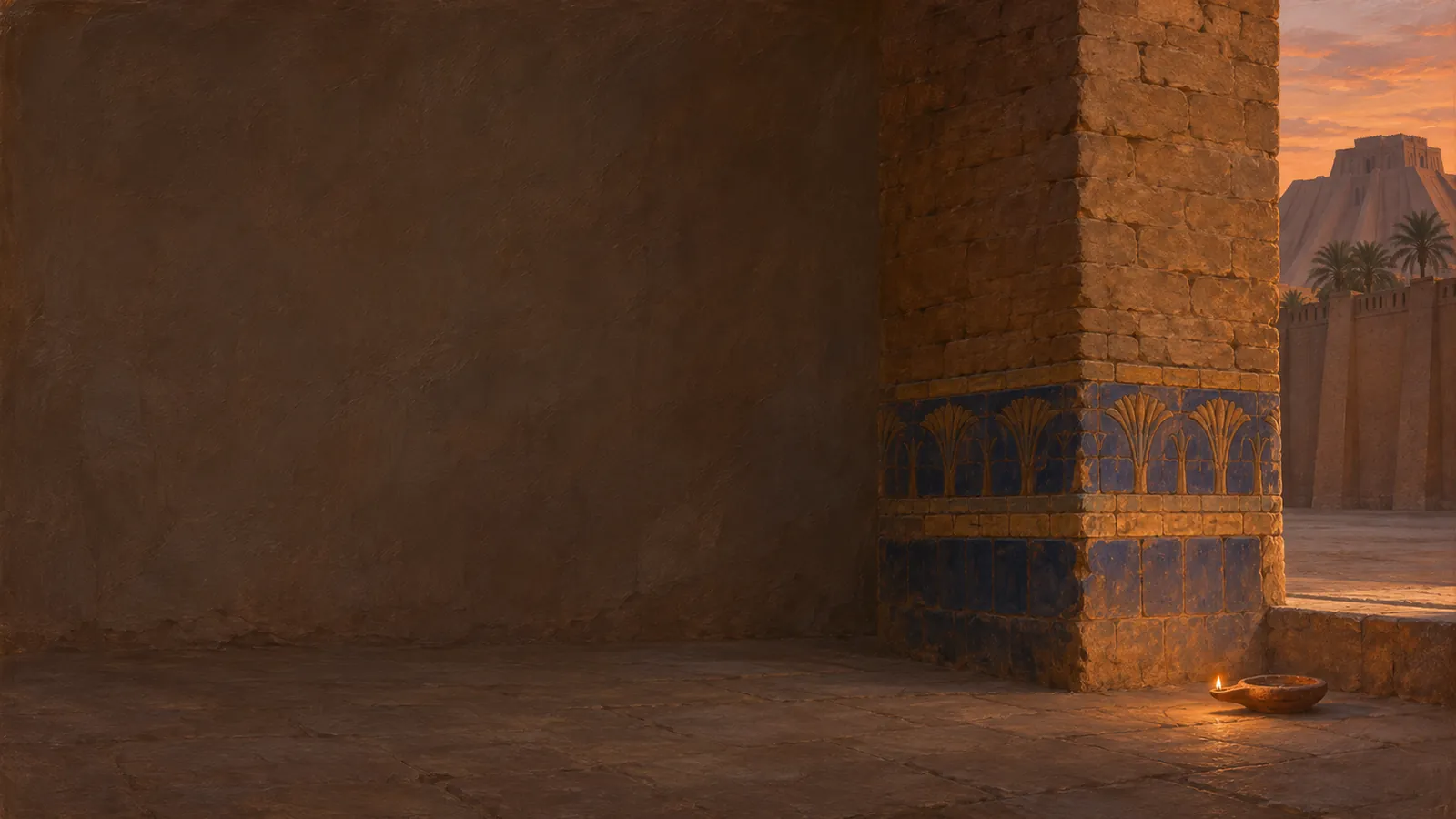
More funeral gifts follow, in broken lines. The tablet likely ended with Enkidu’s burial, but the surviving clay does not tell us how Gilgamesh laid him to rest.
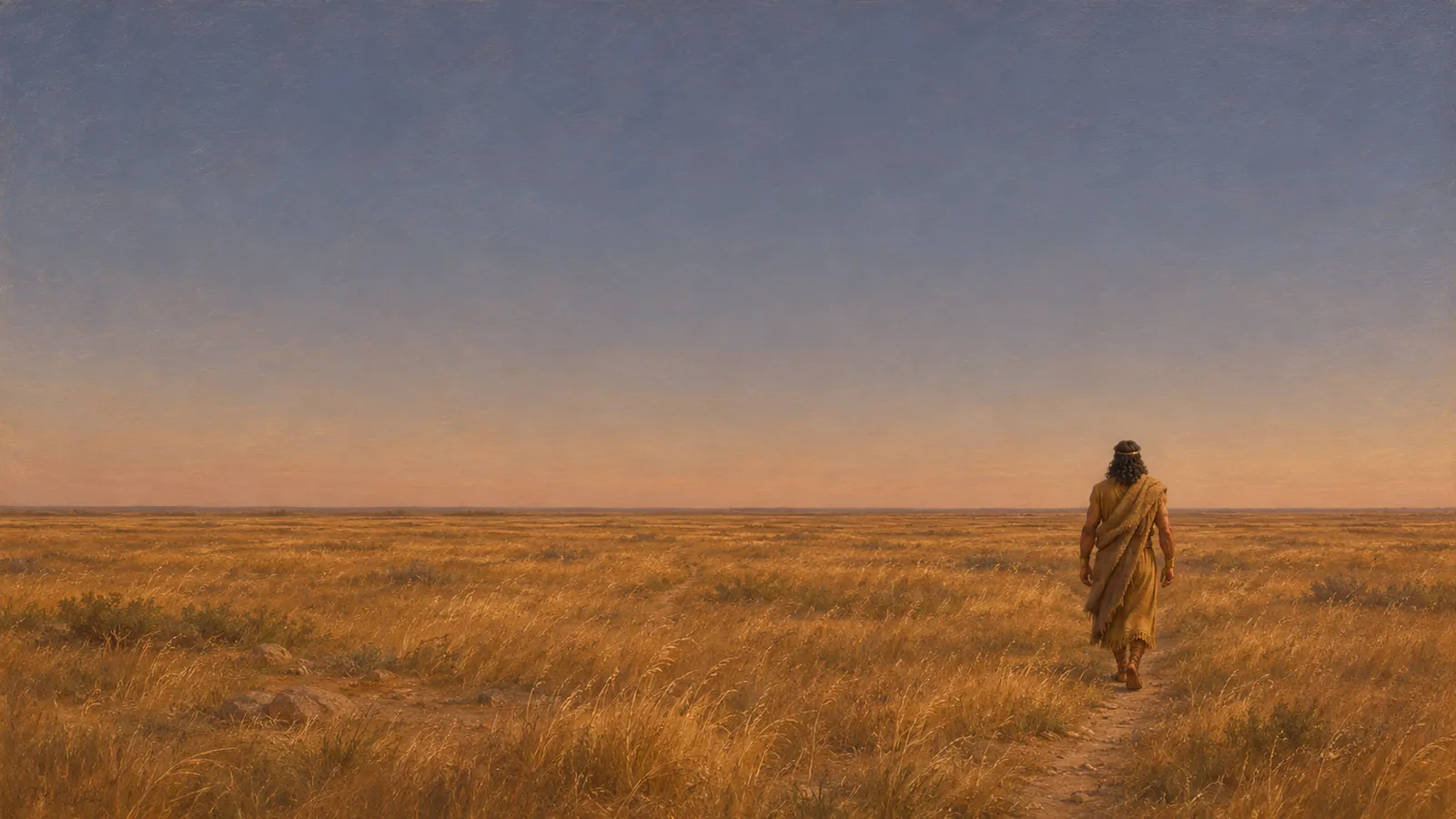
THE STEPPE
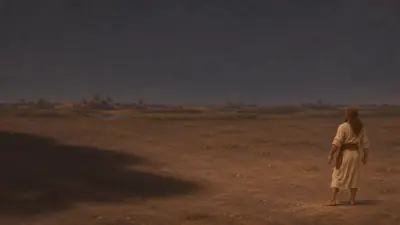
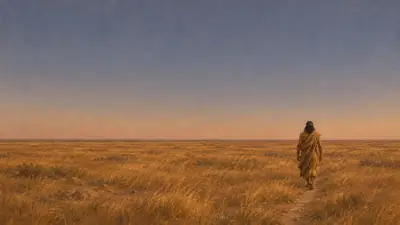
The next tablet opens with Gilgamesh out on the steppe, mourning his friend. Enkidu’s death had left him with a question he could no longer avoid: would the same thing happen to him?
End of chapter 5
All pages












Sources
On page 14, the curse runs to some thirty lines, including Enkidu’s wish that a drunkard soil Shamhat’s clothes (SB Gilgamesh VII 100–131, George VII score and Heidel pp. 58–59). The retelling gives the curse and its broad terms.
Editions consulted
- Rozzi, Jiménez and Bennett, 2025, section 49: . The new fragments clarify the Nippur episode, elements of the underworld dream and parts of the mourning sequence.
- Andrew George, Tablet VII score: and [Tablet VIII score](https://soas-repository.worktribe.com/output/452101/sb-gilgamesh-viii-score-transliteration).
- Andrew George, “The Epic of Gilgamesh”: pp. 8–9, including the Hittite dream and the transition to the journey.
- Andrew George, “Shattered Tablets and Tangled Threads”: pp. 8–10, the reconstruction of lines VII 168–173.
- Andrew George, “What's New in the Gilgamesh Epic?”: the recovered rites and grave gifts.
- Hethitologie Portal Mainz, CTH 341: catalogue of the Hittite witnesses.
Ancient lines behind each page
- Page 1: SB VI ending; SB VII 1; George, synopsis p. 8
- Page 2: SB VII 1 and the SB VI catchline; eBL corpus index
Paraphrase of the surviving question. - Page 3: Hittite Gilgamesh, CTH 341.III, Tablet III §1; George, synopsis p. 8; Rozzi et al. 2025 §49.2
- Page 4: Hittite Gilgamesh, CTH 341.III, Tablet III §1; Heidel, pp. 56–57; George, synopsis p. 8
- Page 5: Hittite Gilgamesh, CTH 341.III, Tablet III §1; Heidel, pp. 56–57; George, synopsis p. 8
- Page 6: SB VII 27–33; Rozzi et al. 2025 §49.2, BM.46069
Lines 31–33 partly restored; the proposal and Ekur destination are supported. - Page 7: SB VII 34–36; Rozzi et al. 2025 §49.2; compare SB III 19
Handclasp is an editorial restoration grounded in parallels. - Page 8: SB V 316–318; SB VII 36–45; Rozzi et al. 2025 §49.2
- Page 9: SB VII 39–63; Rozzi et al. 2025 §49.2
- Page 10: SB VII 32, 39–64; Rozzi et al. 2025 §49.2
The new study identifies the door as the object in line 64. The gift/loss reading is interpretation. - Page 11: SB VII 67–83, especially 77–80; George VII score
The plea survives in fragments. - Page 12: SB VII 90–95; George VII score
- Page 13: SB VII 94–100; George VII score; Heidel p. 58
- Page 14: SB Gilgamesh VII 100–131, George VII score and Heidel pp. 58–59
- Page 15: SB VII 132–139; George VII score; George, synopsis p. 8
- Page 16: SB VII 139–147; George VII score; parallel SB VIII 84–91
- Page 17: SB VII 148–161; George VII score; Heidel p. 59
- Page 18: SB VII 162–167; George VII score; Heidel p. 60; Rozzi et al. 2025 §49.2
- Page 19: SB VII 168–176; George, Shattered Tablets, pp. 8–10; George VII score
- Page 20: SB VII 180–186, especially 182–184; George VII score; Heidel p. 60
First lines very damaged. - Page 21: SB VII 184–190; George VII score; Heidel p. 60
- Page 22: SB VII 193–203; George VII score; Heidel p. 61; Rozzi et al. 2025 §49.2
- Page 23: SB VII 203–208; Rozzi et al. 2025 §49.2; George VII score
- Page 24: SB VII 209–217 and gaps before 249–253; Rozzi et al. 2025 §49.2, BM.46069; George VII score
The tomb’s intended occupant is uncertain. - Page 25: SB VII 253–261; George VII score; Heidel pp. 61–62
- Page 26: SB VII 261–267; George VII score; Heidel pp. 61–62
Final speech damaged. - Page 27: SB VII 261–267; George VII score
- Page 28: SB VII after 267; SB VIII 55–59; George VII–VIII scores and synopsis pp. 8–9
- Page 29: SB VIII 1–3; George VIII score; George, synopsis p. 9
- Page 30: SB VIII 3–6; George VIII score; Heidel p. 62
- Page 31: SB VIII 7–15; George VIII score; Rozzi et al. 2025 §49.3.A
The lines address features in a lament. - Page 32: SB VIII 16–17; Rozzi et al. 2025 §49.3.A; George VIII score
- Page 33: SB VIII 18–20, especially 19–20; Rozzi et al. 2025 §49.3.A; George VIII score
- Page 34: SB VIII 21–35, 42–44; George VIII score; Rozzi et al. 2025 §49.3.A
The surviving speech addresses several groups. - Page 35: SB VIII 44–51, especially 46–49; George VIII score
- Page 36: SB VIII 50–54; George VIII score; Heidel p. 63
- Page 37: SB VIII 55–58; George VIII score; Heidel p. 63
- Page 38: SB VIII 59; George VIII score; Heidel p. 63
The ancient simile is paraphrased. - Page 39: SB VIII 60–62; George VIII score; Heidel p. 63
Final clause is a restrained reading of his grief. - Page 40: SB VIII 63–64, with echoes at 76–77; George VIII score; Rozzi et al. 2025 §49.3.B
- Page 41: SB VIII 65–70; George VIII score; George, synopsis p. 9
- Page 42: SB VIII 69–75; Rozzi et al. 2025 §49.3.B; George VIII score
- Page 43: SB VIII 84–91; Rozzi et al. 2025 §49.3.C; compare SB VII 139–147
Wording is substantially restored from the parallel VII passage. - Page 44: SB VIII 92–97; Rozzi et al. 2025 §49.3.C, note on 95
- Page 45: SB VIII 131–138, 143–151; George, What's New, pp. 7–8; George VIII score
- Page 46: SB VIII 134–138; George, What's New, p. 7; SB VI for previous role
- Page 47: SB VIII 143–147; George, What's New, p. 7; George VIII score
- Page 48: SB VIII 148–179; George, What's New, pp. 7–8; George VIII score
The formulaic pleas are paraphrased. - Page 49: SB VIII, fragmentary later funeral sequence and loss at end; George VIII score; George, synopsis p. 9
- Page 50: SB IX 1–7; George, synopsis p. 9; Heidel p. 64; cf. SB VIII 90–91
Illustrations made with AI tools by IL Archive; the text is based on the ancient sources (see the sources at the end of each chapter).