The Epic of Gilgamesh Chapter 4
The Bull from Heaven
Back in Uruk, Gilgamesh rejects Ishtar’s offer of marriage. She returns with the Bull of Heaven, and the victory that follows ends with Enkidu rising from a dream.
Watch the filmSourcesTurn the pages with the arrows, the arrow keys or a swipe.
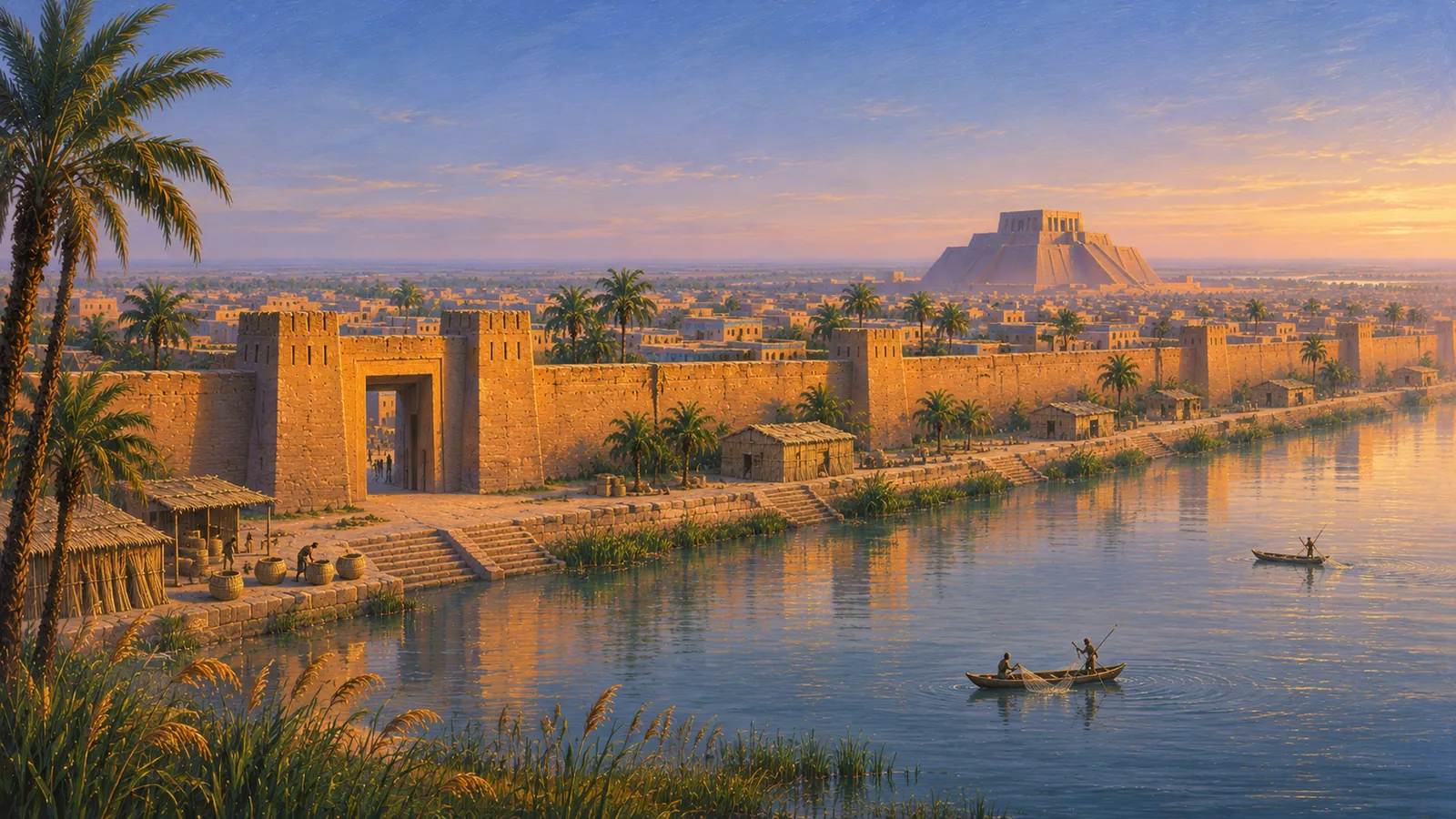
URUK
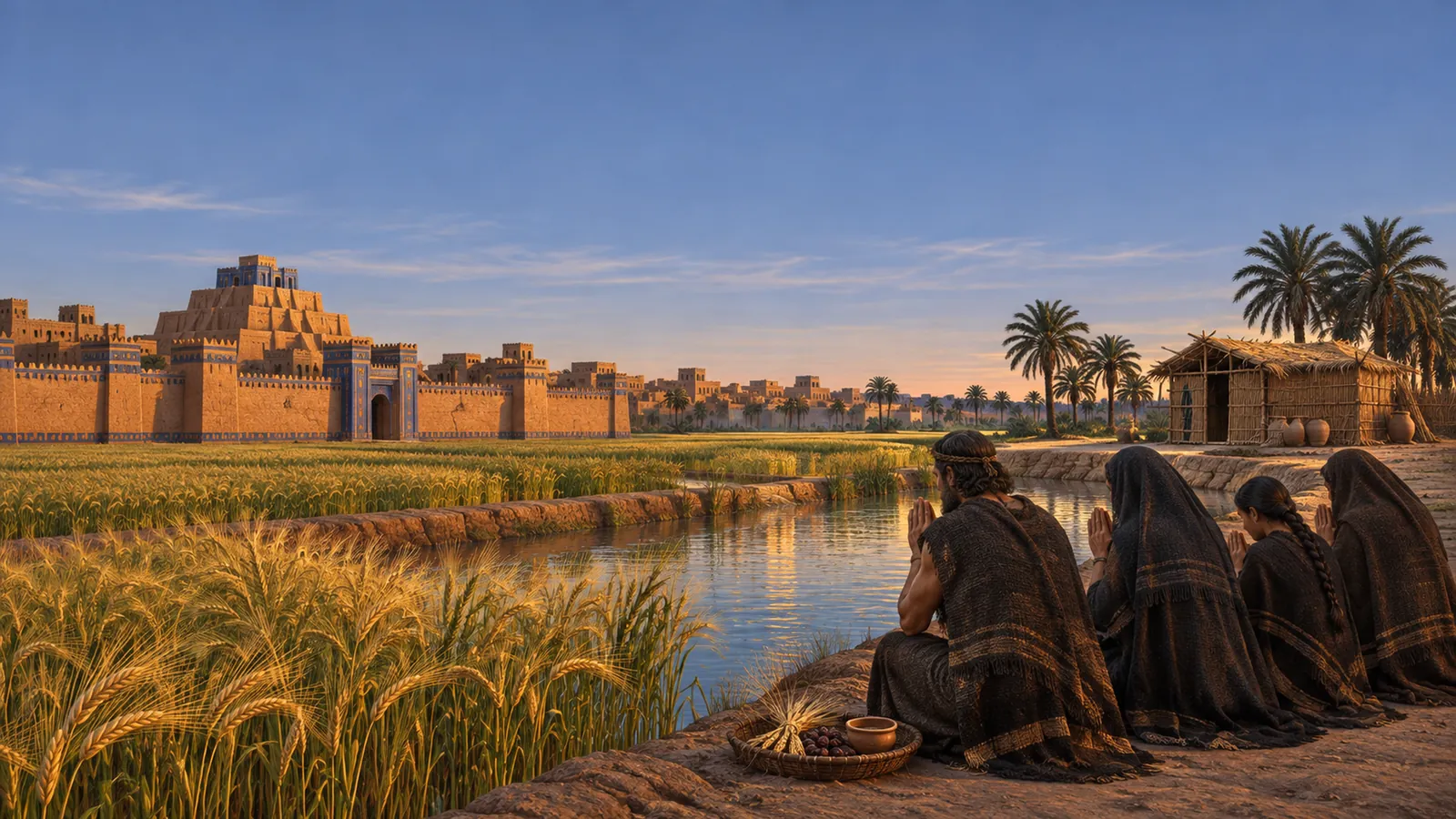
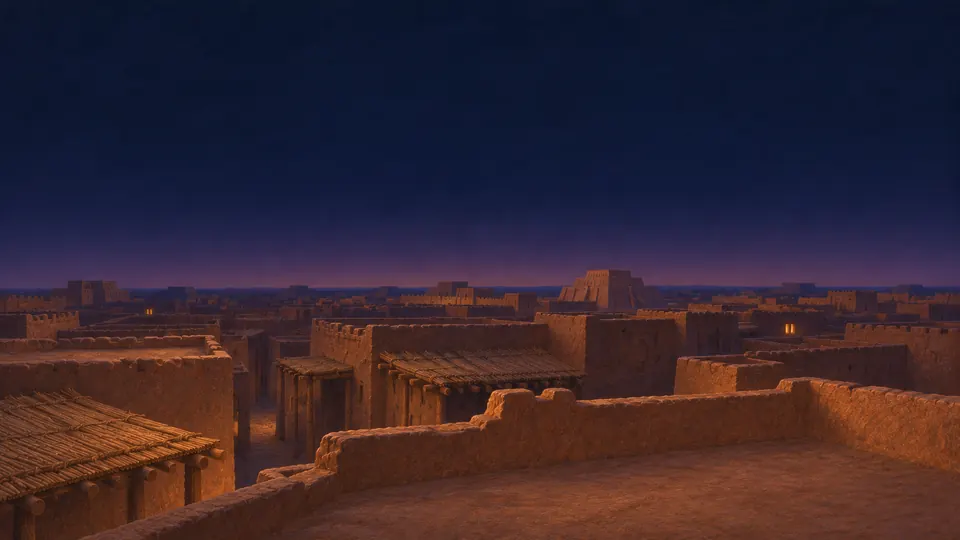
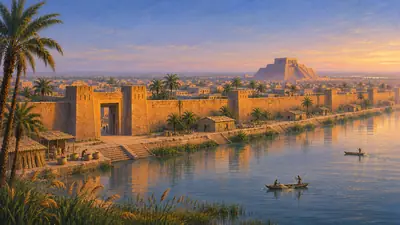
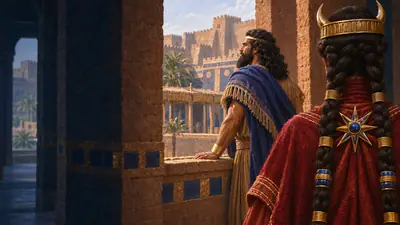
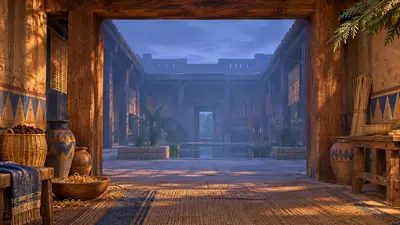
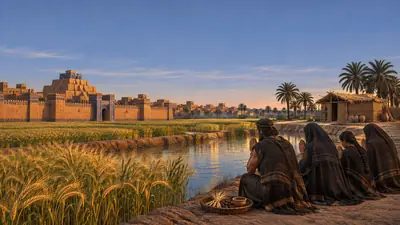
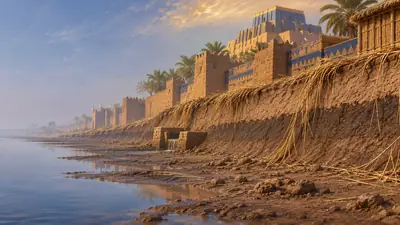
Across the canal, the walls of Uruk caught the morning light. Gilgamesh had come home from the cedar country, and the city was waking around him.
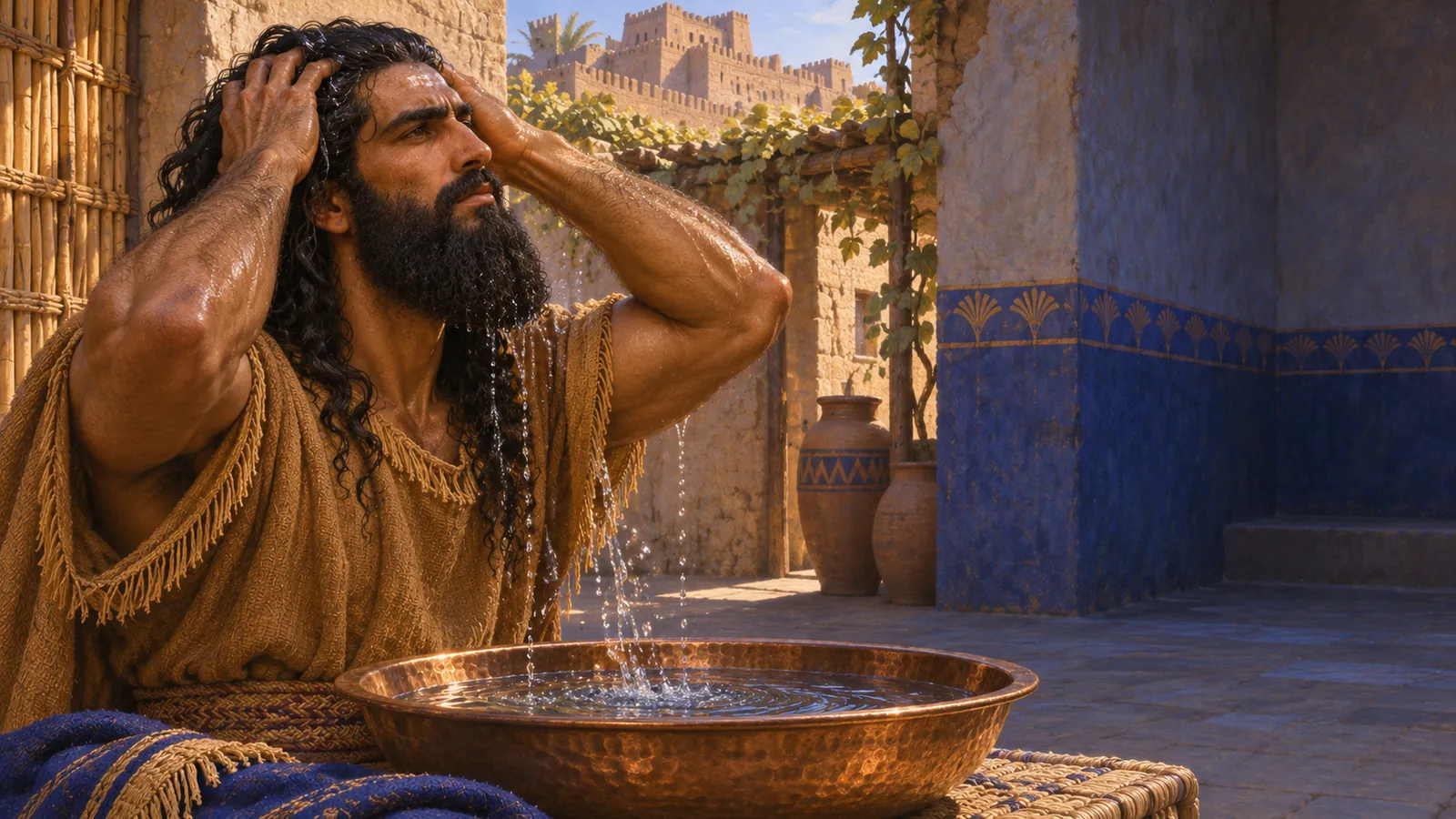
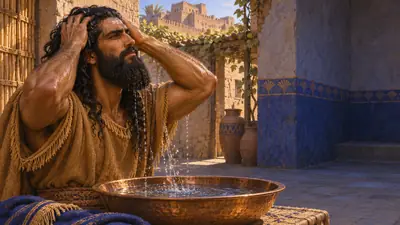
In Uruk, Gilgamesh washed his hair and cleaned the gear he had carried so far. The long road was still in every knot and crease.
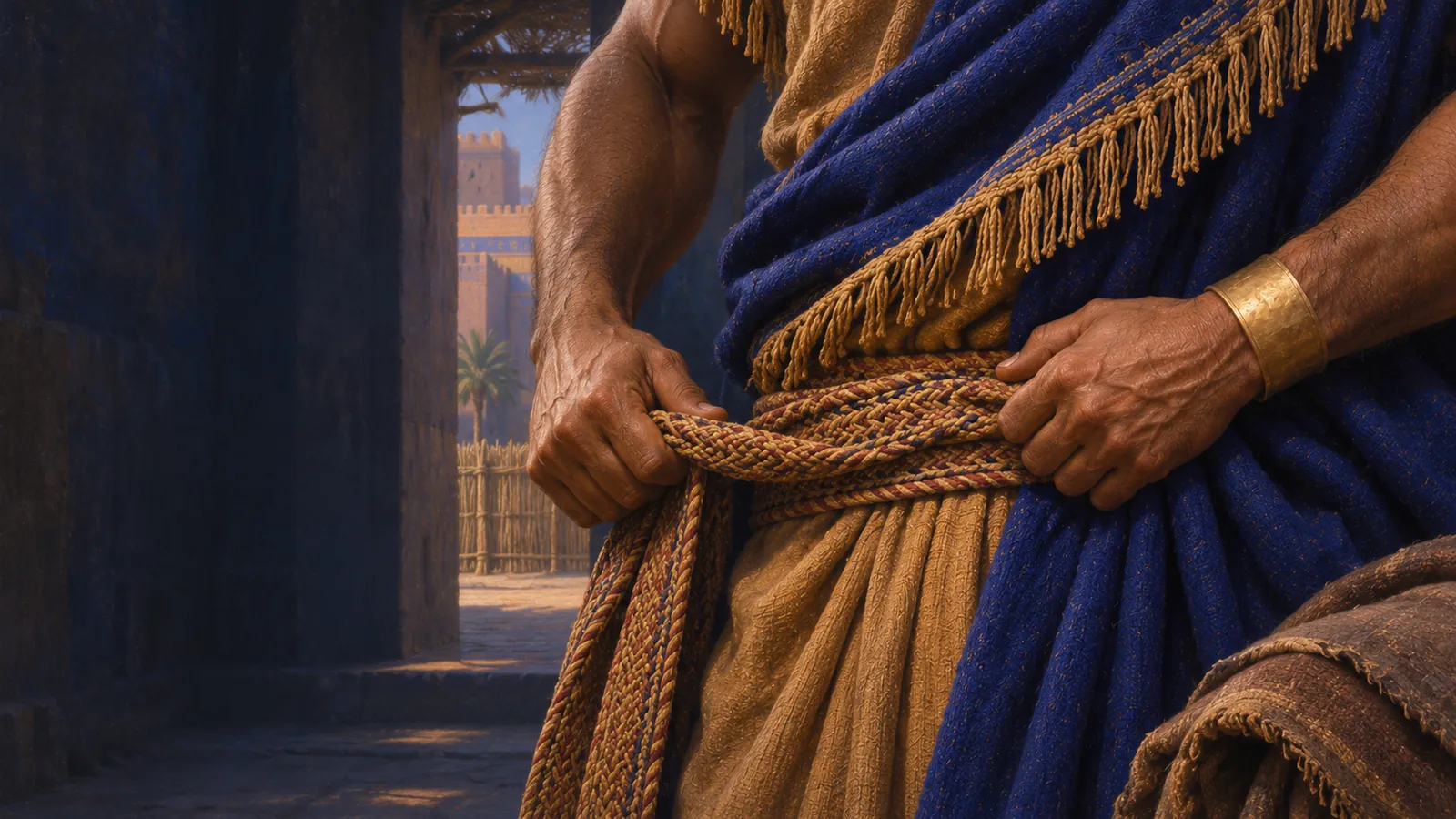
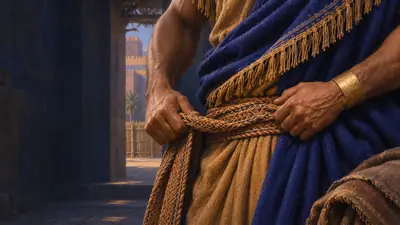
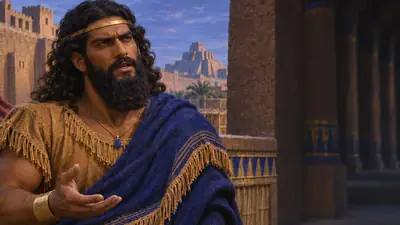
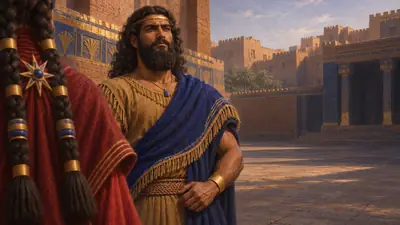
He set his travel clothes aside and put on fresh ones. He gathered a mantle around him and drew the sash tight at his waist.
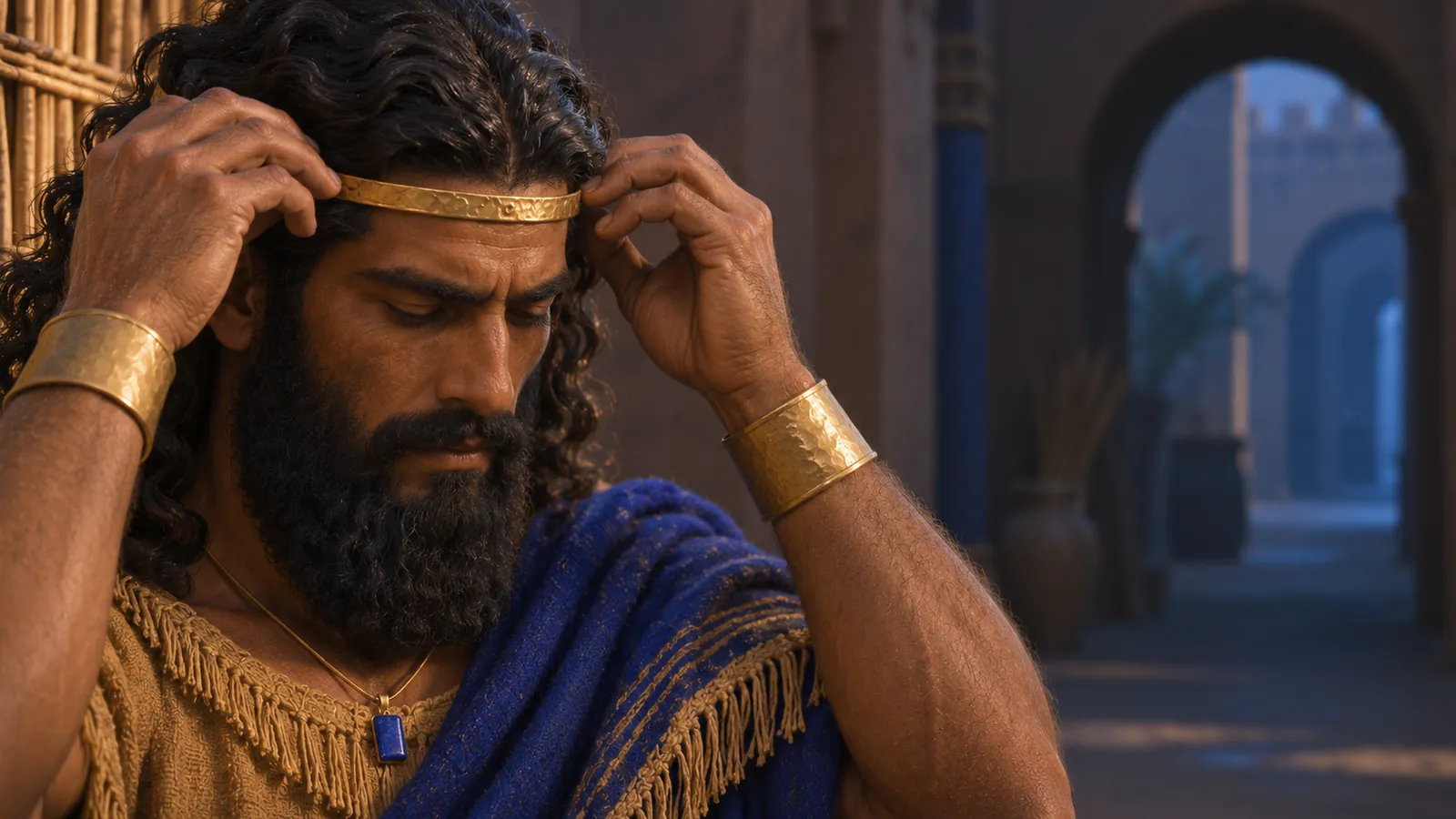
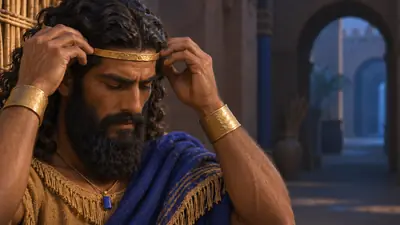
Gilgamesh set the crown back on his head. The man who had come out of the cedar shadows stood again as the king of Uruk.
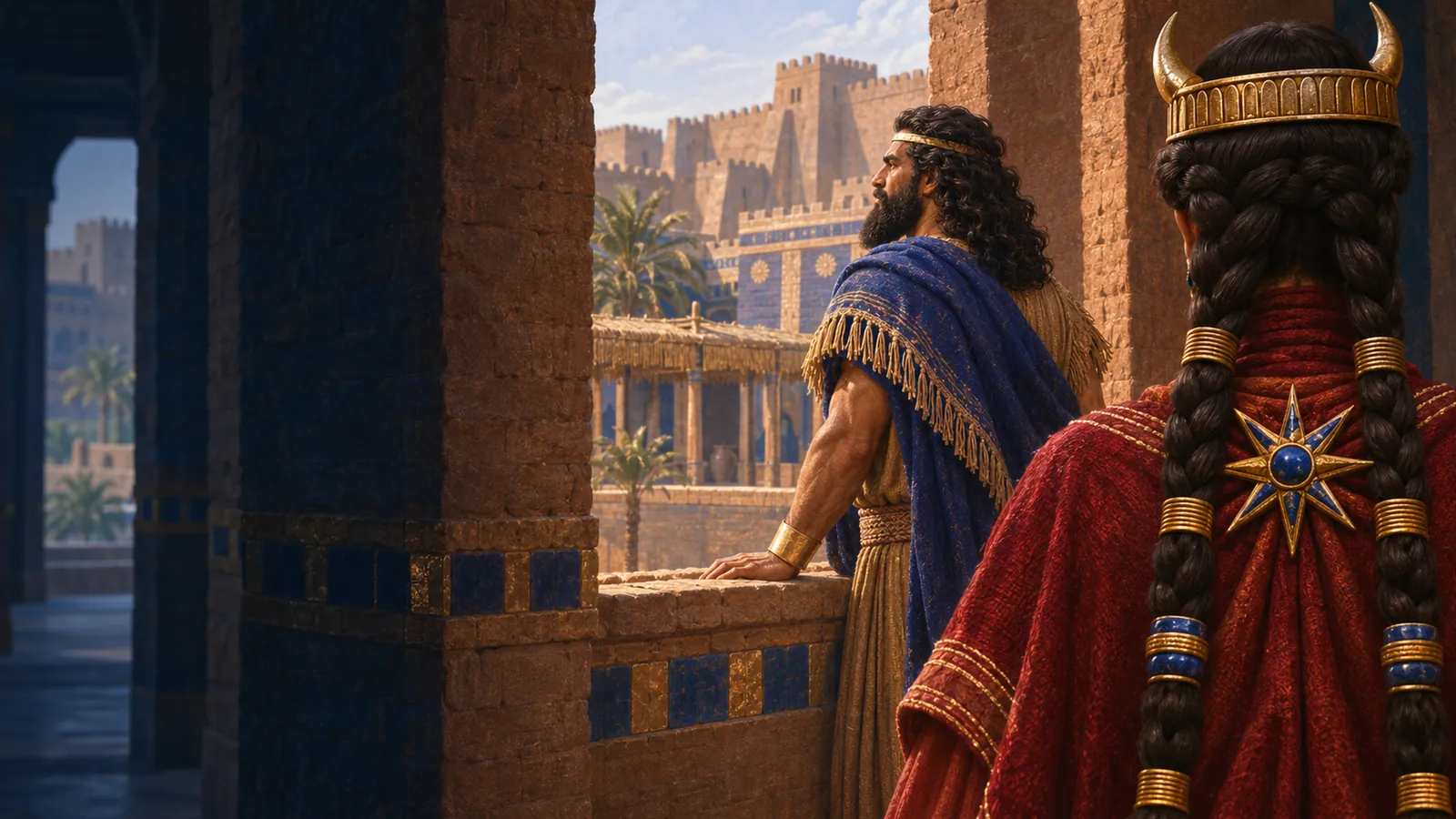
ISHTAR
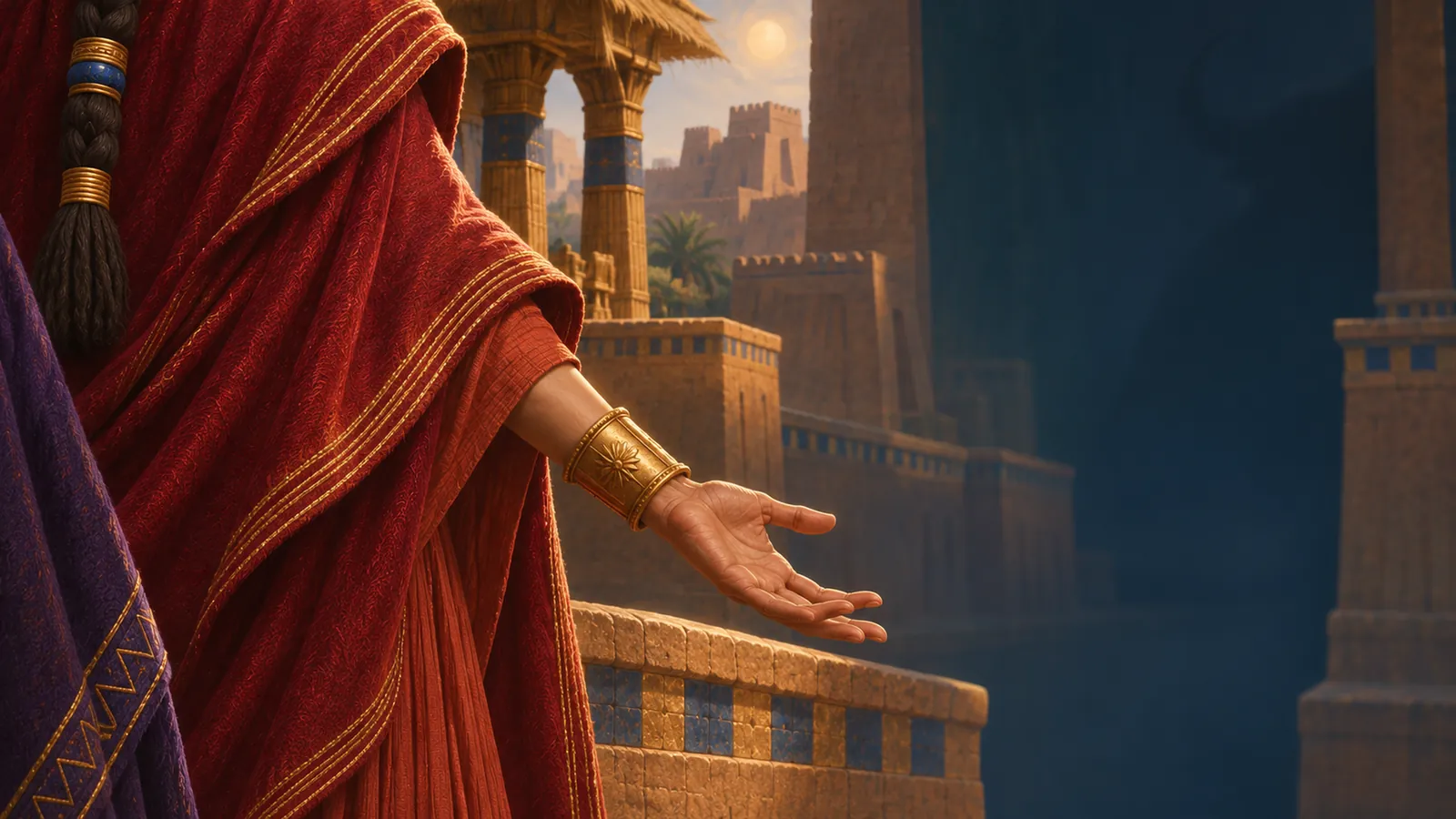
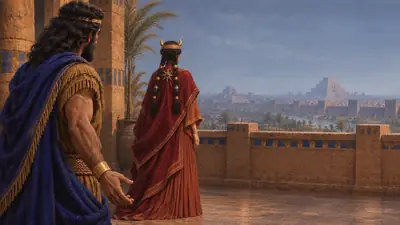
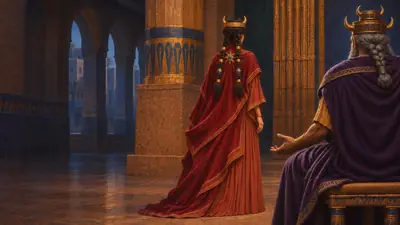
Ishtar saw the king in his fresh clothes and wanted him. What she said next would reach far beyond the room in which he heard her.
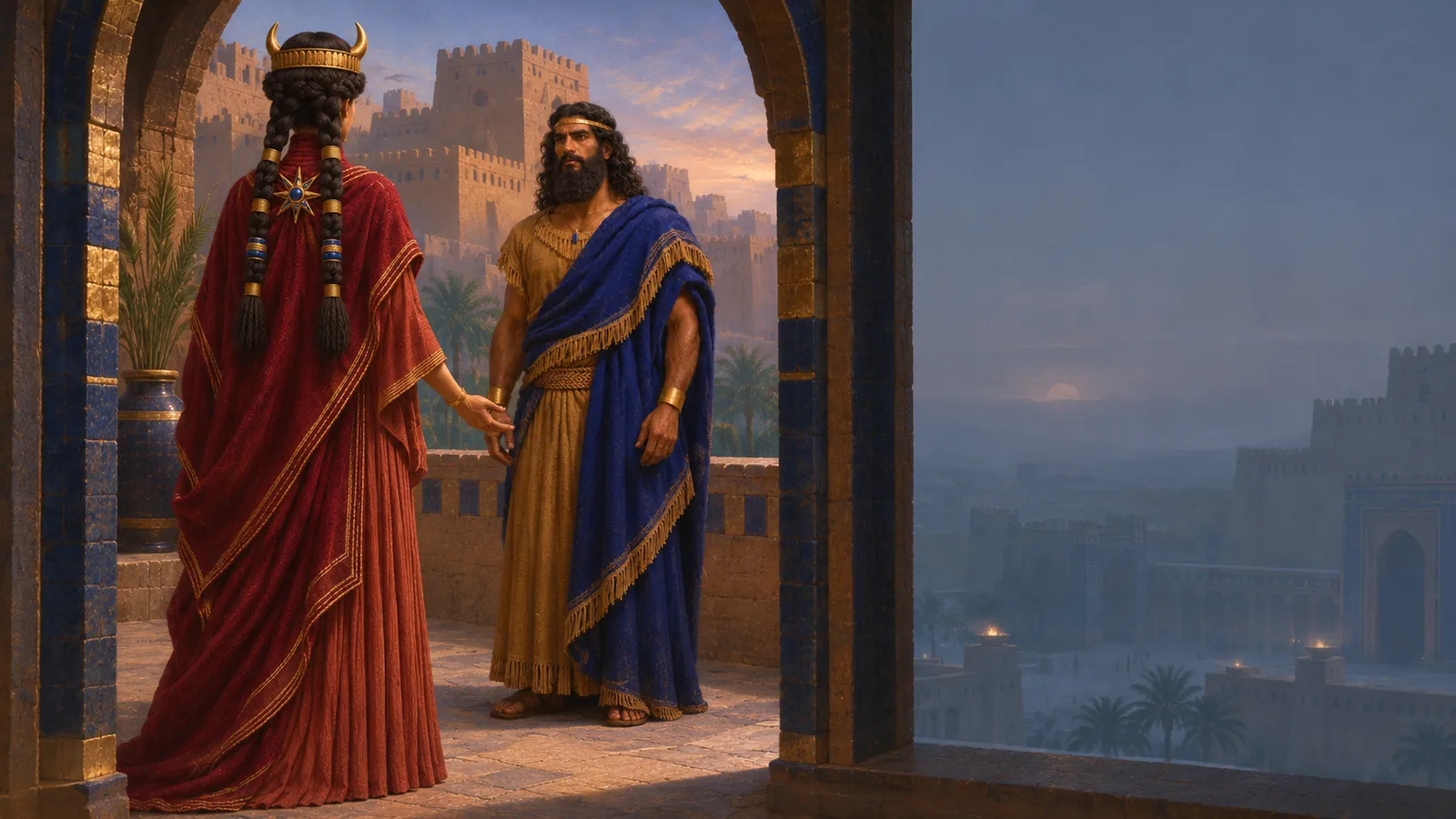
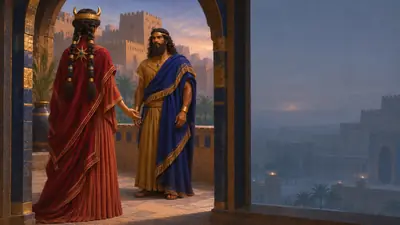
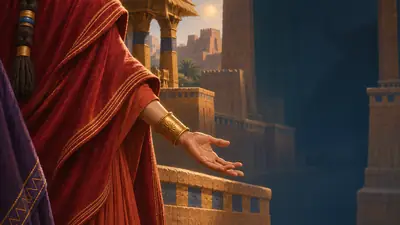
Ishtar asked Gilgamesh to be her husband. She made the proposal to him herself, and she was already picturing what their life together might bring.
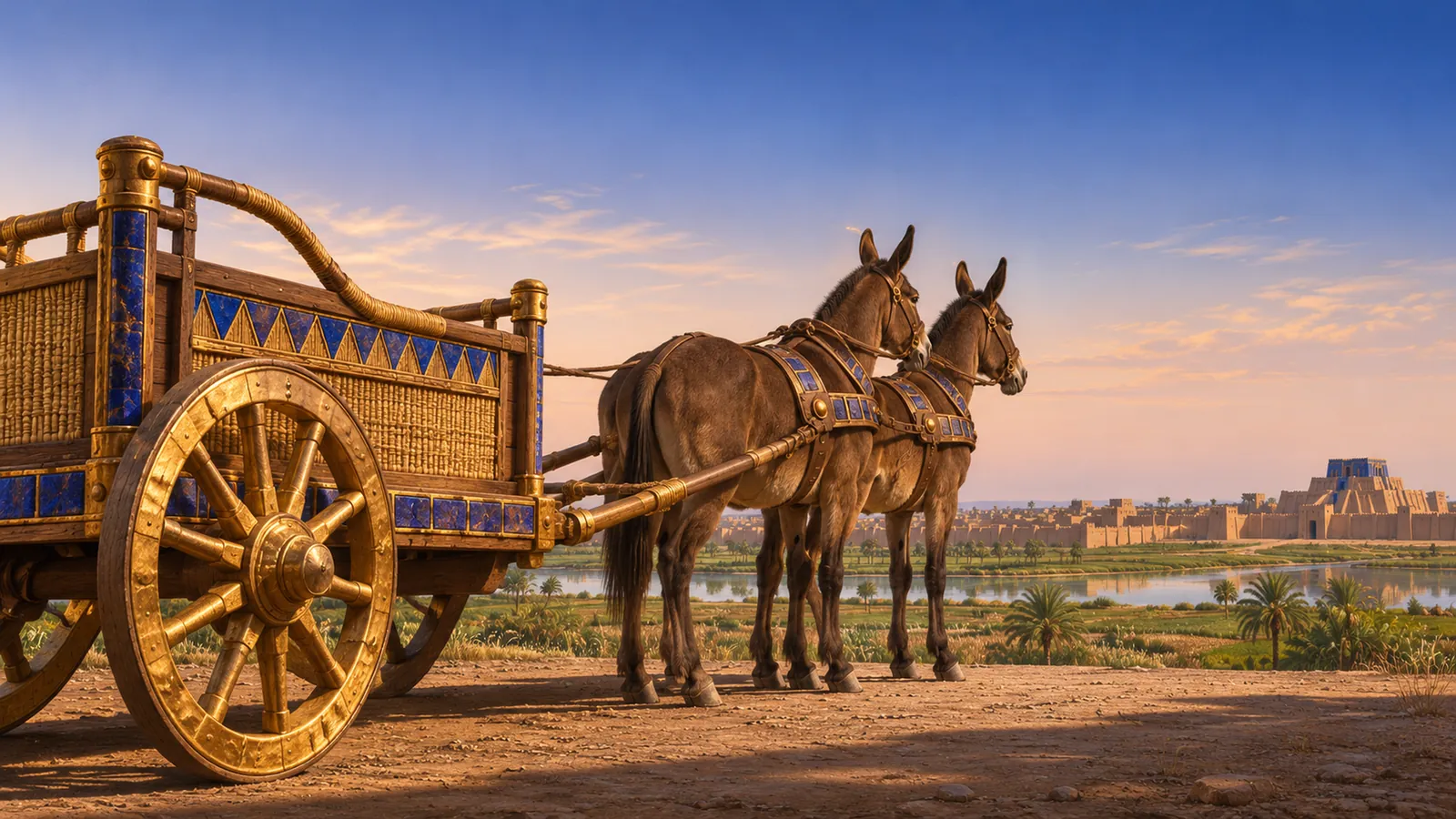
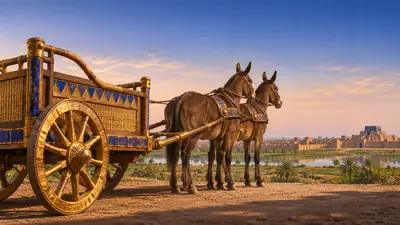
She promised him a chariot inset with lapis, its wheels shining with gold. Strong mules would draw him in it, swift as the storm in her telling.
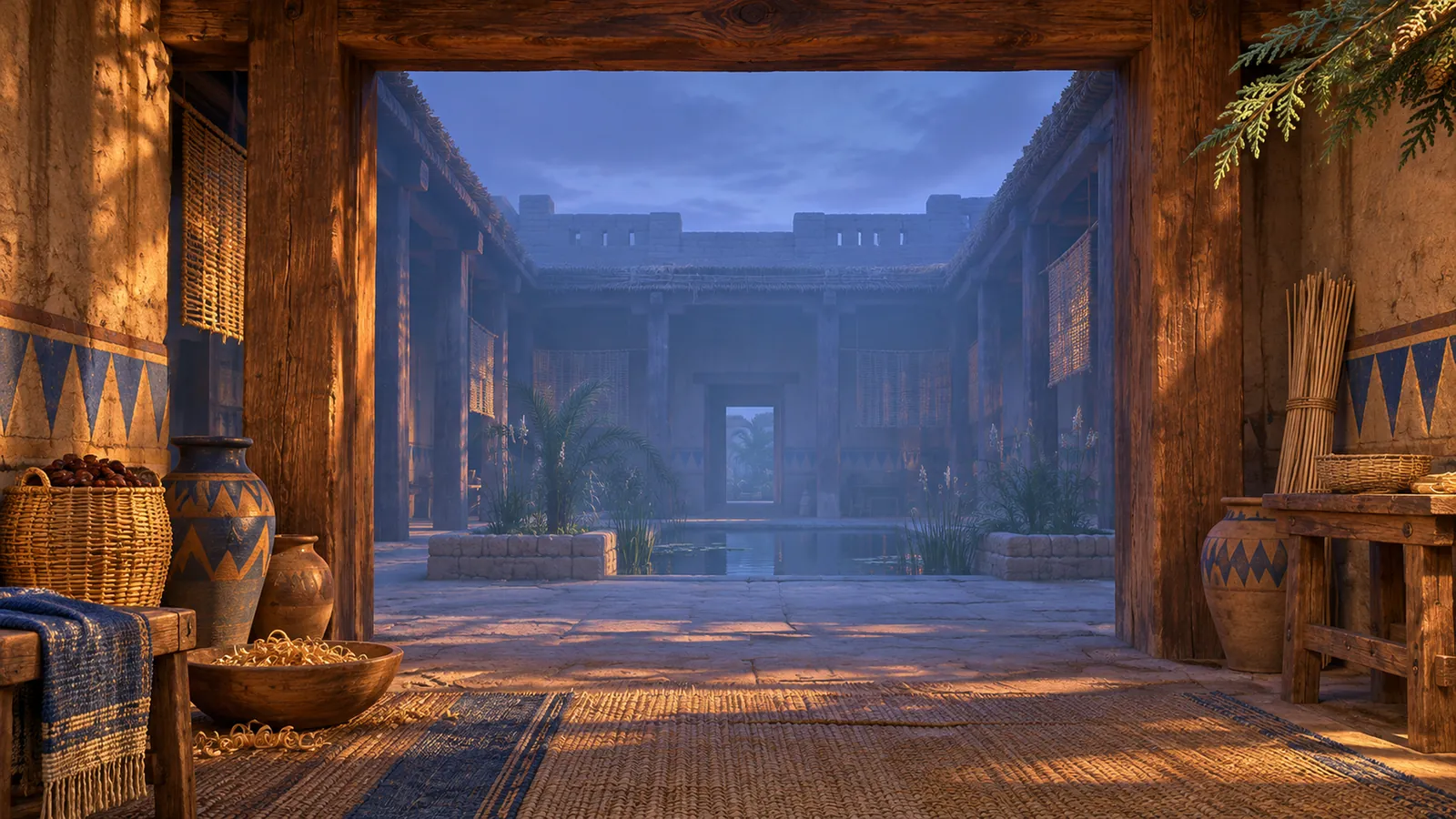
Ishtar spoke of a house where the scent of cedar would meet him at the door. Even the threshold, she said, would pay him honor when he entered.
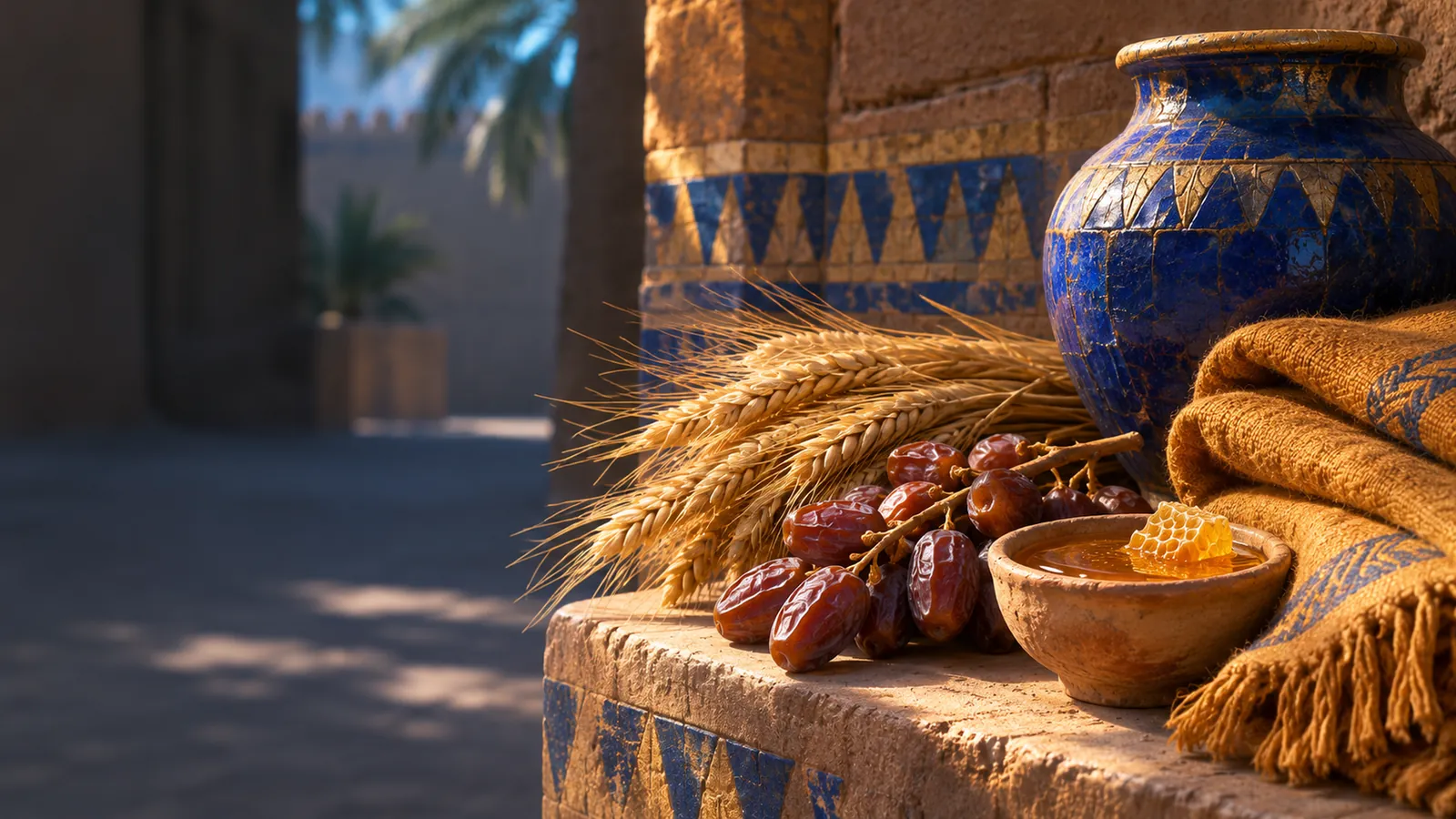
Rulers and courtiers would bow to him, she promised. They would carry in the good things of the hills and the plain, and even his flocks would thrive beyond their usual measure.
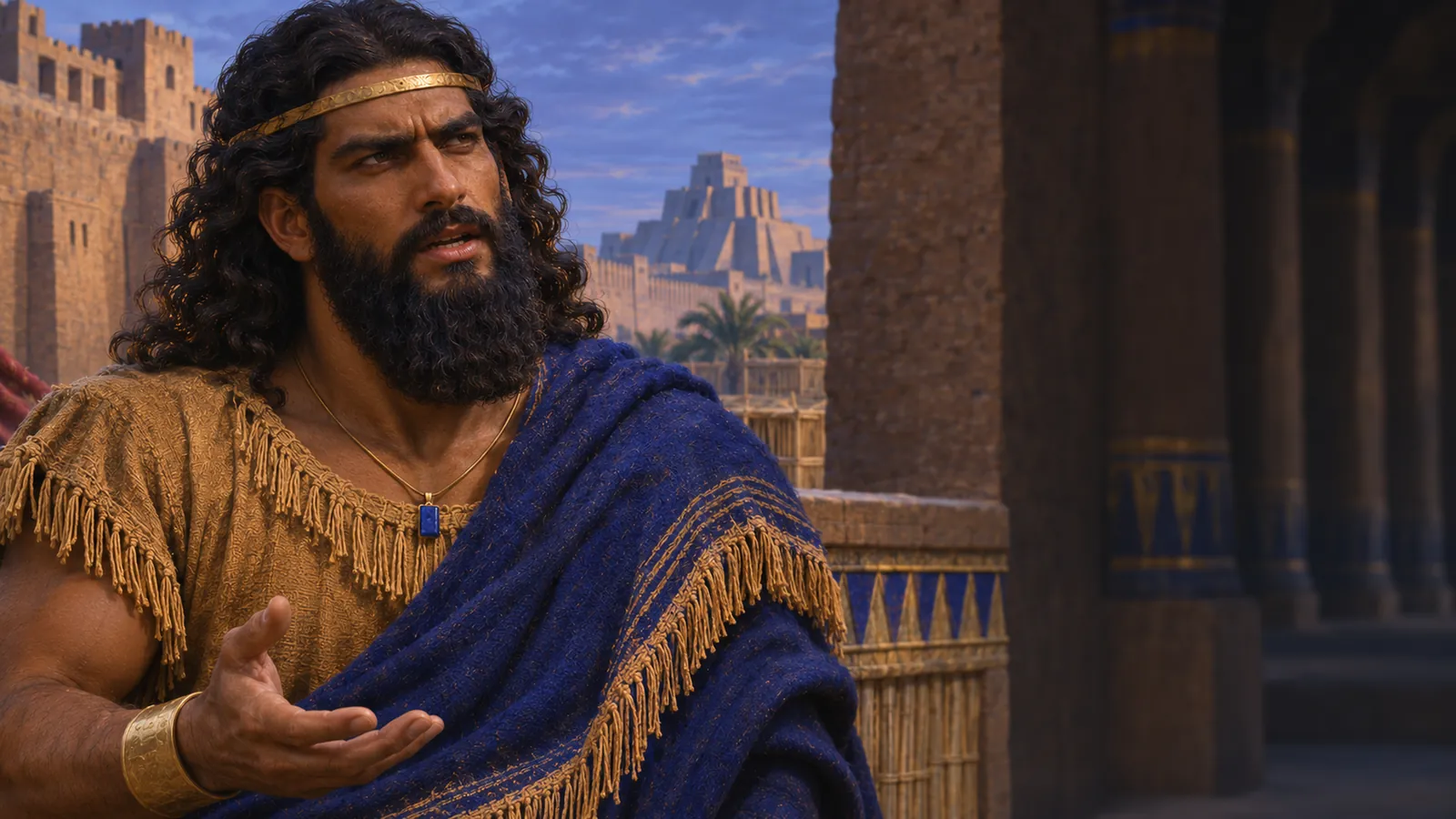
When she had finished, Gilgamesh asked what it would mean to live as her husband. The clay is damaged here, but some of his questions remain, including how he would be fed.
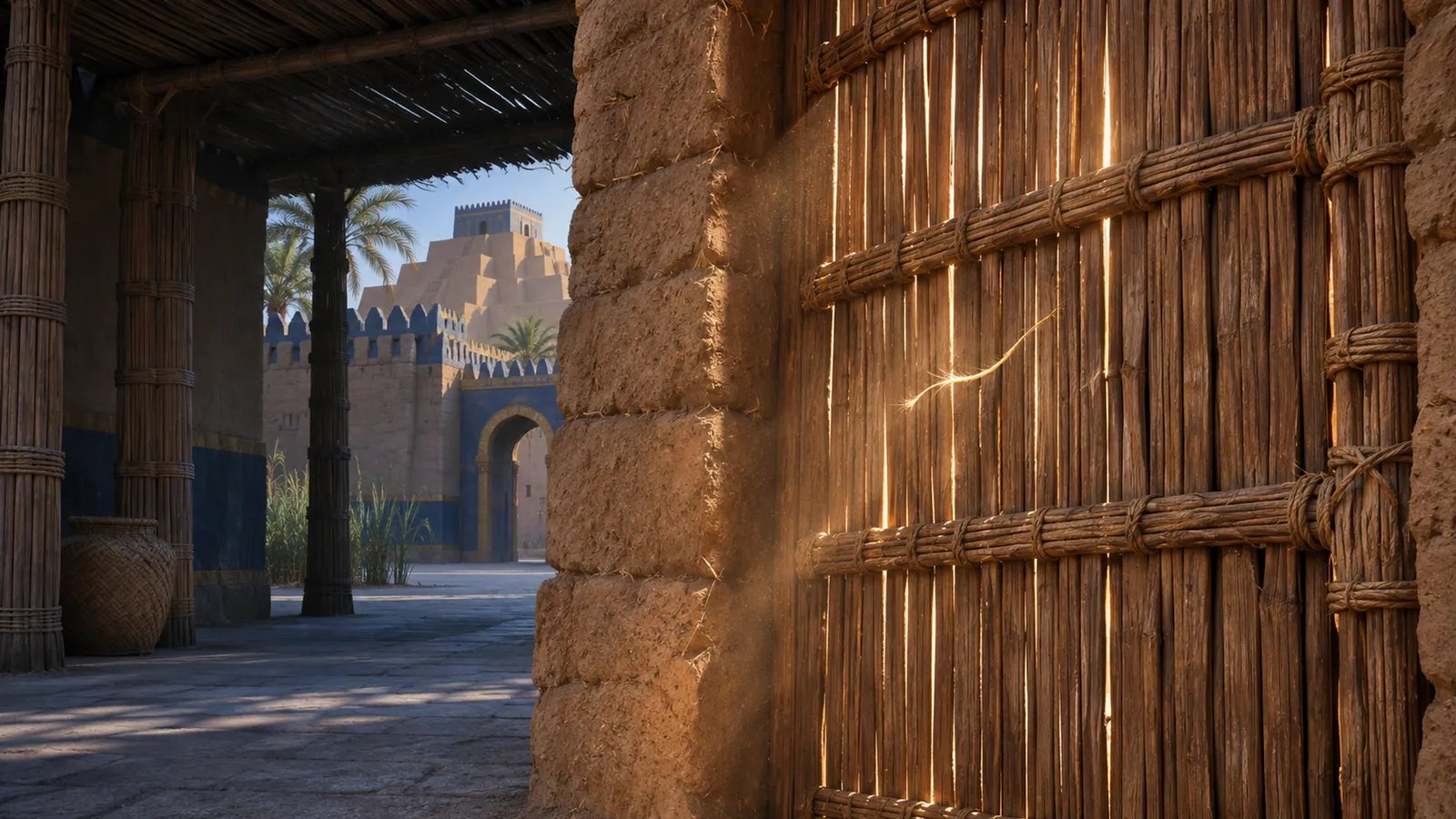
Then he answered her with a string of comparisons. He spoke of a door that gives no shelter from the wind, and of a shoe that hurts the foot it should protect.
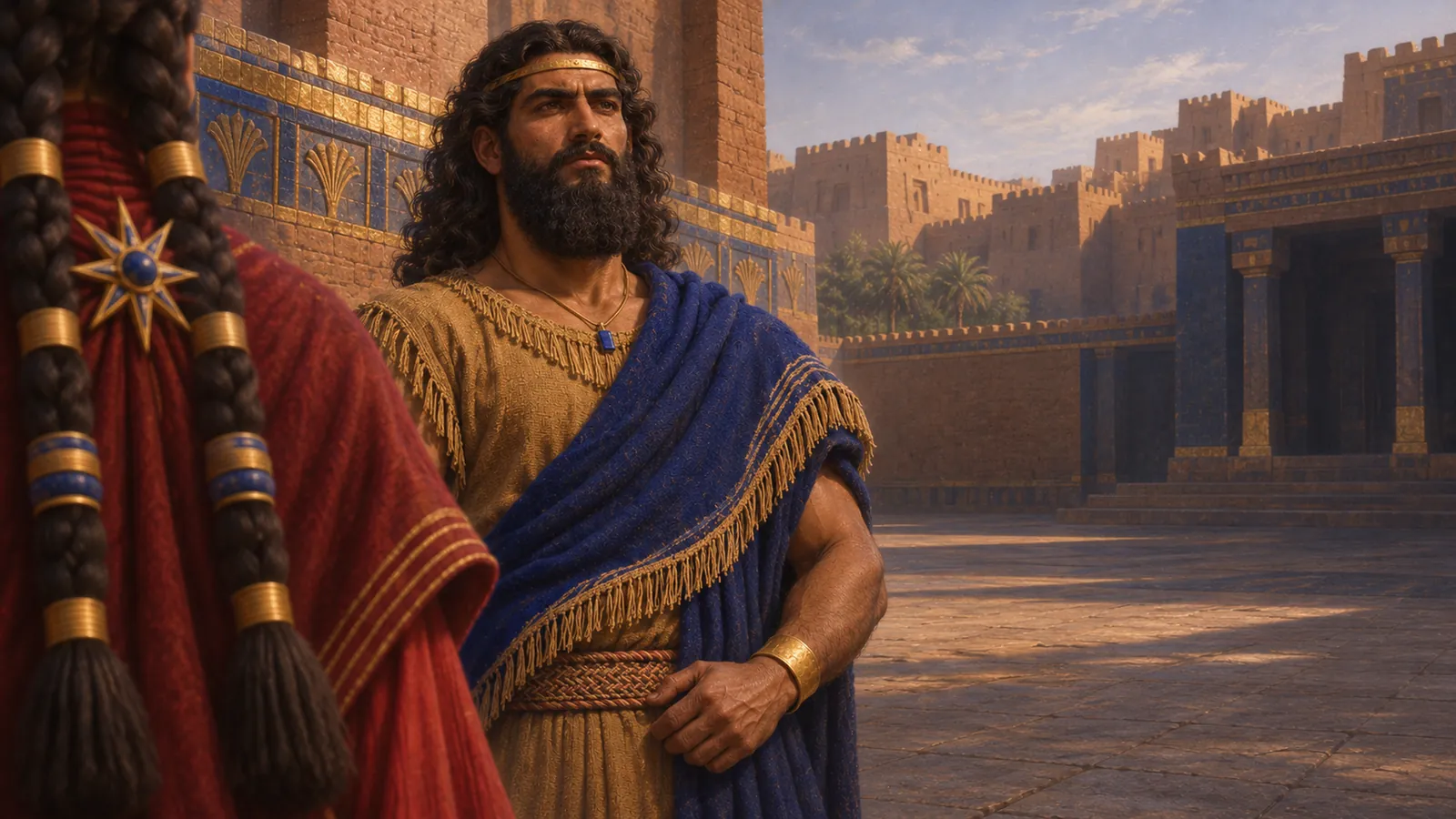
HER LOVERS
Gilgamesh asked which of her former bridegrooms had endured. Before Ishtar could hear his answer to the proposal, she would hear the names he remembered.
Gilgamesh spoke first of Dumuzi, the husband of Ishtar’s youth. In the king’s telling, there was a place for tears every year, as regularly as the season turned.
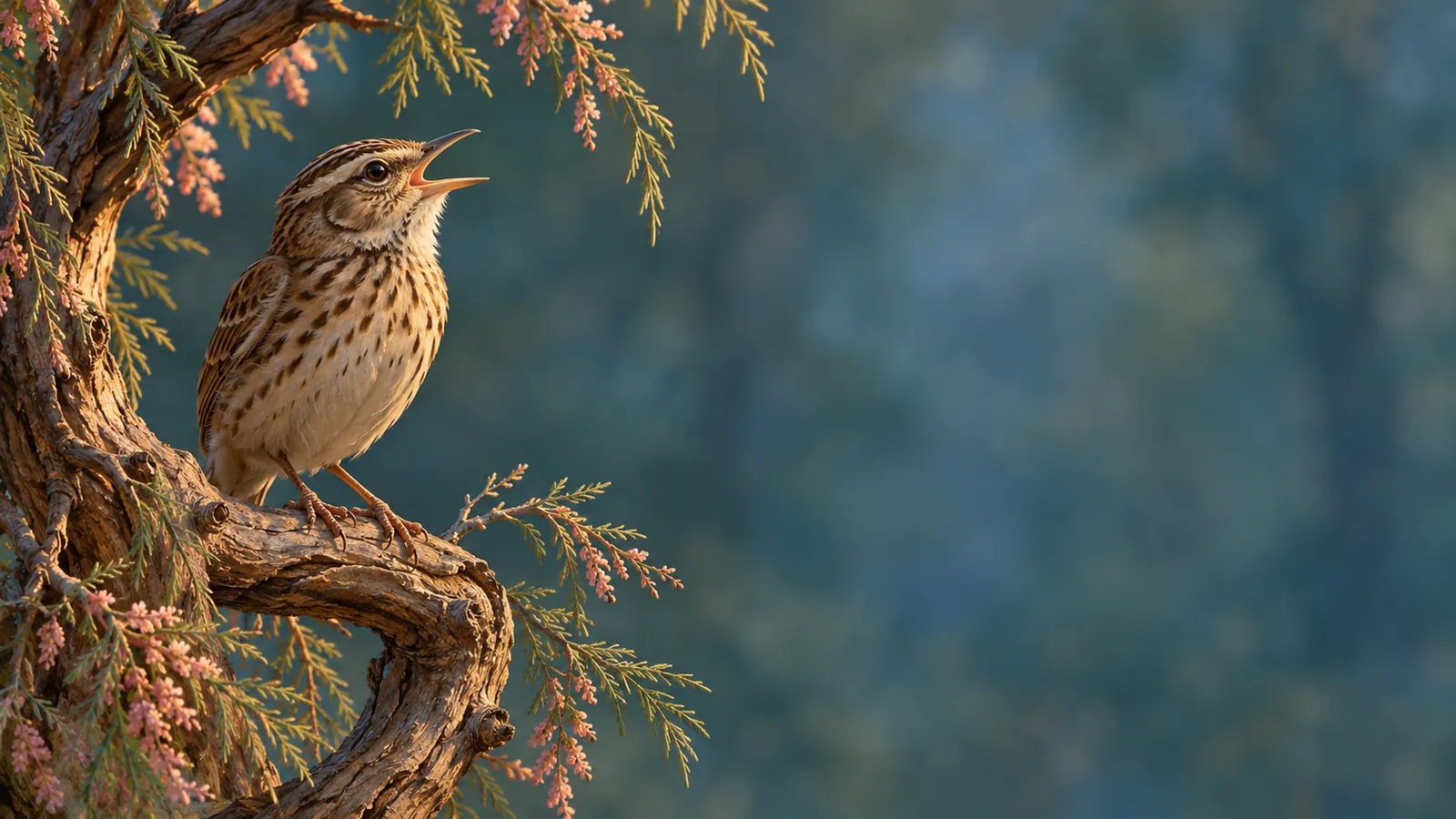
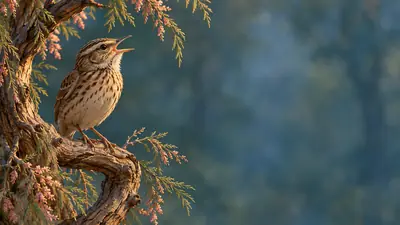
He told of a small speckled bird that Ishtar once loved. Its wing was broken in his story, and afterward its call could be heard in the woods.
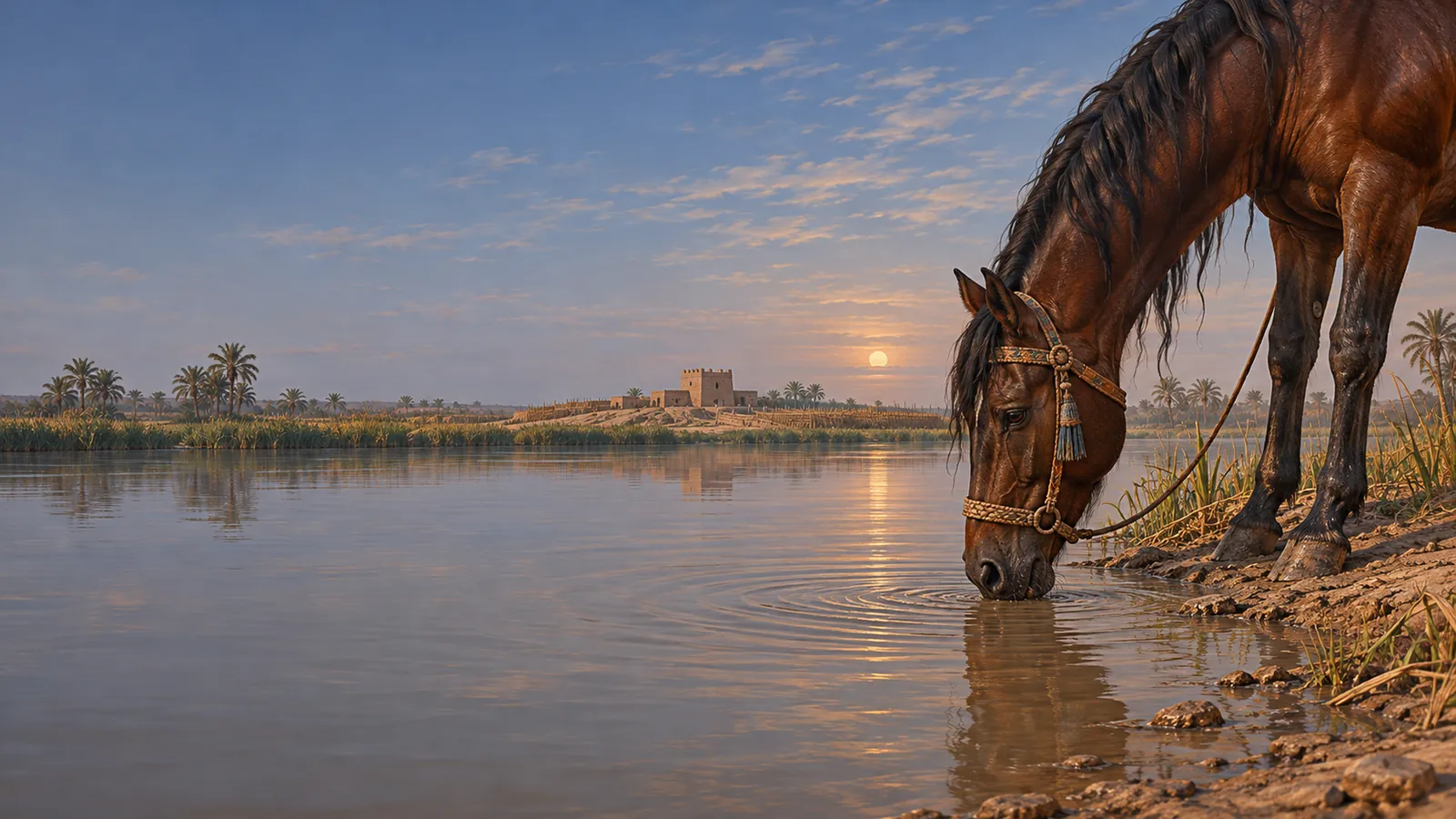
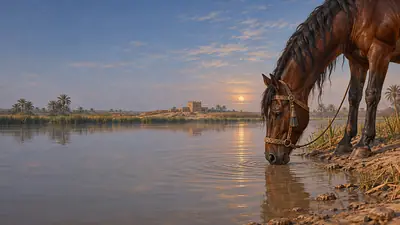
He remembered a strong lion and the pits dug for it. Then he told of a great warhorse whose reward was hard riding and muddy water to drink.
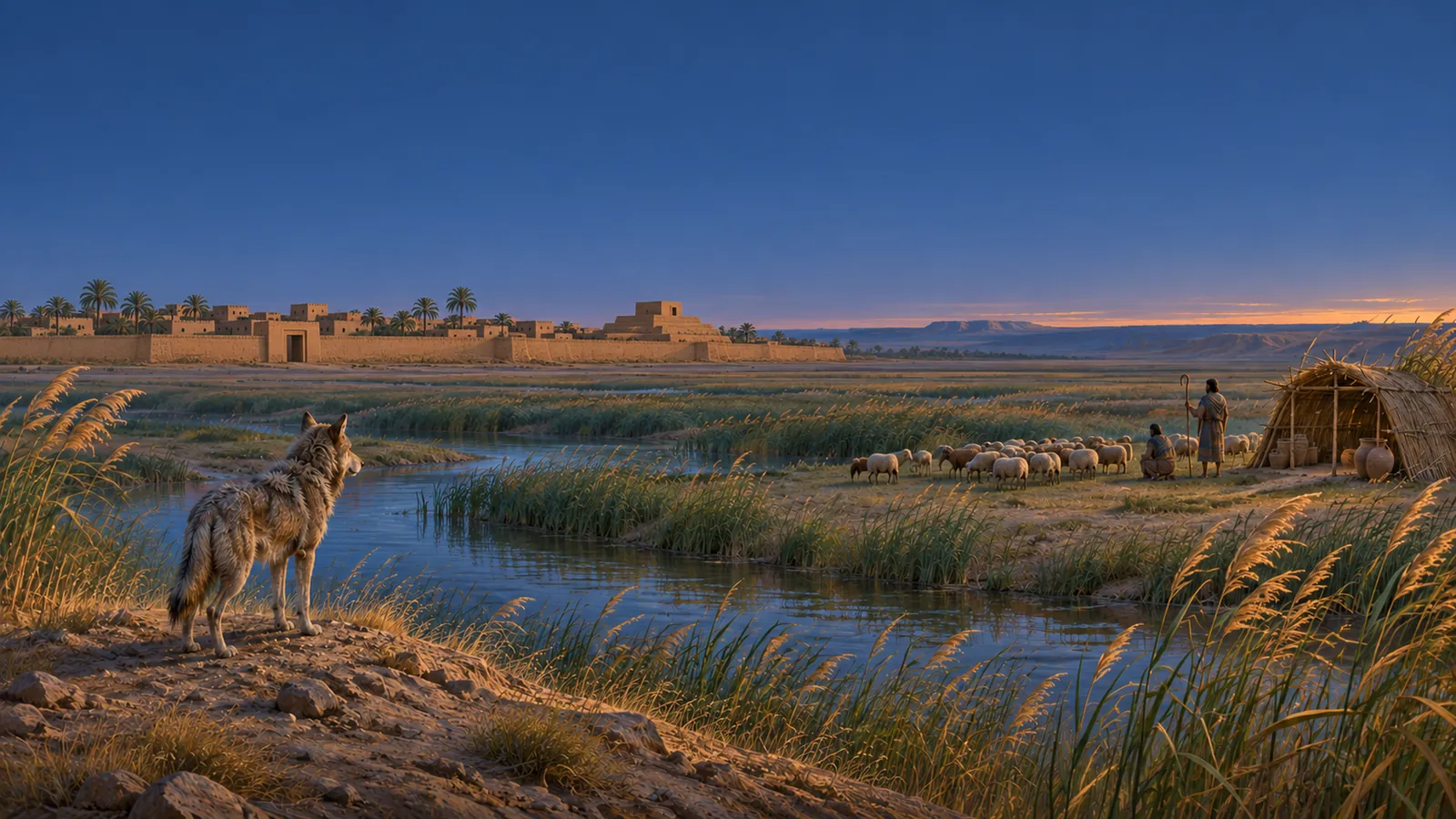
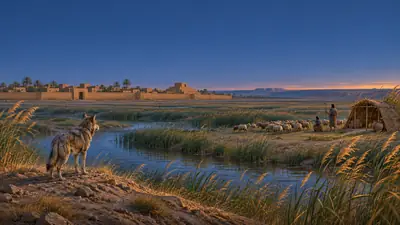
There was also a shepherd, Gilgamesh said, who once made her offerings. In the king’s tale he became a wolf, driven off by the very people who had watched the flock with him.
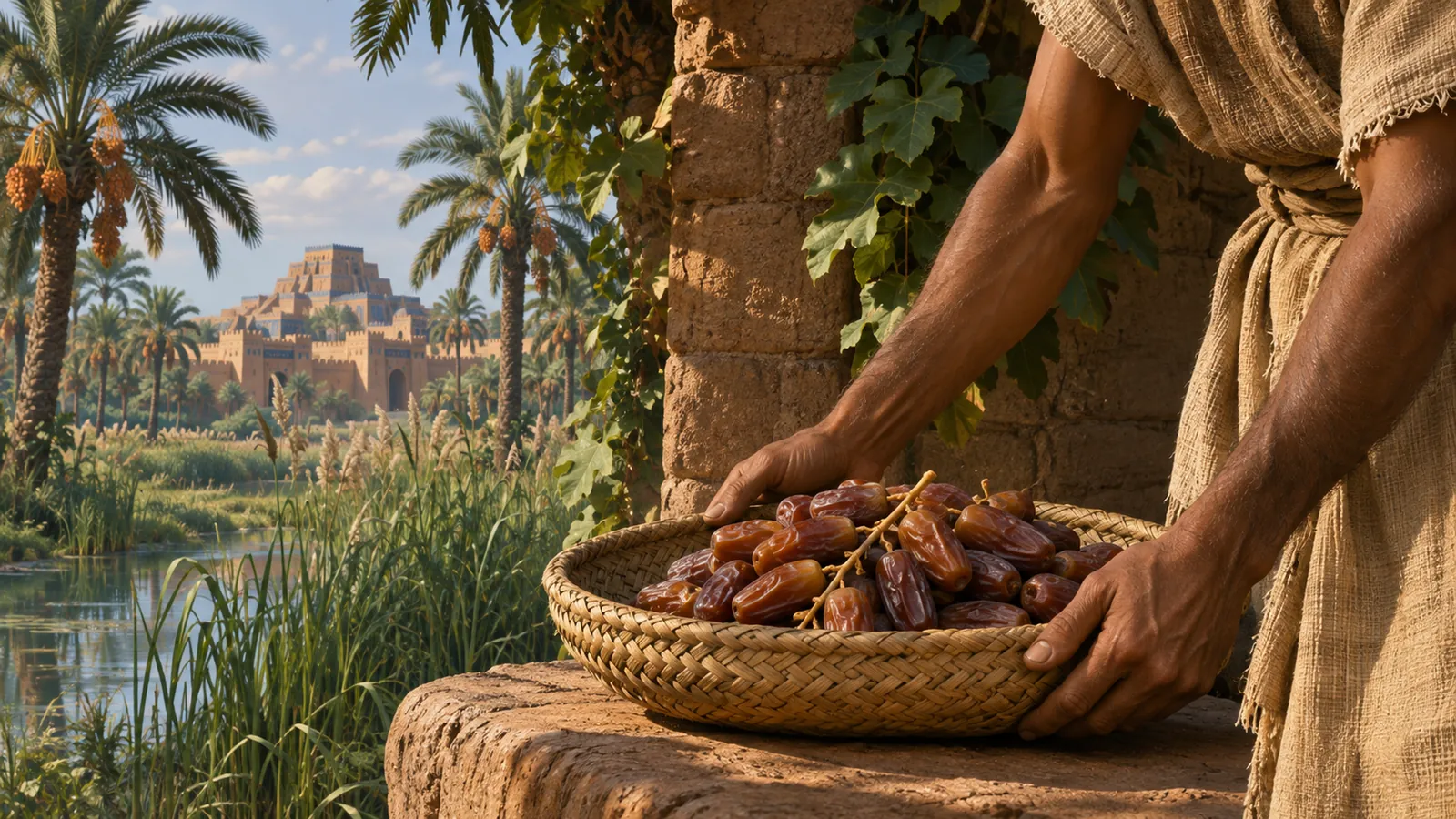
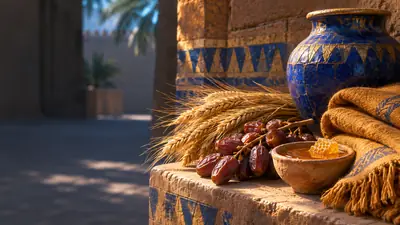
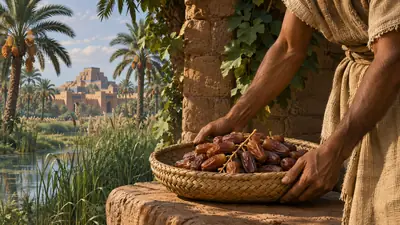
Ishullanu, her father’s gardener, had brought dates for her table. Gilgamesh told how the gardener refused Ishtar’s advance and how she changed him afterward.
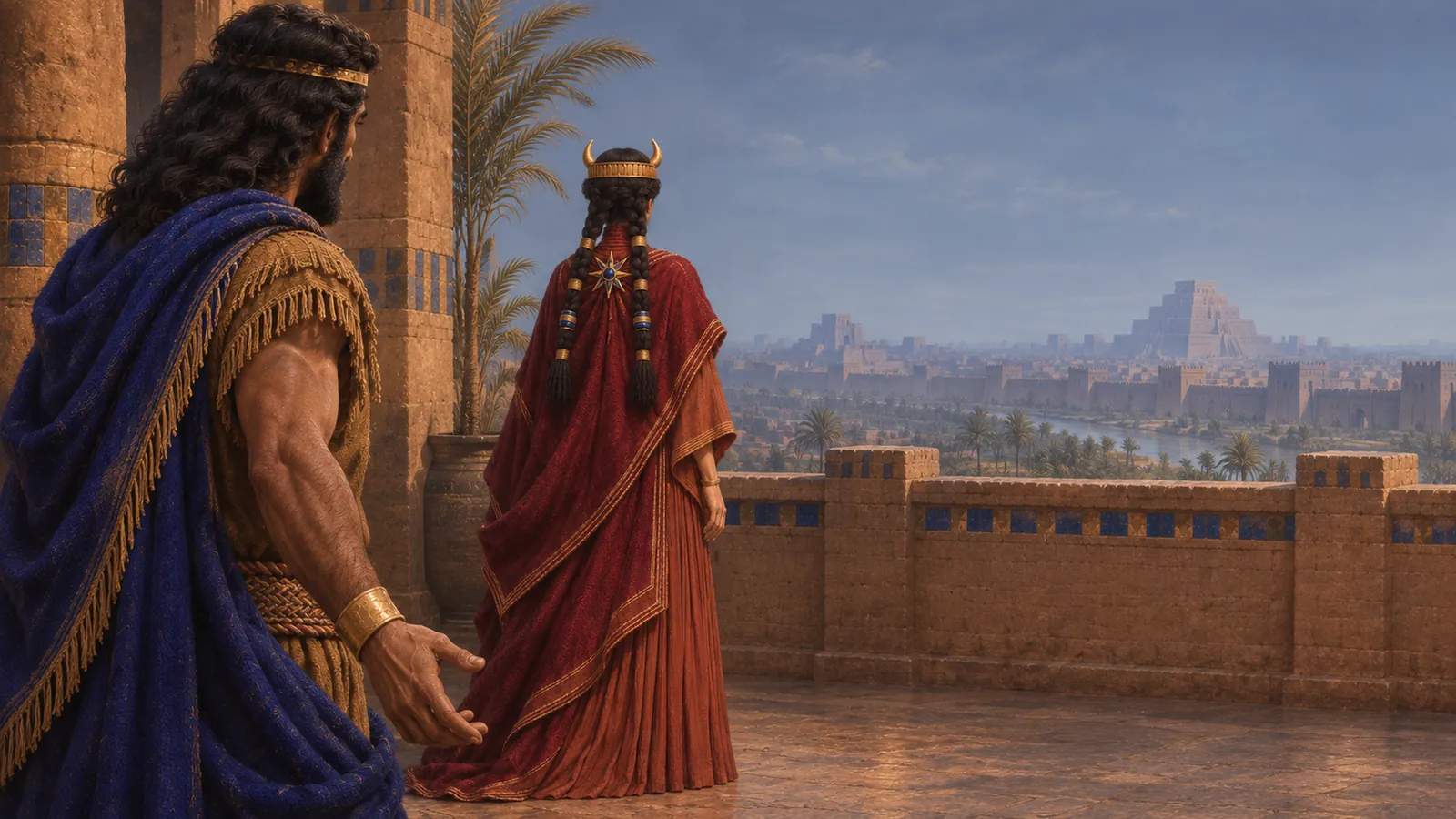
THE REFUSAL
Gilgamesh put their stories to her as a warning. If he accepted her, he asked, what would keep him from ending as they had?
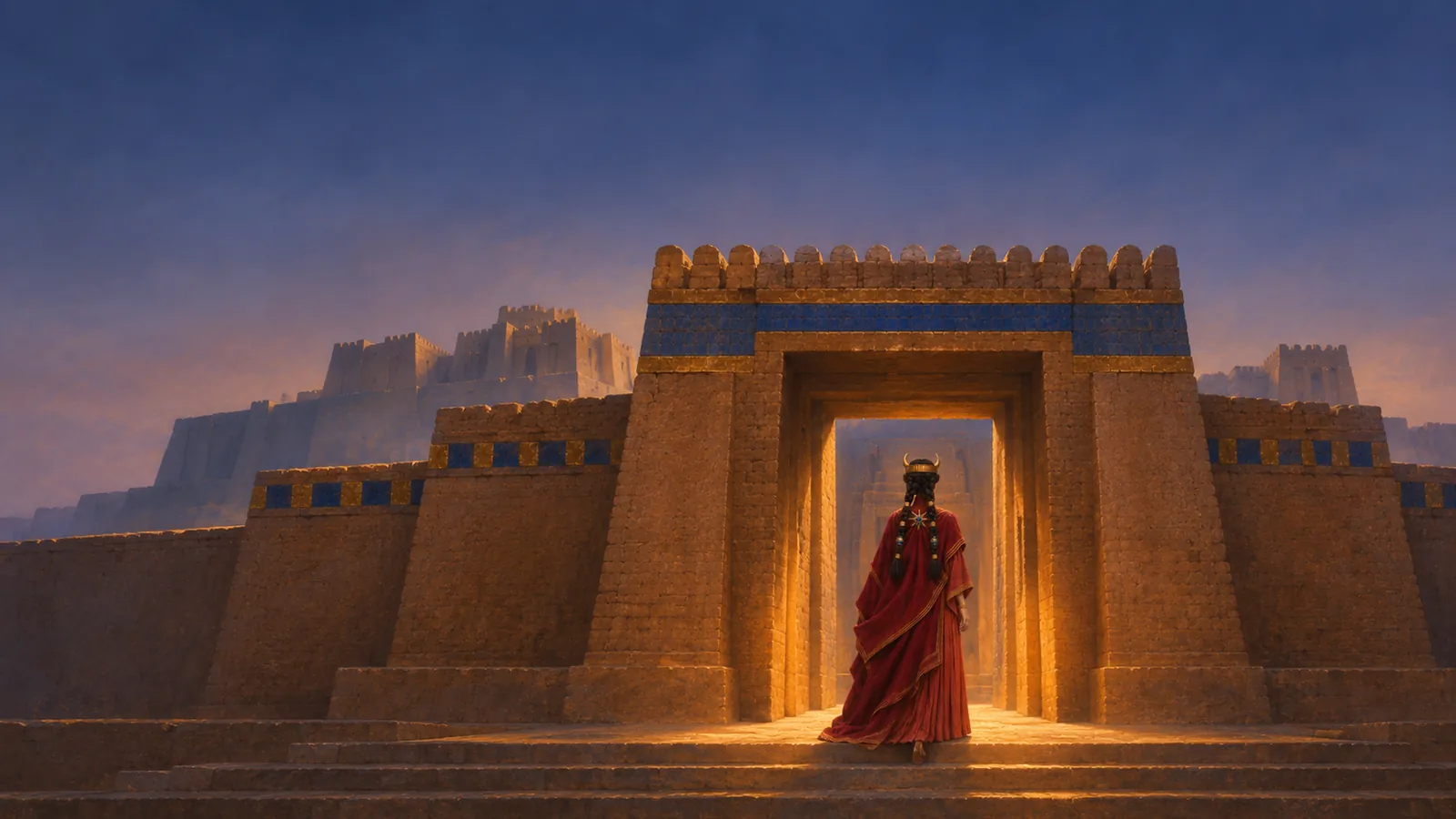
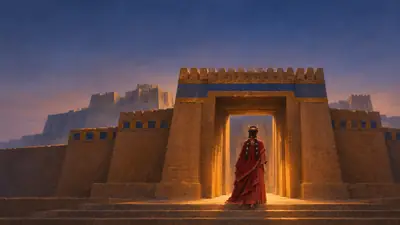
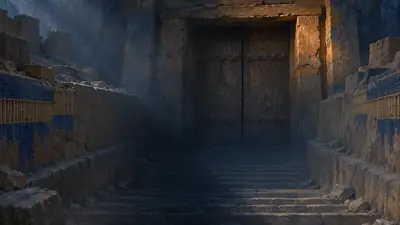
Ishtar went up to heaven in anger. There she carried her tears and her complaint to her parents, Anu and Antu, and told them what the king had said.
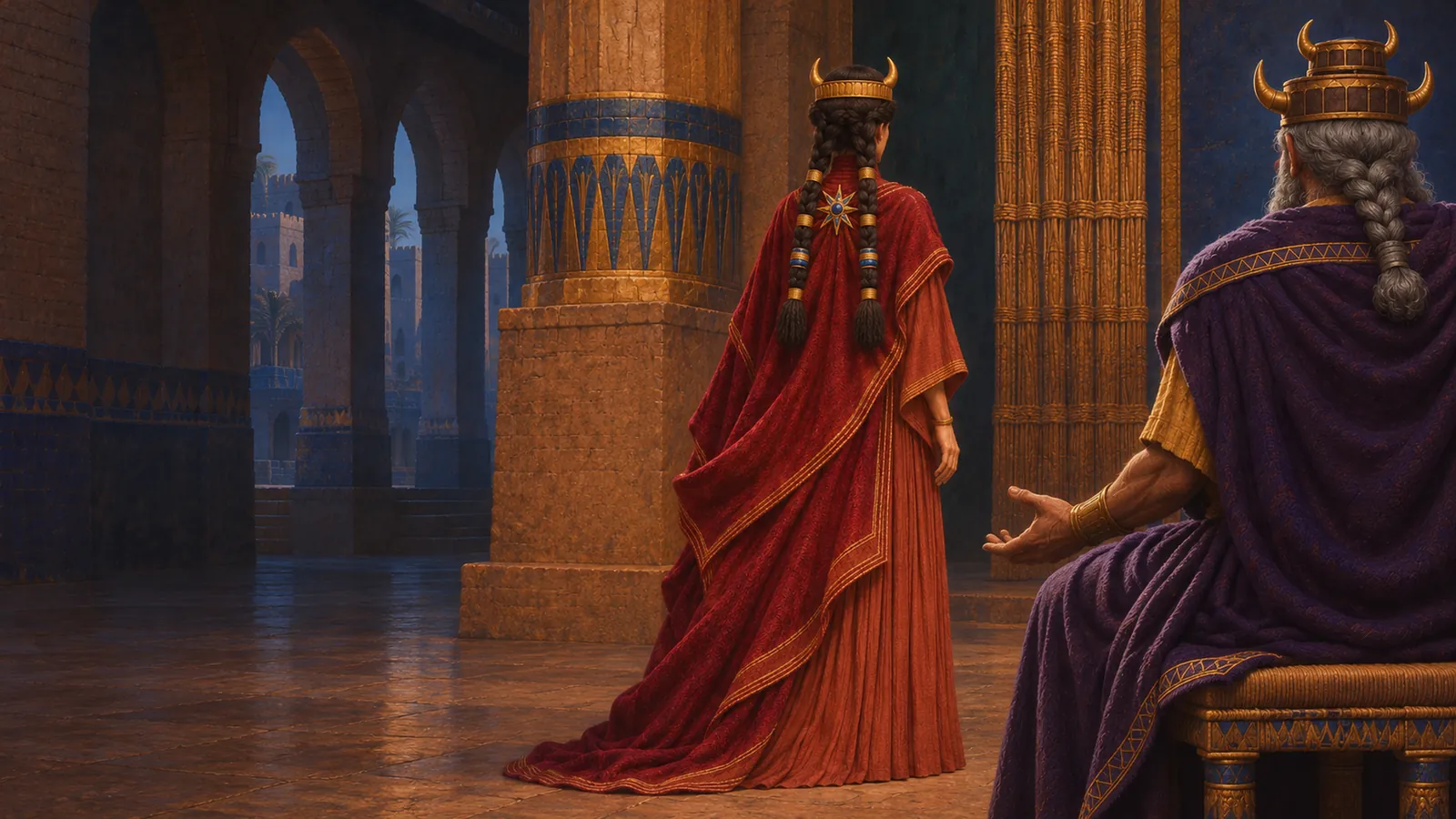
Anu listened to her account. Then he asked Ishtar if she herself had provoked Gilgamesh, before the king spoke all the words she had now brought to heaven.
Ishtar asked her father to give her the Bull of Heaven. She meant to take the beast down to Uruk and make the king pay for what he had said.
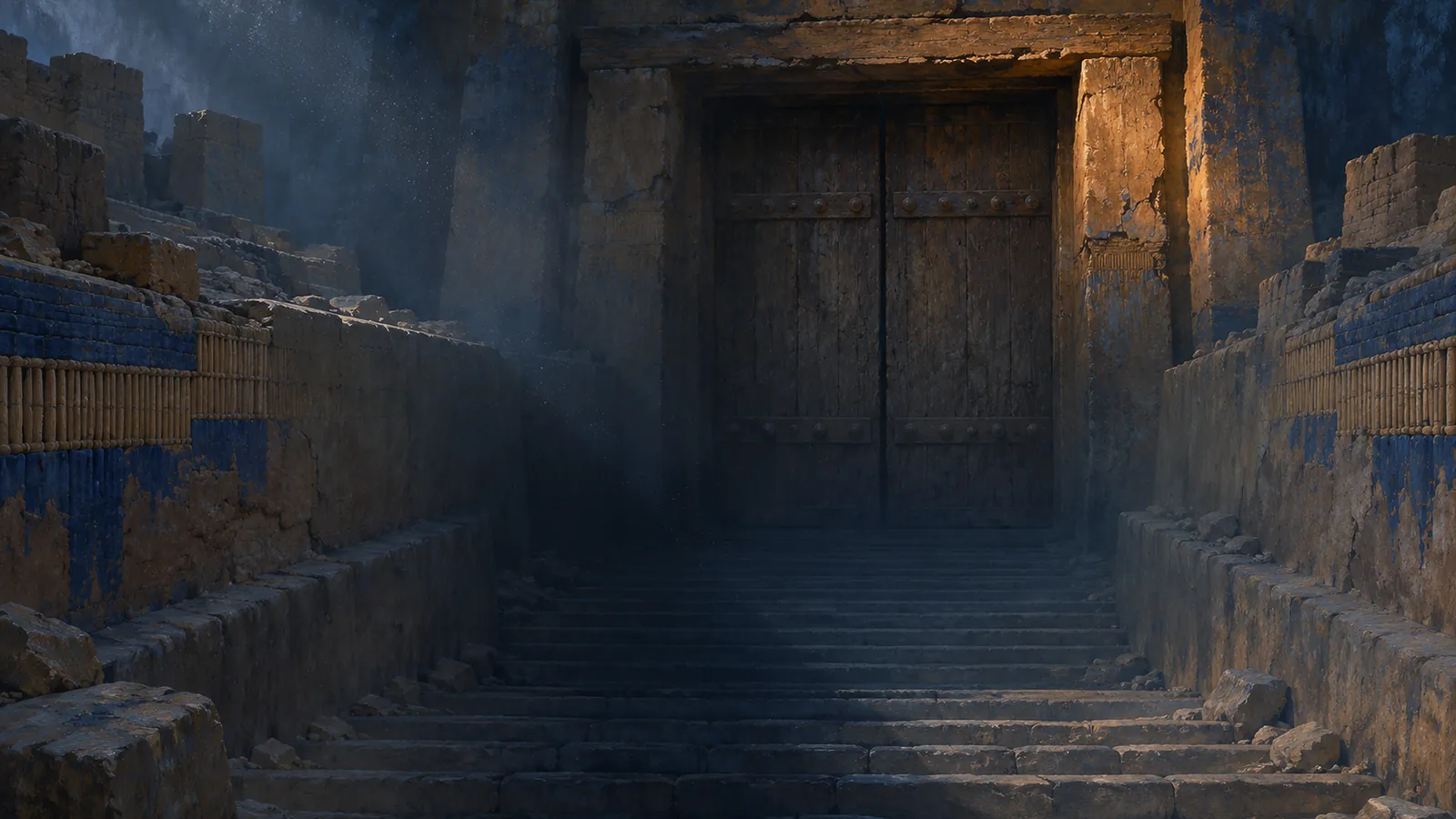
If Anu refused, she said she would break open the world below. The dead would come back in such numbers that the living would be outnumbered.
SEVEN YEARS
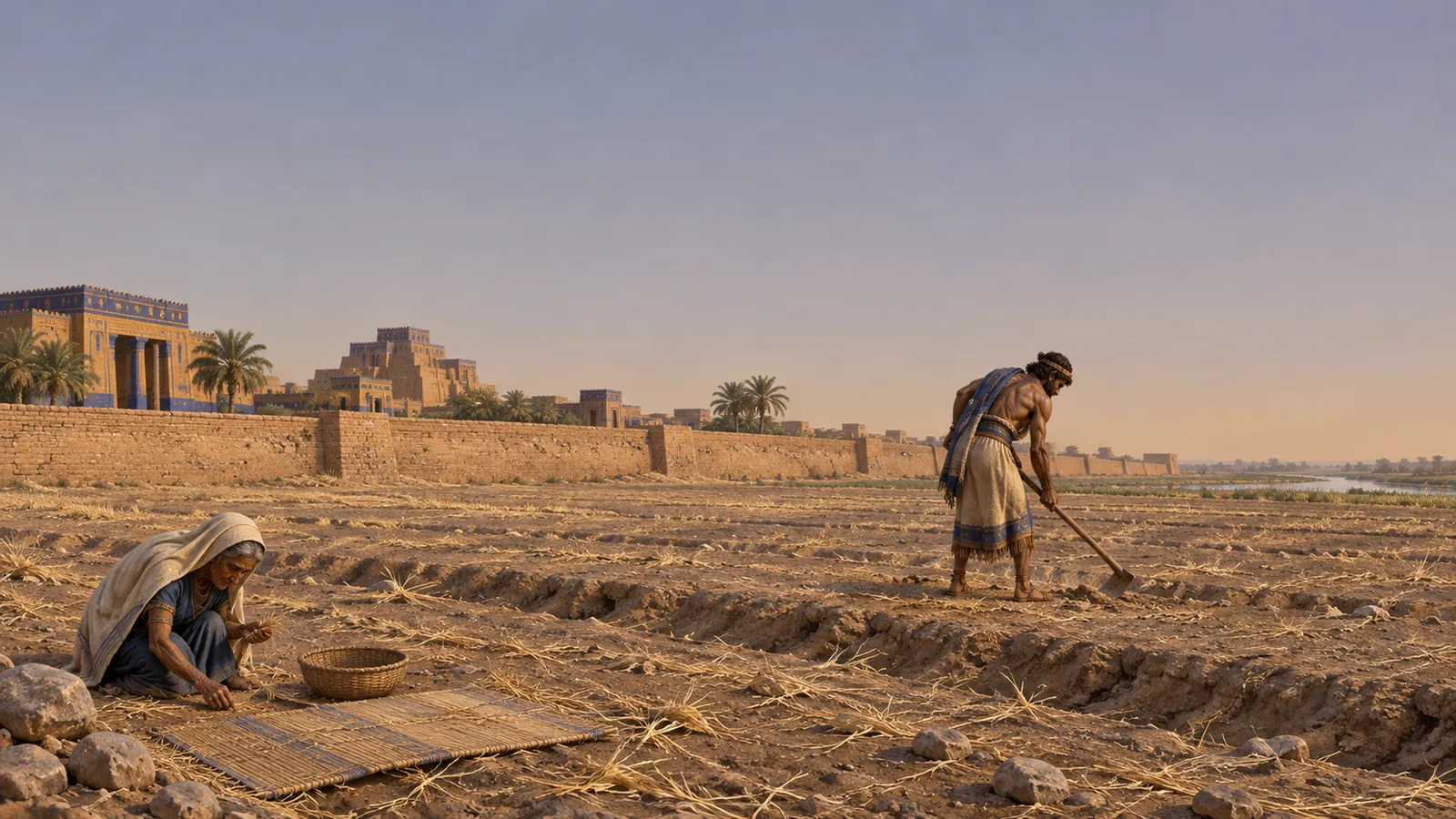
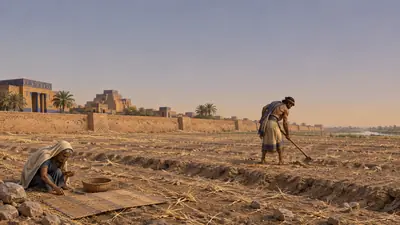
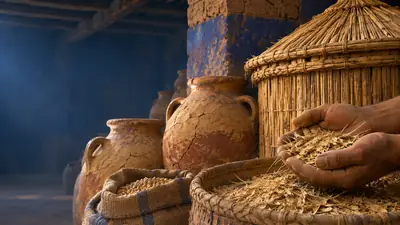
Anu warned her what the Bull would mean to Uruk. For seven years, the people would have to live by what little could be gathered and what fodder could be grown.
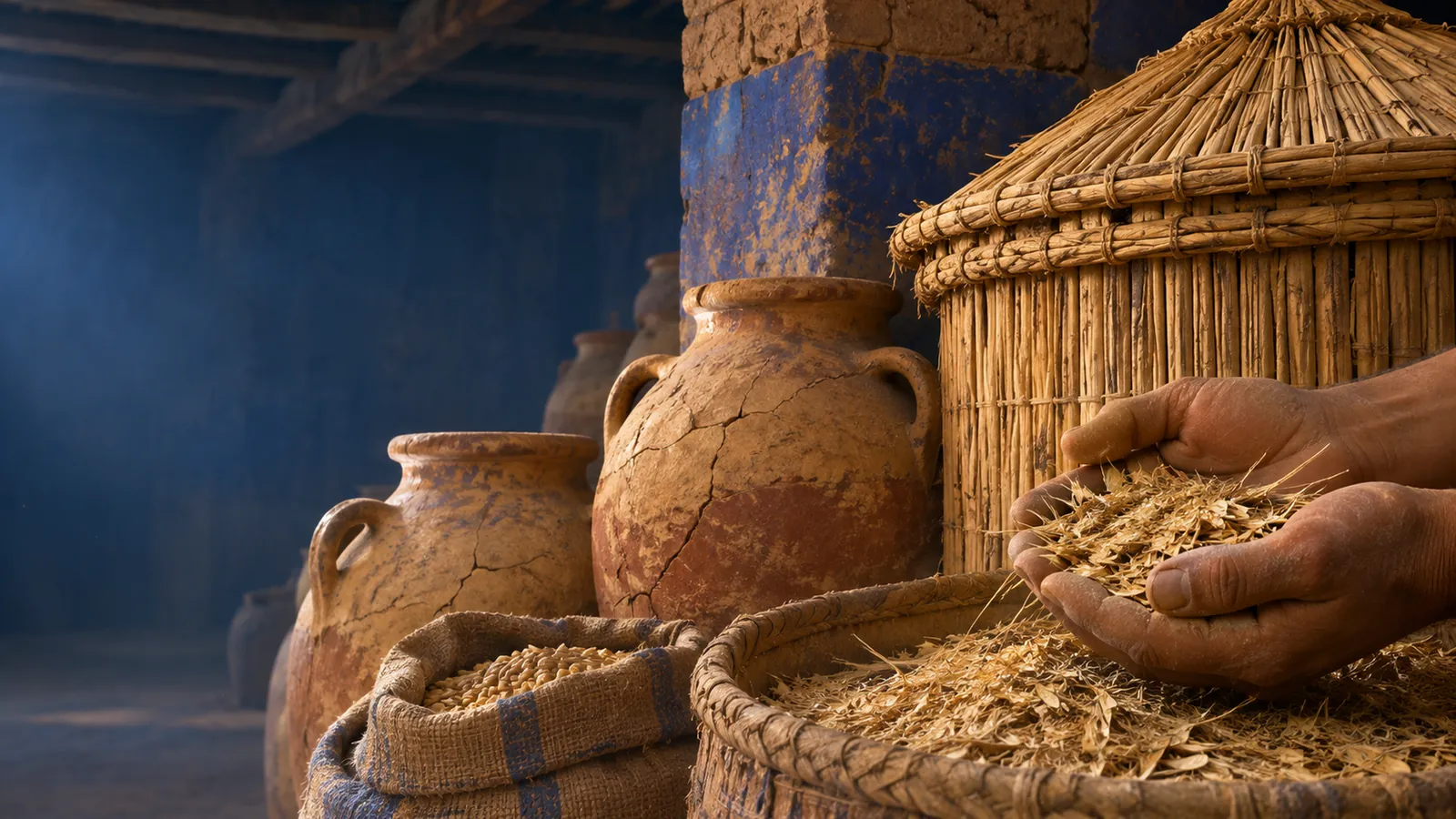
In Ishtar’s answer, part of the clay is broken. What remains speaks of provisions already stored and fodder grown, as though she had prepared for the very years Anu feared.
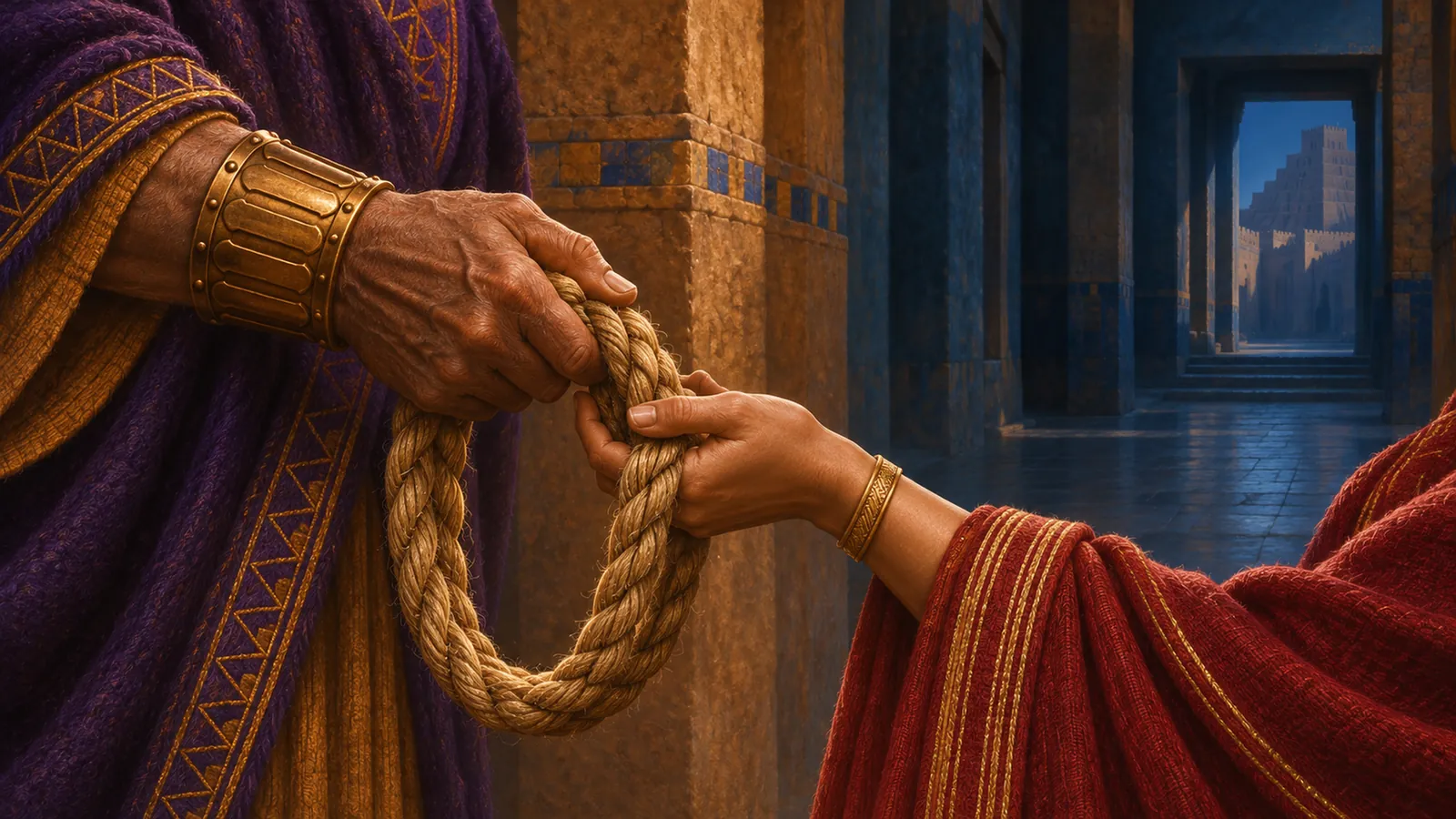
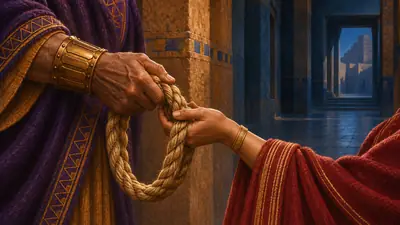
Anu heard her answer and put the Bull’s rope in her hands. What had begun with a proposal in Uruk was now coming back to the city in a different form.
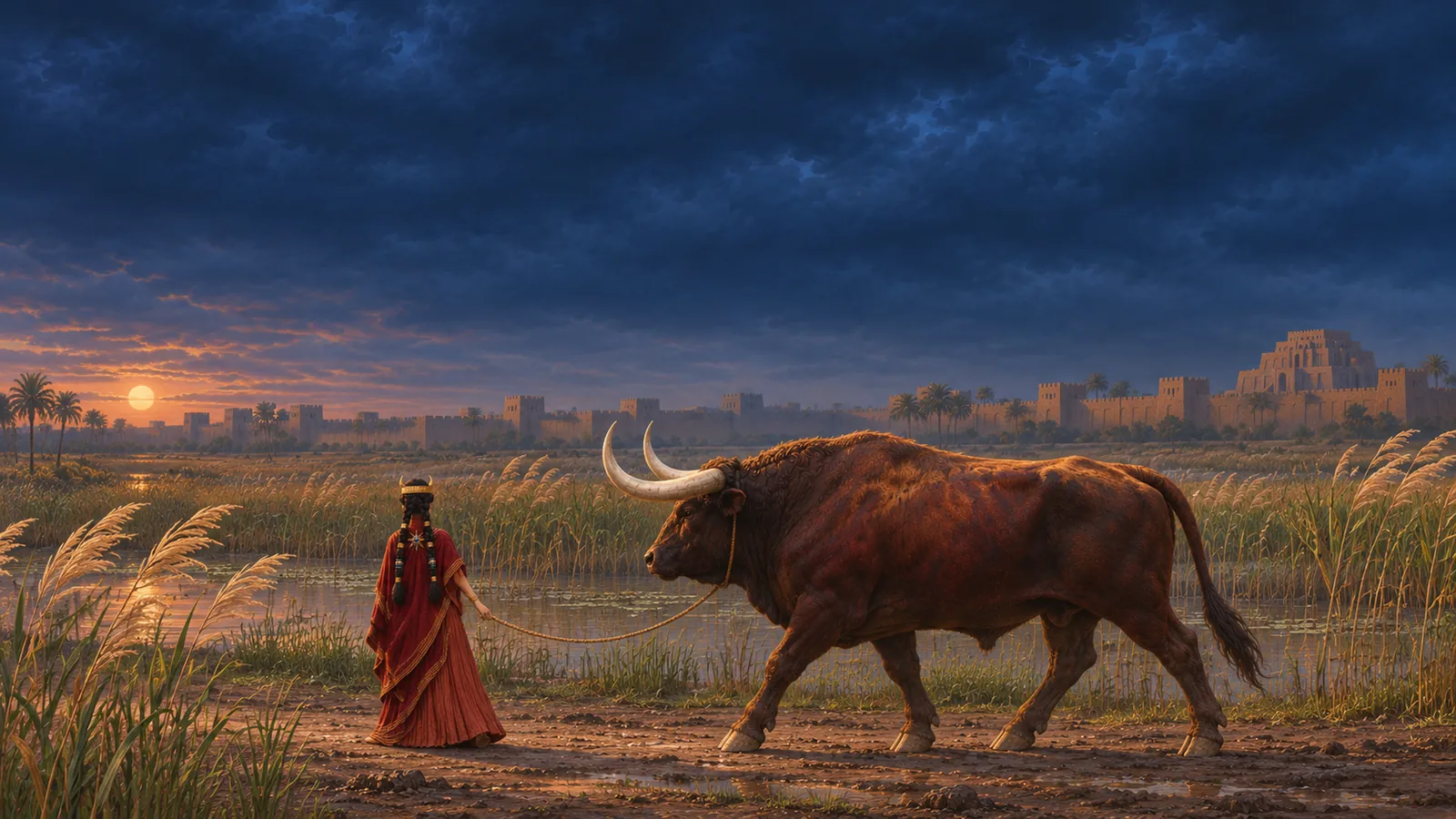
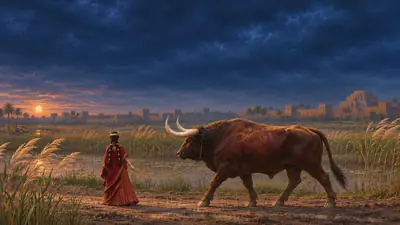
Ishtar led the Bull down. When it reached the land of Uruk, the wet ground began to dry and the reeds withered where it passed.
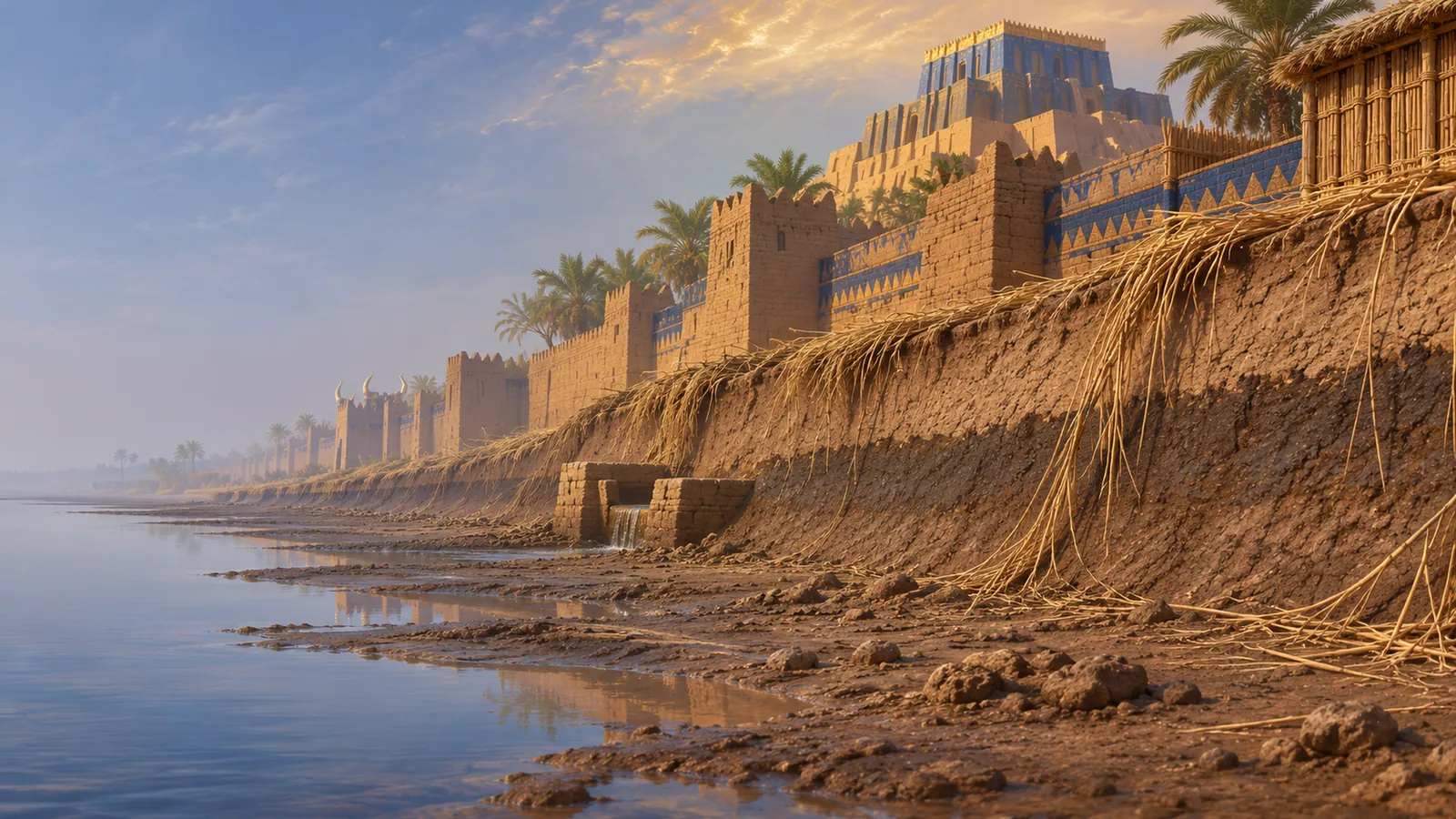
The Bull went to the river, and the water fell by seven cubits. The wet line it left on the bank was higher than any reed beside the new shallows.
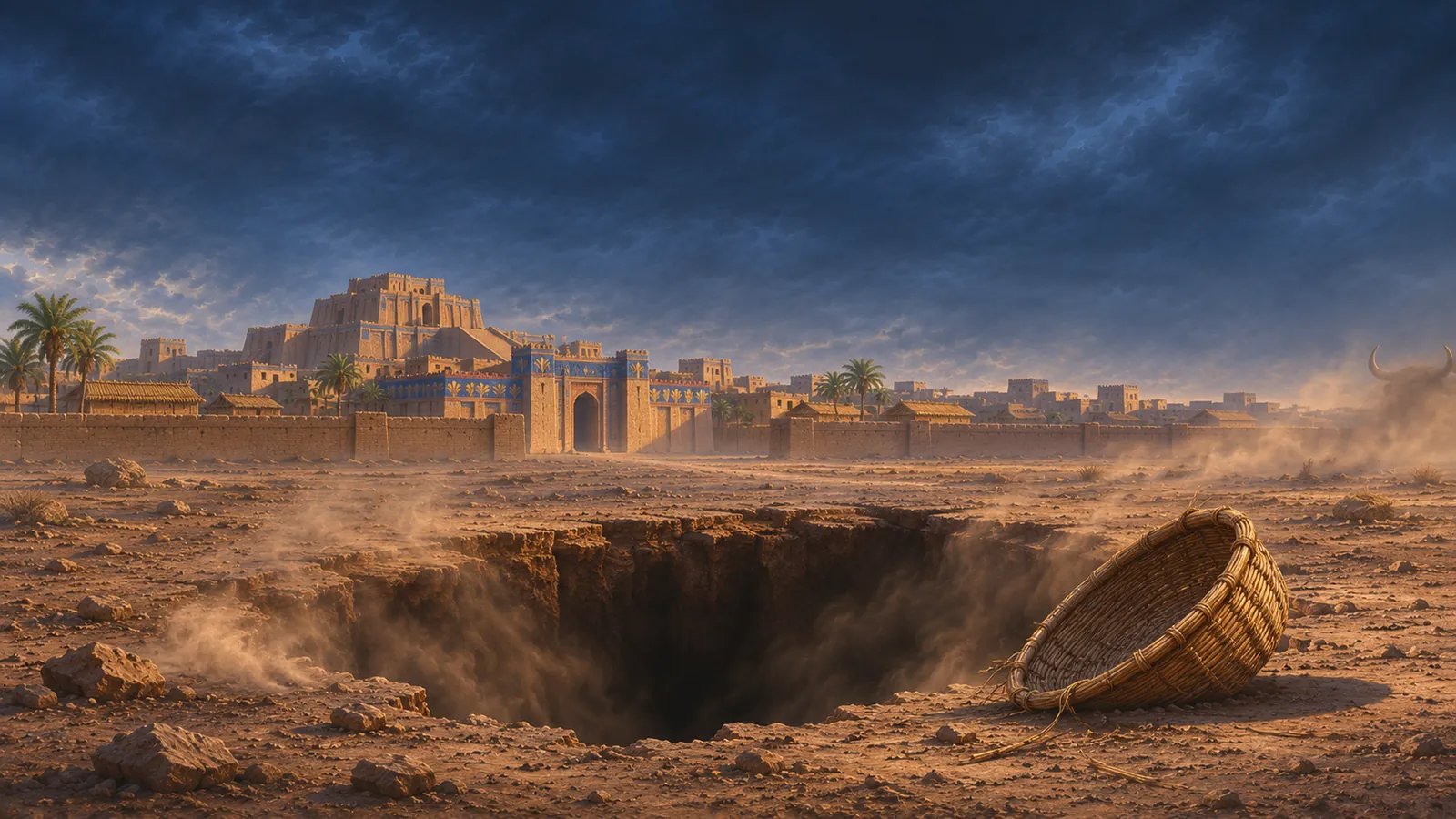
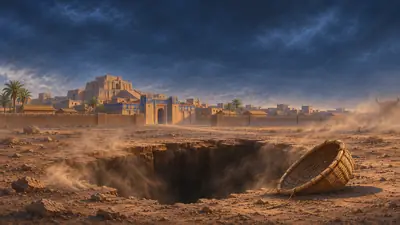
The Bull snorted, and a pit opened under the men of Uruk. The poem counts a hundred fallen in that first sudden opening of the ground.
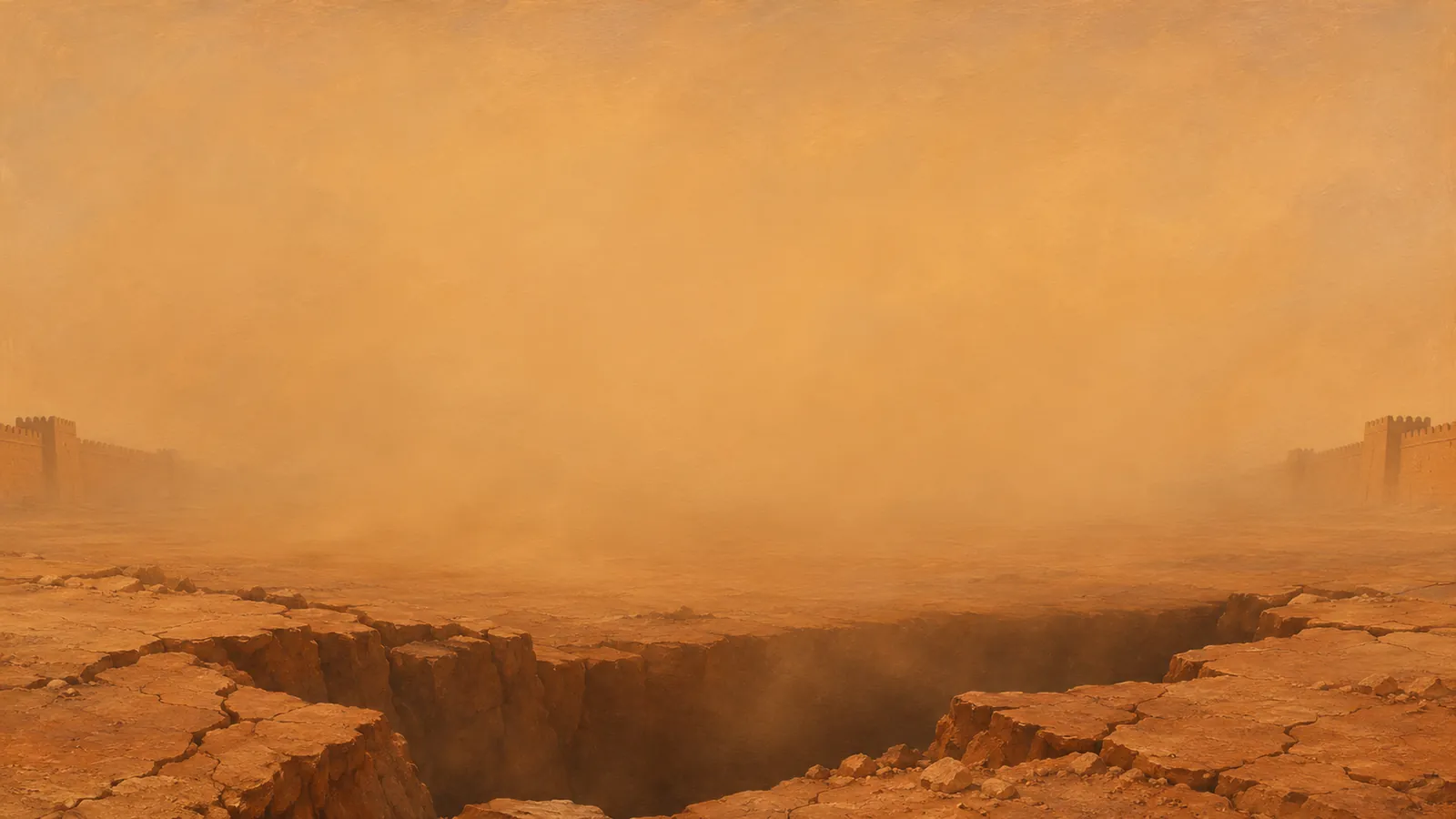
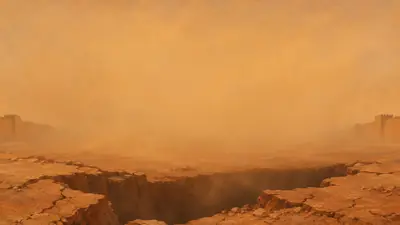
The Bull snorted again, and the earth gave way a second time. The old poem counts two hundred more, and the fear of the city grows with each breath.
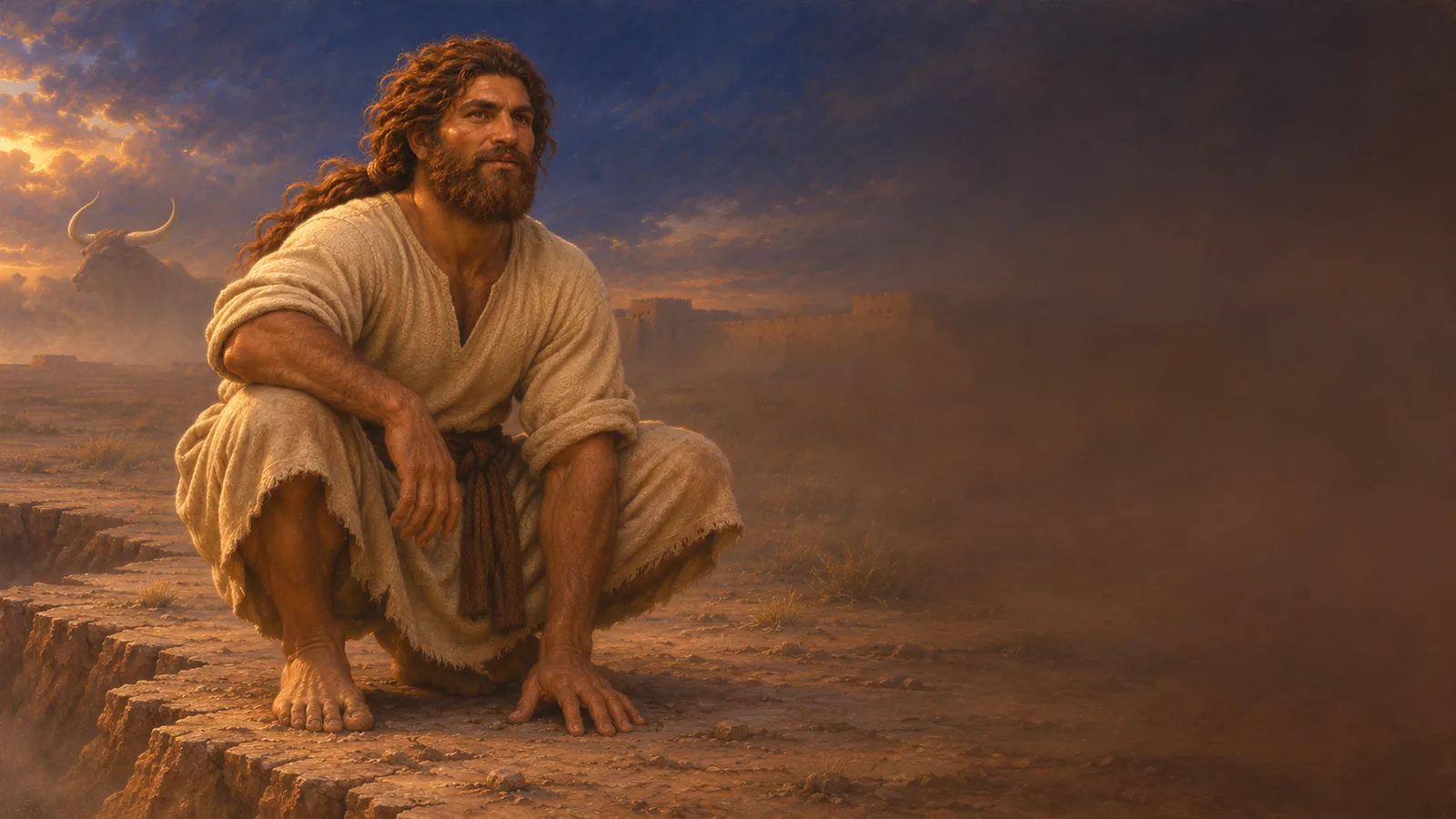
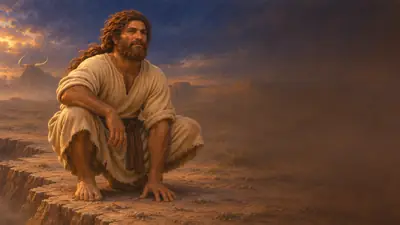
At the third snort the earth gave way again. Enkidu went in up to his waist, then sprang free as the Bull towered up through the dust.
FOR URUK
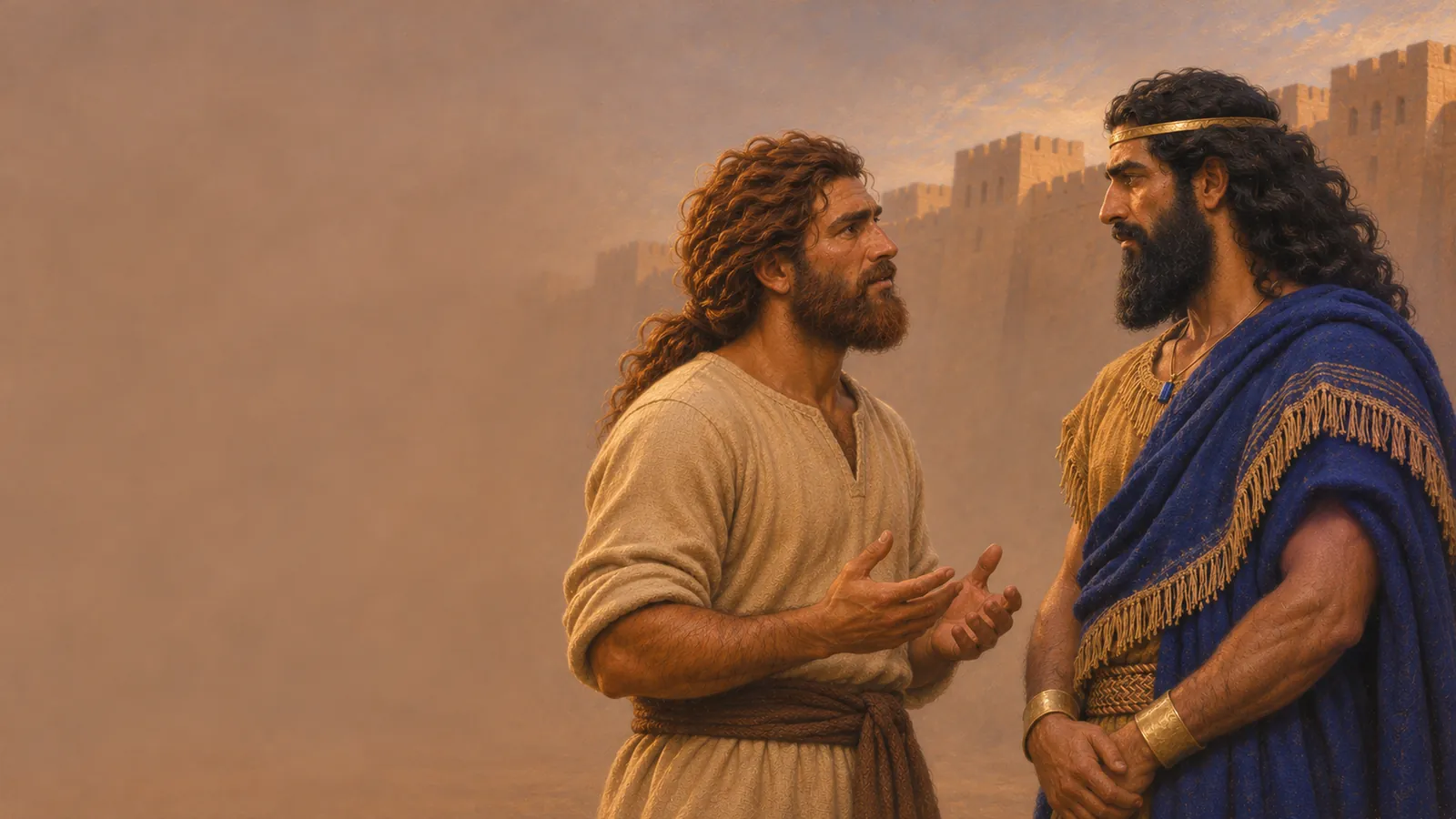
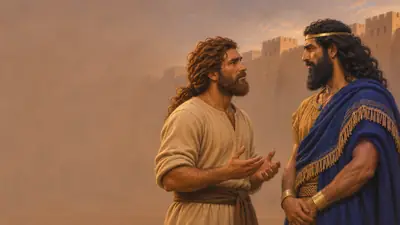
Enkidu called to his friend. They had once taken pride in their city, and now he asked how they could make amends for all the people who had fallen.
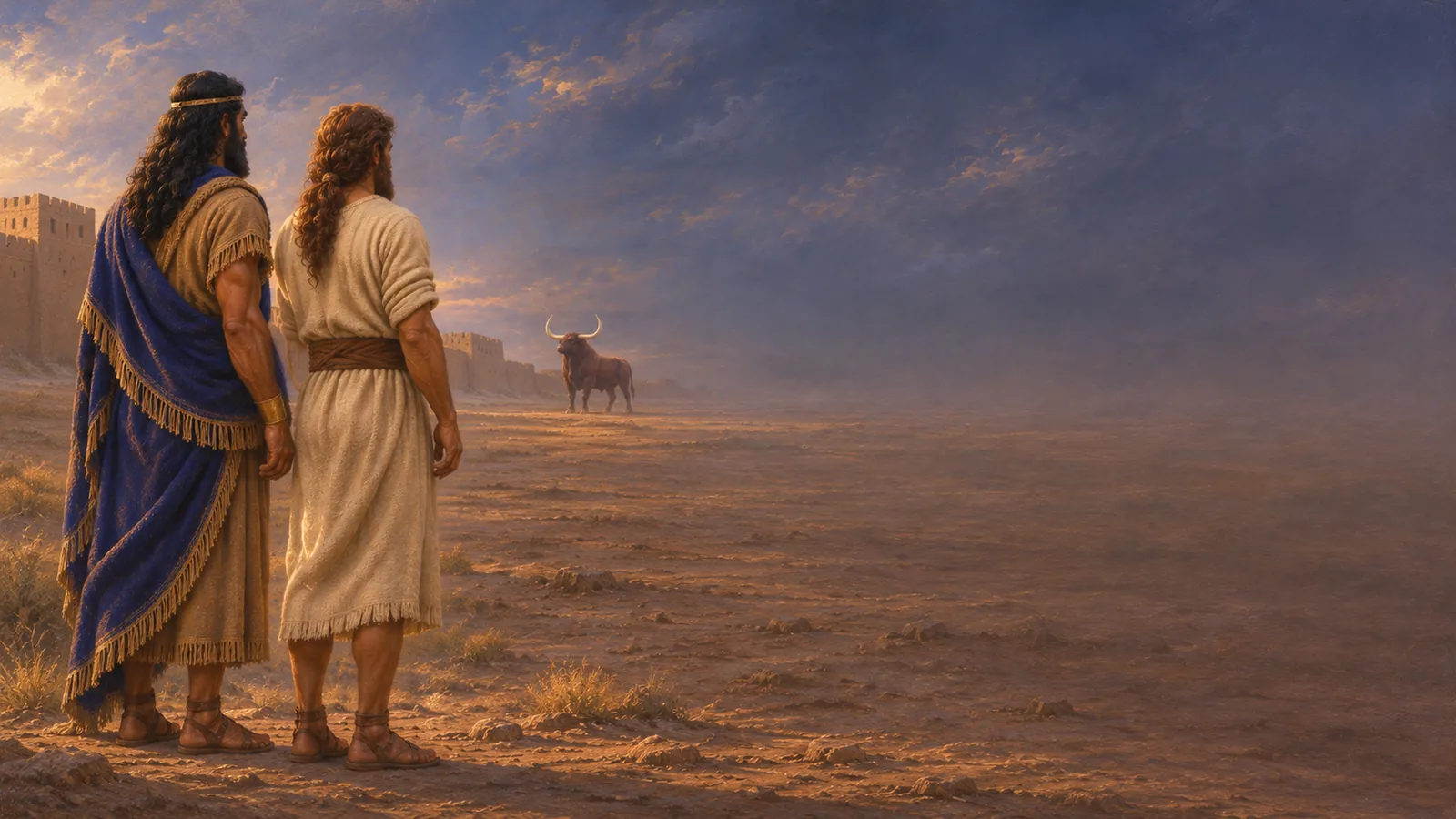
Enkidu told Gilgamesh they would have to act together. He had already felt the Bull’s strength, and now he put his trust in his friend beside him.
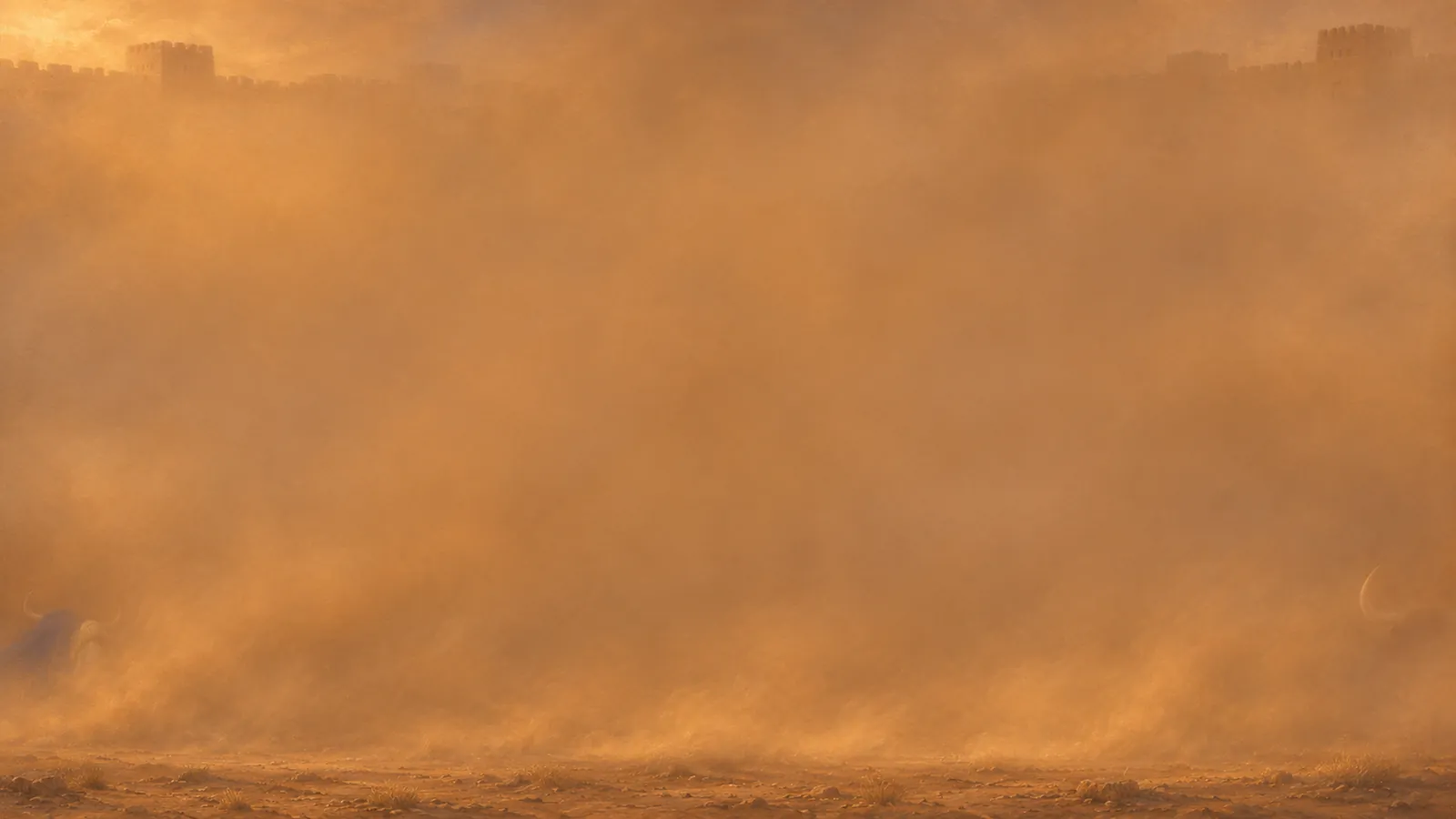
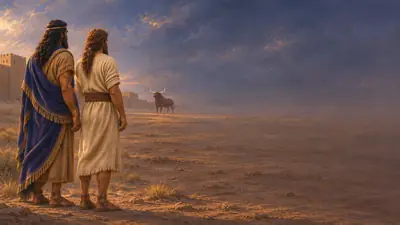
The two friends faced the Bull of Heaven. Enkidu seized it by the tail, and Gilgamesh killed it with his knife. The poem tells the fight in a few lines.
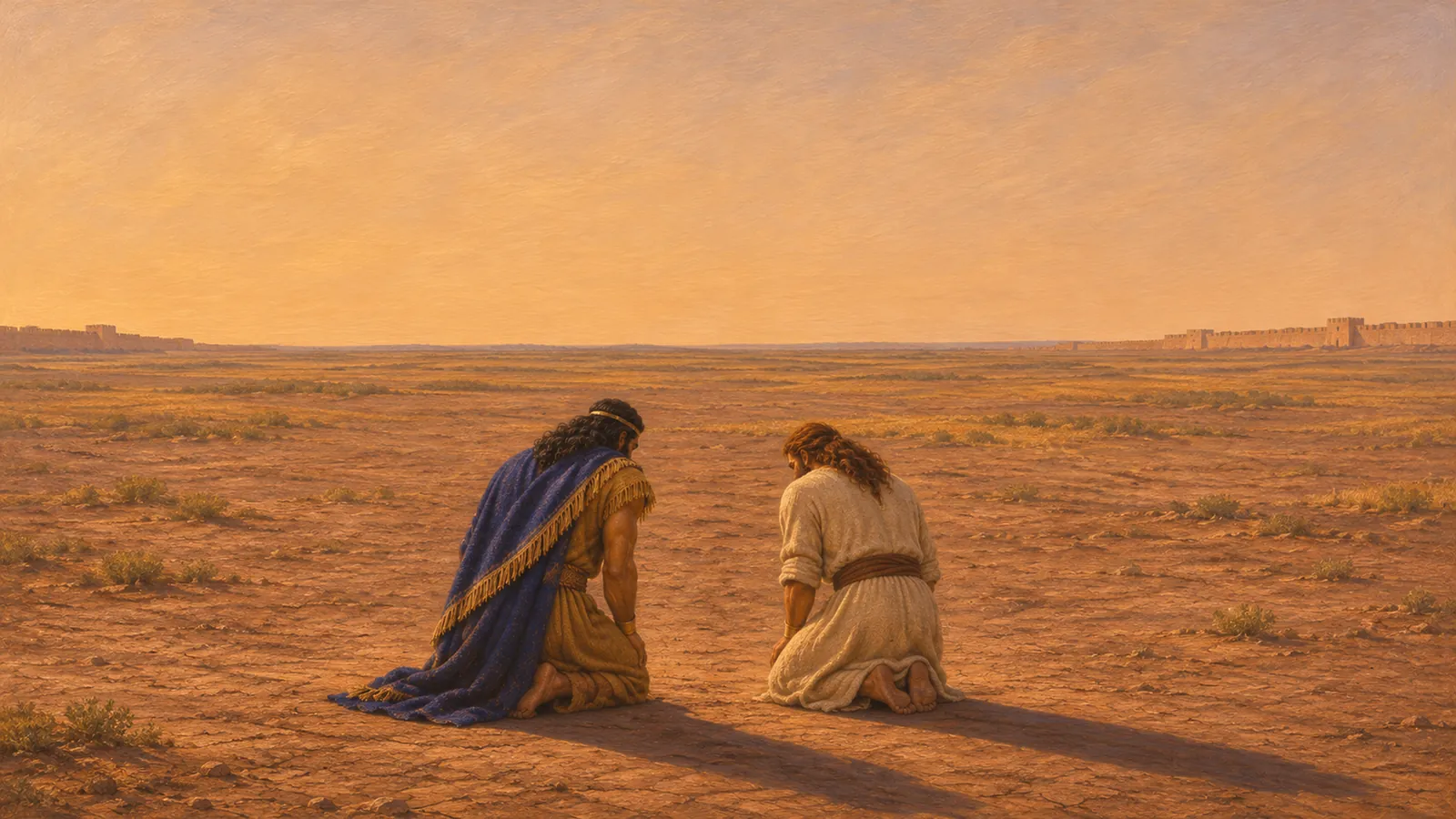
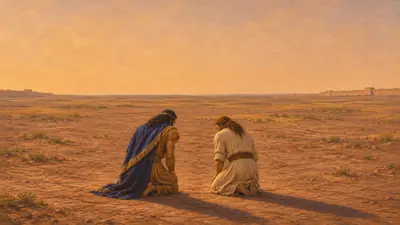
When the Bull had fallen, Gilgamesh and Enkidu made an offering to Shamash. They bowed first and then sat down together as the light reached the earth.
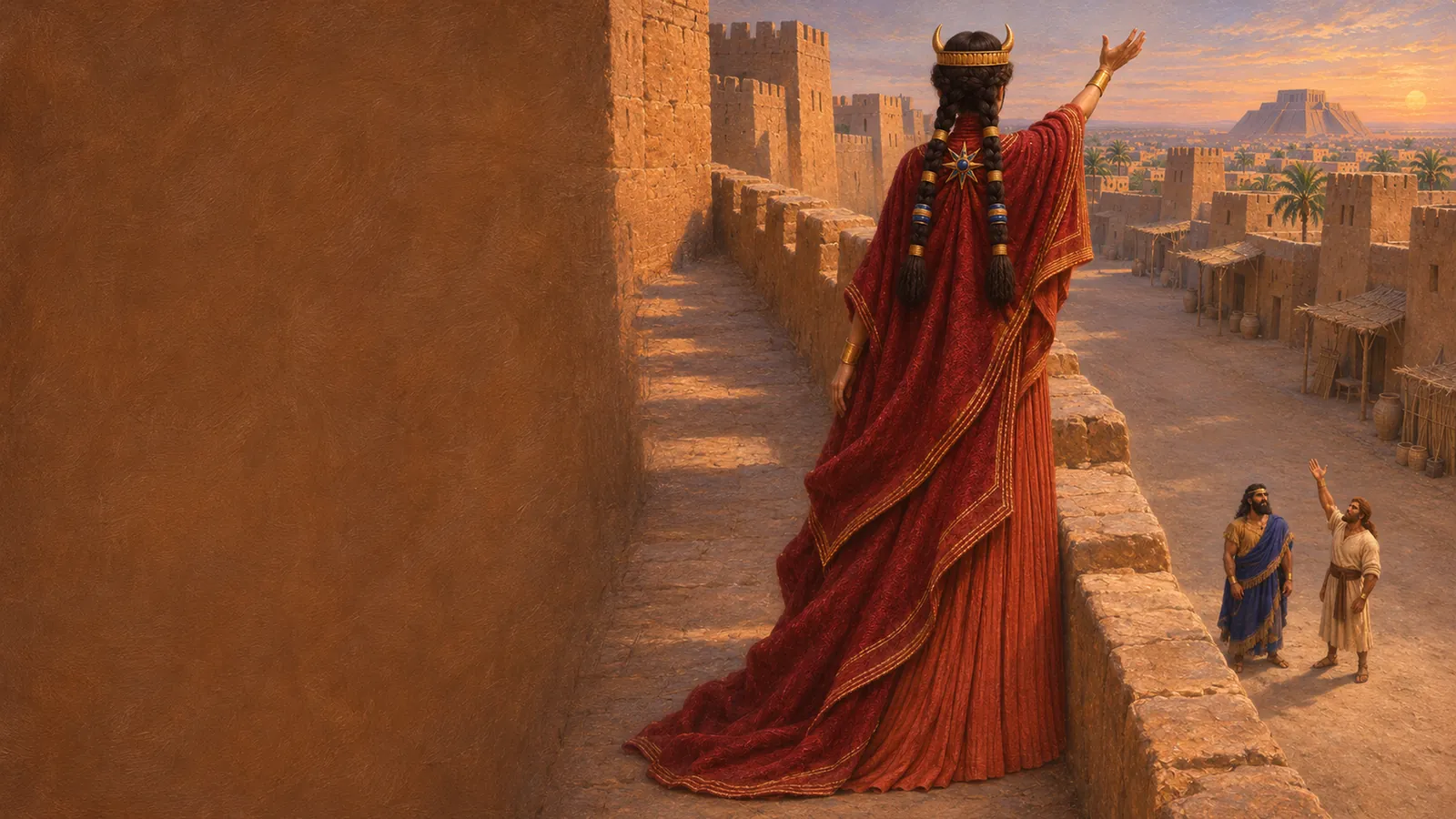
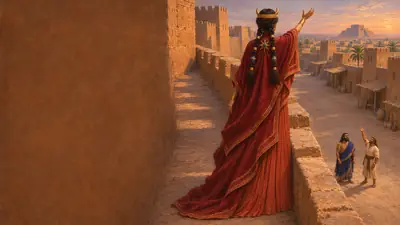
Ishtar climbed onto the wall of Uruk and cursed the king. Enkidu tore off a haunch of the Bull and threw it down before her, threatening to do the same to her.
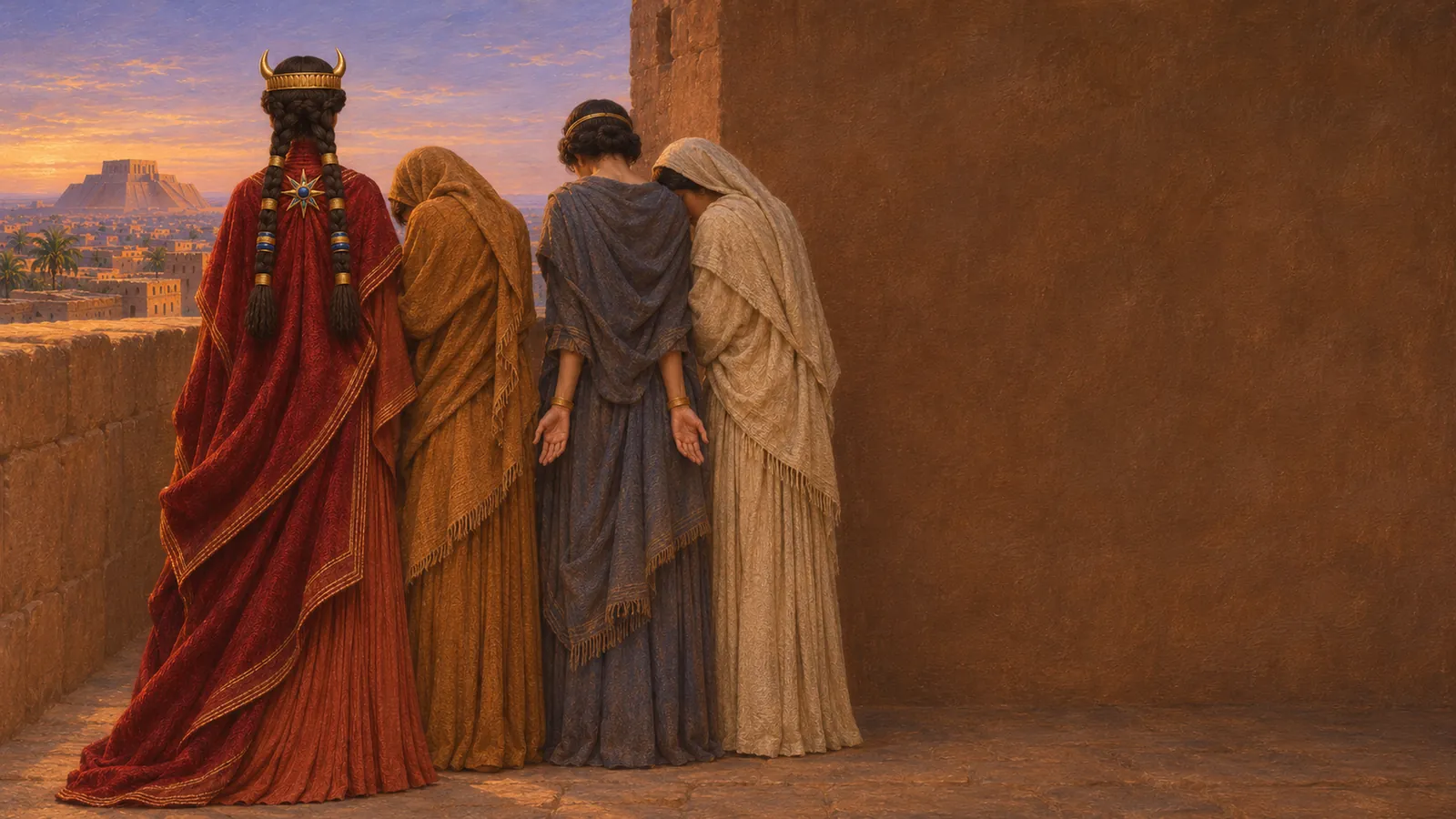
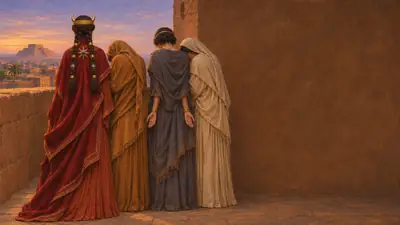
Ishtar gathered women around her to mourn the Bull. Even as news of the victory moved through Uruk, the sound on the wall was a lament.
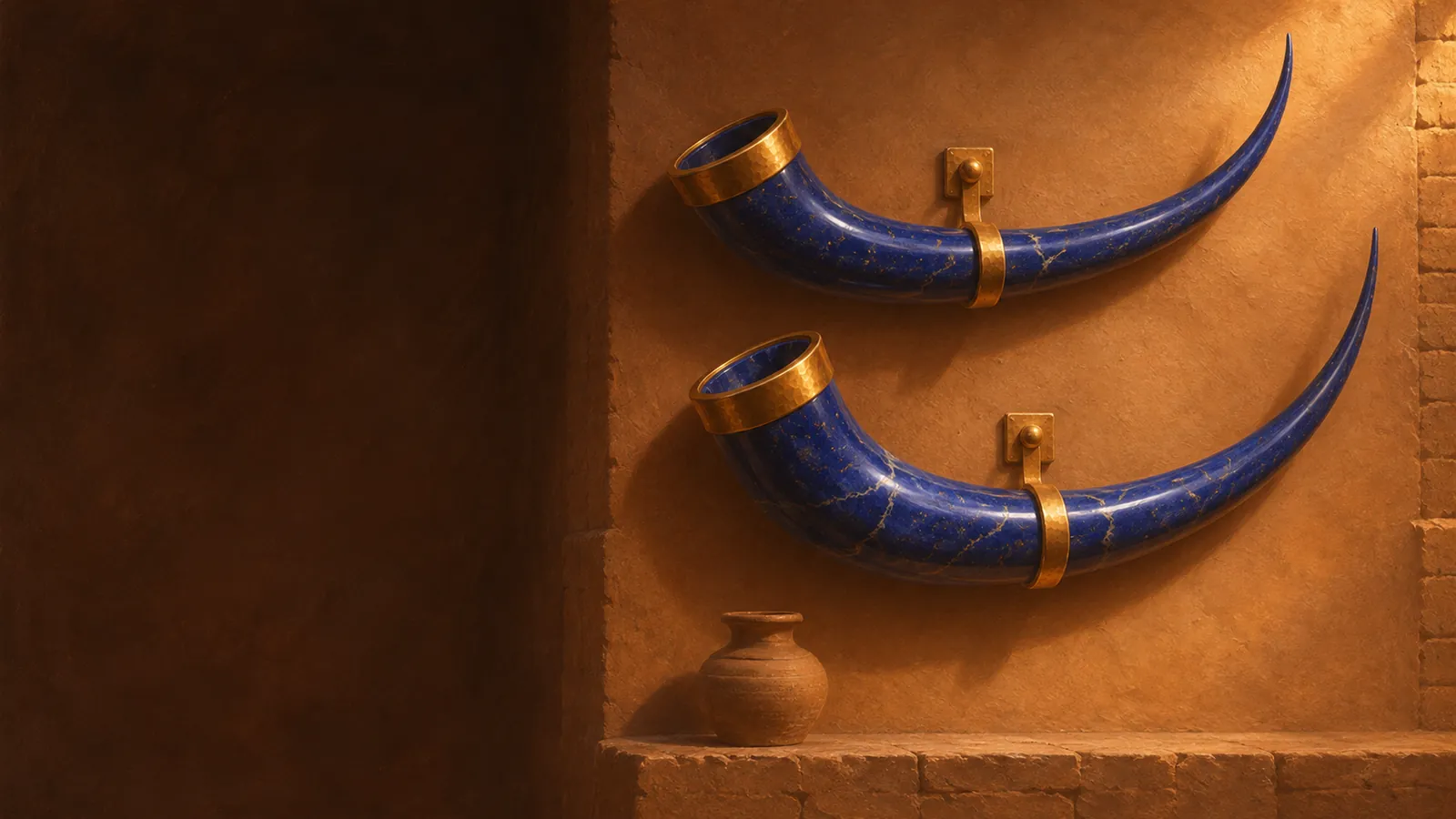
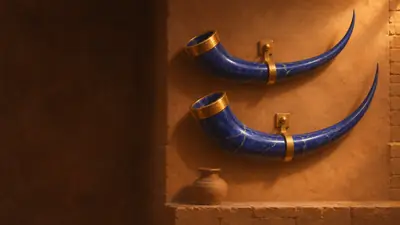
Gilgamesh called in the craftsmen to look at the horns. He set them apart for Lugalbanda’s anointing and hung them in his chamber, where they could hold a great measure of oil.
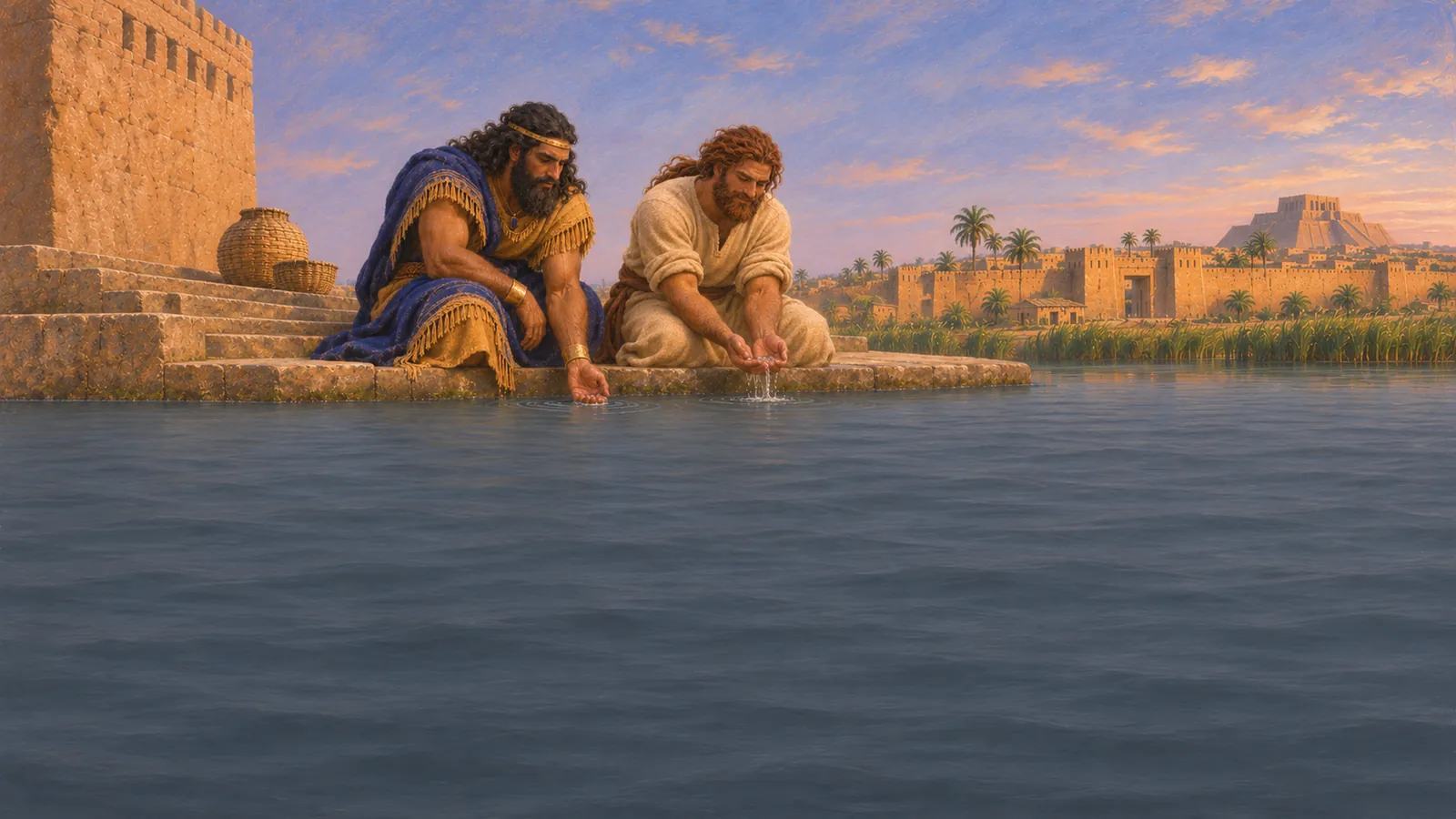
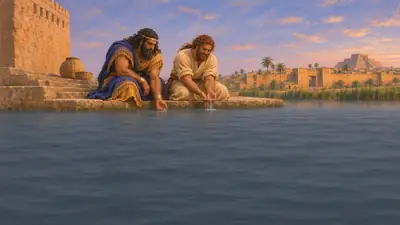
The friends washed at the Euphrates, then took each other by the hand. They rode through Uruk, and the people gathered along the way to see them.
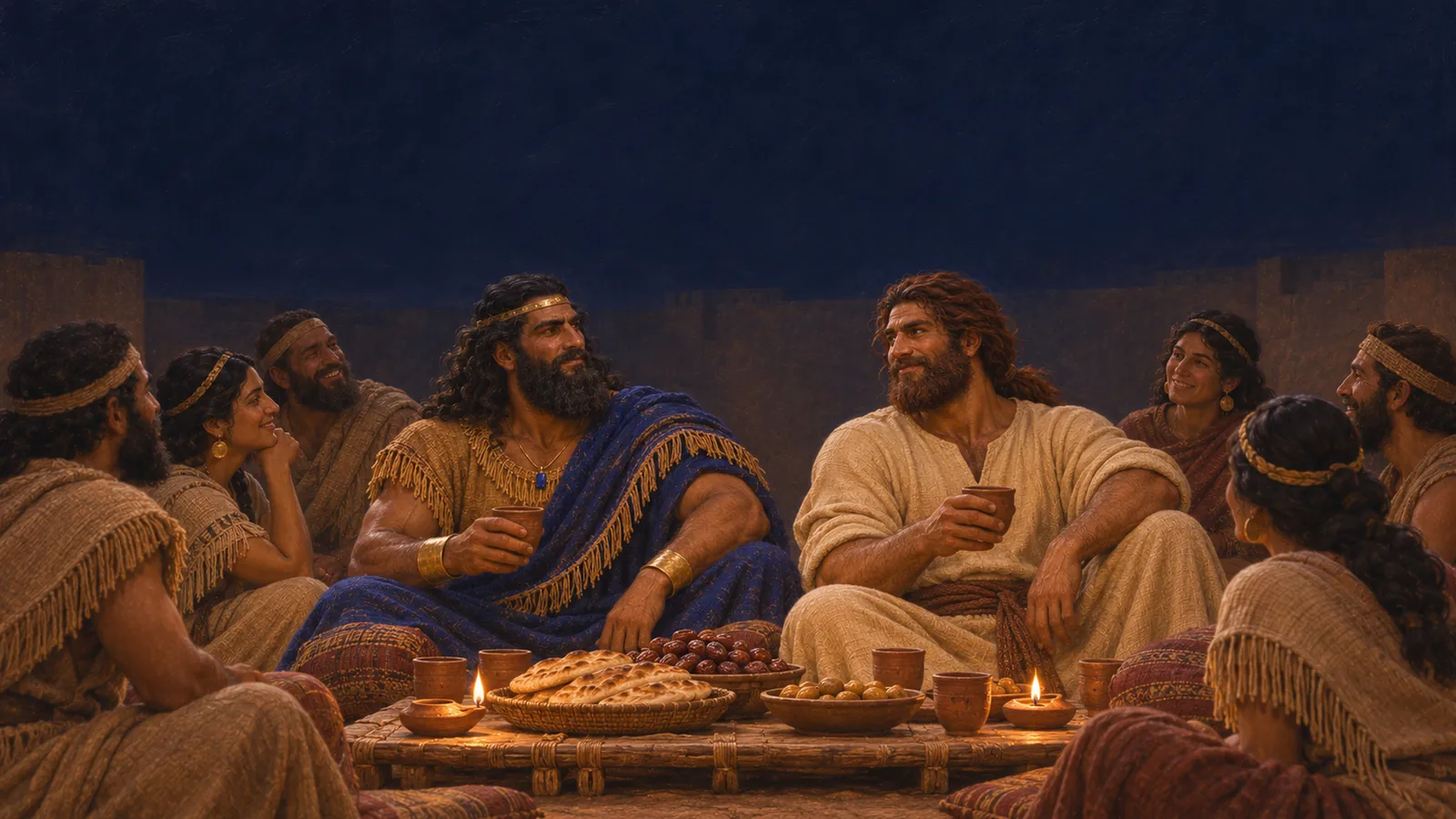
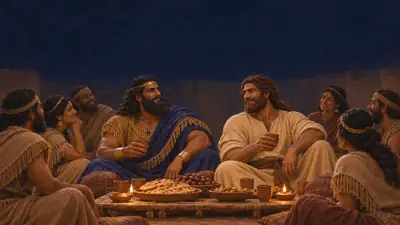
The palace praised the king, and that night Gilgamesh made merry there. The lamps burned low after the celebration, and the men lay down to sleep.
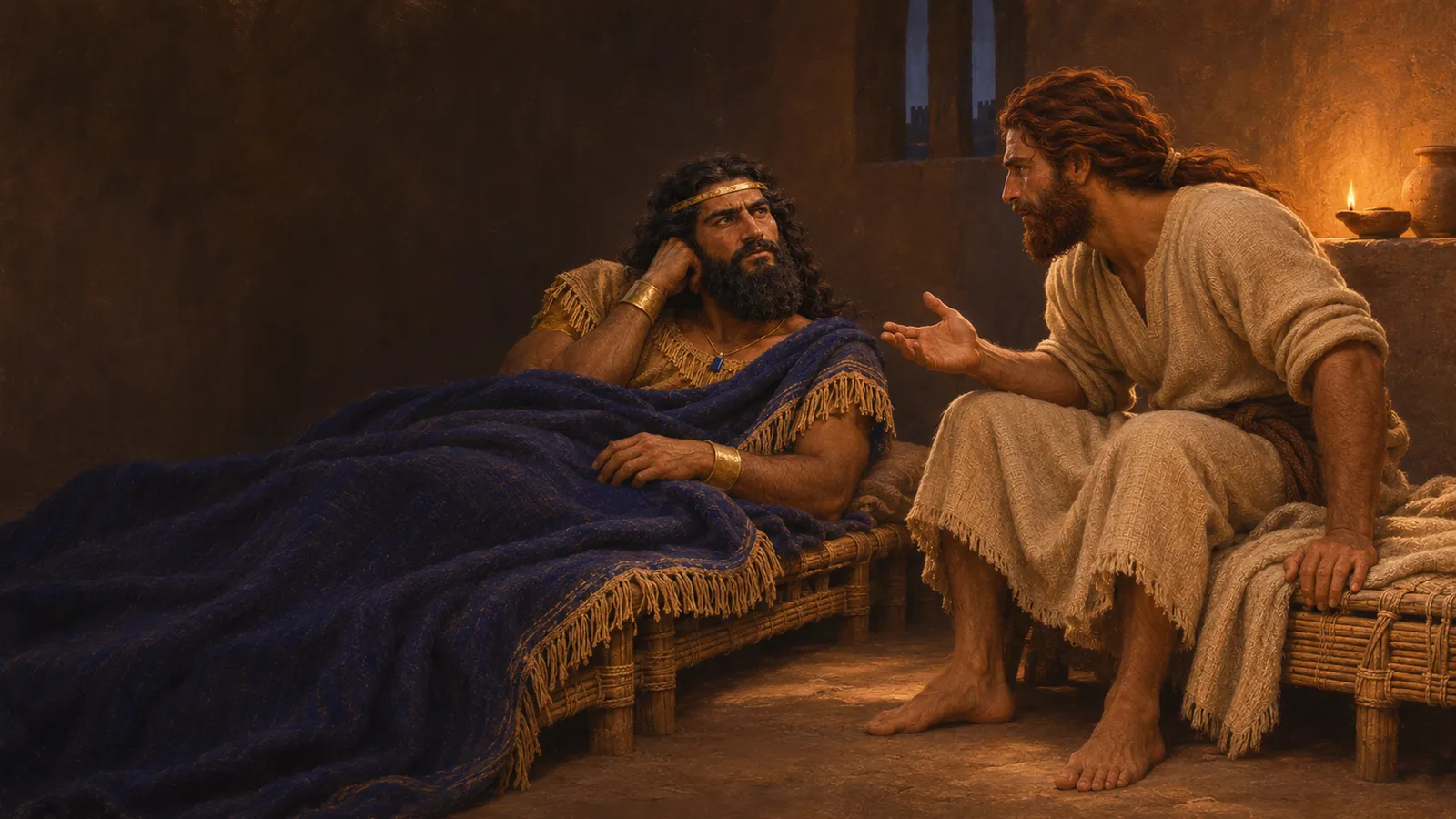
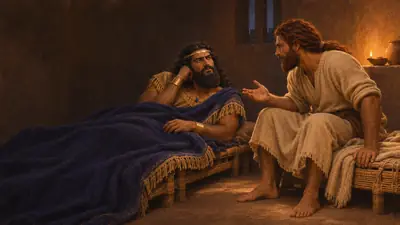
Before the night had passed, Enkidu rose from his bed. He had dreamed, and when he turned to tell Gilgamesh what he had seen, the words of this tablet came to an end.
End of chapter 4
All pages

Sources
The retelling gives the killing and the companions’ roles.
Editions consulted
- Electronic Babylonian Library, Standard Babylonian Gilgamesh Tablet VI: . The official chapter export was checked directly through the [LMU chapter endpoint](https://www.ebl.lmu.de/api/texts/L/1/4/chapters/SB/VI), lines 1–183. Earlier editions and separate Sumerian poems can differ.
- Andrew George, “The Epic of Gilgamesh”: pp. 8–9, Tablet VI synopsis and transition to VII.
- Andrew George, “Shattered Tablets and Tangled Threads”: pp. 15–16 for the manuscript readings in several lines of Tablet VI. The script flags material ambiguities and does not stage a detailed dream on the basis of VI alone.
Notes on this retelling
On page 34, the friends take the Bull’s heart and set it before Shamash (SB Gilgamesh VI 147–150, George’s eBL translation). The retelling describes this as an offering.
On page 35, Enkidu adds that he would drape the Bull’s entrails on Ishtar’s arms (SB Gilgamesh VI 156–157, George’s eBL translation). The retelling gives the threat in general terms.
On page 36, Ishtar gathers courtesans, prostitutes and harlots and begins mourning over the Bull’s haunch (SB Gilgamesh VI 158–159, George’s eBL translation). The retelling describes the women mourning the Bull.
Ancient lines behind each page
- Page 1: SB Gilgamesh VI 1–5, eBL
- Page 2: SB Gilgamesh VI 1–2, eBL
The text describes washing. - Page 3: SB Gilgamesh VI 3–4, eBL
- Page 4: SB Gilgamesh VI 5, eBL
- Page 5: SB Gilgamesh VI 6, eBL
- Page 6: SB Gilgamesh VI 7–9, eBL
- Page 7: SB Gilgamesh VI 10–12, eBL
- Page 8: SB Gilgamesh VI 13–15, eBL
- Page 9: SB Gilgamesh VI 16–21, eBL
- Page 10: SB Gilgamesh VI 22–31, eBL
Lines include breaks and restorations. - Page 11: SB Gilgamesh VI 32–41, eBL
- Page 12: SB Gilgamesh VI 42–45, eBL
The partially preserved example in 45 is omitted. - Page 13: SB Gilgamesh VI 46–47, eBL
- Page 14: SB Gilgamesh VI 48–50, eBL
The allallu species is uncertain. - Page 15: SB Gilgamesh VI 51–57, eBL
- Page 16: SB Gilgamesh VI 58–63, eBL
- Page 17: SB Gilgamesh VI 64–78, eBL
The uncertain form of his transformation is left open. - Page 18: SB Gilgamesh VI 79–81, eBL
- Page 19: SB Gilgamesh VI 80–86, eBL
- Page 20: SB Gilgamesh VI 87–91, eBL
- Page 21: SB Gilgamesh VI 92–95, eBL
- Page 22: SB Gilgamesh VI 96–100, eBL
- Page 23: SB Gilgamesh VI 101–105, eBL
- Page 24: SB Gilgamesh VI 106–112, eBL
Wording in 108–112 includes restorations. - Page 25: SB Gilgamesh VI 113–114, eBL
- Page 26: SB Gilgamesh VI 115–117, eBL
- Page 27: SB Gilgamesh VI 118, eBL
The measurement follows the text. - Page 28: SB Gilgamesh VI 119–120, eBL
- Page 29: SB Gilgamesh VI 121–122, eBL
The text gives a larger toll, not a measured depth. - Page 30: SB Gilgamesh VI 123–127, eBL
- Page 31: SB Gilgamesh VI 128–133, eBL
- Page 32: SB Gilgamesh VI 134–140, eBL
The passage is partly restored. - Page 33: SB Gilgamesh VI 141–147, Andrew R. George’s eBL translation
- Page 34: SB Gilgamesh VI 147–150, eBL
- Page 35: SB Gilgamesh VI 151–157, Andrew R. George’s eBL translation
- Page 36: SB Gilgamesh VI 158–159, eBL
- Page 37: SB Gilgamesh VI 160–166, eBL
Exact rim reading varies. The text calls Lugalbanda his god. - Page 38: SB Gilgamesh VI 167–170, eBL
- Page 39: SB Gilgamesh VI 171–180, eBL
Lines 176–178 include broken dialogue. - Page 40: SB Gilgamesh VI 180–183, eBL
Illustrations made with AI tools by IL Archive; the text is based on the ancient sources (see the sources at the end of each chapter).