The Tale of Two Brothers Chapter 1
A Heart Beyond the House
A false accusation drives Bata from his brother’s house, and his hidden heart later brings death and restoration. As bull, trees and royal child he returns, becomes king and names Anub his successor.
SourcesTurn the pages with the arrows, the arrow keys or a swipe.
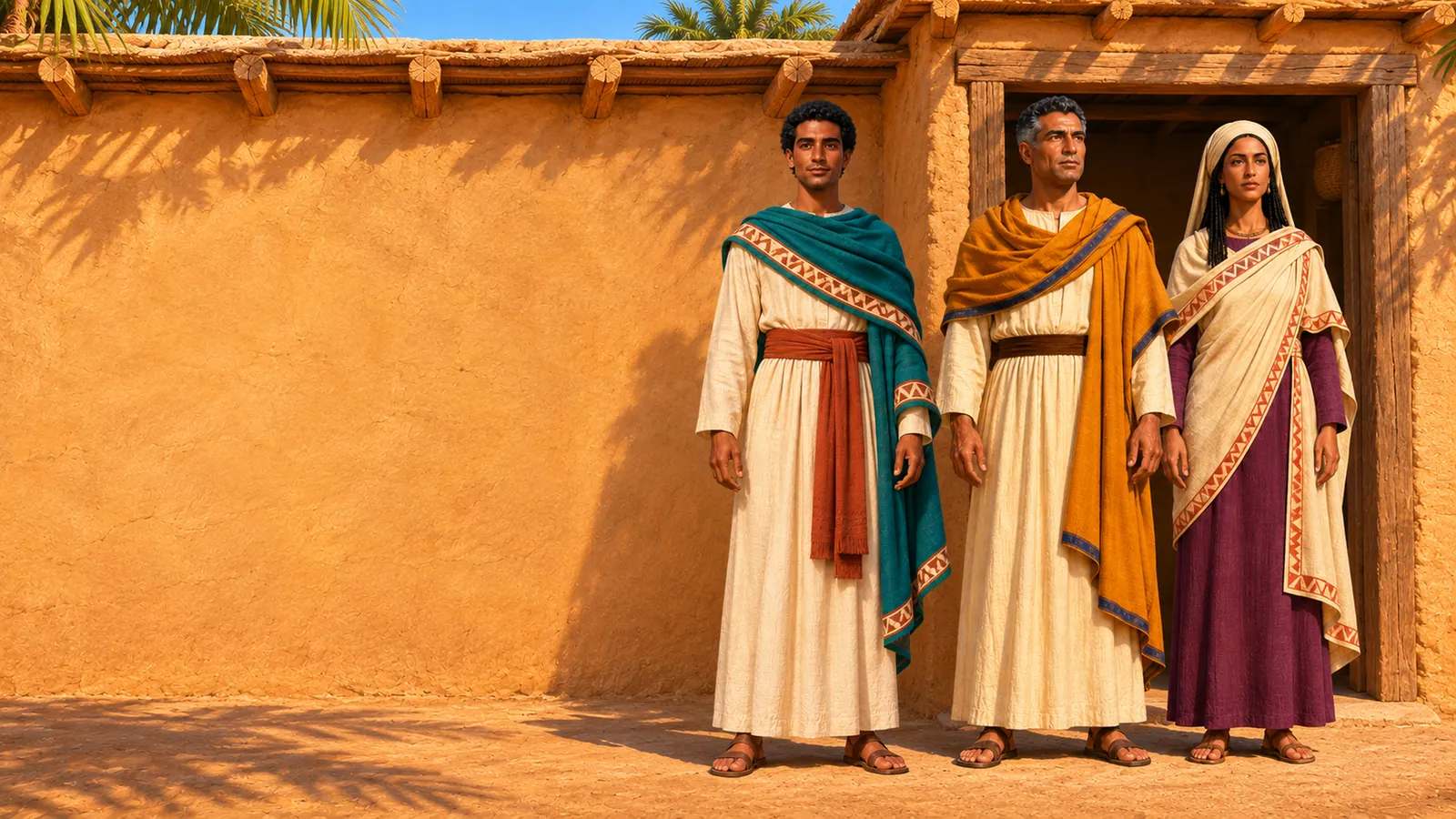
ANUB AND BATA
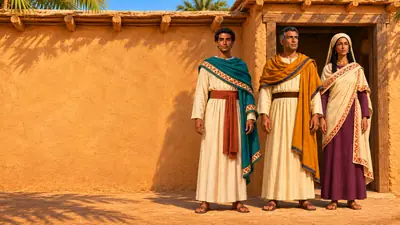
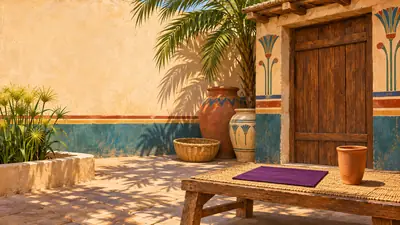
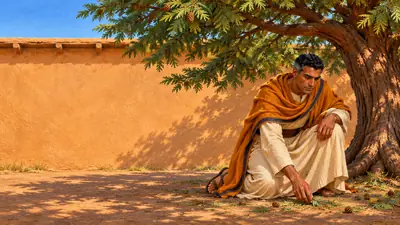
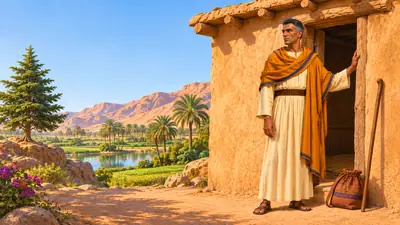
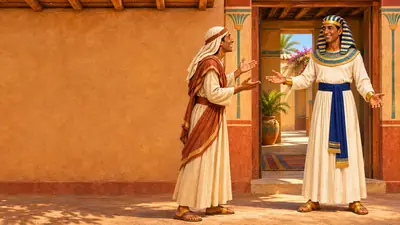
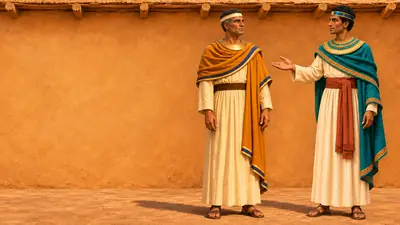
Anub and Bata were brothers of the same parents. The elder had a house and wife; younger Bata lived with him like a son.
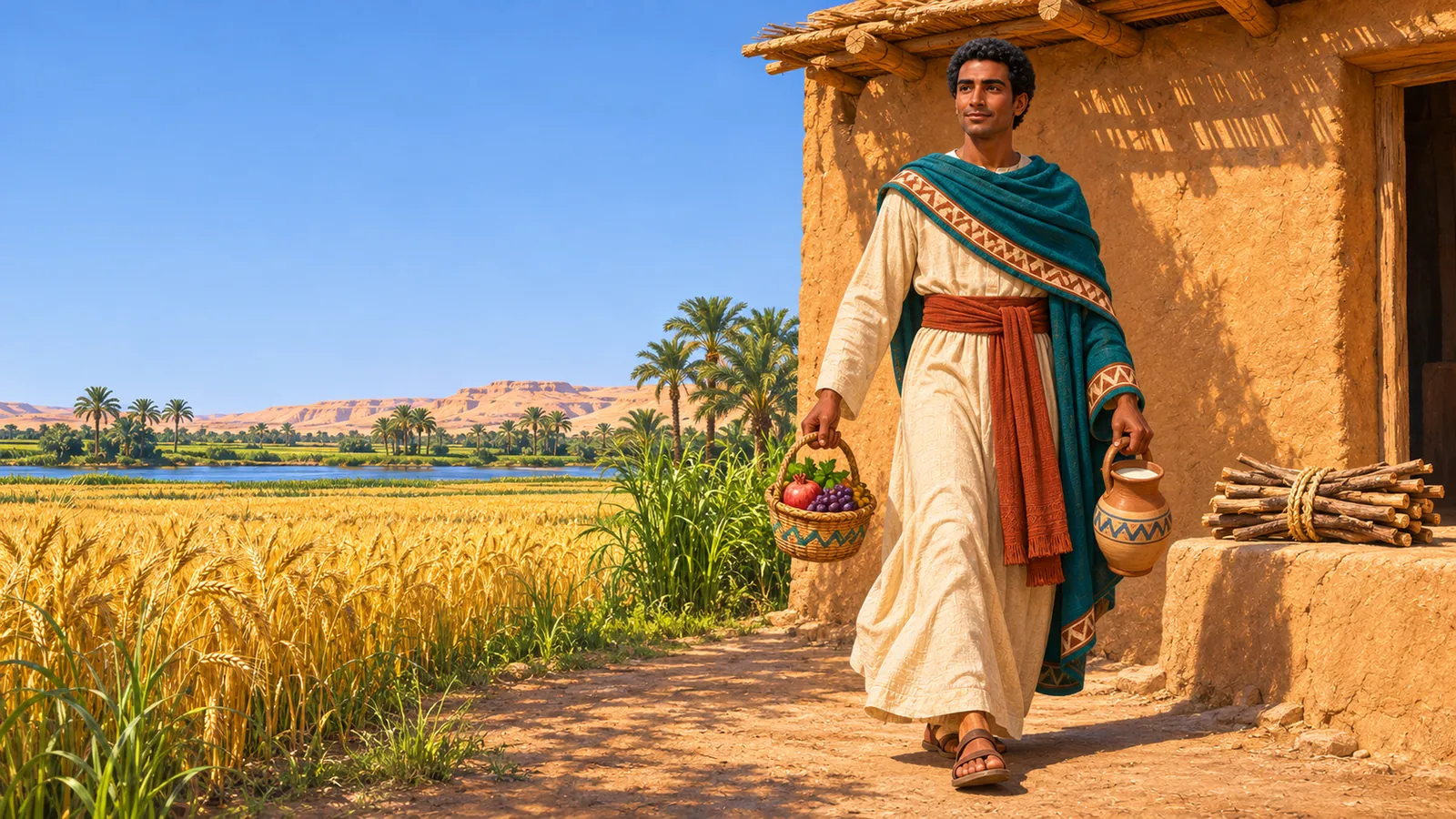
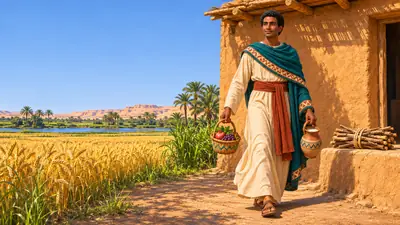
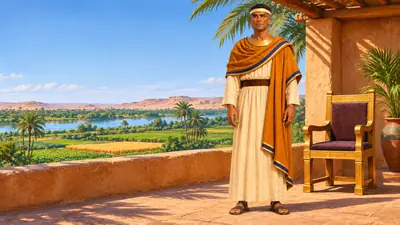
Bata made clothes, tended cattle and did the work of the fields. Each evening he brought home milk, wood and the land’s good produce.
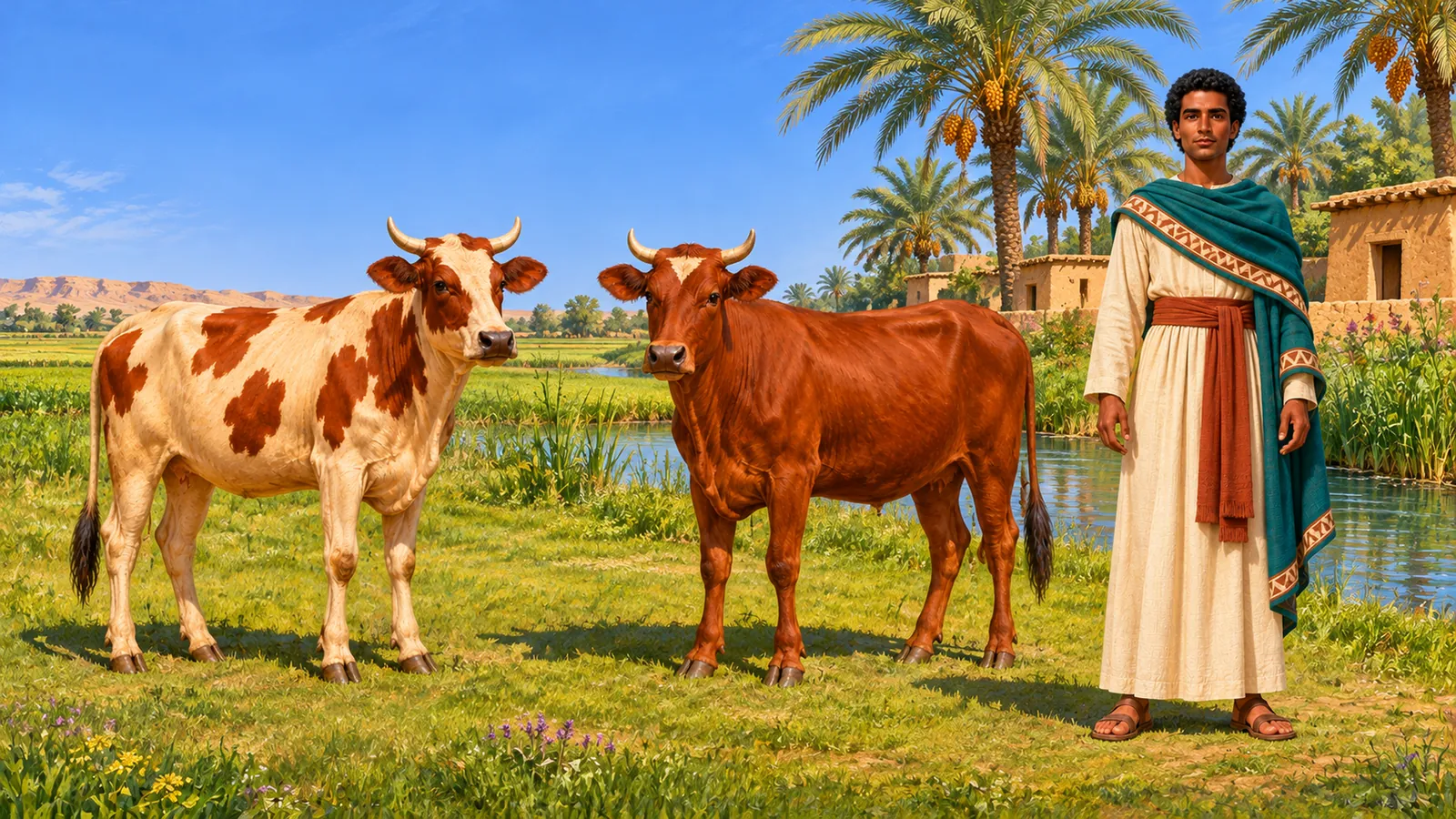
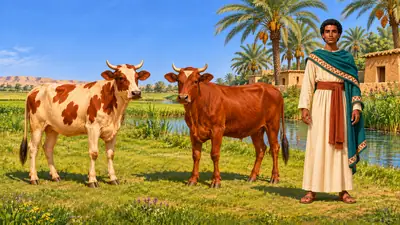
The cattle told Bata where the grass was good, and he understood them. Under his care they flourished and their offspring multiplied.
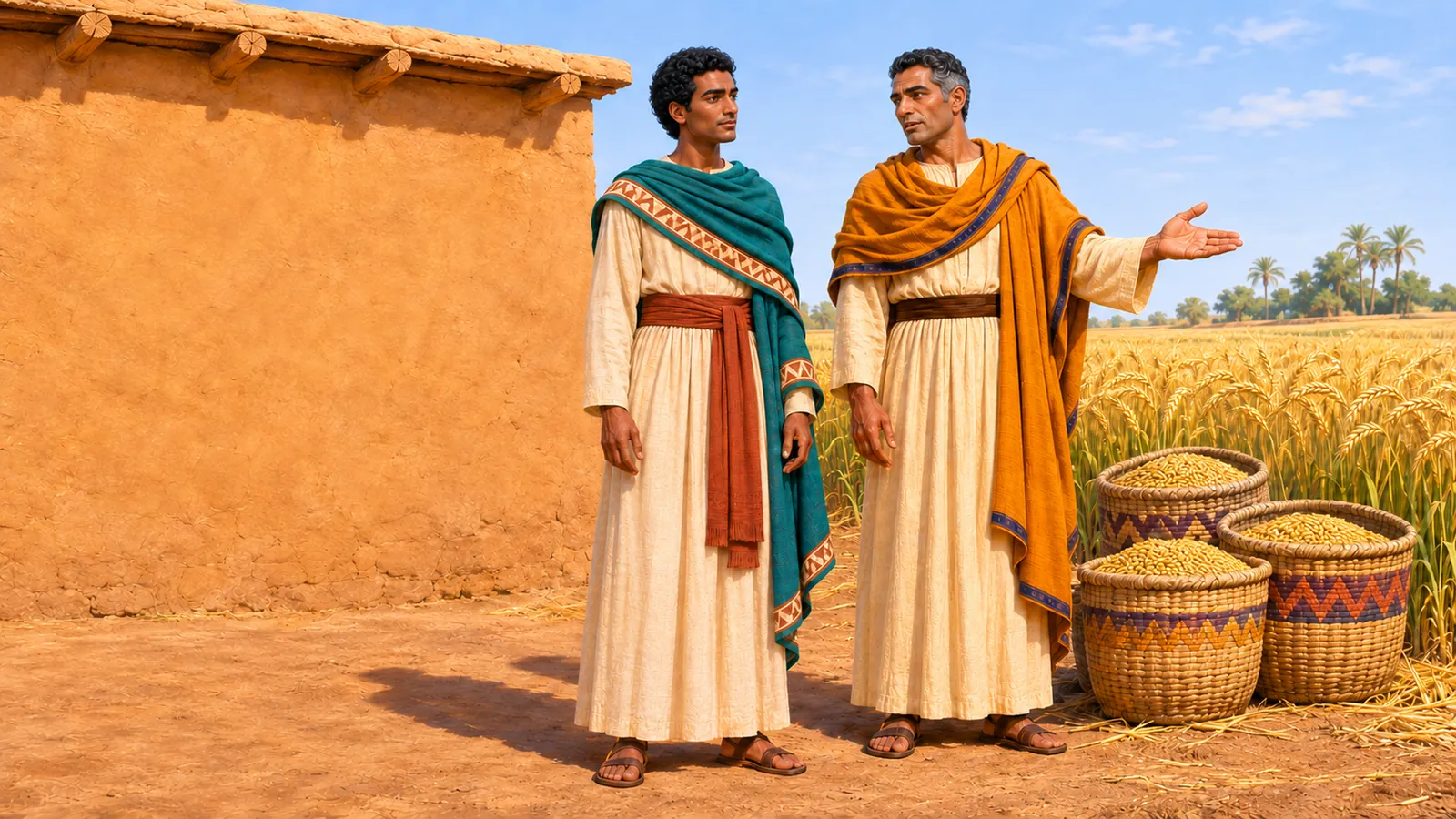
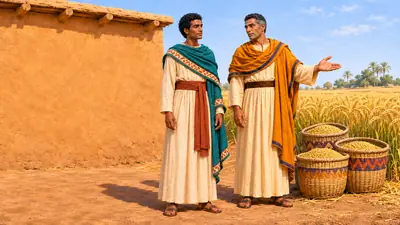
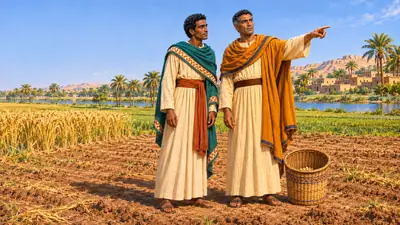
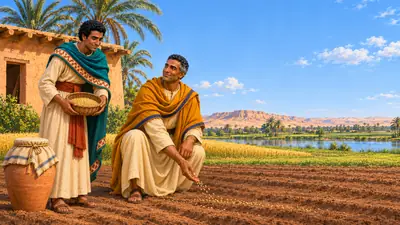
When the floodwater withdrew and the fields were ready, Anub told Bata to prepare cattle and seed. The brothers began their work happily together.
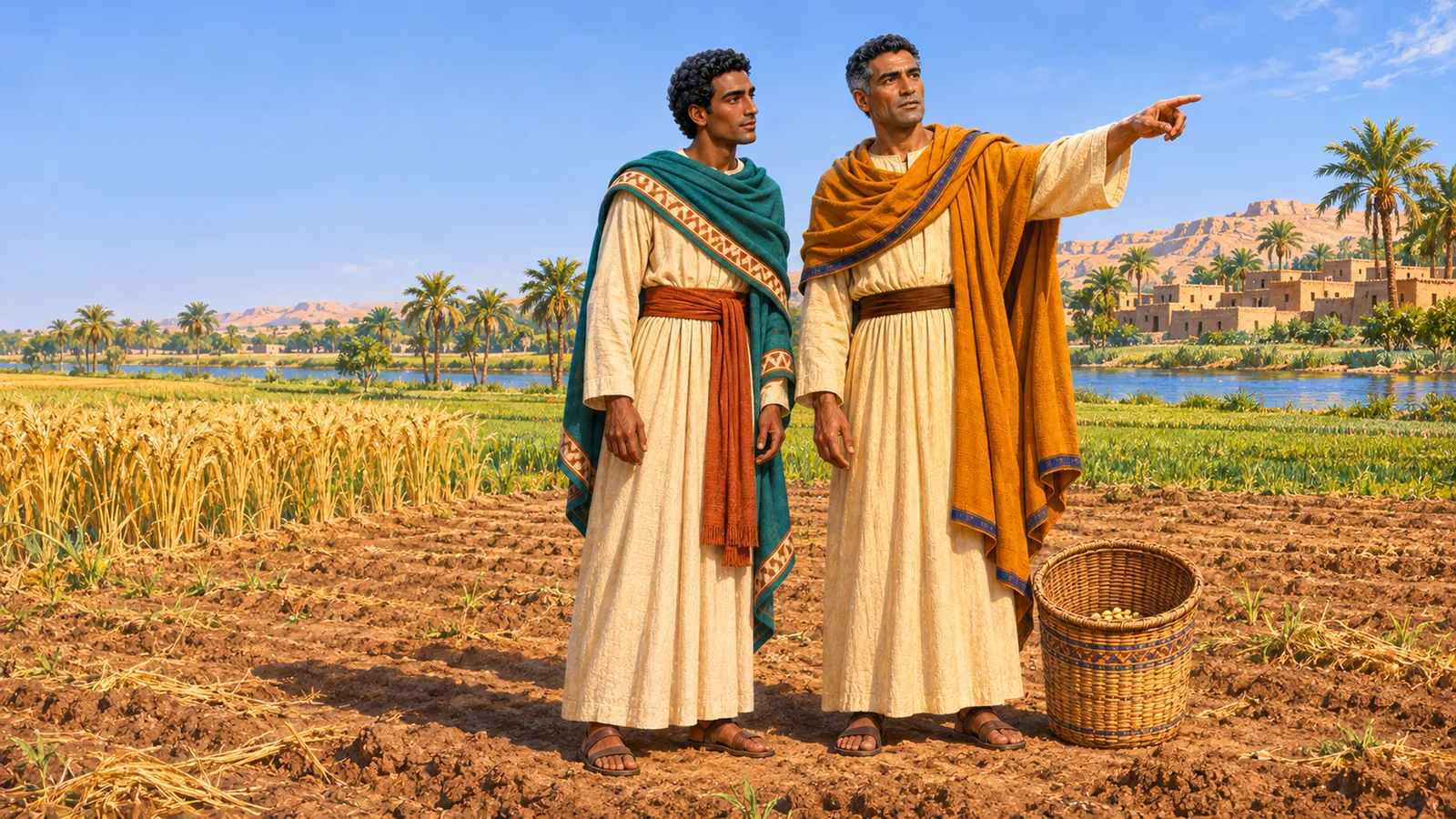
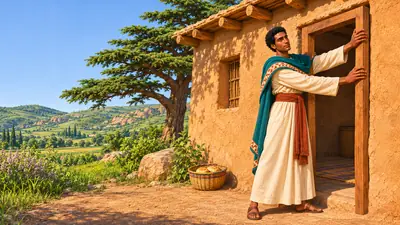
After some days, the brothers ran short of seed while working. Anub sent Bata back to the village to bring more without delay.
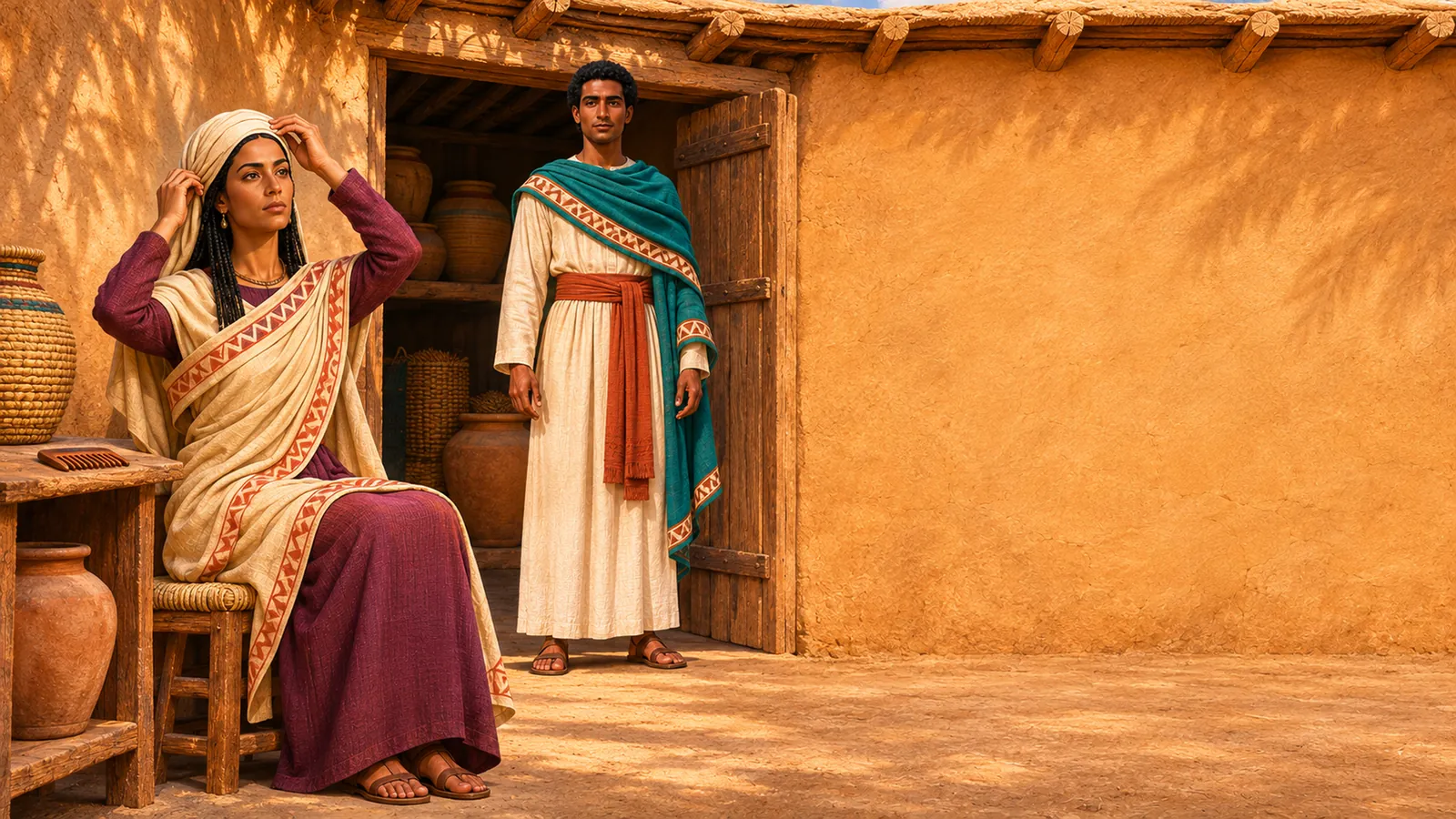
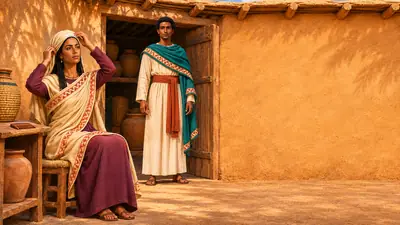
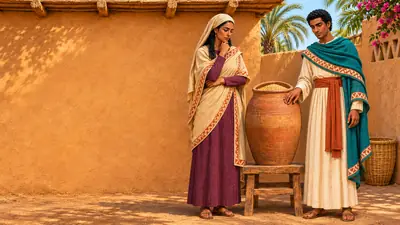
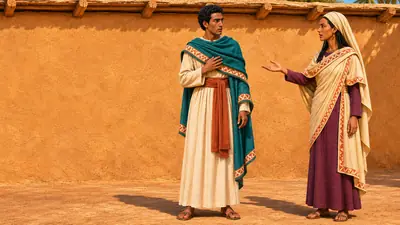
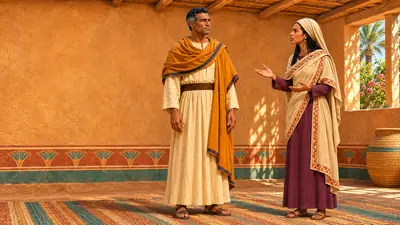
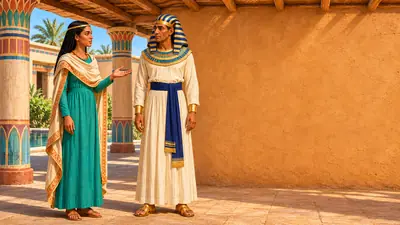
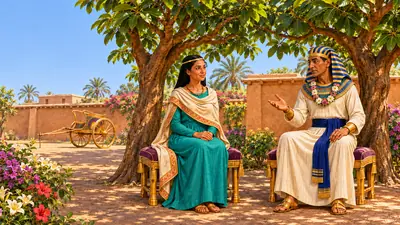
Bata found his brother’s wife having her hair arranged. She told him to open the storehouse himself rather than interrupt her hairdressing.
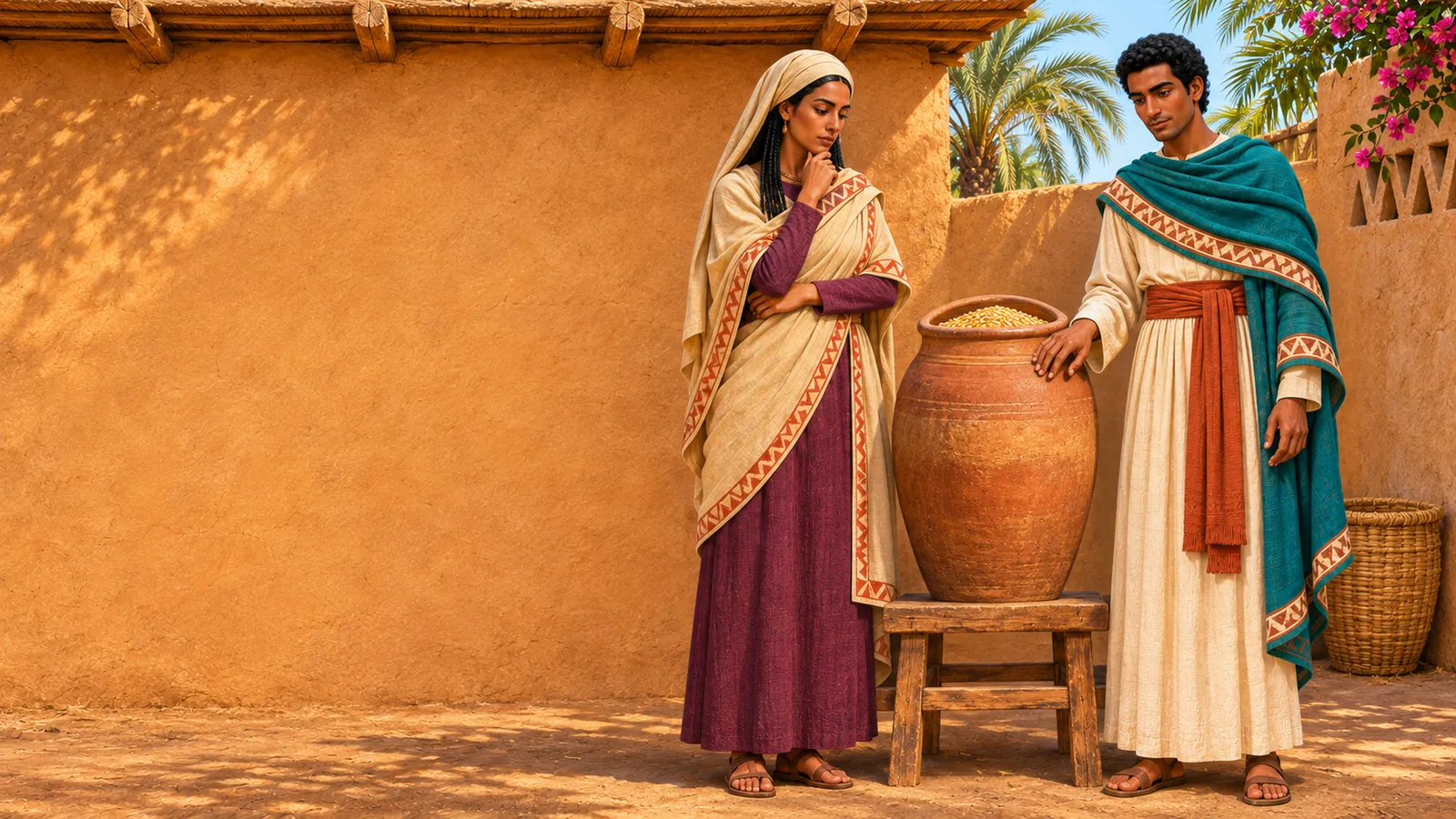
Bata lifted a heavy load of seed. When she asked its weight, he answered that he carried three sacks of emmer and two of barley.
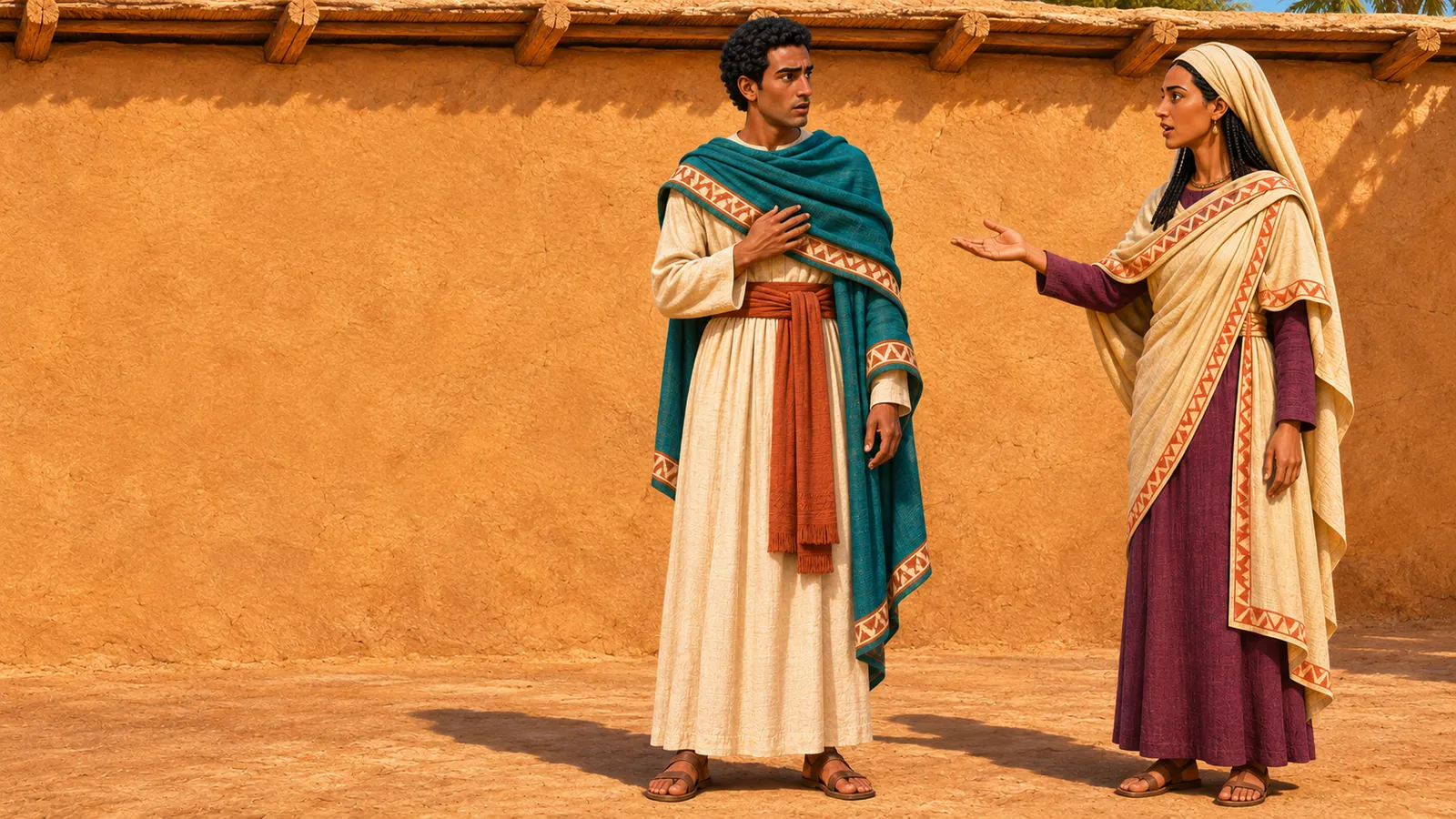
Impressed by his strength, Anub’s wife asked Bata to sleep with her and offered him fine clothes. Her proposal would turn the household against itself.
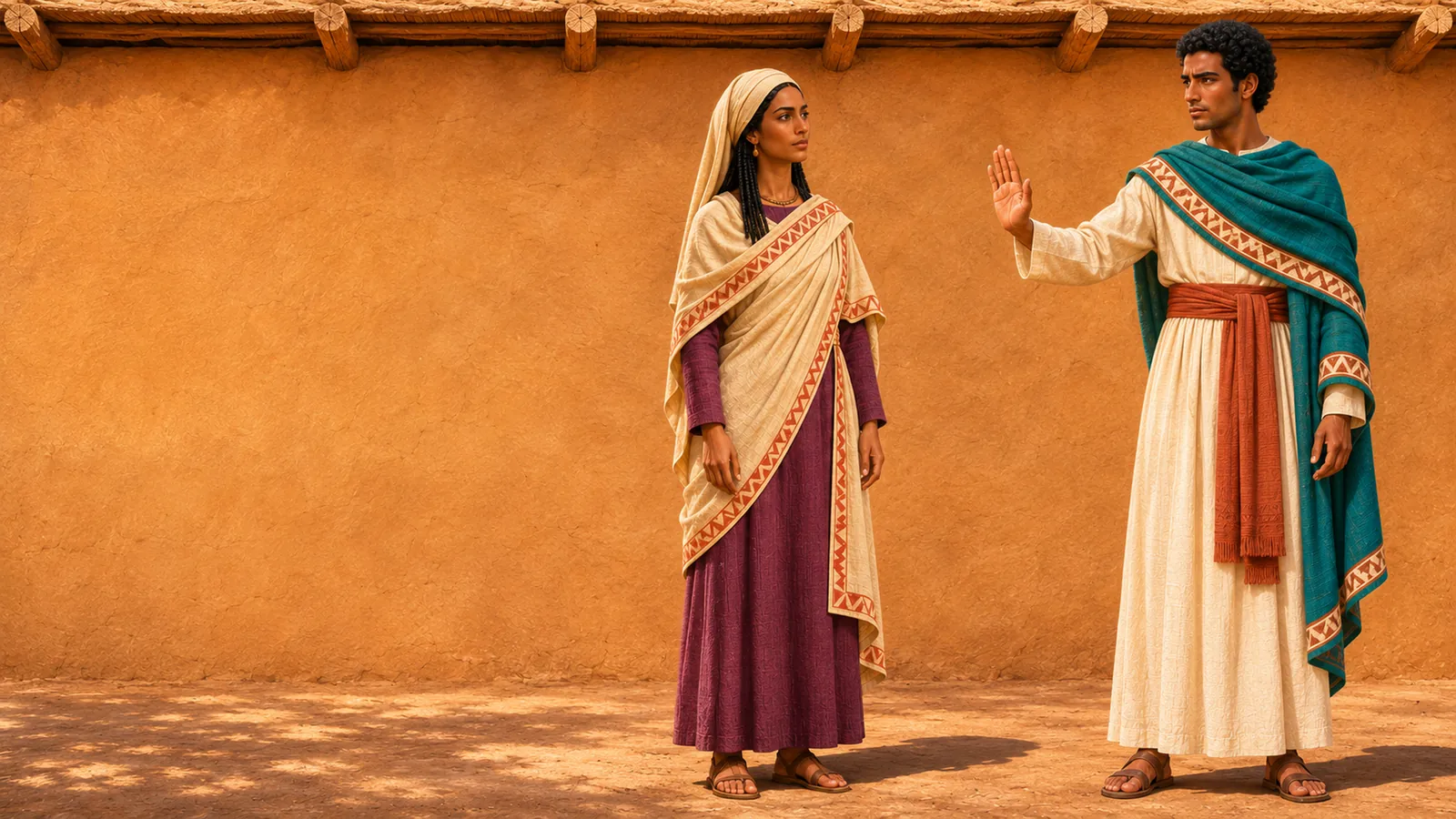
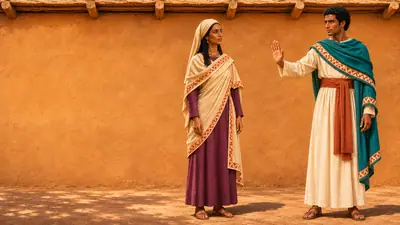
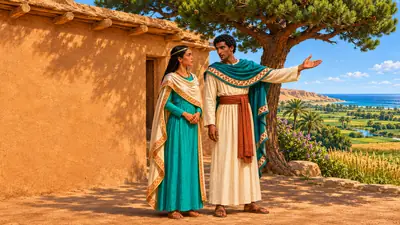
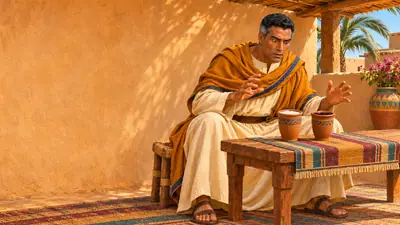
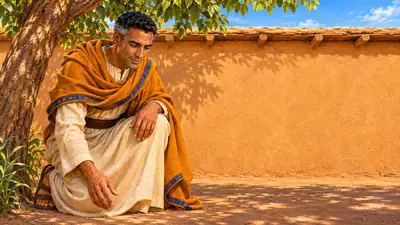
Bata refused in anger: she was like a mother to him, and Anub like the father who had raised him. He would not accept her proposal.
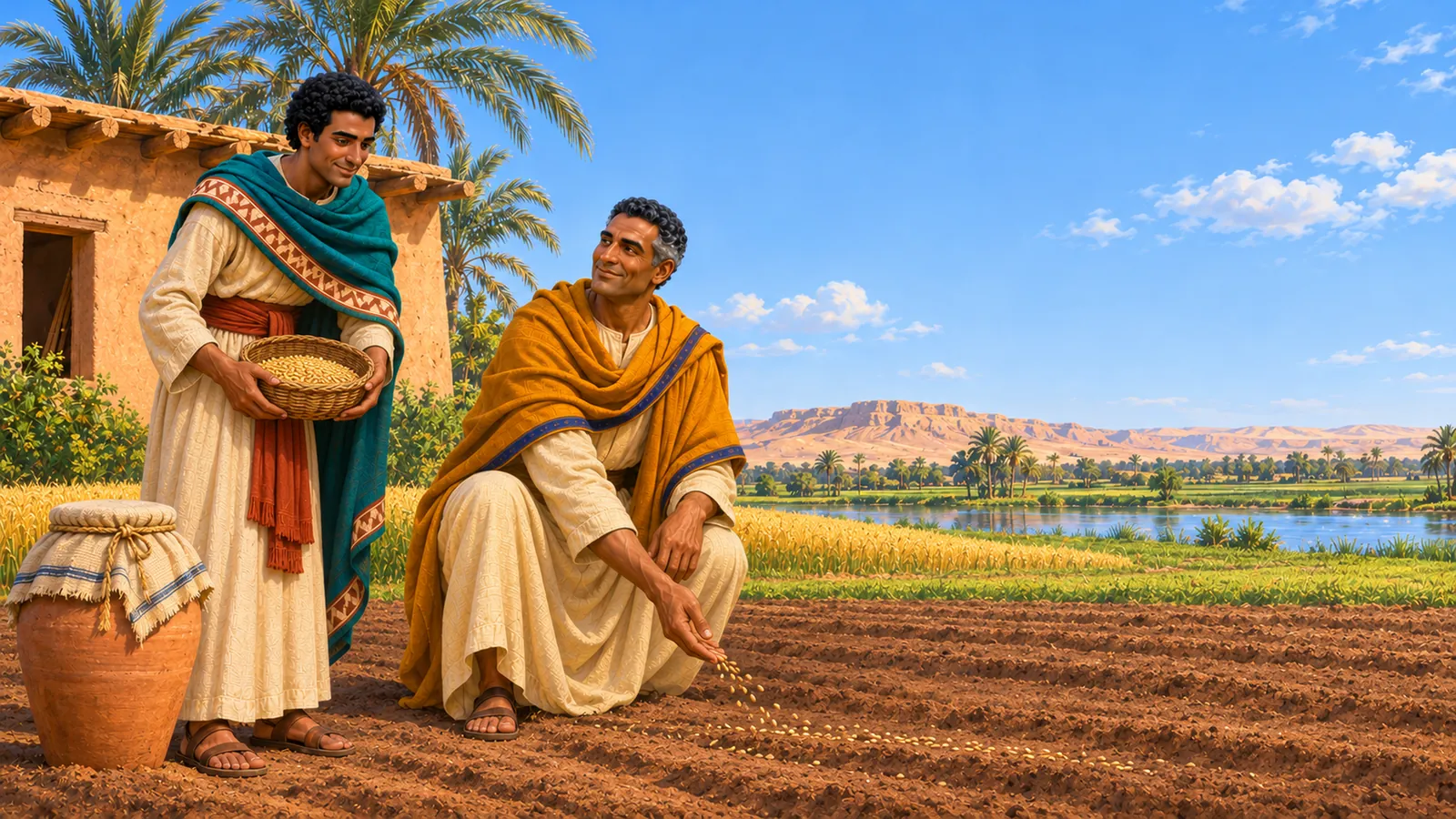
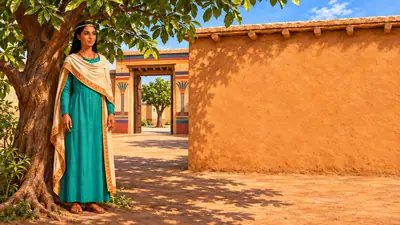
Bata told her not to repeat the proposal and promised to keep silent. He carried the seed back and resumed work beside his brother.
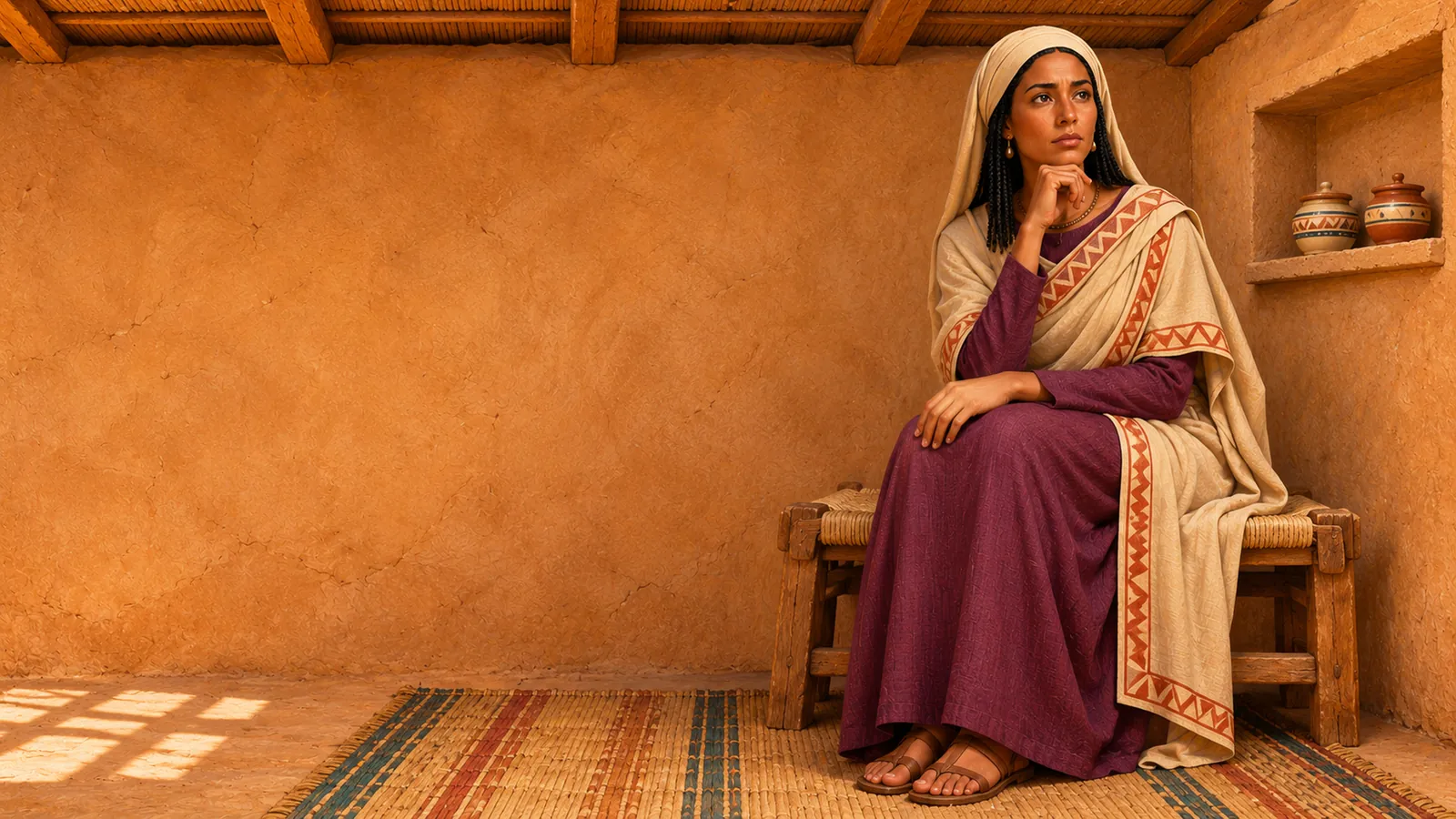
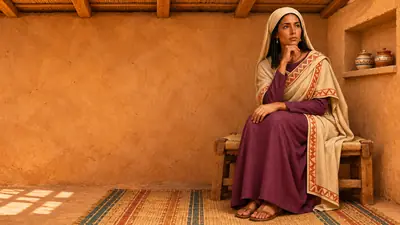
Fearing what might be revealed, the wife made herself look beaten and ill. When Anub returned, the house was dark and her usual welcome absent.
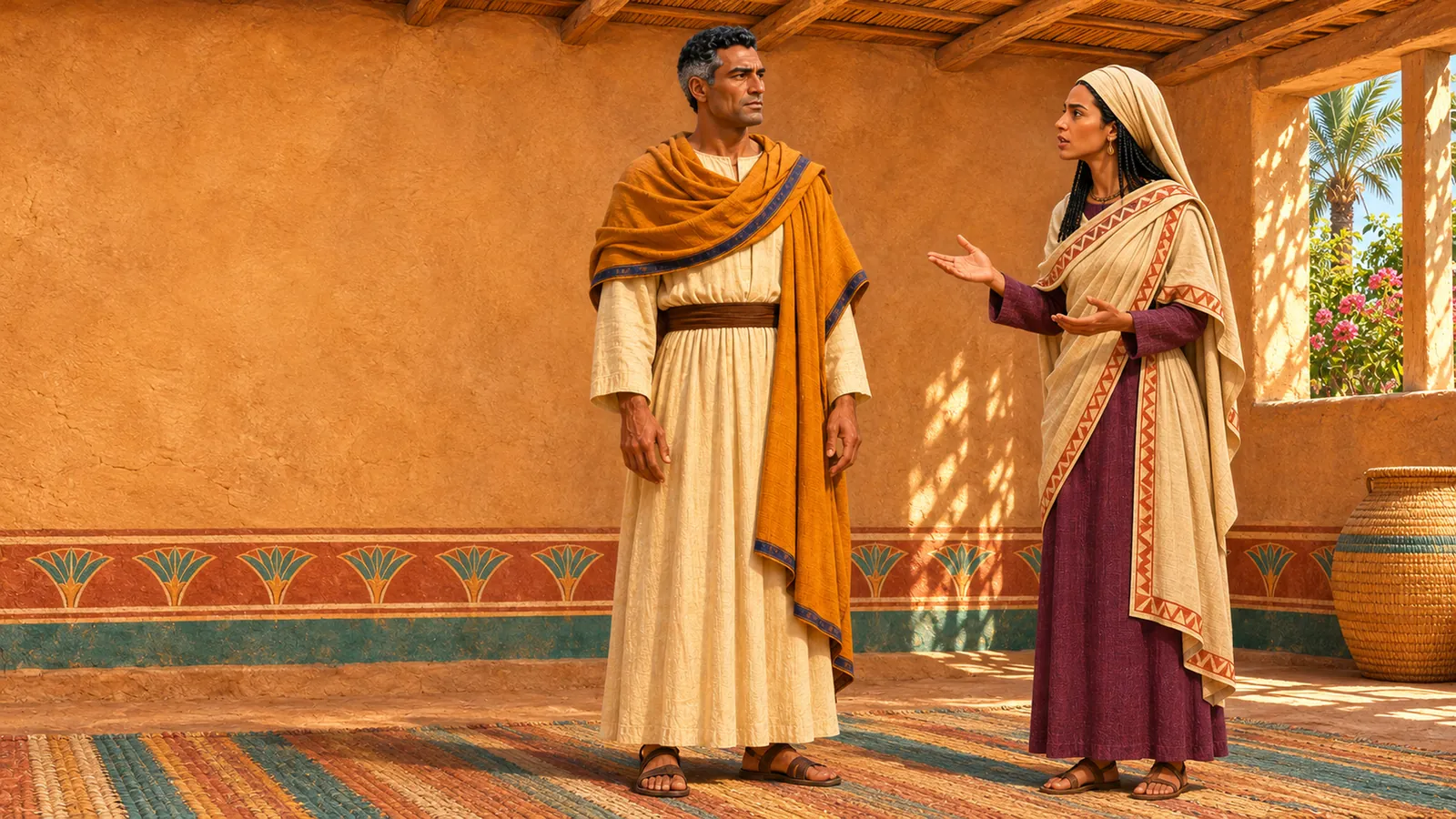
She claimed that Bata had proposed intercourse and beaten her when she refused. The tale identifies this as her false account, not what Bata had done.
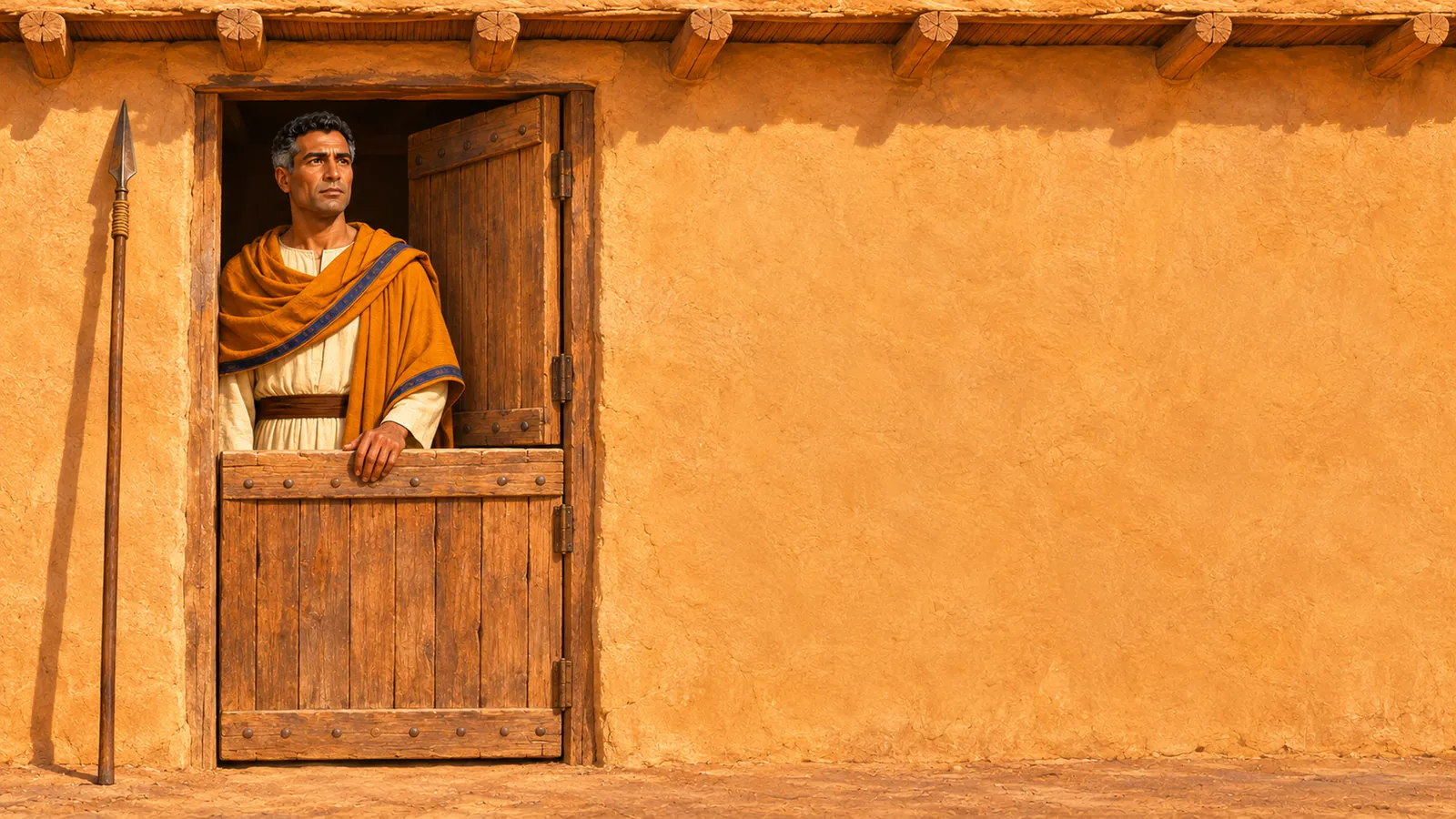
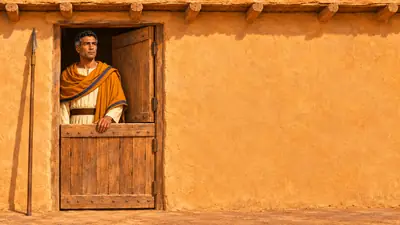
Anub believed her and became furious. He waited behind the stable door with a sharpened spear, intending to kill Bata when he brought the cattle home.
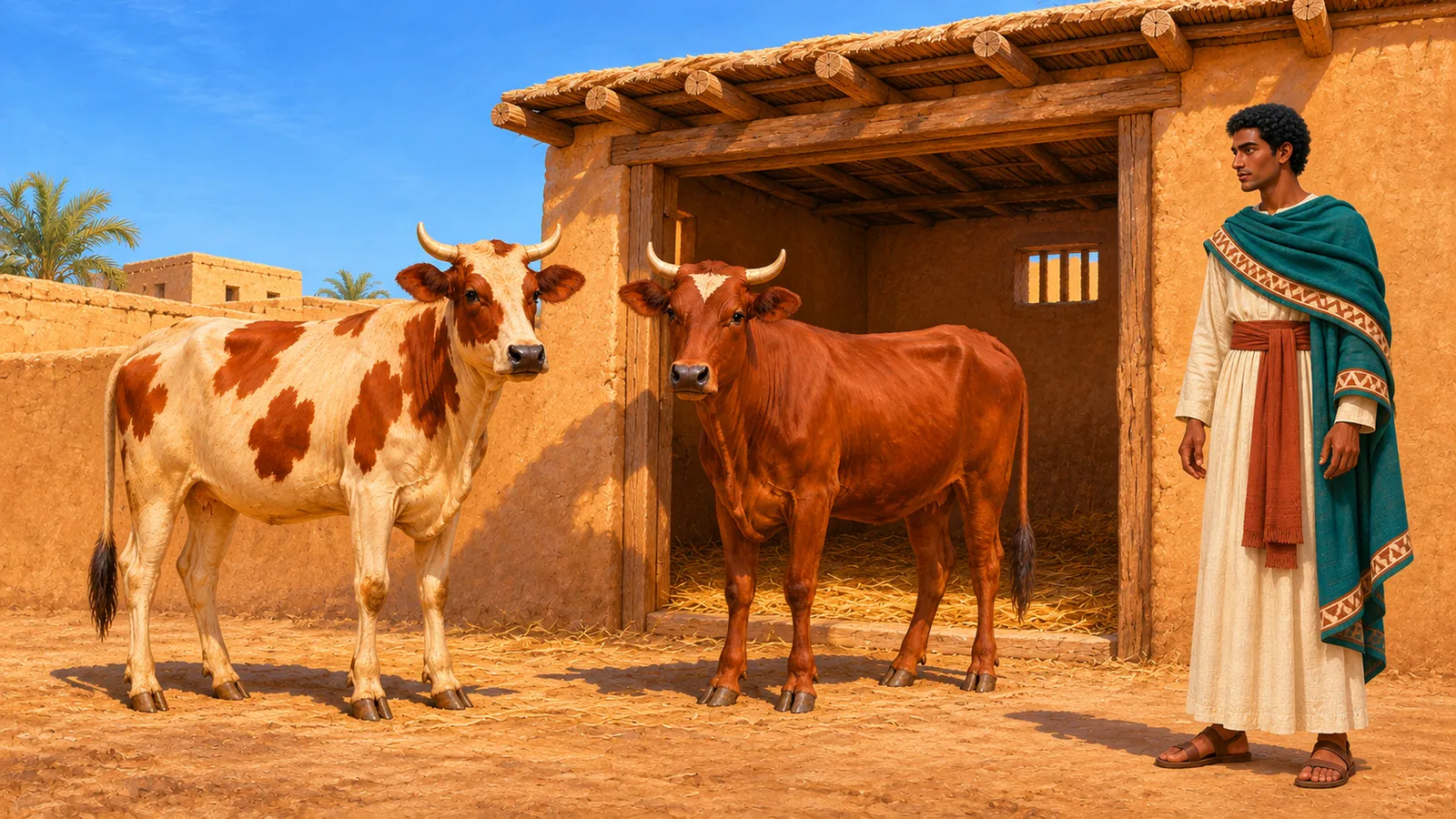
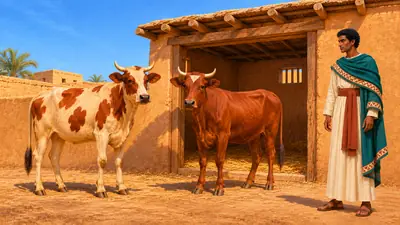
The first cow warned Bata that his brother waited to kill him. A second cow gave the same warning as she entered the stable.
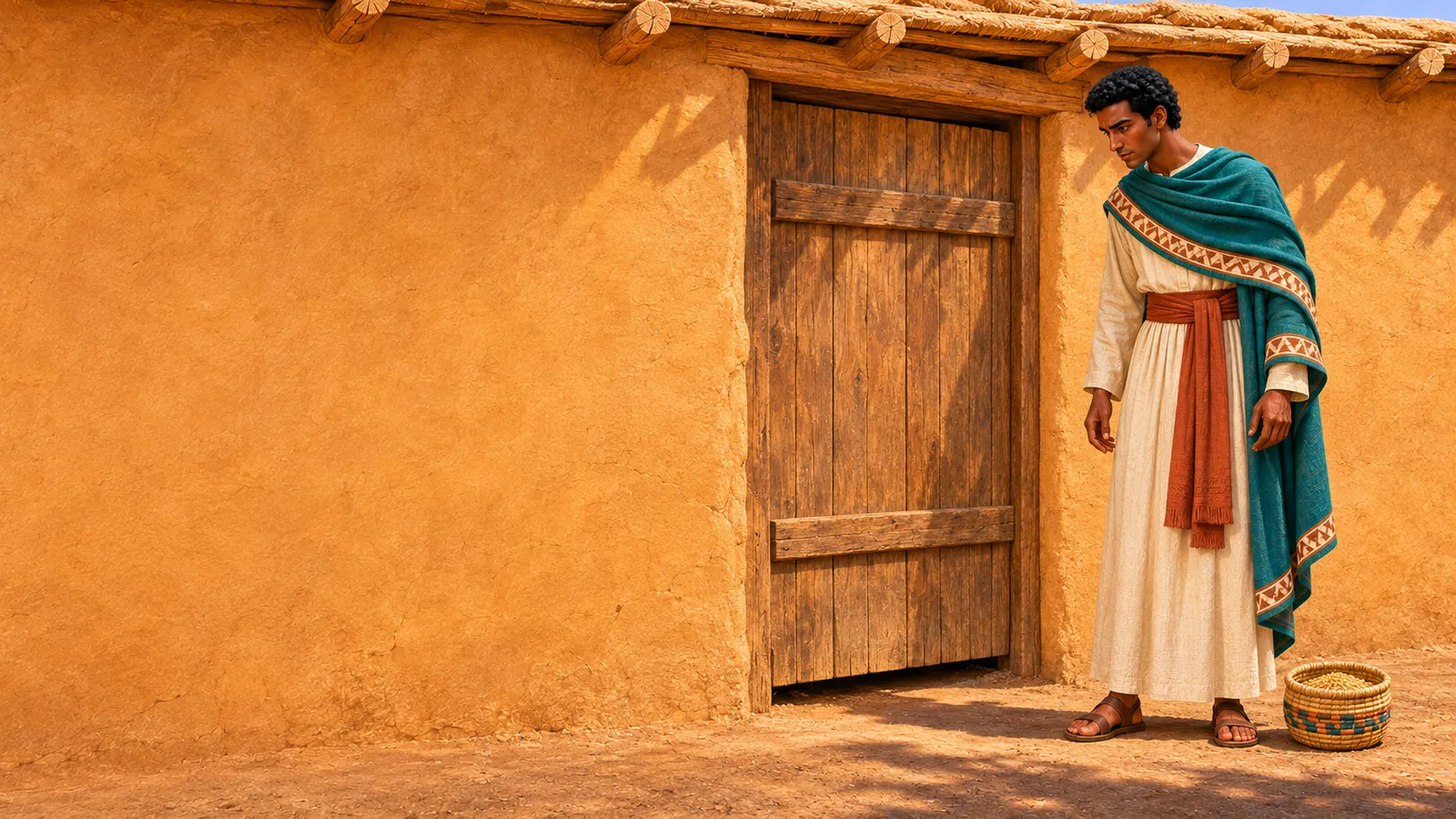
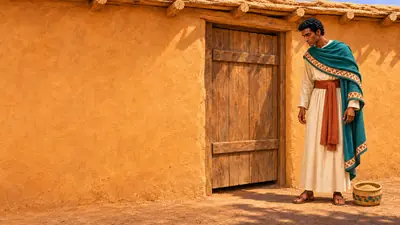
Bata looked beneath the stable door and saw Anub’s feet. The warning was true; he put down his load and prepared to flee.
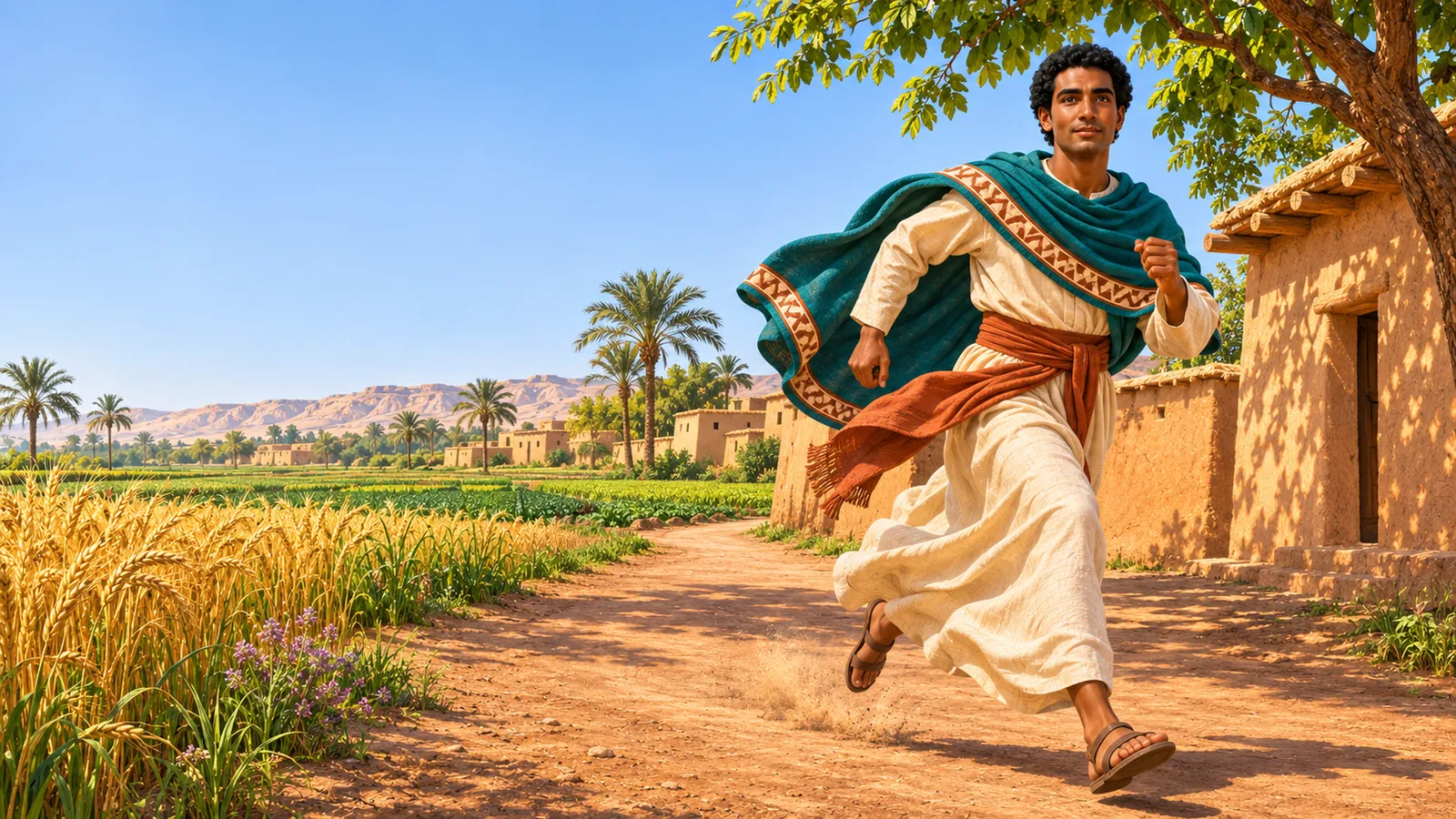
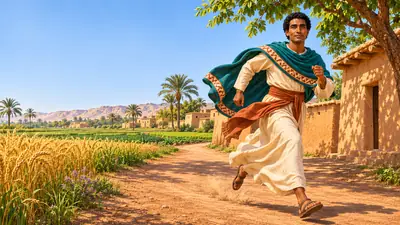
Bata ran, and Anub pursued him carrying the spear. The brothers who had worked the fields together were now separated by a deadly accusation.
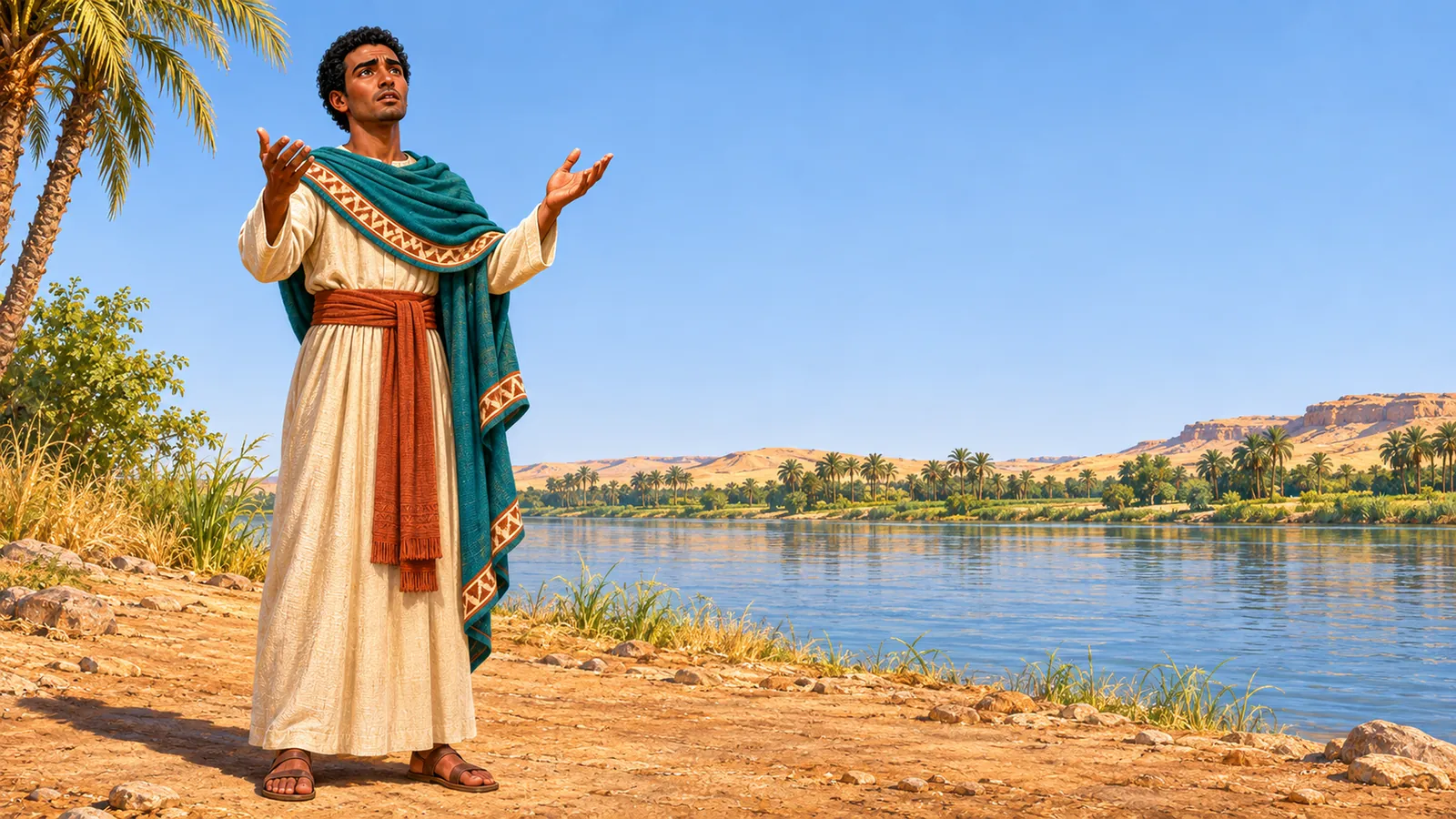
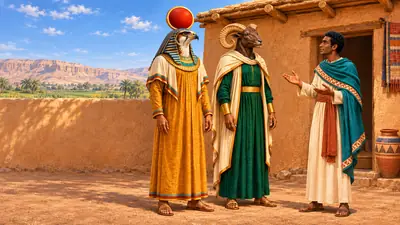
Bata appealed to Re-Harakhty, asking the sun god who distinguished guilt from innocence to hear him. His brother still had not listened to his account.
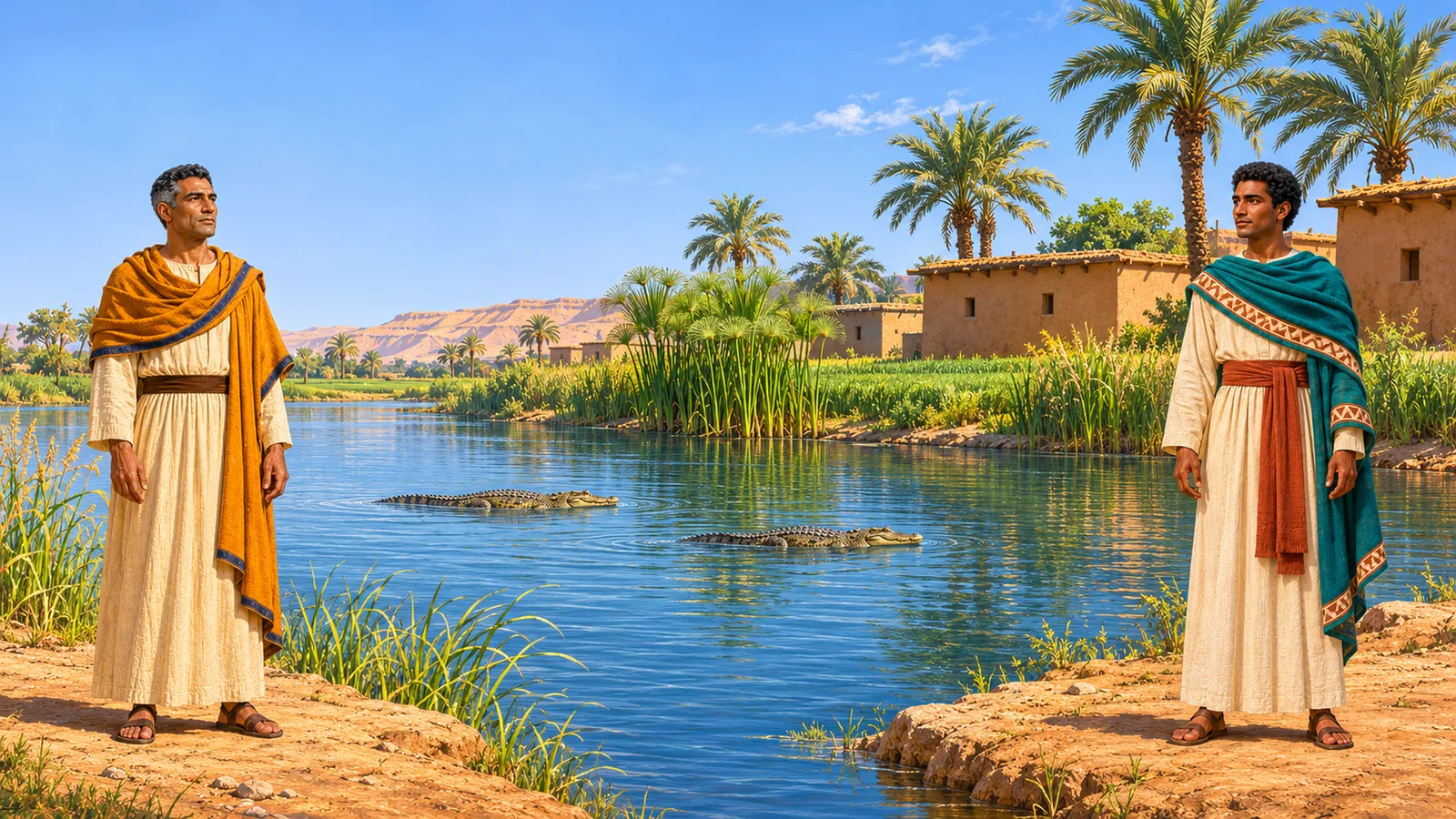
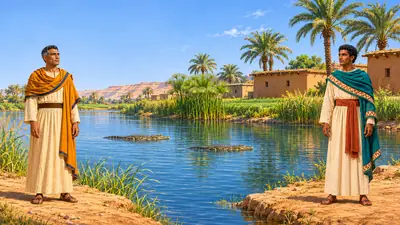
Re-Harakhty heard Bata and placed a great stretch of water between the brothers, filled with crocodiles. Each now stood safely beyond the other’s reach.
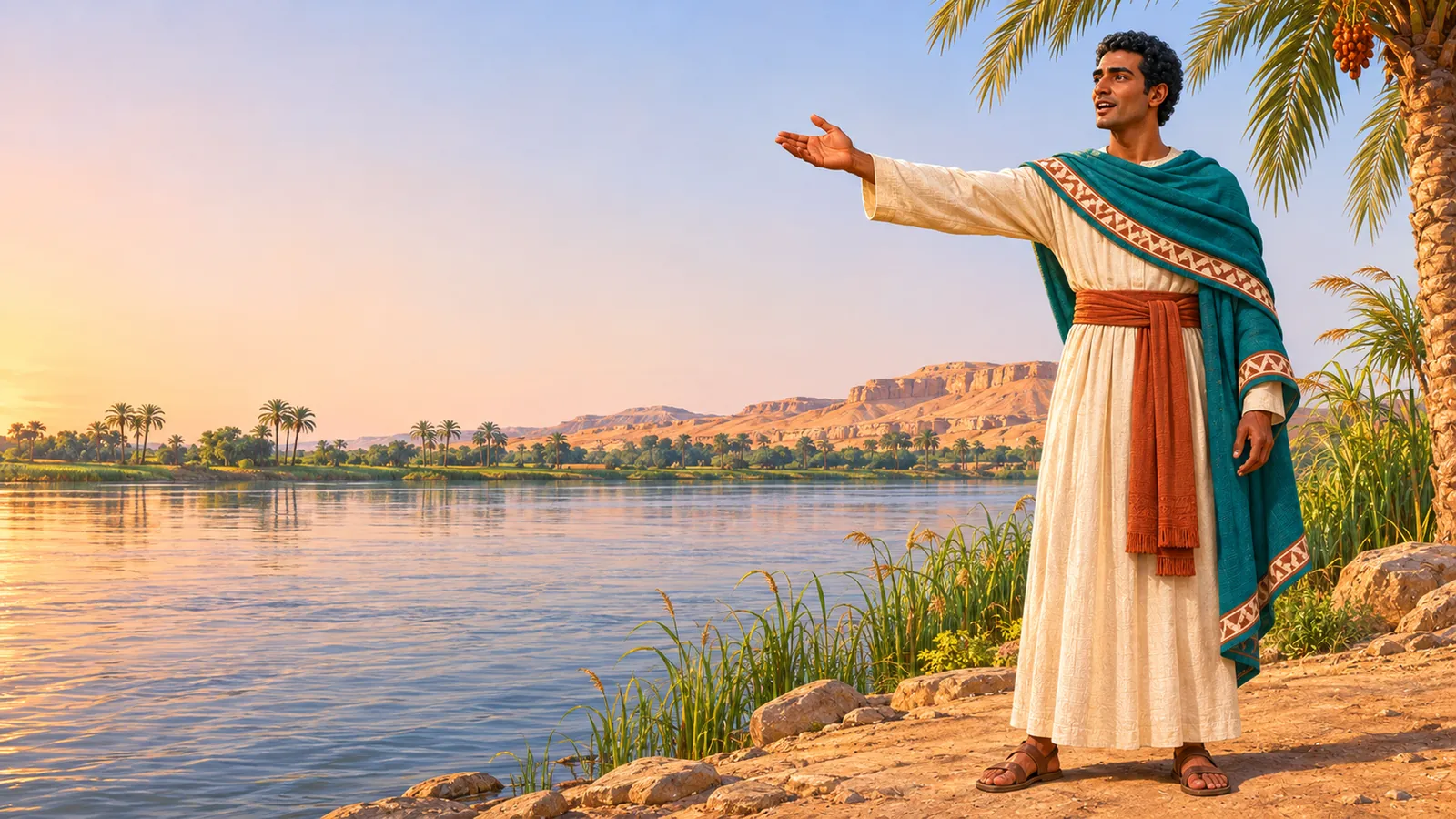
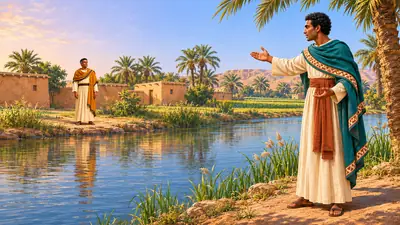
Bata called across the water: wait until dawn, when he would speak before the rising sun. He would not return to their shared household.
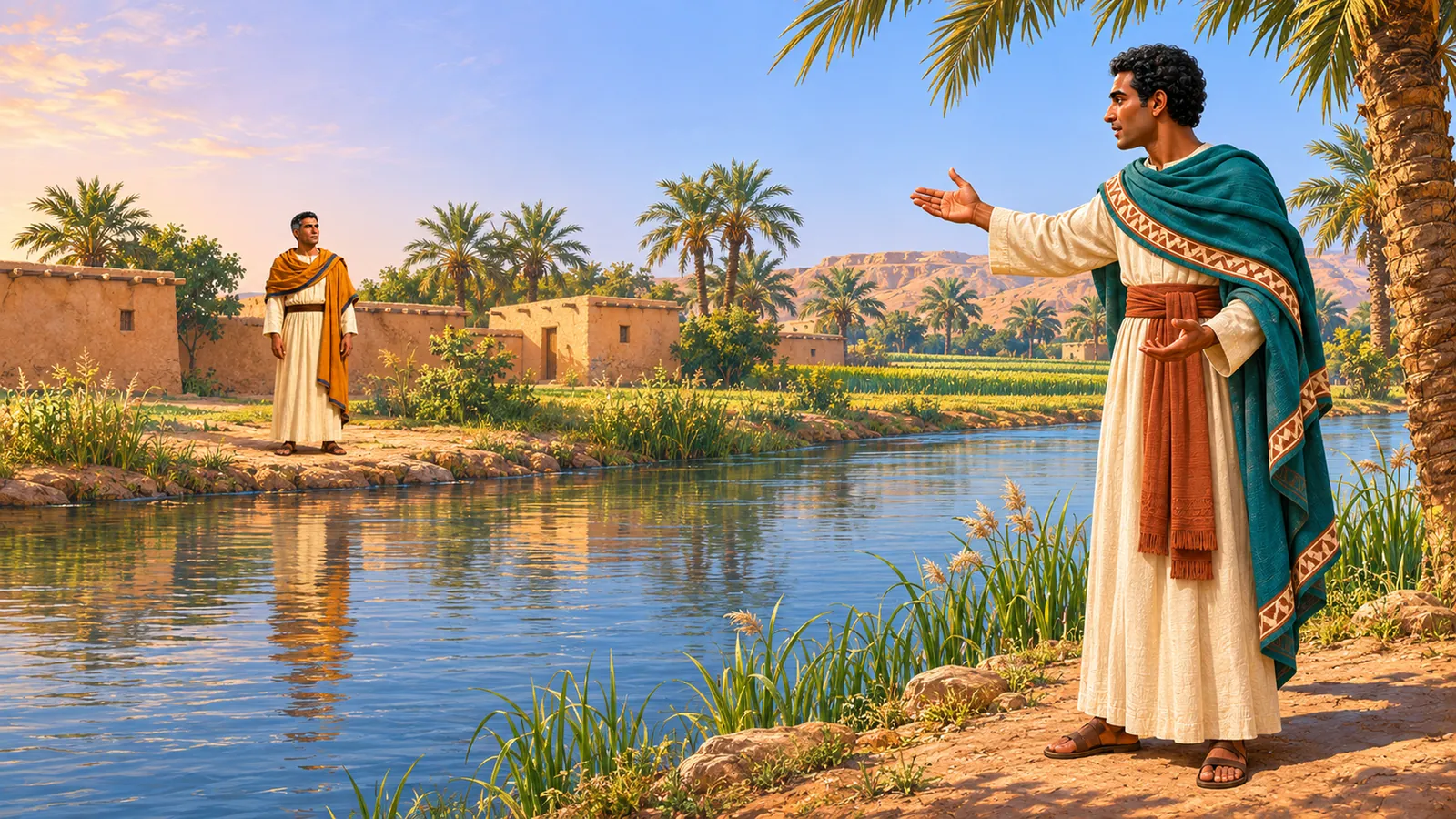
At dawn Bata explained the proposal he had refused and how the wife had reversed the truth. Anub had pursued him without hearing his side.

Bata castrated himself and threw the severed part into the water, where a fish swallowed it. The tale turns his protest into a terrible bodily loss.
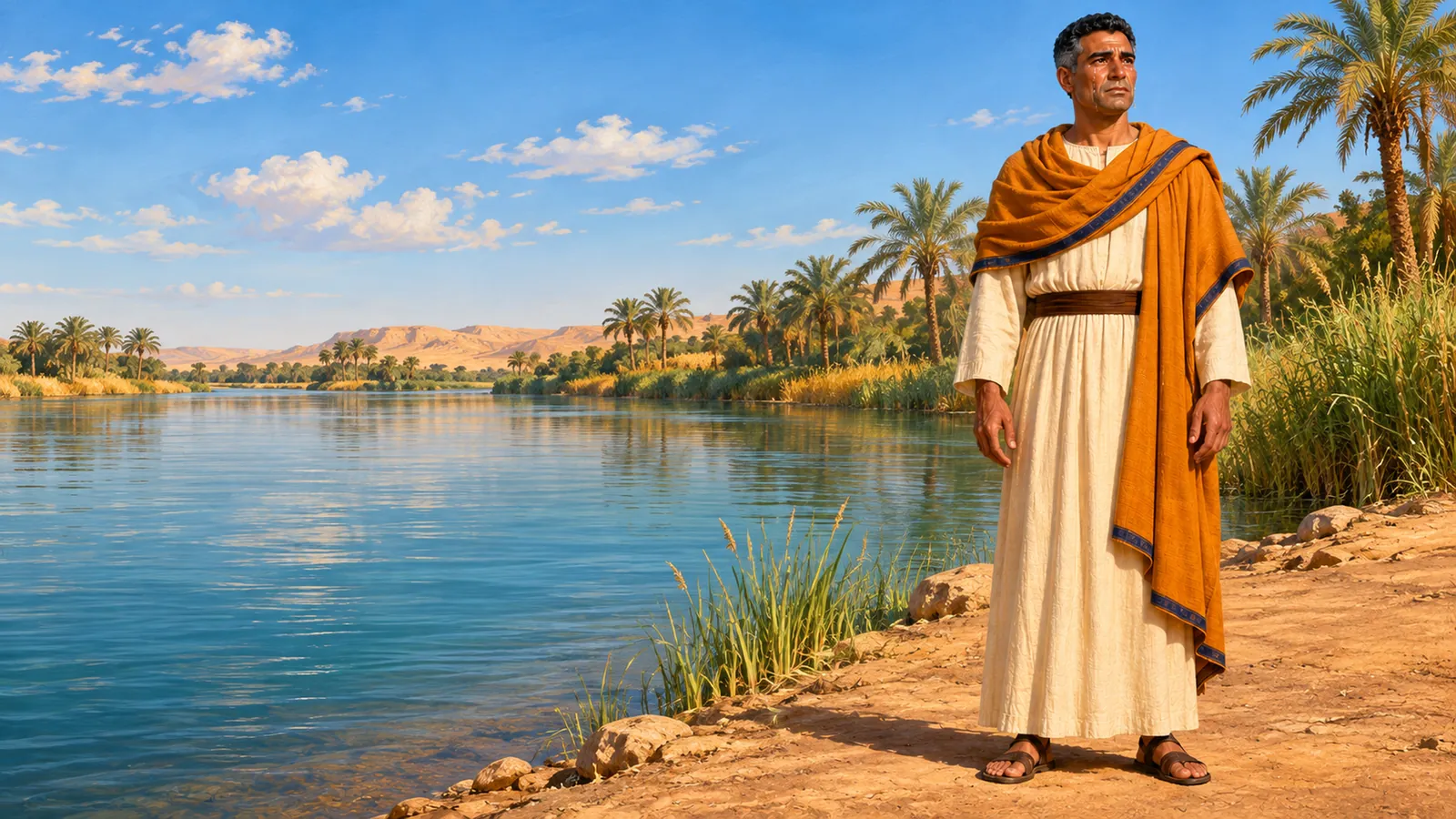
Bata grew weak, and Anub wept for his younger brother. The crocodiles prevented him from crossing the water to reach him.
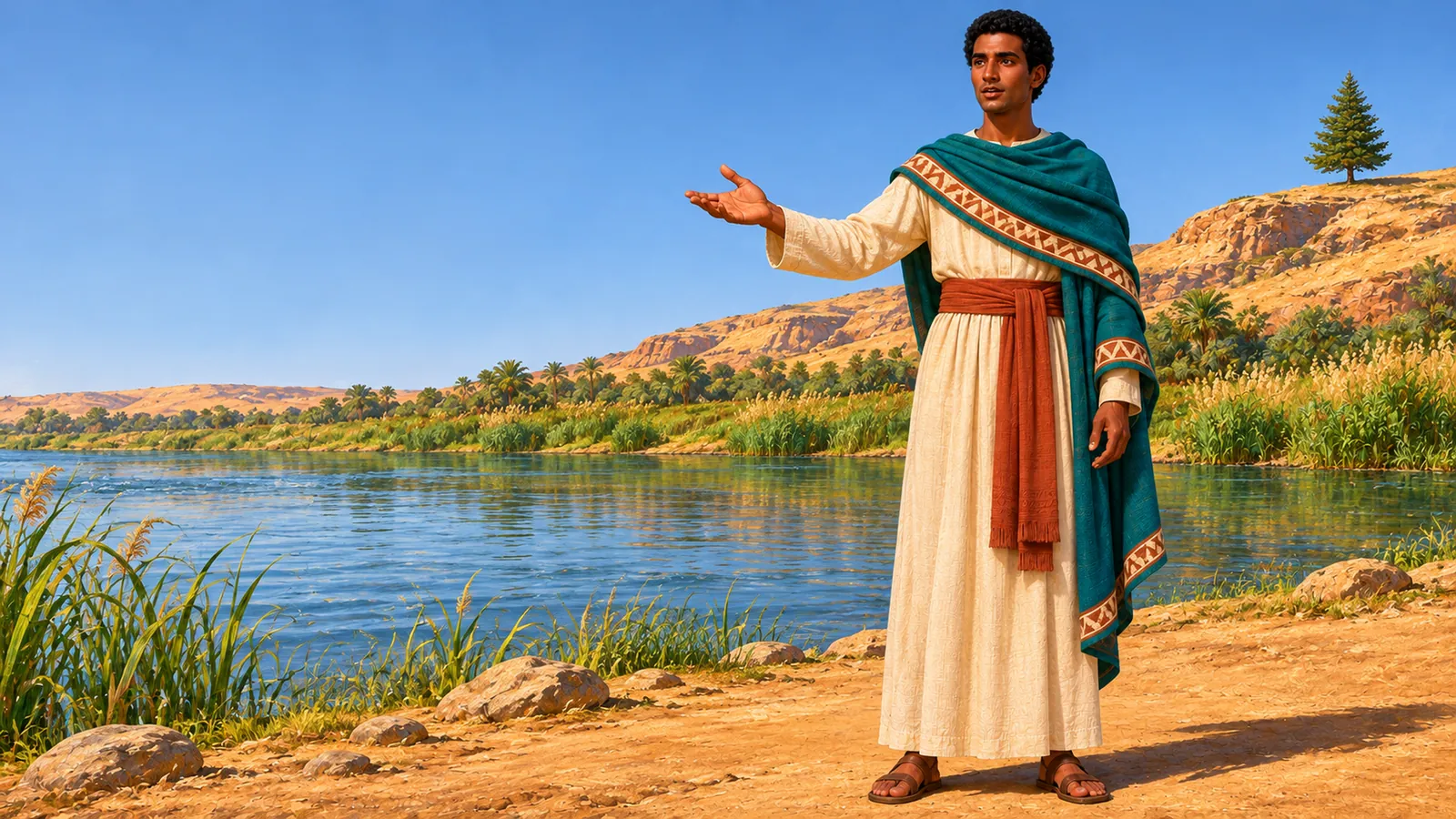
Bata would place his heart on a tree’s flower. If the tree were cut, Anub must find the heart—even if it took seven years—and revive it in cool water; foaming beer would warn him.
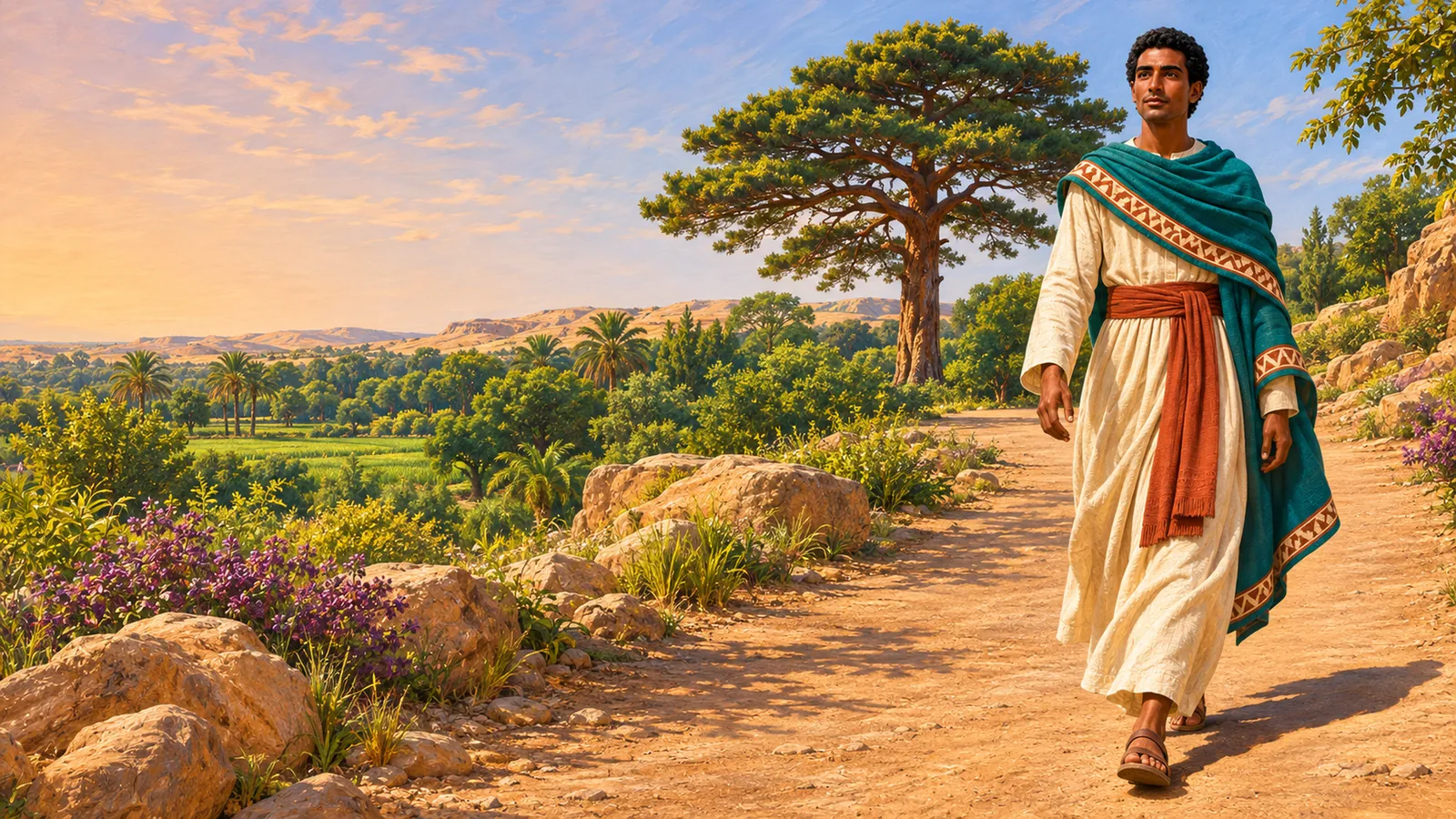
THE VALLEY
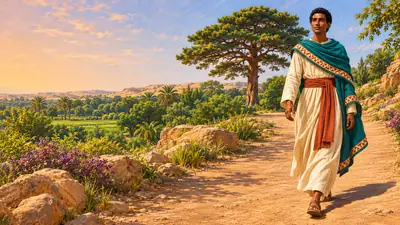
Bata went away to the Valley of the Pine. Anub returned home in mourning, with his hands on his head and dust upon him.
Anub killed his wife and threw her to the dogs. The first household ended in violence, while he remained in mourning for his absent brother.

In the valley, Bata’s heart rested on the flower of the tree. His life now depended on something kept outside his own body.
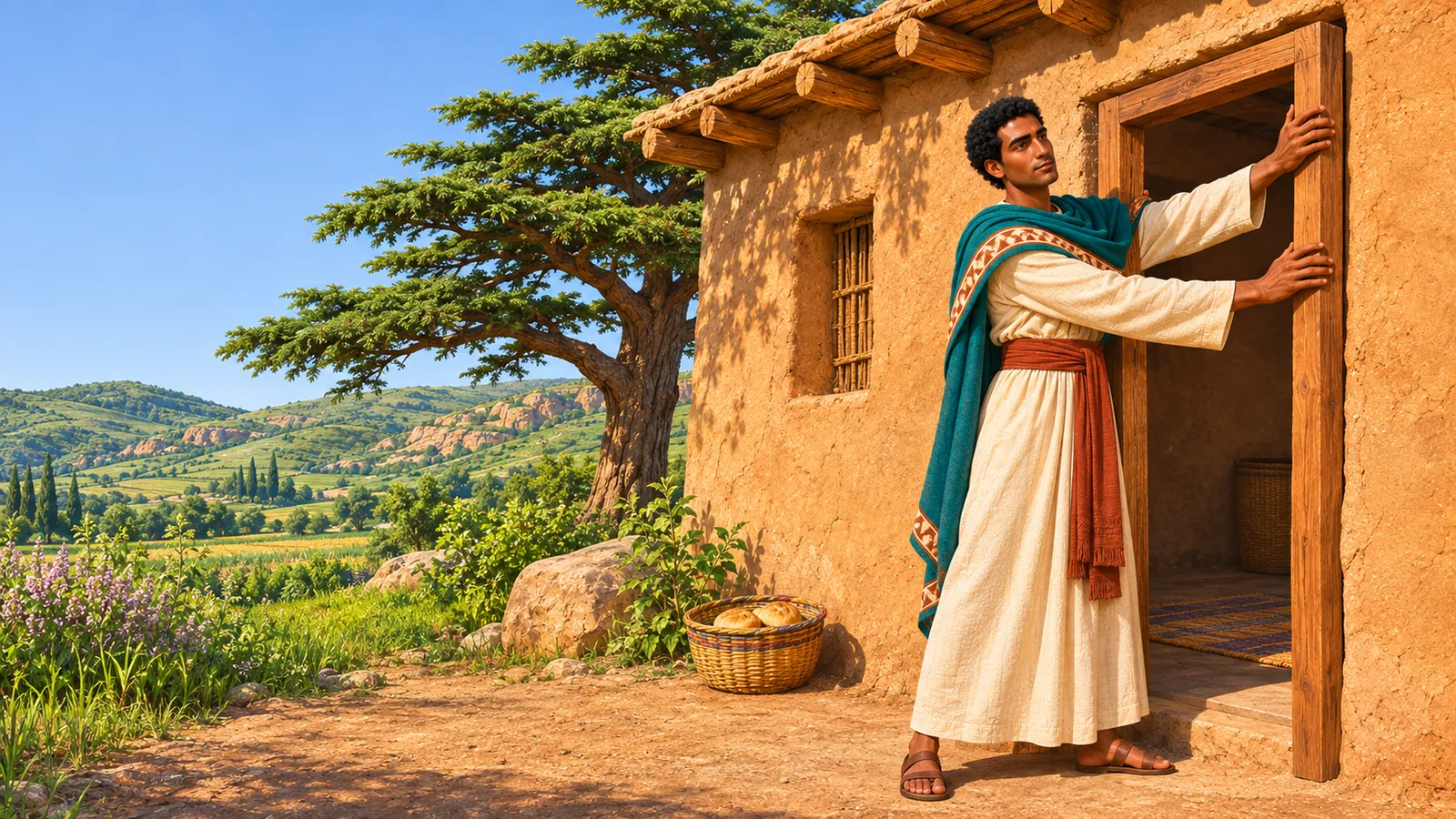
Bata hunted in the hills and built himself a house in the valley. He filled it with good things, but lived there alone.
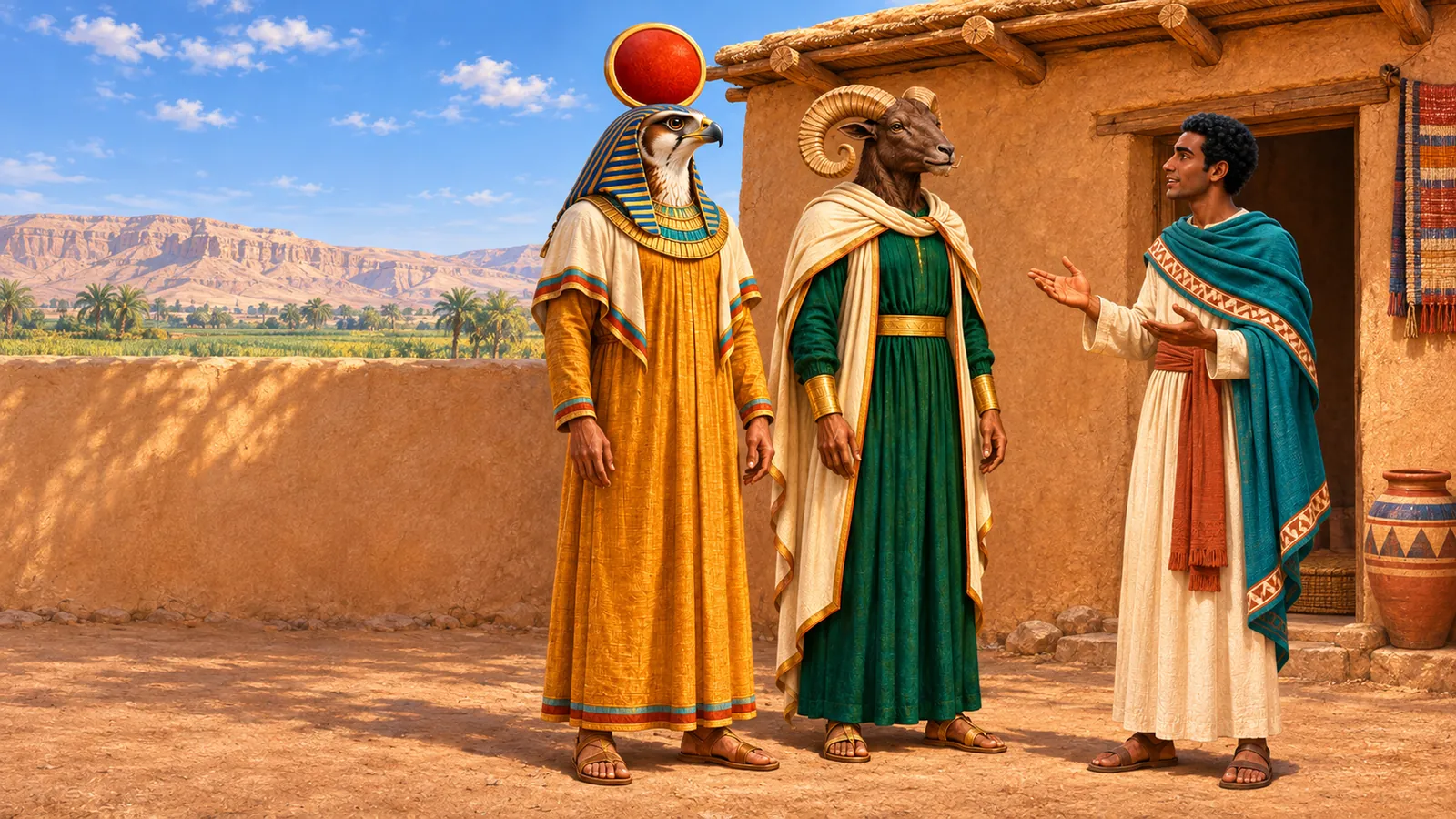
The Ennead met Bata while travelling through the land. They knew his suffering and took pity on him, calling him the bull of the Ennead.
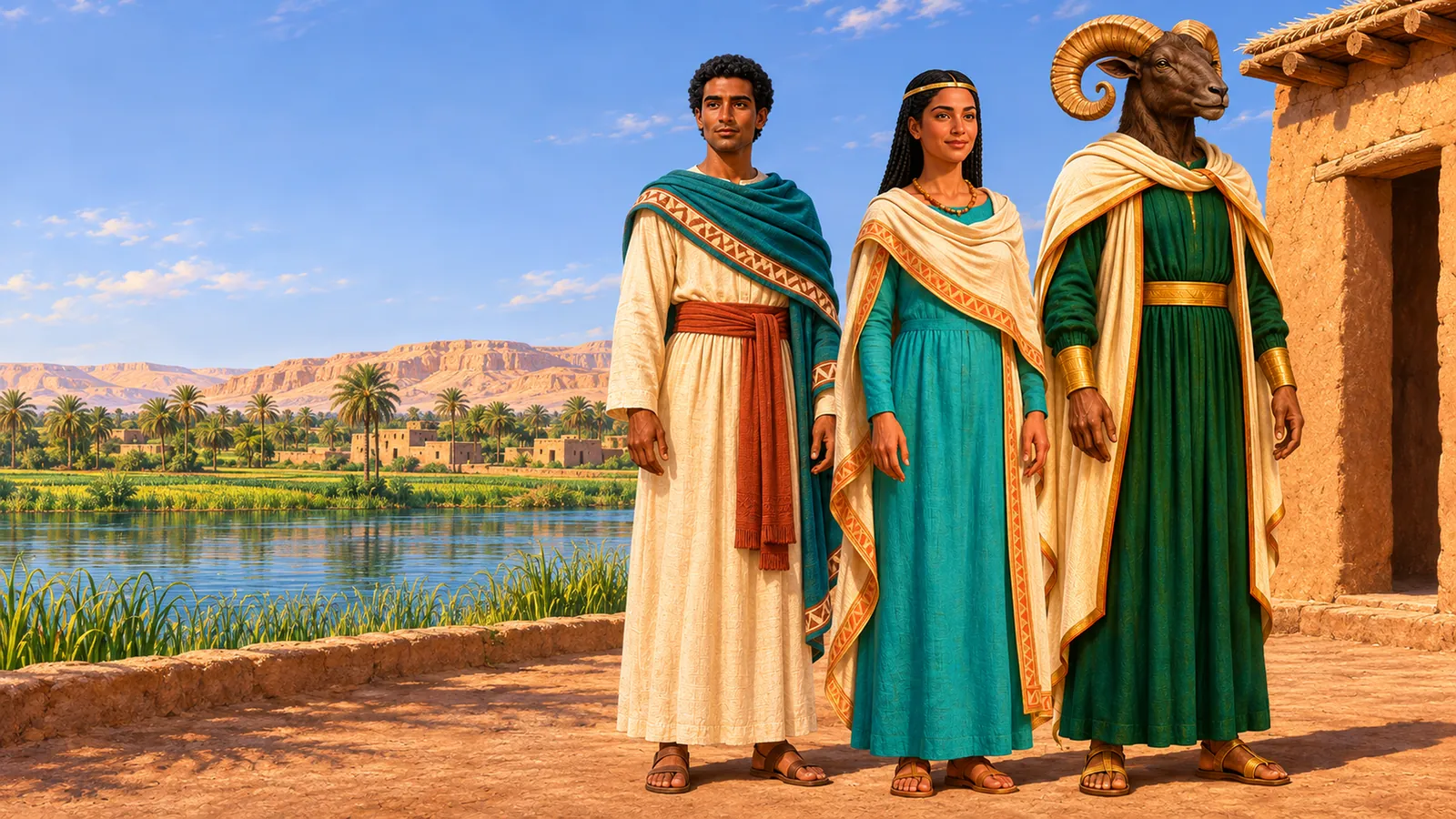
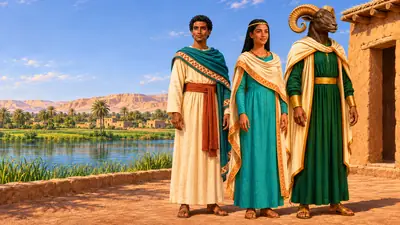
Re-Harakhty asked Khnum to make Bata a companion so that he would not live alone. Khnum made a woman of extraordinary beauty, sharing the gods’ divine essence.
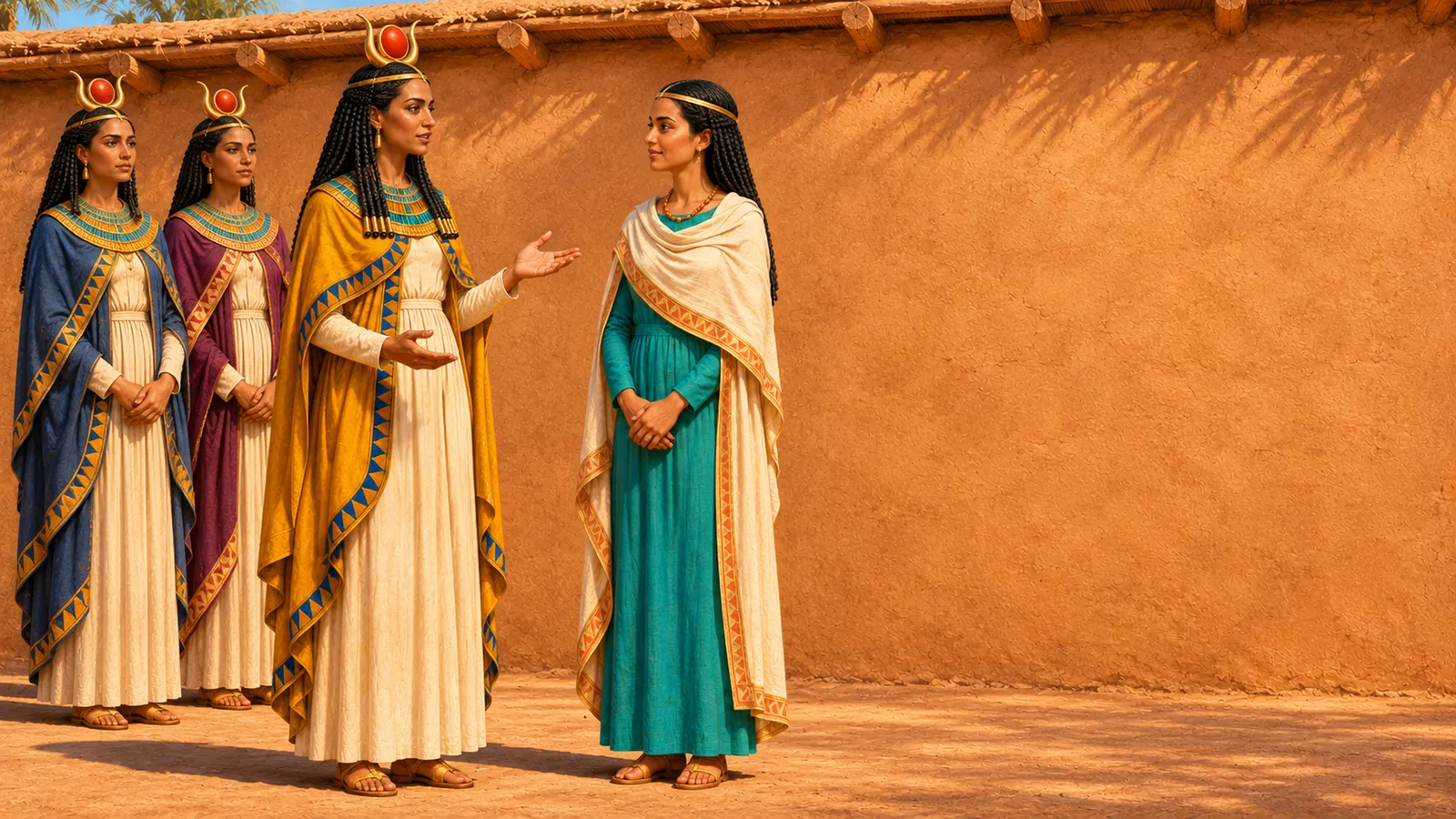
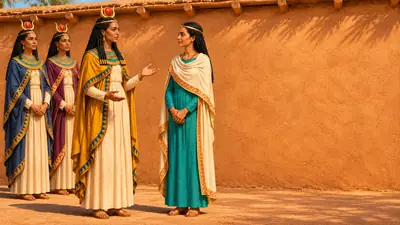
The Seven Hathors came to see the woman. Speaking together, they foretold that she would die by a blade; Bata loved his new companion deeply.
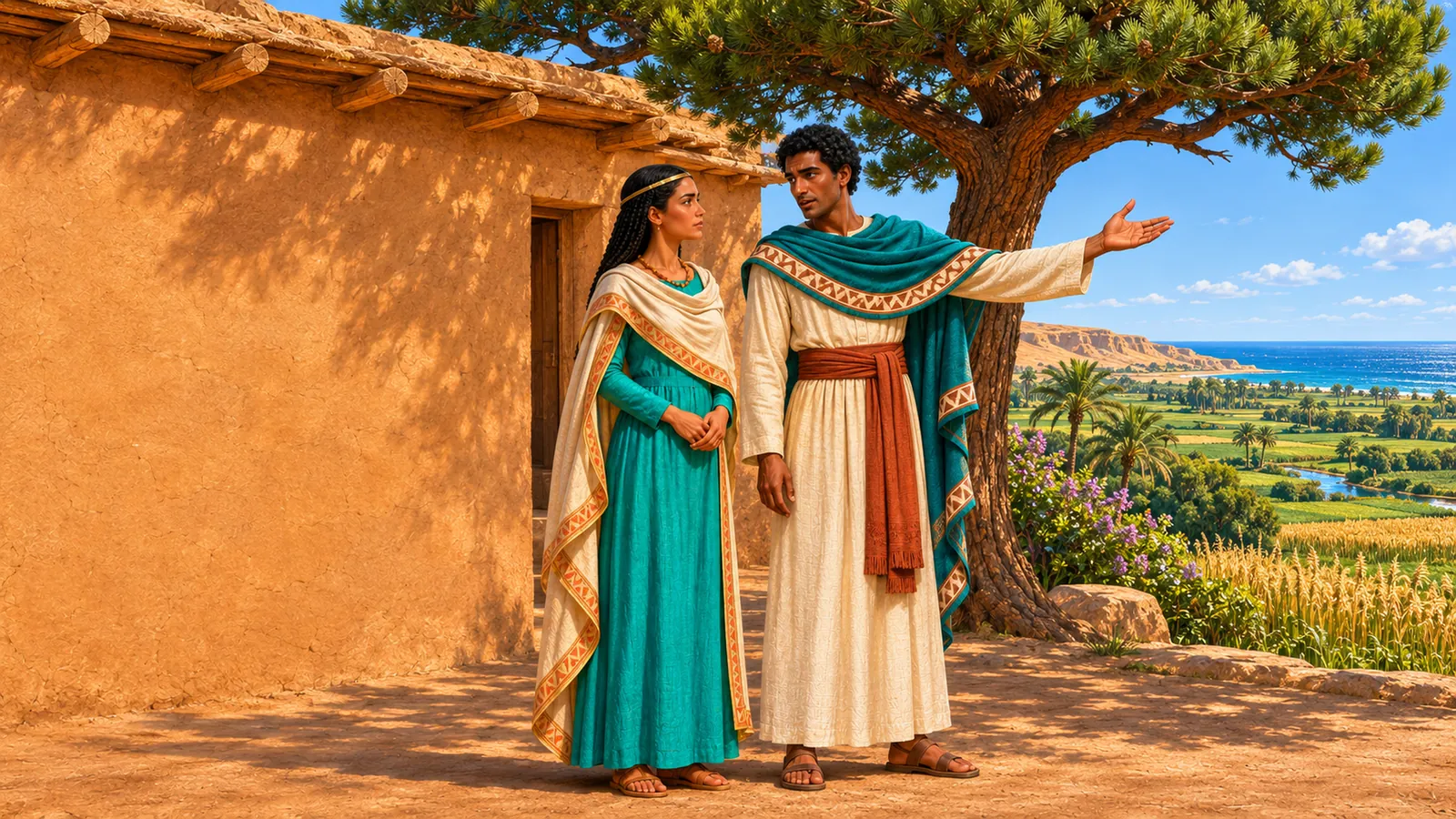
Bata warned his wife not to go outside lest the sea seize her. He also told her that his heart lay on the tree’s flower.
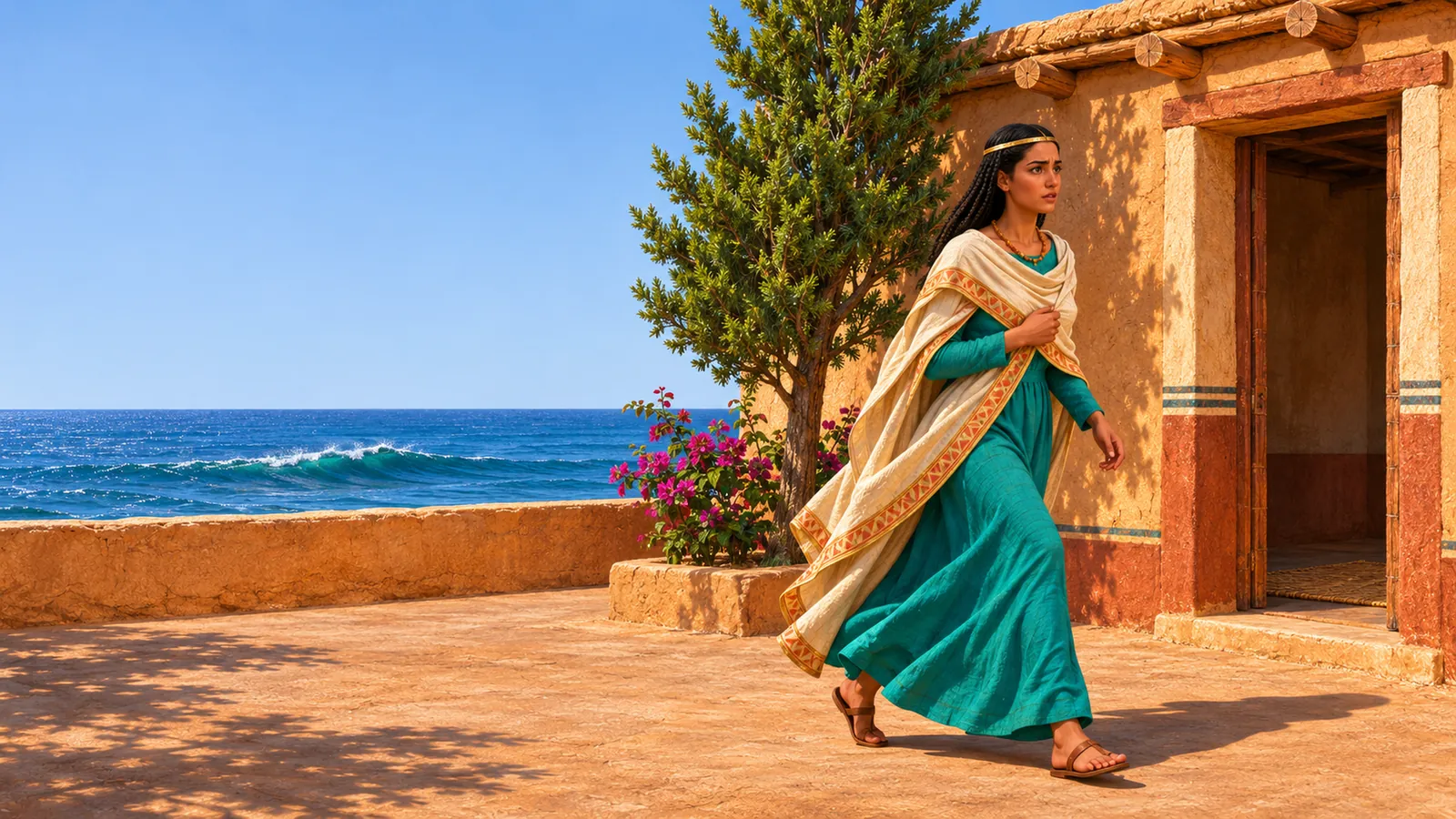
While Bata hunted, his wife went out and the sea surged after her. She fled home; the tree caught a lock of her hair.
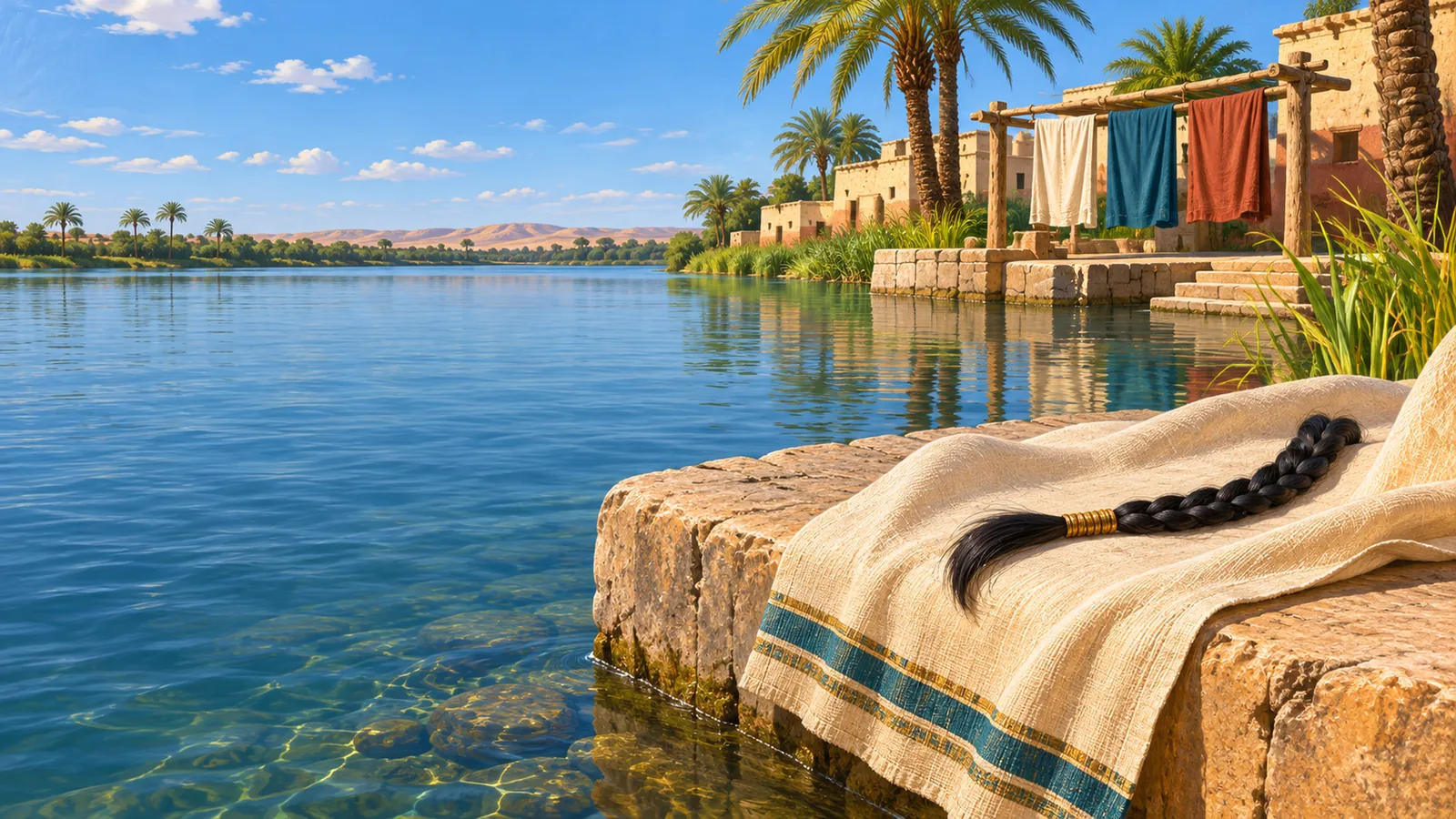
The sea carried the lock of hair to Egypt and left it where the royal washermen worked. Its fragrance passed into the pharaoh’s clothes.
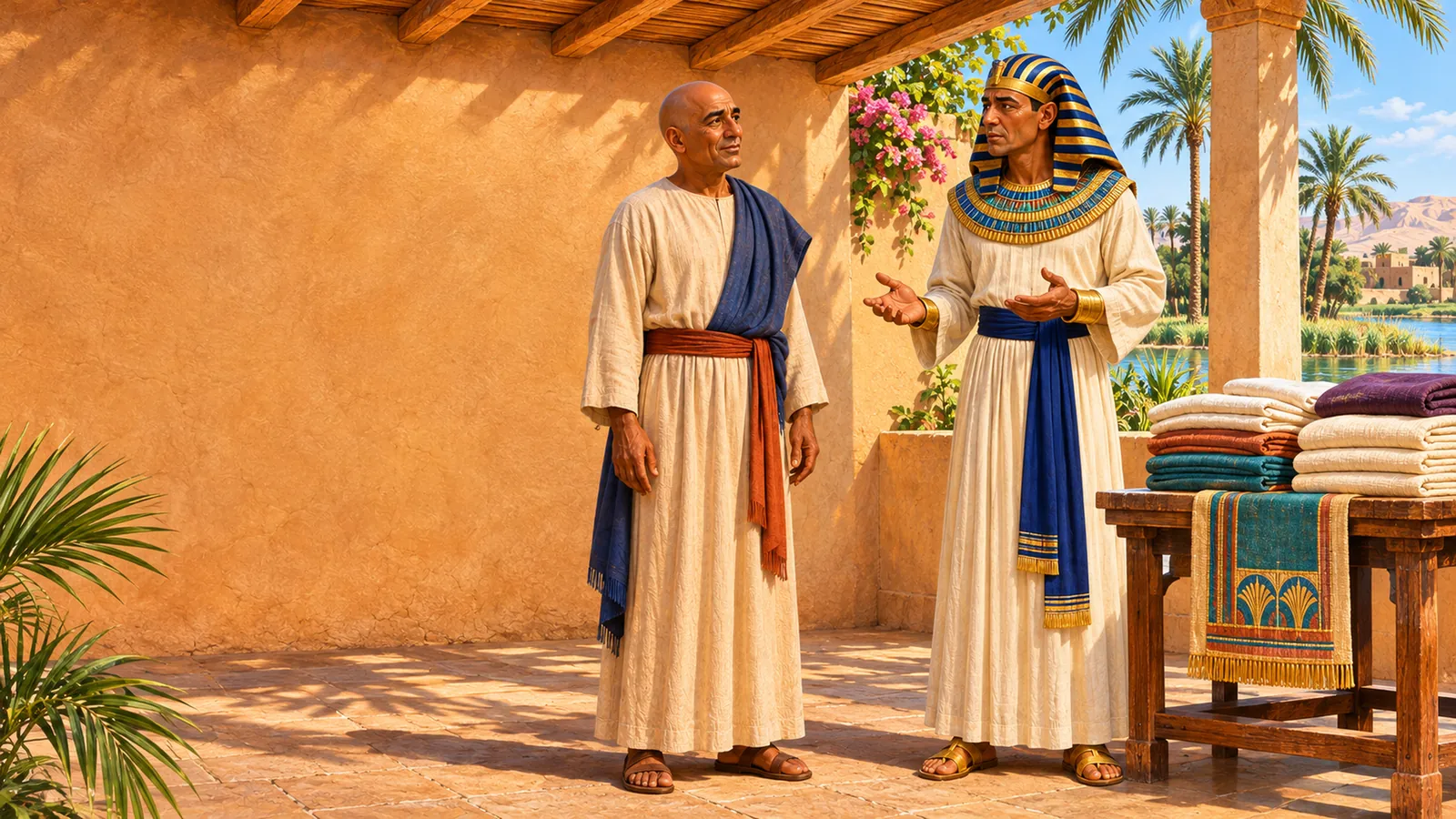
The pharaoh repeatedly complained about the strange scent in his clothes. His washermen did not know what to do or where the fragrance came from.
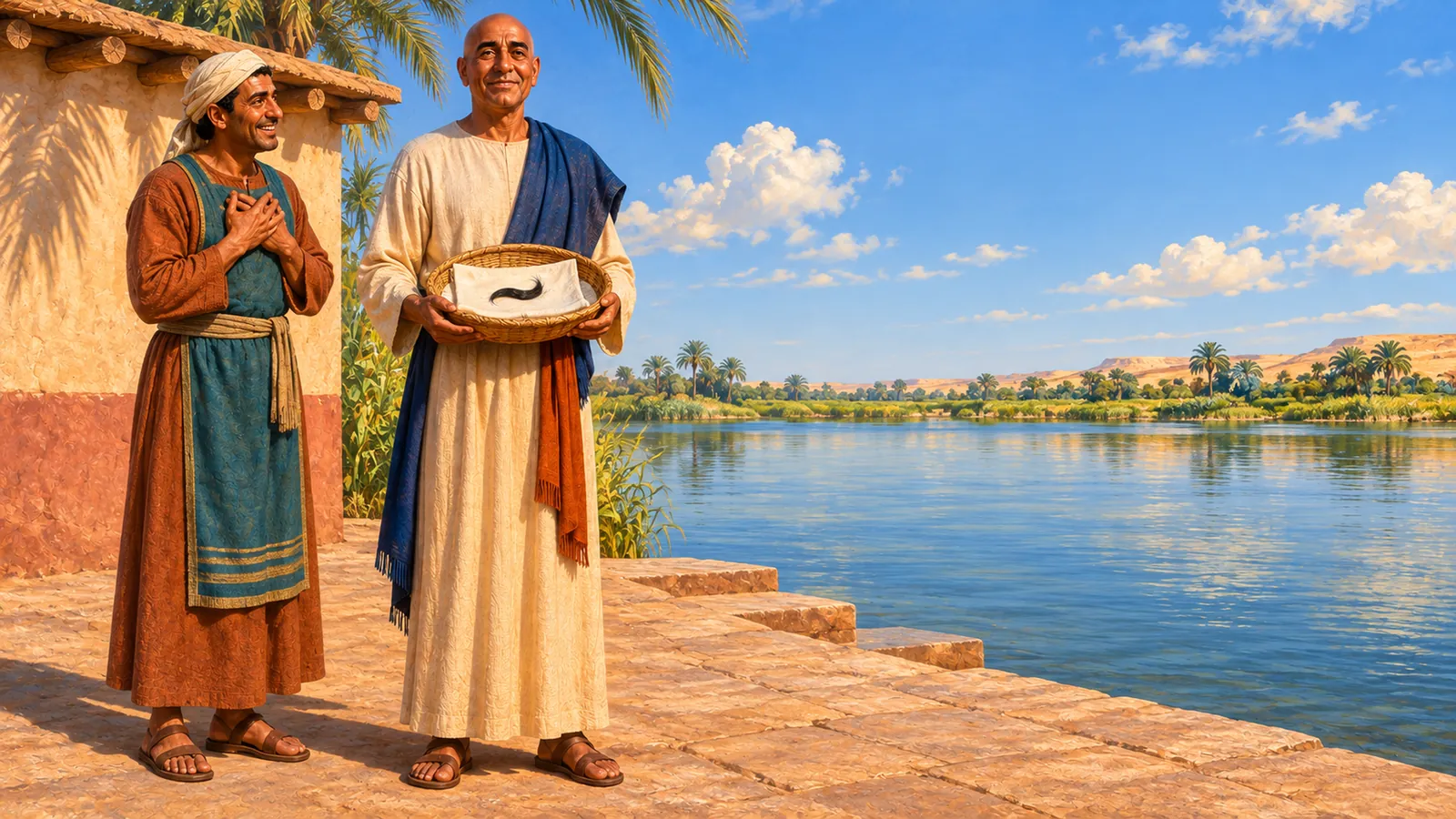
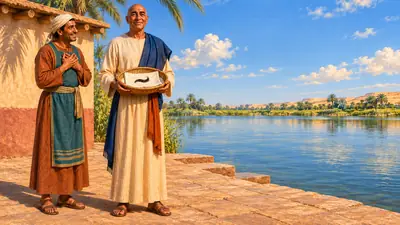
Distressed by the complaints, the head washerman went to the riverbank. He found the fragrant lock, had it retrieved and brought it to the king.
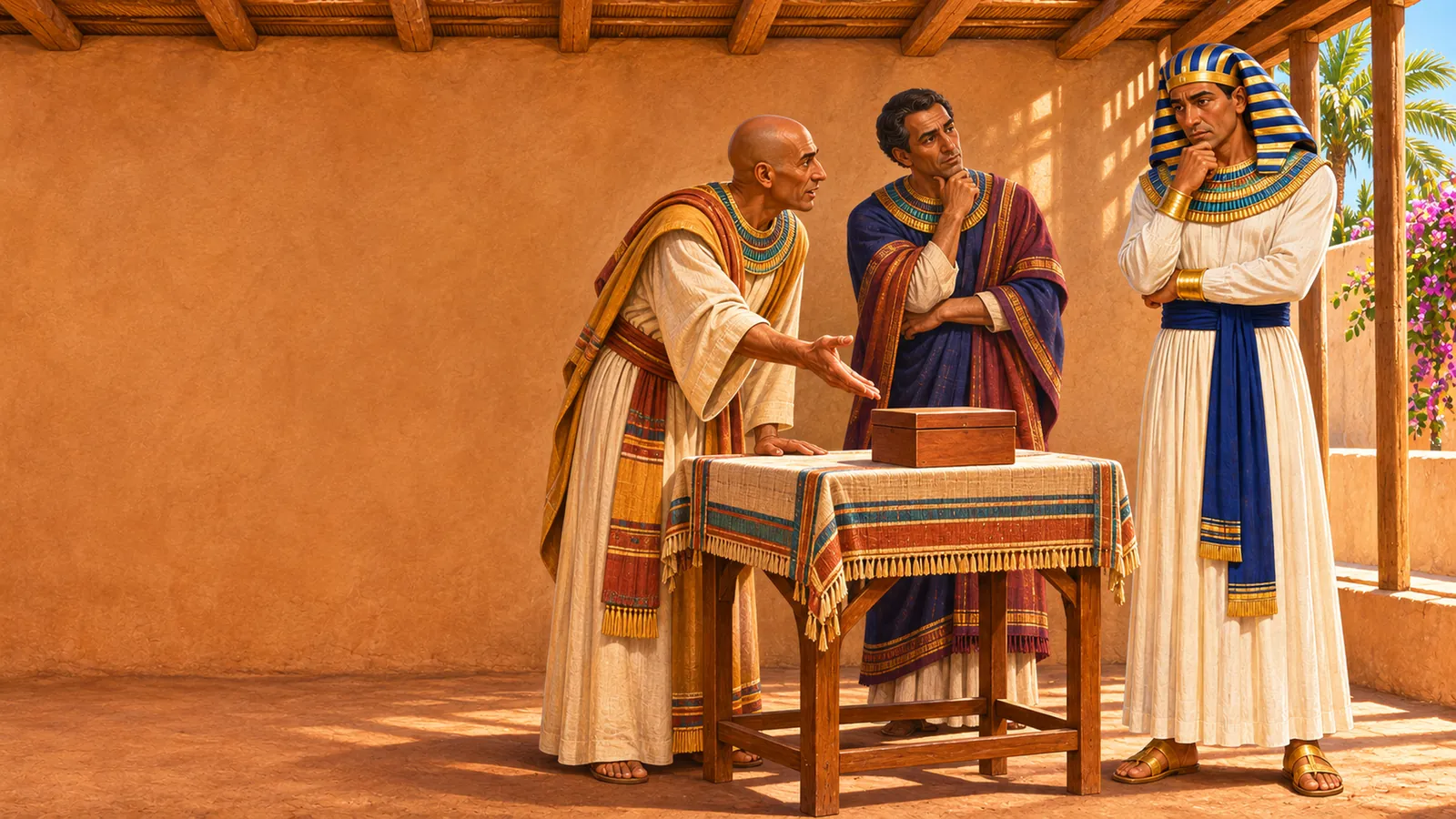
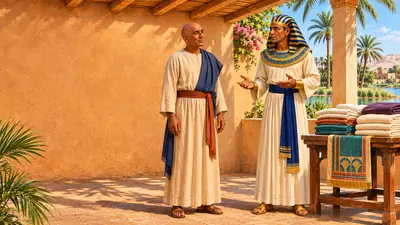
The learned scribes said the hair belonged to a daughter of Re-Harakhty, sharing the gods’ essence. They advised sending messengers to seek her abroad.
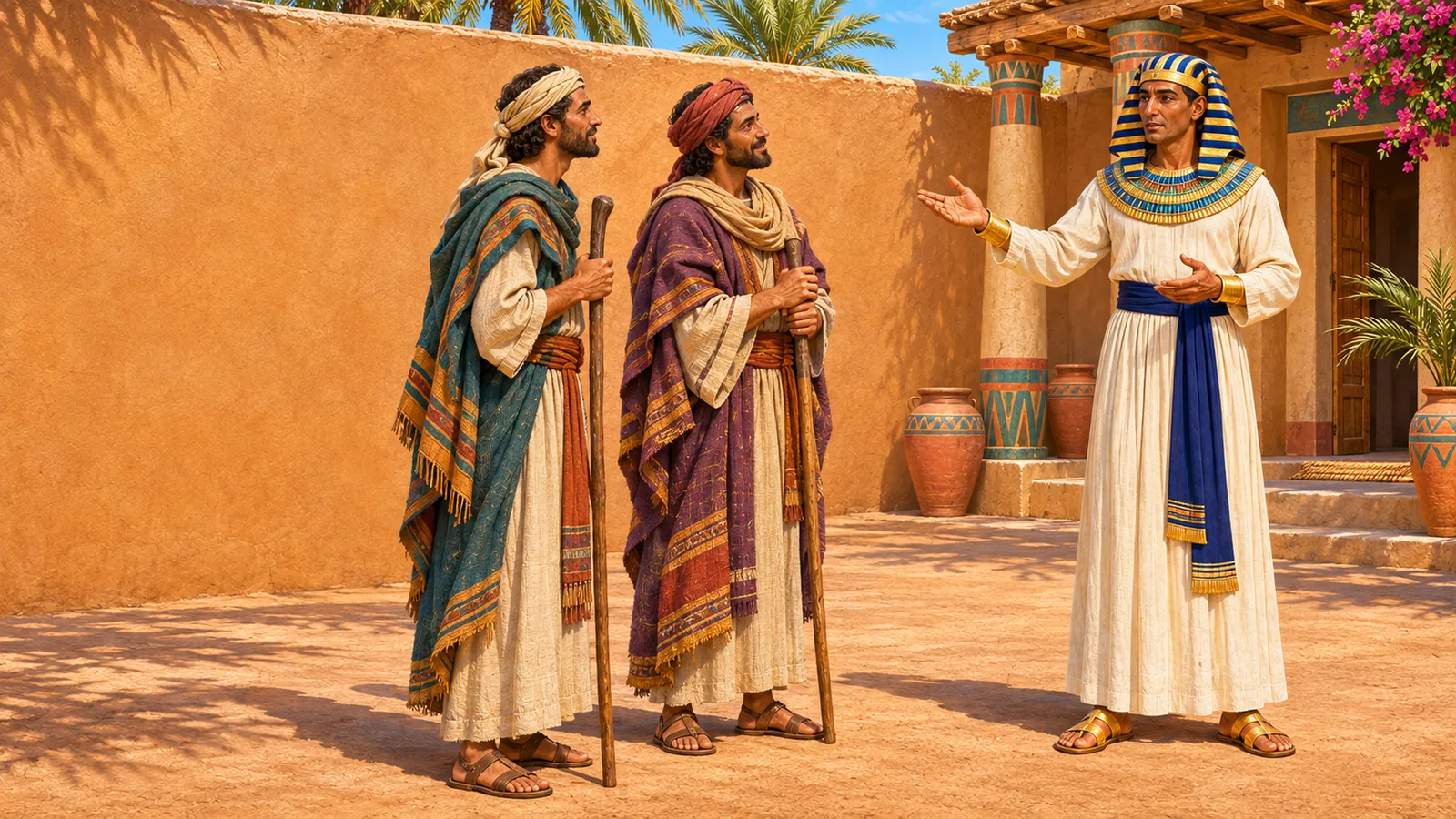
The pharaoh sent messengers into foreign lands. A larger party went to the Valley of the Pine, where the scribes had advised seeking the woman.
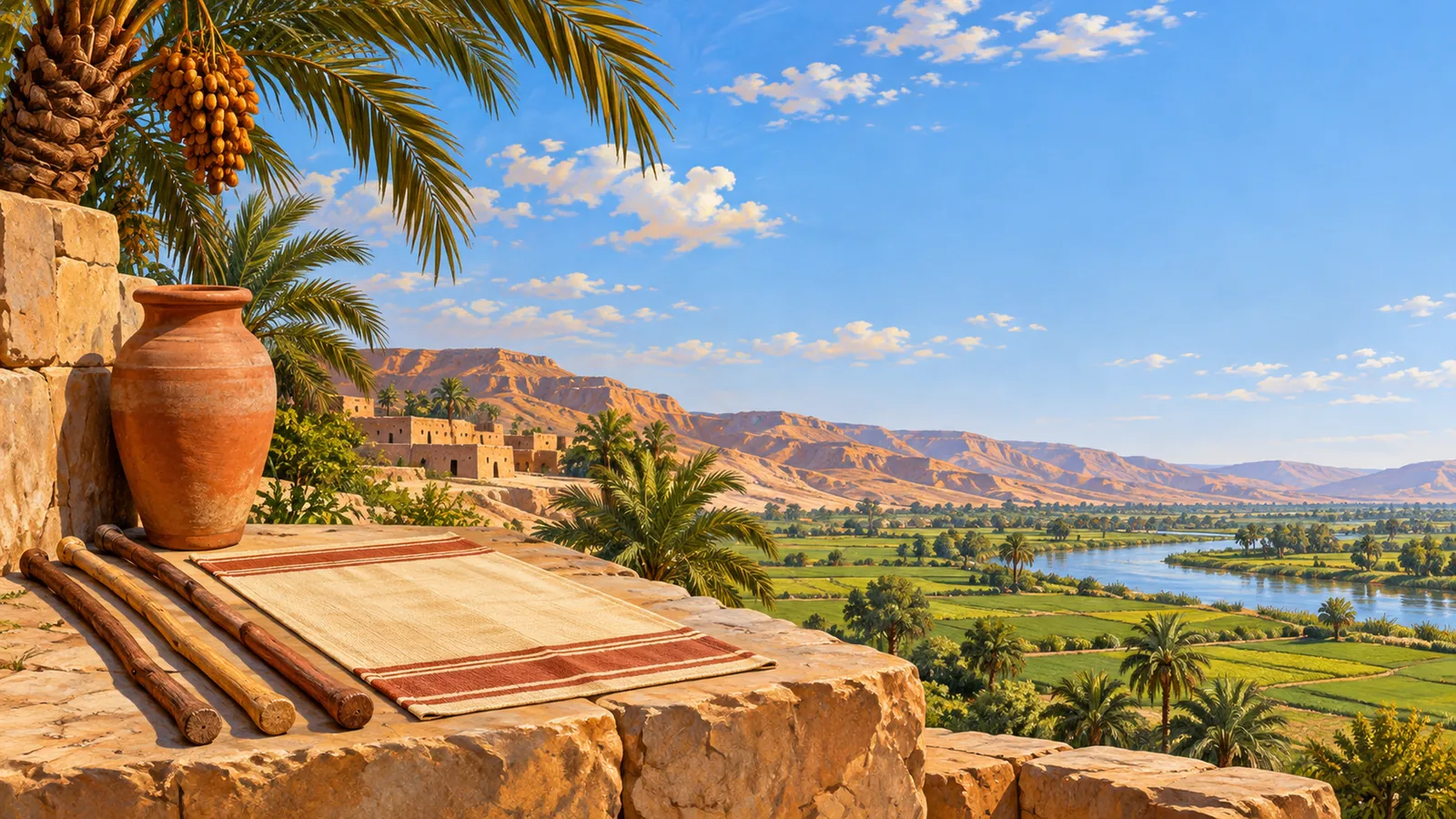
The other messengers returned, but Bata killed those sent to his valley. He spared one man to carry the report back to the pharaoh.
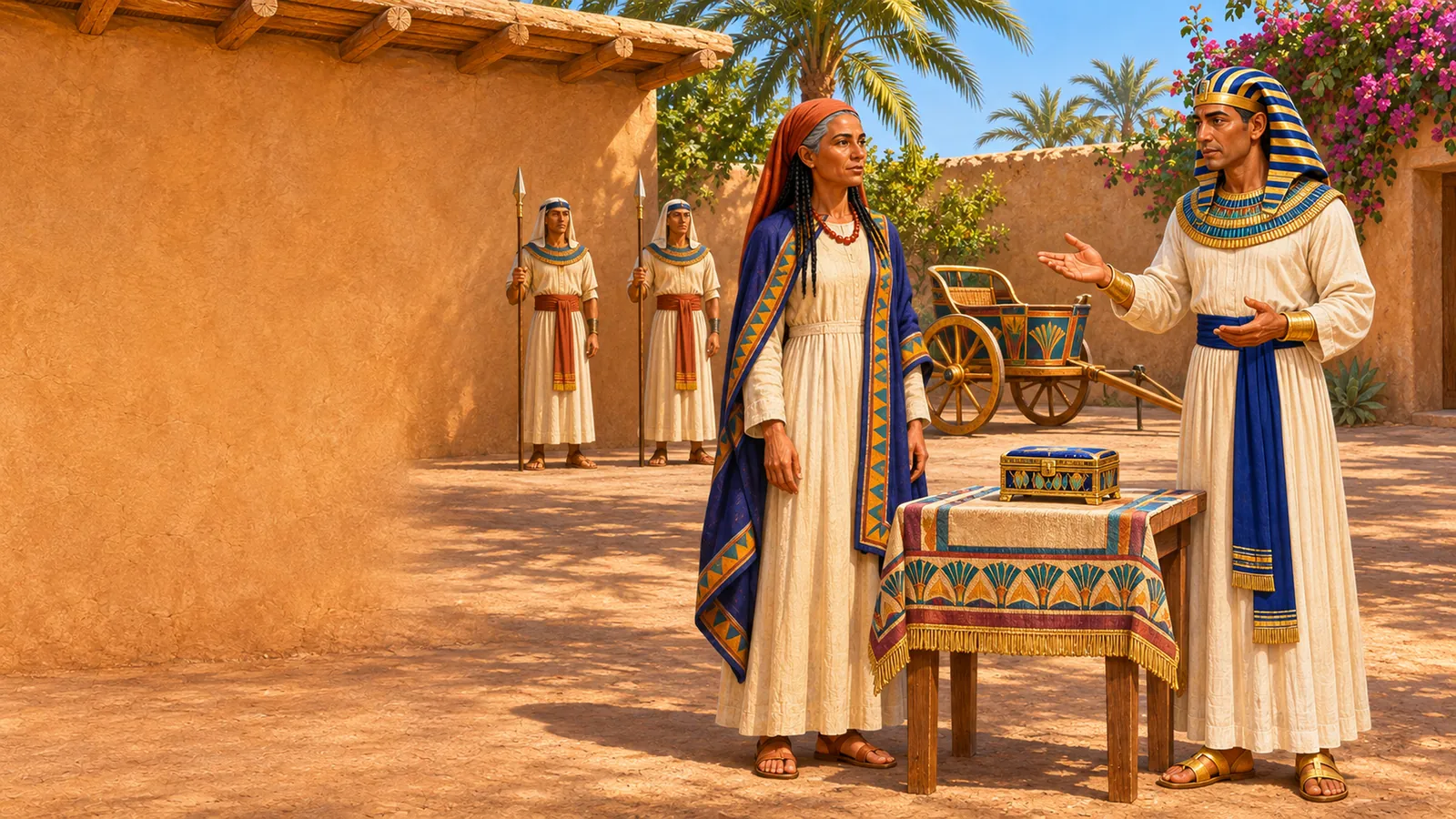
The king sent more troops and chariots. A woman accompanied them with beautiful ornaments, and Bata’s wife came back to Egypt with her.
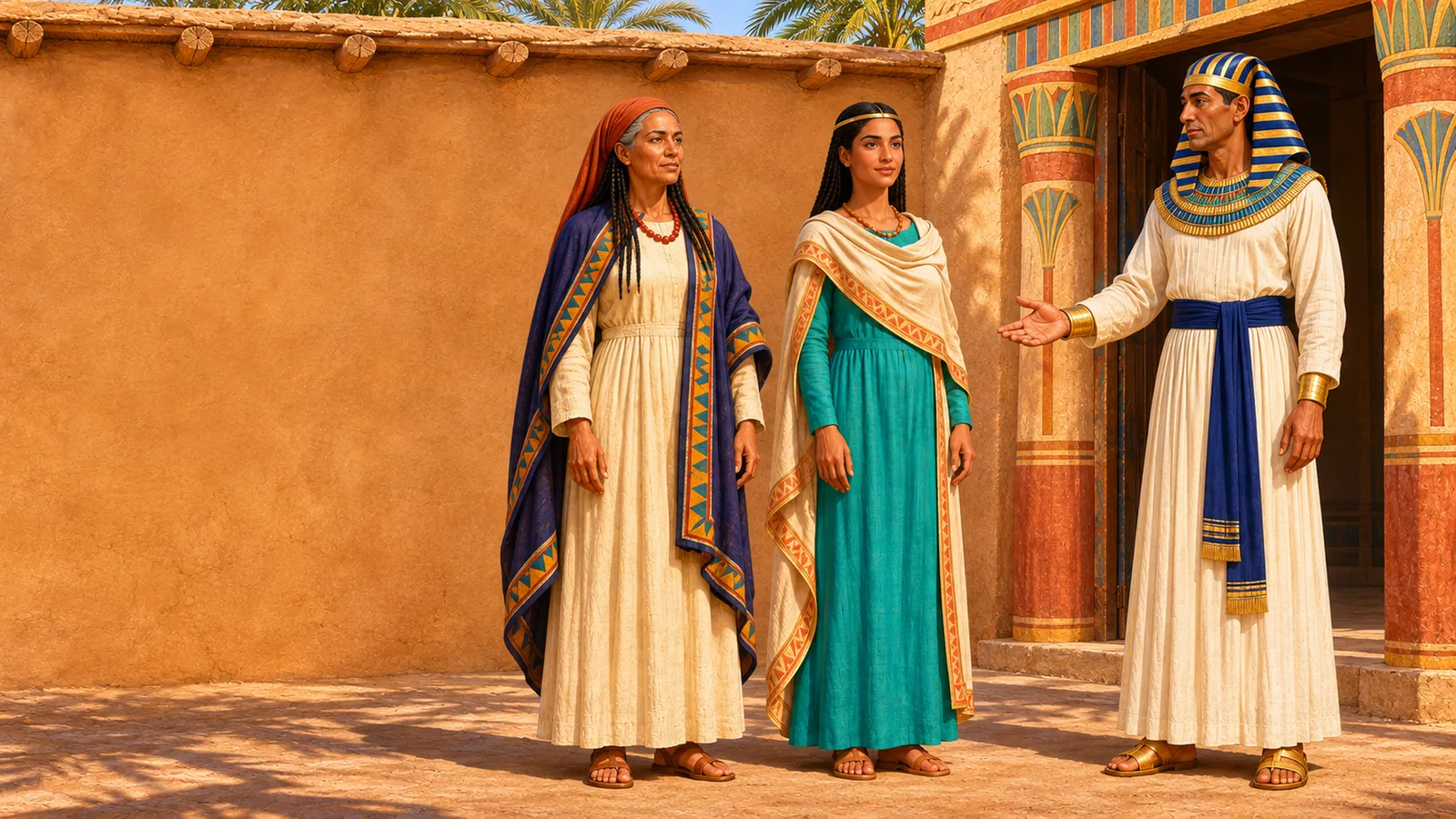
The land greeted her arrival with rejoicing. The pharaoh loved her greatly and raised her to the position of royal favourite in his household.
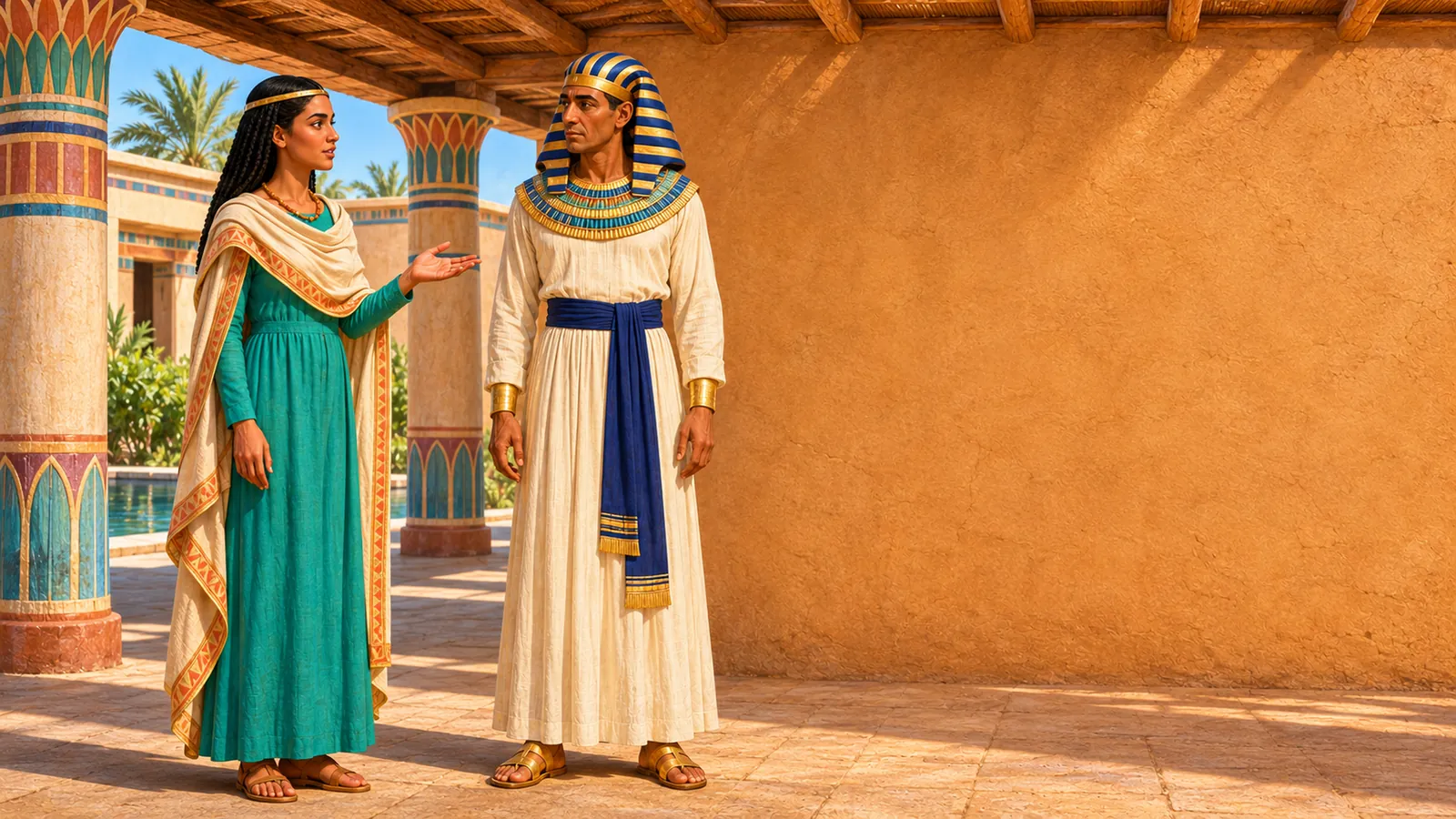
Asked about her husband, she told the pharaoh to have the pine cut down and destroyed. She knew that Bata’s heart depended on it.

The king’s men reached the tree and cut the flower on which Bata’s heart rested. Bata fell dead when his hidden support was destroyed.
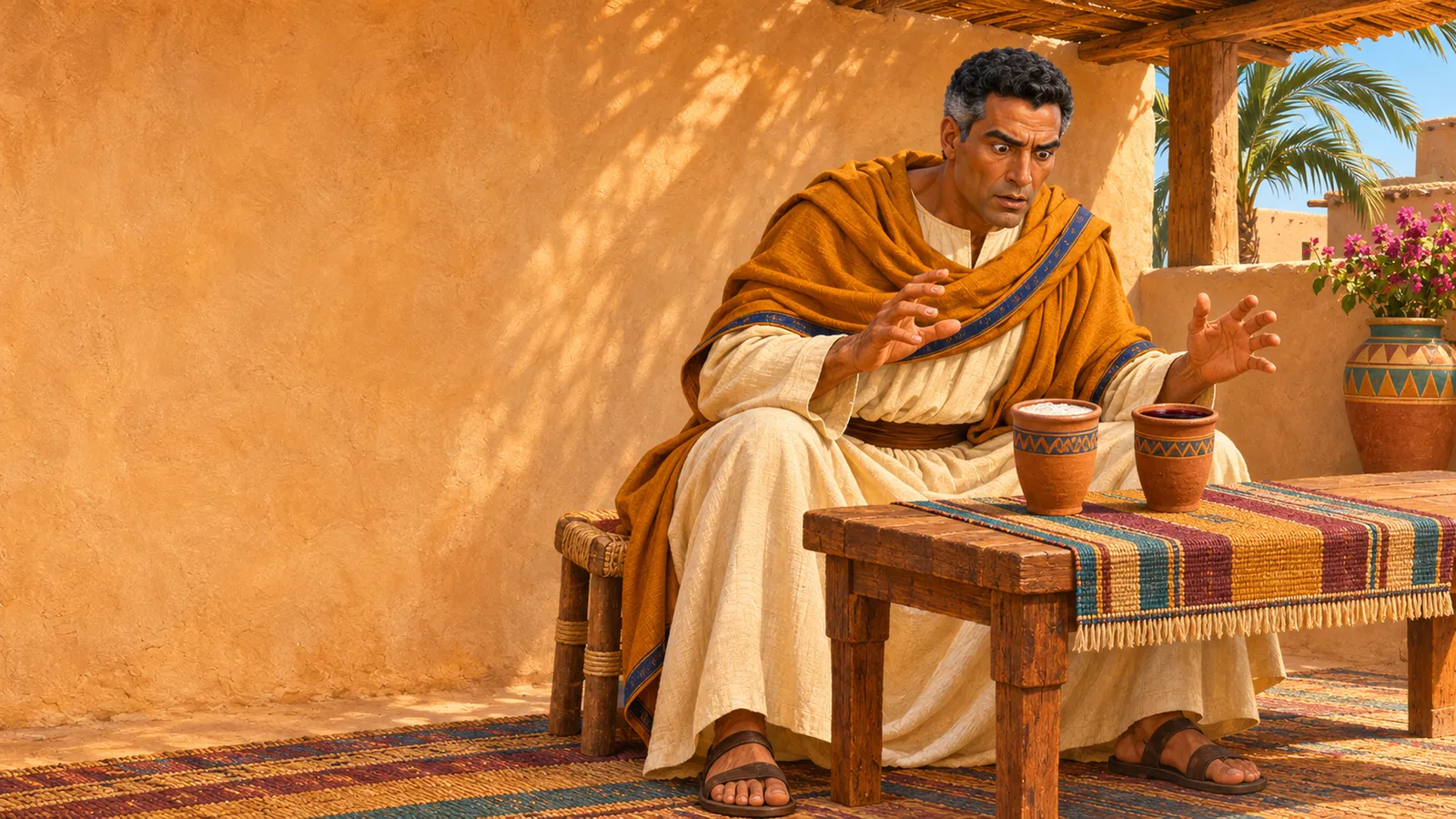
Anub was given beer, and it foamed over; wine followed, giving off a foul smell. The promised warning told him something had happened to Bata.
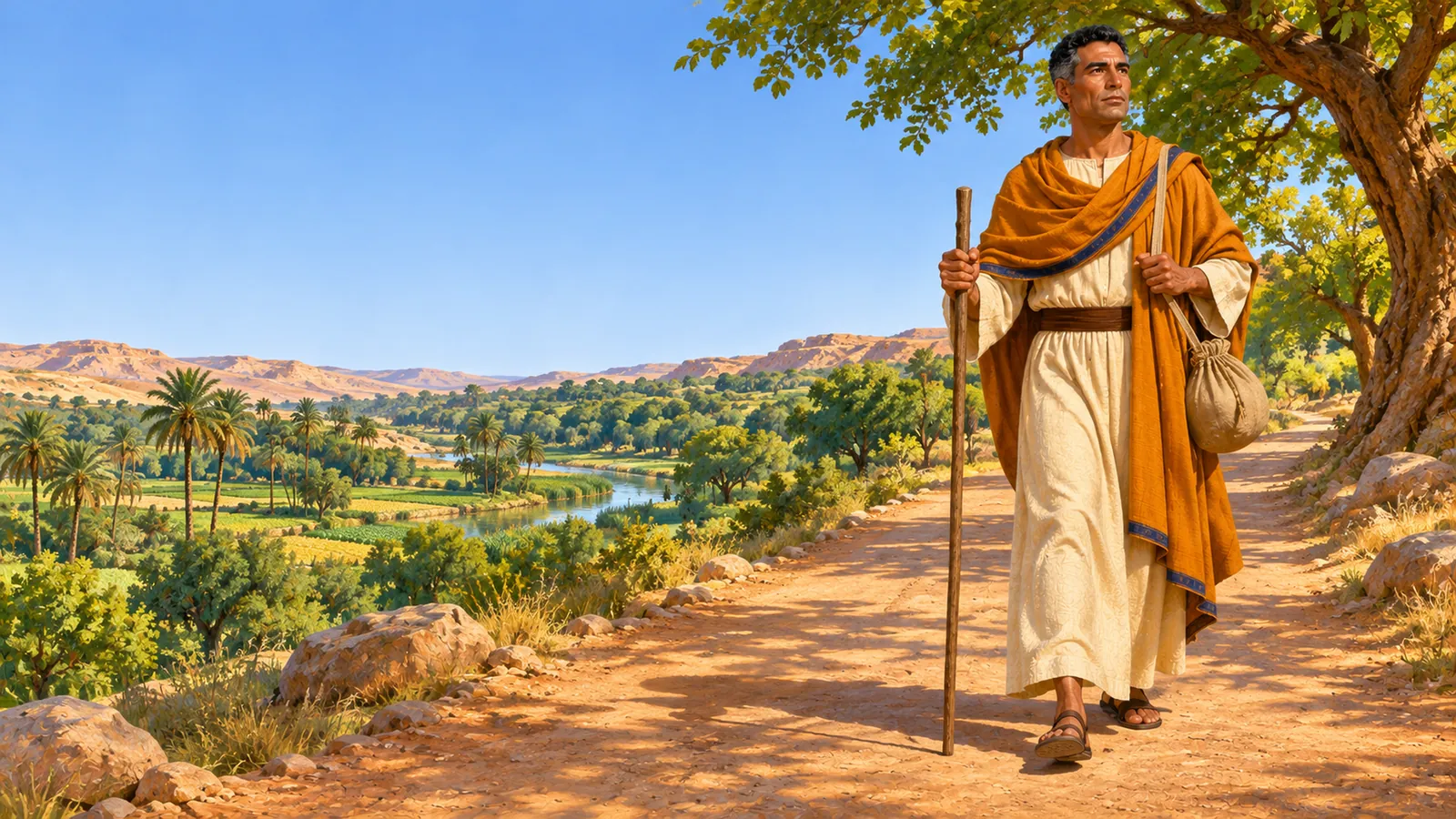
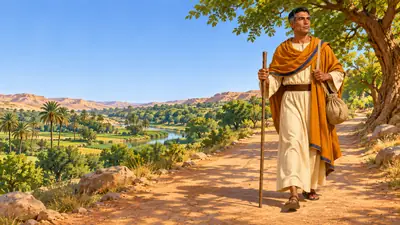
Anub took his staff, sandals, clothing and weapons and set out for the Valley of the Pine. He now went to help the brother he had pursued.
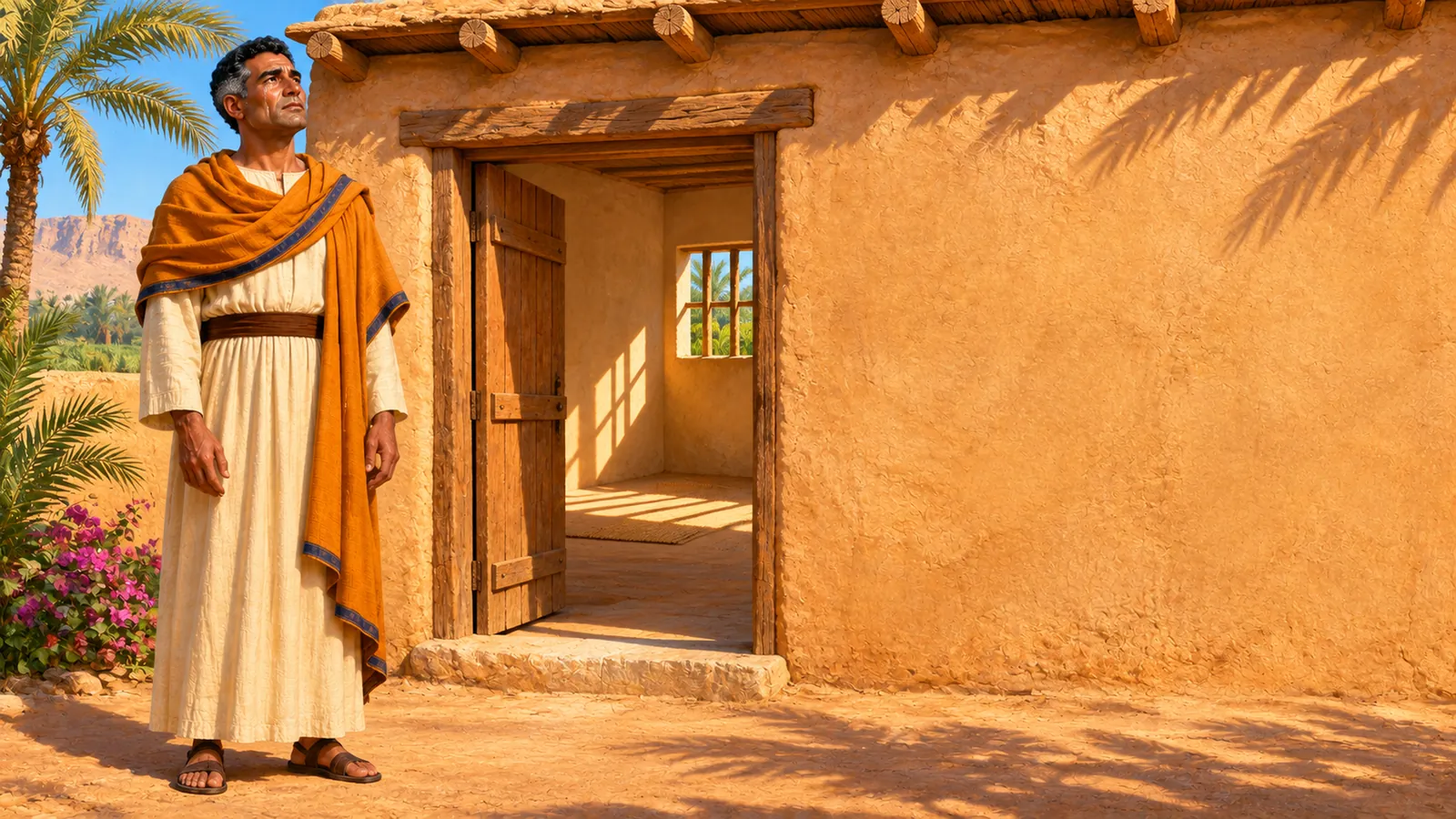
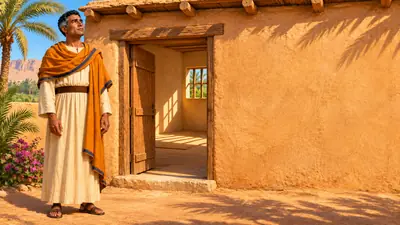
Anub entered Bata’s house and found his brother dead upon his bed. He wept, then began searching beneath the tree for the hidden heart.
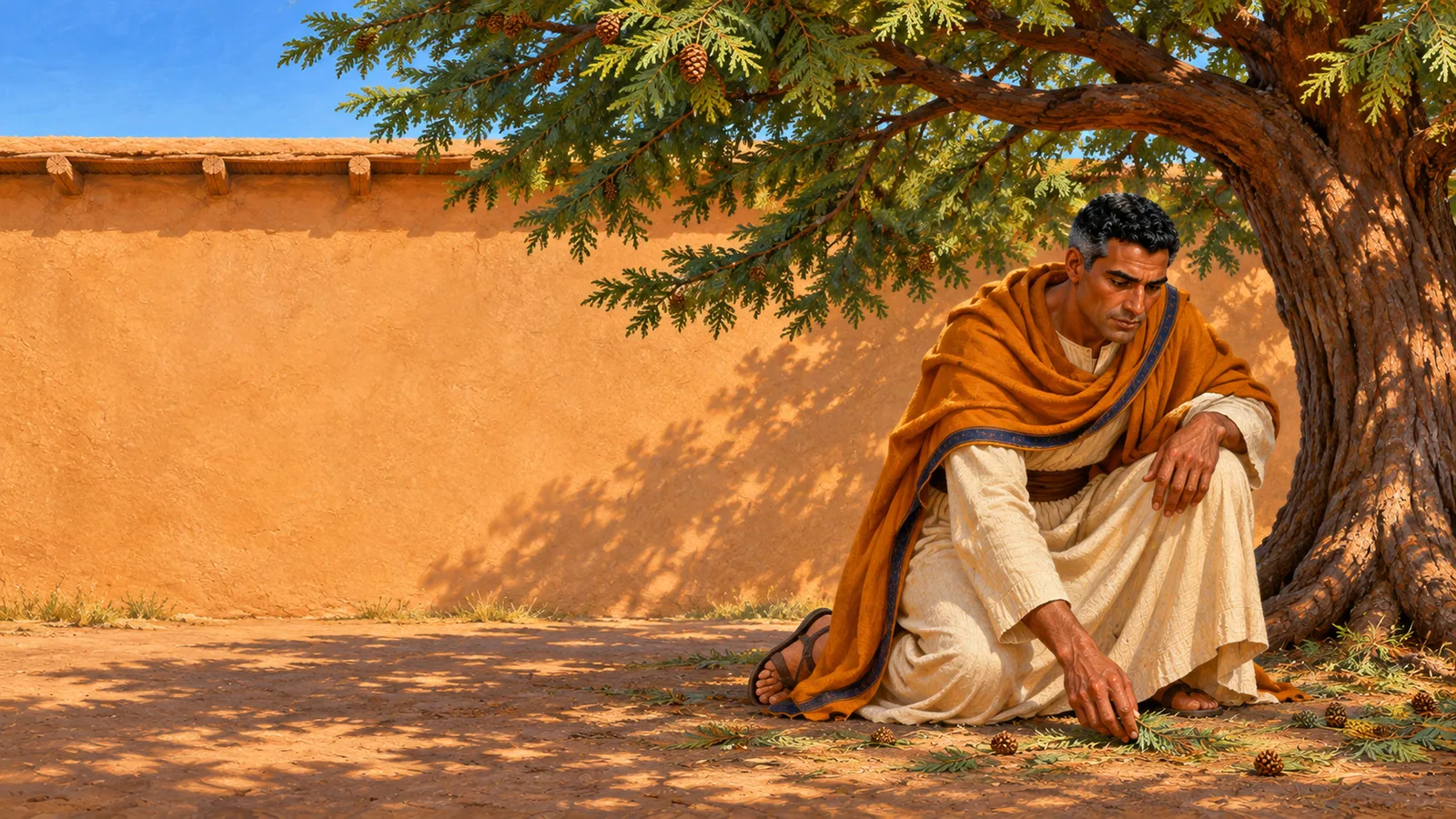
Three years passed as Anub searched beneath the tree without finding his brother’s heart. He remained in the valley and continued the search.
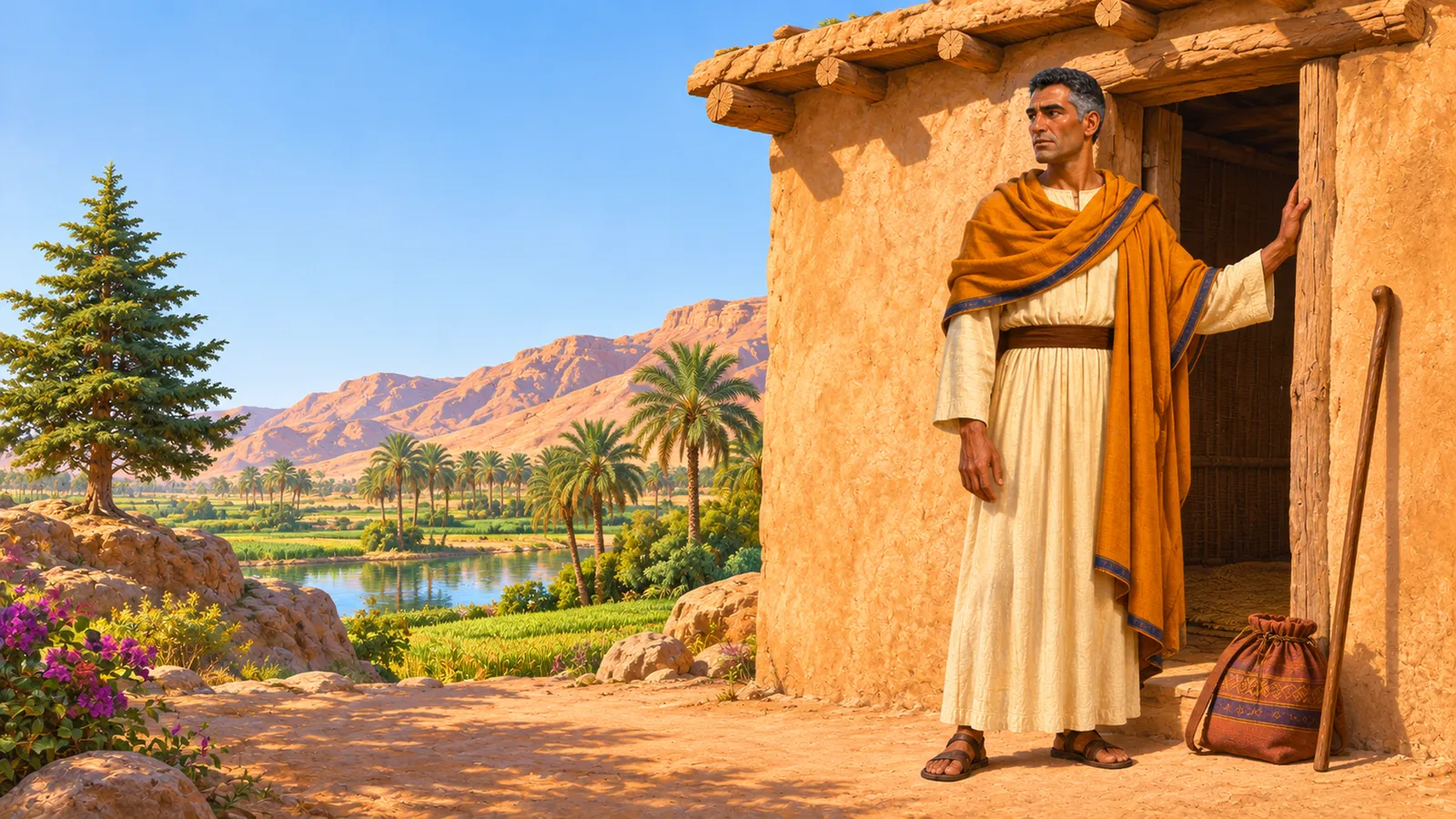
At the beginning of the fourth year, Anub thought of returning to Egypt. He planned to leave the next day, yet searched once more.
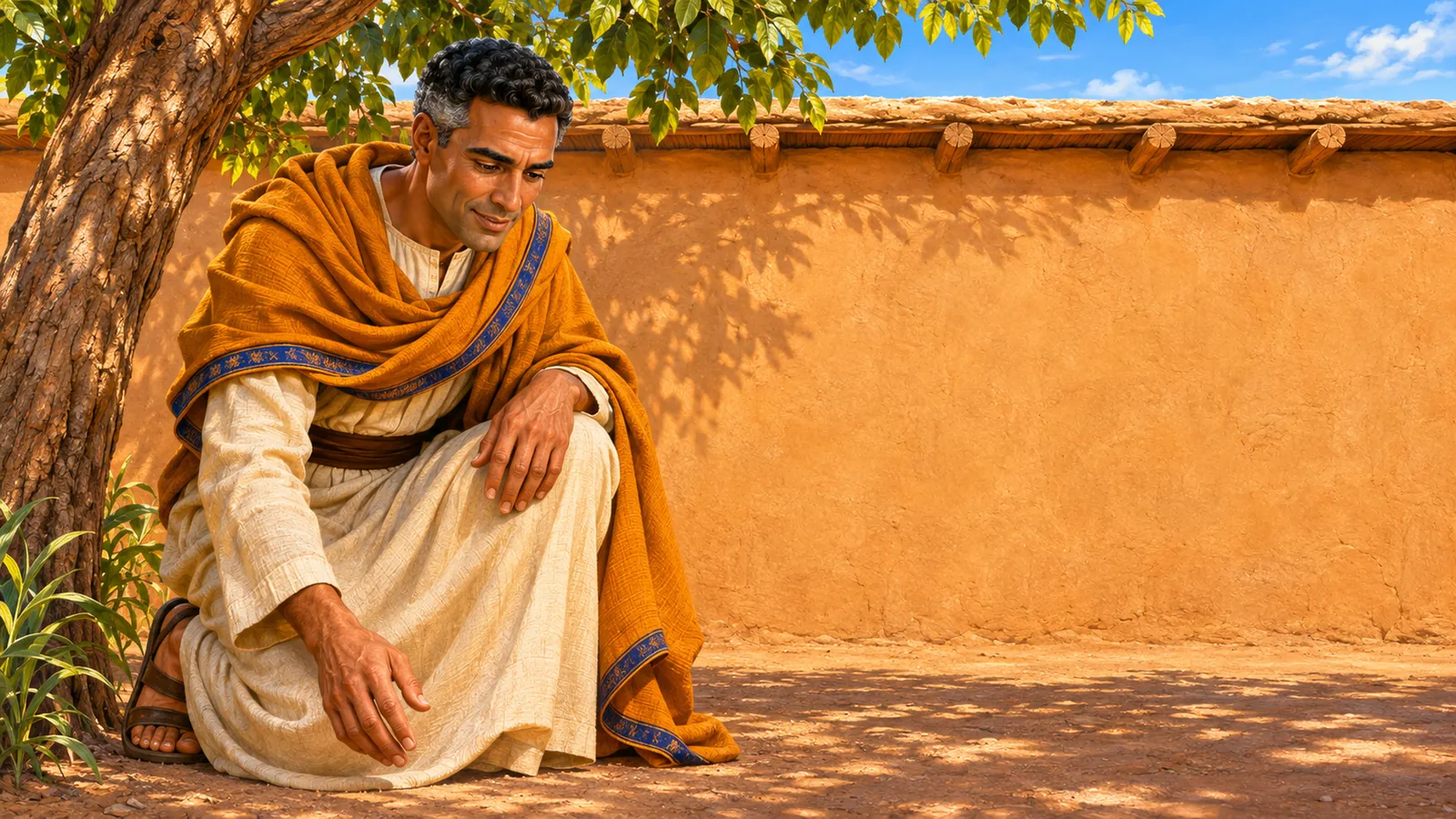
Anub finally found his brother’s heart and carried it back. He brought a bowl of cool water, remembering the instructions Bata had given him.
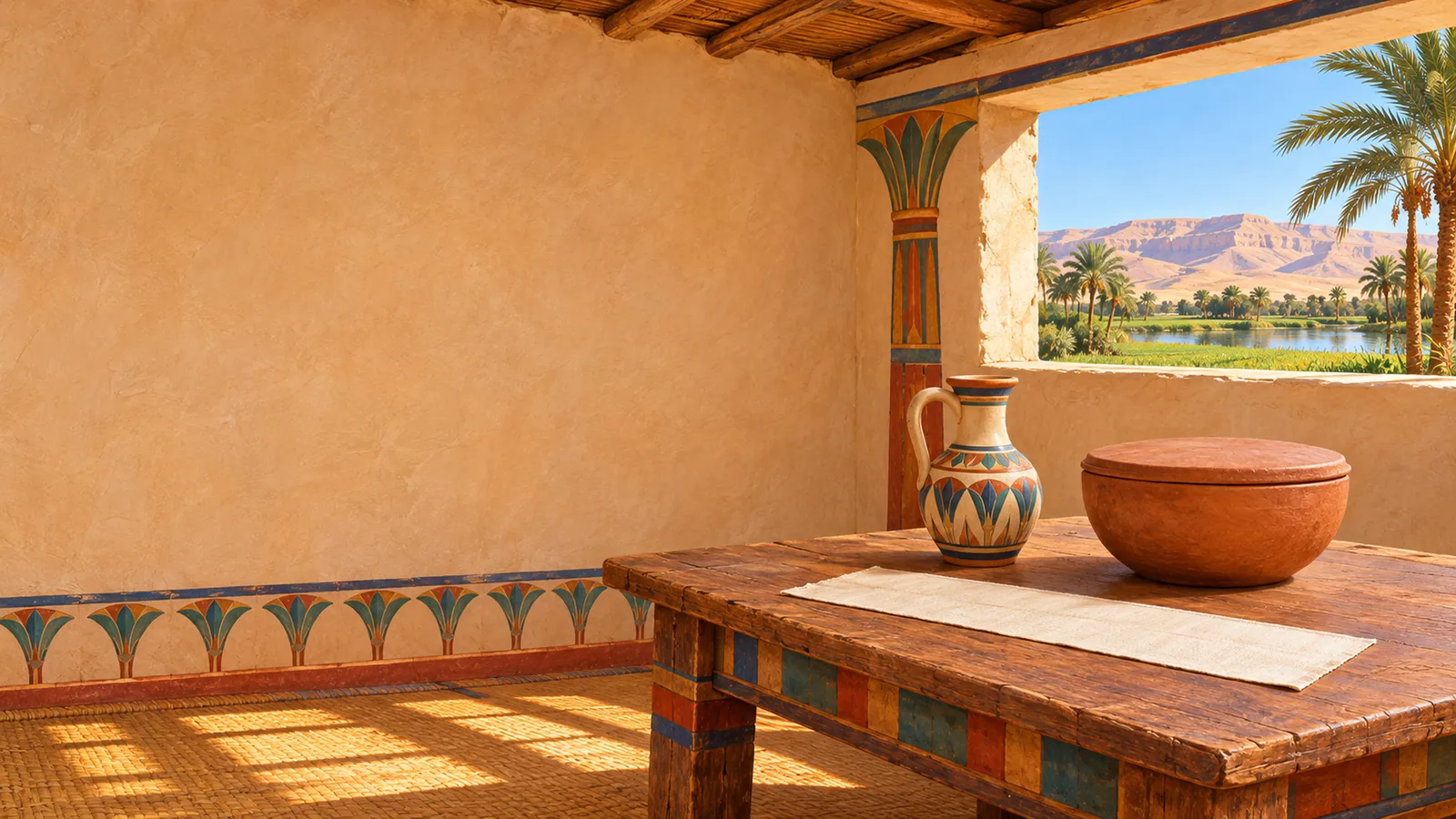
Anub placed the heart in cool water. Bata stirred; when Anub gave him the water and heart to drink, it returned to its place and he revived.
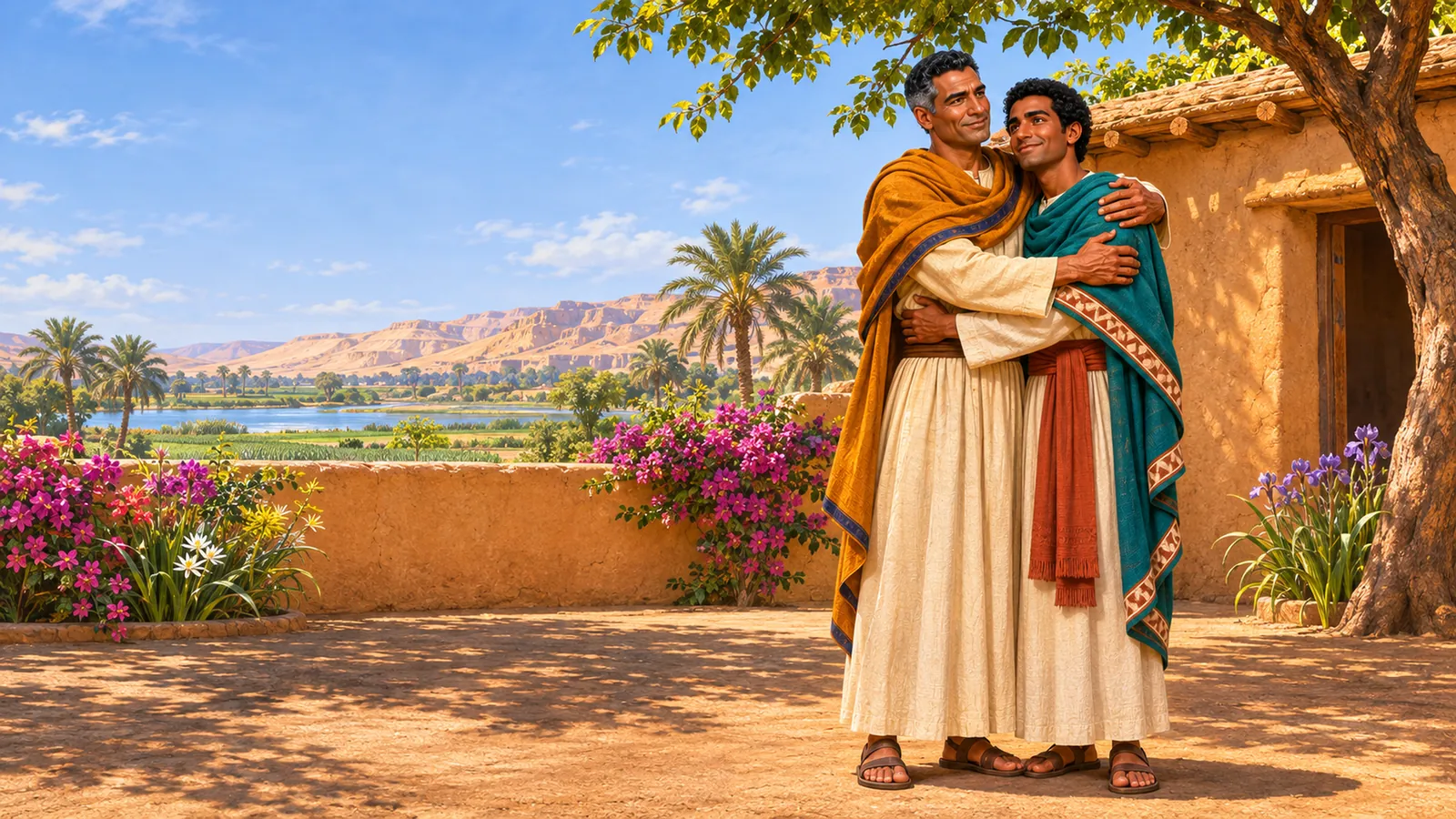
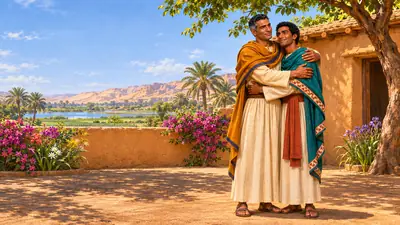
The brothers embraced and spoke together. Bata said he would become a splendid bull, carry Anub to the king and seek revenge upon his wife.
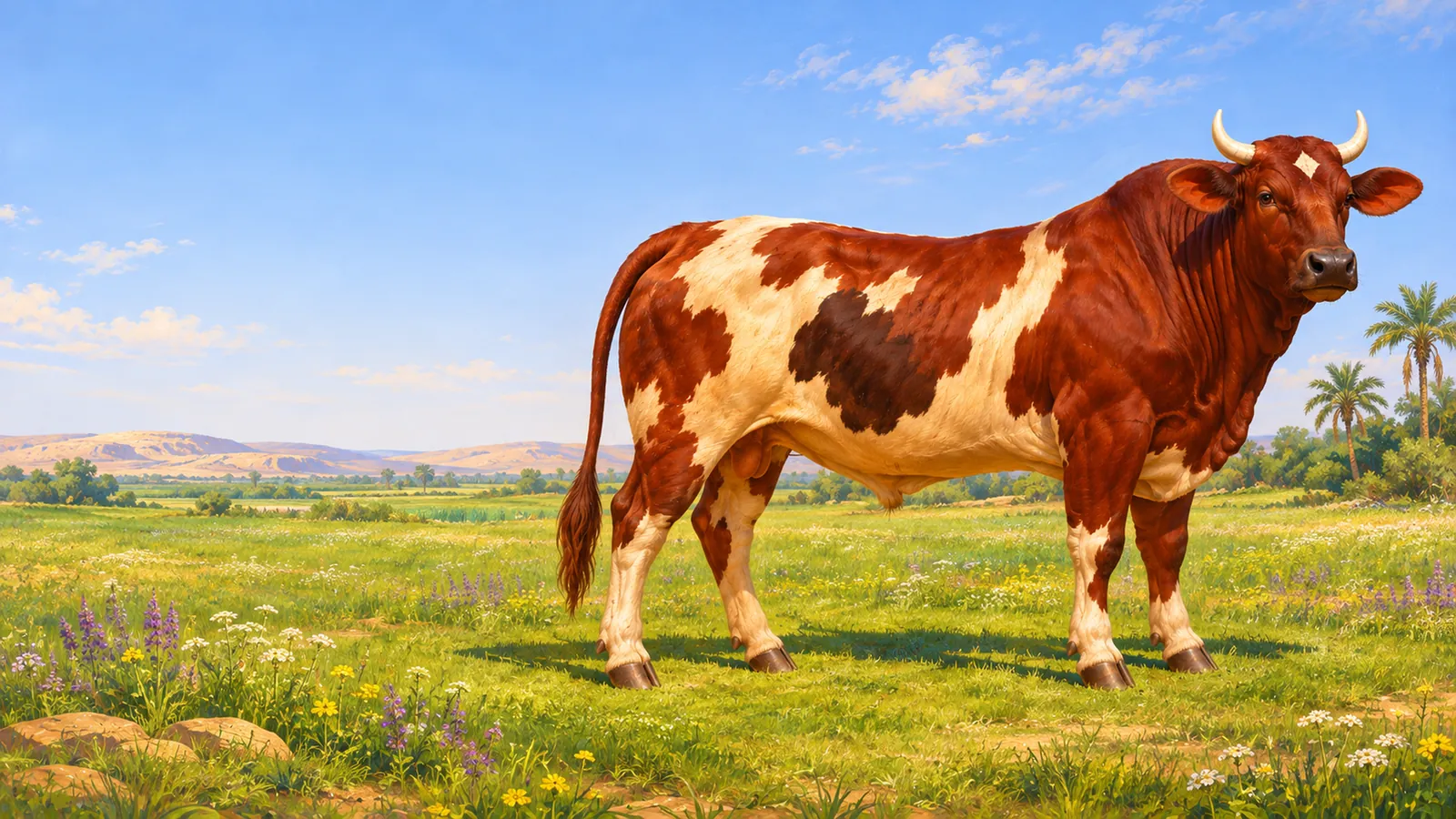
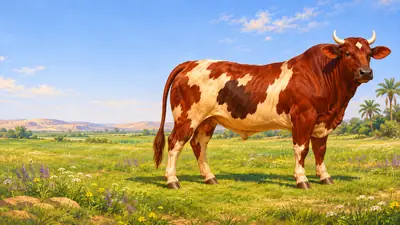
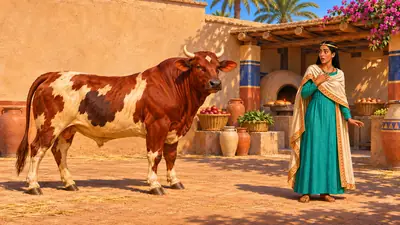
At the next dawn, Bata became a magnificent bull with a coat of many colours. His brother prepared to take him to the pharaoh.
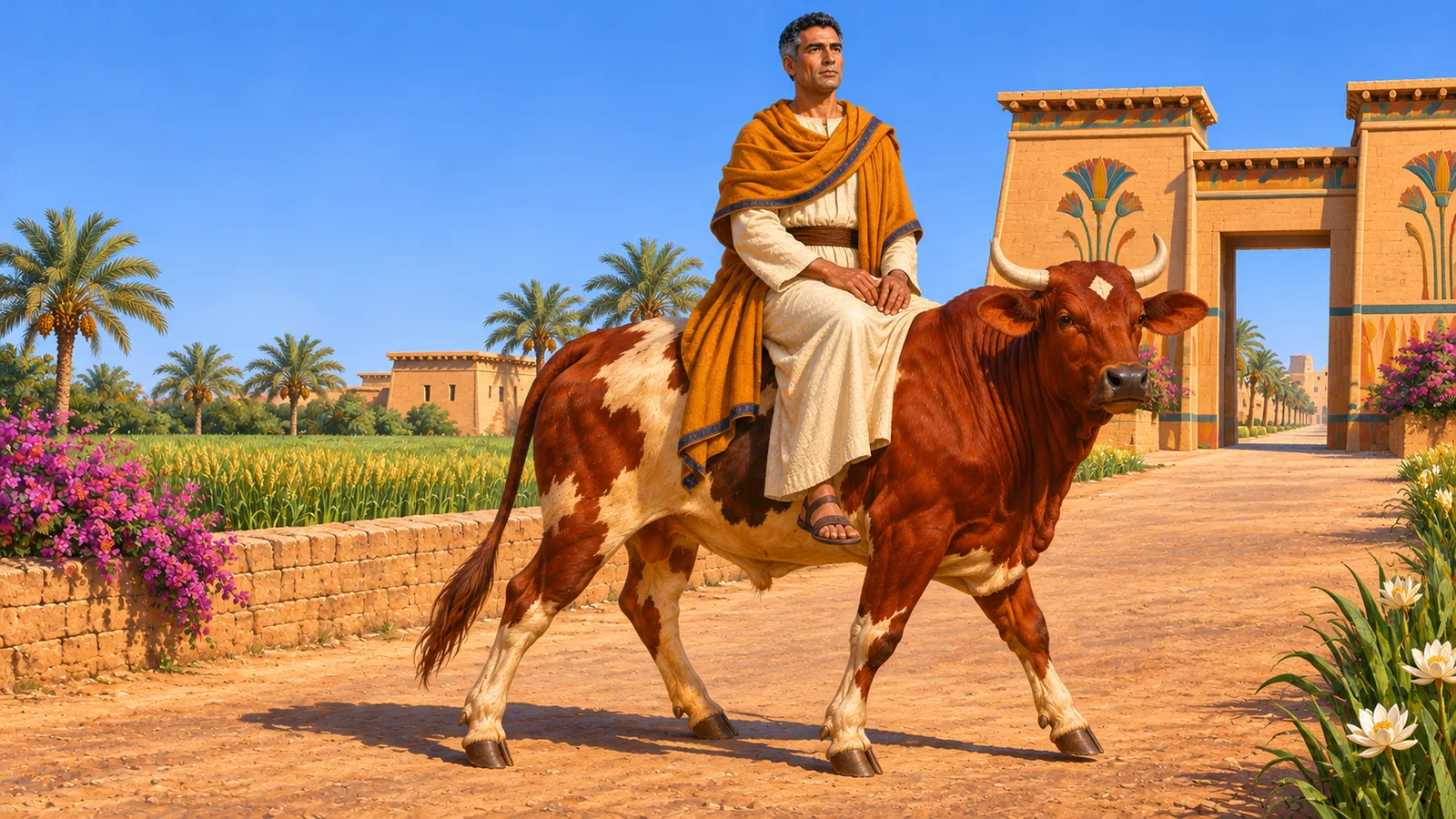
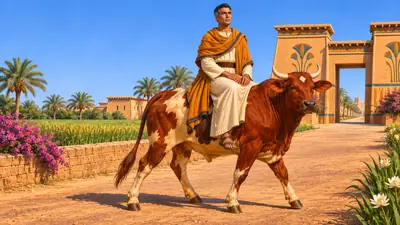
Anub rode upon the bull’s back and reached the royal residence at dawn. The brothers’ plan had brought Bata into the pharaoh’s world.
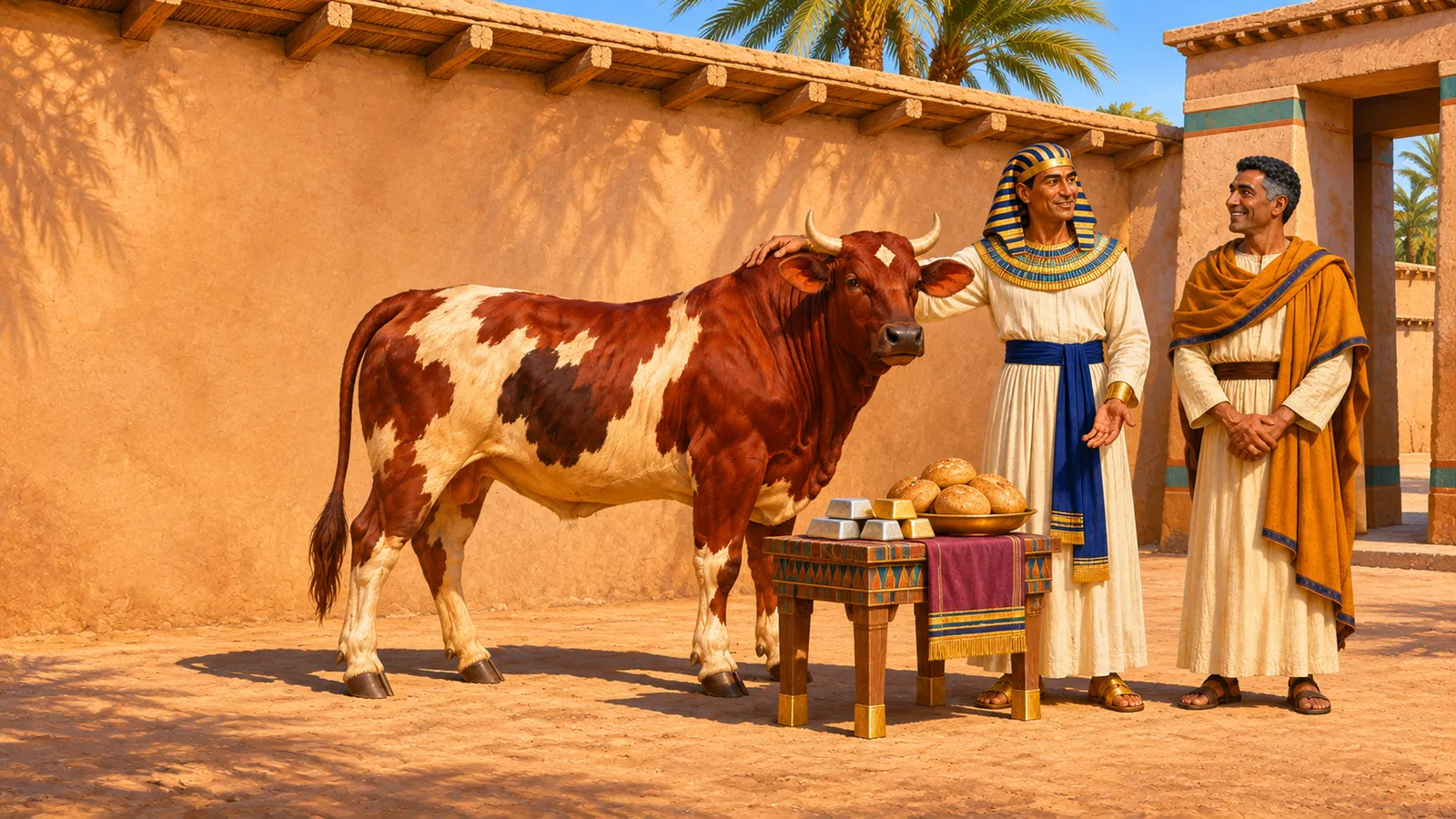
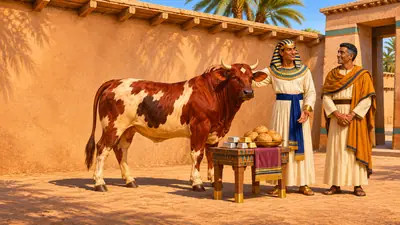
The king welcomed the marvellous bull with offerings and rejoicing. Anub received silver, gold and other rewards, then returned to his village.
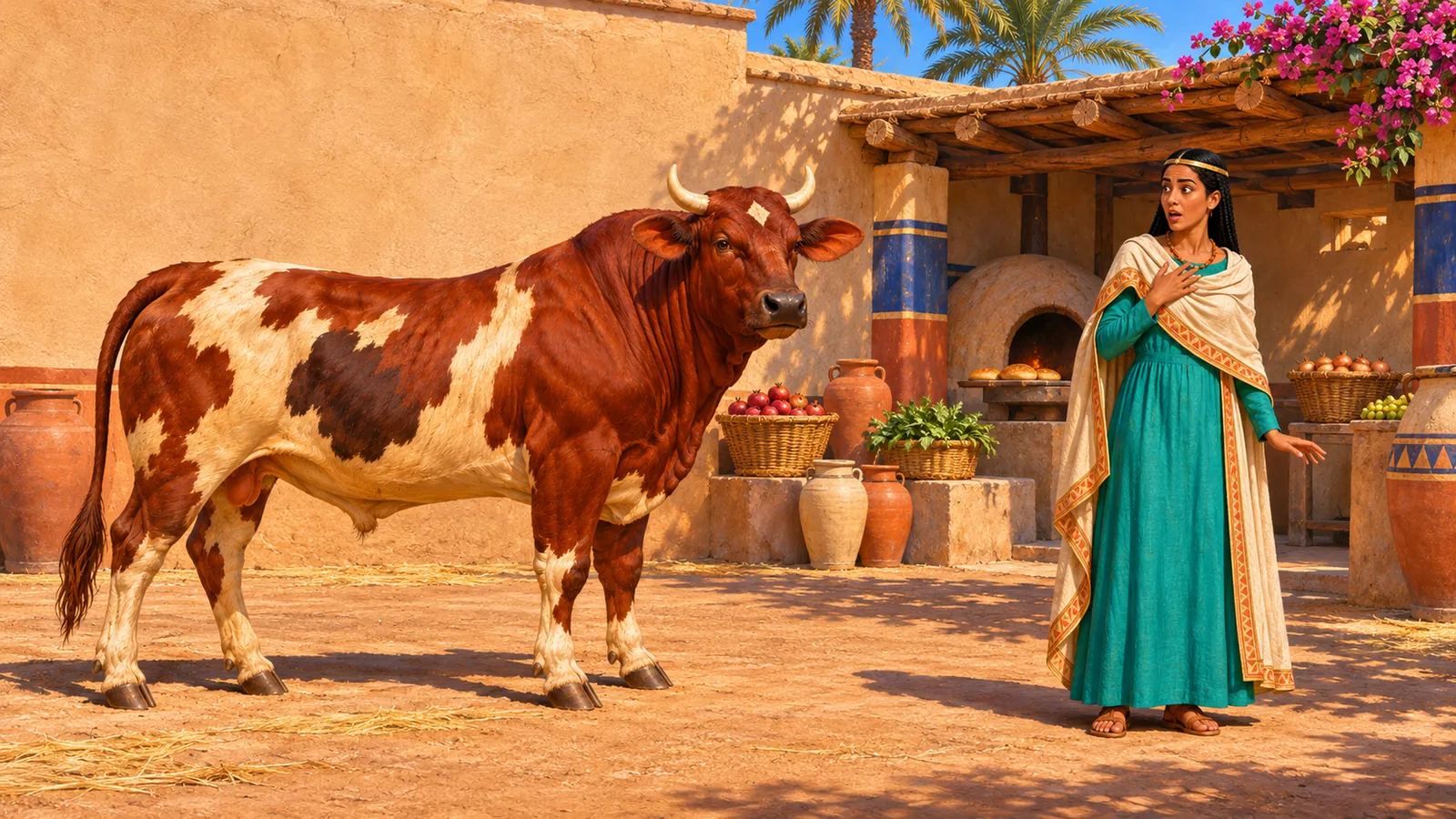
The bull found the royal favourite in the kitchen and told her he was Bata, alive again. She was frightened to hear her husband speaking.
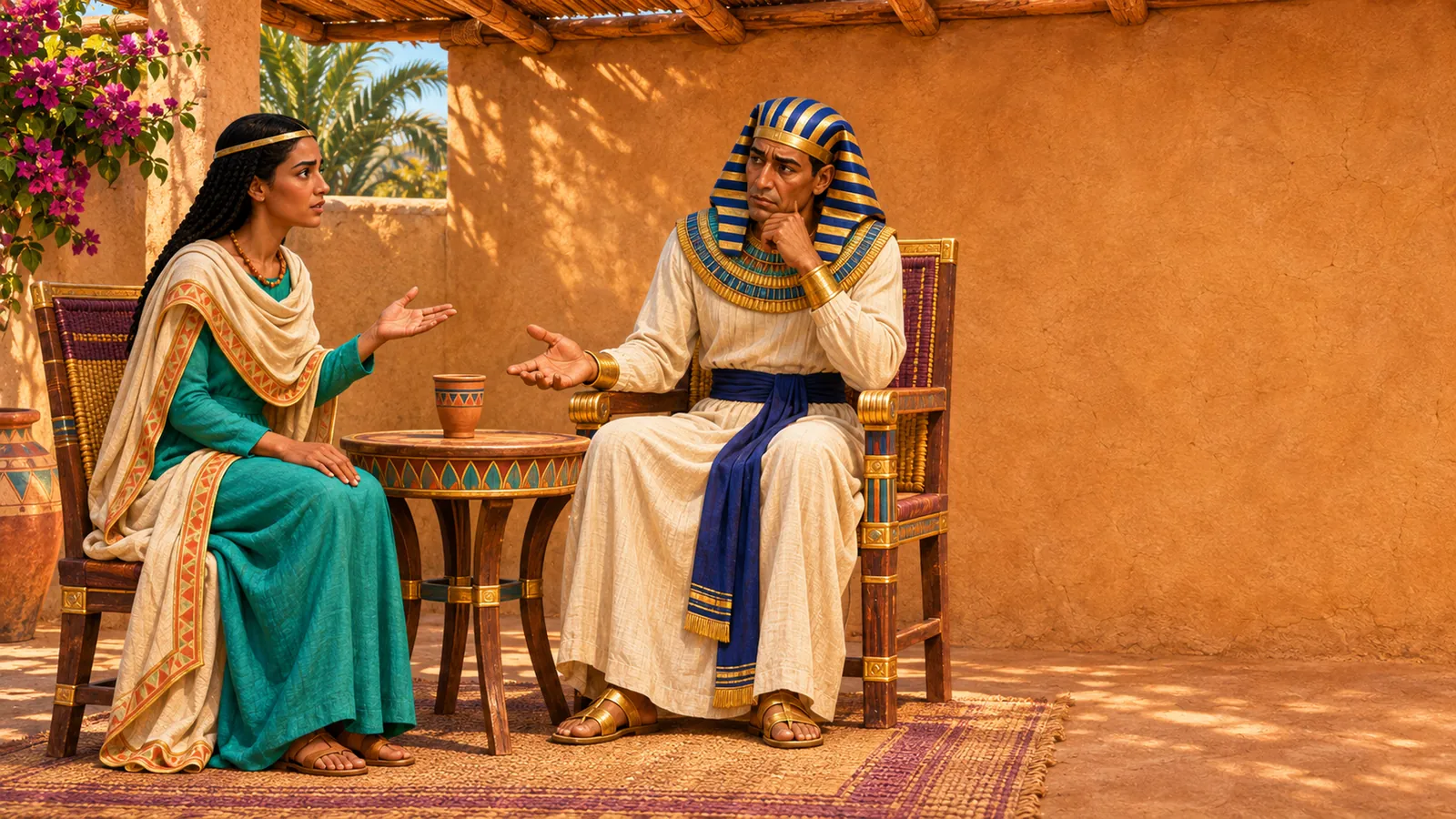
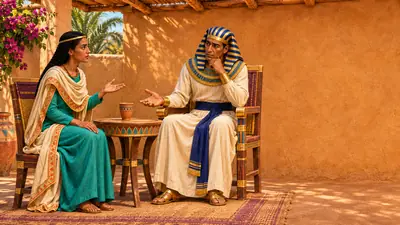
The favourite obtained the king’s oath to grant her wish, then asked to eat the bull’s liver. The request deeply distressed the pharaoh.
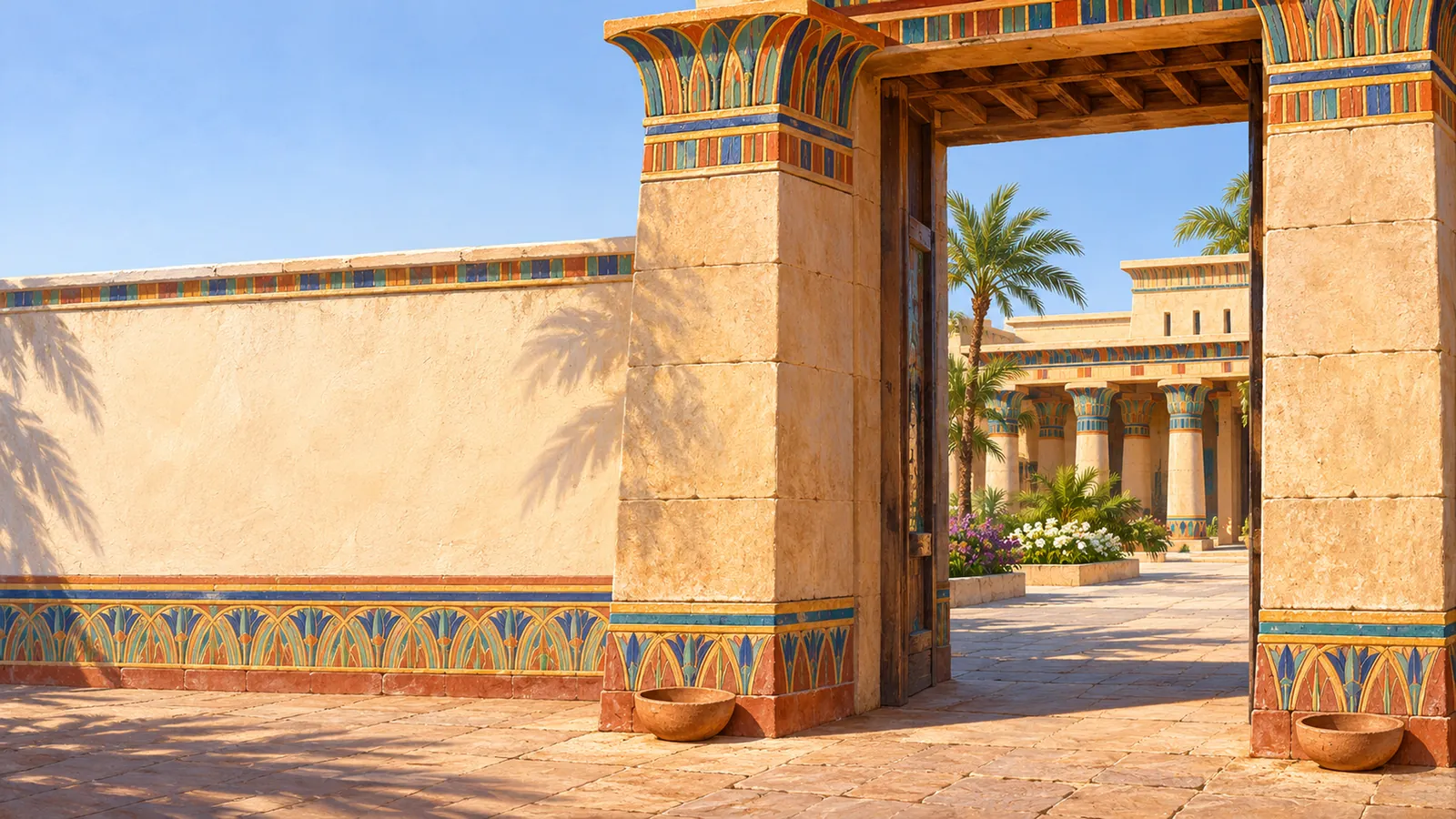
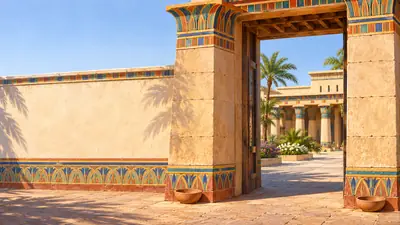
The next day the king ordered the bull slaughtered. As it was carried, two drops of blood fell beside the opposite posts of the great gate.
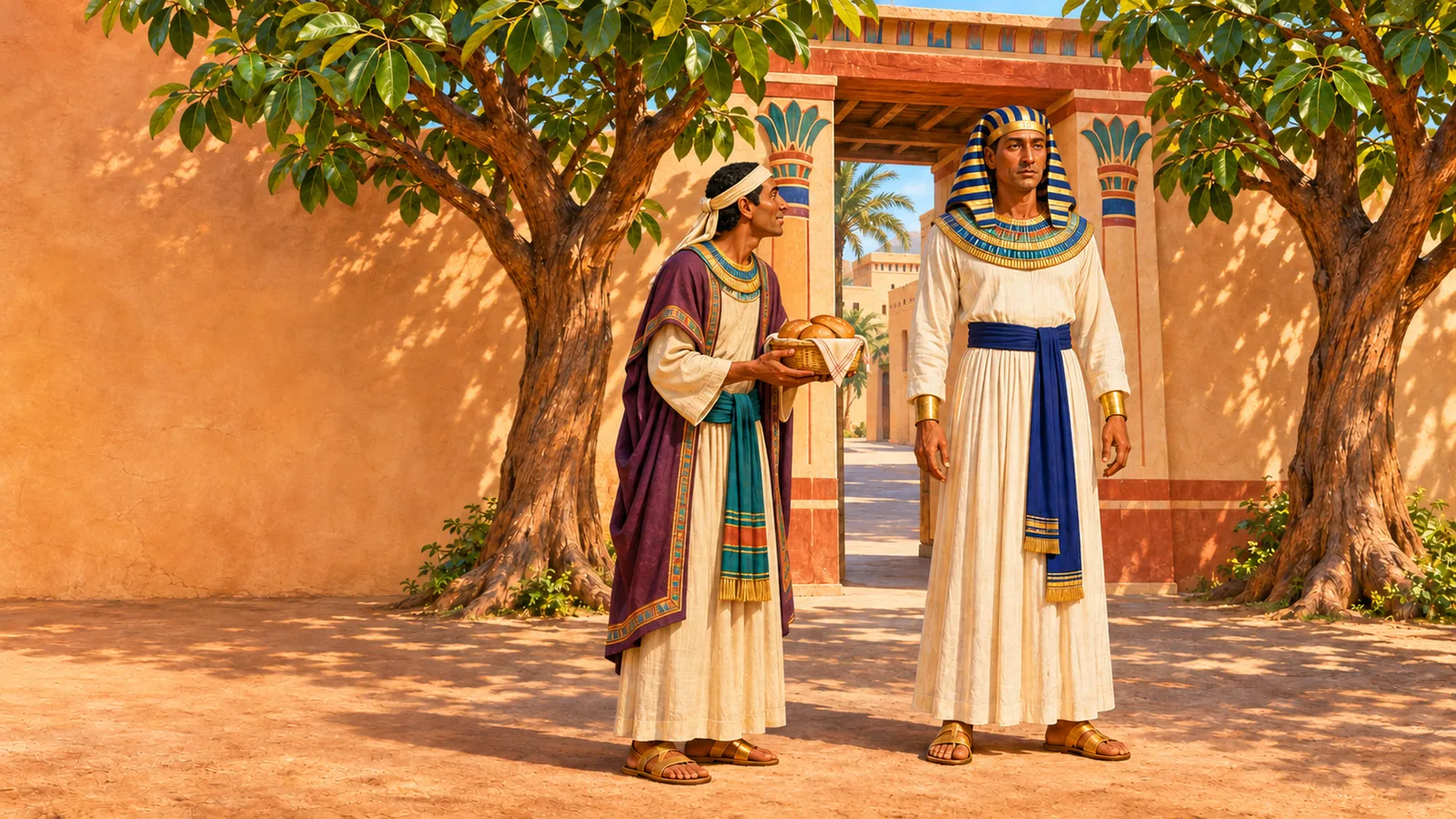
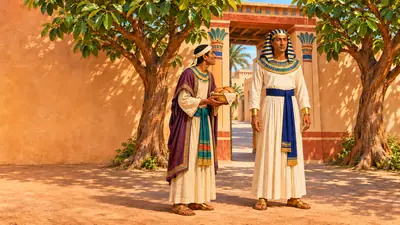
From the two drops grew two great persea trees, one on each side of the gateway. The king honoured this new marvel with offerings.
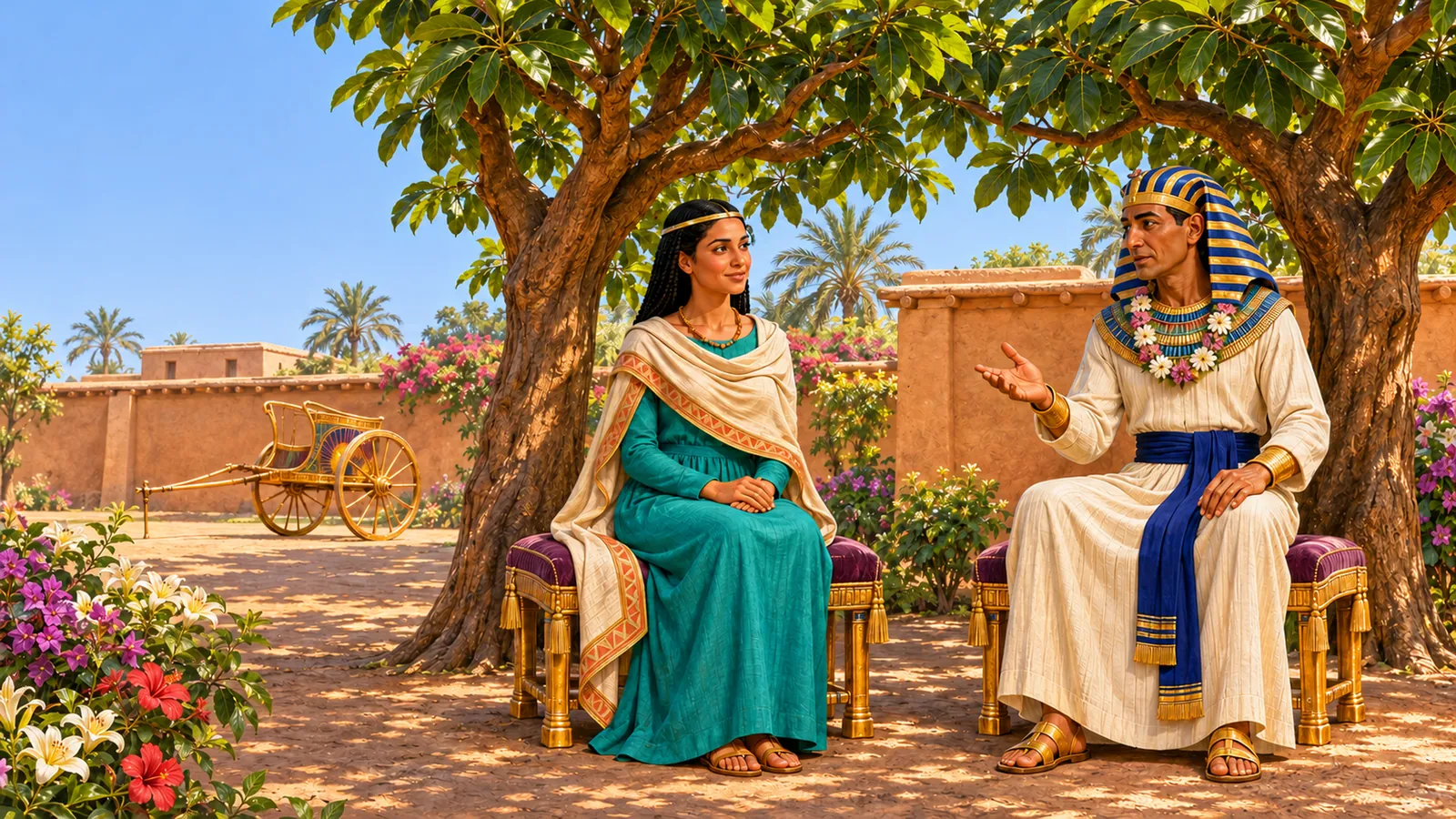
Wearing flowers, the king rode out in a splendid chariot to see the trees. The favourite followed, and they sat beneath the new growth.
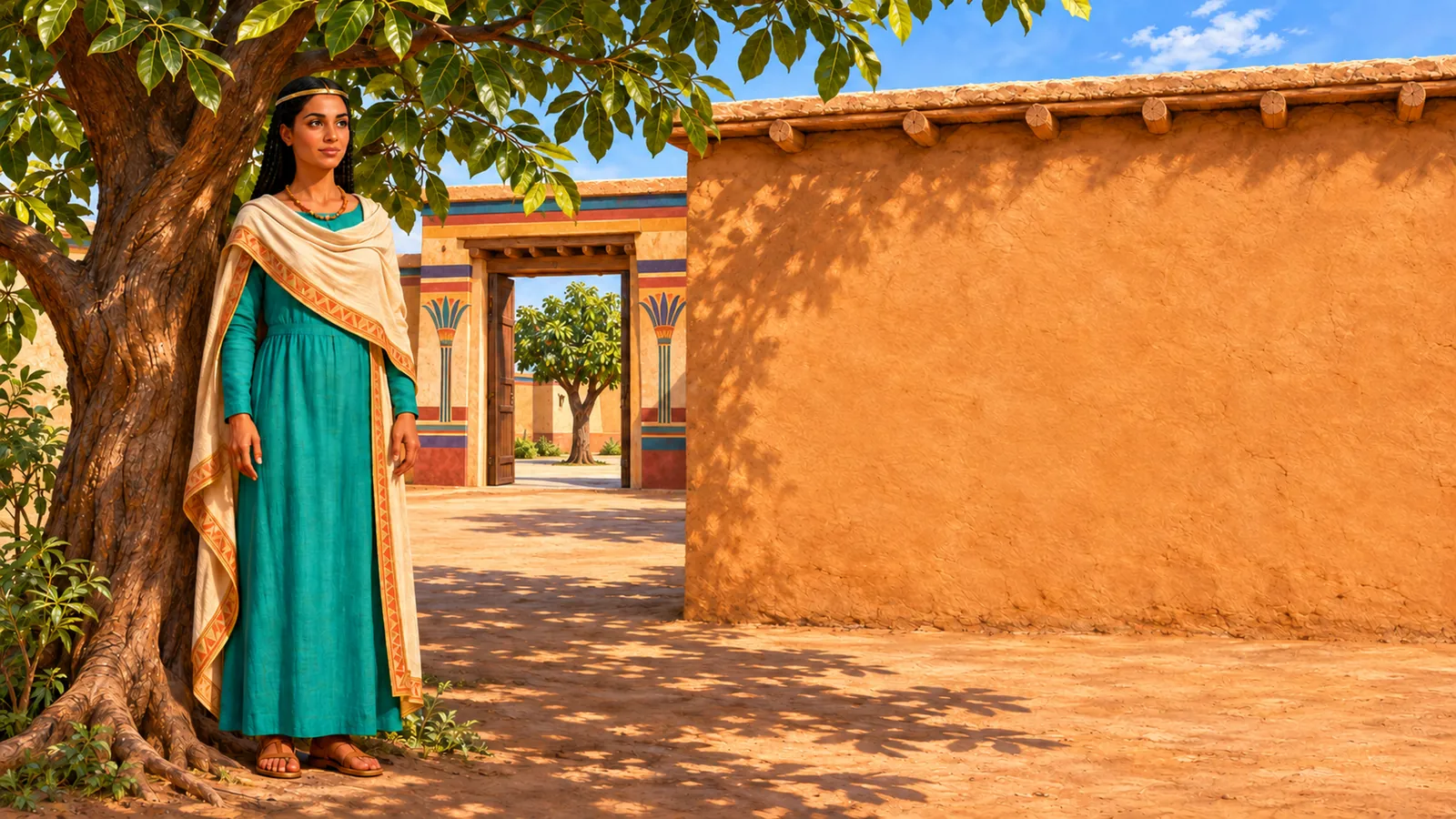
Bata spoke to his former wife from the tree. He reminded her of the pine she had destroyed and the bull she had caused to be killed.
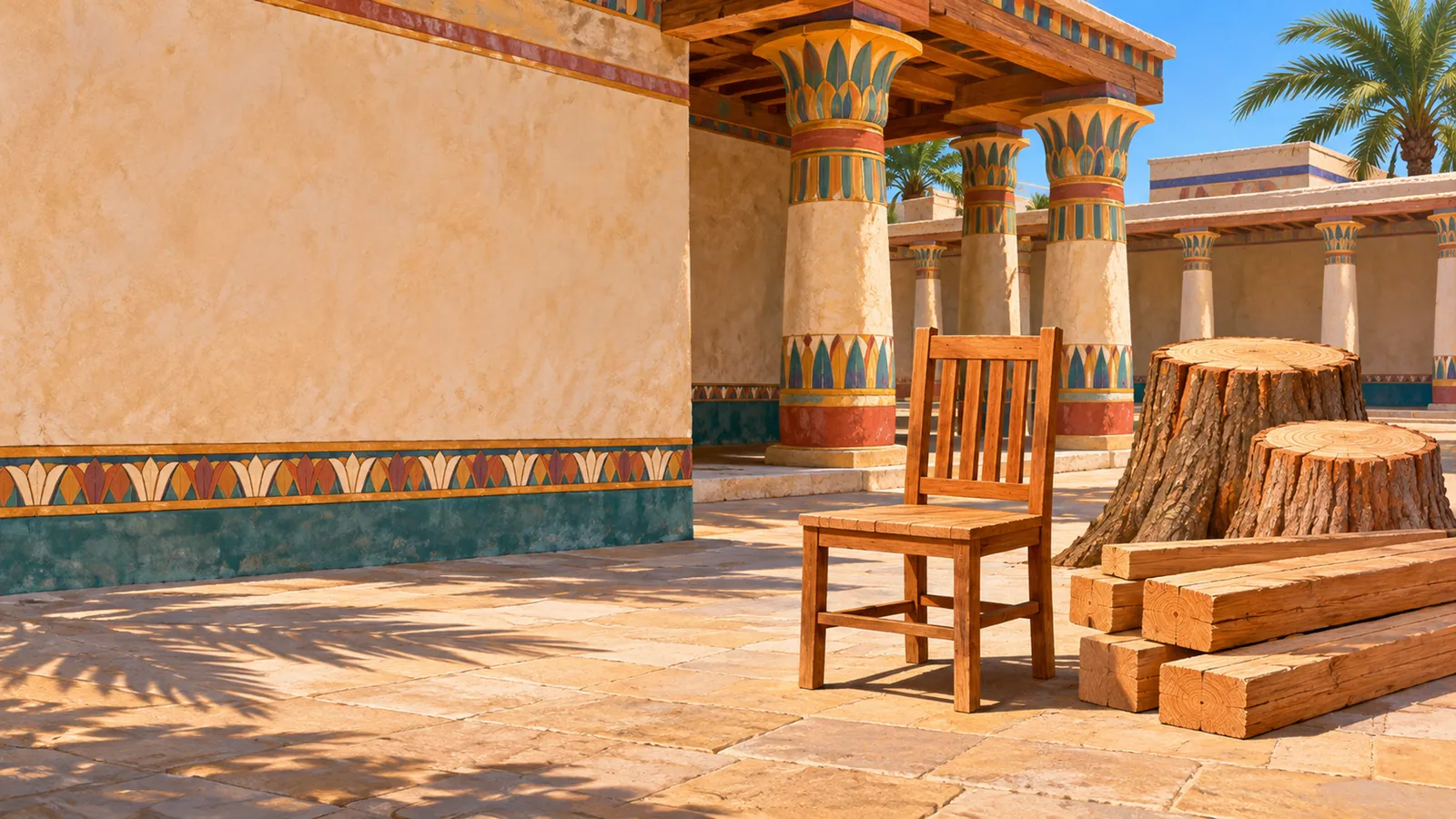
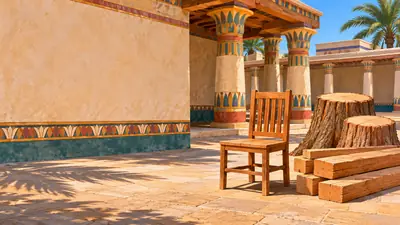
After obtaining another oath, the favourite asked for both trees to be cut down and made into furniture. Skilled craftsmen felled them while she watched.
A splinter flew into her mouth; she swallowed it and became pregnant. Bata’s next return began within the woman who had tried to destroy him.
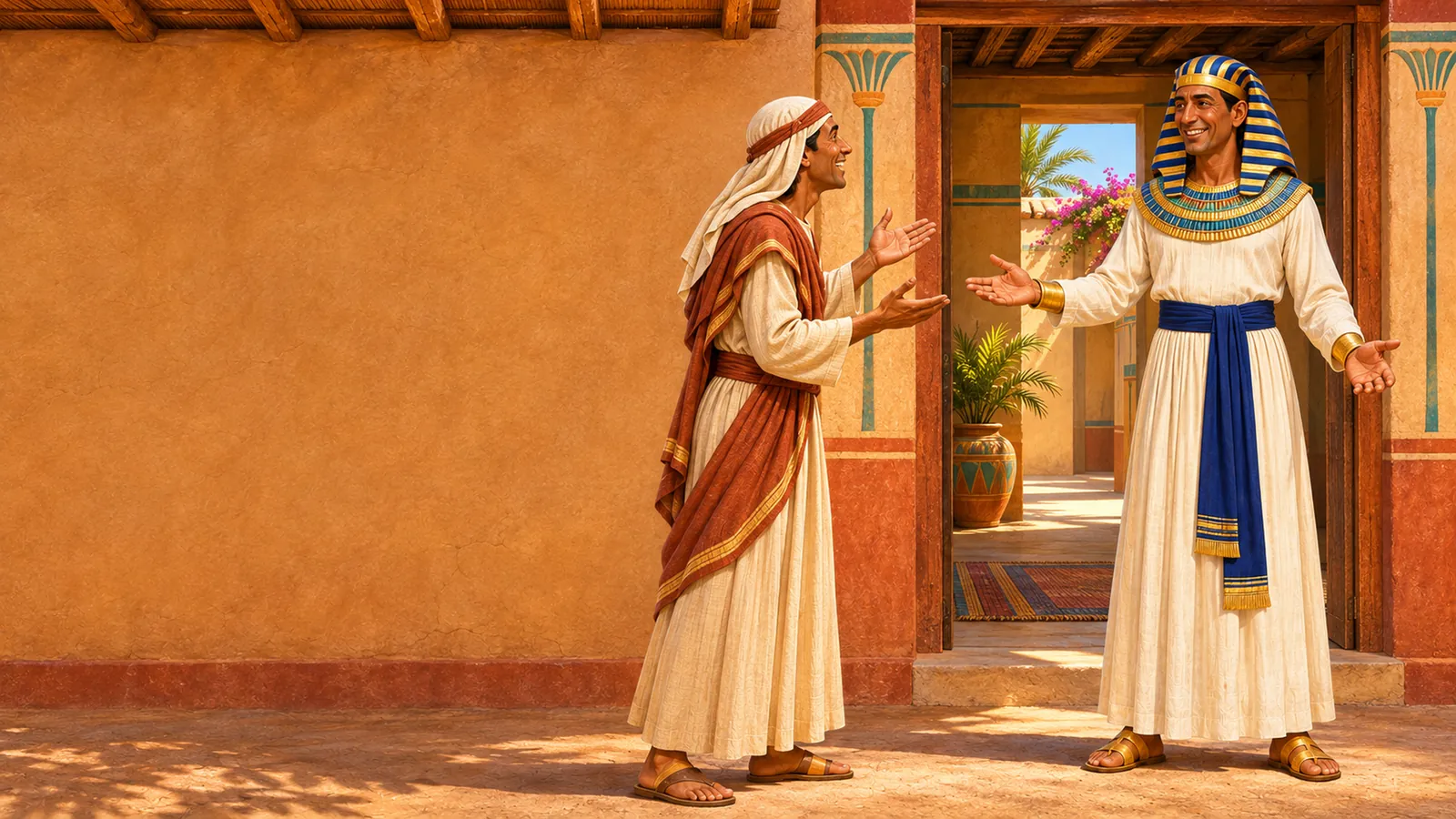
She bore a son, who was given nurses and welcomed with rejoicing. The king loved him greatly; through this birth, Bata had returned within the royal household.
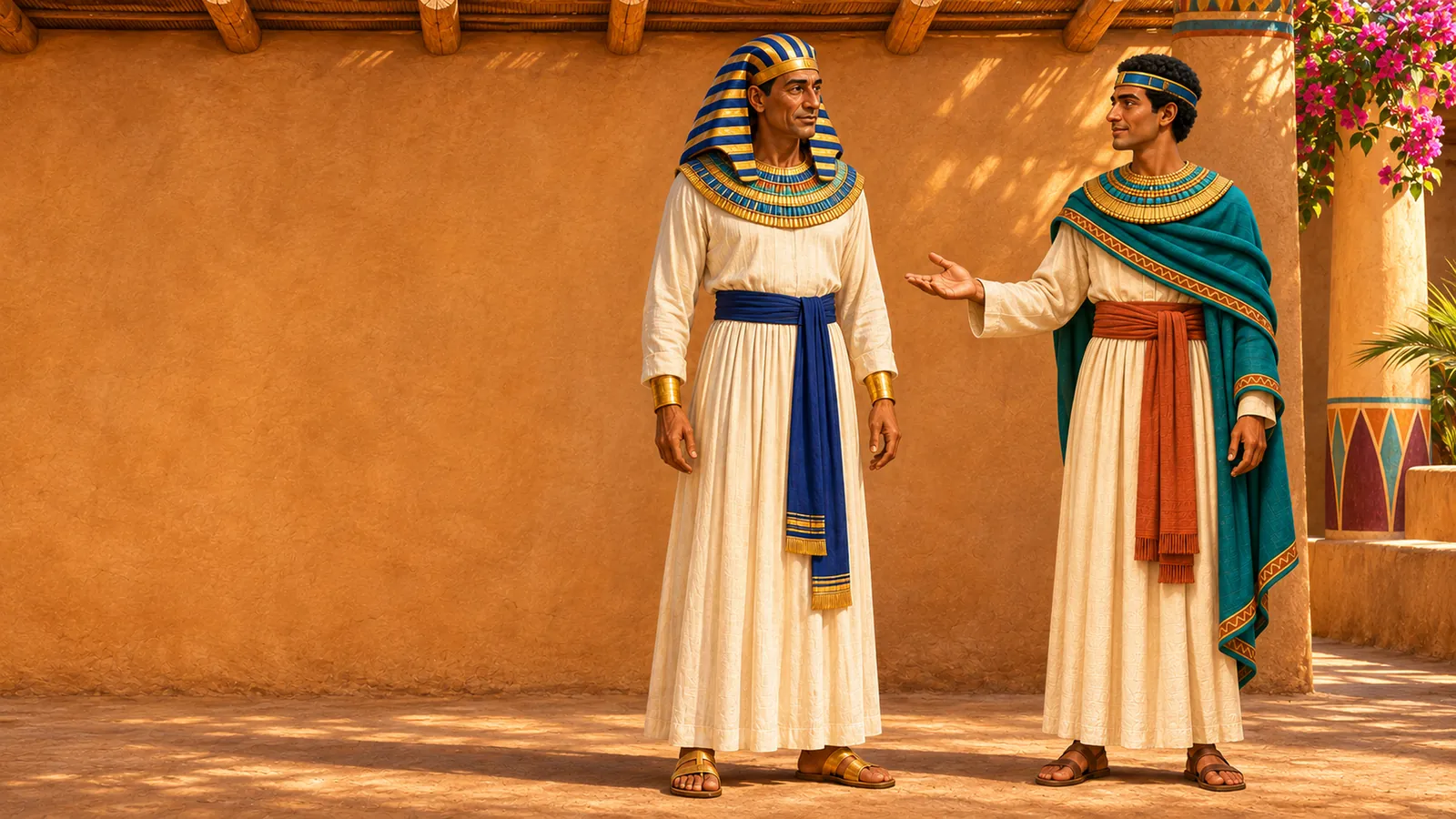
Bata grew up as the royal son. He received the title King’s Son of Kush and later became crown prince of the whole land.
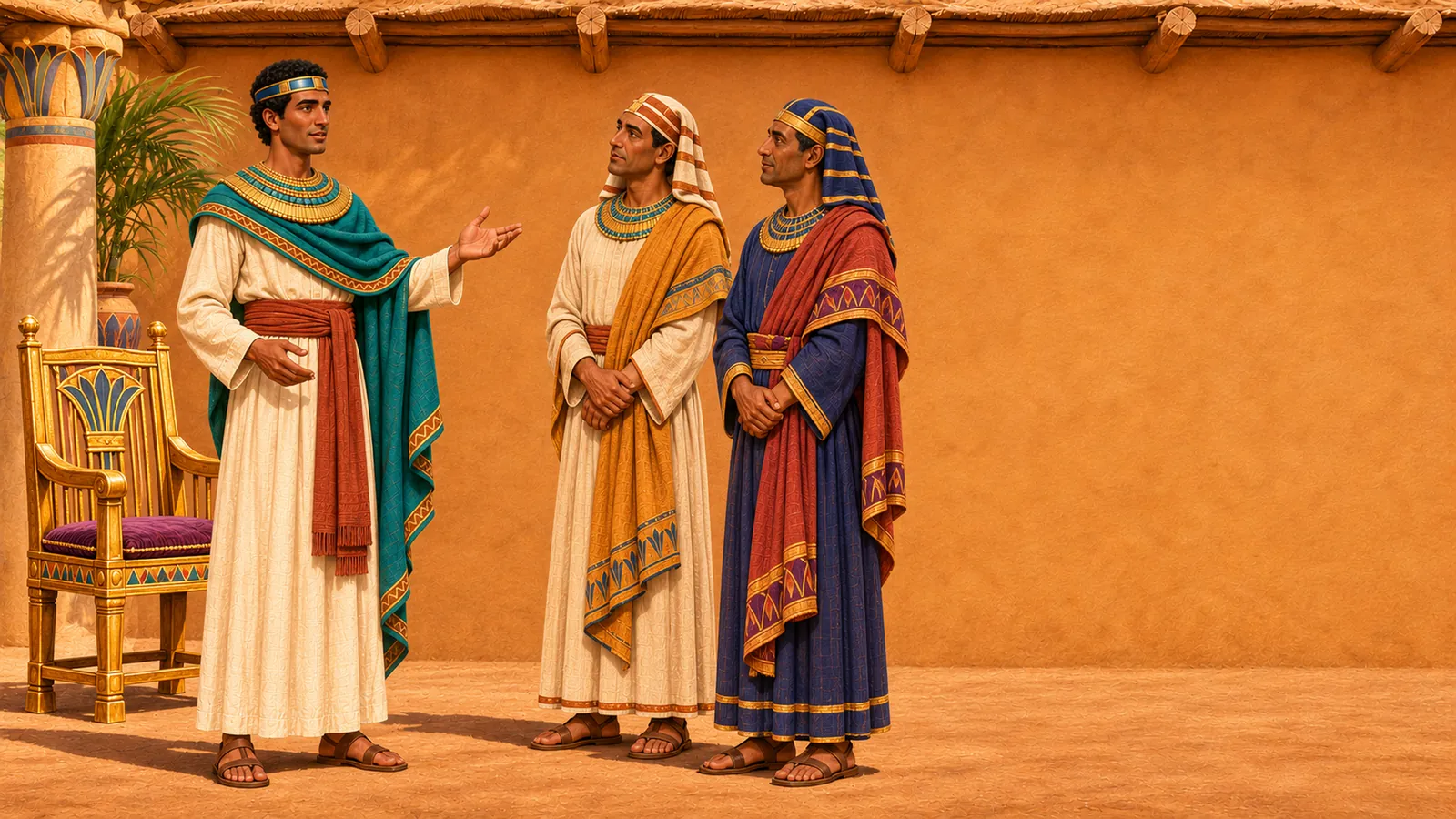
BATA THE KING
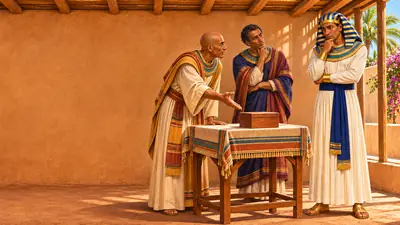
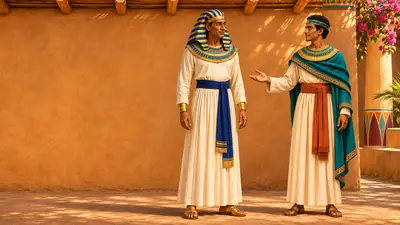
After many years with Bata as crown prince, the pharaoh died. Bata became king and called for his great officials to hear what had happened to him.
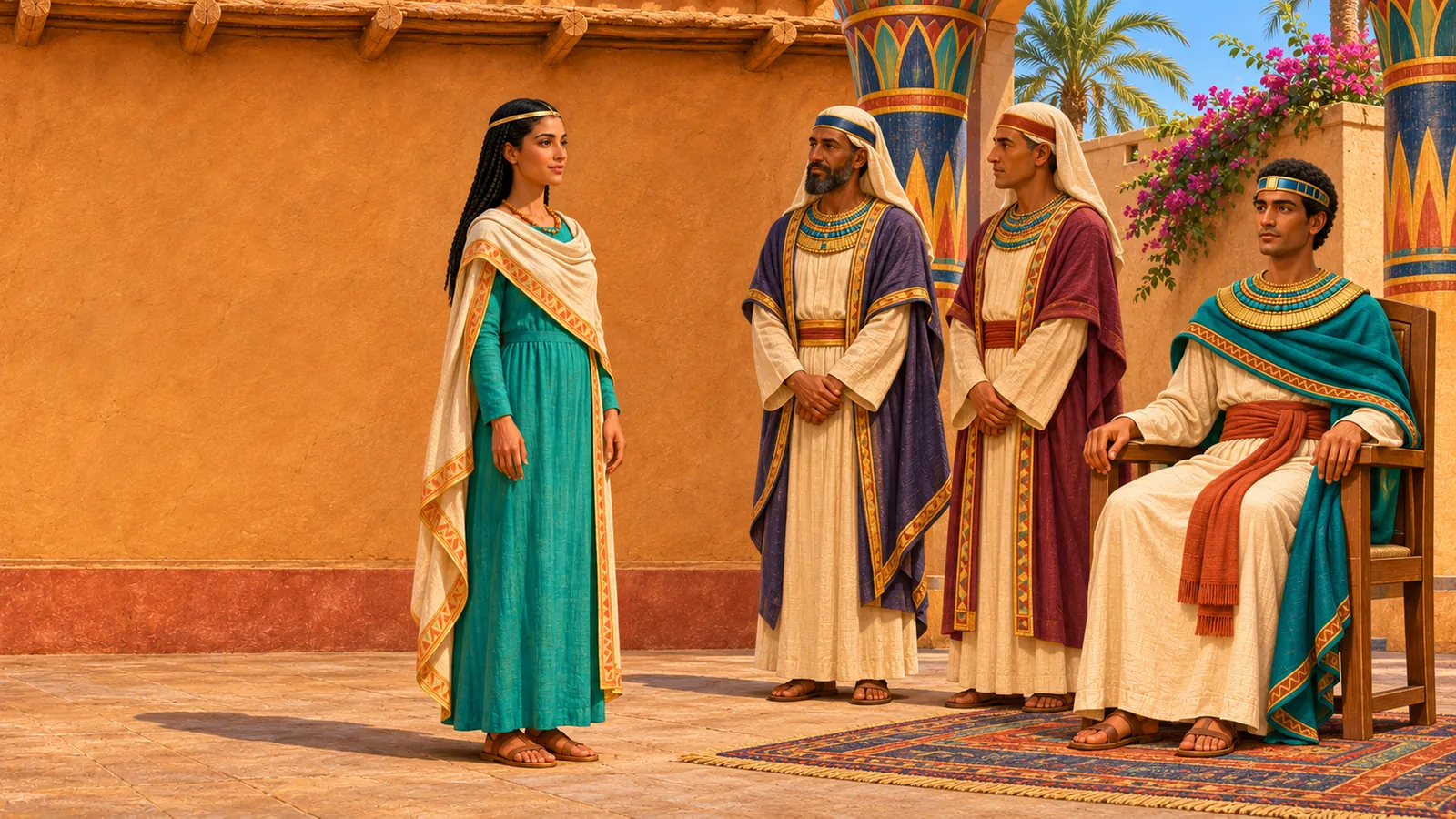
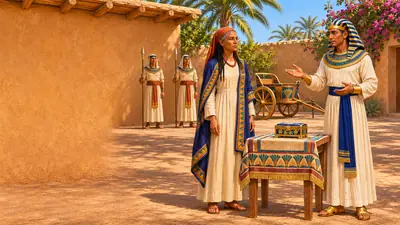
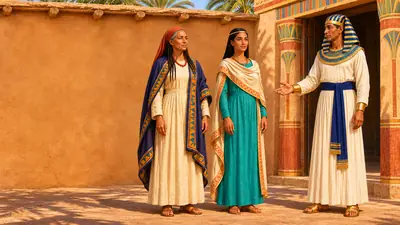
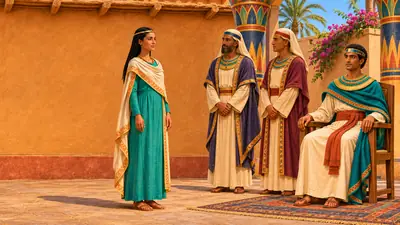
The woman who had once been Bata’s wife was brought before the officials. He brought his case against her, and they upheld his judgment.
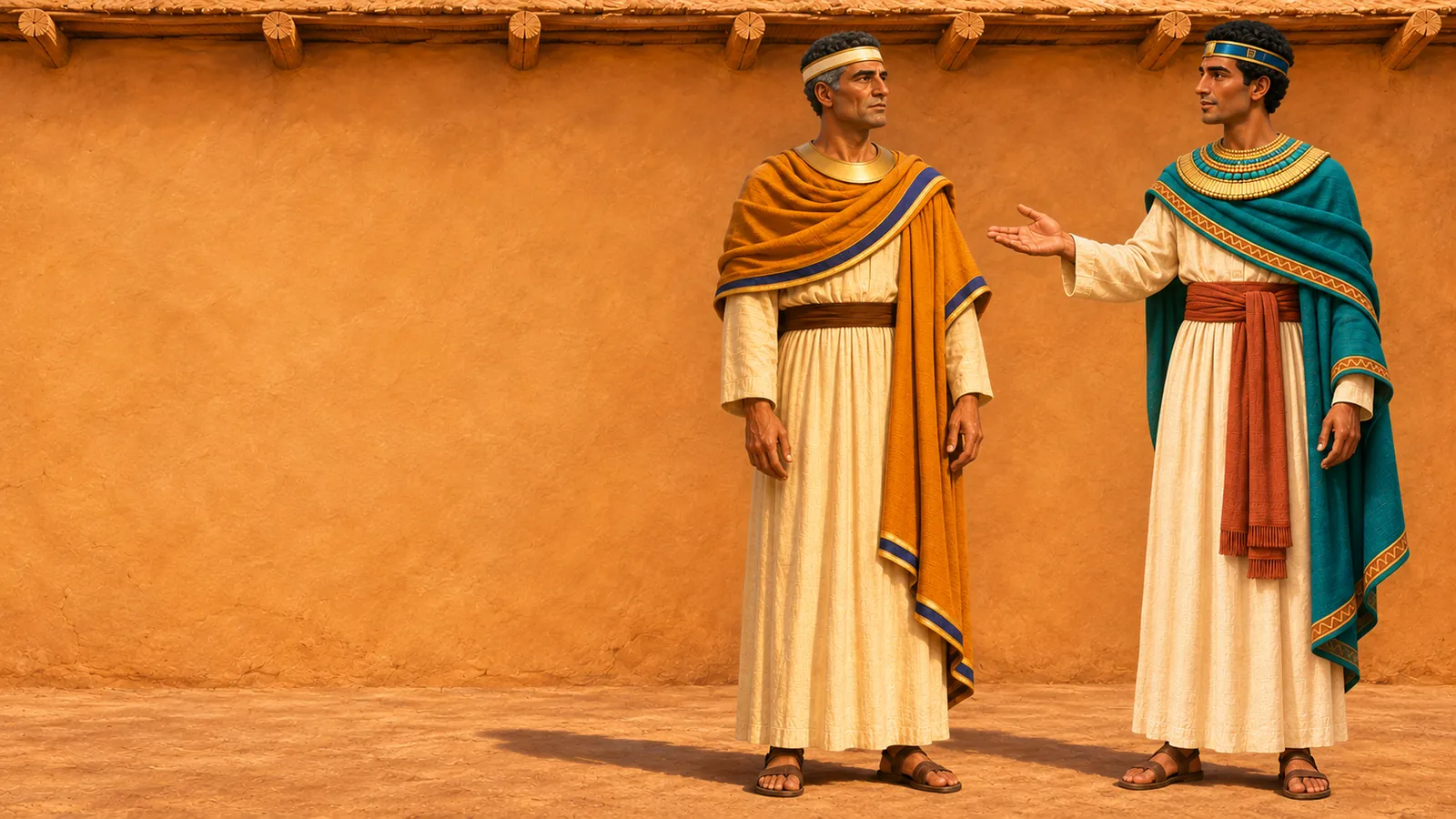
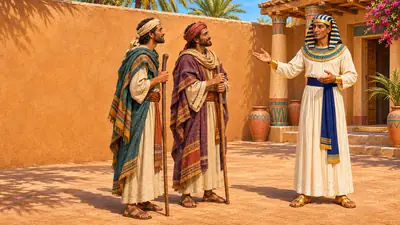
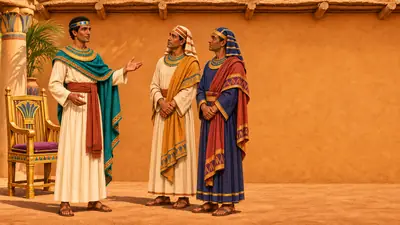
Bata had his elder brother brought to him and appointed him crown prince of the whole land. Anub would inherit the kingship after him.
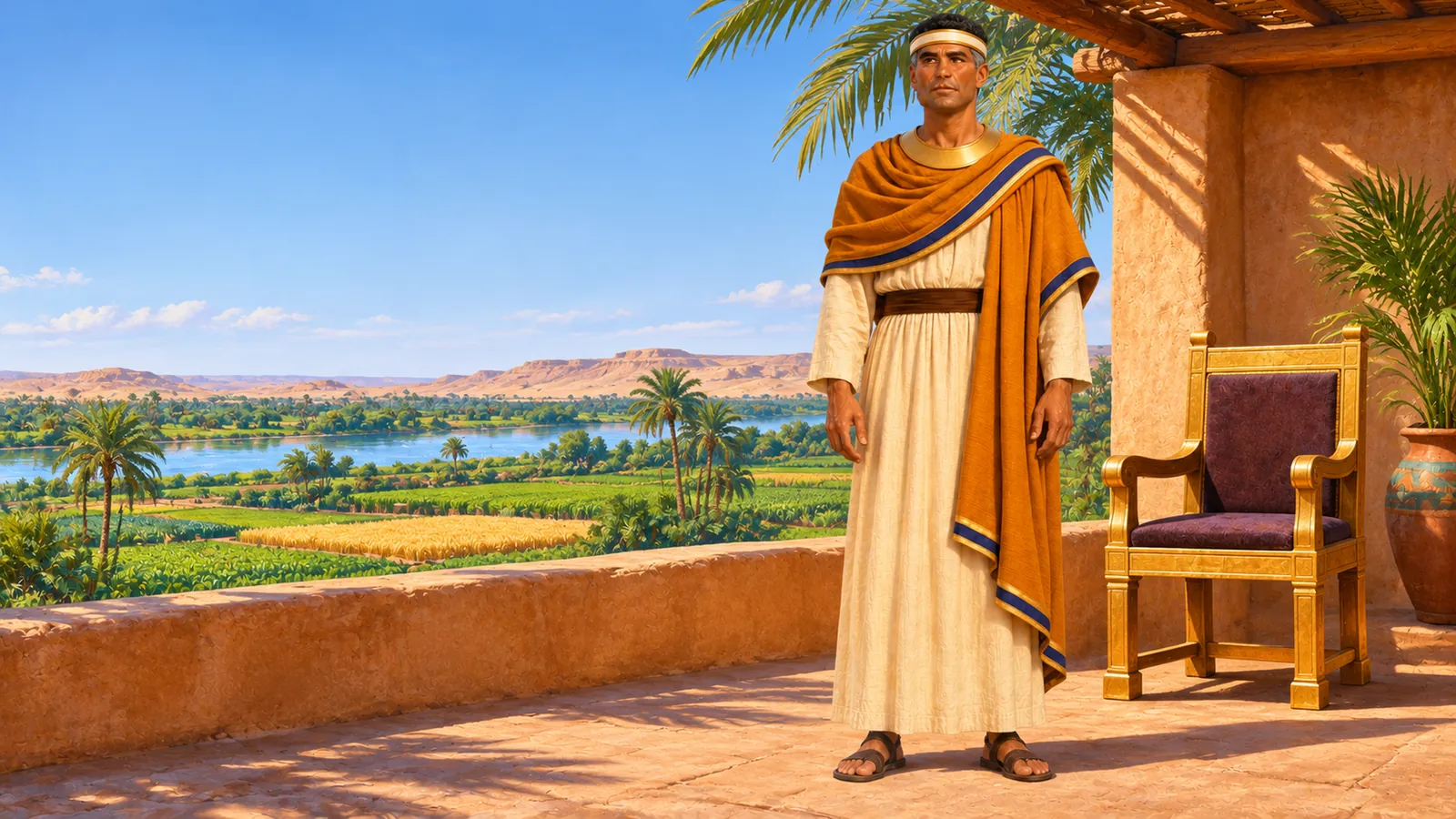
Bata ruled Egypt for thirty years before his death. Anub then took his place, and the elder brother became king in turn.
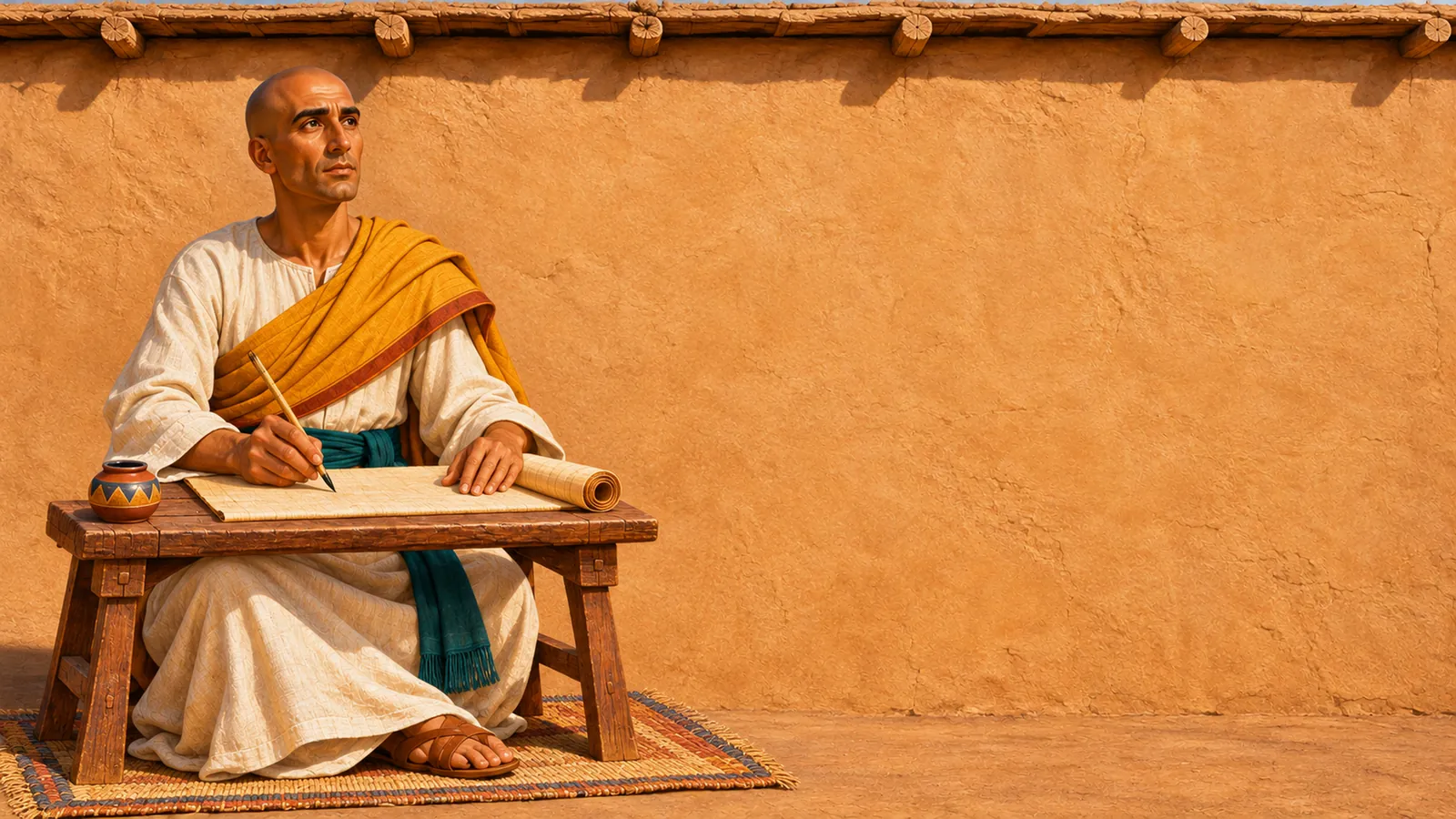
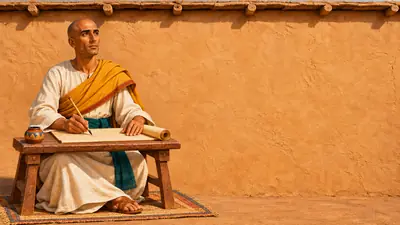
The closing lines name Inena as the scribe and acknowledge other scribes. They warn that Thoth would oppose anyone who spoke against the roll.
End of chapter 1
All pages










Sources
Papyrus d’Orbiney, British Museum EA10183, is the sole known manuscript of this Late Egyptian narrative. The copy belongs to the late Nineteenth Dynasty, around 1200 BCE; this dates the witness, not the fictional events. Complete Hollis (1990) translation, papyrus 1.1–19.10 and the separate 20.1 memorandum, read in the university teaching reproduction (PDF pp.5–12; source translation pp.5–15). Bernard Mathieu’s author-posted December 2015 version,19 pages with introduction, bibliography, complete translation and107 notes, read in full through text extraction. The translations are compared without claiming an independent reading of hieratic signs. Mathieu’s inference that the second wife is executed is distinguished from the preserved judgment at 19.5: no execution action or method is added. UCL’s full short manuscript-group page and the British Museum’s own Google Arts & Culture sheet description supply context; direct museum catalogue access was unavailable. This is an original retelling of ancient subject matter, not a reproduction of a modern translation.
Editions consulted
- Susan Tower Hollis1990, complete translation, university teaching reproduction,PDFpp.5–12
- Bernard Mathieu2015, Le Conte des Deux Frères, author-posted full translation and notes
- UCL Digital Egypt, complete Ramesside manuscript-group context
- British Museum, own complete sheet6 description on Google Arts & Culture
- IL Archive, papyrus dorbiney two brothers
- IL Archive, bata two brothers
- IL Archive, anubis two brothers character
- IL Archive, inena egyptian scribe
- IL Archive, seven hathors and egyptian sevens
- IL Archive, khnum egyptian god
- IL Archive, ra egyptian sun
Ancient lines behind each page
- Page 1: Papyrus d’Orbiney 1.1–1.4
- Page 2: Papyrus d’Orbiney 1.2–1.9
Some sleeping and morning-food words are restored. - Page 3: Papyrus d’Orbiney 1.9–2.2
- Page 4: Papyrus d’Orbiney 2.2–2.7
- Page 5: Papyrus d’Orbiney 2.8–2.9
- Page 6: Papyrus d’Orbiney 2.10–3.3
Wife occupied with hairdressing; Mathieu reads passive having hair arranged, other editions combing. - Page 7: Papyrus d’Orbiney 3.3–3.6
The boasting load is preserved. - Page 8: Papyrus d’Orbiney 3.6–3.8
Calm words preserve the proposition. - Page 9: Papyrus d’Orbiney 3.8–4.1
Leopard is a simile, not a literal metamorphosis. - Page 10: Papyrus d’Orbiney 4.1–4.3
- Page 11: Papyrus d’Orbiney 4.5–4.10
Materials and difficult words vary in interpretation. - Page 12: Papyrus d’Orbiney 5.1–5.4
Conditional threat she will die if Bata lives and damaged final imperative remain accusation, not evidence Bata harmed her. - Page 13: Papyrus d’Orbiney 5.5–5.7
Leopard remains simile. - Page 14: Papyrus d’Orbiney 5.8–6.1
- Page 15: Papyrus d’Orbiney 6.1–6.3
- Page 16: Papyrus d’Orbiney 6.3–6.4
- Page 17: Papyrus d’Orbiney 6.4–6.6
- Page 18: Papyrus d’Orbiney 6.6–6.8
- Page 19: Papyrus d’Orbiney 6.9–7.2
- Page 20: Papyrus d’Orbiney 7.3–7.8
- Page 21: Papyrus d’Orbiney 7.9
- Page 22: Papyrus d’Orbiney 8.1
- Page 23: Papyrus d’Orbiney 8.2–8.6
Words are instructions, not already performed removal or successful rescue. - Page 24: Papyrus d’Orbiney 8.6–8.7
Pine/stone pine versus cedar and other tree identifications vary by edition; this chapter follows pine naming without an exact botanical/geographical claim. - Page 25: Papyrus d’Orbiney 8.7–8.8
This is preserved killing, unlike the later wife’s judgment. Calm words and unpeopled household symbol, no body, dogs, attack or punishment celebrated. - Page 26: Papyrus d’Orbiney 8.8–8.9
- Page 27: Papyrus d’Orbiney 8.9–9.2
- Page 28: Papyrus d’Orbiney 9.2–9.6
- Page 29: Papyrus d’Orbiney 9.6–9.8
- Page 30: Papyrus d’Orbiney 9.8–9.9
- Page 31: Papyrus d’Orbiney 10.1–10.3
- Page 32: Papyrus d’Orbiney 10.4–10.7
- Page 33: Papyrus d’Orbiney 10.7–10.9
- Page 34: Papyrus d’Orbiney 10.9–11.1
Repeated royal complaints, scent described as ointment/tallow in editions. Washermen uncertain what to do. - Page 35: Papyrus d’Orbiney 11.1–11.3
- Page 36: Papyrus d’Orbiney 11.4–11.7
Scribes identify daughter of Re-Harakhty with divine substance and advise foreign search, many men for valley. - Page 37: Papyrus d’Orbiney 11.6–11.8
- Page 38: Papyrus d’Orbiney 11.8–11.9
- Page 39: Papyrus d’Orbiney 11.10–12.2
- Page 40: Papyrus d’Orbiney 12.2–12.3
- Page 41: Papyrus d’Orbiney 12.3–12.5
- Page 42: Papyrus d’Orbiney 12.5–12.7
Felling of tree and loss of support are preserved. - Page 43: Papyrus d’Orbiney 12.8–13.1
- Page 44: Papyrus d’Orbiney 13.1–13.2
- Page 45: Papyrus d’Orbiney 13.2–13.4
- Page 46: Papyrus d’Orbiney 13.4–13.5
- Page 47: Papyrus d’Orbiney 13.5–13.7
- Page 48: Papyrus d’Orbiney 13.7–13.9
Object containing/being heart: Hollis bunch of grapes; Mathieu cone, with note 85 acknowledging word normally means grape cluster. - Page 49: Papyrus d’Orbiney 13.9–14.4
- Page 50: Papyrus d’Orbiney 14.4–14.9
- Page 51: Papyrus d’Orbiney 15.1
- Page 52: Papyrus d’Orbiney 15.1–15.3
- Page 53: Papyrus d’Orbiney 15.3–15.6
Weight language differs in translations, no exact modern weights. - Page 54: Papyrus d’Orbiney 15.7–16.2
- Page 55: Papyrus d’Orbiney 16.2–16.6
- Page 56: Papyrus d’Orbiney 16.6–16.10
- Page 57: Papyrus d’Orbiney 16.10–17.3
- Page 58: Papyrus d’Orbiney 17.4–17.6
- Page 59: Papyrus d’Orbiney 17.6–17.8
- Page 60: Papyrus d’Orbiney 17.9–18.3
- Page 61: Papyrus d’Orbiney 18.3–18.6
- Page 62: Papyrus d’Orbiney 18.7–18.10
- Page 63: Papyrus d’Orbiney 18.10–19.2
- Page 64: Papyrus d’Orbiney 19.2–19.4
- Page 65: Papyrus d’Orbiney 19.4–19.6
- Page 66: Papyrus d’Orbiney 19.6
- Page 67: Papyrus d’Orbiney 19.6–19.7
Bata reigns thirty years, dies and Anub takes his place at the day of mooring, rendered death/burial in editions. Thirty is literary reign length, not externally attested historical duration. - Page 68: Papyrus d’Orbiney 19.8–19.10; separate 20.1
Colophon names copyist Inena and other scribes (supervisory name division varies), warns Thoth adversary of critic. Separate royal memorandum names Seti-Merneptah as crown prince, not Bata’s historical identification.
Illustrations made with AI tools by IL Archive; the text is based on the ancient sources (see the sources at the end of each chapter).