Entity
Gaia
A reference page linking a name, group, or concept to the materials that discuss it.
Earth as a divine figure, active in the gods’ origins and conflicts in Hesiod.
Text
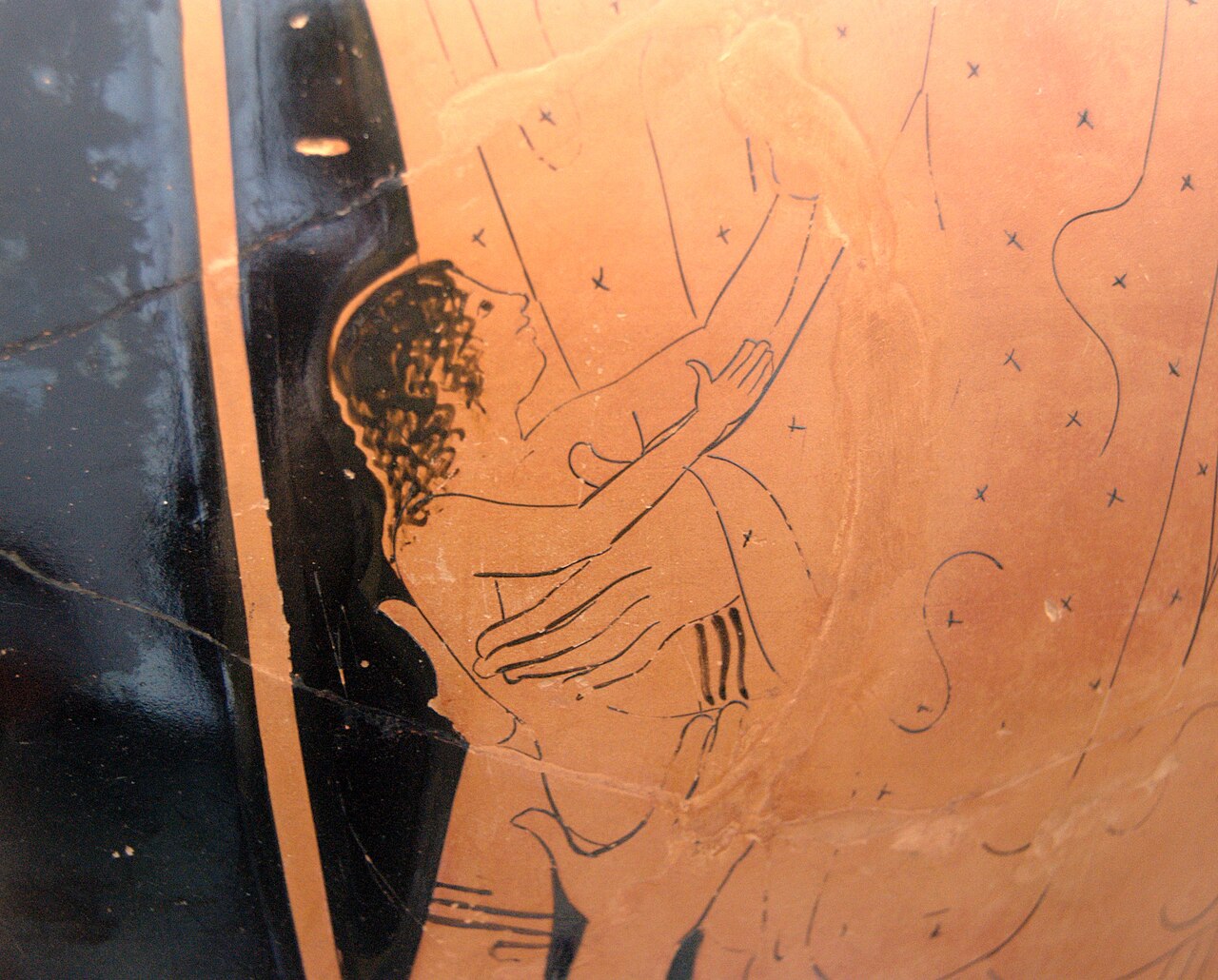
Gaia is Earth in the Greek poet HesiodHesiodGreek poet whose major work is generally dated to the late eighth or early seventh century BCE, including the Theogony.Glossary · Click to read the explanation’s TheogonyHesiod’s TheogonyGreek poem on divine generations and Zeus’s kingship; its surviving form does not identify all of Hesiod’s sources.Glossary · Click to read the explanation. She brings forth Ouranos and becomes mother of several divine figures. She has a voice and a plan and participates in changes of rule between generations. [1]
She makes KronosKronosGreek divine figure and Zeus’s father; Hesiod connects his reign with struggles between divine generations.Glossary · Click to read the explanation’s sickle and later helps Rhea protect ZeusZeusZeus is the sky god and leading deity in many Greek traditions. In the Iliad he presides over divine gatherings while others can still speak and object.Glossary · Click to read the explanation. She therefore enters comparisons with Hittite narratives as an active figure, and the count of Greek generations changes when she is included. [1][2]
References and notes
- Hesiod, Theogony Lines130–174: Earth, children and sickle. Return to the text ↑
- Hesiod, Theogony Lines450–479: helping Rhea. Return to the text ↑
Research history
Substantive changes are retained here. Minor copy edits remain in the internal operational log.
-
Substantive record update
-
Substantive record update
Suggest a correction · Suggest a source for this record
Cite this record
IL Archive, «Gaia», Edition 3, https://ilarchive.com/en/entities/gaia-greek-goddess