Entity
Wē and Alla: the slain god in Atrahasis
A reference page linking a name, group, or concept to the materials that discuss it.
Wē names the god whose flesh and blood mix with clay in one reading of Atrahasis I; another witness has Alla in the corresponding passage.
Last reviewed:
Video
Atrahasis: Toil, noise and the great flood
Toil, noise and the great flood. The whole story in two illustrated chapters, told from the ancient clay tablets; where the tablets are broken, the narration says so. Illustrations, narration voice and visual effects were created with AI tools by IL Archive; the text is a faithful retelling based on the ancient tablets.
The YouTube player loads only when you press play. Watch on YouTube
Text
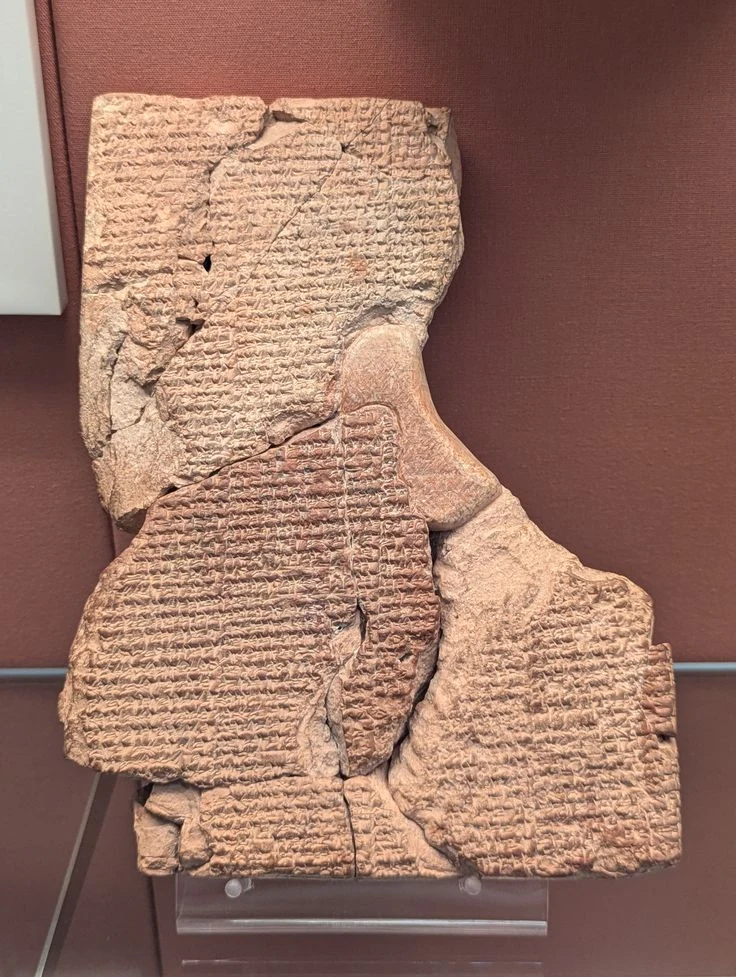
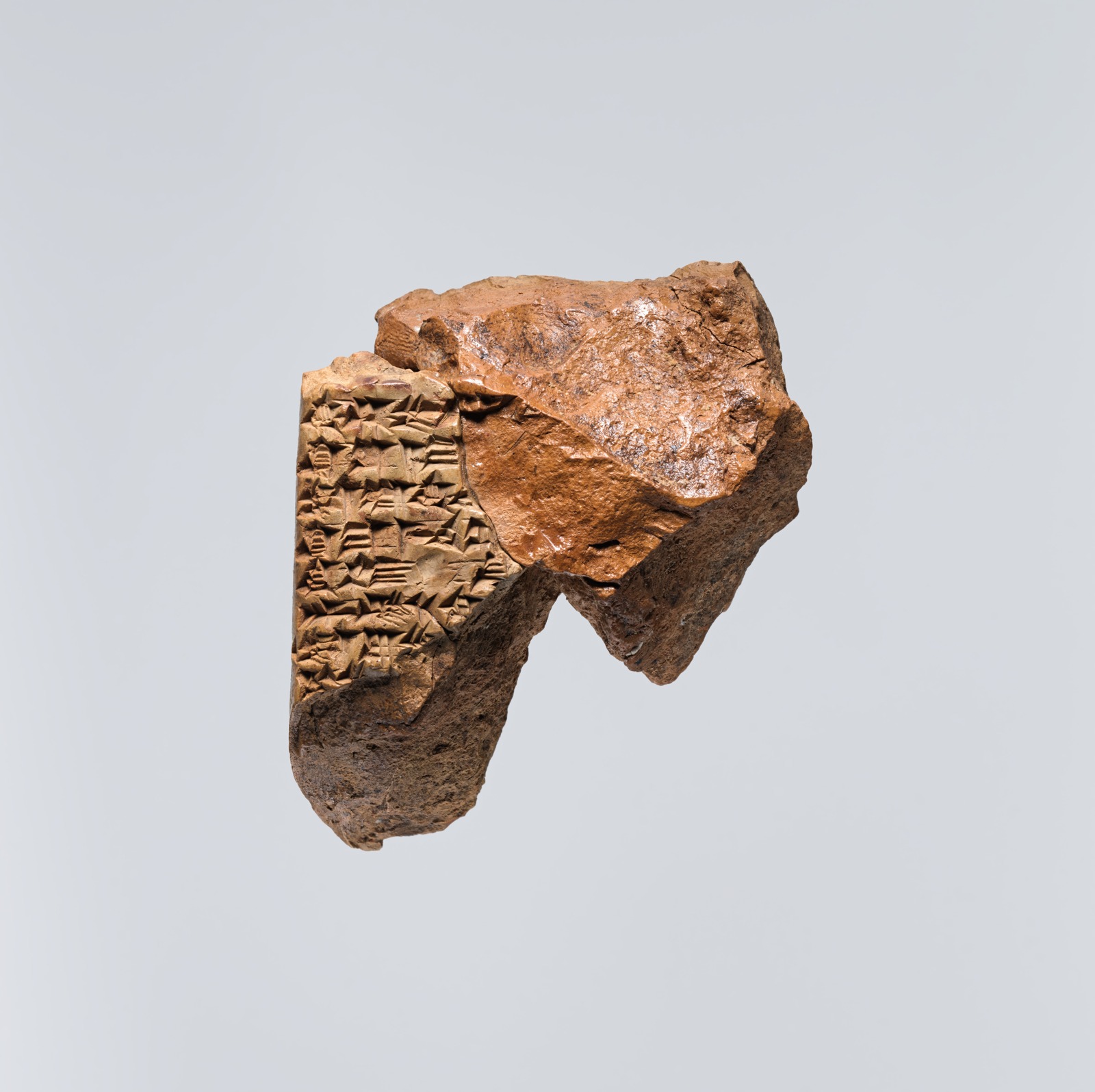
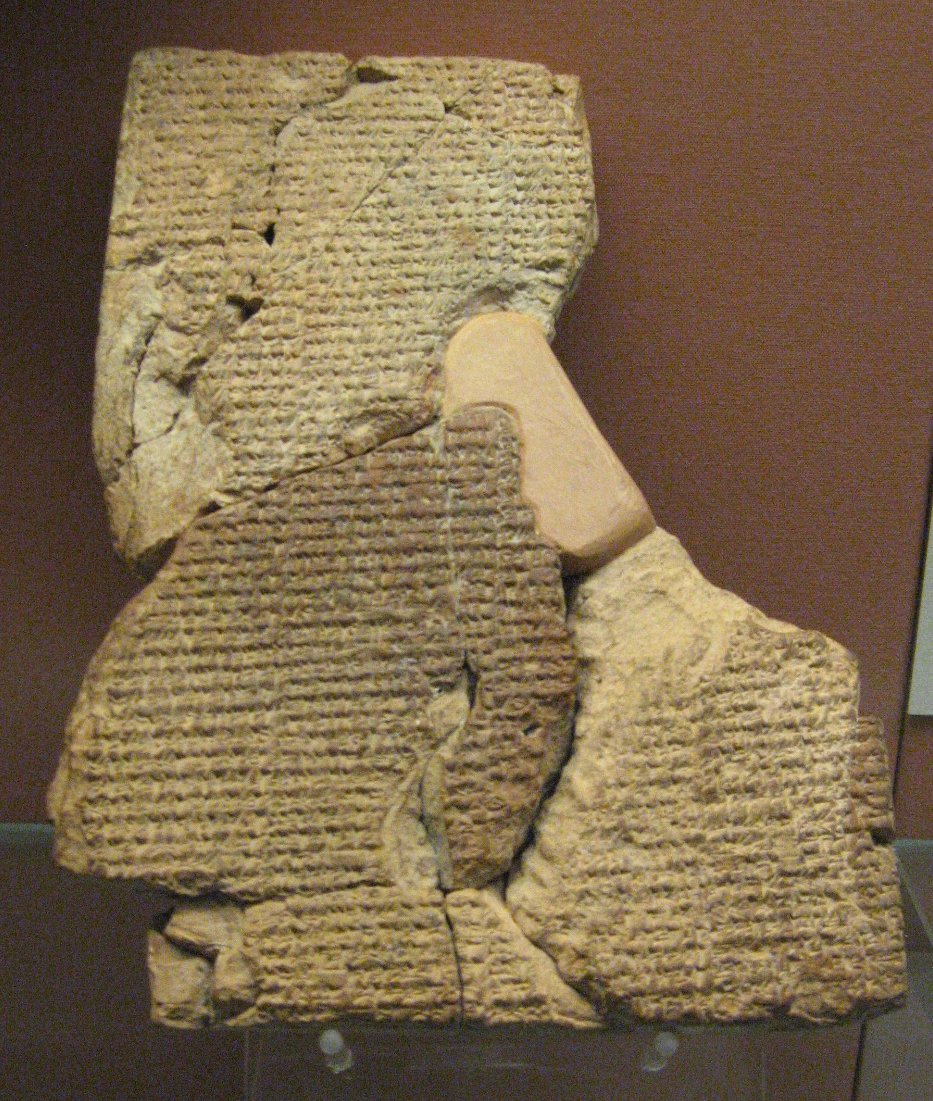
Wē is the name of the god killed in one reading of AtrahasisAtrahasis: Epic and HeroAkkadian narrative on human creation, relations with the gods and the flood, named for its survivor warned by Enki. Its surviving manuscripts differ in date and preservation; its hero must not be equated uncritically with every Utnapishtim version.Glossary · Click to read the explanation I, lines 223–230. Another witness has Alla, as shown by the composite edition’s witness table and commentary. Different witness names do not mean two killed gods jointly entering one act of human making. [1]
In this scene the god’s flesh and blood are mixed with clay; subsequent lines link an enduring spirit or ghost with his remembrance. This entry concerns human creation and distinguishes the figure from QinguQinguQingu (Kingu): a god whom Tiamat appoints commander and gives the Tablet of Destinies; captured after Marduk’s victory, his blood is used to make humans in Tablet VI.Glossary · Click to read the explanation in Enuma ElishEnuma ElishA seven-tablet Babylonian creation poem in Akkadian, recounting Marduk’s rise, victory over Tiamat, cosmic ordering and human creation, and culminating in praise through fifty names. Its composition date is debated; later manuscripts and recitation traditions preserve it.Glossary · Click to read the explanation, where the context and divine name differ. [1]
References and notes
- Hebrew University, Sources of Early Akkadian Literature, Atrahasis I. English 1–69, 174–270, colophon 416c–i, witness table and Wē/Alla variant commentary read. Composite edition, not a single-tablet transcription; not entire epic/commentary. SEAL, Atrahasis I (all periods): English 1–69, 174–270; colophon 416c–i; witnesses and name variants Return to the text ↑
Suggest a correction · Suggest a source for this record
Cite this record
IL Archive, «Wē and Alla: the slain god in Atrahasis», https://ilarchive.com/en/entities/we-alla-atrahasis-slain-god
Continue reading