Study
Clay, labor, and breath: ancient accounts of human creation
An extended study of a topic, with evidence and references.
- Timeline
- From 1900 BCE to 700 CE
Earthly material and human creation in Mesopotamian texts, Genesis and the Quran: clay, dust, blood, breath, human work and the dates and possible relationships of the witnesses.
Estimated reading time: 9 min Published Last reviewed:
Share article
Video
Atrahasis: Toil, noise and the great flood
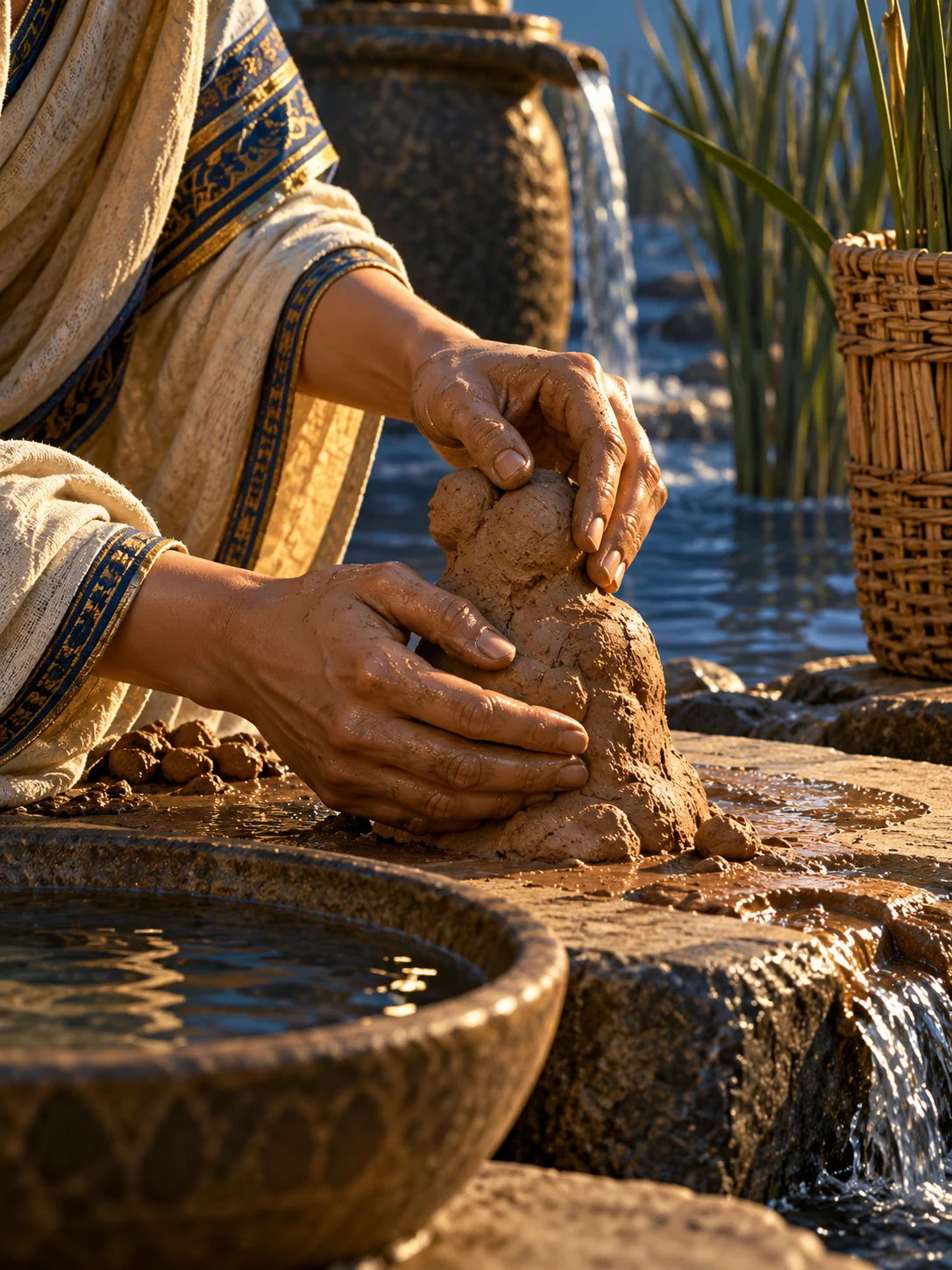
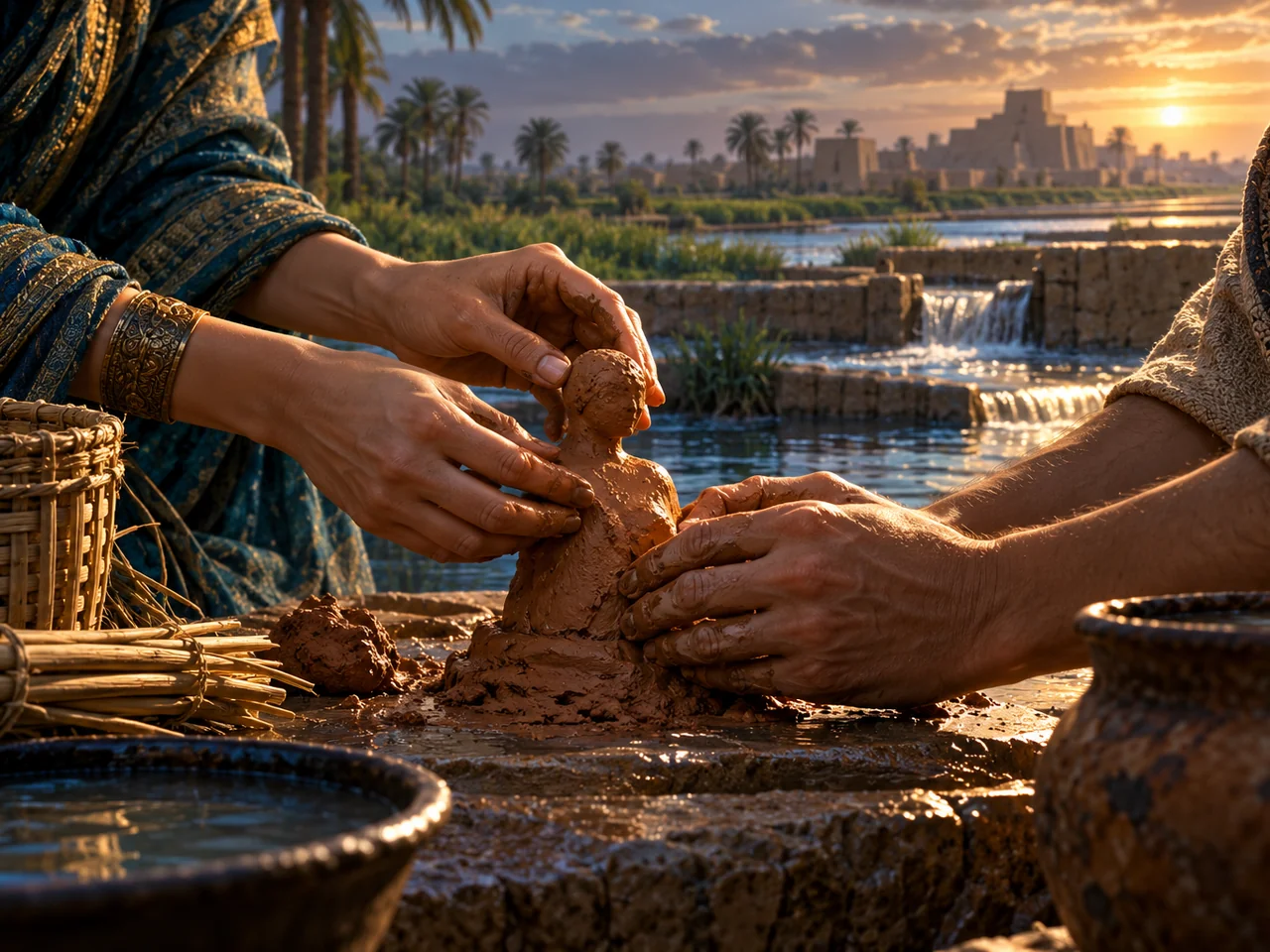
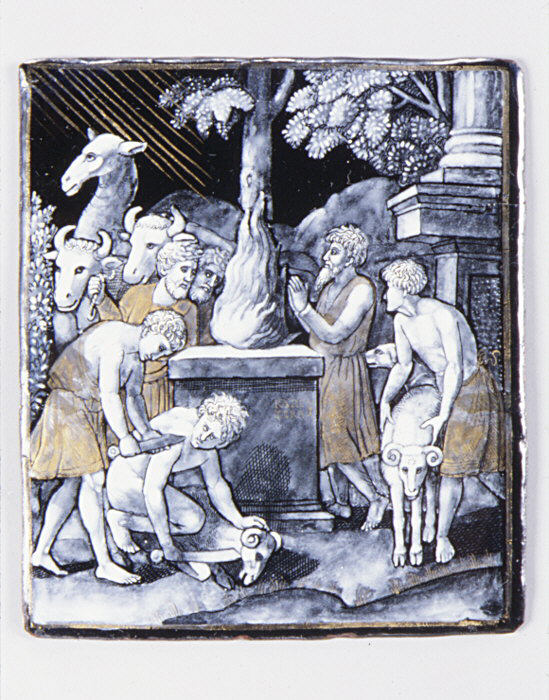
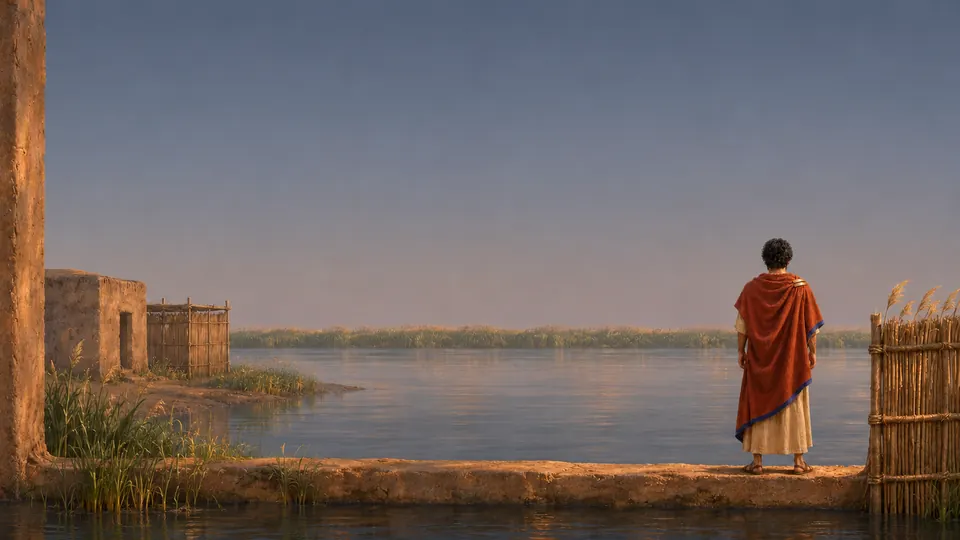
Toil, noise and the great flood. The whole story in two illustrated chapters, told from the ancient clay tablets; where the tablets are broken, the narration says so. Illustrations, narration voice and visual effects were created with AI tools by IL Archive; the text is a faithful retelling based on the ancient tablets.
The YouTube player loads only when you press play. Watch on YouTube
Text
Introduction
Why does making humans from earthly material recur in Mesopotamian texts, the TorahTorah / PentateuchThe first five books of the Jewish and Christian Bible: Genesis, Exodus, Leviticus, Numbers and Deuteronomy. They combine narrative and law from creation to Moses’ death; in Jewish usage, “Torah” can also encompass a wider body of authoritative teaching.Glossary · Click to read the explanation and the QuranThe QuranThe central scripture of Islam, consisting of 114 Arabic surahs; its study distinguishes Quranic discourse from manuscript history, reading traditions, and historical inference.Glossary · Click to read the explanation? This study brings together Enki and NinmahEnki and NinmahSumerian work on humanity’s creation to relieve the gods’ labour, and Enki and Ninmaḫ’s contest over bodies, destinies and sustenance; with manuscript evidence, variant readings and dating limits.Glossary · Click to read the explanation, AtrahasisAtrahasis: Epic and HeroAkkadian narrative on human creation, relations with the gods and the flood, named for its survivor warned by Enki. Its surviving manuscripts differ in date and preservation; its hero must not be equated uncritically with every Utnapishtim version.Glossary · Click to read the explanation and Enuma ElishEnuma ElishA seven-tablet Babylonian creation poem in Akkadian, recounting Marduk’s rise, victory over Tiamat, cosmic ordering and human creation, and culminating in praise through fifty names. Its composition date is debated; later manuscripts and recitation traditions preserve it.Glossary · Click to read the explanation, then compares them with GenesisBook of GenesisHebrew book of the Torah containing Noah’s flood, survival offering and covenant with living creatures.Glossary · Click to read the explanation and Quranic passages about clay and breathing life. It follows three questions: the body's material, how it becomes alive, and the work expected of humans after their creation.
The comparison illuminates traditions older than the biblical and Quranic texts and helps assess possible connections. Some parallels combine several images, making shared inheritance and literary transmission worth investigating. Identifying one particular text as another's direct source requires weighing these clues against dated witnesses, opportunities for contact and each narrative's construction.
Baskets of clay and the breath of life
In a Sumerian text, baskets and canal digging burden working gods, and humans are made to take over. In an AkkadianAkkadianAn ancient East Semitic language written in cuneiform from the third millennium BCE; its varieties include Babylonian and Assyrian, and it served in international diplomacy.Glossary · Click to read the explanation text, a killed god's blood enters the material from which humans are fashioned. Genesis describes formation from the ground's dust followed by life breathed into the nostrils. These scenes connect the body with earth, while arranging creation, work and life differently. [1][2][5]
Enki and Ninmah: humans made to carry the gods' labour
Enki and Ninmah is a Sumerian poem surviving in Old Babylonian copies, approximately 1900–1600 BCE. Its witnesses include CBS2168 from NippurNippur / NuffarAncient Nippur (modern Nuffar, Iraq), major cult centre of Enlil and Ekur; excavations revealed sanctuaries, houses and thousands of cuneiform tablets across many periods.Glossary · Click to read the explanation, an ancient city in southern IraqIraqIraq is a modern country encompassing much of ancient MesopotamiaGlossary · Click to read the explanation, and Louvre AO7036, dated about 1800–1700 BCE. These are dates of surviving copies; the story or some of its traditions may be older. [13][15]
The poem opens with junior gods digging canals, lifting silt and doing hard work. NammaNammaNamma, also traditionally read Nammu, is a Sumerian goddess and mother of Enki who helps initiate human creation in Enki and Ninmah; a royal inscription records her temple.Glossary · Click to read the explanation wakes her son EnkiEnkiMesopotamian deity also known as Ea, linked with Eridu and the Abzu (deep fresh waters), wisdom, incantations, and narratives of creation and cosmic order. Later written attestations do not identify the deity of Eridu’s earliest layers.Glossary · Click to read the explanation, god of wisdom and fresh water, and asks him to provide a substitute. His plan involves clay from above the AbzuAbzuCosmic subterranean freshwater in Mesopotamian religion, associated with Enki/Ea. The name occurs in E-abzu, “House of the Abzu”, at Eridu. Distinct from the narrative figure Apsû in the Enūma eliš and unnamed excavated structures.Glossary · Click to read the explanation, the underground fresh-water realm in Mesopotamian cosmology. Birth goddesses help form humanity, NinmahNinmahSumerian mother goddess who assists human creation and contests Enki over the fates of different fashioned bodies; later Babylonian inscriptions also attest her worship.Glossary · Click to read the explanation assists, and the new creature carries the baskets that exhausted the gods. [1]
The body's material meets the material of work: clay, canals and baskets. Making the human combines the language of shaping and birth. No killed god's blood enters this poem's surviving creation scene; that feature distinguishes the Akkadian account considered next. [1][2]
Later the poem changes focus. A drinking gathering leads to a contest between Ninmah and Enki concerning bodies with differing capacities and the roles that can be assigned to them. This section contains gaps and difficult expressions. Separating the scenes clarifies their functions: an opening explaining human labor, followed by questions about the body and one's place in society. [1]
Atrahasis: workers' rebellion and human making
Atrahasis is an Akkadian epic about humans, the regulation of their lives and threatening catastrophes, including its famous flood. Tablet I begins before the flood and before humans exist. The IgigiIgigiCollective of deities called Igigi or Igigū in Akkadian sources from the Old Babylonian period onward. They labour and rebel in Atrahasis; their numbers and relation to the Anunnaki vary by text.Glossary · Click to read the explanation gods work under senior gods, digging rivers and canals, then burn their tools and rebel near EnlilEnlilEnlil/Ellil: a major Mesopotamian god associated with destinies, kingship, and Ekur at Nippur, already prominent in third-millennium god lists. His name’s origin and cult beginnings remain debated.Glossary · Click to read the explanation's dwelling. A labor problem becomes a crisis threatening the divine order. [2]
Ea, the Akkadian name of Enki, proposes creating humans to carry the burden. A birth goddess participates, called Mami, Nintu or Bēlet-ilīNintu, birth goddess in AtrahasisBirth goddess in Atrahasis, grieving for humanity, blaming the flood decision and involved in regulating future births.Glossary · Click to read the explanation, meaning Lady of the Gods, in the passages. These names and titles relate to her role within the account; each change of title need not introduce a separate goddess. [2]
The plan culminates in killing a god and mixing his flesh and blood with clay. One reading in the edition names him WēWē and Alla: the slain god in AtrahasisWē names the god whose flesh and blood mix with clay in one reading of Atrahasis I; another witness has Alla in the corresponding passage.Glossary · Click to read the explanation, while another witness has Alla. The names therefore belong to variant witnesses, rather than two characters jointly entering one act of creation. The following lines connect an enduring spirit or ghost with remembrance of the killed god, a different setting from breathing life into nostrils. [2]
The account continues in the language of pregnancy and birth. The clay is divided into fourteen pieces, seven for males and seven for females, and birth goddesses participate in bringing humans into the world. This is more than inert material suddenly becoming alive: the scene follows a bodily and social sequence ending in a community that takes on work. [2]
The modern edition combines multiple witnesses and identifies their variants and gaps. One Old Babylonian witness ends with a scribe's name and a year formula from AmmisaduqaAmmisaduqaBabylonian king of the seventeenth century BCE in the Middle Chronology, whose edict provides selective debt and dependency relief.Glossary · Click to read the explanation's reign. This Babylonian king belongs to the seventeenth century BCE in the Middle Chronology. The colophon dates a particular copying operation and places it before later texts; it does not put every line of the composite edition on that same tablet. [2]
Enuma Elish: blood within Marduk's ordering of the world
Enuma Elish, meaning When on High, is a Babylonian epic about cosmic ordering and MardukMardukBabylon’s leading god, worshipped at Esagil and elevated in the Akkadian Enūma eliš. His symbols include a spade and mušḫuššu dragon. His earliest origins remain obscure; Nibiru is no evidence of a planetary homeland.Glossary · Click to read the explanation's elevation. The introduction to the 2025 edition presents the late second millennium BCE as the majority scholarly dating of its composition, with its more precise date still debated. Many surviving copies are later, from the first millennium BCE. [3]
In Tablet VI Marduk proposes creating humans to take over the gods' service. The divine assembly identifies the god responsible for the preceding war: QinguQinguQingu (Kingu): a god whom Tiamat appoints commander and gives the Tablet of Destinies; captured after Marduk’s victory, his blood is used to make humans in Tablet VI.Glossary · Click to read the explanation, leader of TiamatTiamatTiamat is a primeval divine mother and watery figure in Enūma eliš who later opposes Marduk; he divides her body in making the cosmos. No Babylonian portrait of her is securely identified.Glossary · Click to read the explanation's army. He is killed before Ea, who creates humans from his blood and imposes labor on them. Blood and divine service make a clear connection with Atrahasis, but this Tablet VI scene does not explicitly mention mixing clay. [3]
Nor do the gods cease all work after creating humans: subsequent lines describe them preparing bricks and building BabylonBabylonBabylon is an ancient city in central present-day Iraq, south of BaghdadGlossary · Click to read the explanation and the EsagilEsagil, Marduk’s templeEsagil, also written Esagila, is Marduk’s temple in ancient Babylon, in present-day Iraq, and a central sanctuary of the city’s god.Glossary · Click to read the explanation temple. The epic redistributes service and status within its world, rather than stating a simple rule that every divine activity stops as soon as humans appear. [3]
Genesis: dust, shaping and breathing life
Genesis belongs to the Torah and brings together traditions and passages whose dates and editorial stages remain debated. The human scene in Genesis 2:5–7 begins with land needing someone to cultivate it and water moistening its surface. YHWHYahwehThe proper name of Israel’s deity, written יהוה (YHWH), the Tetragrammaton. Its exact ancient pronunciation is not directly preserved; texts and inscriptions witness its history.Glossary · Click to read the explanation forms the human from the ground's dust and breathes the breath of life into the nostrils, making a living being. [5][11]
The HebrewHebrewA Northwest Semitic language of the Canaanite group, encompassing Iron Age epigraphy, Biblical, Rabbinic, medieval and Modern Hebrew; its scripts and pronunciations changed over time.Glossary · Click to read the explanation material word is ʿāpār, dust or loose earth, alongside ʾădāmāh, ground or soil. Preserving the text's wording is useful instead of automatically translating it into Atrahasis's clay. Yet the lexical distinction does not exclude a potter image: the ground is moist and the verb denotes shaping. A comparative study published in 2016 emphasizes that dust can function within an image of forming the body from moistened soil. [5][11]
The scene reaches completion through breathing life. The human becomes a living being; the verse itself does not provide a developed later philosophical theory of an independent soul imprisoned in a body. At the same time, combining earthly material with a divine life-giving act remains a useful subject for comparison with Mesopotamian texts, even when the means of animation differs. [2][5][11]
Genesis 1:26–28 instead presents humans in God's image, male and female, with blessing, multiplication and dominion over creatures. That passage does not describe the dust-and-breath process narrated in chapter 2. A 1983 study proposed comparing the movement from general creation to a detailed account with literary patterns in Enki and Ninmah and Atrahasis. This concerns narrative organization; assessing a particular literary relationship still requires details and chronology. [4][5][12]
Does work follow creation or disobedience?
In Genesis 2:15 the human is placed in Eden's gardenEden: The Setting of Genesis’s GardenThe place in which the garden of Genesis 2–3 is planted; the story describes rivers, trees and a human test, while its archaeological location and name’s derivation remain unsettled.Glossary · Click to read the explanation to work and keep it, before disobedience and eating from the tree. Agricultural responsibility is therefore present from the beginning, a point of comparison with Mesopotamian interest in who will do the work. [2][5]
Genesis 3:17–19 introduces a change: pain, thorns and hardship in obtaining food, followed by return to dust. Distinguishing work itself from its painful conditions is necessary for understanding the account. In Atrahasis, by contrast, human creation addresses a burden that has exhausted working gods. The narratives intersect at labor while placing it on different trajectories. [2][5][6]
The Quran: clay, breathing life and descendants
In the Quran, whose textual emergence belongs to the seventh century CE, descriptions of creation occur across several surahs. Al-Hijr 15:26–29 mentions sounding clay and altered dark mud, then human formation and breathing from My spirit. Sad 38:71–72 also brings clay, formation and breathing together. Each passage has its setting, including the address to angels and the command to prostrate. [7][10]
Al-Mu'minun 23:12–14 moves from an extract of clay to a drop and developmental stages. Al-Sajdah 32:7–9 distinguishes the beginning of human creation from clay from descendants made from an extract of humble fluid, then mentions formation, breathing from His spirit, hearing, sight and hearts. Following that order preserves the distinction between the initial scene and continuing descent. [8][9]
These passages approach Genesis through earthly material and breathing life, and older traditions through humans fashioned from clay. The killed god's blood and humans replacing exhausted worker gods are not details of the cited verses. Comparison invites investigation of the continuation and reshaping of creation images within Jewish, Christian and other Middle Eastern settings before Islam, while the particular textual route remains a question requiring further evidence. [2][5][7][8][9][10]
What connection does the evidence support?
What is most visible is a cluster of related images: earthly material, bodily shaping, divine intervention bringing life, and a human function. The connection between Atrahasis and Enuma Elish becomes more distinctive when blood accompanies the transfer of divine service to humans. Within cuneiformCuneiformWriting with wedge-shaped signs, developed from Mesopotamian recording traditions and used for several languages from the third millennium BCE.Glossary · Click to read the explanation literature itself, these details help investigate the reuse and transformation of earlier traditions. [1][2][3]
On moving to Genesis, the strength of each clue changes. Earth, shaping and work are significant common elements, while breathing and the scene's construction differ from slaughter and birth in Atrahasis. The 2016 comparative study concludes that motifs are shared but rejects direct dependence here, unlike its assessment of flood narratives. This is a particular scholarly judgment, rather than a conclusion every investigator must accept before comparing the texts. [5][11]
Chronological priority makes Mesopotamian texts essential to the question's background. The history of contact in the ancient Near EastAncient Near EastModern scholarly label for ancient societies of Mesopotamia, the Levant, Anatolia and Iran, sometimes extending to Egypt and other neighbours depending on the study; not one civilization or religion.Glossary · Click to read the explanation also makes the movement of images and stories possible. Yet dates alone do not establish who read which tablet, and different purposes alone cannot rule out transmission: writers may transform what reaches them. The weight comes from distinctive textual details considered together with their sequence and their possible availability in a later setting. [1][2][3][11][12]
The comparison yields two complementary findings: a broad tradition connecting humans with earth, life and work, and accounts giving those elements different functions. Asking about the transmission of an image, passage or narrative arrangement is more precise than assuming that all these works reproduce one story.
The image and material witnesses
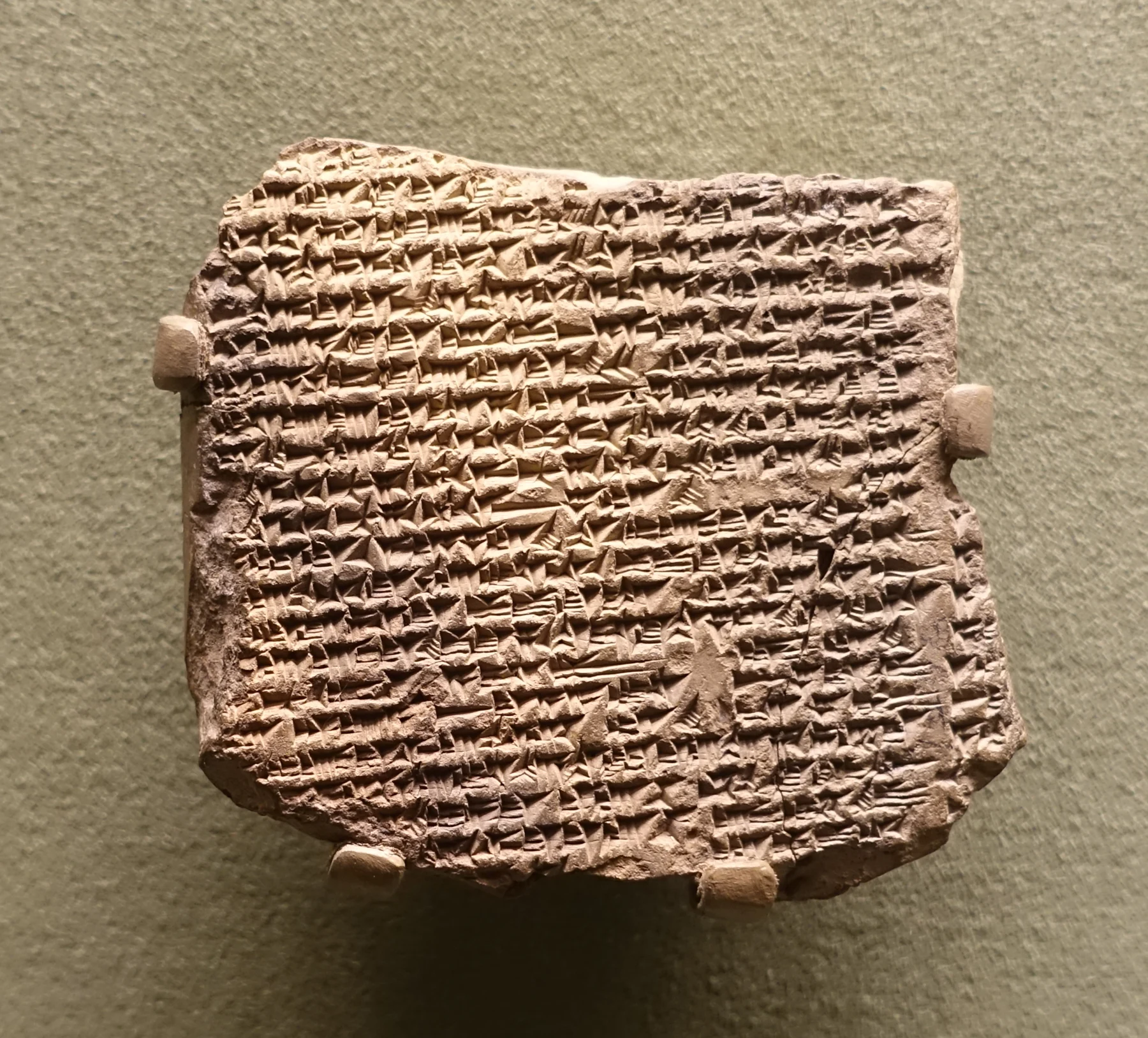
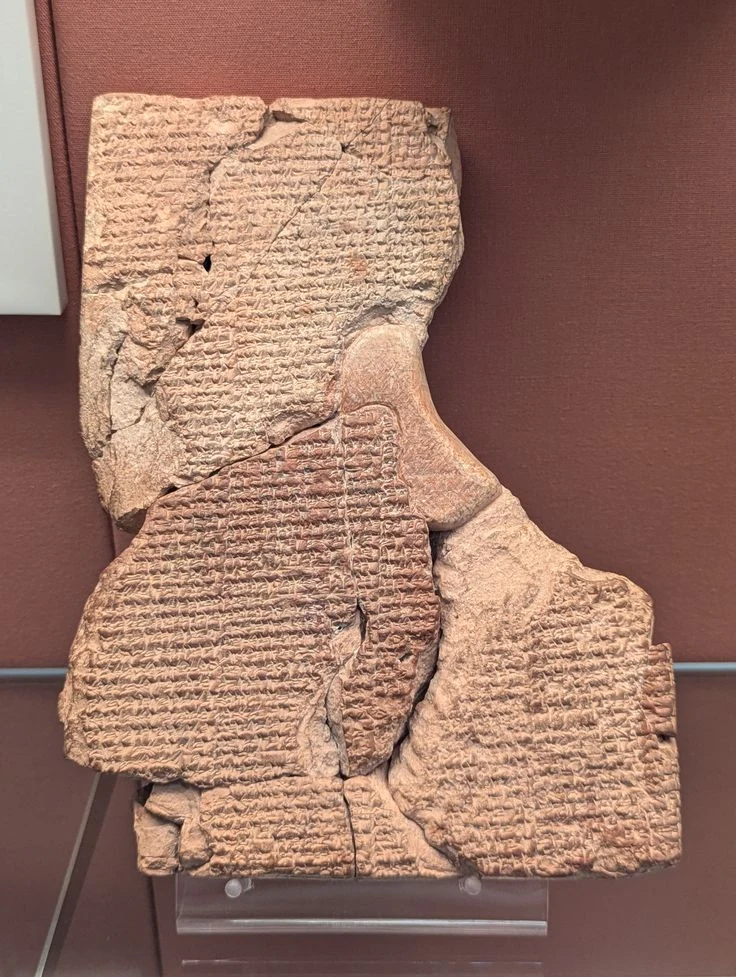
The cover shows a clay tablet identified by the image source as part of Atrahasis in the British Museum, attributed to SipparSippar: Abu HabbahSippar is an ancient Babylonian city in present-day Iraq, identified with Tell Abu Habbah.Glossary · Click to read the explanation and about 1635 BCE. The photographer's description alone does not establish its inventory number or the position of every visible line. The textual comparison therefore rests on the scholarly edition, rather than a reading of this photograph. This is a photograph of a written object, not an ancient depiction of human making. [2][16]
The Sumerian pieces CBS2168 and AO7036 provide independent material witnesses to Enki and Ninmah. Rights in modern photographs of objects differ from the age of the text on them; identifying an object and securing permission to publish its photograph are separate matters. [13][14][15]
Related reading
References and notes (16)
- Oxford, Enki and Ninmah. Reused independent reading logged 12 October of lines 1–139; fresh official indexed excerpts 1–23 and 83–91 read after full-page timeout. Creation 1–51 distinguished from later scene and gaps. Oxford ETCSL 1.1.2, Enki and Ninmah, lines 1–139; creation 1–51 Return to the text ↑
- Hebrew University, Sources of Early Akkadian Literature, Atrahasis I. English 1–69, 174–270, colophon 416c–i, witness table and Wē/Alla variant commentary read. Composite edition, not a single-tablet transcription; not entire epic/commentary. SEAL, Atrahasis I (all periods): English 1–69, 174–270; colophon 416c–i; witnesses and name variants Return to the text ↑
- Johannes Haubold, Sophus Helle, Enrique Jiménez and Selena Wisnom, editors, Enuma Elish, 2025. Introduction 11–12 on literary history and Helle’s translation VI 1–65, pp. 75, 77 with notes read; PDF 24–25, 88, 90. Whole volume not read. Enuma Elish 2025, introduction printed 11–12/PDF 24–25; Helle translation VI 1–65, printed 75, 77/PDF 88, 90 Return to the text ↑
- Whole short chapter displayed and verses 26–28 read closely. The image of God, male and female, blessing and rule are explicit; clay and breath are absent from this unit. Genesis 1:26–28, JPS 1917 English Return to the text ↑
- Genesis 2 entire JPS 1917 chapter read, with MechonMamre Hebrew checked, especially 2:7. Dust/ground, breathing and work distinguished while retaining possible potter imagery in moist soil. Genesis 2, Hebrew and JPS 1917; especially 2:5–7, 15, 19 Return to the text ↑
- Whole chapter displayed; 17–23 read closely. Hard agricultural toil follows the transgression; return to dust in 3:19; pre-fall garden work must be distinguished from post-fall hardship. Genesis 3:17–23, JPS 1917 English Return to the text ↑
- Arabic verses 26–29 read. Terms ṣalṣāl and ḥamaʾ masnūn and God's breathing from His spirit appear in adjacent verses. English translation checked but article paraphrases Arabic. Qur'an 15:26–29, Arabic original Return to the text ↑
- Arabic verses 12–14 read. Extract from clay is followed by embryonic development; later phrasing 'another creation' is not collapsed into a single Mesopotamian recipe. Qur'an 23:12–14, Arabic original Return to the text ↑
- All three Arabic verses read. Initial clay creation is distinguished from offspring made from fluid, followed by fashioning, breathing and hearing/sight/hearts. Qur'an 32:7–9, Arabic original Return to the text ↑
- Both Arabic verses read; the material and breathing motif cross-checks Q 15, not an independent dated creation manuscript. Qur'an 38:71–72, Arabic original Return to the text ↑
- Edward Noort, Taken from the Soil, Gifted with the Breath of Life: The Anthropology of Gen 2:7 in Context, Brill 2016. Printed 1–12 and notes read, PDF 2–13; not pp. 13–15 or cited books. p. 7 retains potter imagery; p. 12 concludes shared motifs but no direct dependence here. His proposal that dust is an editorial addition is not treated as fact. Edward Noort 2016, Taken from the Soil, Gifted with the Breath of Life, printed 1–12/PDF 2–13; DOI 10.1163/9789004334762_002 Return to the text ↑
- Isaac M. Kikawada, The Double Creation of Mankind in Enki and Ninmah, Atrahasis I 1–351, and Genesis 1–2, Iraq 45/1, 1983, 43–45; online 7 August 2014. Complete publicly visible opening extract, including A–E outline, read, not whole article. Extract is not an abstract of the complete study. Isaac M. Kikawada, The Double Creation of Mankind in Enki and Ninmah, Atrahasis I 1–351, and Genesis 1–2, Iraq 45/1(1983), 43–45; public opening EXTRACT only Return to the text ↑
- Full object catalogue metadata and image-list description read. Actual image 76961 inspected visually at 1600px; no claim that every sign was identified or that the image captures every witness. Penn Museum CBS2168, joined fragment of Enki and Ninmah, Old Babylonian 1900–1600 BCE, Nippur Return to the text ↑
- Image listing and educational-only permission statement read; research image inspected locally but excluded from publication because this is not one of the site’s accepted open-license categories. Penn Museum images for CBS2168, image 76961; rights statement Return to the text ↑
- Full object metadata and dates read as independent check that Old Babylonian witnesses of the Sumerian composition survive; Louvre image reuse terms were not used for the article cover. Louvre AO 7036, Enki and Ninmah tablet; catalogue only Return to the text ↑
- SpeakingArch Commons photograph, 10 July 2026. File description / license CC BY-SA 4.0 read and original image viewed. Caption identifies Atrahasis, Sippar, about 1635 BCE; insufficient to establish inventory number or whether photographed face concerns flood rather than creation. Earlier over-specific claim removed; photograph and rights retained. SpeakingArch, Atrahasis tablet photograph, 10 July 2026; Commons file / license CC BY-SA 4.0; exact photographed lines unconfirmed Return to the text ↑
Suggest a correction · Suggest a source for this record
Cite this record
IL Archive, «Clay, labor, and breath: ancient accounts of human creation», https://ilarchive.com/en/studies/humanity-clay-and-divine-labor
Continue reading
Related readings