Site
Esagil, Marduk’s temple
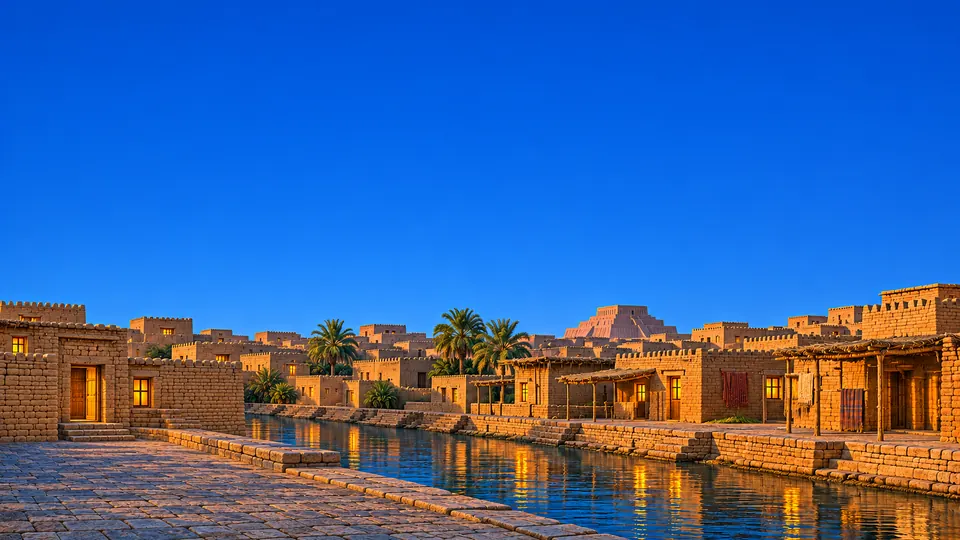
Esagil, also written Esagila, is Marduk’s temple in ancient Babylon, in present-day Iraq, and a central sanctuary of the city’s god.
Last reviewed:
Video
Enuma Elish: The first waters, the storm and the fifty names
The first waters, the storm and the fifty names. The whole story in four illustrated chapters, told from the ancient clay tablets; where the tablets are broken, the narration says so. Illustrations, narration voice and visual effects were created with AI tools by IL Archive; the text is a faithful retelling based on the ancient tablets.
The YouTube player loads only when you press play. Watch on YouTube
Text
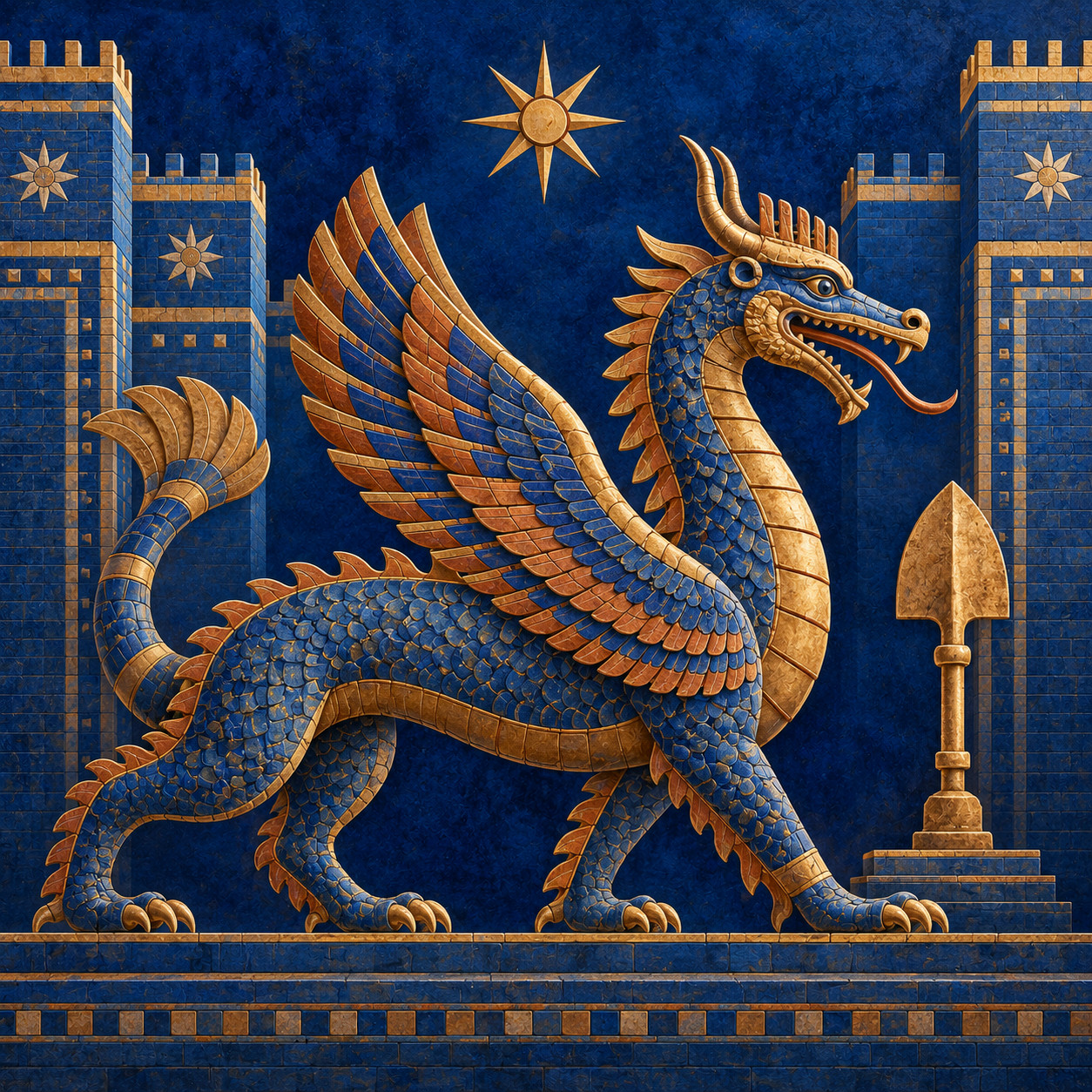
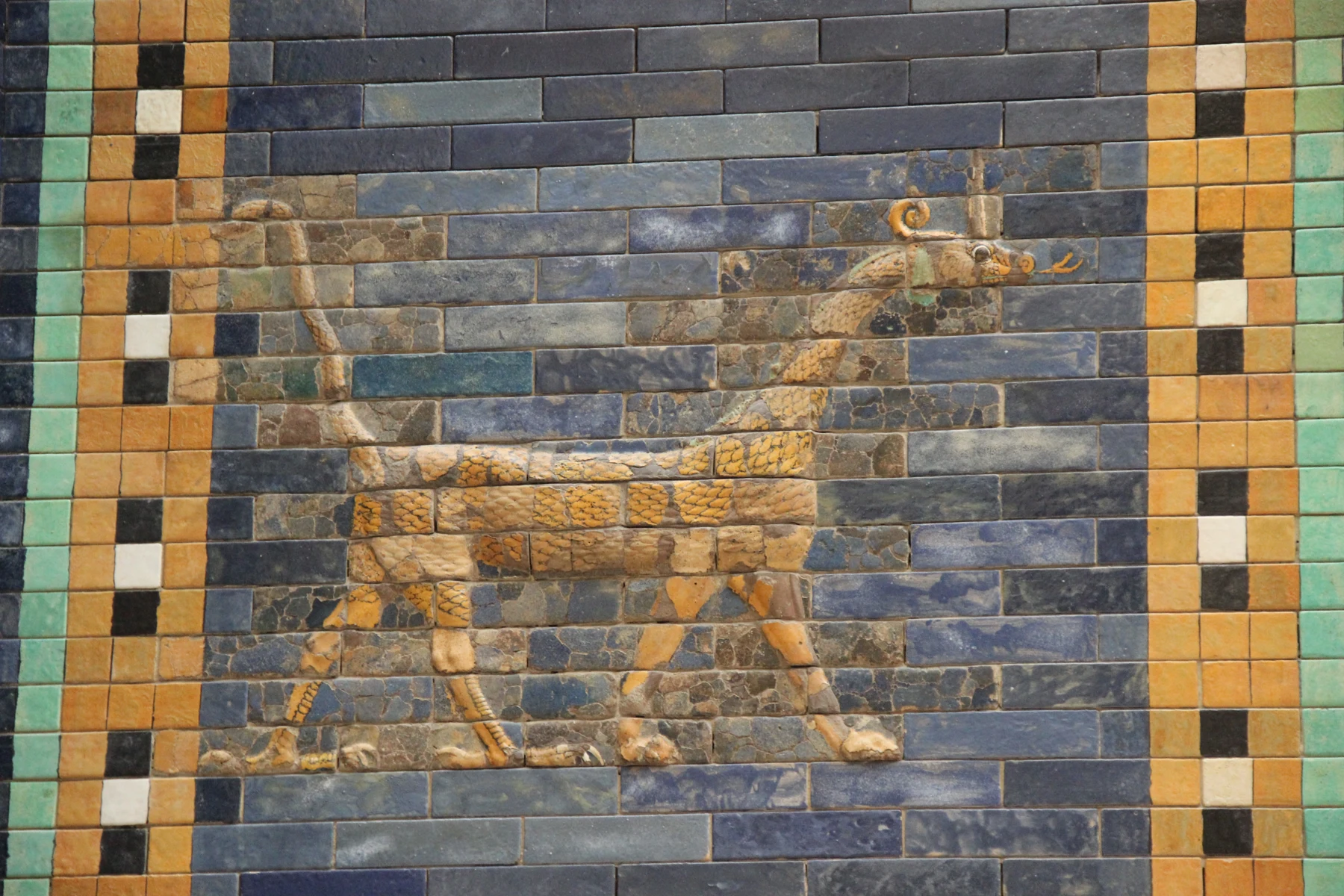
Esagil, also written Esagila, is MardukMardukBabylon’s leading god, worshipped at Esagil and elevated in the Akkadian Enūma eliš. His symbols include a spade and mušḫuššu dragon. His earliest origins remain obscure; Nibiru is no evidence of a planetary homeland.Glossary · Click to read the explanation’s temple in ancient BabylonBabylonBabylon is an ancient city in central present-day Iraq, south of BaghdadGlossary · Click to read the explanation, in present-day IraqIraqIraq is a modern country encompassing much of ancient MesopotamiaGlossary · Click to read the explanation, and a central sanctuary of the city’s god. [1]
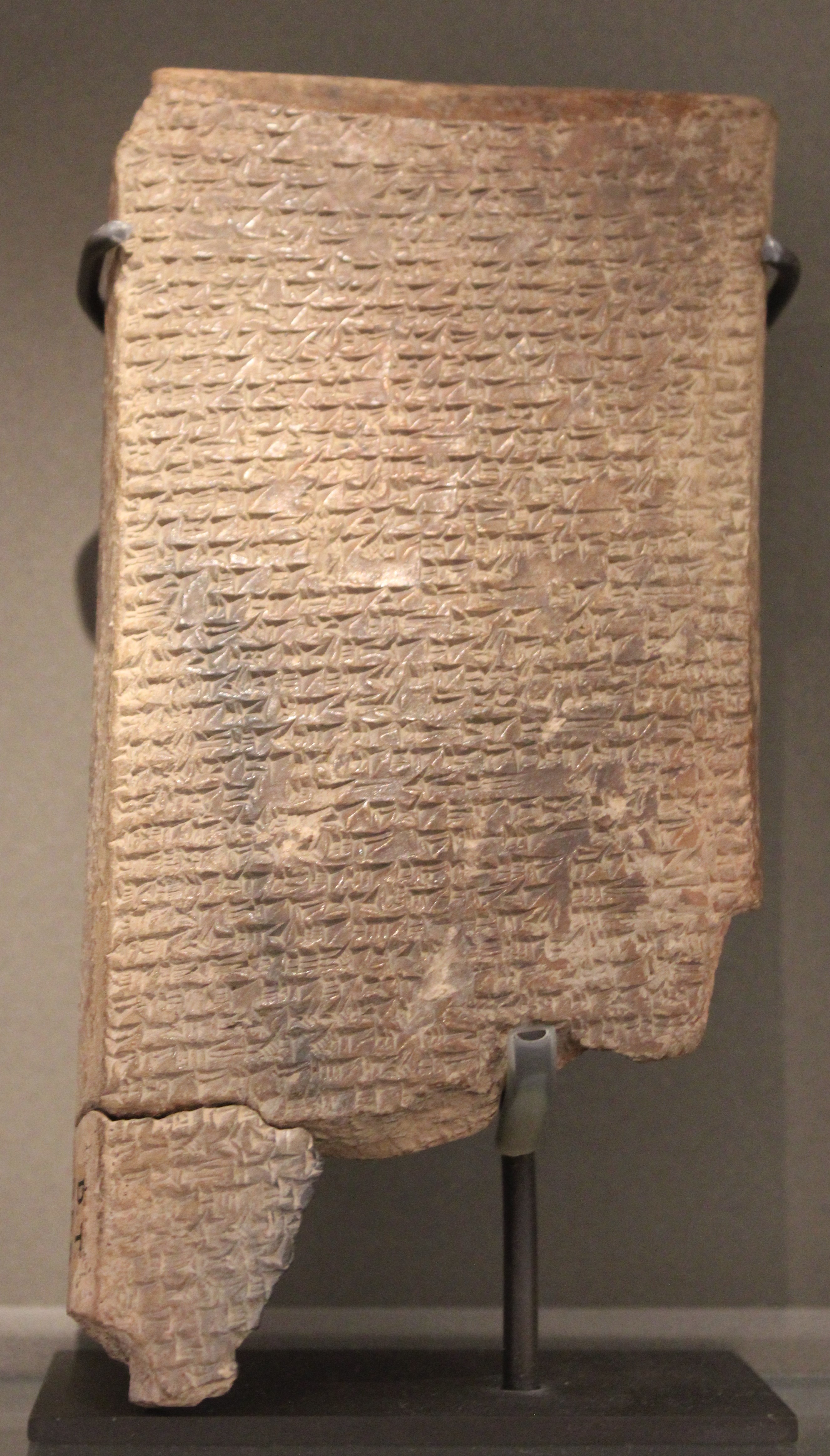
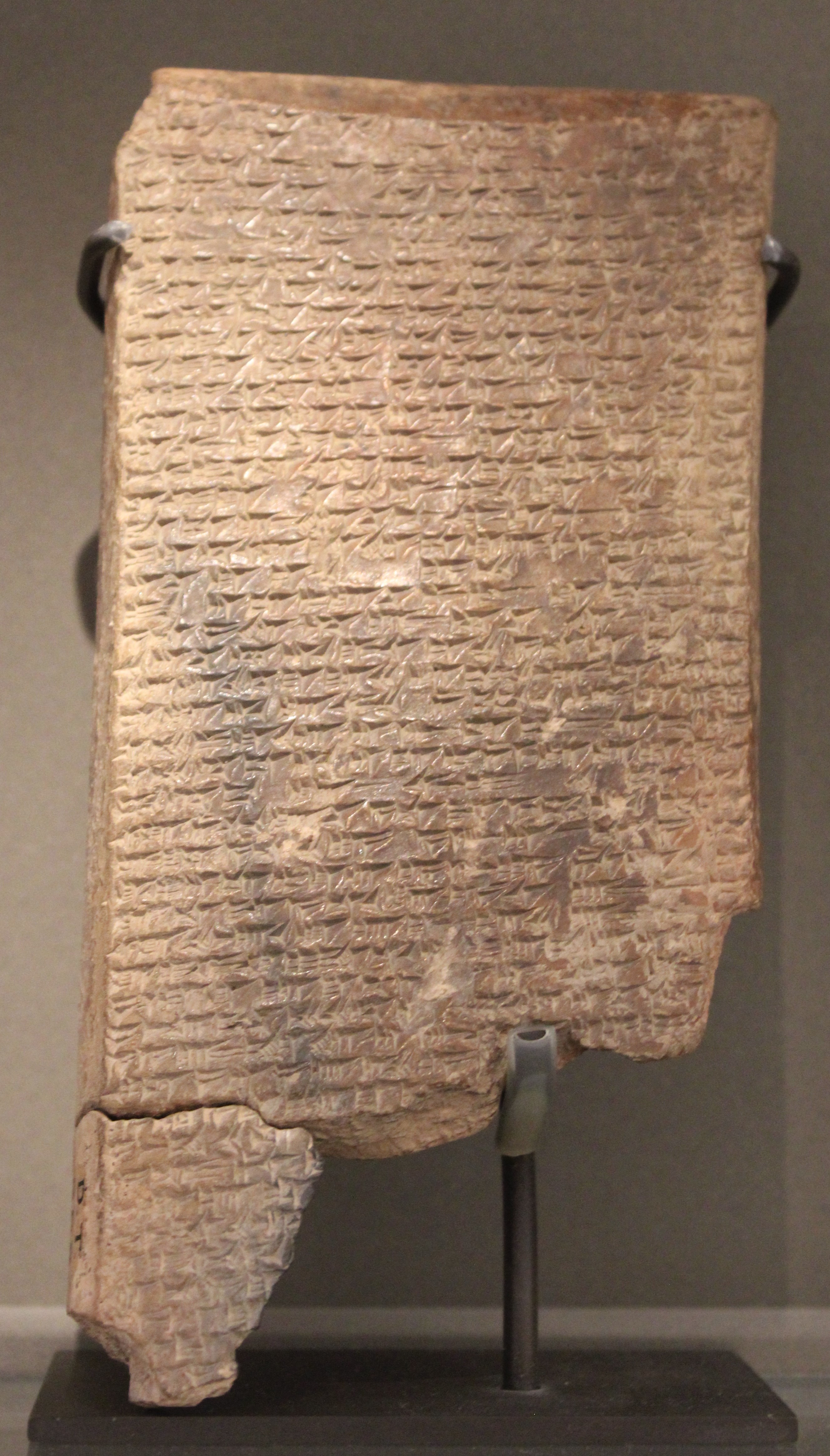
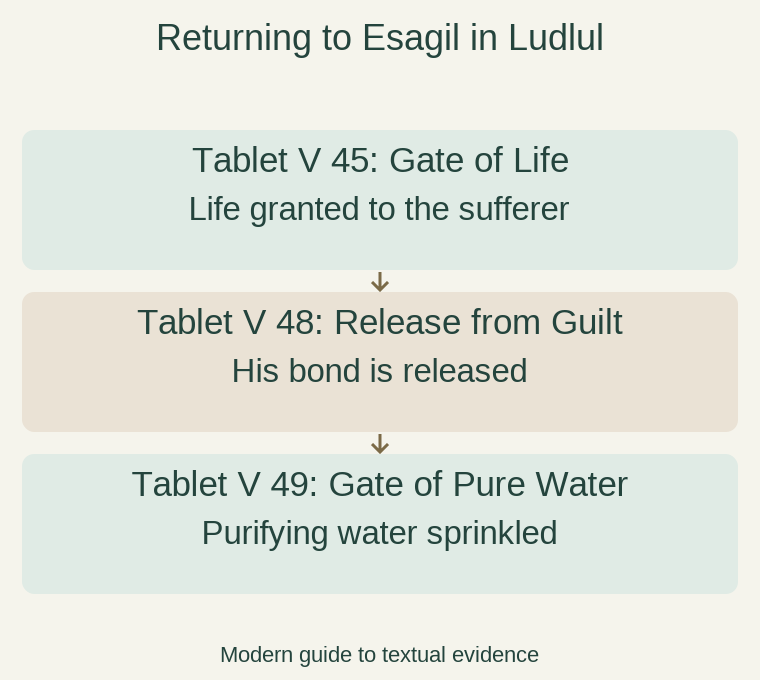
Near LudlulLudlul bēl nēmeqiBabylonian Akkadian poem about Šubši-mešrê-Šakkan, his suffering, recovery, and praise of Marduk, examined through its five tablets, manuscript witnesses, dating, and qualified comparison with Job.Glossary · Click to read the explanation’s end, the sufferer enters the temple gates and gives thanks and offerings after healing. The poem names gates for life, well-being and release, connecting passage through them with religious and social restoration. This is a poetic description of returning to the temple. [1]
References and notes
- Electronic Babylonian Library, Ludlul, edited by Aino Hätinen and contributors, translated by Benjamin Foster. Available translation of II and translated portions of III read, plus V 1–82 and 111–120 and the overview. Not all estimated 600 lines or an independent collation on clay. Ludlul II; III; V Return to the text ↑
Suggest a correction · Suggest a source for this record
Cite this record
IL Archive, «Esagil, Marduk’s temple», https://ilarchive.com/en/sites/esagil-marduk-temple
Continue reading
Related readings