Ludlul bēl nēmeqi Chapter 2
Dreams and Deliverance
Dreams and waking visions bring Šubši-mešrê-Šakkan messages of relief, and he tells how his strength and senses returned. After the broken passages of Tablet IV, he recalls the gates of Esagil and gives thanks in Babylon. The poem closes in praise.
SourcesTurn the pages with the arrows, the arrow keys or a swipe.
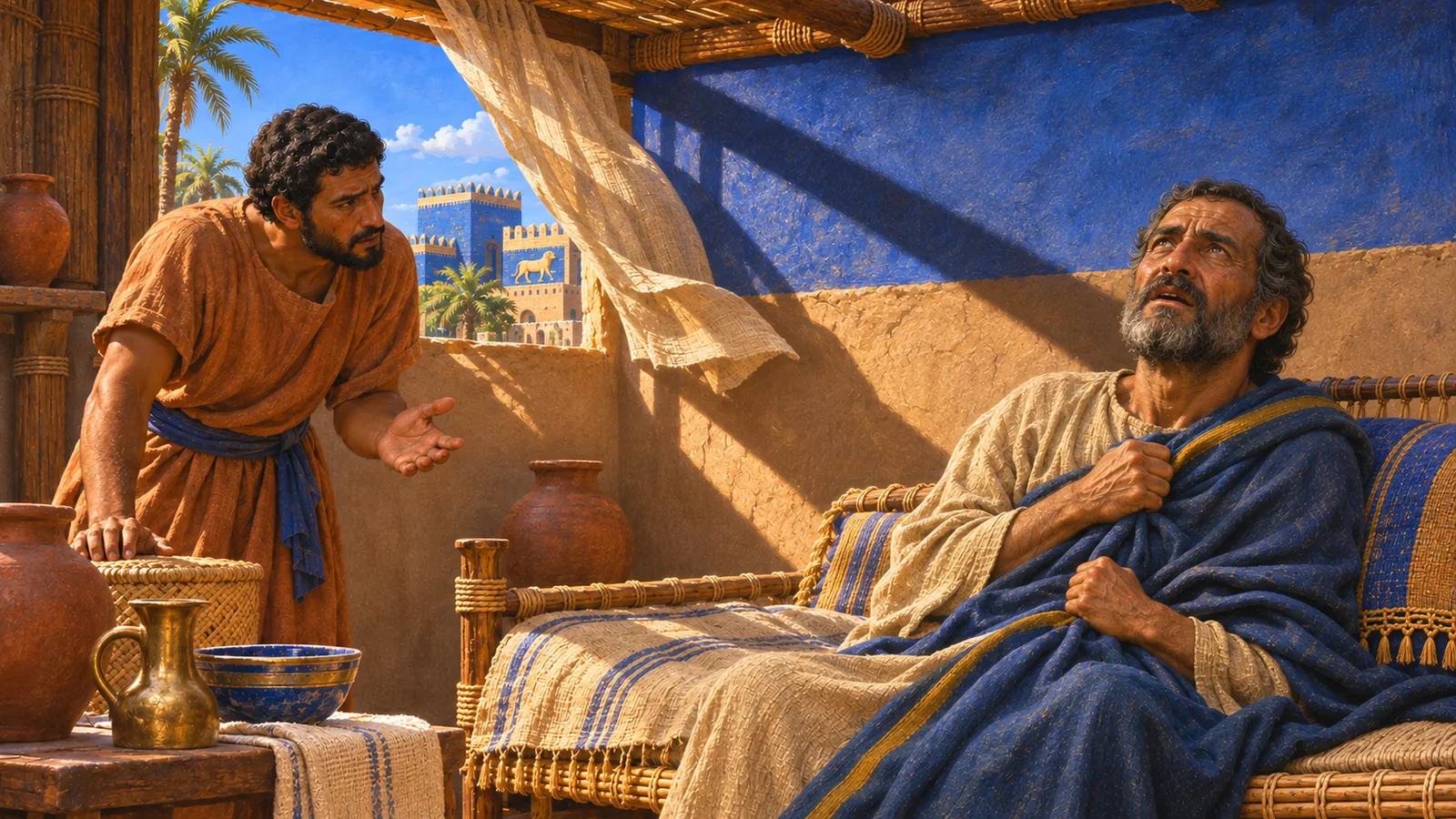
DREAMS
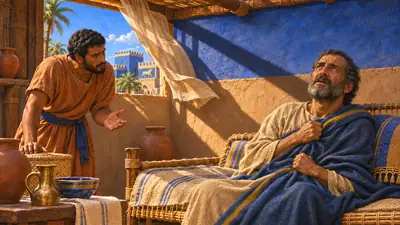
His hand weighed so heavily upon me I could not bear it. Fear overwhelmed me. In the broken lines, I speak of punishment, a flood and severe illness.
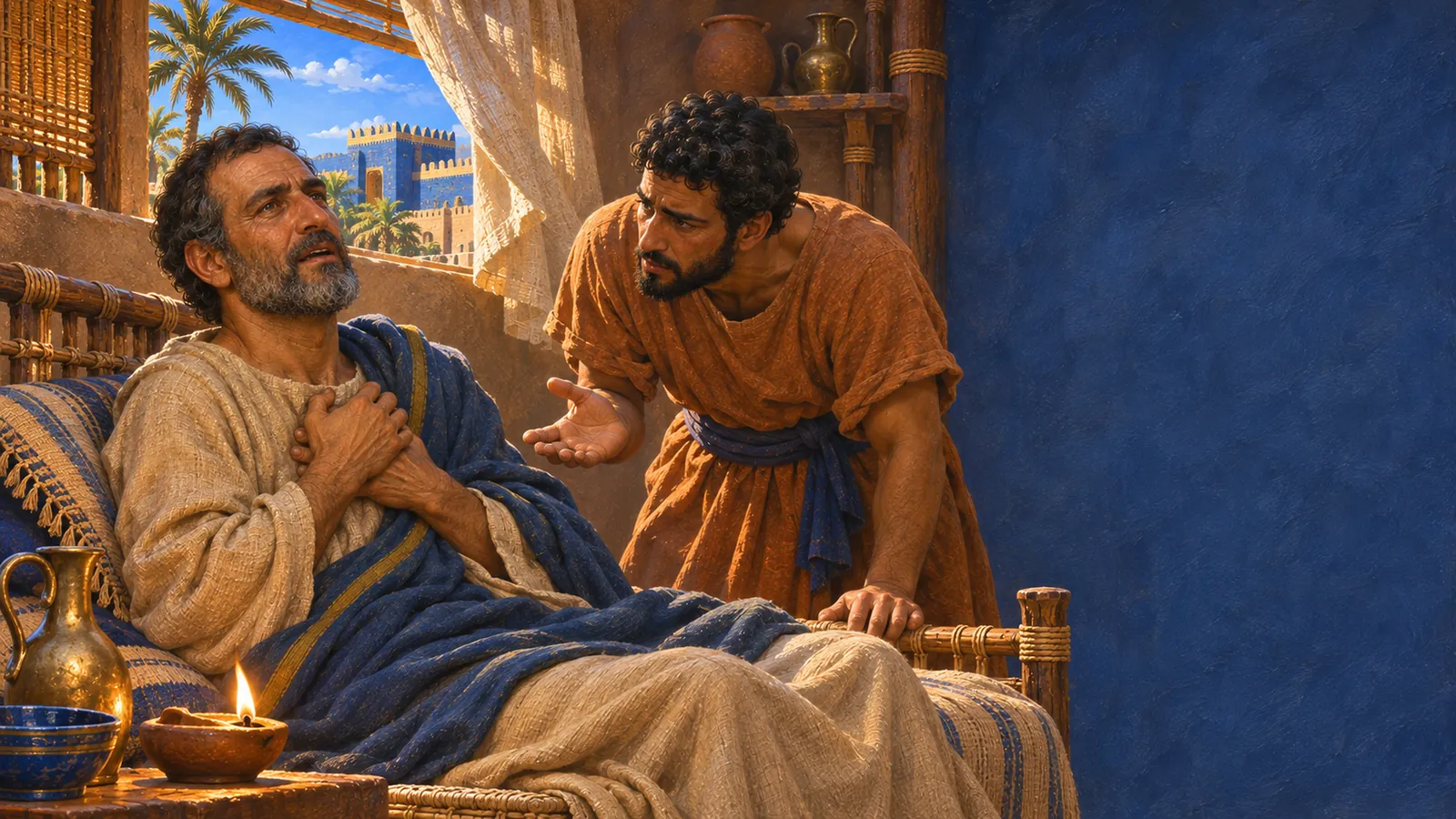
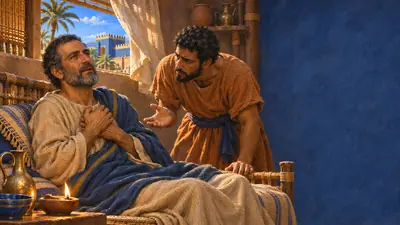
I lost my alertness and became delirious. Day and night I moaned, troubled by dreams and visions that came to me while I was awake.
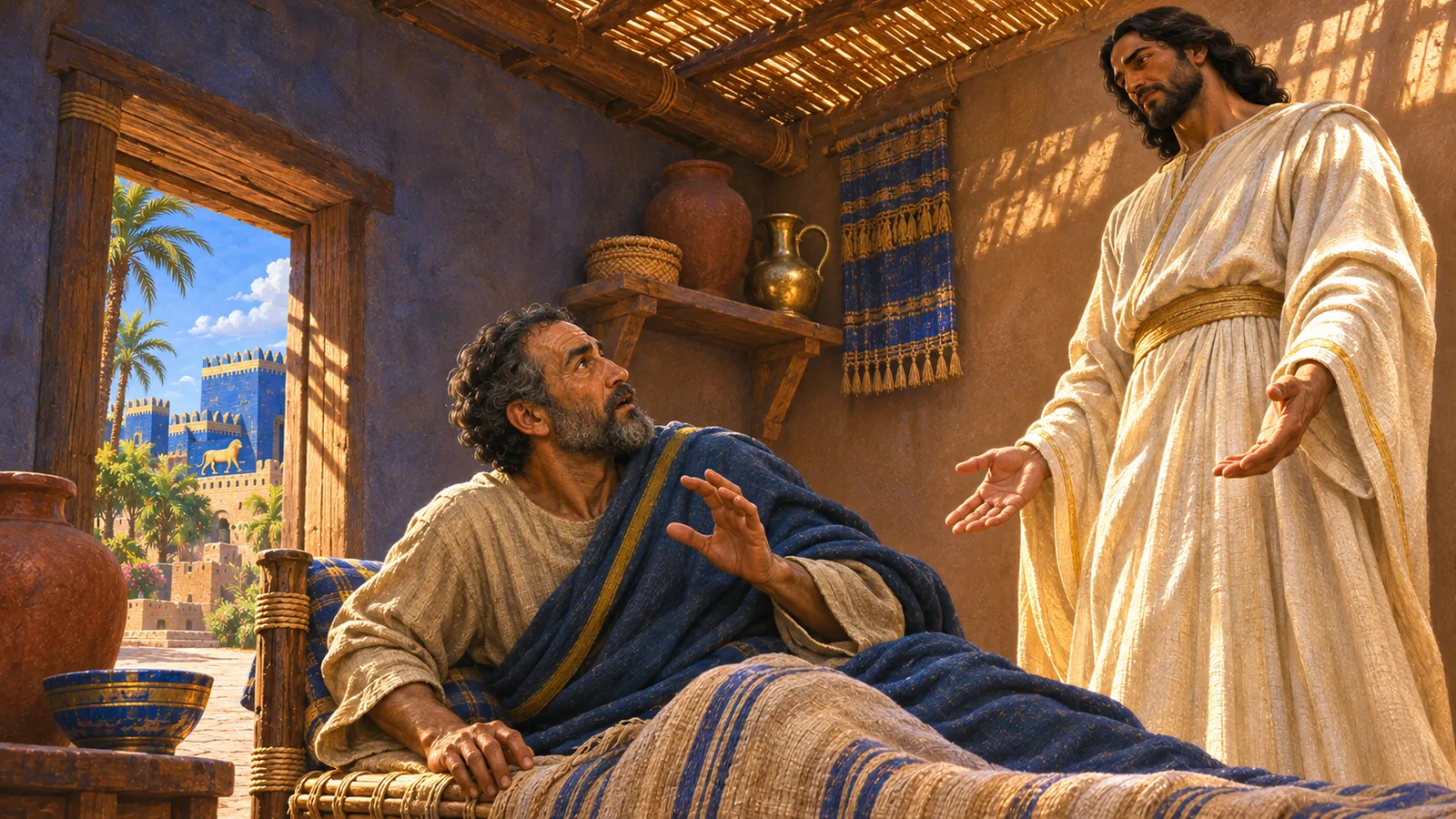
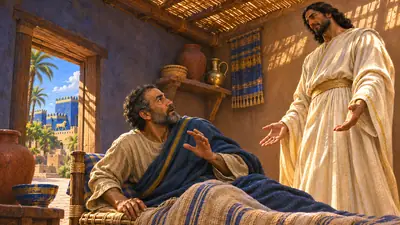
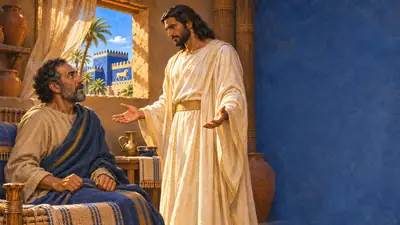
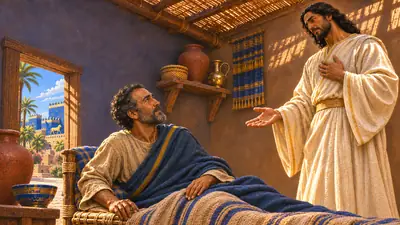
A man of extraordinary appearance loomed before me. I became aware of him in a waking vision, a towering figure whose clothes seemed to shine.
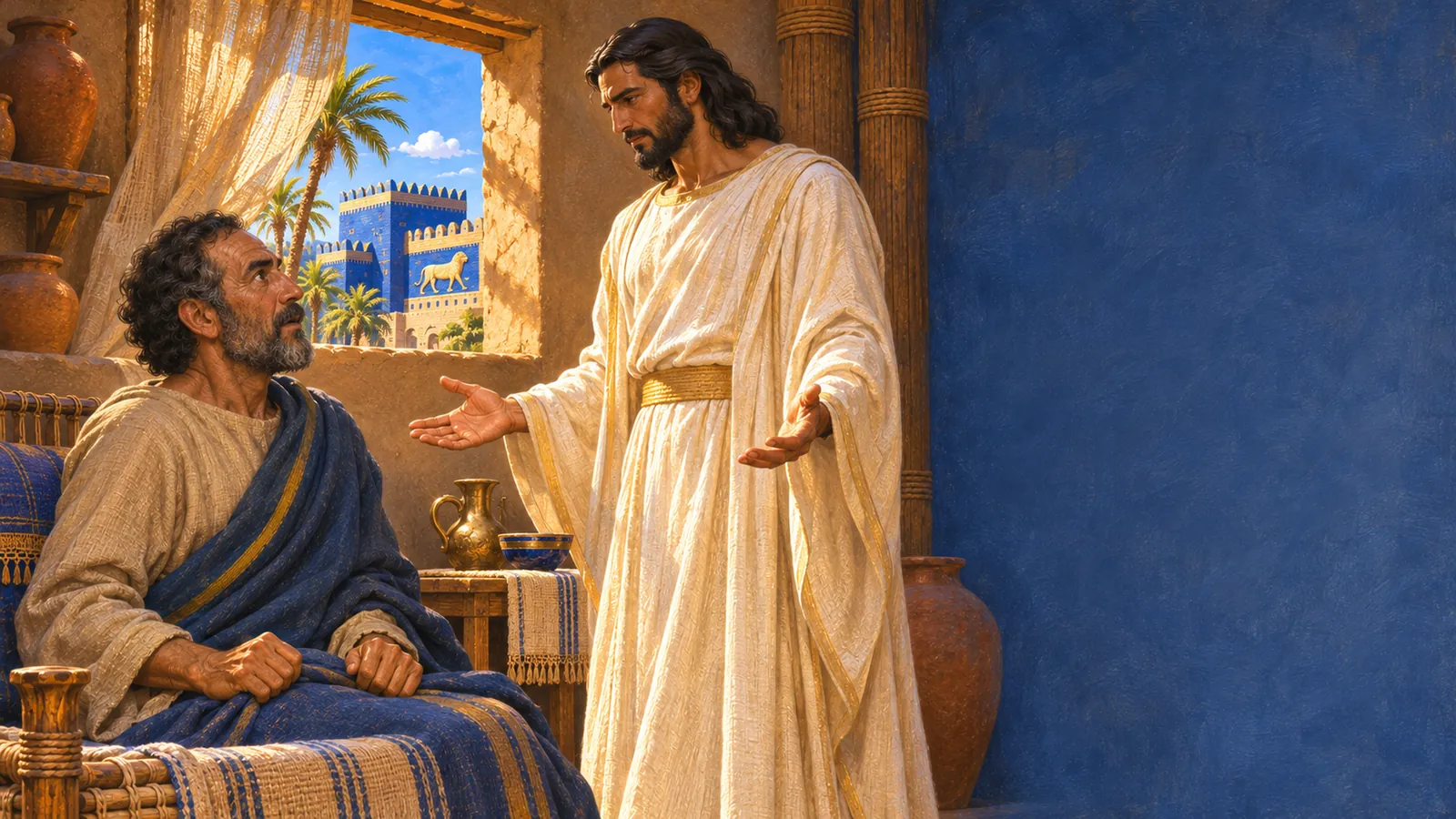
He came in and stood over me. At the sight of him my body froze.
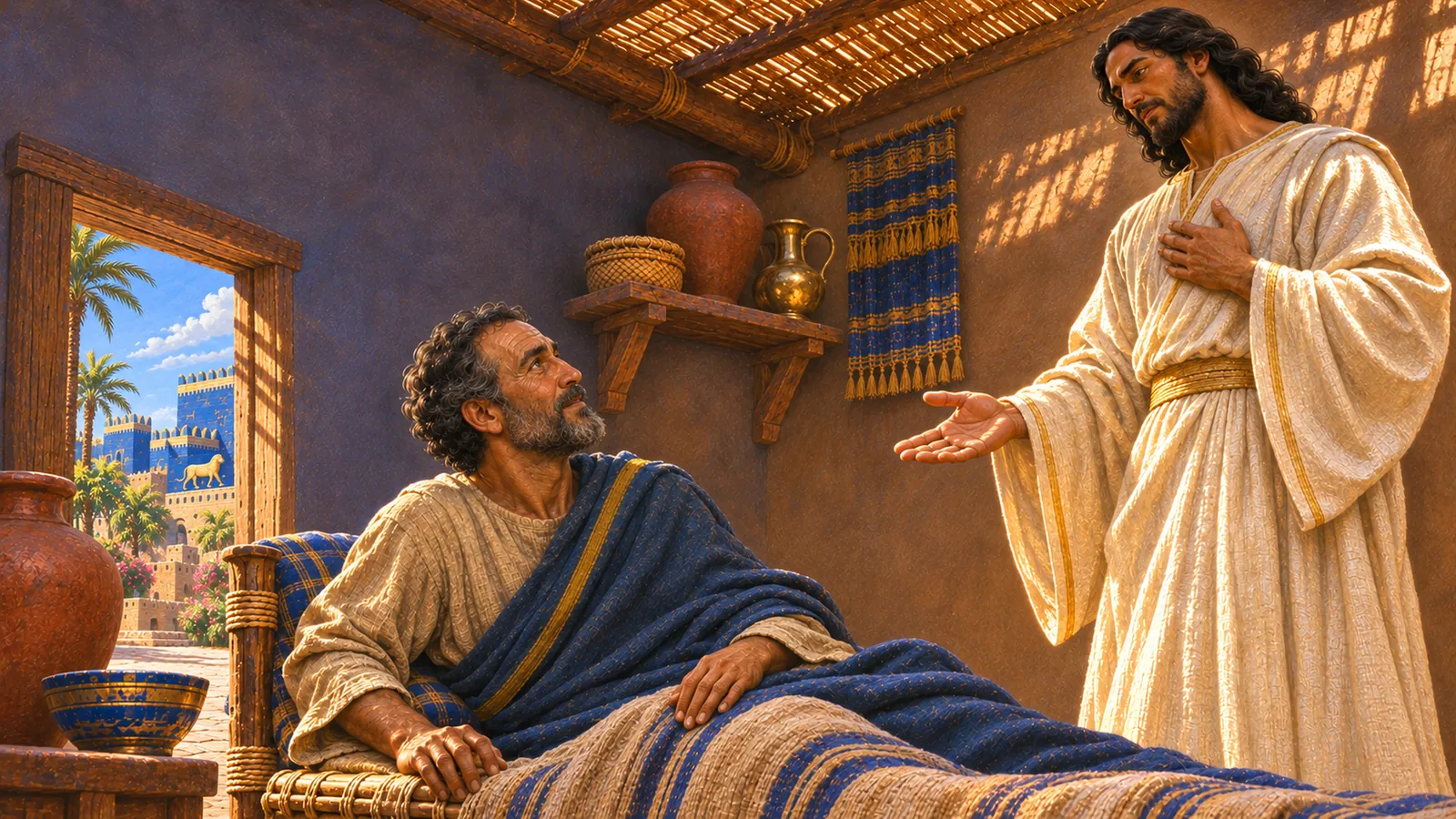
He said that my lord had sent him. A broken line speaks of the sufferer waiting for recovery.
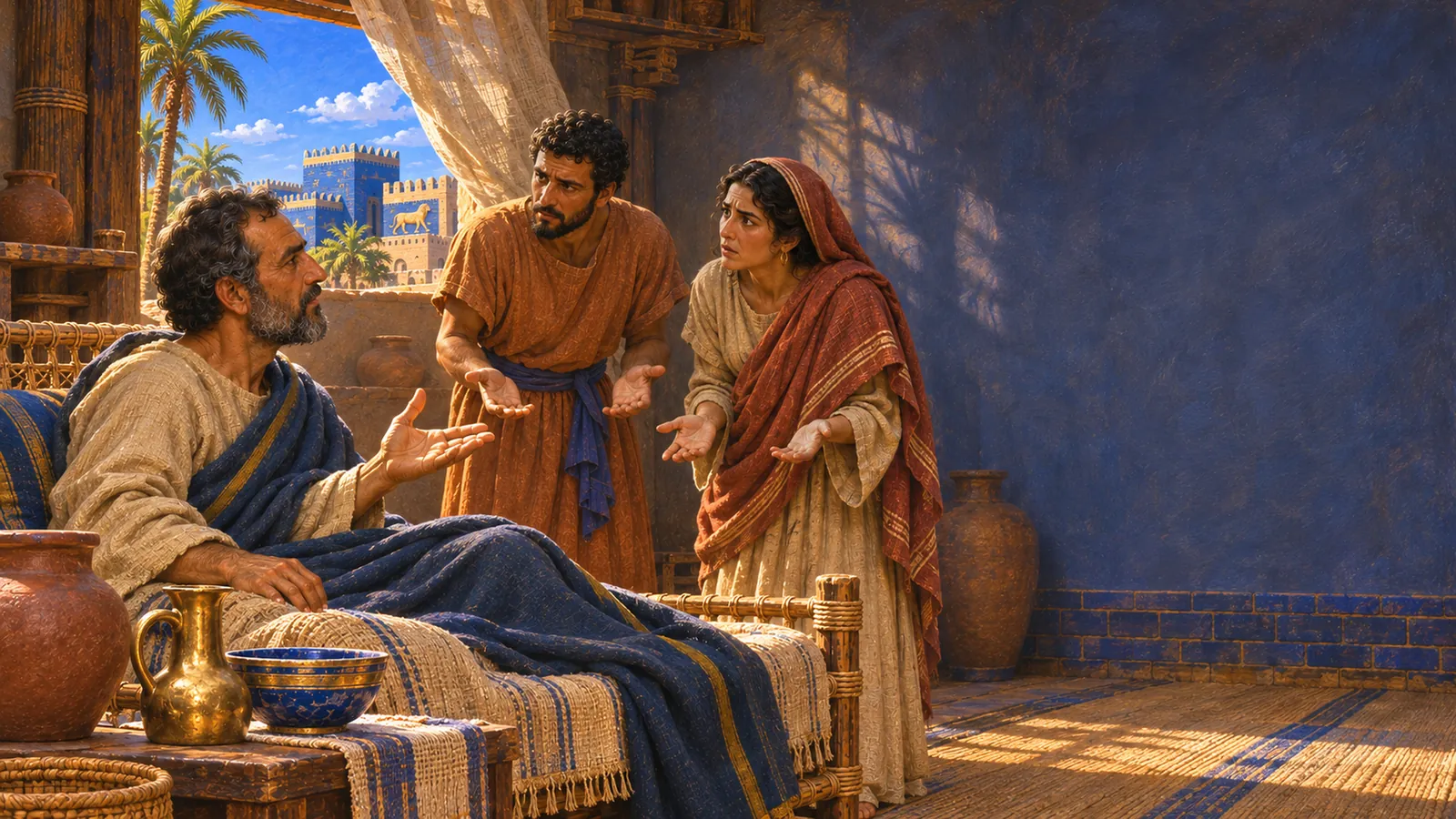
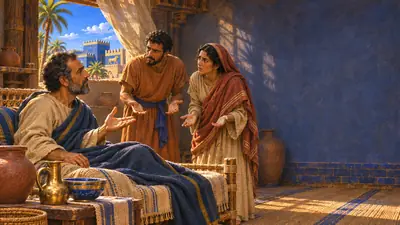
I woke and asked my servants who the man was whom the king had sent. No one answered. Those who heard me were dumbfounded.
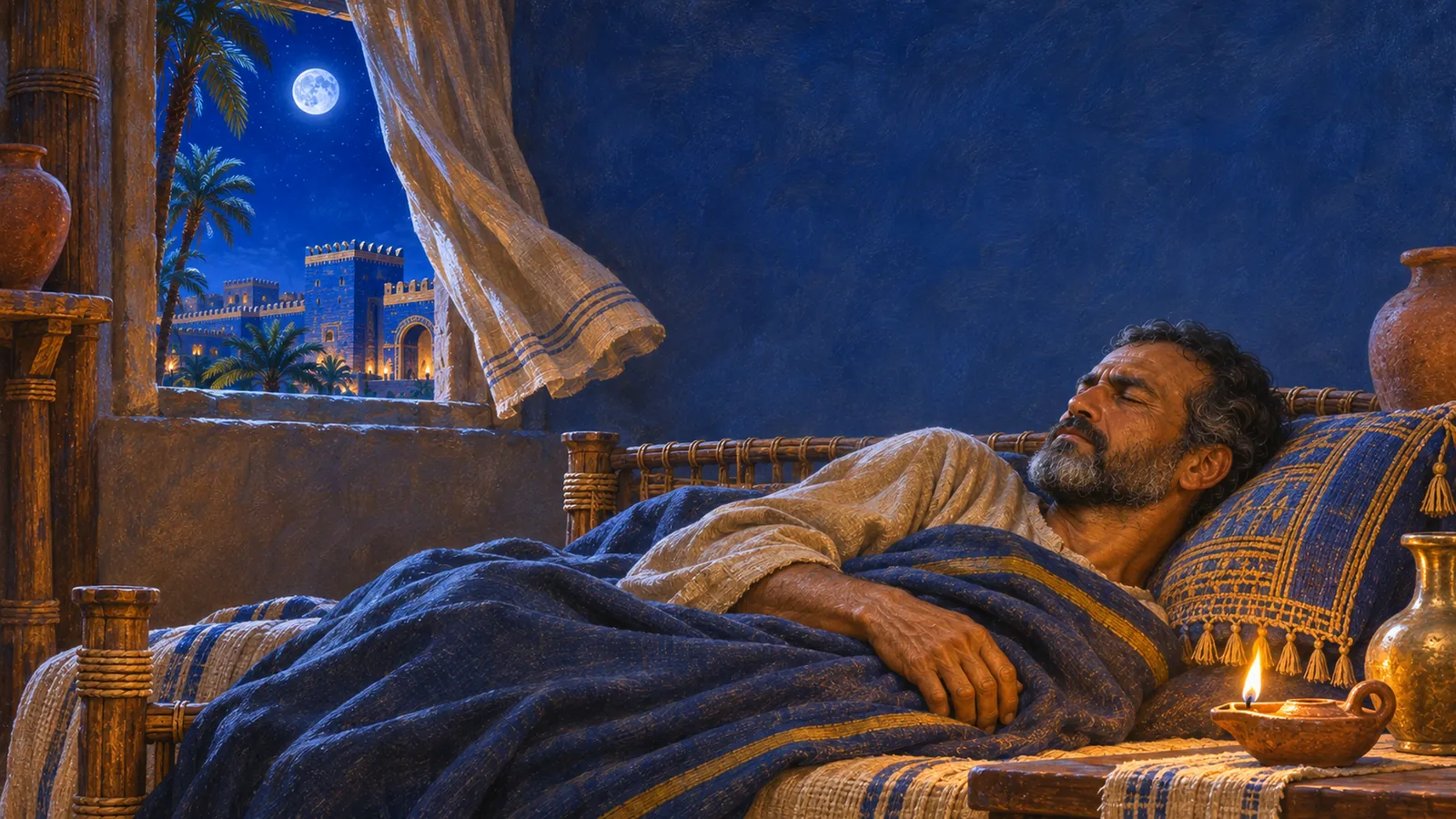
THE SECOND DREAM
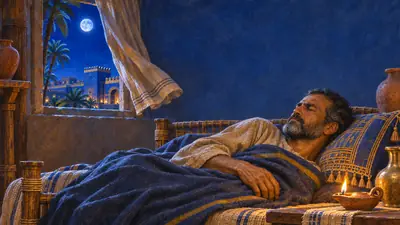
The next time I saw a dream, it came in the night. I remember it as the second dream.
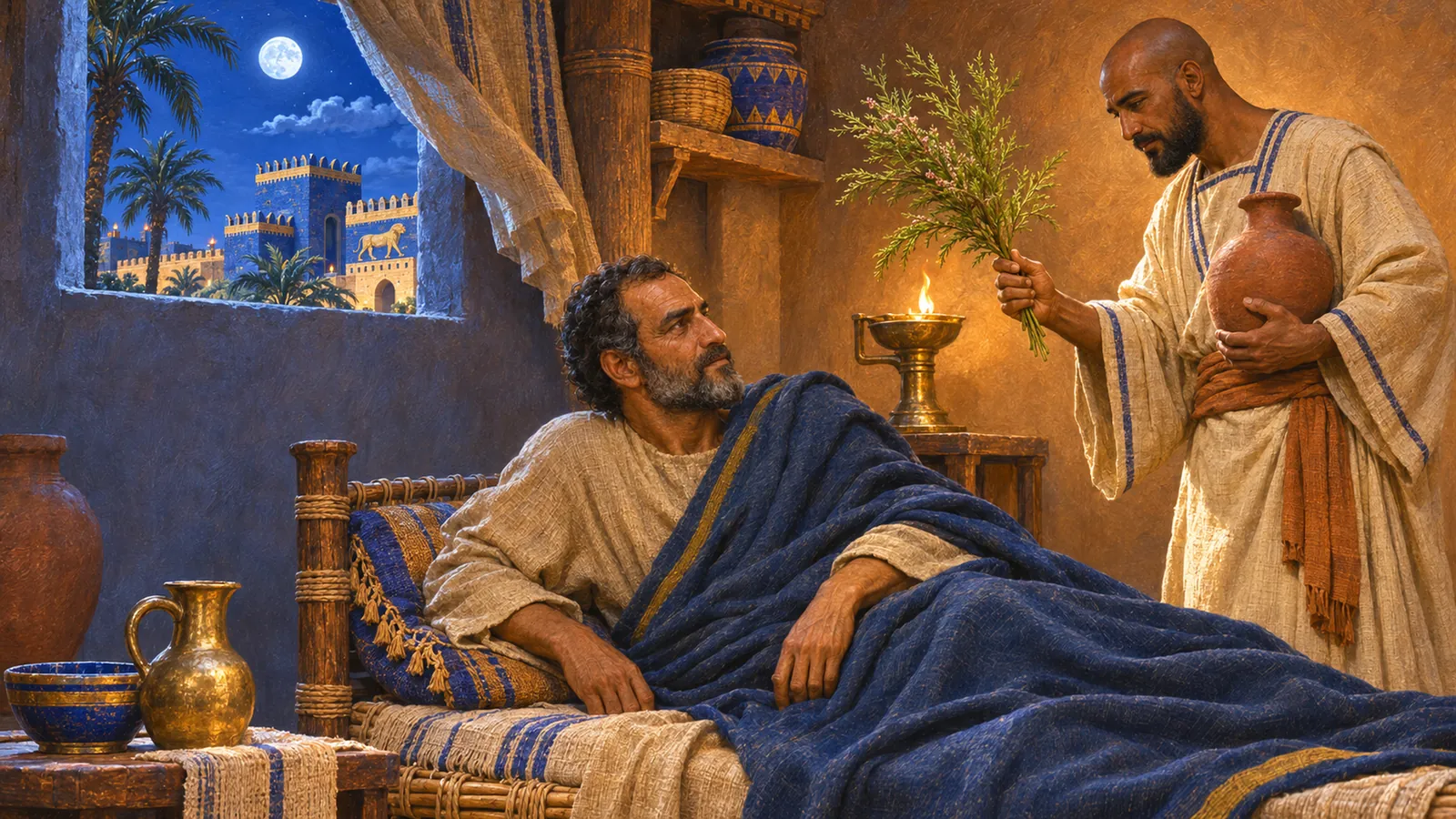
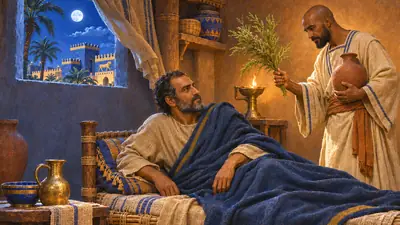
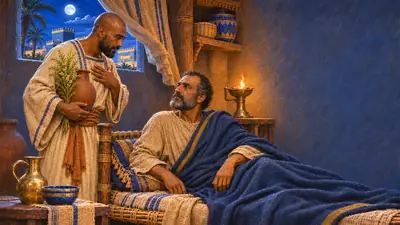
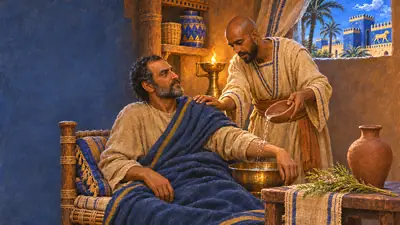
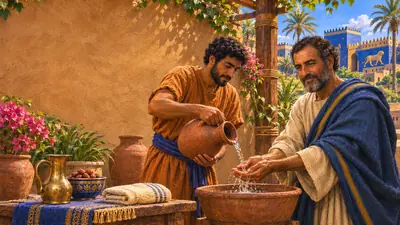
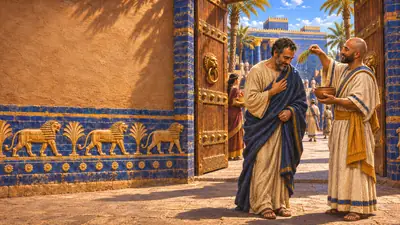
In the dream I saw a purification priest carrying water for an incantation. He held tamarisk in his hand for purification.
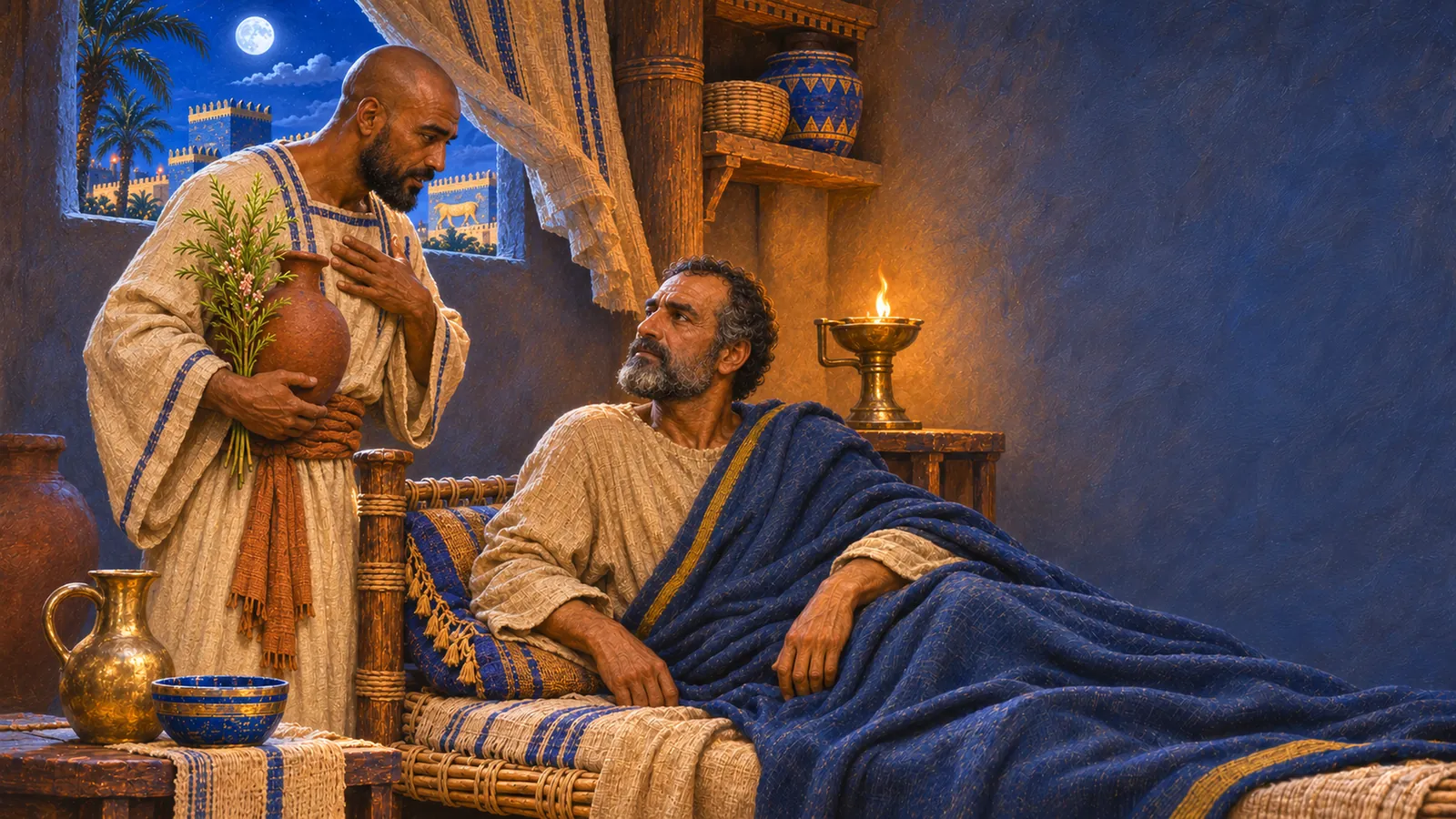
The man in the dream told me that Laluralimma, an exorcist of Nippur, had sent him to purify me.
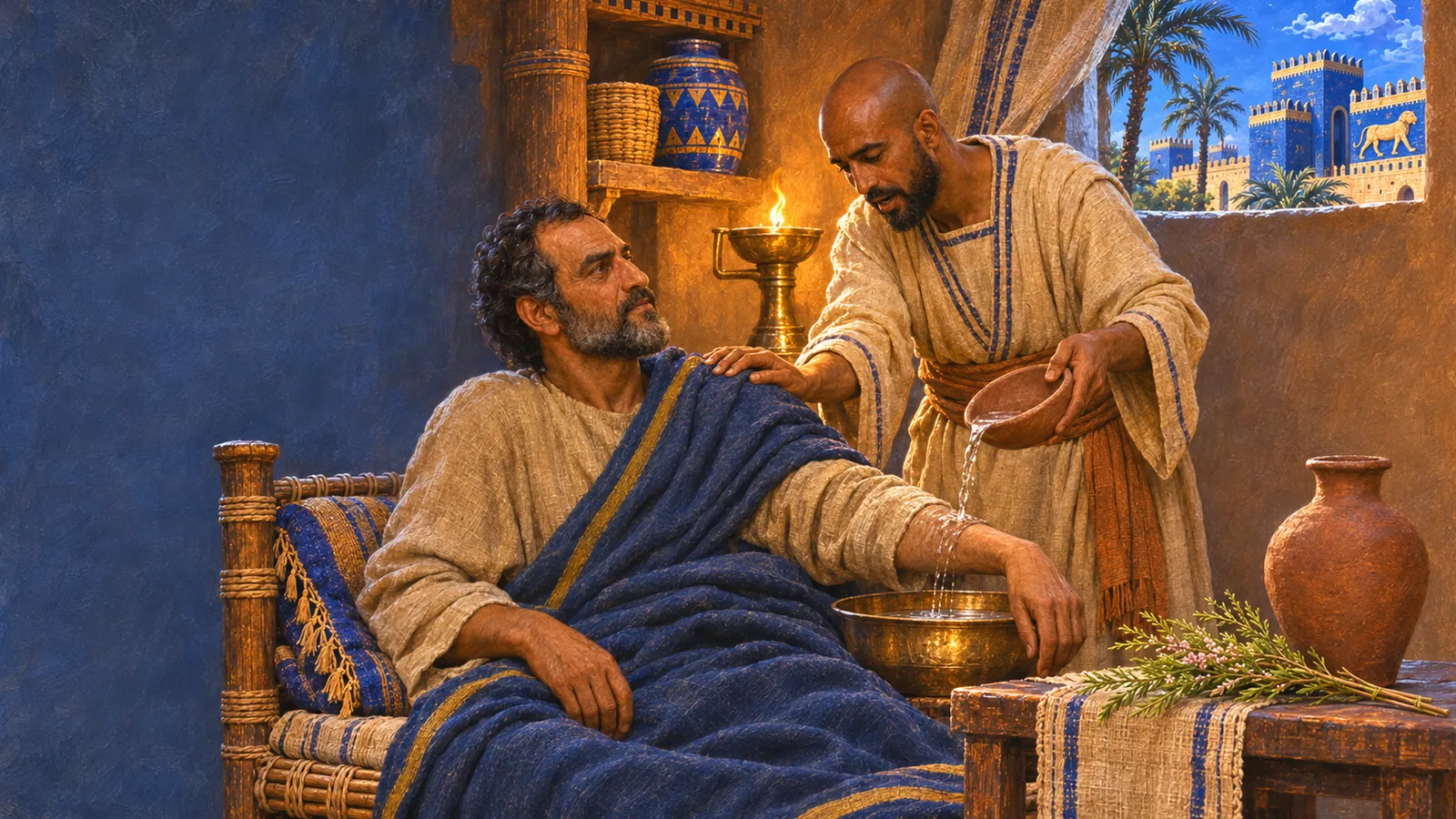
He cast over me the water he had brought. He pronounced the incantation of life and massaged my body.
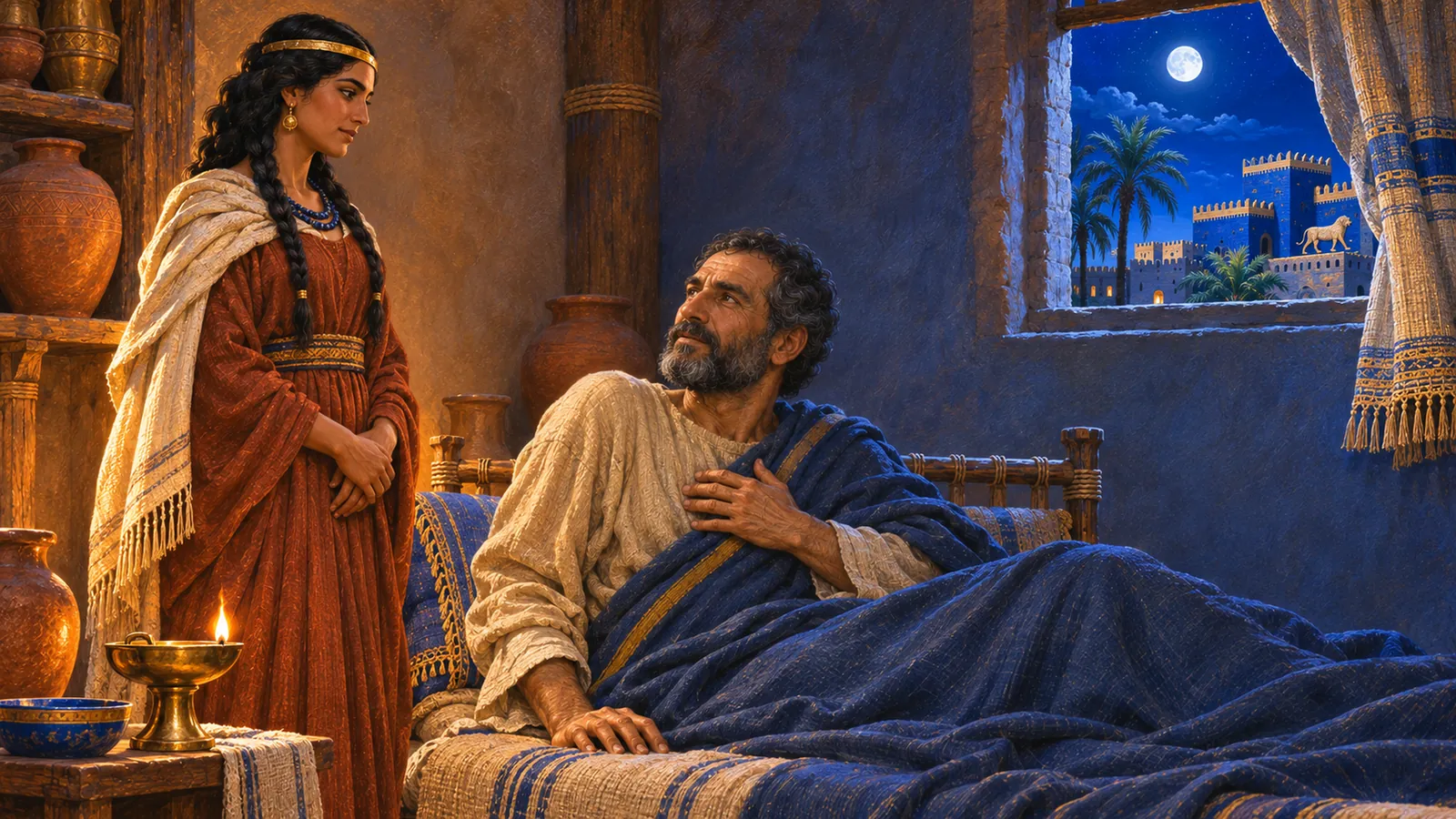
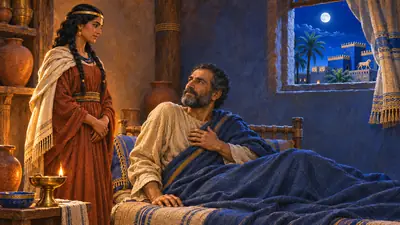
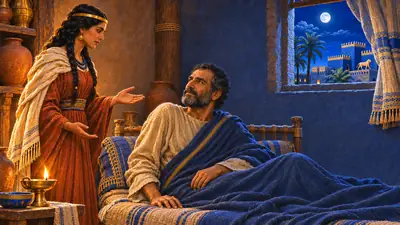
A third dream came to me at night. A young woman appeared, beautiful to look upon. Even from a distance, she seemed divine.
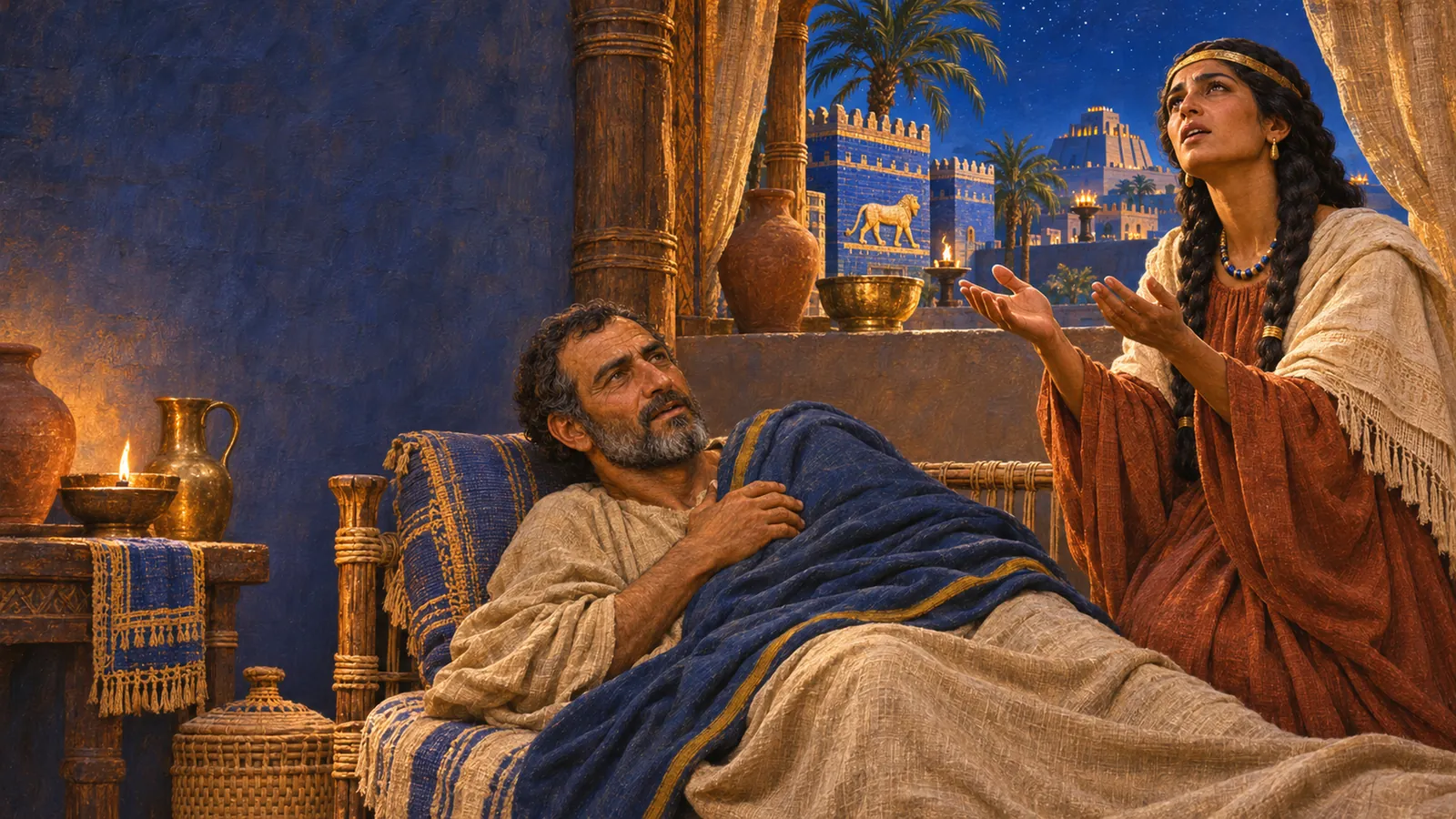
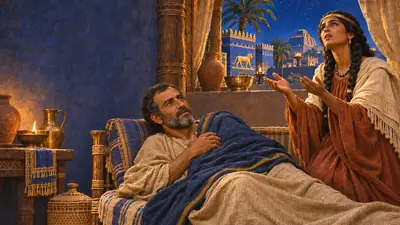
The dream calls her a queen of the people. She came in, and the next words are damaged. She said, “Mercy! He is utterly exhausted.”
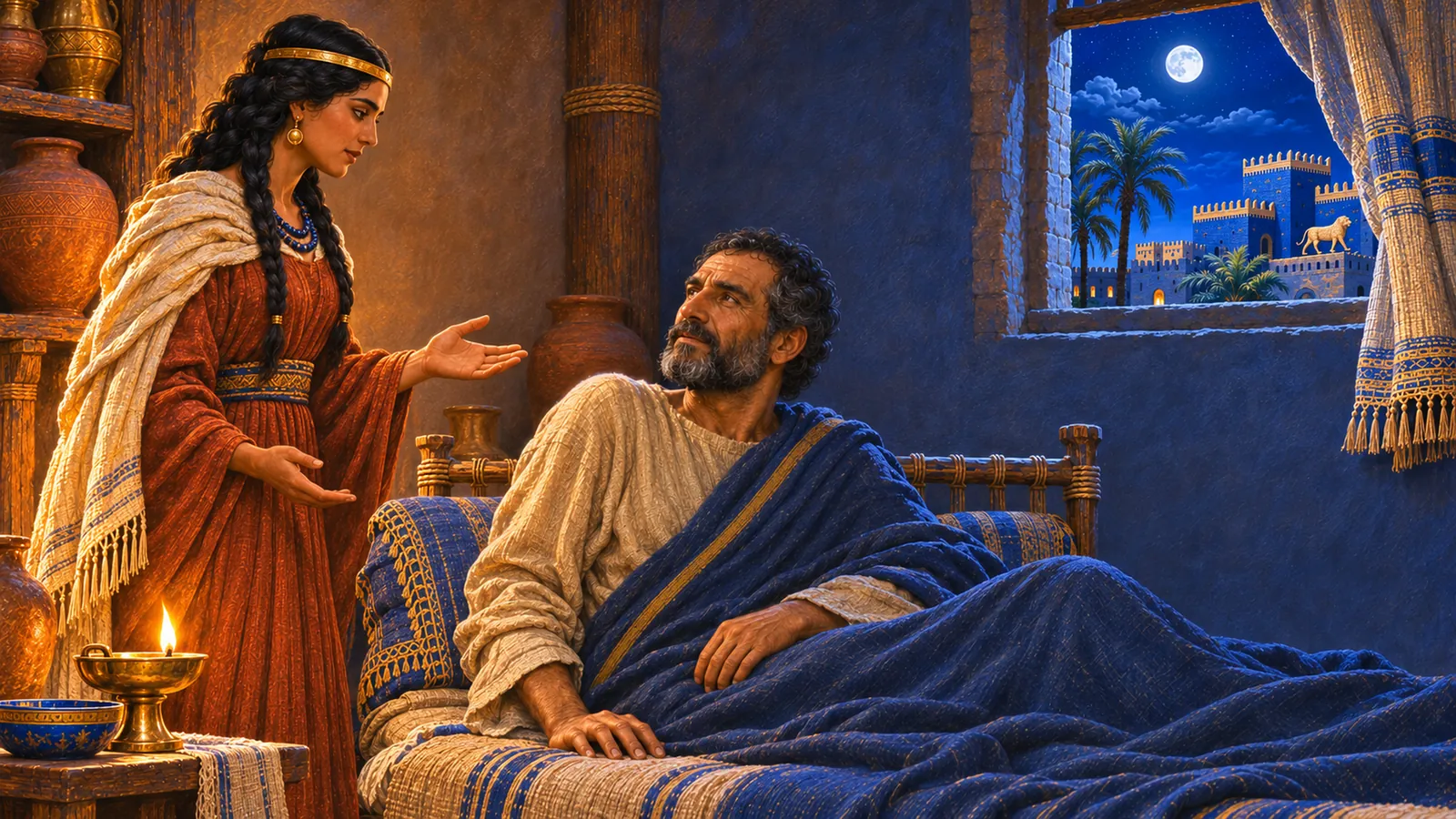
“Do not fear,” she told me. In the words of the dream that survive, she called for mercy once more and spoke of how badly I was suffering.
MESSAGE
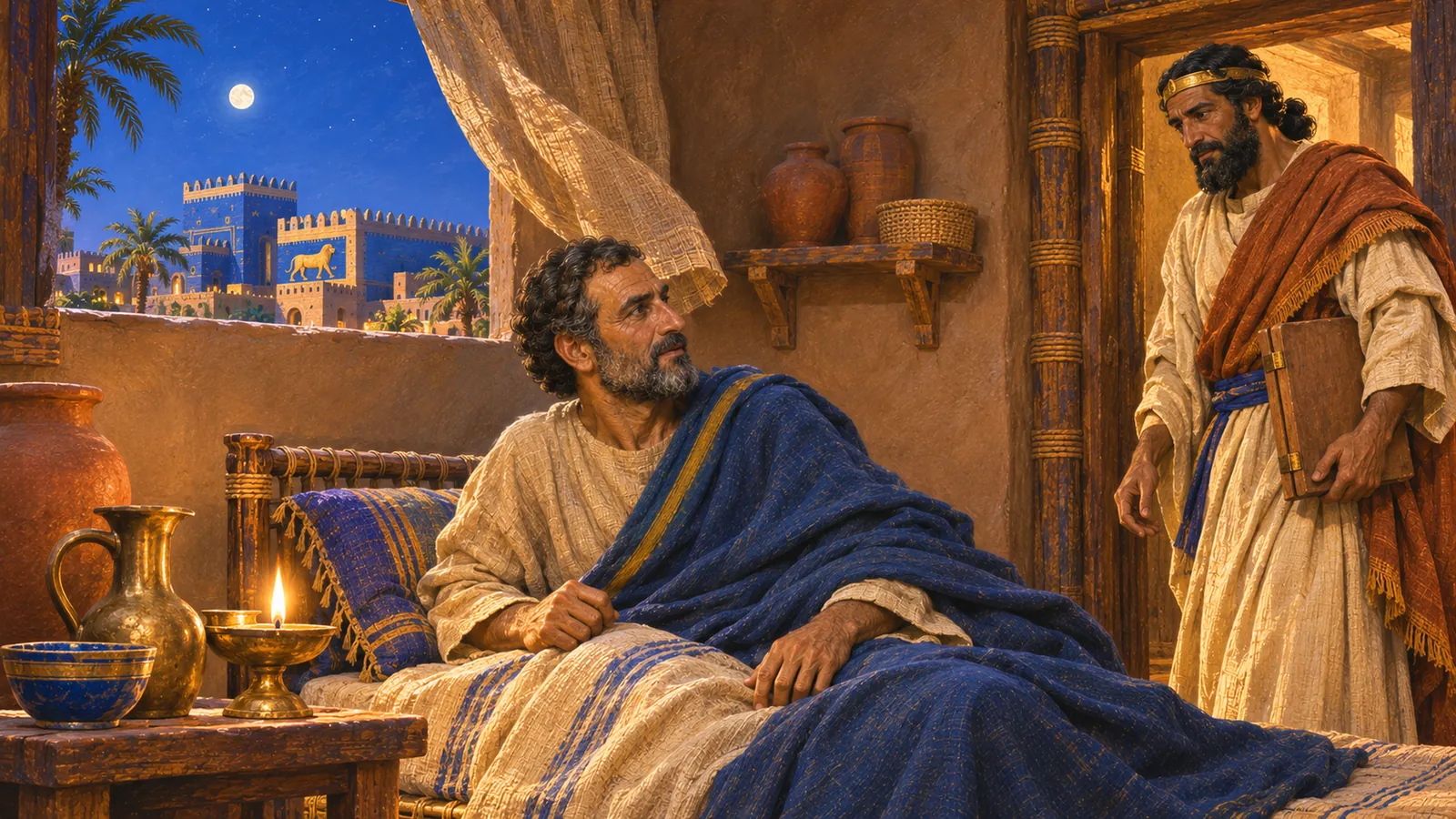
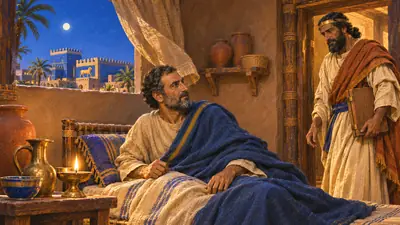
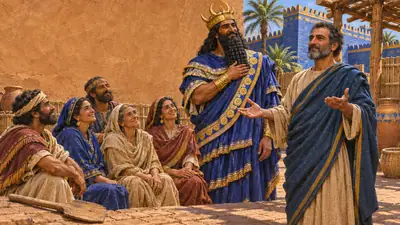
The tablet names Ur-Nintinugga of Babylon in a damaged passage about another dream. It describes a bearded exorcist with a diadem, carrying a writing board.
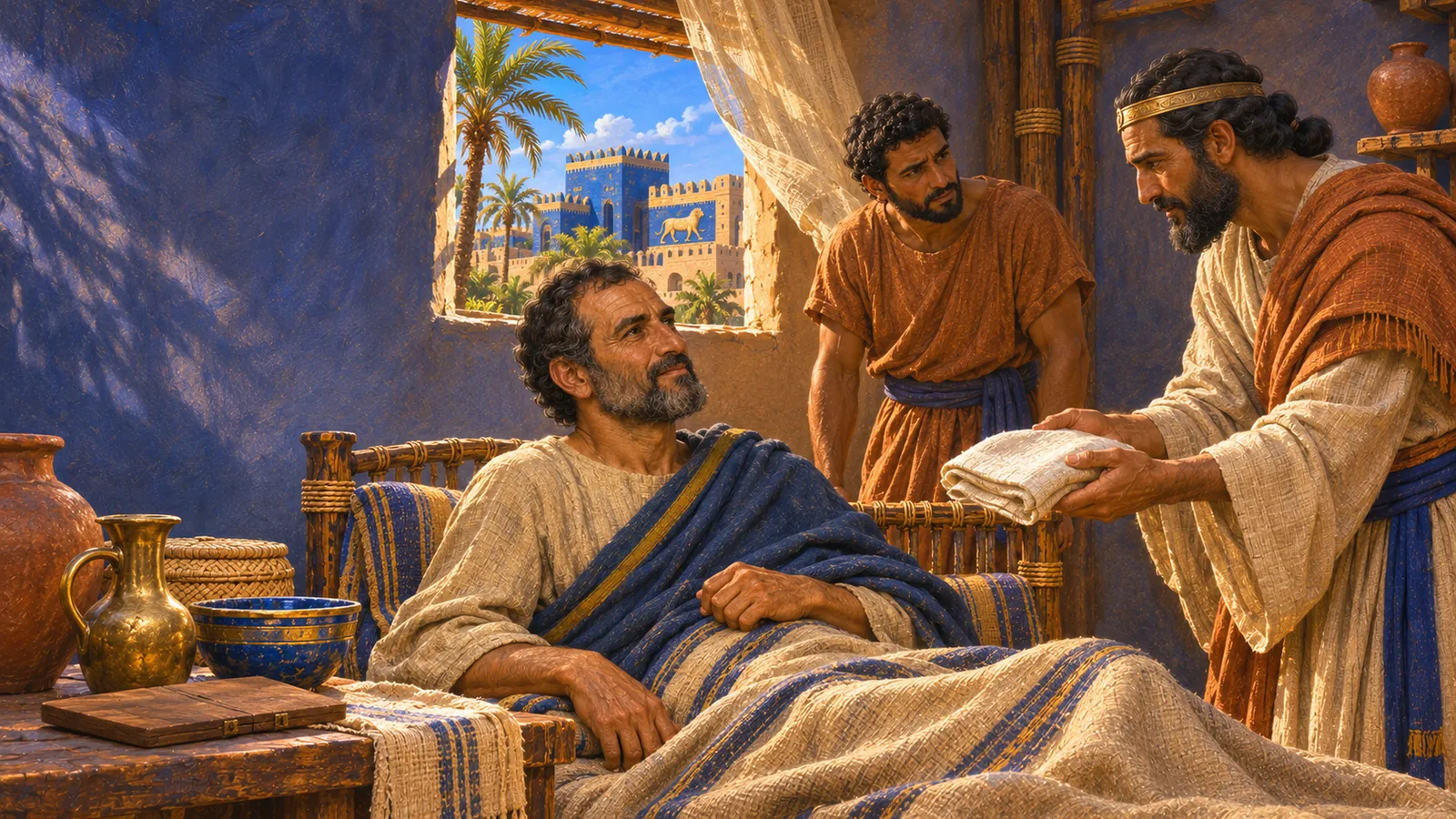
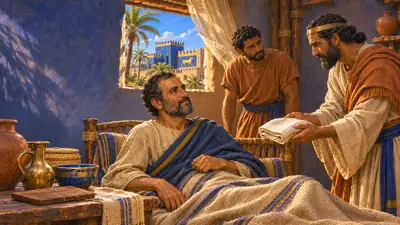
He said Marduk had sent him and that he had brought a bandage for me, Šubši-mešrê-Šakkan. He brought it in his hands. The damaged words suggest he entrusted it to my servant.
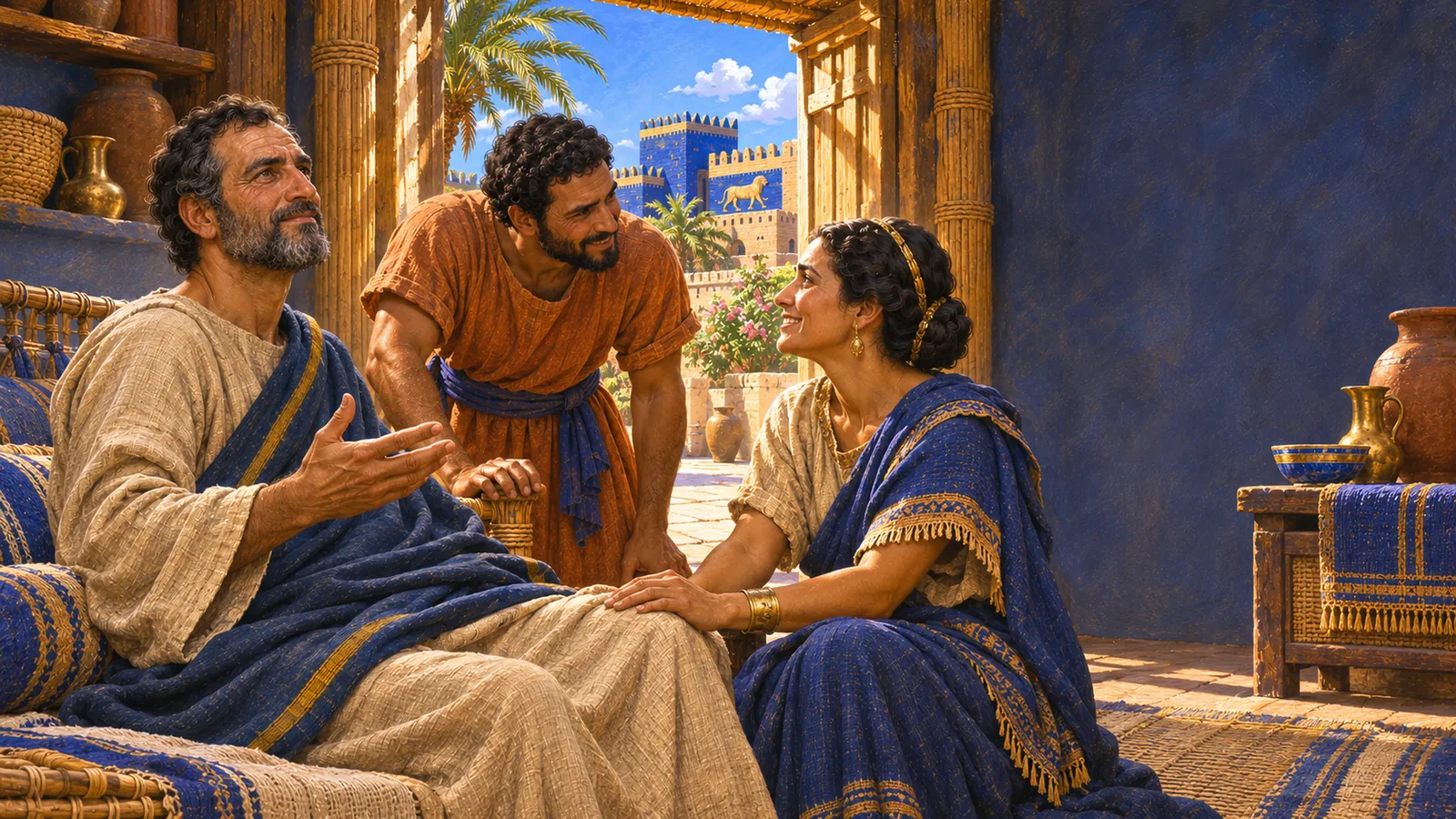
Marduk sent the message in a vision while I was awake. He revealed his favorable sign to my people.
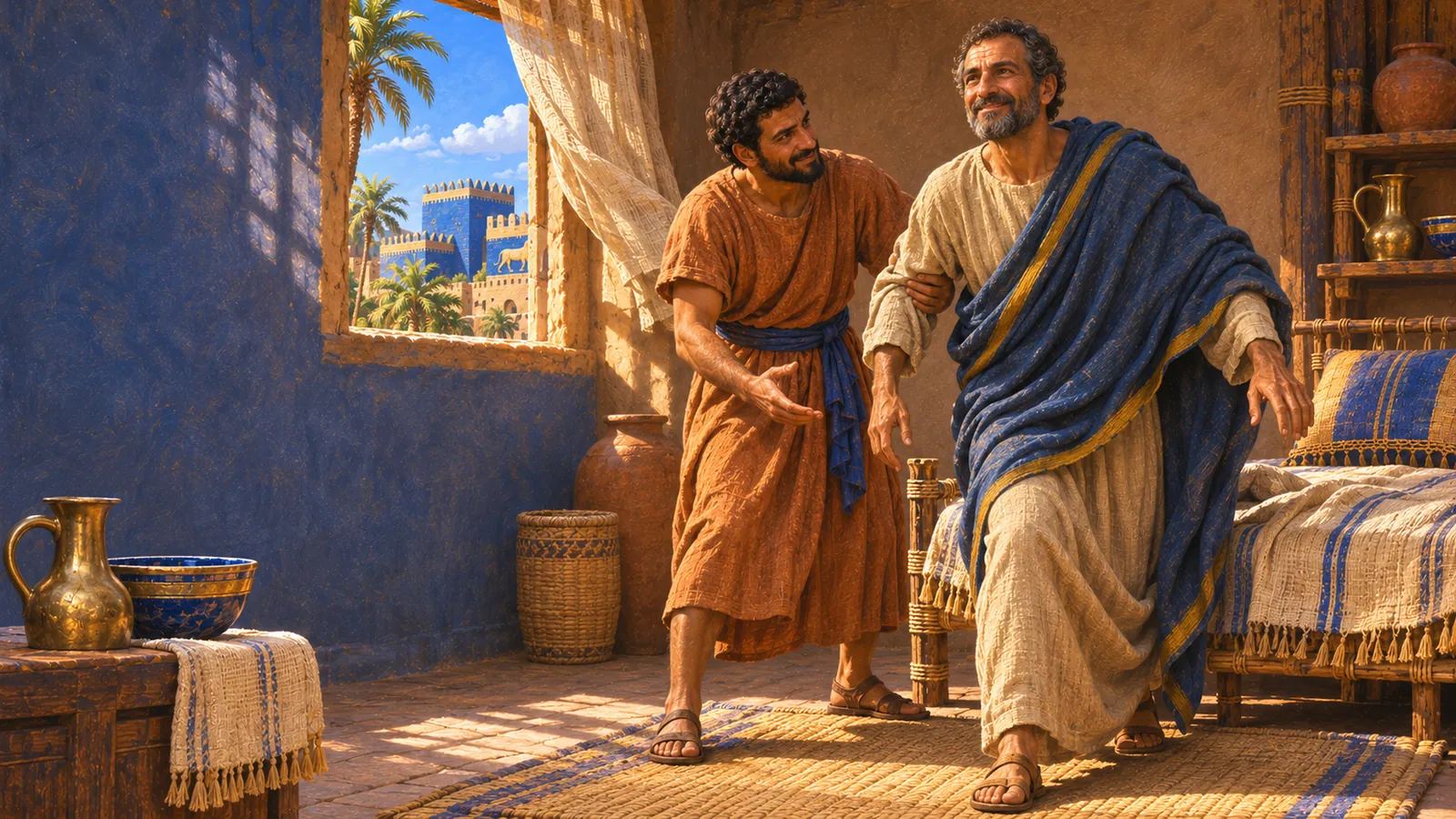
The tablet mentions a snake in a broken line. In the surviving words that follow, I say my sickness came to an end quickly.
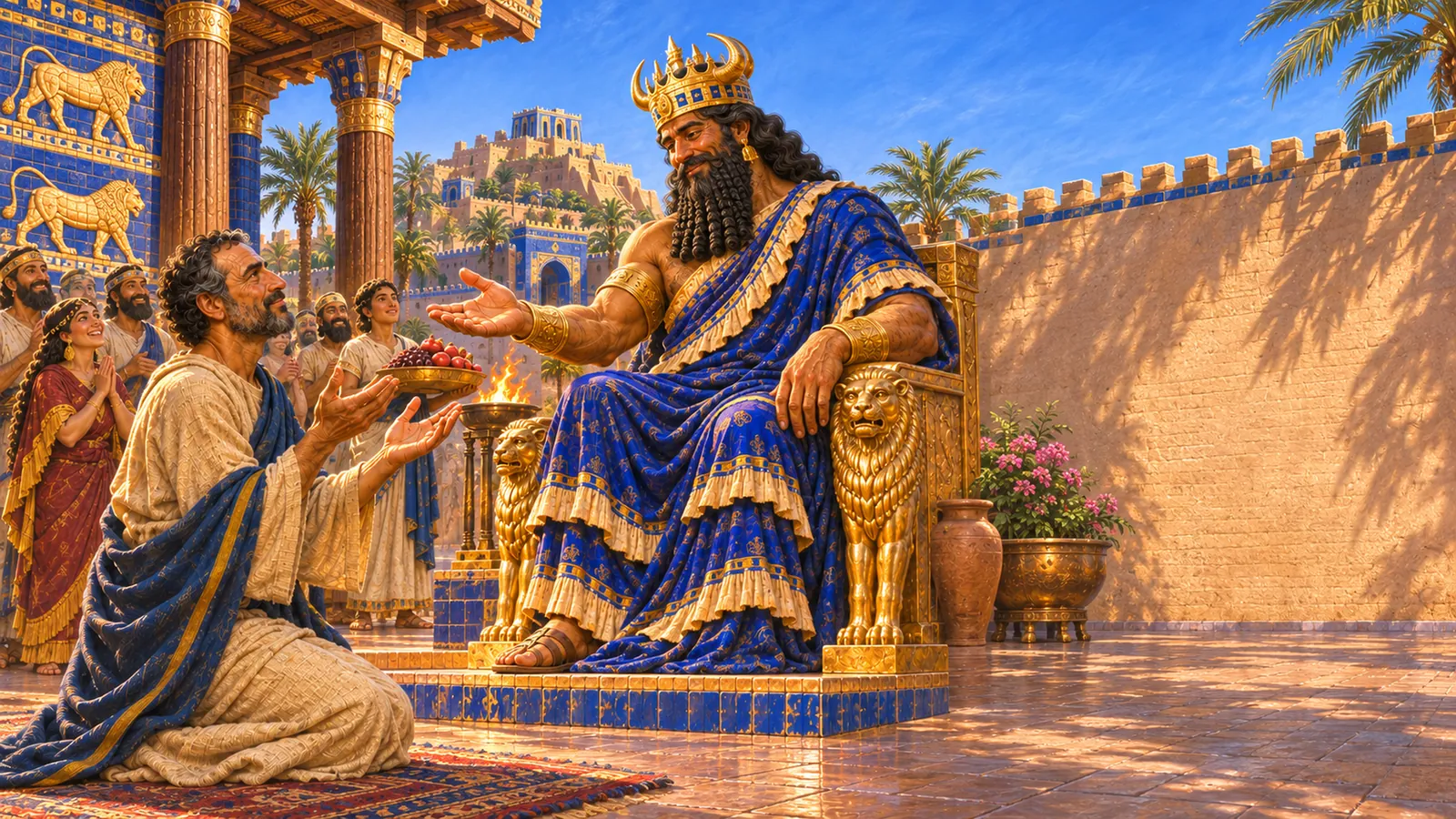
Merciful Marduk’s anger subsided. He heard my prayers and requests and turned his favor toward me. The damaged wording again calls for mercy and speaks of my exhaustion.
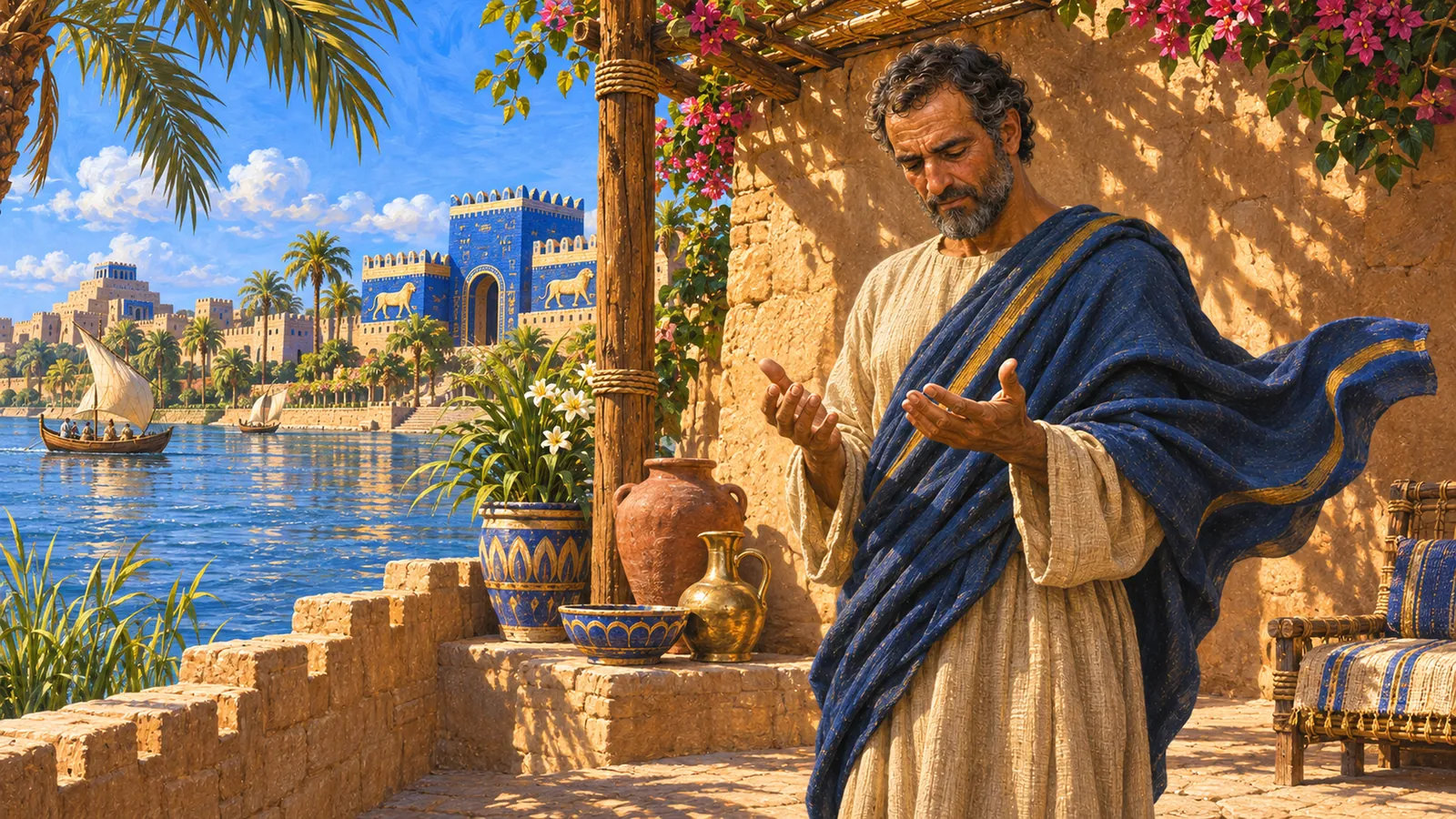
The damaged lines mention my sin, wrongdoing and transgression. The wind carries away my acts of negligence. A reference to a curse also survives.
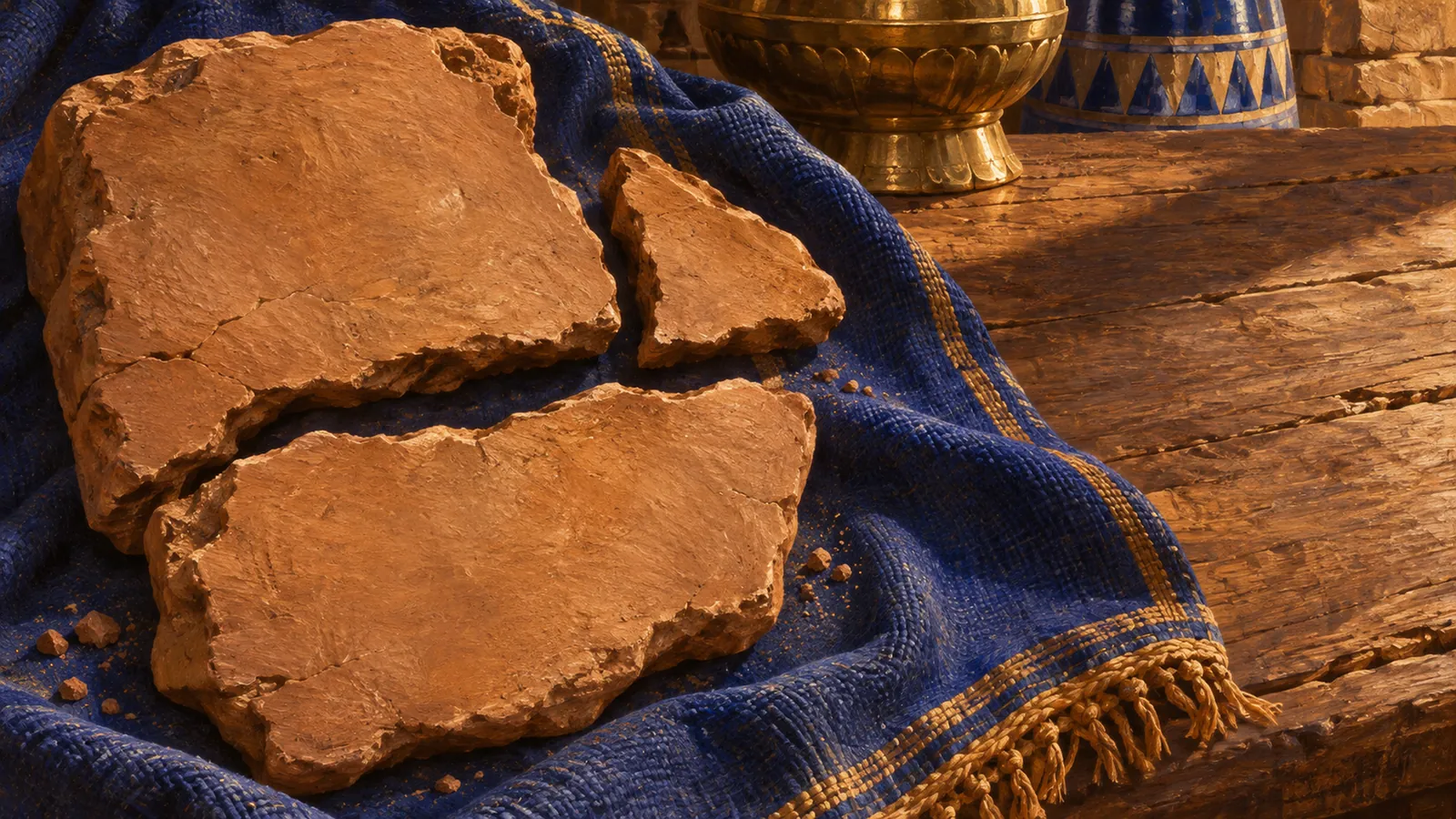
Two lines of the tablet are entirely lost. Only fragments survive in the next three, and they give no clear account of what followed.
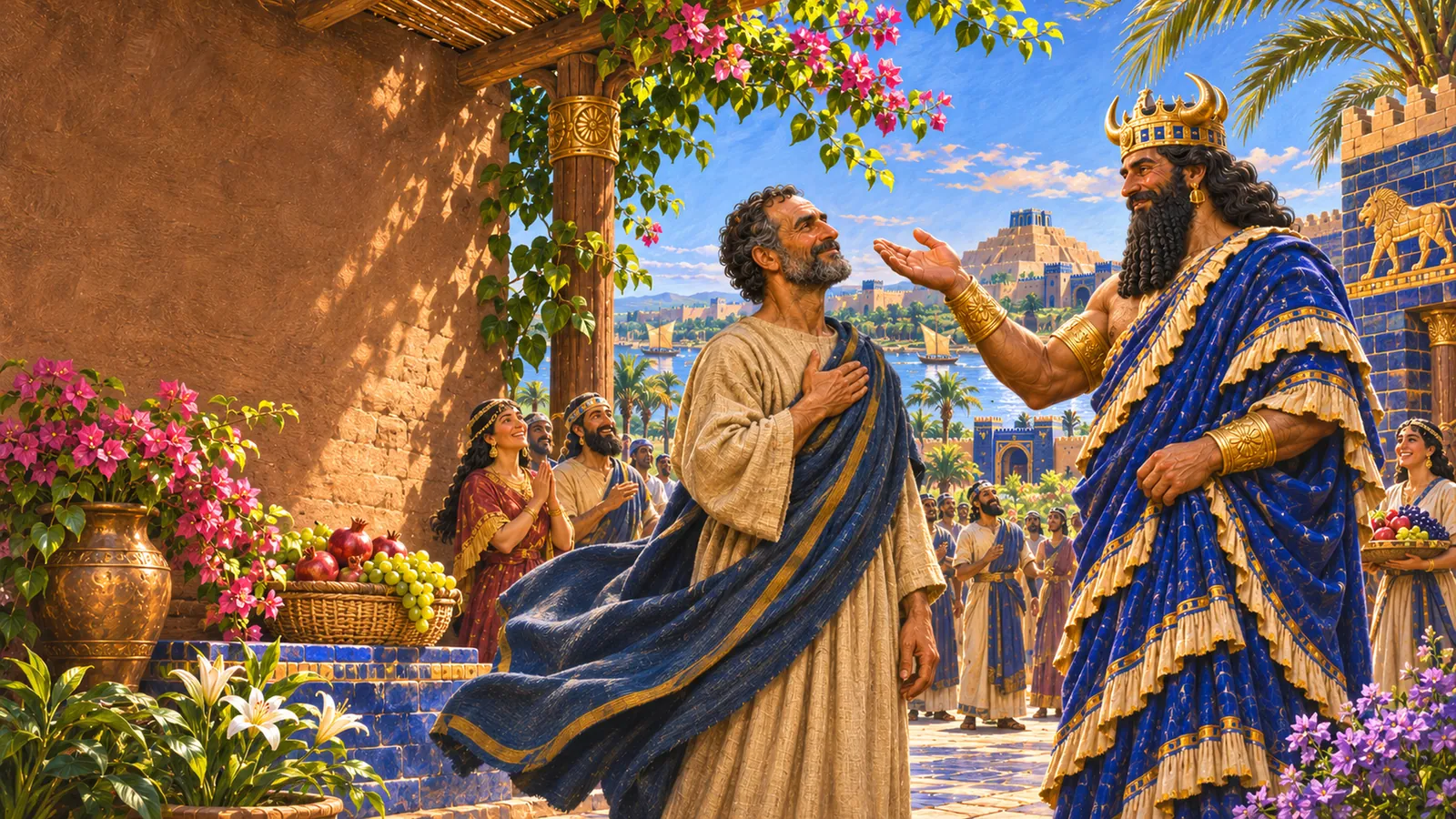
He used his spell of life and well-being. The evil wind went back to the horizon, fever to the underworld, the wicked cough to the Apsu deep, the ghost to Ekur, and Lamaštu to the mountains.
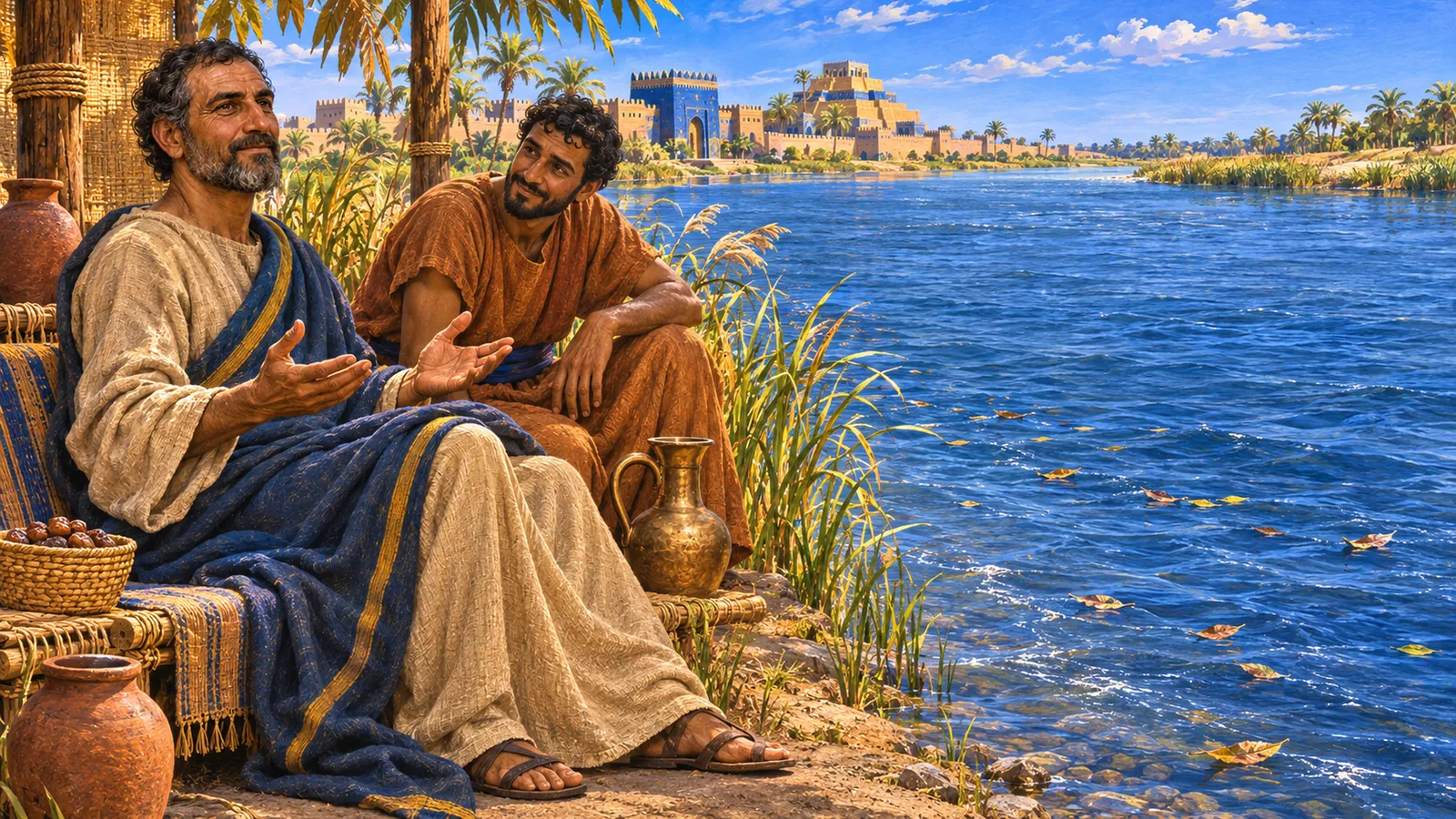
My chills were carried off by flowing water. He pulled up my weakness like a plant by the roots and sent away my troubled sleep like smoke.
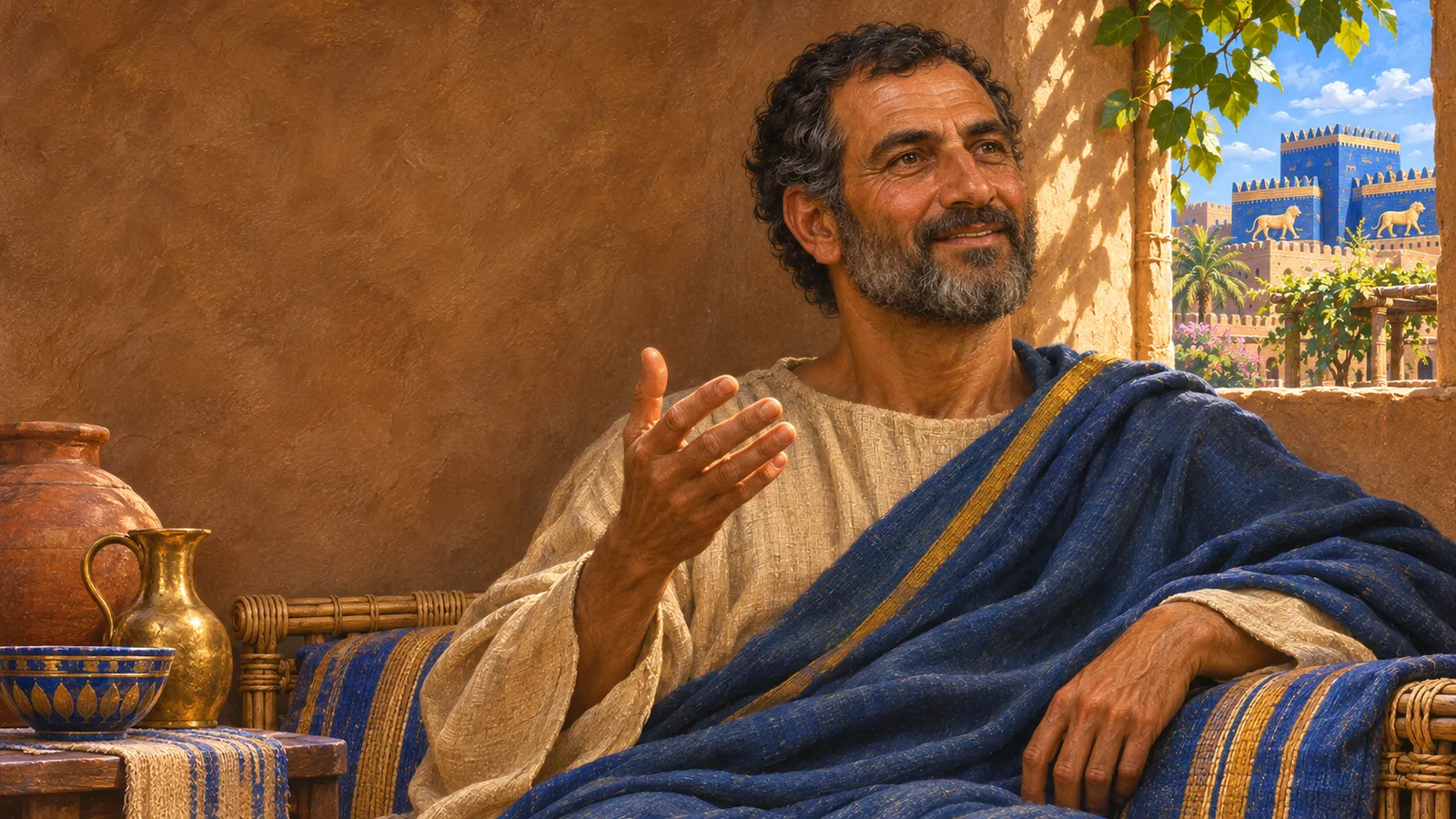
He lifted my cries of grief like a fog over the earth. He eased the constant pain in my head, which weighed like a grinding stone, and drove it away like the dew of night.
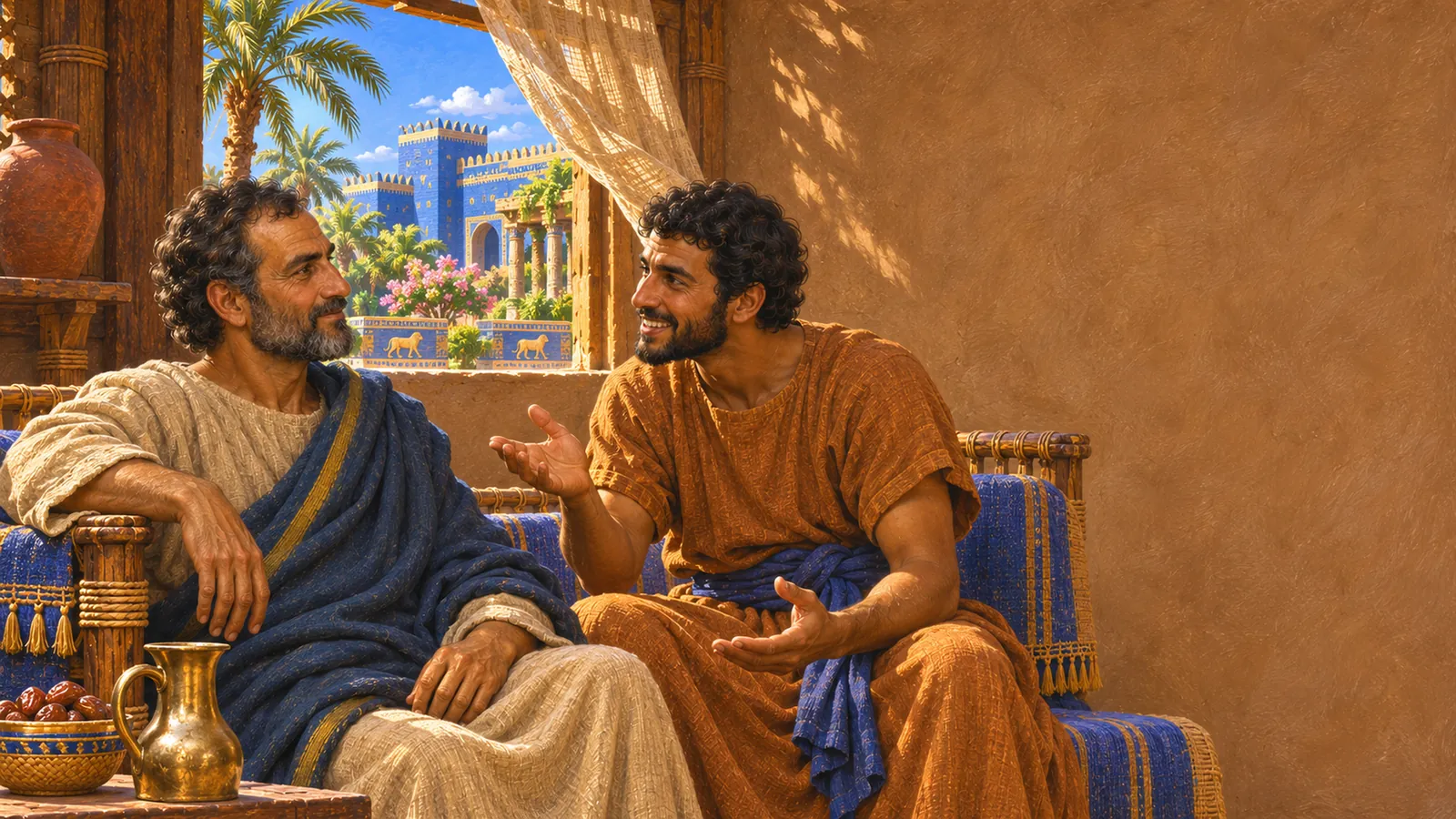
He says the haze was lifted from his eyes and he could see again. His ears, which had been stopped up, were cleared, and his hearing returned.
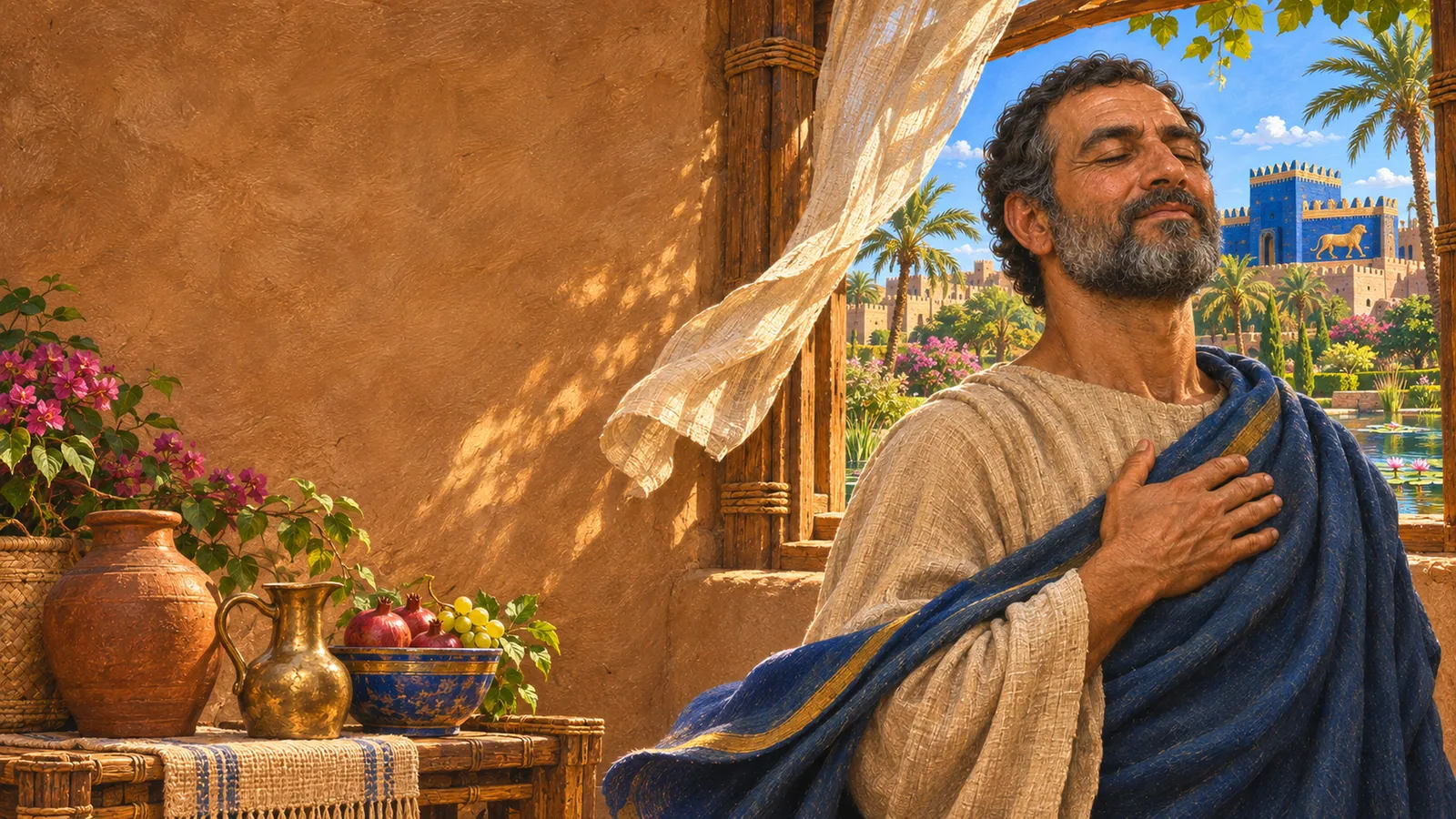
He says fever had blocked his breathing, and that he could breathe freely again. The blisters on his lips were wiped away, and his stiff mouth was cleansed like a vessel.
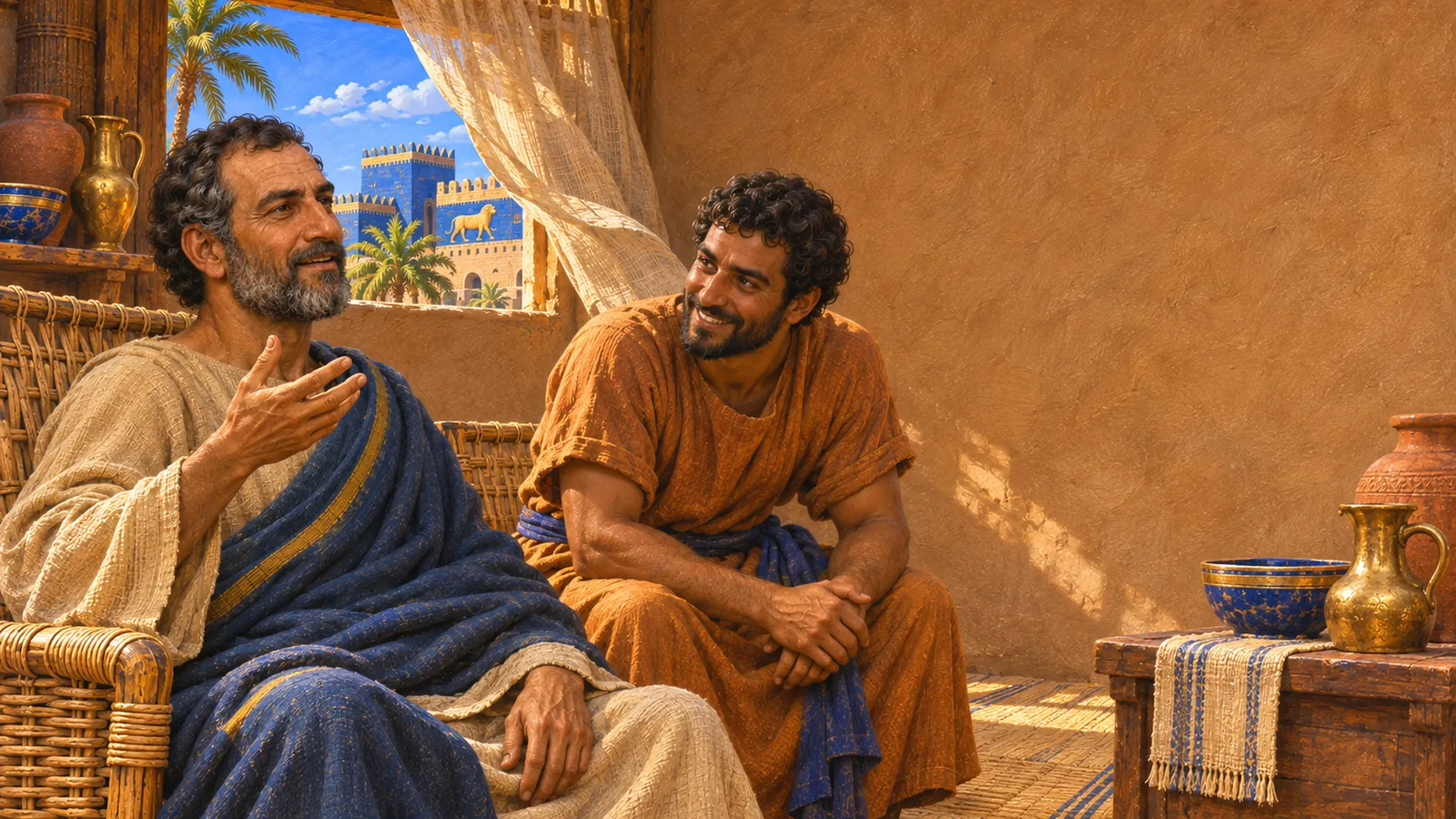
He says his clenched teeth parted and his tongue loosened. The wording about his speech becoming clear is uncertain. The tightness in his throat eased, and the swelling in his gullet went down.
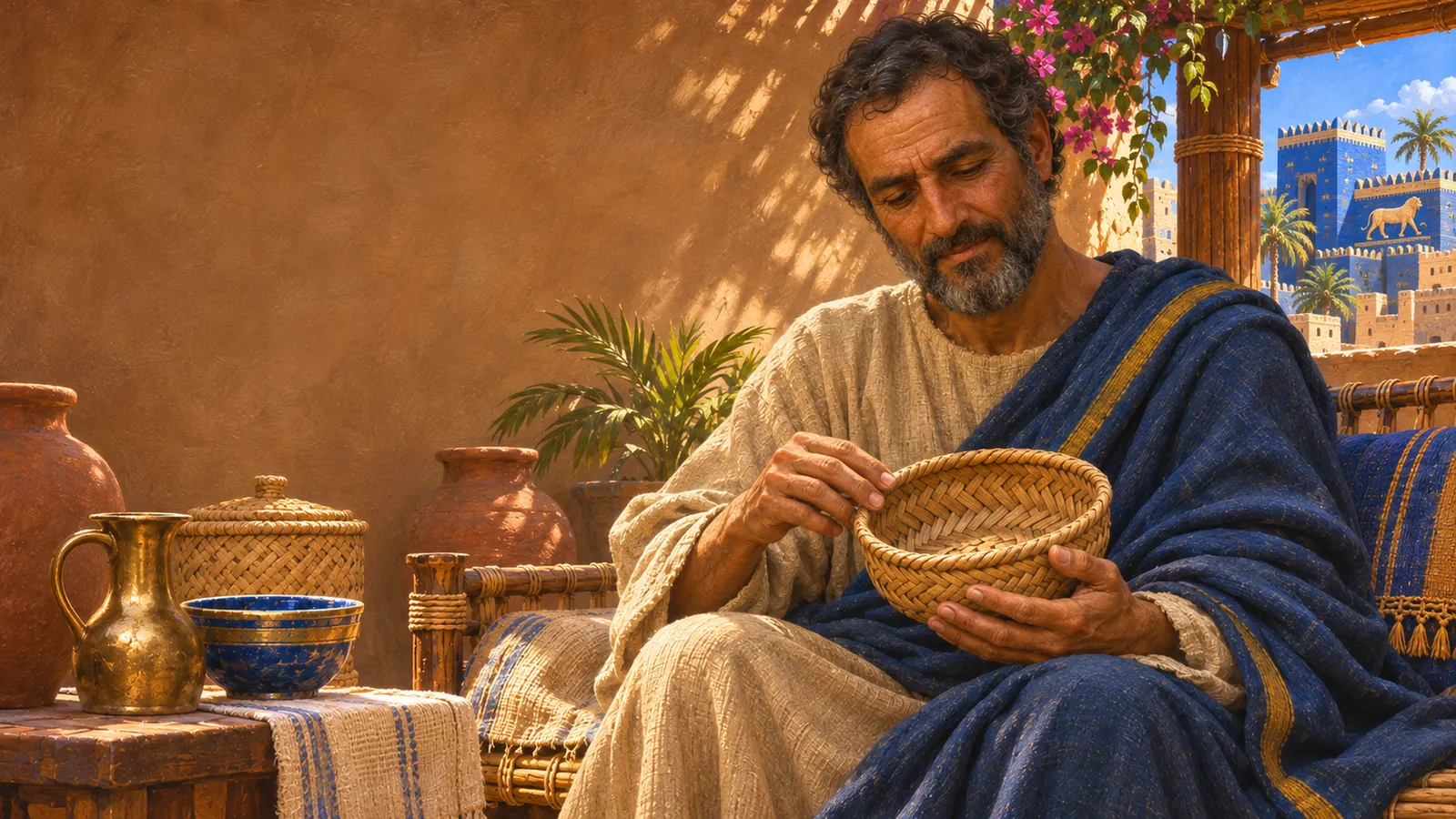
The next lines survive in fragments, with a phrase about pouring something out. One line compares his intestine to a woven basket. The words about hunger and swelling are partly uncertain.
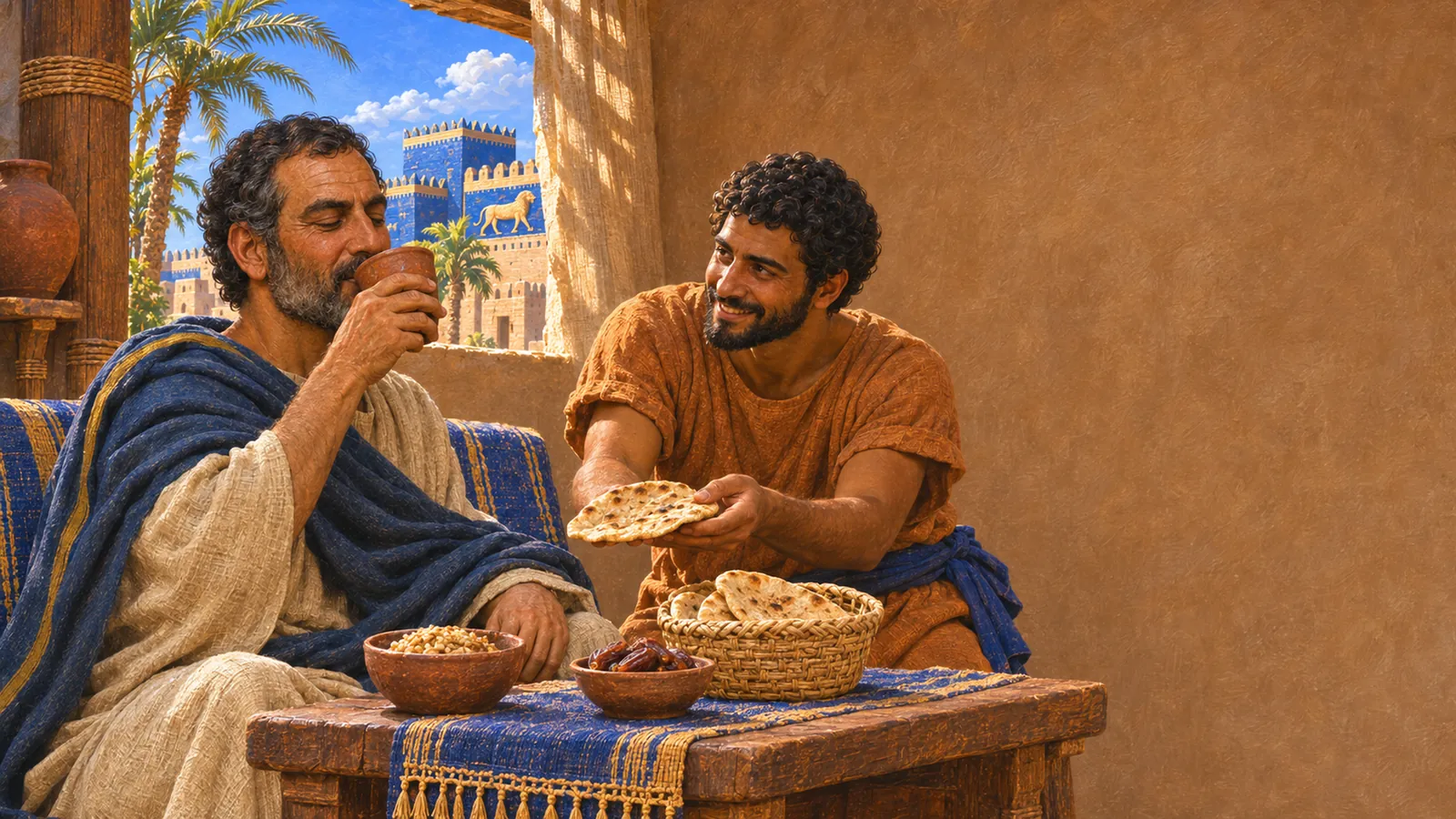
He can take food and drink again. That statement survives clearly, and then the tablet gives only a few disconnected traces.
THE GAP
Ten lines are missing at the end of Tablet Three. An ancient commentary preserves related phrases, but their place in the poem is uncertain.
Tablet Four resumes in damaged lines. A parallel in the commentary speaks of knees that had been bound. The tablet describes feet like ruins, with an uncertain phrase about firm ground.
The commentary speaks of cleansing and of his features brightening again. It also mentions a riverbank where cases are decided. The ancient commentator identifies this place with a river ordeal.
Another fragment begins with traces of words about gods and goddesses. A few lines speak of distress and renewed health. Much of their connection is lost.
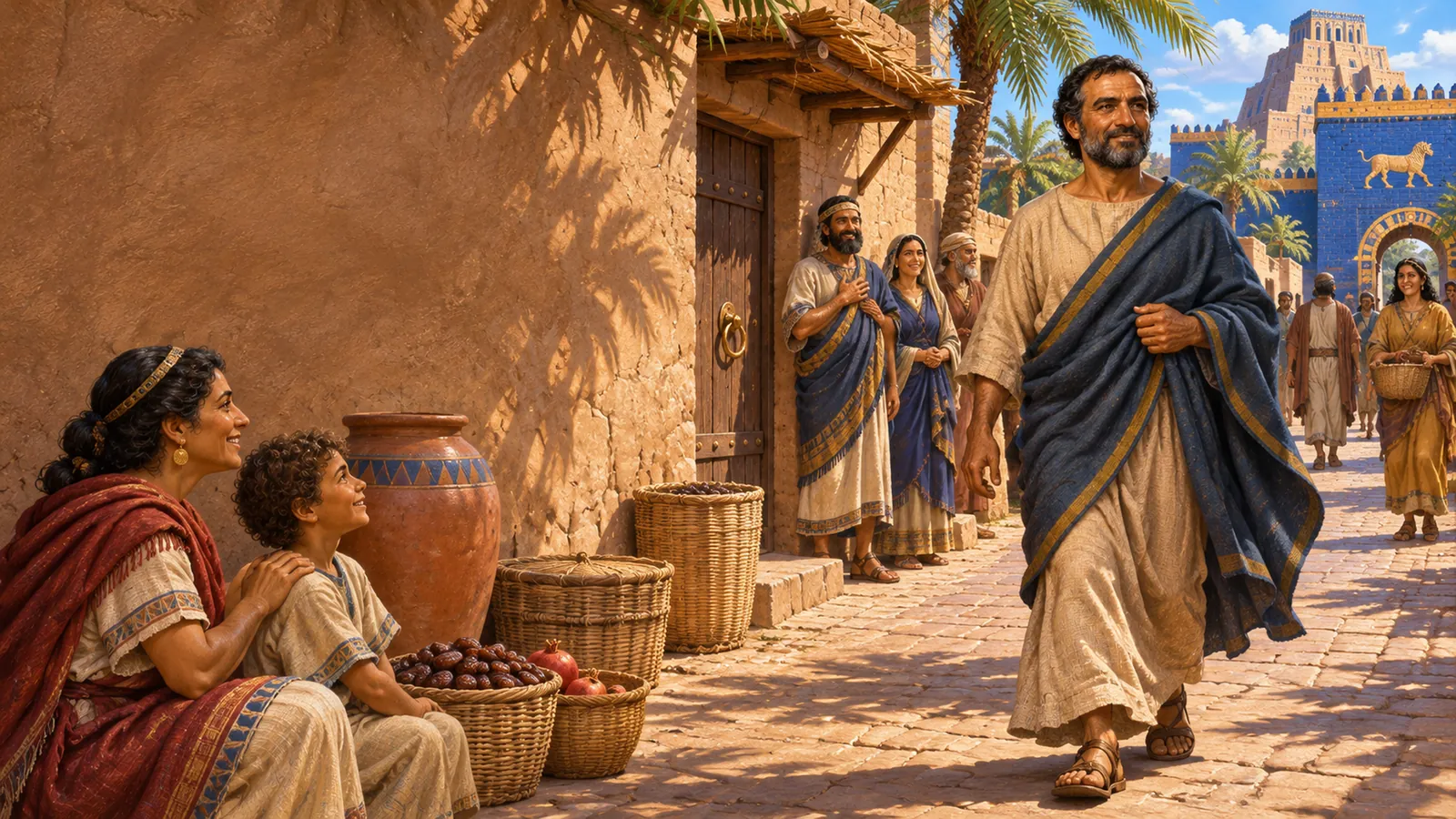
He says he was struck on the forehead and released from slavery. The broken lines mention a šigû prayer, and a line with a partly restored street name says he walked it as a free man.
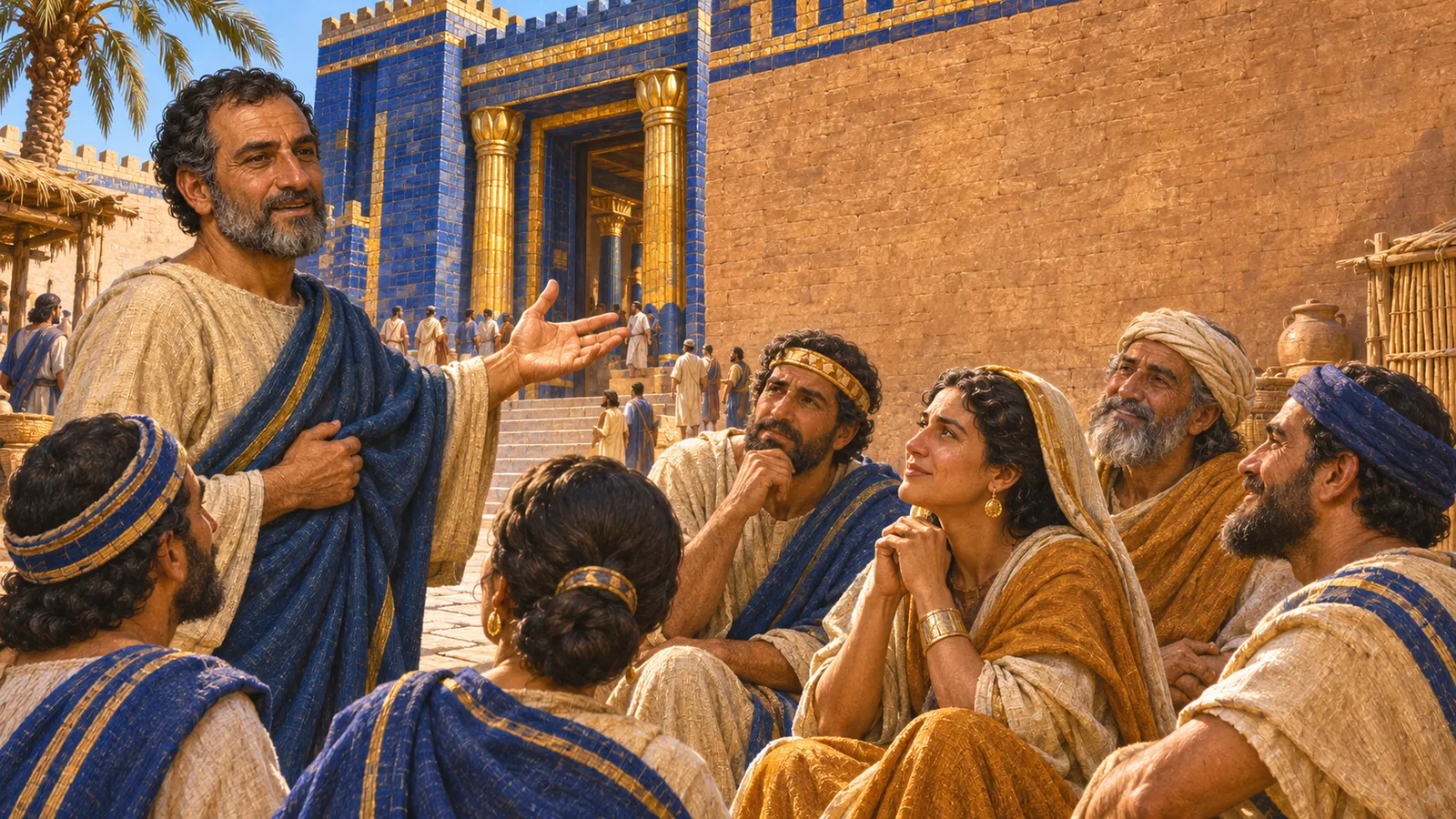
ESAGIL
An invocation in damaged lines names Zarpanitu, his god and his goddess. He calls on anyone who neglected Esagil to learn from his example. After a few broken words about Babylon, the section breaks off again.
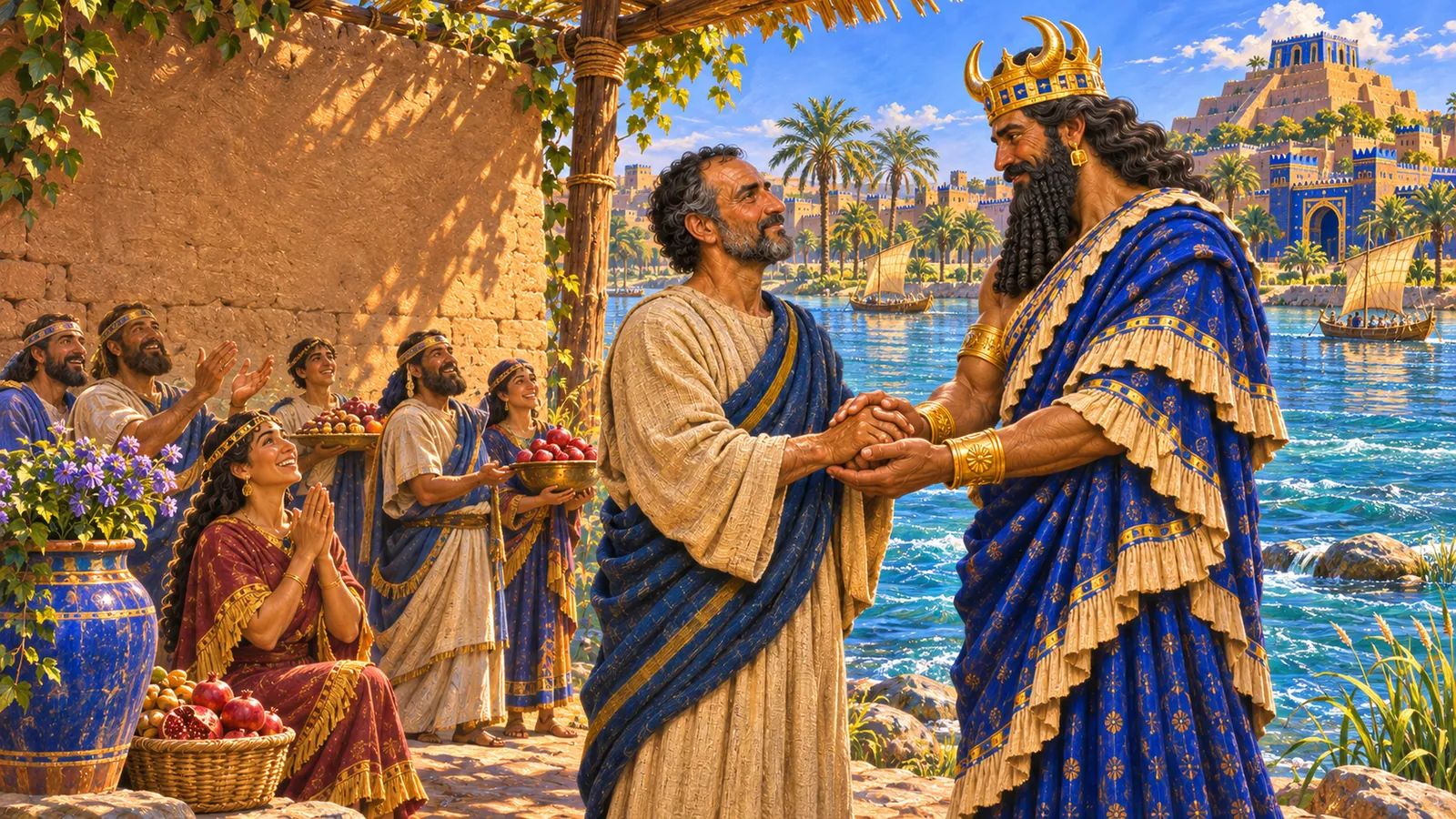
My lord healed me and bandaged me. He kept hold of my hand through adversity. It felt as though he had pulled me from the grave and out of the river Hubur.
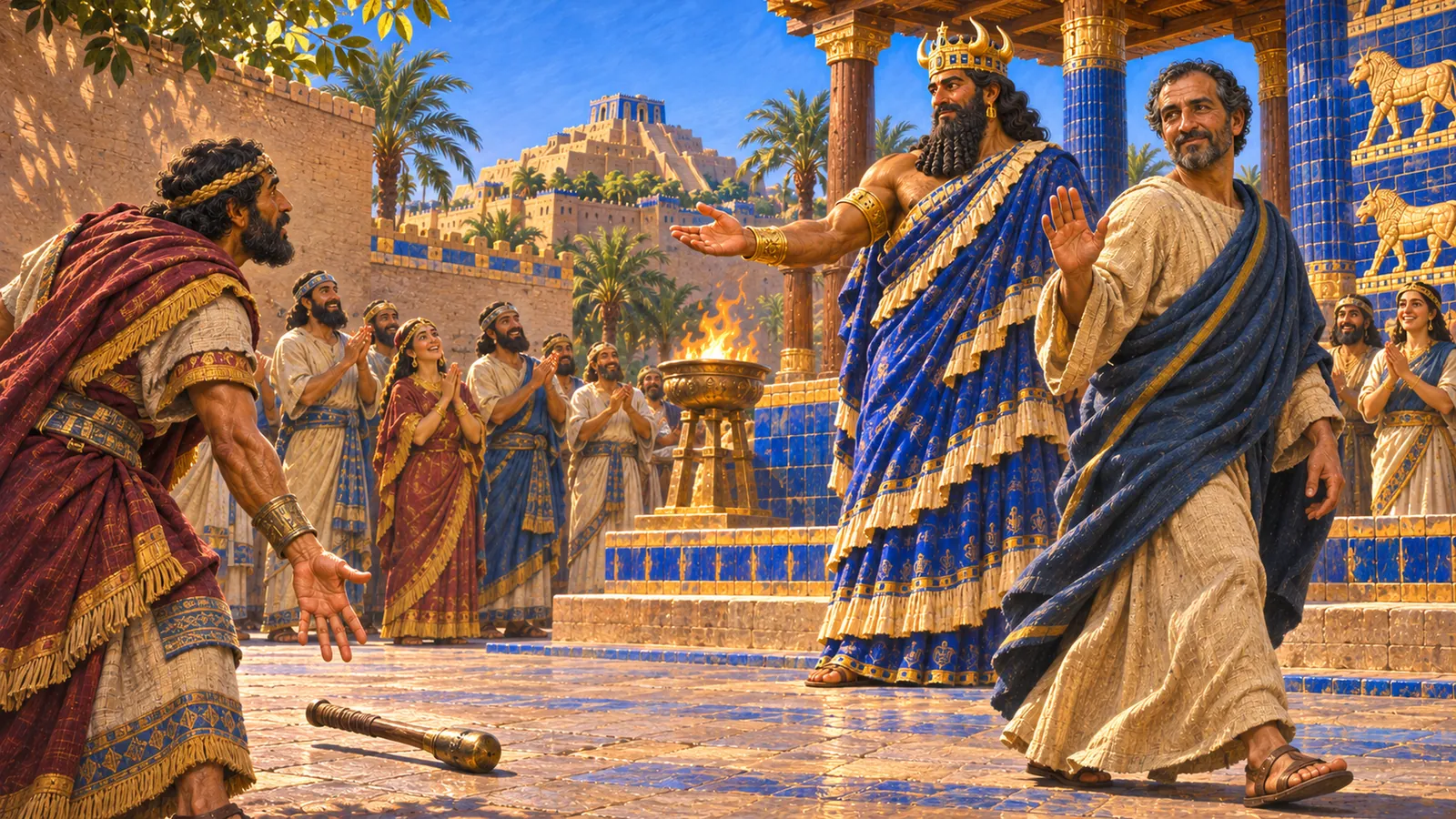
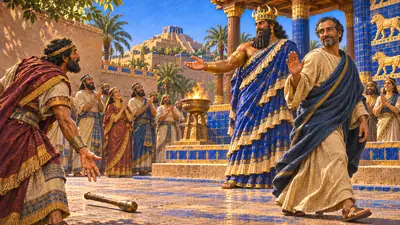
Marduk made the man who struck me drop his weapon. He muzzled the lion that was devouring me and turned back the pursuer’s slingstone.
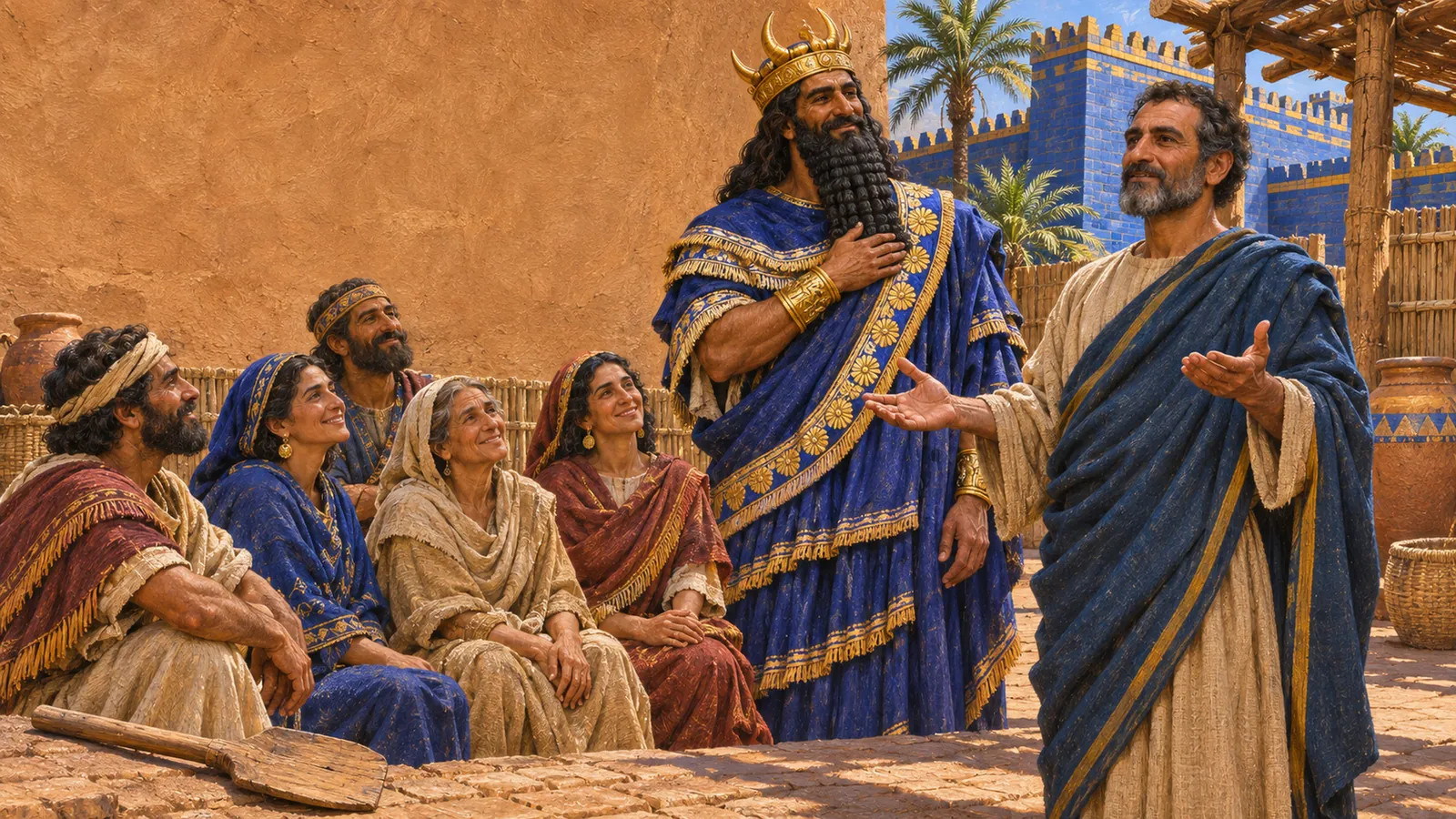
The shovel was taken from the gravedigger, and the mourners fell silent. The words about the last mourning rite survive only in fragments.
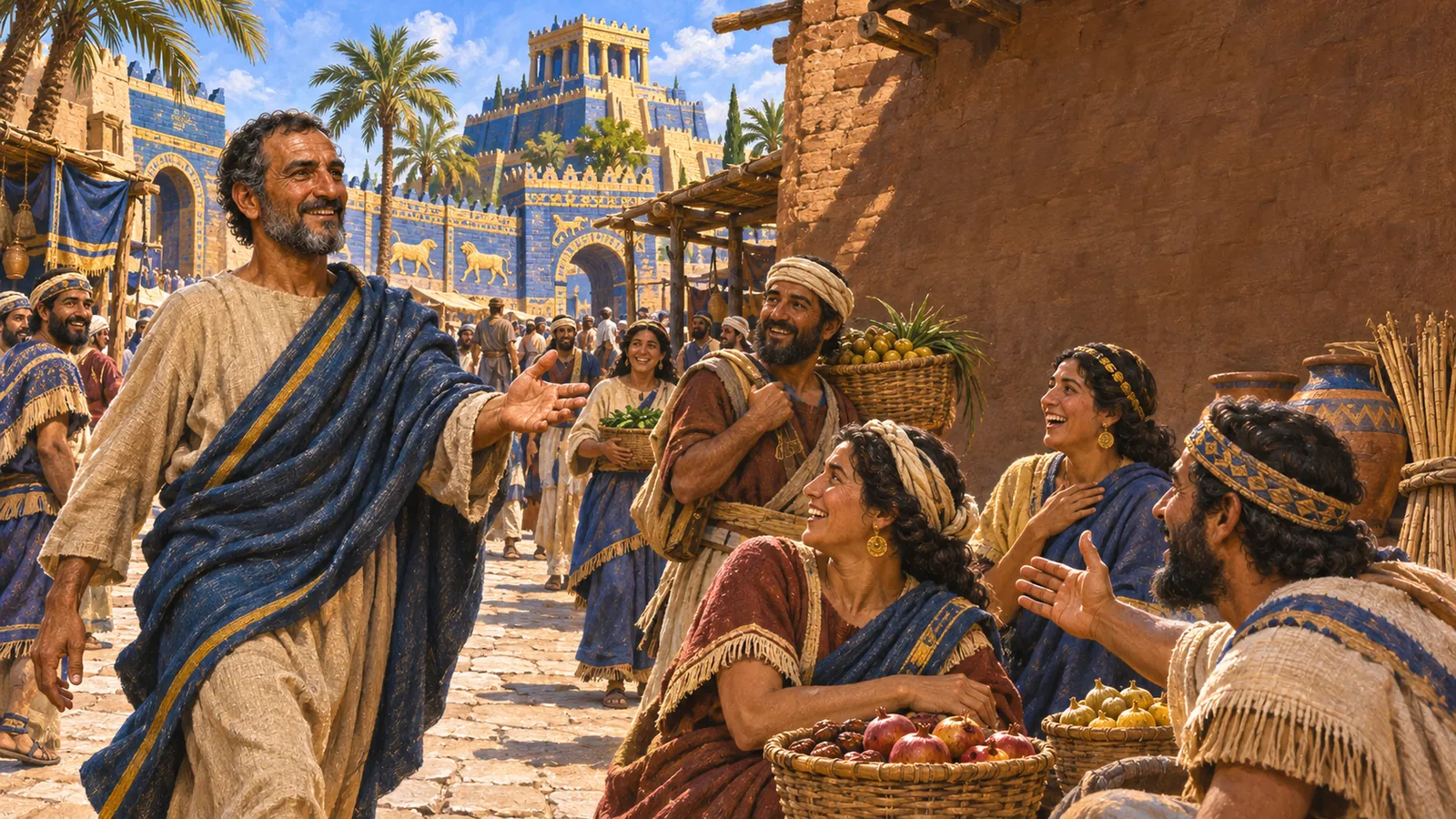
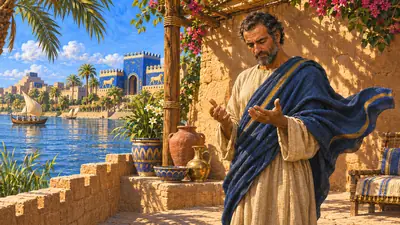
I came to the city square. Had I come to the end of my life? I had come close enough to ask it, and I sang that Marduk had spared me.
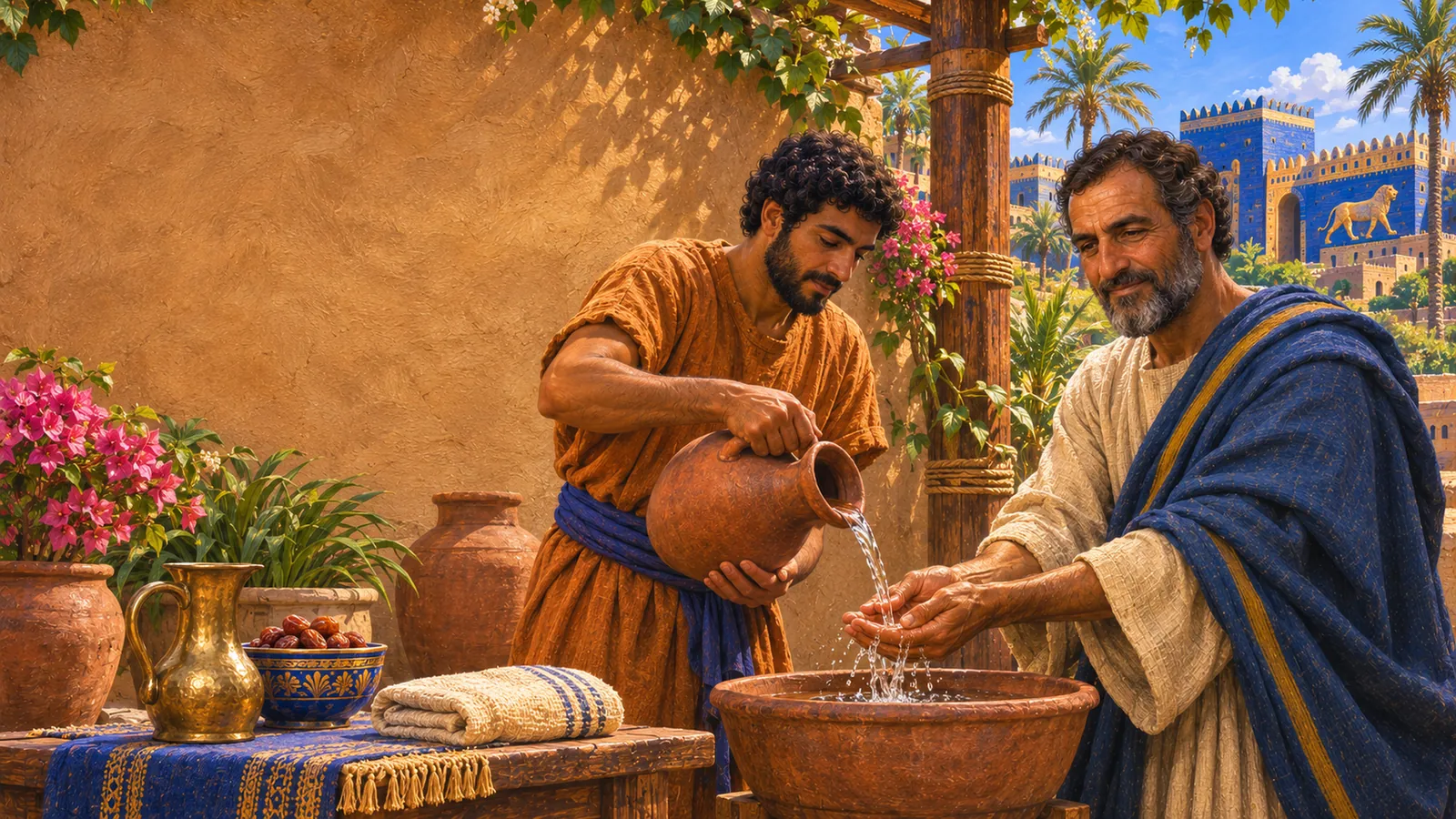
My matted hair was washed, and I was purified again and again. The damaged line then speaks of going up to Esagil for submission and prayer.
GATE
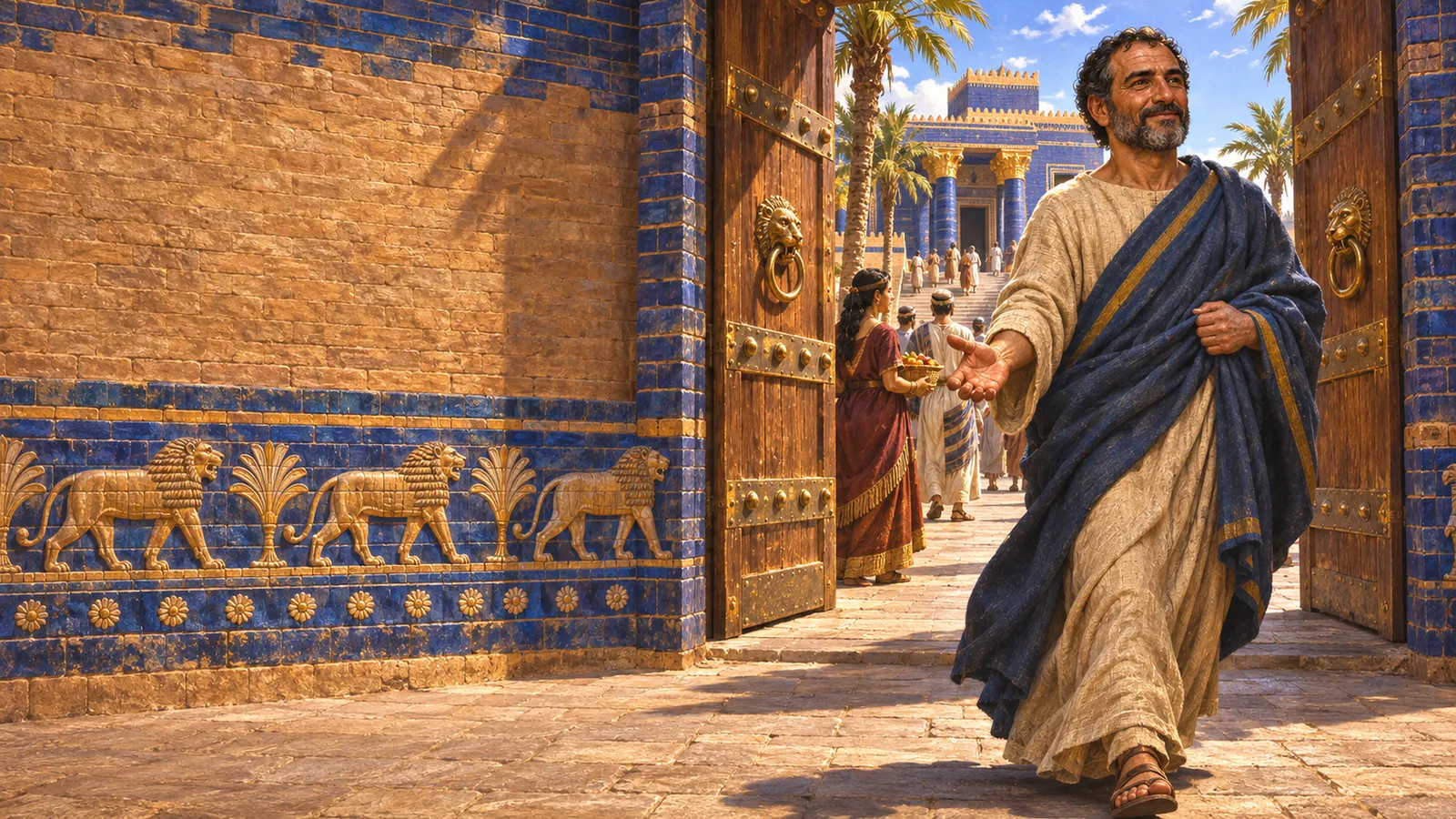
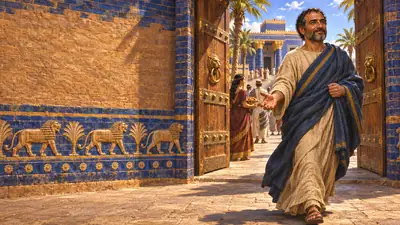
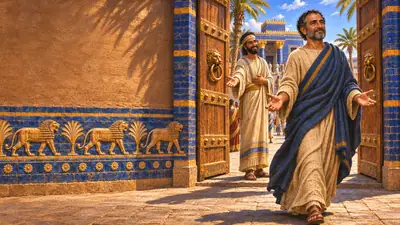
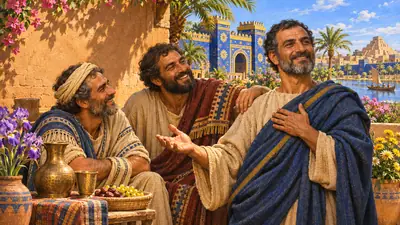
I who had come back from the grave entered the Utu-e-a Gate. At the He-gal Gate, the broken line tells how prosperity came toward me.
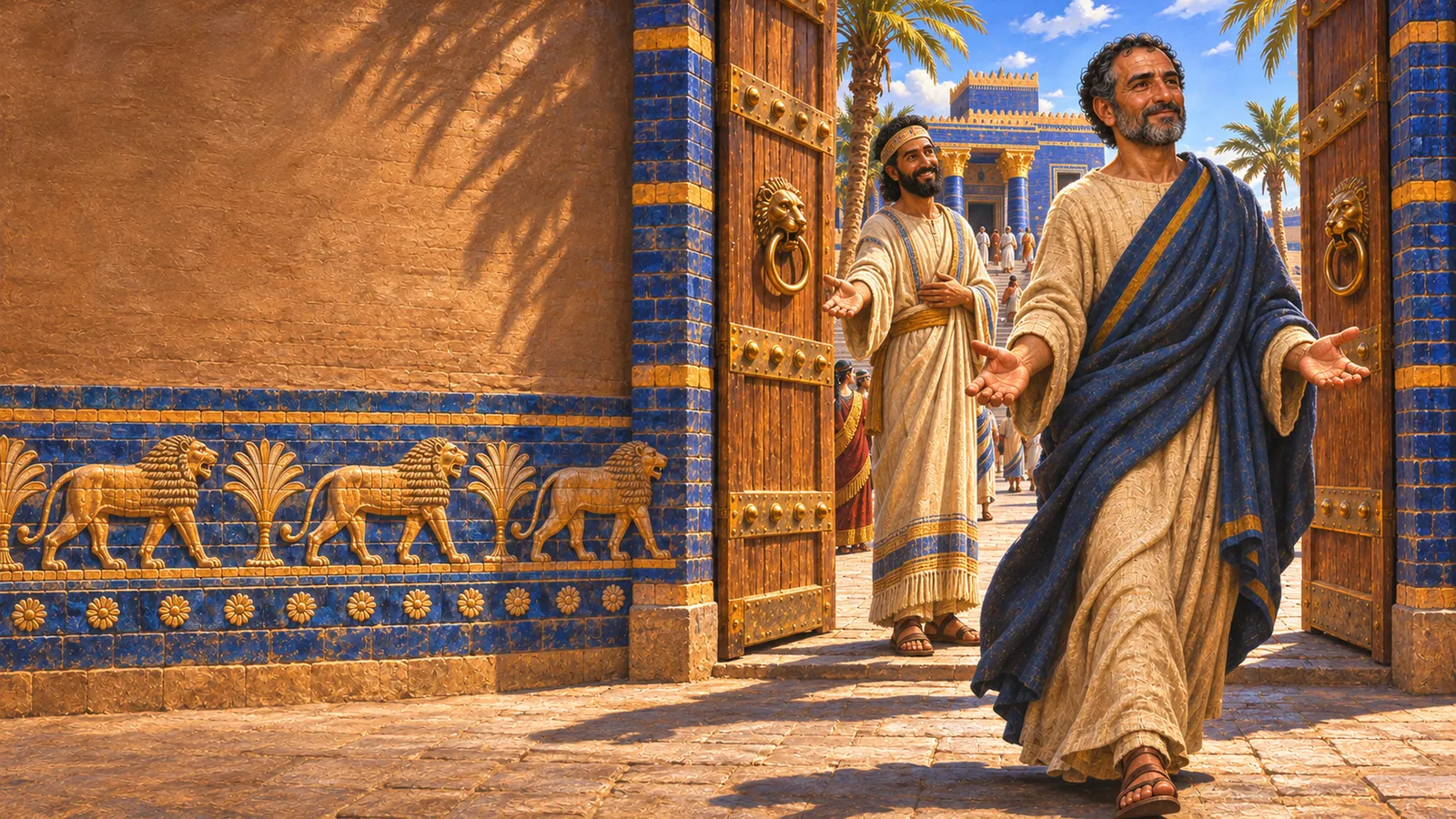
At the Lamma-ra-bi Gate, a guardian drew near. At the Silim-ma Gate I saw well-being, and at the Nam-ti-la Gate I was granted life.
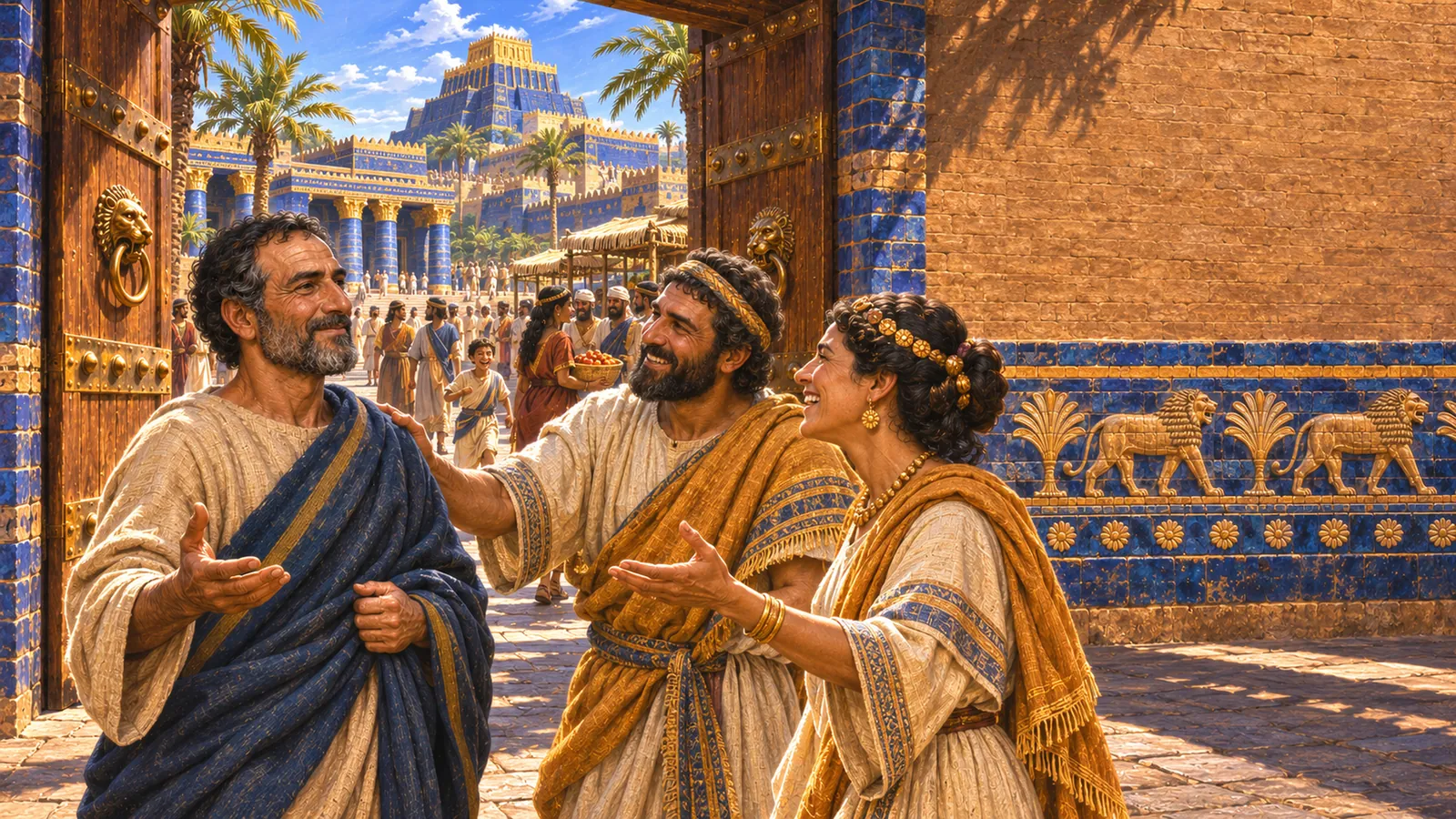
At the Utu-e-a Gate I was counted among the living. At the U-de-babbar-ra Gate the signs became clear, and at the Nam-tag-ga-du Gate I was released from sin.
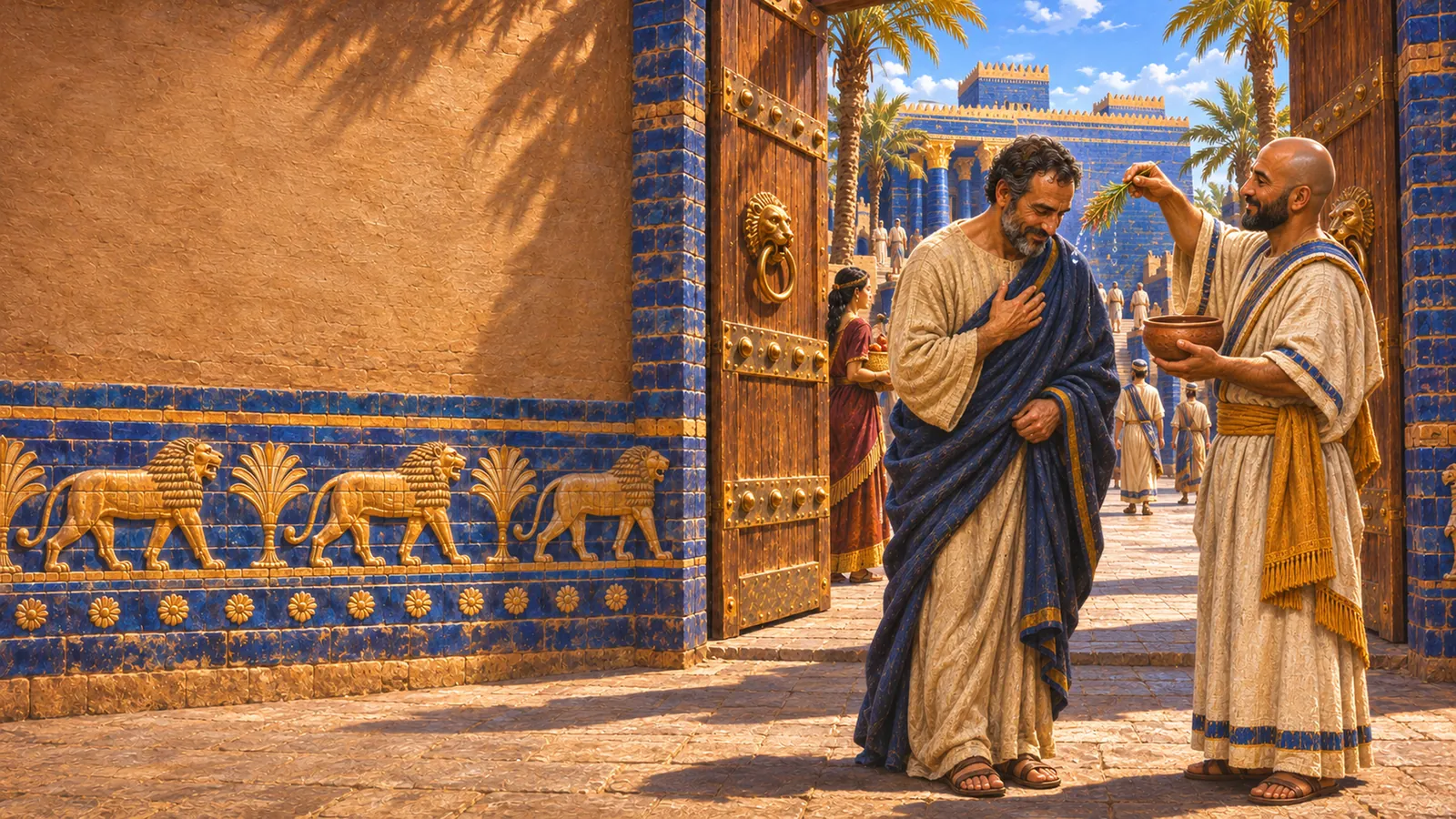
At the Ka-tar-ra Gate my mouth could ask again. At the Sher-du-u-da Gate my sighs were released, and at the A-sikil-la Gate I was sprinkled with cleansing water.
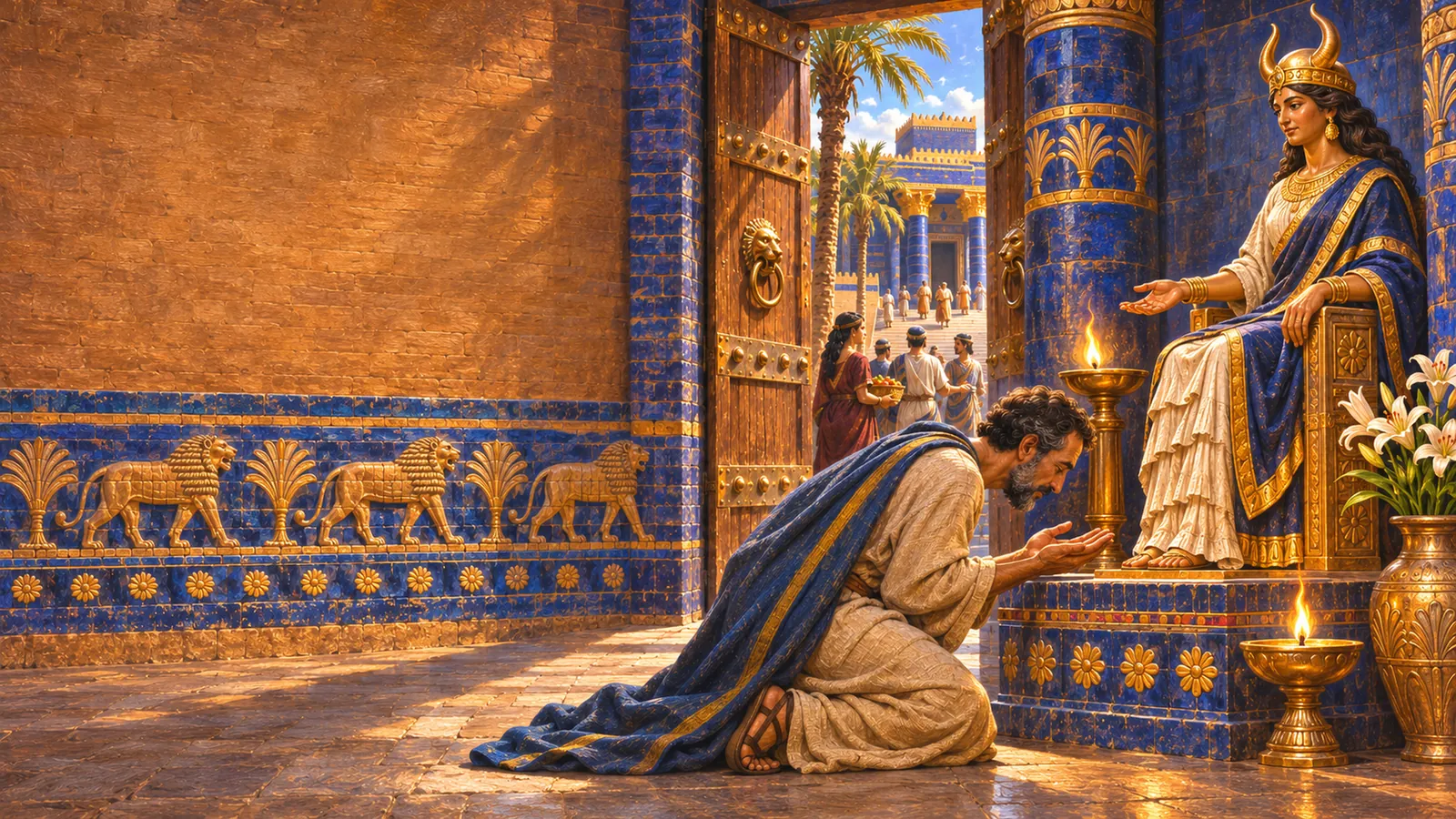
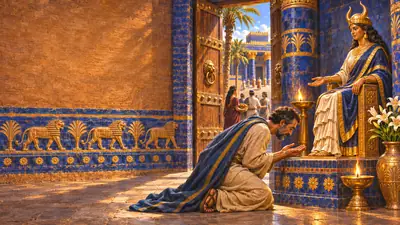
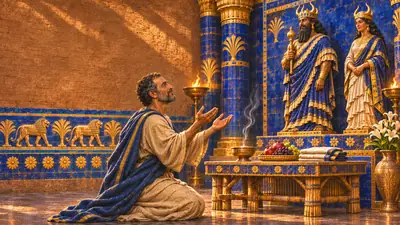
At the Silim-ma Gate I was seen with Marduk. At the Hi-li-su Gate, I kissed the feet of Zarpanitu.
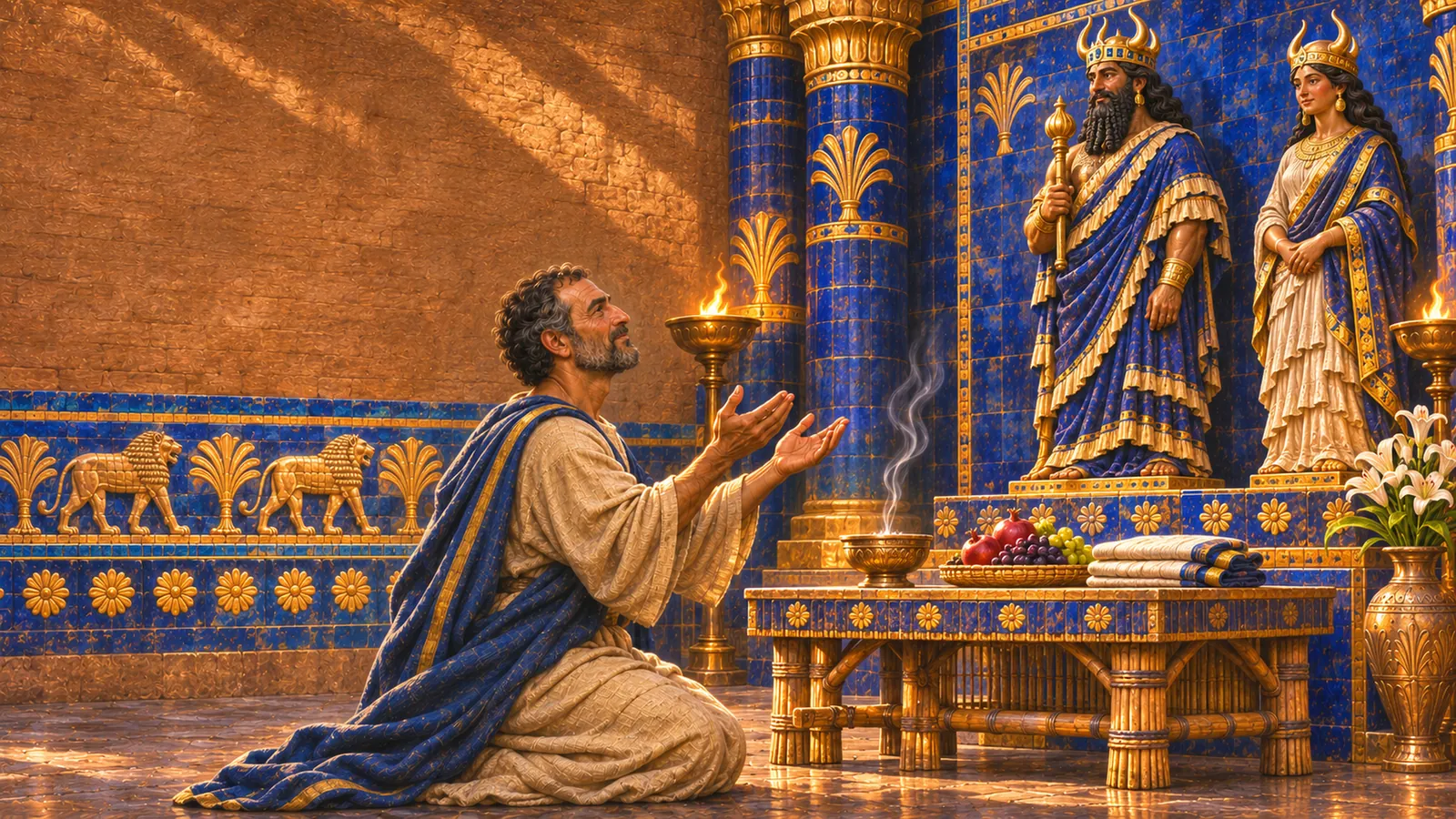
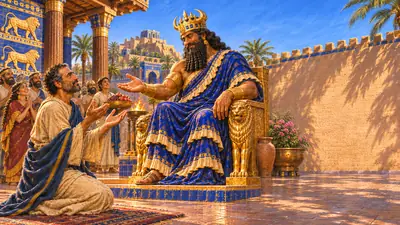
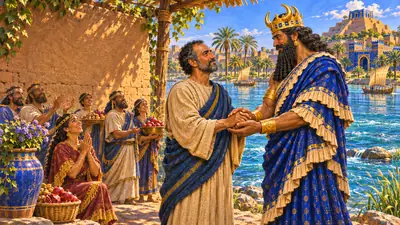
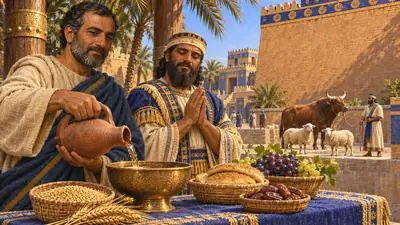
I kept praying with all the strength of my voice. I set out fragrant incense and laid my gifts before Marduk and Zarpanitu.
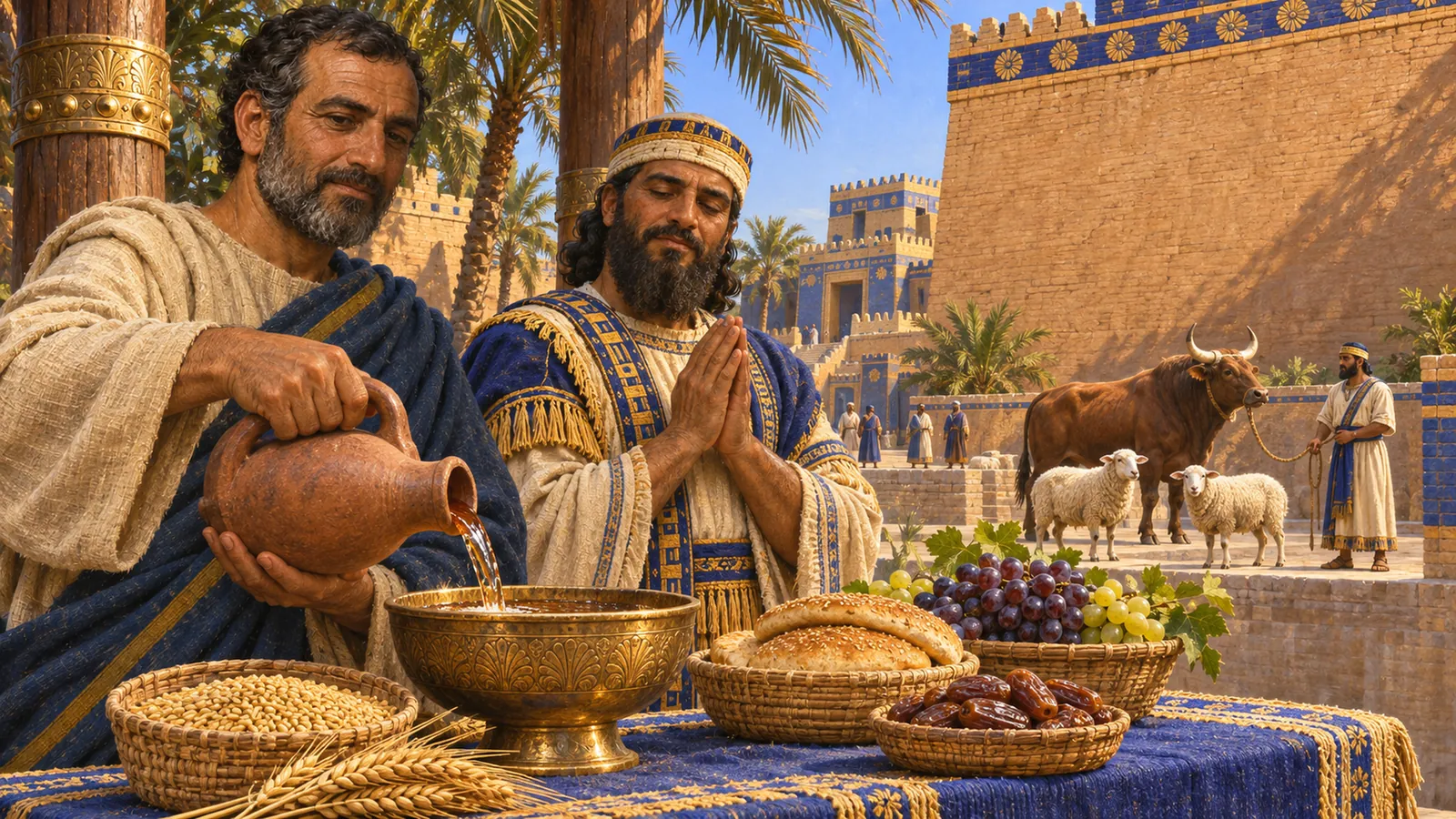
I sacrificed fattened bulls and sheep. Then I kept pouring out sweet beer and pure wine as offerings.
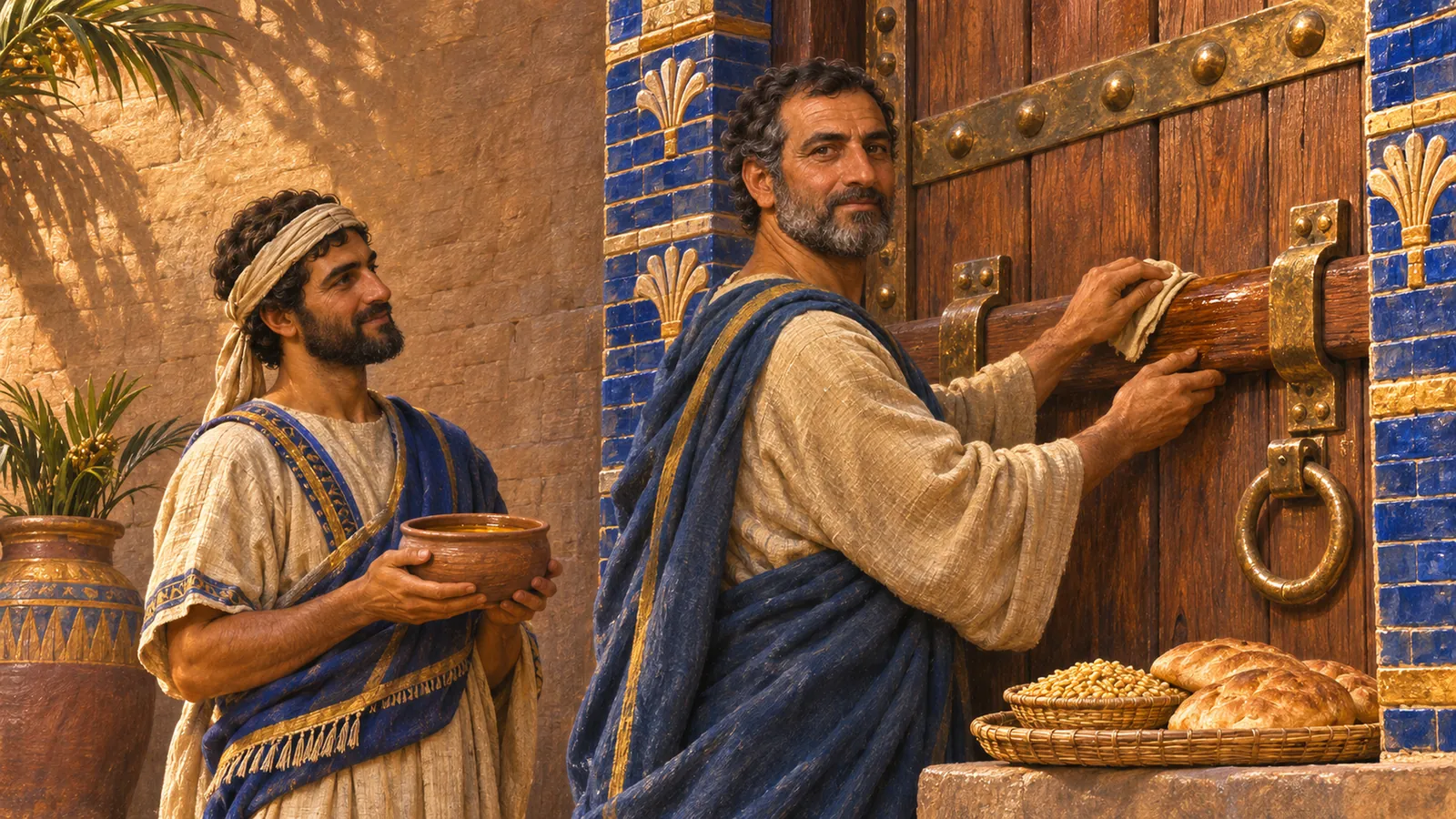
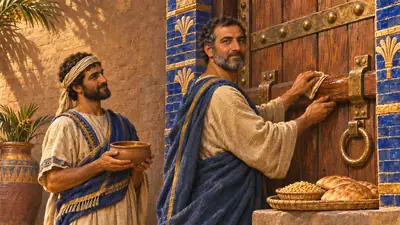
I gave libations and rich meals to the guardians of Esagil and its brickwork. I tended the doorjamb, the bolt and the bar with sesame oil, ghee and grain.
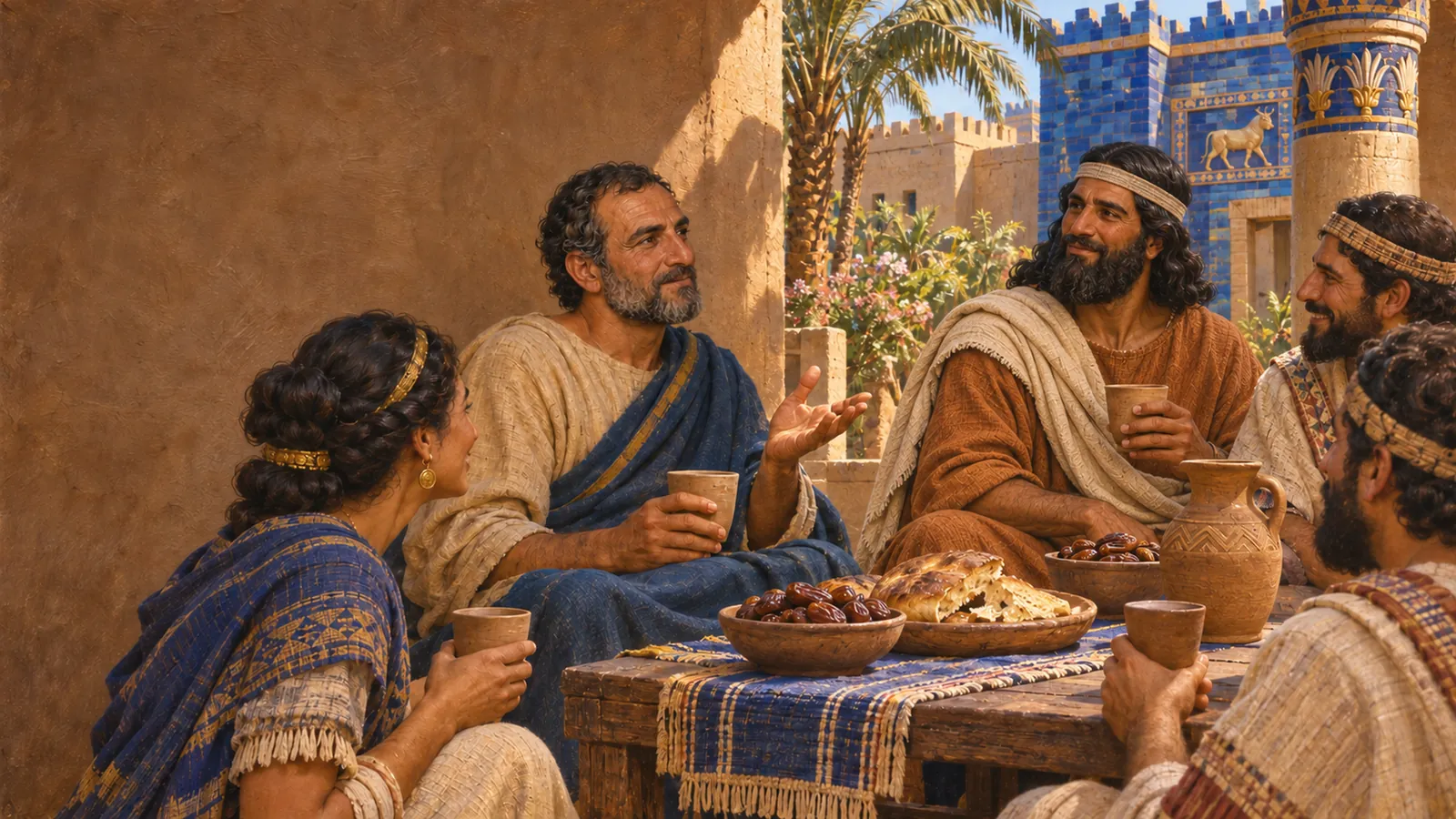
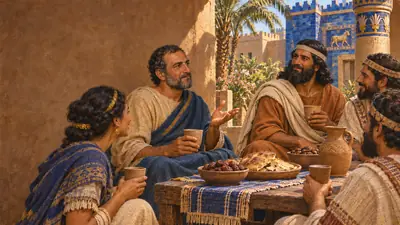
The tablet keeps traces of offerings and a feast in Babylon. There is also a broken phrase about the house of burial. The surviving words leave their connection unclear.
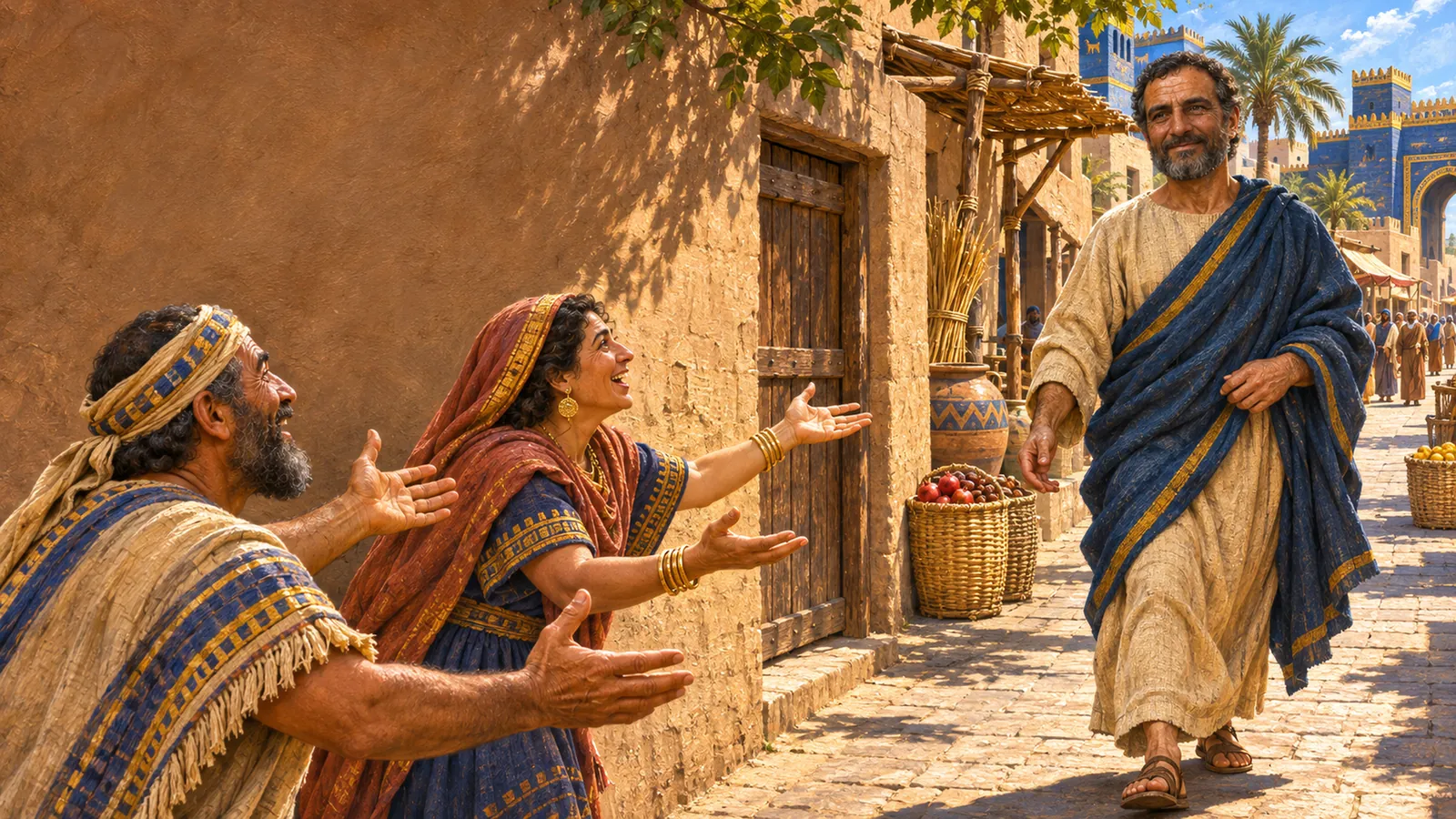
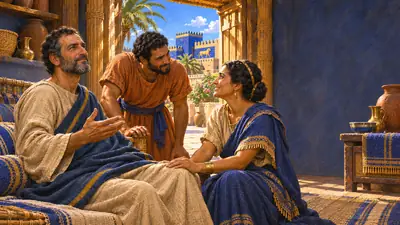
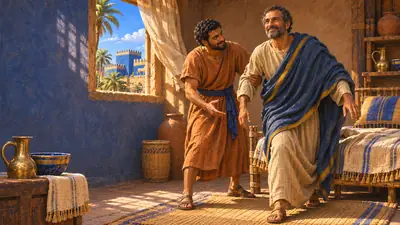
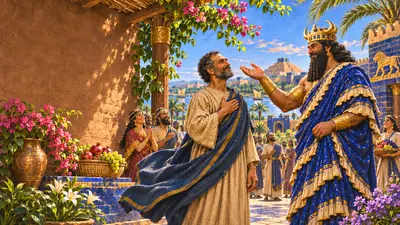
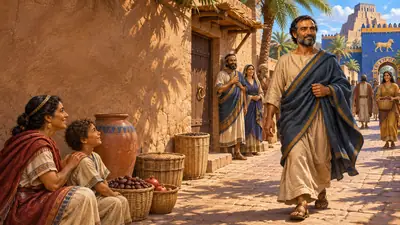
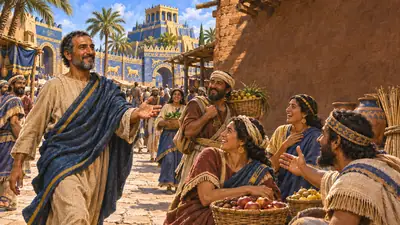
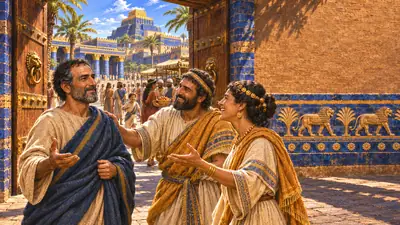
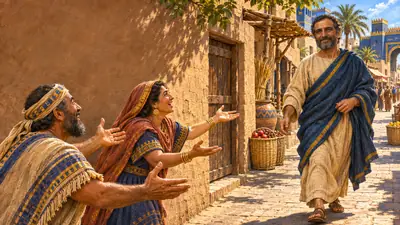
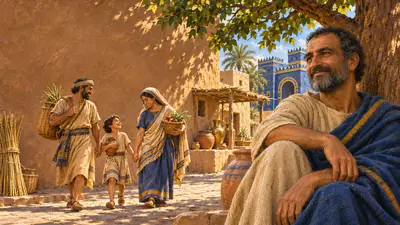
The people of Babylon saw that he had recovered. They asked each other who could have expected him to see the sunlight again, or walk along his street.
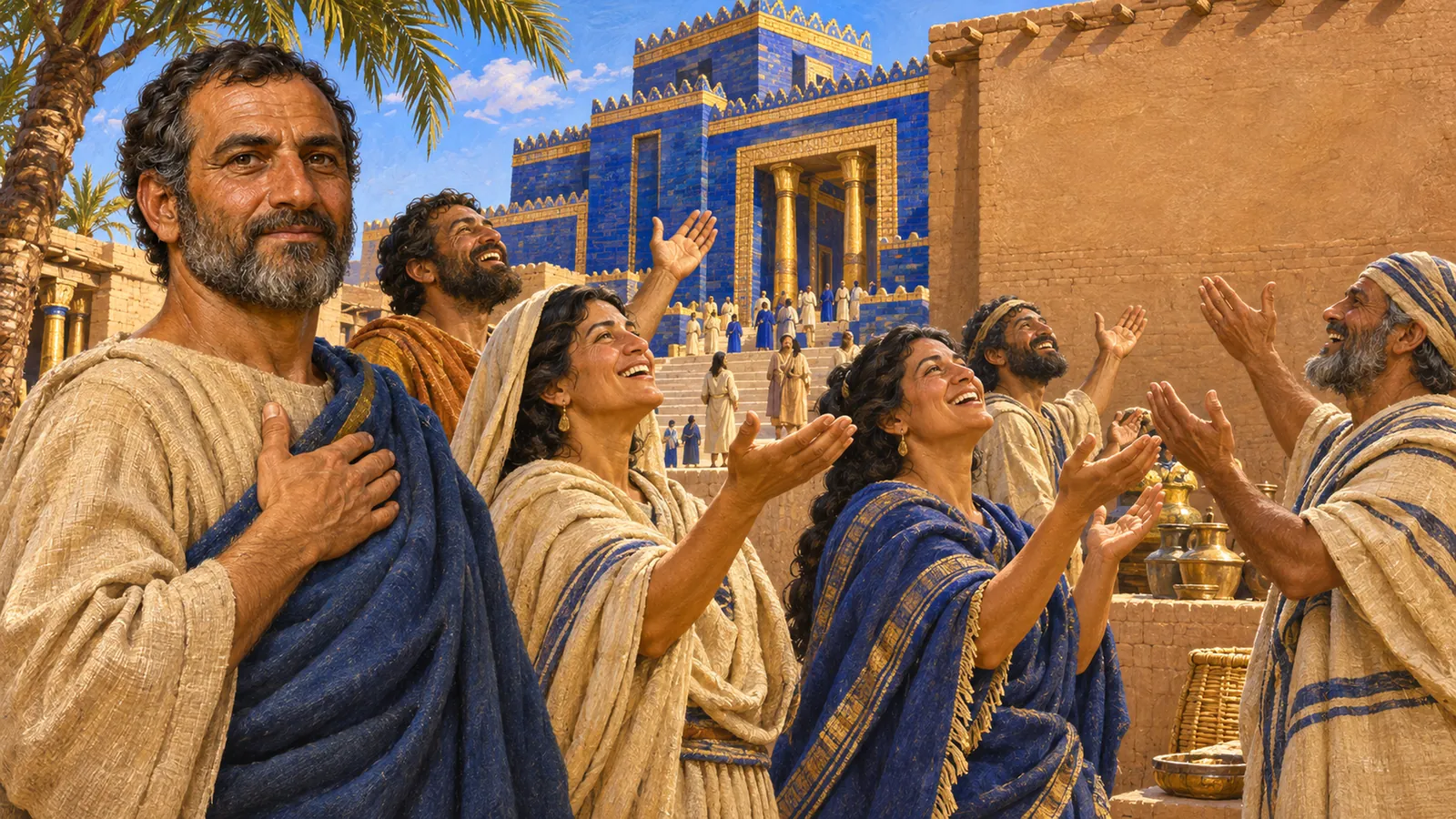
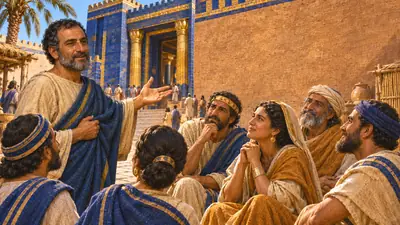
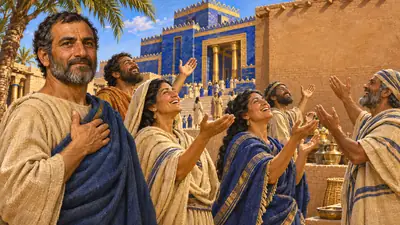
Who but Marduk could restore him from death, they asked. Who but Zarpanitu could give him his life? The people answered their own questions with praise.
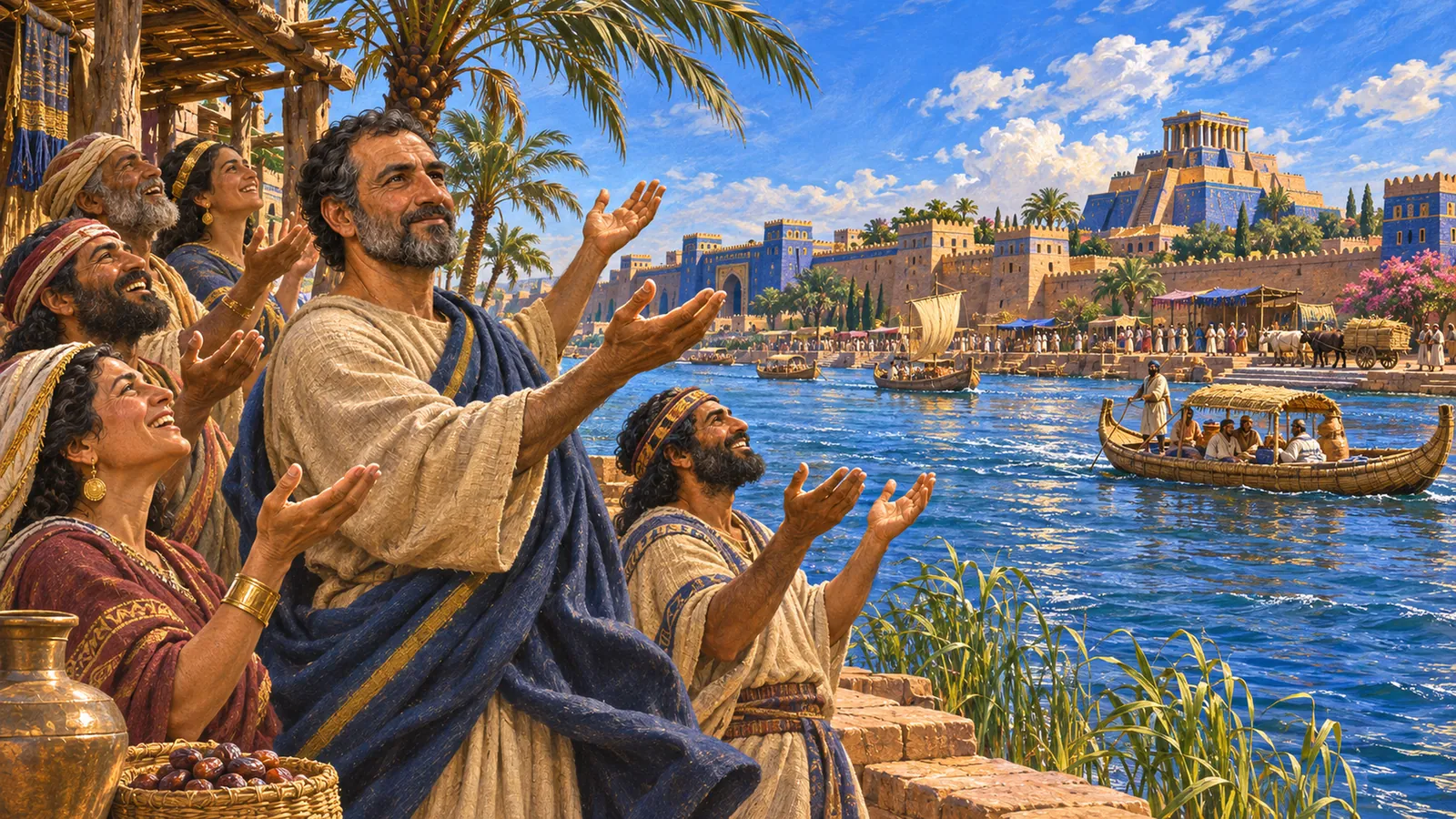
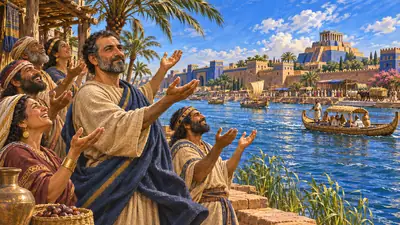
Wherever the sky stretches, the sun shines, water flows and the wind blows, let everyone praise Marduk. The people called on all living beings, saying Aruru had pinched off the clay from which they were made.
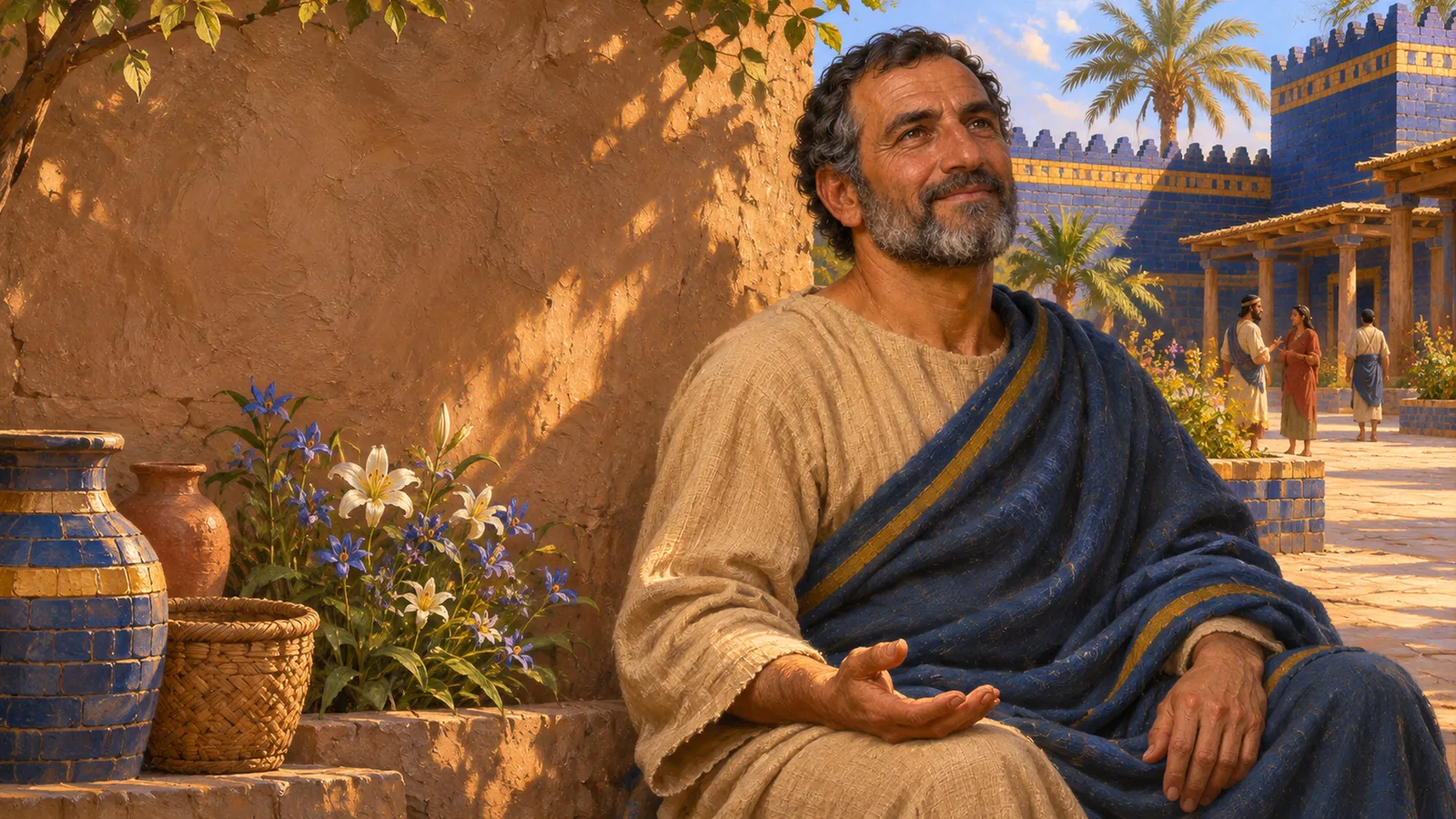
The ending breaks into fragments. A wish for someone to rule over the people remains, along with stray words for the deep, a sanctuary, the earth and the heavens.
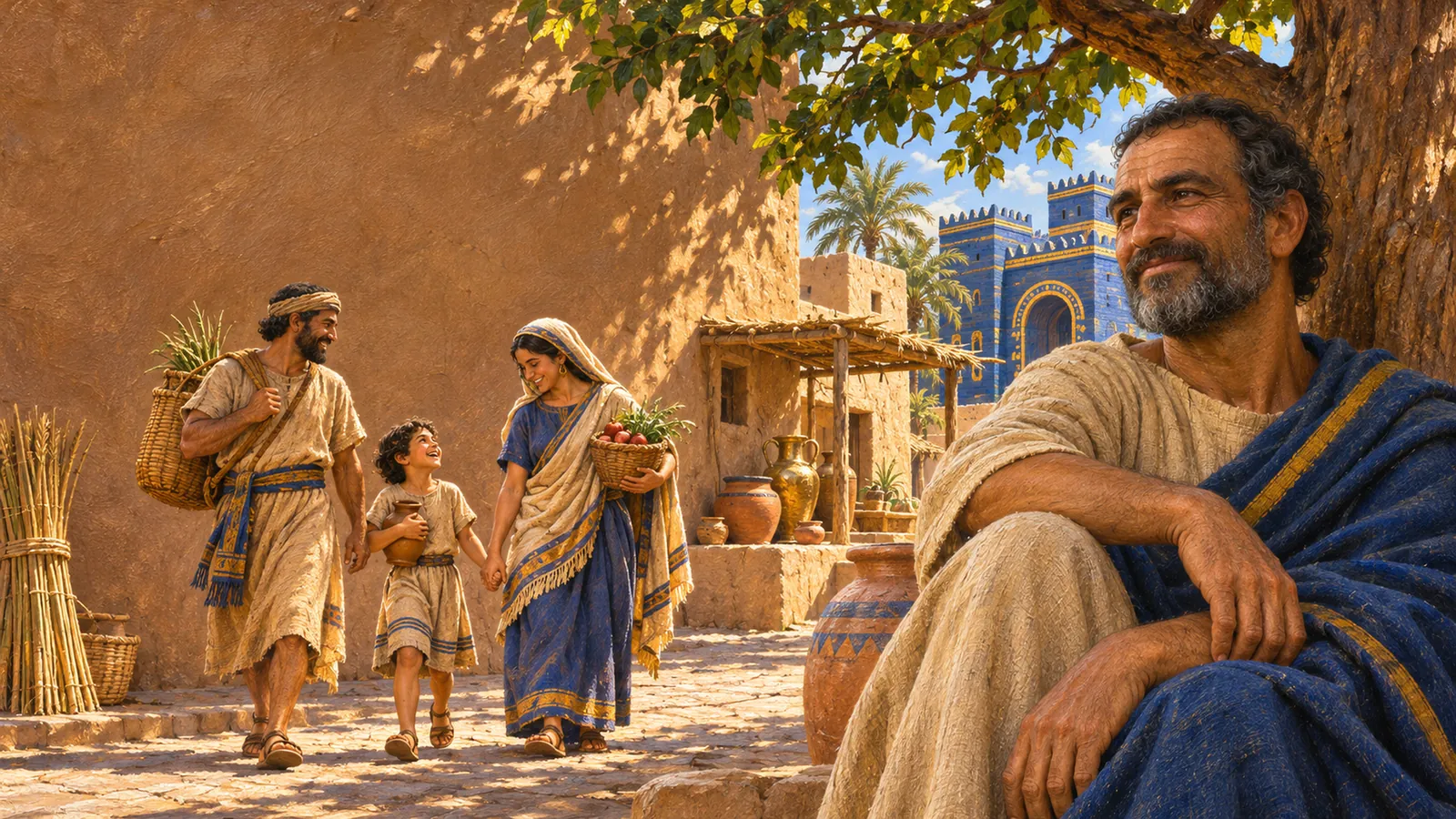
The broken words mention the days of a reign, Esagil and the wish that offspring may spread. Part of a name remains. It may be the name of Nazi-Maruttash.
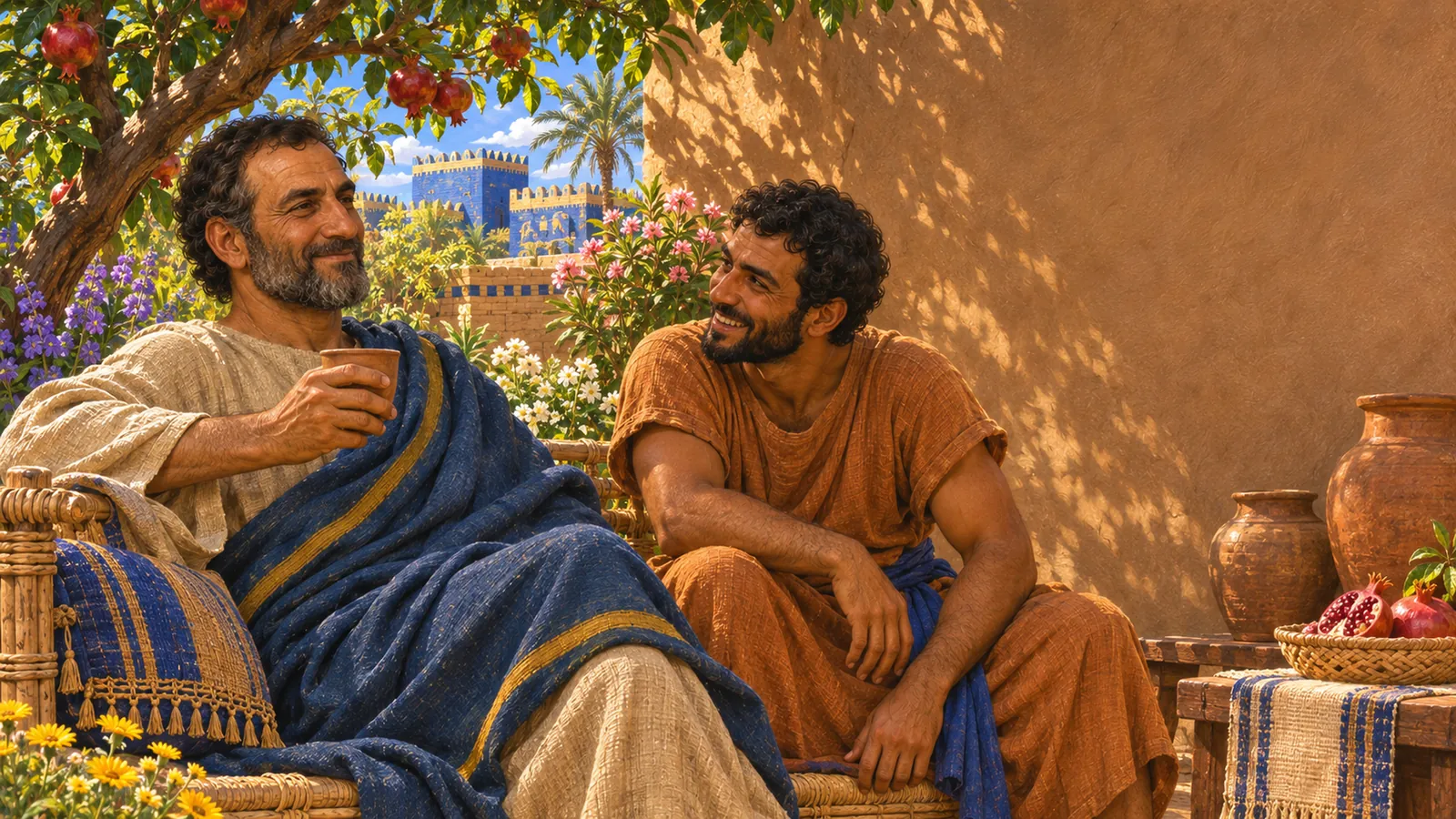
Other lines speak of Babylon, of Zarpanitu and of Marduk’s mercy. A wish that someone may know the happiness of life survives among them.
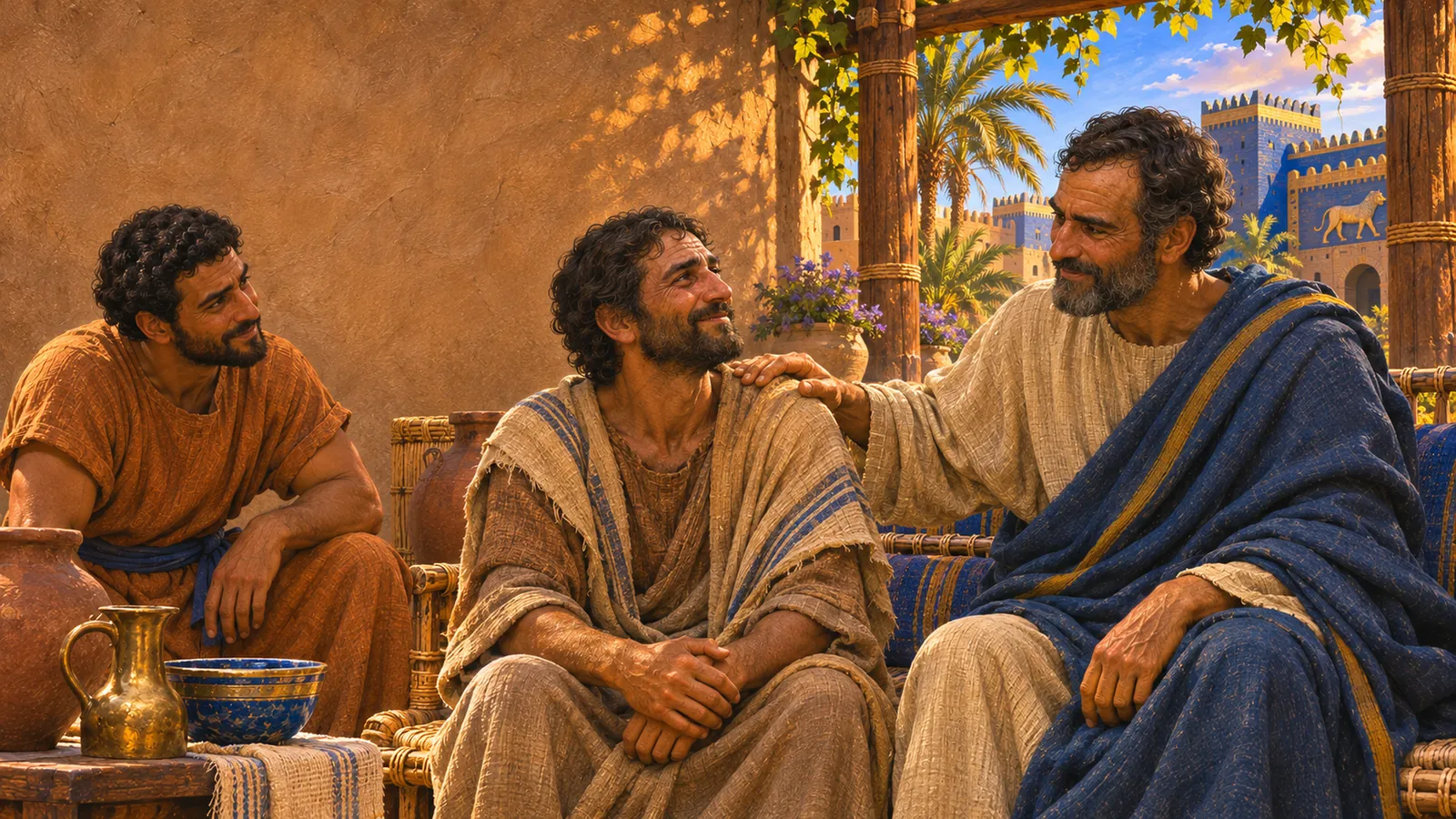
The words ask that whoever has suffered be released from sin and that his weariness may lift. They mention Shubshi-meshre-Shakkan and Sumer and Akkad.
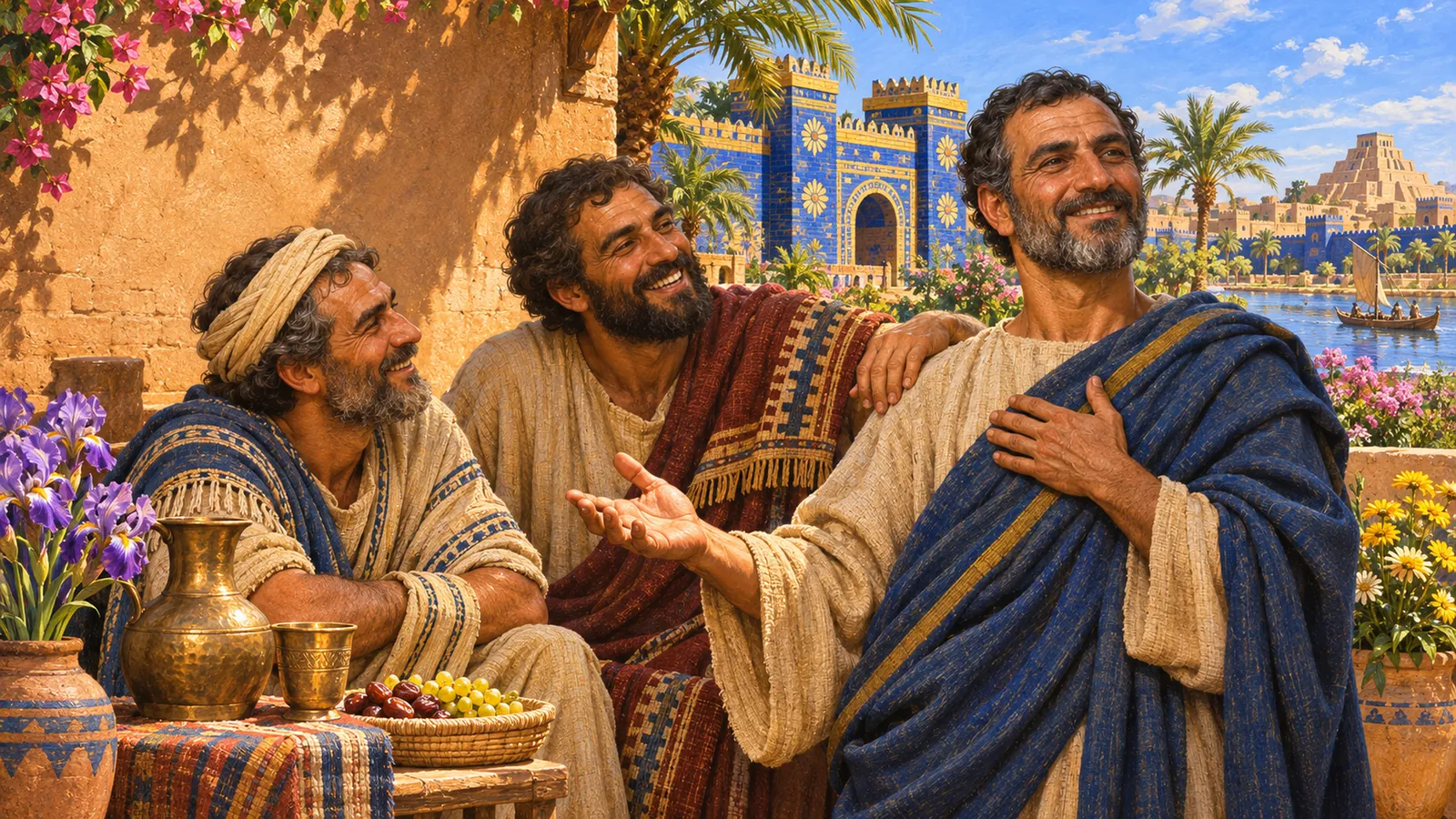
PRAISE
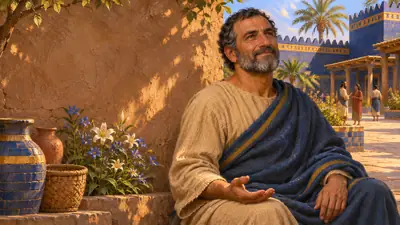
May his days hold gladness. The tablet preserves the name of Shubshi-meshre-Shakkan and a last line of his song. Your praise is sweet.
End of chapter 2
All pages
Sources
The page-specific notes use Lenzi’s English translation and line numbering. Section labels in Tablet IV identify separate fragments.
Editions consulted
- Alan Lenzi, *Suffering in Babylon: Ludlul bēl nēmeqi and the Scholars, Ancient and Modern*, Peeters, 2023, printed pp. 62–63 and 77–94
- Electronic Babylonian Library, *Ludlul bēl nēmeqi*, manuscript context and edition
- Electronic Babylonian Library, Standard Babylonian Tablet III
- Electronic Babylonian Library, Standard Babylonian Tablet V
Ancient lines behind each page
- Page 1: Ludlul III 1–5, Lenzi 2023, p. 77
- Page 2: Ludlul III 6–8, Lenzi 2023, p. 79
- Page 3: Ludlul III 9–12, Lenzi 2023, p. 79
- Page 4: Ludlul III 13–14, Lenzi 2023, p. 79
- Page 5: Ludlul III 15–16, Lenzi 2023, p. 79
- Page 6: Ludlul III 17–20, Lenzi 2023, p. 79
- Page 7: Ludlul III 21–22, Lenzi 2023, p. 79
- Page 8: Ludlul III 23–24, Lenzi 2023, p. 79
- Page 9: Ludlul III 25–26, Lenzi 2023, p. 79
- Page 10: Ludlul III 27–28, Lenzi 2023, p. 79
- Page 11: Ludlul III 29–32, Lenzi 2023, p. 79
- Page 12: Ludlul III 33–35, Lenzi 2023, p. 79
- Page 13: Ludlul III 36–38, Lenzi 2023, p. 79
- Page 14: Ludlul III 39–42, Lenzi 2023, pp. 79, 81
- Page 15: Ludlul III 43–46, Lenzi 2023, p. 81
- Page 16: Ludlul III 47–48, Lenzi 2023, p. 81
- Page 17: Ludlul III 49–50, Lenzi 2023, p. 81
- Page 18: Ludlul III 51–55, Lenzi 2023, p. 81
- Page 19: Ludlul III 56–62, Lenzi 2023, p. 81
- Page 20: Ludlul III 63–67, Lenzi 2023, p. 81
- Page 21: Ludlul III 68–73, Lenzi 2023, p. 81
- Page 22: Ludlul III 74–77, Lenzi 2023, p. 81
- Page 23: Ludlul III 78–81, Lenzi 2023, p. 83
- Page 24: Ludlul III 82–85, Lenzi 2023, p. 83
- Page 25: Ludlul III 86–91, Lenzi 2023, p. 83
- Page 26: Ludlul III 92–99, Lenzi 2023, p. 83
- Page 27: Ludlul III 100–105, Lenzi 2023, p. 83
- Page 28: Ludlul III 106–110, Lenzi 2023, p. 83
- Page 29: Ludlul III 111–120 (gap), Lenzi 2023, p. 83
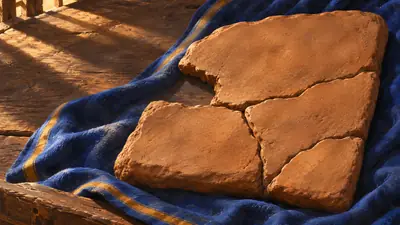
Ordinary clay material, no claim to show an original tablet. - Page 30: Ludlul IV A 1′–12′, Lenzi 2023, p. 85
Continuous soft clay-brown air and haze across the left without a distinct floor line or wall. - Page 31: Ludlul commentary h–j, Lenzi 2023, p. 85
- Page 32: Ludlul IV B 1′–9′, Lenzi 2023, pp. 85, 87
- Page 33: Ludlul IV B 10′–17′, Lenzi 2023, p. 87
- Page 34: Ludlul IV C 1′–10′, Lenzi 2023, p. 87
- Page 35: Ludlul V 1–9, Lenzi 2023, p. 87
- Page 36: Ludlul V 10–17, Lenzi 2023, p. 89
- Page 37: Ludlul V 18–25, Lenzi 2023, p. 89
- Page 38: Ludlul V 26–34, Lenzi 2023, p. 89
- Page 39: Ludlul V 35–40, Lenzi 2023, p. 89
- Page 40: Ludlul V 41–42, Lenzi 2023, p. 89
- Page 41: Ludlul V 43–45, Lenzi 2023, p. 89
- Page 42: Ludlul V 46–48, Lenzi 2023, p. 91
- Page 43: Ludlul V 49–51, Lenzi 2023, p. 91
- Page 44: Ludlul V 52–53, Lenzi 2023, p. 91
- Page 45: Ludlul V 54–56, Lenzi 2023, p. 91
- Page 46: Ludlul V 57–58, Lenzi 2023, p. 91
- Page 47: Ludlul V 59–63, Lenzi 2023, p. 91
- Page 48: Ludlul V 64–68, Lenzi 2023, p. 91
- Page 49: Ludlul V 69–72, Lenzi 2023, p. 91
- Page 50: Ludlul V 73–76, Lenzi 2023, p. 91
- Page 51: Ludlul V 77–82, Lenzi 2023, pp. 91, 93
- Page 52: Ludlul V 83–94, Lenzi 2023, p. 93
- Page 53: Ludlul V 95–101, Lenzi 2023, p. 93
- Page 54: Ludlul V 102–110, Lenzi 2023, p. 93
- Page 55: Ludlul V 111–116, Lenzi 2023, p. 93
- Page 56: Ludlul V 117–120, Lenzi 2023, p. 94
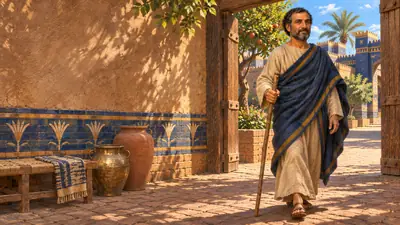
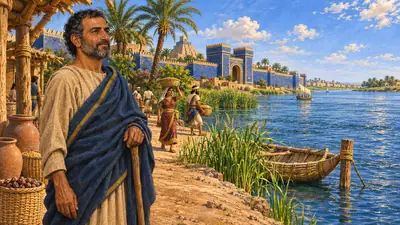
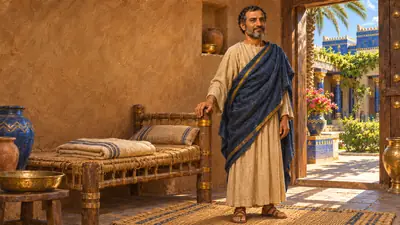
Illustrations made with AI tools by IL Archive; the text is based on the ancient sources (see the sources at the end of each chapter).