Ludlul bēl nēmeqi Chapter 1
The Years of Affliction
Šubši-mešrê-Šakkan praises Marduk, whose wrath can give way to mercy, then recalls how he lost his standing and fell gravely ill. While he is still alive, his grave lies open, his funeral goods are ready, and those around him have already mourned him.
SourcesTurn the pages with the arrows, the arrow keys or a swipe.
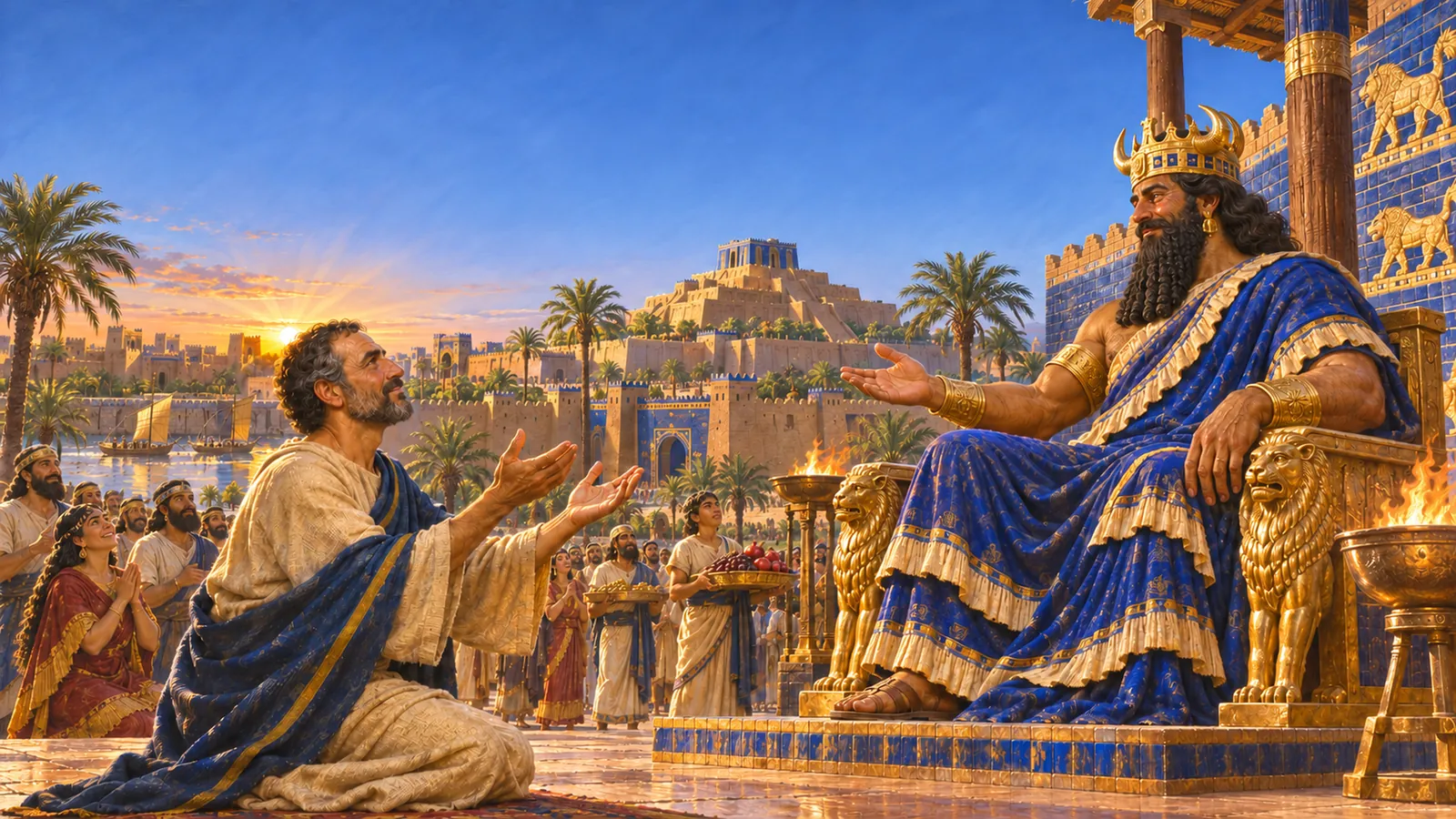
WISDOM
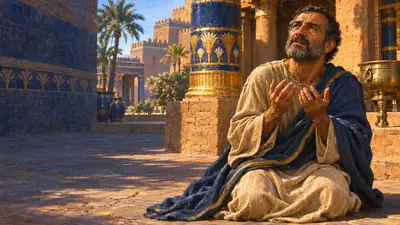
I will praise Marduk, lord of wisdom. He can be angry in the night and merciful when dawn comes.
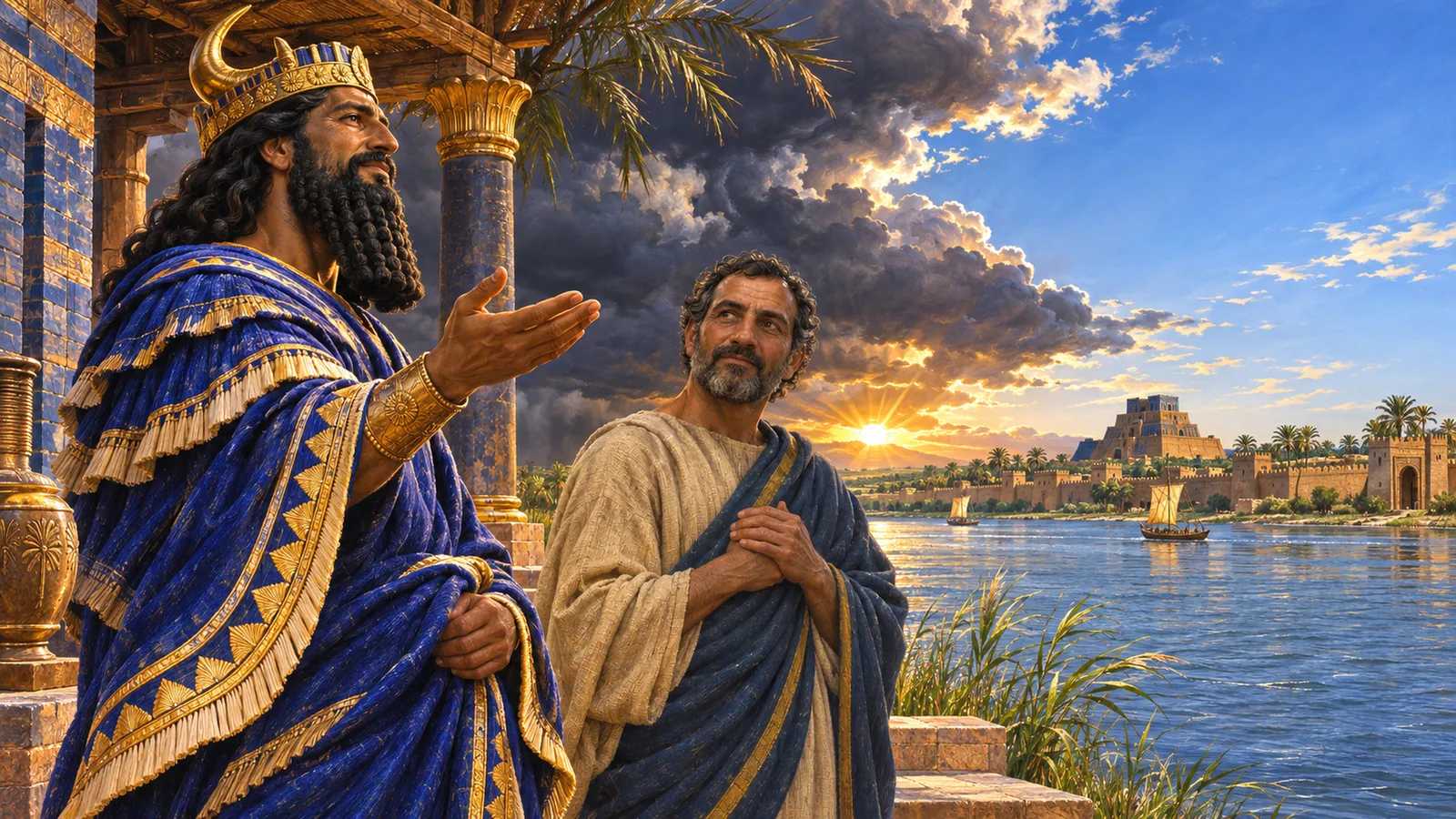
His fury is like a violent storm over a wasteland. Yet his breath can be pleasant, like a breeze at dawn.
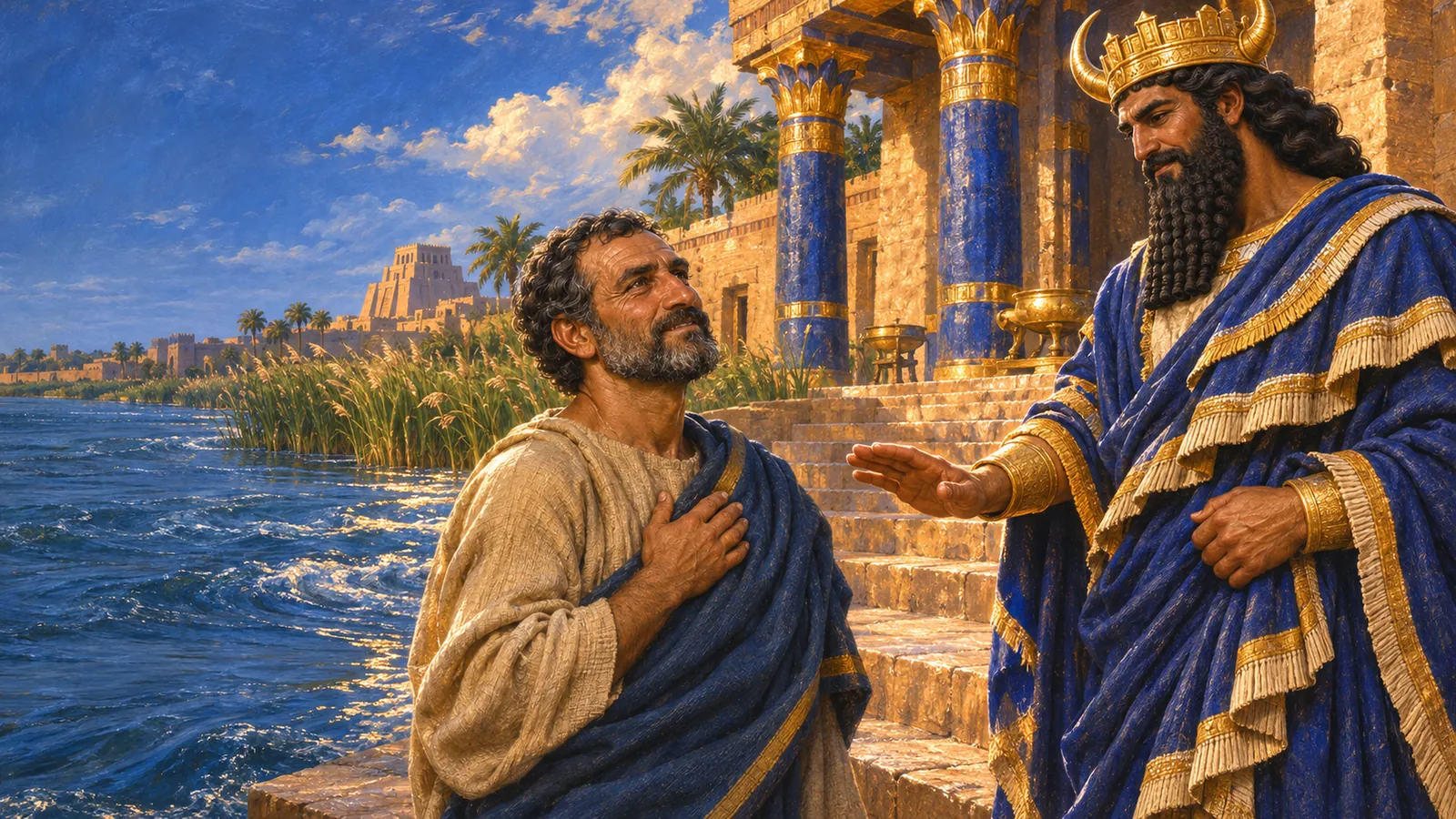
When his anger rises, it is as hard to stop as a flood. When his heart relents, he shows mercy.
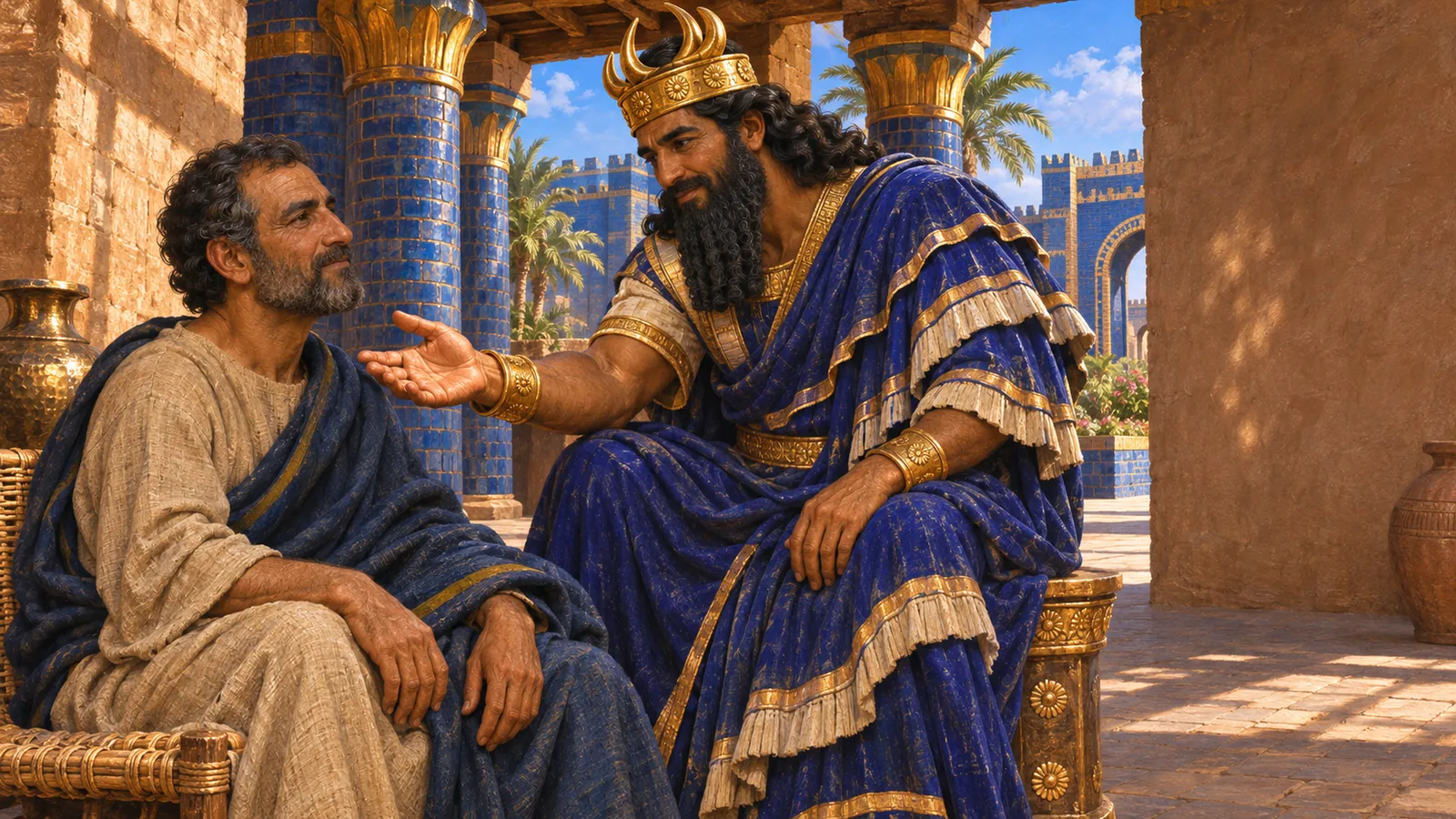
Even heaven cannot bear the weight of his hand. Yet Marduk can be gentle enough to rescue someone who is dying.
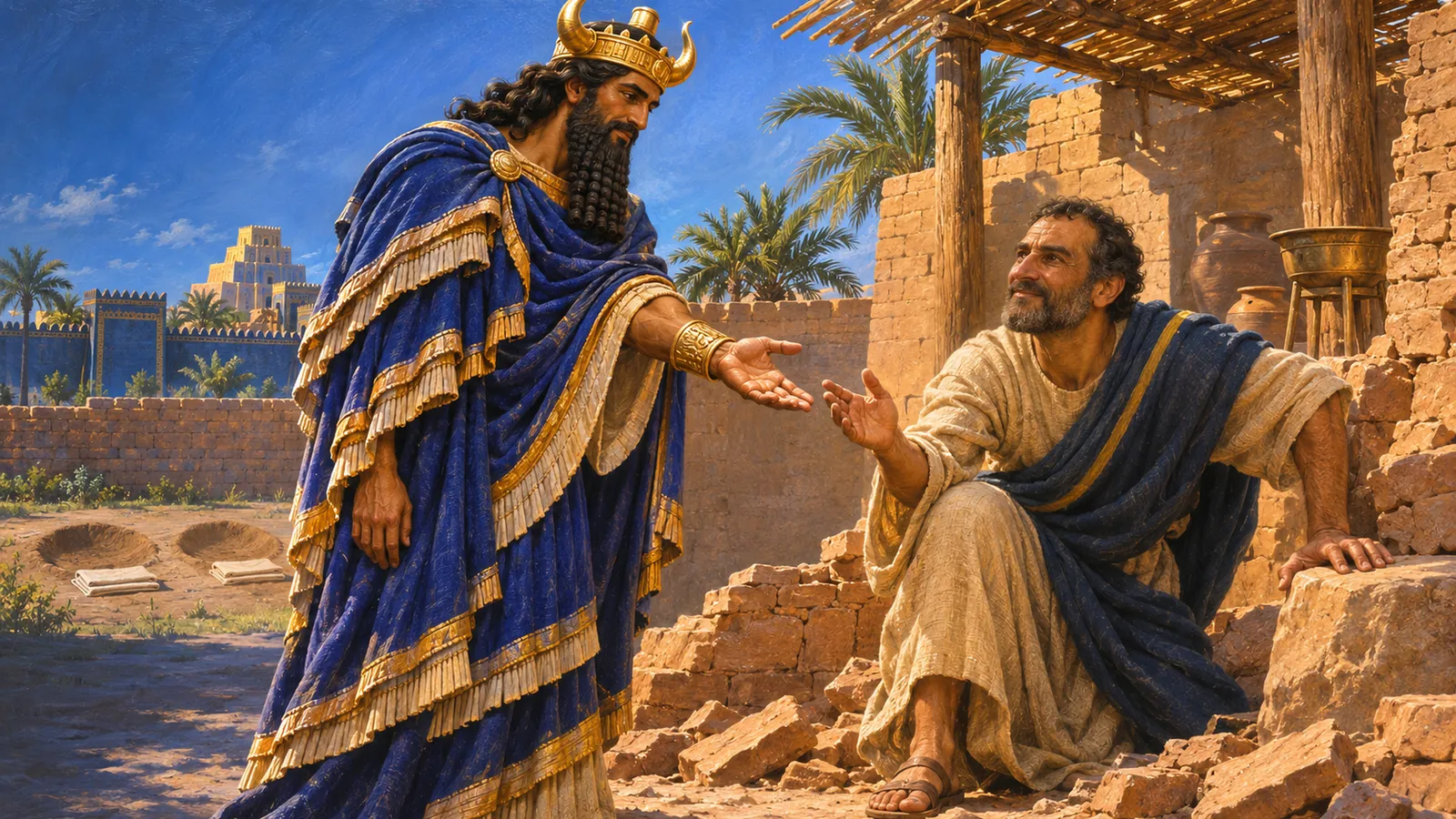
When he is angry, graves are dug. But in my praise he also raises the fallen and brings them out of disaster.
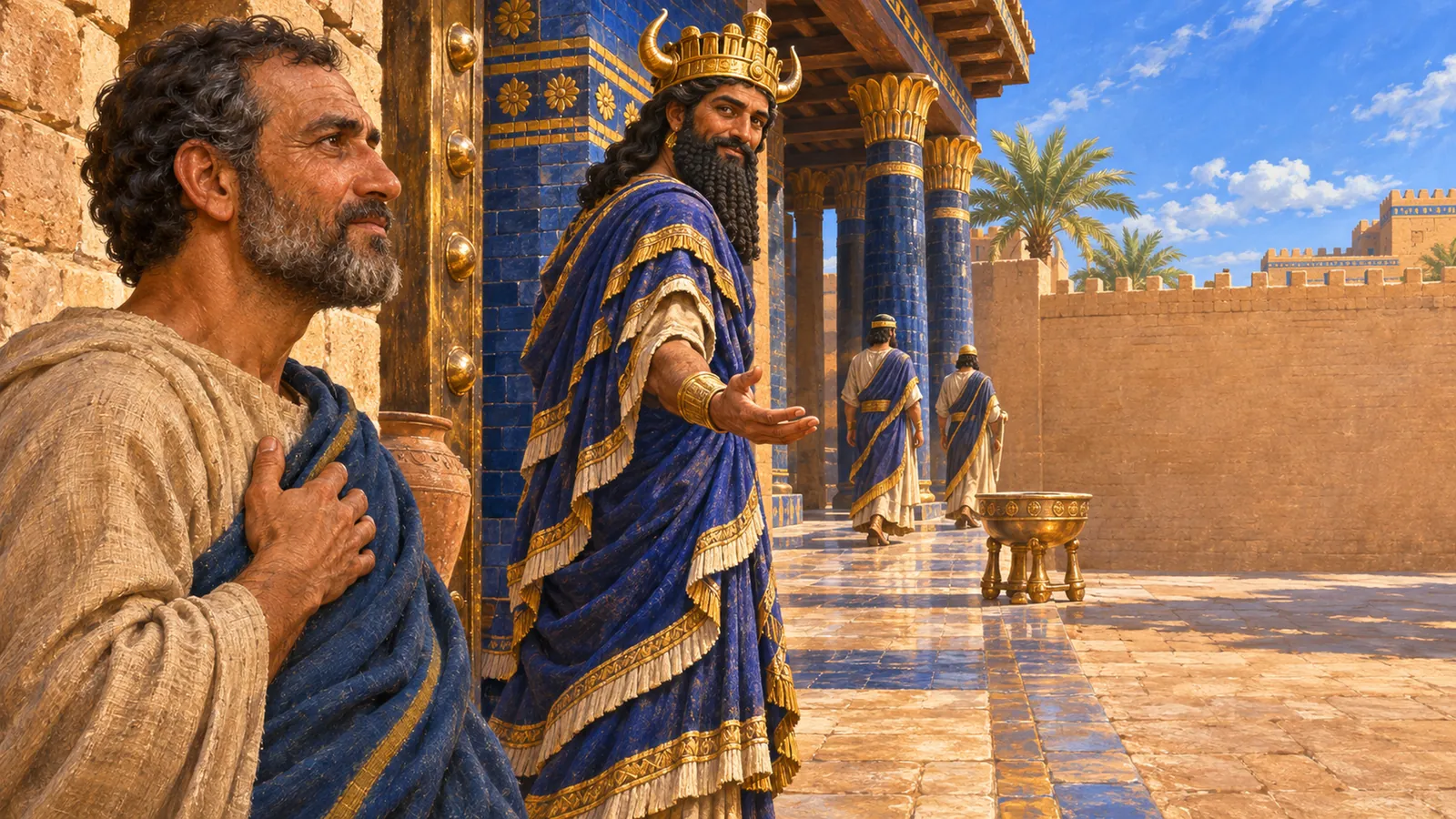
When he frowns, guardian spirits withdraw. When he takes notice again, a person’s god can come back to the one he had rejected.
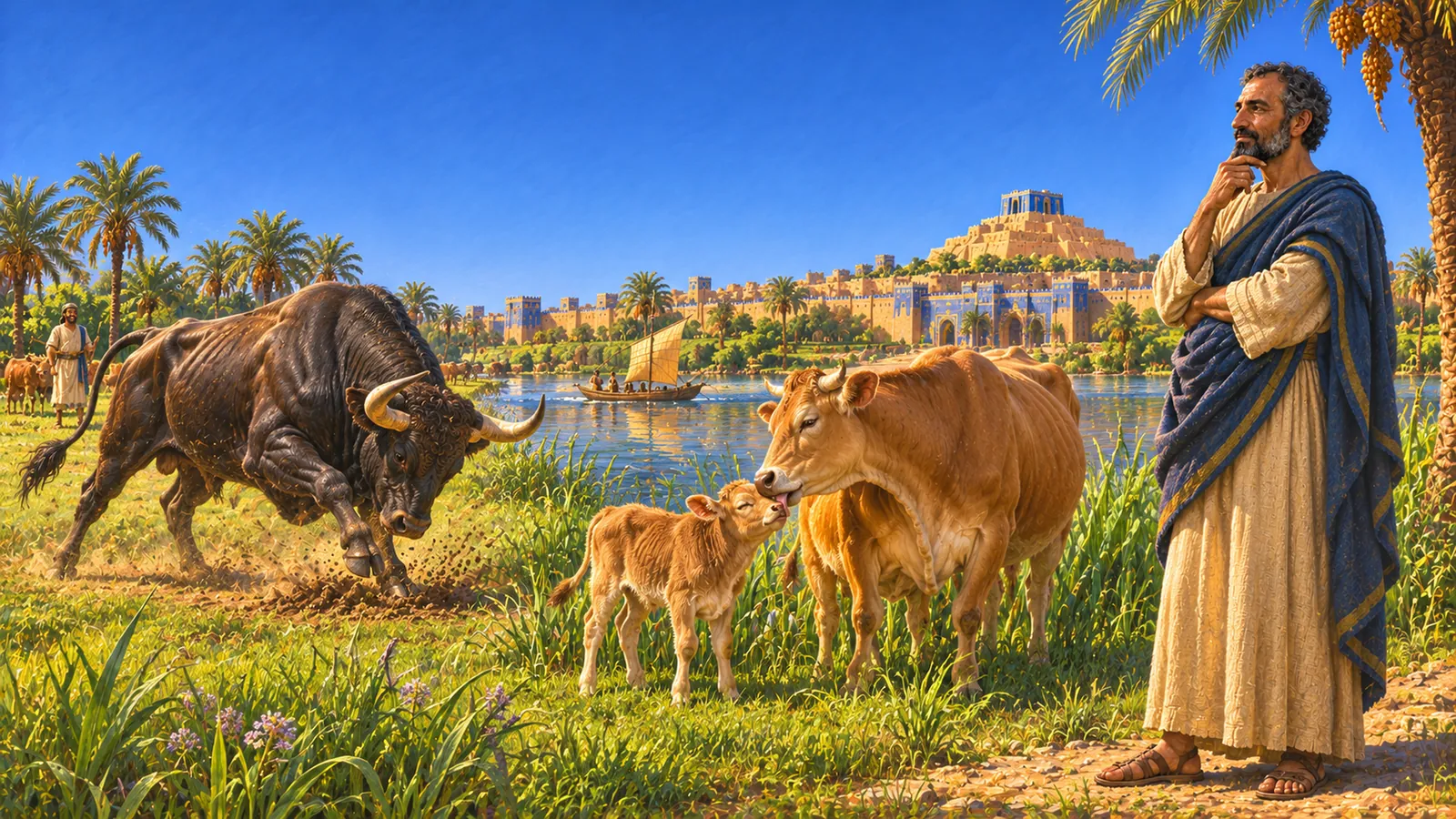
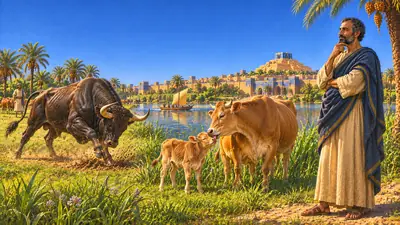
His punishment can be as fierce as a wild bull’s charge. Then he can turn tender, as attentive as a cow with her calf.
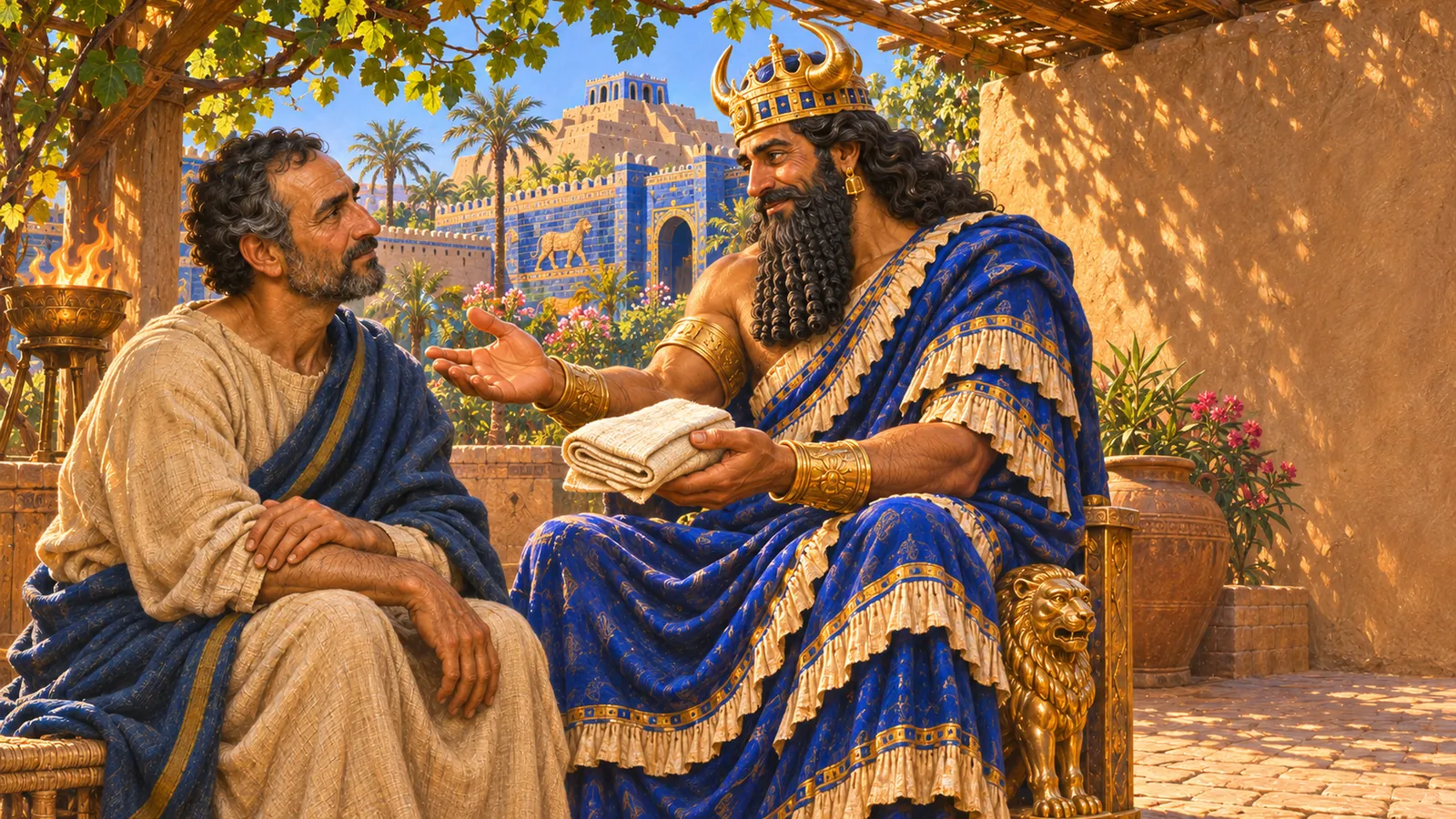
His blows wound, and his bandages revive the doomed. He declares a person guilty, but when the day of offering comes that guilt can be lifted.
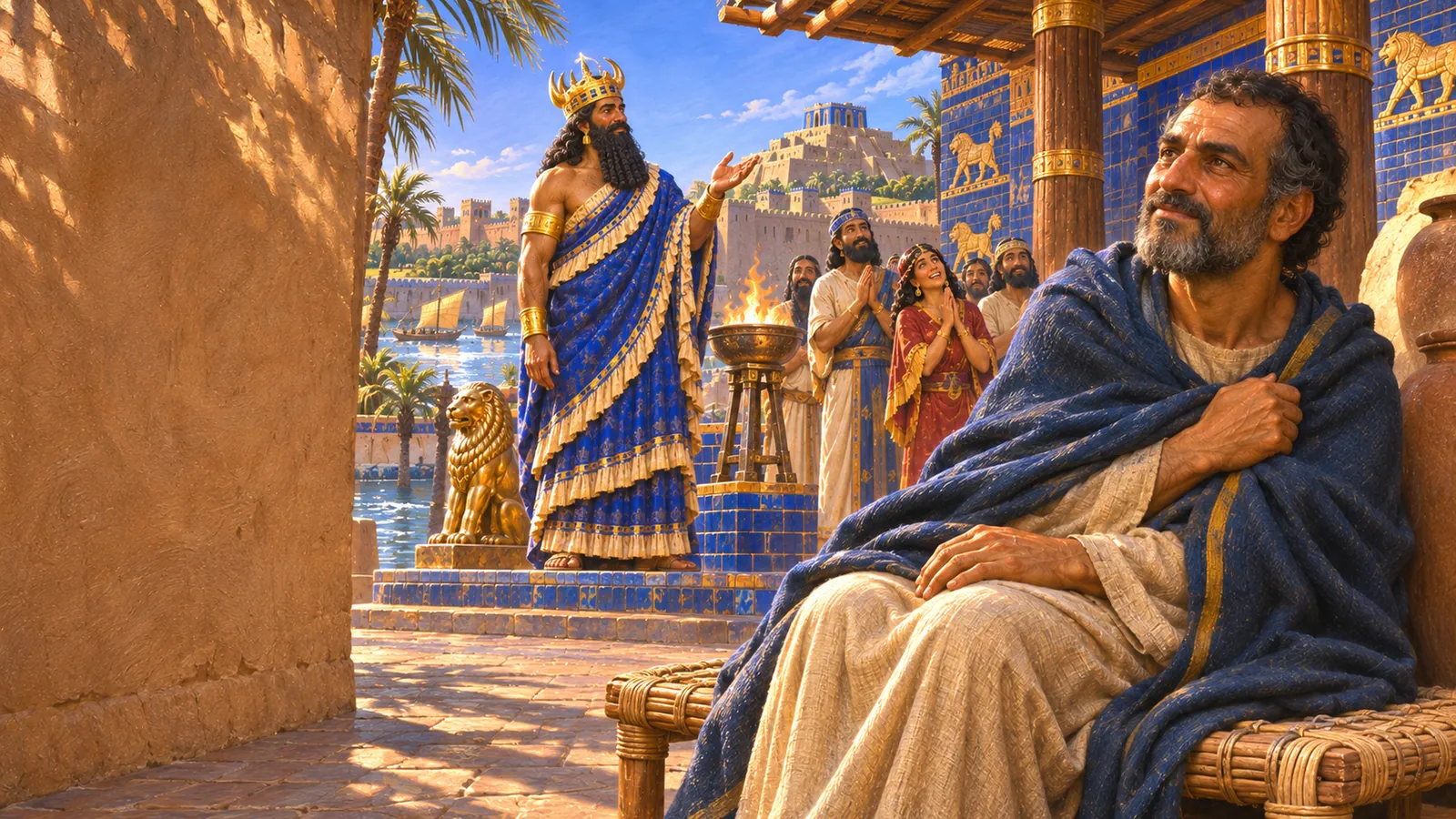
He brings on shivering, which I call the work of demons. At his incantation the cold and the trembling are driven away.
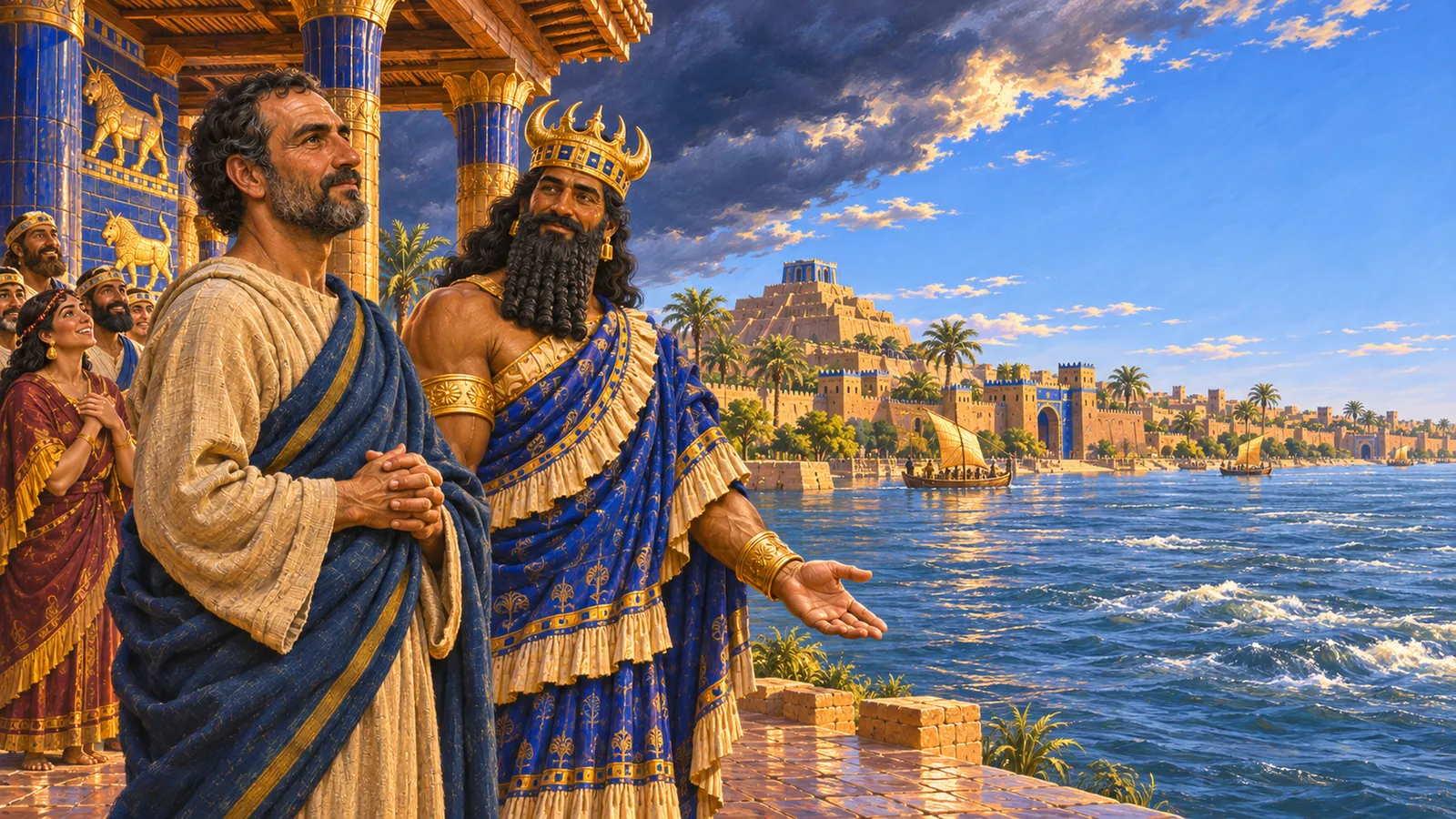
A damaged line speaks of a flood, perhaps Adad’s, and a blow from Erra. I call Marduk the one who reconciles a person’s angry god and goddess.
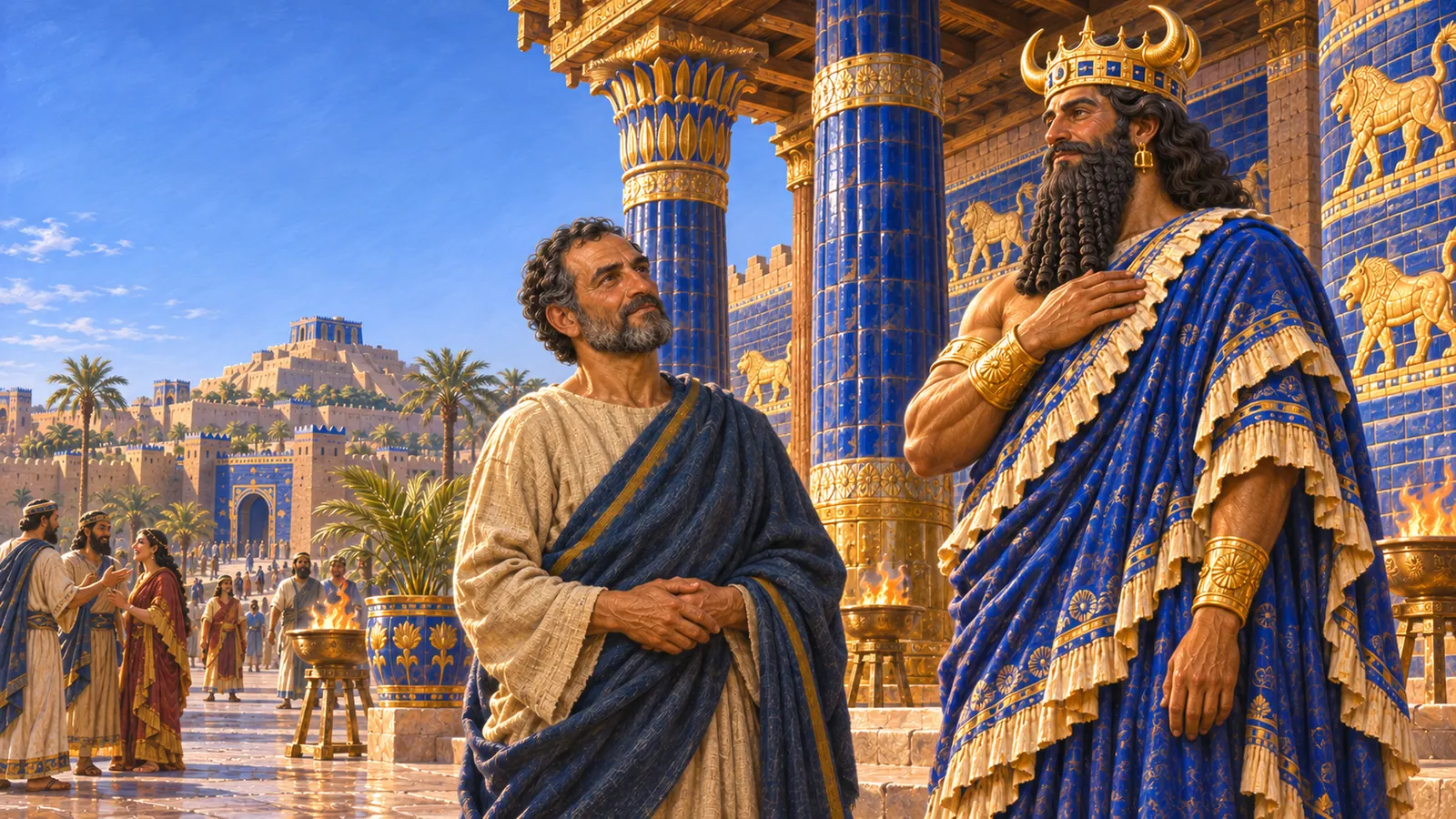
Marduk sees what is in the hearts of the gods, but none of them can learn his counsel. His hand is heavy, and he can show mercy.
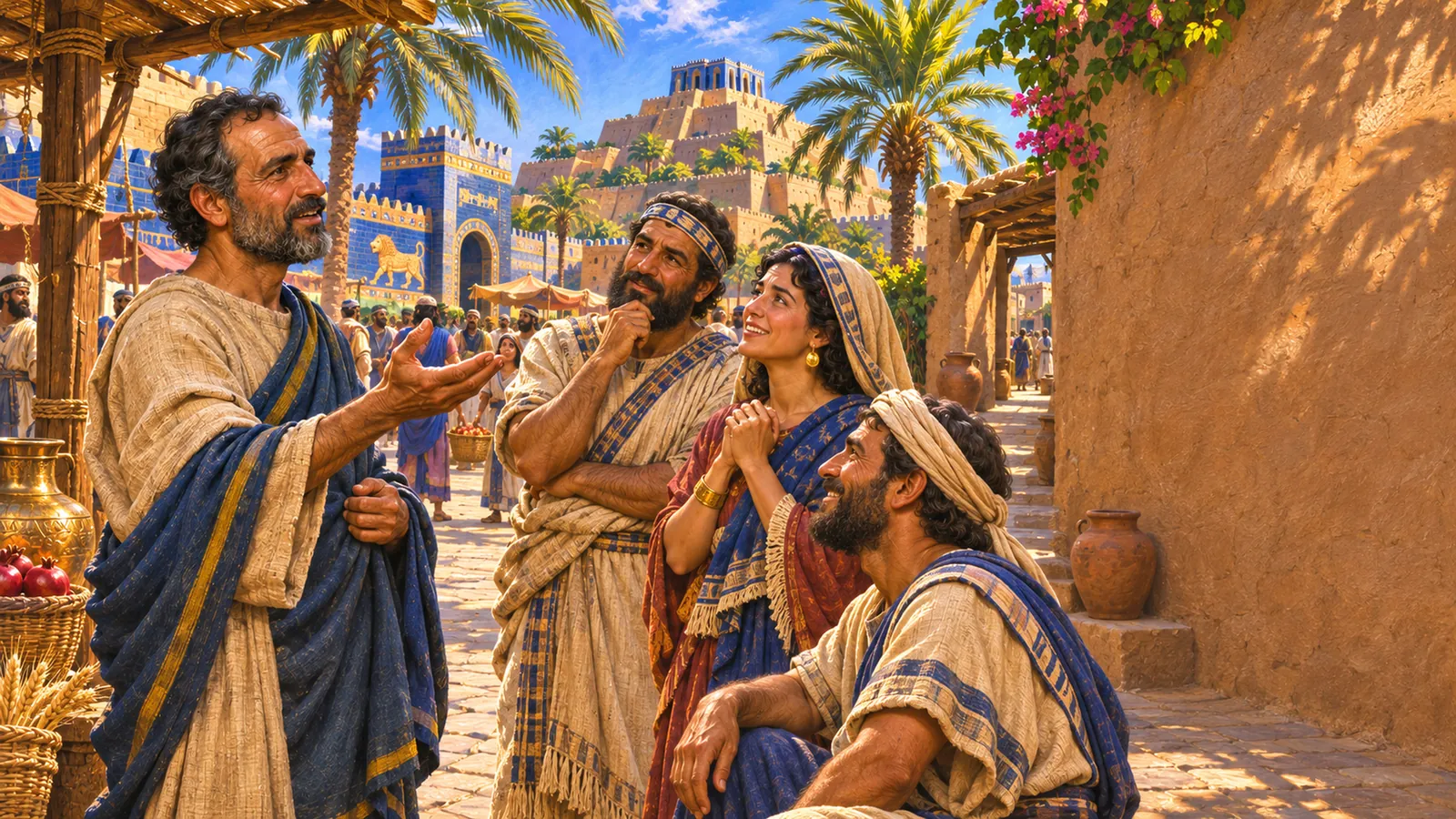
I ate mud like a fish, yet he quickly showed me favor. Now I will tell the people that rescue is near.
ABANDONED
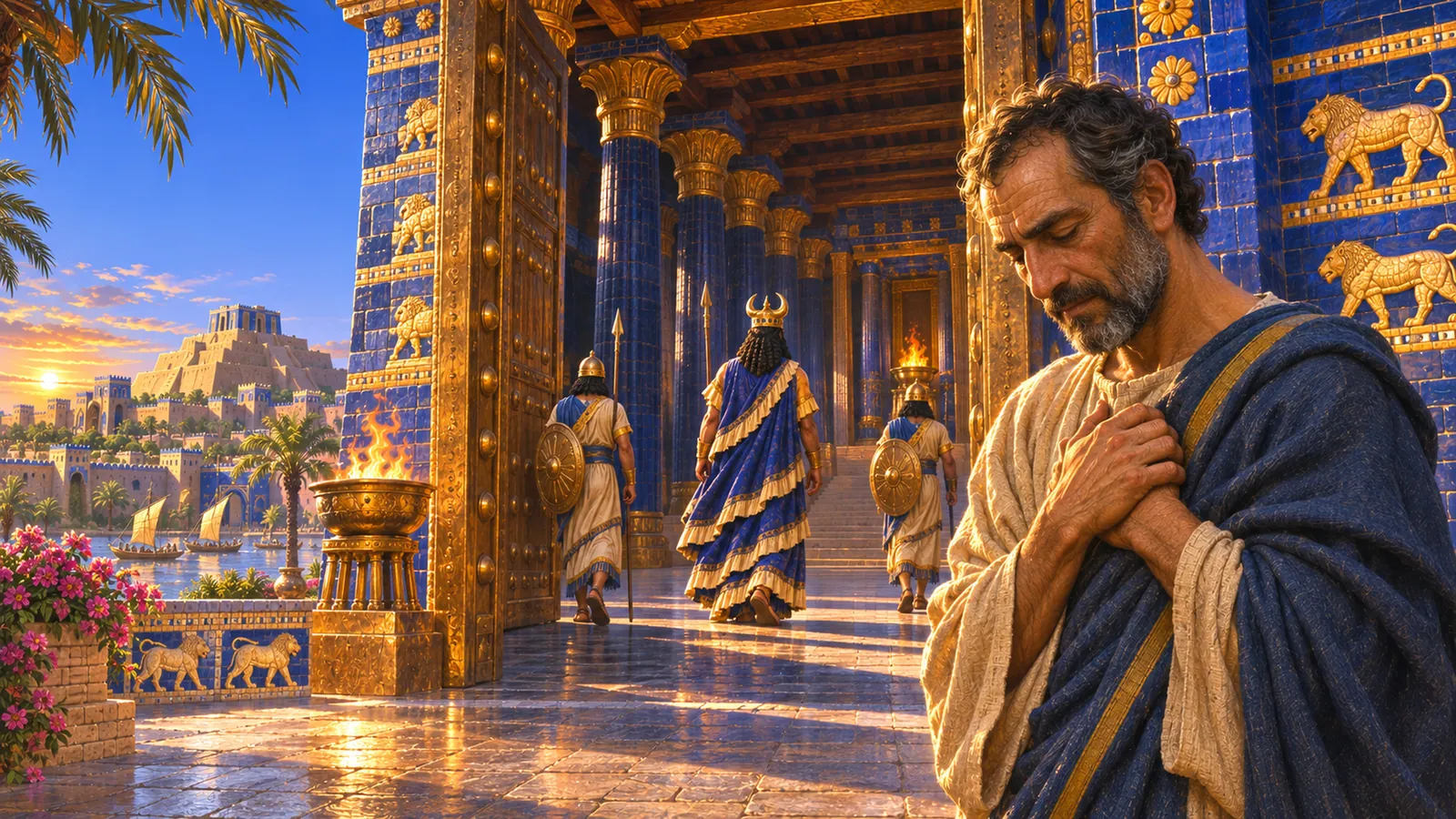
From the day Marduk grew angry with me, my god turned away and my goddess left me. The spirits who had guarded me withdrew.
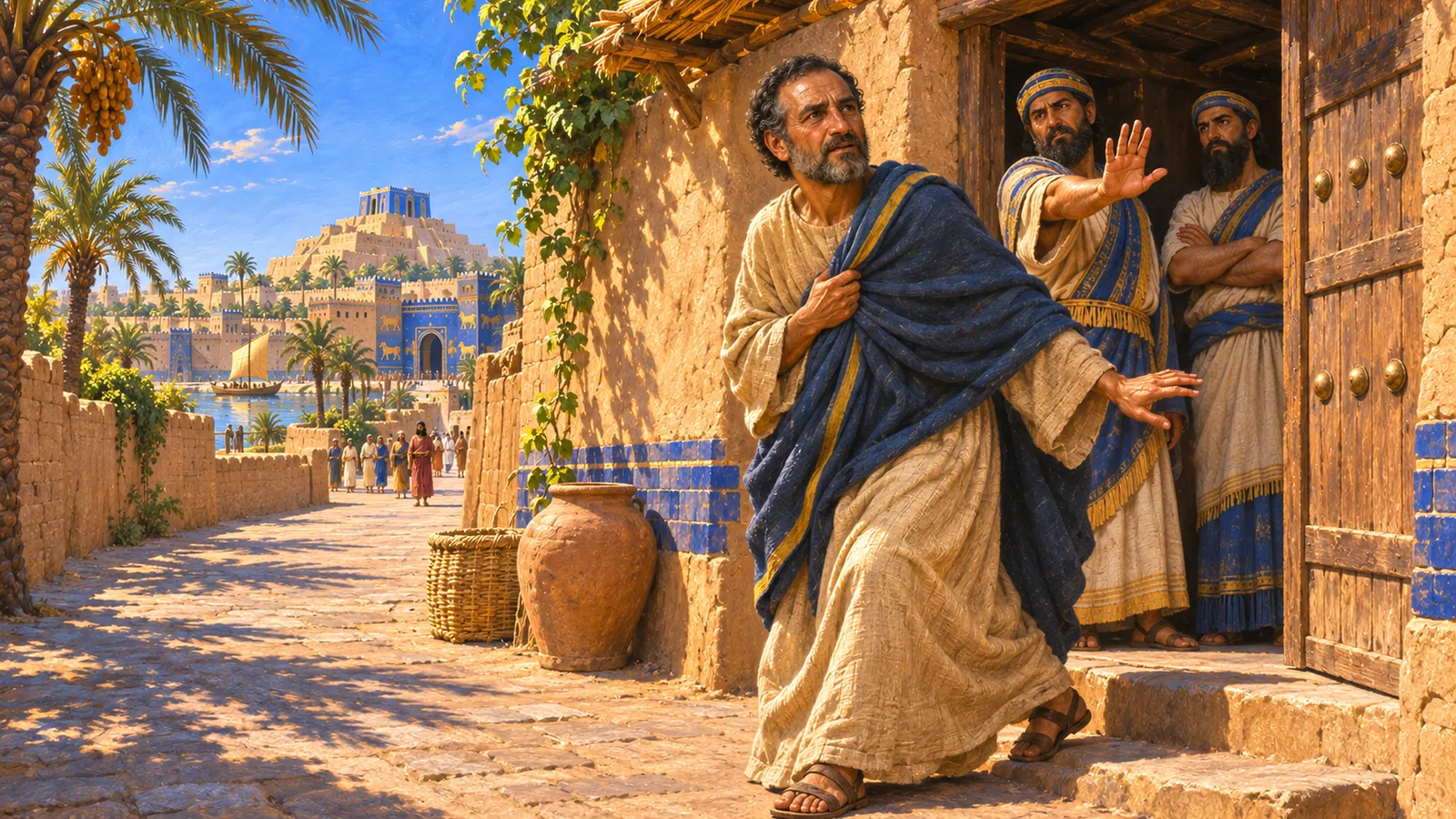
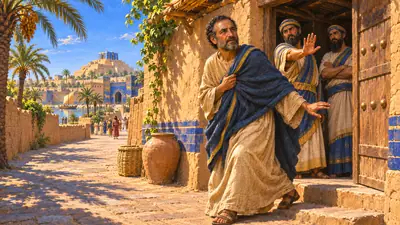
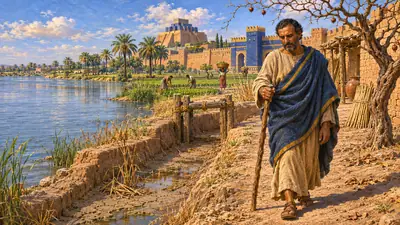
My dignity was taken and my protection fell away. Fearful signs confronted me. I was driven from my house and left to wander outside.
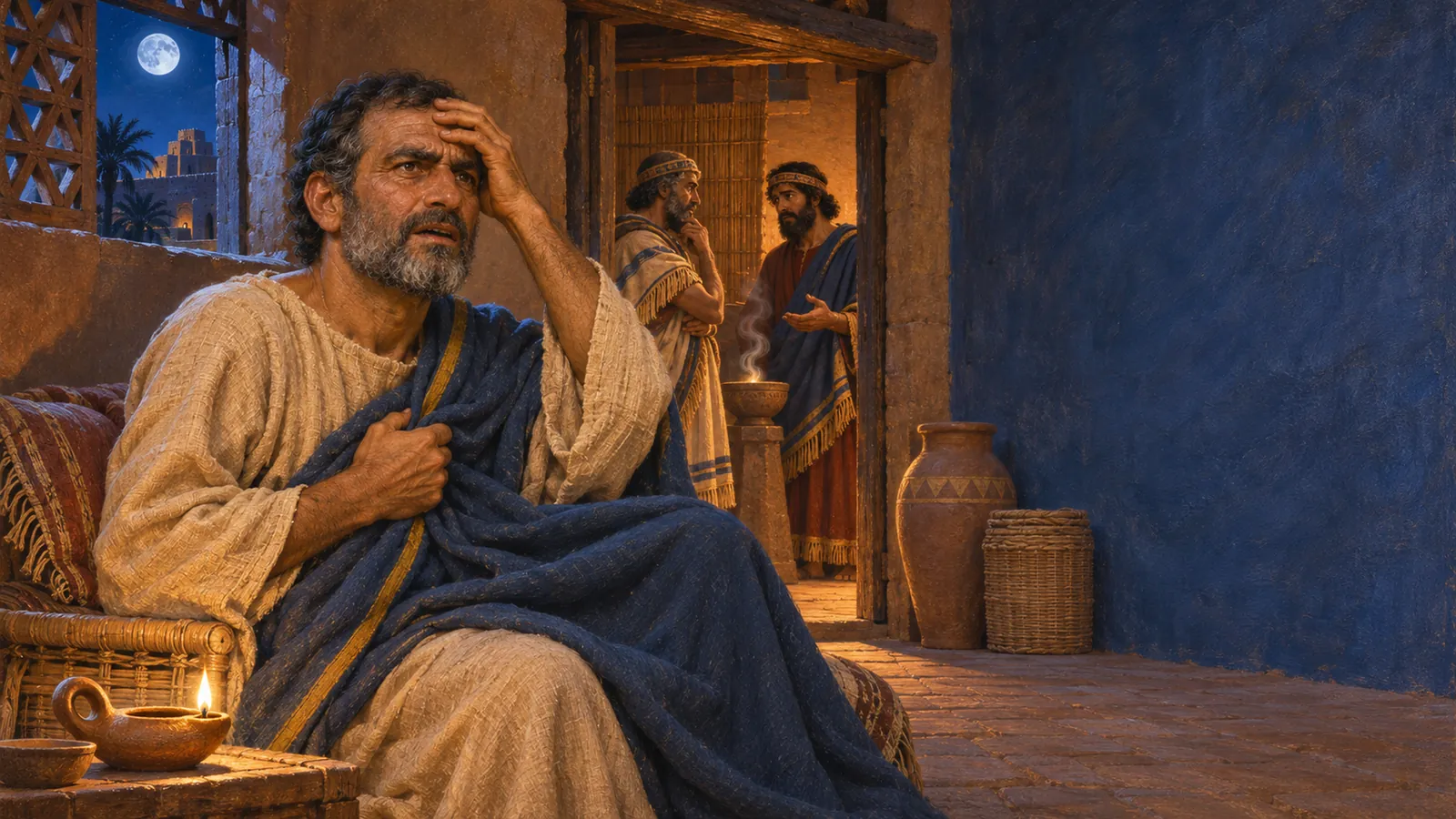
The signs were hard to read, and the seer and the inquirer could not settle my case. What I overheard in the street foretold trouble, and at night my dream frightened me.
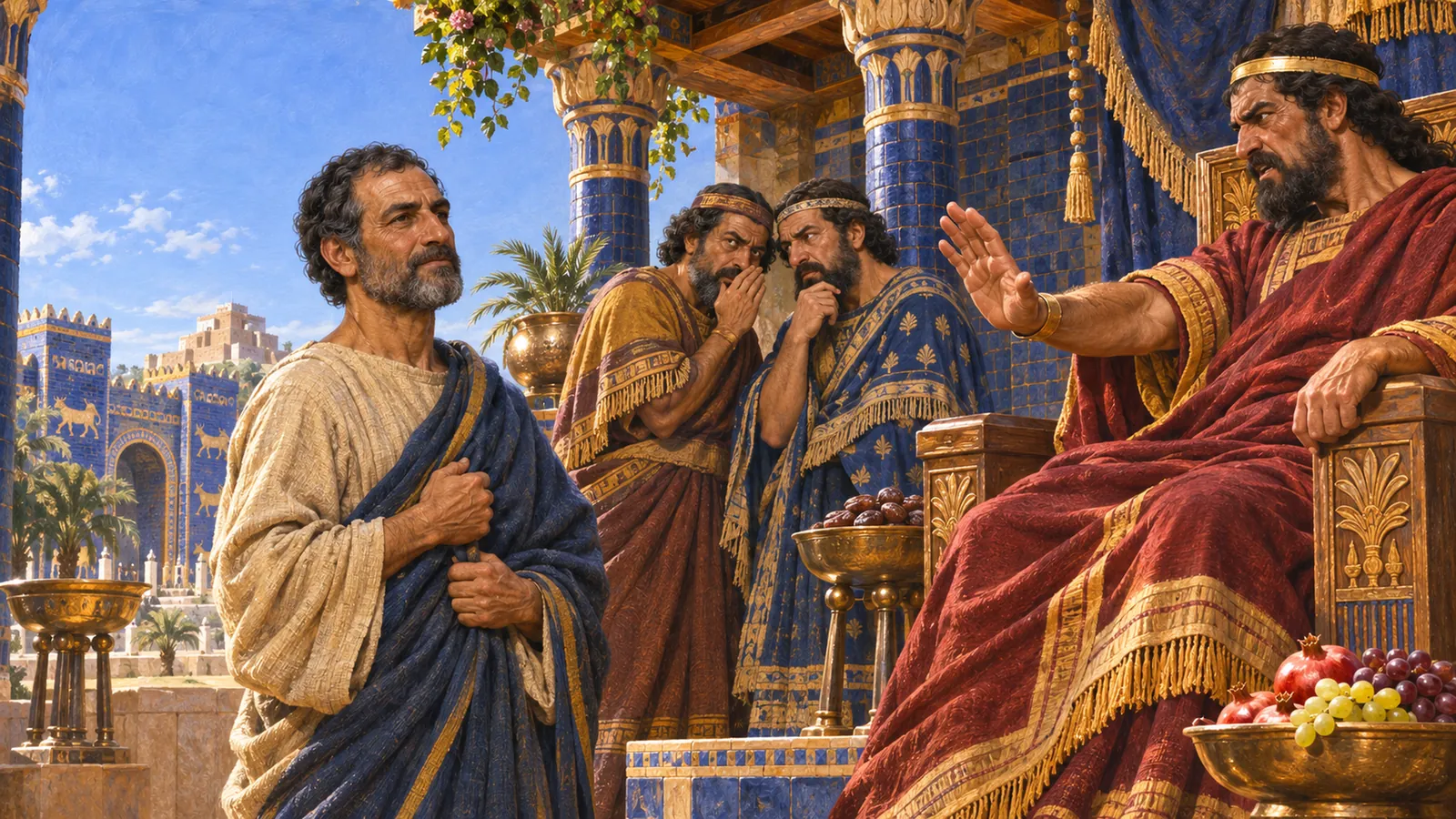
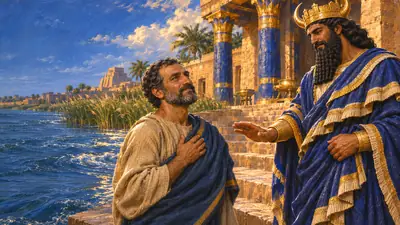
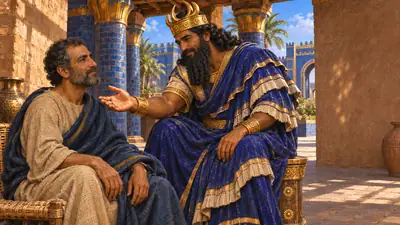
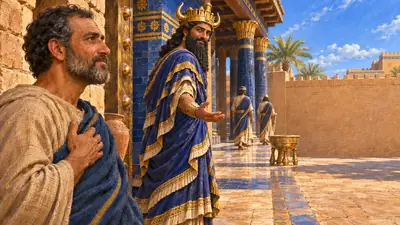
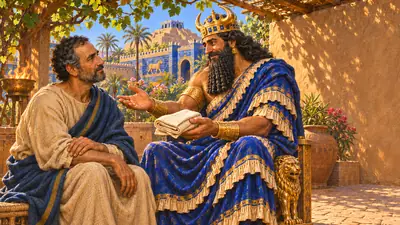
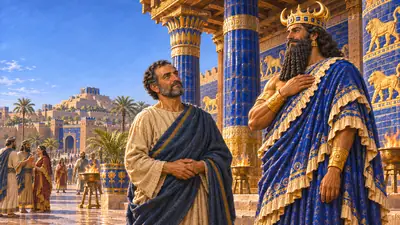
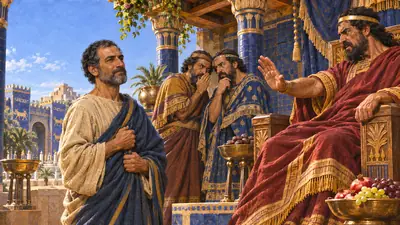
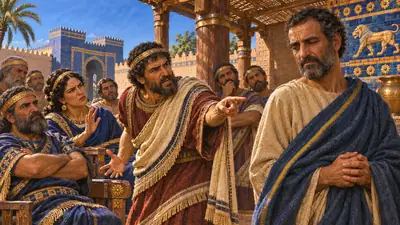
The king’s heart was angry with me, and he was too vexed to forgive. Men at court gathered and plotted to slander me.
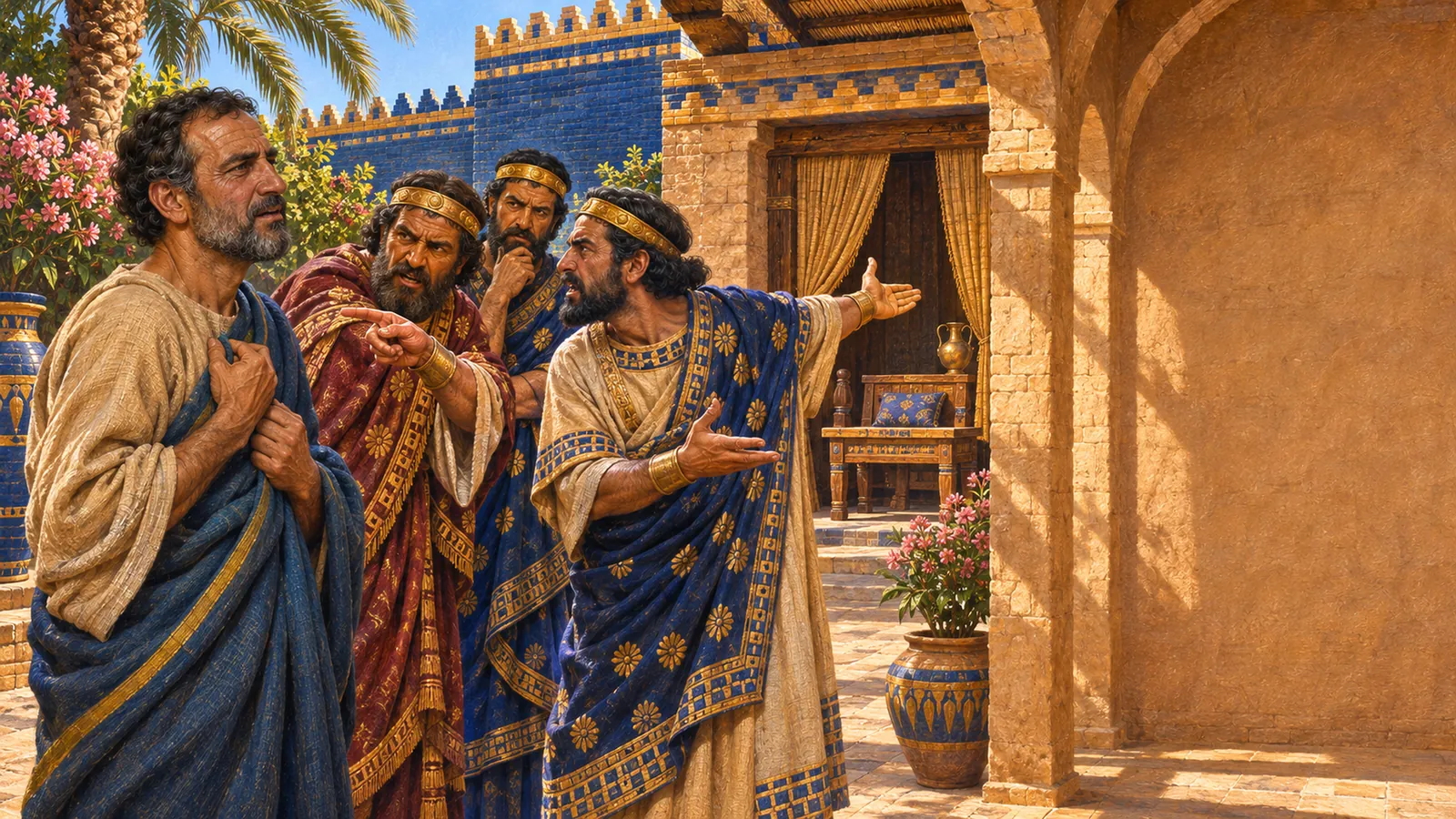
One threatened my life. Another said he had made me give up my post. Others spoke of taking over my office and my household.
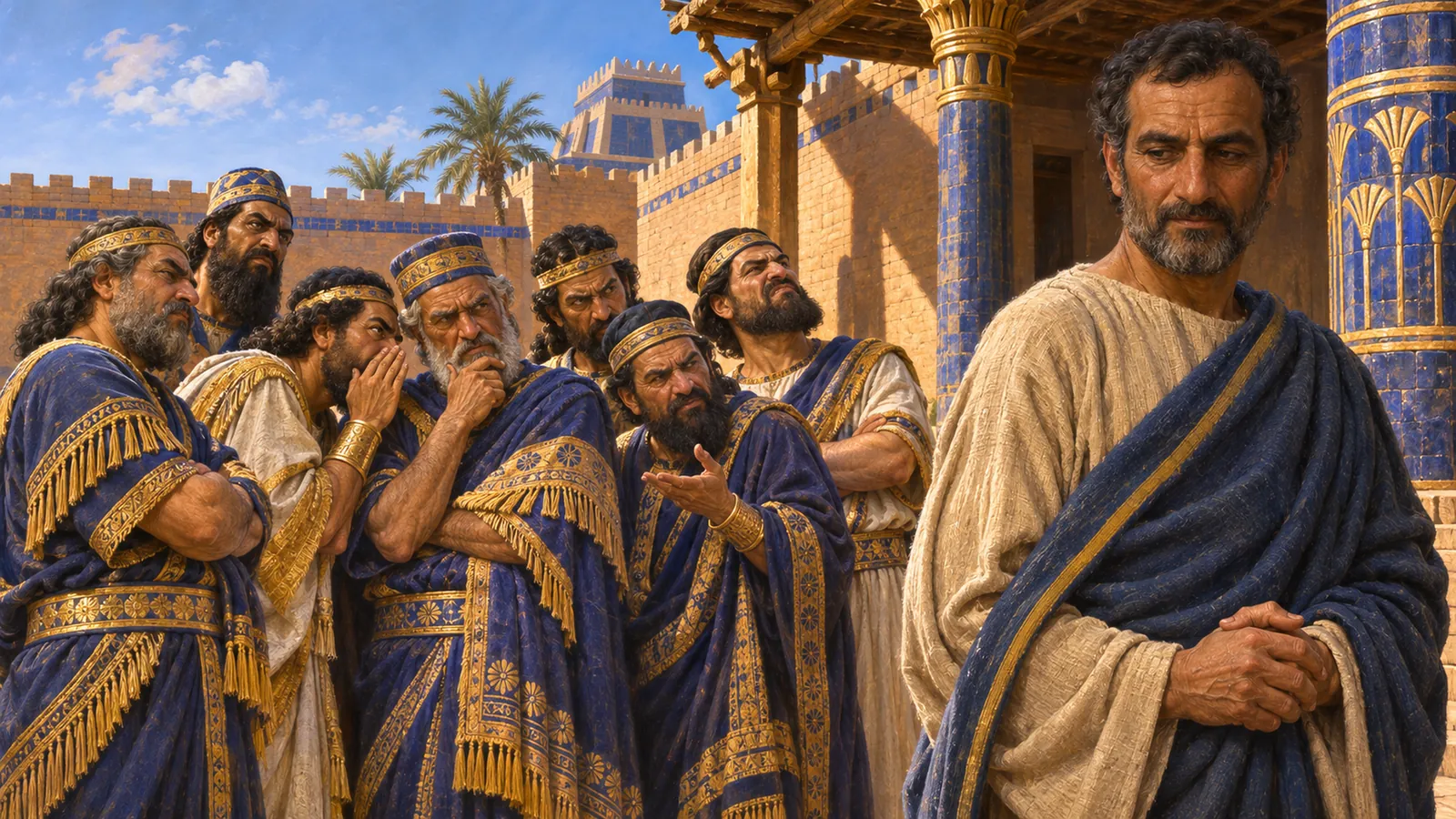
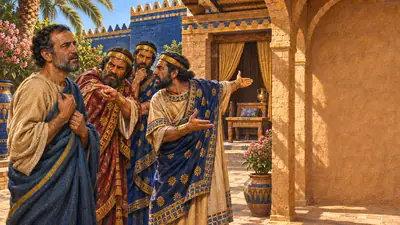
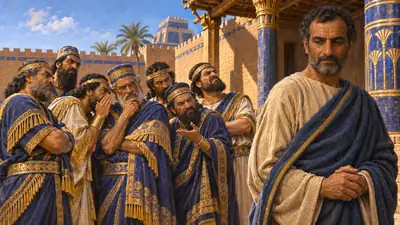
The seven joined forces against me. They used slander and obstruction to silence me, until the words that had once come easily fell away.
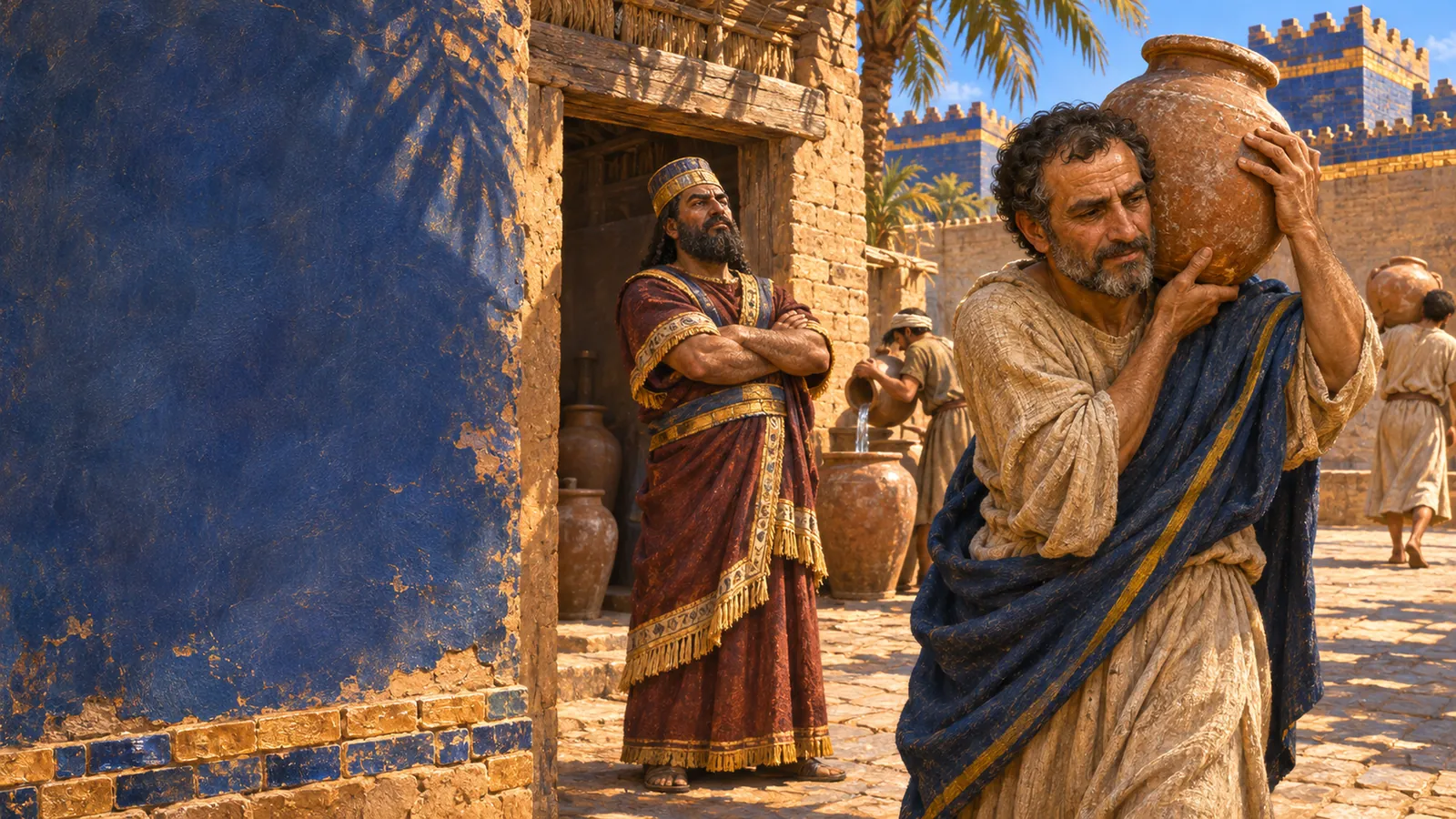
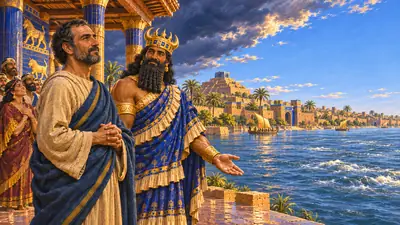
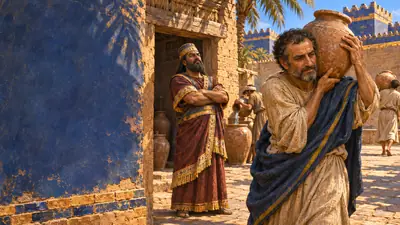
Fear bent my proud head and weakened my heart. My arms, once far-reaching, were drawn in. I had walked about as a lord, and now I became a slave.
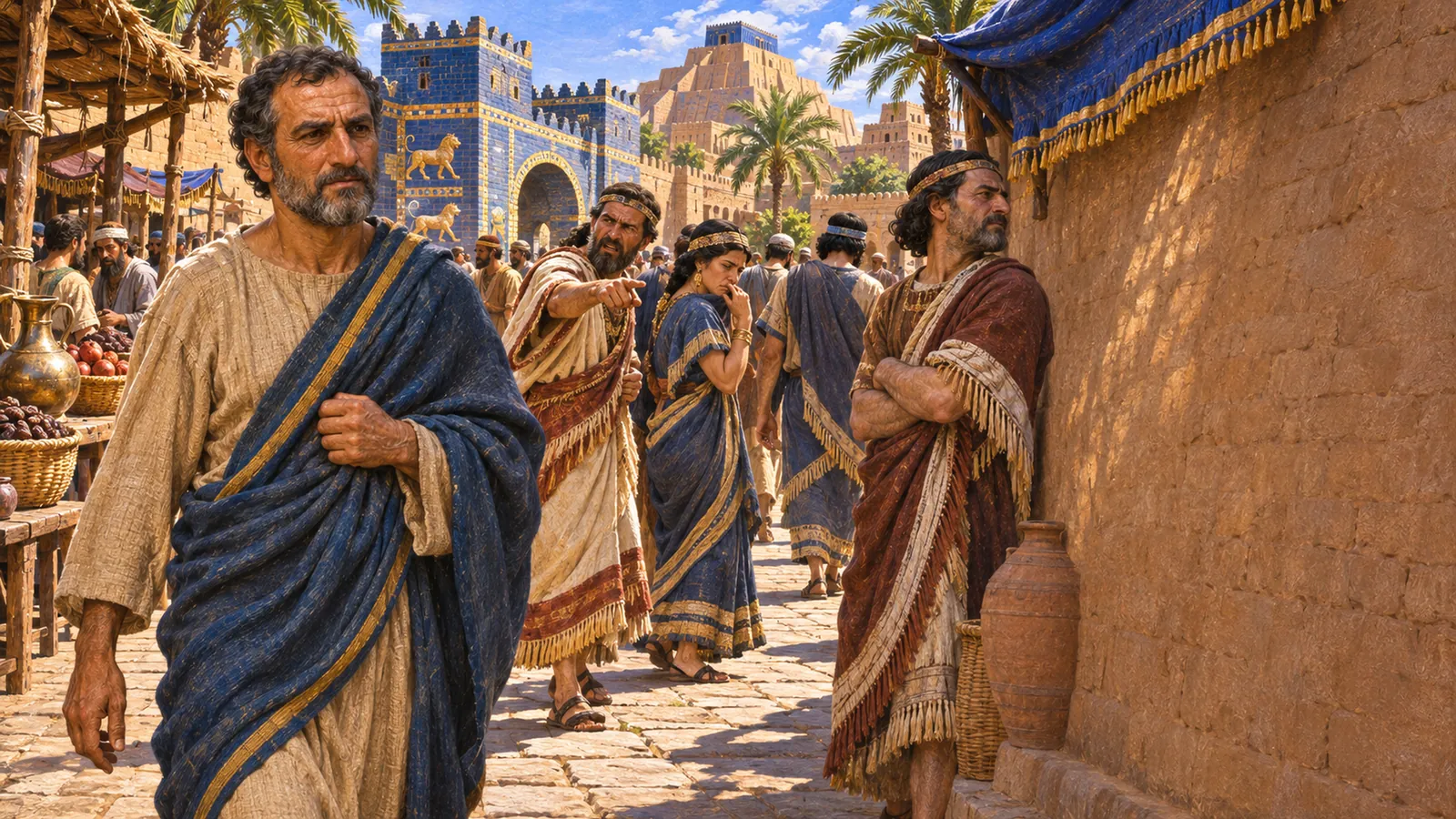
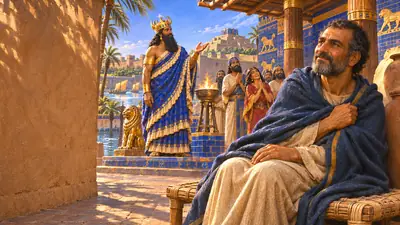
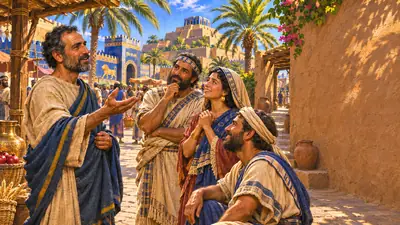
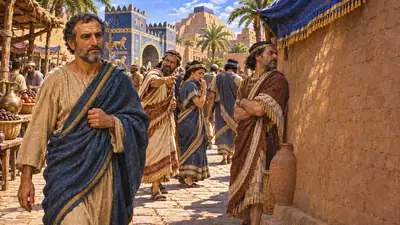
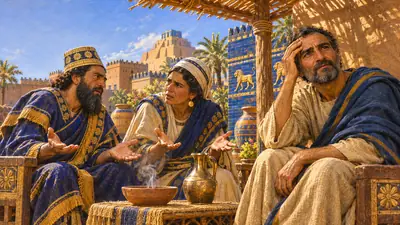
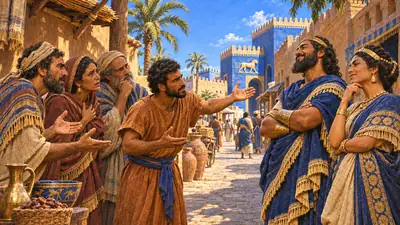
People pointed at me in the street, and in the palace they looked at me with disapproval. My city saw me as an enemy, my own country felt foreign, and my brother became a stranger.
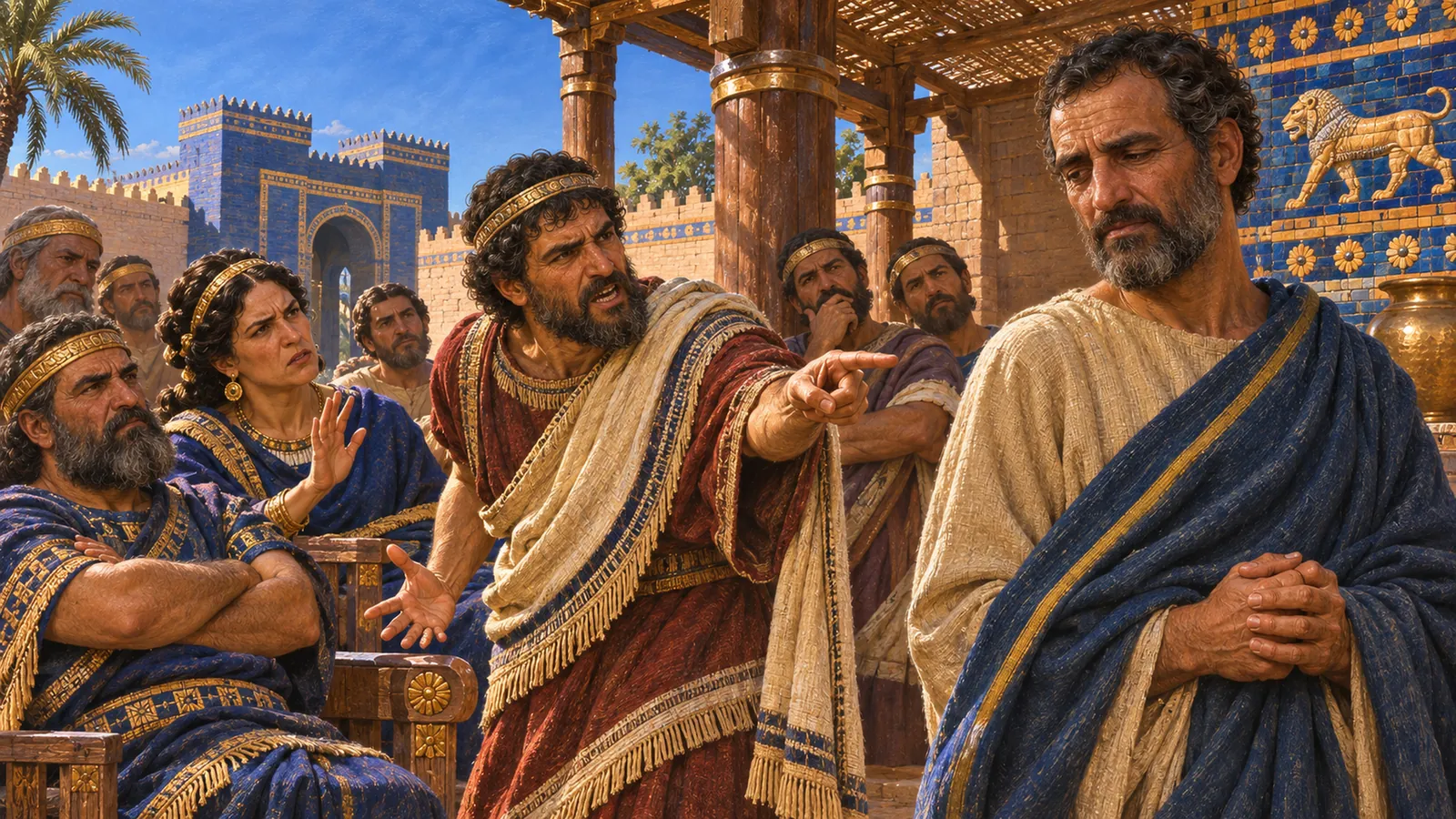
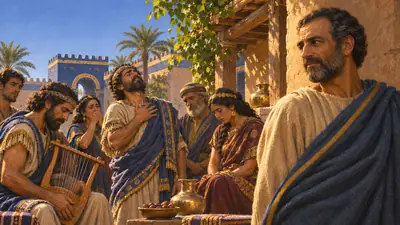
A friend turned against me, a colleague readied his weapon, and my closest friend slandered me. A man I held in slavery cursed me in the assembly, and a woman I held in slavery maligned me before a crowd. My family rejected me.
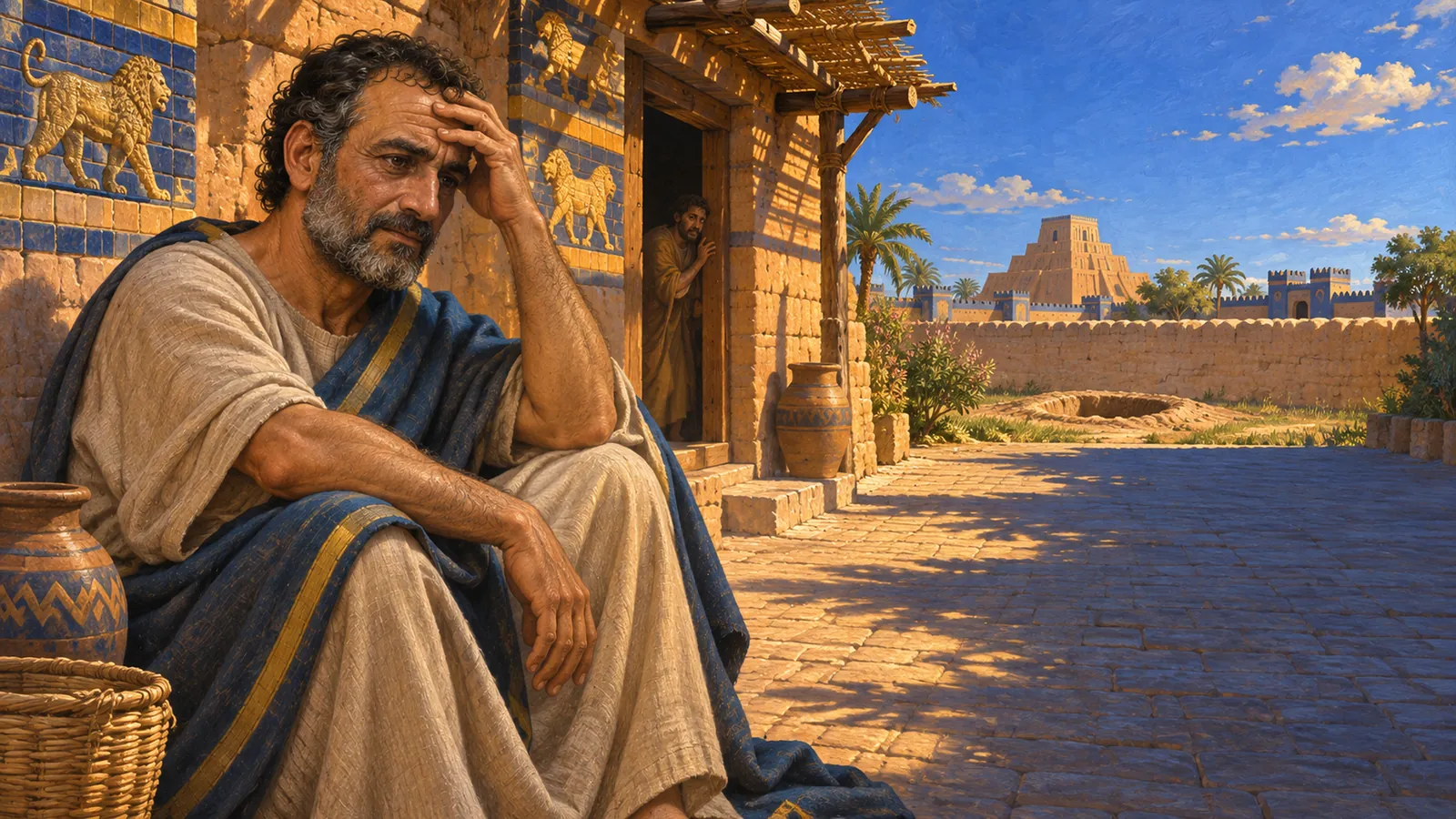
A grave lay open for anyone who spoke well of me, while those who slandered me rose in favor. Death was hastened for whoever called for mercy. No one walked at my side.
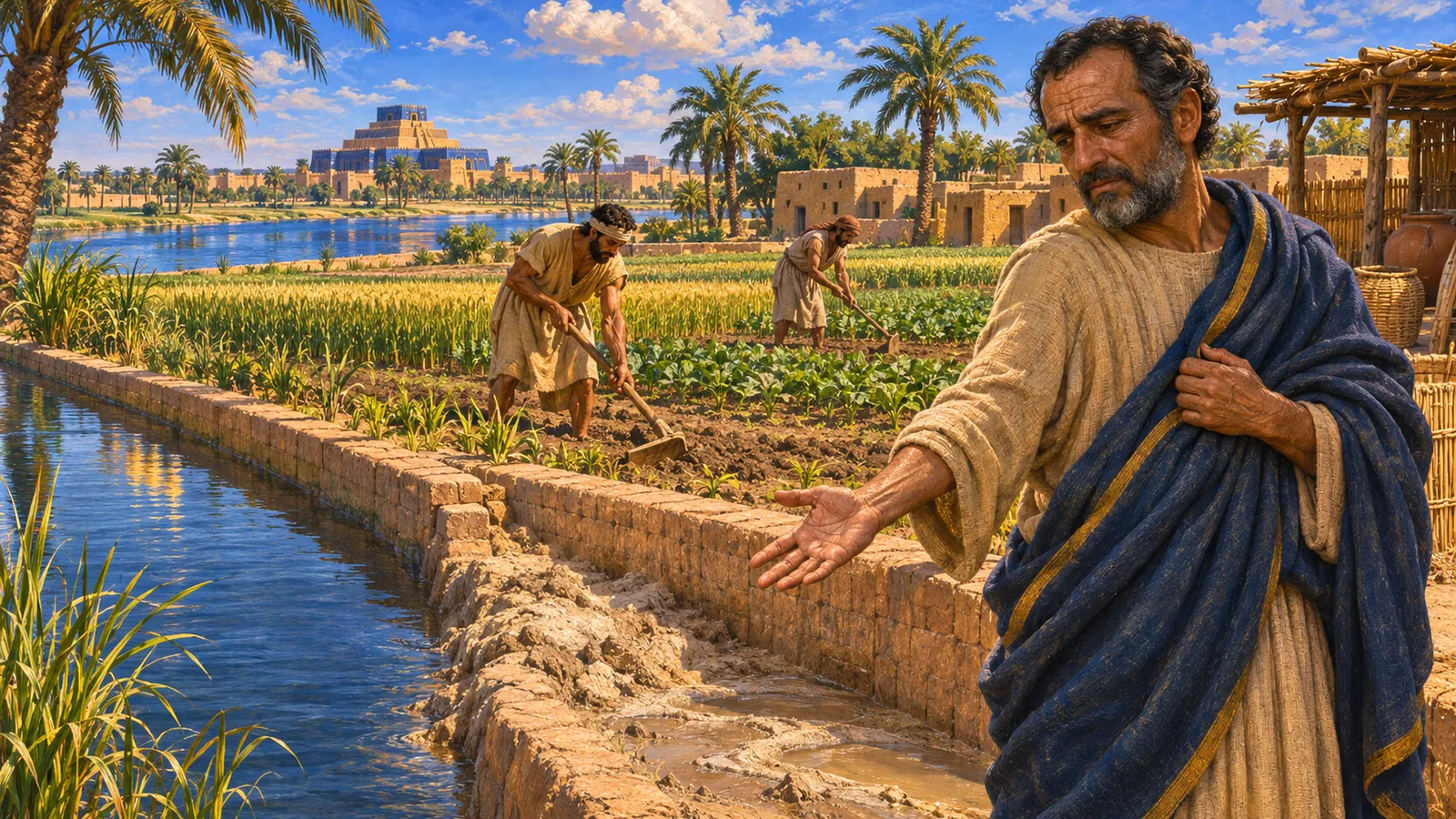
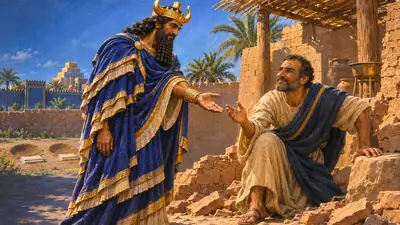
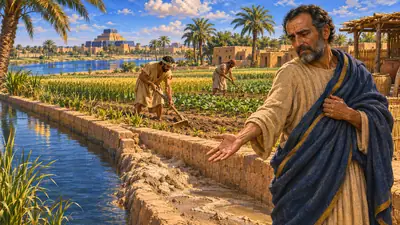
They gave away my belongings, choked my canals with silt and silenced the work songs in my fields. They silenced my city like an enemy city and gave an outsider my duties in worship.

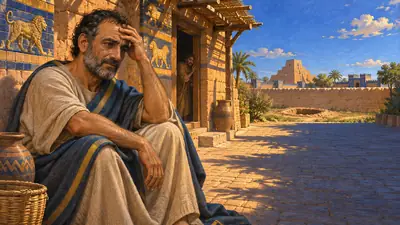
Day meant sighing and night meant lament. Month after month brought silence and the year brought misery. I moaned like a dove and gave voice to my grief like a singer.
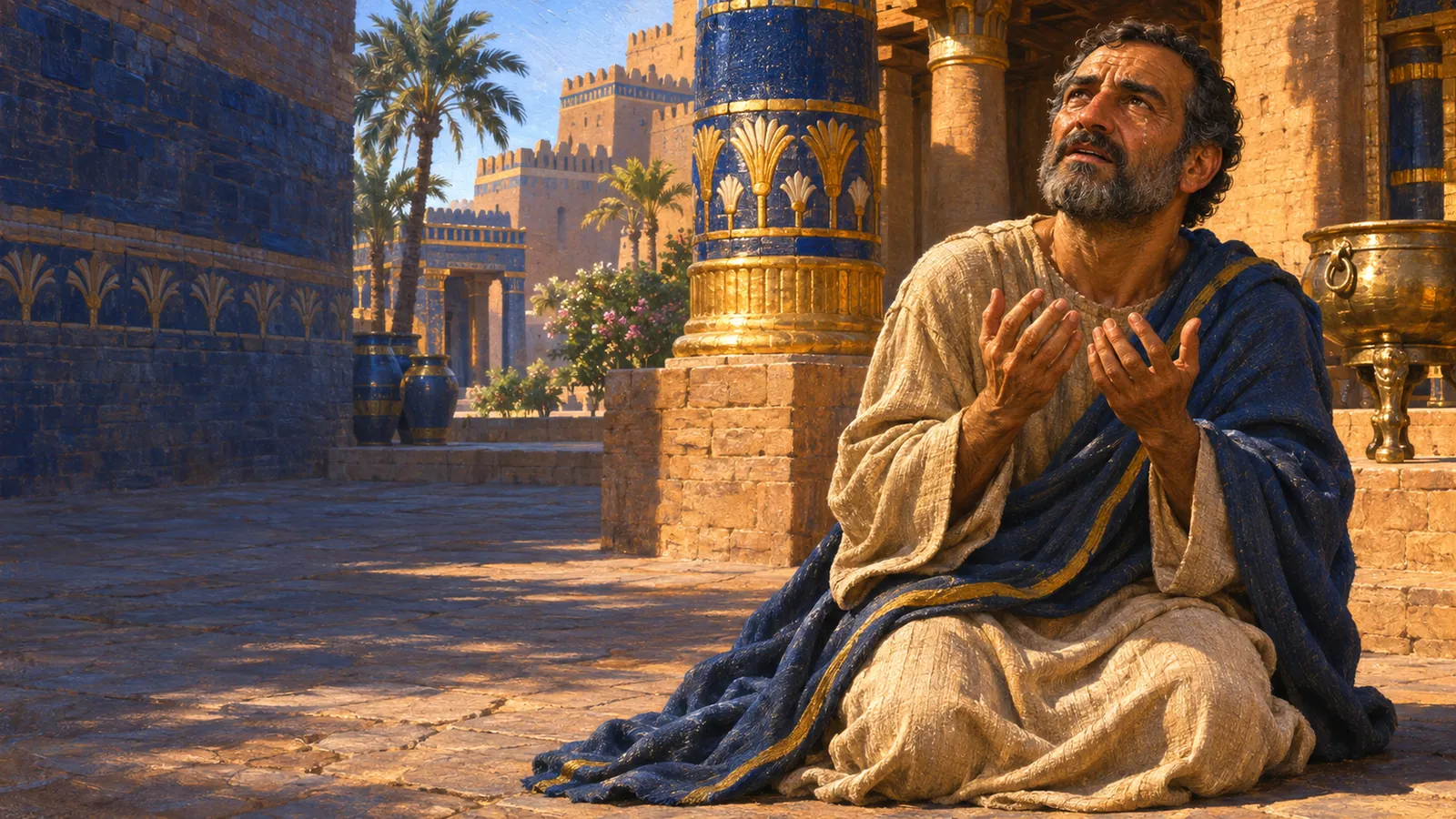
I wept and turned pale with panic. I trembled inside, and it felt as if a fire burned within me. My supplication was confused, and my plea sounded like a quarrel.
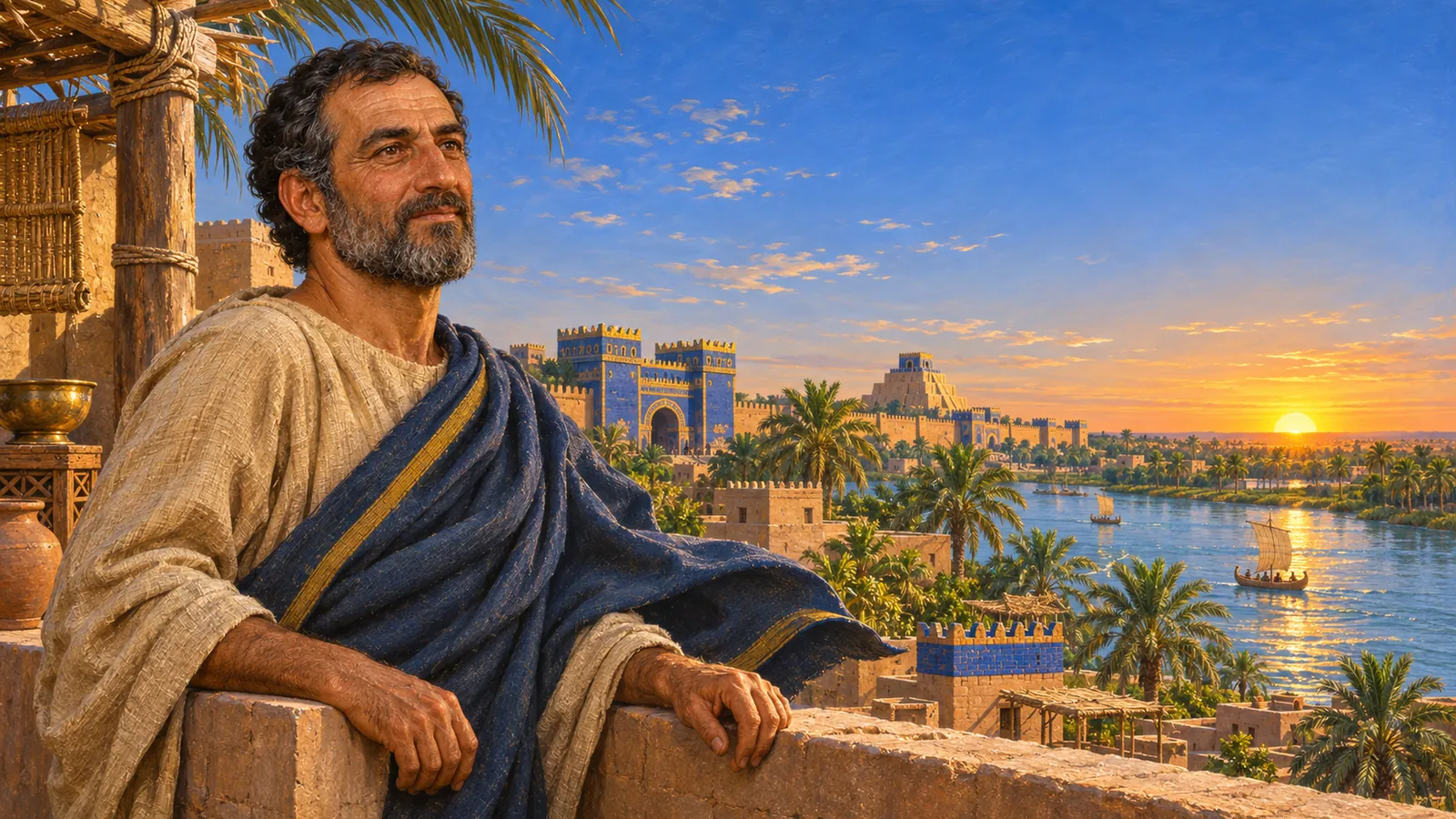
I tried to speak kindly. My words were sharp as a spear, and my talk was like a bar across a door. I hoped for good fortune at daybreak or when the new moon appeared.
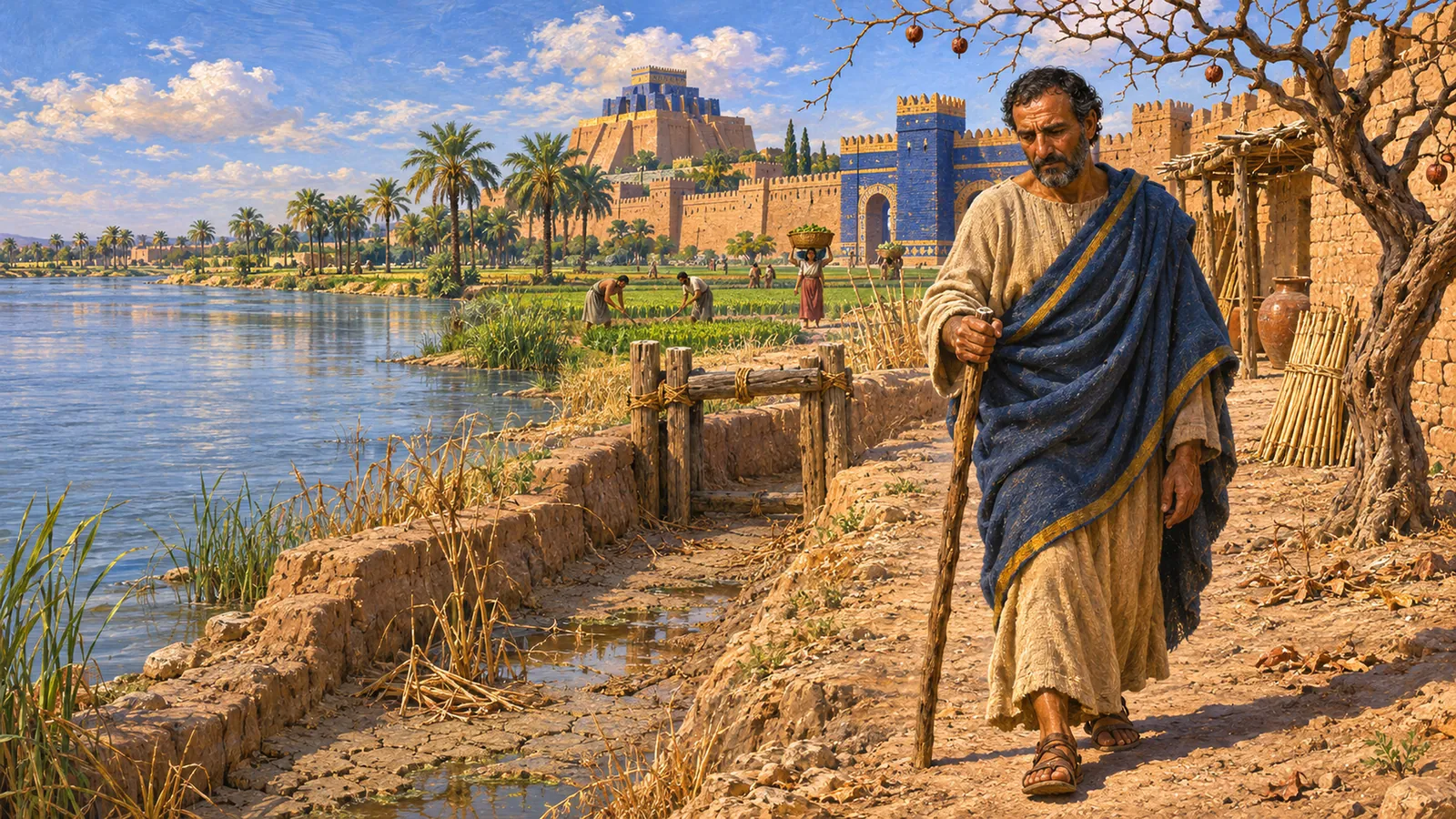
One year passed into the next. Wherever I turned, misery was there, my troubles deepened, and I could find no trace of prosperity.

I called to my god, and he paid me no attention. I pleaded with my goddess and received no answer from her.
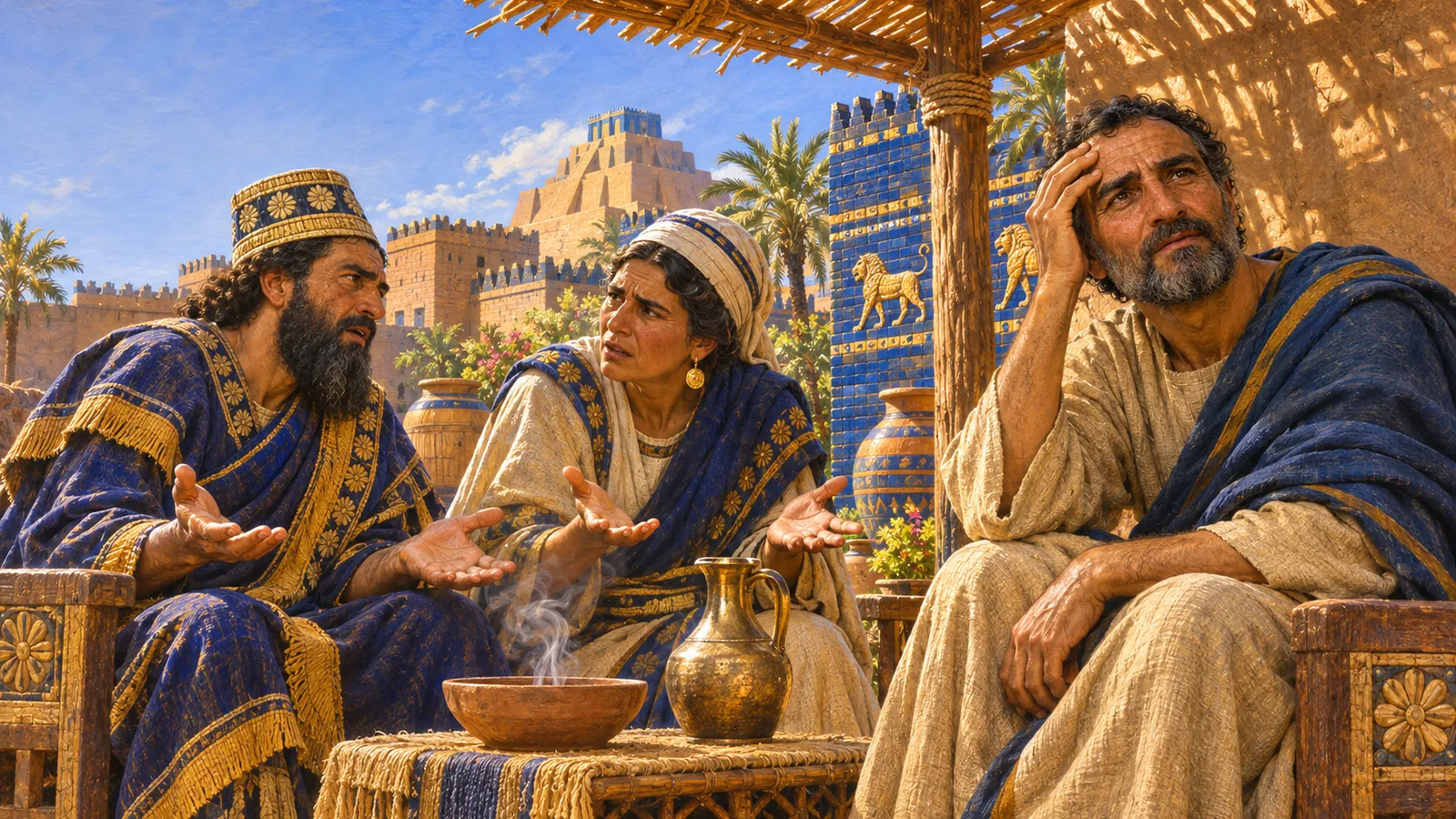
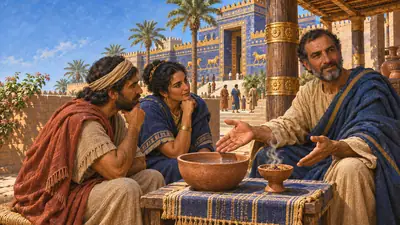
A diviner could not read my case, and an inquirer learned nothing through incense. The god of dreams revealed nothing, and the exorcist’s rite failed to lift the anger against me. Wherever I turned, I found trouble and harassment.
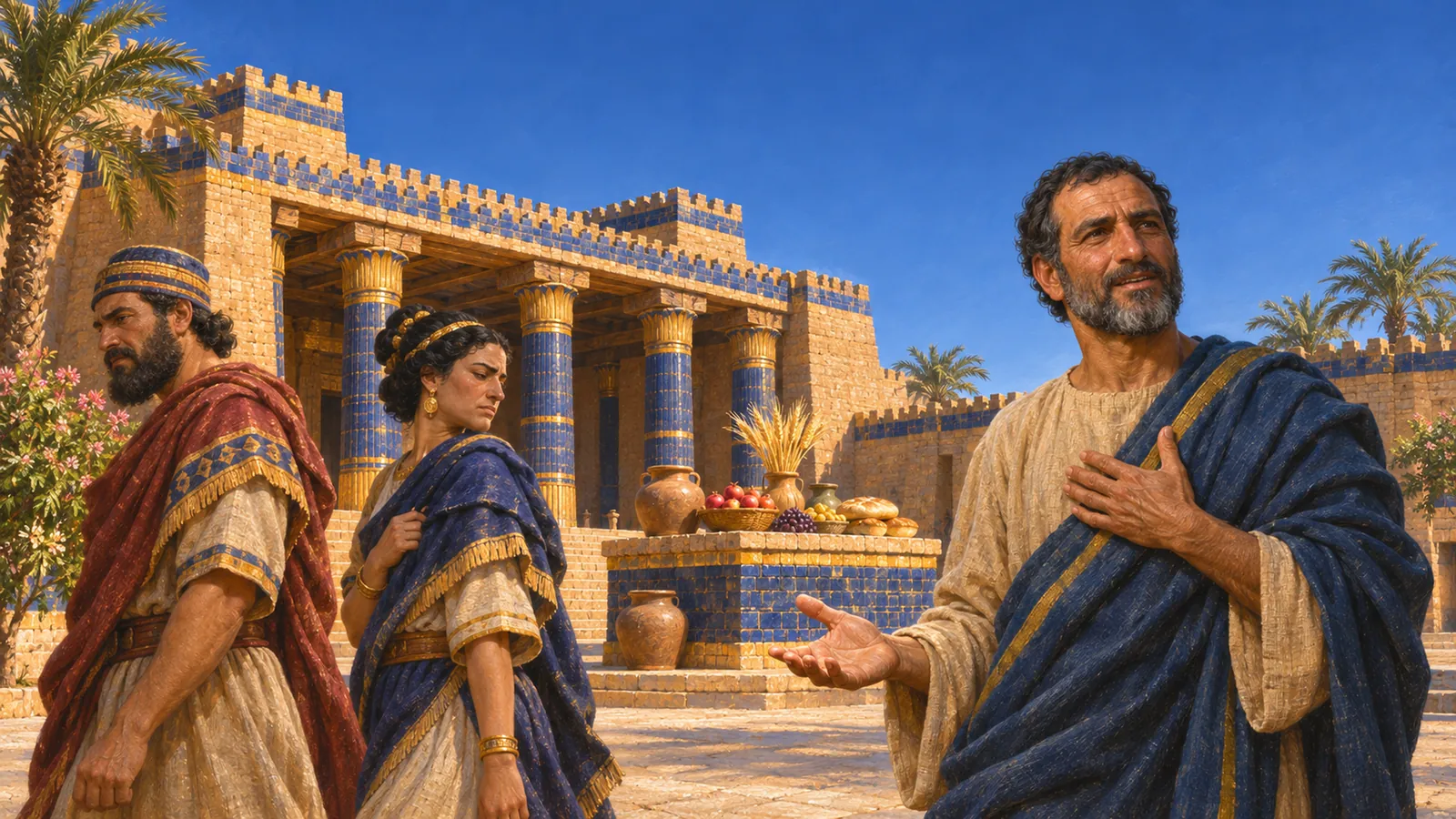
PIETY
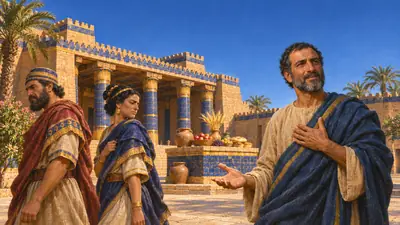
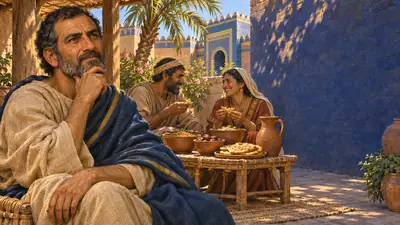
I was treated like someone who had abandoned prayers, offerings and feast days, neglected to teach his people reverence, forsaken his goddess and invoked his god’s oath in vain.
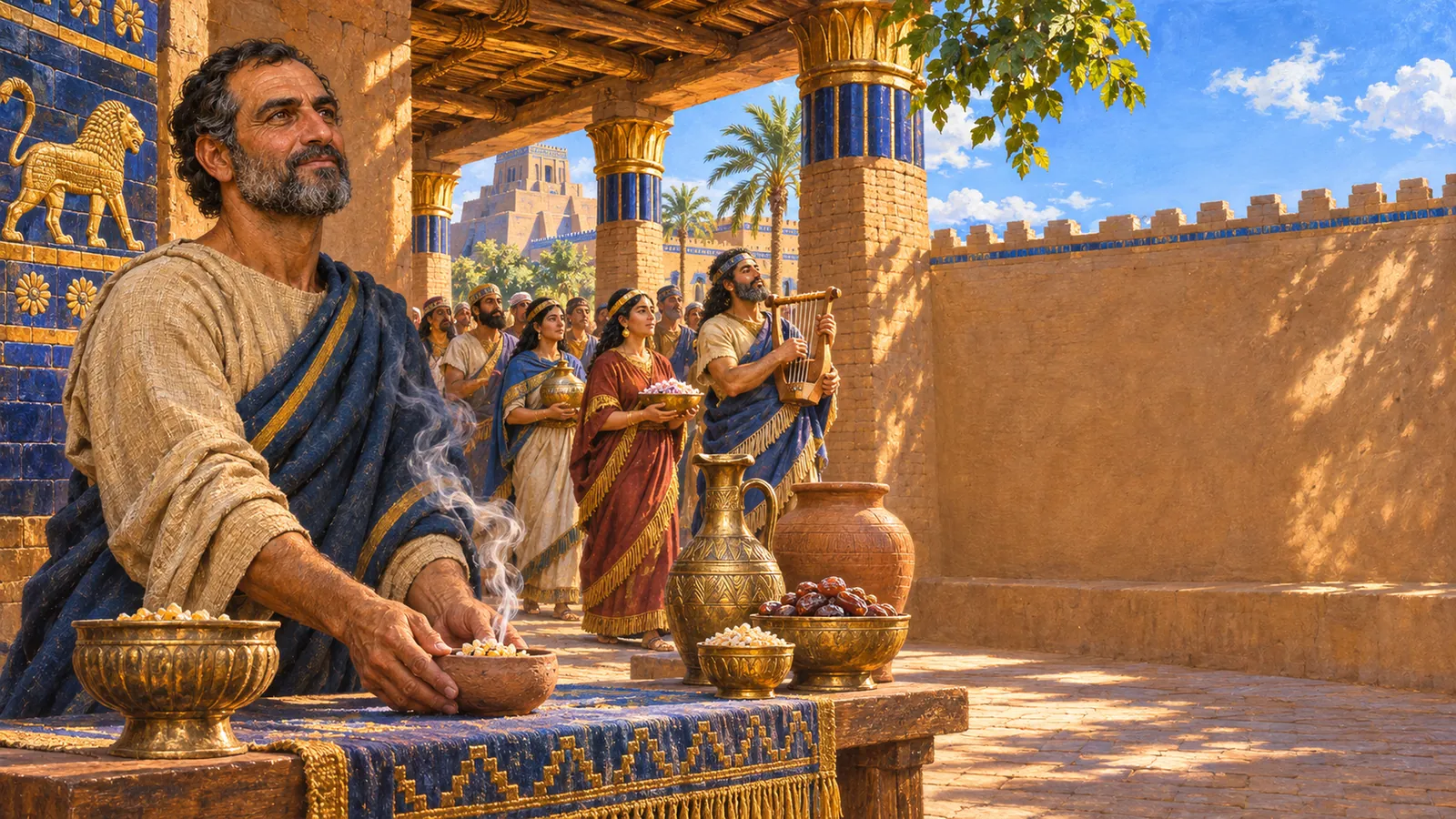
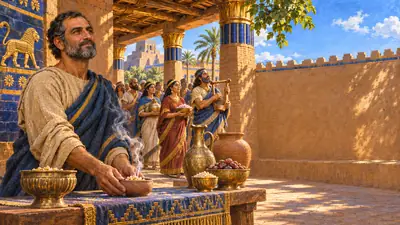
I kept to my prayers and made sacrifice my rule. I took delight in the day of my god, in my goddess’s procession, and in the king’s prayer and fanfare.
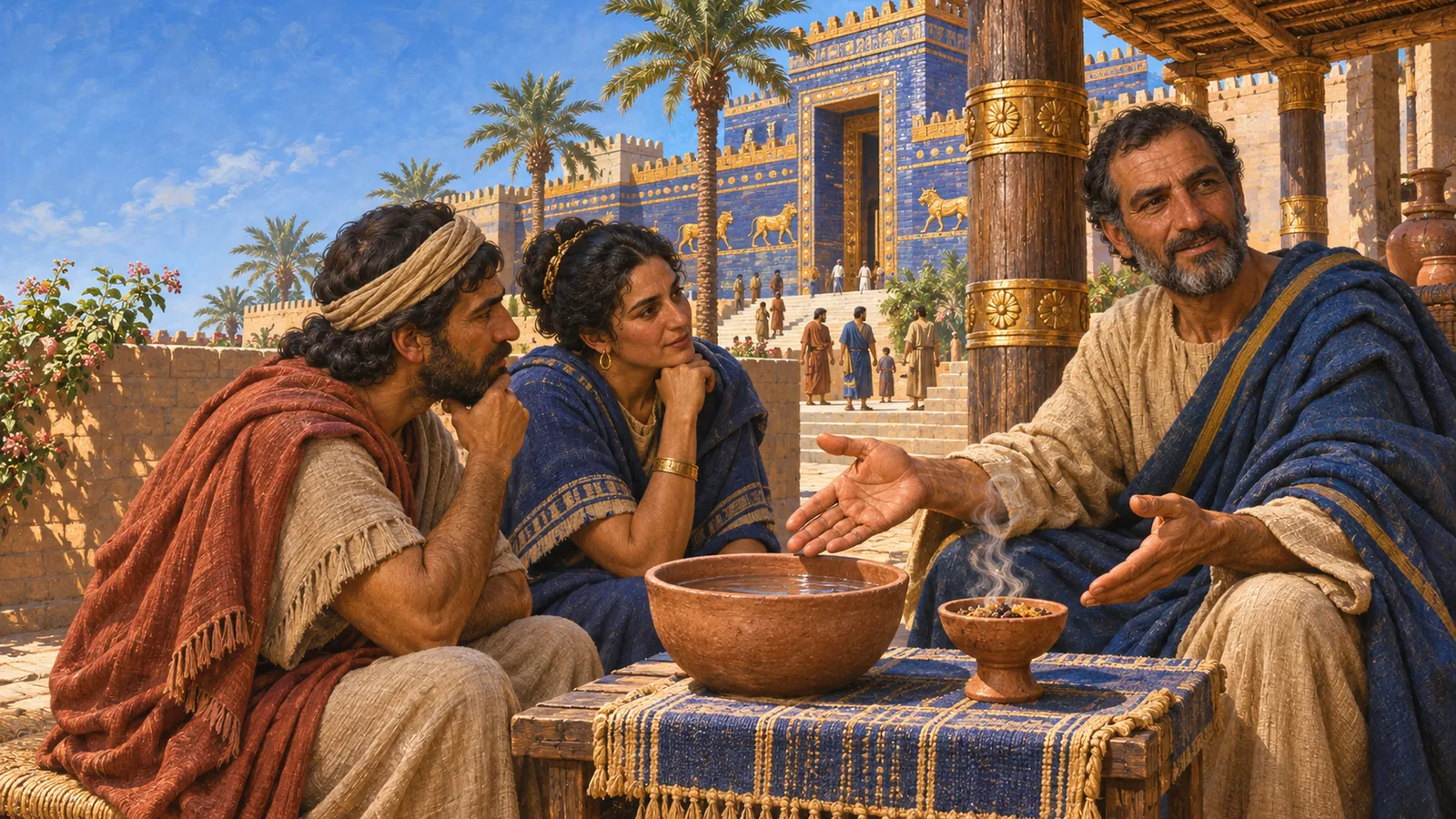
I taught my land the god’s rites and my people reverence for the goddess. I praised the king like a god and taught awe for the palace. I wish I knew whether my god accepted all this.
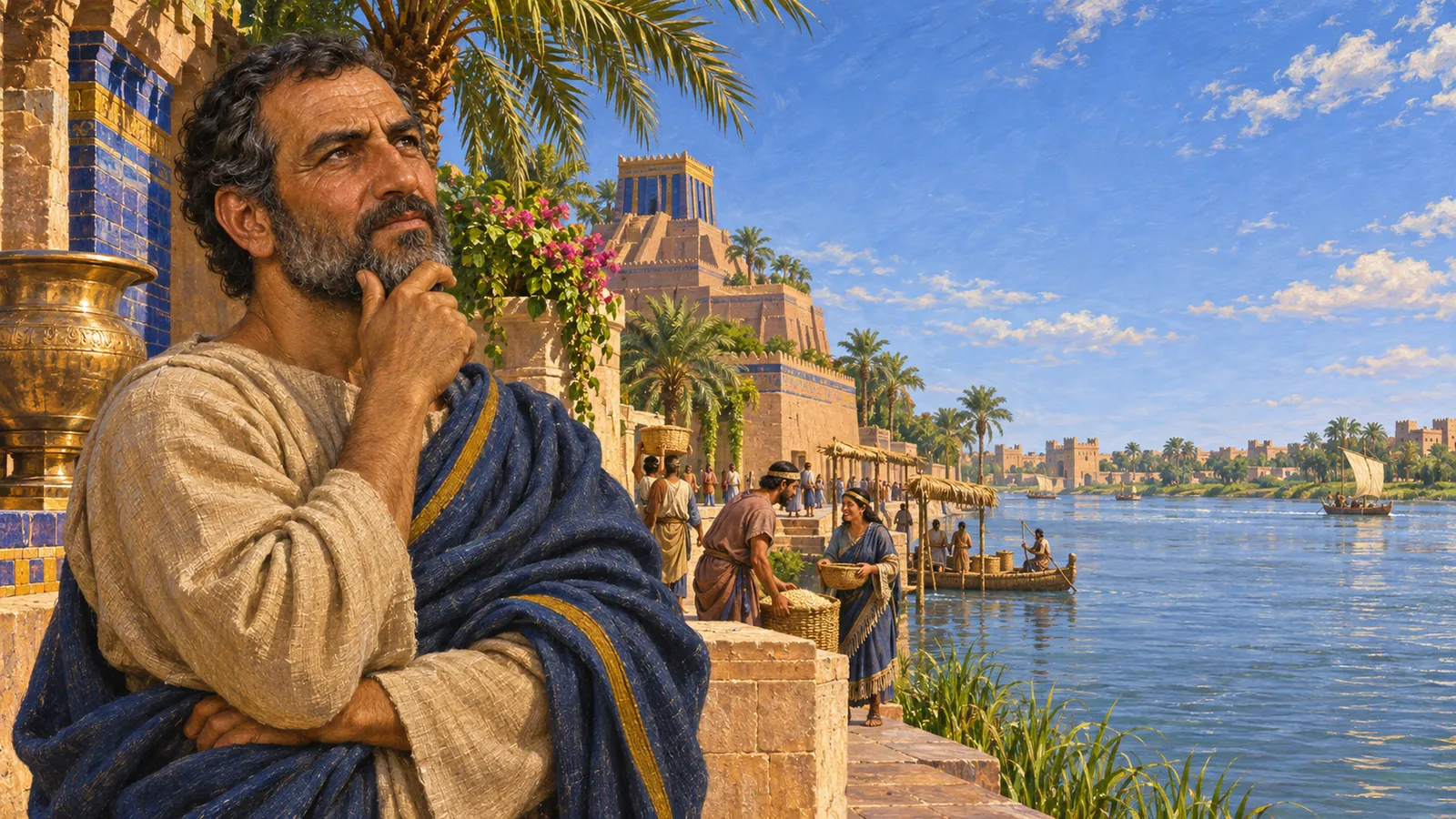
What seems good to us may offend a god, and what grieves us may please him. Who understands the decisions of a god or goddess? One who lived in strength died in distress.
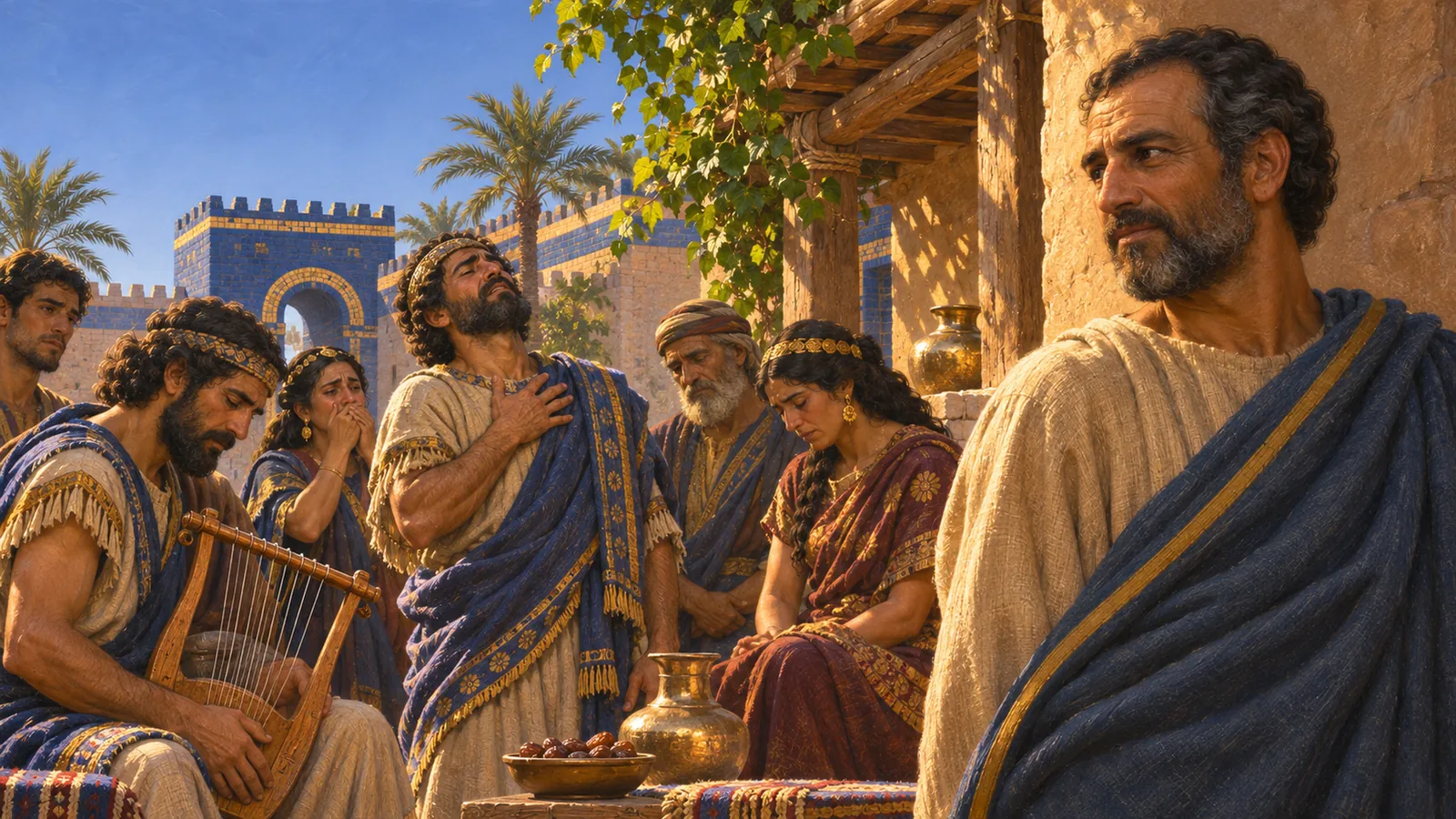
We worry one moment and exult the next. We sing, then groan like mourners. A divine decree changes in the blink of an eye.
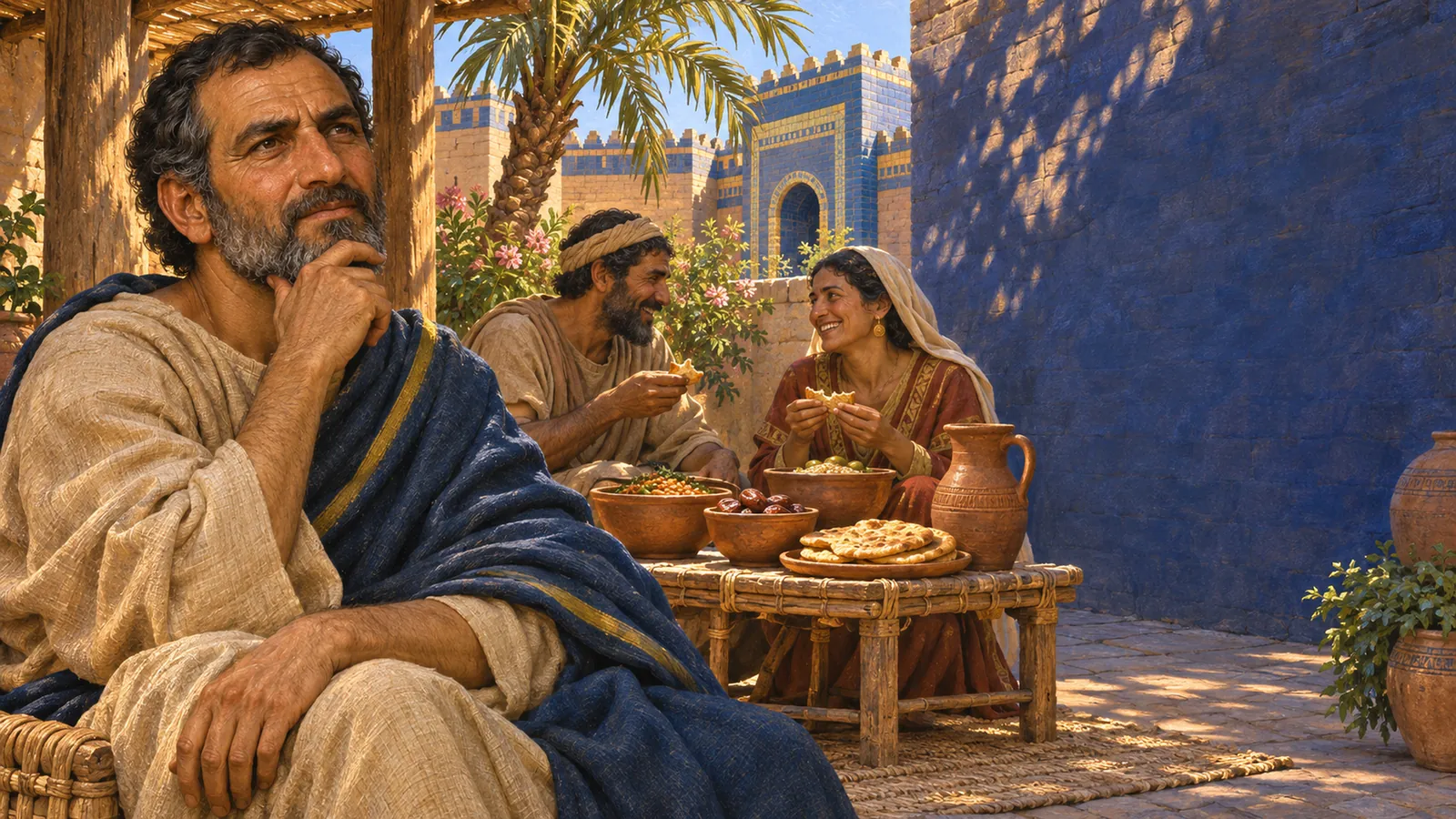
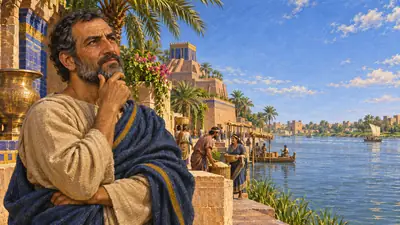
Hungry people are like corpses, and once fed they rival a god. In prosperity they speak of rising to heaven, in distress of descending to the underworld. I have yet to understand what it all means.
ILLNESS
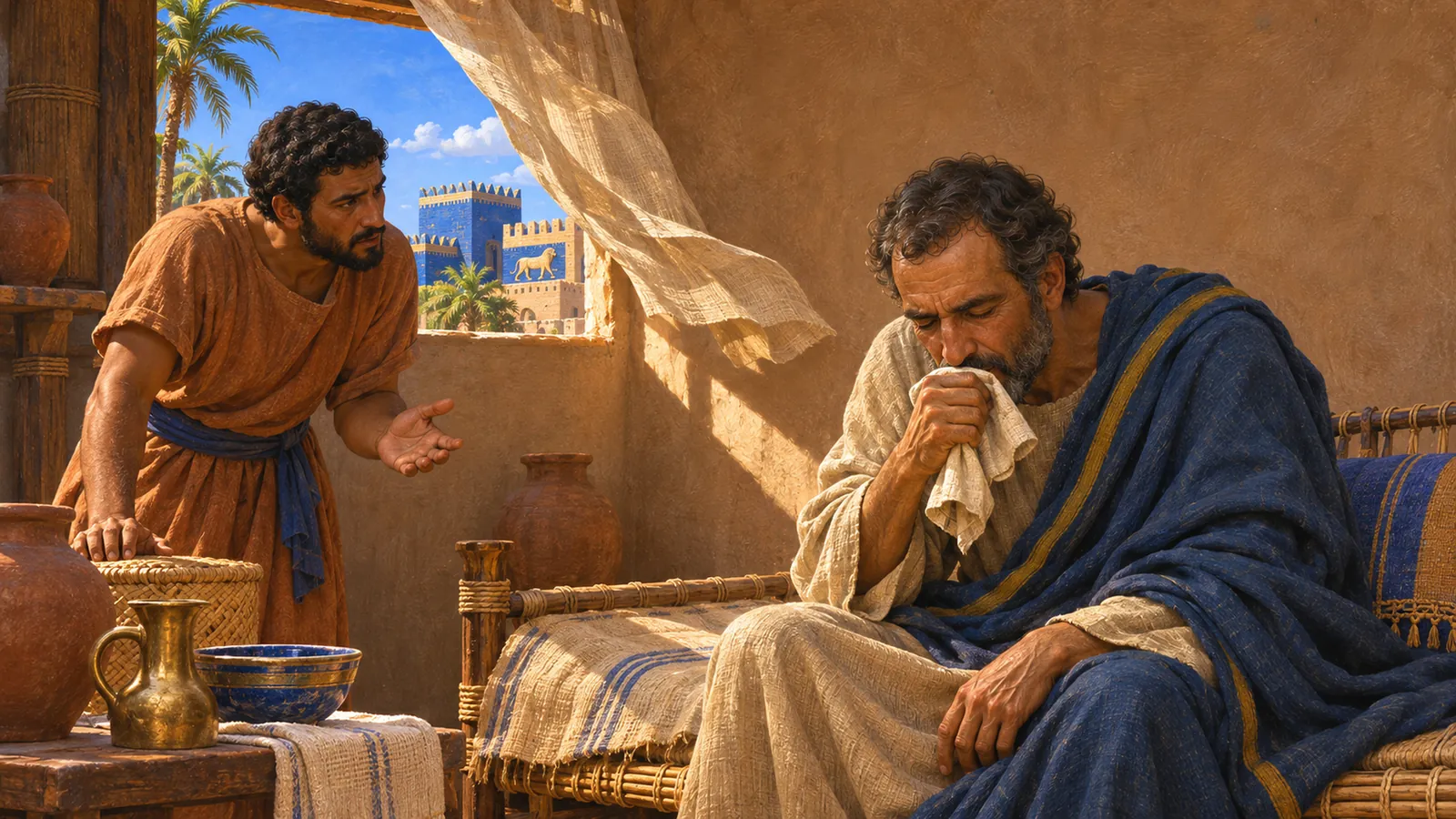
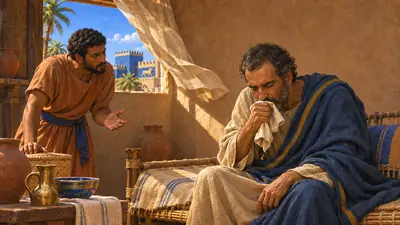
A damaged line may describe a storm. He says sickness and an evil wind came against him. He places the fever and demonic cough in the depths below, and says a relentless demon came from Ekur.
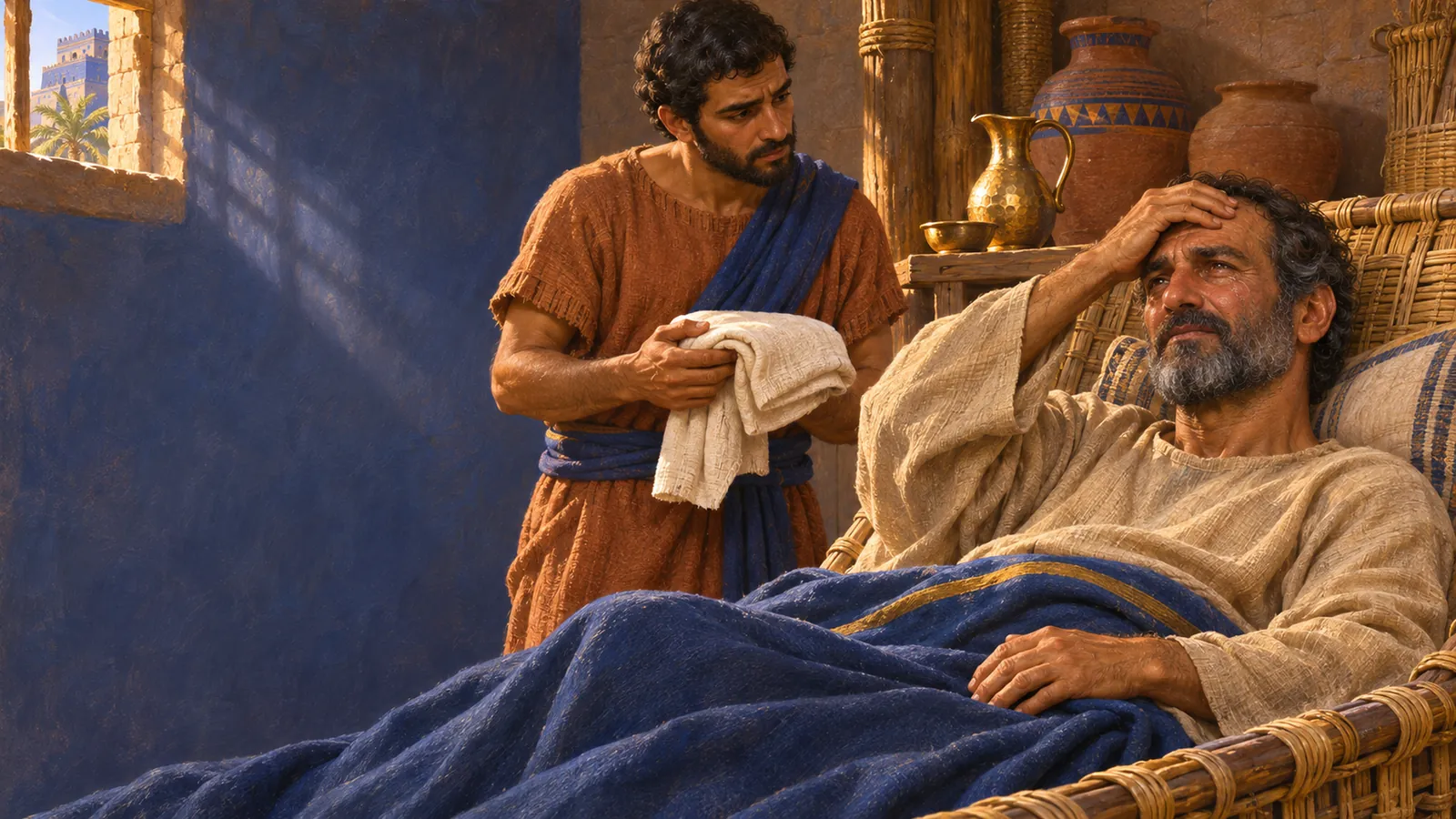
He says Lamaštu came down from a mountain. Chills and weakness joined the afflictions, and the forces came together against him. He speaks of a blow to his head and his eyes filling with tears.
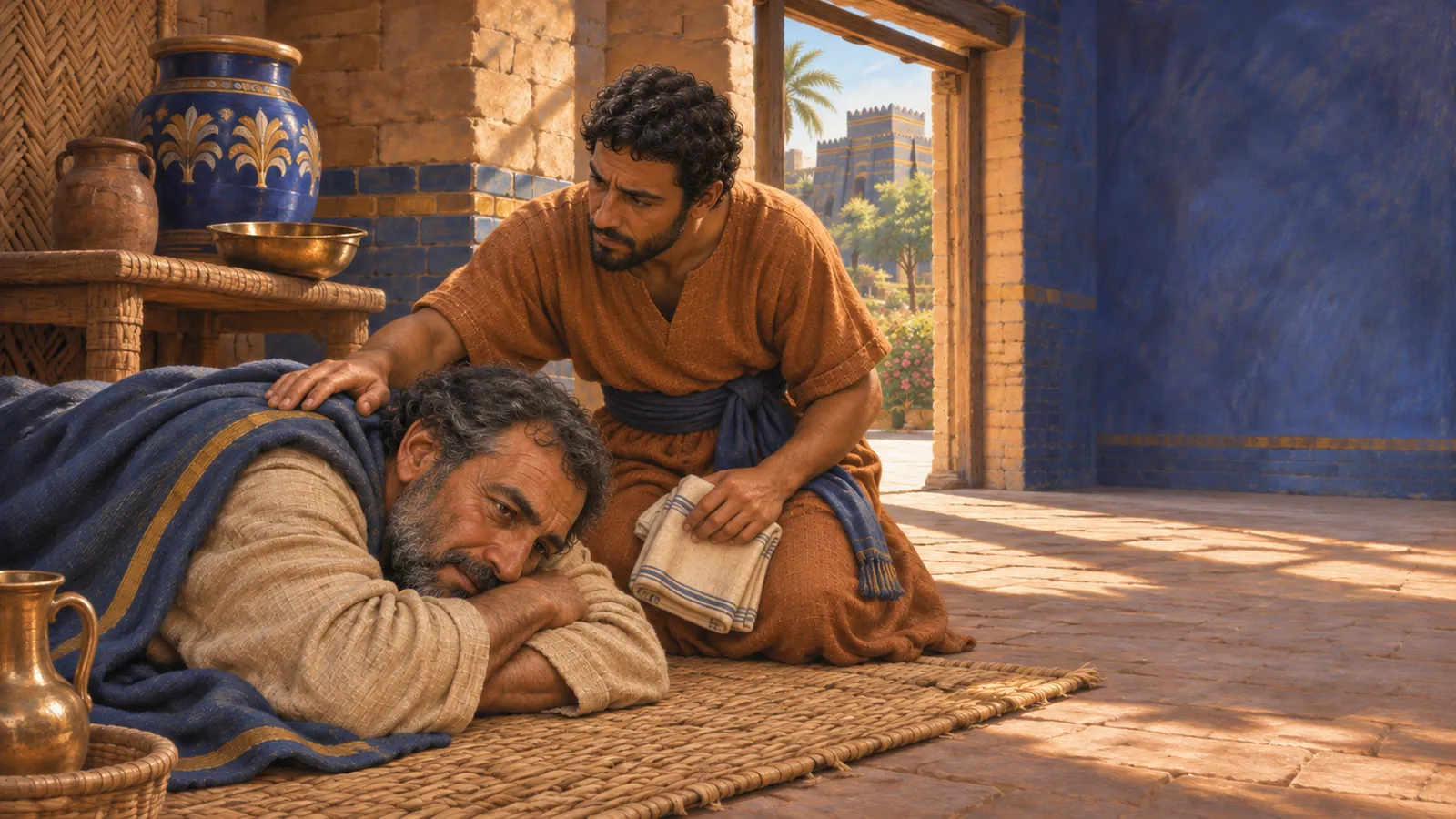
He describes blows to his chest and back, trembling and a burning in his chest. The afflictions reach his gut, lungs and limbs. He says his stature crumbled like a wall and he fell face down.
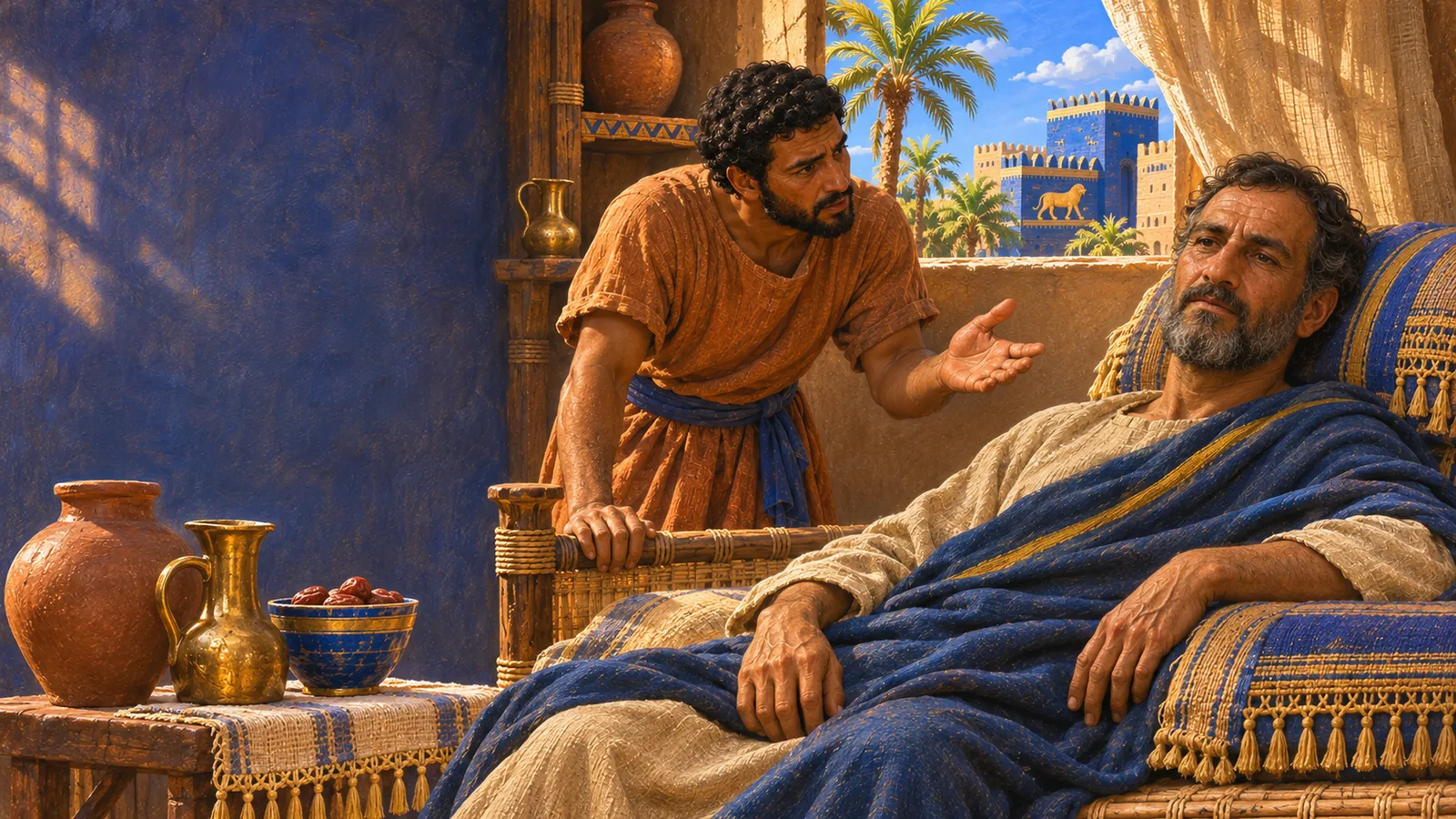
He says an alû demon covered him like a garment and sleep enclosed him like a net. His eyes and ears were open. He could neither see nor hear.
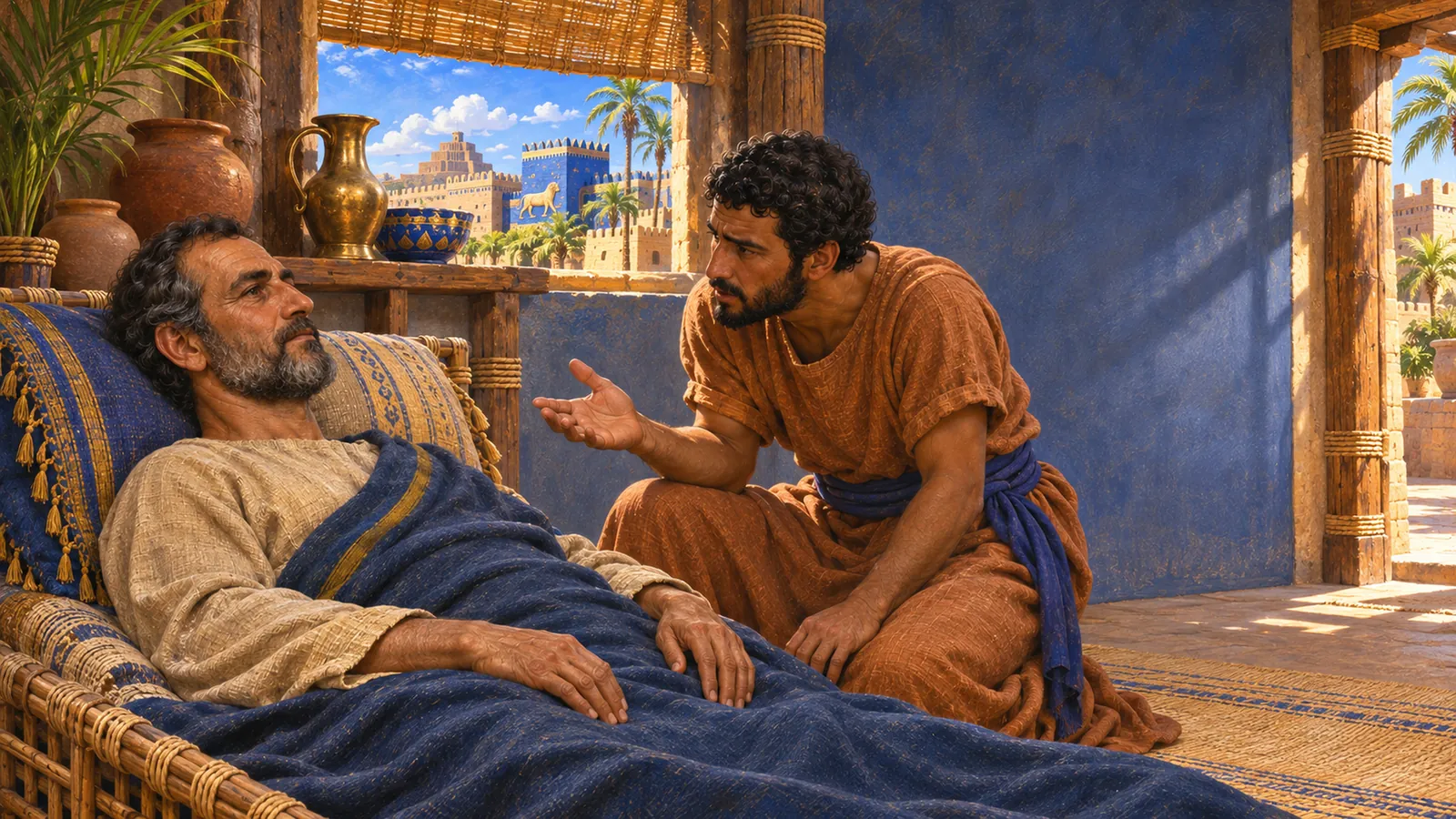
Numbness took hold of him, and his body would not move. His arms stiffened and his feet no longer obeyed him. He choked and felt death near, unable to answer the person who addressed him.
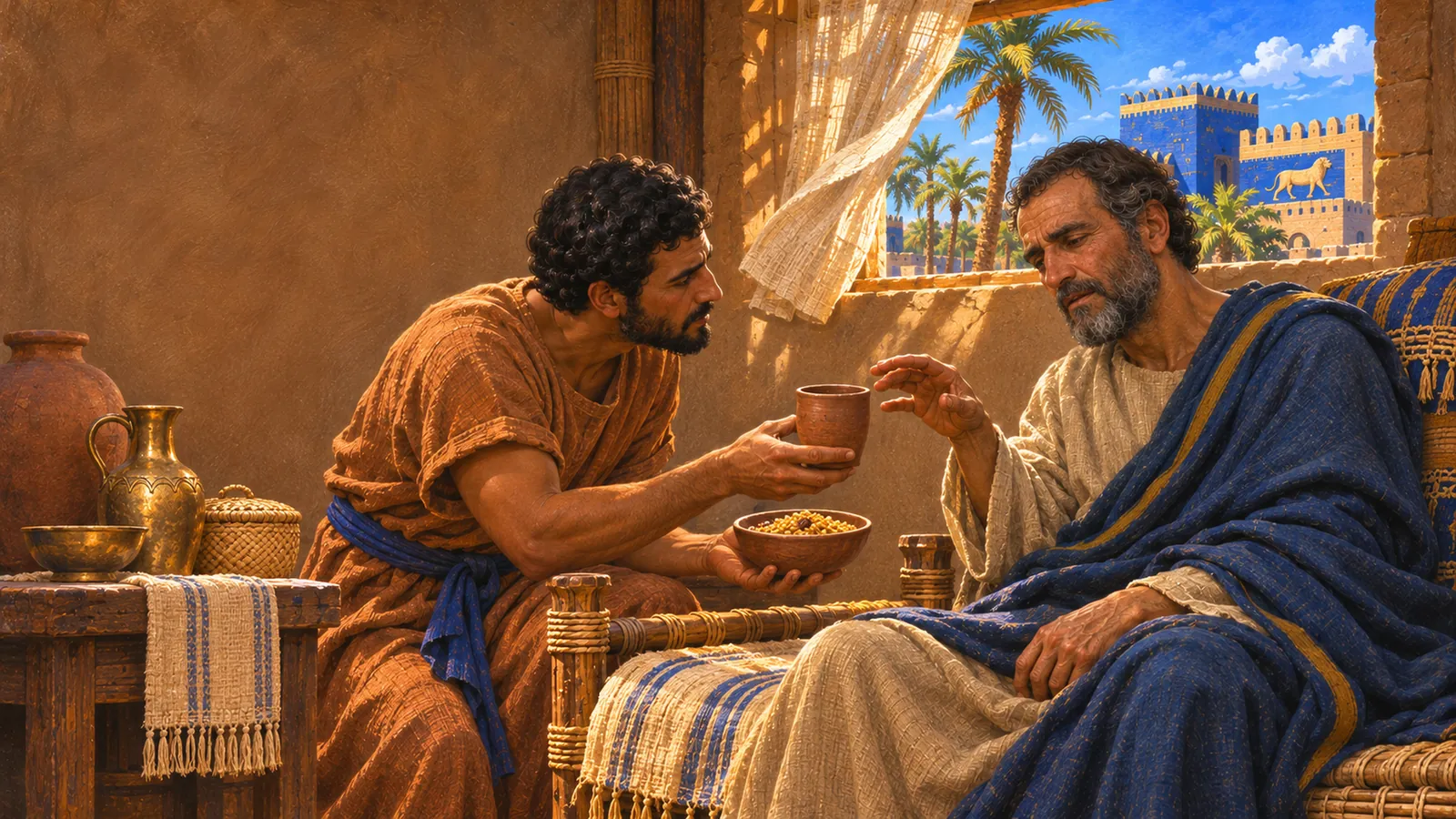
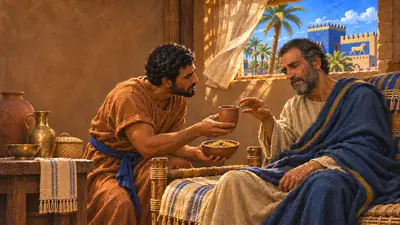
He says his mouth was caught as if in a net and his lips were bolted shut. His throat tightened, and grain and beer became hard to take. Lack of food changed his face.
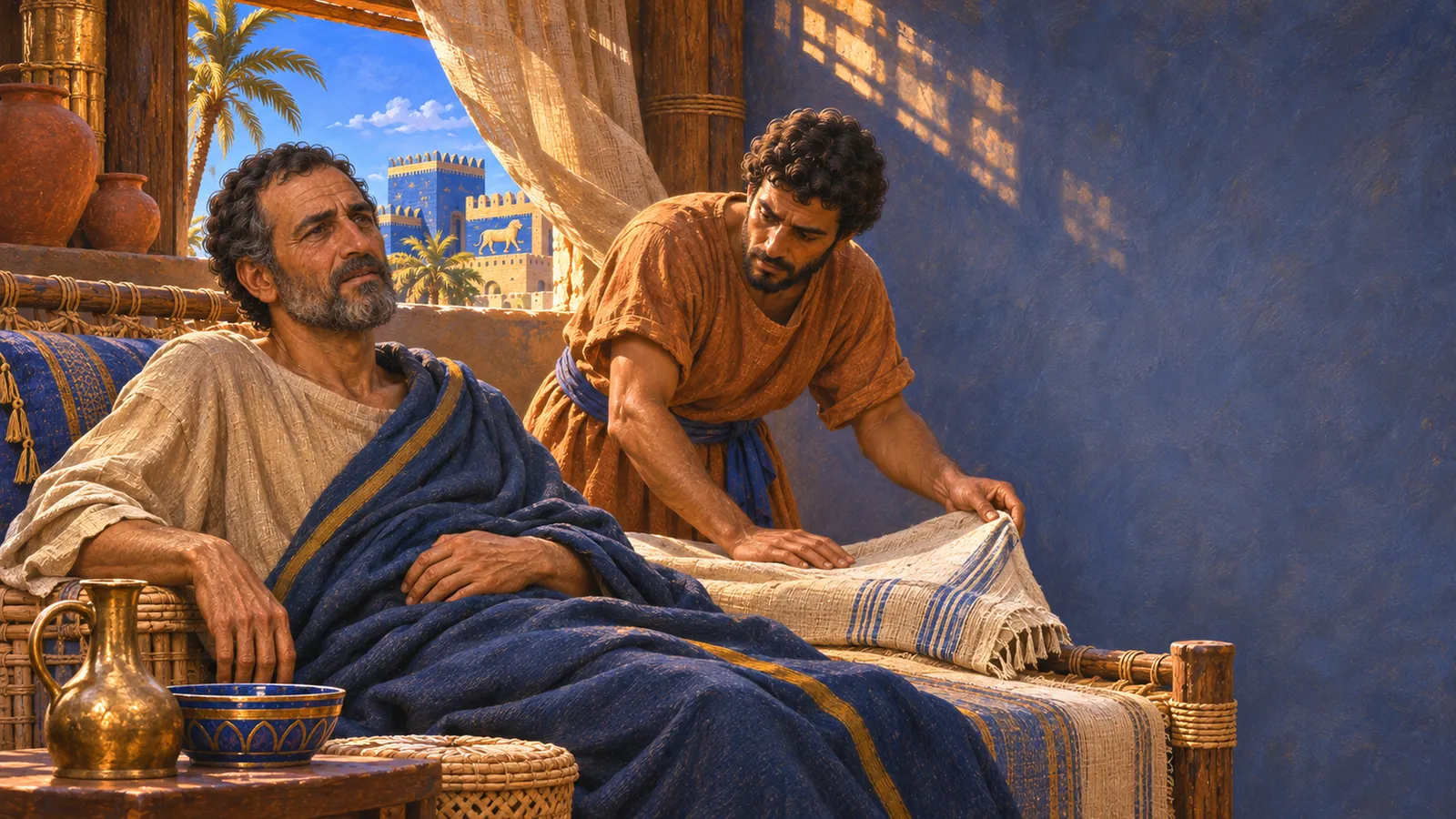
He describes severe wasting. His bones show beneath his skin, and he says his blood ebbed. His tissues are inflamed, and the last ailment is uncertain in the text.
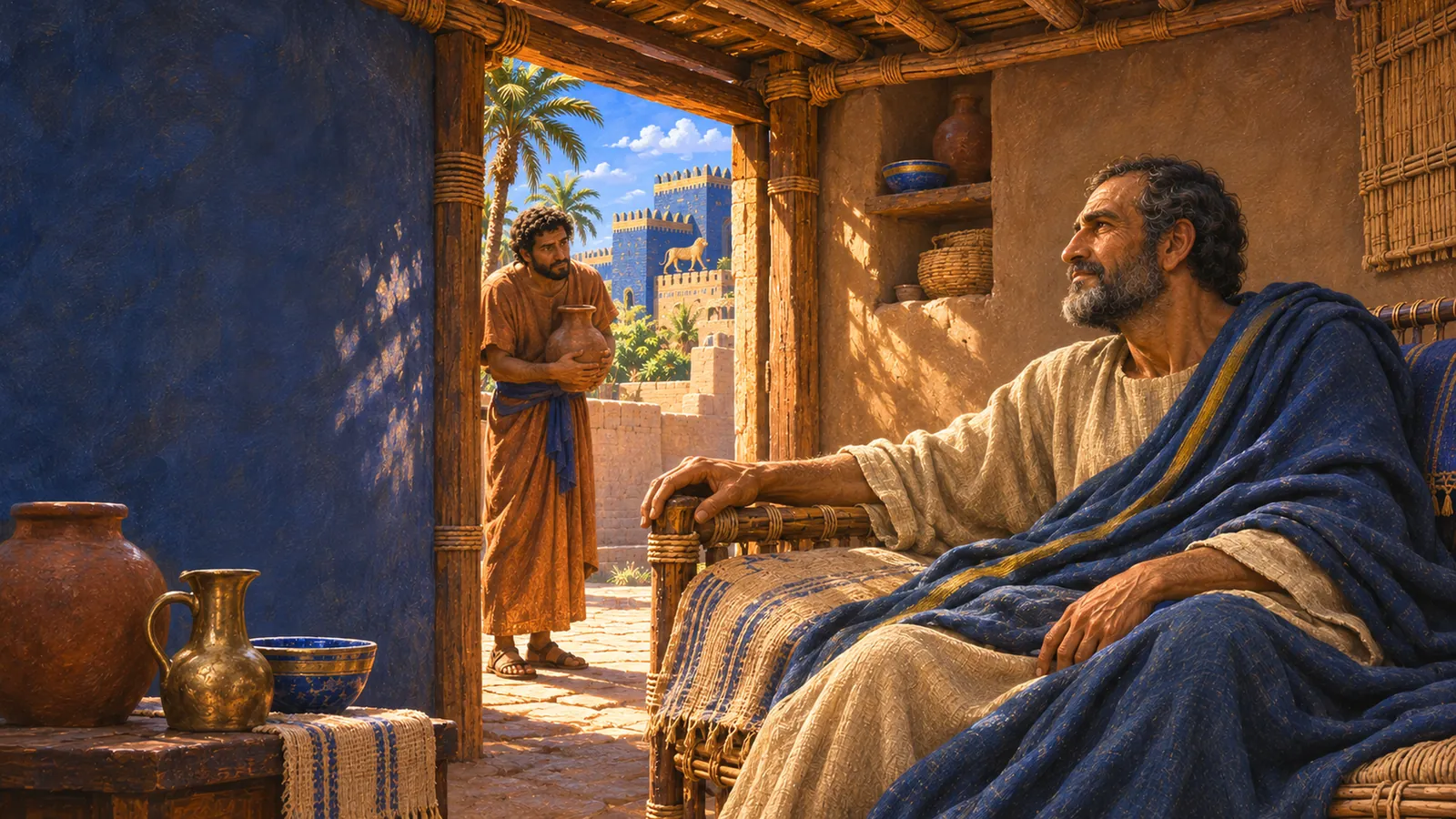
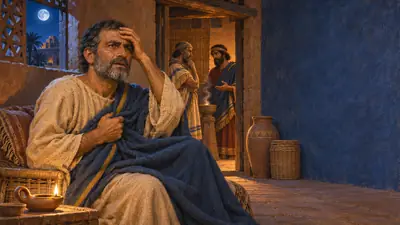
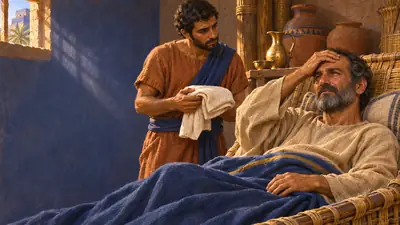
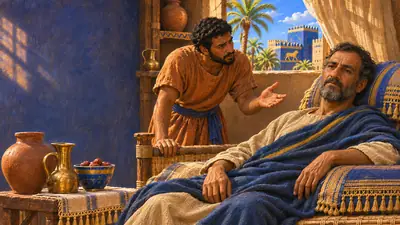
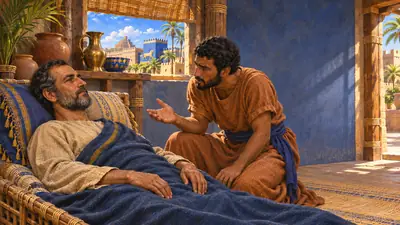
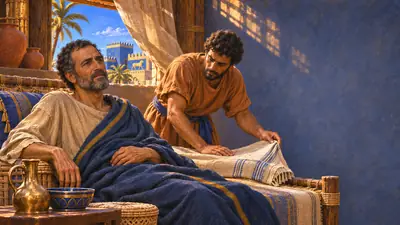
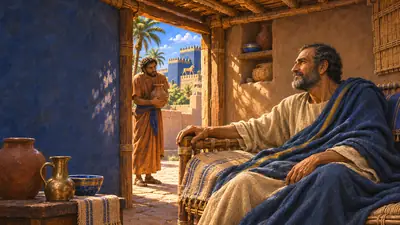
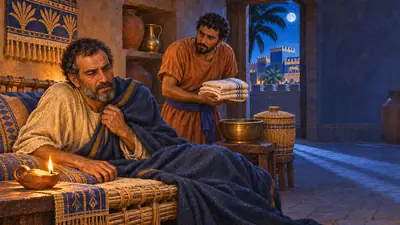
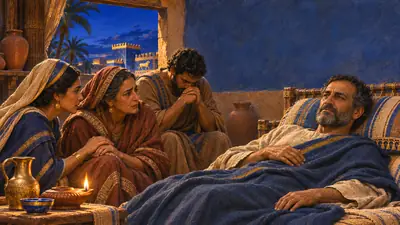
He takes to his bed and says his house has become his prison. Going out is a hardship. His arms and feet no longer serve him, and his affliction is grave.
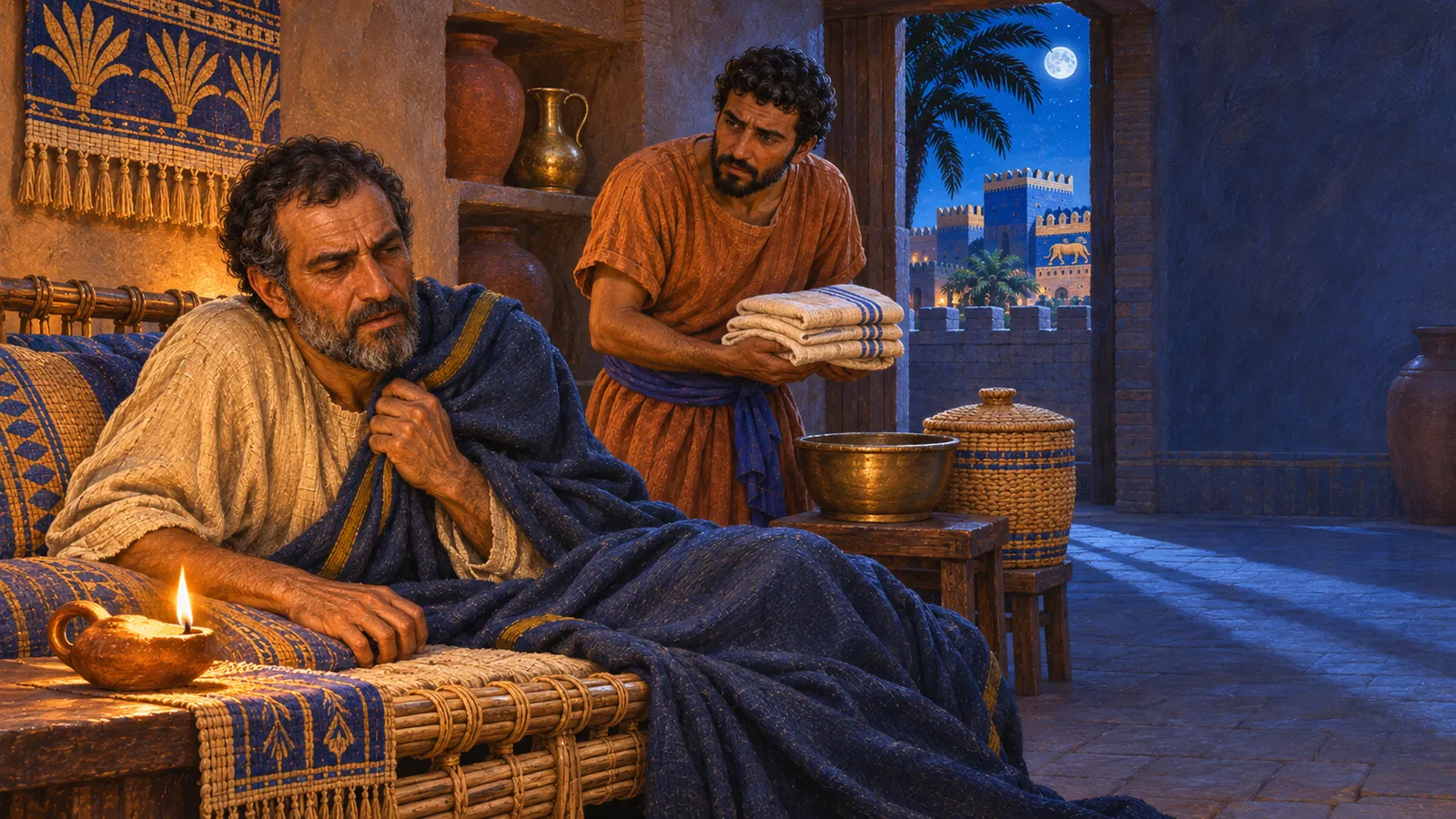
His torment felt like a thorny whip and a spiked goad. He says a persecutor pursued him by day and denied him rest by night. His limbs gave way, and he spent the night in his own waste.
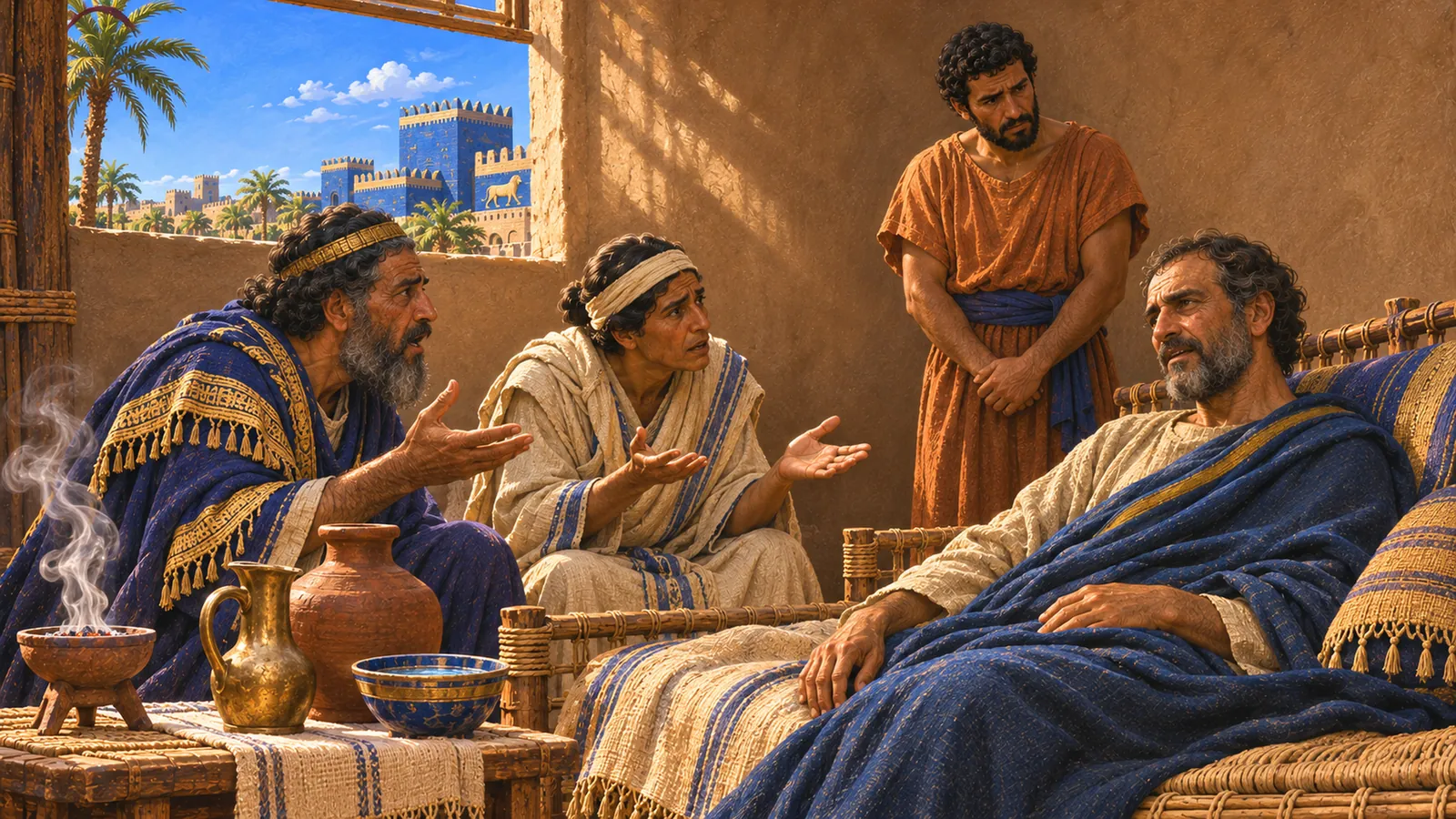
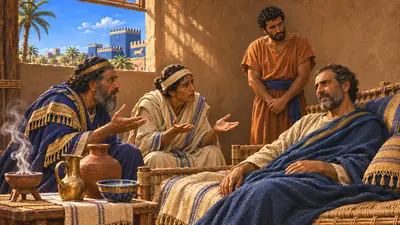
The exorcist is frightened by his symptoms, and the diviner is baffled by the omens. Neither finds an answer about the illness or its duration. His god and goddess leave him without help.
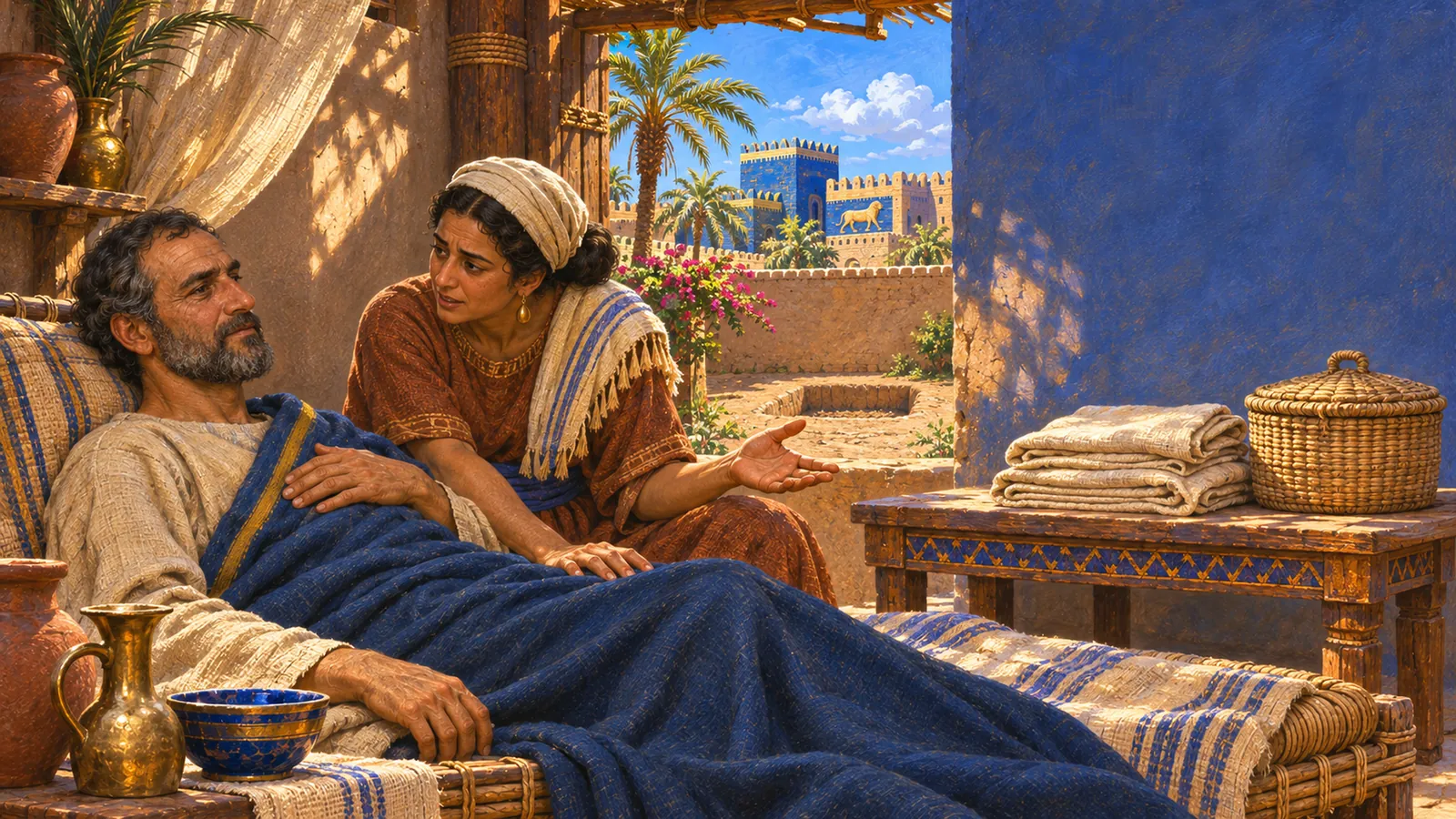
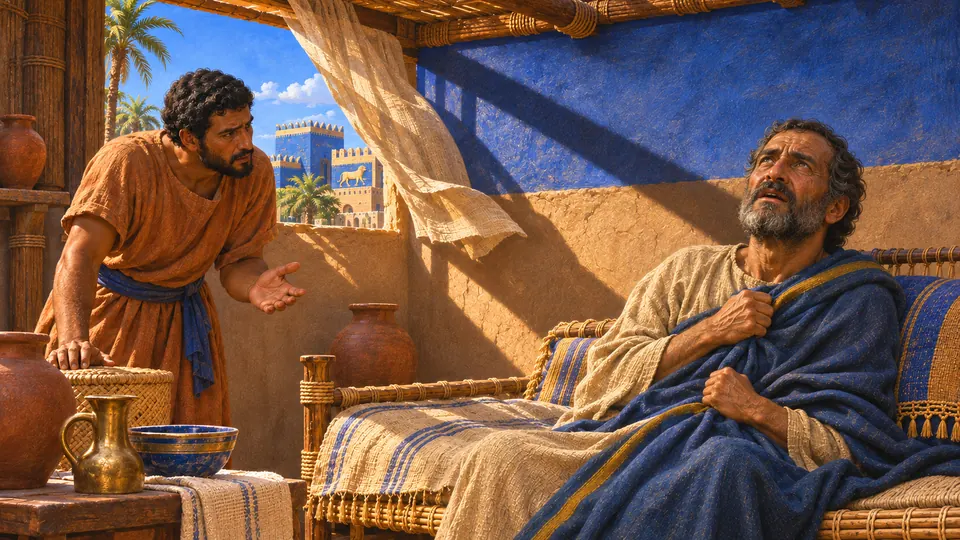
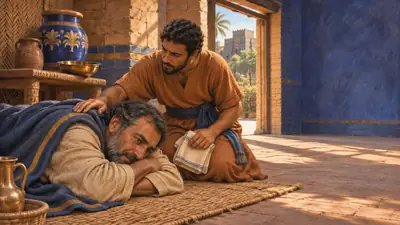
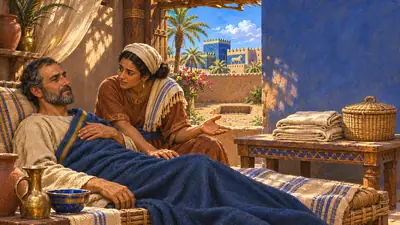
His grave lies open, and his funerary goods are ready. He says the mourning for him has already been completed while he is still alive.
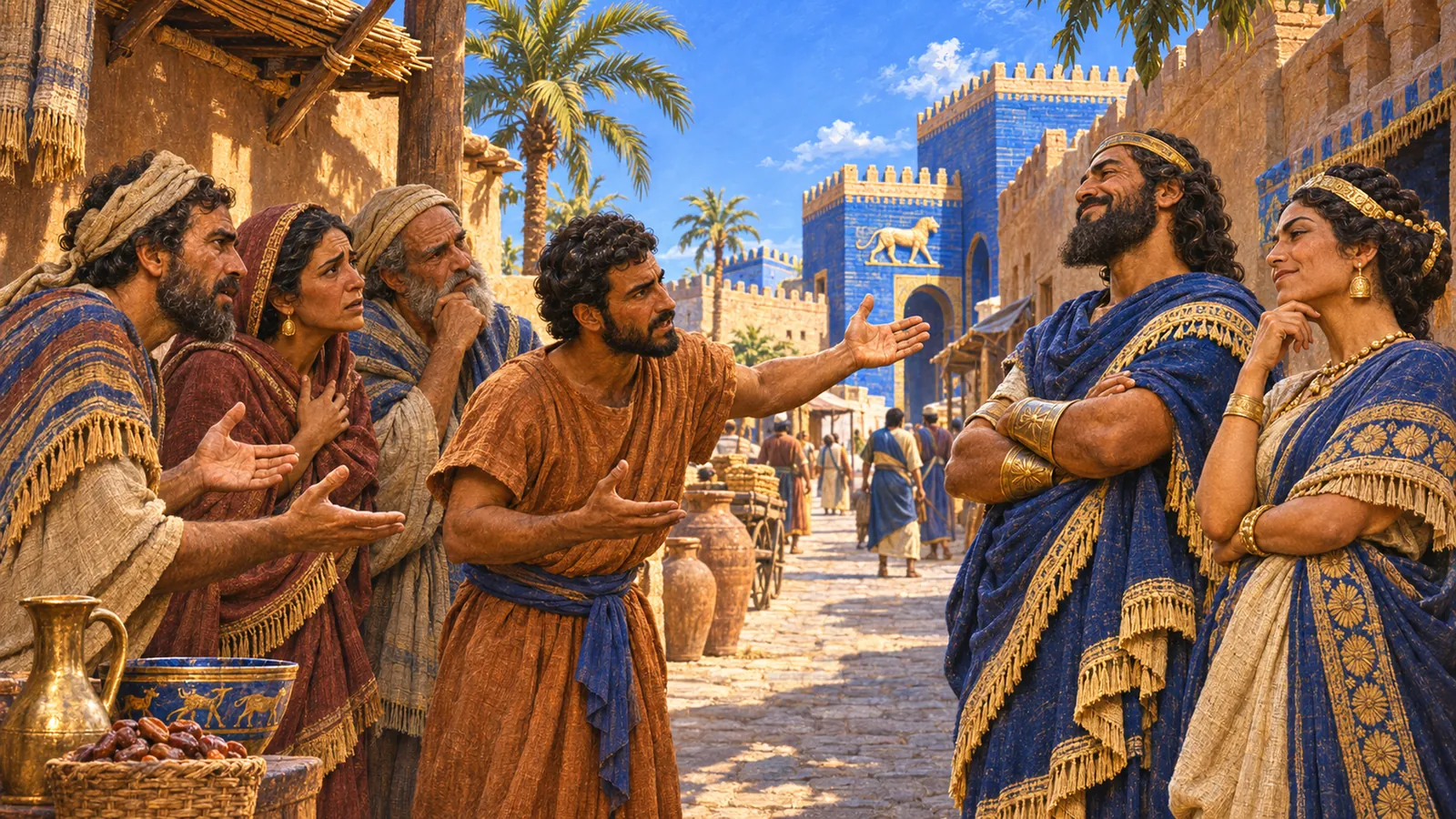
He says people across his land speak of the wrong done to him. When the news reaches his two adversaries, the man’s face brightens and the woman rejoices.
DARKNESS
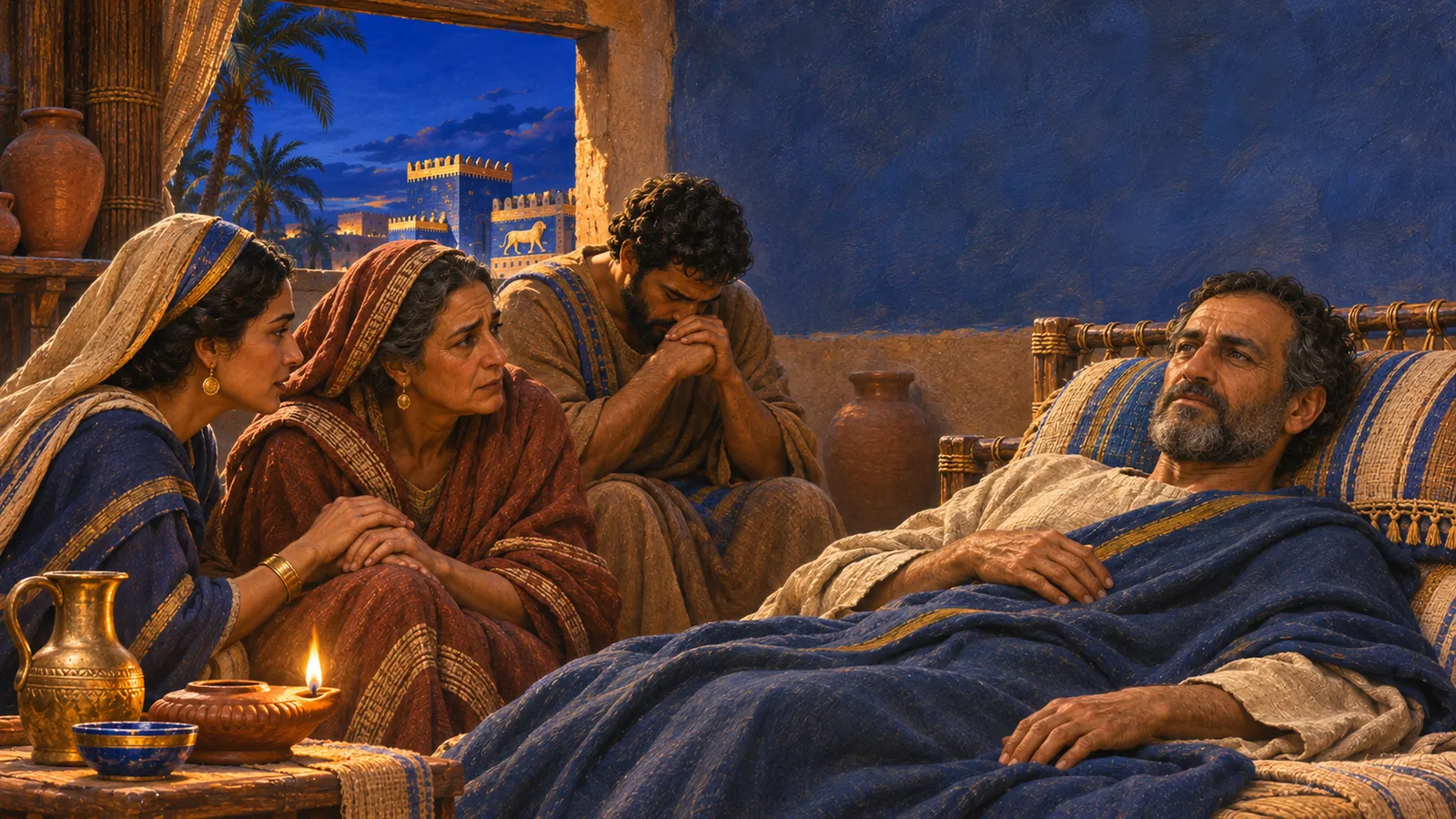
He says the day grew dark for his whole family. For his friends, too, it was as if their sun had dimmed.
End of chapter 1
All pages





Sources
The page-specific notes use Lenzi’s English translation and line numbering.
Editions consulted
- Alan Lenzi, *Suffering in Babylon: Ludlul bēl nēmeqi and the Scholars, Ancient and Modern*, Peeters, 2023, printed pp. 62–77
- Electronic Babylonian Library, *Ludlul bēl nēmeqi*, introduction and manuscript context
- Electronic Babylonian Library, Tablet II witness edition and translation
Ancient lines behind each page
- Page 1: Ludlul I 1–4, Lenzi 2023, p. 65
- Page 2: Ludlul I 5–6, Lenzi 2023, p. 65
- Page 3: Ludlul I 7–8, Lenzi 2023, p. 65
- Page 4: Ludlul I 9–12, Lenzi 2023, p. 65
- Page 5: Ludlul I 13–14, Lenzi 2023, p. 65
- Page 6: Ludlul I 15–16, Lenzi 2023, p. 65
- Page 7: Ludlul I 17–20, Lenzi 2023, p. 65
- Page 8: Ludlul I 21–24, Lenzi 2023, p. 65
- Page 9: Ludlul I 25–26, Lenzi 2023, p. 65
- Page 10: Ludlul I 27–28, Lenzi 2023, p. 65
- Page 11: Ludlul I 29–34, Lenzi 2023, p. 65
- Page 12: Ludlul I 35–40, Lenzi 2023, pp. 65, 67
- Page 13: Ludlul I 41–46, Lenzi 2023, p. 67
- Page 14: Ludlul I 47–50, Lenzi 2023, p. 67
- Page 15: Ludlul I 51–54, Lenzi 2023, p. 67
- Page 16: Ludlul I 55–58, Lenzi 2023, p. 67
- Page 17: Ludlul I 59–64, Lenzi 2023, p. 67
- Page 18: Ludlul I 65–72, Lenzi 2023, p. 67
- Page 19: Ludlul I 73–78, Lenzi 2023, p. 69
- Page 20: Ludlul I 79–84, Lenzi 2023, p. 69
- Page 21: Ludlul I 85–92, Lenzi 2023, p. 69
- Page 22: Ludlul I 93–98, Lenzi 2023, p. 69
- Page 23: Ludlul I 99–104, Lenzi 2023, p. 69
The left is continuous pale dust haze and low shaded air, with no canal line or sharp horizon through it. - Page 24: Ludlul I 105–108, Lenzi 2023, p. 69
- Page 25: Ludlul I 109–116, Lenzi 2023, p. 71
- Page 26: Ludlul I 117–120, Lenzi 2023, p. 71
- Page 27: Ludlul II 1–3, Lenzi 2023, p. 71
- Page 28: Ludlul II 4–5, Lenzi 2023, p. 71
- Page 29: Ludlul II 6–11, Lenzi 2023, p. 71
- Page 30: Ludlul II 12–22, Lenzi 2023, pp. 71, 73
- Page 31: Ludlul II 23–28, Lenzi 2023, p. 73
- Page 32: Ludlul II 29–33, Lenzi 2023, p. 73
- Page 33: Ludlul II 34–39, Lenzi 2023, p. 73
- Page 34: Ludlul II 40–43, Lenzi 2023, p. 73
- Page 35: Ludlul II 44–48, Lenzi 2023, p. 73
- Page 36: Ludlul II 49–54, Lenzi 2023, p. 73
- Page 37: Ludlul II 55–60, Lenzi 2023, p. 75
- Page 38: Ludlul II 61–70, Lenzi 2023, p. 75
- Page 39: Ludlul II 71–74, Lenzi 2023, p. 75
- Page 40: Ludlul II 75–83, Lenzi 2023, p. 75
- Page 41: Ludlul II 84–91, Lenzi 2023, p. 75
- Page 42: Ludlul II 92–94, Lenzi 2023, p. 77
- Page 43: Ludlul II 95–99, Lenzi 2023, p. 77
- Page 44: Ludlul II 100–107, Lenzi 2023, p. 77
- Page 45: Ludlul II 108–113, Lenzi 2023, p. 77
- Page 46: Ludlul II 114–115, Lenzi 2023, p. 77
- Page 47: Ludlul II 116–118, Lenzi 2023, p. 77
- Page 48: Ludlul II 119–120, Lenzi 2023, p. 77
Illustrations made with AI tools by IL Archive; the text is based on the ancient sources (see the sources at the end of each chapter).