Enuma Elish Chapter 4
Babylon and the Names
The gods raise Babylon and its temple after the first people take on the gods’ work. Then they speak Marduk’s names, and the song asks that they be passed on.
Watch the filmSourcesTurn the pages with the arrows, the arrow keys or a swipe.
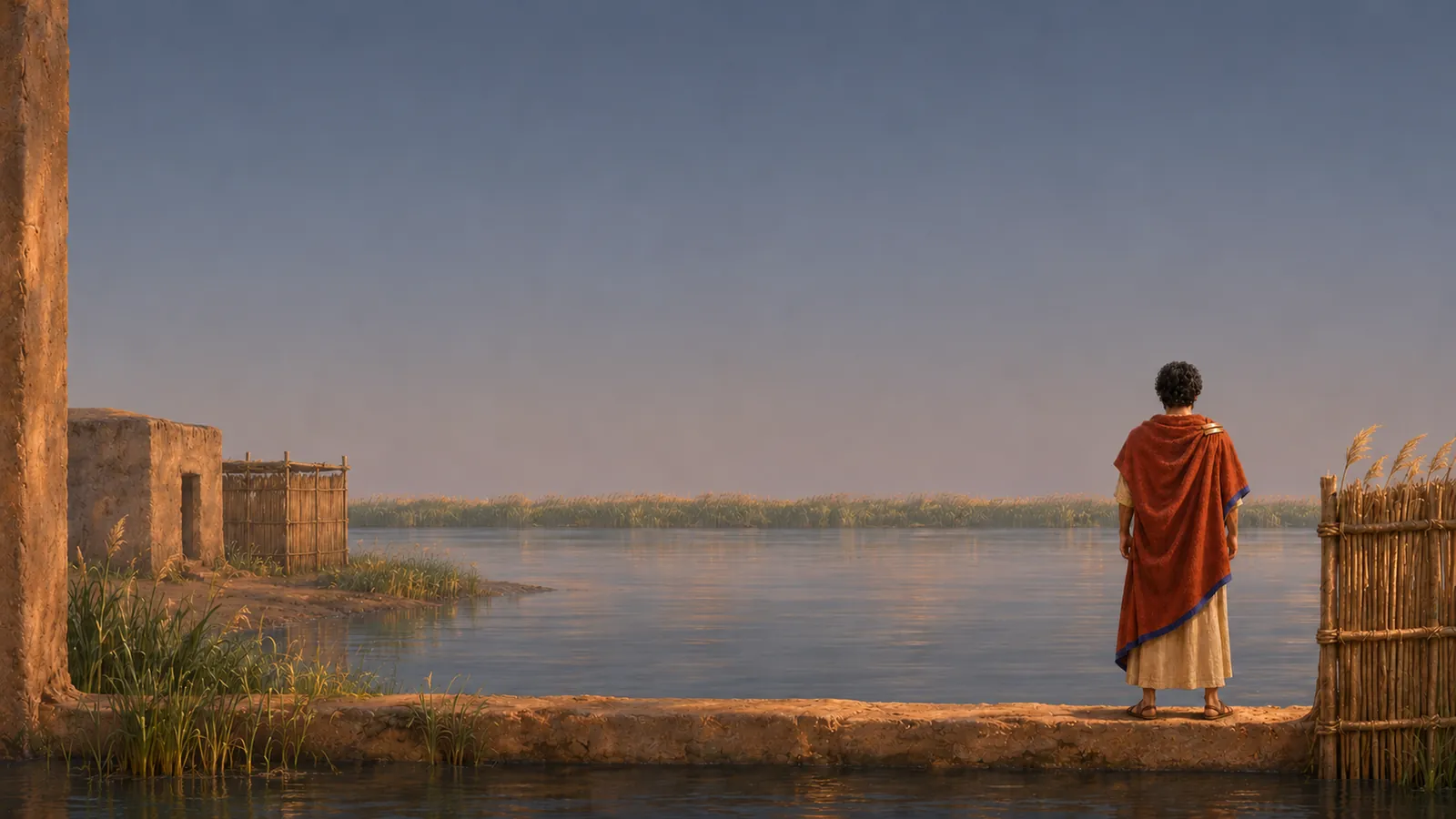
BABYLON AND THE NAMES
When Marduk heard the gods, a new thought stirred in him. He told Ea what he meant to make.
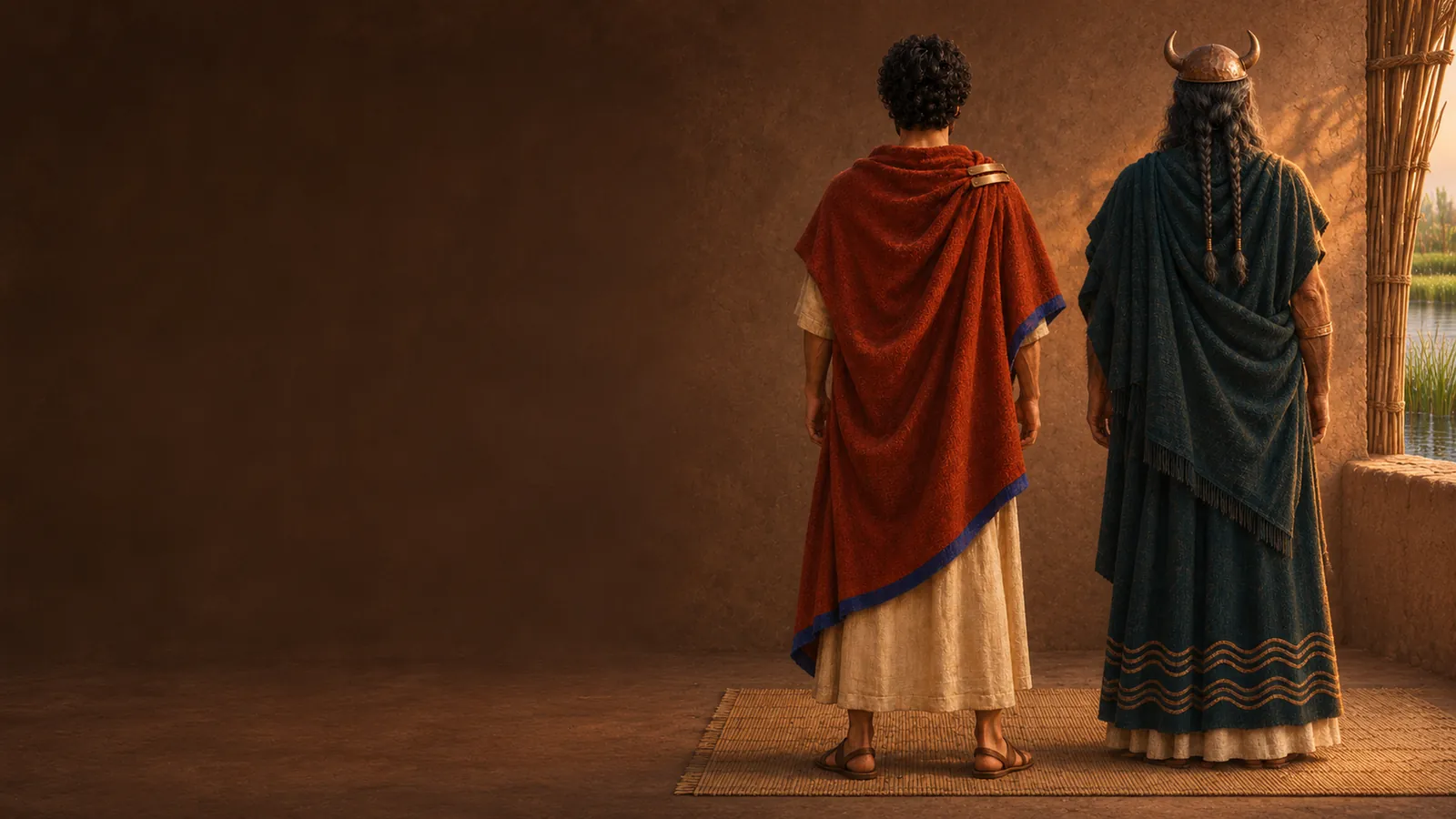
Marduk spoke of making a being of blood and bone and calling it human. These people would take on the work of the gods, and the gods would rest.
Ea told him to gather the great gods. Let them give up the one among them who was guilty, he said, so that people might be made.
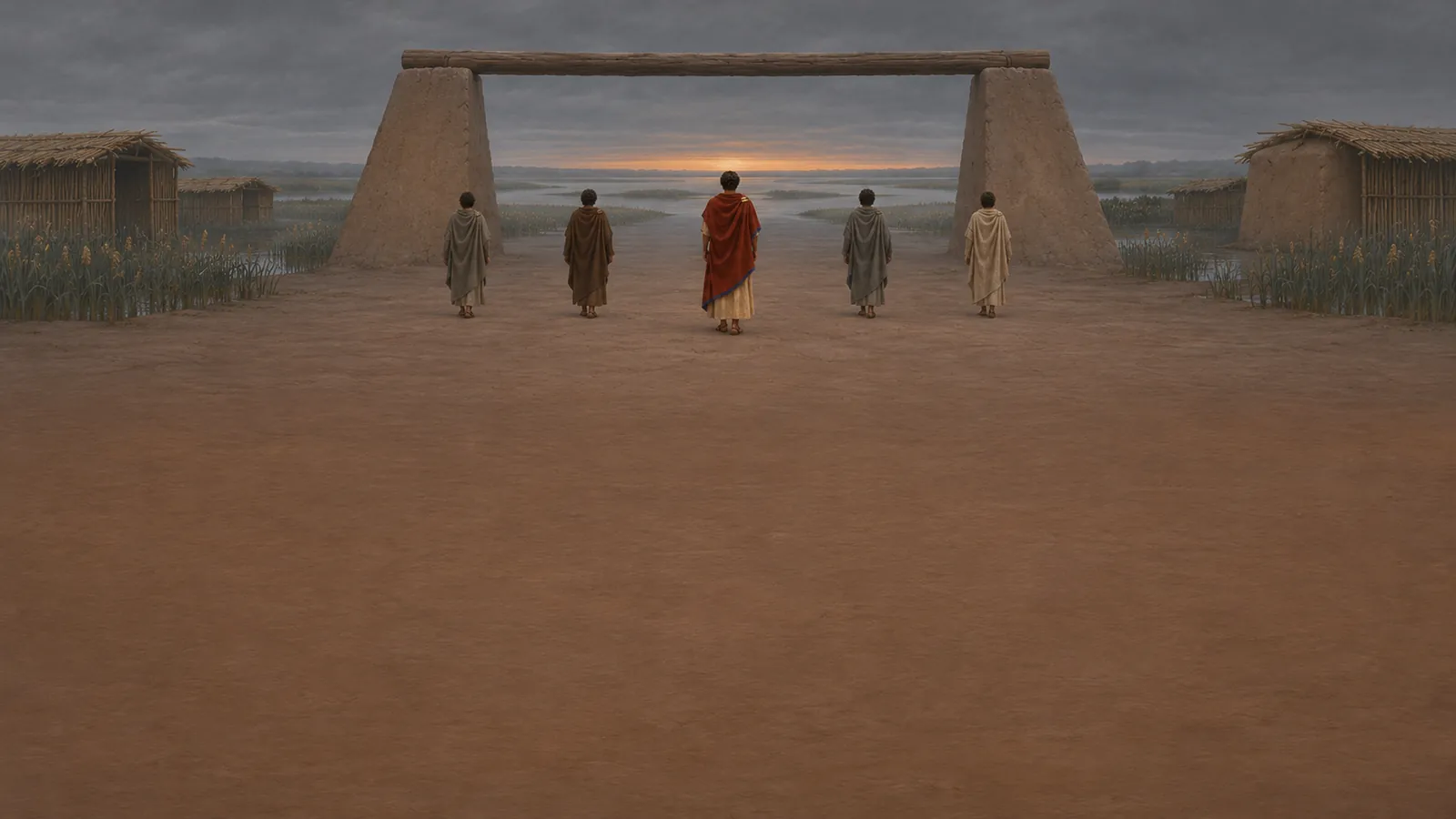
Marduk brought the great gods together. He gave his orders with an even voice, and the assembly listened as he began to question them.
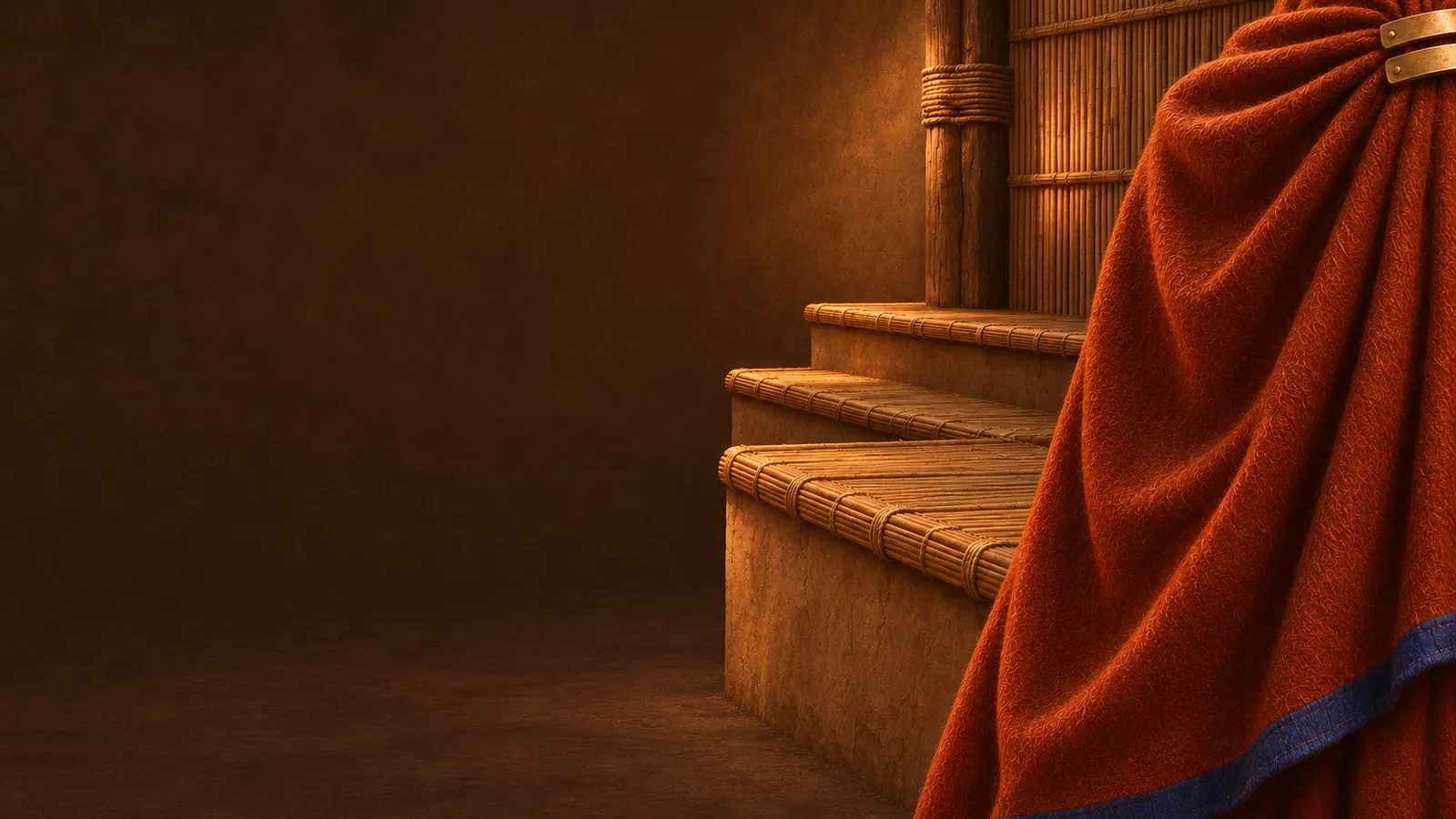
Marduk asked who had stirred up the conflict and led Tiamat into war. Give me that one, he said, and the rest of you can be at peace.
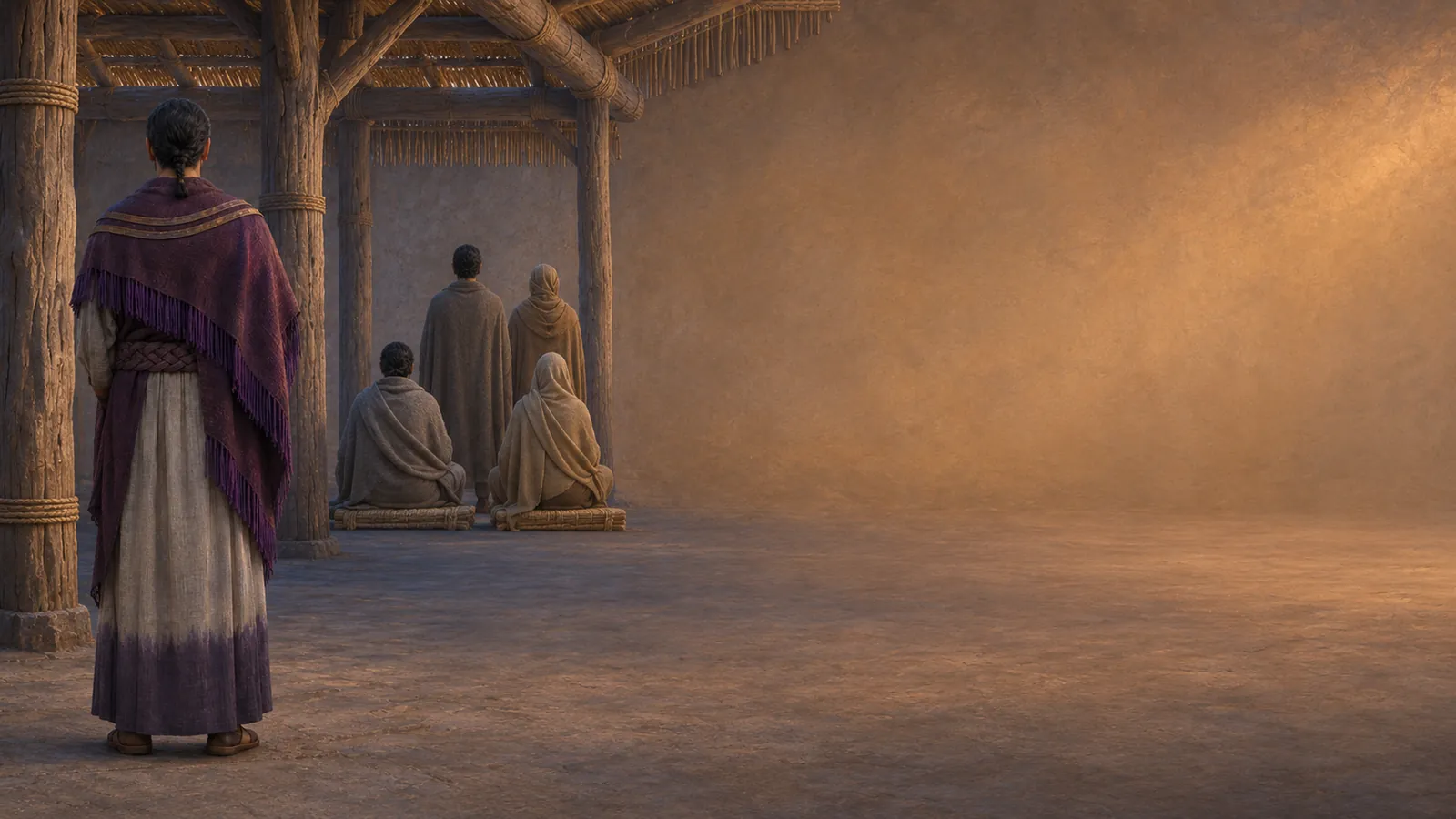
The great gods gave their answer together. They named Qingu as the one who had stirred up the conflict and urged Tiamat to make war.
The gods brought Qingu before Ea to answer for the war. The old poem tells how Qingu was judged and put to death.

From Qingu’s blood, Ea made humankind, carrying out Marduk’s plan. The people took on the gods’ toil, and the gods were freed to rest.

Then King Marduk set the gods in their places. He divided the Anunnaki, assigning some to the world above and some to the world below.
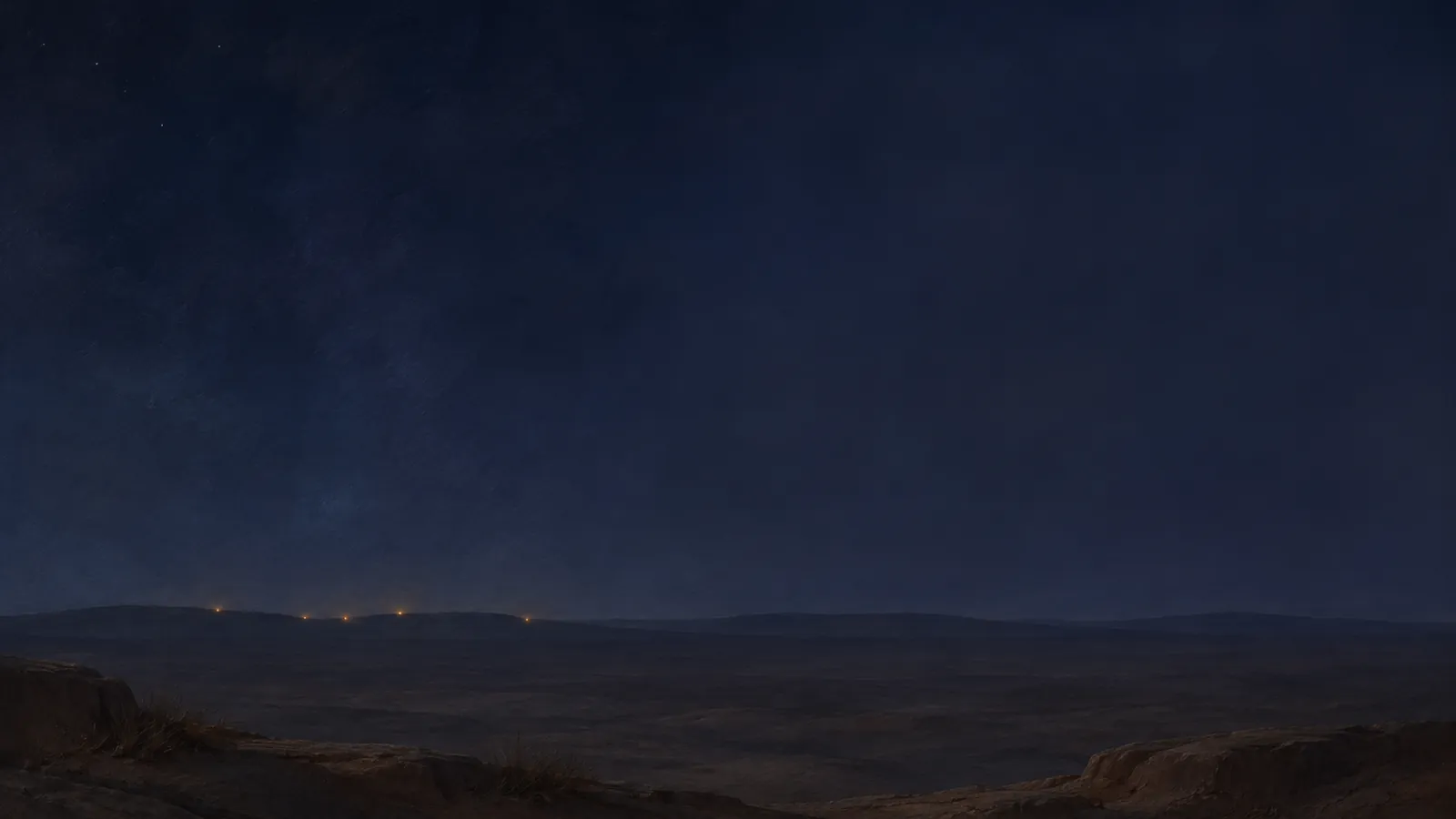
Marduk posted a watch in heaven to guard Anu’s decrees. He ordered the ways below as well, giving the gods their stations in both realms.
Once Marduk had spoken his decrees, the Anunnaki received their shares. Their duties and places were laid out in the heights and in the depths.
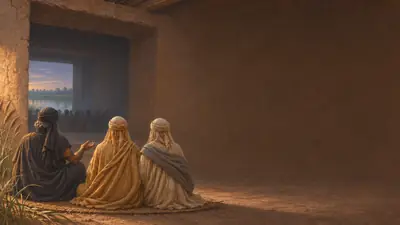
The Anunnaki asked what they could do for the lord who had freed them from toil. They offered to build a dais whose name would be spoken far and wide.
They pictured a chamber where they could stay when they came together. There they would set up the dais and sit down to rest.
BABYLON
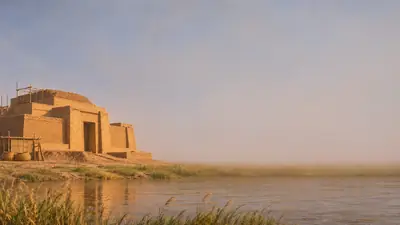
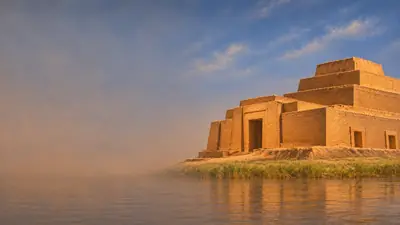
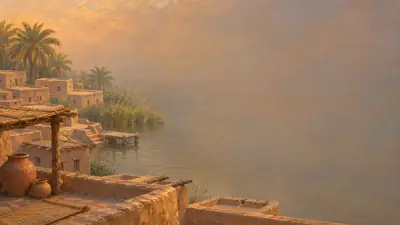
Marduk was glad when he heard them. He told the gods to build Babylon, the place he had spoken of before, and to raise its dais high.
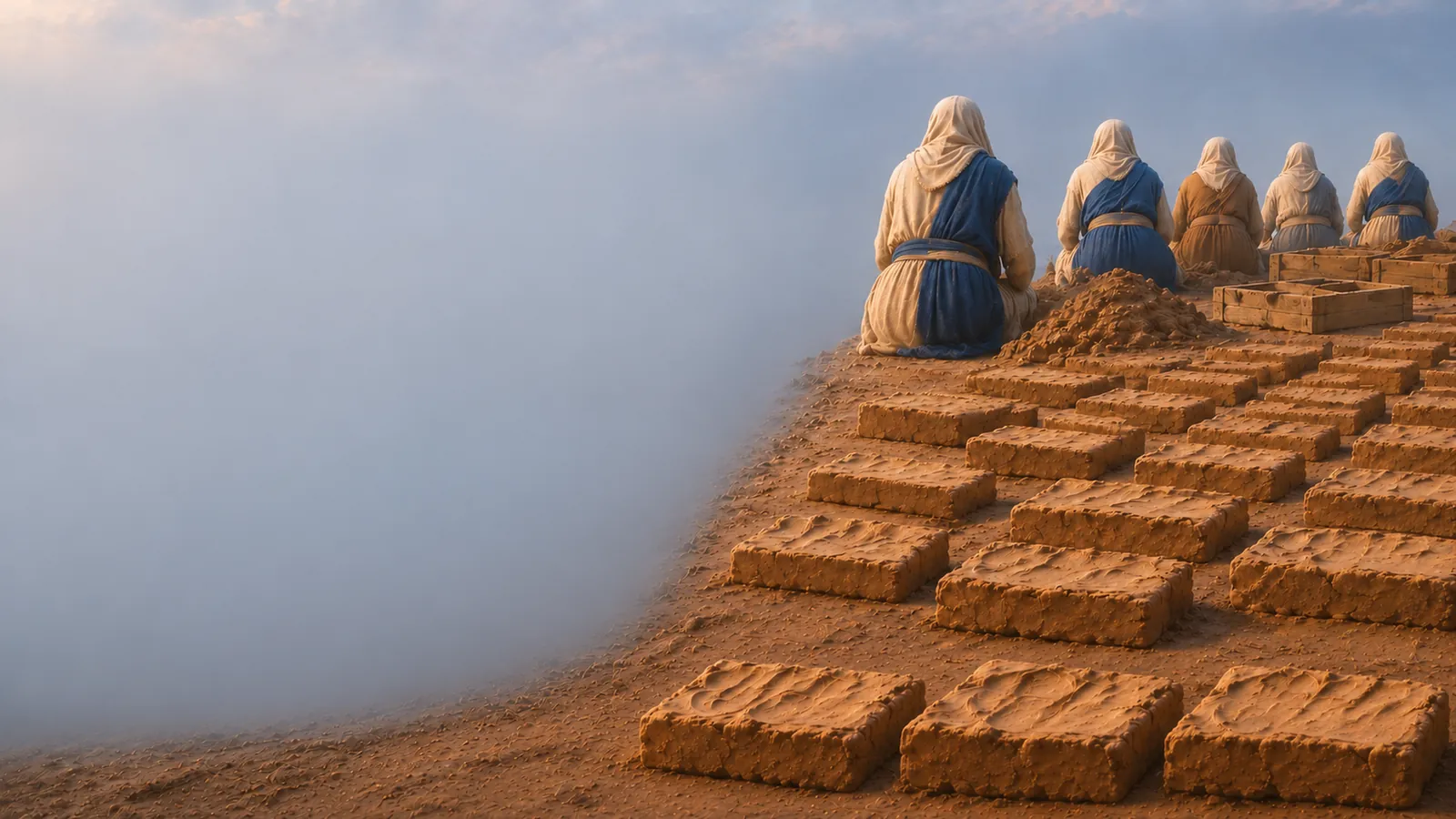
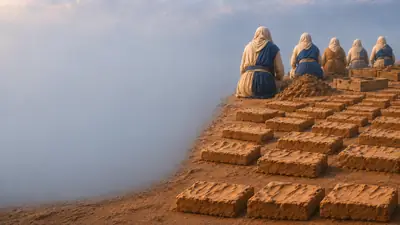
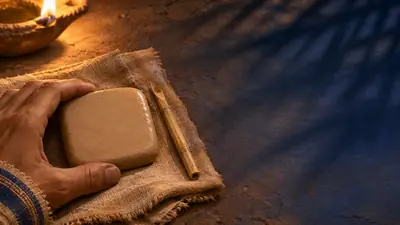
The Anunnaki turned the earth with their hoes. For a whole year they prepared the bricks that would become the walls of Babylon.
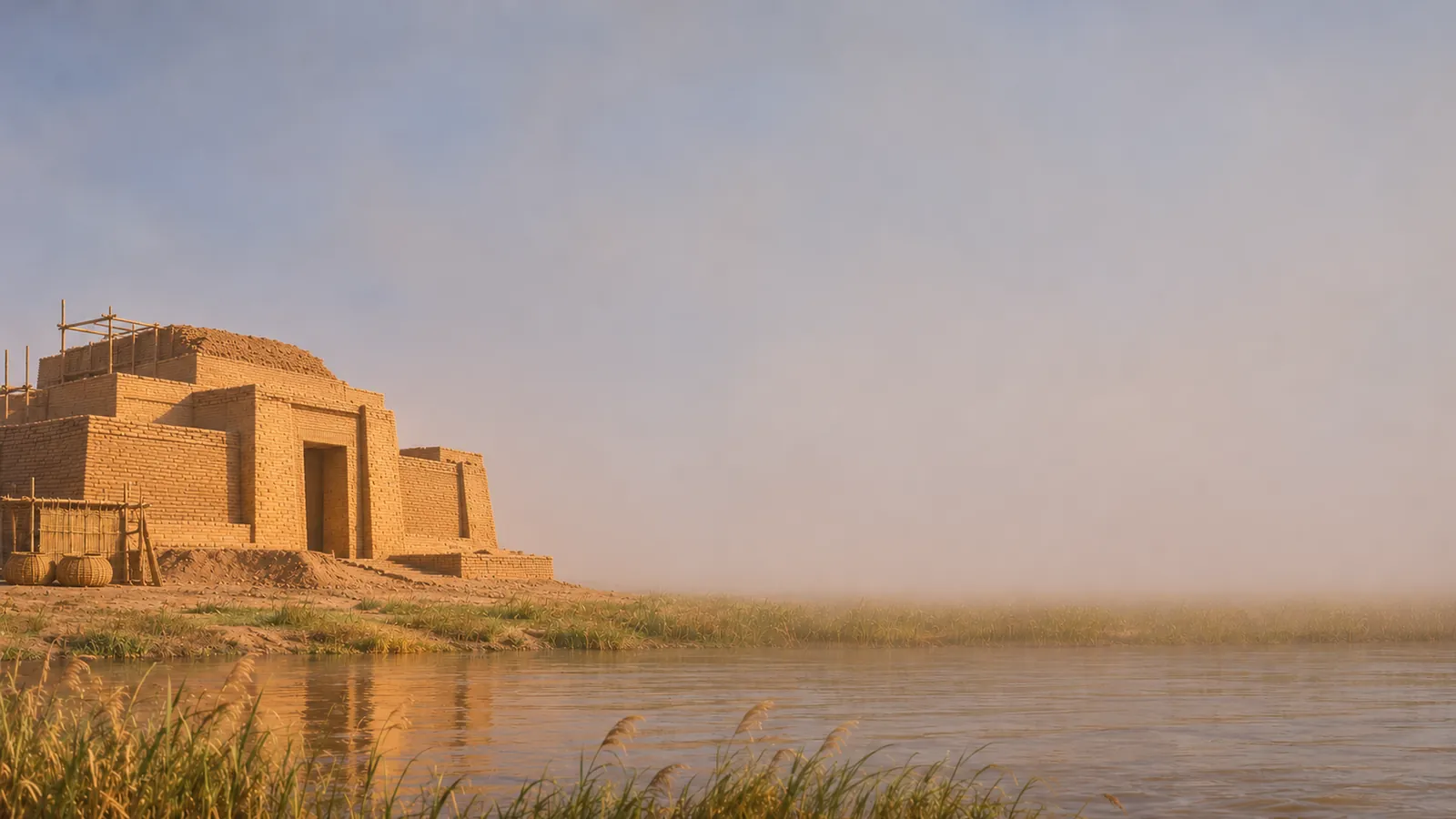
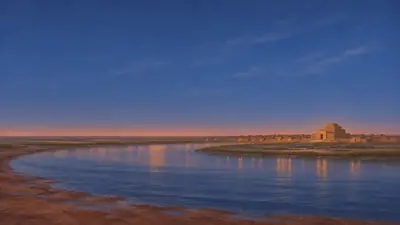
In the second year the temple of Esagil rose. The poem calls it the counterpart of the Apsû, the dwelling in the deep.
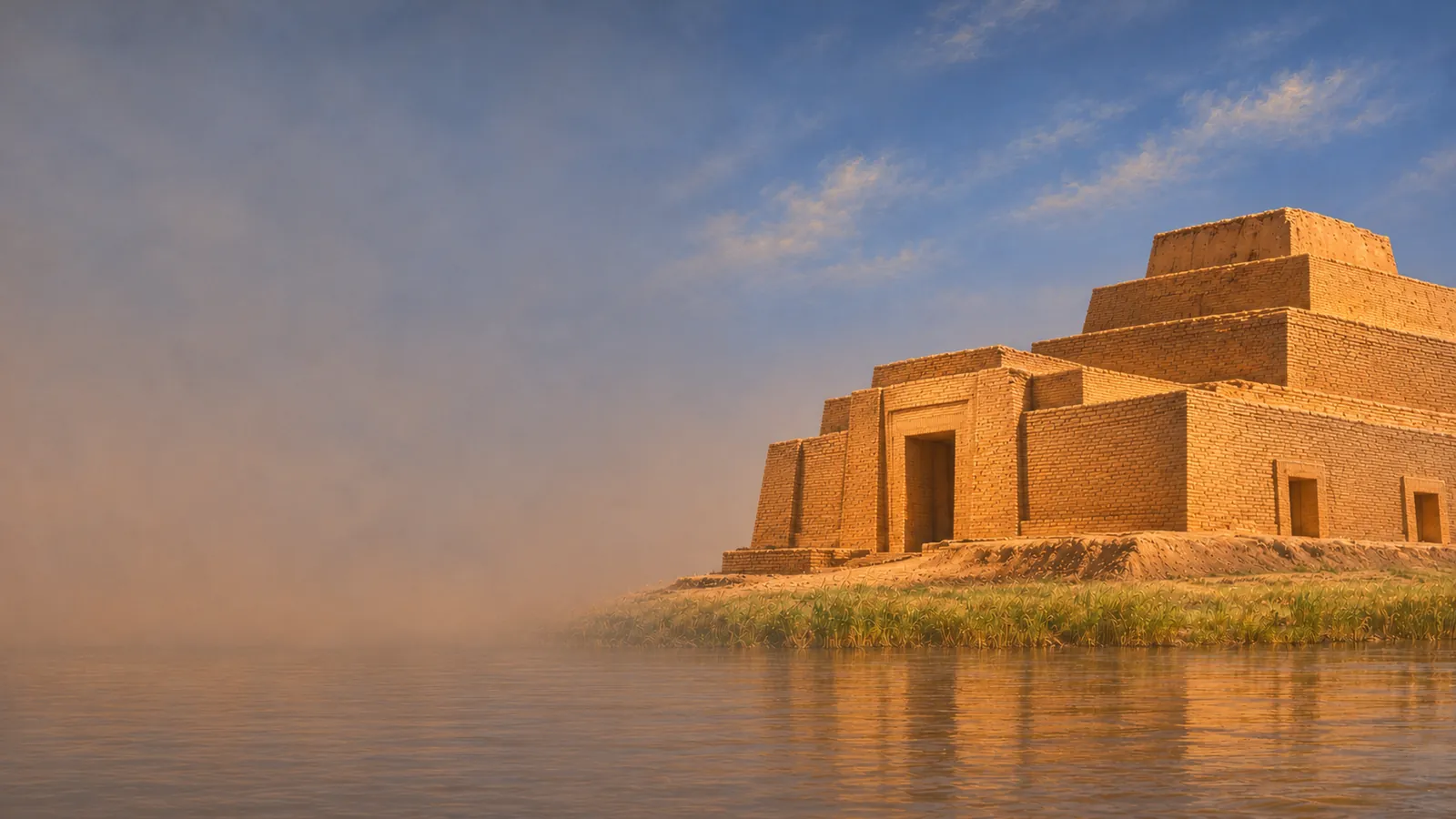
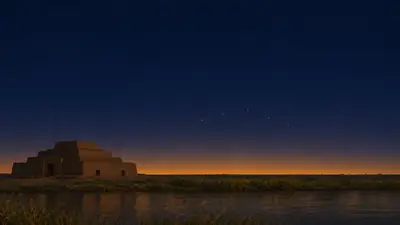
The builders raised the soaring ziggurat. They made places for Anu, Enlil, and Ea to dwell, and they made a place for Marduk too.
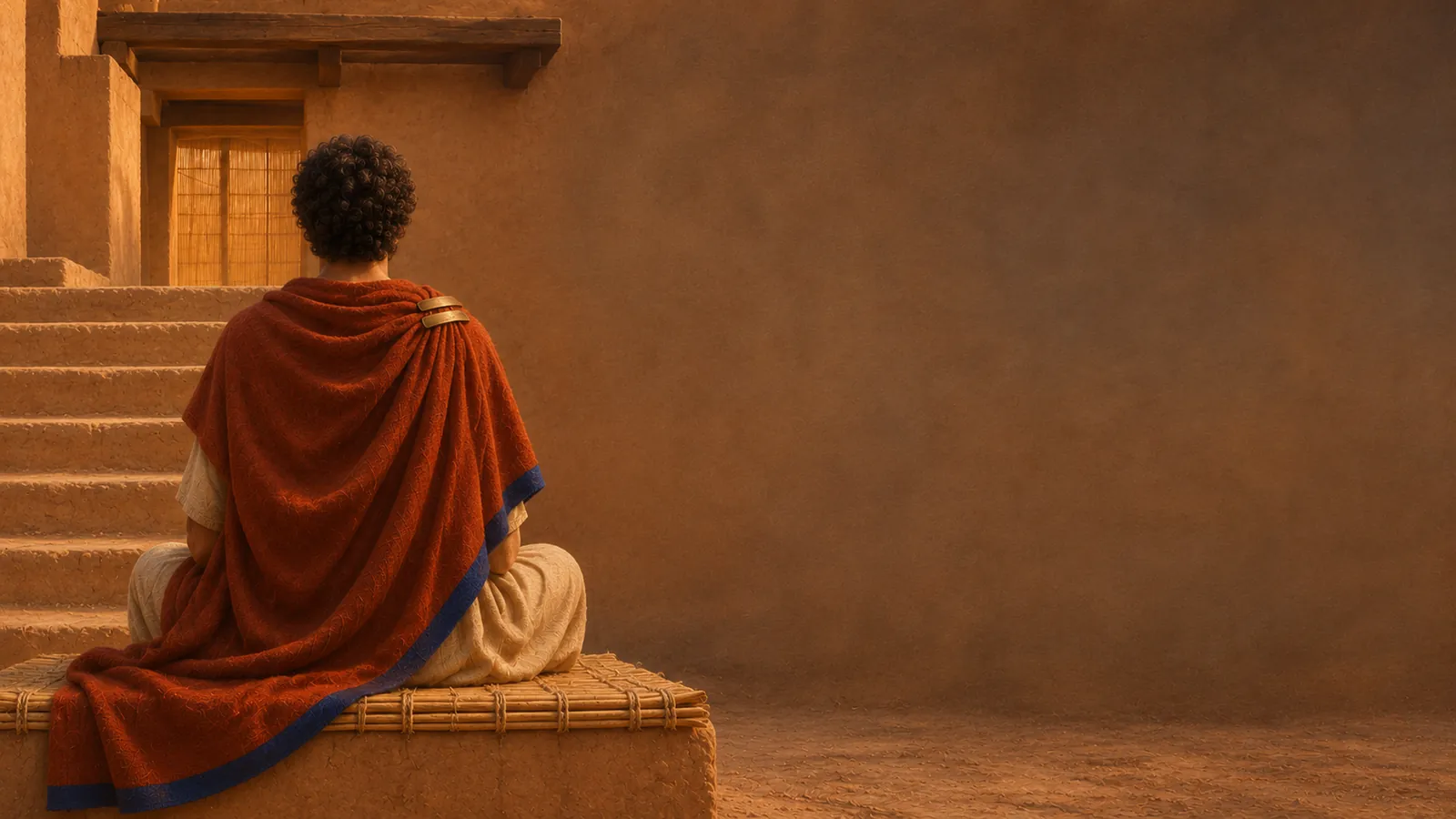
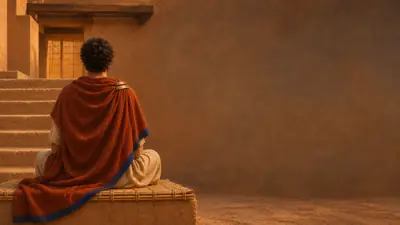
Marduk took his seat in splendour. One line links this scene to Eshara, though the exact meaning is uncertain. The Anunnaki finished their own daises.
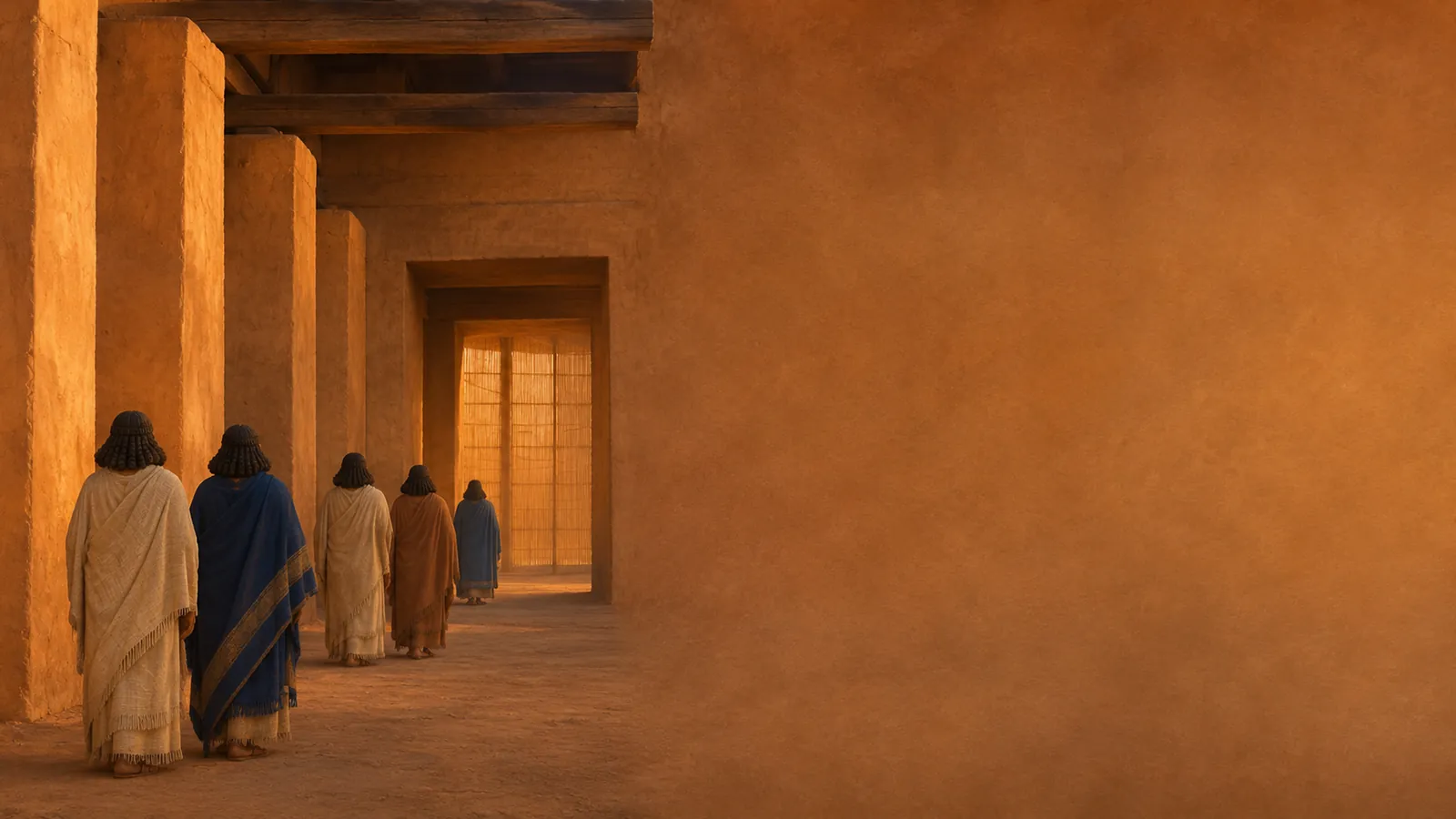
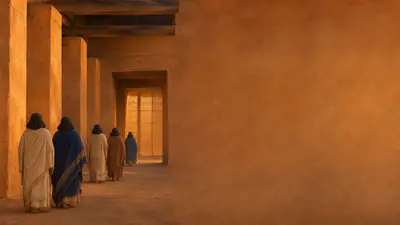
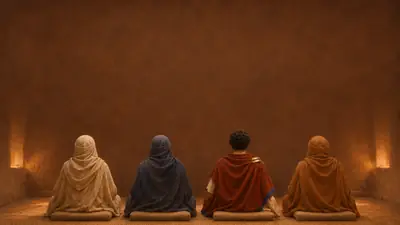
The gods from heaven and the Apsû came together. Marduk welcomed his elders into the hall they had built and gave them places at his feast.
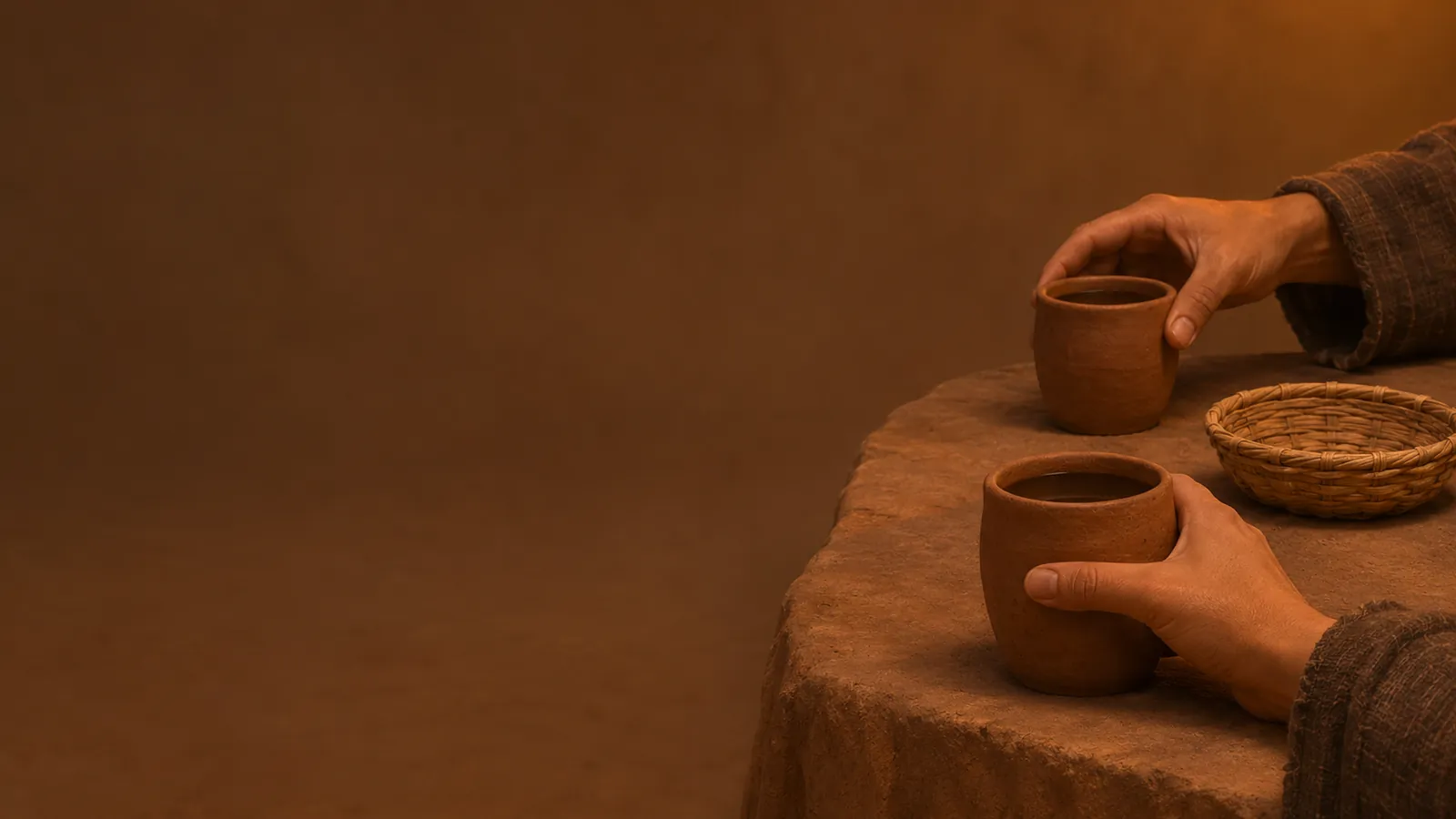
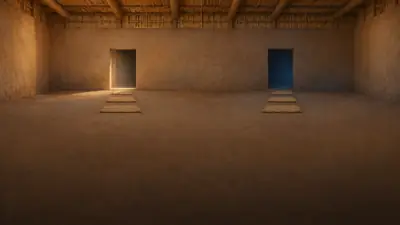
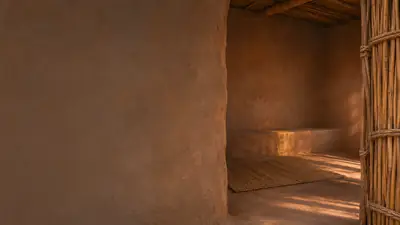
Marduk invited them to make themselves at home in Babylon. They sat, set out their beer cups, and made merry in the place they had built.
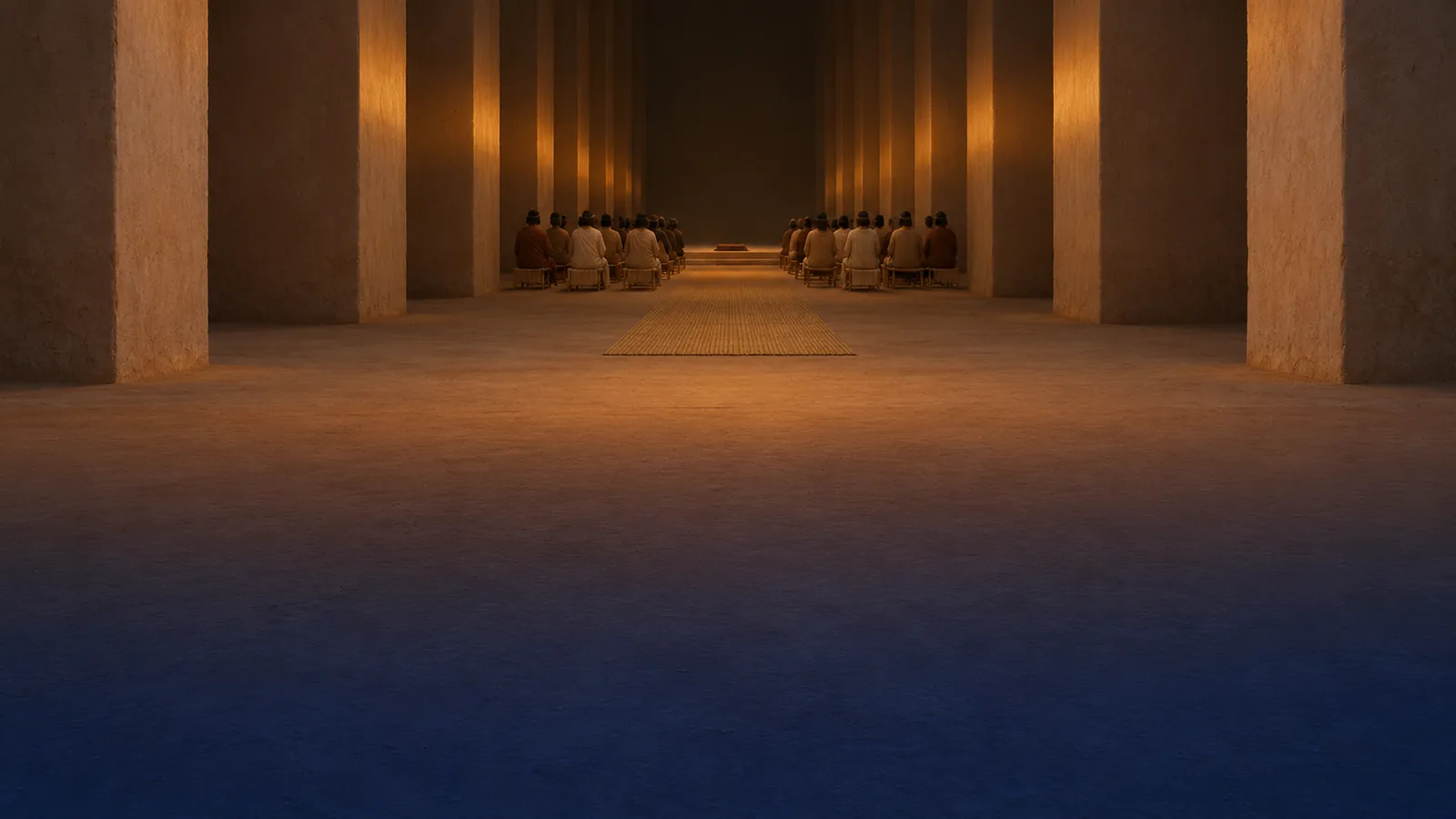
In Esagil the gods performed their rite and confirmed their stations in heaven and on earth. They gave the seven gods of destiny authority to make decisions.
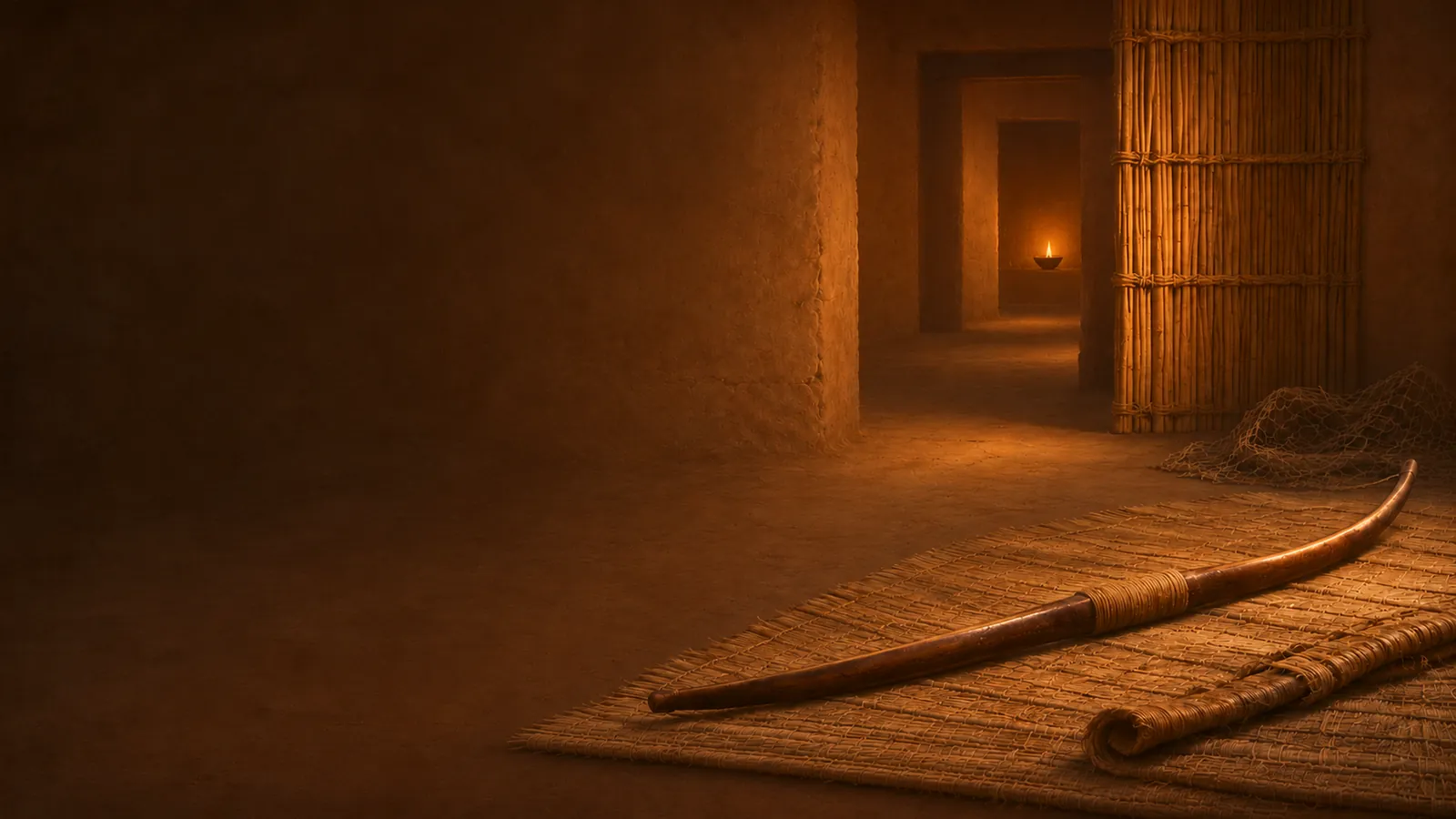
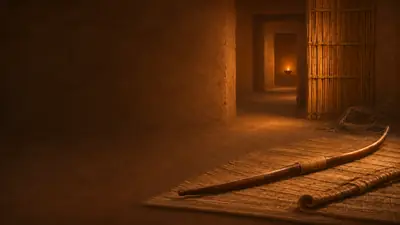
Marduk laid his bow before the gods. They saw the net he had made as well, and they praised the skill with which the bow was fashioned.
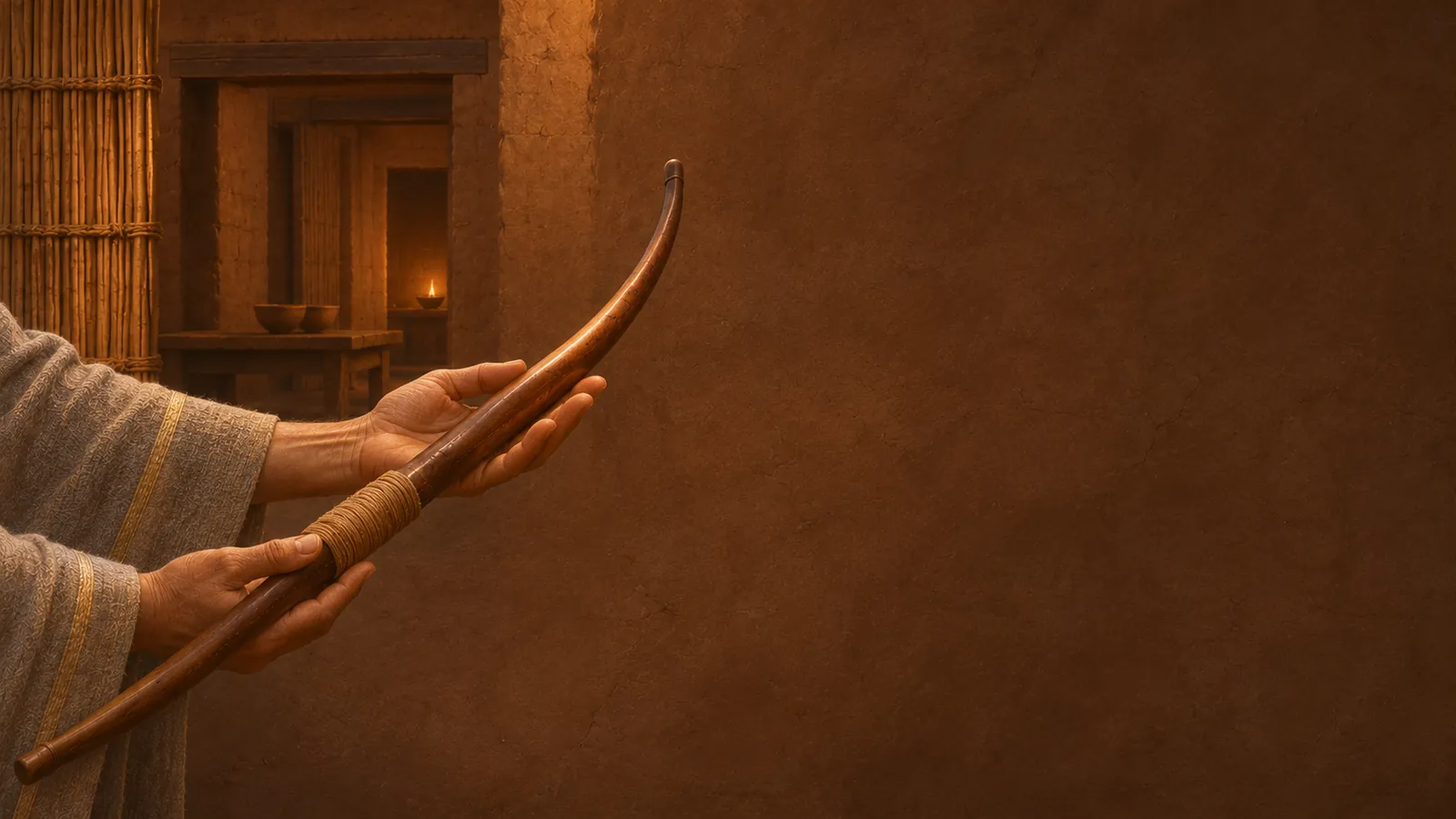
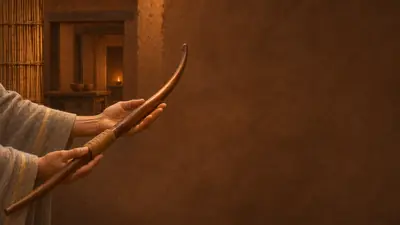
Anu raised the bow in the assembly. He kissed it and called it his daughter, and then he began to speak its names.
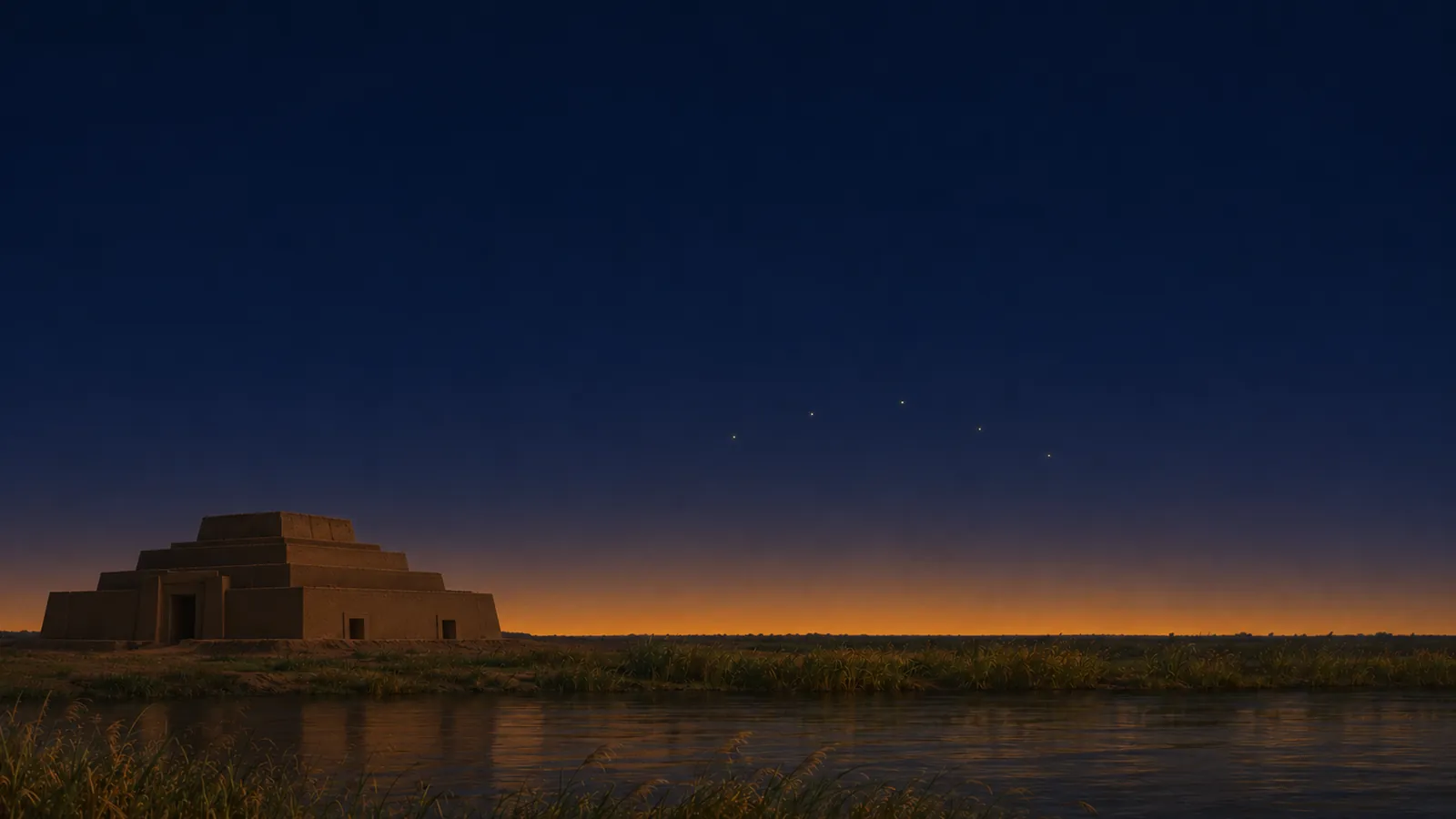
THE BOW STAR
Anu called the bow Long Wood, the Striker, and the Bow Star. He gave it a place among the stars of heaven.
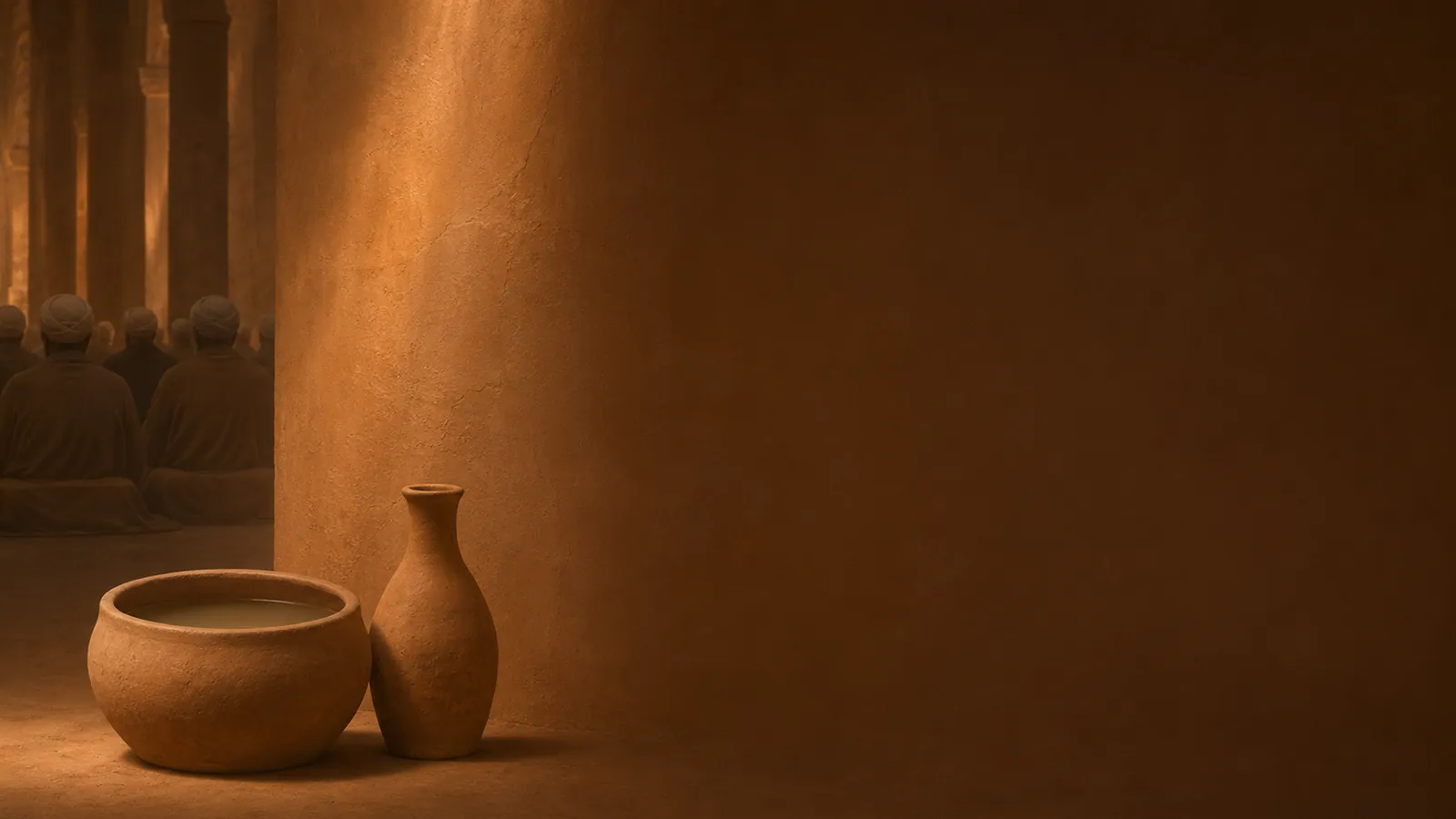
The great gods bowed and swore a solemn oath with water and oil. They confirmed Marduk as king over the gods of heaven and earth.
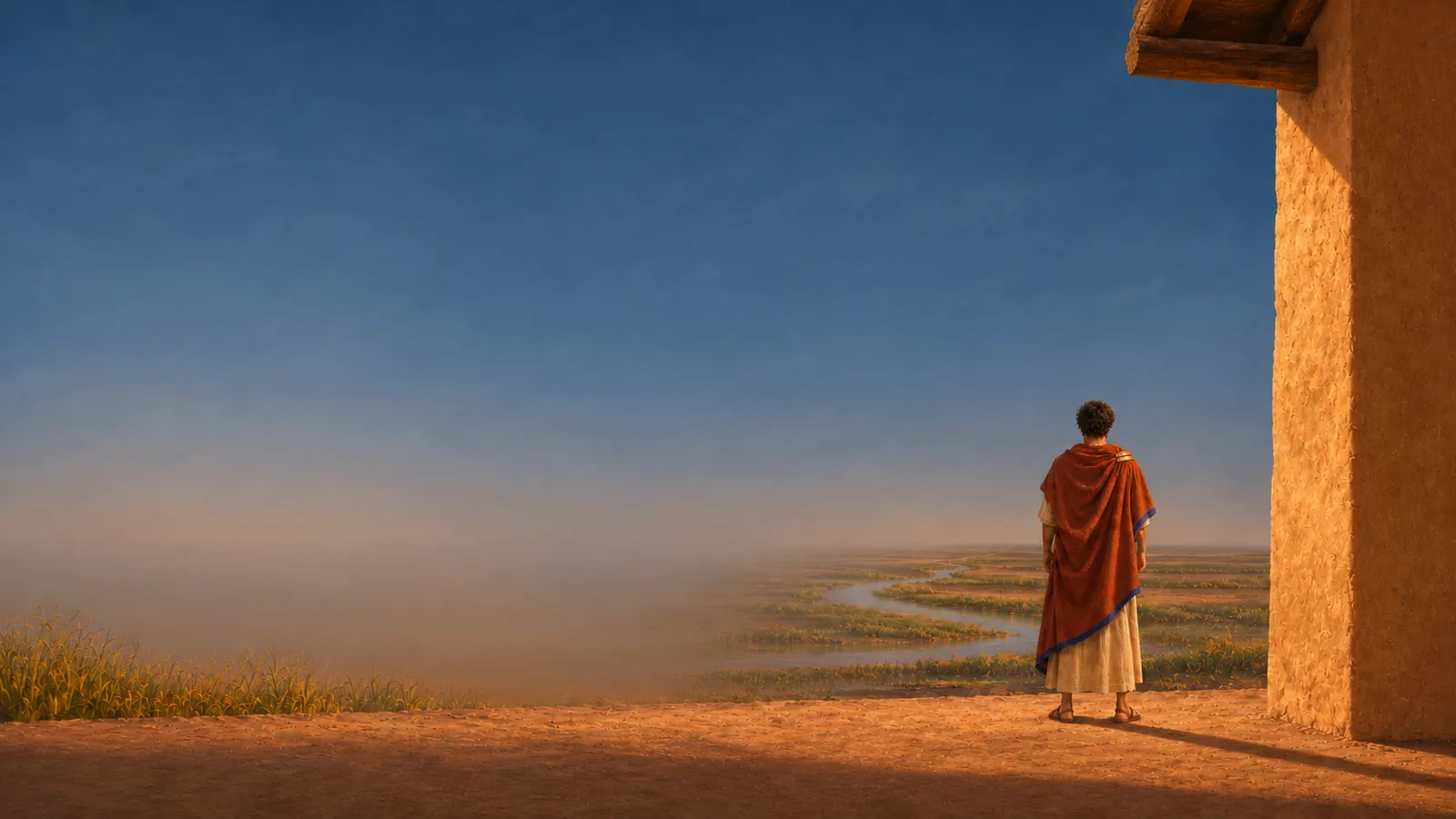
The gods asked that their avenger’s word carry weight above and below. They spoke of his duty to guide the people, as a shepherd guides a flock.
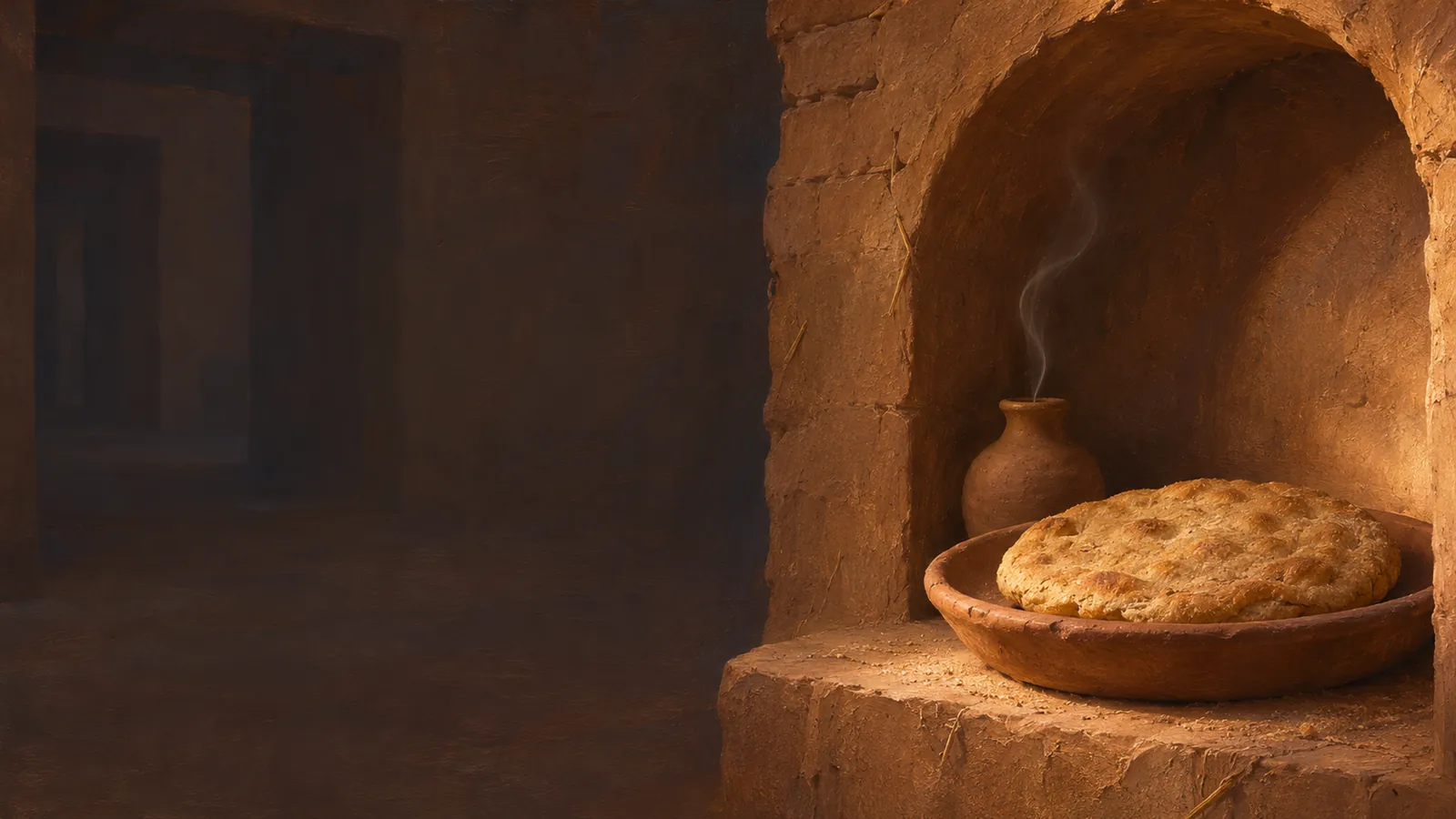
The gods asked Marduk to tend the people and provide for the shrines. They spoke of food offerings and rising incense, and asked that the people remember their gods.
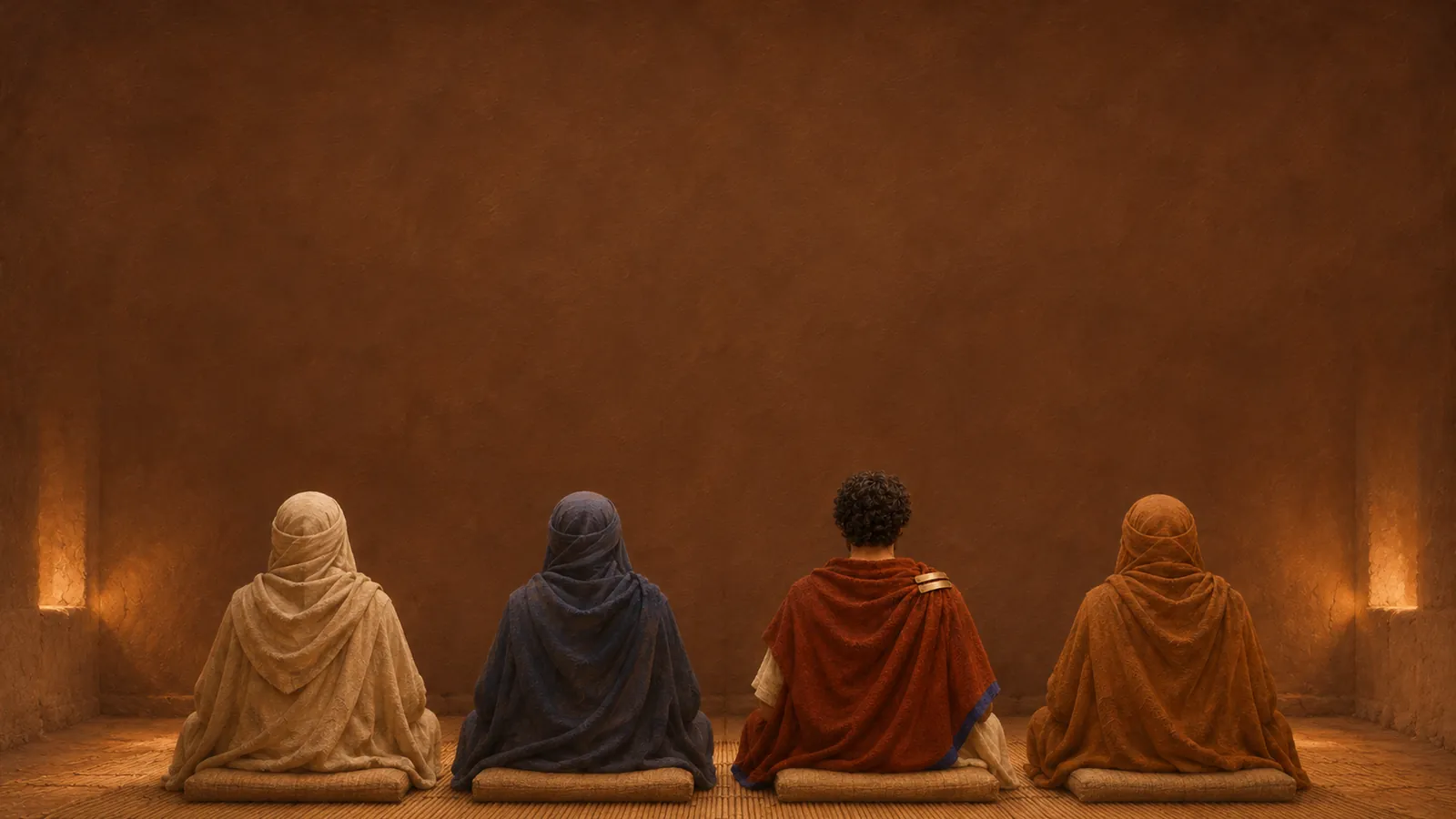
FIFTY NAMES
Now the assembly called for fifty names for Marduk. With every name they could speak of something he had done or something he was entrusted to do.

Marduk was the name Anu gave him at birth. Under that name the gods praised him for saving them and for making grass and water plentiful.
They called him Marukka for bringing rest to the gods. As Marutukku, he was the one the land, the city, and its people could rely on.
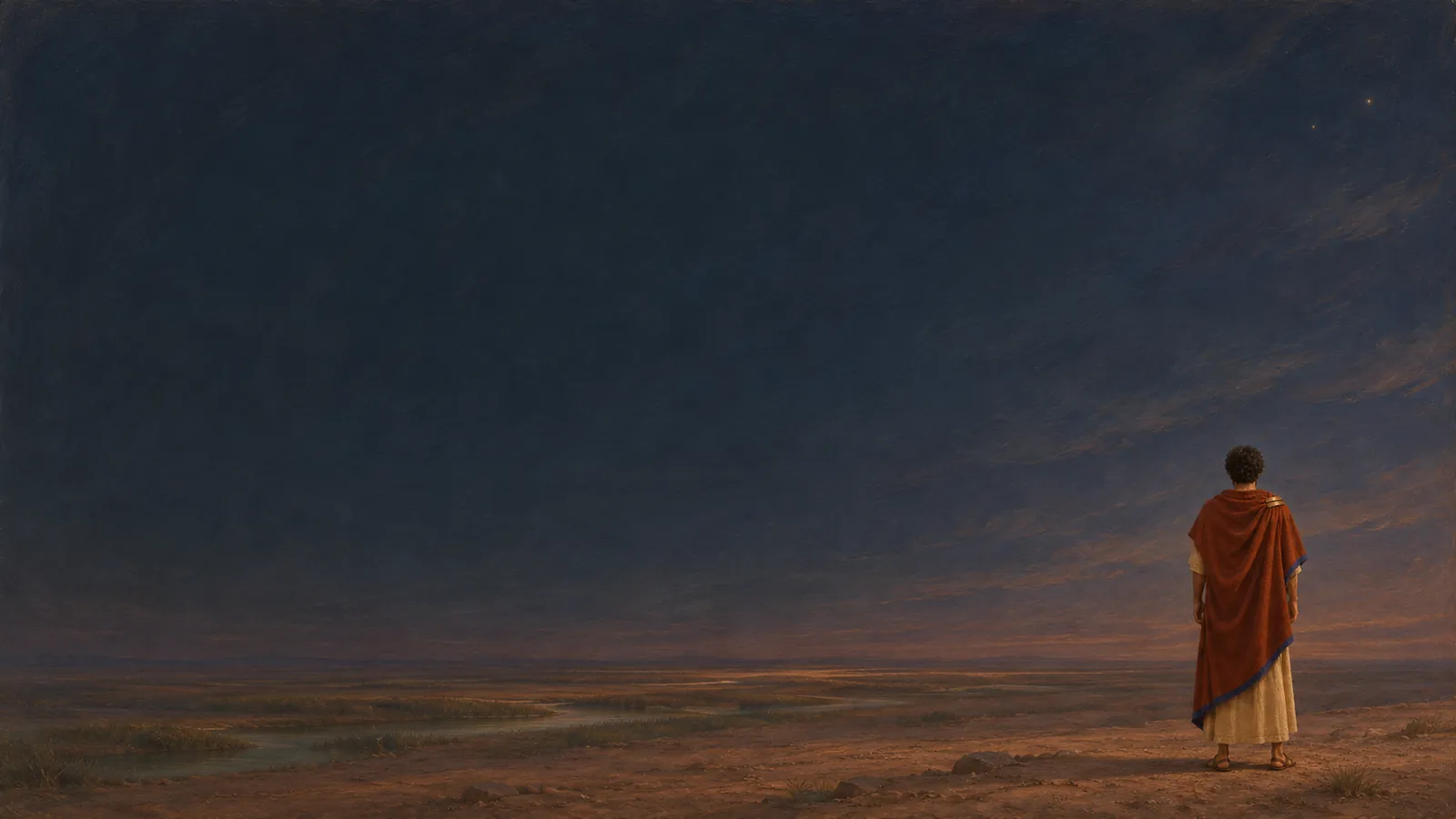
Under one name they praised Marduk as king of all the gods of heaven and earth. Under another they remembered the homes and stations he had set out for them.
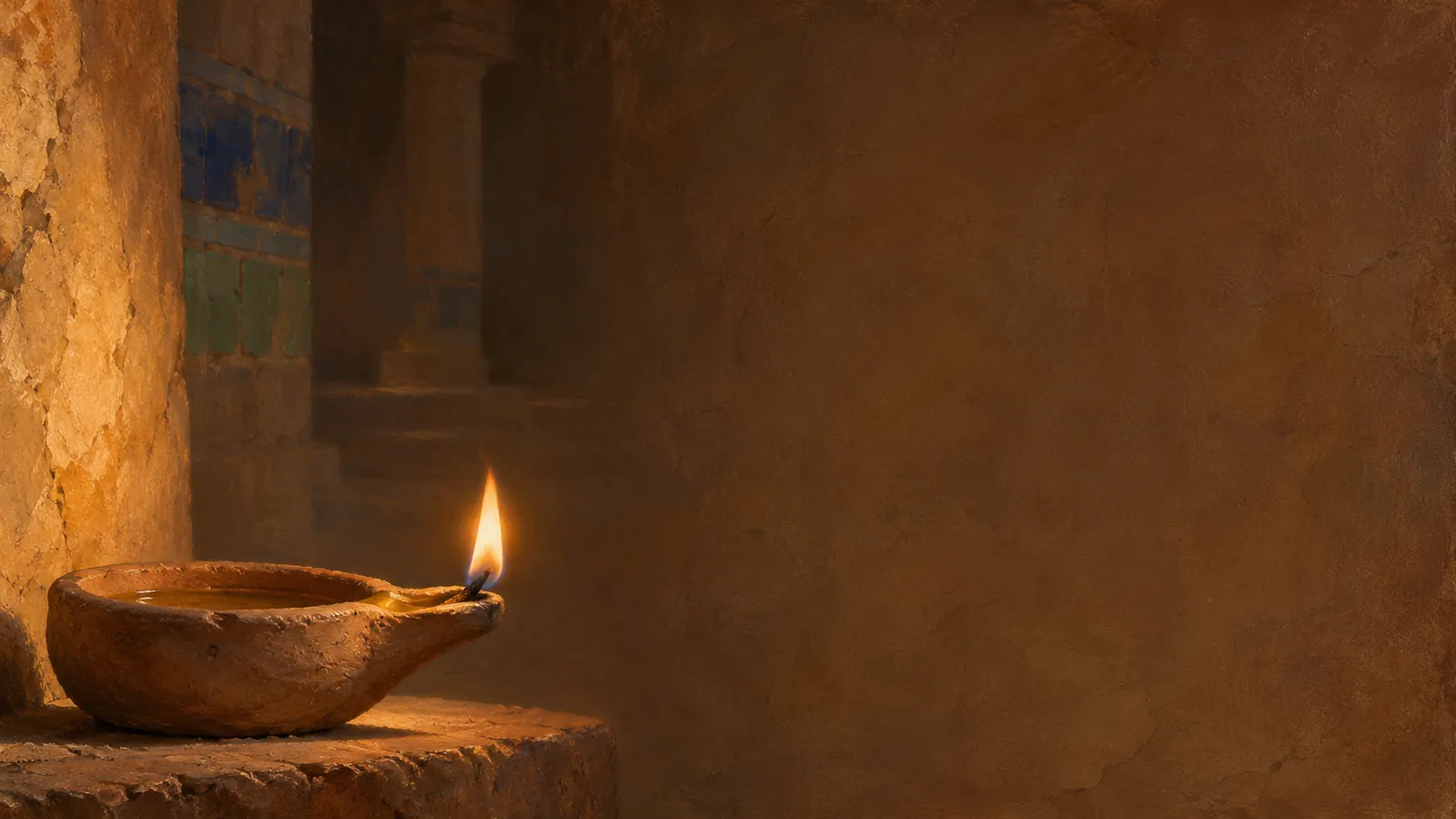
Asarluhi was another name that came from Anu. Under that name Marduk was a light to the gods and a guardian of the land.

They called him Asarluhi-Namtila, the giver of life who revived the stricken gods, and Asarluhi-Namru, who made their ways pure.
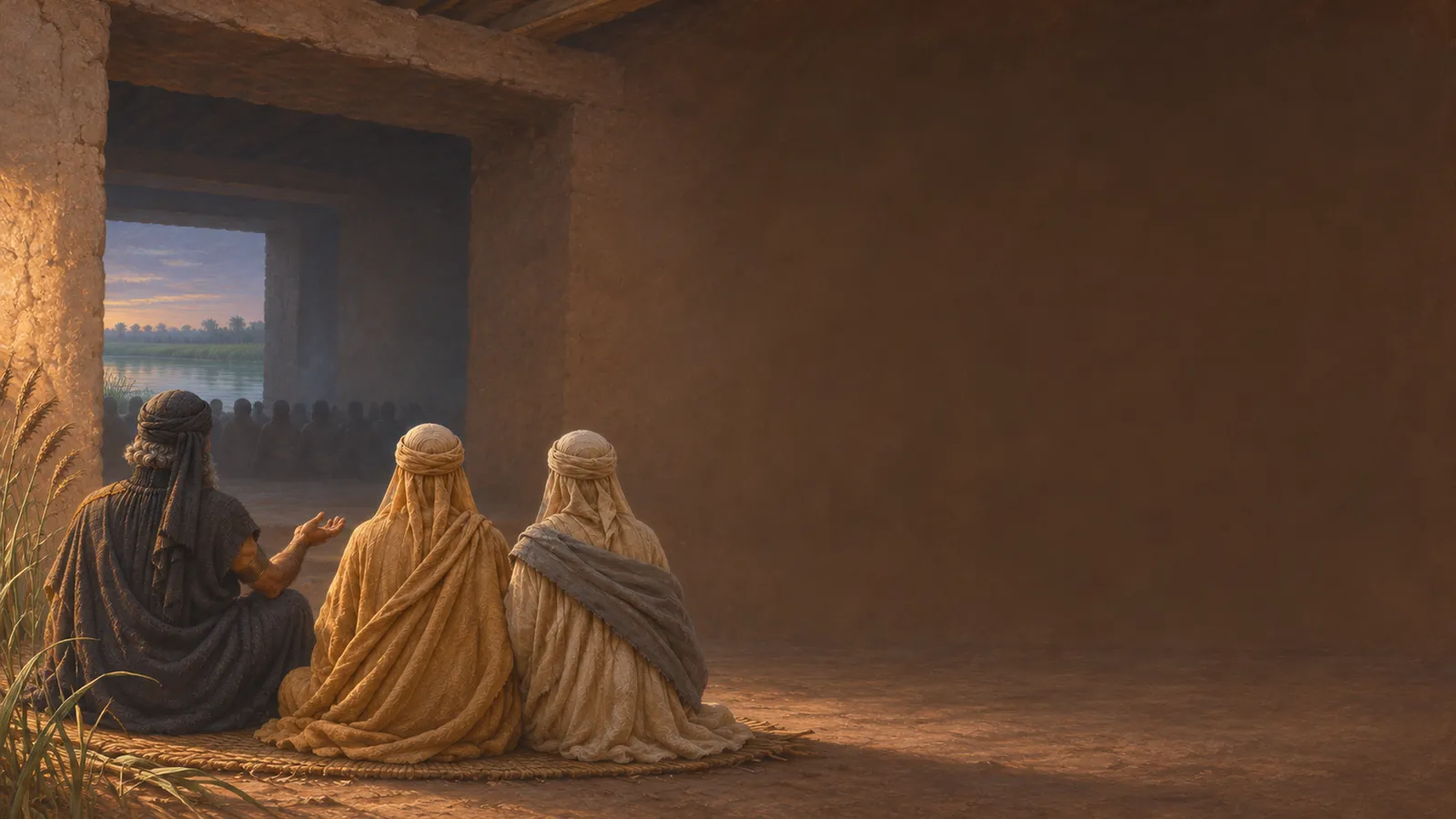
Anshar, Lahmu, and Lahamu had each spoken three names. Then they asked the younger gods to take their turn, and the assembly sat down to continue.
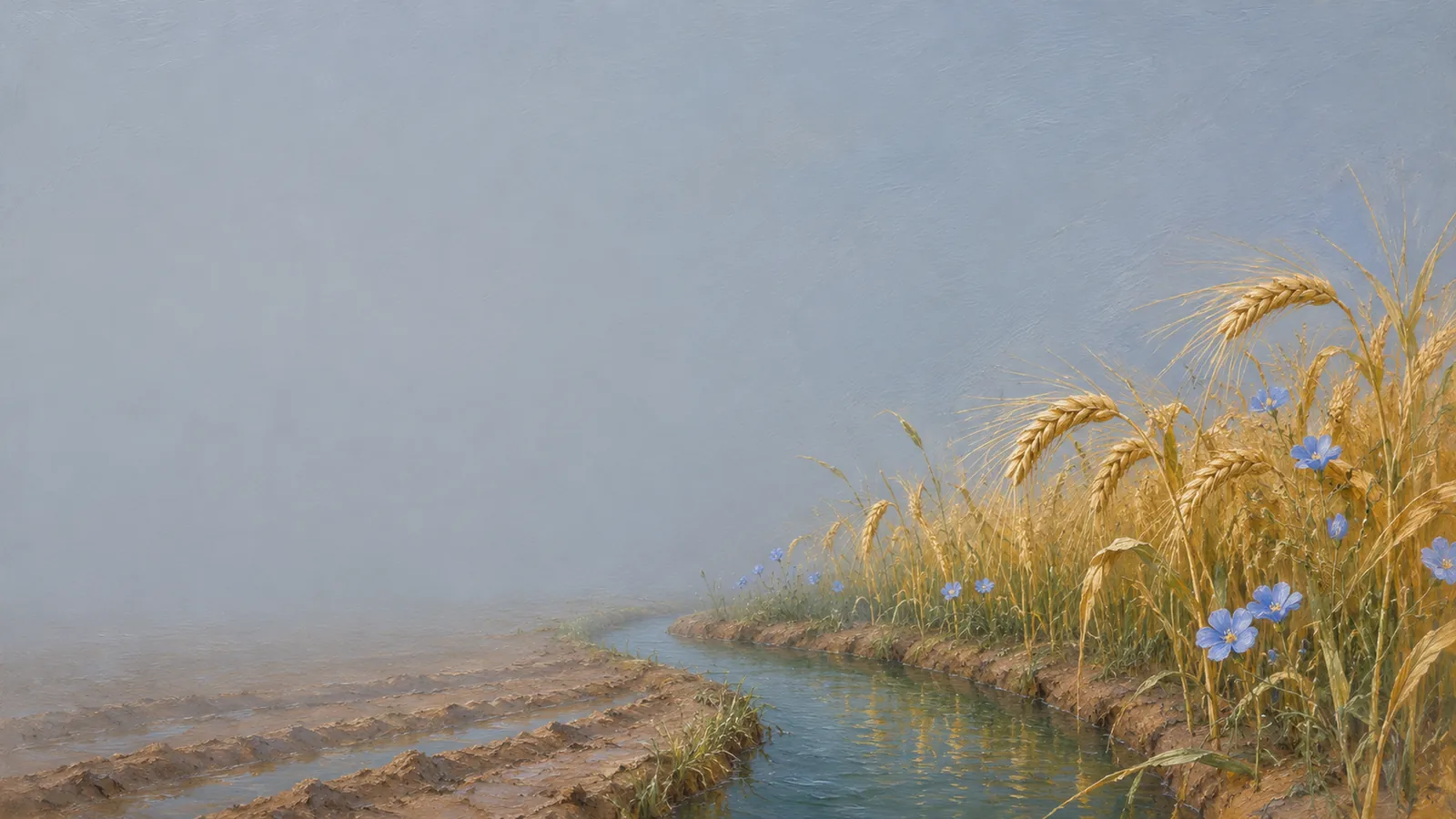
They spoke the name Asari, the one who gives the fields their water and brings forth grain and flax. The names began to sound like the land itself.
In the name Tutu they spoke of restoring the gods and renewing their sanctuaries. Under the name Zi-Ukkina they remembered the stations that he set in heaven.
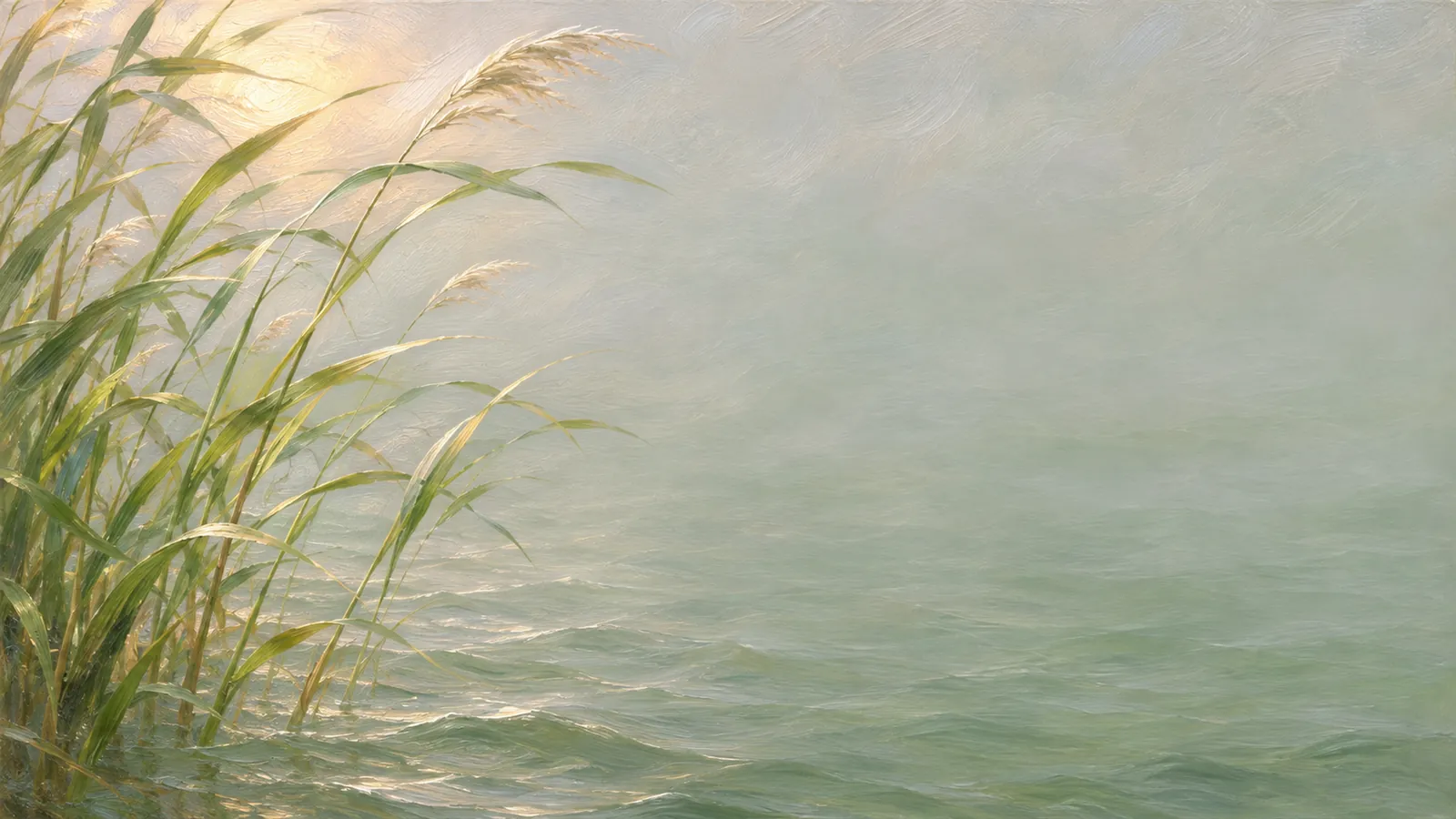
Ziku was the name for one who brought a welcome wind. The gods remembered breathing that wind when they were in need and praising him when need turned to plenty.
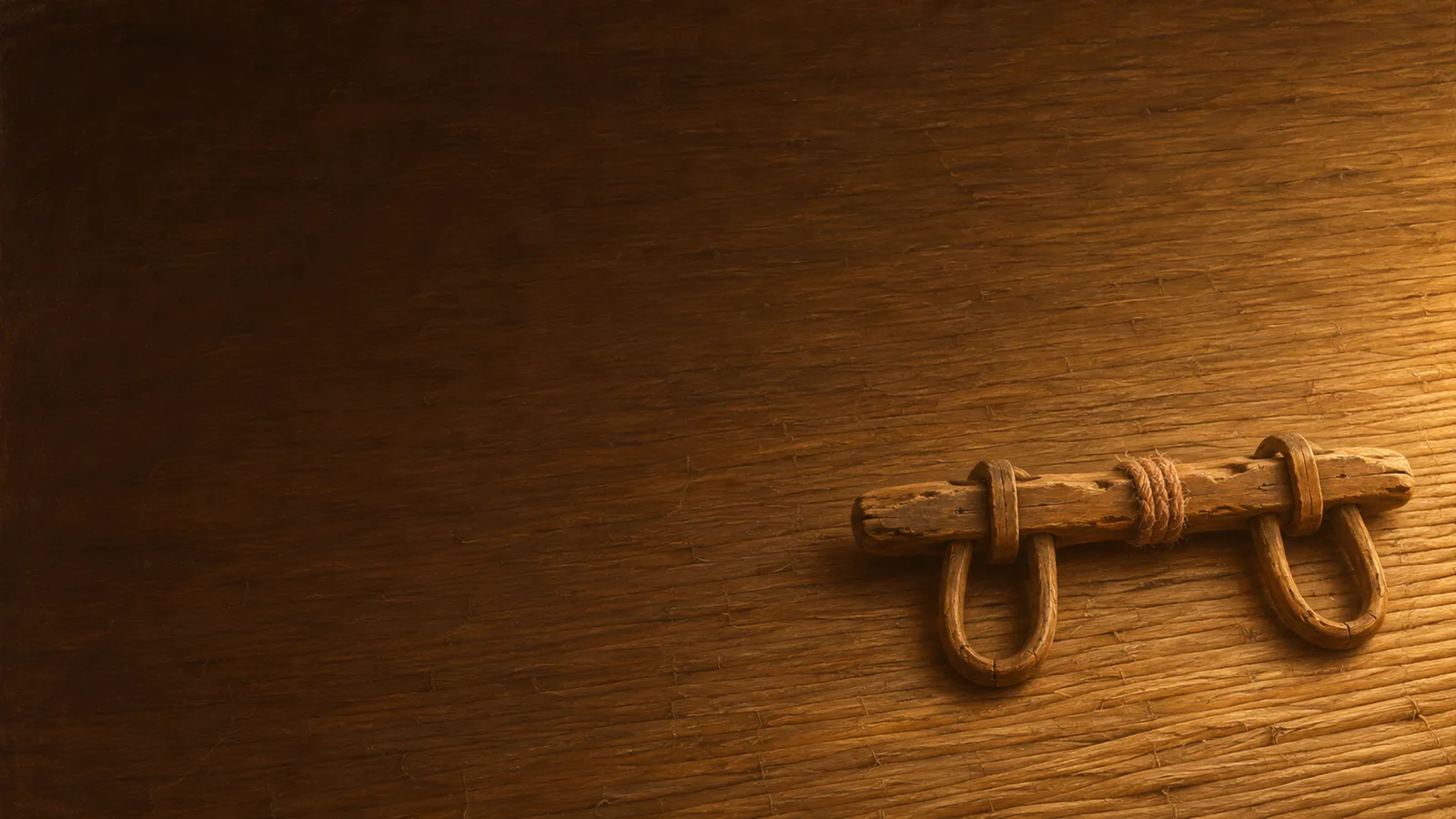
They called him Agaku for showing mercy to the gods who were bound and lifting their yoke. That was how this name told again of the making of humankind.
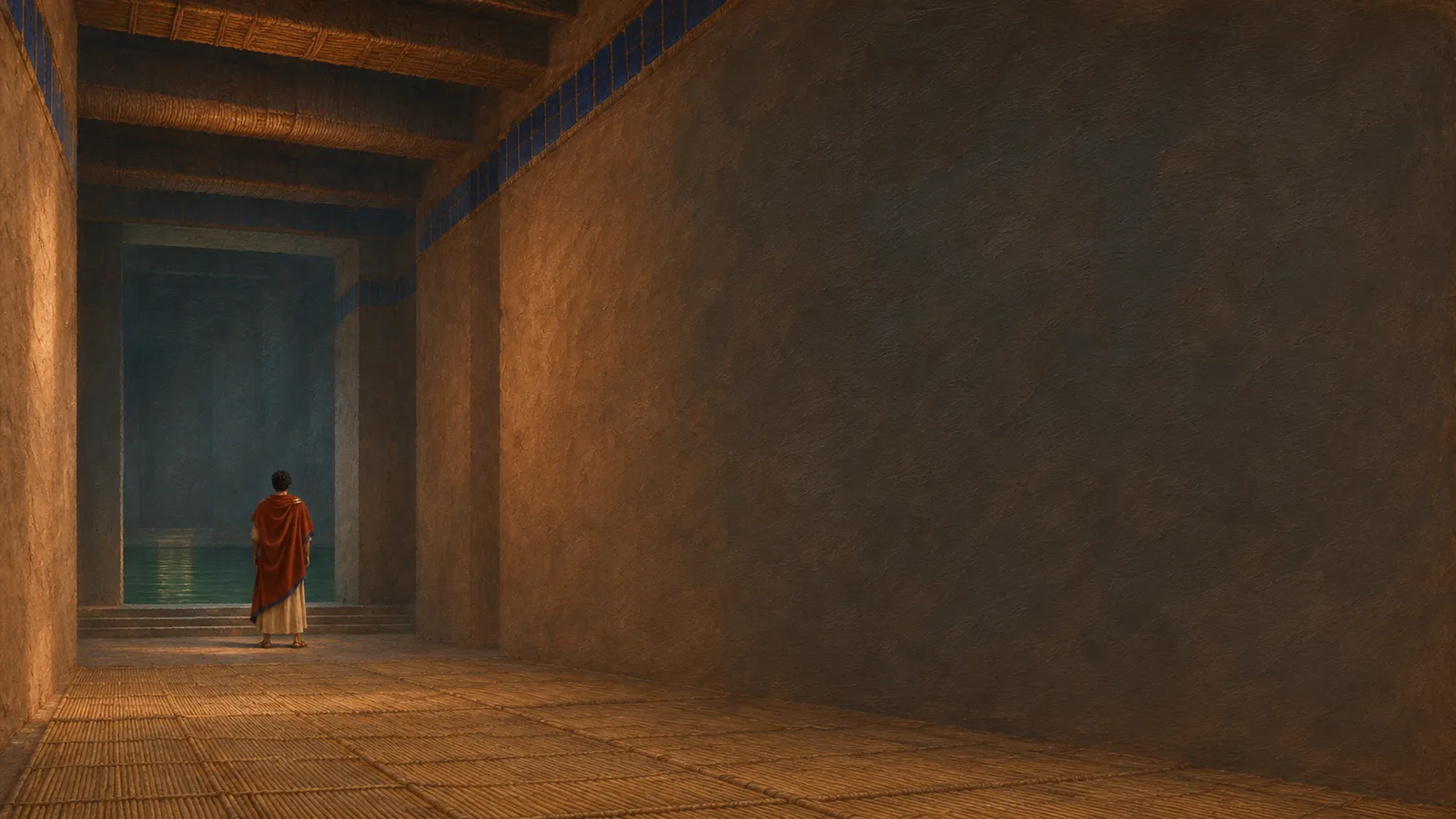
Shazu knew what lay in the hearts of the gods. With this name they praised Marduk for keeping the assembly steady, seeing through false words, and judging fairly.
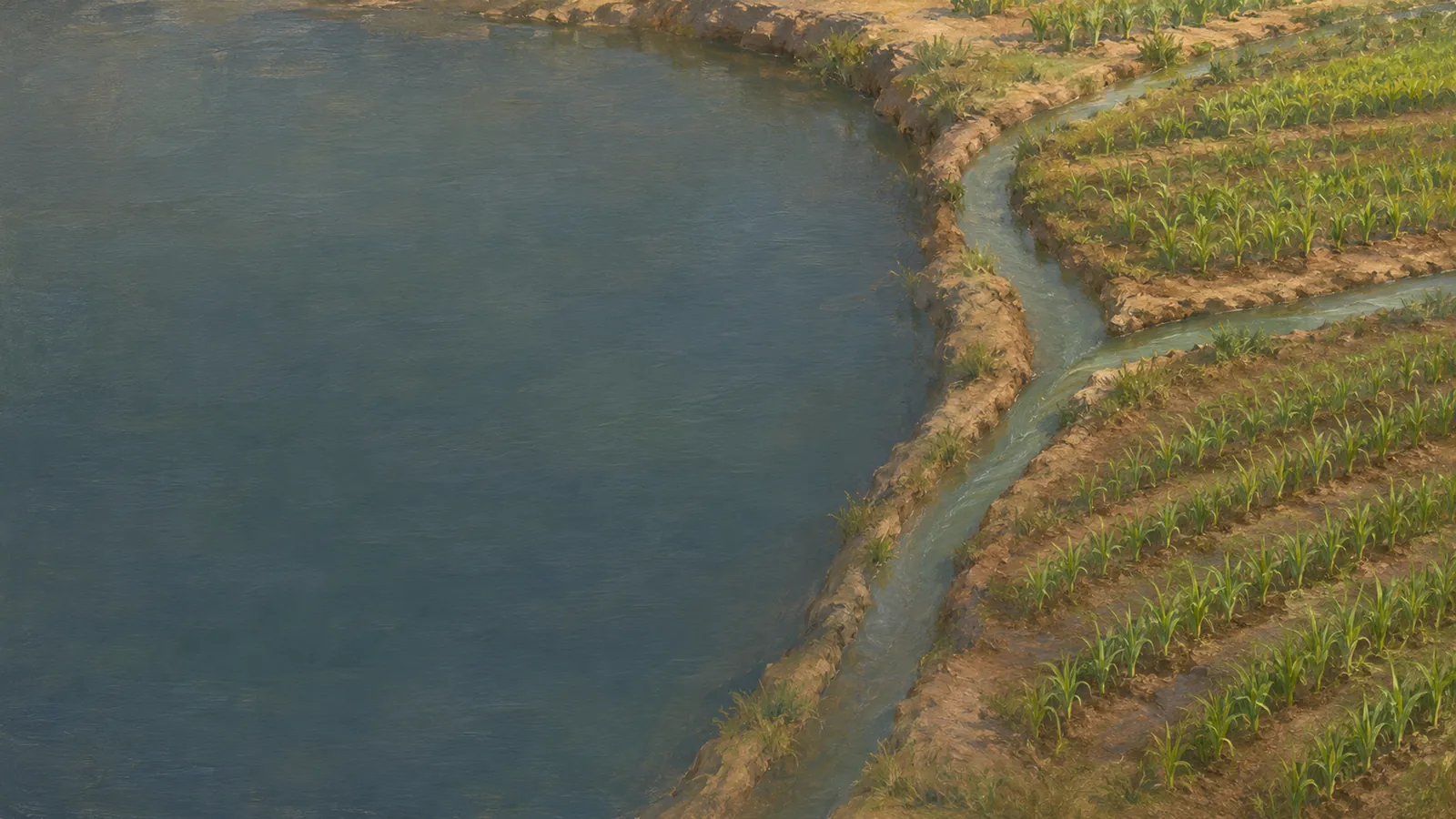
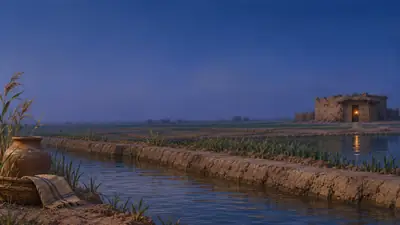
As Enbilulu, he opened channels and let water run freely. As Epadun, he tended canals and banks, and the furrows reached across the open steppe.
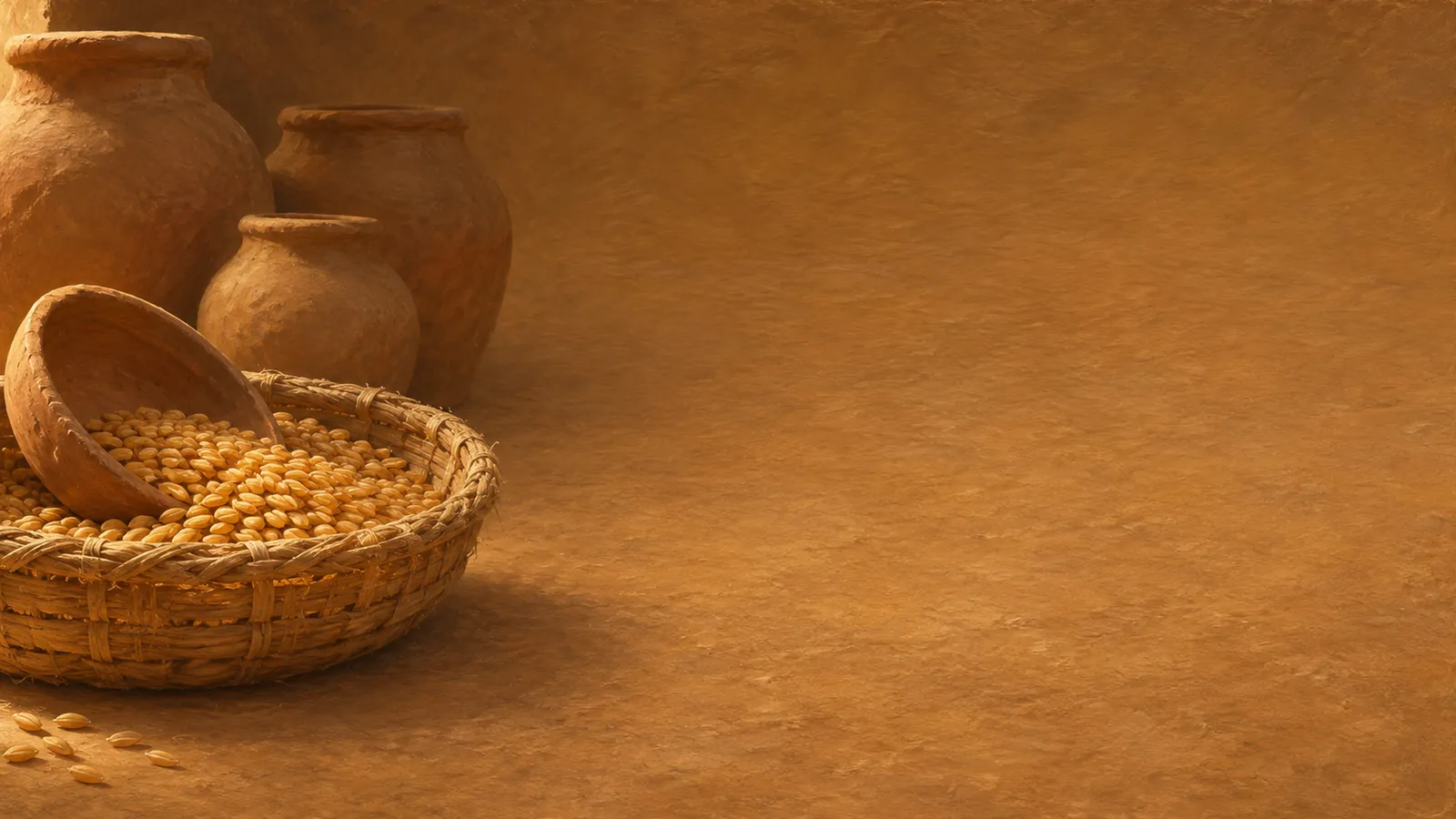
The names continued with Gugal and Hegal. In them the gods spoke of bringing wheat and heaps of grain to the settlements and making the wide land green.
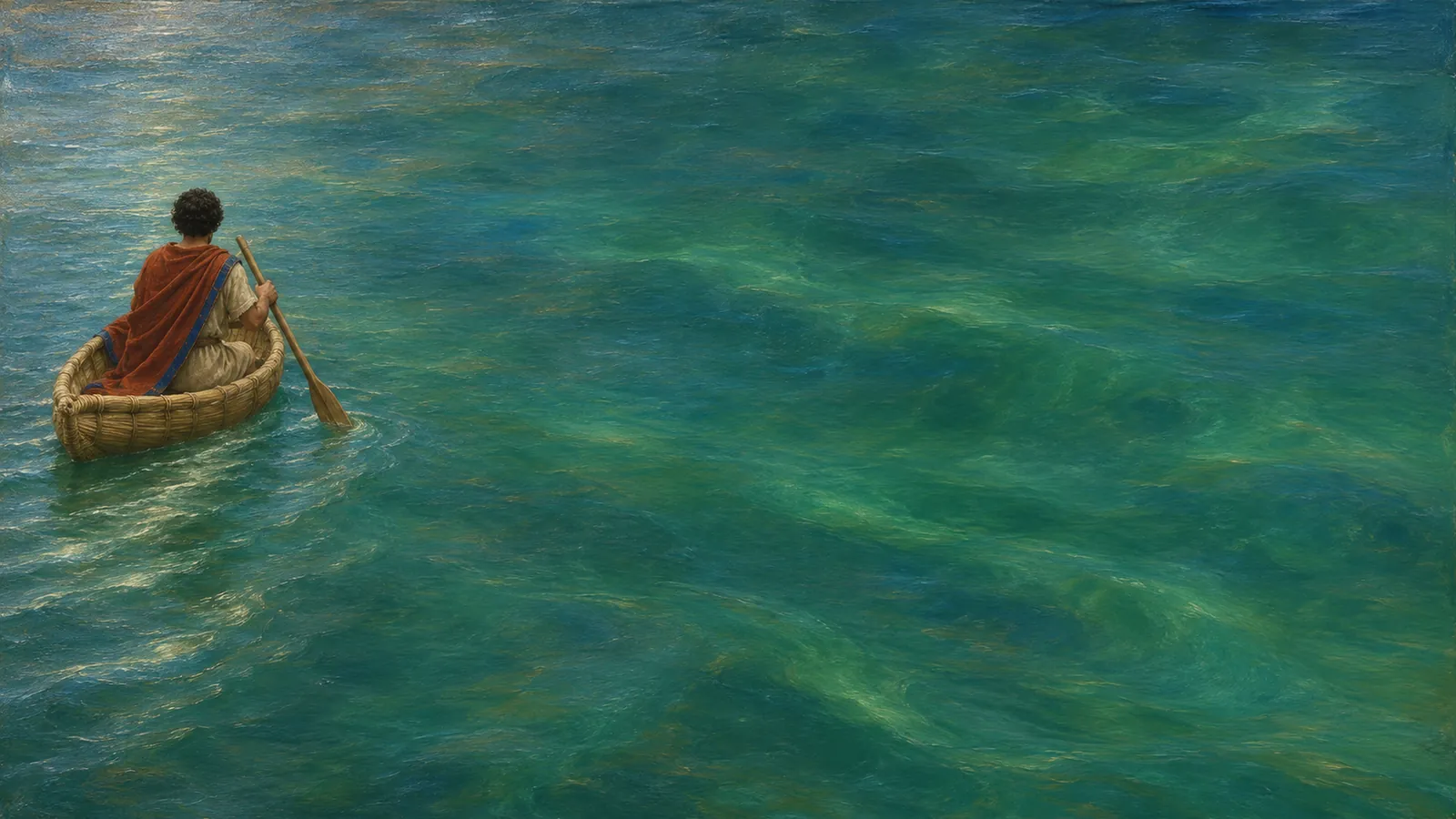
As Sirsir, Marduk was a faithful shepherd of the land. The poem gives him the name of a ferryman too, and pictures Tiamat as the boat he guides.
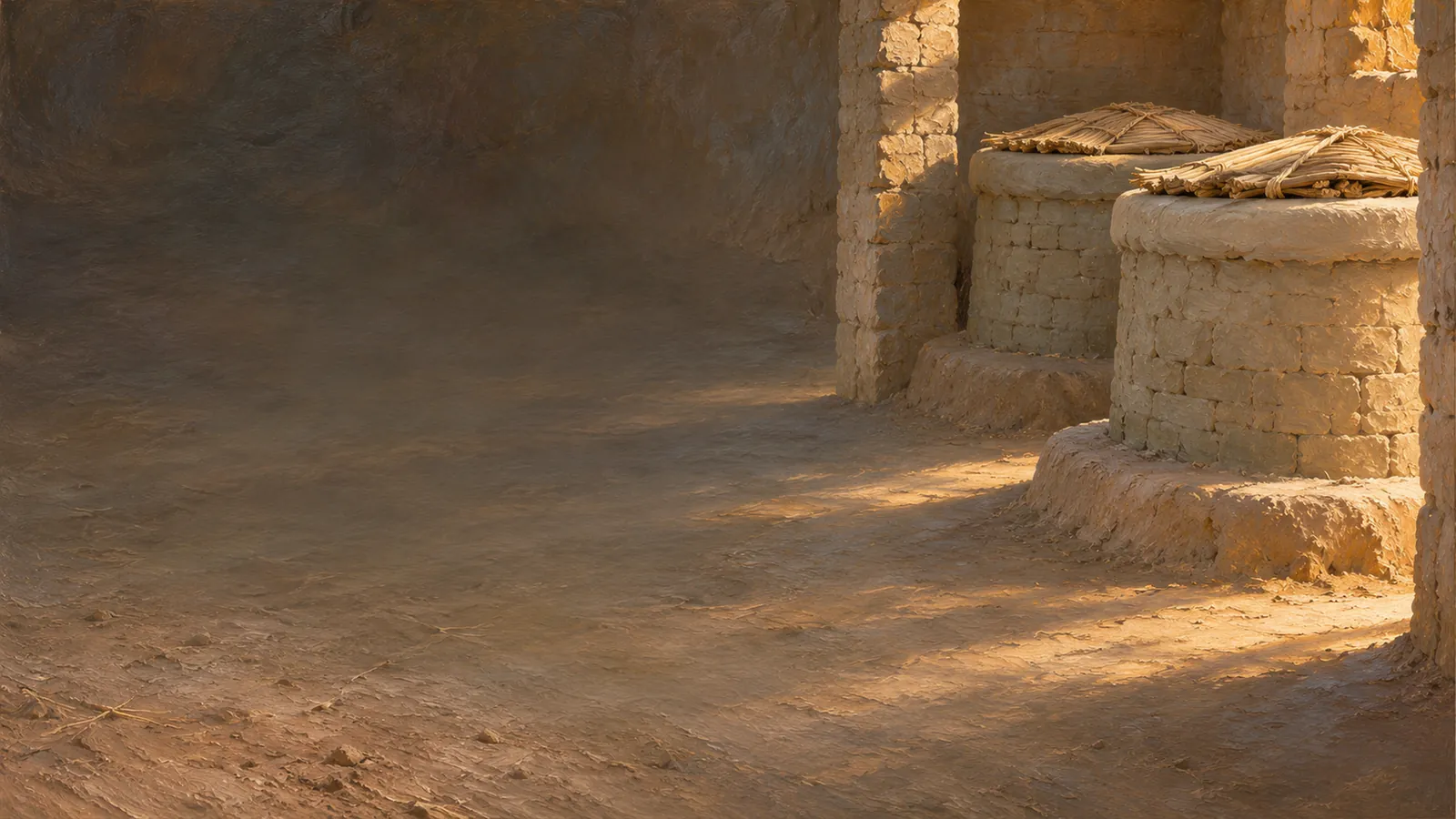
As Gil, he filled the stores with grain and gave seed to the land. The names went on, and one praised a king whose foundations stand firm.
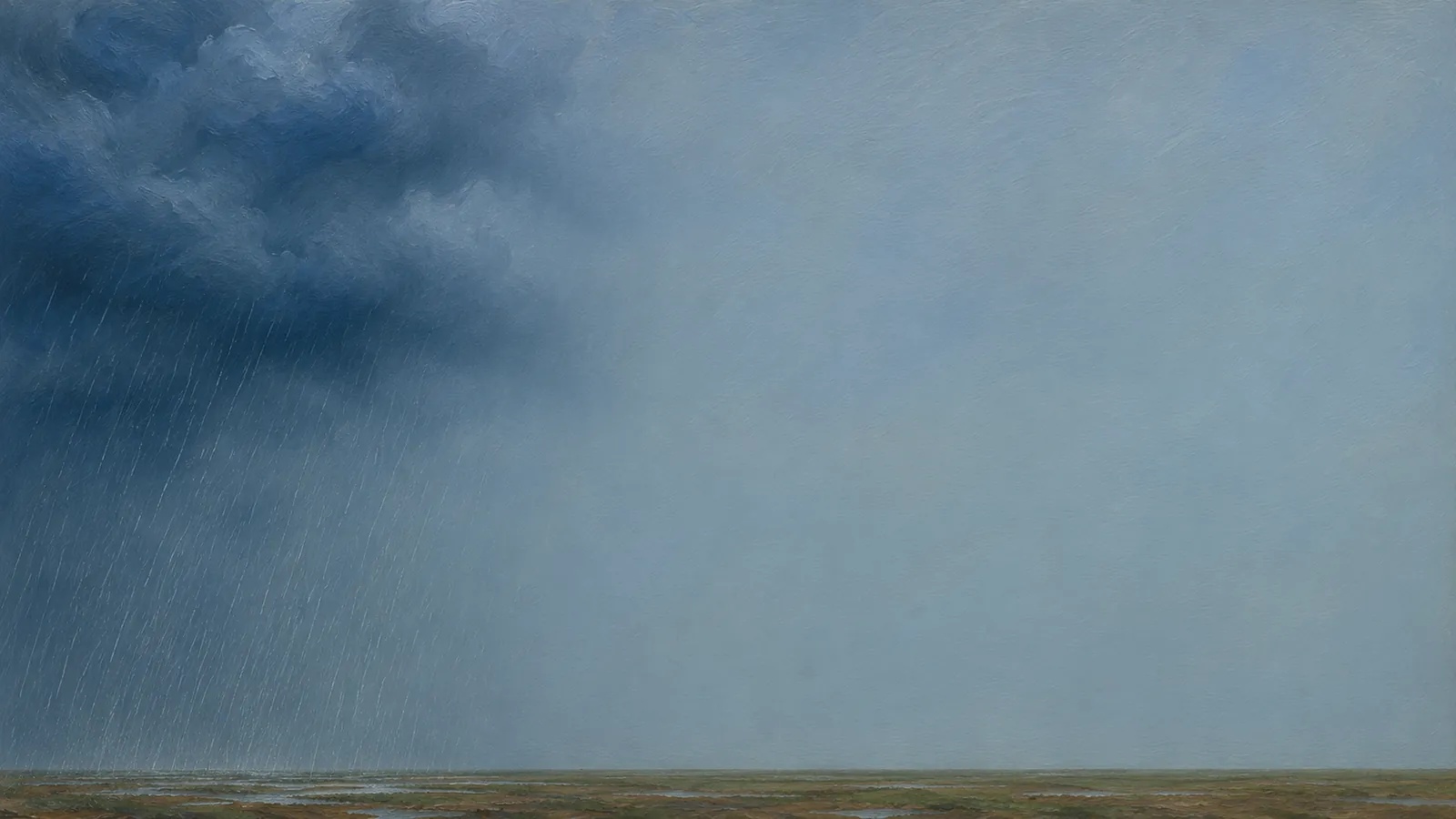
Another name, Adad, carried the sound of thunder over the earth. The gods wished the clouds to fill and bring sustenance to the people below.

NEBERU
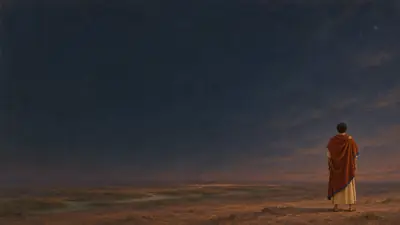
They called him Neberu at the crossing of heaven and earth. The stars were to wait for him there, and he would hold them to their courses.
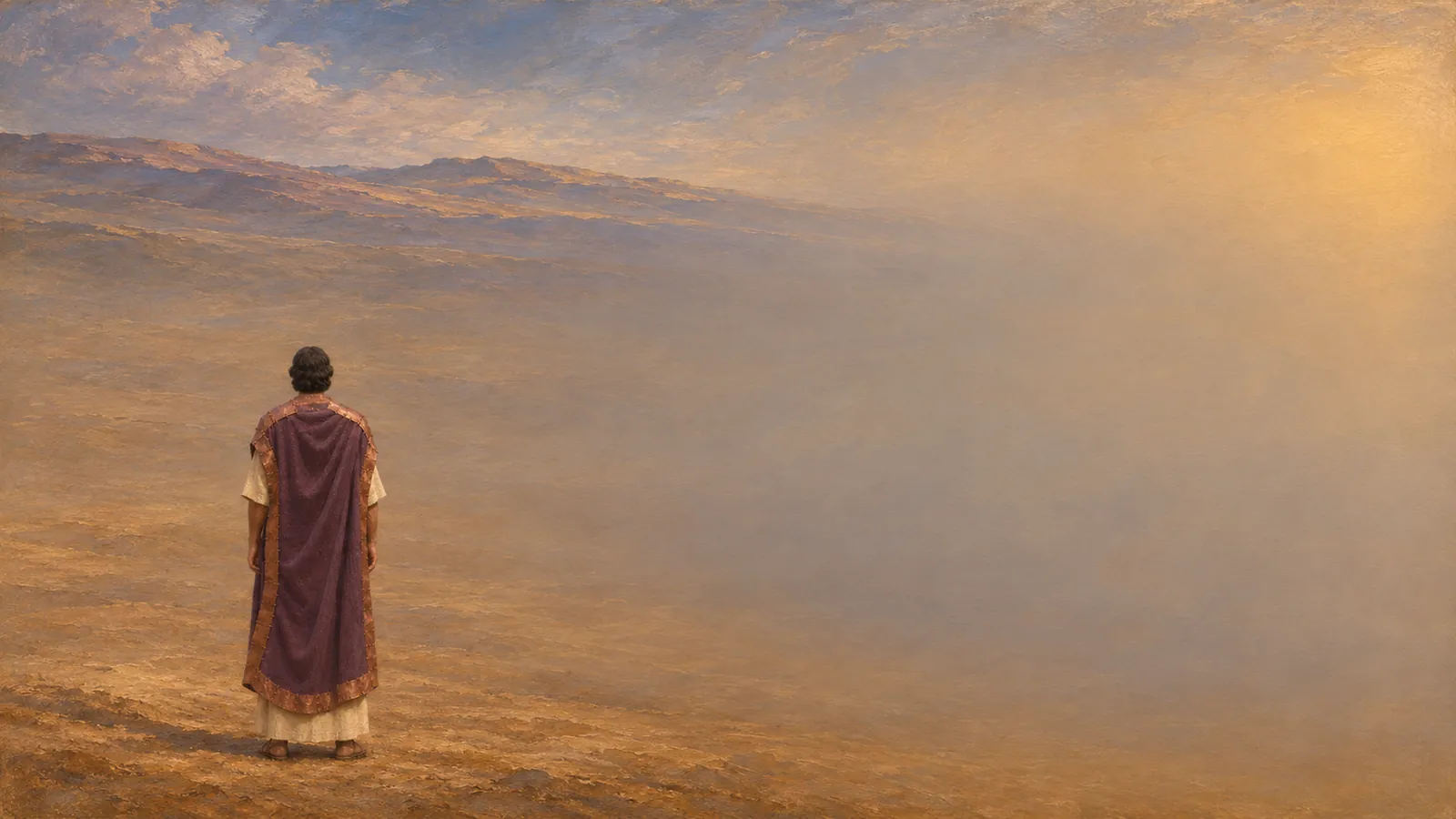
The sky had been set in place and the earth given its form. For those deeds, Enlil called Marduk by the name Lord of the Lands.
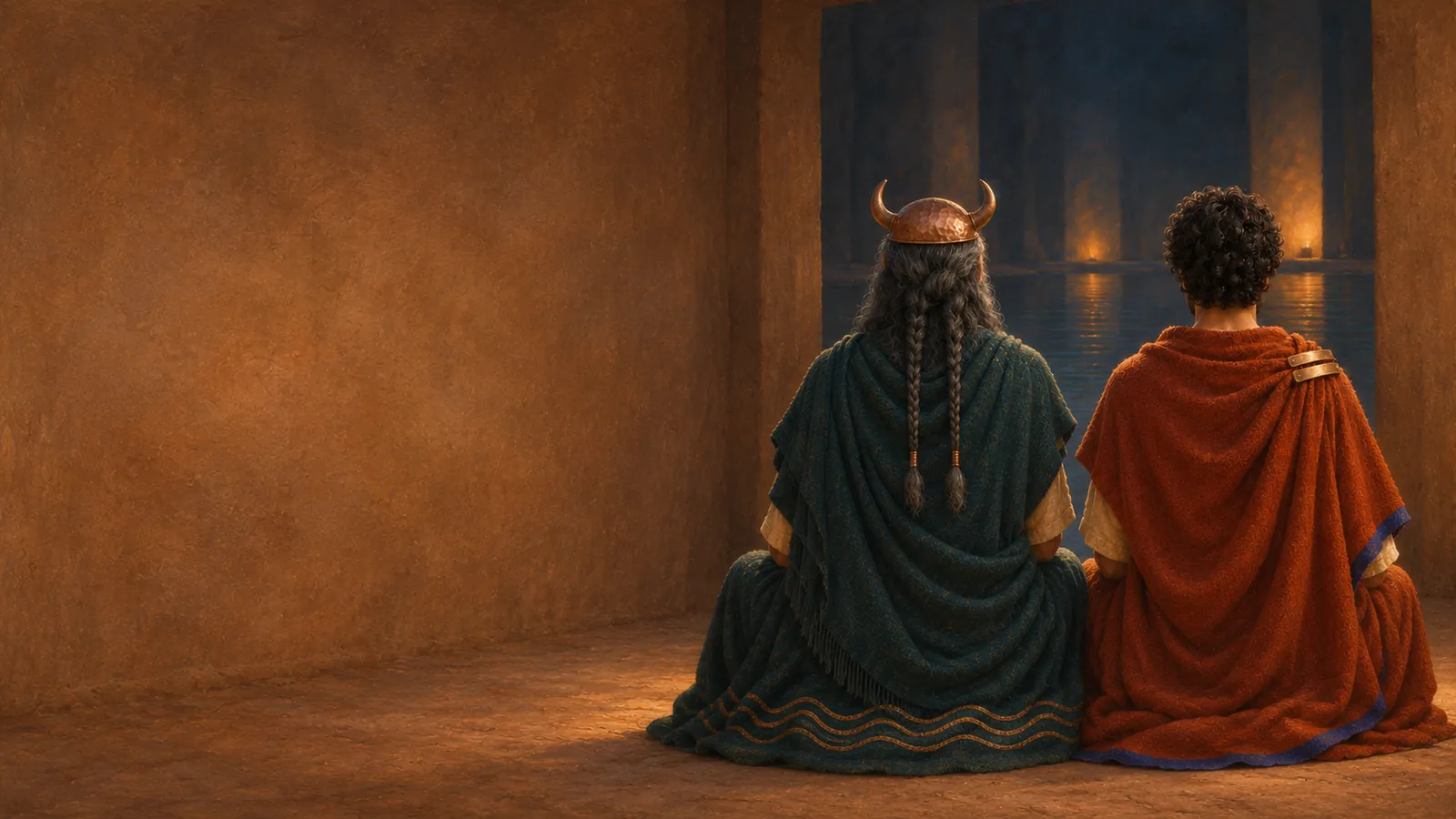
Ea heard the names and was glad. He gave Marduk his own name, Ea, and entrusted him with his rites and decrees. The great gods had spoken fifty names.
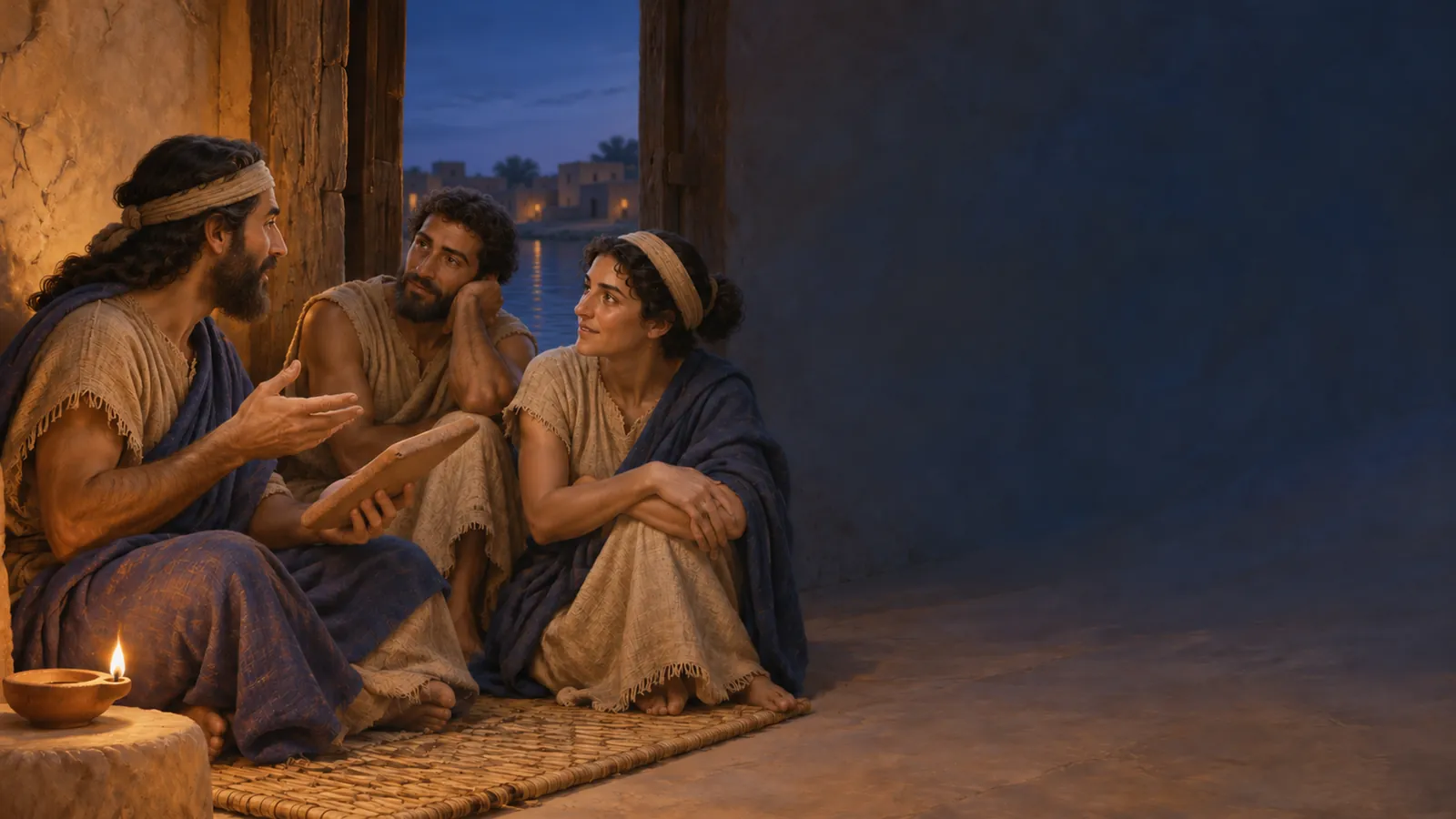
The poem turns to the ones who will hear these names. Let the first reciter bring them to light, it says, and let the wise talk them over together.
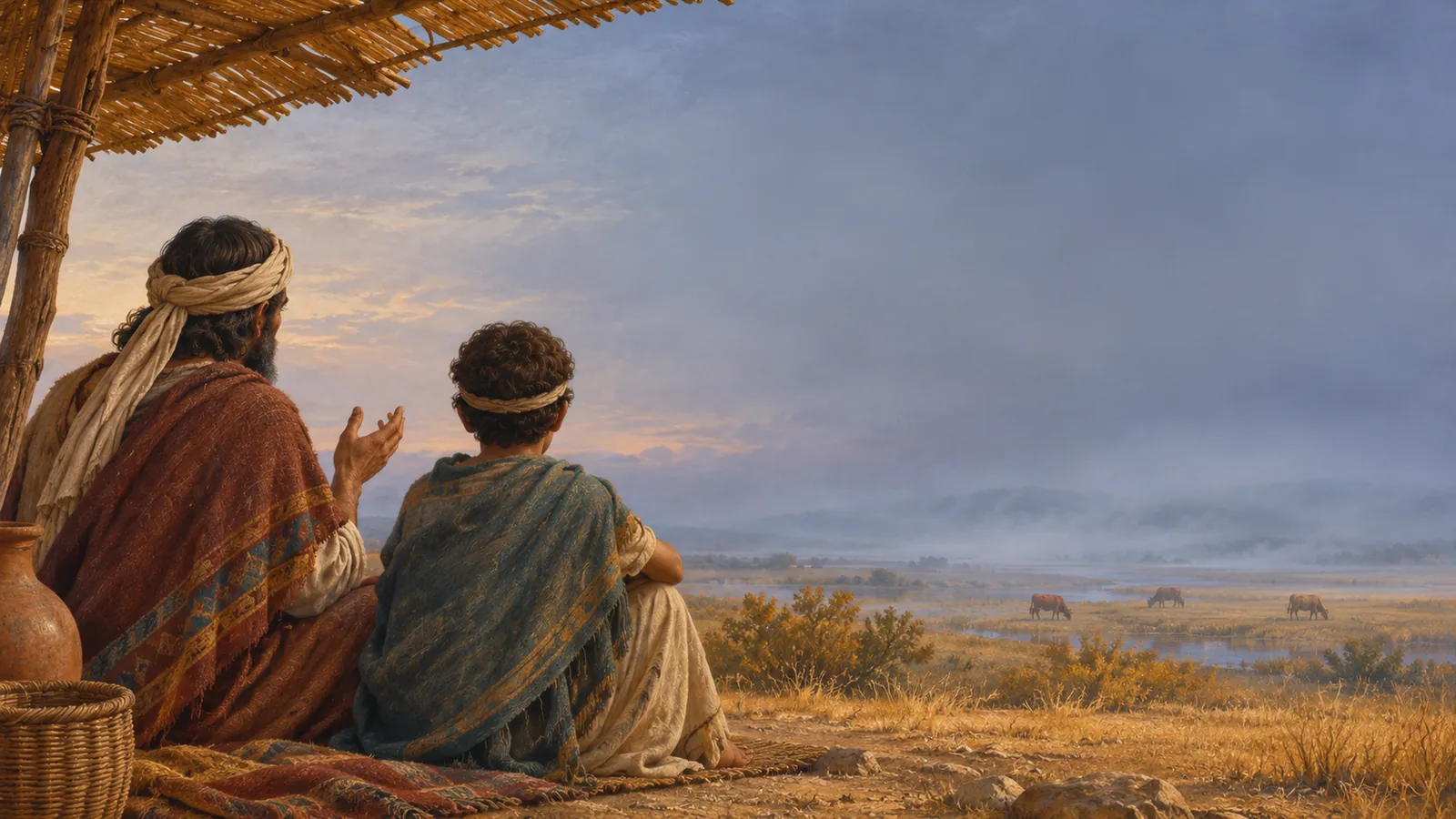
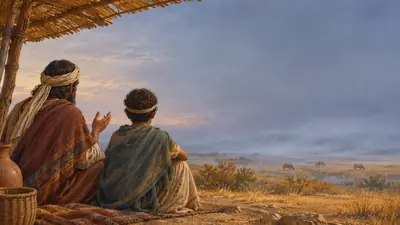
Let a father repeat the names and help his son understand them. Let them reach the shepherd out with the sheep, and the herdsman with his cattle.
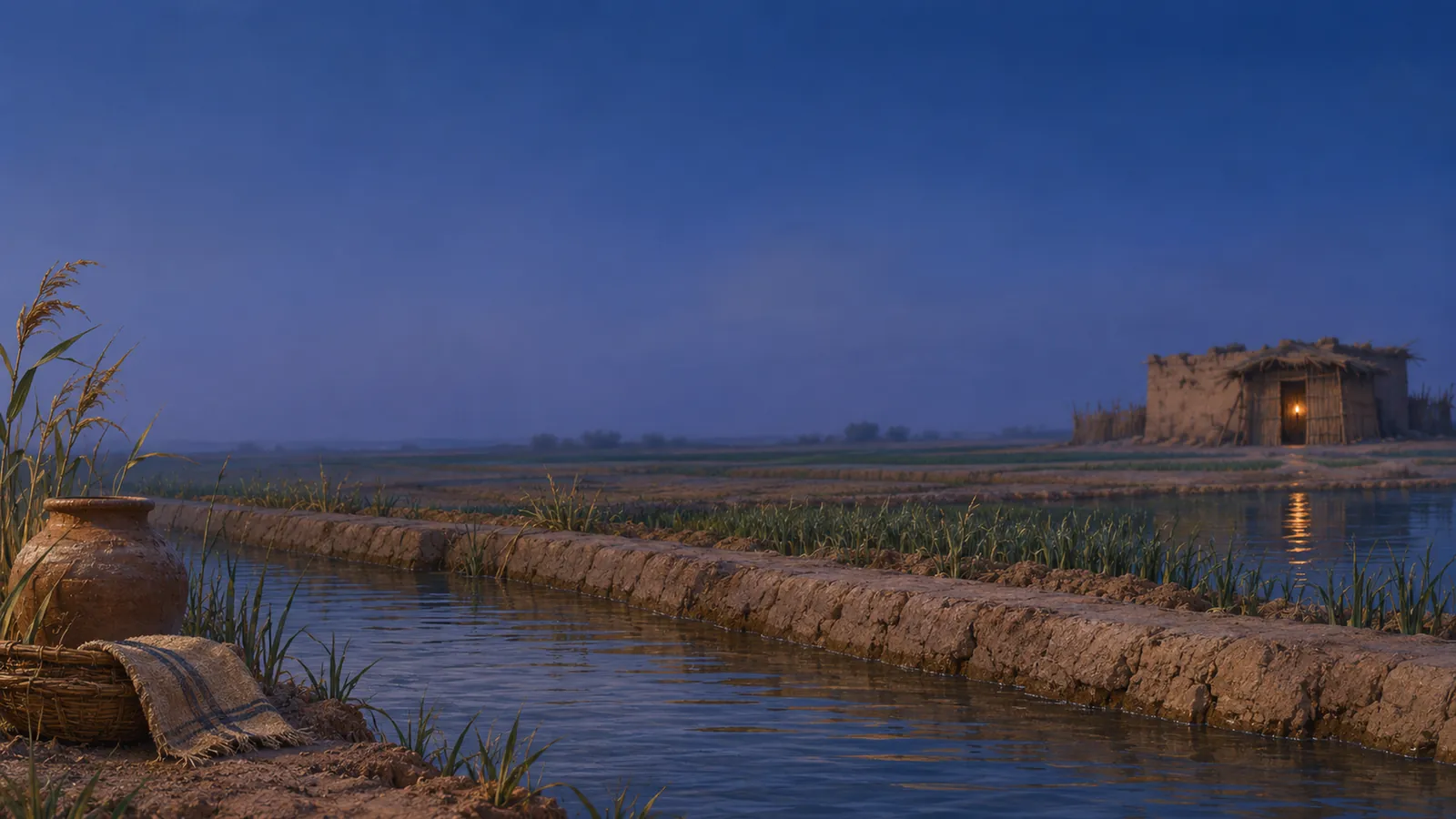
The poem promises safety to those who remember Marduk and prosperity for their land. It says his word holds firm and no other god can undo it.
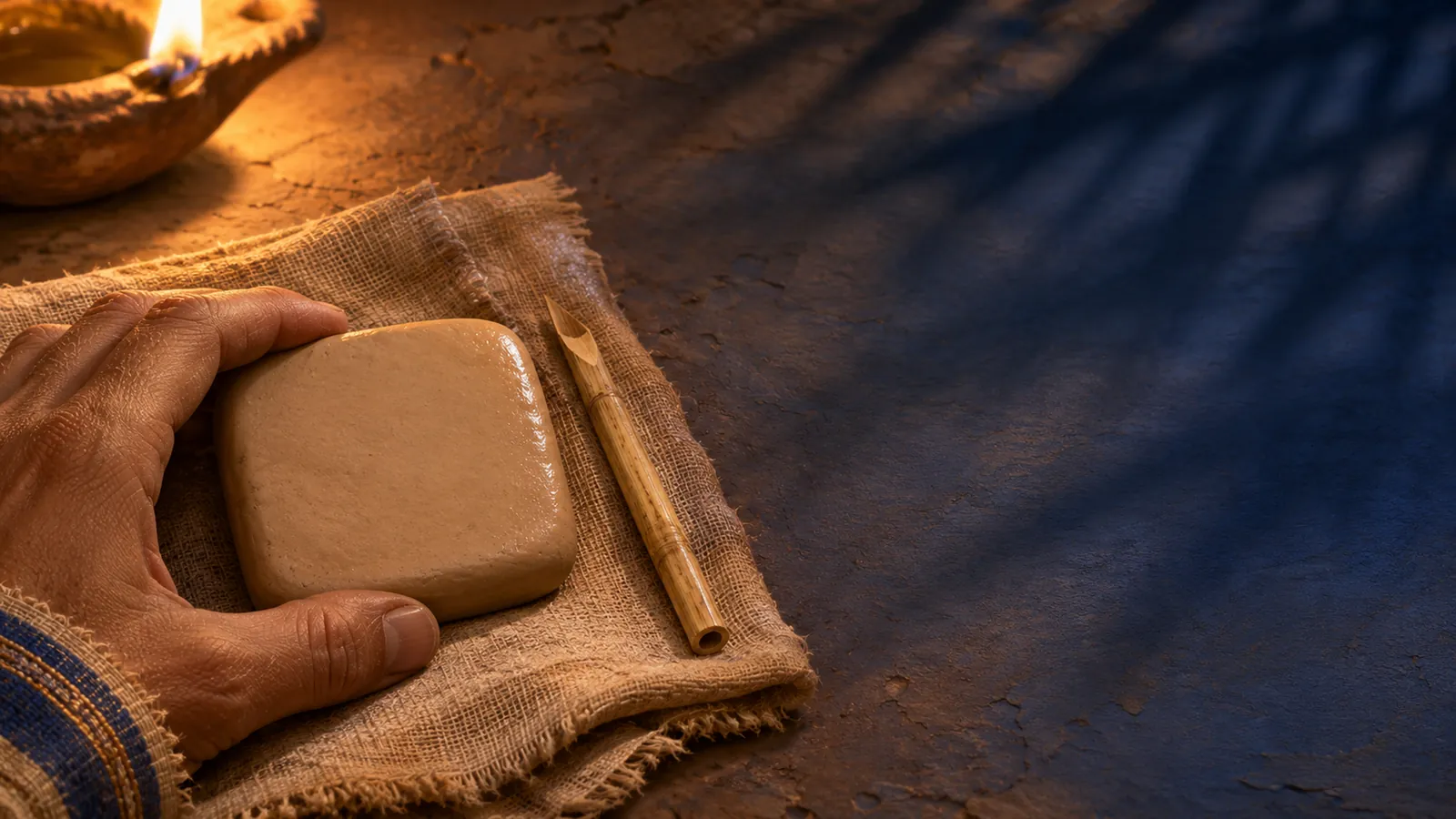
The poem says a first reciter spoke it and wrote it down for those still to come. Wherever people drink water, it asks them to remember Marduk’s name.
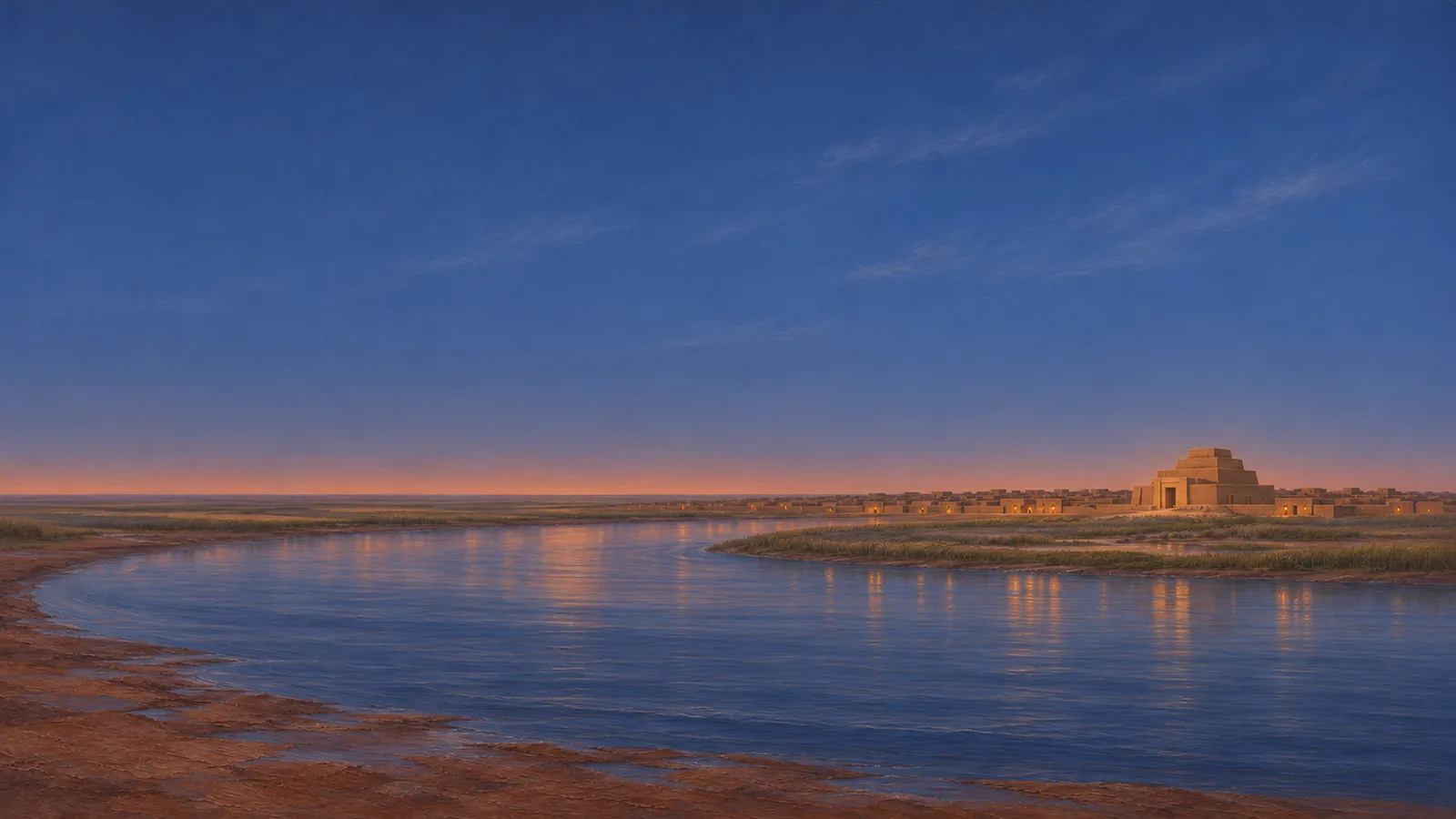
THE SONG OF MARDUK
And here the song of Marduk comes to its close. It remembers how he subdued Tiamat and how he came to be king.
End of chapter 4
All pages




















Sources
Editions consulted
- Heinrich’s Akkadian text and Helle’s translation, Tablets VI–VII, pp. 74–95
- Electronic Babylonian Library, Standard Babylonian Tablet VI
- Electronic Babylonian Library, Standard Babylonian Tablet VII
- Fadhil and Jiménez, the Sippar manuscript and the Babylonian closing lines
Ancient lines behind each page
- Page 1: Enūma Eliš VI 1–4 · eBL L I.2 · Heinrich–Helle
- Page 2: Enūma Eliš VI 5–10 · eBL L I.2 · Heinrich–Helle
- Page 3: Enūma Eliš VI 11–16 · eBL L I.2 · Heinrich–Helle
- Page 4: Enūma Eliš VI 17–20 · eBL L I.2 · Heinrich–Helle
- Page 5: Enūma Eliš VI 21–26 · eBL L I.2 · Heinrich–Helle
- Page 6: Enūma Eliš VI 27–30 · eBL L I.2 · Heinrich–Helle
- Page 7: Enūma Eliš VI 31–32 · eBL L I.2 · Heinrich–Helle
- Page 8: Enūma Eliš VI 33–38 · eBL L I.2 · Heinrich–Helle
- Page 9: Enūma Eliš VI 39–40 · eBL L I.2 · Heinrich–Helle
- Page 10: Enūma Eliš VI 41–44 · eBL L I.2 · Heinrich–Helle
- Page 11: Enūma Eliš VI 45–46 · eBL L I.2 · Heinrich–Helle
- Page 12: Enūma Eliš VI 47–51 · eBL L I.2 · Heinrich–Helle
- Page 13: Enūma Eliš VI 52–54 · eBL L I.2 · Heinrich–Helle
The reading of a possible altar in VI 53 is uncertain. - Page 14: Enūma Eliš VI 55–58 and V 117–130 · eBL L I.2 · Heinrich–Helle
- Page 15: Enūma Eliš VI 59–60 · eBL L I.2 · Heinrich–Helle
- Page 16: Enūma Eliš VI 61–62 · eBL L I.2 · Heinrich–Helle
- Page 17: Enūma Eliš VI 63–64 · eBL L I.2 · Heinrich–Helle
- Page 18: Enūma Eliš VI 65–68 · eBL L I.2 · Heinrich–Helle
The relation between Marduk’s crown or the temple’s height and Eshara is open to several readings in VI 66. - Page 19: Enūma Eliš VI 69–71 · eBL L I.2 · Heinrich–Helle
Tablet VI gives different groups and numbers here and when the gods first receive their stations. - Page 20: Enūma Eliš VI 72–76 · eBL L I.2 · Heinrich–Helle
- Page 21: Enūma Eliš VI 77–81 · eBL L I.2 · Heinrich–Helle
- Page 22: Enūma Eliš VI 82–85 · eBL L I.2 · Heinrich–Helle
- Page 23: Enūma Eliš VI 86–88 · eBL L I.2 · Heinrich–Helle
- Page 24: Enūma Eliš VI 89–94 · eBL L I.2 · Heinrich–Helle
- Page 25: Enūma Eliš VI 95–101 · eBL L I.2 · Heinrich–Helle
- Page 26: Enūma Eliš VI 102–108 · eBL L I.2 · Heinrich–Helle
- Page 27: Enūma Eliš VI 109–120 · eBL L I.2 · Heinrich–Helle
The sense of VI 112–118 is uncertain in places. - Page 28: Enūma Eliš VI 121–122 · eBL L I.2 · Heinrich–Helle
- Page 29: Enūma Eliš VI 123–132 · eBL L I.2 · Heinrich–Helle
- Page 30: Enūma Eliš VI 133–138 · eBL L I.2 · Heinrich–Helle
- Page 31: Enūma Eliš VI 139–146 · eBL L I.2 · Heinrich–Helle
- Page 32: Enūma Eliš VI 147–150 · eBL L I.2 · Heinrich–Helle
- Page 33: Enūma Eliš VI 151–156 · eBL L I.2 · Heinrich–Helle
- Page 34: Enūma Eliš VI 157–166 · eBL L I.2 · Heinrich–Helle
- Page 35: Enūma Eliš VII 1–6 · eBL L I.2 · Heinrich–Helle
- Page 36: Enūma Eliš VII 7–18 · eBL L I.2 · Heinrich–Helle
- Page 37: Enūma Eliš VII 19–24 · eBL L I.2 · Heinrich–Helle
- Page 38: Enūma Eliš VII 25–34 · eBL L I.2 · Heinrich–Helle
- Page 39: Enūma Eliš VII 35–56 · eBL L I.2 · Heinrich–Helle
- Page 40: Enūma Eliš VII 57–63 · eBL L I.2 · Heinrich–Helle
- Page 41: Enūma Eliš VII 64–69 · eBL L I.2 · Heinrich–Helle
- Page 42: Enūma Eliš VII 70–77 · eBL L I.2 · Heinrich–Helle
- Page 43: Enūma Eliš VII 78–96, especially 78–79 and 91–92 · eBL L I.2 · Heinrich–Helle
- Page 44: Enūma Eliš VII 97–123, especially 119–121b · eBL L I.2 · Heinrich–Helle
- Page 45: Enūma Eliš VII 124–134 · eBL L I.2 · Heinrich–Helle
- Page 46: Enūma Eliš VII 135–138 · eBL L I.2 · Heinrich–Helle
- Page 47: Enūma Eliš VII 139–144 · eBL L I.2 · Heinrich–Helle
- Page 48: Enūma Eliš VII 145–146 · eBL L I.2 · Heinrich–Helle
- Page 49: Enūma Eliš VII 147–148 · eBL L I.2 · Heinrich–Helle
- Page 50: Enūma Eliš VII 149–156 · eBL L I.2 · Heinrich–Helle
- Page 51: Enūma Eliš VII 157–160 · eBL L I.2 · Heinrich–Helle
- Page 52: Enūma Eliš VII 161–162 · visual echo of VII 163–164, damaged Babylonian witnesses · eBL L I.2 · Heinrich–Helle
The two damaged Babylonian closing lines mention Babylon and Esagil.
Illustrations made with AI tools by IL Archive; the text is based on the ancient sources (see the sources at the end of each chapter).