Enuma Elish Chapter 3
The Shape of Heaven
Marduk meets Tiamat in the storm and takes the Tablet of Destinies from Qingu. He gives the sky its order, brings rivers from the deep, and names the place where Babylon will stand.
Watch the filmSourcesTurn the pages with the arrows, the arrow keys or a swipe.
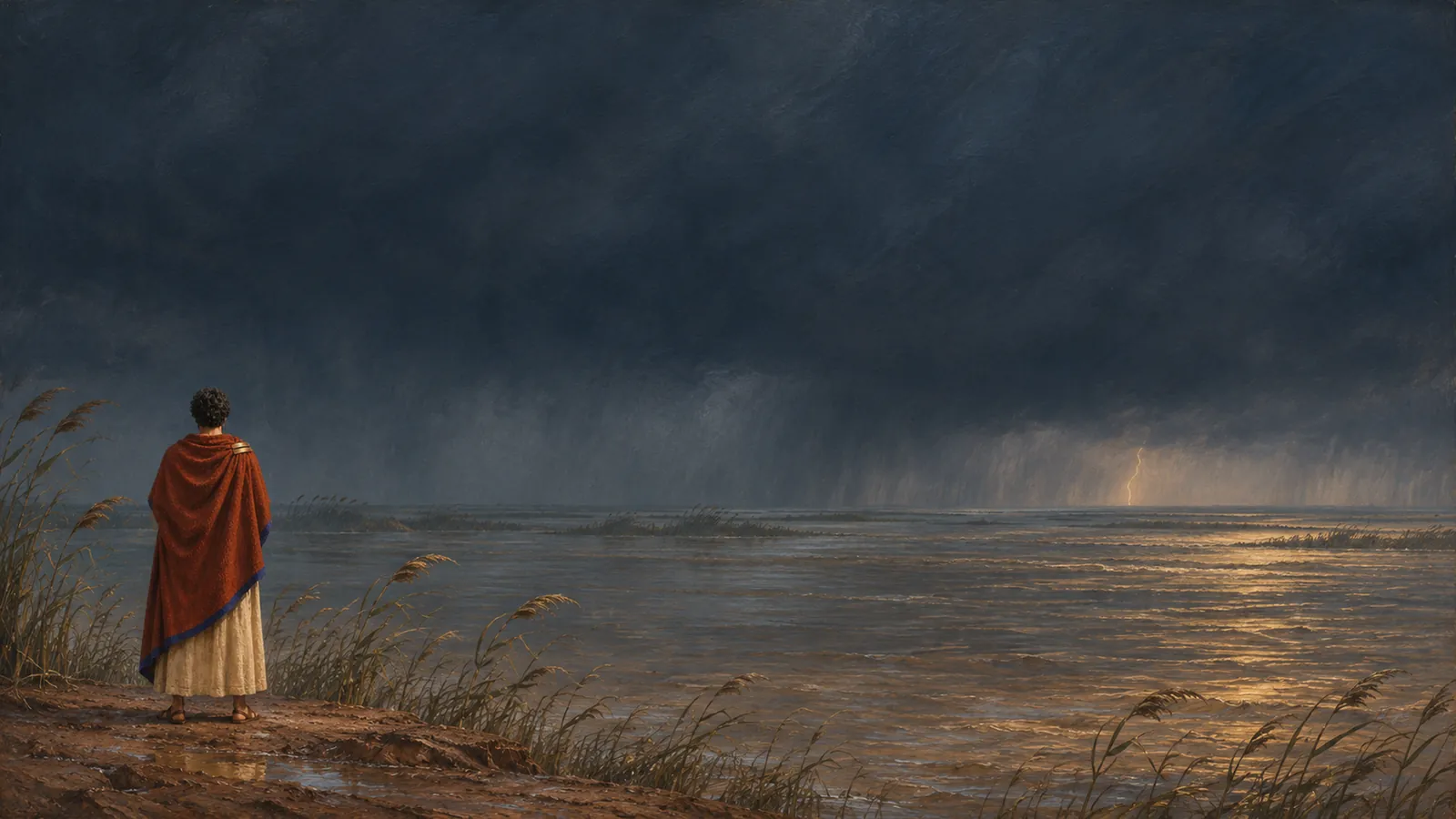
THE SHAPE OF HEAVEN
Marduk made a bow and gathered his arms. Lightning went ahead of him, and the poem clothes him in the brightness of flame.
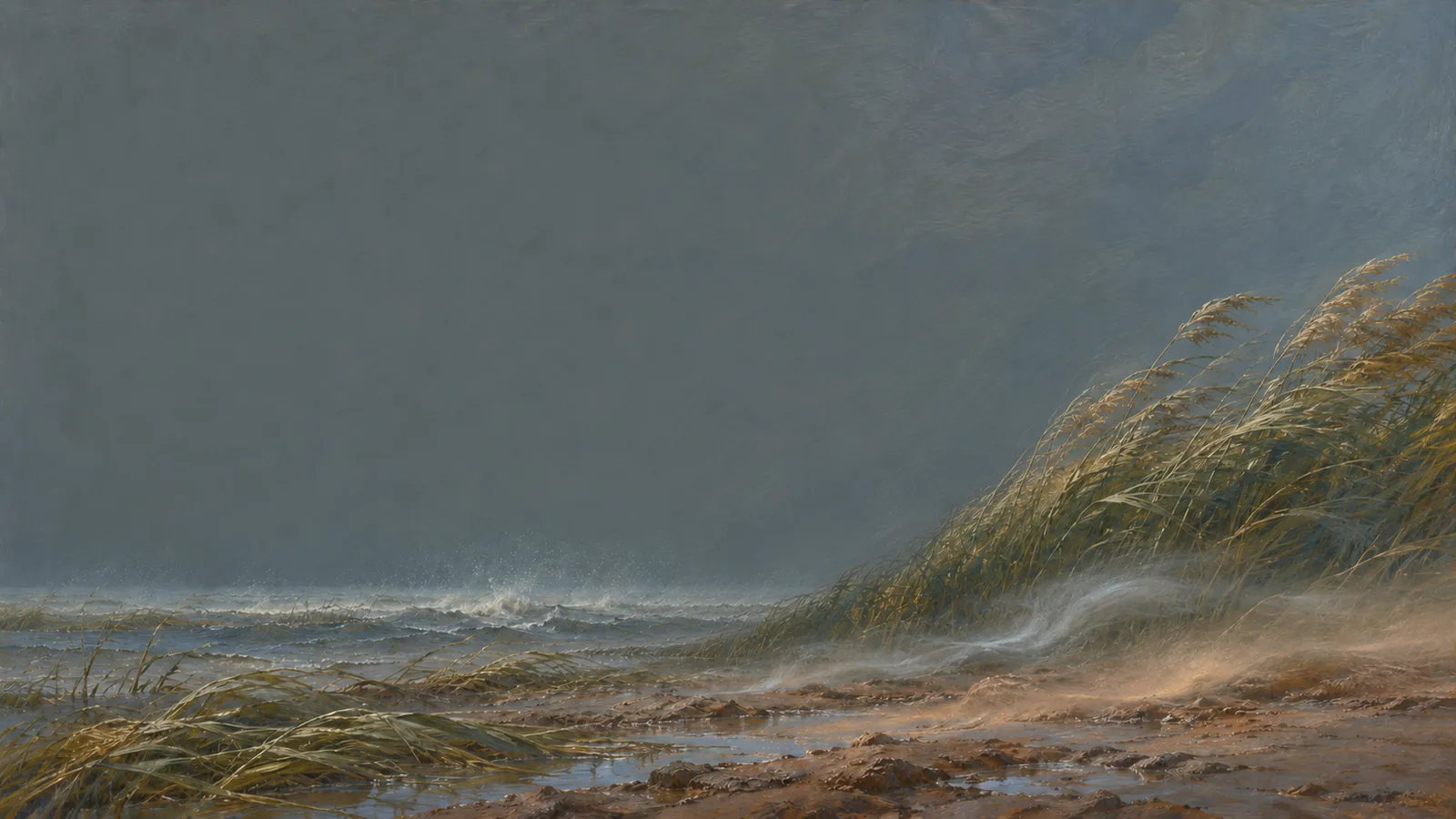
He prepared a net and gathered the winds from the four quarters. Then he summoned harsher winds, seven in all, and sent them on behind him.
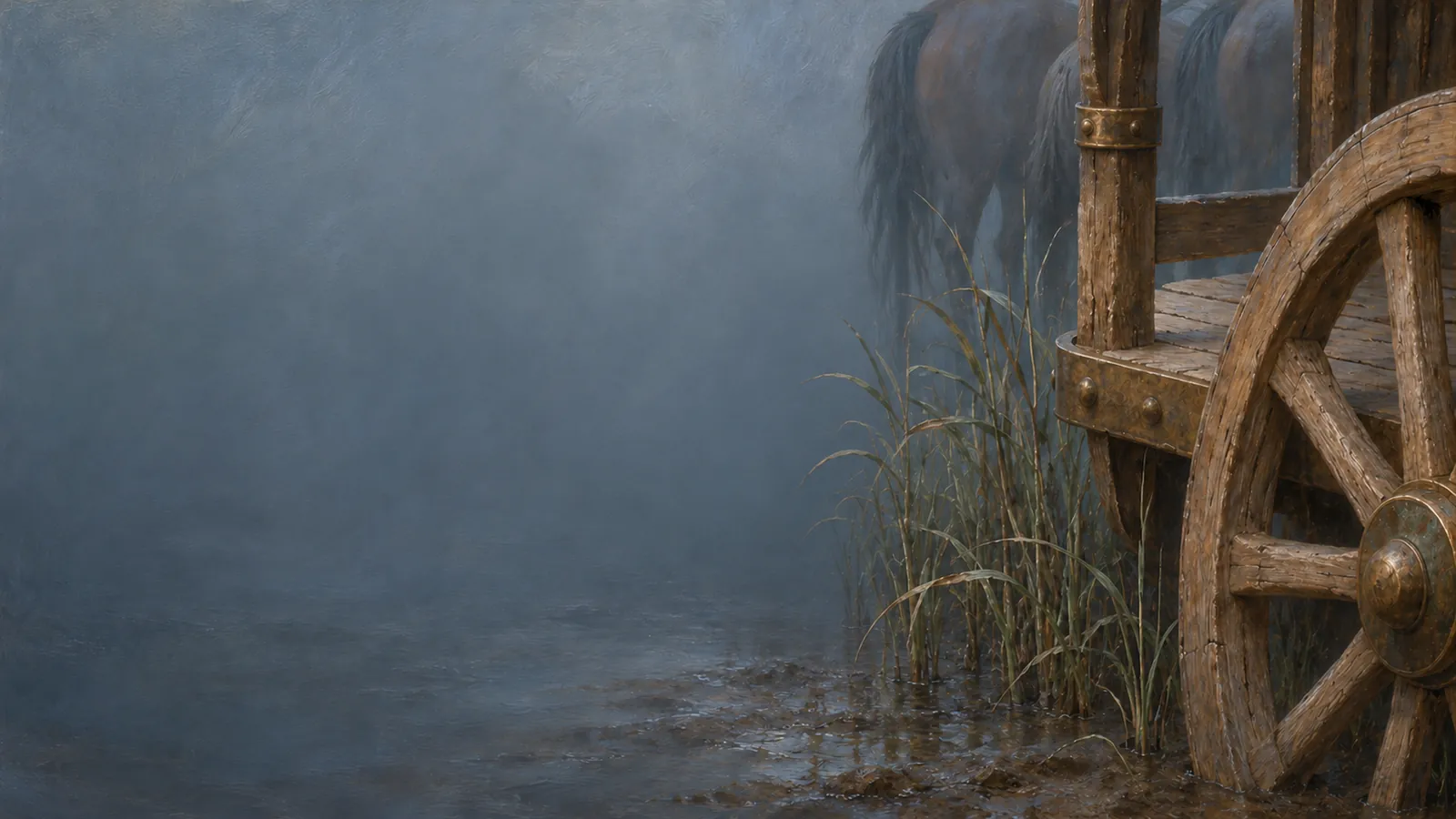
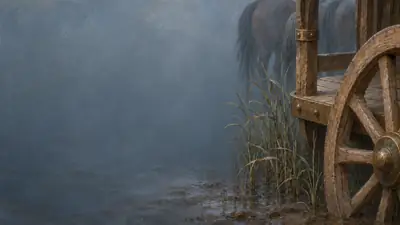
Marduk took up the Flood in its might and mounted his storm chariot. The poem gives his four tireless steeds names that speak of the terror they inspire.
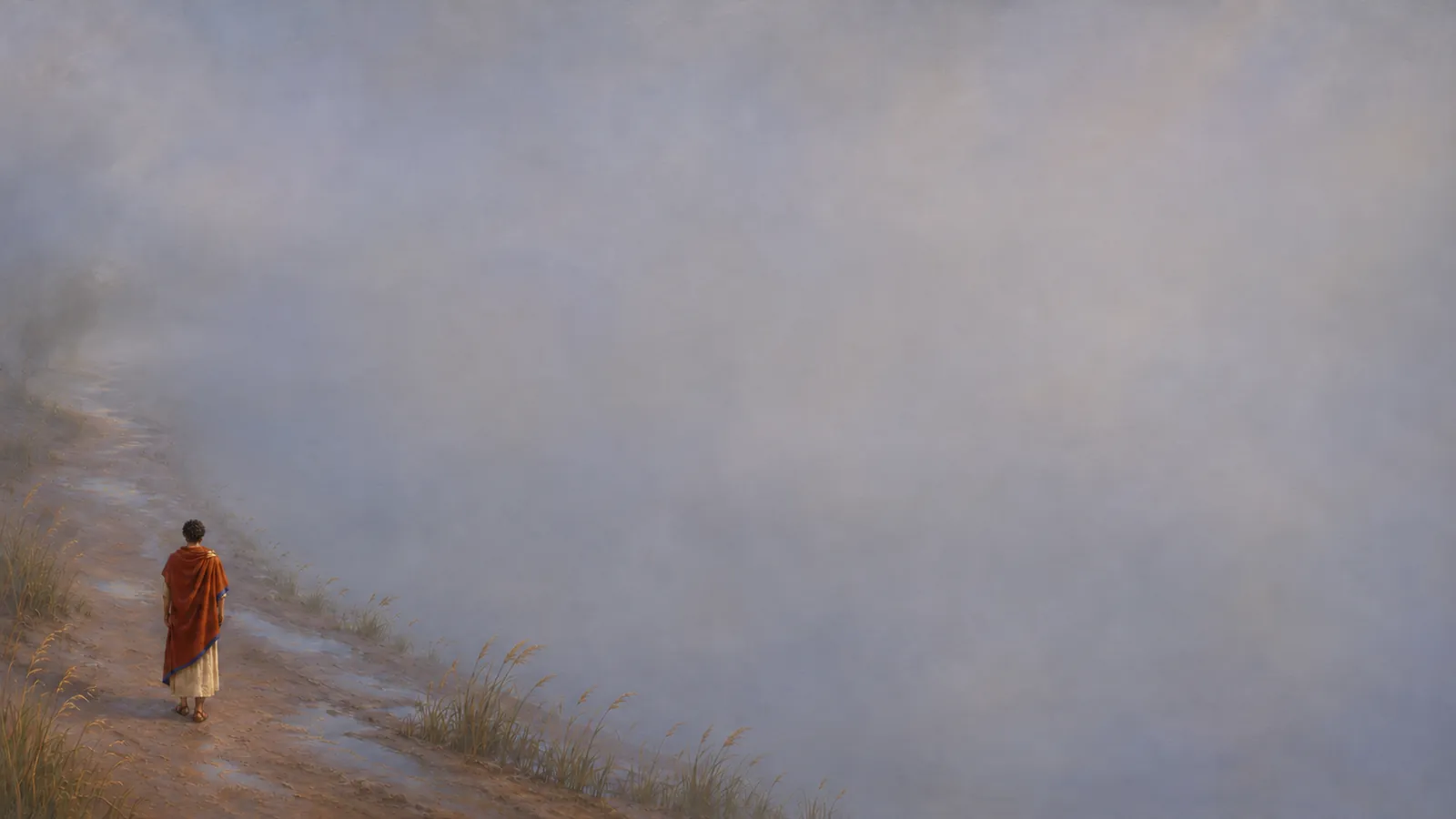
With the tumult of battle on either side, Marduk set out toward Tiamat. He went with a spell ready and a plant against poison in his hand.
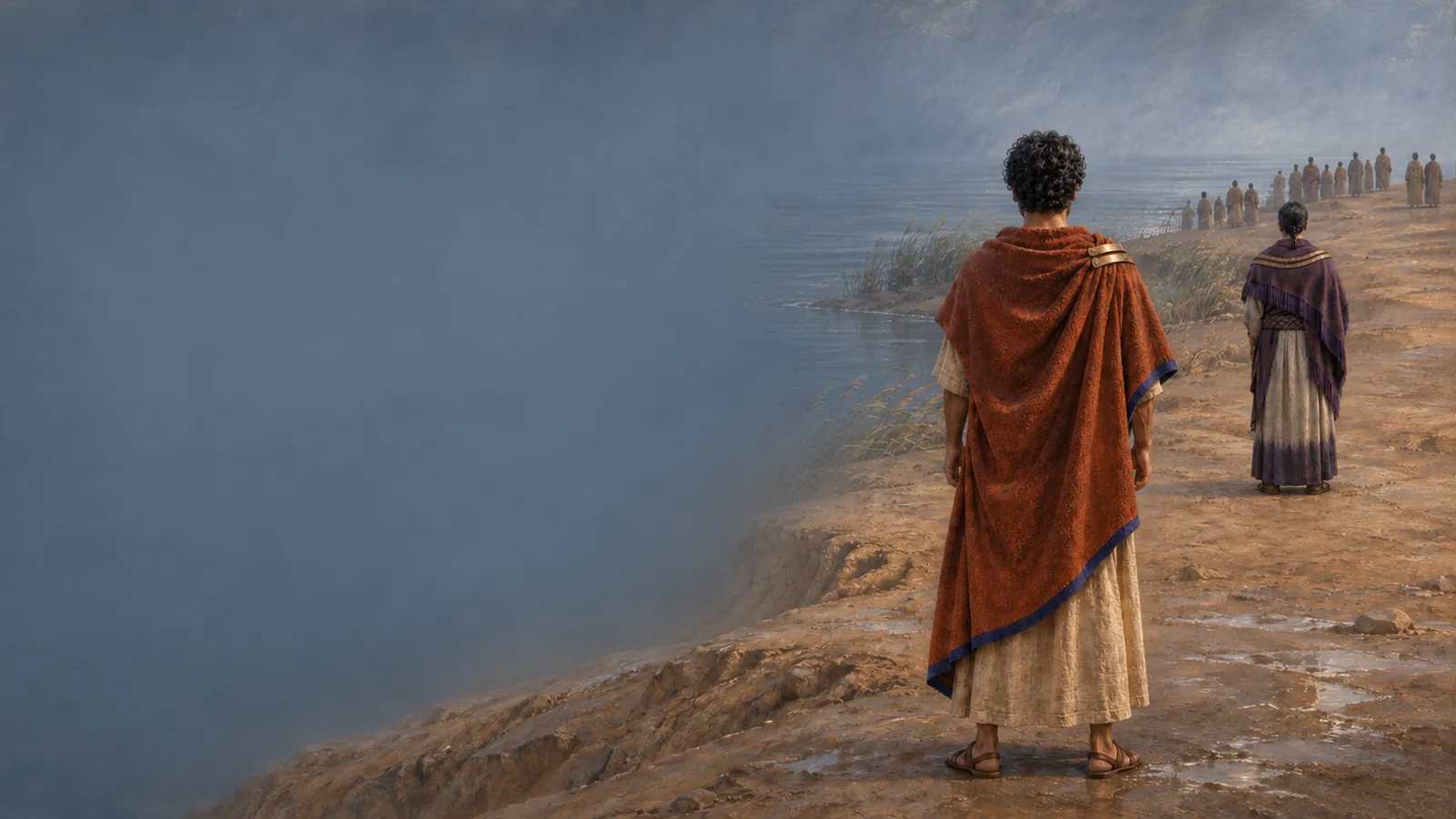
The older gods crowded around Marduk. As he drew close to Tiamat’s forces, he saw how Qingu had arrayed them.
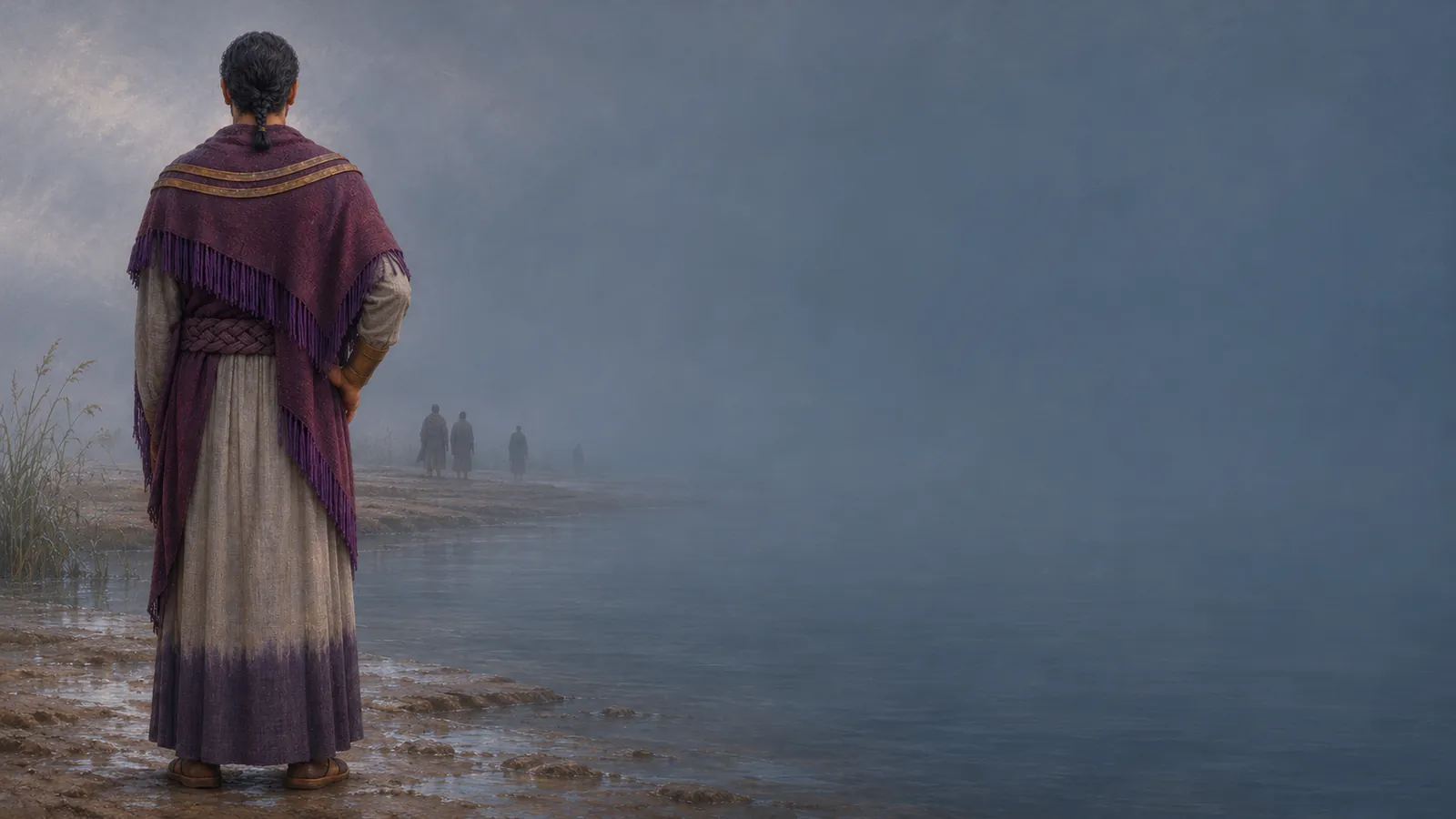
For a moment the poem leaves it unclear whose courage has failed. It is Qingu and his allies who lose their bearings at the sight of Marduk.
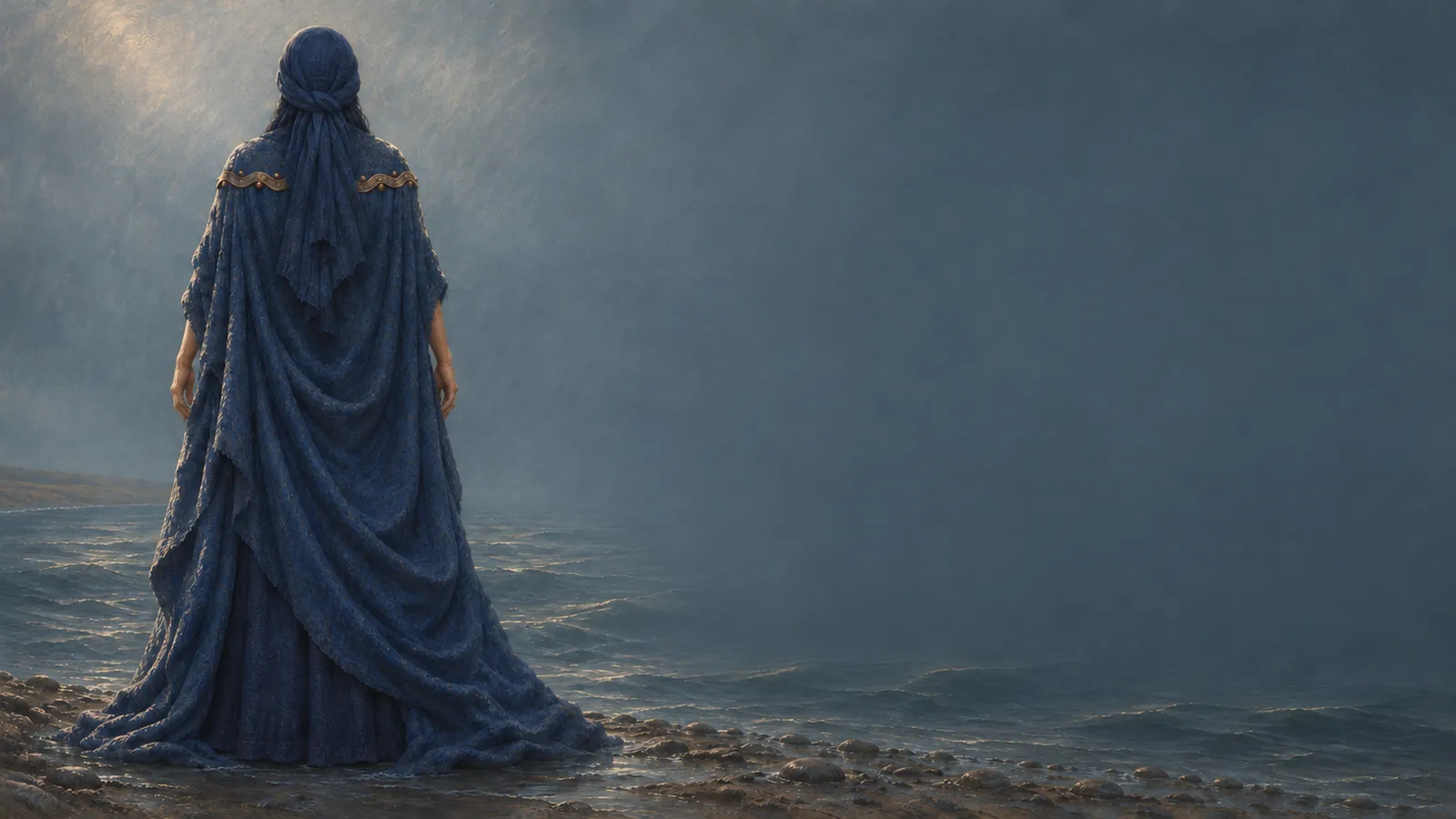
Tiamat spoke a spell and faced Marduk. Her following words are damaged, and their tone can be read as conciliation or as provocation.
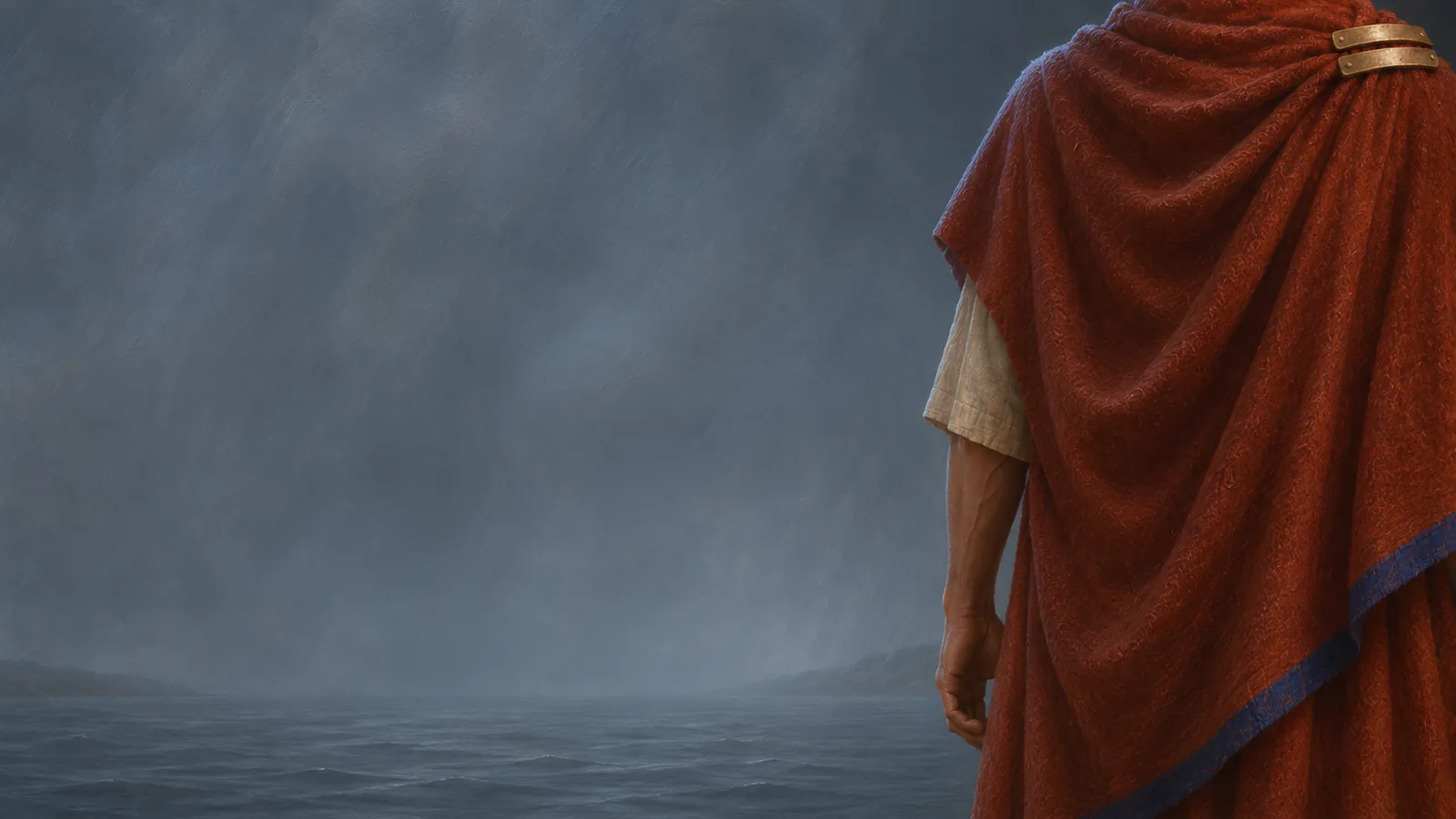
Marduk accused Tiamat of withholding mercy from the younger gods. He challenged her choice to give Qingu an authority he said was never his to hold.
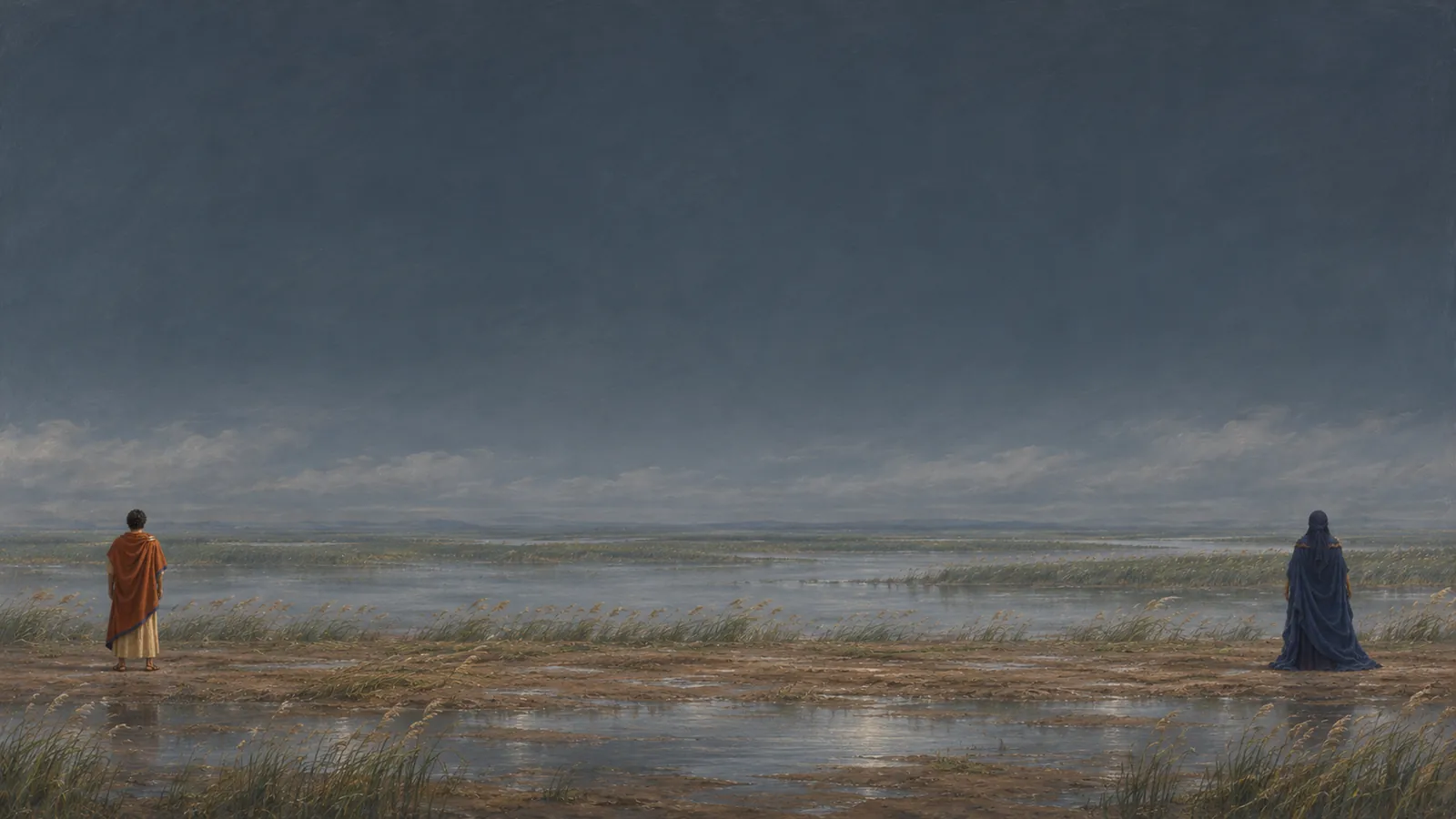
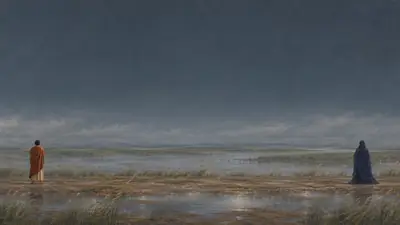
Marduk called on Tiamat to meet him alone, despite the forces she had brought. At his words her anger rose.
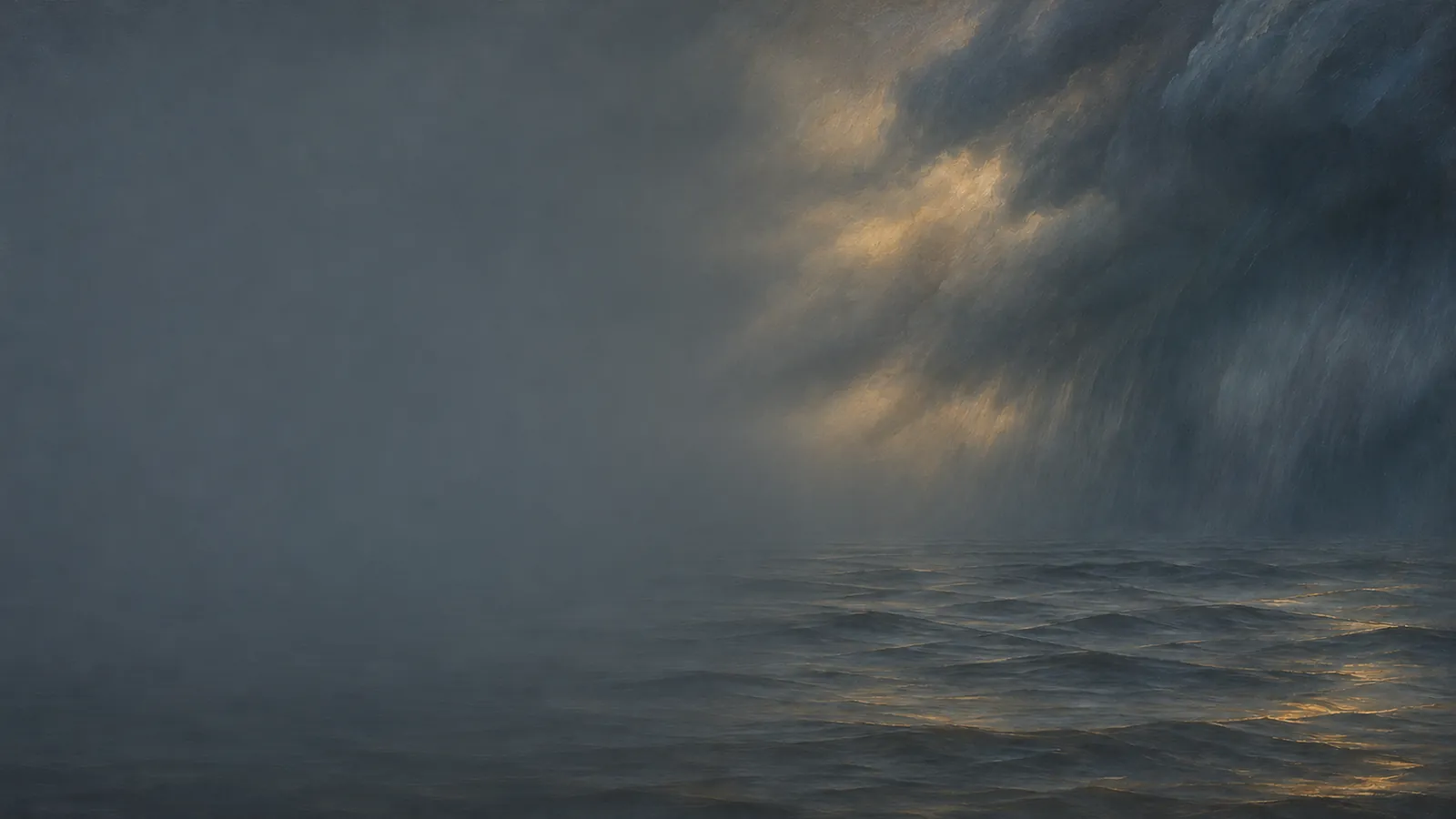
Tiamat’s cry shook her down to her depths, and she went on chanting. Then she and Marduk met in battle.

Marduk cast his net. In the poem a fierce wind broke in on Tiamat, and other winds pressed behind it.

TIAMAT FALLS
The poem says that Marduk struck and killed Tiamat. The battle between them was over.
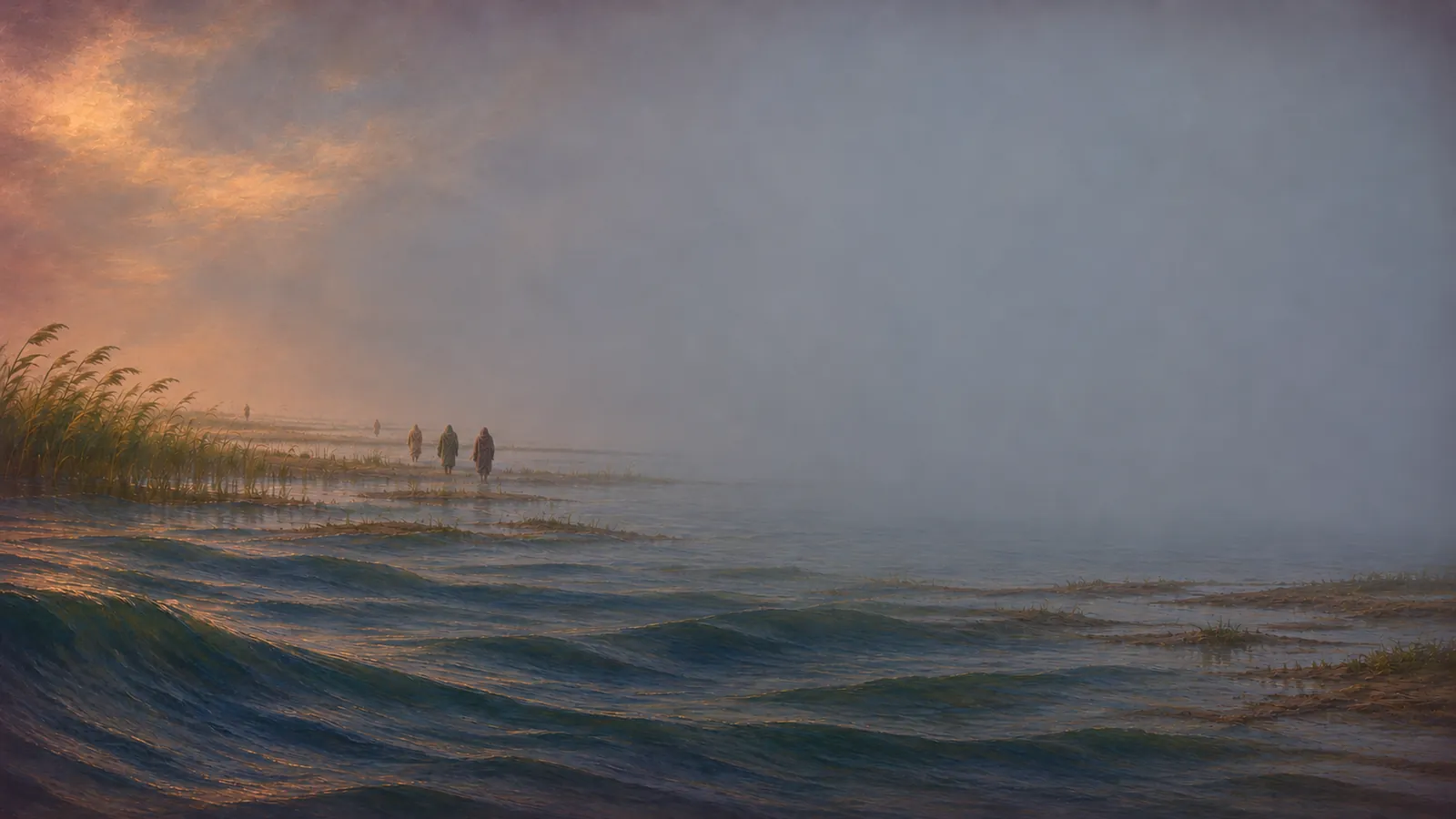
With Tiamat fallen, her gathering broke apart. Her allies turned to flee and found themselves surrounded.
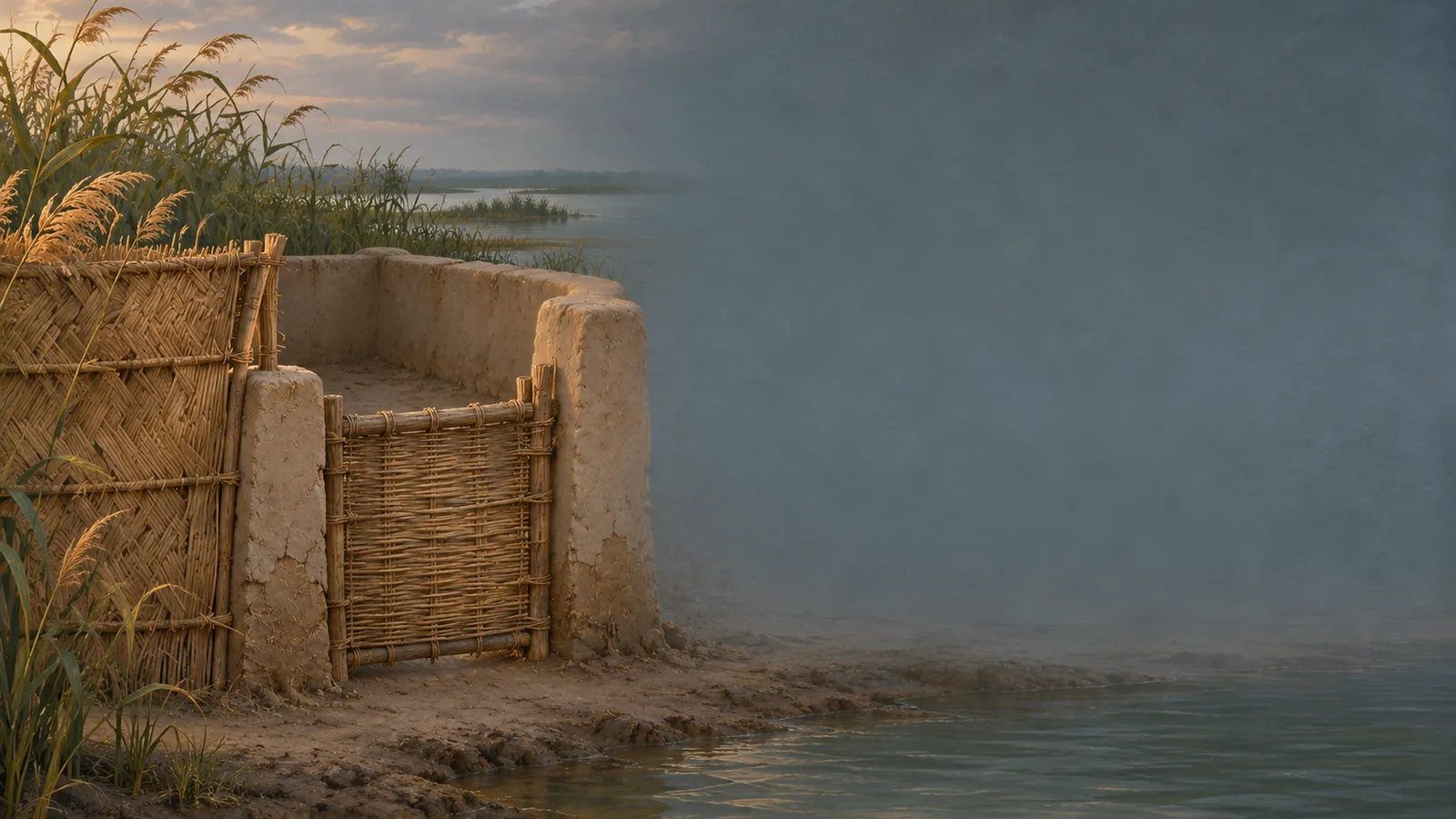
Marduk took the opposing gods captive and broke their weapons. Among those captured were the eleven beings Tiamat had made.
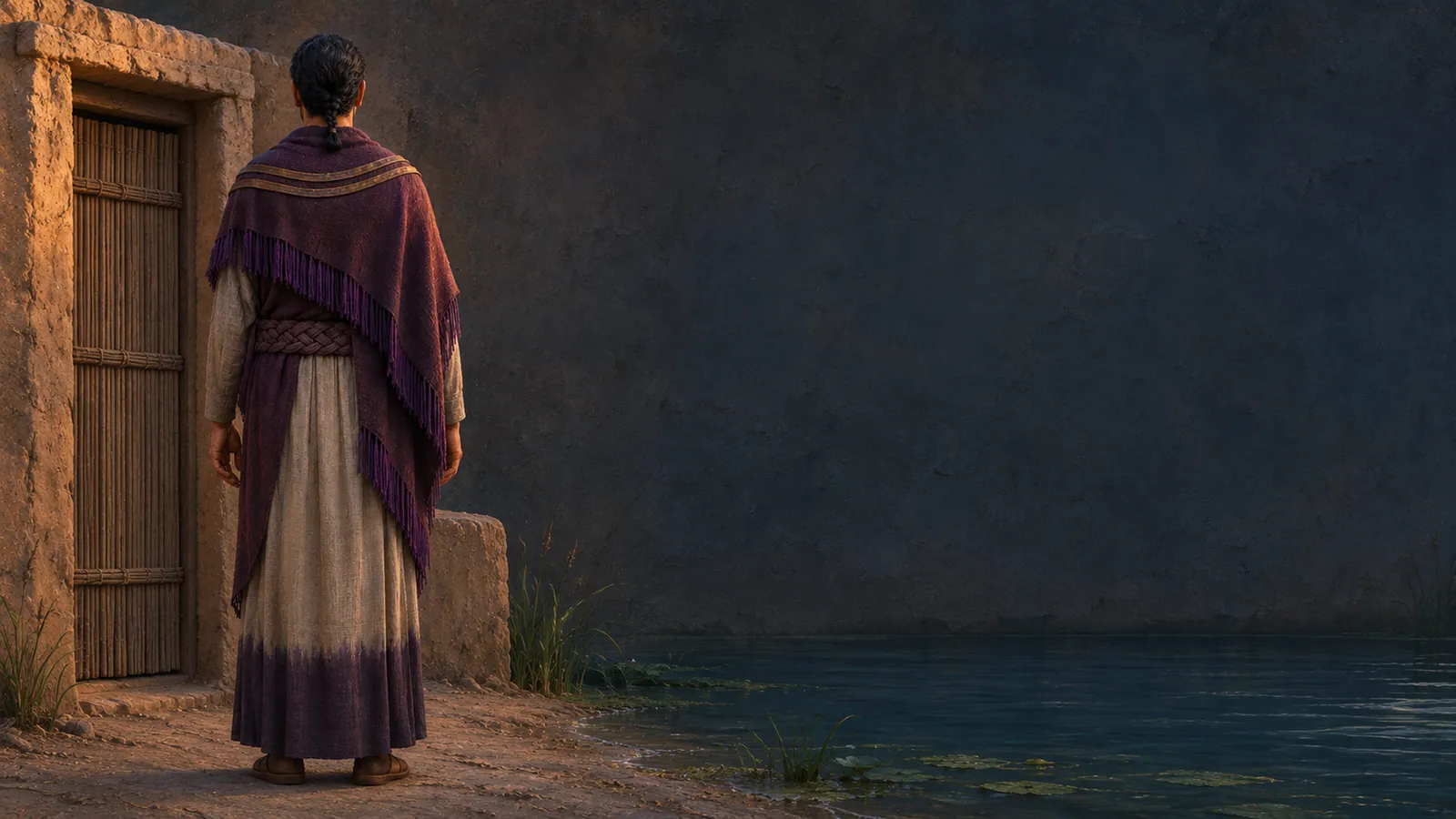
Qingu, who had stood above Tiamat’s other allies, was taken captive. The poem counts him among the gods marked for death.
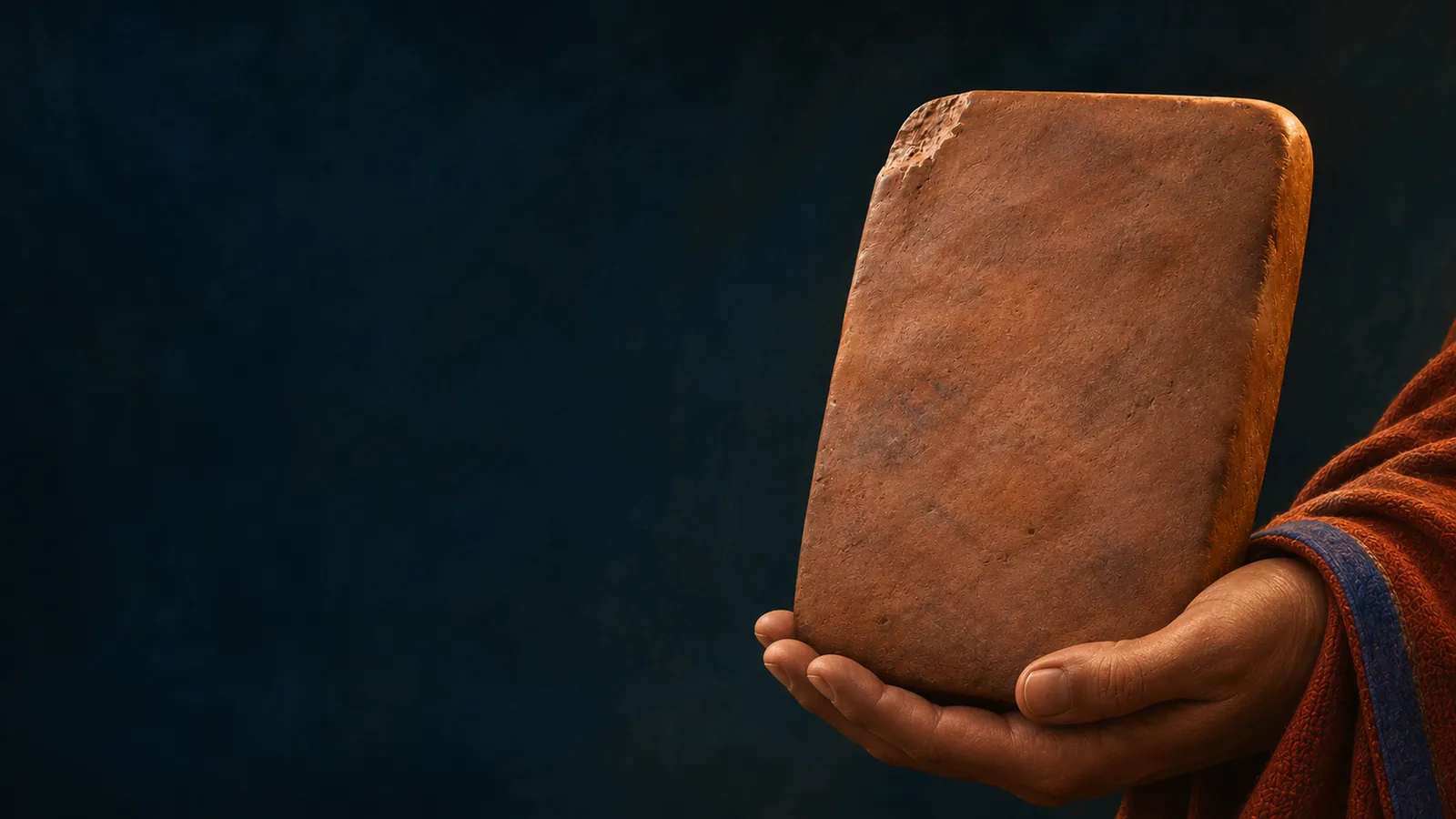
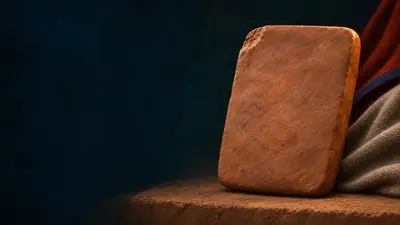
Marduk took the Tablet of Destinies from Qingu. He put his own seal on it and secured it to his chest.
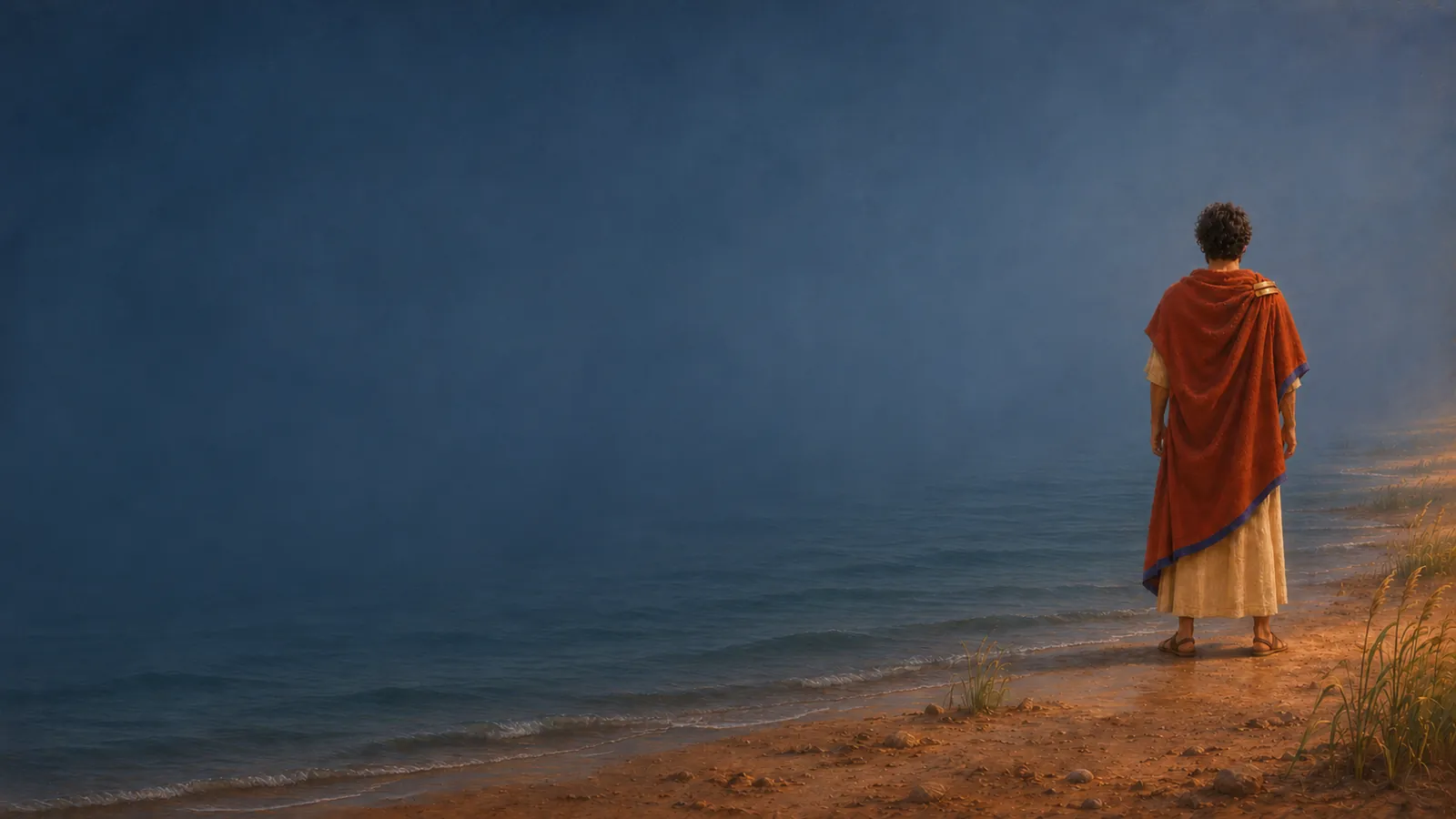
Marduk’s victory vindicated Anshar and fulfilled what Ea had sought. With the captives held, Marduk returned to Tiamat.
The poem has the north wind carry Tiamat’s blood as the sign of victory. When the older gods learned what had happened, they rejoiced and sent gifts.

THE ROOF OF HEAVEN
Marduk turned his attention to Tiamat’s vast waters. From one half of her he made the covering over heaven.
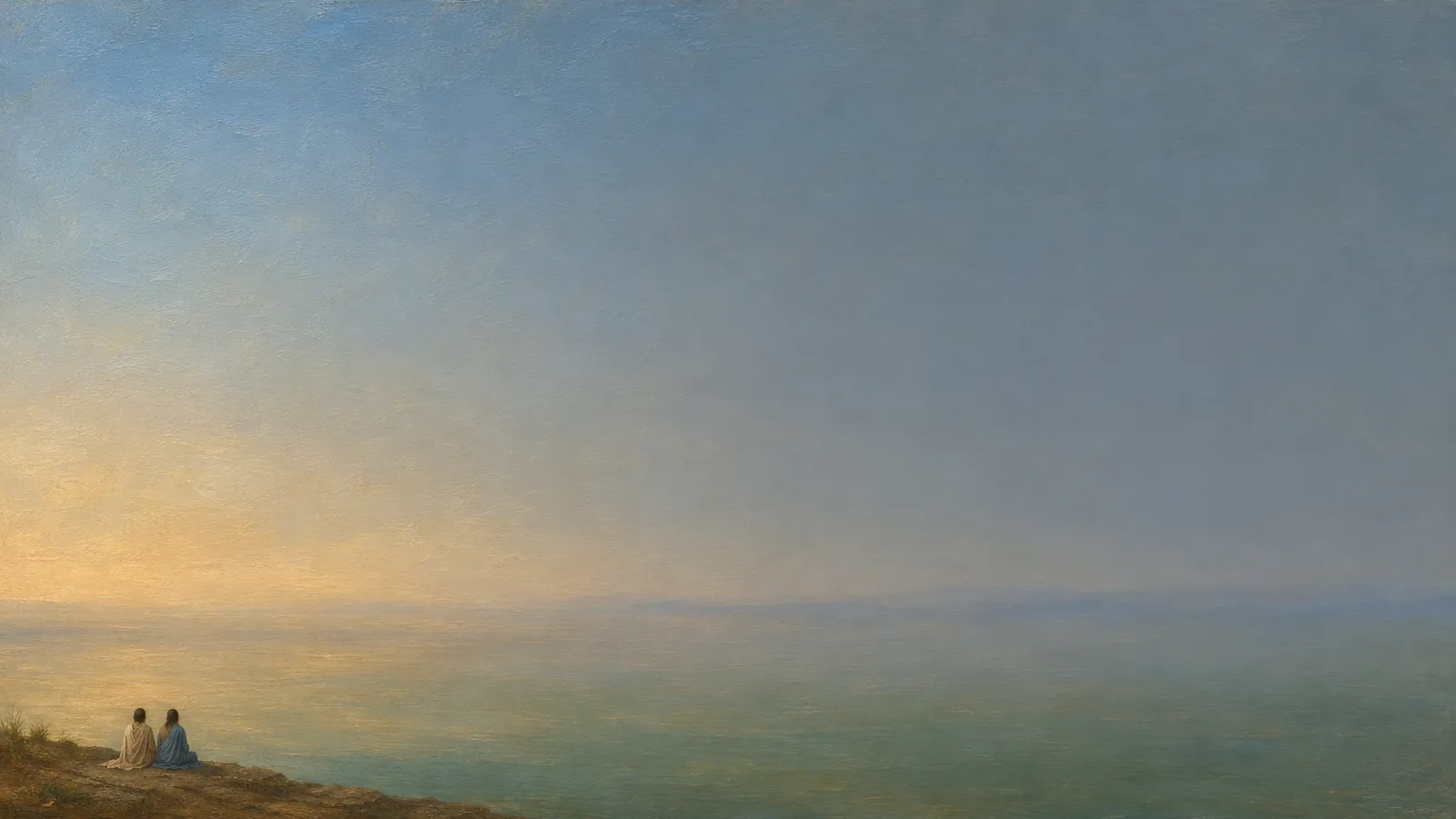
Marduk appointed a watch over the raised waters. He told the watchers to keep those waters from escaping.

Marduk crossed the sky and surveyed its reaches. He took the Apsû, Ea’s dwelling in the deep, as his measure, and founded Eshara in the likeness of Eshgala.
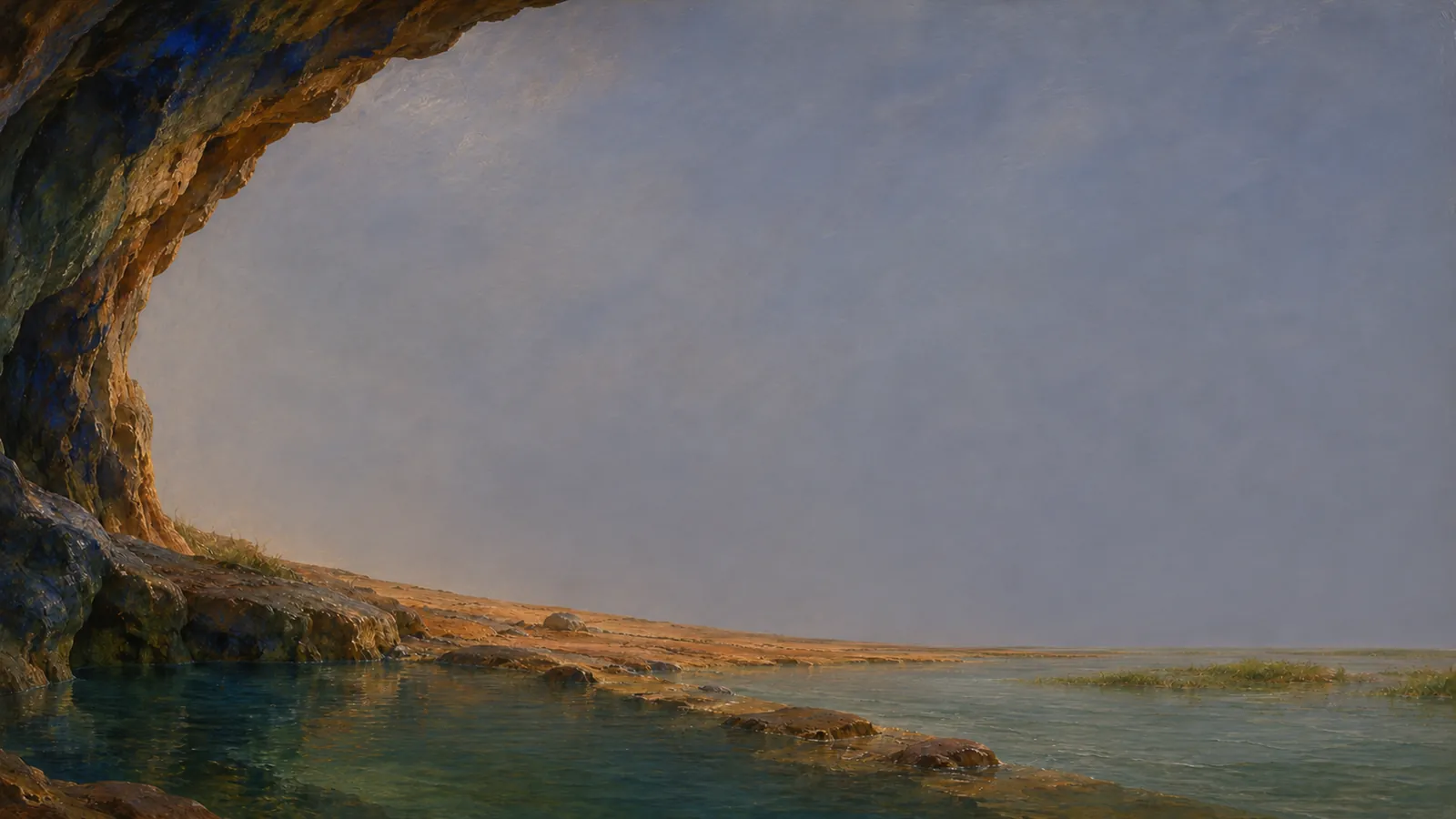
The poem gives Anu his station in heaven, Enlil his in Eshara on earth, and Ea his in Eshgala, the shrine of the Apsû.
THE CONSTELLATIONS
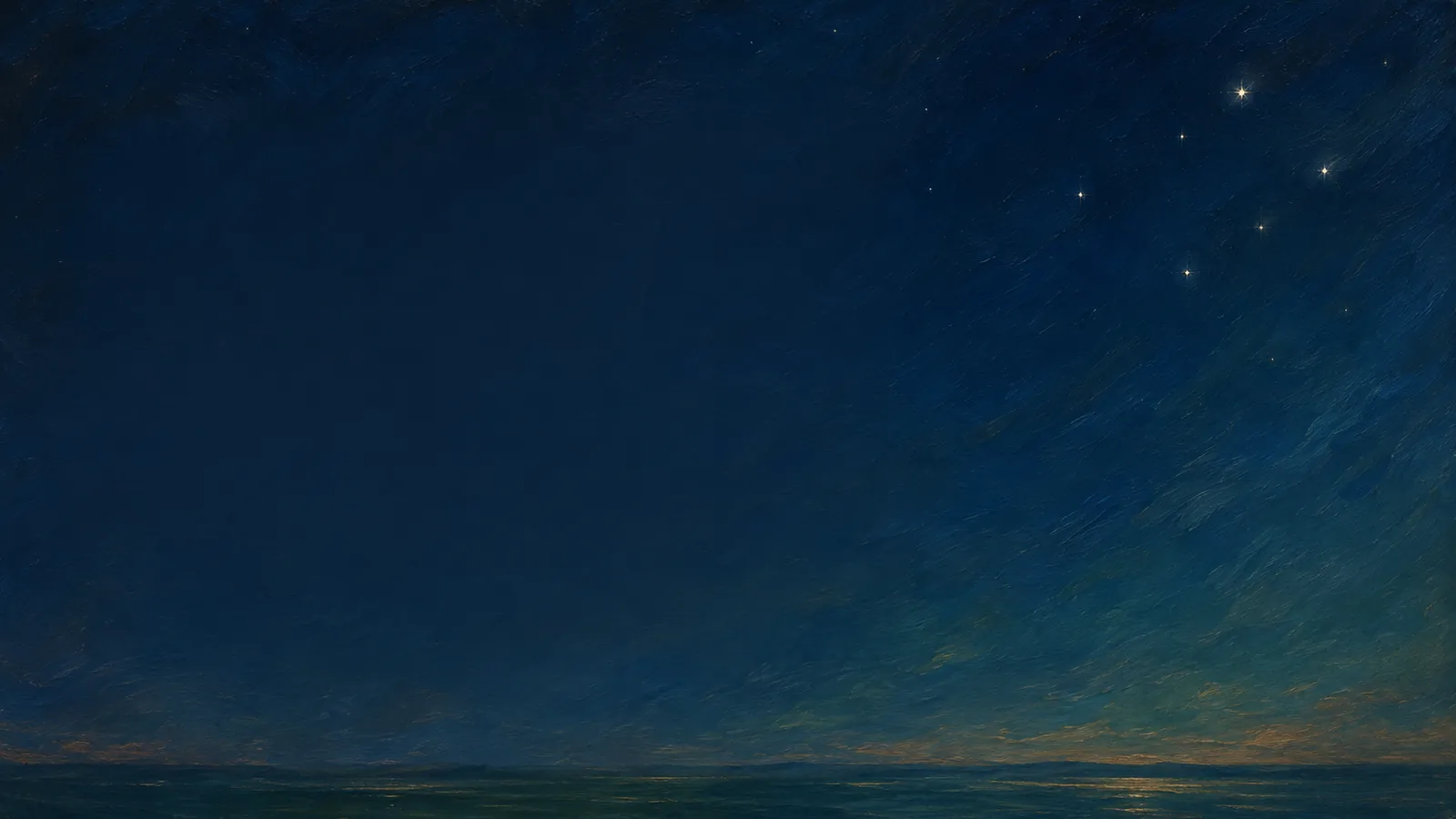
Marduk gave the great gods their places above. He set out constellations as their images in the night sky.
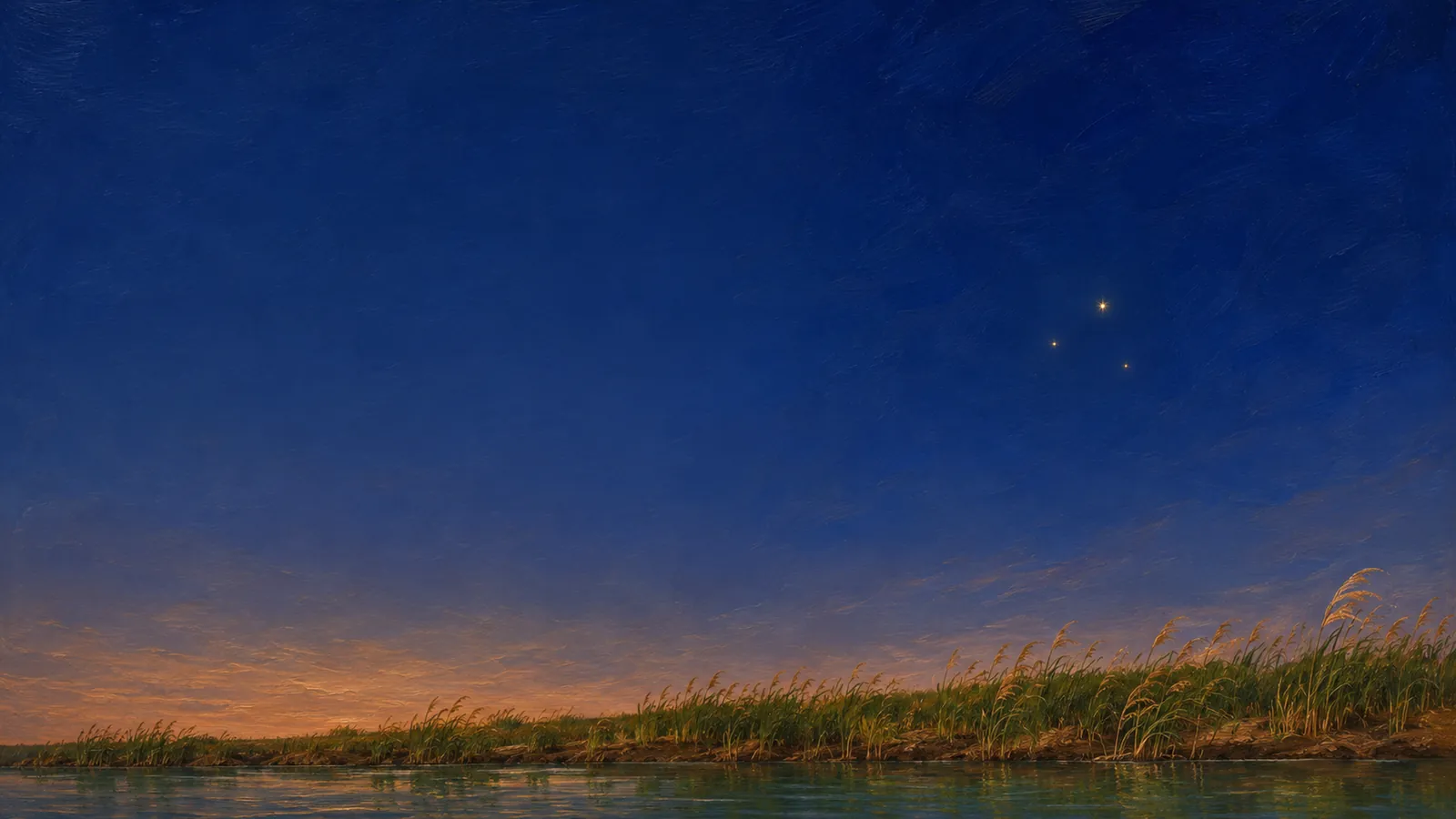
He marked out the course of the year and set its twelve months in order. The poem assigns three stars to each month.
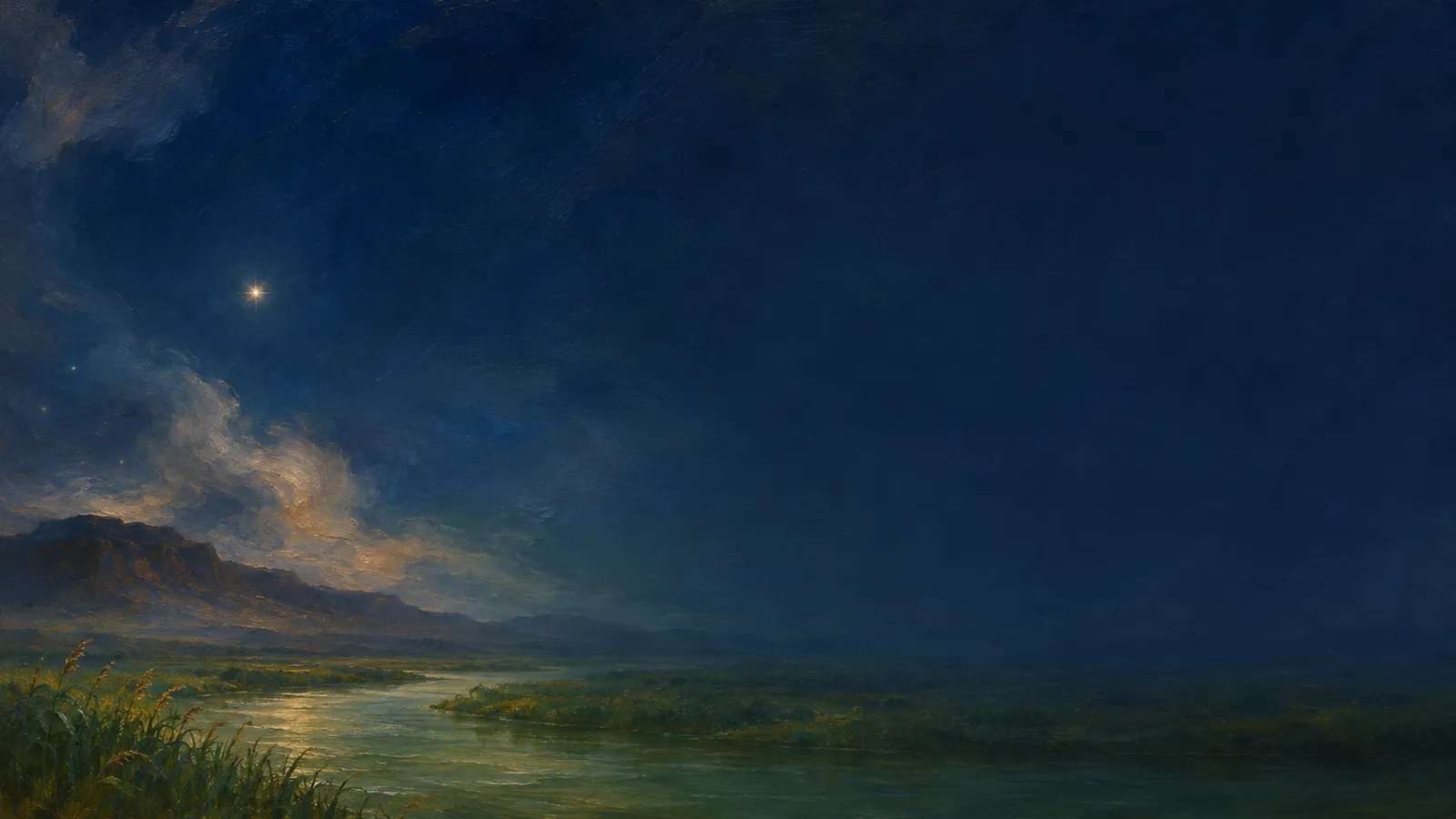
Marduk set Neberu in its station so the stars would keep their appointed courses. He set the stations of Enlil and Ea alongside it.

Marduk opened gates on either side and made their bolts firm. The poem places another part of Tiamat high in the sky.
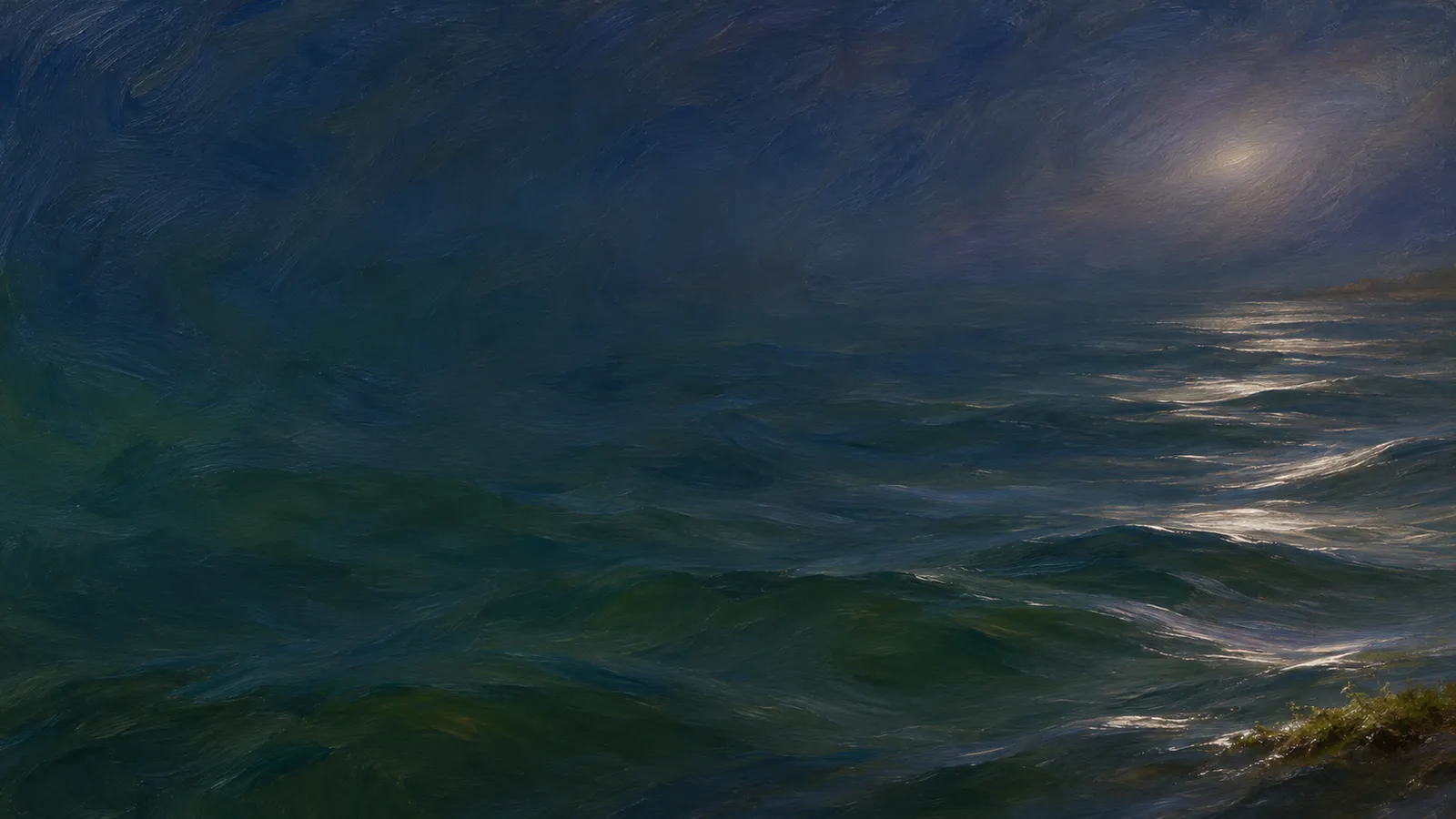
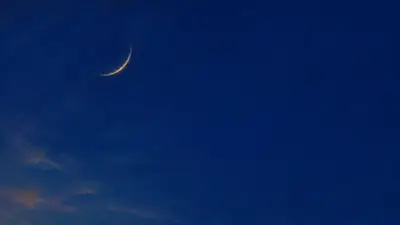
Marduk brought forth the Moon to keep watch over the night. By its changing light the days could be told apart.

At each month’s beginning, the Moon was to shine with slender horns. They would mark the first days as they came.
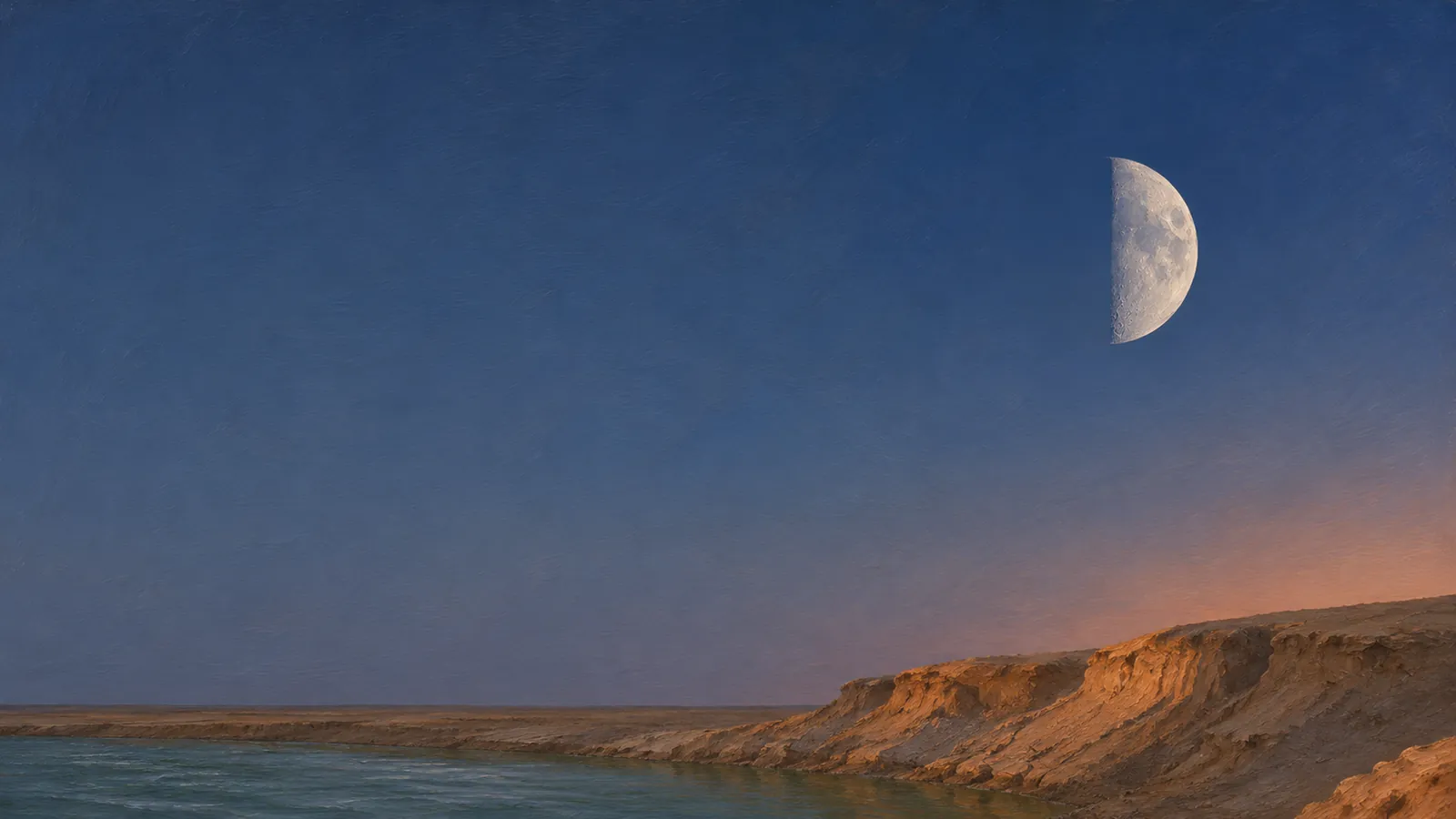
On the seventh day of the month, the Moon would show only half of its crown.
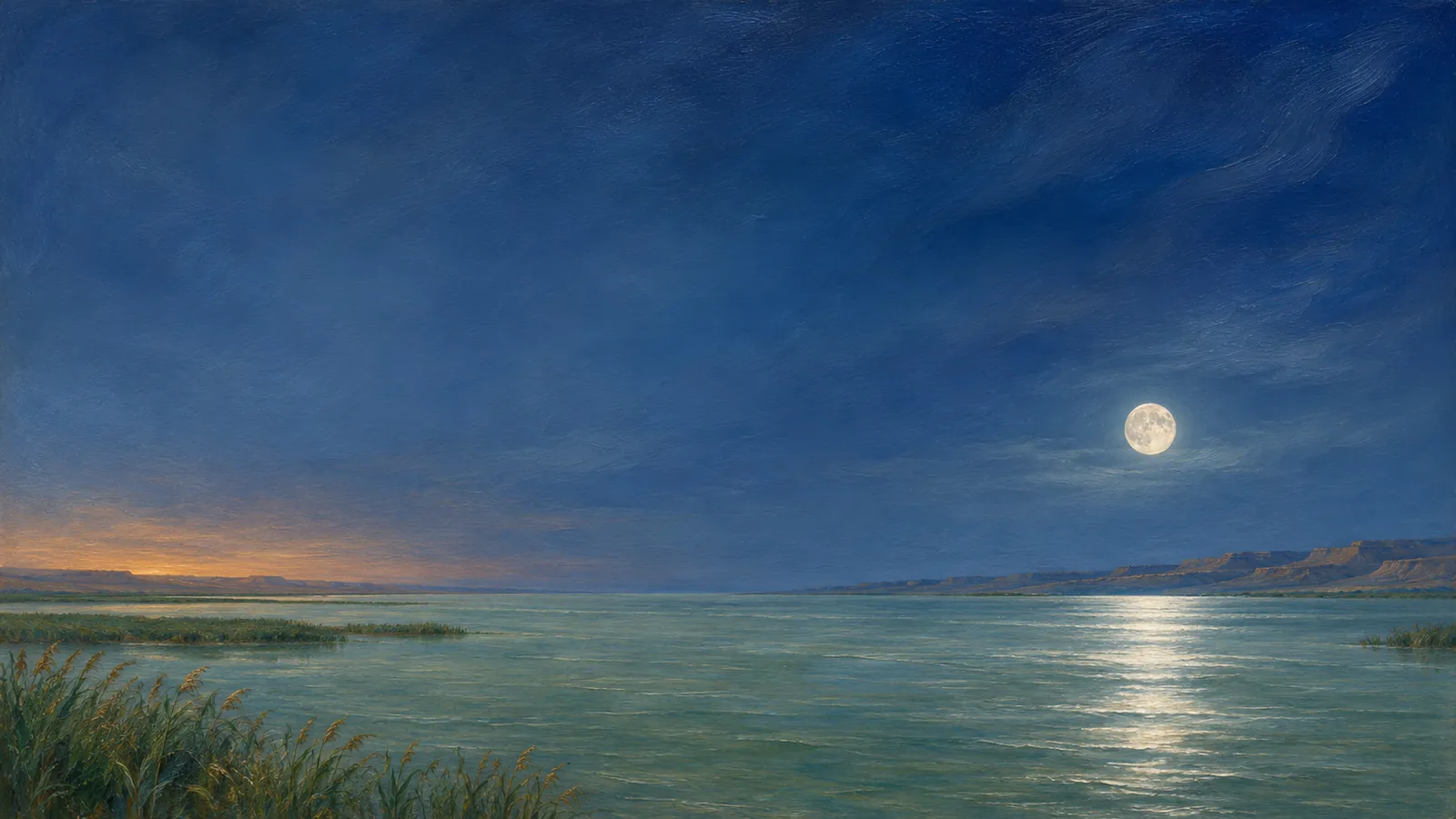
At midmonth the Moon would stand full, opposite Shamash, the Sun. Then its changing shape would begin the return toward darkness.
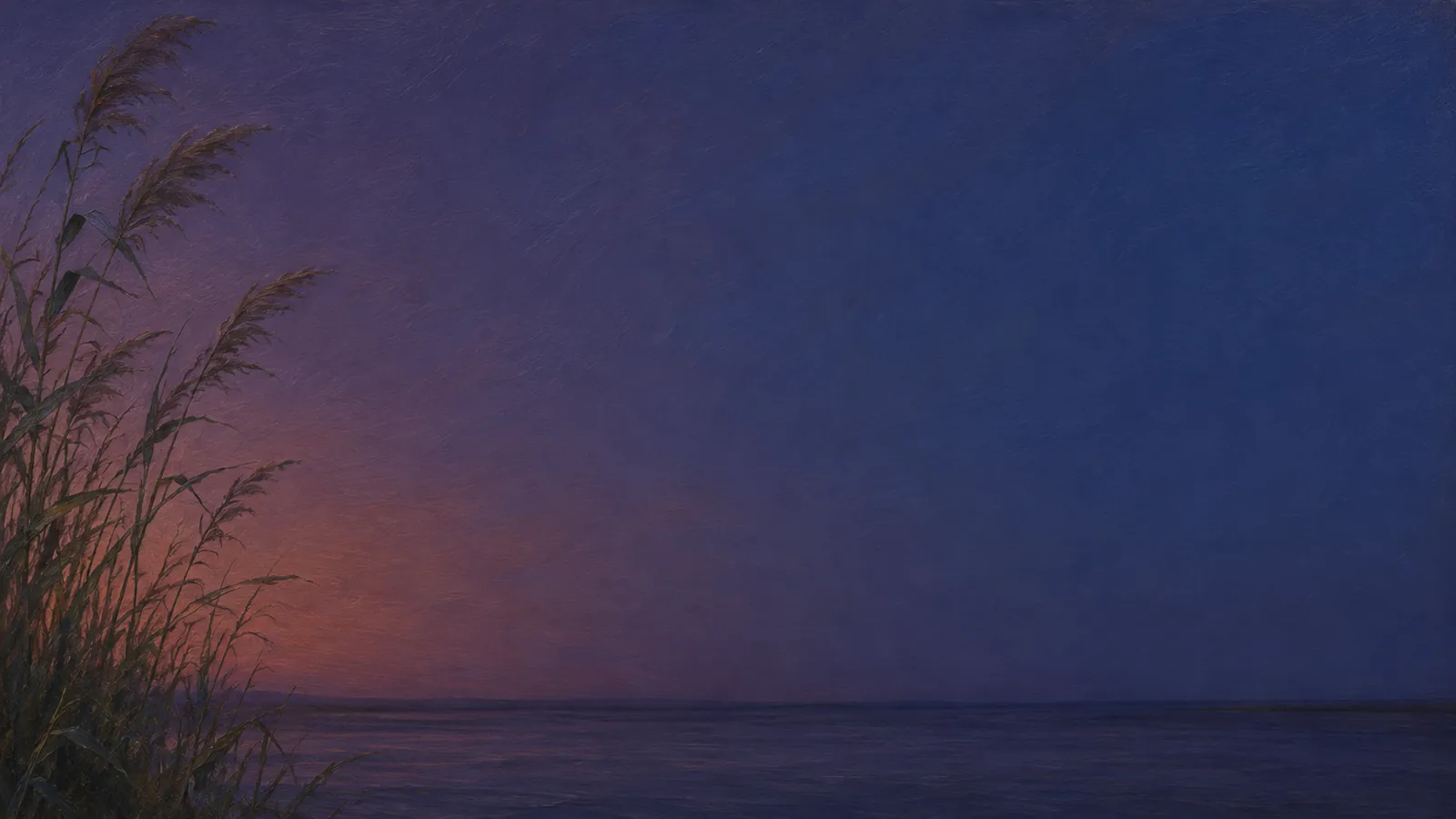
At the close of the month, the Moon would draw near the path of Shamash. In that meeting the Moon would pass from sight.

Here the tablet is badly broken. Shamash, signs, and verdicts can still be heard in its scattered words, but their full connection is lost.

The damaged verses keep a few words about the year, the New Year, and watches of night and day. Too little is left to follow their order with certainty.

As the words return, moisture from Tiamat takes shape as swirling clouds. The line that names the creator survives only in an Assyrian copy, where it names Ashur in Marduk’s place.

Marduk took charge of raising the winds, bringing down the rain and sending mist billowing. The verse also names Tiamat’s poison, whose meaning is uncertain.
THE TWO RIVERS
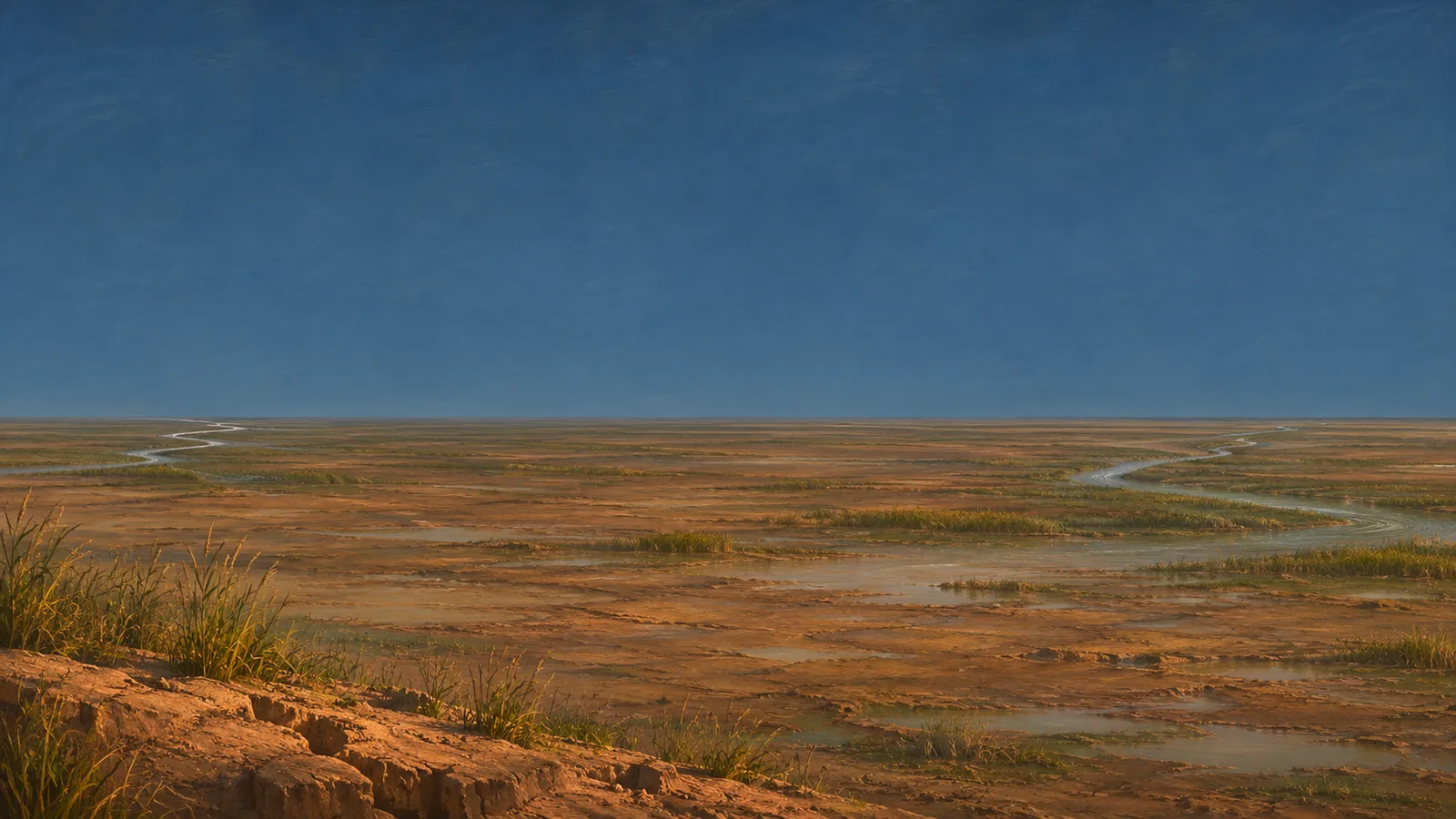
Water filled a fissure. The poem makes the Euphrates and the Tigris flow from Tiamat’s eyes, carrying her waters into the world.

Mountains rose from Tiamat’s substance. Marduk opened springs there so that water could well up from below.

The poem names the Mighty Bond that held heaven and earth together. In a partly damaged passage, Marduk sets the earth firm above the deep.
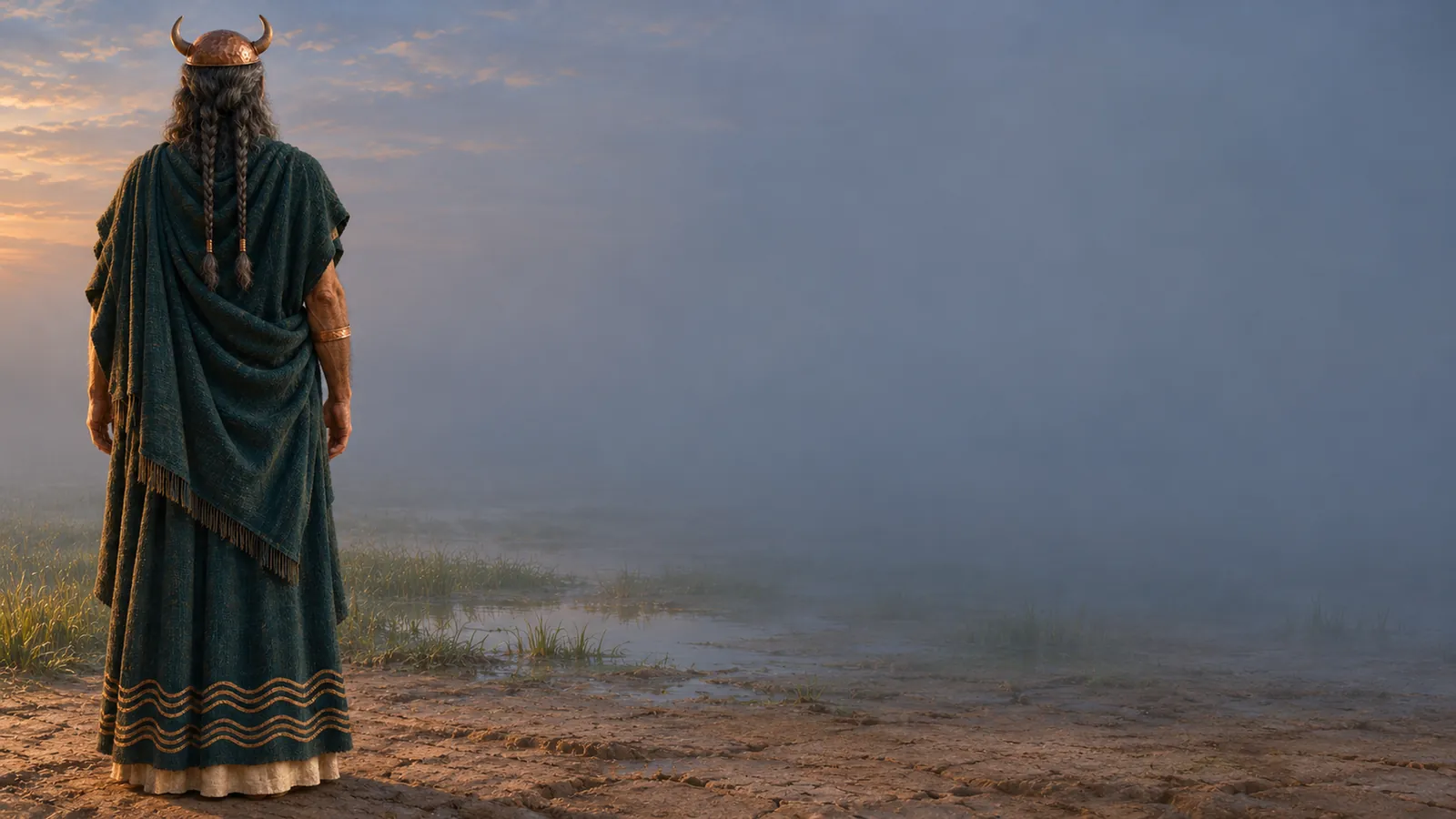
Marduk opened his net and let everything out. After giving the world its ordinances and rites, he put the reins in Ea’s hands.
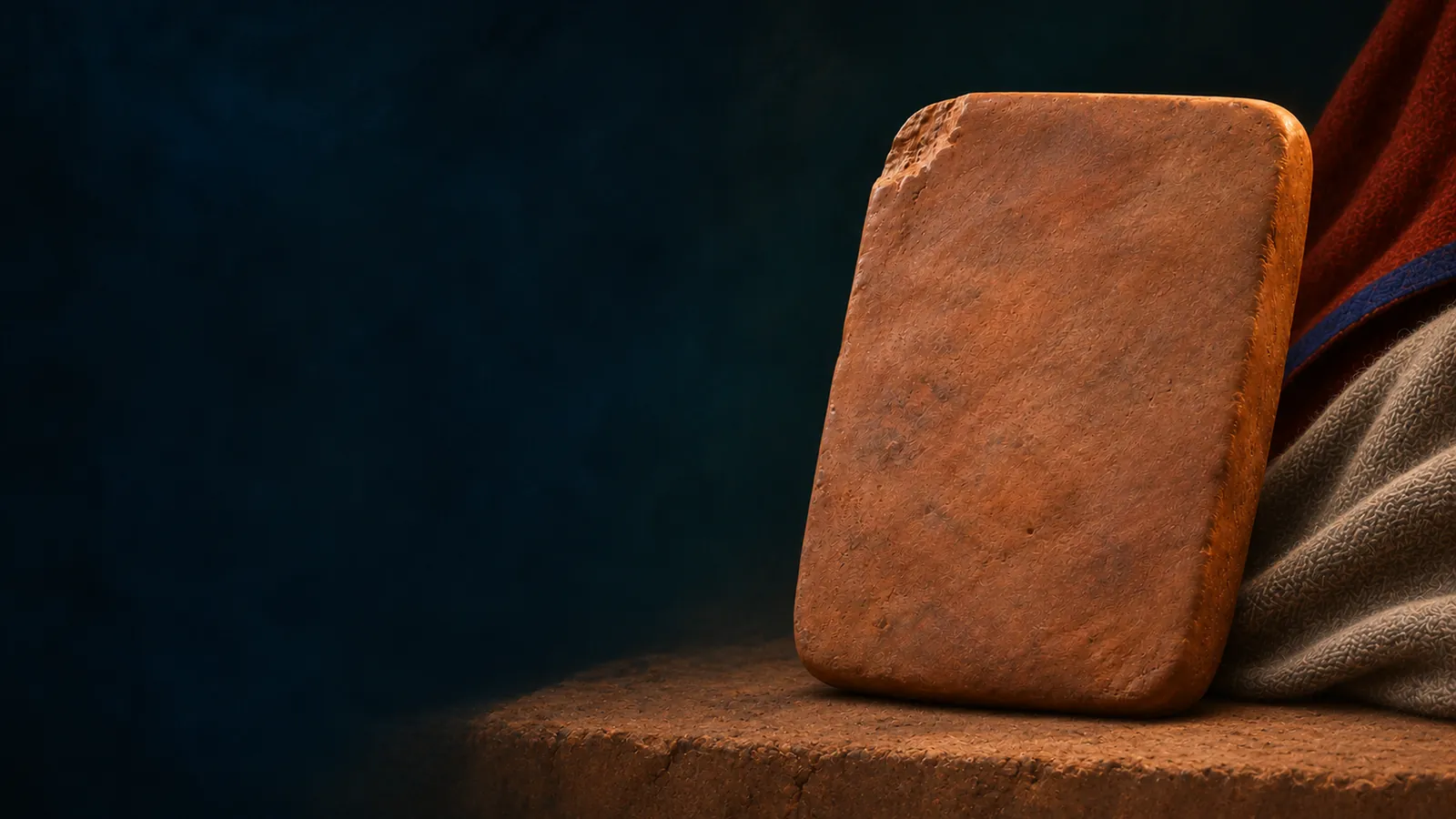
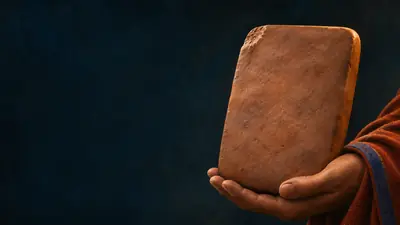
Marduk brought out the Tablet of Destinies he had taken from Qingu. He gave it to Anu as his foremost token of victory.
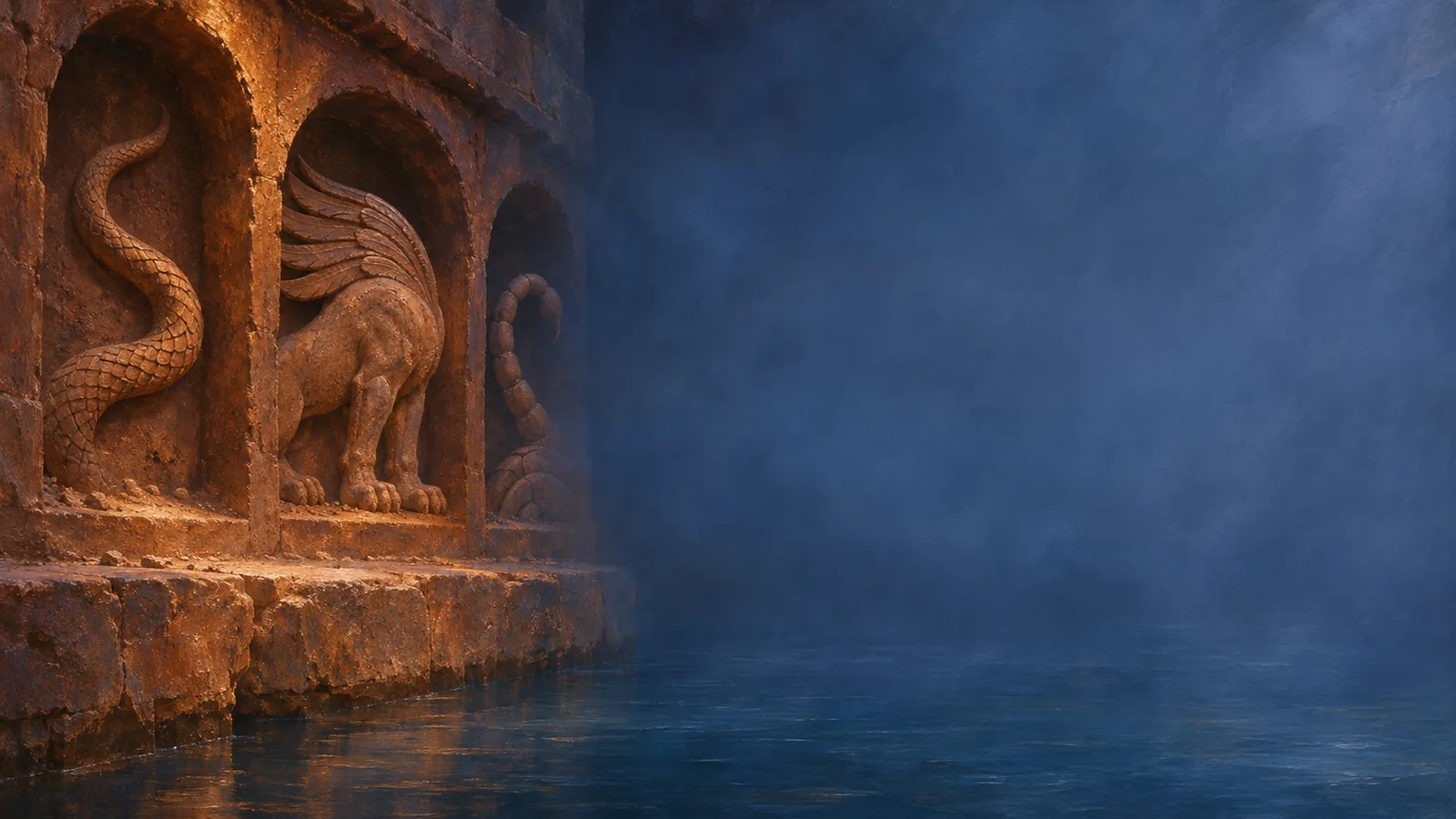
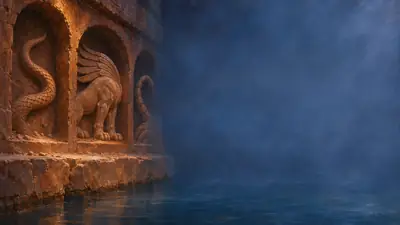
Marduk set up likenesses of Tiamat’s eleven beings at the gate of the Apsû. Their figures were to keep the memory of what had happened.
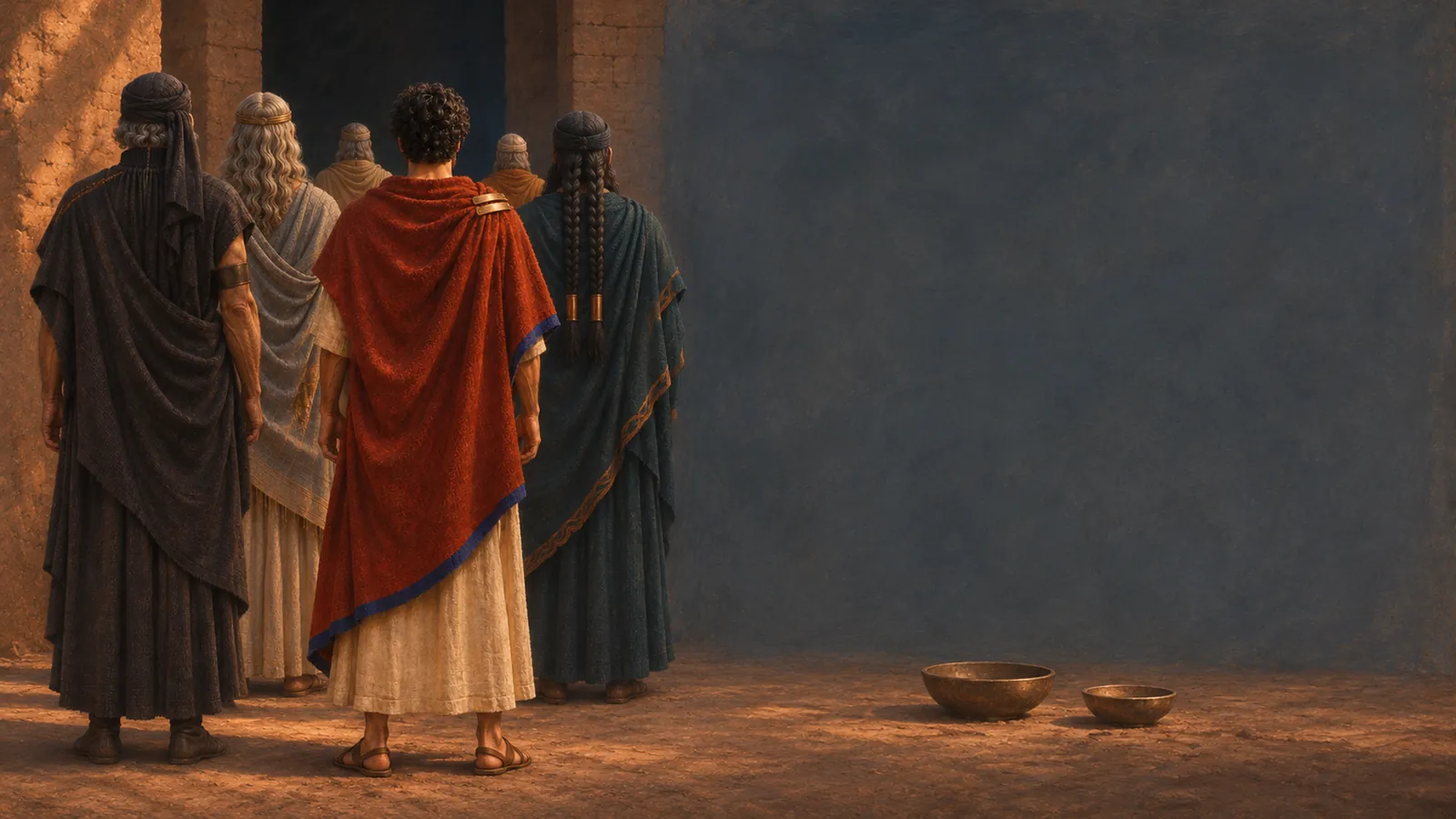
Lahmu, Lahamu and the older gods rejoiced. Anshar welcomed Marduk as king, and Anu, Enlil and Ea offered him gifts.
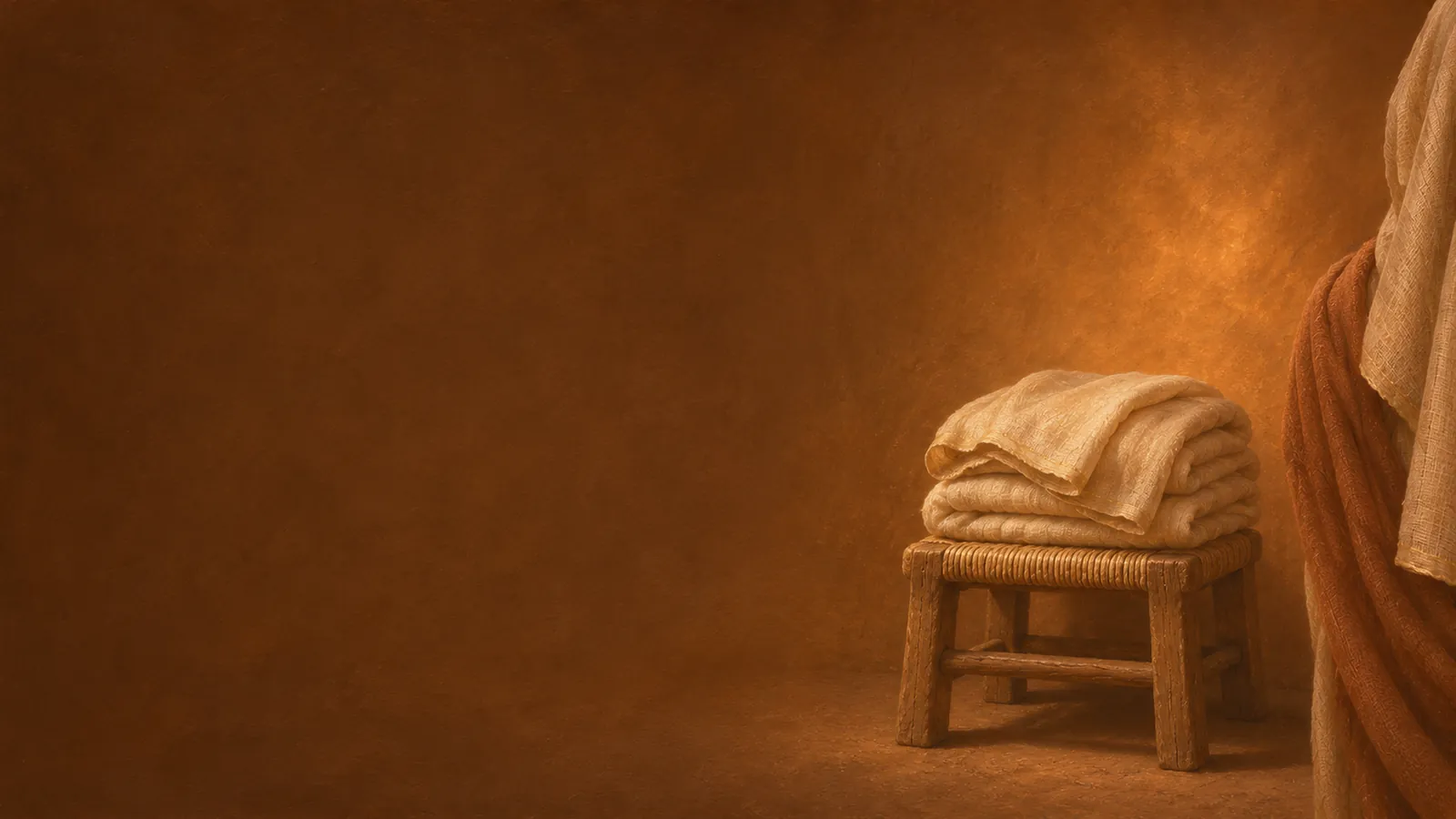
Damkina rejoiced over her son and gave him a bright ceremonial robe. Marduk entrusted Usmu, who brought news of the gift, with the care of the Apsû and its shrines.
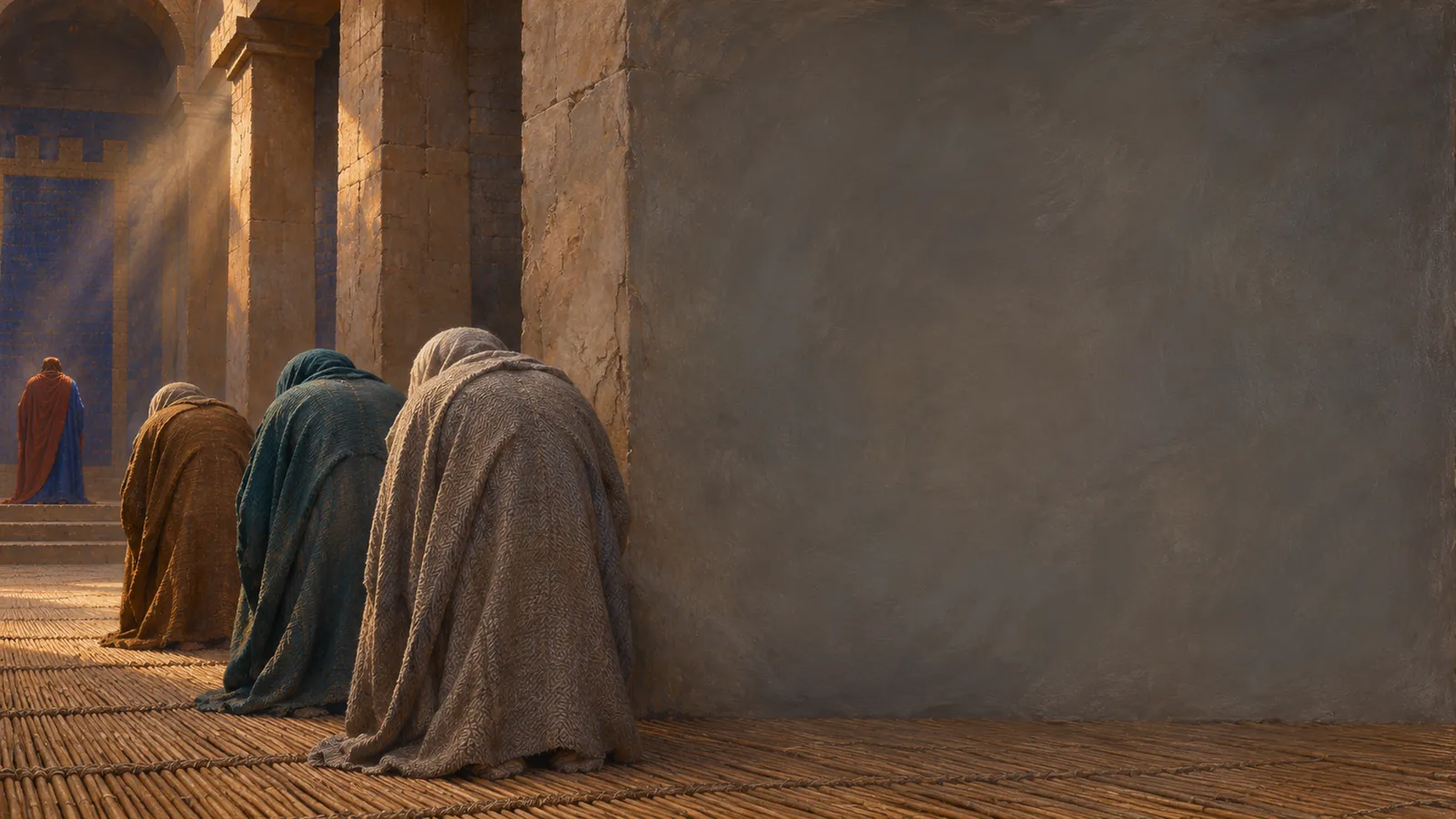
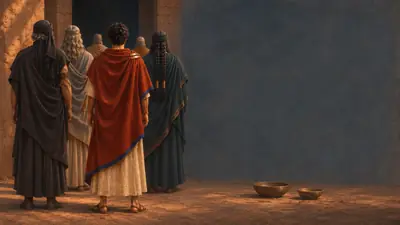
The Igigi and Anunnaki bowed before Marduk as king. The next lines, already damaged in places, tell of cedar oil, a royal garment and the splendor of his crown.
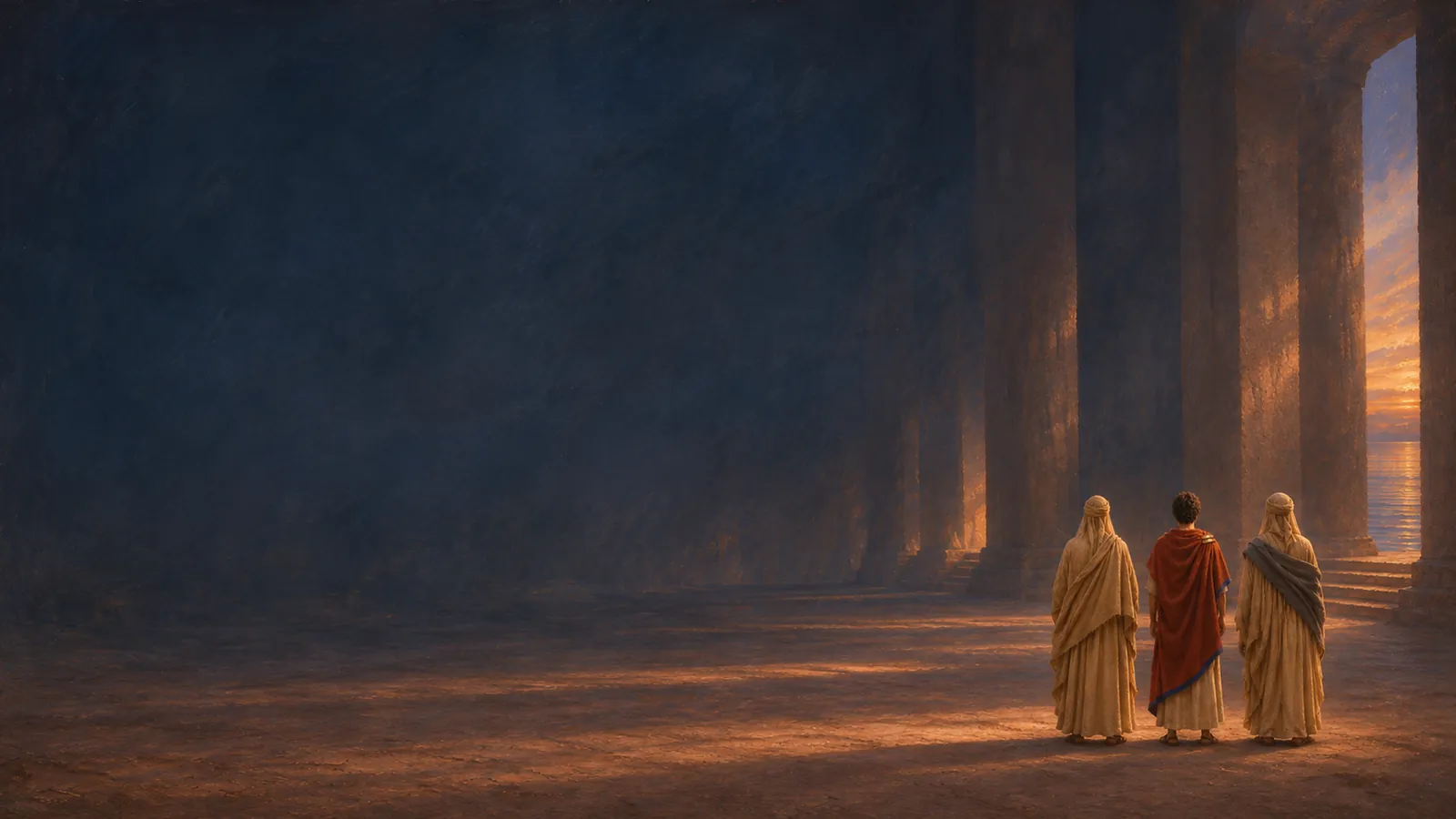
After a broken stretch, the gods name Marduk king of the gods of heaven and earth. They ask him to keep their sanctuaries and pledge to do as he bids.
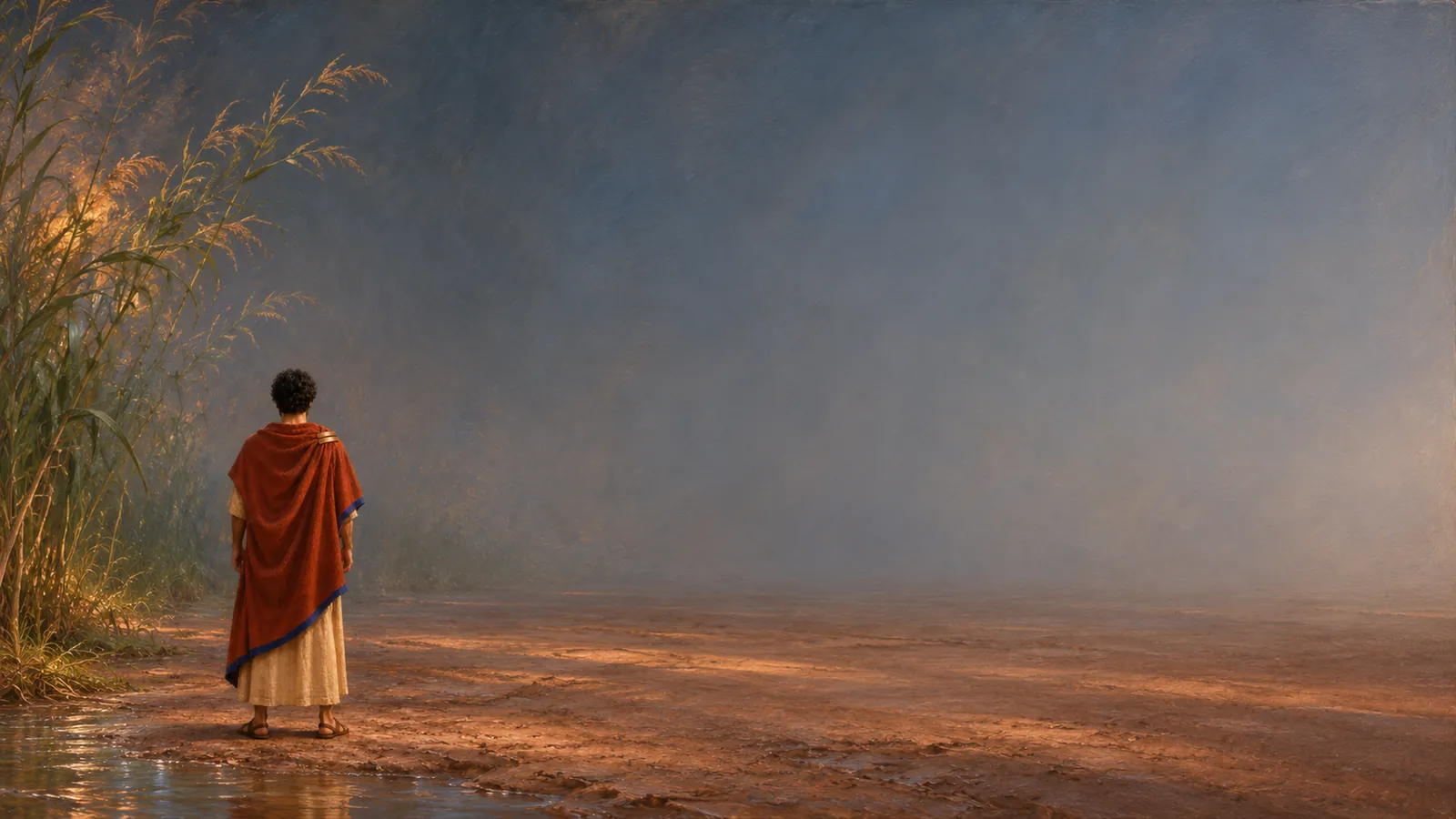
Marduk proposed a house above the Apsû and below the firmament, opposite Eshara. It would hold his sanctuary and make his kingship firm.
Those who rose from the Apsû and those who came down from heaven would rest in the same place before the assembly began.

BABYLON
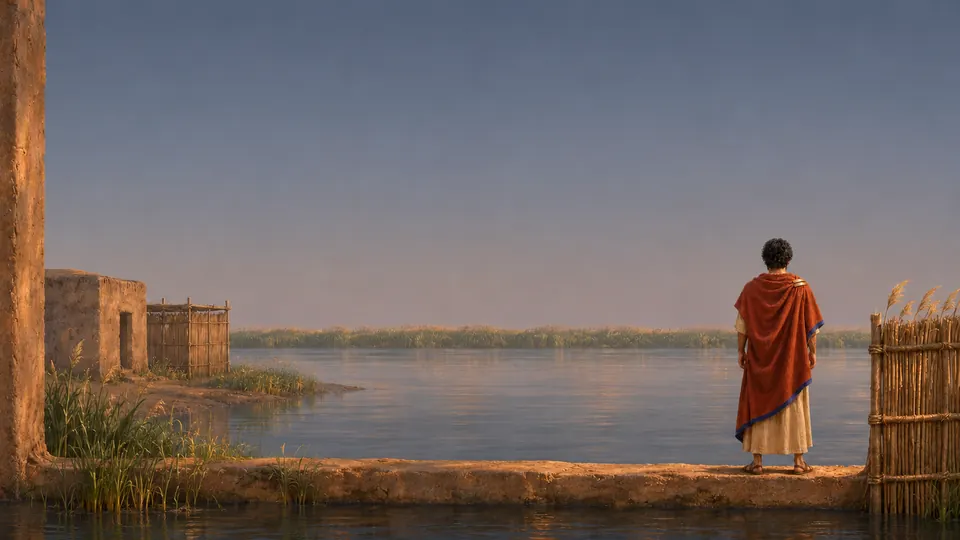
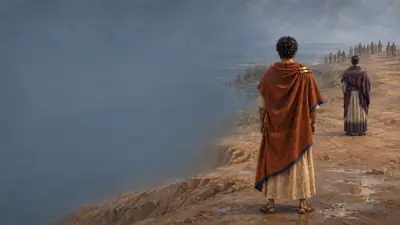
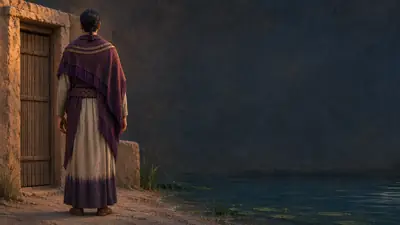
Marduk named the place Babylon, associating it with the houses of the great gods. He spoke of a festival there, a time when they could rest.
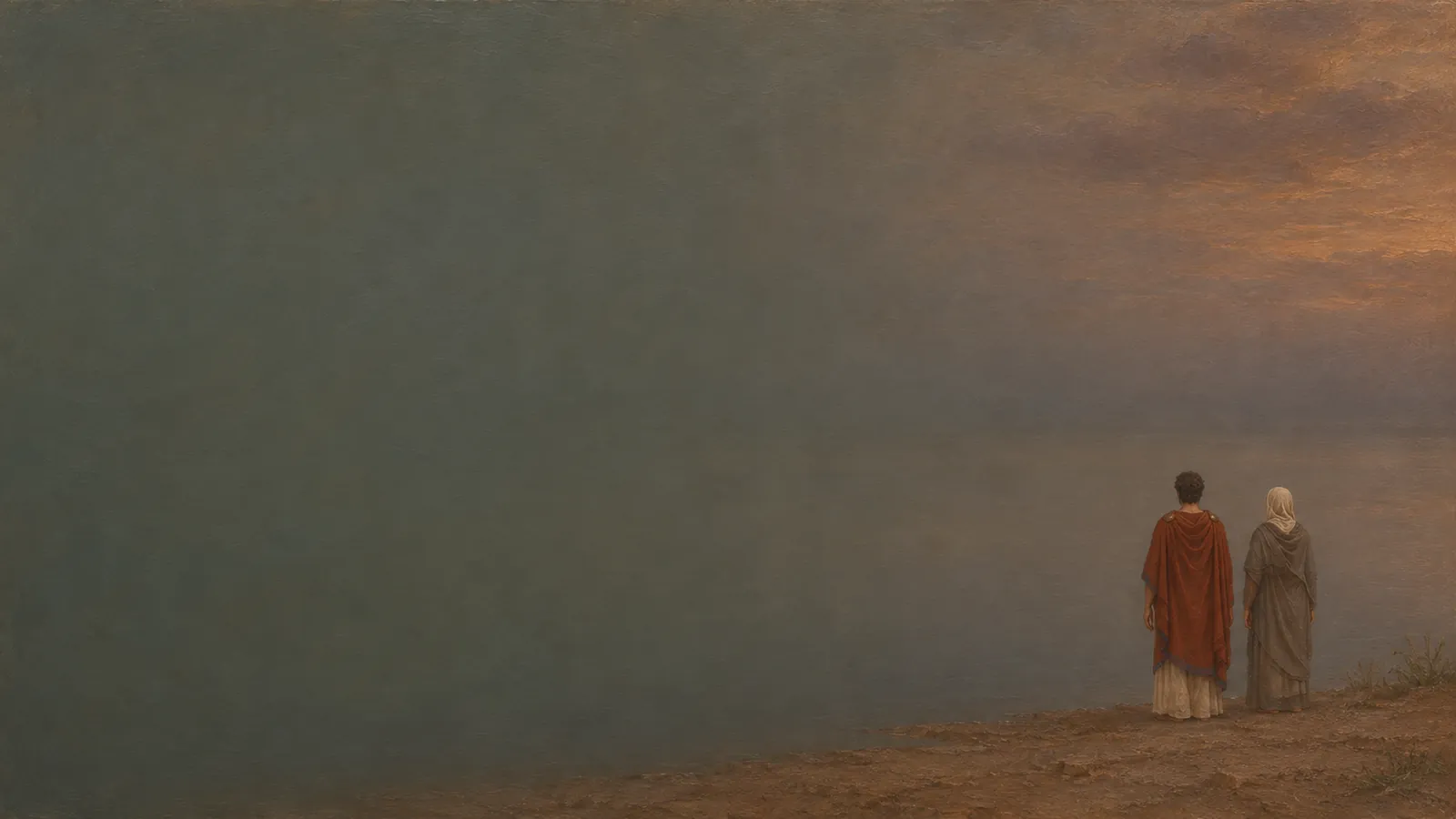
The gods asked for a lasting place of rest in Babylon and spoke of regular offerings. Beyond those words, broken lines preserve only fragments about work and decrees.
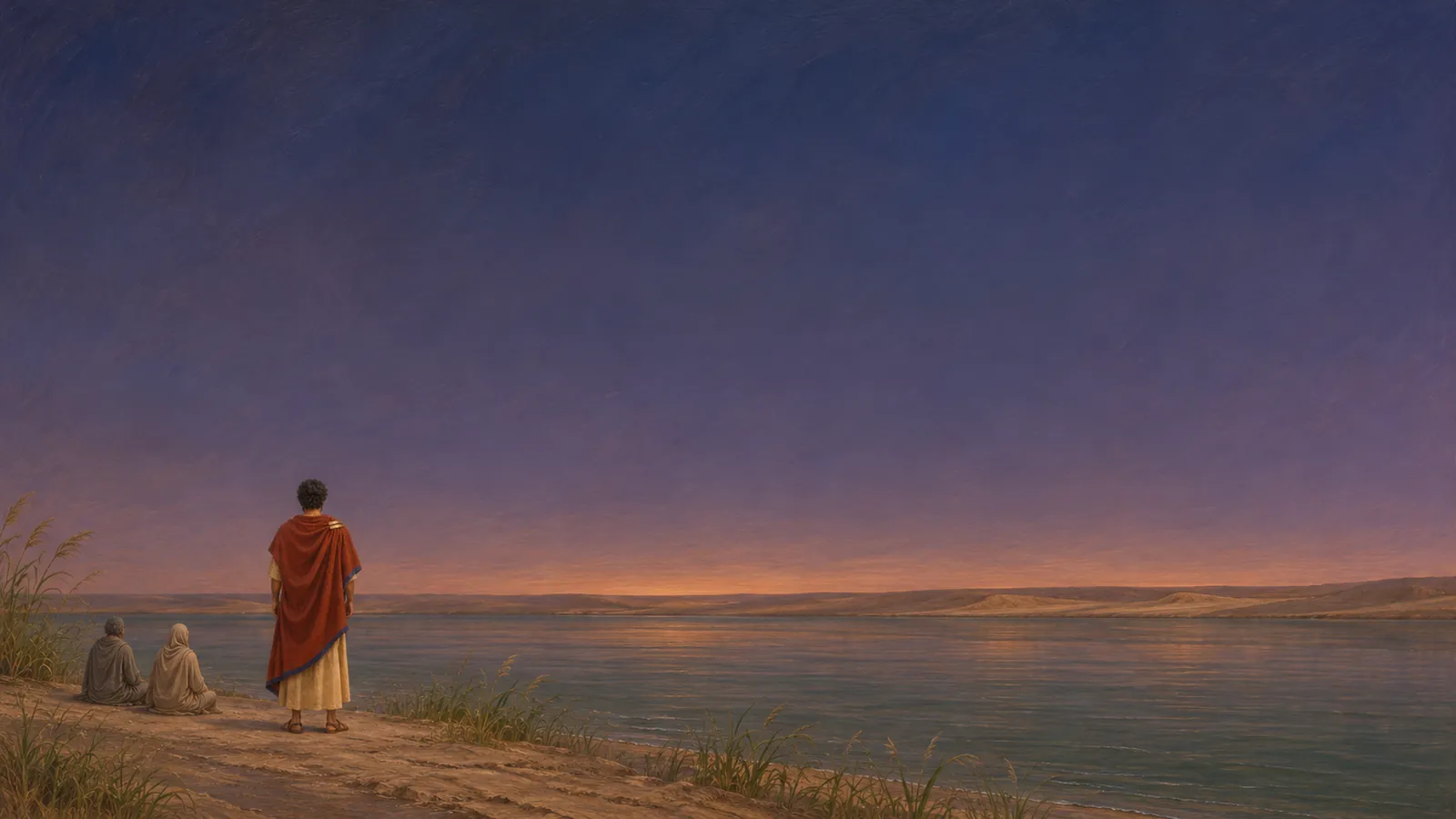
The gods bowed and called Marduk the beloved son who had become their king. The tablet breaks off amid their praise and calls for what he might yet do.
End of chapter 3
All pages

































Sources
Page 12: in the English translation by Heinrich and Helle (eBL L I.2, Enūma Eliš IV 99–104), Marduk’s arrow tears Tiamat’s belly and pierces her heart, and he stands over her body.
Editions consulted
- Heinrich’s Akkadian text and Helle’s translation, Tablet IV, pp. 54–63 and Tablet V, pp. 64–73
- Electronic Babylonian Library, Standard Babylonian Tablet IV
- Electronic Babylonian Library, Standard Babylonian Tablet V
Notes on this retelling
Pages 18–19: after crushing Tiamat’s skull and cutting her blood vessels, Marduk divides her like a fish prepared for drying (Heinrich and Helle, eBL L I.2, Enūma Eliš IV 129–138).
Ancient lines behind each page
- Page 1: Enūma Eliš IV 35–40, eBL L I.2; Heinrich–Helle
- Page 2: Enūma Eliš IV 41–46, eBL L I.2; Heinrich–Helle
- Page 3: Enūma Eliš IV 47–52, eBL L I.2; Heinrich–Helle
- Page 4: Enūma Eliš IV 53–58, eBL L I.2; Heinrich–Helle
- Page 5: Enūma Eliš IV 59–64, eBL L I.2; Heinrich–Helle
- Page 6: Enūma Eliš IV 65–70, eBL L I.2; Heinrich–Helle
- Page 7: Enūma Eliš IV 71–78, eBL L I.2; Heinrich–Helle
- Page 8: Enūma Eliš IV 79–84, eBL L I.2; Heinrich–Helle
- Page 9: Enūma Eliš IV 85–88, eBL L I.2; Heinrich–Helle
- Page 10: Enūma Eliš IV 89–94, eBL L I.2; Heinrich–Helle
- Page 11: Enūma Eliš IV 95–100, eBL L I.2; Heinrich–Helle
- Page 12: Enūma Eliš IV 101–104, eBL L I.2; Heinrich–Helle
- Page 13: Enūma Eliš IV 105–110, eBL L I.2; Heinrich–Helle
- Page 14: Enūma Eliš IV 111–118, eBL L I.2; Heinrich–Helle
- Page 15: Enūma Eliš IV 119–120, eBL L I.2; Heinrich–Helle
- Page 16: Enūma Eliš IV 121–122, eBL L I.2; Heinrich–Helle
- Page 17: Enūma Eliš IV 123–128, eBL L I.2; Heinrich–Helle
- Page 18: Enūma Eliš IV 129–134, eBL L I.2; Heinrich–Helle
- Page 19: Enūma Eliš IV 135–137, eBL L I.2; Heinrich–Helle
- Page 20: Enūma Eliš IV 138–139, eBL L I.2; Heinrich–Helle
- Page 21: Enūma Eliš IV 140–144, eBL L I.2; Heinrich–Helle
- Page 22: Enūma Eliš IV 145–146, eBL L I.2; Heinrich–Helle
- Page 23: Enūma Eliš V 1–2, eBL L I.2; Heinrich–Helle
- Page 24: Enūma Eliš V 3–5, eBL L I.2; Heinrich–Helle
- Page 25: Enūma Eliš V 6–8, eBL L I.2; Heinrich–Helle
- Page 26: Enūma Eliš V 9–11, eBL L I.2; Heinrich–Helle
- Page 27: Enūma Eliš V 12–14, eBL L I.2; Heinrich–Helle
- Page 28: Enūma Eliš V 15–16, eBL L I.2; Heinrich–Helle
- Page 29: Enūma Eliš V 17, eBL L I.2; Heinrich–Helle
- Page 30: Enūma Eliš V 18–20, eBL L I.2; Heinrich–Helle
- Page 31: Enūma Eliš V 21–22, eBL L I.2; Heinrich–Helle
- Page 32: Enūma Eliš V 23–35, eBL L I.2; Heinrich–Helle
- Page 33: Enūma Eliš V 36–46, eBL L I.2; Heinrich–Helle
- Page 34: Enūma Eliš V 47–49, eBL L I.2; Heinrich–Helle
The edition reads the divine name in V 48 from an Assyrian recension. - Page 35: Enūma Eliš V 50–52, eBL L I.2; Heinrich–Helle
The sense of the word for poison in V 51 is uncertain. - Page 36: Enūma Eliš V 53–56, eBL L I.2; Heinrich–Helle
- Page 37: Enūma Eliš V 57–58, eBL L I.2; Heinrich–Helle
- Page 38: Enūma Eliš V 59–62, eBL L I.2; Heinrich–Helle
- Page 39: Enūma Eliš V 63–68, eBL L I.2; Heinrich–Helle
Reins are a metaphor for authority. - Page 40: Enūma Eliš V 69–70, eBL L I.2; Heinrich–Helle
- Page 41: Enūma Eliš V 71–76, eBL L I.2; Heinrich–Helle
- Page 42: Enūma Eliš V 77–80, eBL L I.2; Heinrich–Helle
- Page 43: Enūma Eliš V 81–84, eBL L I.2; Heinrich–Helle
- Page 44: Enūma Eliš V 85–99, eBL L I.2; Heinrich–Helle
- Page 45: Enūma Eliš V 100–116, eBL L I.2; Heinrich–Helle
- Page 46: Enūma Eliš V 117–124, eBL L I.2; Heinrich–Helle
- Page 47: Enūma Eliš V 125–128, eBL L I.2; Heinrich–Helle
- Page 48: Enūma Eliš V 129–130, eBL L I.2; Heinrich–Helle
- Page 49: Enūma Eliš V 131–150, eBL L I.2; Heinrich–Helle
- Page 50: Enūma Eliš V 151–158, eBL L I.2; Heinrich–Helle
The closing lines of Tablet V are partly broken.
Illustrations made with AI tools by IL Archive; the text is based on the ancient sources (see the sources at the end of each chapter).