Enuma Elish Chapter 2
The Words of the Assembly
Ea and Anu turn back from Tiamat. Marduk offers to go if the assembly will give his words the power to fix destinies. Kaka summons the elders, and the gods acclaim Marduk after he makes a constellation disappear and return.
Watch the filmSourcesTurn the pages with the arrows, the arrow keys or a swipe.
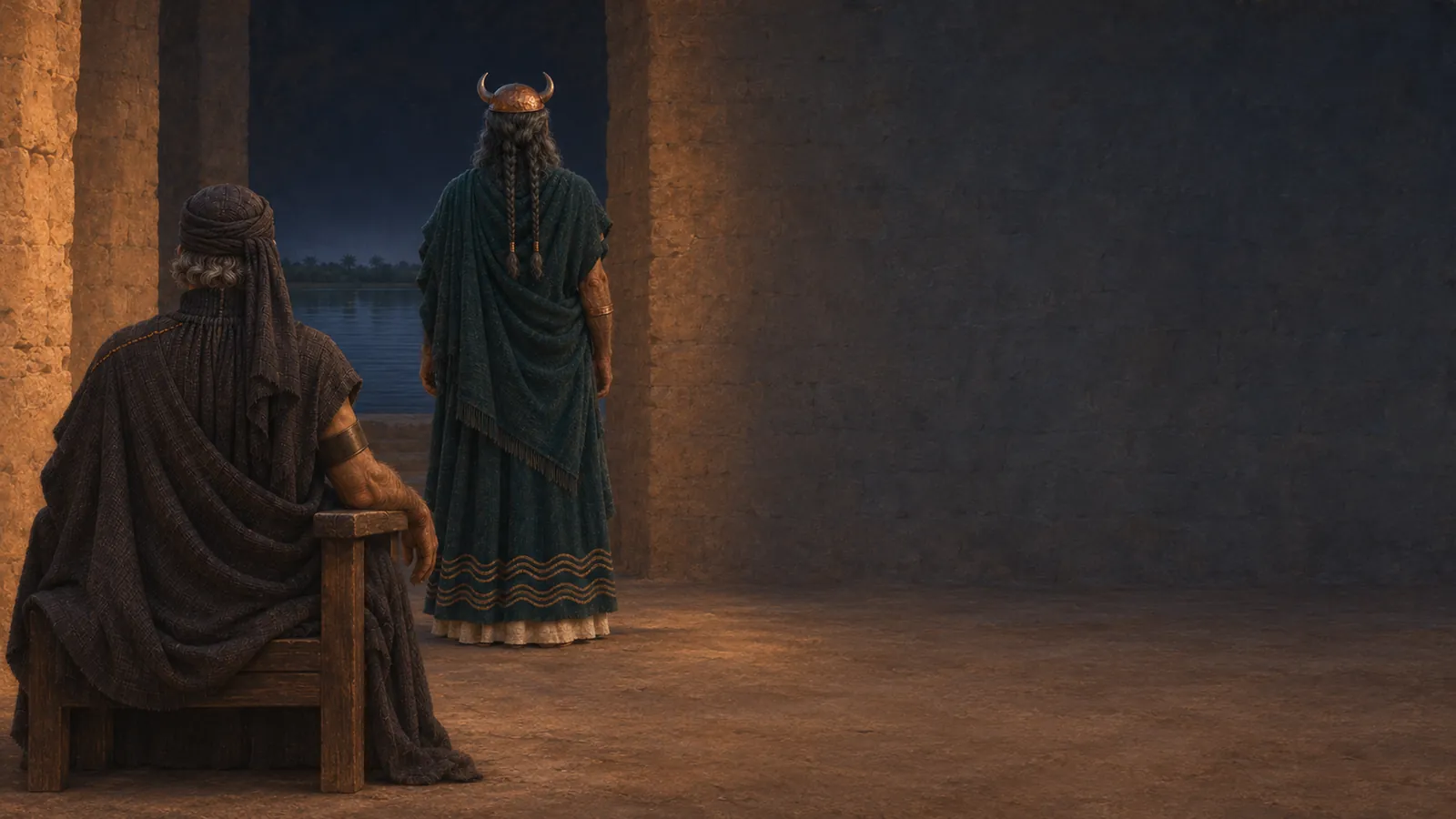
THE HALL GROWS CALM
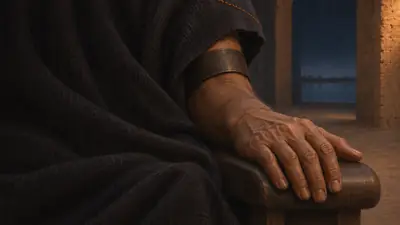
Ea’s words reached Anshar at last. He listened, and as his anger settled, he turned to Ea again.
Anshar told Ea that his deeds were worthy of a god. He still believed his son had the strength to face a greater threat.
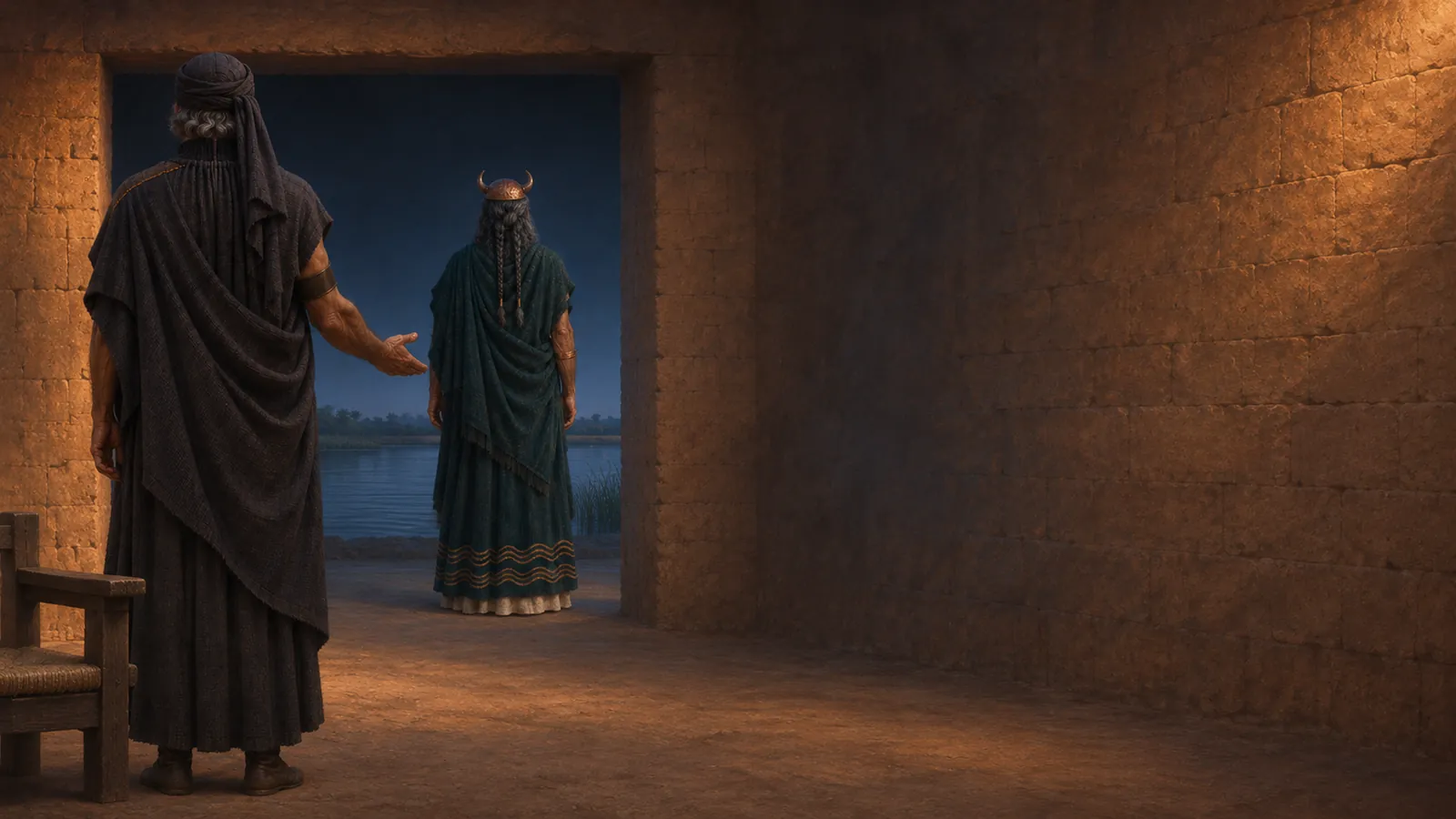
Anshar sent Ea to Tiamat. He asked him to quiet the revolt and see whether his spell could ease her anger.

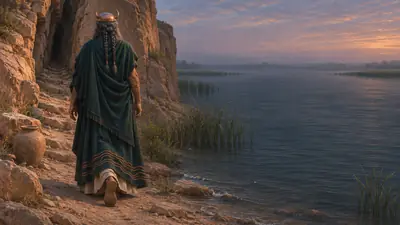
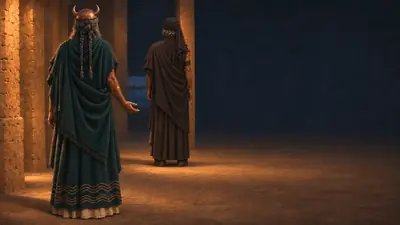
Ea heard his father’s words and set out. He followed the road straight toward Tiamat.

Ea went out to learn what Tiamat intended. He drew near enough to discover what she was preparing.
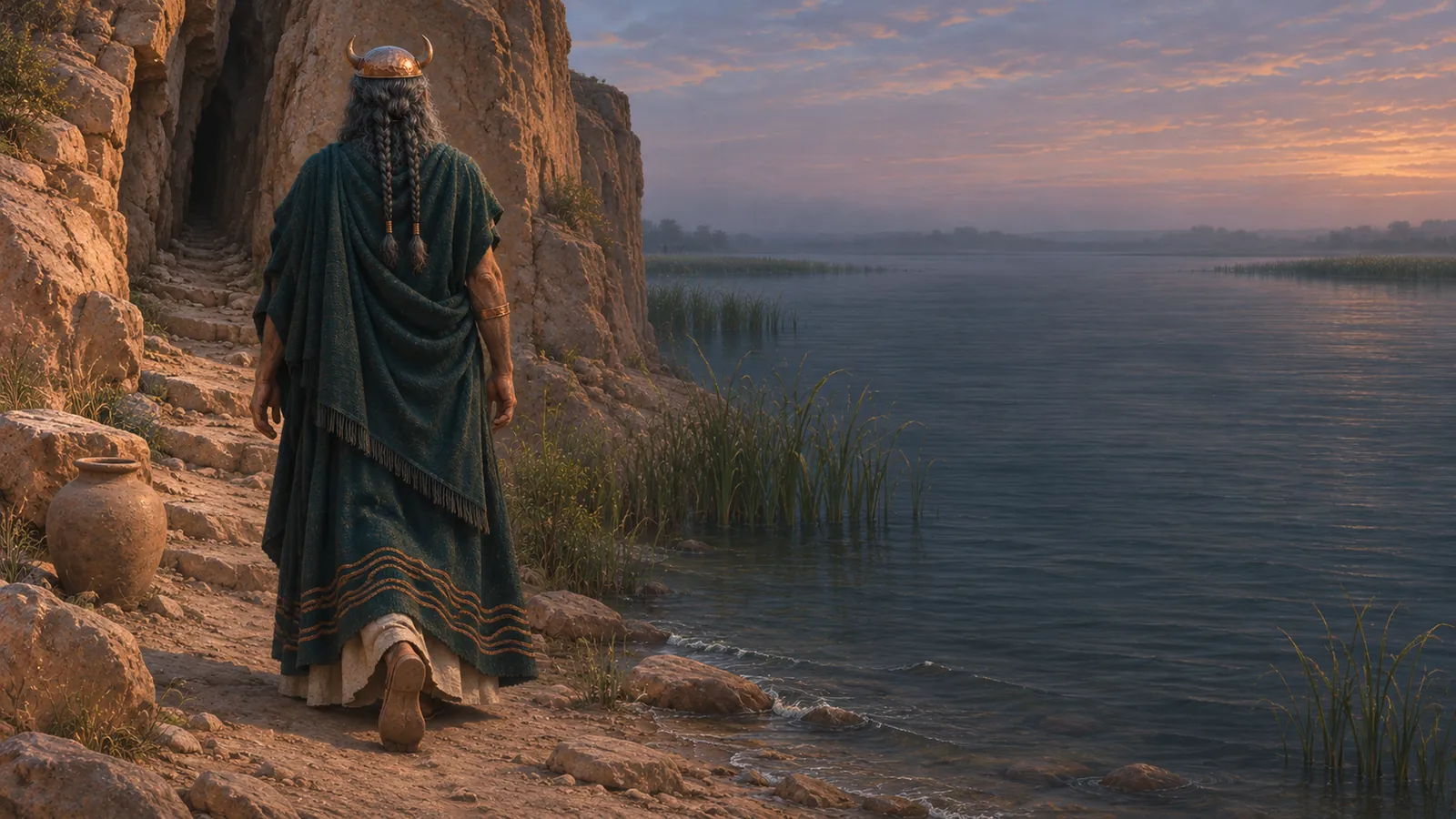
EA TURNS BACK
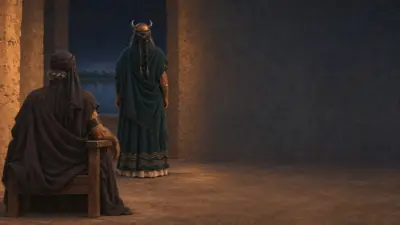
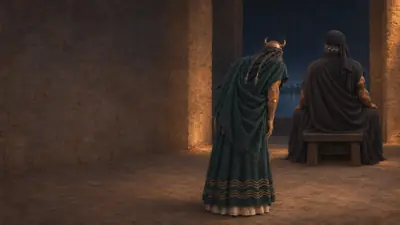
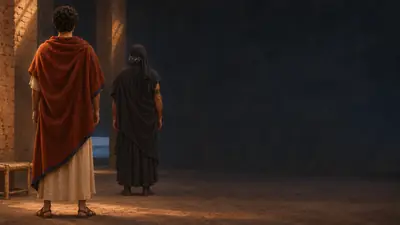
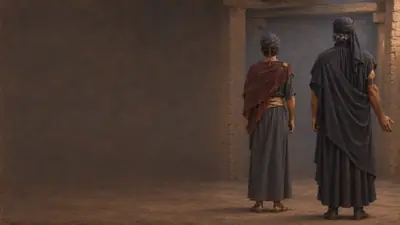
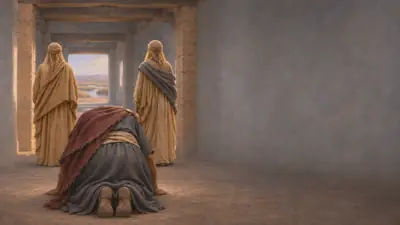
Ea stopped short, struck silent by what lay ahead. He turned around and went back the way he had come.
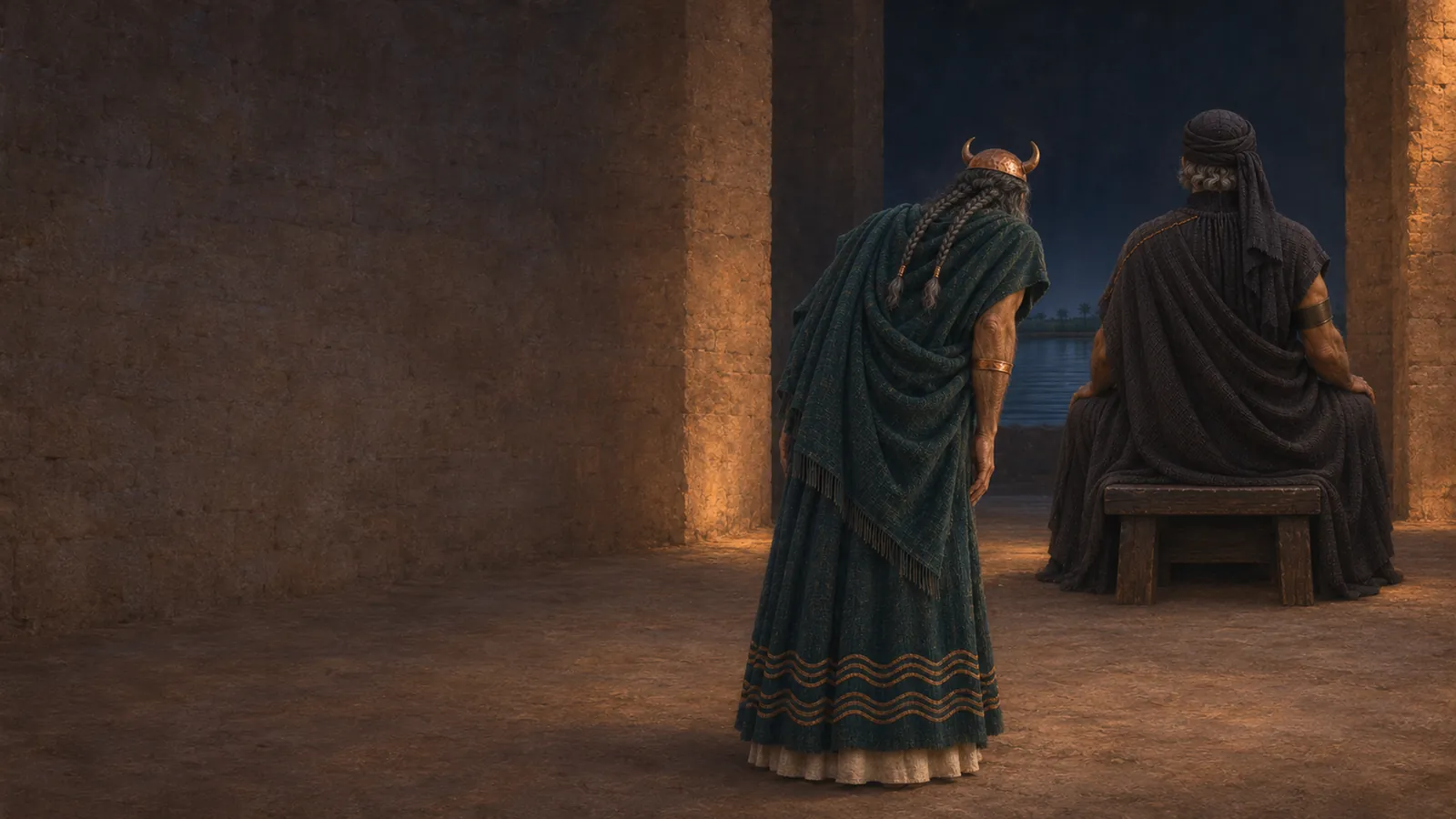
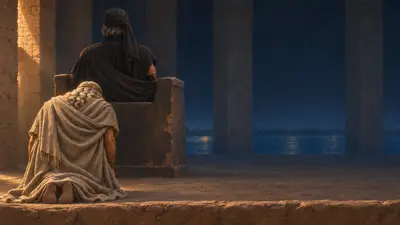
Ea bowed before Anshar and told him what he had learned. Tiamat’s preparations were beyond him, and his spell would not prevail against her.
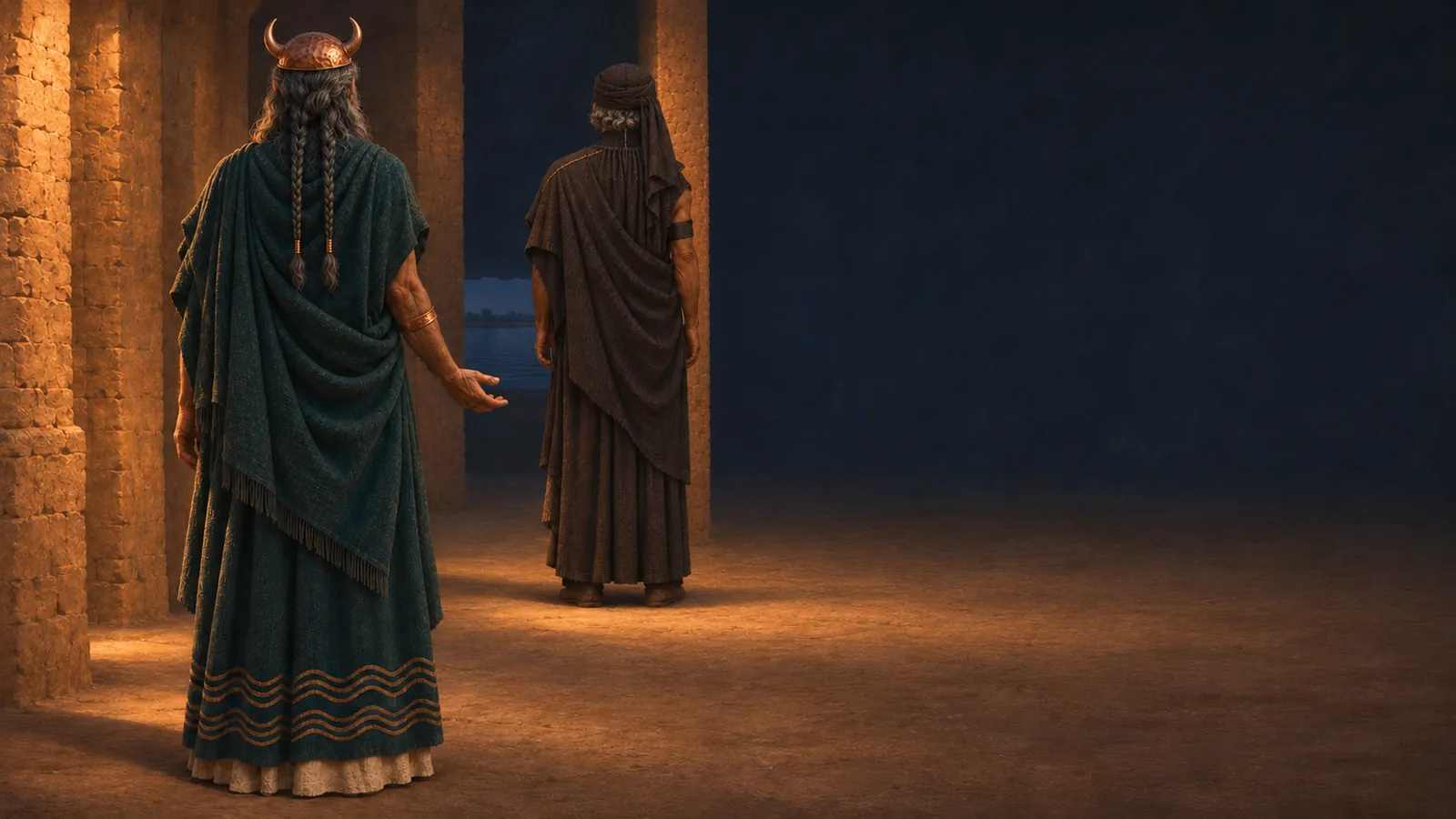
Ea described Tiamat’s formidable strength, the force of her assembly and the roar that had driven him back. He urged Anshar to send someone else before her plans reached them.
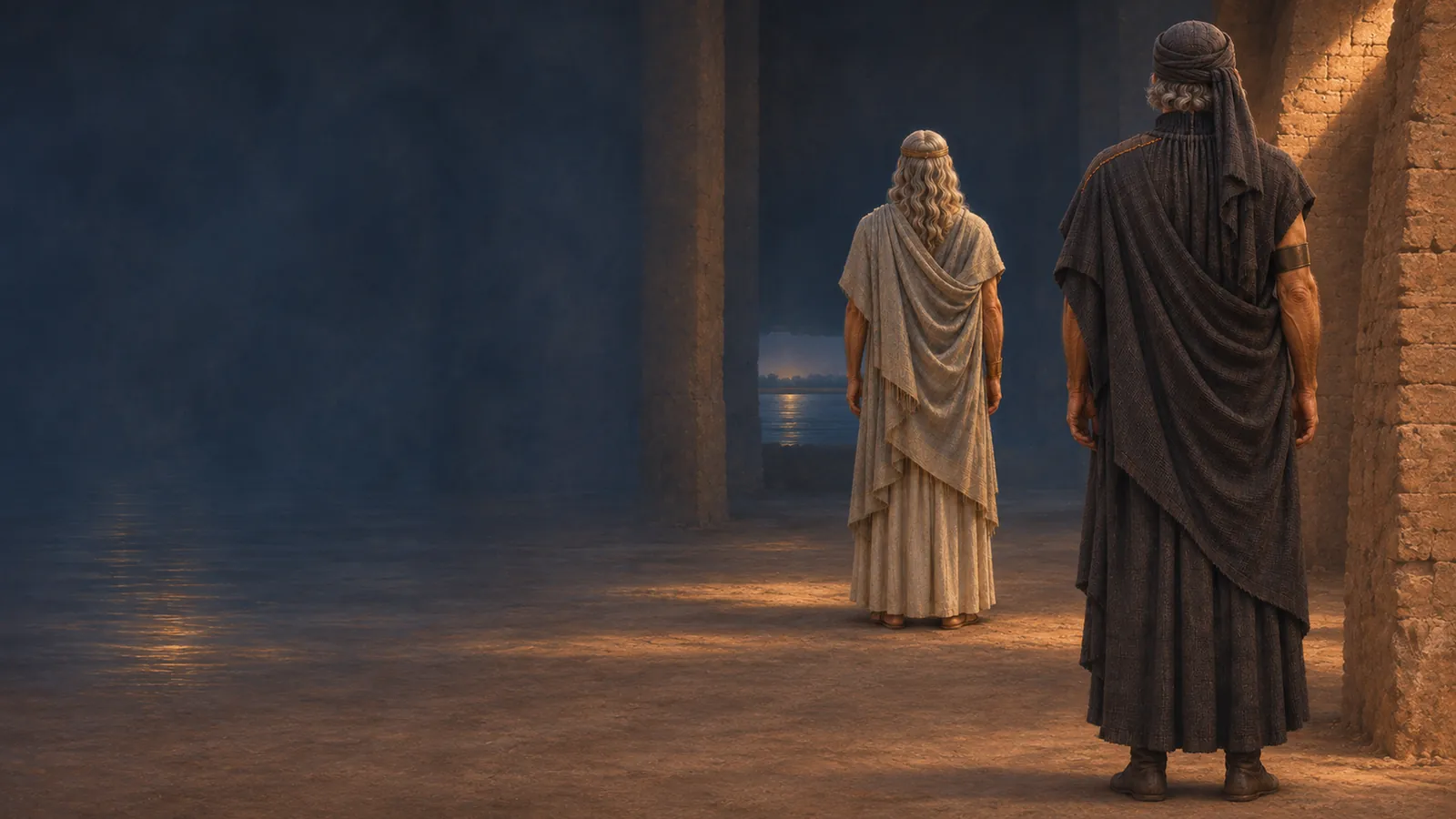
Anshar called out sharply to Anu. He addressed him as his loyal heir and reminded him of his strength.
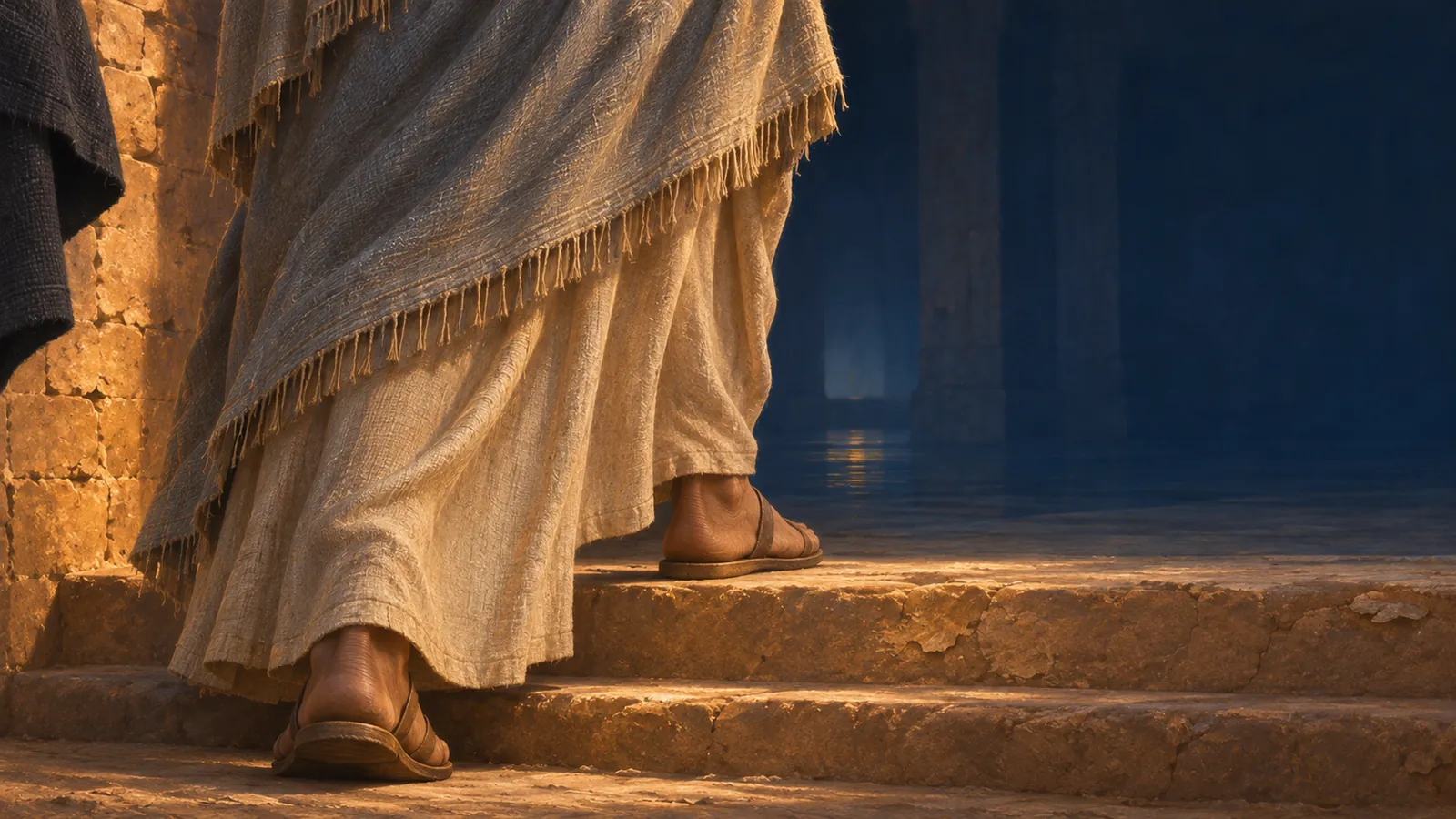
Anshar told Anu to hurry to Tiamat. He was to stand before her and try to bring her heart to rest.
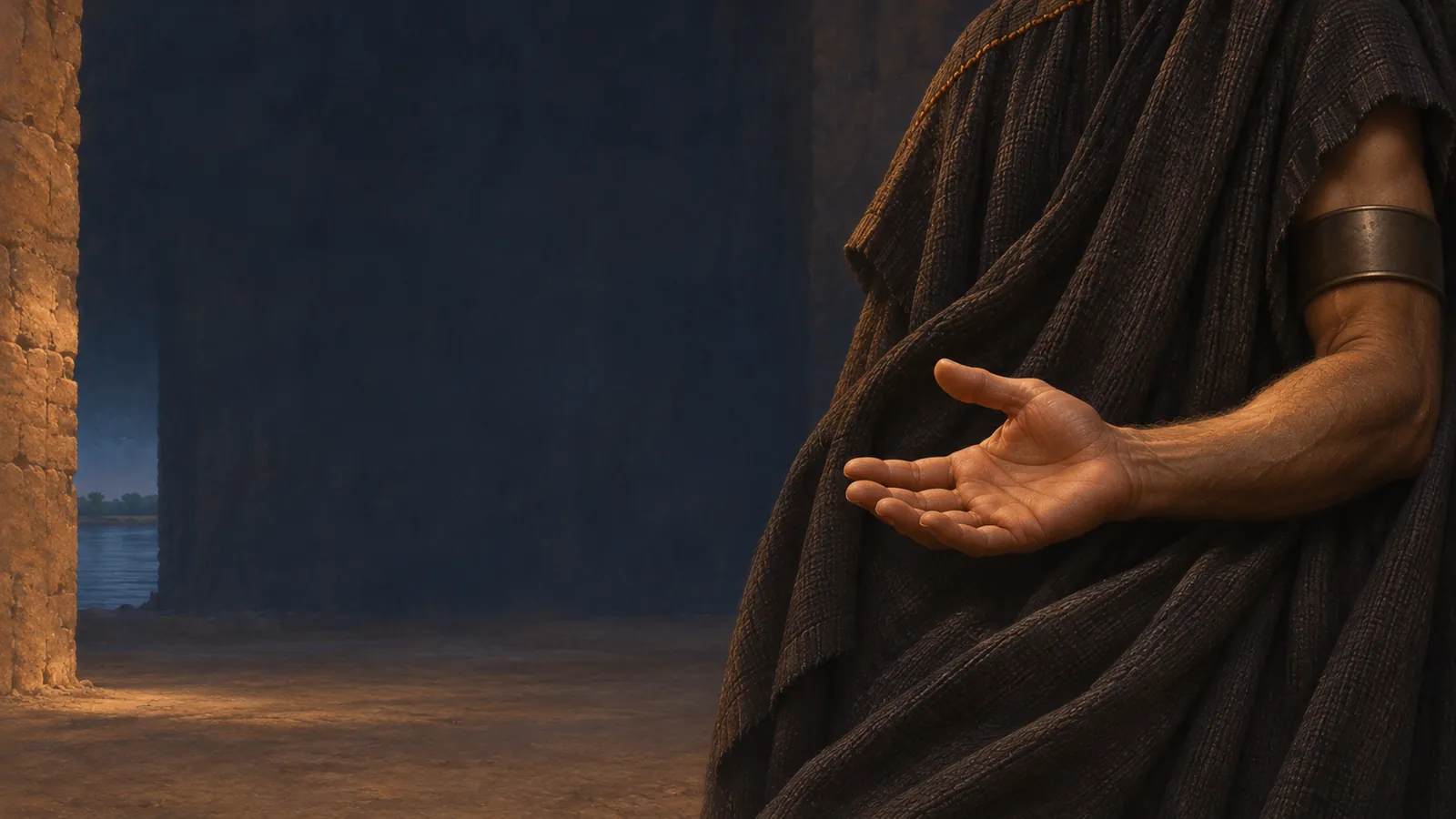
If Tiamat would not hear his first words, Anu was to speak more humbly. Perhaps then, Anshar said, she would relent.

Anu heard his father’s instructions. Then he took the road and went straight on toward Tiamat.

Anu went to see what Tiamat intended. He too stopped in silence and turned back.
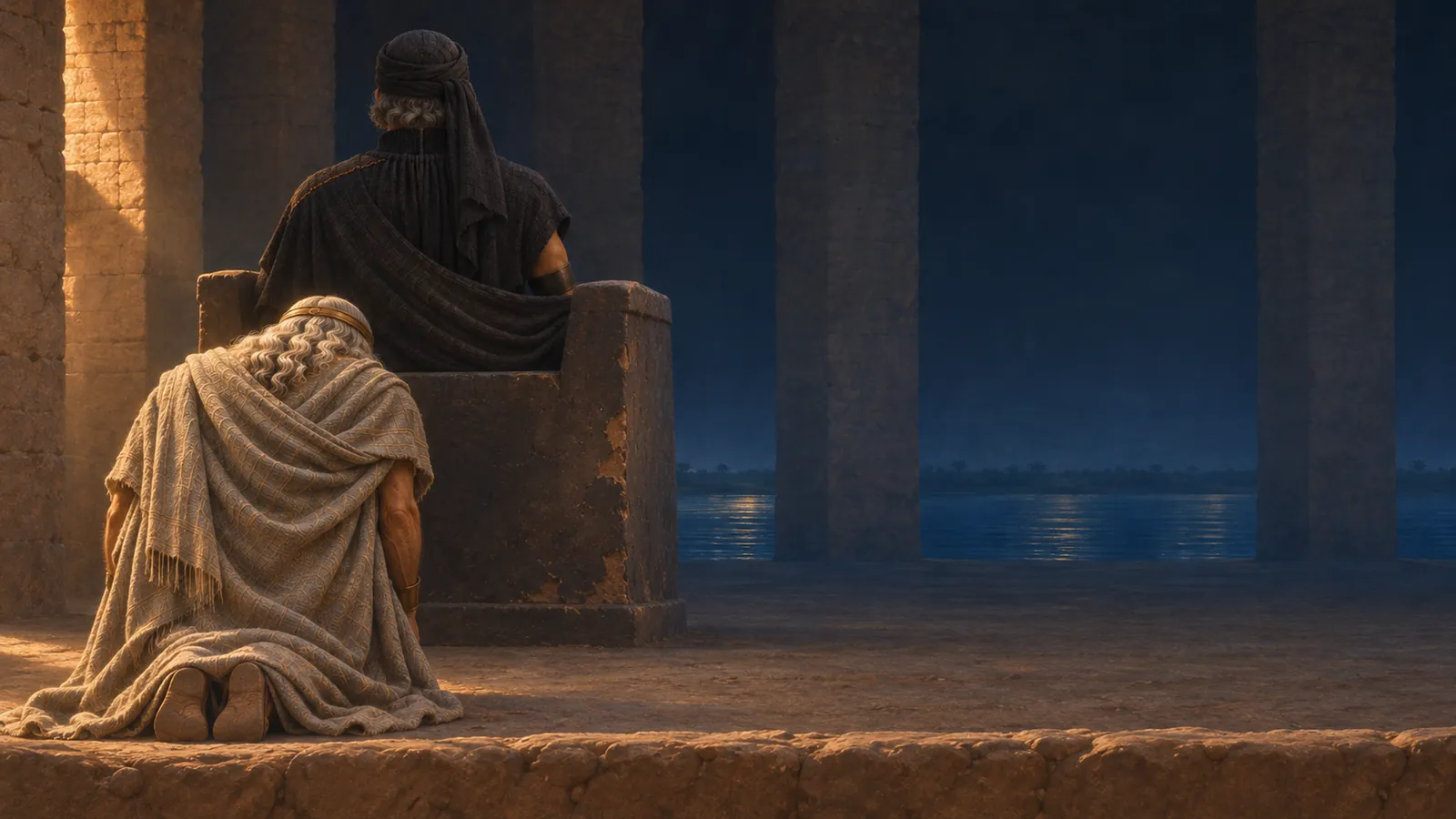
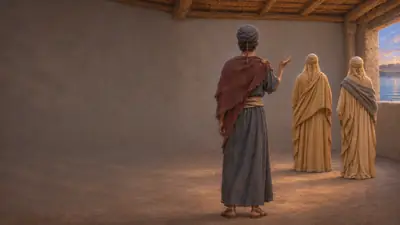
Anu came back into Anshar’s presence and bowed. He said that he had seen what Tiamat was preparing and that his spell was unequal to it.
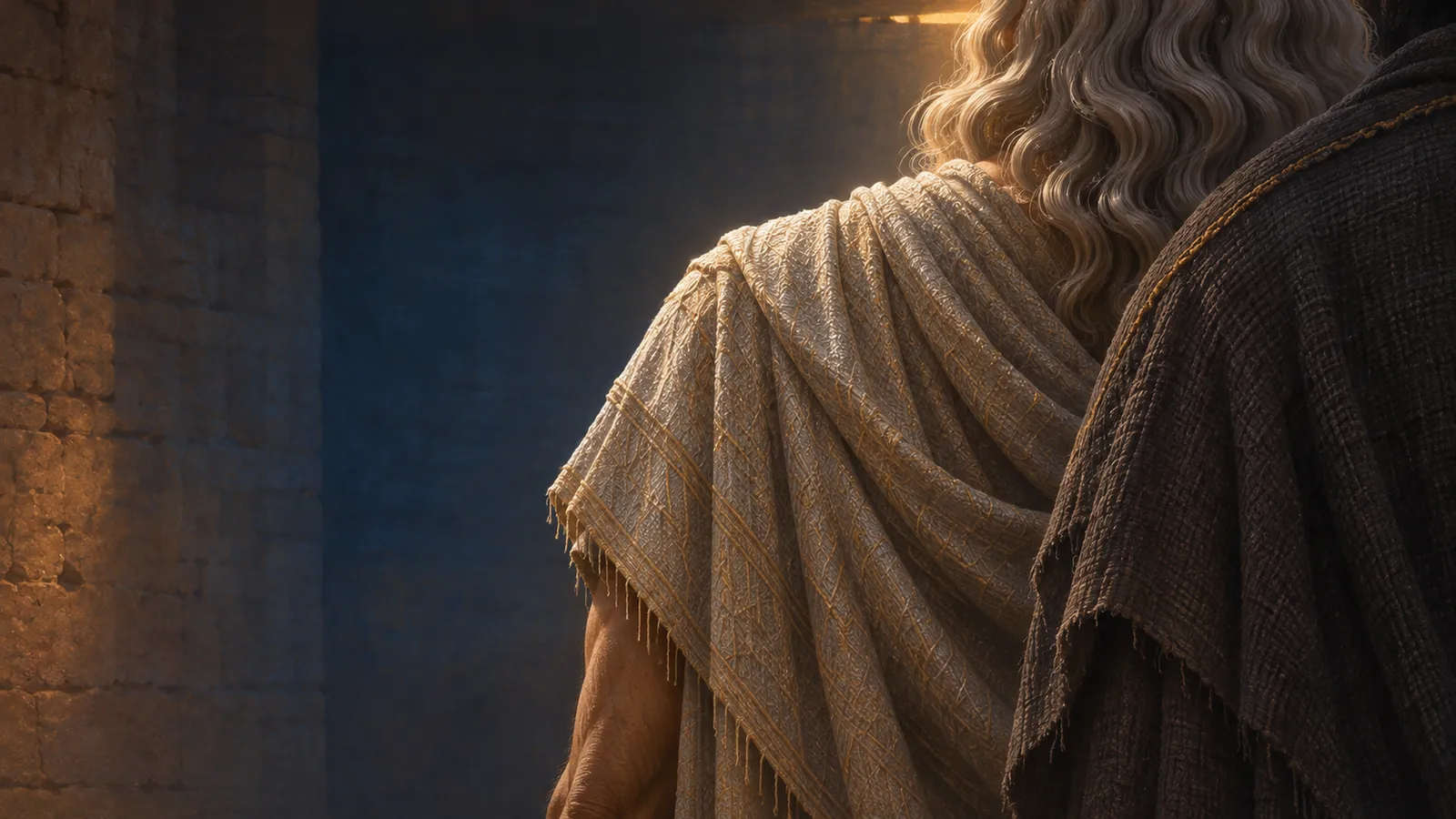
Anu told Anshar how strong Tiamat was among those who had gathered around her. Her roar had lost none of its force, he said. It was the sound that made him turn back.
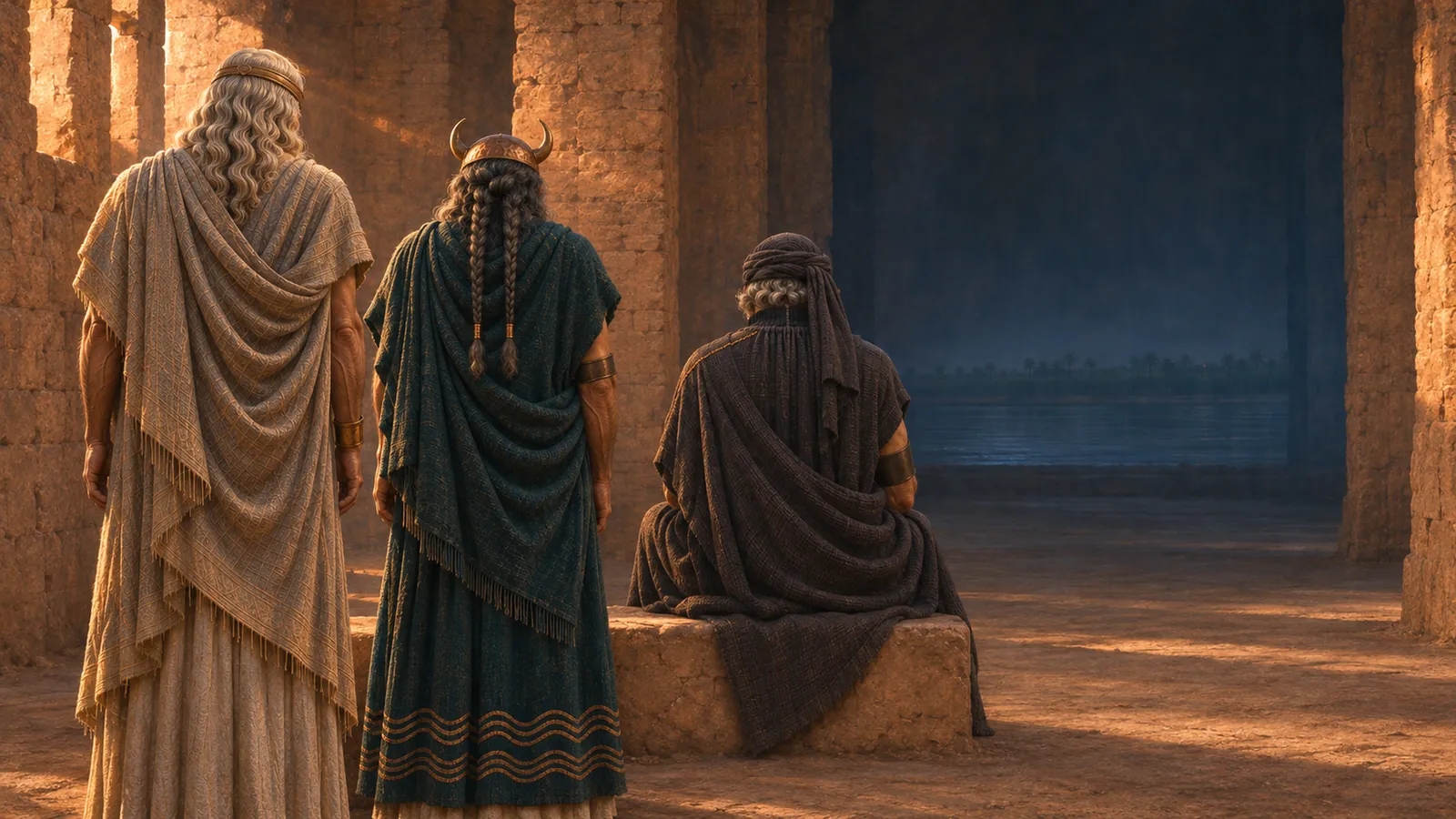
Anu urged Anshar to send another and break up Tiamat’s gathering before it was too late. Anshar stared at the ground, at a loss for words, and shook his head toward Ea.
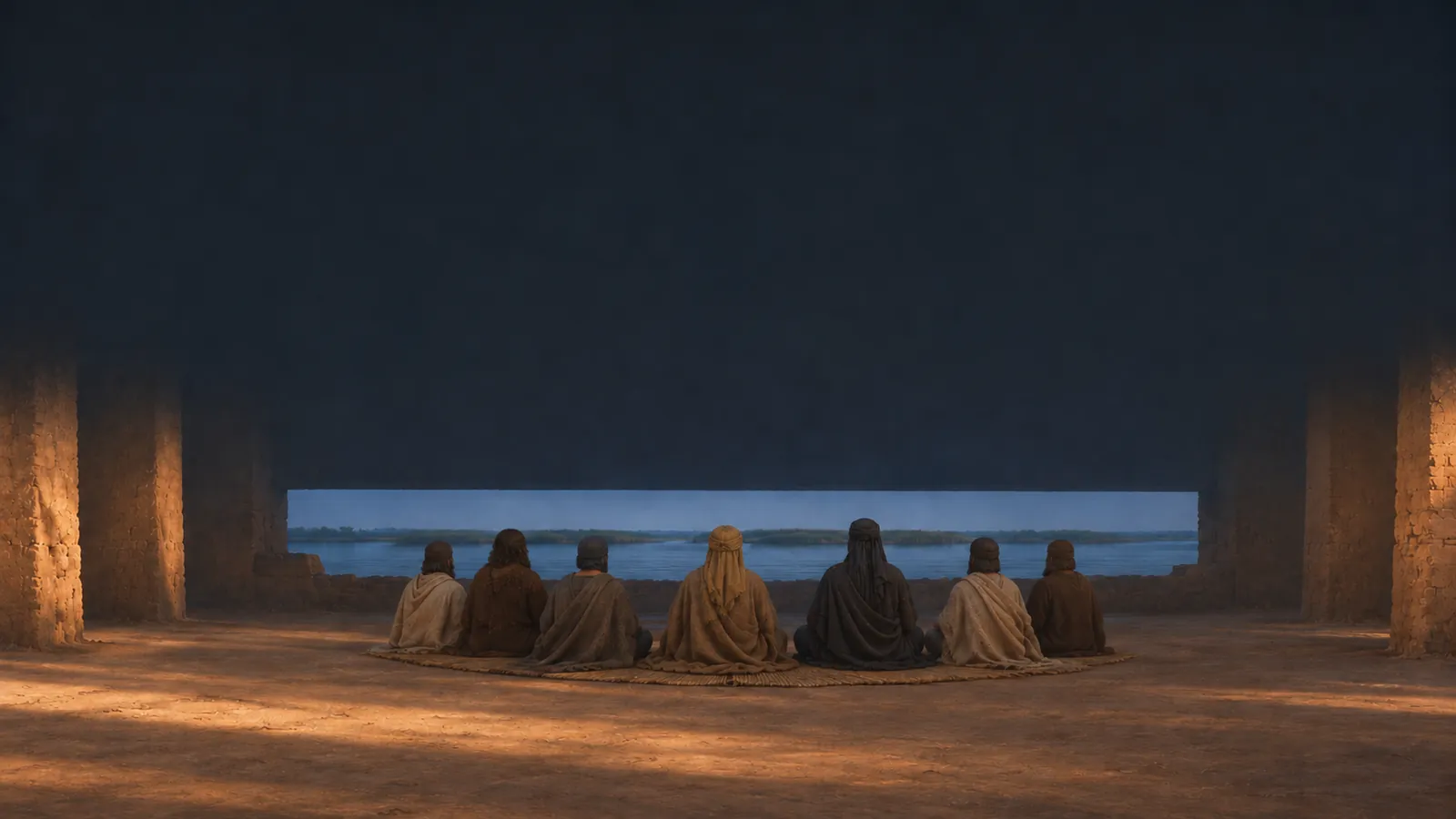
THE COUNCIL FALLS SILENT
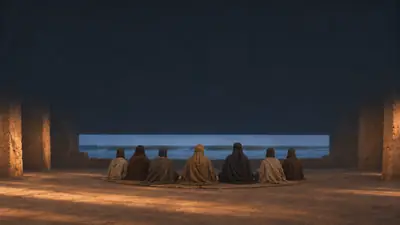
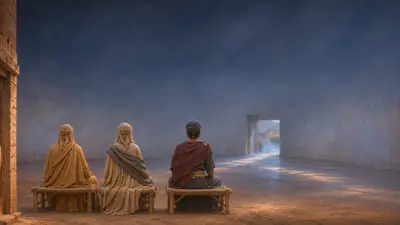
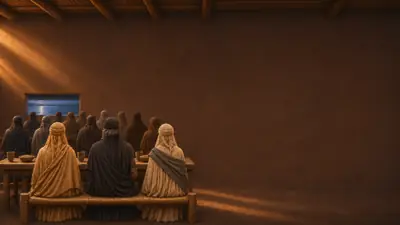
The Igigi and the Anunnaki had gathered, but the hall fell silent. No one offered to face Tiamat. Anshar called on no one else.
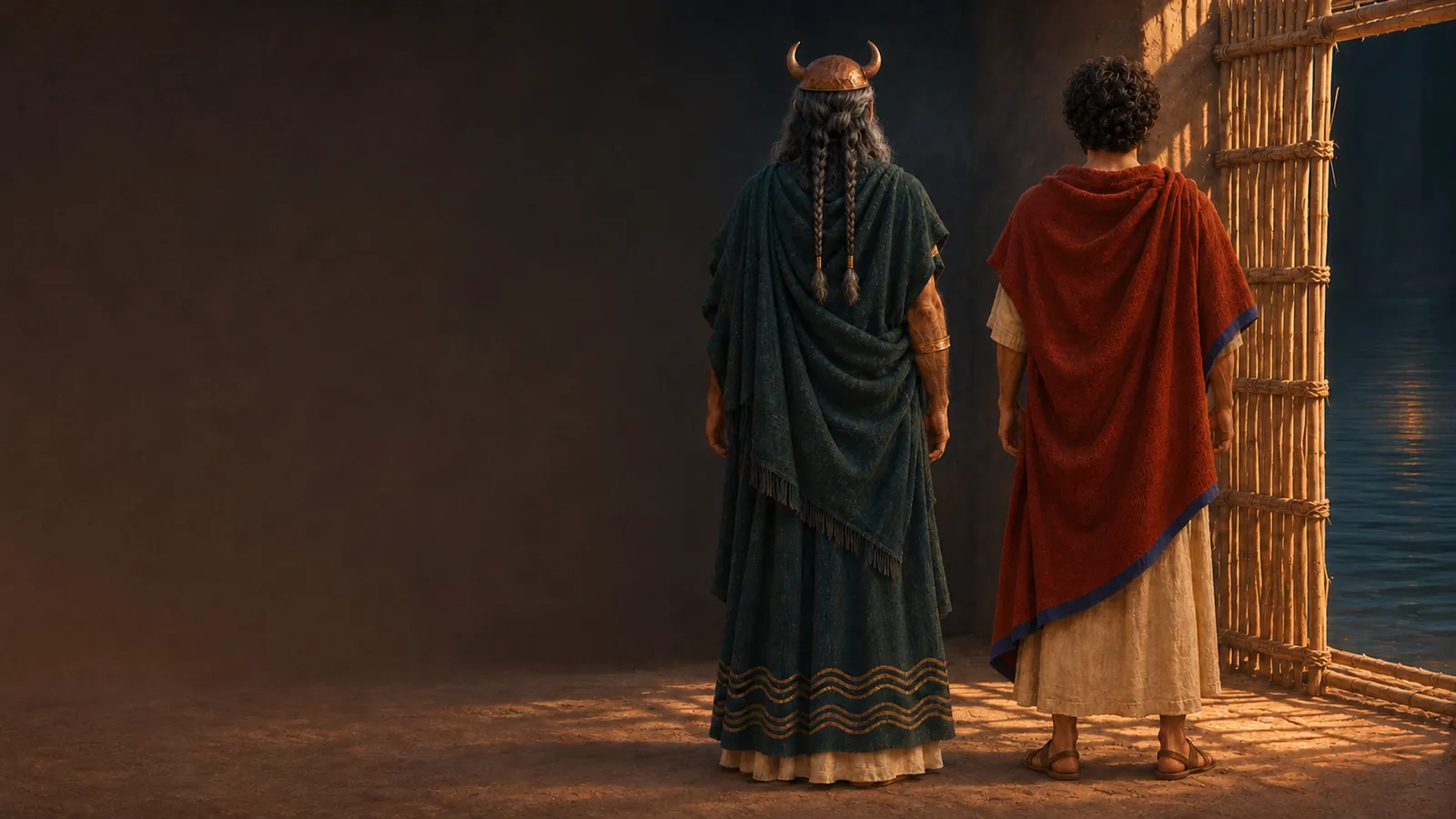
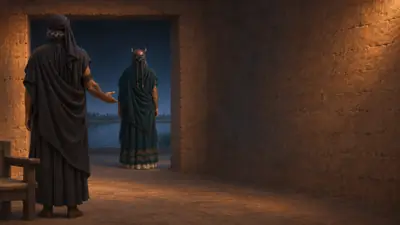
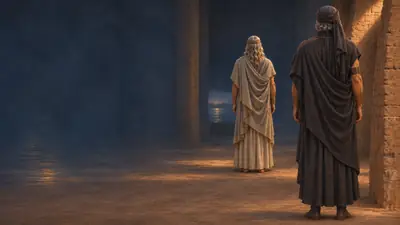
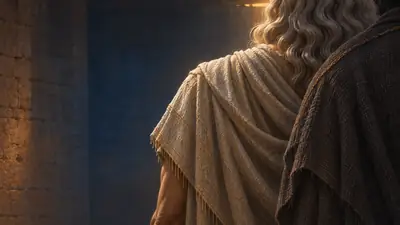
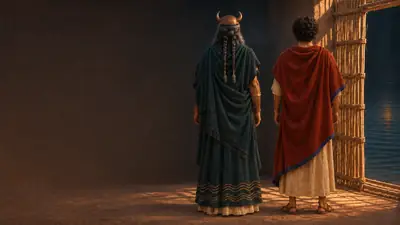
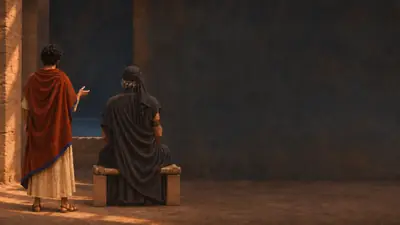
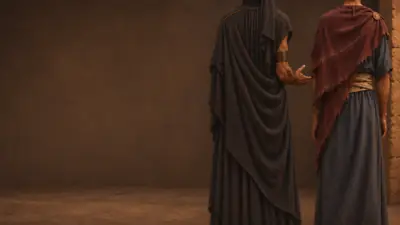
Ea called Marduk to a place apart. There he spoke to him privately about what was weighing on him.

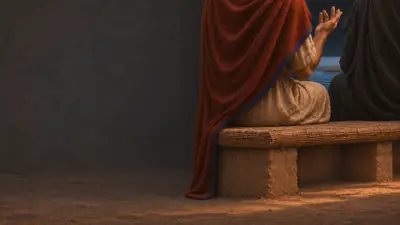
Ea asked Marduk to hear him as a son. He should go before Anshar, stand up and speak, and give the elder some peace by his presence.
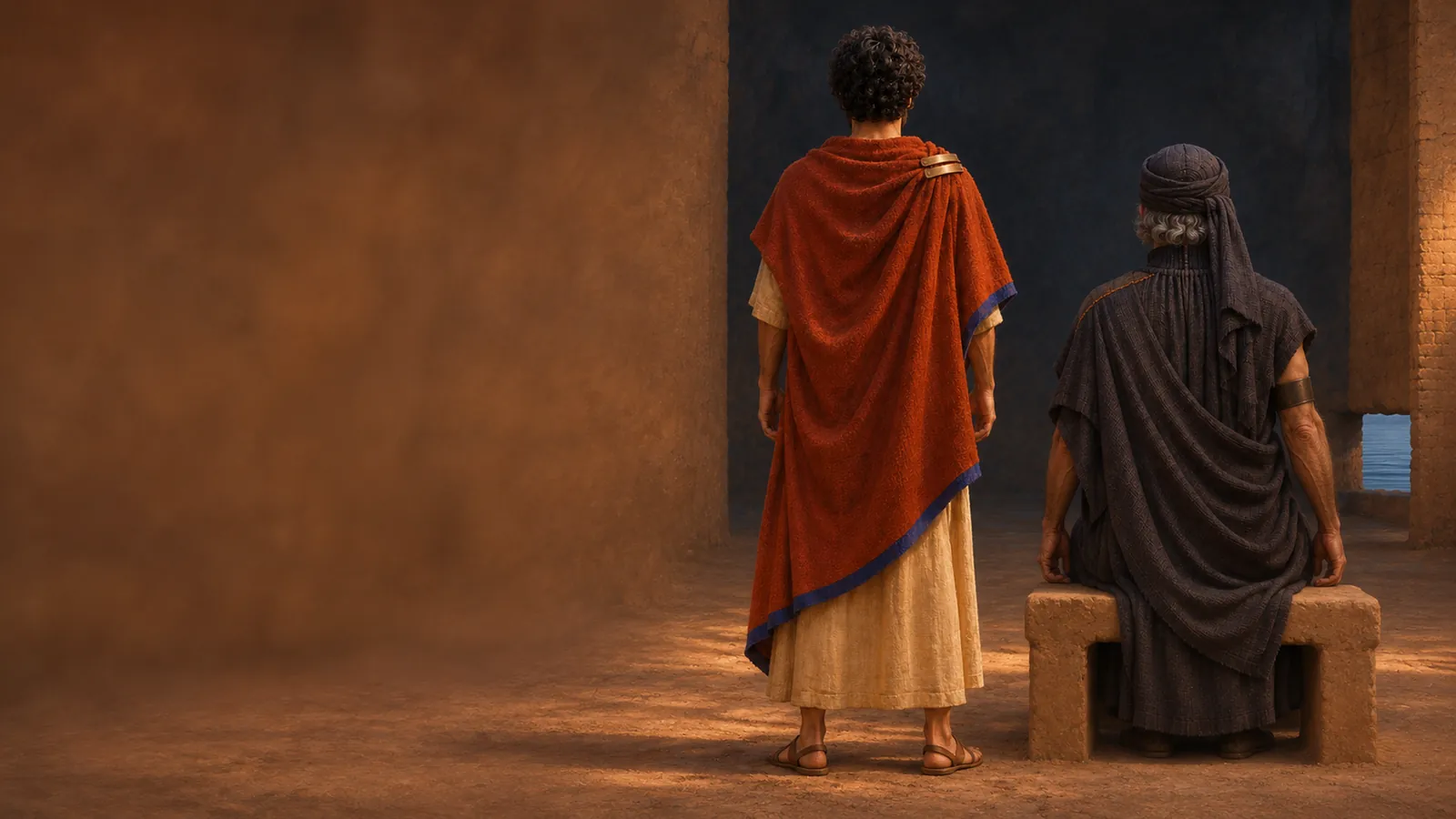
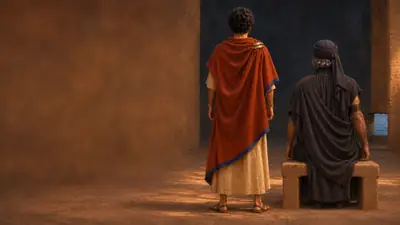
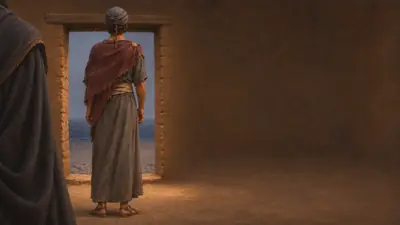
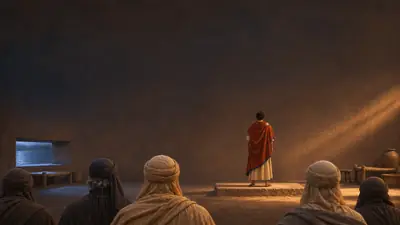
Marduk took pleasure in his father’s counsel and stood before Anshar. At the sight of him, Anshar’s fear gave way to gladness and he greeted Marduk with a kiss.
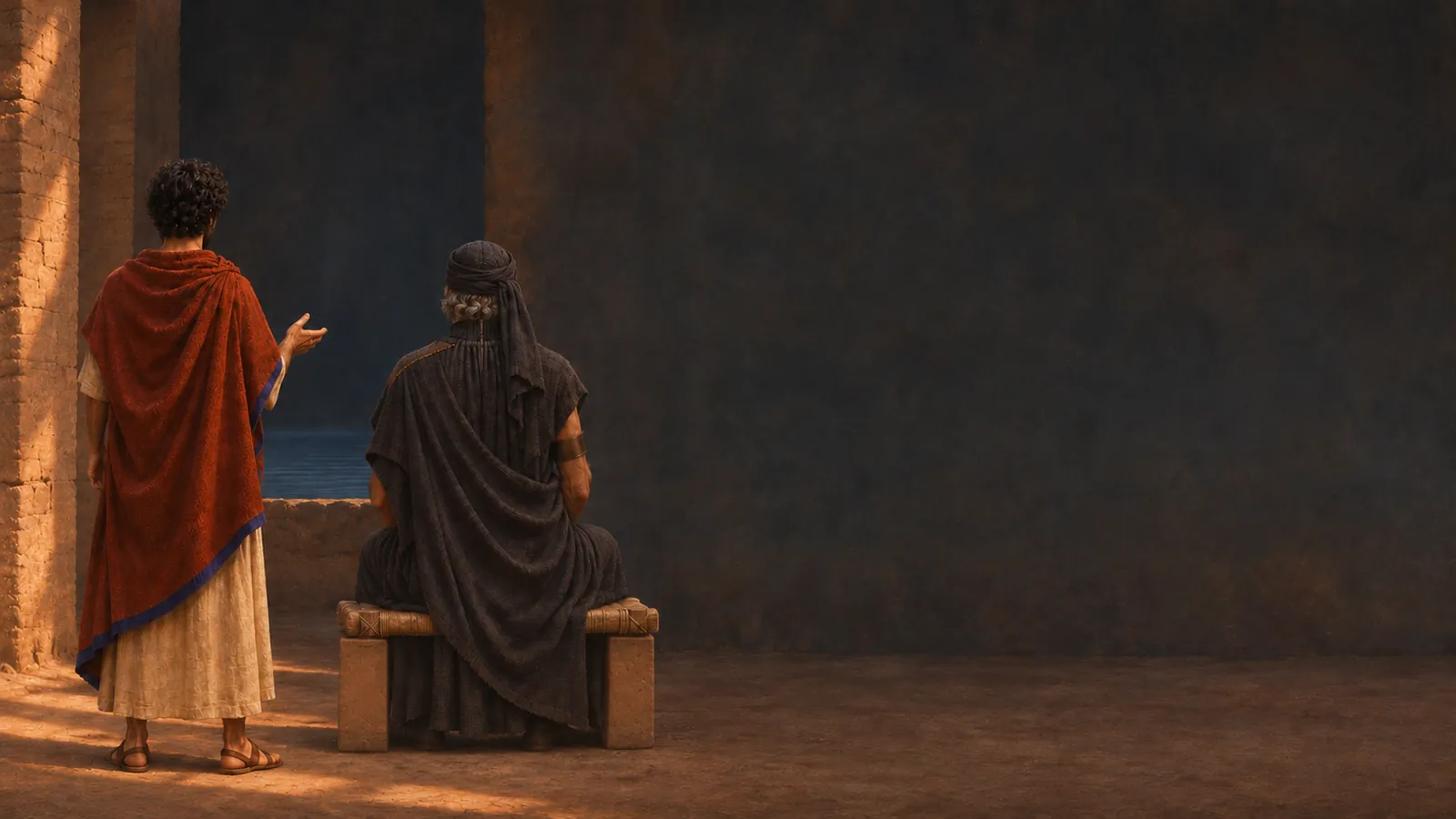
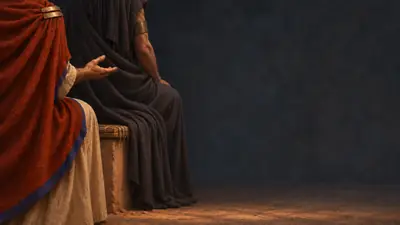
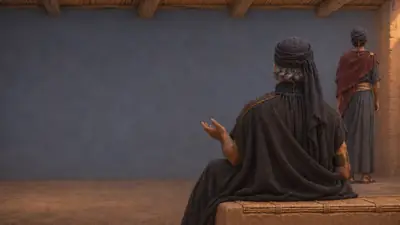
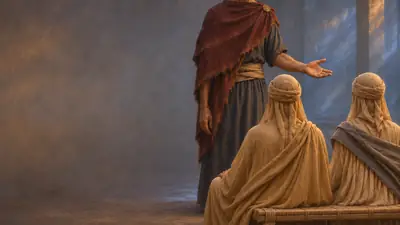
Marduk urged Anshar to speak openly and offered to do what he asked. He named Tiamat as the one they feared and asked Anshar to tell him what faced them.

Marduk told Anshar to be glad. He spoke as though the day were already near when Anshar would prevail over Tiamat.
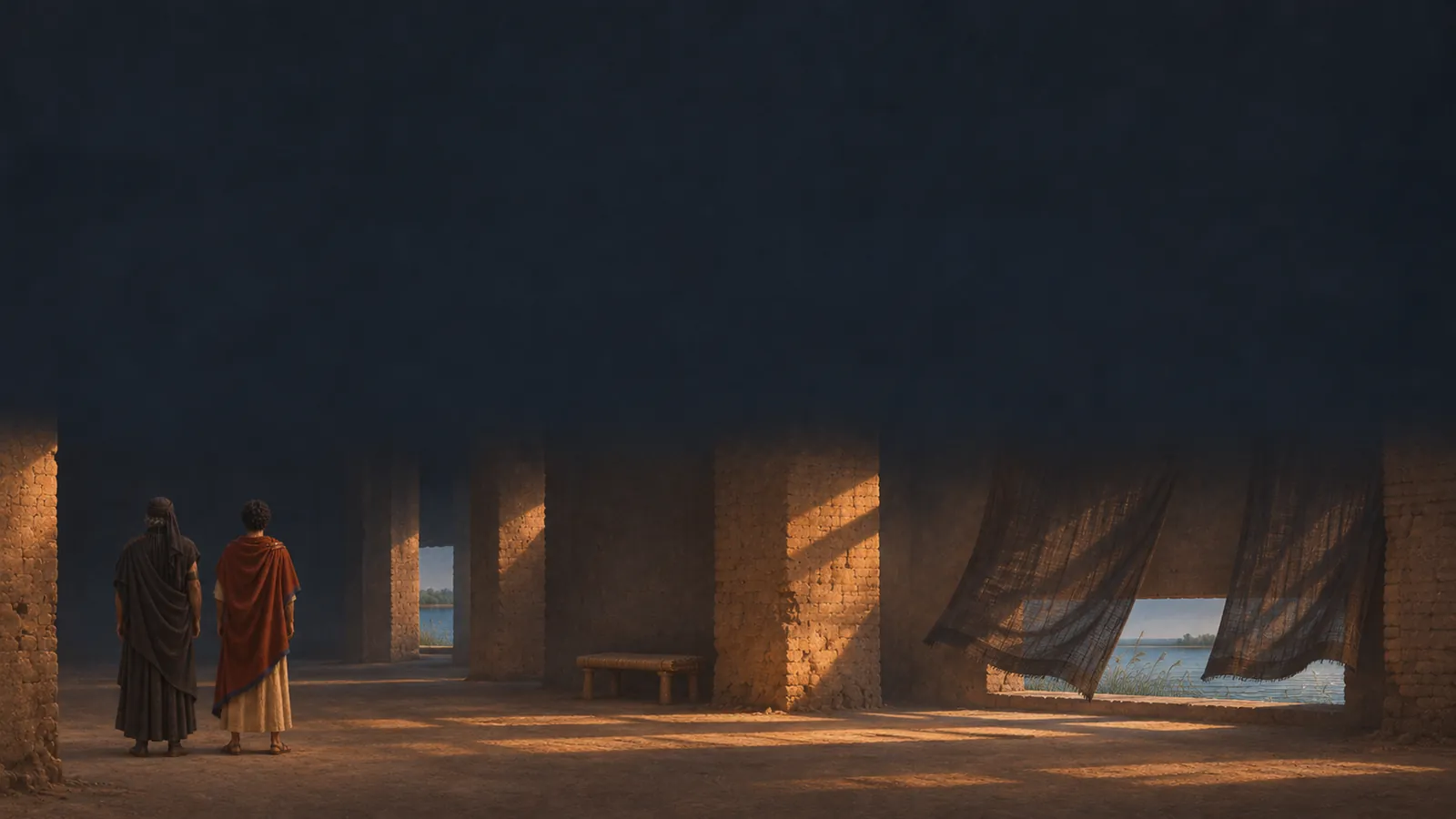
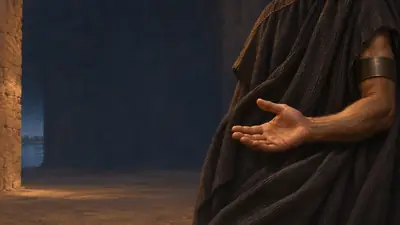
Anshar told Marduk to confront Tiamat and try to calm her with his sacred spell. He urged him to ride the storm and go straight to her.
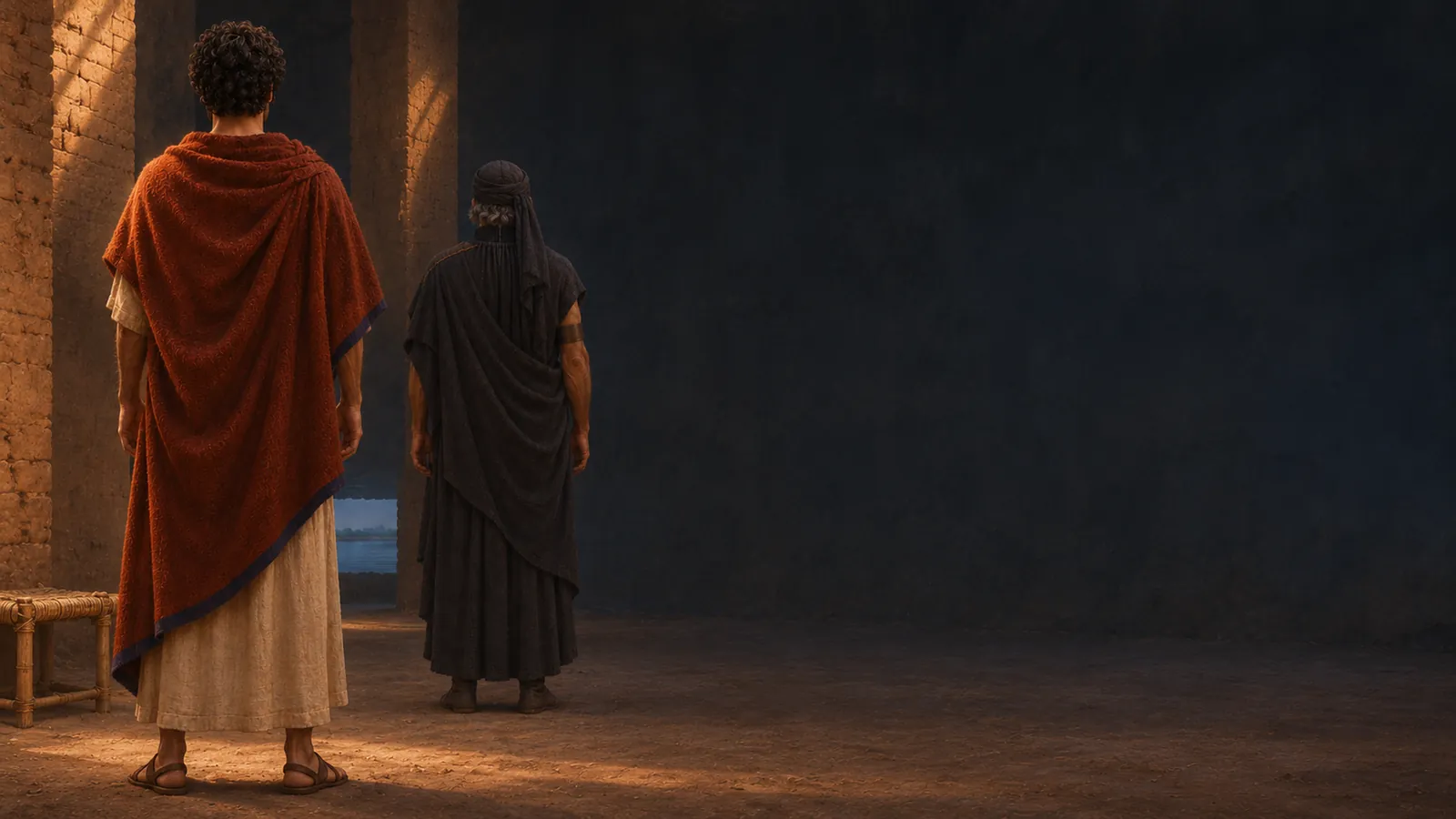
Marduk’s heart lifted at Anshar’s answer. He addressed him as lord of the gods and began to state the terms on which he would go.
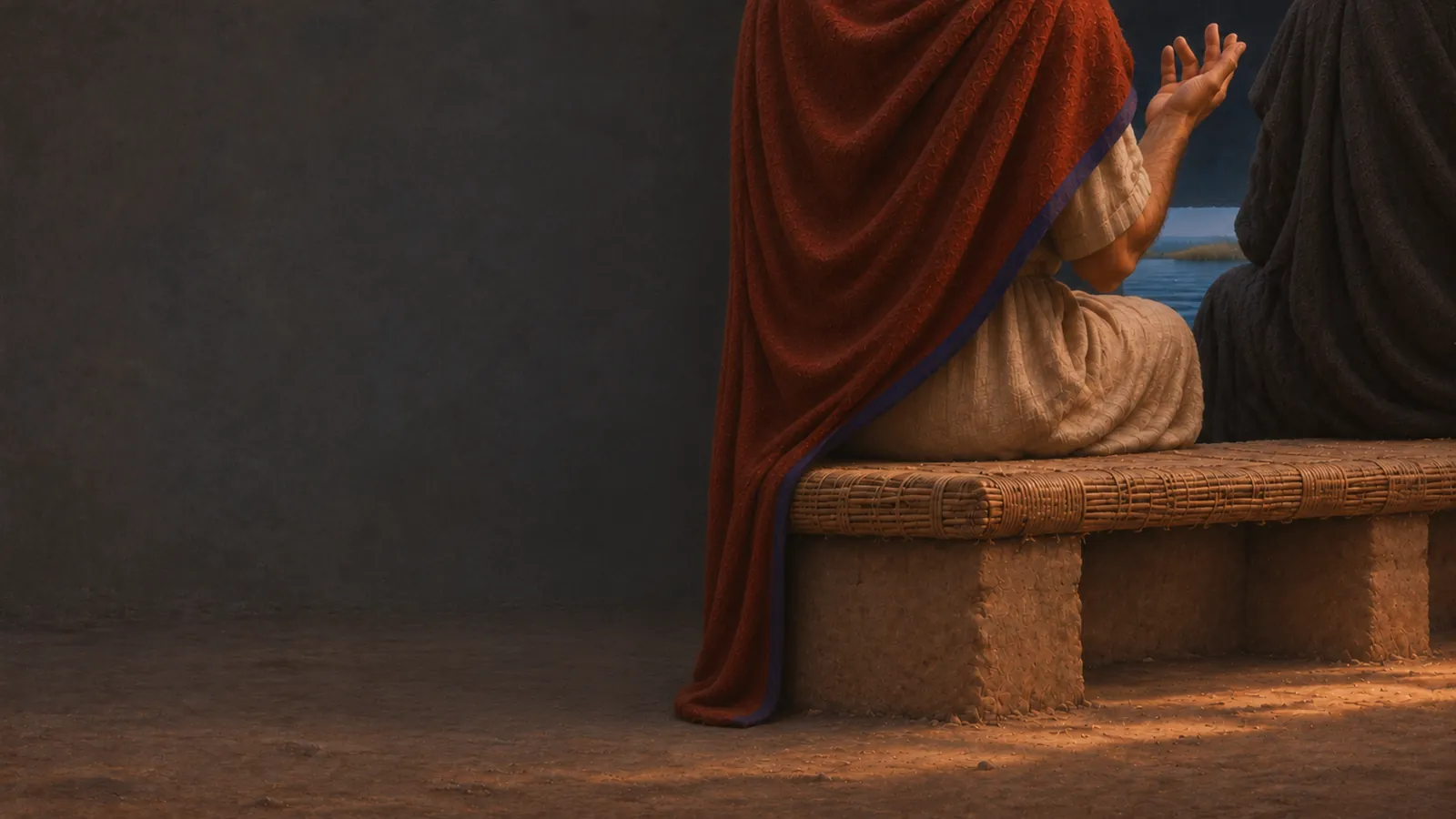
Marduk said that if he were to act for them, he would meet Tiamat, bind her and save the gods’ lives. But the choice would have to be made before all of them.
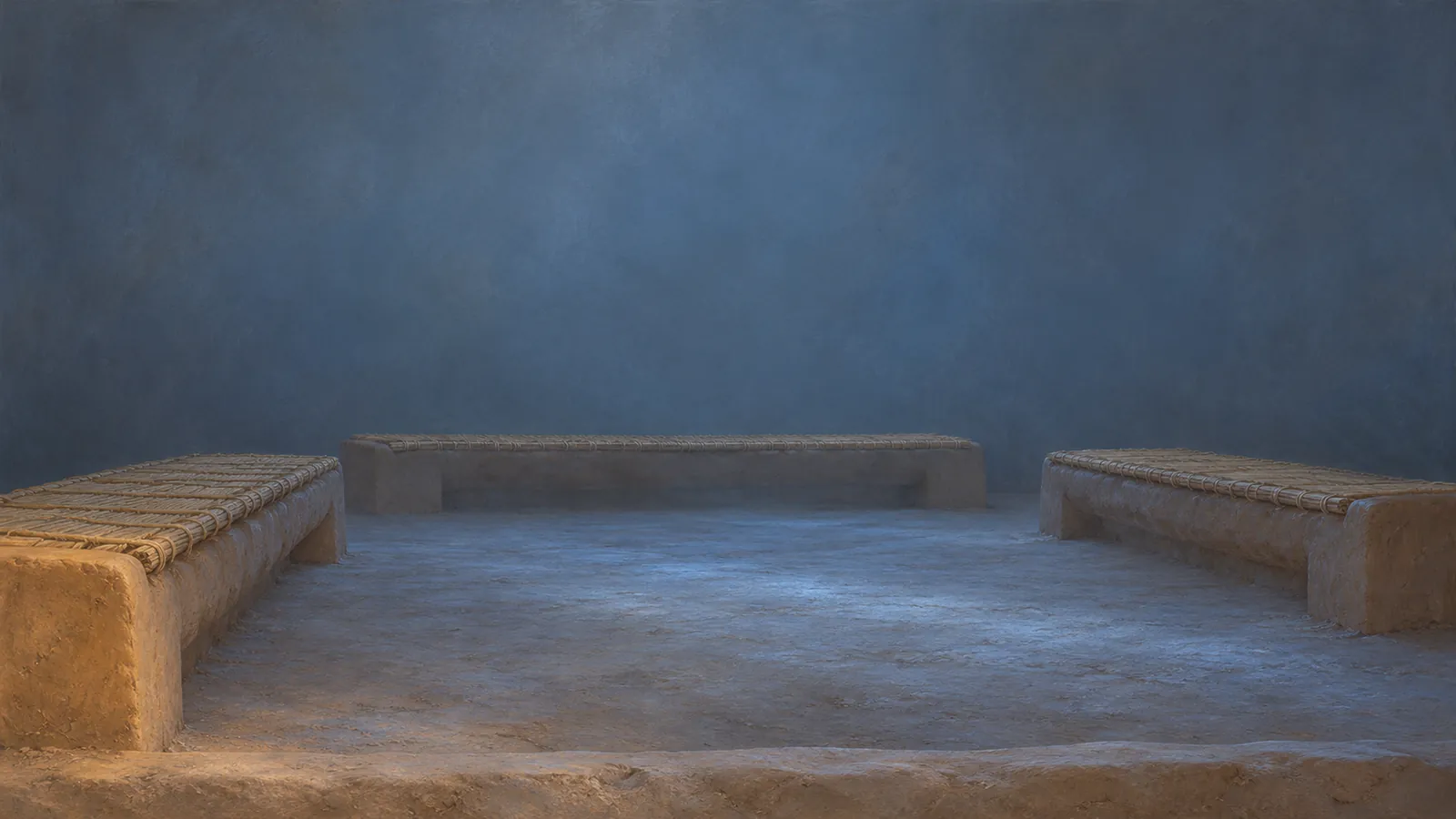
He asked the gods to gather in their assembly place and decree the highest destiny for him. They should take their seats together to decide it.
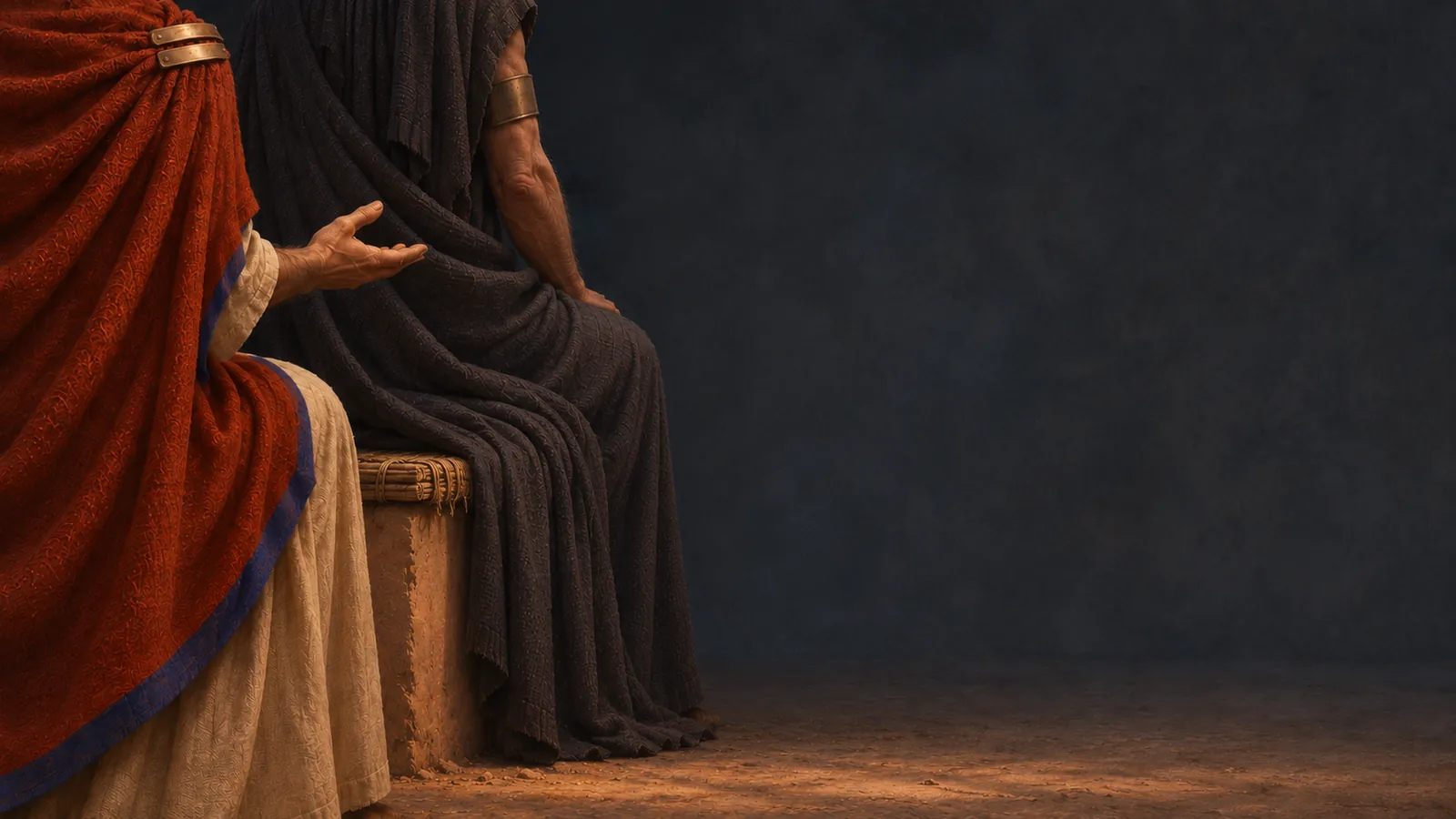
A WORD THAT STANDS
Marduk asked that his words fix destinies, as the gods’ words did. What he brought into being was to stand, and no one was to reverse what he commanded.
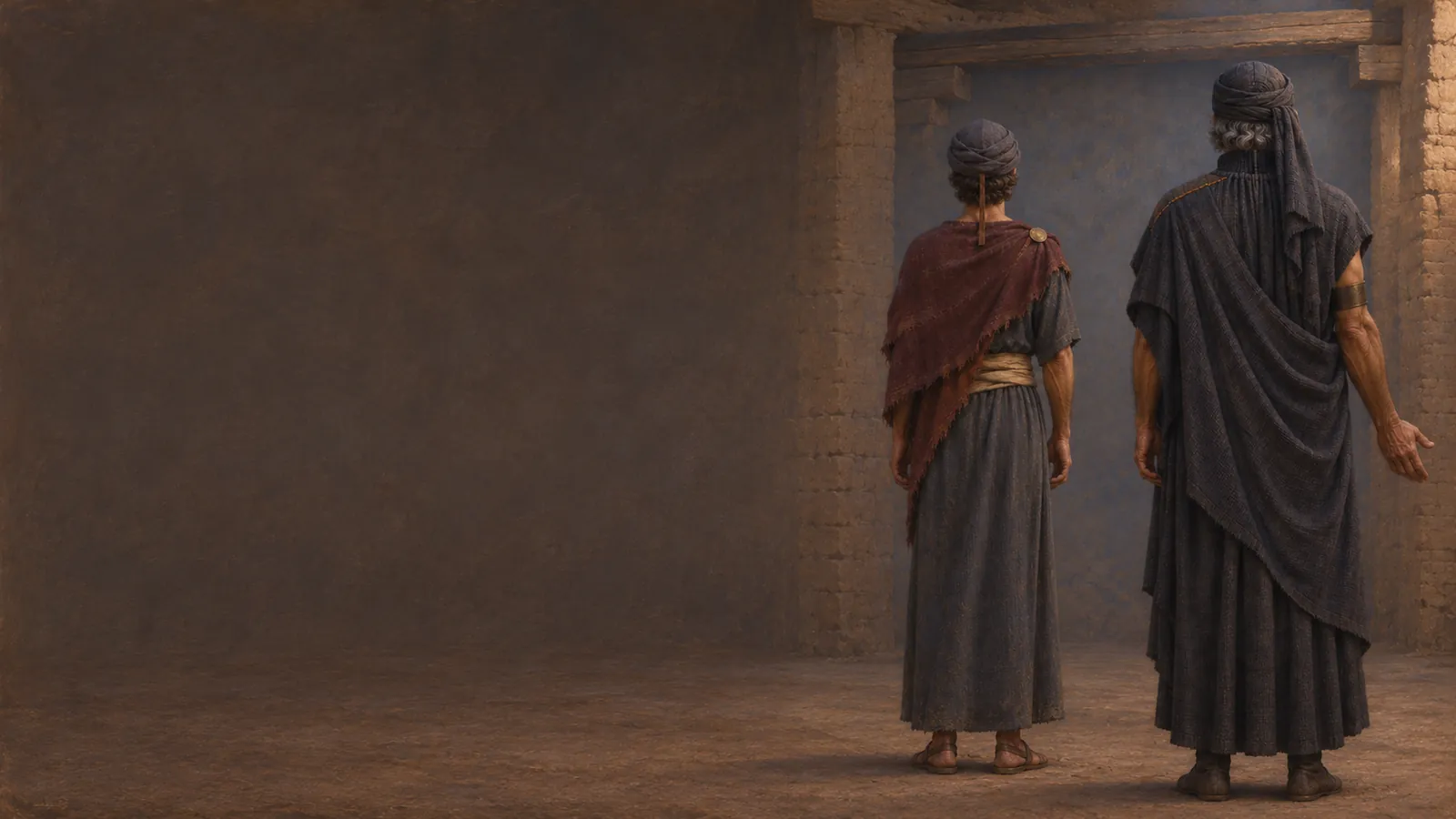
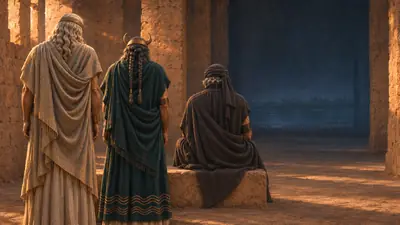
Anshar turned to Kaka, his trusted messenger. Kaka knew the way to Lahmu and Lahamu and had the skill to repeat what he was told.
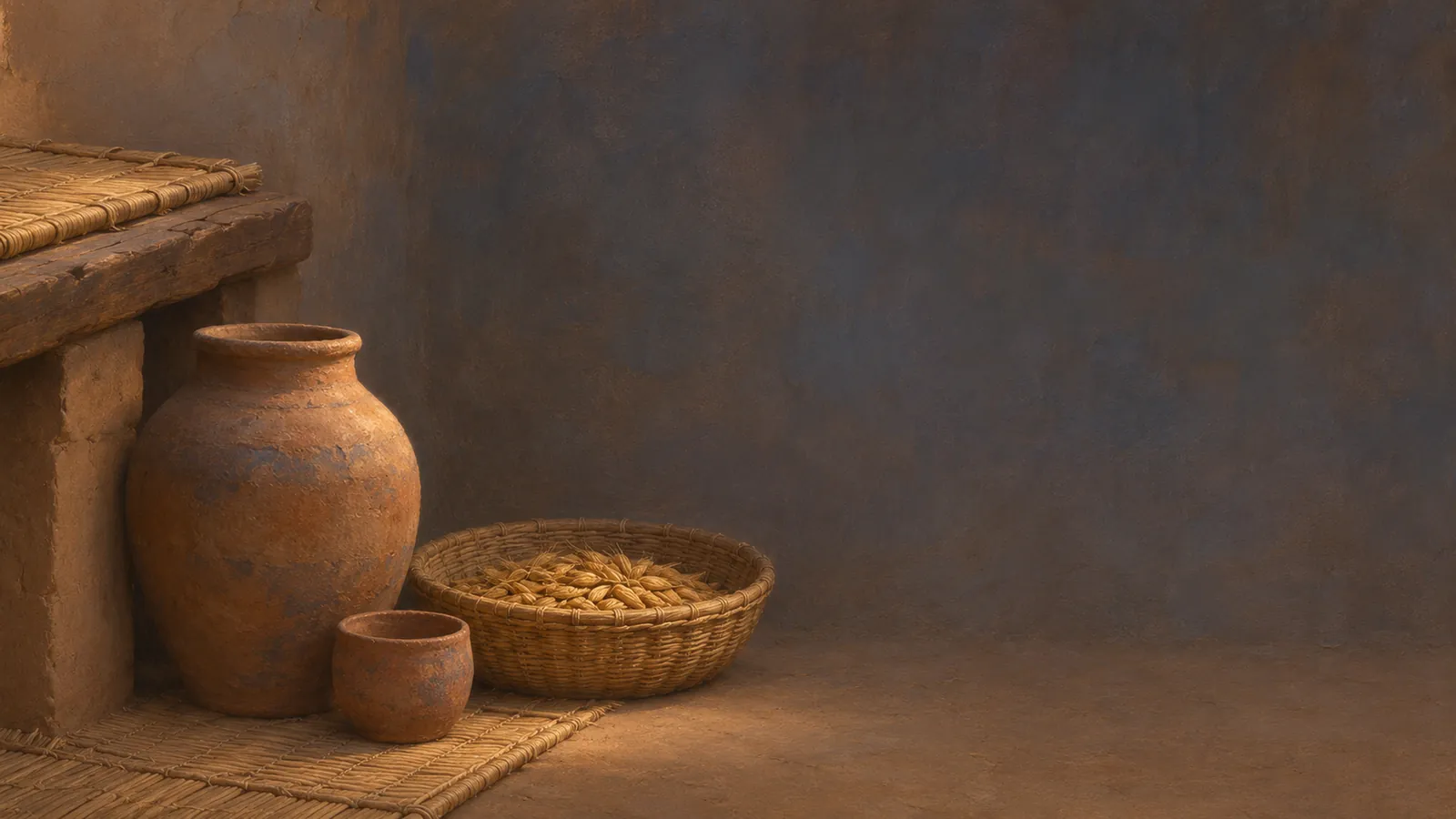
Anshar wanted all the gods to come before him. They would talk, share grain and ale, and decide the destiny of Marduk, who had offered to act for them.
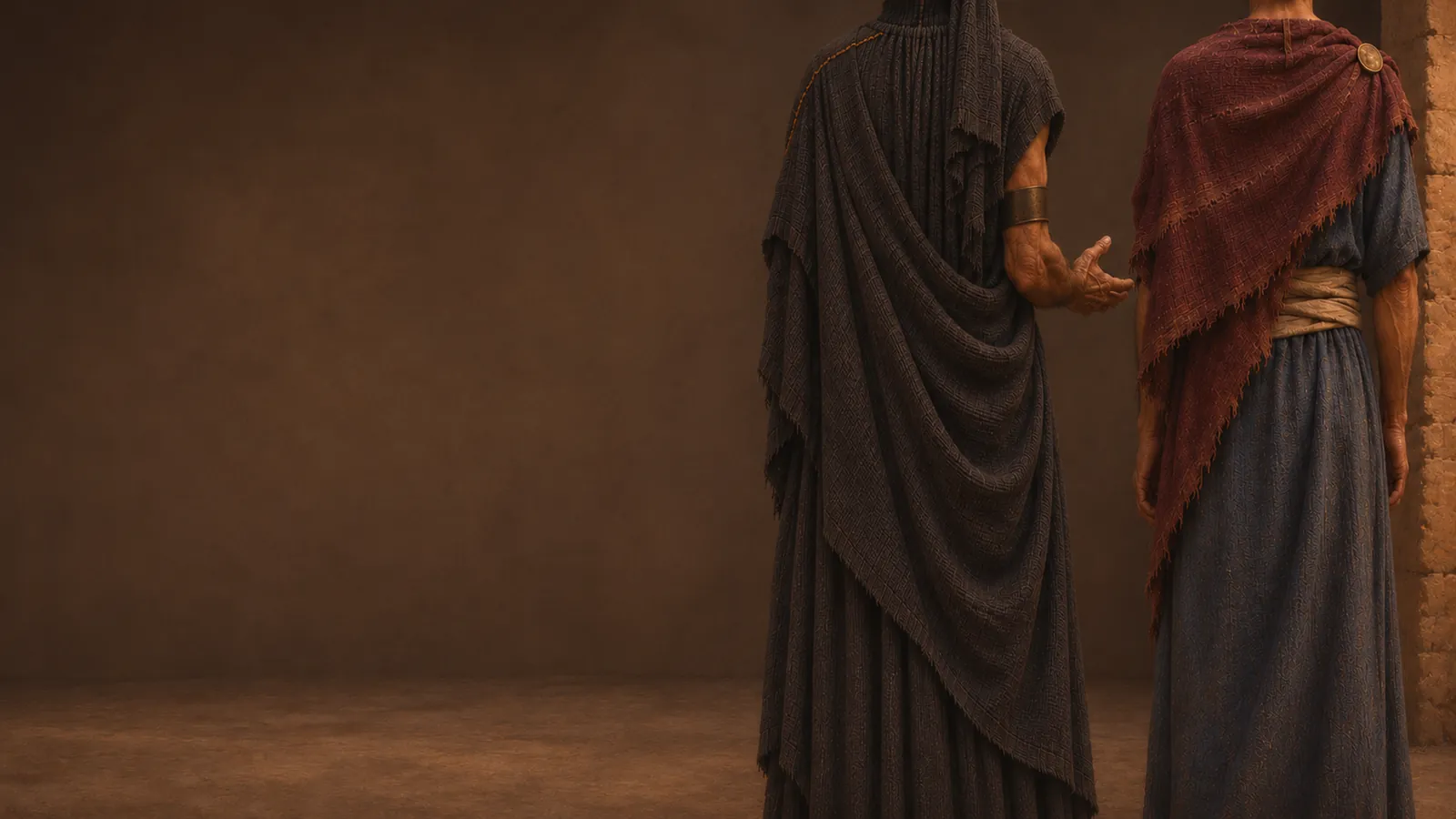
Anshar told Kaka to stand before the elders and repeat all he said. In the message he called Tiamat their mother and told how she had turned against them, drawing even gods the elders had made to her side.

Anshar’s message told of the eleven beings Tiamat had brought forth. It also told how she had placed Qingu over her forces and fastened the Tablet of Destinies to his chest.
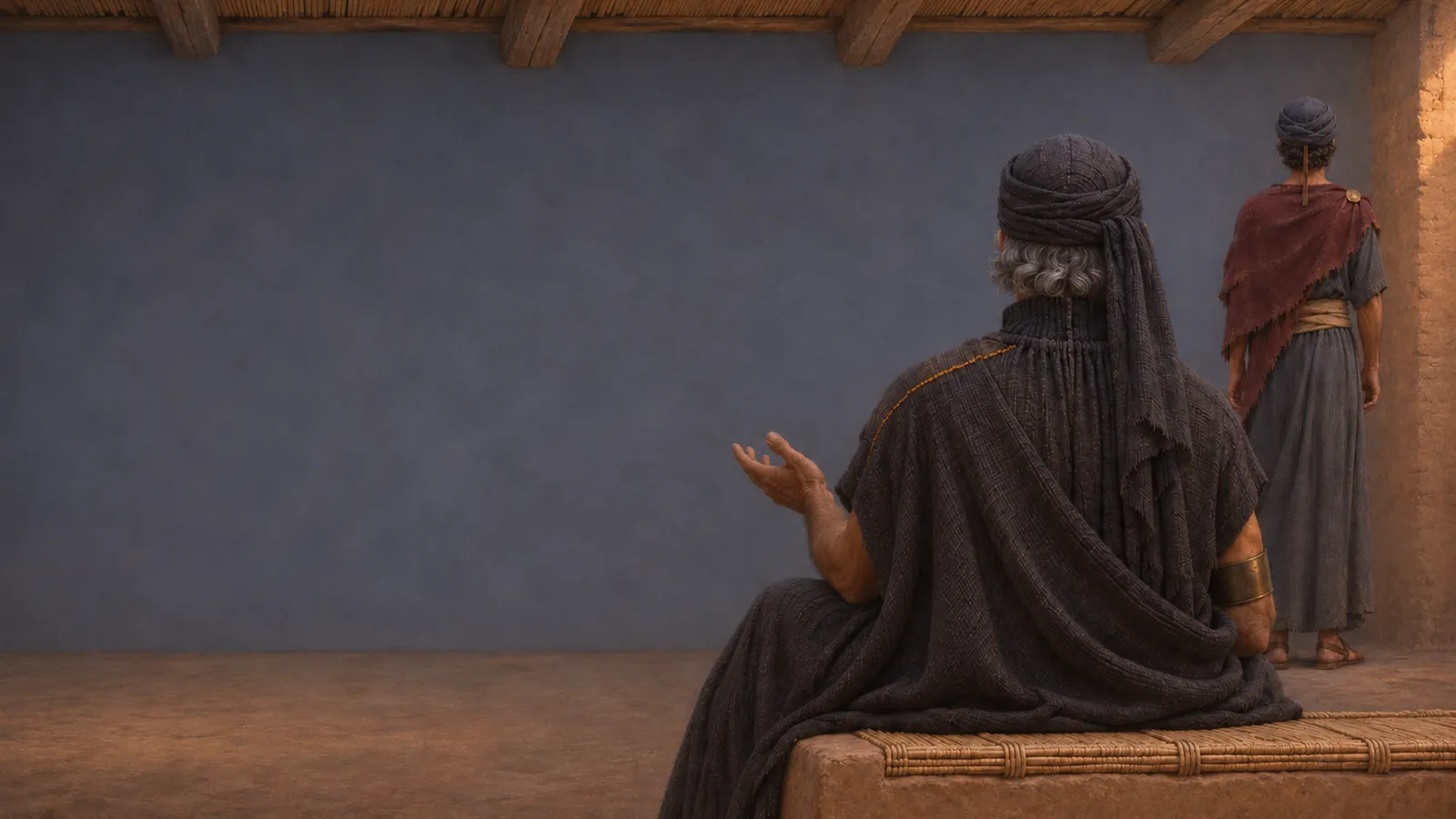
In the account he gave Kaka, Anshar spoke first of Anu, who had been unable to face Tiamat. He then spoke of Ea turning back, and of Marduk coming forward.
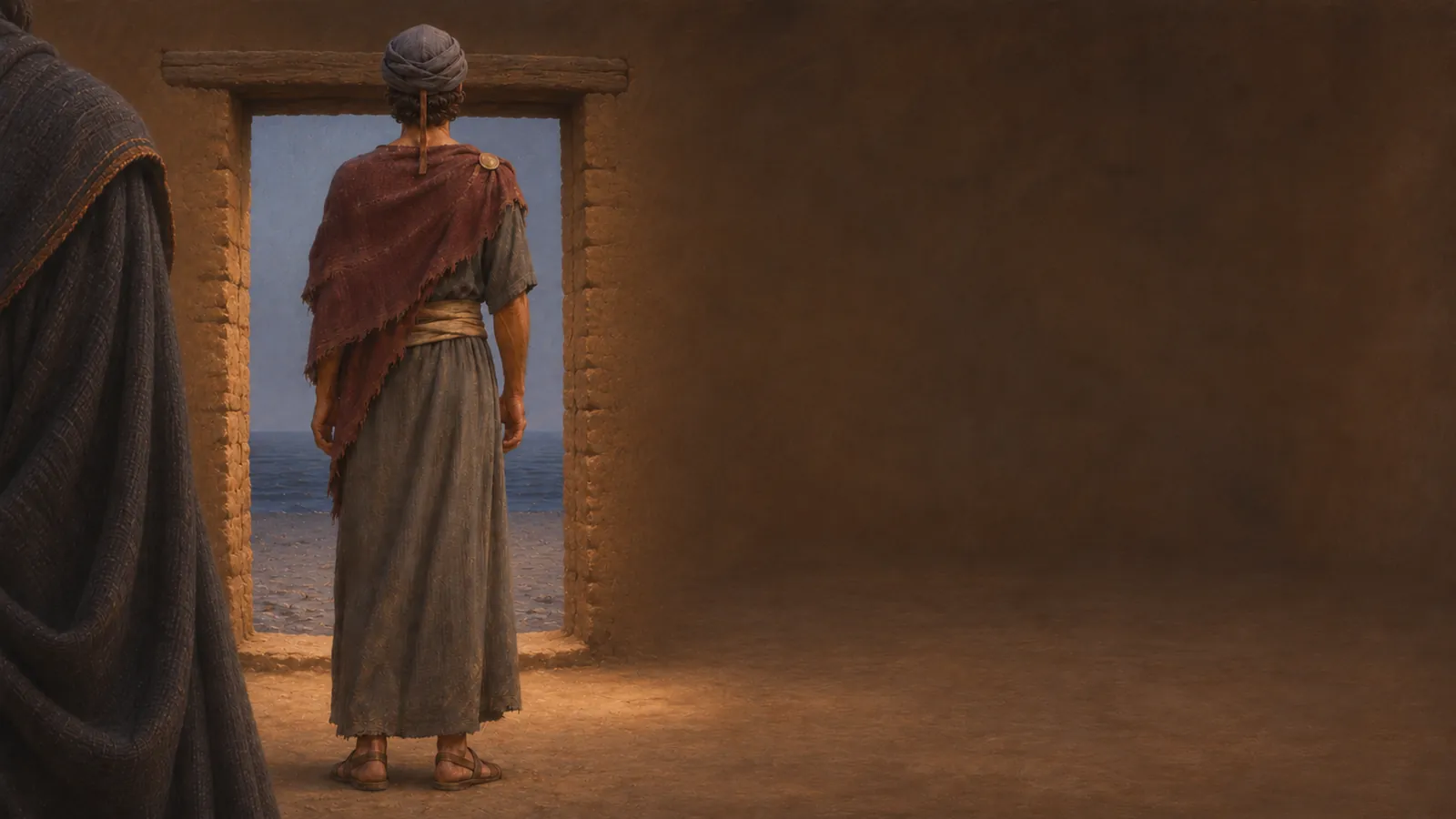
Anshar ended with Marduk’s request. The elders must come quickly to decide his fate, so that his word would have the weight of theirs and he could go against their enemy.

KAKA TAKES THE ROAD
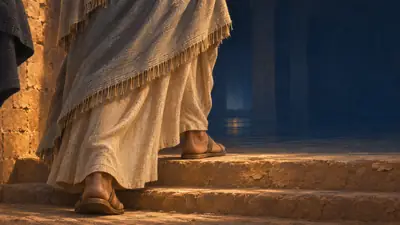
Kaka set out and kept to his road. He went to Lahmu and Lahamu, the ancestors of the gods.
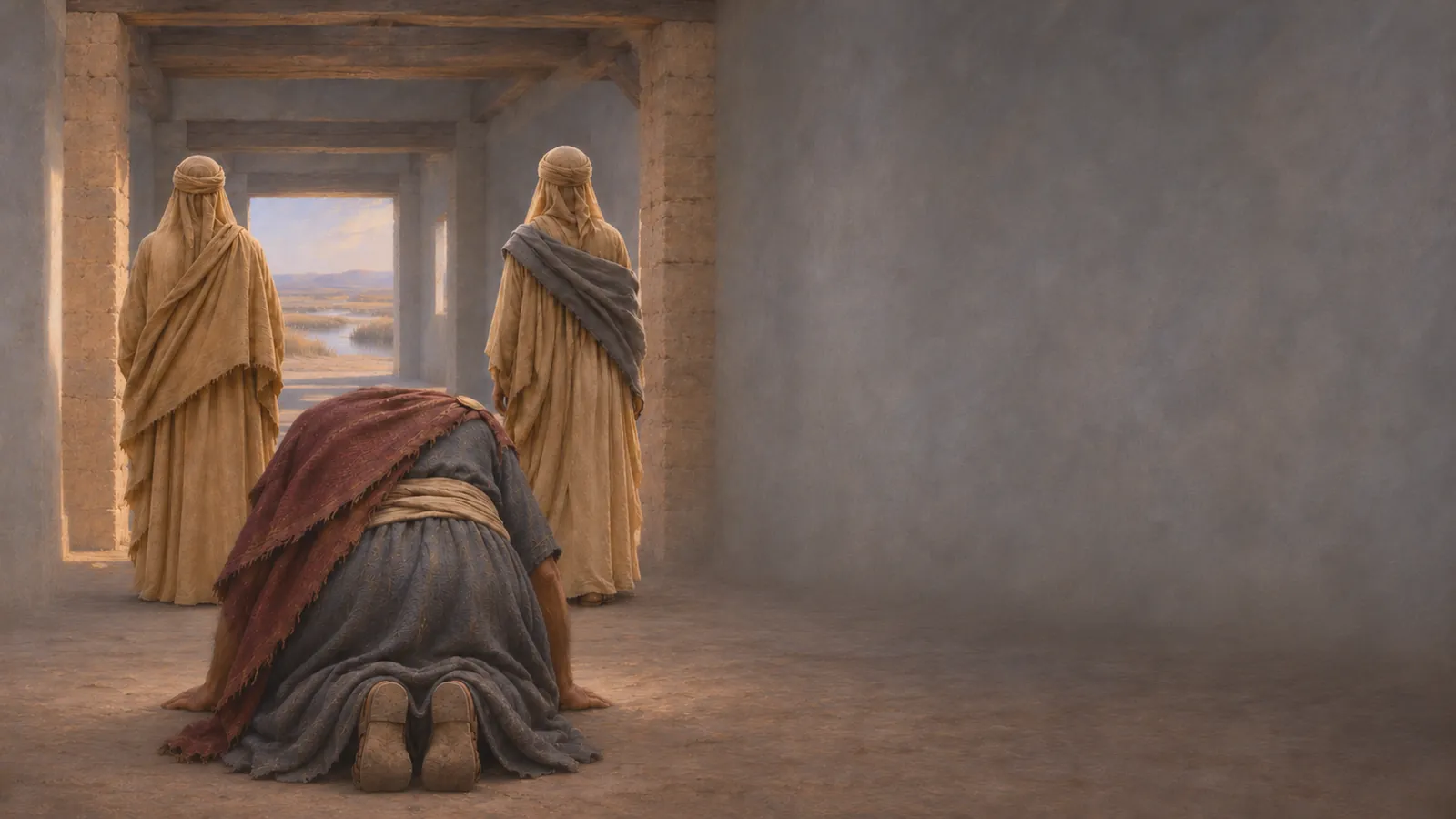
Before Lahmu and Lahamu, Kaka bowed until he kissed the ground. Then he stood up to speak.
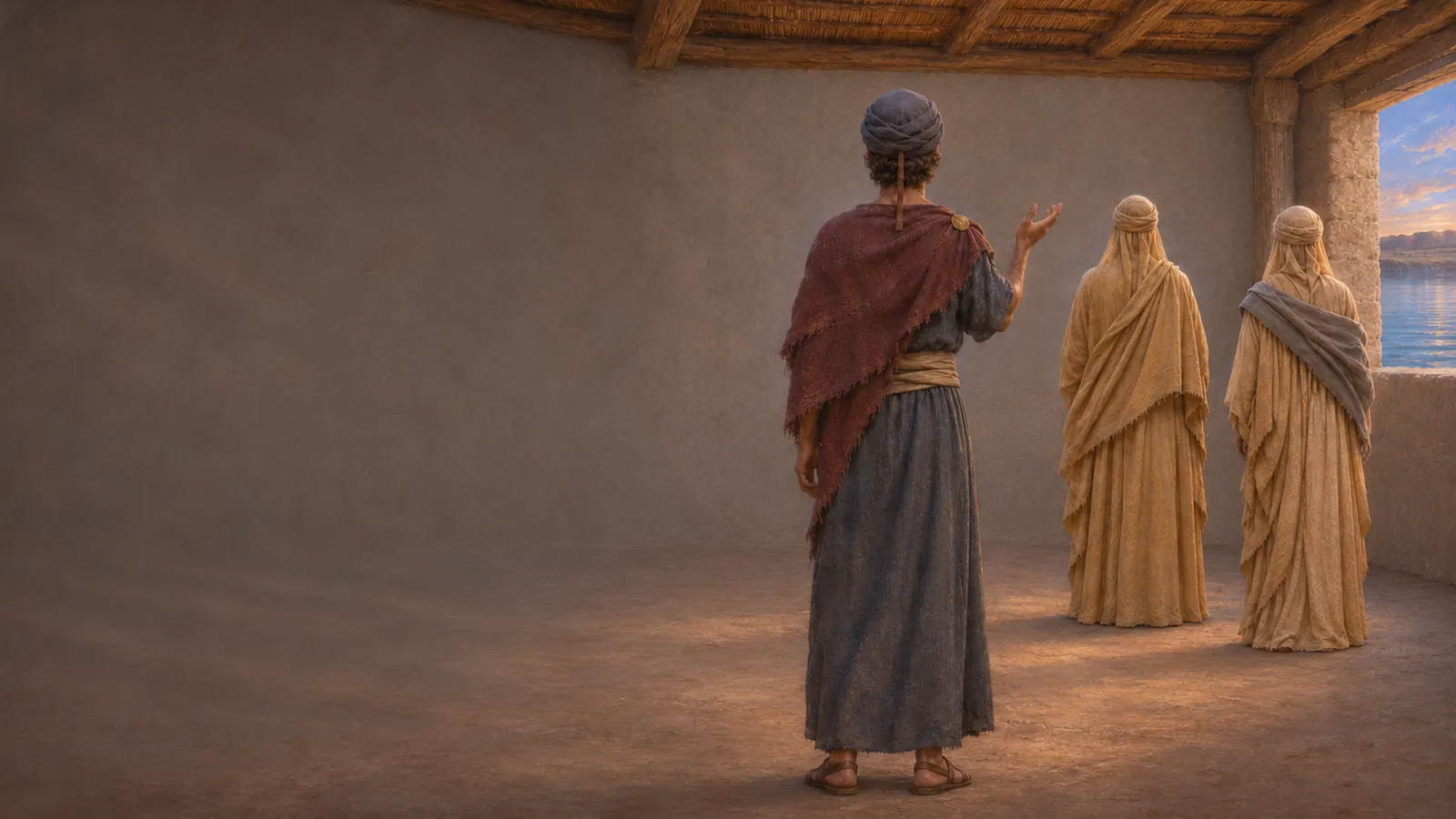
Kaka said that their son Anshar had sent him to speak what was on his heart. Tiamat had called her own council, he told them, and gods of their making had joined her.
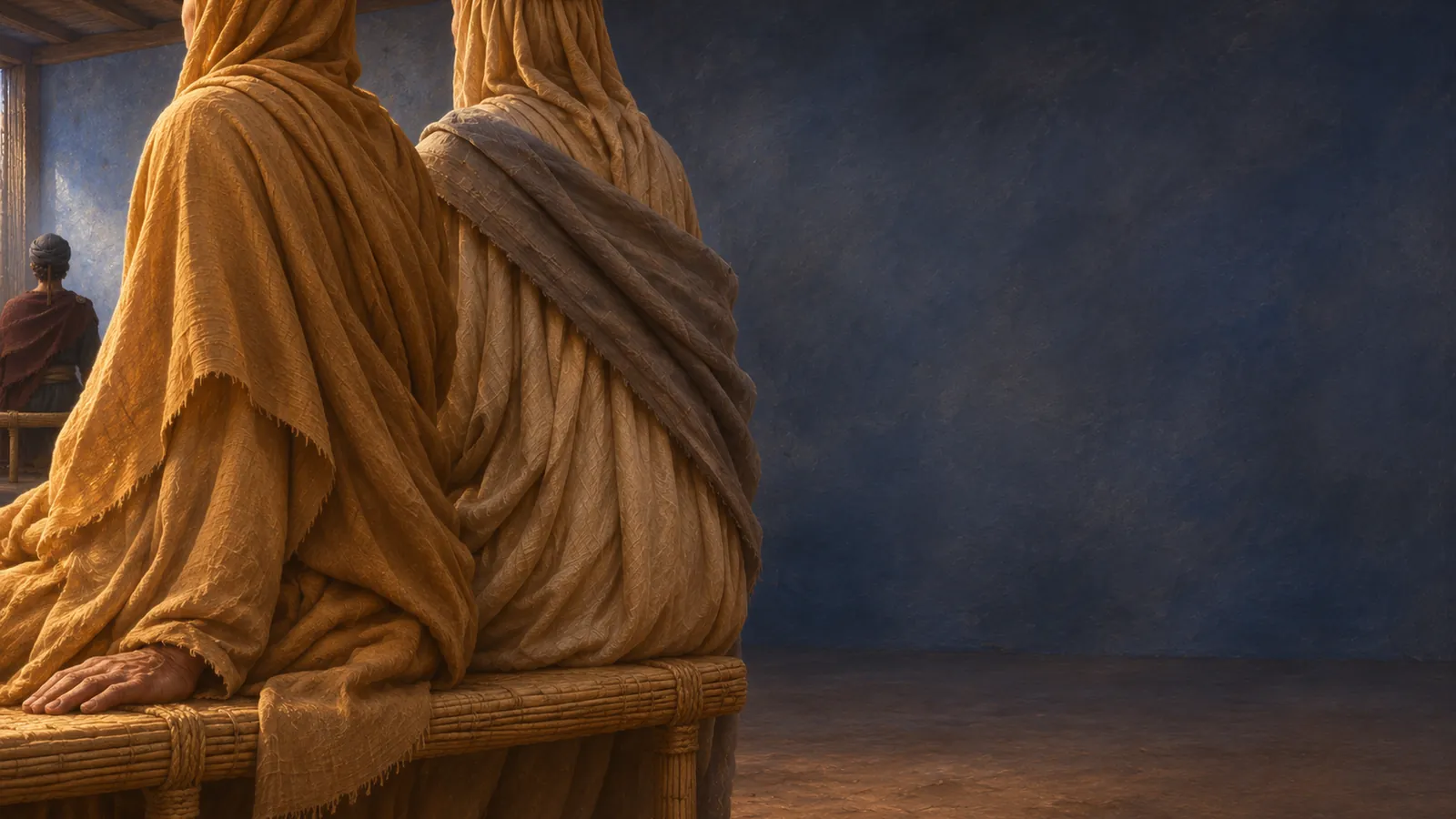
Kaka told the elders about the eleven beings and Qingu’s command. He repeated what Anshar had said about the Tablet of Destinies and the authority Tiamat gave Qingu.
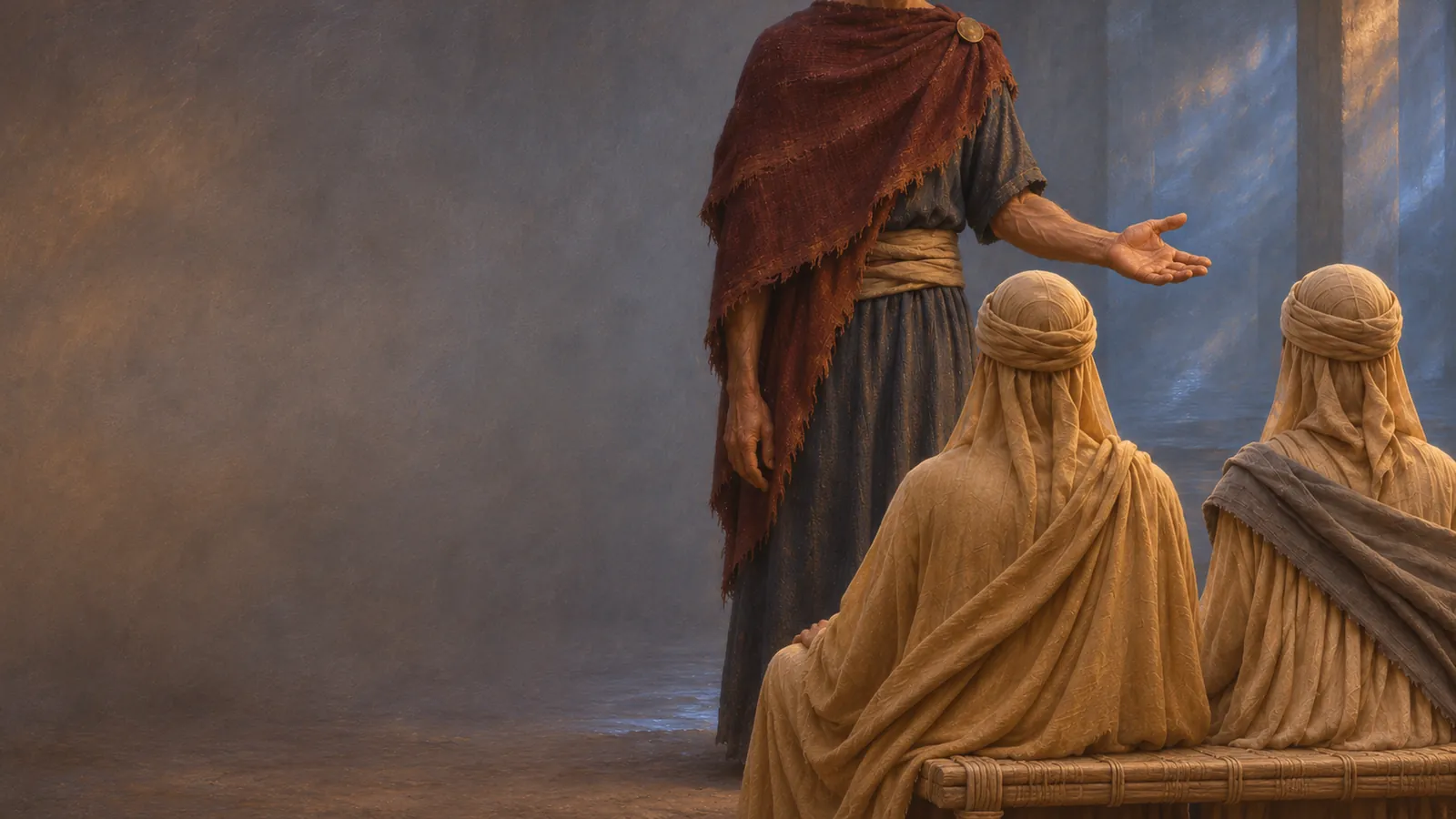
Kaka reported Anshar’s account of Anu and Ea coming back. Then he repeated Marduk’s condition. If he went to save them, he wanted the assembly to give him the power to speak decrees that would stand.
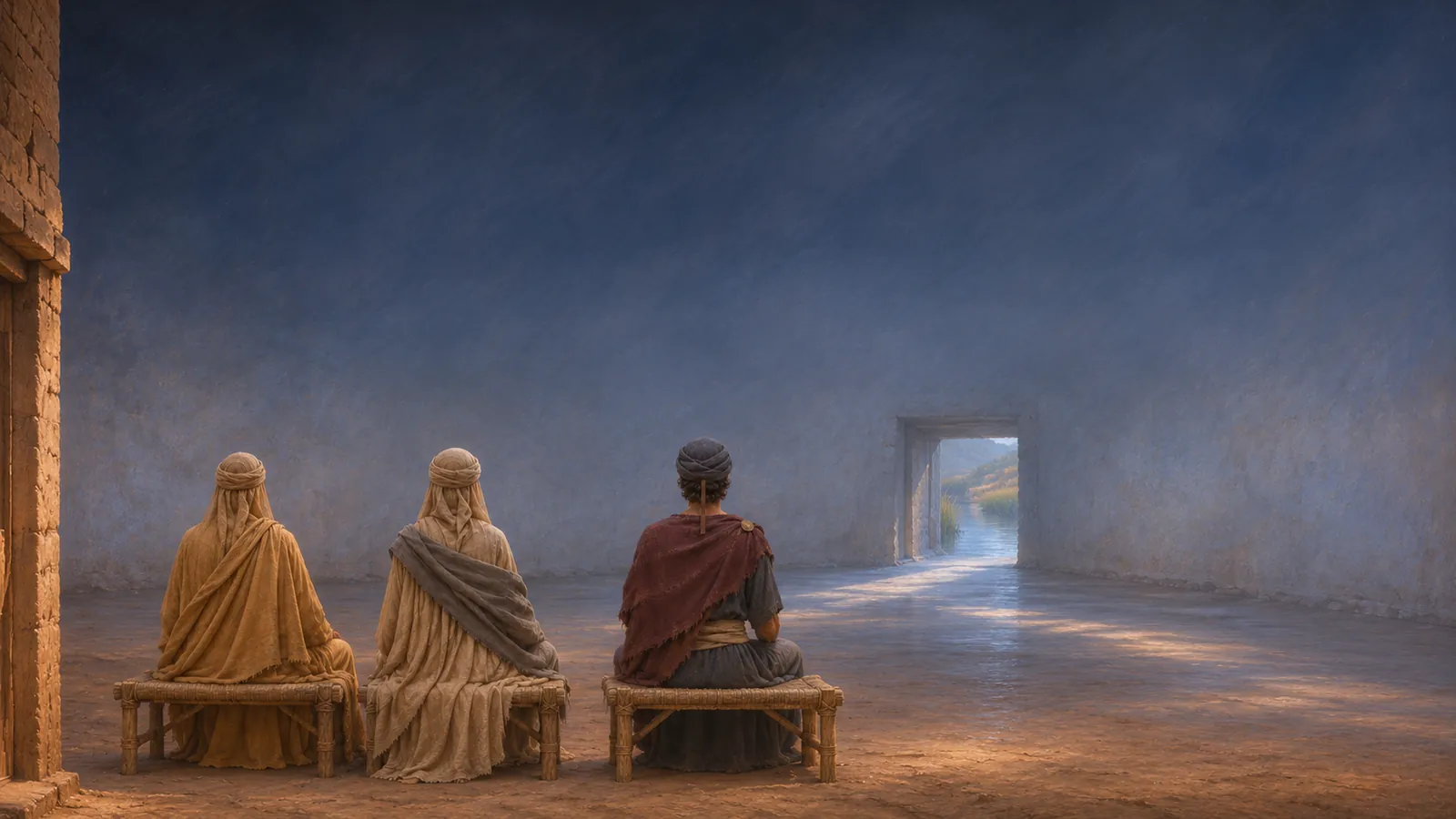
Kaka ended where Anshar had ended. The elders were to come at once and decide Marduk’s destiny, so he could face their powerful enemy.
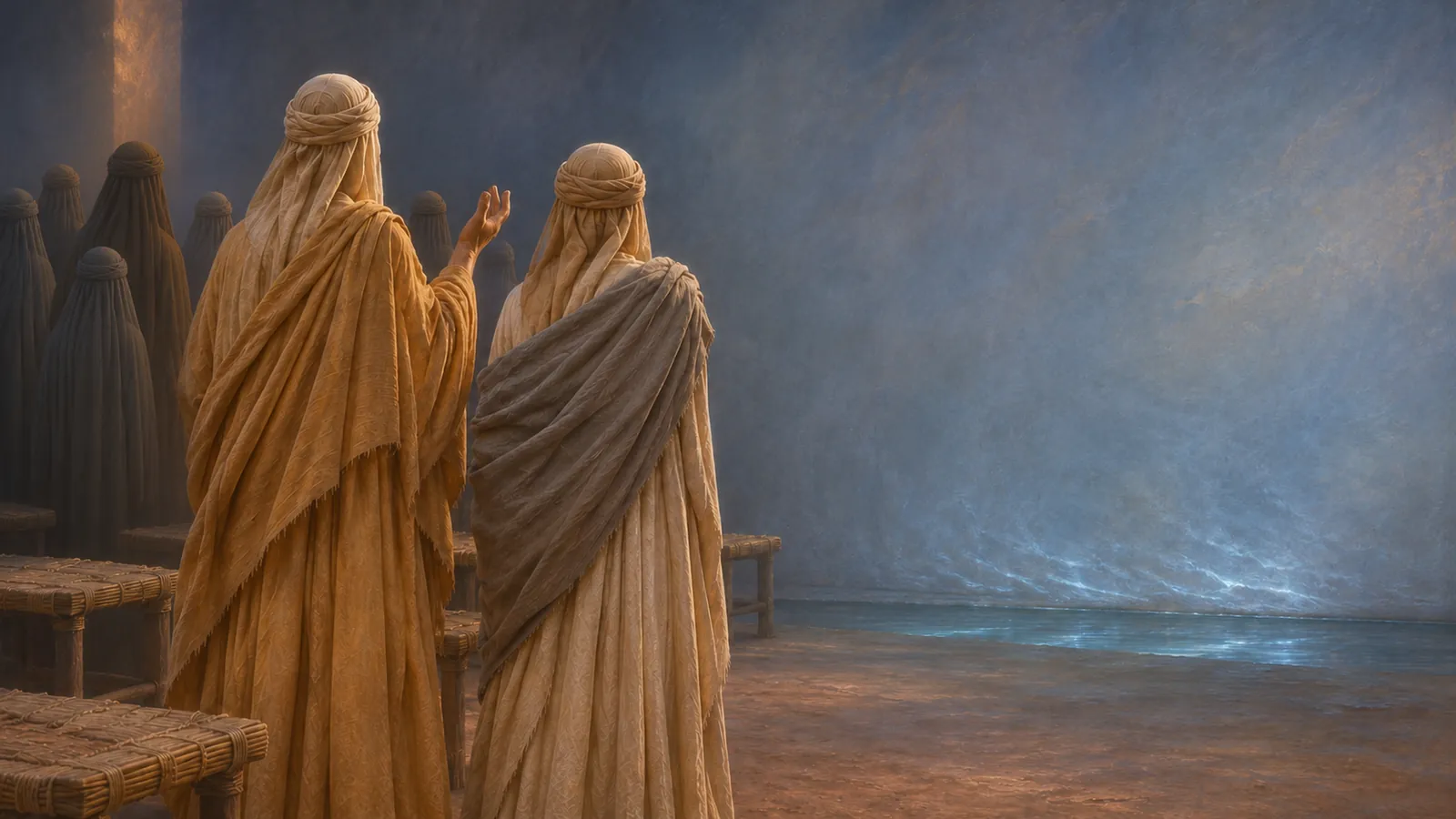
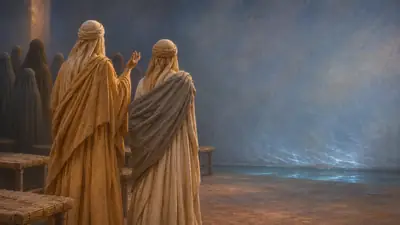
Lahmu and Lahamu cried out when they heard the message, and the Igigi lamented. They asked how Tiamat had come to turn against them. They had not known what she was doing.
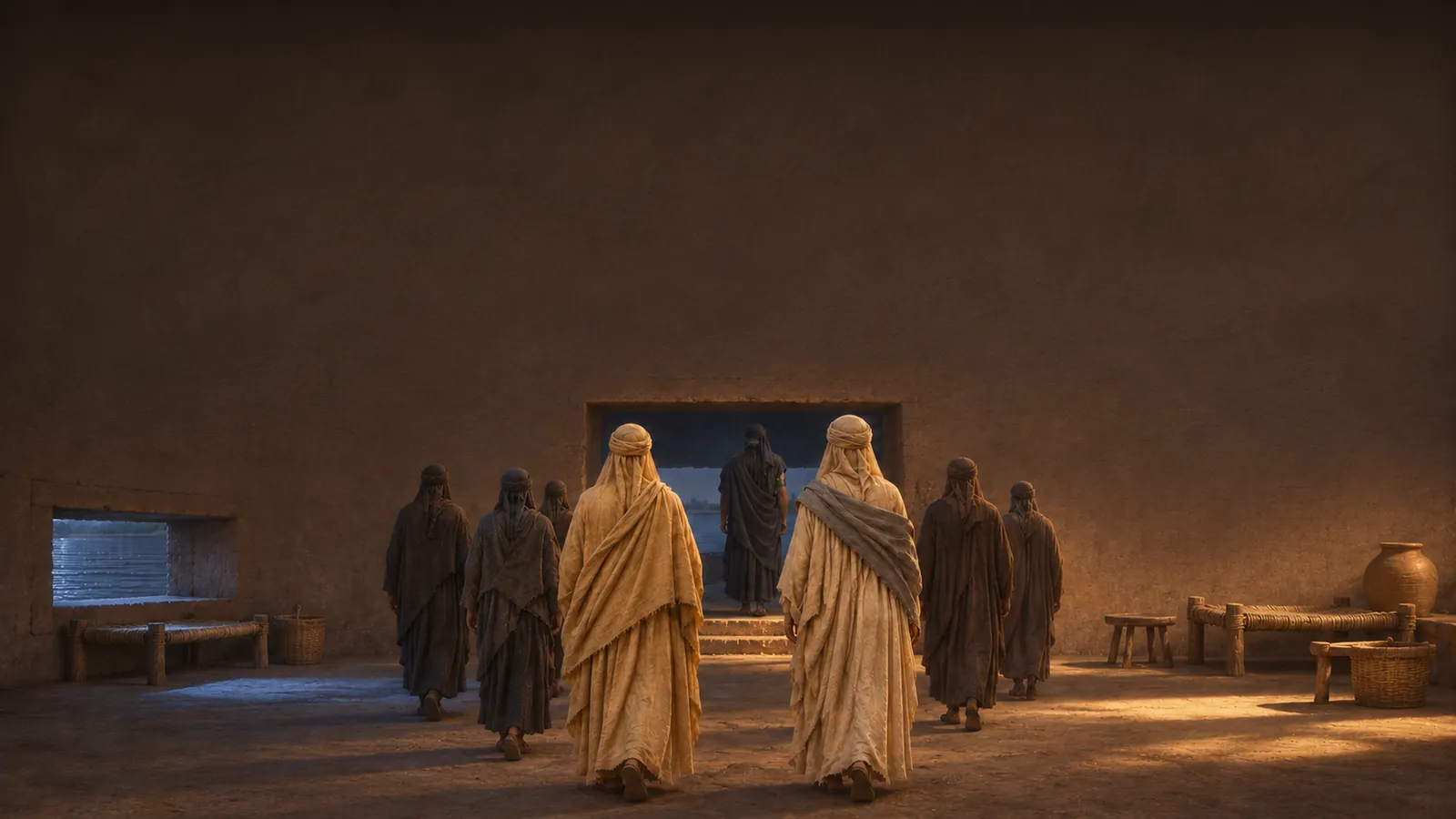
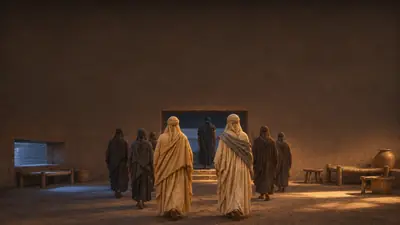
The great gods rose and went to Anshar. They greeted one another gladly when they came together in the assembly.
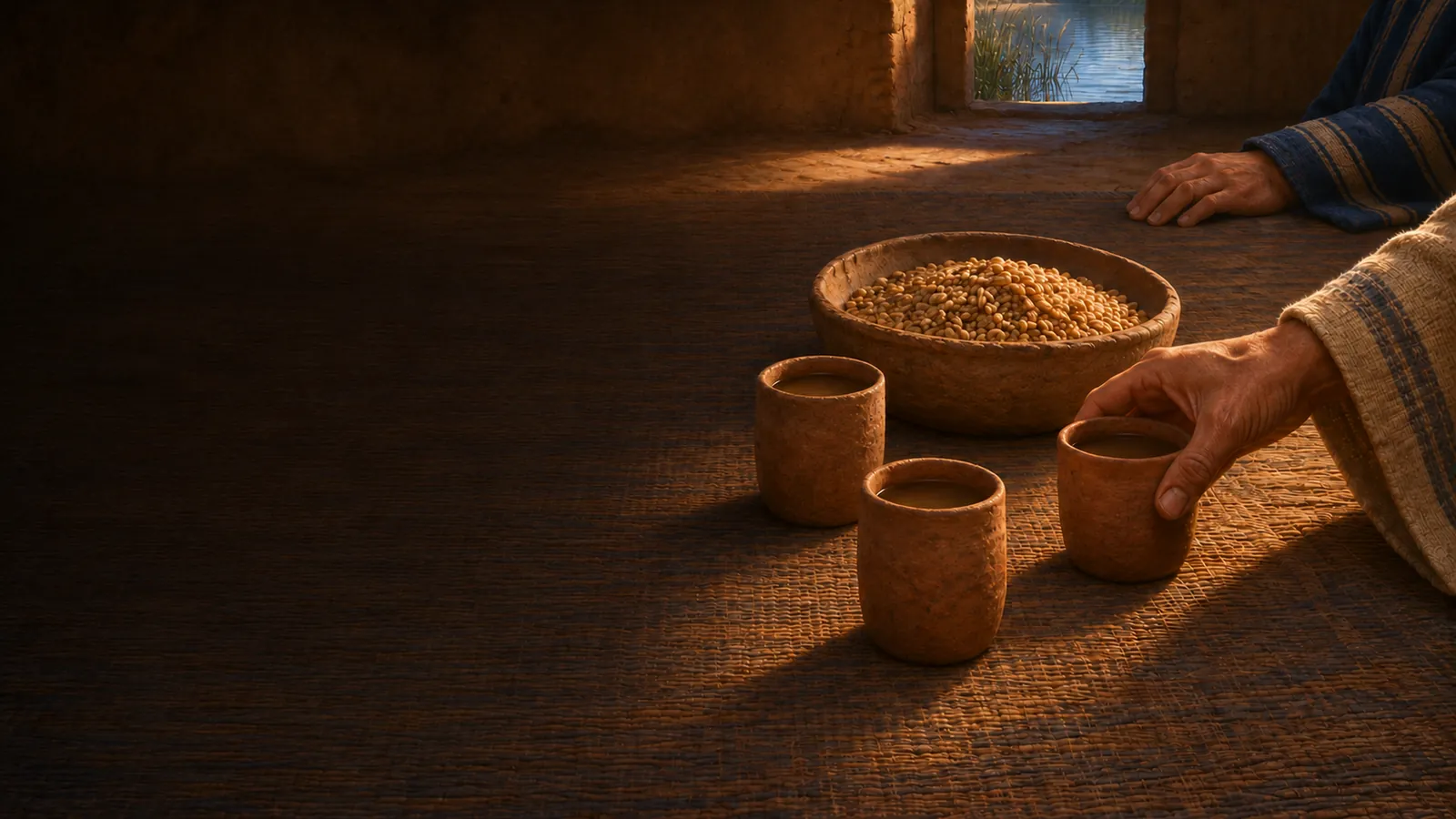
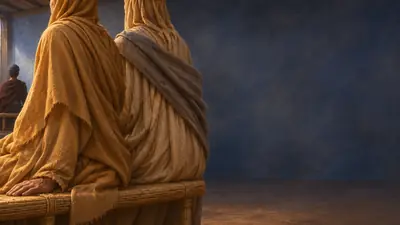
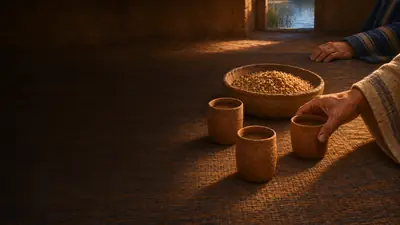
They talked and sat down to feast. They ate grain and drank ale, and the company began to relax and take pleasure in being together.
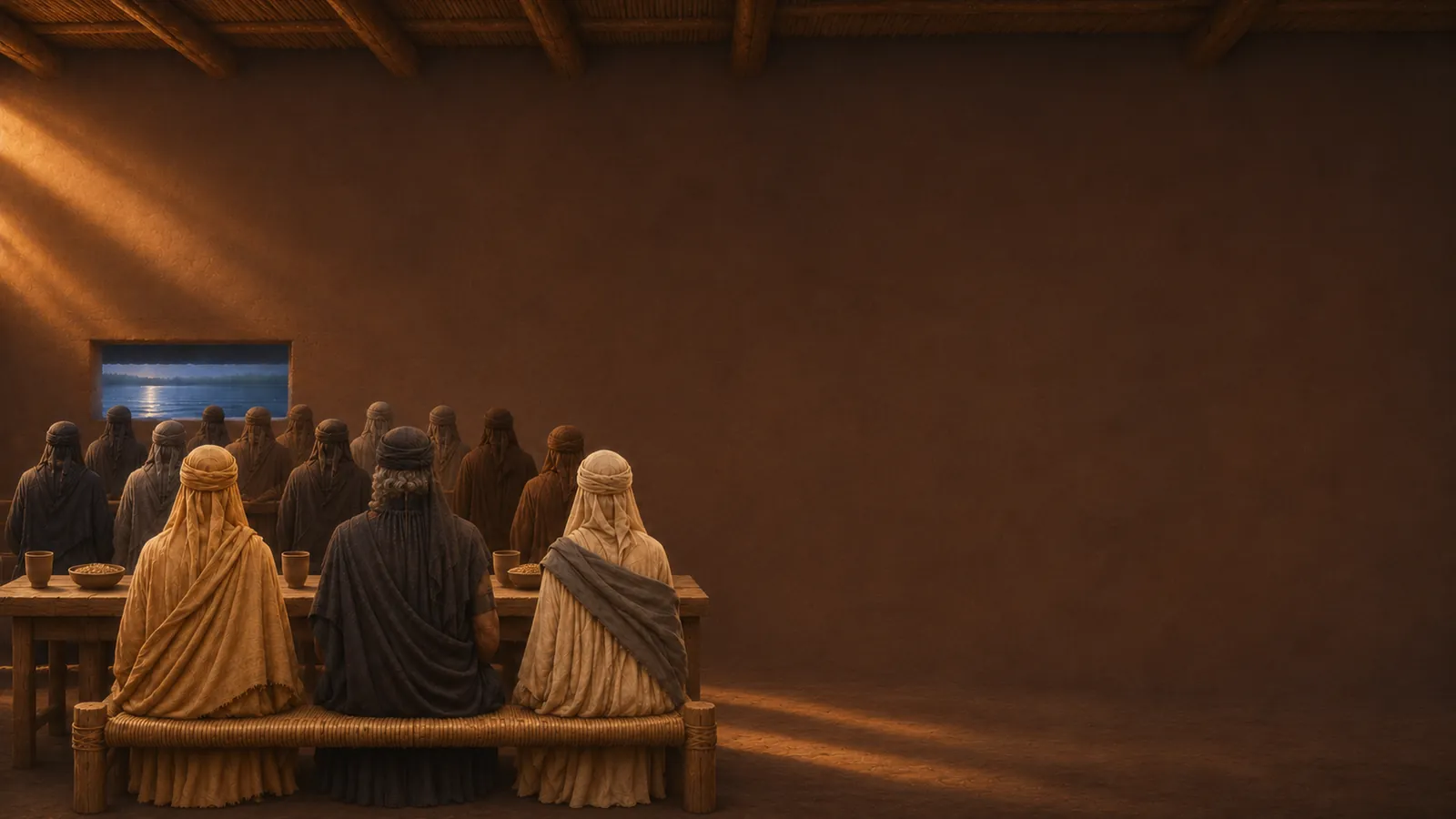
At the feast the gods fixed Marduk’s destiny. They had come to a decision about the one who would act on their behalf.
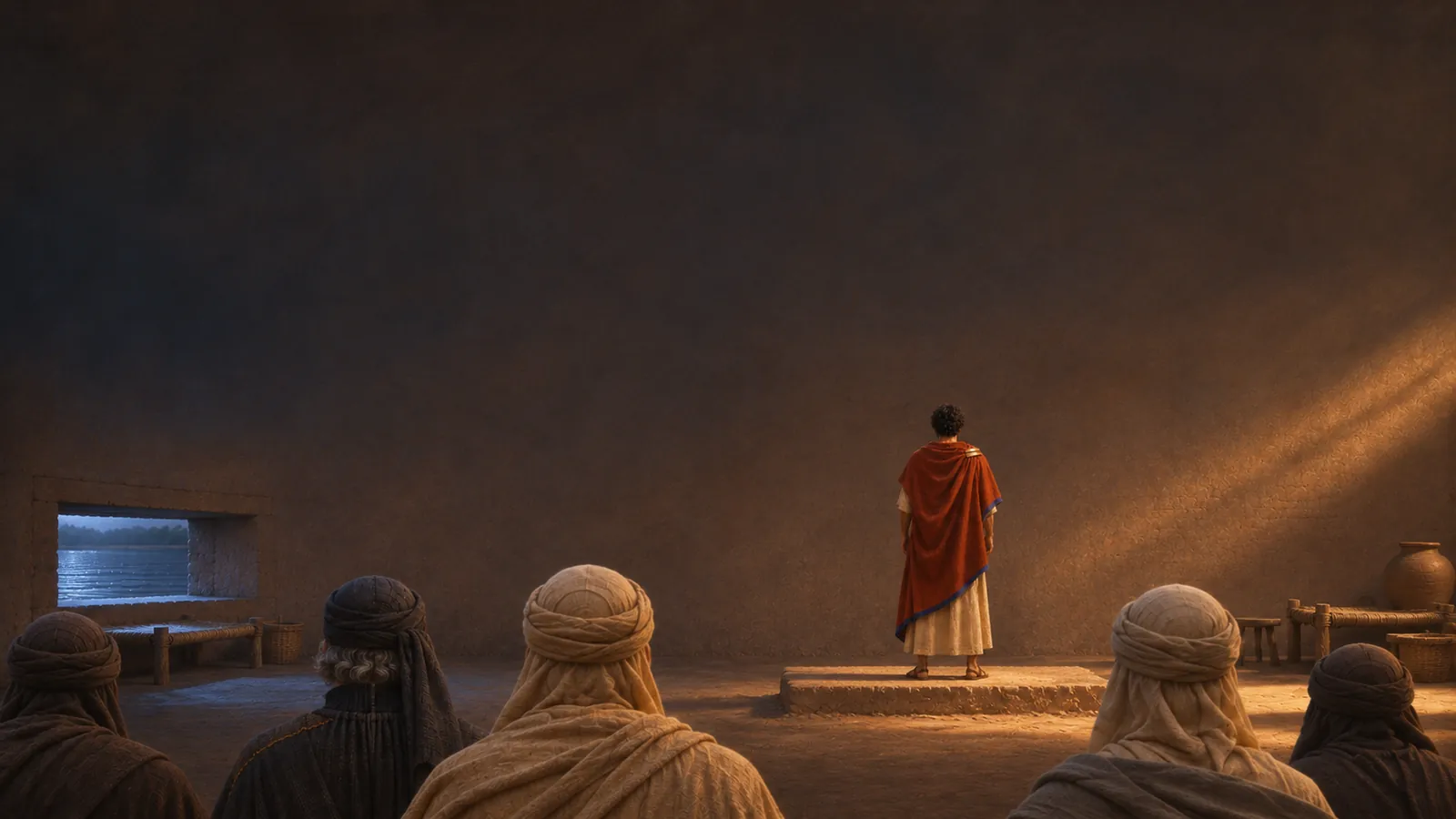
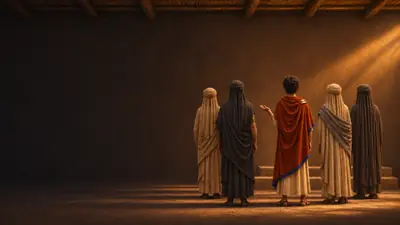
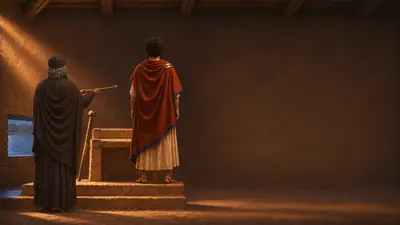
The gods set up a dais for Marduk, and he took his place before his elders. They gave him authority to raise others or bring them low and declared that his commands would stand.
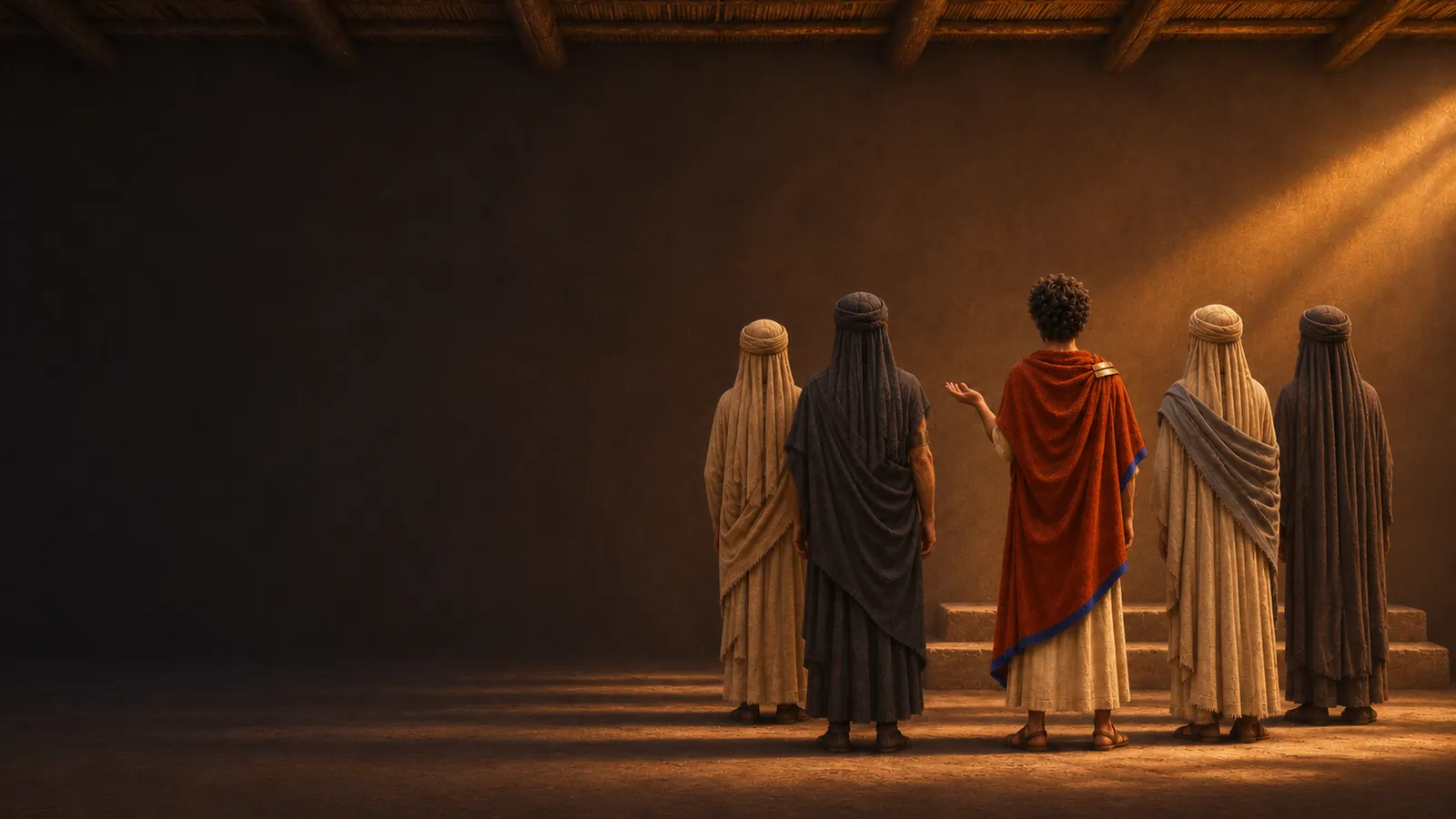
The gods made Marduk their champion and gave him kingship over the whole world. They charged him to protect those who trusted him and to deal with the gods’ enemies.
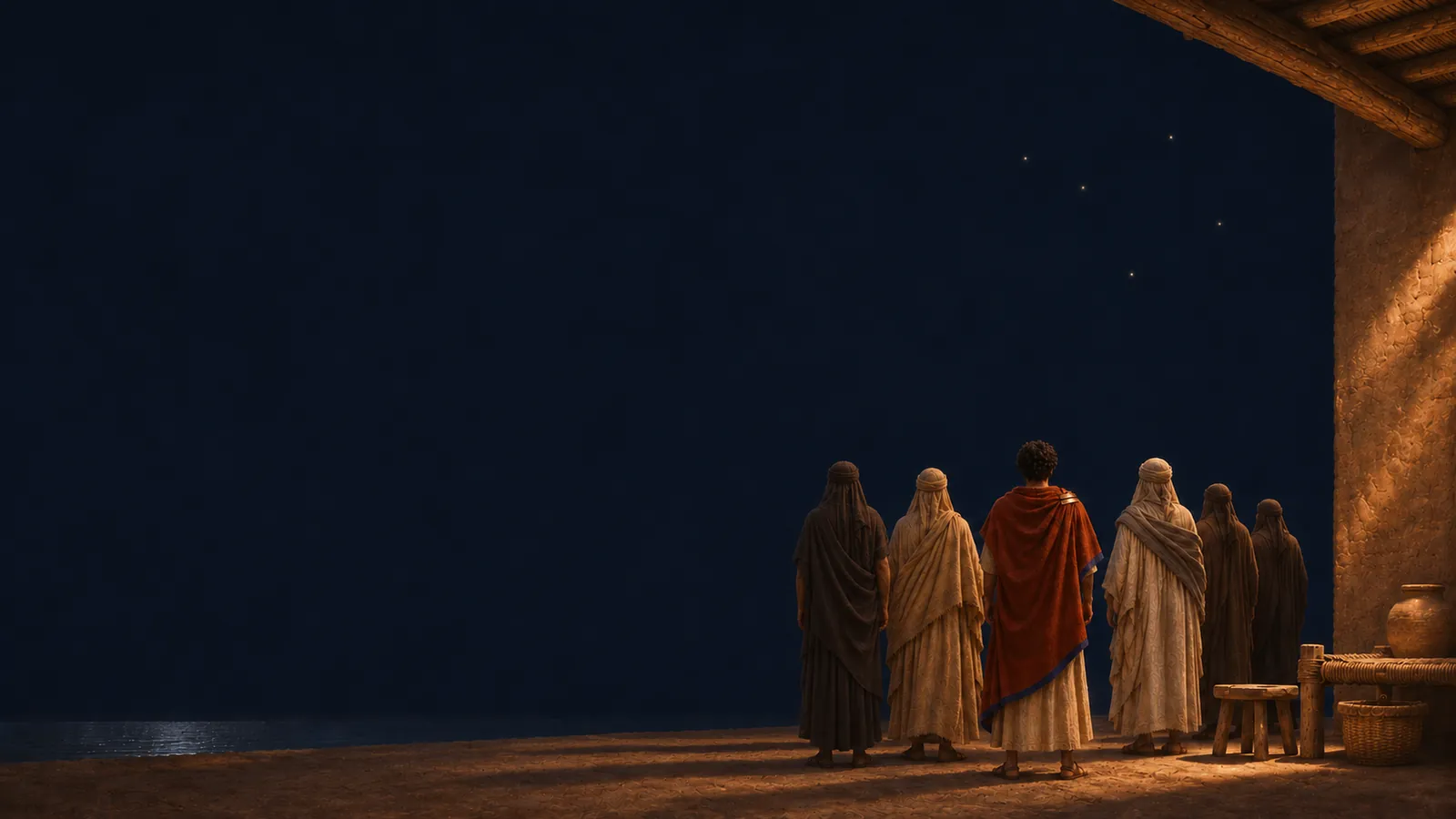
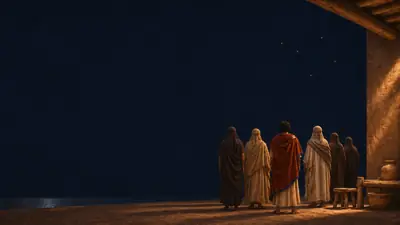
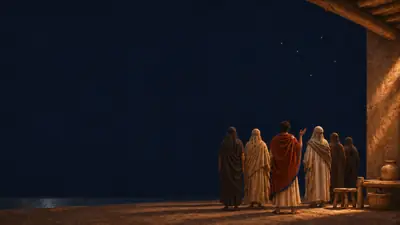
The gods set a constellation before Marduk to see what his word could do. They asked him to make the stars vanish by a command, then speak again and bring them back.
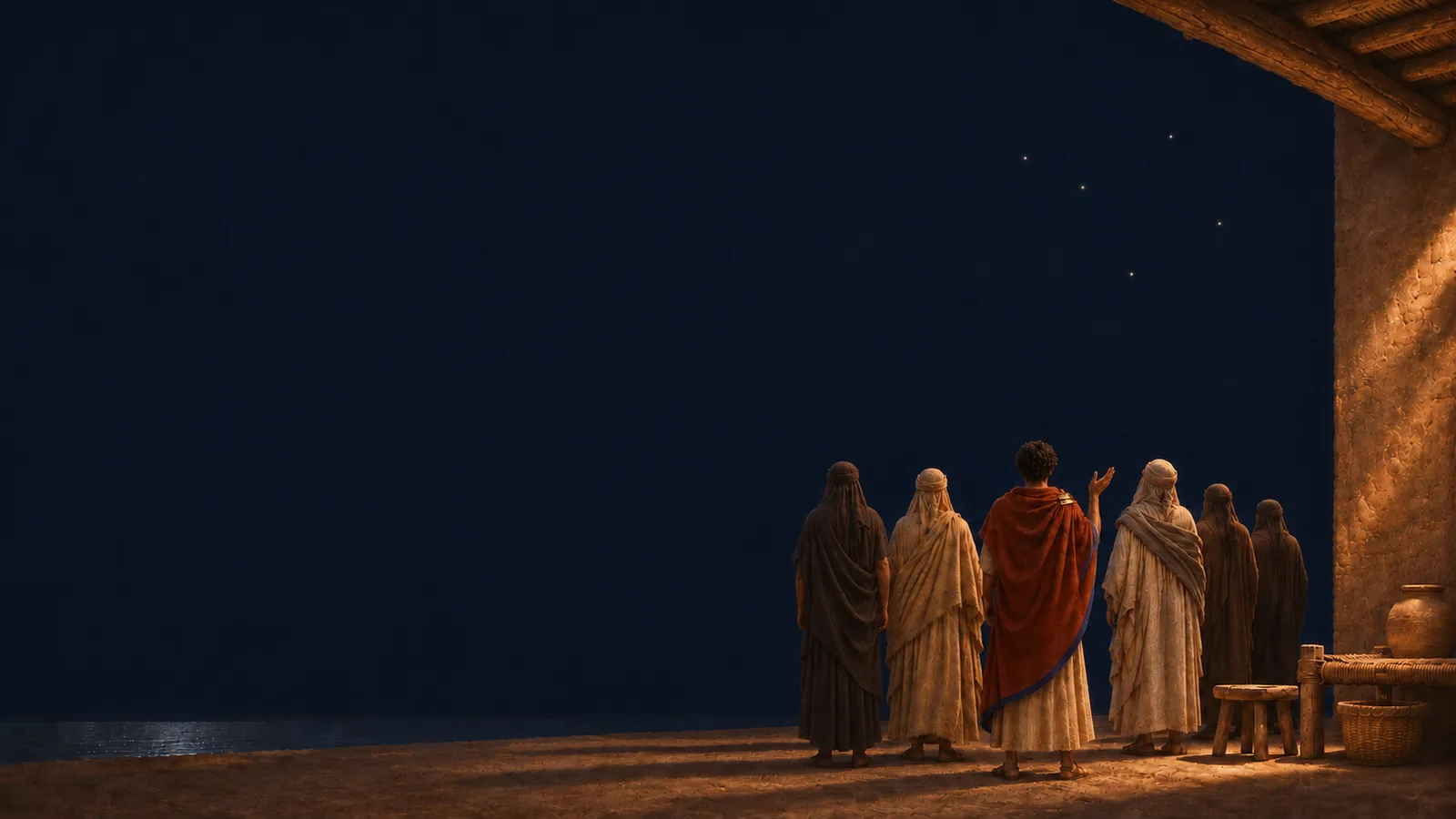
Marduk spoke, and the constellation vanished. He spoke a second time, and the same stars appeared again.
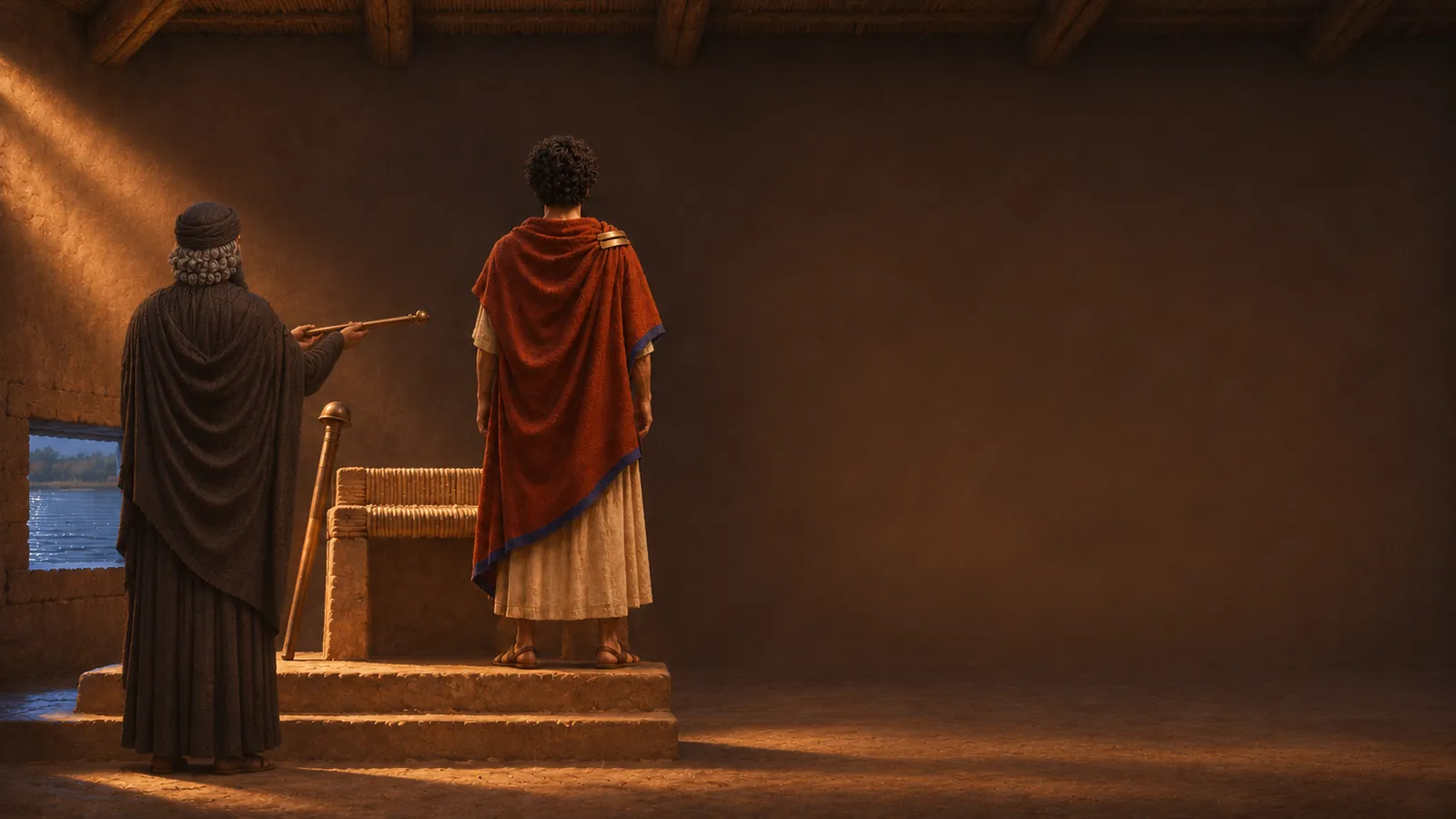
MARDUK IS KING
The elders saw what Marduk’s words had done and acclaimed him as king. They gave him the emblems of rule and sent him on his way to face Tiamat.
End of chapter 2

All pages










Sources
Editions consulted
- Adrian C. Heinrich and Sophus Helle, Text and Translation, printed pp. 40–55
- LMU open repository edition, Enuma Elish
- Electronic Babylonian Library, Tablet II
- Electronic Babylonian Library, Tablet III
- Electronic Babylonian Library, Tablet IV
Ancient lines behind each page
- Page 1: SB II 71–72
- Page 2: SB II 73–76
Restored or incomplete wording around the praise is compressed. - Page 3: SB II 77–78
- Page 4: SB II 79–80
- Page 5: SB II 81; compare Ea’s account at II 85–90
- Page 6: SB II 82
- Page 7: SB II 83–86
- Page 8: SB II 87–94
- Page 9: SB II 95–98
- Page 10: SB II 99–100
- Page 11: SB II 101–102
- Page 12: SB II 103–104
- Page 13: SB II 105–106
- Page 14: SB II 107–110
- Page 15: SB II 111–114
- Page 16: SB II 115–120
- Page 17: SB II 121–126
Line 123 is broken. The surviving text describes the gods’ refusal. - Page 18: SB II 127–130
- Page 19: SB II 131–134
- Page 20: SB II 135–138
- Page 21: SB II 139–144
Original paraphrase of rhetorical challenges. - Page 22: SB II 145–148
- Page 23: SB II 149–152
Line 152 has competing readings. - Page 24: SB II 153–155
- Page 25: SB II 156–158
- Page 26: SB II 158–159
- Page 27: SB II 160–162
Another reading of II 160 has the sense of replacing the assembly’s decrees. - Page 28: SB III 1–6
- Page 29: SB III 7–10
- Page 30: SB III 11–20
- Page 31: SB III 21–52
- Page 32: SB III 53–57; compare II 79–82 and 103–106
Nudimmud names Ea. - Page 33: SB III 58–66
- Page 34: SB III 67–68
- Page 35: SB III 69–70
- Page 36: SB III 71–80
- Page 37: SB III 81–110
- Page 38: SB III 111–122
- Page 39: SB III 123–124
- Page 40: SB III 125–128
- Page 41: SB III 129–132
- Page 42: SB III 133–137
Line 135 has unclear food wording. - Page 43: SB III 138
- Page 44: SB IV 1–12
- Page 45: SB IV 13–18
- Page 46: SB IV 19–24
- Page 47: SB IV 25–26
- Page 48: SB IV 27–34
Illustrations made with AI tools by IL Archive; the text is based on the ancient sources (see the sources at the end of each chapter).