Enuma Elish Chapter 1
Before the Heavens
Before the sky had a name, the waters of Apsû and Tiamat mingled and the first gods came forth. Ea stops Apsû’s plot, Marduk is born in the deep, and Tiamat gives Qingu the Tablet of Destinies.
Watch the filmSourcesTurn the pages with the arrows, the arrow keys or a swipe.

BEFORE THE HEAVENS
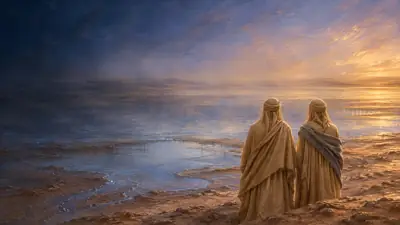
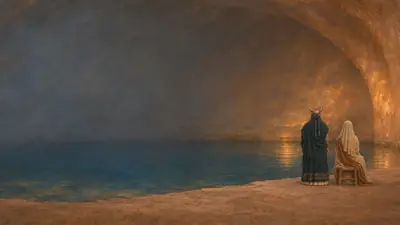
The poem begins before the sky or the earth below had a name. The world as we know it had yet to take shape.

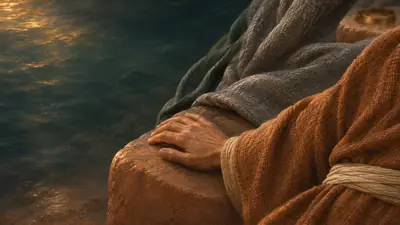
Apsû and Tiamat were there at the beginning. Their waters ran together, and in that mingling lay the beginnings of the gods.

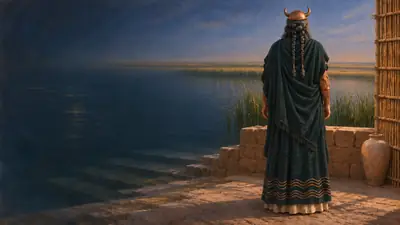
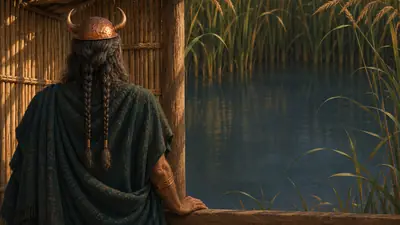
No beds of reeds had gathered, and the shallows had yet to take shape. No god had appeared to receive a name or a destiny.
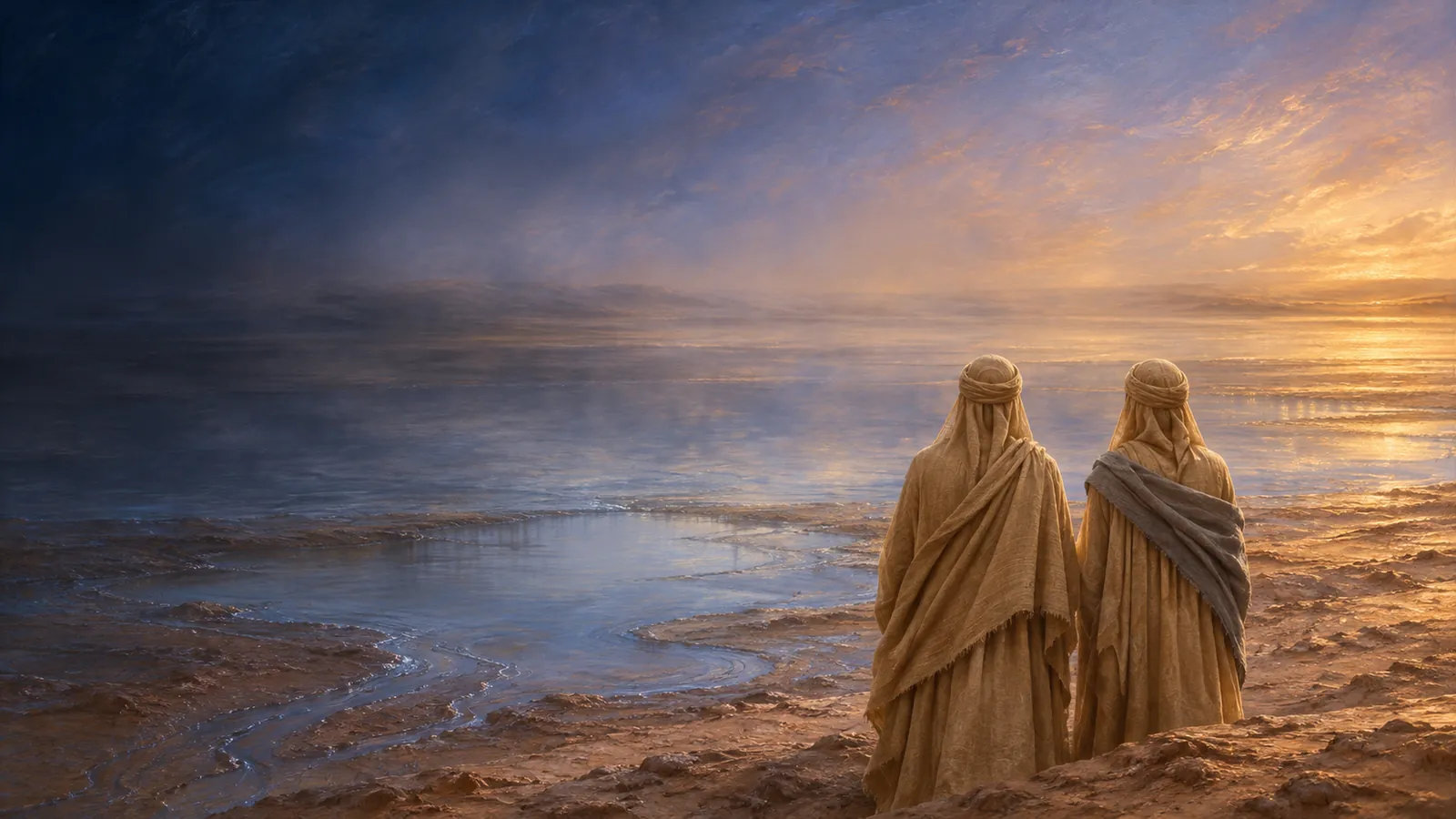
From within the waters came the first gods the poem names, Lahmu and Lahamu. They grew before another pair came into being.
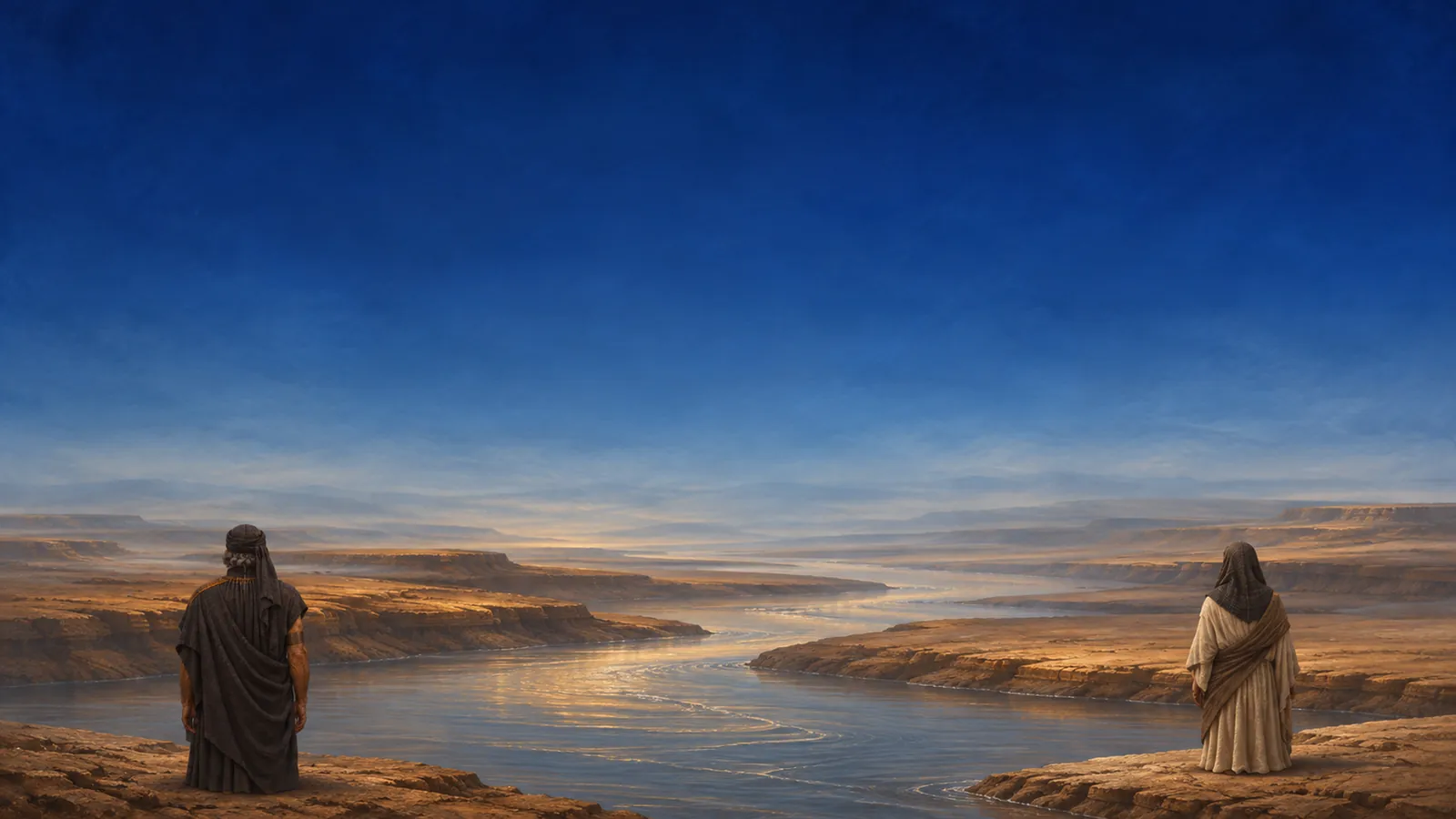
Then came Anshar and Kishar, greater than the pair before them. Days lengthened into years, and Anu followed in their line.
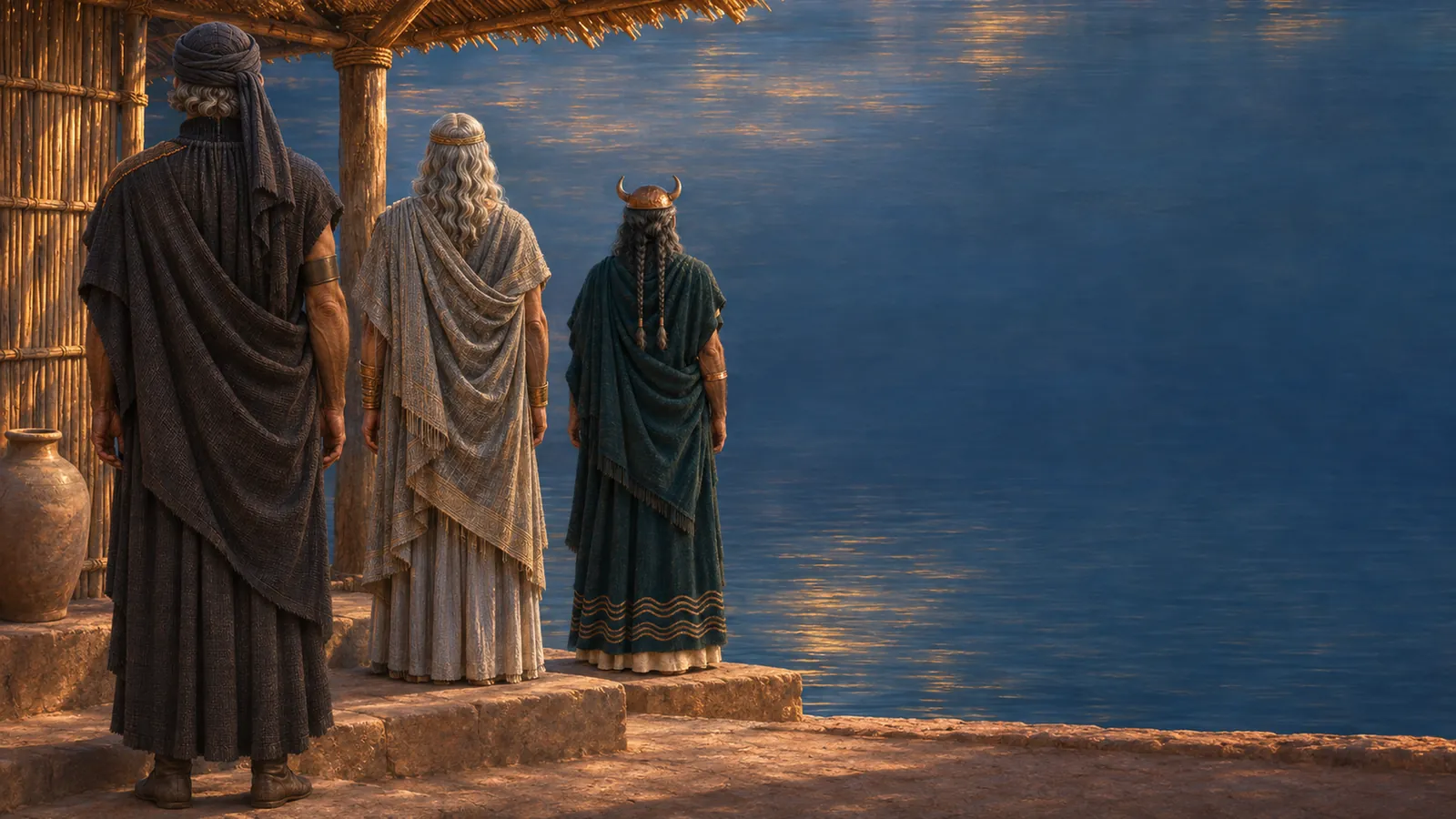
Anu was like Anshar, and in time he fathered a likeness of his own. That son was Nudimmud, the god the poem also calls Ea.
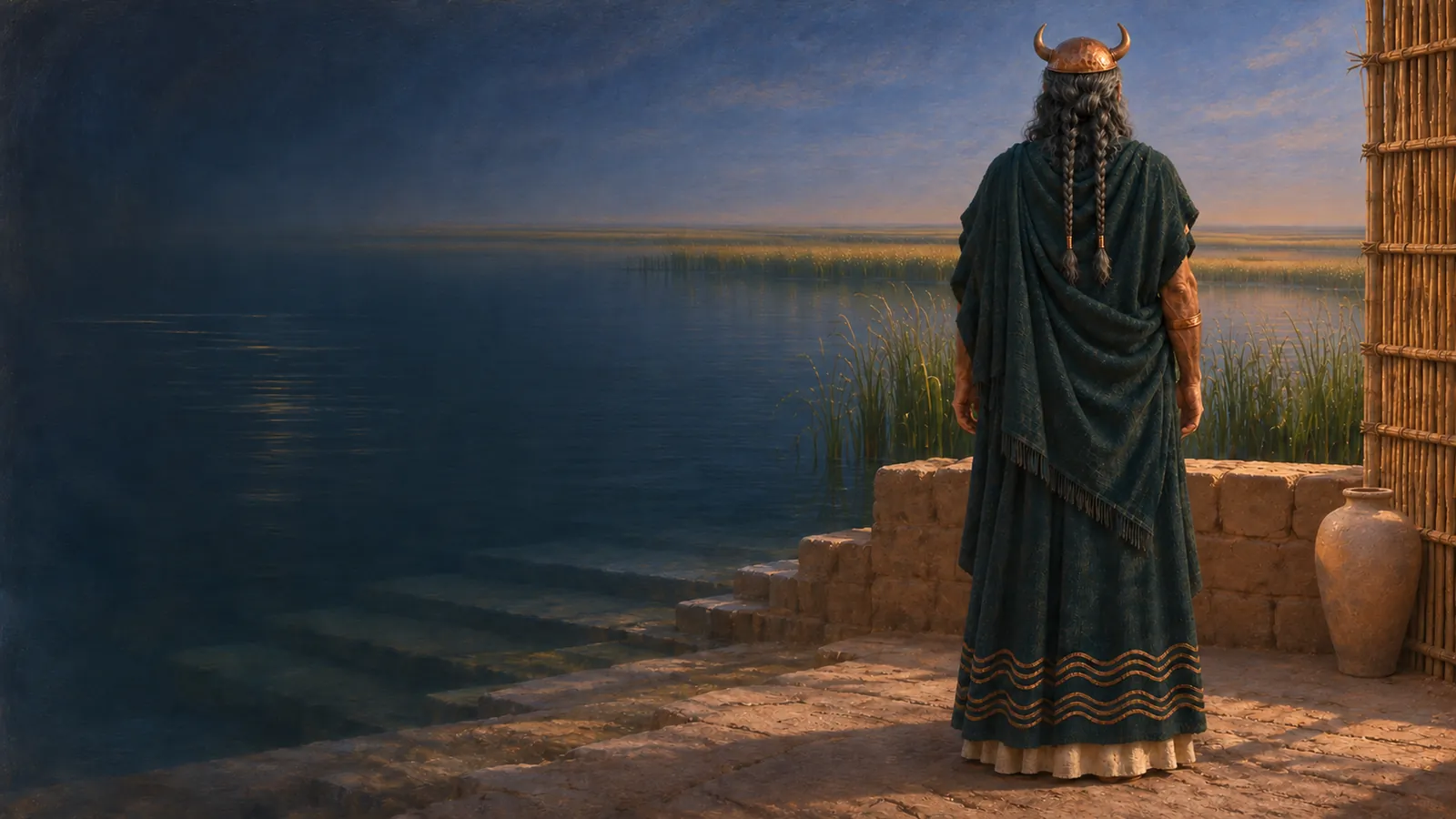
Ea stood apart among his own generation. The poem praises the reach of his understanding and says that not even Anshar could match his strength.
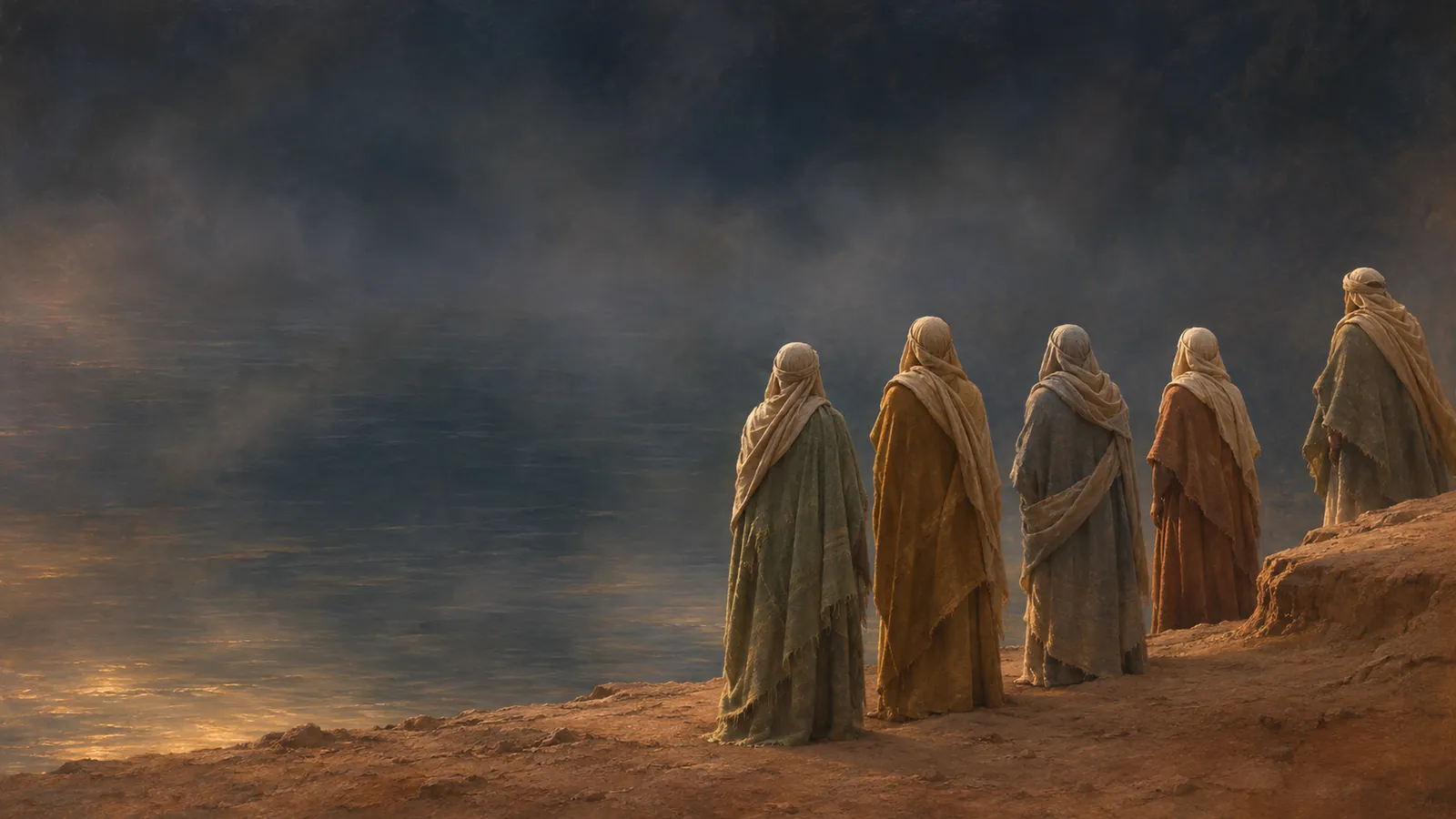
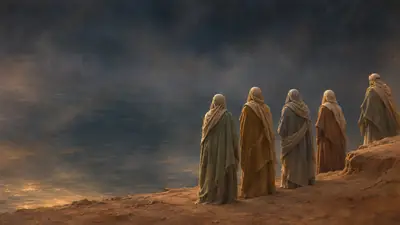
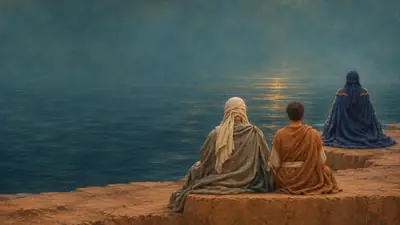
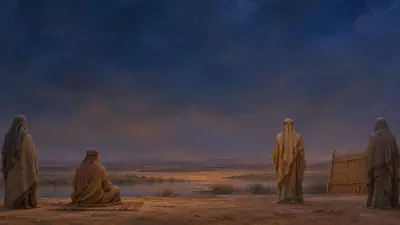
The younger gods began to gather in the waters. Each time they met, their voices rose and carried farther through the place they shared.

Their clamour reached Tiamat. In the poem it stirs her waters and troubles her inwardly, as if the same disturbance had passed through both.
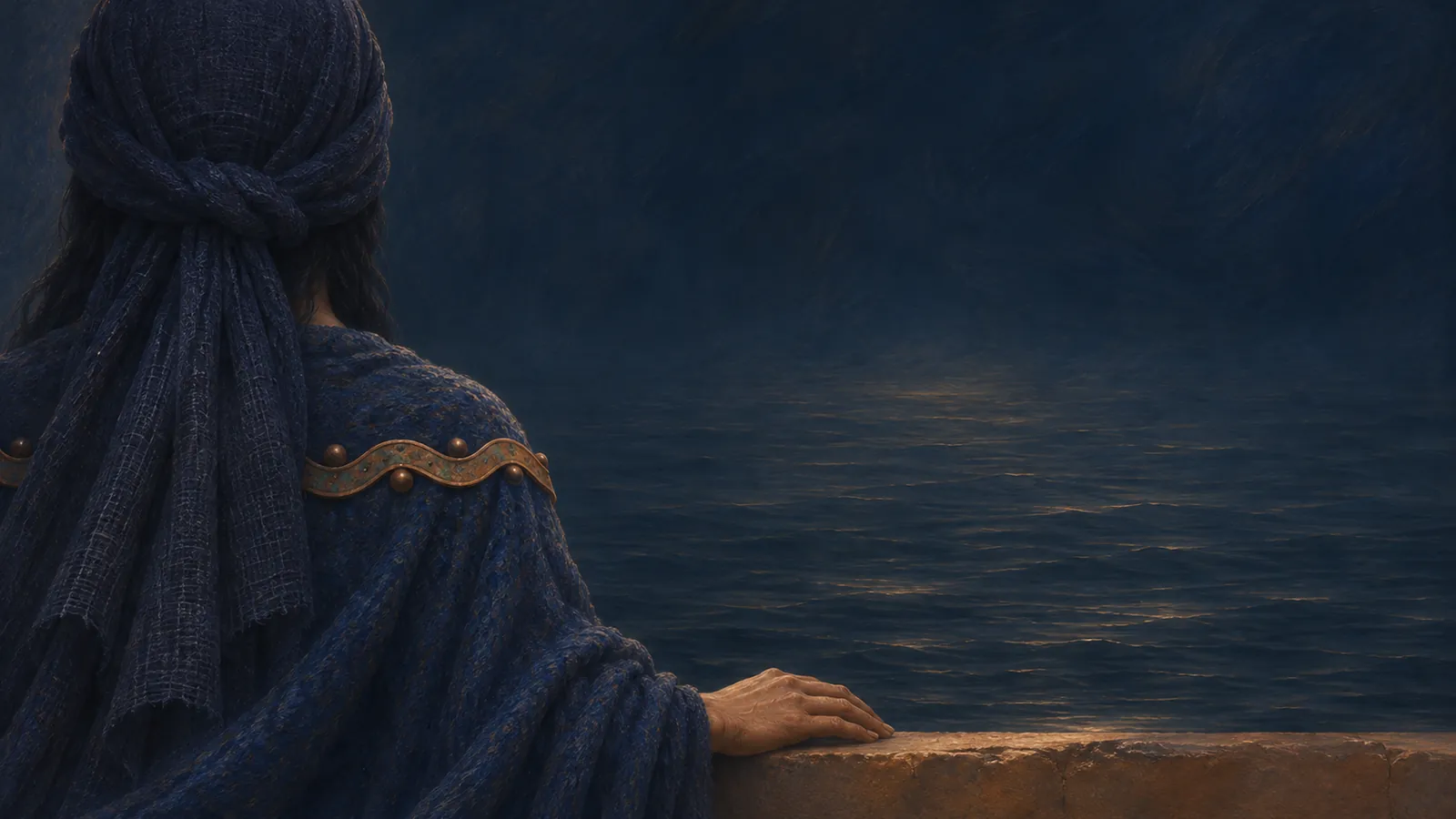
Apsû could scarcely bear the way the younger gods went on. Tiamat too was troubled, but for a time she held her peace before them.
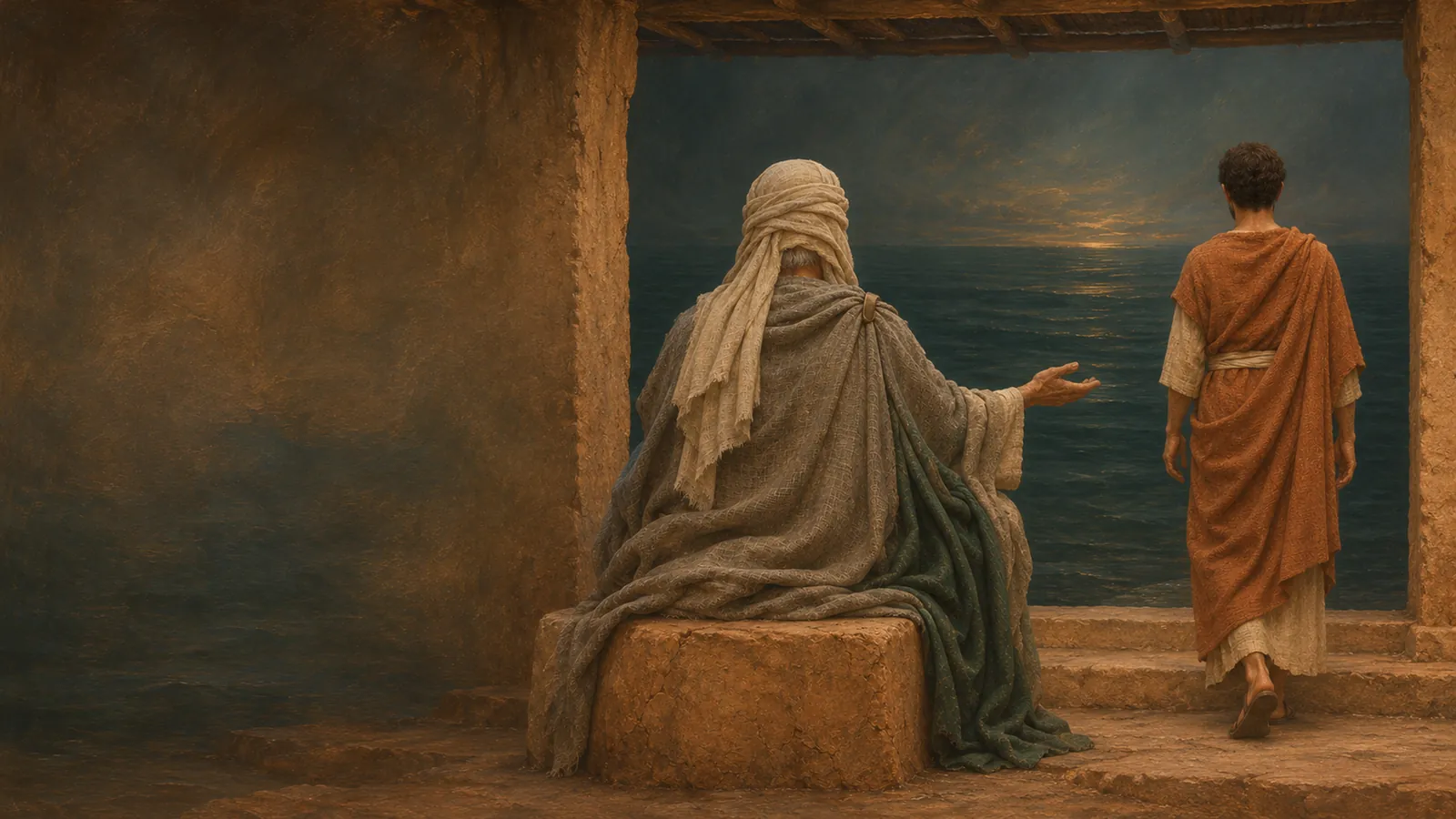
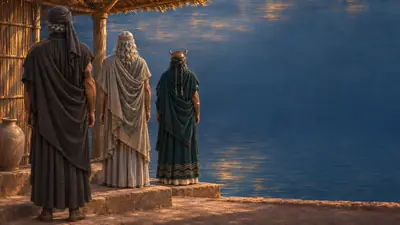
Apsû called for Mummu, the adviser who knew his mind. He asked him to come along, so that they might take counsel with Tiamat.
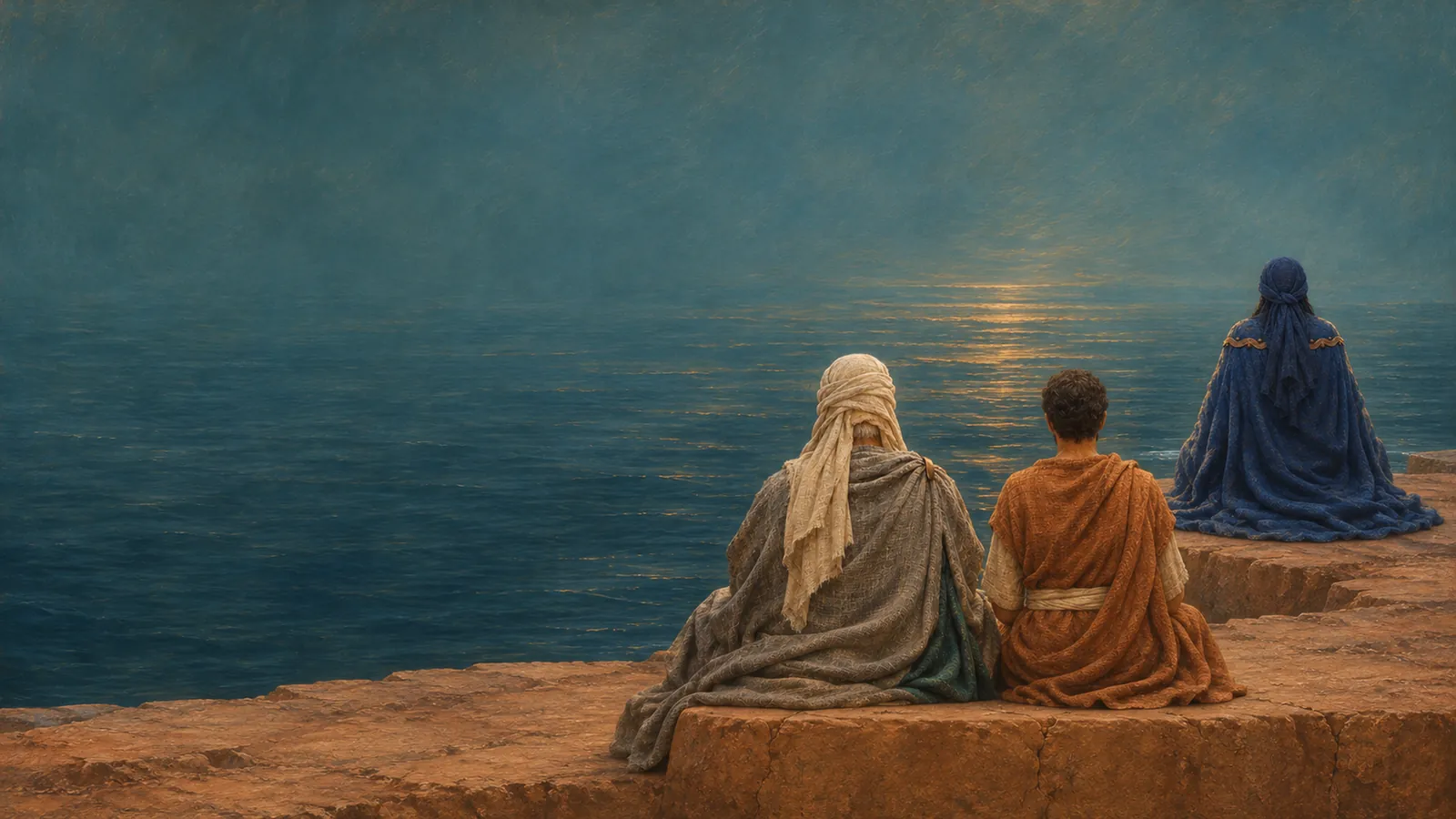
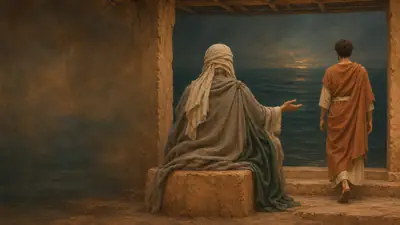
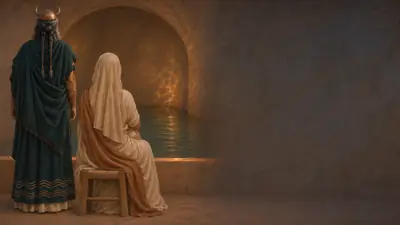
So the two of them went before Tiamat and sat down. Apsû meant to speak about the gods that he and Tiamat had brought forth.

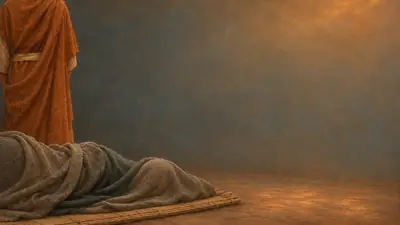
Apsû told Tiamat that there was no rest for him in the day. Even when night came, the younger gods left him no sleep.
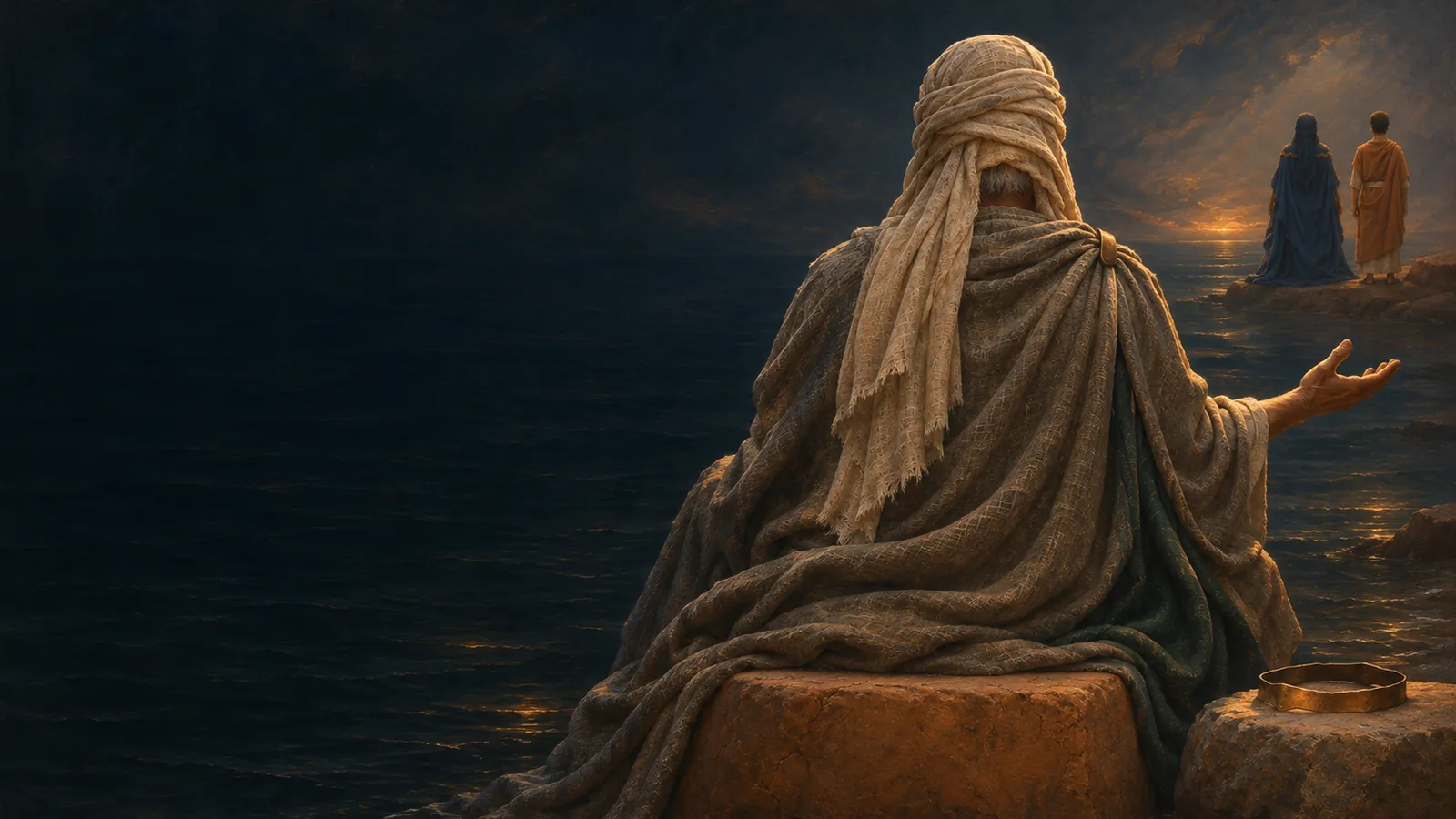
To bring the noise to an end, Apsû proposed doing away with the younger gods. Then, he told Tiamat, they might have silence enough to sleep.
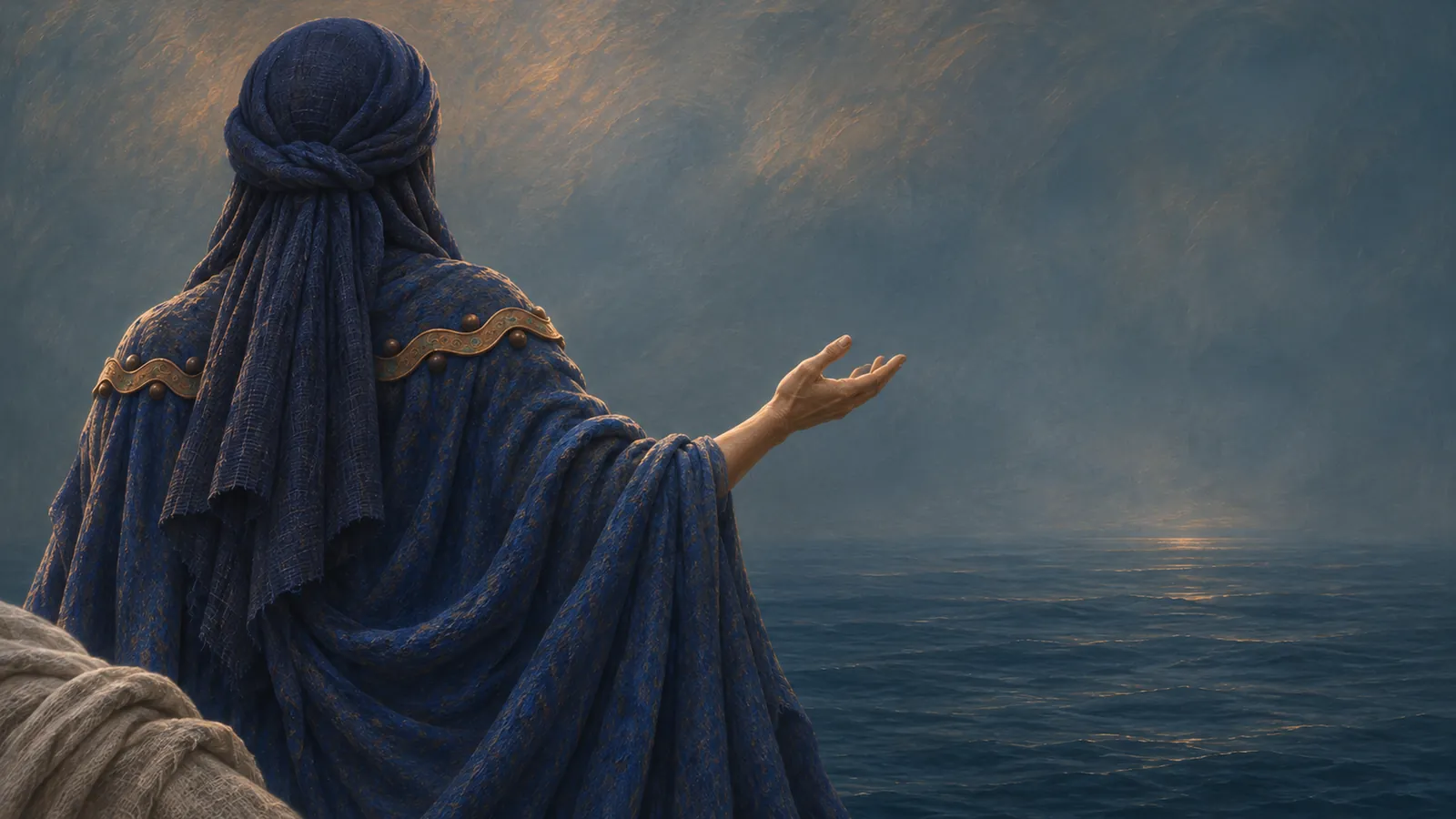
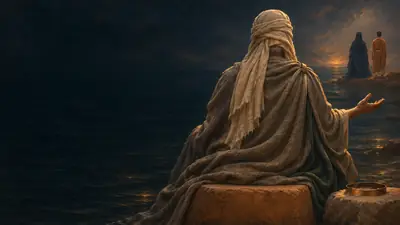
Tiamat was angry when she heard him. These were gods they themselves had brought forth, and however troublesome they were, she urged him to bear with them.
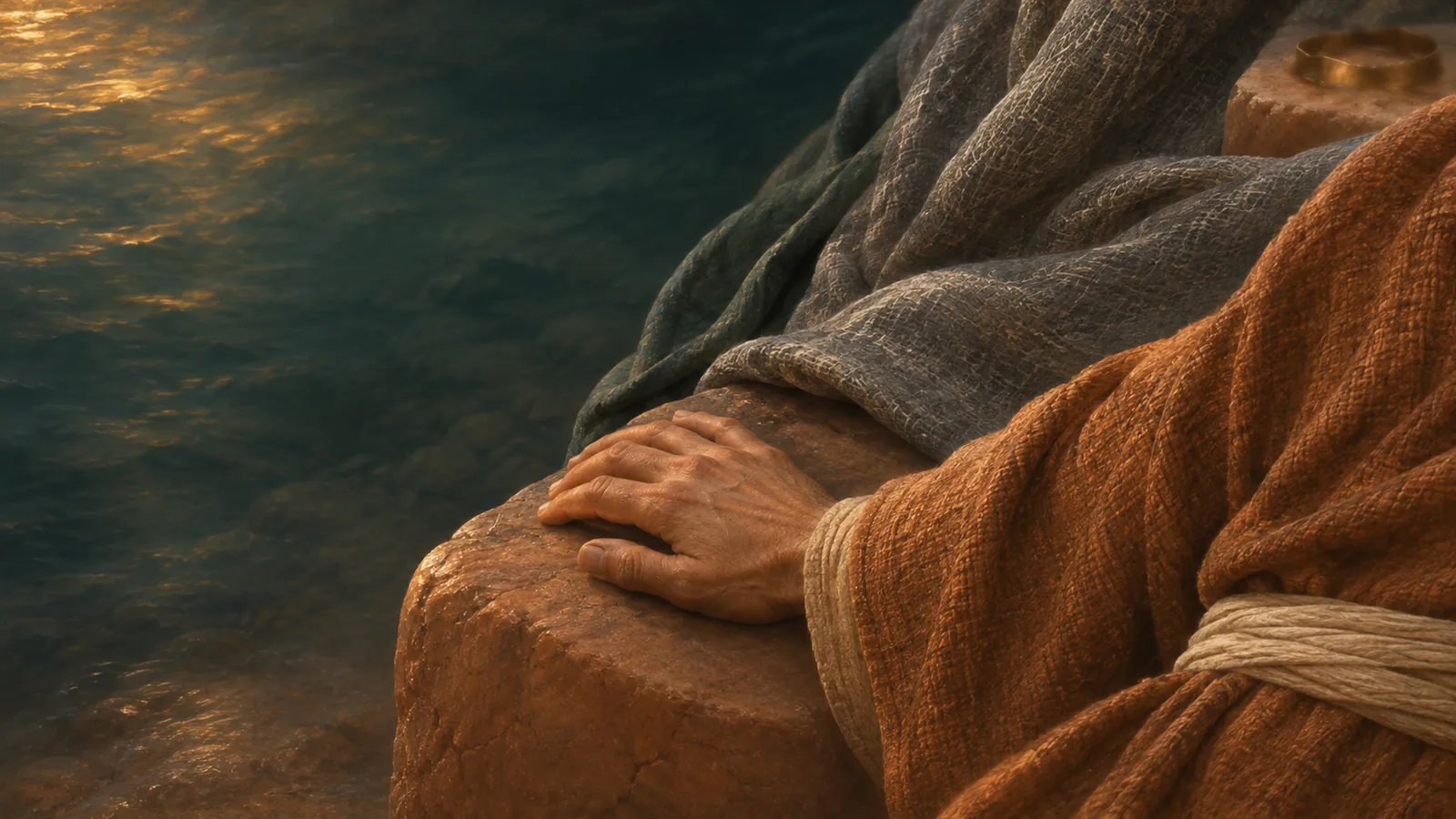
Mummu urged Apsû to carry out the plan and promised him quiet in return. His counsel pleased Apsû, who drew him close as they considered what to do.
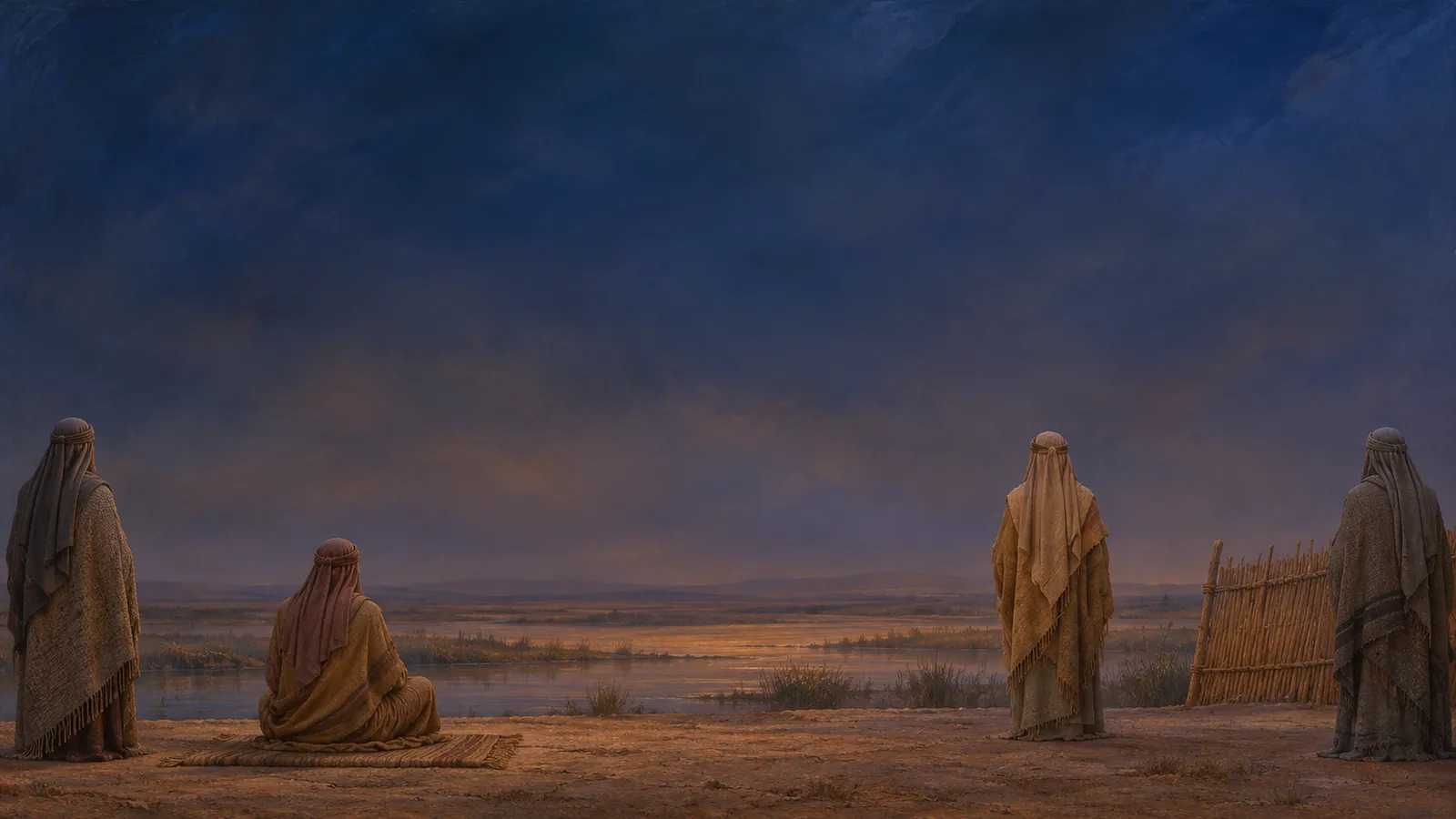
Word of what Apsû and Mummu intended reached the younger gods. Their gatherings had once been noisy, but now they sat without speaking.
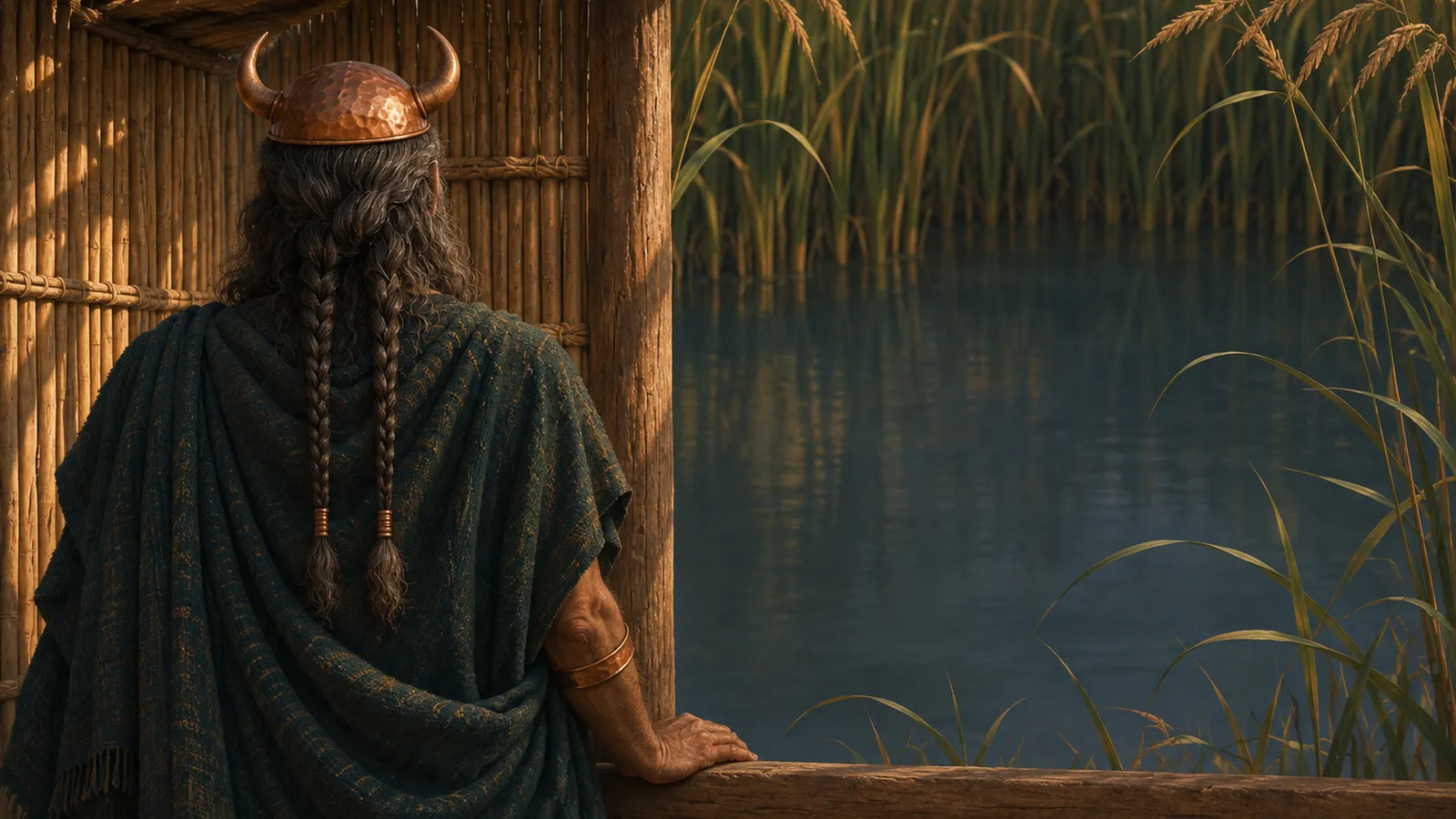
Ea heard what the others had learned. He understood what was being readied against them and began to think how he might stop it.
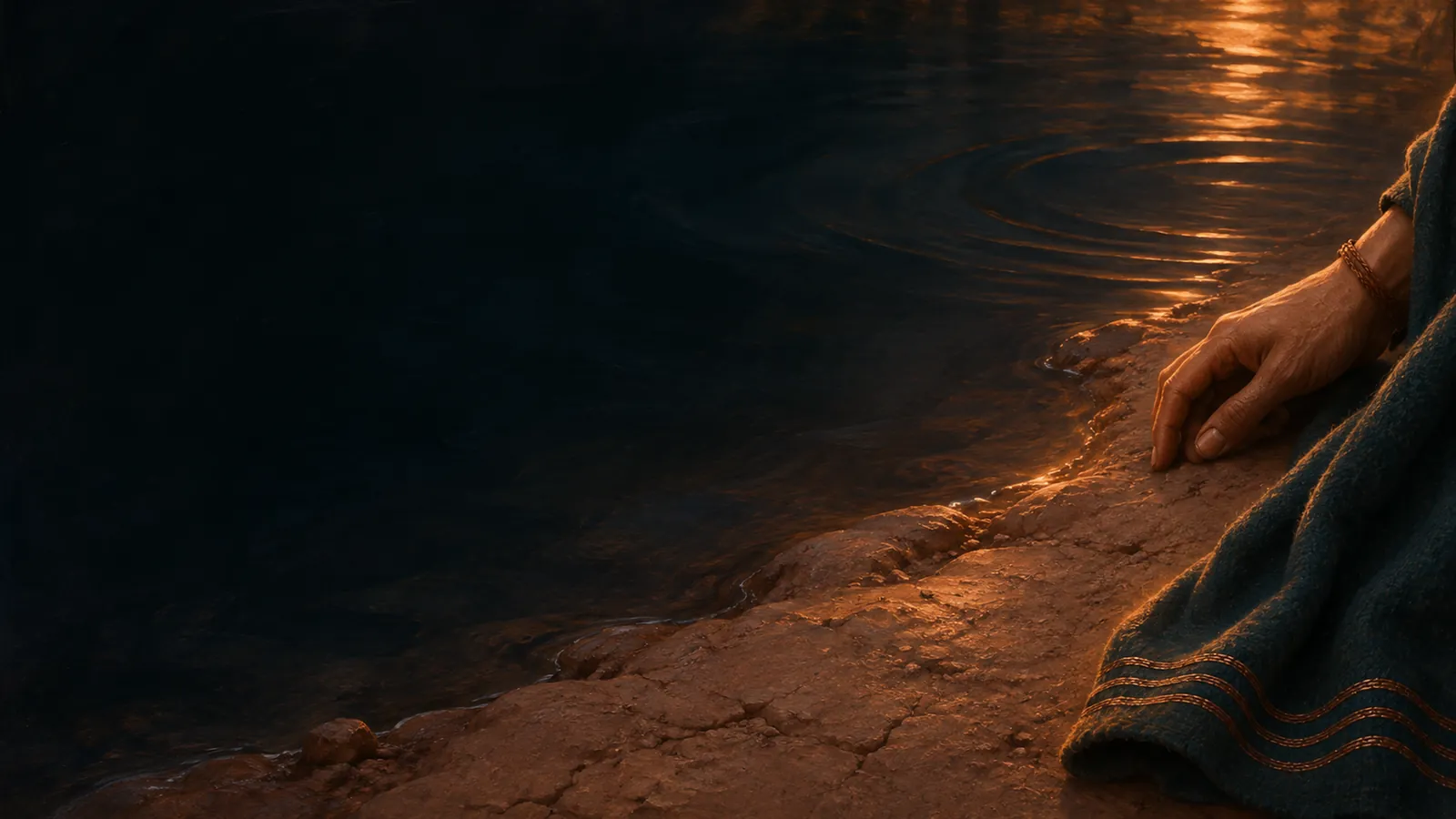
Ea devised a spell and spoke it over the waters. The words were his answer to the plan laid against the younger gods.
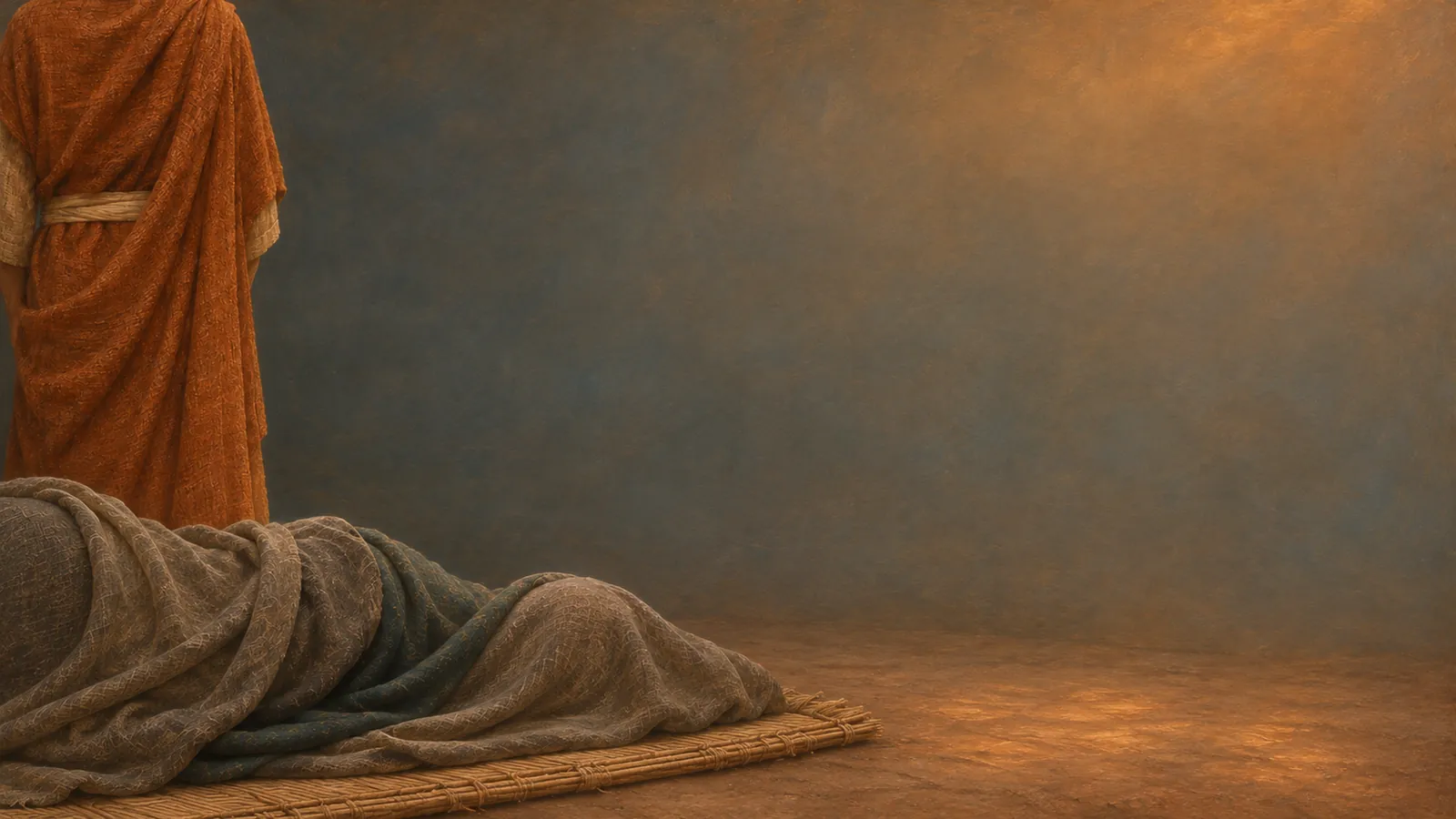
Apsû fell into the sleep Ea had brought upon him. Mummu was still awake, but the spell left him unable to help his lord.
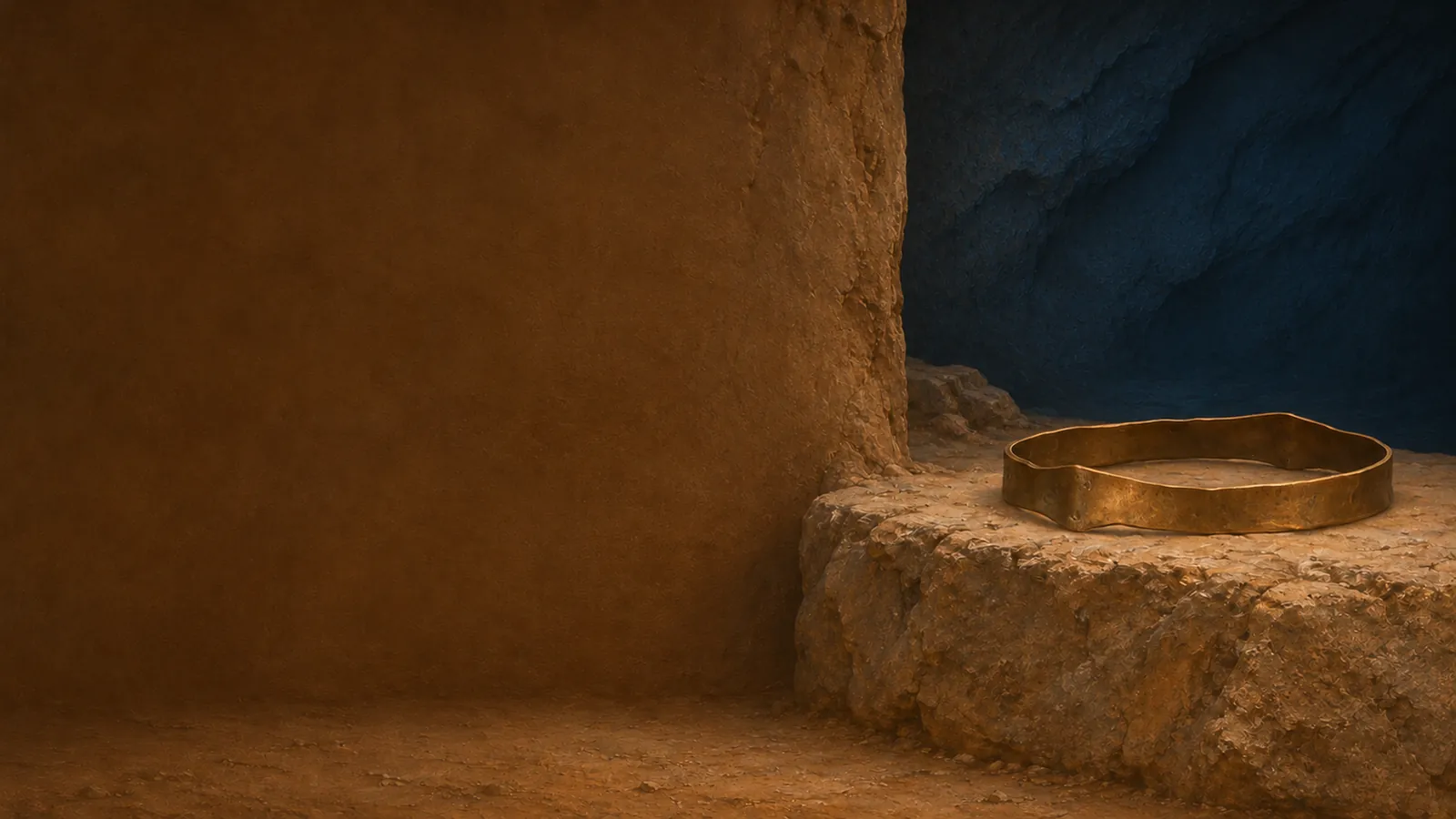
THE CROWN
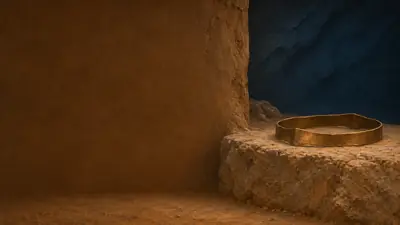
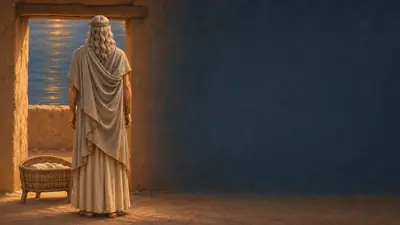
Ea stripped Apsû of his crown and took his radiance for himself. The poem says that he killed Apsû, and the old authority passed away.
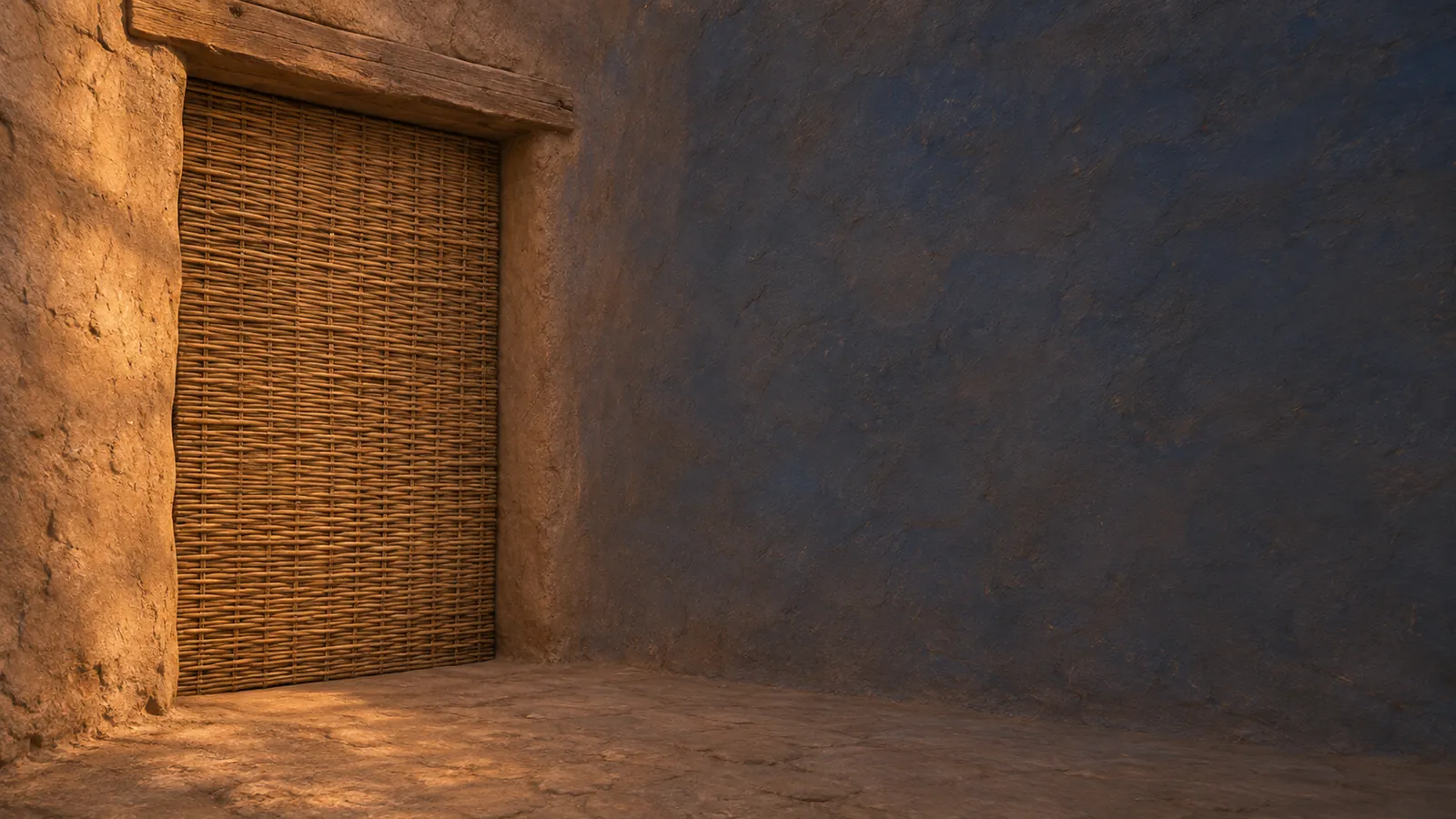
Mummu too fell into Ea’s power. The lines are difficult to read exactly, but they leave the adviser captive when Ea has overcome his opponents.
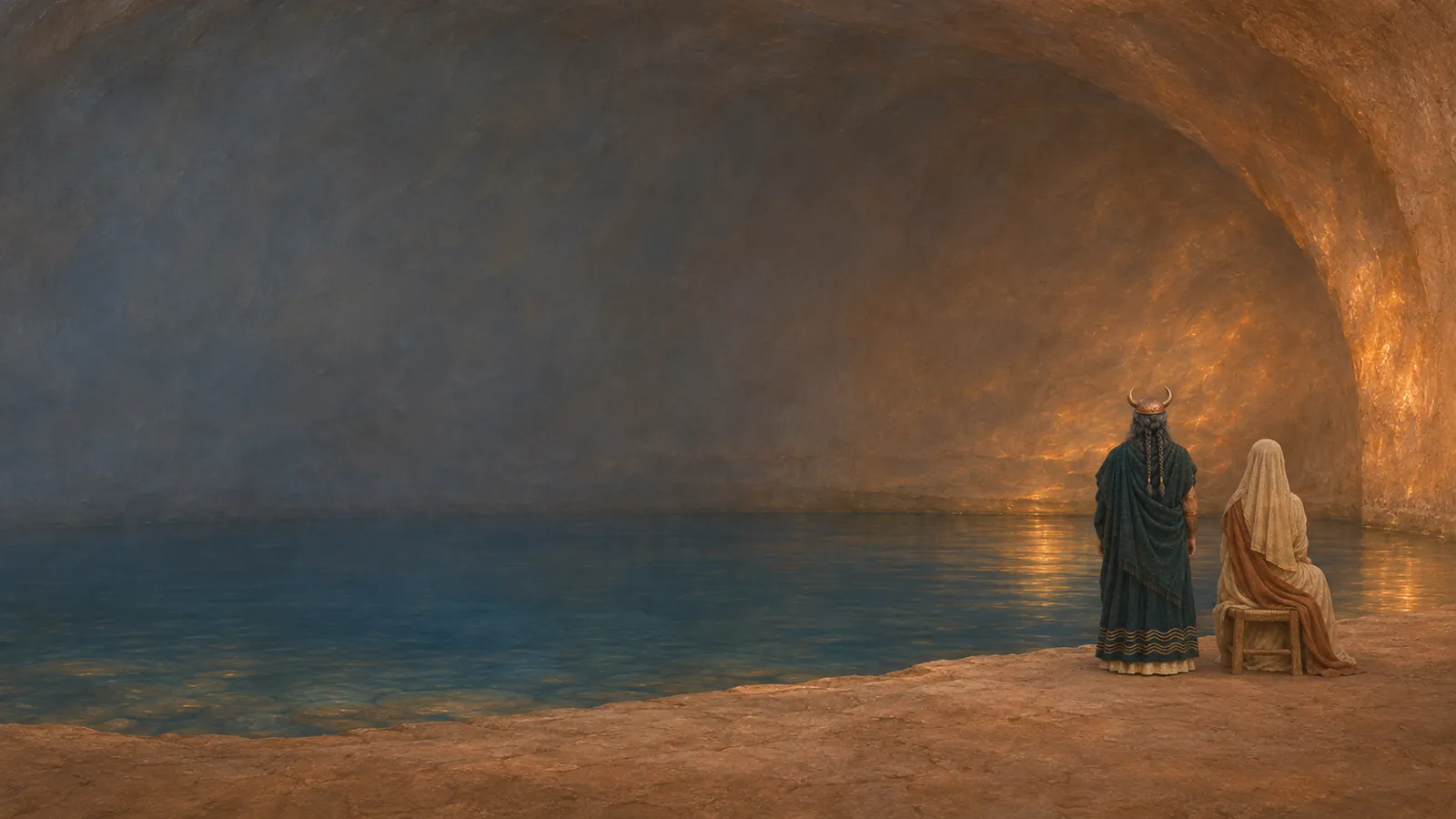
Ea came to rest in the place where he had prevailed. He gave his dwelling the name Apsû, and there he lived with Damkina.
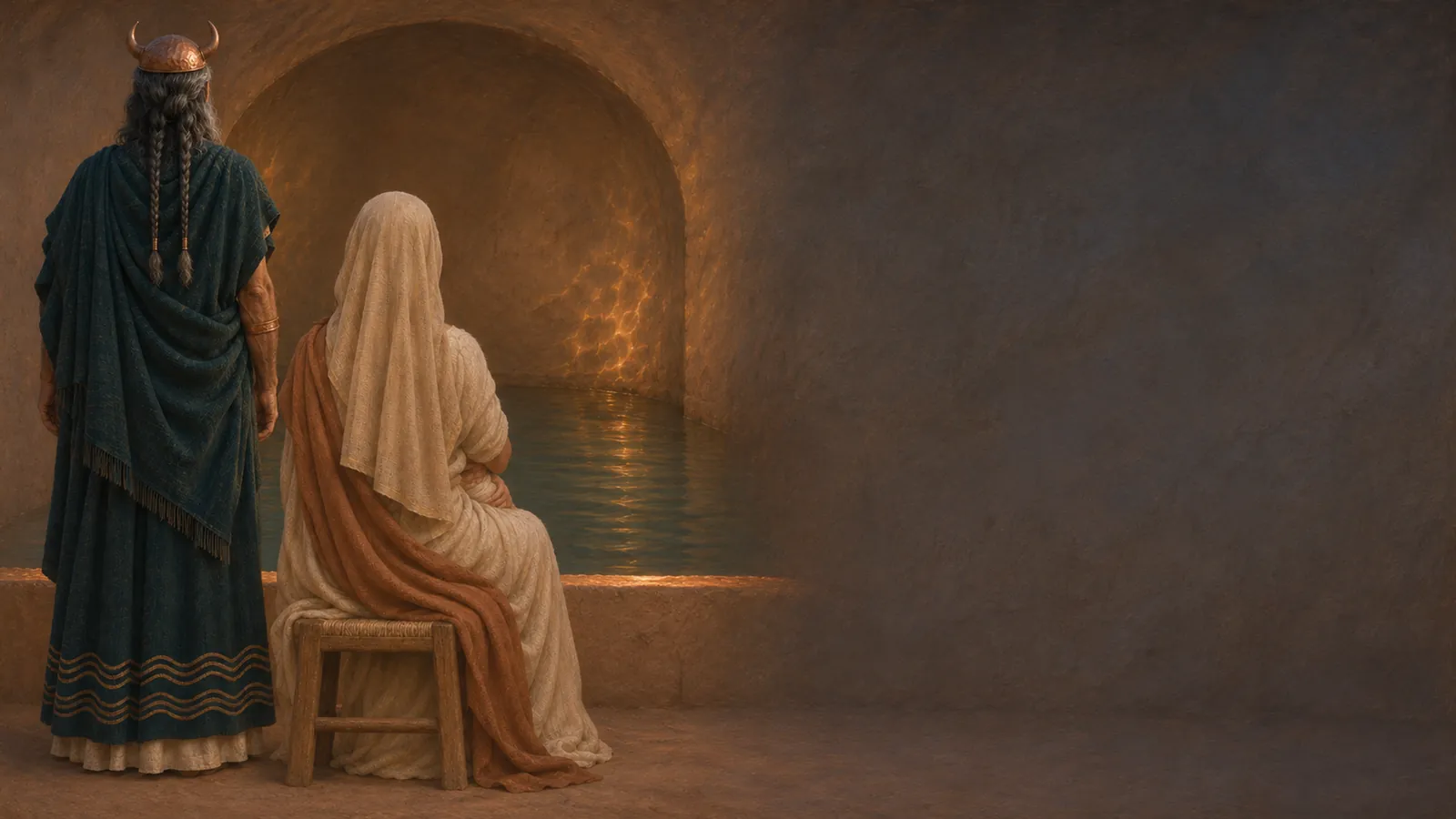
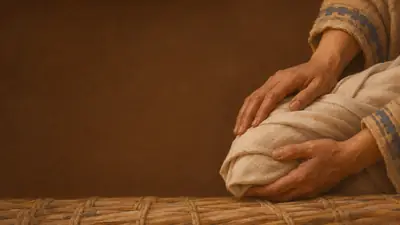
In the dwelling in the deep, a child was born. Ea was his father and Damkina his mother, and the child’s name was Marduk.
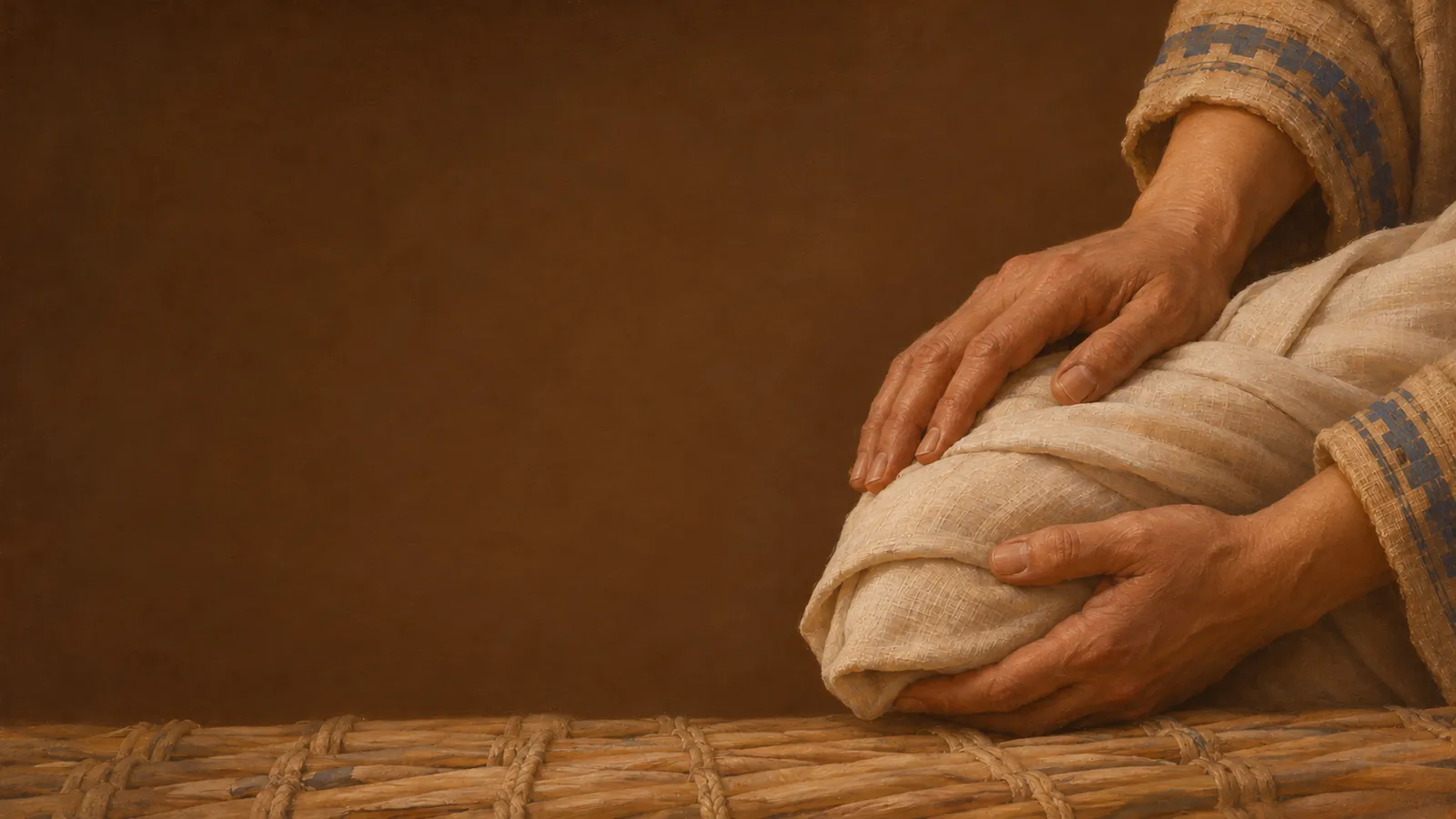
Goddesses nursed Marduk, and the nurse who reared him helped to make him a child who inspired awe. His strength was apparent from his earliest days.
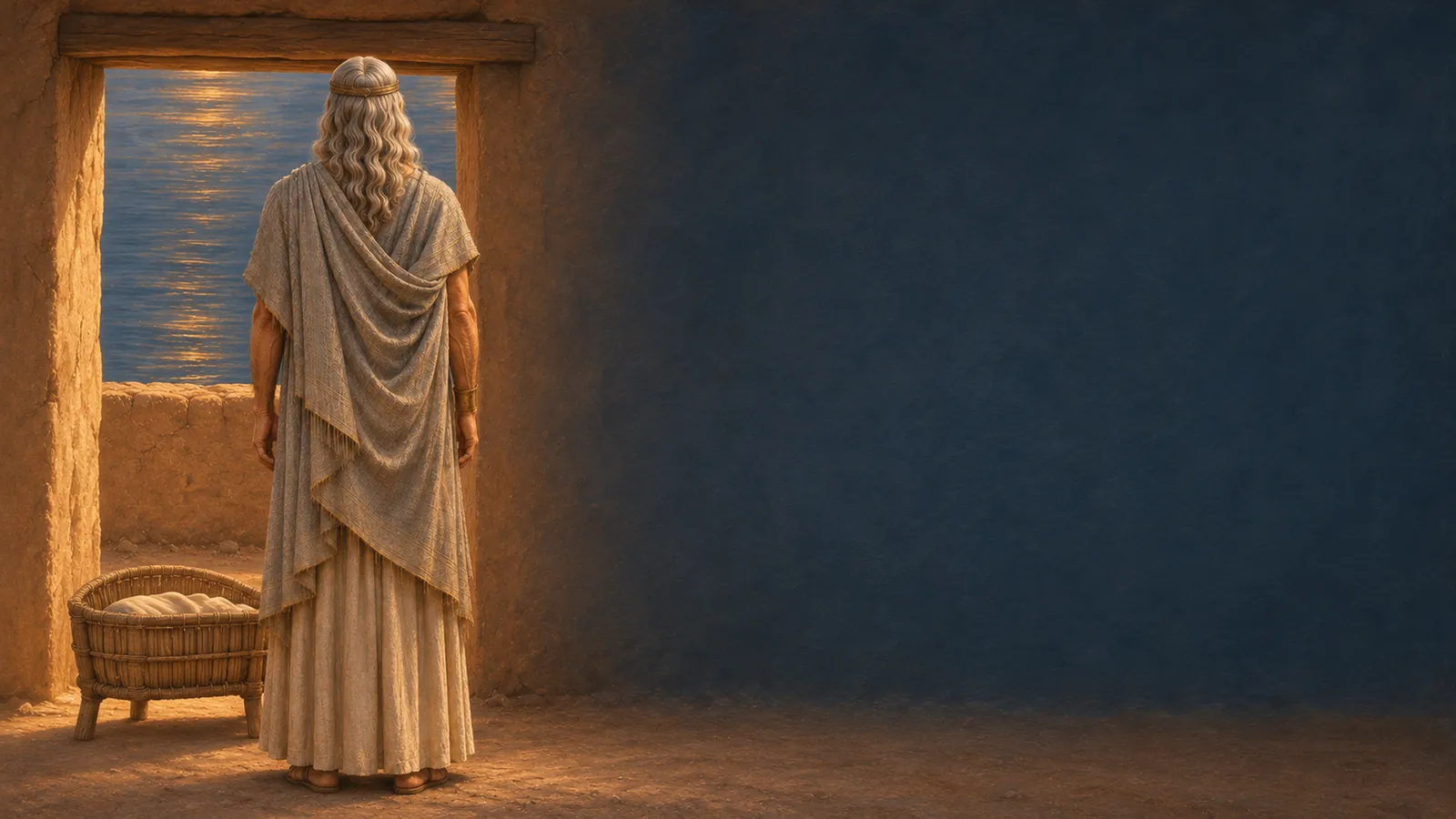
Anu saw the child of his son and was filled with joy. In the poem, he then makes the young god’s gifts greater still.
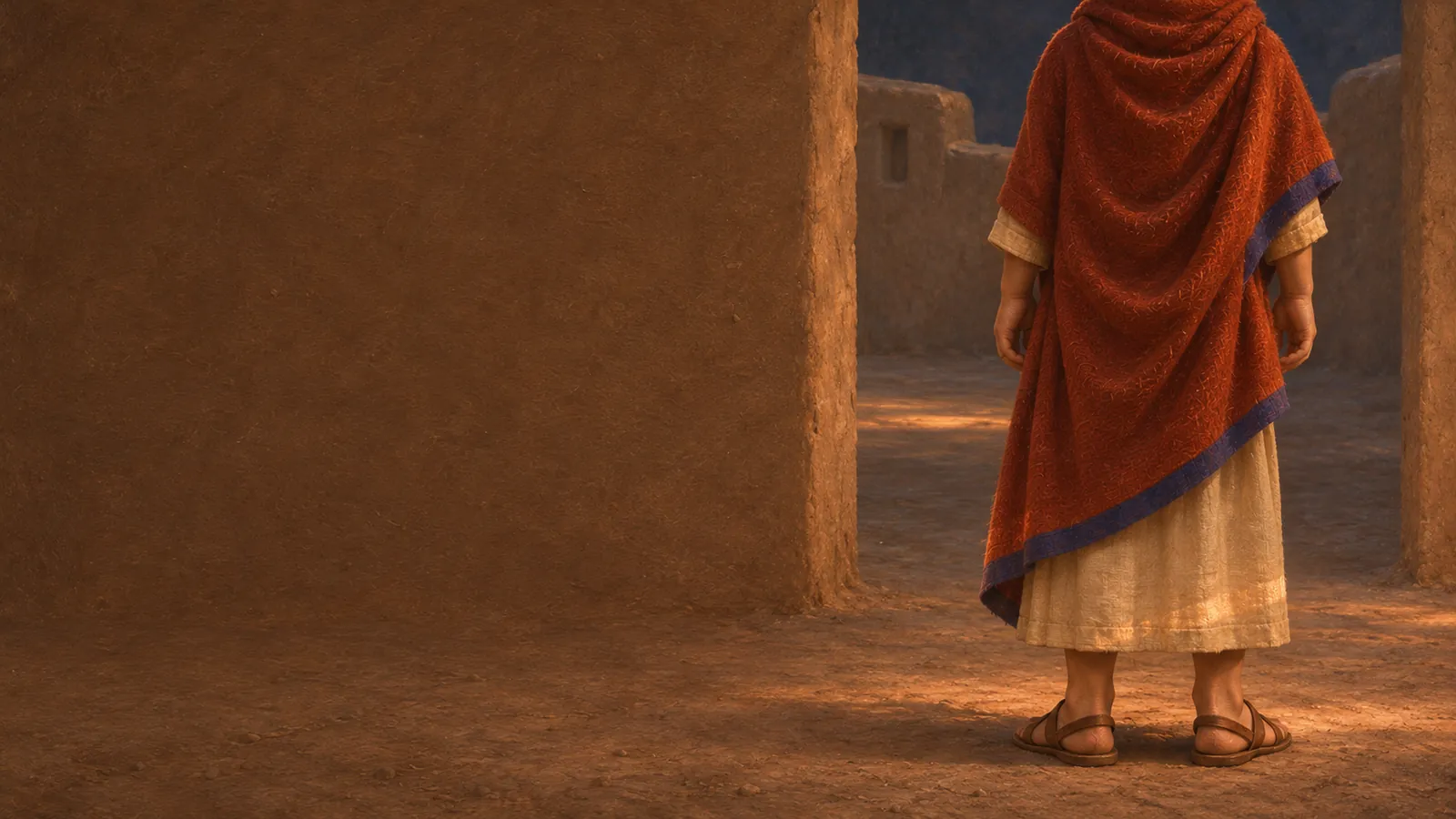
To tell how far Marduk’s senses reached, the poem gives him four eyes and four ears. It says that fire flashed when he spoke.
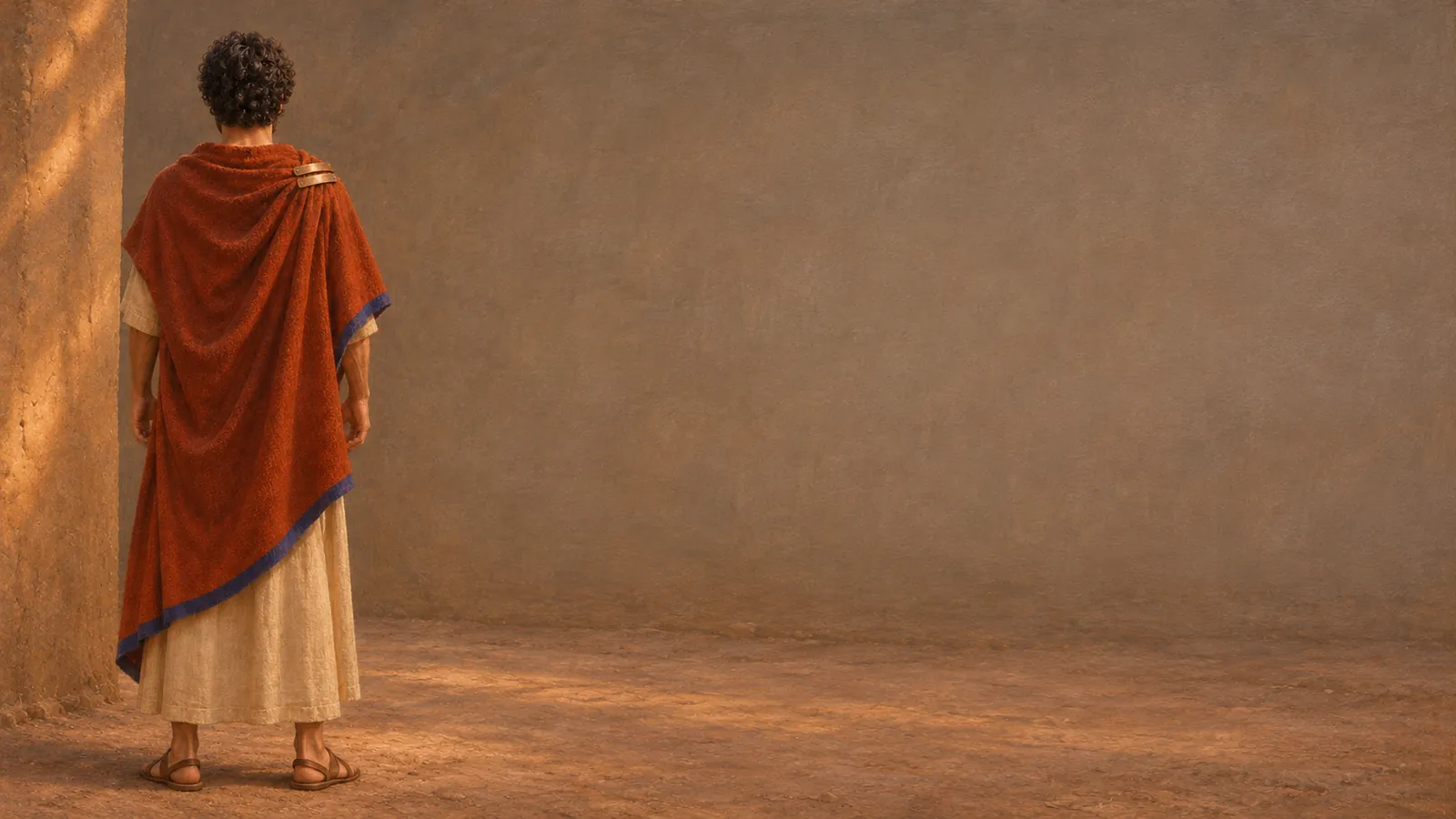
The poem reaches for the brilliance of the sun when it praises Marduk. His light and the awe around him set him apart from the other gods.
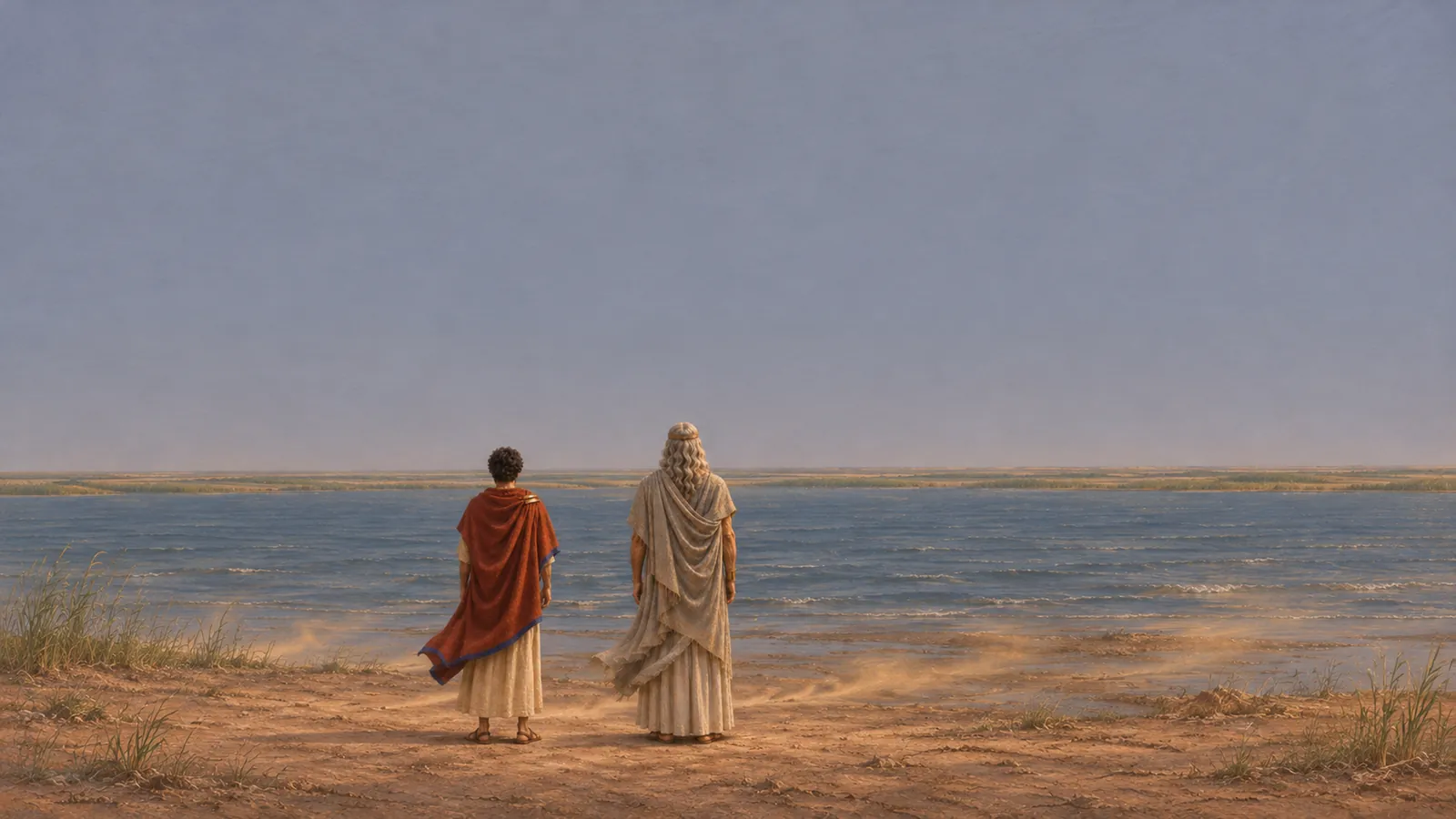
THE FOUR WINDS
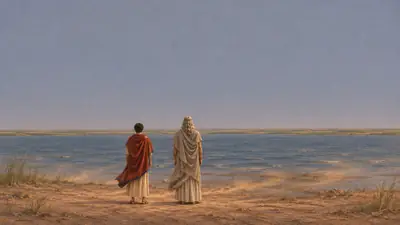
Anu brought forth four winds and gave them to Marduk. As the young god played with them, waves rose in the water, and Tiamat was troubled.
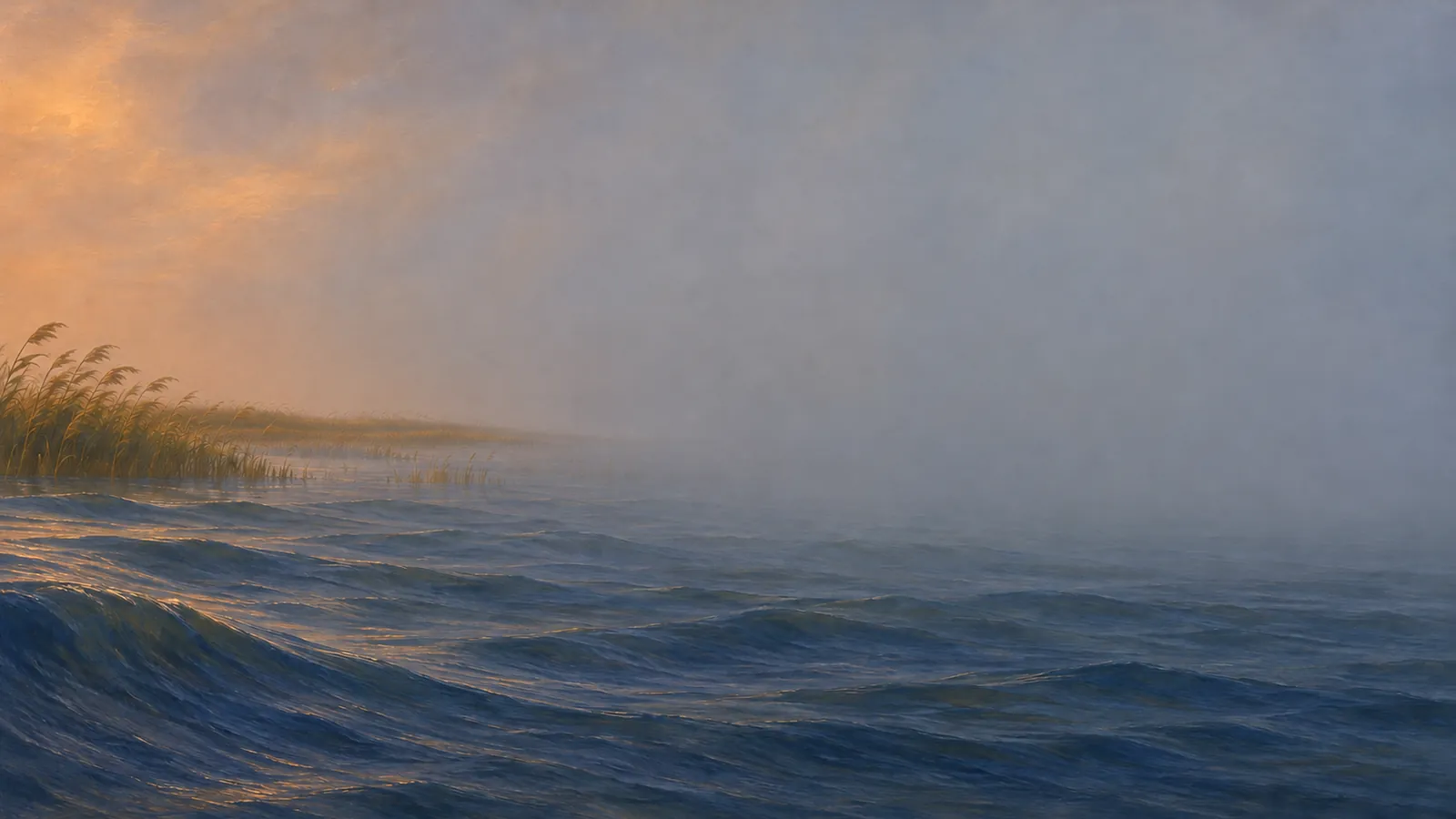
The winds went on troubling Tiamat, by day and by night. In the waters around them, the gods could no longer lie quietly or find rest.
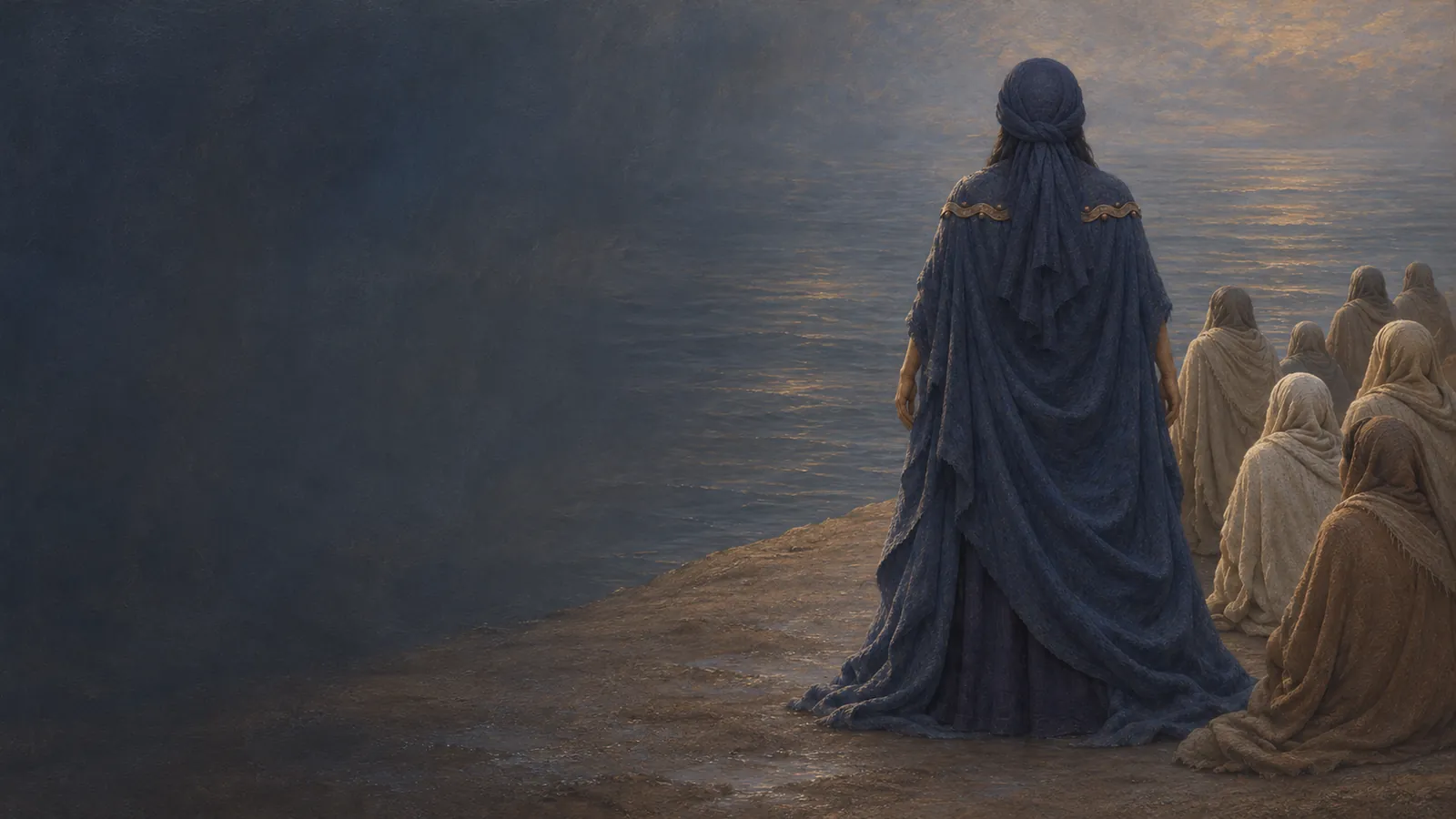
Some of the gods brought up the death of Apsû. They reminded Tiamat that she had sat in silence then, and that Mummu too had been taken away.

They asked Tiamat to end their sleeplessness and avenge what had happened. The last words of their appeal are damaged, but their demand to act is clear.
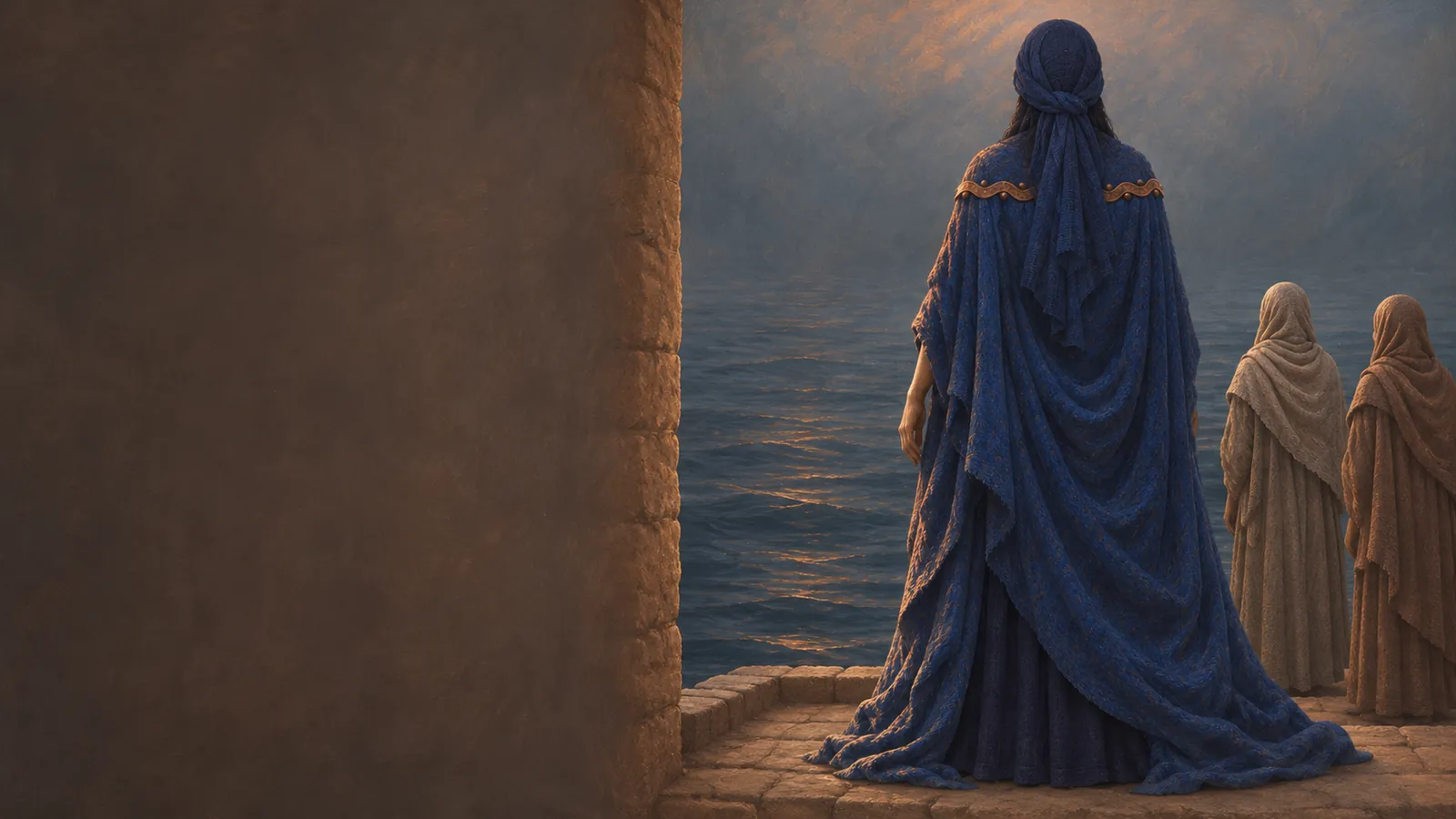
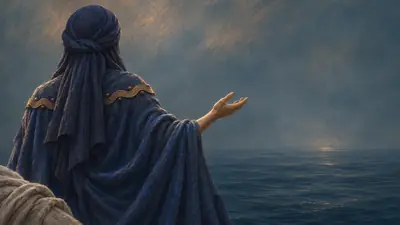
This time Tiamat accepted their advice. She said they would do what they had proposed, and the gods gathered within her waters to act on it.
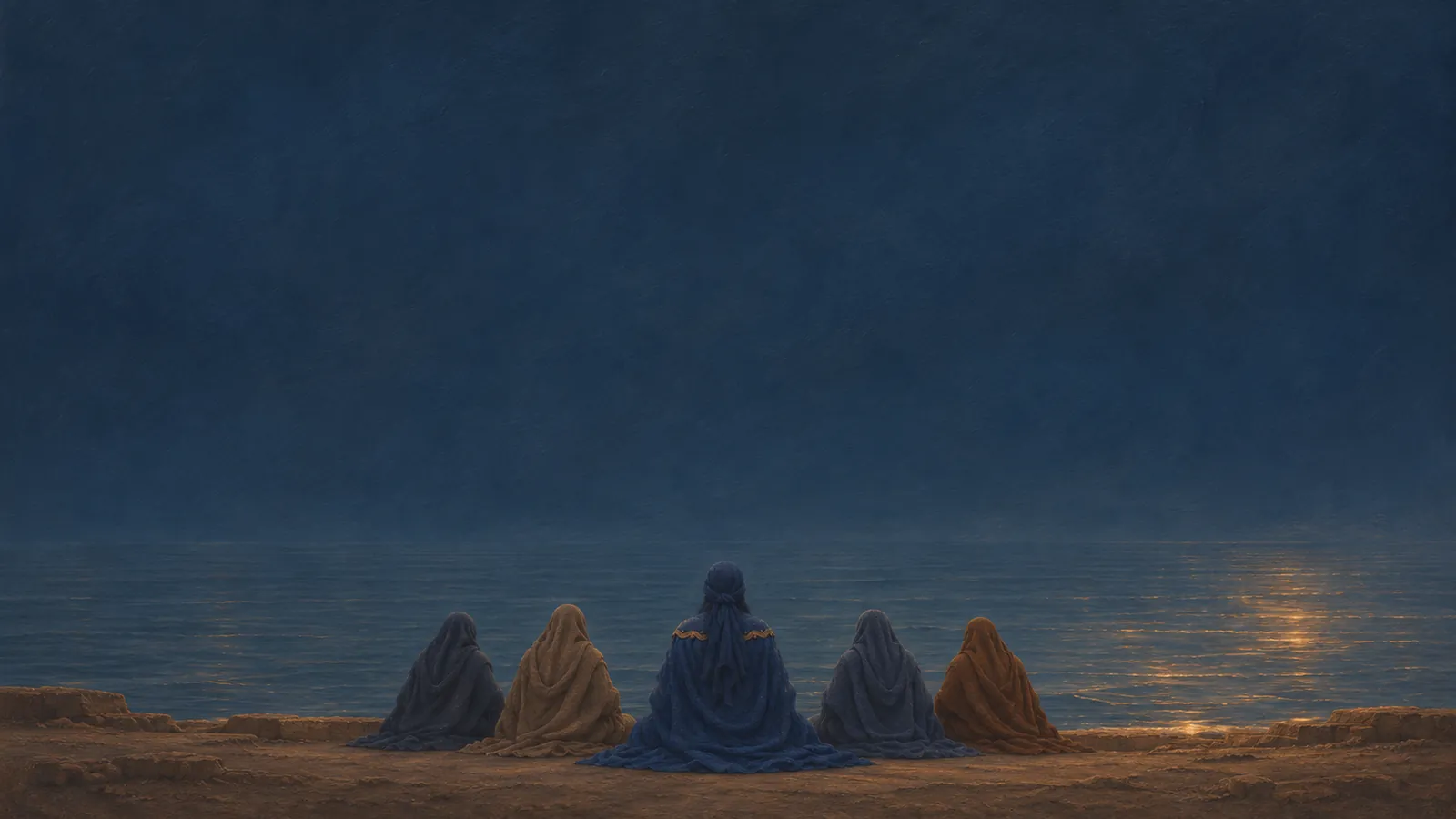
The gods took their places at Tiamat’s side. The old unrest had kept them awake, and now they used those days and nights to plan a conflict.
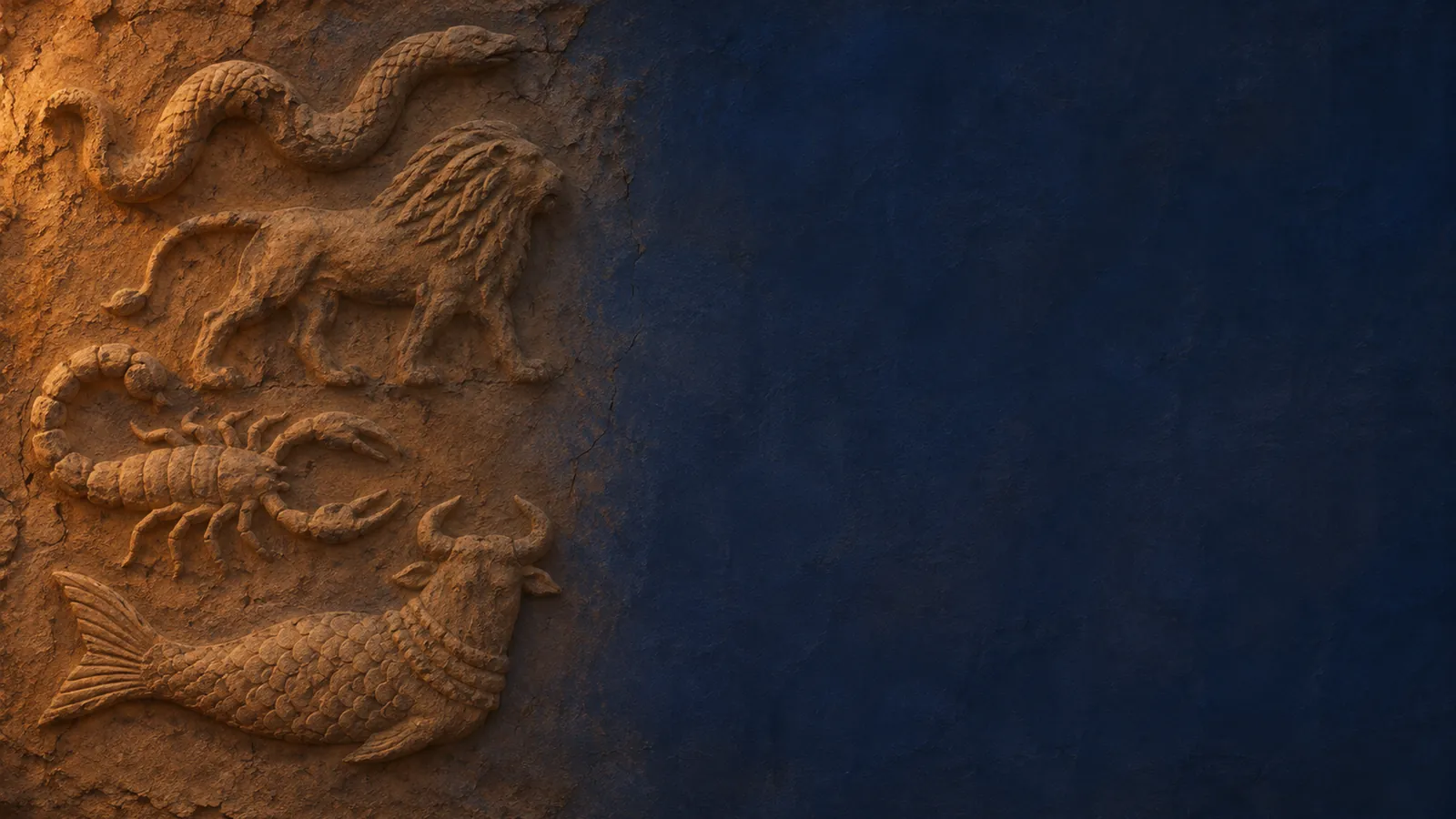
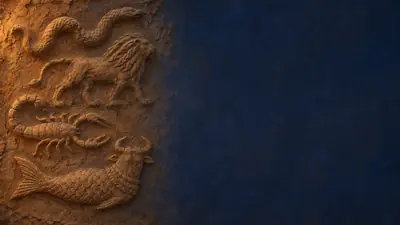
Tiamat brought forth eleven beings. The poem names serpents and creatures with the forms of lions, scorpions, fish and bulls among those she gathered.
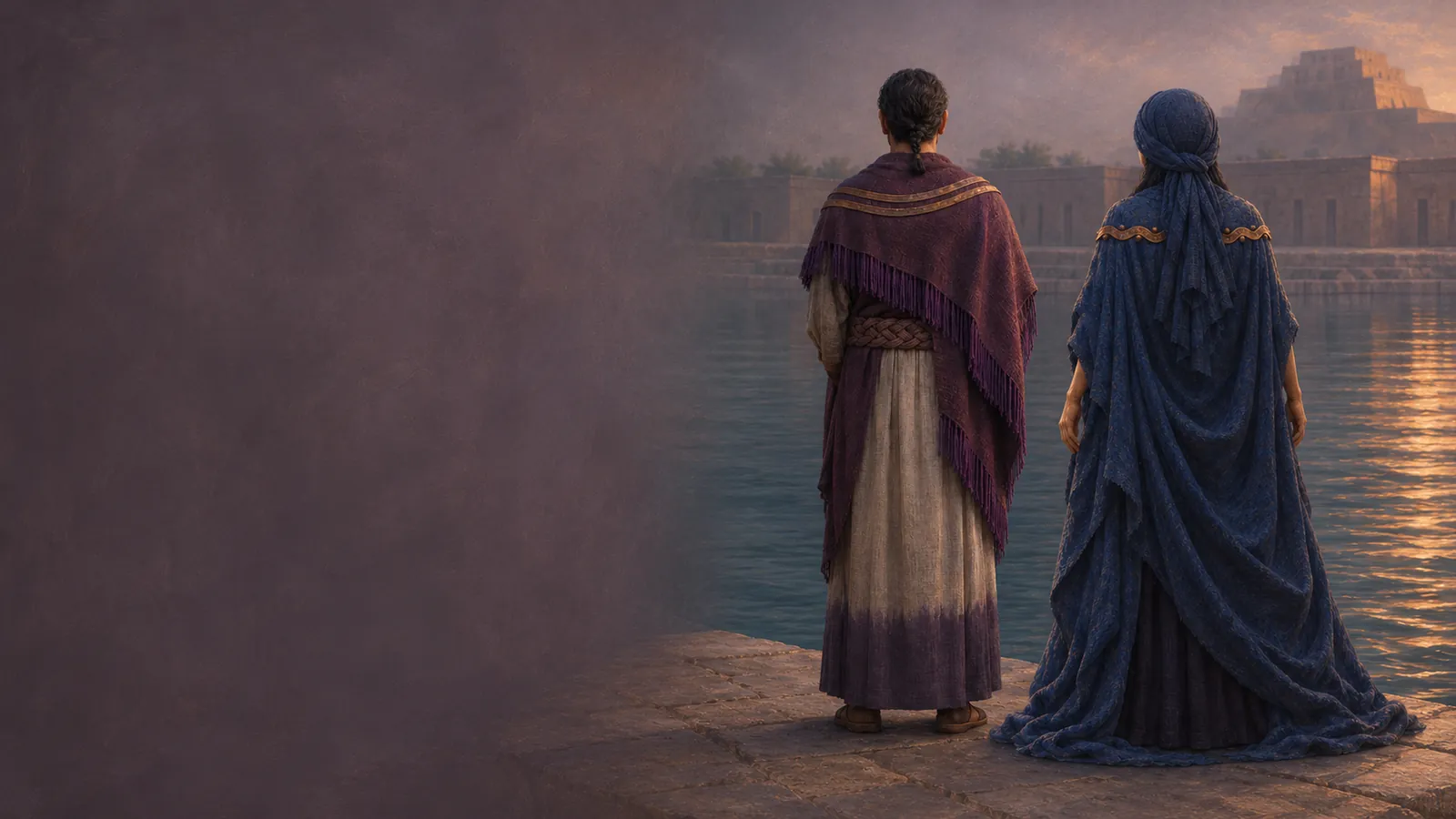
Among the gods who had joined her, Tiamat singled out Qingu. She raised him above the others and gave him a place at the head of her council.
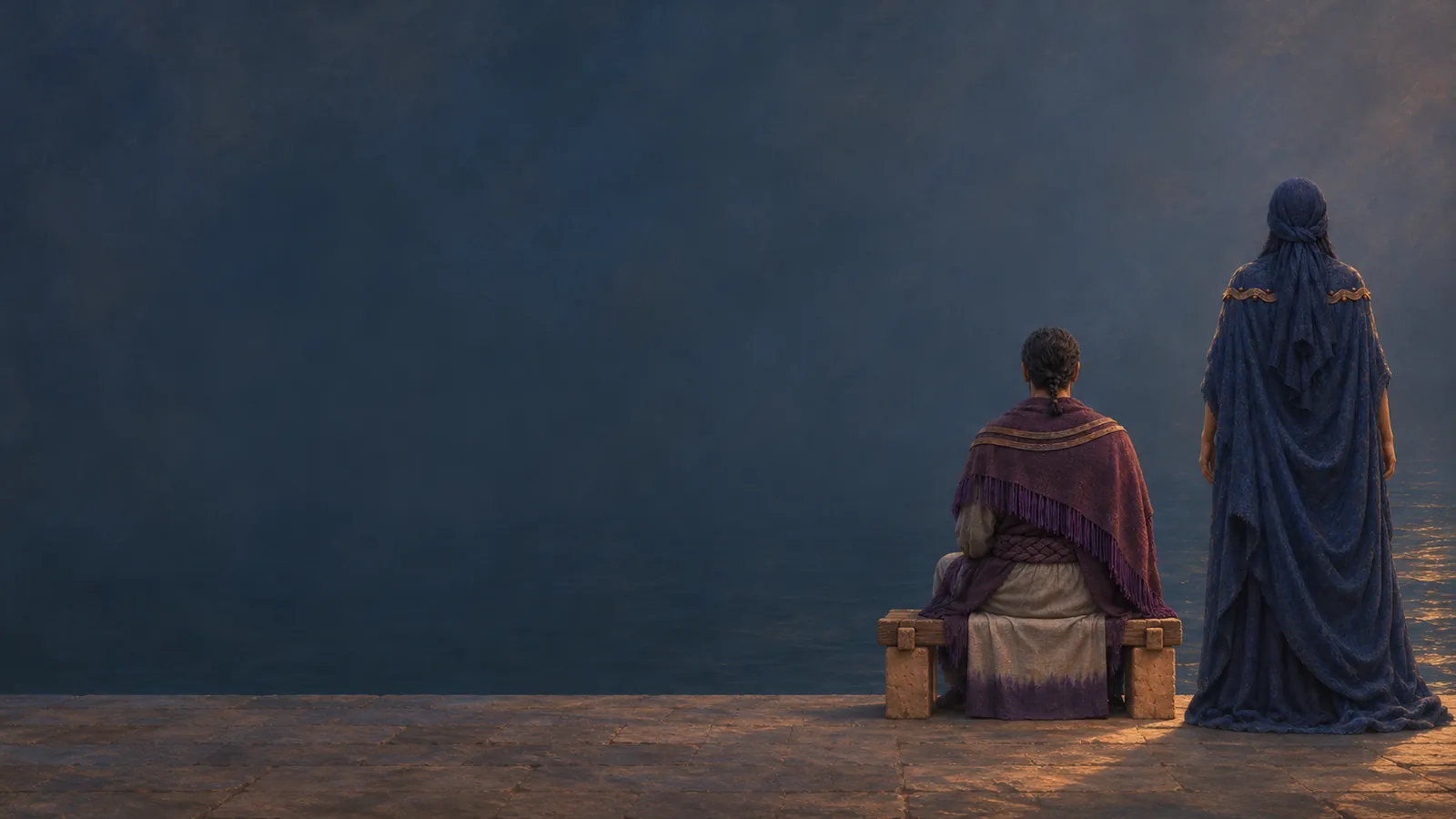
Tiamat made Qingu responsible for leading those who stood with her. She entrusted the assembly to him and seated him in a place of command.
Before the gathered gods, Tiamat declared Qingu her chosen partner. From then on, she said, his word would carry the greatest weight in their assembly.
THE TABLET OF DESTINIES
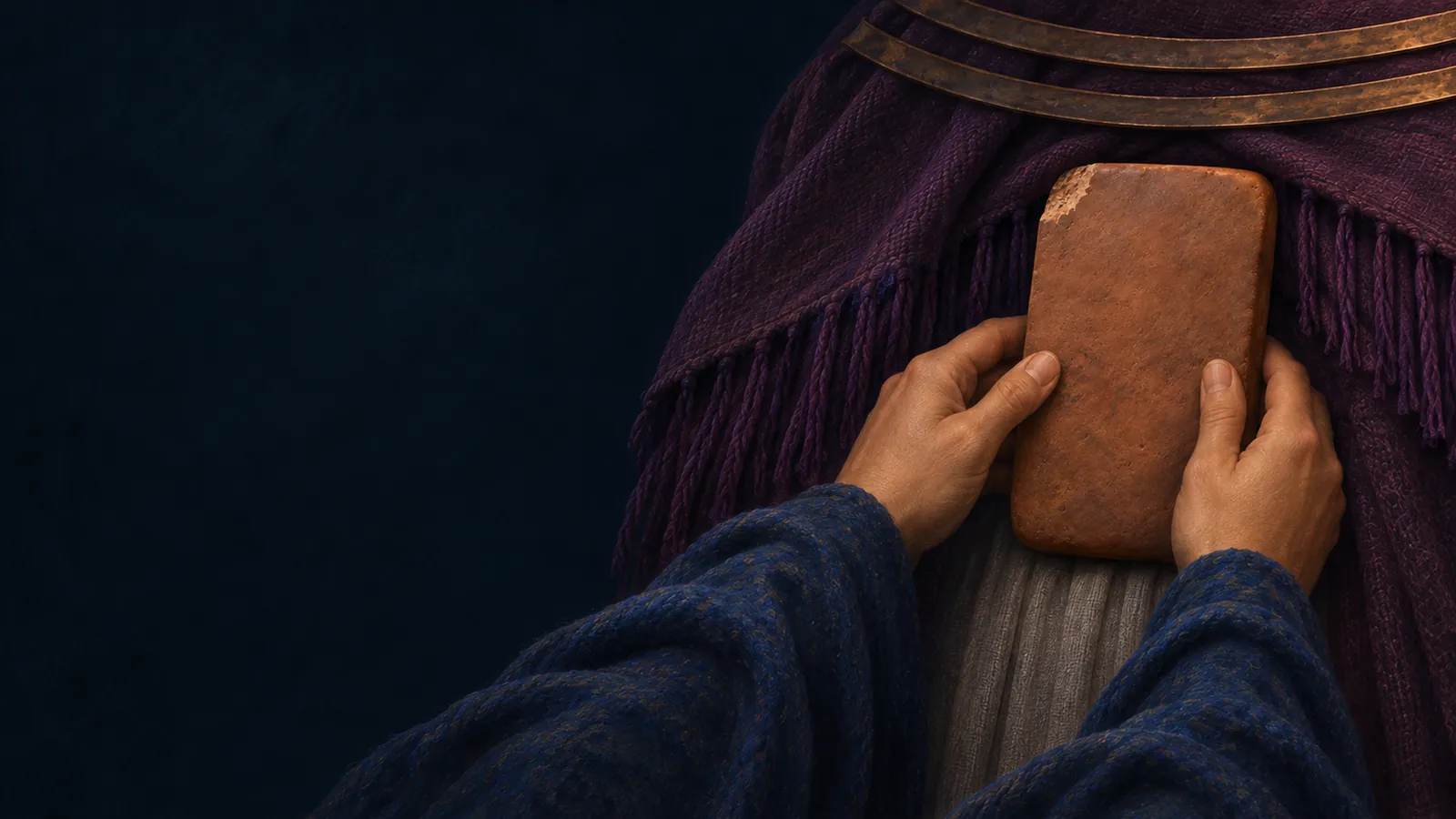
Tiamat placed the Tablet of Destinies against Qingu’s chest. She declared that the decisions he spoke from that moment were to stand without change.
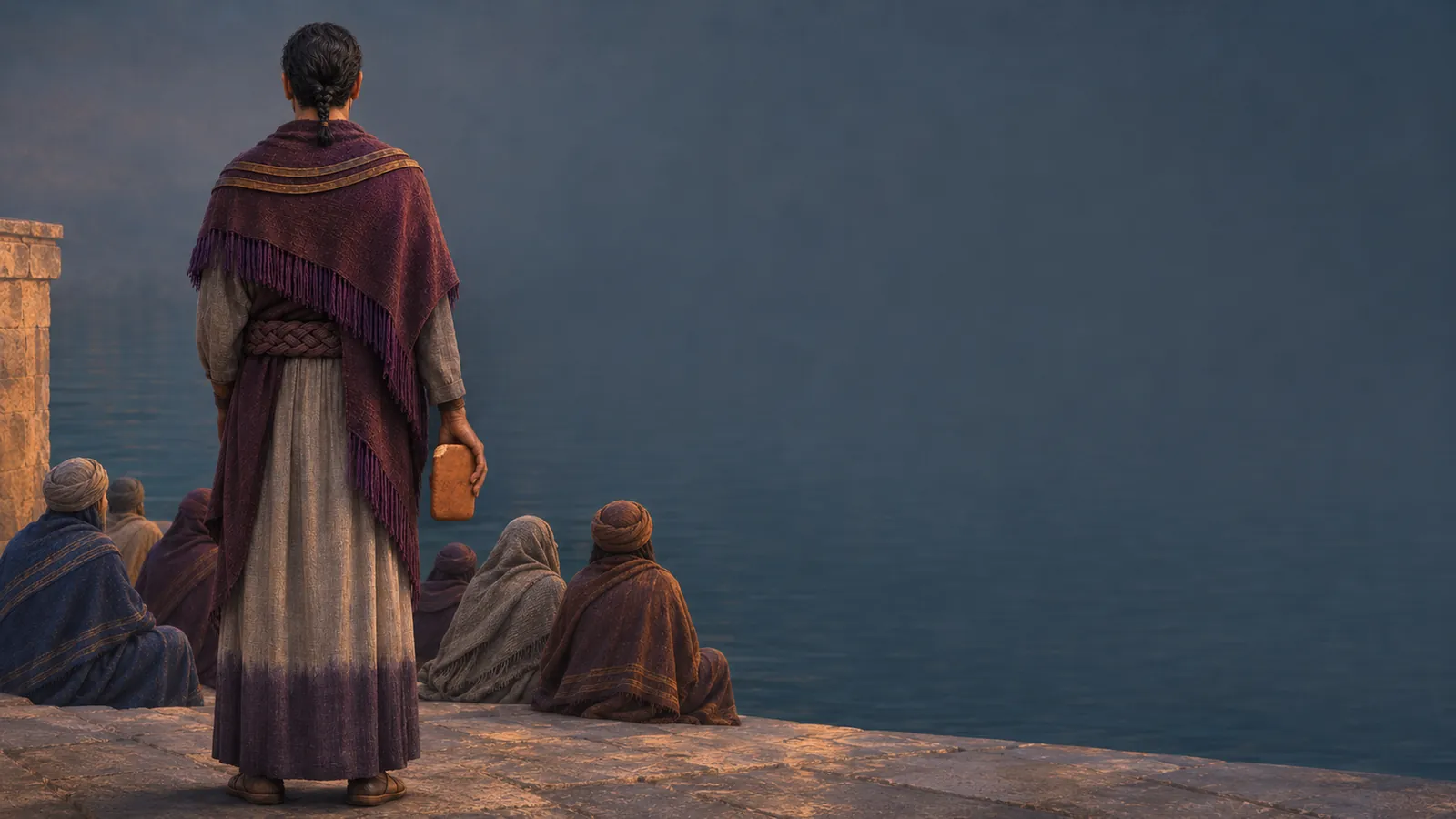
Qingu received his new authority and began to declare the destinies of Tiamat’s company. The poem gives his words a power strong enough to quiet fire.
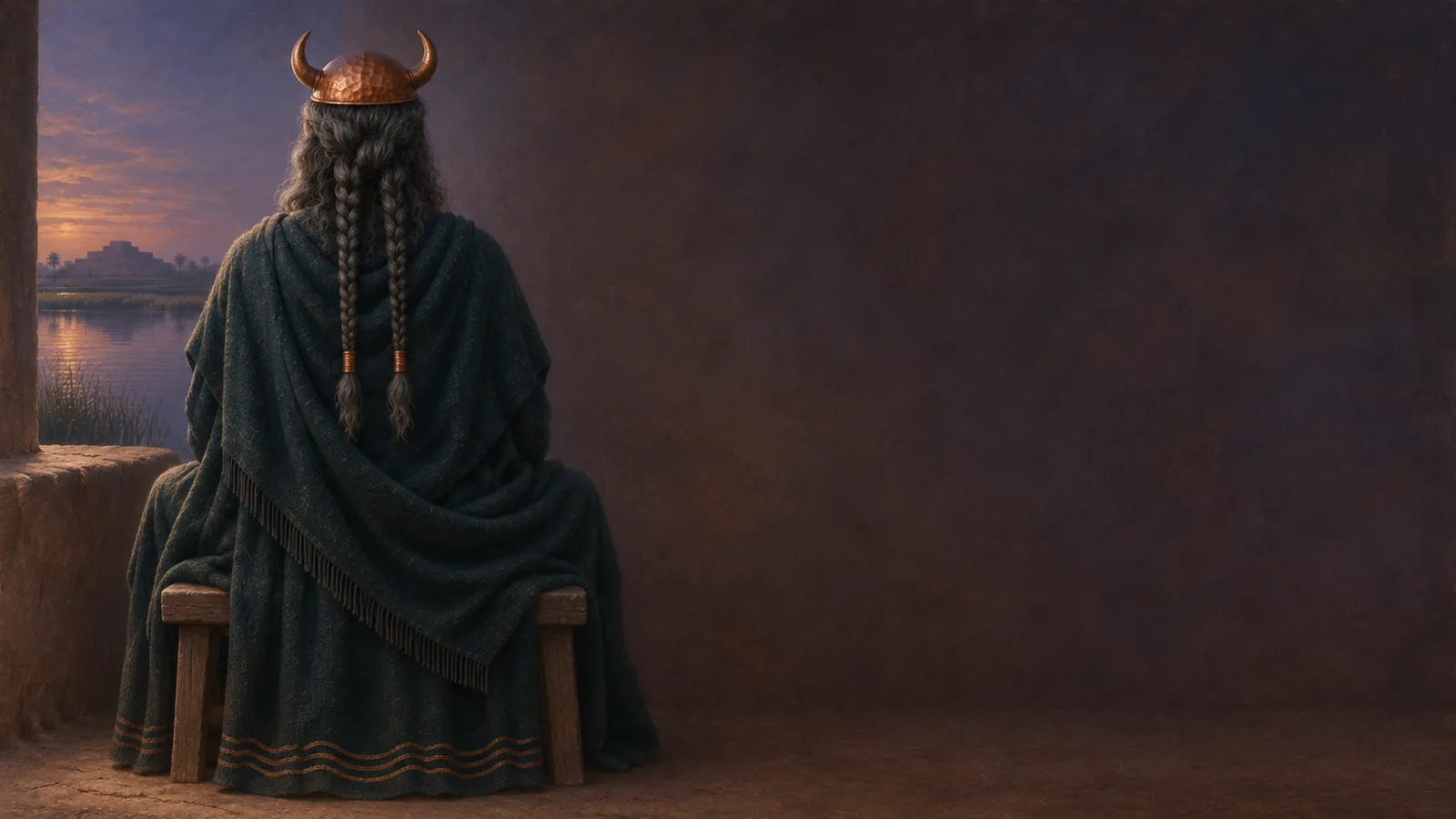
Ea learned that Tiamat had brought her company together. When the news reached him, he was struck silent and sat alone for a time in his chamber.
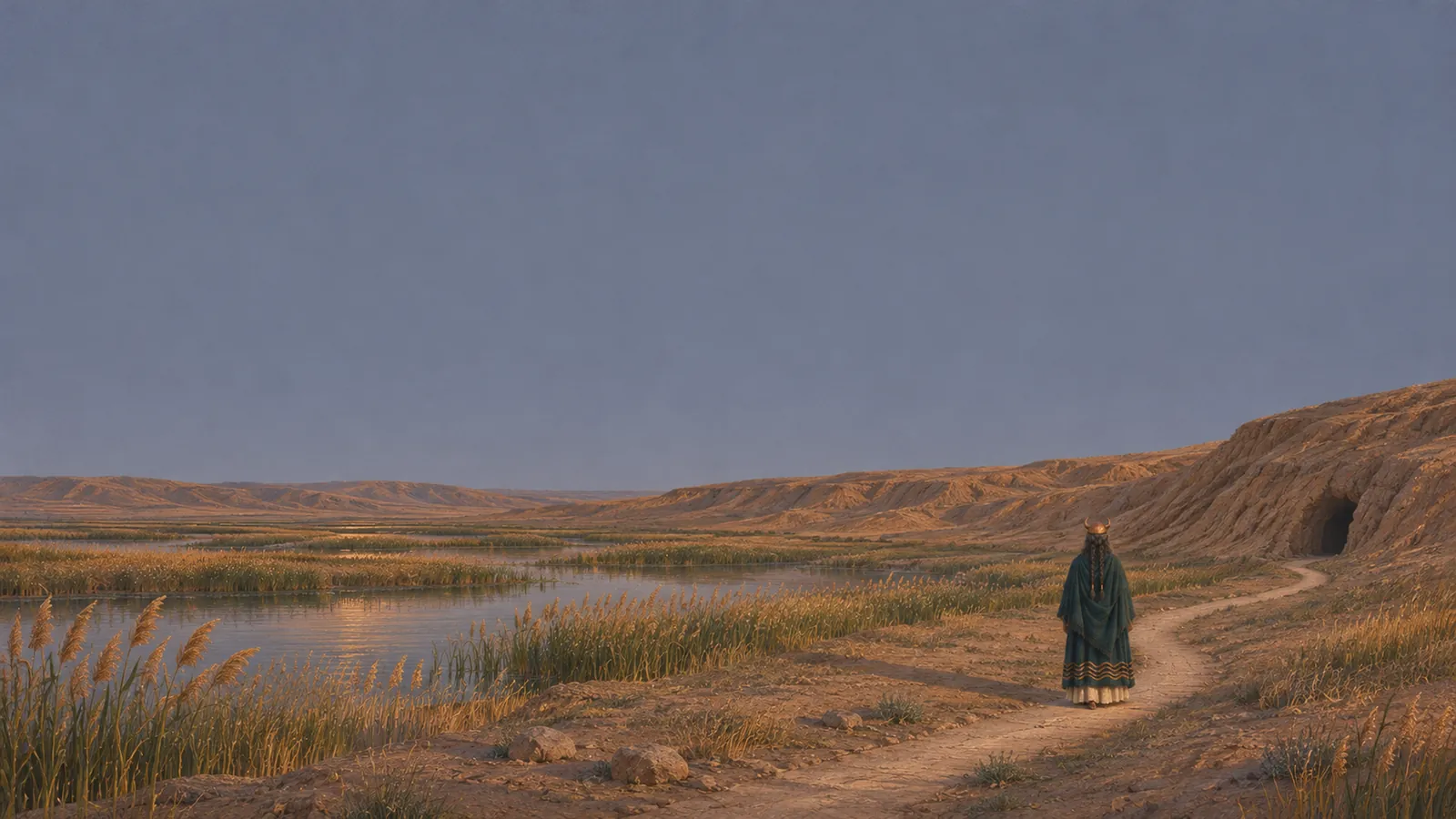
After taking counsel and letting his anger settle, Ea went to Anshar. He came before the father of his father to tell him what he had heard.
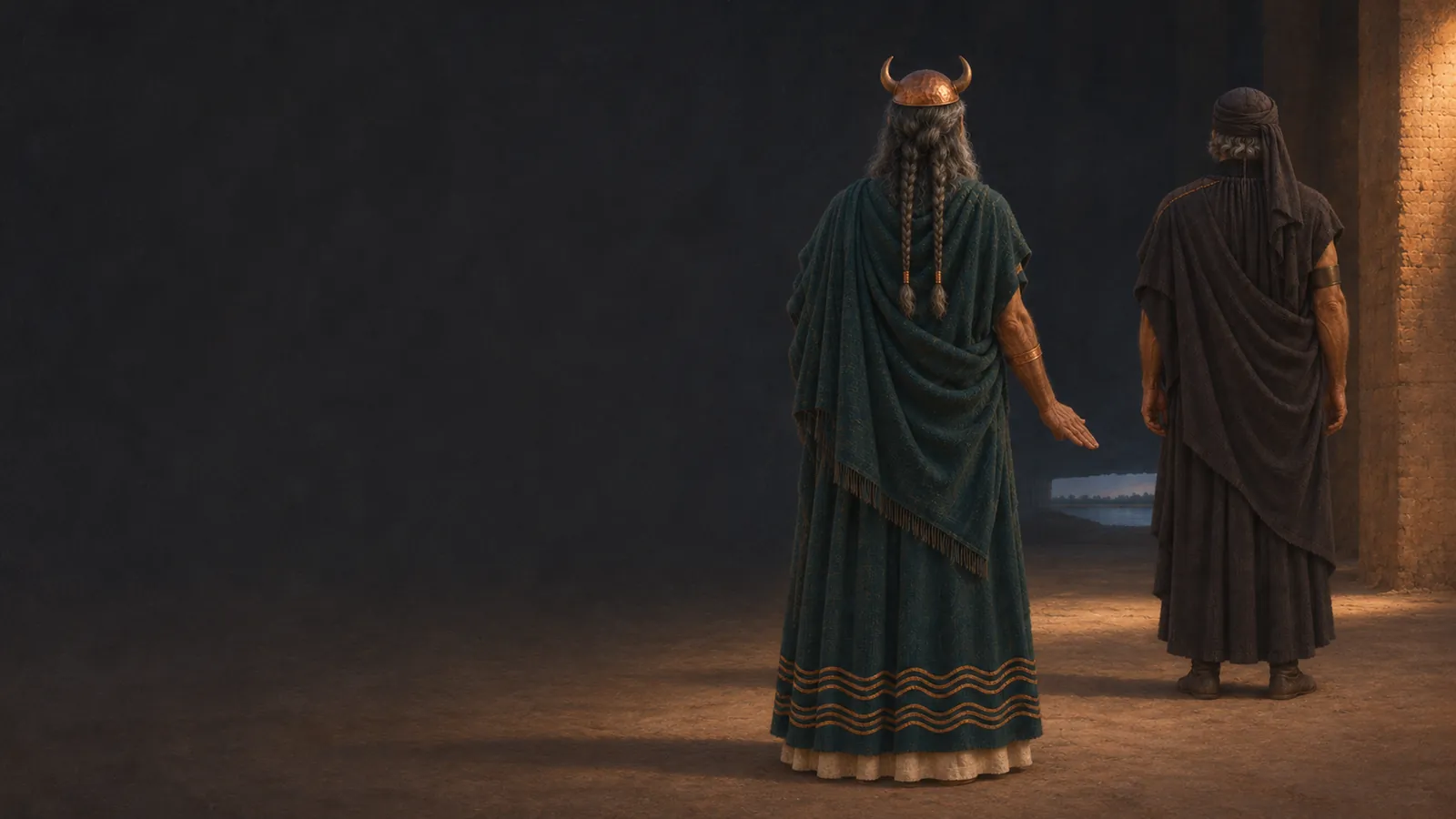
Ea told Anshar about Tiamat’s gathering and the eleven beings she had brought forth. He repeated how she had elevated Qingu and handed him the Tablet of Destinies.
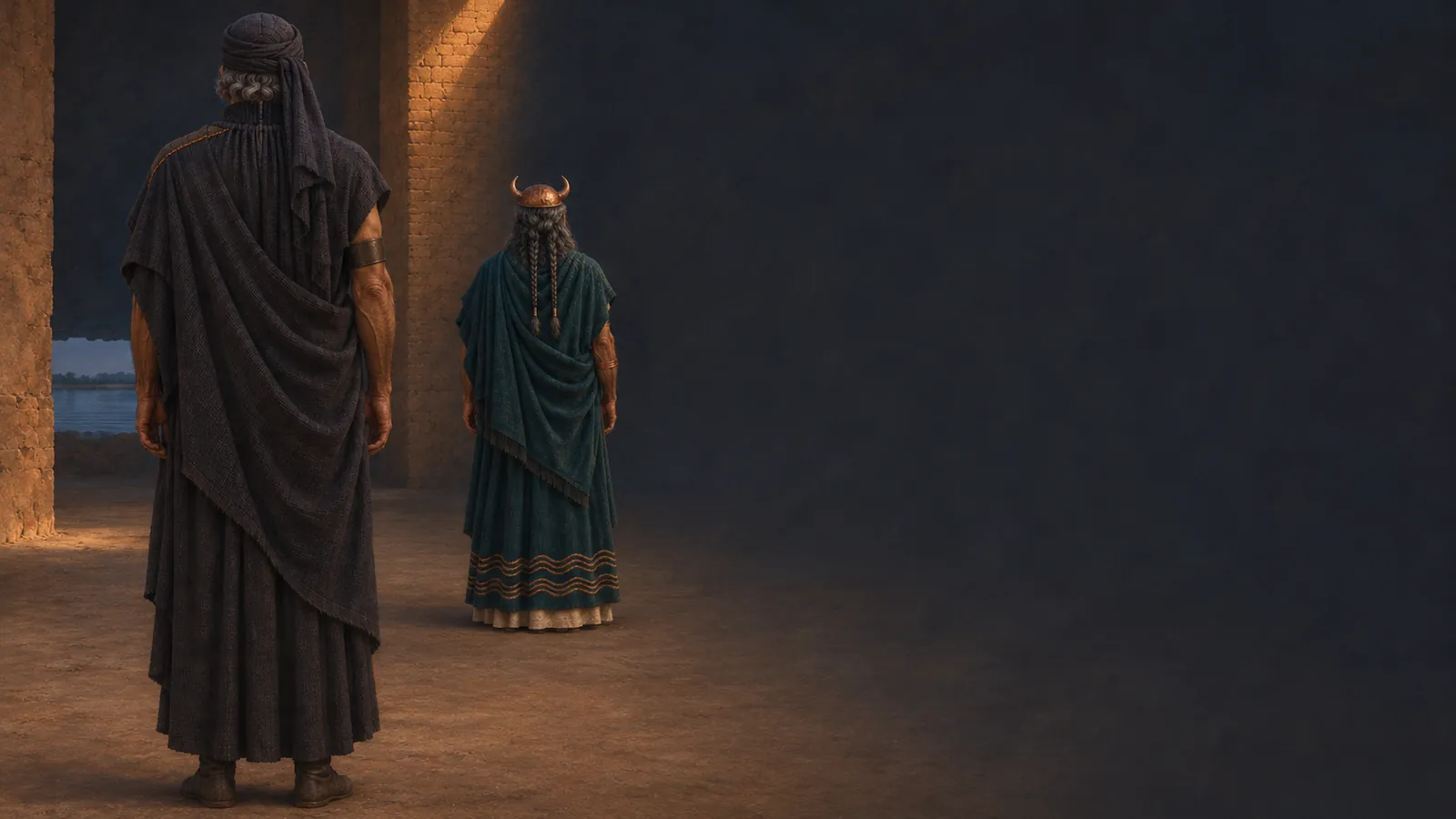
The report troubled Anshar so deeply that he turned on Ea. He blamed him for killing Apsû and asked who could now stand against Tiamat.

Ea answered gently and asked Anshar to hear him out. He defended his decision and asked who could have foreseen the trouble that would follow.
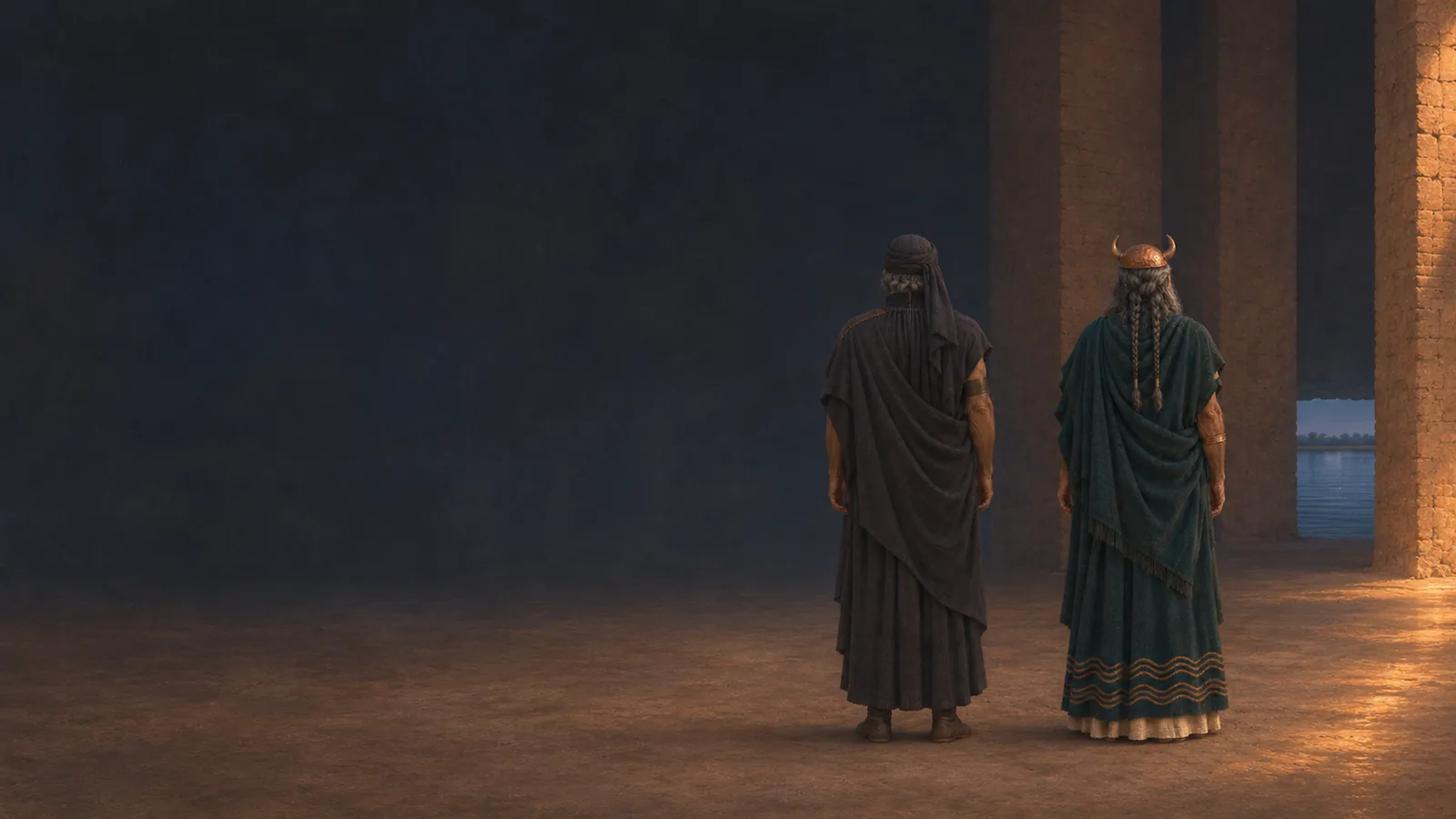
ANSHAR LISTENS
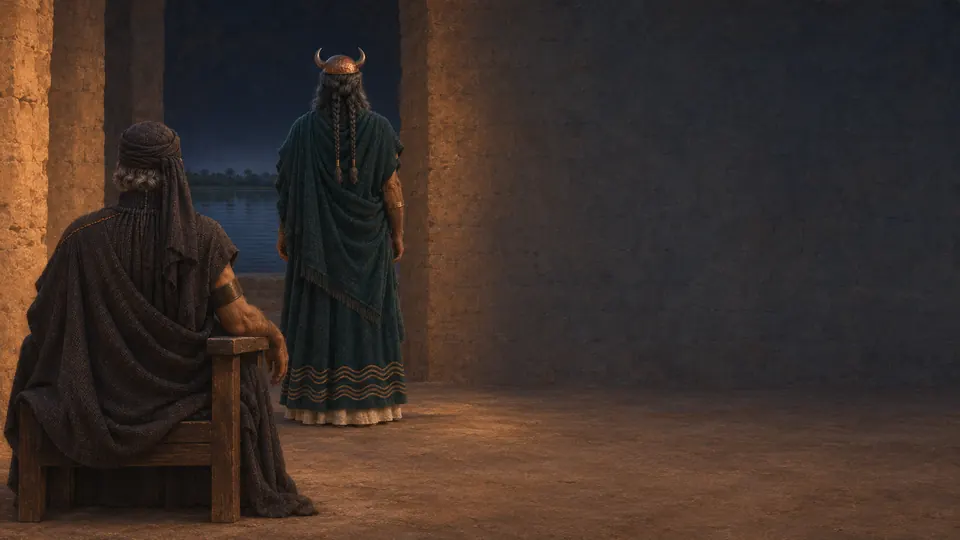
Anshar listened to Ea’s answer and his anger eased. When he spoke again, he was ready to hear what might be done about Tiamat.
End of chapter 1
All pages



















Sources
Editions consulted
- Electronic Babylonian Library, Tablet I: , lines 1–162.
- Electronic Babylonian Library, Tablet II: , lines 1–70.
- Heinrich and Helle, open 2024 edition: , pp. 24–41.
- IL Archive, Enuma Elish: , for story context and terminology.
Ancient lines behind each page
- Page 1: Enūma Eliš I 1–2, eBL L I.2; Heinrich–Helle
- Page 2: Enūma Eliš I 3–5, eBL L I.2; Heinrich–Helle
- Page 3: Enūma Eliš I 6–8, eBL L I.2; Heinrich–Helle
The two plant-place words vary in translation. - Page 4: Enūma Eliš I 9–11, eBL L I.2; Heinrich–Helle
- Page 5: Enūma Eliš I 12–14, eBL L I.2; Heinrich–Helle
- Page 6: Enūma Eliš I 14–17, eBL L I.2; Heinrich–Helle
- Page 7: Enūma Eliš I 17–20, eBL L I.2; Heinrich–Helle
- Page 8: Enūma Eliš I 21–22, eBL L I.2; Heinrich–Helle
- Page 9: Enūma Eliš I 22–24, eBL L I.2; Heinrich–Helle
The text joins physical and inward disturbance. - Page 10: Enūma Eliš I 25–29, eBL L I.2; Heinrich–Helle
I 25–29 is difficult, and the possible reading of lenience is left open. - Page 11: Enūma Eliš I 30–33, eBL L I.2; Heinrich–Helle
Mummu here is a named adviser. - Page 12: Enūma Eliš I 33–36, eBL L I.2; Heinrich–Helle
- Page 13: Enūma Eliš I 37–38, eBL L I.2; Heinrich–Helle
- Page 14: Enūma Eliš I 39–40, eBL L I.2; Heinrich–Helle
- Page 15: Enūma Eliš I 41–46, eBL L I.2; Heinrich–Helle
- Page 16: Enūma Eliš I 47–54, eBL L I.2; Heinrich–Helle
- Page 17: Enūma Eliš I 55–58, eBL L I.2; Heinrich–Helle
- Page 18: Enūma Eliš I 59–61, eBL L I.2; Heinrich–Helle
- Page 19: Enūma Eliš I 60–64, eBL L I.2; Heinrich–Helle
- Page 20: Enūma Eliš I 64–66, eBL L I.2; Heinrich–Helle
- Page 21: Enūma Eliš I 67–69, eBL L I.2; Heinrich–Helle
- Page 22: Enūma Eliš I 70–74, eBL L I.2; Heinrich–Helle
The reading of Tablet I, line 70 is disputed. - Page 23: Enūma Eliš I 75–78, eBL L I.2; Heinrich–Helle
- Page 24: Enūma Eliš I 79–84, eBL L I.2; Heinrich–Helle
- Page 25: Enūma Eliš I 85–88, eBL L I.2; Heinrich–Helle
- Page 26: Enūma Eliš I 89–92, eBL L I.2; Heinrich–Helle
- Page 27: Enūma Eliš I 93–100, eBL L I.2; Heinrich–Helle
The poem gives Marduk four eyes and four ears. - Page 28: Enūma Eliš I 101–104, eBL L I.2; Heinrich–Helle
- Page 29: Enūma Eliš I 105–108, eBL L I.2; Heinrich–Helle
- Page 30: Enūma Eliš I 109–112, eBL L I.2; Heinrich–Helle
- Page 31: Enūma Eliš I 113–118, eBL L I.2; Heinrich–Helle
- Page 32: Enūma Eliš I 119–124, eBL L I.2; Heinrich–Helle
Vengeance wording in 123–124 is partly restored. - Page 33: Enūma Eliš I 125–128, eBL L I.2; Heinrich–Helle
- Page 34: Enūma Eliš I 129–133, eBL L I.2; Heinrich–Helle
- Page 35: Enūma Eliš I 134–146, eBL L I.2; Heinrich–Helle
- Page 36: Enūma Eliš I 147–148, eBL L I.2; Heinrich–Helle
- Page 37: Enūma Eliš I 149–152, eBL L I.2; Heinrich–Helle
- Page 38: Enūma Eliš I 153–156, eBL L I.2; Heinrich–Helle
- Page 39: Enūma Eliš I 157–158, eBL L I.2; Heinrich–Helle
- Page 40: Enūma Eliš I 159–162, eBL L I.2; Heinrich–Helle
- Page 41: Enūma Eliš II 1–6, eBL L I.2; Heinrich–Helle
- Page 42: Enūma Eliš II 7–10, eBL L I.2; Heinrich–Helle
- Page 43: Enūma Eliš II 11–48, eBL L I.2; Heinrich–Helle
- Page 44: Enūma Eliš II 49–56, eBL L I.2; Heinrich–Helle
- Page 45: Enūma Eliš II 57–68, eBL L I.2; Heinrich–Helle
- Page 46: Enūma Eliš II 69–70, eBL L I.2; Heinrich–Helle
Illustrations made with AI tools by IL Archive; the text is based on the ancient sources (see the sources at the end of each chapter).