Entity · Concept
Nibiru: Crossing and Astral Name
A reference page linking a name, group, or concept to the materials that discuss it.
An Akkadian crossing-related word and celestial designation associated with Marduk and, in some contexts, Jupiter. This entry explains its senses, Enuma Elish passages and limits of astronomical identification.
Estimated reading time: 4 min Published Last reviewed:
Share article
Video
The Anunnaki: Stranger Than the Story
Our second documentary places the popular Anunnaki story beside the clay tablets, line by line, to see what the ancient texts actually say. Some scenes are AI-generated illustrations.
The YouTube player loads only when you press play. Watch on YouTube
Text
Introduction
Nibiru must be read in context: it can concern a watery crossing or enter descriptions of heaven and divine authority. How do we distinguish a word’s meaning from the celestial body it may designate? Comparing lexical evidence with Enuma ElishEnuma ElishA seven-tablet Babylonian creation poem in Akkadian, recounting Marduk’s rise, victory over Tiamat, cosmic ordering and human creation, and culminating in praise through fifty names. Its composition date is debated; later manuscripts and recitation traditions preserve it.Glossary · Click to read the explanation helps answer this without assuming that every occurrence refers to the same thing.
The word before the celestial identification
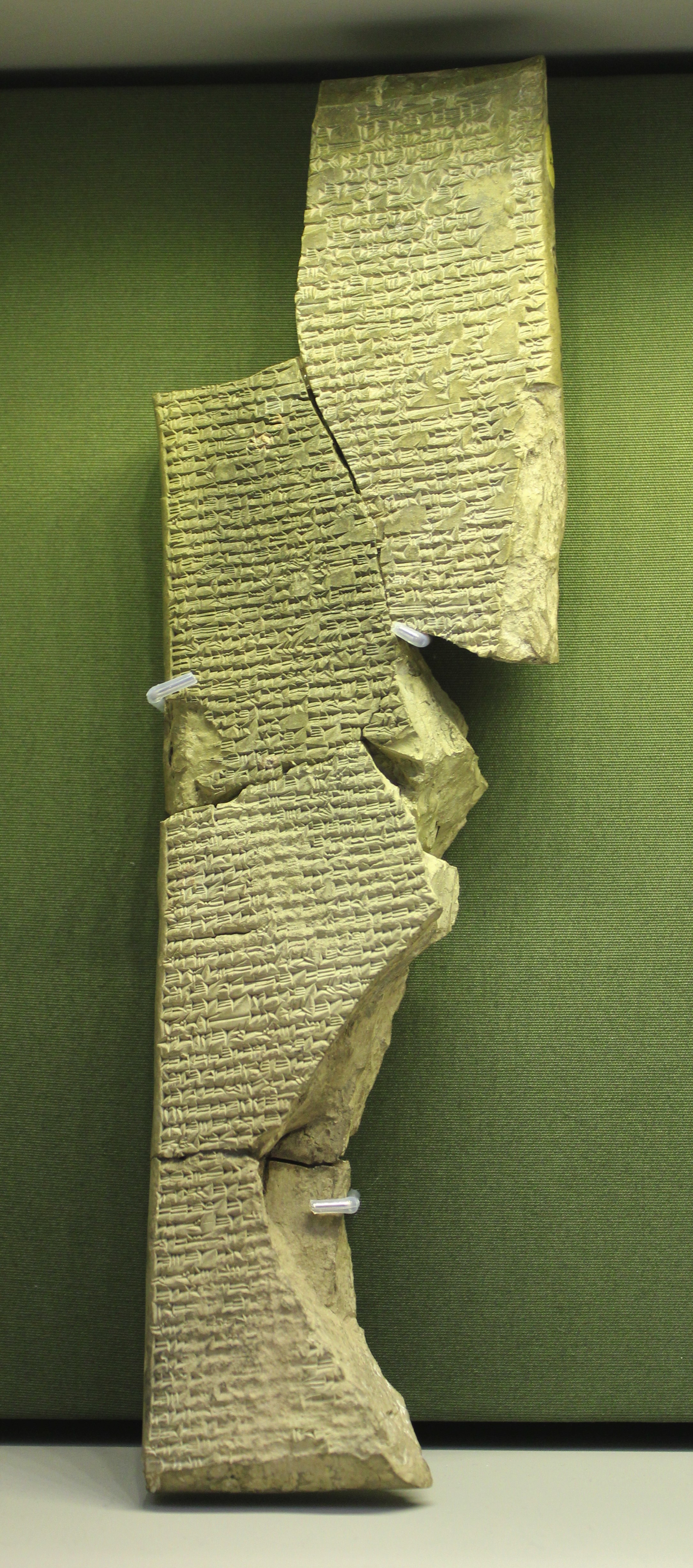
AkkadianAkkadianAn ancient East Semitic language written in cuneiform from the third millennium BCE; its varieties include Babylonian and Assyrian, and it served in international diplomacy.Glossary · Click to read the explanation was a language of ancient MesopotamiaMesopotamiaHistorical region associated with the Tigris and Euphrates: Uruk, Ur, Eridu, cuneiform, Sumer, Akkad, Babylon and Assyria, their languages and cults, and the limits of archaeological evidence.Glossary · Click to read the explanation. Nibiru is a common rendering of Akkadian nēberu; forms such as nibiru also occur. Its connection with ebēru, ‘to cross’, embraces crossings, fords and ferries: not every occurrence names a planet. The Chicago Assyrian Dictionary cites an Old Babylonian letter from Mari:
(ARM 3, 57:14; CAD N/2, p. 146). GN is an editorial abbreviation for a place-name, and the bracketed letter is restored. This passage is not about the sky. By contrast, the dictionary records the explicit astronomical equation
(K.148:21; p. 147). Superscript d is an unpronounced divine determinativeThe divine determinative in cuneiformA cuneiform sign used mostly before a divine name to classify it without being spoken independently; shown as raised d or {d} in transliteration. Usage depends on language and context.Glossary · Click to read the explanation, not a physical description of an unknown body.[5] ORACC also records this lexical range.[1]
Two passages in Enuma Elish
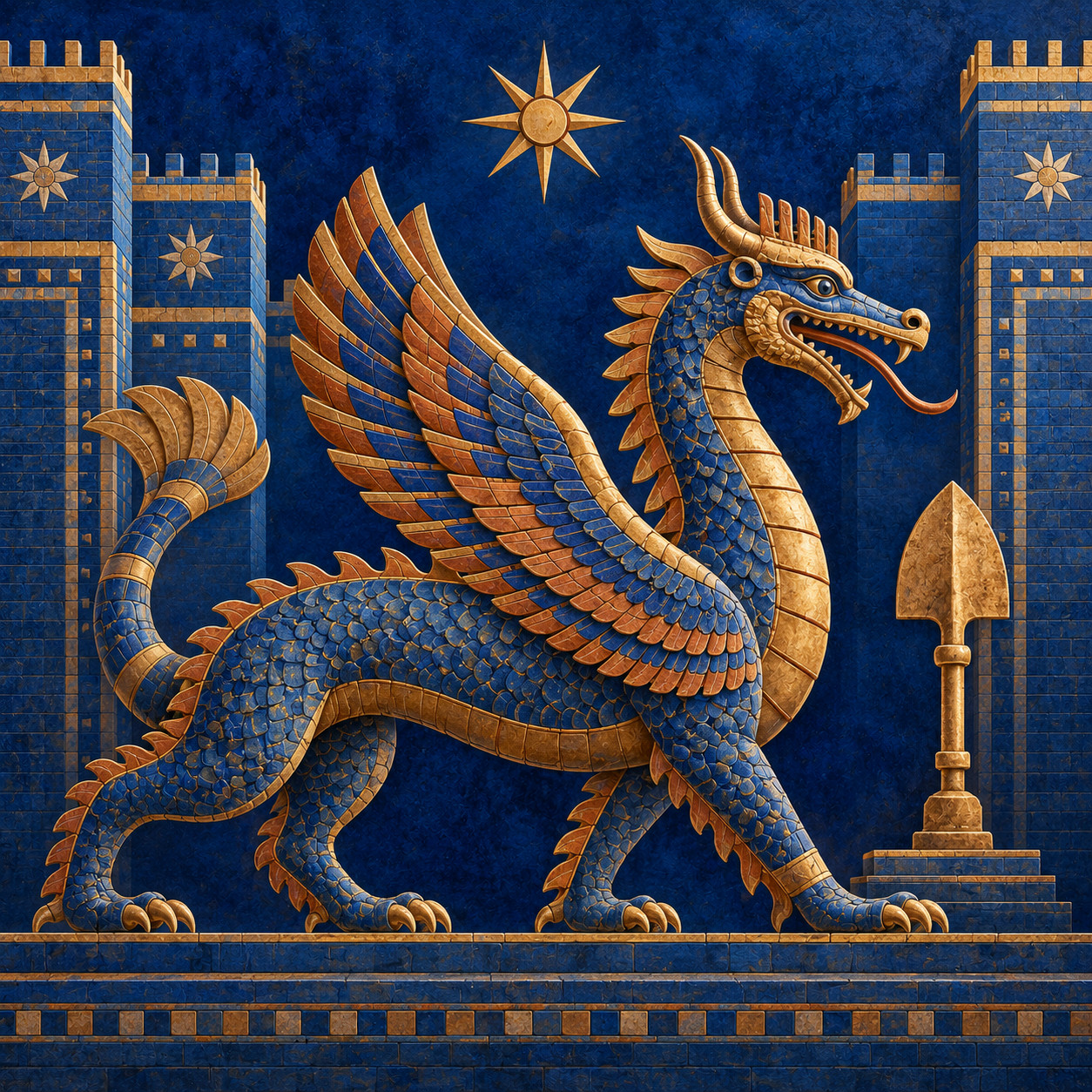
Enuma ElishEnuma ElishA seven-tablet Babylonian creation poem in Akkadian, recounting Marduk’s rise, victory over Tiamat, cosmic ordering and human creation, and culminating in praise through fifty names. Its composition date is debated; later manuscripts and recitation traditions preserve it.Glossary · Click to read the explanation is a Babylonian creation poem that makes heavenly organization part of the sovereignty of MardukMardukBabylon’s leading god, worshipped at Esagil and elevated in the Akkadian Enūma eliš. His symbols include a spade and mušḫuššu dragon. His earliest origins remain obscure; Nibiru is no evidence of a planetary homeland.Glossary · Click to read the explanation, the god of BabylonBabylonBabylon is an ancient city in central present-day Iraq, south of BaghdadGlossary · Click to read the explanation in present-day IraqIraqIraq is a modern country encompassing much of ancient MesopotamiaGlossary · Click to read the explanation. Tablet V 6 reads:
The clause follows the organization of the year and allocation of stars to months, before the stations of EnlilEnlilEnlil/Ellil: a major Mesopotamian god associated with destinies, kingship, and Ekur at Nippur, already prominent in third-millennium god lists. His name’s origin and cult beginnings remain debated.Glossary · Click to read the explanation and EaEnkiMesopotamian deity also known as Ea, linked with Eridu and the Abzu (deep fresh waters), wisdom, incantations, and narratives of creation and cosmic order. Later written attestations do not identify the deity of Eridu’s earliest layers.Glossary · Click to read the explanation (V 1–8). ‘Station’ concerns the ordered heavens, not modern orbital elements.
VII 124 reads:
VII 126 then identifies it as Marduk’s star. These are composite readings from several manuscripts, not a transcription of one tablet. Erṣetu can mean earth or Netherworld; the latter follows Reynolds’s contextual reading of the paired domains. The precise celestial sense of some terms, including the ‘turning point’ in VII 127, remains debated.
In VII 130–131 Nibiru shepherds the gods and maintains the arrangement of the stars: an image of ordering authority, not an orbital calculation.[2][4]
Which identifications carry most weight?
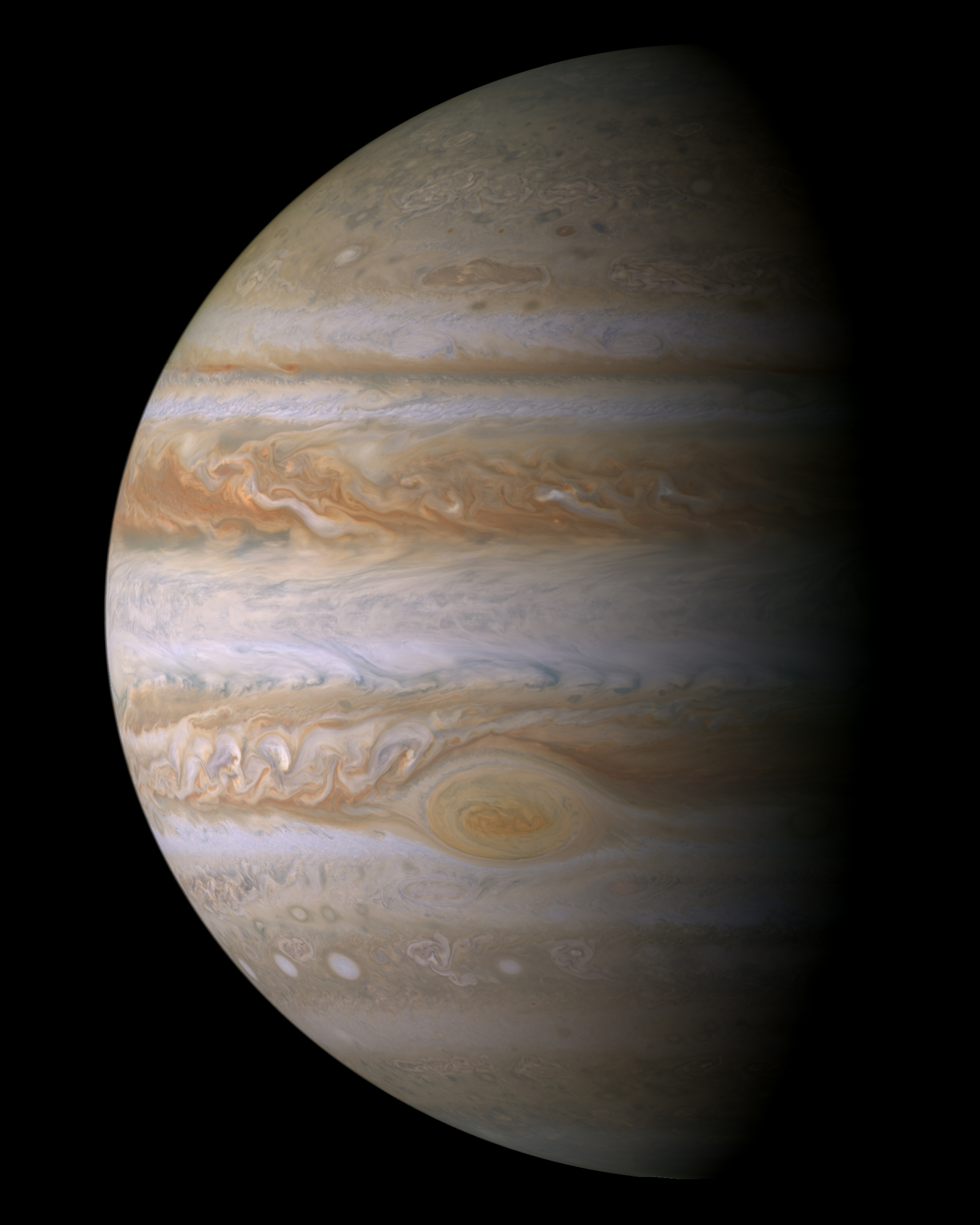
Jupiter has priority where the text explicitly gives the equation, as in K.148:21. Following Francesca Rochberg, Frances Reynolds also favours Jupiter in the poem, given its association with Marduk. In the poem this remains an inference: the quoted line does not say ‘Jupiter’. Nor does ancient ‘star’ exclude a planet.
Mercury is not an unsupported alternative. Immanuel Freedman cites K.6174, 9′ and K.12769, 6′:
The name’s ending is restored; ‘it is’ supplies the translation’s syntax. This supports applying the name to Mercury in that context, not identifying every Nibiru with Mercury.
Proposals for a fixed position or constellation address the language of celestial arrangement. Freedman instead proposes a visible object marking an equinox. Crossing and dividing the sky fit his proposal, but identifying the object and connecting its position to an equinox require further steps. He explicitly labels part of his reconstruction of an equinox within the Milky Way speculative. Possible compatibility is therefore weaker than an explicit ancient equation; the proposal should not become the word’s general definition.[3][4] Here an equinox concerns the intersection of the Sun’s apparent path with the celestial equator.
Chronological layers, not a single orbit
The Mari letter belongs to the early second millennium BCE.[5] Enuma Elish’s composition is disputed, often placed in the late second millennium, whereas later Assyrian and Babylonian manuscripts preserve it in the first millennium.[6] The Assyrian astronomical reports and explanations discussed by Freedman likewise belong to later writing contexts.[3] This orders the witnesses; it does not date a single known origin of the astronomical meaning.
The passages establish varied uses connected with crossing, Marduk and known heavenly bodies. They establish no inhabited planet returning every 3,600 years. A number becomes no orbital period unless its unit and connection with the body are specified.
References and notes (6)
- ORACC/ARMep, nēberu [crossing] entry. Sense list in the indexed entry: crossing, crossing point, ford, ferry and Jupiter uses. Return to the text ↑
- Alexander Heidel, The Babylonian Genesis, second edition, Chicago, 1951. p. 44: Tablet V 1–14; p. 59: Tablet VII 118–142, especially 124–131. Paraphrase through the English translation, not direct translation of a cuneiform tablet. Return to the text ↑
- Immanuel Freedman, The Marduk Star Nēbiru, Cuneiform Digital Library Bulletin 2015:3. §2.8: K.6174, 9′ and K.12769, 6′, Mercury; §§2.11–2.19 on Enuma Elish, especially §2.16 for the speculative Milky Way reconstruction. Article argument §§1.1–3.2 read. Return to the text ↑
- Frances Reynolds, Celestial Marduk in and beyond Enūma Eliš, IRAQ, published online 24 September 2026. §1.4, especially discussion of Tablet V 1–8 and VII 124–136; notes 15–16 explain astral terminology and survey alternative identifications of Nēberu. Return to the text ↑
- The Assyrian Dictionary of Chicago, N/2 (1980), nēberu. pp.145–147; ARM3 57:14 and p.147 K.148:21. Text as printed in the dictionary; [n] restored and GN a place-name placeholder. Return to the text ↑
- Enrique Jiménez, “Marduk and the Battle with the Sea”, in Enuma Elish (2025). pp.99–106, dating arguments and their limits; no secure composition date. Return to the text ↑
Suggest a correction · Suggest a source for this record
Cite this record
IL Archive, «Nibiru: Crossing and Astral Name», https://ilarchive.com/en/entities/nibiru
Continue reading
Related readings
Related posts and imagesAll videos and images