Erra and Ishum Chapter 1
Erra’s Promise
The Seven urge Erra into action, and Ishum asks him to spare the land and its people. Erra goes to Babylon, where Marduk recalls a flood and hears Erra’s promise to keep order in his absence.
SourcesTurn the pages with the arrows, the arrow keys or a swipe.
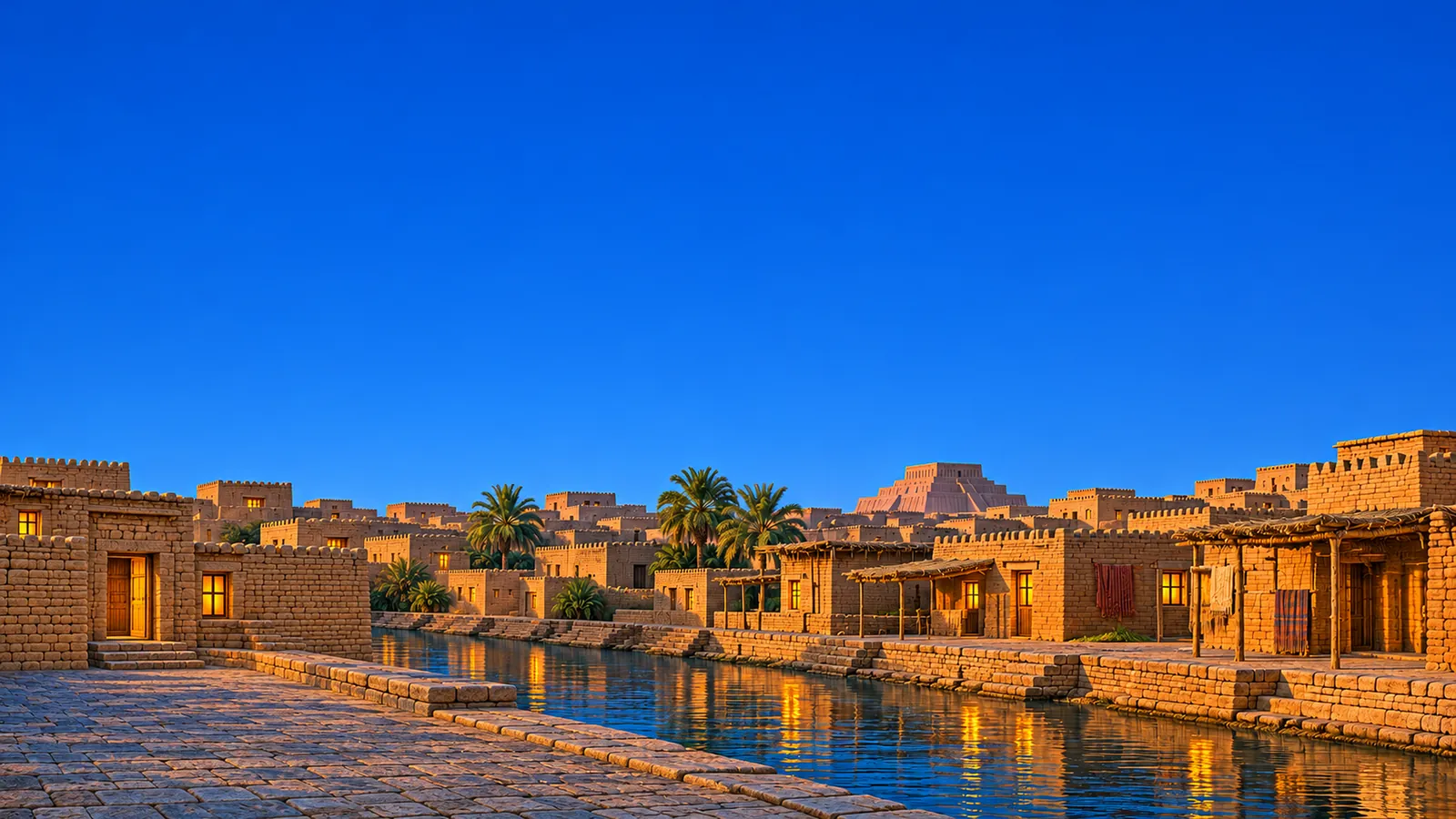
INVOCATION
The song opens by praising a king of all settlements and a maker of the world. The first line leaves the name unspoken.
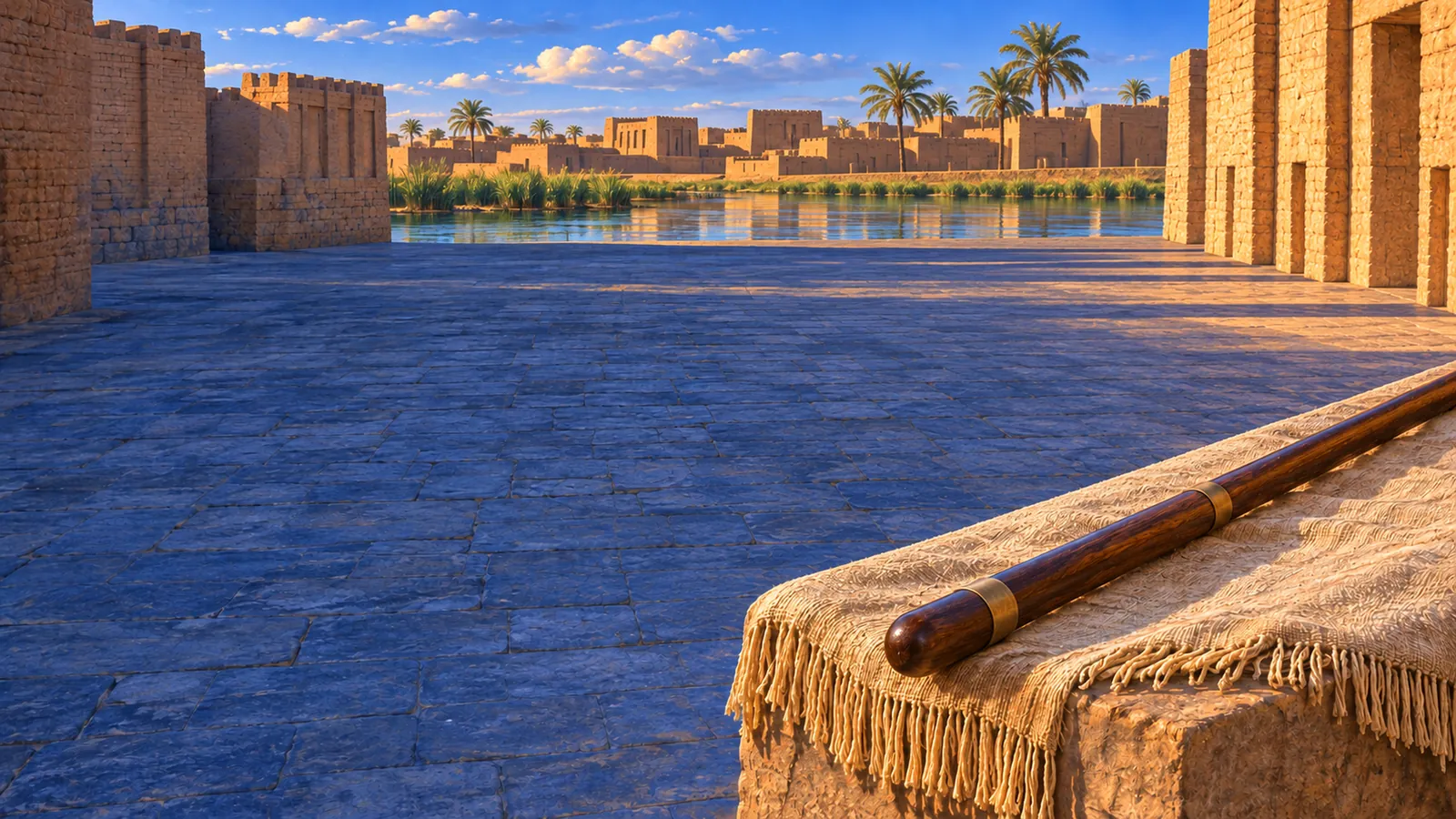
The song calls on Hendursanga, Enlil’s firstborn. It praises him as a bearer of the sceptre and a shepherd of people.
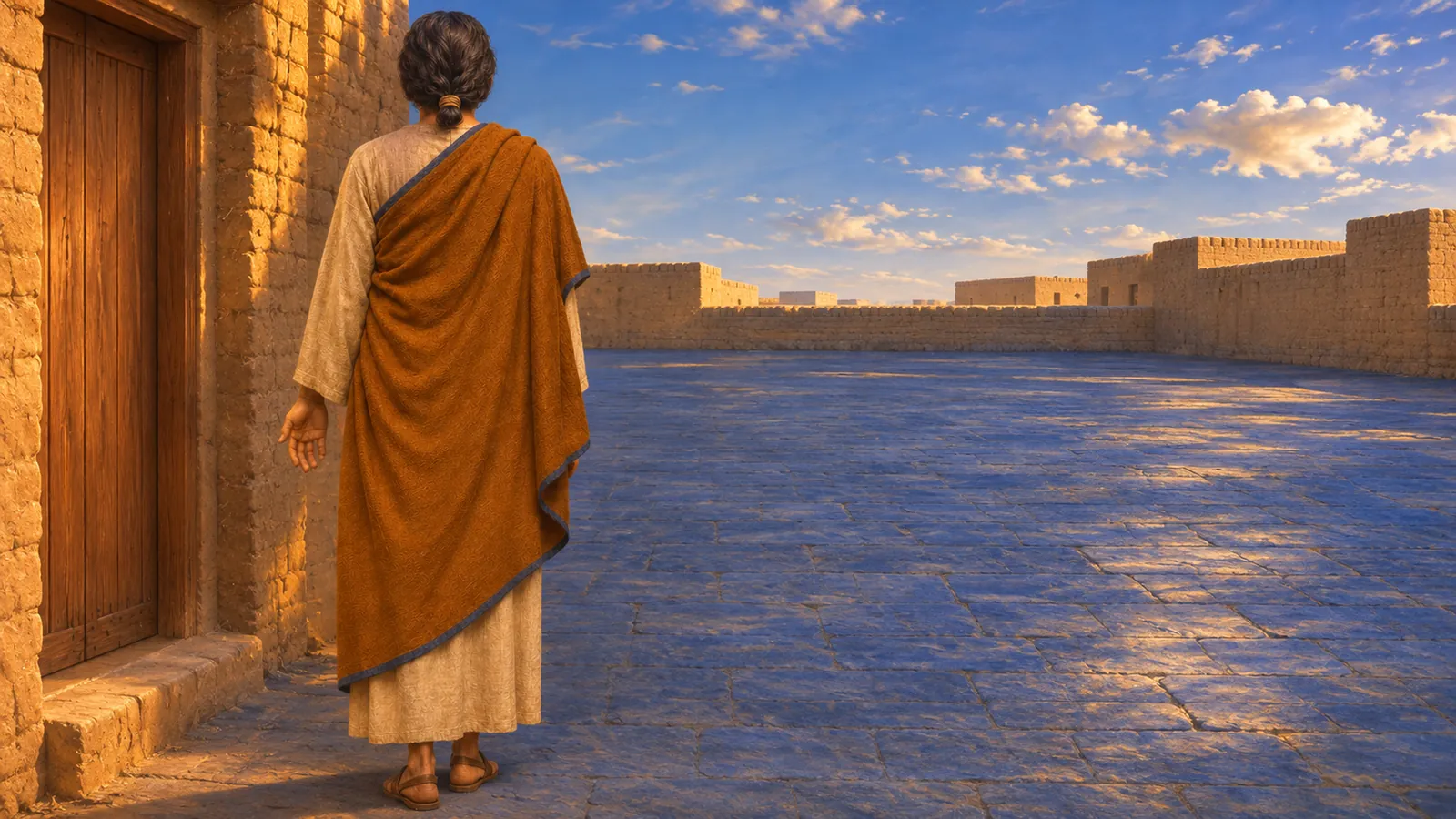
The song turns to Ishum and praises his strength. It says that even Erra trembles at its display.
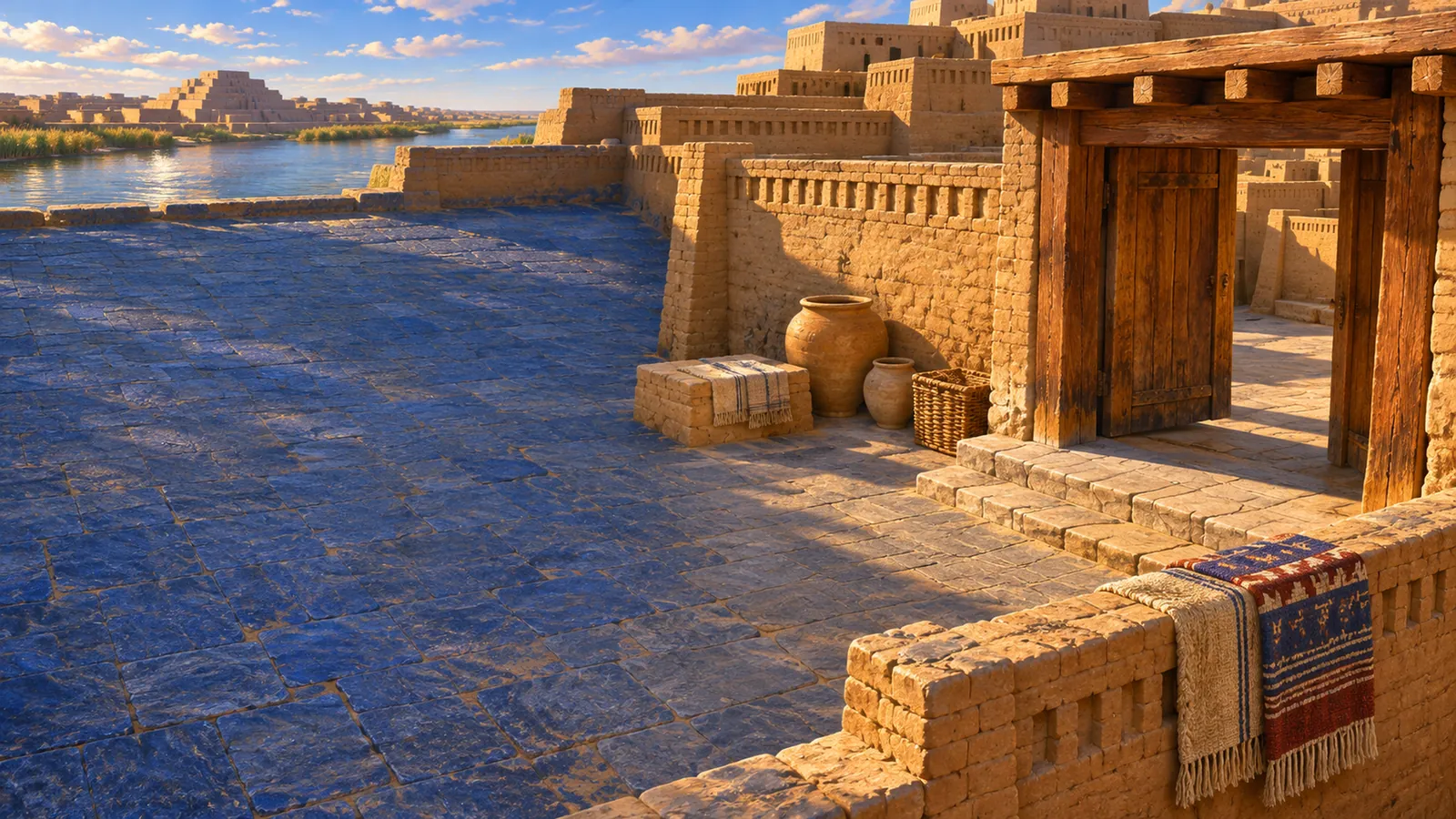
In the opening lines, a voice longs for combat and calls on the Seven. The old words are read differently, and who speaks here remains uncertain.
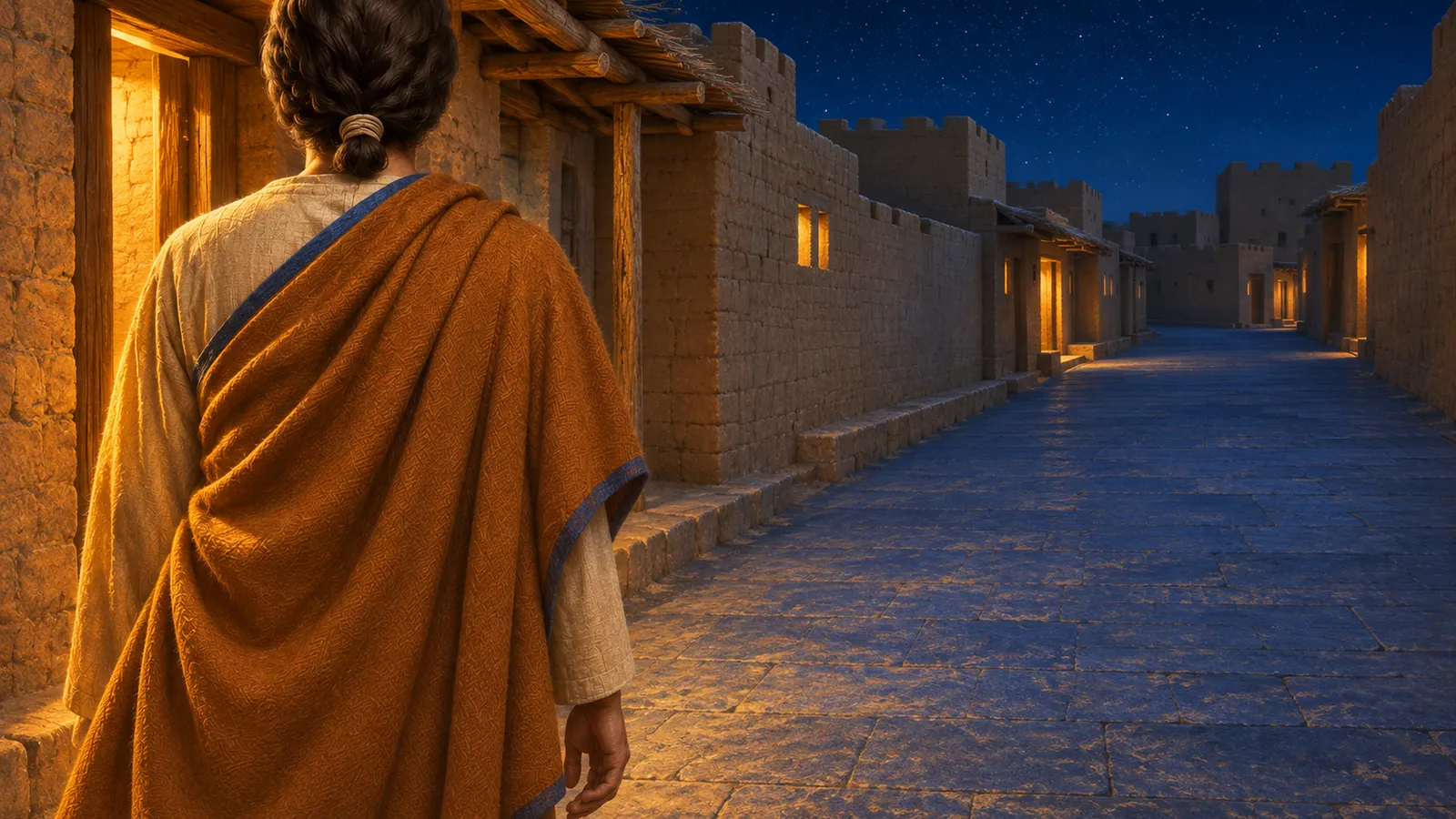
The opening compares a guide to a torch that others follow. It also asks whether there can be joy if Erra rises to ruin the land.
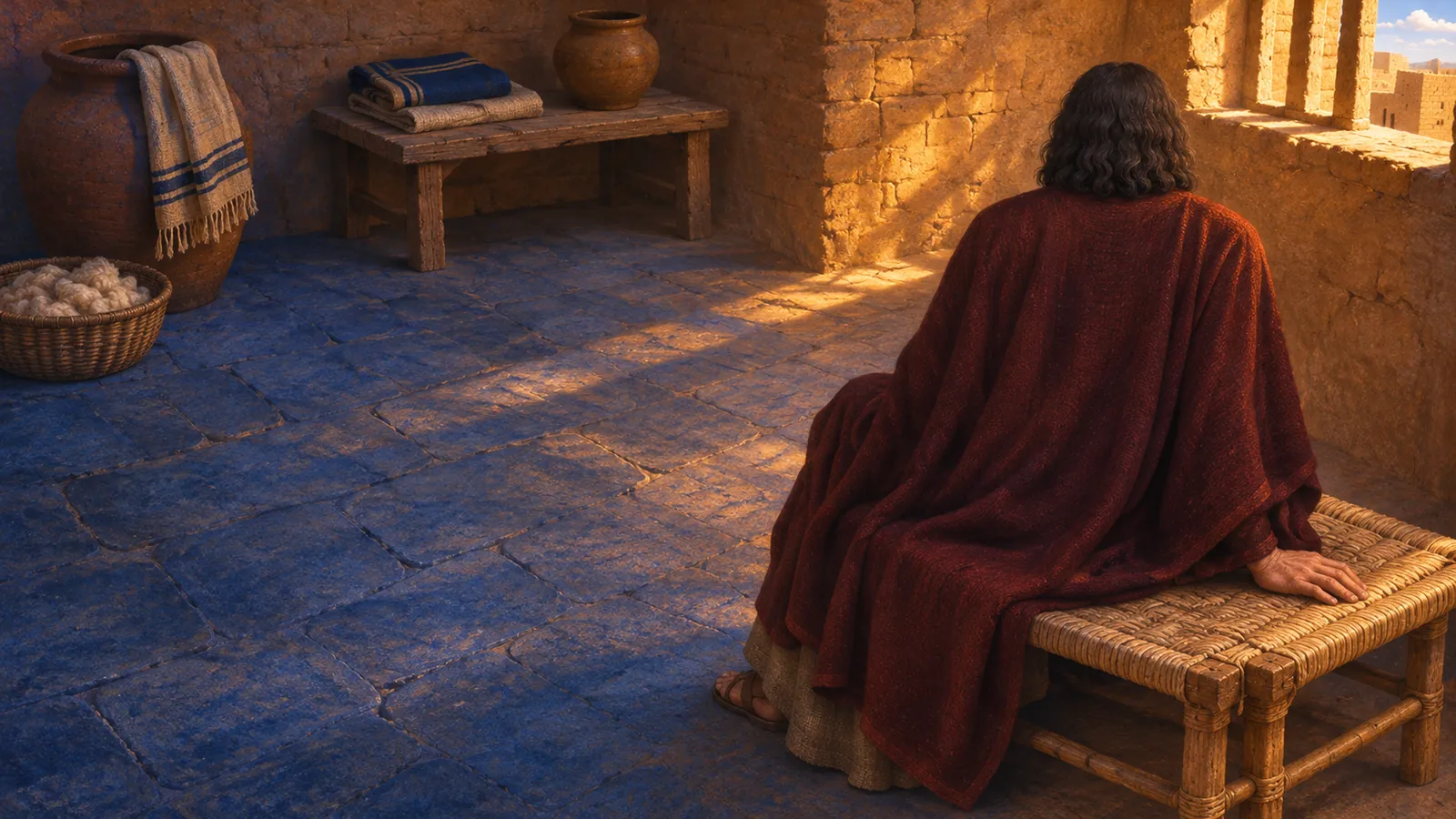
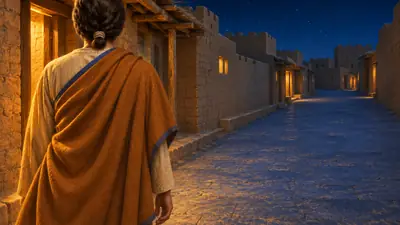
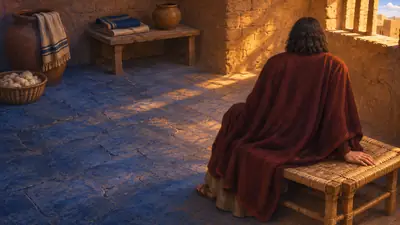
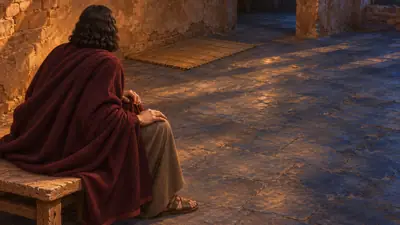
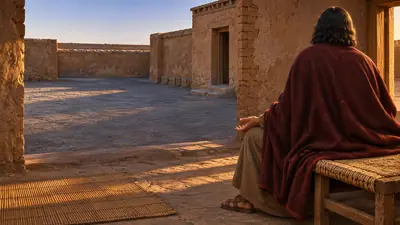
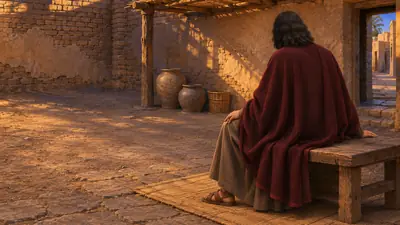
Weary as a sleepless man, Erra wonders whether to get up. He sends the Seven back and remains at rest with Mami. The song calls on Engidudu, the guide who goes by night.
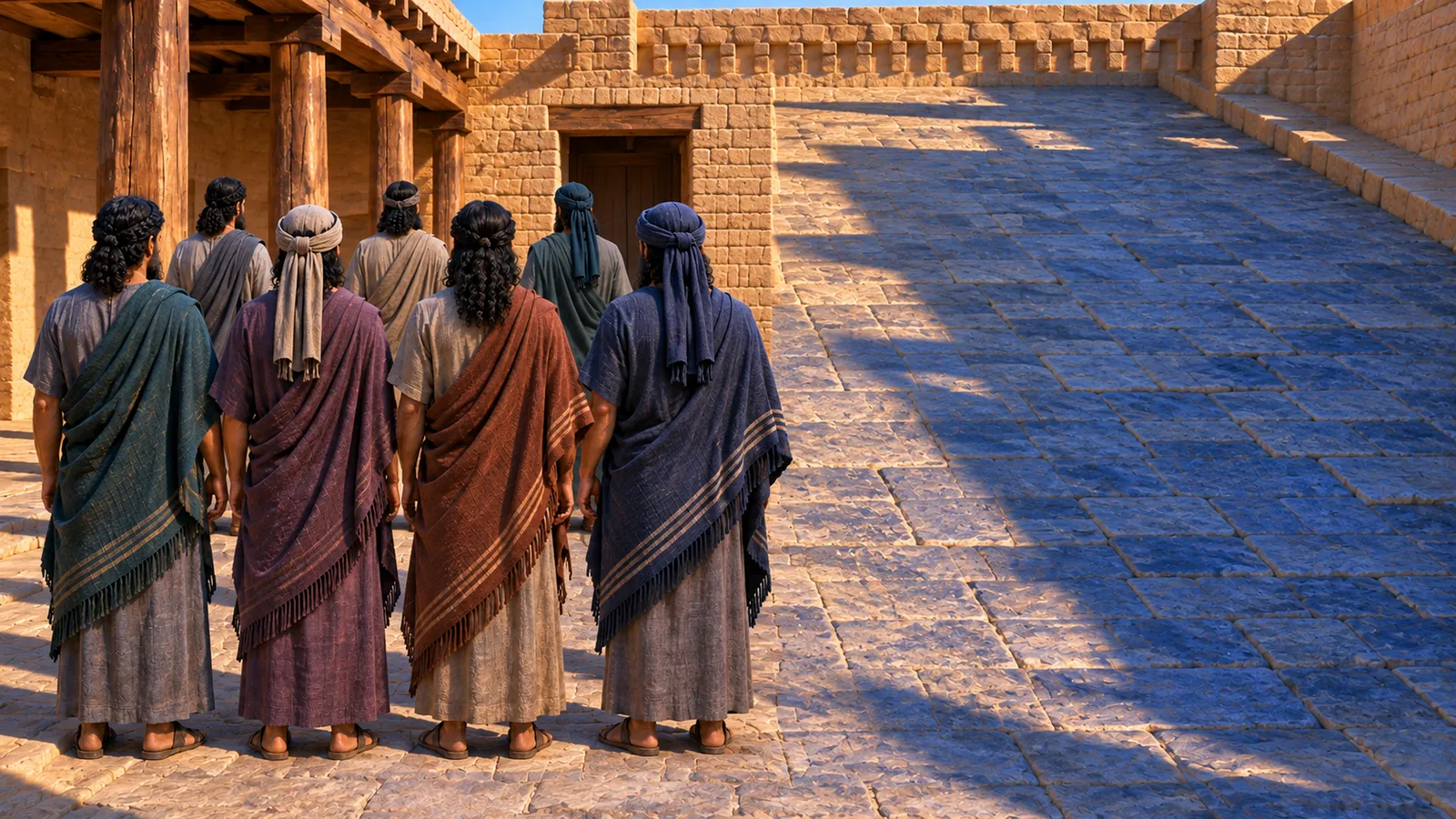
The song speaks of the Seven as beings of a different kind. Their origin is strange, and those who see them are seized by fear.
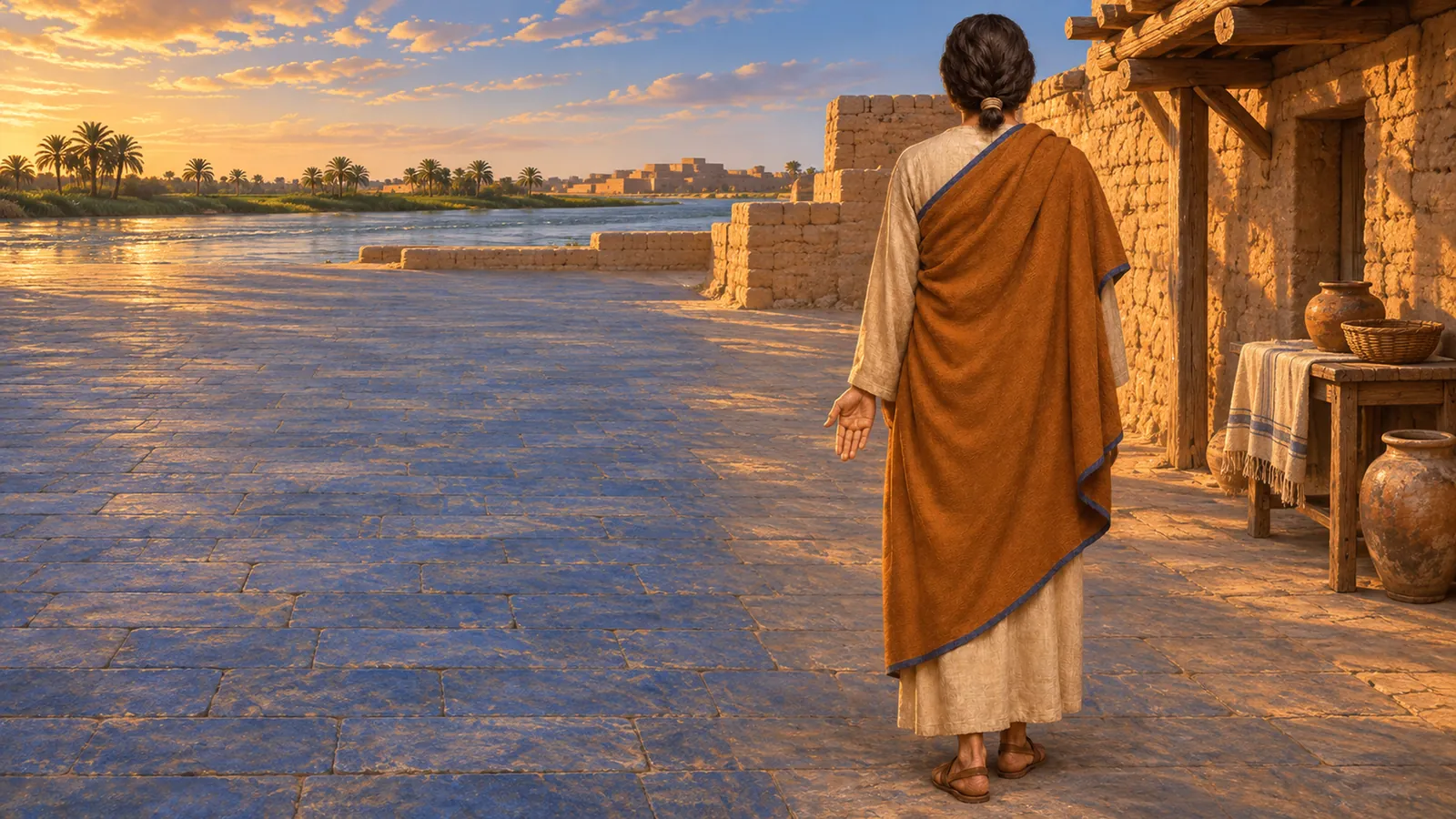
The poem likens Ishum to a door barred against the Seven. For now, there is something they cannot pass.
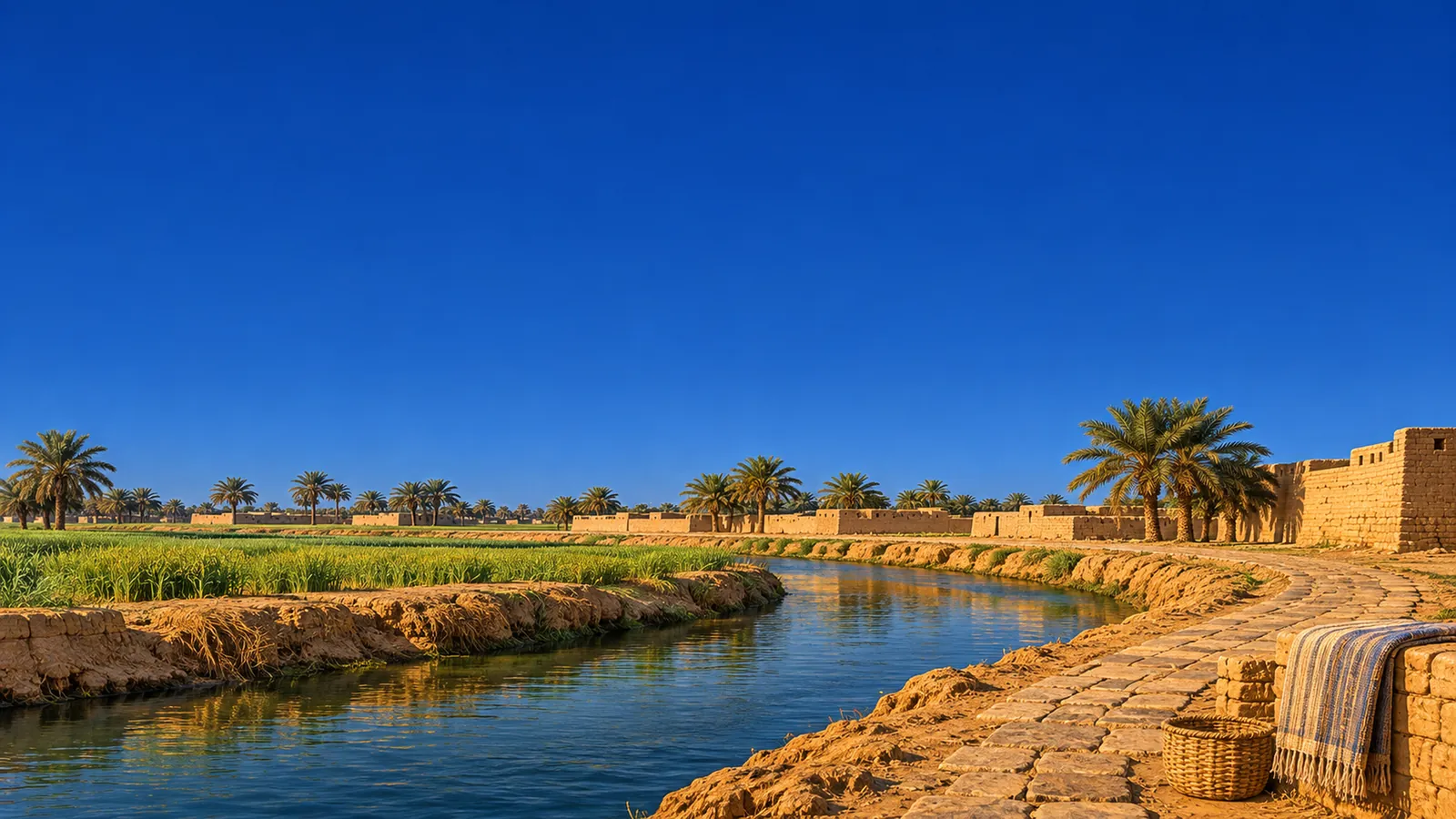
THE SEVEN
The song tells how Anu, king of the gods, fathered seven gods with Earth. Earth bore them, and Anu called them the Seven.
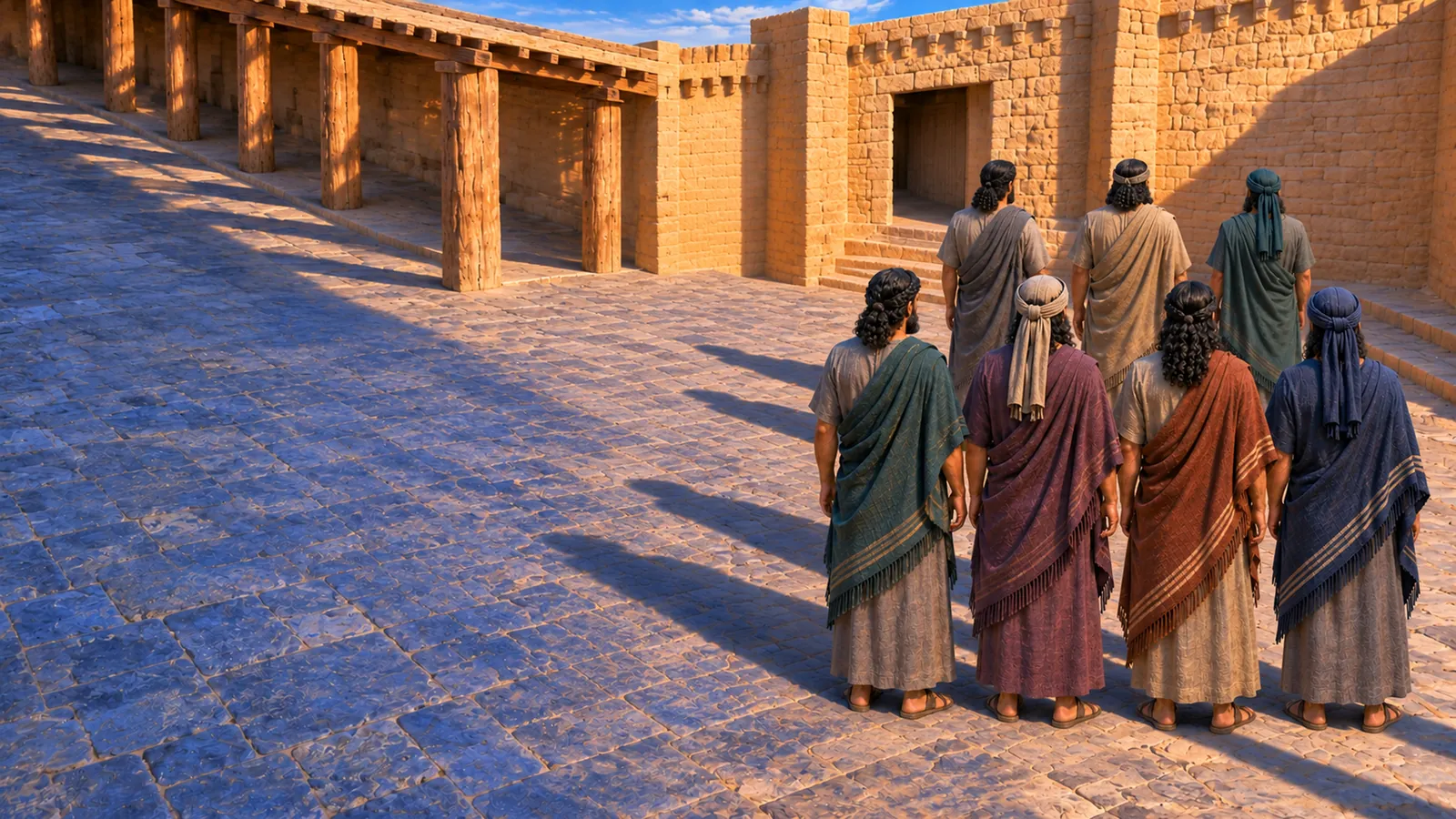
The Seven stand before Anu, who assigns their tasks. His words invoke forces such as fire, a lion and the wind.
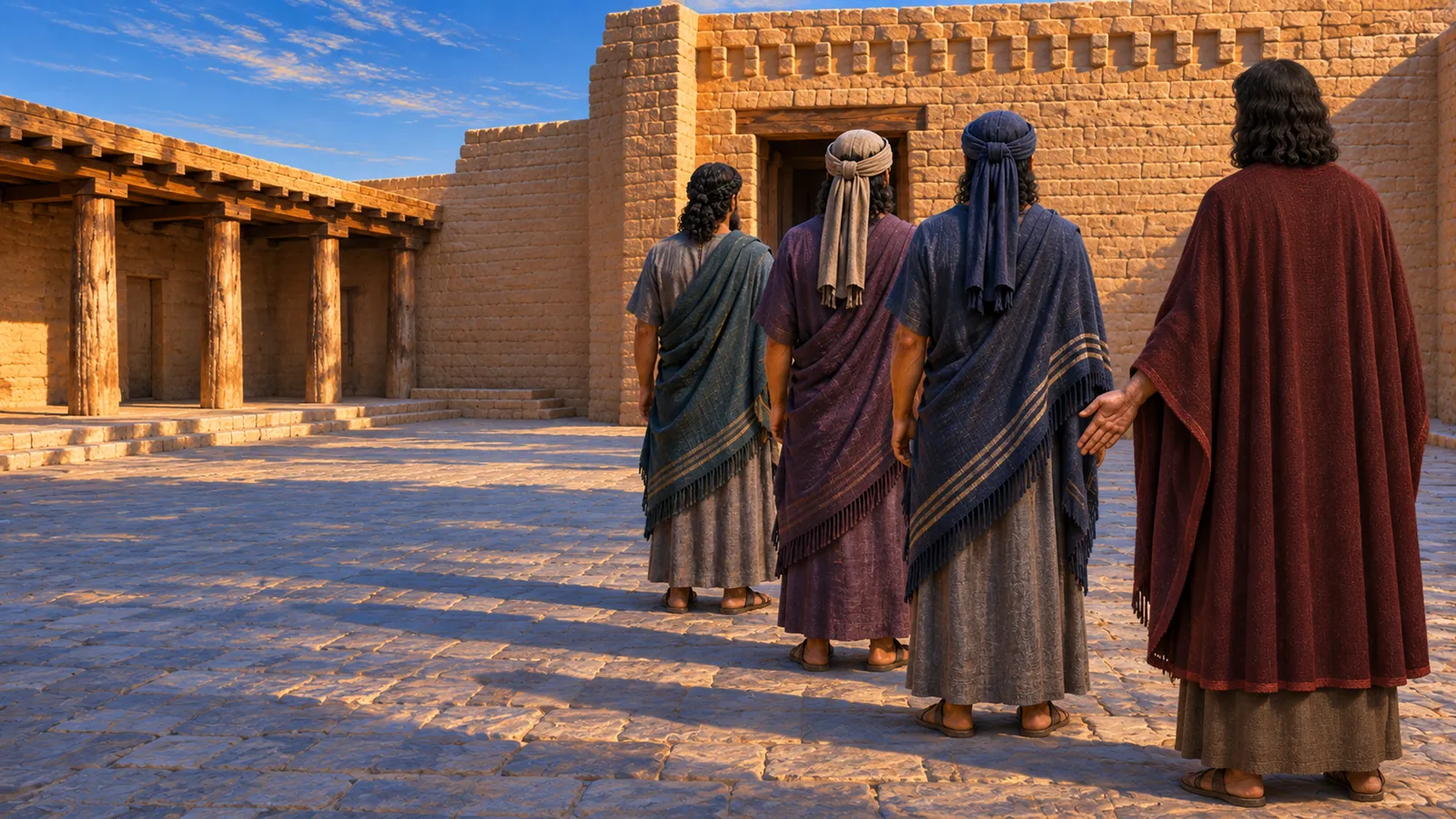
When their tasks are set, Anu places the Seven at Erra’s side. They are to go with him when his anger turns against the people and their herds.
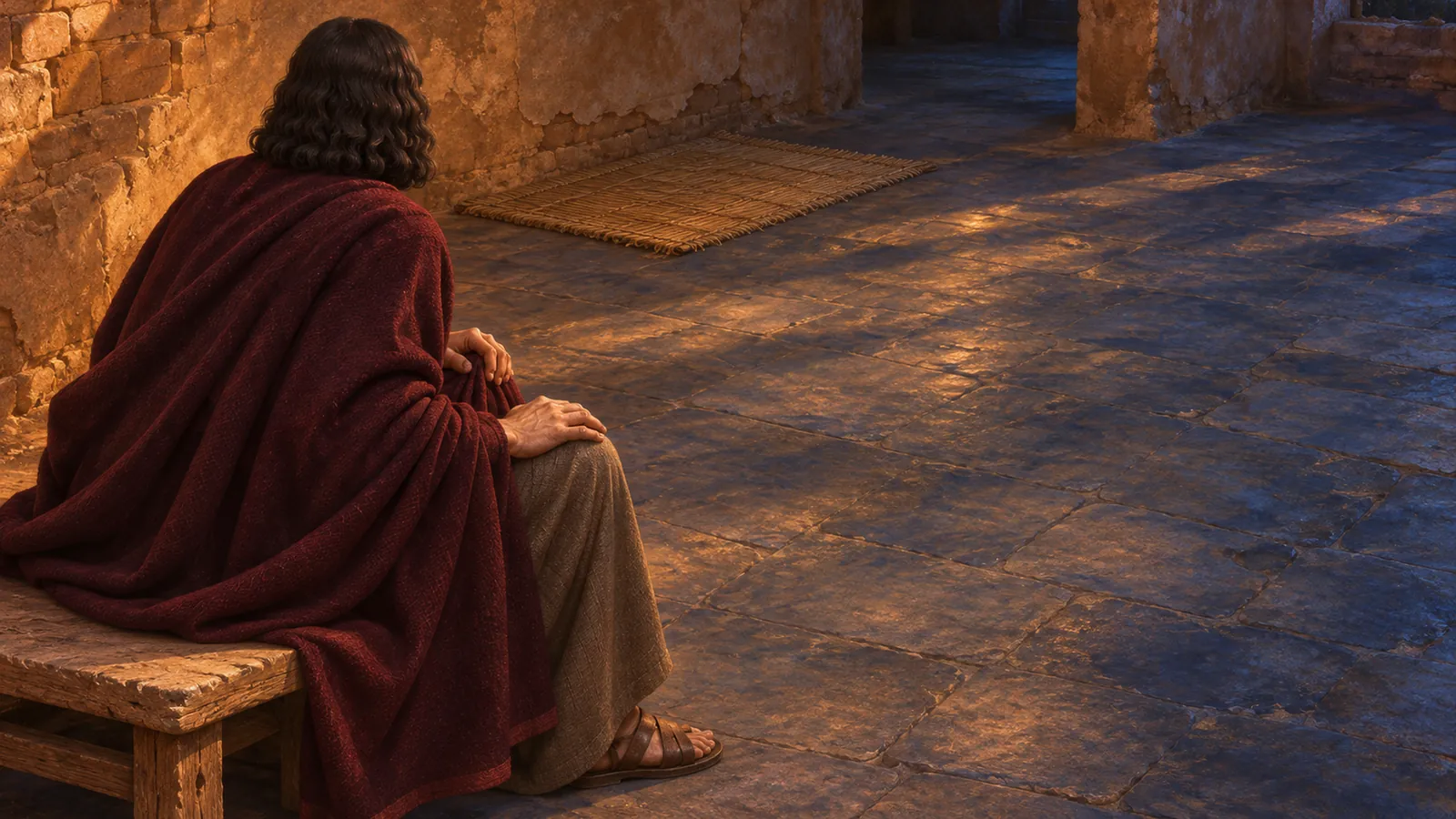
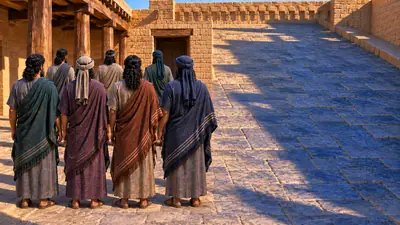
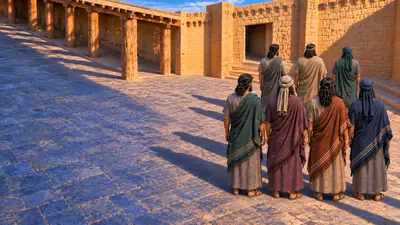
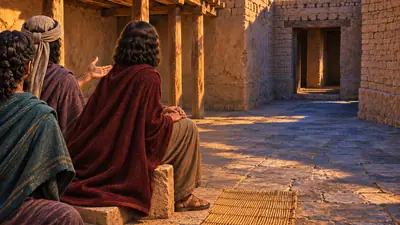
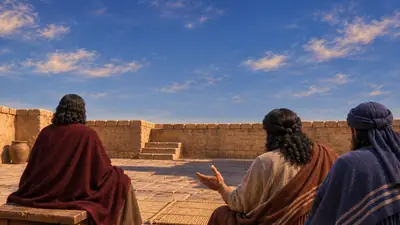
The Seven grow angry and urge Erra to rise. They mock him for sitting in the city and for staying indoors.
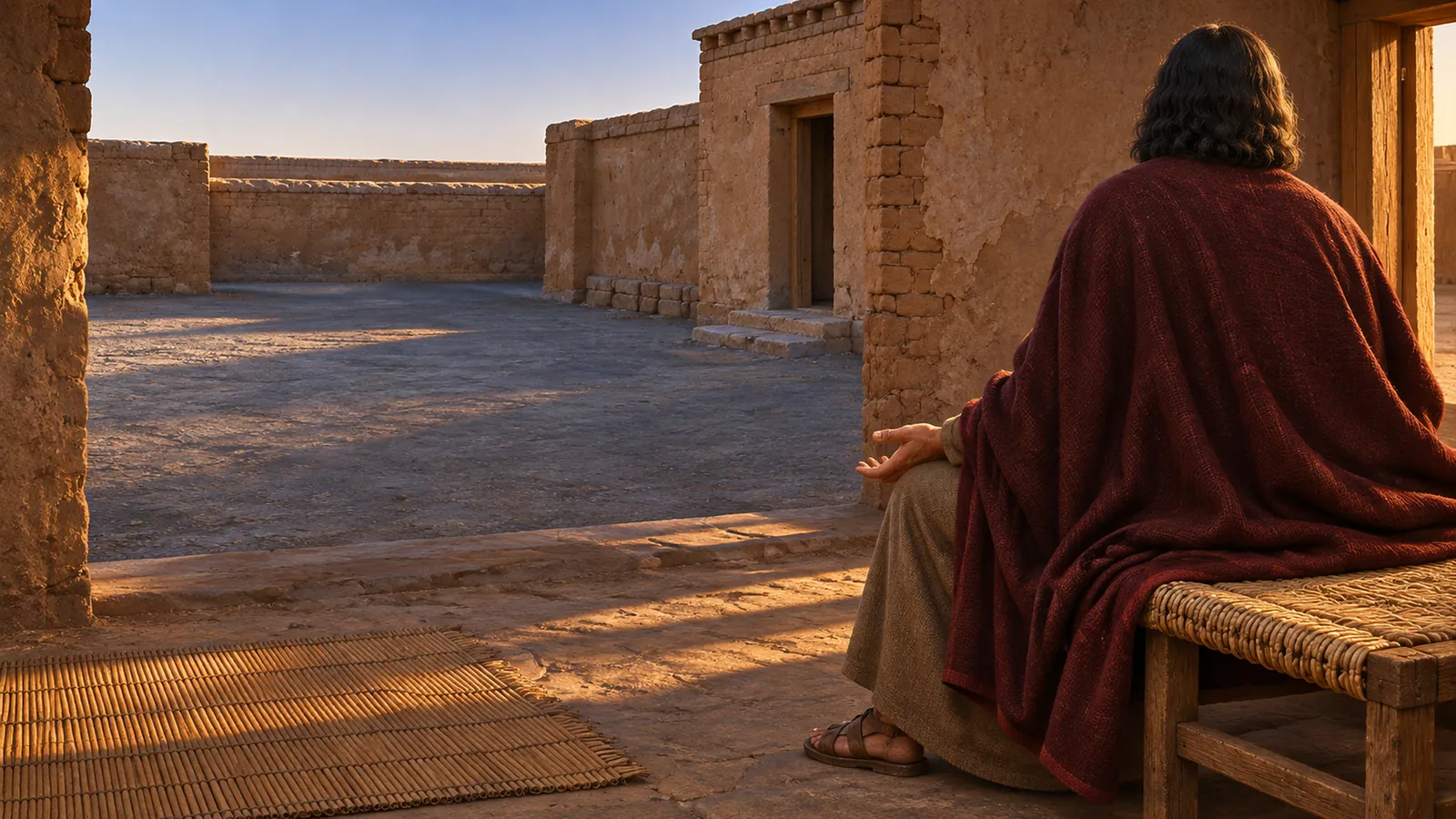
The Seven taunt those who stay at home and tie their boasting to manhood. They speak of setting out to war as if it were a festival.
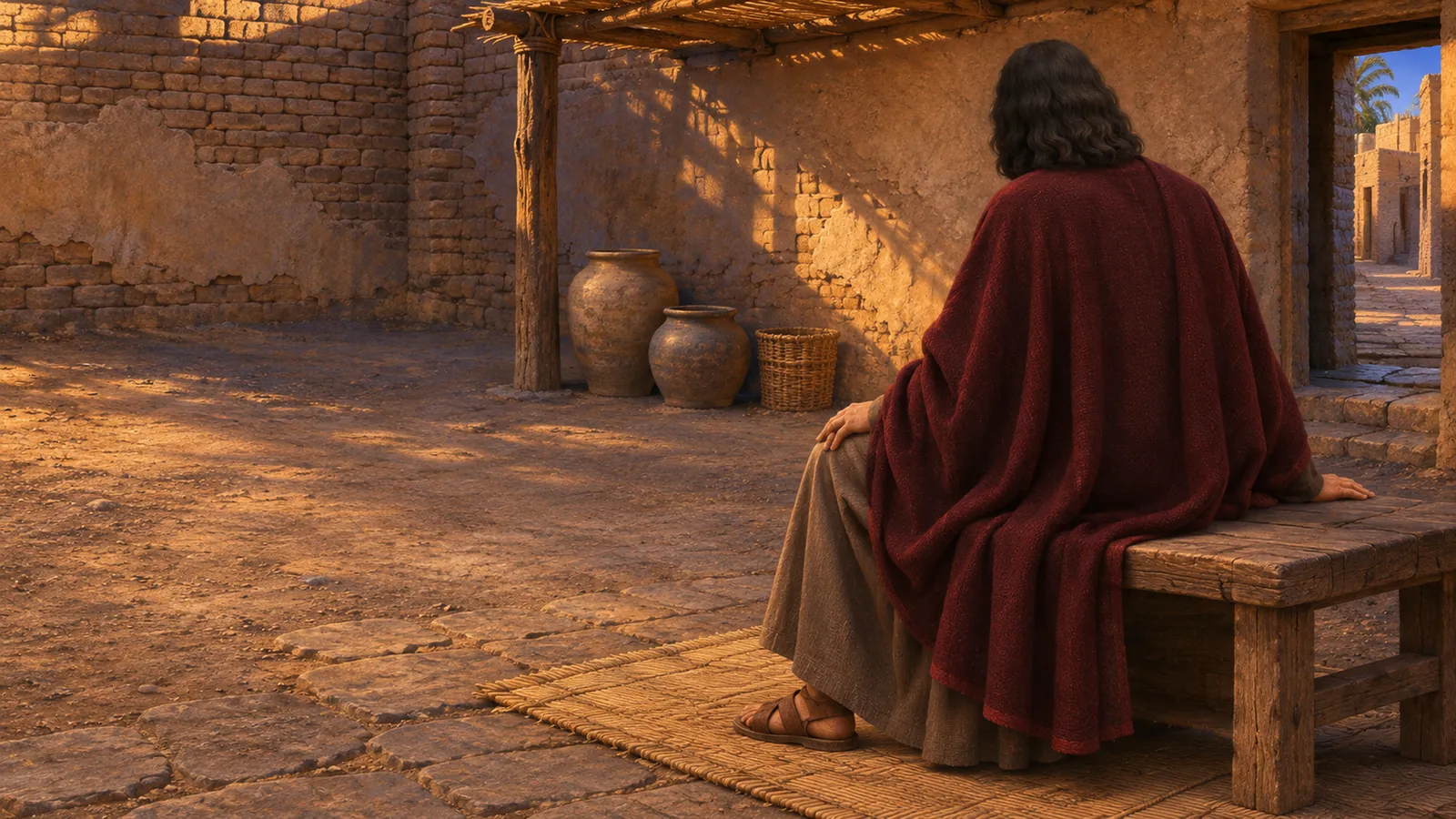
In the Seven’s telling, even a prince in town never has his fill. They claim that people mock a man who stays behind, however strong he is.
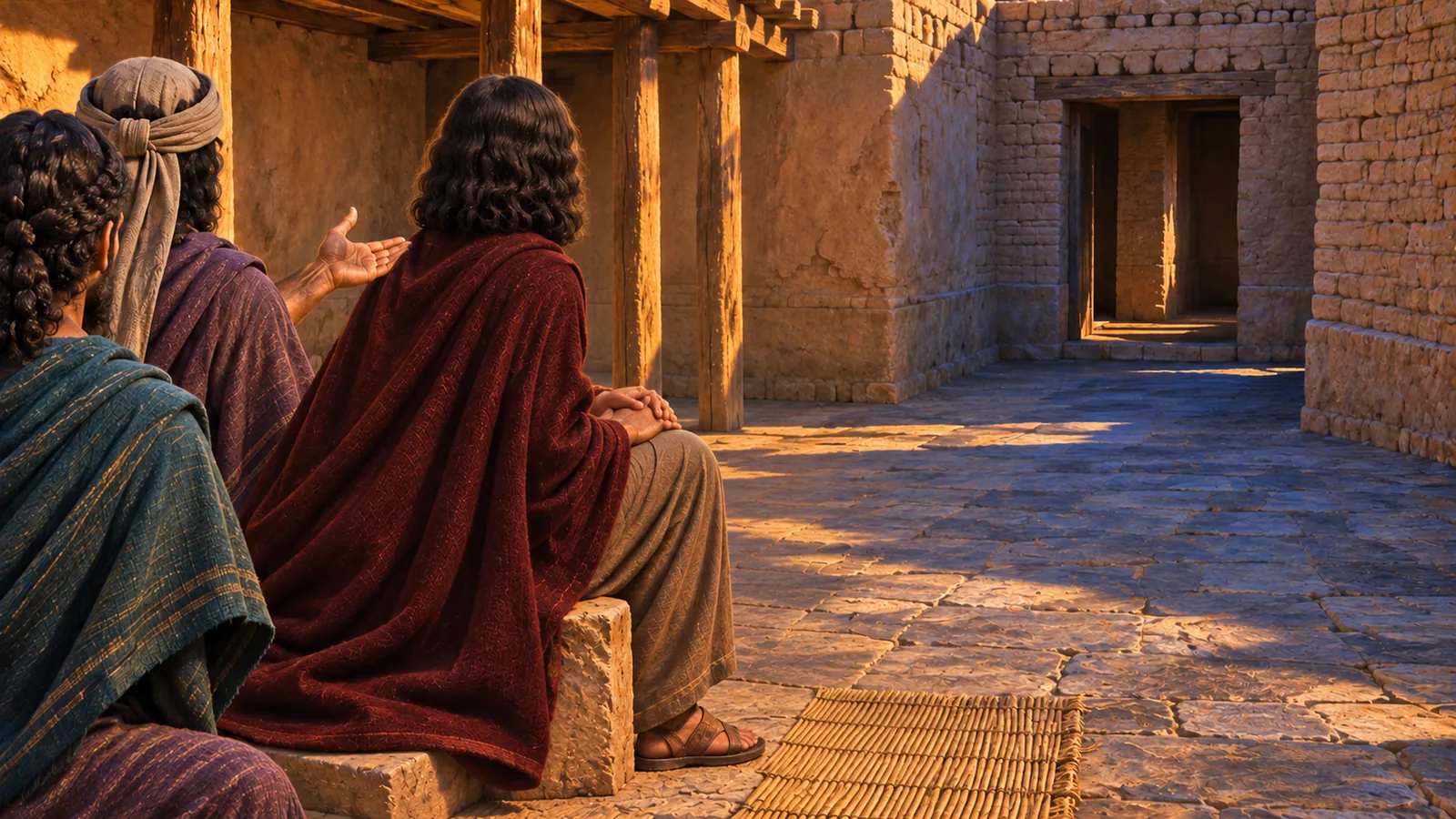
The Seven prefer bread baked in ashes to fine city bread and water from a leather bag to sweet ale. They even prefer an open camp to a palace. Again they call on Erra to go.
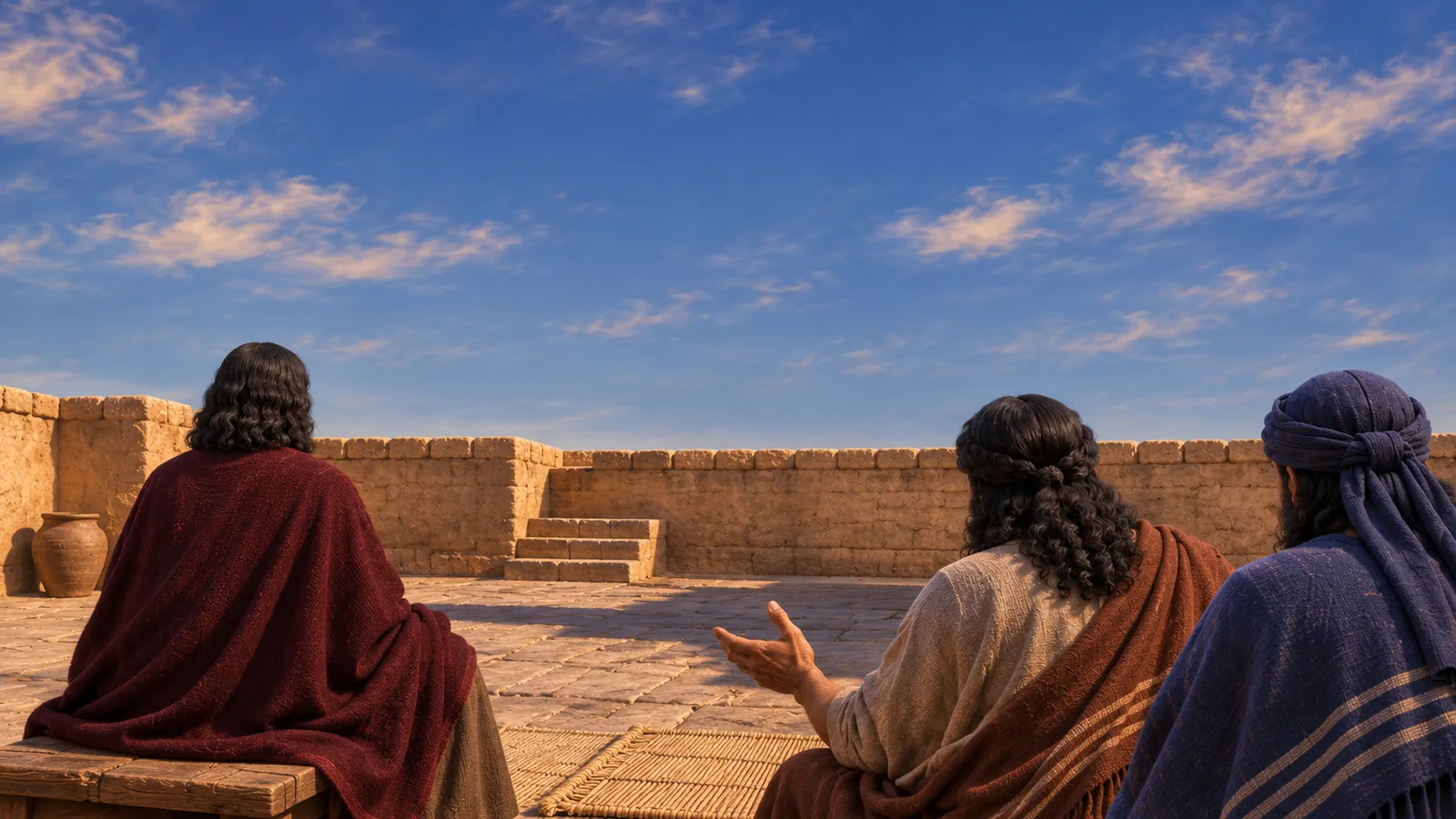
LET THEM HEAR
The Seven urge Erra to make himself heard above and below. They want the Igigi to praise his name and the Anunnaku to fear its mention.
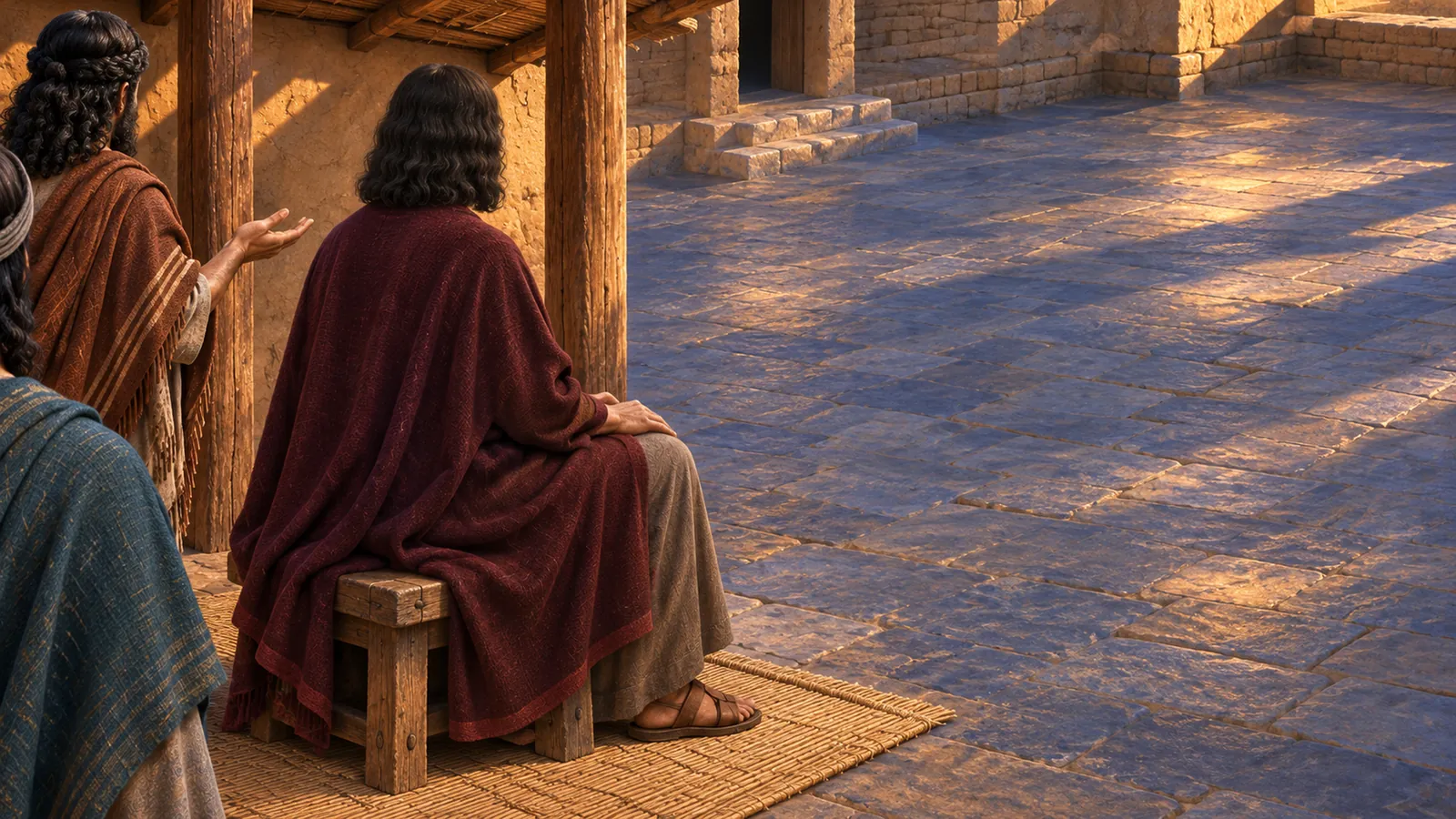
The Seven imagine gods yielding, kings bowing and countries bringing tribute. They boast that even the mountains would give way.
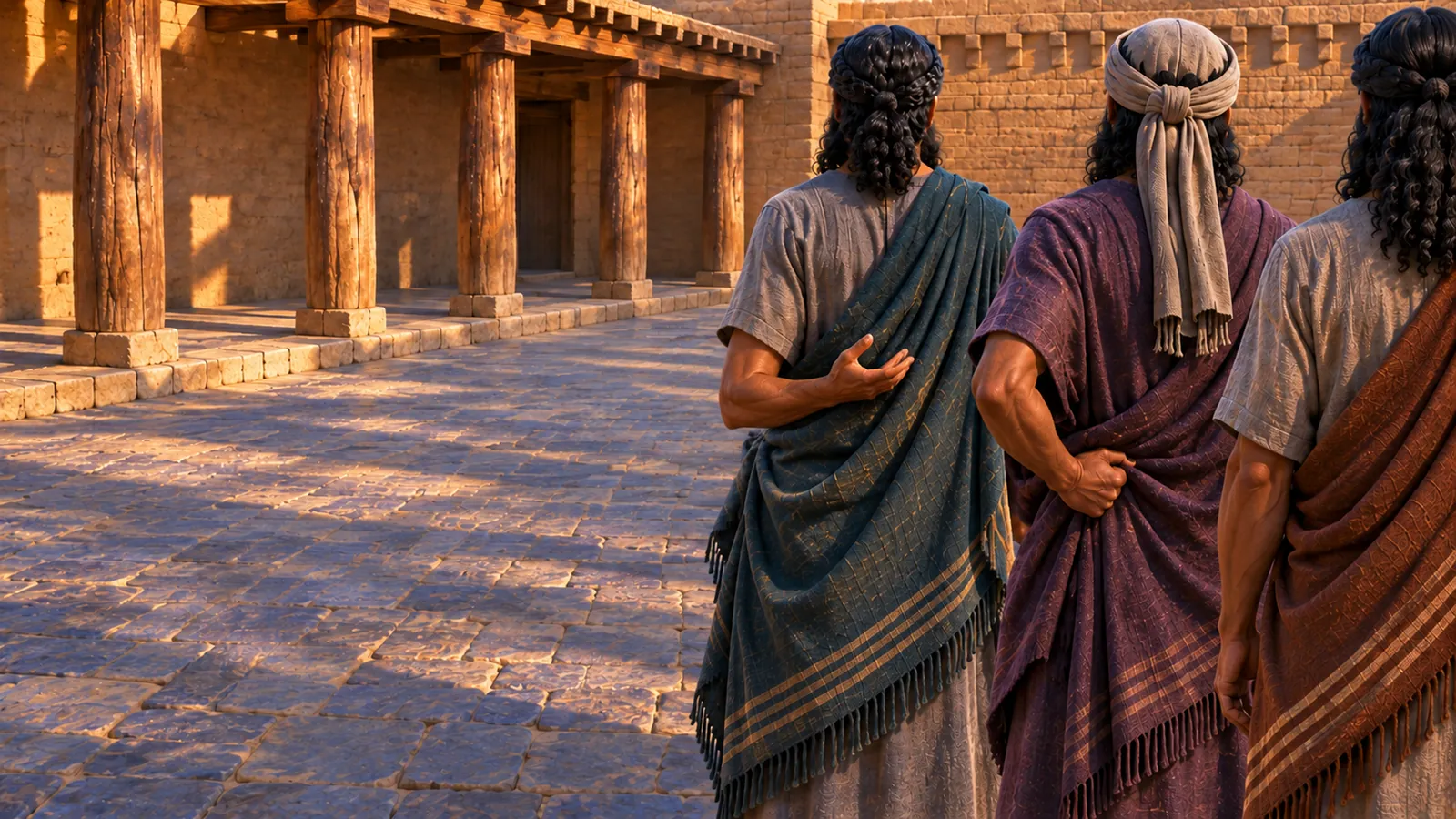
The Seven say a shepherd must stay awake for his herd. They complain that they have forgotten their mountain passes and that cobwebs cover their gear.
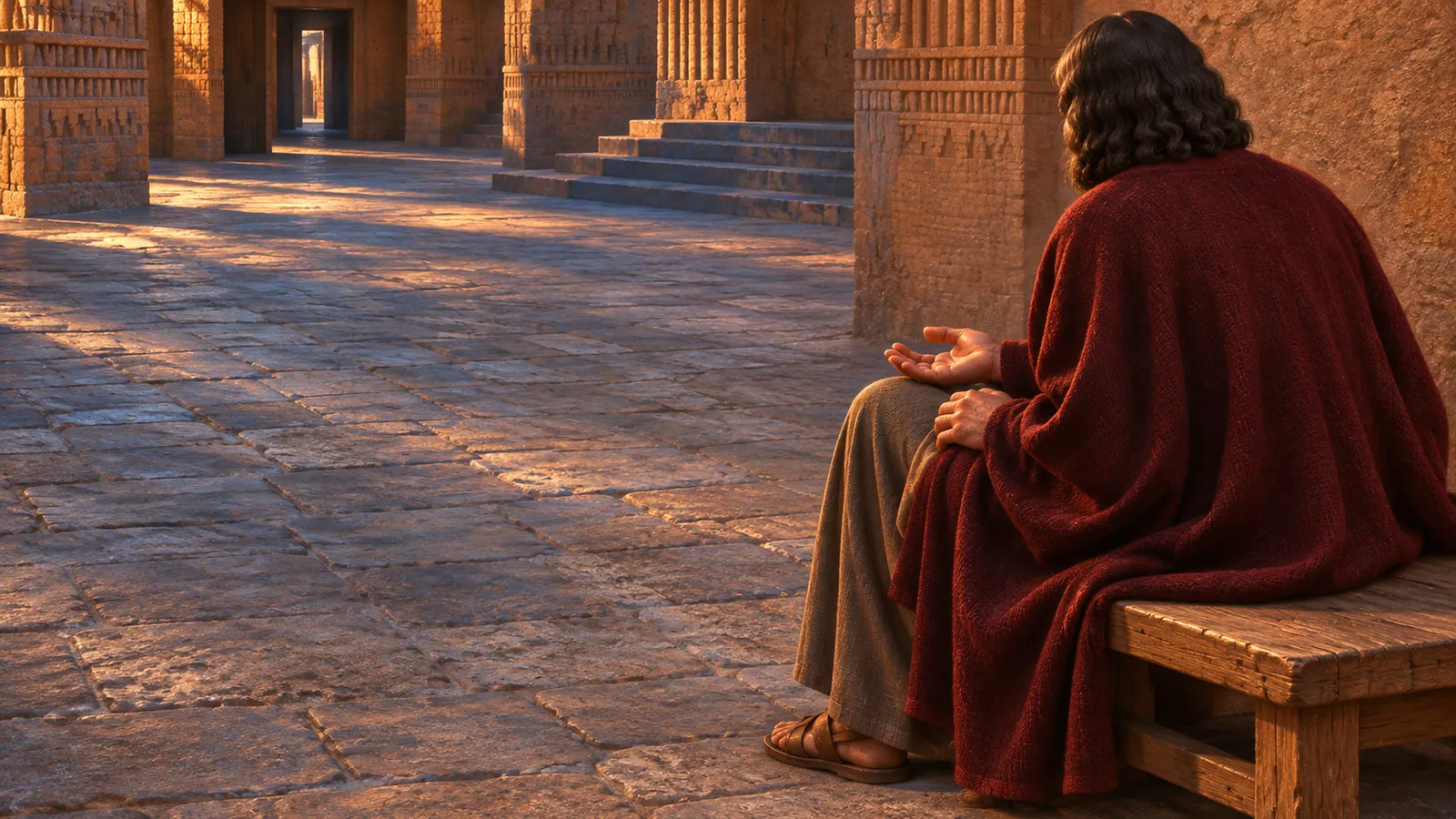
Erra listens to the Seven. Their words please him as much as the finest oil.
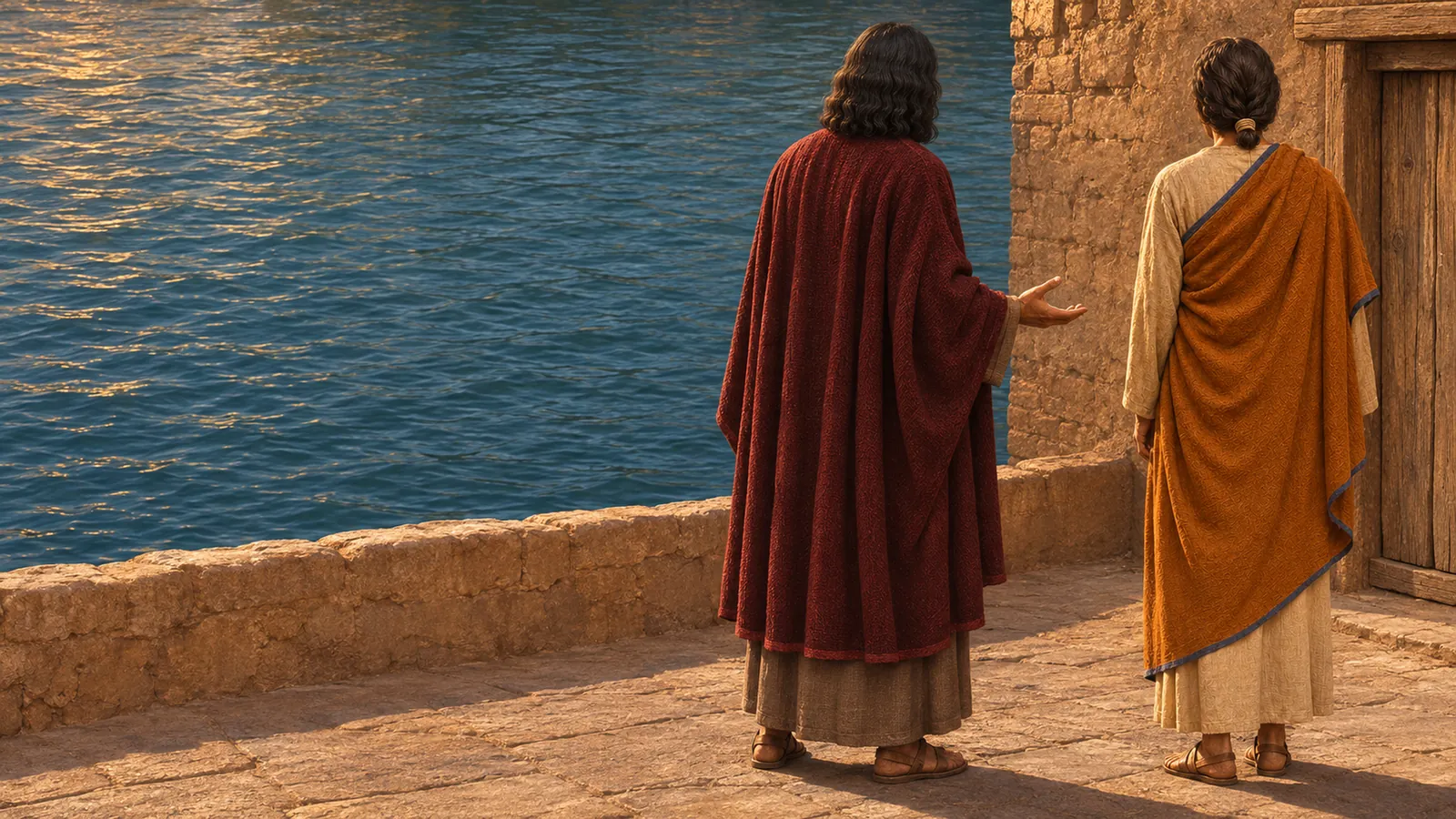
Erra asks why Ishum keeps silent after hearing the Seven. He tells Ishum to open the way so he can set out.
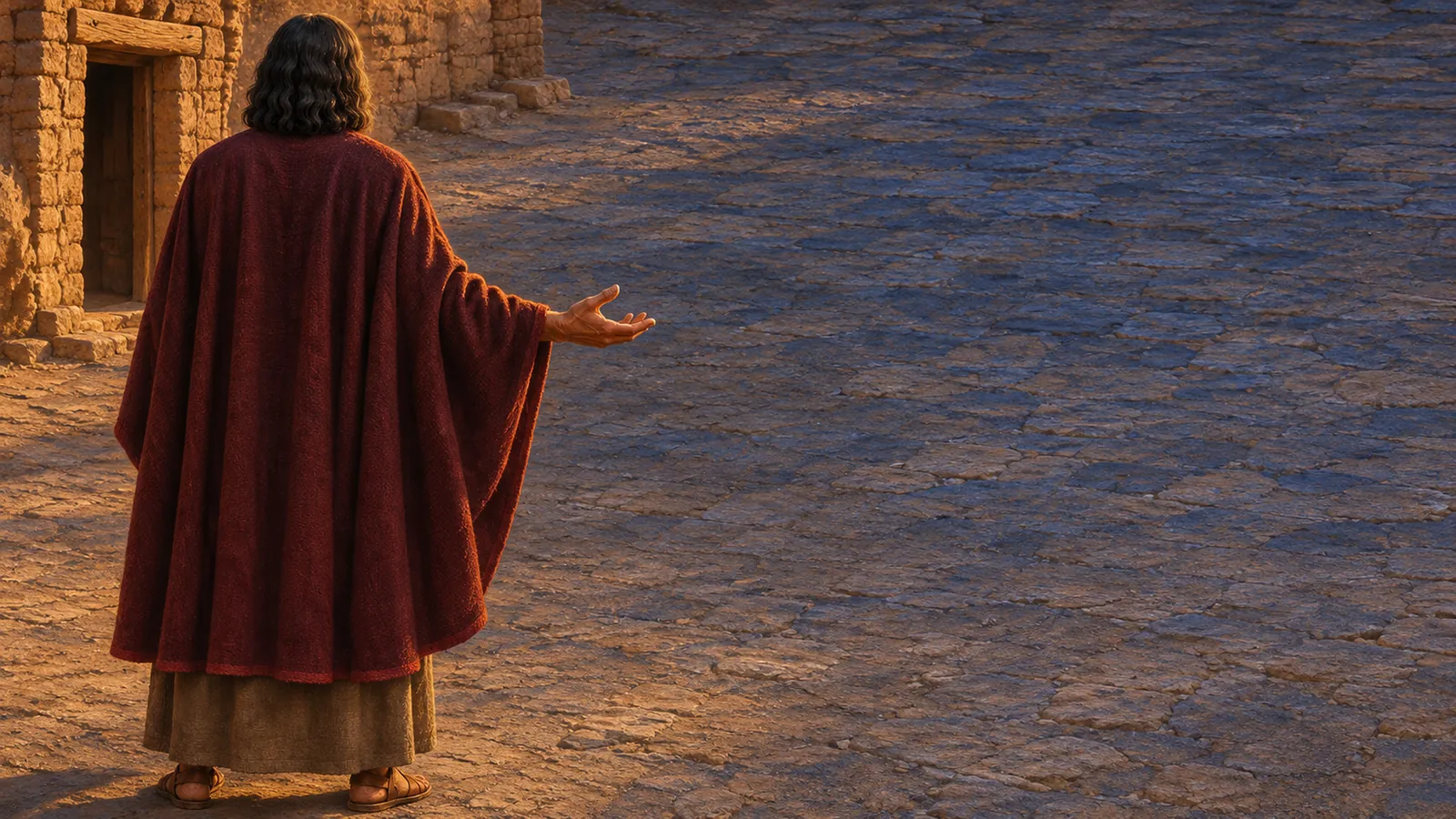
Erra calls for the Seven to go to war. He orders that his arms go beside him.
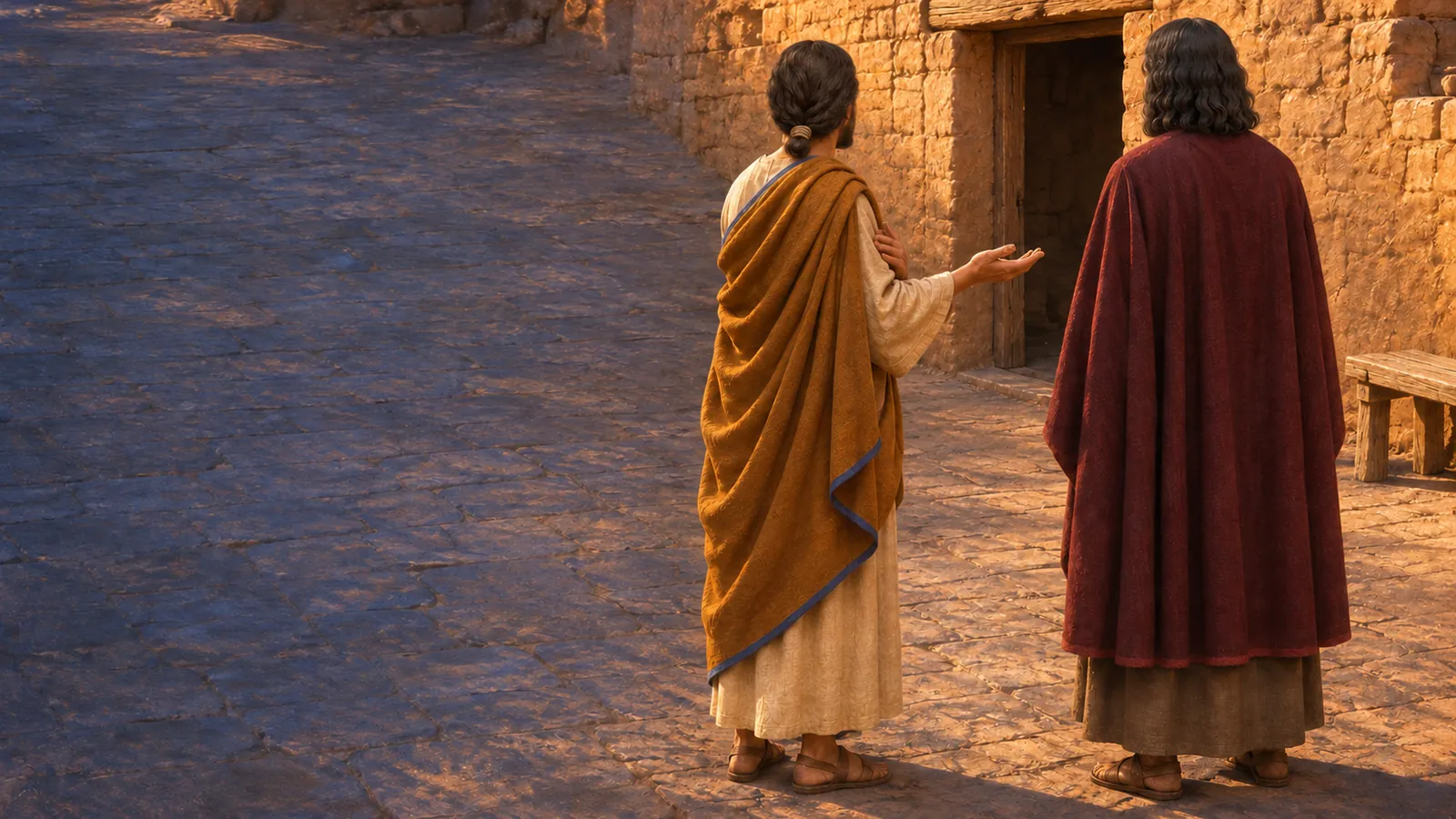
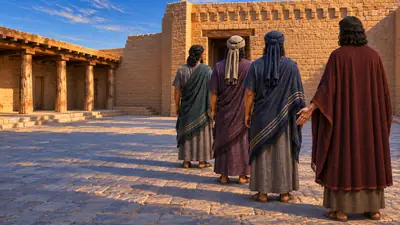
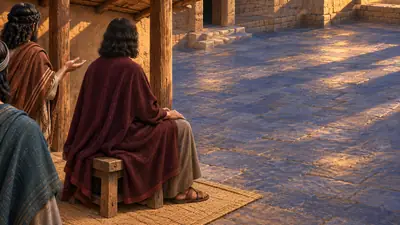
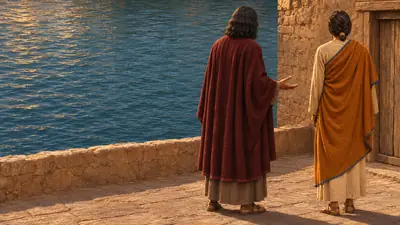
Ishum hears Erra and is moved with compassion. He asks why Erra would bring harm to the gods, the land and its people. He asks him to desist.
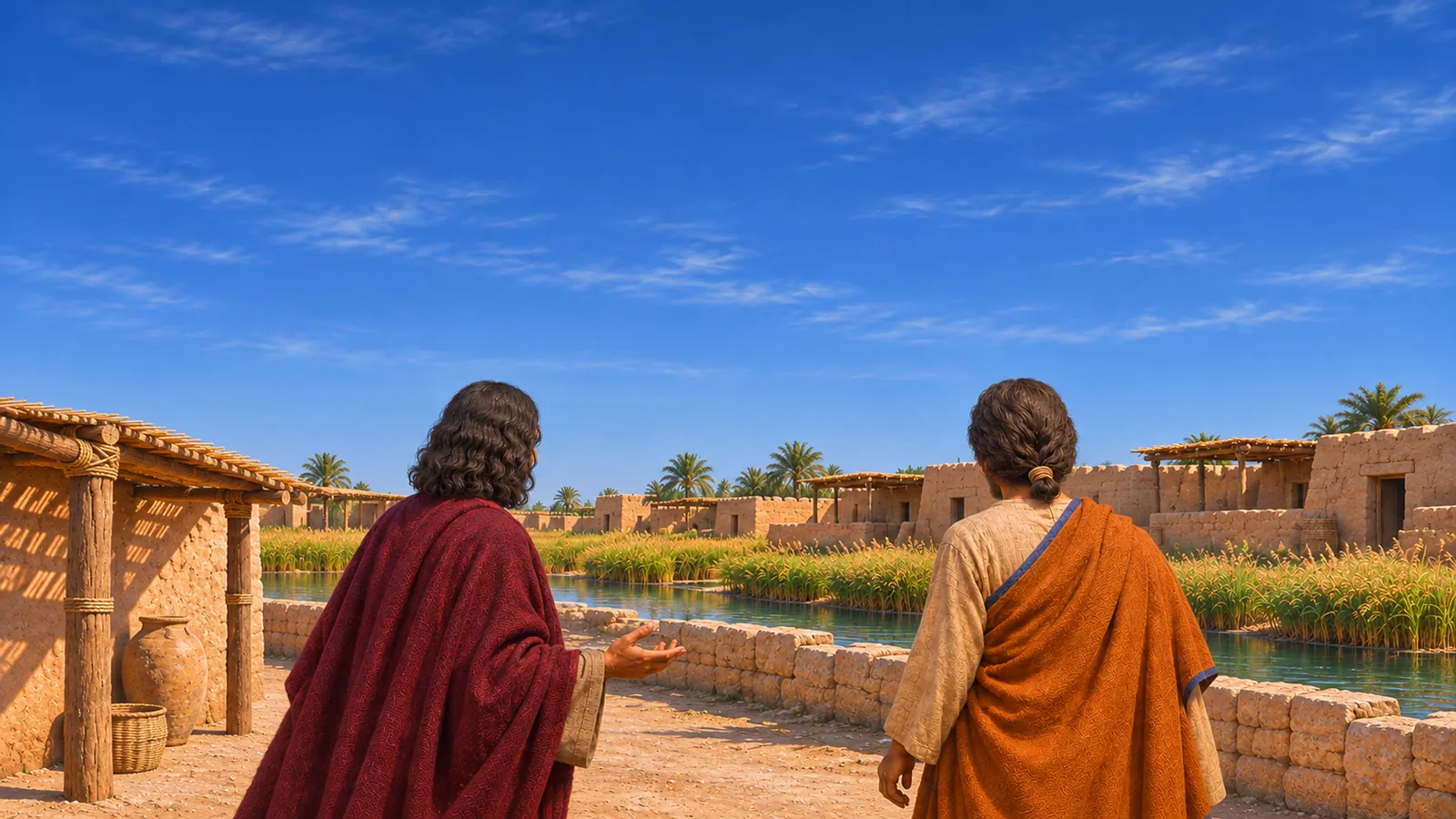
ERRA’S REPLY
Erra tells Ishum to listen. He acknowledges Ishum’s wisdom and his plea for the people, then turns to a speech about his own might.
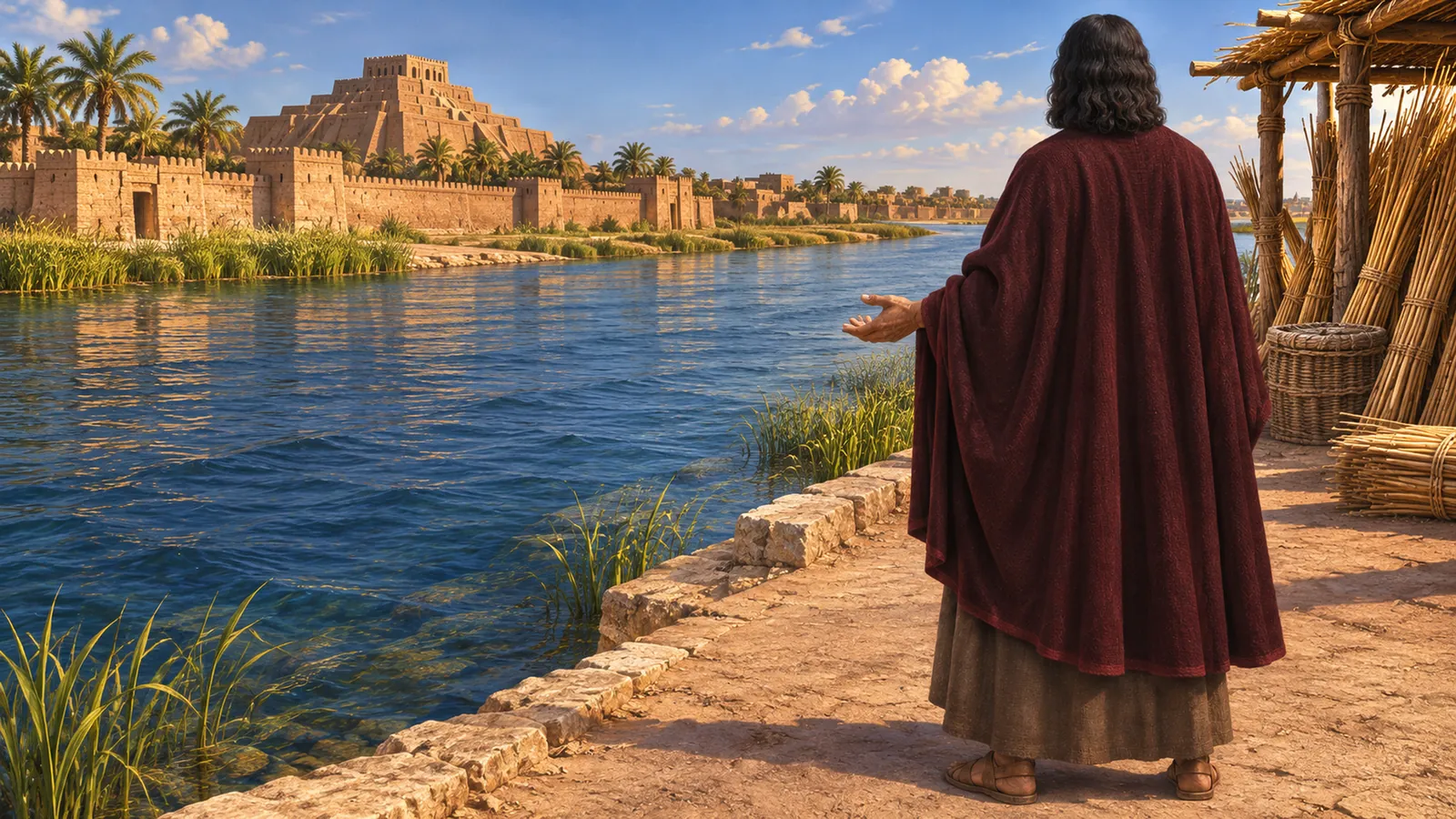
Erra calls himself a wild bull in heaven and a lion on earth. Among the Igigi and the Anunnaku, he claims a hero’s standing.
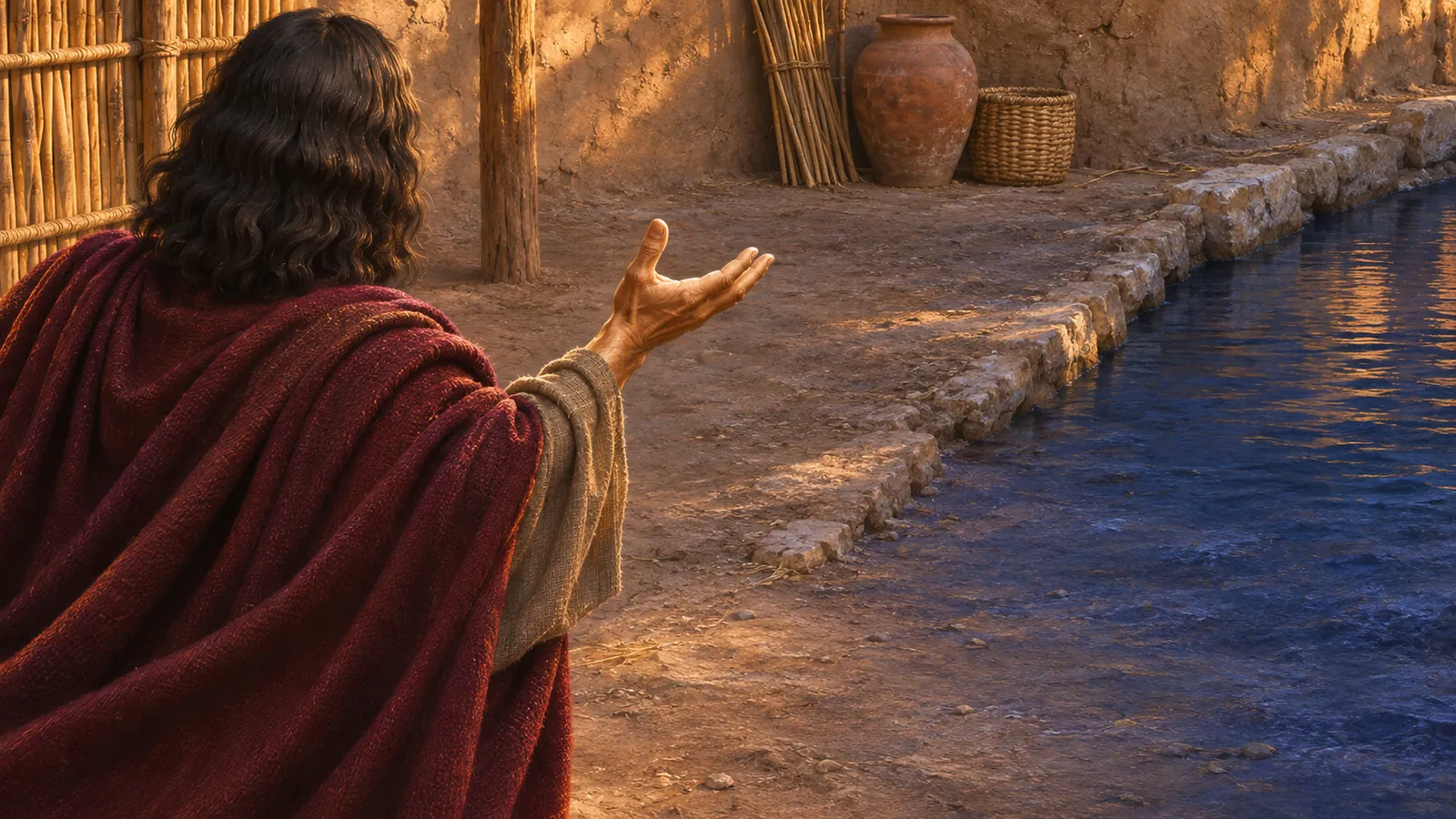
Erra compares himself to the wind and to Adad’s thunder. He invokes Nergal when he speaks of the steppe and claims that all the gods fear his name.
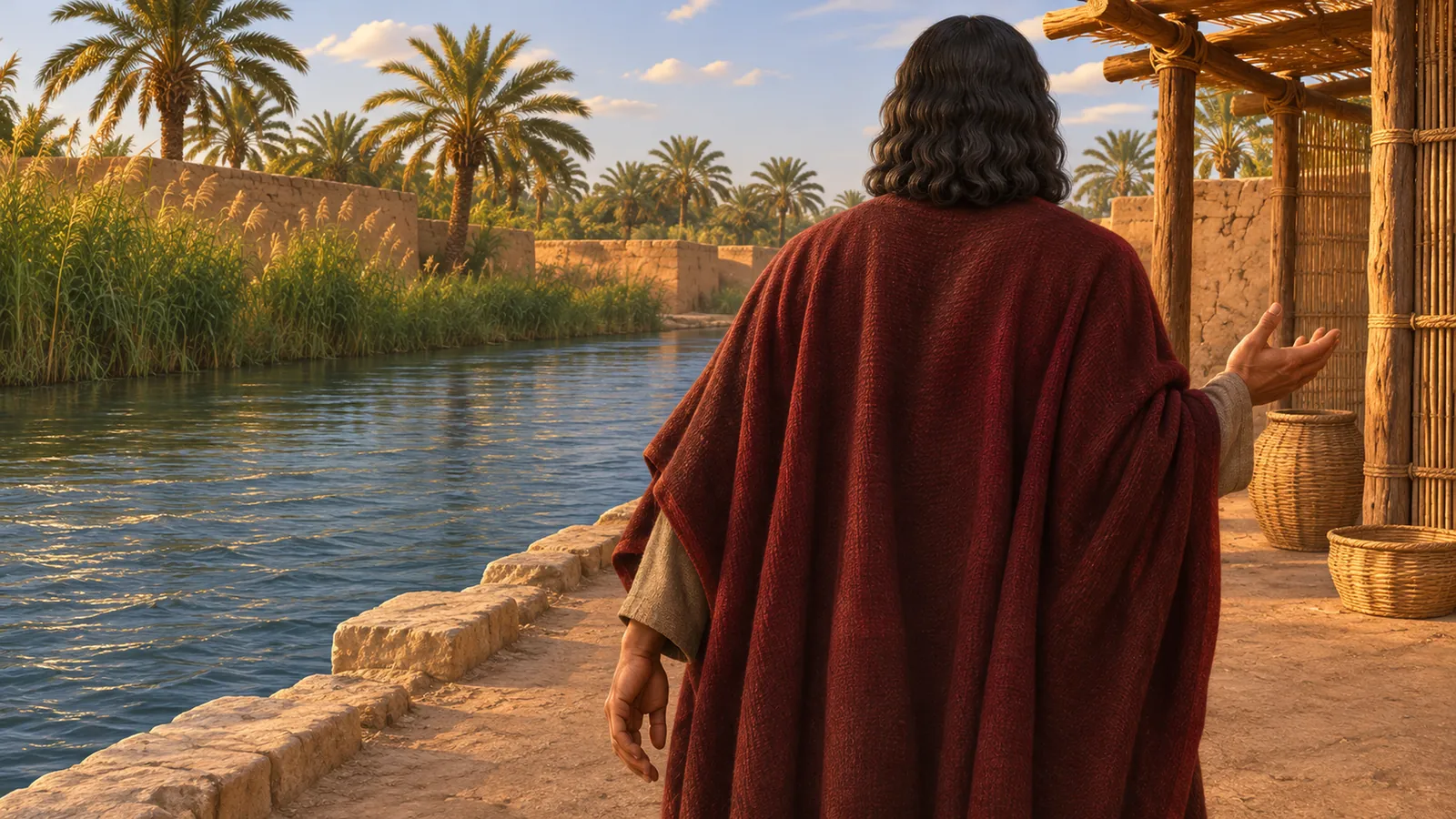
Erra says he will make Marduk angry and drive him from his dwelling. He adds a threat against the people.
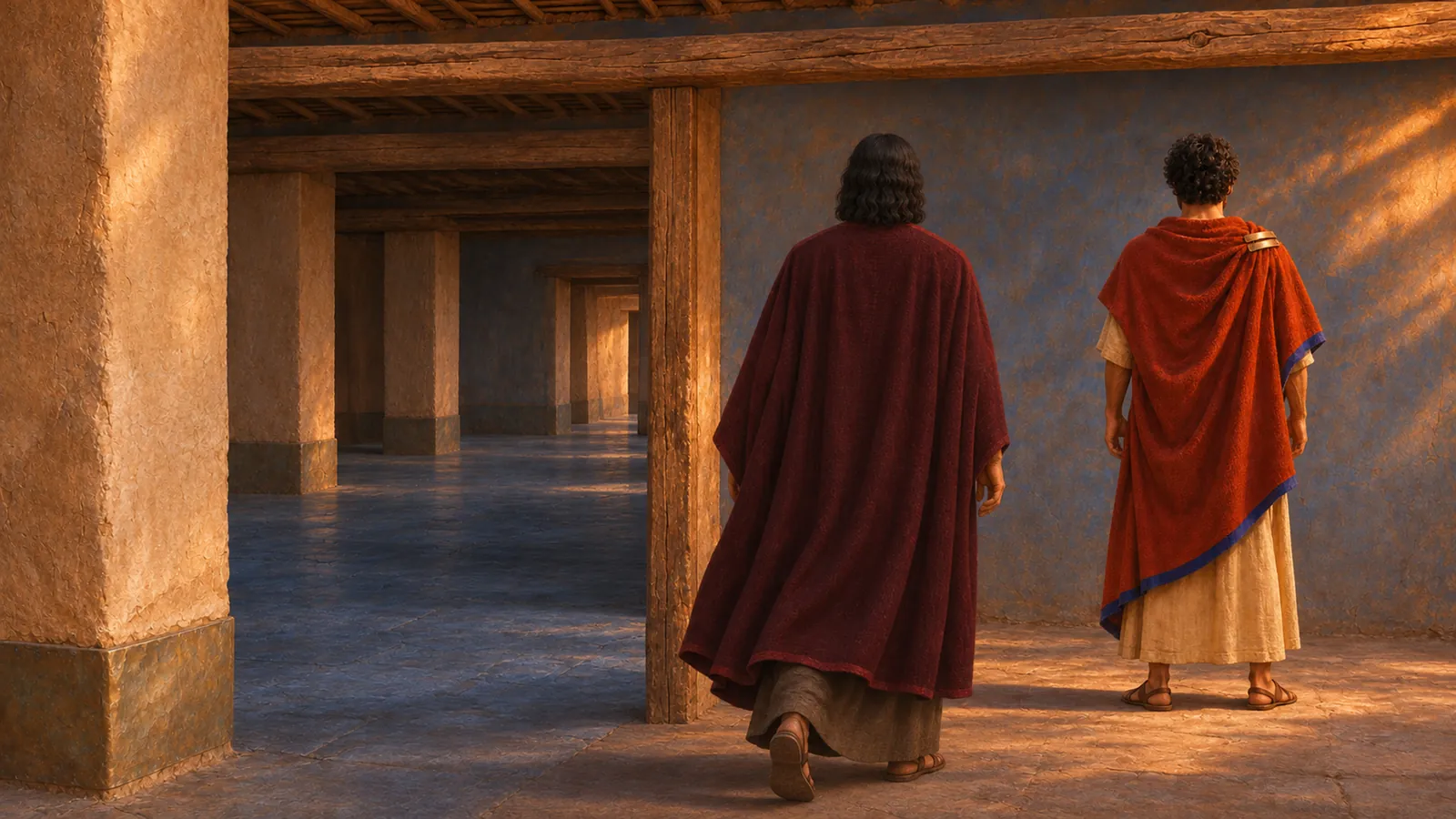
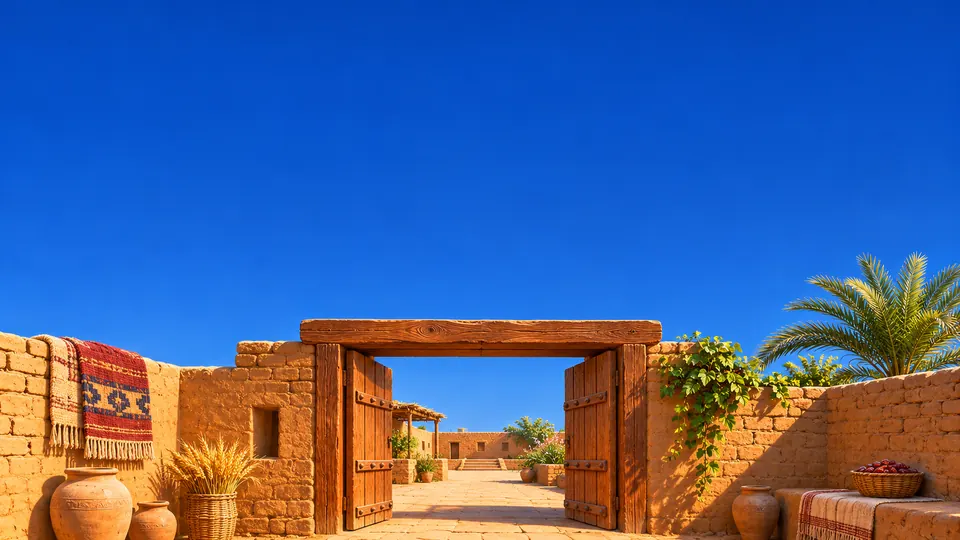
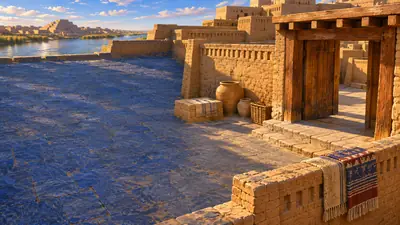
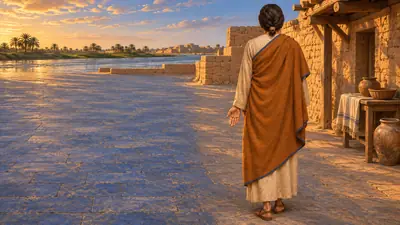
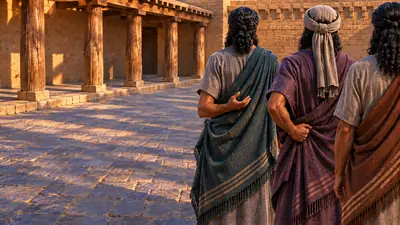
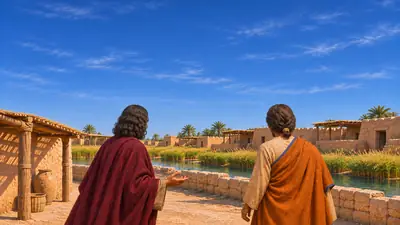
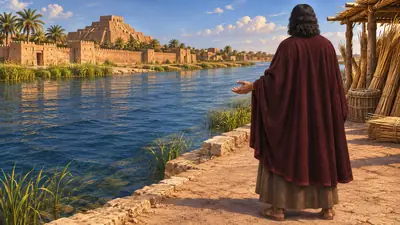
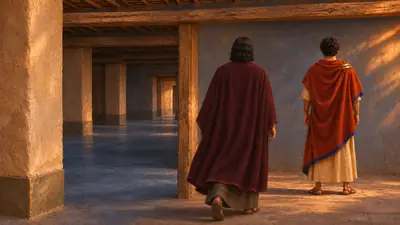
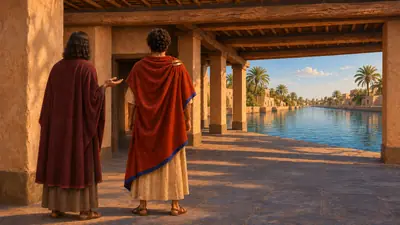
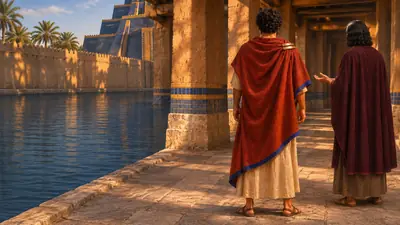
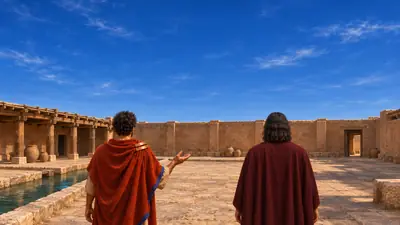
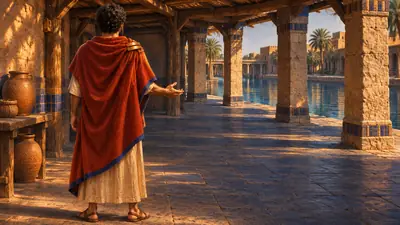
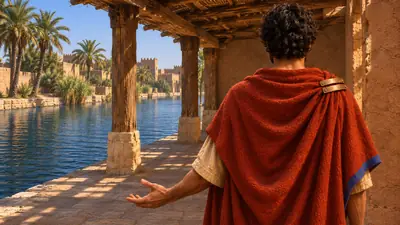
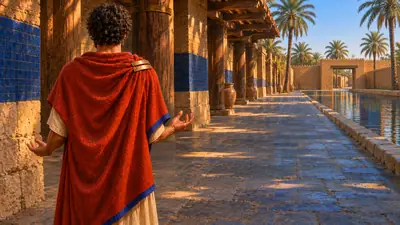
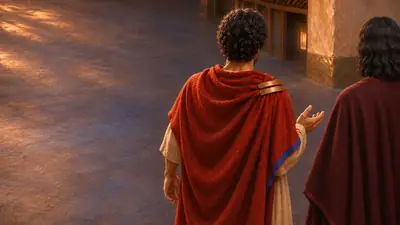
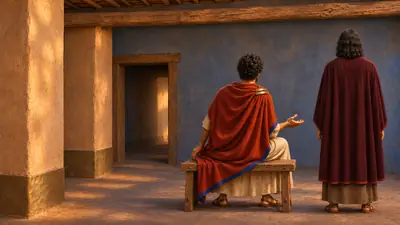
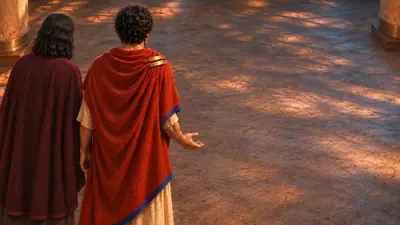
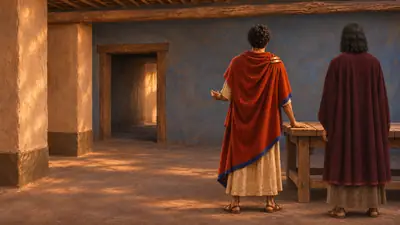
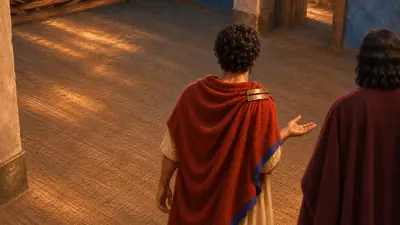
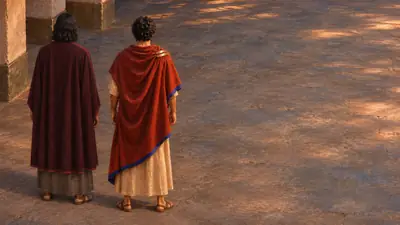
Erra goes to Babylon, the city of the king of the gods. He enters the Esagil, called the palace of heaven and earth, and comes before Marduk.
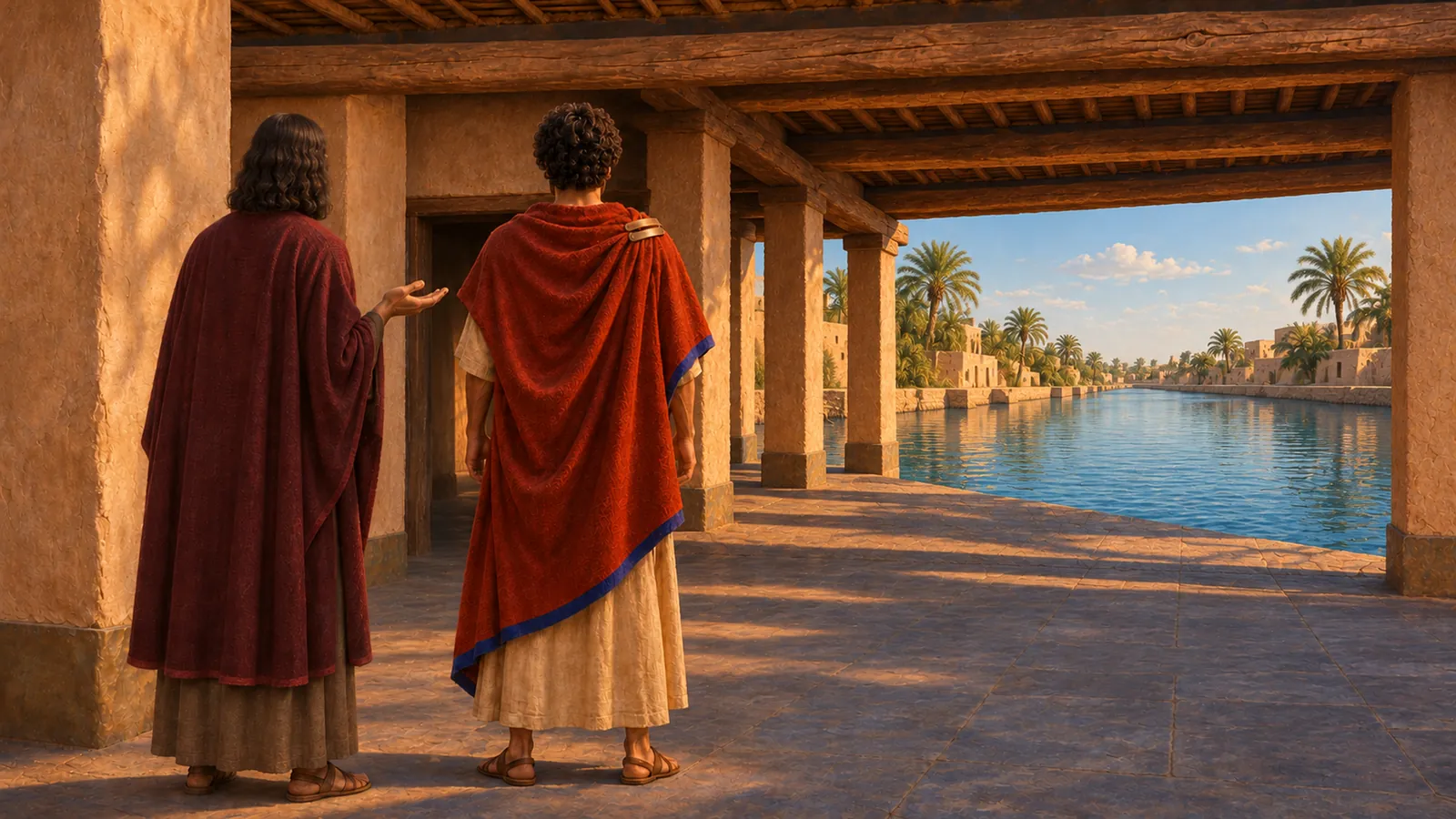
Erra asks why Marduk’s adornment is soiled. He says it once shone like the stars.
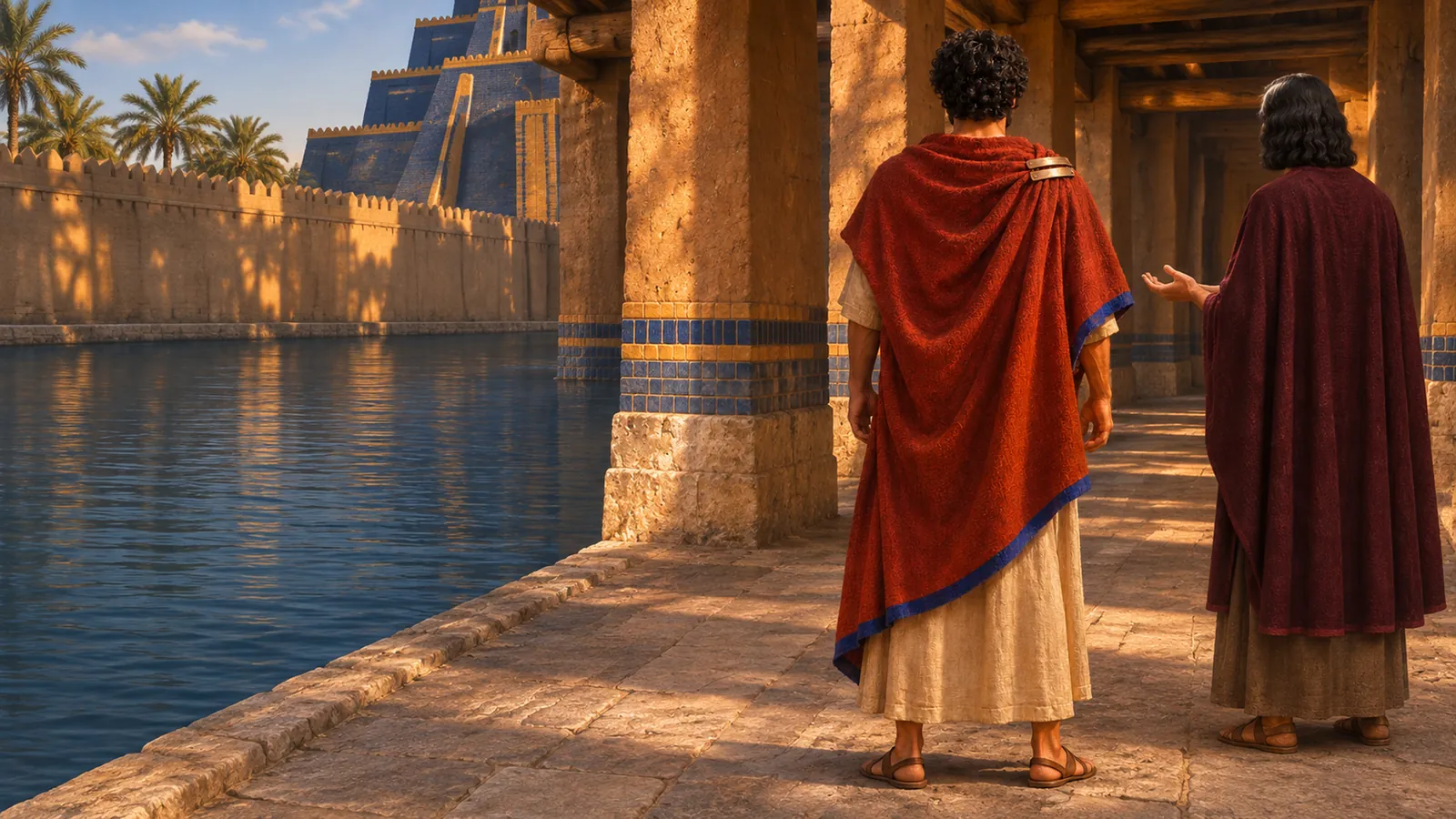
Erra also asks why the crown of Marduk’s lordship has dimmed. He remembers how brightly it once lit a sacred house.
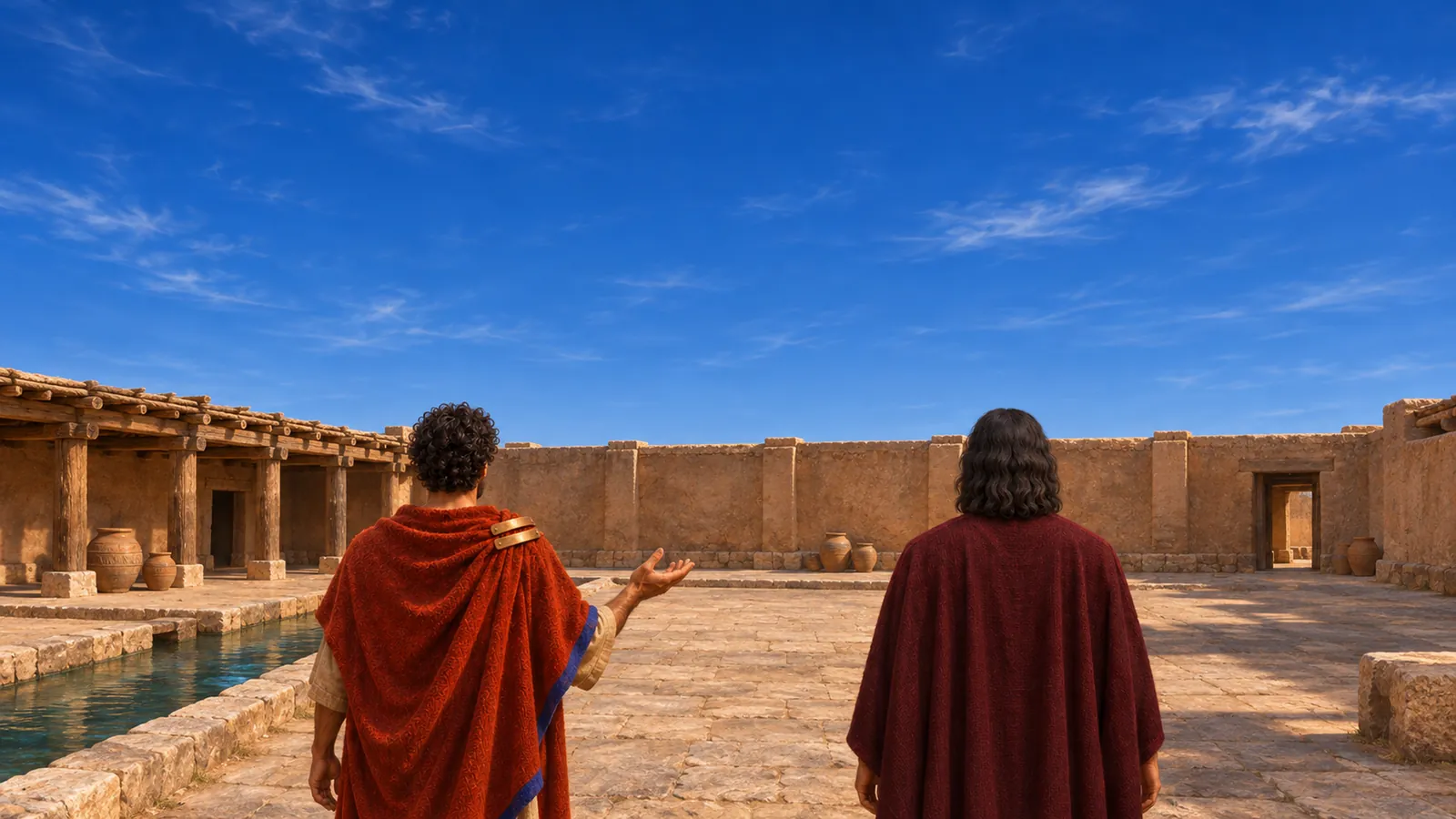
THE FLOOD
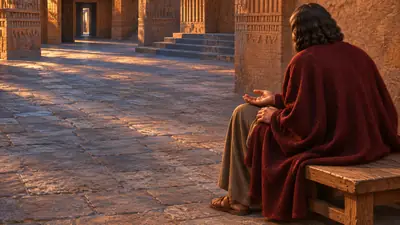
Marduk tells Erra what happened long ago. He says he rose from his seat in anger and brought about a flood. The seams of heaven and earth tore apart.
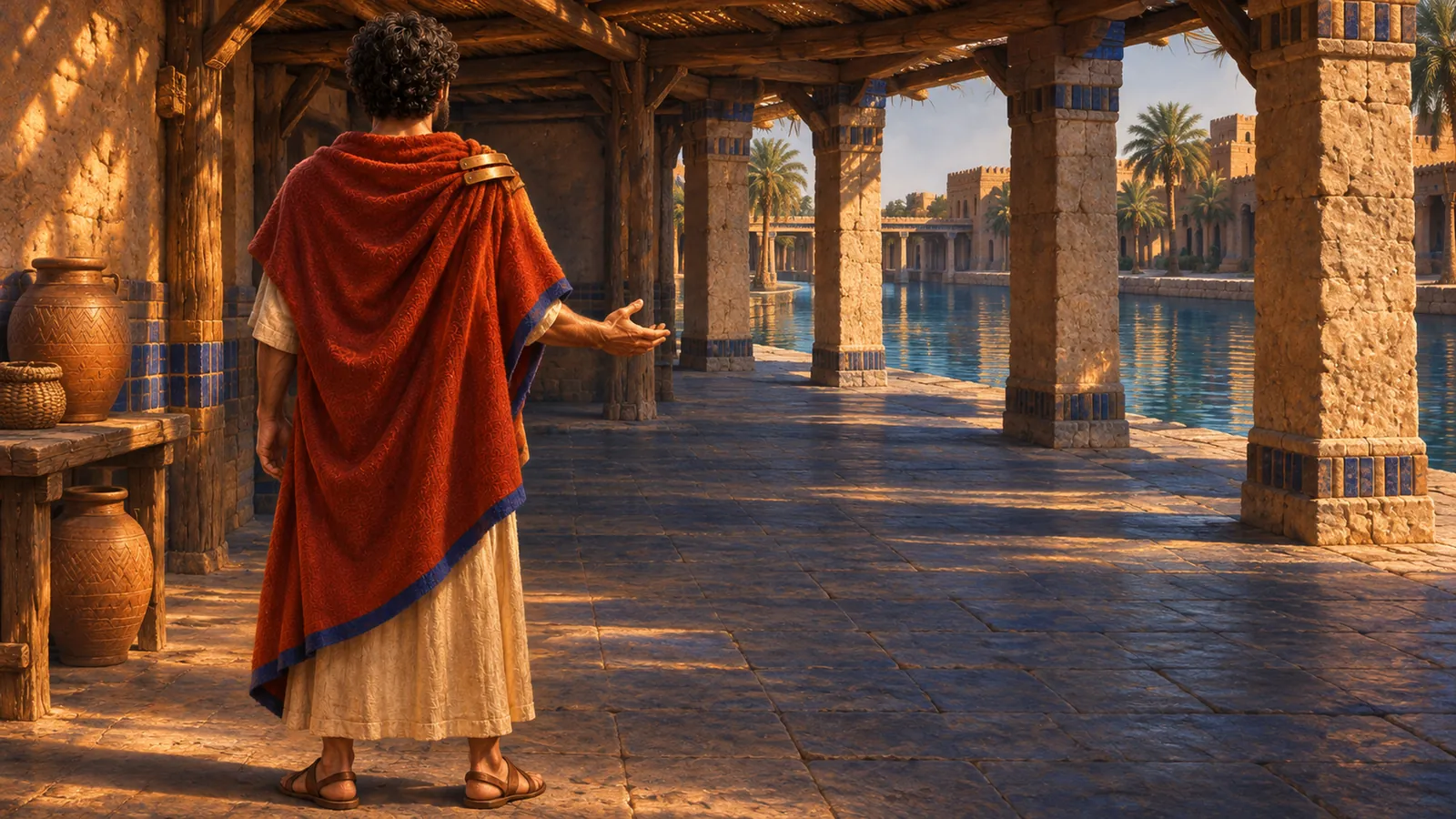
Marduk recalls stars changing their places when heaven shook. He says the furrows yielded so little that collecting their dues became difficult.
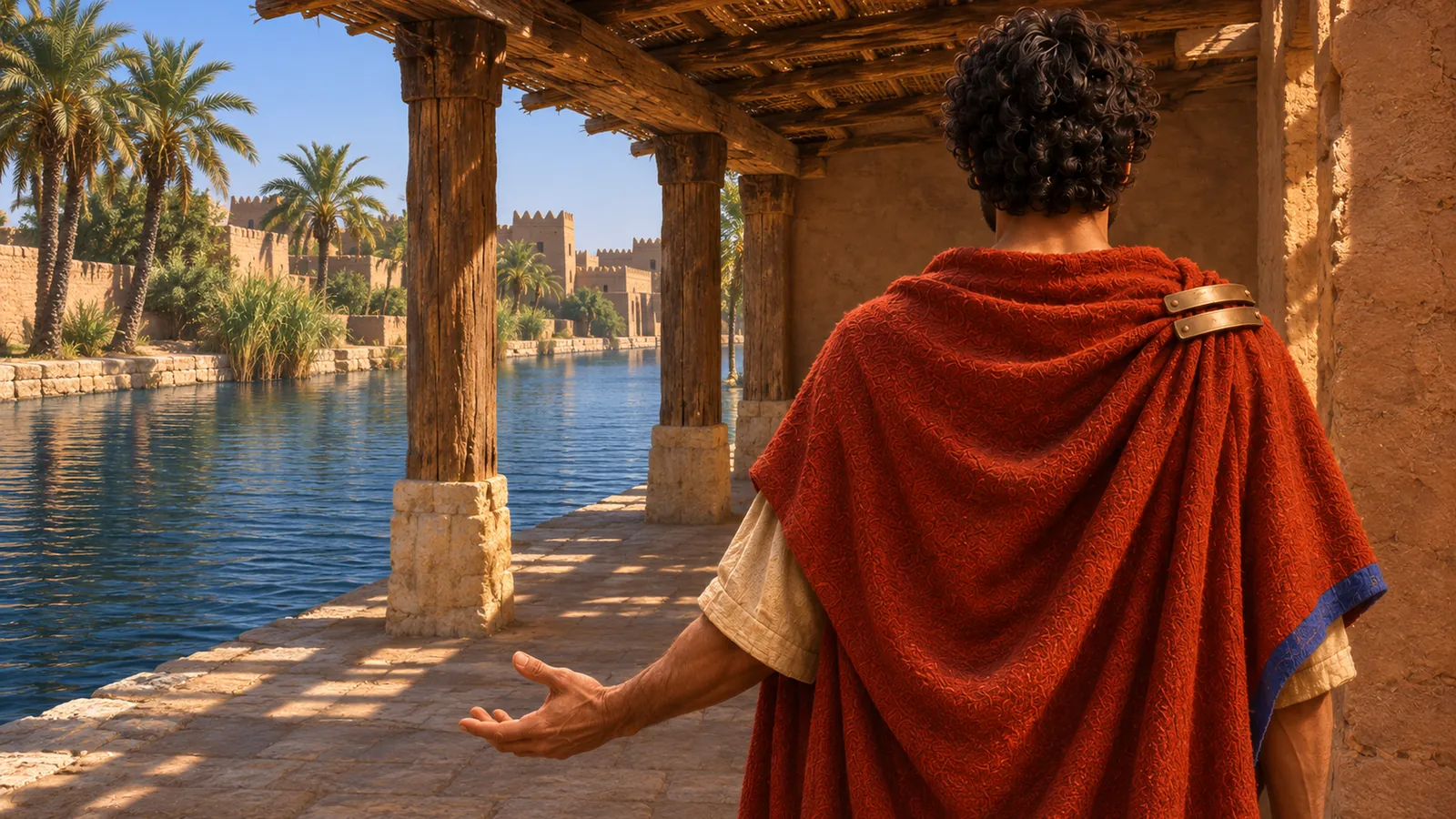
Marduk says the springs diminished and the high water withdrew. When he looked again, there was scarcely enough.
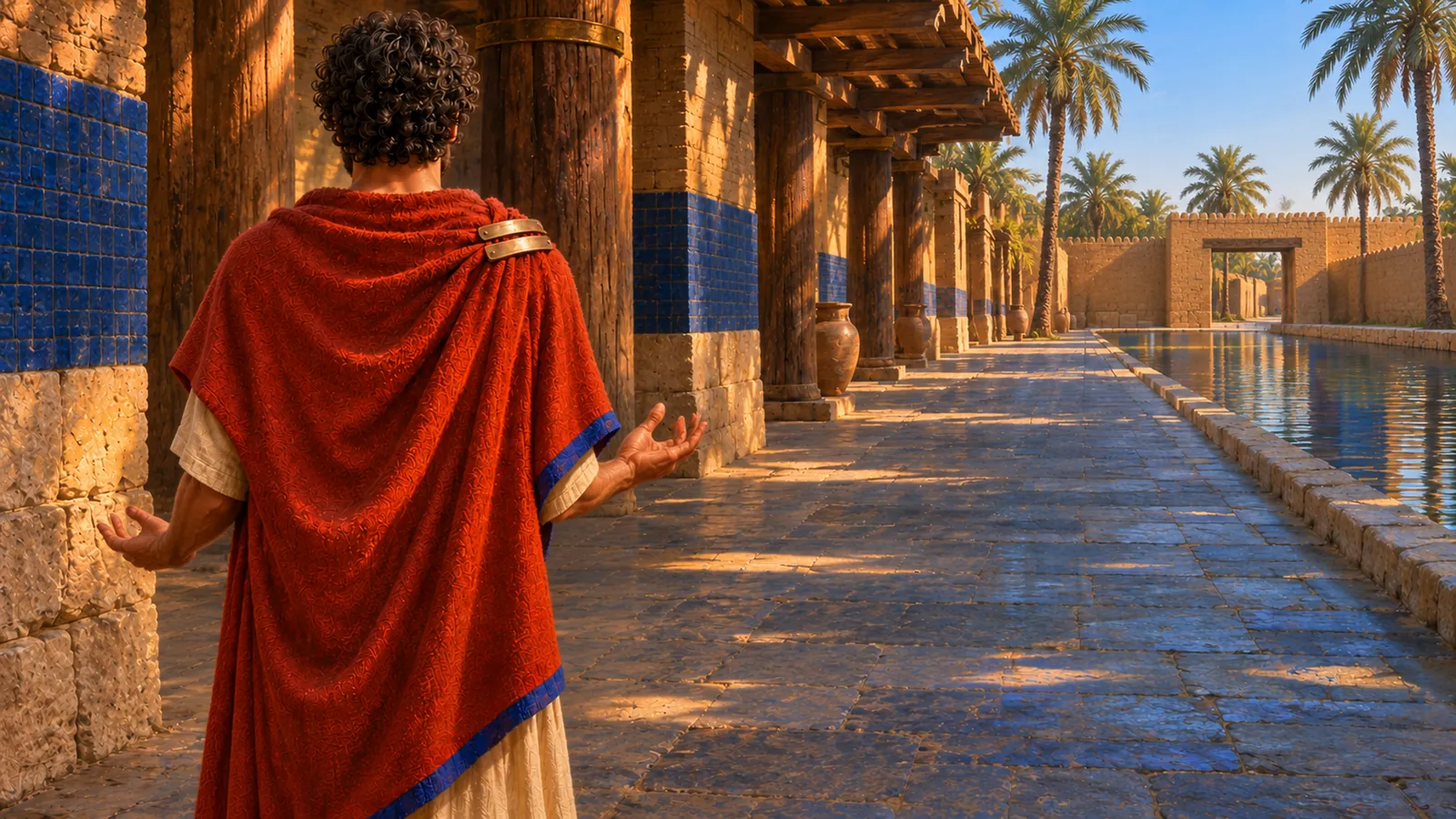
Marduk recalls how few young living things remained. He says he finally took their young in hand, like a farmer gathering seedlings.
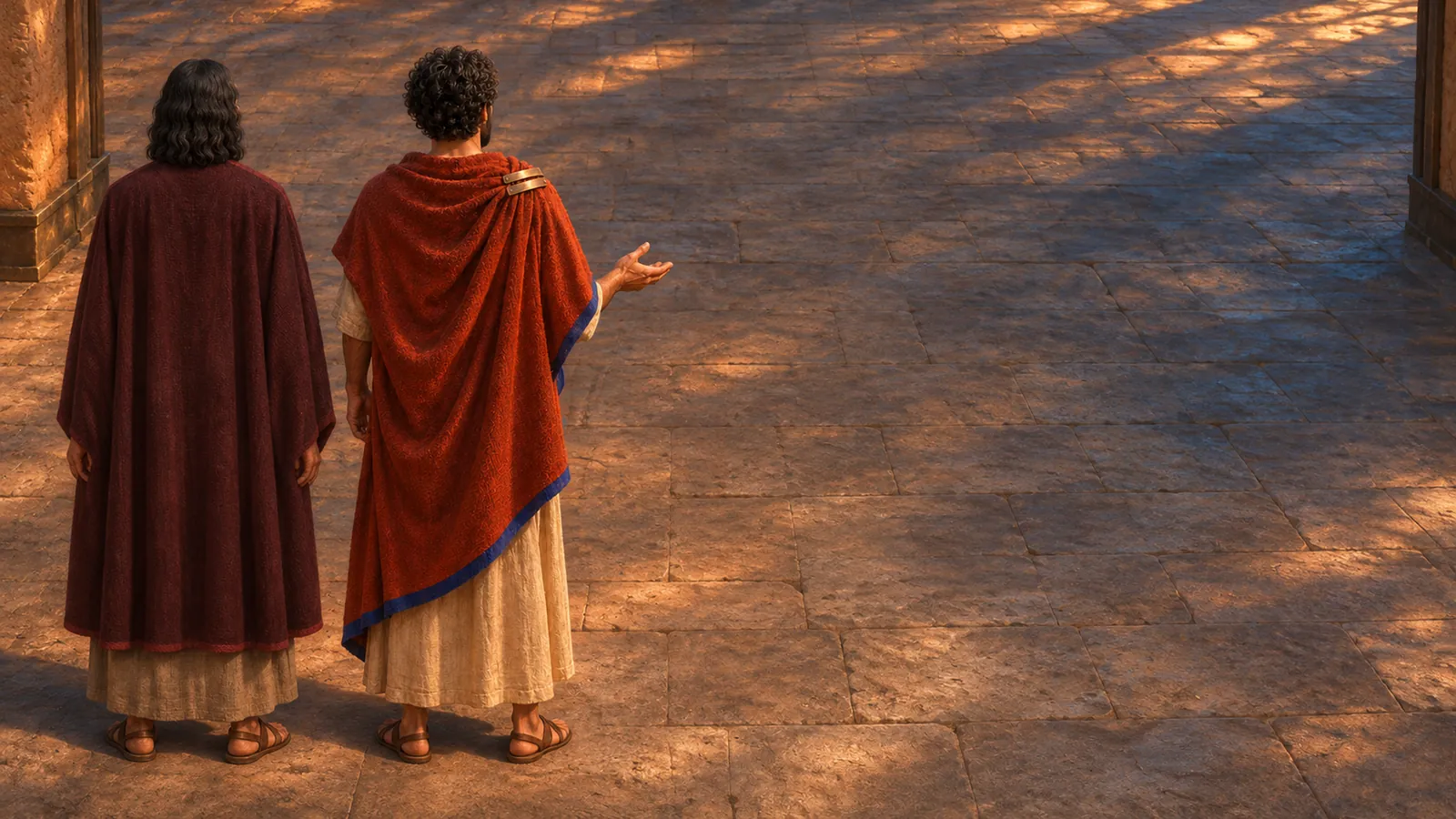
Marduk remembers building and settling in another house. His image had lost its brightness, and he called on the fire god to restore it and clean his garments.
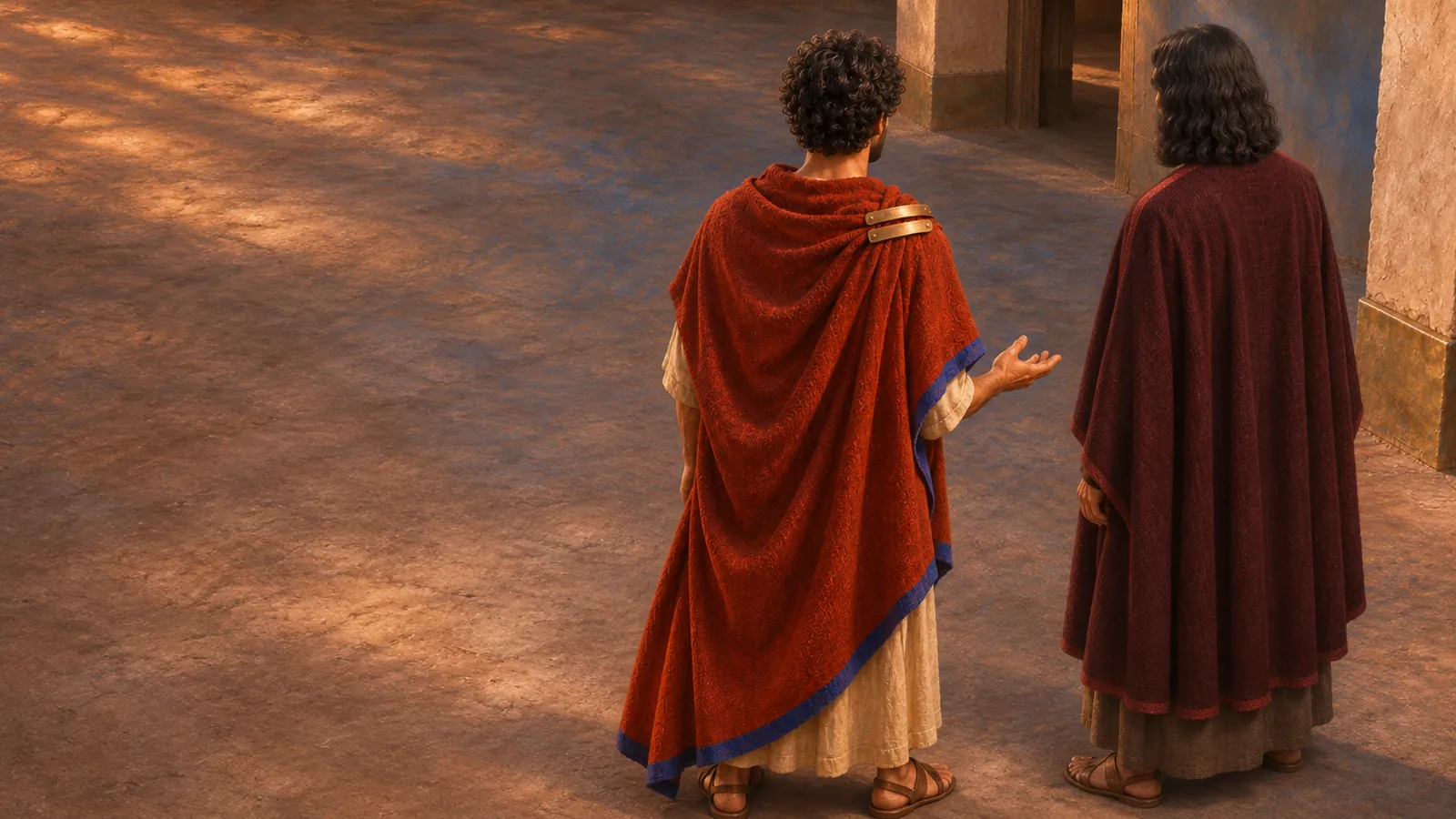
Marduk says the work was finished and he returned wearing his crown. The people who survived the flood saw what had been done. He wonders whether his anger now might destroy those who remain.
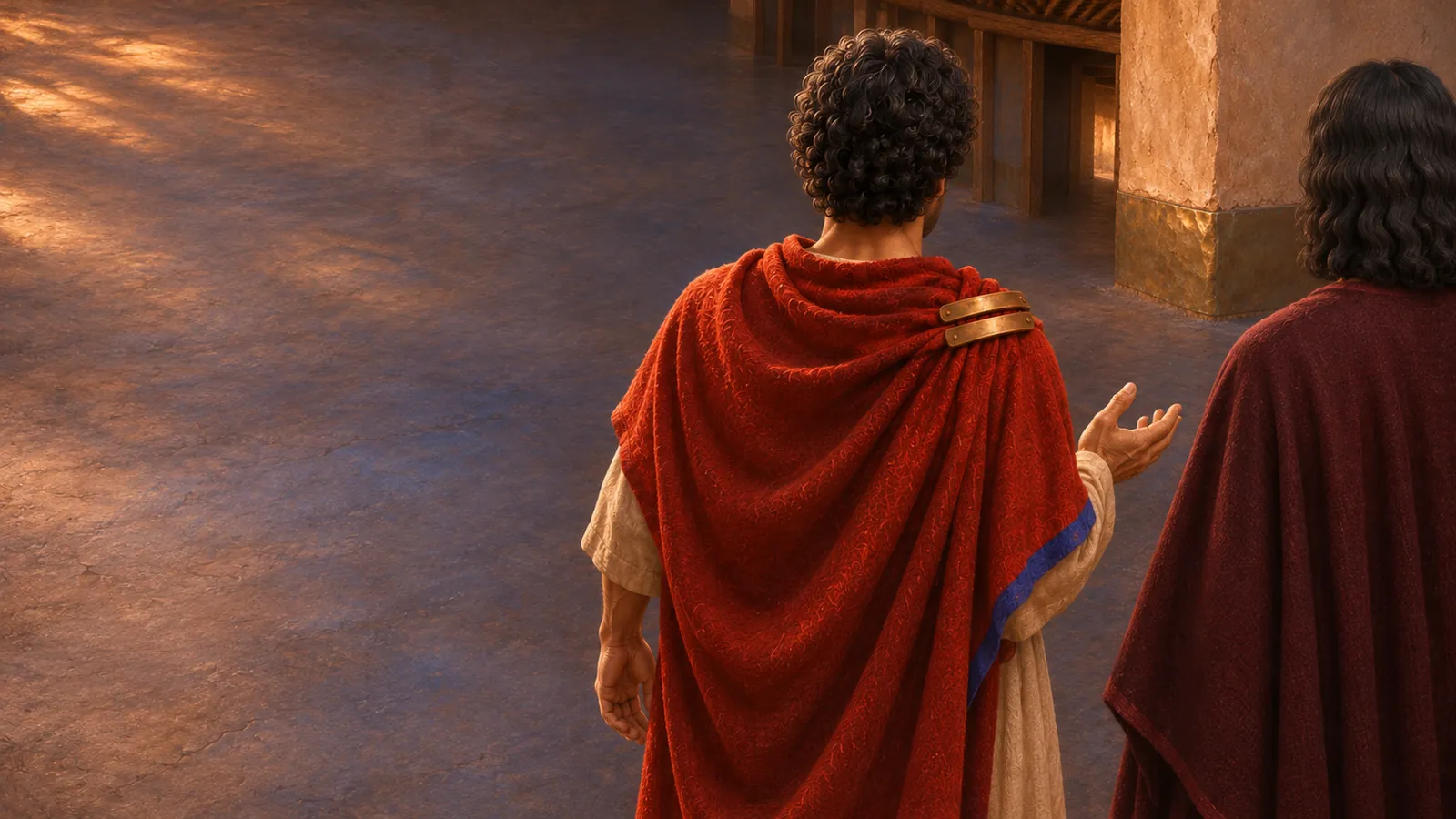
Marduk says he sent the craftsmen down to the Apsu and gave no order for their return. He moved the mesu tree and the amber, keeping their whereabouts to himself.
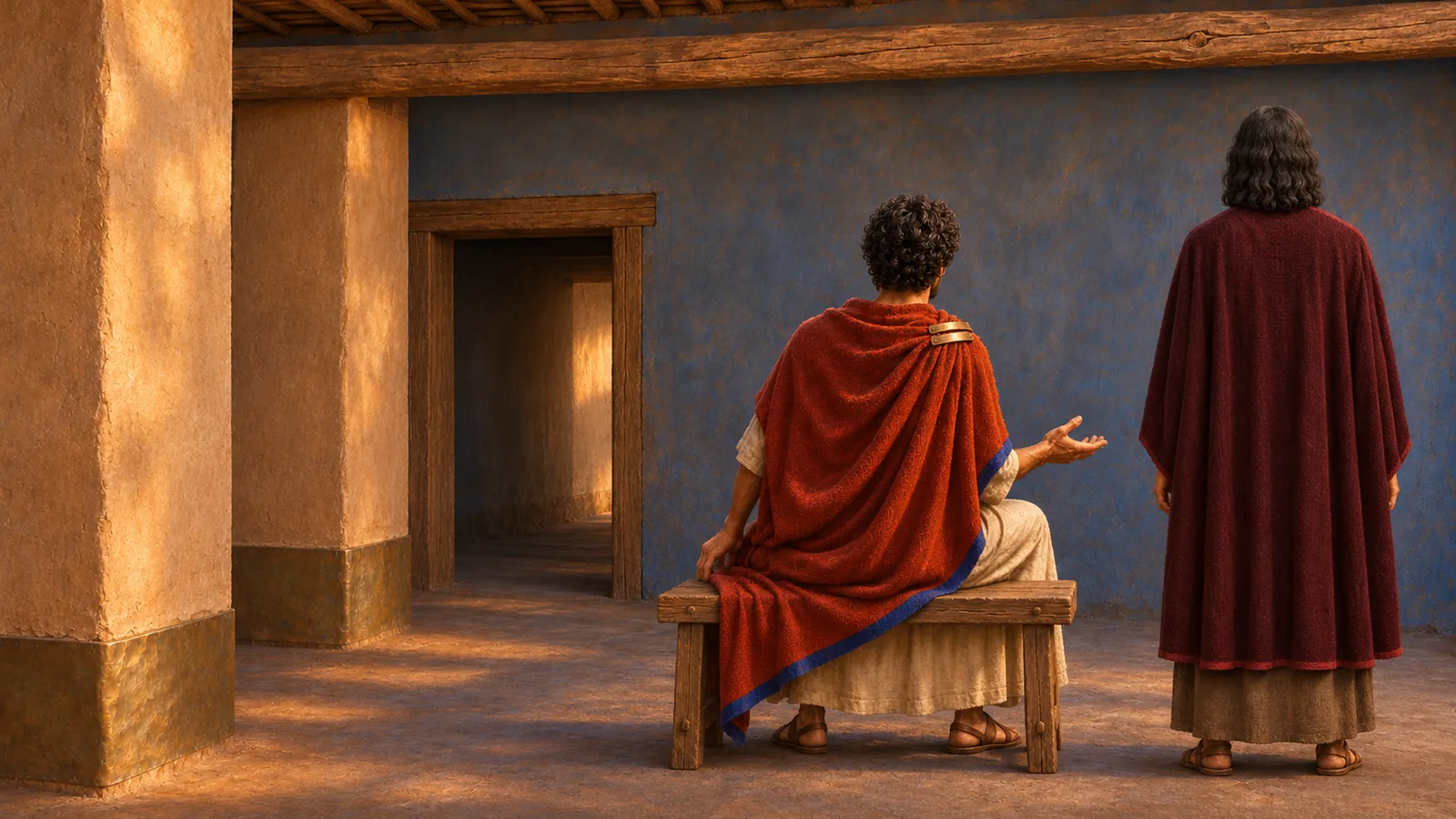
Marduk returns to Erra’s proposal and asks where the mesu tree can be found. He calls it the flesh of the gods and says it is fit for a king.
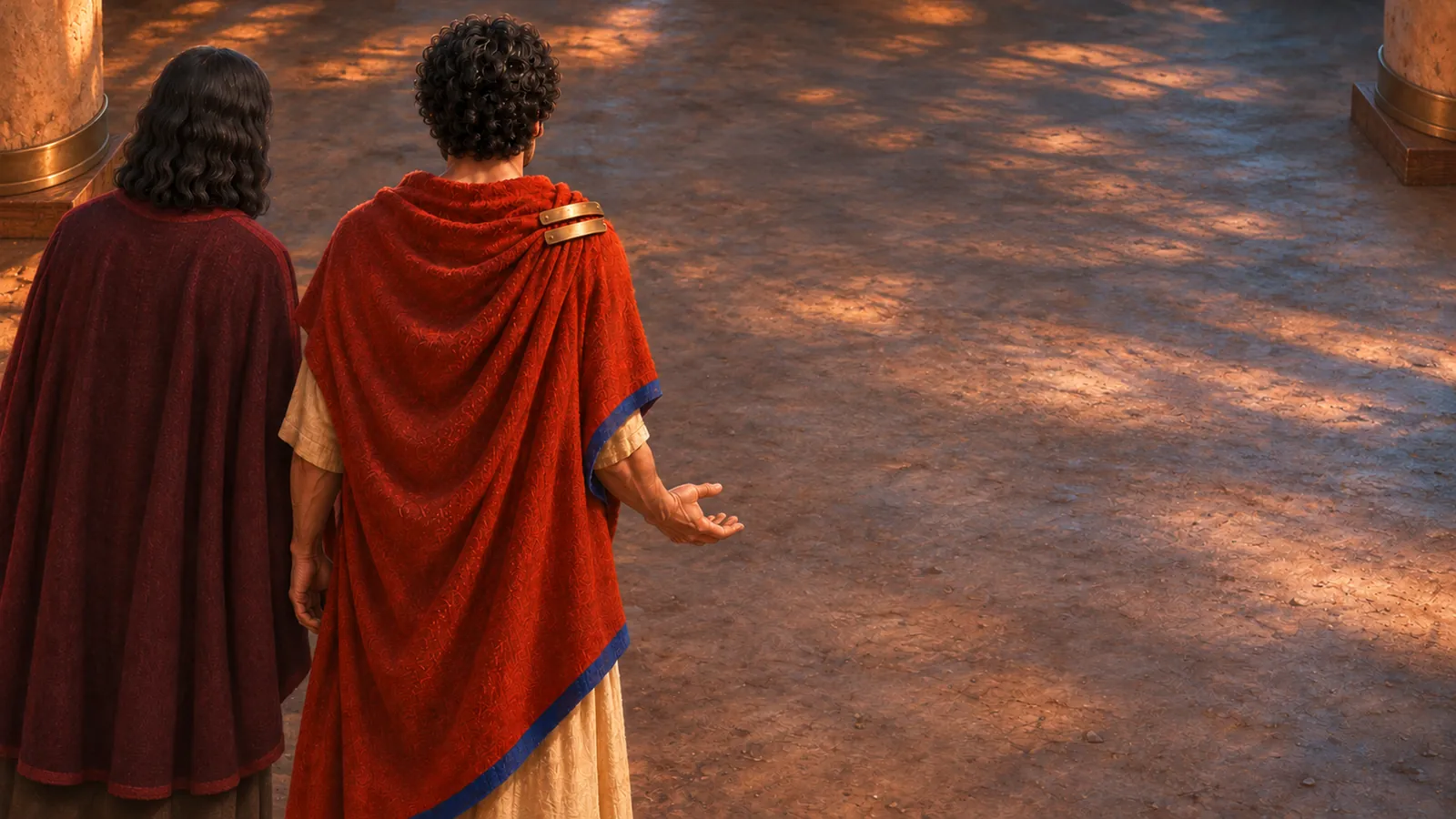
Marduk says its roots reached into the depths and its crown touched Anu’s heaven. He also asks where the splendid blue material has gone.
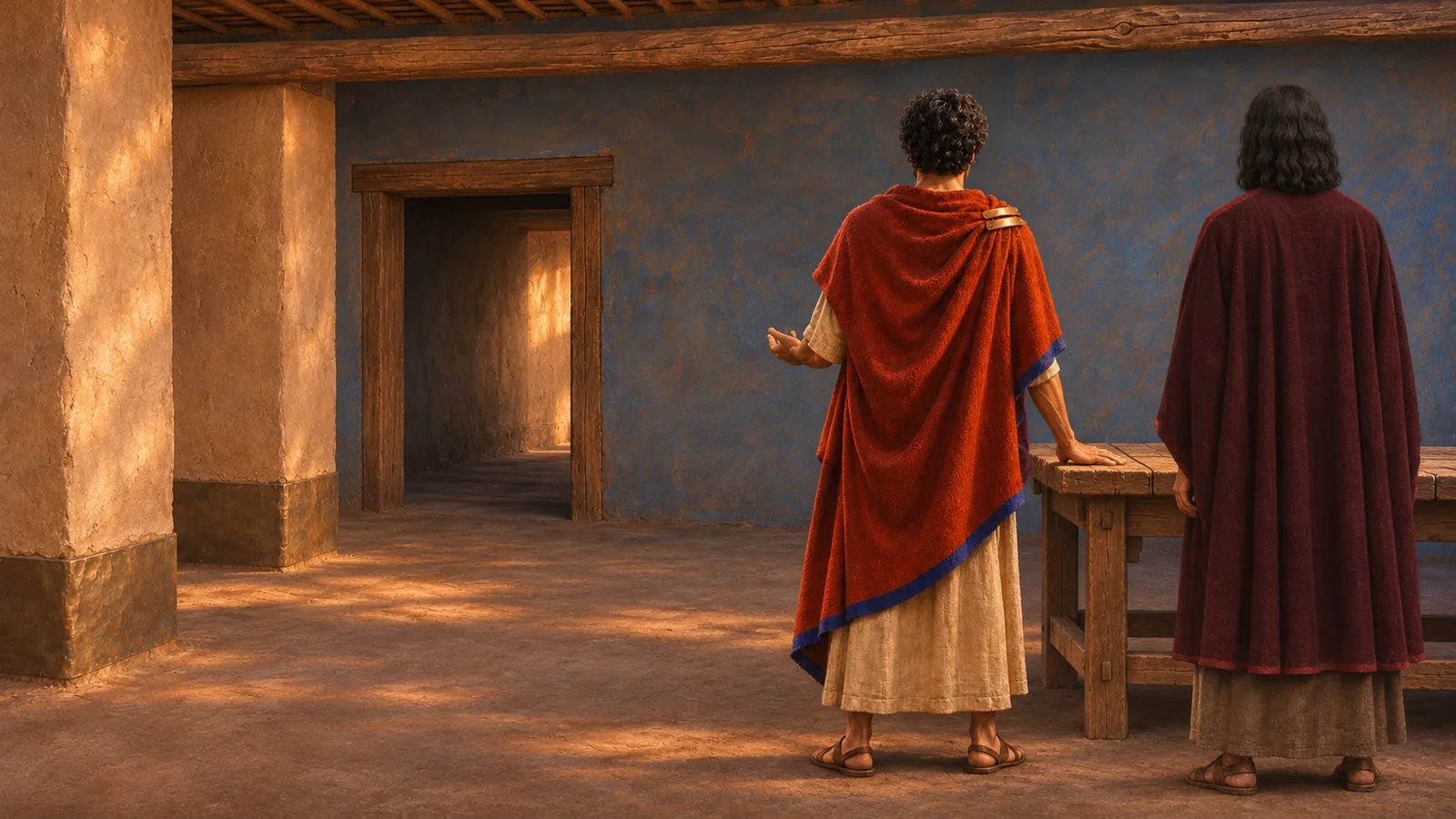
Marduk asks where his master carpenter, Ninildu, has gone. The Sultantepe copy also preserves the names Kusibanda and Ninagal, though parts of their descriptions are lost.
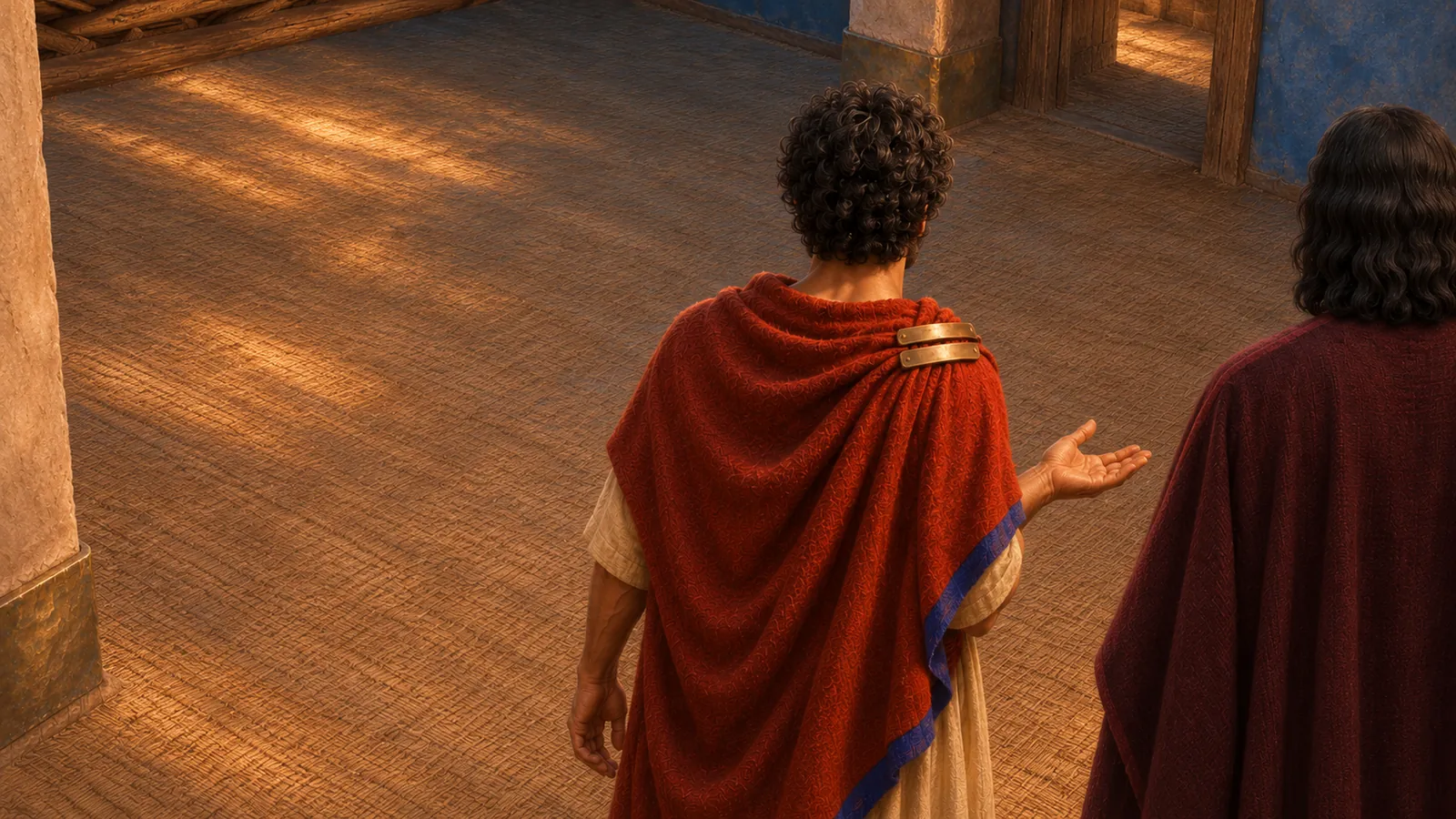
Marduk then asks where the seven sages of the Apsu are. The Sultantepe copy compares them to Ea, but the rest of the phrase is incomplete.
Part of the exchange is damaged. Erra’s reply survives in fragments, and Marduk speaks again of the order of heaven and earth. The word for darkness is still there.
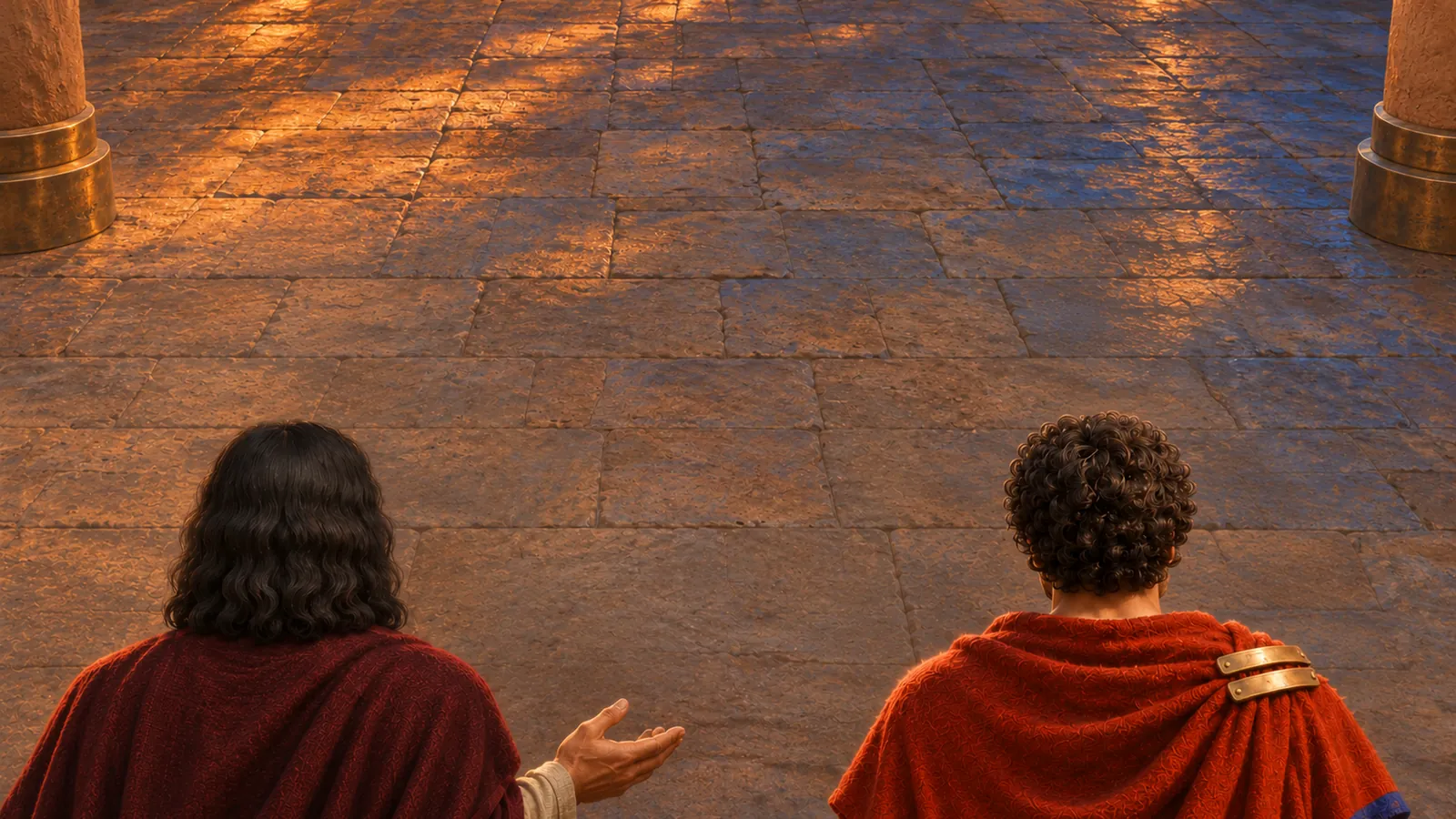
THE PROMISE
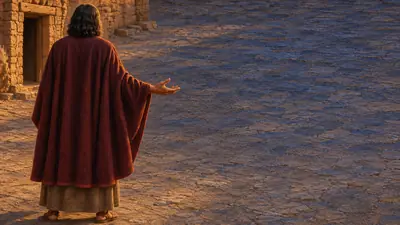
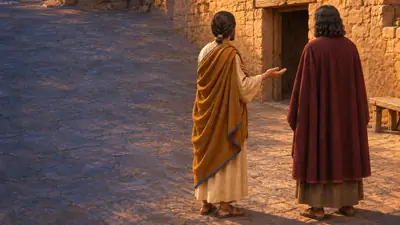
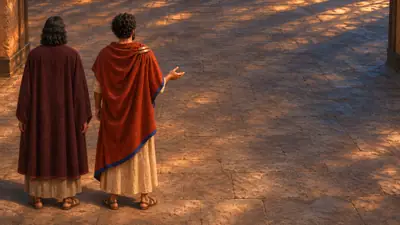
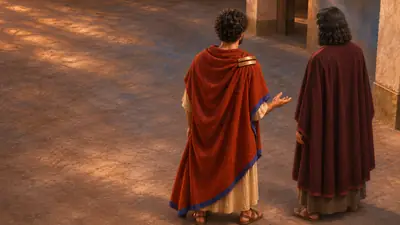
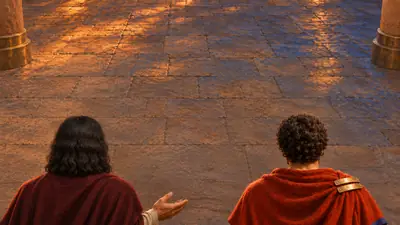
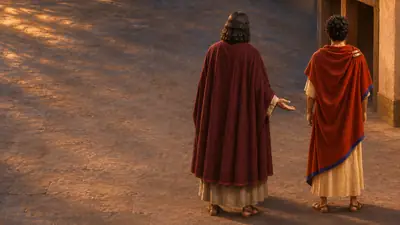
Erra promises to uphold the order of heaven and earth until Marduk returns. He speaks of going up to the Igigi and going down to the Apsu to care for the Anunnaku.
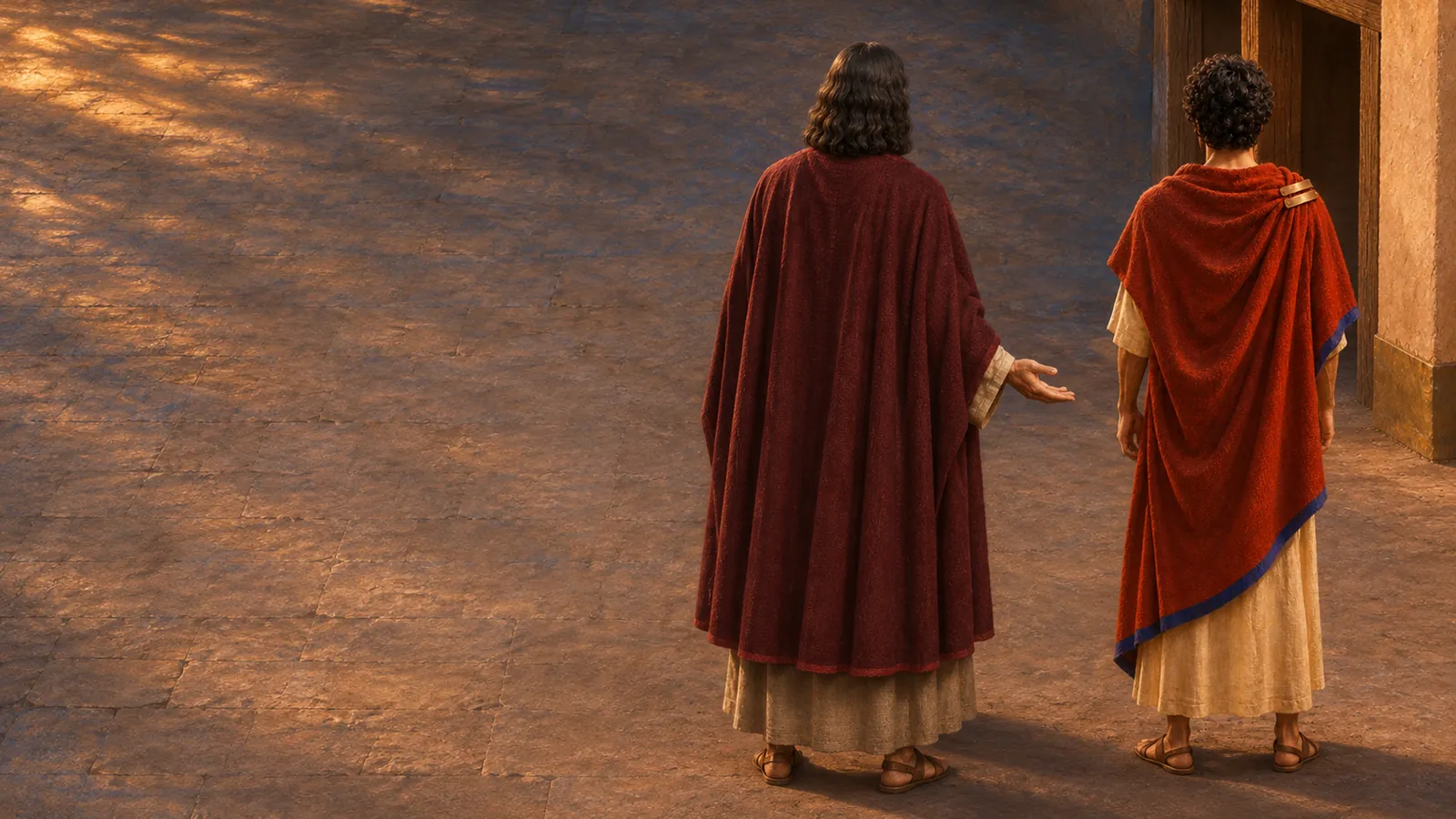
Erra says he will send fierce beings away and bind the evil wind like a bird. He will station Anu and Enlil like oxen at either side of the gate to Marduk’s lodging.
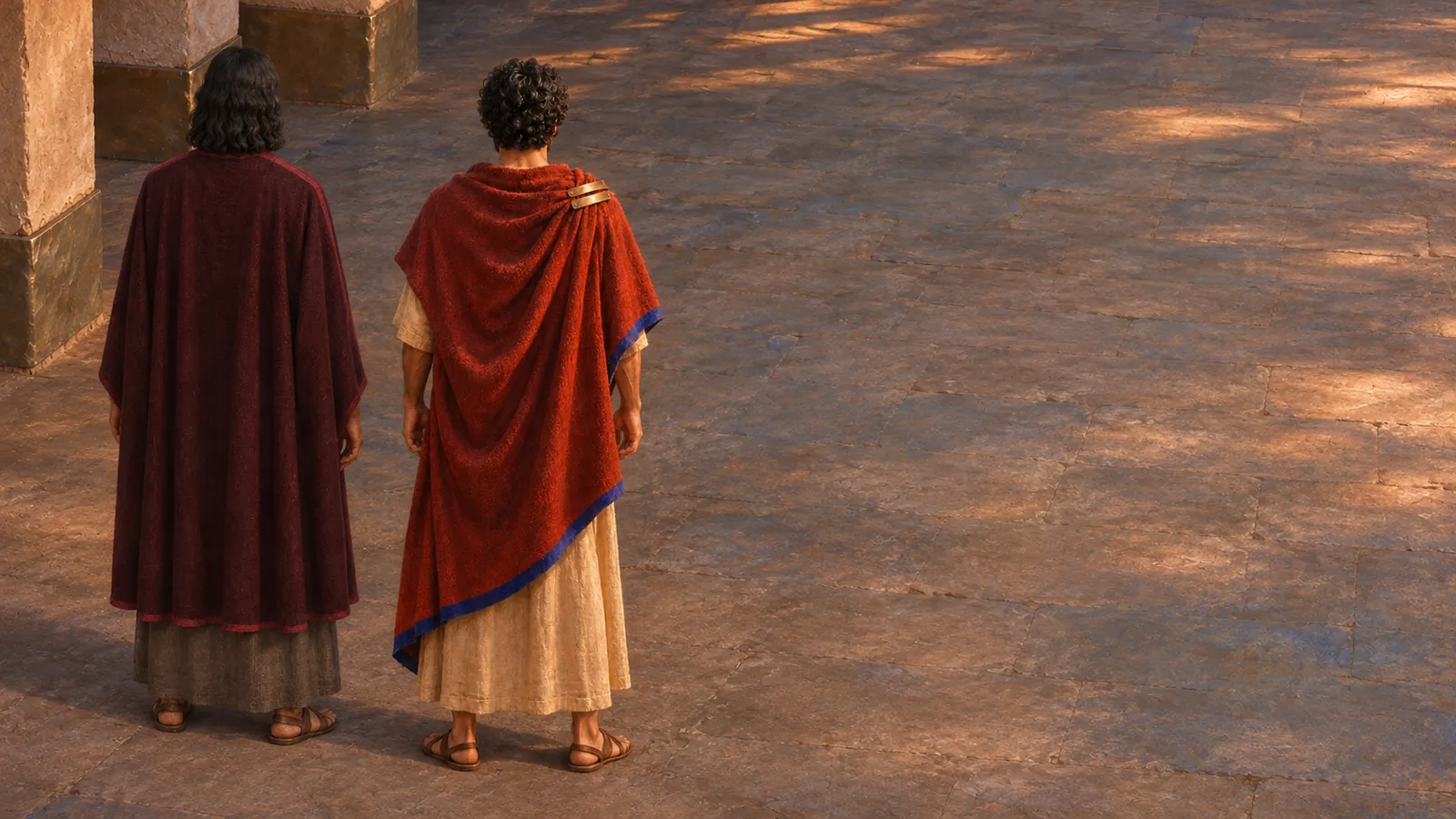
Marduk hears what Erra says. The assurance pleases him, and here the first tablet comes to its close.
End of chapter 1
All pages
Sources
Editions consulted
- Enrique Jiménez, Erra and Išum, Tablet I, electronic Babylonian Library
- ORACC CAMS/GKAB, Sultantepe Tablet I, STT 16 (P338333)
- A. R. George, The poem of Erra and Ishum, pp. 49–56
- IL Archive, The Poem of Erra and Ishum
Ancient lines behind each page
- Page 1: eBL I 1
The opening line does not name the person addressed. - Page 2: eBL I 2–3
- Page 3: eBL I 4–5
- Page 4: eBL I 6–9; STT 16 obv. i 6–9
The eBL edition and the translation of STT 16 read the opening speaker differently. - Page 5: eBL I 10–14
- Page 6: eBL I 15–21
- Page 7: eBL I 23–26
- Page 8: eBL I 27
The barred door is a metaphor for Ishum. - Page 9: eBL I 28–30
- Page 10: eBL I 30–36
- Page 11: eBL I 39; STT 16 obv. i 39–44
- Page 12: eBL I 45–48
- Page 13: eBL I 49–51; George I 49–51
- Page 14: George I 52–56
- Page 15: George I 57–60
- Page 16: eBL I 61–63
- Page 17: eBL I 64–69
- Page 18: eBL I 85–90; George I 87–91
- Page 19: eBL I 92–93; STT 16 obv. ii 24–25
- Page 20: eBL I 94–96; STT 16 obv. ii 26–28
- Page 21: eBL I 97–98
- Page 22: eBL I 100–103
Part of Ishum’s question is restored in the eBL edition. - Page 23: eBL I 104–109
- Page 24: eBL I 109–111
- Page 25: eBL I 115–119
Erra associates himself with Nergal in this line of his boast. - Page 26: STT 16 obv. ii 54–55; George I 120–123 discussed
- Page 27: eBL I 124–125
- Page 28: eBL I 126–127; STT 16 obv. ii 58–59
- Page 29: eBL I 128; STT 16 rev. i 1
- Page 30: eBL I 129–133; STT 16 rev. i 2–5
- Page 31: eBL I 134–135
- Page 32: eBL I 136; STT 16 rev. i 9
- Page 33: eBL I 137–138
- Page 34: eBL I 139–141
- Page 35: eBL I 142–146; STT 16 rev. i 16–19
- Page 36: eBL I 147–148; STT 16 rev. i 20–21
Apsu remains a place of the poem. - Page 37: eBL I 149–151; STT 16 rev. i 22–24
- Page 38: eBL I 152–154; STT 16 rev. i 25–27
The blue substance is described differently in the eBL edition and the STT 16 translation. - Page 39: eBL I 155; STT 16 rev. i 28–34
The Sultantepe names and their surviving descriptions belong to a damaged passage. - Page 40: STT 16 rev. i 35
- Page 41: STT 16 rev. i 36–53
The condition of the Sultantepe copy leaves parts of the exchange uncertain. - Page 42: STT 16 rev. ii 1–4
- Page 43: STT 16 rev. ii 5–9
- Page 44: STT 16 rev. ii 10–11
The next surviving line anticipates the departure that opens Tablet II.
Illustrations made with AI tools by IL Archive; the text is based on the ancient sources (see the sources at the end of each chapter).