Erra and Ishum Chapter 2
The Song That Remained
The poem follows the disorder that rises after Erra’s promise. Ishum tells of what Babylon and the land endured, then asks Erra to listen and be calm. Erra calls for the land to yield again. The closing verses name the man who received the song and voice the wish that it be heard for generations.
SourcesTurn the pages with the arrows, the arrow keys or a swipe.
THE SONG THAT REMAINED
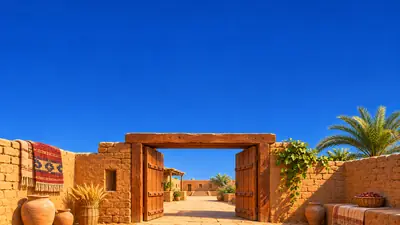
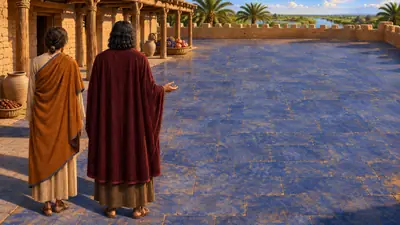
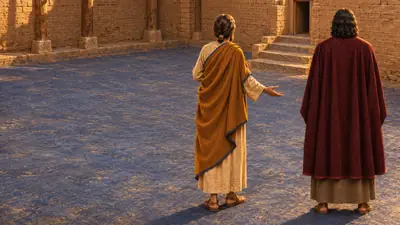
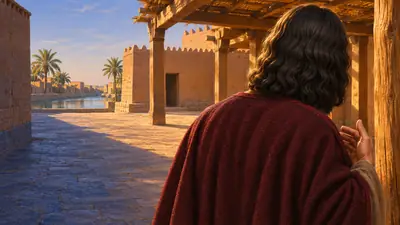
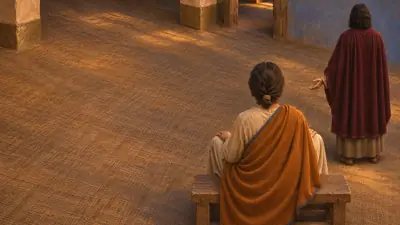
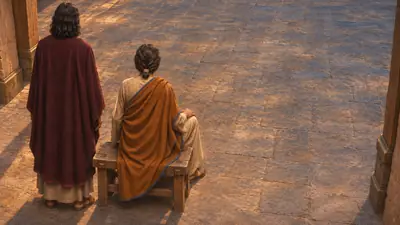
At the close of the first tablet, someone rises from an inaccessible dwelling and turns toward the dwelling of the Anunnaki. The line leads into the second tablet.
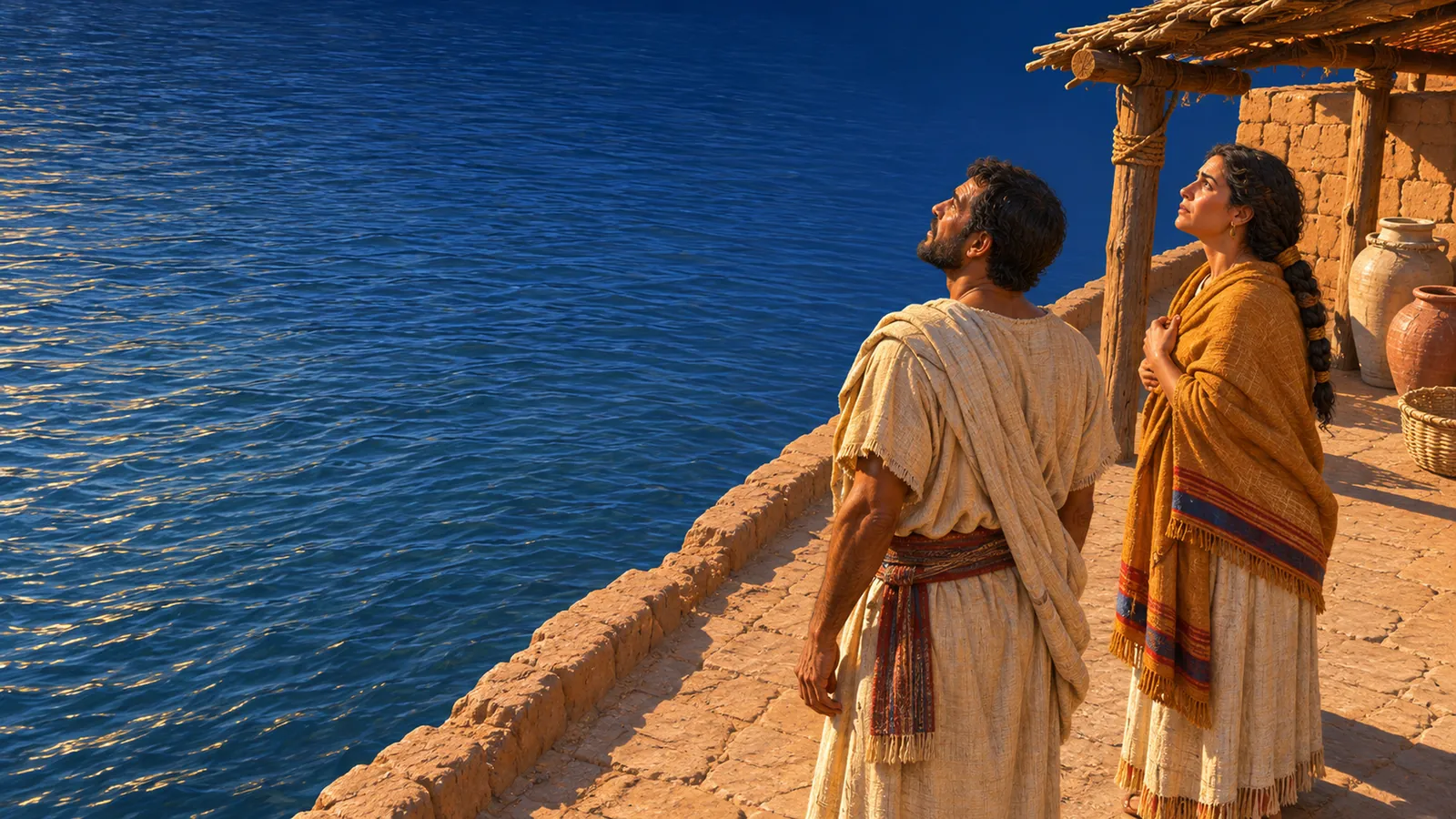
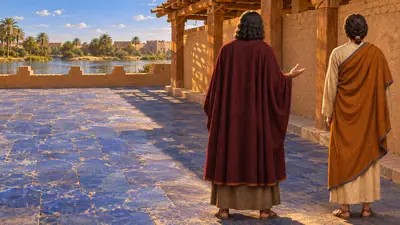
In the second tablet, the bright day turns dark. The surviving words of this copy leave open who brought about the darkness.
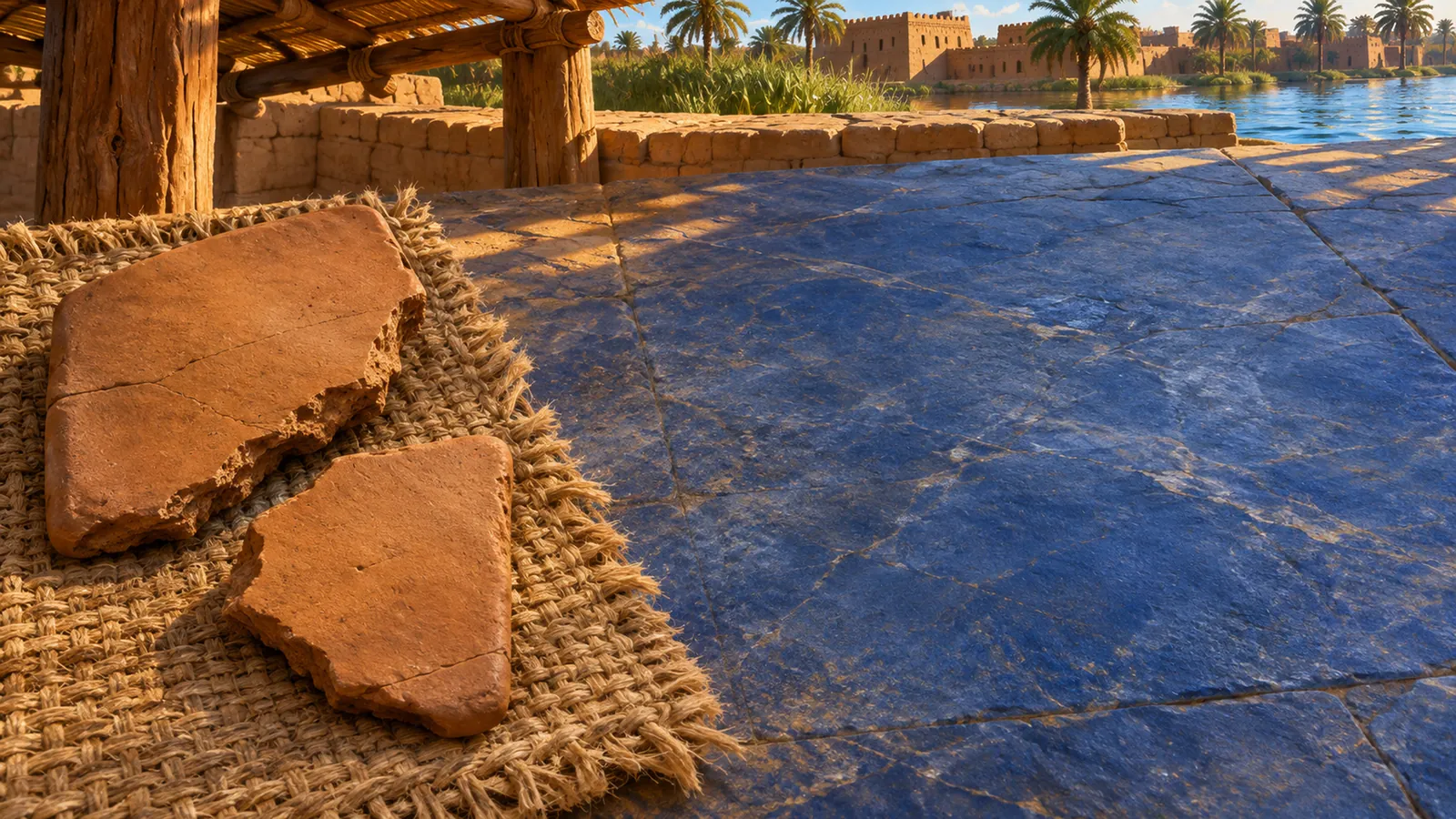
A BREAK IN THE COPY
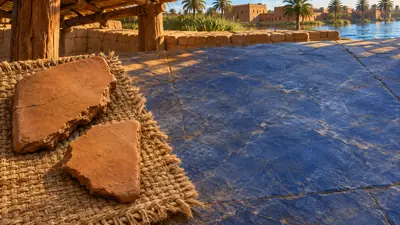
Part of the Sultantepe copy is missing here. When the surviving text resumes, it leads into an account of the craftsmen.
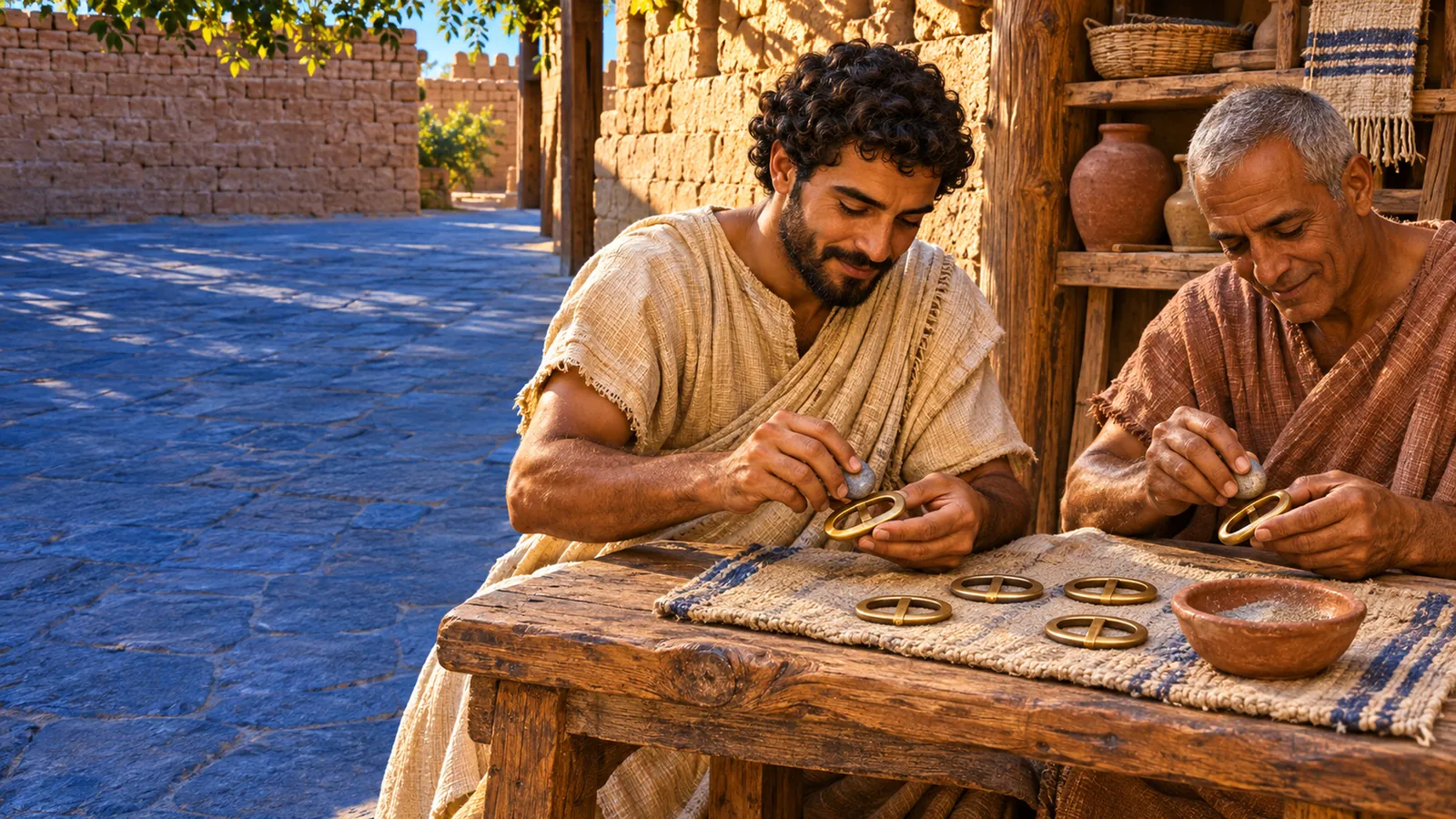
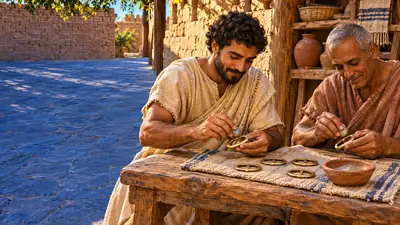
The craftsmen are given understanding and skill. The surviving words do not name the giver in these lines.
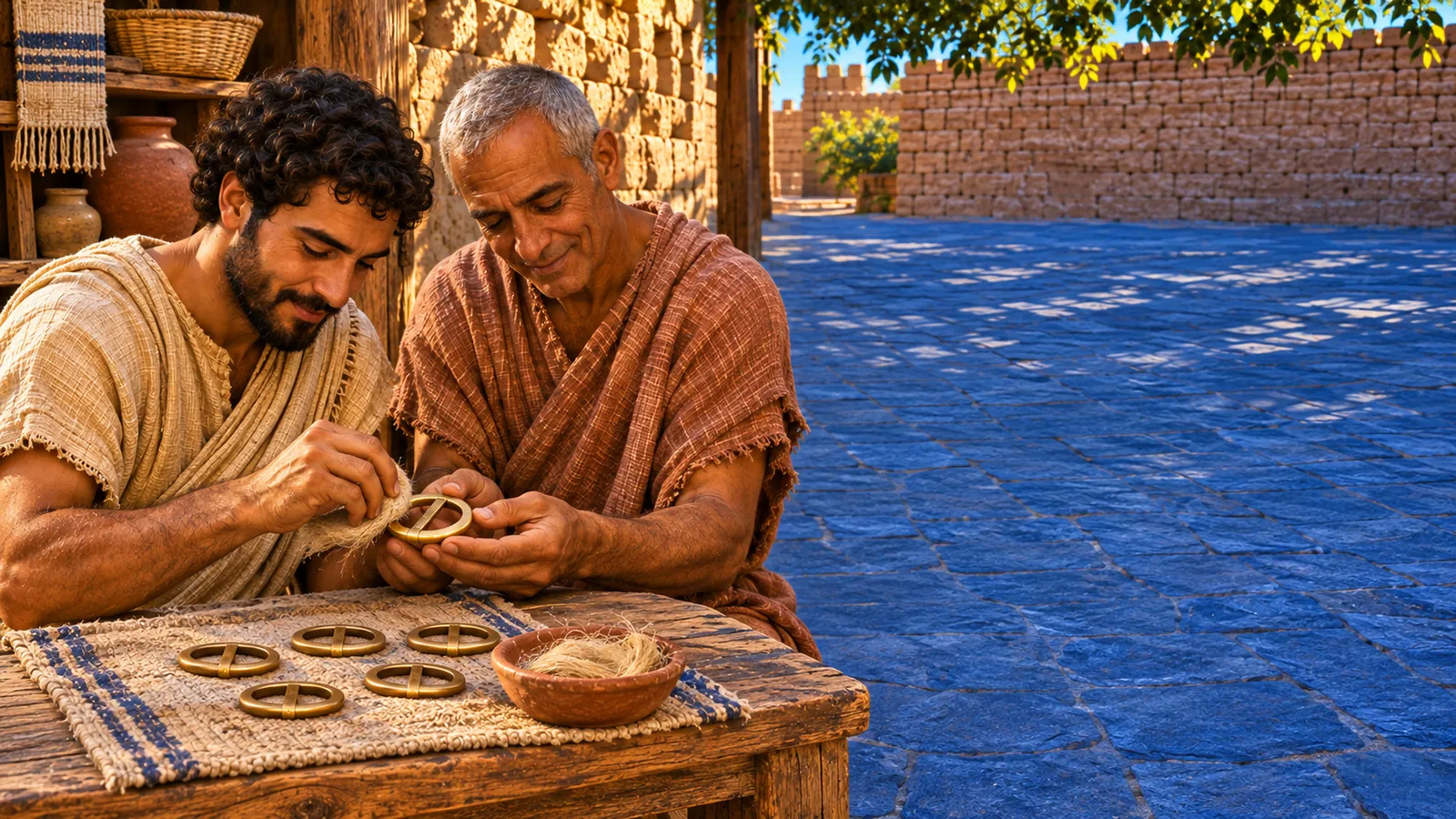
The craftsmen brighten the adornment. In the song, their work makes it finer than before.
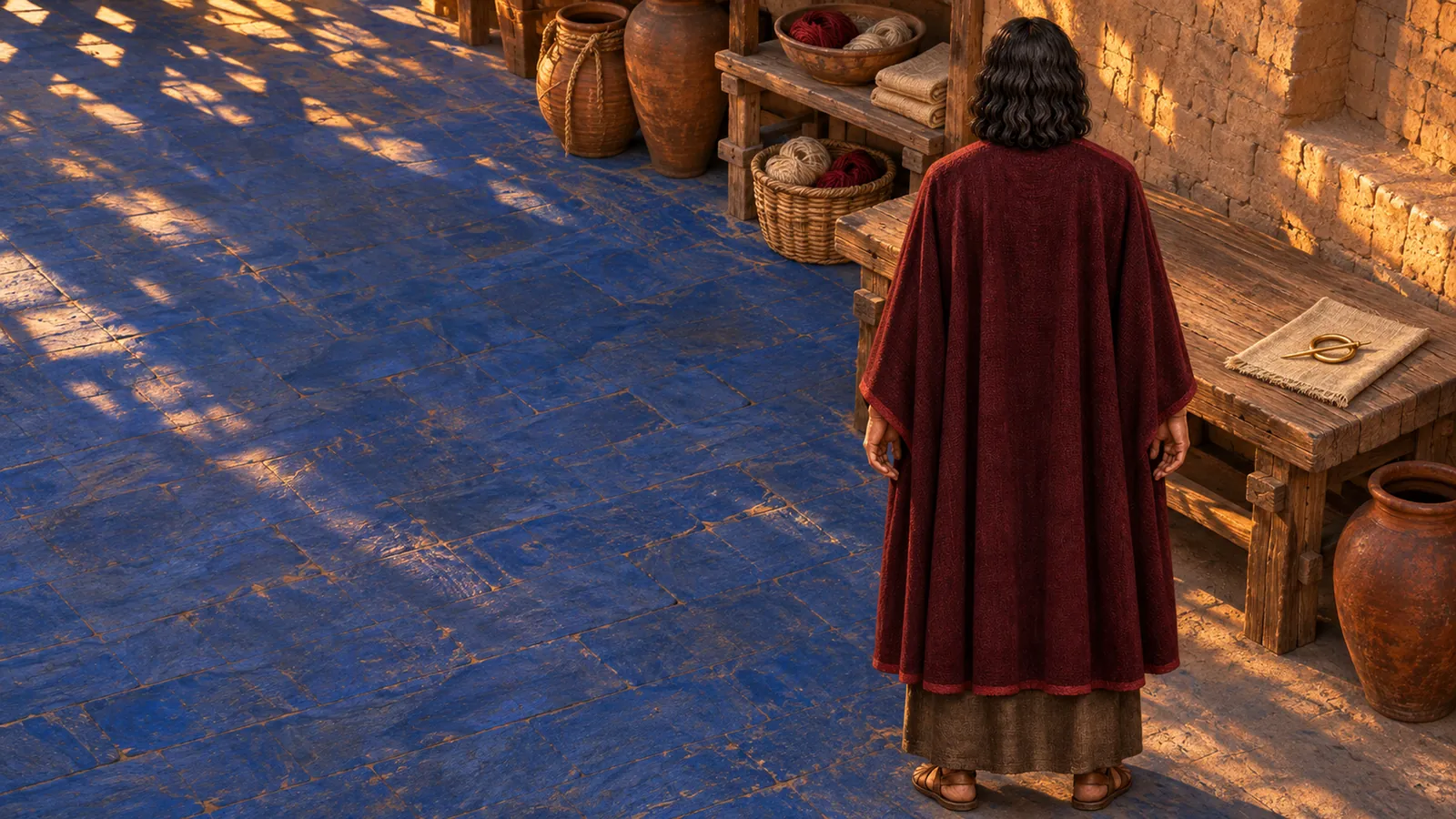
Erra stays before the adornment day and night. The next broken lines preserve a warning to keep away from the work.
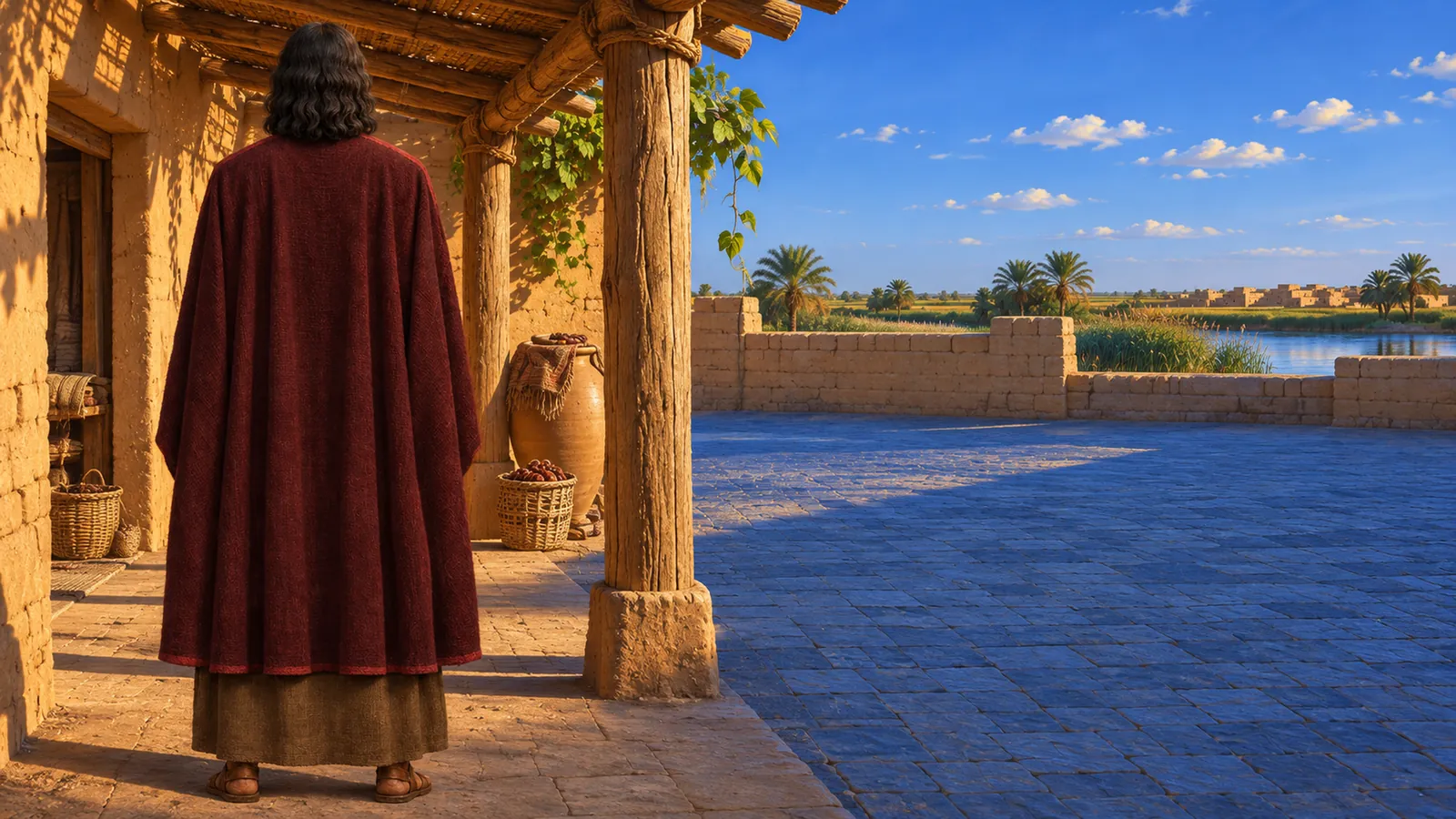
A passage from the Tell Haddad copy speaks of Erra’s anger. He pays no heed to anyone.
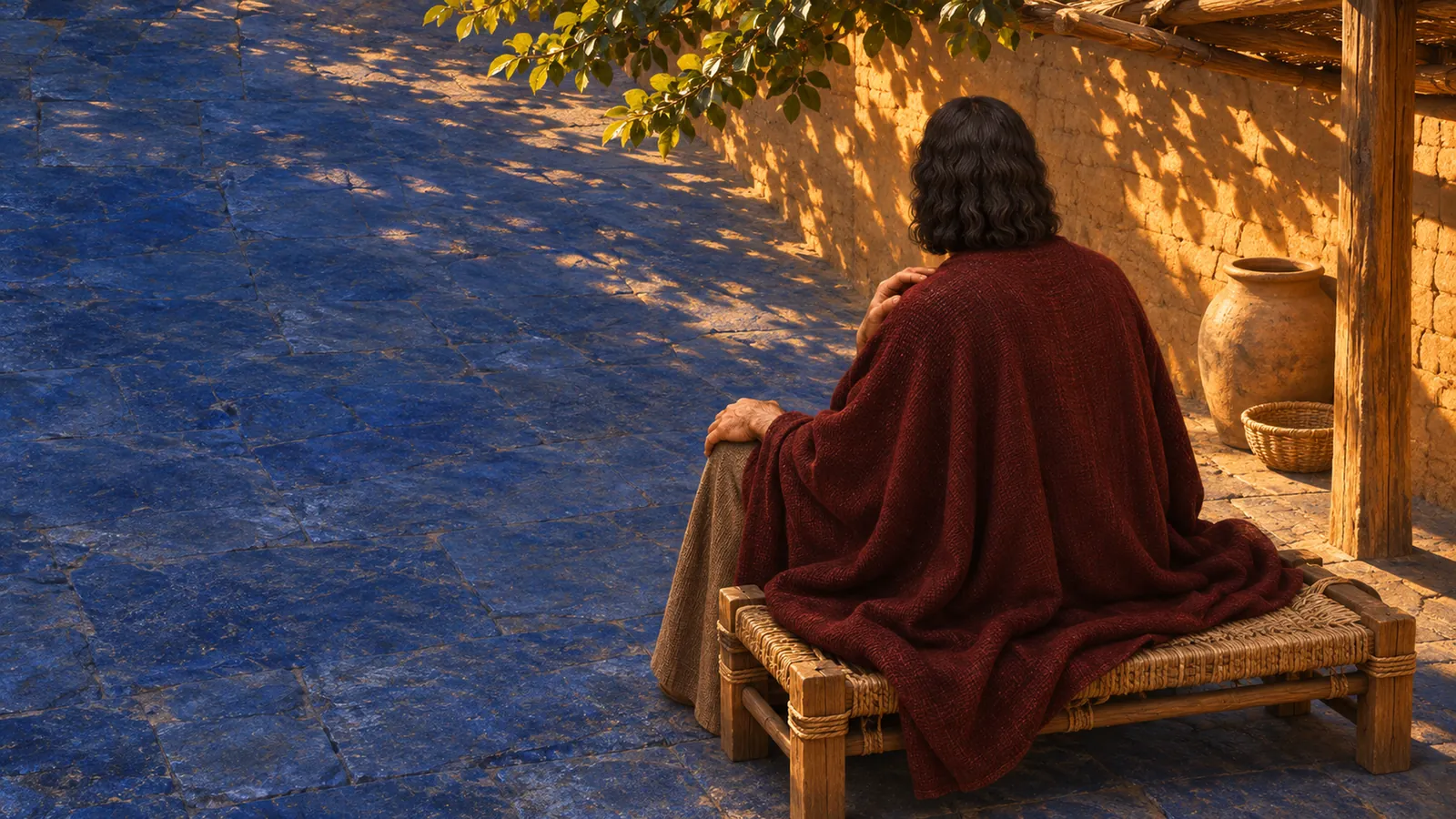
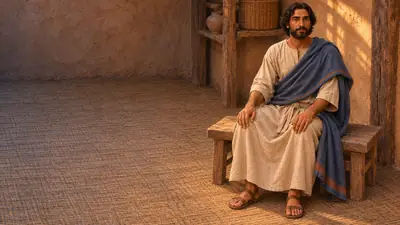
Erra turns to himself for counsel. His heart is troubled and gives him no answer.
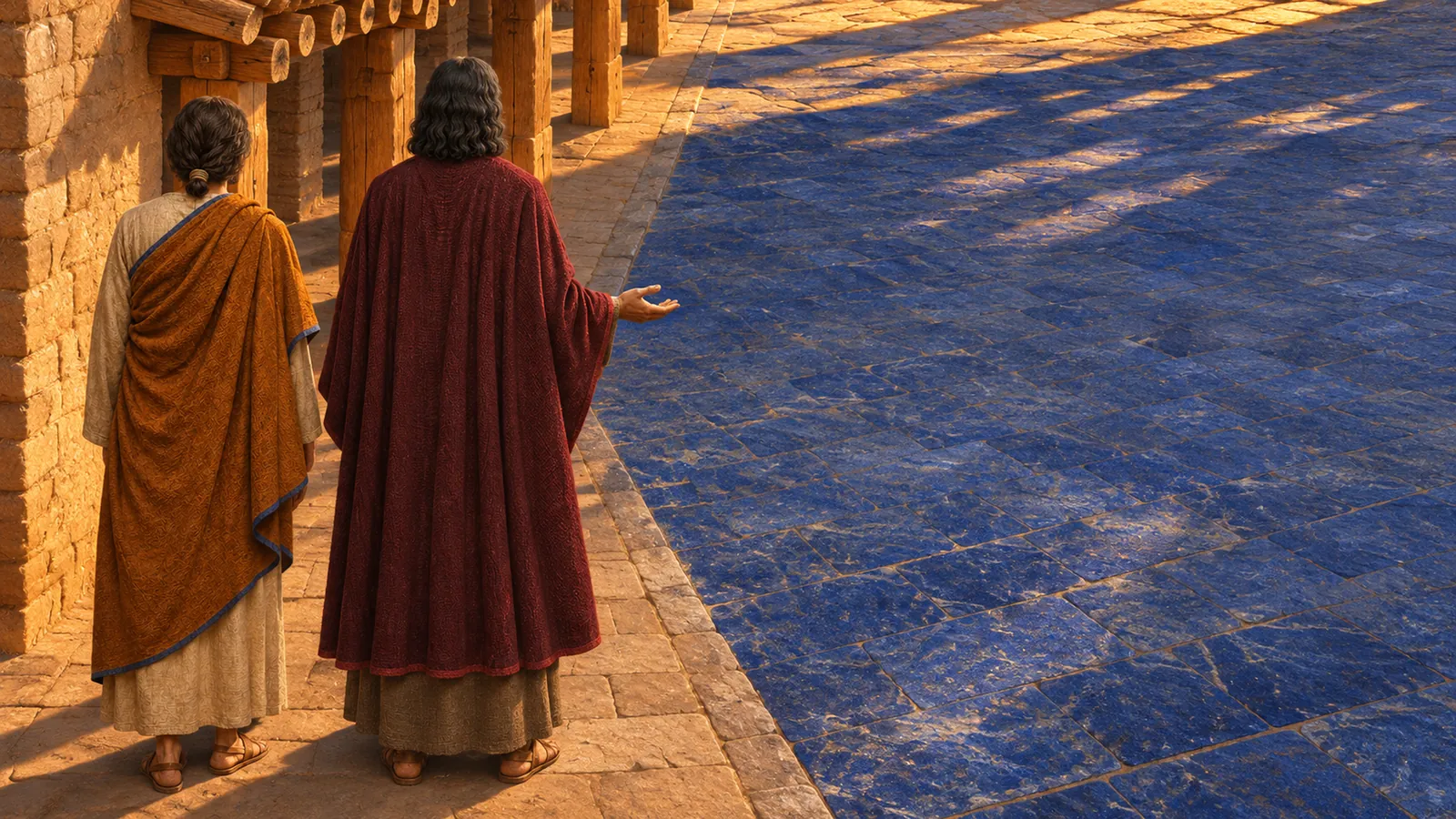
Erra says he will tell the king of the gods to refuse the prayers people offer. His words set out what he intends.
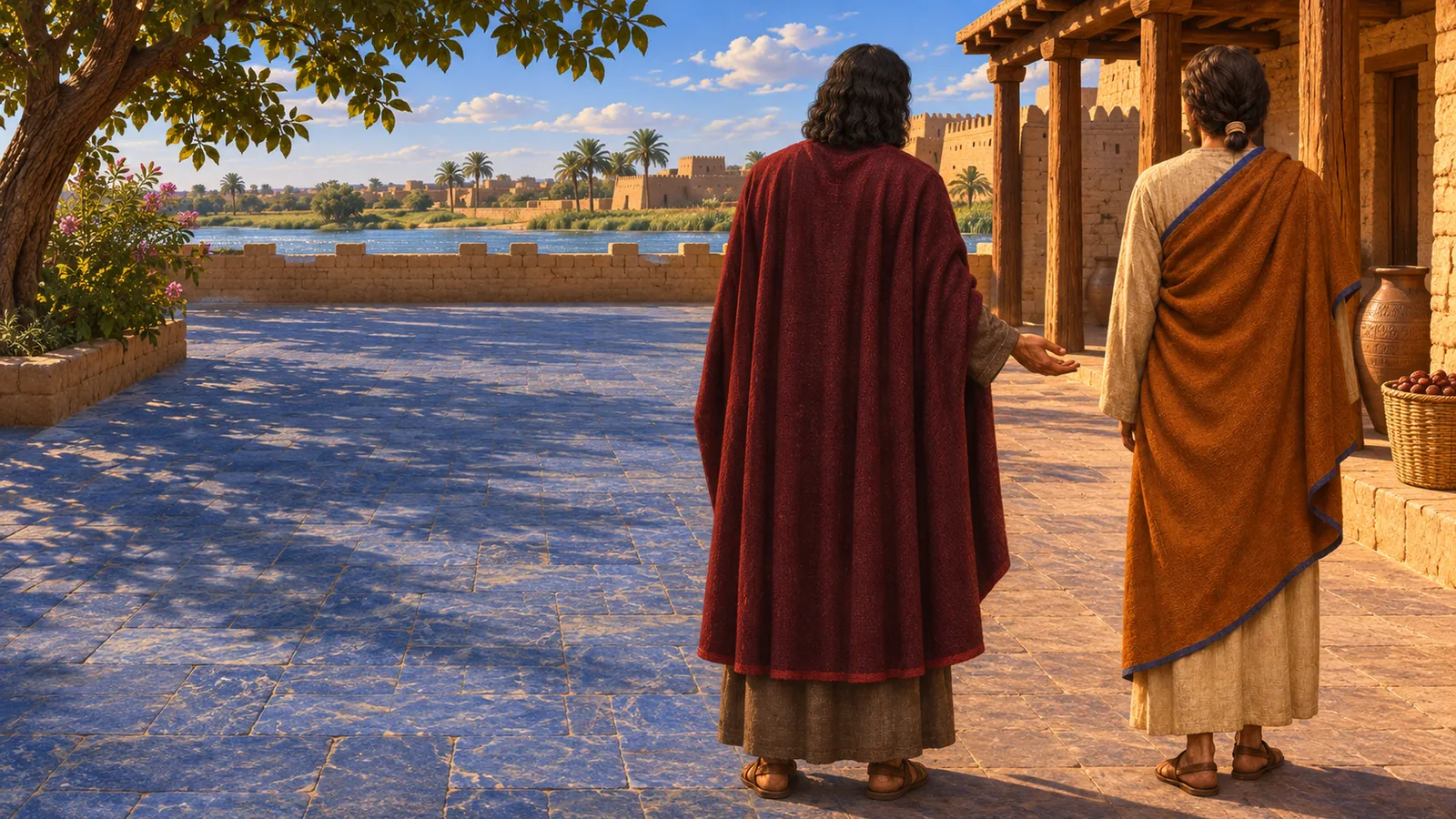
In the third tablet, Erra threatens the upright person who intercedes for others. He says he would give high standing to the one who harms them.
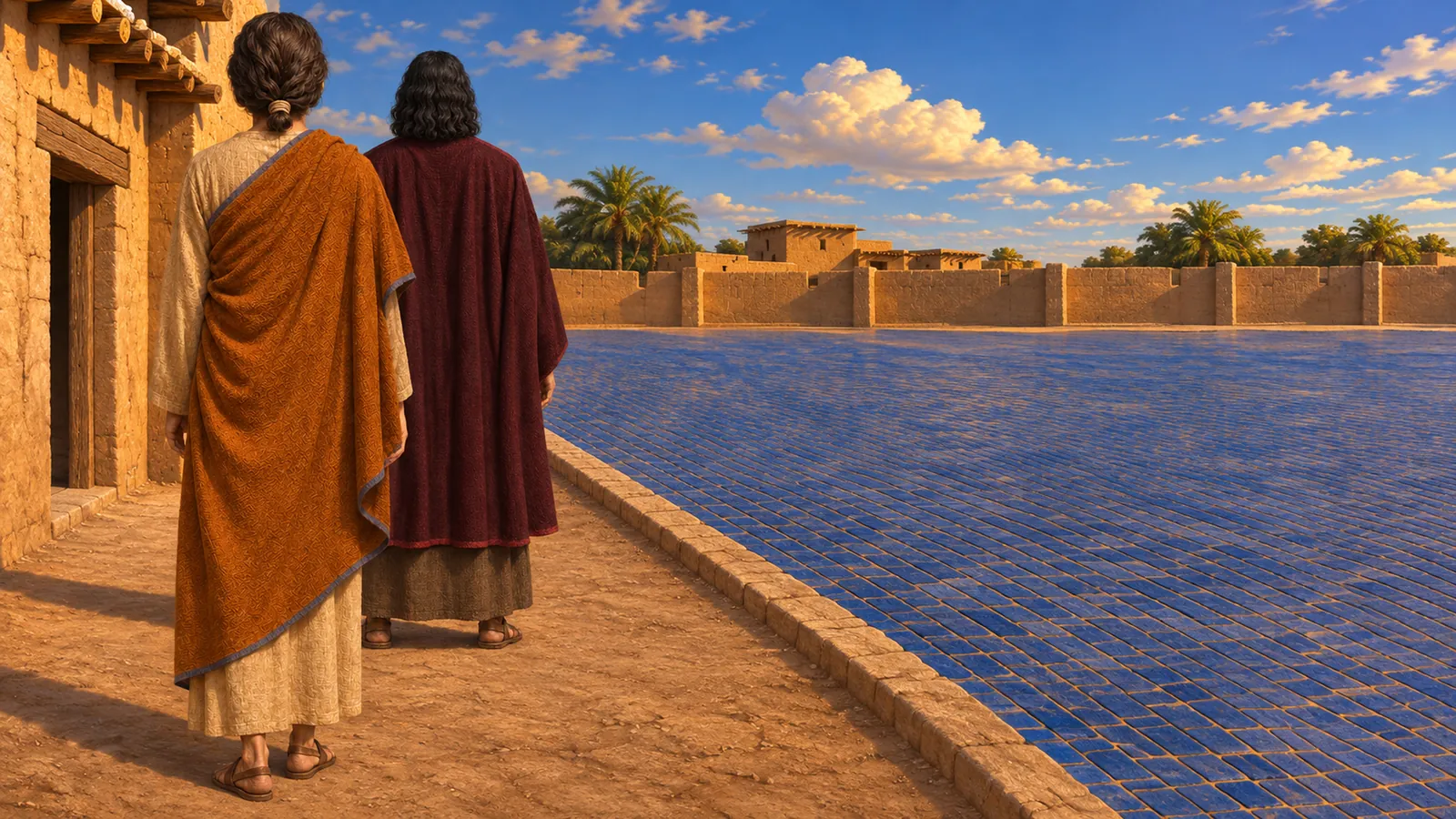
Erra describes Ishum as the one who goes before him and the one who follows behind him. He gives both positions to the same companion.
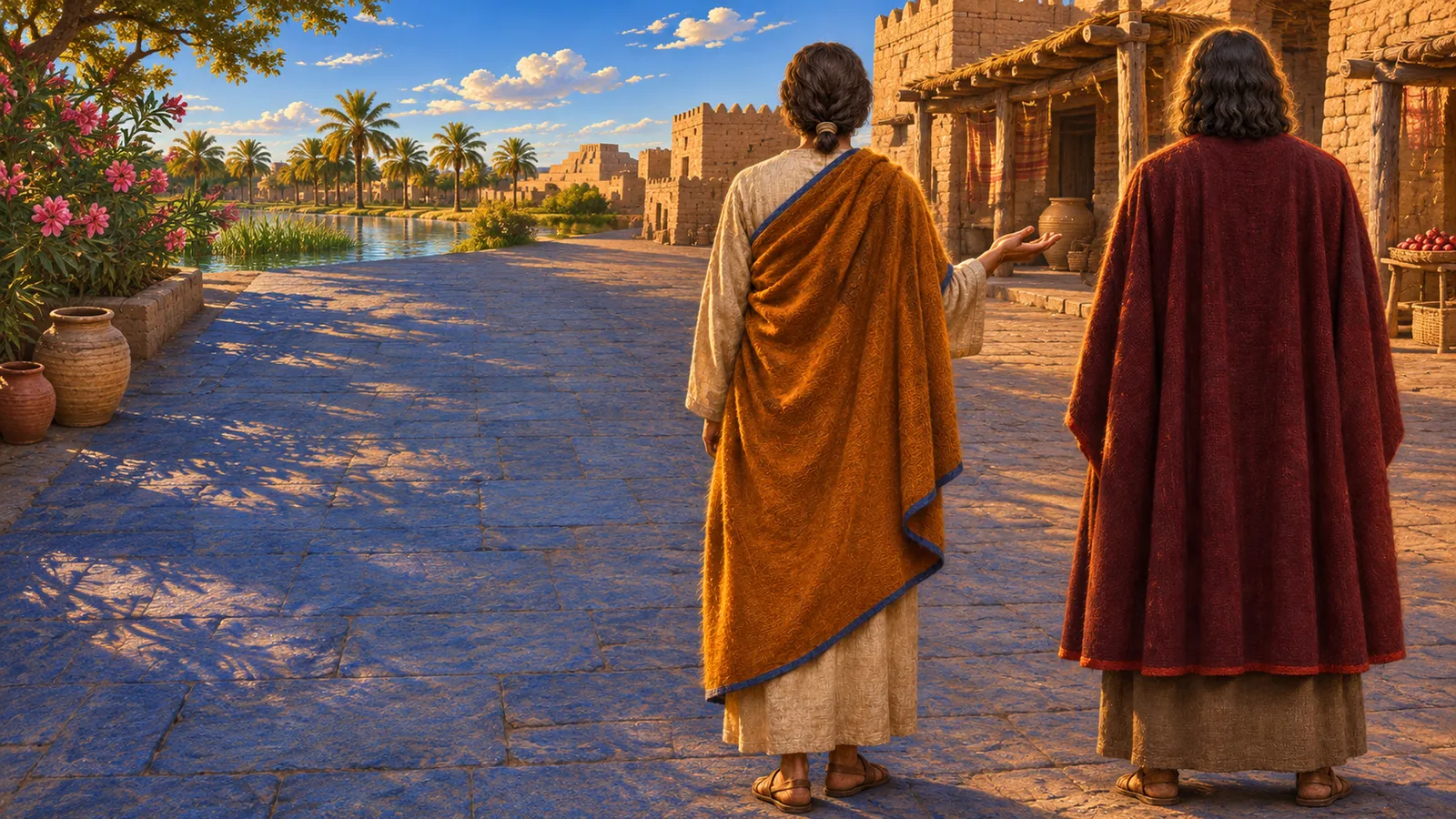
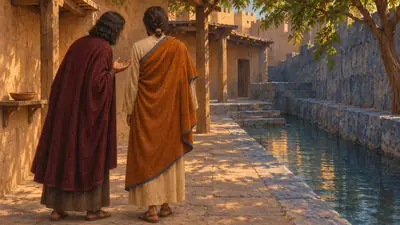
Ishum asks Erra why he has conceived harm against gods and people. He puts the question to Erra directly.
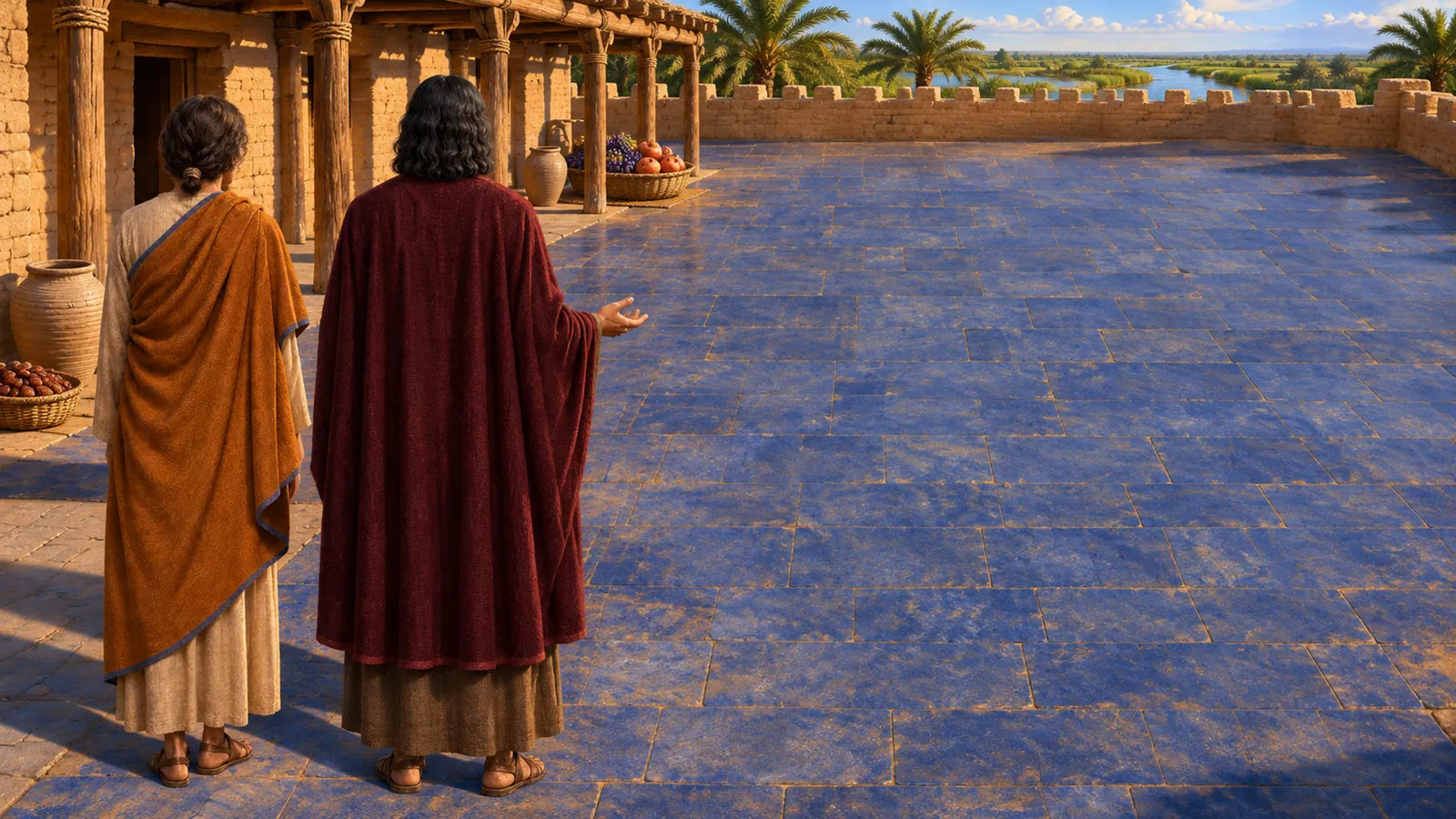
Erra replies that when Marduk left his seat, the bond between gods and people came apart. This is Erra’s explanation as he answers Ishum.
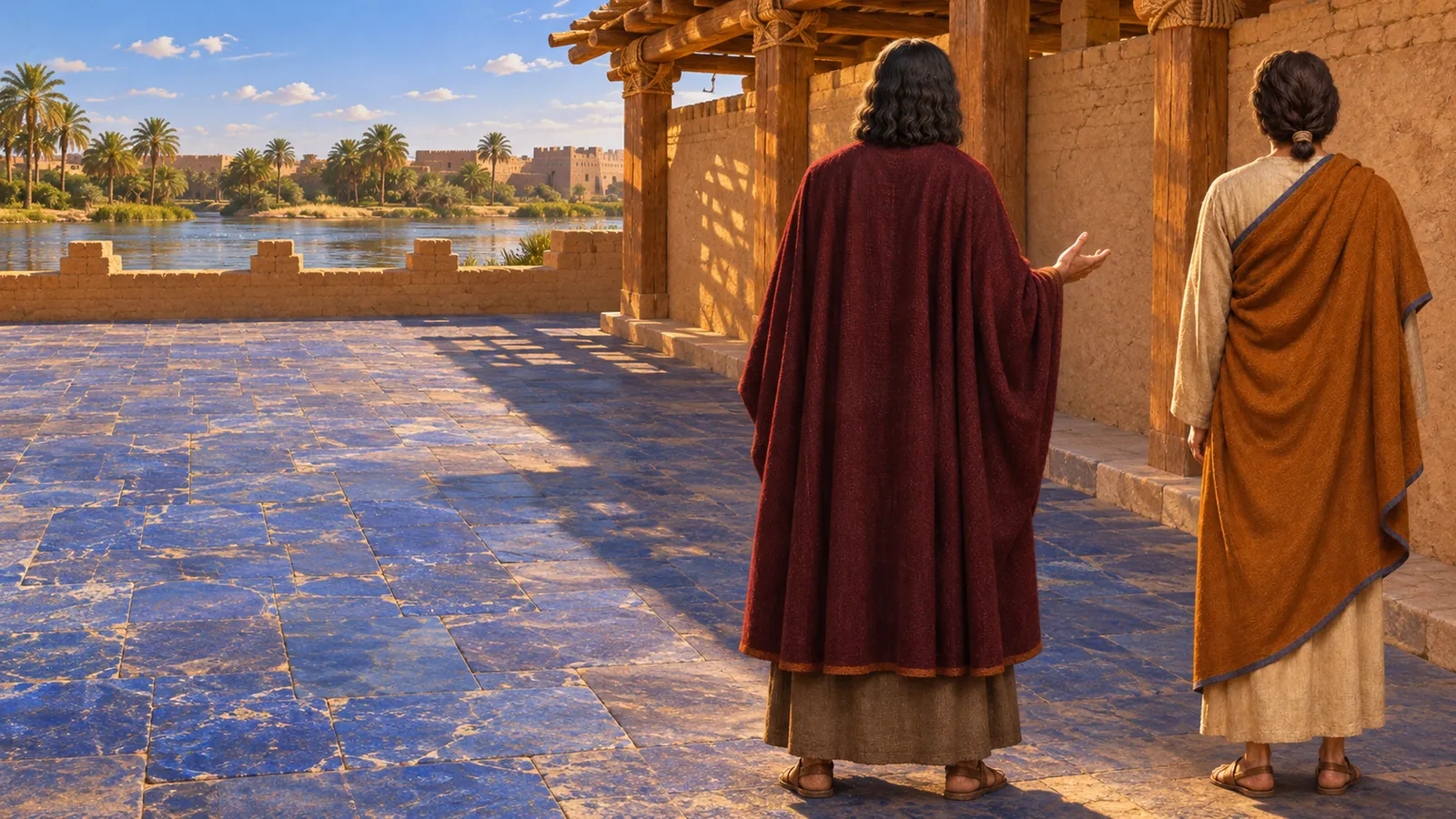
Erra accuses the rulers of neglecting worship. He gives their neglect as a reason for Marduk’s departure.
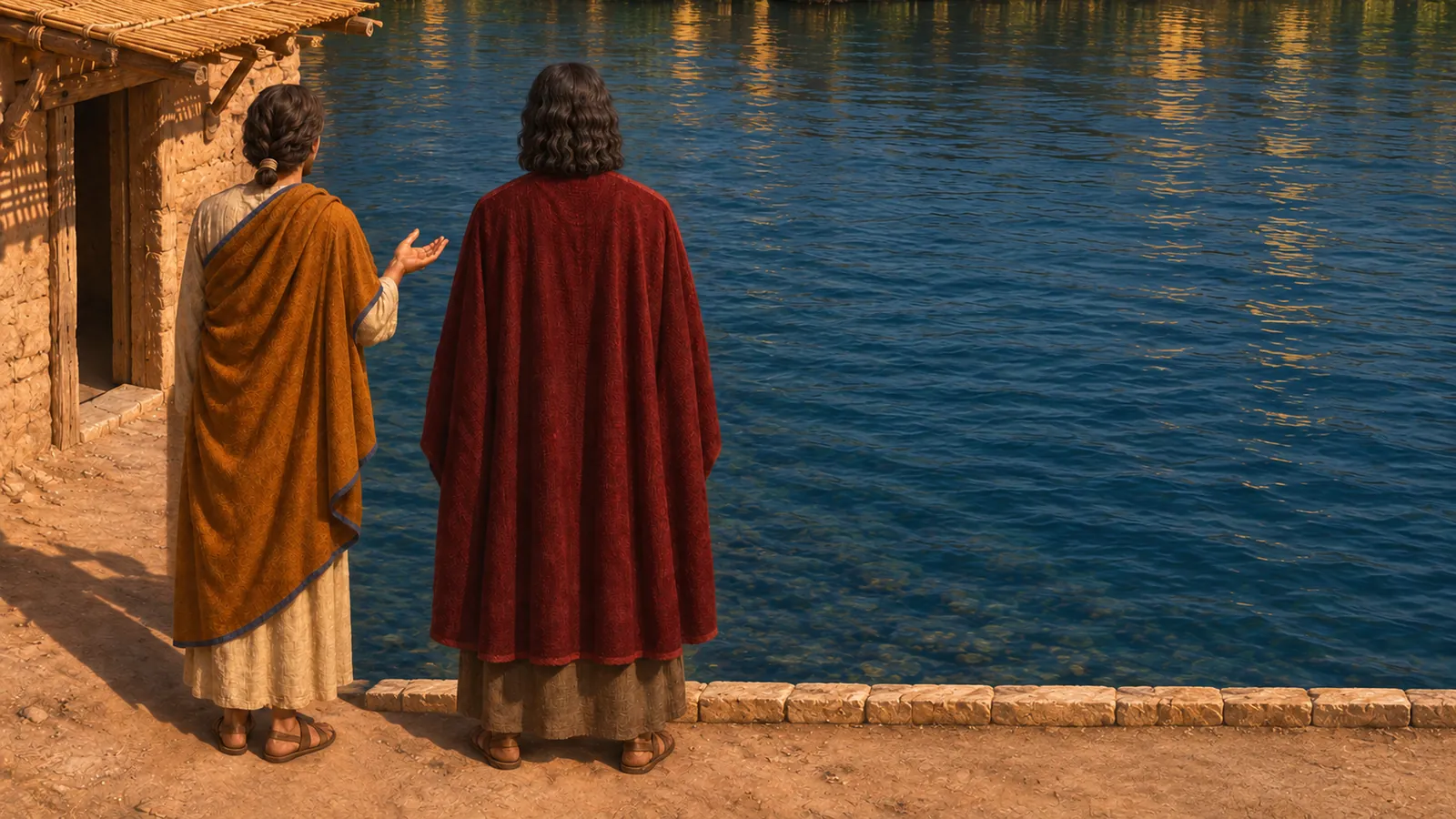
Ishum addresses Erra in solemn terms. He says Erra holds sway over heaven and earth, over the sea and the mountains.
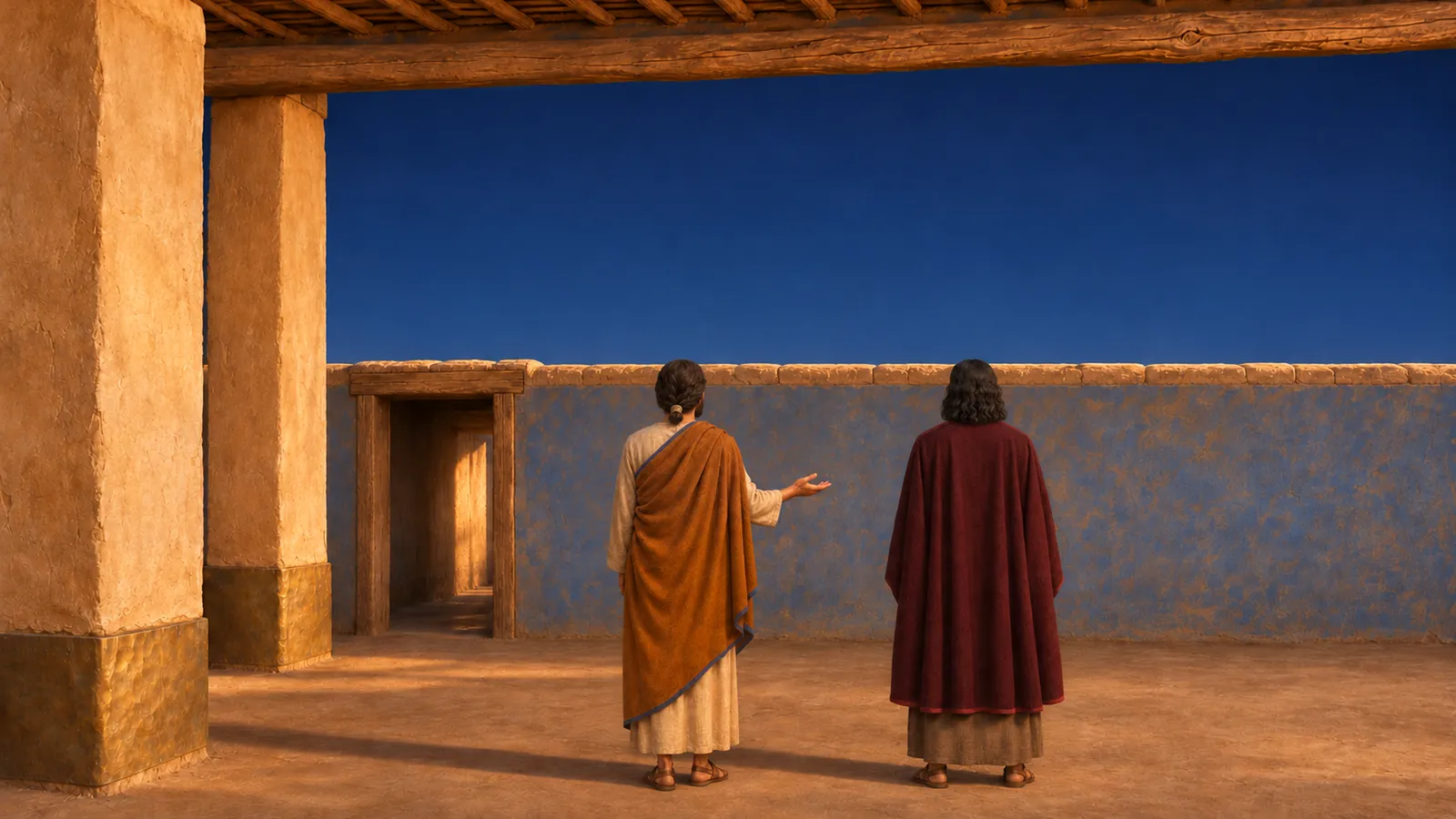
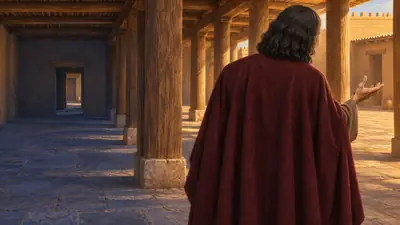
BABYLON AND ESAGIL
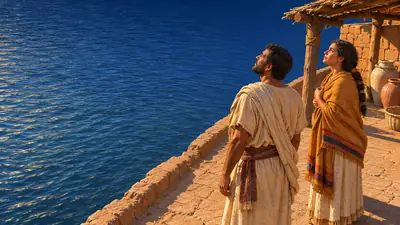
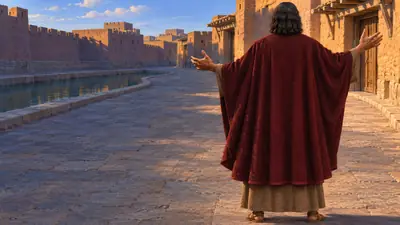
Ishum says Erra has charge of Babylon and gives orders to Esagil. He says even the gods fear Erra, and asks whether warfare happens without him.
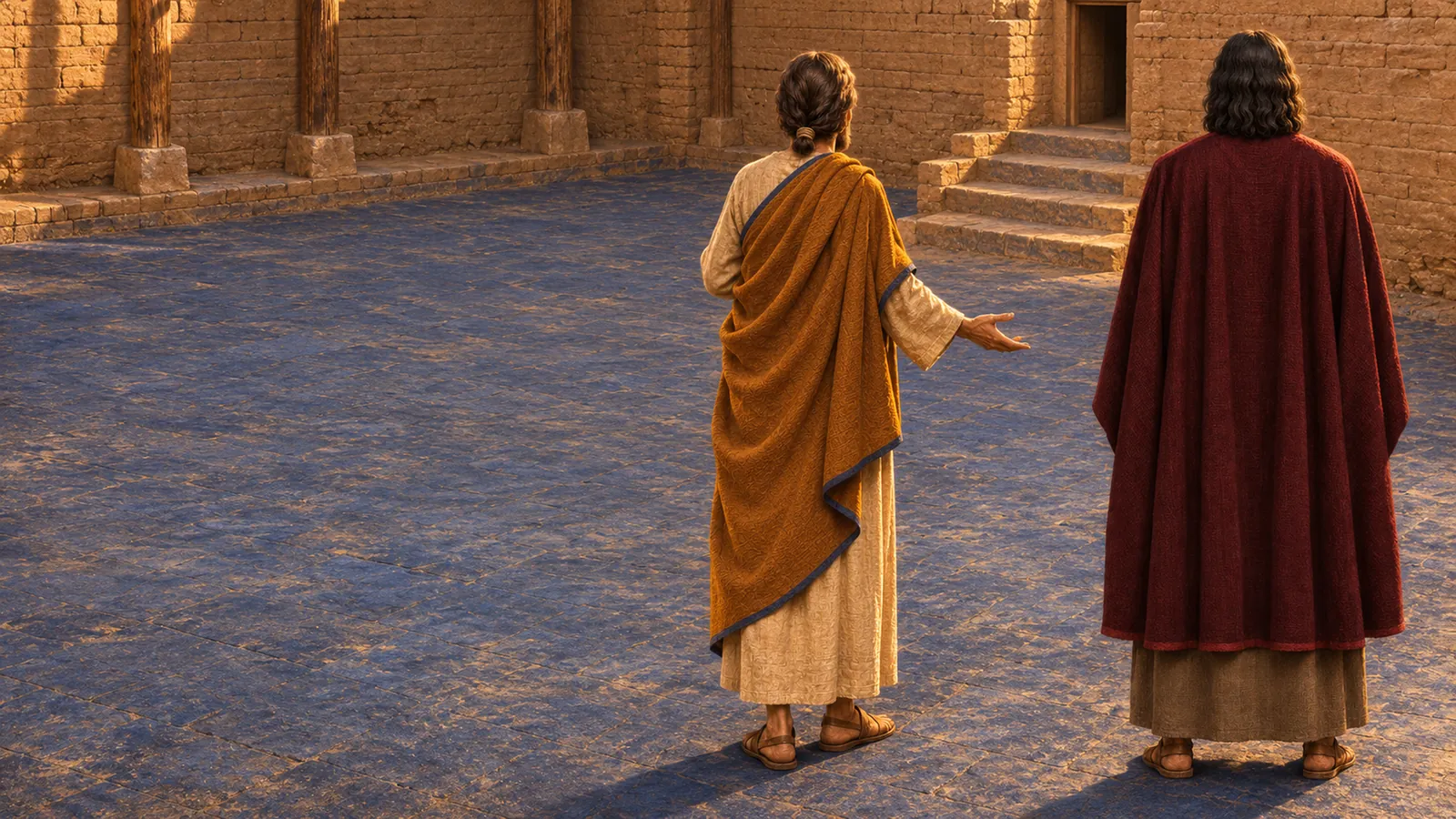
Ishum says Erra did not fear Marduk’s name. He accuses him of loosening the bond that held the city of the king of the gods together.
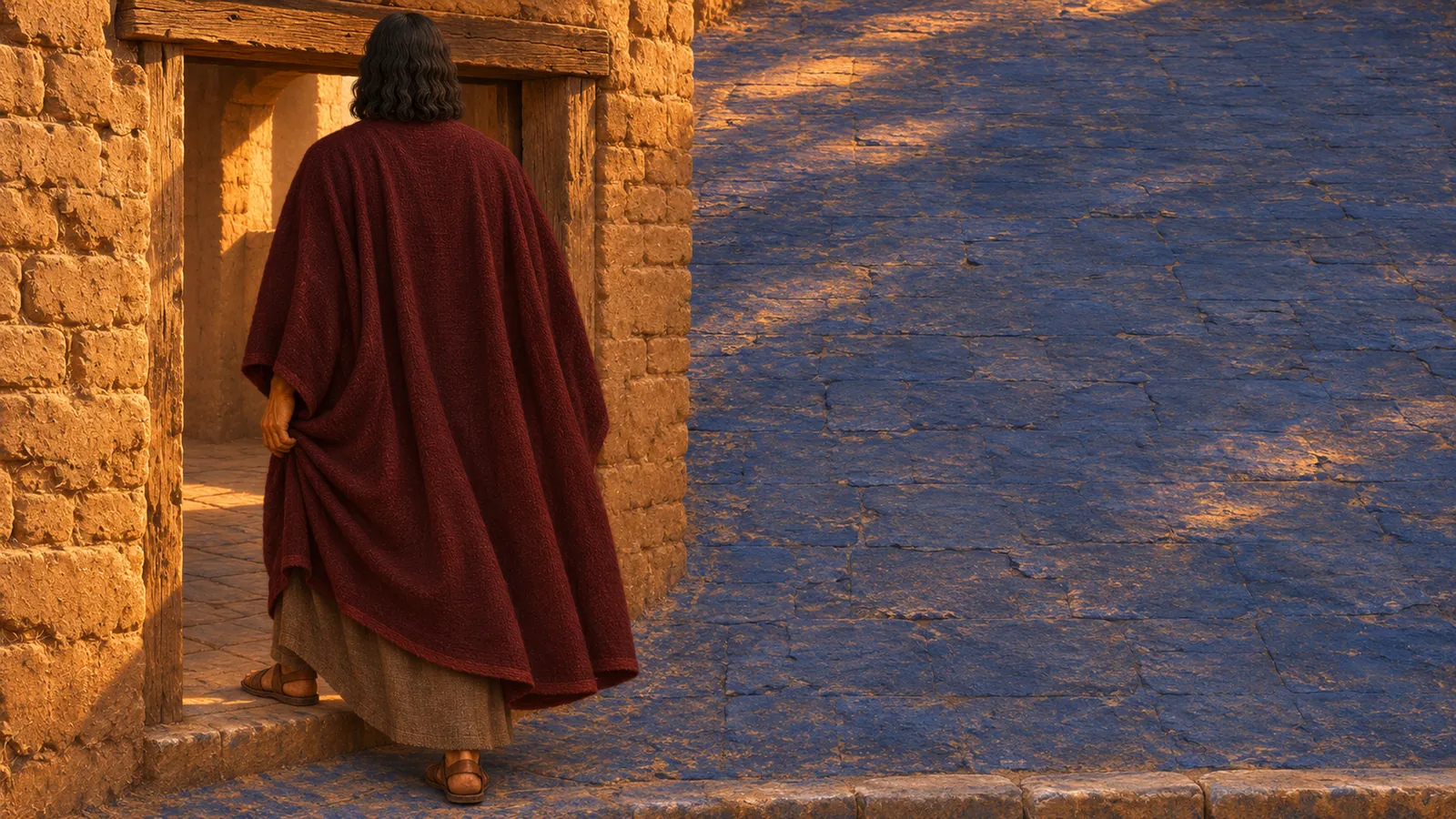
Ishum says Erra seemed like a human when he entered Babylon. His words leave room for different readings of that likeness.
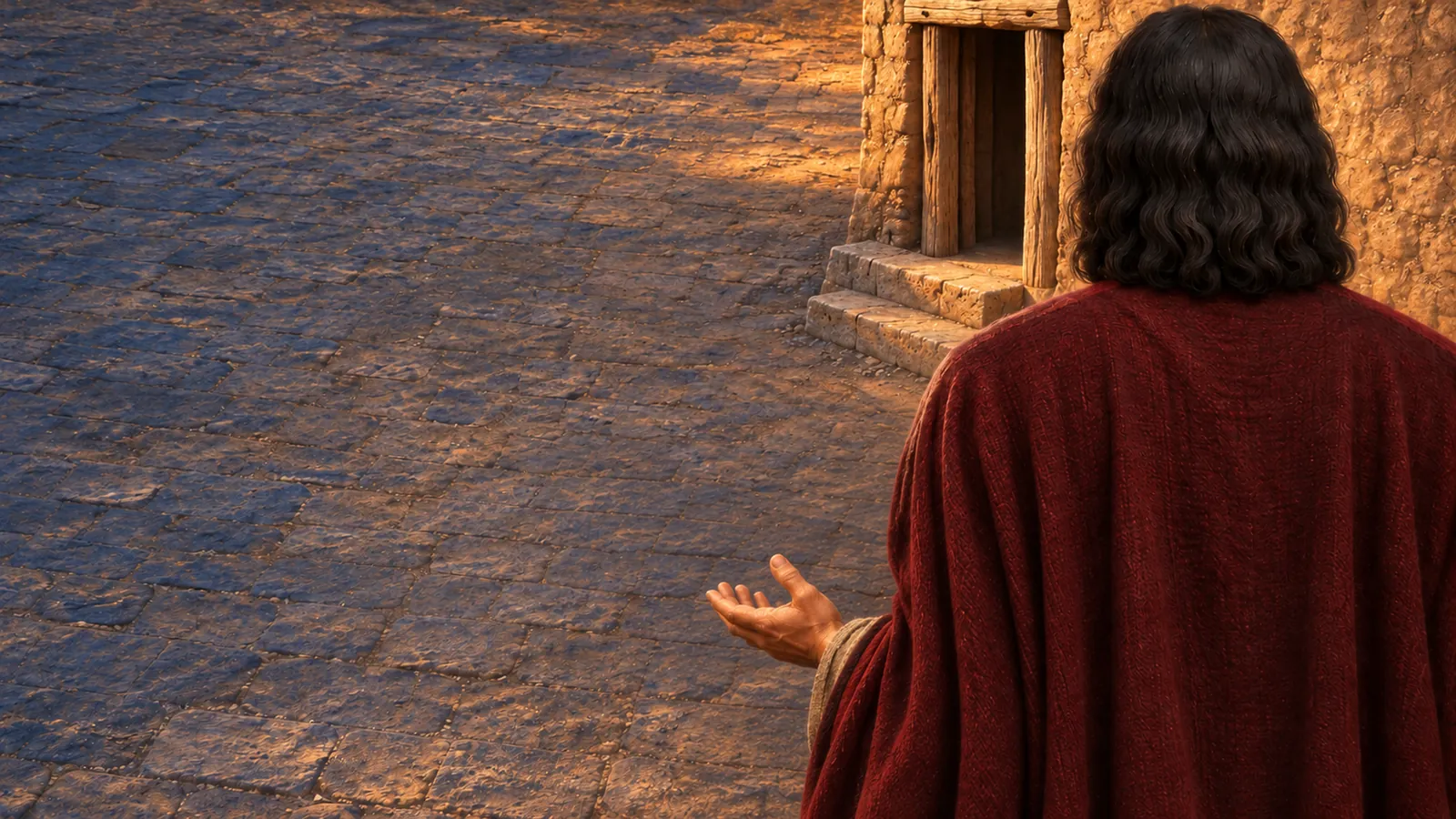
Ishum recounts how Erra spoke within Babylon. He describes Erra’s words as the speech of someone seeking to take over the city.
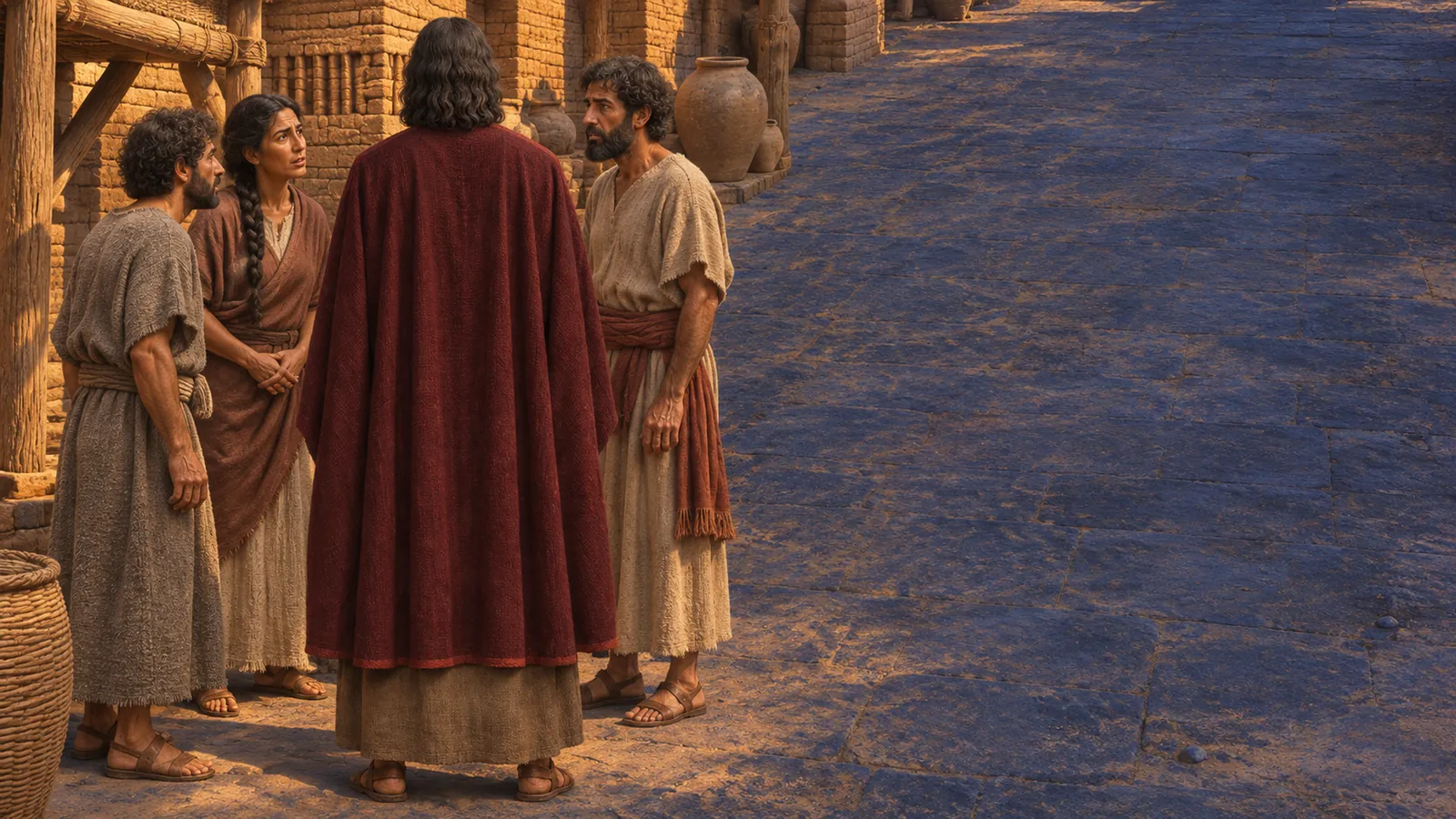
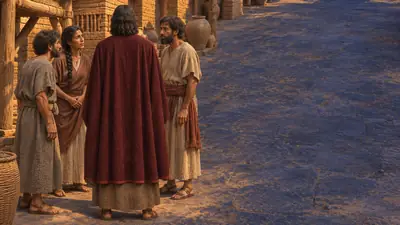
The people of Babylon gathered around Erra, Ishum says. He compares them to reeds in a marsh with no one to lead them.
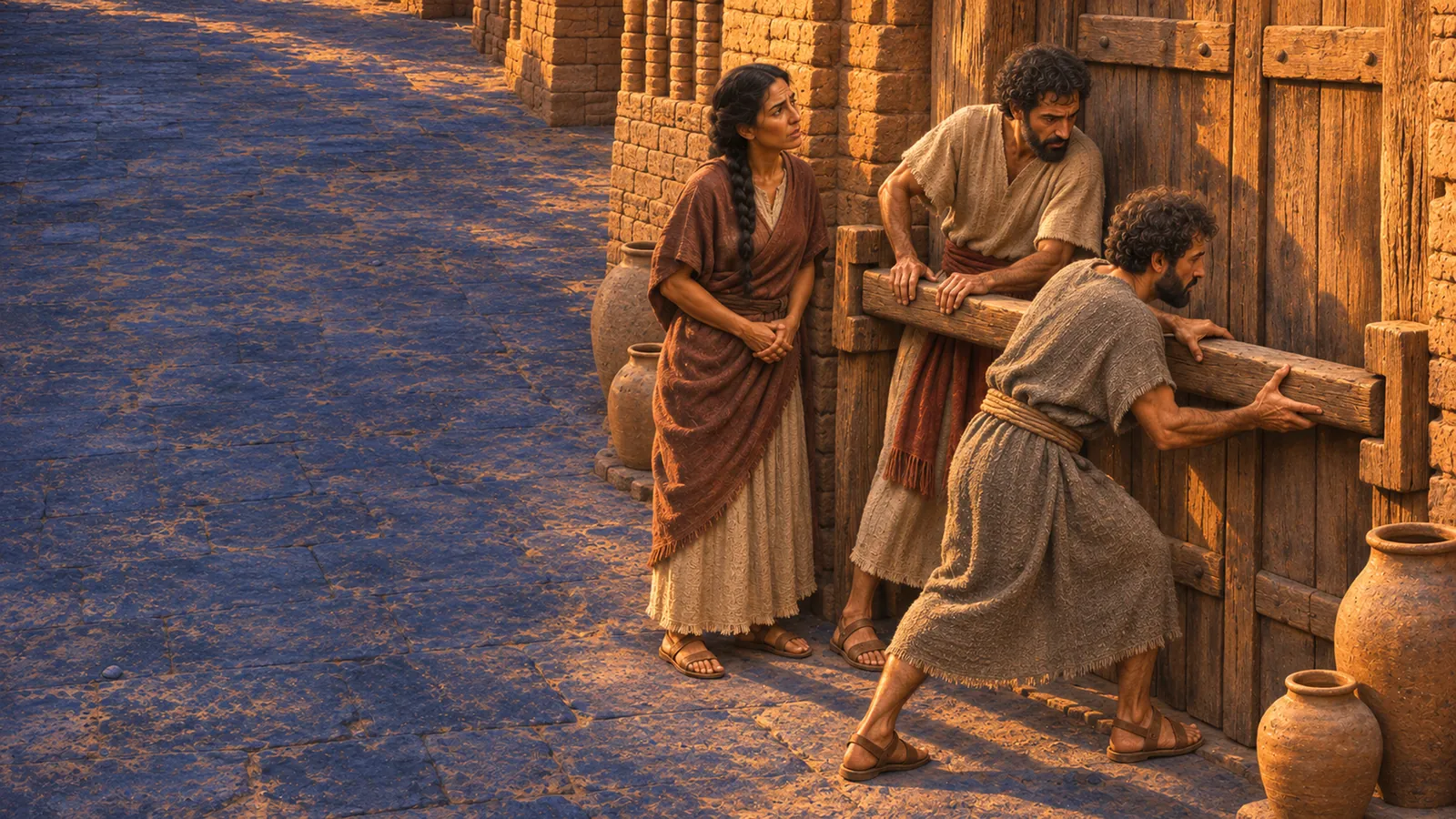
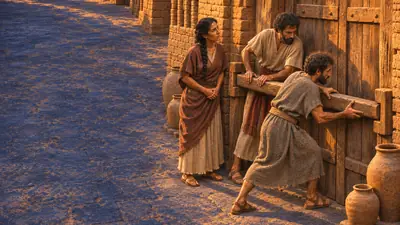
Ishum says the people denounced their governor and barred the city gate. His account follows the unrest that overtook Babylon.
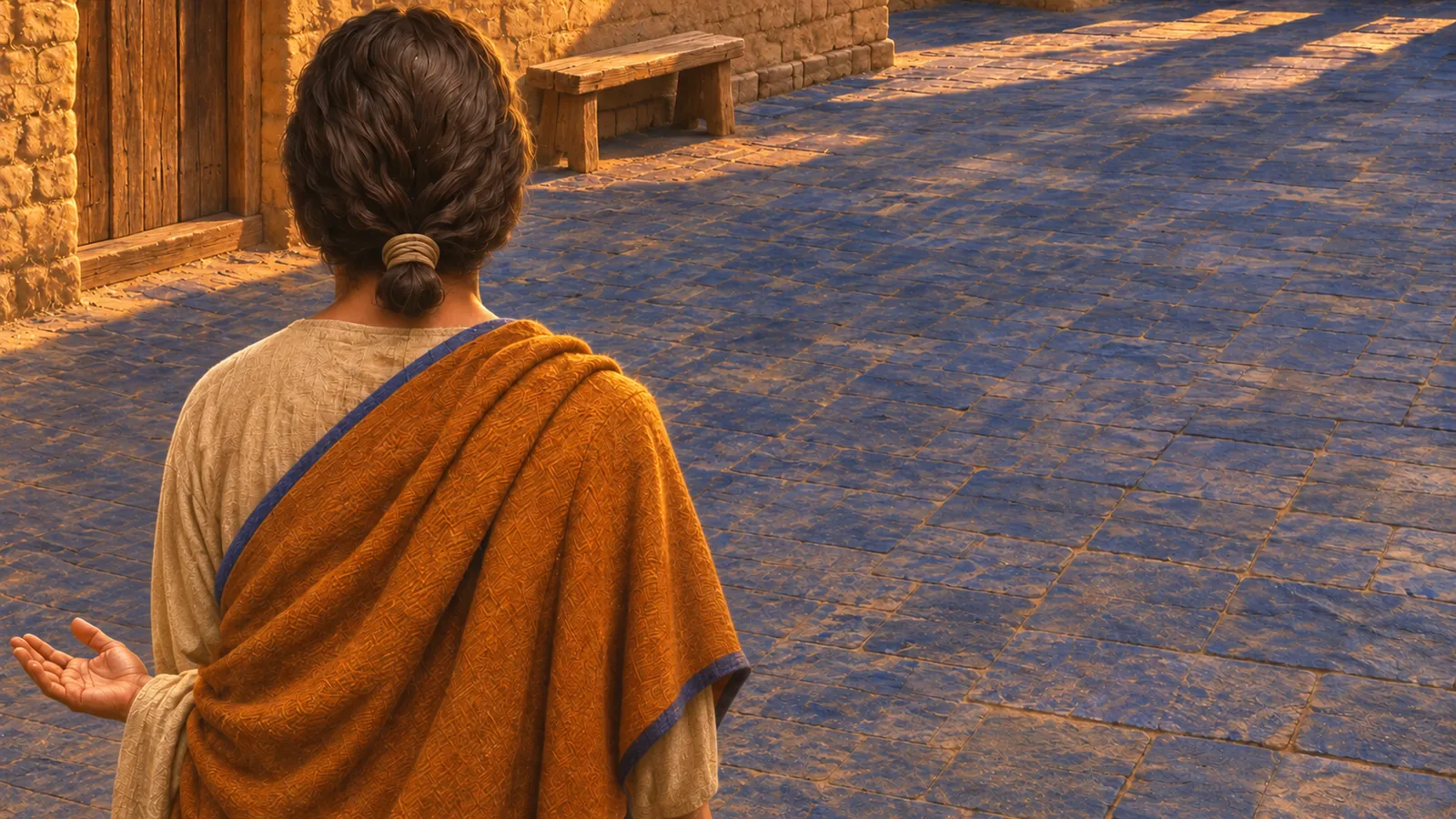
Ishum says Erra took the lead. He likens Erra to a decoy and compares the people of Babylon to birds drawn into a trap.
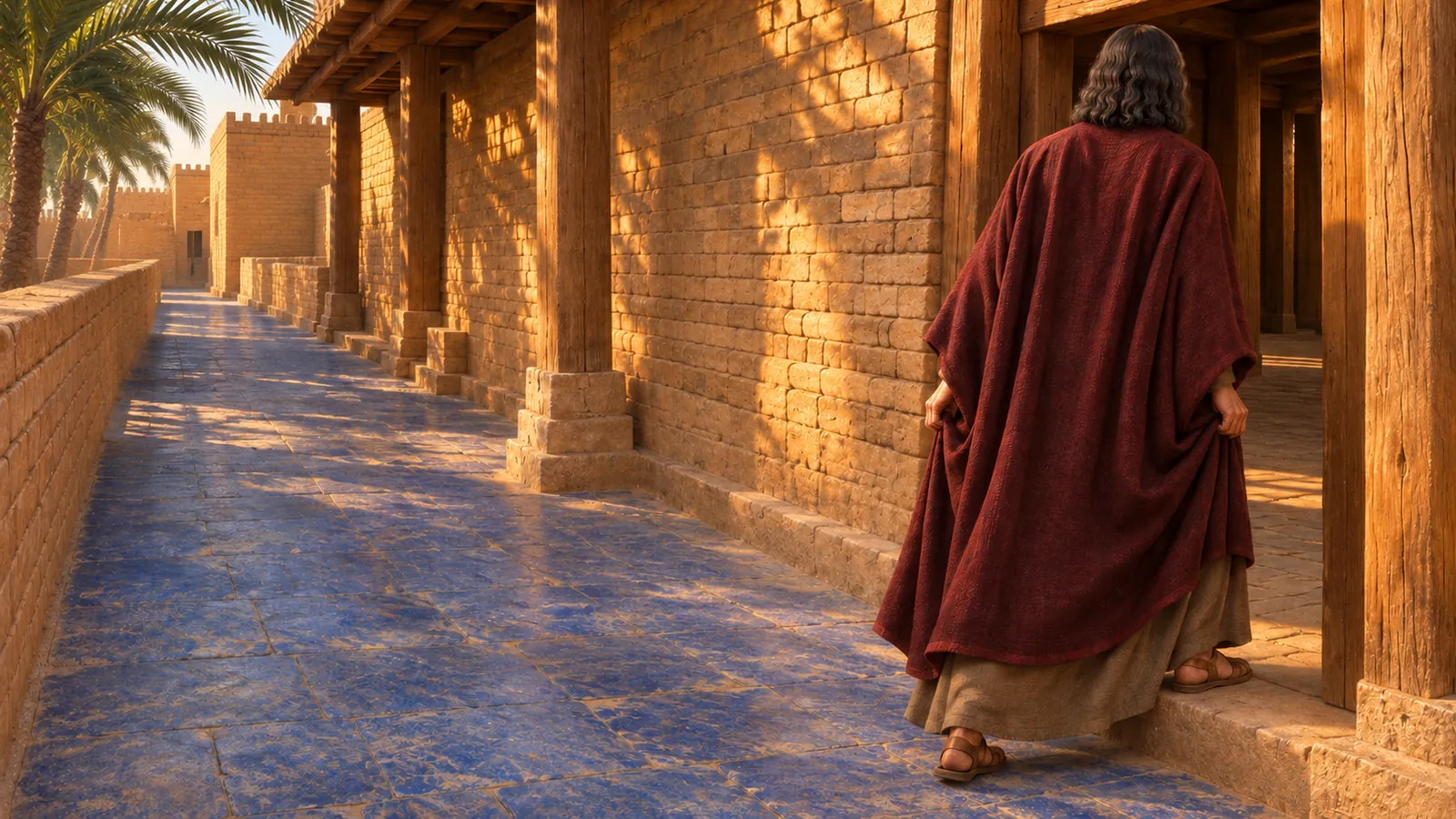
Ishum follows Erra’s movements to the palace. He uses the likeness of a lion to describe Erra as he enters.
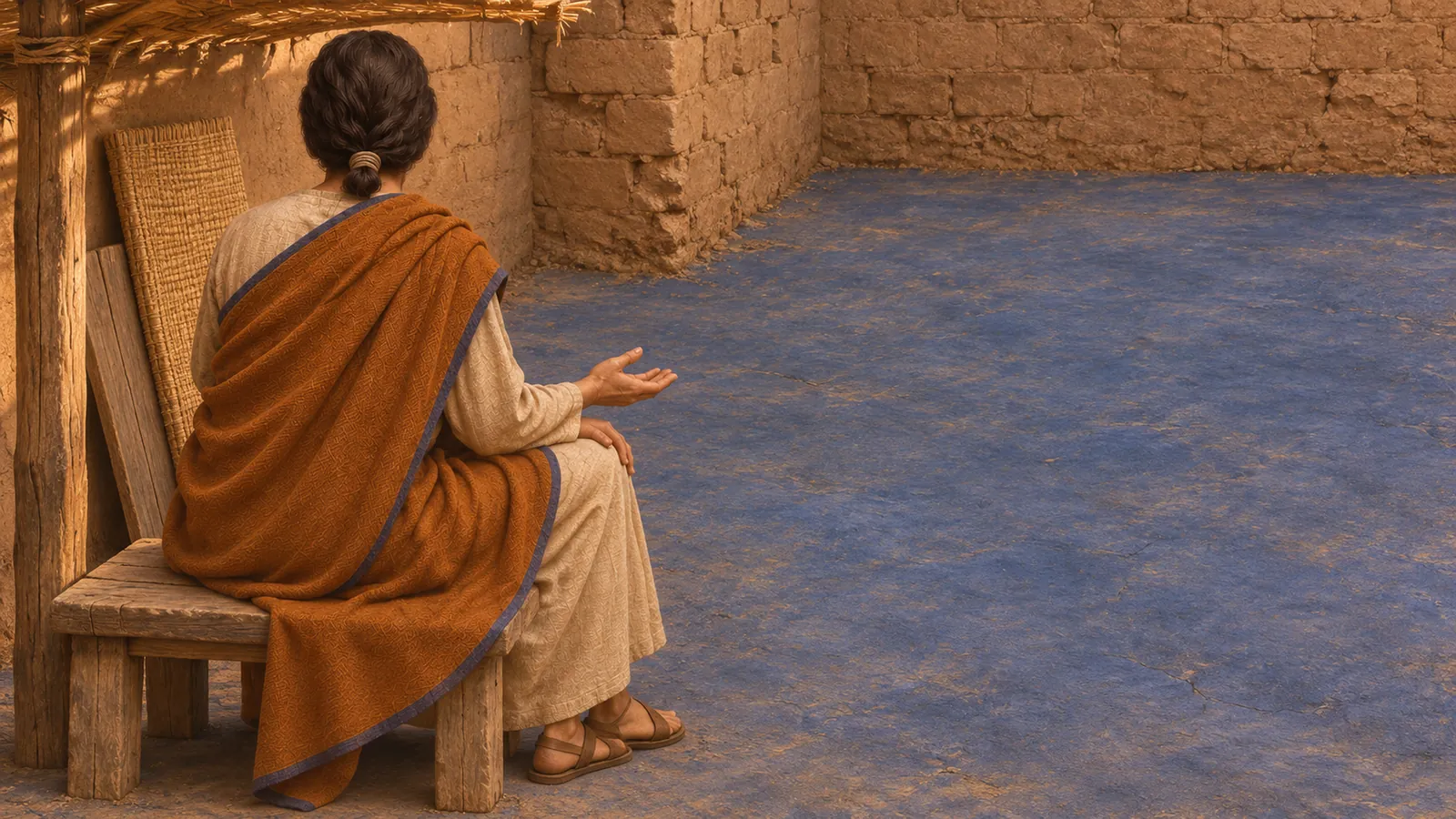
In Ishum’s account, the governor is enraged. He gives orders to plunder Babylon as if it were an enemy city.
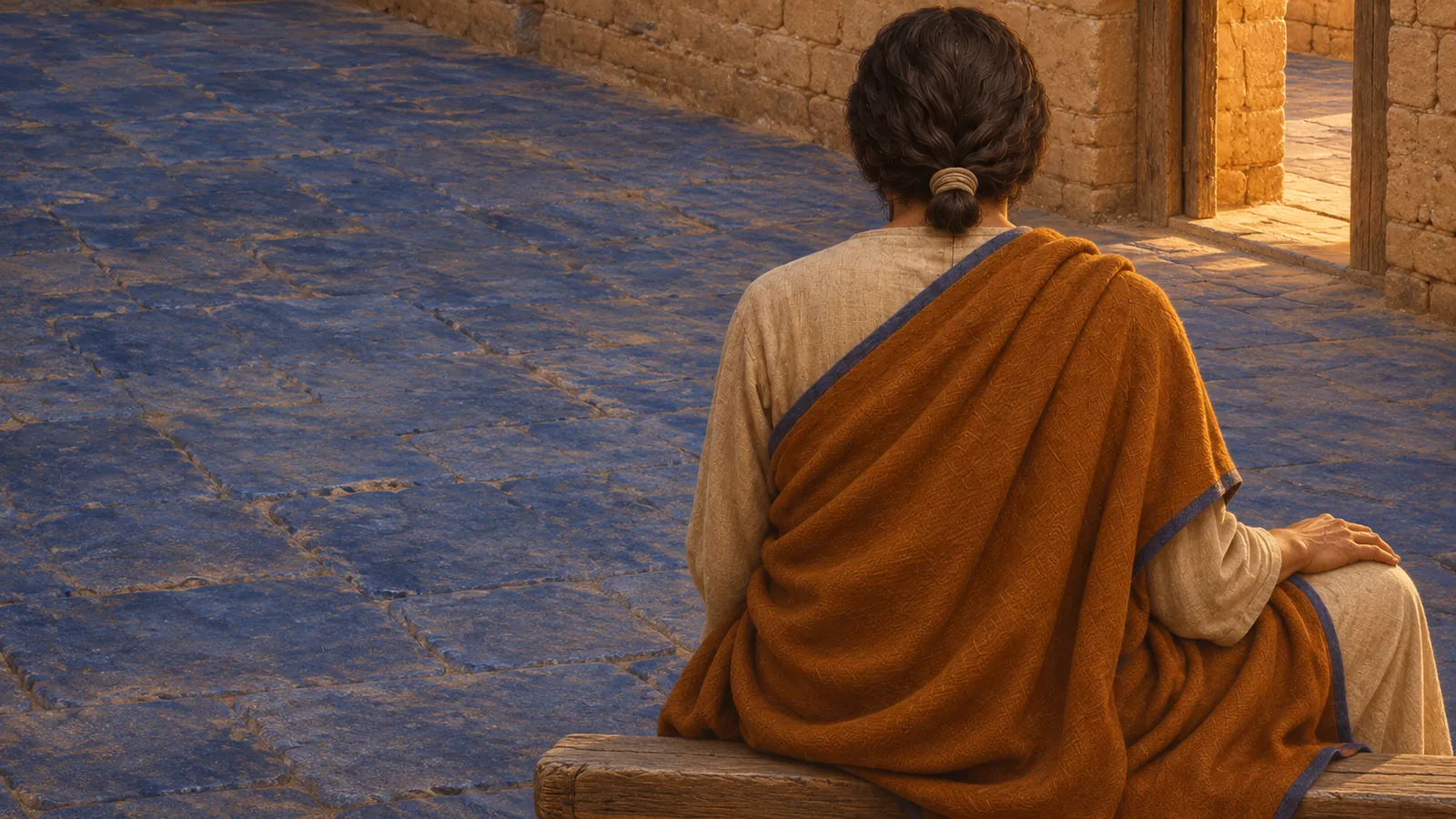
Ishum relays the governor’s order. It allows no mercy on account of age, whether the people are young or old.
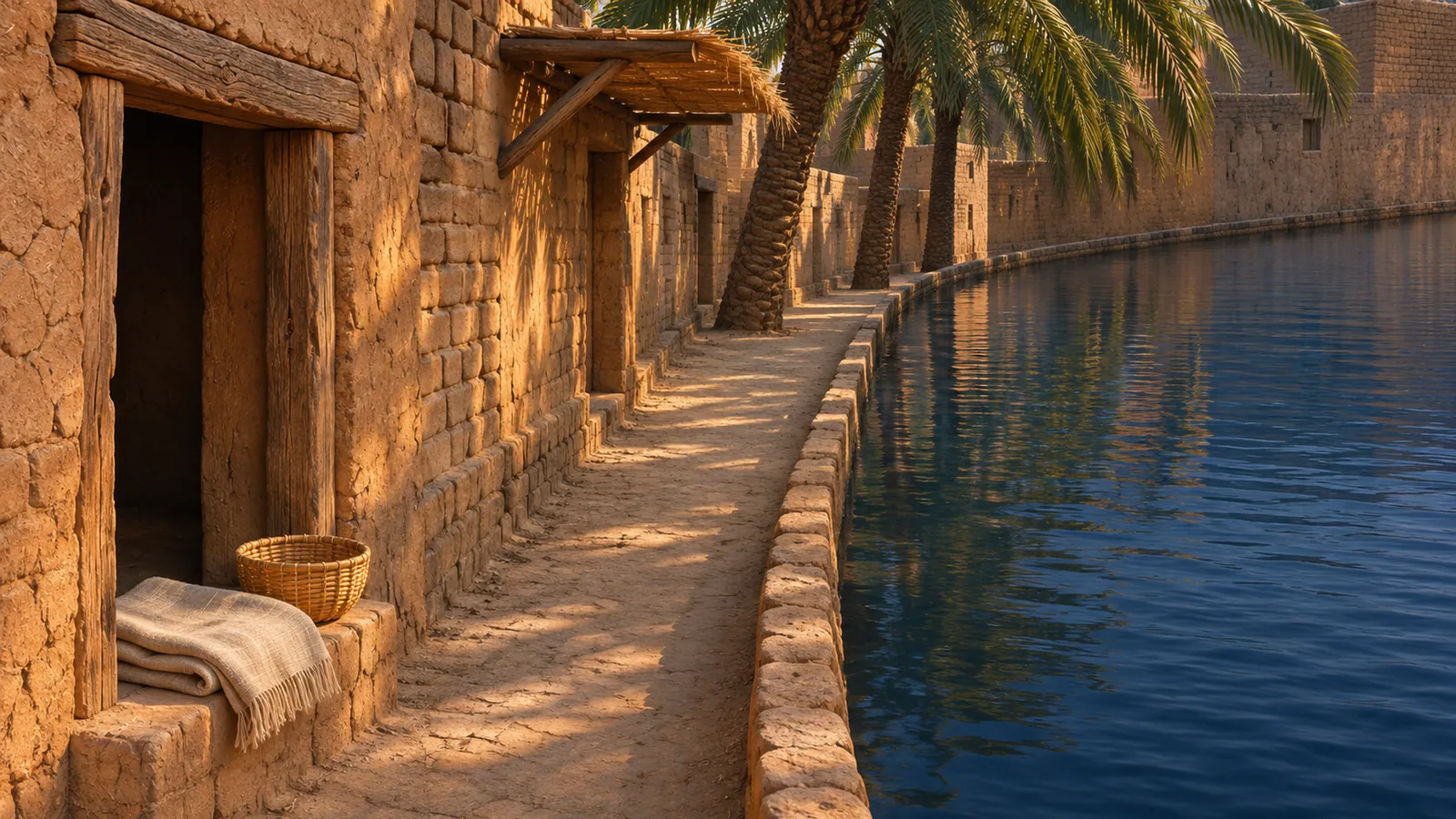
Ishum recalls how the royal forces entered Babylon and killed people whom the city had placed under its protection.
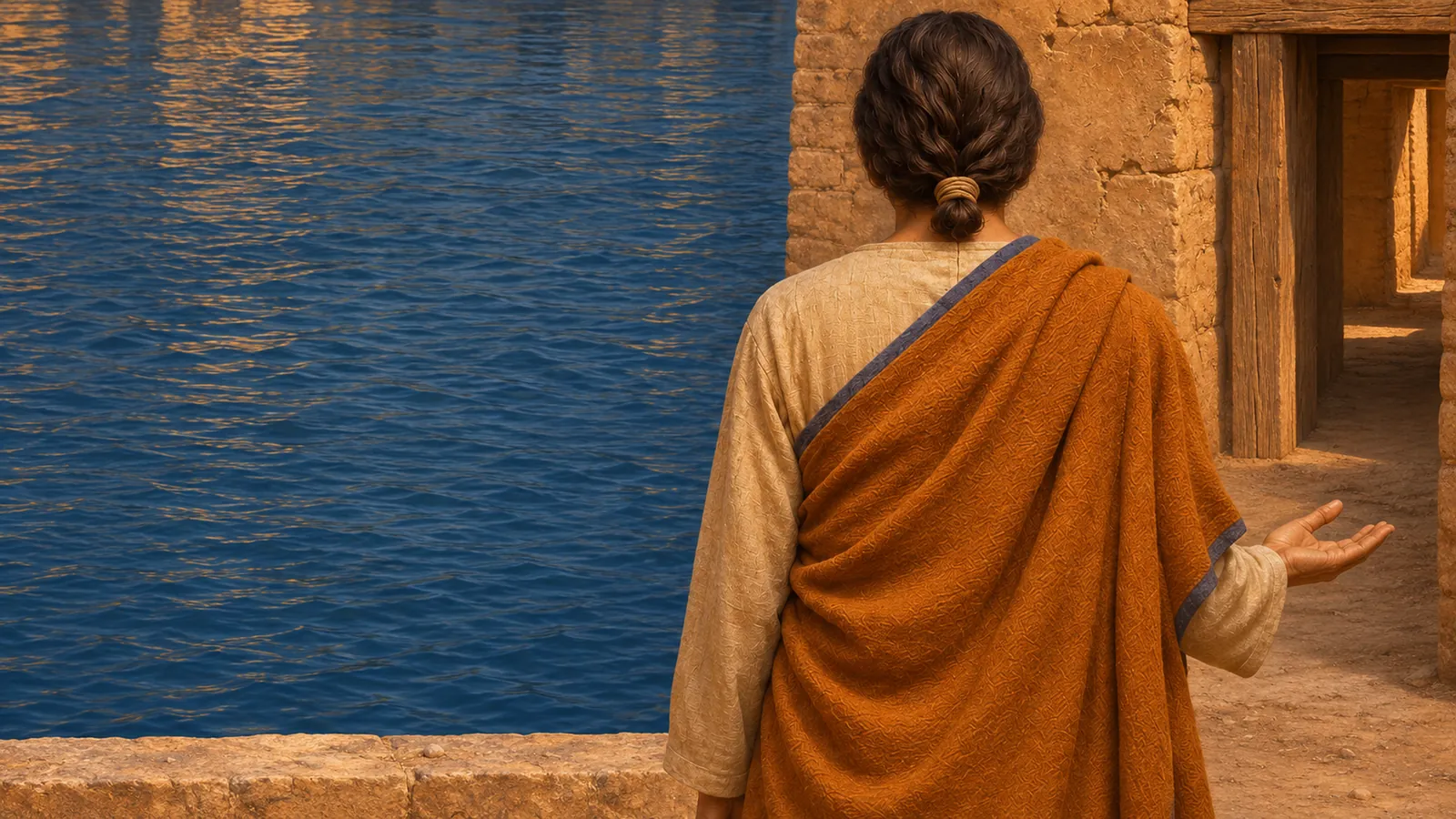
Ishum says Erra set one group against the other. He compares what Erra did to a boy’s destructive play.
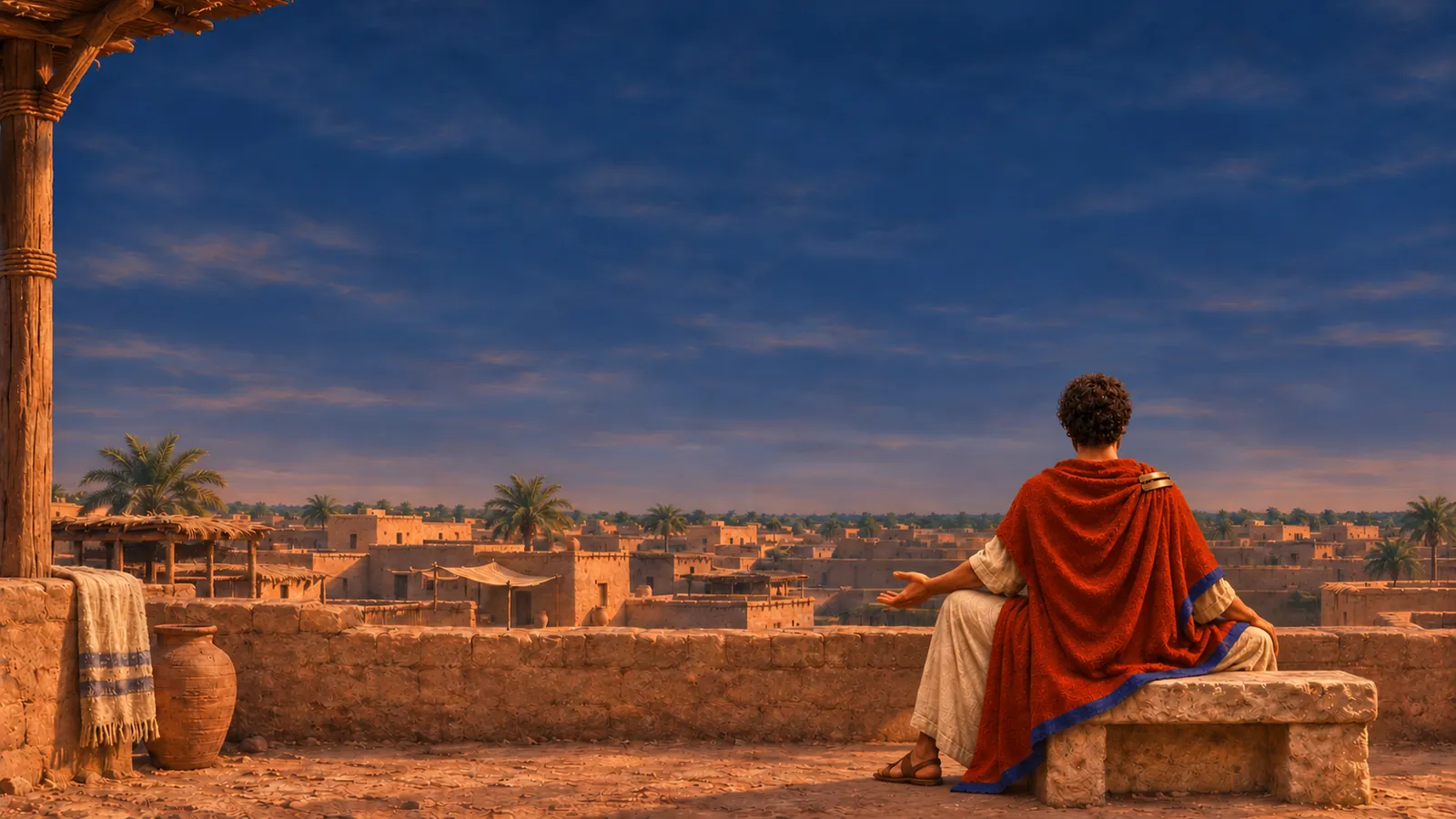
MARDUK’S LAMENT
Within Ishum’s account, Marduk laments Babylon. The king of the gods gives voice to the suffering of his city.
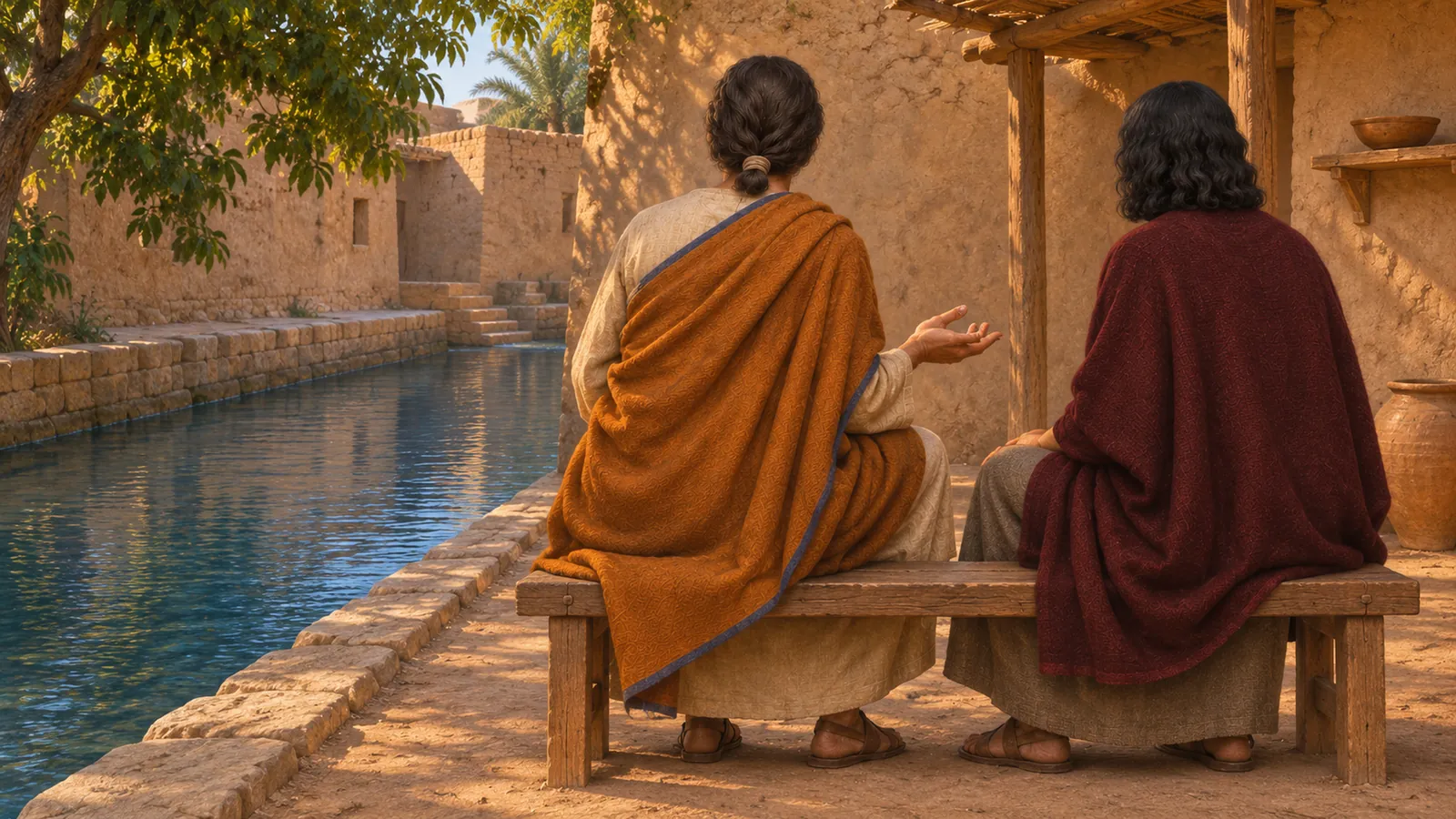
Ishum goes on to repeat Erra’s threats. A father raises his son in the hope of being cared for in return. Erra threatens to take that hope away.
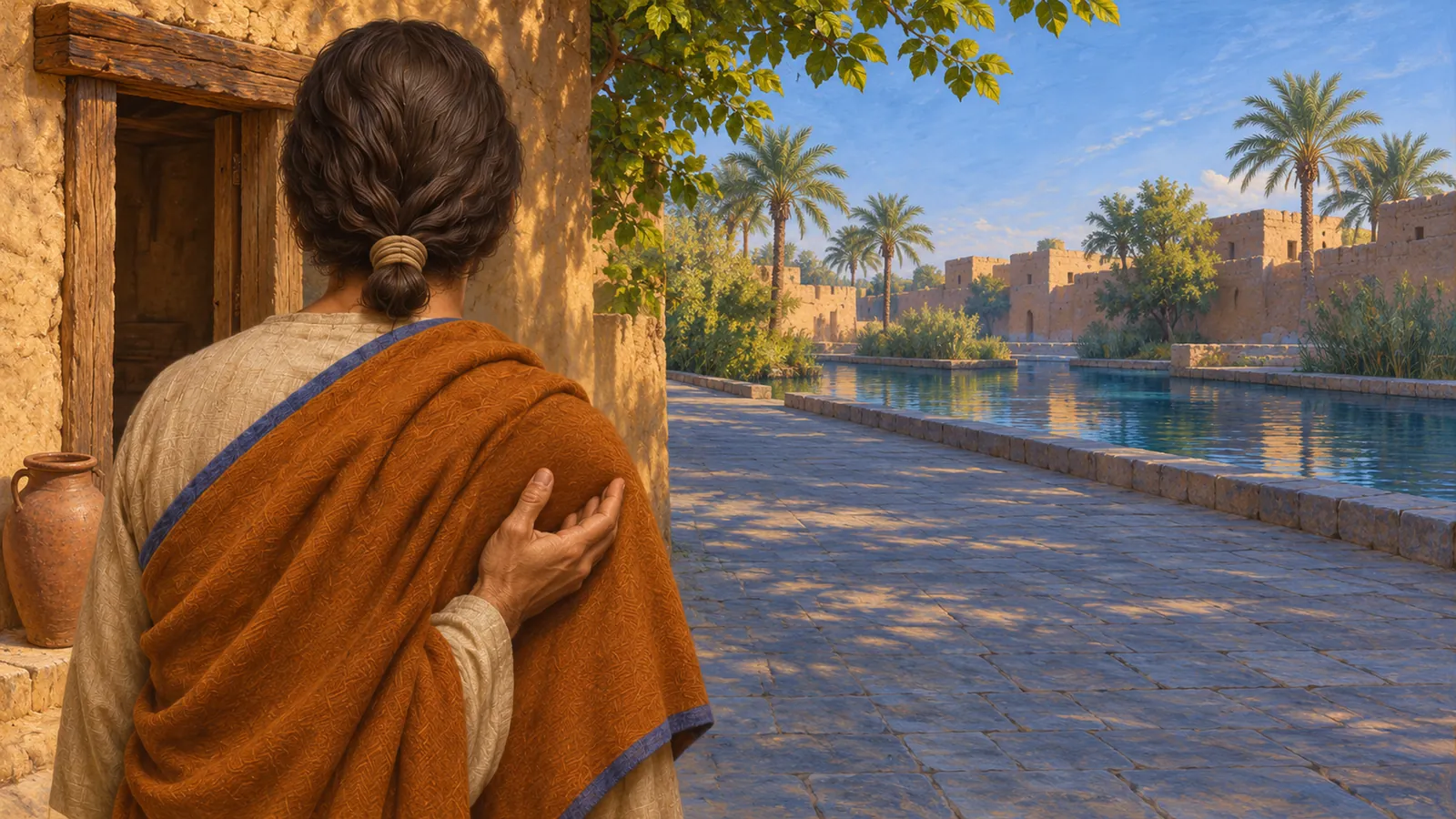
Ishum repeats another part of Erra’s threat. A man builds himself a house, hoping to find shelter there and to make it his resting place.
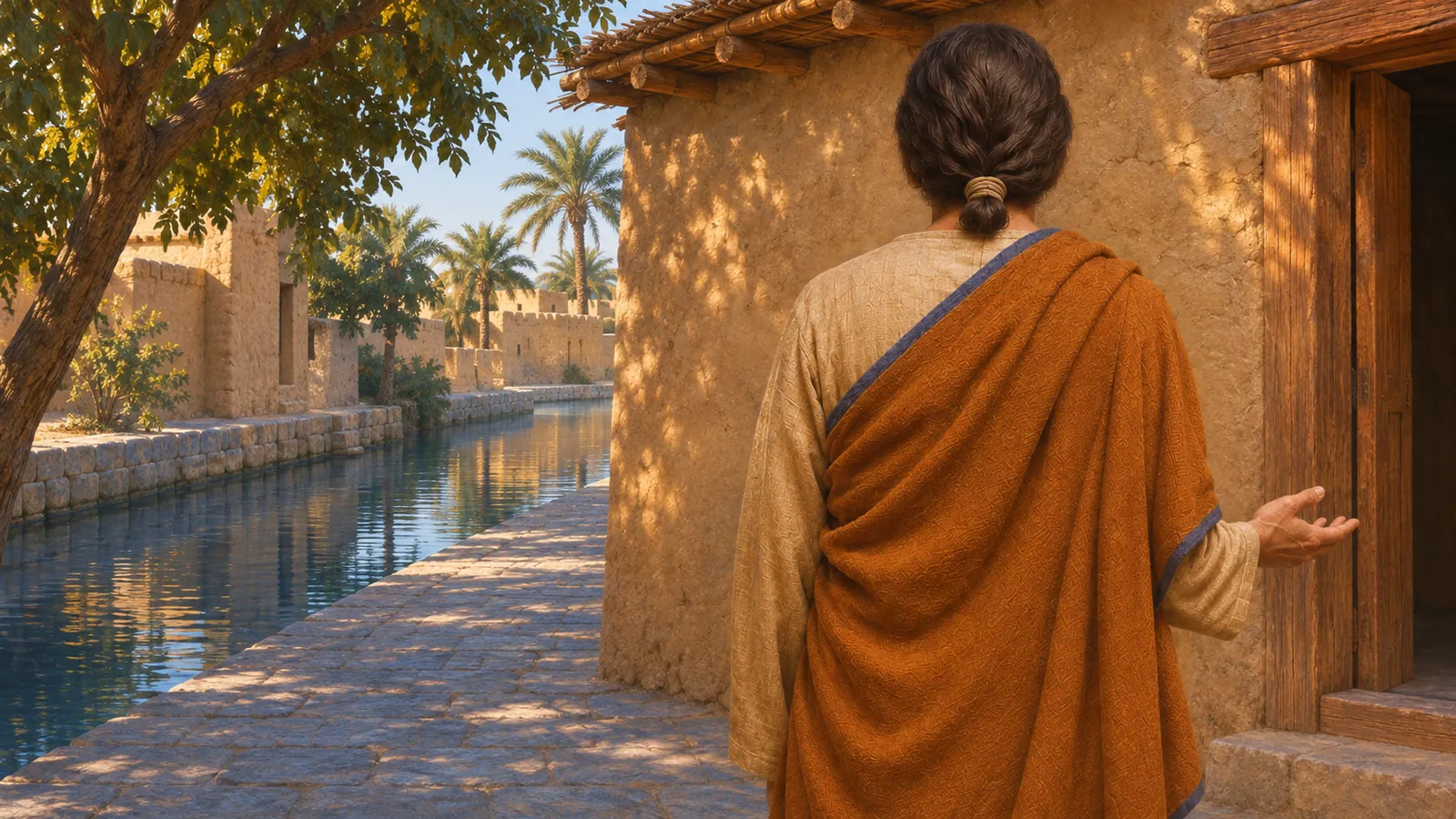
In the words Ishum repeats, Erra would take that house from the man who built it. He would give it to a stranger.
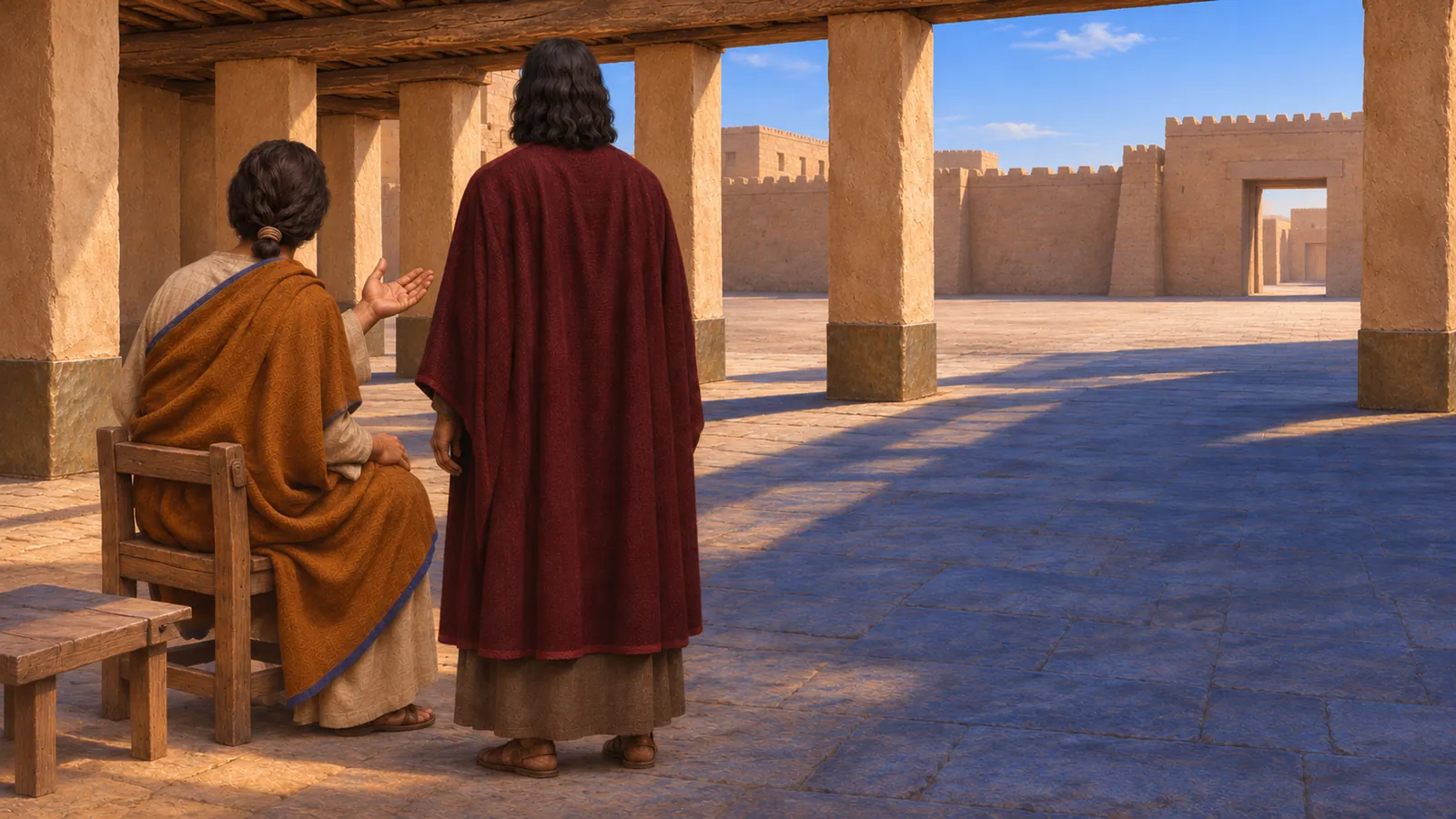
Ishum recalls a threat Erra made against the seat of the king of the gods. Erra would silence the voice of counsel there.
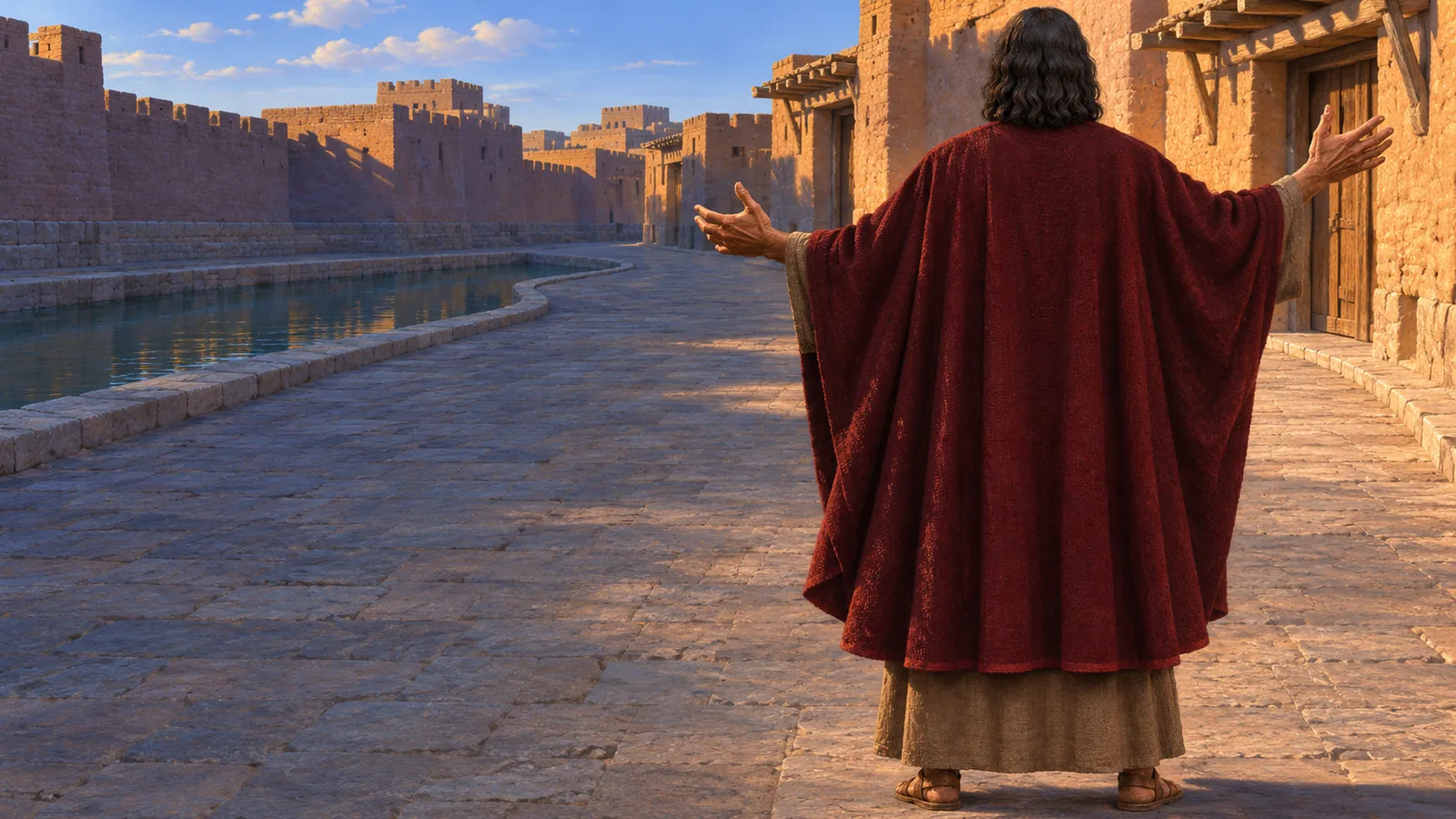
Erra calls for strife to reach into the lands and towns themselves. In his words, people in one place after another are to turn against their own.
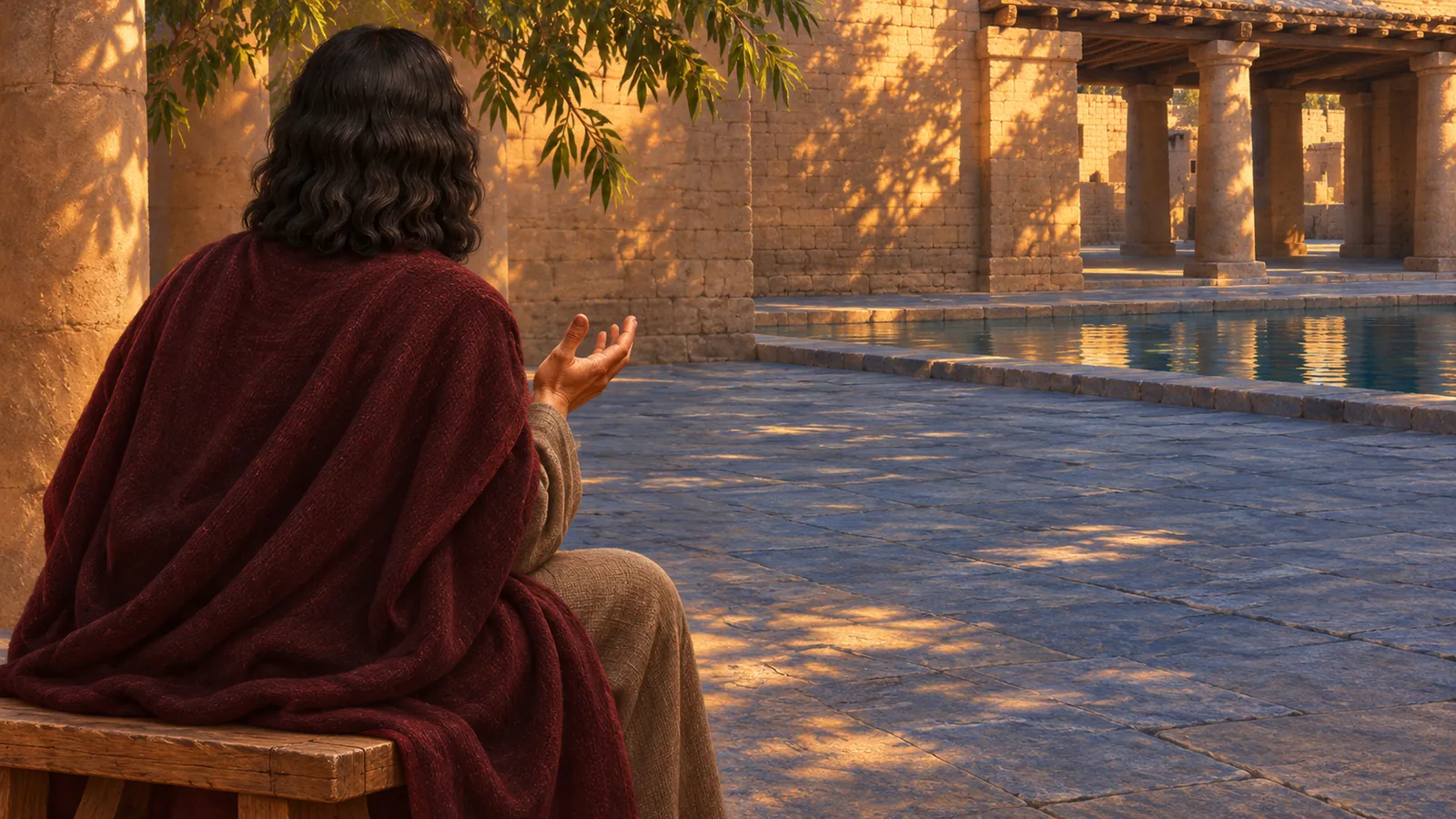
Erra says the strife is to last until a ruler arises in Babylonia. He leaves the ruler unnamed in this passage.
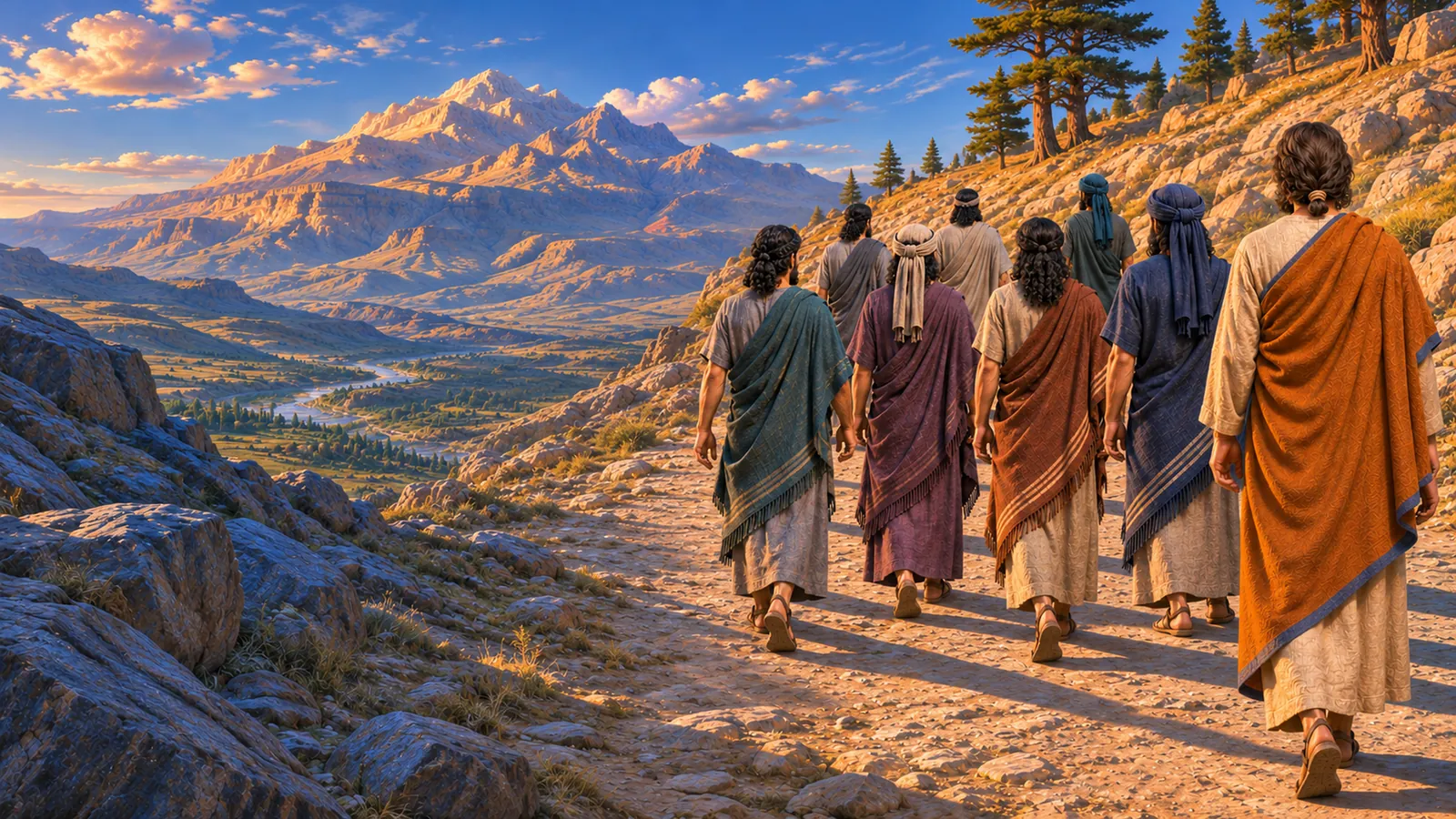
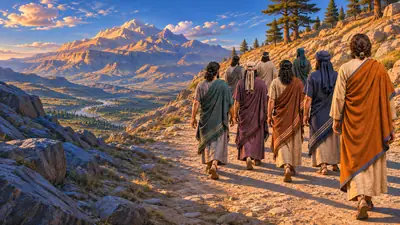
Ishum sets out for Mount Sharshar with the Seven. The old poem brings them to the mountain country after Erra has spoken.
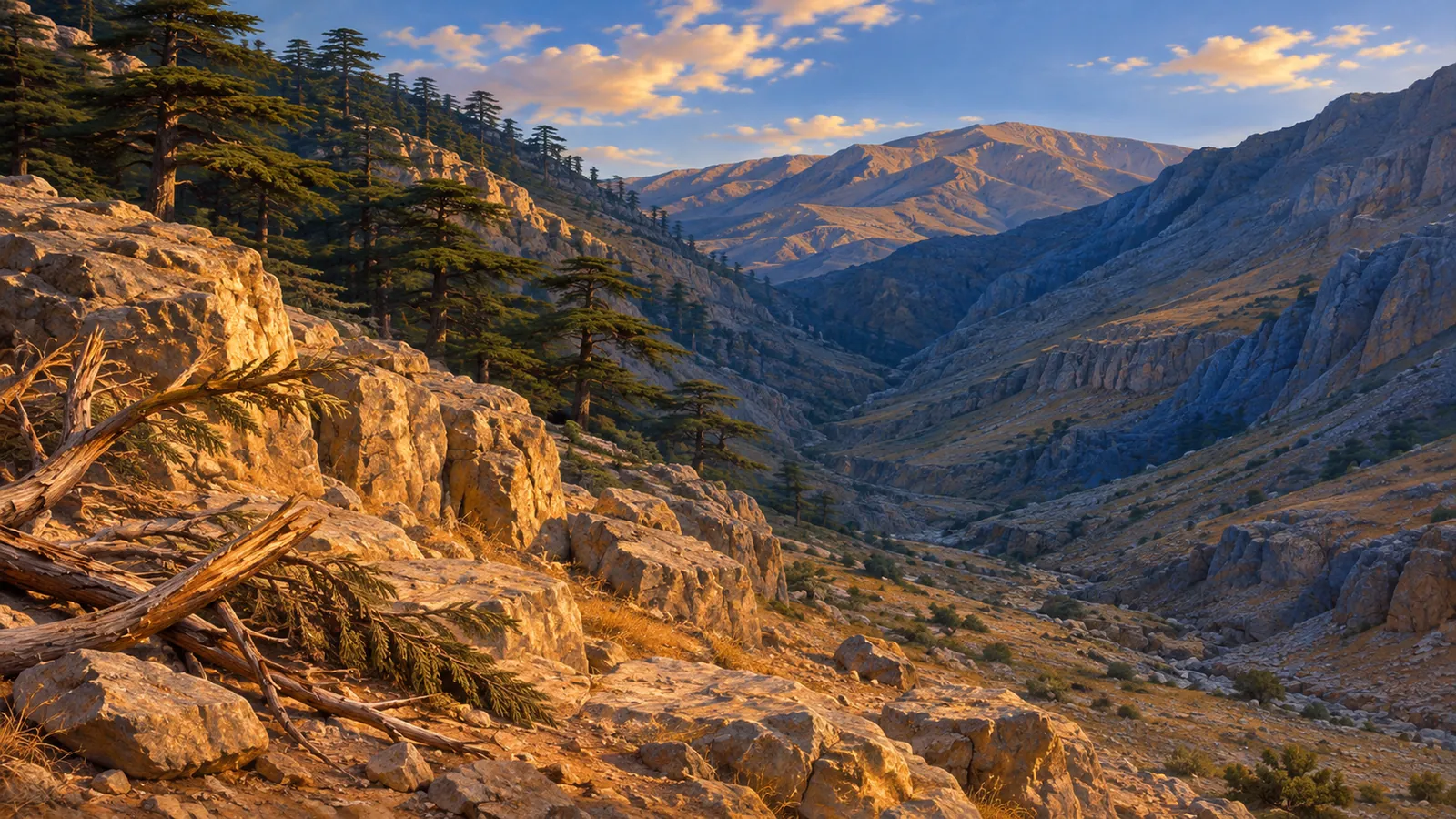
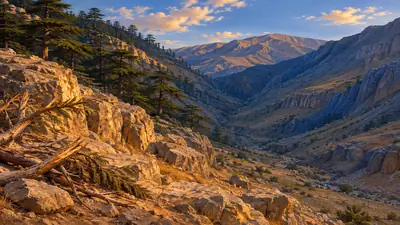
A warrior reaches the mountain. The poem tells of devastation on the mountain and in its cedar forest. The line leaves the warrior’s identity open.
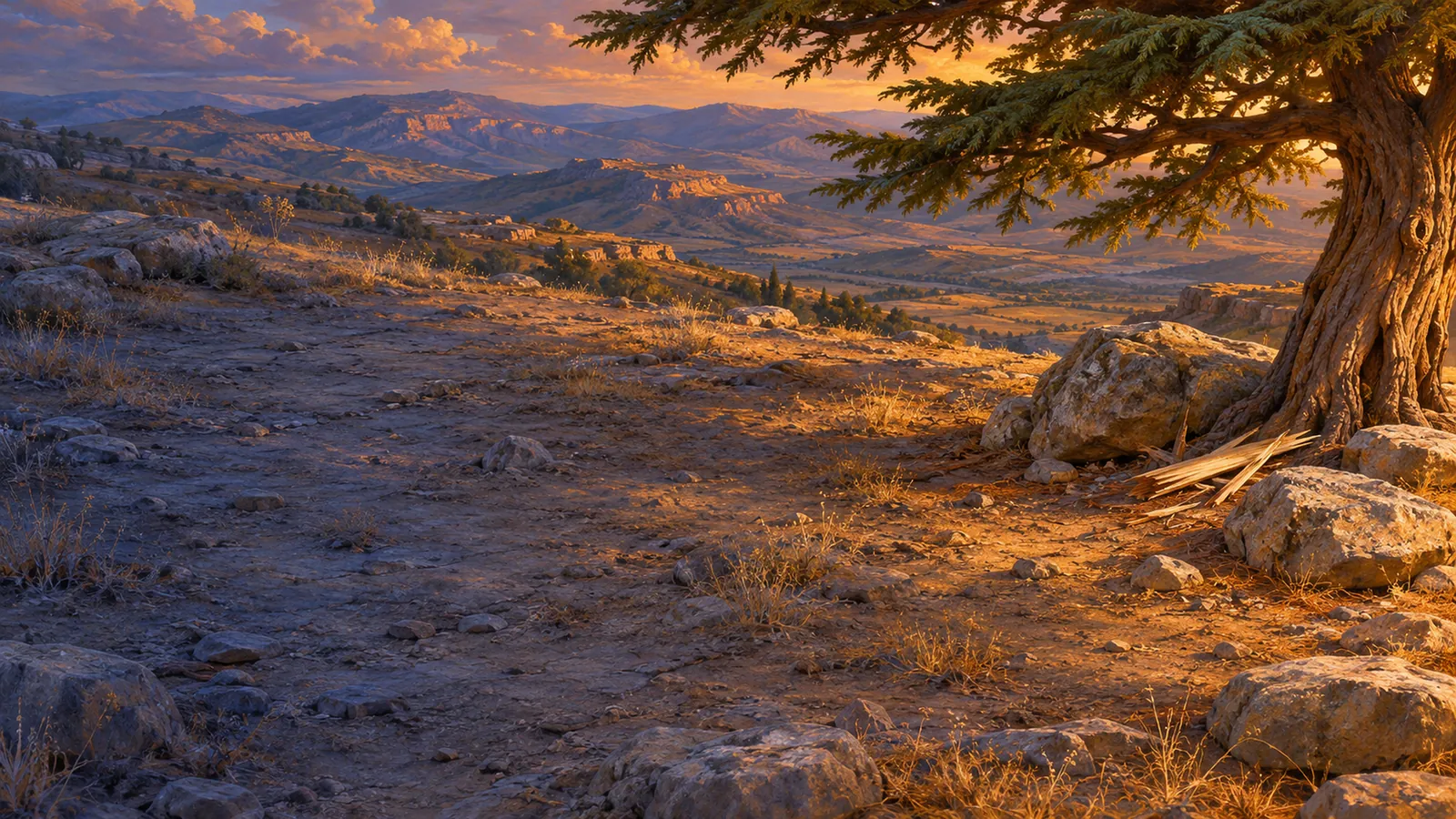
The poem compares the devastated woodland to a place the Deluge has passed over. Its account of loss reaches the towns and the uplands.
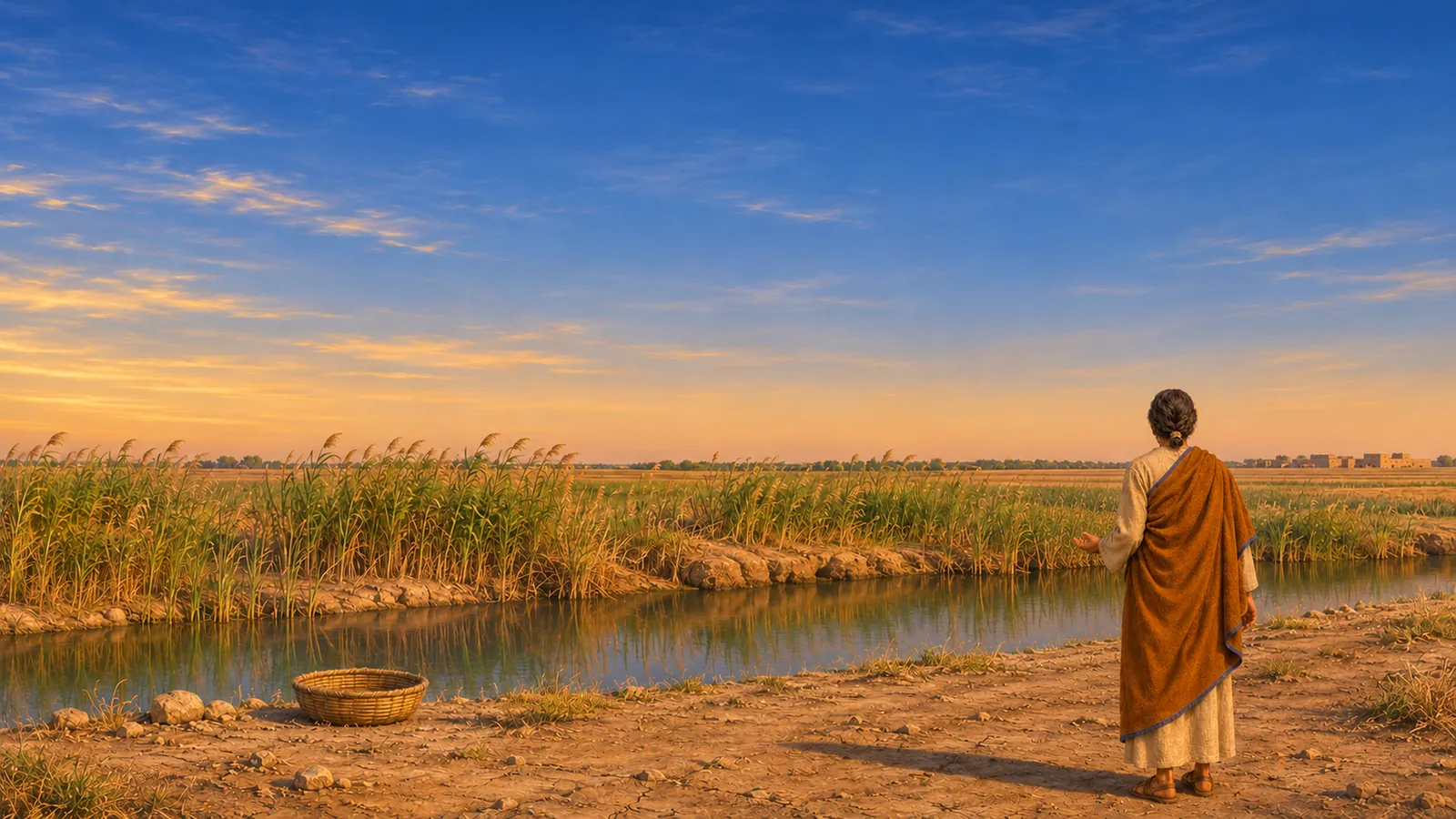
THE REEDBEDS
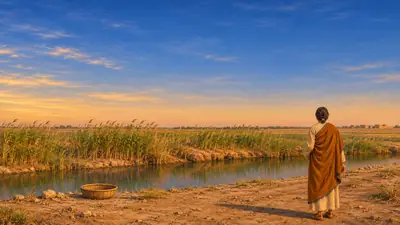
The tablet closes its account of devastation with the loss of produce and reedbeds. What the land could give has been diminished.
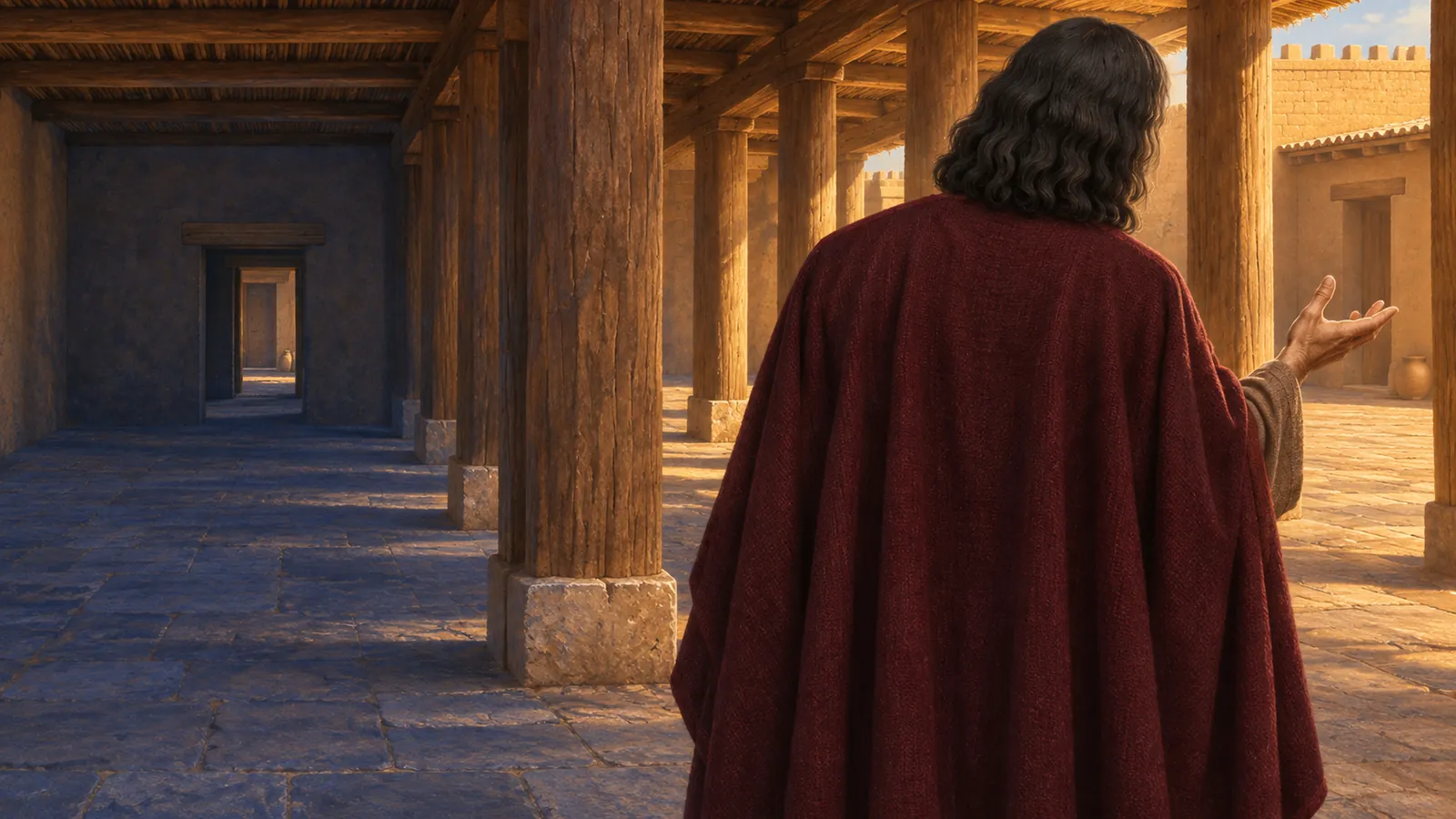
Erra asks those before him to listen. He acknowledges the wrong he meant to do and the rage with which he acted.
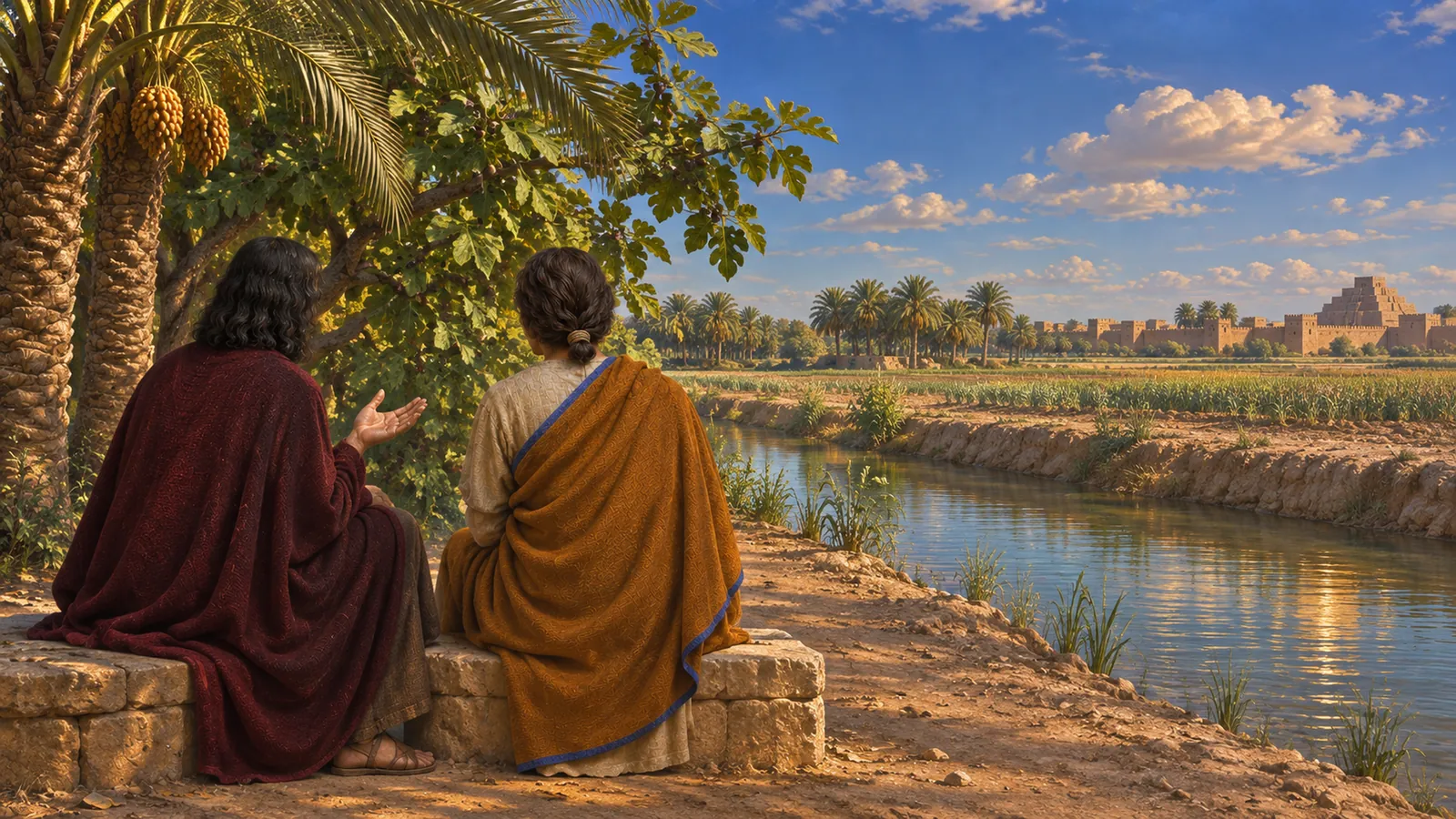
Erra compares his indifference to that of someone who did not plant an orchard. He says his fury made no distinction between people.
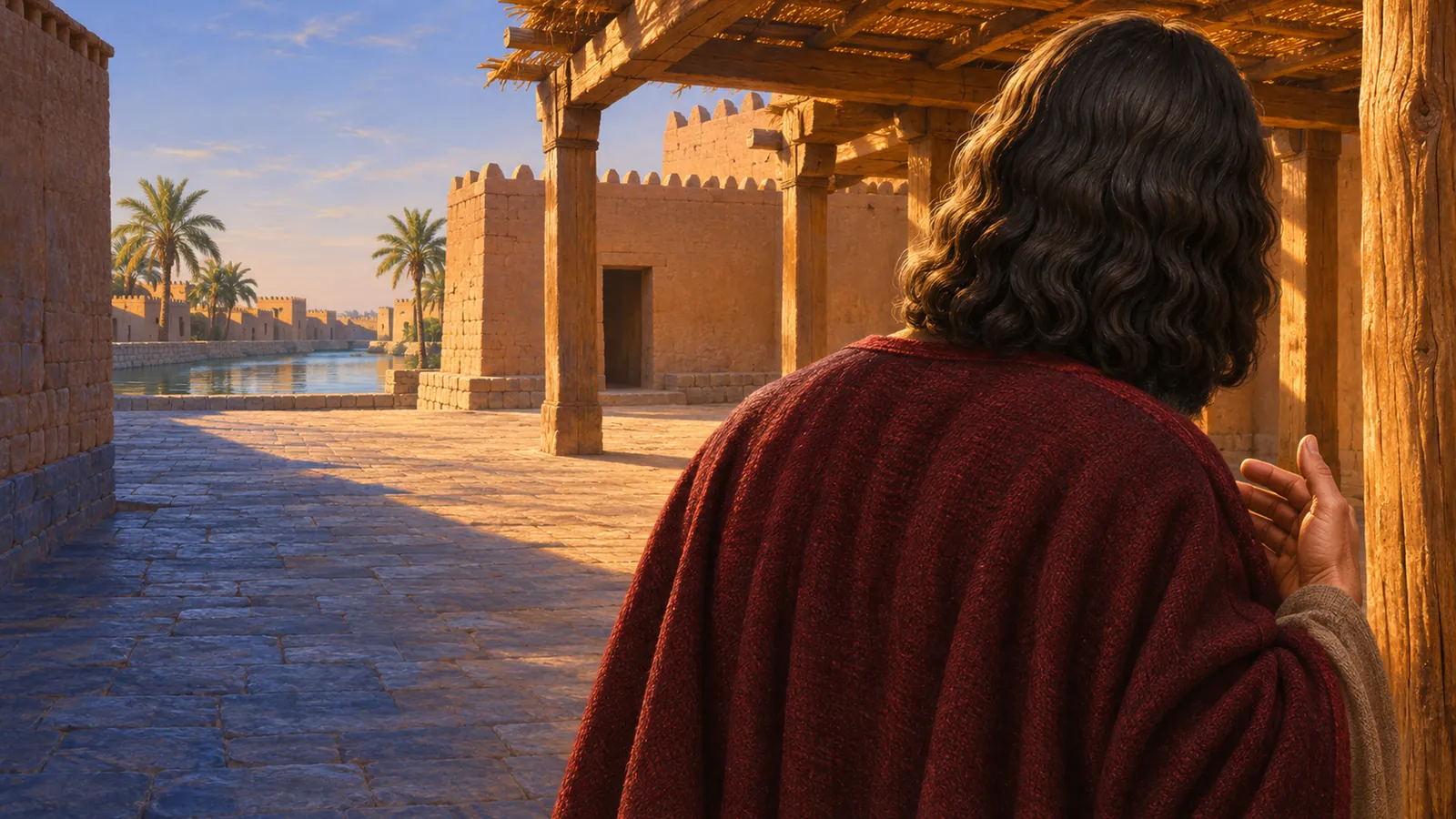
Erra compares his rage to a lion. He says that someone in such a rage cannot heed another person’s counsel.
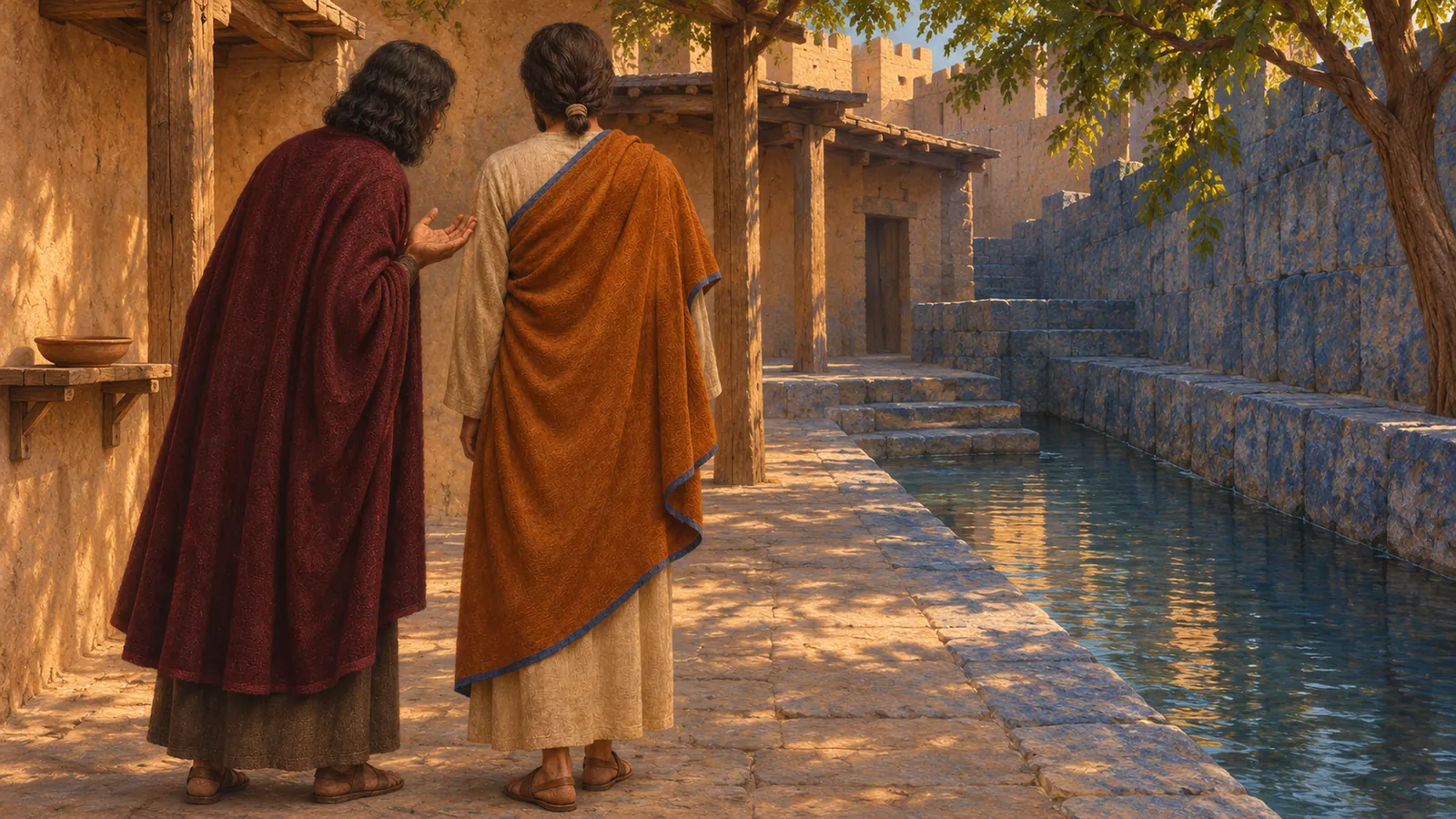
Erra asks what would have survived without Ishum’s intervention. He speaks of the people who tend the gods and the offerings made for them.
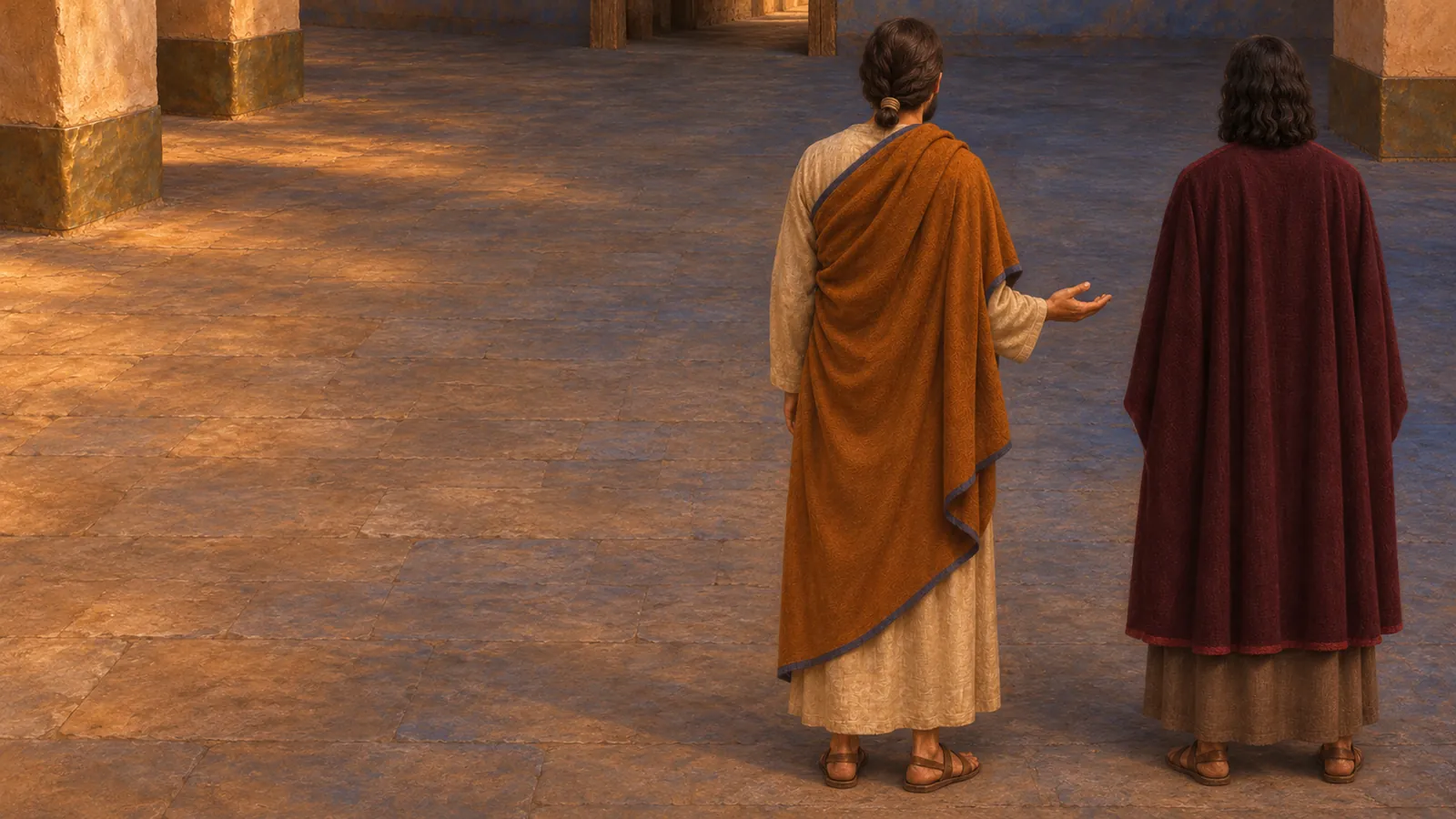
BE CALM
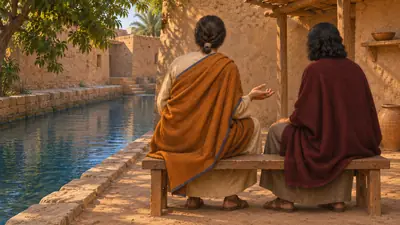
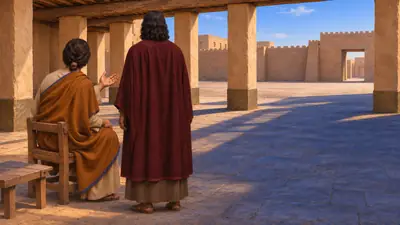
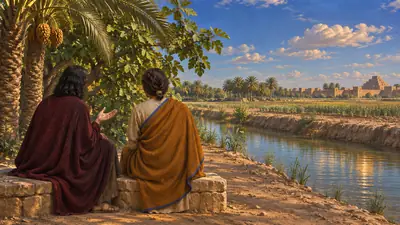
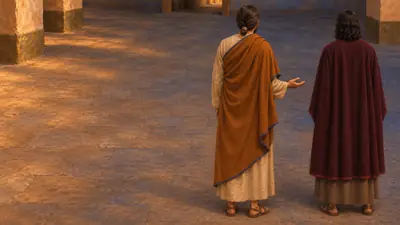
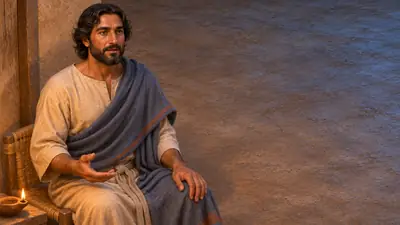
Ishum replies respectfully to the lord he serves. He asks Erra to listen to him and to be calm.
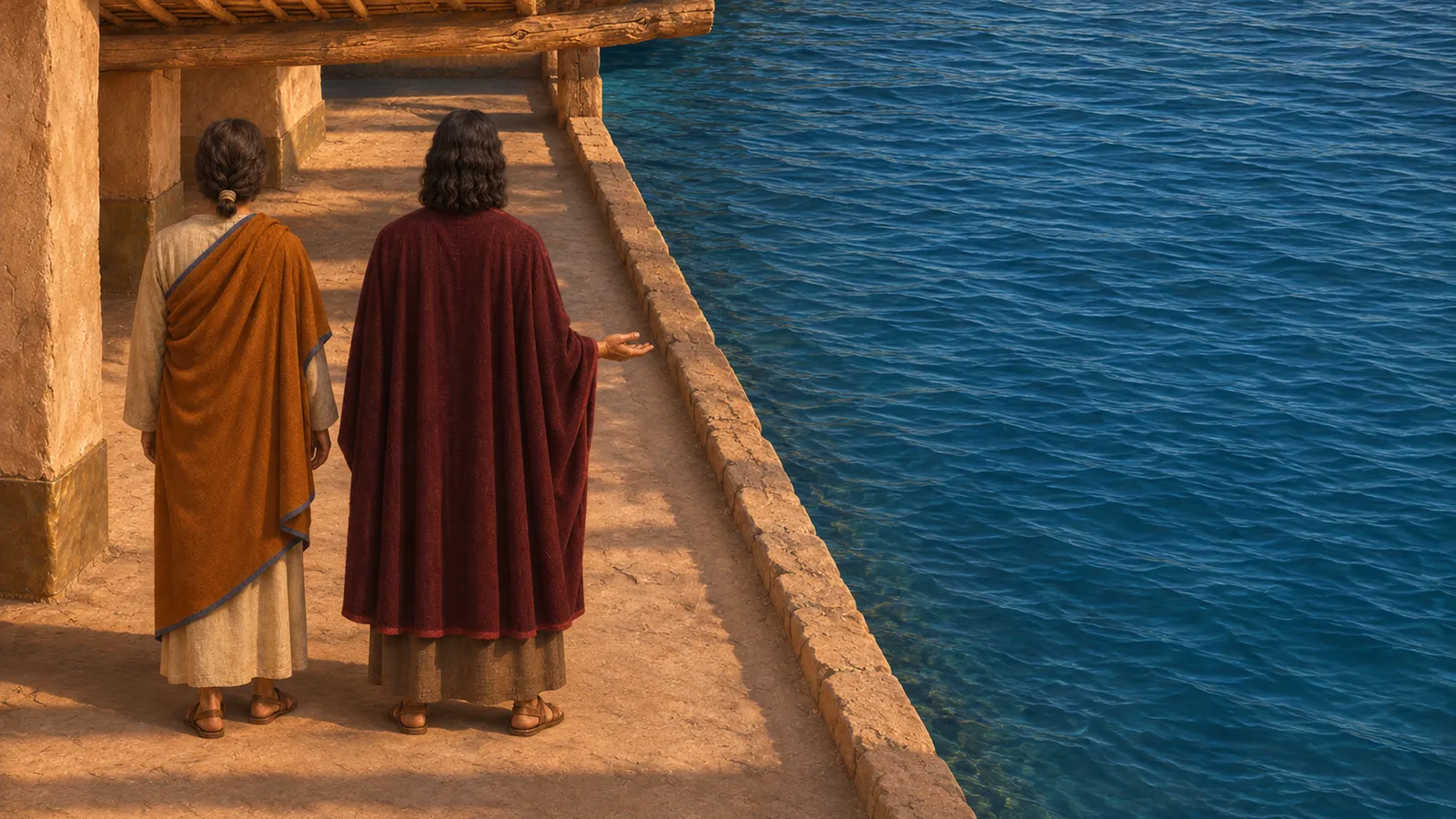
Erra speaks again and foretells that Babylonians will rise over other lands. He orders that wealth be brought to Babylon.
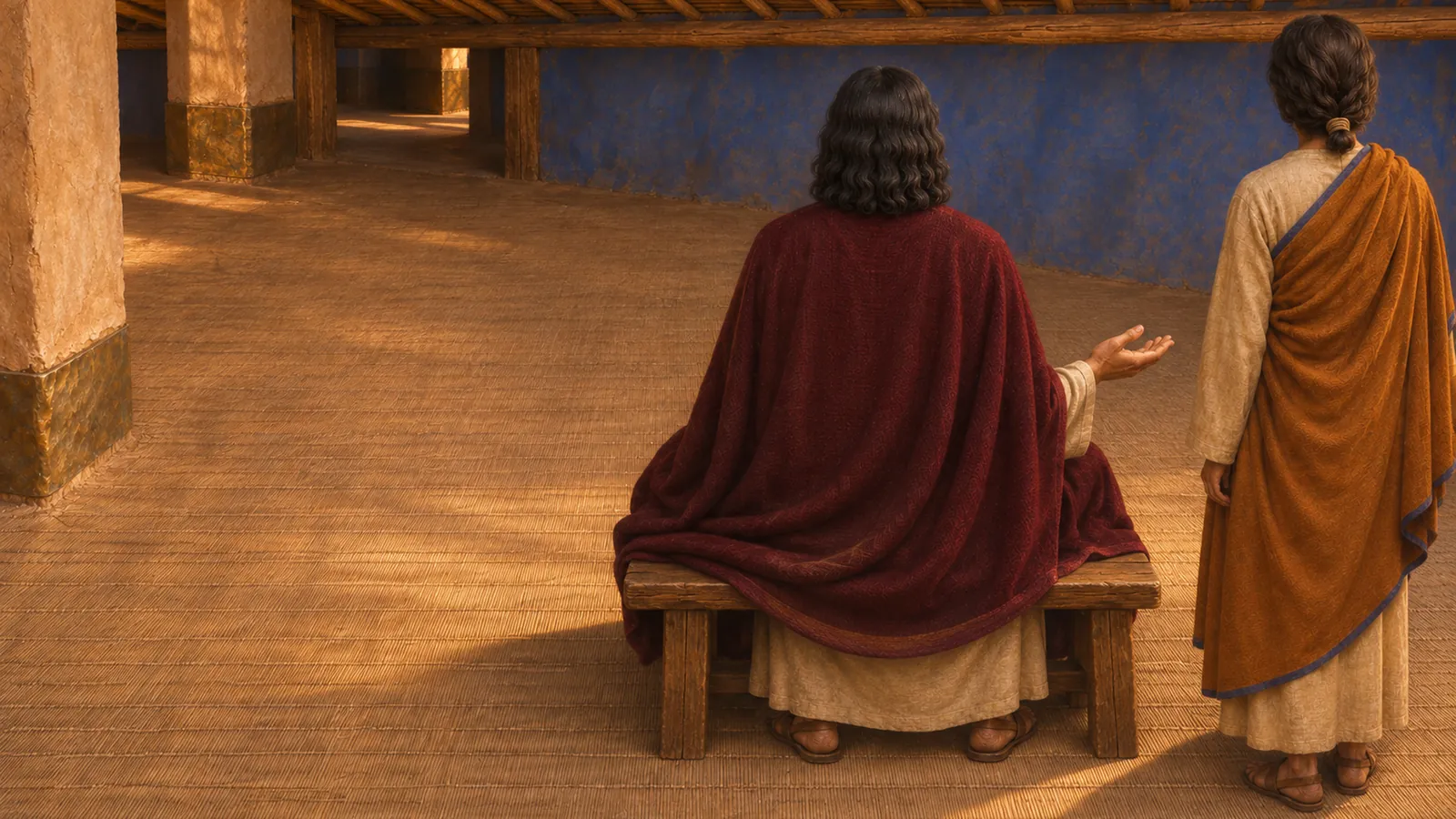
Erra tells Ishum to reconcile the angry gods of the land to their dwellings. It is the first of these instructions for renewal.
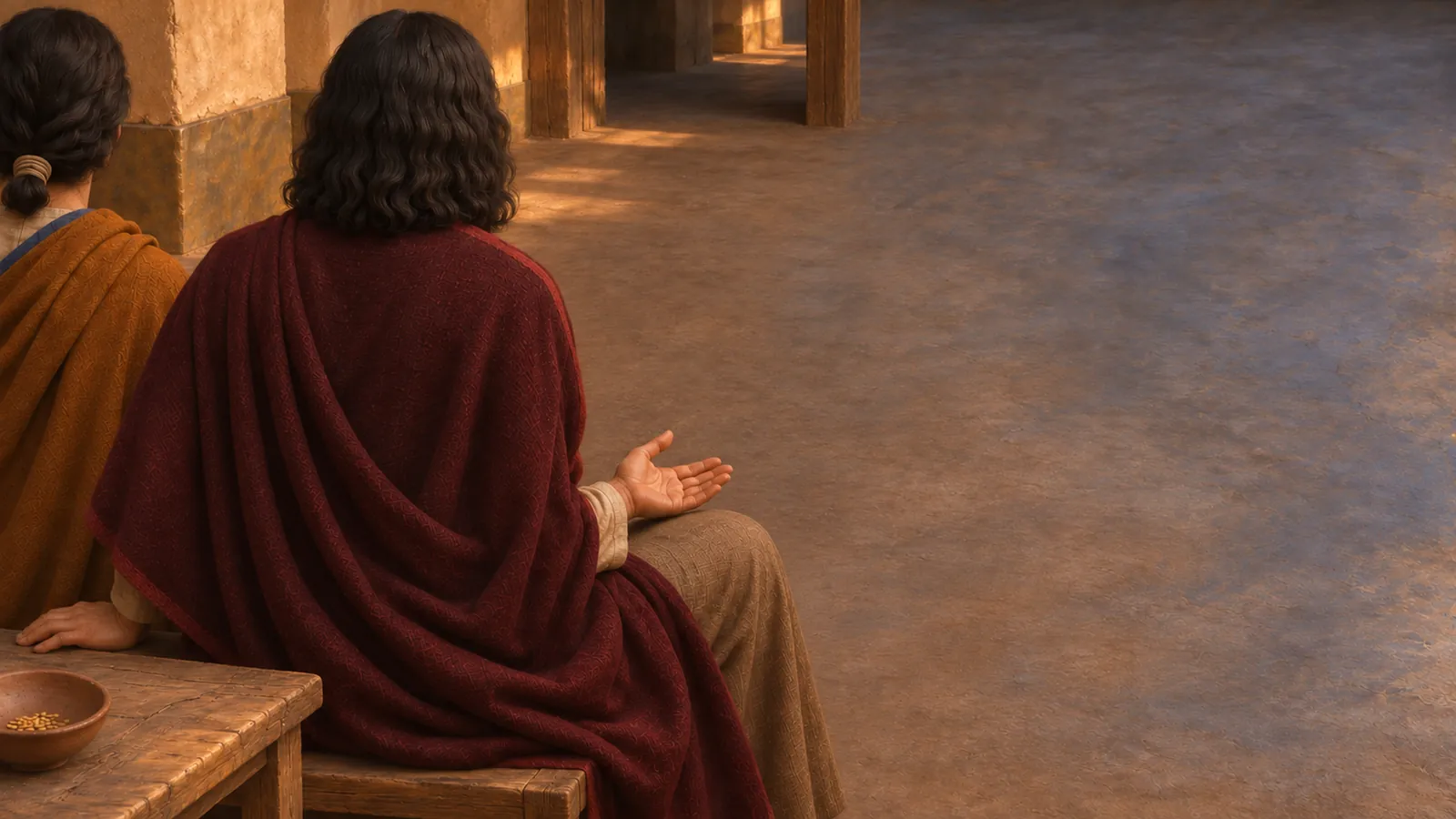
Erra asks for the powers that watch over livestock and grain to return. His words turn to what can sustain the land.
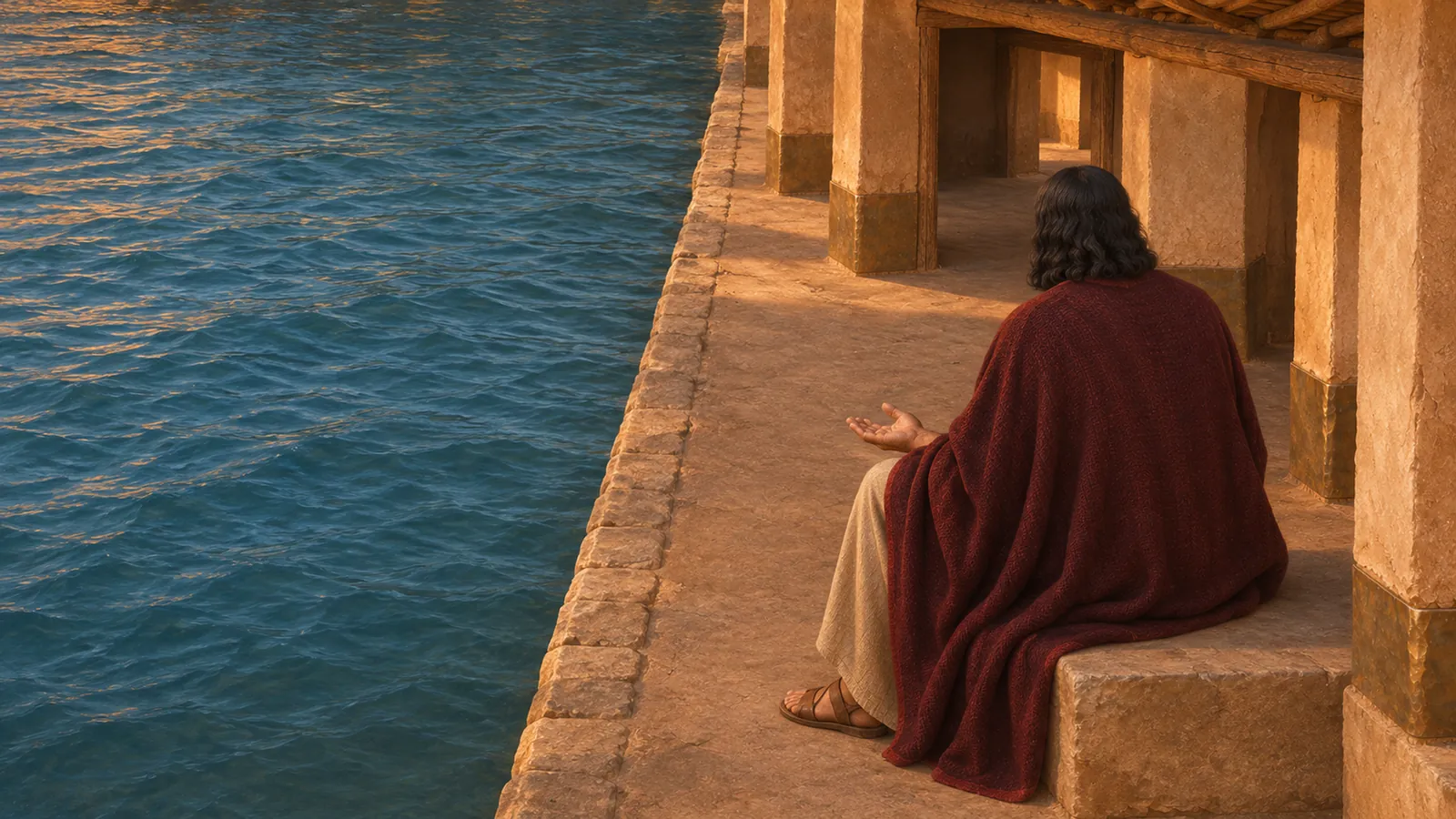
Erra calls on the uplands and the sea to give their yield again. He speaks of what they are to provide.
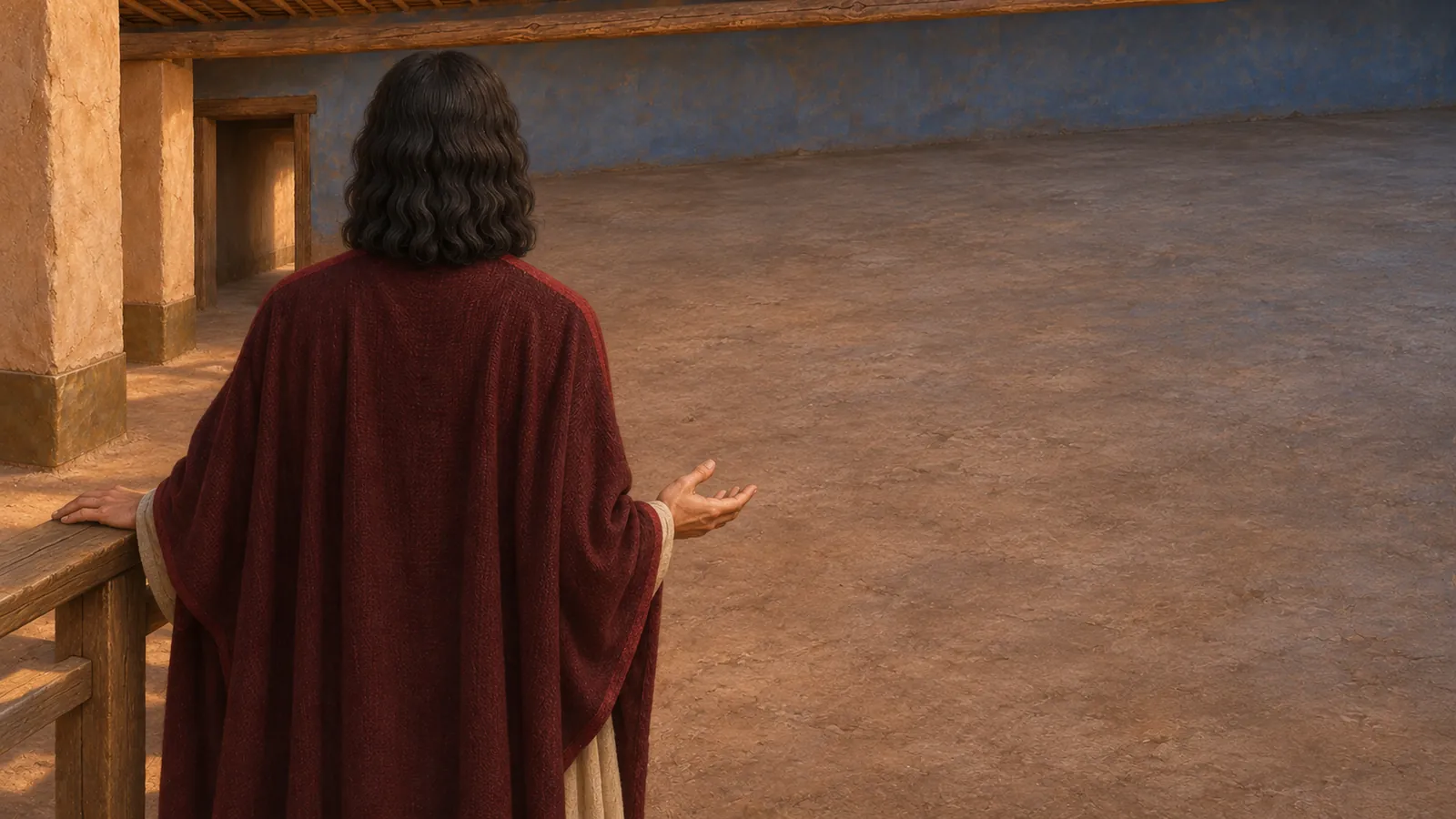
Erra calls for crops to return to the meadows that had been laid waste. He says the land is to bear again.
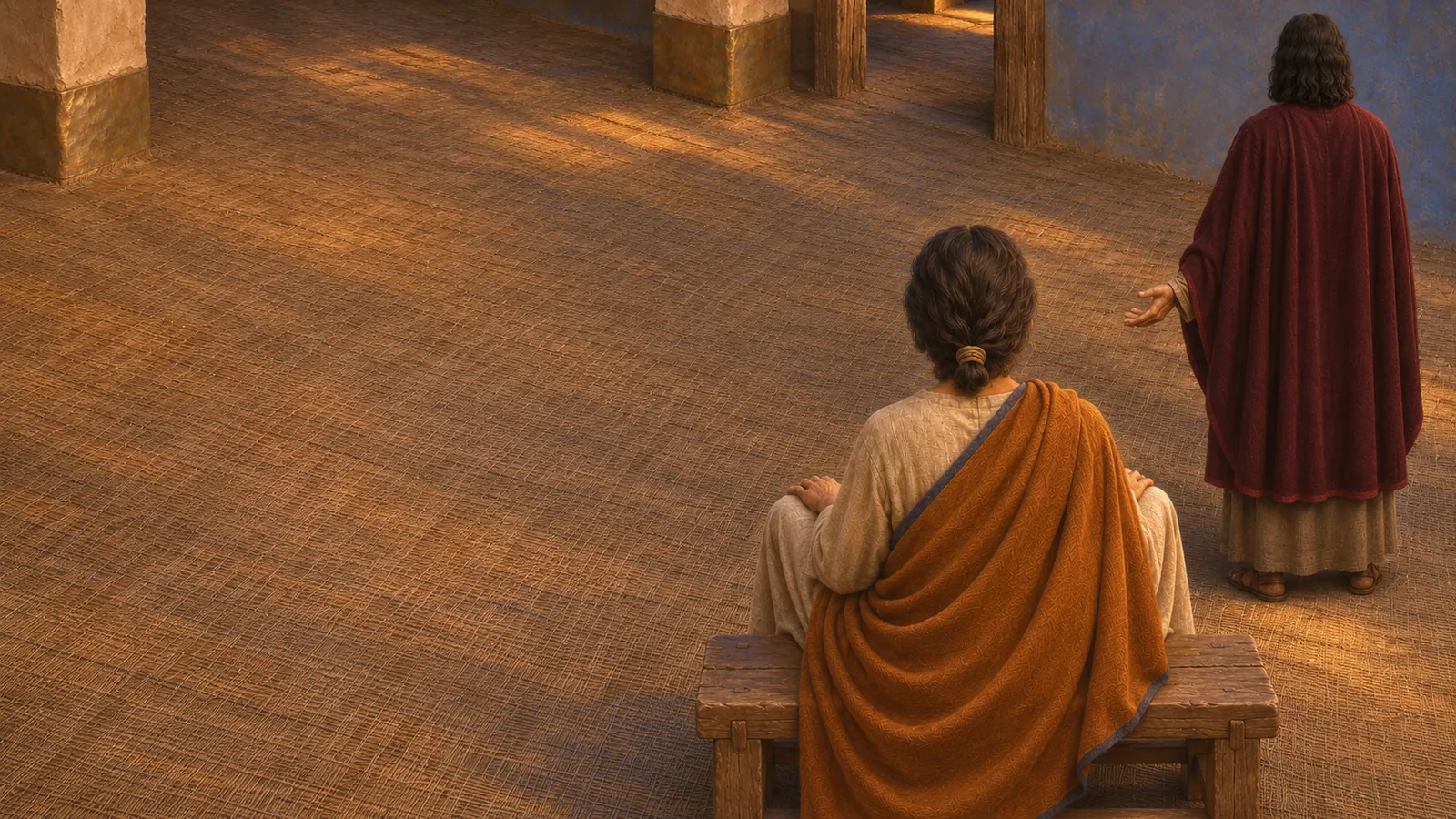
Erra’s instructions envisage long authority for the one who provides for Esagil and Babylon. With these words his speech draws to a close.
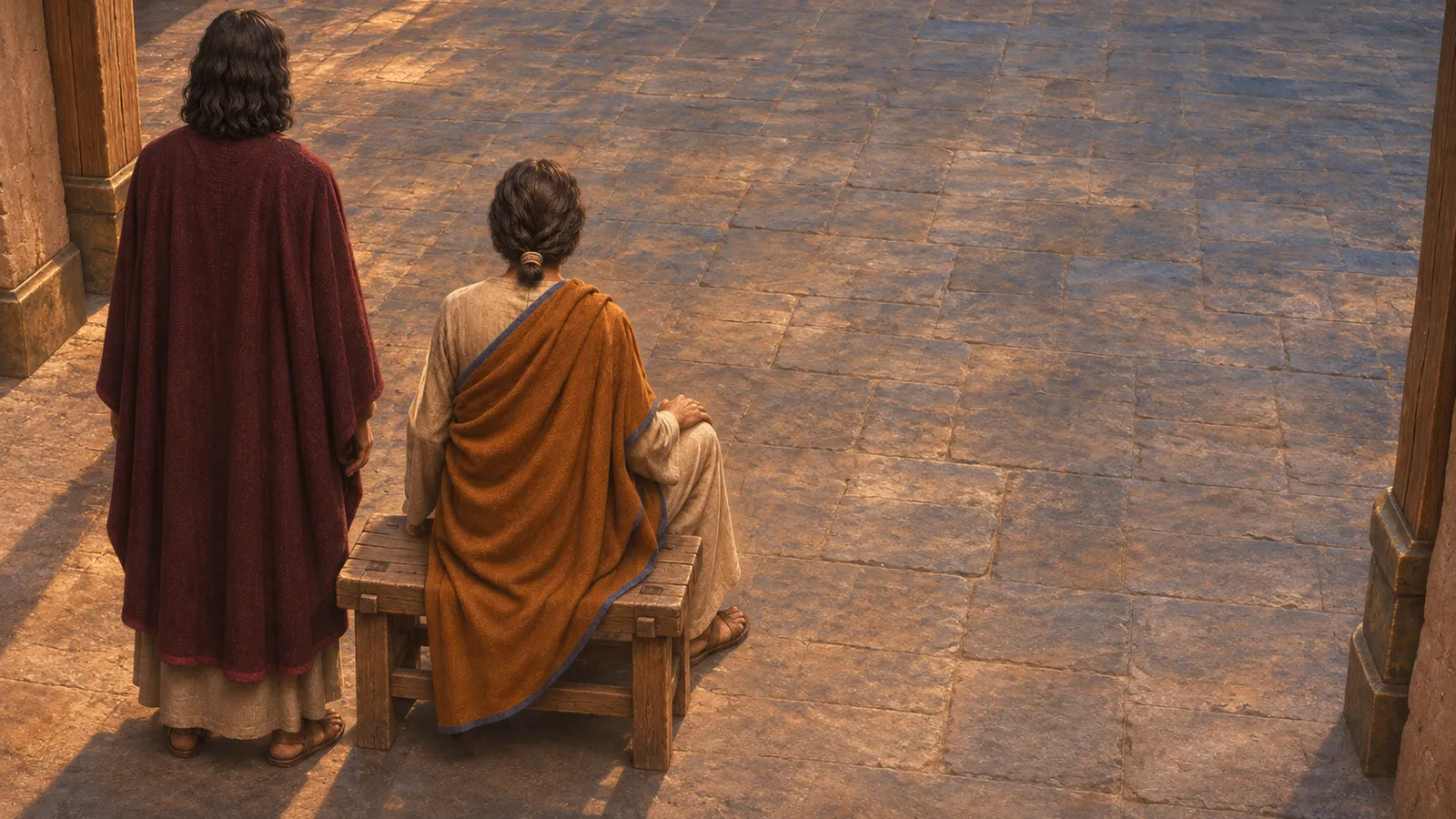
The poem names Erra and Ishum in its closing account. It recalls Ishum’s counsel and says that through it lives were spared.
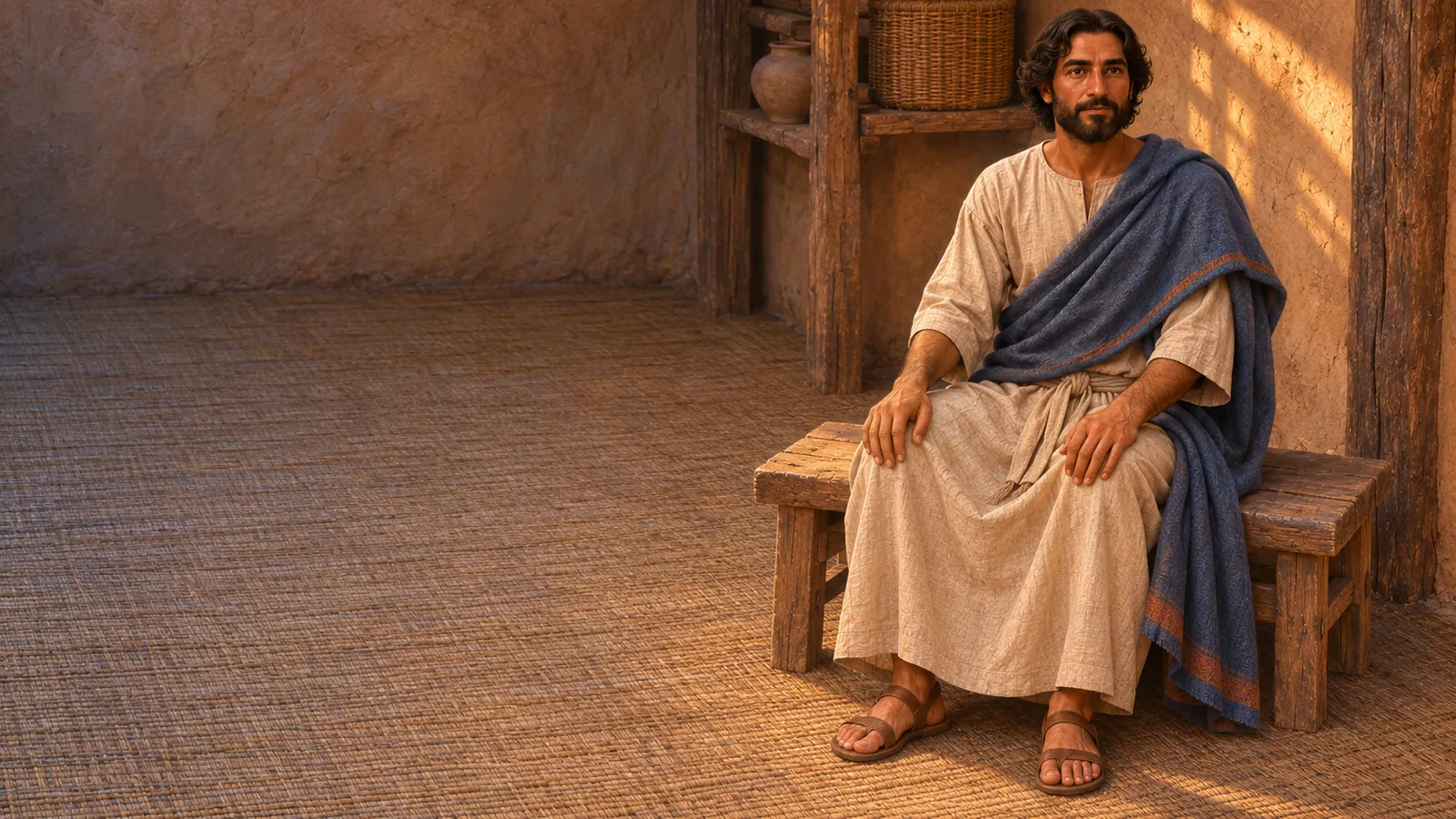
The poem gives the name of the man associated with its composition. He is Kabti-ilani-Marduk, son of Dabibu.
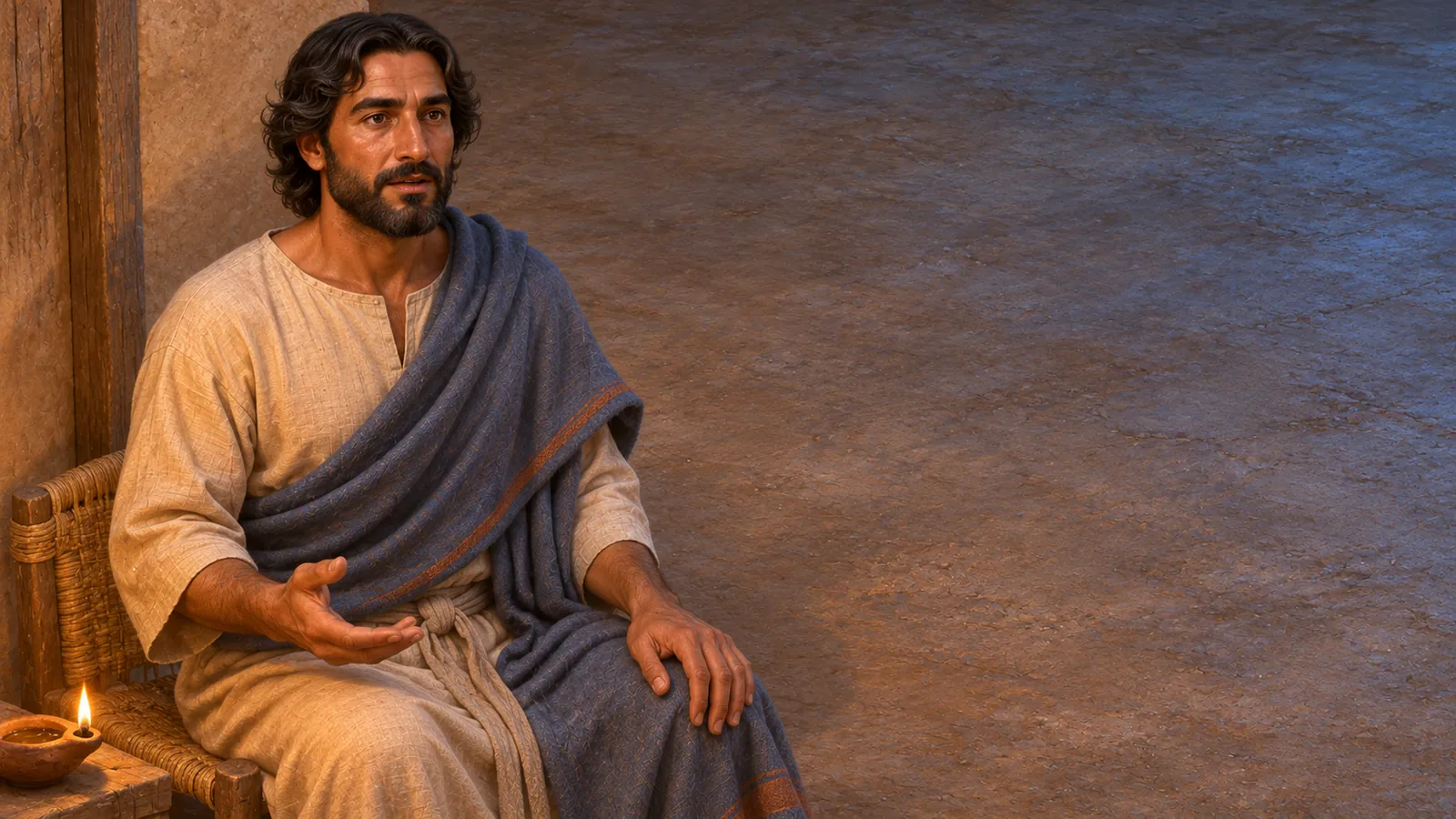
The song says it was disclosed in a vision at night. Awake again, the man recited it faithfully as he had received it.
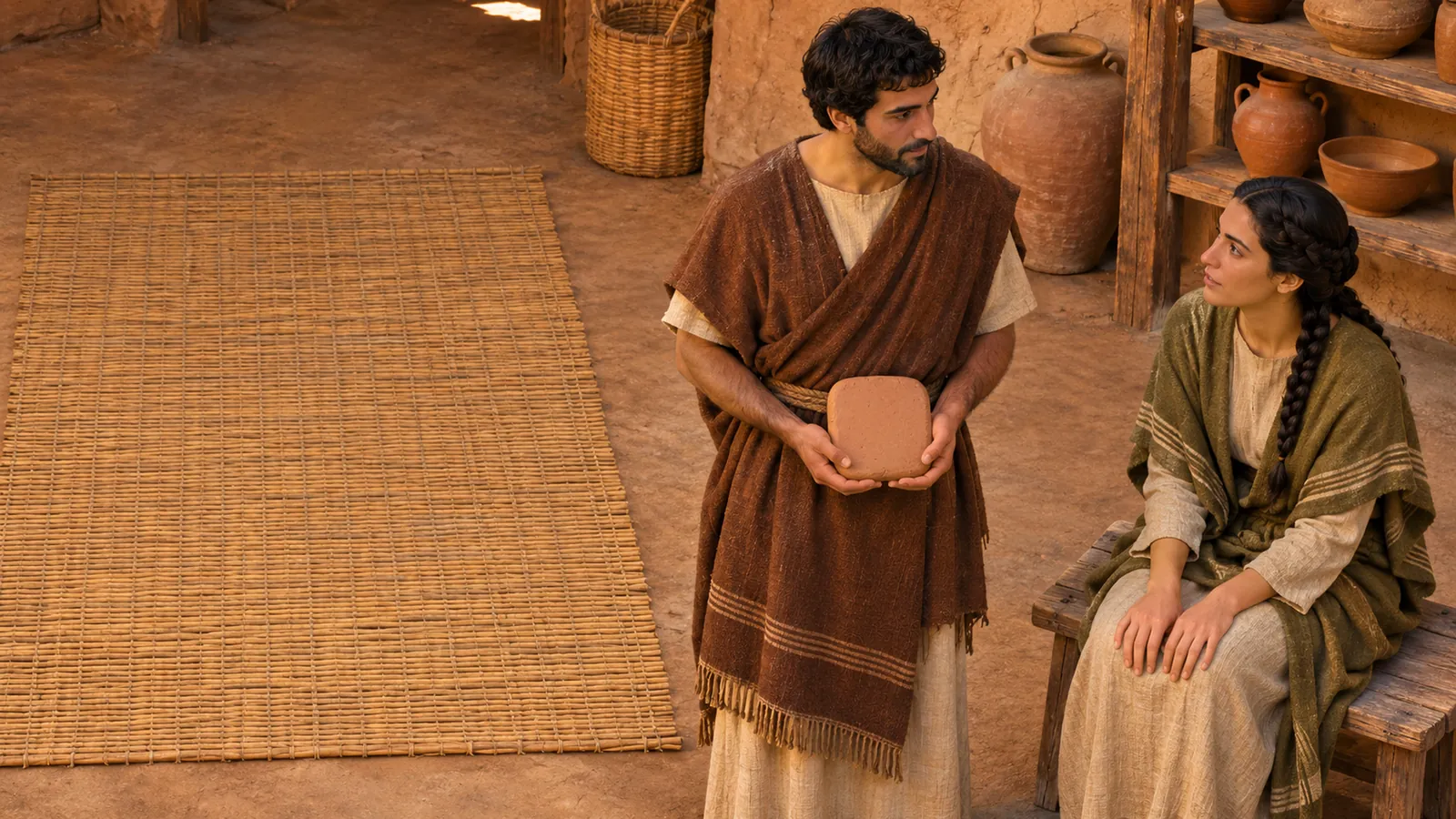
The poem promises benefits to those who honor and pass it on. It speaks of rulers and singers, scribes and people in their homes.
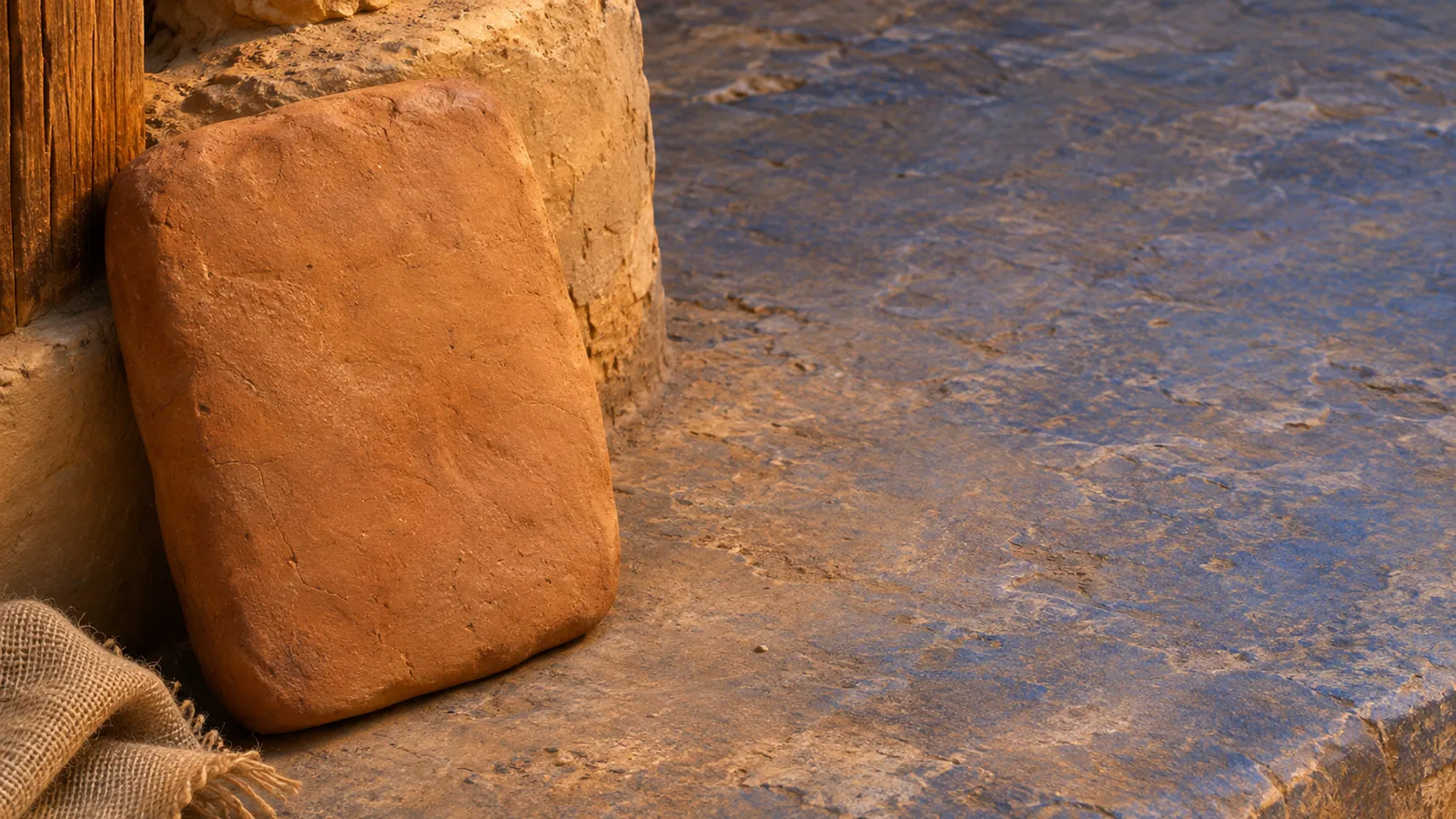
The closing verses promise protection to a house where the tablet is kept. The promise is part of the words this poem leaves behind.
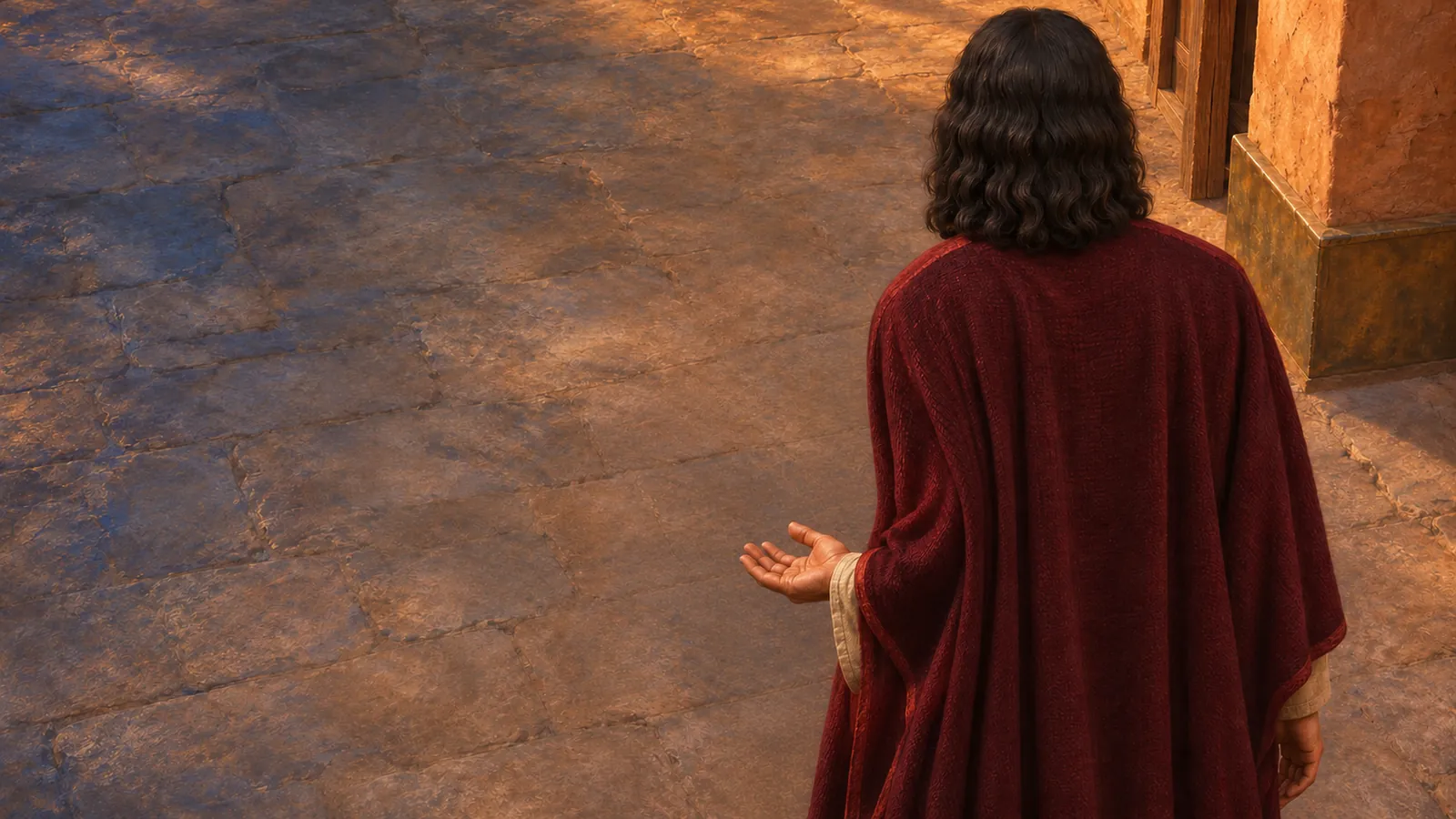
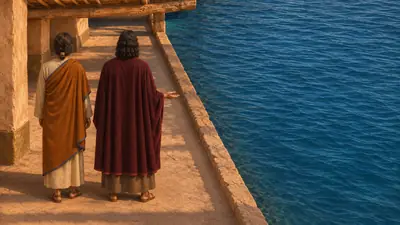
Erra speaks at the end of the poem. He wishes the song to endure, to be there in times still to come.
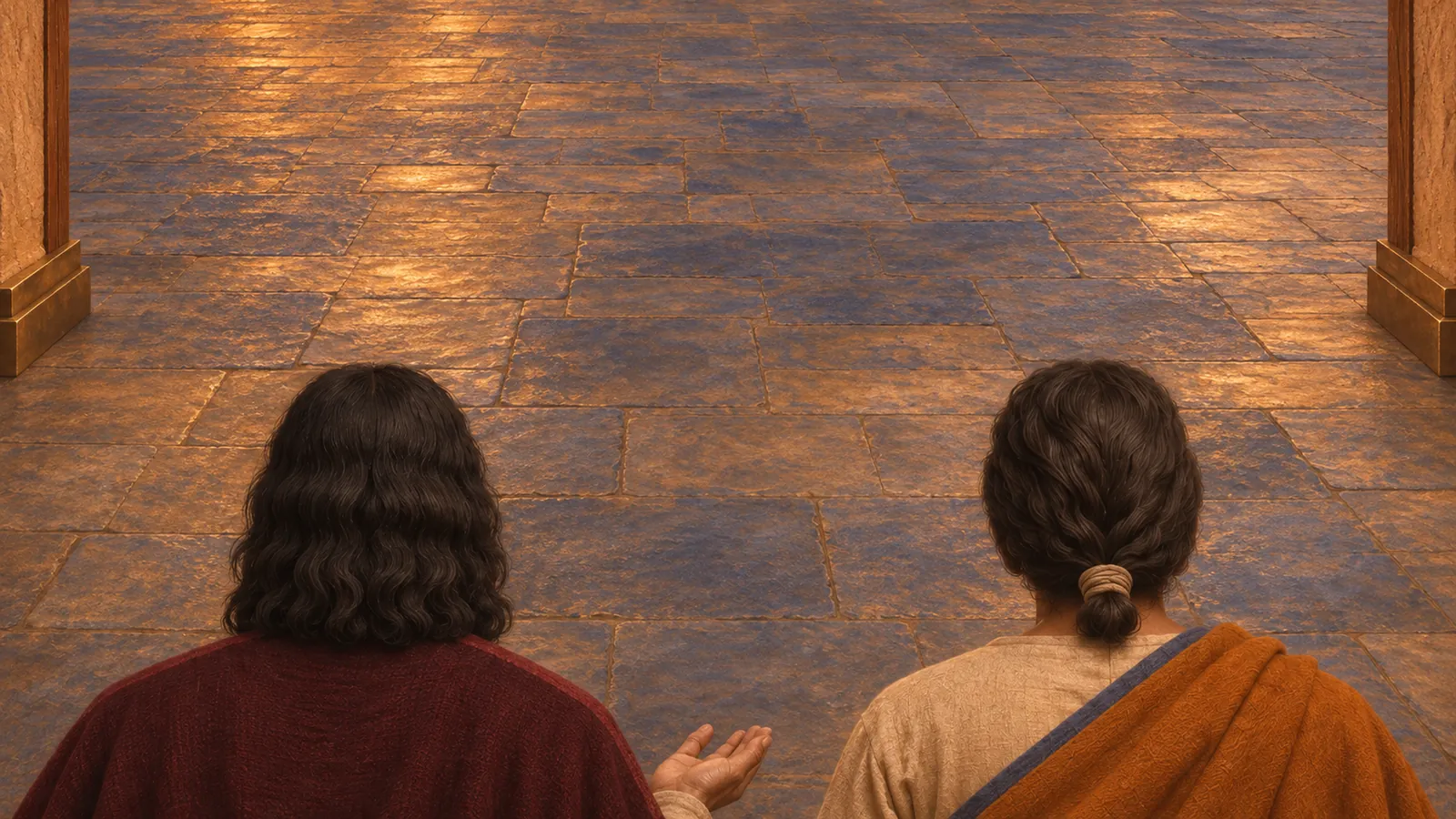
THE SONG
Erra wishes the song to be heard far and wide. May those who hear it remember his name.
End of chapter 2
All pages
Sources
Ishum’s longer catalogue in Tablet IV describes Erra killing the righteous and wicked alike and names the ruin of Uruk and Der (Foster and George, Tablet IV, approximately 104–127; line numbering varies by edition).
Editions consulted
- ORACC CAMS/GKAB, STT 16 with the catchline for Tablet II
- ORACC CAMS/GKAB, STT 17, the Sultantepe copy of Tablet II
- F. N. H. Al-Rawi and J. A. Black, The Second Tablet of Išum and Erra
- Simonetta Ponchia, textual readings from Tablets II–V, pp. 194–196
- A. R. George, The Poem of Erra and Ishum, pp. 54–66
- Eli Tadmor, Erra’s Human Form, Tablet IV discussion and translation
- Kynthia Taylor, The Erra Song, chapter 1
- Selena Wisnom, Erra textual notes and discussion
- IL Archive, The Poem of Erra and Ishum
Ancient lines behind each page
- Page 1: ORACC STT 16 rev. ii 12, Tablet II catchline
- Page 2: ORACC STT 17 obv. 6
- Page 3: ORACC STT 17 obv. 9 to obv. 1′, witness lacuna
The break is in this physical witness. - Page 4: ORACC STT 17 obv. 8′–9′
- Page 5: ORACC STT 17 obv. 10′
- Page 6: ORACC STT 17 obv. 11′–13′
- Page 7: Ponchia II C 5 = Tell Haddad iii 33′
The exact wording of the passage is fragmentary. - Page 8: Ponchia II C 9 = Tell Haddad iii 37′
- Page 9: Ponchia II C 22–23 = Tell Haddad iv 10–11
- Page 10: Cagni III A 7–8, quoted by Ponchia
- Page 11: George III C 27
- Page 12: Ponchia III C 36
- Page 13: Ponchia III 40–56, within the discussion of III C
- Page 14: Wisnom, p. 23 on III C 47
- Page 15: George III D 3–6
- Page 16: George III D 7–9, 13
- Page 17: Tadmor IV 1–2
- Page 18: Tadmor IV 3–4; George IV 3–6
- Page 19: Tadmor IV 5
- Page 20: George IV 6
- Page 21: Tadmor on IV 6–14
- Page 22: Tadmor IV 15–19
- Page 23: Tadmor IV 20–21
- Page 24: George IV 22–24
- Page 25: George IV 25–29
- Page 26: Tadmor on IV 31–39
- Page 27: Tadmor on IV 31–39
- Page 28: Taylor IV 40–44, witness IB 212; George p. 55
- Page 29: George IV 95–98
- Page 30: George IV 99–101
- Page 31: George IV 102–103
- Page 32: George IV 127
- Page 33: George IV 131–135
- Page 34: George’s reading of IV 136
- Page 35: George IV 139–140
- Page 36: George IV 141–144
The referent of “the warrior” at IV 141 is uncertain. - Page 37: George IV 145–147
- Page 38: George IV 148–150
- Page 39: George V 5–7
- Page 40: George V 8–10
- Page 41: George V 11–12
- Page 42: George V 13–21, Erra’s speech
- Page 43: George V 13–21, Ishum’s reply
- Page 44: George V 27–30
- Page 45: George V 31
- Page 46: George V 32
- Page 47: George V 33
- Page 48: George V 34
- Page 49: George V 38–39, final instruction
The printed reading leaves uncertainty about the reference to the governors. - Page 50: George V 39–41, coda
- Page 51: George V 42
- Page 52: George V 43–44
- Page 53: George’s analysis of V 49–58
- Page 54: Wisnom p. 18 on V 57–58; George on V 49–58
- Page 55: George V 59
- Page 56: George V 60–61
Illustrations made with AI tools by IL Archive; the text is based on the ancient sources (see the sources at the end of each chapter).