Study
After the Flood: Sacrifice, Covenant, and the Limits of Humanity
An extended study of a topic, with evidence and references.
- Region
- Mesopotamia and the Levant
Post-flood offering and aroma in Ziusudra, Atrahasis, Gilgamesh and Genesis: literary relationship and different endings for immortality, reproduction and covenant.
Estimated reading time: 8 min Published Last reviewed:
Share article
Video
The Flood Before Noah: What the Clay Tablets Say
Our third documentary reads the oldest flood stories on clay: Ziusudra, Atrahasis and Gilgamesh, then sets them beside Noah in the Abrahamic scriptures. Some scenes are AI-generated illustrations.
The YouTube player loads only when you press play. Watch on YouTube
Text
Introduction
How is the post-flood scene of an offering and its aroma in MesopotamianMesopotamiaHistorical region associated with the Tigris and Euphrates: Uruk, Ur, Eridu, cuneiform, Sumer, Akkad, Babylon and Assyria, their languages and cults, and the limits of archaeological evidence.Glossary · Click to read the explanation stories related to GenesisBook of GenesisHebrew book of the Torah containing Noah’s flood, survival offering and covenant with living creatures.Glossary · Click to read the explanation? The scene recurs after survival, but its aftermath changes: exceptional immortality, restrictions on births, or a promise of continuing life and a covenant with living creatures. This study compares the endings to understand the HebrewHebrewA Northwest Semitic language of the Canaanite group, encompassing Iron Age epigraphy, Biblical, Rabbinic, medieval and Modern Hebrew; its scripts and pronunciations changed over time.Glossary · Click to read the explanation story’s relationship with Mesopotamian tradition and how a repeated scene acquired different meanings. [1][2][3][4]
We read what survives of Sumerian ZiusudraZiusudraA literary king-priest in the fragmentary Sumerian Flood Story (ETCSL 1.7.4). He survives by boat, sacrifices, and receives divine life from An and Enlil in Dilmun. The surviving copy is Old Babylonian; his historicity is unproven.Glossary · Click to read the explanation, the Babylonian epic of AtrahasisAtrahasis: Epic and HeroAkkadian narrative on human creation, relations with the gods and the flood, named for its survivor warned by Enki. Its surviving manuscripts differ in date and preservation; its hero must not be equated uncritically with every Utnapishtim version.Glossary · Click to read the explanation, Uta-napishtiUtnapishtimThe flood hero of Standard Babylonian Gilgamesh, granted exceptional life with his wife by the gods. He tells Gilgamesh how he survived; his name overlaps with Atrahasis and Ziusudra traditions without making their narratives identical.Glossary · Click to read the explanation’s account in GilgameshEpic of GilgameshA Babylonian literary work with multiple recensions, preceded by separate Sumerian poems on Uruk’s king and Enkidu. Its standard form explores friendship, death, the flood and the limits of seeking eternal life.Glossary · Click to read the explanation, then NoahNoahNoah is the flood-story figure in Genesis and a prophet in the Qur’anGlossary · Click to read the explanation’s offering and covenant in Genesis 8–9. Each witness has its period, gaps and purpose. Comparison distinguishes shared inheritance from each text’s answer about humanity’s future. [1][2][3][4][7]
An offering’s aroma after the waters recede
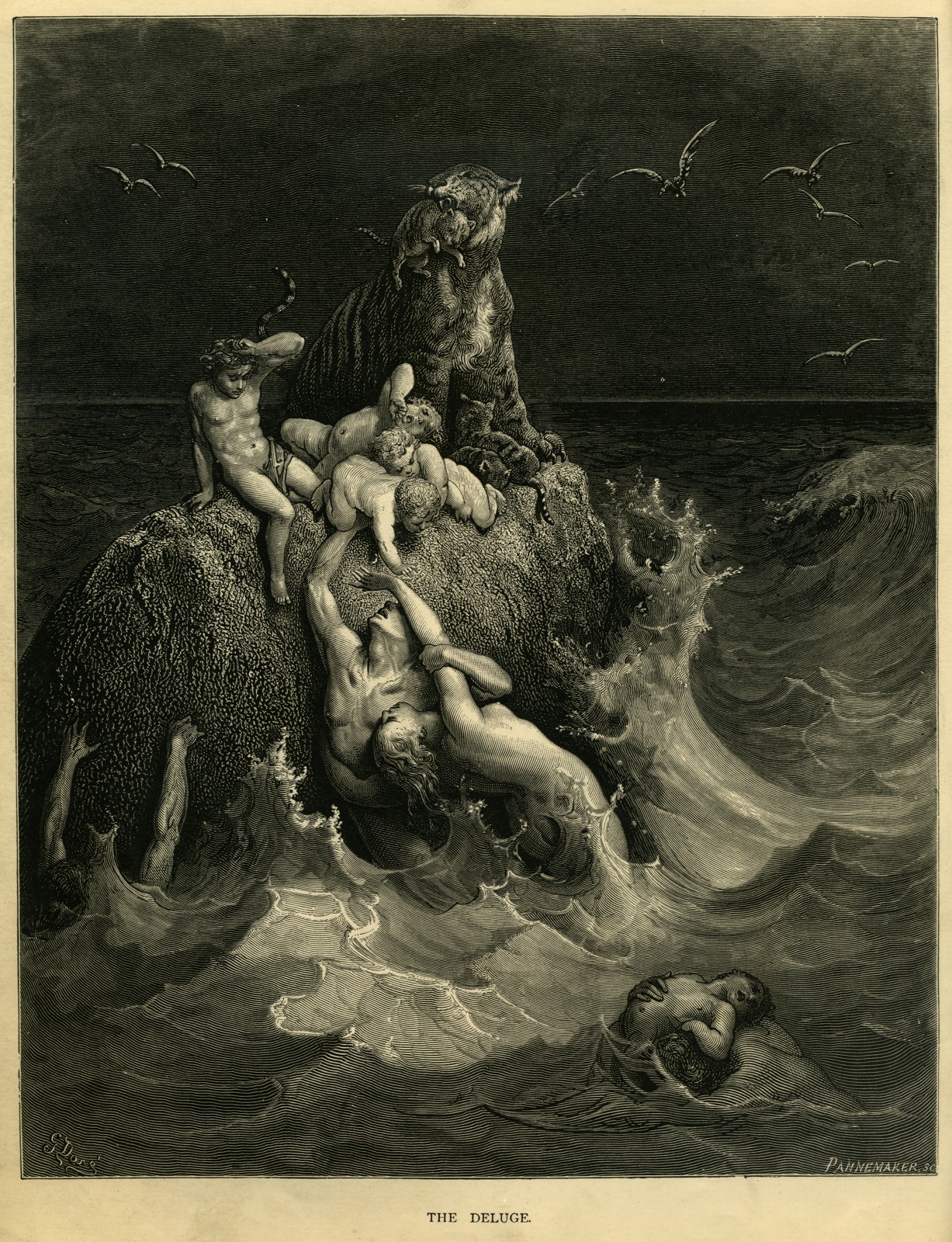
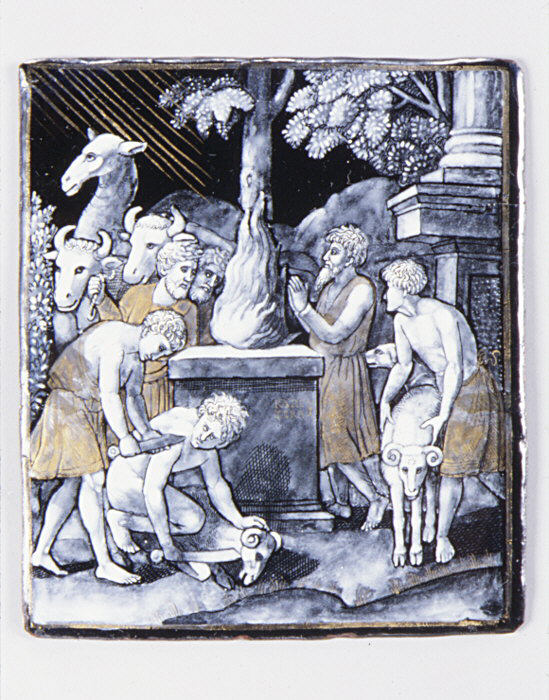
The survivor leaves the vessel and prepares an offering. In Atrahasis and Gilgamesh the gods smell it and gather around; in Genesis YHWHYahwehThe proper name of Israel’s deity, written יהוה (YHWH), the Tetragrammaton. Its exact ancient pronunciation is not directly preserved; texts and inscriptions witness its history.Glossary · Click to read the explanation smells a “pleasing aroma” and resolves not to strike every living thing again as he has done. This sequence is more specific than different religions having sacrifices: the offering follows a disaster that almost ended life, and the divine response reorders the world. [2][3][4]
The endings help explain the resemblance. Have humans returned to feed the gods? Should their reproduction be restricted? Is survival a personal privilege or the beginning of a promise to living creatures? Different answers reveal the story’s transformation through transmission and rewriting.
Four witnesses with different dates and gaps
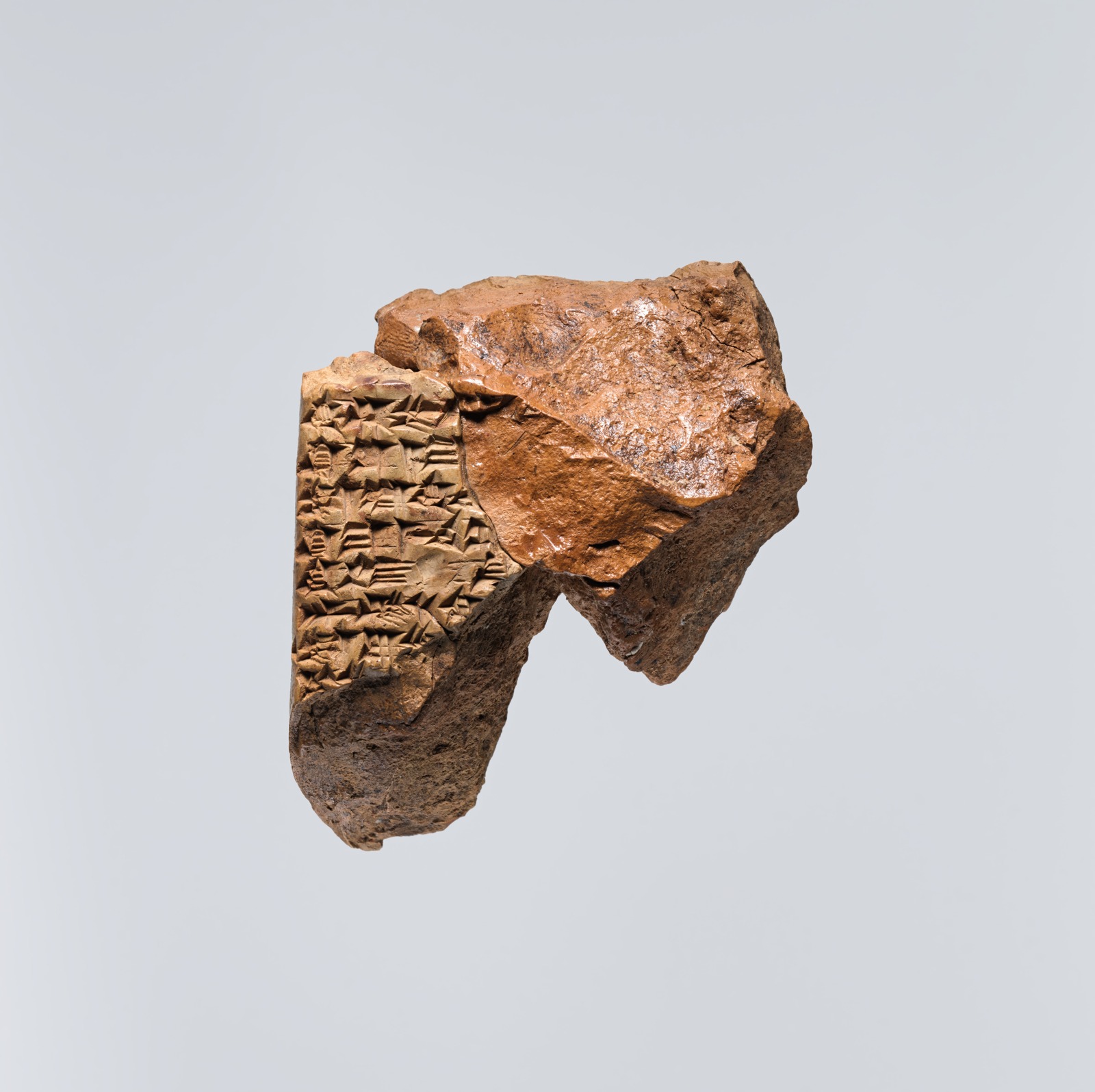
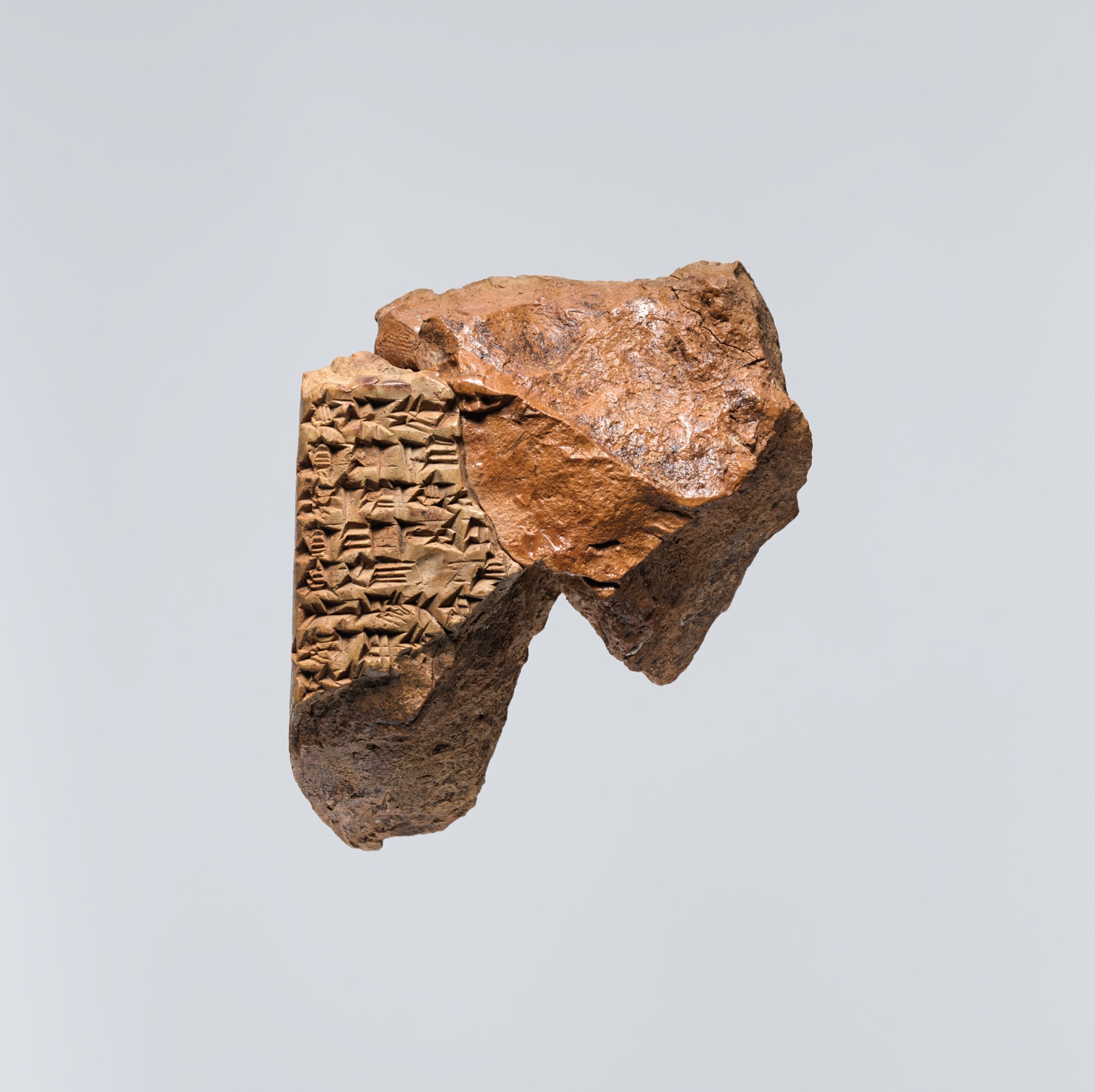
Ziusudra’s story survives on a broken Sumerian tablet from the second millennium BCE. Atrahasis has several witnesses, including an Old Babylonian copy dated to the seventeenth century BCE, whose colophon names its scribe and a year of a Babylonian king’s reign. Uta-napishti’s story appears in Tablet XI of Standard Babylonian Gilgamesh, preserved in later copies. These dates concern witnesses and texts, not the narrated catastrophe. [1][2][3][7]
Genesis reaches us as a Hebrew text combining materials and revisions across stages. Scholars examine its differing styles and relationships with older traditions; details of composition and dating remain debated. Comparison preserves the final text’s order while distinguishing surviving words from gaps in the tablets. [7][10]
Ziusudra: an offering and godlike life
The storm lasts seven days and seven nights in the Sumerian passage. Then Utu, the sun godShamashMesopotamian god of the sun and justice, shown before Hammurabi on an eighteenth-century BCE stele preserved in the Louvre.Glossary · Click to read the explanation, appears. Ziusudra opens an aperture in the vessel, bows before him, sacrifices cattle and offers sheep. Six damaged lines and a larger gap interrupt the account. When it resumes, the survivor bows before AnAn / AnuAn is the Sumerian sky god, called Anu in Akkadian. The sign AN by itself does not identify him: it also denotes sky or divinity.Glossary · Click to read the explanation and EnlilEnlilEnlil/Ellil: a major Mesopotamian god associated with destinies, kingship, and Ekur at Nippur, already prominent in third-millennium god lists. His name’s origin and cult beginnings remain debated.Glossary · Click to read the explanation, who grant him godlike life and settle him in DilmunDilmun: Ancient Gulf Land and Literary SettingDilmun was an ancient Gulf trading land with a major archaeological centre in Bahrain and connections to eastern Arabia and Failaka. This entry separates boats, burials and kings from the literary purity and fresh water of Enki and Ninhursaga, and tests the limits of comparison with Eden.Glossary · Click to read the explanation, the overseas land of the story. [1]
The ending preserves offering and reward, but their connecting passage is broken. The gods’ reaction to its aroma is therefore not preserved here. Comparison can keep that gap visible rather than filling it with another account’s gathering of flies. [1][2][3]
Atrahasis: the gods eat, then humanity’s future is regulated
The translation estimates a gap of about 58 lines between the storm’s end and the food scene. When the text resumes, the survivor has prepared the offering. The gods smell it, gather “like flies” and eat. Nintu, the birth goddessNintu, birth goddess in AtrahasisBirth goddess in Atrahasis, grieving for humanity, blaming the flood decision and involved in regulating future births.Glossary · Click to read the explanation, rises to blame those responsible for the flood, then makes flies associated with her necklace a reminder of the disaster. Enlil becomes furious when he sees the boat and realizes a human survived. [2]
This follows the gods’ thirst and hunger during the flood. The offering restores their relationship with humans, but also exposes the consequences of destroying those who supplied food. Within the epic, human labour is bound to divine needs; this scene is not a uniform description of all Mesopotamian religions. [2]
EnkiEnkiMesopotamian deity also known as Ea, linked with Eridu and the Abzu (deep fresh waters), wisdom, incantations, and narratives of creation and cosmic order. Later written attestations do not identify the deity of Eridu’s earliest layers.Glossary · Click to read the explanation, the god who helped the survivor, challenges wholesale destruction. Enlil asks him to confer with Nintu. The surviving ending describes women for whom childbirth does not succeed, a baby-snatching being, and categories of consecrated women kept from bearing children. The response restricts reproduction after human noise and numbers contributed to the crisis. Gaps and restorations show that these measures survive discontinuously rather than as a complete list. [2][9]
Gilgamesh: aroma opens a divine dispute
Uta-napishti tells Gilgamesh that he released the vessel’s contents, poured a libation on the mountain and placed aromatics beneath the offering vessels. The gods smell the aroma and gather like flies. The great goddess raises her jewels to remember the catastrophe, allowing the gods to approach the offering except Enlil, who sent the flood without reflection. [3]
Enlil arrives angry that anyone survived. Ea, Enki’s AkkadianAkkadianAn ancient East Semitic language written in cuneiform from the third millennium BCE; its varieties include Babylonian and Assyrian, and it served in international diplomacy.Glossary · Click to read the explanation name, objects and proposes less sweeping punishments than eliminating humanity. Enlil then blesses Uta-napishti and his wife, granting them godlike life apart from other people. [3]
The ending gives the couple a privilege rather than a general covenant with their descendants. Gilgamesh, hearing the story while seeking to overcome death, remains outside that exception. The offering thus links survival with punishment and the limits of human life. [3]
Noah: life continues despite enduring wrongdoing
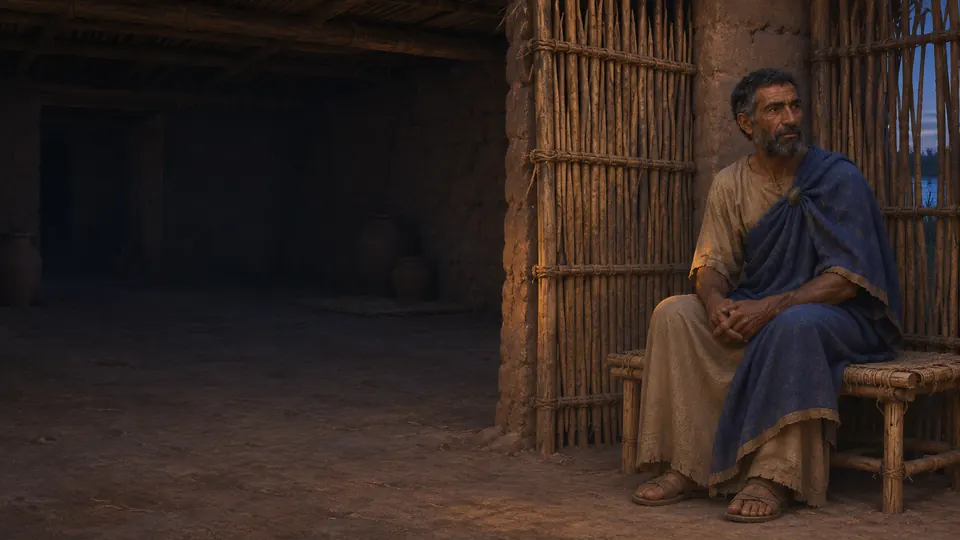
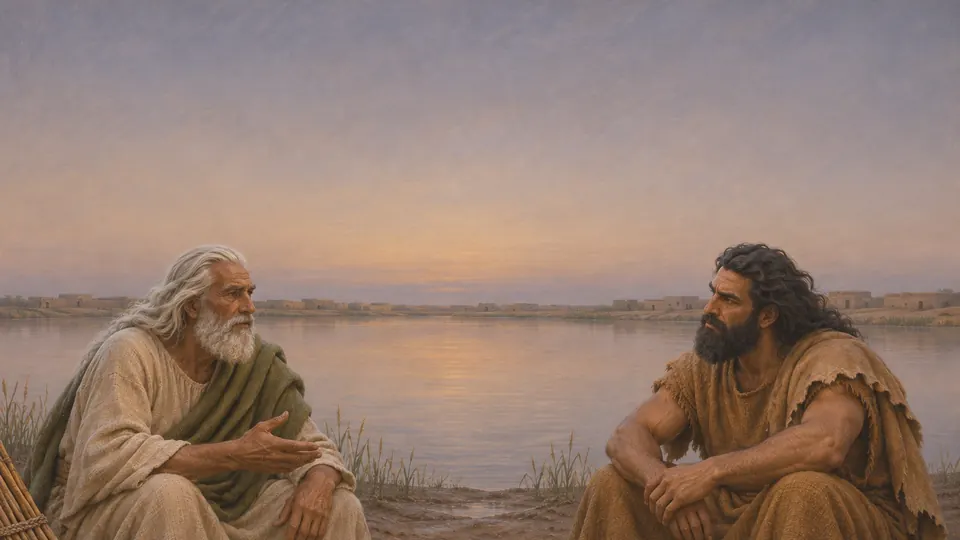
In Genesis 8:20–22 Noah builds an altar and offers burnt sacrifices from clean animals and birds. YHWH smells the aroma and says in his heart that he will not again curse the ground because of humanity or strike every living thing as before. Seedtime, harvest, seasons, day and night will continue as long as the earth remains. [4]
Human inclination toward evil from youth remains part of this resolve. The world’s continuance does not depend on people suddenly becoming good. Ronald HendelRonald Hendel, Hebrew Bible scholarScholar of Hebrew texts, religion and comparative mythology; emeritus professor at UC Berkeley.Glossary · Click to read the explanation reads the change as development in the divine character’s attitude within the narrative: the response changes while human weakness persists. This is a literary interpretation of the text’s inward decision. [4][8]
Genesis portrays acceptance through sensory language without saying YHWH ate or went hungry during the flood. “Pleasing aroma” also appears in LeviticusLeviticusA Torah book concerning offerings, priesthood, and purity; chapter 16 describes sanctuary purification and a living goat carrying iniquities away.Glossary · Click to read the explanation’s offerings. Psalm 50Psalm 50 and sacrificeHebrew poem rejecting divine need for sacrificial flesh and calling for thanksgiving and fulfilled vows.Glossary · Click to read the explanation rejects treating sacrificial flesh as food God needs, while calling for thanksgiving and fulfilled vows. These images belong to different settings and reveal varied language about sacrifice within the Hebrew texts themselves. [4][5][6][8]
From inward resolve to a covenant with living creatures
The explicit Noahic covenantThe Noahic Covenant in GenesisGenesis’s covenant with Noah, descendants and animals: promised in 6:18 and proclaimed in 9:8–17, assuring no flood will again destroy all flesh, with the cloud-bow as its sign.Glossary · Click to read the explanation comes in Genesis 9, after the inward resolve at chapter 8’s close. God blesses Noah and his sons and commands multiplication. Animal meat is permitted, flesh with its lifeblood forbidden, and human bloodshed brings special accountability. [4]
The covenant then includes Noah’s descendants and every living creature that left the vessel, with the bow in the clouds as its sign. All flesh will not again be destroyed by floodwaters. The concern extends beyond one family’s survival to a continuing world of humans and animals. [4]
Modern scholarship commonly distinguishes Priestly and non-Priestly materials in the flood story, debating their boundaries and stages of combination. David M. CarrDavid M. Carr, Hebrew Bible scholarProfessor of Hebrew Bible at Union Theological Seminary, studying textual formation, writing and memory.Glossary · Click to read the explanation proposes a model of narratives composed, combined and expanded. In the final text, offering, resolve and covenant stand together; their relationship can be examined while their compositional history remains a research question. [7][10]
Restricted births or the blessing of multiplication?
Atrahasis’s birth restrictions stand beside “be fruitful and multiply” in Genesis 9. The Hebrew text regulates blood, violence and relations with animals; controlling human numbers remains part of the Babylonian solution. Shalom E. HoltzShalom E. Holtz, Assyriologist and biblical scholarYeshiva University scholar of Mesopotamian literature and law and their biblical and later relationships.Glossary · Click to read the explanation emphasizes this transformation in his comparative reading. [2][4][9]
The change can be understood as reshaping an inherited tradition, perhaps even deliberately answering its portrayal of humanity. Intention remains an interpretation attributed to scholars, while the contrast itself is visible in the texts. Both seek life’s continuance after disaster, but propose different ways to make it possible. [2][4][7][9]
Gilgamesh moves toward another outcome: its surviving couple escapes the ordinary human condition, whereas Noah remains the ancestor of mortal groups within a covenant encompassing living creatures. These endings illuminate the resemblance without reducing their functions to one. [1][3][4]
A strong literary relationship and a narrower source question
The flood stories share interconnected details: warning, rescue vessel, preservation of life, receding water, then offering and aroma. Alongside earlier Mesopotamian witnesses and the historical setting of contact with the LevantThe LevantThe Levant is a regional name for lands along the eastern MediterraneanGlossary · Click to read the explanation, this supports a strong literary relationship. Traditions can move through oral and written versions, changing meaning as they are reworked. [2][3][4][7][9]
John DayJohn Day, Old Testament scholarOld Testament scholar who discussed Eden’s serpent and Babylonian traditions in a 2015 article.Glossary · Click to read the explanation argues that Genesis’s background lies closer to an Atrahasis-type tradition than direct reliance on Gilgamesh XI. His reasons include the flood’s place within creation and human history and the contrast between birth restrictions and multiplication. This concerns the kind of literary background; identifying the particular version reaching Genesis’s editors and its precise route is a narrower, still open question. [7]
The broader case for influence does not require a manuscript recording the act of transfer or a known intermediary. Converging details, sequence, chronology and context can support it. At the same time, Atrahasis’s gaps remain gaps: Day suggests that bird releases may have occurred in a missing portion, but that reconstructs a possibility rather than quoting preserved words. [2][7][10]
How does life return after catastrophe?
Ziusudra offers a sacrifice and, after textual gaps, receives godlike life. In Atrahasis the offering returns and childbirth is regulated. In Gilgamesh it provokes a dispute ending in exceptional immortality for the survivor and his wife. Genesis combines acceptance of Noah’s sacrifice, continued life and a covenant with humans and animals. [1][2][3][4]
The recurring scene reveals relationship; the different answers about the future reveal rewriting. Survival opens a question beyond leaving the vessel: how can life continue, and under what limits or promises? The flood’s ending is an essential part of its comparative history.
Related readings
References and notes (10)
- University of Oxford, ETCSL, Sumerian Flood Story, segments C–E, particularly D 1–11 and E 3–11: English translation and lacunae, not Sumerian collation. University of Oxford, ETCSL, Sumerian Flood Story, segments C–E, particularly D 1–11 and E 3–11: English translation and lacunae, not Sumerian collation. Return to the text ↑
- Stephanie Dalley, Atrahasis III, pp. 33–35, PDF pages 26–28: all three pages, including offering, approximately 58-line gap, birth measures and colophon; not the whole book. Stephanie Dalley, Atrahasis III, pp. 33–35, PDF pages 26–28: all three pages, including offering, approximately 58-line gap, birth measures and colophon; not the whole book. Return to the text ↑
- Alexander Heidel, The Gilgamesh Epic and Old Testament Parallels, 1949, XI 154–196, pp. 87–88, PDF pages 97–98; p. 89 also read for Gilgamesh’s life quest, not the entire book. Alexander Heidel, The Gilgamesh Epic and Old Testament Parallels, 1949, XI 154–196, pp. 87–88, PDF pages 97–98; p. 89 also read for Gilgamesh’s life quest, not the entire book. Return to the text ↑
- Genesis 8:20–22 and 9:1–17, Hebrew and JPS 1917: offering, inward resolve, blood rules and covenant; Noah’s death in 9:28–29 also checked, not exhaustive manuscript collation. Genesis 8:20–22 and 9:1–17, Hebrew and JPS 1917: offering, inward resolve, blood rules and covenant; Noah’s death in 9:28–29 also checked, not exhaustive manuscript collation. Return to the text ↑
- Psalm 50:8–15, especially 12–14, Hebrew and JPS 1917: rejection of divine need for sacrificial food alongside thanksgiving and vows; compositional history not studied. Psalm 50:8–15, especially 12–14, Hebrew and JPS 1917: rejection of divine need for sacrificial food alongside thanksgiving and vows; compositional history not studied. Return to the text ↑
- Leviticus 1:1–17, particularly 9, 13 and 17: Hebrew and JPS 1917, pleasing-aroma formula, not all sacrificial legislation. Leviticus 1:1–17, particularly 9, 13 and 17: Hebrew and JPS 1917, pleasing-aroma formula, not all sacrificial legislation. Return to the text ↑
- John Day, The Mesopotamian Origin of the Biblical Flood Story, 22 October 2020, page updated 9 October 2026: essay, source arguments, comparison and notes, not all cited books. John Day, The Mesopotamian Origin of the Biblical Flood Story, 22 October 2020, page updated 9 October 2026: essay, source arguments, comparison and notes, not all cited books. Return to the text ↑
- Ronald Hendel, The Flood Changes God Not Humanity, 2019: Noah’s offering, interior speech and Mesopotamian comparison sections, with the literary interpretation attributed to its author. Ronald Hendel, The Flood Changes God Not Humanity, 2019: Noah’s offering, interior speech and Mesopotamian comparison sections, with the literary interpretation attributed to its author. Return to the text ↑
- Shalom E. Holtz, The Flood Story in Its Ancient Near Eastern Context, 19 October 2014, updated 7 October 2026: essay and notes, particularly reproduction and violence. Frymer-Kensky was encountered through it, not read directly. Shalom E. Holtz, The Flood Story in Its Ancient Near Eastern Context, 19 October 2014, updated 7 October 2026: essay and notes, particularly reproduction and violence. Frymer-Kensky was encountered through it, not read directly. Return to the text ↑
- David M. Carr, The Formation of Genesis 1–11, 2020, chapter Precursors to the Flood Narrative, pp. 141–177: publisher-indexed abstract and metadata only. Direct landing unavailable; the full chapter was not read. David M. Carr, The Formation of Genesis 1–11, 2020, chapter Precursors to the Flood Narrative, pp. 141–177: publisher-indexed abstract and metadata only. Direct landing unavailable; the full chapter was not read. Return to the text ↑
Suggest a correction · Suggest a source for this record
Cite this record
IL Archive, «After the Flood: Sacrifice, Covenant, and the Limits of Humanity», https://ilarchive.com/en/studies/flood-sacrifice-and-divine-response
Continue reading
Related readings