Short · 18 November 2026
Three explanations for the likeness of flood stories, side by side
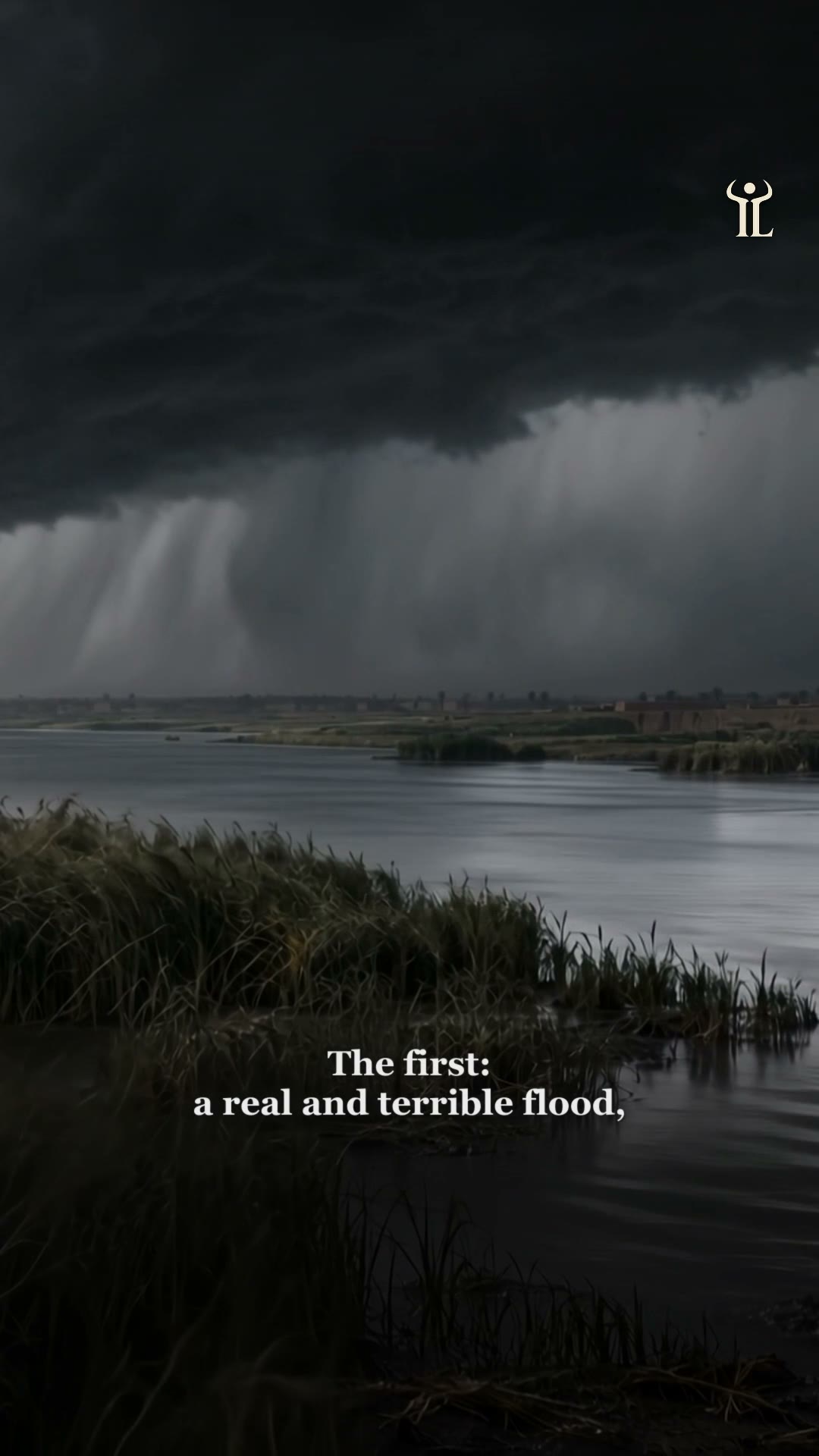
Three explanations for the likeness between ancient flood stories, side by side: a real flood remembered by many peoples; a tradition retold; an older story shared by the region. Many people, believers and scholars alike, hold more than one of these together. The material is in front of you, and each viewer can read it in their own way.
From the documentary: The Flood Before Noah: What the Clay Tablets Say
In the archive
More topics from this documentary
- Atrahasis: Epic and Hero
- Ziusudra
- Utnapishtim
- Epic of Gilgamesh
- Gilgamesh
- Noah
- Deucalion in Greek Flood Traditions
- Manu, Survivor in Indian Flood Traditions
- Deucalion: Did the Greek Flood Come from the East?
- Manu and the Fish: Did the Flood Story Travel from Mesopotamia to India?
- After the Flood: Sacrifice, Covenant, and the Limits of Humanity
- Šuruppak
- Xisuthrus
- The Flood Tablet (Gilgamesh Tablet XI, British Museum K.3375)
- The Sumerian Flood Tablet from Nippur (CBS 10673)
- Resemblance Does Not Establish Borrowing
- The Pleasing-Aroma Formula
- The Noahic Covenant in Genesis
- Book of Genesis
The YouTube player loads only when you press play. Watch on YouTube
More shorts from this documentary
 0:51
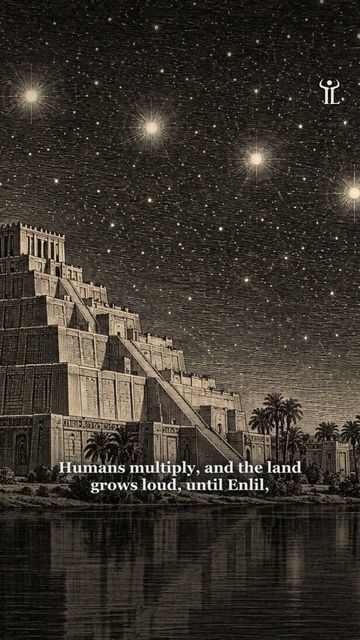
Why did the gods send the flood? In the Atrahasis poem the reason is noise
 0:57
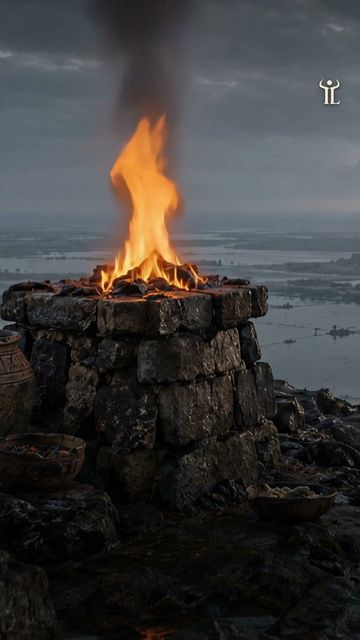
The journey of the water: from Ziusudra and Atrahasis to Deucalion, Manu and Noah
 0:45
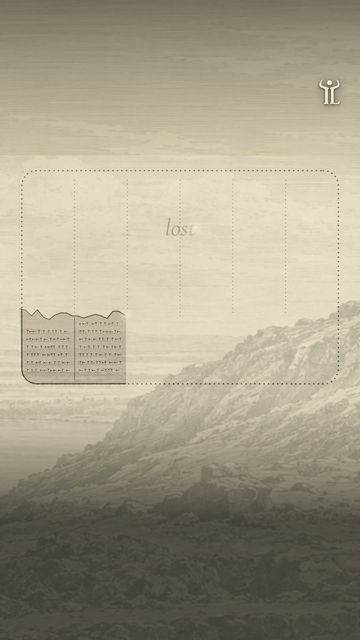
Ziusudra, older than Nineveh: the Sumerian flood story from Nippur
 0:48
"Six days and seven nights": the storm in the flood tablets, and the number seven
 0:55