Short · 14 November 2026
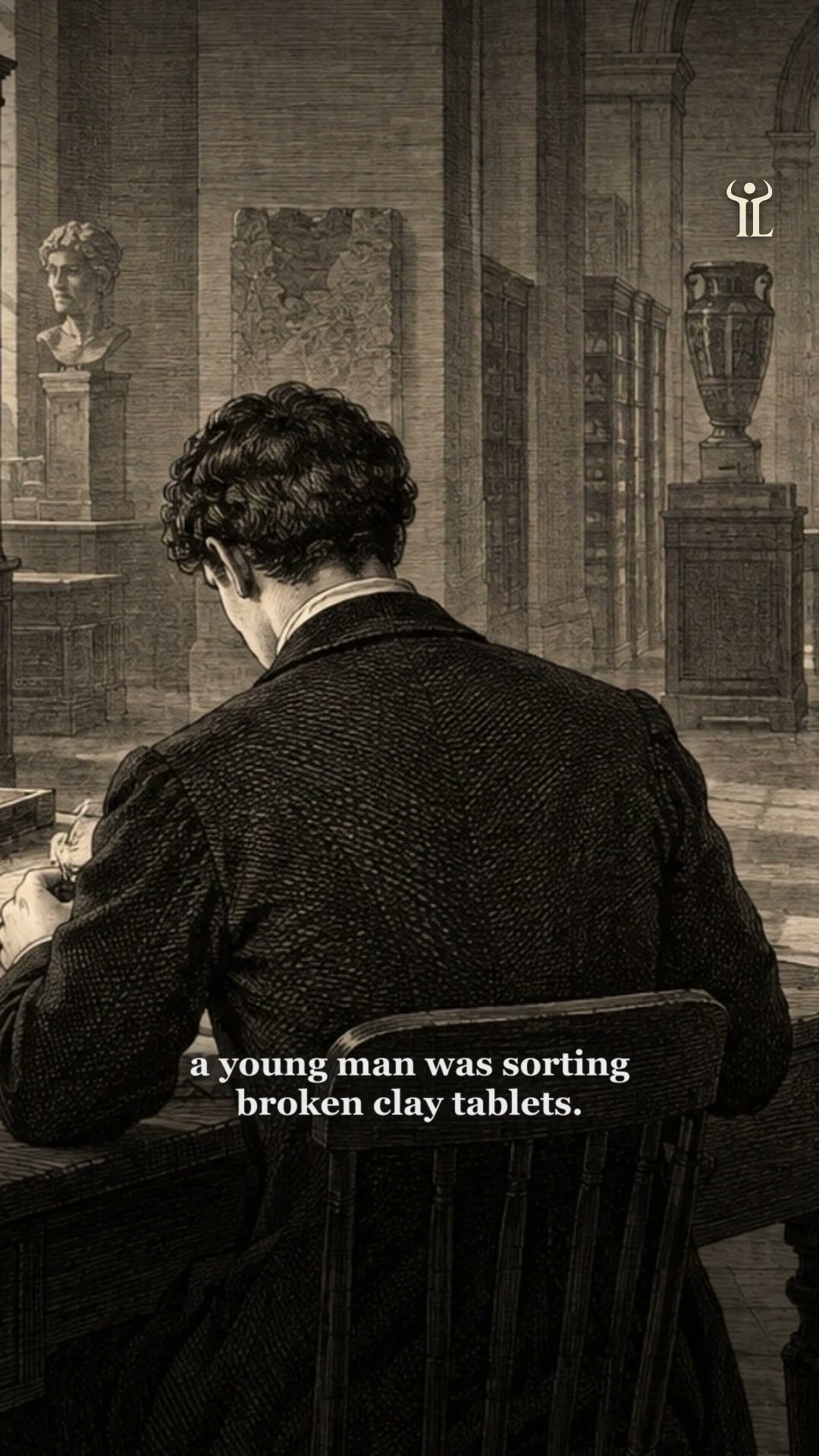
1872: the young engraver who read a broken tablet and found a flood story
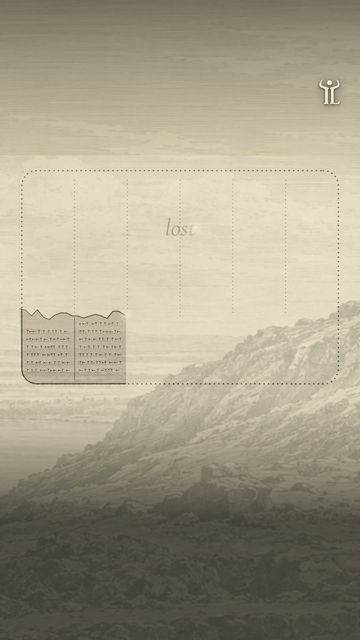
London, 1872. A young engraver, George Smith, taught himself cuneiform. On one broken clay tablet he found a ship resting on a mountain, and a dove that found no place to rest: a flood story, written in Babylonian clay.
From the documentary: The Flood Before Noah: What the Clay Tablets Say
In the archive
- The Flood Before Noah: Ziusudra, Atrahasis, Utnapishtim and Genesis
- The Flood Tablet (Gilgamesh Tablet XI, British Museum K.3375)
More topics from this documentary
- Atrahasis: Epic and Hero
- Ziusudra
- Utnapishtim
- Epic of Gilgamesh
- Gilgamesh
- Noah
- Deucalion in Greek Flood Traditions
- Manu, Survivor in Indian Flood Traditions
- Deucalion: Did the Greek Flood Come from the East?
- Manu and the Fish: Did the Flood Story Travel from Mesopotamia to India?
- After the Flood: Sacrifice, Covenant, and the Limits of Humanity
- Šuruppak
- Xisuthrus
- The Sumerian Flood Tablet from Nippur (CBS 10673)
- Resemblance Does Not Establish Borrowing
- The Pleasing-Aroma Formula
- The Noahic Covenant in Genesis
- Book of Genesis
The YouTube player loads only when you press play. Watch on YouTube
More shorts from this documentary
 0:51
Why did the gods send the flood? In the Atrahasis poem the reason is noise
 0:51
Three explanations for the likeness of flood stories, side by side
 0:57
The journey of the water: from Ziusudra and Atrahasis to Deucalion, Manu and Noah
 0:45
Ziusudra, older than Nineveh: the Sumerian flood story from Nippur
 0:48