Atrahasis Chapter 2
The Reed Wall
A warning reaches Atrahasis through a reed wall, and he builds a roofed boat to carry life through the flood. When the waters pass, the gods reckon with the people who survived and set new terms for human life.
Watch the filmSourcesTurn the pages with the arrows, the arrow keys or a swipe.
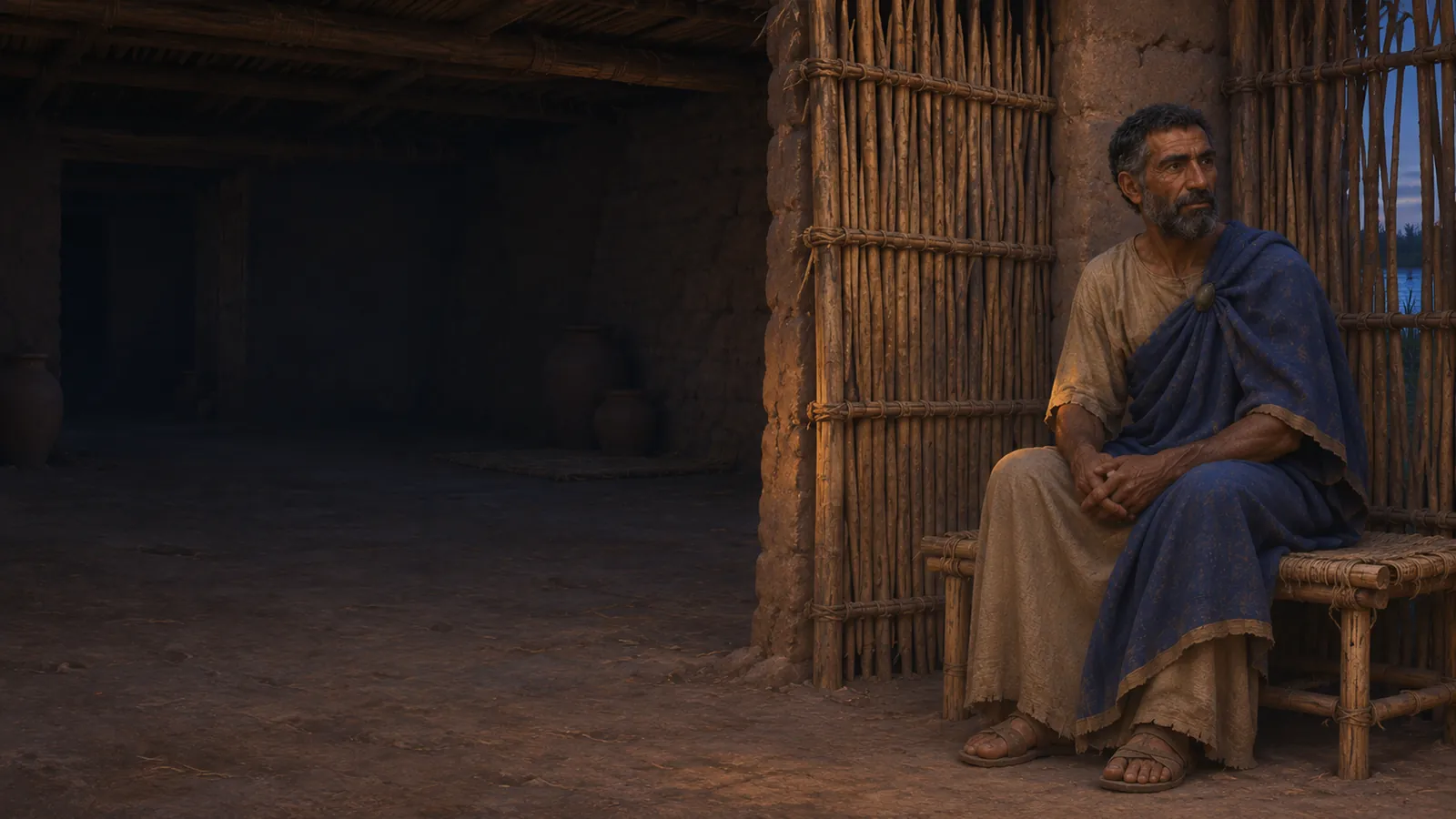
THE DREAM
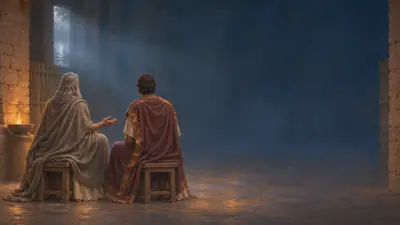
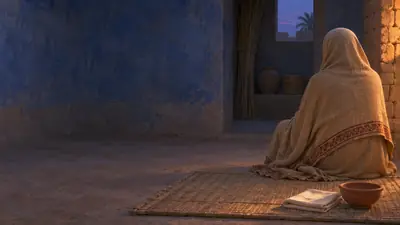
After the gods’ decision, Atrahasis still had a question for Enki. In the surviving opening of this tablet, he asks to be taught what a dream meant.
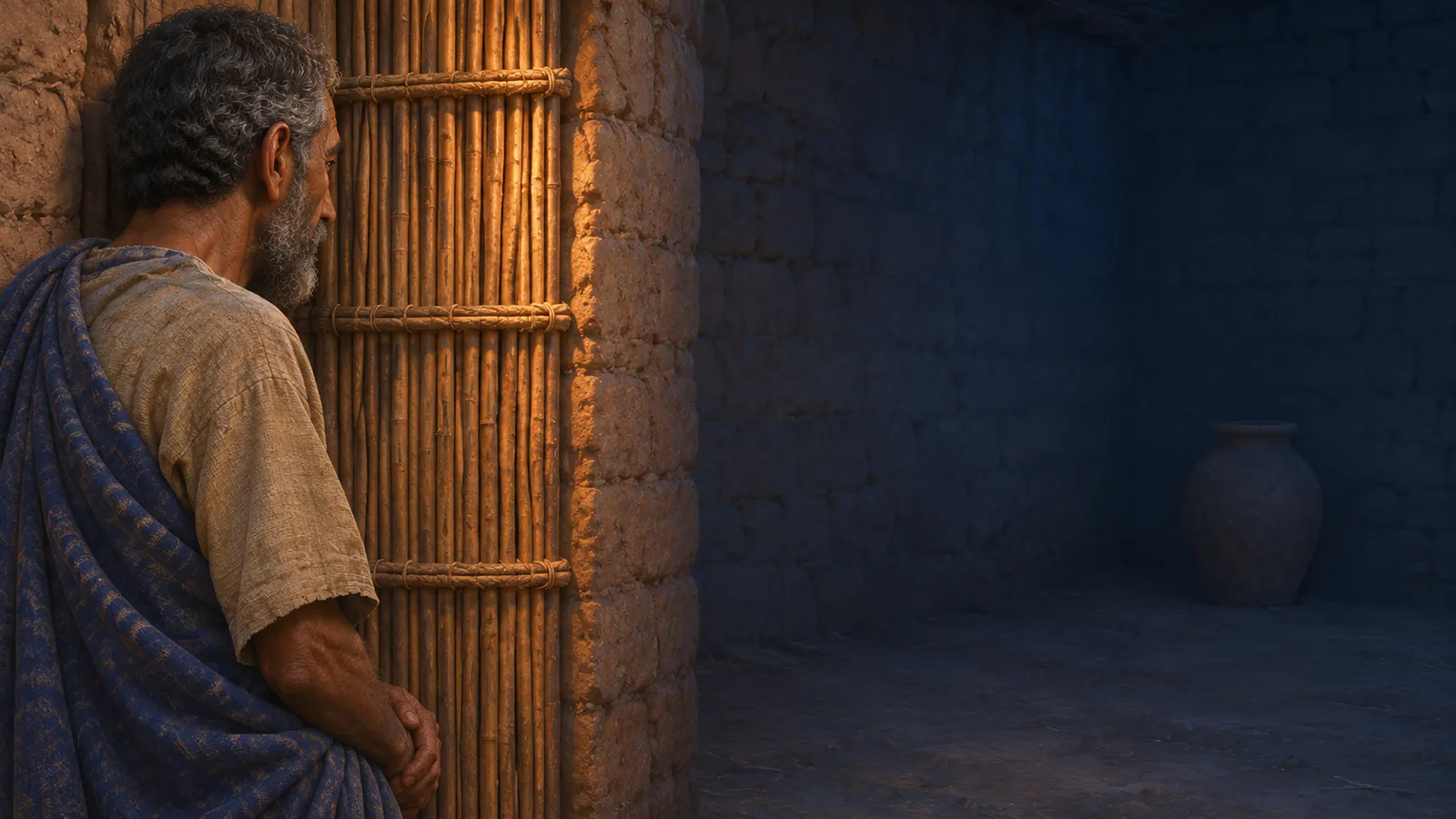
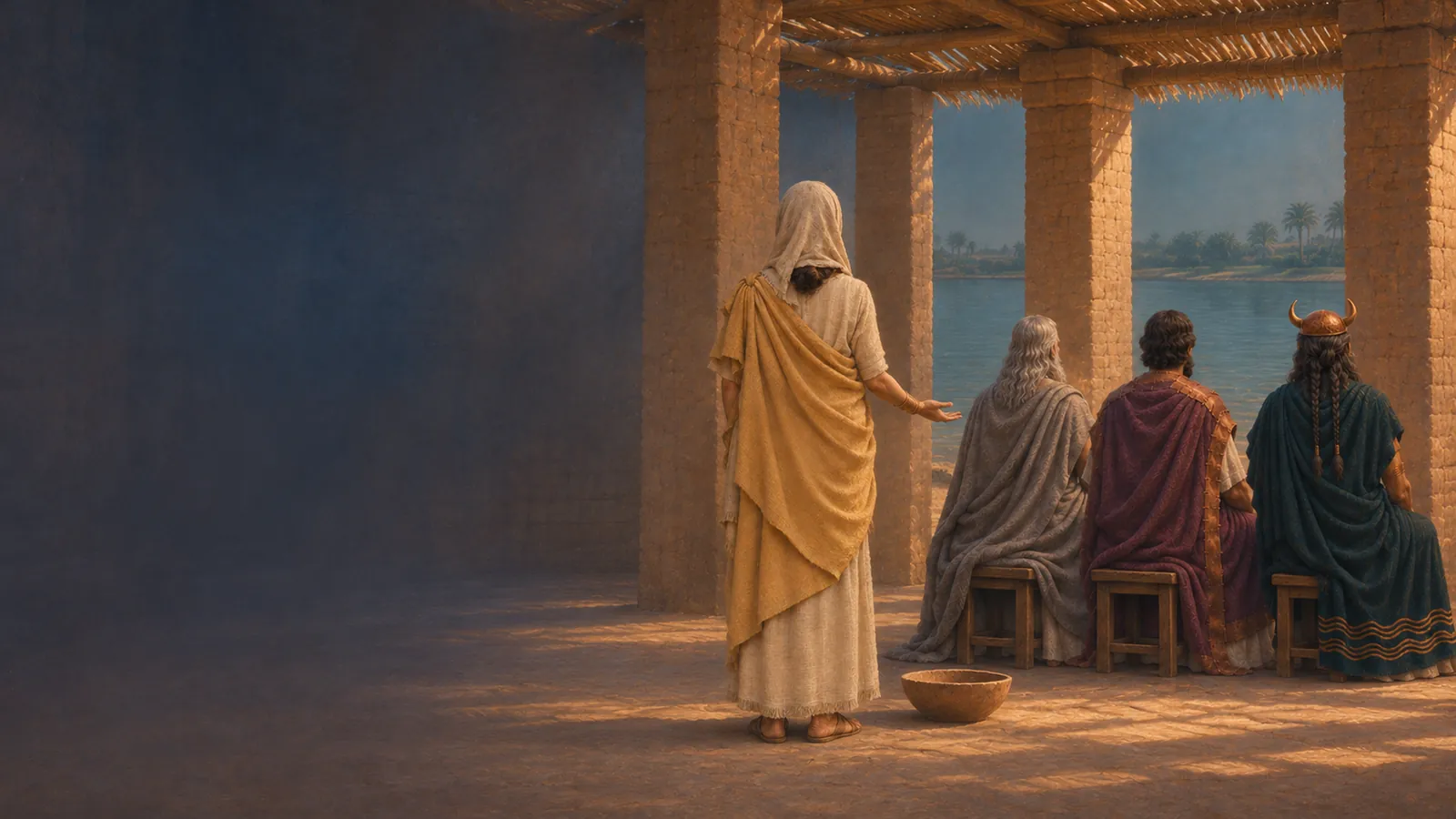
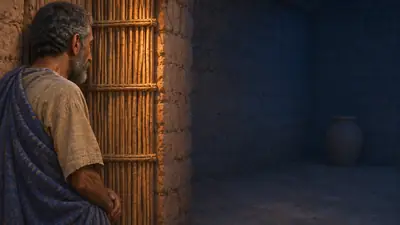
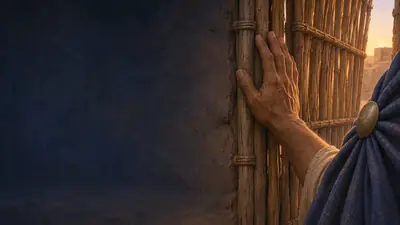
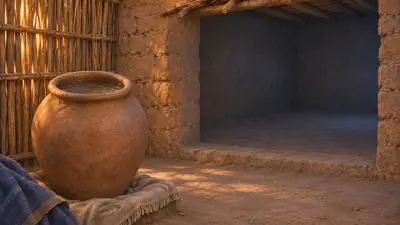
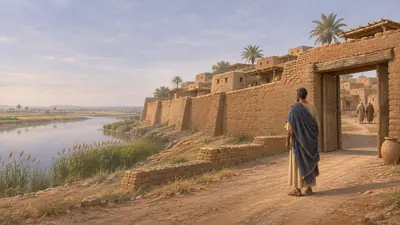
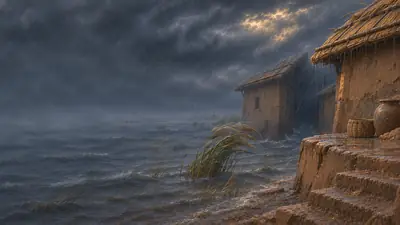
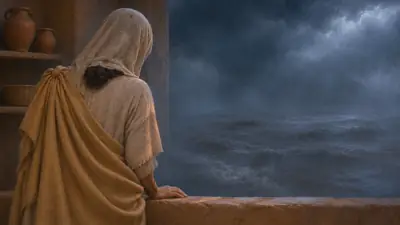
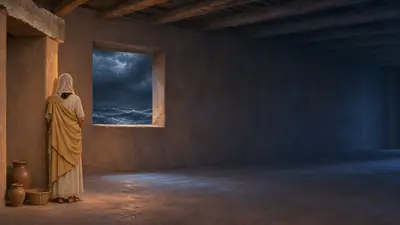
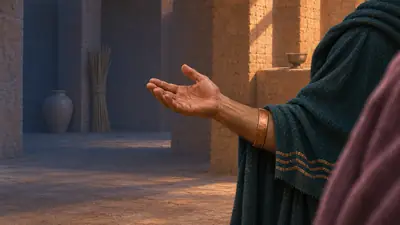
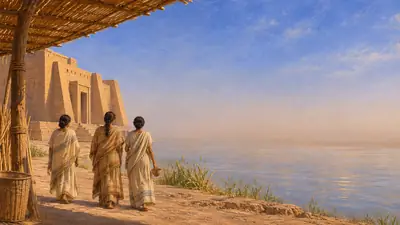
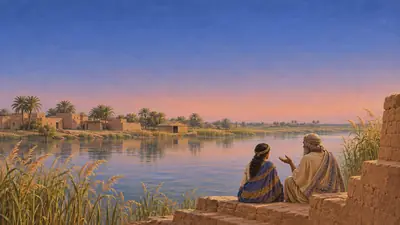
The answer went to the reed wall. Enki addressed it as though it could listen and keep every word. Atrahasis was there to hear.
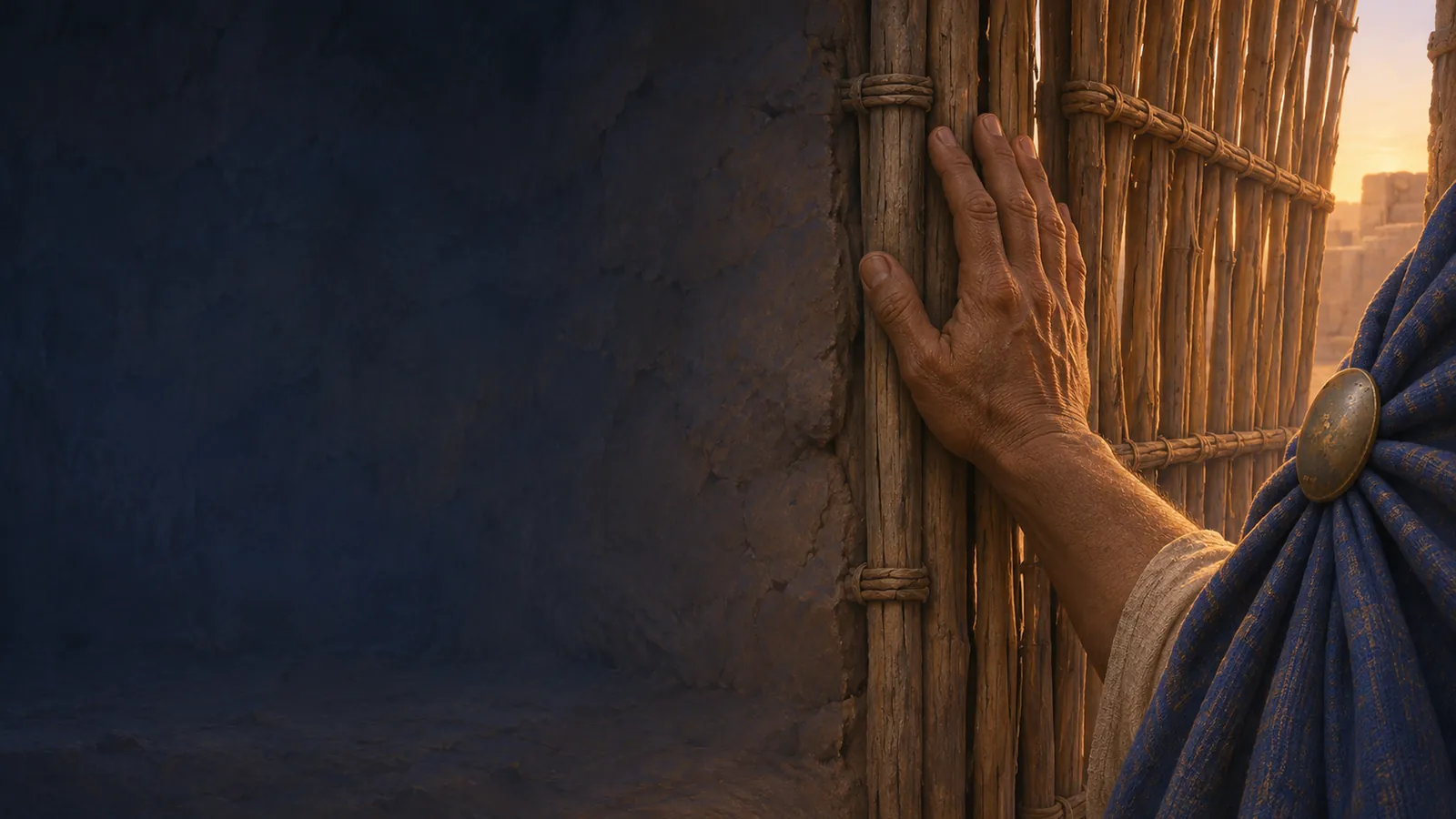
DEPARTURE
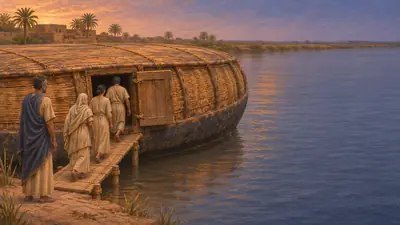
The voice told of a house that must be left and a boat that must be built. What could be saved was life itself.
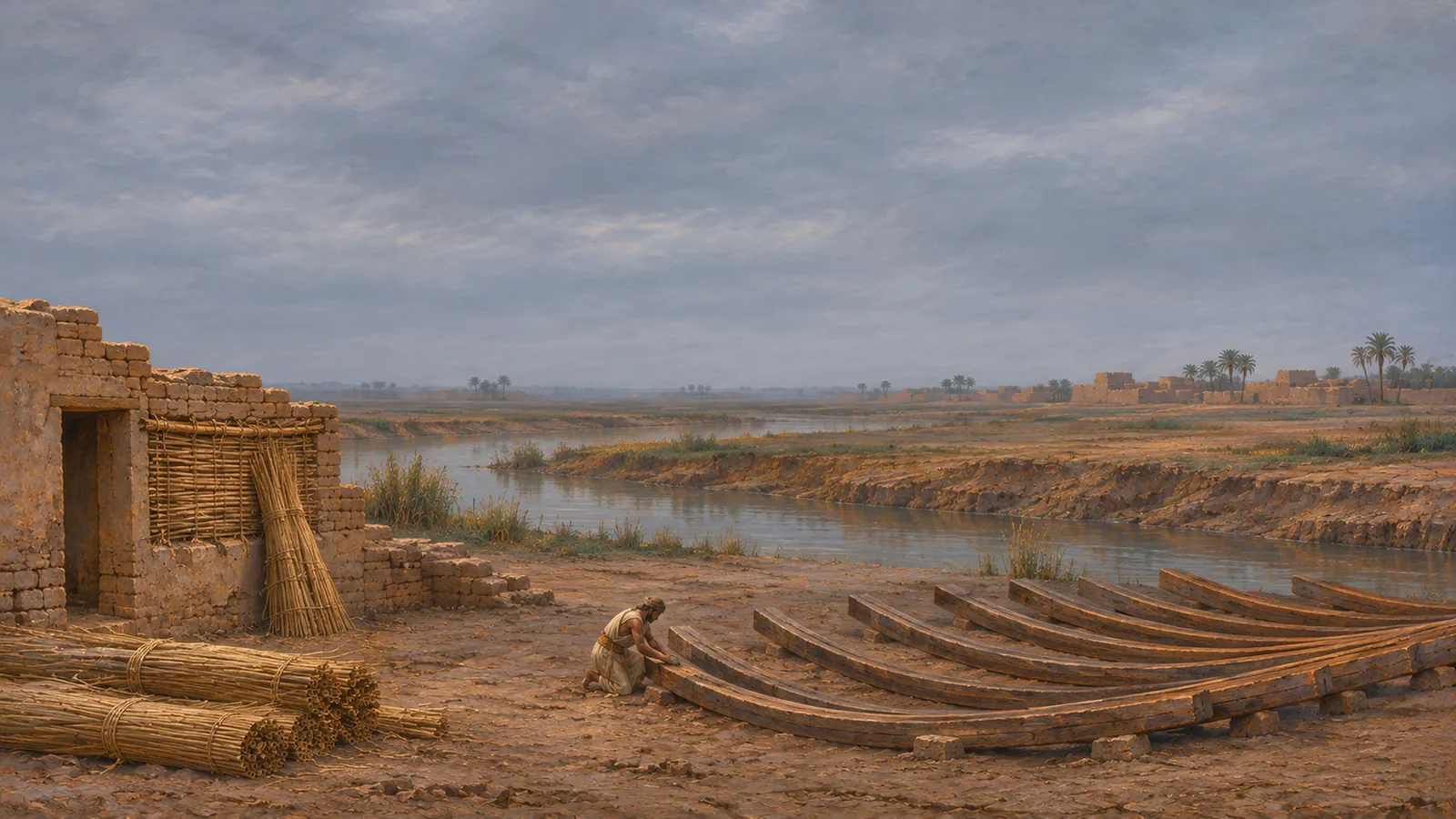
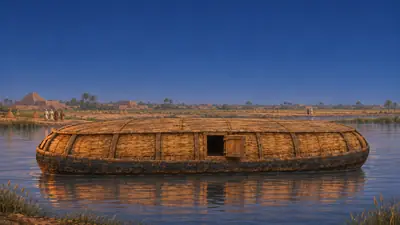
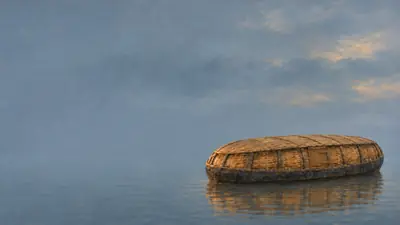
The next words are broken, but we can still make out part of the boat’s design. One piece of the tablet seems to speak of a circle.
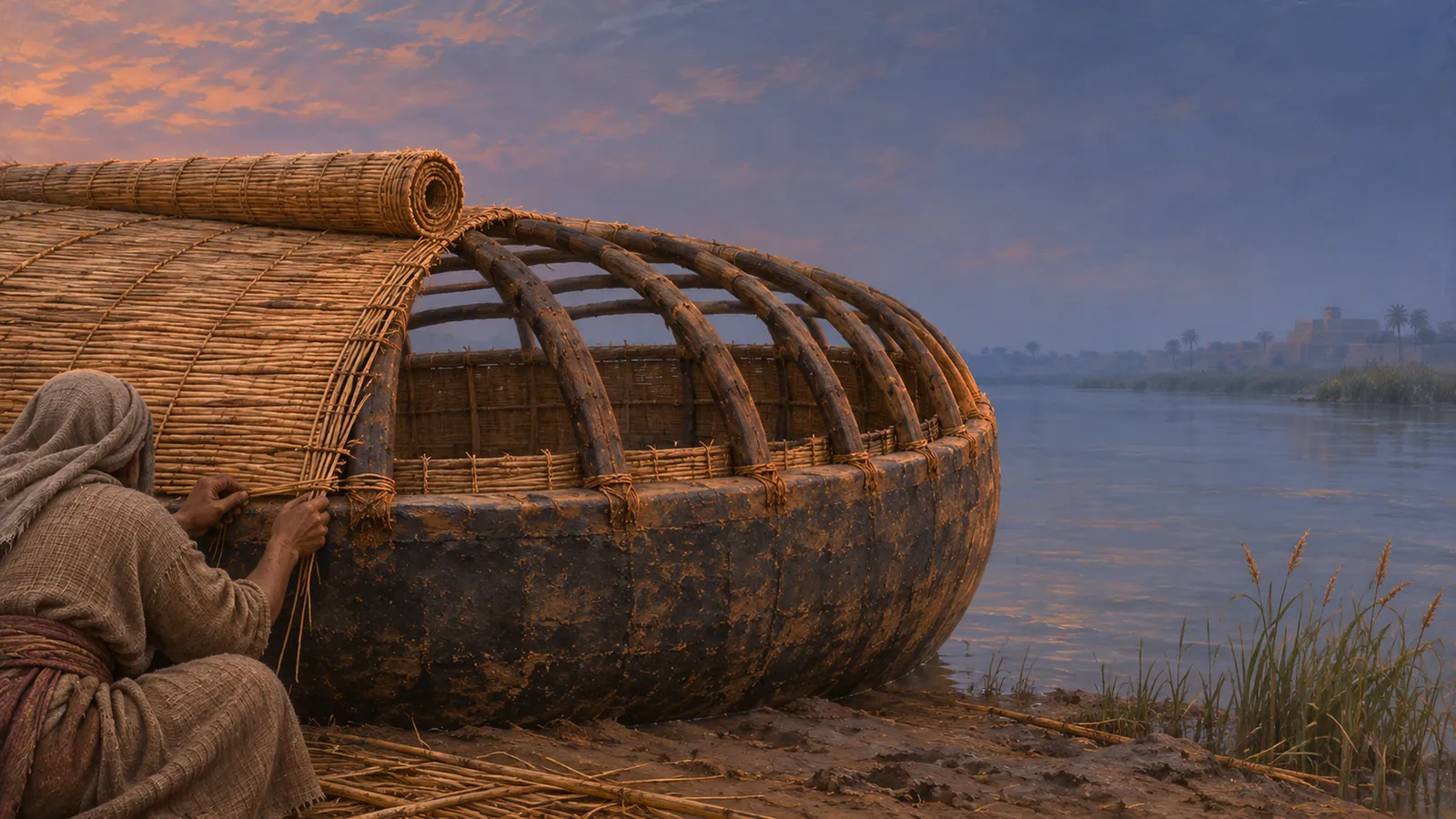
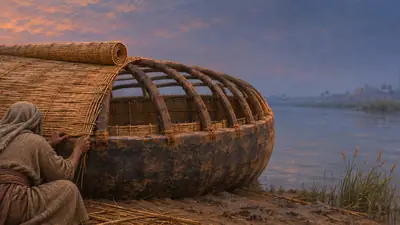
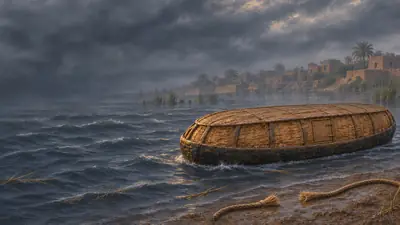
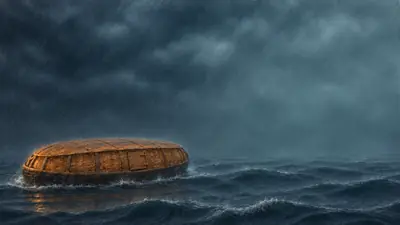
Enki told him to roof the boat so that sunlight would stay outside. Its frame was to hold fast even when the waters came.
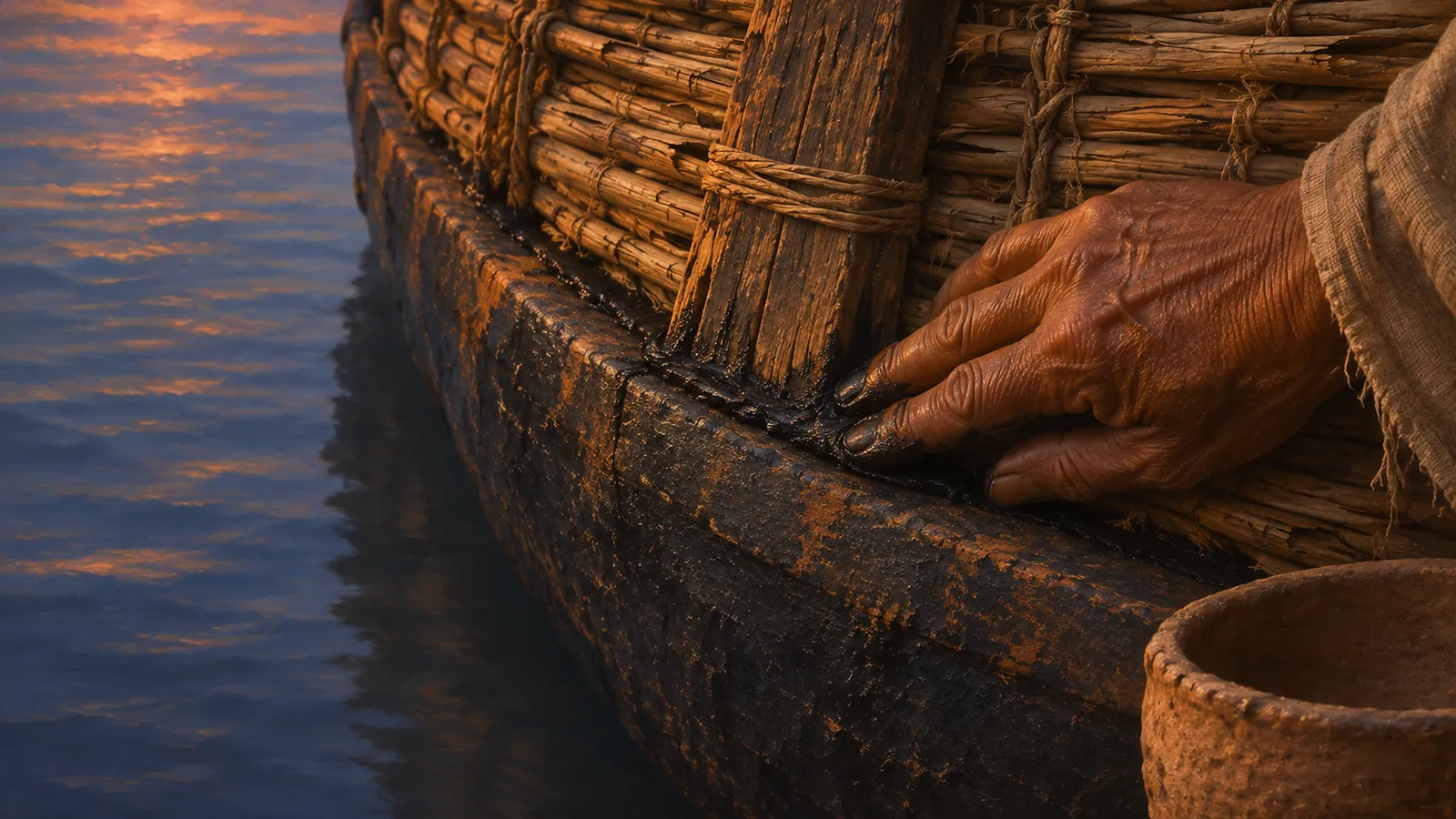
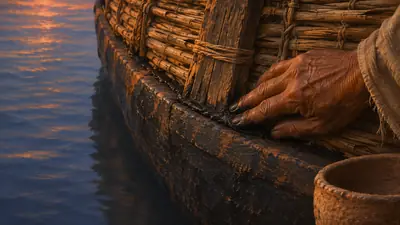
The joints needed tough black bitumen if the boat was to hold. The voice also spoke of birds and fish that would come in abundance.
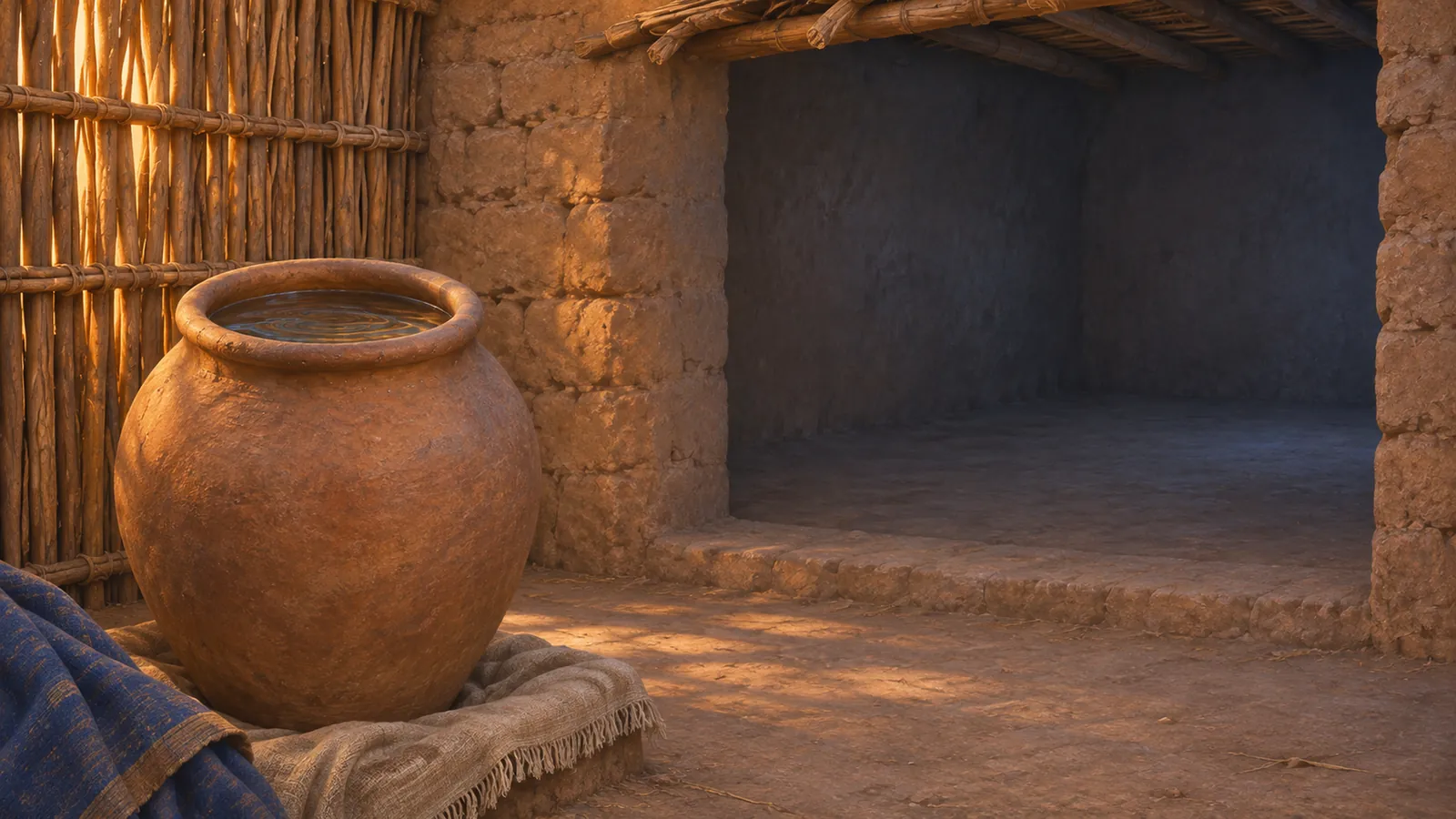
The water clock was opened and filled. Enki told Atrahasis of the flood that was coming and of the seven nights it would run.
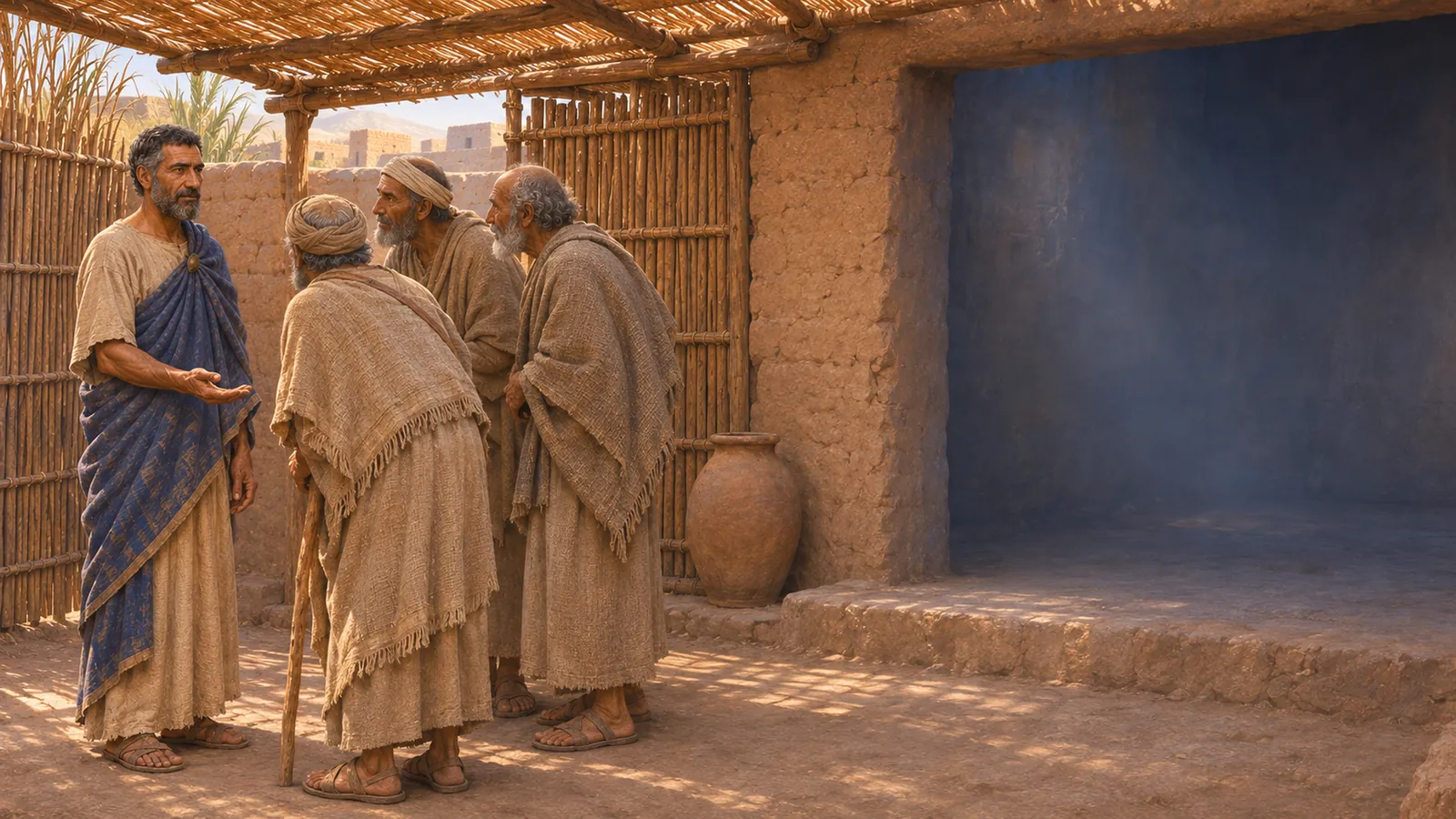
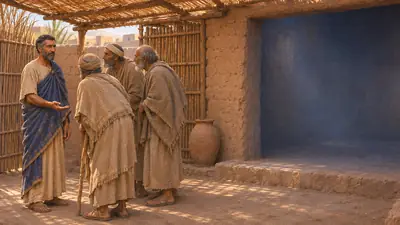
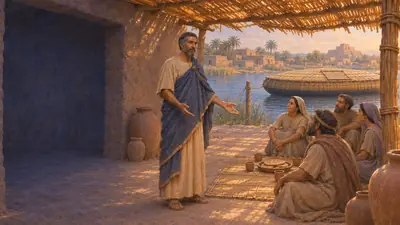
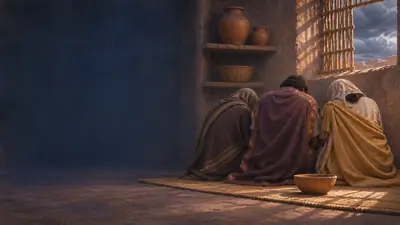
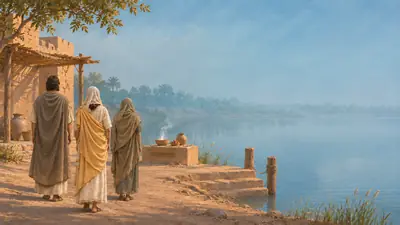
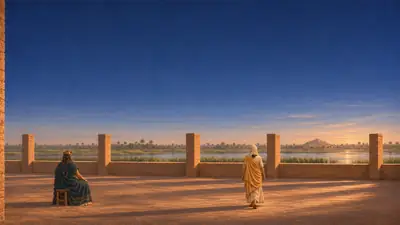
Atrahasis took in what he had heard. He called the elders to his own gate, as he had in earlier trouble, and told them something of what had happened.
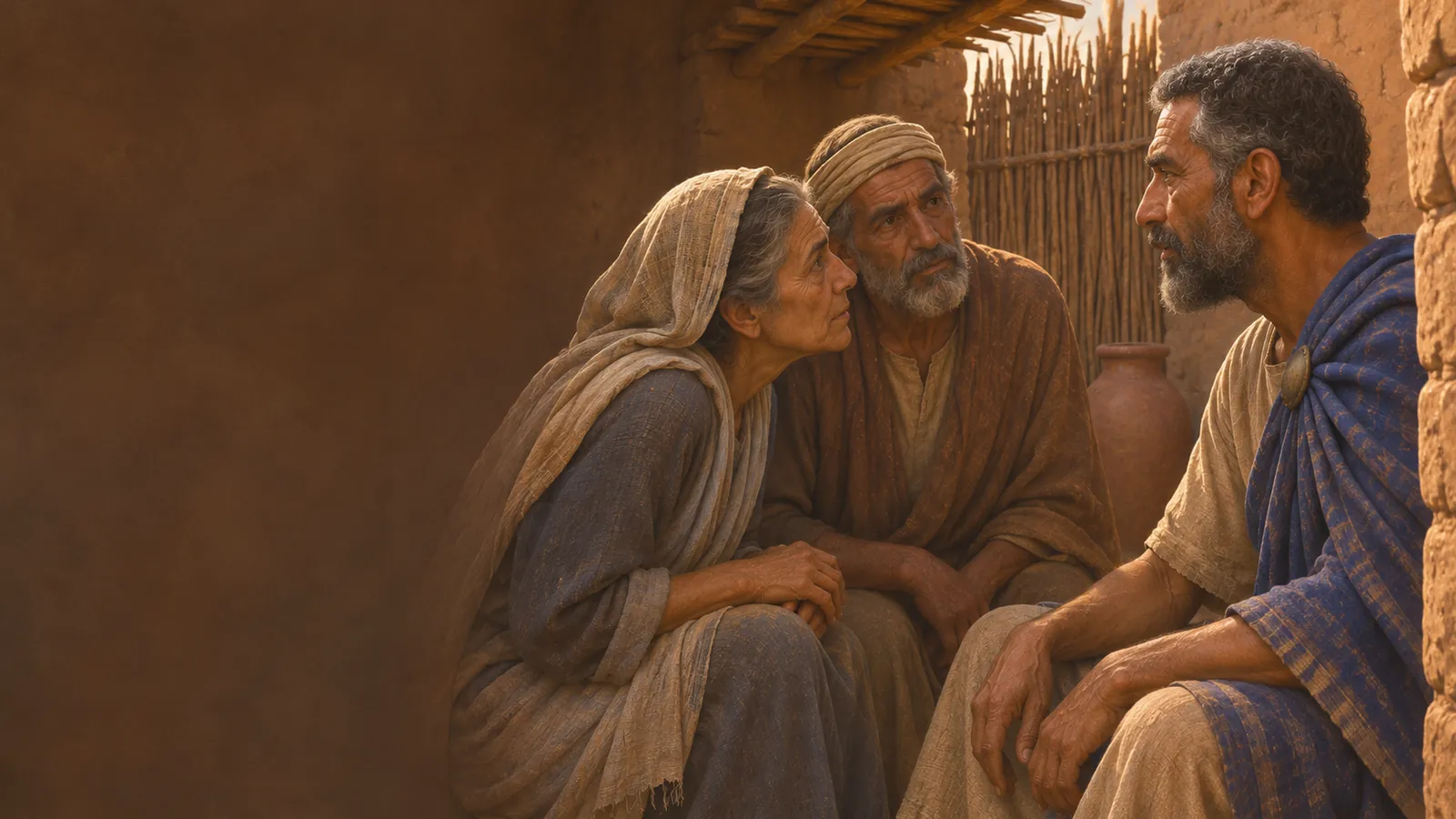
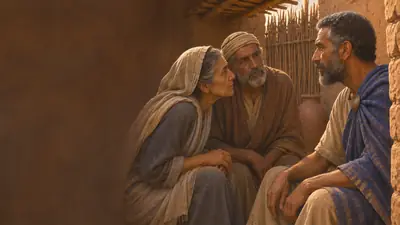
He said that Enki and Enlil had grown angry with each other. Atrahasis had always honored Enki, and he told the elders this was how he had learned of the dispute.
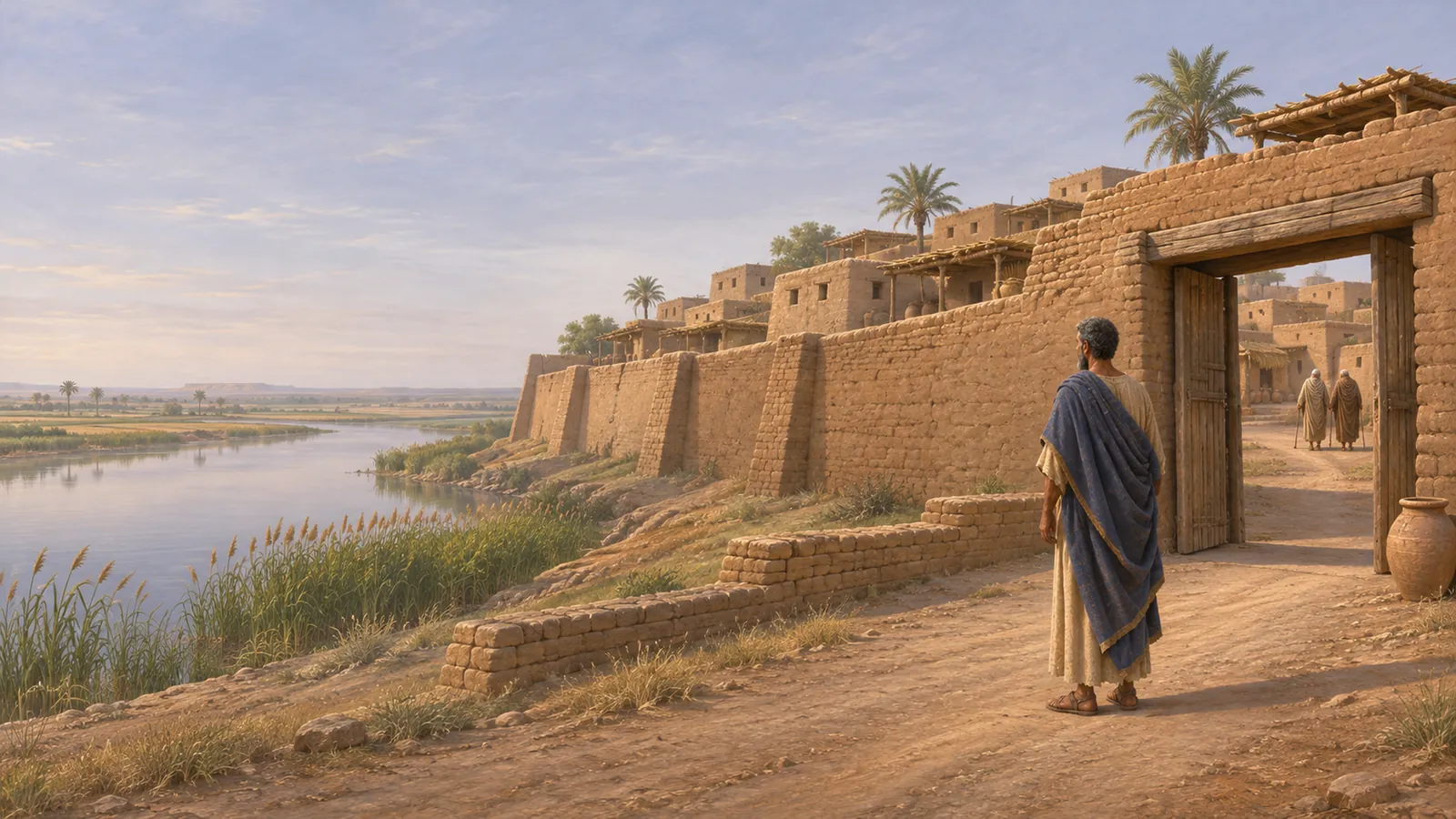
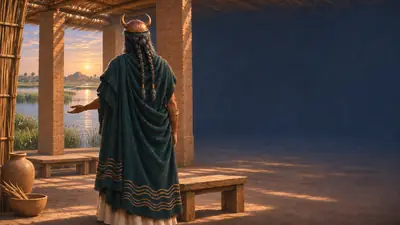
Atrahasis said he would no longer live among them in the land of Enlil. His words turn toward the deep waters, where he says he will go with Enki.
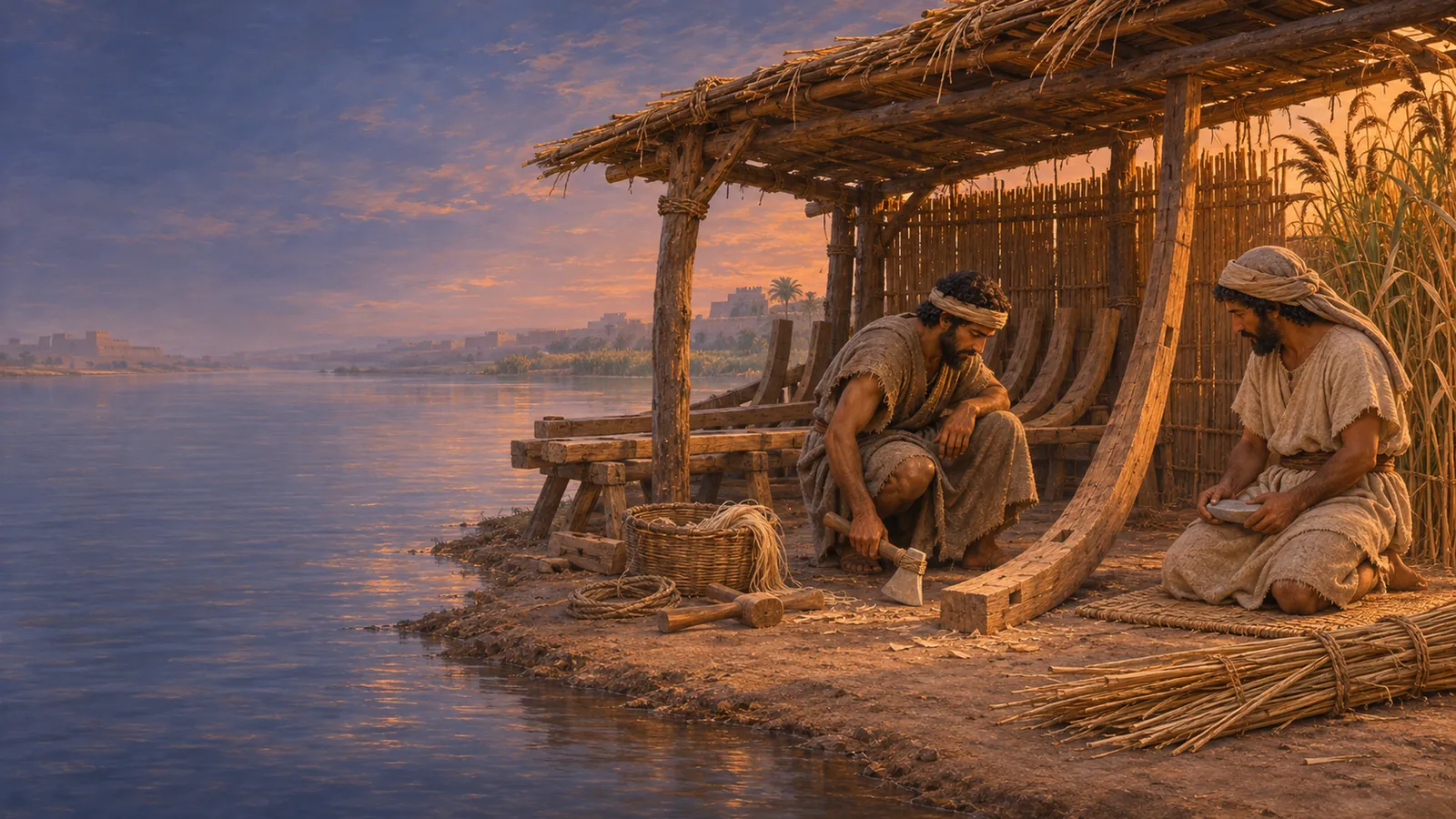
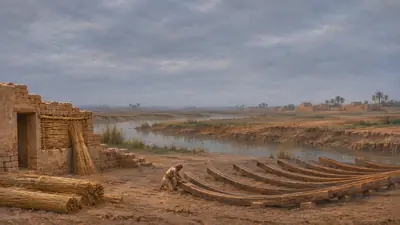
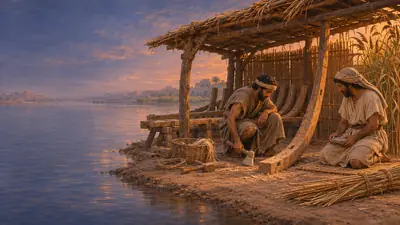
The scene changes across a break in the tablet. The next clear lines take us to the work: a carpenter has his axe, and a reed worker brings a stone tool.
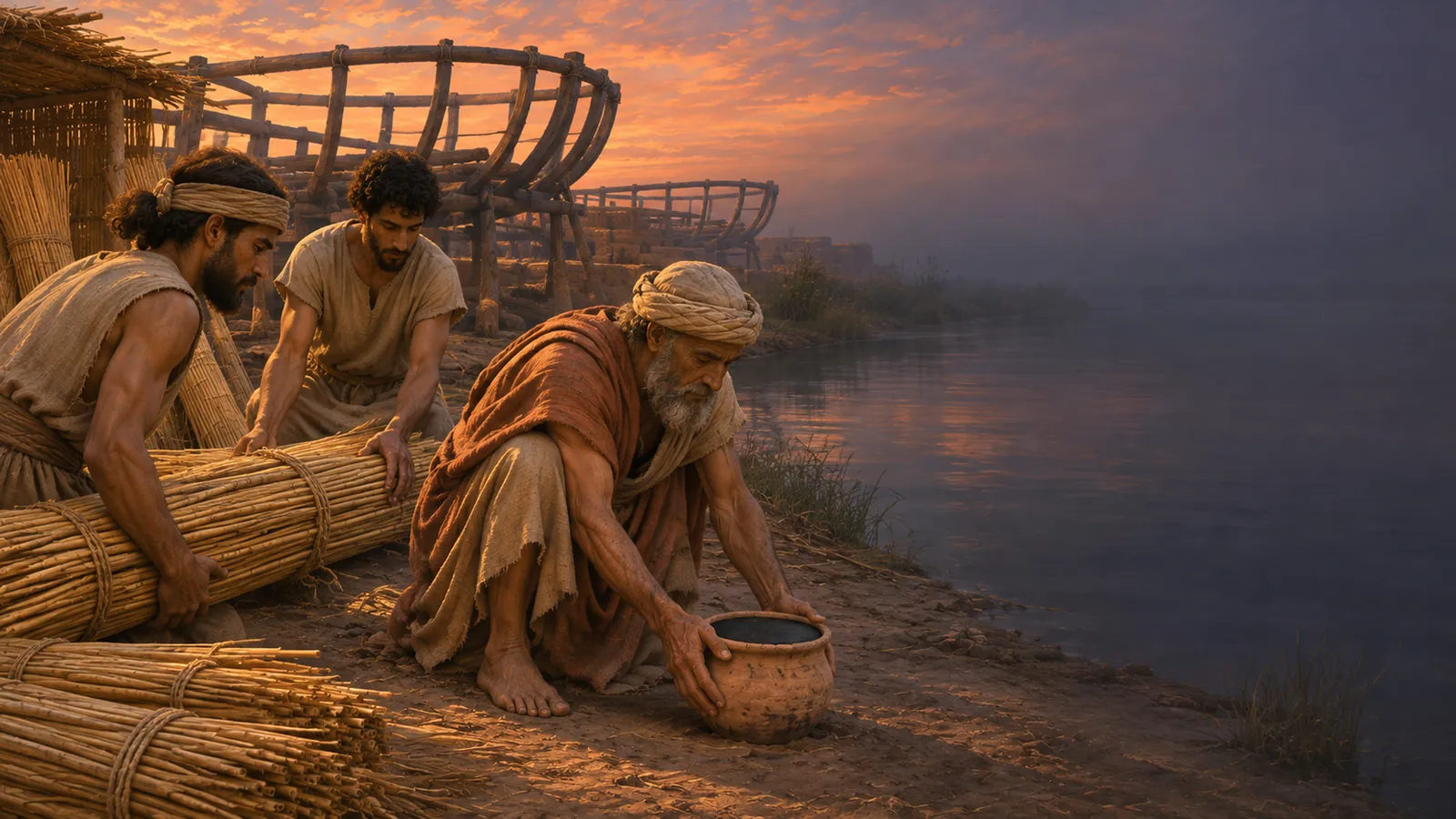
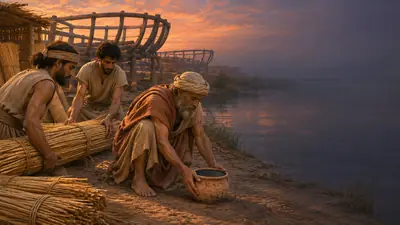
The surviving words remember more people at the work site. One brought bitumen. Another brought what was needed, and what was needed was the work of many hands.
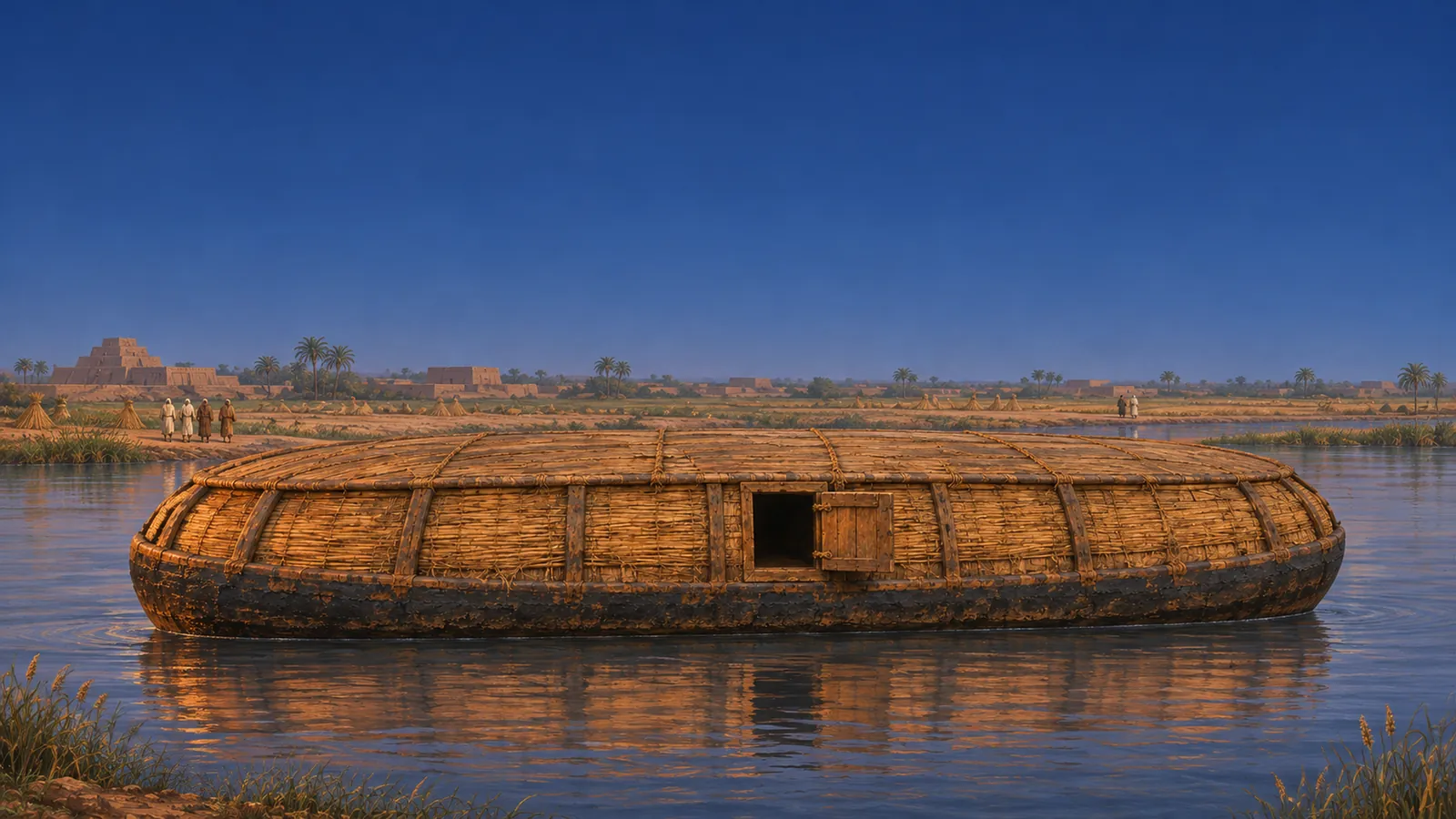
The tablet breaks again before the work is fully told. The next readable lines find the boat ready to receive what Atrahasis is bringing aboard.
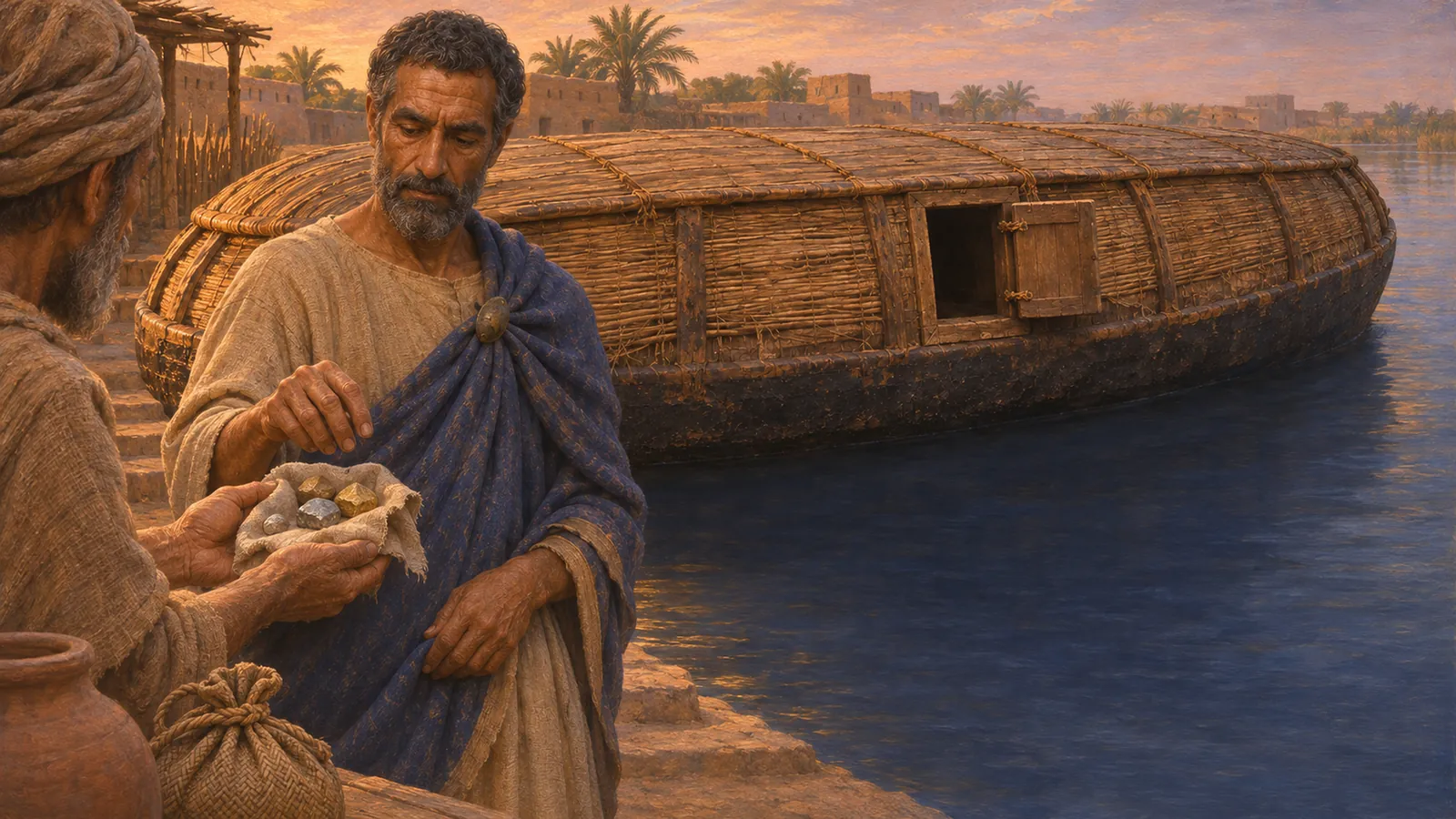
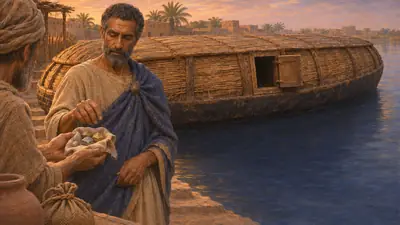
Some of the lines about the cargo are broken. They speak of silver and gold, and then of animals, as the vessel was prepared to take them aboard.
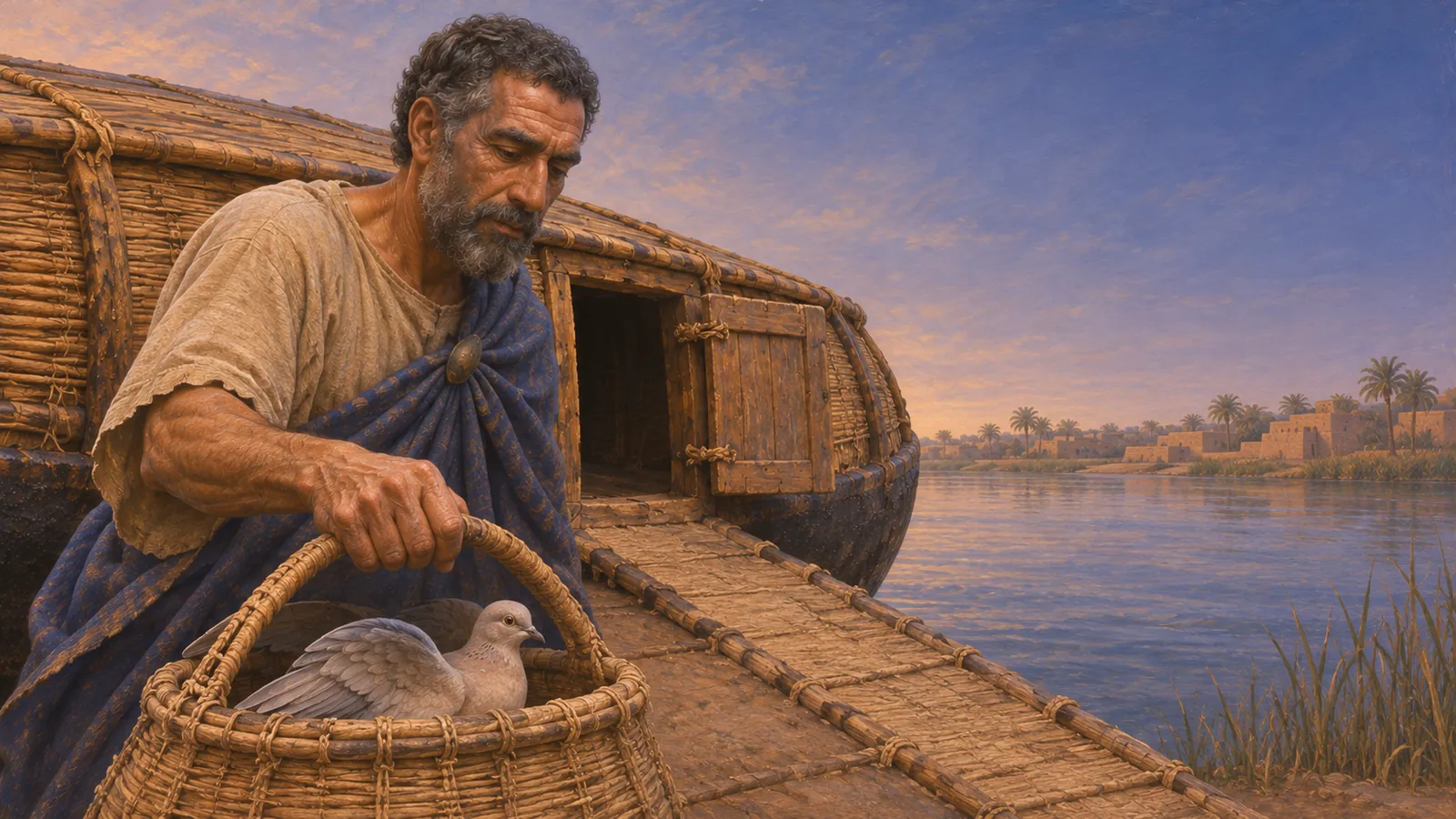
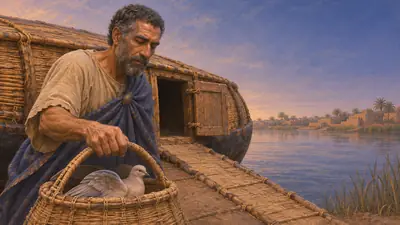
The boat was to carry creatures of the sky as well as those of the earth. In the words that remain, Atrahasis chooses birds for the voyage.
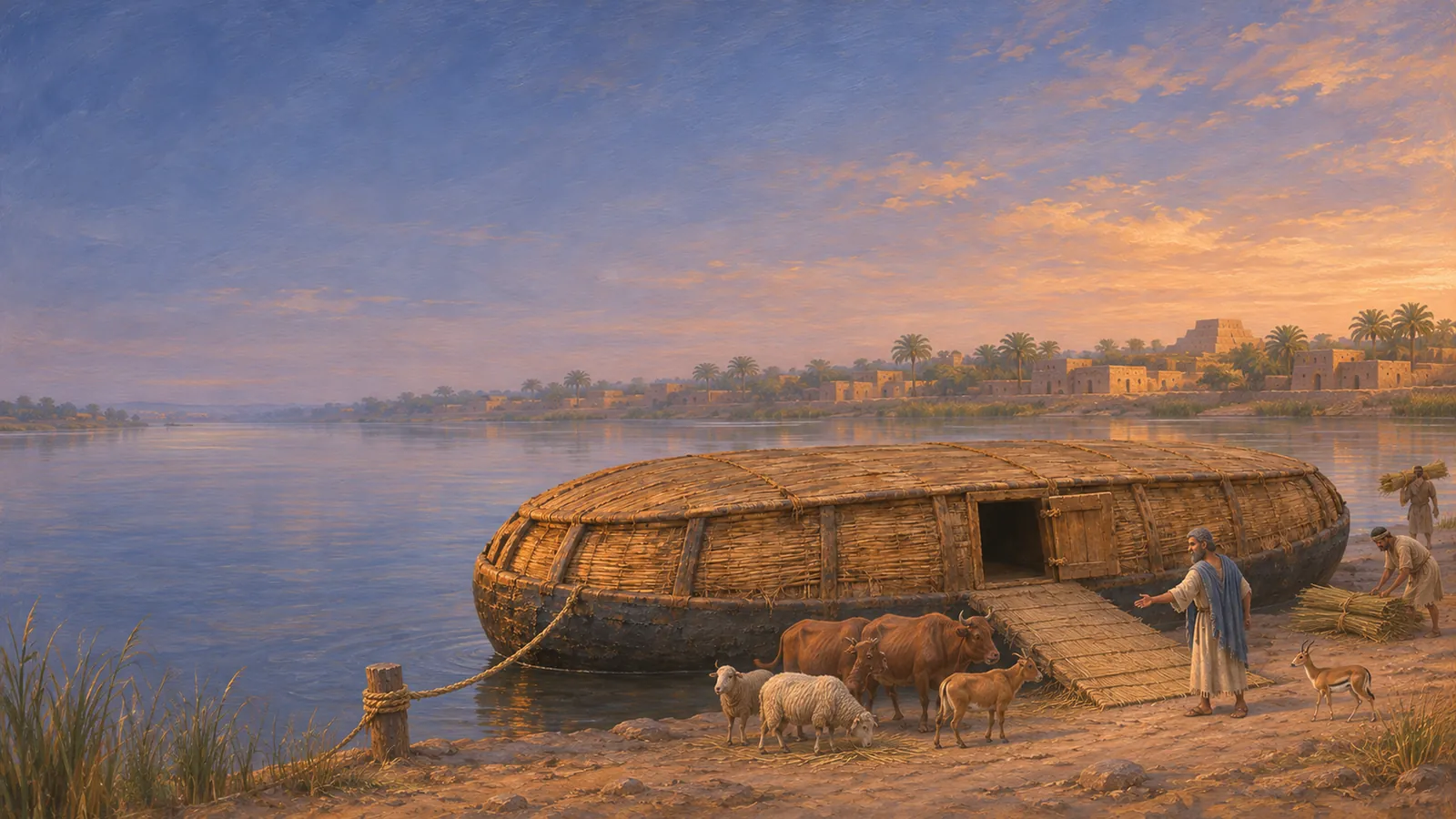
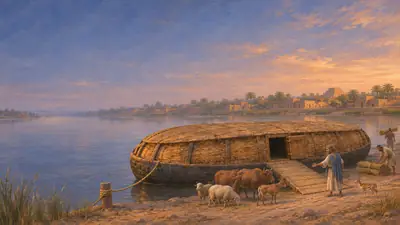
There were animals from the herds and wild ones from the steppe among the living cargo. The damaged lines also seem to place skilled workers on board.
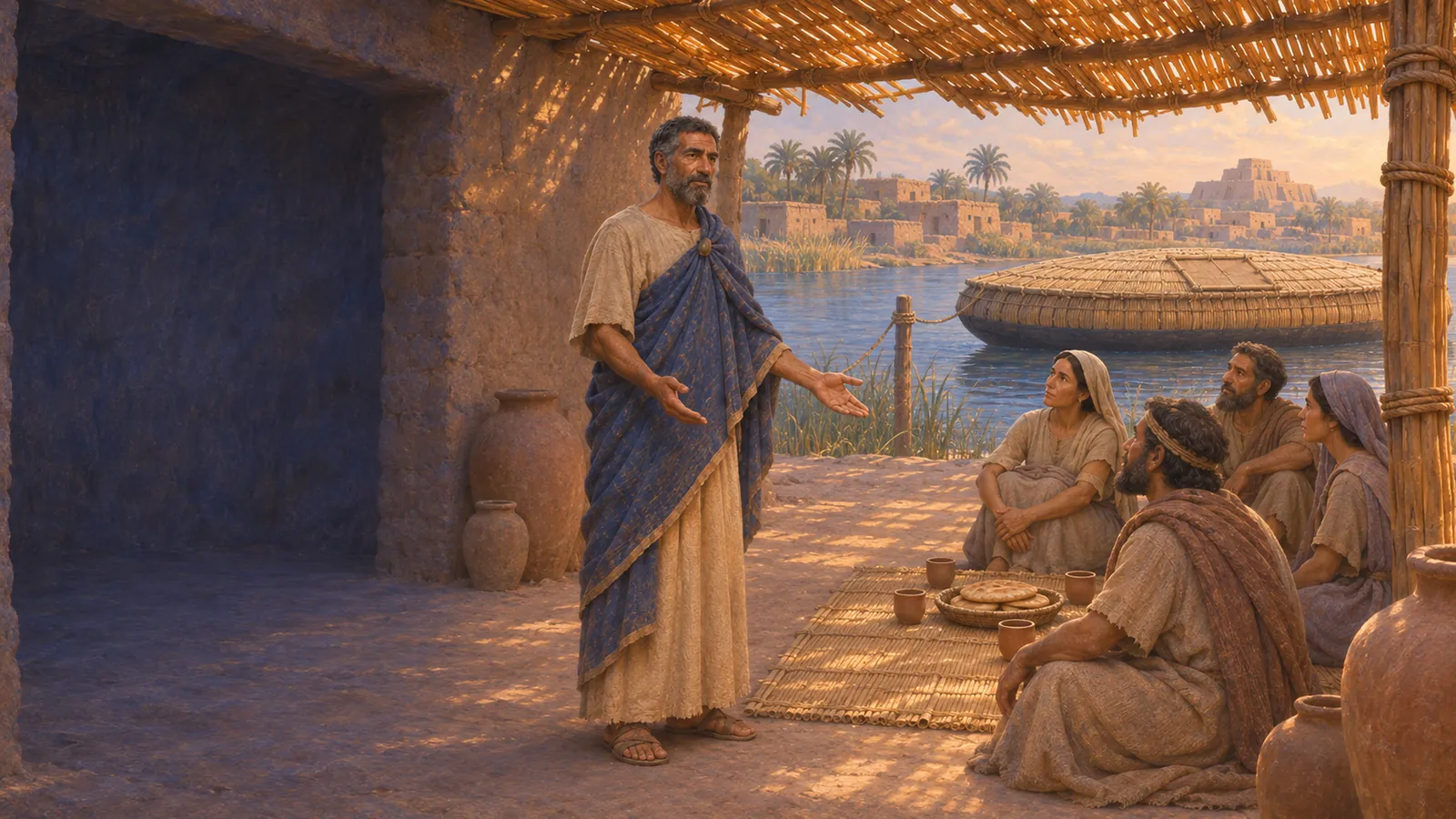
The month was at its end. What remains of the tablet tells of a banquet, when Atrahasis called his people to sit and eat before the storm came.
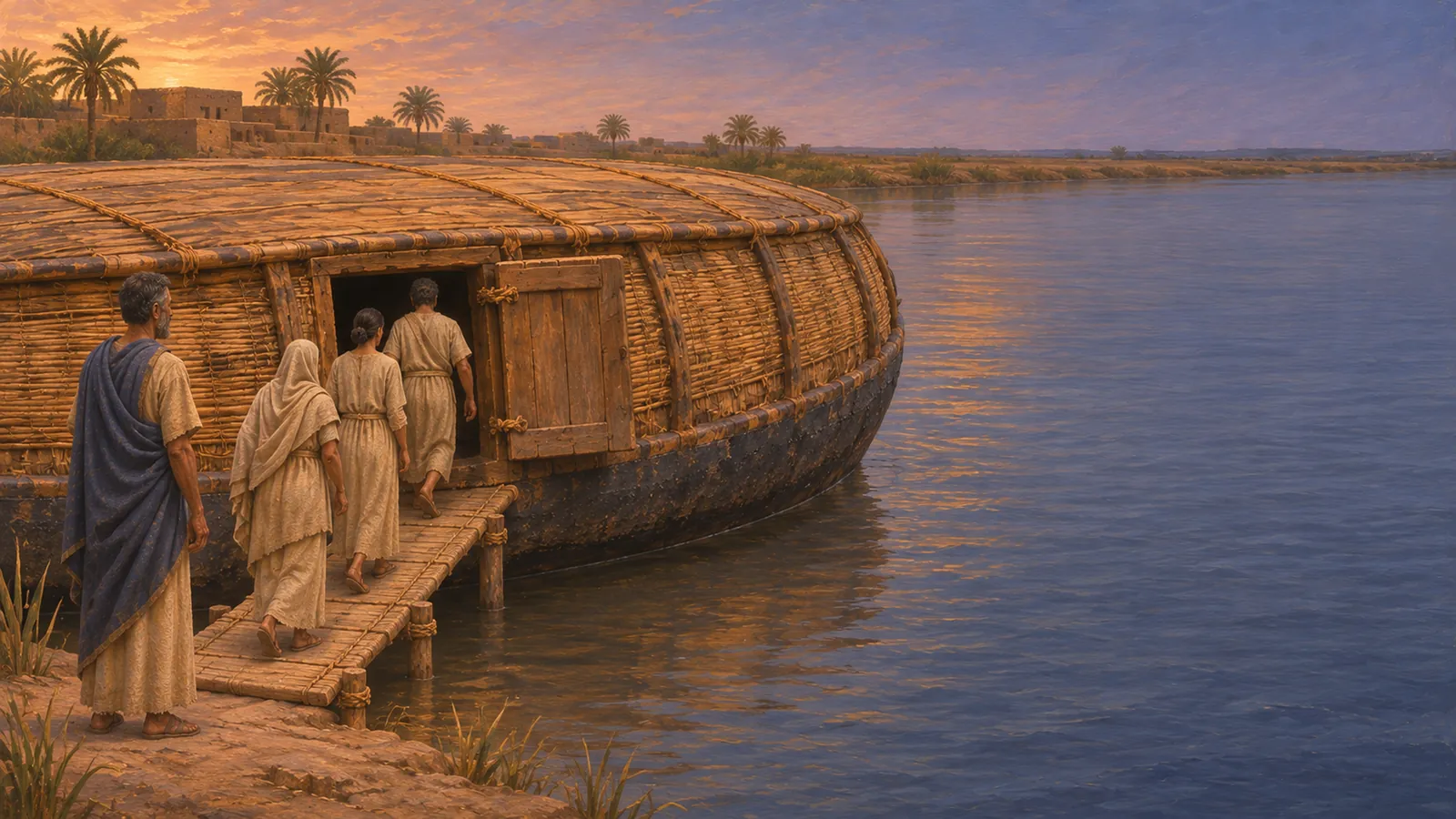
The people ate and drank while Atrahasis kept moving between the boat and the shore. He had already sent his family into the vessel.
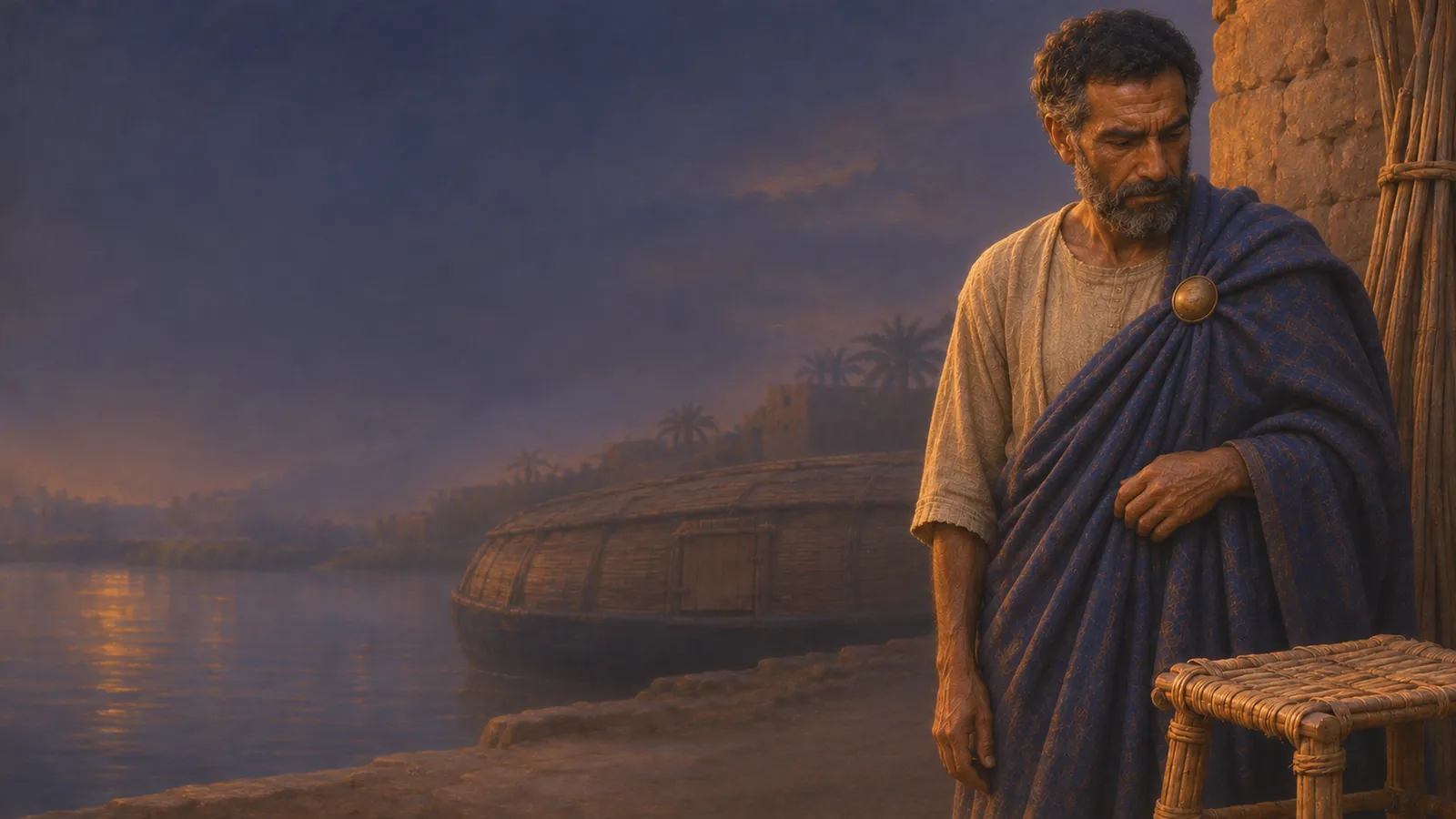
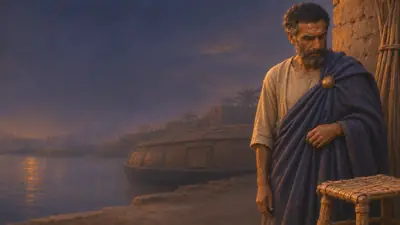
Atrahasis went in and out and could find no rest. The tablet tells us how deep his distress was before the first thunder came.
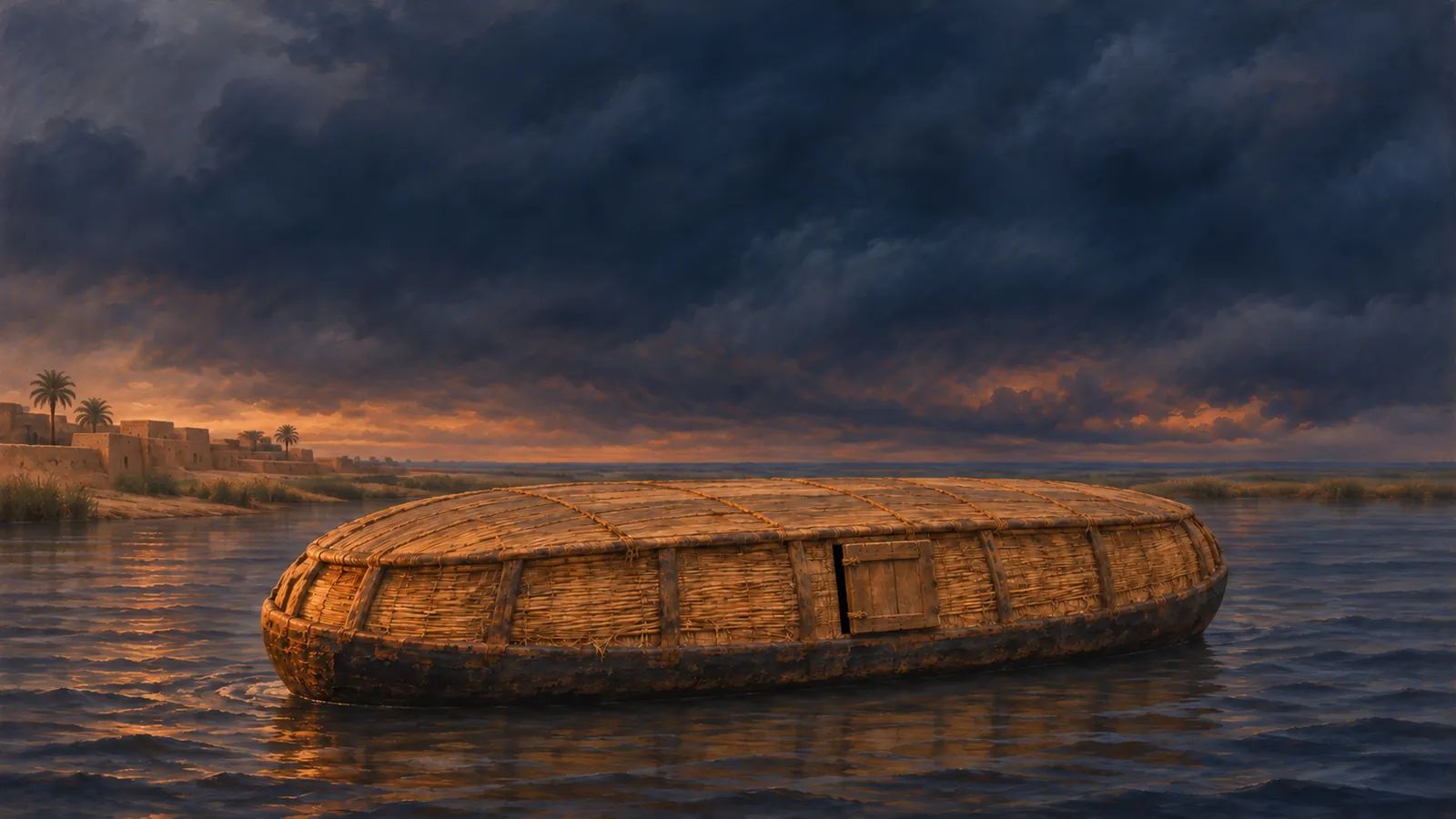
THUNDER
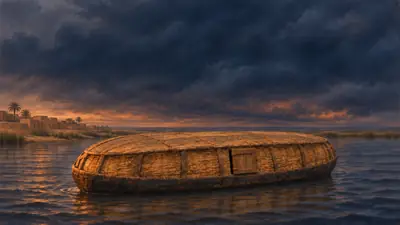
Then the day looked different. Thunder came from Adad in the clouds, and the people in the boat heard it as the storm drew near.
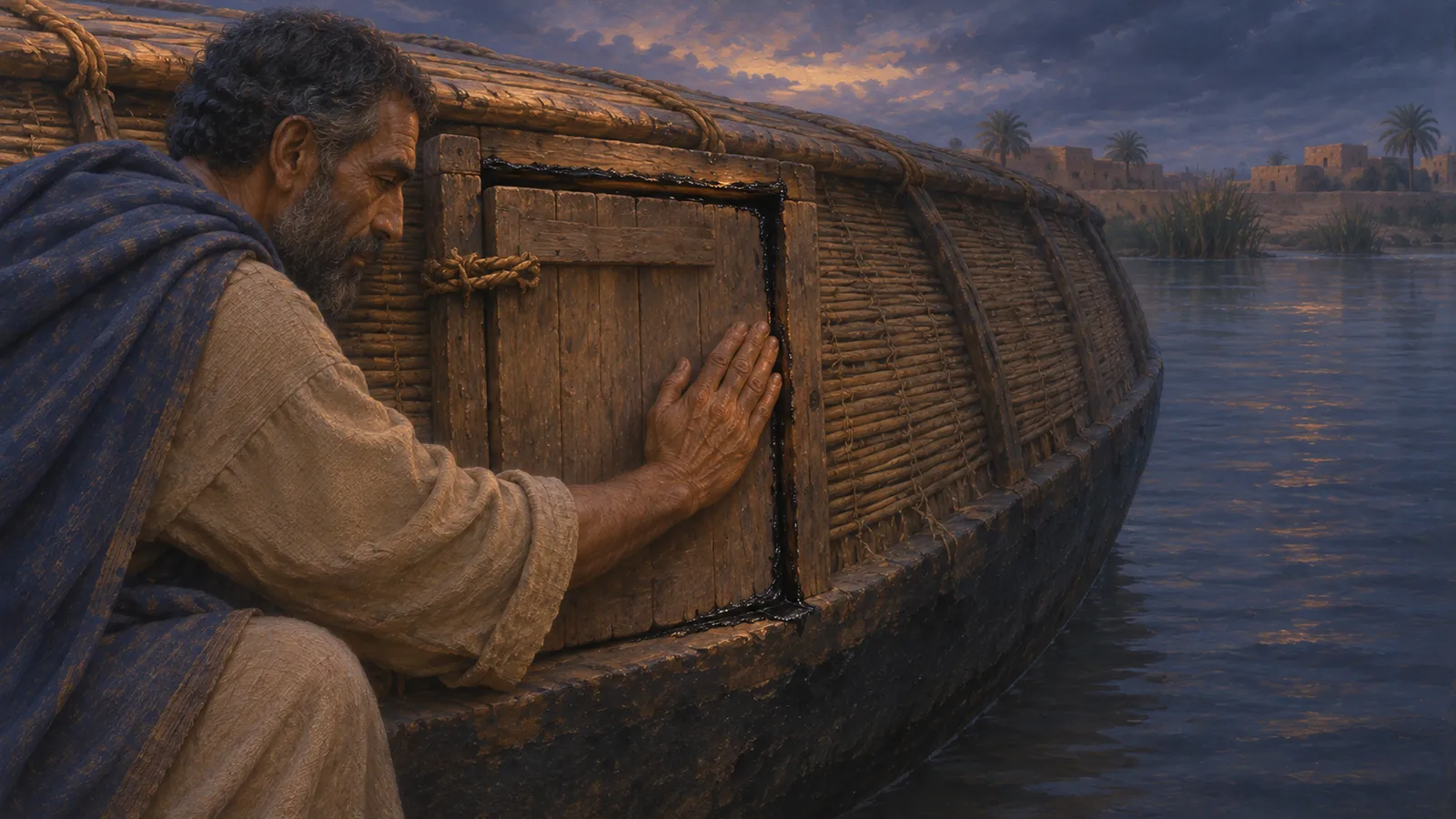
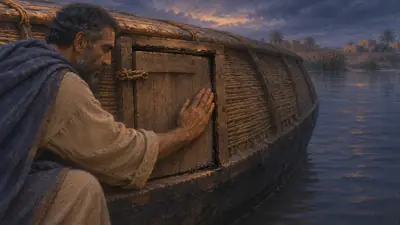
They brought bitumen for the opening. Atrahasis sealed the door, and just as it closed, Adad’s thunder sounded again above the vessel.
ADRIFT
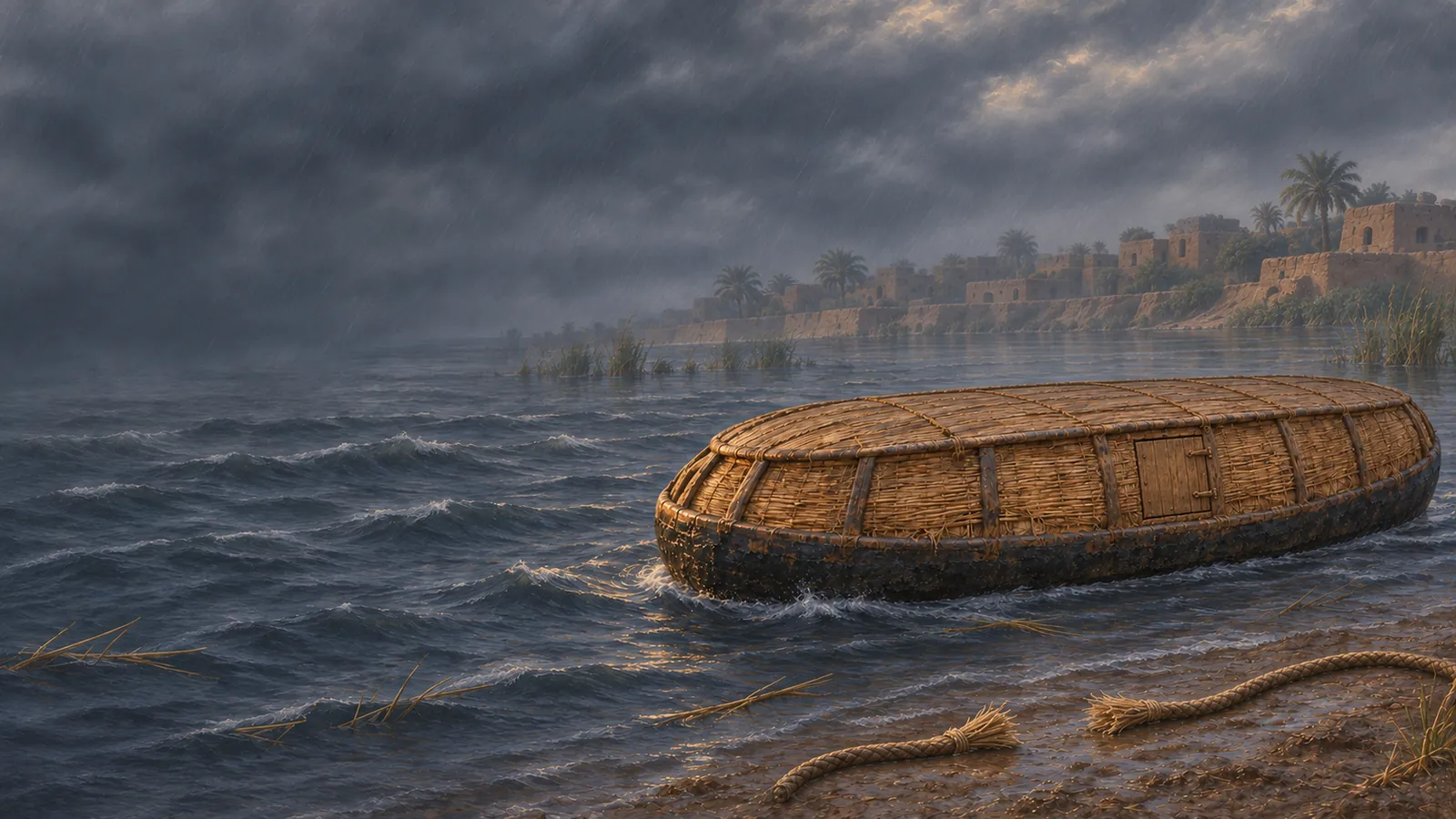
The wind came up with such force that it cut the mooring cable. The vessel swung free as the river rose beneath it.
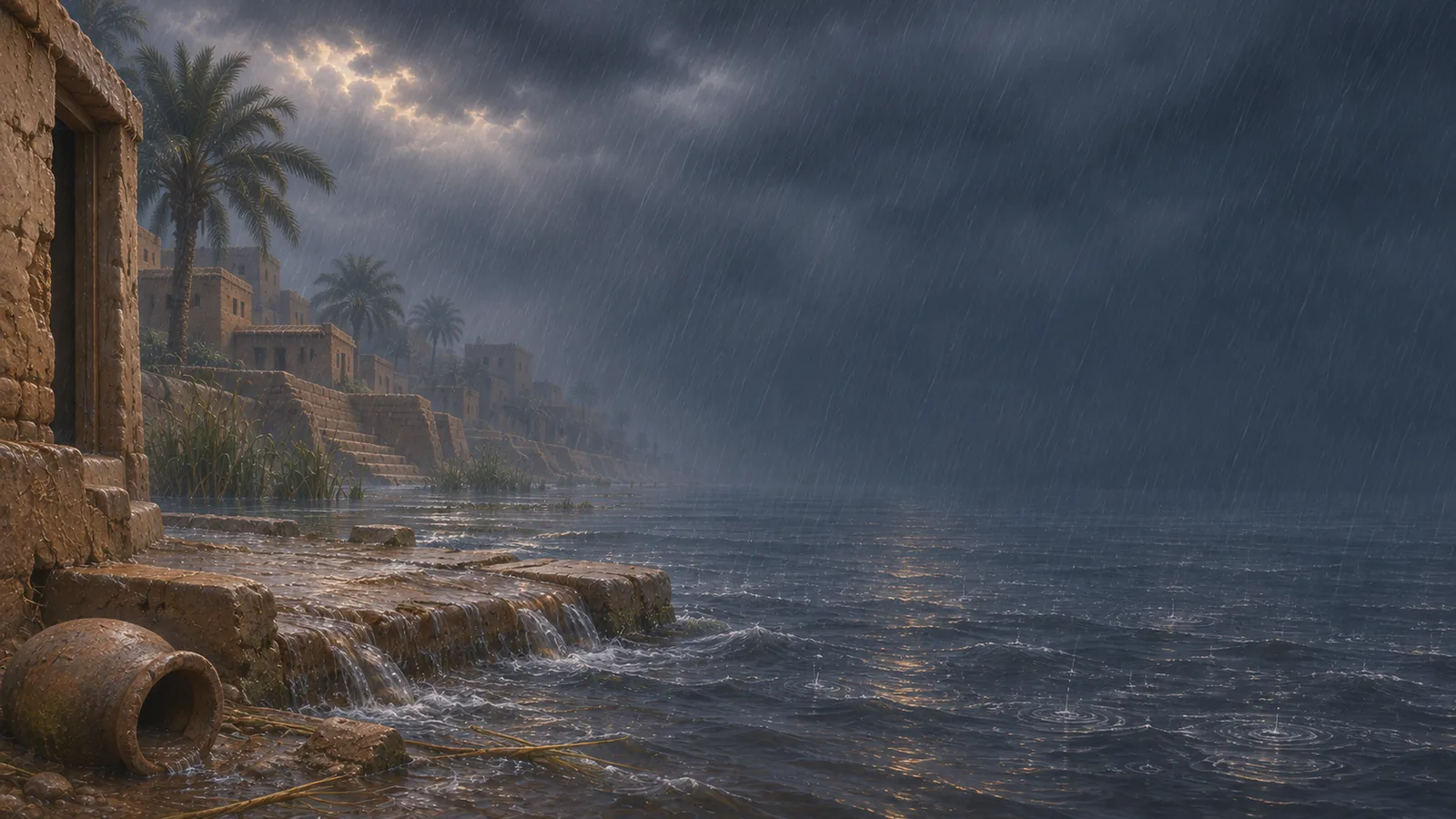
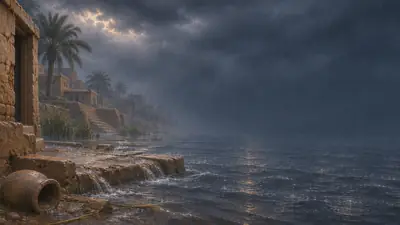
Only pieces of the next lines are left. Through them we hear the storm and see the waters come up over the land, silencing the voices that once filled it.
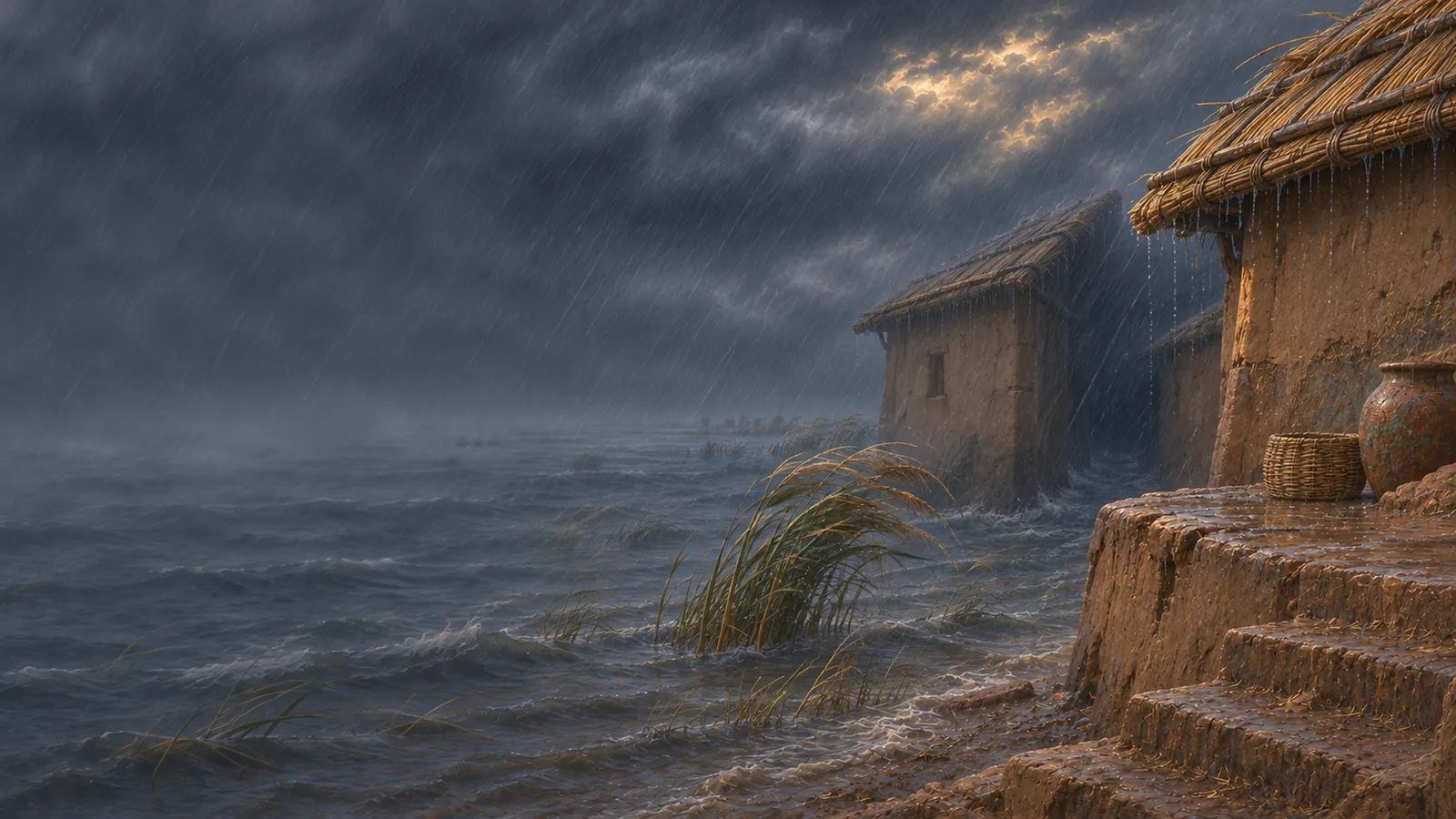
In the confusion, a brother could not see his brother. The only voices left in the telling are the flood roaring like a bull and the great wind calling above it.
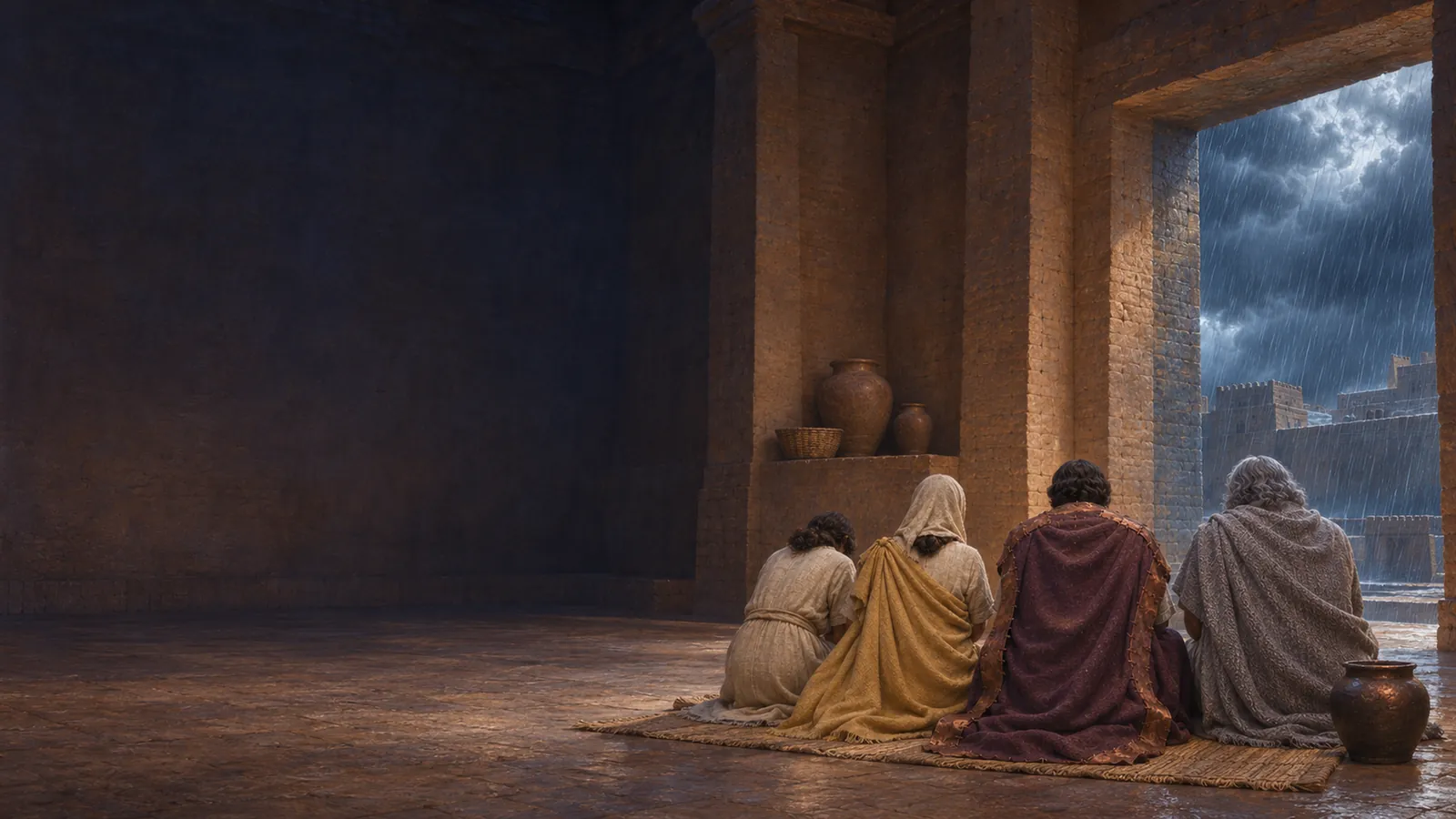
The sound of the flood terrified even the gods. They huddled together in their refuge, and the poem counts hunger and thirst among their troubles.
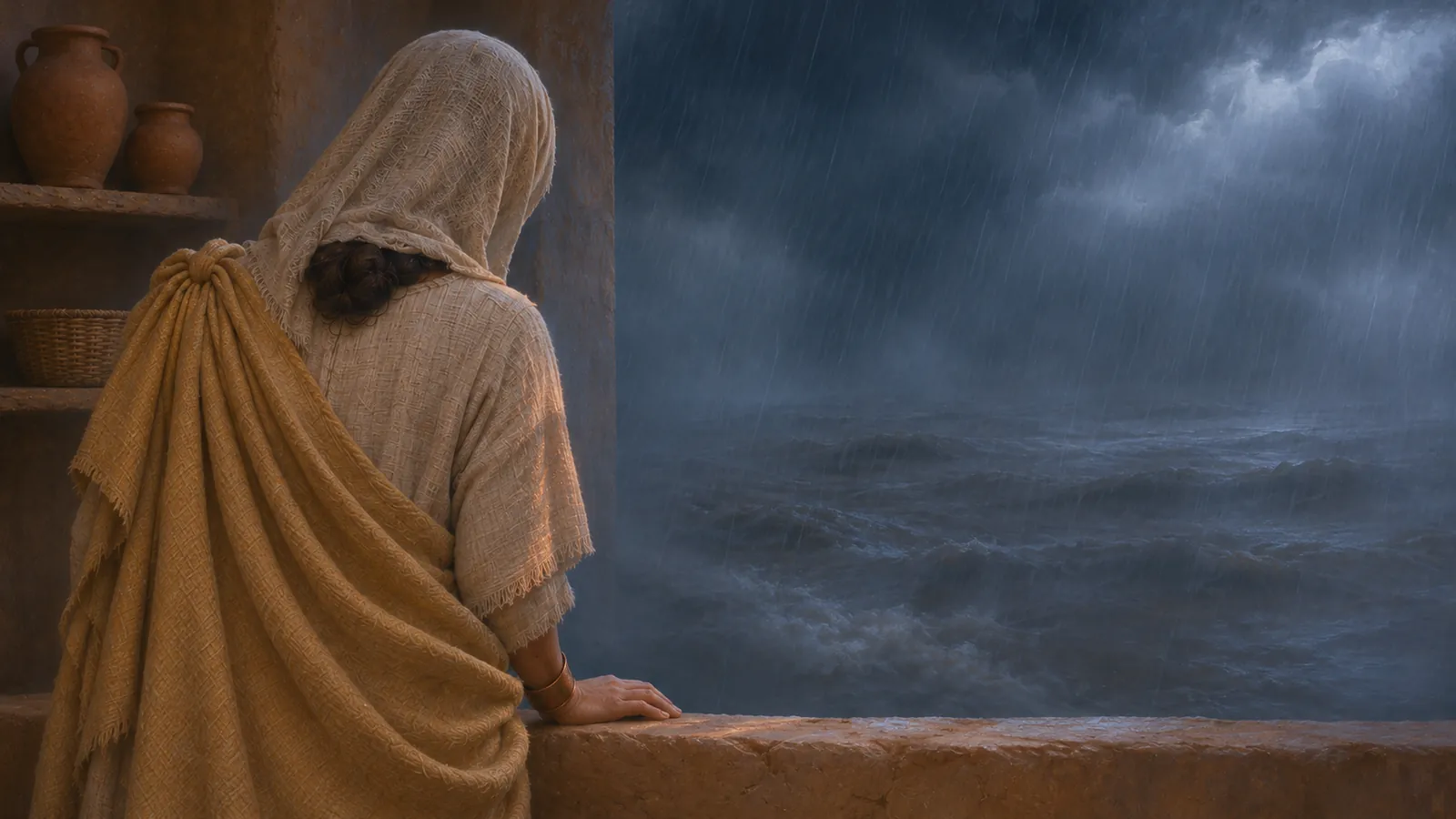
Mami saw what had come of the council’s decision and wept. She remembered how she had joined the other gods in it, and how bitterly she now regretted her words.
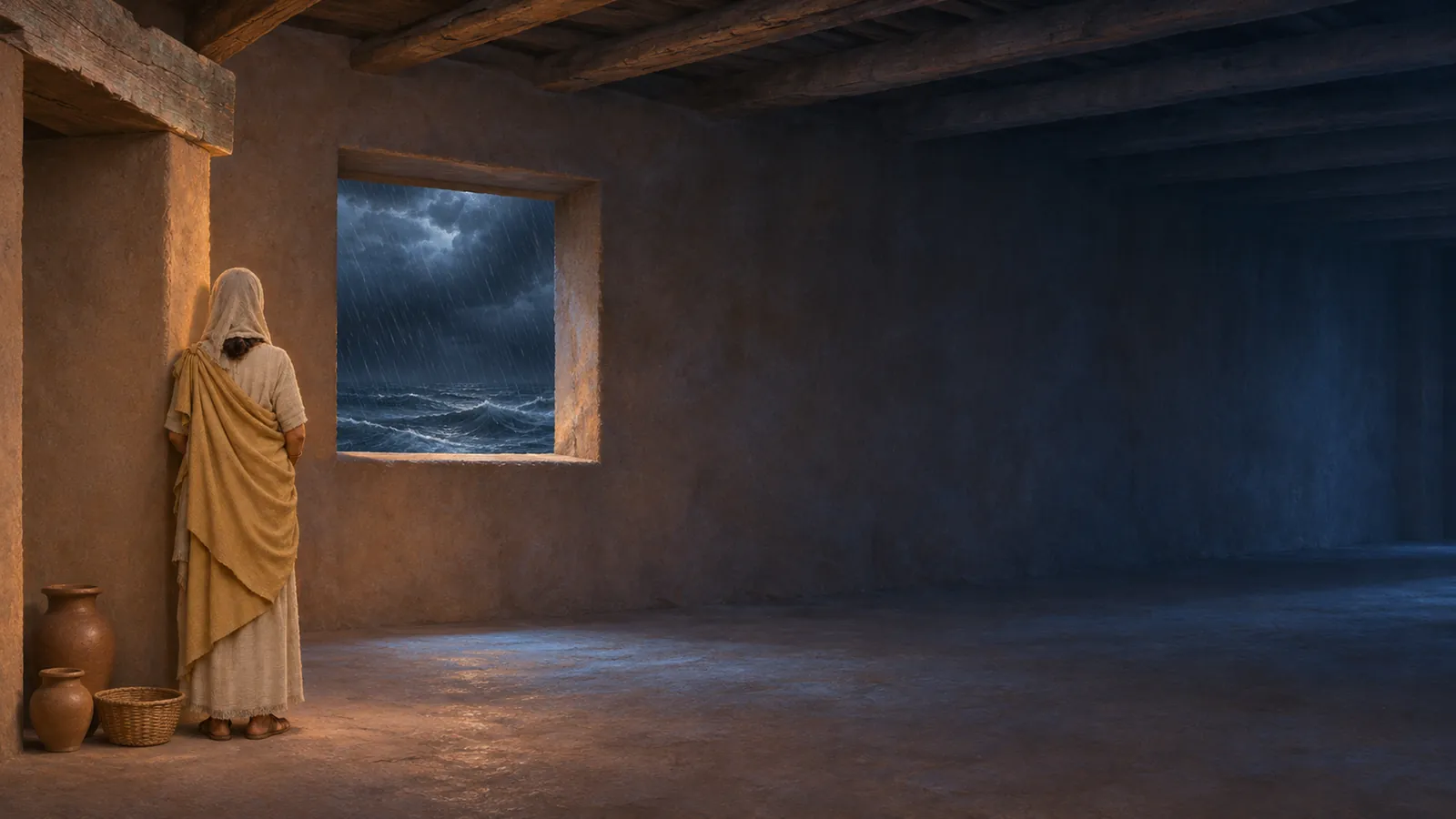
Mami said that her own dwelling felt like a house of mourning. She asked how the gods had sent the flood without taking thought for the people below.
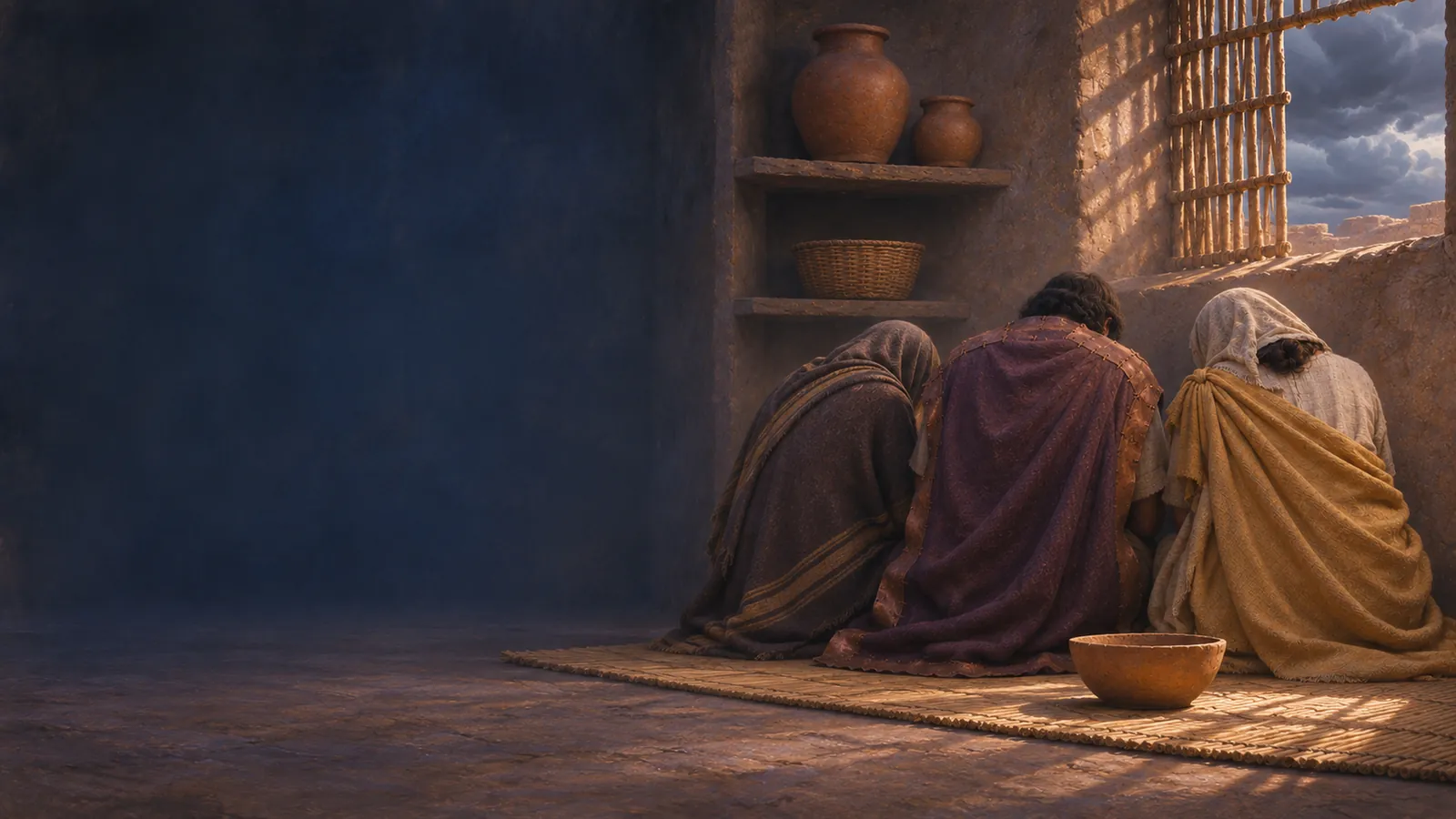
The tablet returns to her mourning after a break. Mami wept until her grief wore her out, and the other gods wept with her over the land.
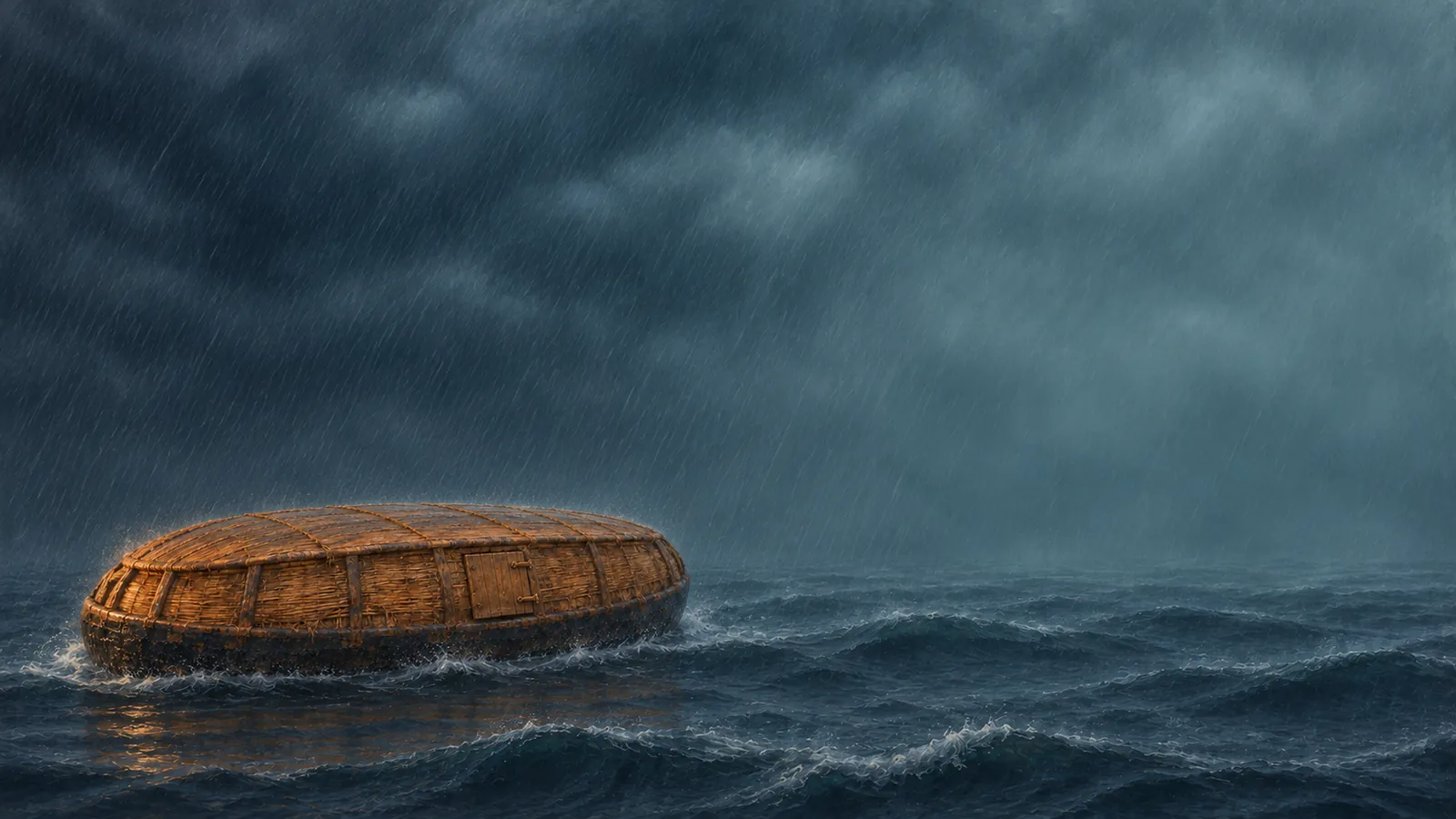
SEVEN NIGHTS
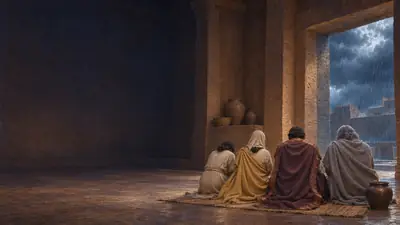
For seven days and seven nights the downpour held. Across the dark water, the vessel carried the people and living things it had taken aboard.
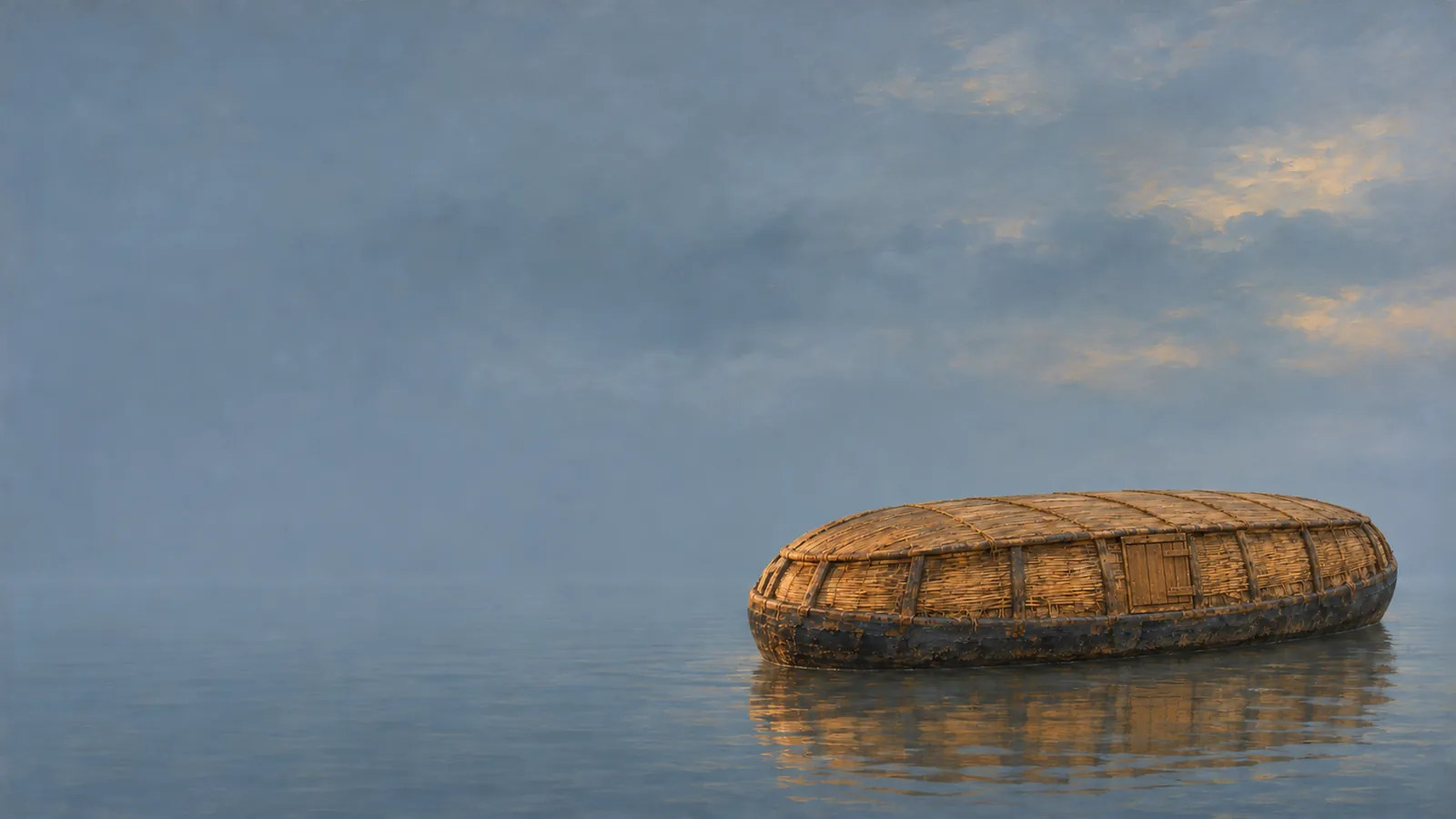
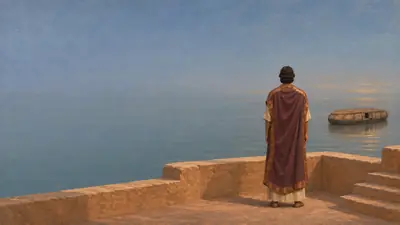
Much of the passage after the storm is lost. The next scene we can clearly read is Atrahasis making an offering when the waters have passed.
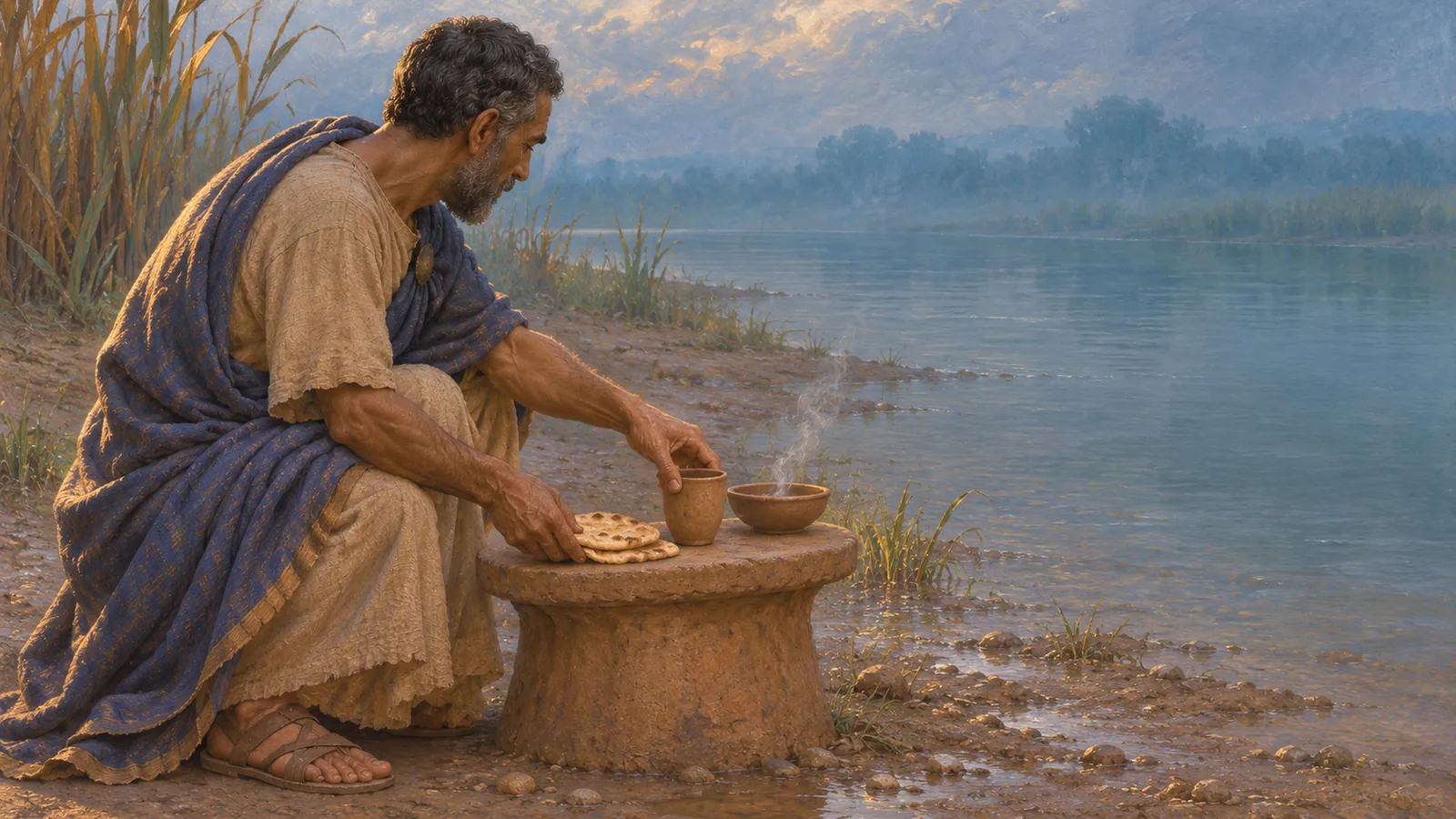
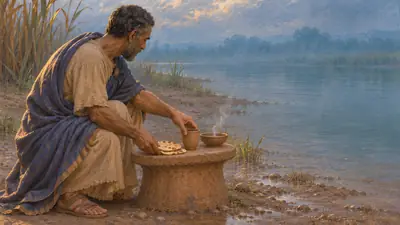
His first act in the surviving account after the flood is to set out an offering. The words that remain speak of the four winds and of food.
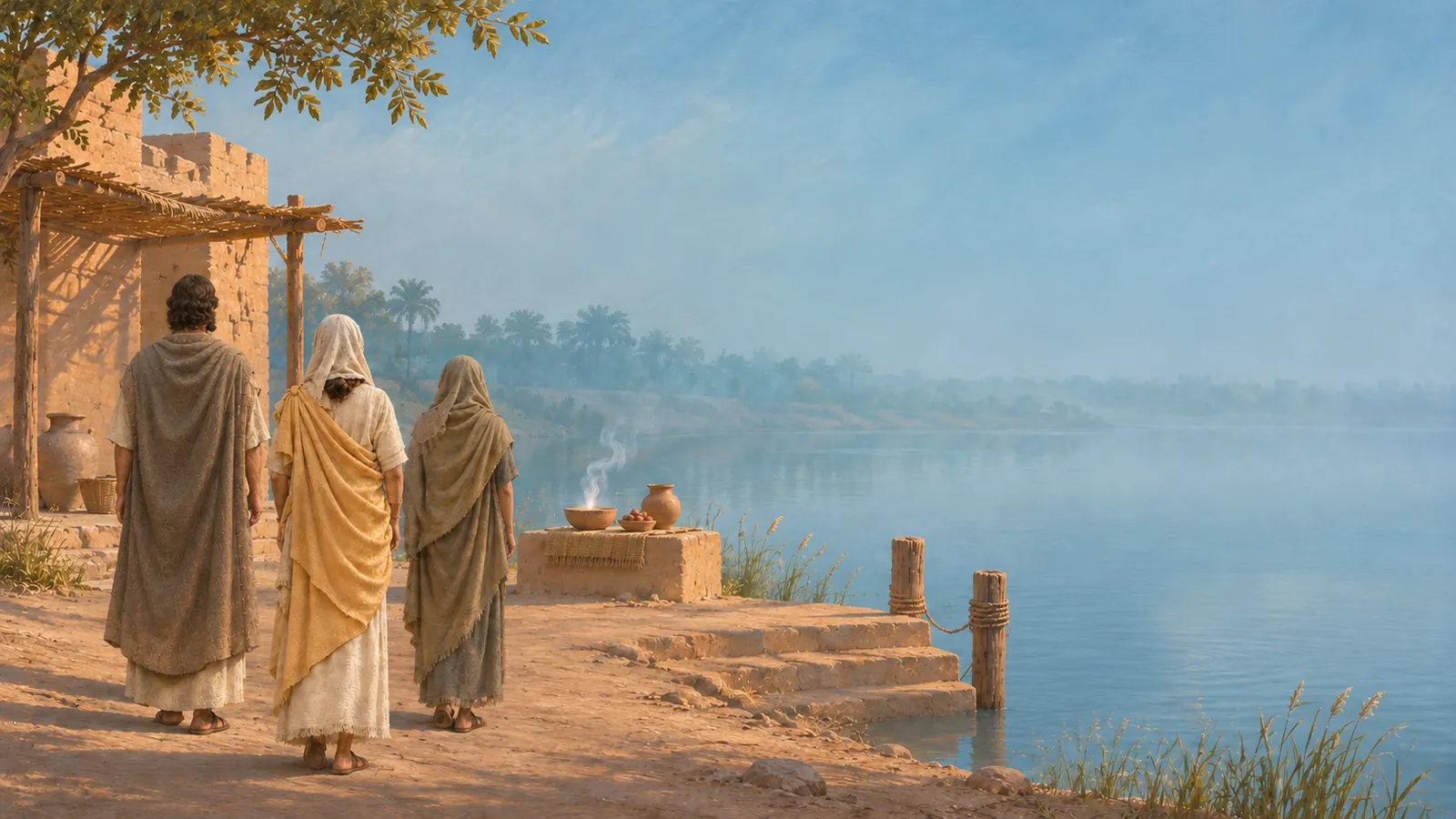
The scent carried through the air. The gods drew close to the offering, and the poem likens the gathering to flies drawn toward food.
When the gods had eaten, Mami stood and spoke against the way the flood was decided. She remembered the bright faces of the people the council had condemned.
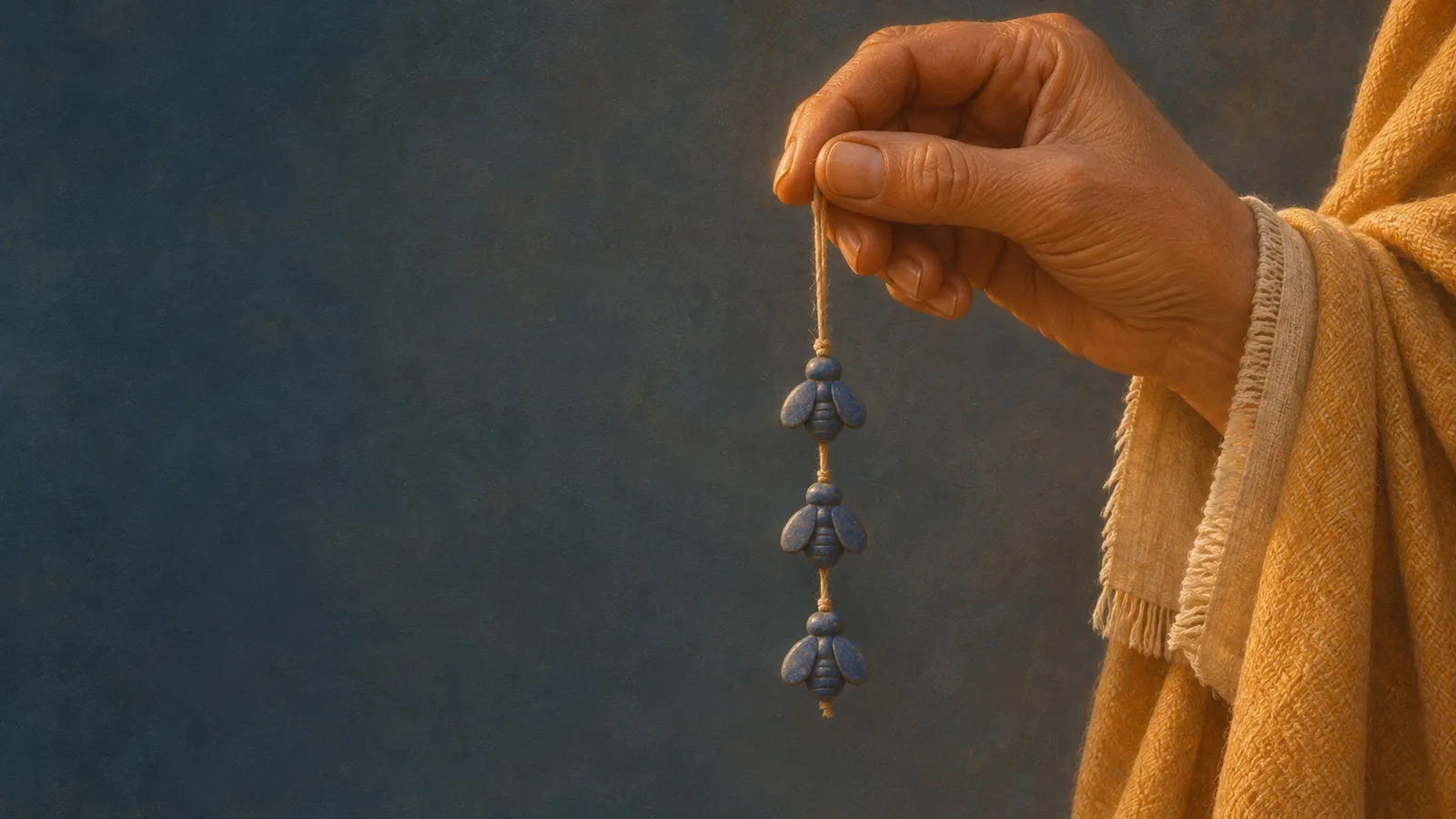
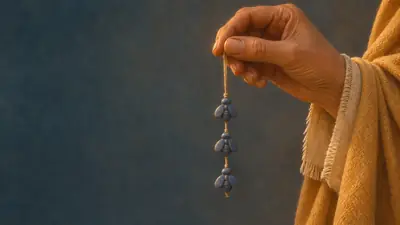
Mami turned to the shapes Anu had set before the gods. In the broken lines she asks to wear those fly shapes as lapis at her throat, so the days would be remembered.
SURVIVAL
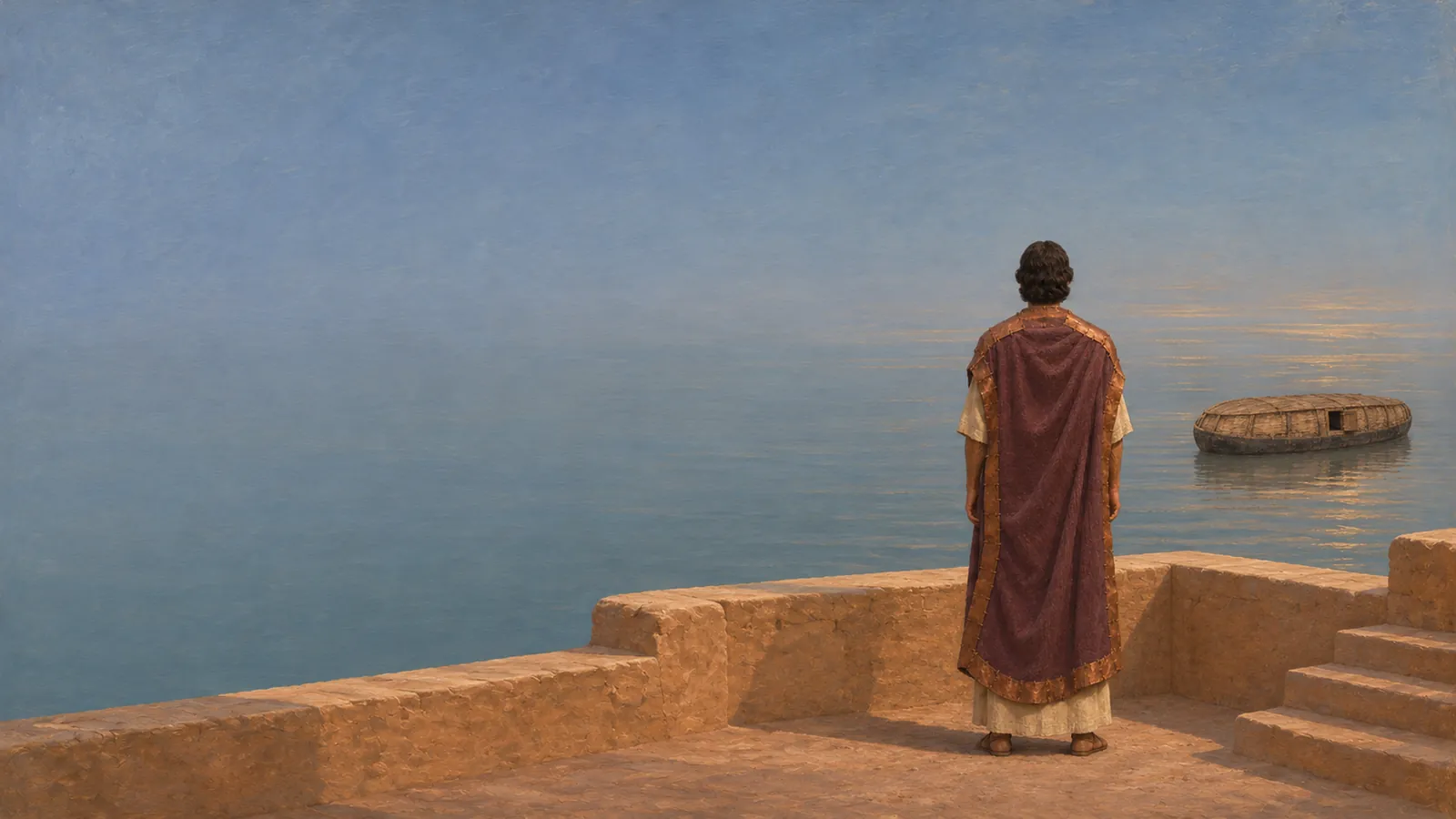
Then Enlil saw the boat. He was angry because the gods had agreed under oath, and he demanded to know how anyone had lived through the destruction.
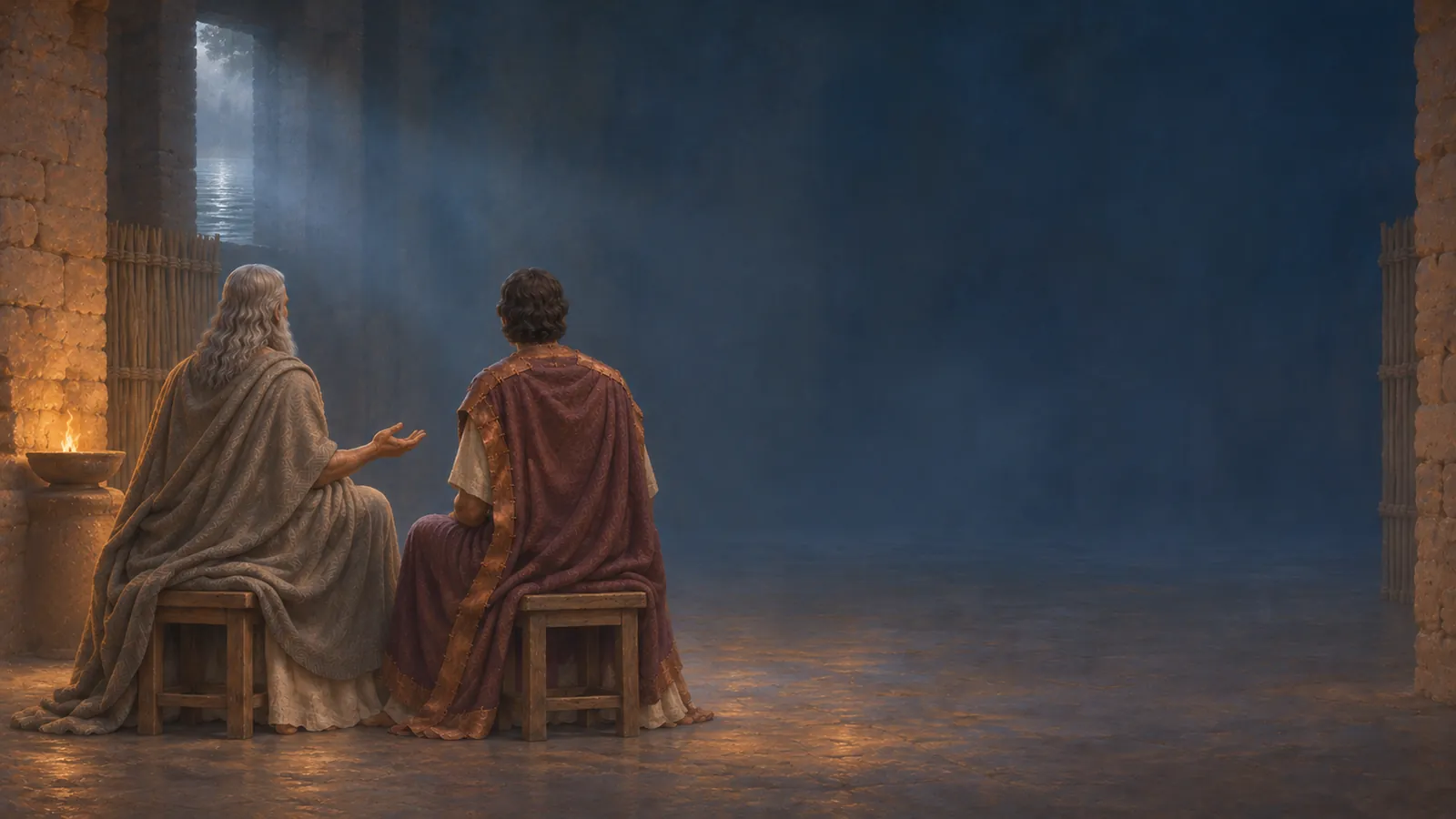
Anu answered Enlil with the name of the one god who could have done it. Enki had let the secret reach a wall made of reeds.
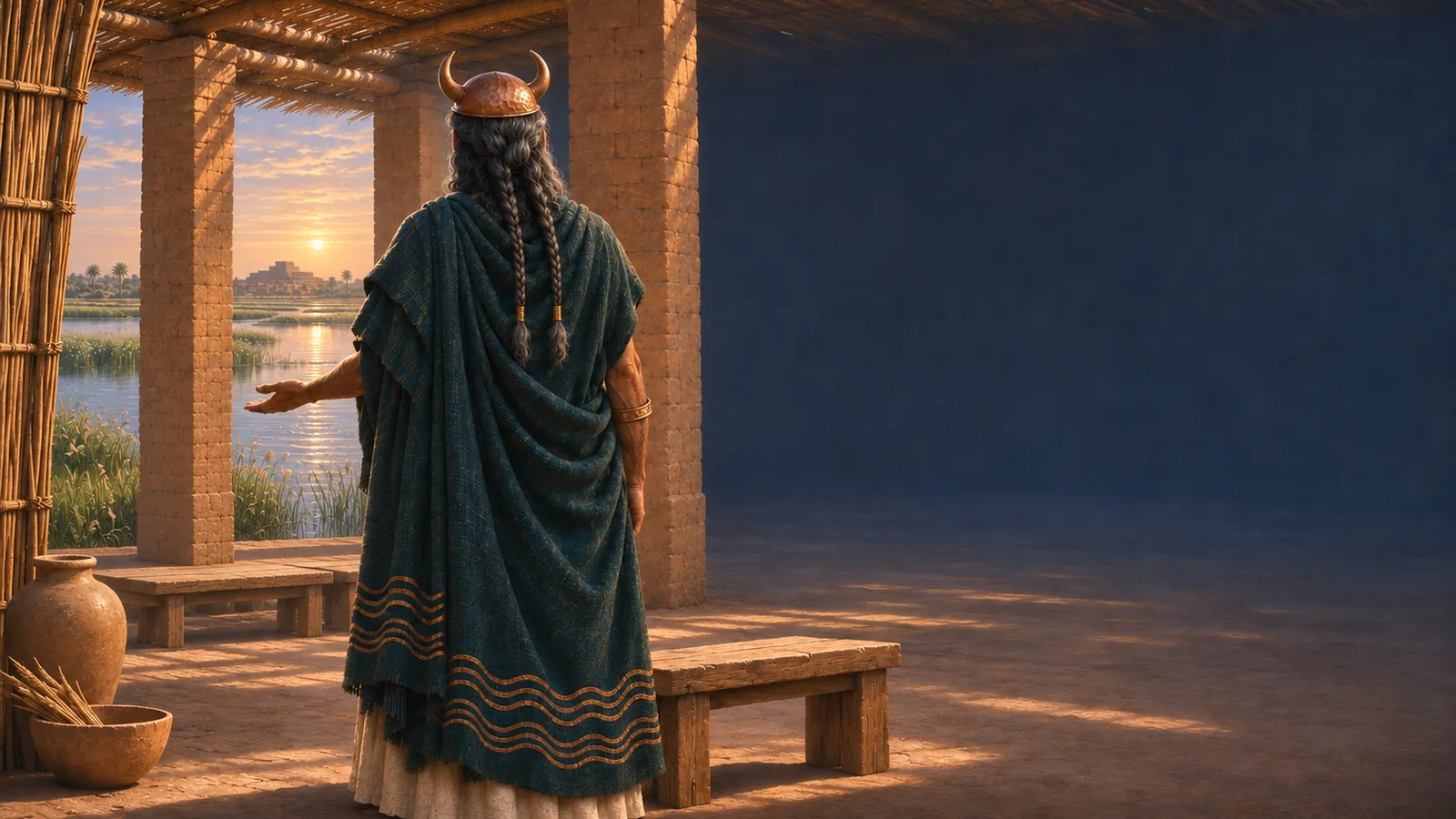
LIFE
Enki rose to answer them. He acknowledged what he had done and said that his purpose had been to preserve life.
Enki challenged the way the flood had been sent. If punishment must come, he said, let it fall on the one who has done wrong.
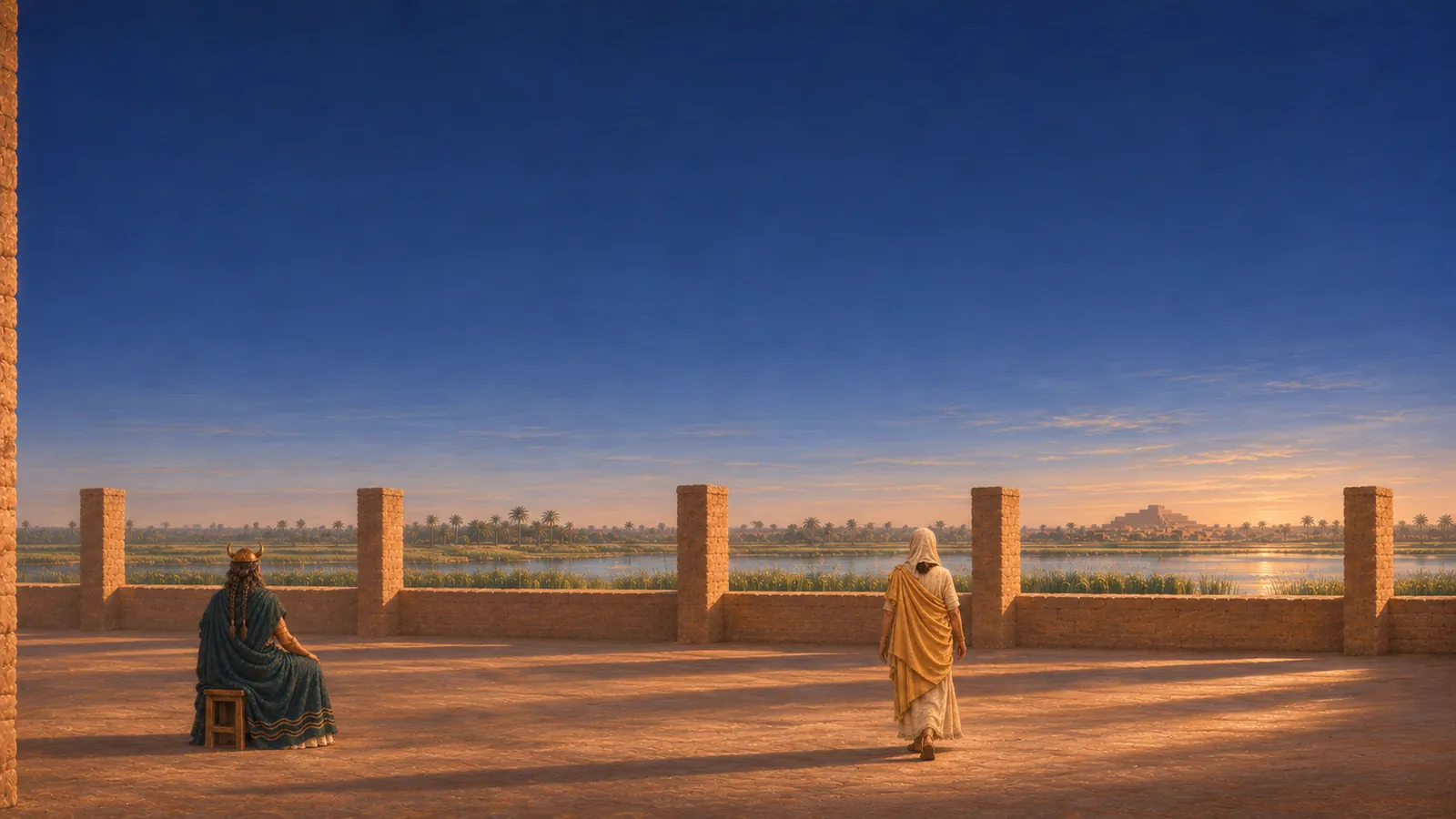
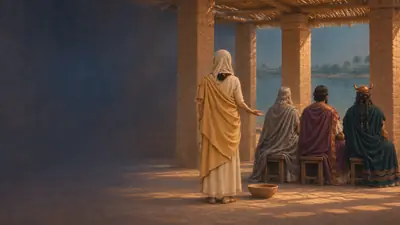
The words break off again. When they return, the gods are speaking of a council once more, and Mami is called to join Enki in it.
The tablet is broken as Enki addresses Mami, the maker of destinies. In the surviving passage, human life is given an end, and death comes to each person.
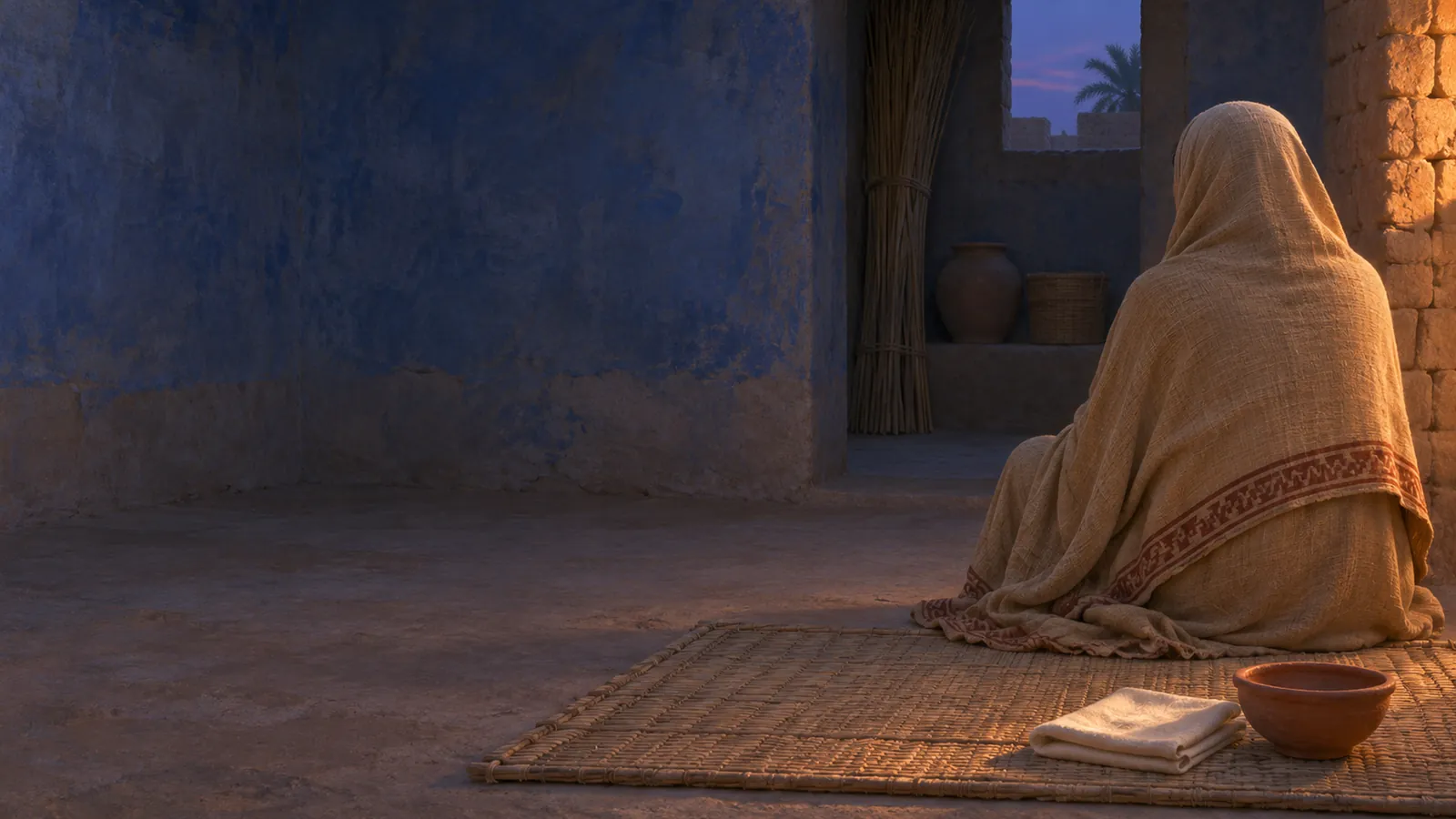
The new terms speak of women who bear children and women who do not. They also name the demon Pashittu, who snatches a baby from its mother’s lap.
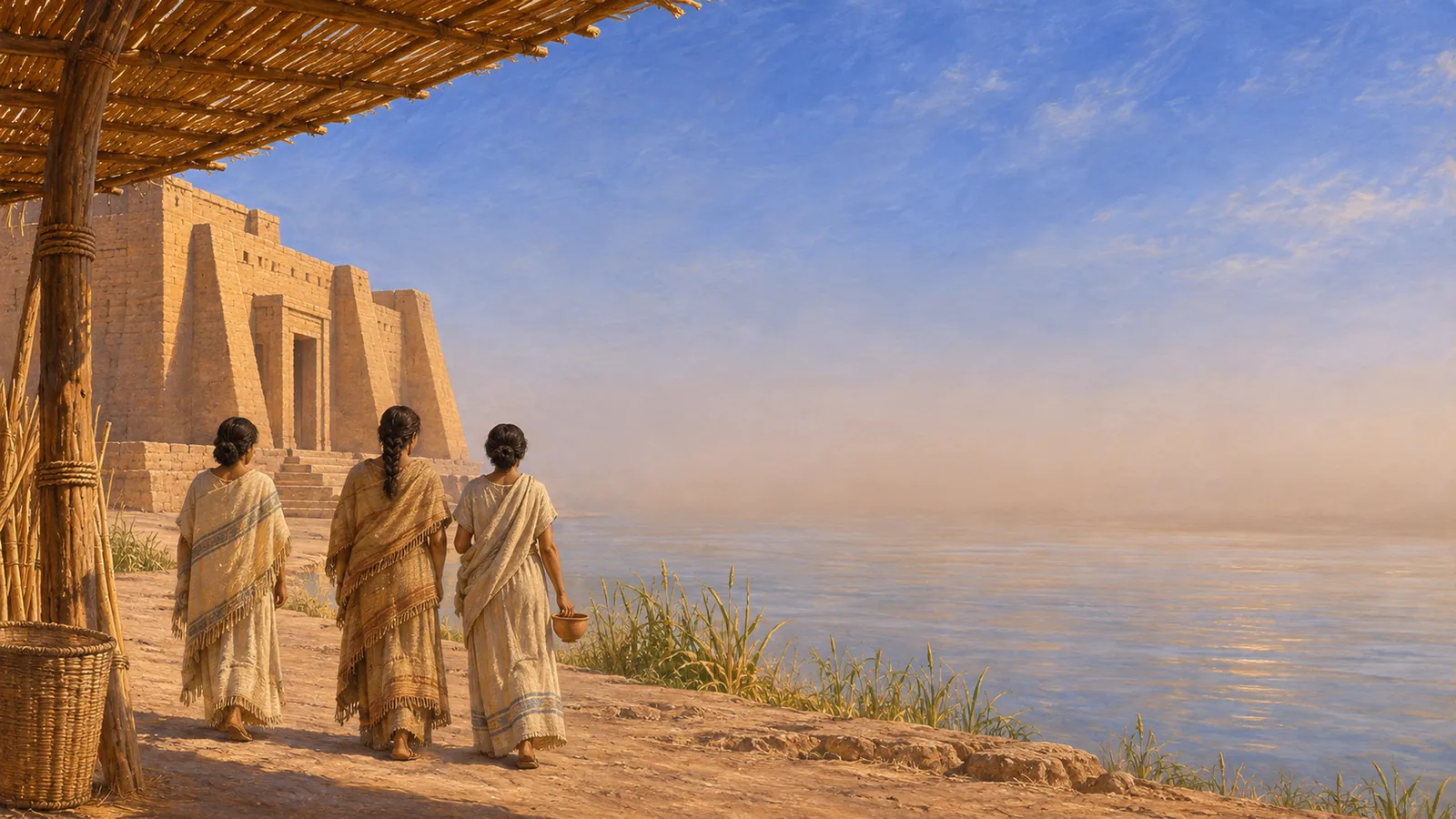
The gods set apart the ugbabtu, entu and egisitu priestesses. In the poem’s terms after the flood, these women are forbidden to bear children.
THE SONG
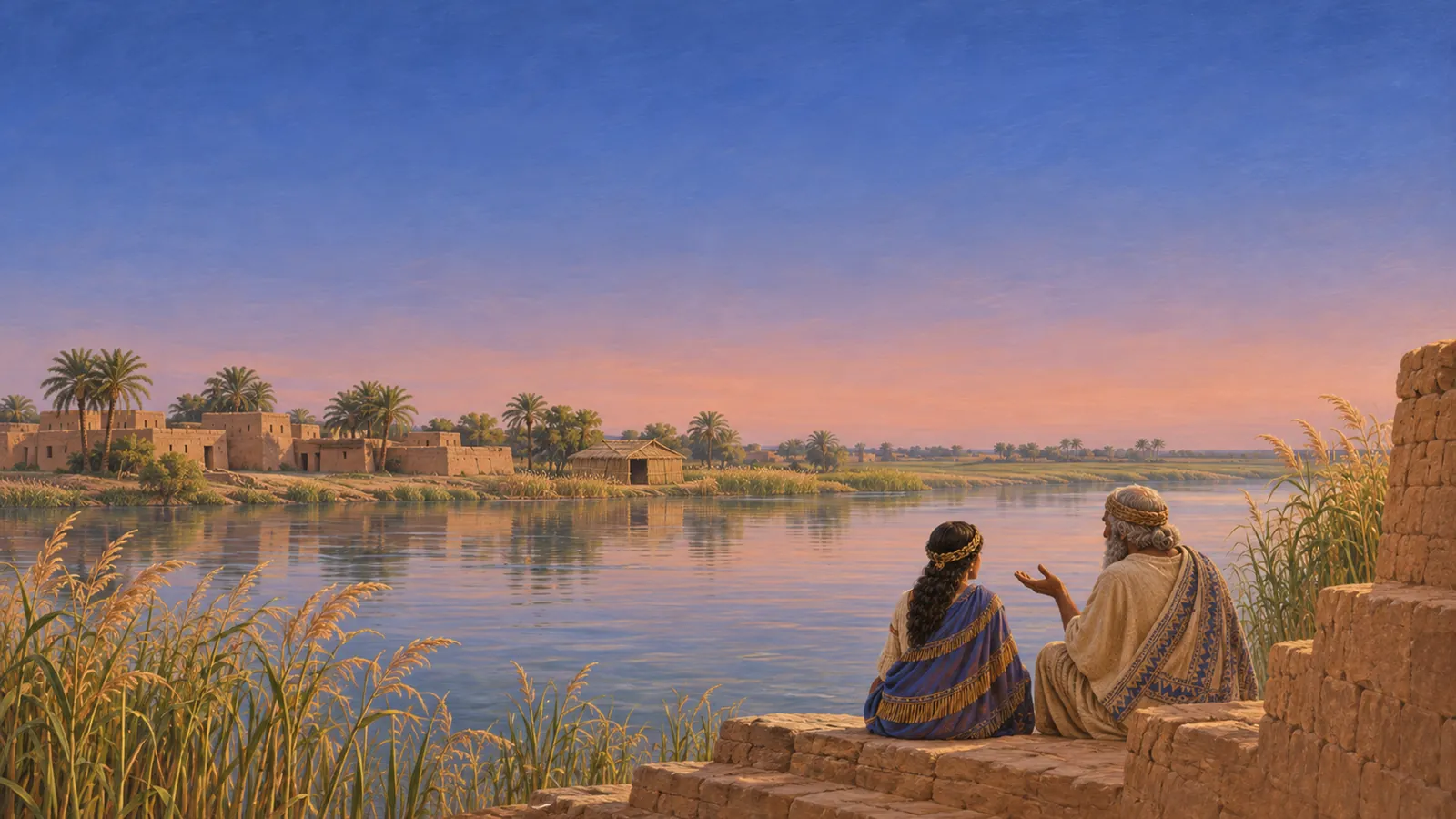
The last lines remember that a flood was sent and that people lived through it. The song asks to be heard, so this is where our telling leaves the story.
End of chapter 2
All pages
Sources
Editions consulted
- Wasserman 2020, pp. 19–38, Sippar witnesses C₁ and C₂
- SEAL 1517, Old Babylonian Atrahasis III with translation
- SEAL 39732, closing lines of Atrahasis II
- IL Archive, Atrahasis: Epic and Hero
Ancient lines behind each page
- Page 1: Atrahasis III C₂ i 10′–16′, Wasserman 2020
The dream language is partially restored. - Page 2: Atrahasis III C₂ i 15′–21′; C₁ vi 11–15, Wasserman 2020
- Page 3: Atrahasis III C₂ i 20′–24′, Wasserman 2020
- Page 4: Atrahasis III C₂ i 25′–27′; C₁ i 28′, Wasserman 2020
The Old Babylonian line is broken and the reading is debated. - Page 5: Atrahasis III C₁ i 29′–32′, Wasserman 2020
- Page 6: Atrahasis III C₁ i 33′–35′, Wasserman 2020
- Page 7: Atrahasis III C₁ i 36′–37′, Wasserman 2020
- Page 8: Atrahasis III C₁ i 38′–41′; compares I 385–388 and II E 25–28, SEAL
The comparison refers to the repeated gathering of elders in the Atrahasis poem. - Page 9: Atrahasis III C₁ i 42′–46′, Wasserman 2020
Part of the report is broken. - Page 10: Atrahasis III C₁ i 43′–50′, Wasserman 2020
The departure clauses are partially restored; the line with the Apsu is also fragmentary. - Page 11: Atrahasis III C₁ i 50′–C₂ ii 12′, Wasserman 2020
The tablet preserves the occupations and partially restored carried implements. - Page 12: Atrahasis III C₂ ii 11′–15′, Wasserman 2020
This passage is partially restored. - Page 13: Atrahasis III C₁ i 29′–33′; gap C₂ ii 19′–C₁ ii 29″, Wasserman 2020
The text preserves no full construction sequence. - Page 14: Atrahasis III C₁ ii 29″–38″, Wasserman 2020
The words for silver and parts of their loading are restored. - Page 15: Atrahasis III C₁ i 34′–35′; C₁ ii 34″–35″, Wasserman 2020
- Page 16: Atrahasis III C₁ ii 36″–38″, Wasserman 2020
The reading of the people as craftspeople and some animal details are uncertain. - Page 17: Atrahasis III C₁ ii 39″–44″, Wasserman 2020
The dating and invitation are partly restored. - Page 18: Atrahasis III C₁ ii 40″–45″, Wasserman 2020
- Page 19: Atrahasis III C₁ ii 43″–49″, Wasserman 2020
- Page 20: Atrahasis III C₁ ii 48″–50″, Wasserman 2020
- Page 21: Atrahasis III C₁ ii 51″–53″, Wasserman 2020
- Page 22: Atrahasis III C₁ ii 54″–55″, Wasserman 2020
The story names no single source of the rising water. - Page 23: Atrahasis III C₁ iii 3′–12′, Wasserman 2020
- Page 24: Atrahasis III C₁ iii 13′–19′, Wasserman 2020
- Page 25: Atrahasis III C₁ iii 20′–31′, Wasserman 2020
Details about the refuge are partially restored. - Page 26: Atrahasis III C₁ iii 28′–45′, Wasserman 2020
- Page 27: Atrahasis III C₁ iii 46′–54′, Wasserman 2020
- Page 28: Atrahasis III C₁ iv 1′–23′, Wasserman 2020
- Page 29: Atrahasis III C₁ iv 24′–27′; ii 34″–42″, Wasserman 2020
- Page 30: Atrahasis III C₁ iv 26′–v 30′, Wasserman 2020
The transition is a substantial lacuna. - Page 31: Atrahasis III C₁ v 30′–32′, Wasserman 2020
Parts of this action are restored. - Page 32: Atrahasis III C₁ v 34′–38′, Wasserman 2020
Parts are restored. - Page 33: Atrahasis III C₁ v 36′–45′, Wasserman 2020
- Page 34: Atrahasis III C₁ v 46′–52′; vi 1–4, Wasserman 2020
- Page 35: Atrahasis III C₁ vi 5–10, Wasserman 2020
- Page 36: Atrahasis III C₁ vi 11–15, Wasserman 2020
- Page 37: Atrahasis III C₁ vi 16–19, Wasserman 2020
The statement is partly restored in the edition. - Page 38: Atrahasis III C₁ vi 20–26, Wasserman 2020
Paraphrases damage and the restored reference to punishment. - Page 39: Atrahasis III C₁ vi 27–44′, Wasserman 2020
- Page 40: Atrahasis III C₁ vi 45′–51′, Wasserman 2020
Death and grave are editorial restorations in the critical translation. - Page 41: Atrahasis III C₁ vii 1–5, Wasserman 2020
The poem personifies infant loss as Pāšittu. - Page 42: Atrahasis III C₁ vii 6–9, Wasserman 2020
- Page 43: Atrahasis III C₁ viii 8′–19′, Wasserman 2020
Illustrations made with AI tools by IL Archive; the text is based on the ancient sources (see the sources at the end of each chapter).