Atrahasis Chapter 1
The Weight of Earth
The gods who dug the waterways demand relief, and Mami prepares the clay from which people will come. When their voices fill the land, Atrahasis seeks Enki’s help against illness and drought.
Watch the filmSourcesTurn the pages with the arrows, the arrow keys or a swipe.
THE WEIGHT OF EARTH
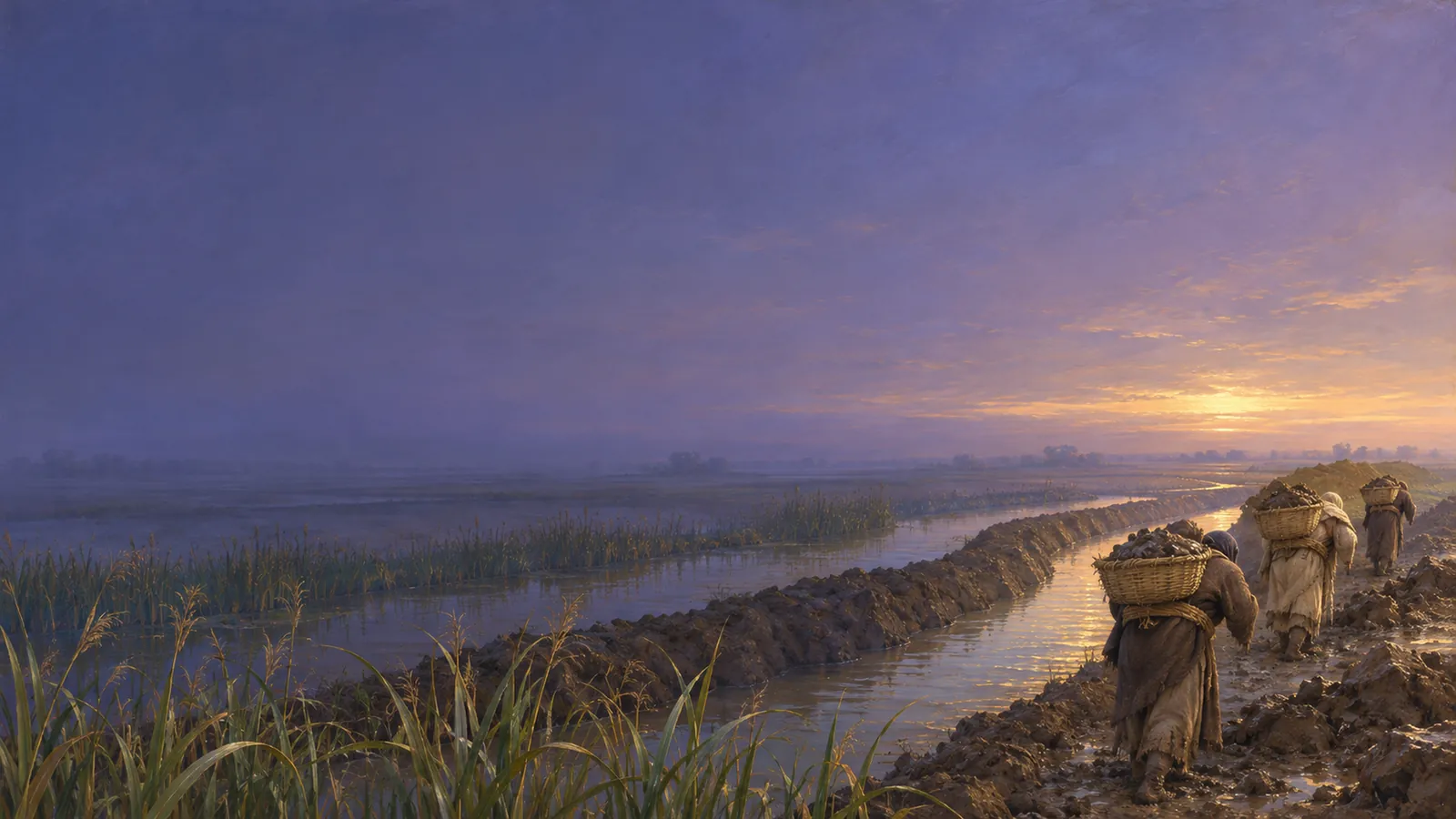
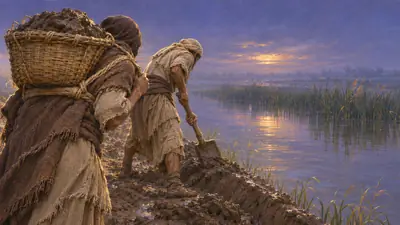
Before there were people to till the land, the gods did the work themselves. They dug and hauled earth, and the weight of it wore them down.
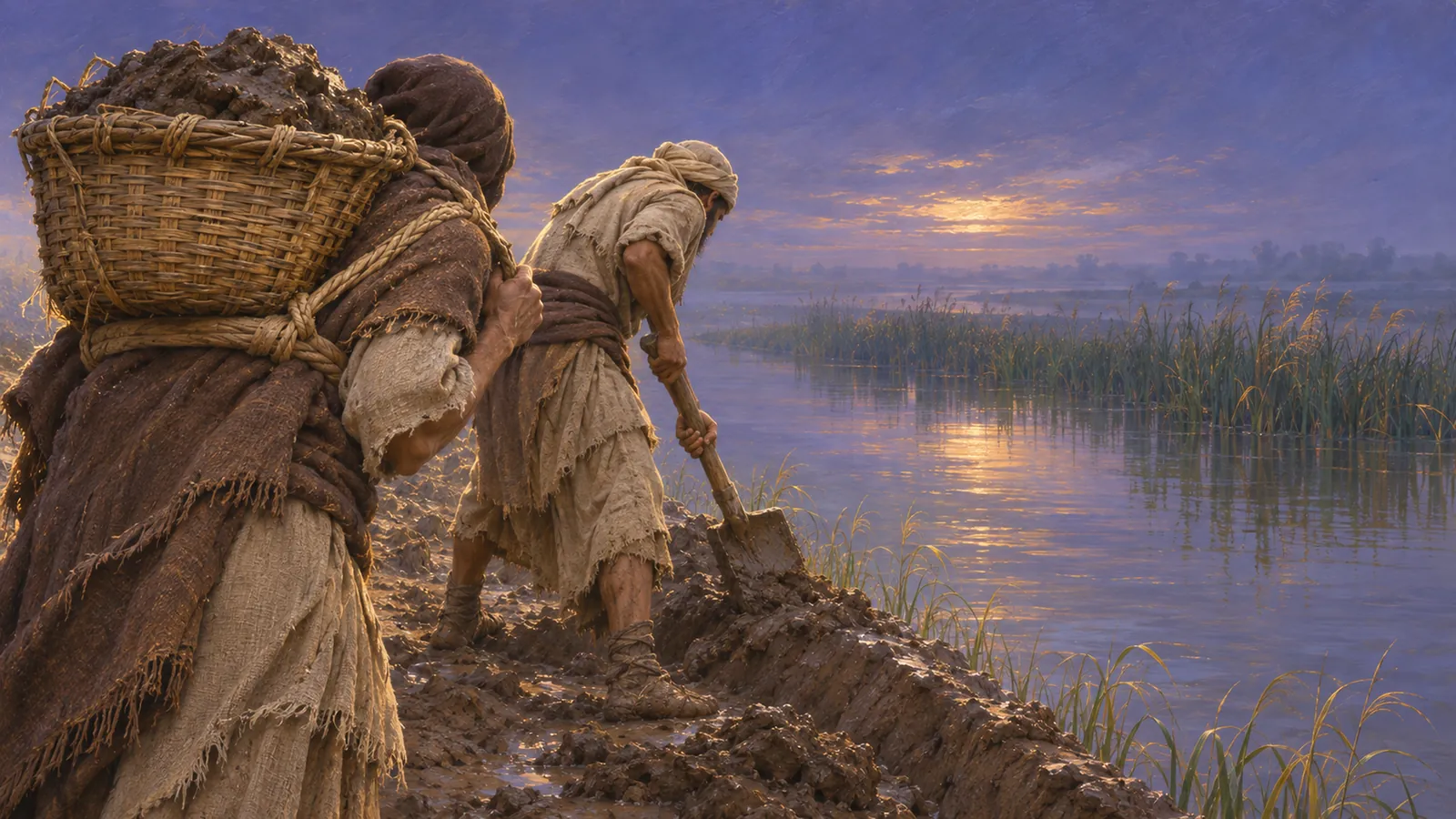
The great gods assigned the digging and carrying to the Igigi. Day after day, it was their shoulders that bore the load.
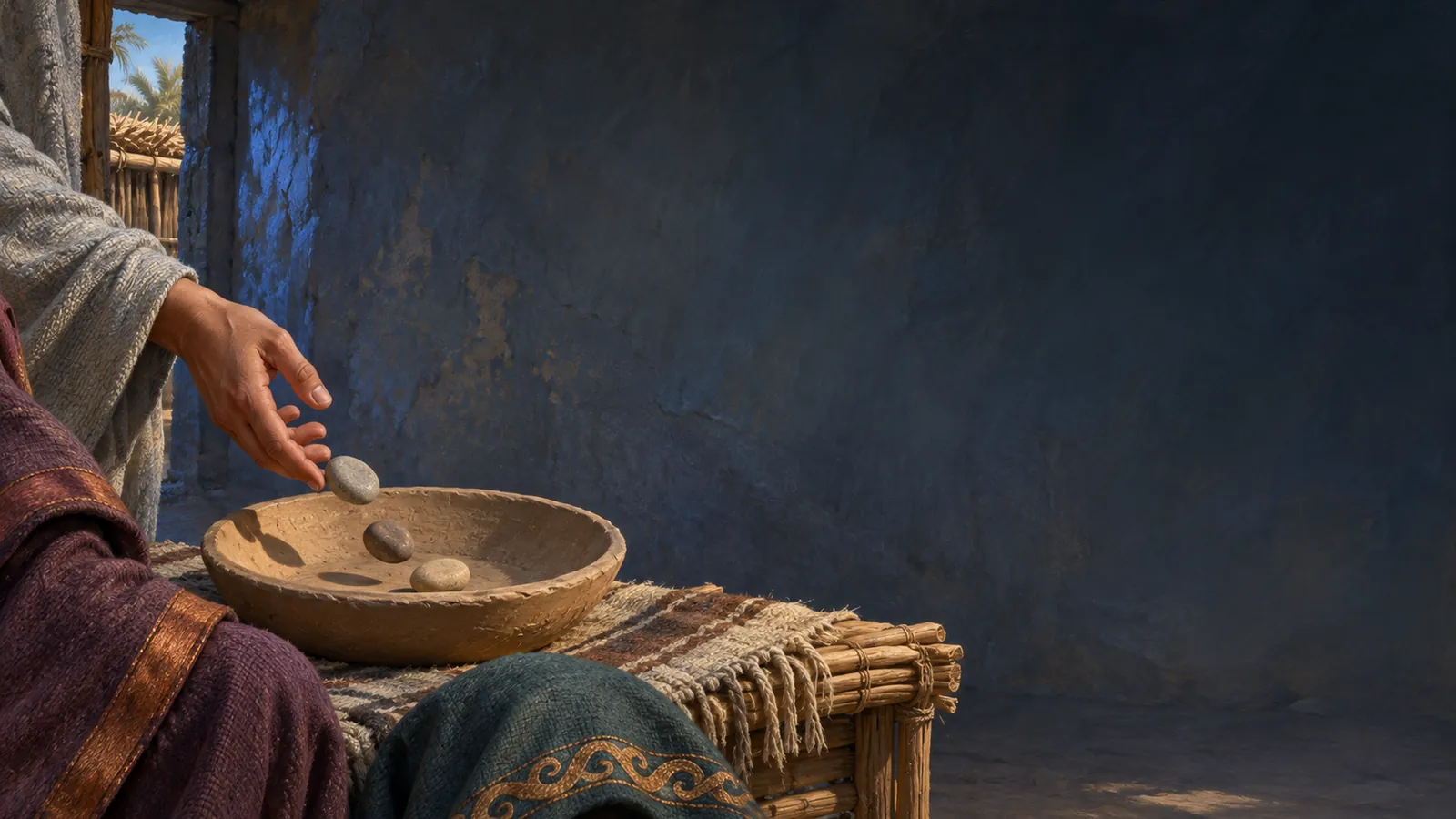
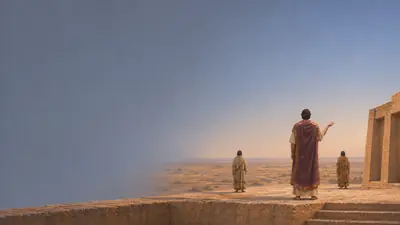
The gods cast lots. Anu went up to heaven, Enlil received the earth, and Enki was given charge of the barrier that held the sea in check.
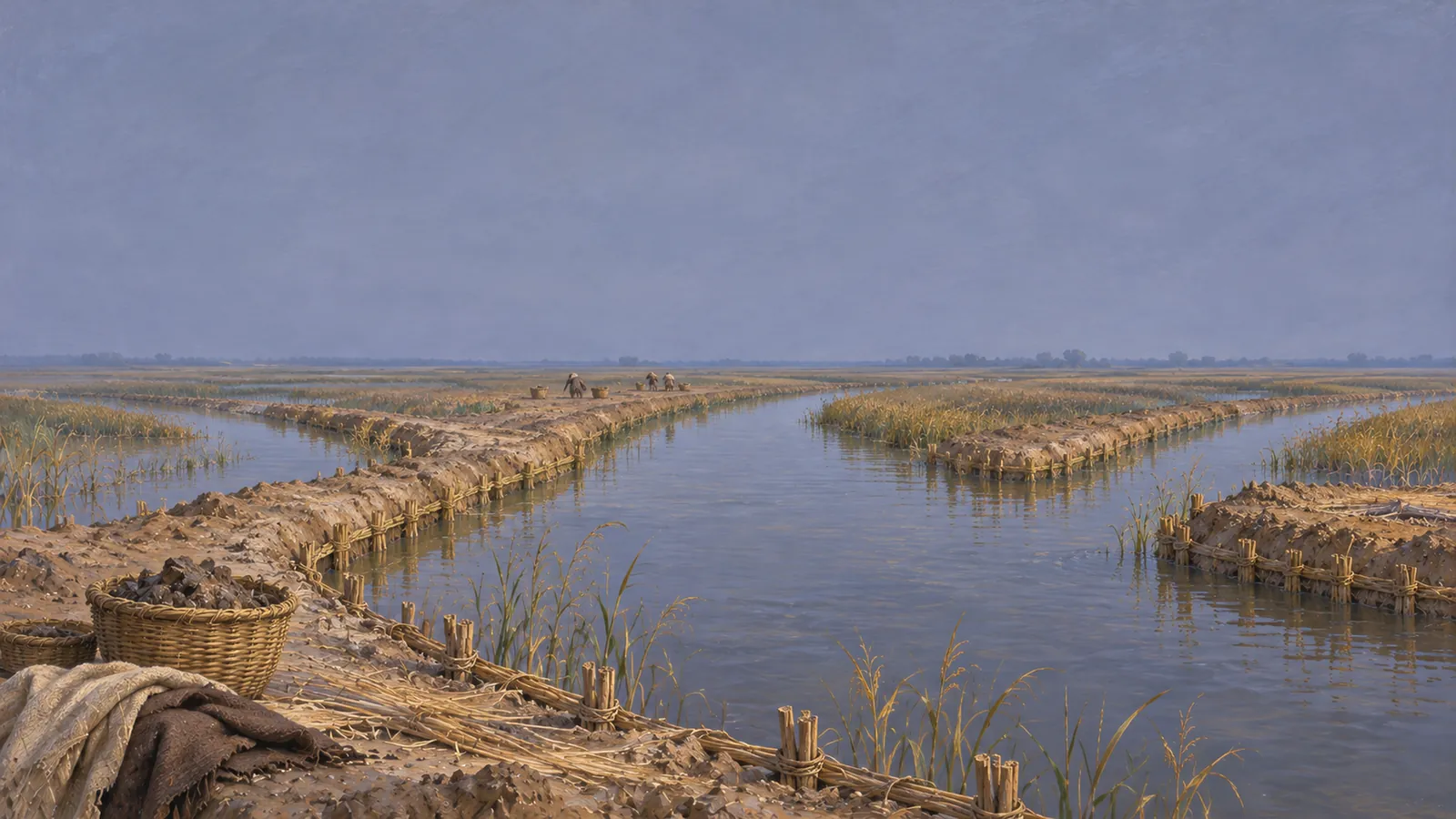
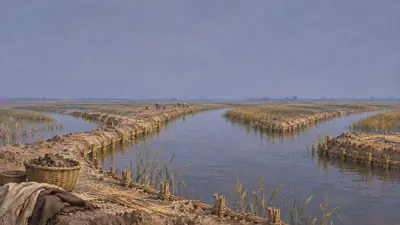
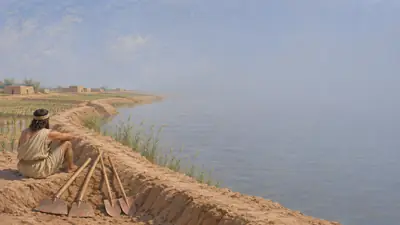
Below, the work went on. The digging gods made waterways across the land, and the poem remembers those channels as the land’s very life.

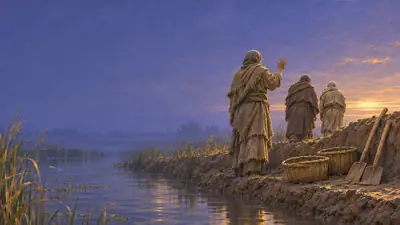
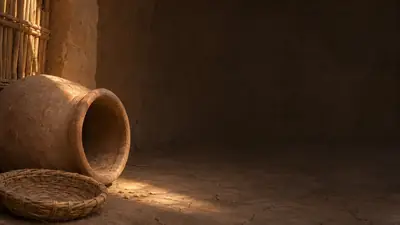
The broken lines still remember the reeds the baskets were made from. To the gods who carried them, those baskets came to mean years of heavy work.
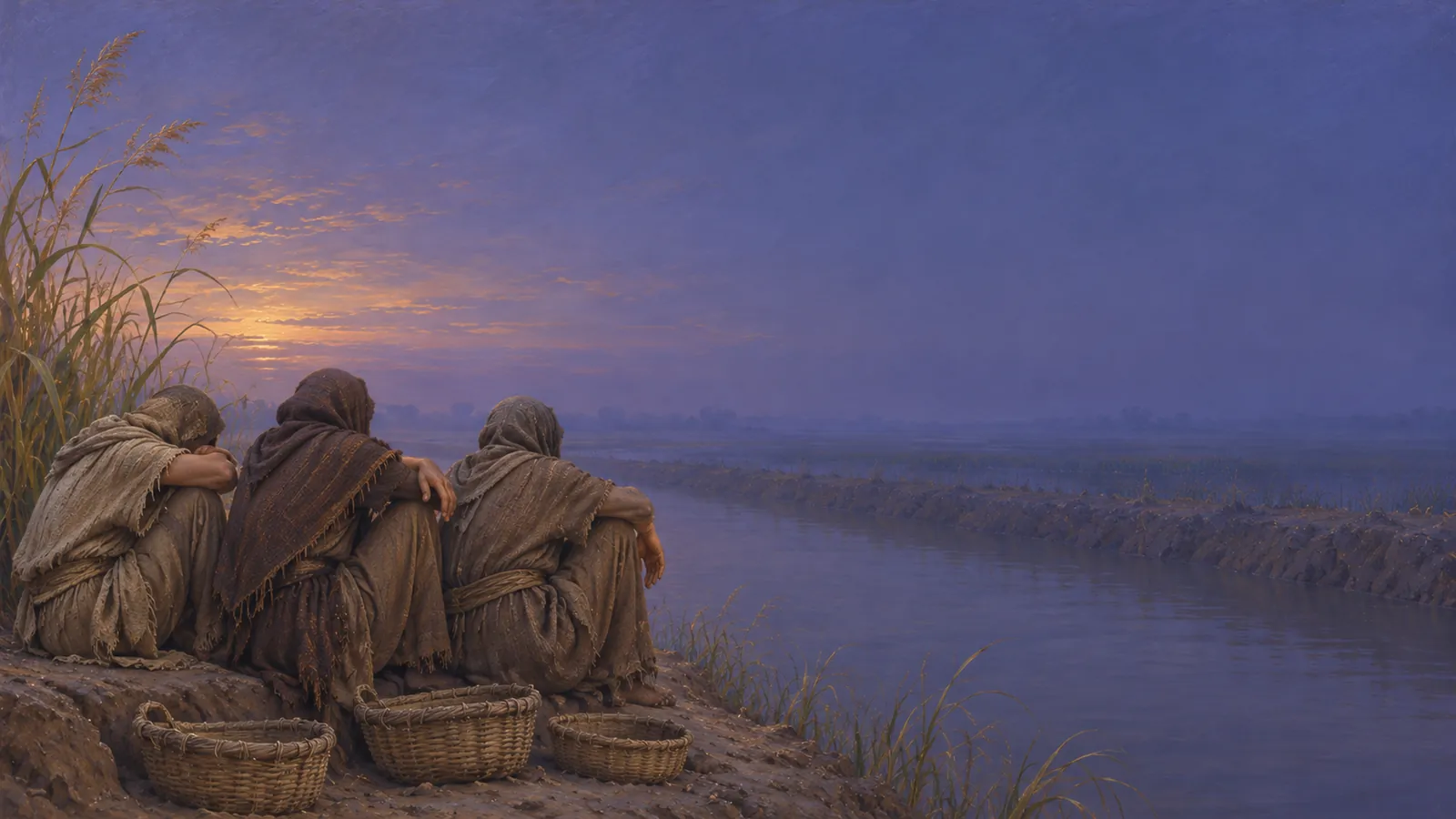
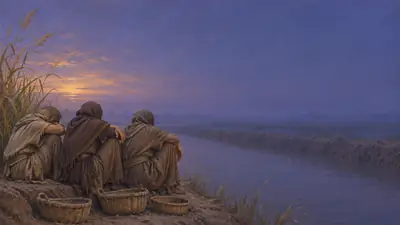
They worked by day and by night. Then the workers sat down in the excavation itself and began to say aloud how much the labor had cost them.
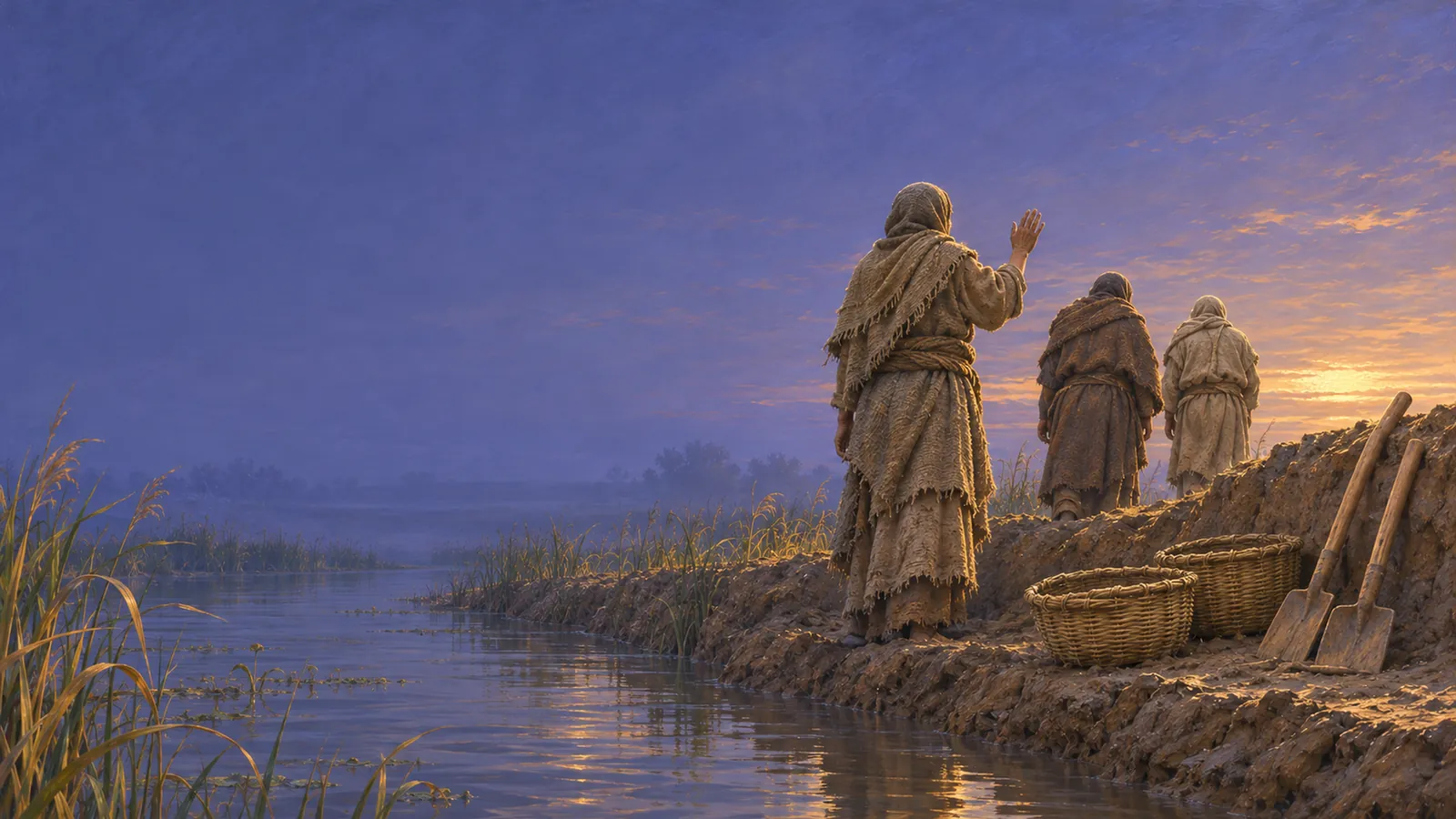
Among the workers, a voice called on the others to leave the excavation and confront Enlil. They wanted him to answer for the burden he had made them bear.
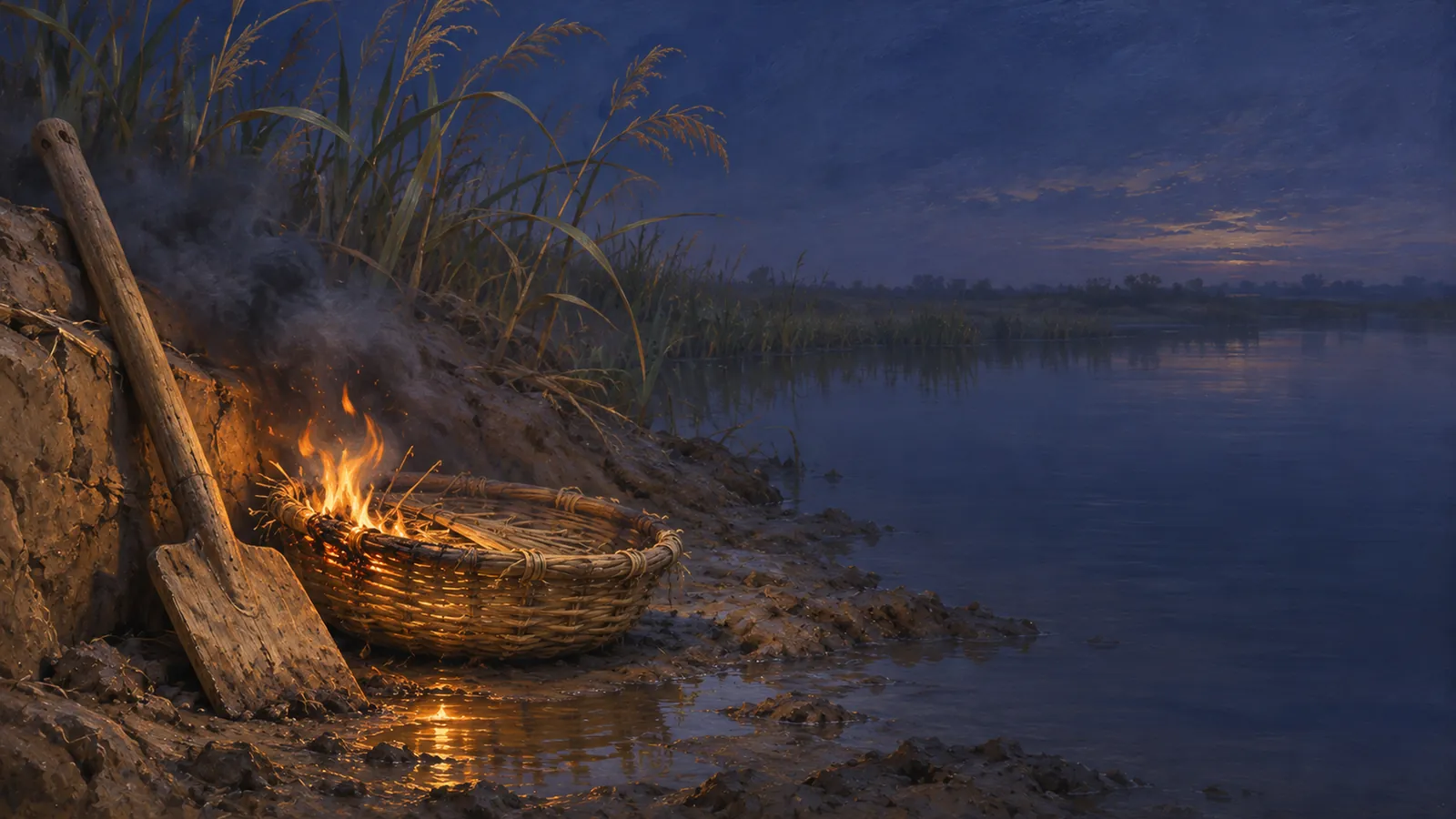
THE TOOLS IN FLAME
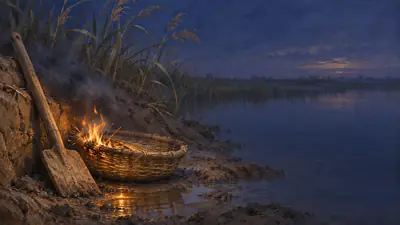
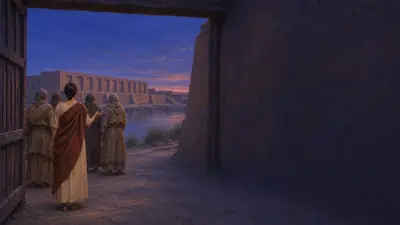
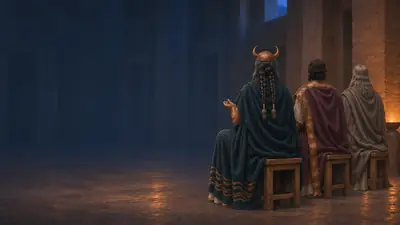
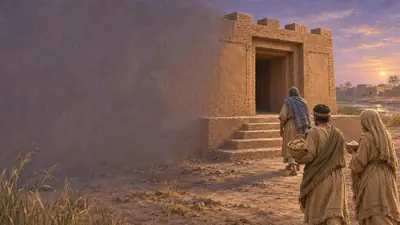
The workers heard the call. They put their spades and carrying baskets to the fire and went together to the gate of Enlil’s shrine.
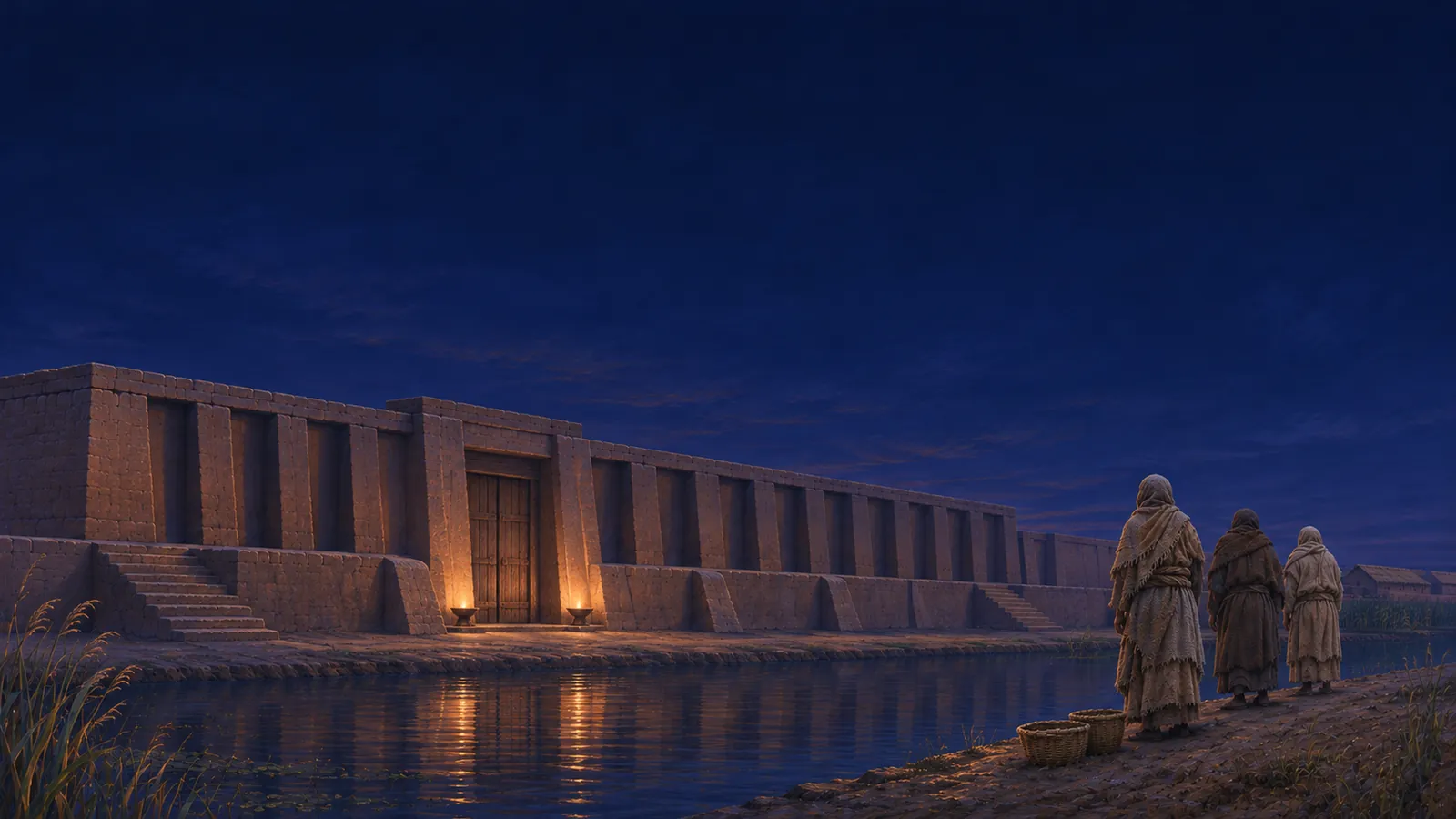
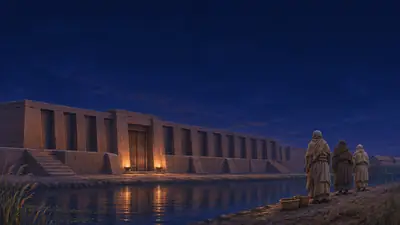
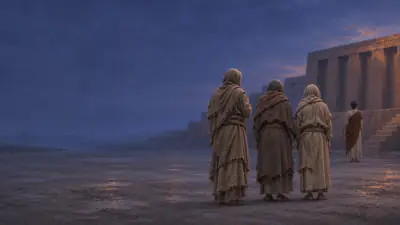
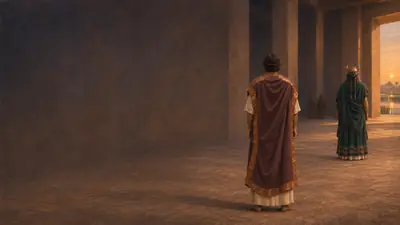
It was the middle of the night watch when the workers surrounded the Ekur. Inside his house, Enlil had yet to hear what was gathering at his gate.
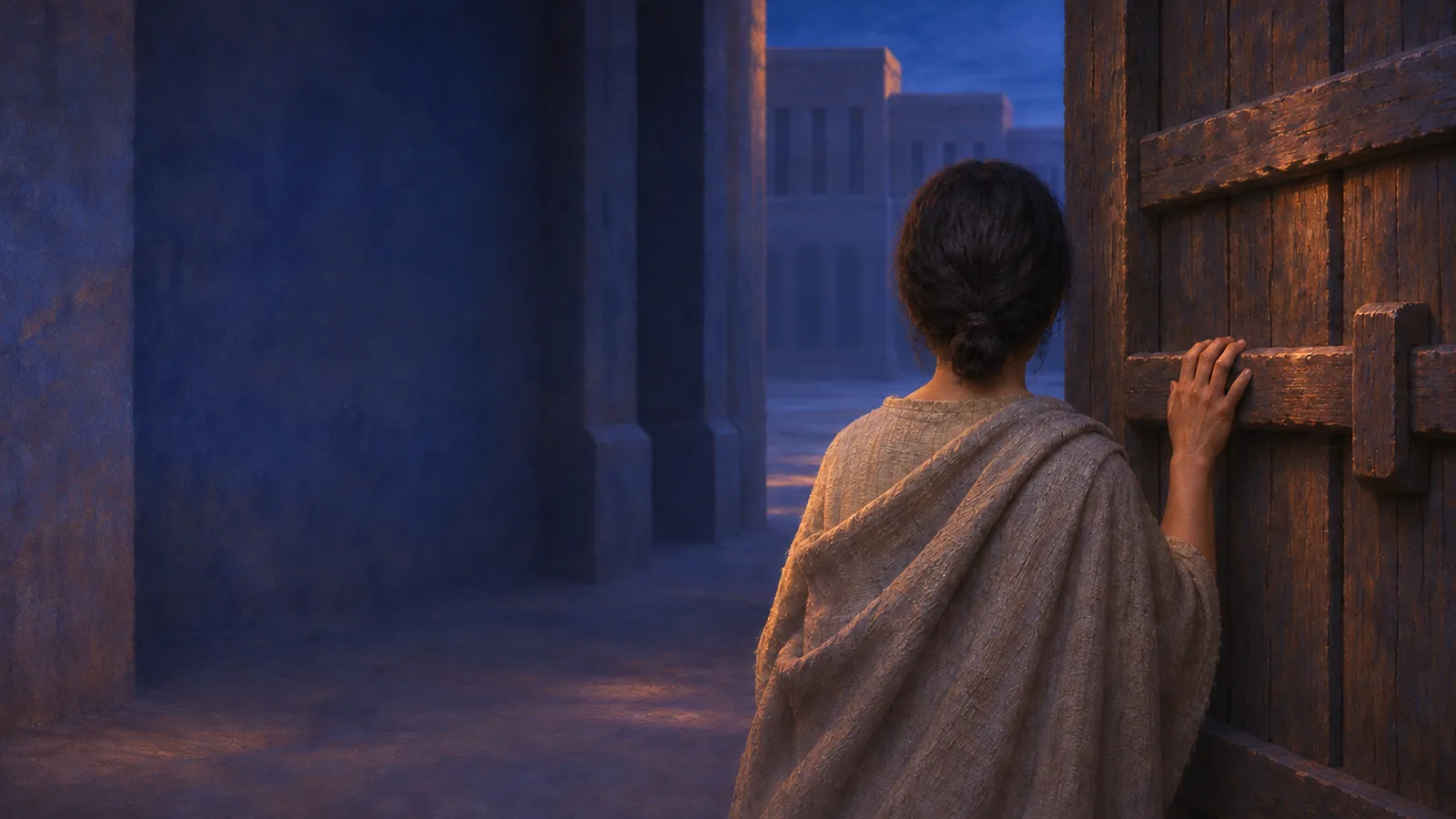
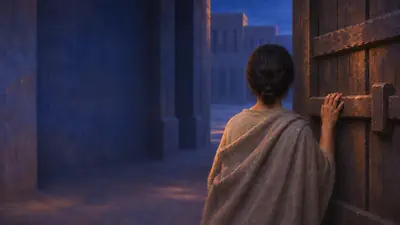
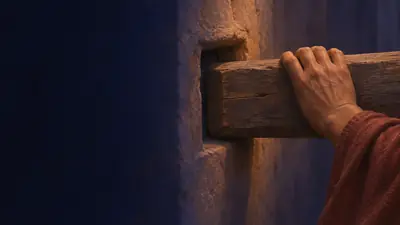
At the gate, Kalkal put his hand to the bolt and went to wake Nuska. The two listened to the voices of the workers outside.
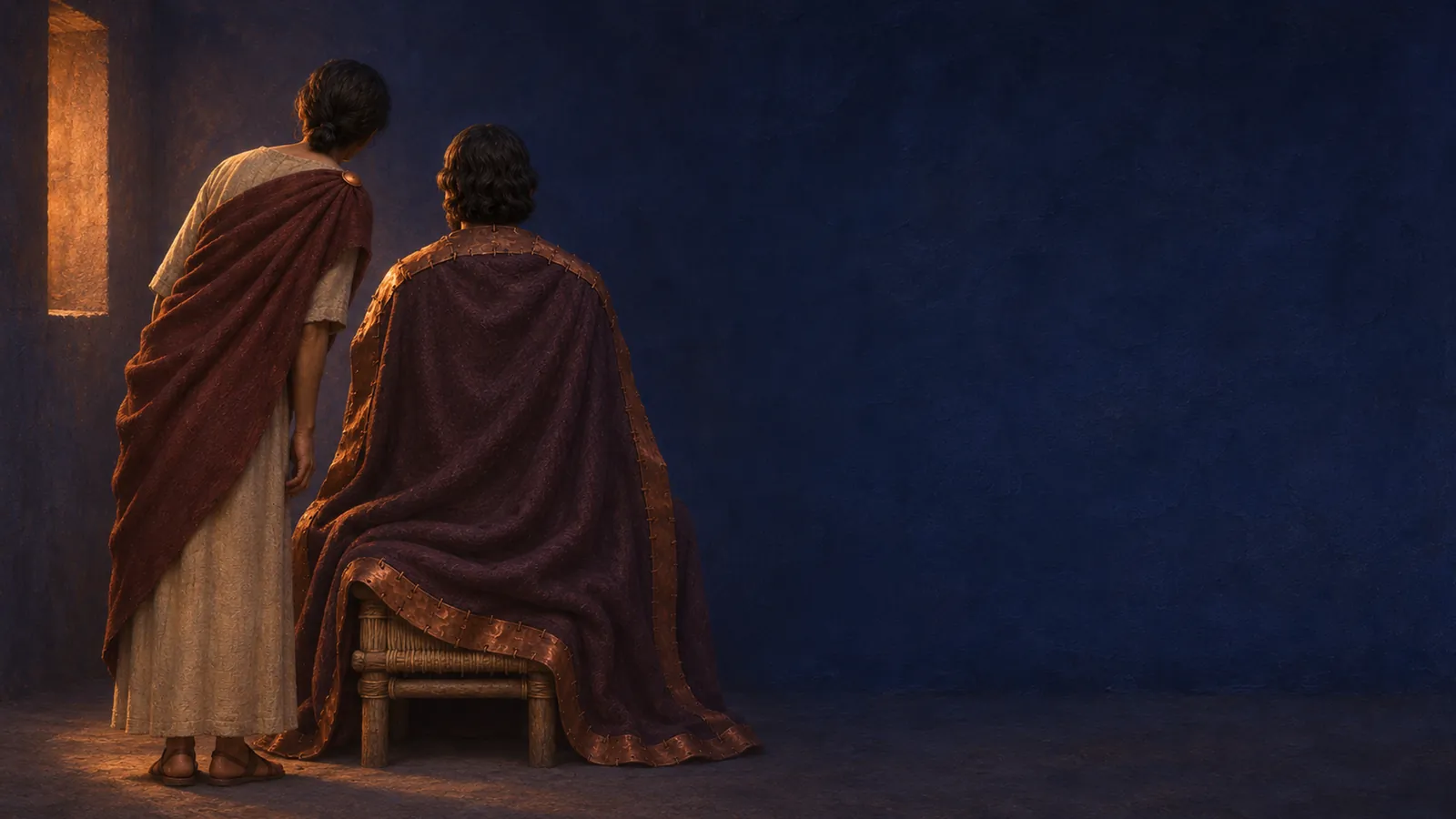
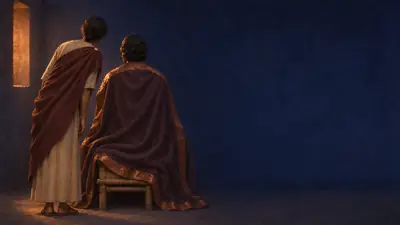
Nuska woke his lord and told him the house was surrounded. The dispute that had begun at the excavation was now at Enlil’s own door.
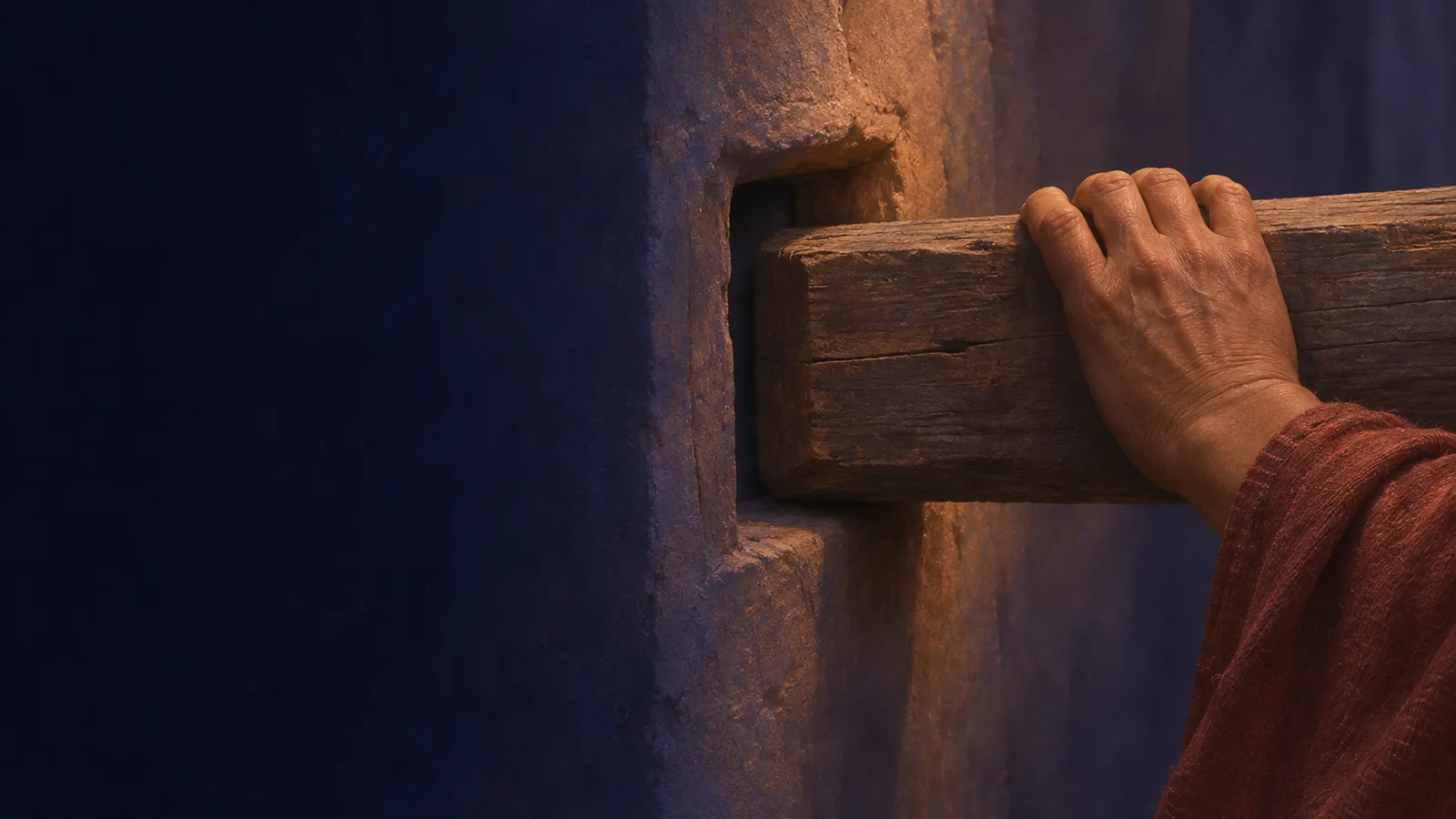
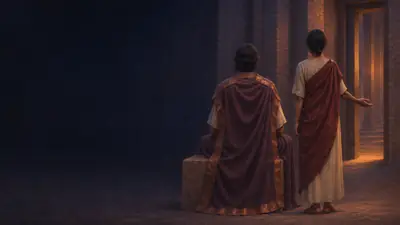
Enlil told Nuska to bar the gate, take up his weapons and stand before him. Nuska did as he was told. Outside, the workers were still waiting.
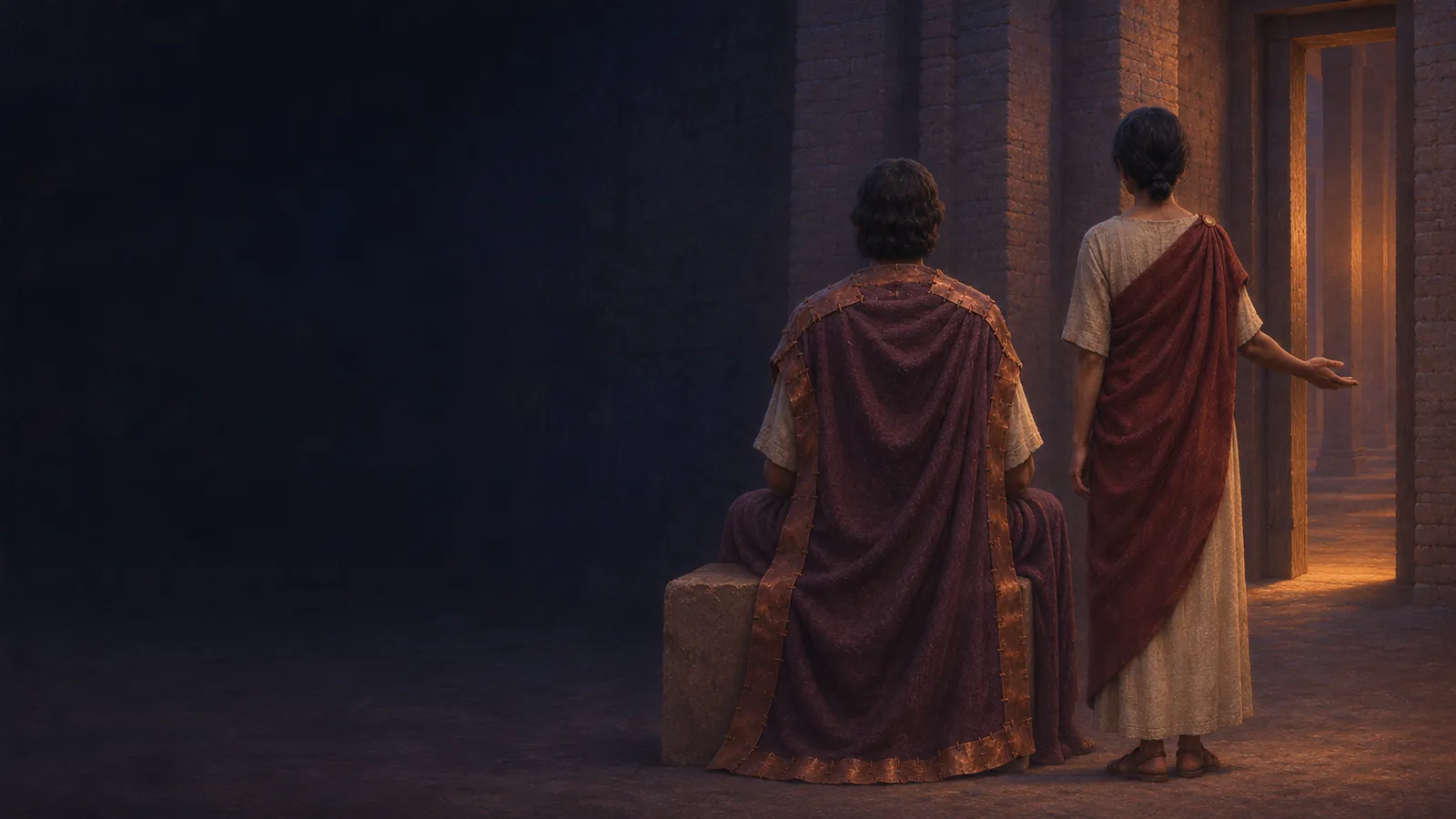
Nuska saw how frightened his lord was. He urged him to bring Anu down and call Enki before him, so the gods could hear the case together.
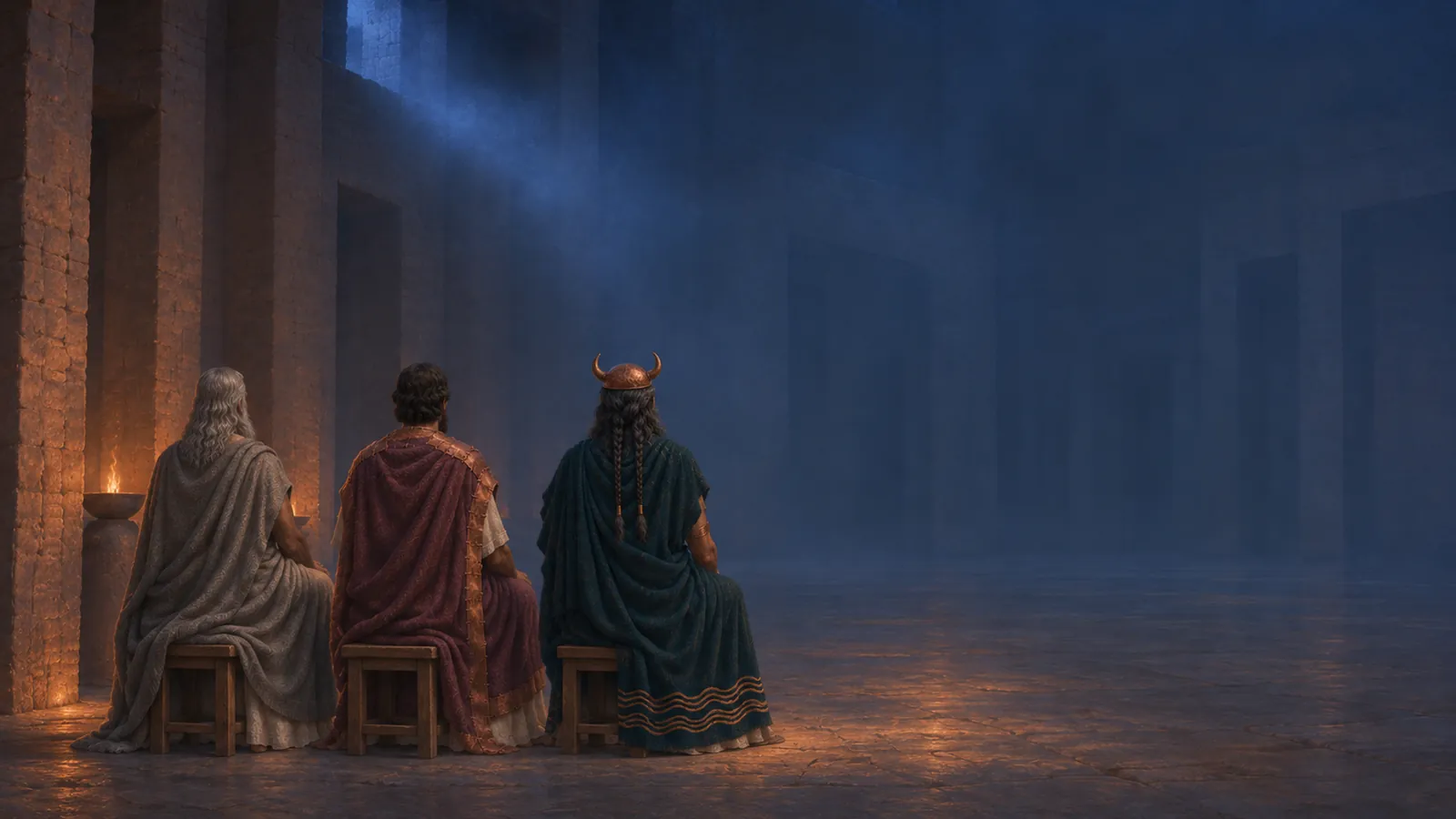
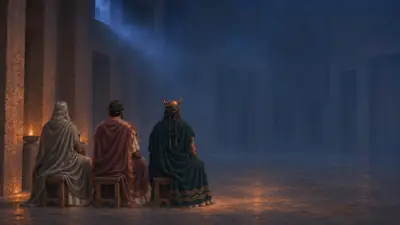
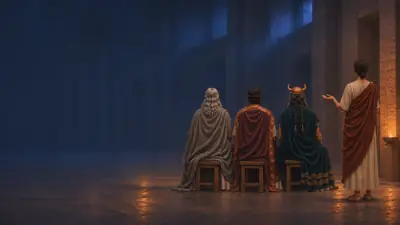
Enlil asked the council why the workers had risen against him. Anu urged him to send Nuska outside and hear from the workers themselves what had brought them to the gate.
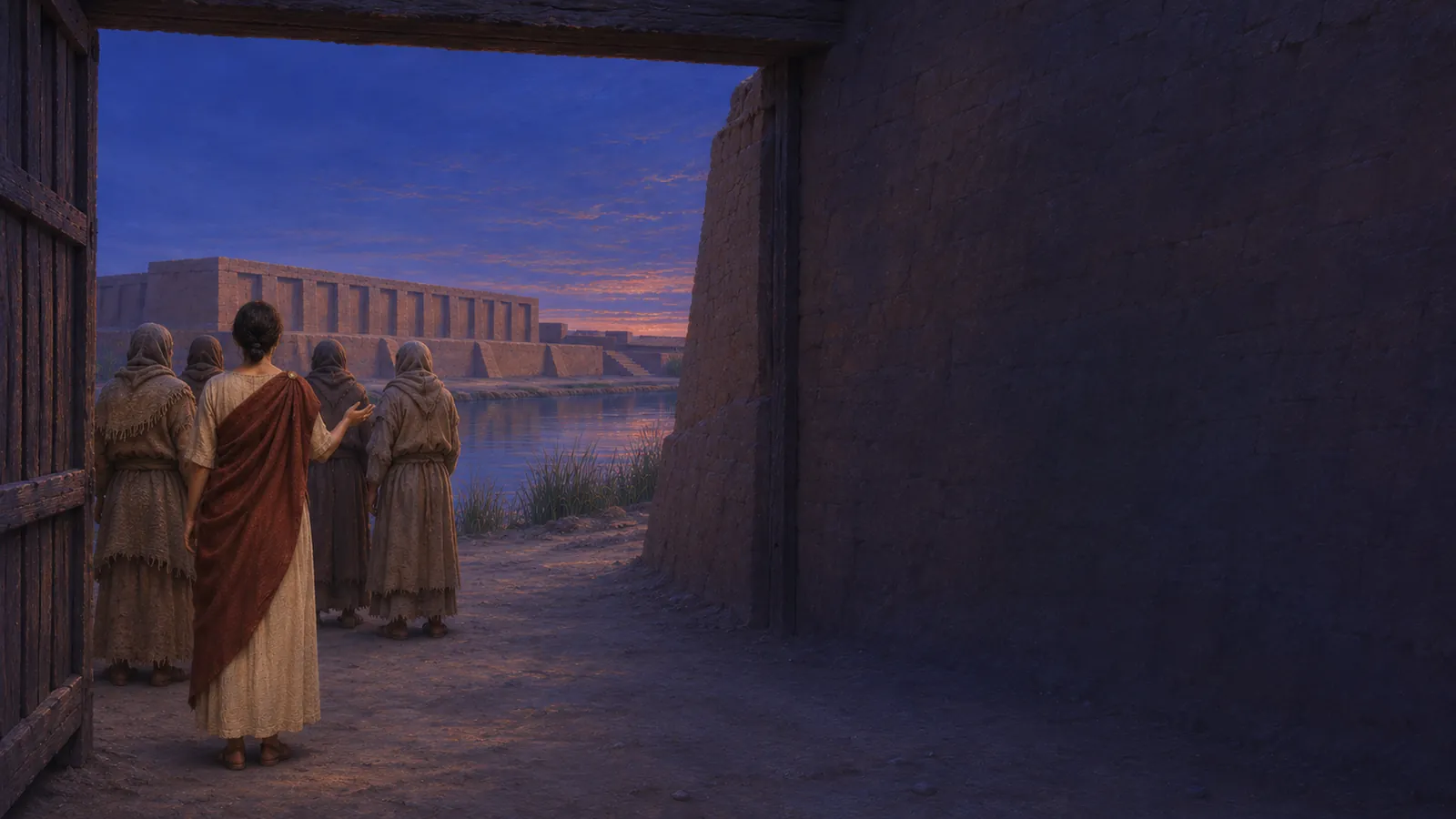
Nuska opened the gate, stood before the company gathered outside, and delivered the words he had been given. He asked which god had led them there.
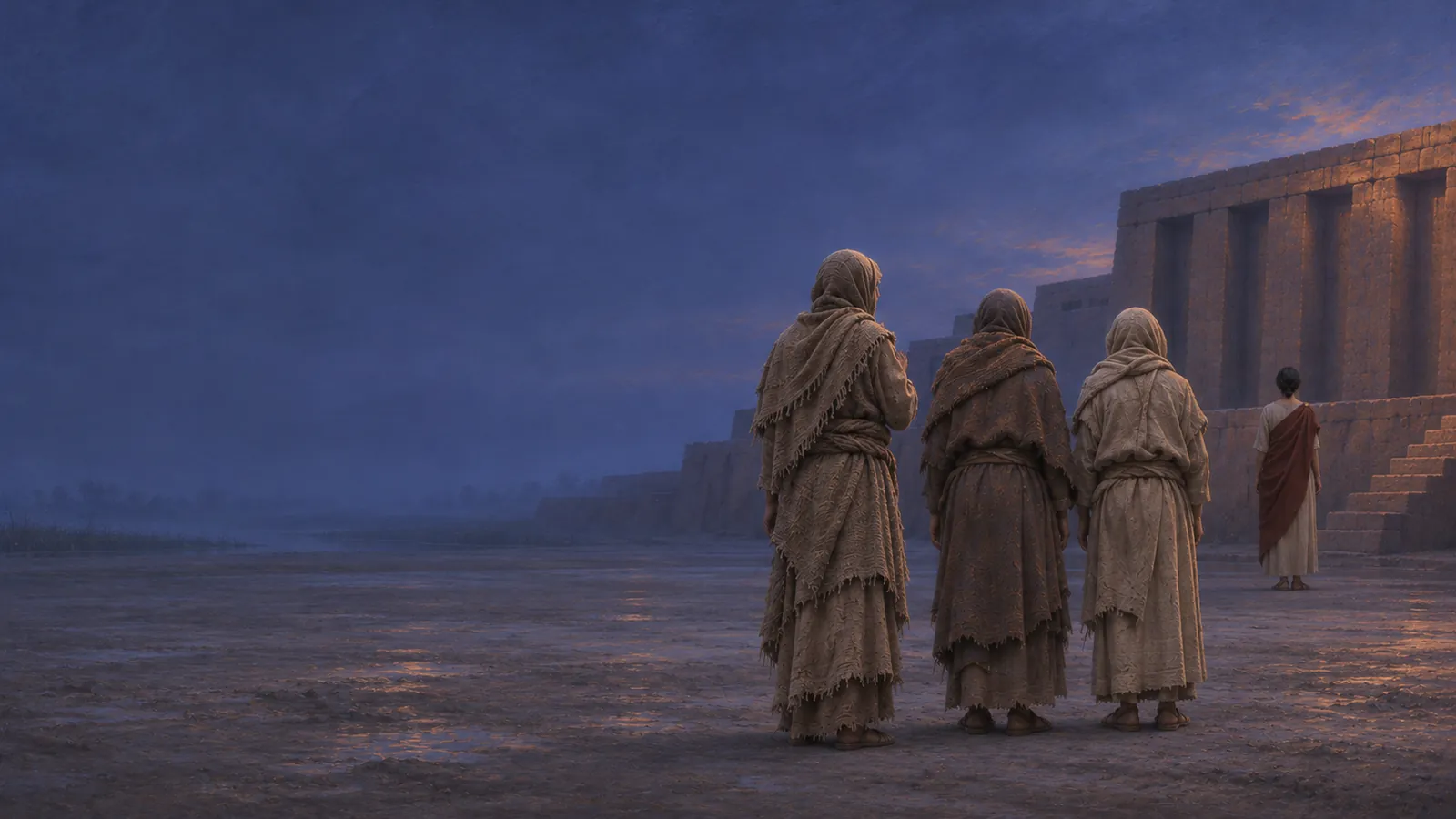
ALL OF US
The reply came from the whole band of workers. They had all gathered in the excavation, they said, and the work had grown too heavy for them to bear.
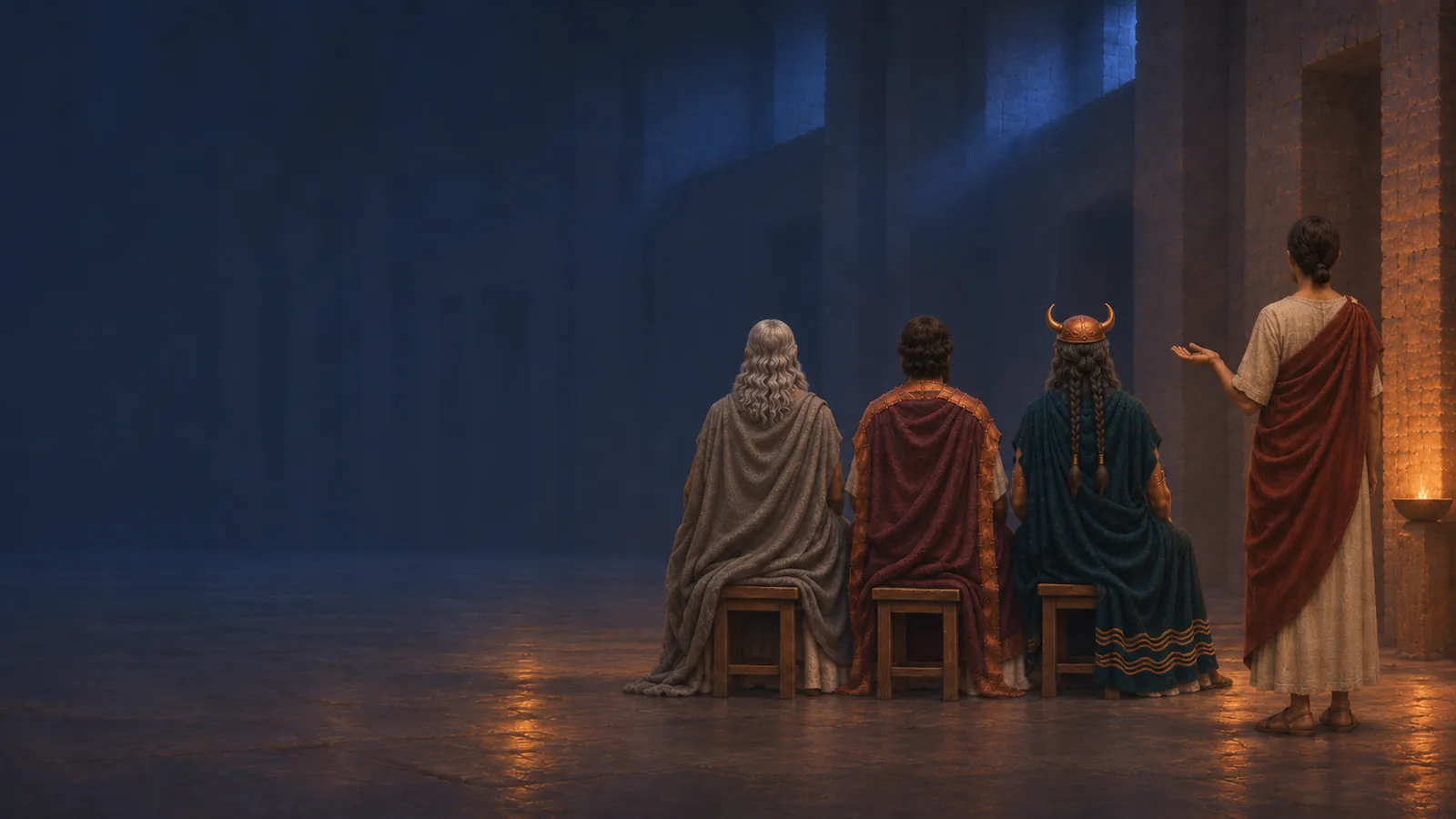
Nuska brought the workers’ words back into the council chamber. Every one of them had taken part, he said. It was the weight of the baskets that had driven them there.
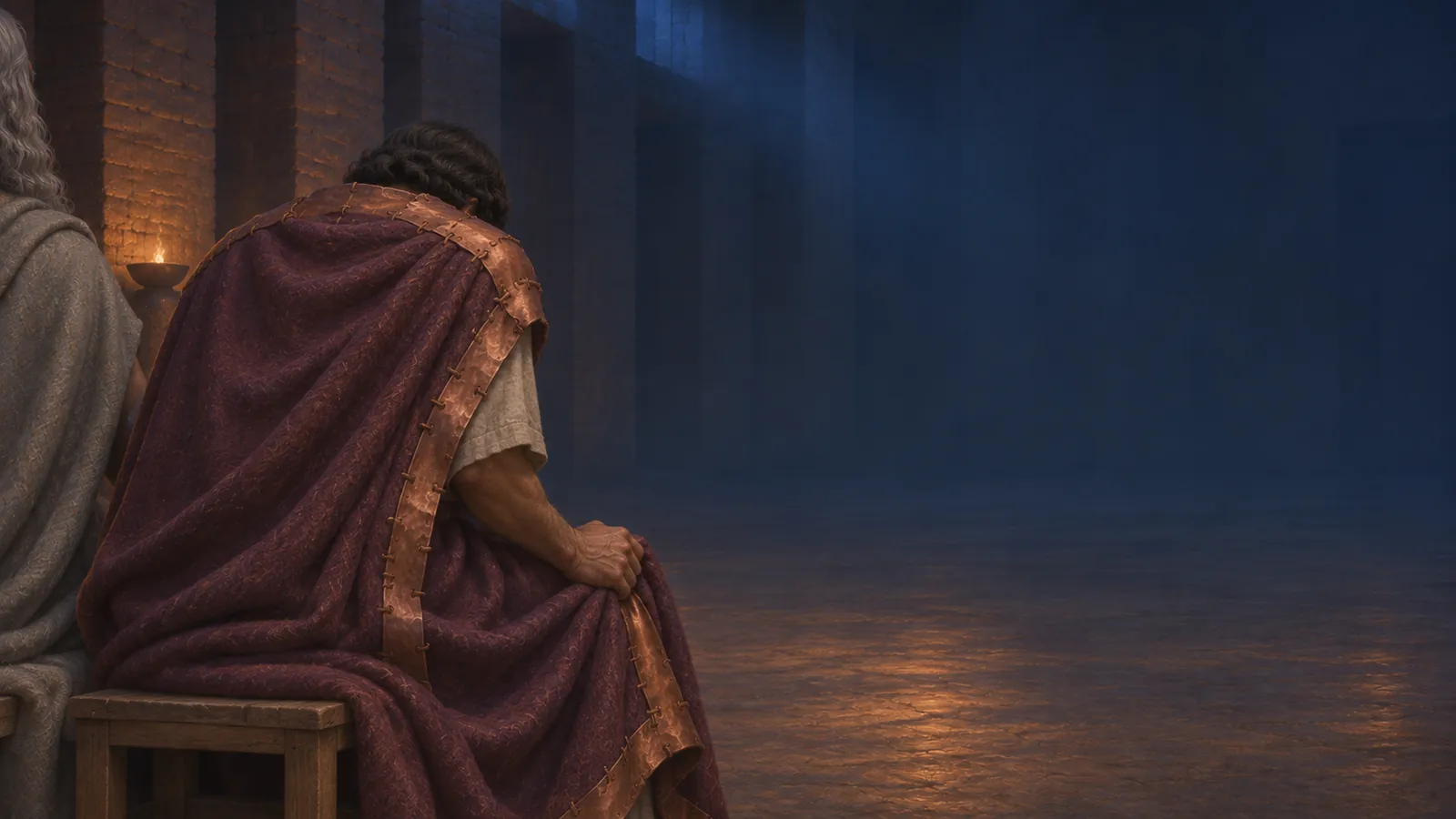
The report left Enlil in tears. He turned to Anu and spoke of going up to heaven with him, leaving the council to decide what to do.
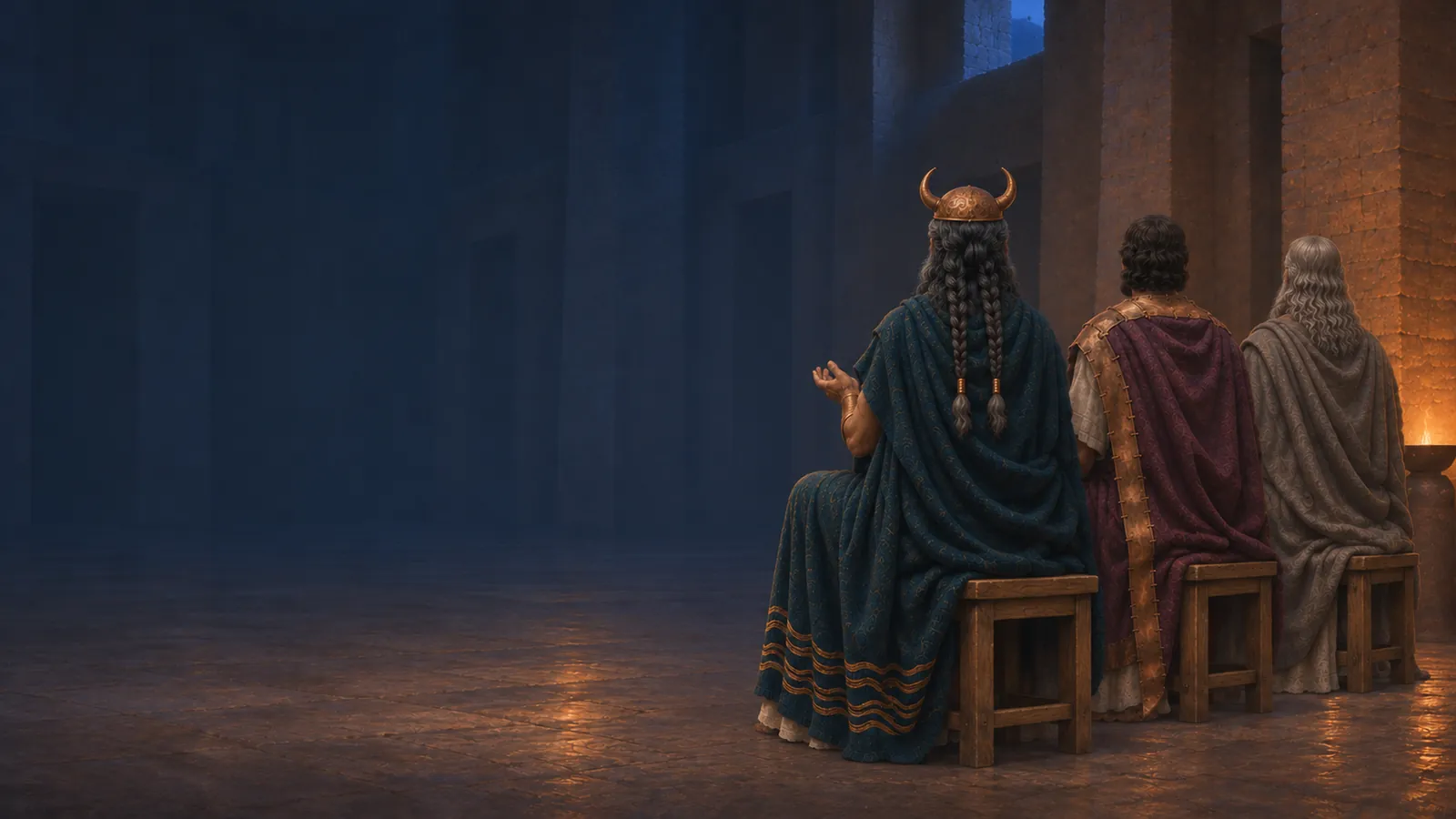
Enki asked how anyone could blame the workers. Their labor was too heavy, he said, and everyone assembled could now hear what it had cost them.
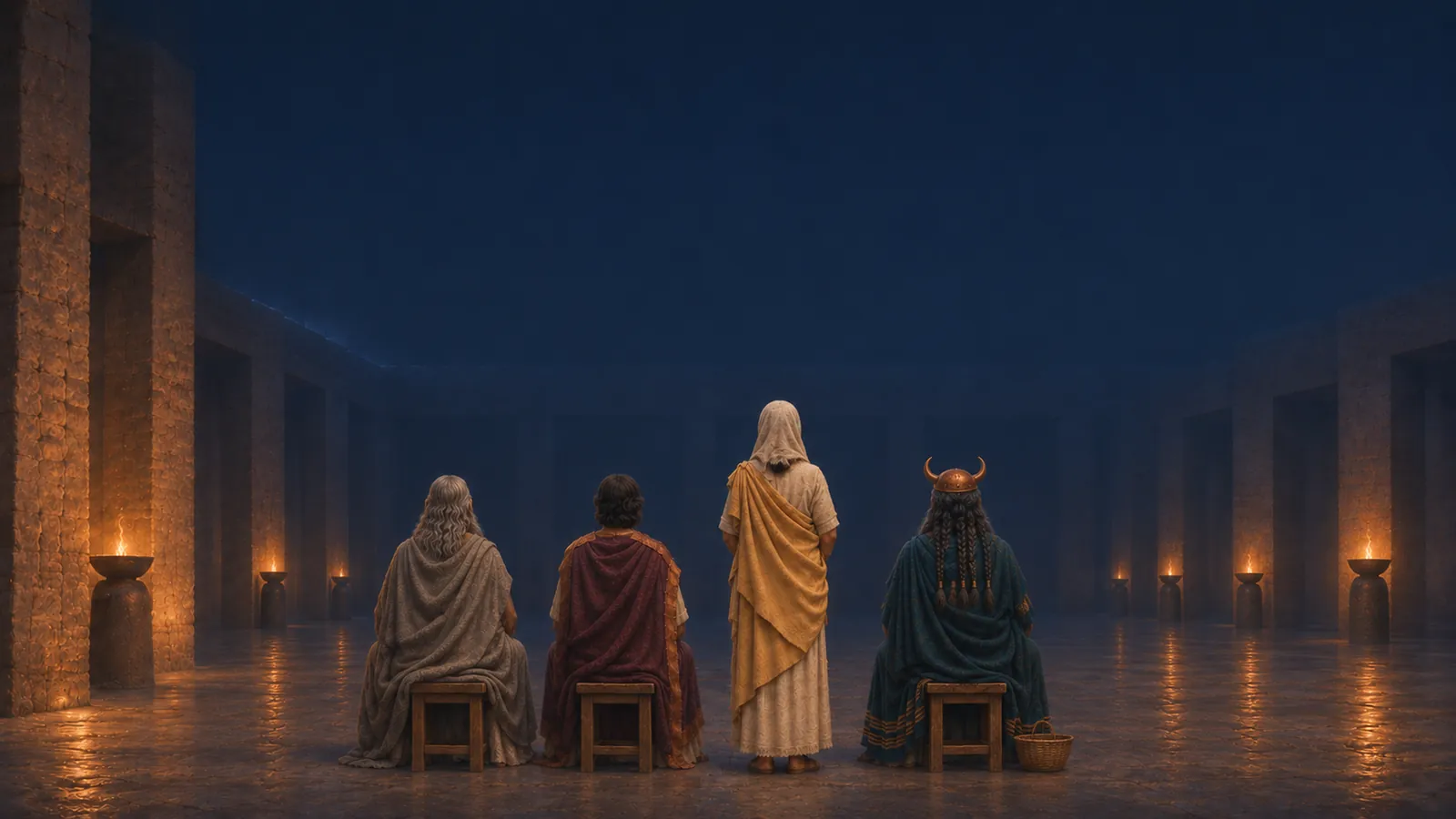
Someone would still have to carry the basket. The gods asked the wise midwife Mami to bring human beings into the world and give their shoulders the work.
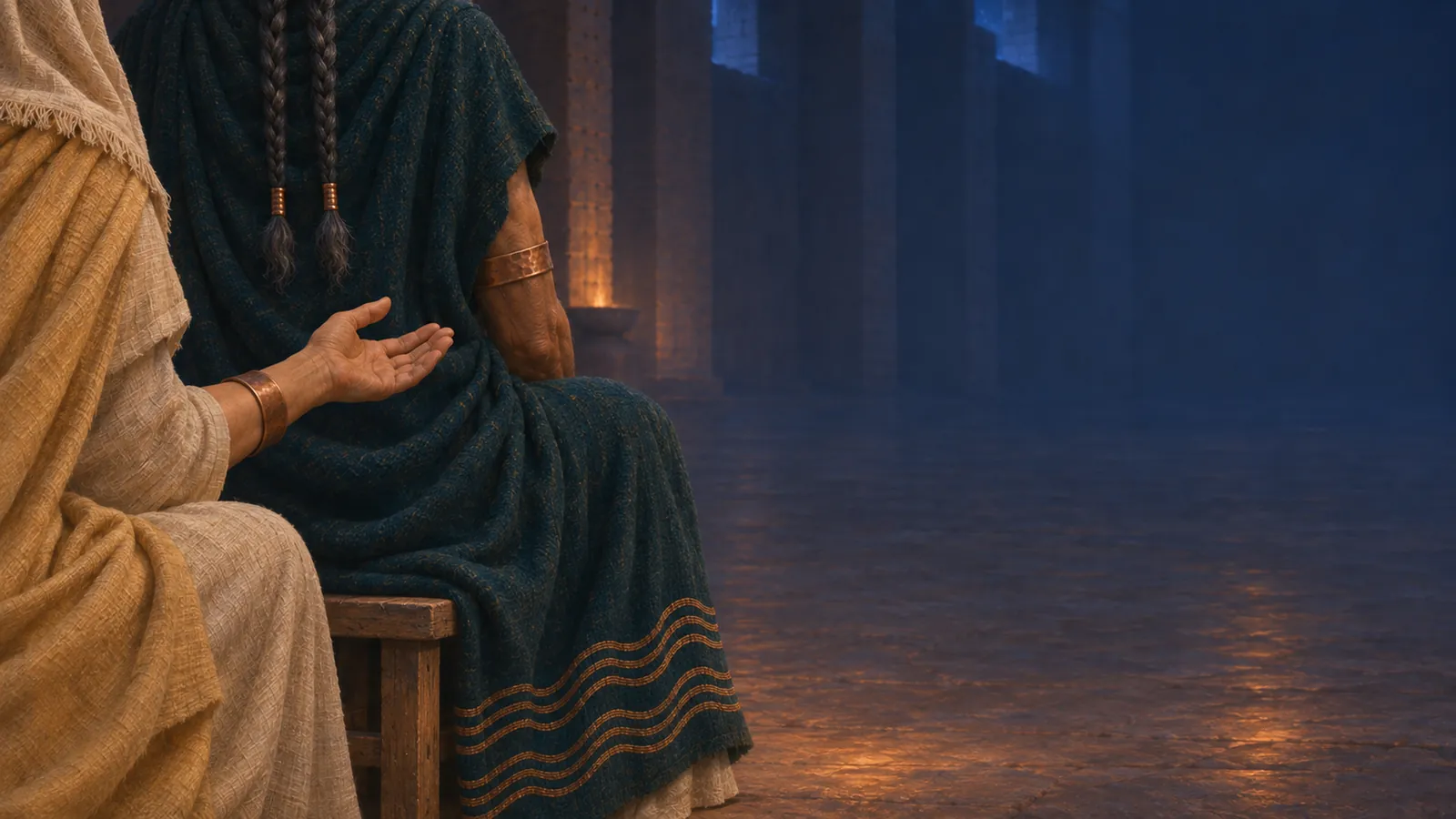
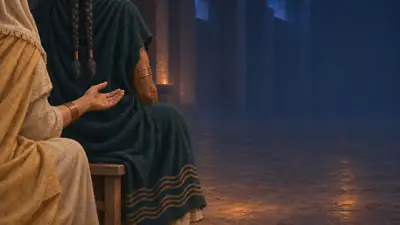
Mami turned the question back to Enki. He was the one who knew the work of purification, she said. Let him give her the clay, and she would do her part.
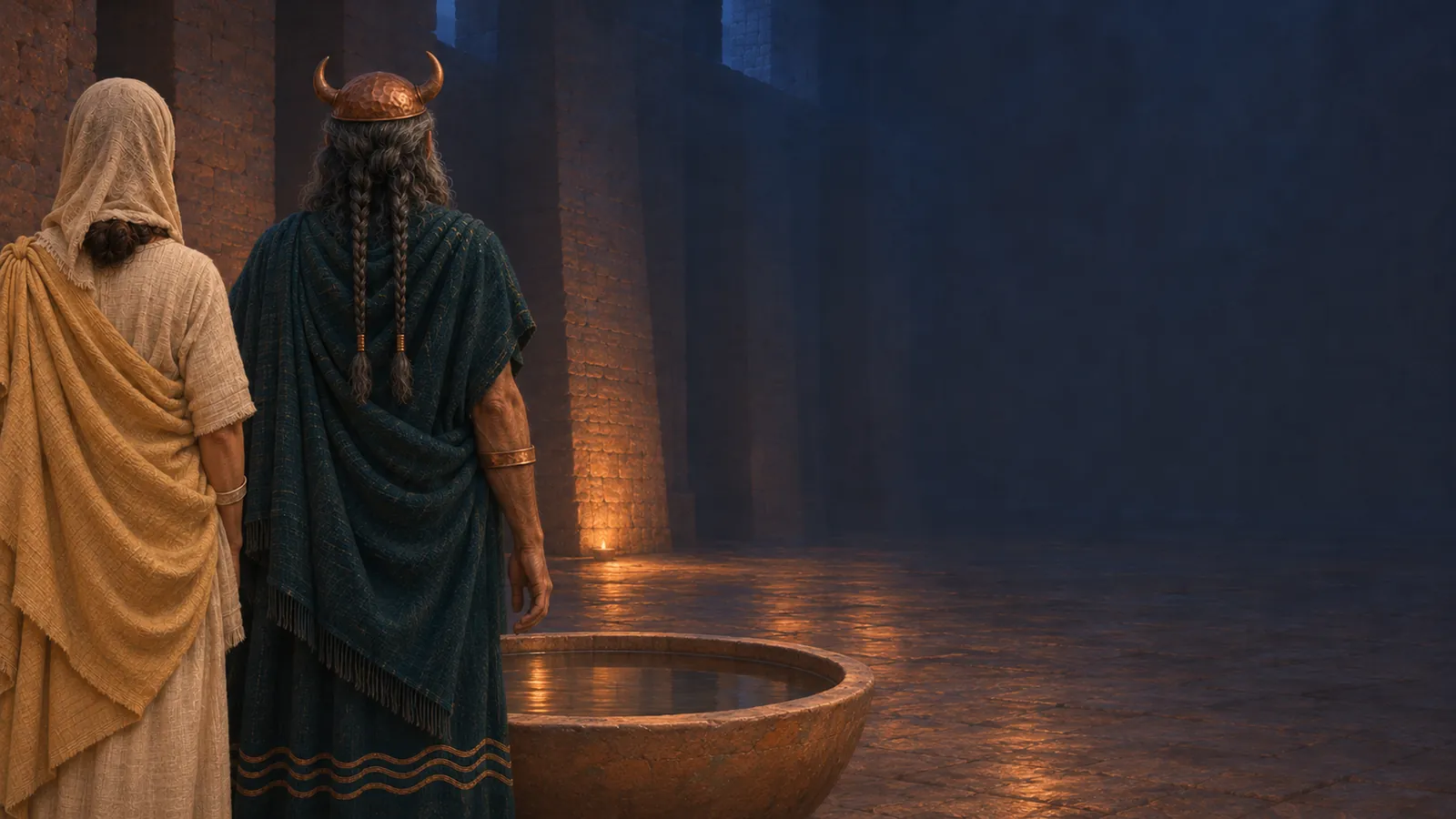
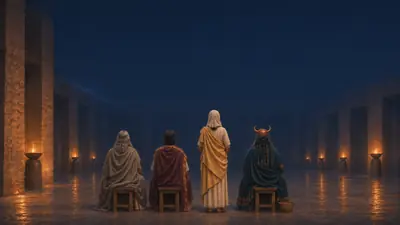
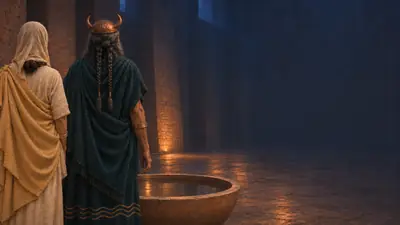
Enki set out a bath of purification, repeated on appointed days. The new clay, he said, would hold something of a god. The assembly gave its assent.
CLAY AND MEMORY
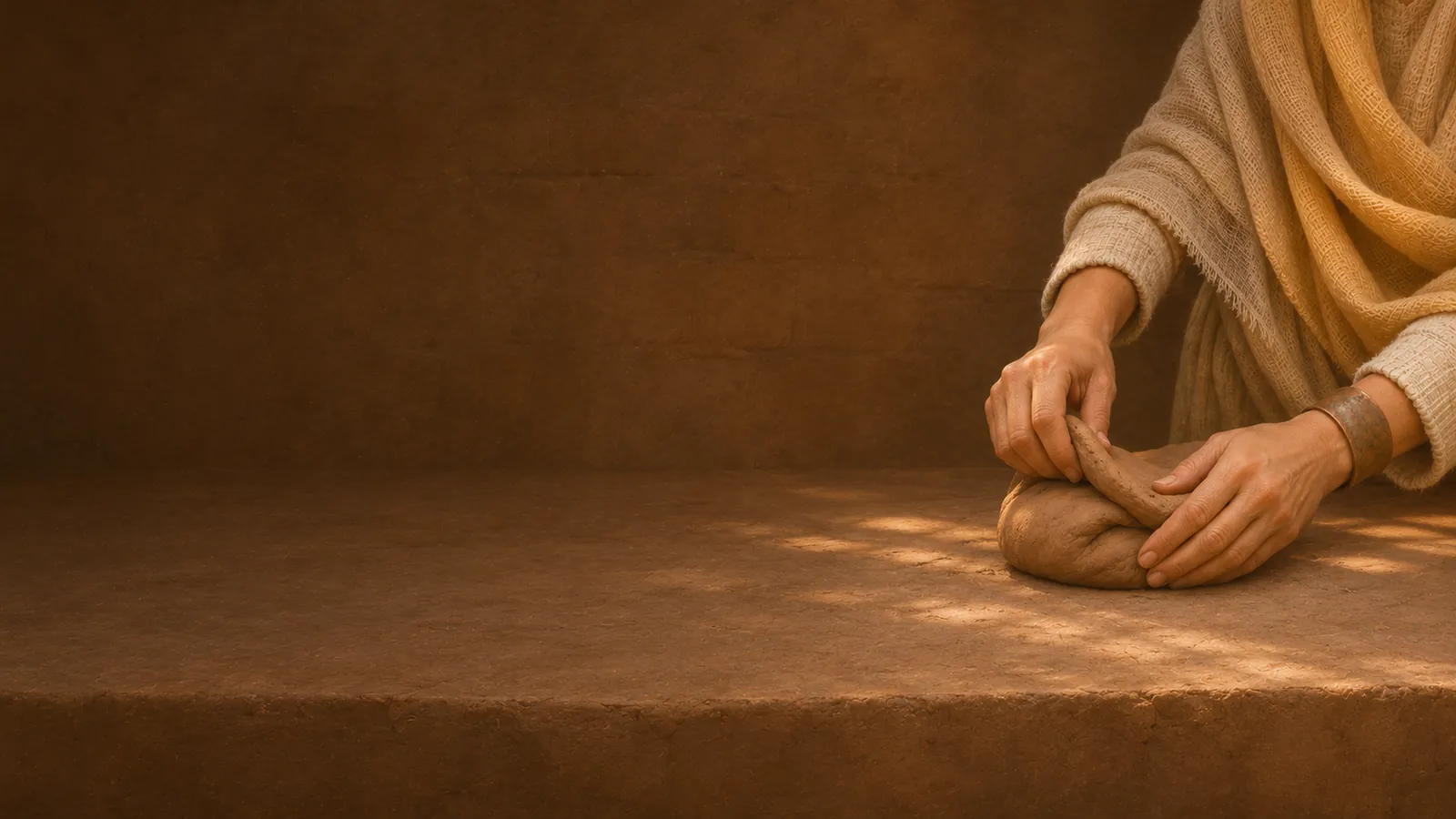
In the assembly one of the gods was put to death. Mami mixed his flesh and blood with clay, and the poem says his spirit would remain as a memory among the living.
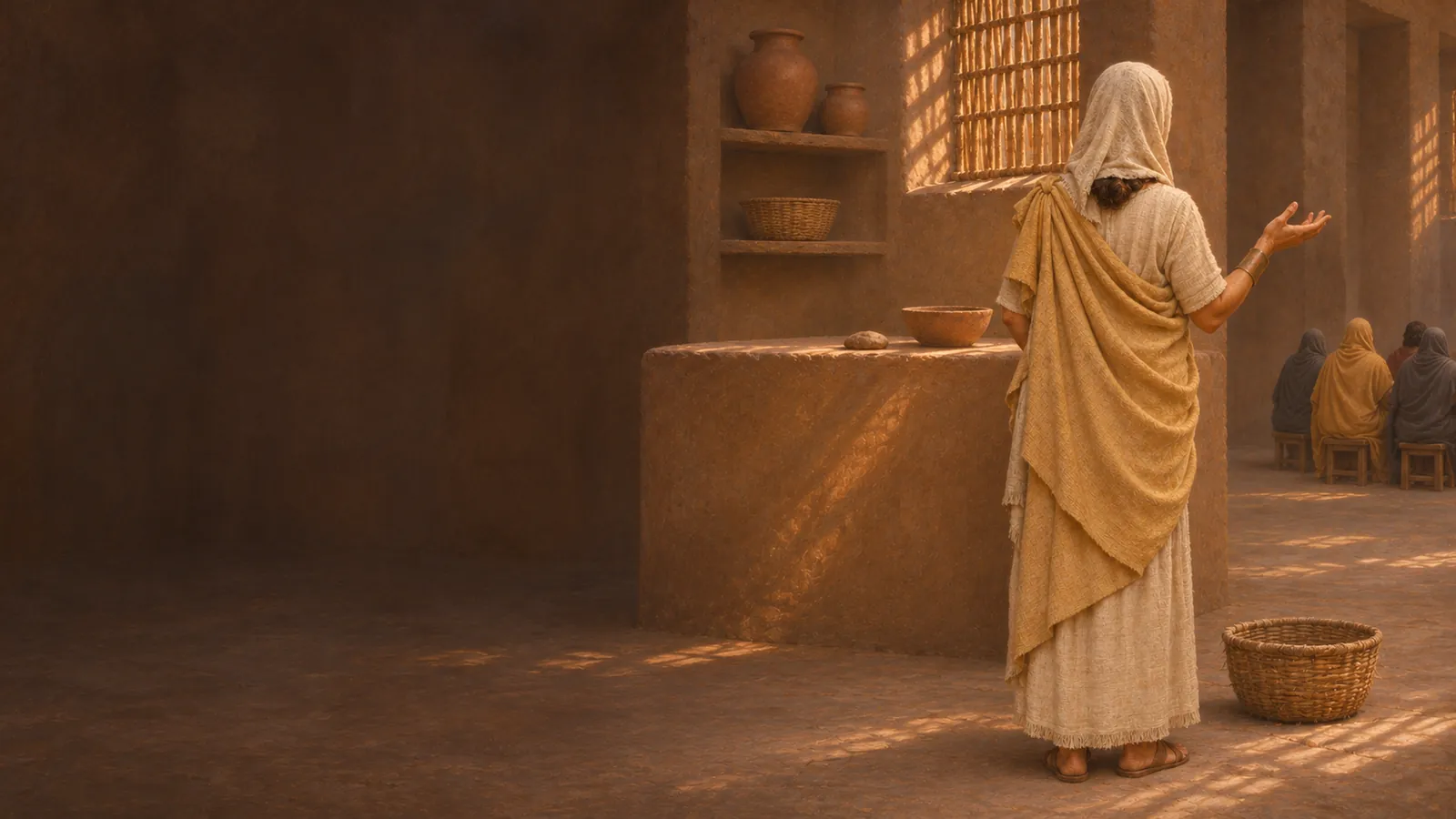
When the clay was prepared, Mami told the gods that she had taken away their heavy labor. The basket would pass to humankind. The gods were free of the yoke.
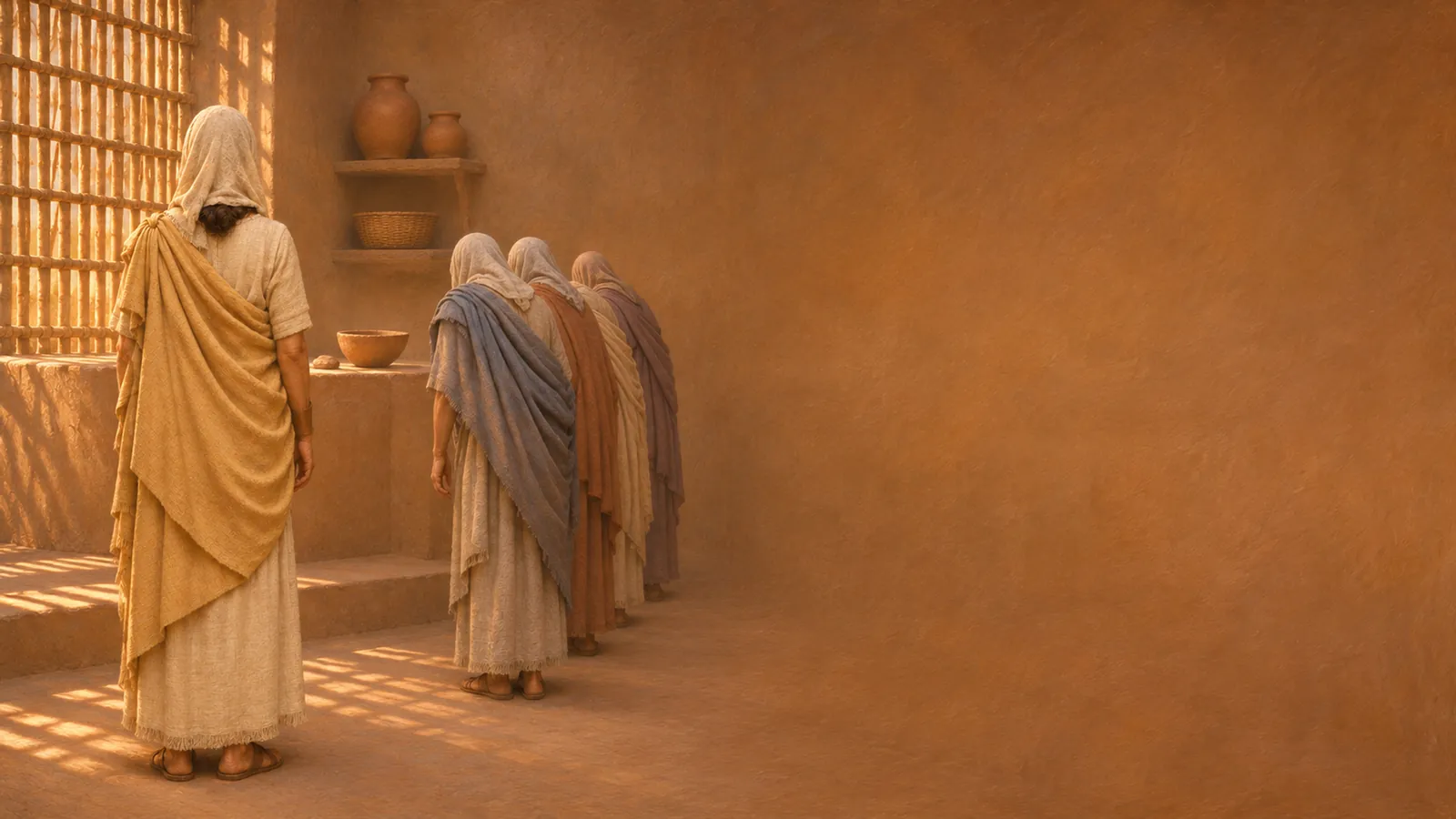
The gods came forward to honor Mami. Until then they had called her Mami, they said. Now they would call her the Mistress of All the Gods.
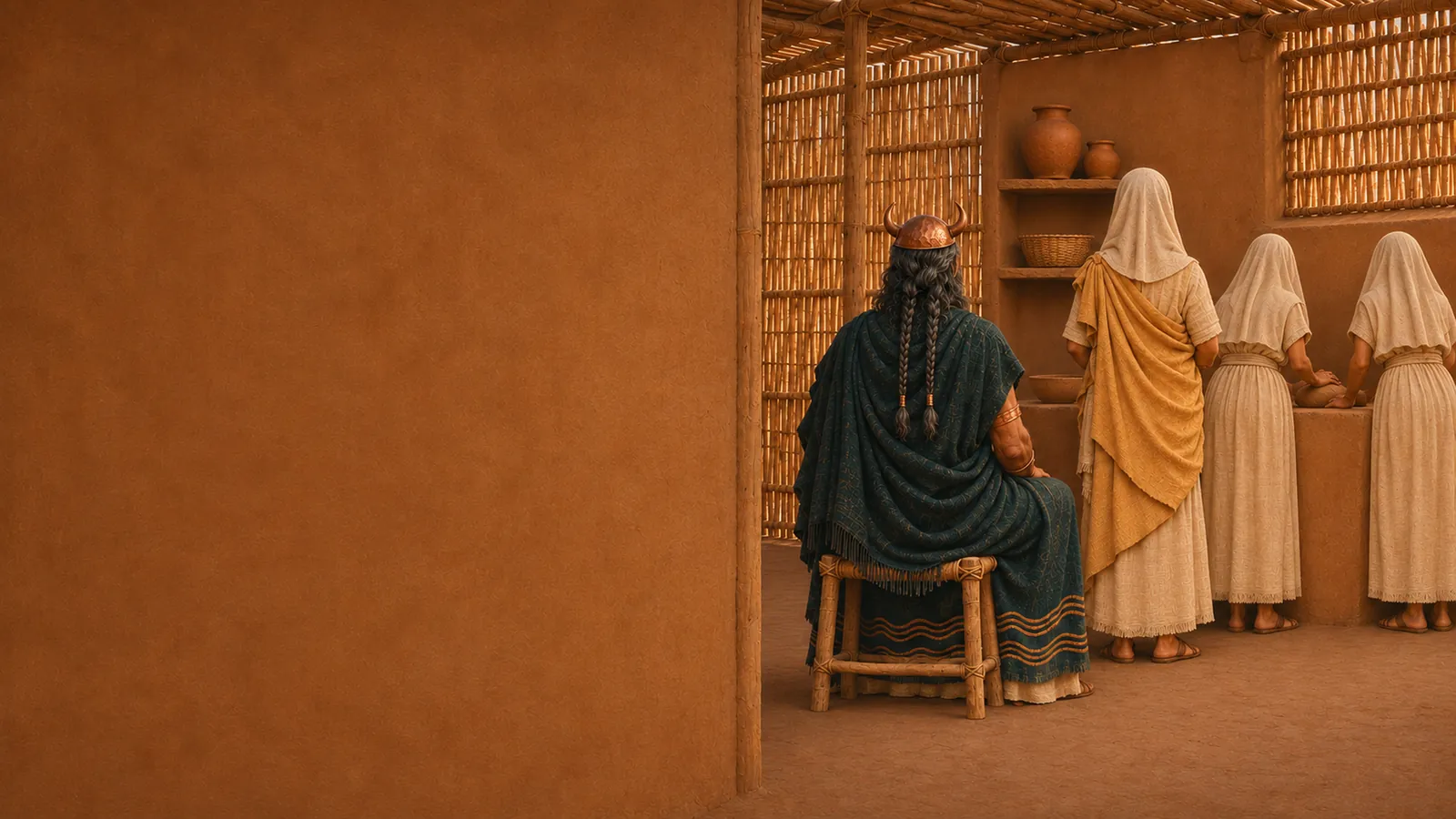
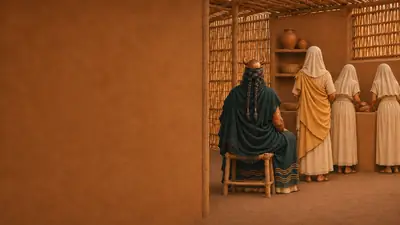
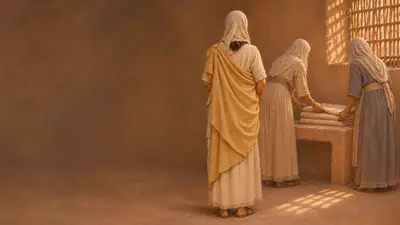
Enki went with Mami into the House of Destiny. The midwives gathered there to work the clay. With Enki sitting before her, Mami spoke the spell over it.
SEVEN AND SEVEN
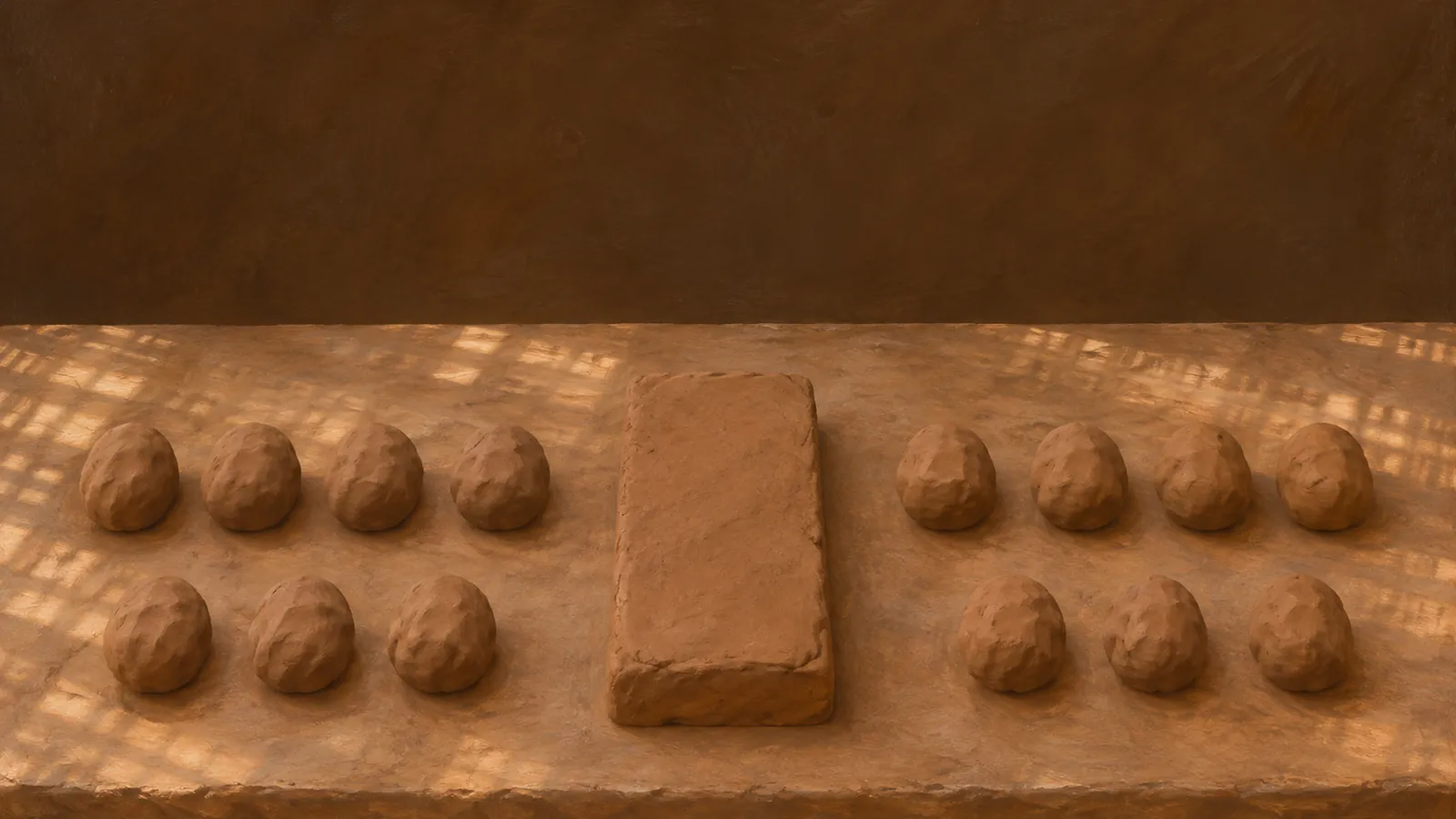
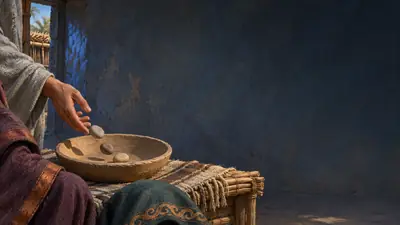
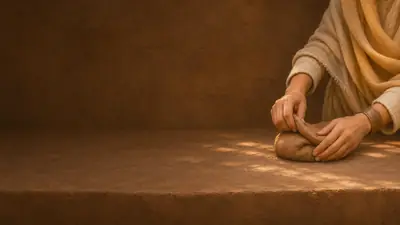
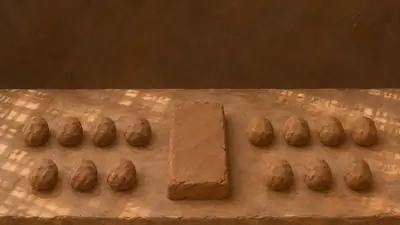
Mami pinched off fourteen pieces of clay. She set seven on one side and seven on the other, with a brick in the space between them.
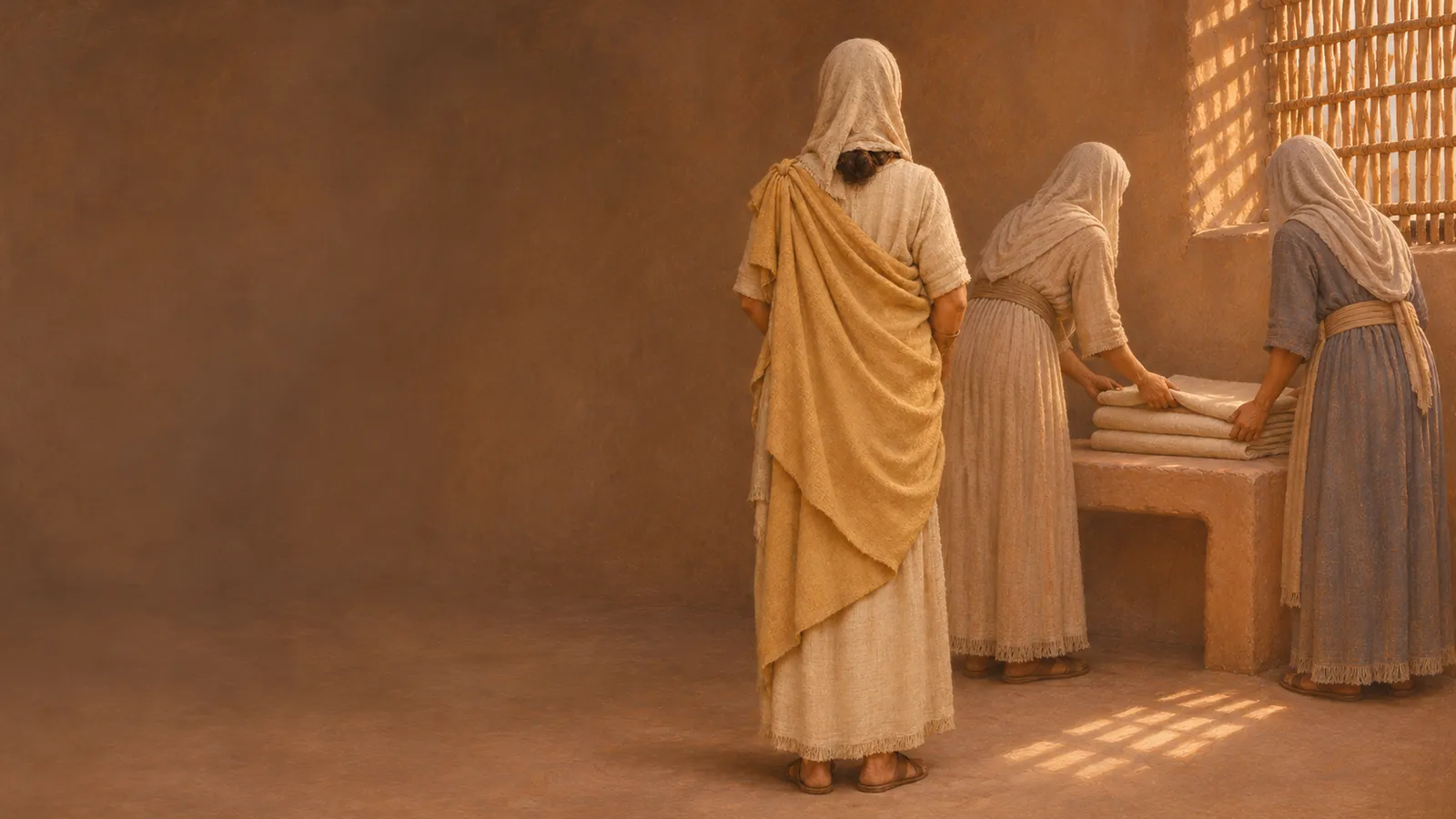
The poem remembers seven boys and seven girls at the beginning. Mami gave her words for what would follow, when they had grown and begun to choose their own companions.
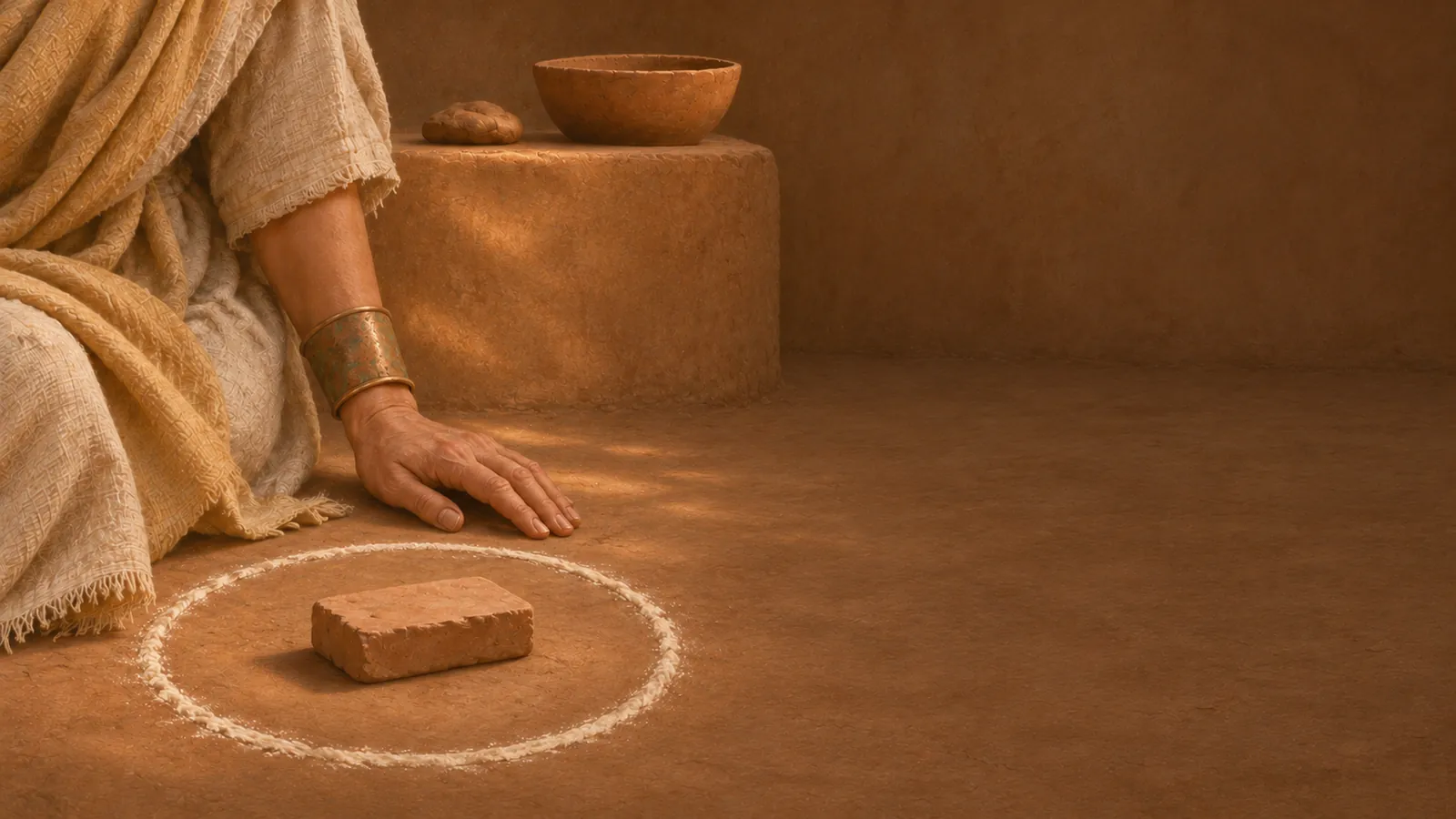
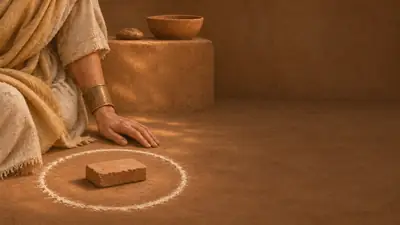
When the appointed month arrived, the midwife’s work was done with joy. Nintu gave her blessing, marked out a circle with flour, and put a brick in its place.
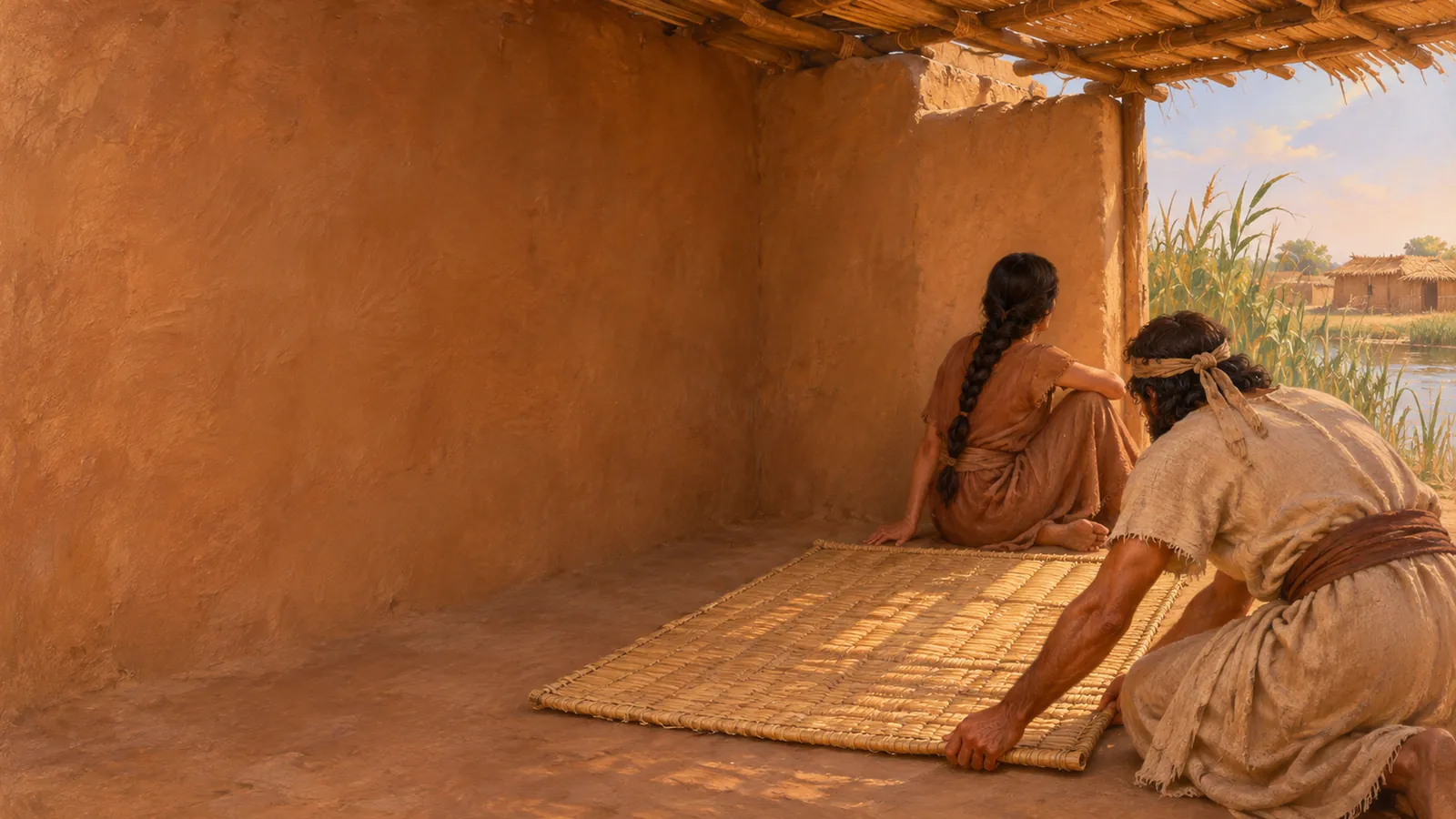
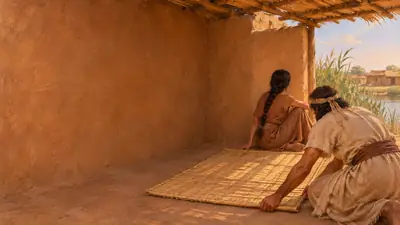
The piece of the tablet that survives speaks of a reed mat and the choosing of a spouse. It calls for rejoicing as people begin their lives together.
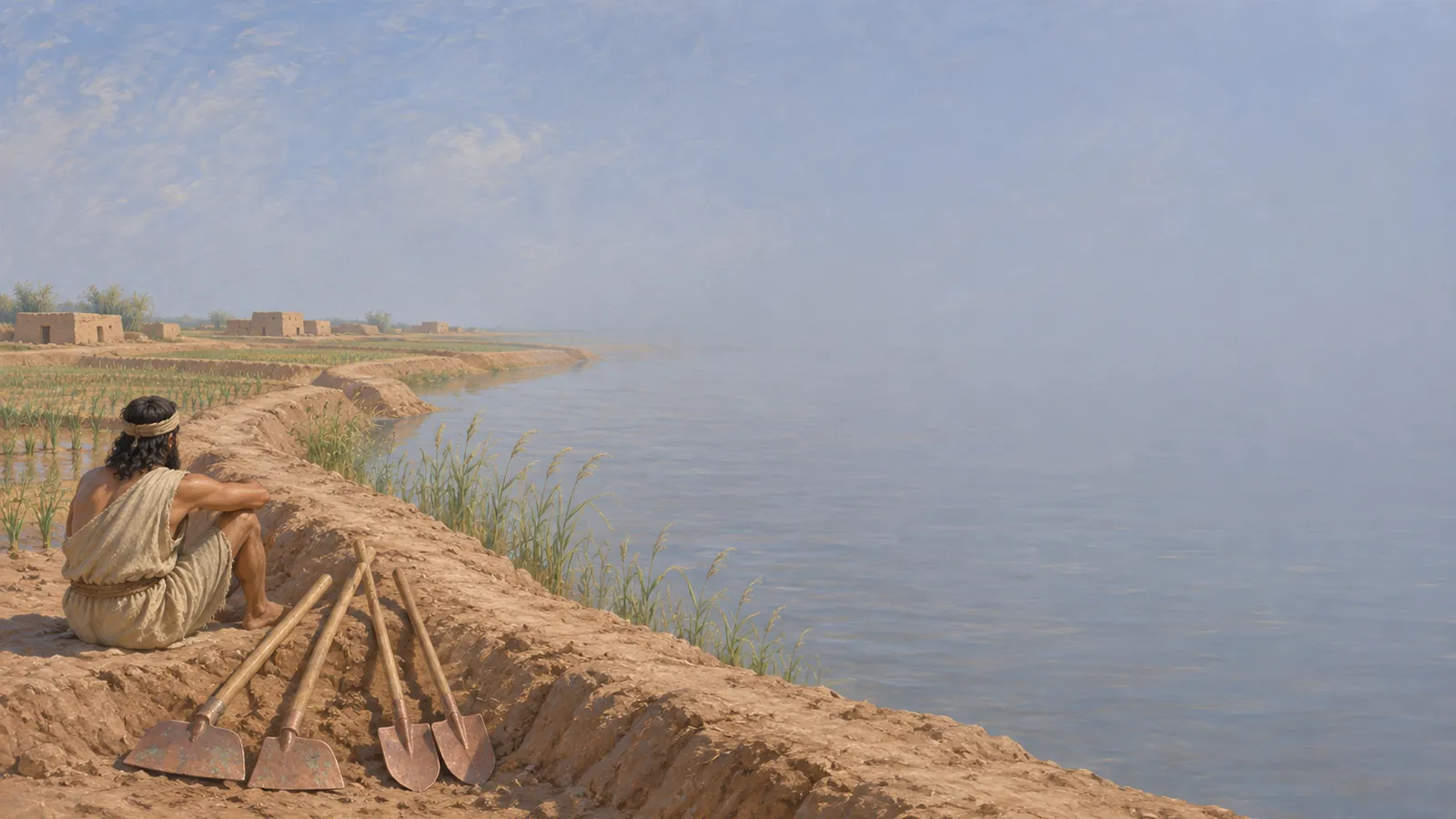
Part of the tablet is lost here. When the lines can be read again, there are new hoes and spades, and great dikes for the work of bringing food to the people.
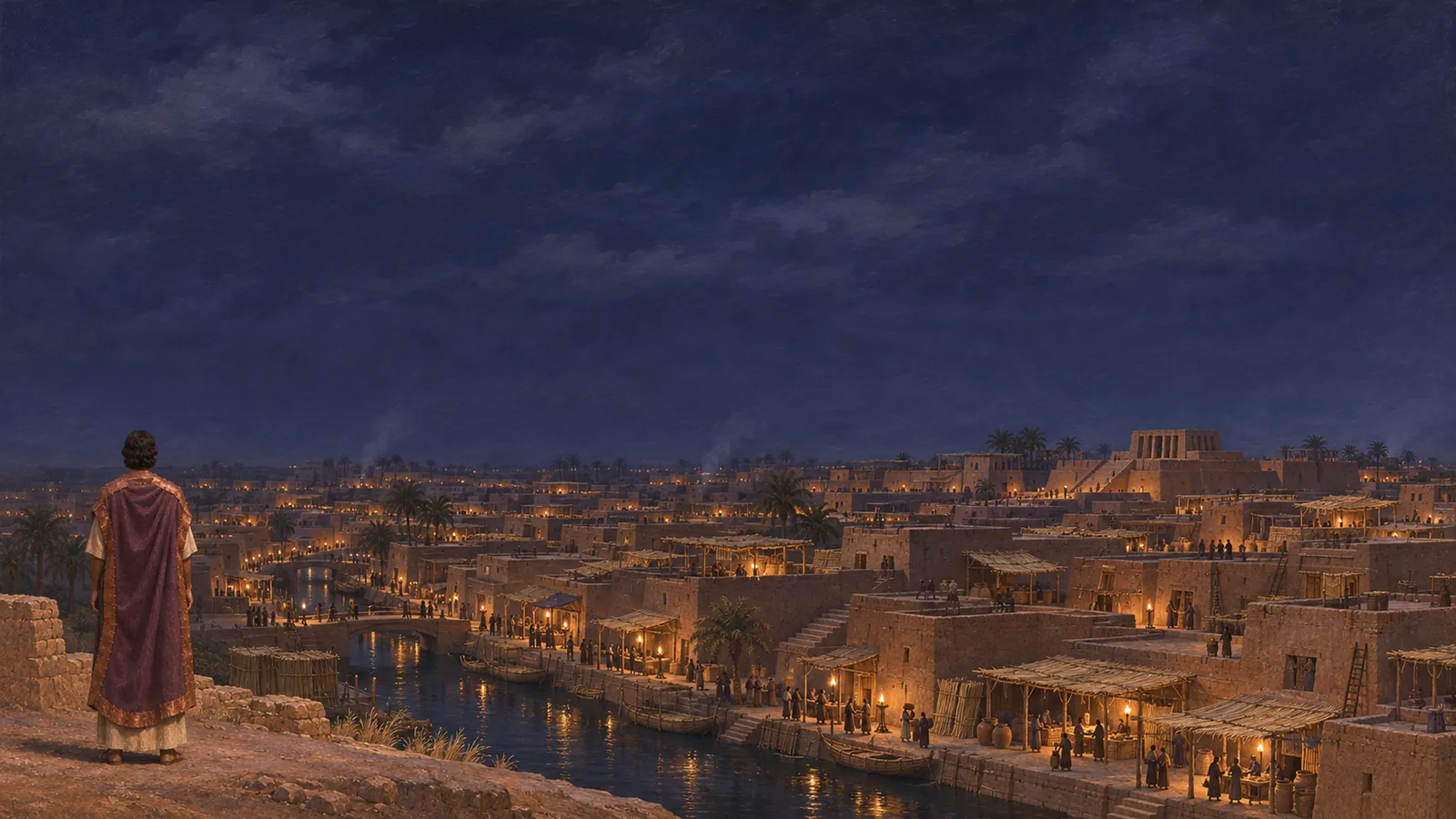
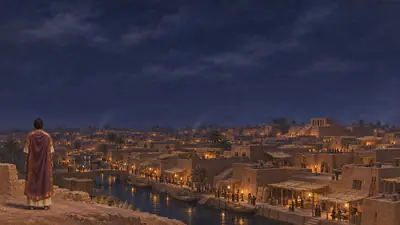
In time the land filled with people. Its sound rose like the bellow of a bull, and at night the noise kept Enlil from sleep.
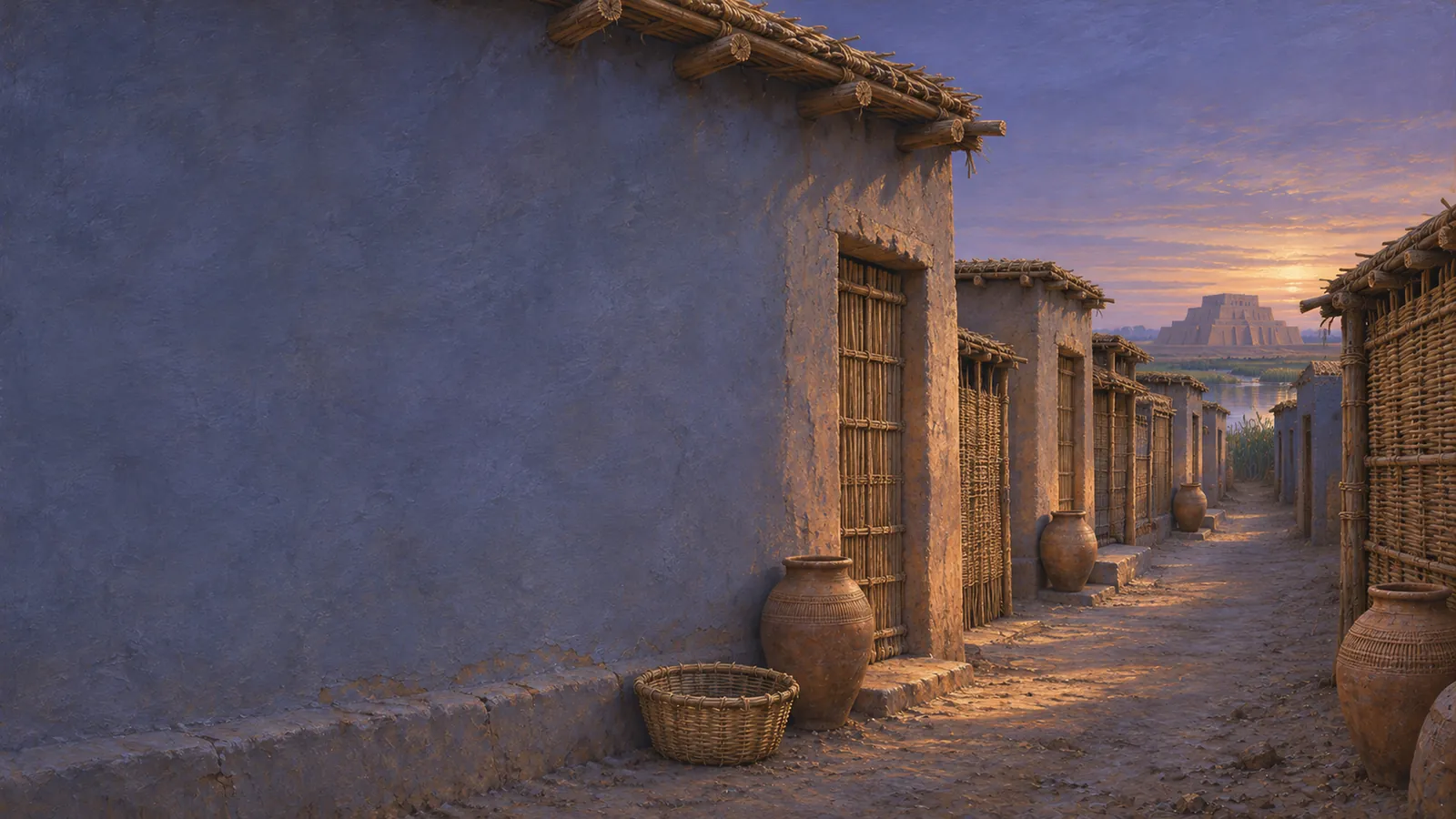
Enlil told the gods how much the noise troubled him. He asked for Namtar to send sickness and shivering across the land, until the noise fell quiet.
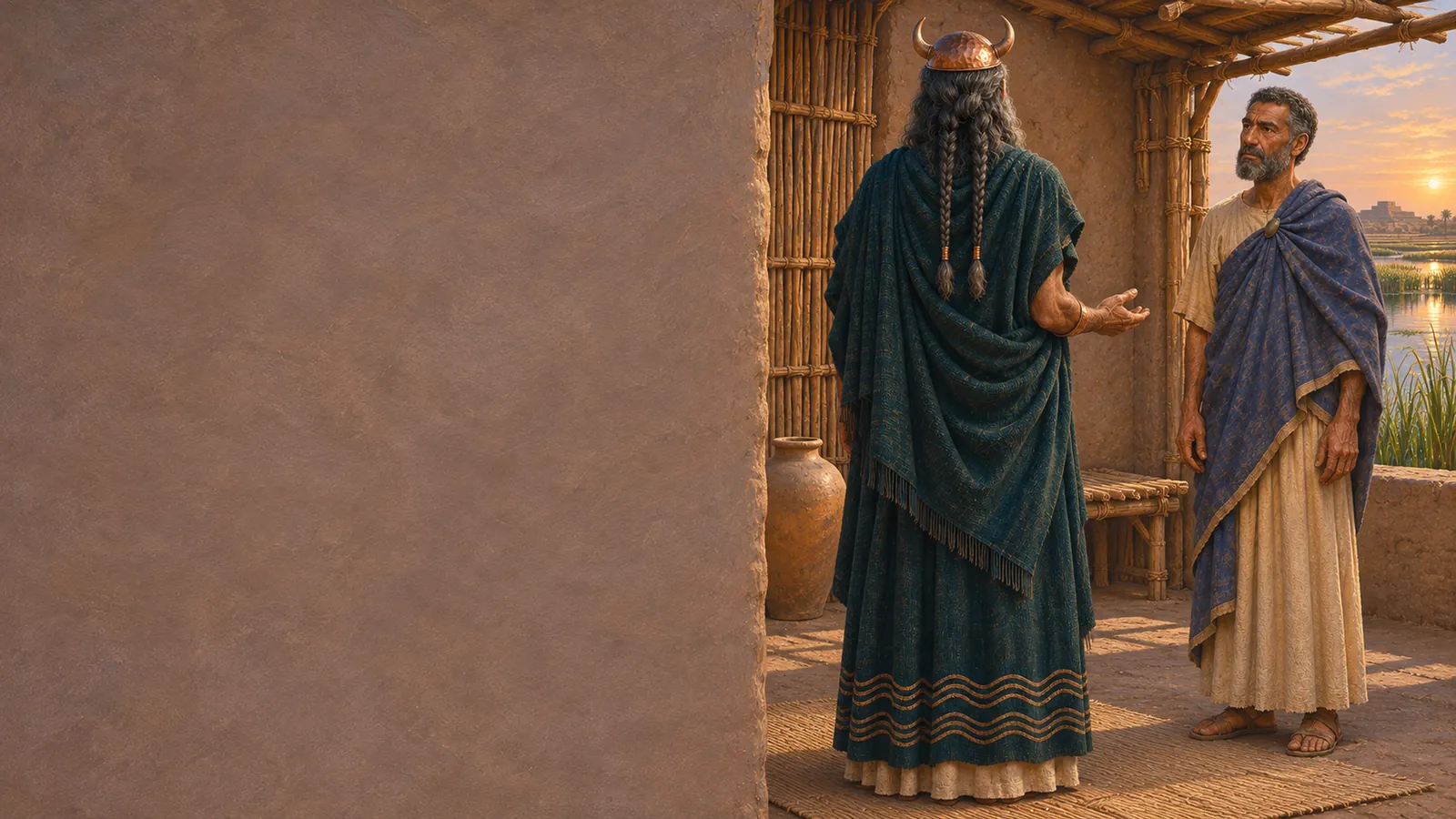
ATRAHASIS
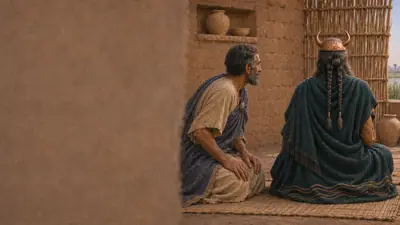
There was a man called Atrahasis who spoke with Enki, and Enki spoke with him in return. Now the man brought his god the voice of a country groaning with illness.
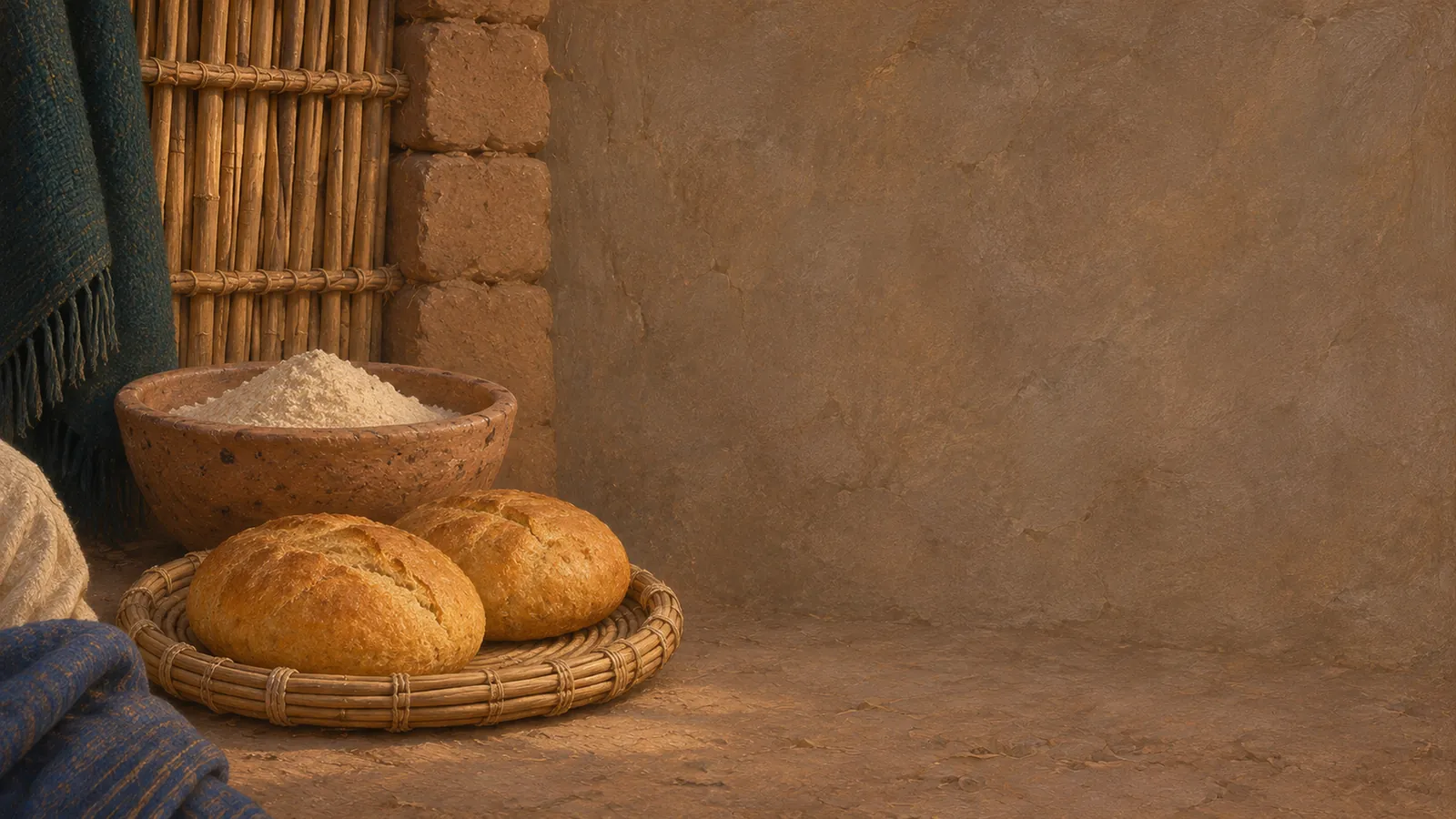
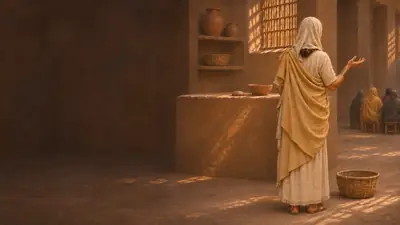
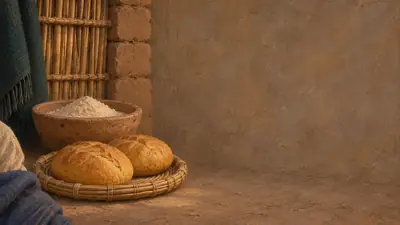
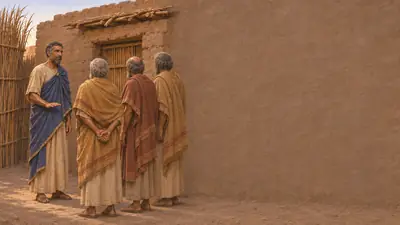
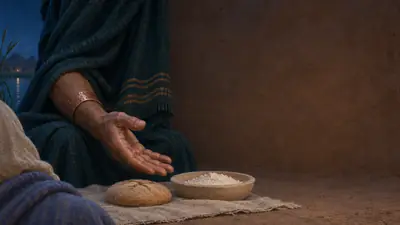
Enki gave Atrahasis something to do. He was to gather the elders and have them send the people to Namtar with baked bread and a gift of flour.
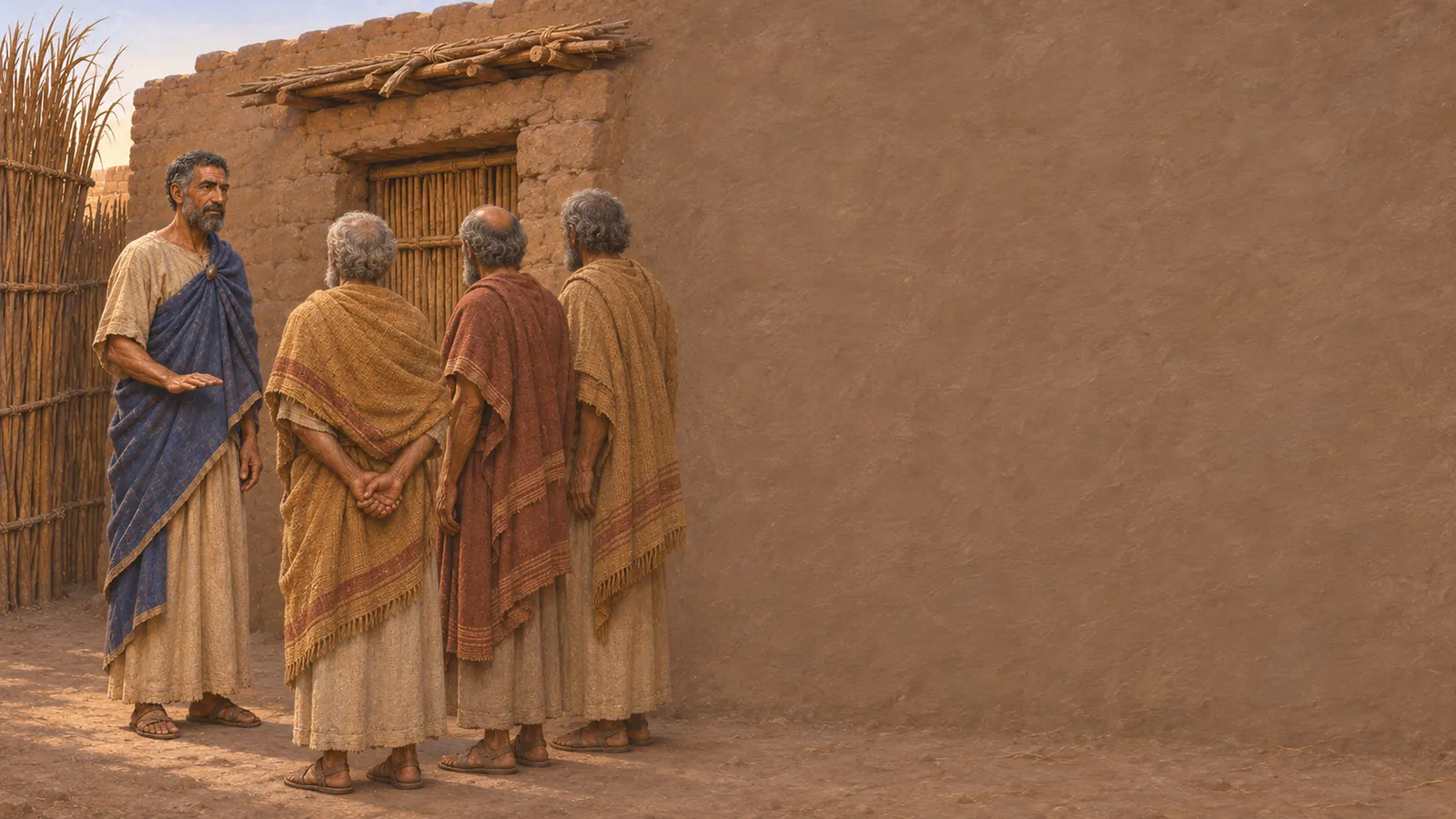
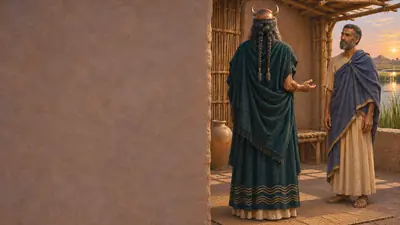
At his own gate, Atrahasis called the elders together. He passed on what Enki had said, so the heralds could carry the advice out into the city.
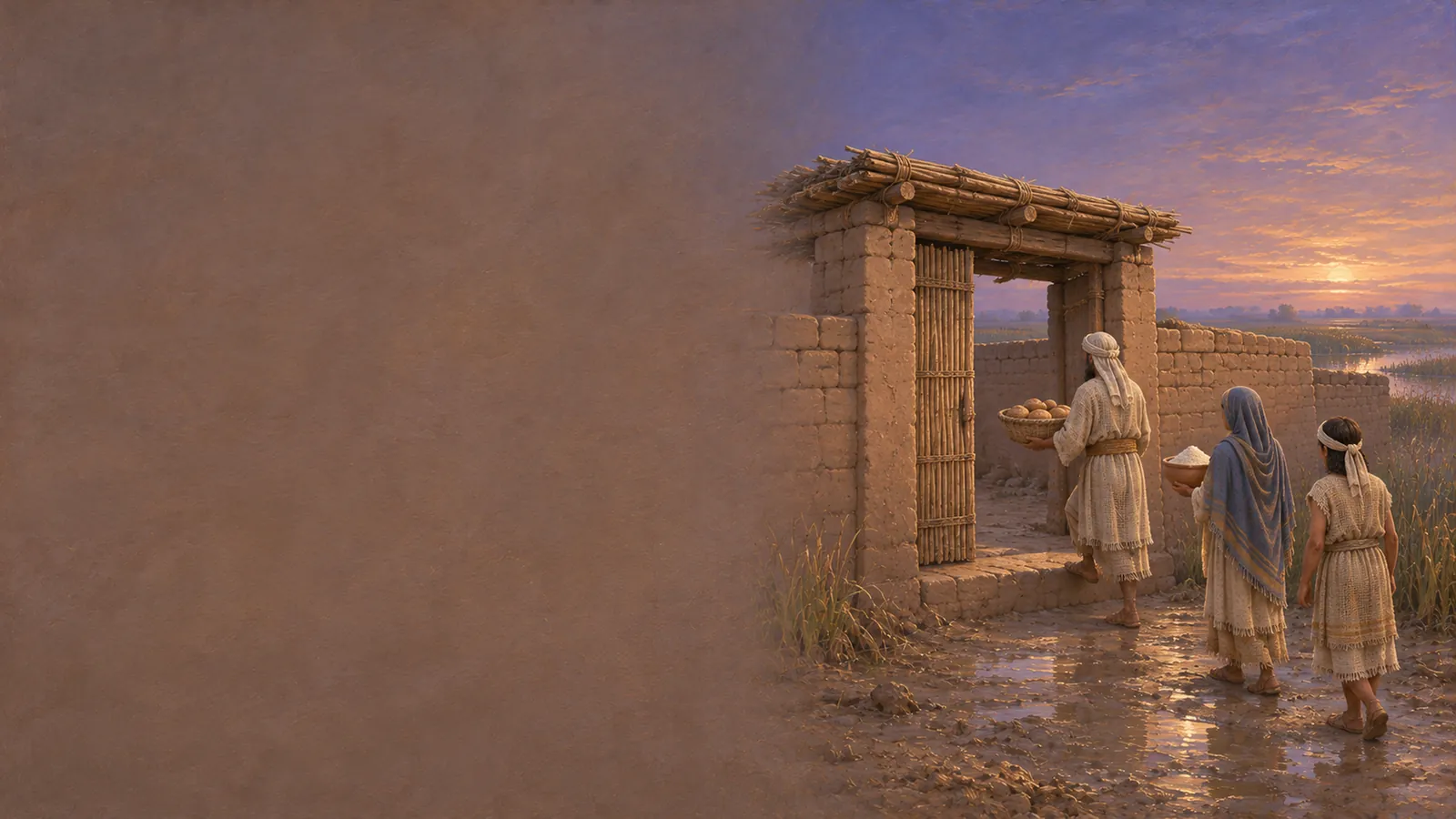
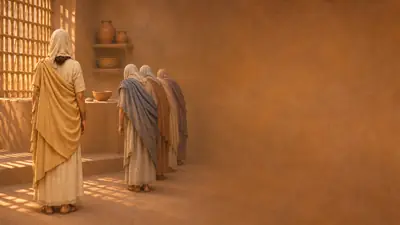
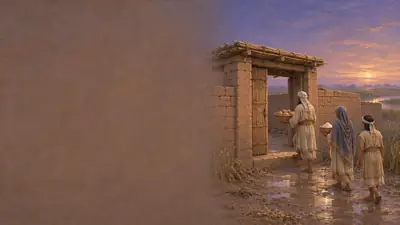
The elders listened, and the city raised a temple for Namtar. The heralds went out, and the people carried their loaves and flour to his gate.
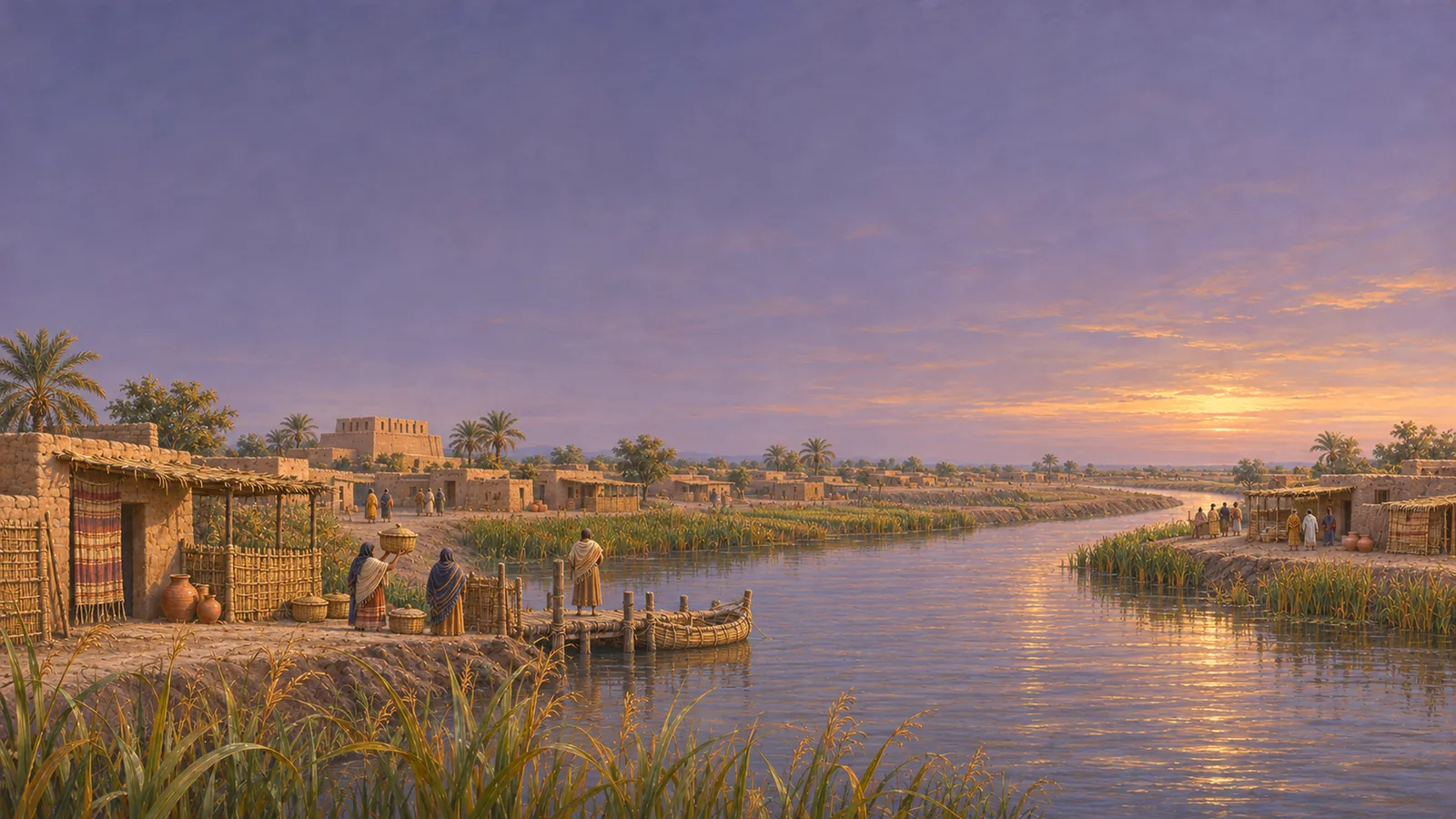
Namtar accepted the gift and left the people. Their days of health returned, children were born, and soon the old sound of their voices rose again.
DROUGHT
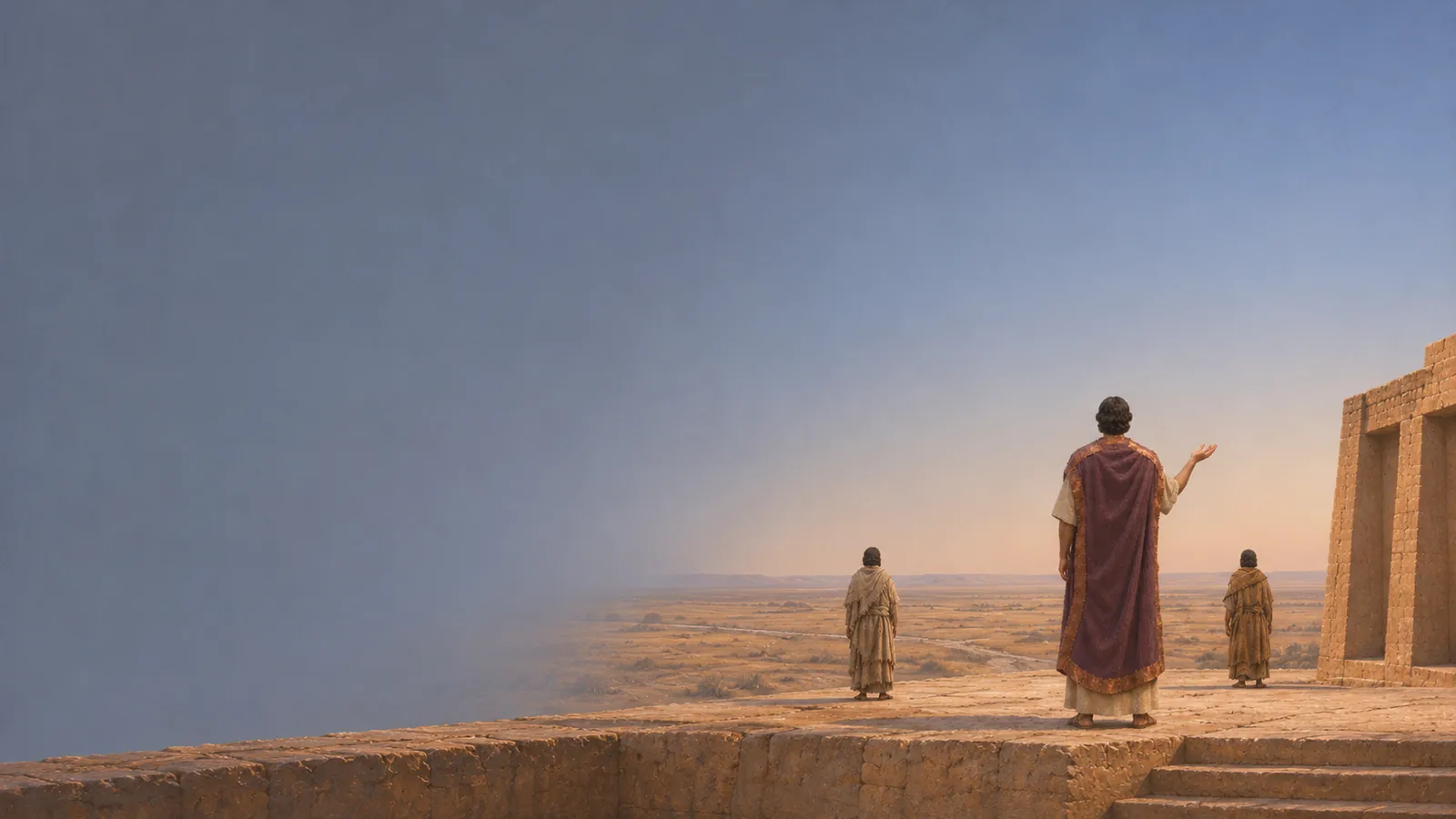
The voices rose again until they reached Enlil. He called for the land’s food to be cut off, for Adad to hold back the rain and for the ground to dry.
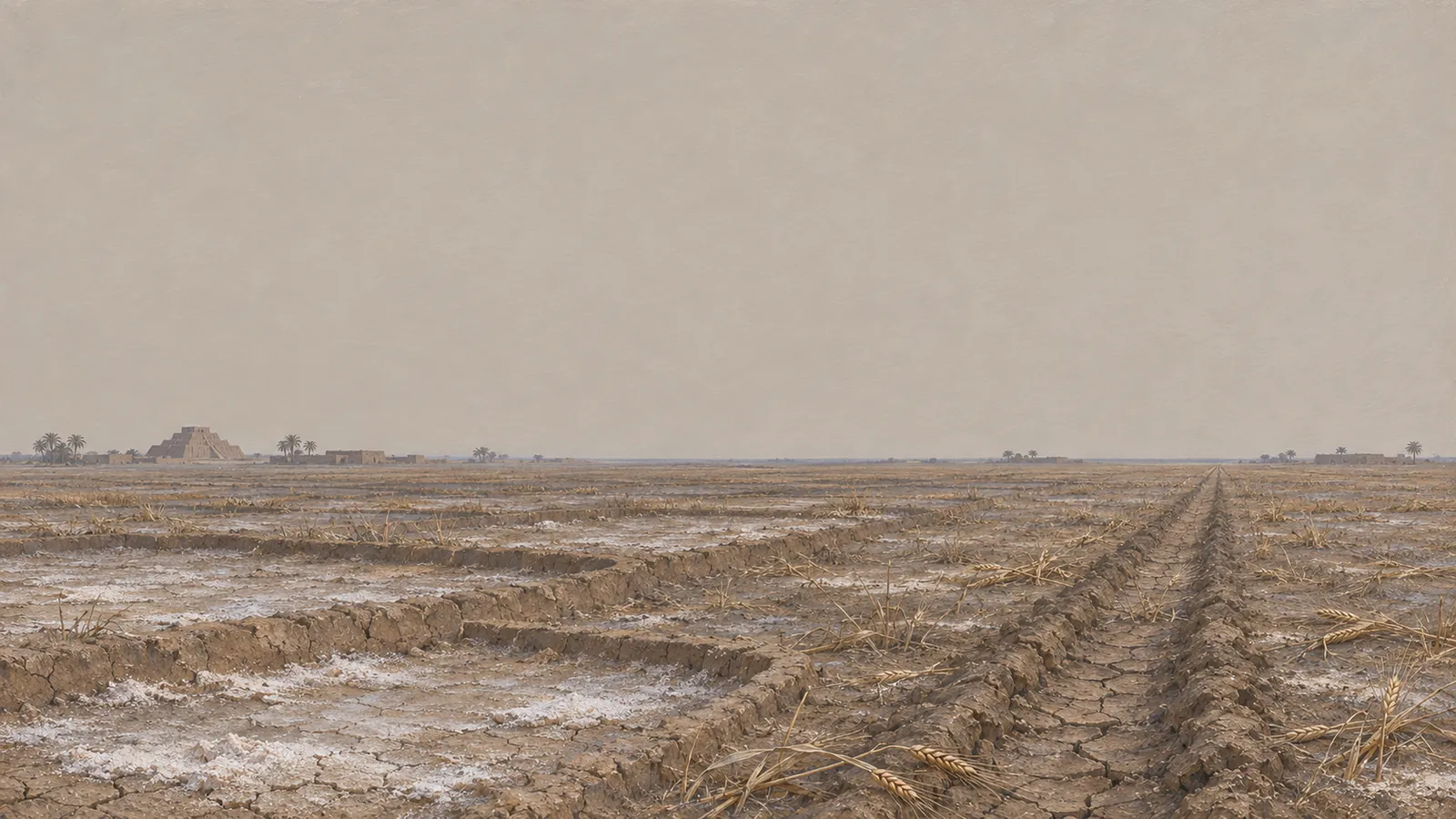
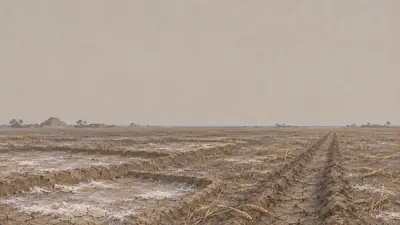
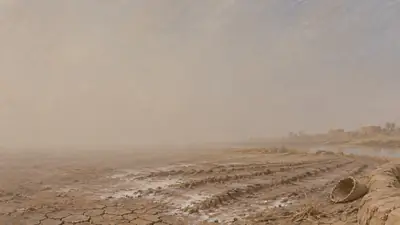
Clouds gave no relief. The grain failed, and what had been dark soil grew white with salt. The land could barely feed the people who lived on it.
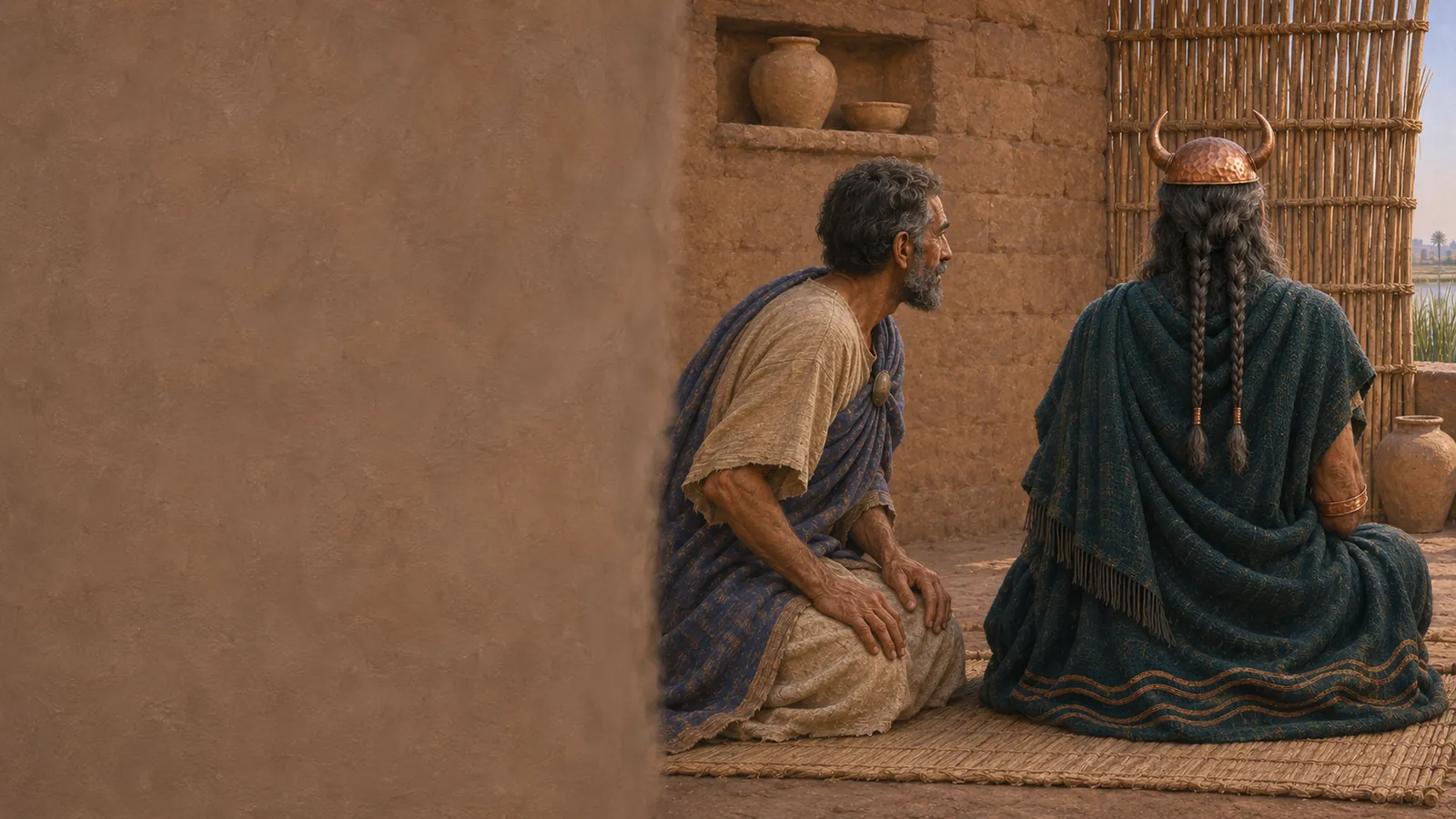
Atrahasis saw what hunger had done and spoke to Enki again. Much of what he said is lost, but the next clear lines give us Enki’s answer.
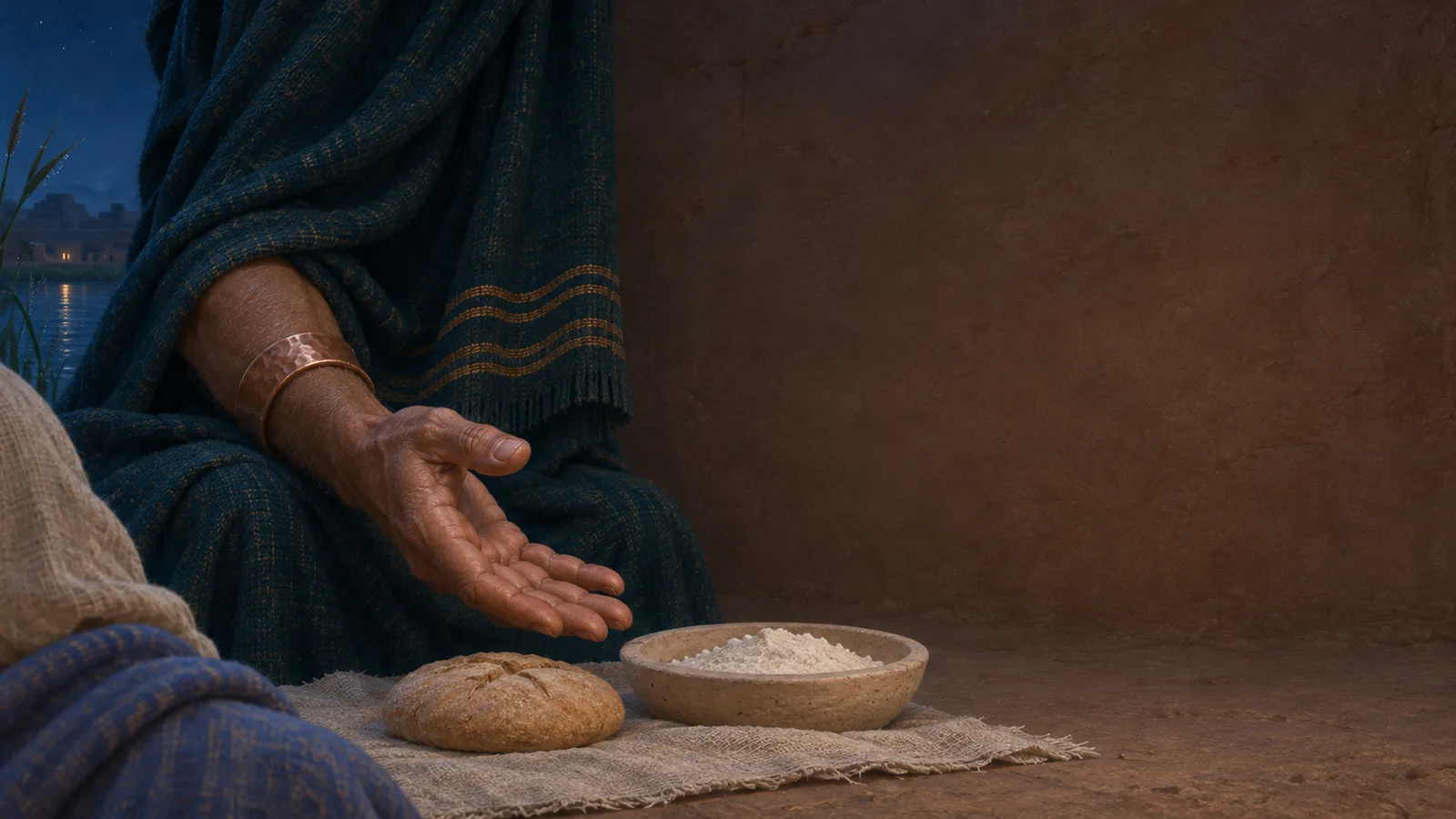
Enki told Atrahasis to send the people to Adad’s gate with bread and flour. Rain might be withheld, but a little dew at night could help the fields grow again.
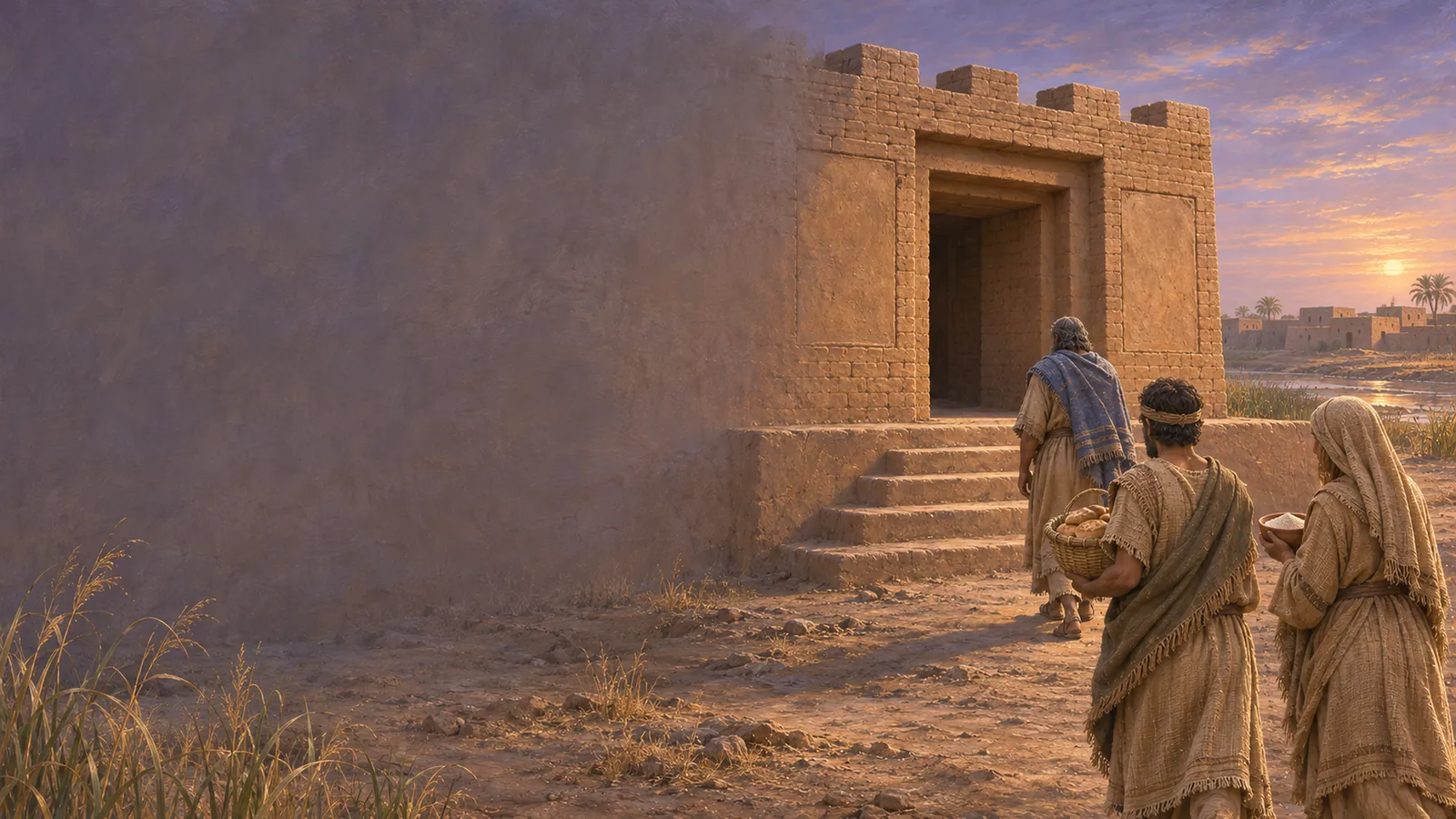
Atrahasis gathered the elders and gave them Enki’s advice. The heralds carried it through the city, and the people brought their loaves and flour to the new temple of Adad.
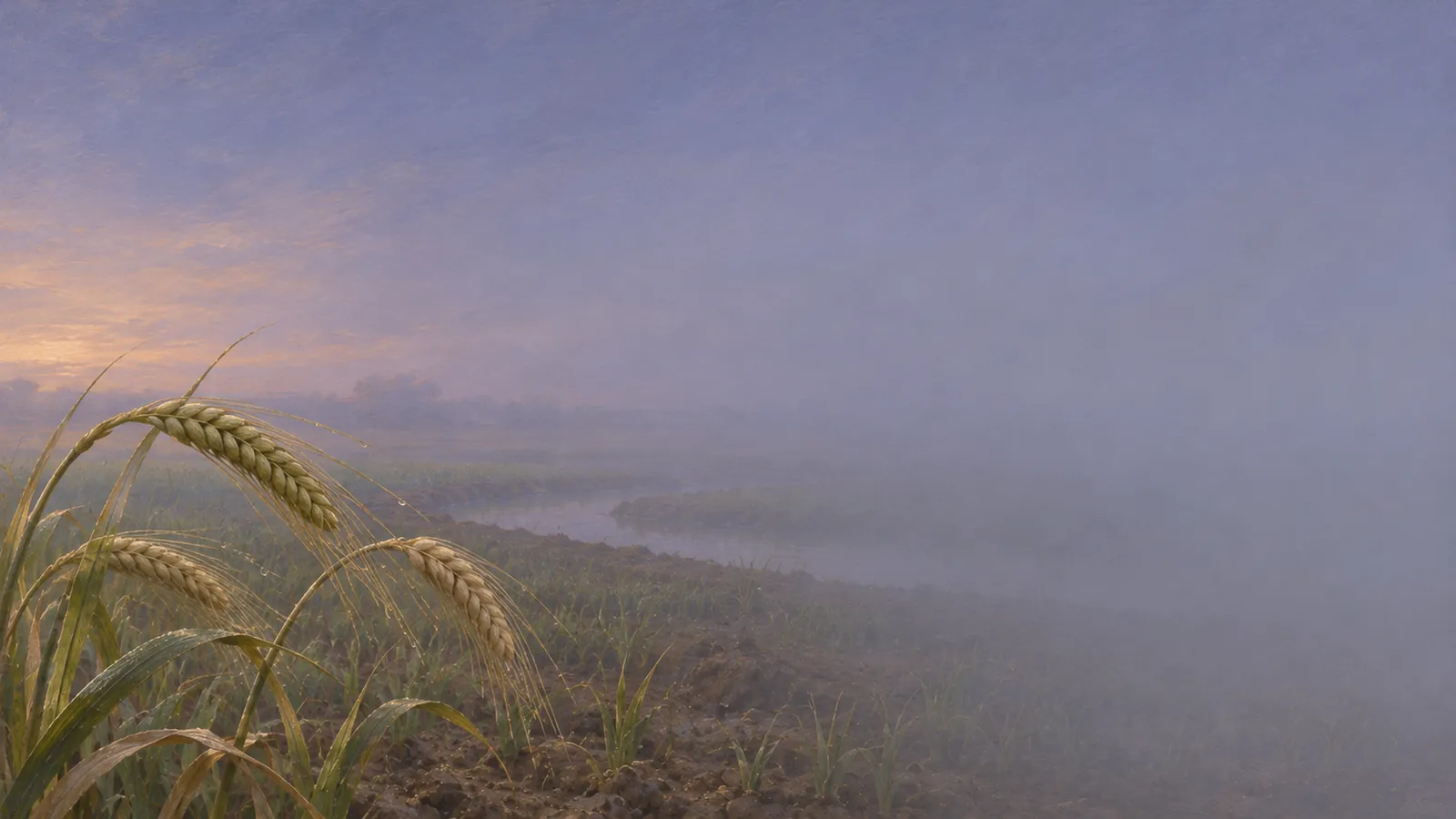
Morning brought mist, and at night dew fell on the fields. The land bore crops again. People recovered, and soon Enlil could hear their old voices rising once more.

Enlil wanted the whole world guarded this time. He assigned guards to the heights and the earth, and set Enki and his companions to watch the barrier that held back the sea.
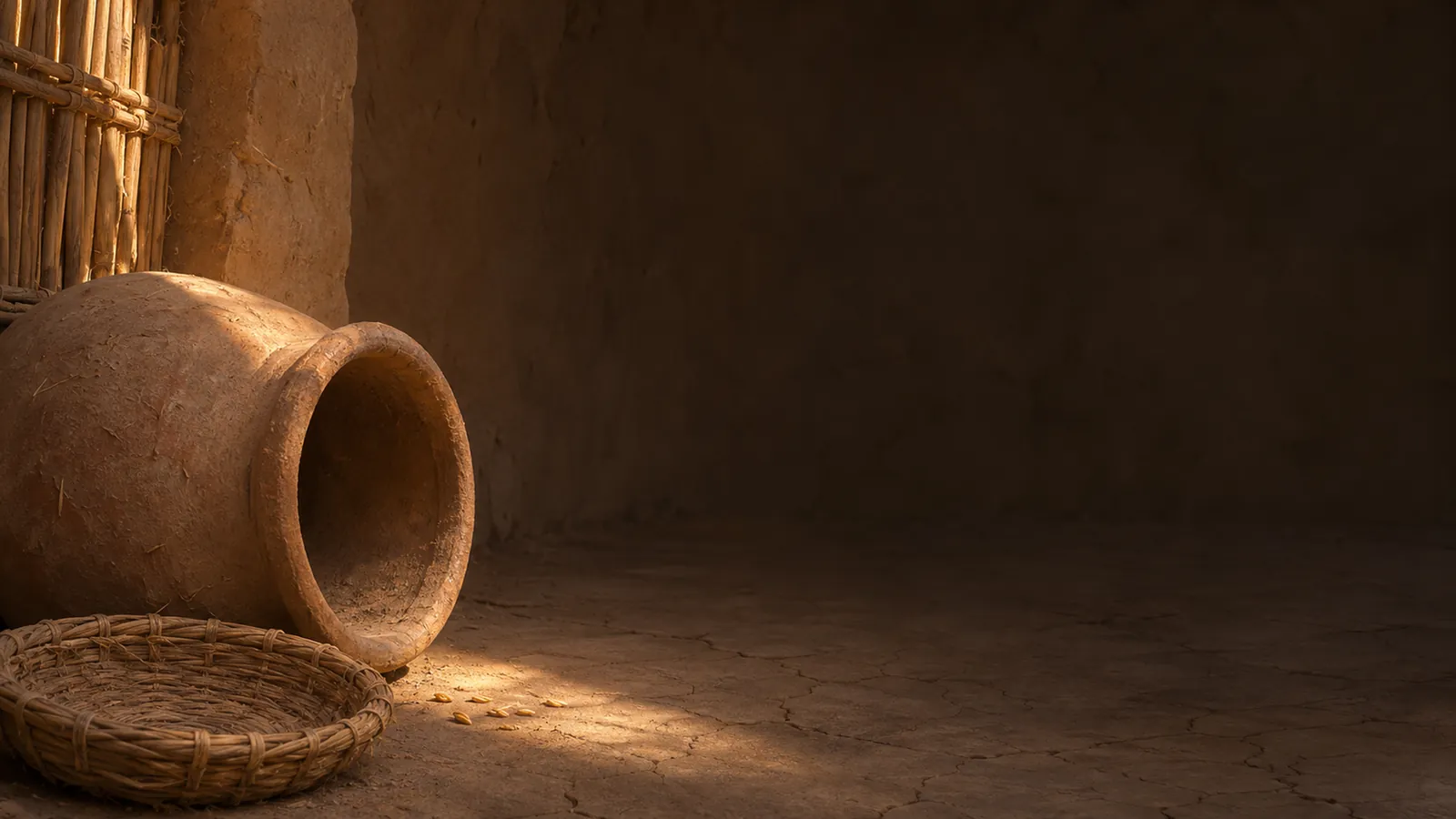
The fields fail again, and the poem counts the years of hunger. In a damaged passage, a daughter is served as food and people consume one another.
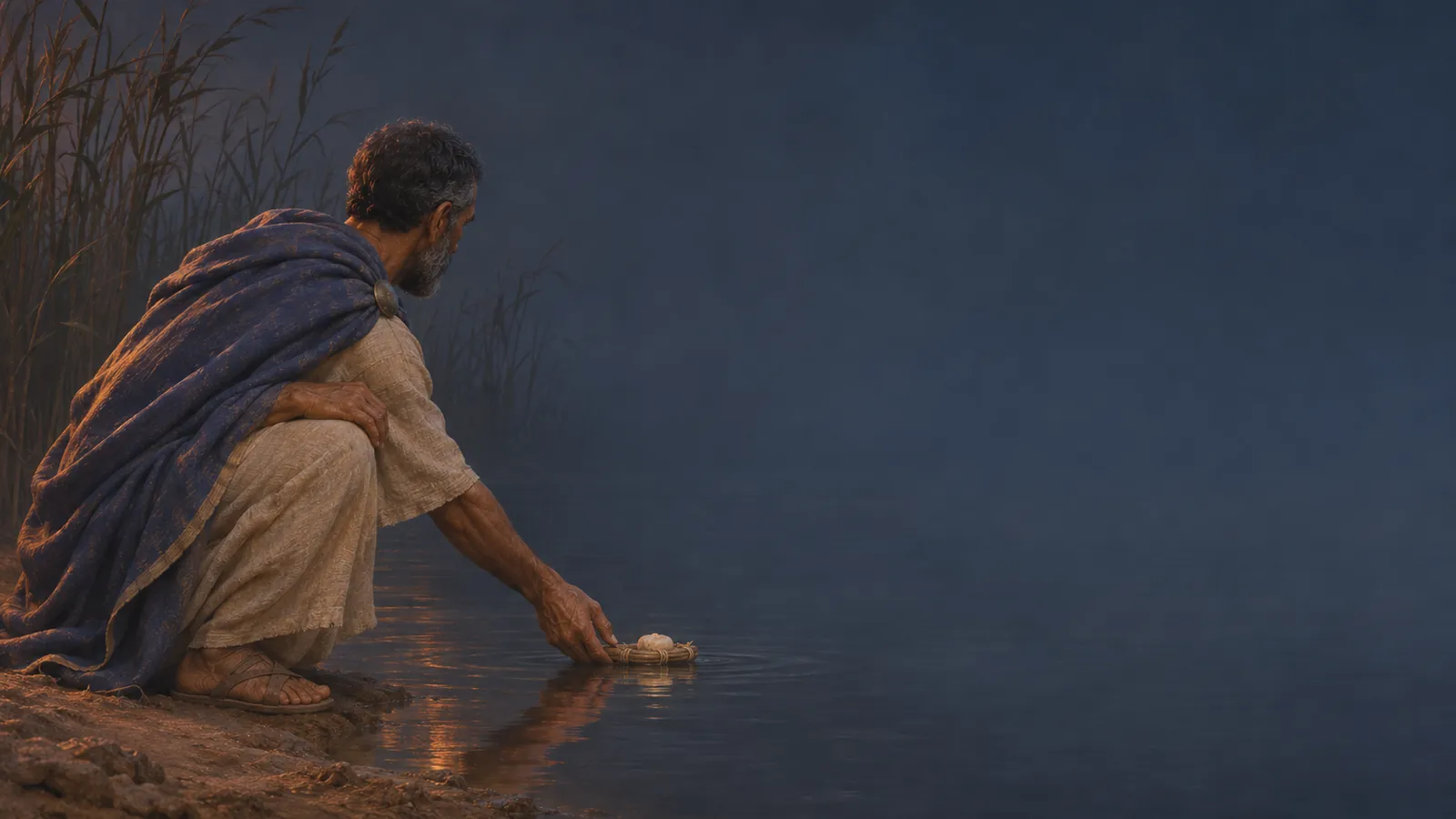
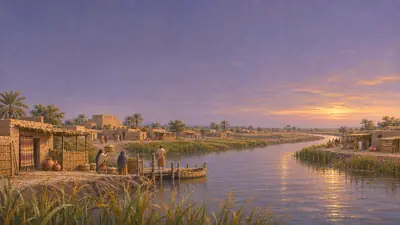
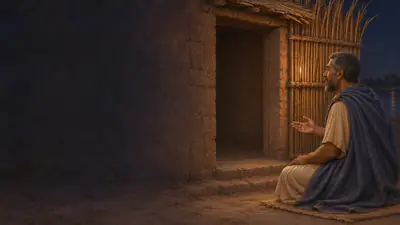
Atrahasis wept and asked Enki to answer him in a dream. At night he made an offering by the river and asked the water to carry his gift to his god.
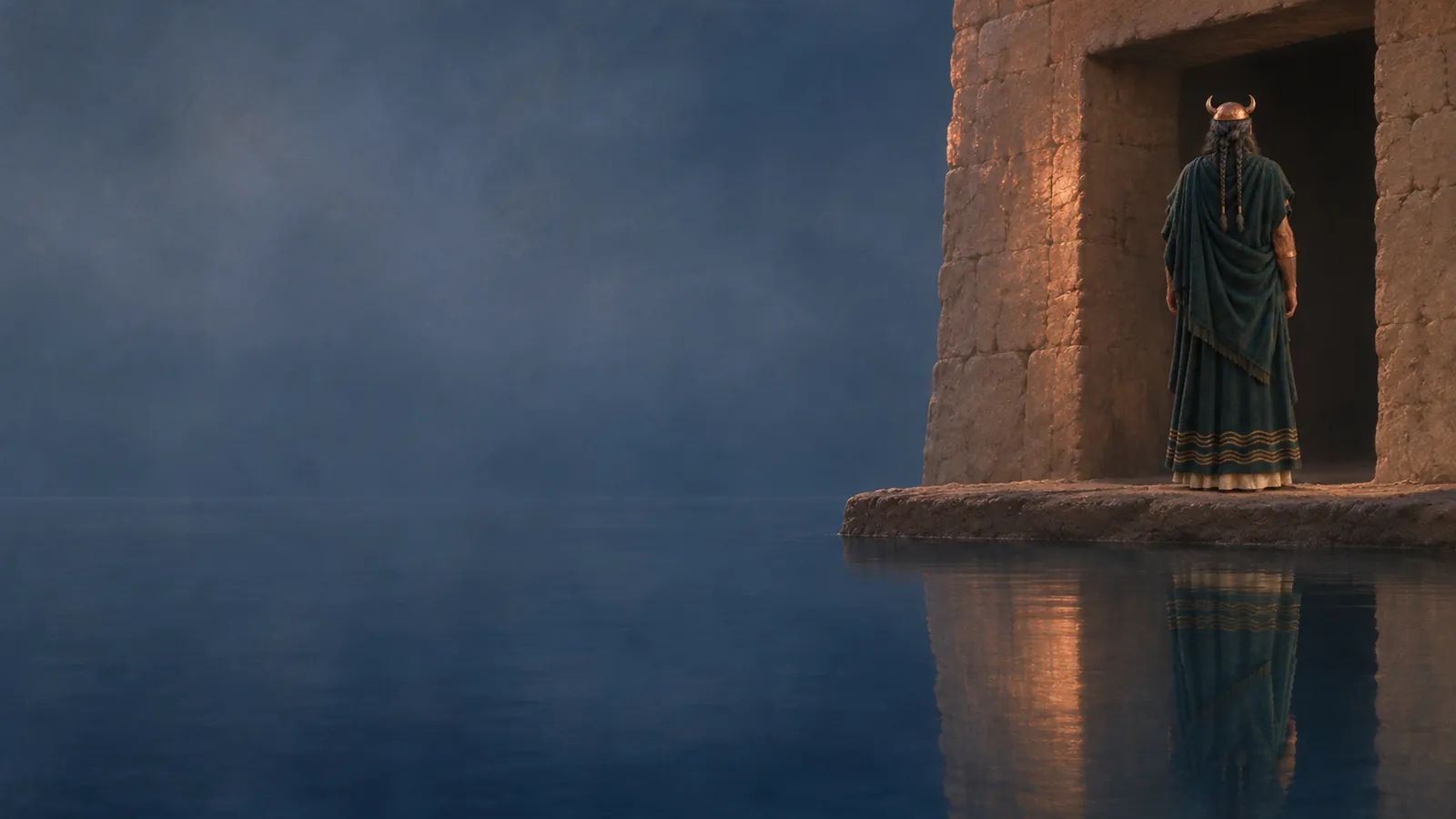
THE DEEP
The poem says the man’s voice sank as far as the Apsu, and that Enki heard it there. He sent messengers to ask how the land was faring.
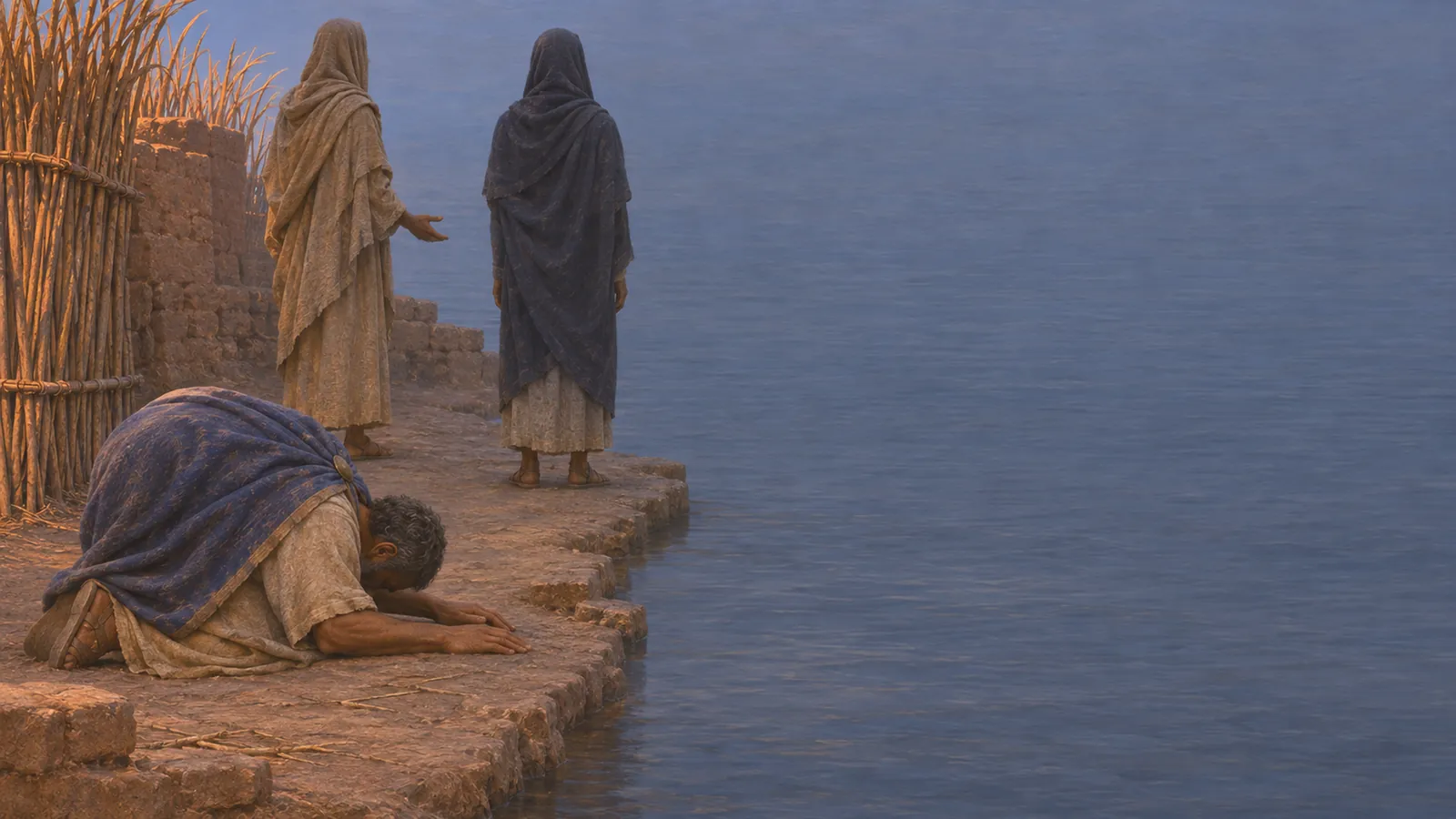
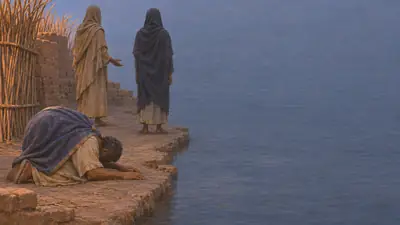
The messengers crossed the waters and came to the quay. They told Atrahasis that his gift had reached Enki. He bowed and kissed the ground before them.
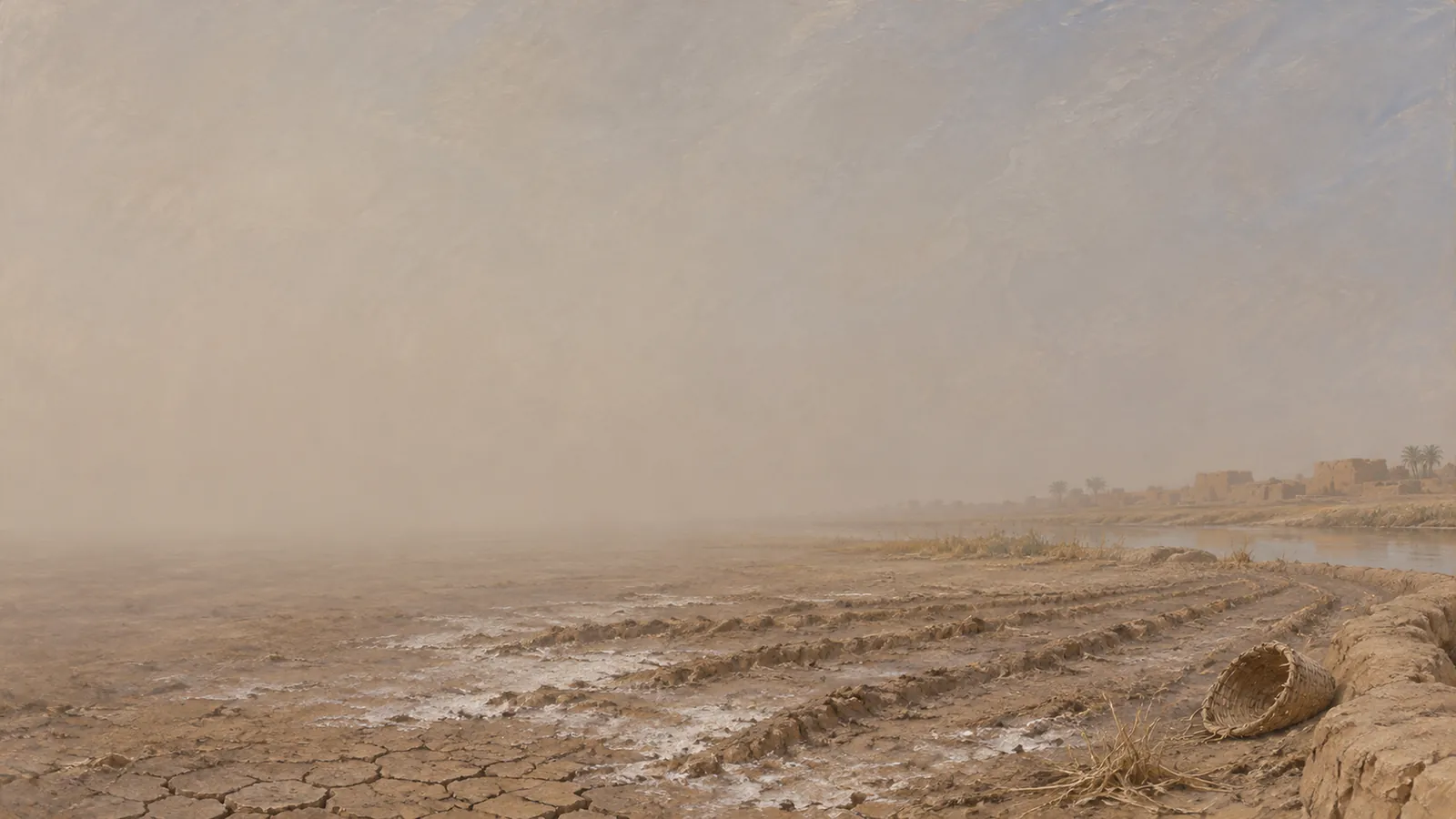
The exchange that follows is damaged. Enki sends his minister, and word comes back about failed rains, fields choked with salt and the grain people have used up.

The next pieces tell of fish passing a broken barrier and of food reaching people again. In the council, Enlil says that Enki let the abundance loose.
OATH
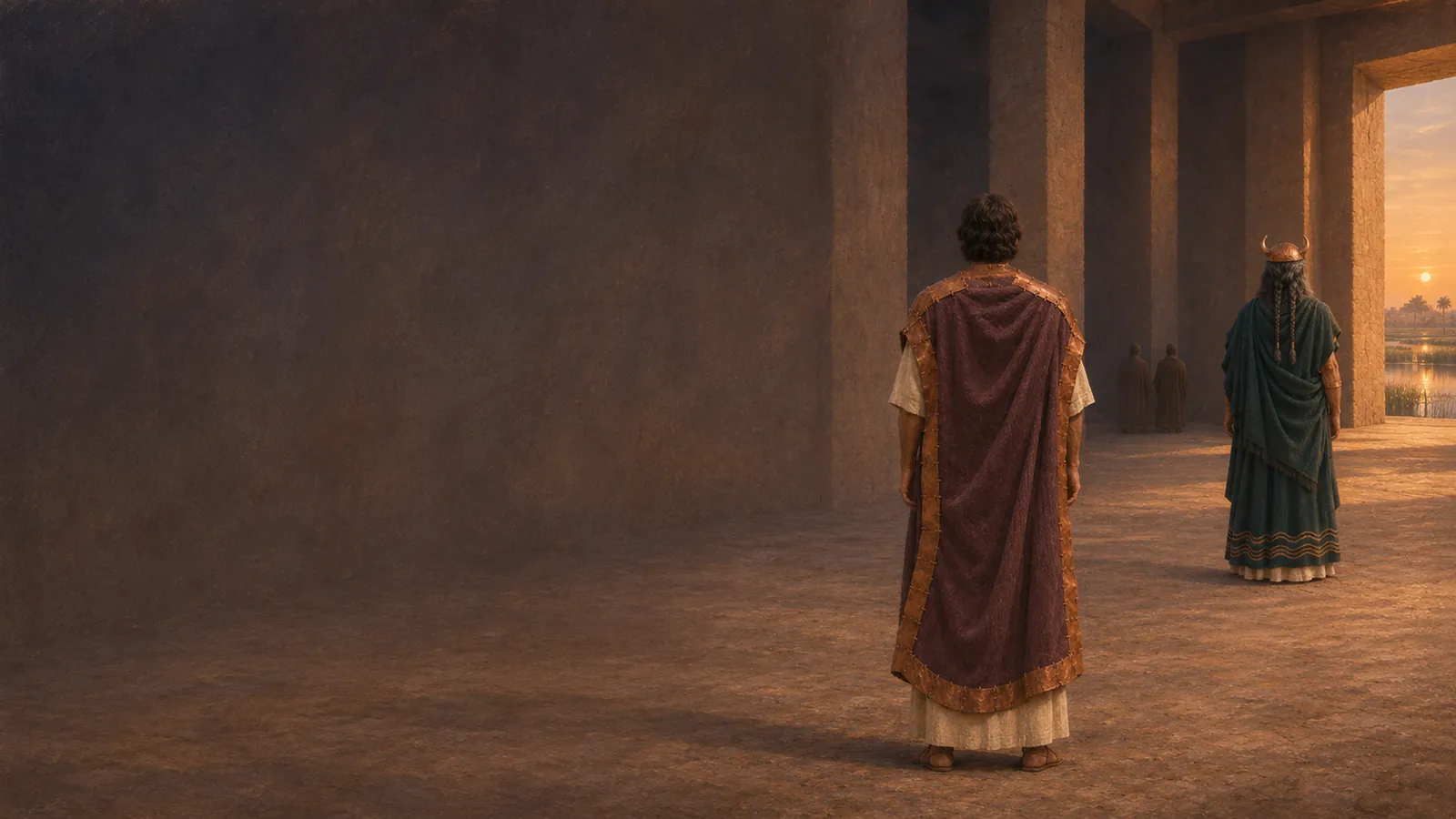
The council’s next decision was a flood. The gods wanted to bind Enki by an oath, but the broken lines preserve his protest at being asked to turn against his own people.

The voices in the assembly grow harder to follow. The broken tablet still speaks of water overflowing and of a task to be done at the new moon.
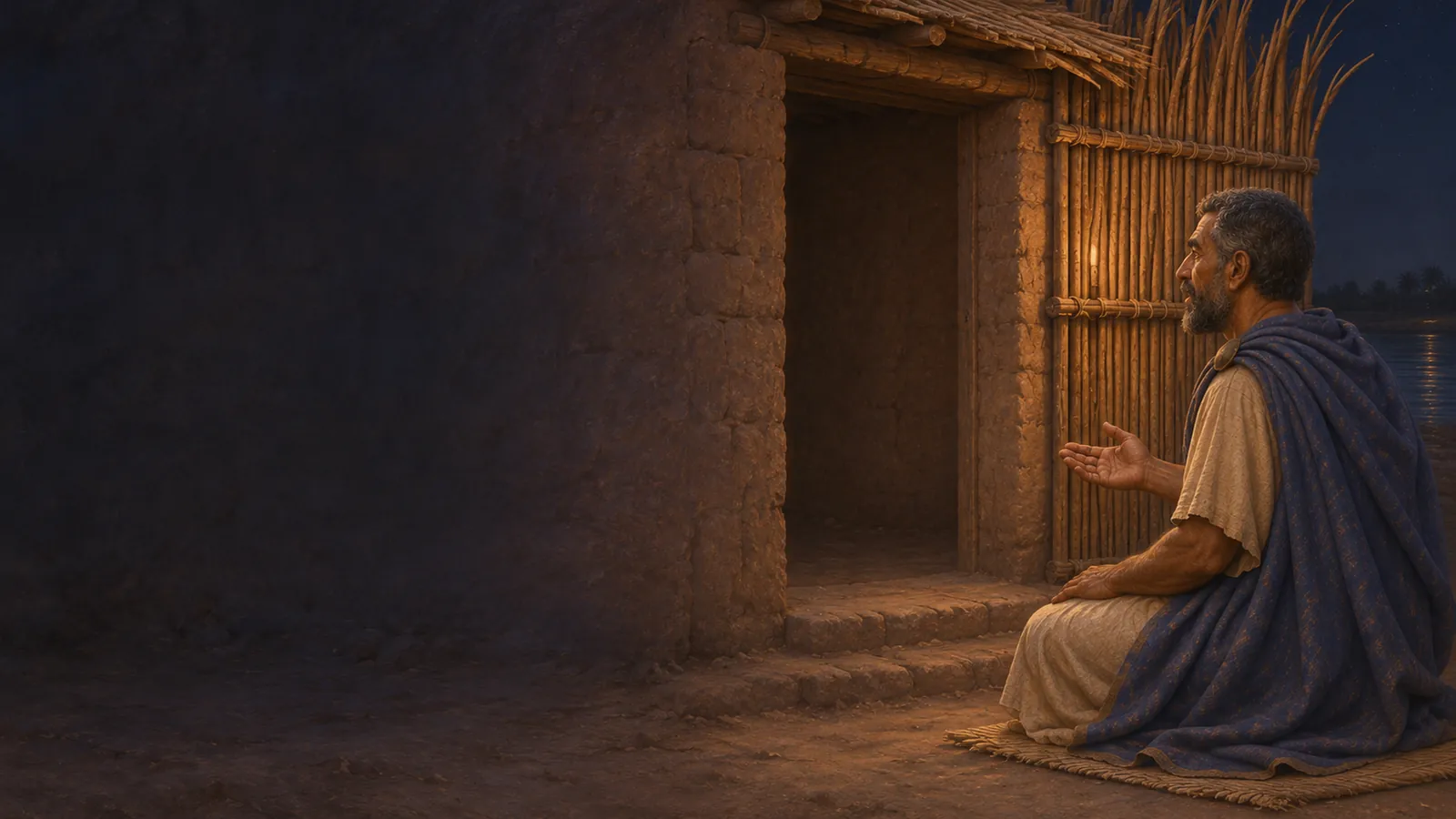
The gods had decided on destruction. At the end of this tablet, one man is still speaking to Enki. What could Enki tell him now, with an oath between them?
End of chapter 1
All pages







Sources
On page 46, the fragmentary famine lines preserve the serving of a daughter as food and the consuming of one person by another (Atrahasis II, section E 78q–78w, SEAL 39732). Parts of the lines are restored, and the retelling condenses them to one sentence.
Editions consulted
- SEAL 1515, Atrahasis I with translation and manuscript apparatus
- SEAL 39732, Atrahasis II with translation and manuscript apparatus
- SEAL 1516, Old Babylonian Sippar Tablet II witness
- SEAL 1518, Old Babylonian Larsa Tablet II–III fragment
- Wasserman 2020, Old Babylonian Atra-ḫasīs and Flood recensions, pp. 16–19
- IL Archive, Atrahasis: Epic and Hero
Notes on this retelling
On page 23, the slain god is Wē in the SEAL reading of the Sippar passage, traditionally read We-ila. The Igigi spit on the clay after Mami mixes it with his flesh and blood (Atrahasis I 223–234, SEAL 1515). The retelling gives the killing and mixing.
Ancient lines behind each page
- Page 1: Atrahasis I 1–4, SEAL 1515
- Page 2: Atrahasis I 1–6, 37–38, SEAL 1515
- Page 3: Atrahasis I 7–18, SEAL 1515
- Page 4: Atrahasis I 19–26, SEAL 1515
The Tigris and Euphrates are partly restored here. - Page 5: Atrahasis I 33–38, SEAL 1515
Reeds are explicated in the SEAL translation. The exact numeral for the duration varies by witness. - Page 6: Atrahasis I 37–42, SEAL 1515
- Page 7: Atrahasis I 43–63, SEAL 1515
The name Wē is preserved in the composite, with variation in the witnesses. - Page 8: Atrahasis I 63–69, SEAL 1515
- Page 9: Atrahasis I 68–73, SEAL 1515
The Ekur appears by name in line 73. - Page 10: Atrahasis I 74–77, SEAL 1515
The verb following Kalkal’s inspection is fragmentary. - Page 11: Atrahasis I 78–83, SEAL 1515
- Page 12: Atrahasis I 84–90, SEAL 1515
- Page 13: Atrahasis I 91–104, SEAL 1515
- Page 14: Atrahasis I 103–123, SEAL 1515
- Page 15: Atrahasis I 124–143, SEAL 1515
- Page 16: Atrahasis I 144–152, SEAL 1515
- Page 17: Atrahasis I 153–165, SEAL 1515
- Page 18: Atrahasis I 166–173, SEAL 1515
The later part of Enlil’s response is fragmentary. - Page 19: Atrahasis I 174–180, SEAL 1515
The speaker is Ea in the composite. Several later witnesses assign the speech to Anu. - Page 20: Atrahasis I 181–197, SEAL 1515
- Page 21: Atrahasis I 198–203, SEAL 1515
- Page 22: Atrahasis I 204–222, SEAL 1515
- Page 23: Atrahasis I 213–217, 223–230, SEAL 1515
The victim is Wē in the Sippar tradition, Alla in other witnesses. - Page 24: Atrahasis I 231–245, SEAL 1515
- Page 25: Atrahasis I 244–248, SEAL 1515
- Page 26: Atrahasis I 249–255, SEAL 1515
- Page 27: Atrahasis I 255–260, SEAL 1515
The later Neo-Assyrian witness supplies the fourteen pieces, their arrangement and the central brick. - Page 28: Atrahasis I 260b–260g, 265–276, SEAL 1515
The later Neo-Assyrian witness supplies the seven-and-seven births. - Page 29: Atrahasis I 277–295, SEAL 1515
- Page 30: Atrahasis I 296–308, SEAL 1515
The events around these customs are fragmentary. - Page 31: Atrahasis I 309–339, SEAL 1515
- Page 32: Atrahasis I 351–359, SEAL 1515
The comparison is a simile. - Page 33: Atrahasis I 357–363f, SEAL 1515
- Page 34: Atrahasis I 364–371, SEAL 1515
- Page 35: Atrahasis I 372–384, SEAL 1515
- Page 36: Atrahasis I 385–400, SEAL 1515
- Page 37: Atrahasis I 400–409, SEAL 1515
The temple and action toward line 412 are partly restored in the composite. - Page 38: Atrahasis I 407–416, SEAL 1515
Some lines are restored. - Page 39: Atrahasis II A 1–20, SEAL 39732
- Page 40: Atrahasis II A 14–20, B 7–18, SEAL 39732
II A survives in Old Babylonian and later copies. - Page 41: Atrahasis II D 1–11, E 1–10, SEAL 39732
Its closing address and the opening of Segment E are damaged. - Page 42: Atrahasis II E 9–24, SEAL 39732
The instructions in E 9–24 are primarily preserved in later copies. The Old Babylonian text repeats the advice and preserves the relief at II E 32–60. - Page 43: Atrahasis II E 25–53, SEAL 39732
- Page 44: Atrahasis II E 54–70, SEAL 39732
- Page 45: Atrahasis II E 63–78, SEAL 39732
Different witnesses vary as to which gods guard the middle region. - Page 46: Atrahasis II, Seg. E 78q–78w, SEAL 39732 (fragmentary); E 144–156 for the wider famine episode
- Page 47: Atrahasis II E 79–105, SEAL 39732
The surviving account names the gift but leaves its container unspecified. - Page 48: Atrahasis II E 106–113, SEAL 39732
- Page 49: Atrahasis II E 114–131, SEAL 39732
- Page 50: Atrahasis II E 132–168, SEAL 39732
Usmû is named as Enki’s minister. The dialogue and several stages of the famine are fragmentary. - Page 51: Atrahasis II G 14–35, 42–49, 55–62, 73–93, SEAL 39732; C₀ i–ii, Wasserman 2020
The surviving exchanges differ by witness and include Enki’s account of the gatekeepers. - Page 52: Atrahasis II H 9–16, I 3–5, SEAL 39732; C₀ iii 1–8, Wasserman 2020
The longer oath sequence in Segment G is supplemented by a Middle Babylonian witness. The protest is preserved in Old Babylonian witnesses D and C₀. - Page 53: Atrahasis II H 20–31, SEAL 39732; C₀ iii 7–20, Wasserman 2020
The month’s dark transition is used without settling a precise astronomical reading. - Page 54: Atrahasis II I 1–7, SEAL 39732
Atrahasis addresses his lord in the closing preserved line; C₀ iii–iv and Tablet III carry the transition onward.
Illustrations made with AI tools by IL Archive; the text is based on the ancient sources (see the sources at the end of each chapter).