The Tale of Aqhat Chapter 1
The Tale of Aqhat
Danel is promised a son, and the gift of a bow to Aqhat draws the attention of Anat. After Aqhat dies, Danel mourns him and Pughat goes to Yatipan’s camp, where the surviving story breaks off.
SourcesTurn the pages with the arrows, the arrow keys or a swipe.
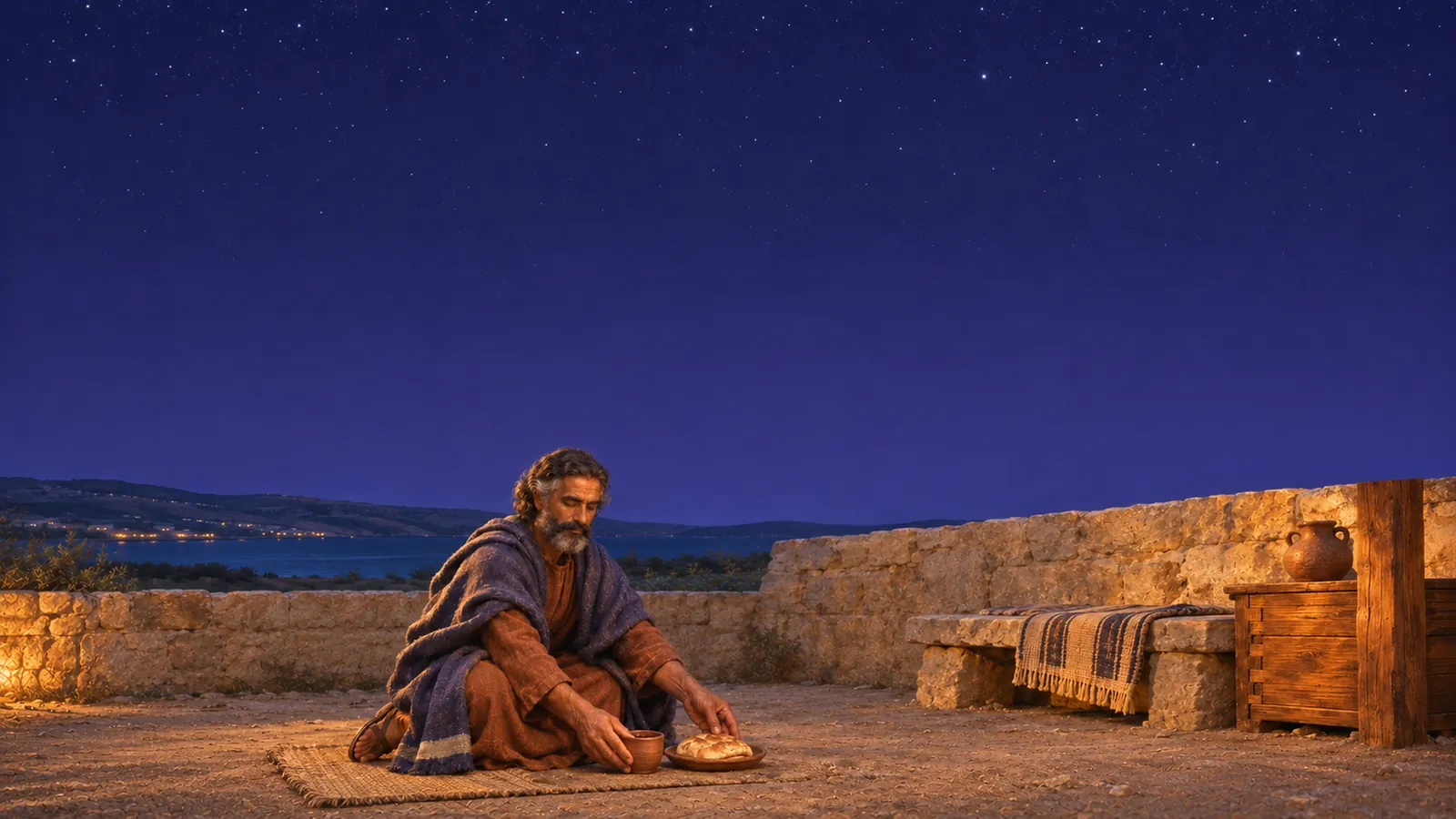
THE TALE OF AQHAT
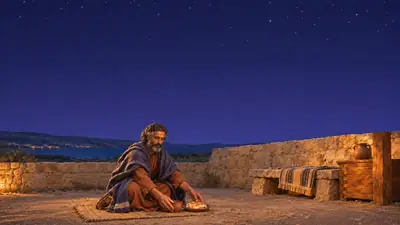
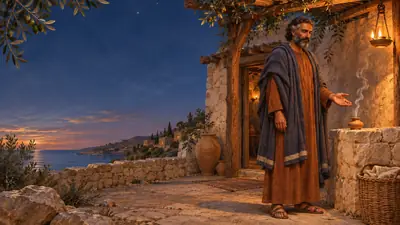
The story begins after a break in the tablet. In the first readable lines, Danel makes offerings of food and drink and lies down for the night.
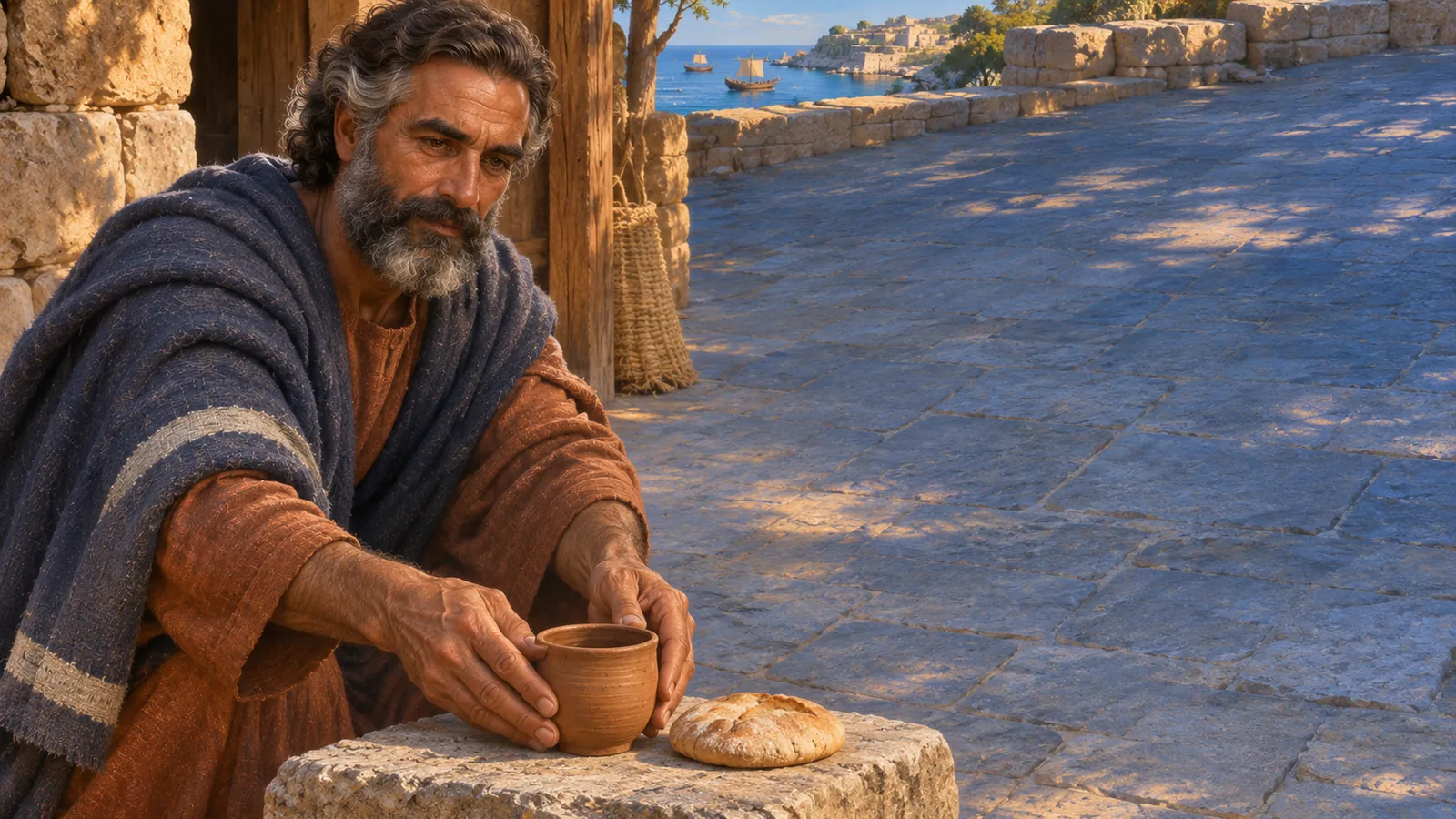
The poem counts the days in pairs. As each pair passes, Danel returns to the offerings of food and drink.
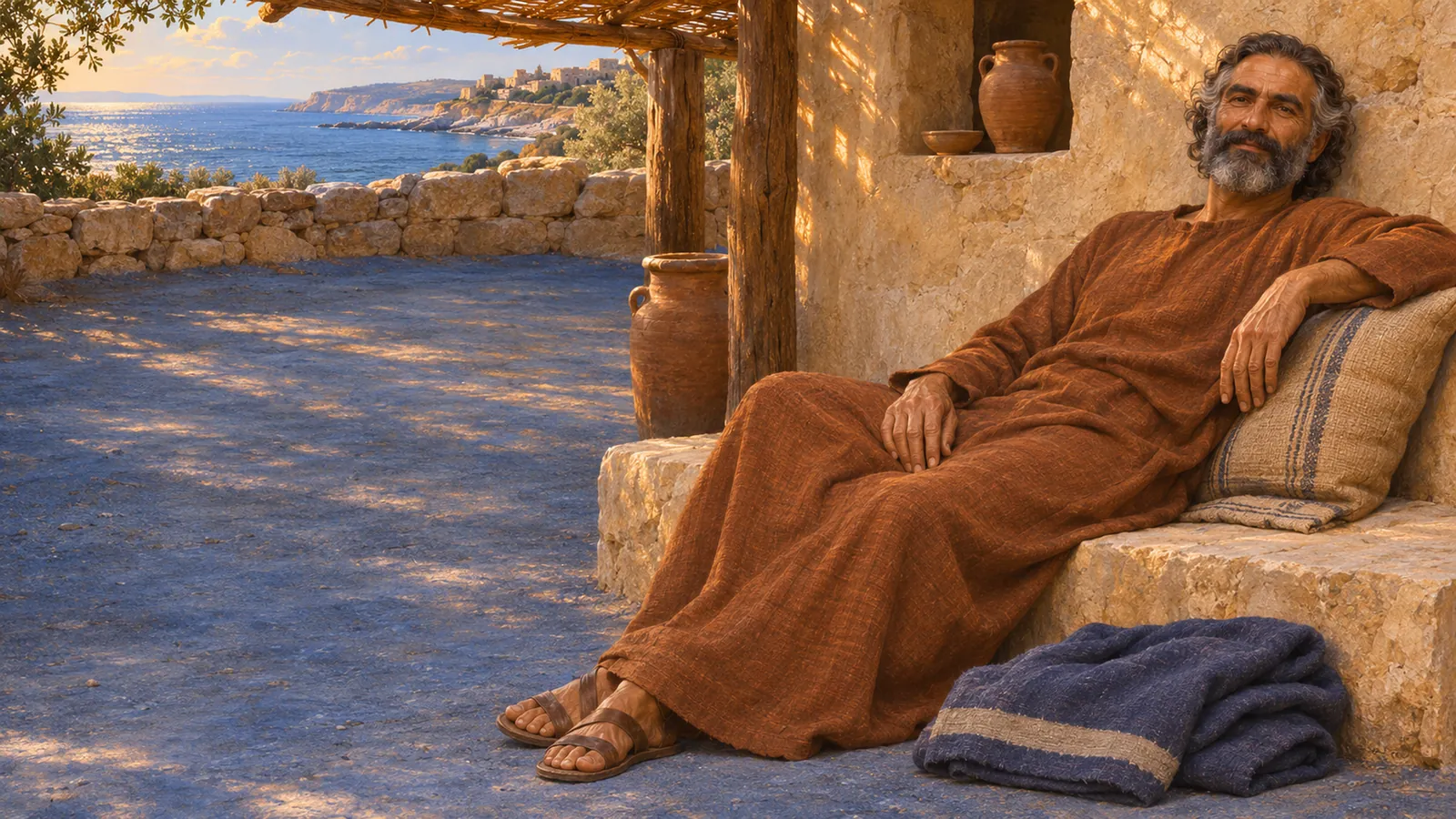
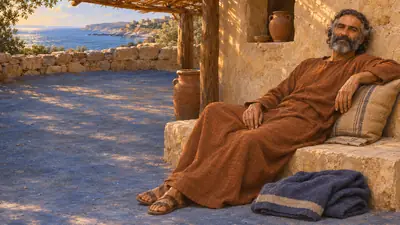
The last pair of days passes in the poem’s count. Danel lays aside his garment and lies down to rest.
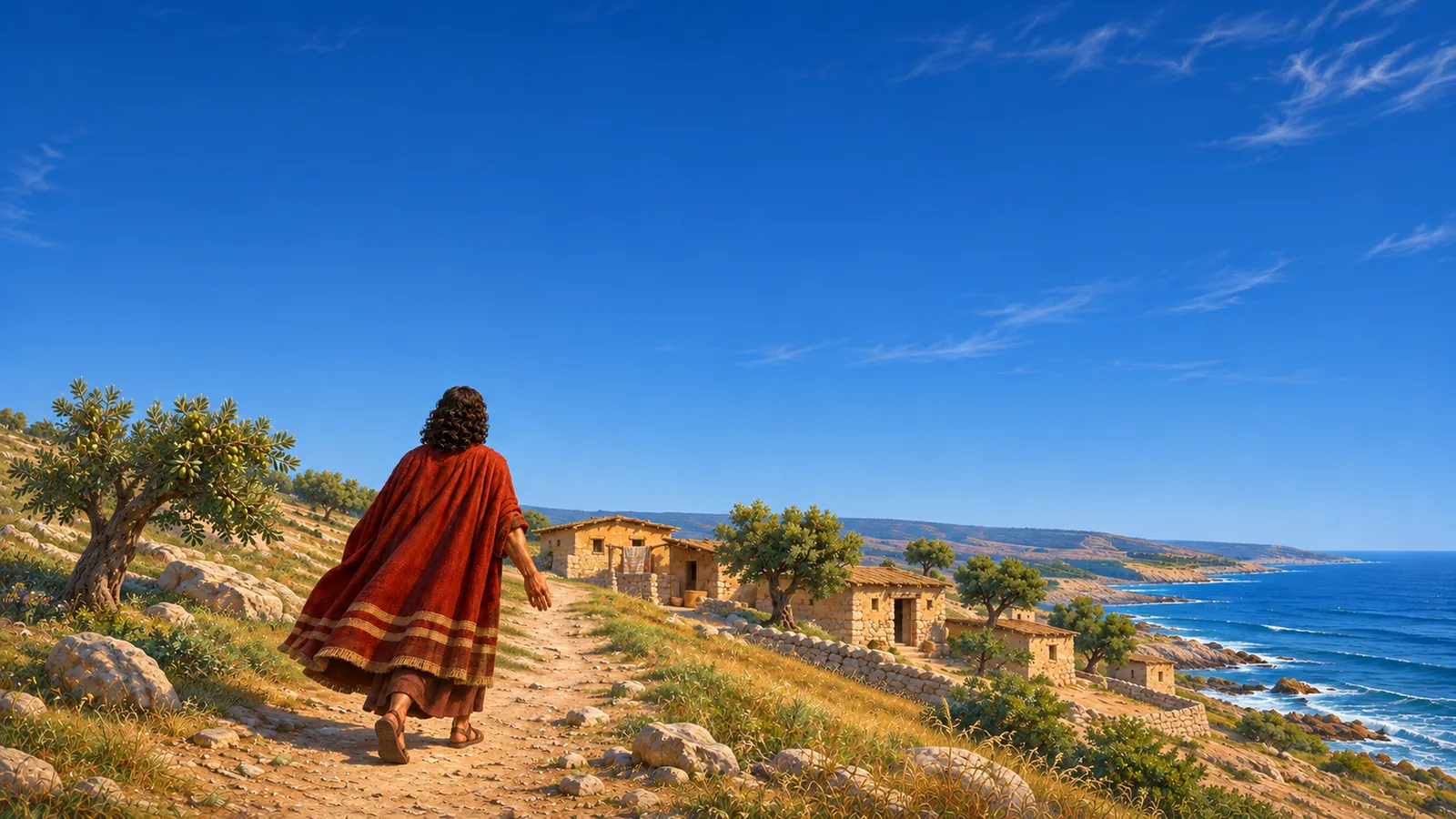
THE SEVENTH DAY
On the seventh day Baal comes near with favor. The repeated account of Danel’s days turns toward Baal’s words to El.

Baal tells El that Danel has no son. He asks El to bless him so that he may have one.
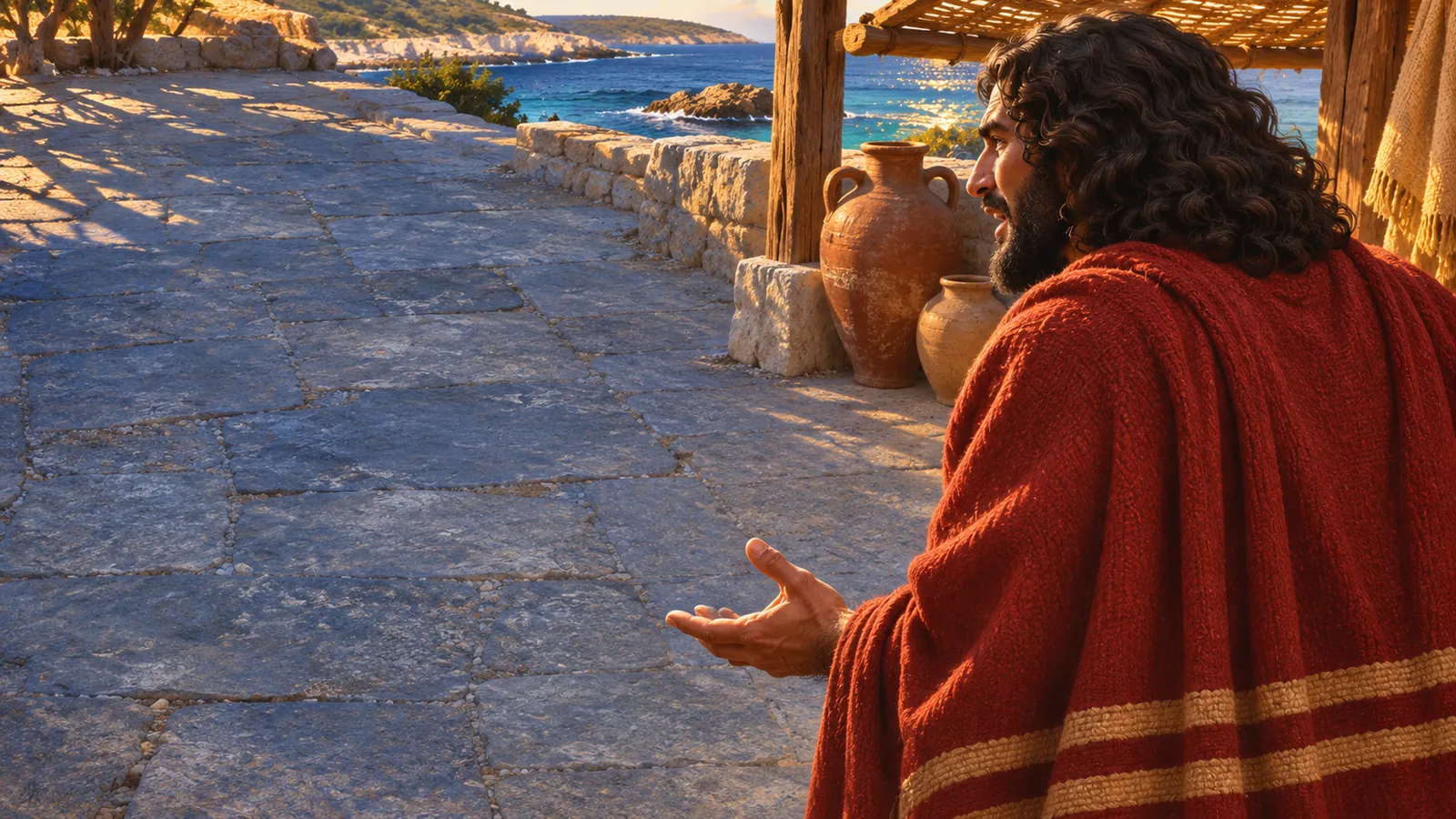
Baal tells El what a son would do for his father and household. He speaks of remembrance, support and ordinary daily care.
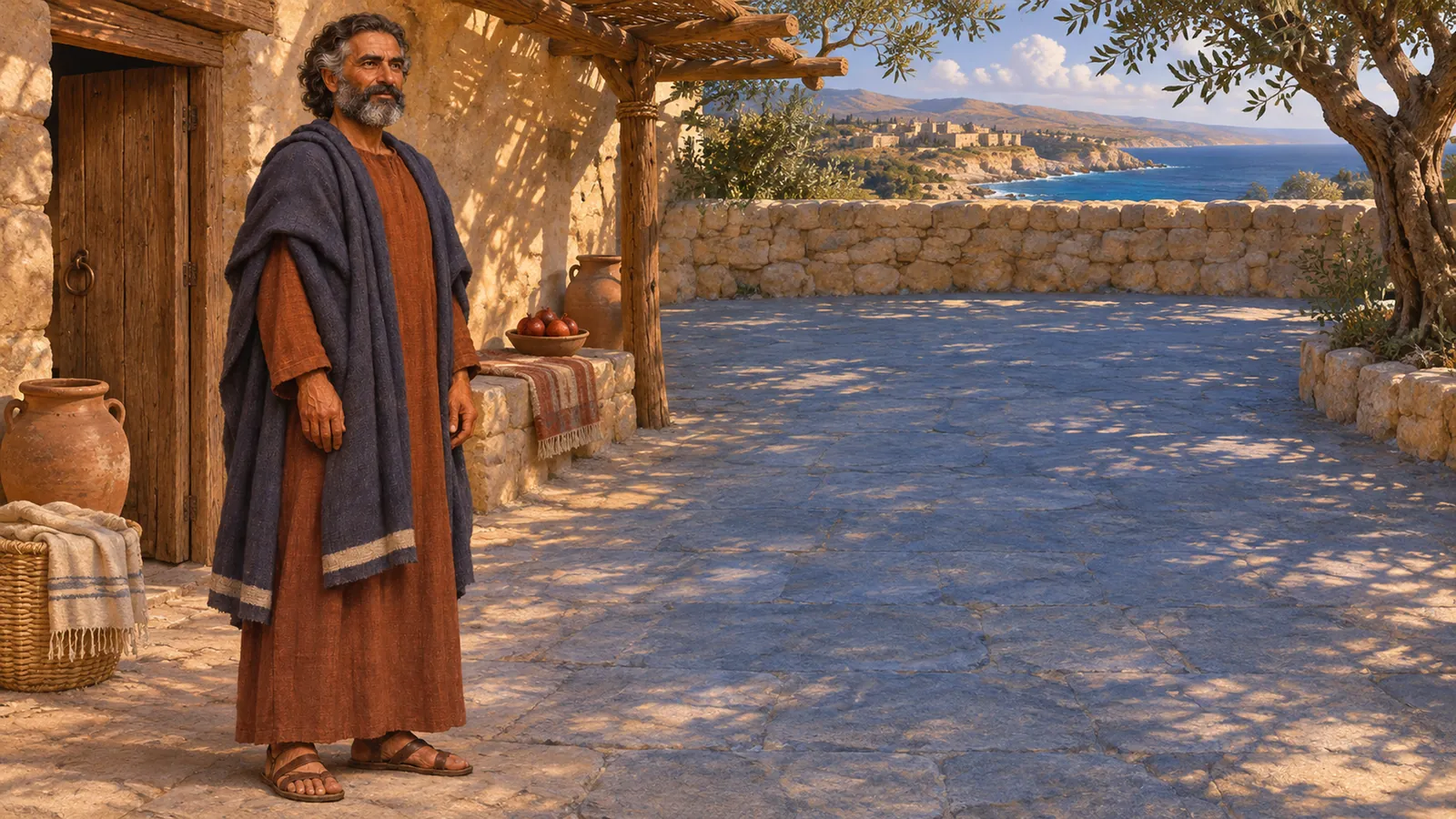
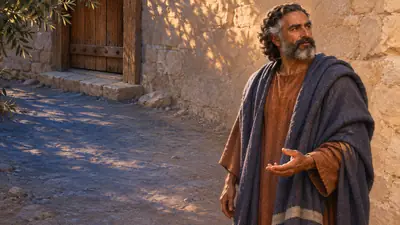
El blesses Danel. He speaks of conception and the child Danel has hoped for, while the first gesture in the passage is difficult to read.
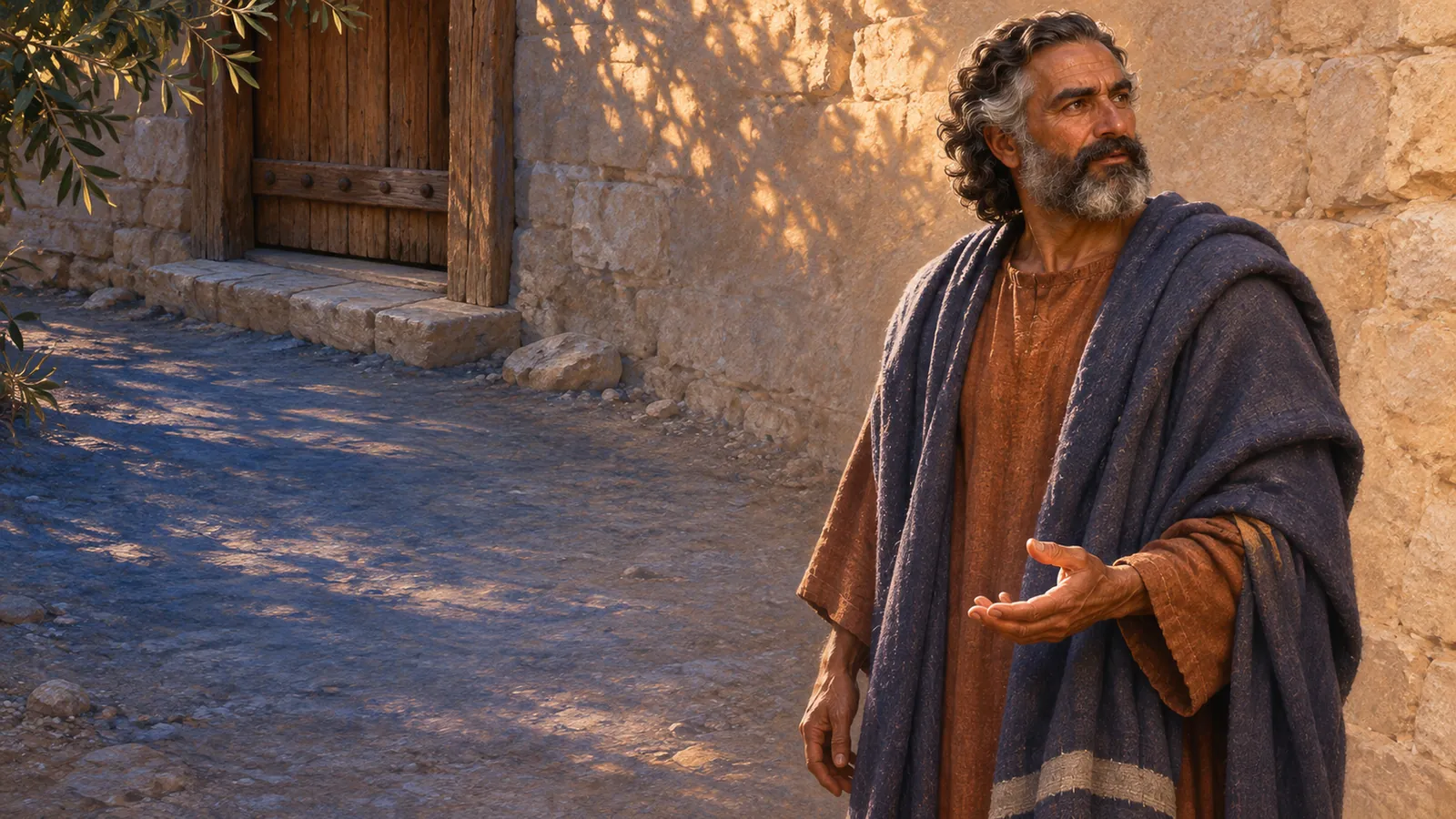
The duties of a son are repeated in the blessing and again in words addressed to Danel. Across the damaged passage, Baal is a likely bearer of the news.
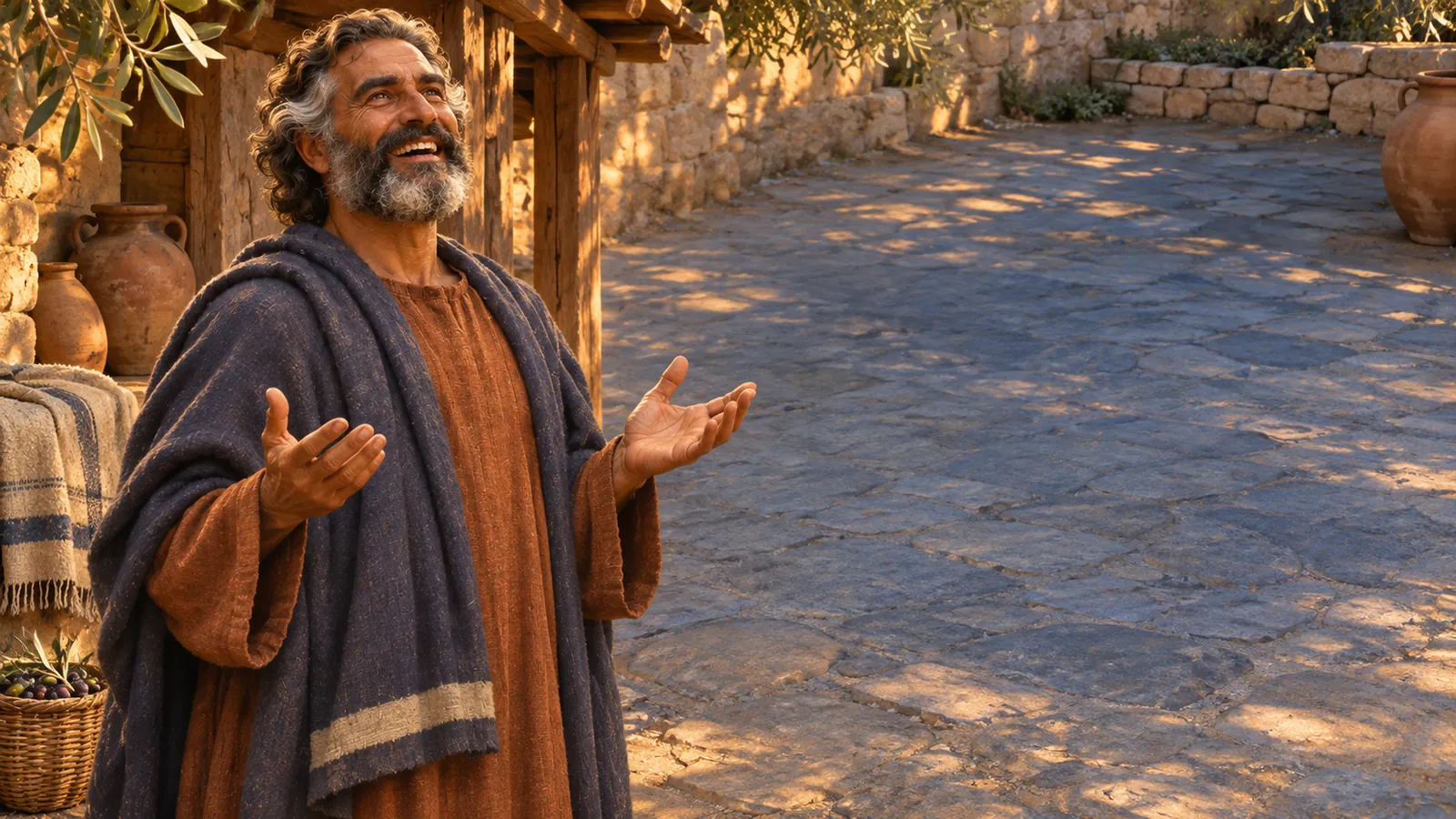
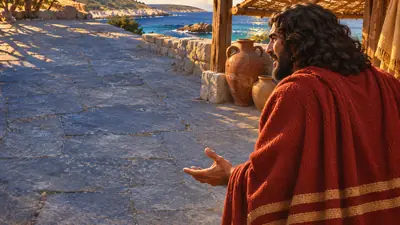
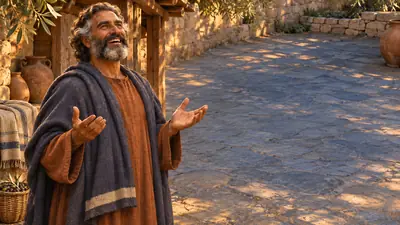
Danel rejoices when he hears the words. He repeats the duties himself, looking forward to the son he hopes to have.
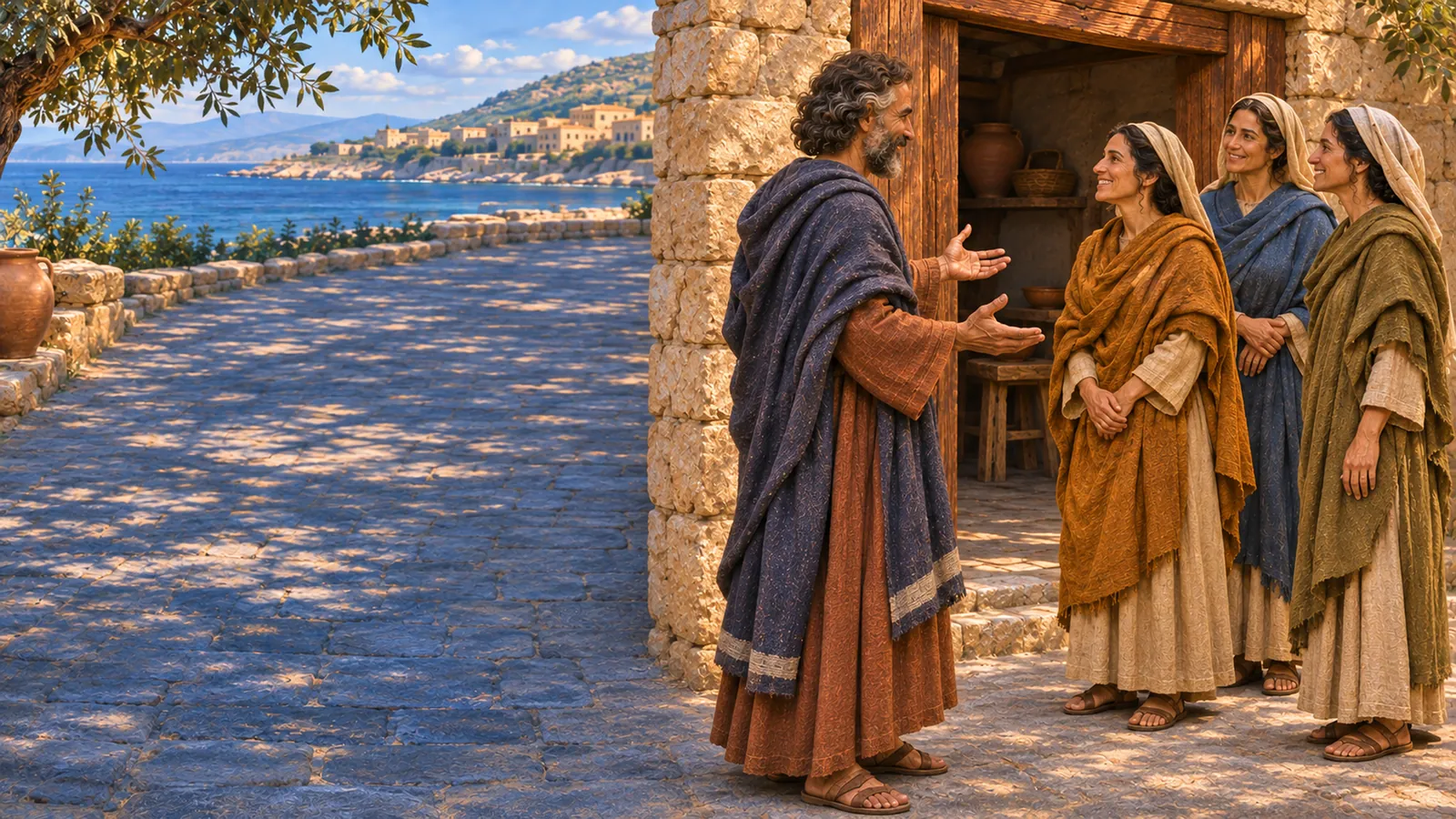
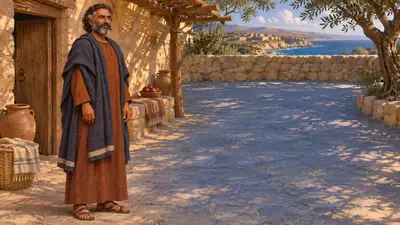
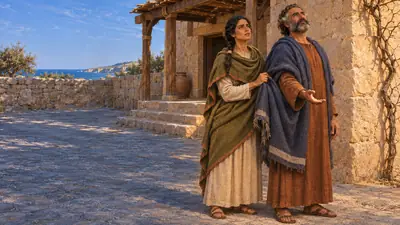
Danel returns to his house. The poem tells how the Kotharat arrive there as guests.
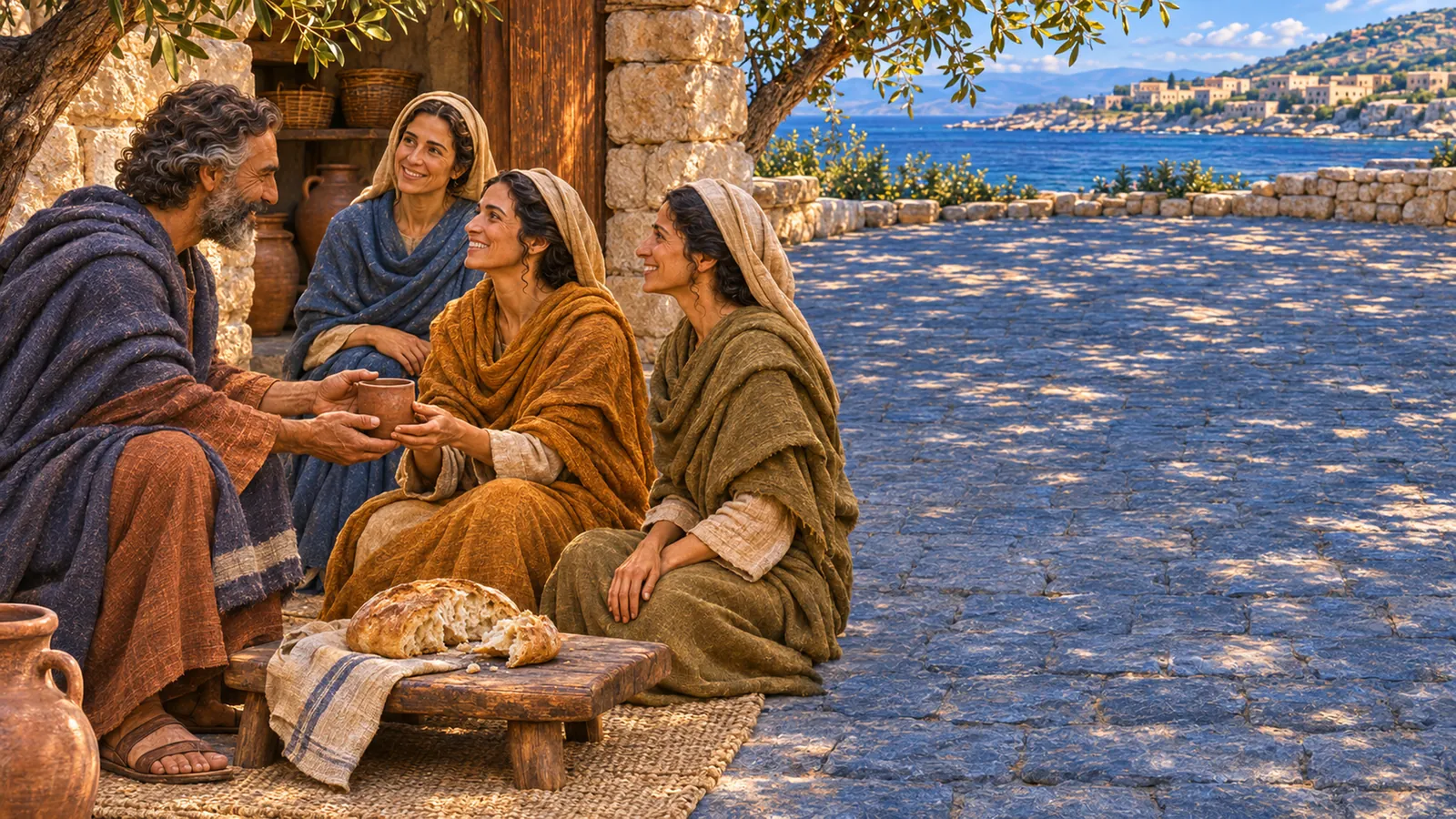
Danel offers hospitality to the Kotharat as six days pass. On the seventh day the guests leave his house.
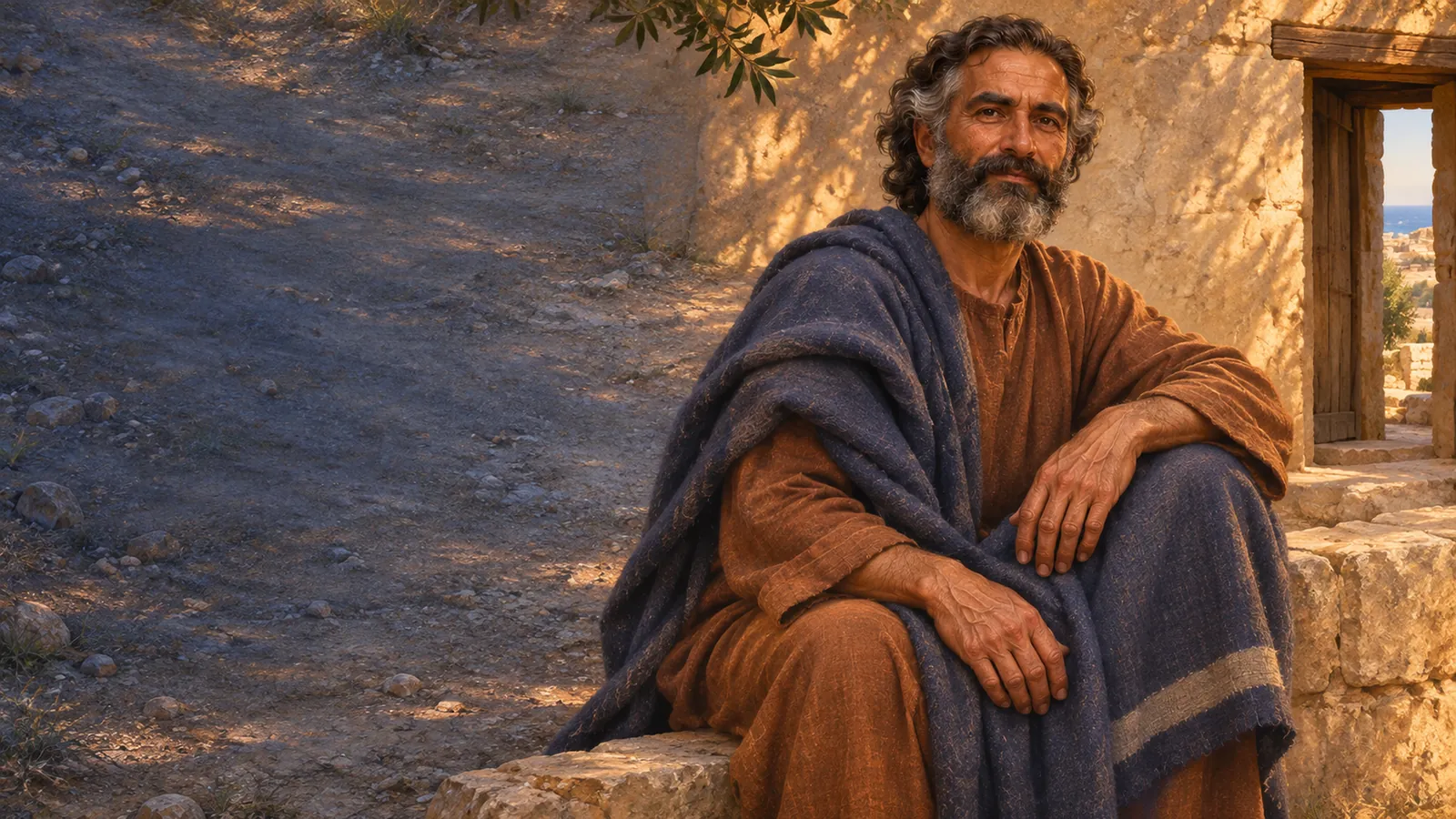
Danel counts the months of pregnancy. The story breaks off here and later resumes with Aqhat old enough to receive a gift.
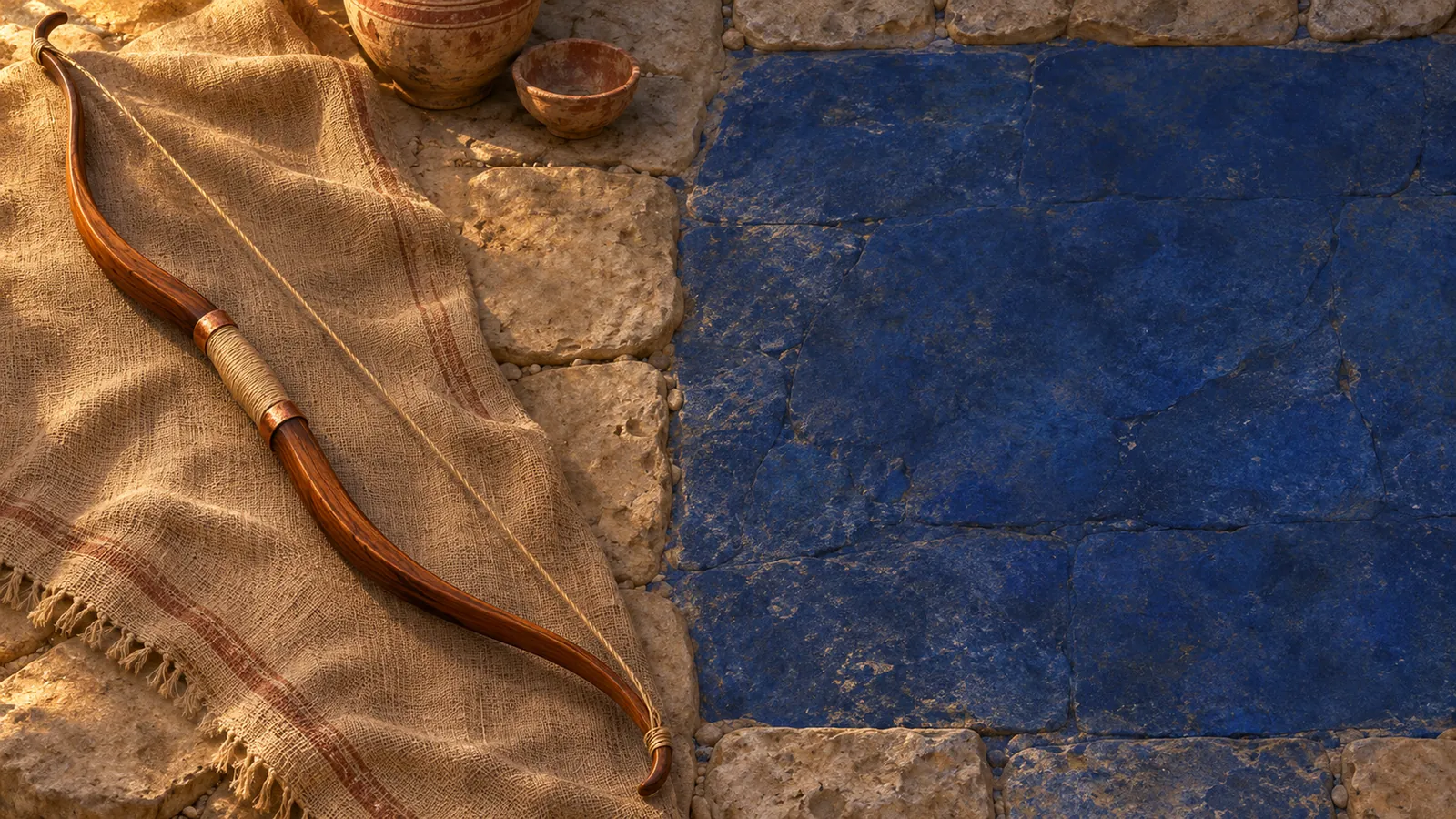
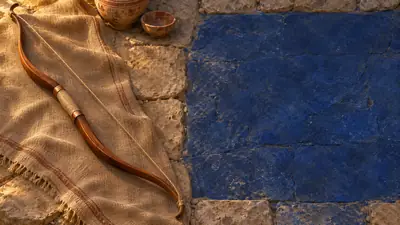
When the text resumes it mentions a bow. Another seventh day is counted, while the earlier circumstances of this gift remain lost.
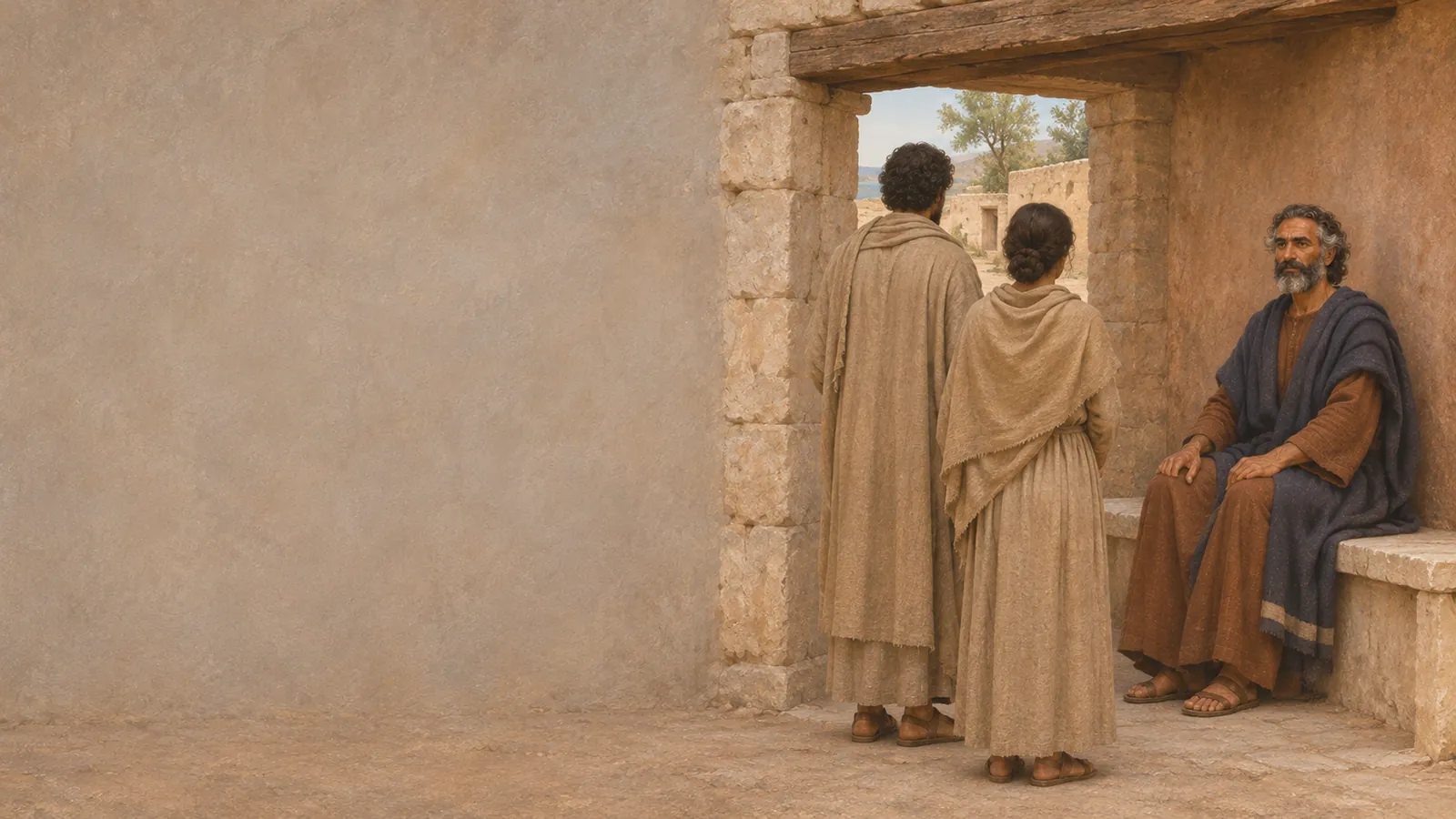
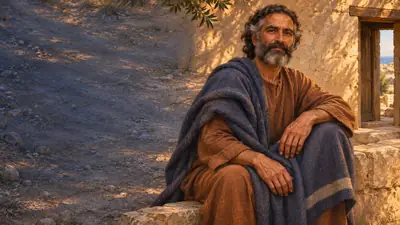
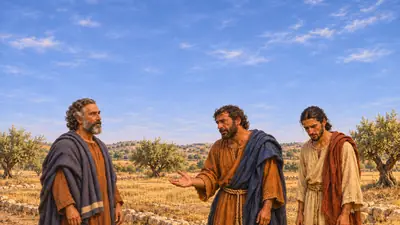
Danel sits at the gate to hear cases. The poem names the widow and the orphan as people he hears there.
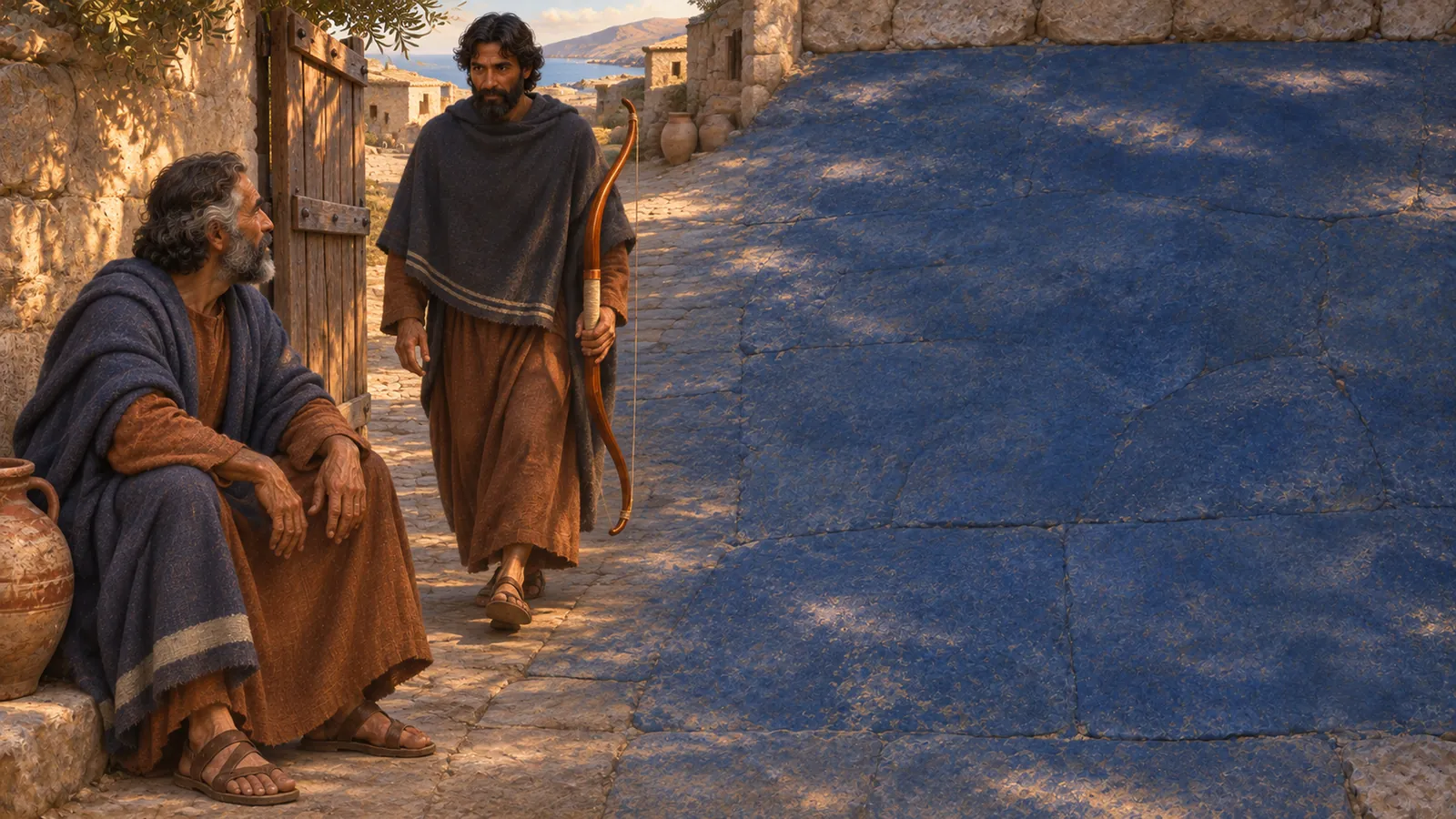
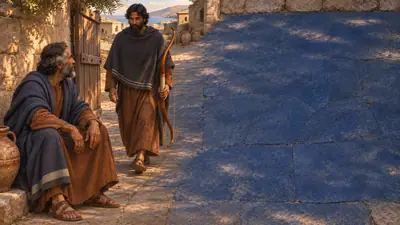
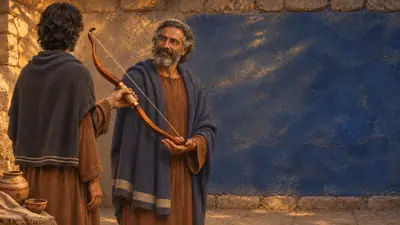
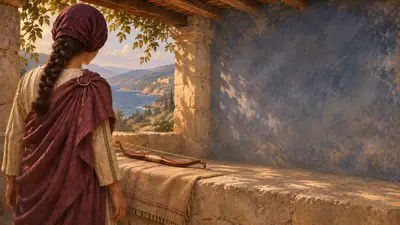
As Danel sits at the gate, he sees Kothar-wa-Hasis coming. The text says the craftsman brings the bow.
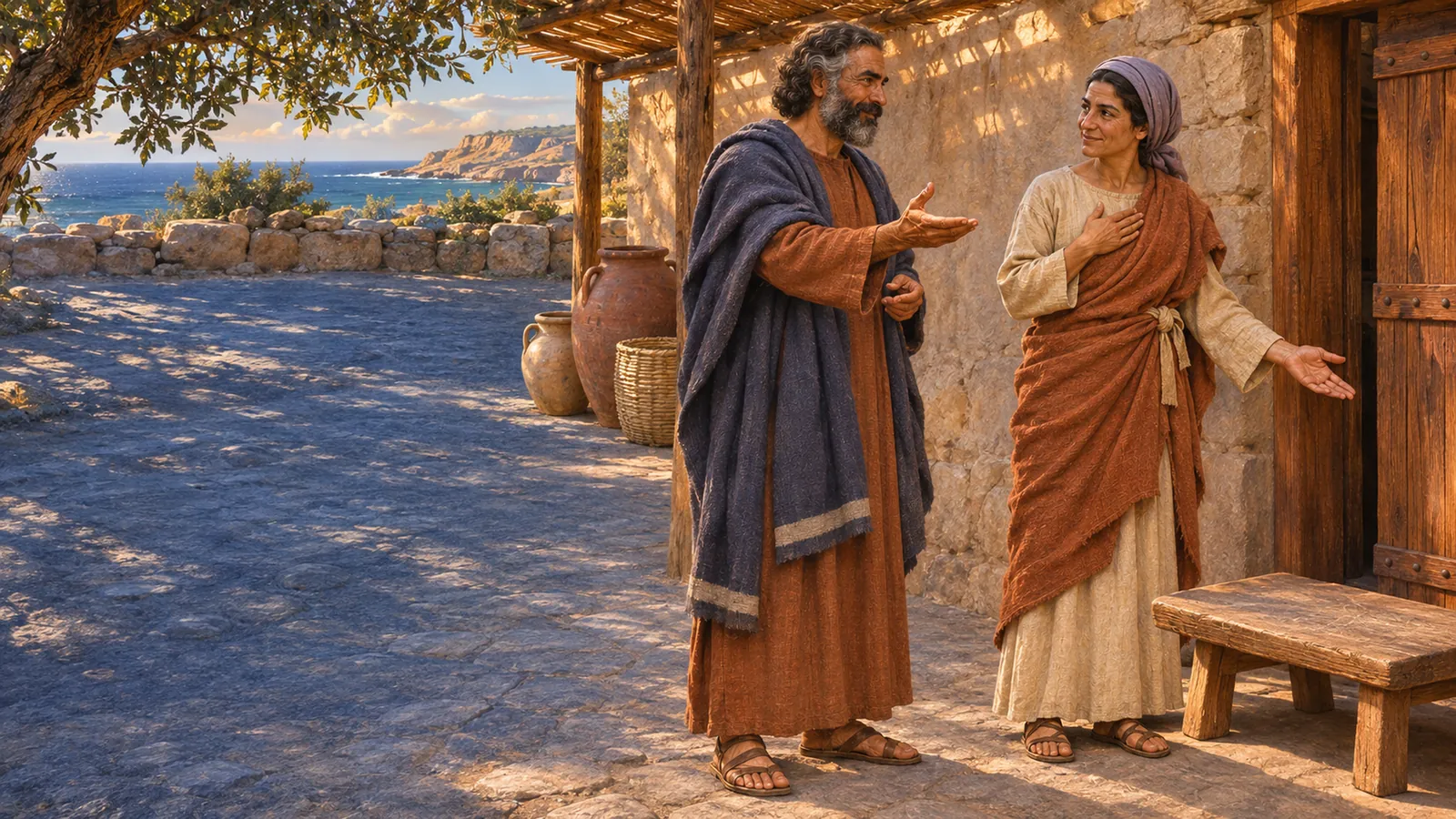
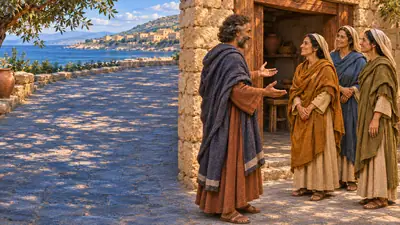
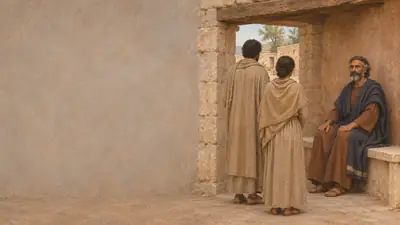
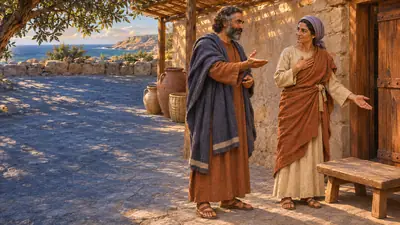
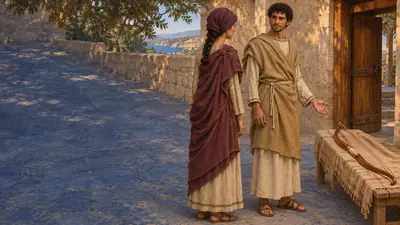
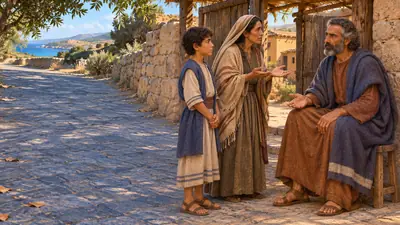
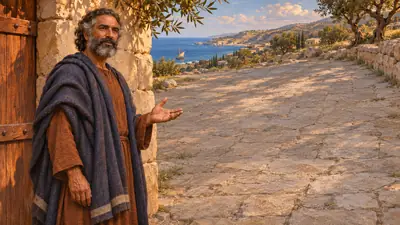
Danel asks Danatiya to receive the craftsman with hospitality. The passage also calls him Hayyan, another name used here for Kothar-wa-Hasis.
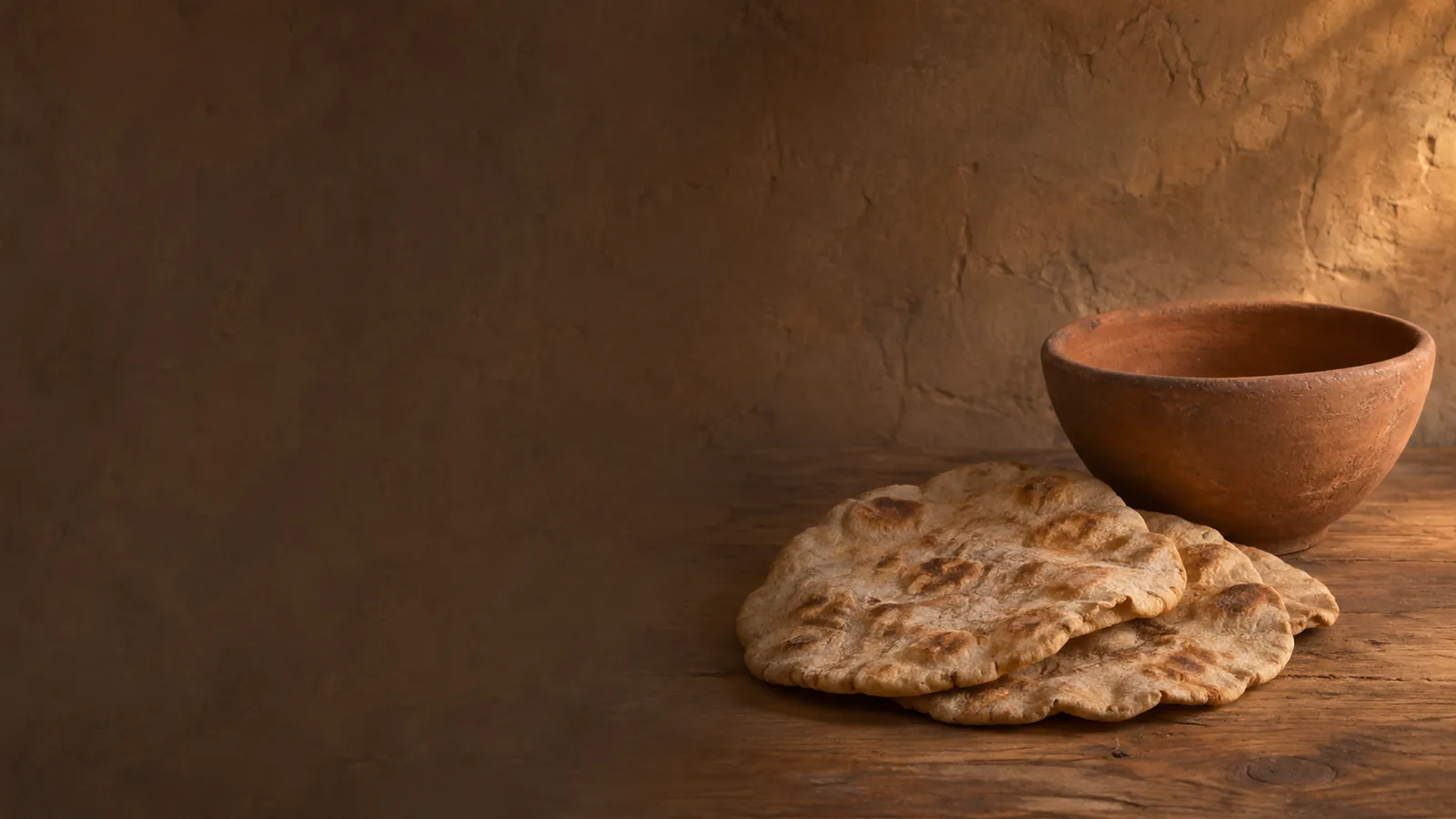
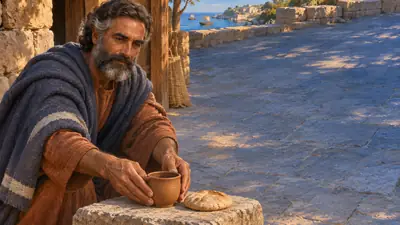
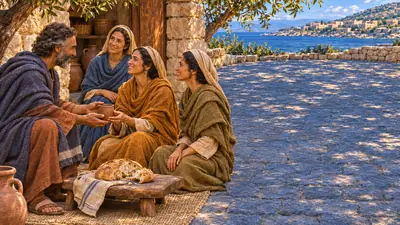
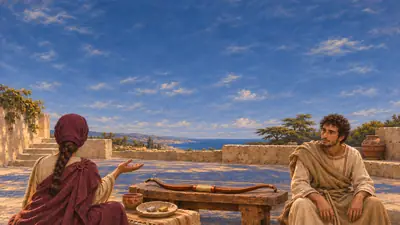
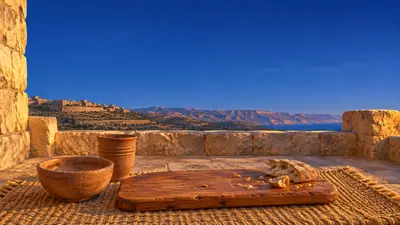
Danatiya makes the meal ready for the craftsman. The poem pauses over the food and the setting before the gift is presented.
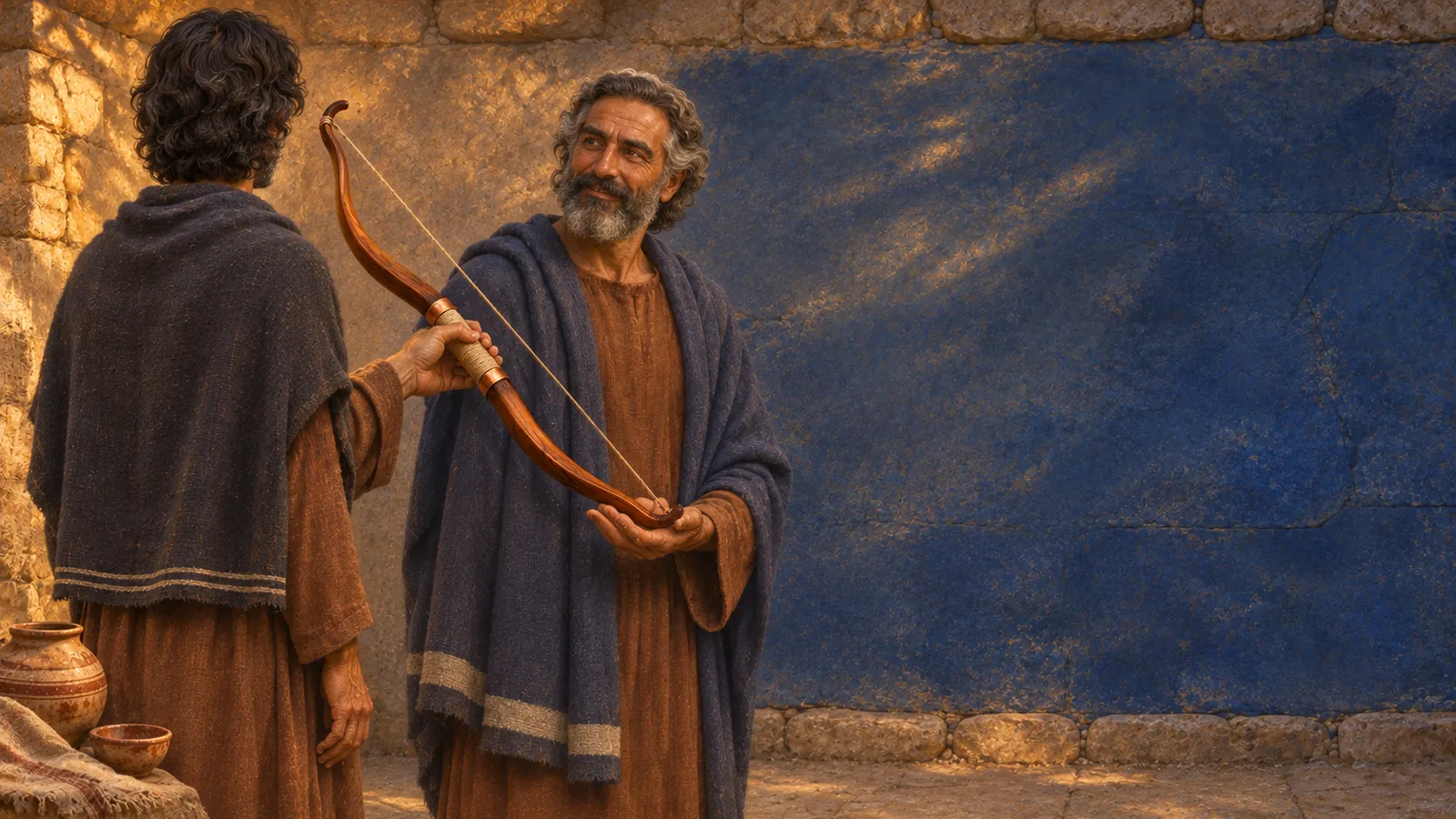
The craftsman presents the bow to Danel. The gift enters the household during the visit for which Danatiya has prepared the meal.
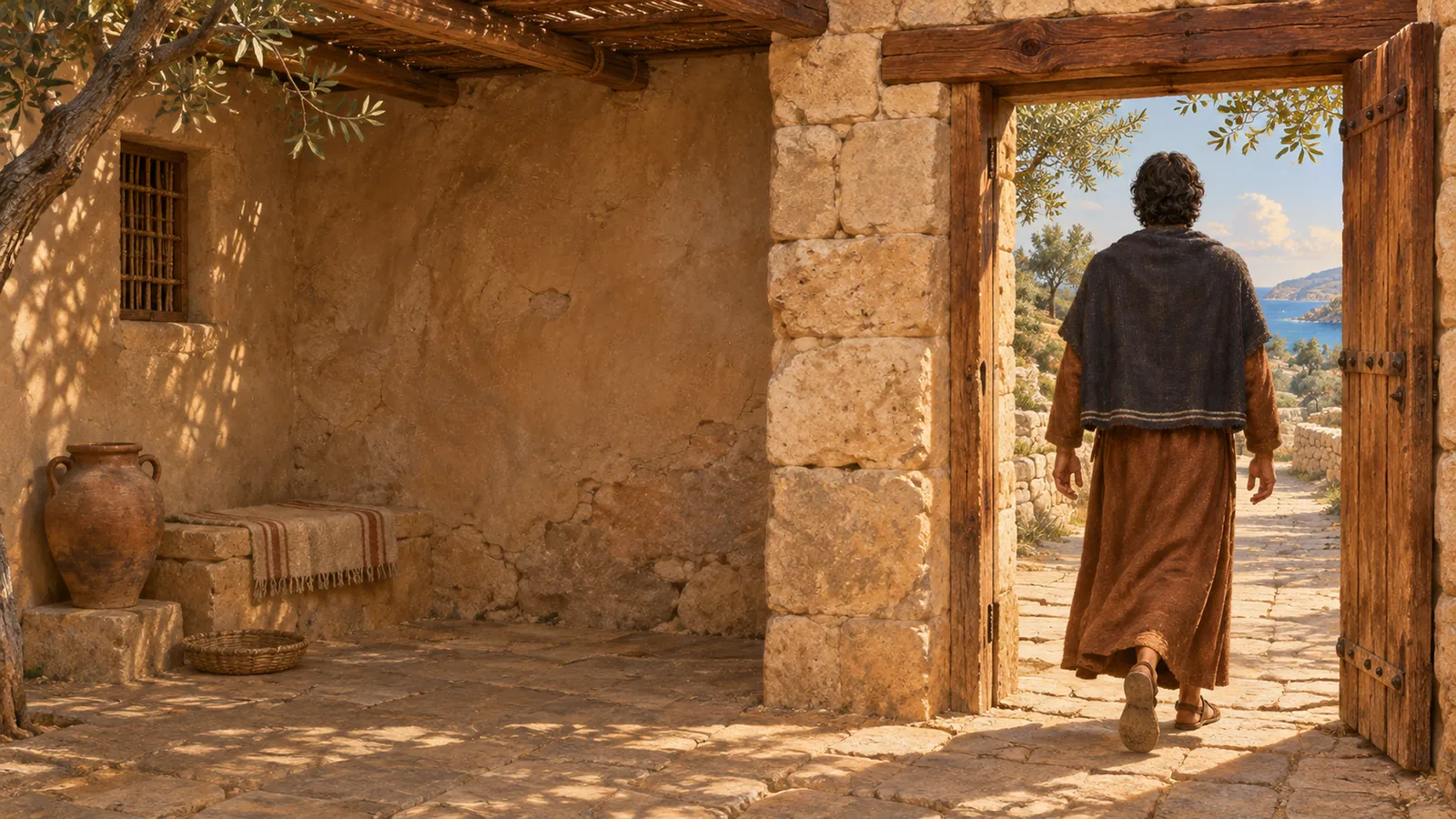
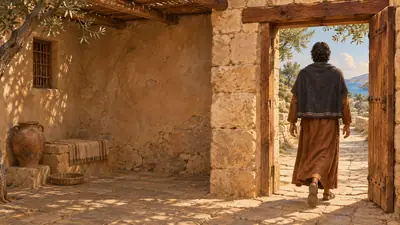
Danatiya offers hospitality to the craftsman. The account of the visit draws to an end as the craftsman leaves Danel’s house.
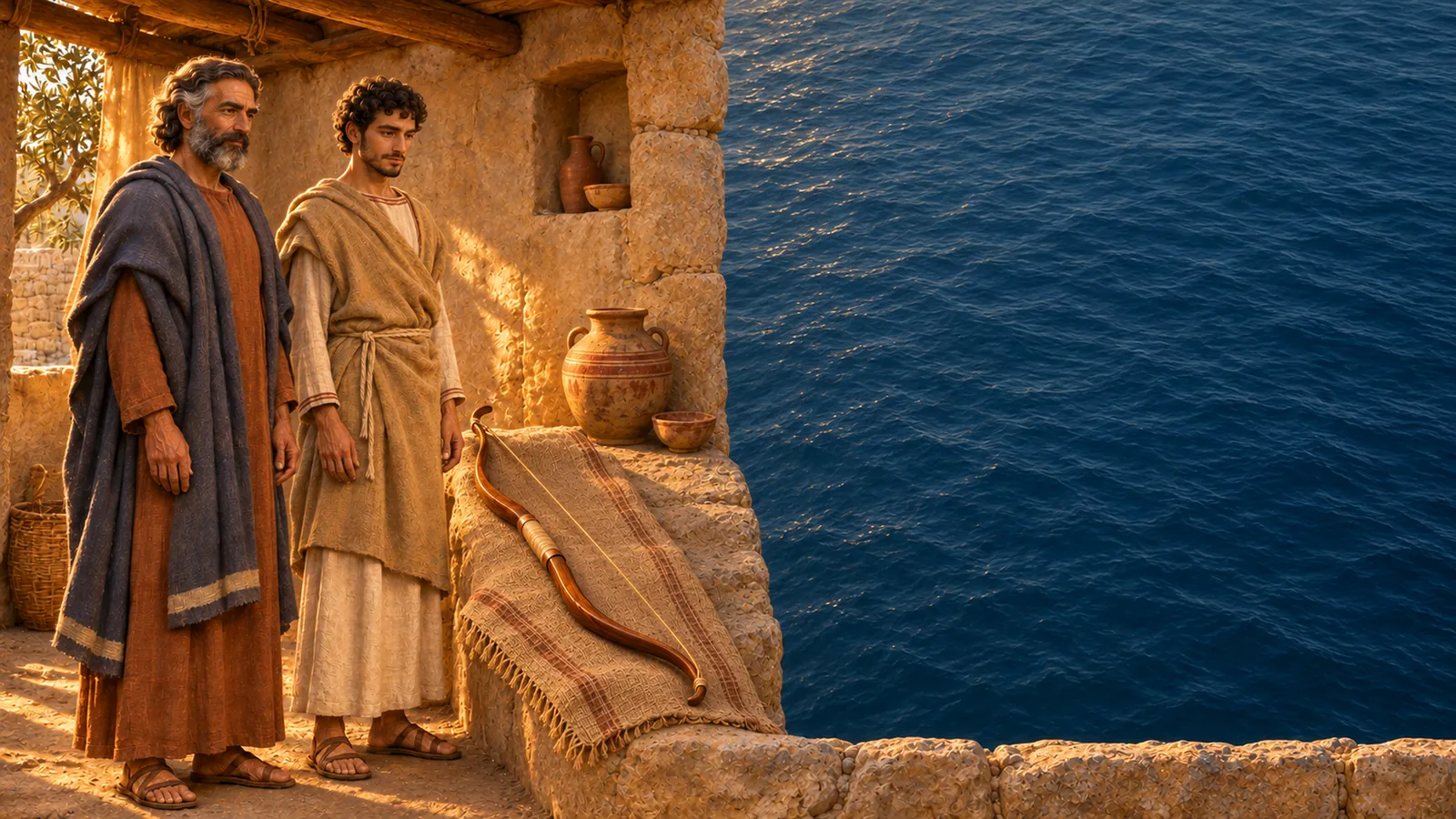
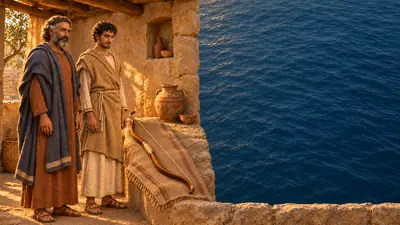
The damaged passage seems to show Danel passing the gift to Aqhat with a blessing. The exact act and parts of his words are lost.
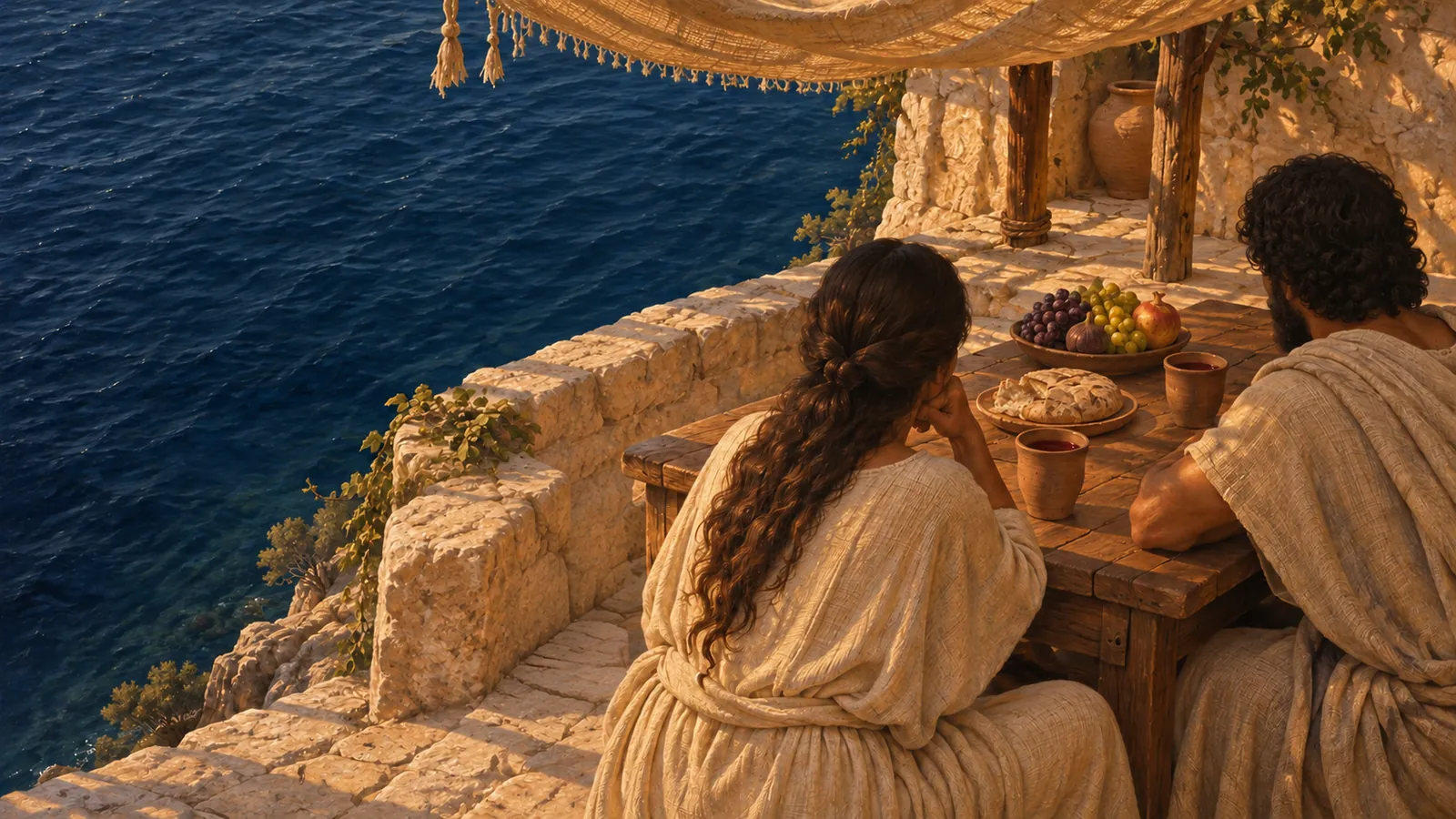
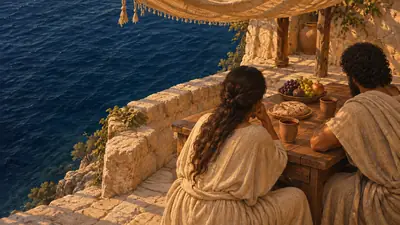
After a break, the text resumes with food and wine at a feast. Its setting and the circumstances that brought the guests there are lost.
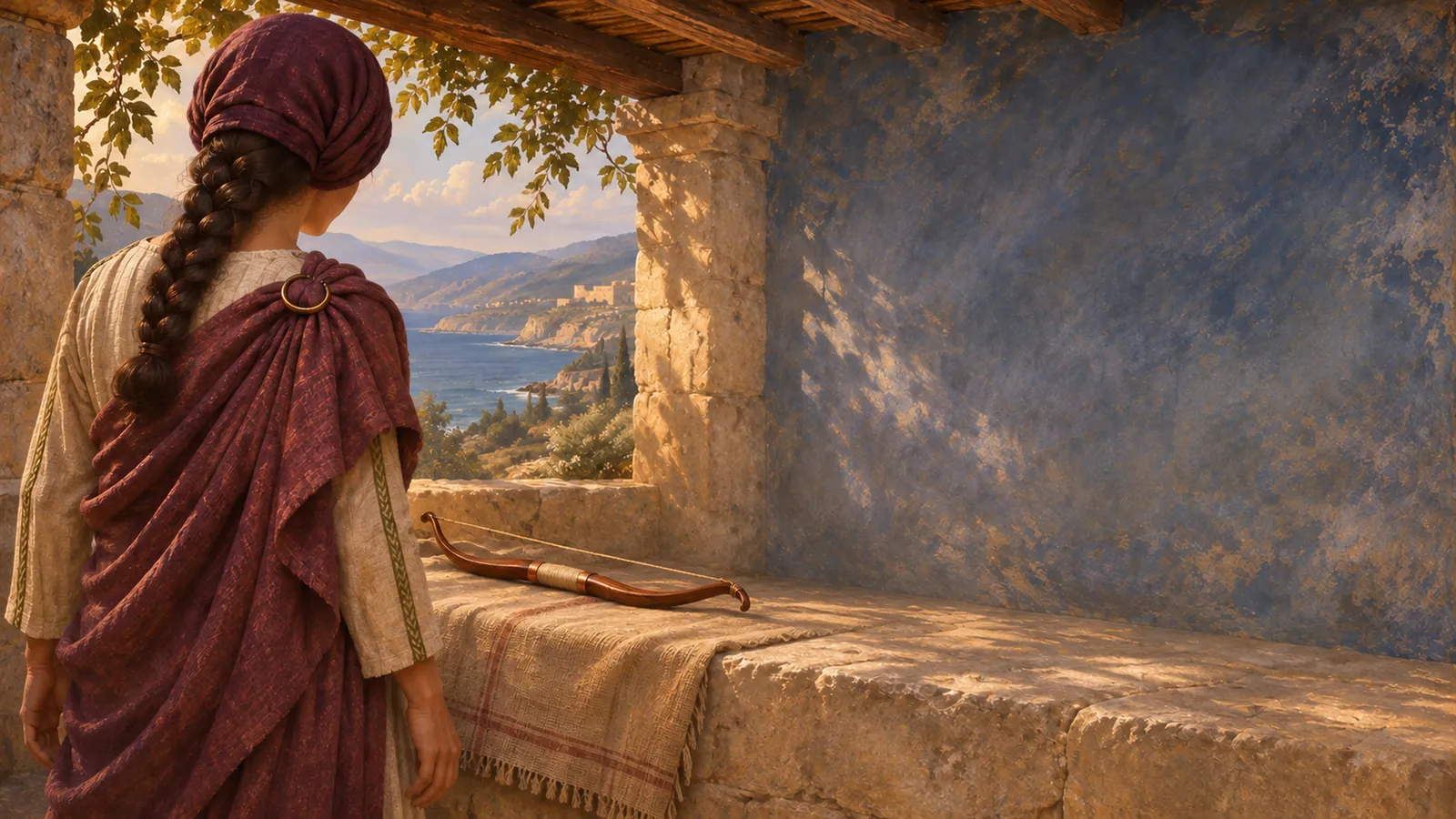
Anat takes notice of the extraordinary bow. The lines around that moment are damaged, and editions differ over who handles it.
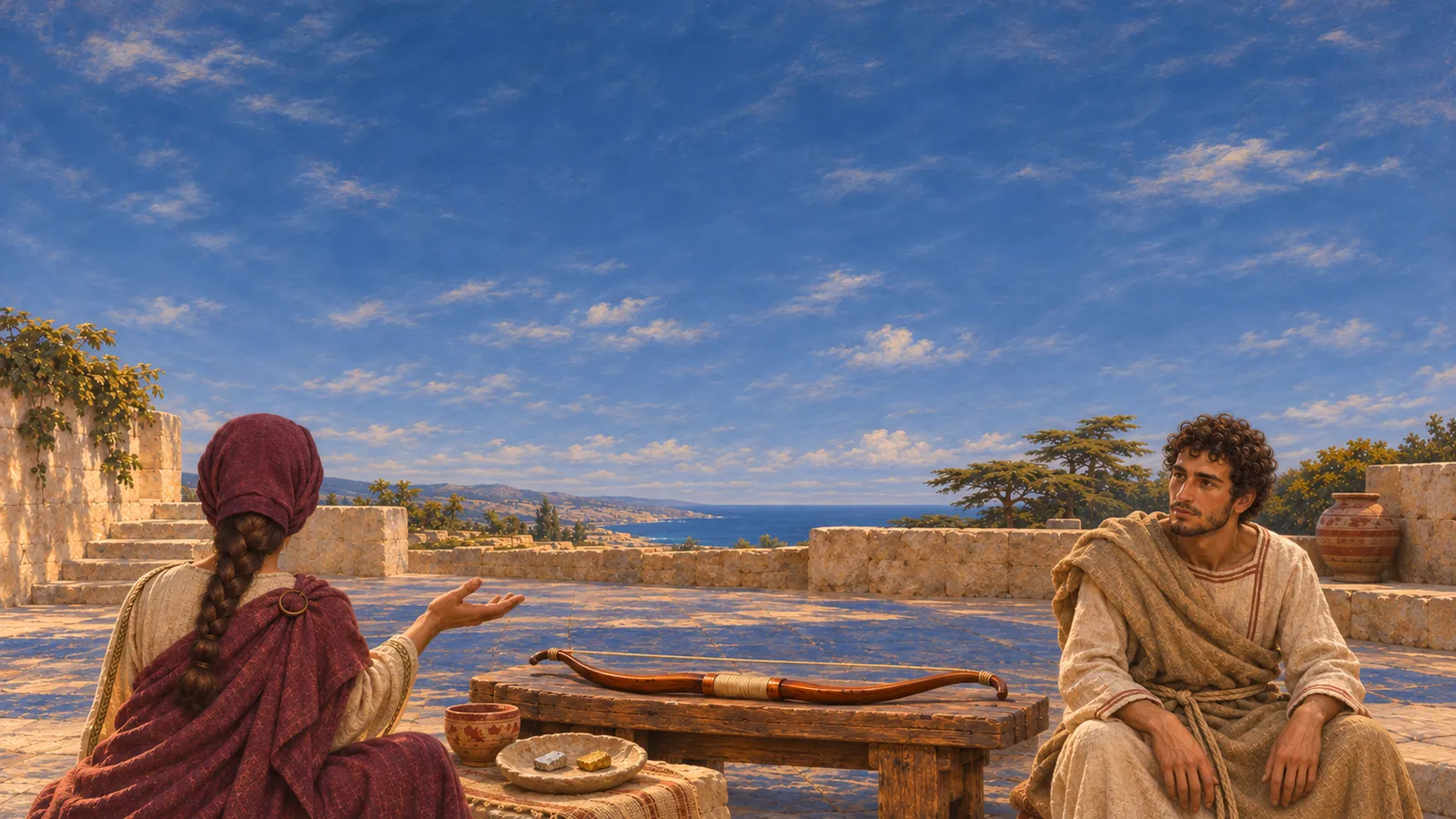
GOLD AND SILVER
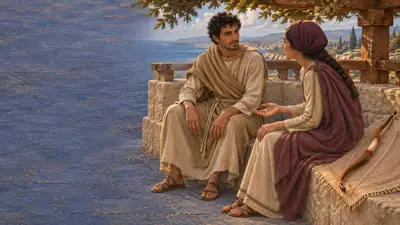
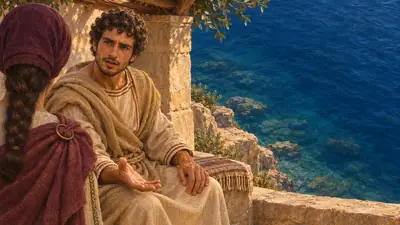
Anat offers Aqhat silver and gold in exchange for the bow. She names what she would give him for it.
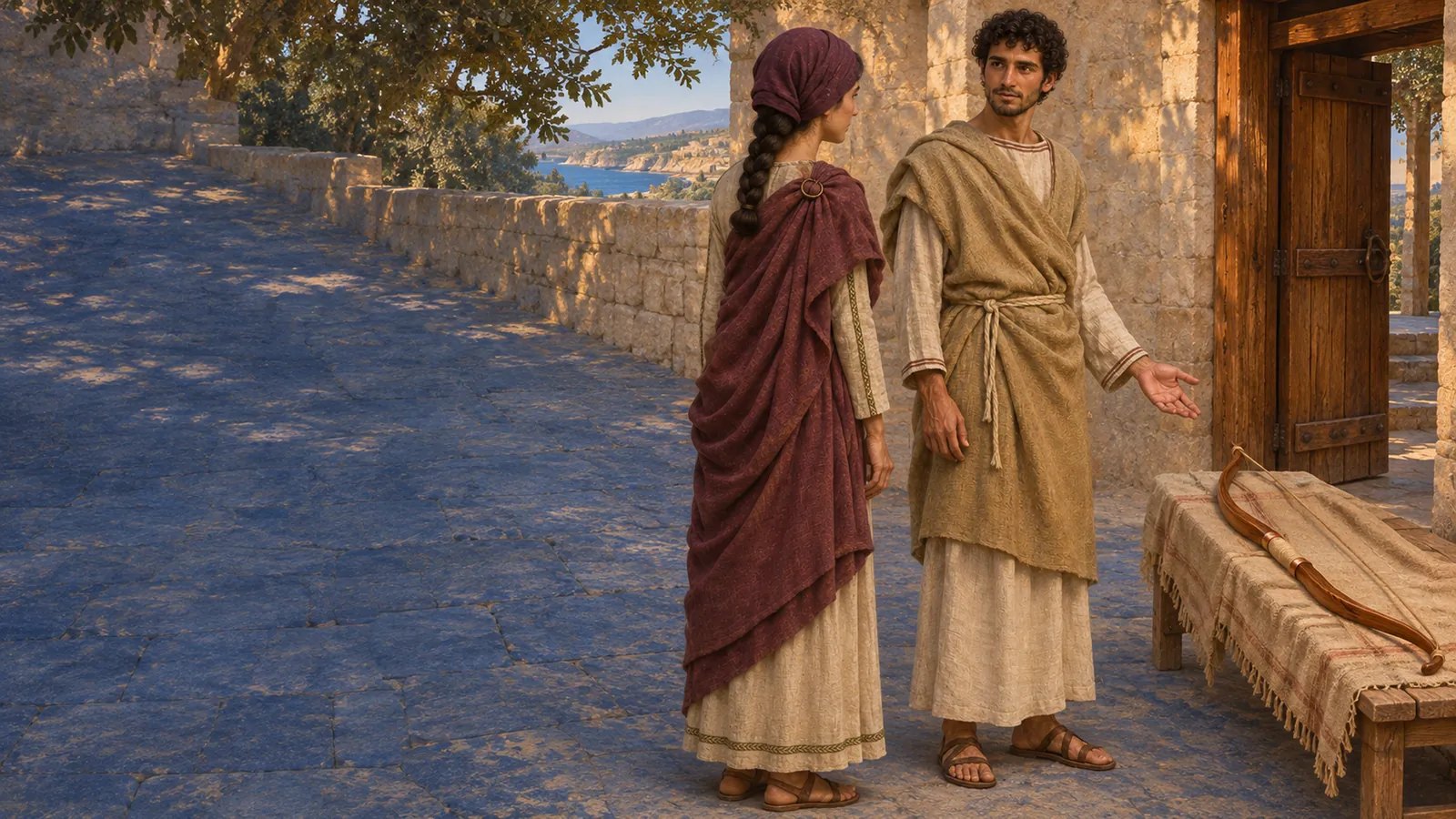
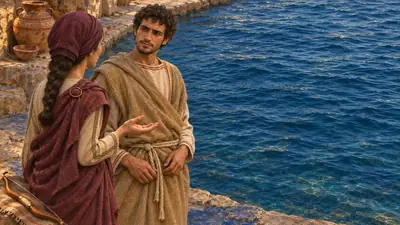
Aqhat directs Anat to the craftsman. He says she can go to him for a bow of her own.
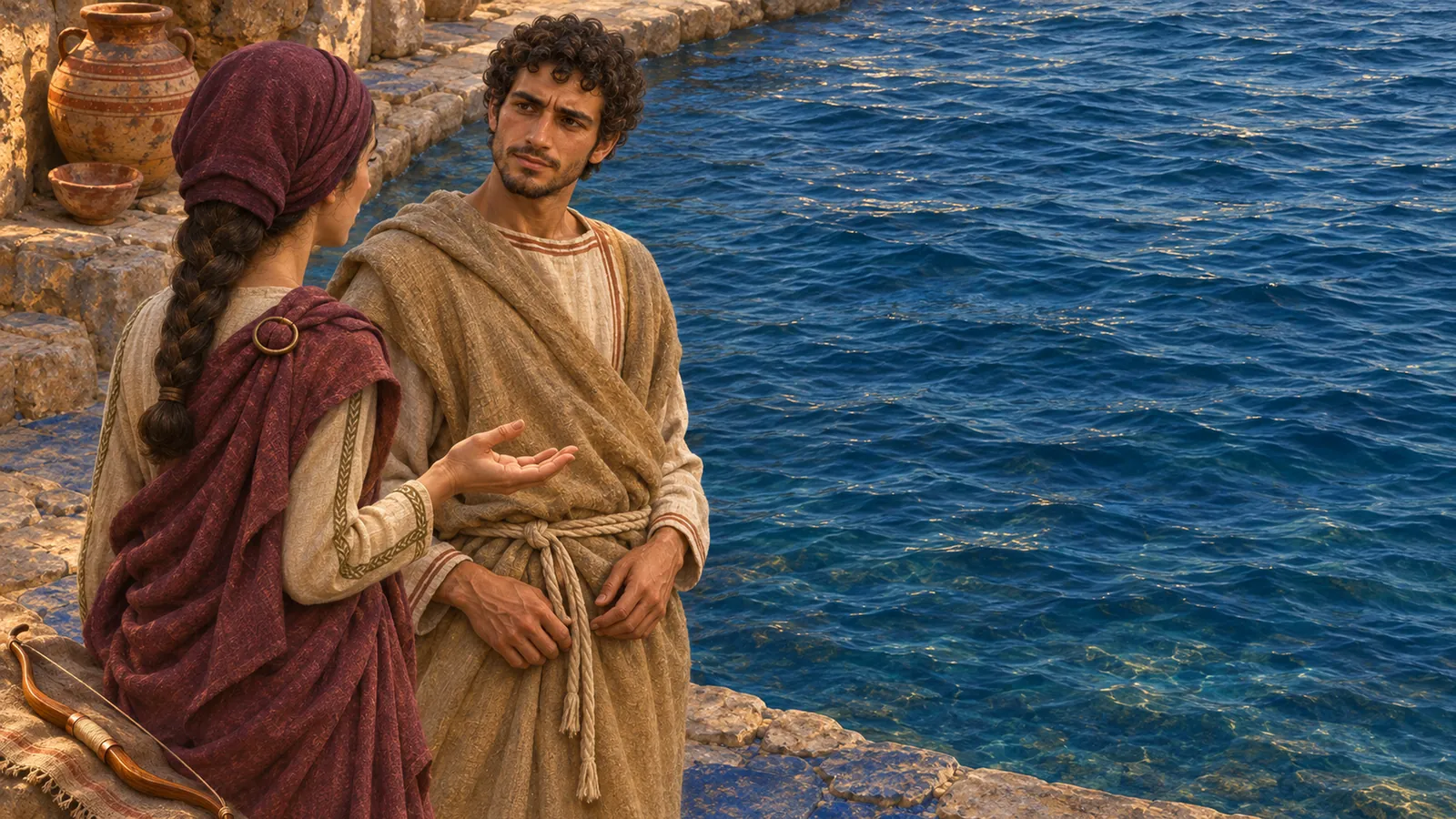
Still seeking the bow, Anat offers Aqhat life without death. She speaks of years that he would count with Baal.
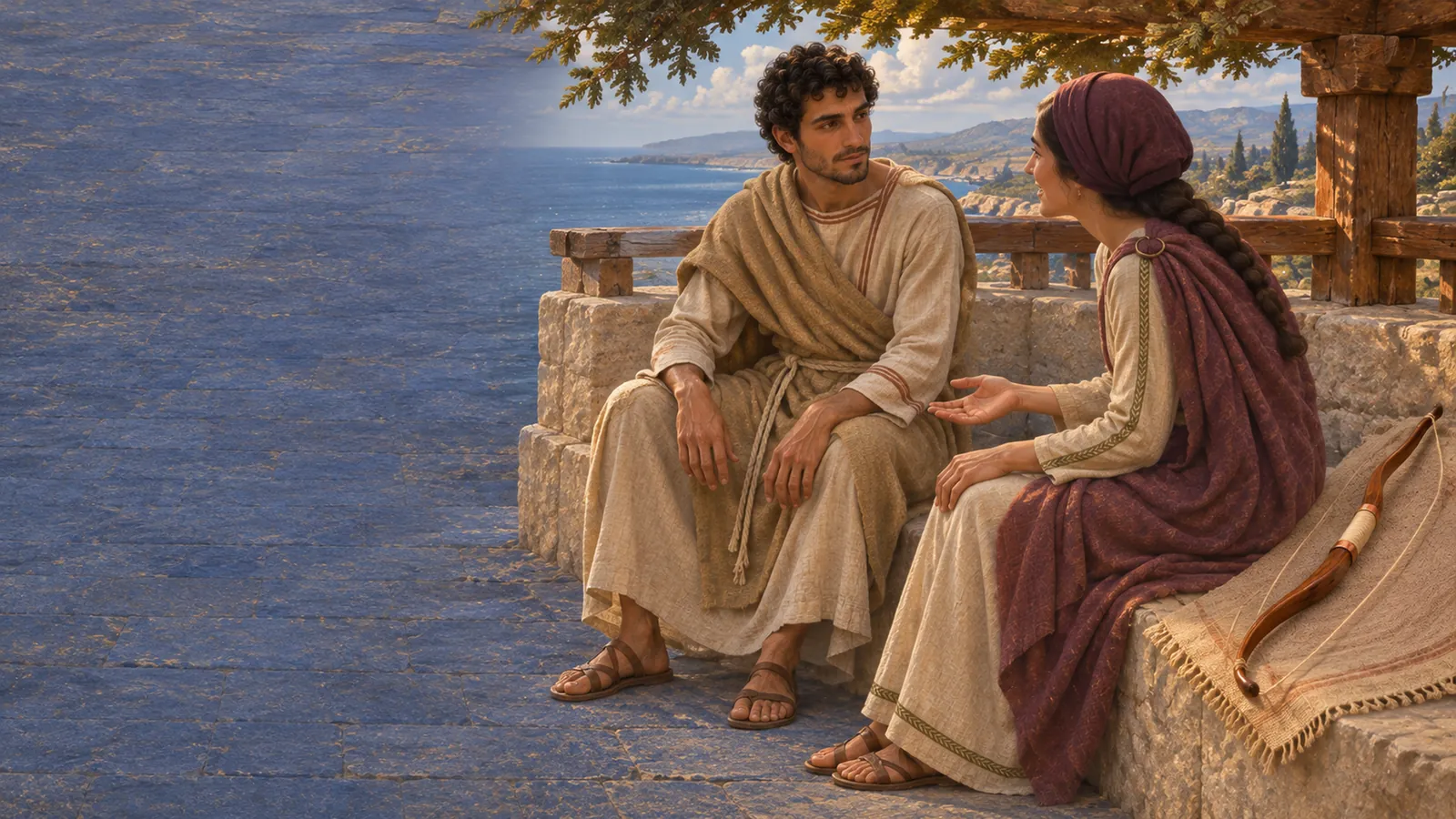
Anat continues her promise with images of hospitality and song associated with Baal. These are part of what she tells Aqhat.
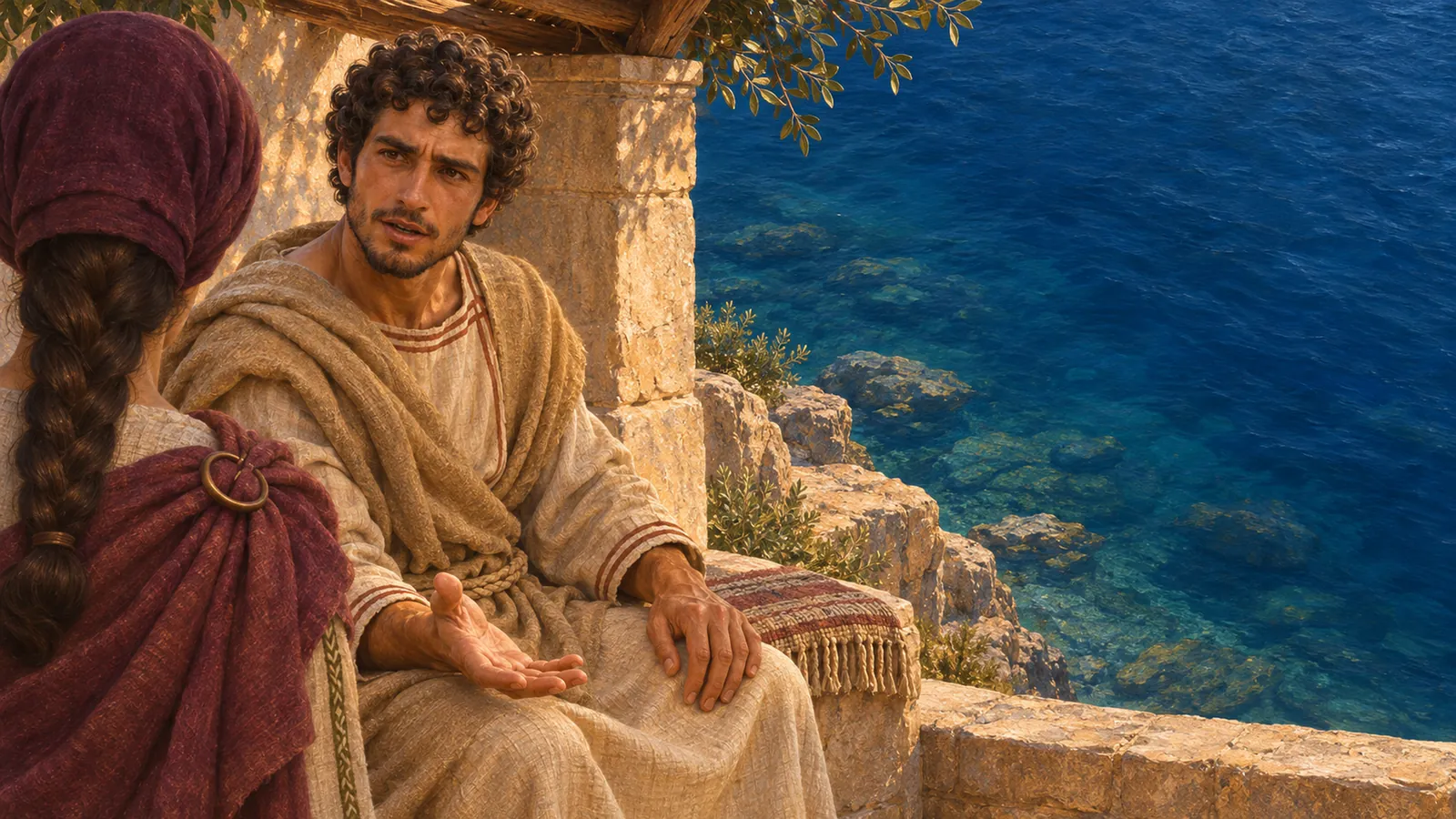
Aqhat says the promise is false. He tells Anat that he will die the same death as other human beings.
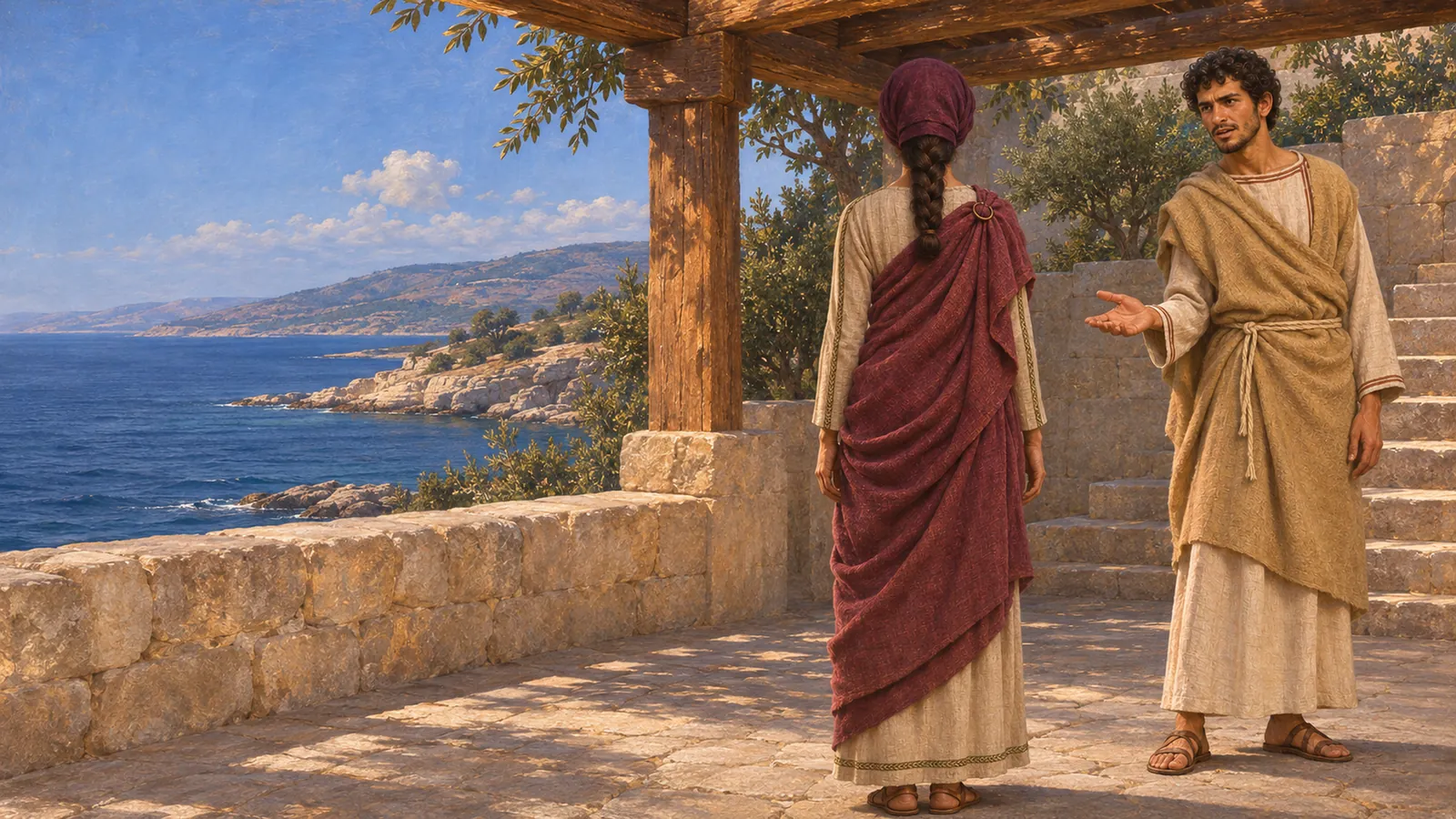
Aqhat challenges Anat’s claim to the bow. In his reply he questions, in his own terms, whether hunting belongs to women.
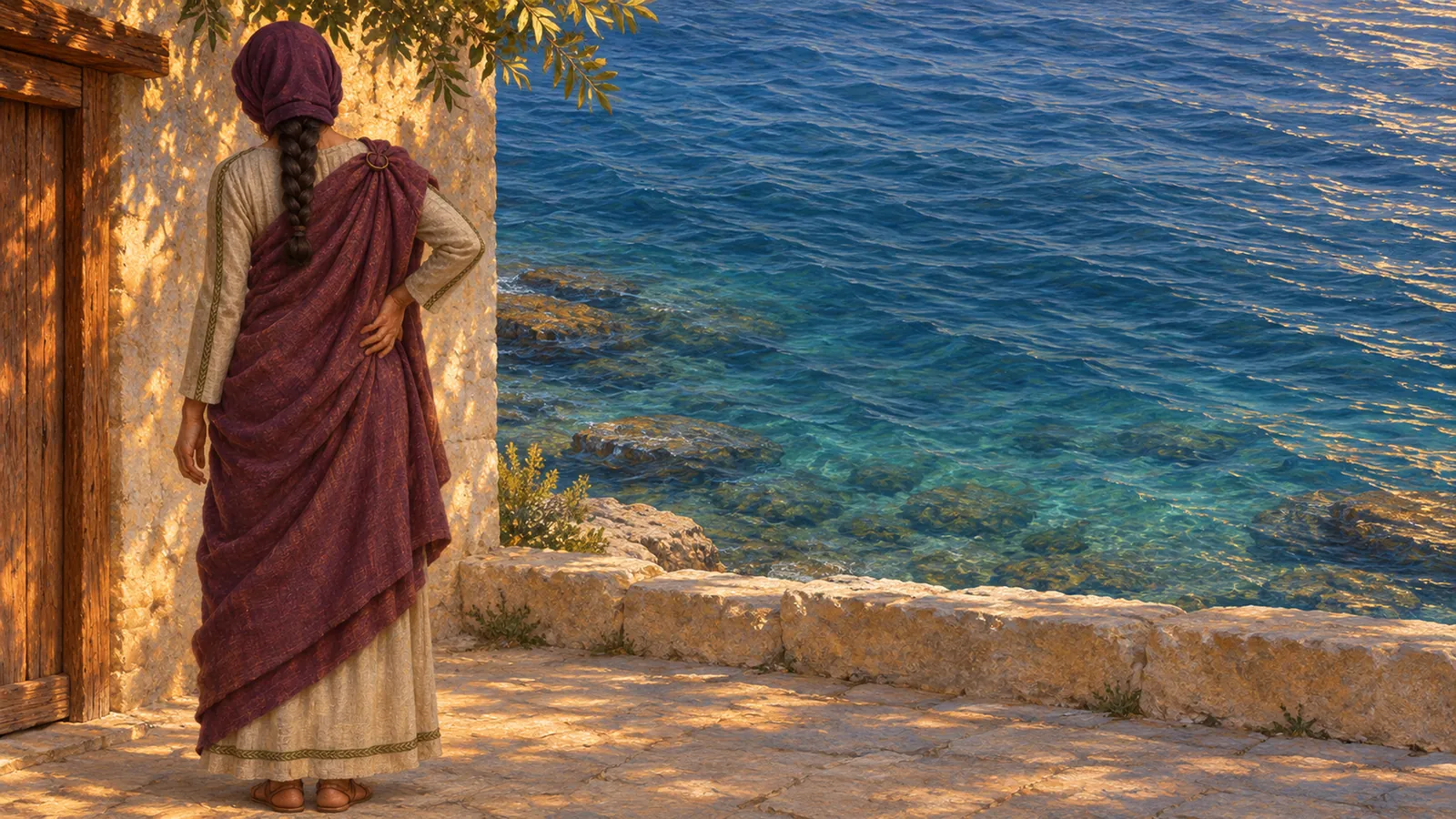
Anat laughs aloud and keeps her anger hidden. Her thoughts turn to retaliation as the exchange comes to an end.

Anat goes to El at the springs of the two rivers. She pays him honor and speaks against Aqhat.
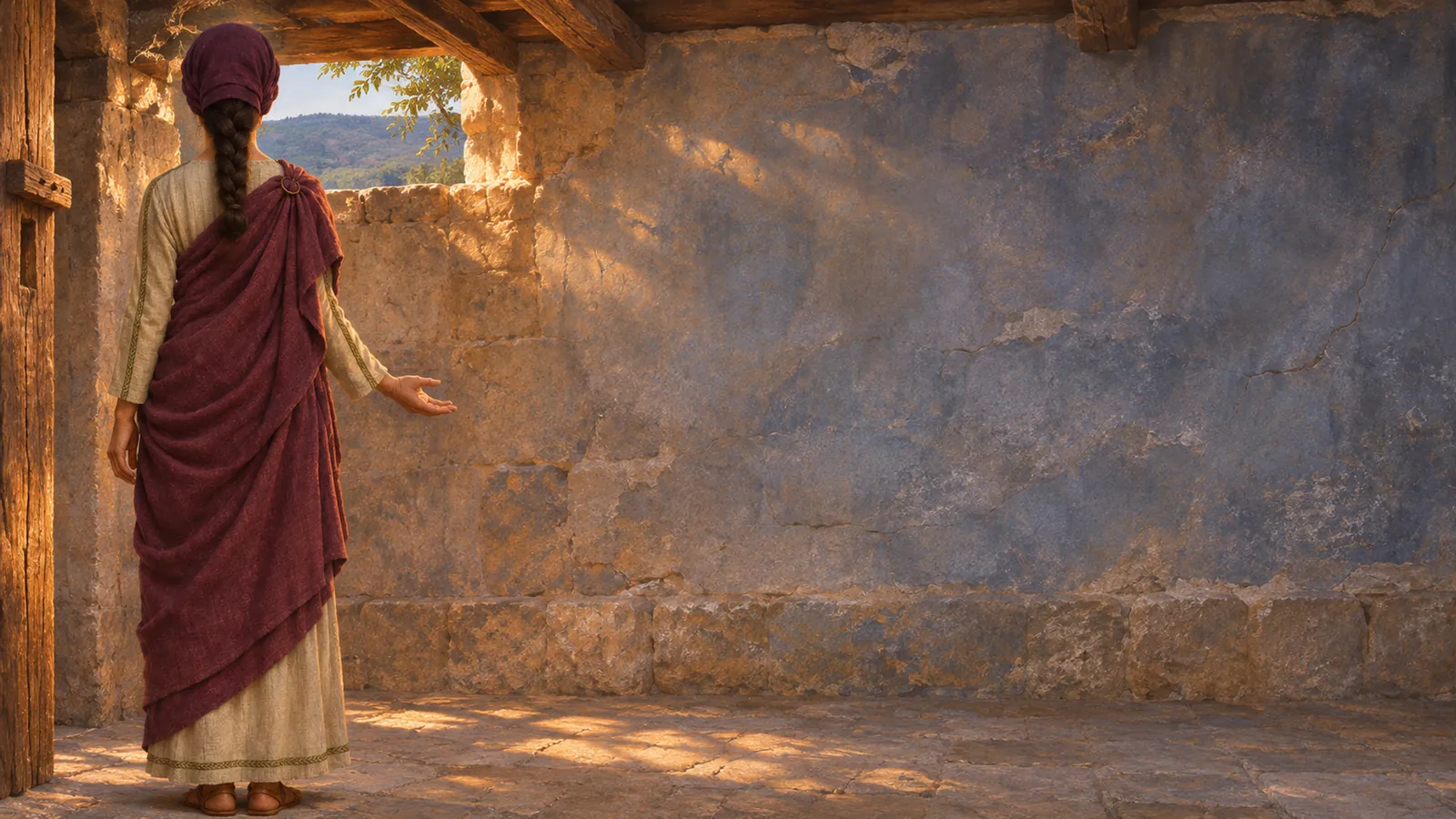
Anat begins to speak at El’s dwelling. The end of one tablet and the beginning of the next leave part of their exchange difficult to recover.
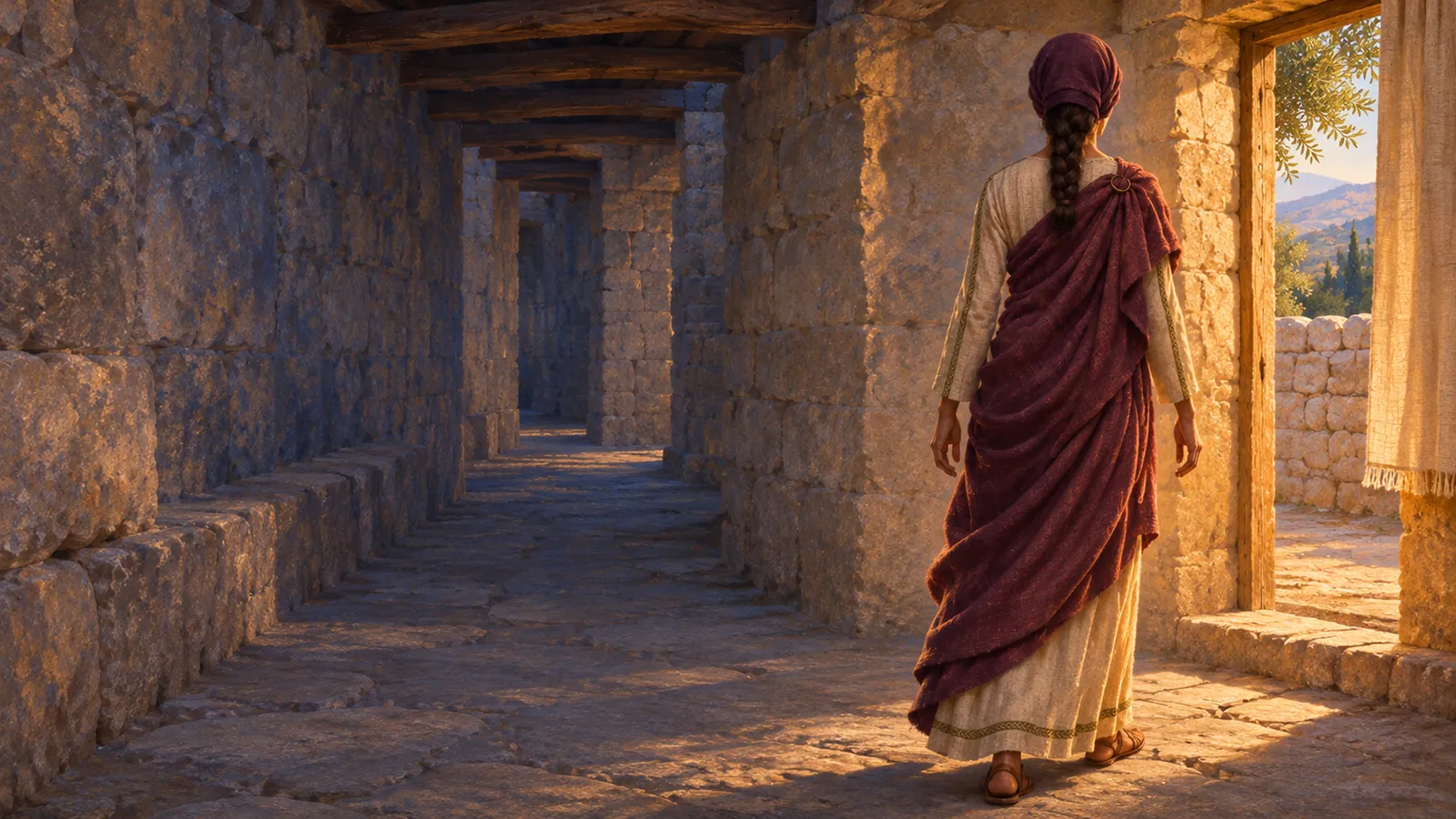
Anat threatens El. He reproves her for her words and allows her to go her own way.
THE INVITATION
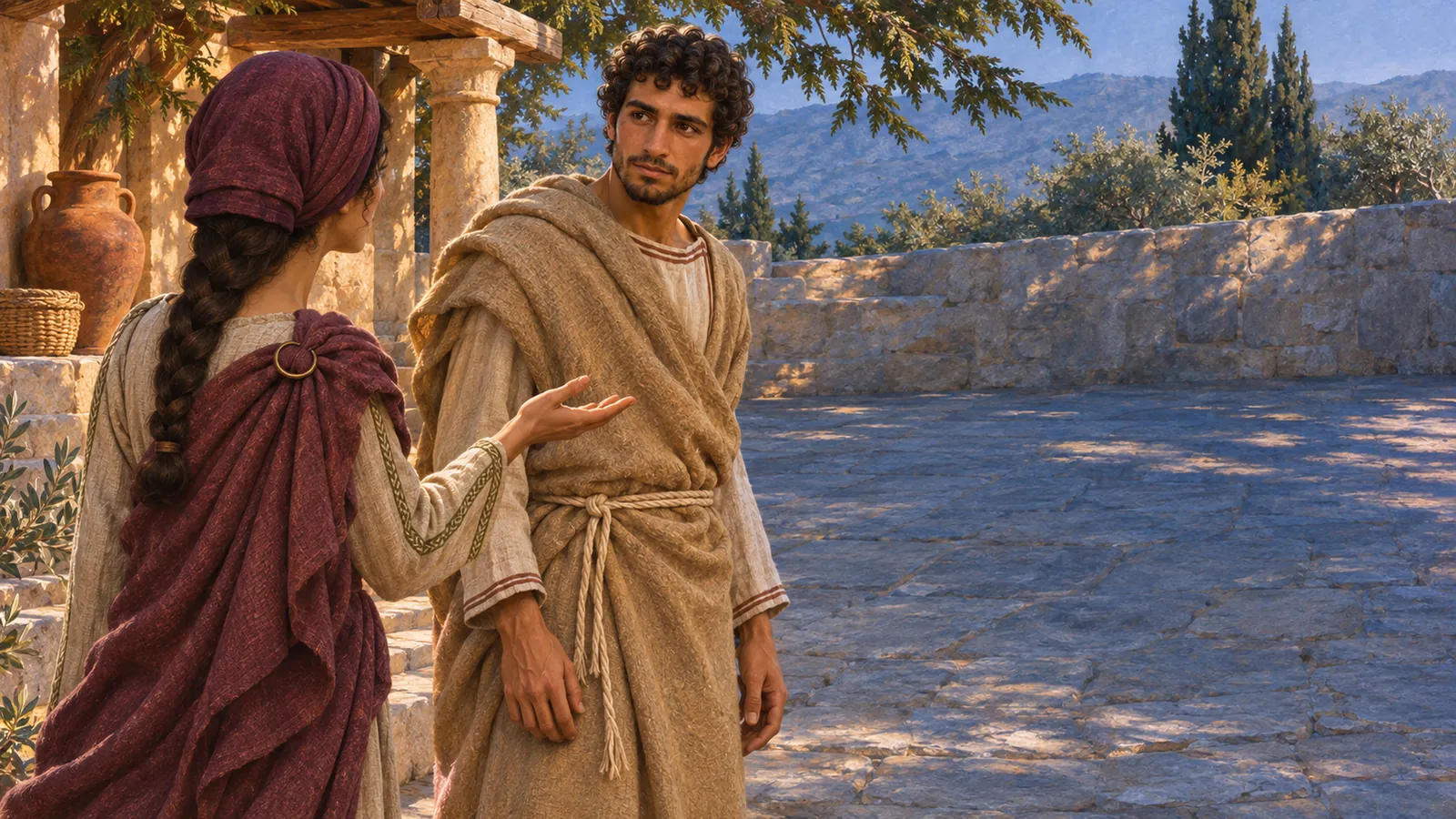
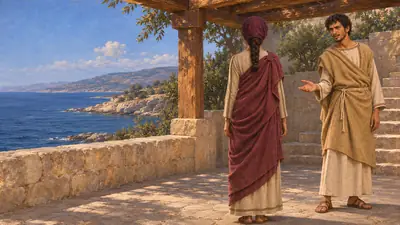
Anat addresses Aqhat as though speaking to someone close. She invites him to a hunt and names Abilum. Parts of her speech are lost.

The next two columns of the tablet are lost. Whatever happened between Anat’s invitation and the next surviving conversation has slipped out of the story we can read.
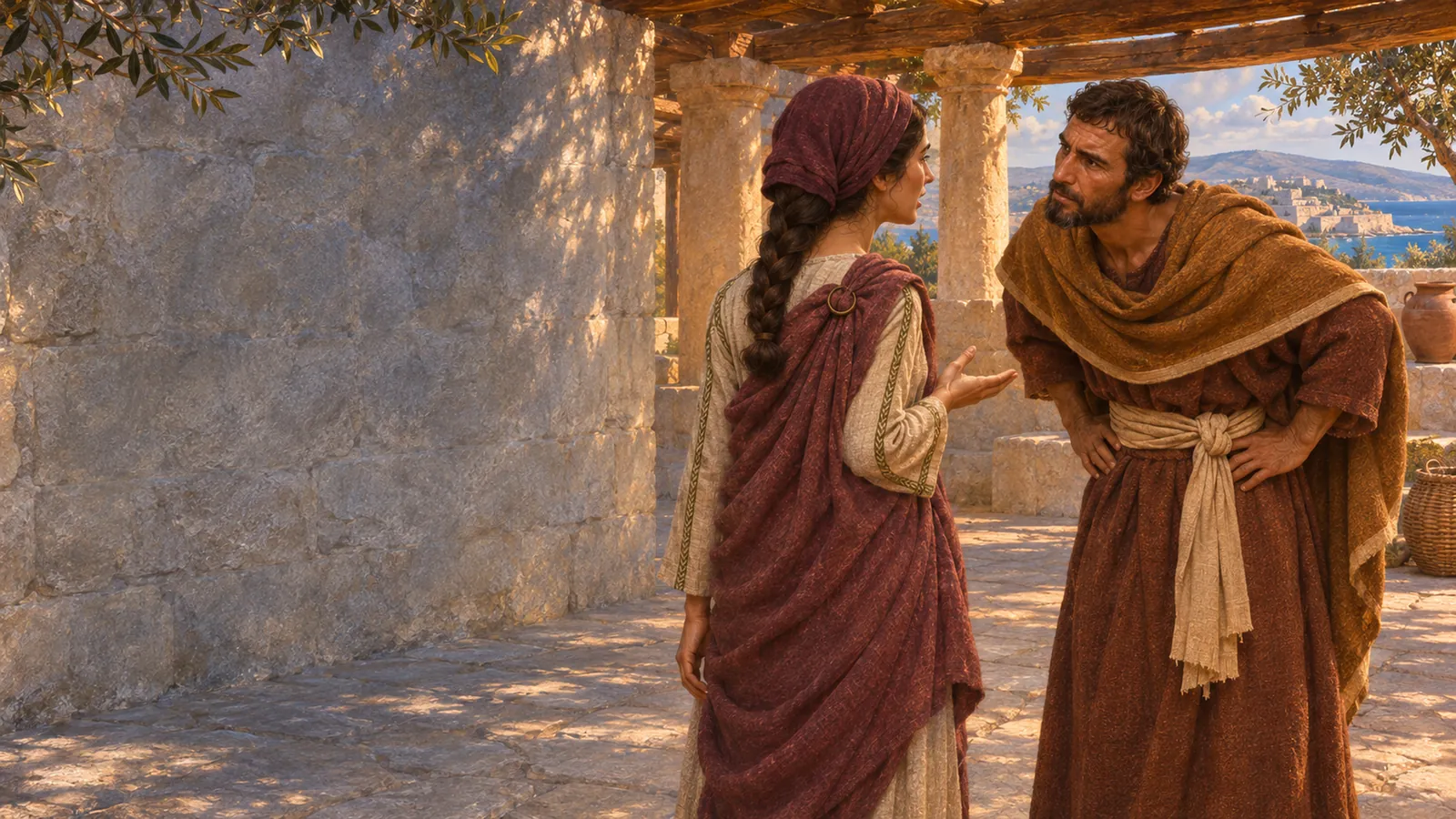
When the words return, Anat is speaking to Yatipan. Abilum is named again. In one reading Yatipan asks whether the bow is the reason for her anger.
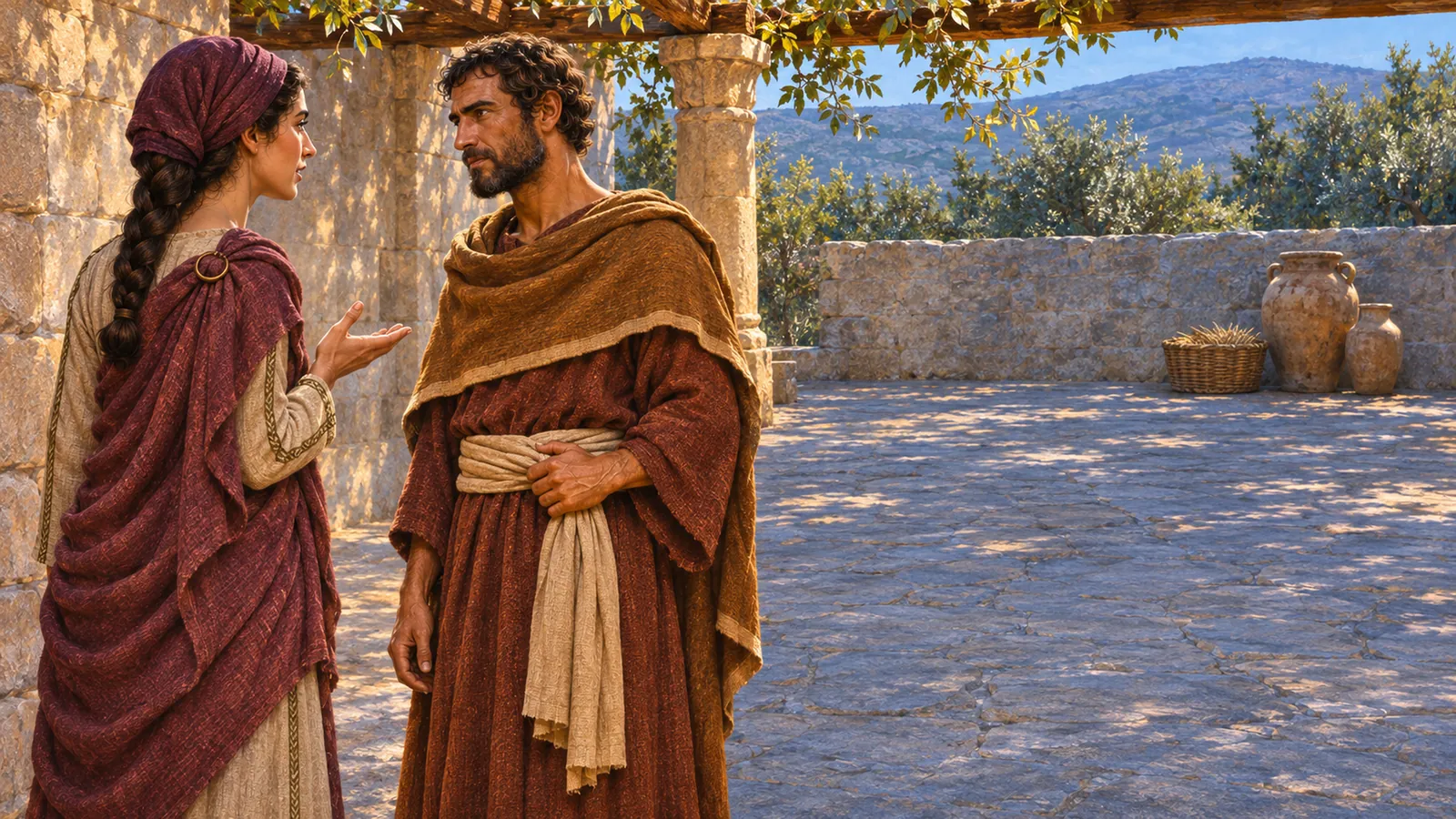
Anat tells Yatipan that she means to put an end to Aqhat’s life. Her words turn to the time when he will sit down to eat.
AQHAT
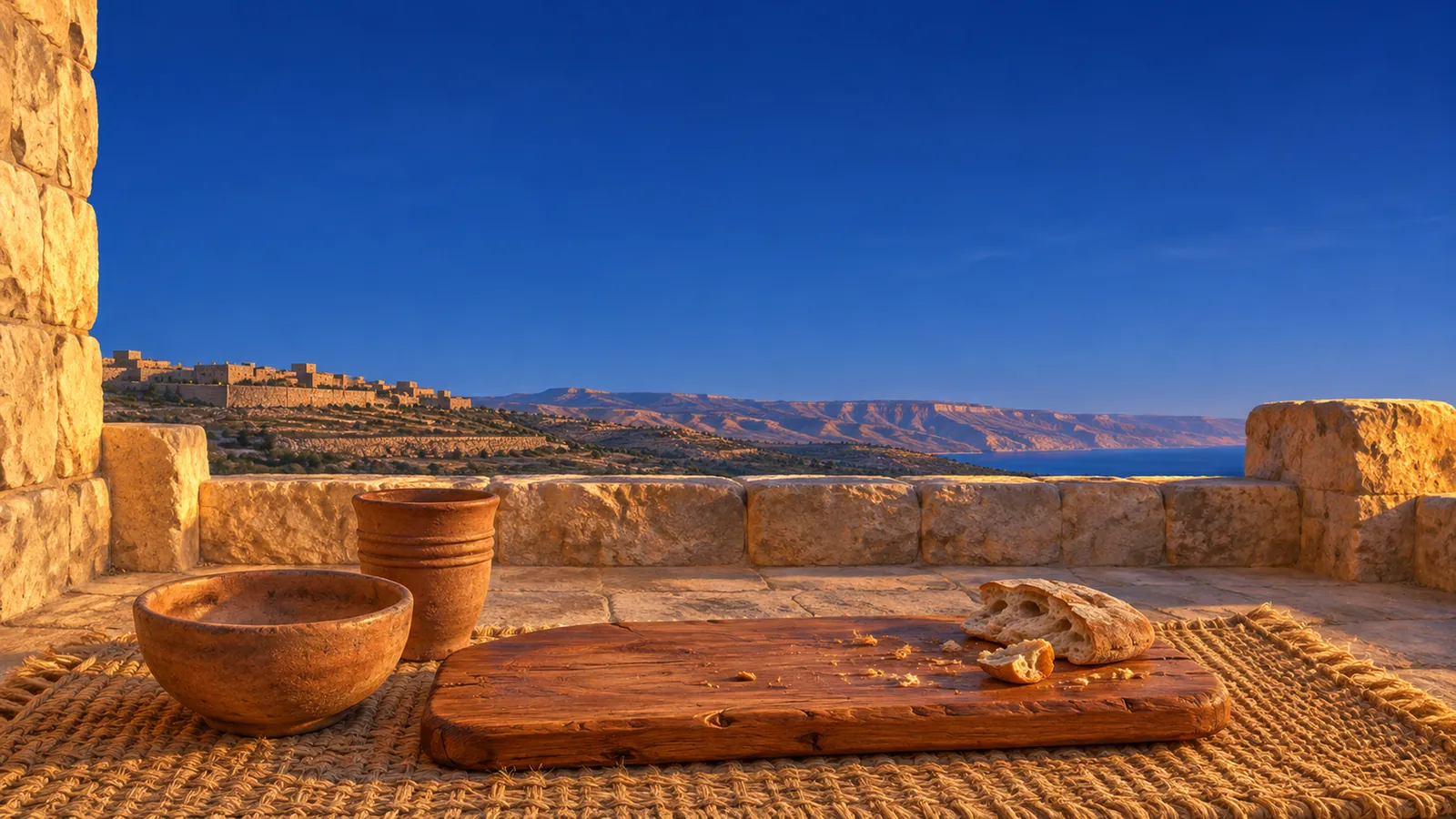
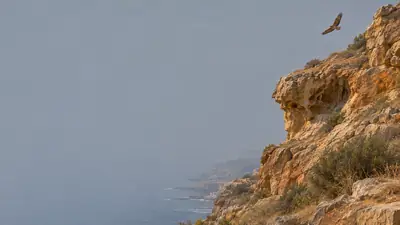
While Aqhat is eating, Anat circles above him among the birds of prey. Yatipan strikes Aqhat on the head and kills him.
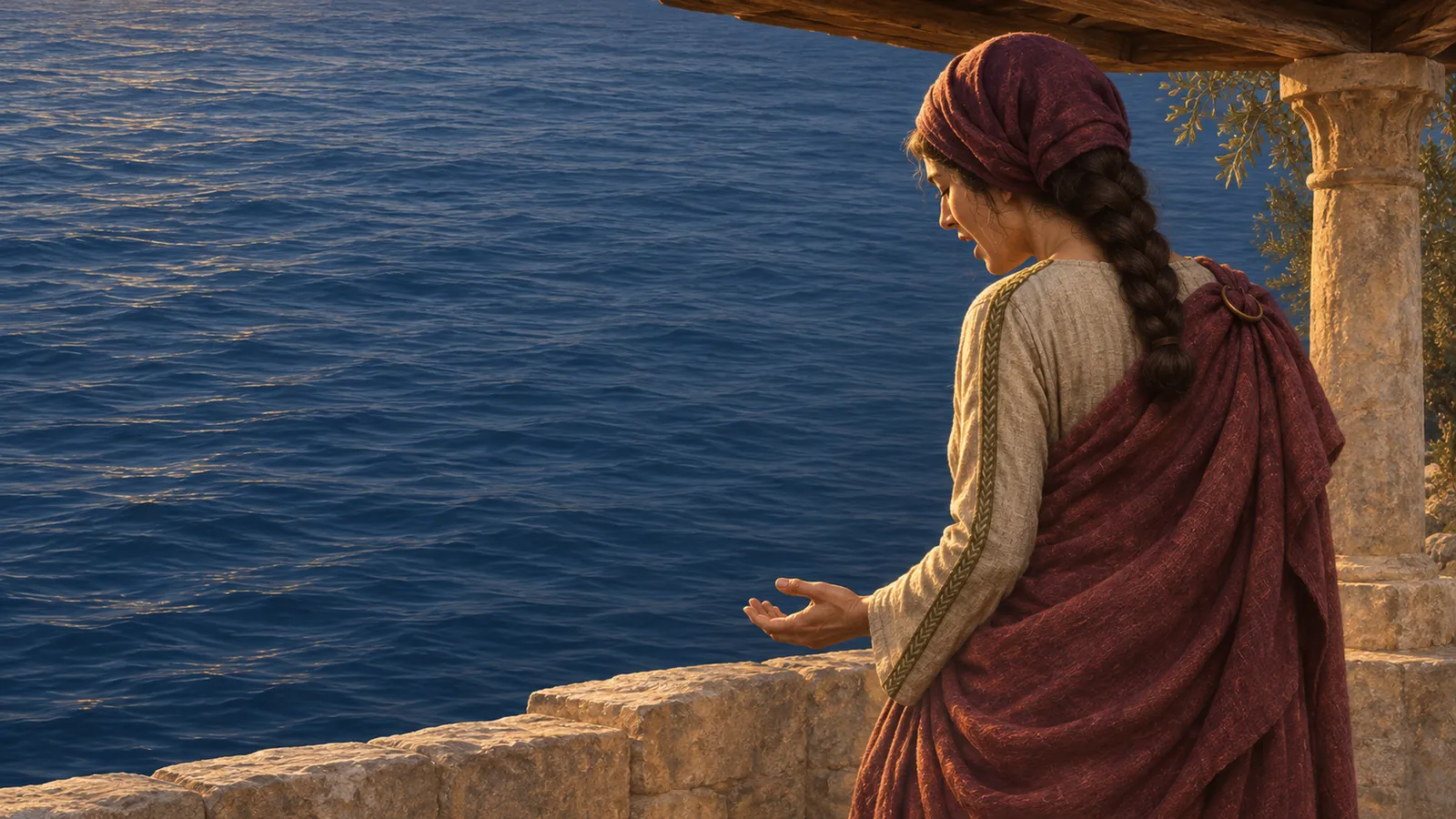
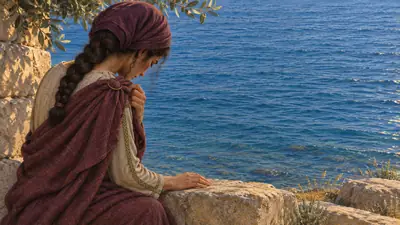
Anat begins to lament. At the opening of the next tablet, the broken lines speak of the bow breaking and of something falling into deep water.
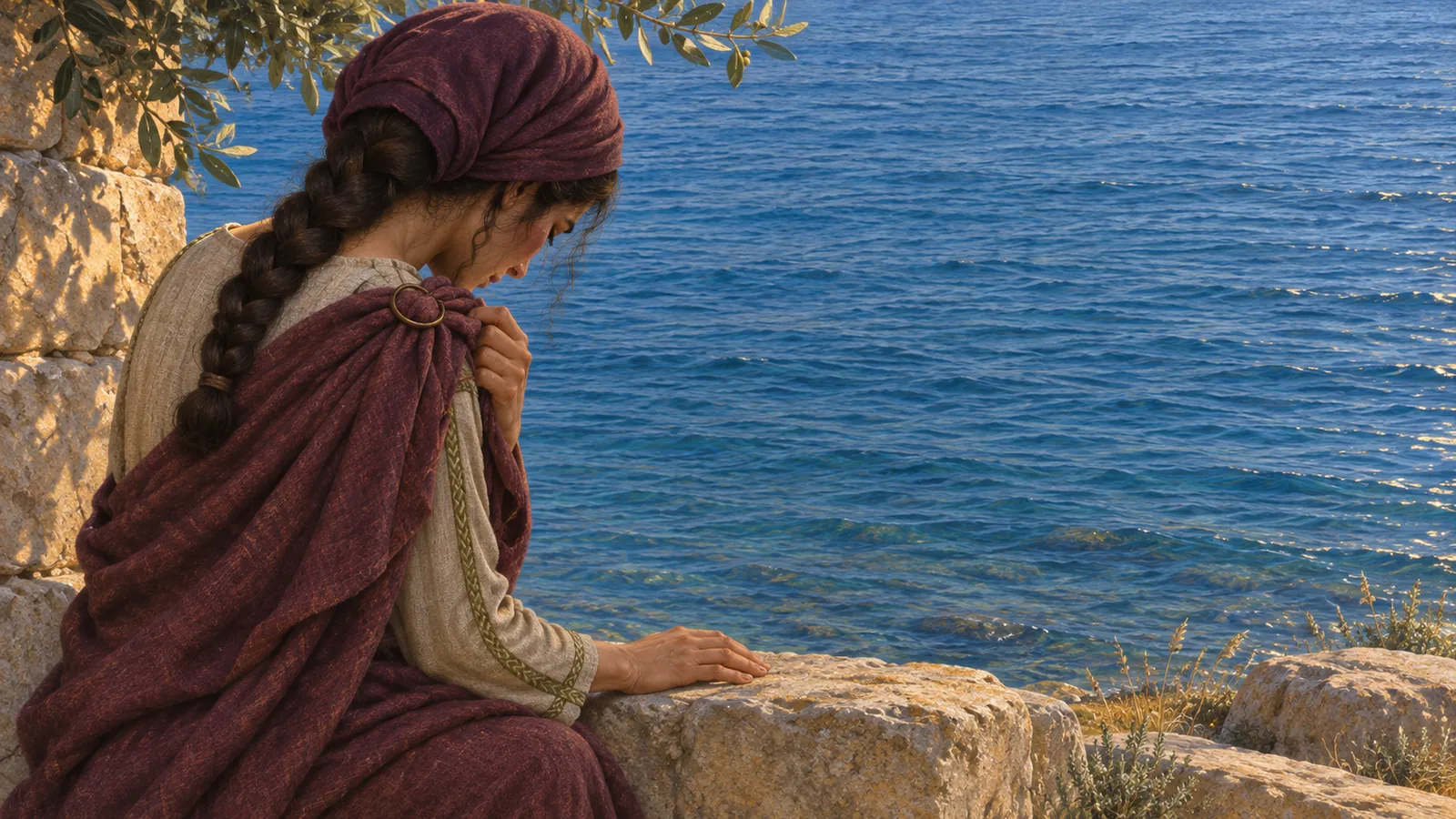
Anat’s voice returns in broken lines. Her words turn to Aqhat, then to the bow she sought and failed to gain.
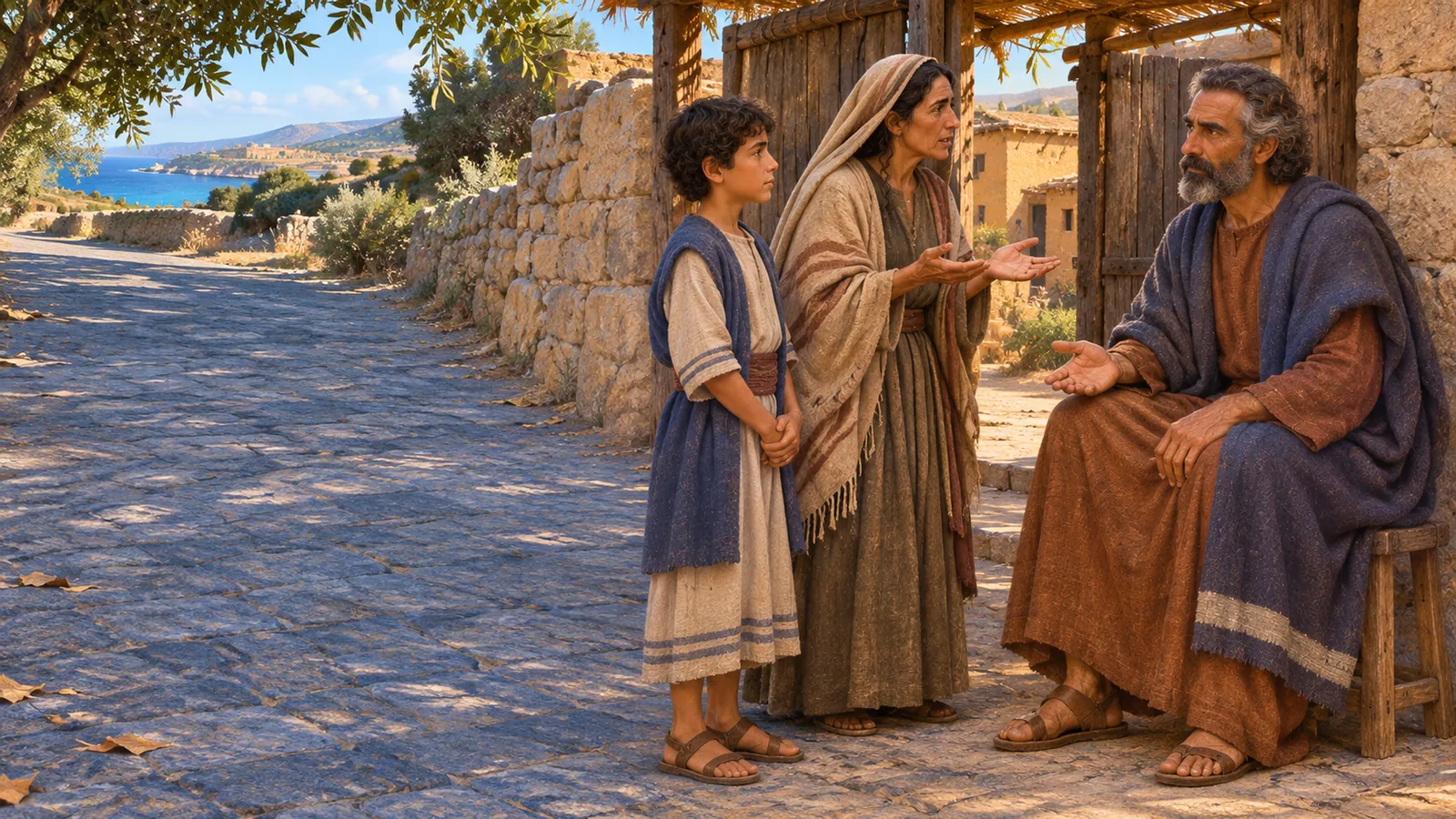
The poem tells how crops wither after Aqhat’s death. It returns to Danel at the gate, where he hears the widow’s and orphan’s cases, still unaware of what happened.
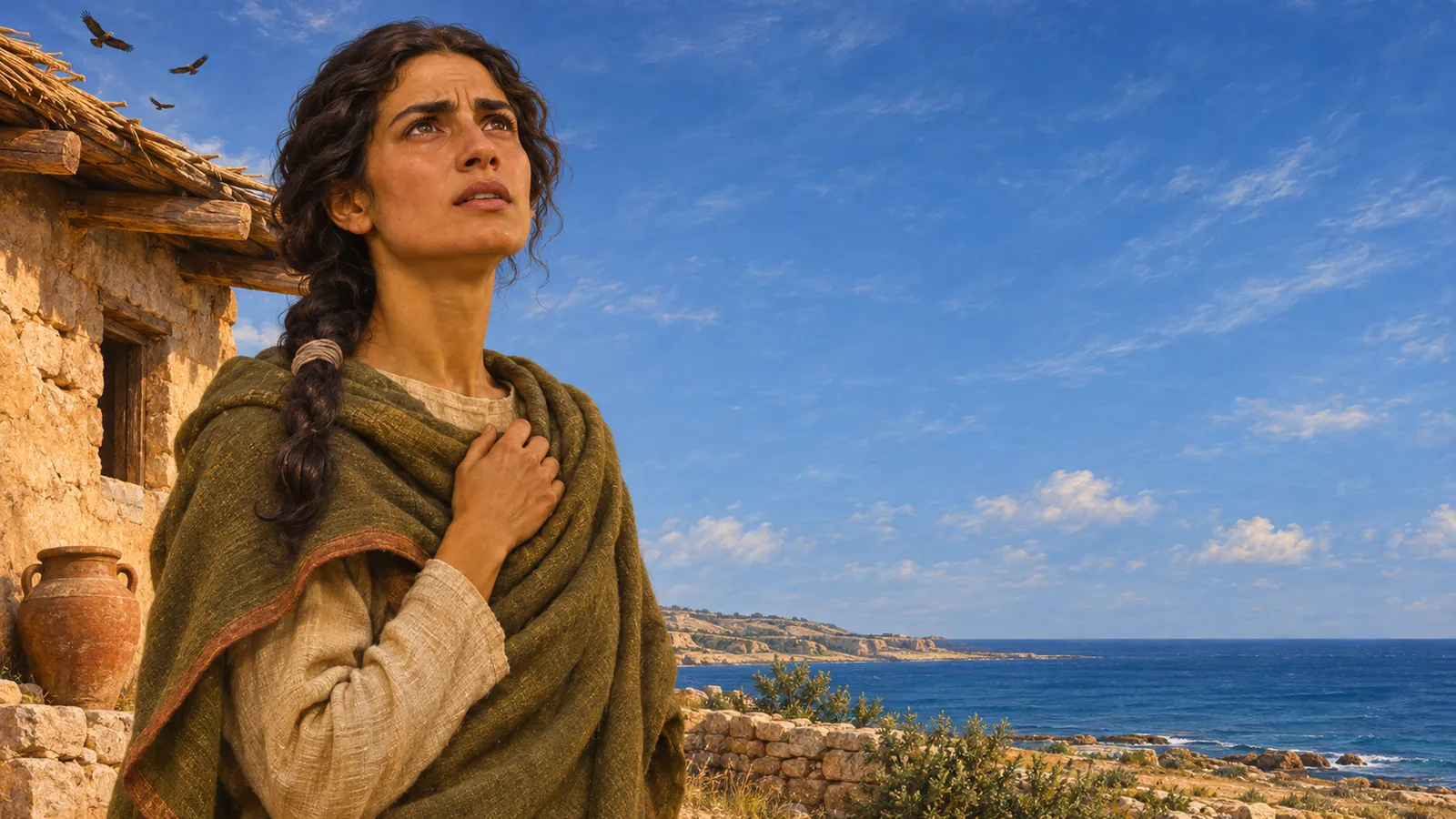
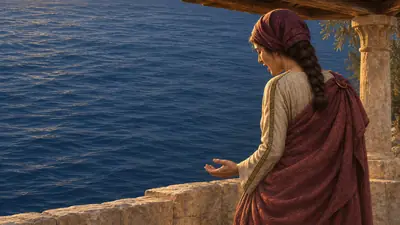
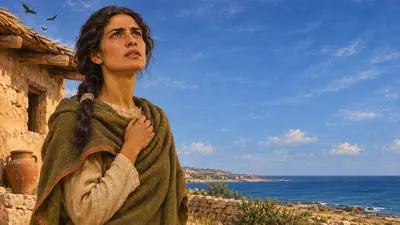
Pughat notices the withered growth and sees birds circling above her father’s house. The sight troubles her, and she begins to weep.
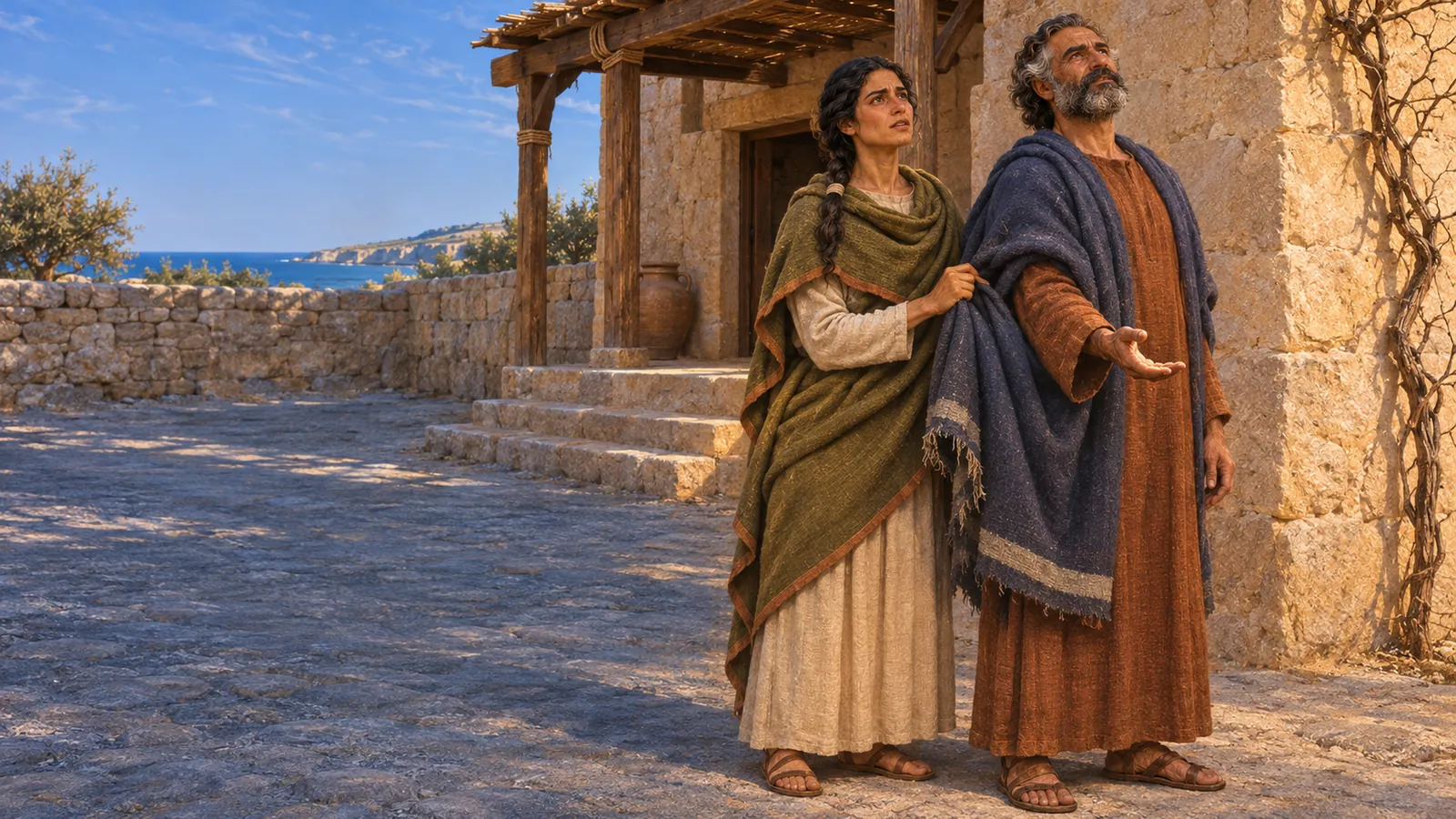
Pughat tears her father’s robe in distress. Danel turns his words to the clouds, asking for summer rain and dew for the vines.
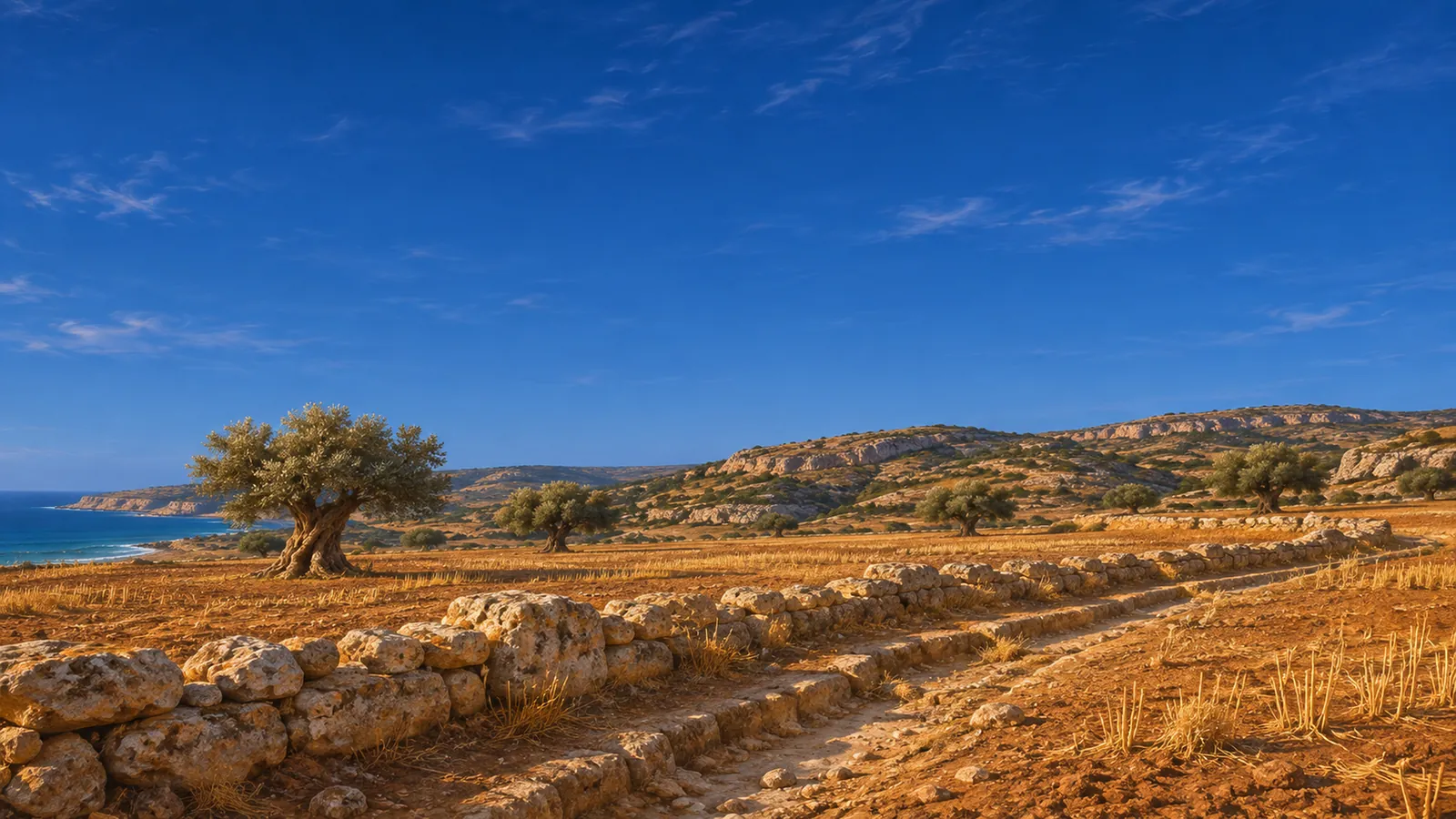
The poem counts seven years, then eight in the answering line. It speaks of a sky without downpours, ground without dew, and the absent voice of Baal.
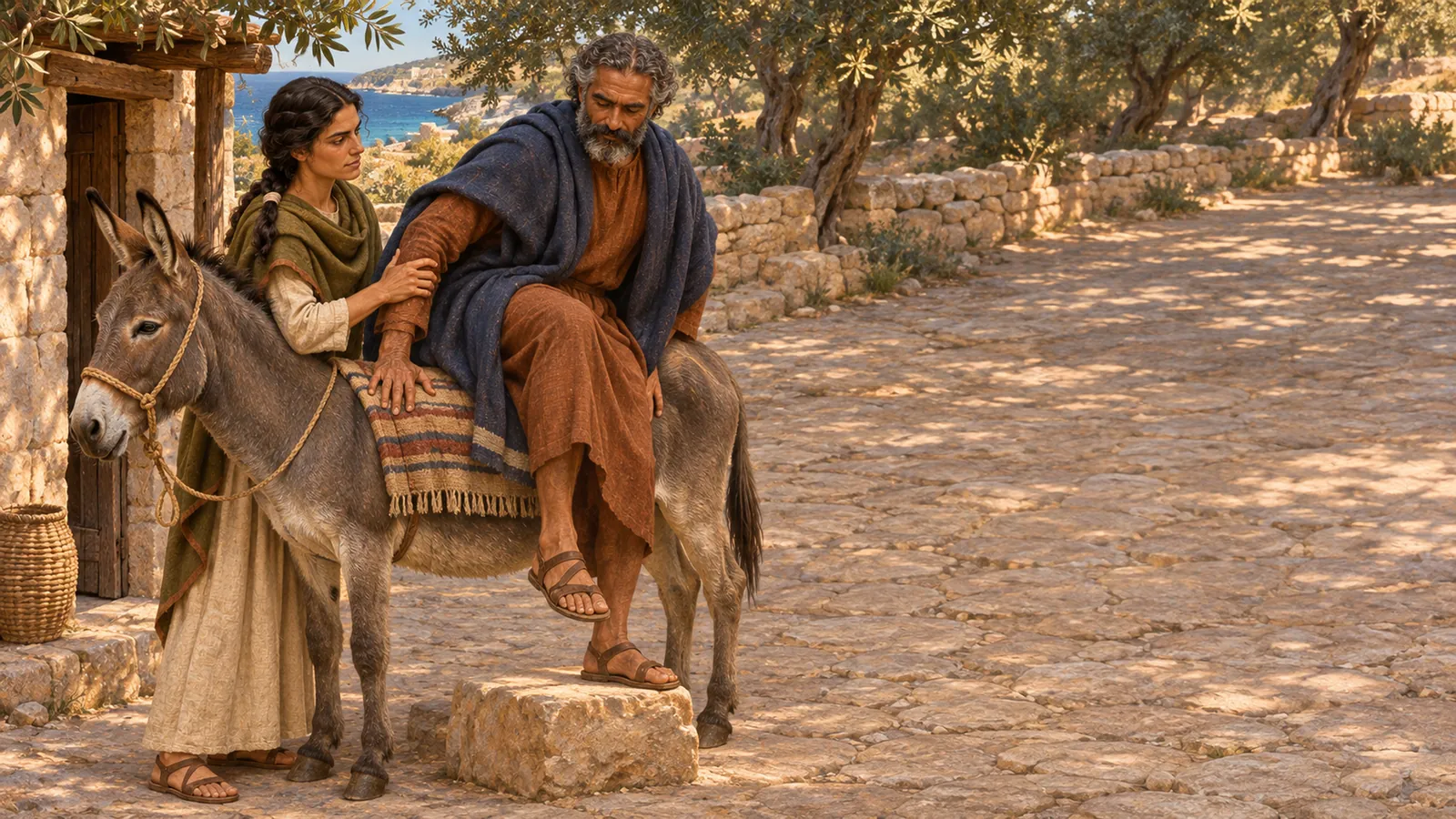
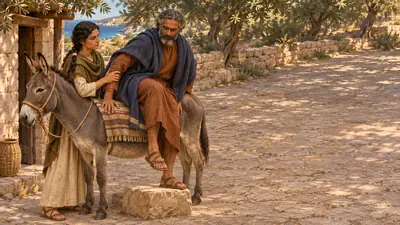
Danel calls to his daughter, the water-bearer who knows the courses of the stars. Pughat brings a donkey and helps her father onto its back.
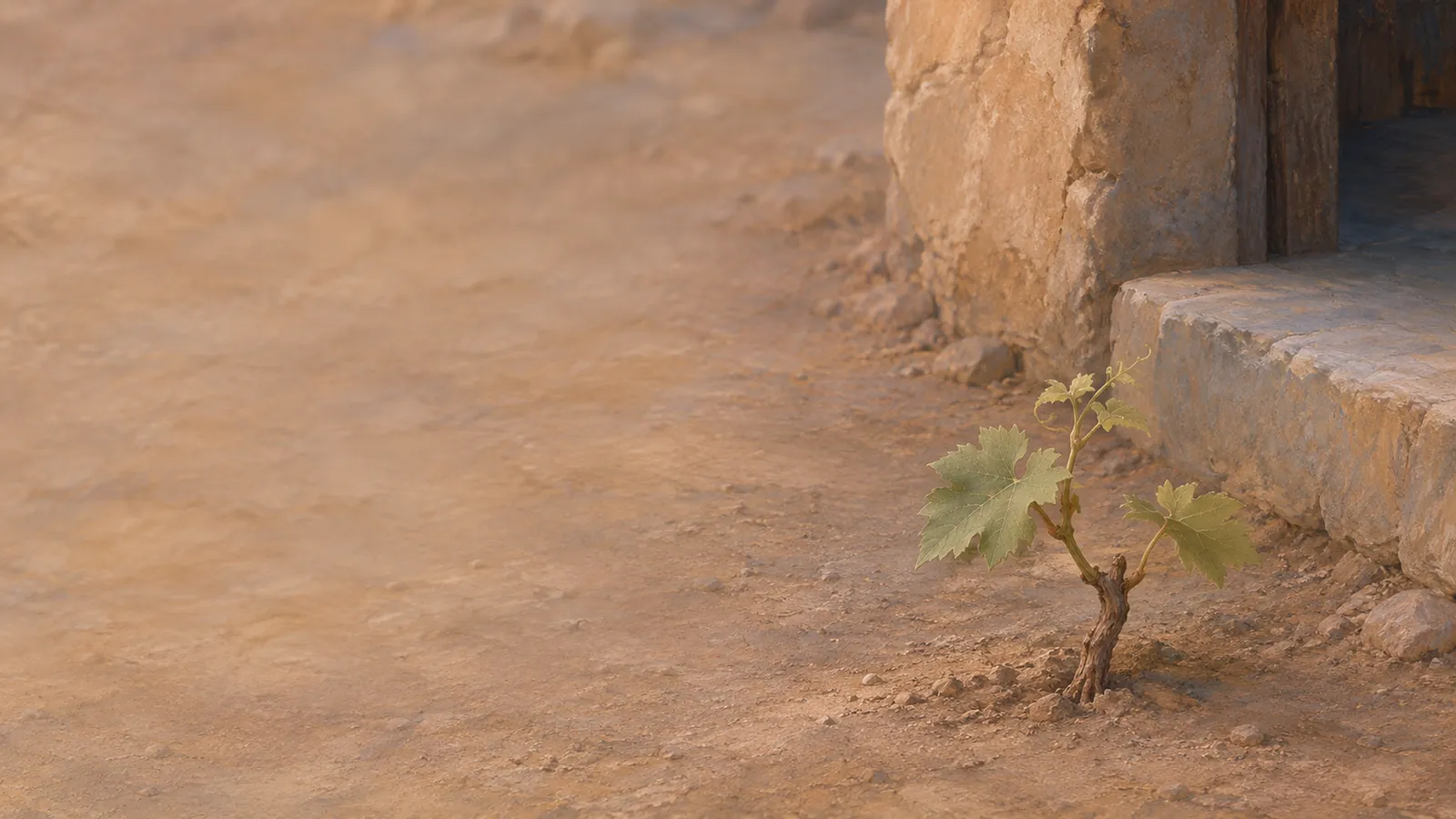
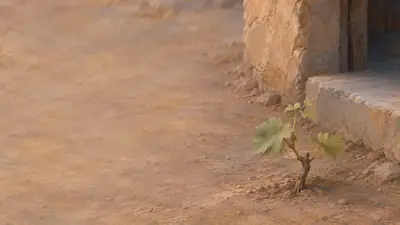
Danel comes to a vine shoot in the dry ground. He wishes for it to grow, and for Aqhat to gather its fruit and carry it into the storehouse.
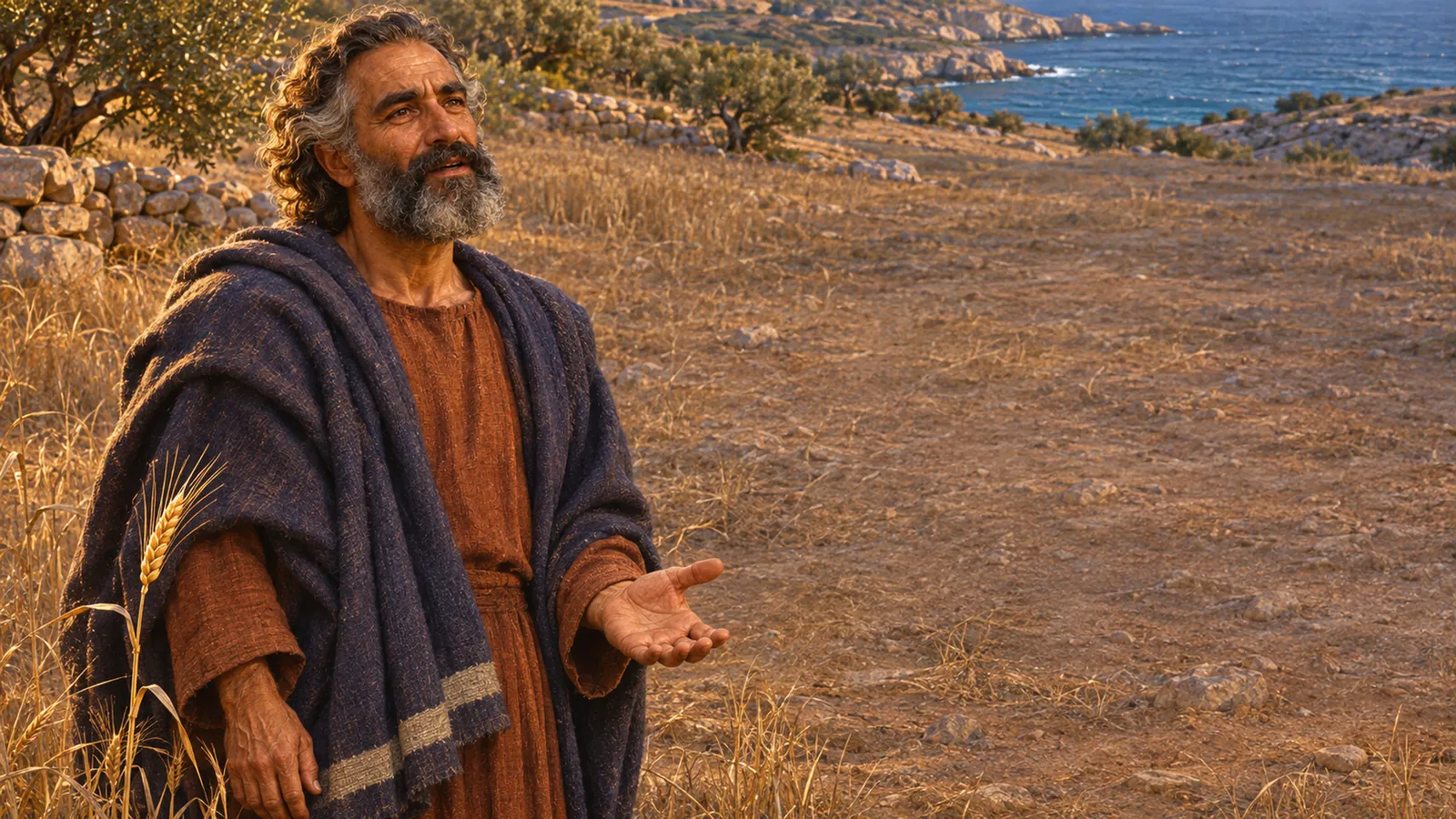
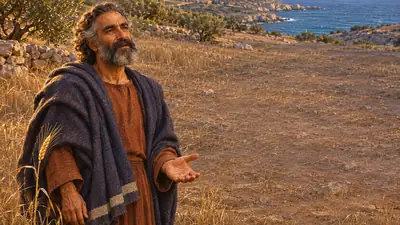
In another dry field Danel comes upon an ear of grain. He speaks the wish again. May it grow, he says, and may Aqhat bring it to the storehouse.
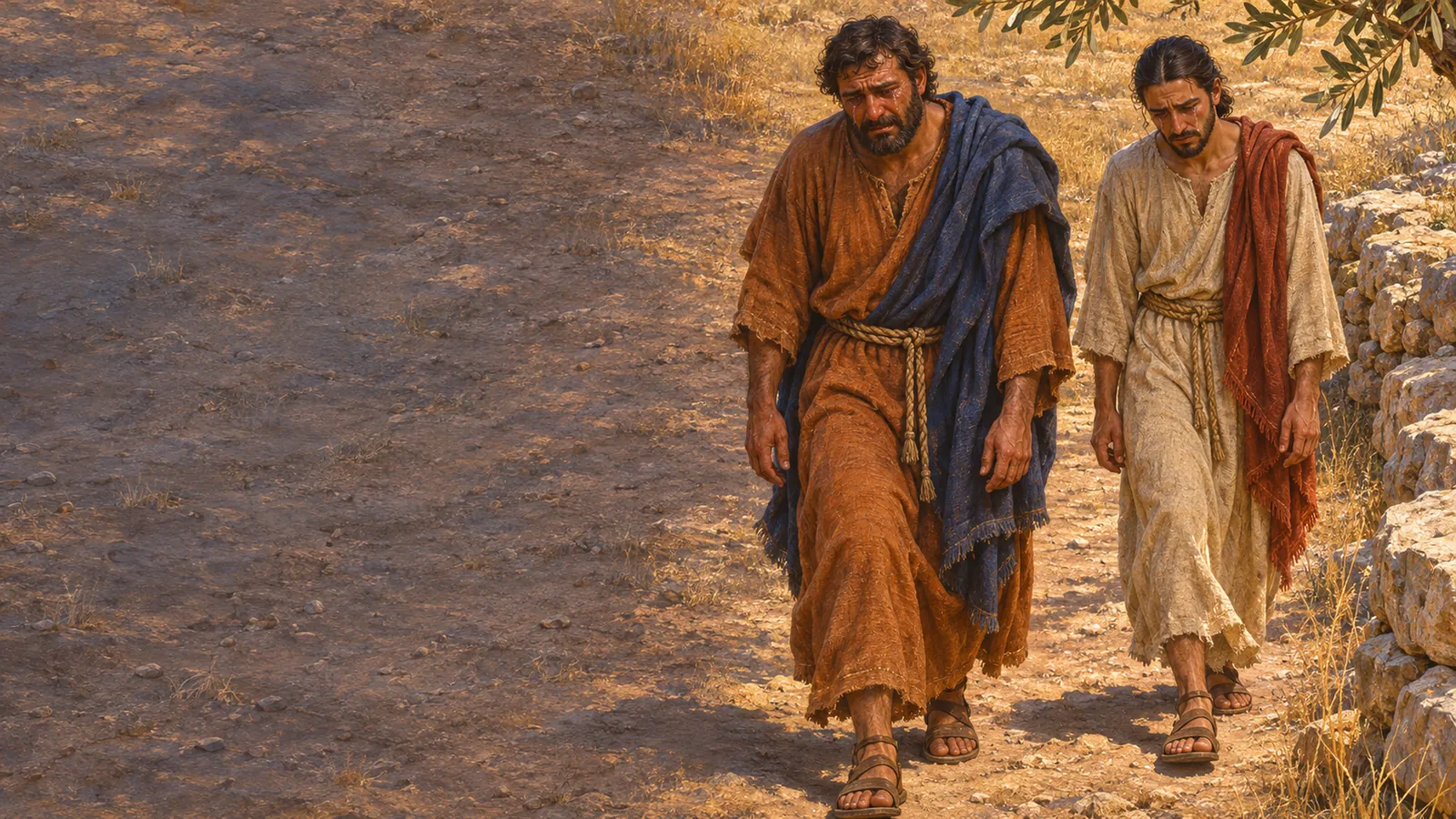
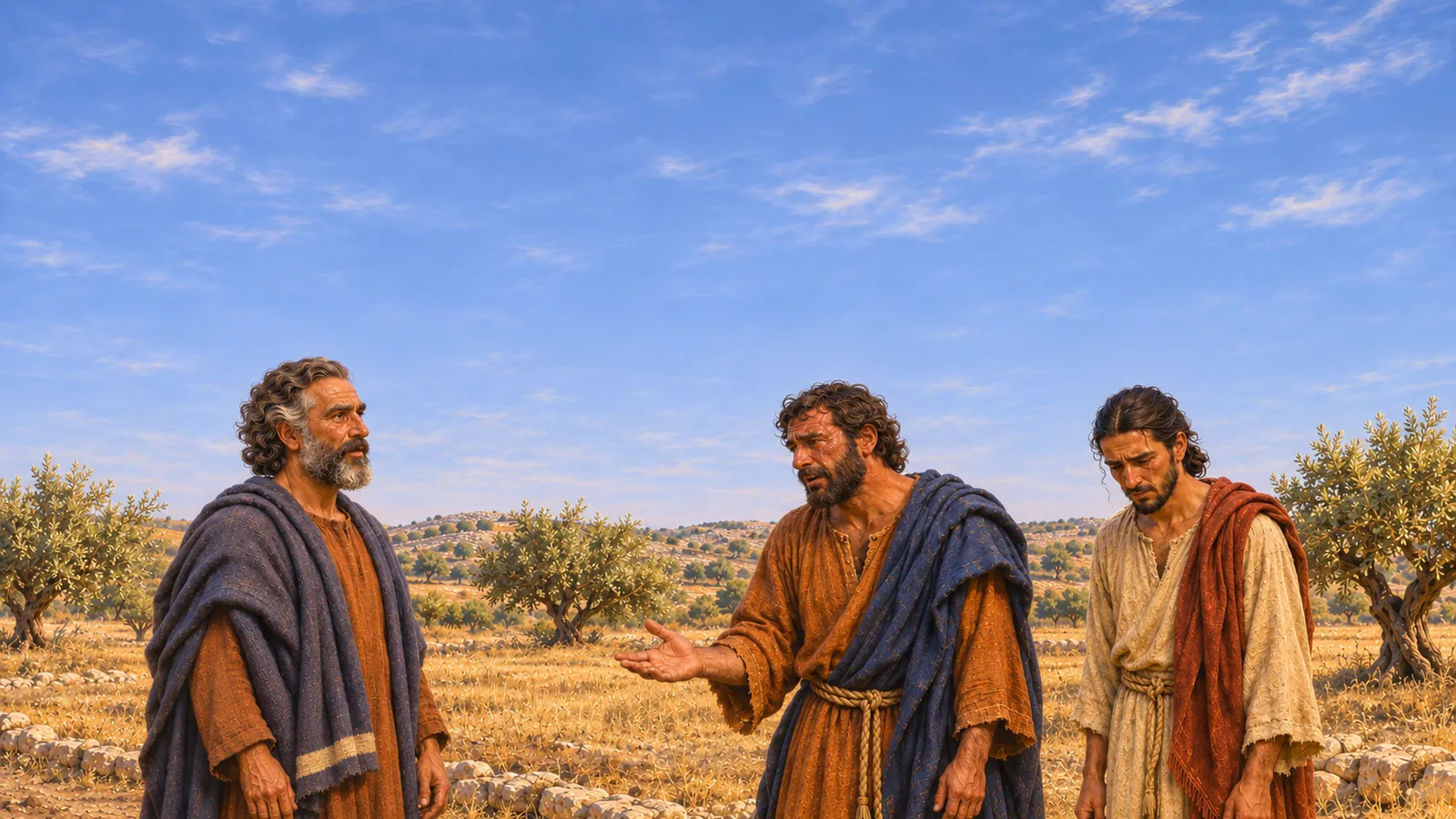
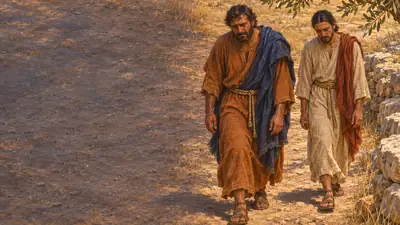
Danel is still speaking when two messengers come into view. Their uncertain steps and their tears tell of trouble before either has delivered the news.
THE NEWS
The messengers tell Danel that Aqhat is dead. They hold Anat responsible. Until their report, Danel had still been speaking of what his son might do.
Danel’s legs shake and strength goes out of him when he hears the news. He tries to speak, but little of his first reply can still be read.
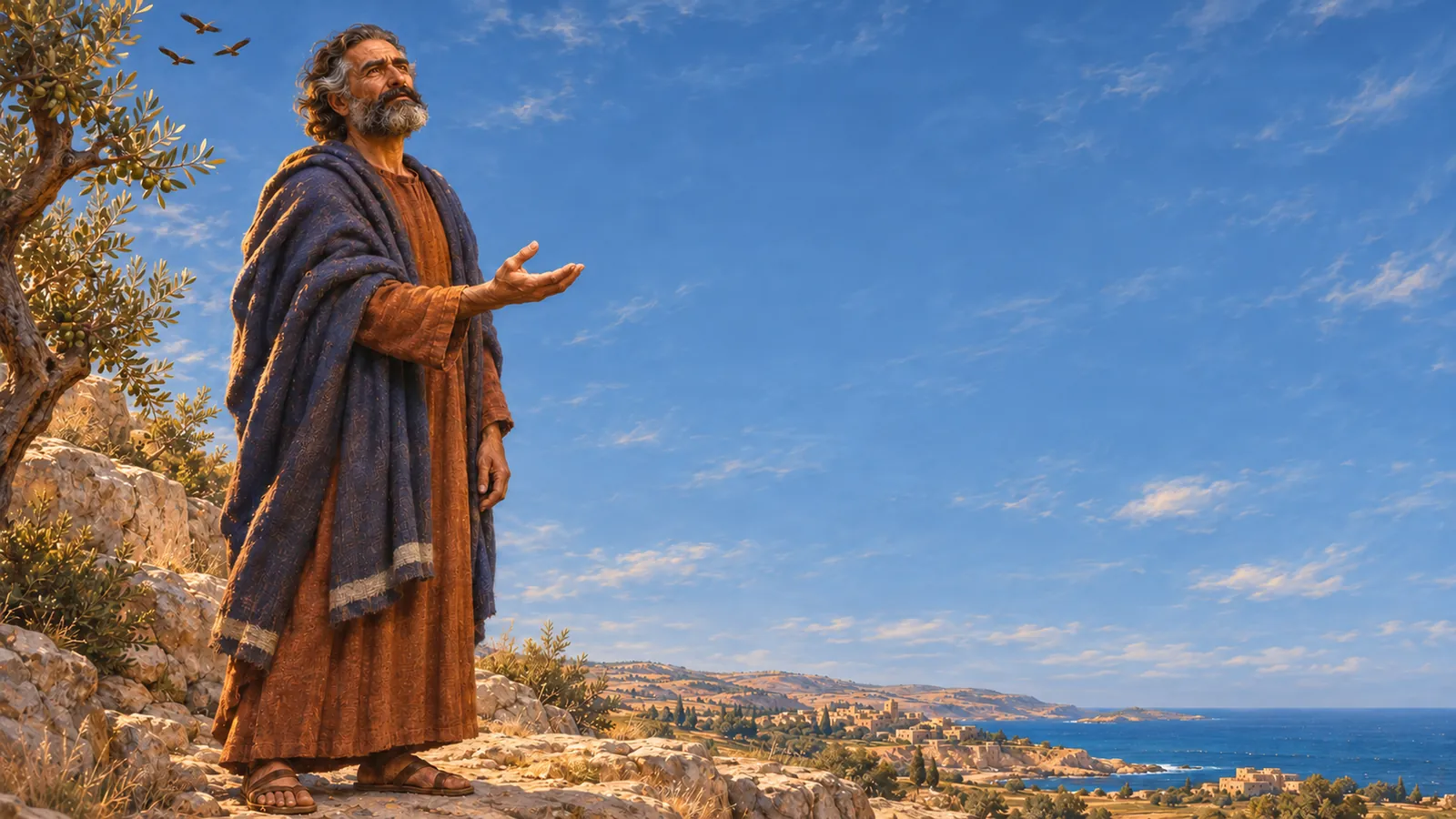
Danel sees birds of prey overhead and asks Baal to break their wings so he can search them for his son’s remains. The first search turns up nothing.
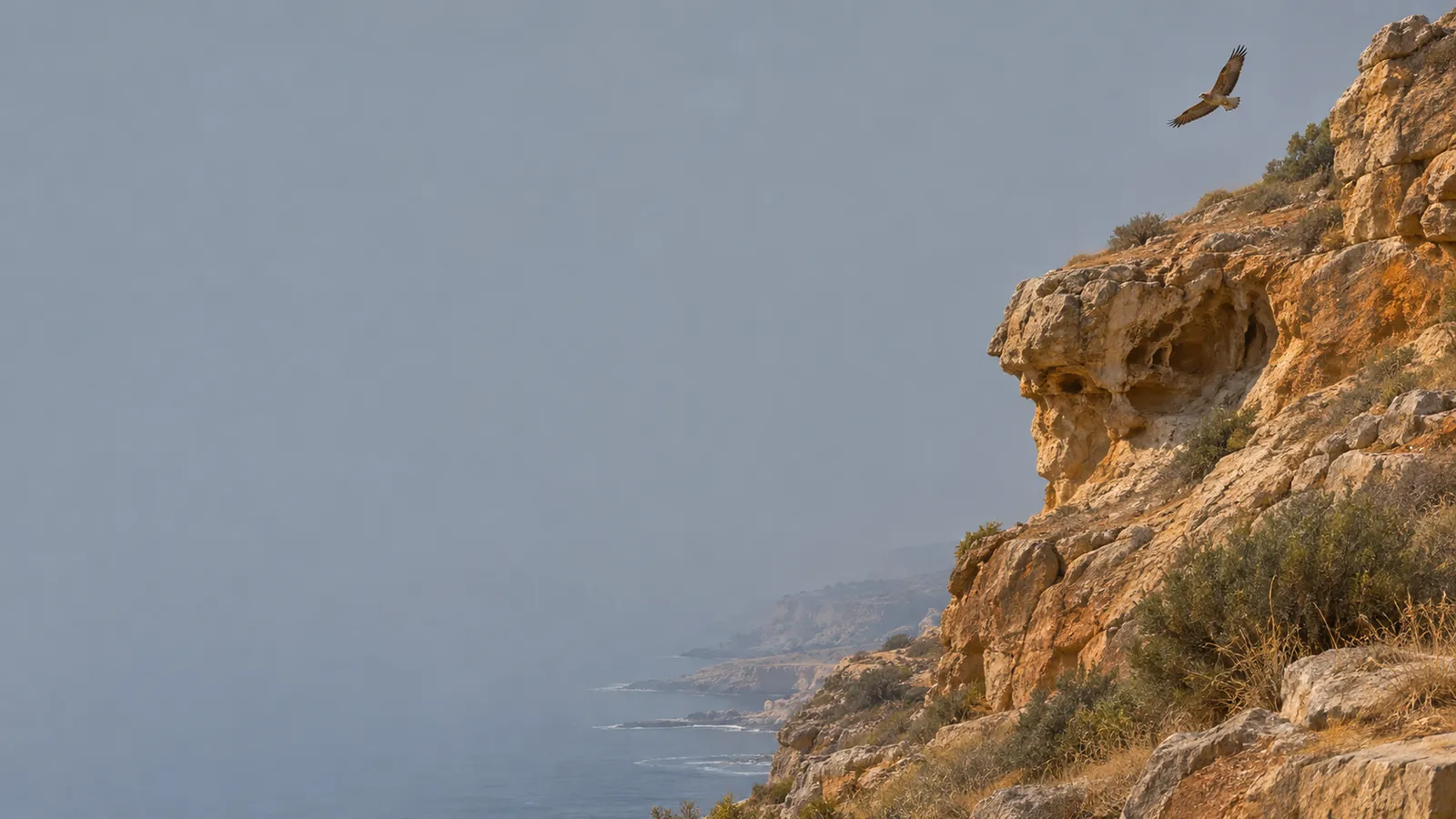
Danel makes another appeal to Baal. The poem singles out the bird called Hargubu this time, but Danel still finds no trace of his son.
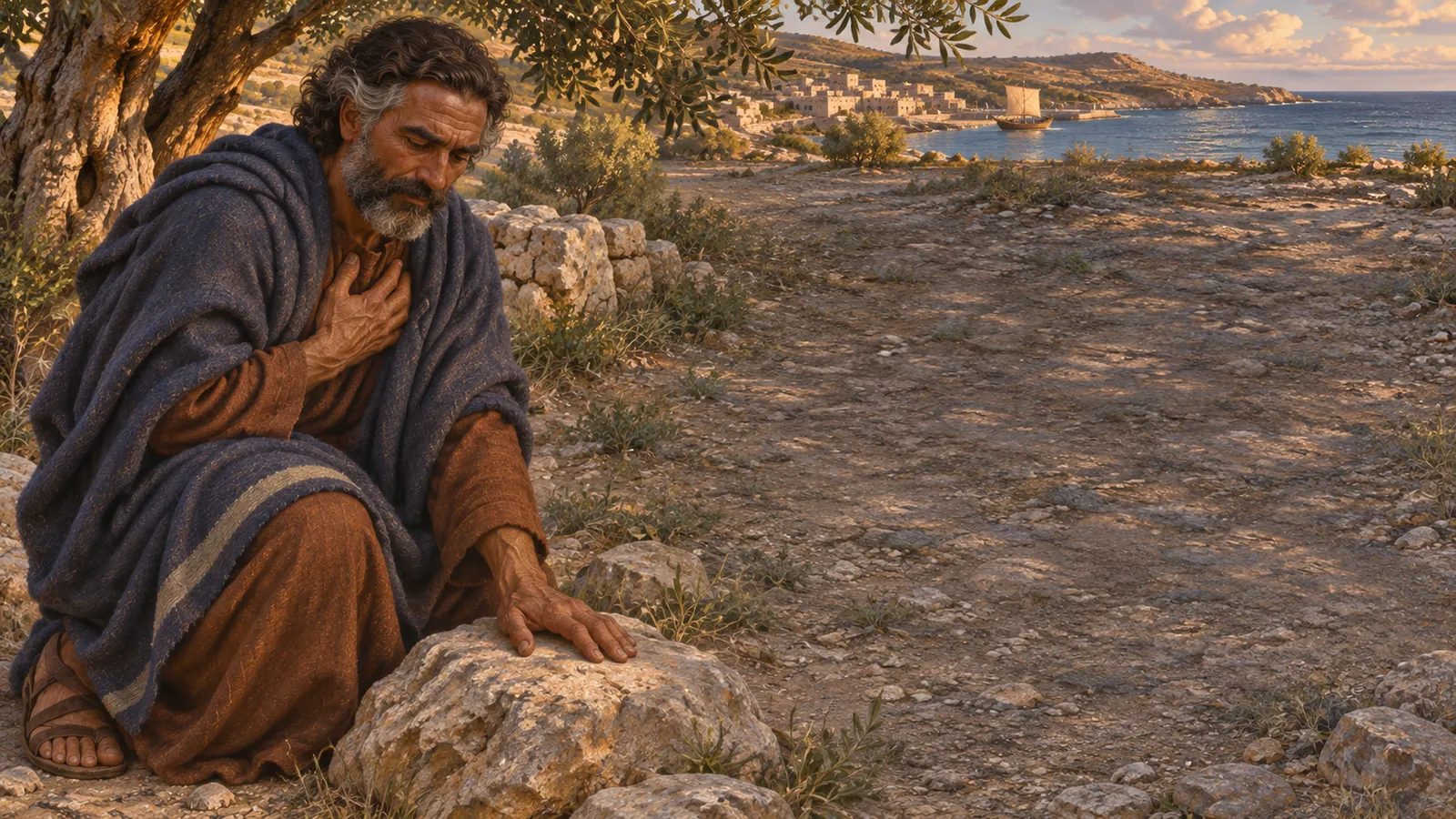
Baal breaks the wings of Ṣumalu, mother of the birds of prey. Danel finds his son’s remains inside her and can finally bury him.
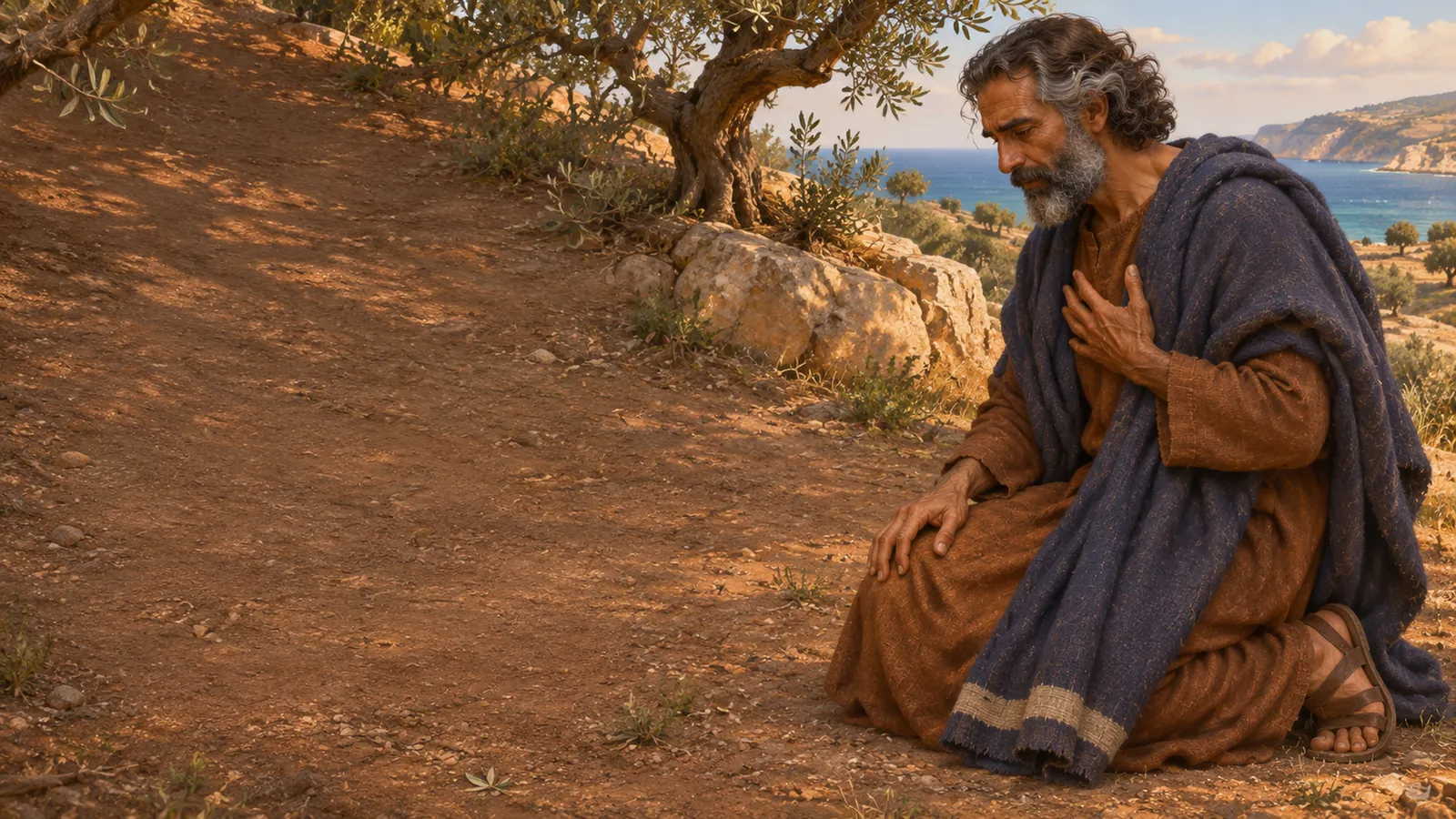
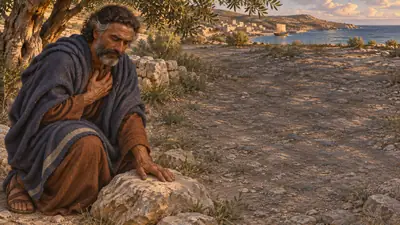
Danel weeps as he buries Aqhat. He calls on Baal to protect his son’s resting place. The words naming the place are hard to interpret.
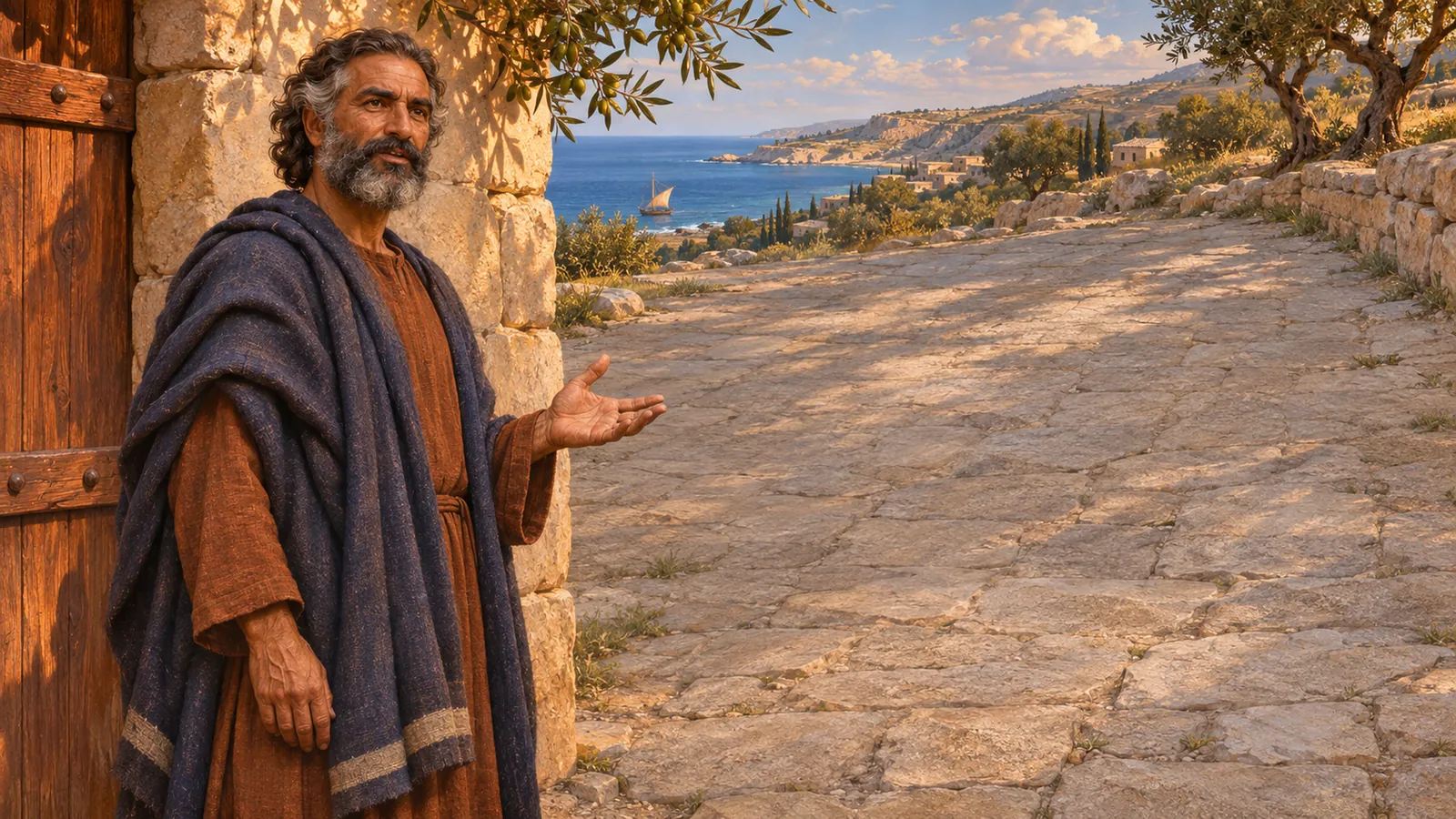
Danel curses Qir-Mayim, then the place whose name begins Mararat. In each curse he links the place to Aqhat’s death.
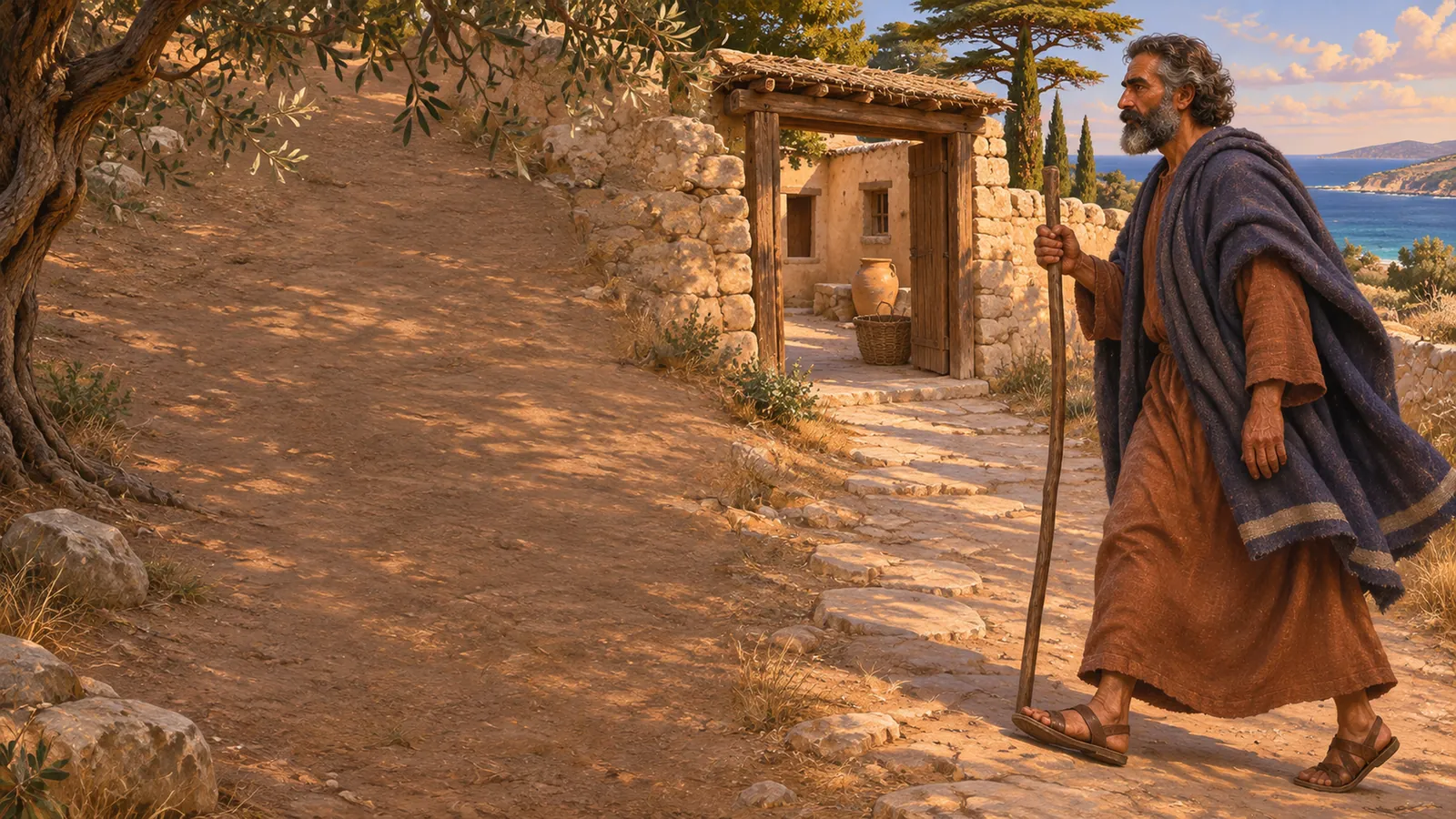
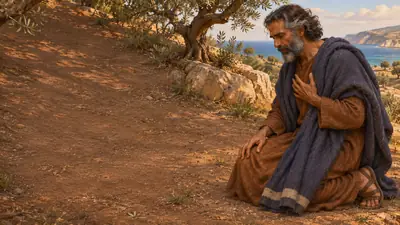
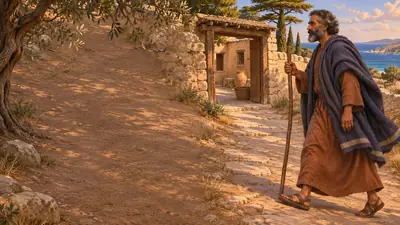
Danel goes on to Abilum and curses that town as well. When he has finished, he takes up his staff again and returns home.
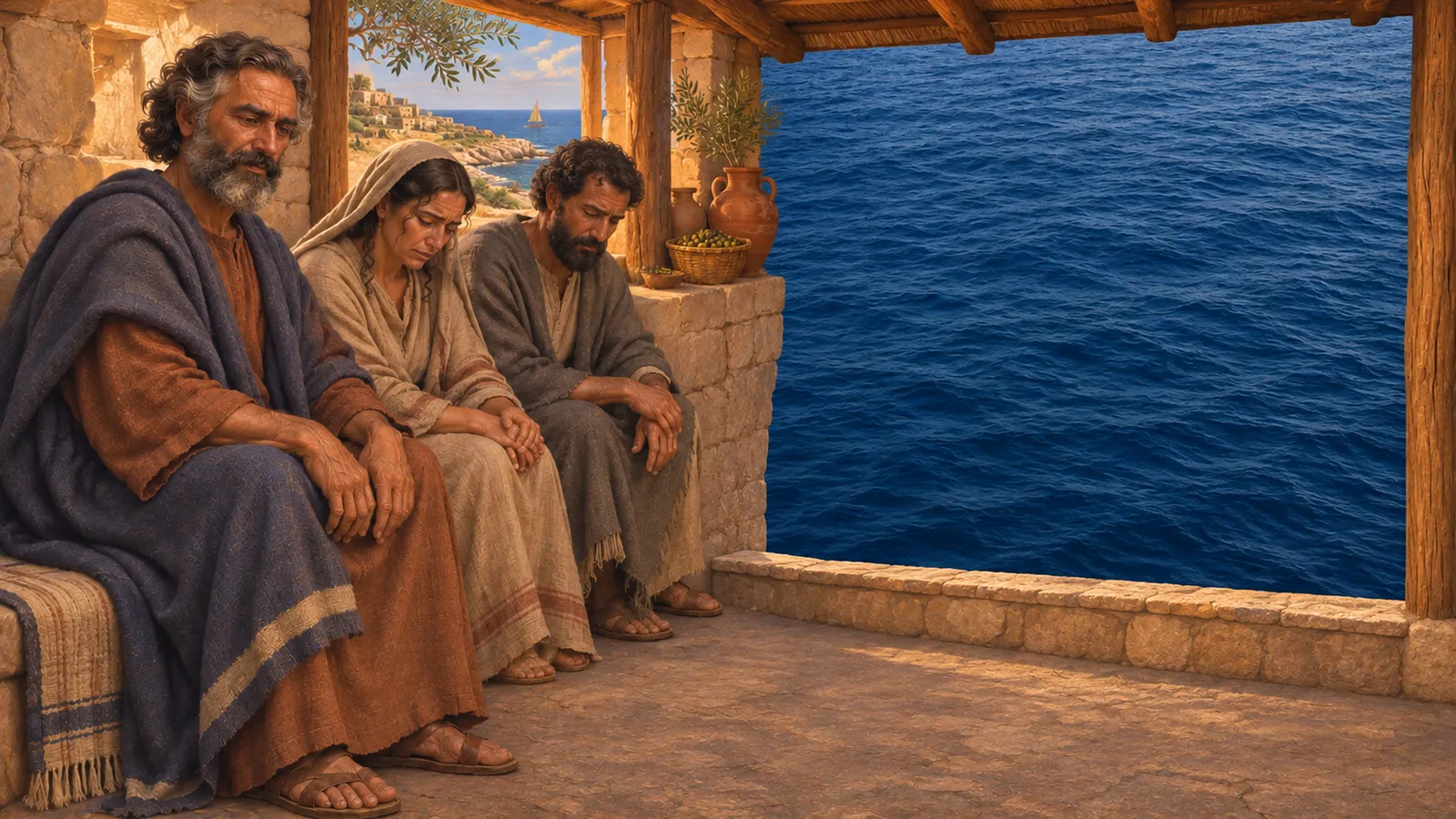
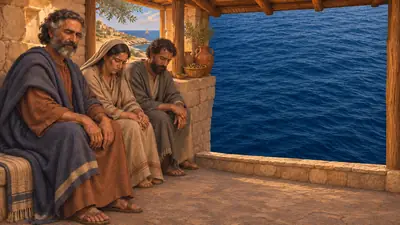
Mourners come to Danel’s house to weep for Aqhat. Days become months, and months become years. In the seventh year the poem turns again to Danel.
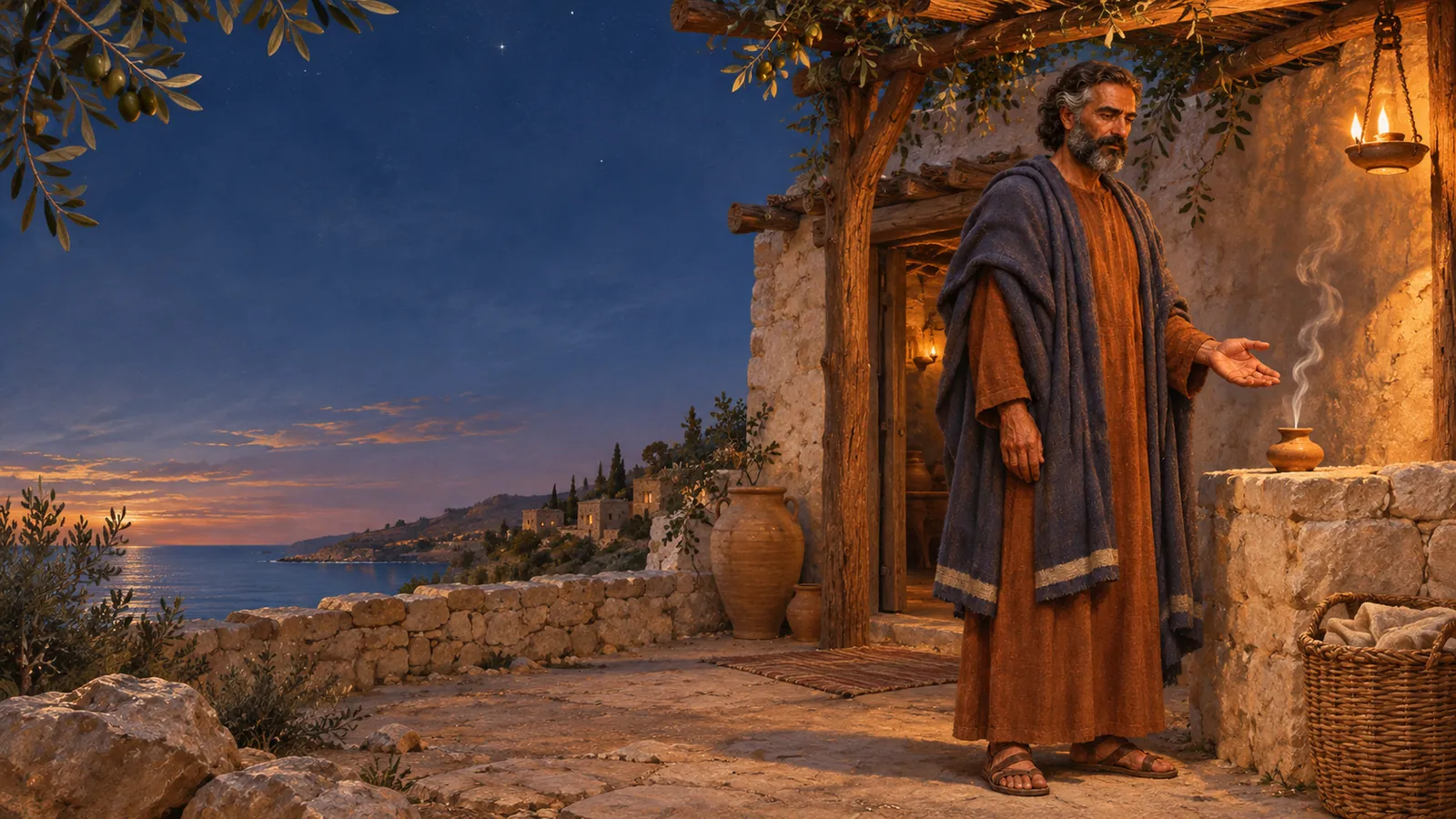
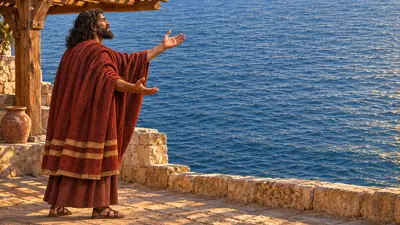
Danel calls for the mourners to leave his house. He returns to making offerings to the gods, and the poem speaks of incense rising to the stars.
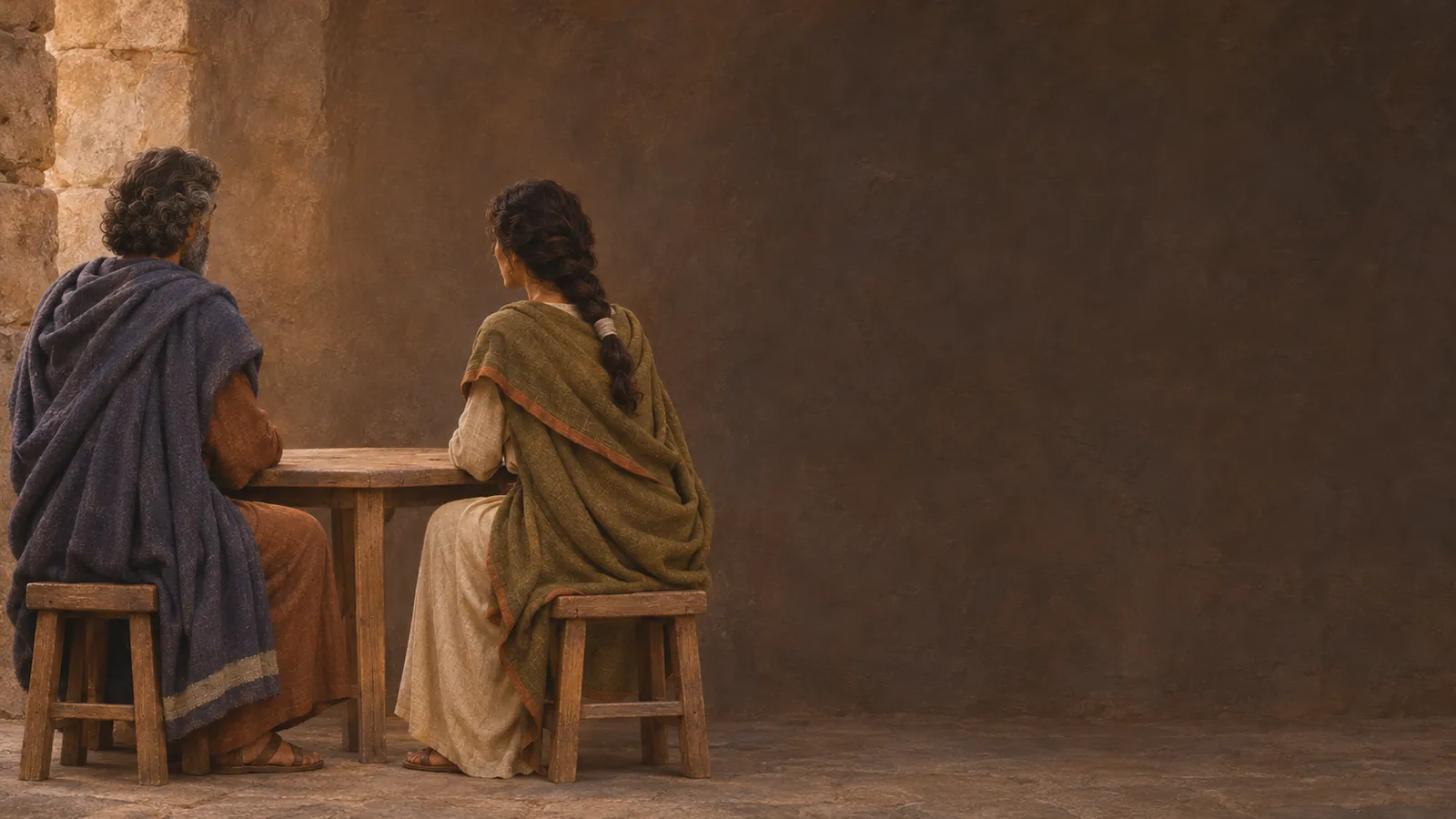
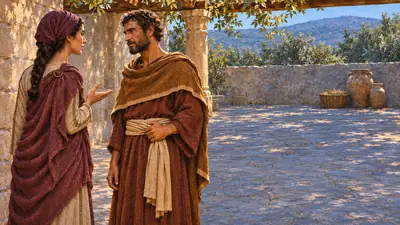
Pughat recalls her father’s offering. She asks for his blessing so she has the strength to kill the one who killed her brother.

Danel answers his daughter by calling her the water-bearer who knows the courses of the stars. His blessing echoes the purpose she has put into words.
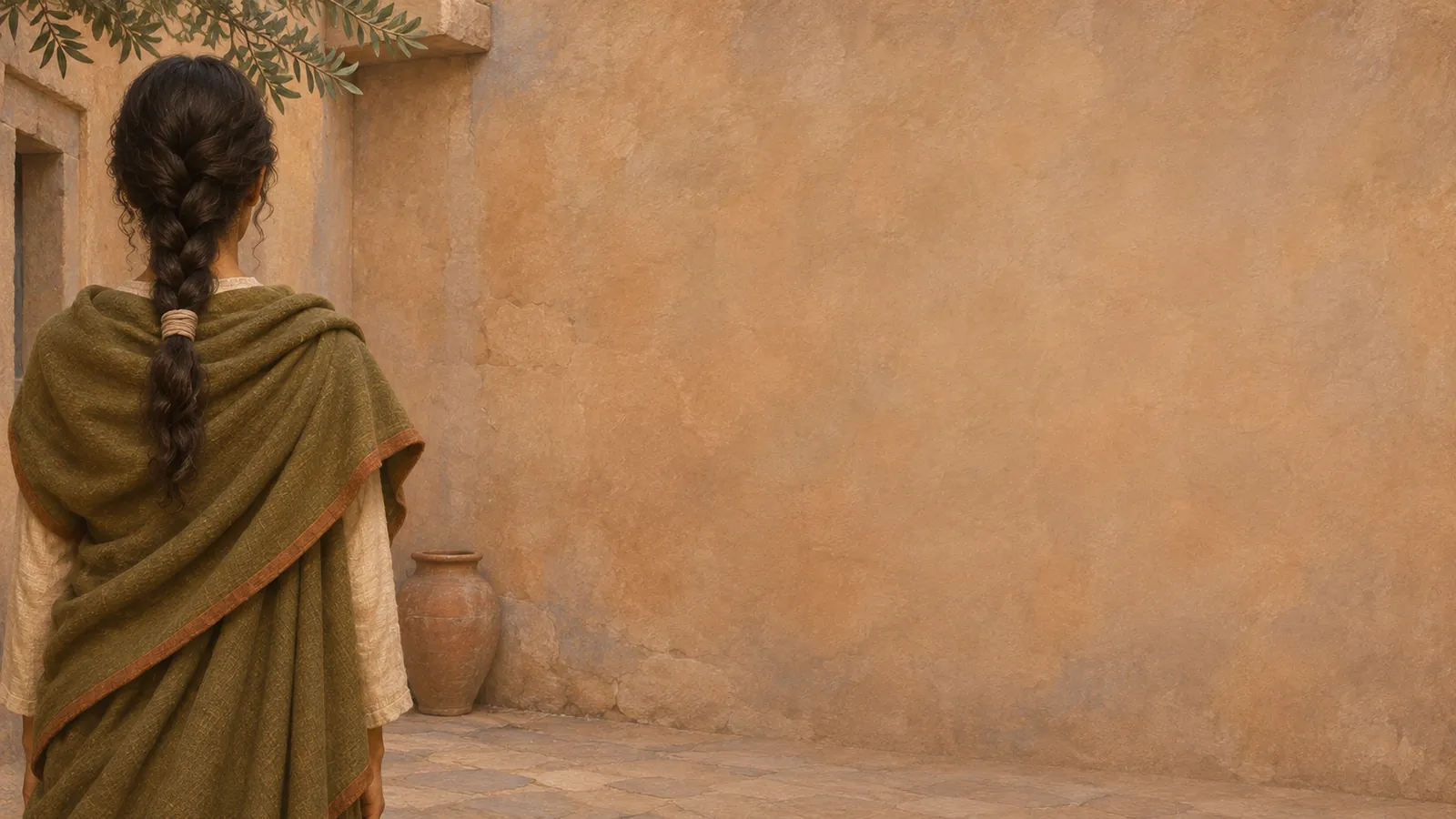
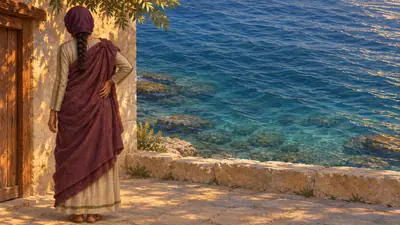
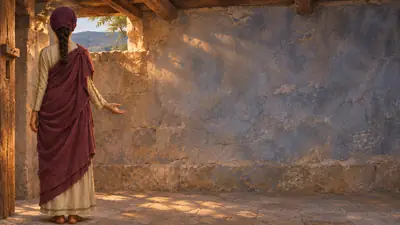
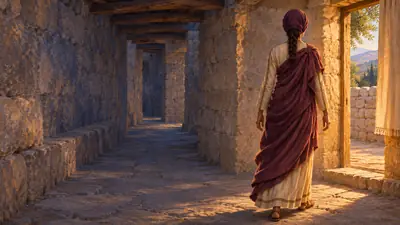
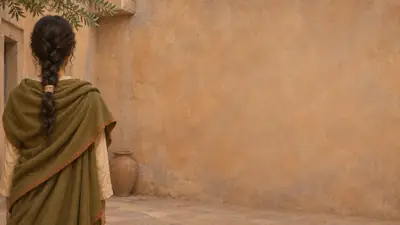
Pughat puts on a warrior’s clothes and takes a dagger and a sword. Over the warrior’s clothes, she wears a woman’s garment.
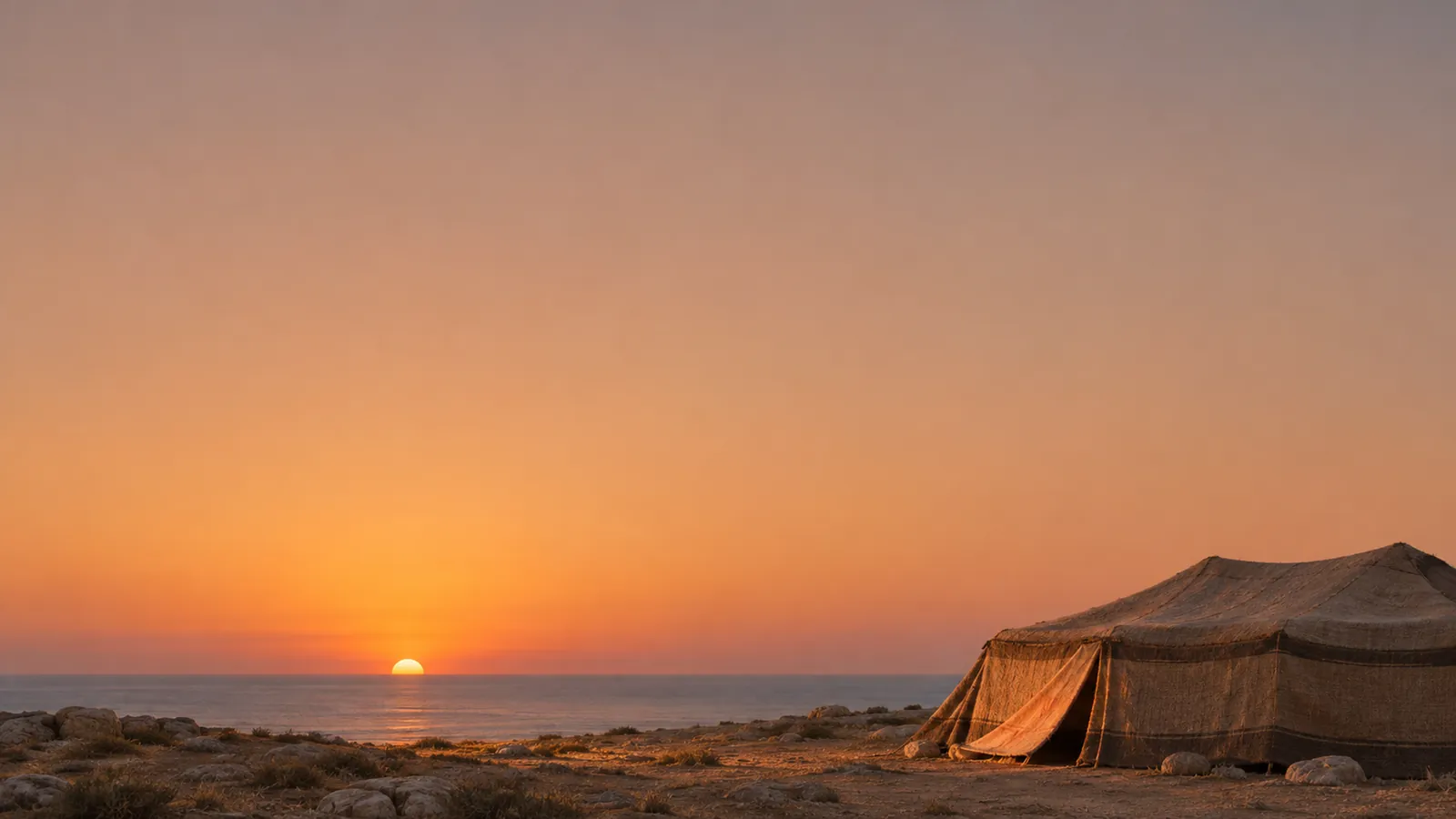
THE TENTS
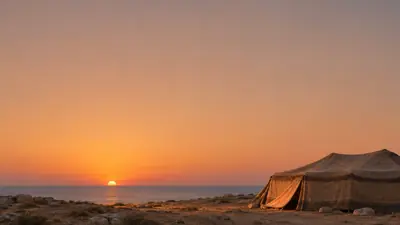
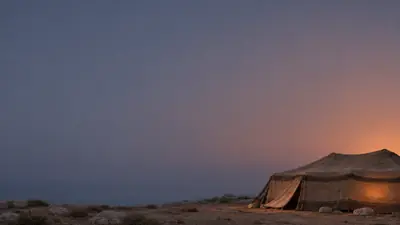
As the sun goes down, Pughat enters the camp. A message reaches Yatipan that a woman has arrived. The wording of the announcement is read in different ways.
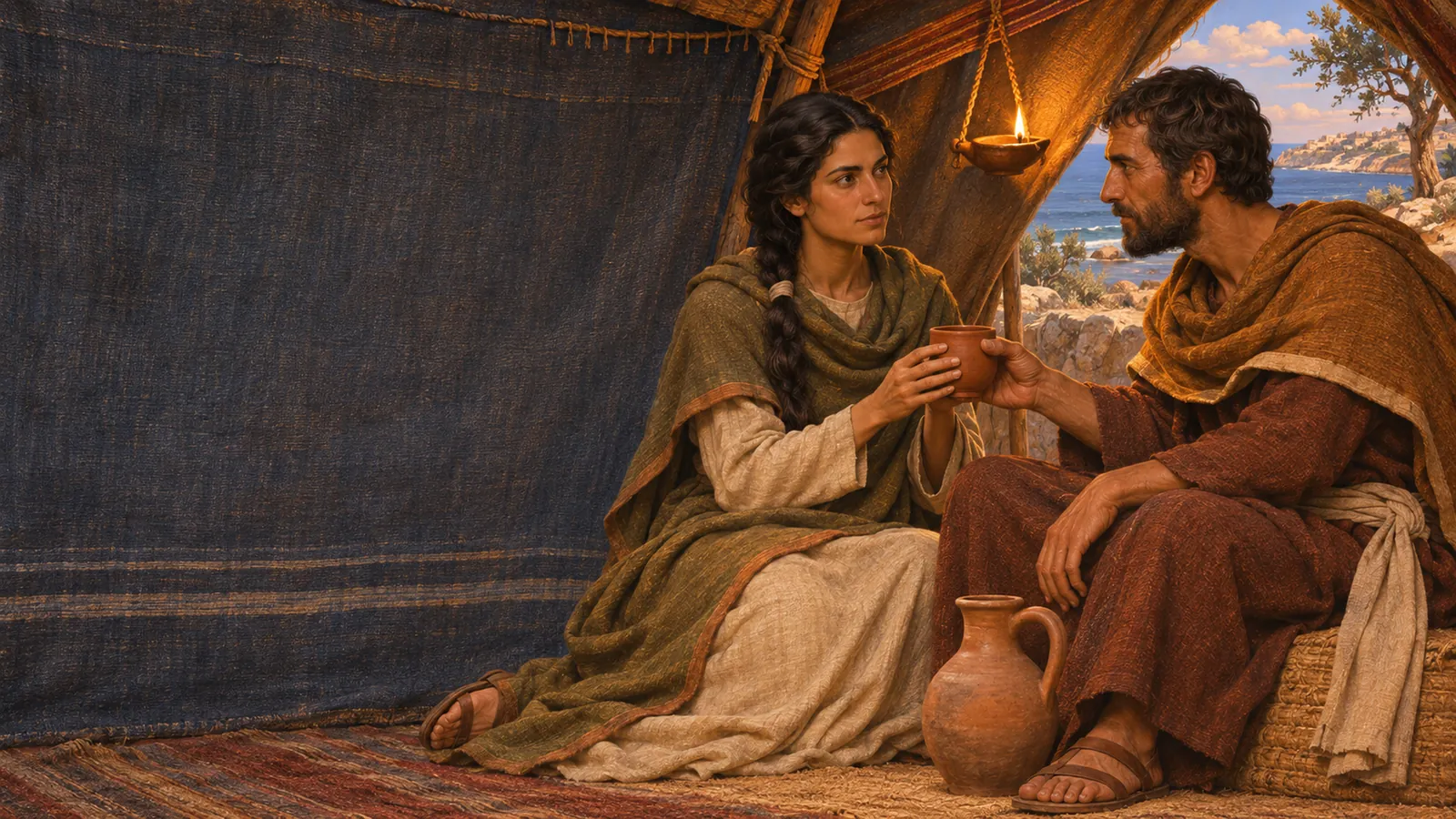
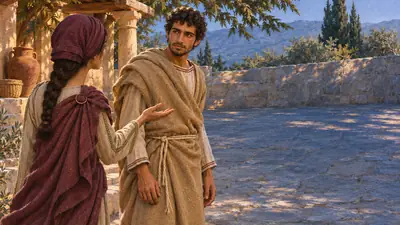
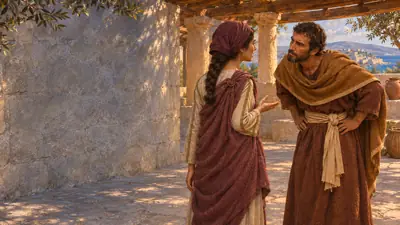
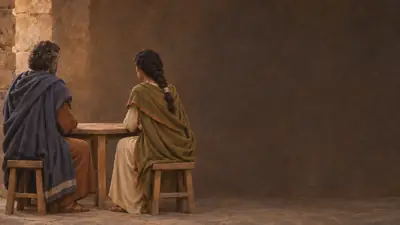
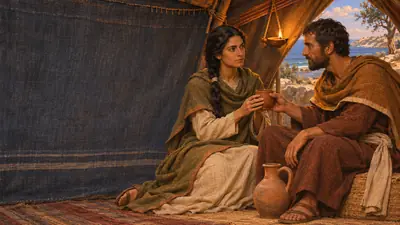
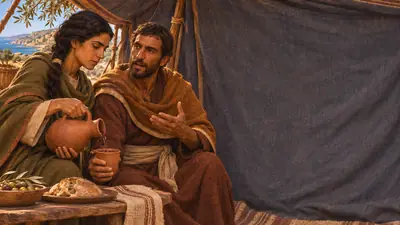
Yatipan calls for wine and asks Pughat to take the cup from his hand. She takes the cup and serves him as he requested.
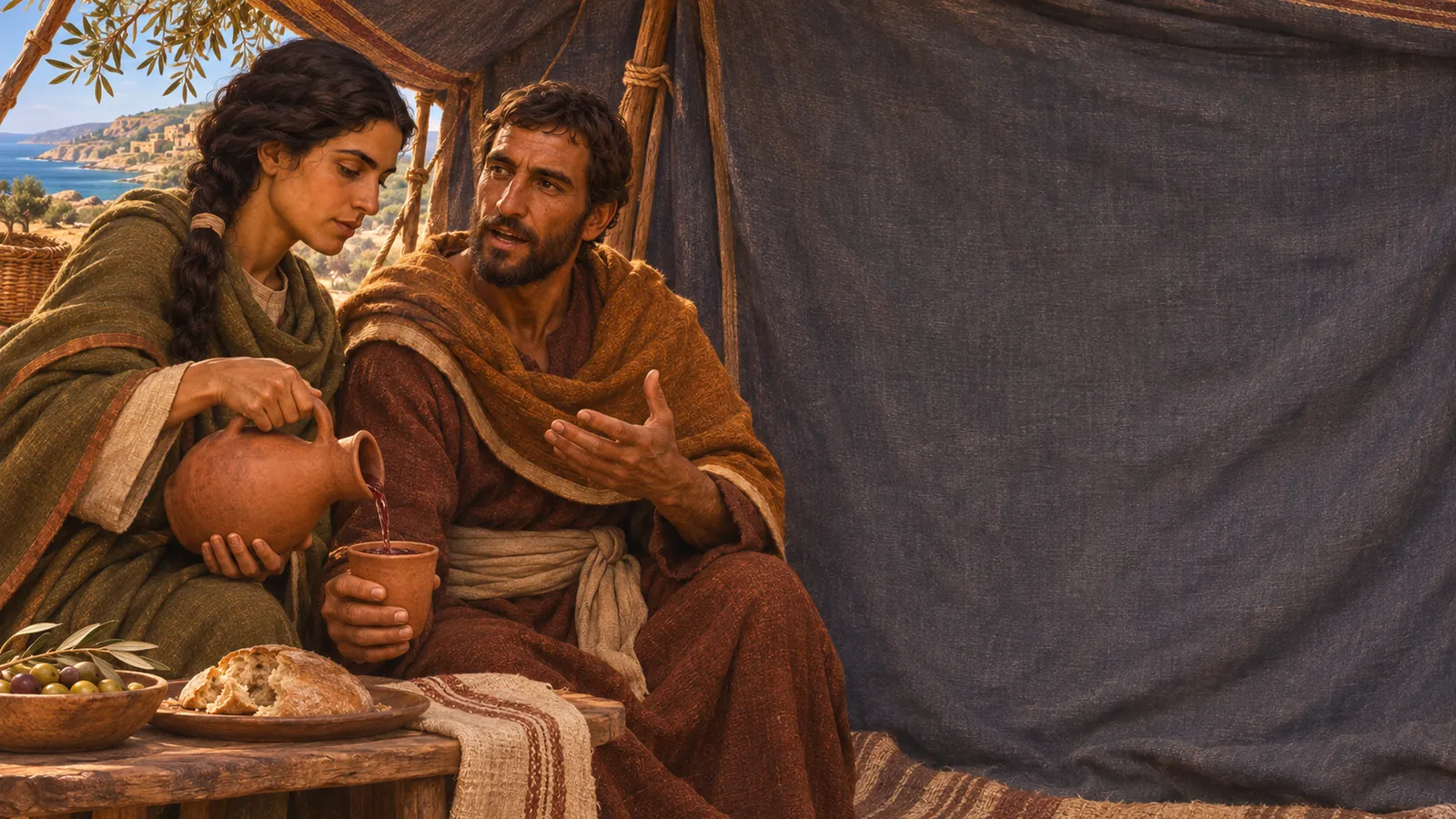
Yatipan boasts of the hand that killed Aqhat. The lines grow harder to read, but one moment remains clear. Pughat pours wine for him again.
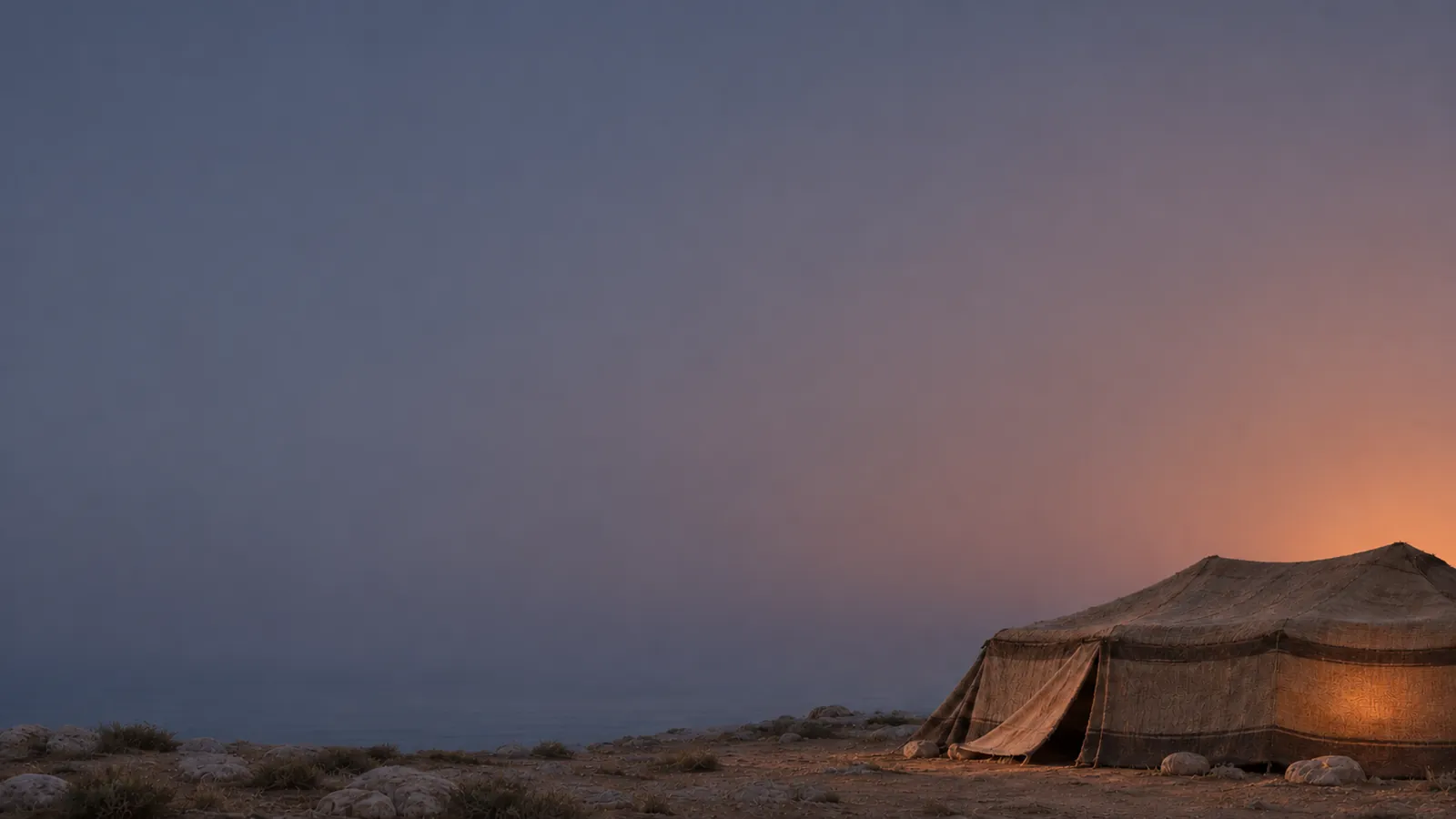
The words fade while Pughat is still with Yatipan. Her brother’s death brought her to the camp. The surviving tablets leave her story there.
End of chapter 1
All pages





Sources
Page 37. The poem describes two blows to Aqhat’s head and three over his ear and likens his departing life to breath and smoke. Some translations identify the circling birds as eagles, others as vultures (KTU 1.18 IV 27b–38; Majewski, p. 21; Husser, paras. 27–29; Natan-Yulzary, Measure for Measure).
Editions consulted
- Marcin Majewski, Legenda o Danilu i Aqhacie, Teksty z Ugarit II, pp. 9–31
- Göttingen EUPT, table of Ugaritic tablets and concordance
- Louvre, Tablet I of the Tale of Aqhat, AO 17324
- Louvre, Tablet III of the Tale of Aqhat, AO 17323
- Reinhard Müller and Clemens Steinberger, edition and reading of KTU 1.17 VI
- Jean-Marie Husser, La mort d’Aqhat
- Shirly Natan-Yulzary, Suspense in the Epic of Aqhat
- Shirly Natan-Yulzary, Measure for Measure in the Aqhat Epic
- Wayne T. Pitard, The Reading of KTU 1.19:III:41, The Burial of Aqhat
- David P. Wright, Ritual in Narrative
- IL Archive, Tale of Aqhat
- IL Archive, Six Days, Then the Seventh
Notes on this retelling
Pages 50–52. Danel asks Baal to break the birds’ wings and cuts open the fallen birds to look for his son’s fat and bones. In the third search he finds the remains inside Ṣumalu. 26–28; Wright, ch. 14; Natan-Yulzary, Measure for Measure, secs. 5.6 and 5.8).
Page 32. Anat threatens to make El’s grey hair run with blood.
Page 7. In El’s blessing Danel is told to go to bed, kiss and embrace his wife, who will conceive. 3).
Ancient lines behind each page
- Page 1: KTU 1.17 I before 1 and 1–5 (Majewski; Natan-Yulzary, Resumptive Repetition; Wright ch. 1)
- Page 2: KTU 1.17 I 5–11 (Majewski; Natan-Yulzary, Resumptive Repetition)
- Page 3: KTU 1.17 I 11–15 (Majewski; Natan-Yulzary, Resumptive Repetition)
- Page 4: KTU 1.17 I 15–16 (Majewski; Natan-Yulzary, Resumptive Repetition)
- Page 5: KTU 1.17 I 17–25 (Majewski; Kim, List of Filial Duties; Wright ch. 2)
- Page 6: KTU 1.17 I 25–33 (Majewski; Kim, List of Filial Duties; Wright ch. 2)
- Page 7: KTU 1.17 I 34–41 (Majewski; Wright ch. 3)
- Page 8: KTU 1.17 I 42–48 and II 1–9 (Majewski; Kim, List of Filial Duties; Wright chs. 2–3)
- Page 9: KTU 1.17 II 8b–24 (Majewski; Kim, List of Filial Duties; Wright ch. 3)
- Page 10: KTU 1.17 II 24–29 (Majewski; Wright ch. 4; Natan-Yulzary, Measure for Measure)
- Page 11: KTU 1.17 II 29–42 (Majewski; Natan-Yulzary, Resumptive Repetition; Wright ch. 4)
- Page 12: KTU 1.17 II 43–47 and gap before V (Majewski; Margalit; Natan-Yulzary, Resumptive Repetition; Wright ch. 4)
- Page 13: KTU 1.17 V 2–5 (Majewski; Natan-Yulzary, Resumptive Repetition)
- Page 14: KTU 1.17 V 6–8 (Majewski; Natan-Yulzary, Resumptive Repetition)
- Page 15: KTU 1.17 V 9–13 (Majewski; Natan-Yulzary, Resumptive Repetition)
- Page 16: KTU 1.17 V 13–21 (Majewski; Natan-Yulzary, Resumptive Repetition; Noegel)
- Page 17: KTU 1.17 V 21–25 (Majewski; Natan-Yulzary, Resumptive Repetition)
- Page 18: KTU 1.17 V 25–28 (Majewski; Natan-Yulzary, Resumptive Repetition)
- Page 19: KTU 1.17 V 28–33 (Majewski; Natan-Yulzary, Resumptive Repetition)
- Page 20: KTU 1.17 V 33b–39 and gap before VI (Majewski; Wright ch. 6; Müller and Steinberger)
- Page 21: KTU 1.17 VI 1–9a (Majewski; Müller and Steinberger)
- Page 22: KTU 1.17 VI 9b–16a (Majewski; Müller and Steinberger; Natan-Yulzary, Measure for Measure)
- Page 23: KTU 1.17 VI 16c–19 (Majewski; Müller and Steinberger)
- Page 24: KTU 1.17 VI 20–25a (Majewski; Müller and Steinberger)
- Page 25: KTU 1.17 VI 25b–29 (Majewski; Müller and Steinberger)
- Page 26: KTU 1.17 VI 30–33a (Majewski; Müller and Steinberger)
- Page 27: KTU 1.17 VI 33b–38 (Majewski; Müller and Steinberger; Budin)
- Page 28: KTU 1.17 VI 39–41a (Majewski; Müller and Steinberger; Budin)
- Page 29: KTU 1.17 VI 41b–45 (Majewski; Müller and Steinberger; Natan-Yulzary, Measure for Measure)
- Page 30: KTU 1.17 VI 46–52a (Majewski; Müller and Steinberger; Natan-Yulzary, Resumptive Repetition)
- Page 31: KTU 1.17 VI 52b–55 and 1.18 I 1–8 (Majewski; Müller and Steinberger; Natan-Yulzary, Measure for Measure)
- Page 32: KTU 1.18 I 9–20a (Majewski; Noegel; Natan-Yulzary, Measure for Measure)
- Page 33: KTU 1.18 I 20b–34 (Majewski, pp. 19–20; Husser, paras. 25–26)
The invitation survives in fragments. The wording and force of the kinship term are uncertain. - Page 34: KTU 1.18 II–III and opening of IV (Majewski, pp. 19–20)
- Page 35: KTU 1.18 IV 5b–15 (Majewski, p. 20; Noegel, CAT 1.18 IV 7 and 16)
This exchange is damaged. - Page 36: KTU 1.18 IV 16–27a (Majewski, pp. 20–21; Natan-Yulzary, sec. 5.6)
These are Anat’s words to Yatipan. - Page 37: KTU 1.18 IV 27b–38 (Majewski, p. 21; Husser, paras. 27–29)
The later report names Anat’s responsibility. - Page 38: KTU 1.18 IV 39–end and 1.19 I 1–7 (Majewski, pp. 21–22; Natan-Yulzary, sec. 5.2)
The damaged text associates the loss of the bow with water. - Page 39: KTU 1.19 I 8–17 (Majewski, p. 22; Wright, ch. 12)
The lament is damaged and several expressions are obscure. - Page 40: KTU 1.19 I 17–25a (Majewski, pp. 22–23; Natan-Yulzary, Suspense)
- Page 41: KTU 1.19 I 25b–35 (Majewski, p. 23; Natan-Yulzary, Suspense)
The poem records Pughat’s observations ahead of the messengers’ report. - Page 42: KTU 1.19 I 36–42 (Majewski, p. 23; Natan-Yulzary, Suspense)
Natan-Yulzary reads these words as an appeal for rain. - Page 43: KTU 1.19 I 42–48 (Majewski, p. 23; Natan-Yulzary, Suspense)
- Page 44: KTU 1.19 I 49–II 11 (Majewski, pp. 23–24; Budin, pp. 66–67)
- Page 45: KTU 1.19 II 12–18 (Majewski, p. 24; Noegel, Enallage, p. 189)
- Page 46: KTU 1.19 II 19–25 (Majewski, p. 24; Noegel, Enallage, p. 189)
Danel asks for growth and names Aqhat in the repeated wish. - Page 47: KTU 1.19 II 26–36 (Majewski, p. 25; Natan-Yulzary, Suspense)
- Page 48: KTU 1.19 II 37–44a (Majewski, pp. 25–26; Natan-Yulzary, Suspense)
- Page 49: KTU 1.19 II 44b–55 (Majewski, p. 26; Natan-Yulzary, Suspense)
Most of Danel’s reply is fragmentary. - Page 50: KTU 1.19 II 56–III 14a (Majewski, pp. 26–27; Wright, ch. 14)
The poem repeats Danel’s plea in the subsequent searches. - Page 51: KTU 1.19 III 14b–28a (Majewski, pp. 27–28; Natan-Yulzary, sec. 5.6)
The exact species varies by translation. - Page 52: KTU 1.19 III 28b–39b (Majewski, p. 28; Natan-Yulzary, secs. 5.6 and 5.8)
- Page 53: KTU 1.19 III 39b–45a (Majewski, p. 28; Pitard, pp. 31–38)
The location named in III 41 is disputed. - Page 54: KTU 1.19 III 45b–56 (Majewski, pp. 28–29; Natan-Yulzary, sec. 5.10)
The towns and imprecations belong to the poem. - Page 55: KTU 1.19 III end–IV 9a (Majewski, p. 29; Natan-Yulzary, sec. 5.10)
- Page 56: KTU 1.19 IV 9b–18 (Majewski, p. 29; Natan-Yulzary, Suspense)
- Page 57: KTU 1.19 IV 18–27 (Majewski, pp. 29–30; Budin and Noegel)
- Page 58: KTU 1.19 IV 28–35 (Majewski, p. 30; Noegel, Enallage, pp. 189–190)
- Page 59: KTU 1.19 IV 36–40 (Majewski, p. 30; Natan-Yulzary, sec. 5.1)
Some wording in Danel’s reply is restored. - Page 60: KTU 1.19 IV 41–46a (Majewski, p. 30; Budin, p. 67)
The text distinguishes two layers of clothing. - Page 61: KTU 1.19 IV 46b–53 (Majewski, p. 31; Natan-Yulzary, sec. 5.3)
Editions diverge on the announcement. - Page 62: KTU 1.19 IV 53–57 (Majewski, p. 31; Natan-Yulzary, sec. 5.3)
The text describes the first serving of wine. - Page 63: KTU 1.19 IV 57–62 (Majewski, p. 31; Natan-Yulzary, sec. 5.3; Margalit)
The closing comparison is damaged and disputed. - Page 64: KTU 1.19 IV after 62 in Majewski (pp. 31 and 263–270; Wright, ch. 18)
The surviving narrative breaks off here.
Illustrations made with AI tools by IL Archive; the text is based on the ancient sources (see the sources at the end of each chapter).