Enlil and Ninlil Chapter 1
The Moon and His Brothers
At Nippur, Ninlil’s mother warns her about the canal. The divine assembly banishes Enlil after he rapes Ninlil, and she follows him toward the underworld. Thorkild Jacobsen’s account traces the origins of the moon god and the three brothers connected with the underworld. The text of the third brother’s name is damaged.
SourcesTurn the pages with the arrows, the arrow keys or a swipe.
THE MOON AND HIS BROTHERS
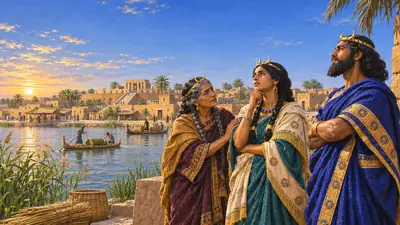
In Thorkild Jacobsen’s account, the story begins in Nippur at the beginning of time. It asks how Sin, the moon, came to be and why his three brothers are connected with the underworld.
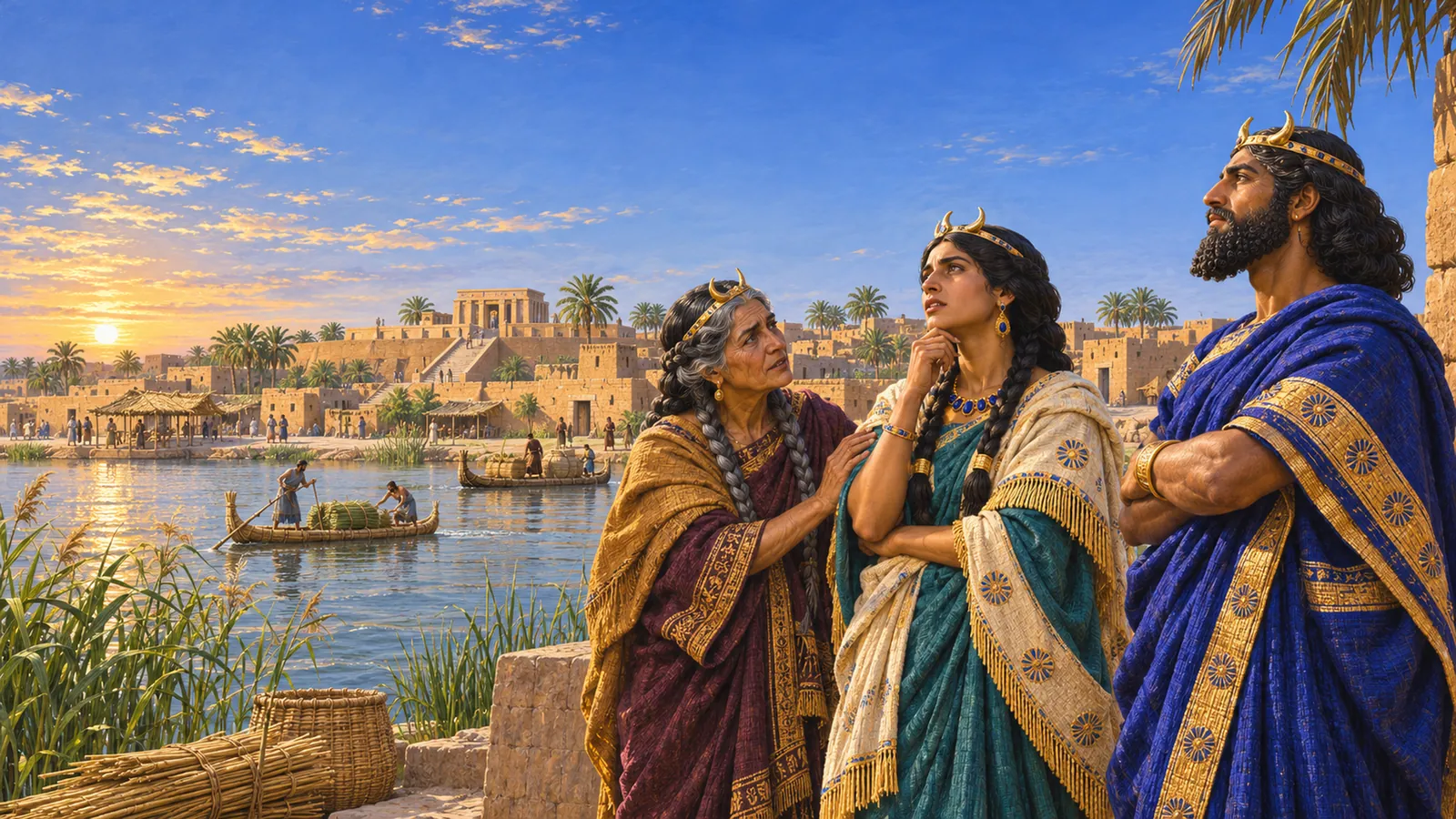
The verse speaks of living in this city, first calling it Duranki and then Durgishimmar. Jacobsen identifies both as names of Nippur.
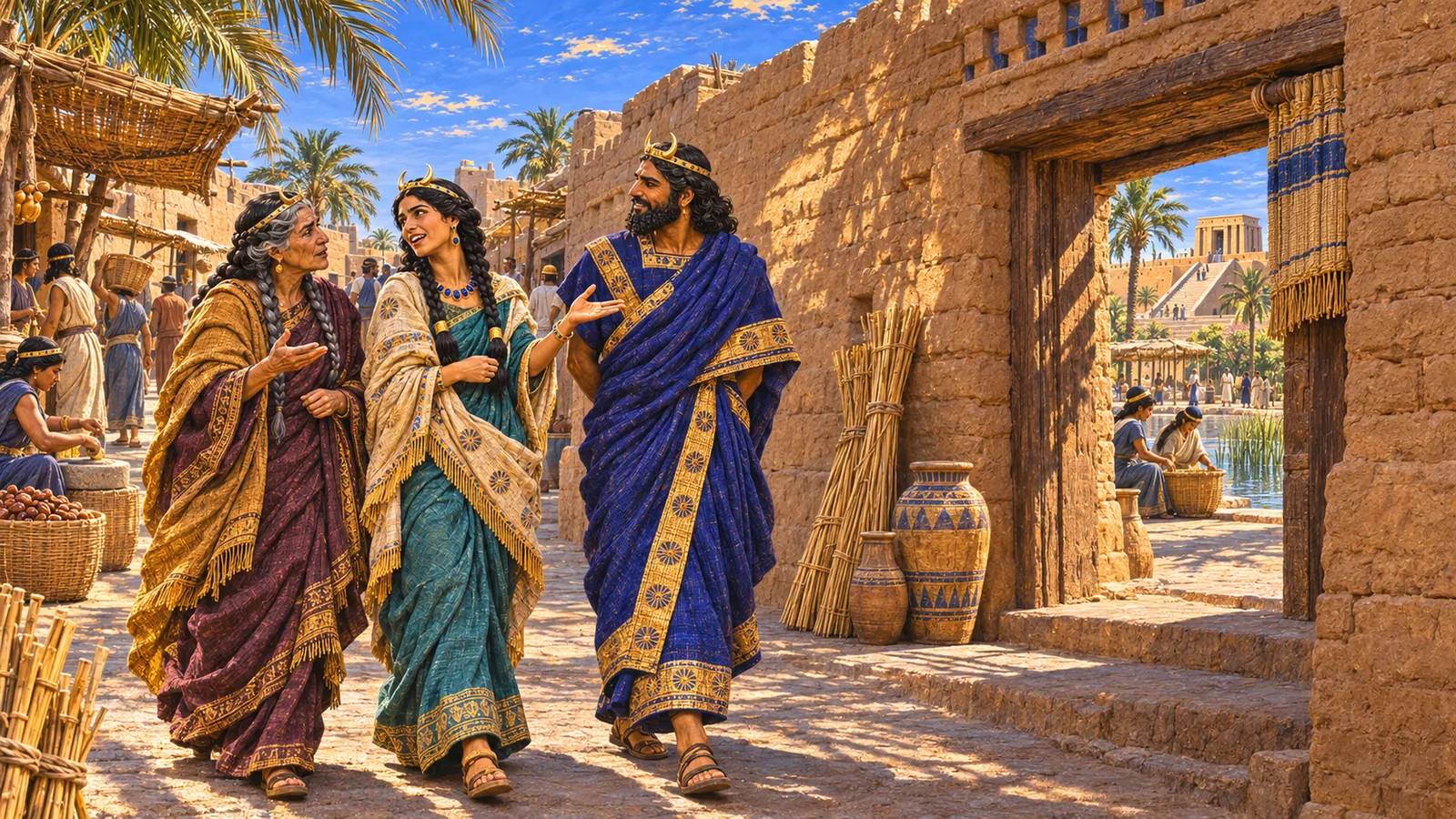
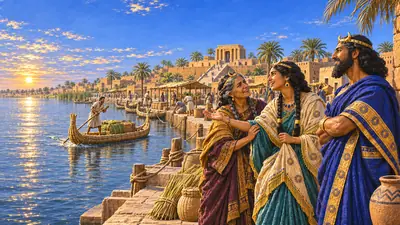
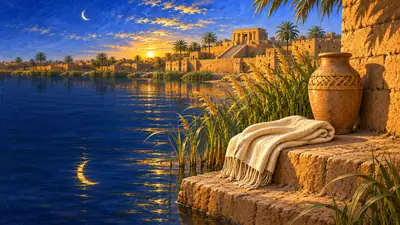
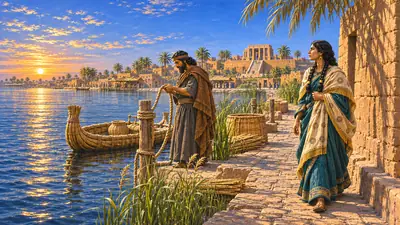
The verse names Idsalla as the pure river of the city, Kargeshtinna as its quay and Karusar as its harbor.
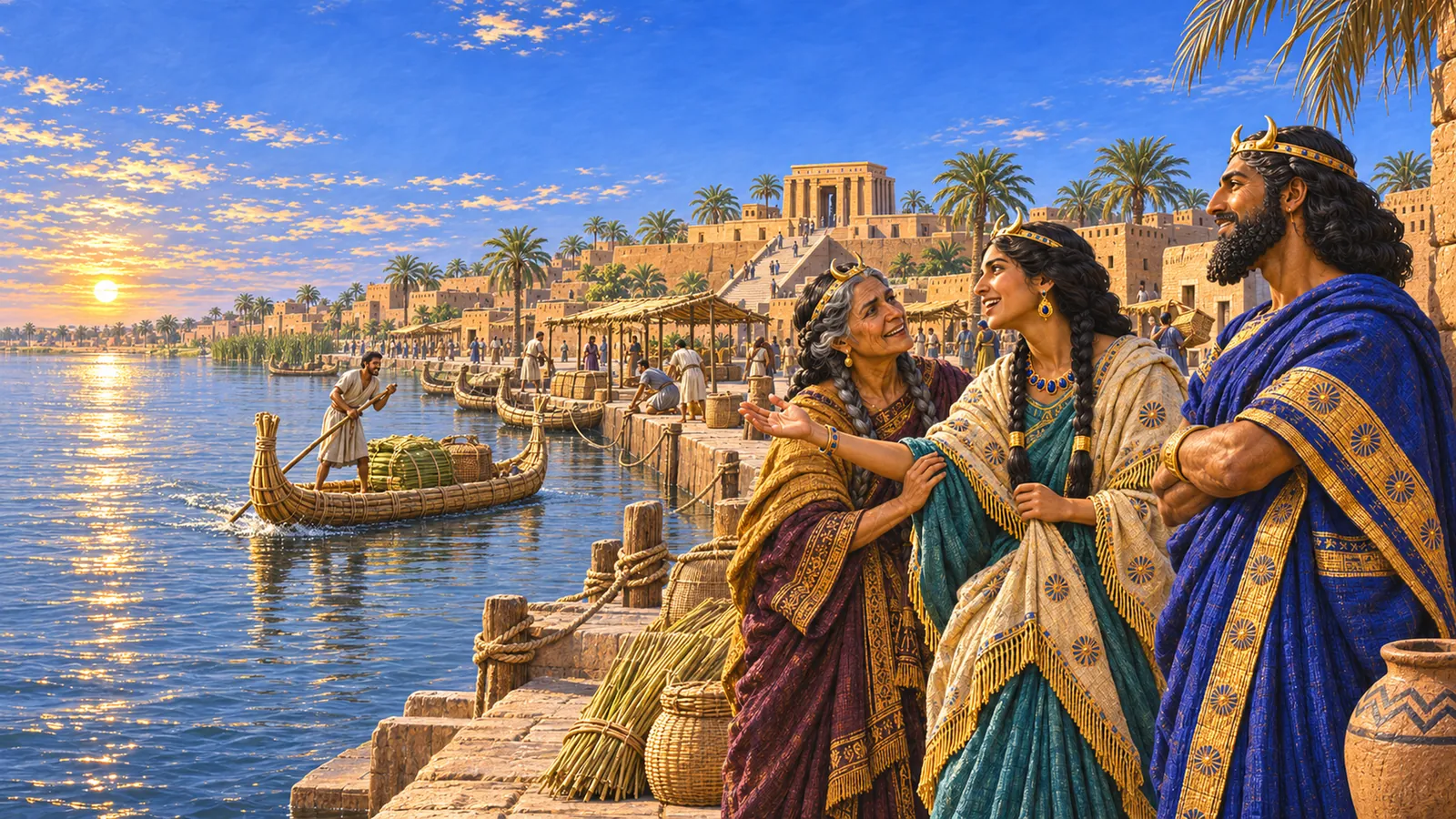
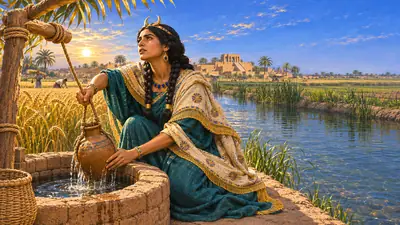
Pulal is the well of sweet water and Nunbirdu the sparkling canal, the verse says. If measured, the cultivated fields are at least ten iku each.
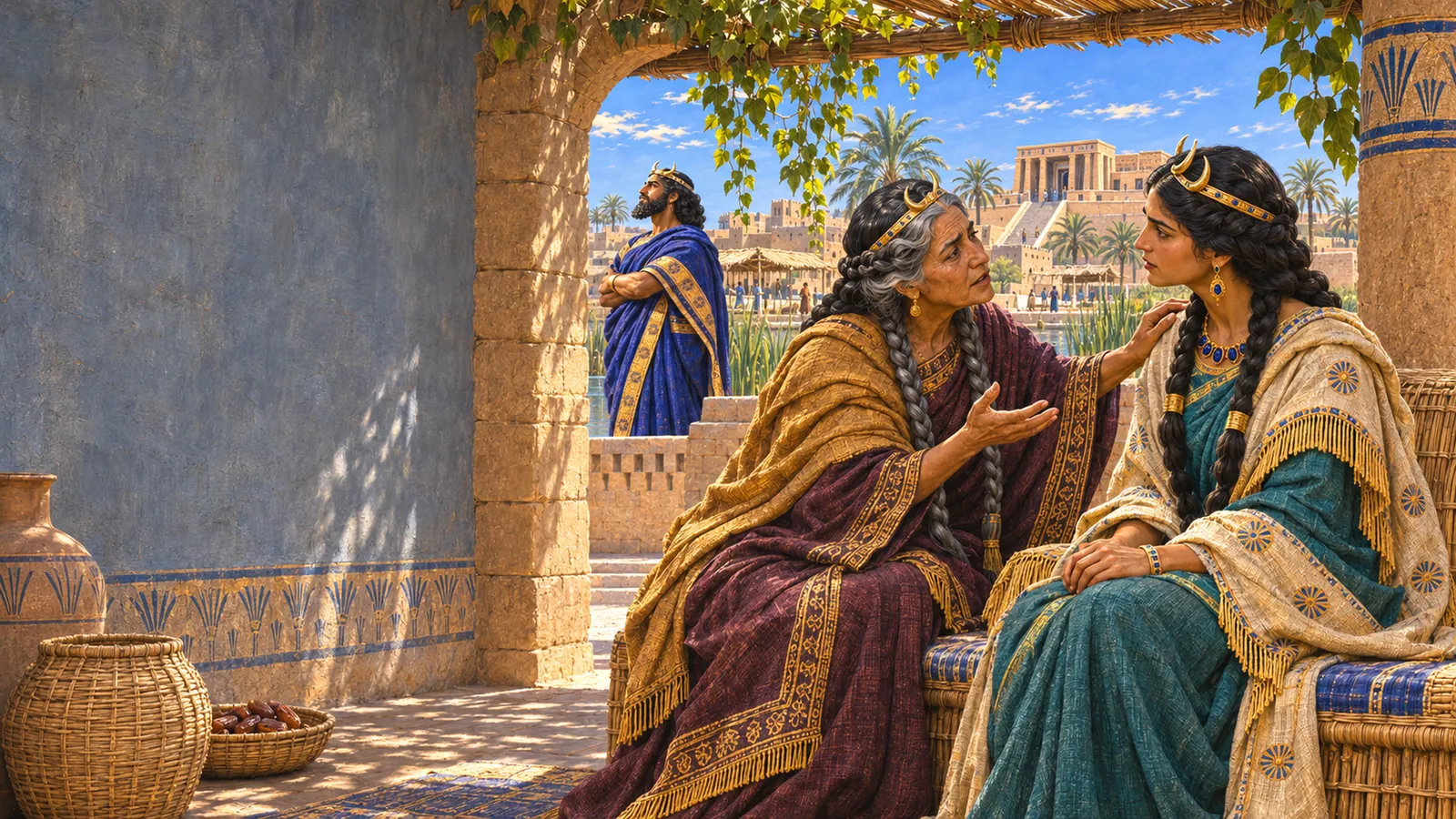
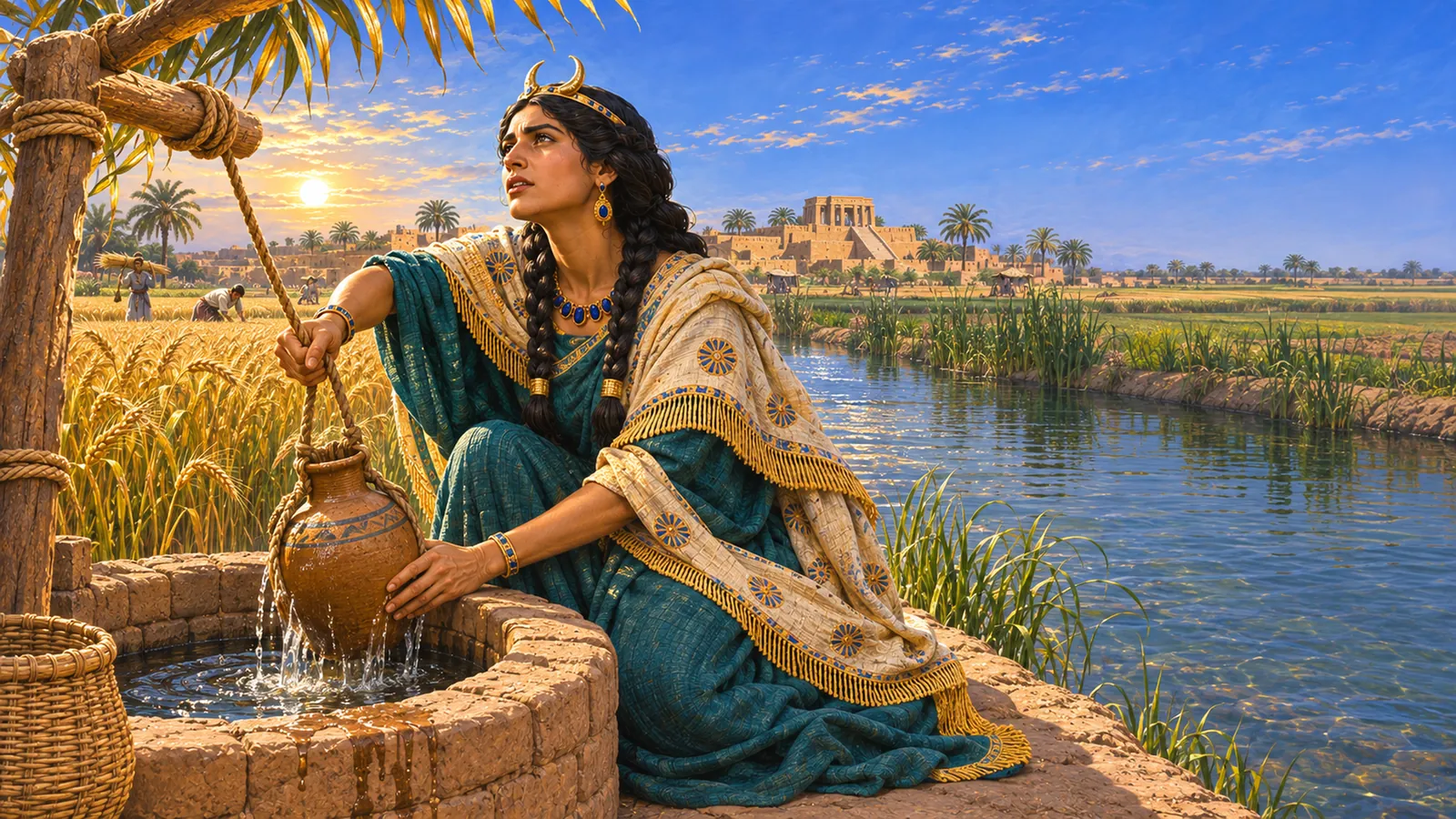
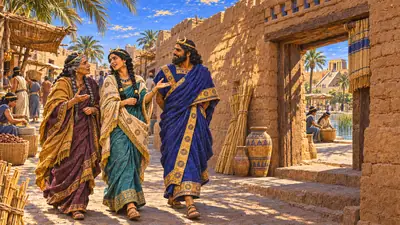
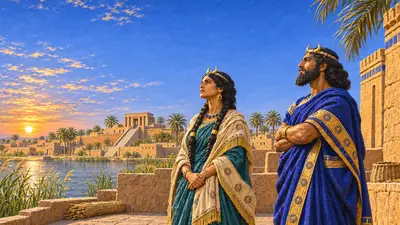
The verse names Enlil as the young man and Ninlil as the young woman in the city. It names Ninshebargunu as Ninlil’s mother.
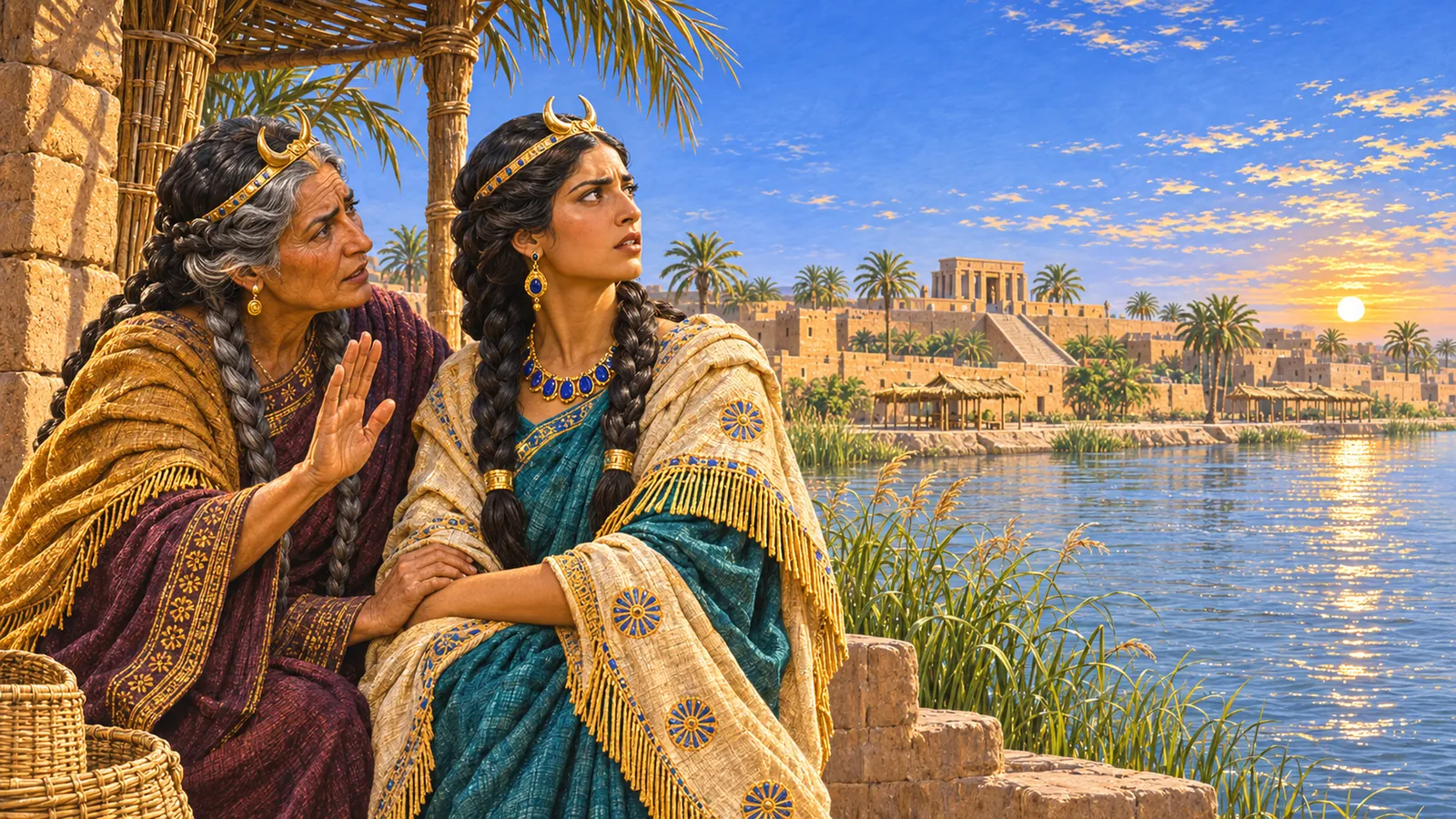
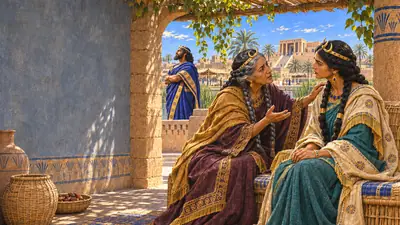
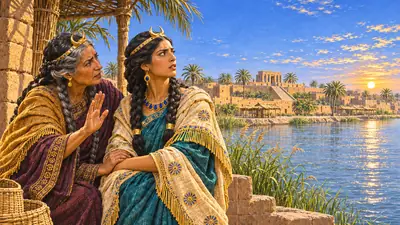
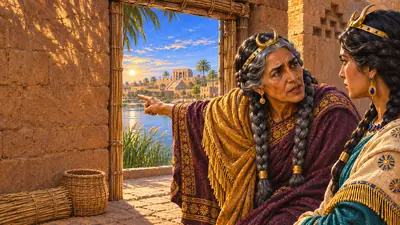
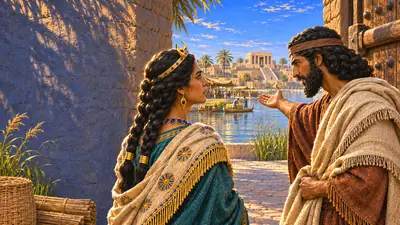
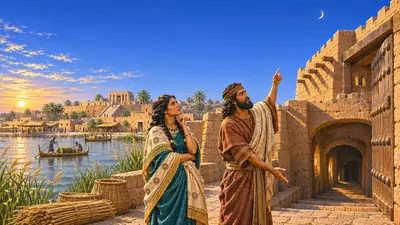
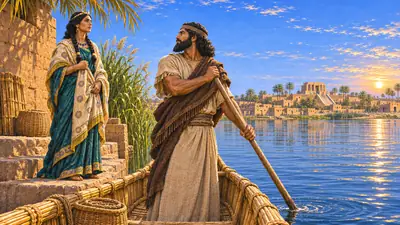
Ninshebargunu repeatedly warns her daughter Ninlil against bathing in the pure stream. She also tells Ninlil to stay off the bank of the Nunbirdu canal.
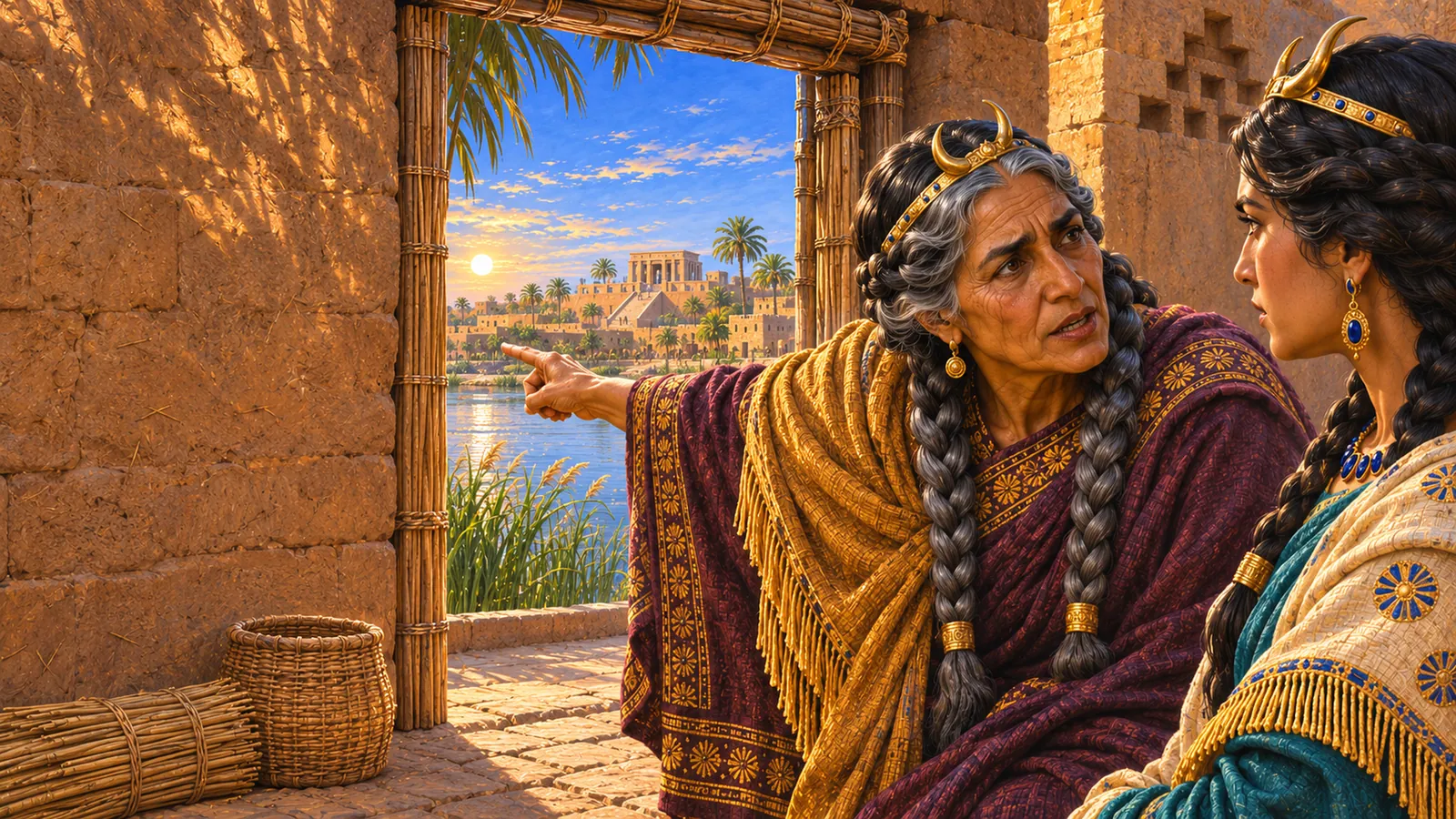
She warns that Enlil will see Ninlil, embrace her and kiss her. She calls him father Enlil, the great mountain and the determiner of fates.
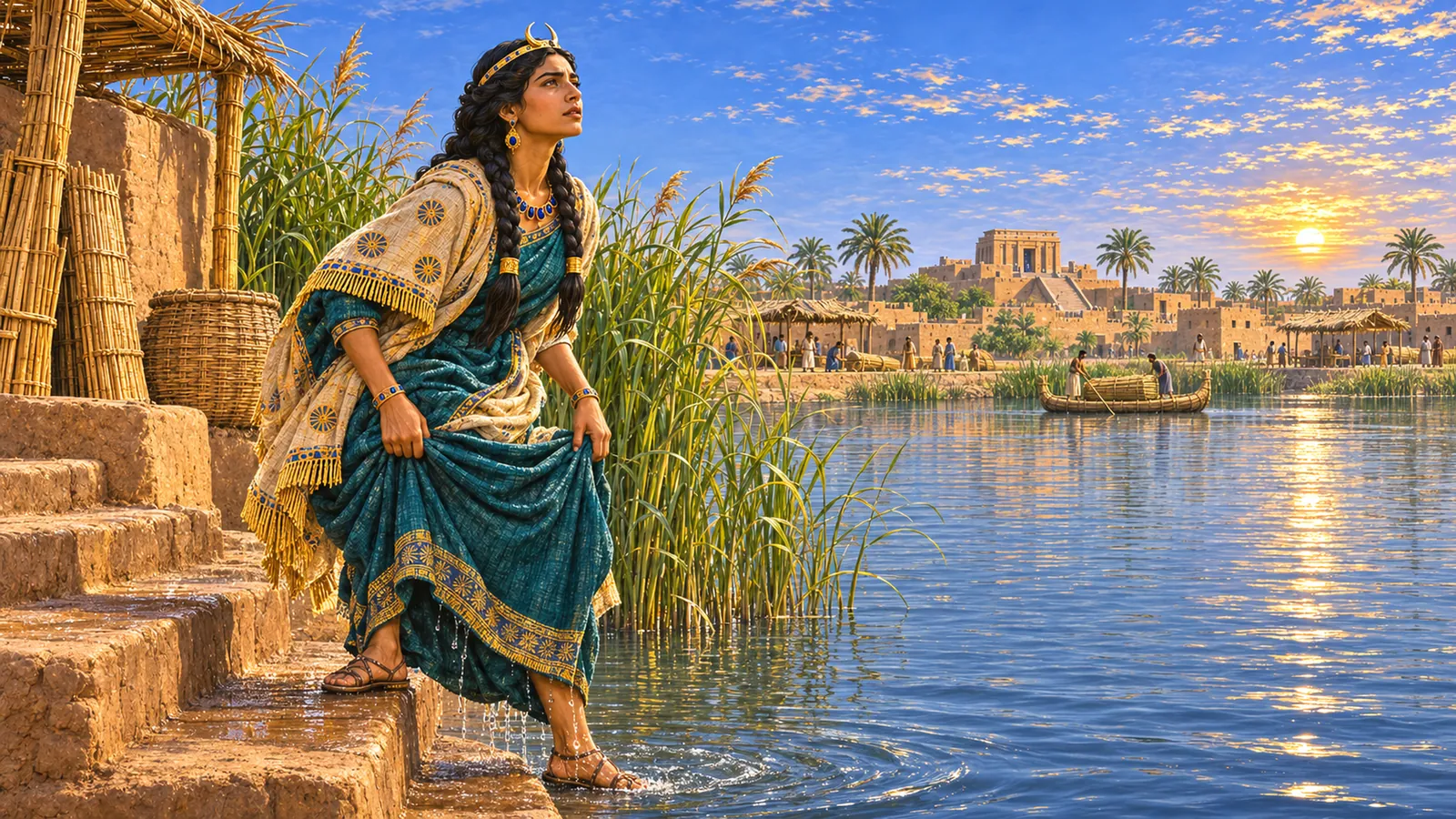
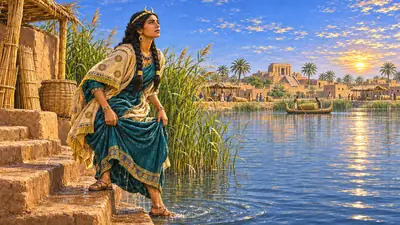
The verse asks whether Ninlil listened to her mother. It then says that Ninlil bathes in the pure stream and climbs the bank of Nunbirdu.
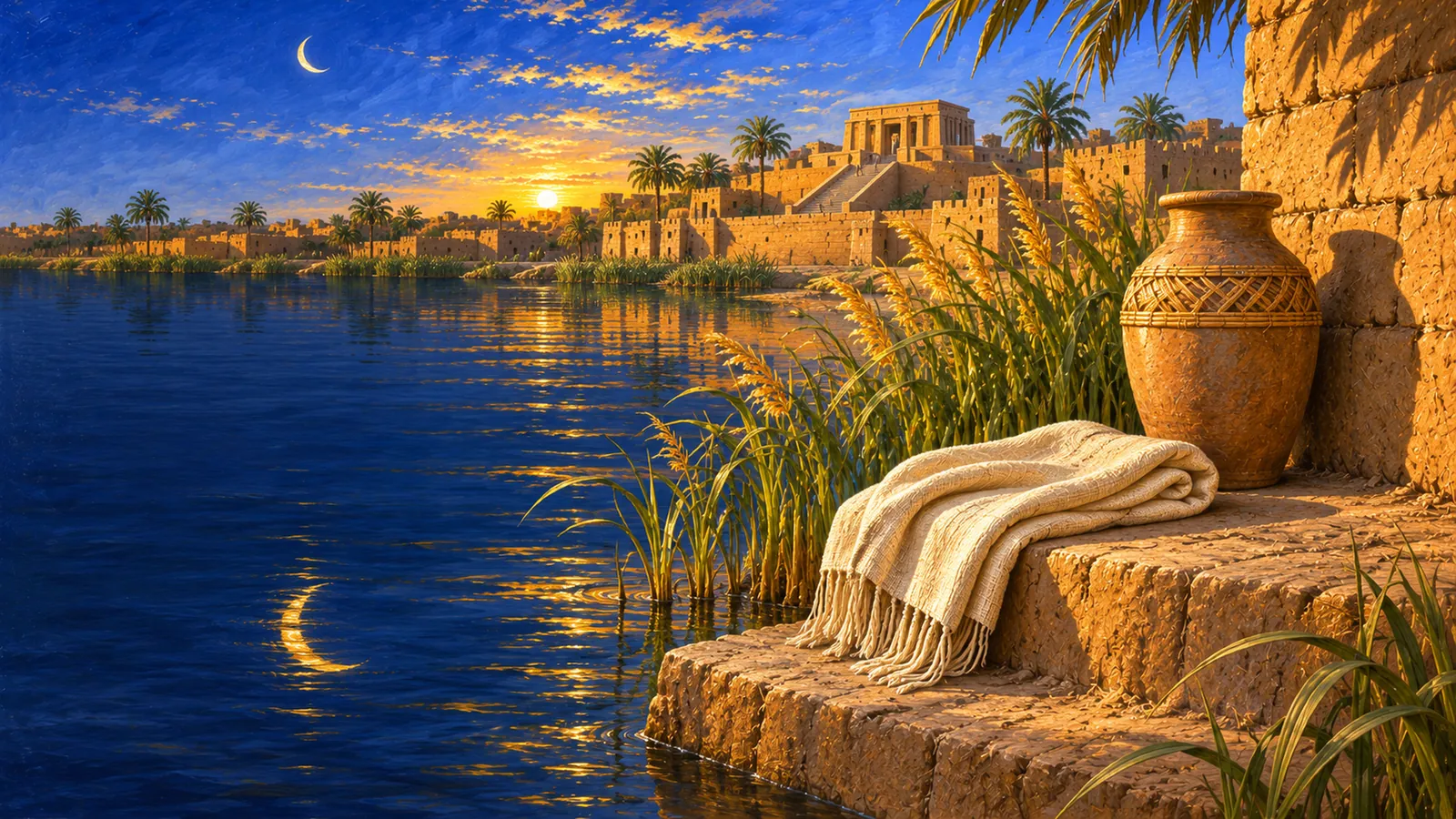
Jacobsen says Enlil rapes Ninlil after she refuses him, and that she becomes pregnant with Sin, the moon god.
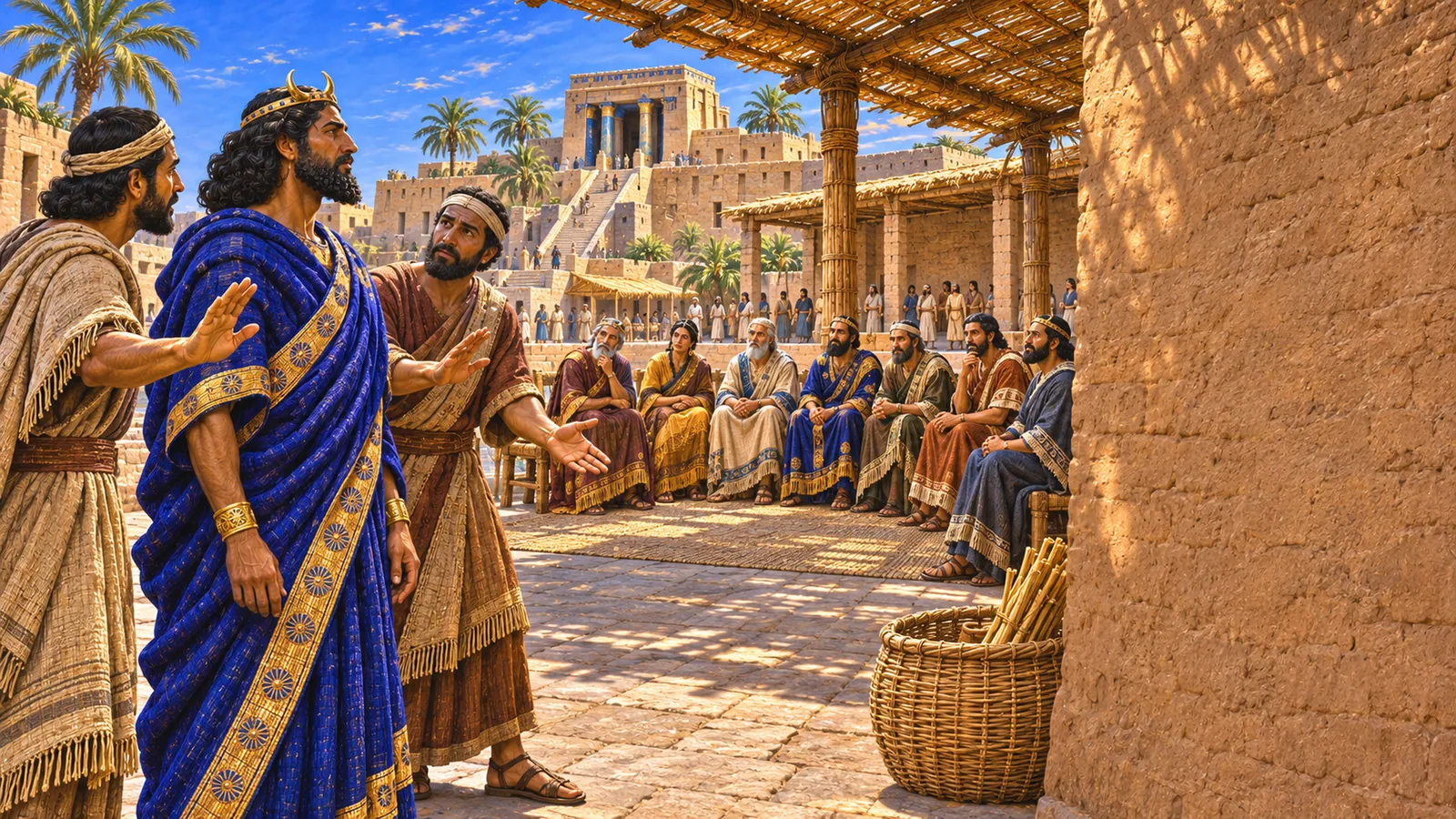
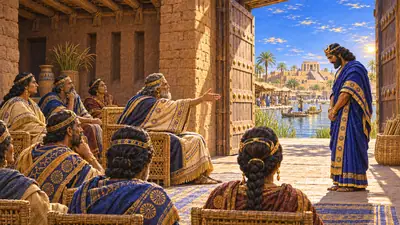
The verse says Enlil enters Kiur and is arrested there. The fifty great gods and the seven whose words are decisive order the arrest.
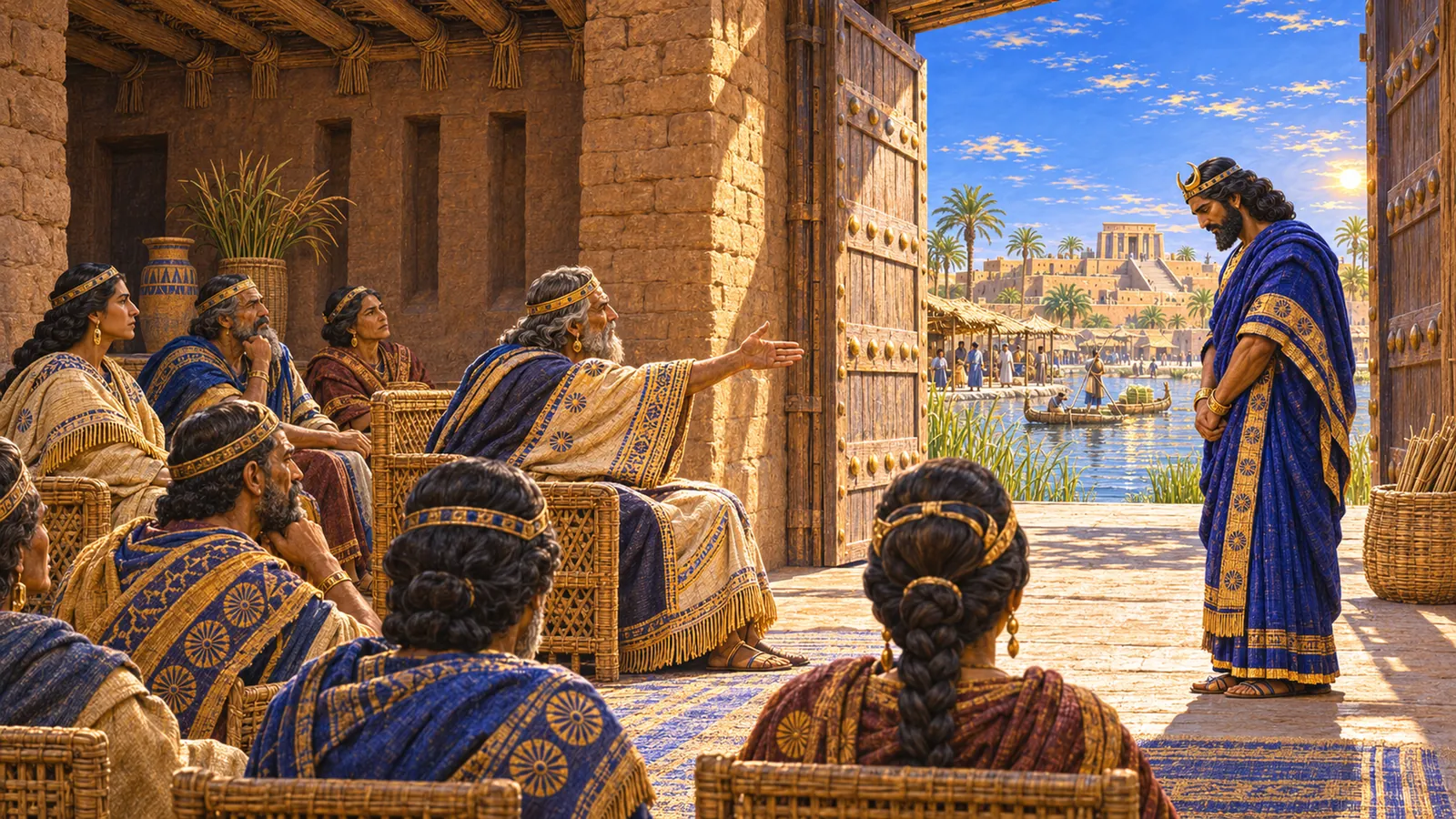
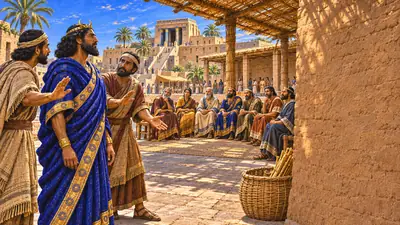
The assembly tells Enlil, also called Nunamnir, to leave the town. Jacobsen explains that the term it uses means a person under a sexual taboo.
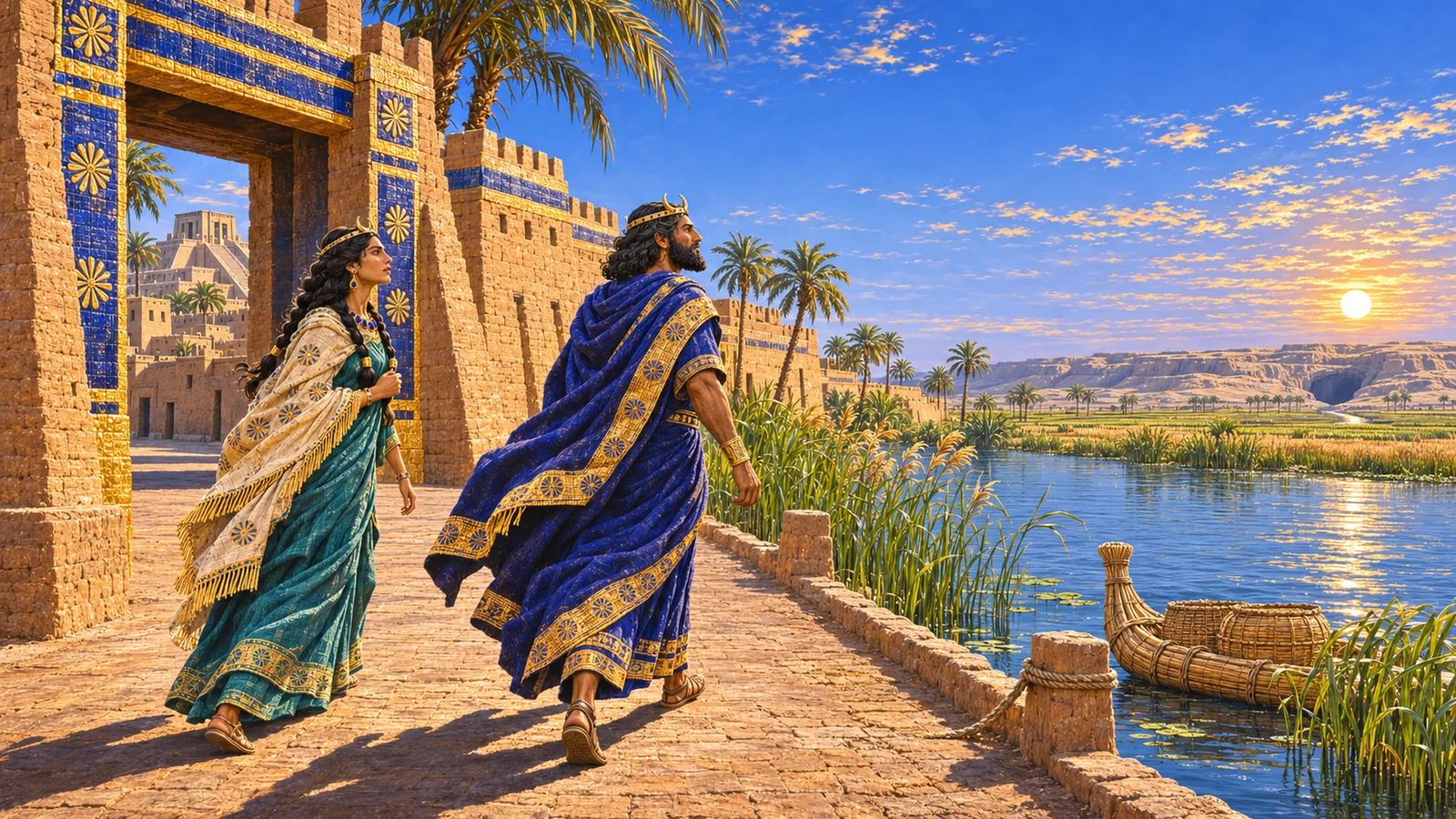
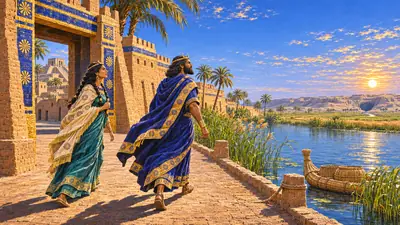
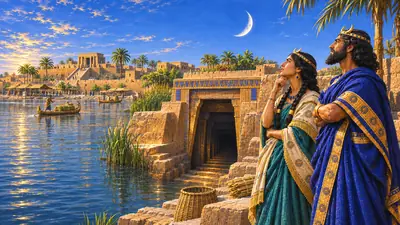
Enlil obeys the verdict and leaves. Jacobsen says he goes toward the underworld, and the verse says that Ninlil follows him.
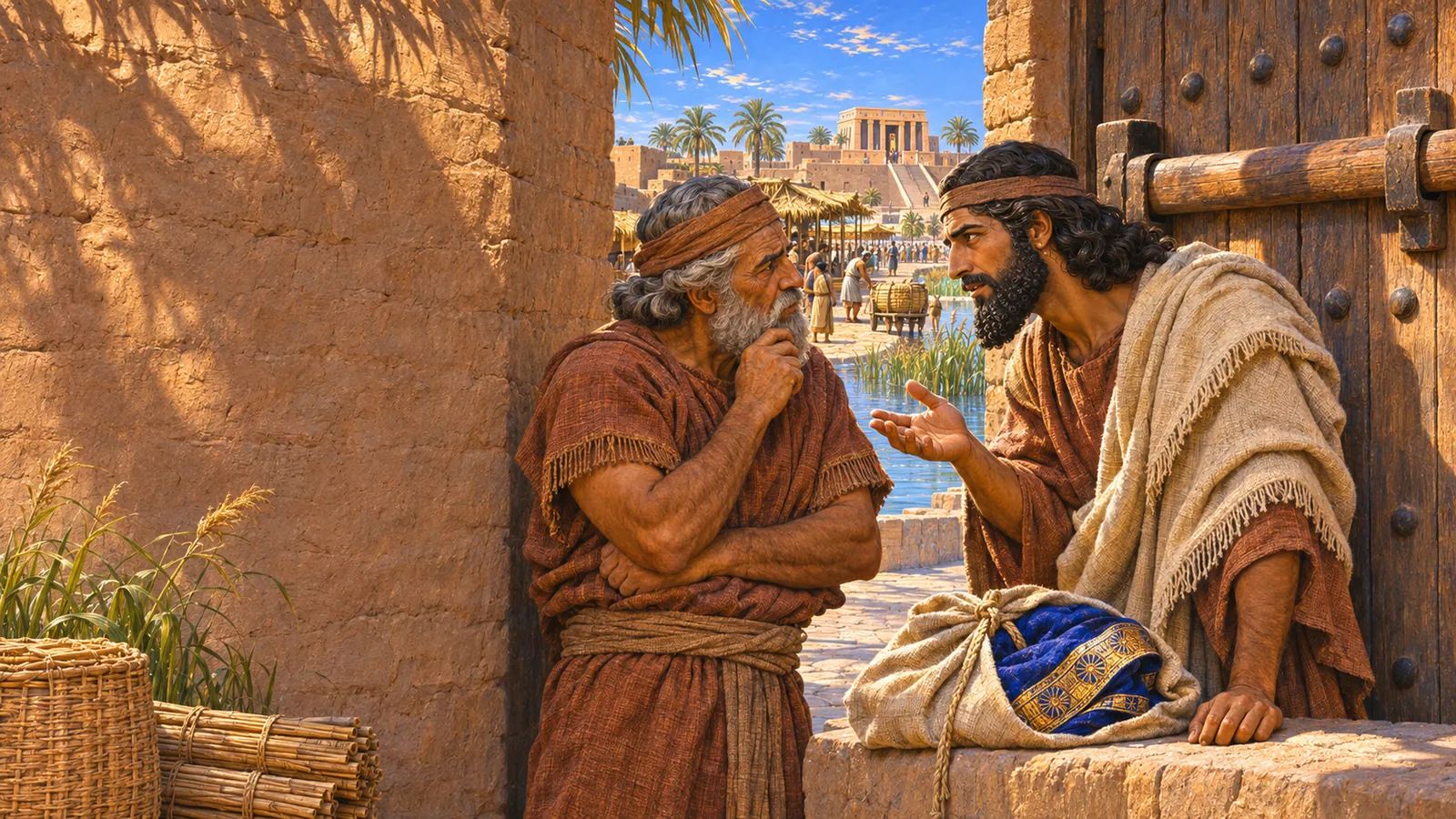
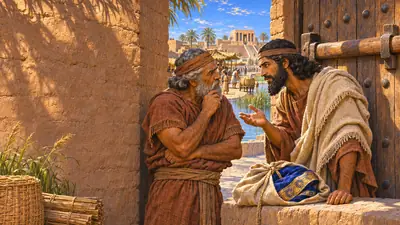
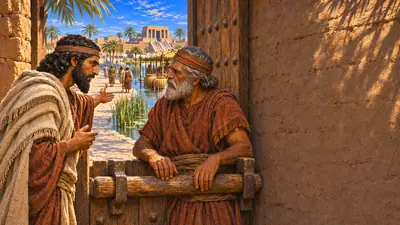
Jacobsen reads Enlil as fearing that others may mistreat Ninlil. He says Enlil takes the gatekeeper’s place and appearance and orders him to keep his whereabouts secret.
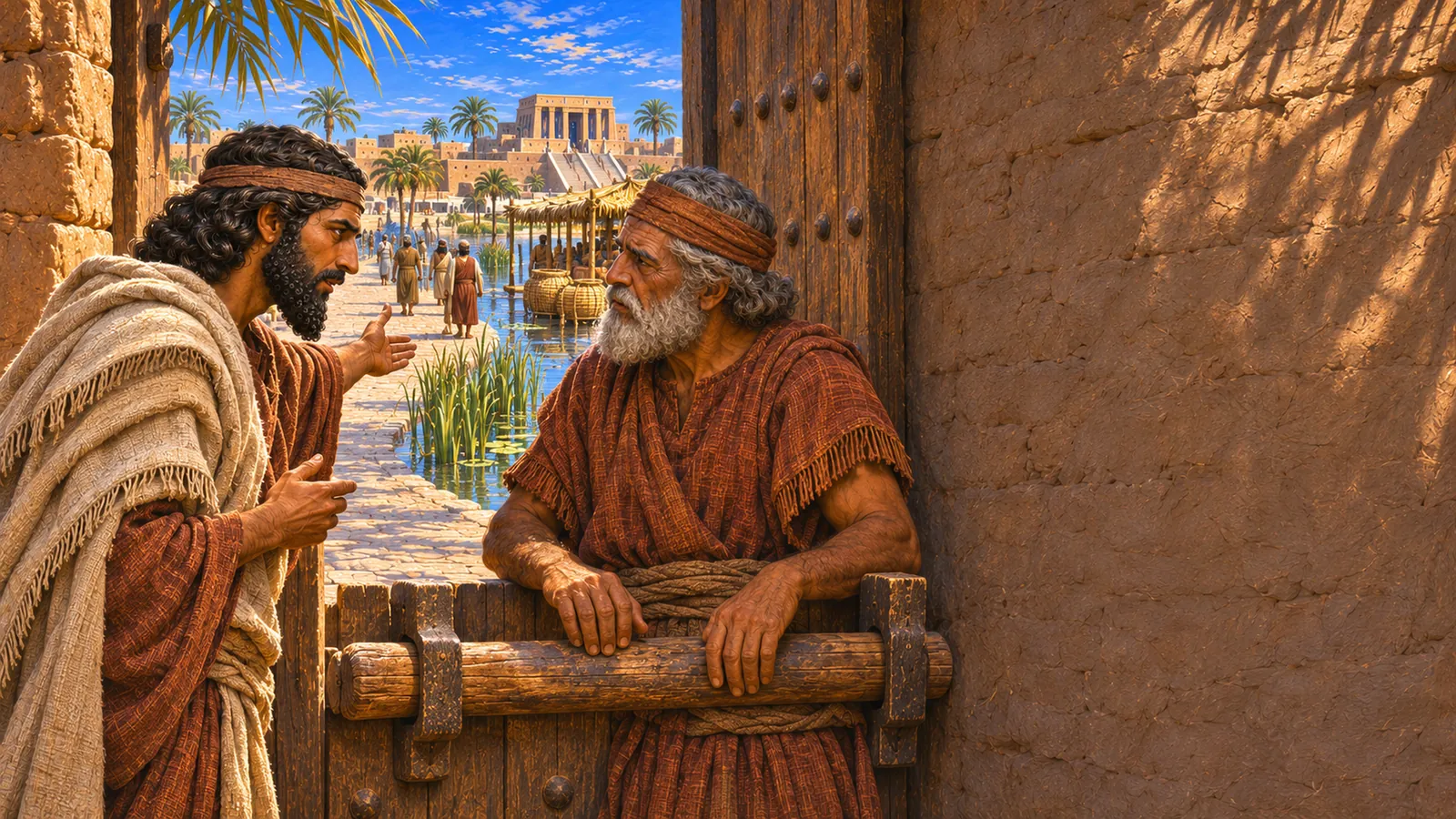
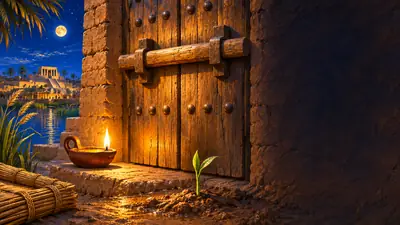
Enlil calls to the keeper of the gate, the lock, the bolt and the sacred bolt. Queen Ninlil is coming, and he tells the keeper to conceal his whereabouts if she asks.
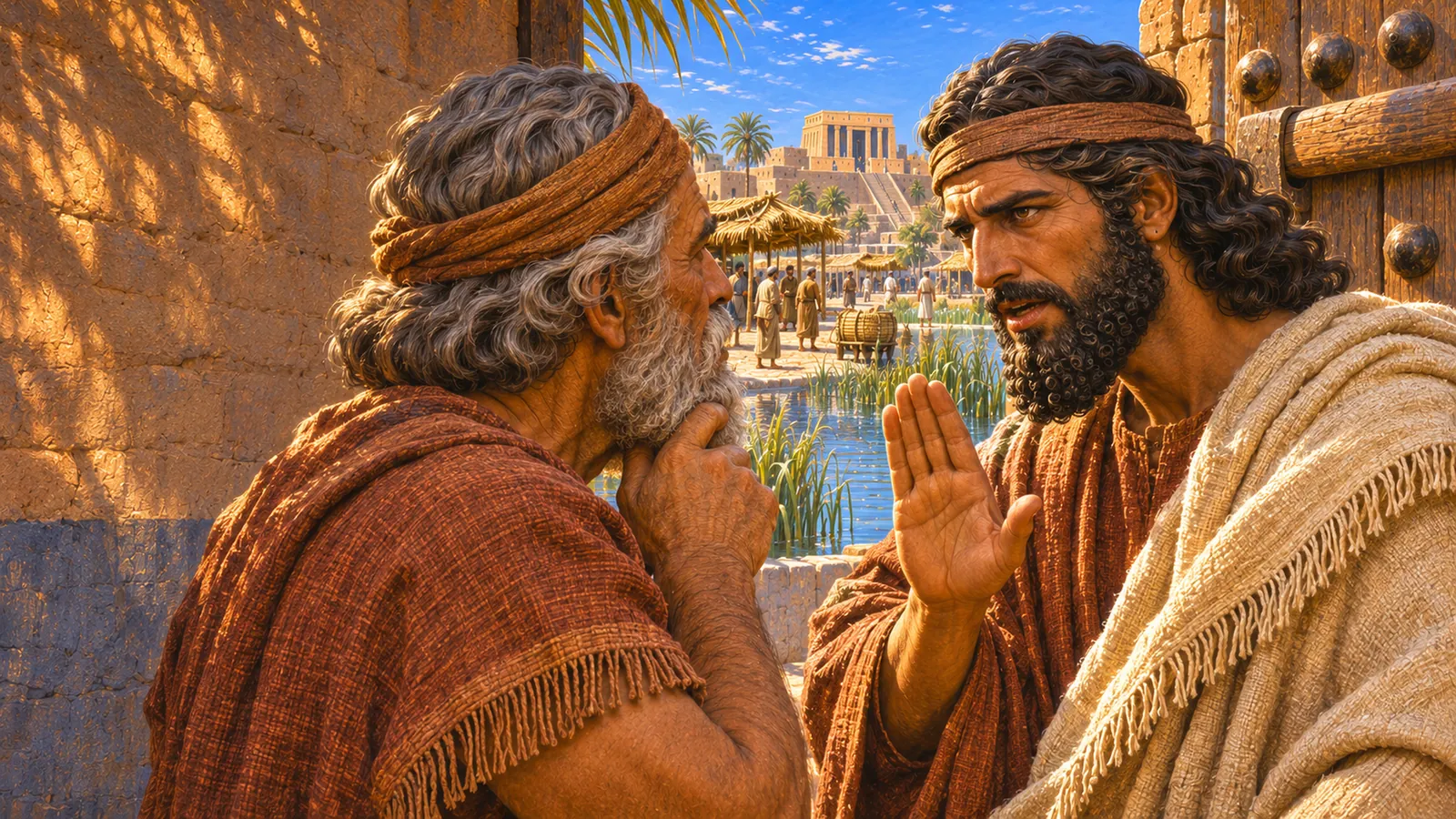
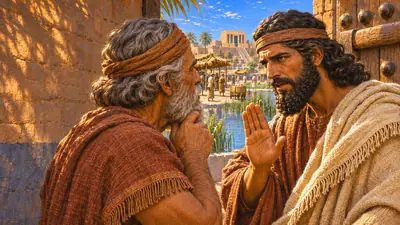
Enlil addresses the keeper again and tells him that Ninlil is coming. He forbids him to embrace or kiss her. In his own speech, Enlil calls his earlier gaze a sign of favor.
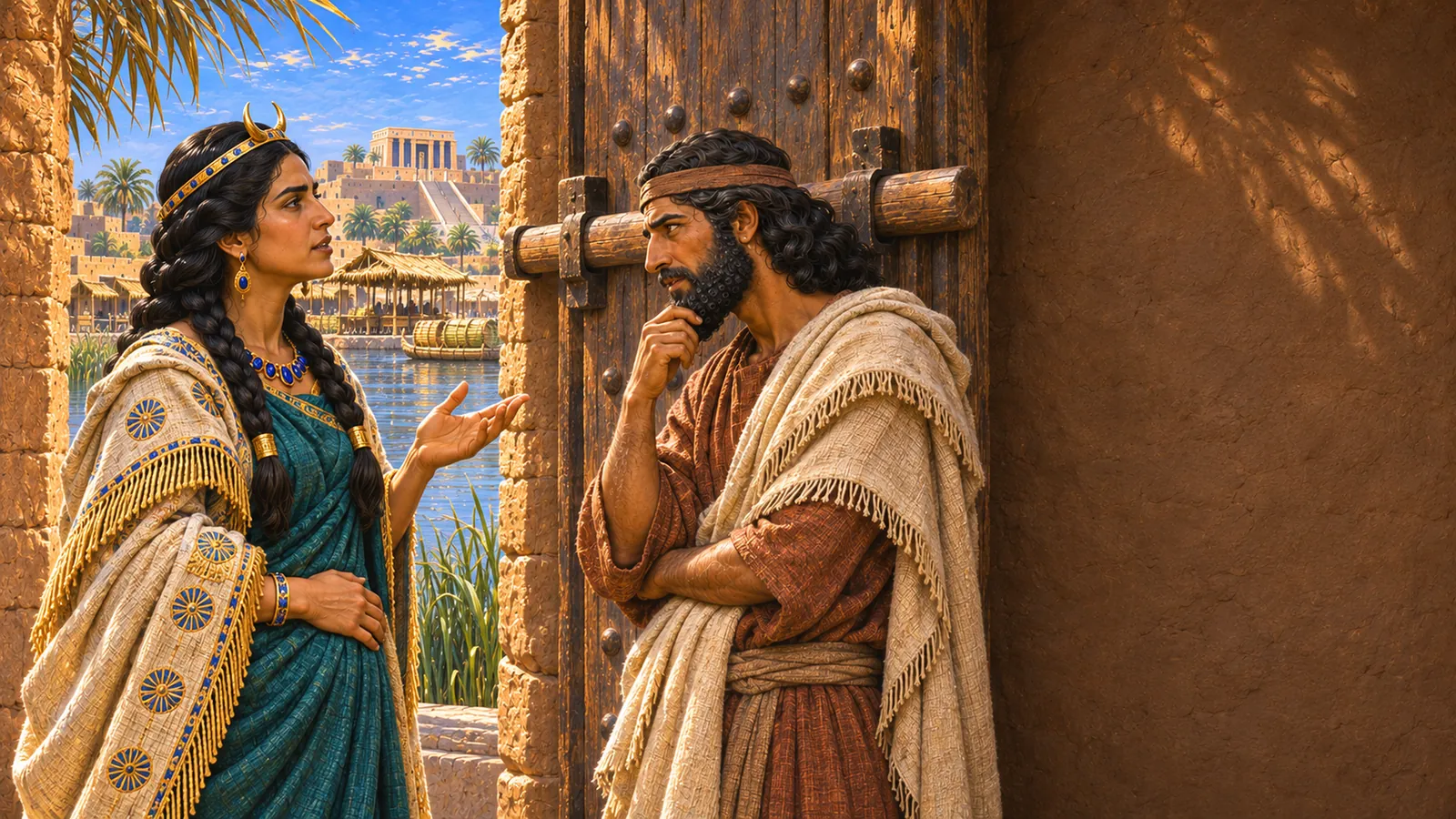
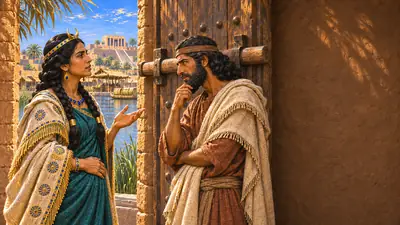
Jacobsen says Ninlil mistakes the disguised Enlil for the gatekeeper. He claims his king recommended her, and she answers that she is his queen and carries Enlil’s child Sin.
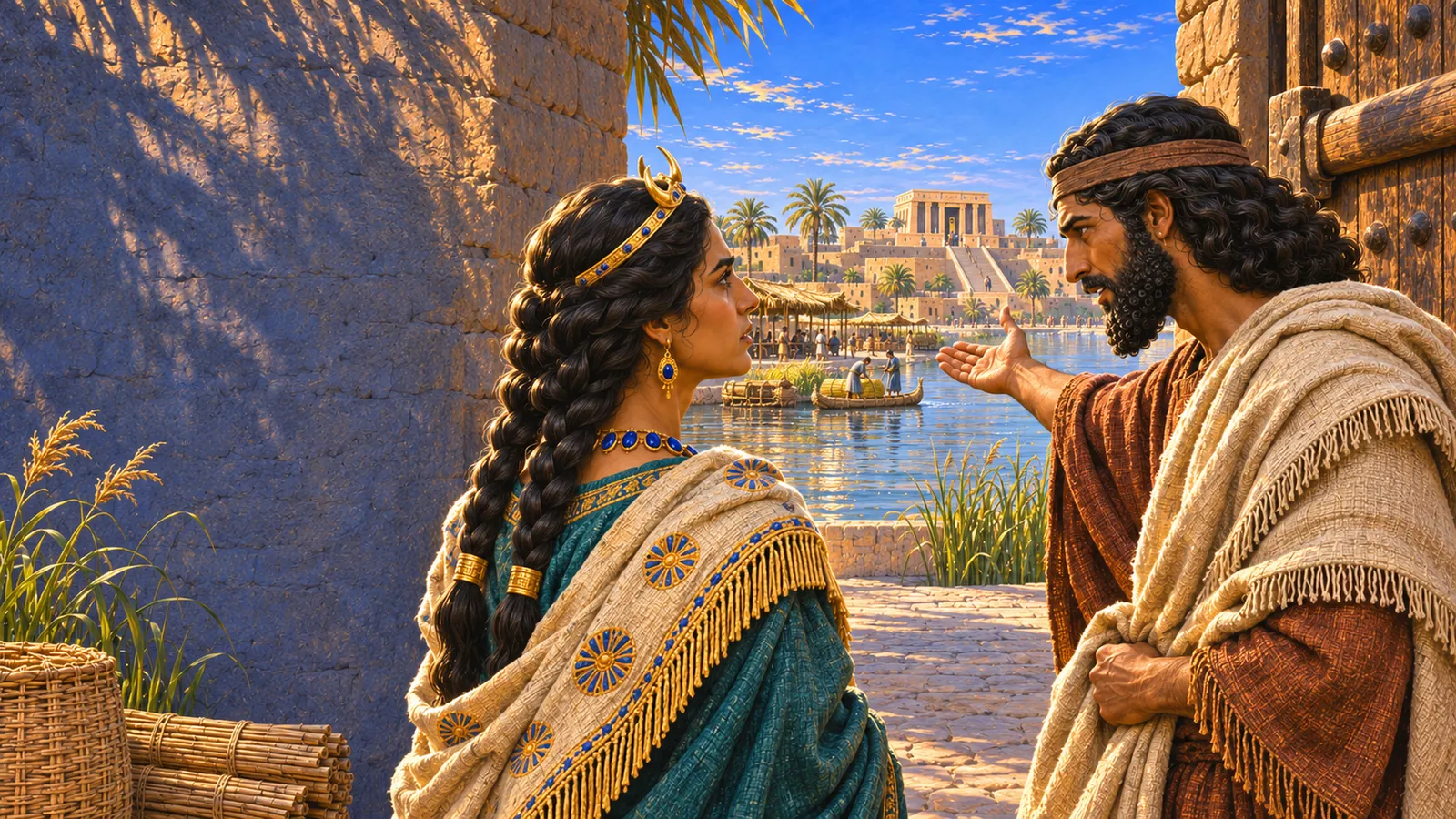
Jacobsen thinks the disguised gatekeeper may be pretending to fear for Sin. He proposes that another child be born for the underworld in place of the moon god.
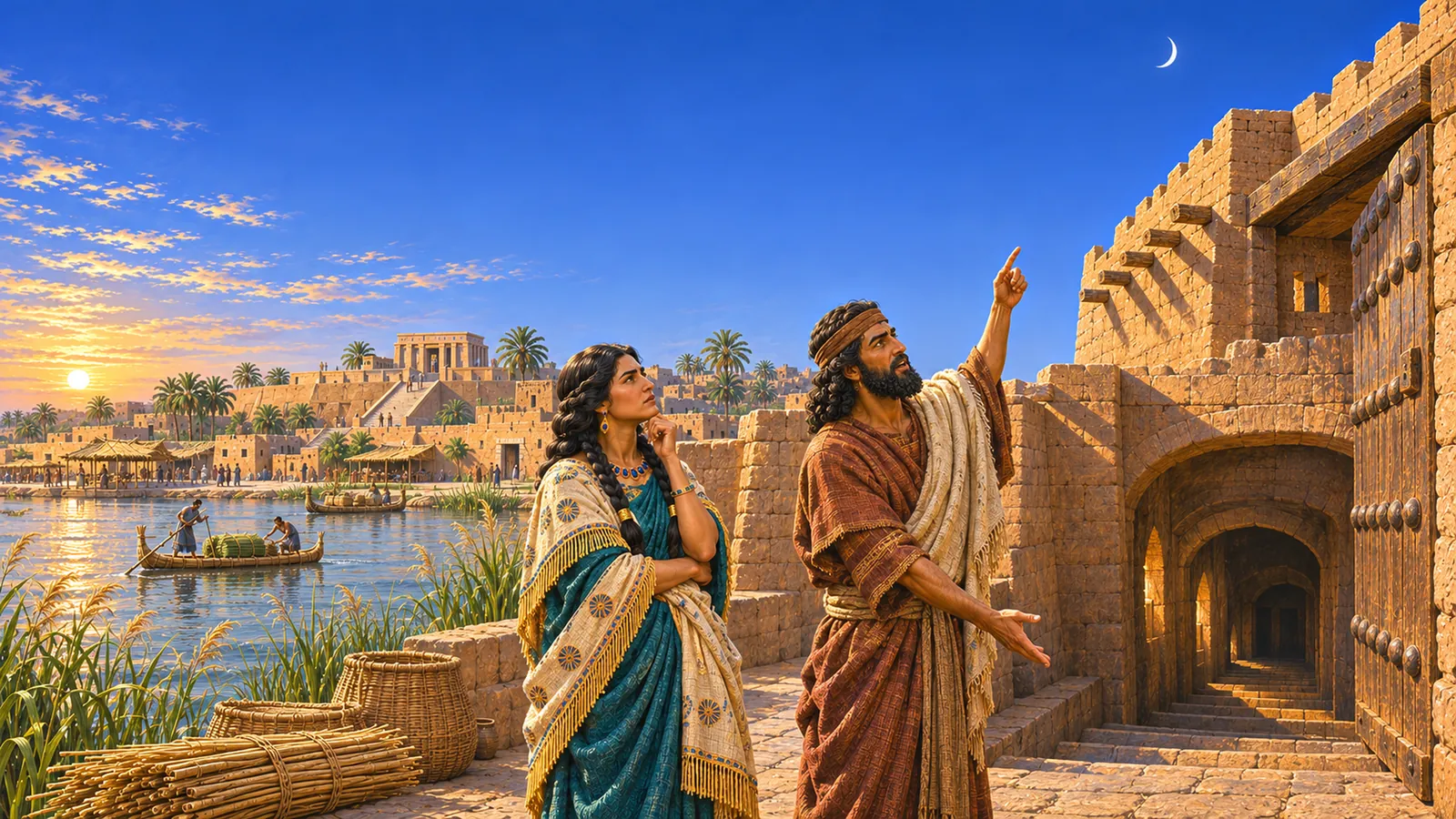
The disguised speaker wishes the king’s precious child to go to heaven. He says that his own son should go to the underworld and take the other child’s place.
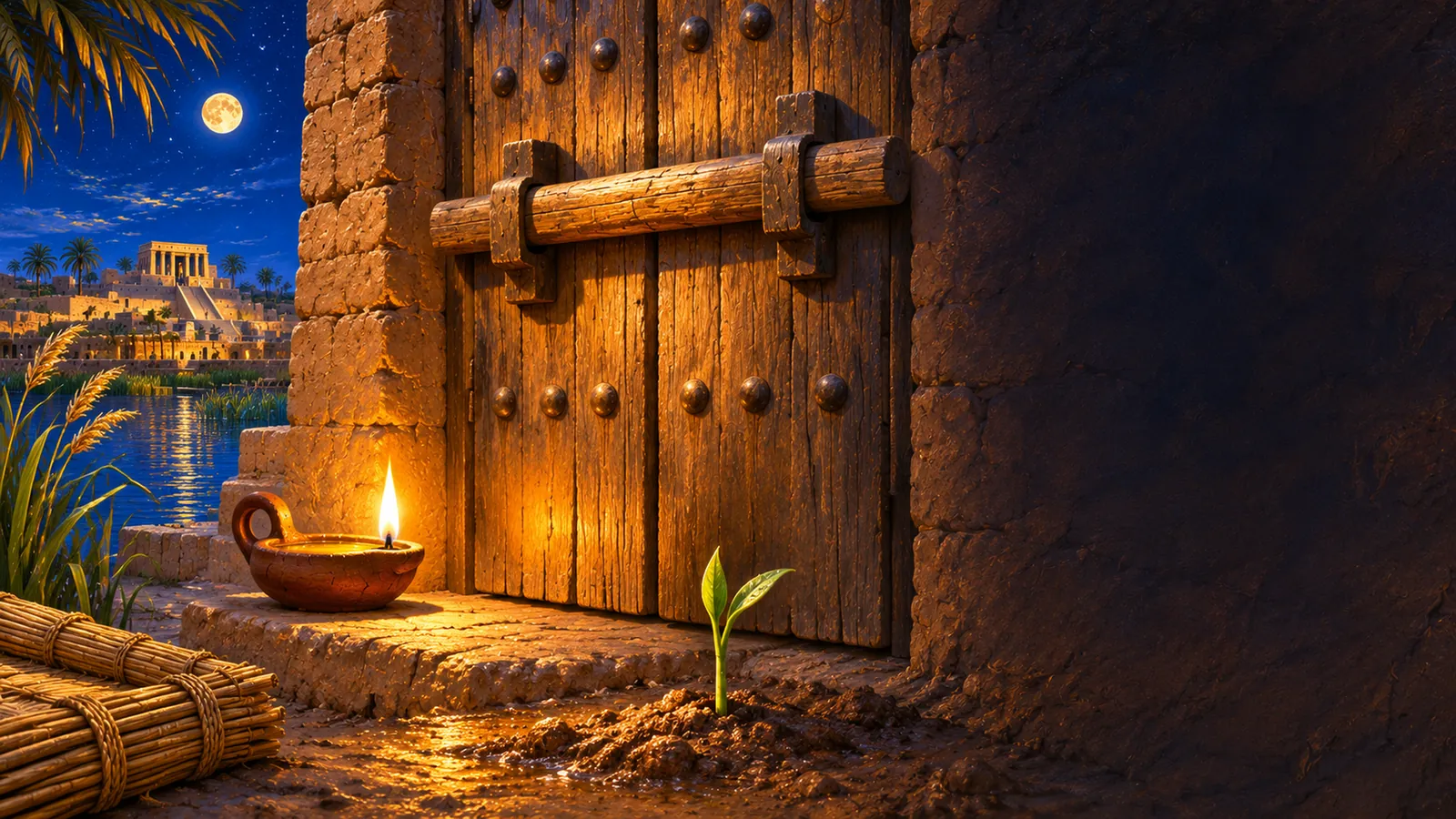
Jacobsen says that Enlil has sex with Ninlil while disguised as the gatekeeper, and she becomes pregnant with Meslamtaea, whom he identifies as a brother of Sin.
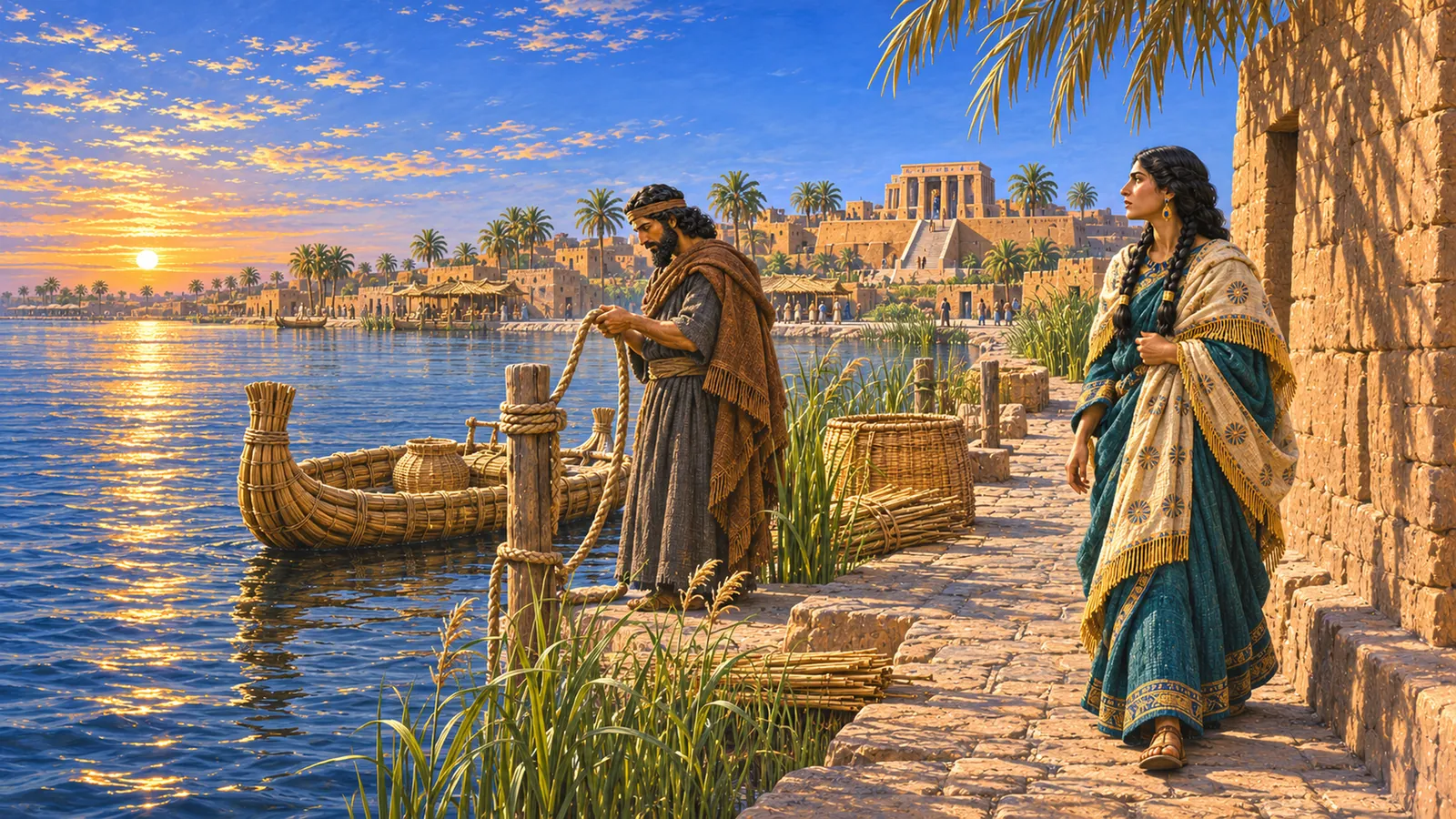
In Jacobsen’s account, Ninlil follows Enlil as he continues on his way. He impersonates the man of the underworld river, and Ninazu is conceived in the encounter.
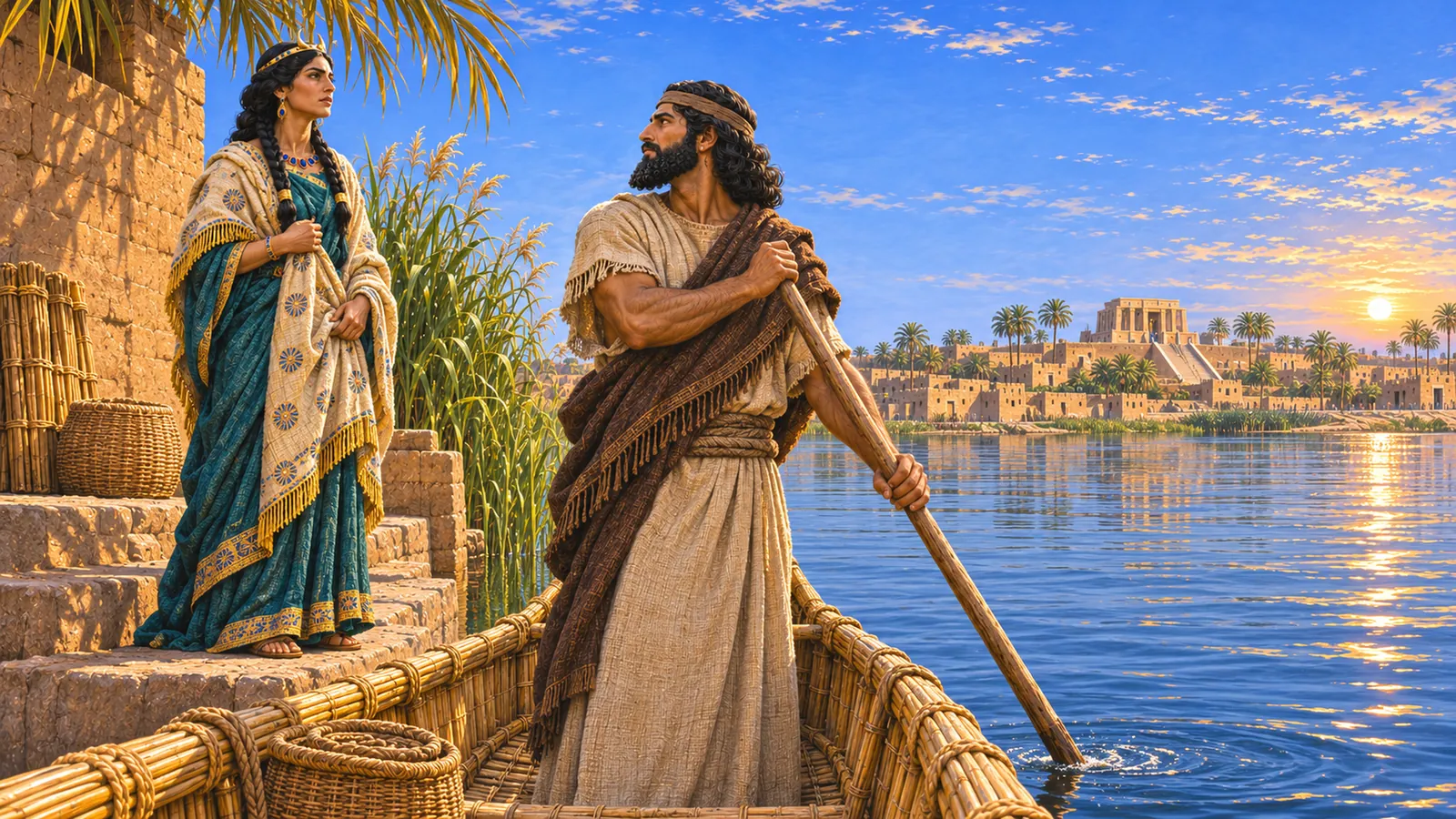
Jacobsen says Enlil takes the likeness of the ferryman, and another god of the underworld is conceived. The child’s name is damaged in Jacobsen’s reading.
THE FINAL HYMN
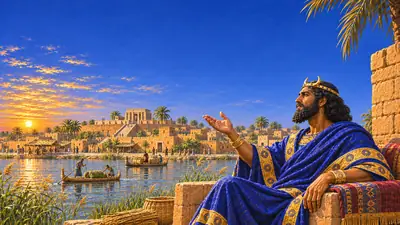
The hymn calls Enlil lord and king and says his word, even his impetuous word, cannot be changed. It closes with praise to mother Ninlil and father Enlil.
In Jacobsen’s reading, the tale explains the origin of Sin and his three brothers. He connects their different realms to Enlil’s banishment and his journey toward the underworld.
THE BINDING WORD
Jacobsen reads Enlil’s decree as binding and hears the closing hymn as praise of that power. He links the decree to what the tale says of Enlil’s character.
End of chapter 1
All pages
Sources
This reading follows Thorkild Jacobsen’s subsection on Enlil and Ninlil in The Cosmos as a State, The Intellectual Adventure of Ancient Man, University of Chicago Press, 1946, first Phoenix edition 1977, pp. 152–156. The book credits H. A. Groenewegen Frankfort for the English poetic form (preface p. vi and p. 184, note 3). Chapter note 23 on p. 184 refers to Kramer’s Mythology, notes 47 and 48.
Editions consulted
- University of Chicago, The Intellectual Adventure of Ancient Man
- Jacobsen’s selection, pp. 152–156
- Chapter notes 3 and 23, p. 184
Notes on this retelling
Pages 01–02 · p. 152, opening prose and first verse selection. Jacobsen frames the story around the origin of Sin, the moon, and the moon’s three brothers connected with the underworld. He identifies Nippur by the names Duranki and Durgishimmar, which open the verse. The preposition before each name is printed in parentheses.
Pages 03–05 · p. 152, first verse selection. The river is Idsalla, the quay Kargeshtinna, the harbor Karusar, the sweet-water well Pulal and the canal Nunbirdu. The verse gives at least ten *iku* for each tilled field when measured. It introduces Enlil, Ninlil and Ninshebargunu as inhabitants and identifies Ninshebargunu as Ninlil’s mother.
Pages 06–07 · pp. 152–153, second verse selection. Ninshebargunu repeatedly warns Ninlil about bathing and going up to the bank of the Nunbirdu. She predicts Enlil’s gaze and advance. In the verse the title “father Enlil” appears with “great mountain” and the one who determines fates. Printed dots interrupt the accompanying epithet before “shepherd.”
Page 08 · p. 153, third verse selection. The verse asks whether Ninlil listened and says that she bathes and climbs the Nunbirdu bank. Jacobsen prints “young” in parentheses in the bathing line.
Page 09 · p. 153, Jacobsen’s prose. Jacobsen describes the rape after Ninlil refuses Enlil and says she becomes pregnant with Sin.
Pages 10–11 · p. 153, connecting prose and fourth verse selection. The verse describes the arrest of Enlil in Kiur by the fifty great gods and the seven whose words are decisive. Jacobsen renders its term “ravisher” and explains its wider sense as a person under a taboo relating to sexual matters.
Page 12 · p. 153, connecting prose and fifth verse selection. Enlil leaves in accordance with the sentence, going toward the underworld in Jacobsen’s prose. Ninlil follows in the translated verse. The words “in obedience” appear twice in parentheses in the verse.
Page 13, Jacobsen, Phoenix edition, p. 154, Jacobsen’s connecting prose. The setup comes from Jacobsen’s connecting prose. The fear of what others might do is his explanation. He says Enlil takes the gatekeeper’s position and appearance and tells him to say nothing if Ninlil asks.
Page 14, Jacobsen, Phoenix edition, p. 154, first gatekeeper address. The first address names gate, bolt, lock and sacred bolt. The speaker calls Ninlil the gatekeeper’s queen and orders him to conceal where Enlil is if she asks.
Page 15, Jacobsen, Phoenix edition, p. 154, second gatekeeper address. The second address repeats the epithets and the announcement that Ninlil is coming. It calls her sweet and beautiful, forbids embracing and kissing, and uses Enlil’s own words about favor and his shining gaze.
Page 16, Jacobsen, Phoenix edition, p. 154, Jacobsen’s connecting prose. He says that the supposed gatekeeper claims that Enlil recommended her to him. She identifies herself as his queen and says she carries Sin.
Page 17, Jacobsen, Phoenix edition, p. 154, Jacobsen’s connecting prose. Jacobsen marks the possible pretense explicitly. The disguised Enlil proposes that a son belong to the underworld in place of Sin. Distinguish this proposal from the final praise.
Page 18, Jacobsen, Phoenix edition, p. 154, substitution verse. The translated lines include the supplies my and own in parentheses, and the words changeling for. The royal child goes to heaven and the other son to the underworld in the proposed arrangement.
Page 19, Jacobsen, Phoenix edition, p. 154, Jacobsen’s connecting prose. Jacobsen describes the encounter in his prose and says Ninlil becomes pregnant with Meslamtaea. The speaker is Enlil using the gatekeeper’s appearance. The encounter is stated without physical particulars.
Page 20, Jacobsen, Phoenix edition, p. 154–155, Jacobsen’s connecting prose. The prose carries Ninlil’s pursuit across the page break.
Page 21, Jacobsen, Phoenix edition, p. 155, Jacobsen’s connecting prose. Jacobsen then gives the ferryman as the last guise. A further underworld god is conceived. He says damage prevents identification of the name in the text he is using.
Page 22, Jacobsen, Phoenix edition, p. 155, closing hymn. The praise calls Enlil lord and king and repeats the unalterable quality of his word. Jacobsen renders the second mention as impetuous. The translated excerpts end here.
Page 23, Jacobsen, Phoenix edition, p. 155–156, Jacobsen’s interpretation. He relates the difference between the moon god and his three brothers to the place of Enlil’s banishment and later journey. This reading does not resolve Ninlil’s later life.
Page 24, Jacobsen, Phoenix edition, p. 156, Jacobsen’s closing interpretation. Jacobsen connects Enlil’s character to the events prompting his decree. He explains the hymn as affirming the binding word. The story stops within this subsection at the end of printed page 156.
Ancient lines behind each page
- Page 1: Jacobsen 1977, The Intellectual Adventure of Ancient Man, ch. V, The Myth of Enlil and Ninlil, p. 152, Jacobsen’s opening prose
- Page 2: Jacobsen 1977, The Intellectual Adventure of Ancient Man, ch. V, The Myth of Enlil and Ninlil, p. 152, first verse selection, city names
- Page 3: Jacobsen 1977, The Intellectual Adventure of Ancient Man, ch. V, The Myth of Enlil and Ninlil, p. 152, first verse selection, river, quay and harbor
- Page 4: Jacobsen 1977, The Intellectual Adventure of Ancient Man, ch. V, The Myth of Enlil and Ninlil, p. 152, first verse selection, well, canal and fields
- Page 5: Jacobsen 1977, The Intellectual Adventure of Ancient Man, ch. V, The Myth of Enlil and Ninlil, p. 152, first verse selection, three inhabitants
- Page 6: Jacobsen 1977, The Intellectual Adventure of Ancient Man, ch. V, The Myth of Enlil and Ninlil, pp. 152–153, second verse selection, bathing and bank warning
- Page 7: Jacobsen 1977, The Intellectual Adventure of Ancient Man, ch. V, The Myth of Enlil and Ninlil, p. 153, second verse selection, warning continued
- Page 8: Jacobsen 1977, The Intellectual Adventure of Ancient Man, ch. V, The Myth of Enlil and Ninlil, p. 153, third verse selection, stream and canal bank
- Page 9: Jacobsen 1977, The Intellectual Adventure of Ancient Man, ch. V, The Myth of Enlil and Ninlil, p. 153, Jacobsen’s prose, assault after refusal and pregnancy
- Page 10: Jacobsen 1977, The Intellectual Adventure of Ancient Man, ch. V, The Myth of Enlil and Ninlil, p. 153, Jacobsen’s prose and fourth verse selection, arrest
- Page 11: Jacobsen 1977, The Intellectual Adventure of Ancient Man, ch. V, The Myth of Enlil and Ninlil, p. 153, fourth verse selection, verdict, and Jacobsen’s lexical note
The left is a continuous natural dark blue-grey shaded plain clay surface through the whole reserve with no dividing line, bright patch, objects, shape or marks. - Page 12: Jacobsen 1977, The Intellectual Adventure of Ancient Man, ch. V, The Myth of Enlil and Ninlil, p. 153, Jacobsen’s prose and fifth verse selection, departure and pursuit
- Page 13: Jacobsen, The Cosmos as a State, Phoenix ed. 1977, p. 154, Jacobsen’s connecting prose
- Page 14: Jacobsen, The Cosmos as a State, Phoenix ed. 1977, p. 154, first gatekeeper address
- Page 15: Jacobsen, The Cosmos as a State, Phoenix ed. 1977, p. 154, second gatekeeper address
- Page 16: Jacobsen, The Cosmos as a State, Phoenix ed. 1977, p. 154, Jacobsen’s connecting prose
- Page 17: Jacobsen, The Cosmos as a State, Phoenix ed. 1977, p. 154, Jacobsen’s connecting prose
- Page 18: Jacobsen, The Cosmos as a State, Phoenix ed. 1977, p. 154, substitution verse
- Page 19: Jacobsen, The Cosmos as a State, Phoenix ed. 1977, p. 154, Jacobsen’s connecting prose
- Page 20: Jacobsen, The Cosmos as a State, Phoenix ed. 1977, p. 154–155, Jacobsen’s connecting prose
- Page 21: Jacobsen, The Cosmos as a State, Phoenix ed. 1977, p. 155, Jacobsen’s connecting prose
- Page 22: Jacobsen, The Cosmos as a State, Phoenix ed. 1977, p. 155, closing hymn
- Page 23: Jacobsen, The Cosmos as a State, Phoenix ed. 1977, p. 155–156, Jacobsen’s interpretation
Left is uninterrupted calm dark indigo natural river haze with no glare, fine horizon or lines. - Page 24: Jacobsen, The Cosmos as a State, Phoenix ed. 1977, p. 156, Jacobsen’s closing interpretation
Very wide quiet southern Mesopotamian river horizon at full evening, with short line of weathered stone-and-clay revetment only in lower right.
Illustrations made with AI tools by IL Archive; the text is based on the ancient sources (see the sources at the end of each chapter).