Ancient text
Enlil and Ninlil: A Sumerian Myth of Nippur, a Forbidden River Bank, and the Origins of Four Gods
A text for line-by-line reading, with transliteration, translation, and resources.
- Names
- Enlil and Ninlil
- Timeline
- From 2500 BCE to 1600 BCE
- Region
- Mesopotamia
A Sumerian poem of about 150 lines set in Nippur. It recounts Ninlil’s encounter with Enlil, his exile and the conception of four gods.
Estimated reading time: 5 min Published Last reviewed:
Share article
Text
Introduction
Most readers know the Mesopotamian god EnlilEnlilEnlil/Ellil: a major Mesopotamian god associated with destinies, kingship, and Ekur at Nippur, already prominent in third-millennium god lists. His name’s origin and cult beginnings remain debated.Glossary · Click to read the explanation as a distant, powerful figure who sends storms and decides the fate of cities. In this Sumerian poem he appears first as a young man in Nippur. After the opening description of the city, a mother warns her daughter against bathing in the sacred river. What follows tells how the moon god Suen and three other gods were conceived. [1]
This card describes the text: how it is built, what happens in it, which copies survive, and how scholars read it. It follows the sources and says where they stop.
The poem and its name
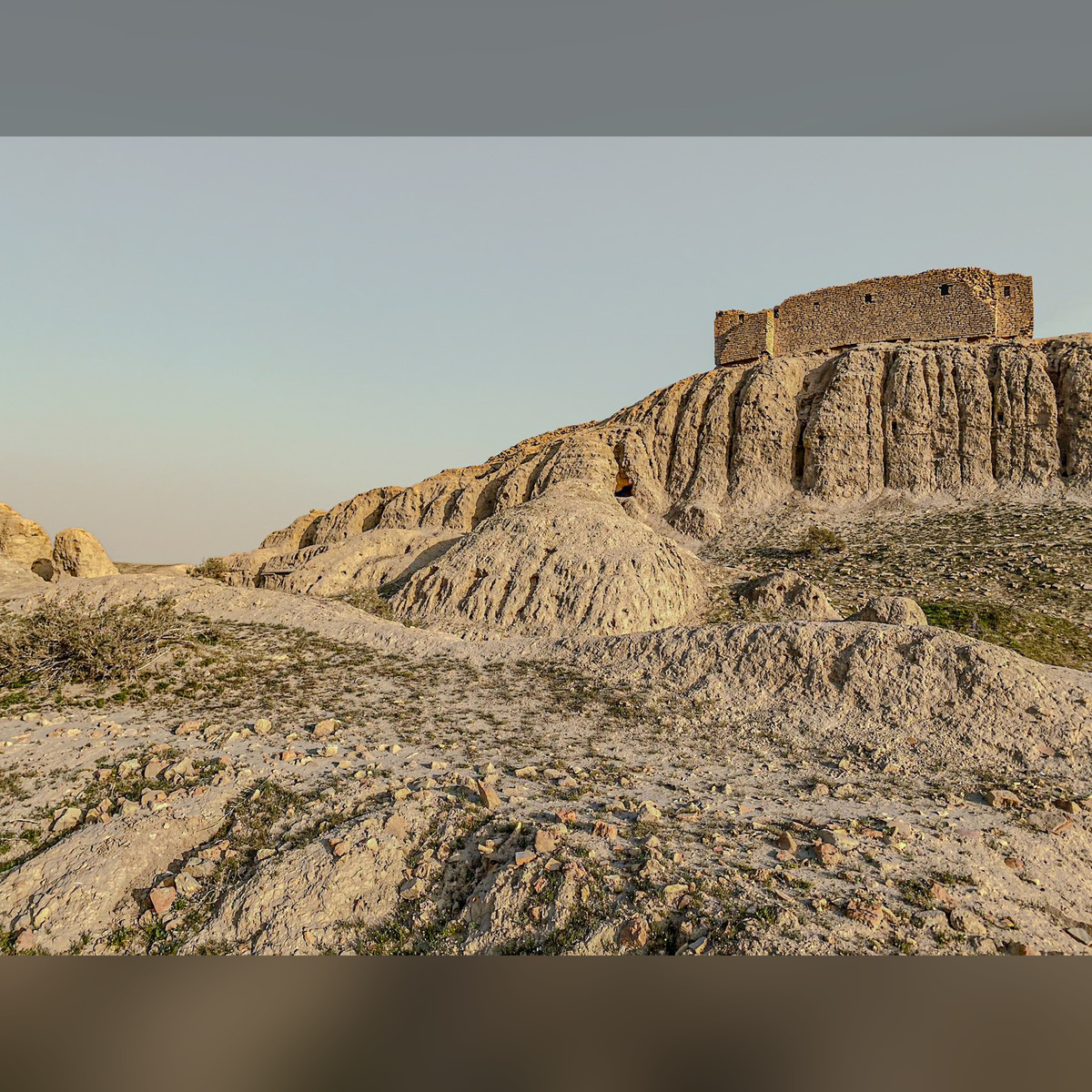
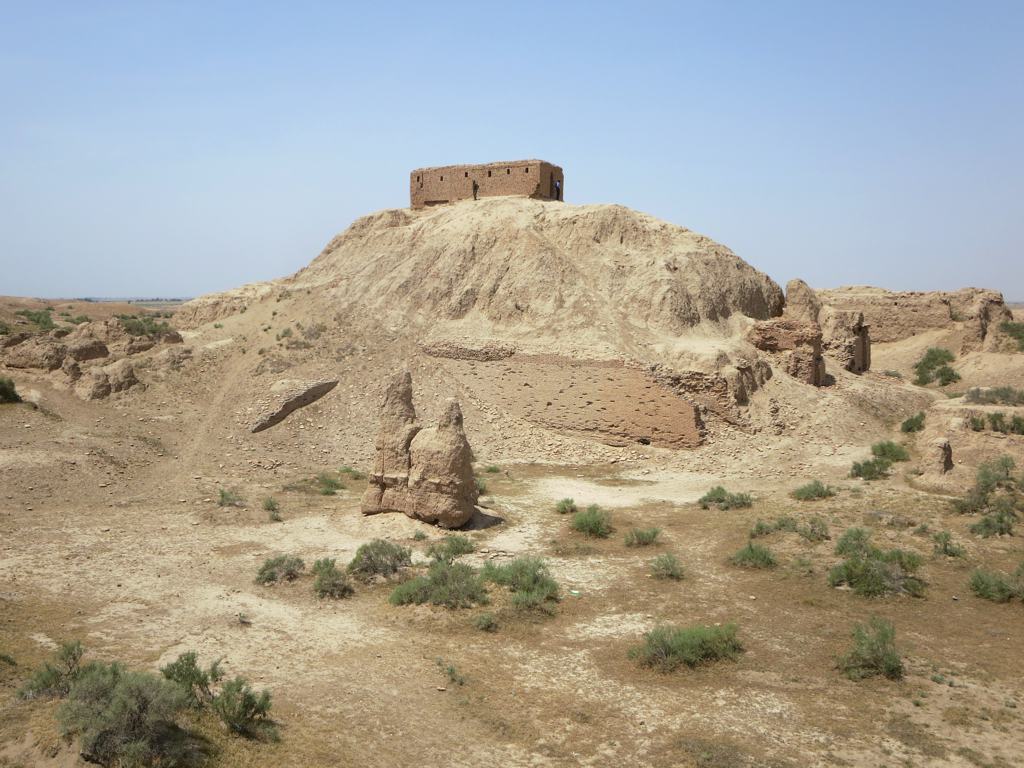
The text is usually called Enlil and NinlilNinlilMesopotamian goddess and consort of Enlil, associated with Nippur, Tummal, destinies and royal ritual. Identified with Sud in literary tradition and known as Mulliltu/Mullissu in Akkadian and Assyrian contexts; her genealogies and roles vary by text and period.Glossary · Click to read the explanation. It is written in SumerianSumerian languageAncient language of southern Mesopotamia, clearly attested in third-millennium BCE texts and maintained in learning and ritual after its spoken use declined.Glossary · Click to read the explanation on clay tablets. The Electronic Text Corpus of Sumerian Literature (ETCSL) gives a translation of 154 lines, divided by the story into clear parts. [1] The ETCSL bibliography lists tablets and groups of joined fragments, including CBS 9205, CBS 13853 and BM 38600. [2] The city of the poem is NippurNippur / NuffarAncient Nippur (modern Nuffar, Iraq), major cult centre of Enlil and Ekur; excavations revealed sanctuaries, houses and thousands of cuneiform tablets across many periods.Glossary · Click to read the explanation. CDLI dates two witnesses from Nippur, the group that includes CBS 13853 and the tablet UM 29-13-574, to the Old Babylonian period (ca. 1900–1600 BCE in its catalogue). [5][6]
What happens
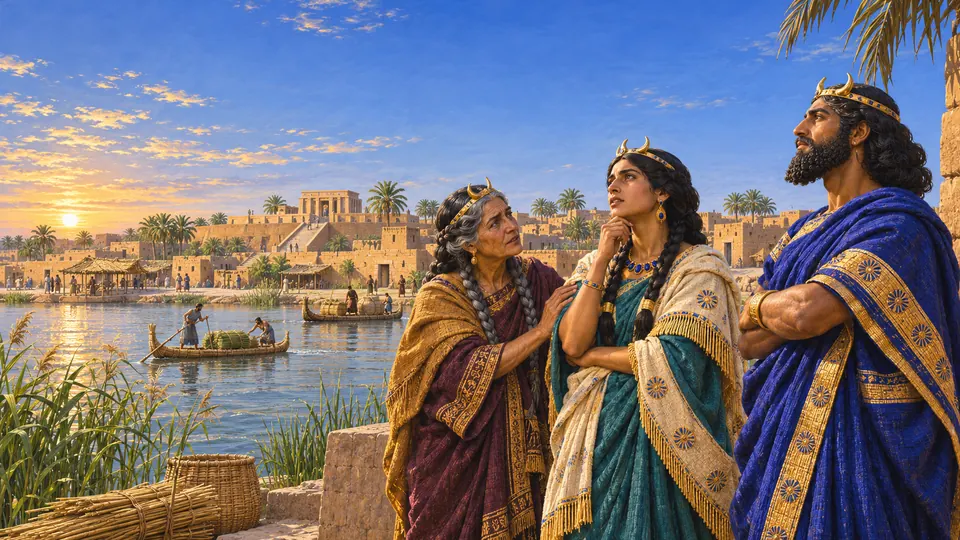
- A city before people (lines 1–12). The poem opens by describing Nippur, called Nibru in the text, with its sacred river, quays and canal. It introduces the young Enlil and Ninlil, and the wise old woman Nunbaršegunu, Ninlil’s mother. [1]
- The warning (lines 13–21). Ninlil’s mother tells her not to bathe in the sacred river or walk along the canal, where Enlil will see her. [1]
- The meeting (lines 22–53). Ninlil bathes anyway, and Enlil sees her. He says what he wants, and she refuses, answering that she is young and that her parents would be angry. His minister Nuska ferries him across. Enlil seizes Ninlil and has intercourse with her. The passage ends with the conception of Suen, the moon god also known as Nanna. [1] How to read this scene is debated, and we come back to it below.
- The sentence (lines 54–64). The great gods arrest Enlil in the Ki-ur. He leaves the city in a state of ritual impurityRitual impurityA religious status regulating contact with the sacred, especially in Leviticus and Numbers. Causes, duration, and remedies vary by context; it does not necessarily imply sin, disease, or diminished dignity.Glossary · Click to read the explanation. The poem calls him Nunamnir here. Ninlil follows him. [1]
- Three disguises (lines 65–142). As Ninlil follows him, Enlil approaches the city gatekeeper, the man of the Id-kura, the river of the underworld, and the ferryman in turn. He asks each man to conceal his whereabouts. When Ninlil asks where Enlil went, he answers in the man’s place. The three encounters end with the conception of Nergal-Meslamta-eda, Ninazu and Enbilulu, respectively. [1]
- Praise (lines 143–154). The poem ends with praise of Enlil as lord and king and of Ninlil as mother. [1]
In each of these three scenes, Enlil calls for Suen’s seed to go up to heaven and for the seed of the child to be conceived in that encounter to go down in its place. The text associates Ninazu with measuring fields and Enbilulu with inspecting canals. [1]
How to read it
The poem is not one thing, and the sources read here suggest at least four ways of reading it.
First, as a myth of origins. The three episodes after Enlil leaves Nippur all return to the fate of Suen. That refrain ties them to the first encounter and gives the four origin stories a common thread. [1]
Second, as a story about Nippur. The summary mentions A. R. George and Joan Goodnick Westenholz, who regard Nippur here as a first, divine city. It also mentions Hermann Behrens, who proposed a ritualRitualAn organised or distinguished practice meaningful to a community; it may leave traces, but its form alone does not reveal an associated doctrine.Glossary · Click to read the explanation background, a voyage between the EkurEkur: Enlil’s Temple at NippurEkur (“Mountain House”) was Enlil’s chief sanctuary at Nippur, present-day Iraq; the name may extend to its precinct. Hymns and royal inscriptions attest to its prestige and rebuilding across periods; it is not simply the ziggurat.Glossary · Click to read the explanation and a shrine of Nippur. [3] These are the interpretations as reported; the originals were not read for this card.
Third, as a story about rules and nature. In the same summary, Dale Launderville, drawing on Thorkild Jacobsen, is reported as arguing that the myth shows nature overriding the social rules about sex before marriage, so that the couple are not condemned. Jeremy Black is reported as noting that the myth does not morally condemn Enlil for his impurity. [3] Modern readers often ask whether the first meeting is a seduction or a violation. The poem has Ninlil say no, then the gods punish Enlil, and then Ninlil goes after him; the sources read here do not settle how its first audiences understood this, and we do not claim to know.
Fourth, as a geography of the underworld. The same summary reports Ewa Wasilewska linking the exile to an eastern mountain underworld, and Robert Payne suggesting that the courtship happens at a canal bank, not a river. [3]
Why it matters
The poem shows EnlilEnlilEnlil/Ellil: a major Mesopotamian god associated with destinies, kingship, and Ekur at Nippur, already prominent in third-millennium god lists. His name’s origin and cult beginnings remain debated.Glossary · Click to read the explanation with a human side, not only as the king of the gods. It shows a goddess, NinlilNinlilMesopotamian goddess and consort of Enlil, associated with Nippur, Tummal, destinies and royal ritual. Identified with Sud in literary tradition and known as Mulliltu/Mullissu in Akkadian and Assyrian contexts; her genealogies and roles vary by text and period.Glossary · Click to read the explanation, who has a will of her own: she refuses, she follows, she persuades. It also shows how the Sumerians gave the moon, the underworld and the irrigated field a family history, linked through one couple and one city. A reader who knows Enlil from the stories of the flood (see the study "The Flood Before NoahNoahNoah is the flood-story figure in Genesis and a prophet in the Qur’anGlossary · Click to read the explanation") or from the question of who headed the divine assembly can see here a quite different scene of the same god.
The ETCSL bibliography records a long scholarly history, with a full edition by Behrens (1978), reviews of it by Cooper, Geller, Green and Röllig, and translations by Jacobsen (1987), Römer and Edzard (1993) and others. [2] Those works were not read for this card.
The picture
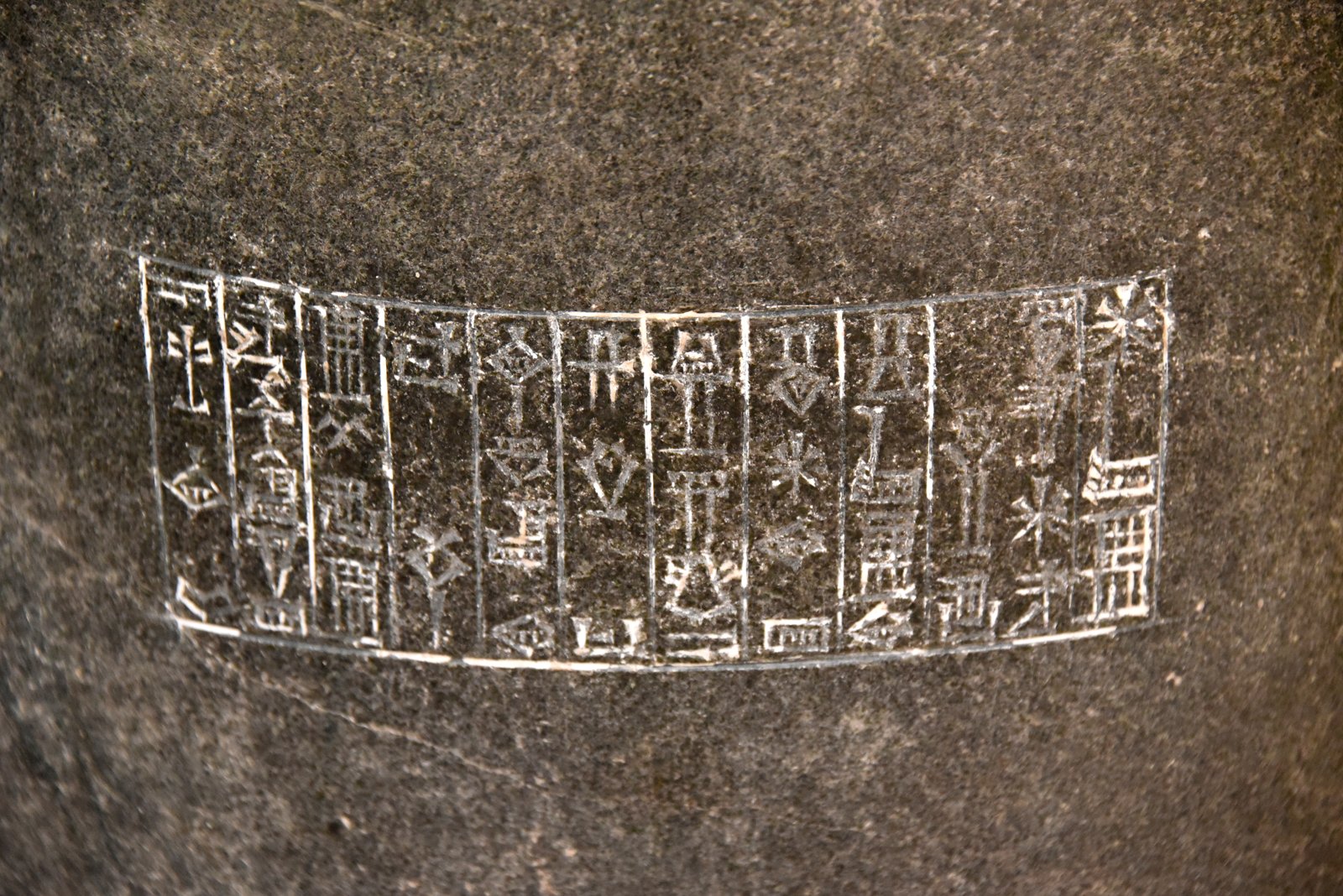
The photograph is not of the poem's tablet. It shows a cuneiformCuneiformWriting with wedge-shaped signs, developed from Mesopotamian recording traditions and used for several languages from the third millennium BCE.Glossary · Click to read the explanation inscription on a diorite mortar in the Ancient Orient Museum, Istanbul, which the museum label given on Wikimedia Commons describes as an offering from GudeaGudeaRuler of Lagash in the late third millennium BCE, whose inscriptions document temple construction and the name Anunna.Glossary · Click to read the explanation, ruler of Lagash, to the god Enlil, from Nippur, in the reign of Gudea, 2144–2124 BCE. [4] We rely on that label. We chose it because it is a real object, from the poem's city, which names the same god, and because it shows how Enlil was honoured at Nippur in writing. It is not evidence for the story told in the poem.
References and notes
- Electronic Text Corpus of Sumerian Literature (ETCSL), c.1.2.1, 'Enlil and Ninlil', translation Whole translation (lines 1-154), as returned by fetch: section structure; quoted lines 13-21 and the epithets of Ninazu and Enbilulu Return to the text ↑
- ETCSL, 'Enlil and Ninlil': bibliography and source list Whole page: print sources (Behrens 1978, Jacobsen 1987, Roemer and Edzard 1993 and reviews), composite texts, manuscript museum numbers Return to the text ↑
- Wikipedia, 'Enlil and Ninlil' (secondary summary) Whole article via fetch summary: manuscripts and editors, structure, interpretations (Cooper, George, Westenholz, Behrens, Wasilewska, Payne, Launderville, Black) Return to the text ↑
- Wikimedia Commons, file 'Cuneiform inscription on a diorite mortar stating that this was an offering from Gudea to Enlil...' (Osama Shukir Muhammed Amin) File page: description, author, licence, size Return to the text ↑
- Cuneiform Digital Library Initiative, “CDLI Literary 000336, ex. 002” (P268862) Museum Number, Chronology and Provenance; joint witness including CBS 13853, from Nippur, assigned to the Old Babylonian period. Return to the text ↑
- Cuneiform Digital Library Initiative, “CDLI Literary 000336, ex. 014” (P255508) Museum Number, Chronology and Provenance; UM 29-13-574, from Nippur, assigned to the Old Babylonian period. Return to the text ↑
Archive records may be reviewed and refined as better evidence or sources become available. Suggest a correction
Suggest a correction · Suggest a source for this record
Cite this record
IL Archive, «Enlil and Ninlil: A Sumerian Myth of Nippur, a Forbidden River Bank, and the Origins of Four Gods», https://ilarchive.com/en/texts/enlil-and-ninlil
Continue reading