The Lament for Ur Chapter 1
The Plea Before the Assembly
Ningal speaks of Ur in two verse selections presented by Thorkild Jacobsen, with English poetic rendering by H. A. Groenewegen Frankfort. Her fear of the storm leads to an appeal before the divine assembly. The selected passages end with the decree to destroy Ur and kill its inhabitants.
SourcesTurn the pages with the arrows, the arrow keys or a swipe.
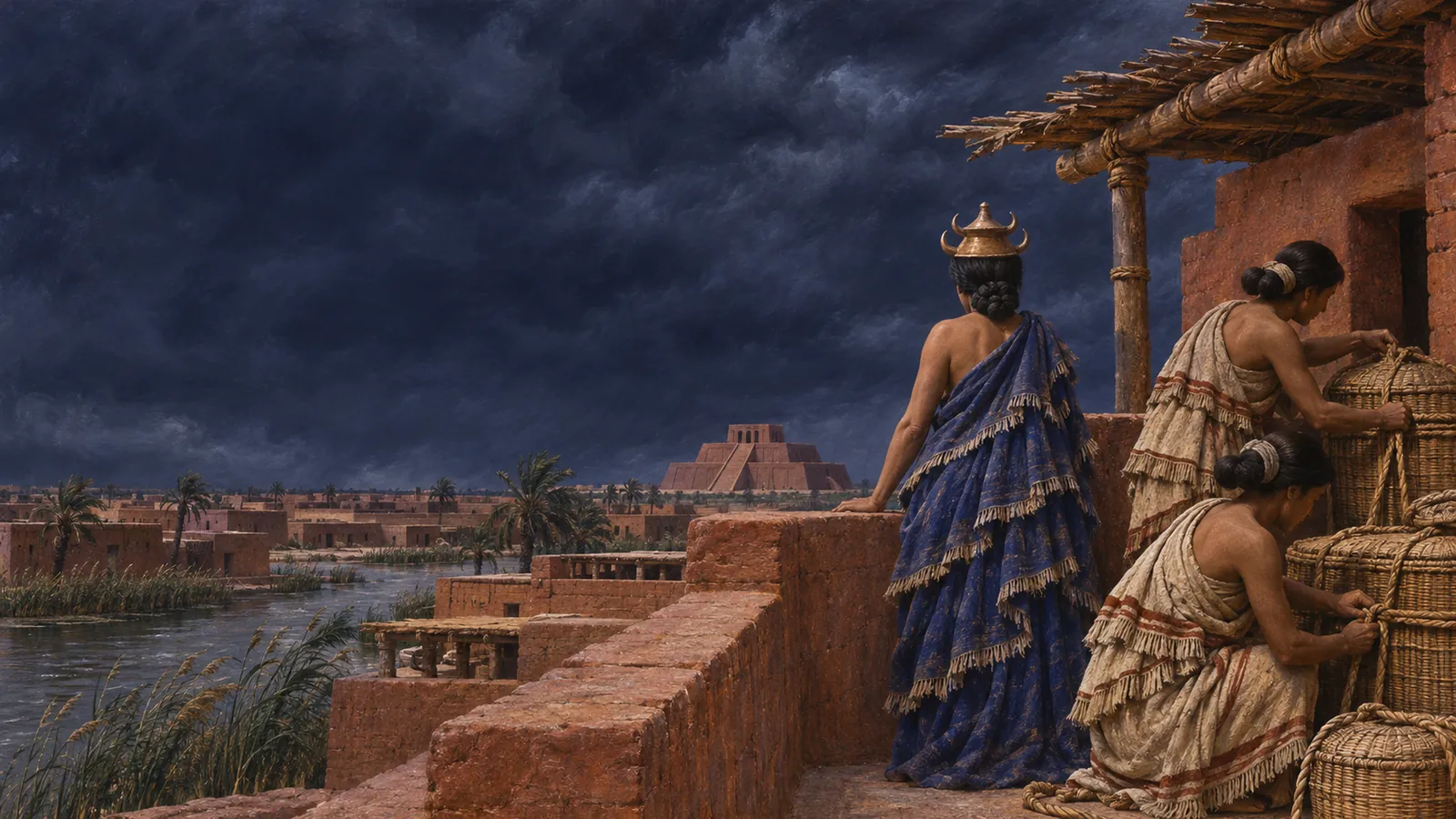
NINGAL
Thorkild Jacobsen presents two selections in which Ningal, the goddess of Ur, speaks about her city. H.A. Groenewegen Frankfort shaped the English verse of the translations.
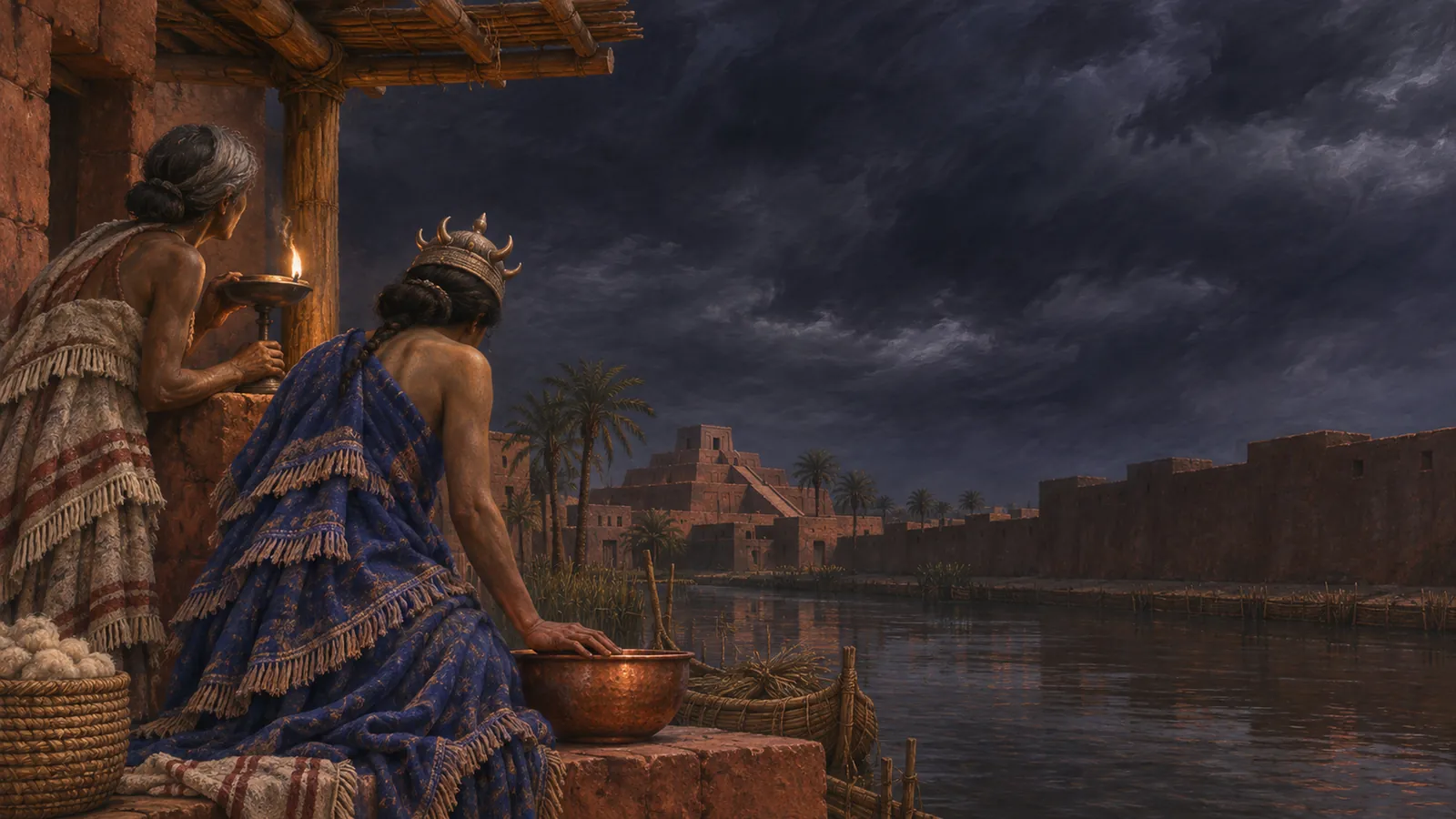
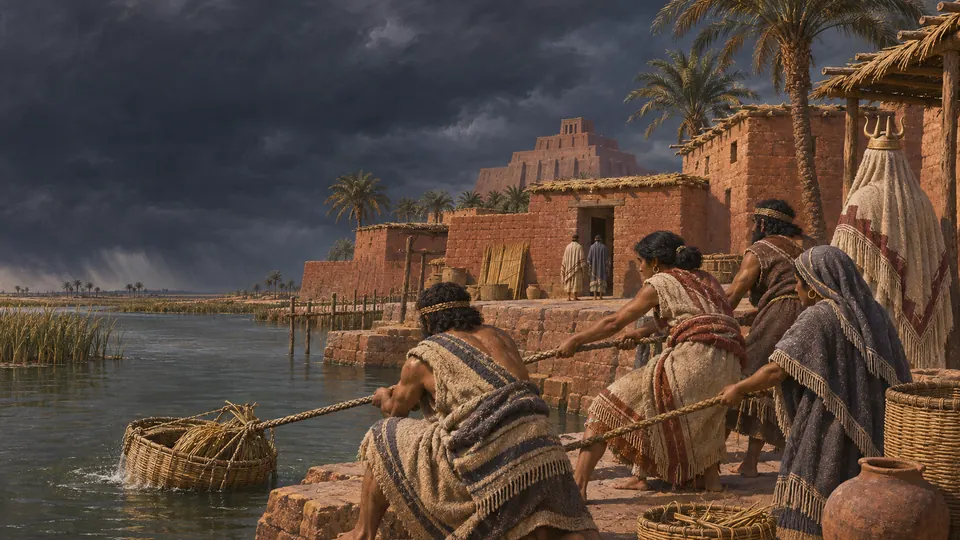
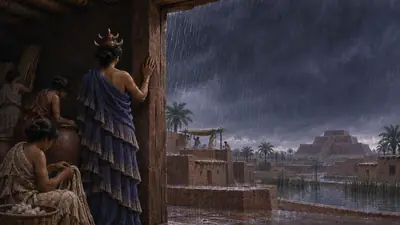
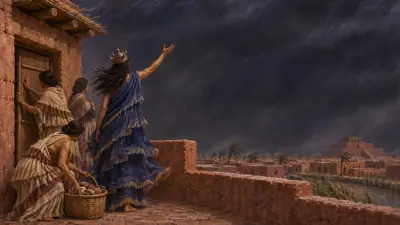
Ningal grieves for a day of storm that has become her fate. Speaking as a woman, she describes that day as a burden heavy with tears.
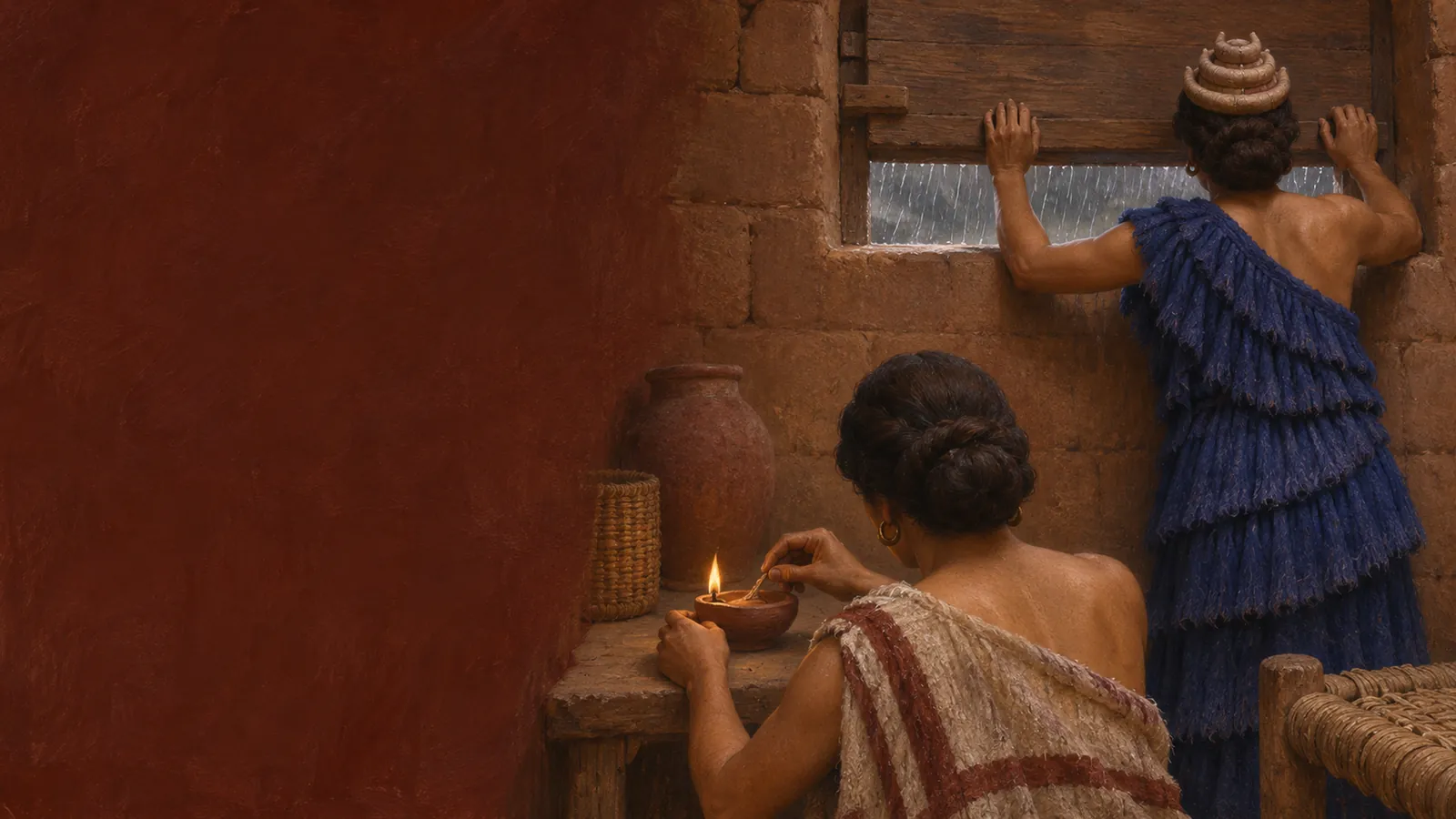
Her voice returns again to the day of storm. Ningal says she trembles before it and calls the day cruel.
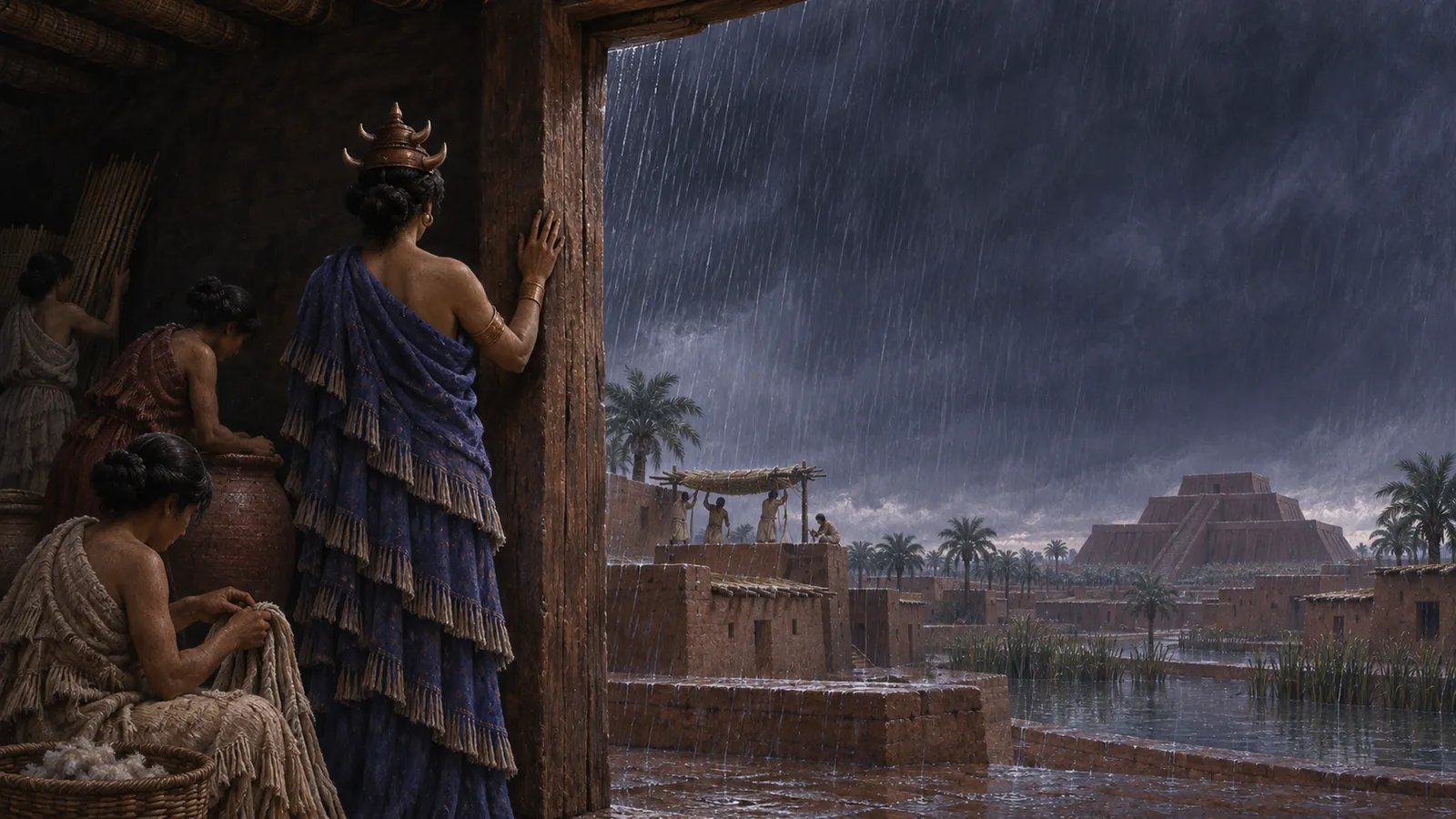
Ningal says that she cannot flee what has been appointed for her on that day of storm.
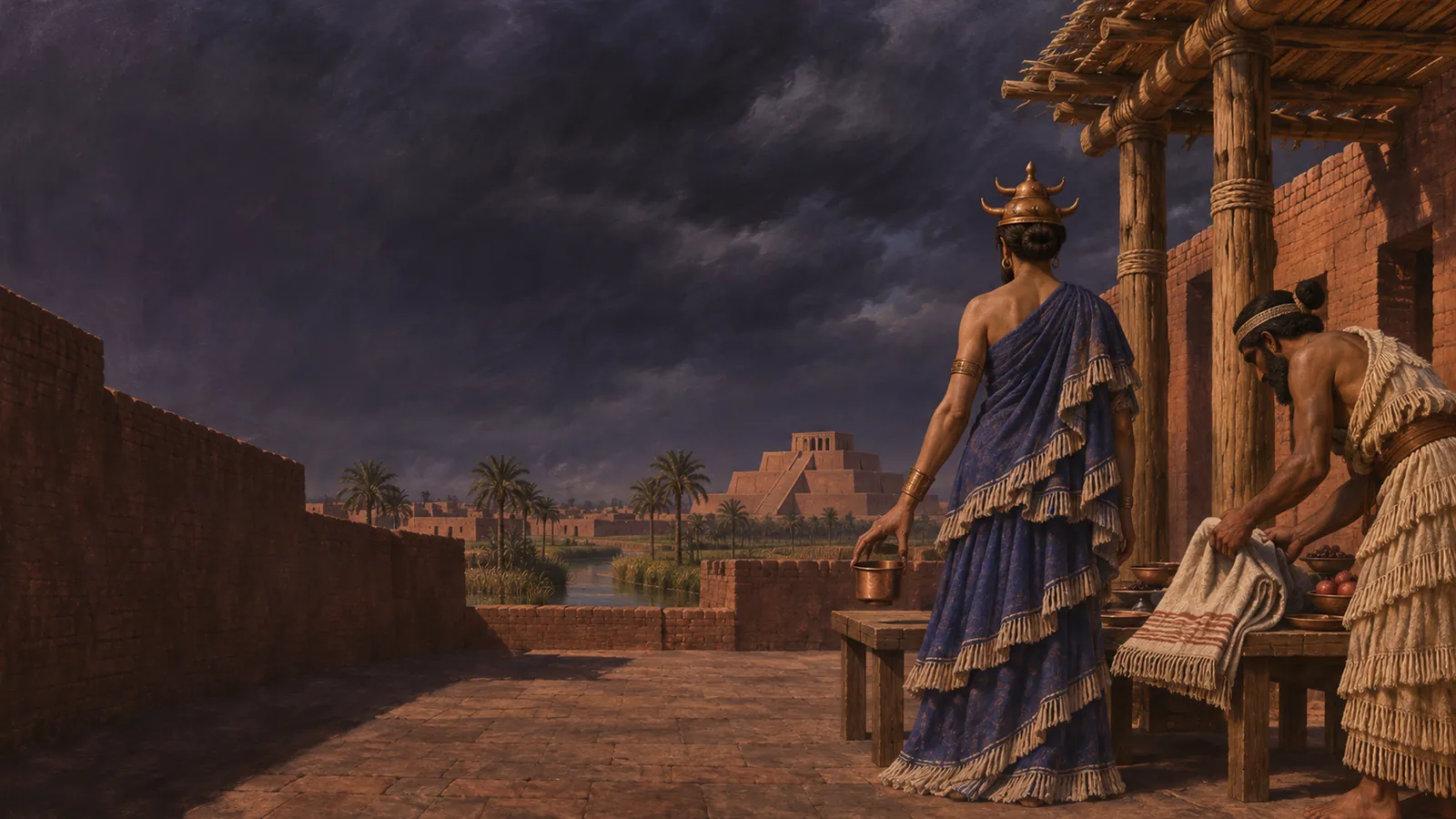
Ningal says she suddenly sees no happy days within her reign. Her lament repeats that thought.
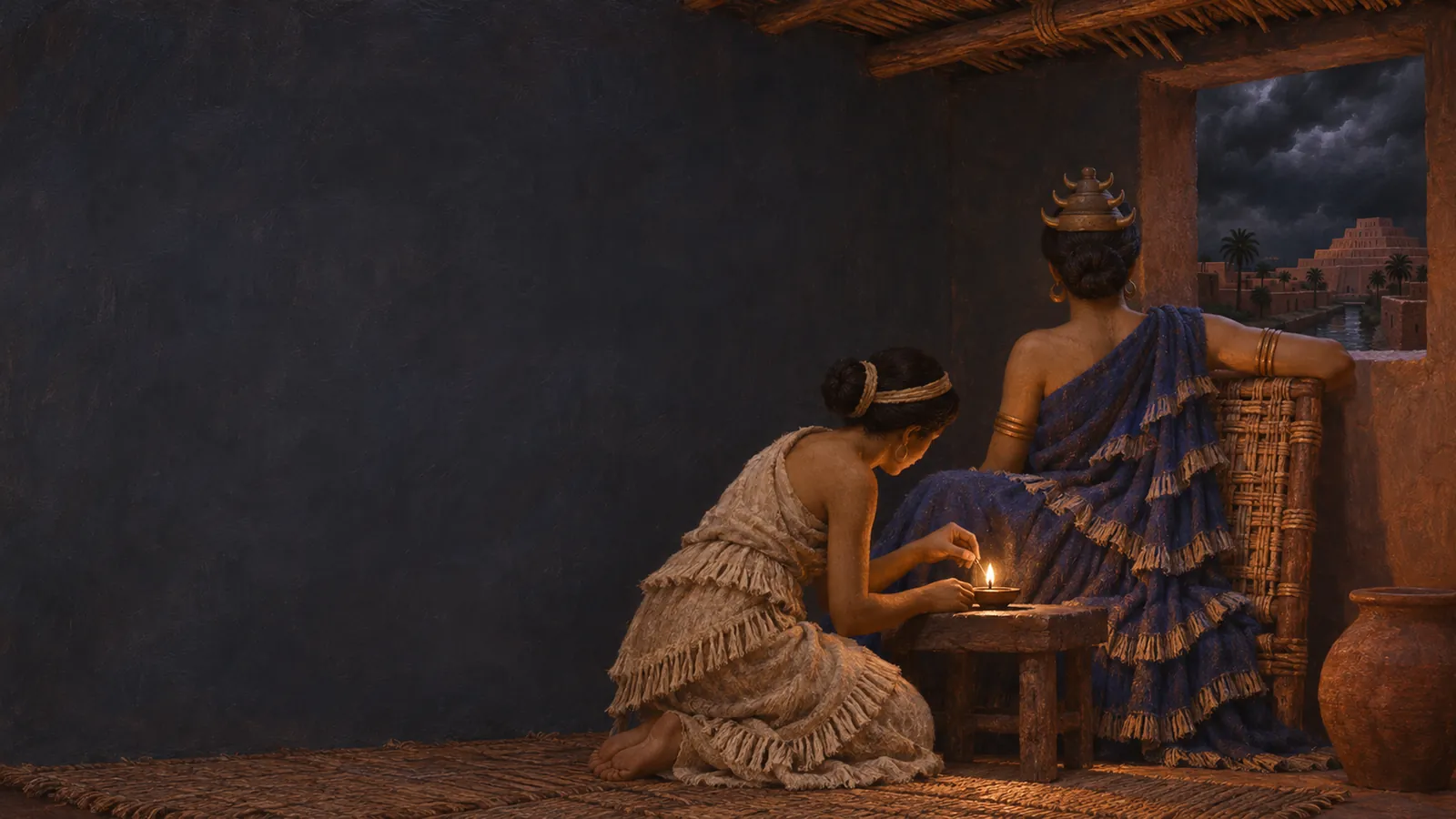
NIGHT OF WEEPING
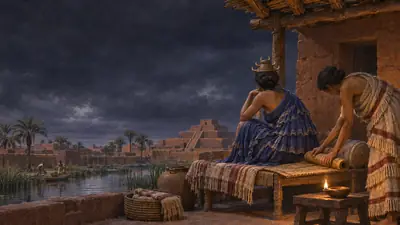
Ningal trembles at the night of bitter weeping that awaits her. She says she cannot escape what that night has in store.
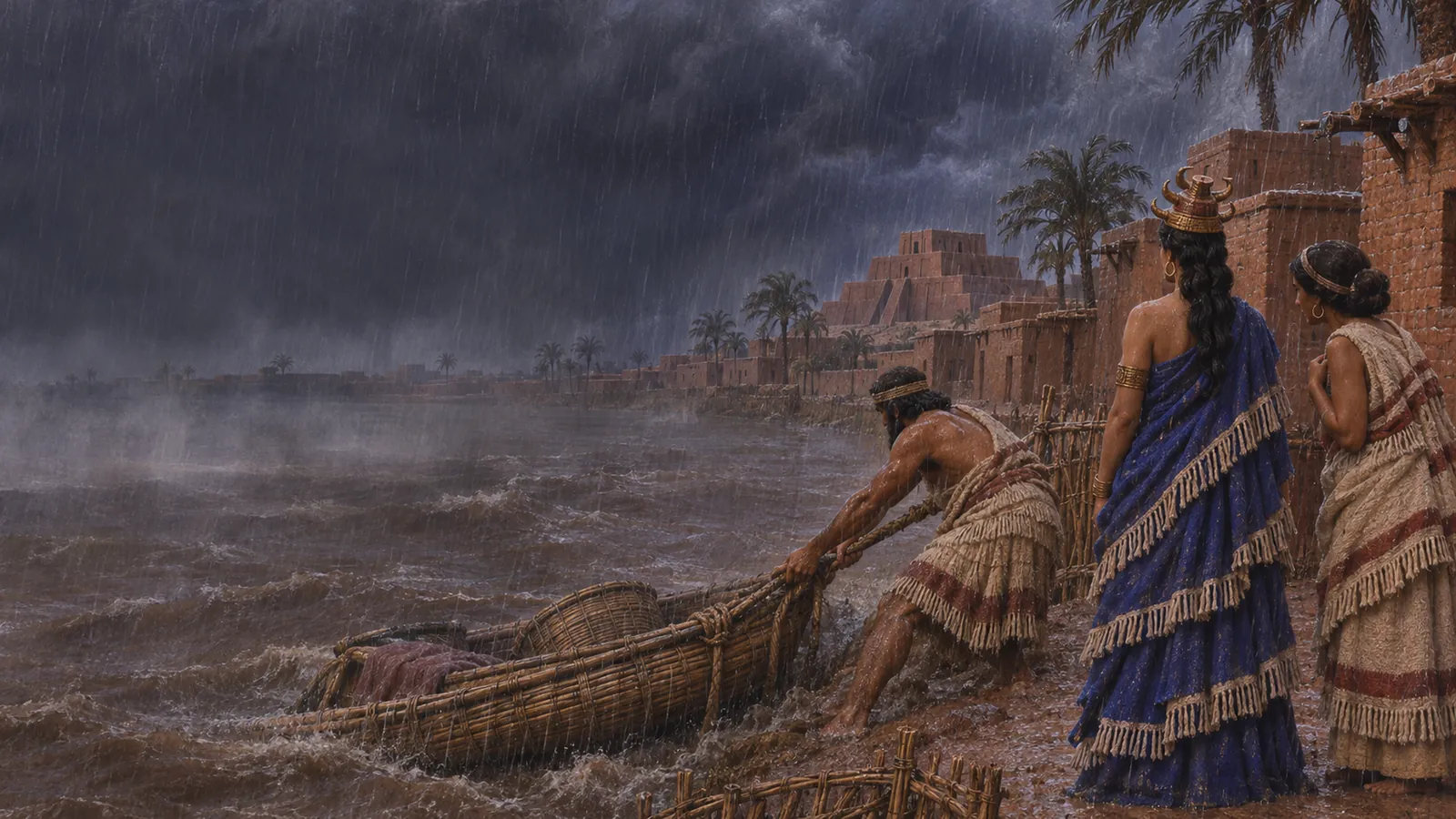
Ningal says that fear weighs heavily upon her. She dreads the devastation of the storm and compares its destruction to a flood.
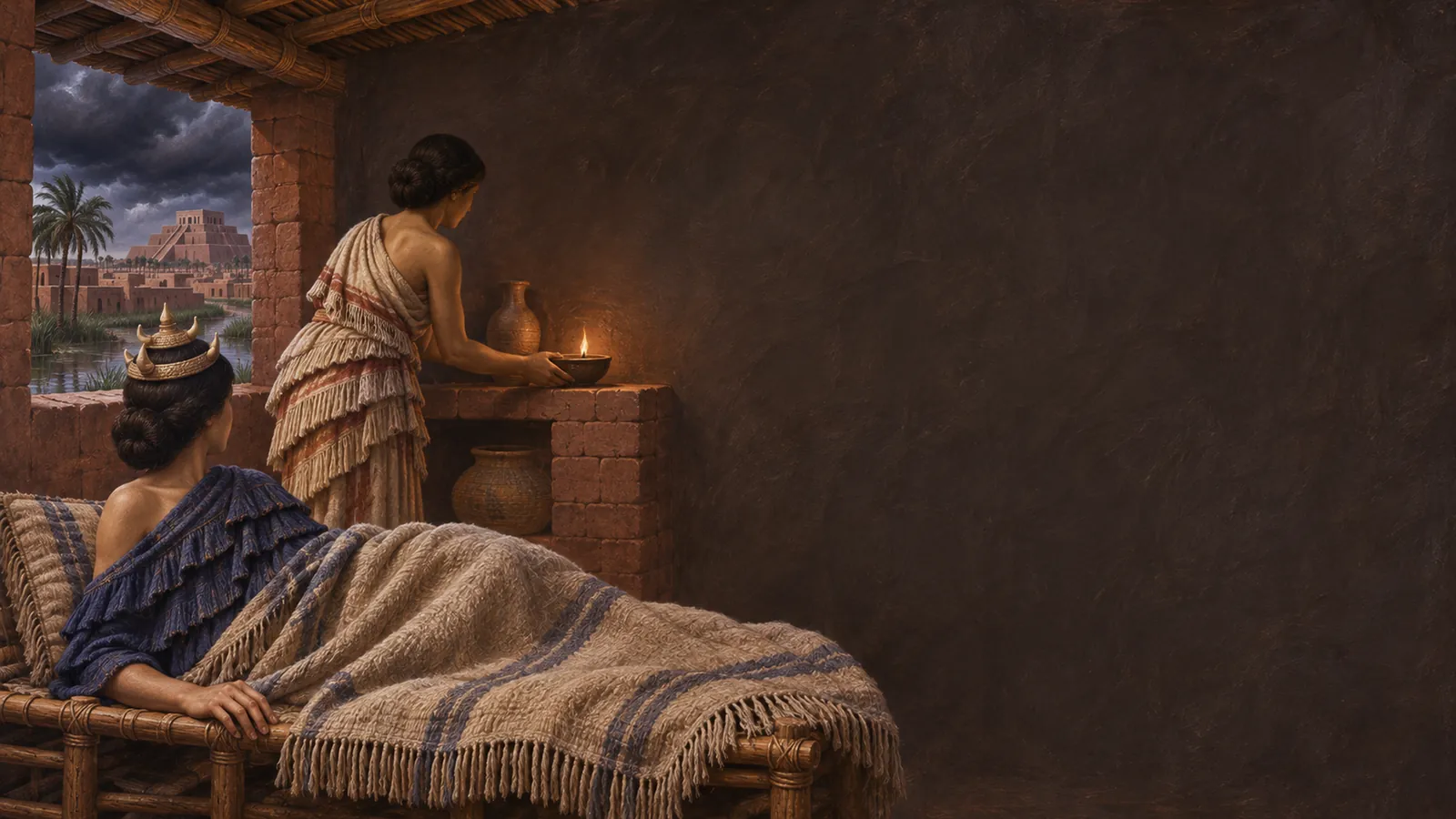
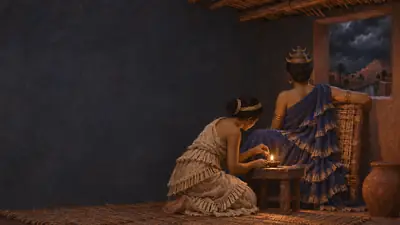
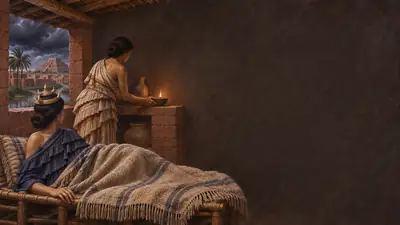
Ningal speaks of lying on her couch at night. She says that no dreams are given to her there.
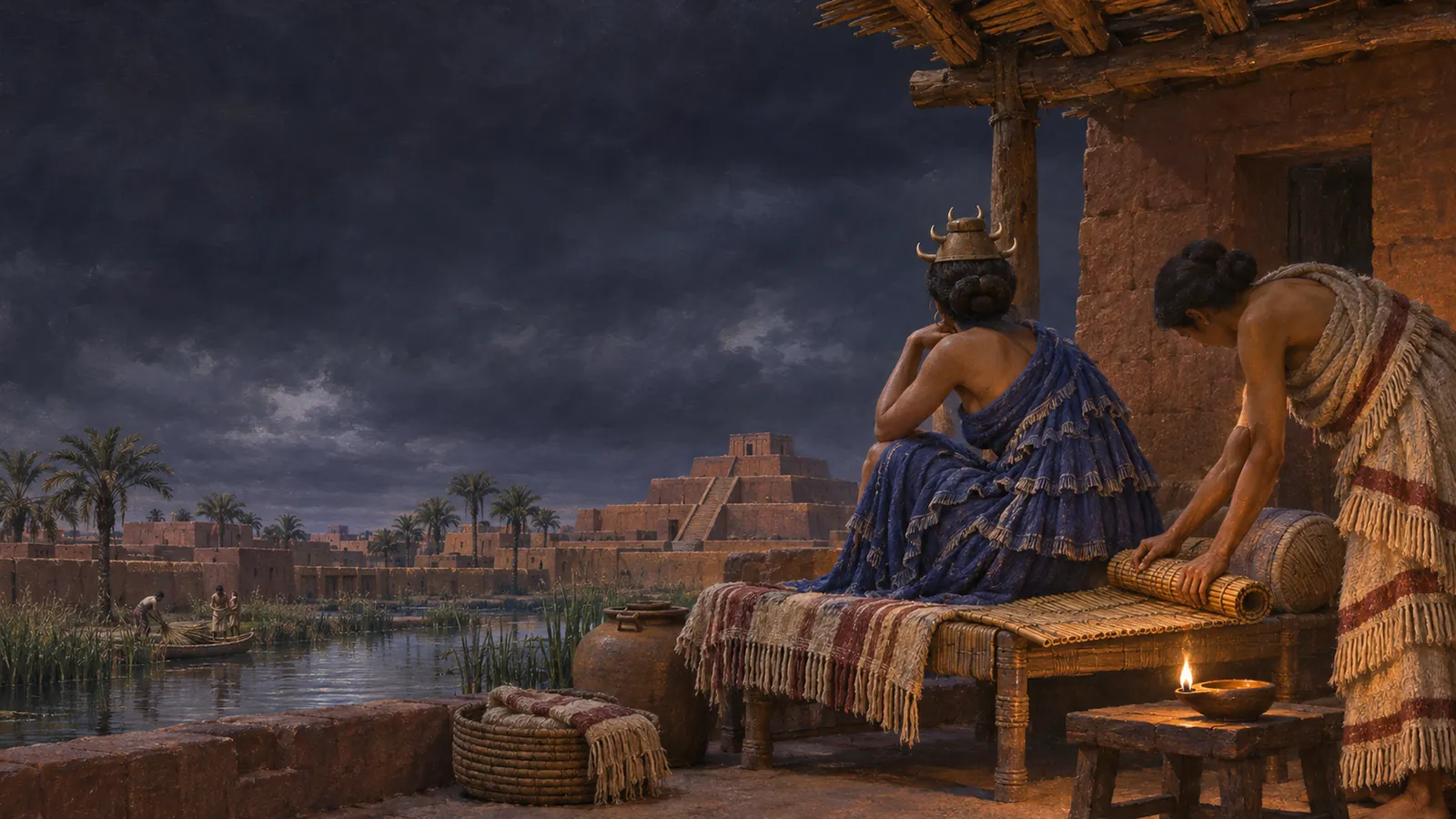
Ningal returns to the couch in her lament. She says she is granted no oblivion there either.
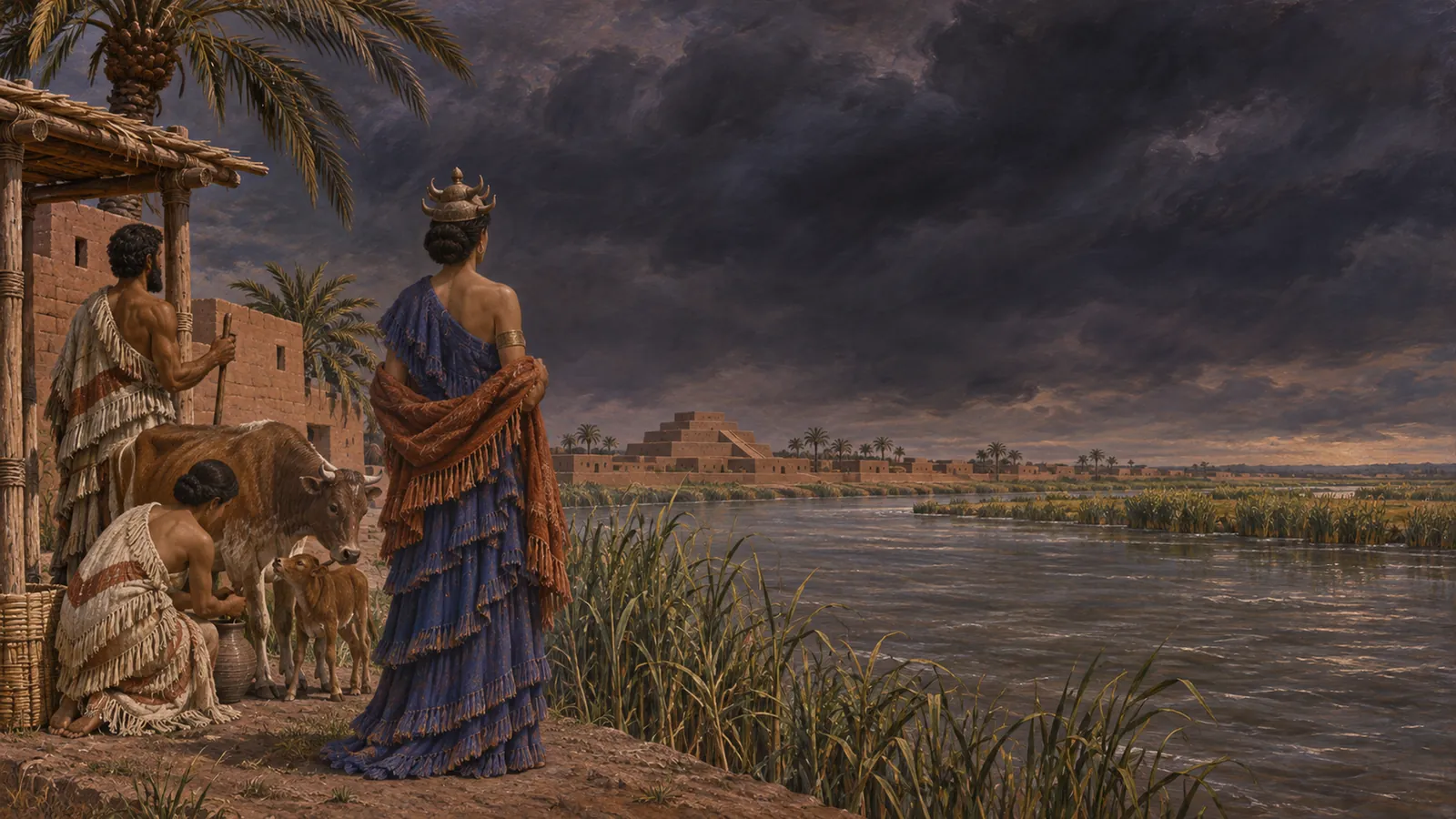
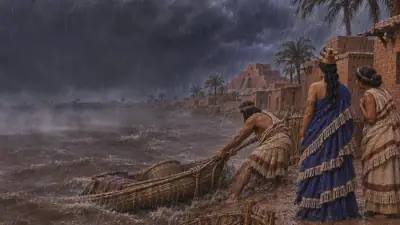
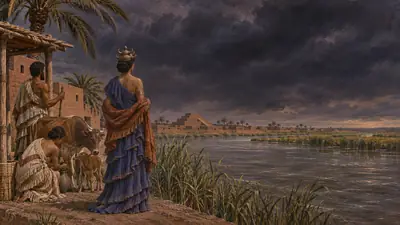
Ningal says bitter weeping has been assigned to her land. Even if she searched all the earth like a cow looking for its calf, she could not bring her people back.
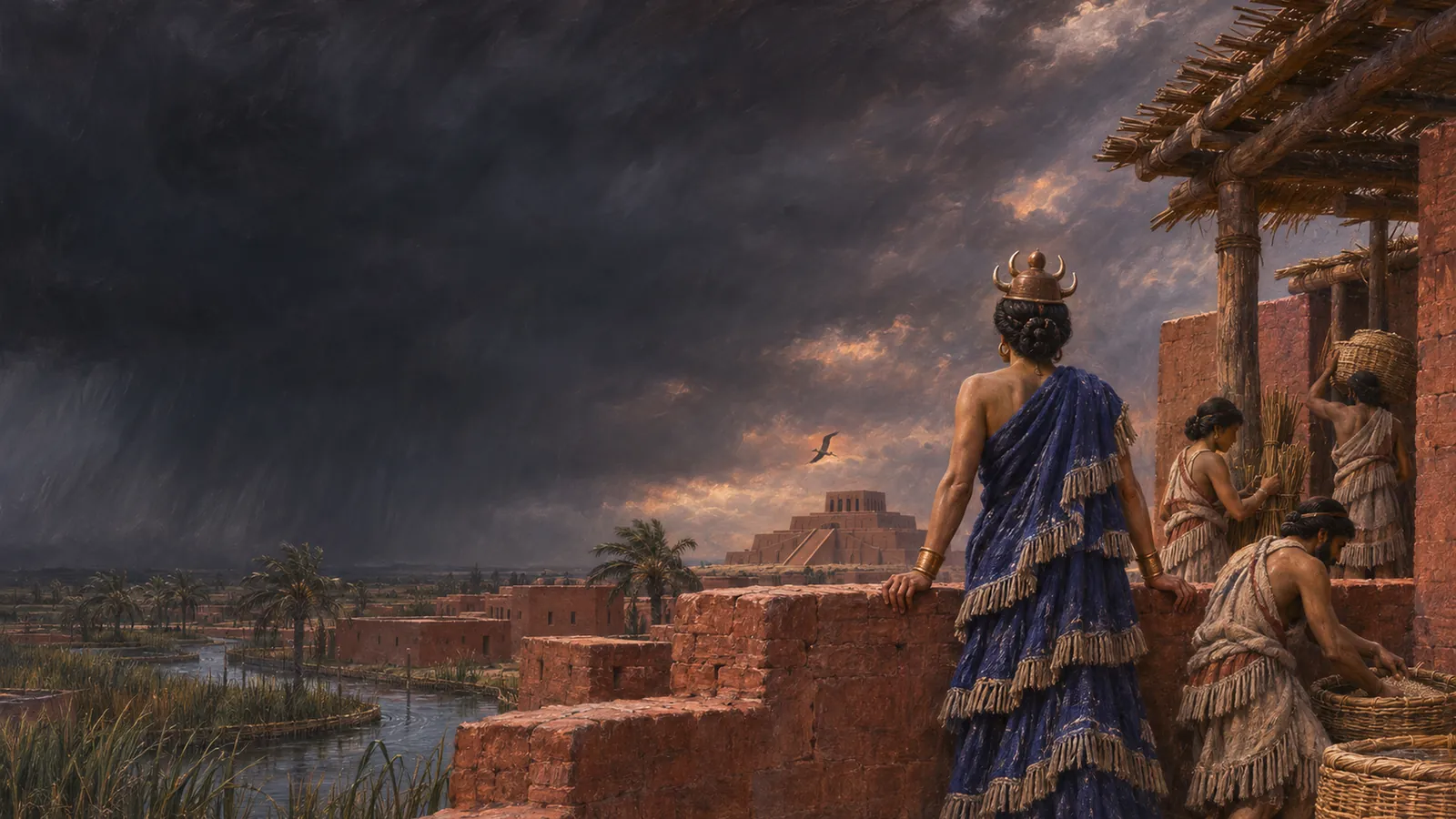
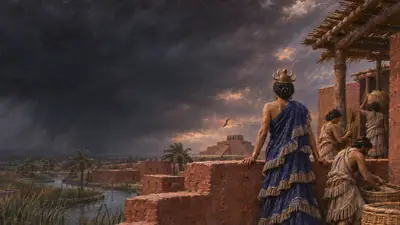
Ningal says bitter sorrow is destined for her city. Even if she spread her wings and flew there like a bird, the city would be destroyed on its foundations and Ur would perish.
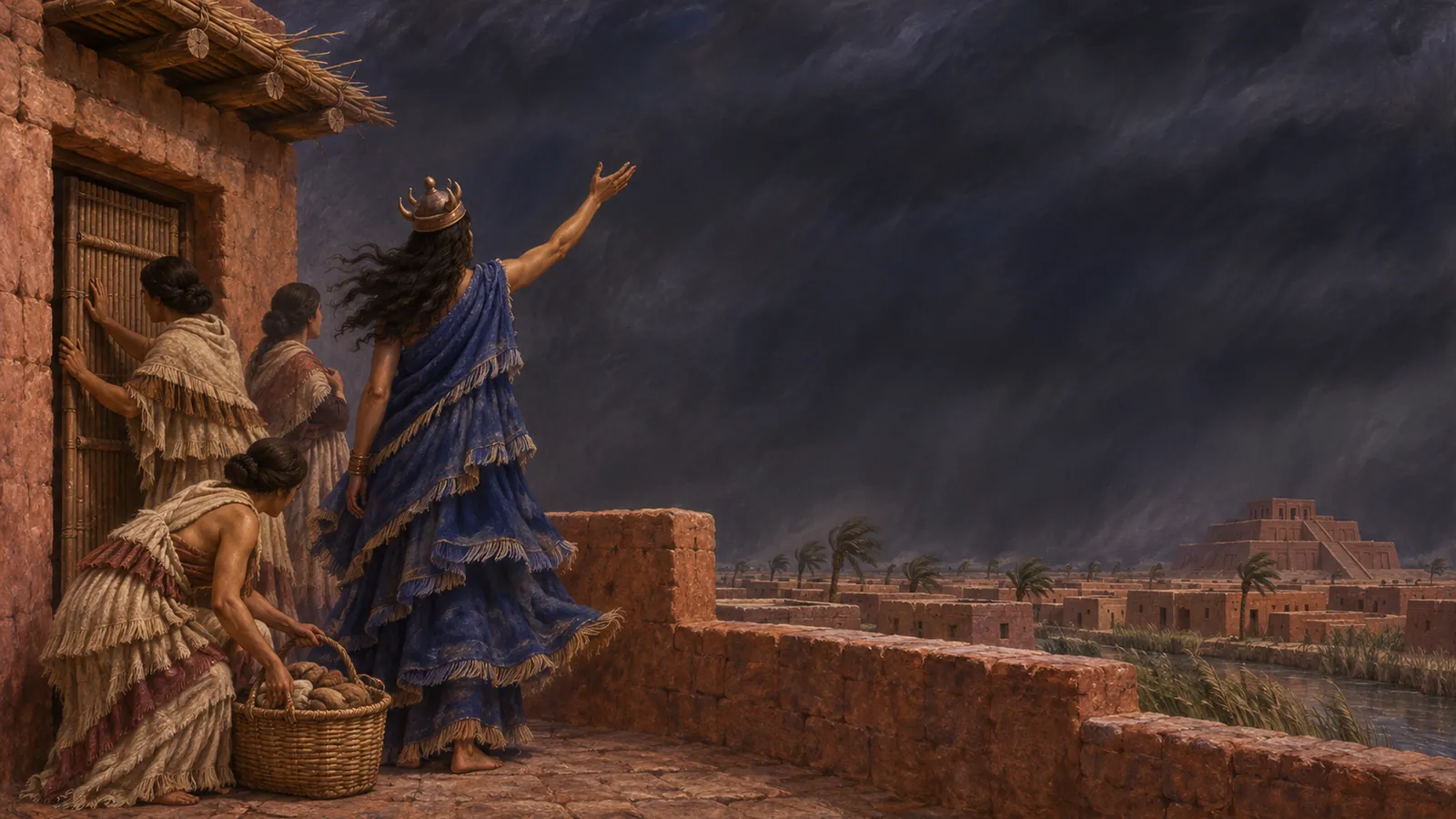
Ningal says the day of storm has raised its hand. Even if she cried for it to turn back to its desert, the storm’s weight would stay upon her.
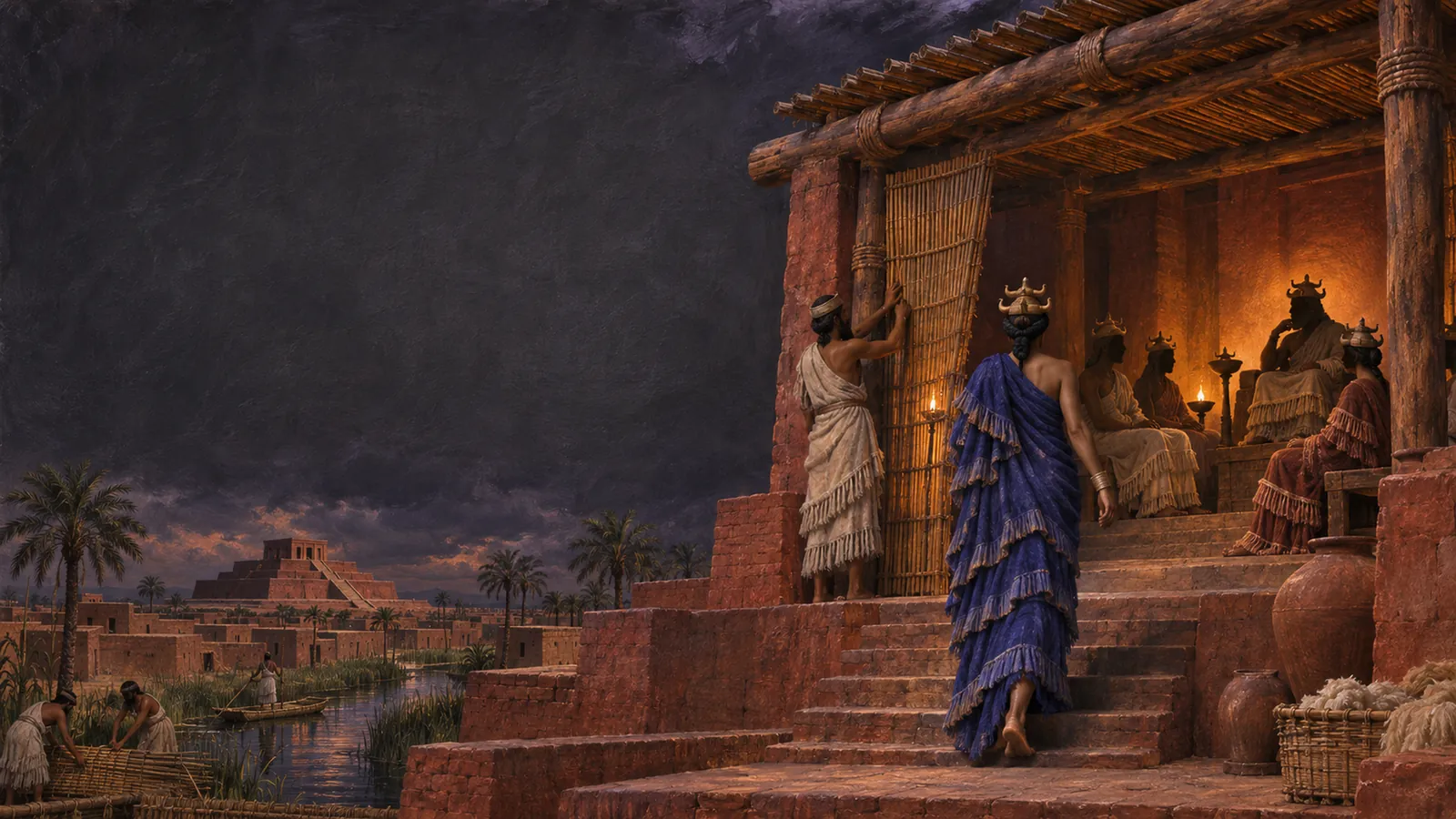
THE ASSEMBLY
Jacobsen’s connecting summary describes Ningal’s unsuccessful appeals to Anu and Enlil, then to the assembly. His selection omits ancient lines one hundred thirteen through one hundred fifty-one between the two quoted passages.
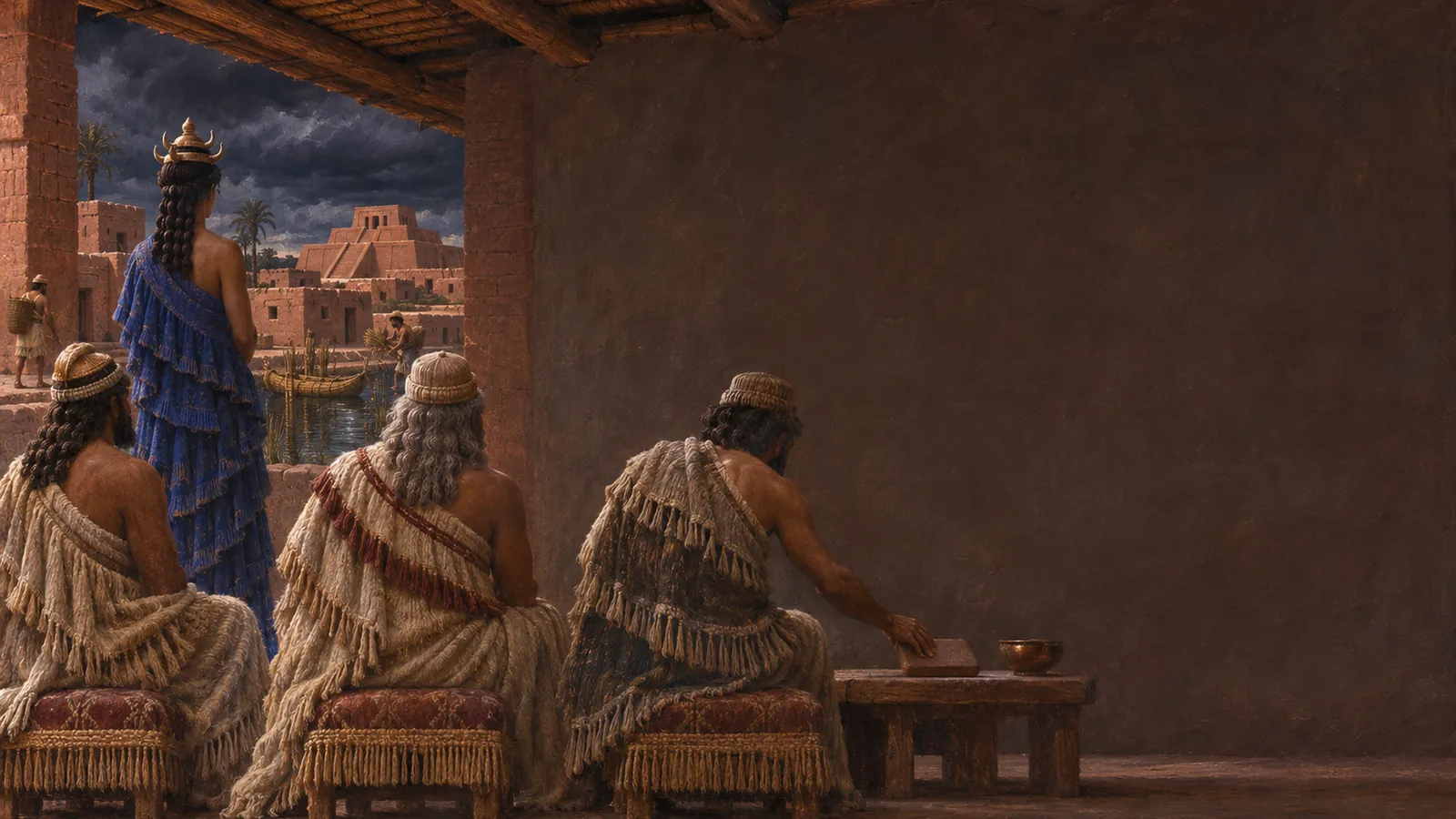
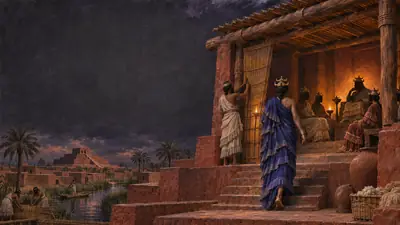
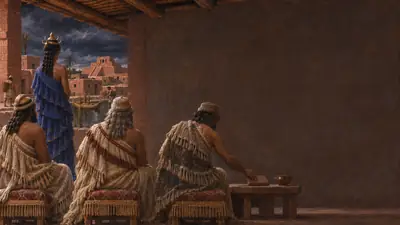
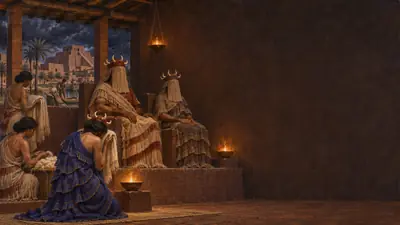
Ningal describes the assembly before it has risen, while the Anunnaki are still seated. The English rendering says they bind themselves to uphold the decision.
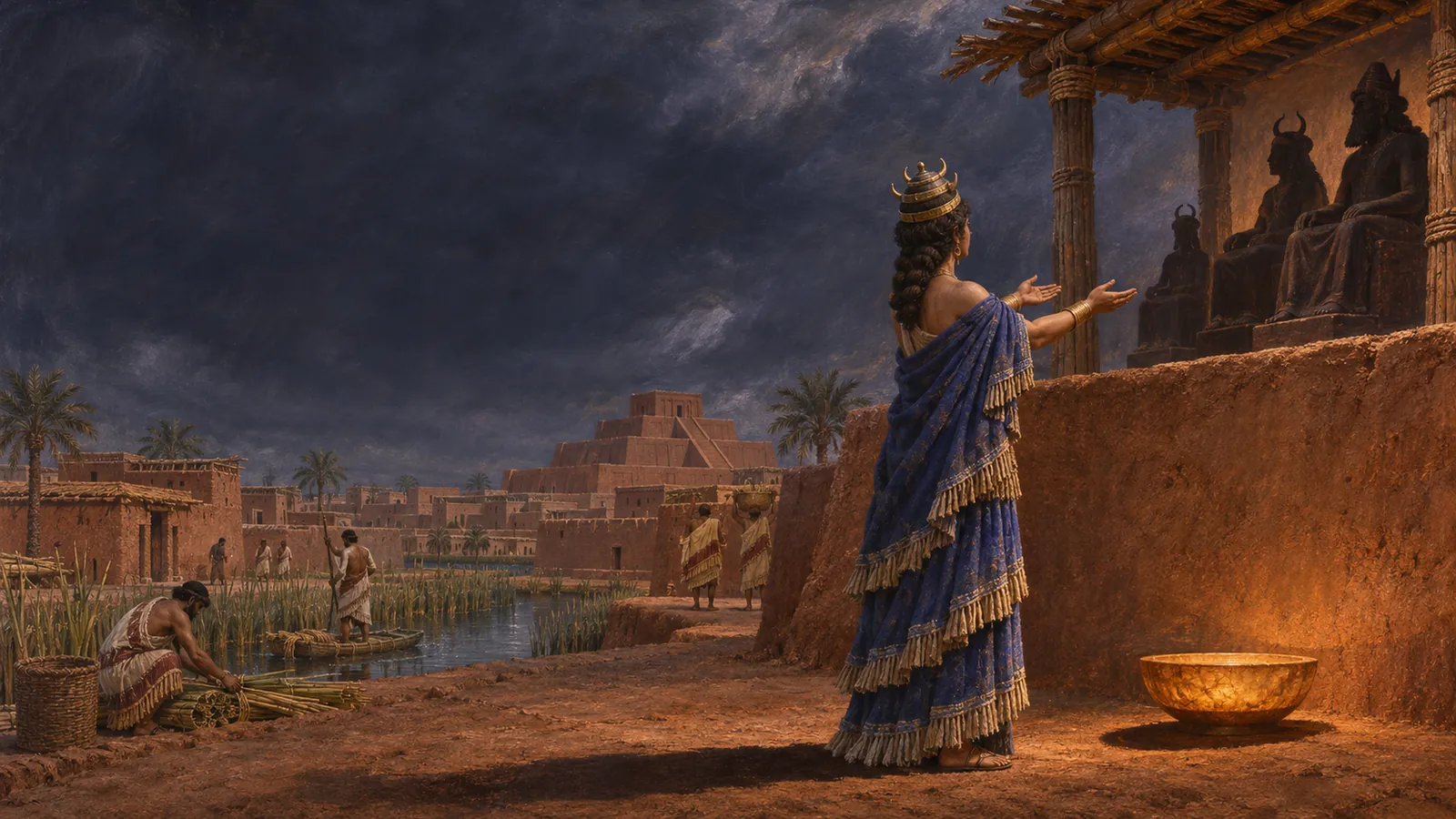
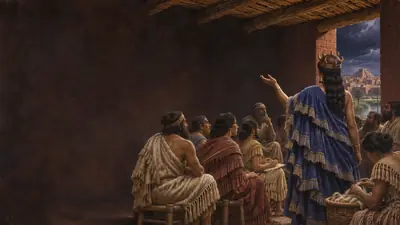
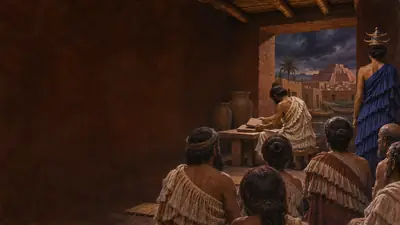
Before the seated assembly, Ningal says she drags her feet and stretches out her arms as she makes her plea.
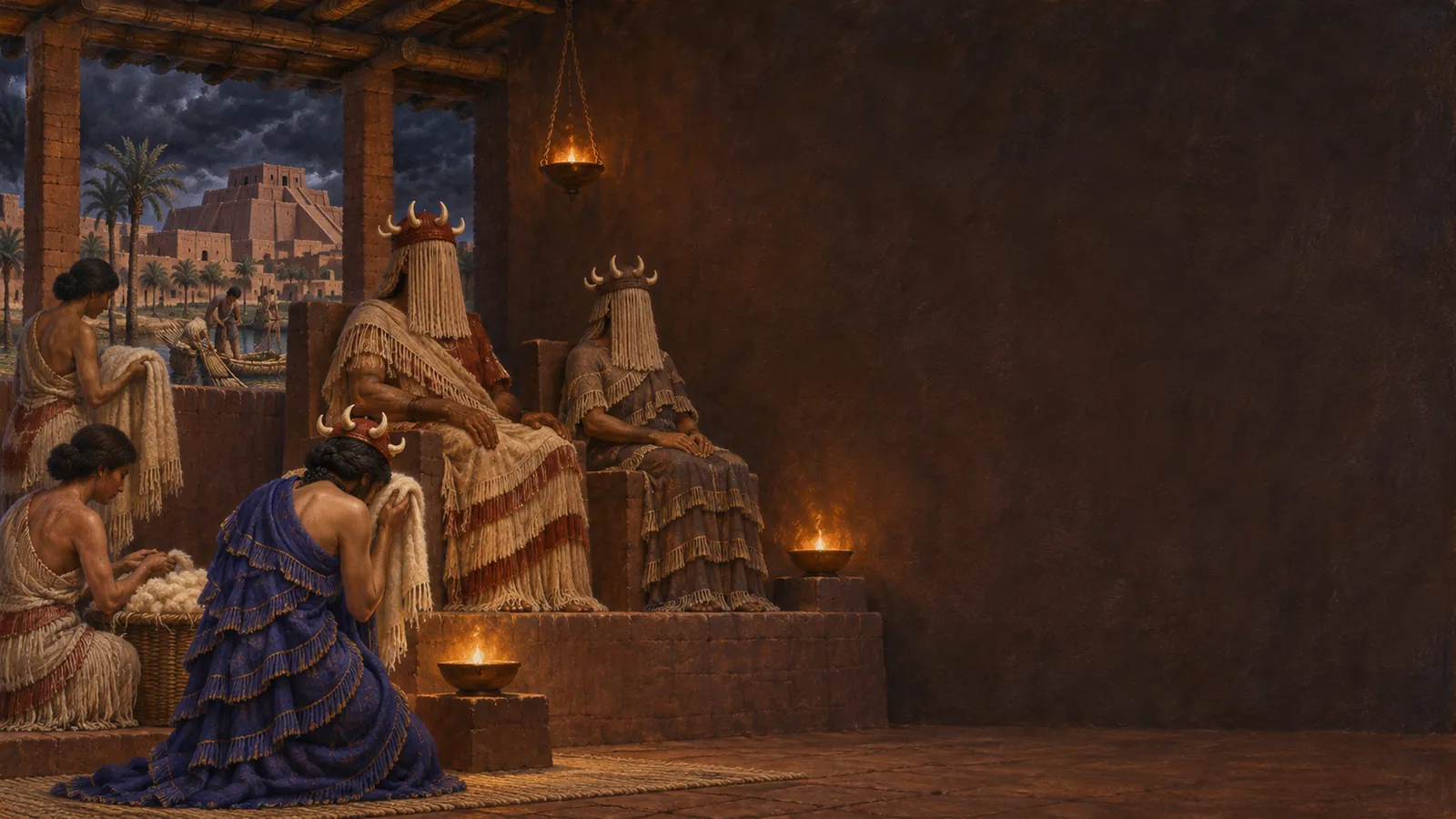
Ningal says she sheds her tears before Anu. Then she says that she herself mourns before Enlil.
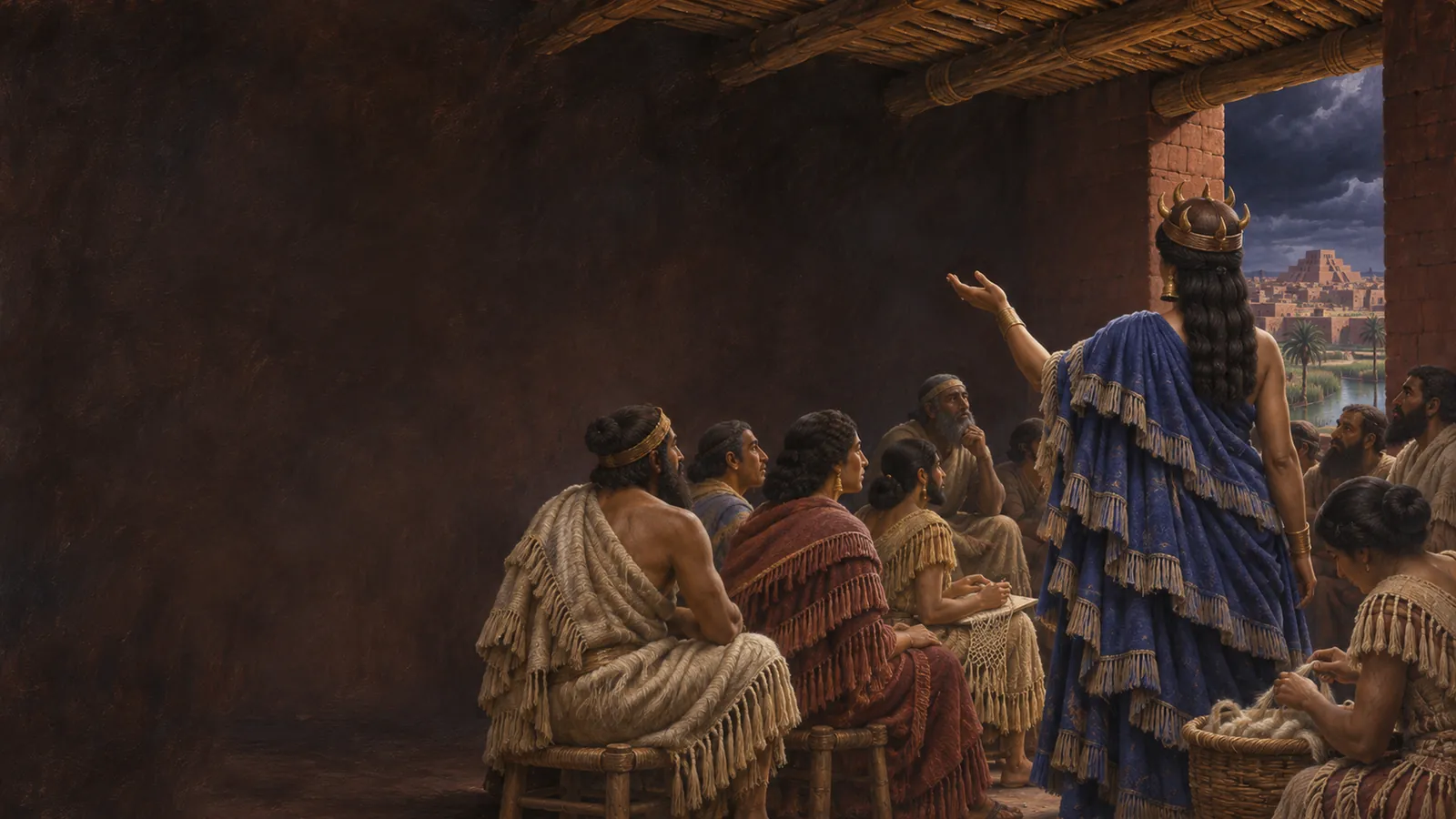
Ningal asks that her city not be destroyed. She repeats her plea and names Ur, asking that the city be preserved.
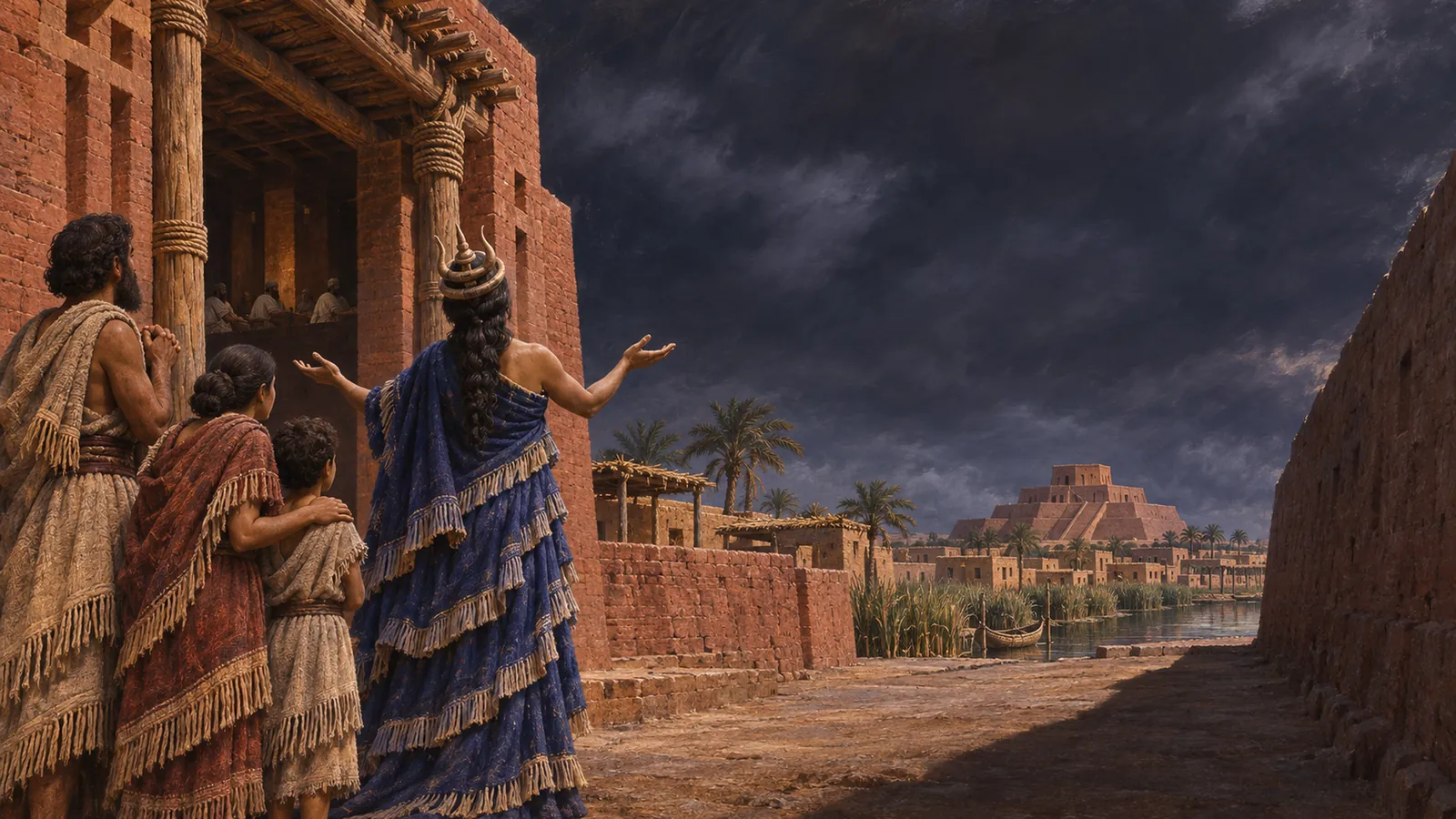
Ningal next pleads for the city’s people. She tells the assembly that its inhabitants should not be killed.
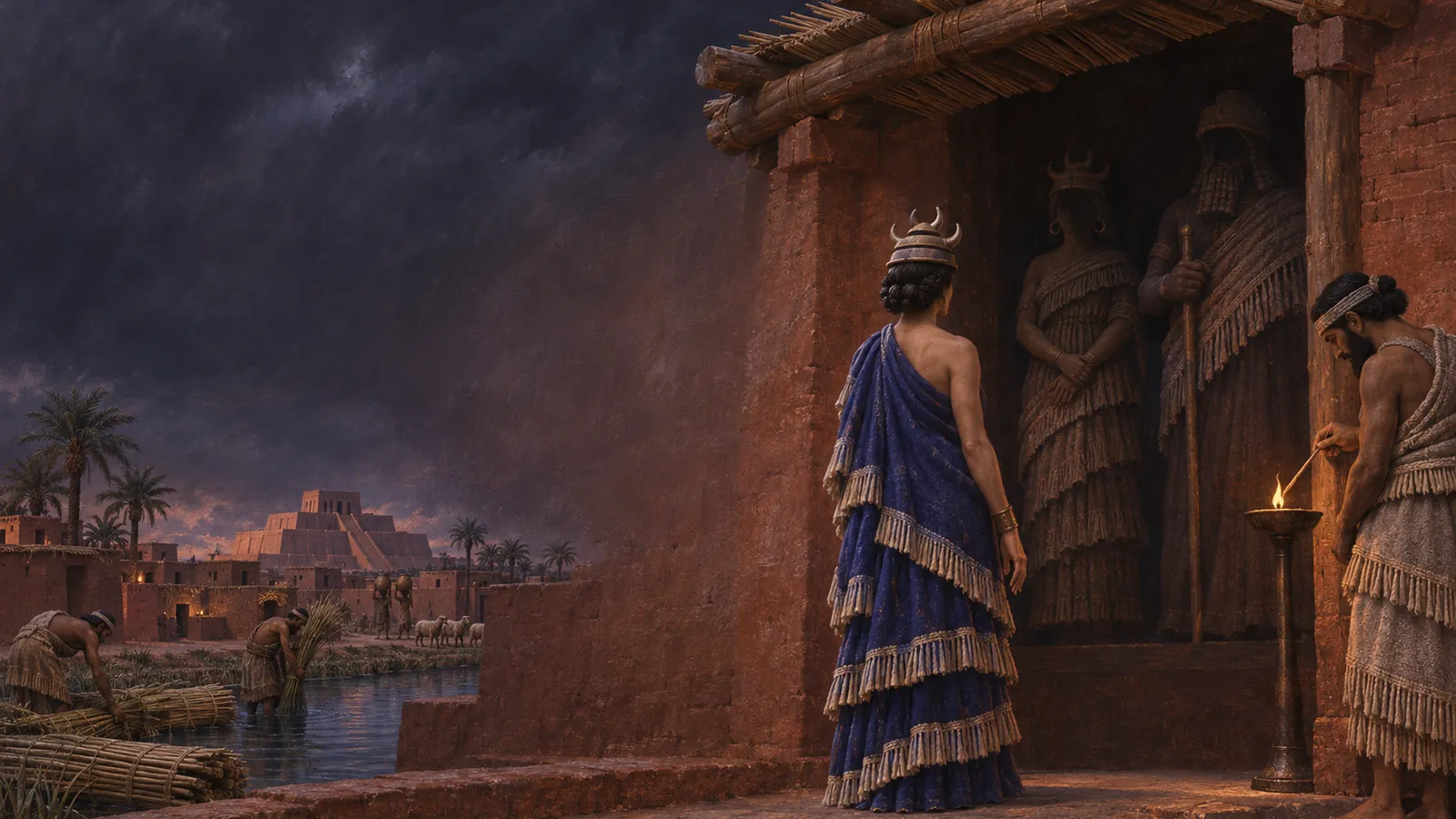
Ningal says Anu does not heed her words. Enlil gives no approving answer to soothe her heart.
THE DECREE
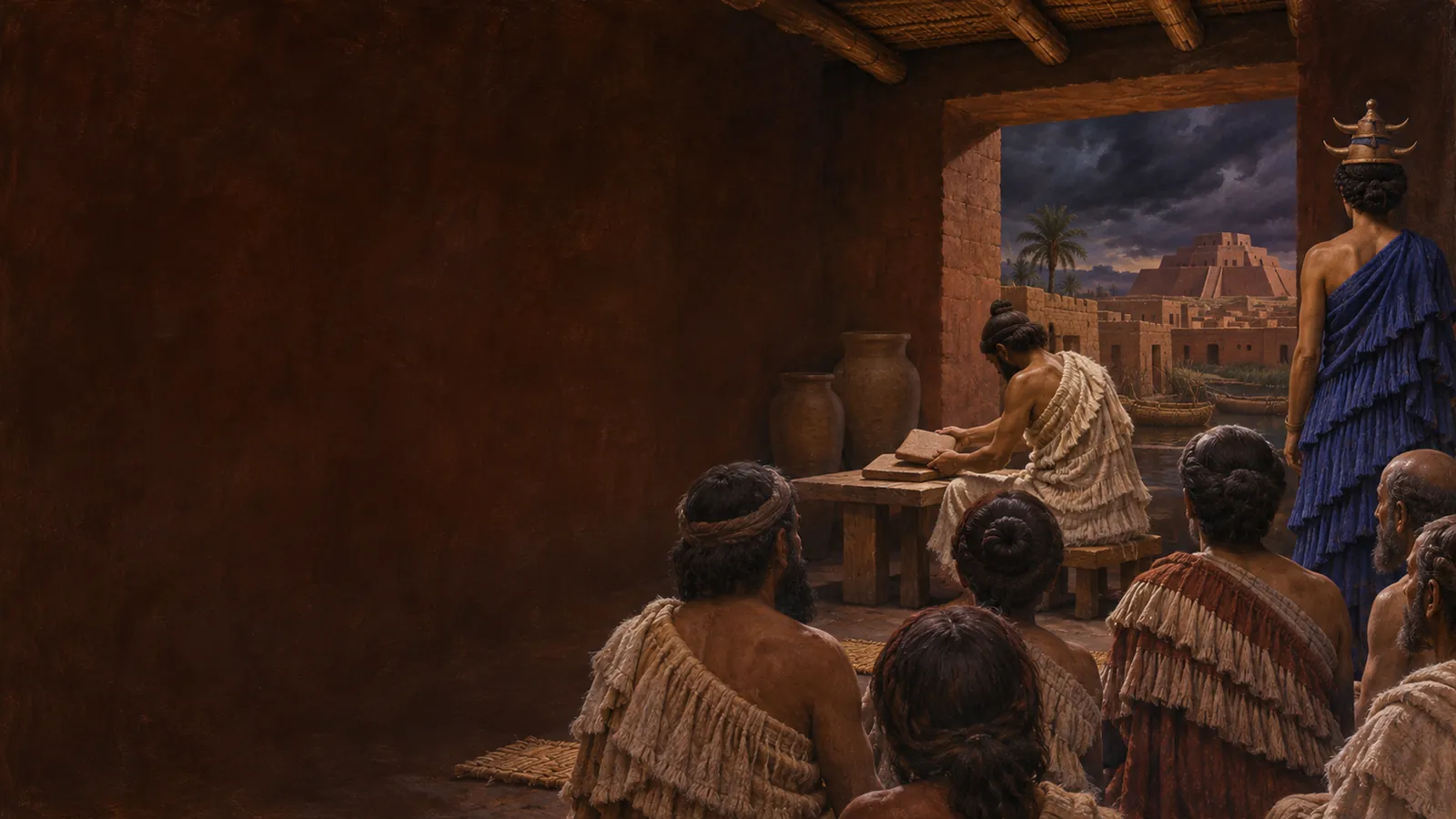
Ningal says the assembly orders the destruction of her city, Ur. It decrees that the city’s inhabitants be killed.
End of chapter 1
All pages
Sources
This reading follows two translated selections printed by Thorkild Jacobsen in The Intellectual Adventure of Ancient Man, pp. 196–197. The preface credits H. A. Groenewegen Frankfort with the poetic rendering of translations in chapters V–VII. The main text dates to 1946, retained in the first Phoenix edition of 1977. Jacobsen’s notes cite Samuel Noah Kramer, Assyriological Studies XII, pp. 26 and 28, ancient lines 88–112, then p. 32, lines 152–164. Individual ancient line numbers are absent from the printed quotations. Lines 113–151 are outside this modern selection. The second quotation ends with the decree against Ur and its inhabitants.
Editions consulted
- University of Chicago, The Intellectual Adventure of Ancient Man
- Jacobsen’s two printed selections, pp. 196–197
- Source notes 12–13, printed p. 201
Notes on this retelling
Page 1, Jacobsen’s lead-in on p. 196. Jacobsen presents Ningal, the goddess of Ur, as the speaker of the following quotation. 197. His notes on p. 201 cite Kramer, AS XII, pp. 26 and 28, lines 88–112, and p. 32, lines 152–164. The preface credits H. A. Groenewegen Frankfort with the English poetic rendering of the translations in chapters V–VII. The first Phoenix edition dates to 1977 and retains the main text published in 1946.
Page 2, first quotation, lines 88–112, opening storm-day formulas. Ningal grieves over the day of storm described as destined for her and laid upon her, burdened with tears. She calls herself a woman.
Page 3, first quotation, lines 88–112, trembling and cruelty. Repeated storm-day formulas describe Ningal trembling before the coming day and call it cruel.
Page 4, first quotation, lines 88–112, the fate of the day. Ningal says she cannot flee the day’s fatality.
Page 5, first quotation, lines 88–112, happy days.
Page 6, first quotation, lines 88–112, the night formula. Ningal trembles and says she cannot flee what is destined for that night.
Page 7, first quotation, lines 88–112, the flood comparison. Ningal says that dread of the storm’s destruction weighs on her and compares its force to a flood.
Pages 8–9, first quotation, lines 88–112, the couch. On her couch at night, Ningal says that neither dreams nor oblivion are granted to her.
Page 10, first quotation, lines 88–112, the cow comparison. Ningal says bitter weeping is destined for her land.
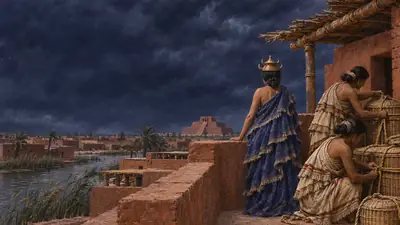
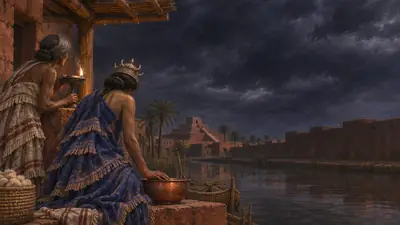
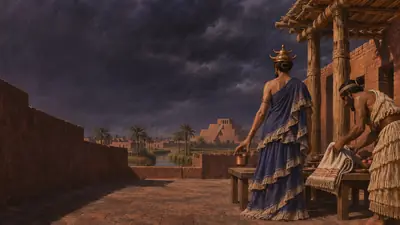
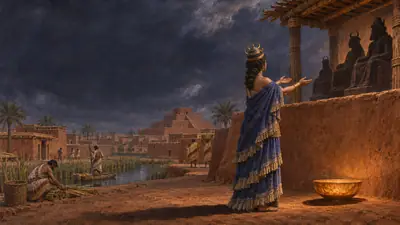
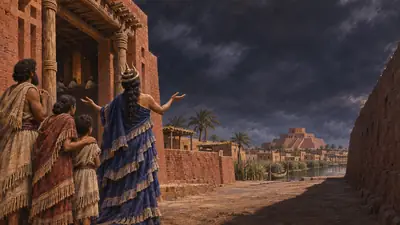
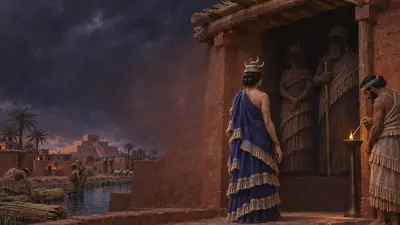
Ningal appears from behind as she watches the storm, searches the riverbanks and pleads before the assembly.
first quotation, lines 88–112 as cited in note 12. Ningal says sorrow is destined for her city. She imagines spreading wings and flying there like a bird, yet the city would still be destroyed on its foundations and Ur would perish. The quotation continues across the page break. The inclusive range is Jacobsen’s own citation, with no individual ancient line numbers printed beside the translated lines.
The storm day raises its hand. This closes the first printed excerpt.
Jacobsen’s connecting paragraph. Ancient lines 113–151 lie outside this modern selection. This interval is an editorial omission between excerpts.
beginning of the second quotation, lines 152–164 as cited in note 13. The assembly remains seated. The rendering explains the Anunnaki’s binding themselves with a parenthetical statement about upholding the decision.
second quotation, cited lines 152–164. Ningal describes dragging her feet and stretching out her arms before the assembly.
second quotation, cited lines 152–164. Ningal sheds tears before Anu and mourns before Enlil. Their order and the distinction between the two clauses are retained.
second quotation, cited lines 152–164. The plea against the destruction of her city is repeated, with Ur named in the second plea.
second quotation, cited lines 152–164. Ningal asks that the inhabitants not be killed. This is her appeal in the poem.
second quotation, cited lines 152–164. Anu does not heed her words and Enlil gives no approving answer to comfort her.
The divine assembly gives the instruction to destroy the city and decrees that its inhabitants be killed. The selection ends with that decree.
Ancient lines behind each page
- Page 1: Jacobsen, The Intellectual Adventure of Ancient Man, first Phoenix ed. (1977; main text 1946), p. 196, Jacobsen’s lead-in to the two selected passages; poetic rendering by H. A. Groenewegen Frankfort
- Page 2: Jacobsen, The Intellectual Adventure of Ancient Man, first Phoenix ed. (1977; main text 1946), p. 196, first quotation, Kramer lines 88–112, storm-day opening; poetic rendering by H. A. Groenewegen Frankfort
- Page 3: Jacobsen, The Intellectual Adventure of Ancient Man, first Phoenix ed. (1977; main text 1946), p. 196, first quotation, Kramer lines 88–112, repeated trembling formula; poetic rendering by H. A. Groenewegen Frankfort
- Page 4: Jacobsen, The Intellectual Adventure of Ancient Man, first Phoenix ed. (1977; main text 1946), p. 196, first quotation, Kramer lines 88–112, inability to flee the day; poetic rendering by H. A. Groenewegen Frankfort
- Page 5: Jacobsen, The Intellectual Adventure of Ancient Man, first Phoenix ed. (1977; main text 1946), p. 196, first quotation, Kramer lines 88–112, repeated happy-days clause; poetic rendering by H. A. Groenewegen Frankfort
- Page 6: Jacobsen, The Intellectual Adventure of Ancient Man, first Phoenix ed. (1977; main text 1946), p. 196, first quotation, Kramer lines 88–112, night formula; poetic rendering by H. A. Groenewegen Frankfort
- Page 7: Jacobsen, The Intellectual Adventure of Ancient Man, first Phoenix ed. (1977; main text 1946), p. 196, first quotation, Kramer lines 88–112, dread and flood comparison; poetic rendering by H. A. Groenewegen Frankfort
- Page 8: Jacobsen, The Intellectual Adventure of Ancient Man, first Phoenix ed. (1977; main text 1946), p. 196, first quotation, Kramer lines 88–112, couch and dreams; poetic rendering by H. A. Groenewegen Frankfort
- Page 9: Jacobsen, The Intellectual Adventure of Ancient Man, first Phoenix ed. (1977; main text 1946), p. 196, first quotation, Kramer lines 88–112, couch and oblivion; poetic rendering by H. A. Groenewegen Frankfort
- Page 10: Jacobsen, The Intellectual Adventure of Ancient Man, first Phoenix ed. (1977; main text 1946), p. 196, first quotation, Kramer lines 88–112, land’s weeping and cow simile; poetic rendering by H. A. Groenewegen Frankfort
- Page 11: Jacobsen, The Intellectual Adventure of Ancient Man, 1946 text / 1977 Phoenix ed., pp. 196–197, first quotation; n. 12, p. 201 cites Kramer AS XII, lines 88–112
- Page 12: Jacobsen, The Intellectual Adventure of Ancient Man, 1946 text / 1977 Phoenix ed., pp. 196–197, first quotation; n. 12, p. 201 cites Kramer AS XII, lines 88–112
- Page 13: Jacobsen, The Intellectual Adventure of Ancient Man, 1946 text / 1977 Phoenix ed., p. 197, modern connecting paragraph between quoted lines 88–112 and 152–164
- Page 14: Jacobsen, The Intellectual Adventure of Ancient Man, 1946 text / 1977 Phoenix ed., p. 197, second quotation; n. 13, p. 201 cites Kramer AS XII, lines 152–164
- Page 15: Jacobsen, The Intellectual Adventure of Ancient Man, 1946 text / 1977 Phoenix ed., p. 197, second quotation; n. 13, p. 201 cites Kramer AS XII, lines 152–164
- Page 16: Jacobsen, The Intellectual Adventure of Ancient Man, 1946 text / 1977 Phoenix ed., p. 197, second quotation; n. 13, p. 201 cites Kramer AS XII, lines 152–164
- Page 17: Jacobsen, The Intellectual Adventure of Ancient Man, 1946 text / 1977 Phoenix ed., p. 197, second quotation; n. 13, p. 201 cites Kramer AS XII, lines 152–164
- Page 18: Jacobsen, The Intellectual Adventure of Ancient Man, 1946 text / 1977 Phoenix ed., p. 197, second quotation; n. 13, p. 201 cites Kramer AS XII, lines 152–164
- Page 19: Jacobsen, The Intellectual Adventure of Ancient Man, 1946 text / 1977 Phoenix ed., p. 197, second quotation; n. 13, p. 201 cites Kramer AS XII, lines 152–164
- Page 20: Jacobsen, The Intellectual Adventure of Ancient Man, 1946 text / 1977 Phoenix ed., p. 197, second quotation; n. 13, p. 201 cites Kramer AS XII, lines 152–164
Illustrations made with AI tools by IL Archive; the text is based on the ancient sources (see the sources at the end of each chapter).