The Marriage of Martu Chapter 1
The Choice at Inab
Martu tells his mother he wants a wife, and she advises him to follow his own desire. A contest at Inab brings him before Numushda. After conditions, gifts and an anxious conversation, Adgar-kidug states what she wants.
SourcesTurn the pages with the arrows, the arrow keys or a swipe.
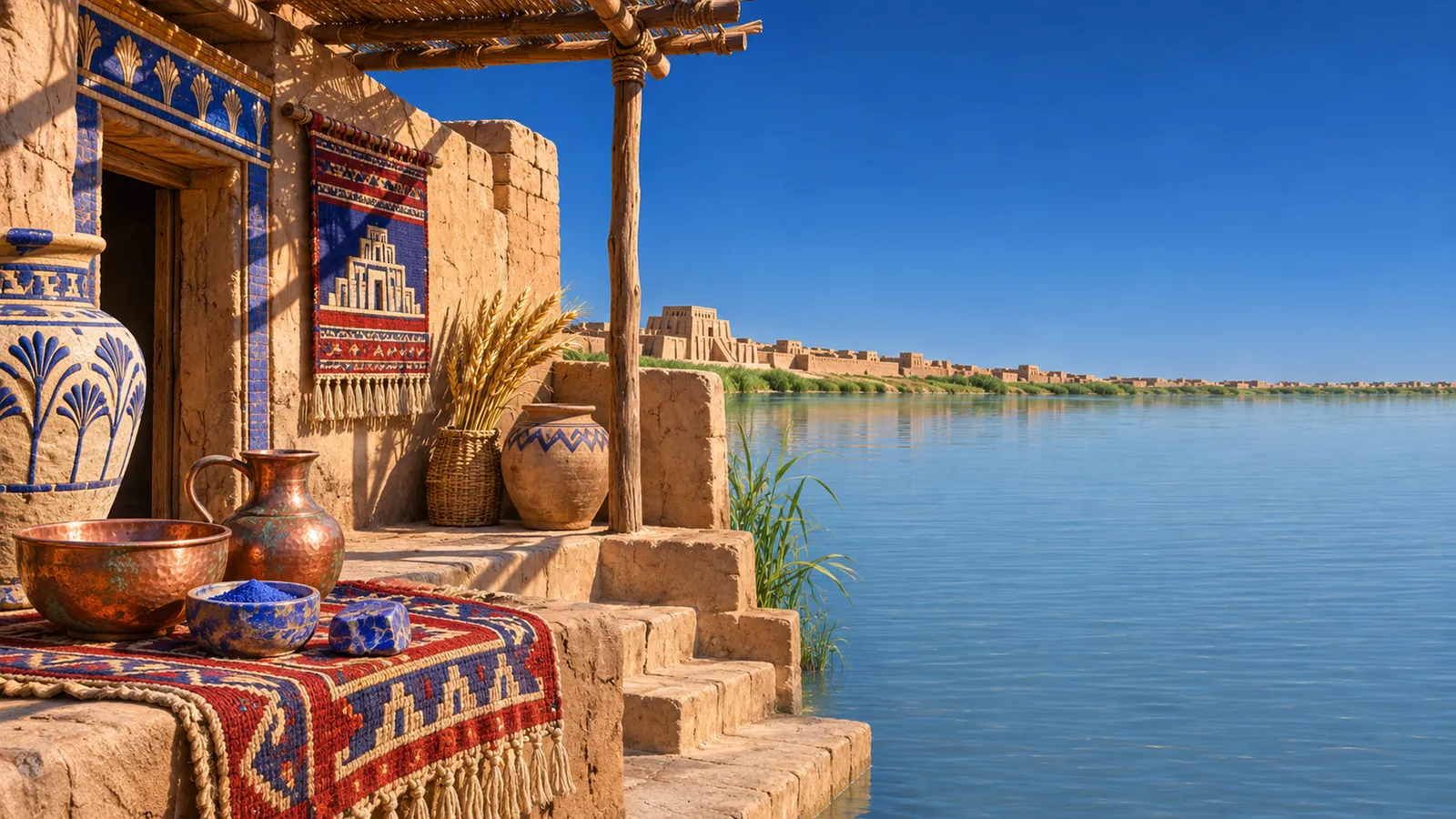
INAB
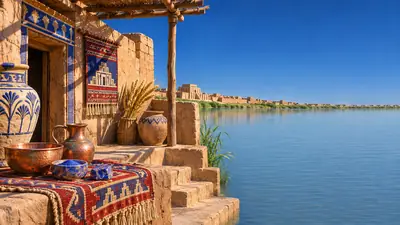
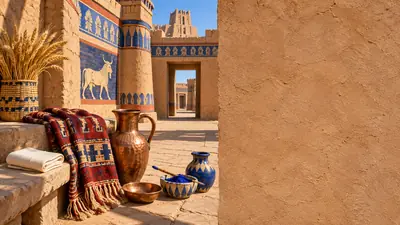
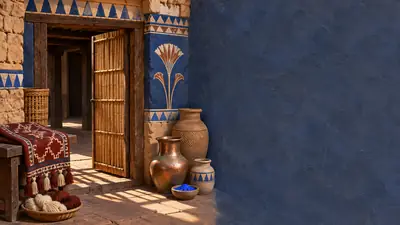
The story opens in the days when Inab already stood. The singer places the city in an age before Kiritab existed.
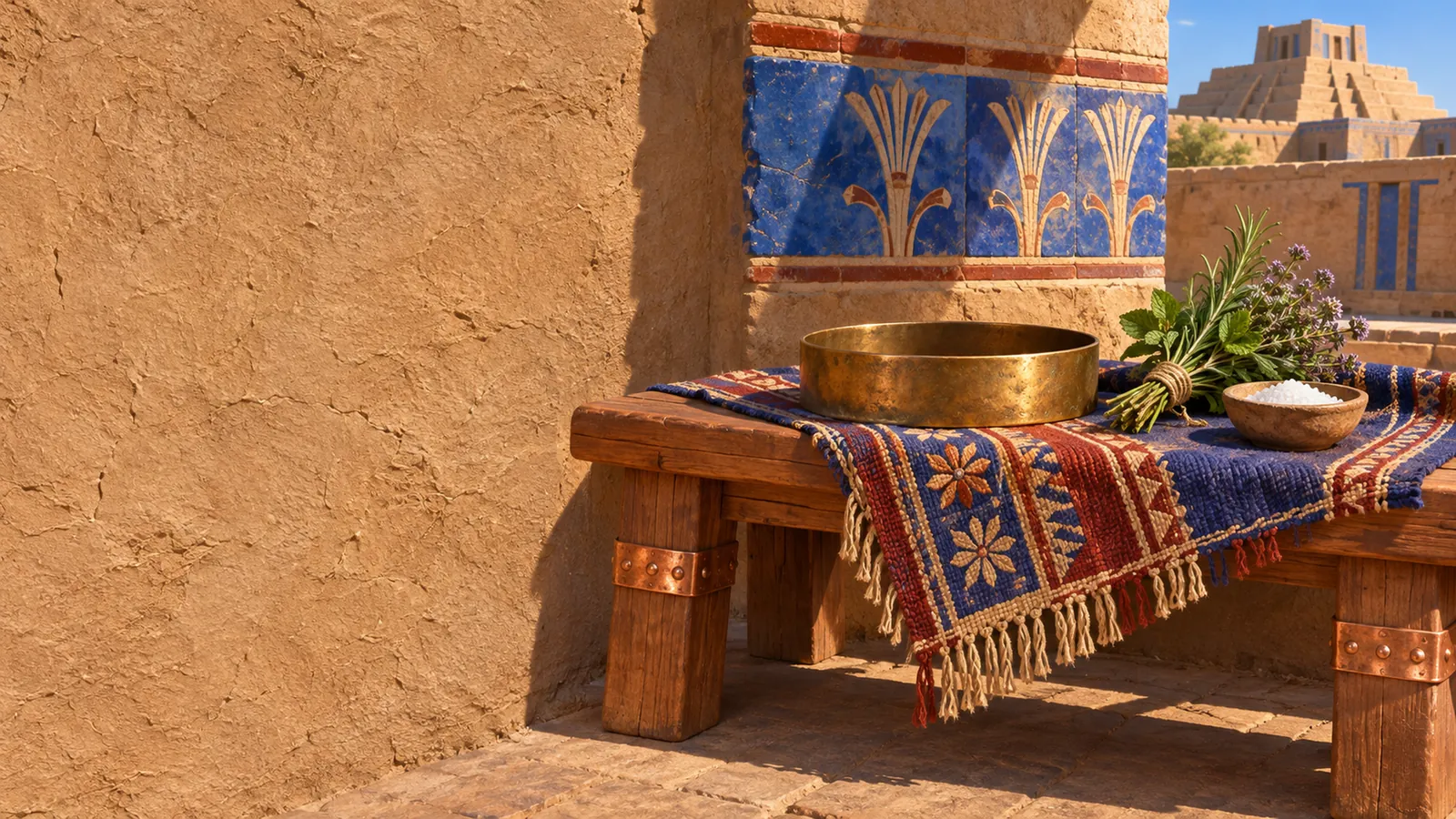
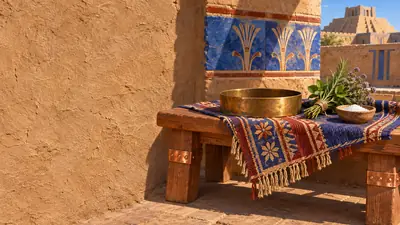
There was already a sacred crown, and a sacred herb and salt. The singer sets each beside something that comes later.
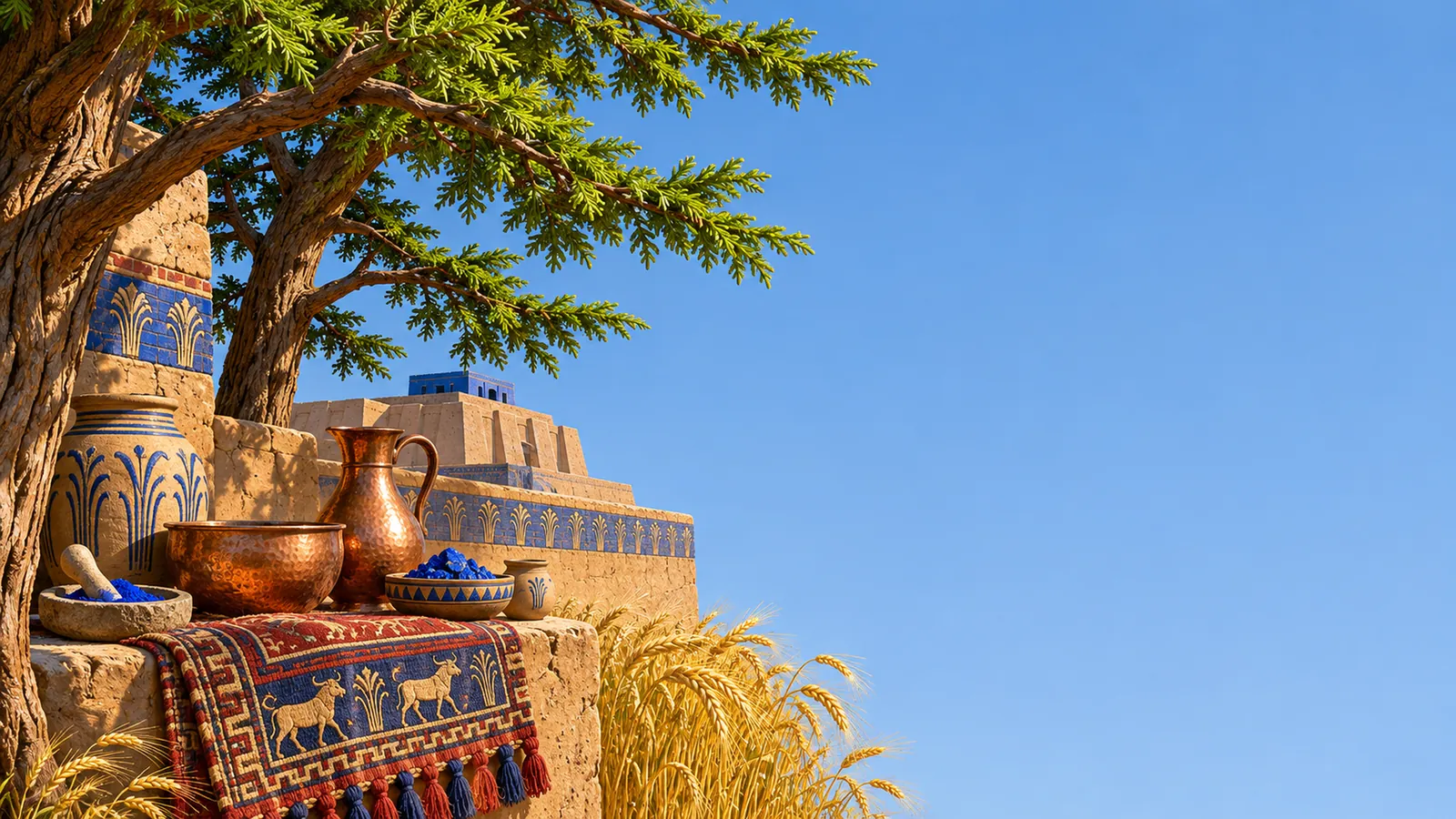
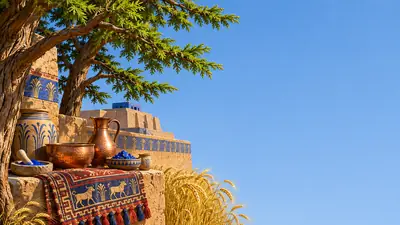
The prologue recalls love and births in the fields. The voice that speaks calls itself kin to the cedar and the other sacred trees.
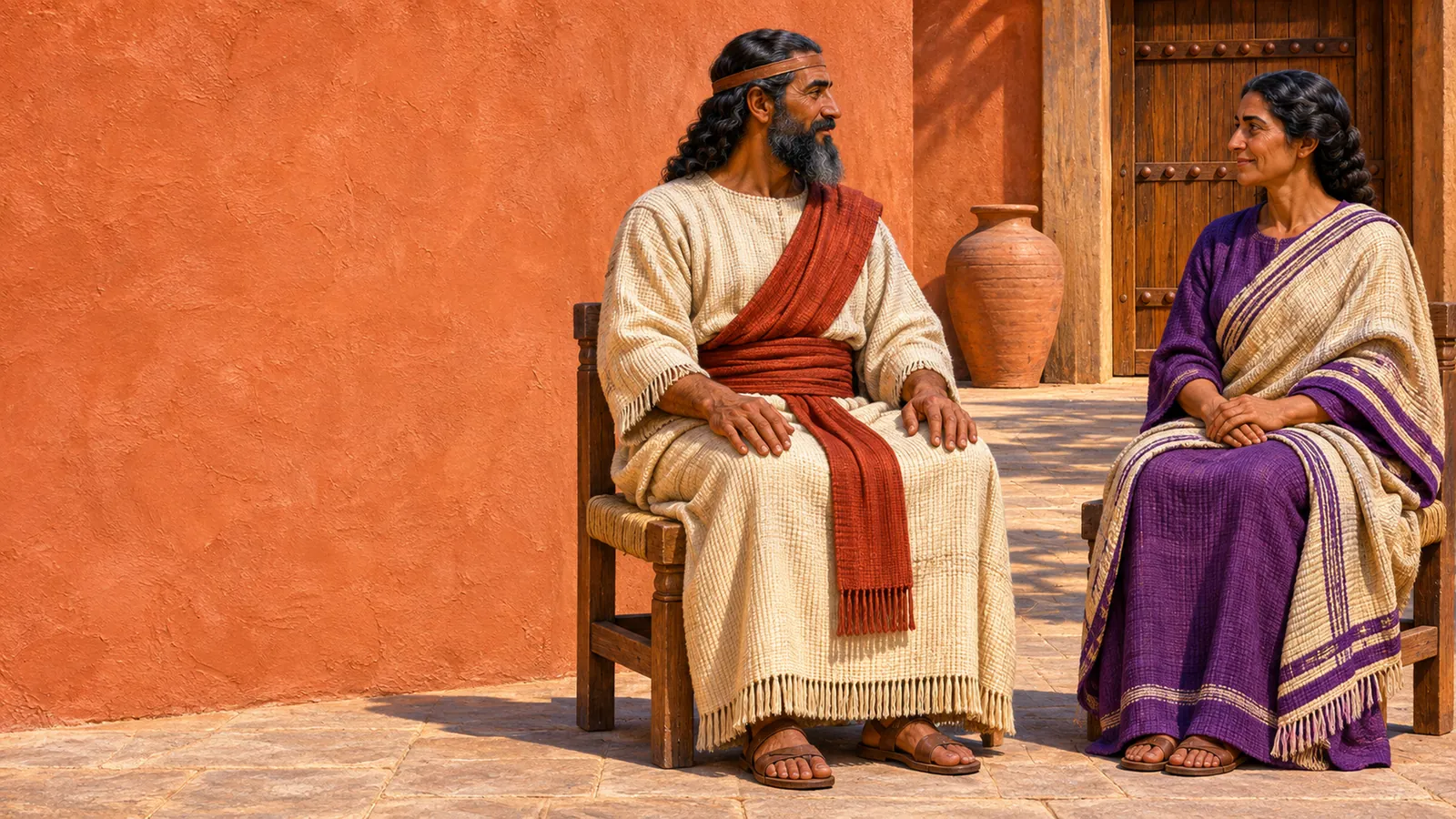
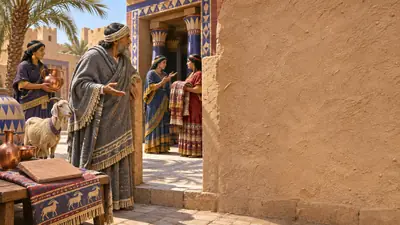
Inab stood out among the cities as a princely place. Its ruler was Tigi-shem-ala, and his wife was called Shage-gur.
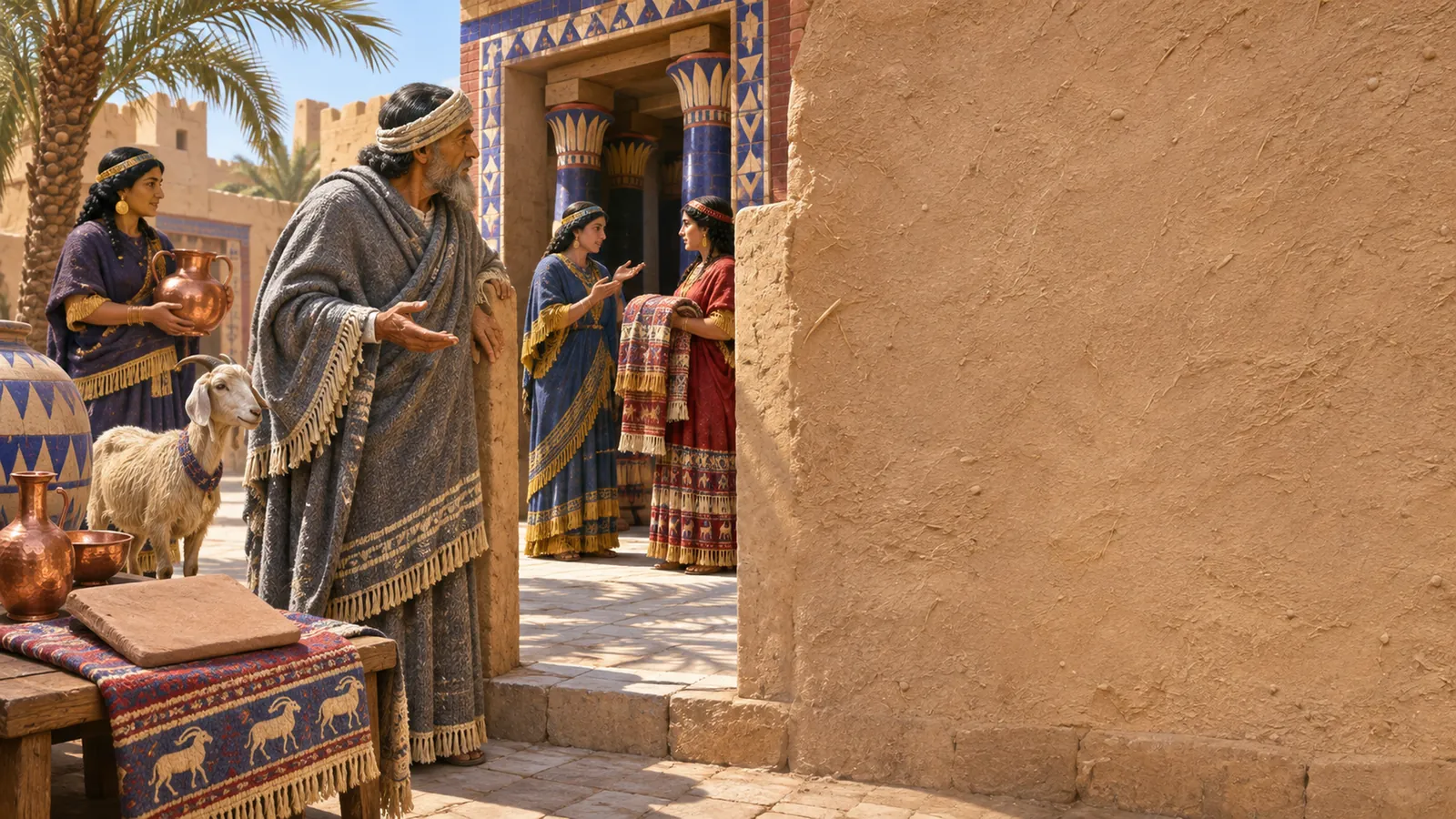
The tablet also mentions a child of the ruler. Damage interrupts that account, and the next clear scene moves to the fields around Inab.
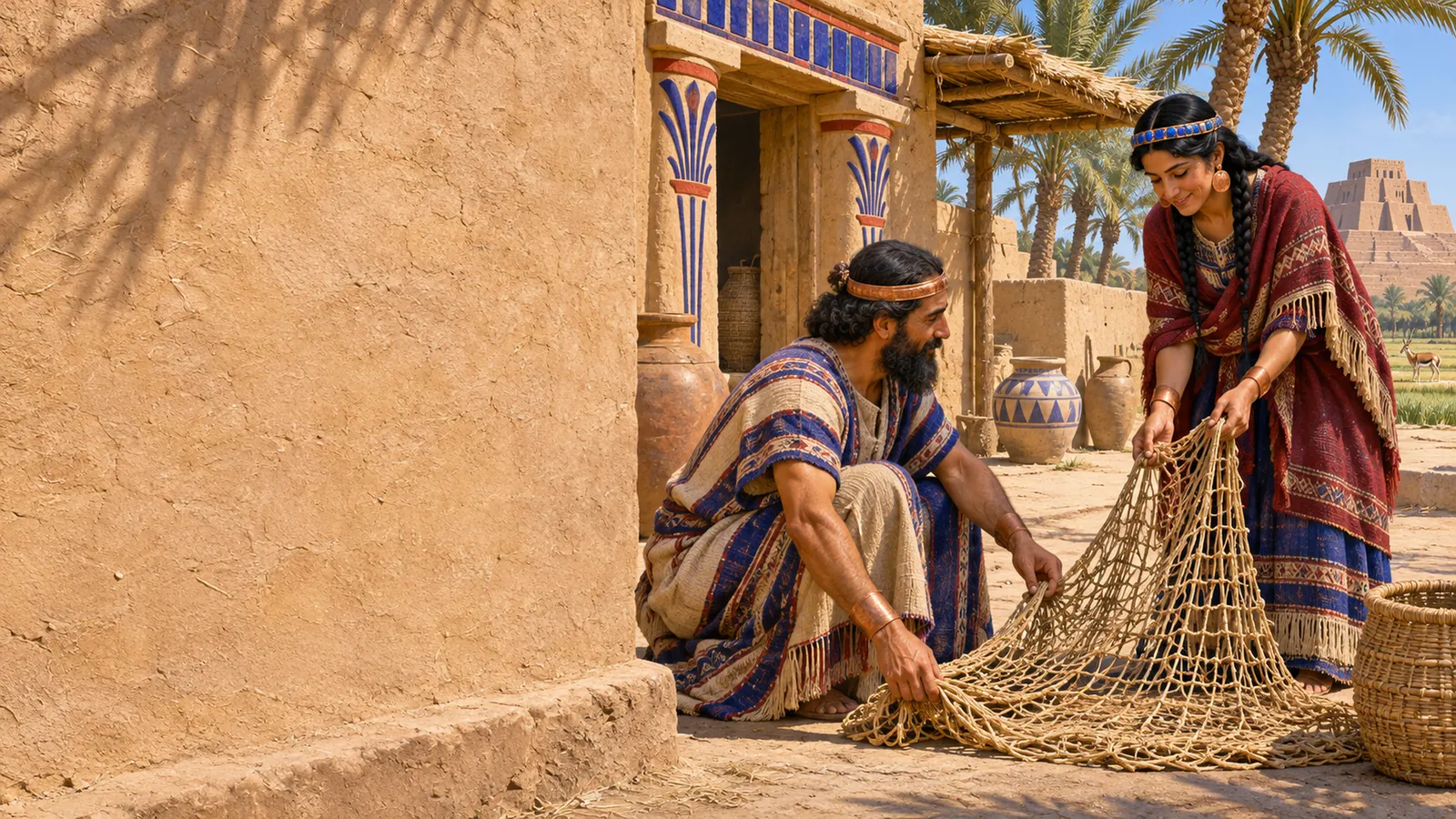
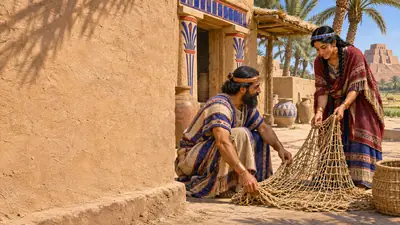
People set nets around the city and hunted gazelles. The singer describes a harsh hunt, then takes the story to the evening ration place.
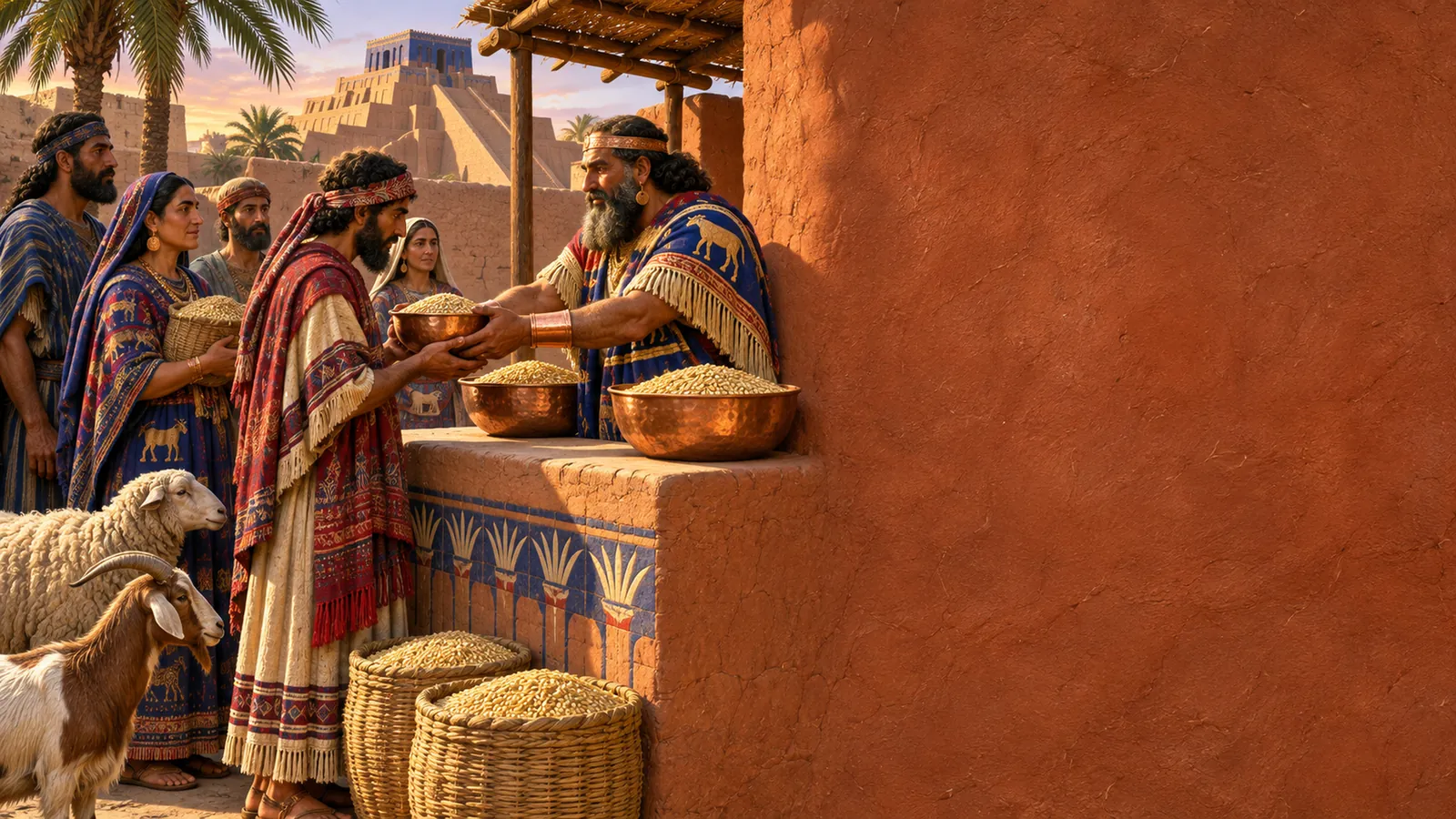
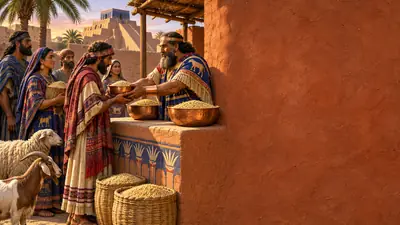
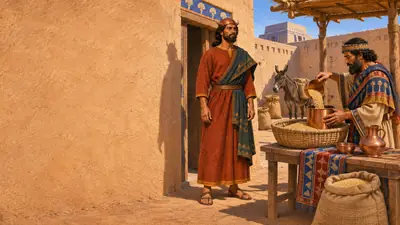
At the ration place, a single man received one share and a married man received two. A man with a child received three.
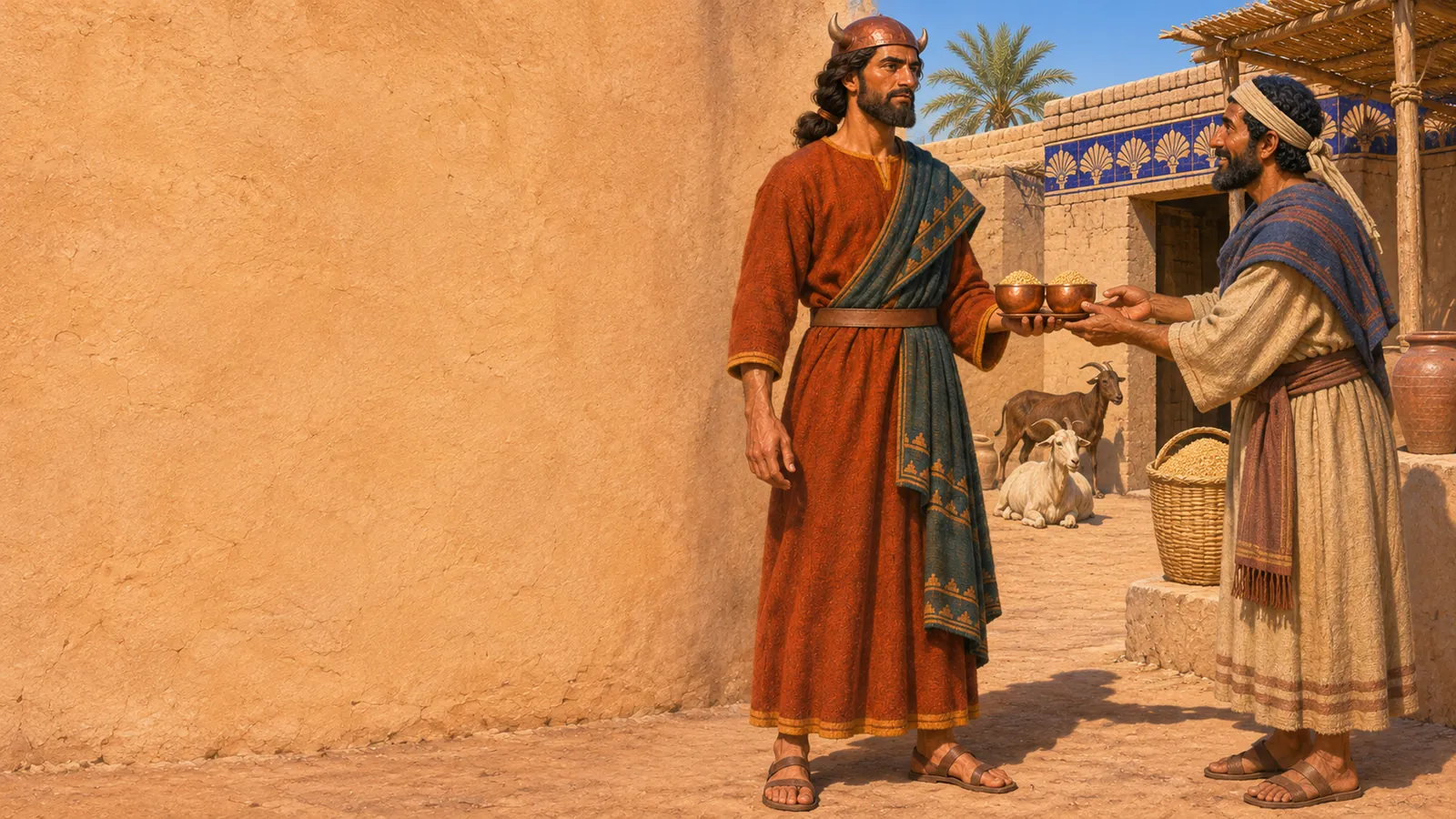
Martu was single, yet his share was set at two. The singer marks his exception before Martu goes home to speak with his mother.
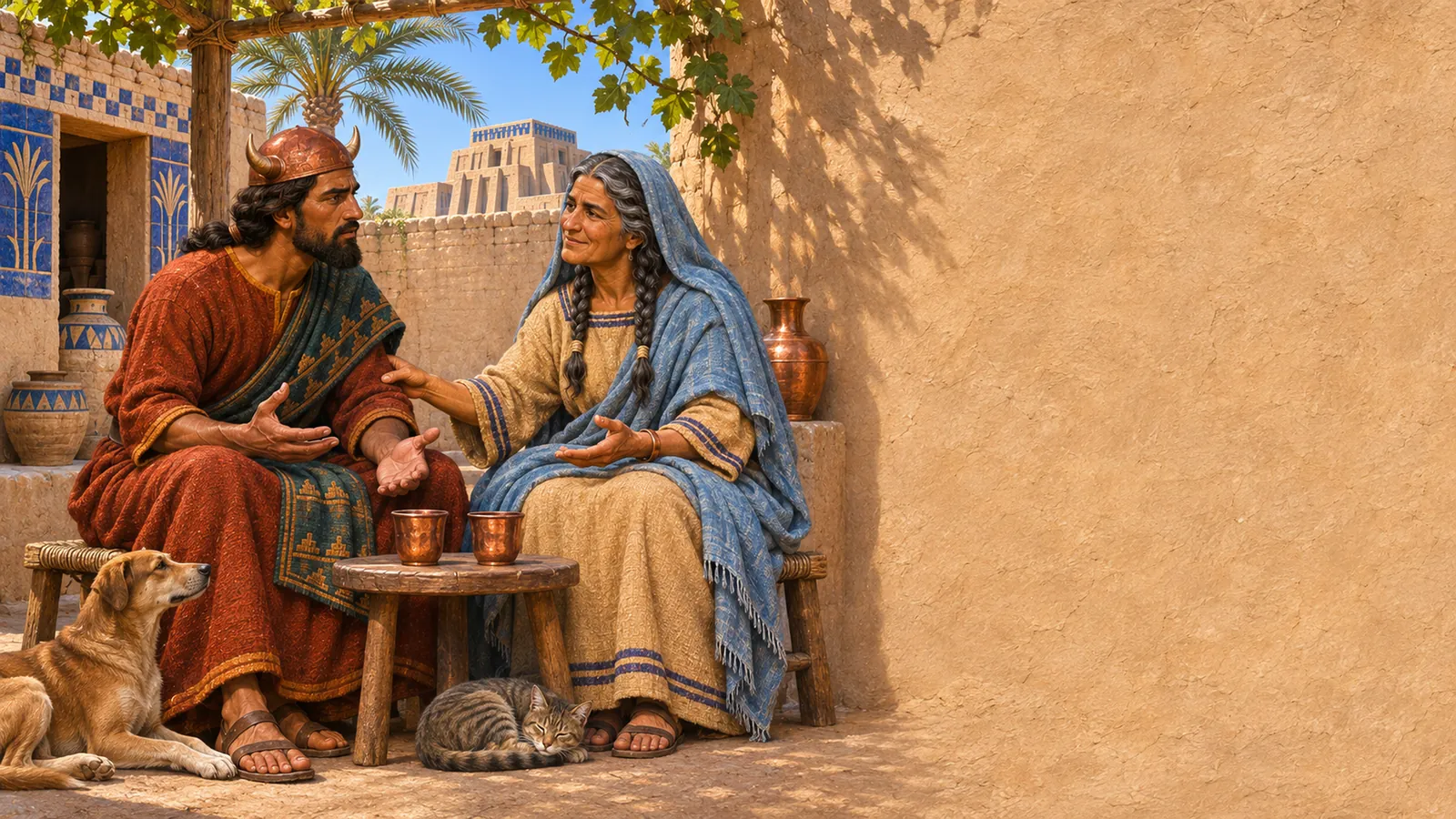
Martu tells his mother that his friends are married and have households of their own. He says he is still single and has no children.
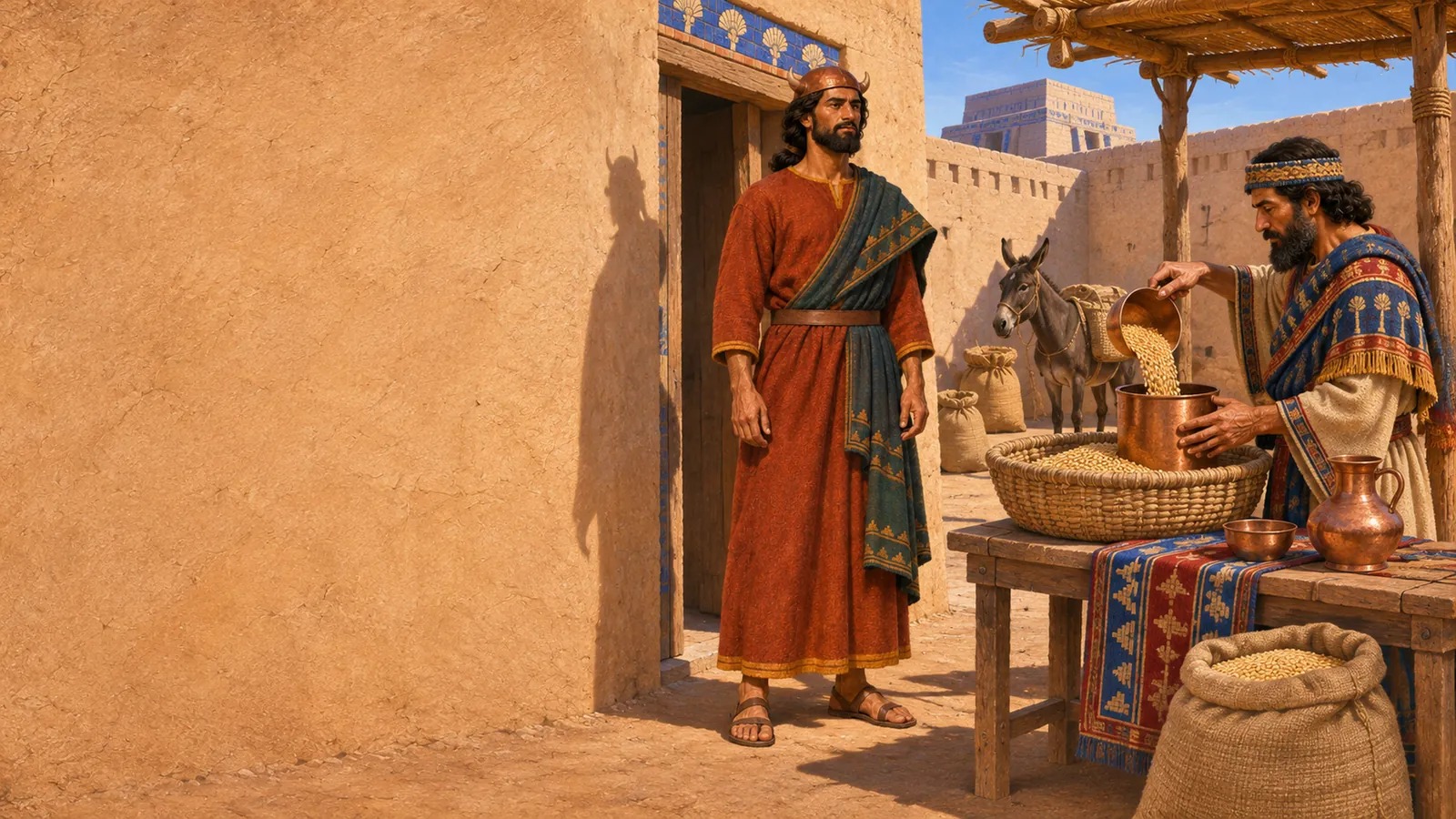
At evening the poem returns to the ration place. It repeats the household shares and again gives two to Martu, who is still unmarried.
MARTU
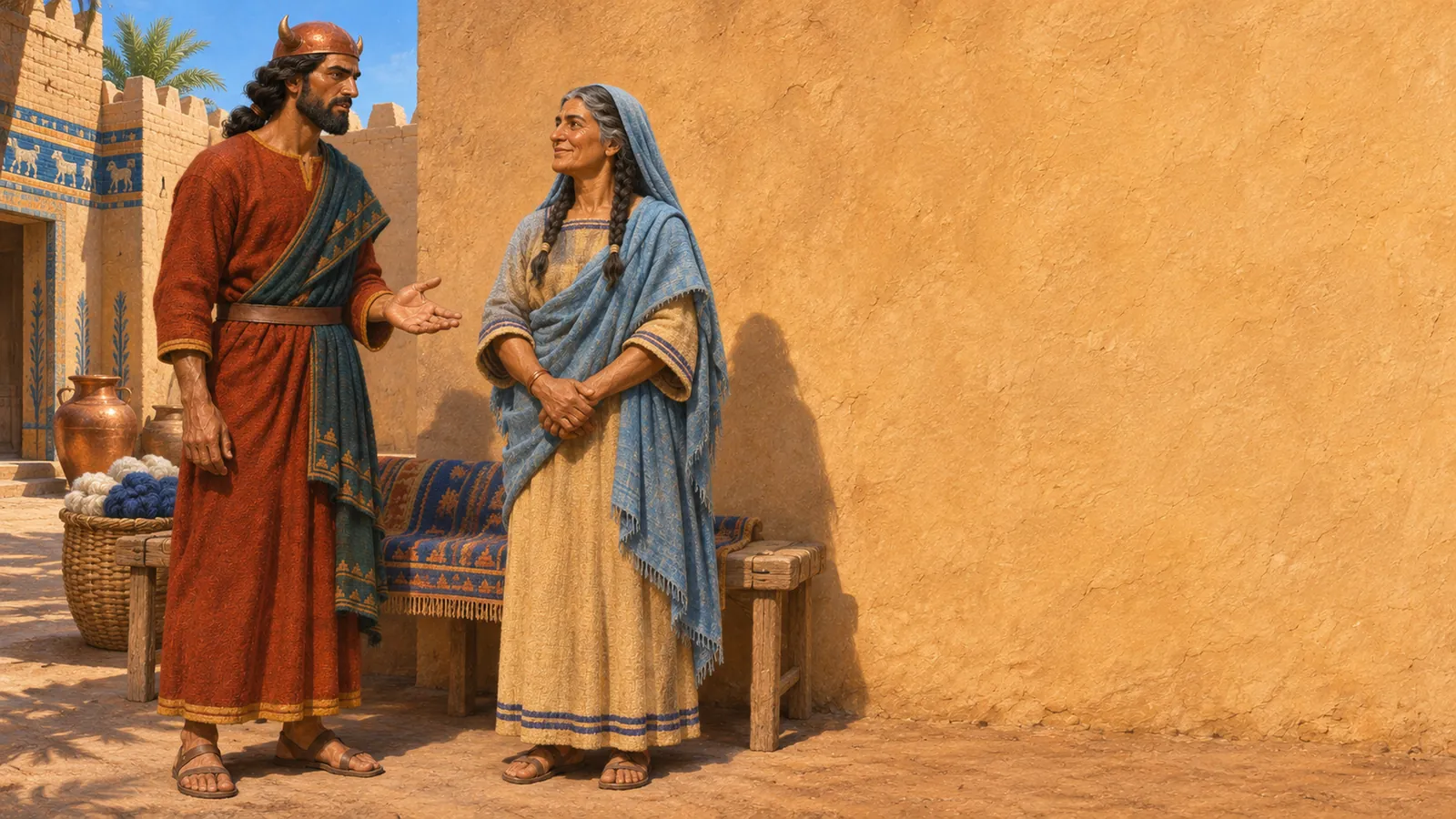
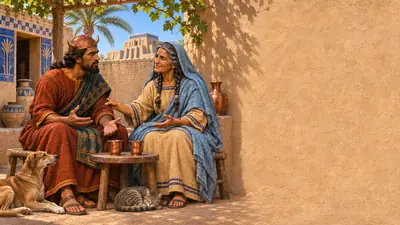
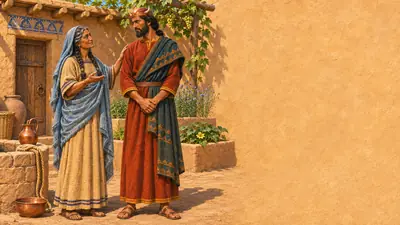
Martu asks his mother to find him a wife. He offers to bring his ration home to her if she helps.
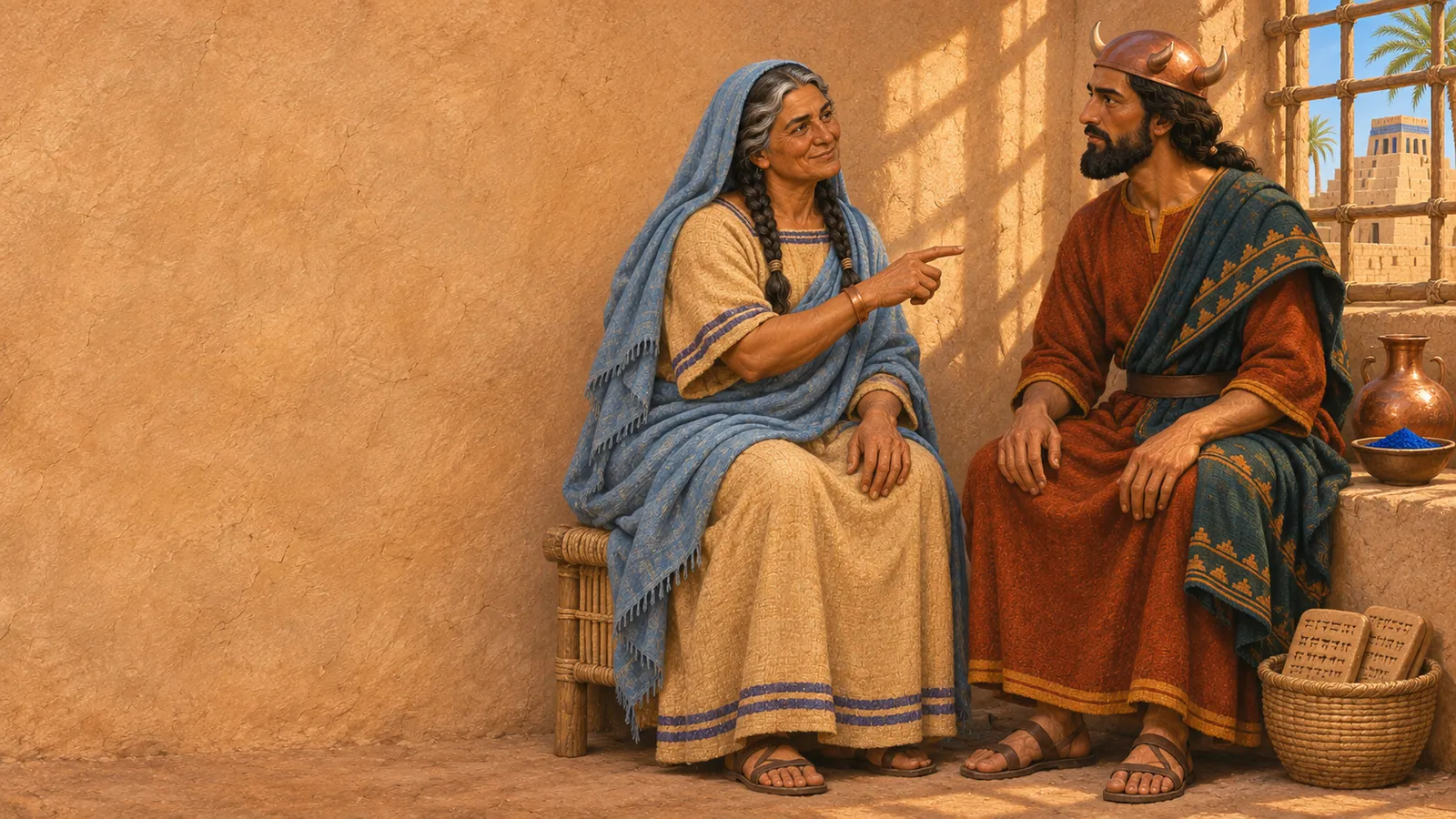
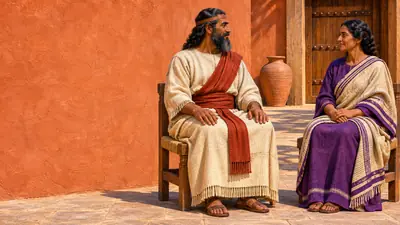
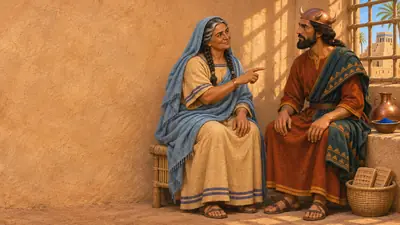
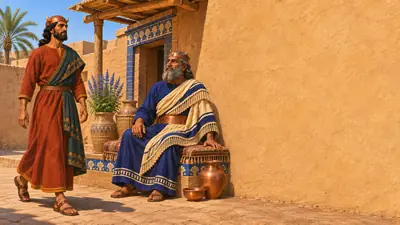
His mother calls him Su-henuna and asks him to listen carefully. She tells him to choose the woman his own heart desires.
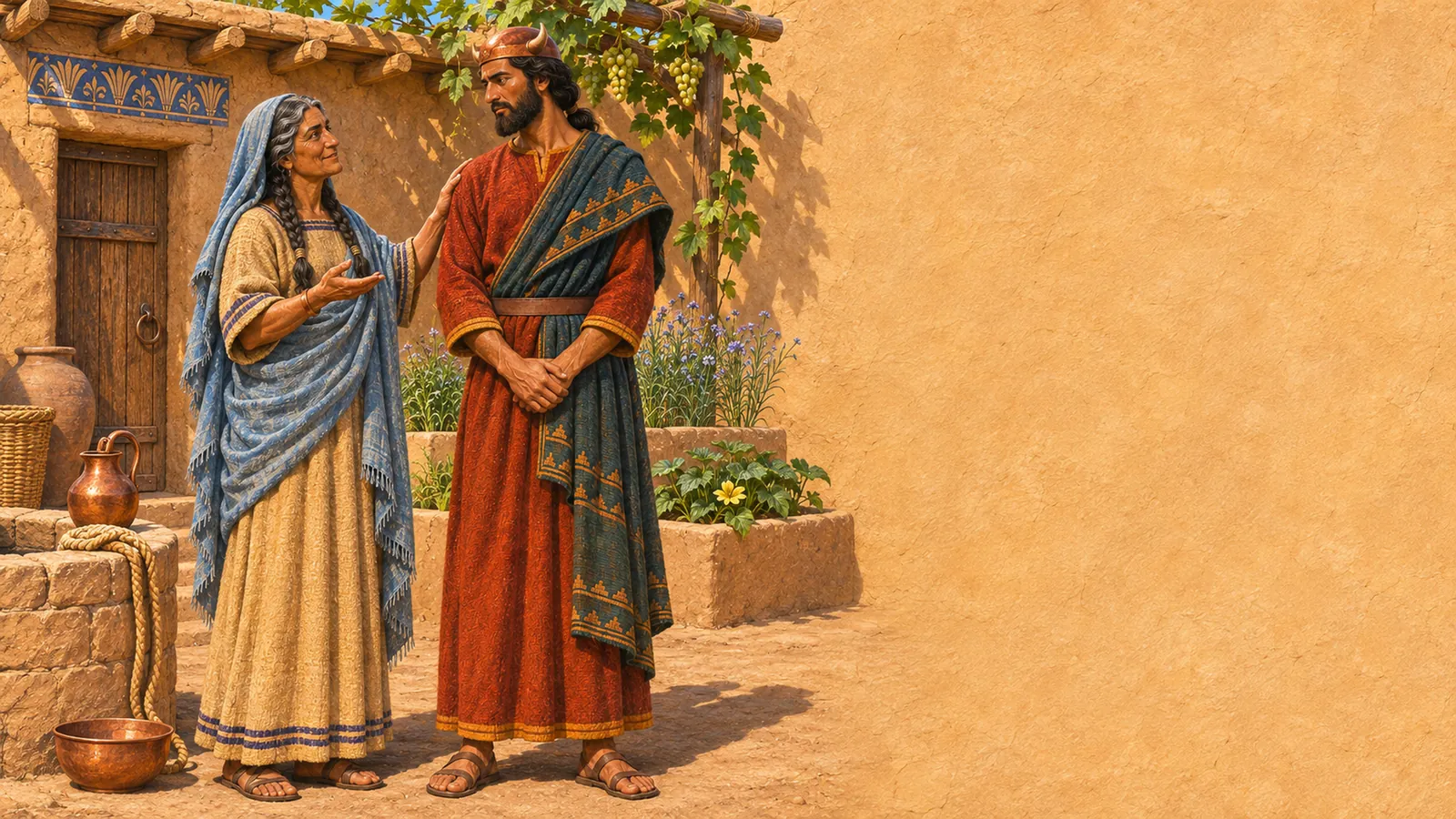
His mother asks for a companion in the household. The damaged end of her advice mentions houses, gardens and the digging of wells.
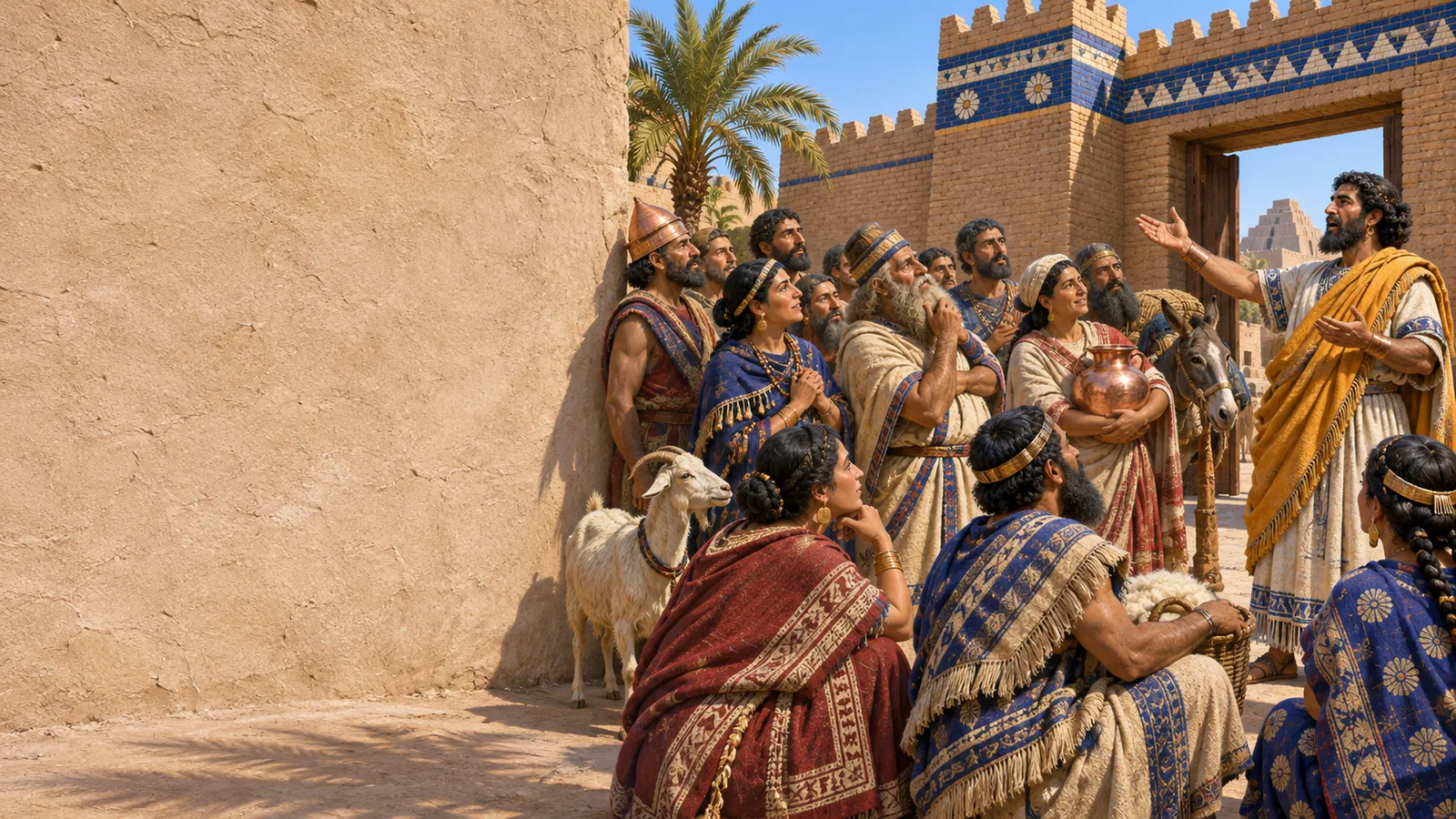
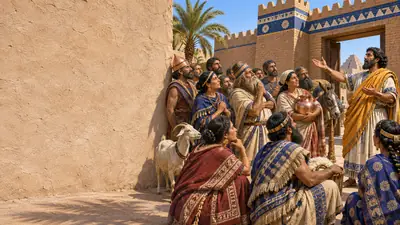
A festival is announced in Inab, and the poem repeats the announcement. A public celebration gives Martu and his friends somewhere to go.
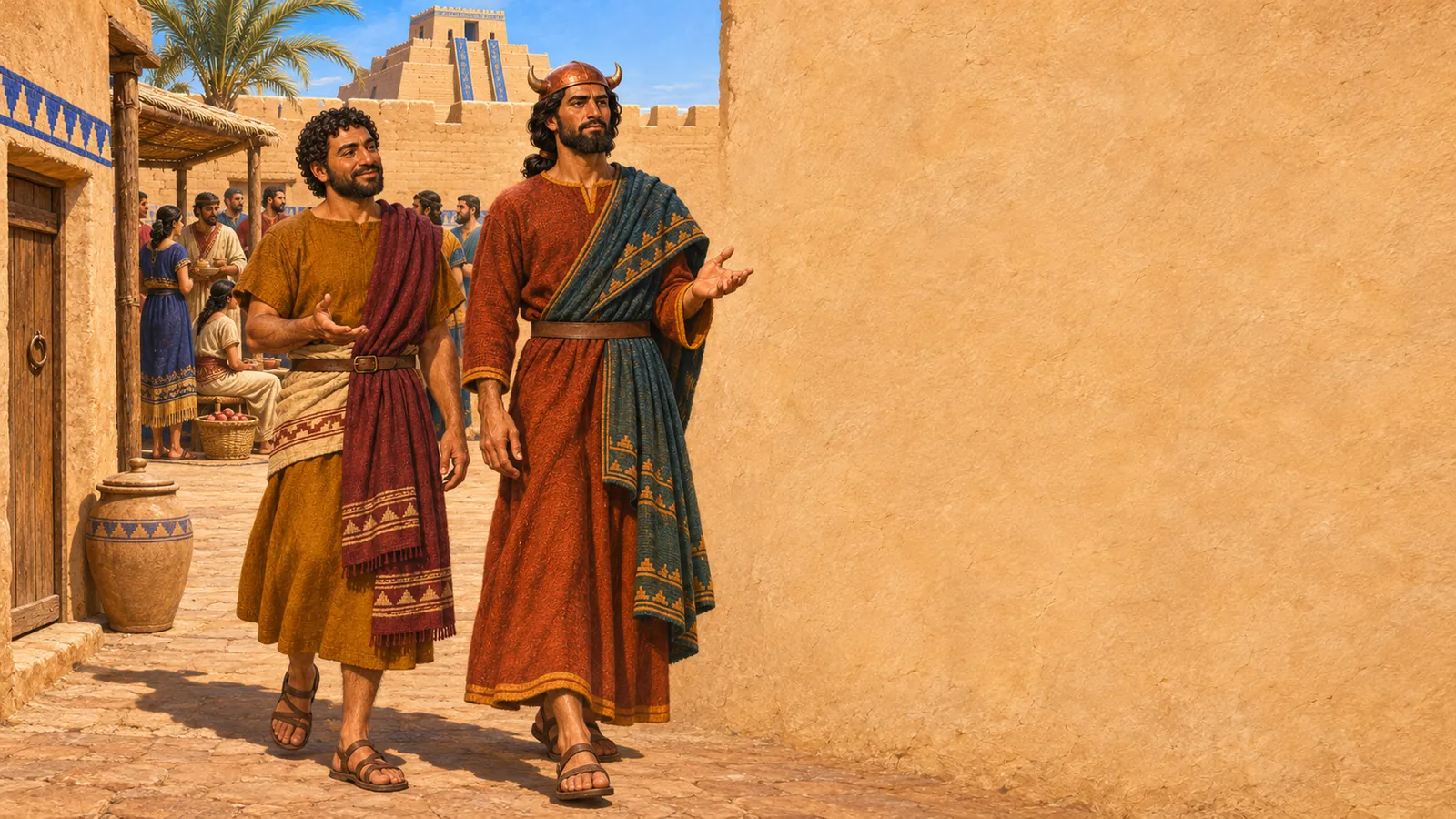
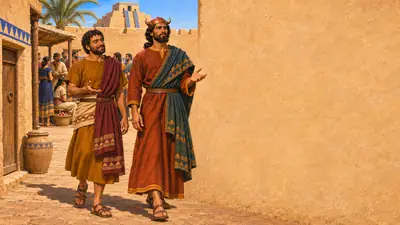
Martu calls for his friends to go with him. He proposes they visit the ale houses of Inab as the festival gets under way.
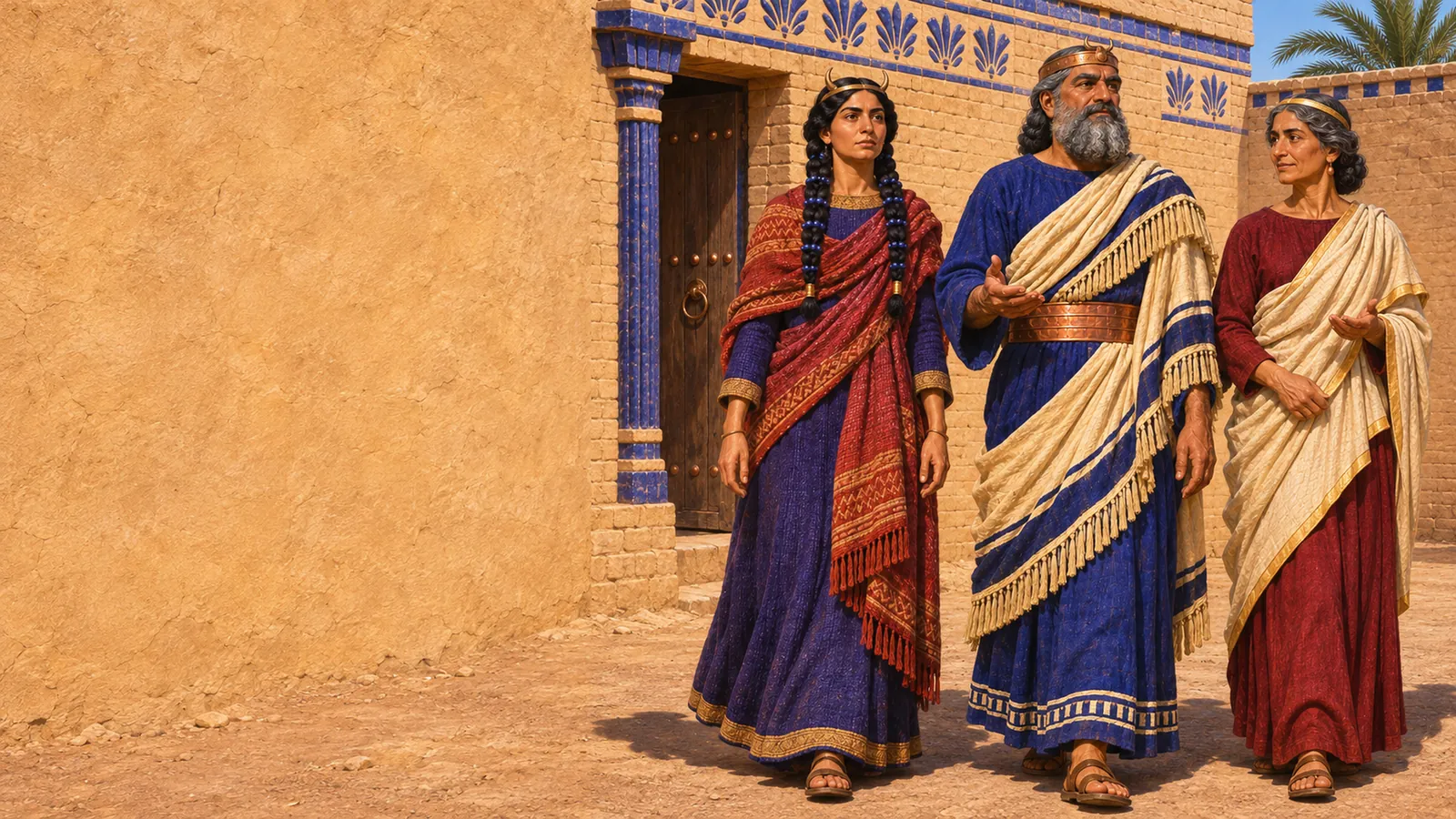
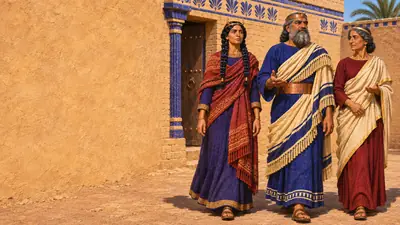
Numushda comes to the festival. The singer names his wife Namrat and his beloved daughter Adgar-kidug, who both take part.
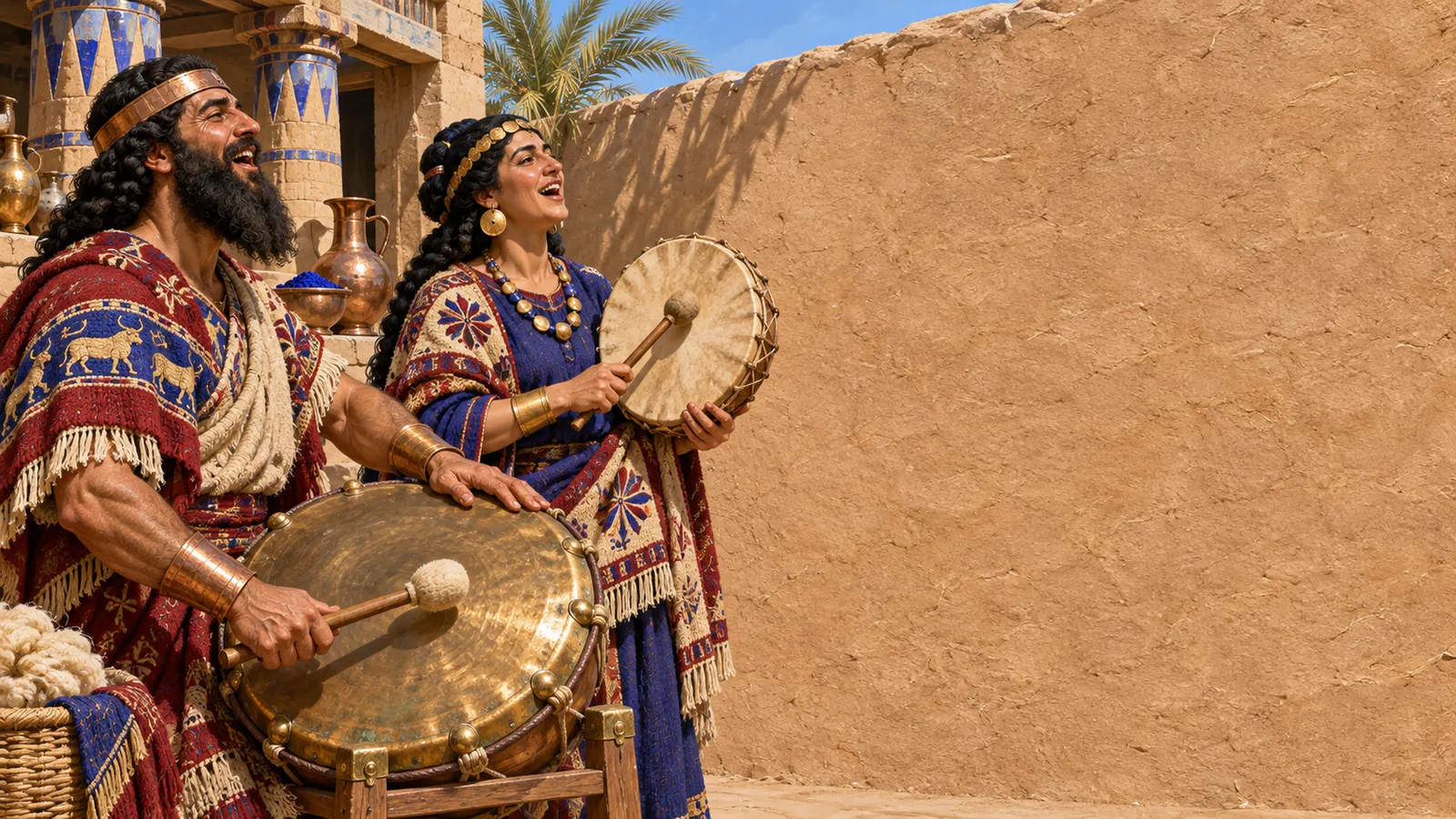
FESTIVAL
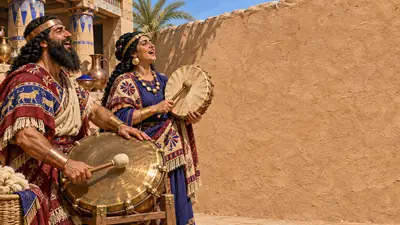
The bronze shem drums rumble through Inab. The poem marks the sound of seven ala drums as the champions prepare to enter.
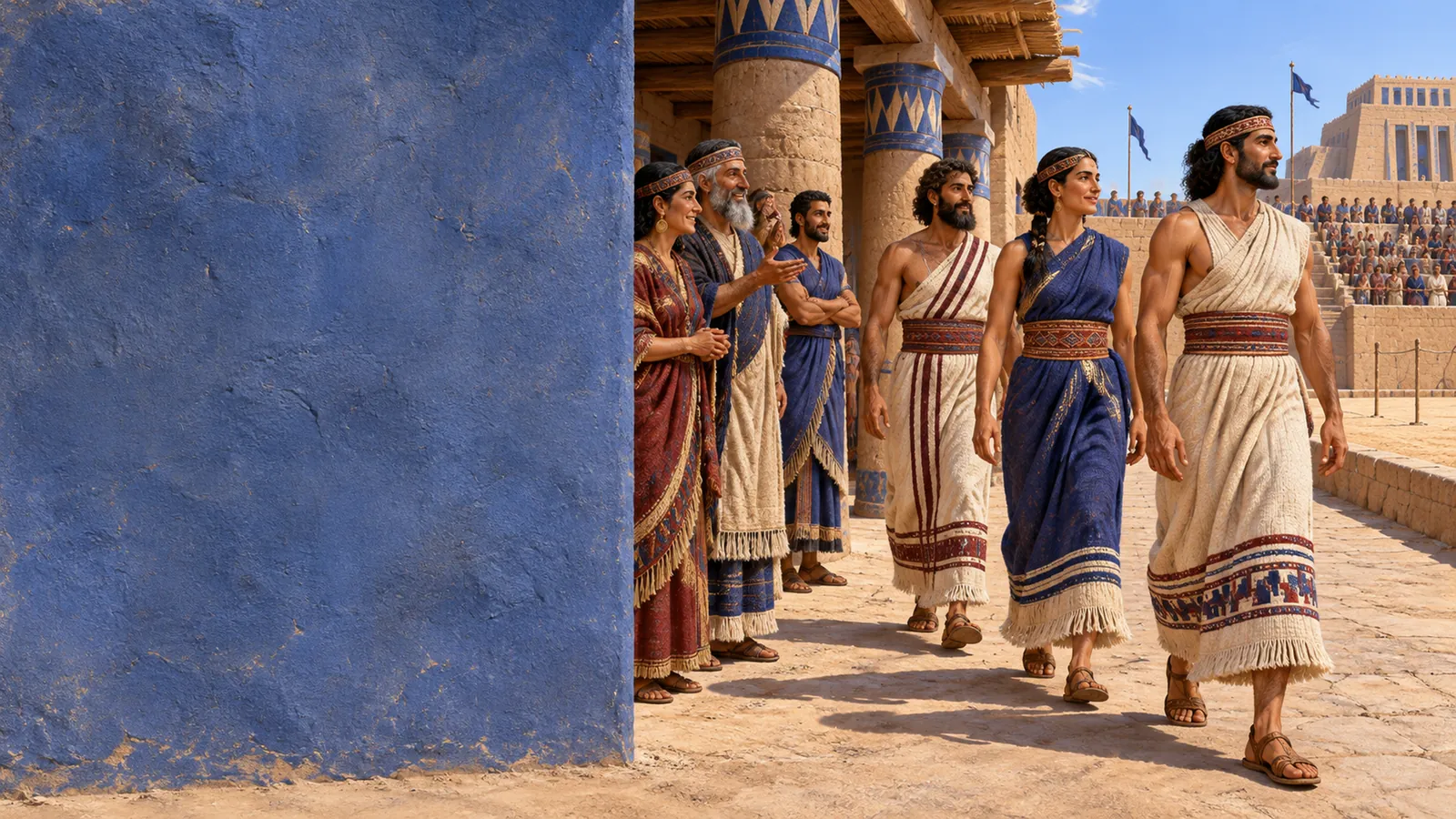
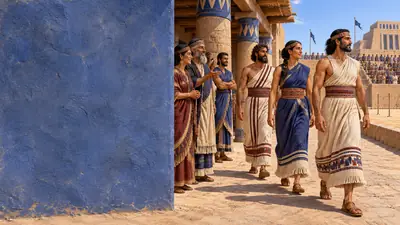
Strong men bind on their competition belts and enter the wrestling house for Numushda. People arrive from all around to watch the festival.
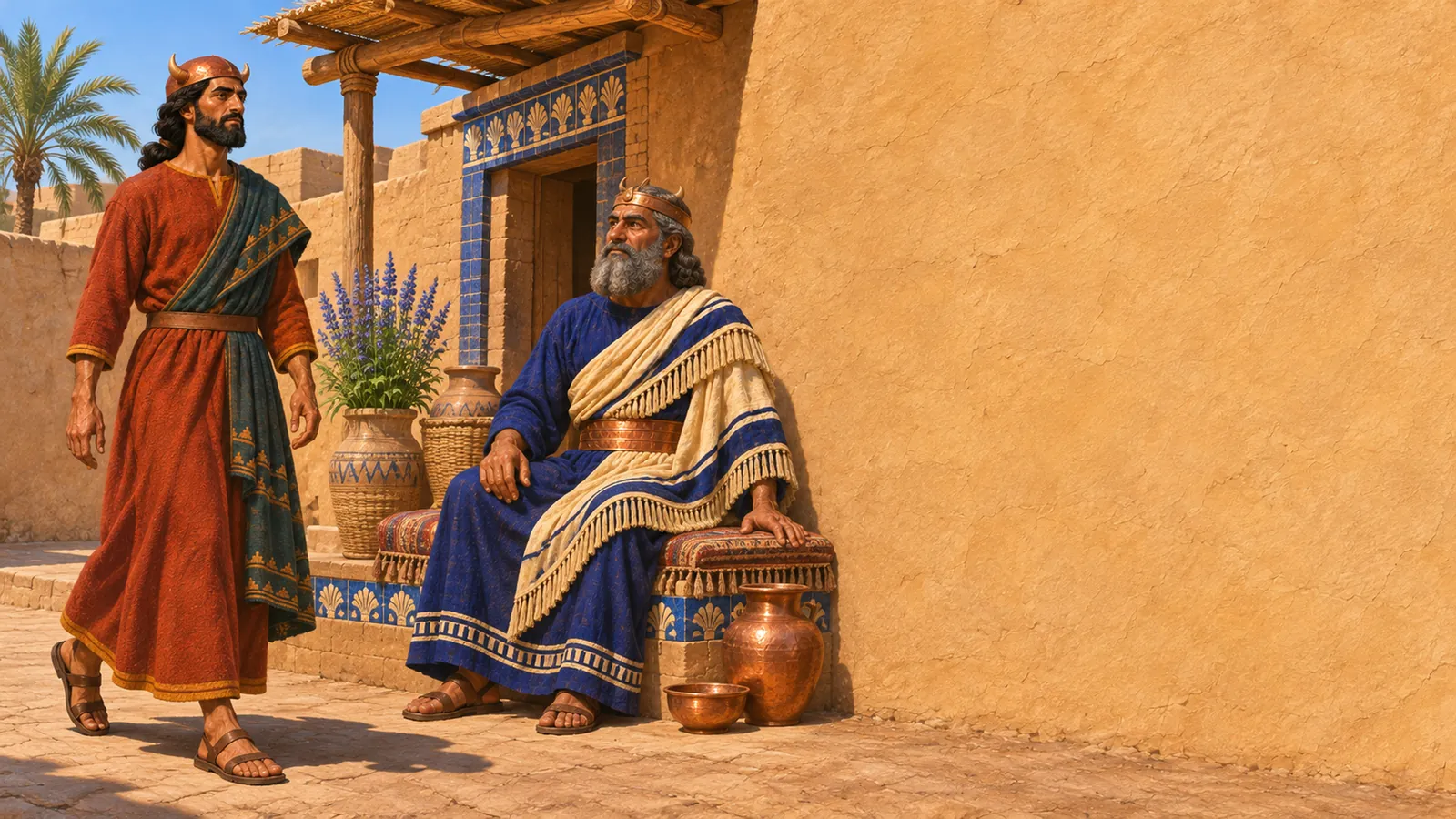
Martu strides around the great courtyard near Inab’s gate. He joins the contest held for Numushda as the festival’s challengers wait.
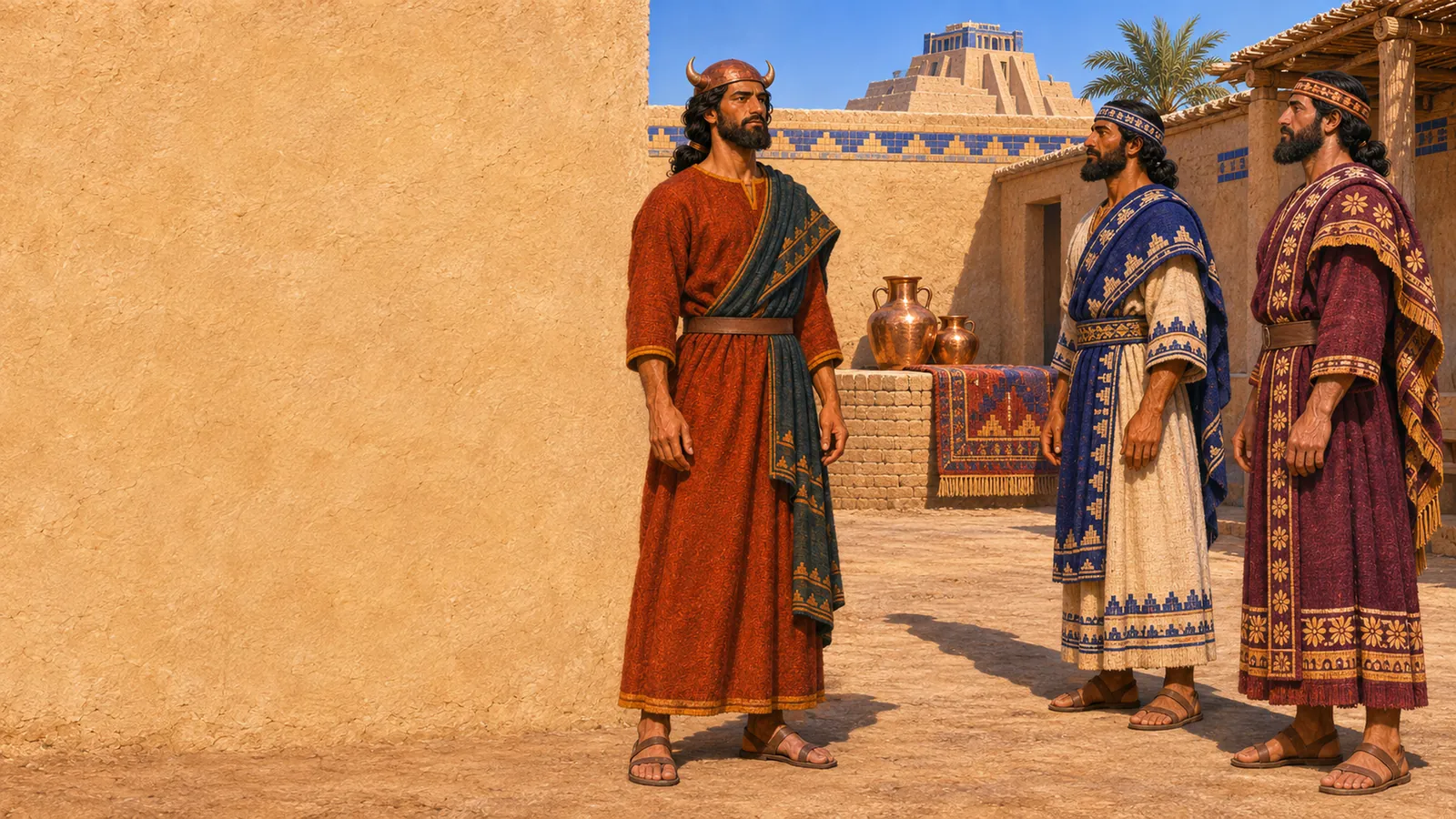
The people keep looking for strong men to face Martu. He circles the courtyard as they bring one challenger after another.
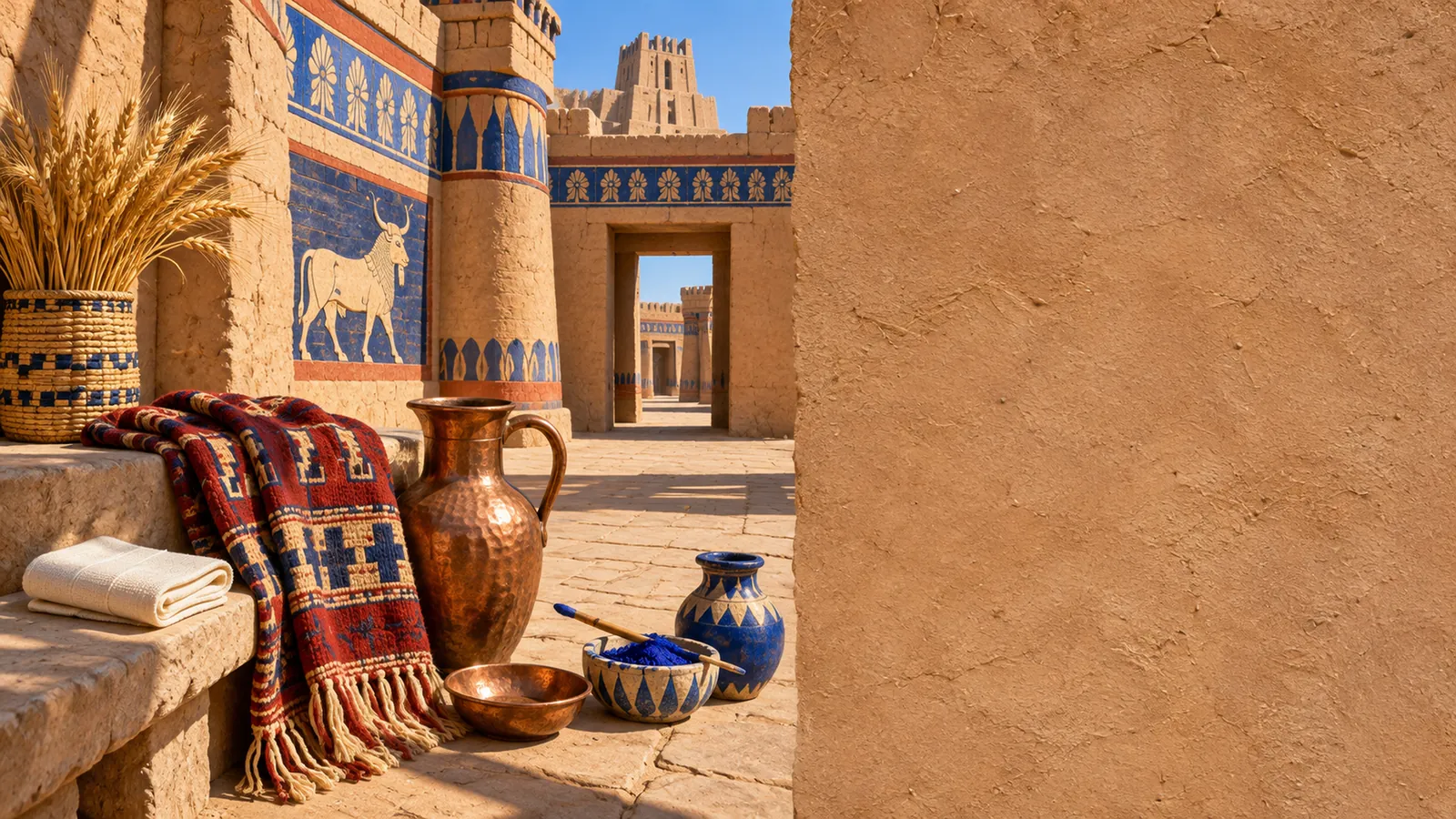
The song says that some of the men had to be bandaged. It also speaks of the dead being lifted from the court.
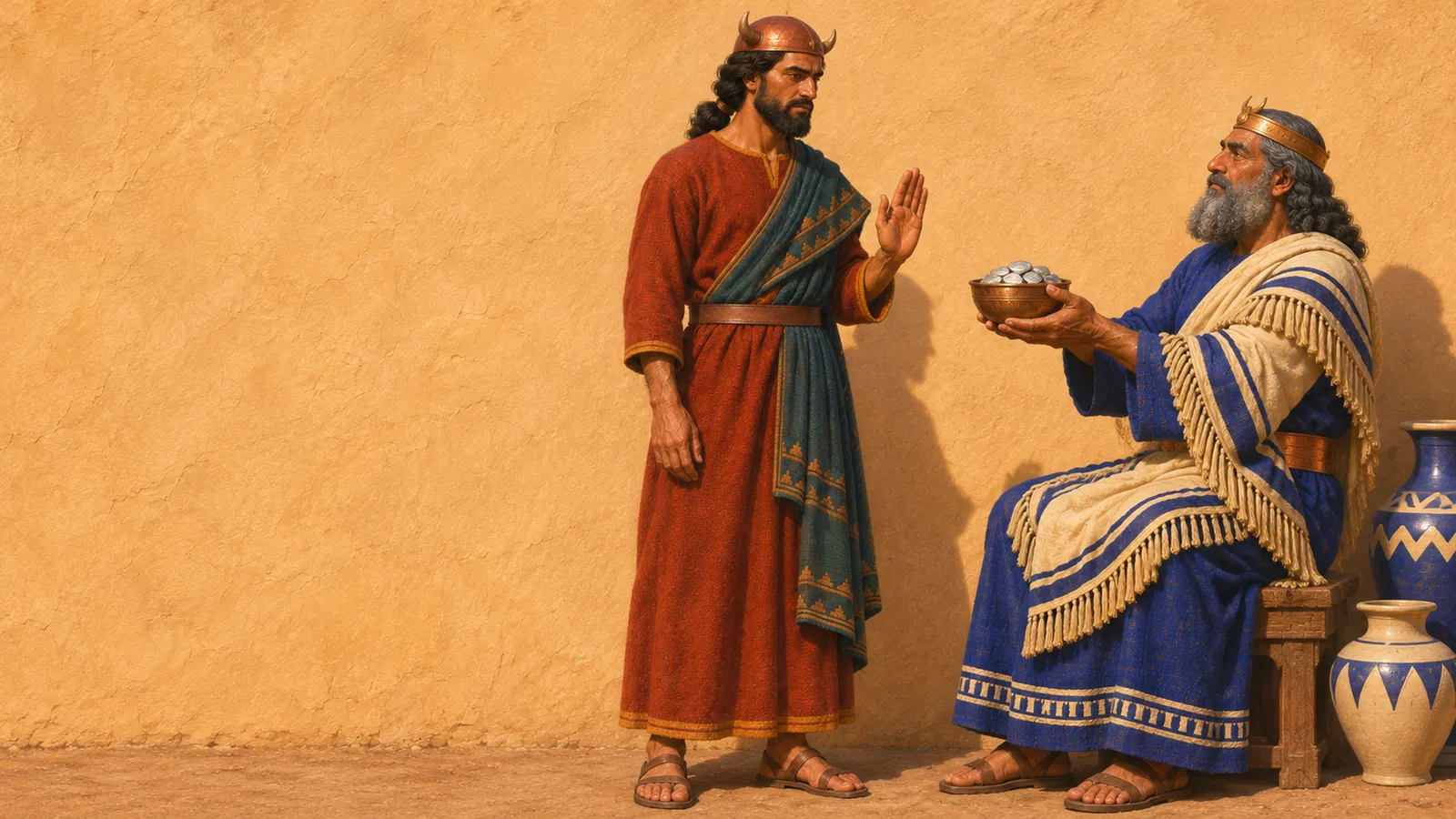
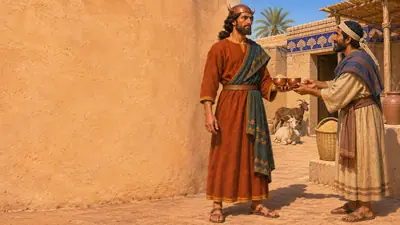
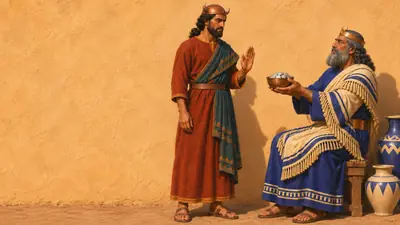
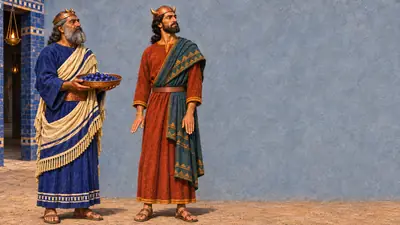
Numushda is pleased by Martu’s performance at the festival. He offers him silver, and Martu turns down the gift.
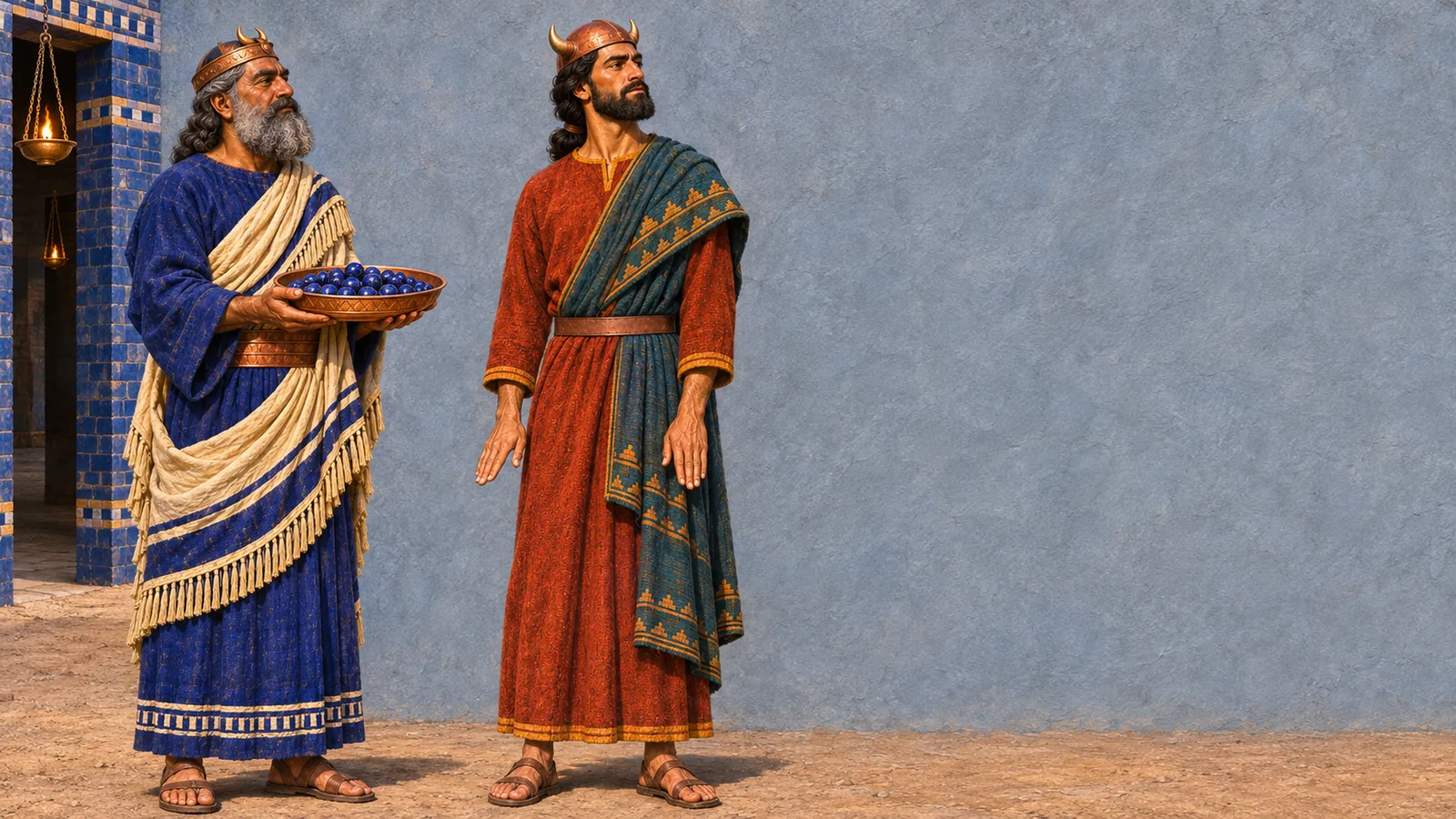
Numushda offers jewels as well as silver. Martu refuses them as the offer is made again, and asks what these riches could bring him.
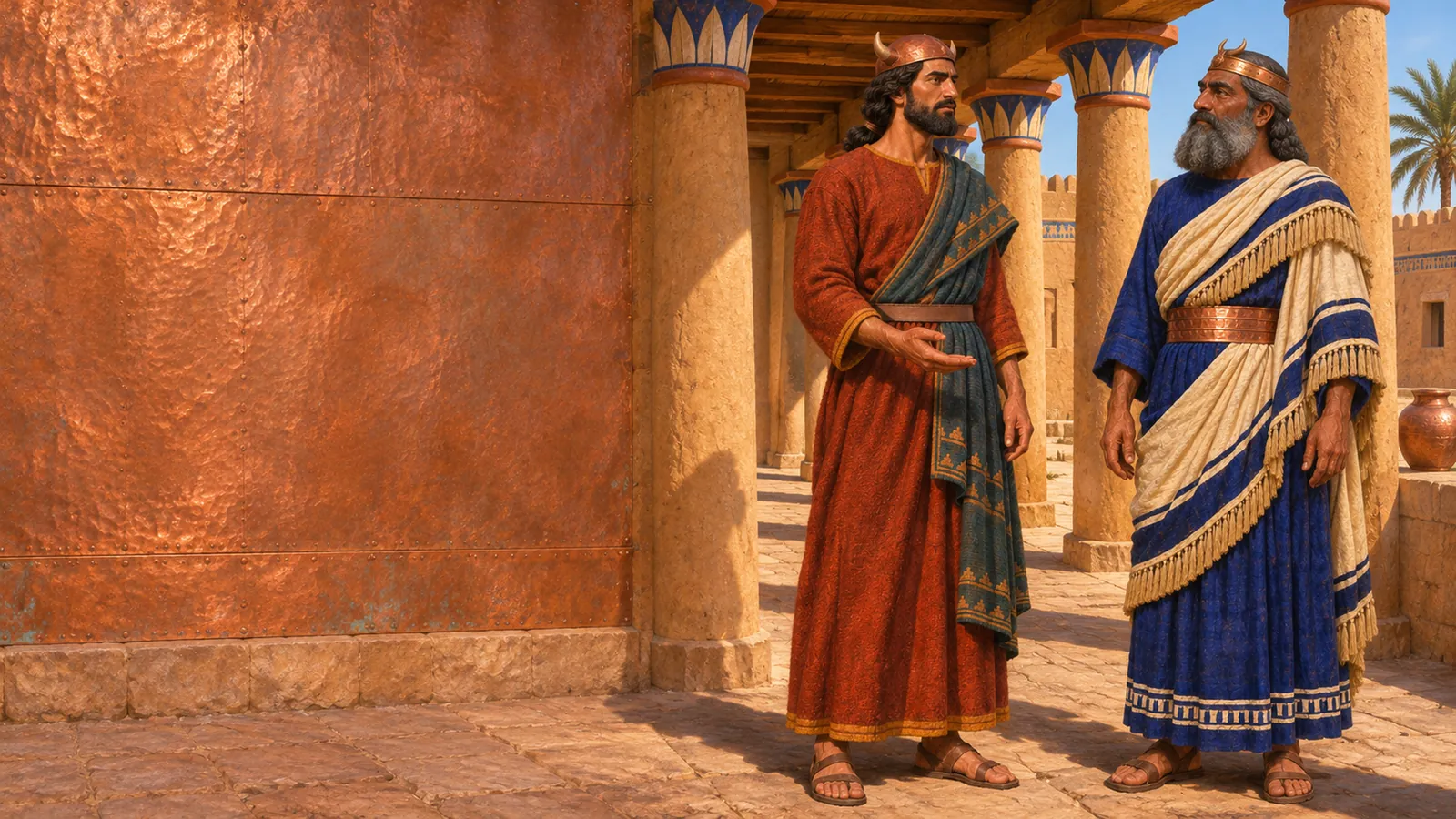
THE PROPOSAL
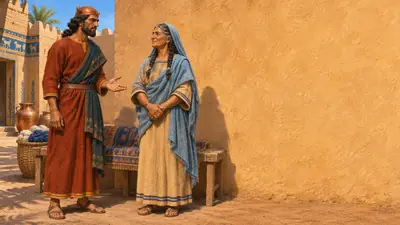
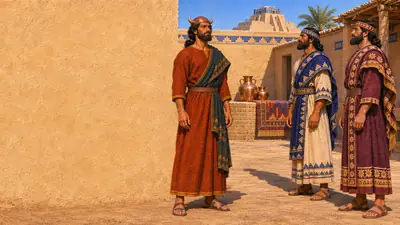
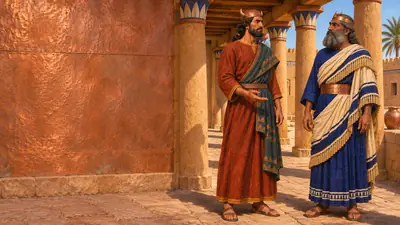
Martu tells Numushda what he wants. He asks to marry Adgar-kidug, the daughter who has taken part in the festival.
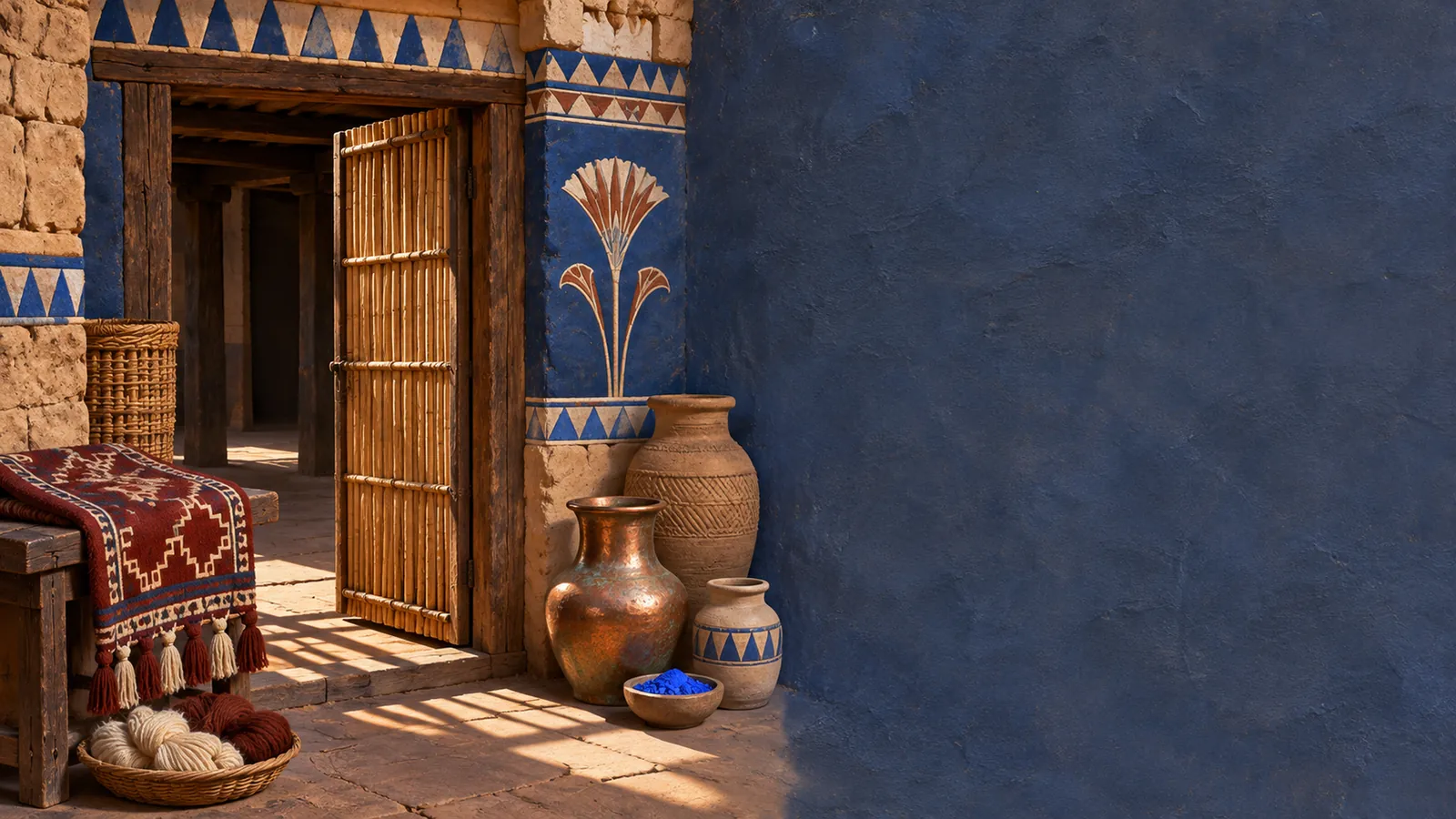
Several lines are lost after the proposal. When the words become clear again, Numushda is setting out the terms of the marriage.
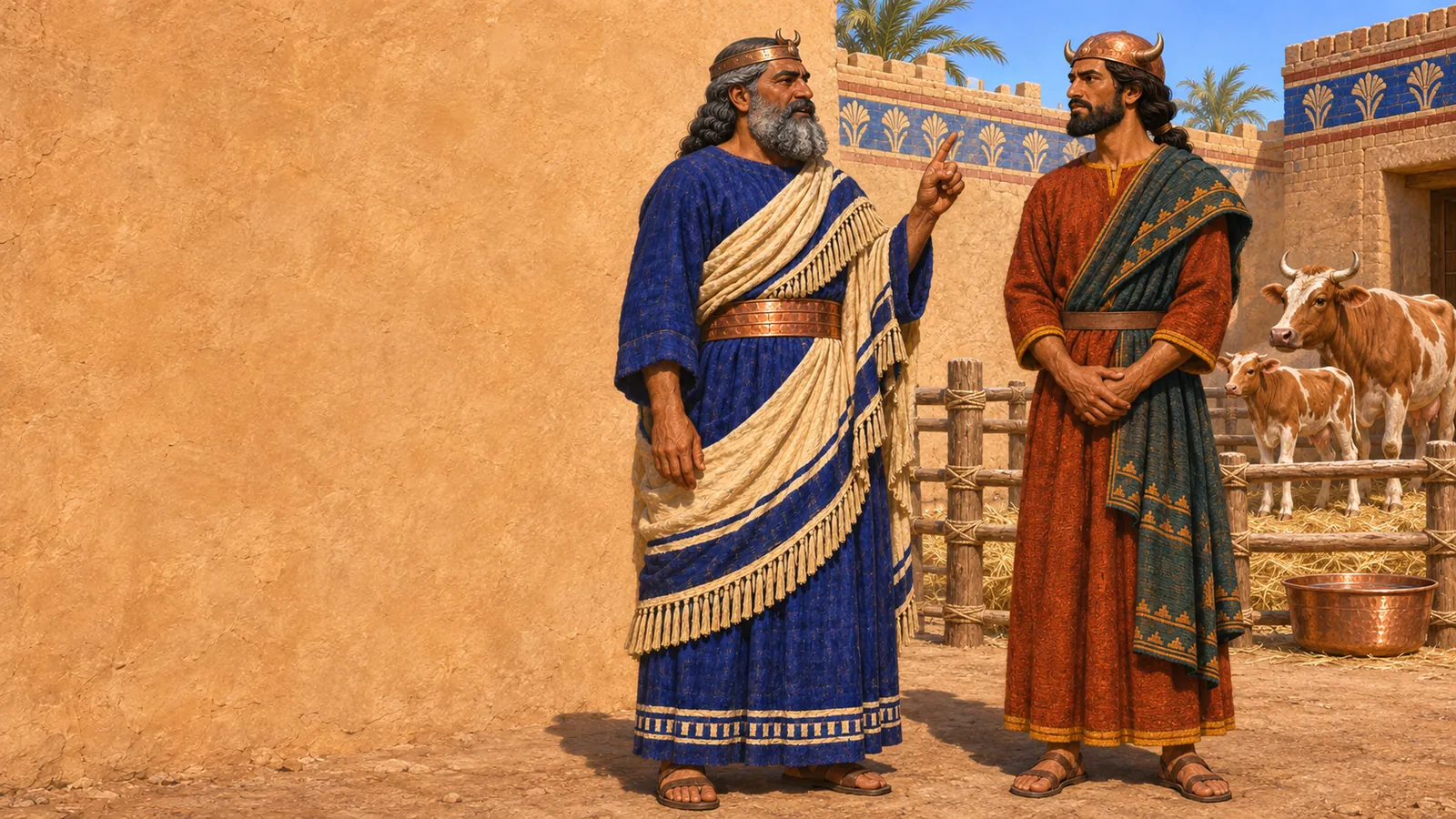
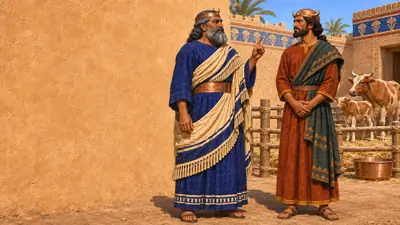
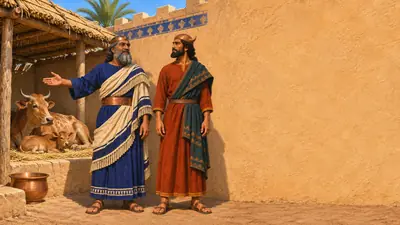
Numushda begins with calves as a marriage gift. The wording is damaged, but the song clearly says that the cows will feed them.
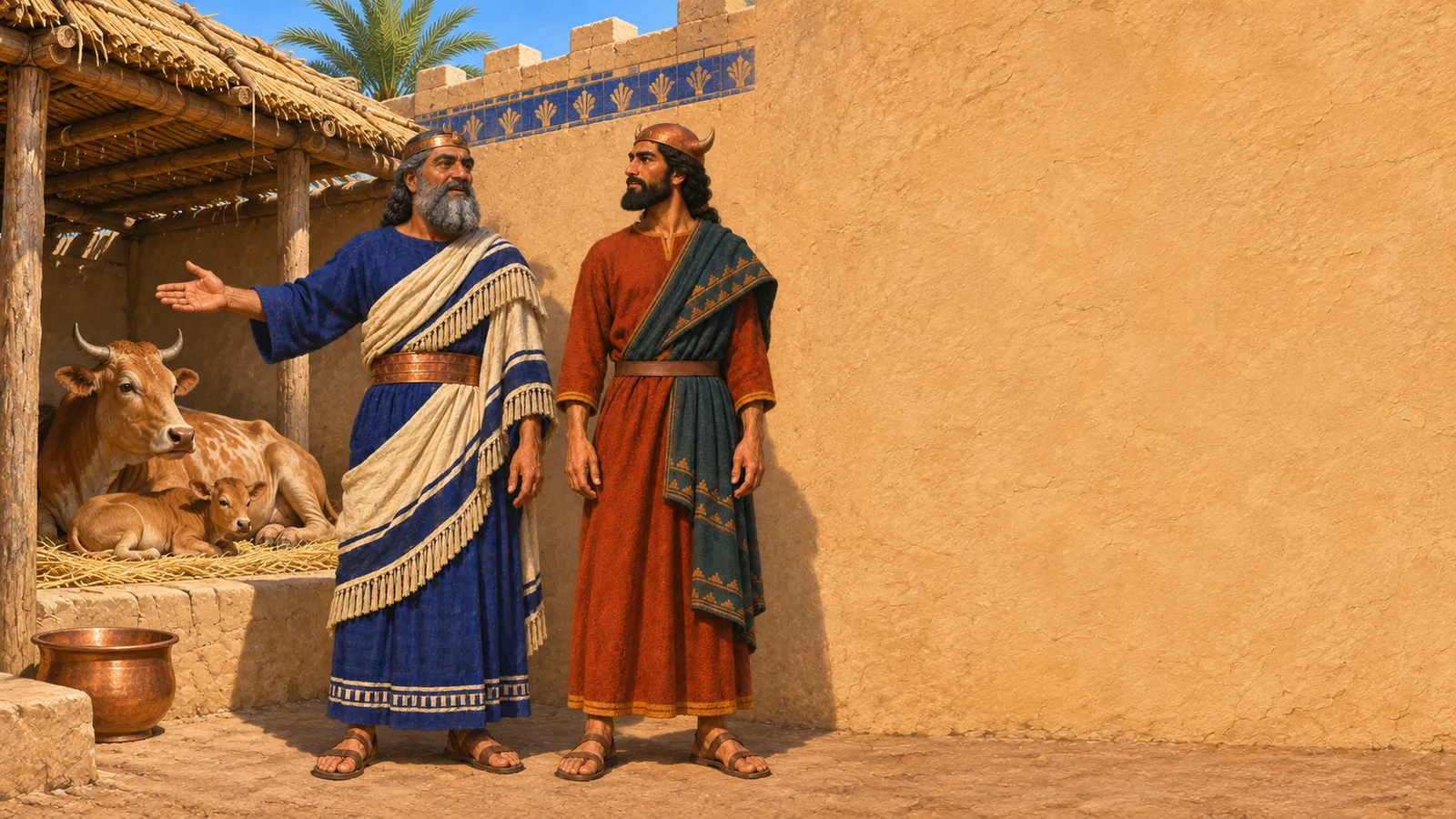
Numushda describes the cattle in their byre, with the calves to the right. He asks Martu to give his word on the terms.
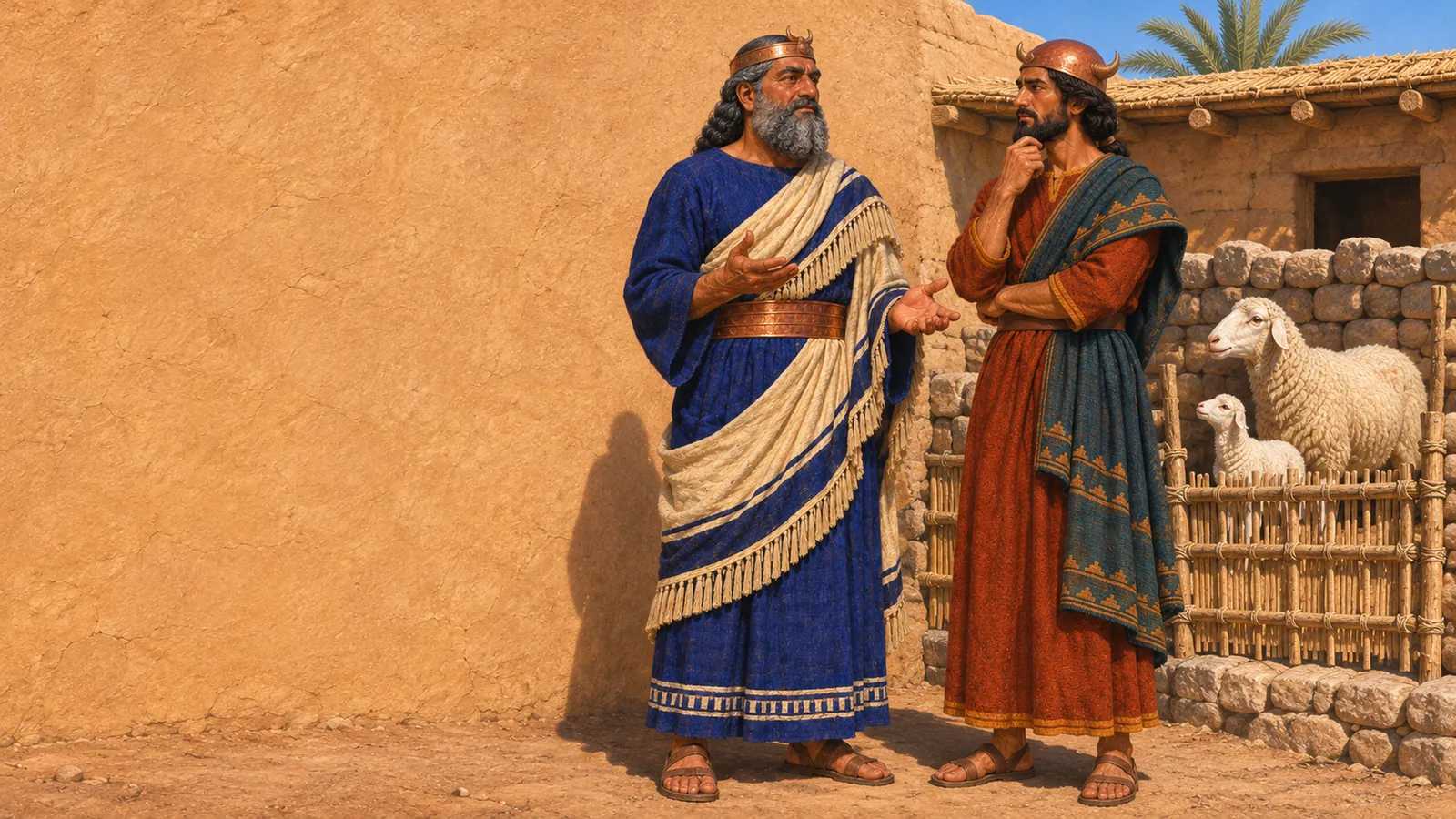
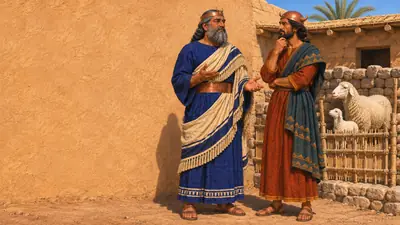
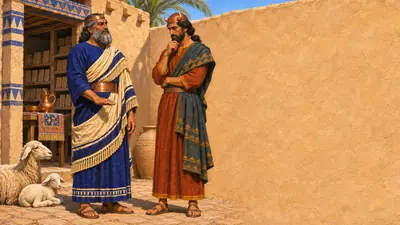
The next condition names lambs as part of the marriage gift. Numushda says that their mothers will feed them in the fold.
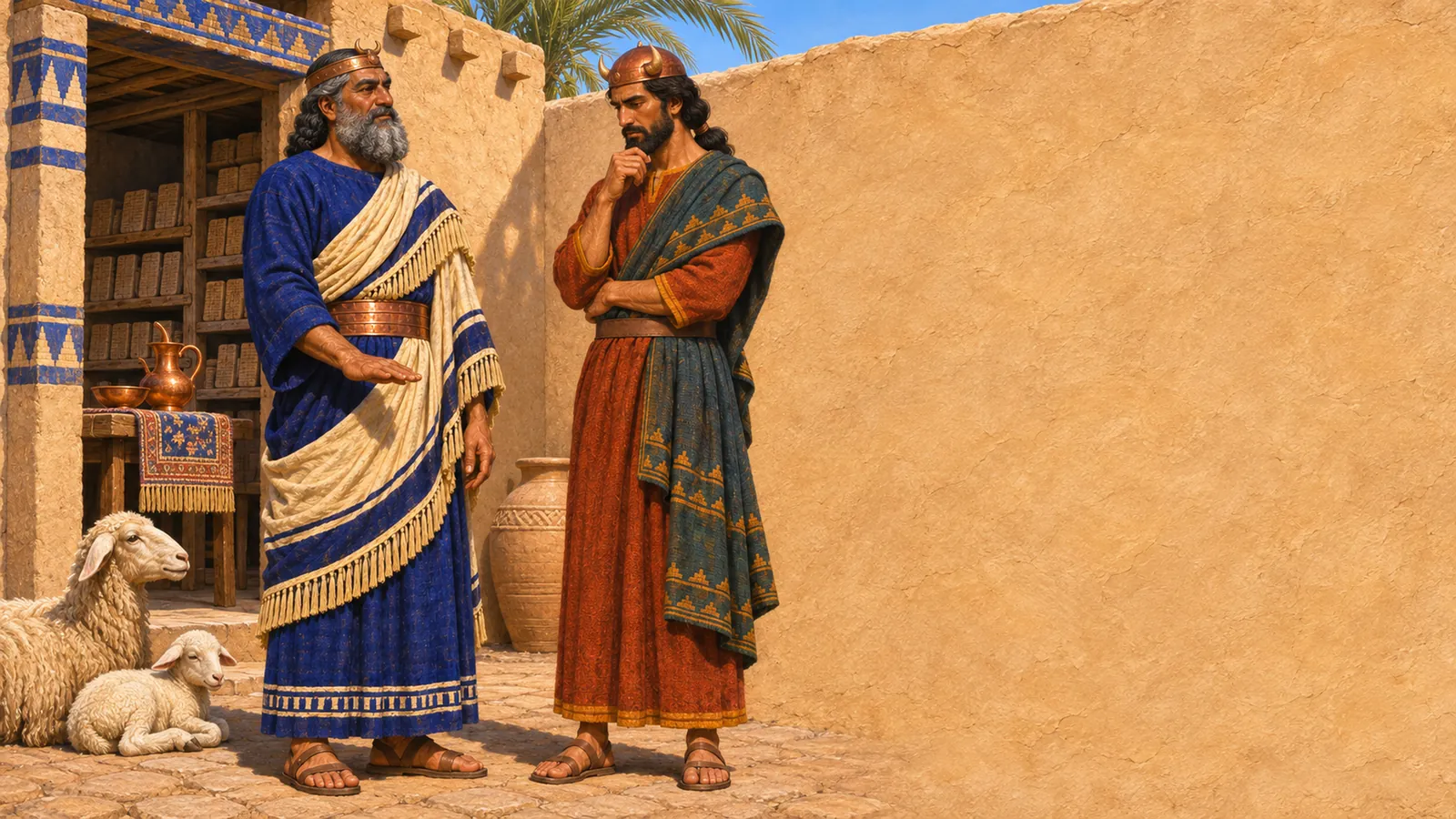
The lambs are to stay to the left of the ewes. Numushda repeats that he will give his daughter in marriage once Martu pledges his word.
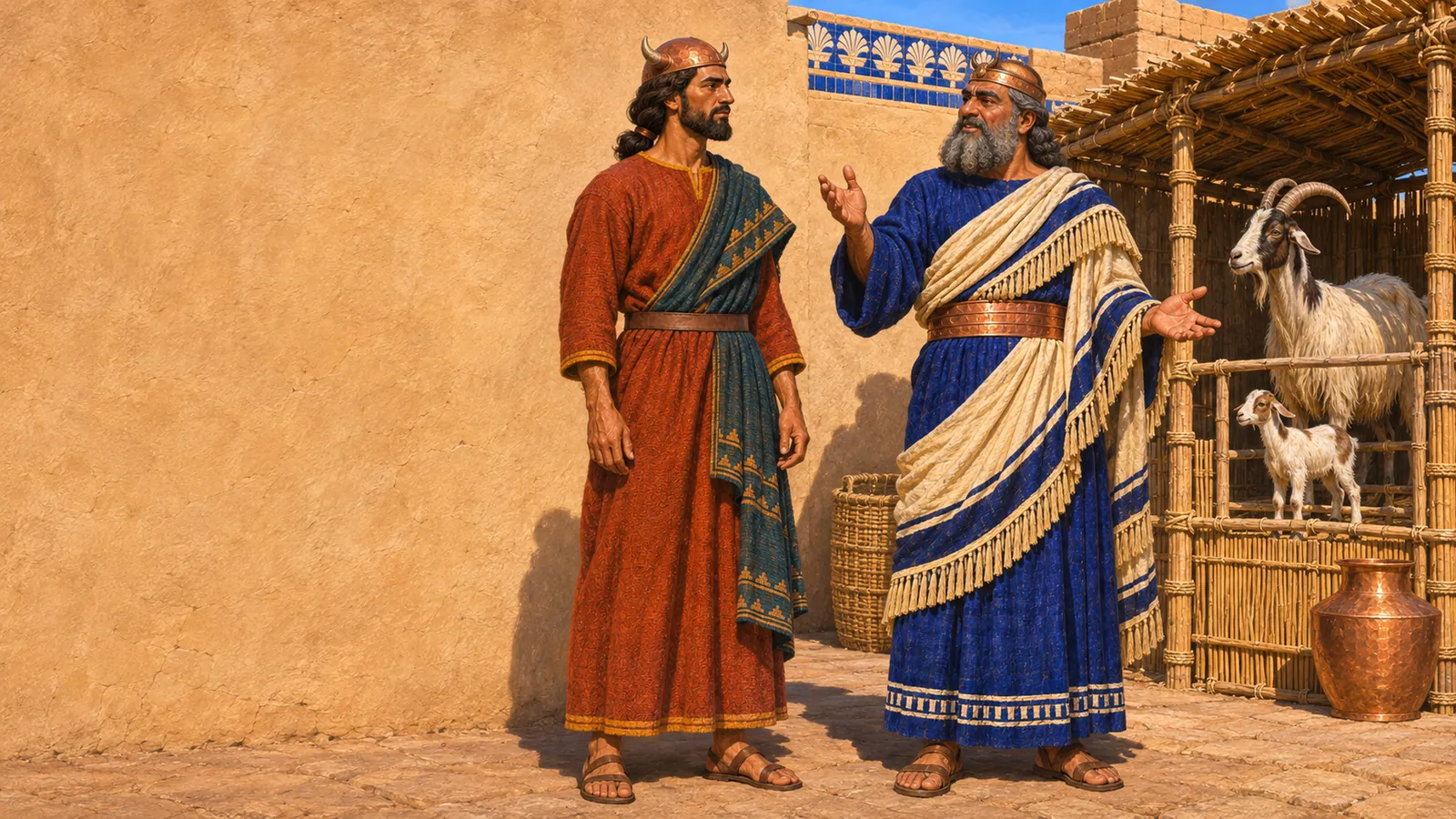
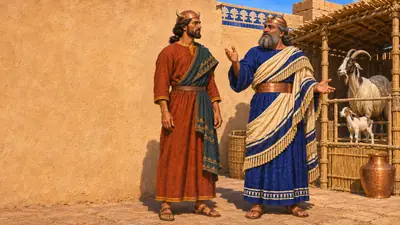
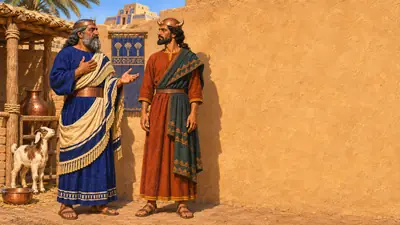
Numushda turns at last to young goats. The terms describe goats feeding their kids, in a stall whose description is partly lost.
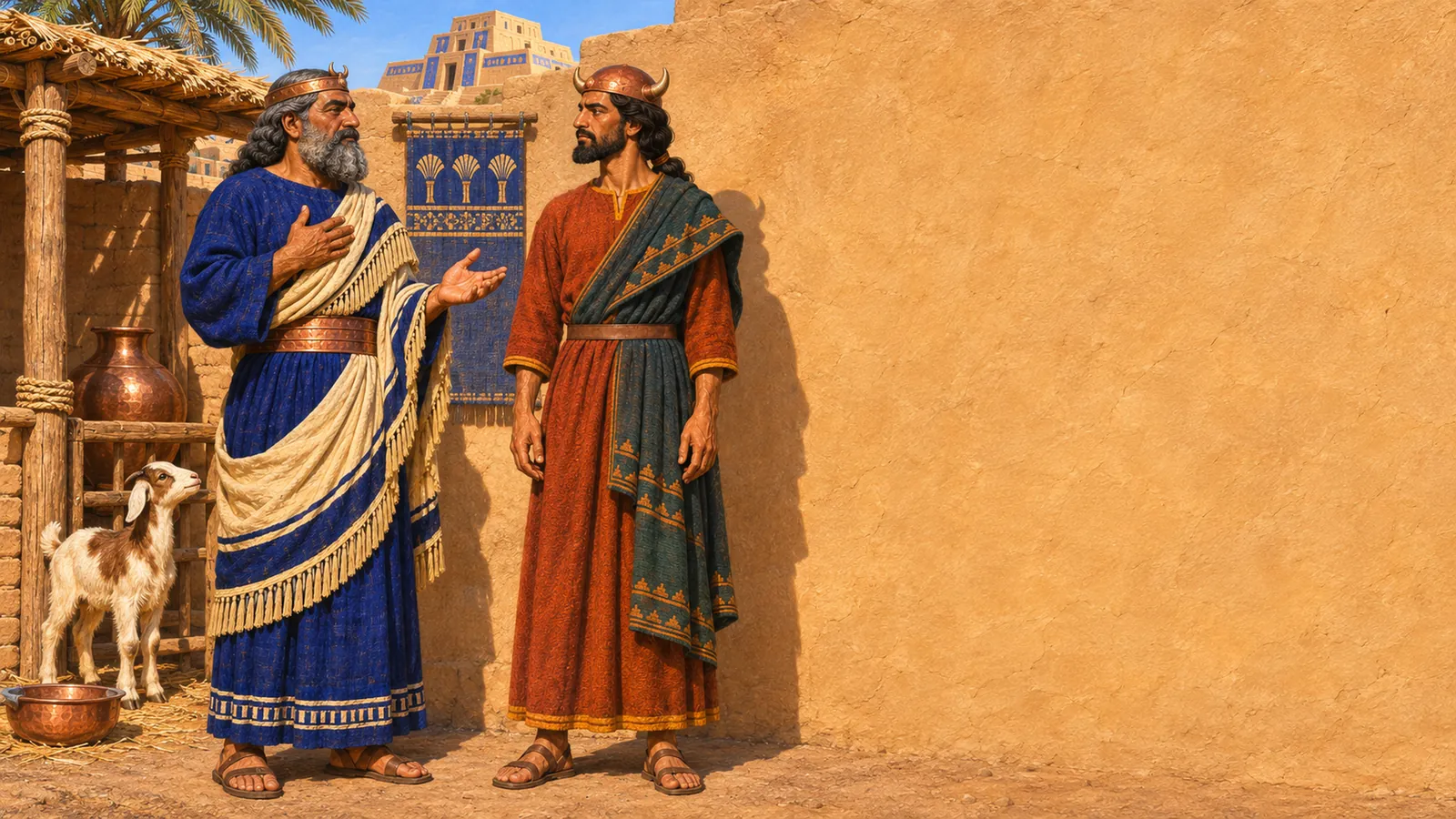
Numushda repeats the same pledge. He says that once his terms are met, he will give Adgar-kidug in marriage.
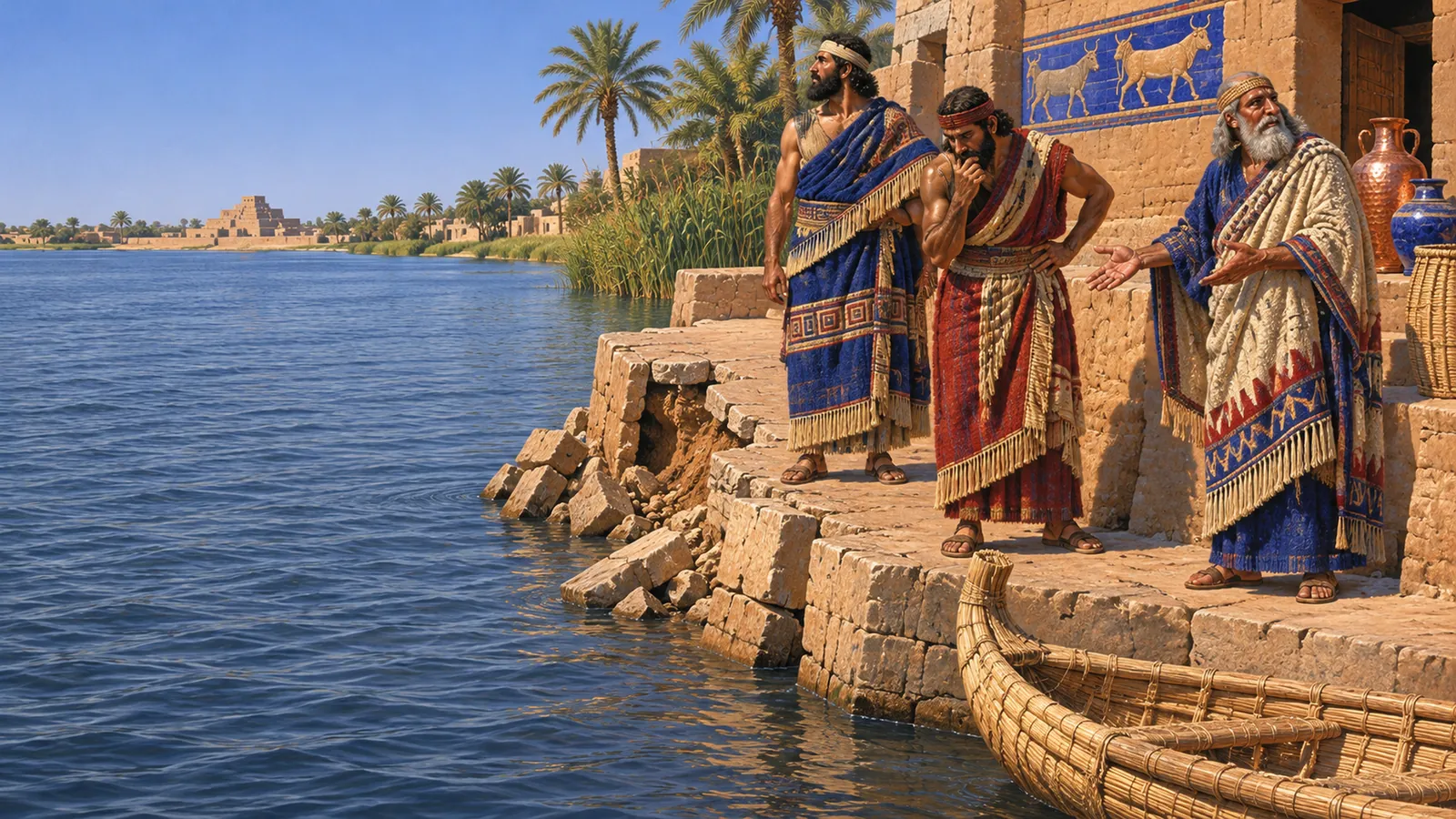
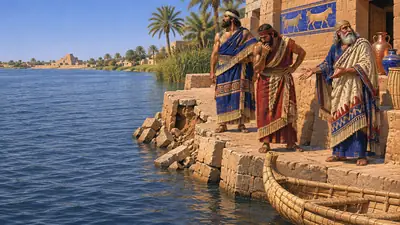
The story reaches another damaged passage. It preserves a cry and a reference to the quay of Inab, then turns to gifts.
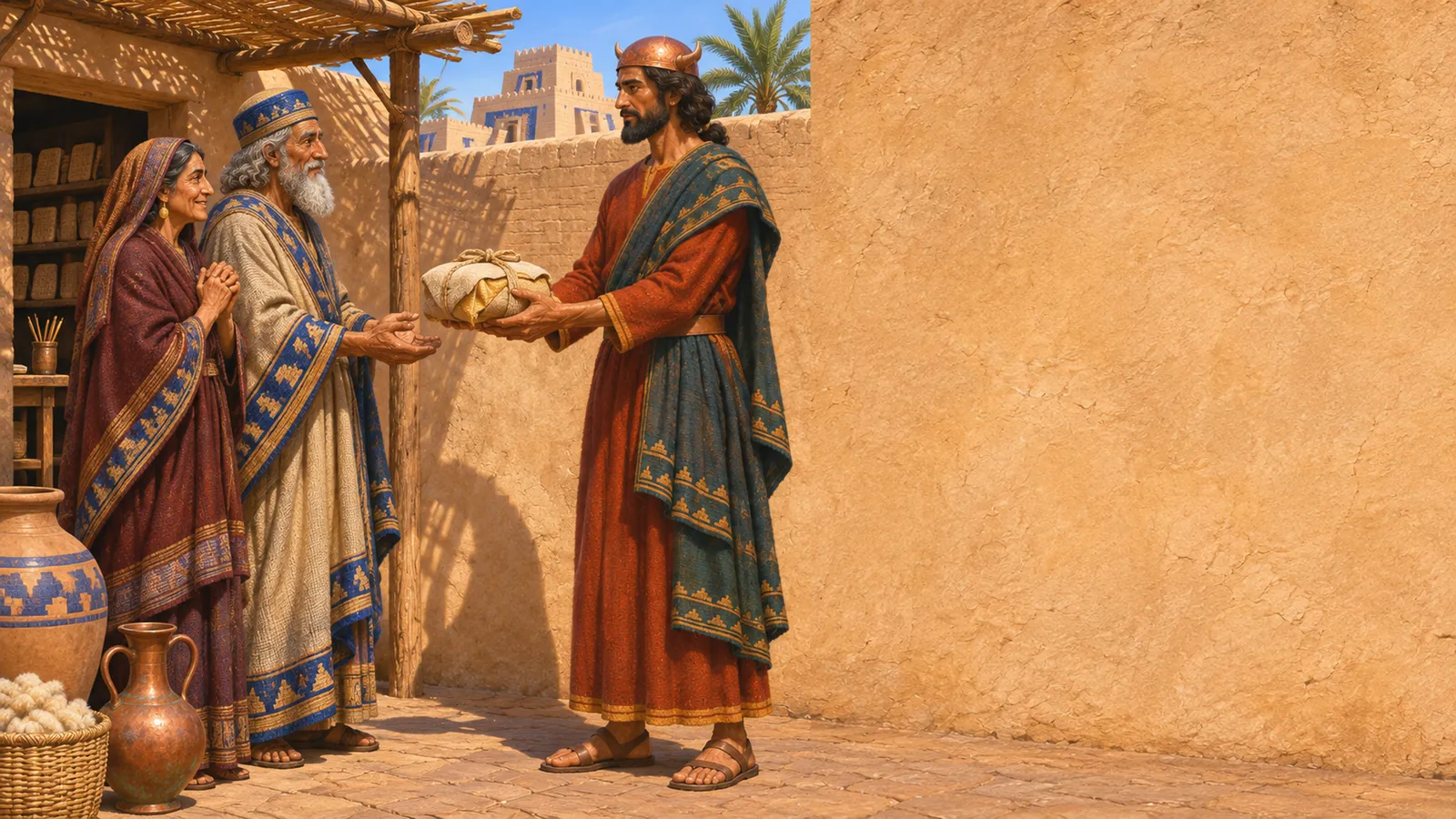
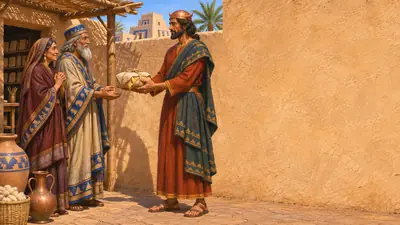
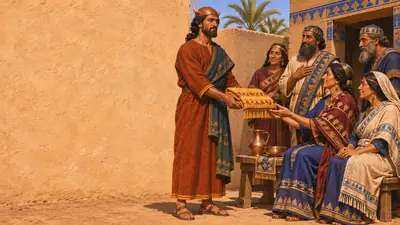
The elders of Inab receive gifts of gold. The tablet's wording leaves the exact object open to more than one reading.
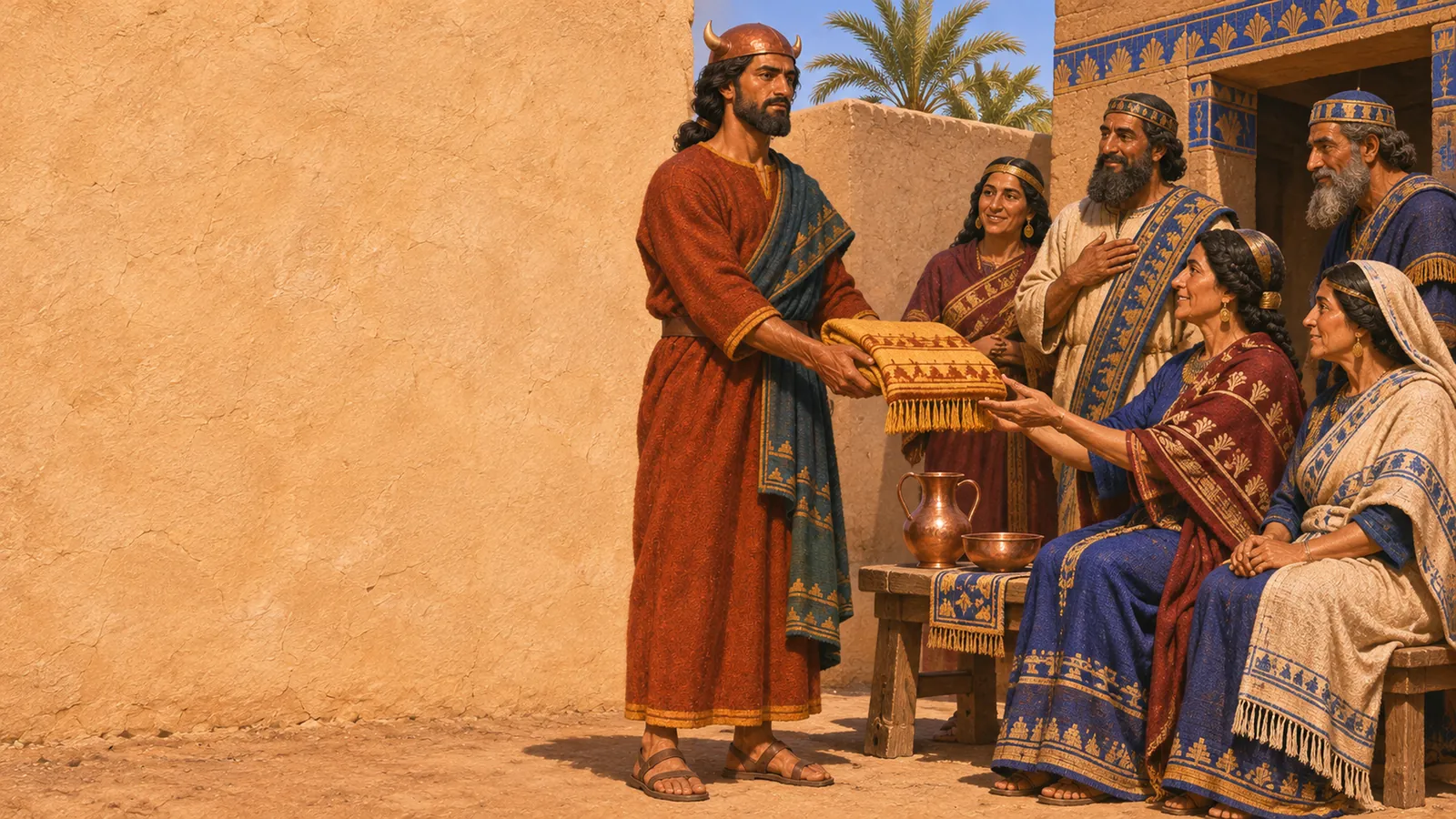
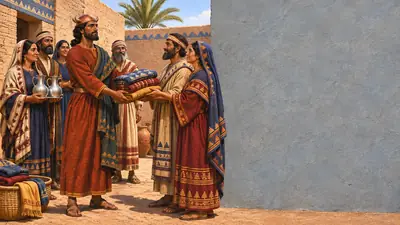
The gifts reach the older women of Inab and then other women and men. Gold recurs in lines that have lost some words.
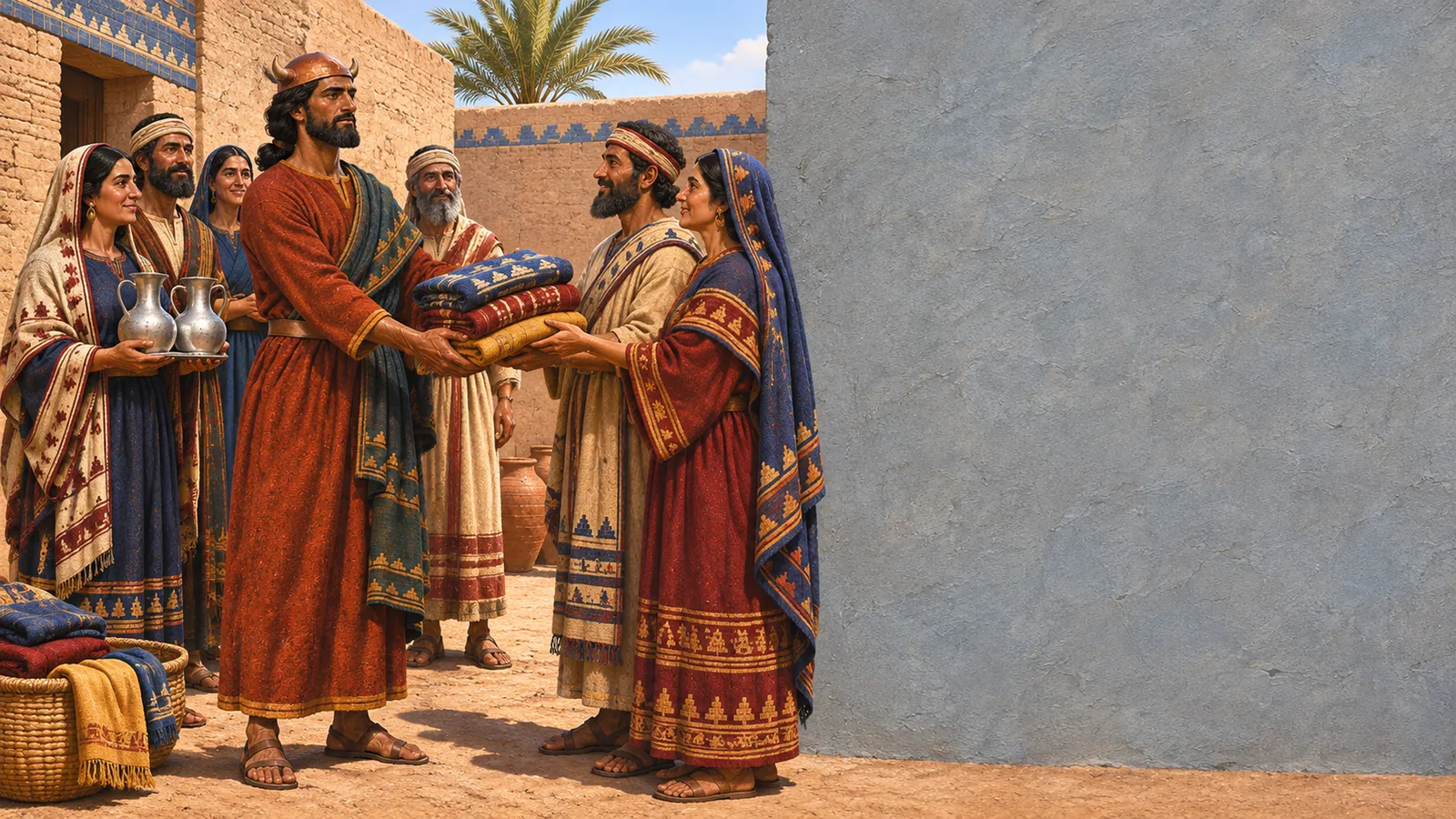
The singer also names gifts for enslaved people in Inab. Alongside coloured cloth, the poem names silver jugs given to enslaved women.
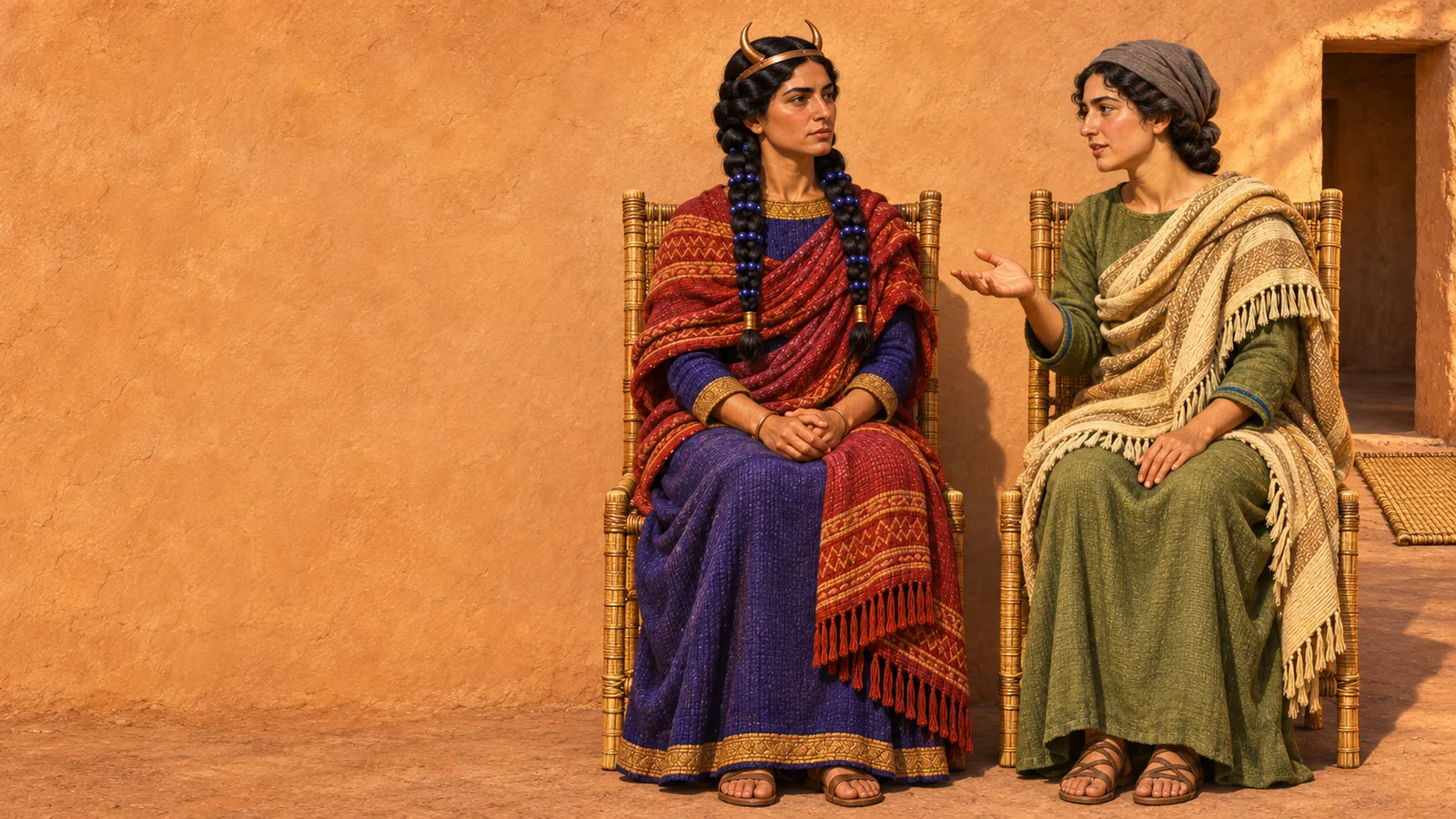
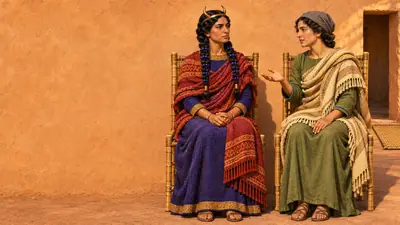
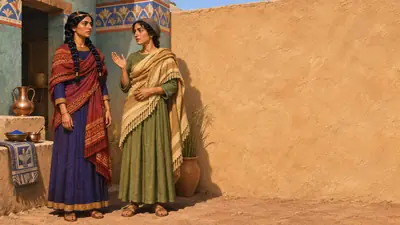
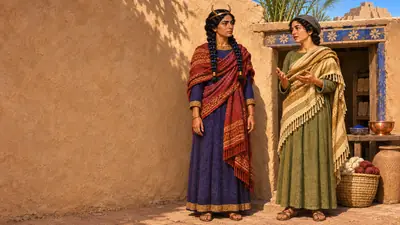
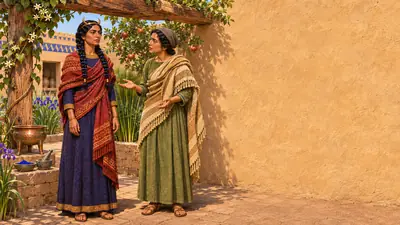
Days pass with the decision still open. Adgar-kidug’s friend speaks harshly about Martu’s people, disparaging their looks and calling them destructive.
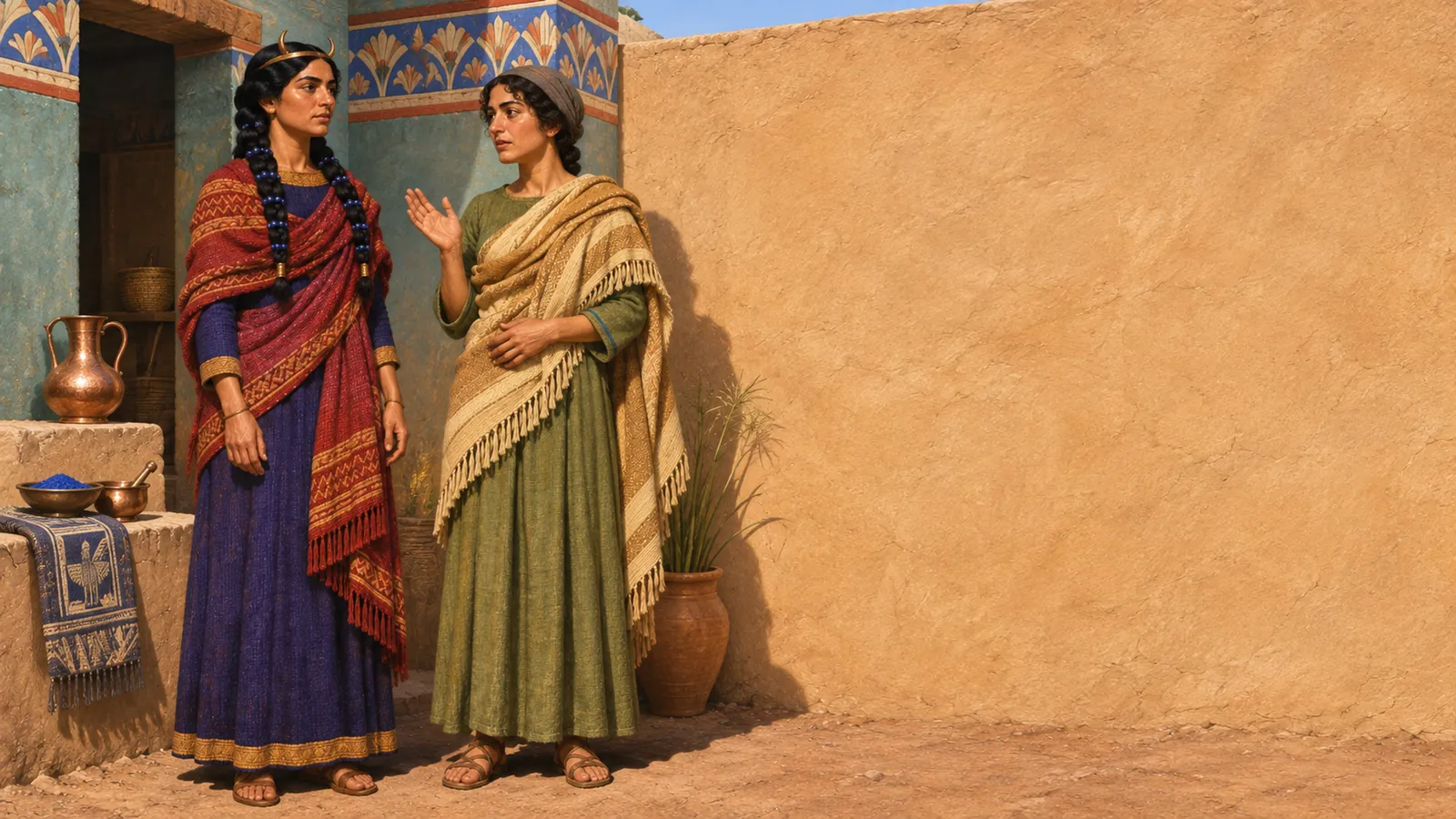
The friend accuses Martu of breaking Nanna’s rules and showing little reverence. She says he lives in a tent exposed to wind and rain.
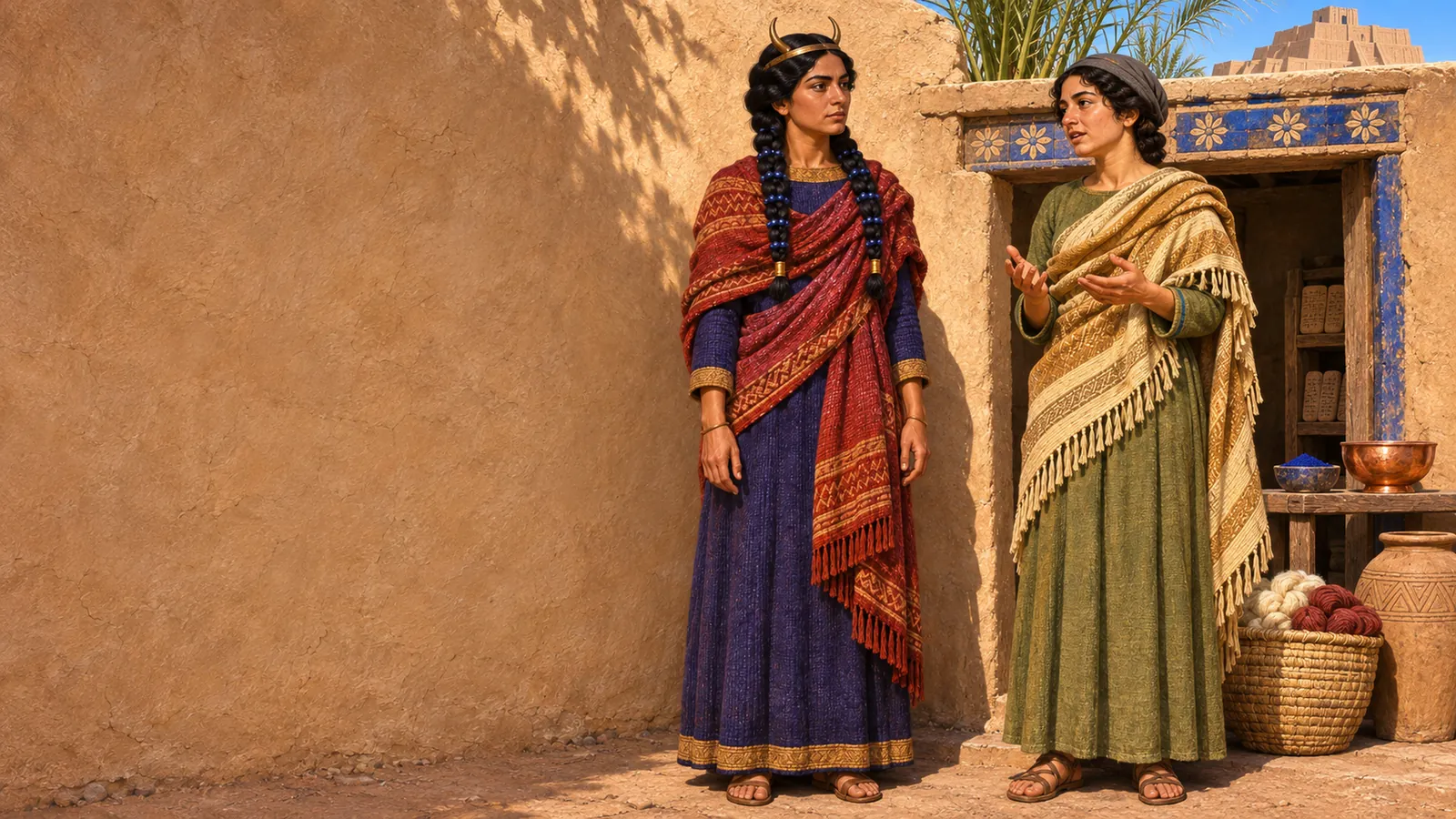
She claims he roams the mountains, eats raw meat and lacks a burial place. Her speech presents these as reasons to refuse him.
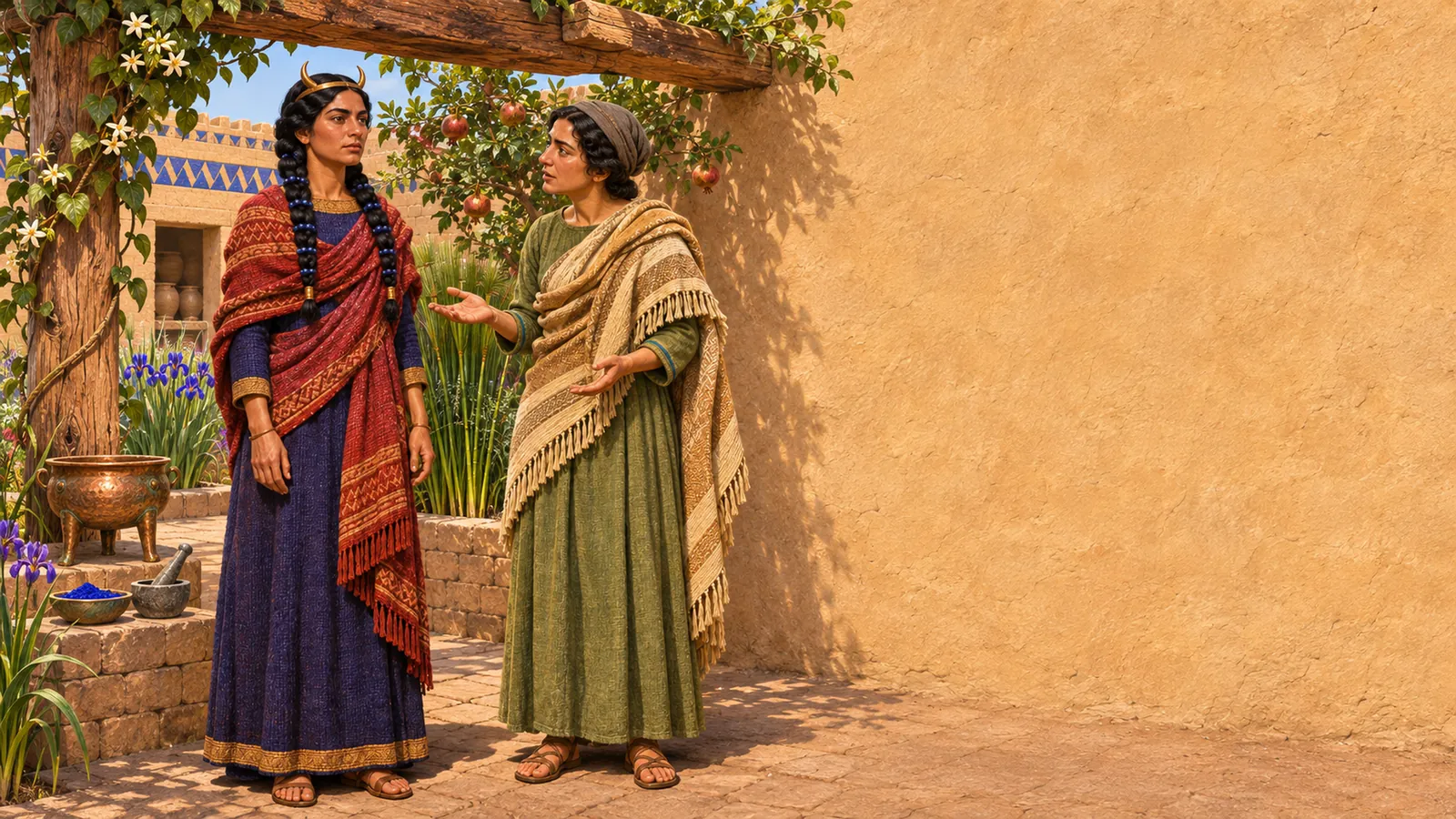
The friend turns her speech into a direct question. She asks Adgar-kidug why she would choose Martu as her husband.
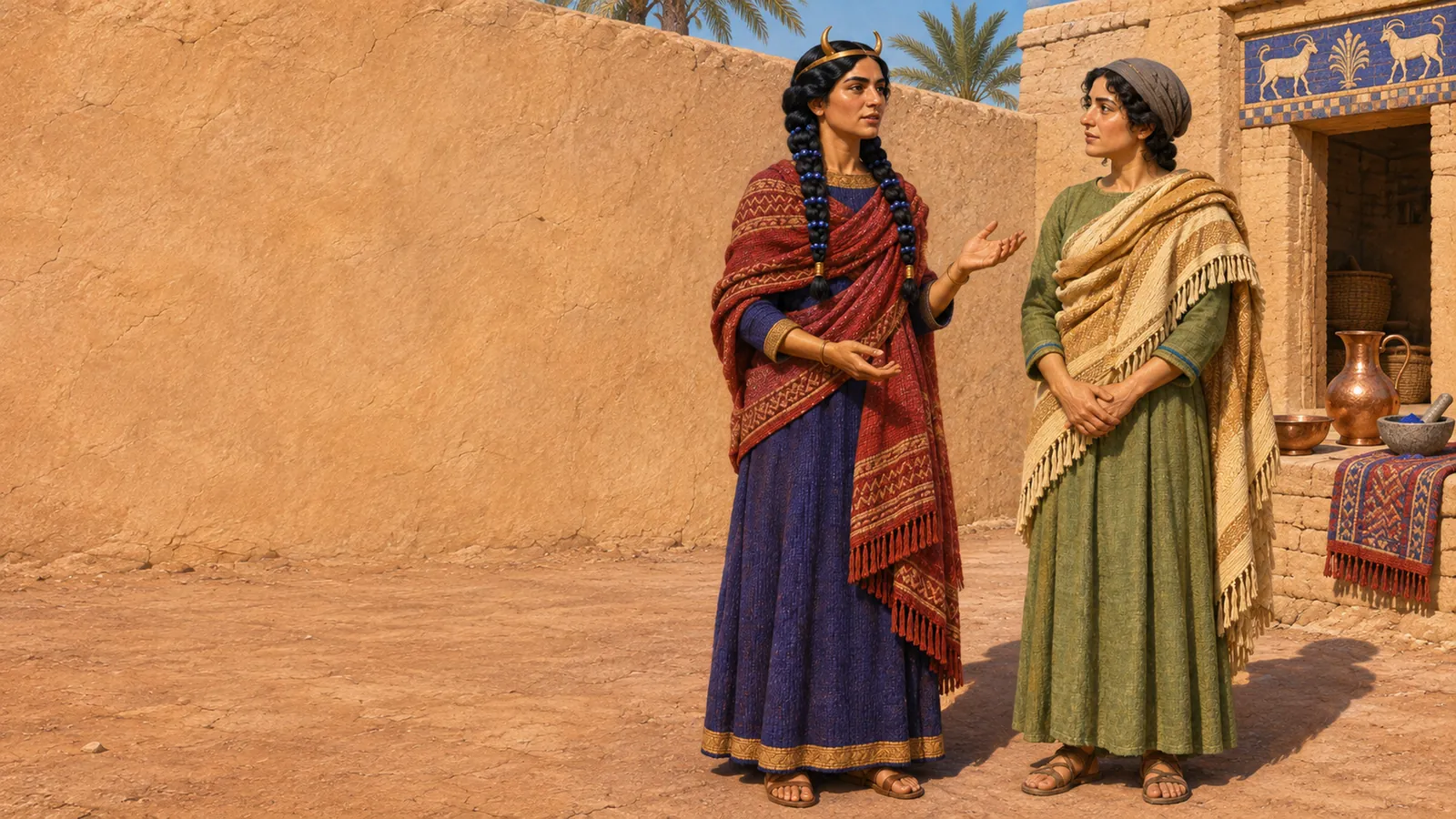
THE CHOICE
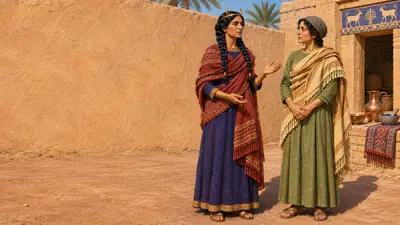
Adgar-kidug gives her own answer. She says she will marry Martu, and the poem closes with a brief, obscure phrase naming Inab.
End of chapter 1
All pages
Sources
Adapted from the full Oxford ETCSL translation 1.7.1, lines 1–142. The physical tablet, the literary catalogue reference and Veldhuis’s re-reading of line 116 provide textual context. Page notes preserve the uncertainty around the contest, the marriage gifts and the gaps.
Editions consulted
- Oxford ETCSL, full English translation
- Oxford ETCSL, Sumerian composite
- CDLI, CBS 14061 from Nippur
- Veldhuis, Marriage of Martu 116, N.A.B.U. 2024, no. 97
- Peterson, Sumerian literary fragments from Ur, U1 catalogue
Ancient lines behind each page
- Page 1: Oxford ETCSL 1.7.1, 1
- Page 2: Oxford ETCSL 1.7.1, 2–4
The parallel lines contrast the crown with the tiara, the herb with the cedar, and salt with alkali. - Page 3: Oxford ETCSL 1.7.1, 5–8
- Page 4: Oxford ETCSL 1.7.1, 9–12
- Page 5: Oxford ETCSL 1.7.1, 13–15
The text about the ruler’s child is damaged. - Page 6: Oxford ETCSL 1.7.1, 16–19
The source speaks explicitly of killing the hunted gazelles. - Page 7: Oxford ETCSL 1.7.1, 20–25
The divine name at the ration place is uncertain. The amount and household distinctions come from the poem. - Page 8: Oxford ETCSL 1.7.1, 20–25
- Page 9: Oxford ETCSL 1.7.1, 26–33
The lines concerning how Martu compares his own share with his companions are difficult. - Page 10: Oxford ETCSL 1.7.1, 34–40
- Page 11: Oxford ETCSL 1.7.1, 41–44
- Page 12: Oxford ETCSL 1.7.1, 45–48
Su-henuna is the mother’s form of address in Oxford’s translation. - Page 13: Oxford ETCSL 1.7.1, 49–52
A fragmentary clause also mentions a slave girl. The houses, gardens and wells remain in the preserved wording. - Page 14: Oxford ETCSL 1.7.1, 53–54
- Page 15: Oxford ETCSL 1.7.1, 55–57
- Page 16: Oxford ETCSL 1.7.1, 58–60
- Page 17: Oxford ETCSL 1.7.1, 61–63
- Page 18: Oxford ETCSL 1.7.1, 63–66
- Page 19: Oxford ETCSL 1.7.1, 67–70
- Page 20: Oxford ETCSL 1.7.1, 71–73
- Page 21: Oxford ETCSL 1.7.1, 74–75
- Page 22: Oxford ETCSL 1.7.1, 76–78
- Page 23: Oxford ETCSL 1.7.1, 78–80
The text repeats the offer more than once. - Page 24: Oxford ETCSL 1.7.1, 81–83
- Page 25: Oxford ETCSL 1.7.1, 84–90
Oxford's two displays count the missing wording slightly differently. The transition retains the gap. - Page 26: Oxford ETCSL 1.7.1, 91–94
The principal line introducing the marriage gift has missing words. - Page 27: Oxford ETCSL 1.7.1, 94–97
- Page 28: Oxford ETCSL 1.7.1, 98–101
- Page 29: Oxford ETCSL 1.7.1, 101–104
- Page 30: Oxford ETCSL 1.7.1, 105–108
- Page 31: Oxford ETCSL 1.7.1, 108–111
- Page 32: Oxford ETCSL 1.7.1, 112–114
- Page 33: Oxford ETCSL 1.7.1, 115–116
Veldhuis proposes golden canes after examining the surviving manuscript. - Page 34: Oxford ETCSL 1.7.1, 117–120
The objects following gold in the gifts to old women and other inhabitants are partly damaged. - Page 35: Oxford ETCSL 1.7.1, 121–125
The preserved lines distinguish cloth from silver vessels and name enslaved recipients. - Page 36: Oxford ETCSL 1.7.1, 126–129
- Page 37: Oxford ETCSL 1.7.1, 130–133
- Page 38: Oxford ETCSL 1.7.1, 134–138
- Page 39: Oxford ETCSL 1.7.1, 139–141
- Page 40: Oxford ETCSL 1.7.1, 140–142
The short formula that follows names Inab and contains two opaque words.
Illustrations made with AI tools by IL Archive; the text is based on the ancient sources (see the sources at the end of each chapter).