Ninurta and the Asag Chapter 1
The River and the Stones
Warned by the mace Šarur, Ninurta faces the Asag in the mountains. Afterward he brings water to the fields, honors Ninhursaga, judges the stones and returns to his father’s blessing.
SourcesTurn the pages with the arrows, the arrow keys or a swipe.
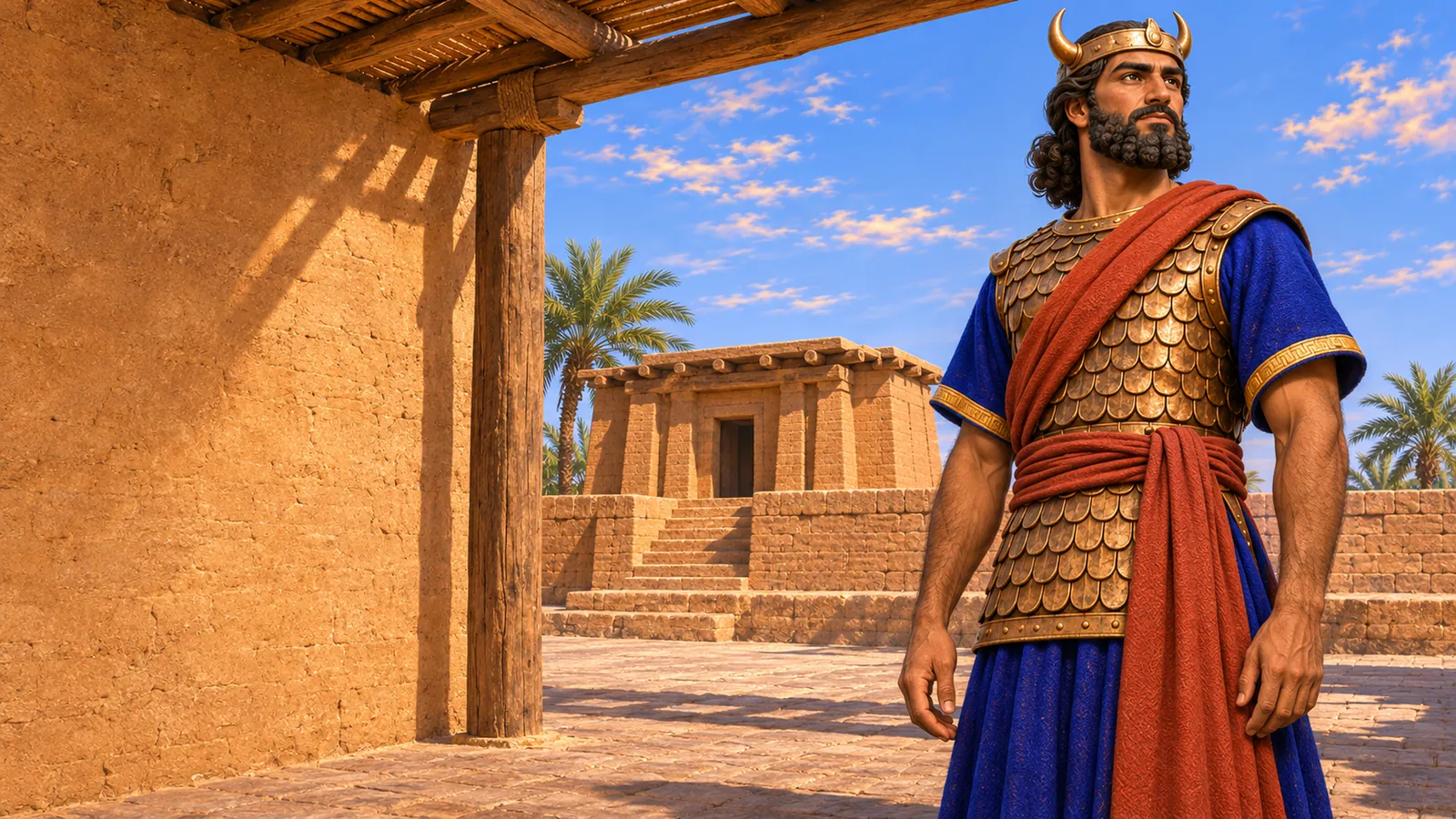
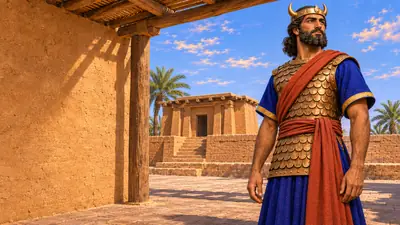
NINURTA
Listen to the song of Ninurta, the son of Enlil. The singer calls him a storm on the mountains, a flood in full force, and a warrior without equal.
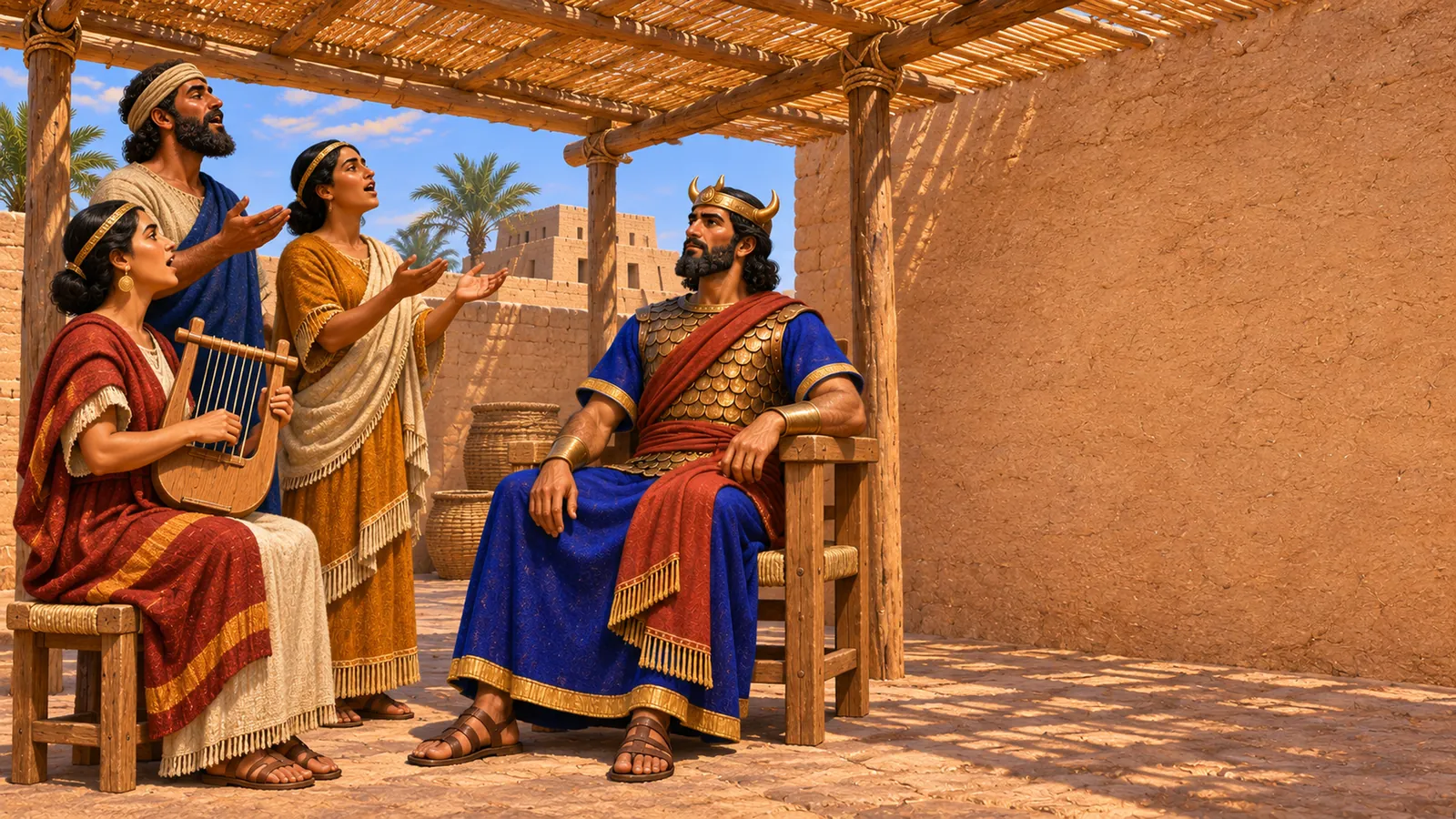
The hymn praises the son whose strength delights his father. It likens him to a lion and to a net cast over foes, whose shadow reaches across the land.
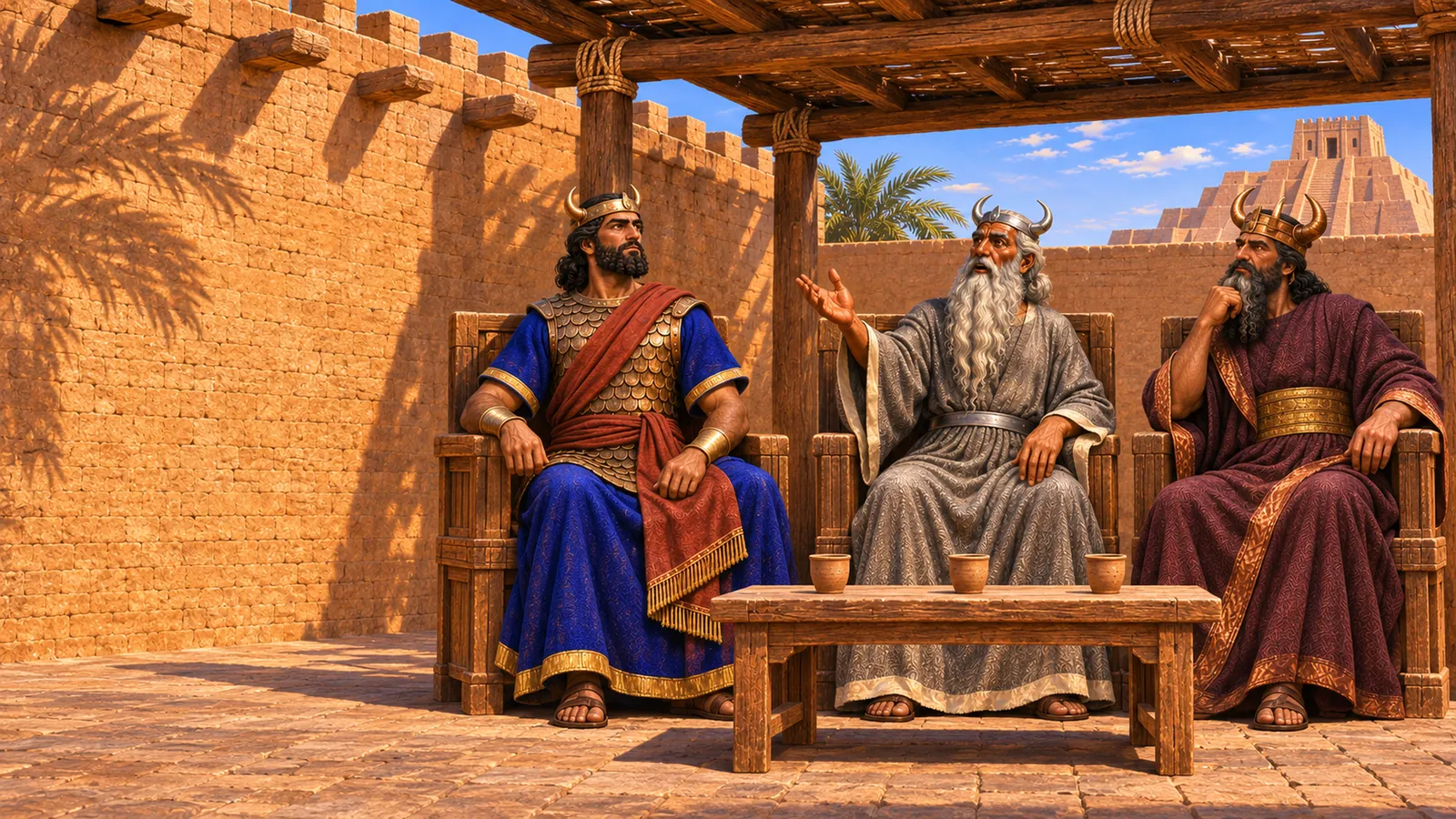
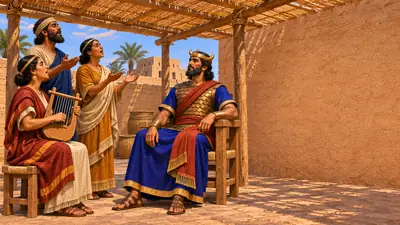
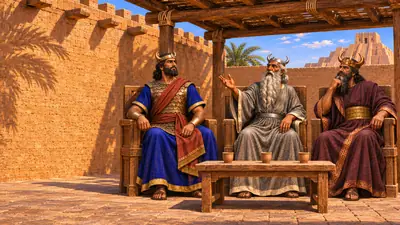
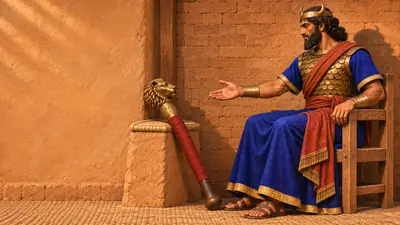
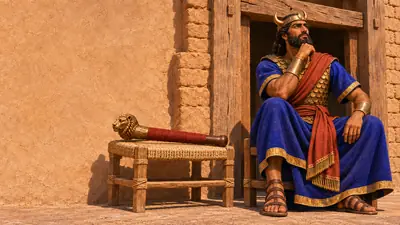
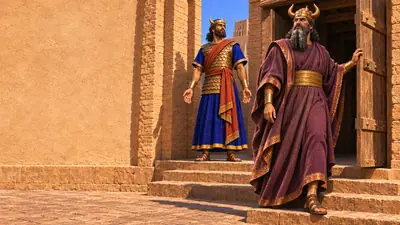
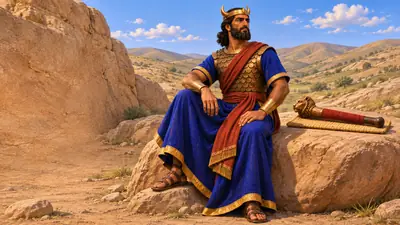
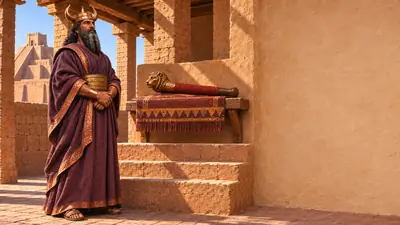
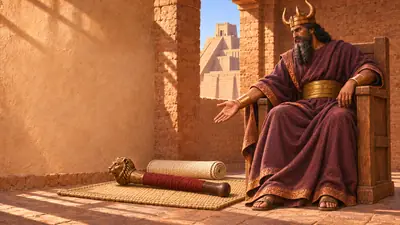
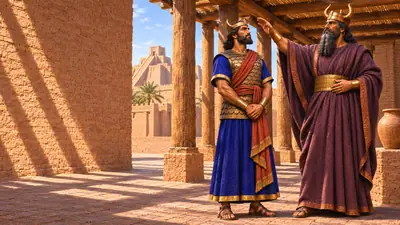
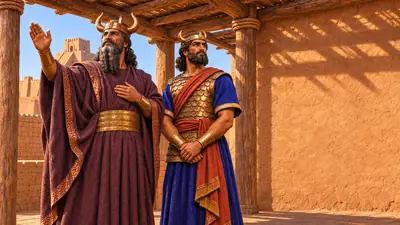
At a feast held in his honor, Ninurta sits on the high dais with An and Enlil. Cups are filled, and from his seat he hears petitions and gives his judgments.
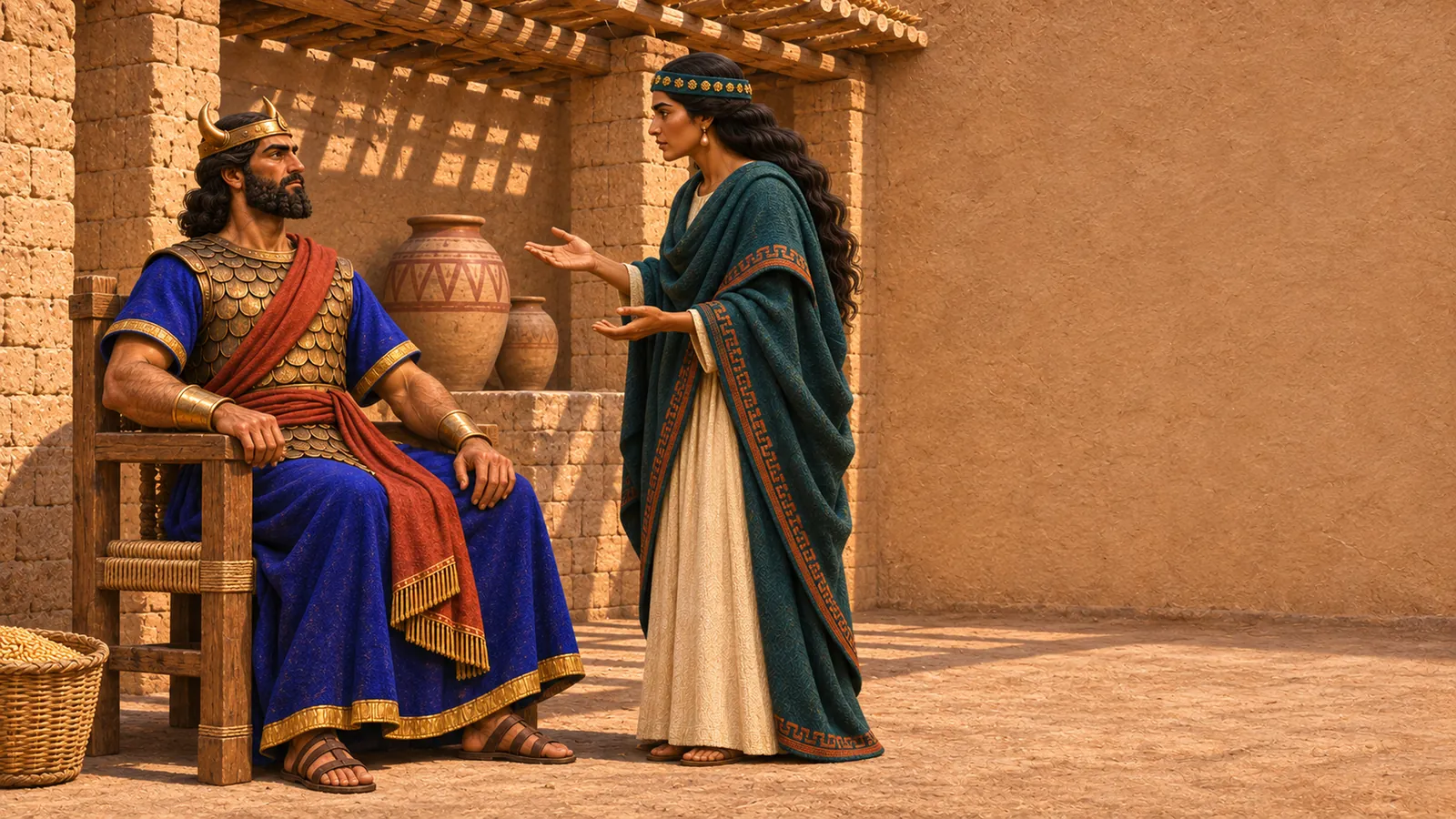
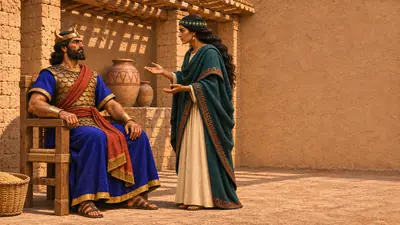
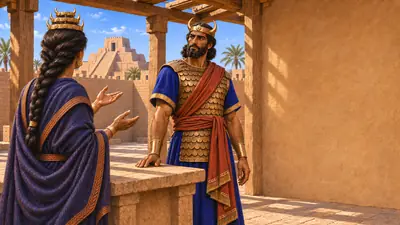
The goddess Bau pleads on behalf of a king. Ninurta is still hearing her petition when his own weapon turns its attention toward the mountains.
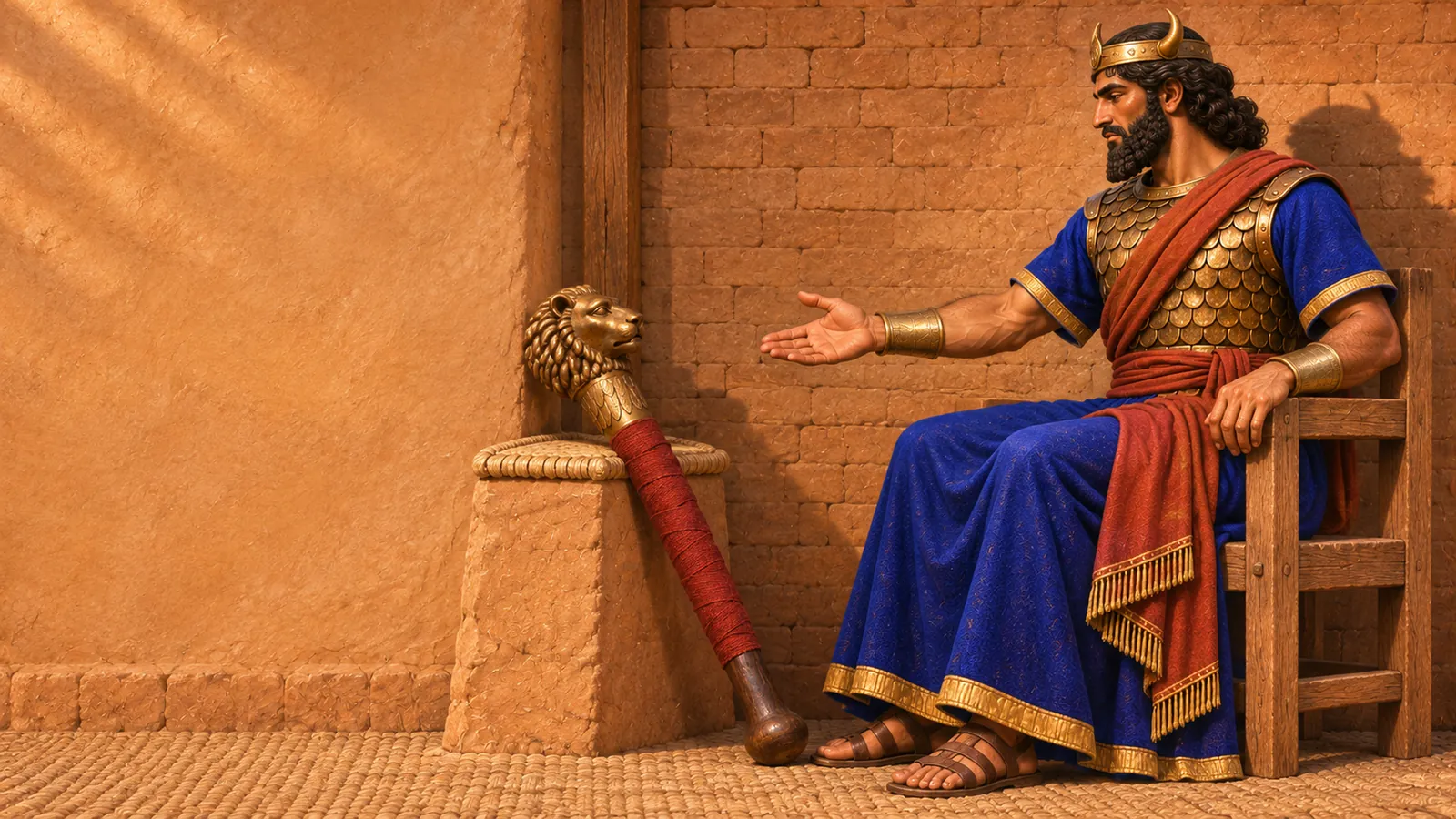
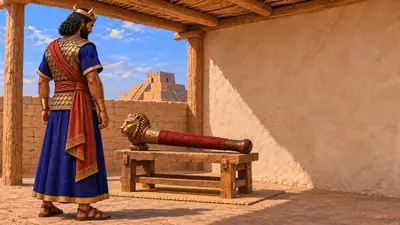
ŠARUR
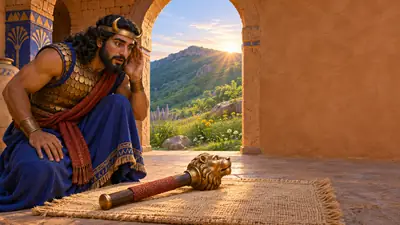
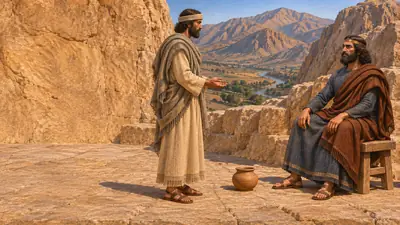
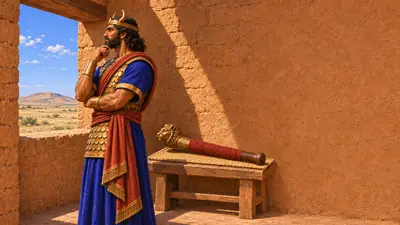
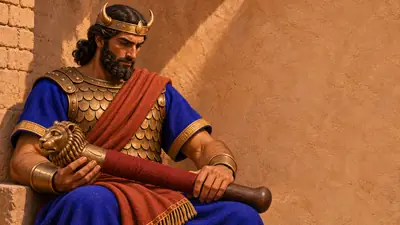
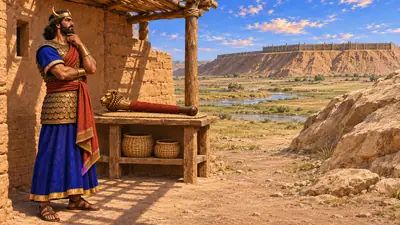
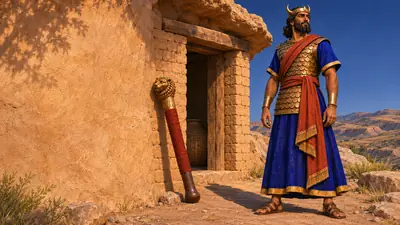
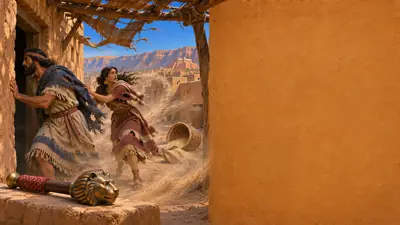
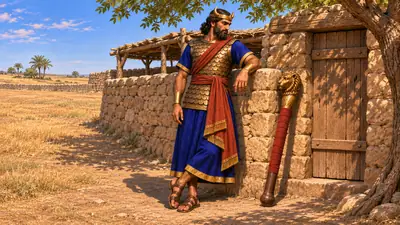
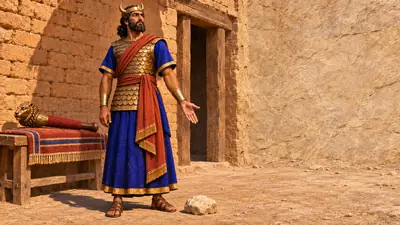
His lion-headed mace is named Šarur, and in this poem it can speak. It calls out to its master, whose decisions hold, and brings him news of a rival.
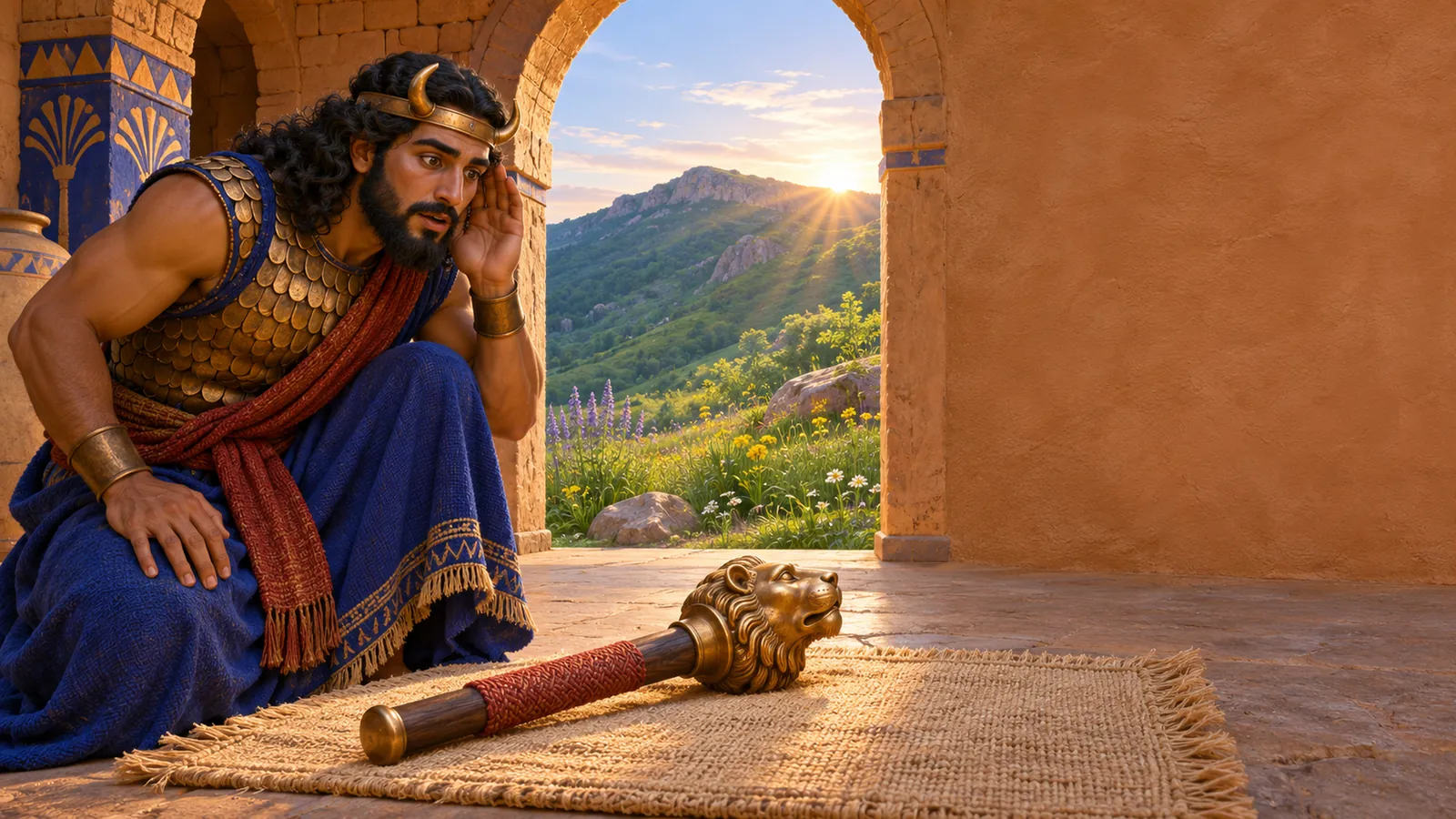
Šarur says that Heaven mated with green Earth and she bore the Asag. He grew up without a father to raise him, drawing strength as a child draws milk.
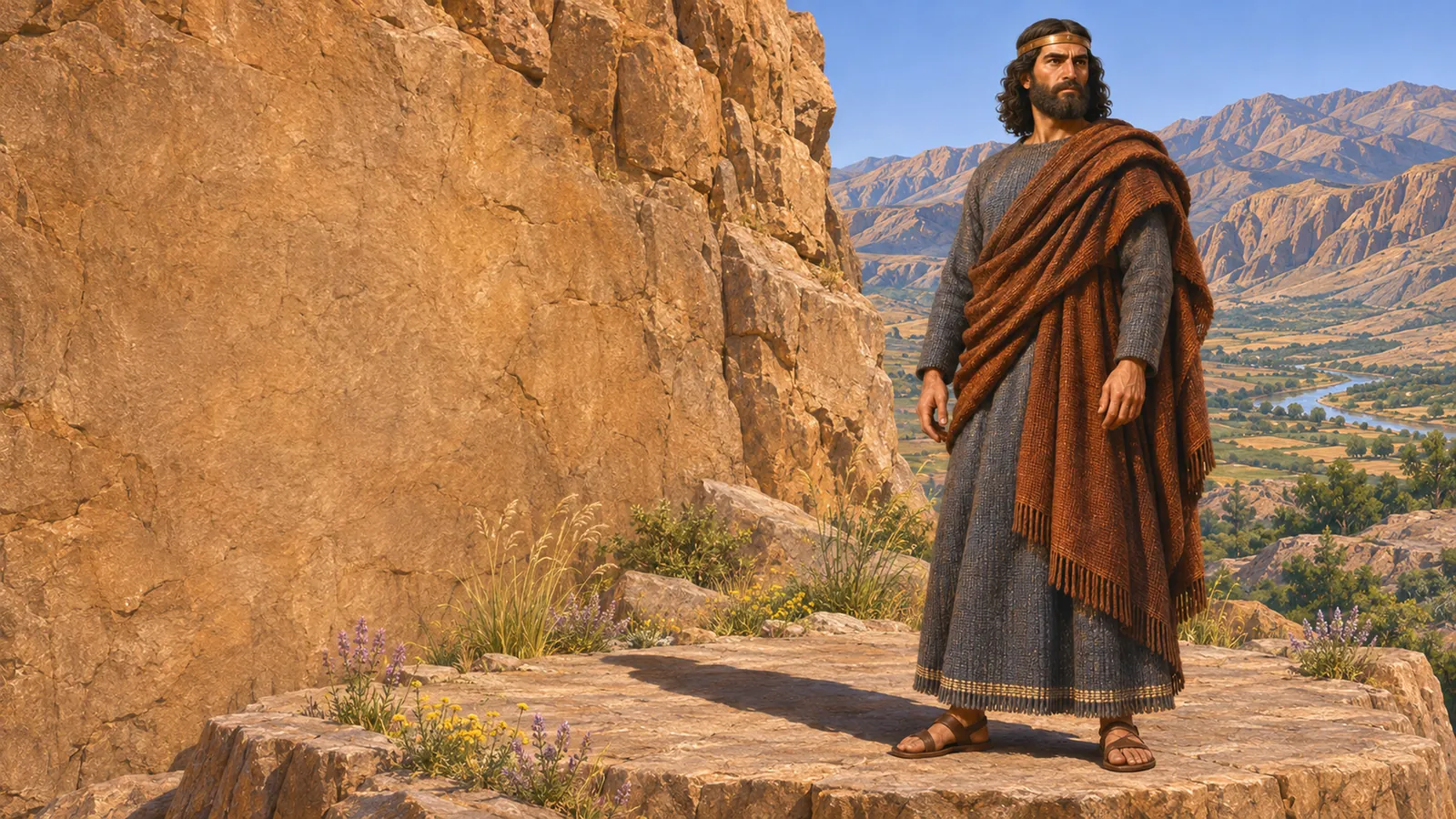
Šarur describes a youth who fears no one and has already killed in the mountains. His offspring spreads through the highlands, and the plants agree to make him their king.
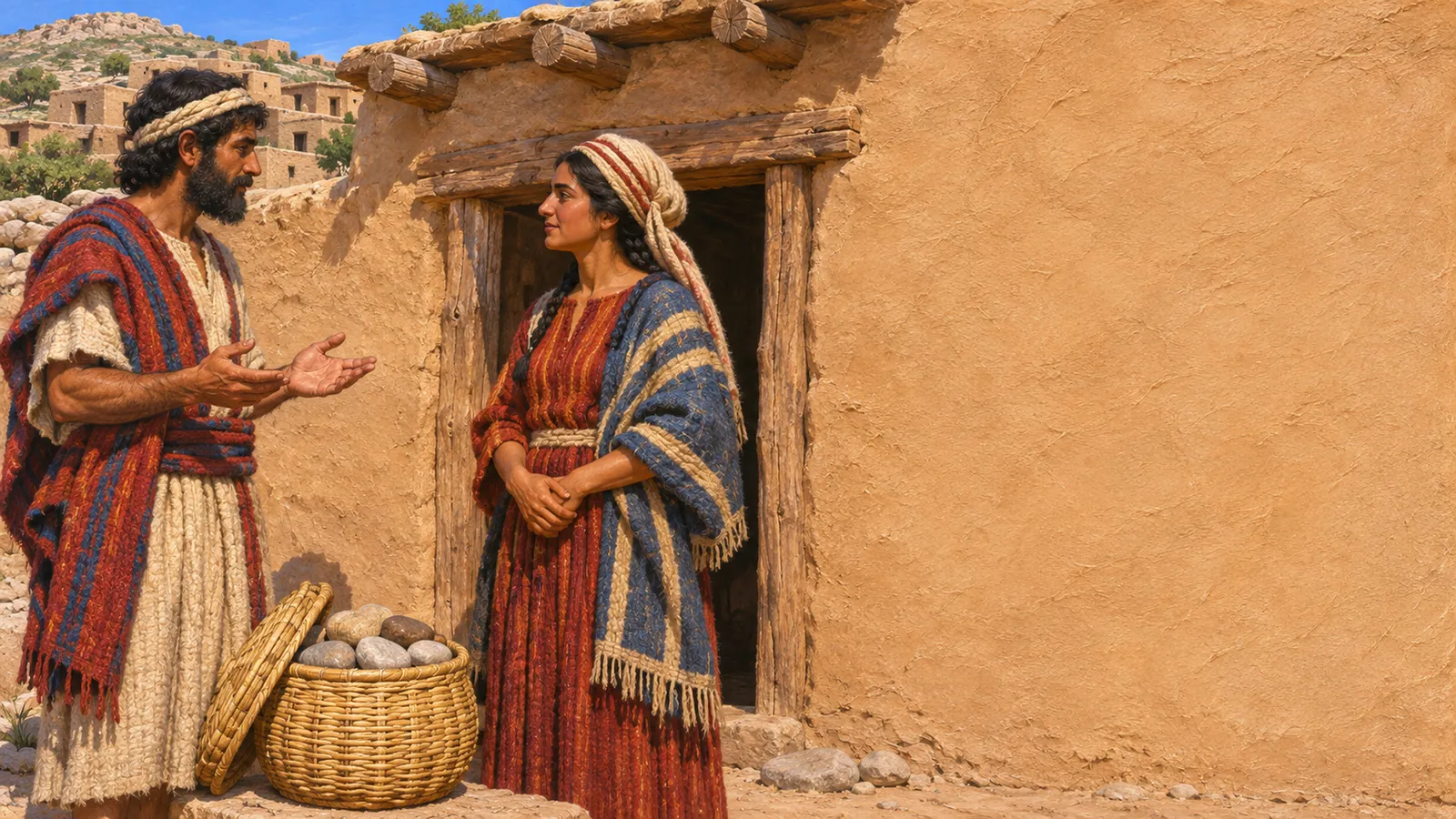
The mace names the Asag’s stone warriors. Among them are the cu stone, diorite and hematite. They keep raiding the cities, and the gods of those cities bend before the Asag’s strength.
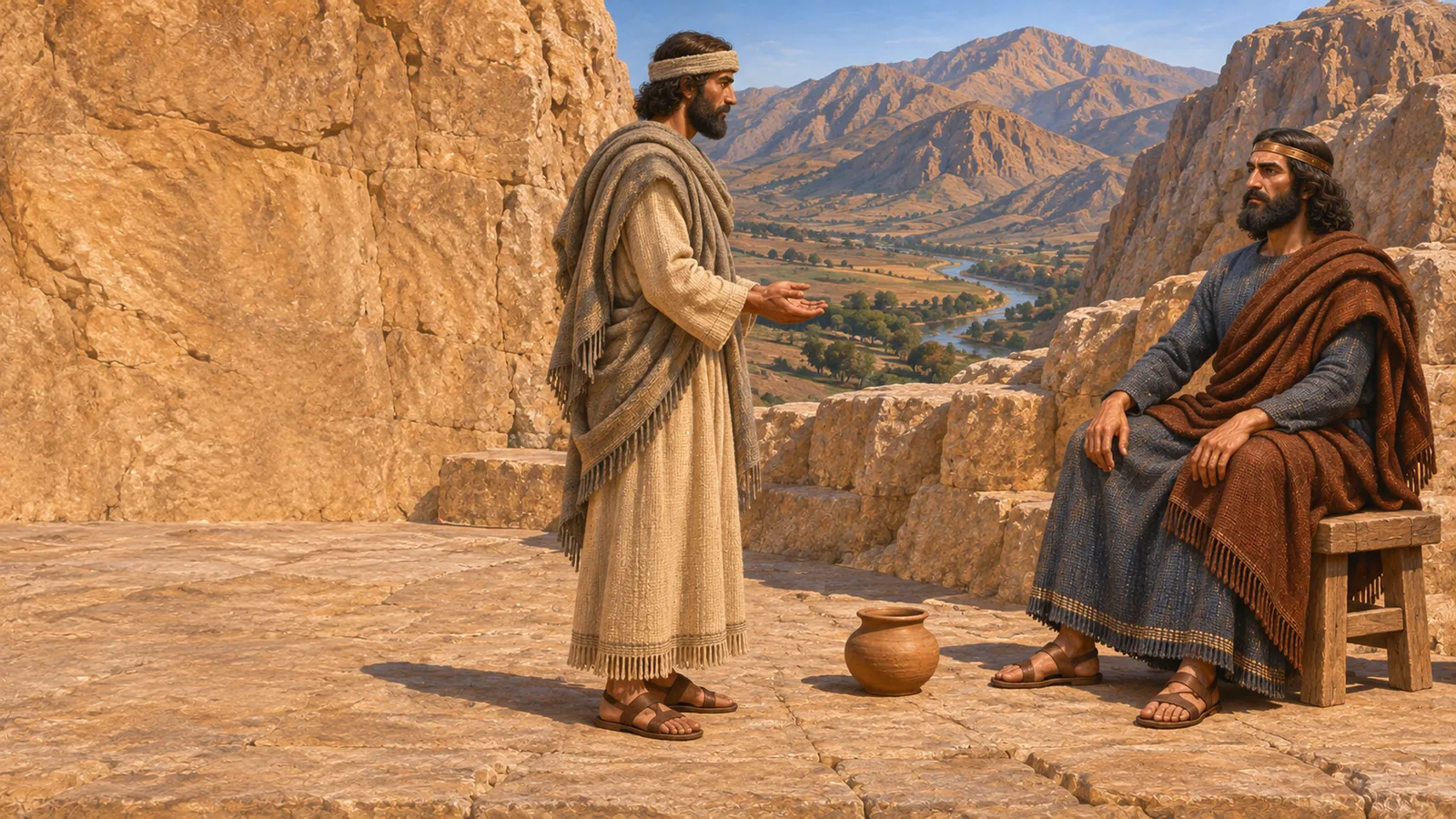
The Asag has raised his own dais. He hears the land’s disputes, says Šarur, just as you do, and the people of the mountains bring him offerings in their fear.
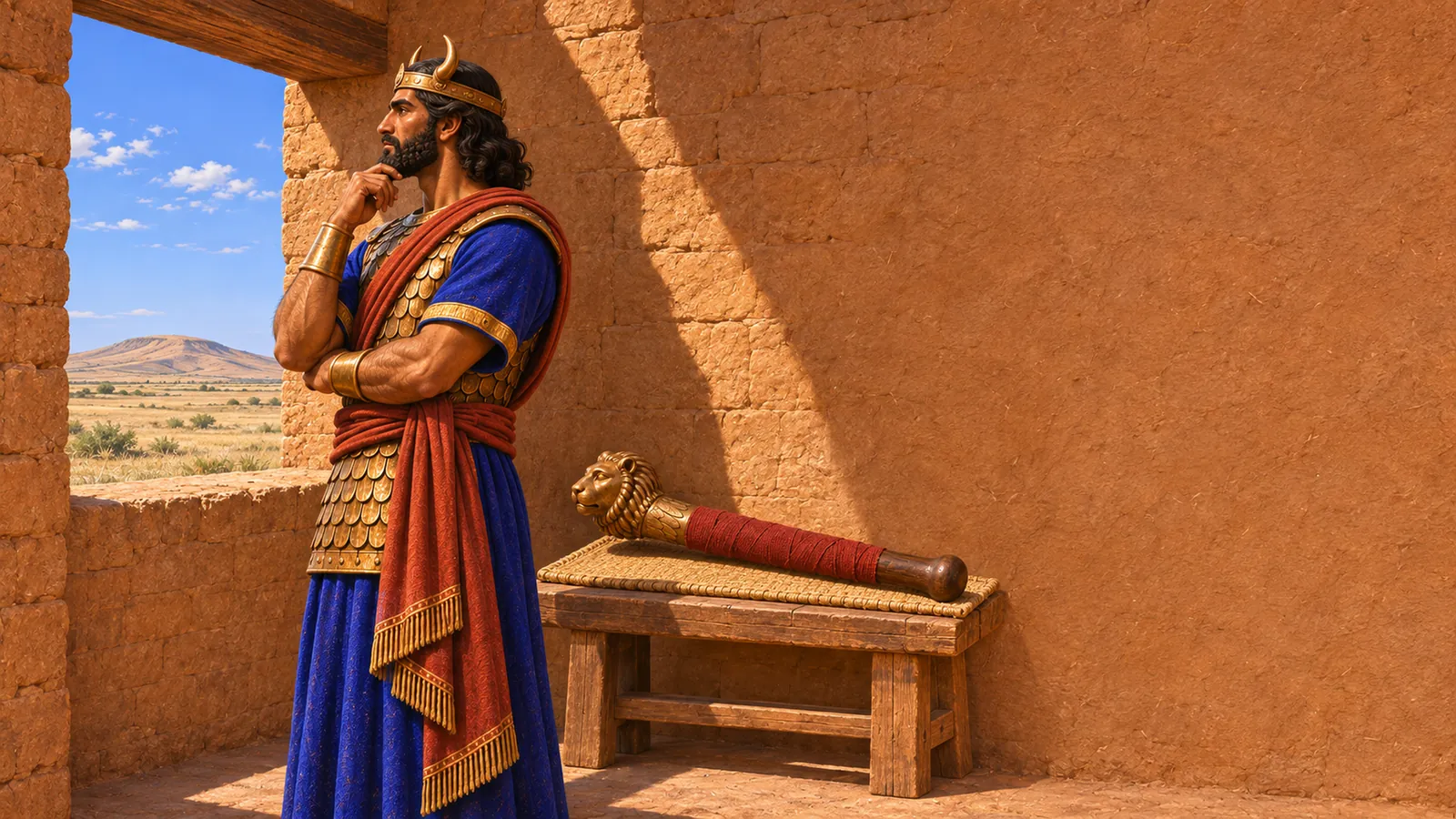
They are asking for your help, the mace tells him. There has been talk of taking your kingship, and the Asag thinks he can seize the powers you received in the deep waters.
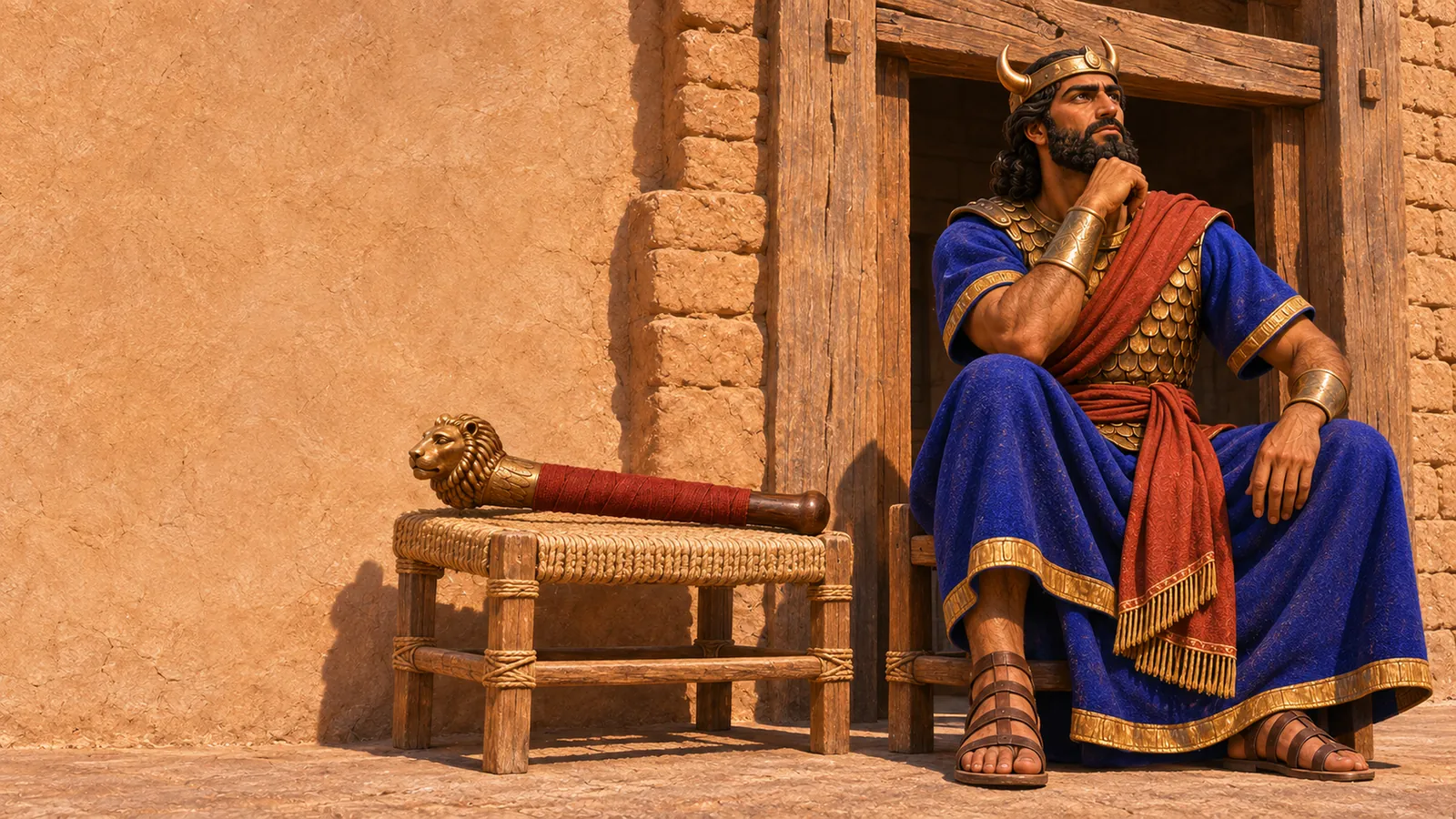
Every day the Asag takes more territory. People hear rumors of his warriors before anyone sees them, and no one has yet found the measure of his strength.
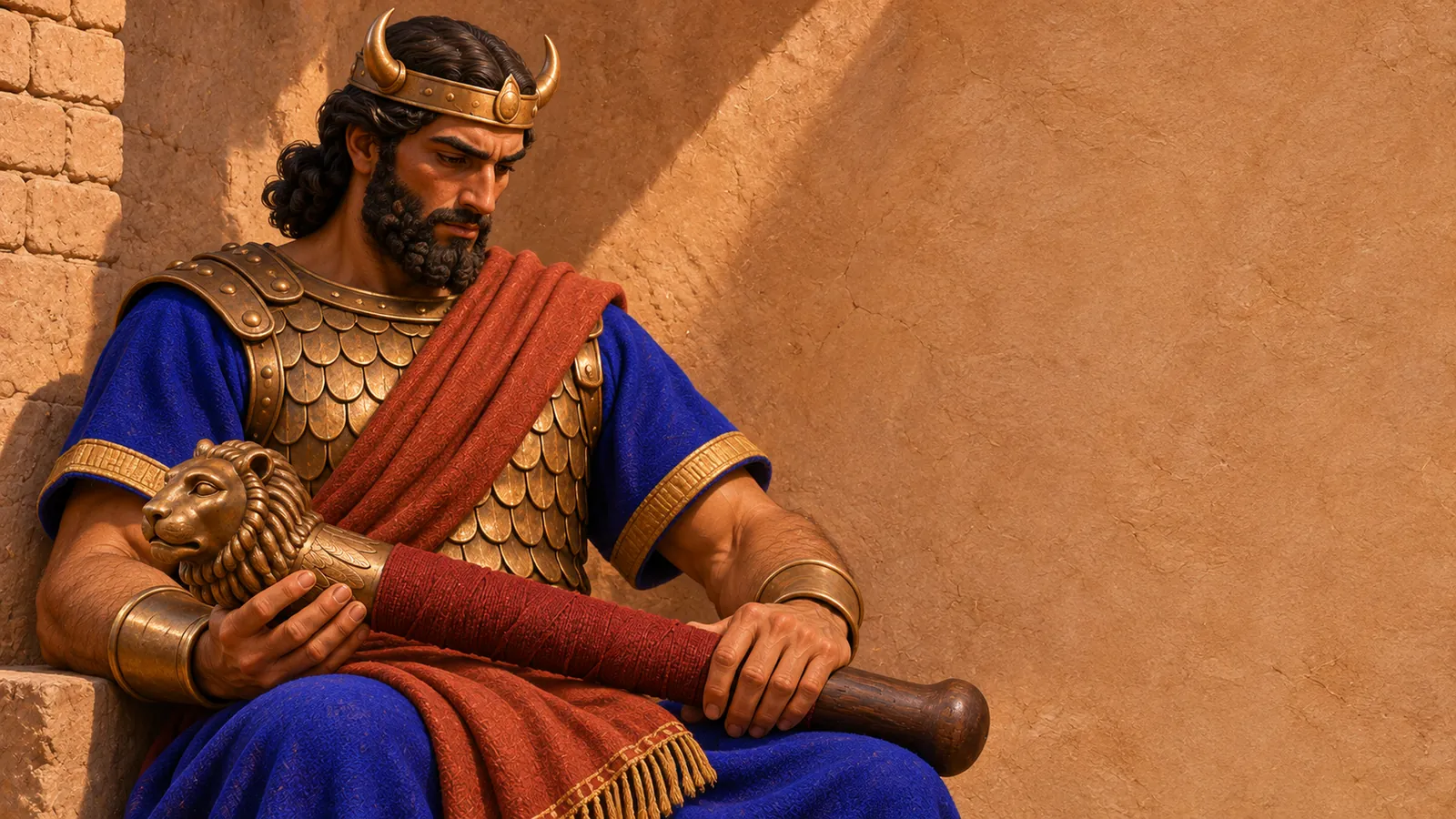
An axe will not cut him, and a spear will not pierce him, says Šarur. It praises Ninurta’s power and Enki’s regard for him, then asks what he means to do.
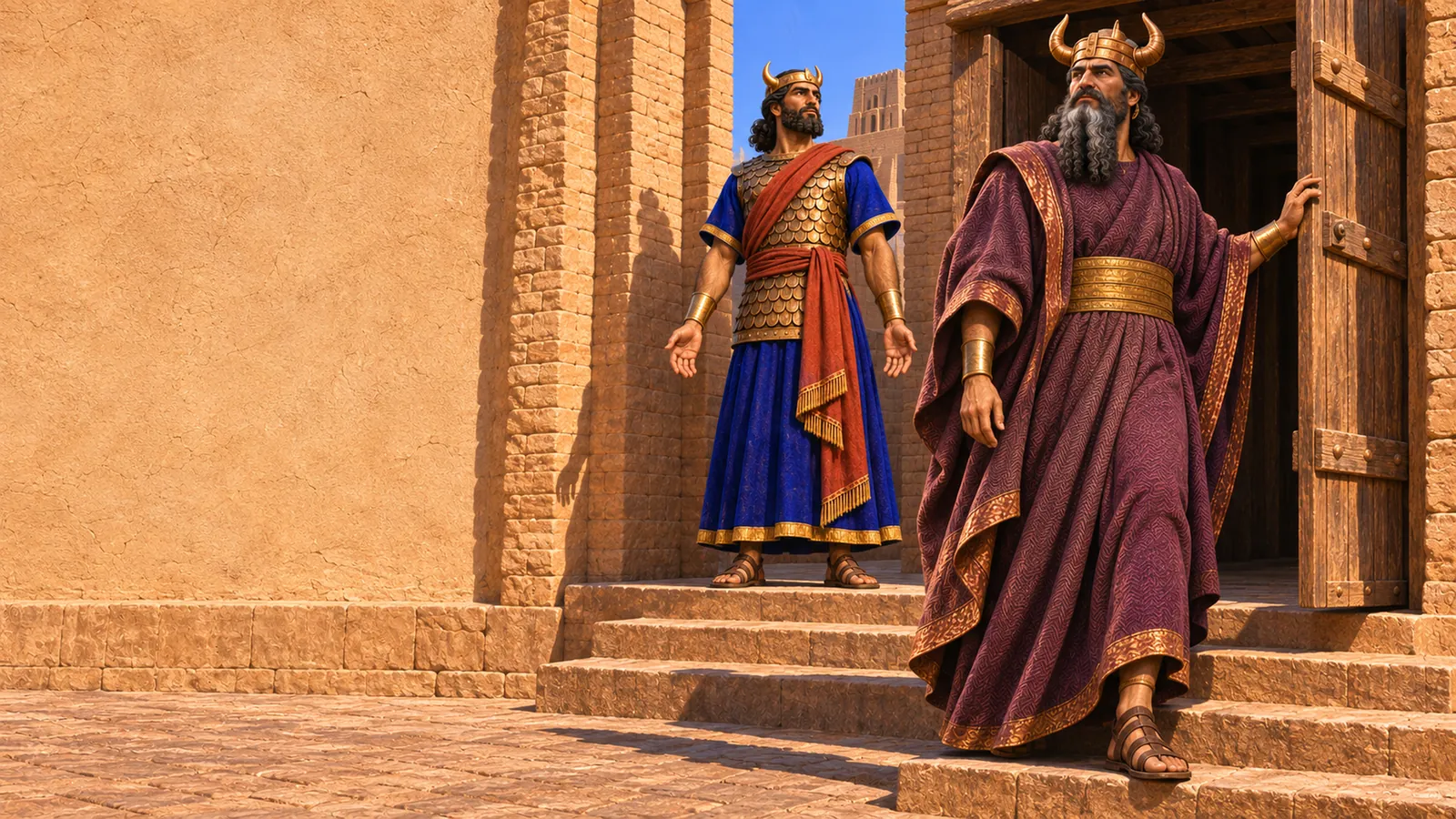
Ninurta cries out so loudly that the poem says Heaven shakes. Enlil leaves E-kur in confusion, darkness falls upon the land, and the gods scatter like sheep.
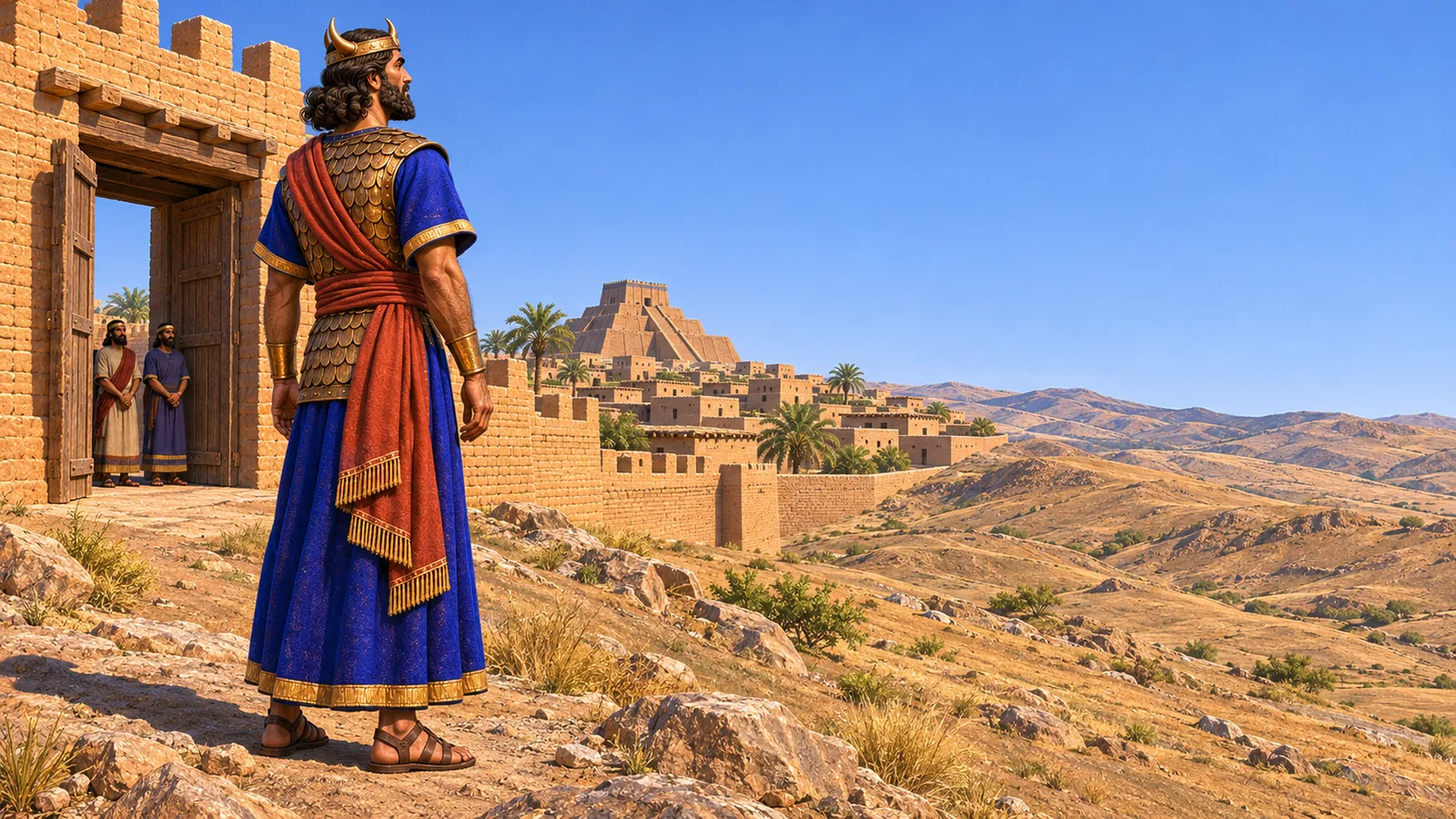
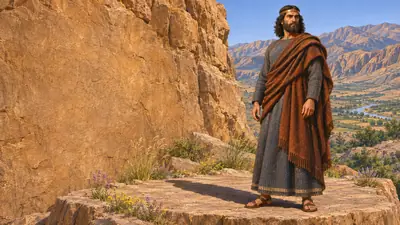
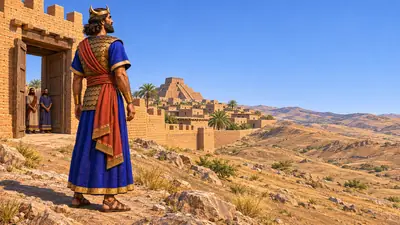
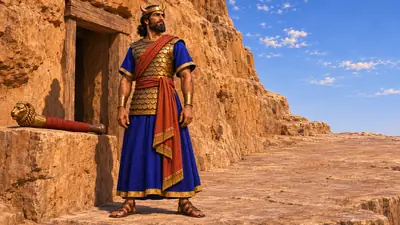
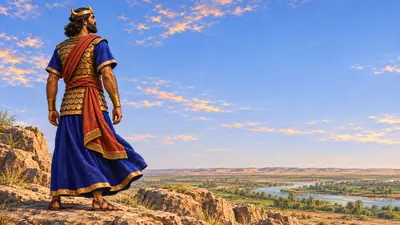
Ninurta rises and goes out to battle. The poet says each great step crosses a league of country, and the eight winds carry him toward the mountains.
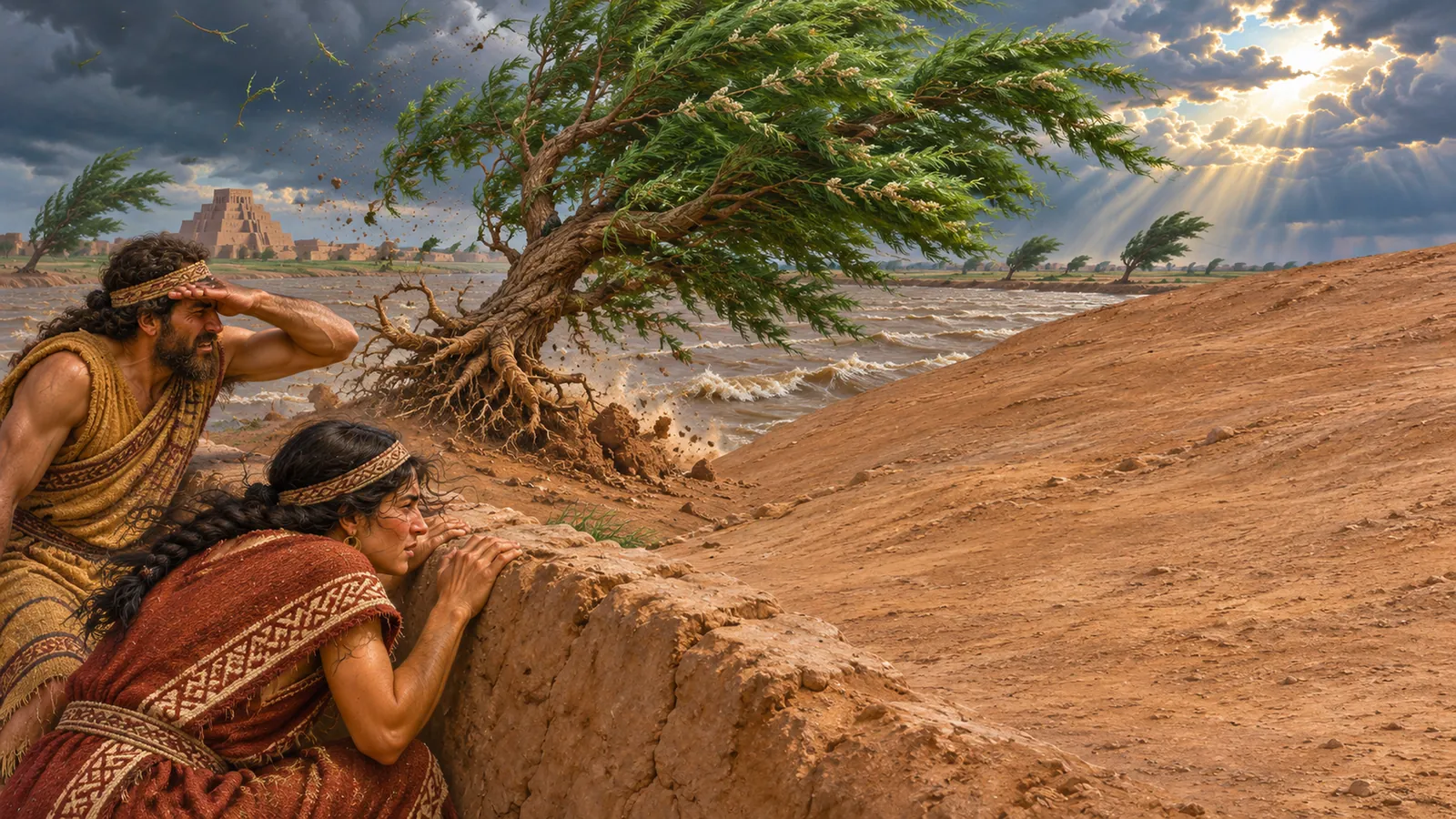
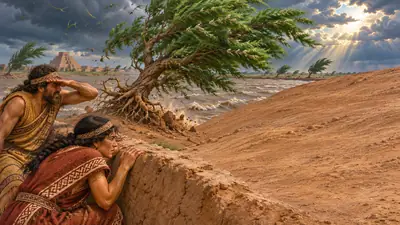
A hurricane goes before Ninurta. It kills people with fire, uproots whole trees and churns the Tigris until its waters are dark with stirred-up mud.
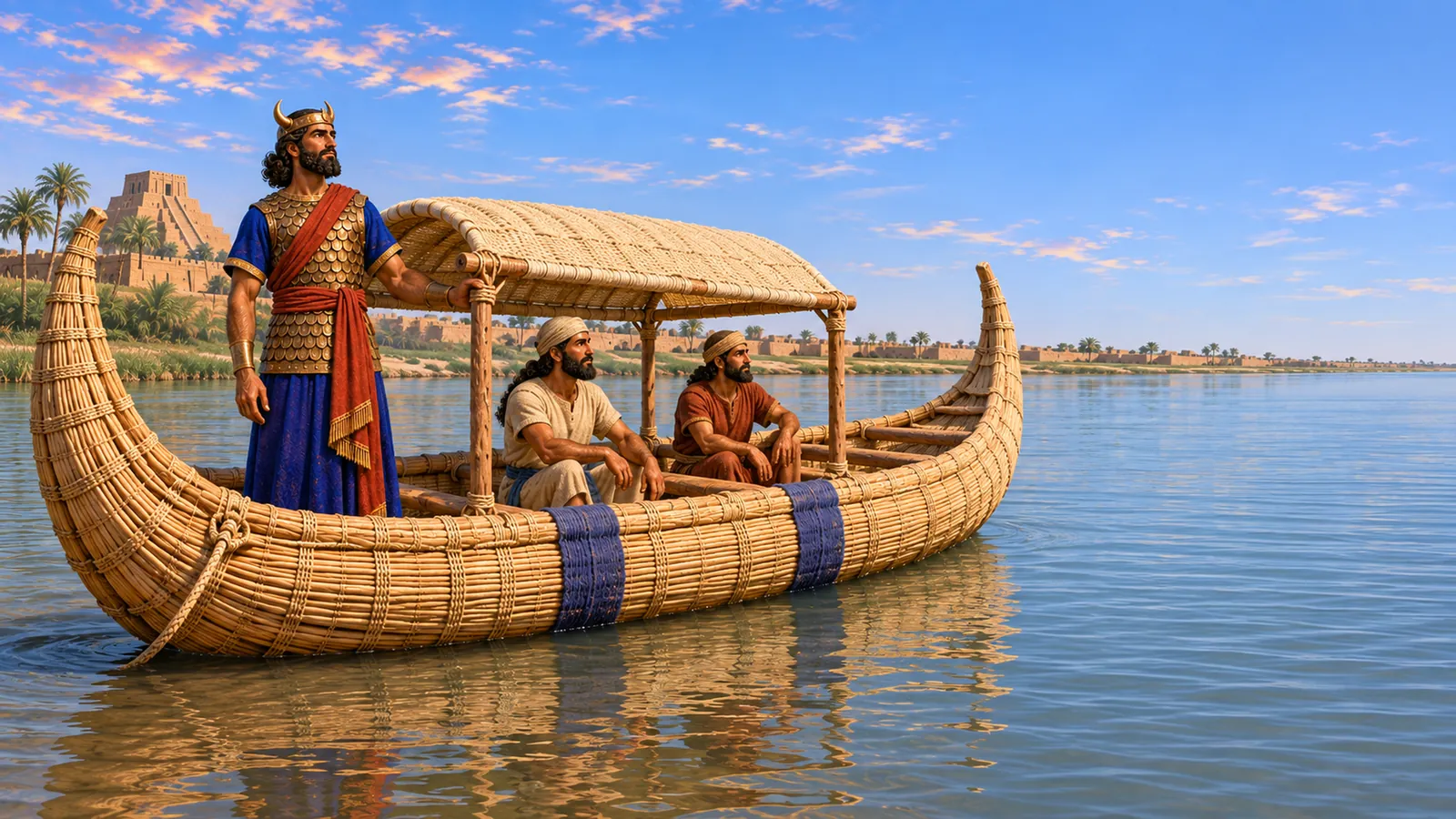
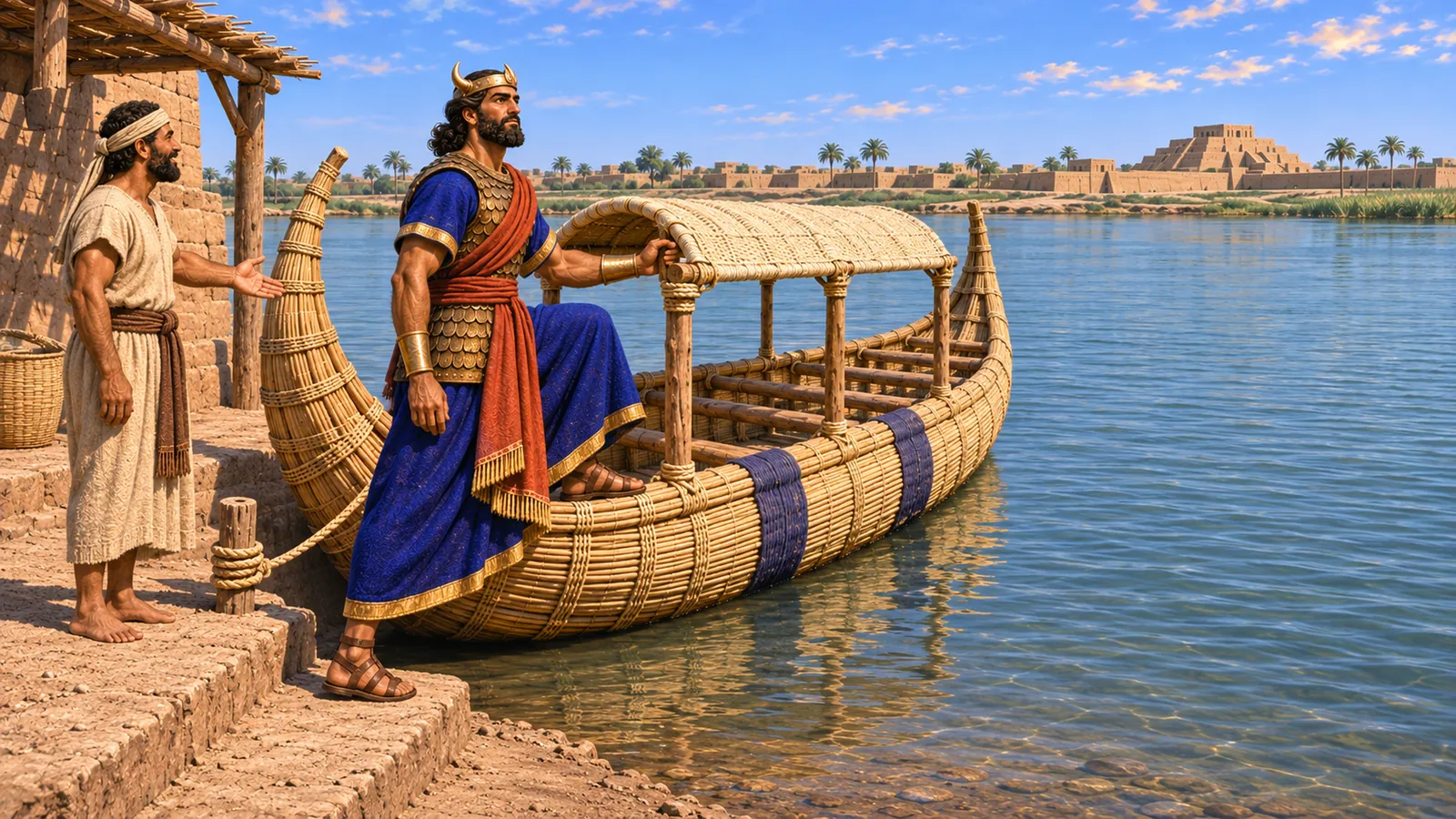
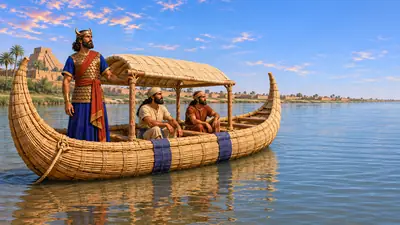
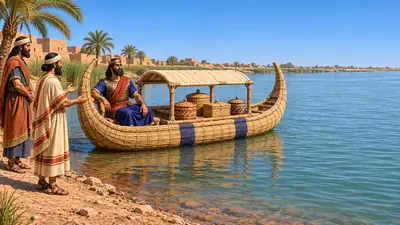
The boat Ma-kar-nunta-eda carries Ninurta as he hurries toward battle. In the places he passes, the people are so bewildered they hardly know which way to turn.
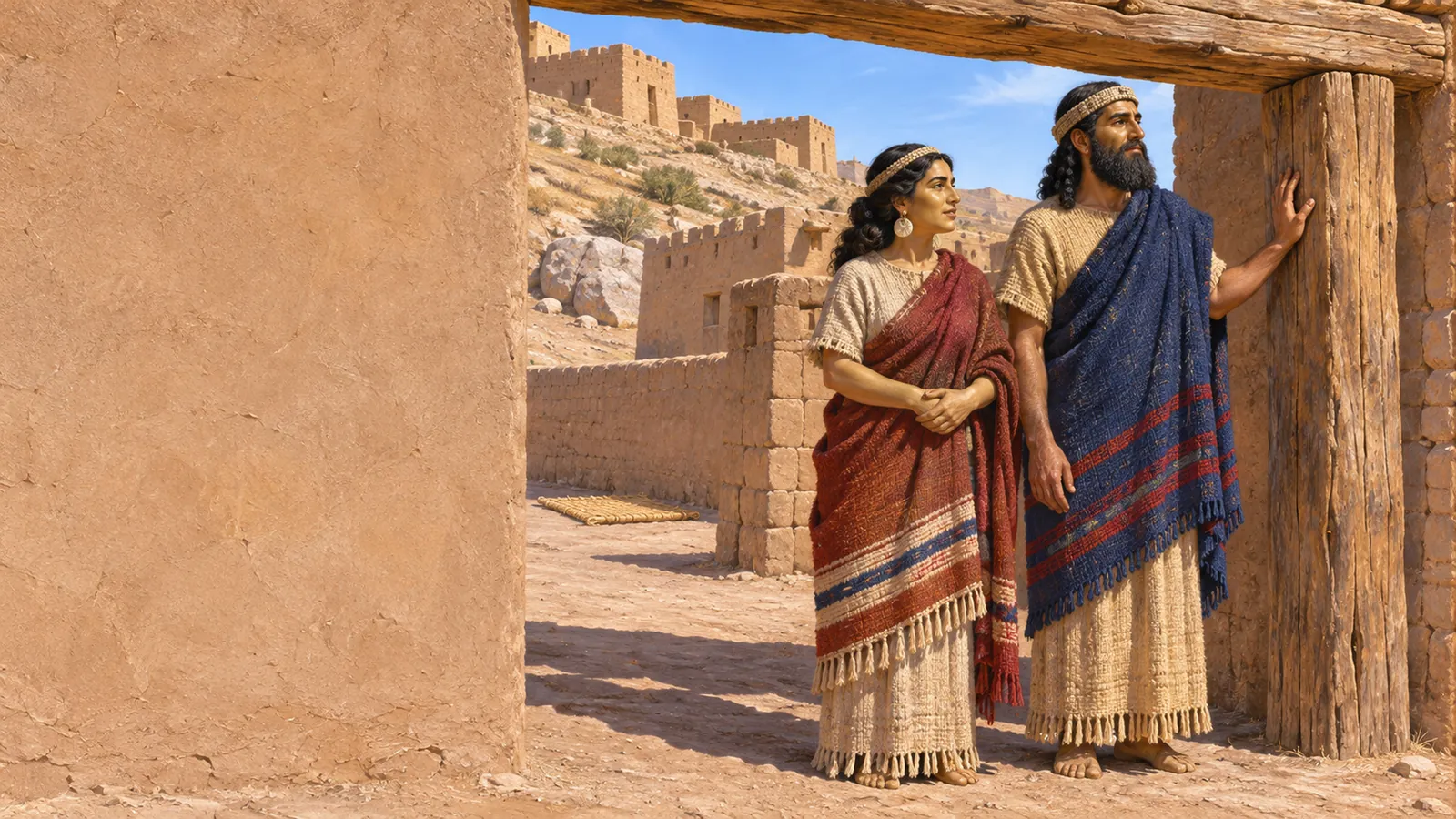
The poem follows the storm from the towns to the wild country. Birds struggle to lift their wings, water drives fish from their depths, and animals in the open are killed.
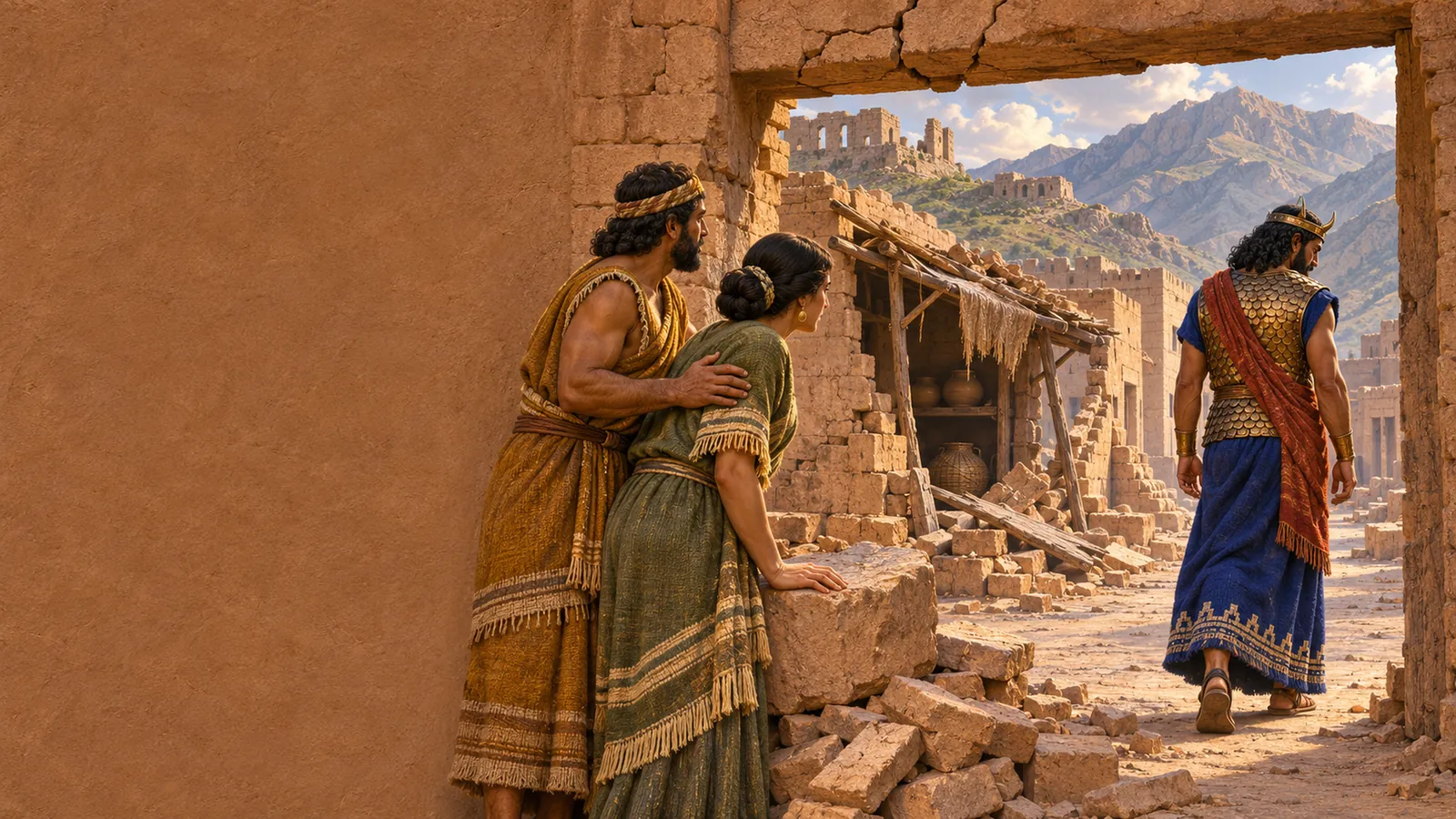
During his march through the mountains, Ninurta kills messengers, ruins towns, and strikes and binds herders. The lights of the highlands cease to shine in the distance.
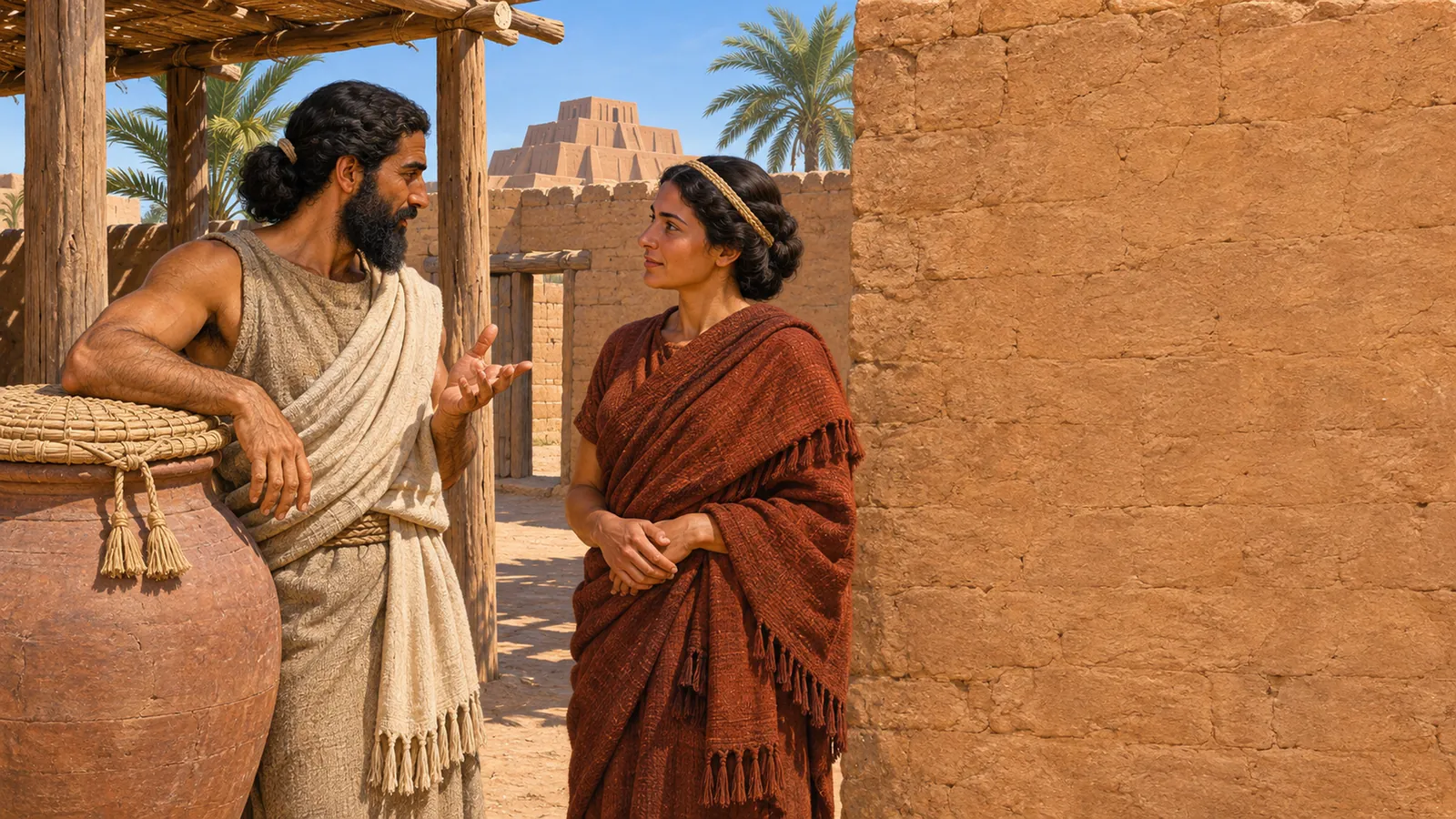
The inhabitants struggle for breath and curse the day the Asag was born. The poet makes Ninurta’s anger spread across their country like a bitter, swelling river.
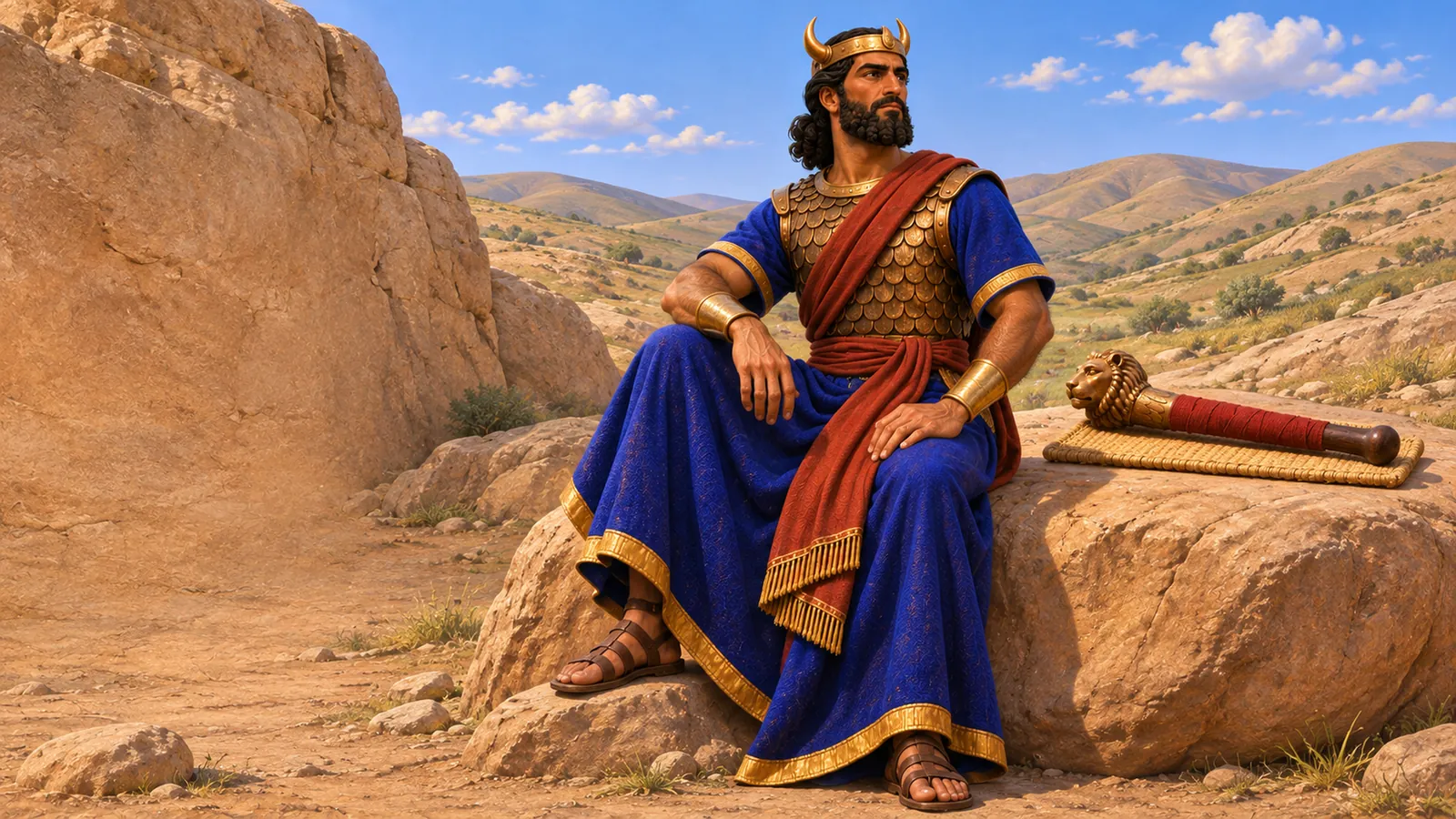
Šarur flies like a bird and learns what the people of the mountains are saying. In a passage with lost words it comes back to explain their intentions to Ninurta.
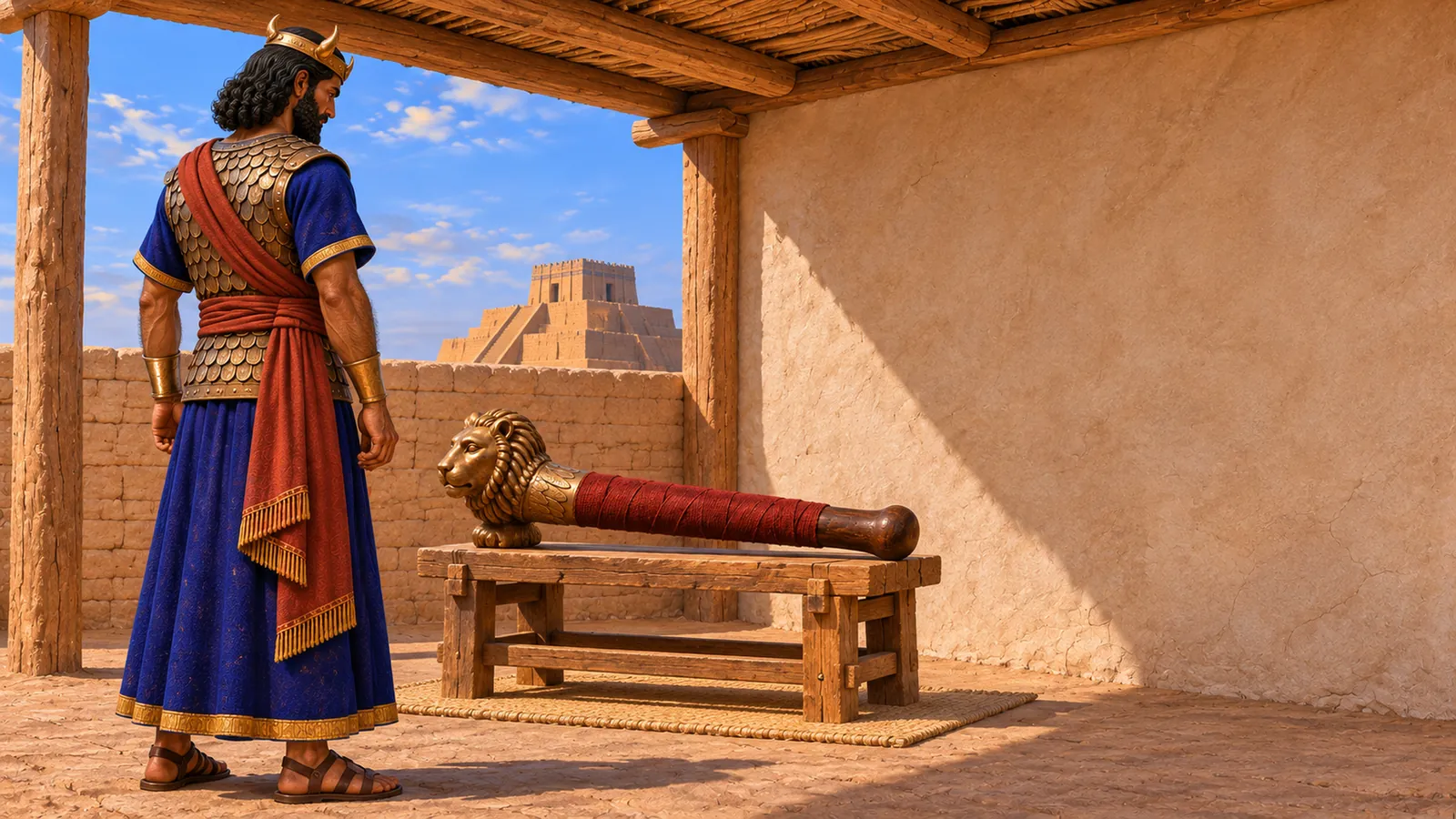
The weapon that loves the Lord draws close to him. Hero, beware, it tells him, and recalls how often he has stood in the thick of a fight.
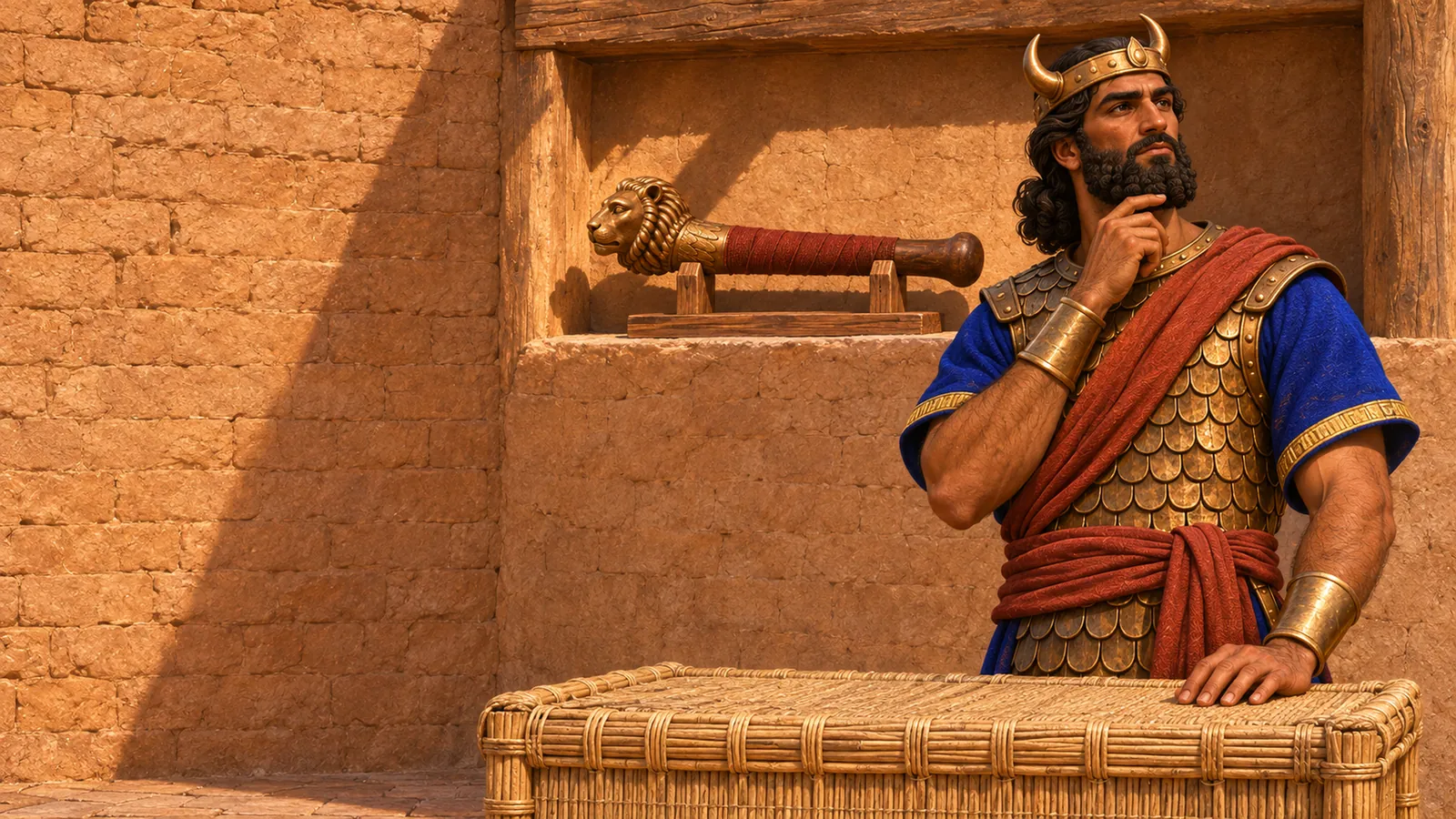
Šarur names warriors Ninurta has already slain in the mountains. It remembers the Dragon, the Six-headed Wild Ram and the Anzud bird among the many foes of earlier battles.
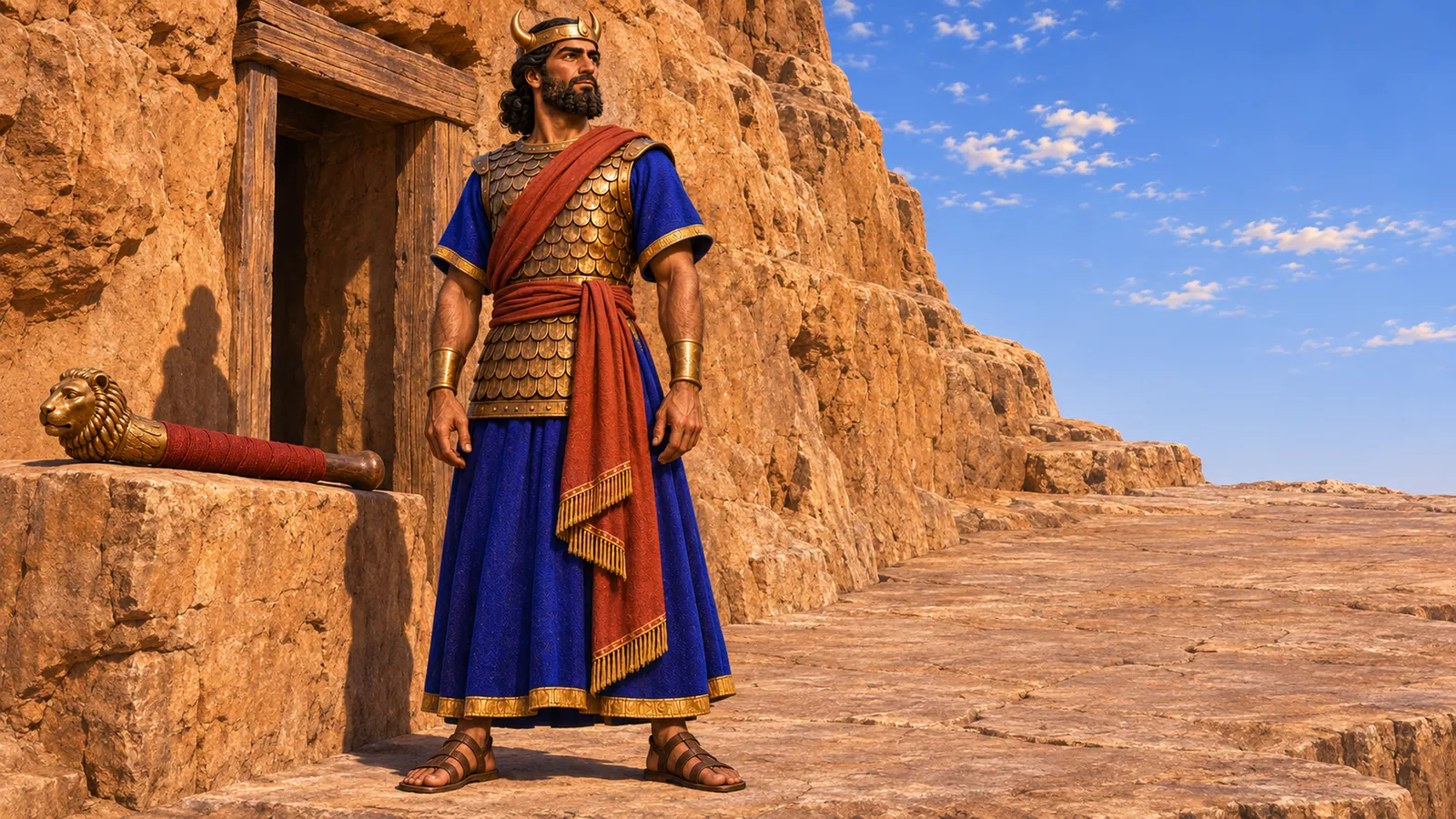
The mace reminds him of the honors Ninlil gave him, then asks him to keep his feet still. The Asag is waiting, it says. Do not send your young men into the mountains.
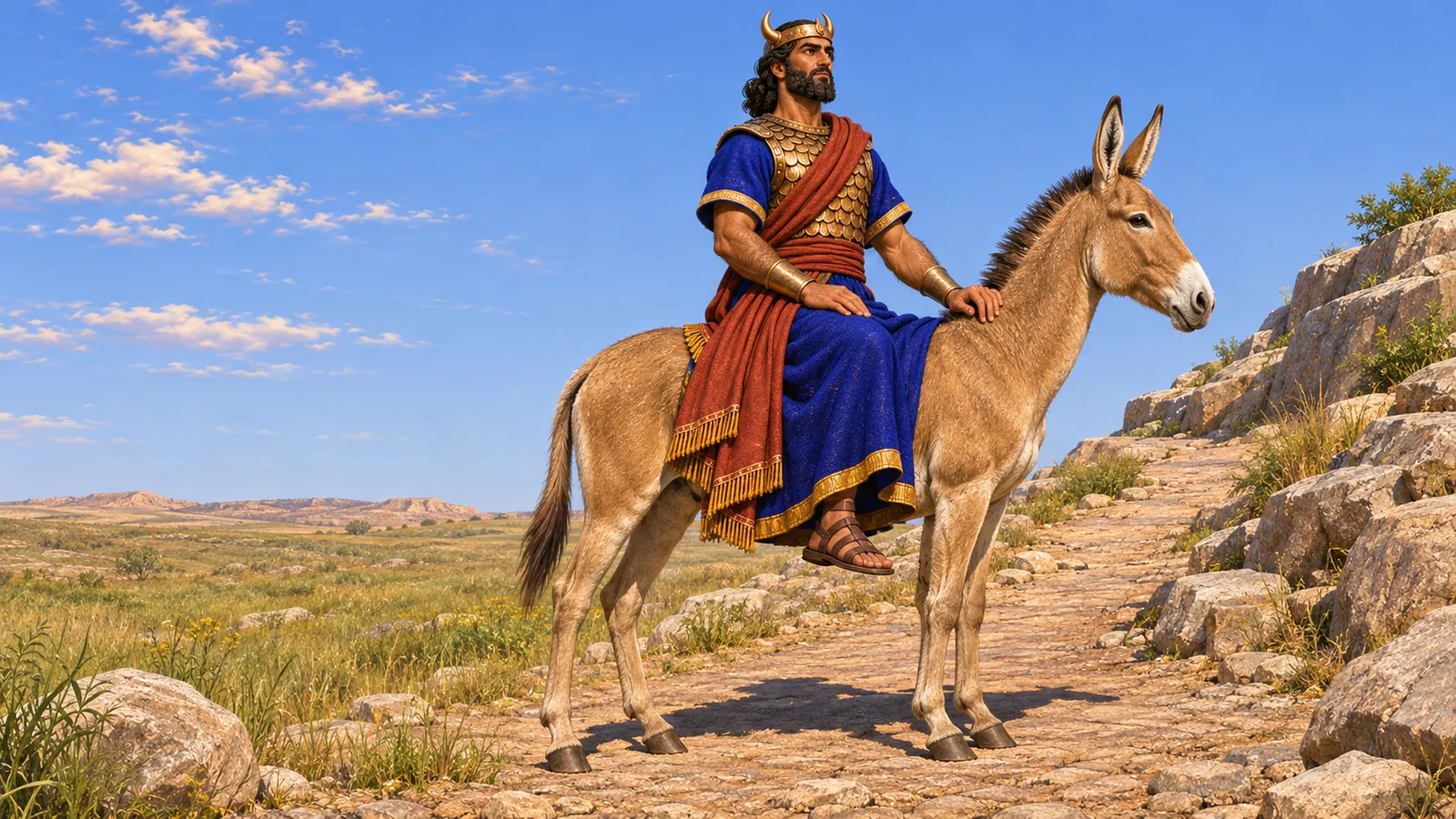
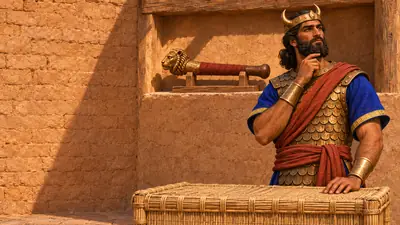
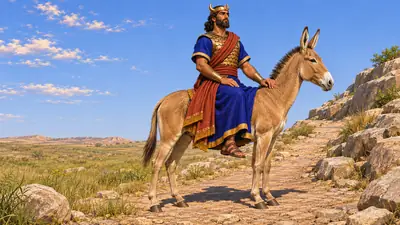
Ninurta rises from his deliberation and mounts an onager. He goes at the front into the mountains, and the sun and moon disappear as the day grows dark.
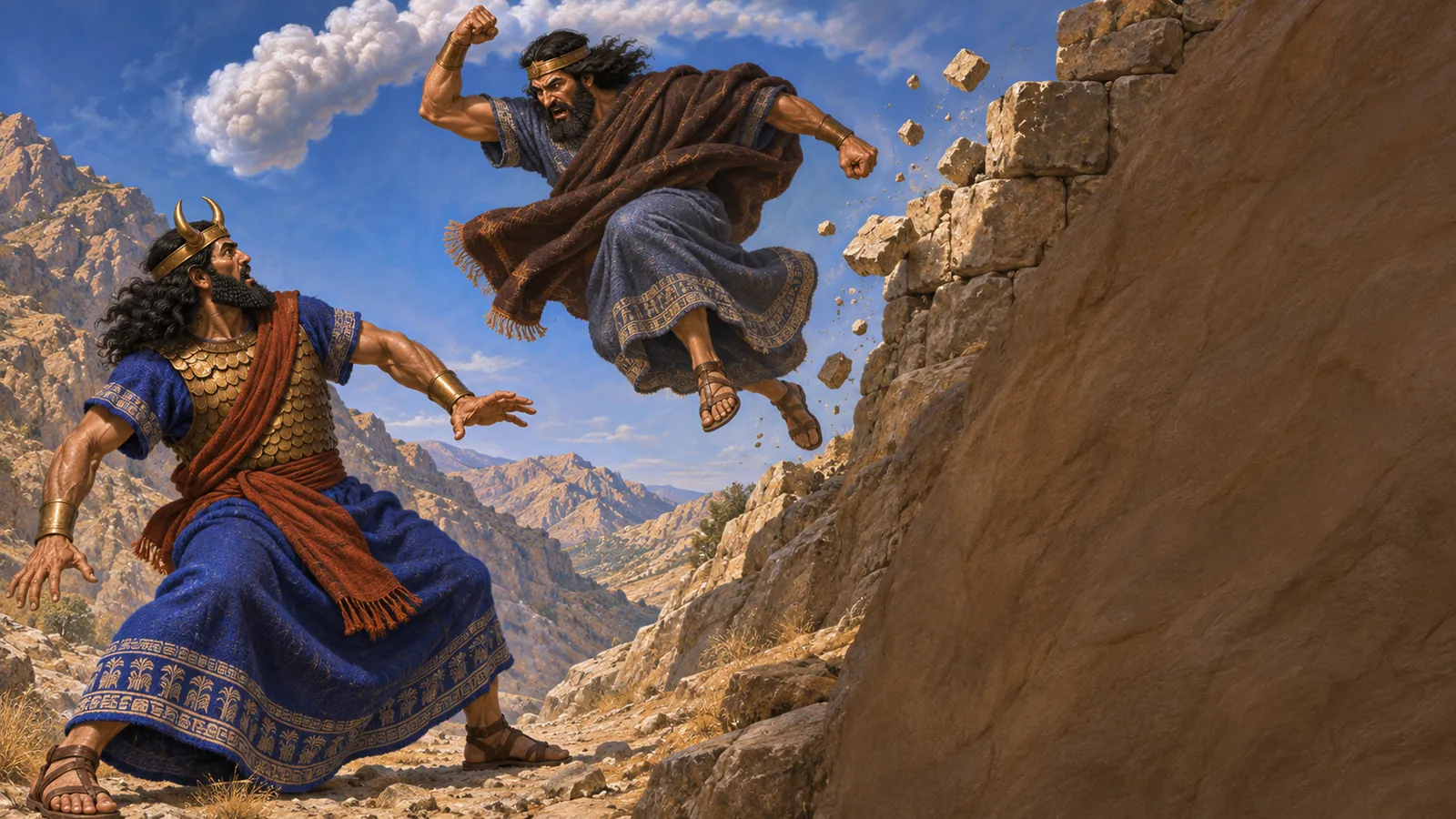
The Asag leaps into the fighting. In the language of the poem he takes the sky for a club and falls upon the son of Enlil like a collapsing wall.
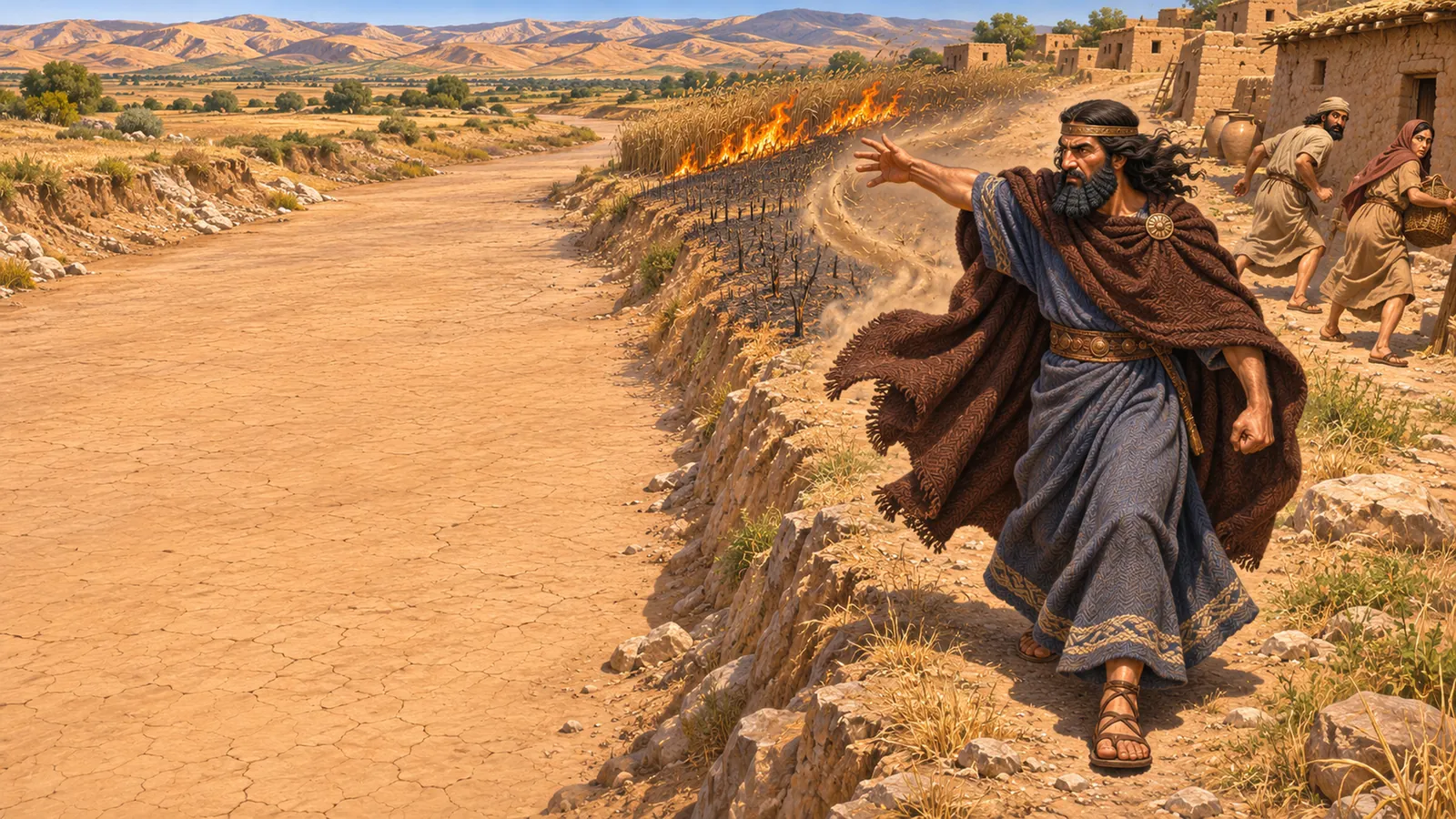
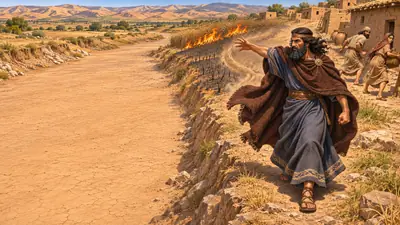
The Asag dries the mountain waters, tears away tamarisks and sets the reeds ablaze. People scatter, and the fields are blackened as far as the eye can see.
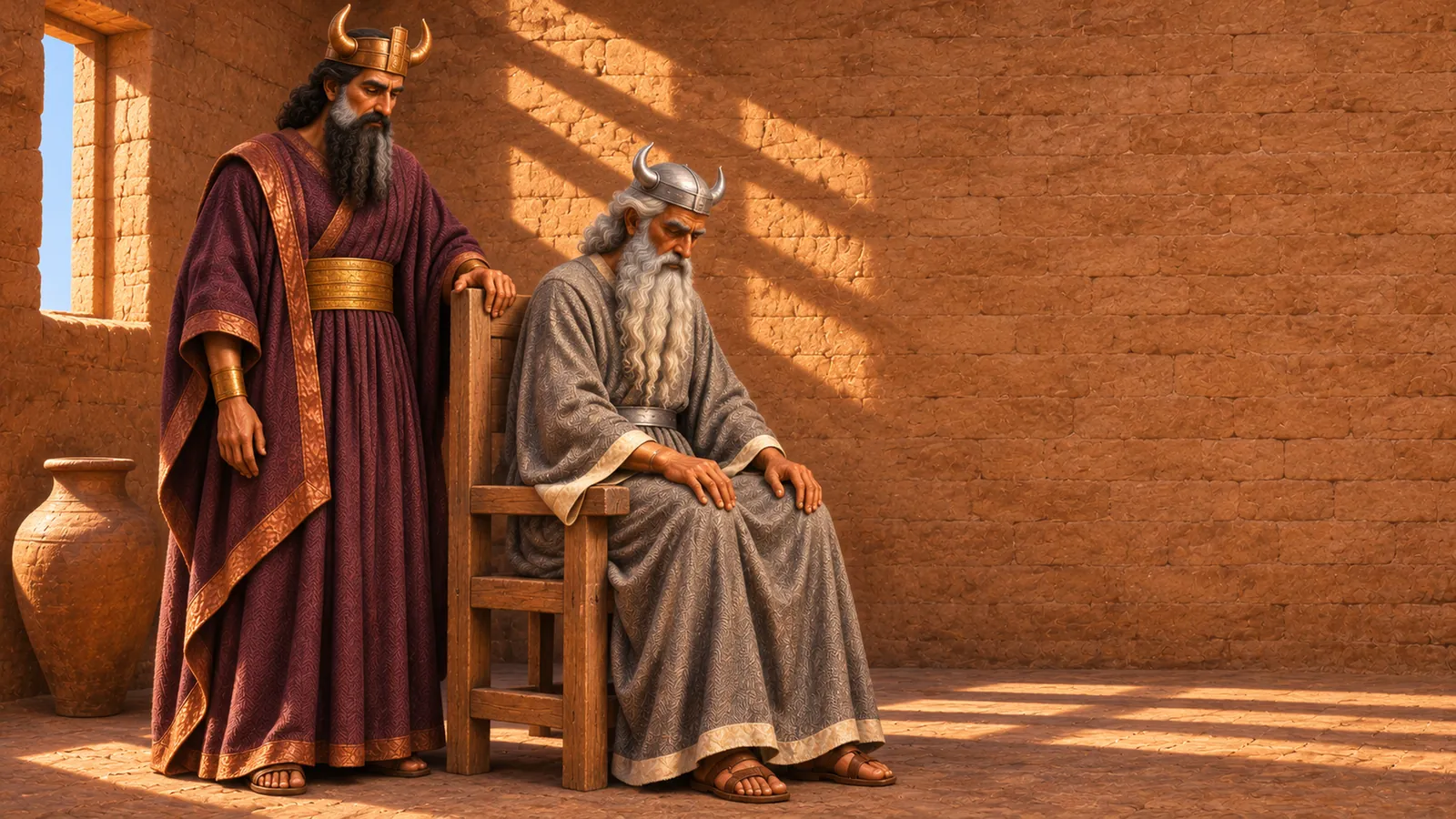
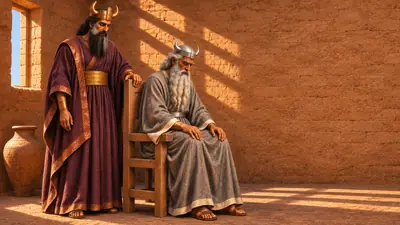
An crouches in dismay, and Enlil groans and hides in a corner. The divine assembly shrinks against the walls, while anxious sighs fill the hall.
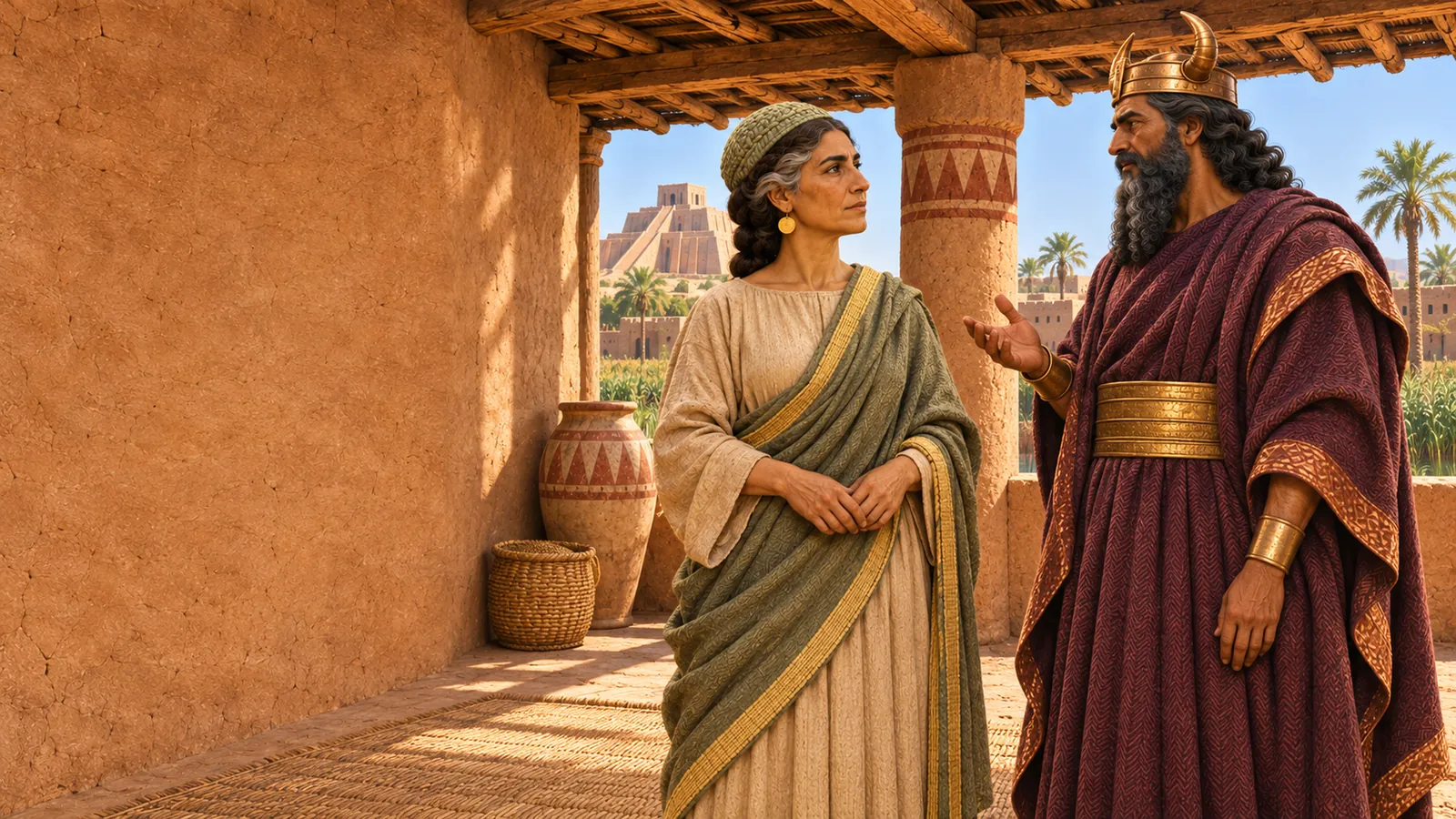
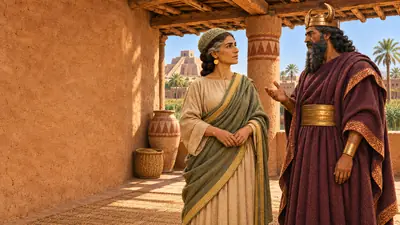
Enlil turns to his wife Ninlil. My son, my strength, is no longer beside me, he says. Who is there now to take me by the hand?
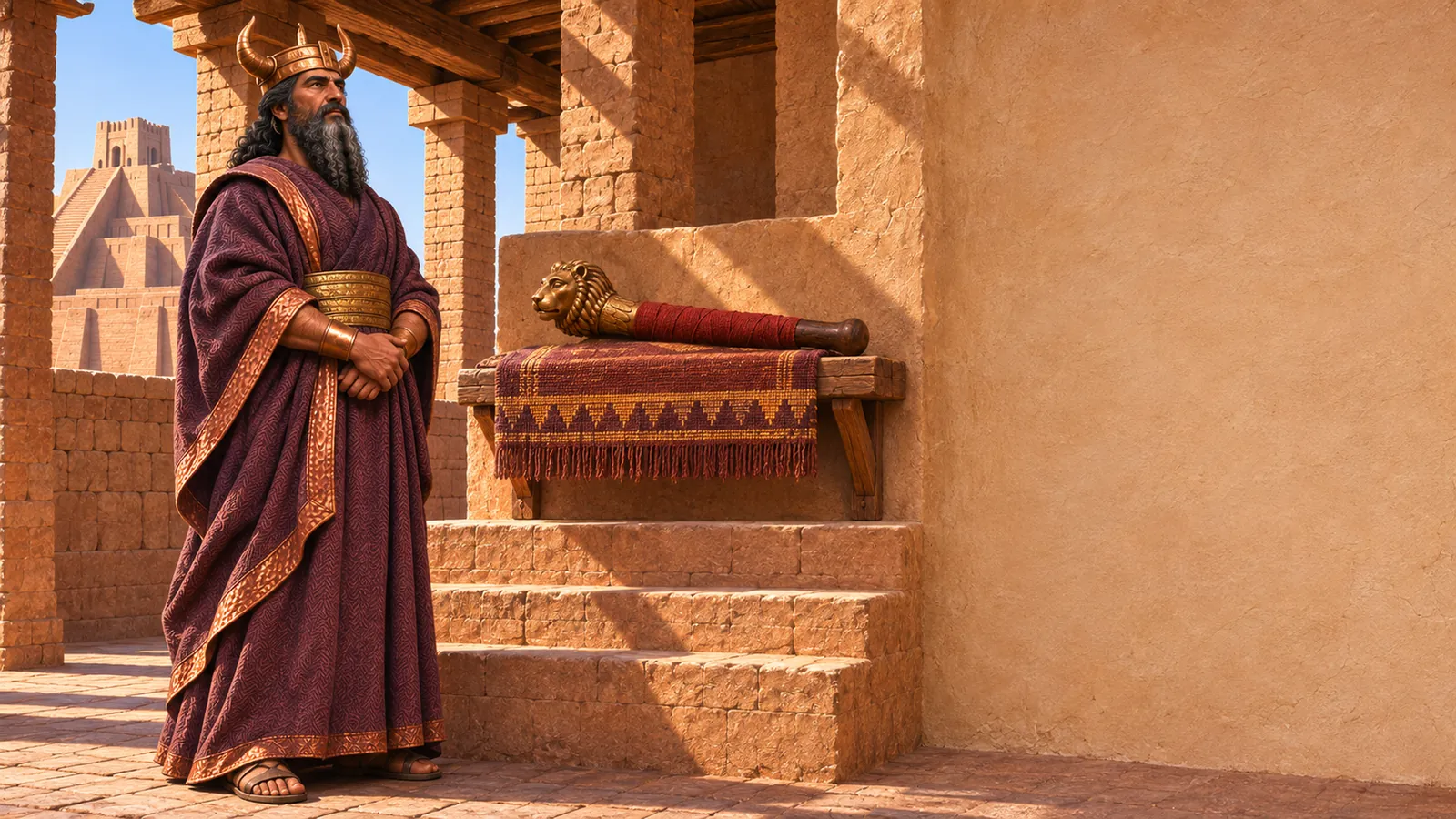
Here much of the ancient text is broken. Enough remains to tell that Šarur, loyal to its master, goes to speak to Ninurta’s father Enlil in Nippur.
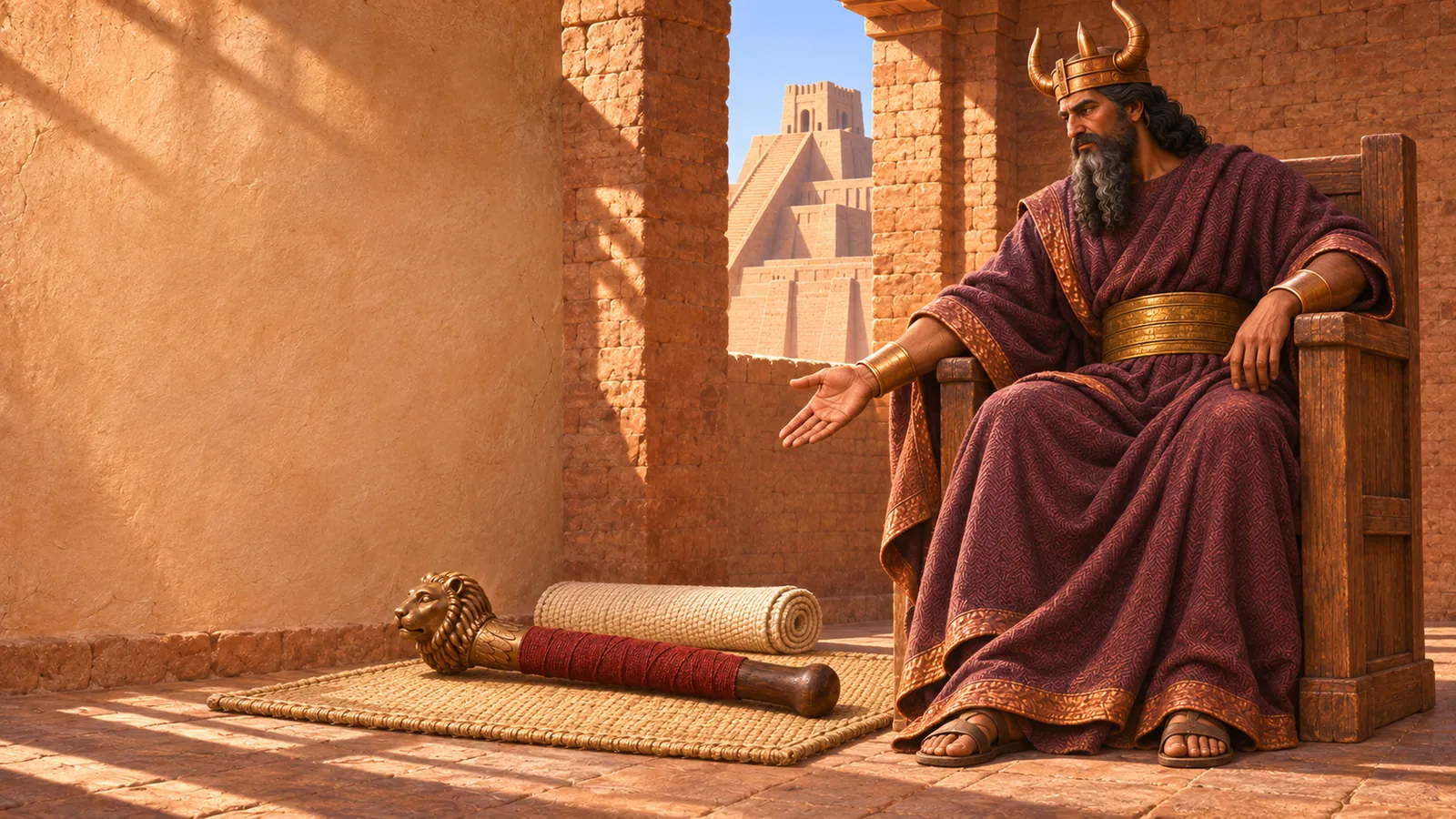
Enlil says Ninurta will stand and breathe freely again. What survives of his instructions asks that the people and their descendants be spared, together with the kinds of life he has ordained.
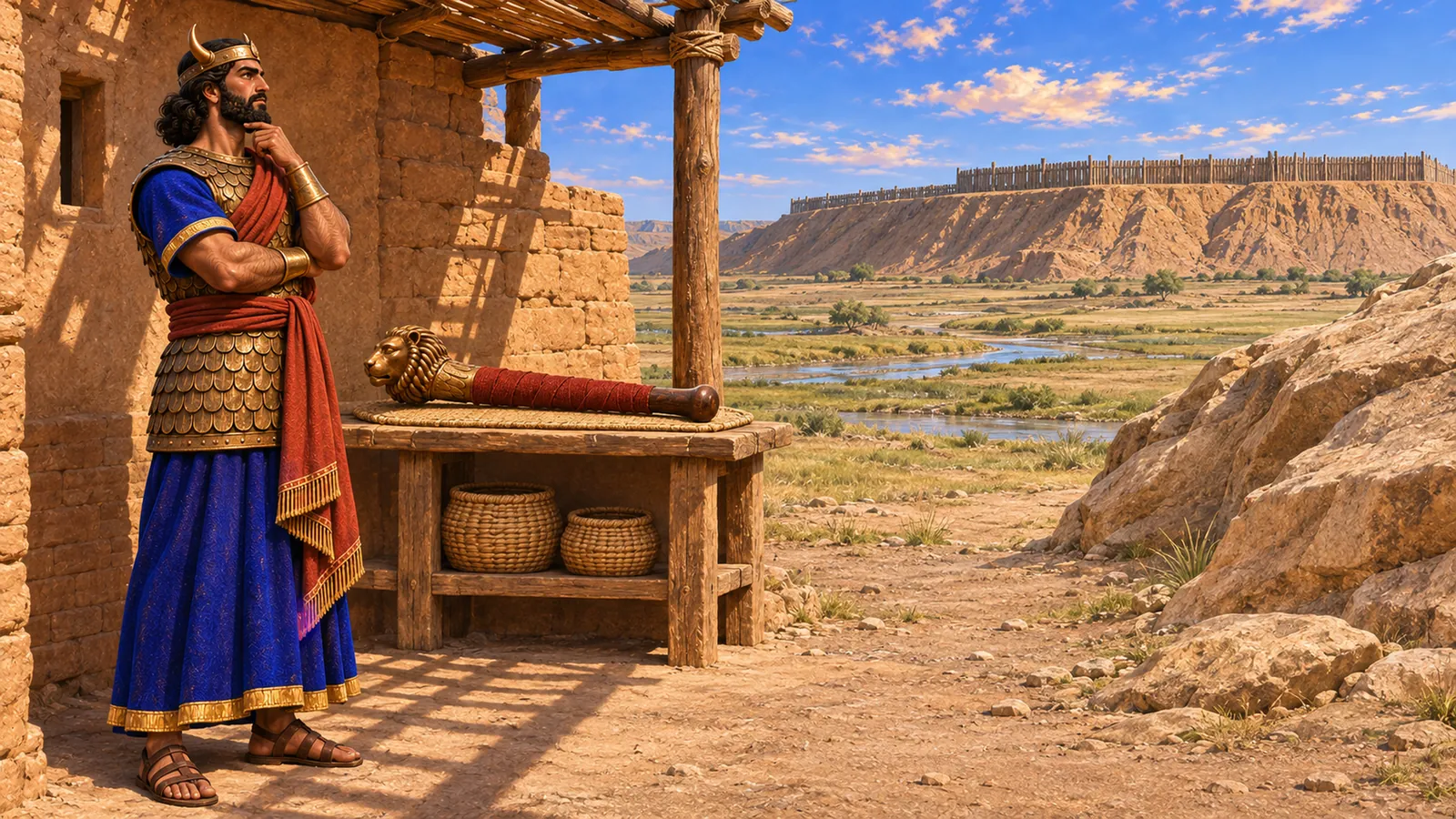
Šarur returns joyfully. Enlil urges his son to kill the Asag and bring it to E-kur, and the mace warns that the Asag has built a high rampart of earth and stakes.
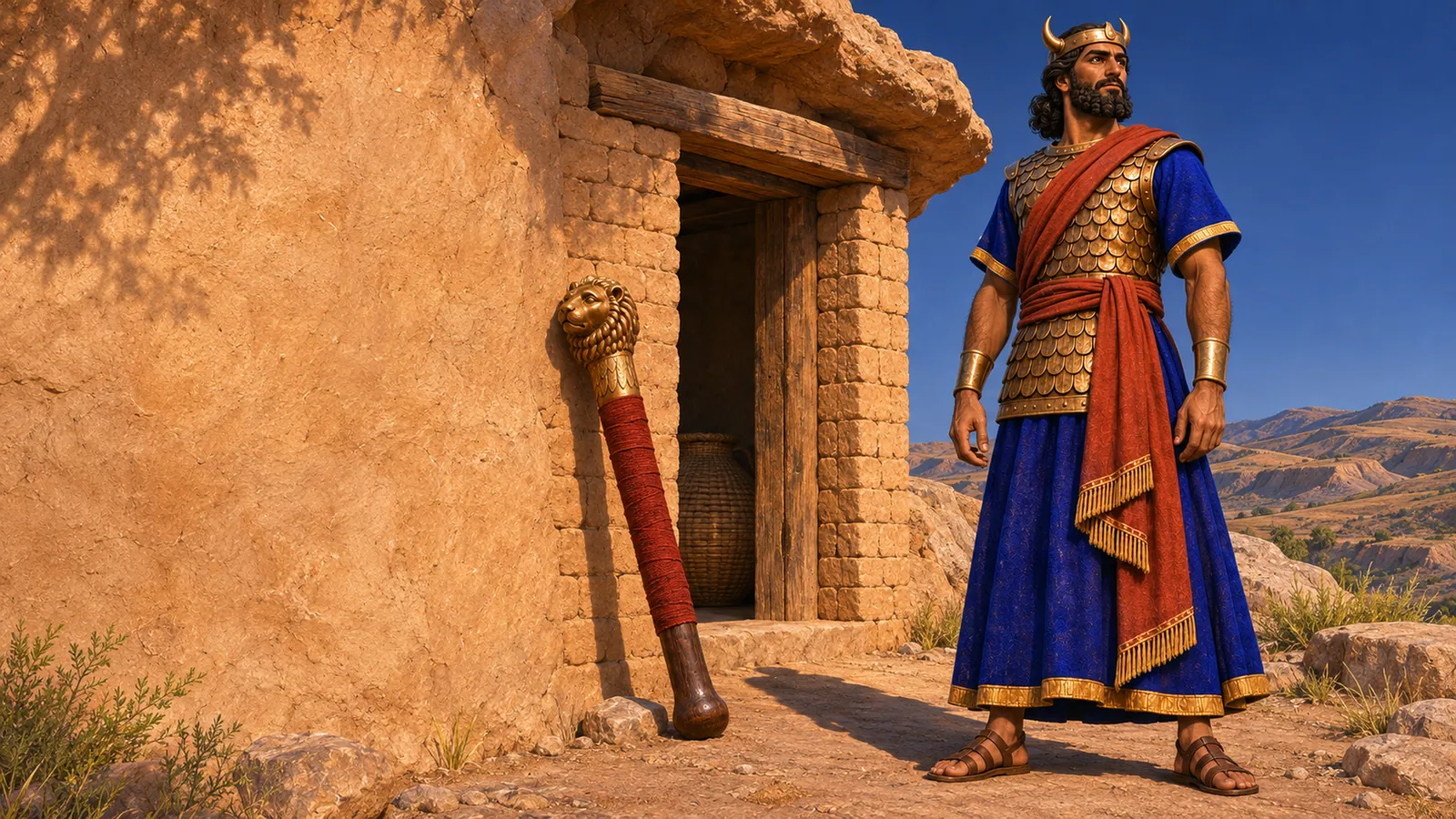
The end of the message is damaged. Ninurta speaks to the mace and turns toward the mountains, and once more the poem makes daylight give way to darkness.
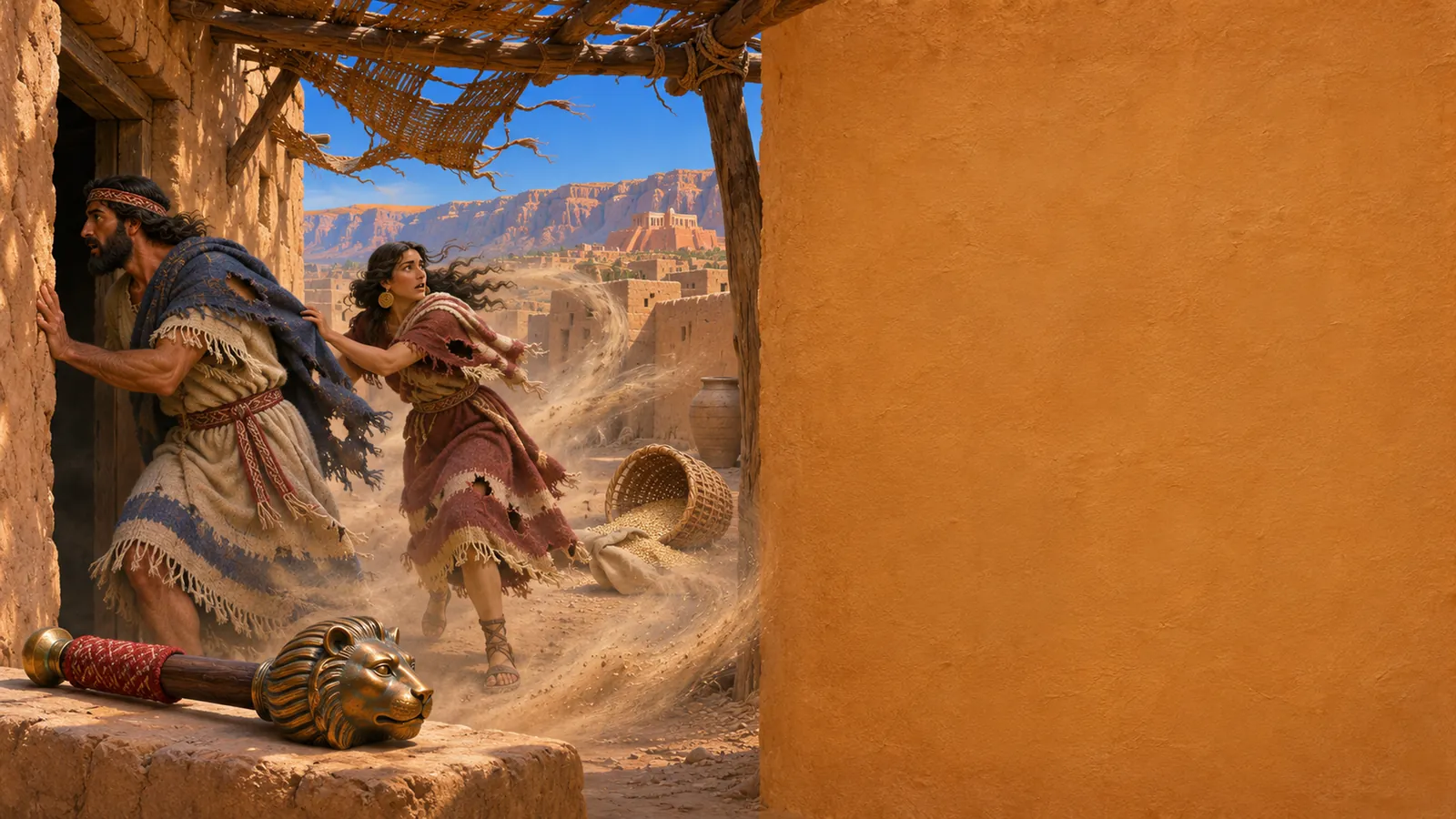
Šarur drives a storm through the towns and kills people. The poem describes terrible injuries. The weapon covers the mountains with dust, yet the Asag’s resolve holds.
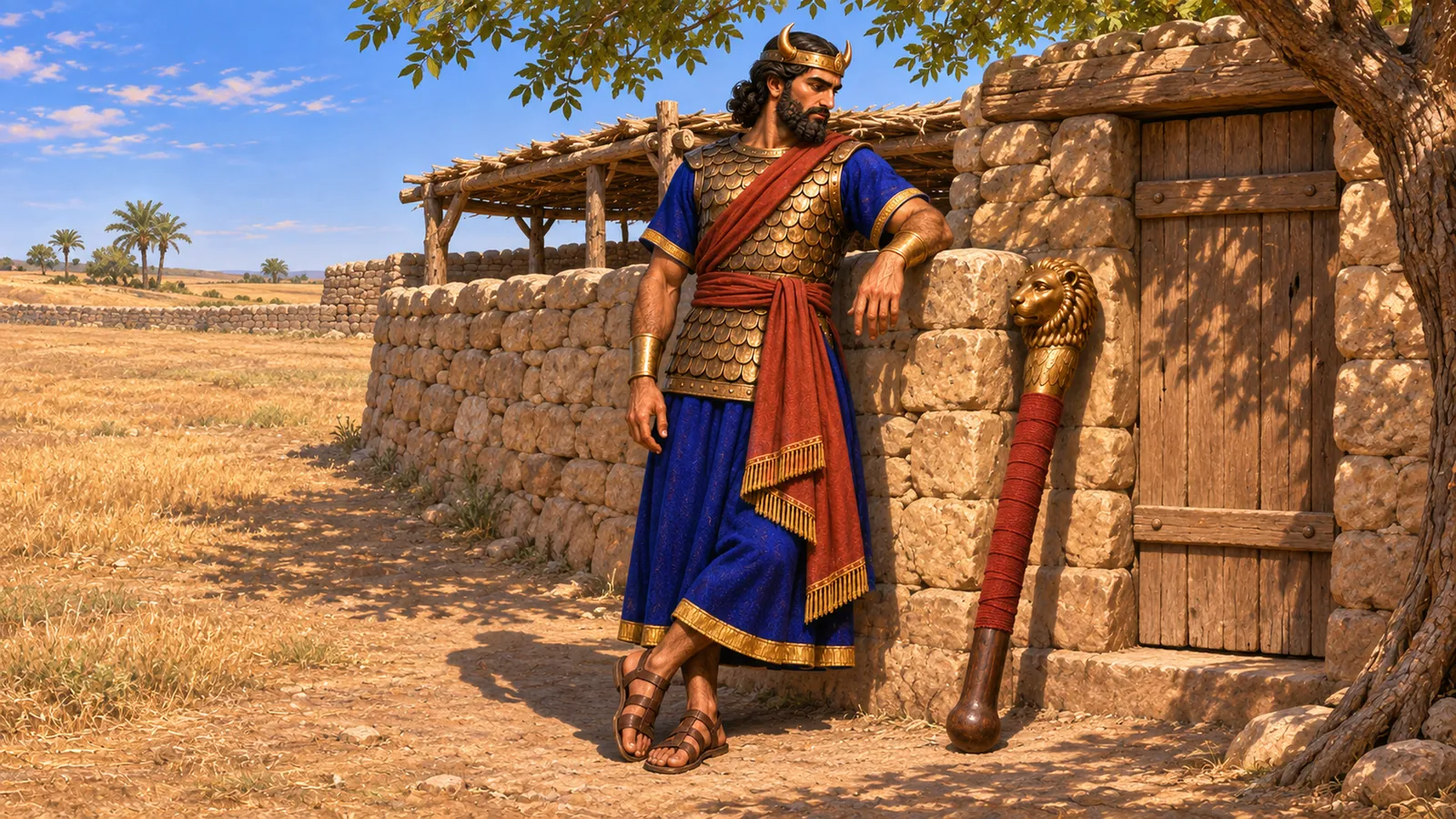
Šarur clings to its master and warns him again. The Asag drives the wild asses before him, dries water beneath the earth, and leaves people who can see no way out.
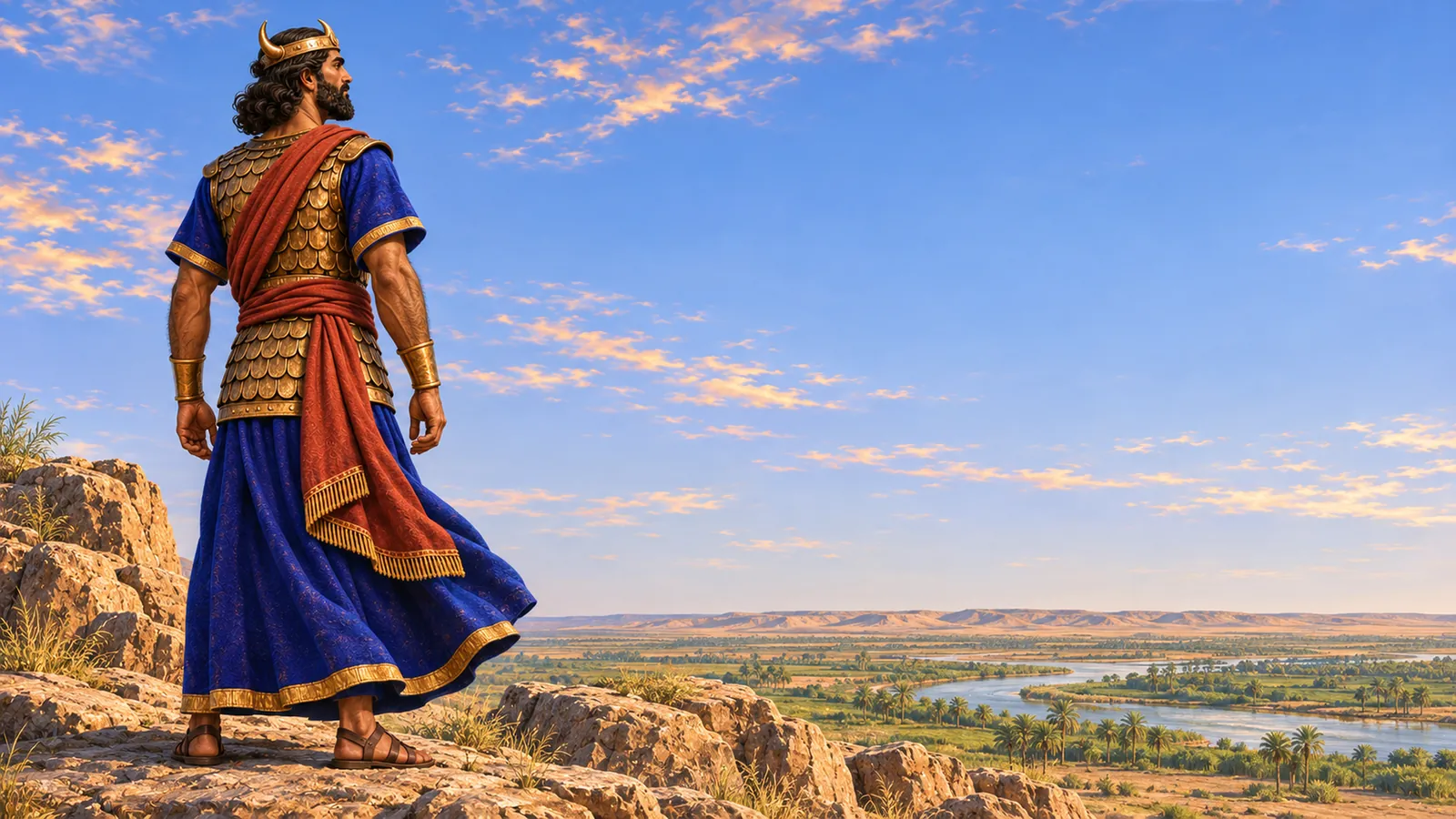
Ninurta roars at the mountains and presses on, striking down foes as he goes. From the heights the Asag looks up in anger like a bird of prey.
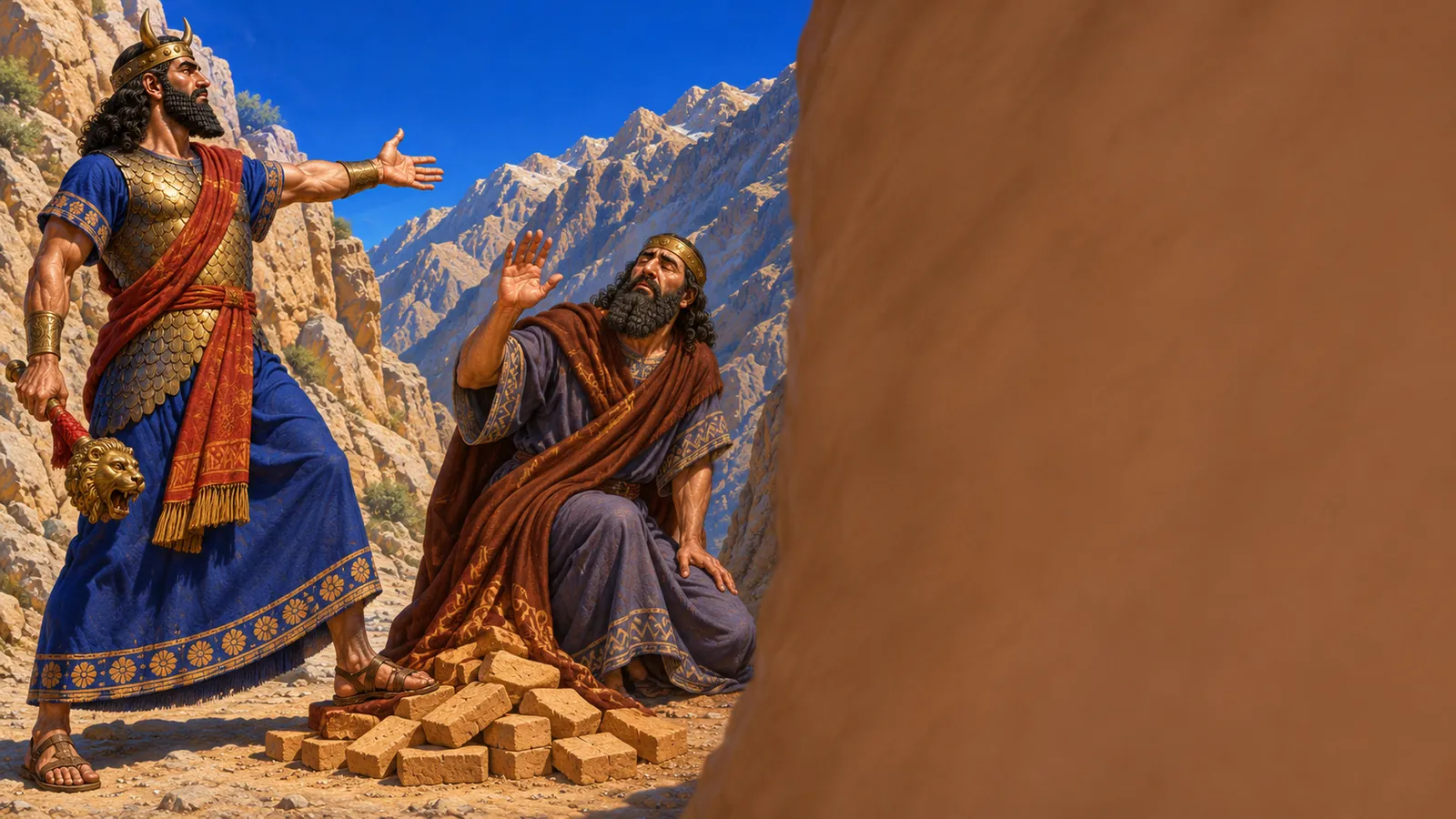
ASAG
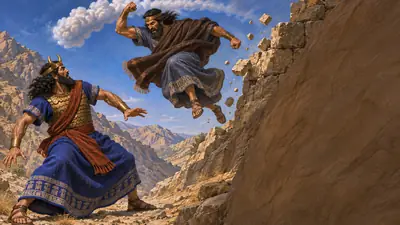
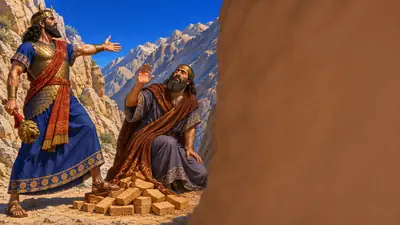
Ninurta closes in. The Asag’s terrible splendor fades, and Ninurta kills him and breaks him apart. The poem compares what remains to a heap of broken bricks.
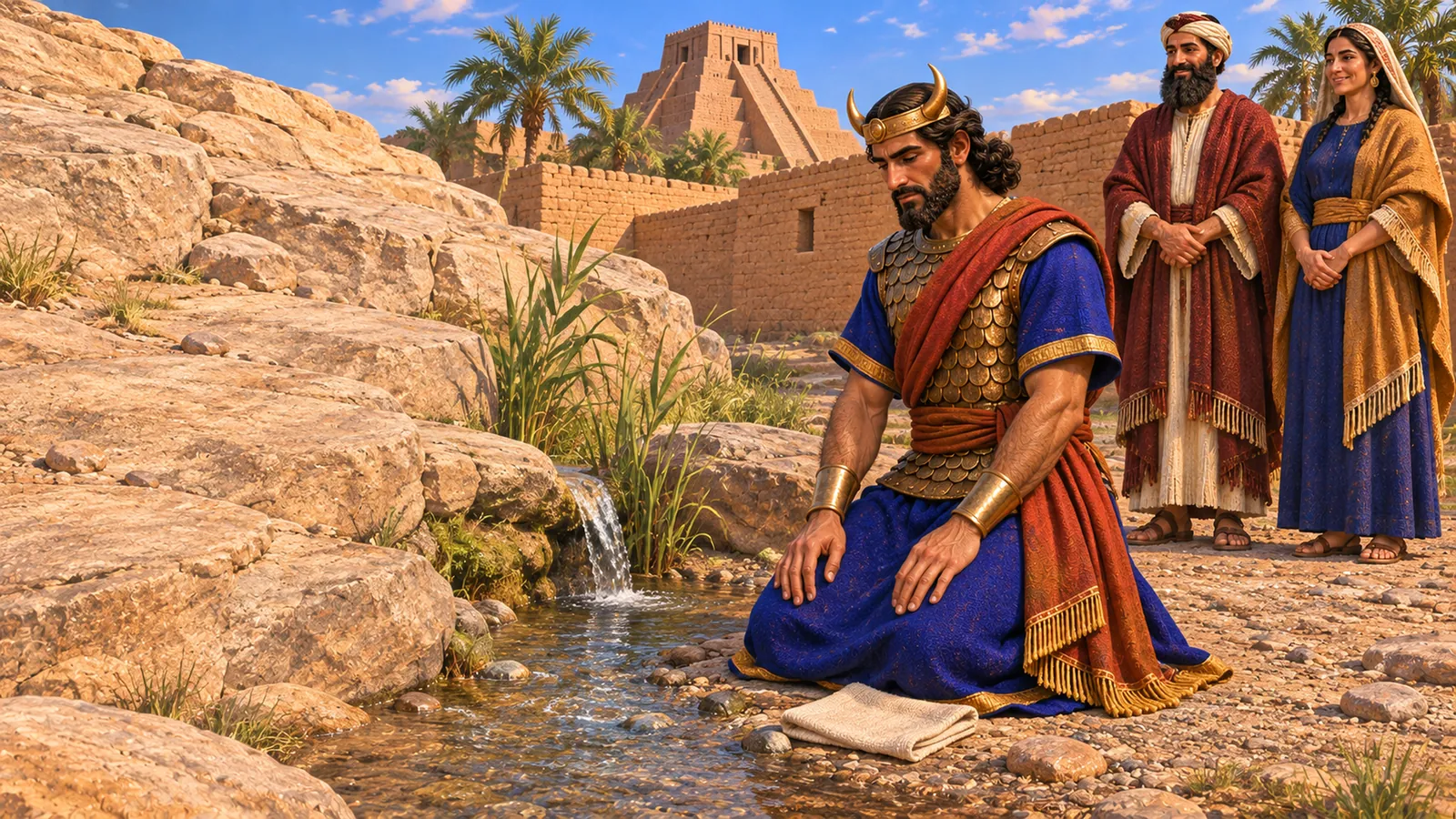
As the day ends, Ninurta washes the blood from his clothes, wipes his brow and cries in victory over the dead Asag. The gods come to greet him and clap their hands.
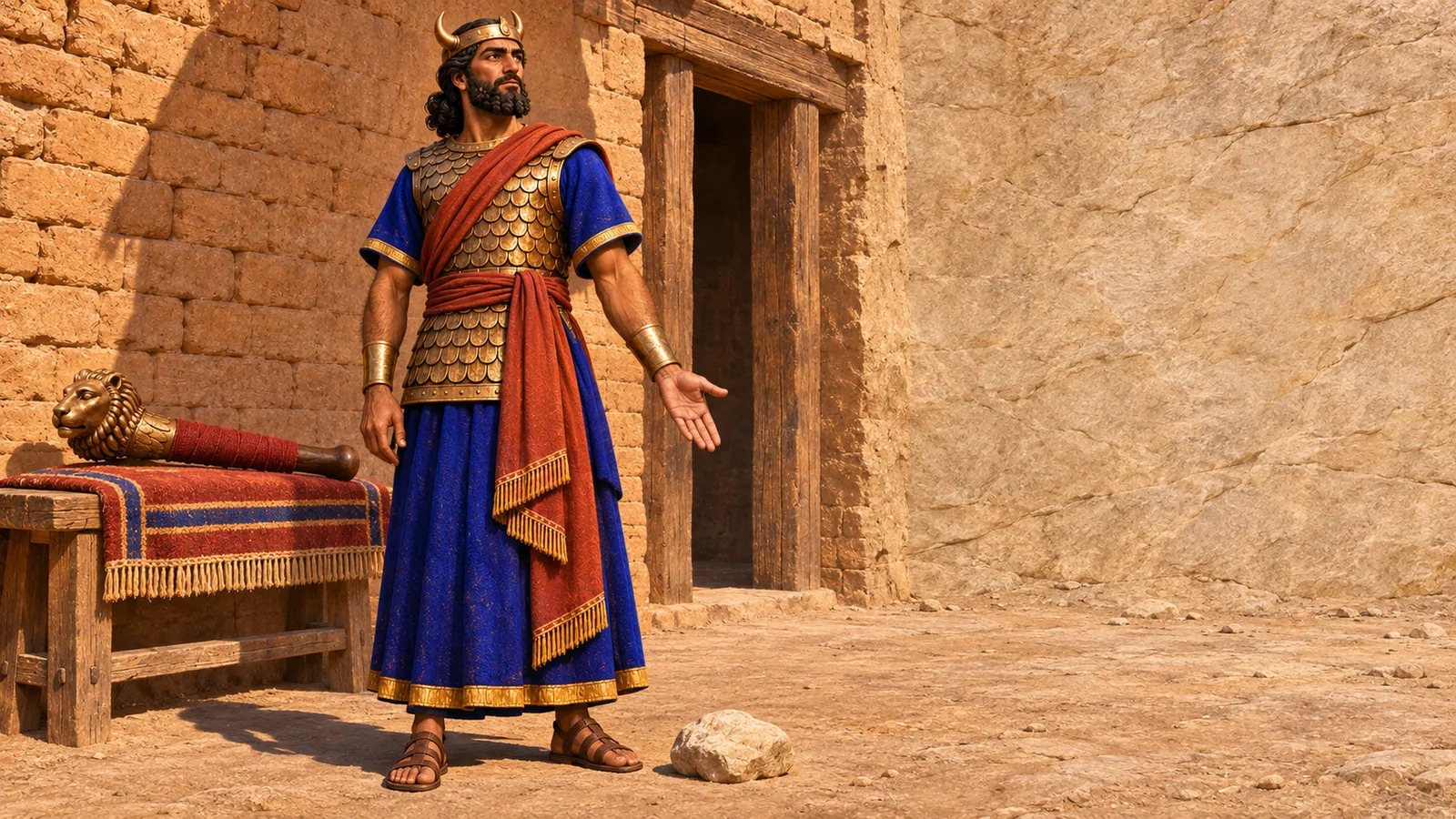
Šarur praises him, then the text breaks again. When clear words return, Ninurta says to call the Asag Stone from that day forward and declares that its strength is now his.
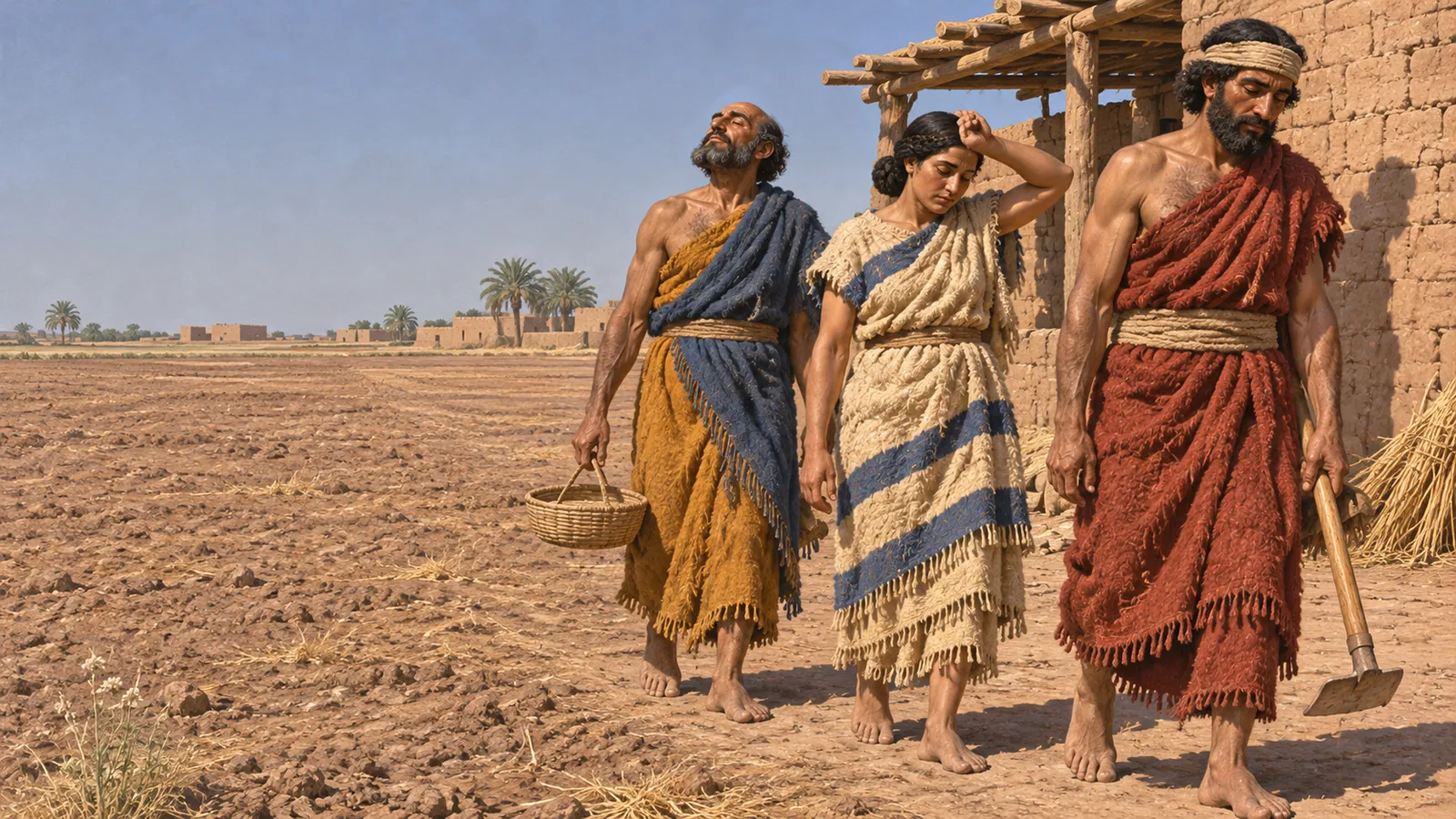
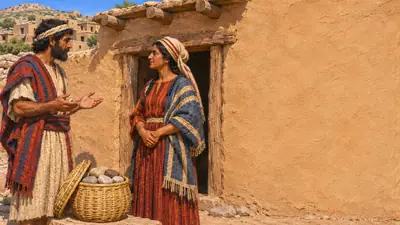
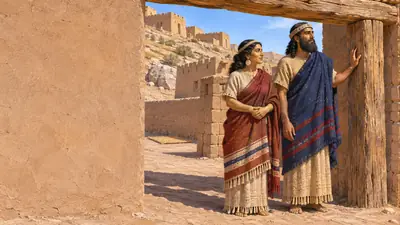
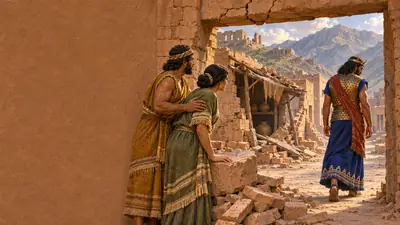
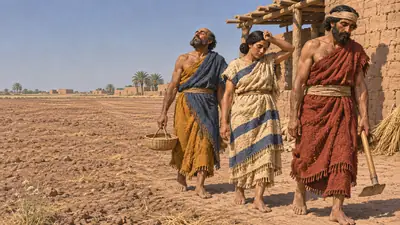
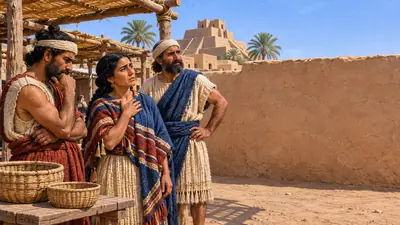
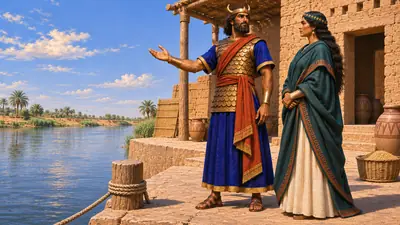
In those days water gathered in the wrong places and did not reach the fields. The gods of the land carried baskets and hoes as compulsory labor.
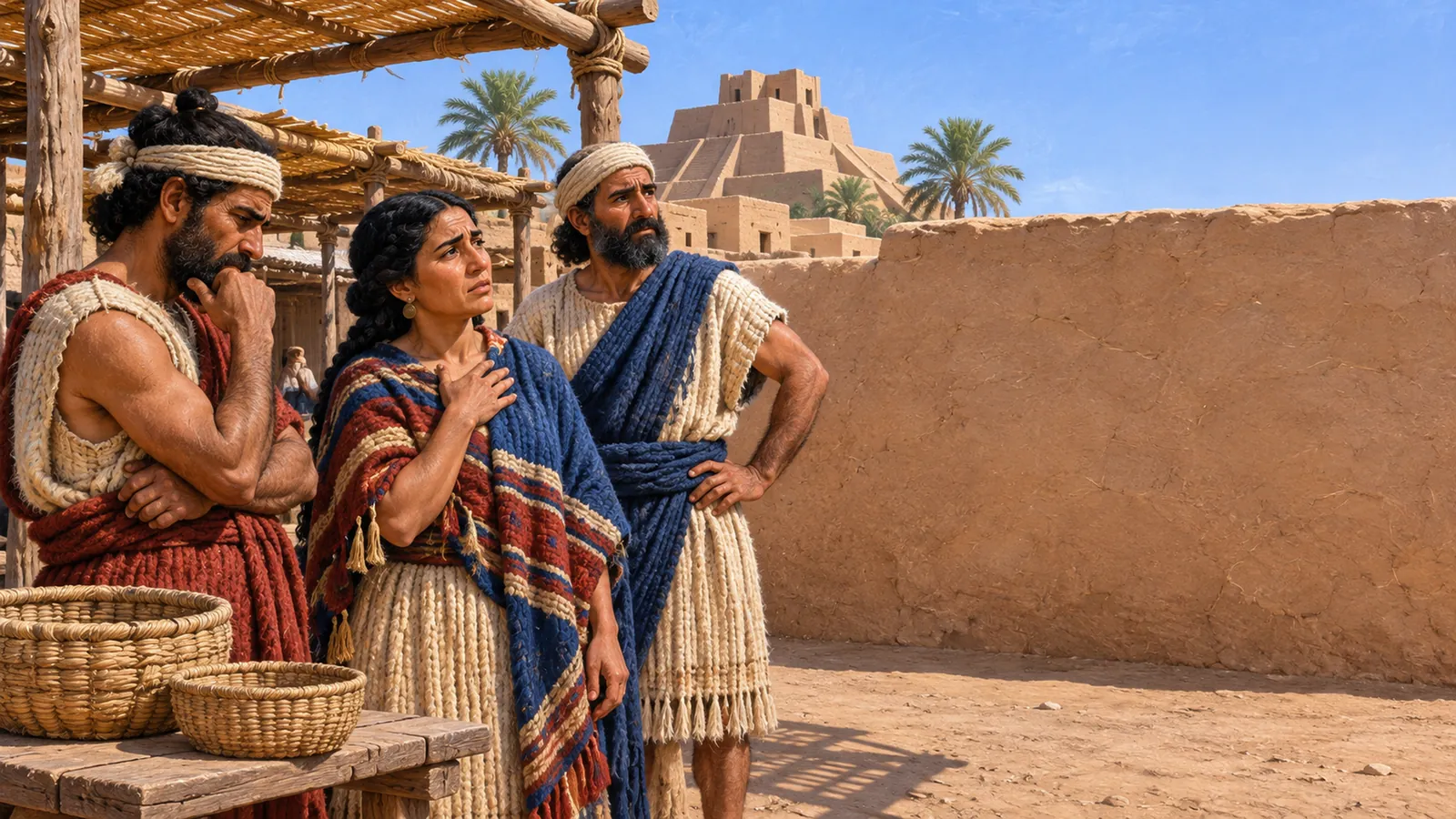
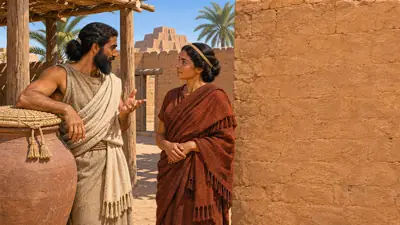
The Tigris does not carry its full flood, and famine is severe. No one has cleared the small channels or cut proper ditches, and seed is scattered without regular furrows.
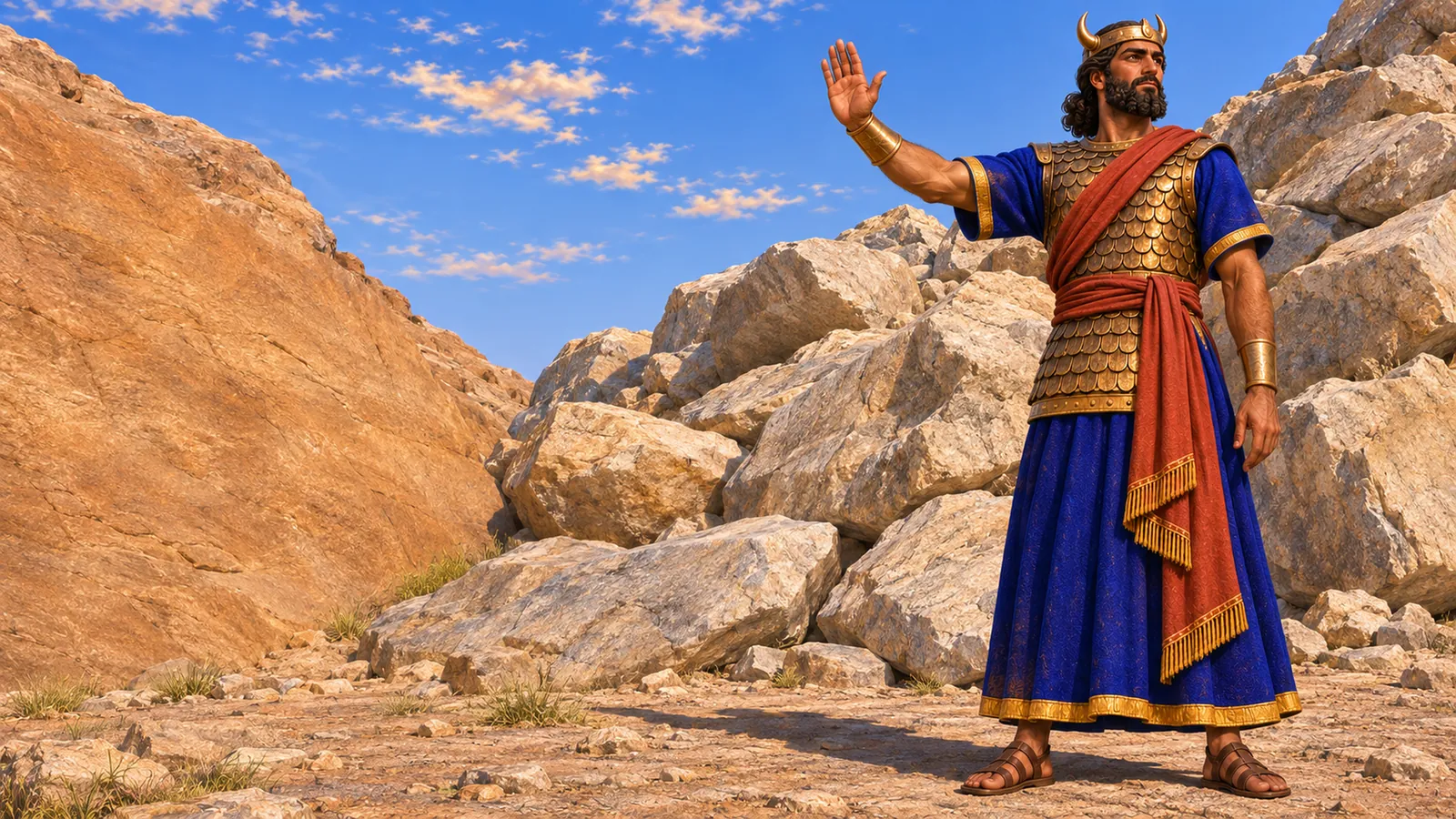
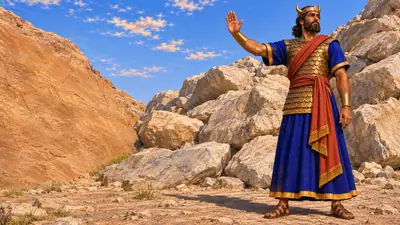
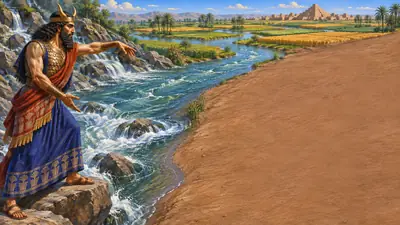
Ninurta turns his wisdom to the waters. He heaves up a mass of stones in the mountains, making a great barrier that holds back the waters rushing toward the land.
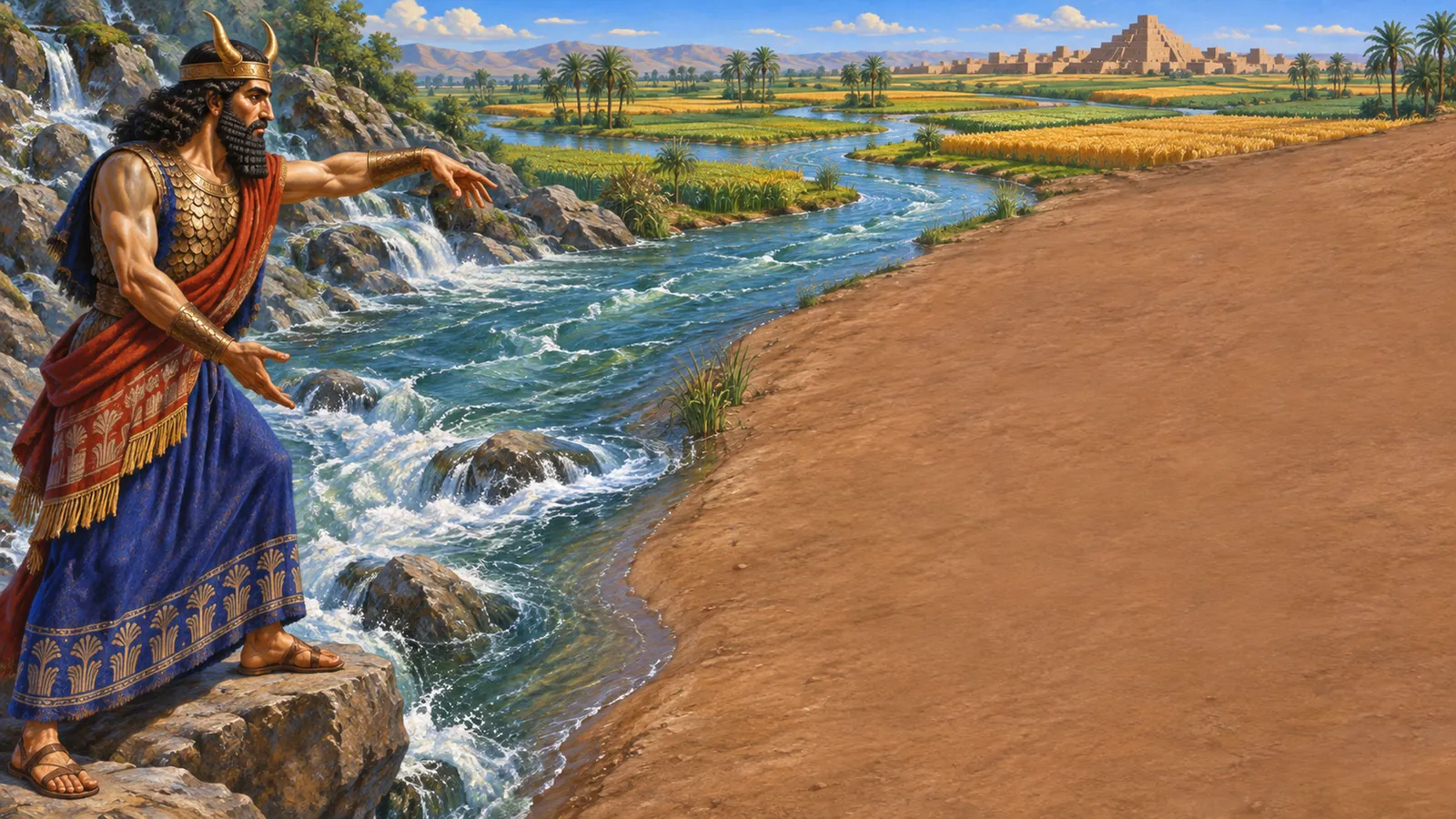
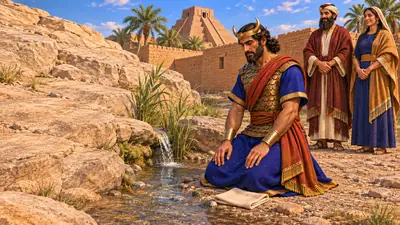
Where water lay scattered in mountain pools, Ninurta gathers it together. He leads it down to the Tigris, and water full of fish pours over the fields.
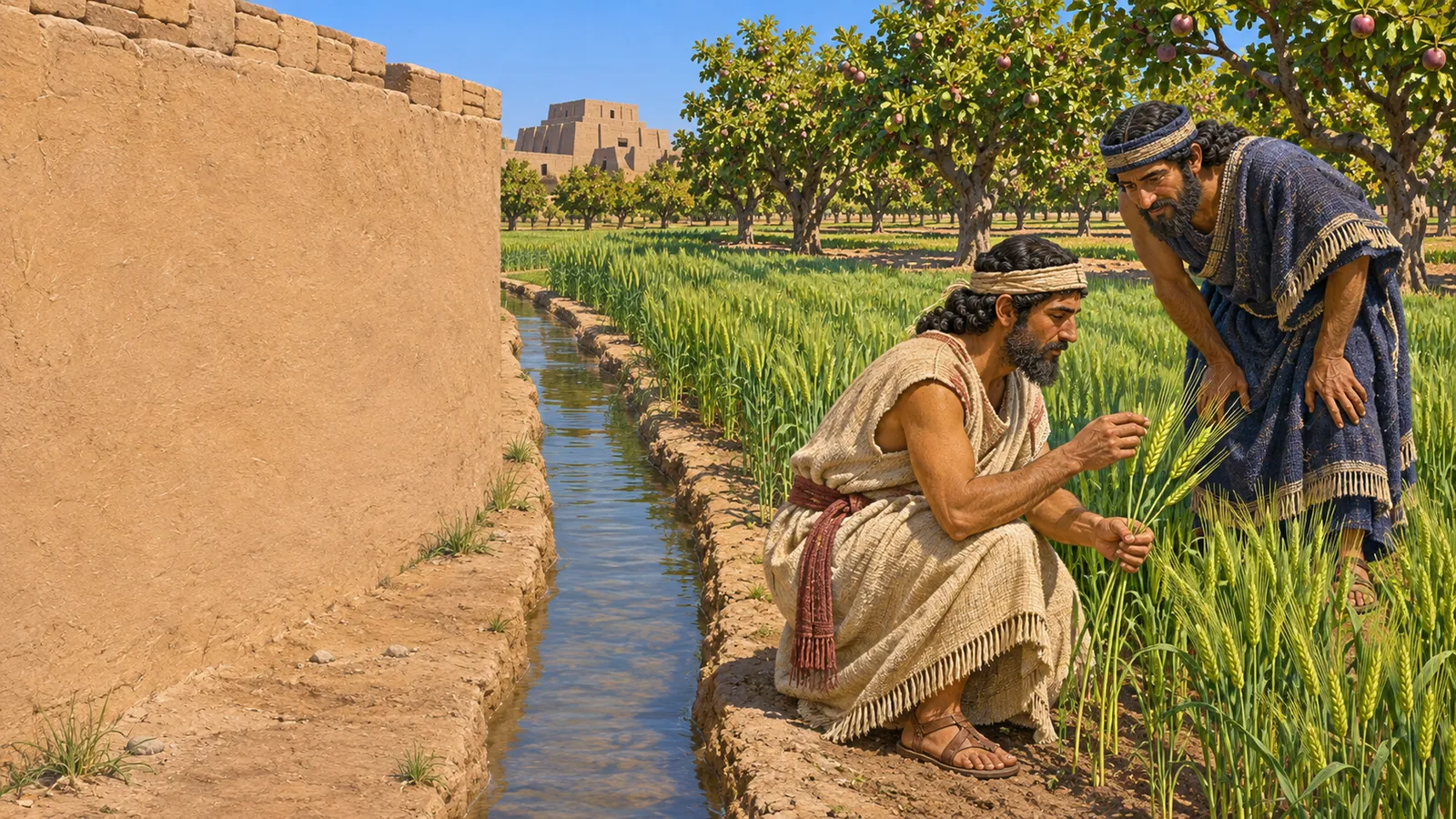
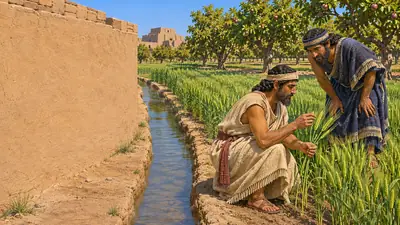
The barley in the worked fields has water at last. Fruit ripens in gardens and orchards, and the poem says rulers far and wide rejoice at what Ninurta has done.
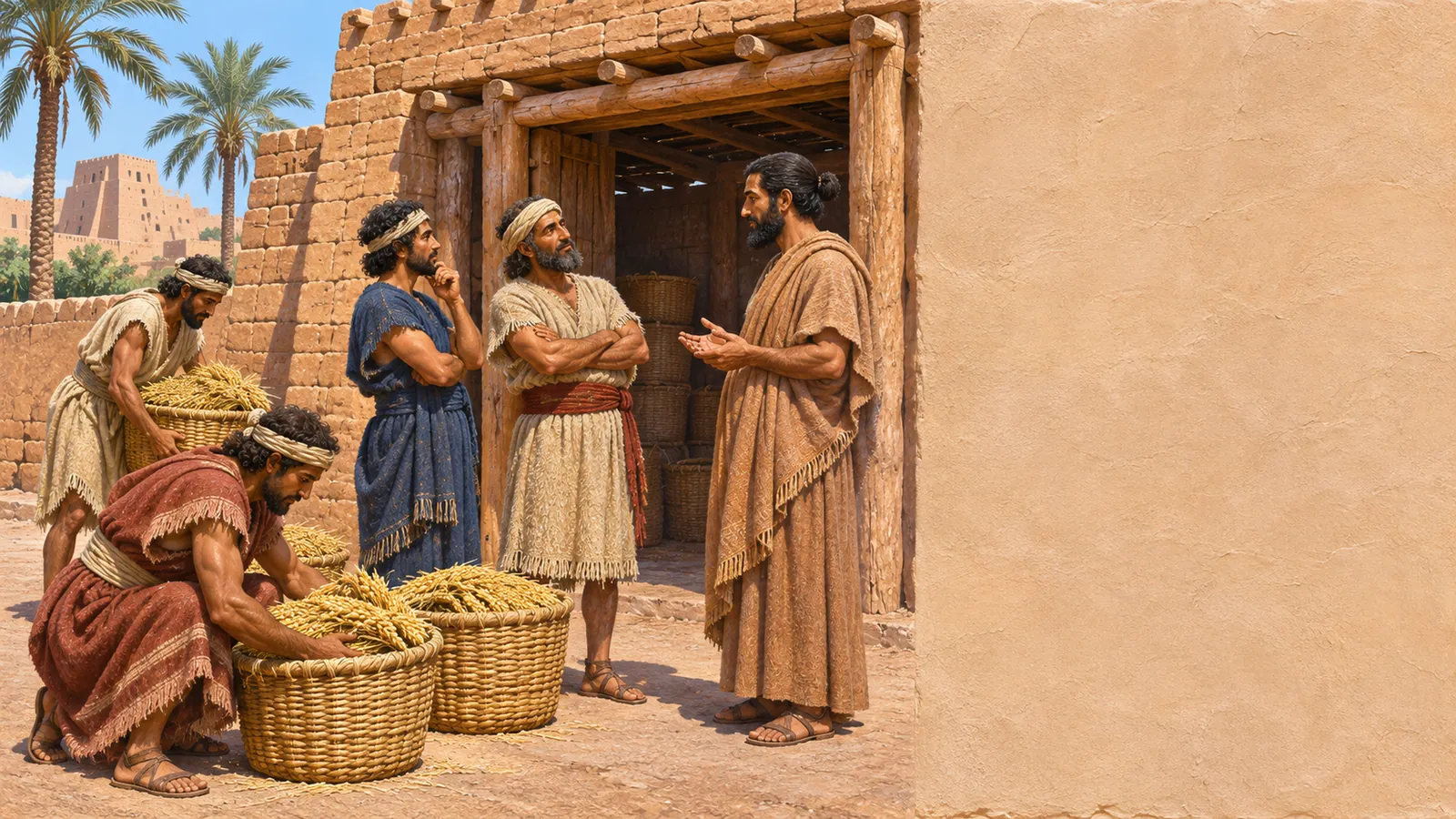
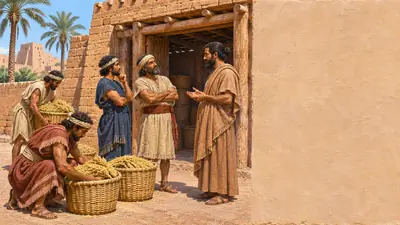
The grain piles stand like little hills. Trade goes out from Sumer, and the gods, content with what Ninurta has done, duly praise his father Enlil.
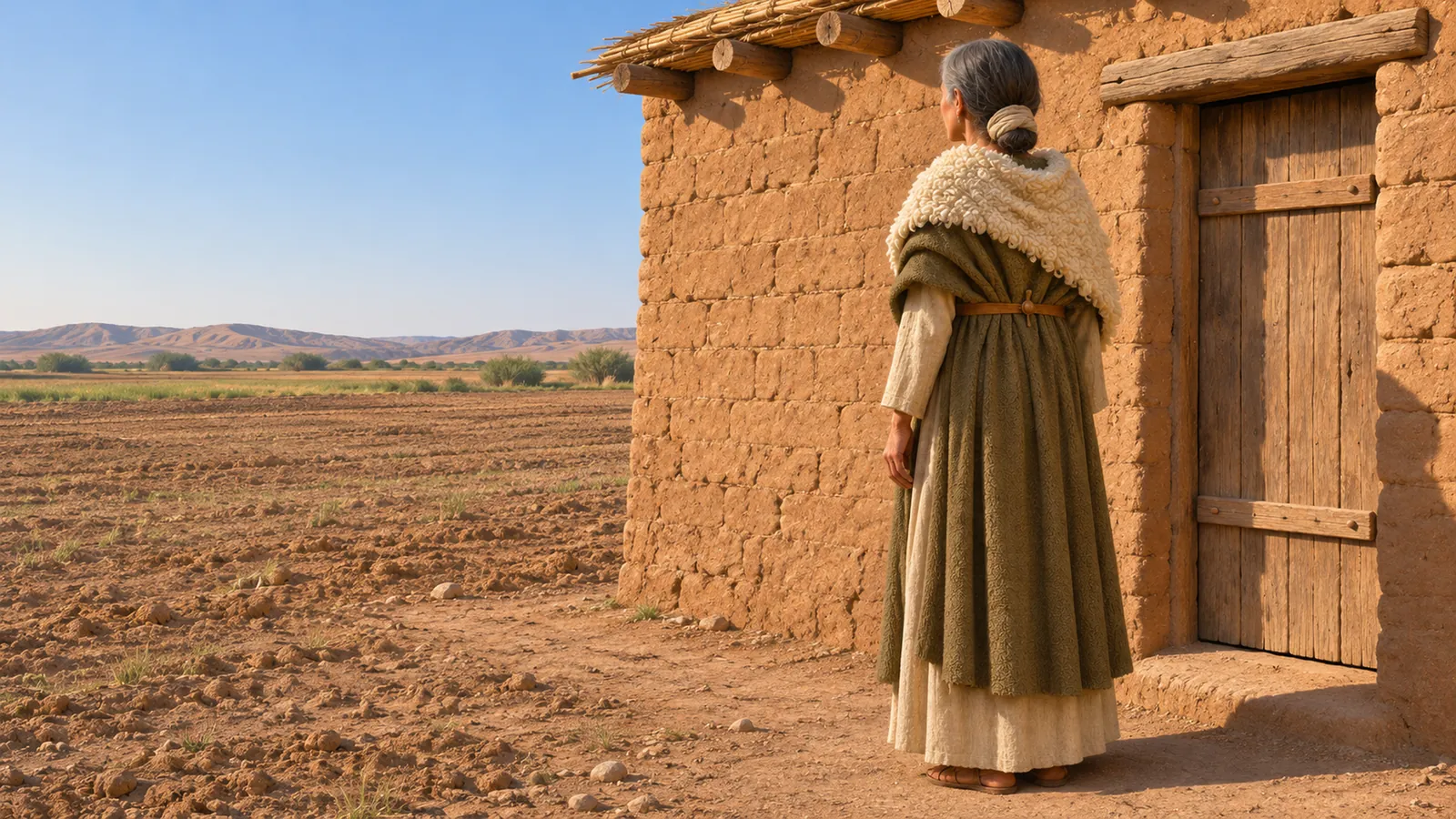
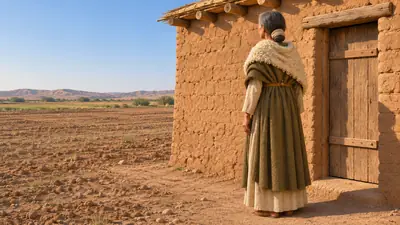
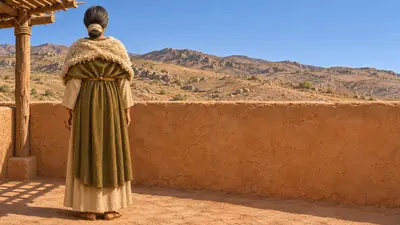
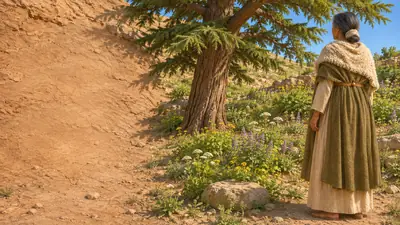
Ninmah lies awake thinking of the place where she conceived Ninurta. She wraps herself in a fleece and begins to lament for the mountains that are now so hard to reach.
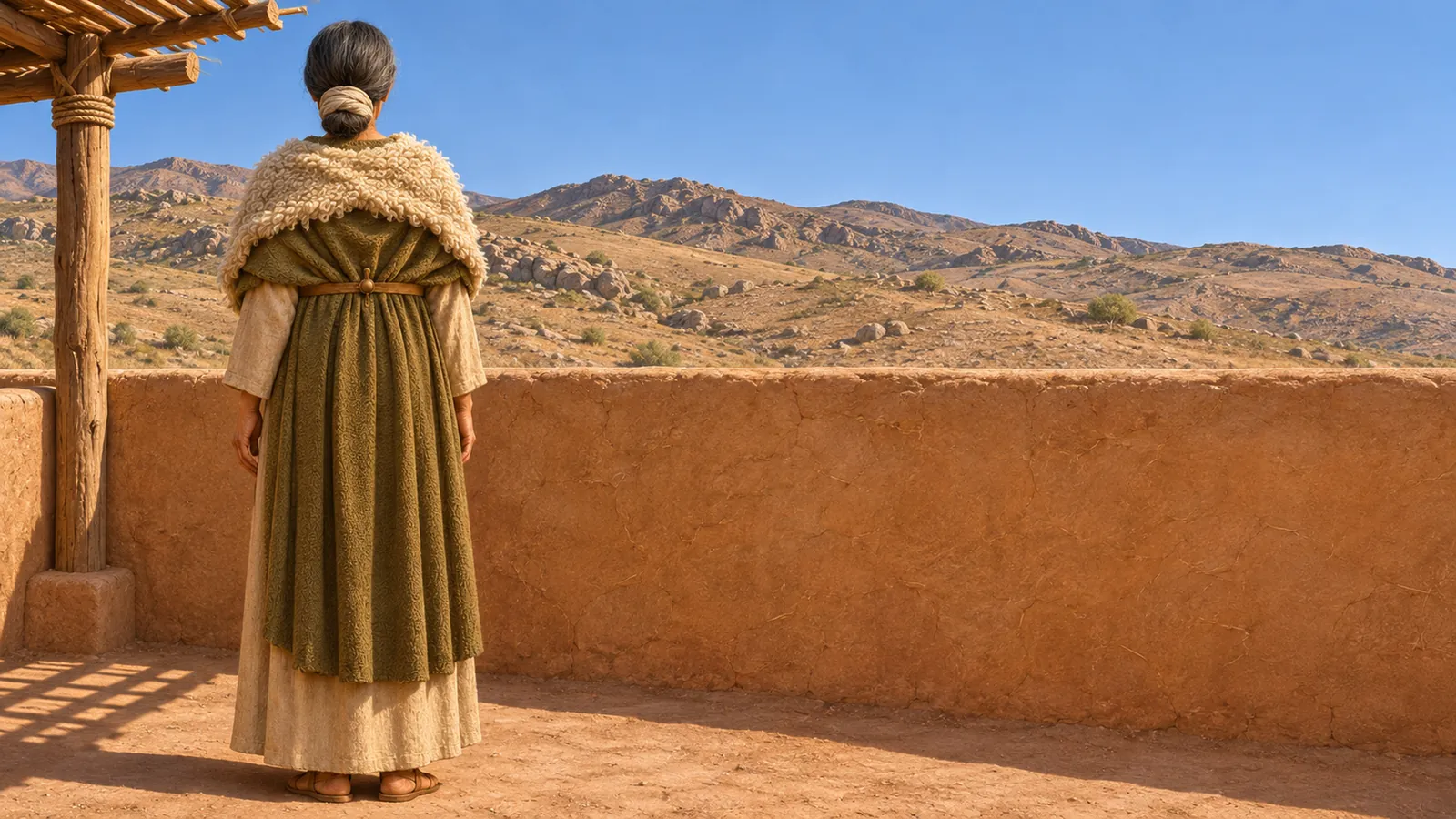
The mountains could scarcely bear his strength, she says. I bore him, and in his triumph the son of Enlil passed me by without lifting his eyes to me.
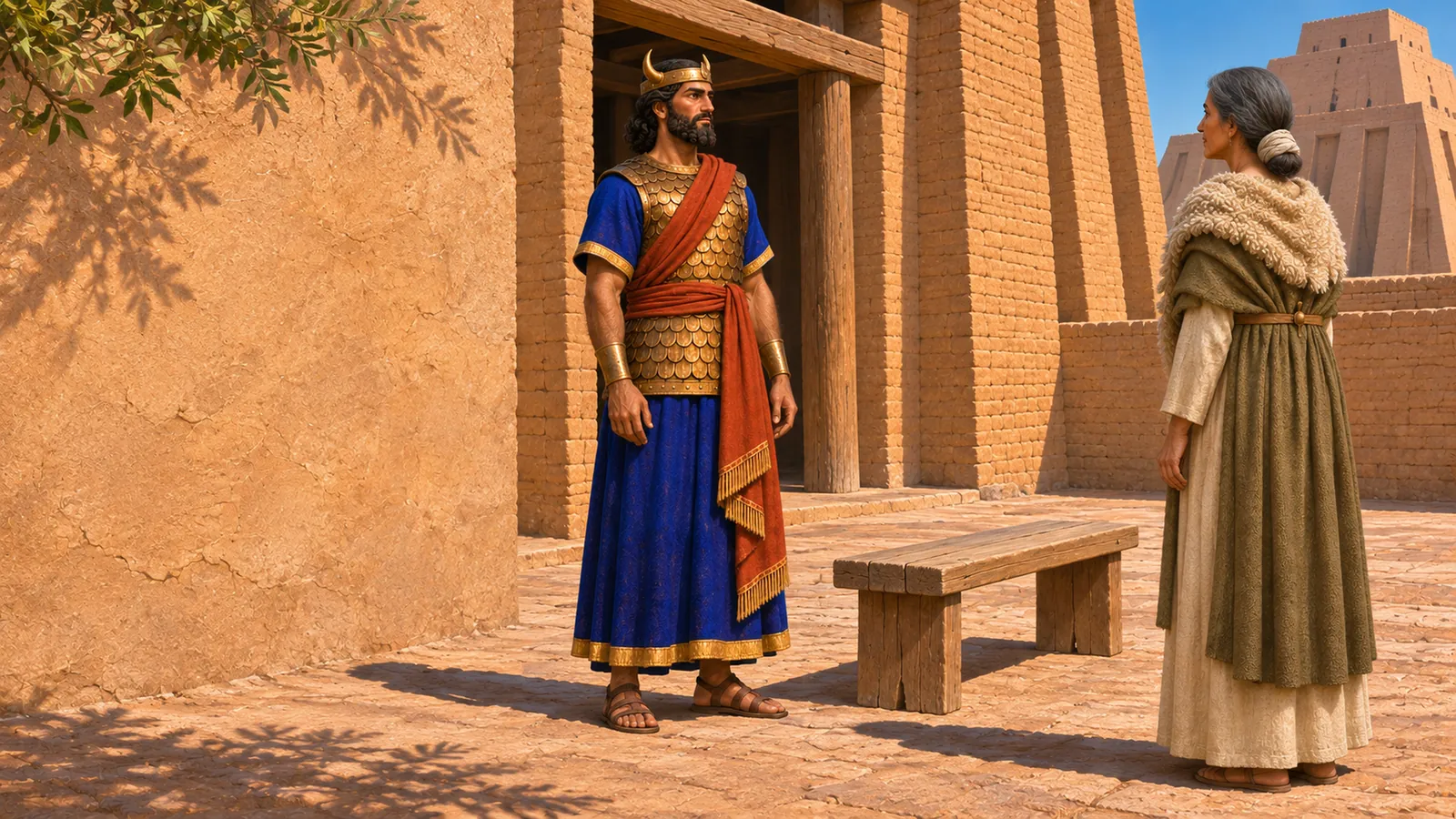
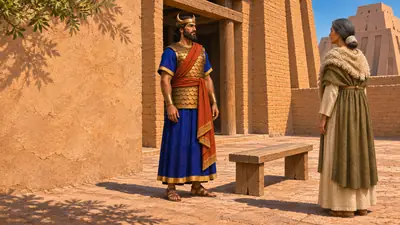
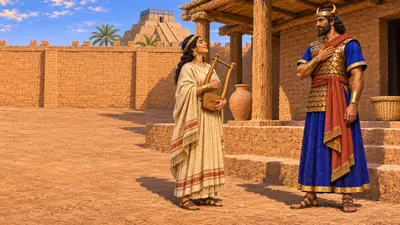
Ninmah decides to go to her son herself. She finds him at his chosen place, E-shumesha, and sings her song to him. He looks on her with kindness.
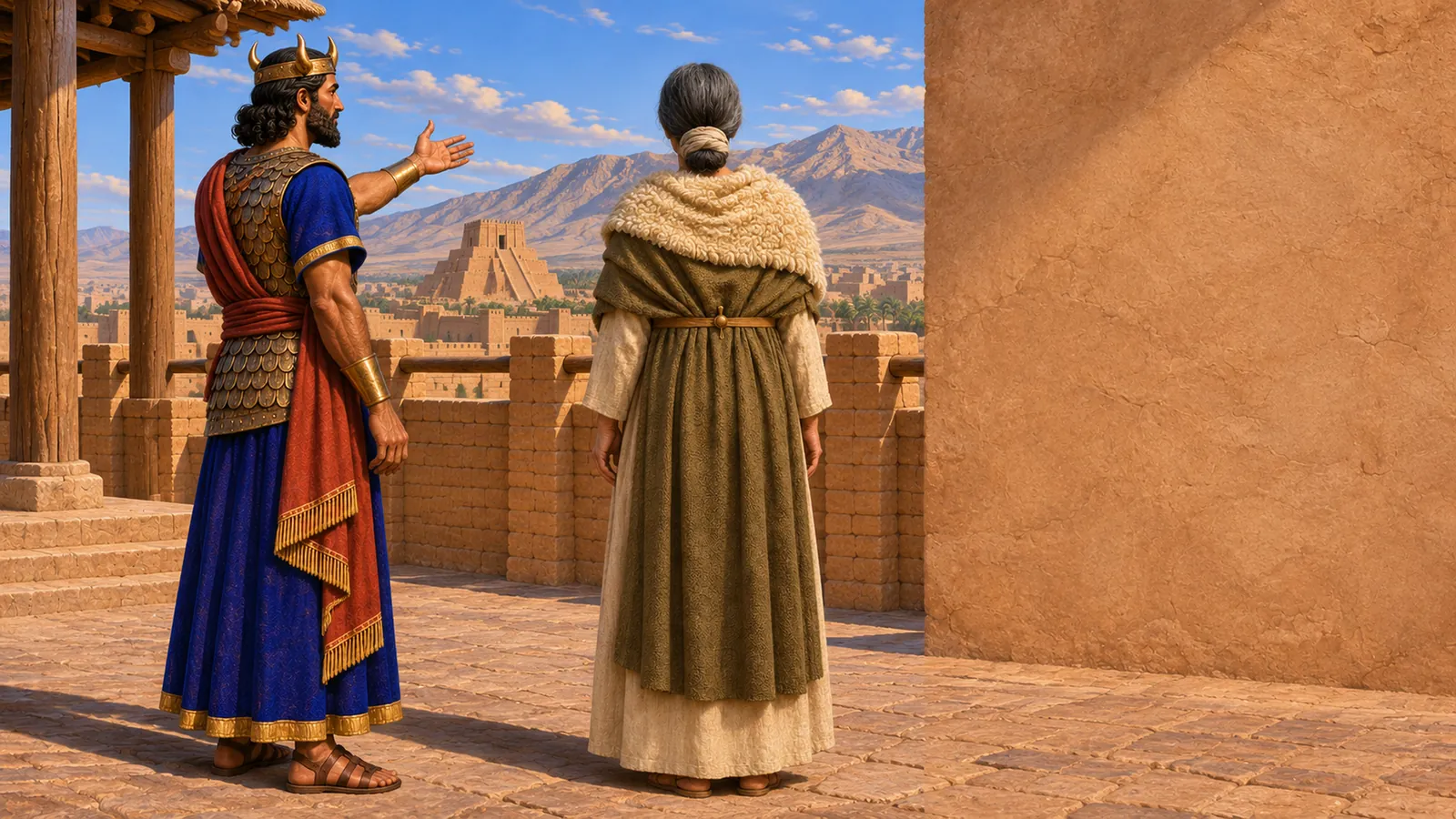
NINHURSAGA
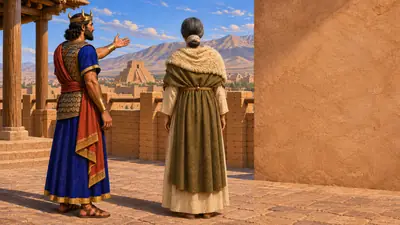
You came to the mountains for me, Ninurta tells her. Let the stones I raised be a mountain, and you shall be its lady. From now on your name is Ninhursaga.
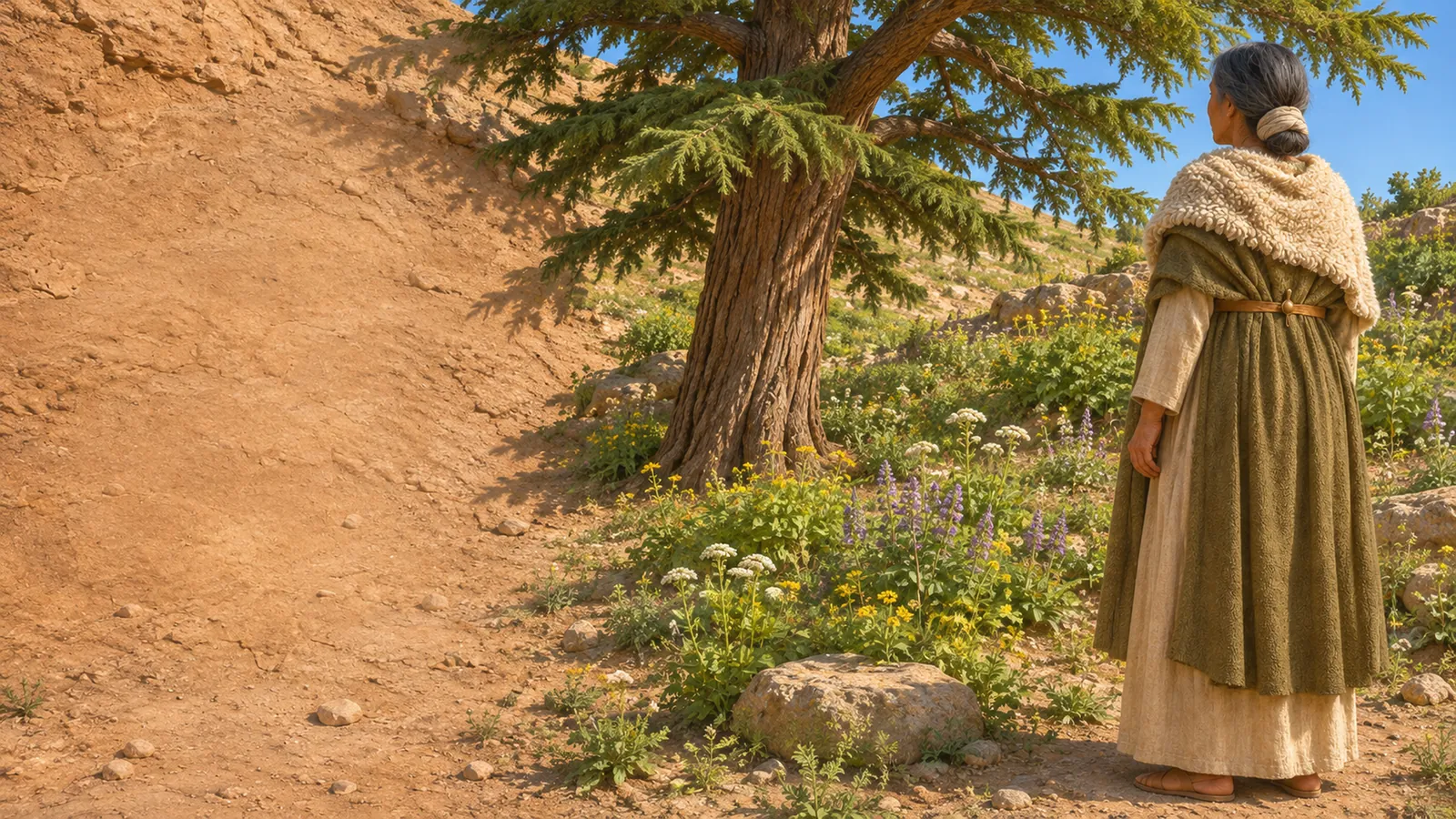
May its meadows bring forth herbs for you, he says, and its slopes honey and wine. May cedars, cypresses, ripe fruit and sweet perfumes be plentiful for you.
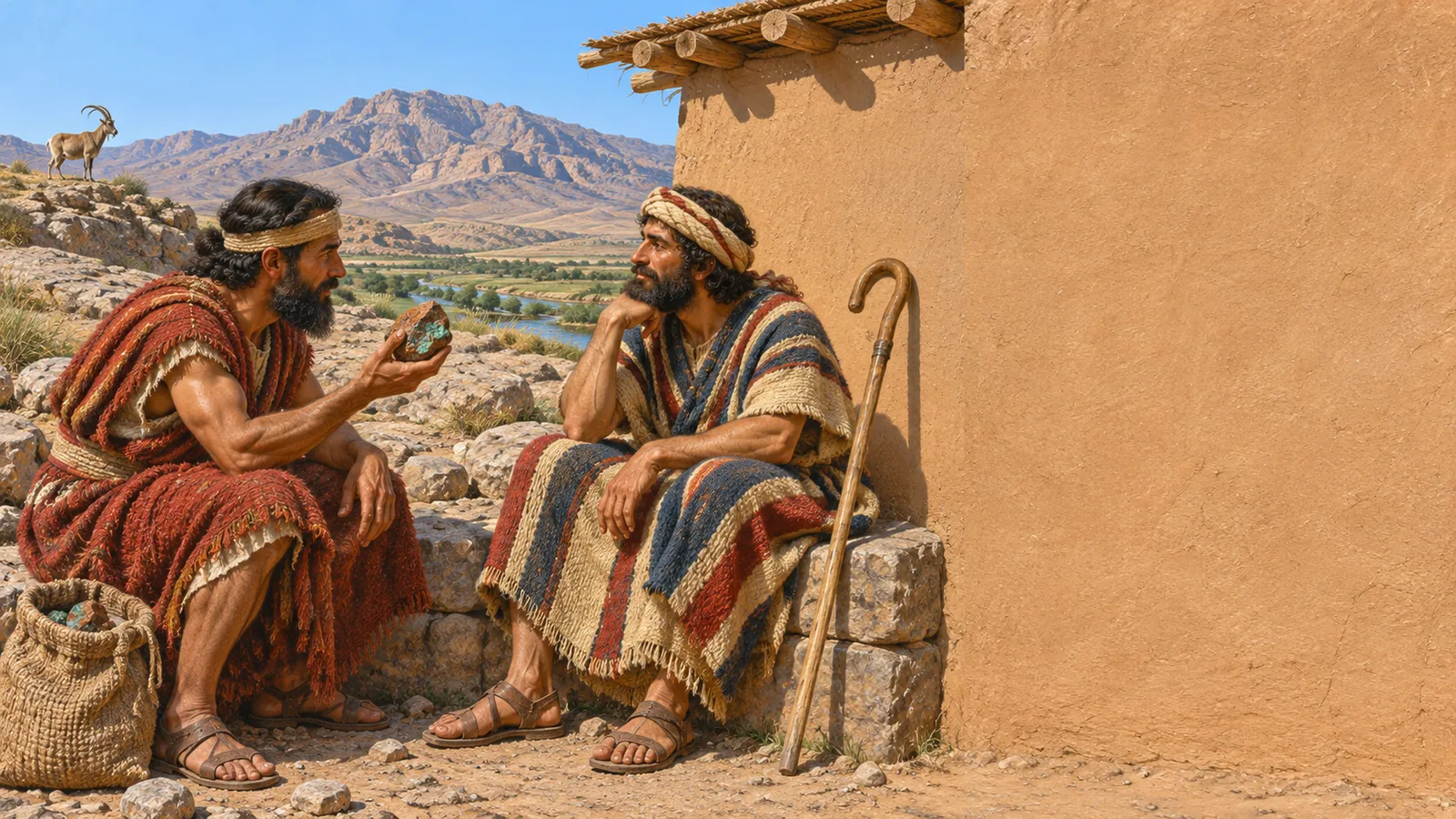
May there be gold and silver for you, he tells Ninhursaga, and copper and tin. May the mountain teem with wild creatures and the herds grow plentiful.
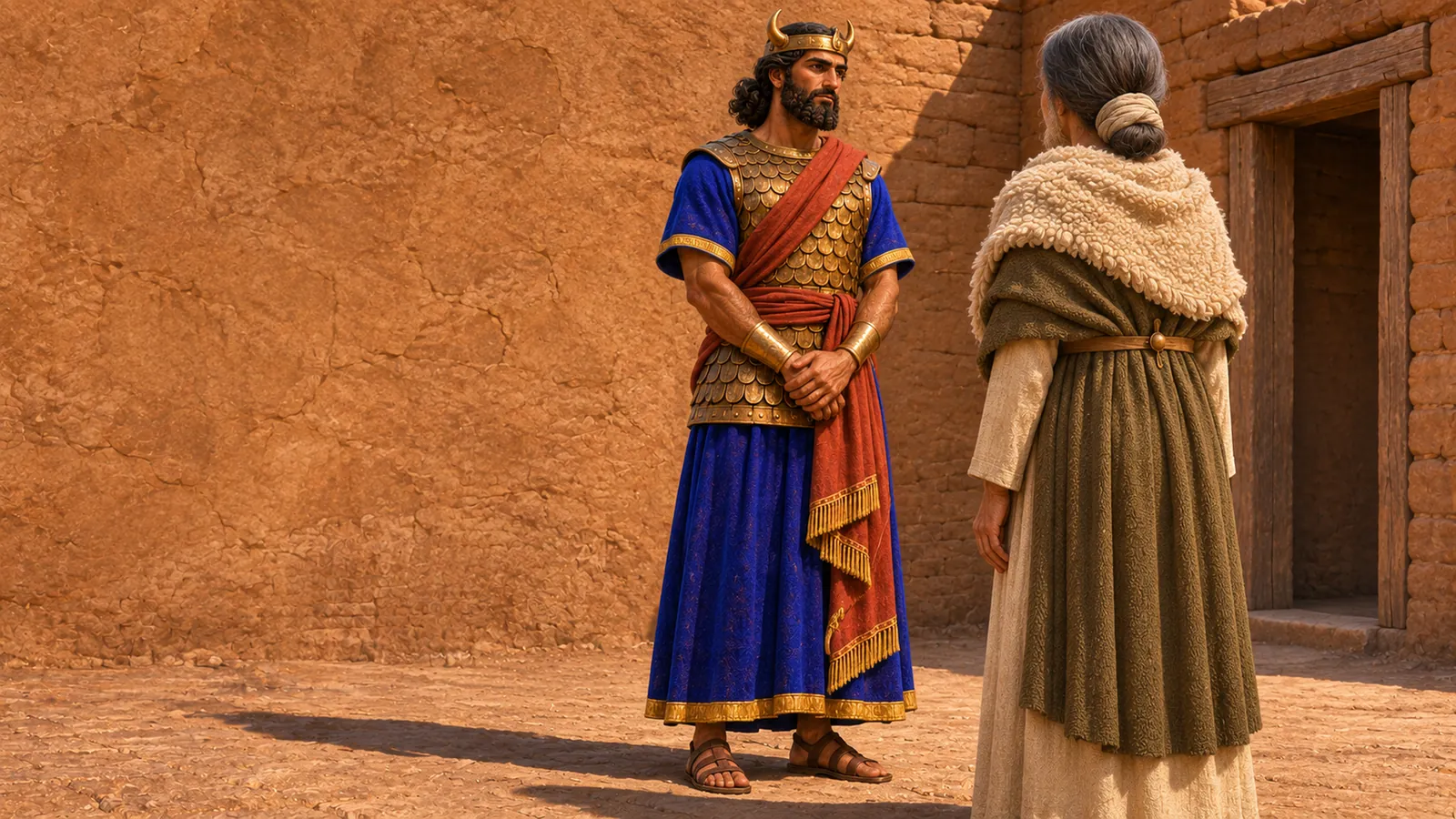
May you be equal to An in splendor, he tells her. Ninurta praises the goddess who shuns boasting and bids the newly named Lady of the Mountain draw near.
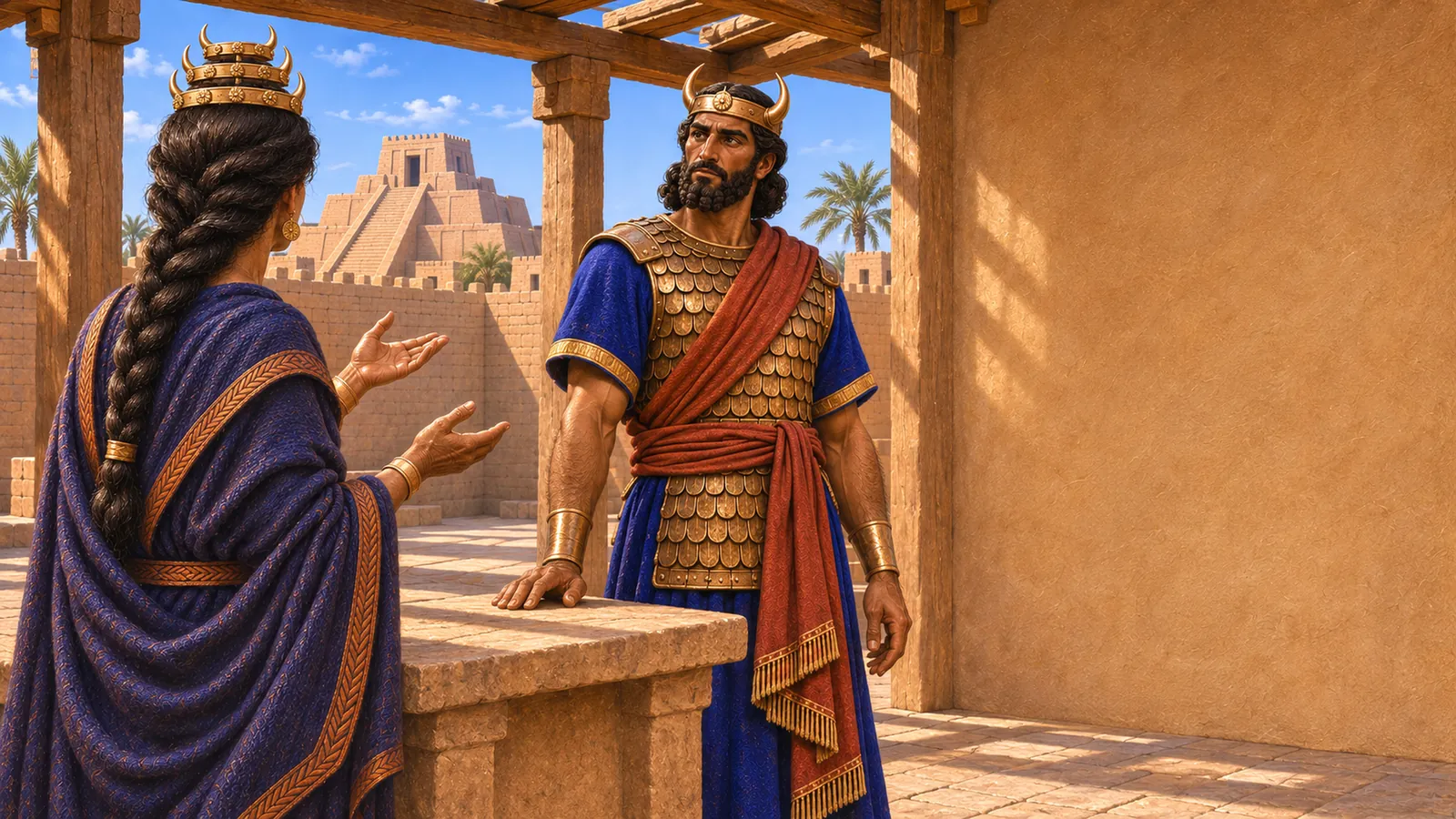
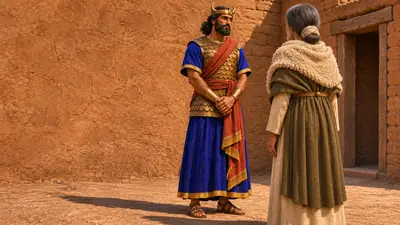
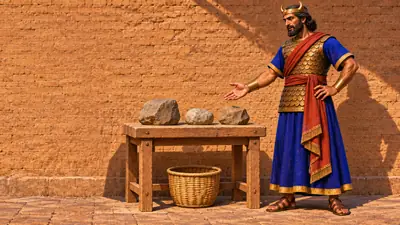
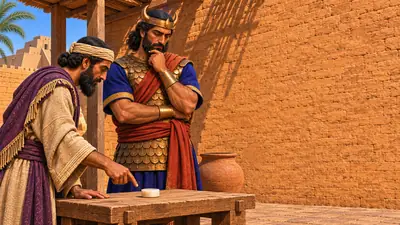
In the sanctuary at Nippur, Aruru stands before Ninurta. Your word holds as your father’s does, she says. You have yet to decide the fates of the warriors you killed.
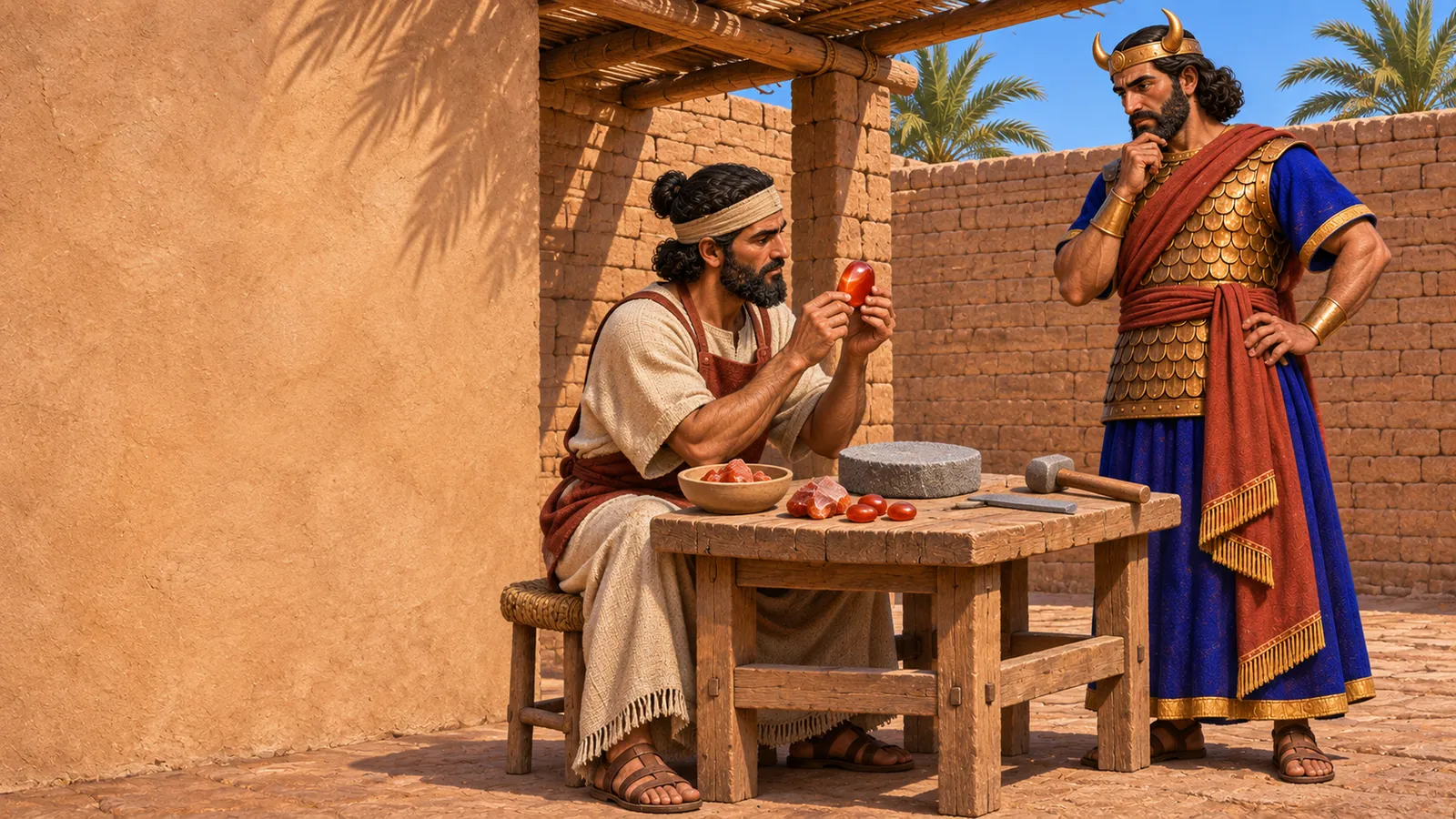
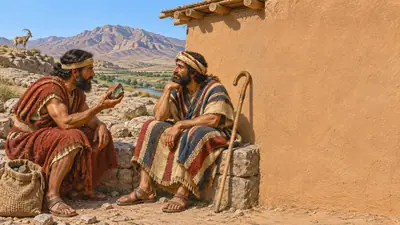
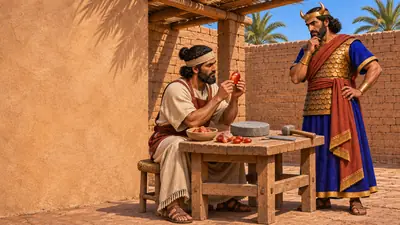
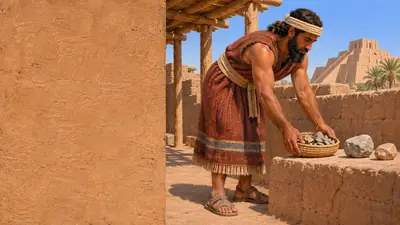
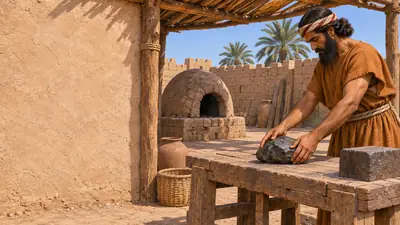
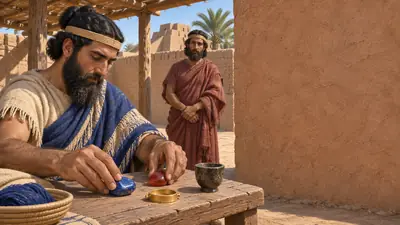
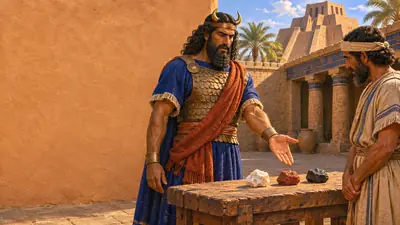
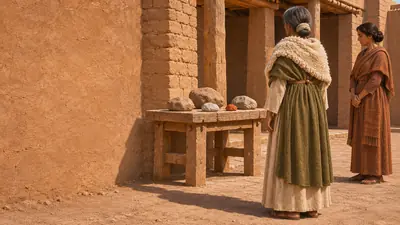
First he judges the u stone, taken here to be emery. You threatened me in the mountains, he tells it, so you shall be ground small and used to work carnelian.
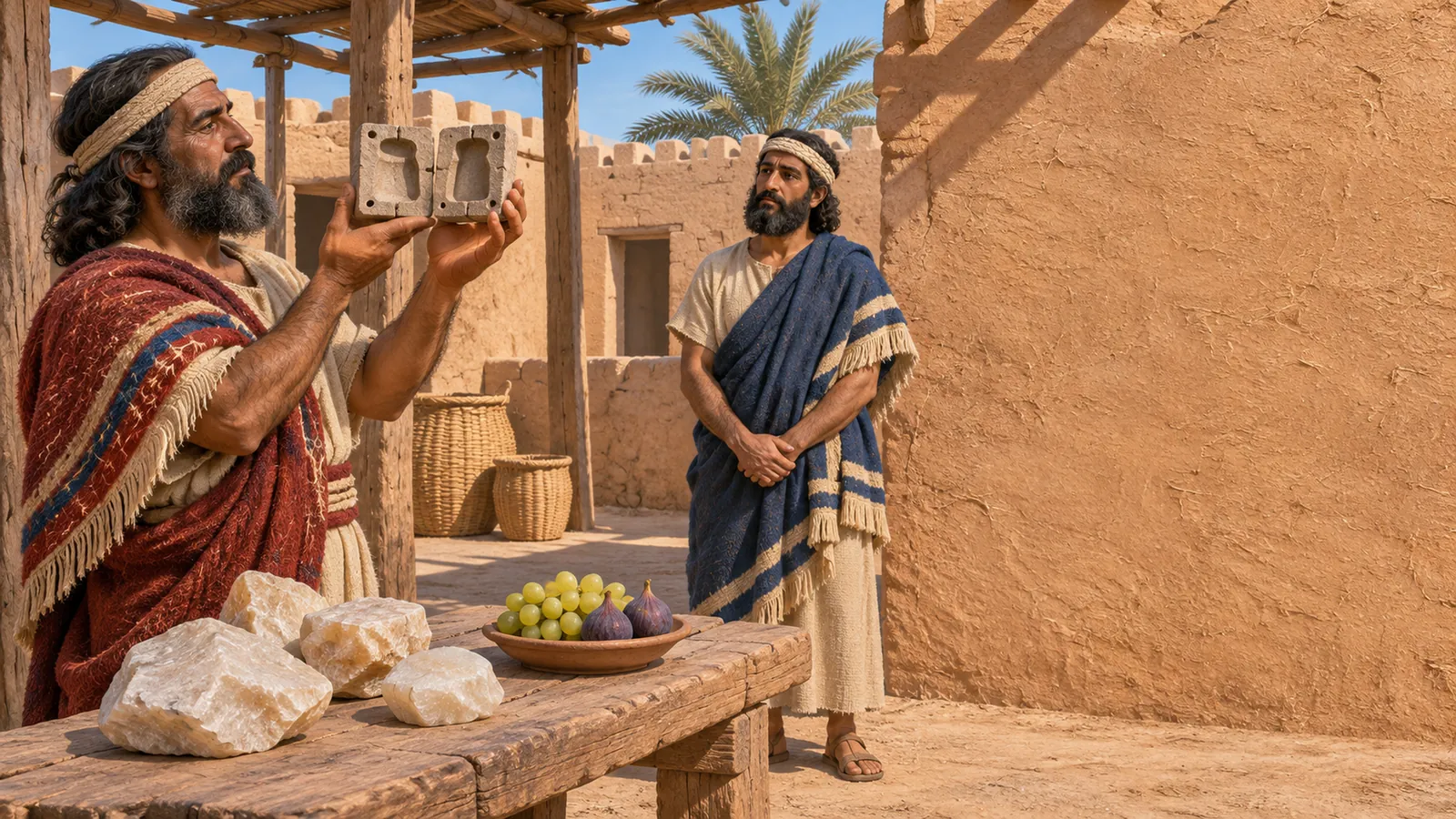
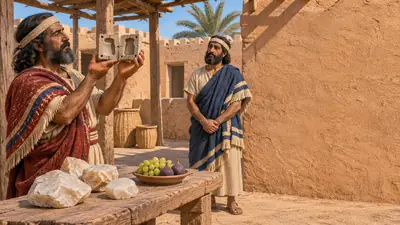
The cu and gasura stones stood against Ninurta. He sends them to the goldsmith to shape his work, and says the first fruits for the gods will rest upon them.
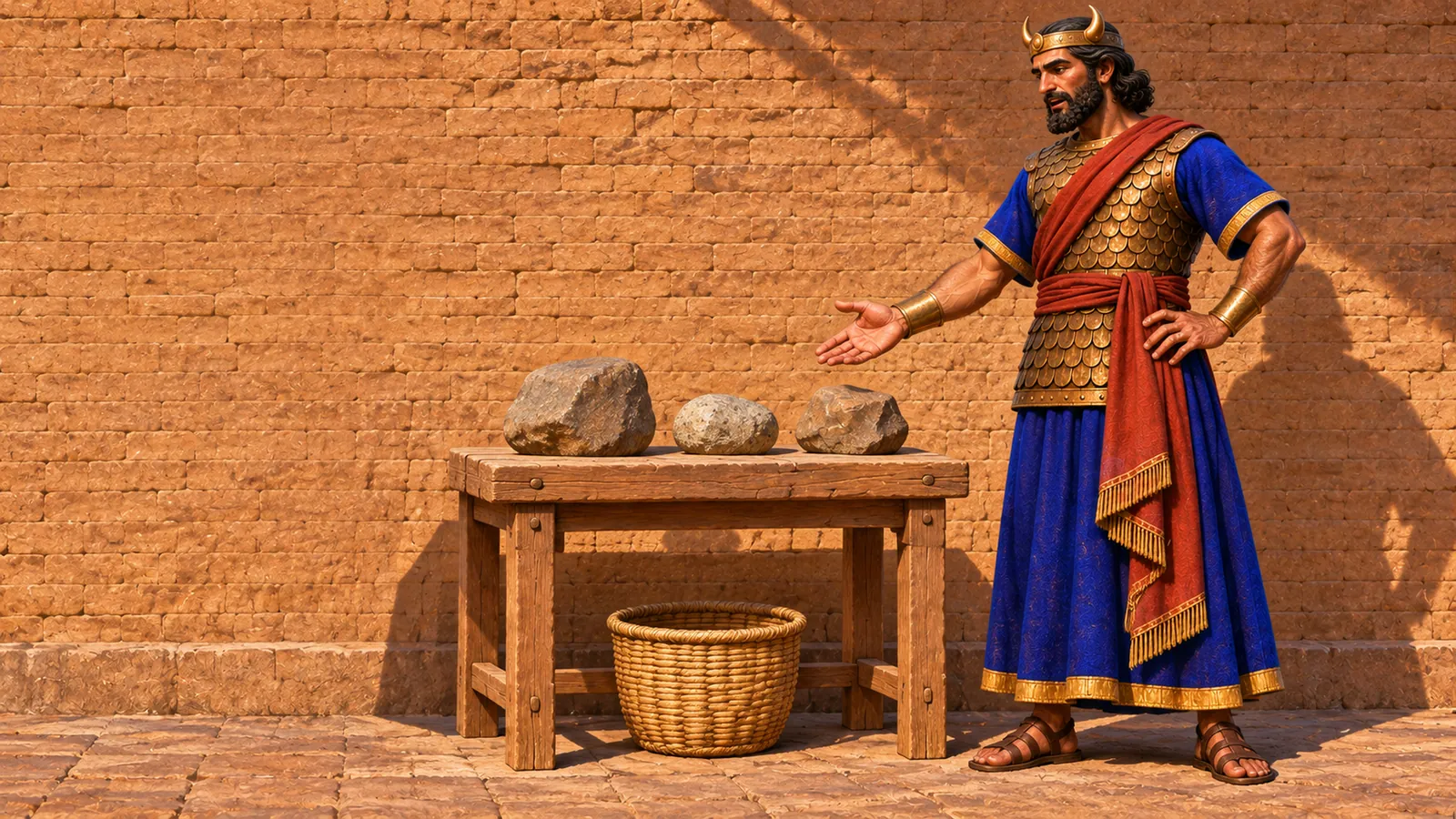
Ninurta addresses the sajkal, gulgul and sajjar stones for their defiance. The old words play on their names as he turns their strength against one another and condemns them to disgrace.
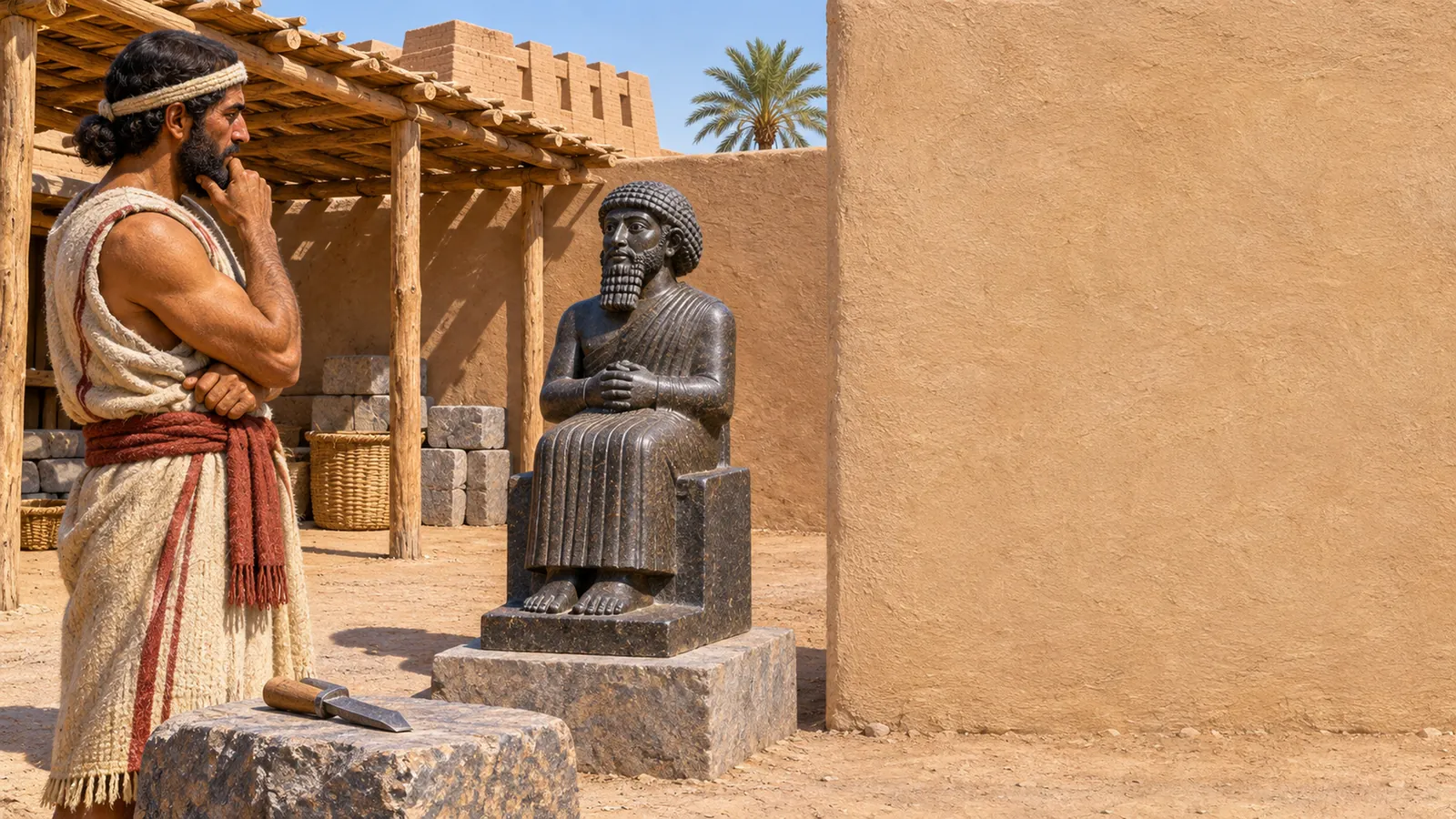
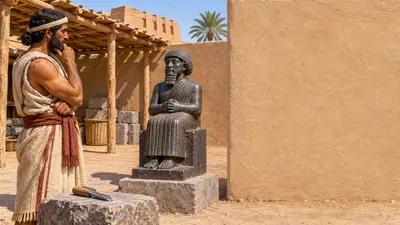
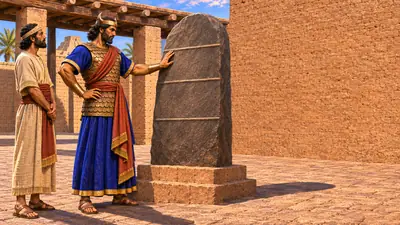
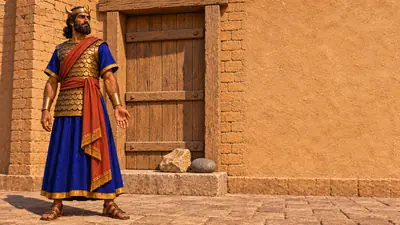
The diorite did not raise its hand against him. Ninurta says it will come from Magan and be carved into a king’s statue, to stand where libations are poured in E-ninnu.
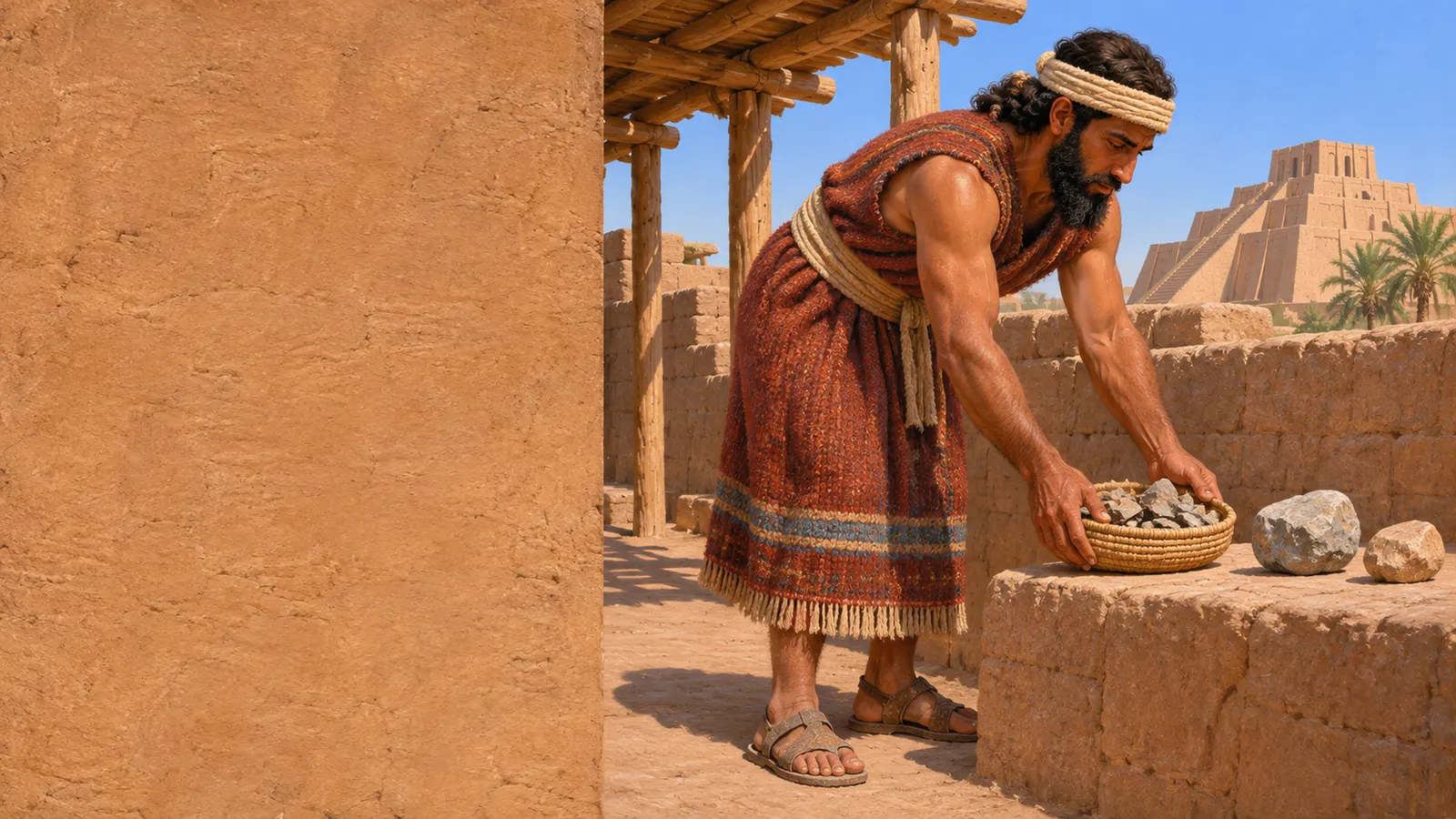
The na stone wished it had the place of the victor and worked against Ninurta’s powers. The god decrees that it be thrown down, put to no use and broken into tiny pieces.
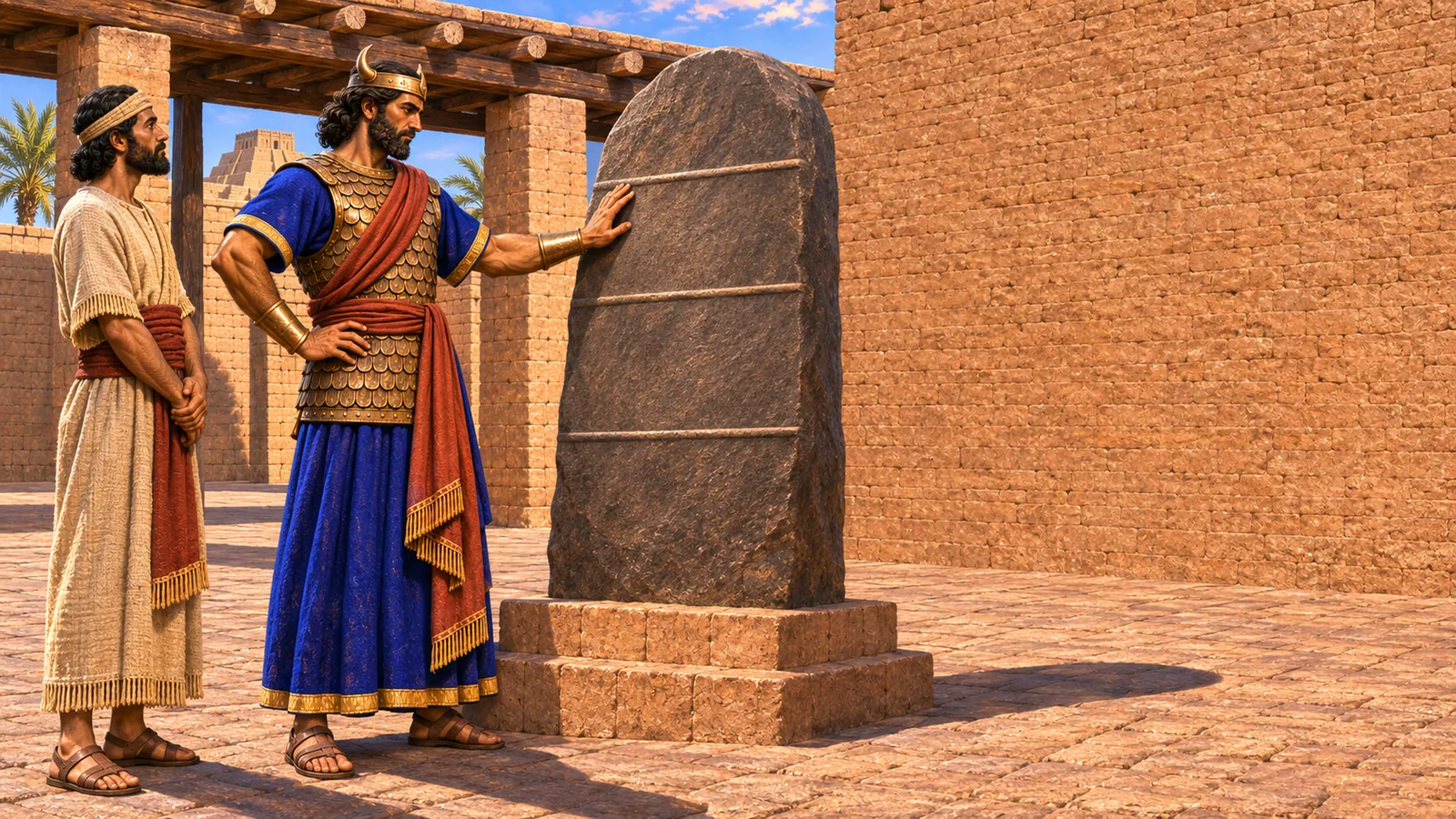
Elel proclaimed Ninurta’s name amid discord in the mountains. It will keep its solid form and carry divine ordinances, standing on a pedestal in his great courtyard.
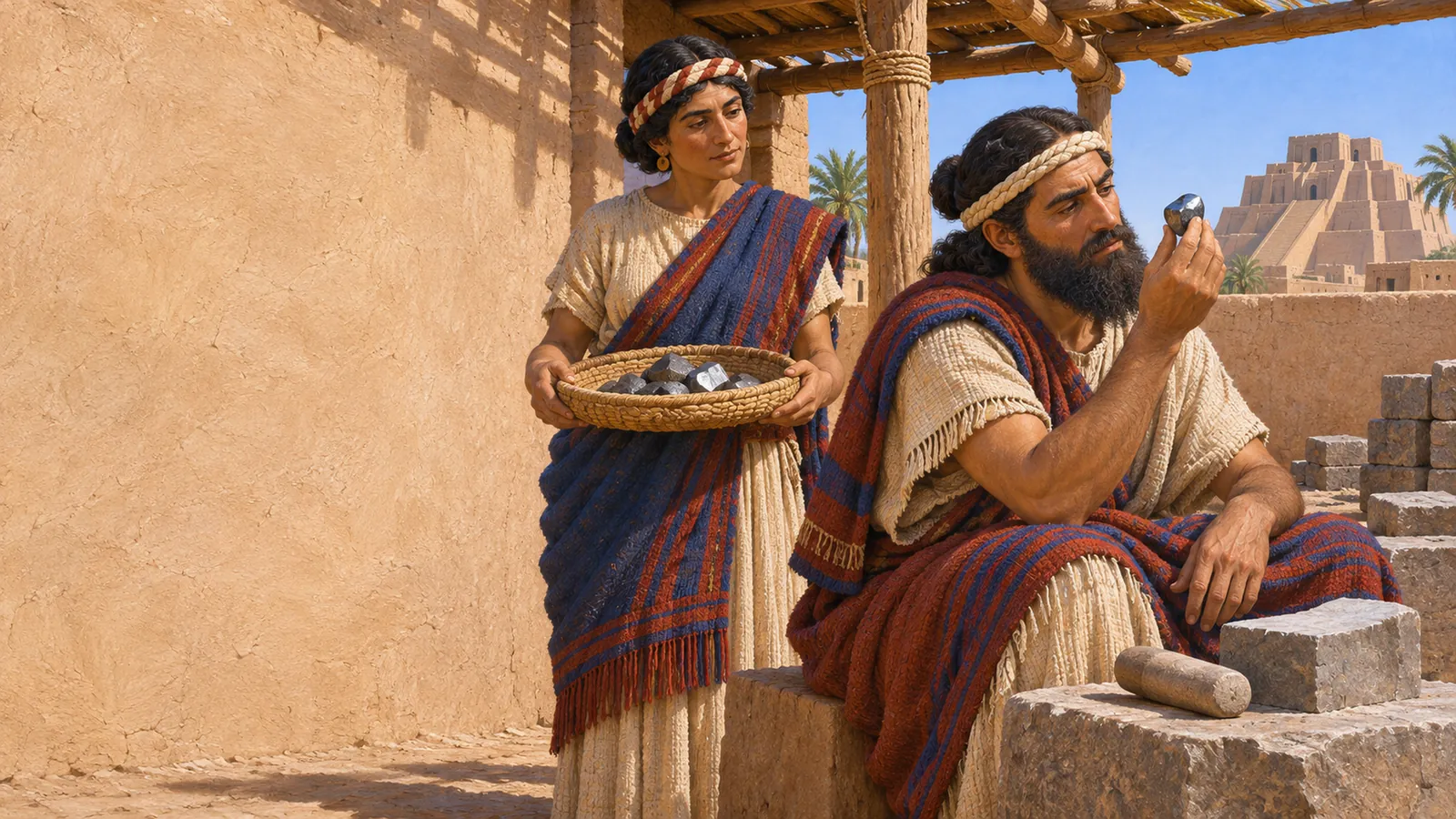
Ninurta did not see the shining kagina stone among his enemies. He gives it the powers of Utu’s rites and the standing of a judge, and says skilled workers will prize it like gold.
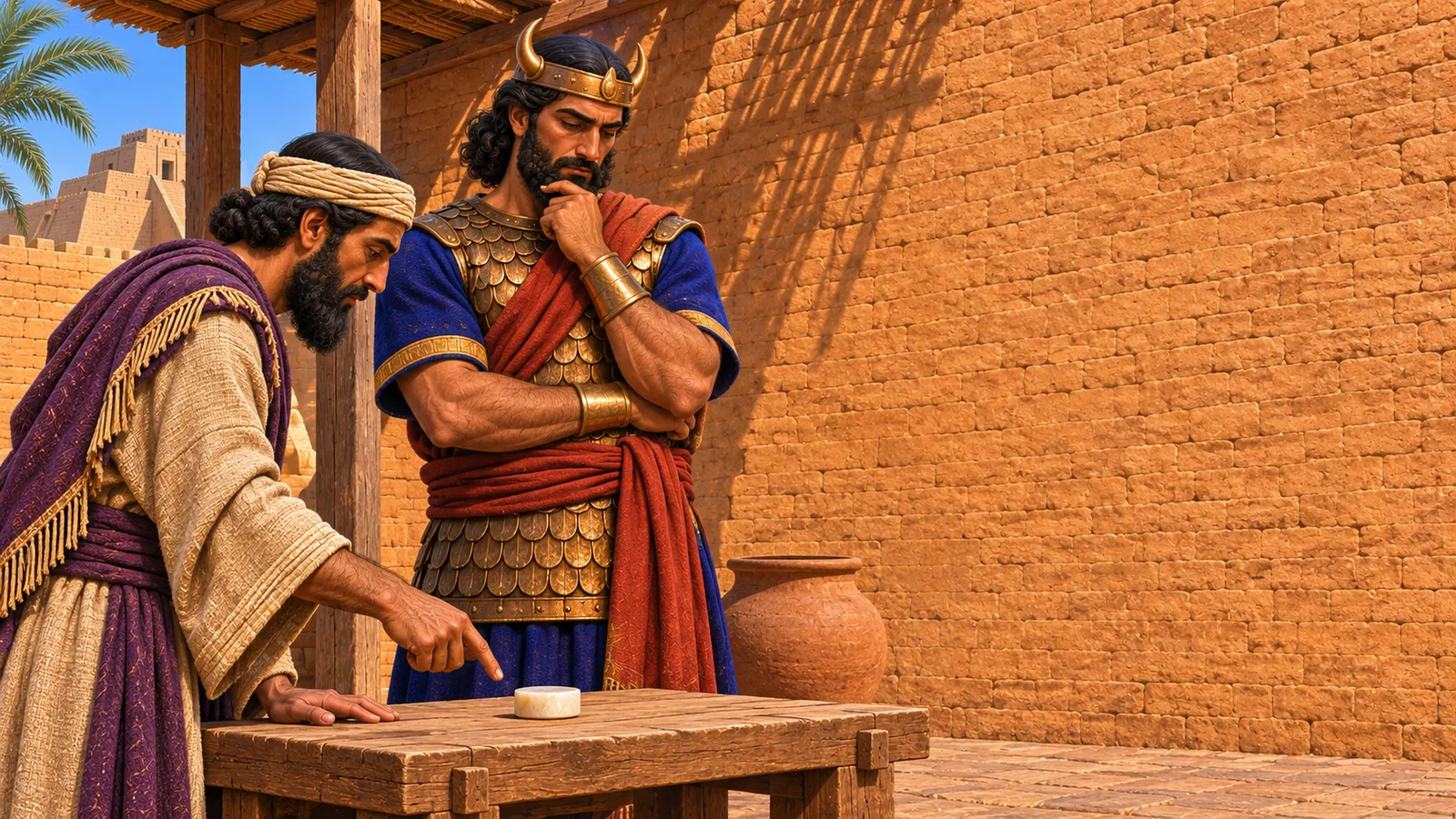
The bright gishnugal stone stretched out its hands to Ninurta and stood by him. He spared it and now gives it the seal of the land’s treasury to keep.
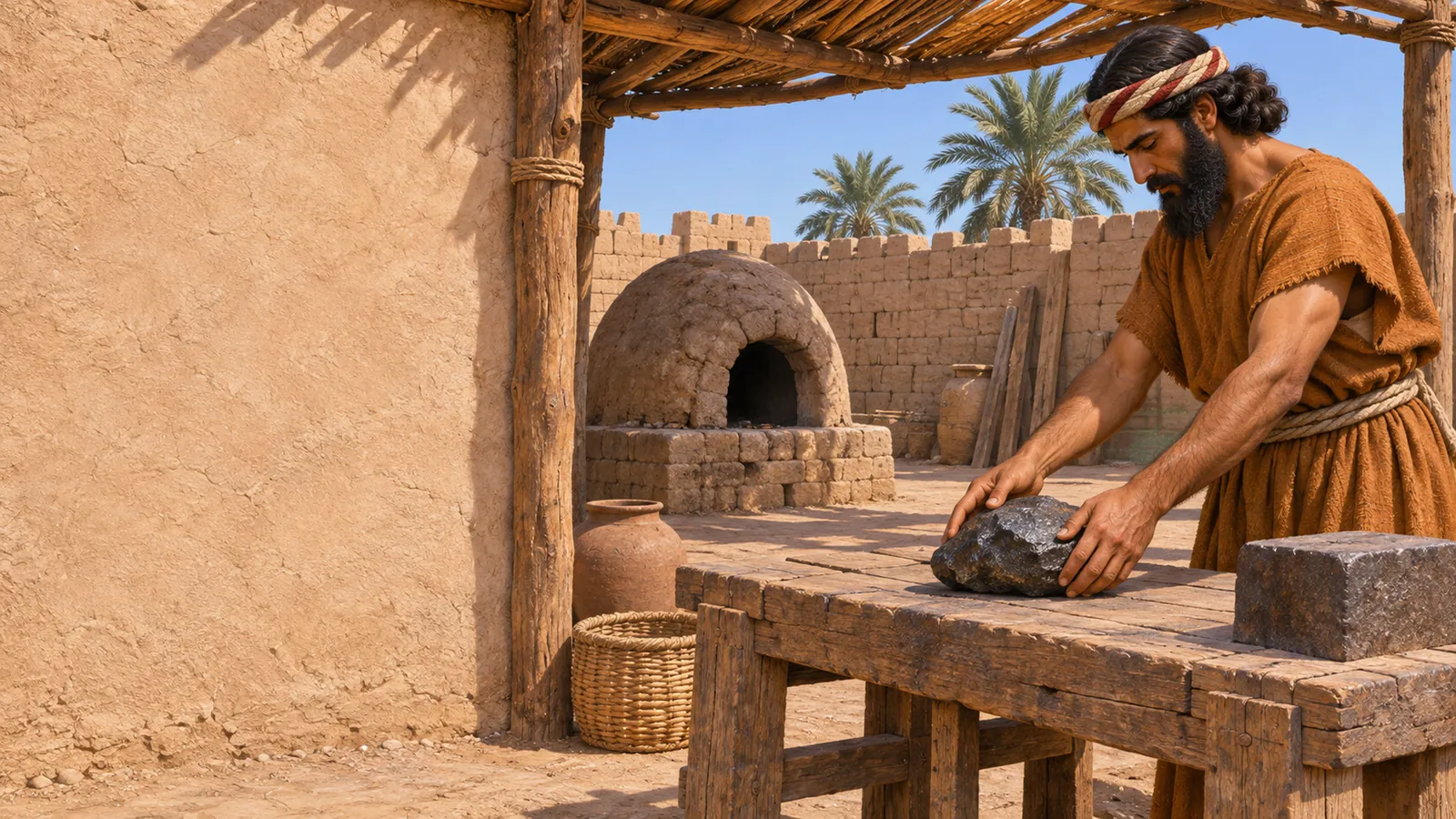
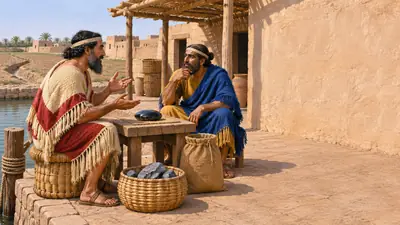
What did you do to help me on my way, Ninurta asks the algamesh stone. He sends it first into the forge to be the smiths’ daily offering.
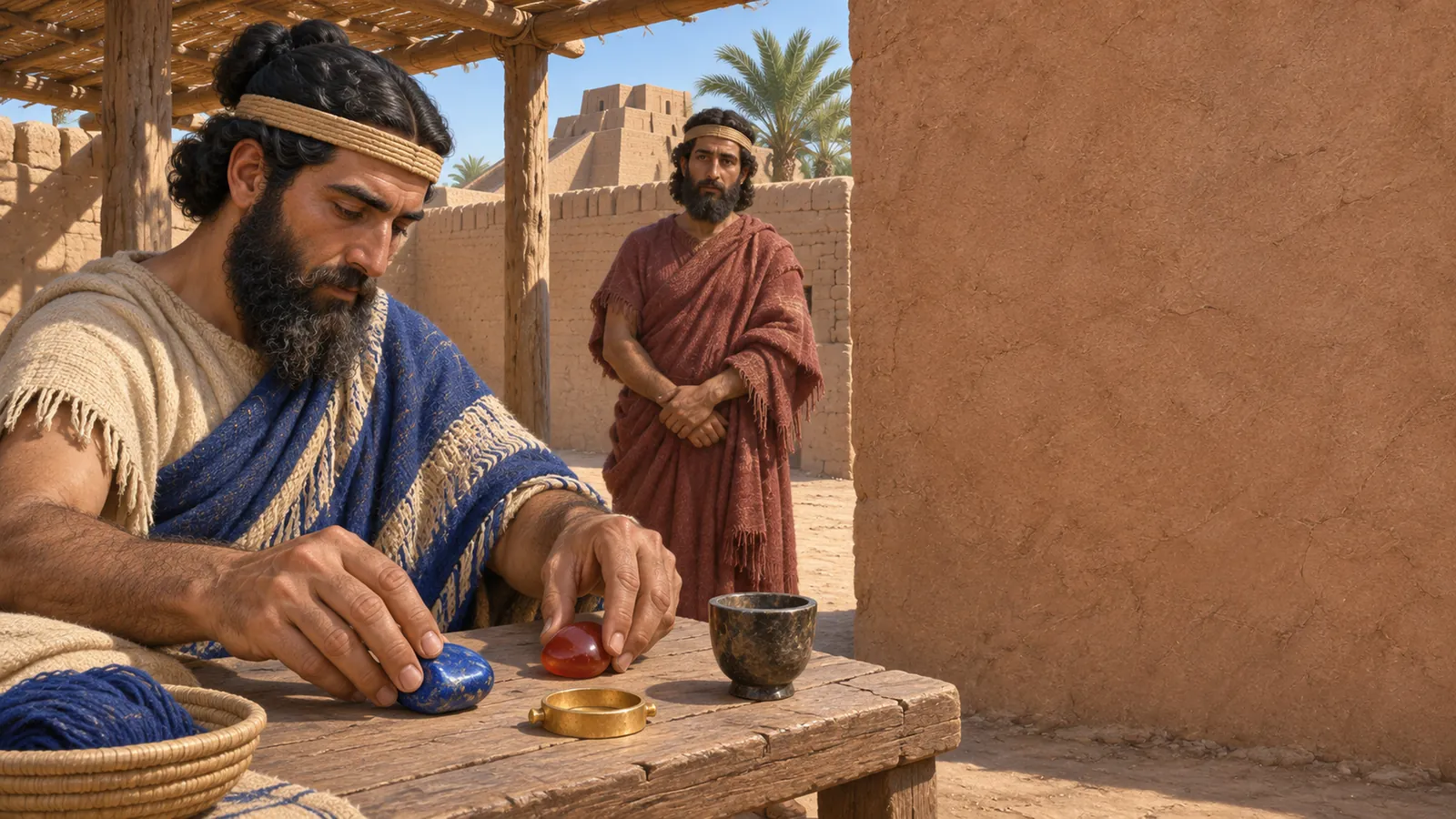
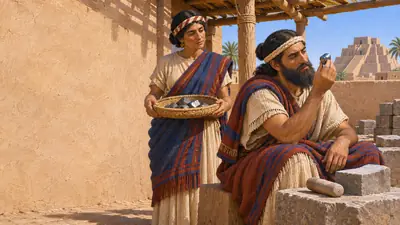
Carnelian, lapis and many other stones came to his side and honored him in public. He promises them settings of precious metal and chooses the nir stone for syrup and wine.
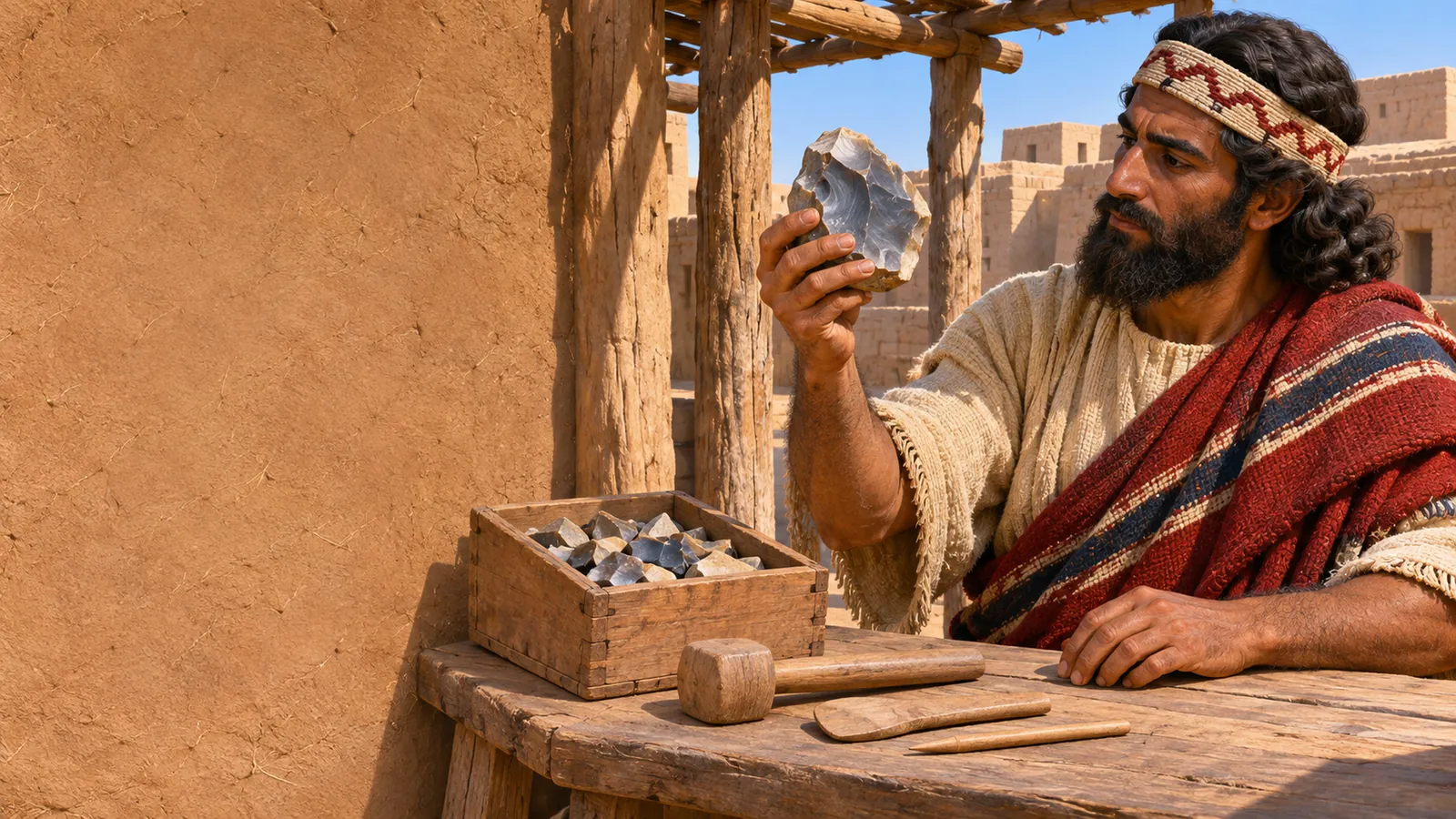
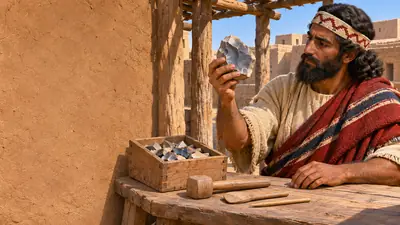
Ninurta accuses flint of dealing both ways. He condemns it to be split and broken, and puts it into the hands of the metalworker and the carpenter.
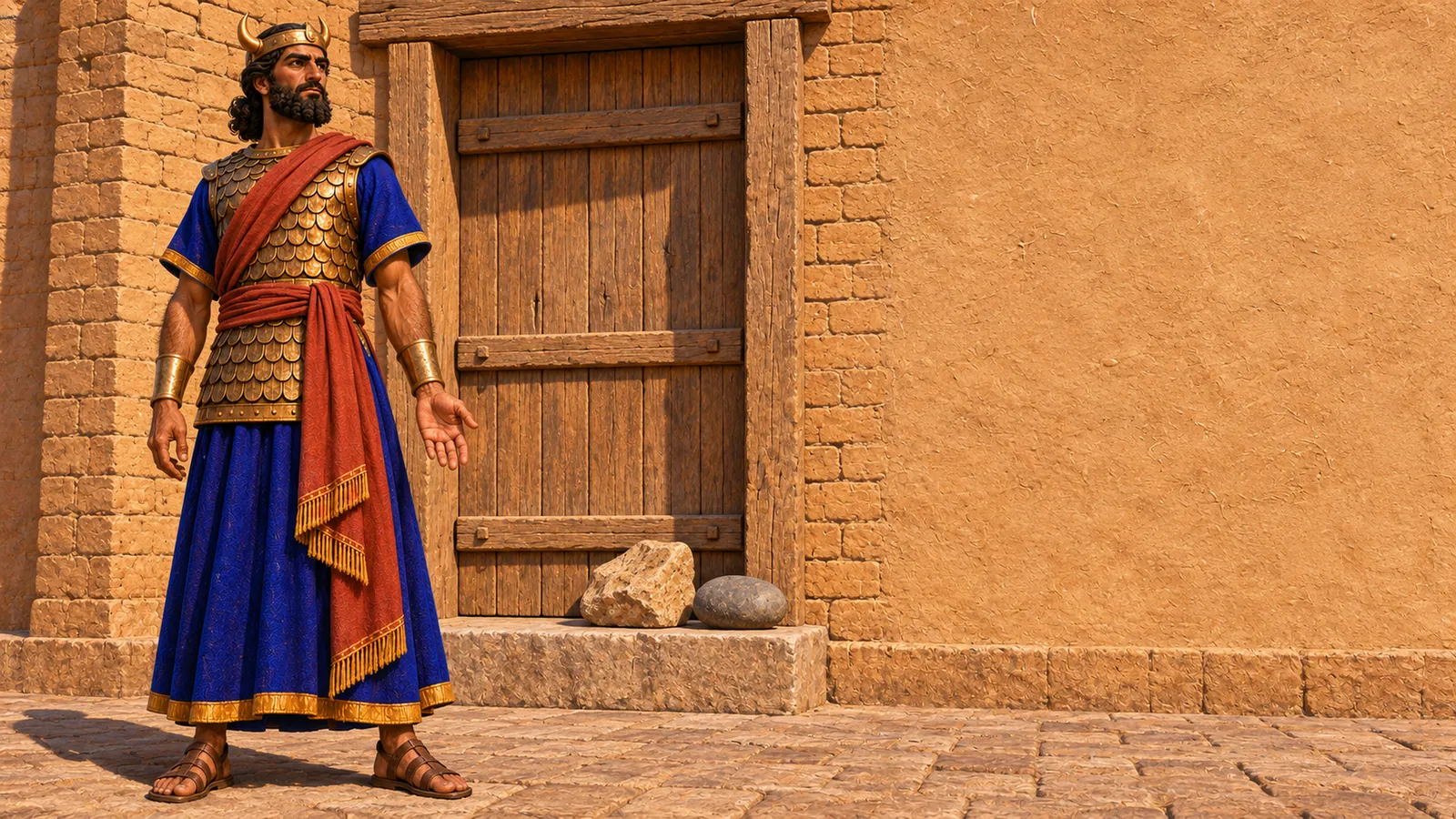
The iman stones cried out fiercely against him in the mountains. Their cries will count for nothing, Ninurta says. The road of iman and alliga will not lead to the palace.
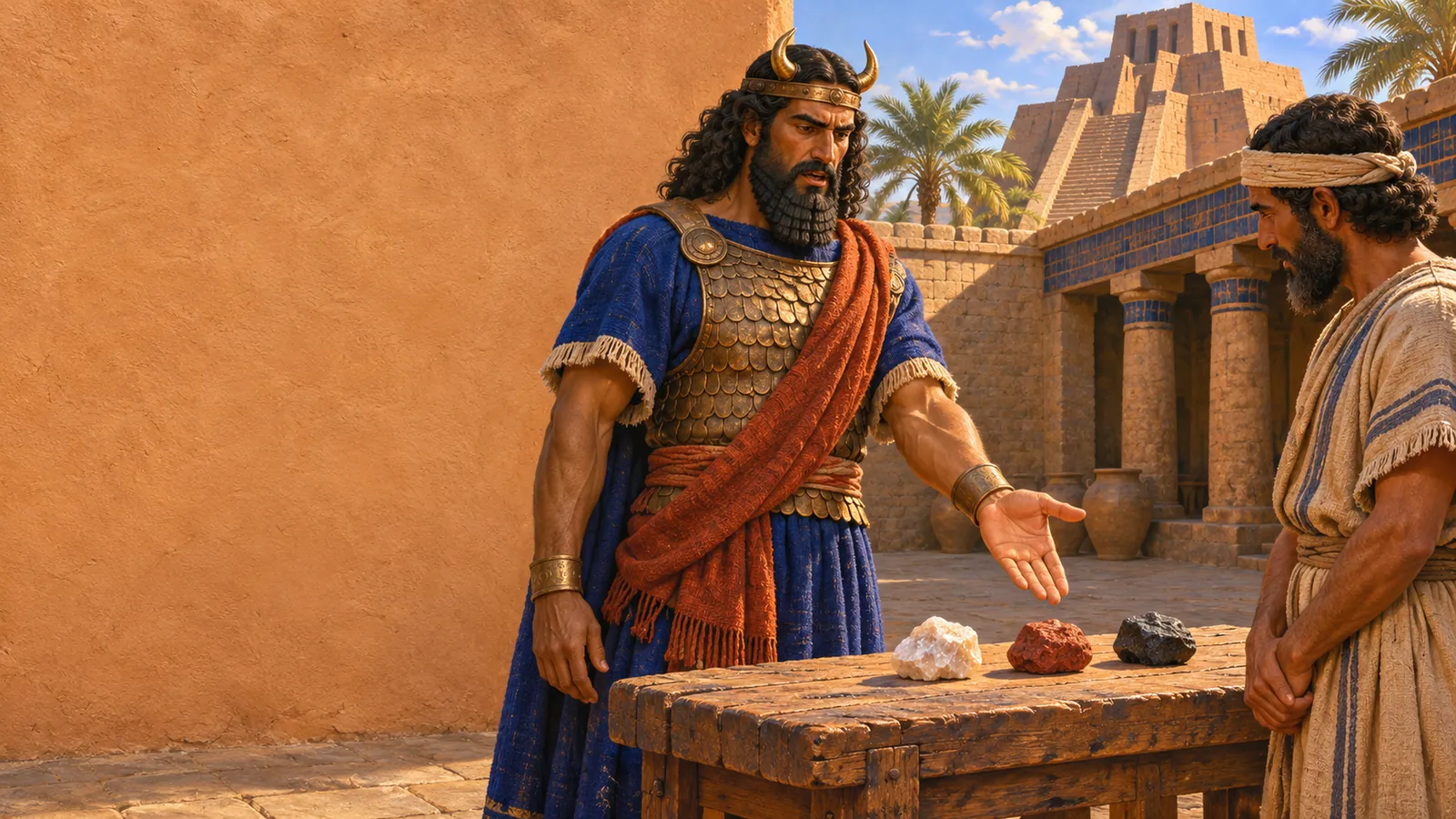
Mashda, dubban and urutum also stood against him. He sentences them in fierce terms. One is likened to a slaughtered sheep, one is crushed, and one is worked for the mace.
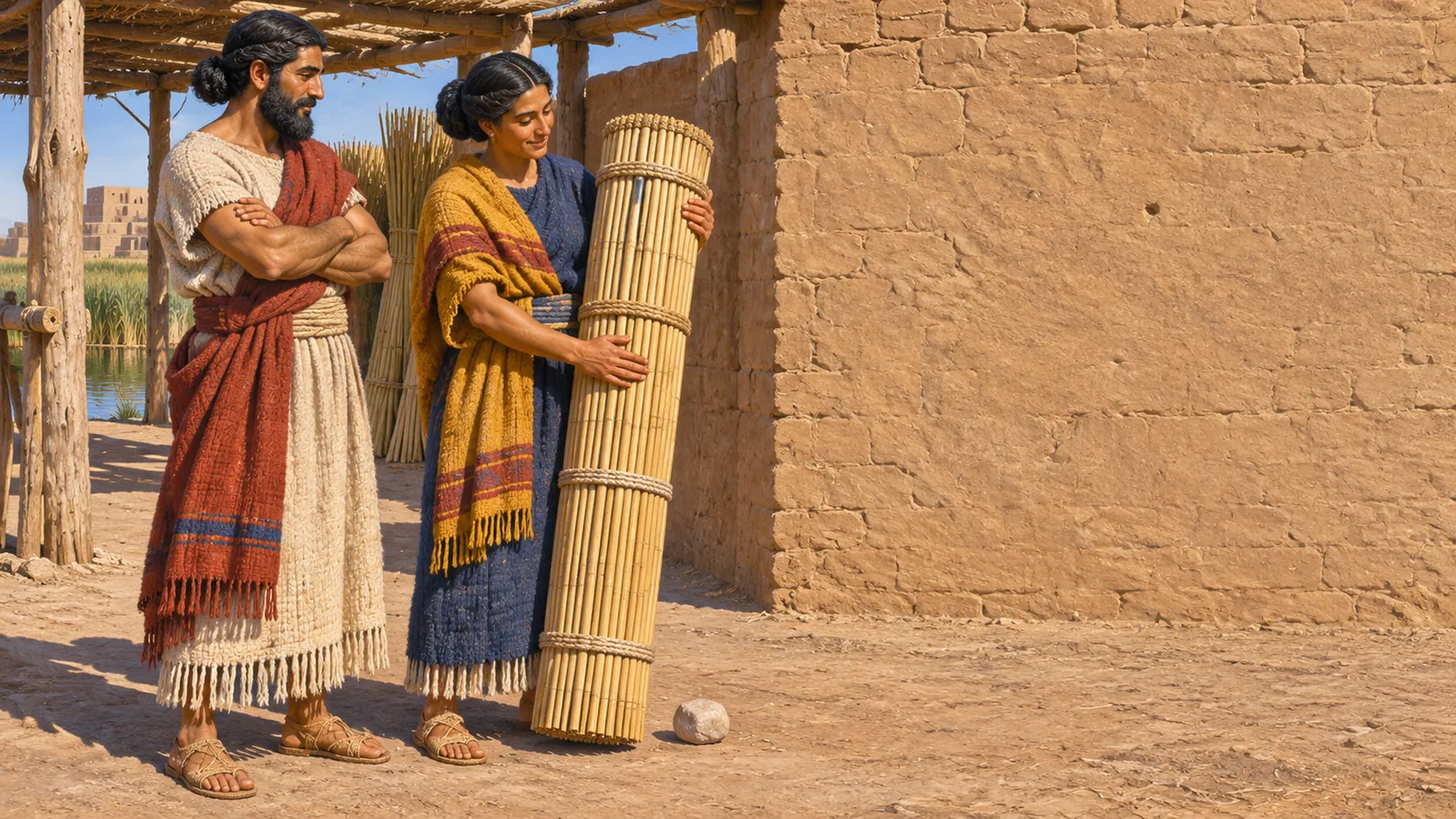
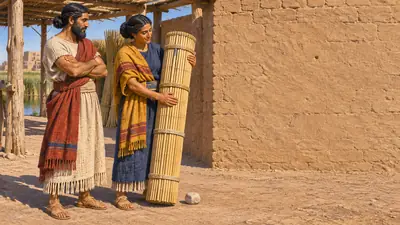
In the mountains the shagara stone tried to trample him. Ninurta gives it to the reed-worker and assigns it a low place at the resting place of Ninhursaga.
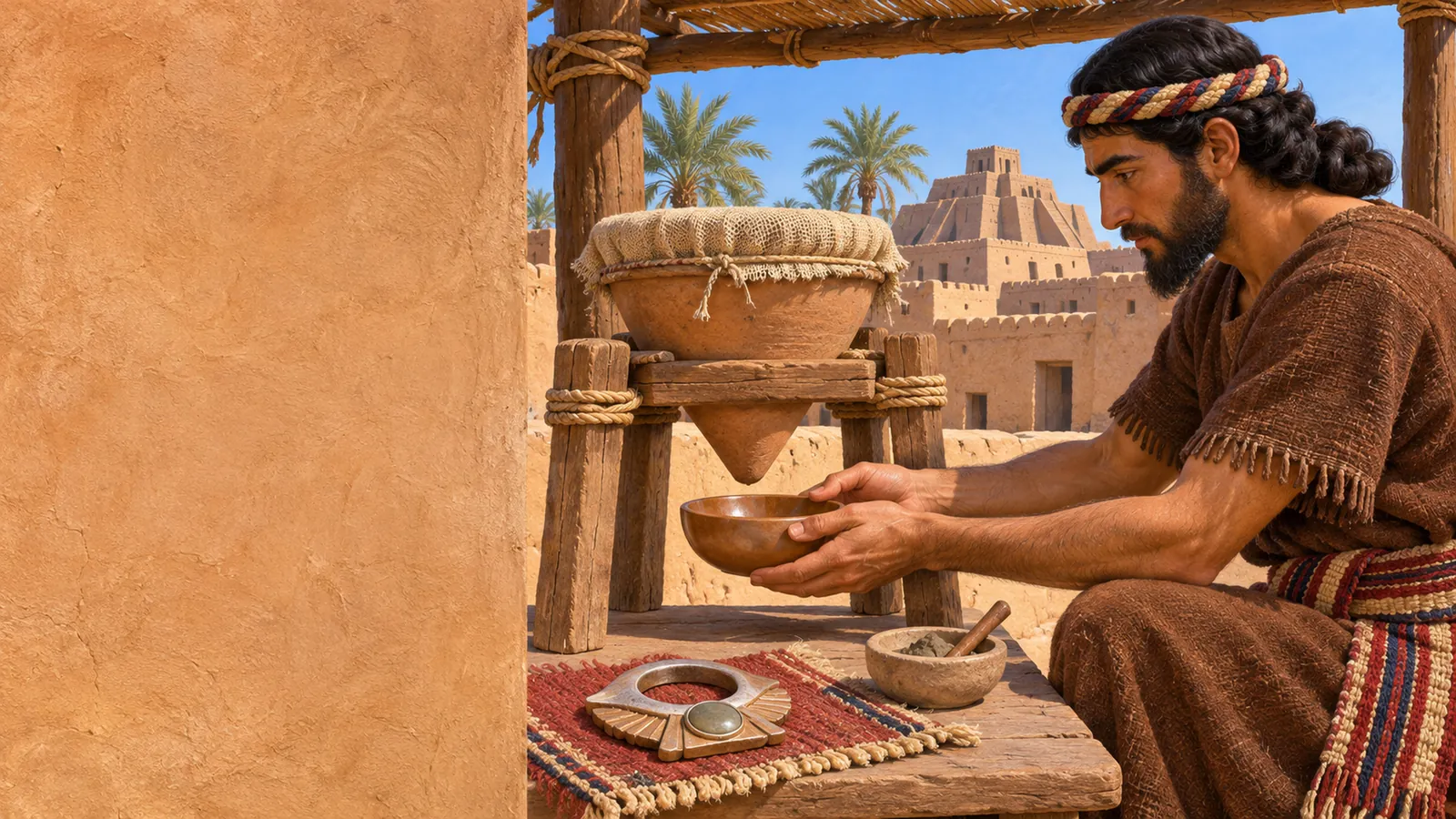
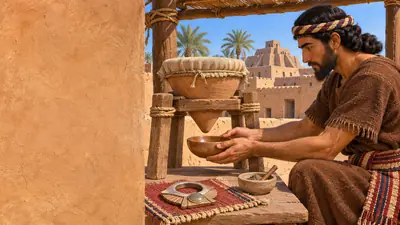
Marhusha took no part in its city’s wrongs. It will become the bowl that receives filtered water and be used for inlay and sacred brooches, to be praised in the temples.
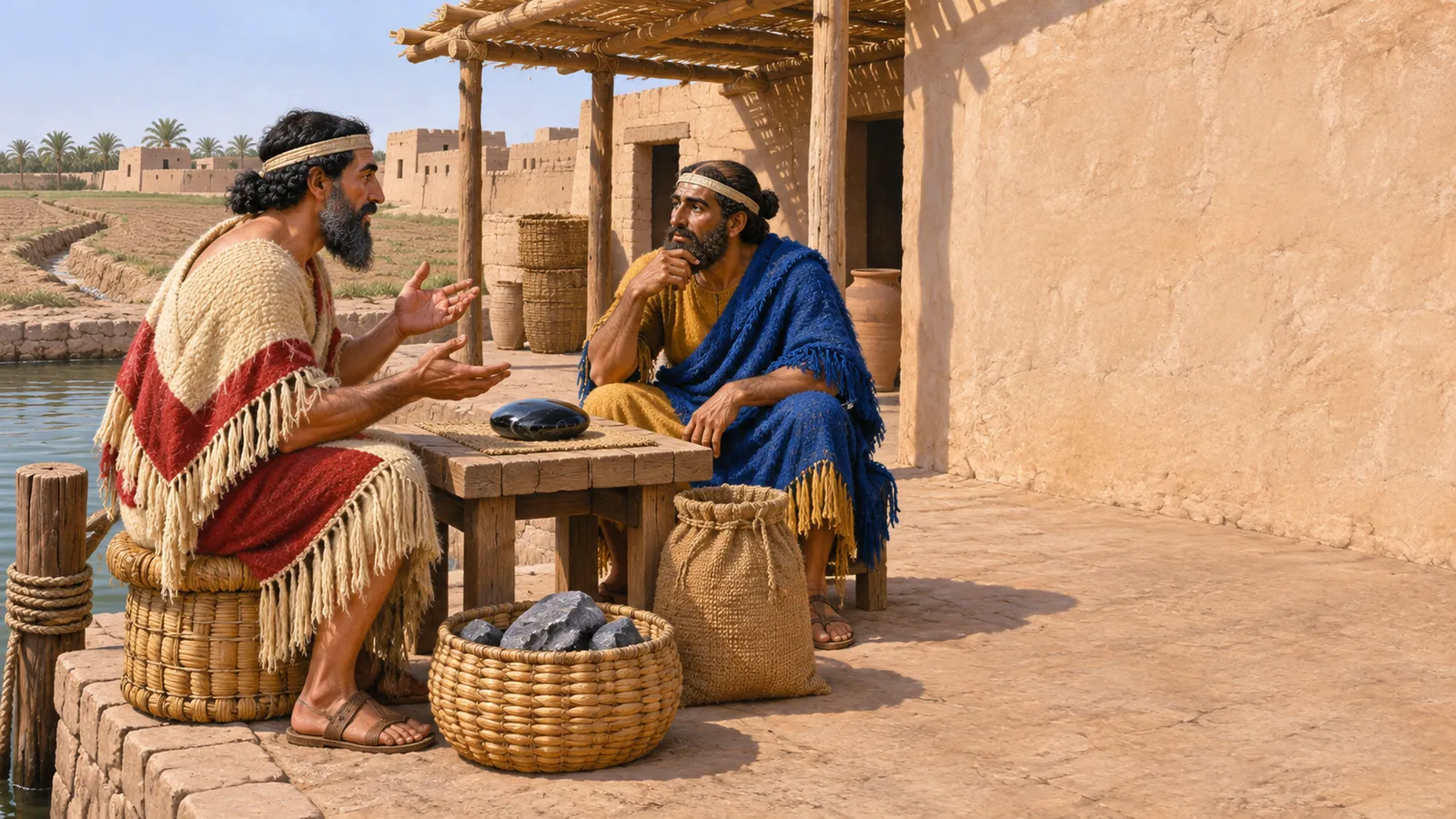
Hashtum cried out against him and receives a name that means ditch. Durul bowed before him and wanted to serve him, so Ninurta declares that its name will be honored abroad.
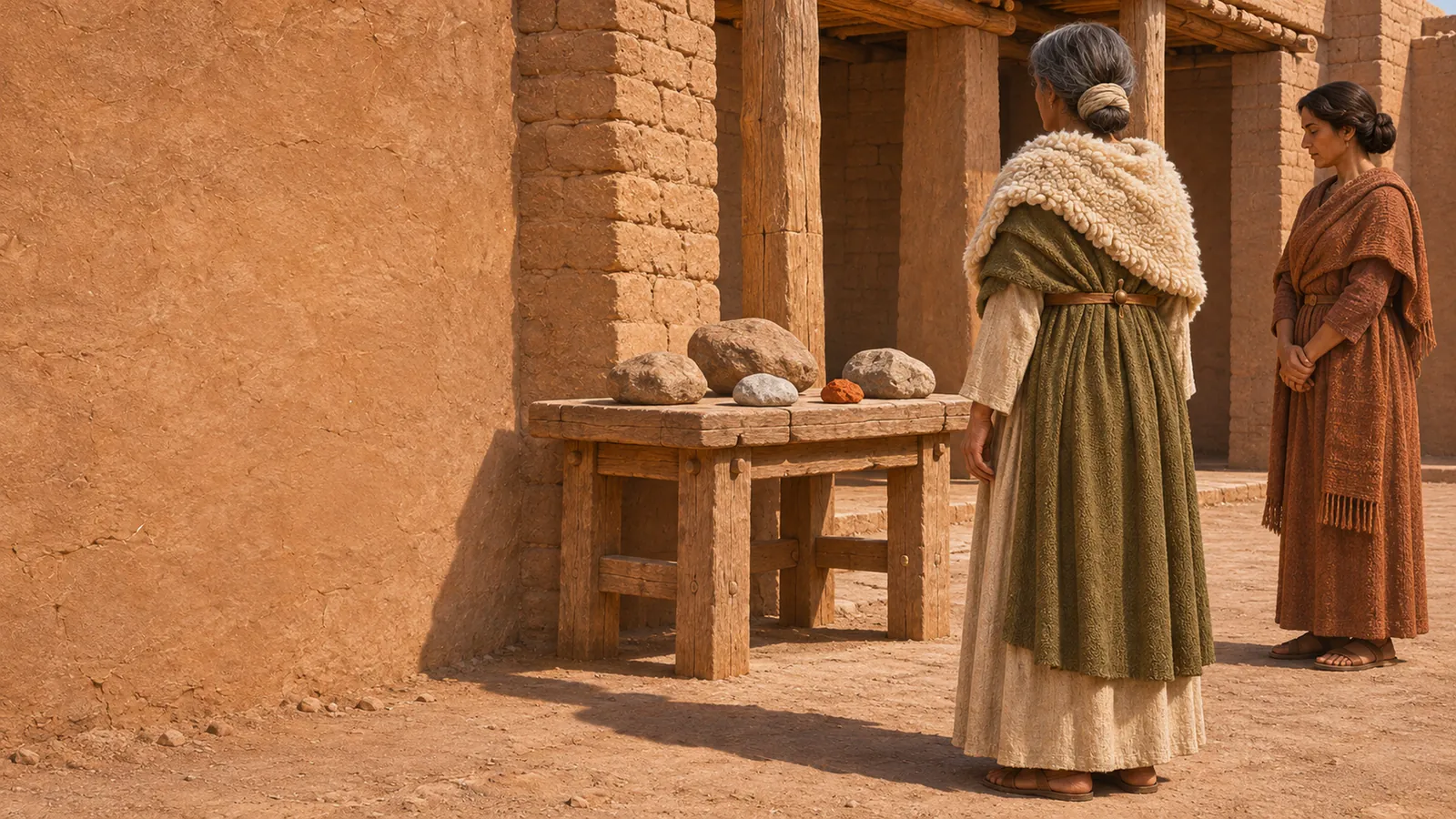
Here the lines break among the names of more stones. Enough survives to hear an ally favored, praise from a young artisan, and gifts assigned to the worship of Ninhursaga.
RETURN
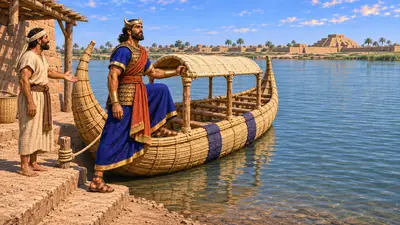
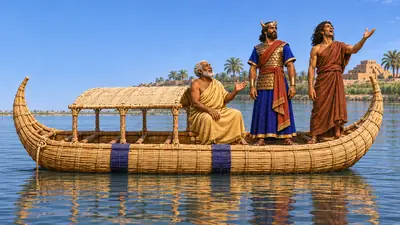
The hero goes out through the crowd and climbs joyfully onto his beloved barge, Ma-kar-nunta-eda. The boatmen begin to sing, greeting the son of Enlil.
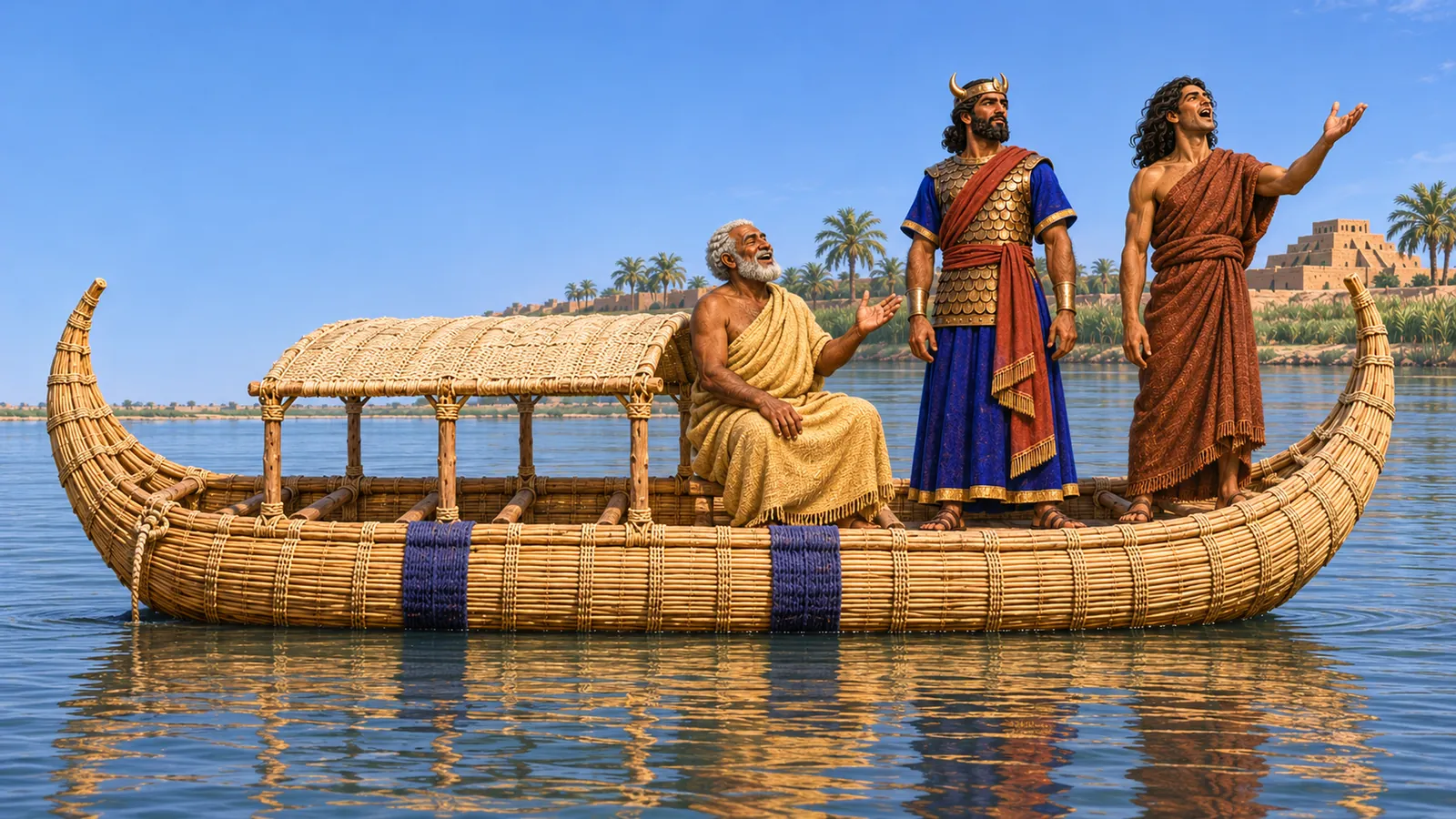
Their song calls him a flood that sweeps over enemies and a hero who brought the mountains low. They ask who could stand up to the son of Enlil.
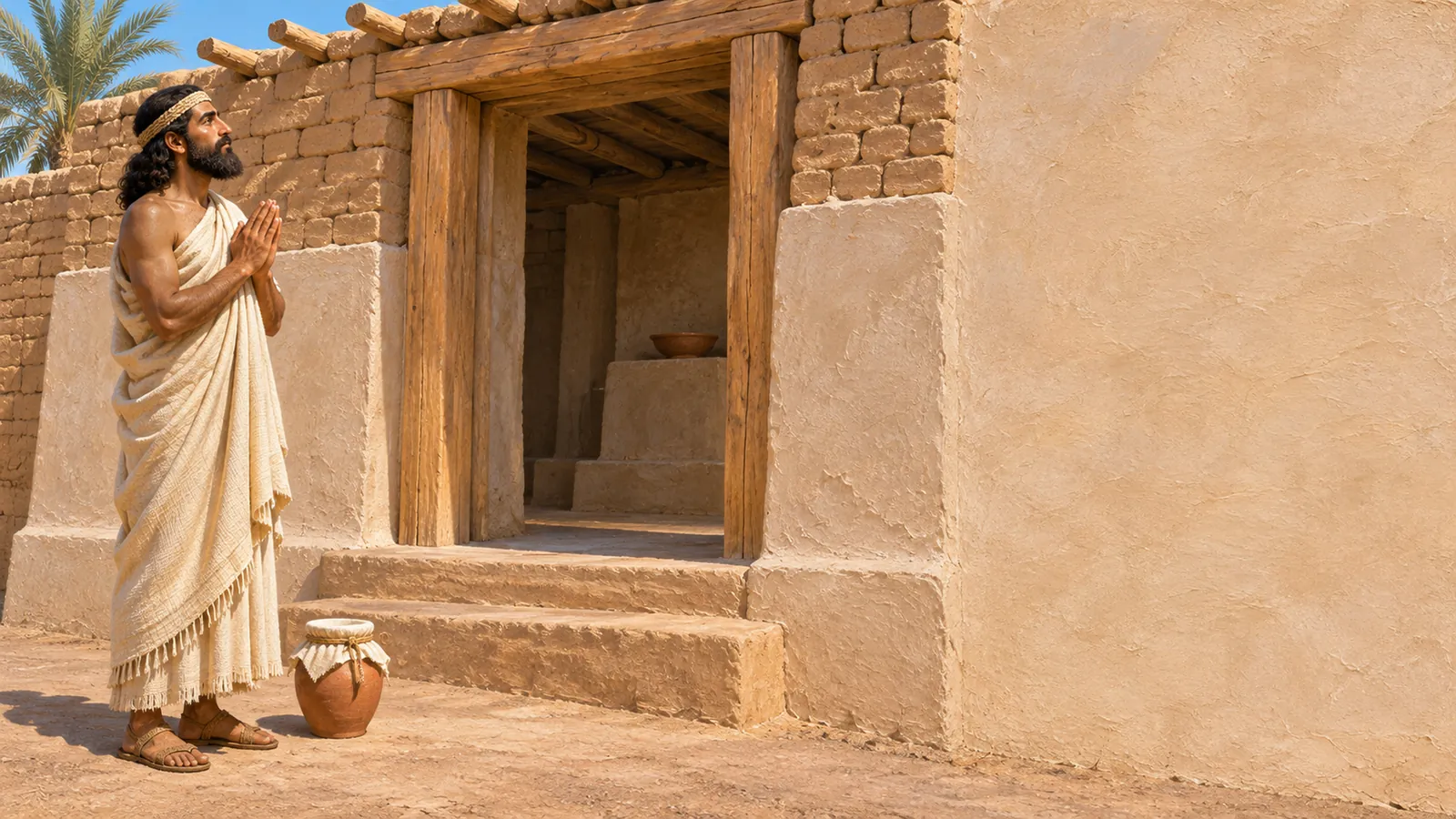
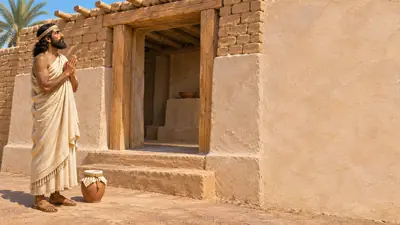
The boatmen sing of someone devoted to Ninurta, who raised his shrine from the dust. May he keep his vow, perform the sacred rites and praise the god in the land.
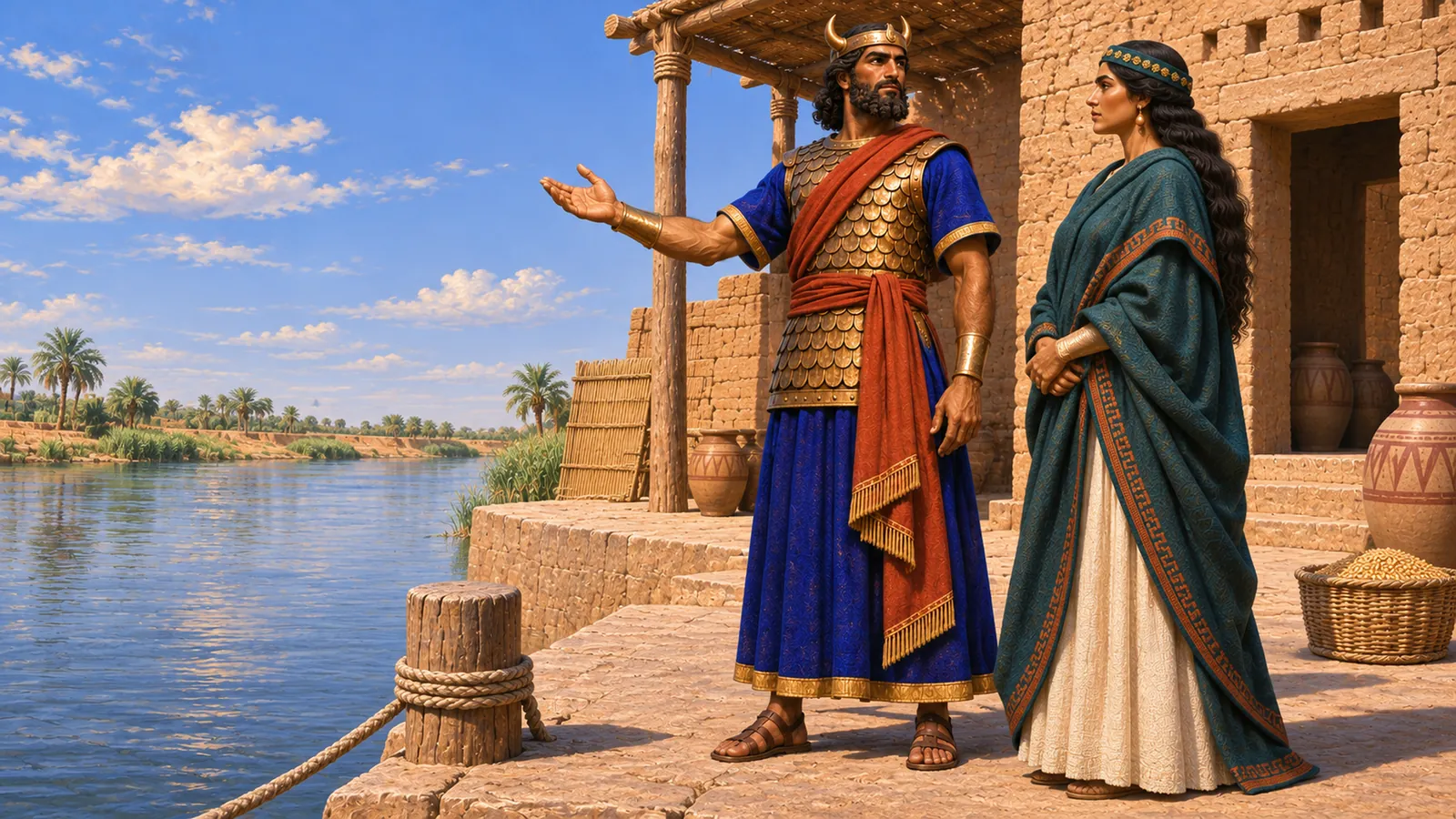
They ask that An’s heart be at peace toward their lord. They wish that Bau may shine like the light of day for Ninurta, the strength of Enlil.
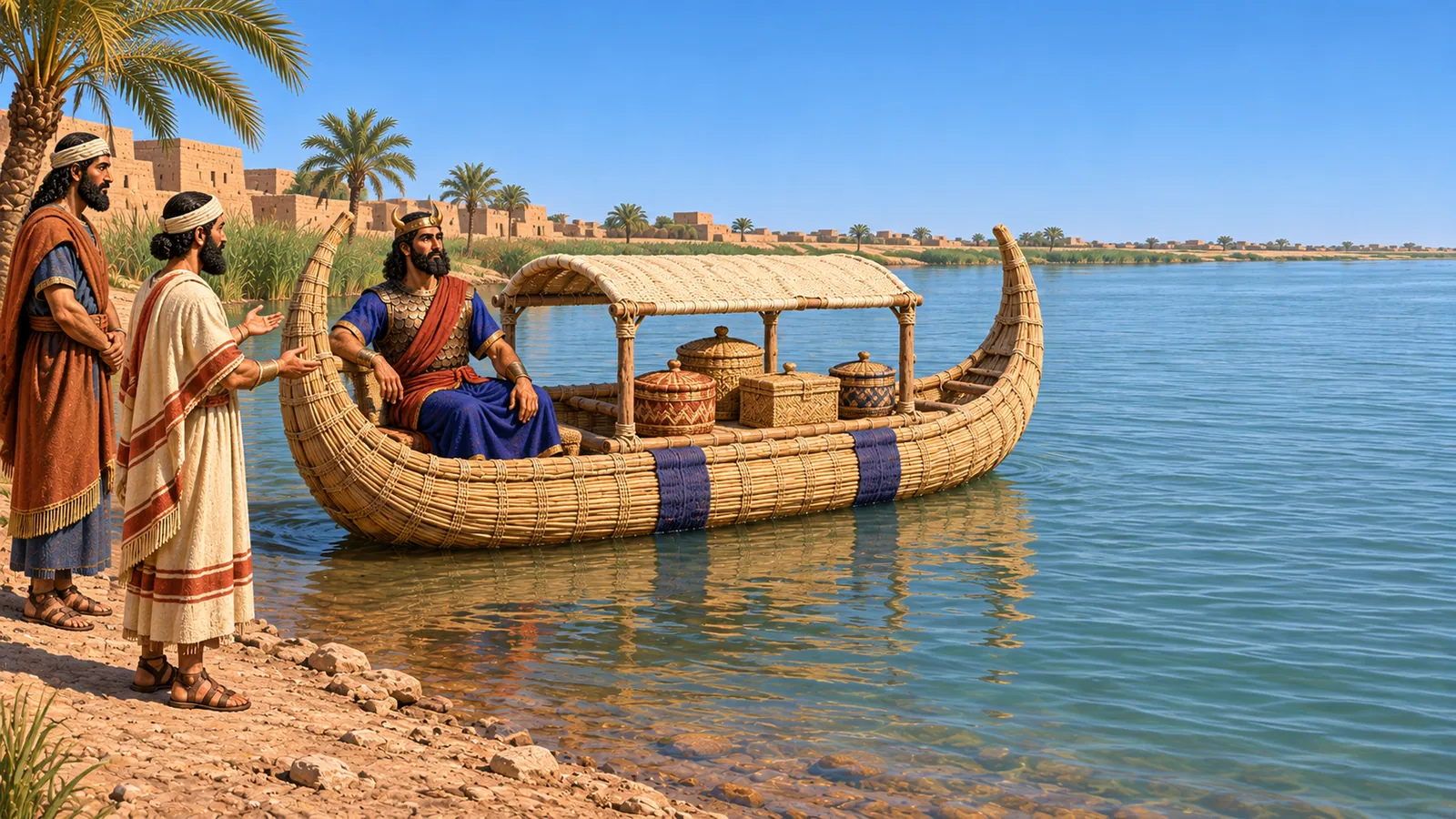
The ceremonial boat glides of its own accord, laden with riches. The Anuna come to greet Ninurta, bow to the ground and ask that his anger subside.
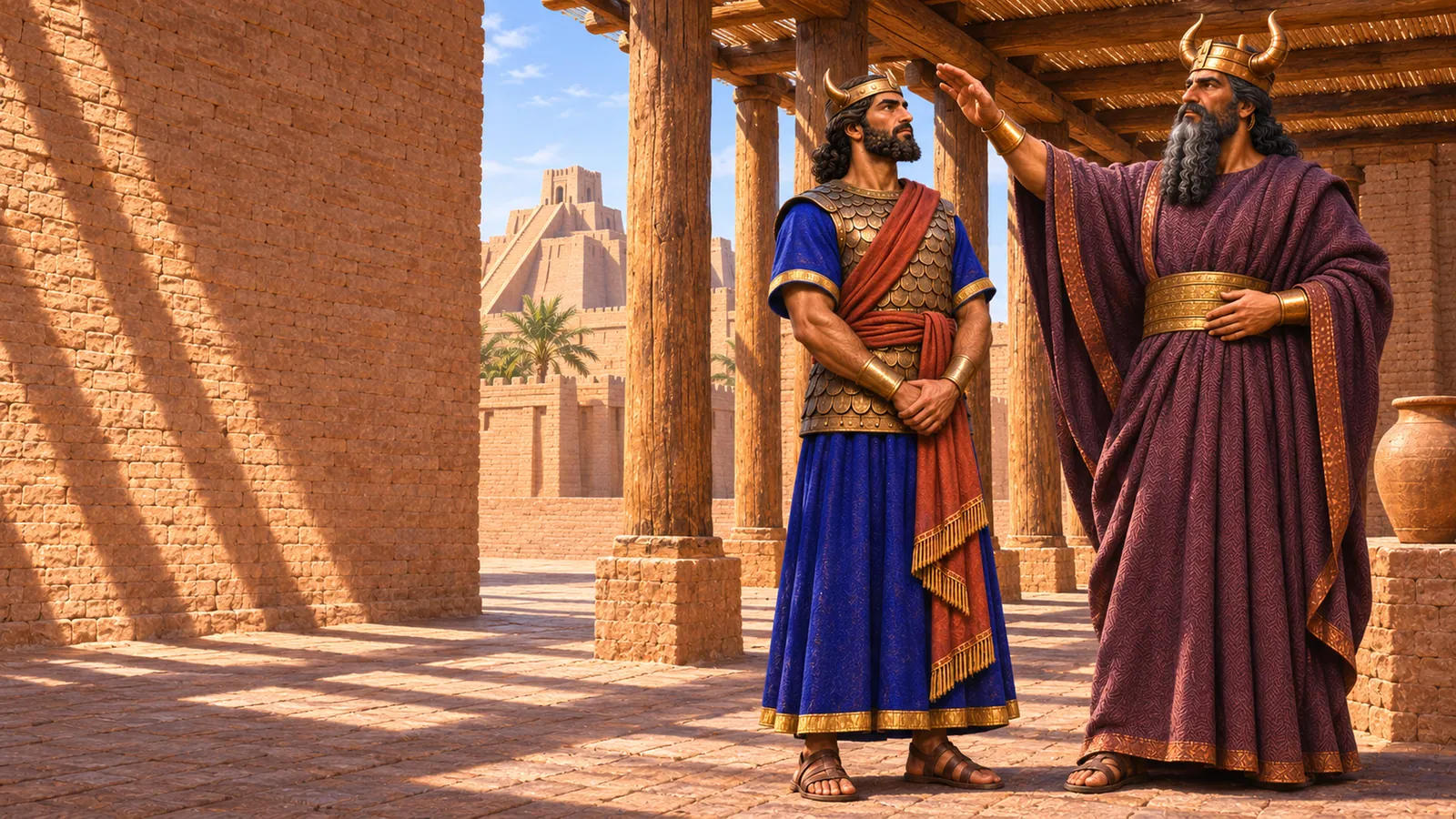
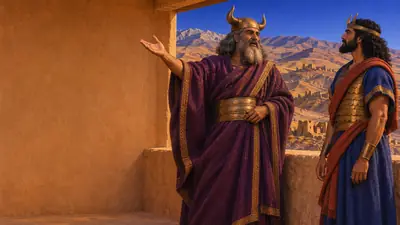
His father Enlil blesses him. He recalls the storm of heaven and the club he bestowed on Ninurta for the fighting that carried him into the mountains.
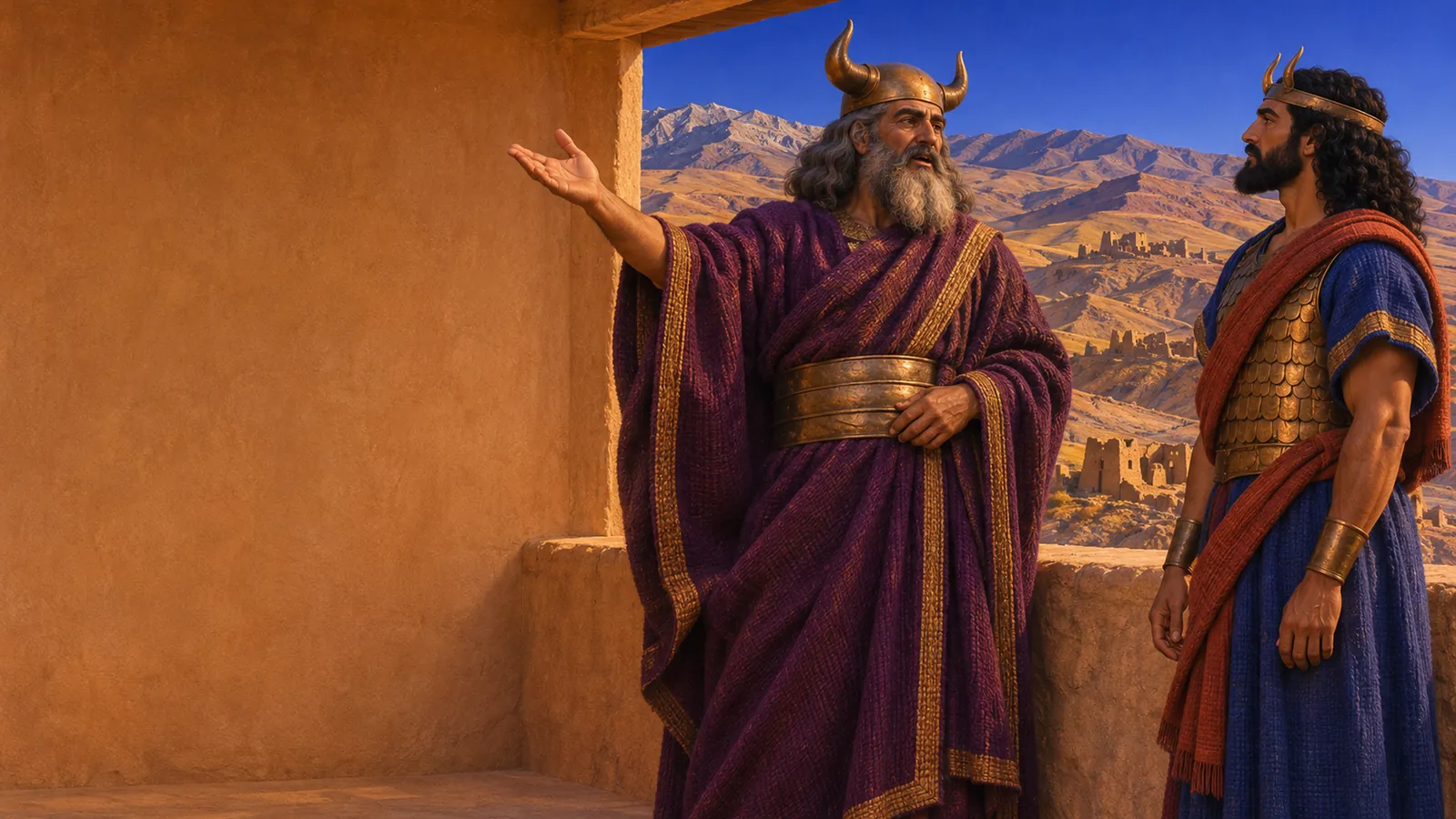
Enlil says he trusted Ninurta on the difficult mountain road. The cities of those heights became ruin mounds, he recalls, and their mighty rulers lost their lives before him.
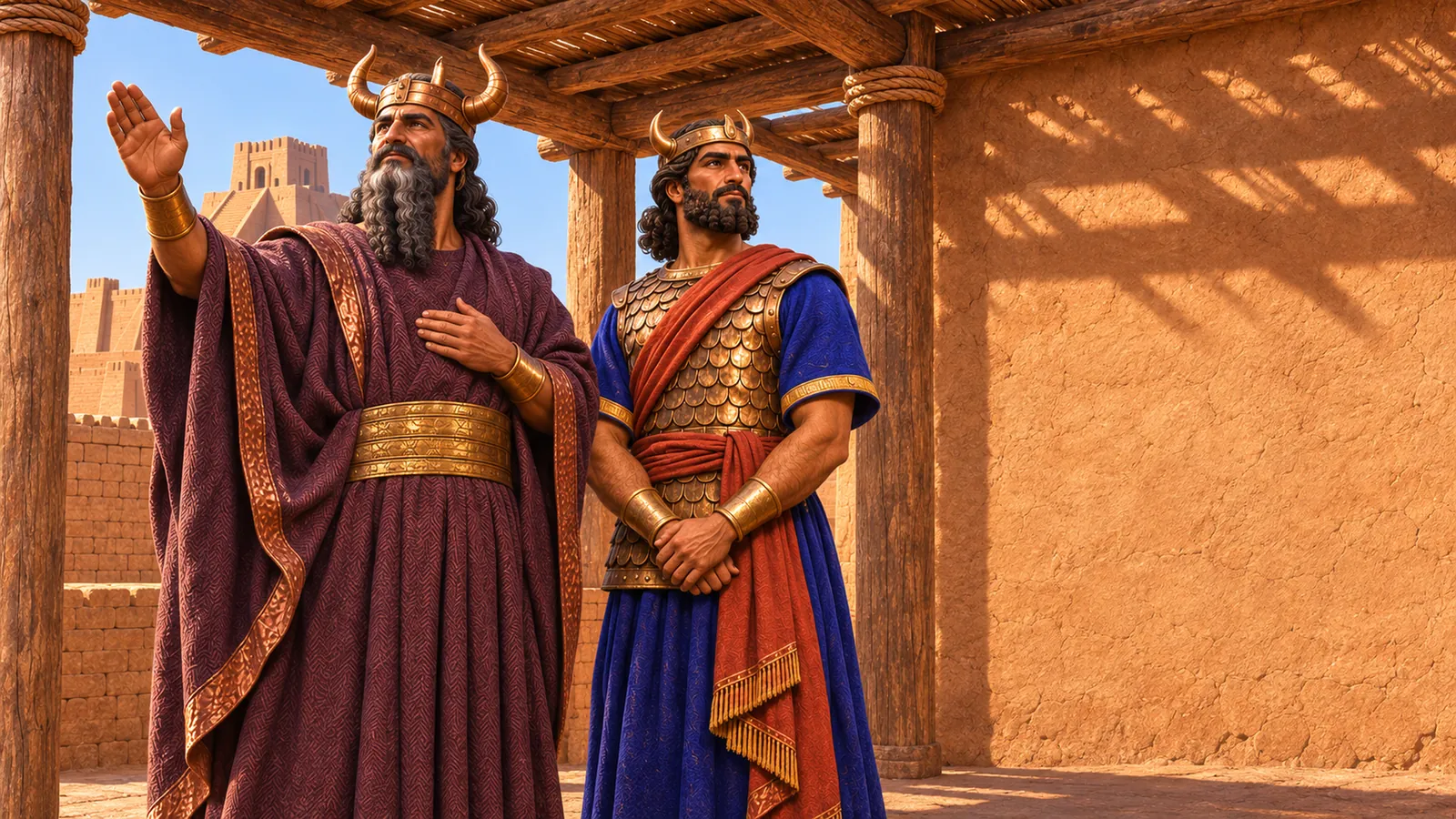
Enlil gives Ninurta his reward in words. Let his rule prosper and endure, let him have lasting life, and let the favor of Enlil and the strength of An be his.
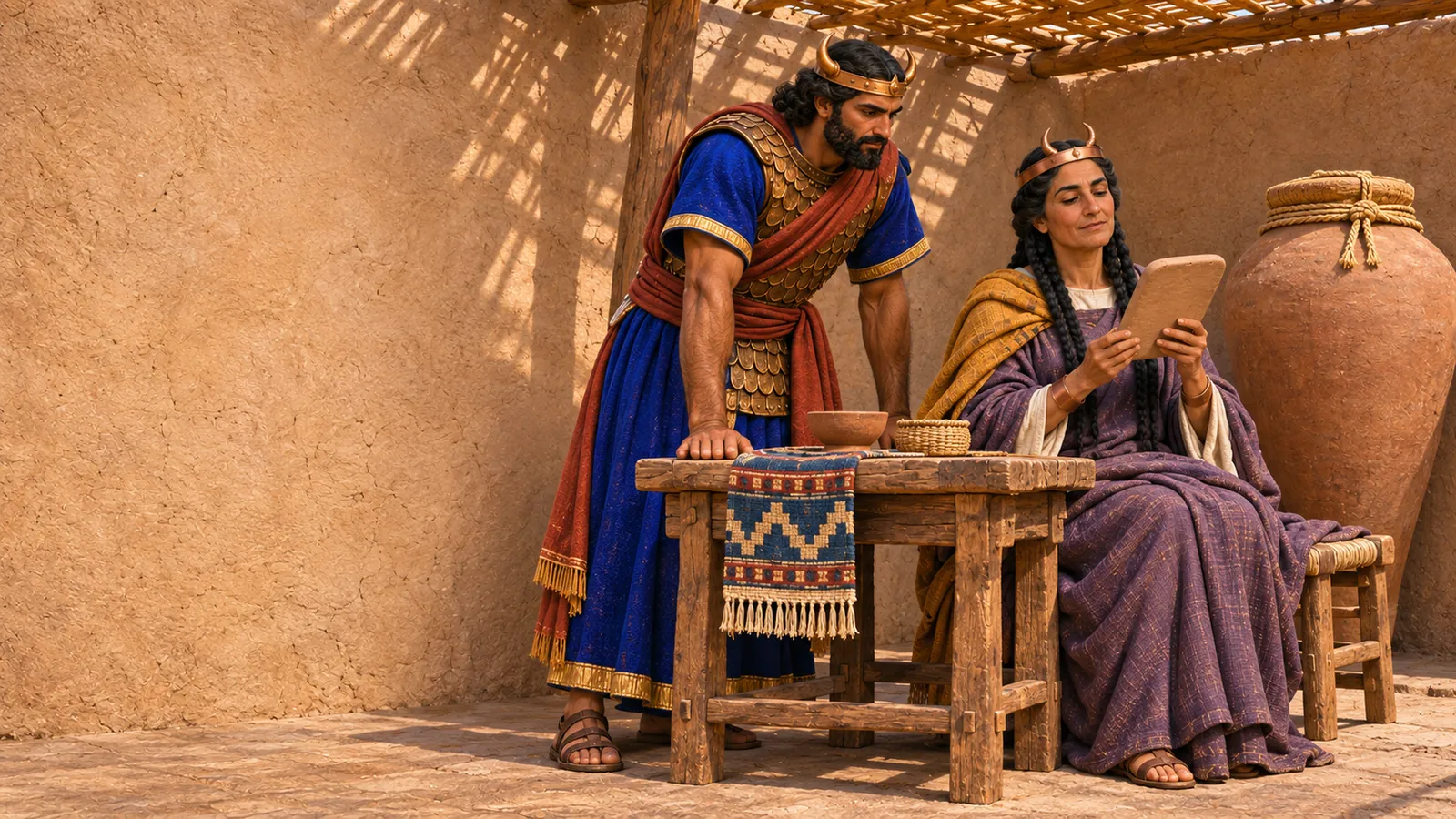
The singer recalls the fall of the Asag, the raised stones and the water led to the fields. Ninurta has established straight furrows and heaped up grain, and he entrusts the stores to wise Nisaba.
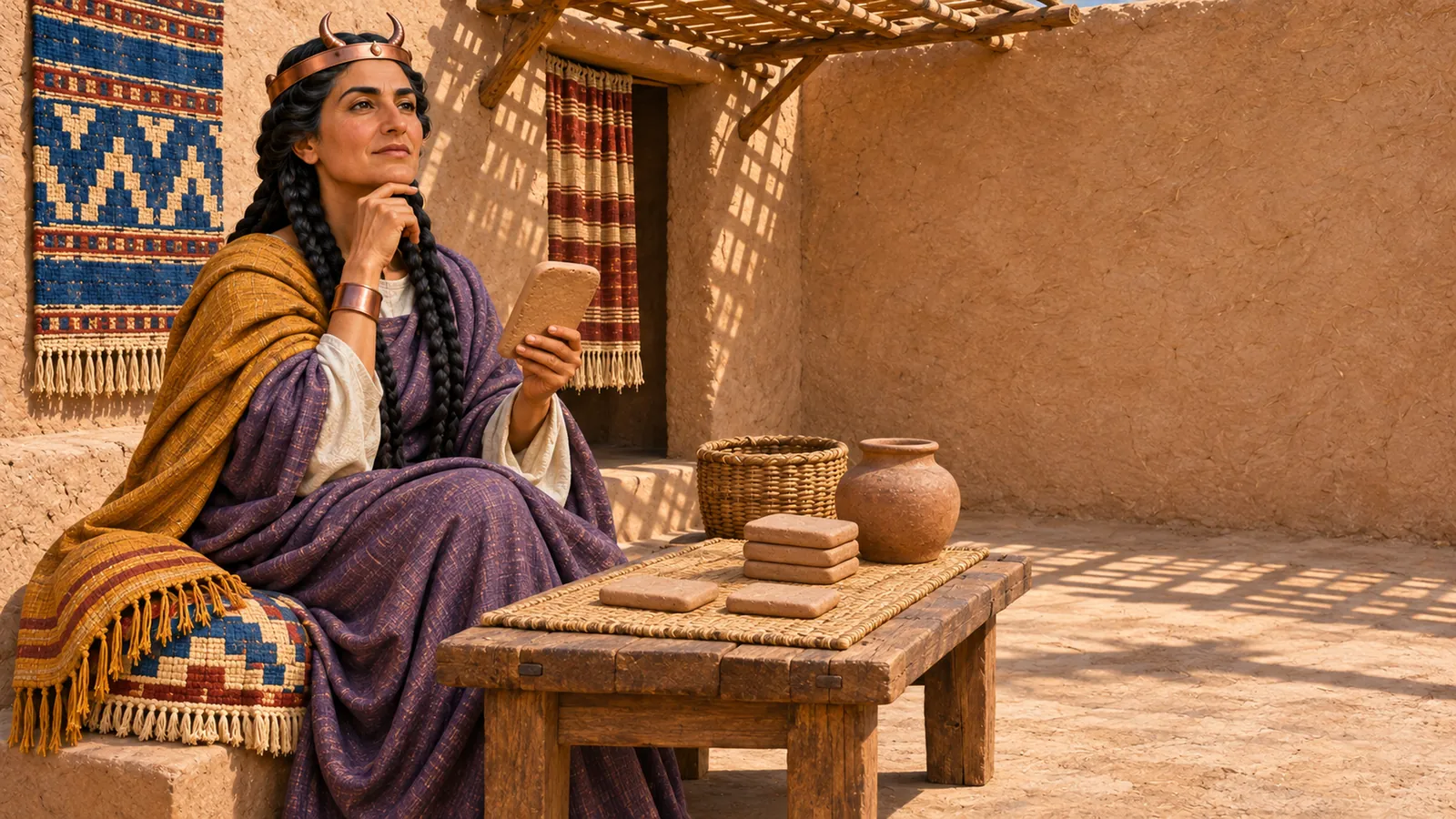
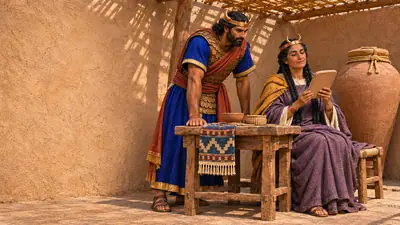
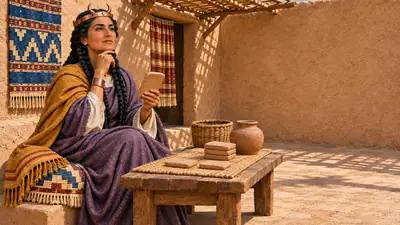
Nisaba keeps the tablets and knows the duties of temple lord and king. Her wisdom comes from Enki, and the song praises the care and justice with which she guides the people.
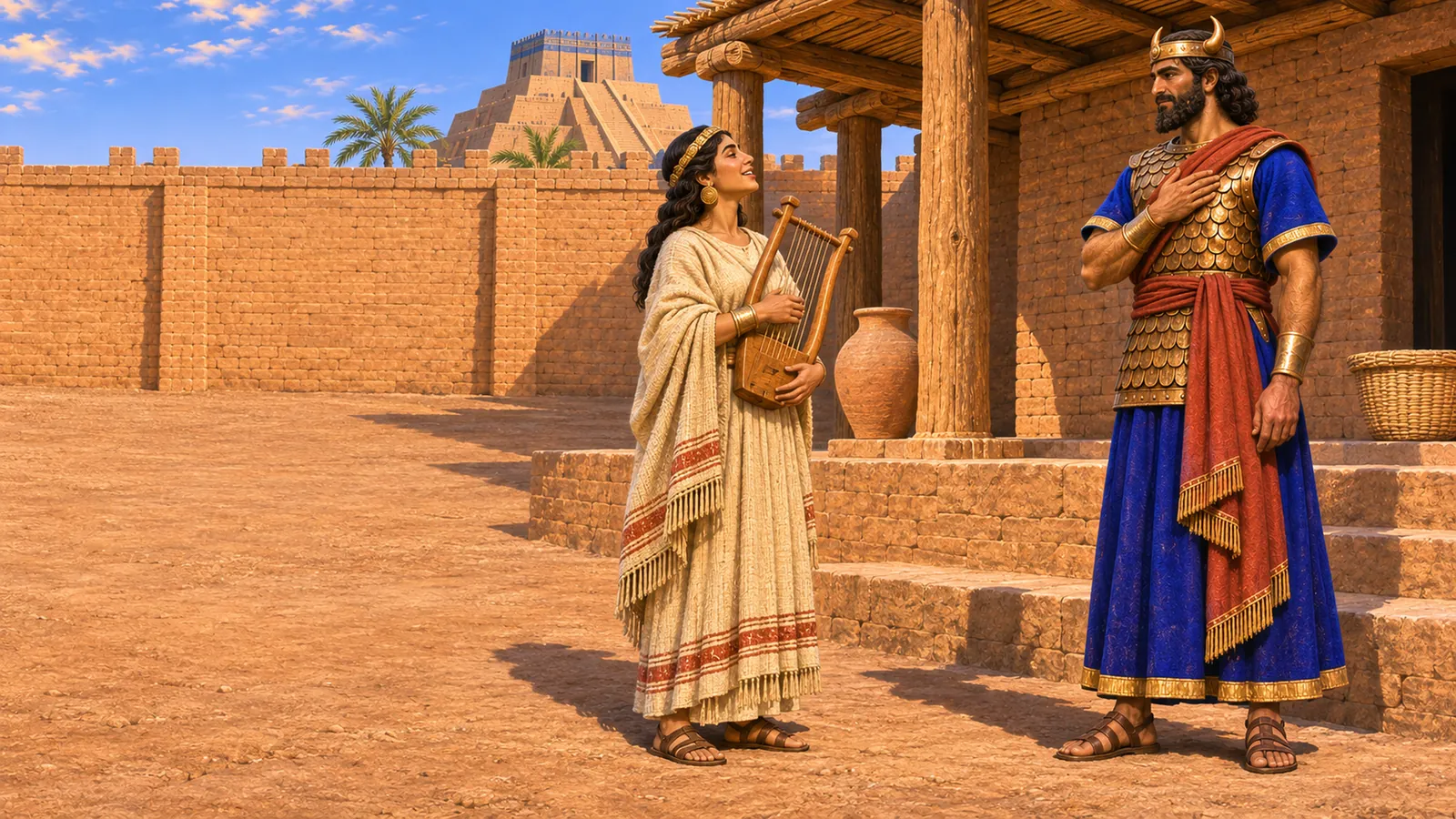
The last lines turn back to Ninurta, the mighty son of Enlil and hero of E-kur. The ancient text closes by calling itself a song of Ninurta.
End of chapter 1
All pages
Sources
Other editions count several lines differently. The page notes retain identified variants and uncertainties. The scholarly excerpts and individual witnesses below supply context and limited parallel readings. Ancient names are retained for uncertain stones and the craft objects represent the story's judgments.
Editions consulted
- Oxford ETCSL, full English translation
- Oxford ETCSL, Sumerian composite
- Sallaberger, Das göttliche Wesen des Kosmos, §4
- Wagensonner, Sumerian in the Middle Assyrian Period, §8.3.3
- CDLI, Nippur witness P343647
- Mary Frazer, Yale CCP 1.2 commentary witness
Ancient lines behind each page
- Page 1: Lugal-e, ETCSL 1.6.2, lines 1–5
One witness adds a line invoking An. - Page 2: Lugal-e, ETCSL 1.6.2, lines 6–16
- Page 3: Lugal-e, ETCSL 1.6.2, lines 17–20
The translation describes An and Enlil as drinking rivals of Ninurta. - Page 4: Lugal-e, ETCSL 1.6.2, lines 20–21
The reading of Heimpel and Salgues cited by Sallaberger also treats it as the earthly king's plea. - Page 5: Lugal-e, ETCSL 1.6.2, lines 22–25
Oxford lines 107–118 call the mace lion-headed and compare its flight to a bird. - Page 6: Lugal-e, ETCSL 1.6.2, lines 26–29
The union and birth are explicit in the poem. - Page 7: Lugal-e, ETCSL 1.6.2, lines 30–37
- Page 8: Lugal-e, ETCSL 1.6.2, lines 38–43
- Page 9: Lugal-e, ETCSL 1.6.2, lines 43–47
- Page 10: Lugal-e, ETCSL 1.6.2, lines 48–56
A damaged line and the rival’s shifting location occur in this speech. - Page 11: Lugal-e, ETCSL 1.6.2, lines 57–64
- Page 12: Lugal-e, ETCSL 1.6.2, lines 65–69
- Page 13: Lugal-e, ETCSL 1.6.2, lines 70–74
- Page 14: Lugal-e, ETCSL 1.6.2, lines 75–82
The line about the distance covered by a step is uncertain. - Page 15: Lugal-e, ETCSL 1.6.2, lines 83–89
- Page 16: Lugal-e, ETCSL 1.6.2, lines 90–95
- Page 17: Lugal-e, ETCSL 1.6.2, lines 90–95
- Page 18: Lugal-e, ETCSL 1.6.2, lines 96–104
The lines recount killed messengers, crushed cities, beaten and bound cowherds, and the latter hitting their heads against walls. - Page 19: Lugal-e, ETCSL 1.6.2, lines 105–112
- Page 20: Lugal-e, ETCSL 1.6.2, lines 113–118
Oxford mentions an unnamed source who brings news to the mace. Several words are lost. - Page 21: Lugal-e, ETCSL 1.6.2, lines 119–125
- Page 22: Lugal-e, ETCSL 1.6.2, lines 126–134
- Page 23: Lugal-e, ETCSL 1.6.2, lines 135–150
It names Ninlil as the one who adorned him. - Page 24: Lugal-e, ETCSL 1.6.2, lines 151–167
This section has lost words. The preserved text describes the onager and the going away of sun and moon. - Page 25: Lugal-e, ETCSL 1.6.2, lines 168–172
- Page 26: Lugal-e, ETCSL 1.6.2, lines 173–182
The poem imagines the Earth wounded like a body and the sky bathed in blood. - Page 27: Lugal-e, ETCSL 1.6.2, lines 183–186
- Page 28: Lugal-e, ETCSL 1.6.2, lines 187–190
The poem does not establish Ninurta’s death here. - Page 29: Lugal-e, ETCSL 1.6.2, lines 191–214
Lines 191–214 are heavily damaged. - Page 30: Lugal-e, ETCSL 1.6.2, lines 215–224
Surviving parts include Ninurta standing again, reduction of population and posterity being forbidden, and preservation of kinds of life. The passage has lost words. - Page 31: Lugal-e, ETCSL 1.6.2, lines 225–243
Its account of the rampart ends in damaged lines. - Page 32: Lugal-e, ETCSL 1.6.2, lines 244–251
- Page 33: Lugal-e, ETCSL 1.6.2, lines 251–264
- Page 34: Lugal-e, ETCSL 1.6.2, lines 265–280
- Page 35: Lugal-e, ETCSL 1.6.2, lines 281–287
The approach includes a damaged phrase and the claim that Ninurta reversed the harm. - Page 36: Lugal-e, ETCSL 1.6.2, lines 288–299
Oxford compares the defeated Asag with weeds, reeds, brick fragments, flour and rammed earth. At the transition the poem describes severe bodily harm, represented by a broken pile of brick. - Page 37: Lugal-e, ETCSL 1.6.2, lines 300–309
- Page 38: Lugal-e, ETCSL 1.6.2, lines 310–333
The intervening speech and club blessing include a damaged or missing line. Zalag stone is another name in the preserved decree. Oxford relates the Asag’s innards to the underworld; the excerpted German wording reads the body as its grave. - Page 39: Lugal-e, ETCSL 1.6.2, lines 334–338
- Page 40: Lugal-e, ETCSL 1.6.2, lines 339–346
- Page 41: Lugal-e, ETCSL 1.6.2, lines 347–352
Oxford flags a possible sluice as uncertain, and one witness names Ningirsu. - Page 42: Lugal-e, ETCSL 1.6.2, lines 353–359
- Page 43: Lugal-e, ETCSL 1.6.2, lines 360–363
- Page 44: Lugal-e, ETCSL 1.6.2, lines 364–367
- Page 45: Lugal-e, ETCSL 1.6.2, lines 368–371
The poem compares Ninmah under a fleece to an unshorn ewe in this passage. - Page 46: Lugal-e, ETCSL 1.6.2, lines 372–378
Oxford marks the precise reference to pregnancy by her husband as uncertain. - Page 47: Lugal-e, ETCSL 1.6.2, lines 379–389
- Page 48: Lugal-e, ETCSL 1.6.2, lines 390–396
- Page 49: Lugal-e, ETCSL 1.6.2, lines 397–402
- Page 50: Lugal-e, ETCSL 1.6.2, lines 403–408
- Page 51: Lugal-e, ETCSL 1.6.2, lines 408–410
- Page 52: Lugal-e, ETCSL 1.6.2, lines 411–415
- Page 53: Lugal-e, ETCSL 1.6.2, lines 416–434
- Page 54: Lugal-e, ETCSL 1.6.2, lines 435–447
Their material identification is uncertain. - Page 55: Lugal-e, ETCSL 1.6.2, lines 448–462
- Page 56: Lugal-e, ETCSL 1.6.2, lines 463–478
- Page 57: Lugal-e, ETCSL 1.6.2, lines 479–486
The poem compares its treatment to that of a pig and says someone who knows it will reduce it to liquid. - Page 58: Lugal-e, ETCSL 1.6.2, lines 487–496
One witness reads that foreign lands elevate elel; Oxford’s main text gives spoken praise. - Page 59: Lugal-e, ETCSL 1.6.2, lines 497–511
Its judicial fate is paralleled in the fragmentary Yale bilingual commentary. - Page 60: Lugal-e, ETCSL 1.6.2, lines 512–521
The possible additional Anuna line is incomplete. - Page 61: Lugal-e, ETCSL 1.6.2, lines 522–527
The material of algamesh is uncertain. The Yale commentary also preserves a kiln or forge command. - Page 62: Lugal-e, ETCSL 1.6.2, lines 528–542
Oxford lists dushia, nir, gug (carnelian), zagin (lapis), amash-pa-ed, shaba, hurizum, gug-gazi, marhali, egi-zaga, girin-hiliba, anzugulme and nir-mushgir, with two further variant names or fragments. - Page 63: Lugal-e, ETCSL 1.6.2, lines 543–553
- Page 64: Lugal-e, ETCSL 1.6.2, lines 554–565
- Page 65: Lugal-e, ETCSL 1.6.2, lines 566–578
- Page 66: Lugal-e, ETCSL 1.6.2, lines 579–591
Several other phrases are uncertain. - Page 67: Lugal-e, ETCSL 1.6.2, lines 592–599
The translation describes a bowl under a filter jar and sacred brooches. - Page 68: Lugal-e, ETCSL 1.6.2, lines 600–617
The hashtum verdict plays on the word for a ditch. - Page 69: Lugal-e, ETCSL 1.6.2, lines 618–644
The partly broken lists include shigshig, engen, ezinum, ug-gun, hem, madanum, sajgirmud, an unnamed term and mursuh, then kurgaranum, bal and yellow shimbi. The later speech mentions the festival of the dead and a dedication to Ninhursaga, with other words missing. - Page 70: Lugal-e, ETCSL 1.6.2, lines 645–651
Oxford marks parts of the entrance through the crowd as damaged. - Page 71: Lugal-e, ETCSL 1.6.2, lines 652–661
These are words of praise. - Page 72: Lugal-e, ETCSL 1.6.2, lines 662–668
This devotee is not named in the base translation. - Page 73: Lugal-e, ETCSL 1.6.2, lines 669–671
- Page 74: Lugal-e, ETCSL 1.6.2, lines 672–680
- Page 75: Lugal-e, ETCSL 1.6.2, lines 681–686
- Page 76: Lugal-e, ETCSL 1.6.2, lines 687–693
- Page 77: Lugal-e, ETCSL 1.6.2, lines 694–697
- Page 78: Lugal-e, ETCSL 1.6.2, lines 698–711
- Page 79: Lugal-e, ETCSL 1.6.2, lines 712–723
The tablet of obligations and the description of Nisaba's wisdom extend across lines 698–723. - Page 80: Lugal-e, ETCSL 1.6.2, lines 724–726
Illustrations made with AI tools by IL Archive; the text is based on the ancient sources (see the sources at the end of each chapter).