Ninurta’s Exploits (Lugal-e) Chapter 1
The River and the Stones
A warning sends Ninurta into the mountains to face Asag and his army. After the fighting, the young god must bring water back to the fields and decide the fate of the stones.
SourcesTurn the pages with the arrows, the arrow keys or a swipe.

NINURTA
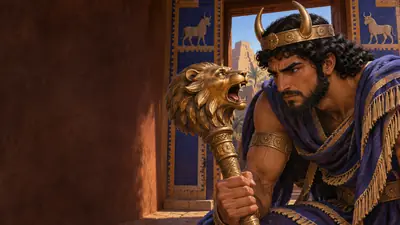
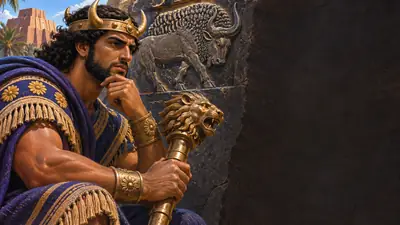
At the start of the song, Ninurta crosses the mountains like a storm. His father Enlil is proud of the young warrior who carries the mace.
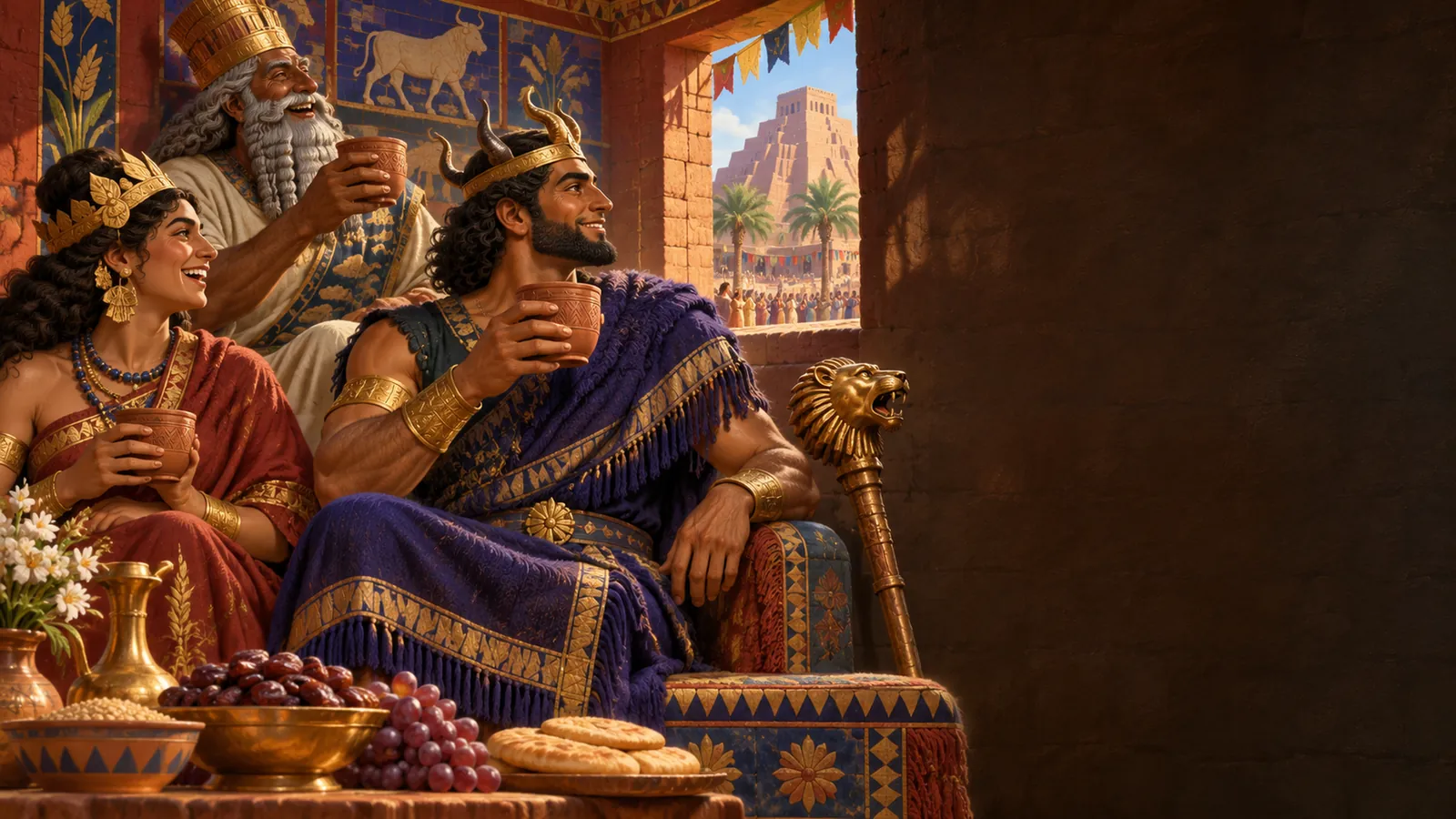
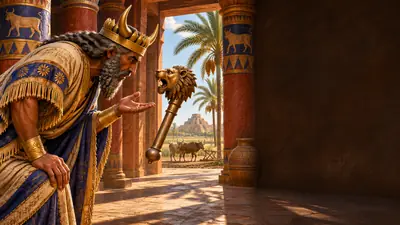
Ninurta presided at his feast, hearing petitions and giving judgments. Then his own mace, Šarur, looked toward the mountains and called to him.
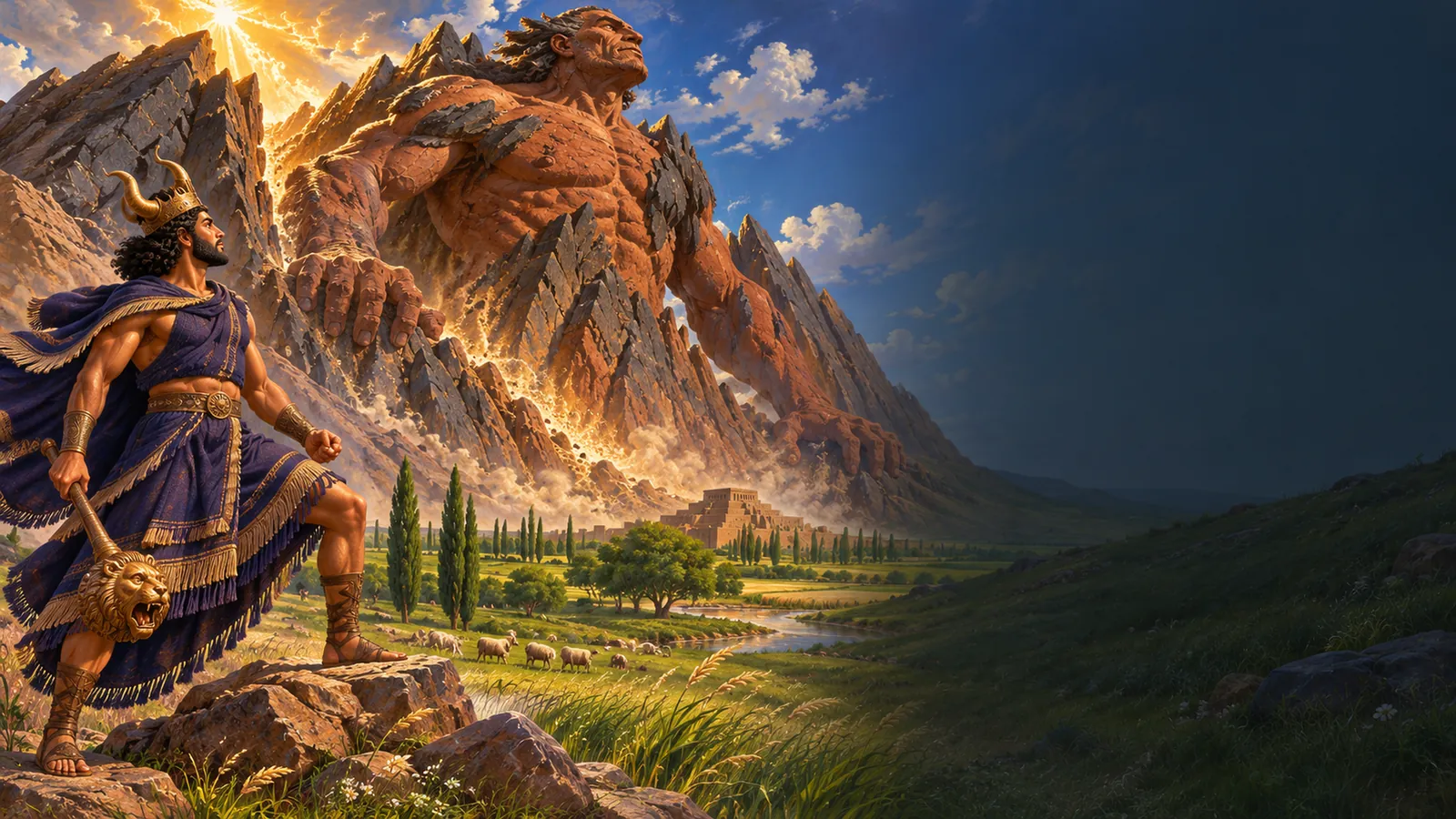
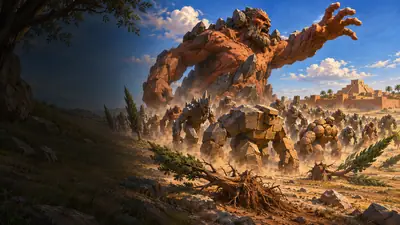
Heaven and Earth had joined, and Earth had borne Asag, a warrior without fear. The plants of the mountains had chosen him as their king.
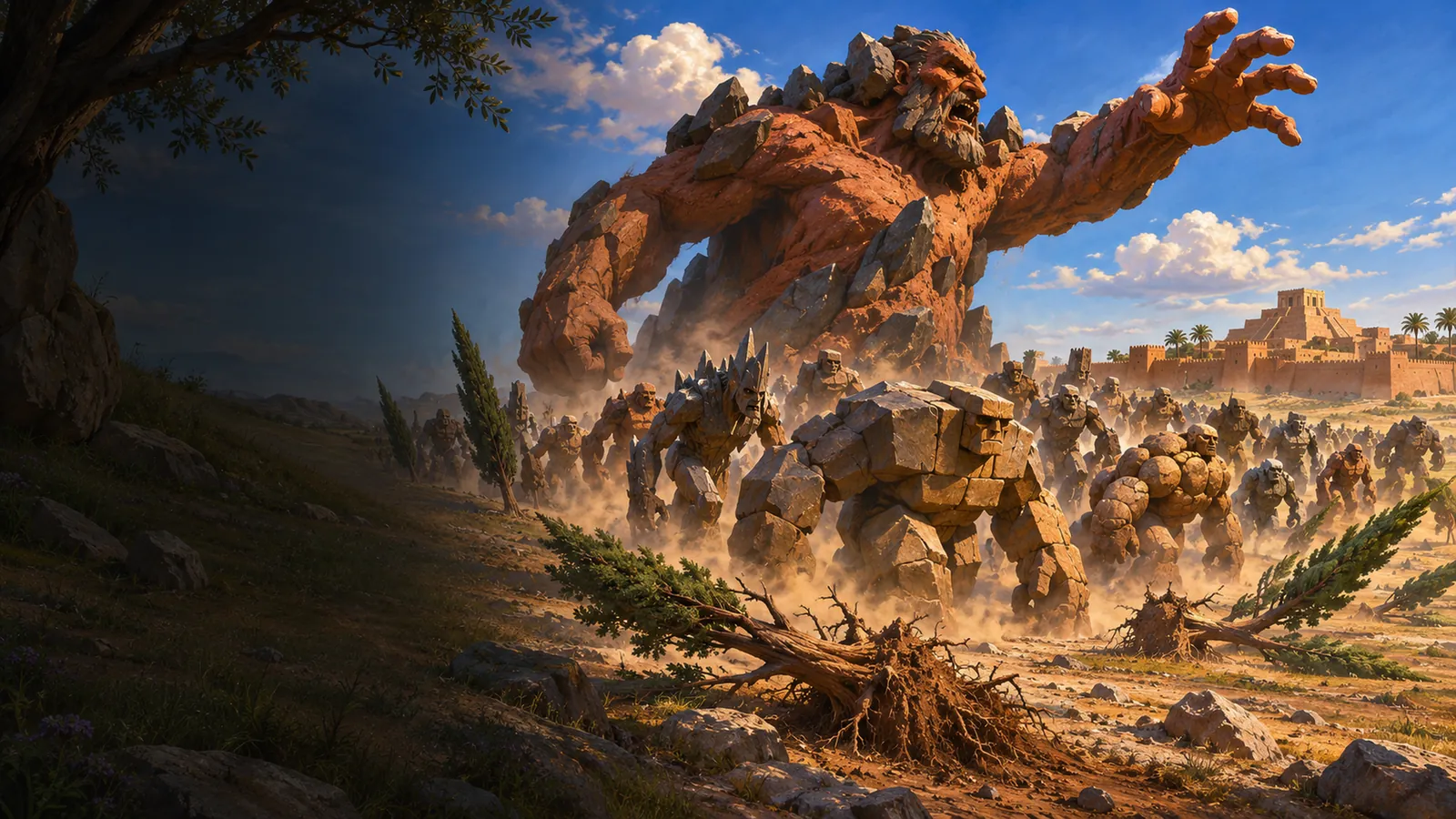
Asag had a throne and an army of stones. The stones raided the cities, and the gods of those cities bowed before his power.
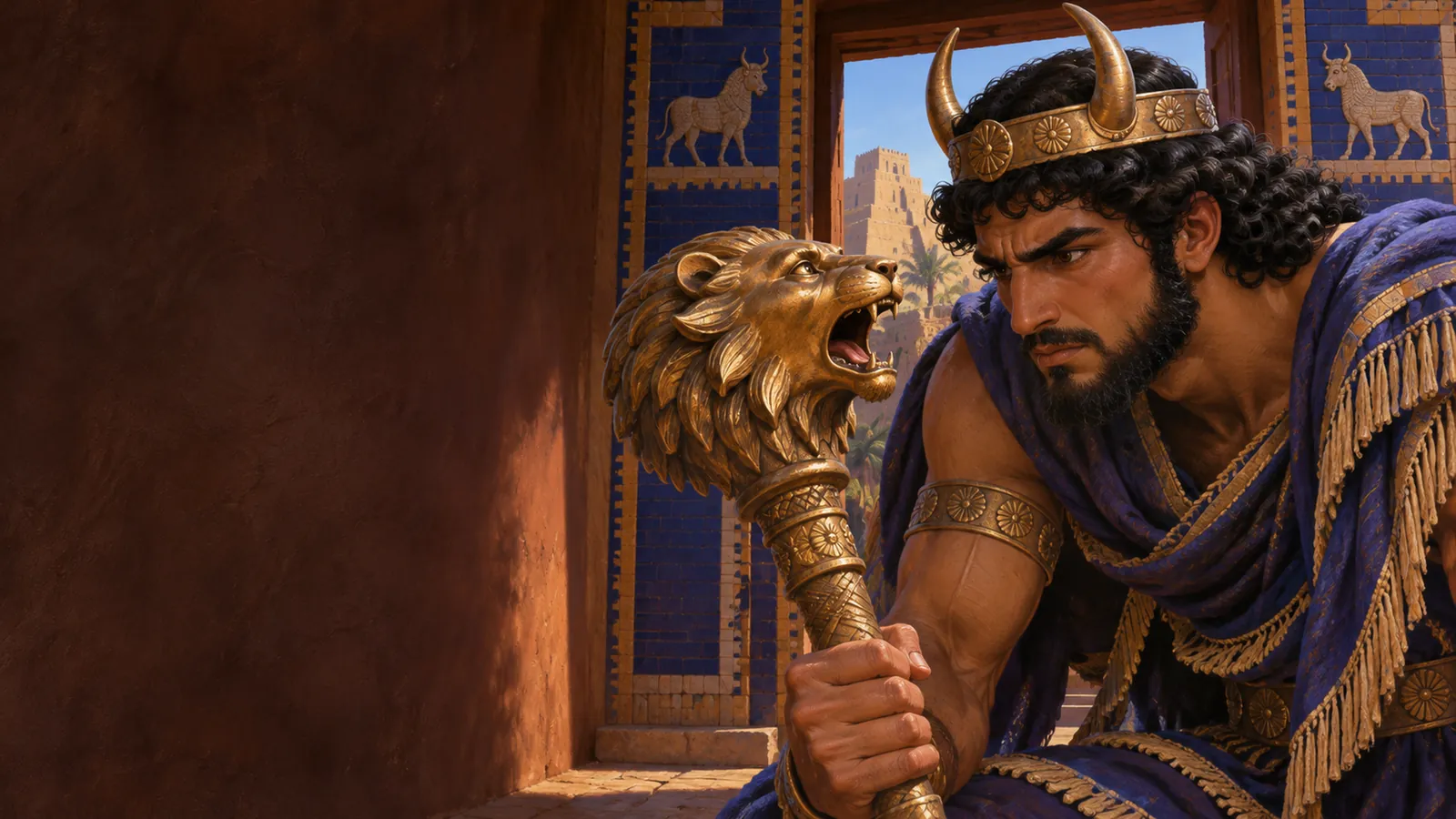
Šarur said the land was calling for Ninurta. Asag was gaining territory every day, and neither spear nor axe had managed to hurt him.
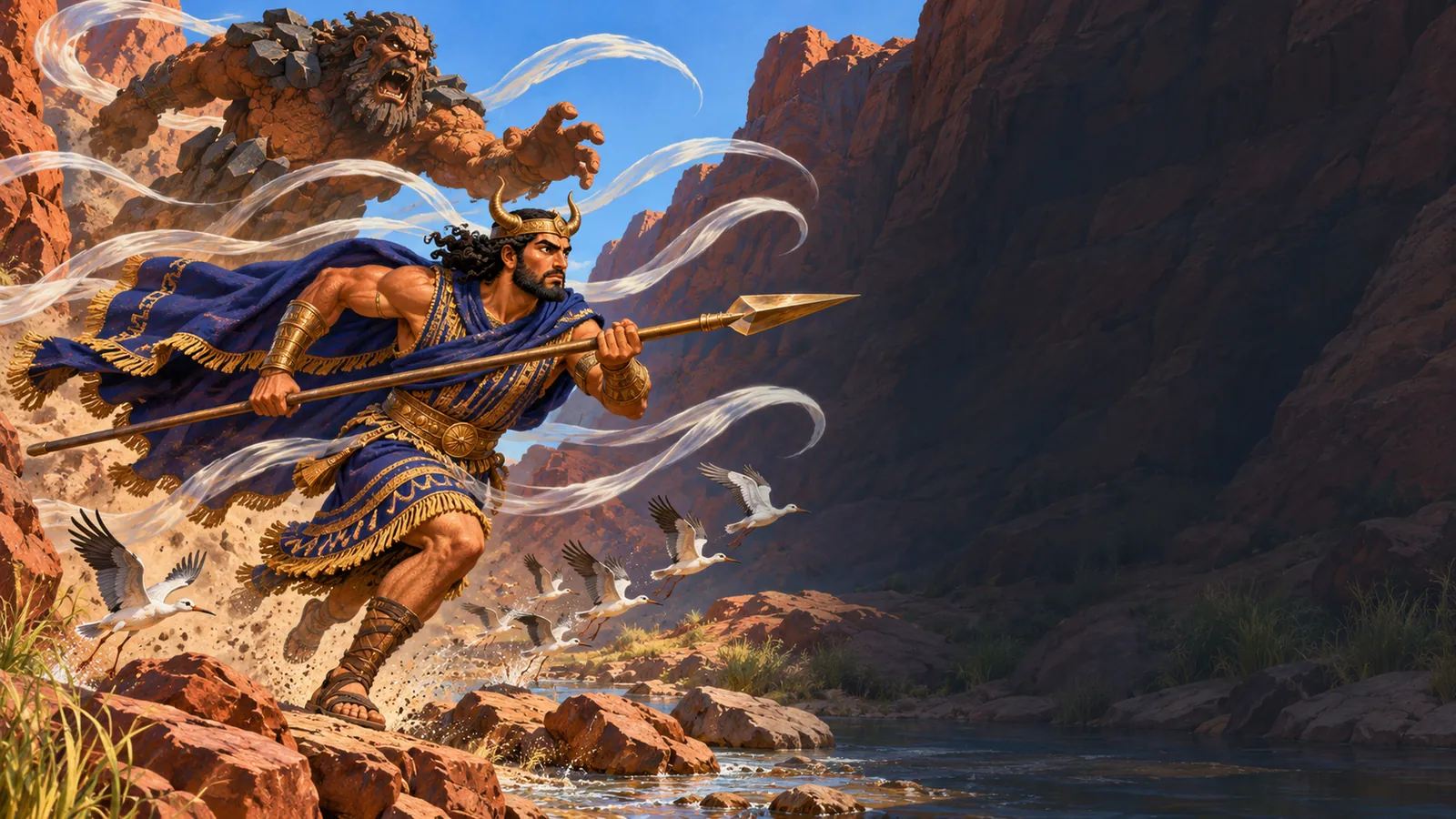
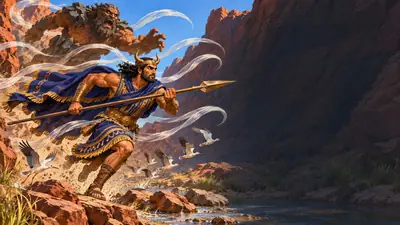
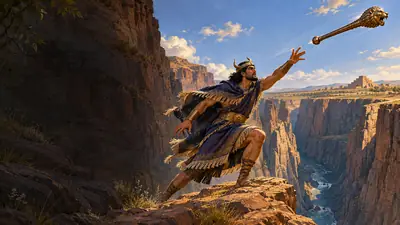
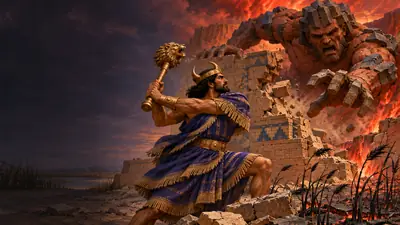
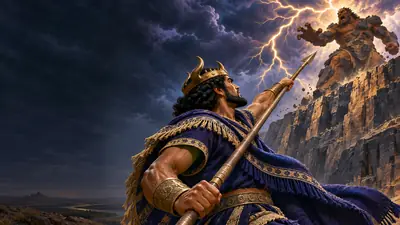
Ninurta rose with a cry that shook heaven. Lance in hand, he rode the eight winds toward the mountains where the stone army had gathered.
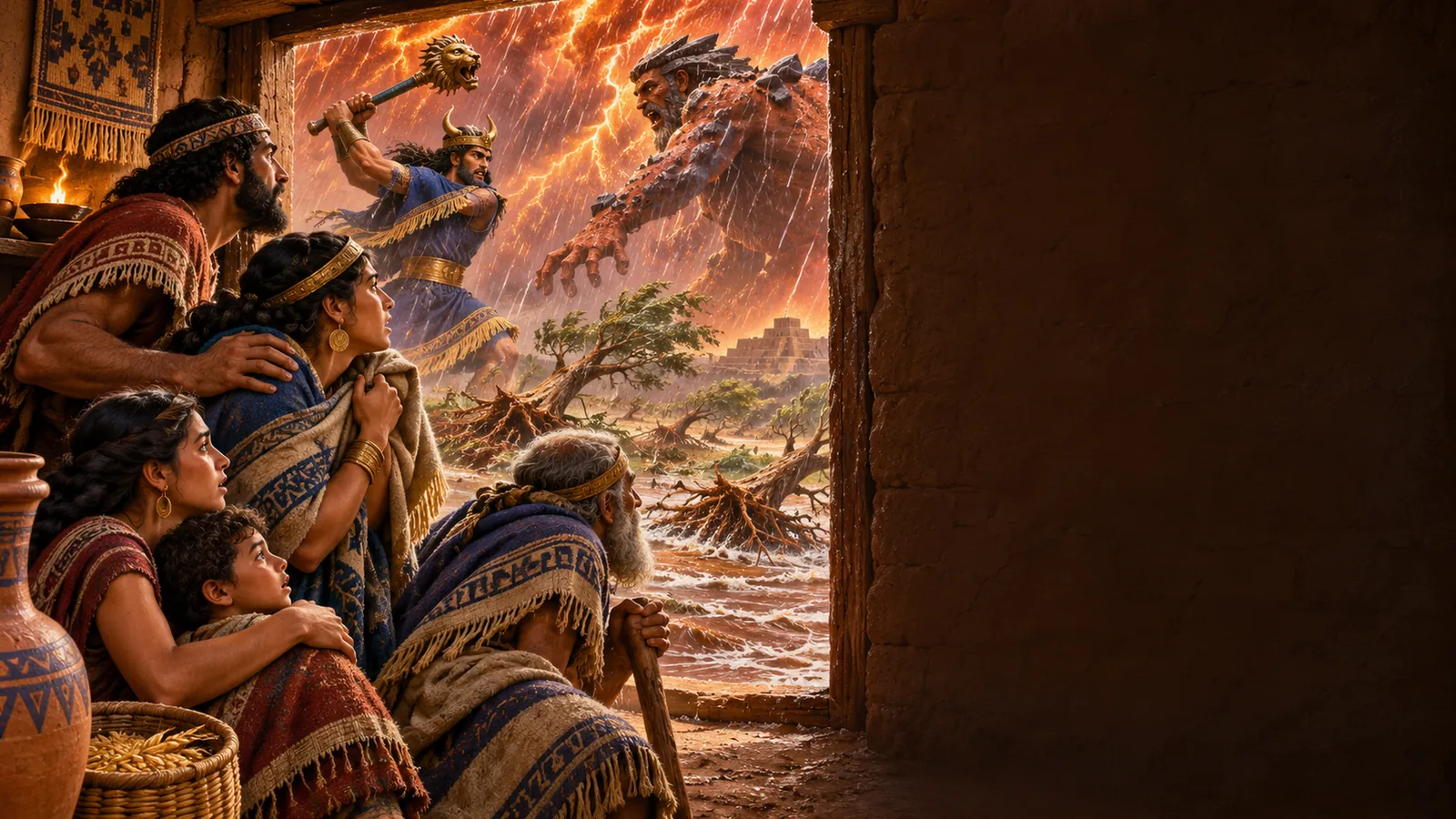
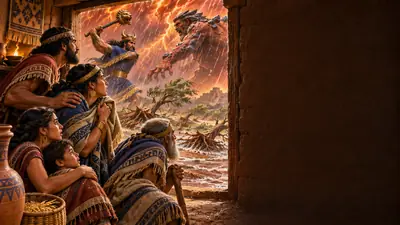
A mighty wind tore trees from the ground. Rain fell like fire, killing people and animals as the storm swept over the land.
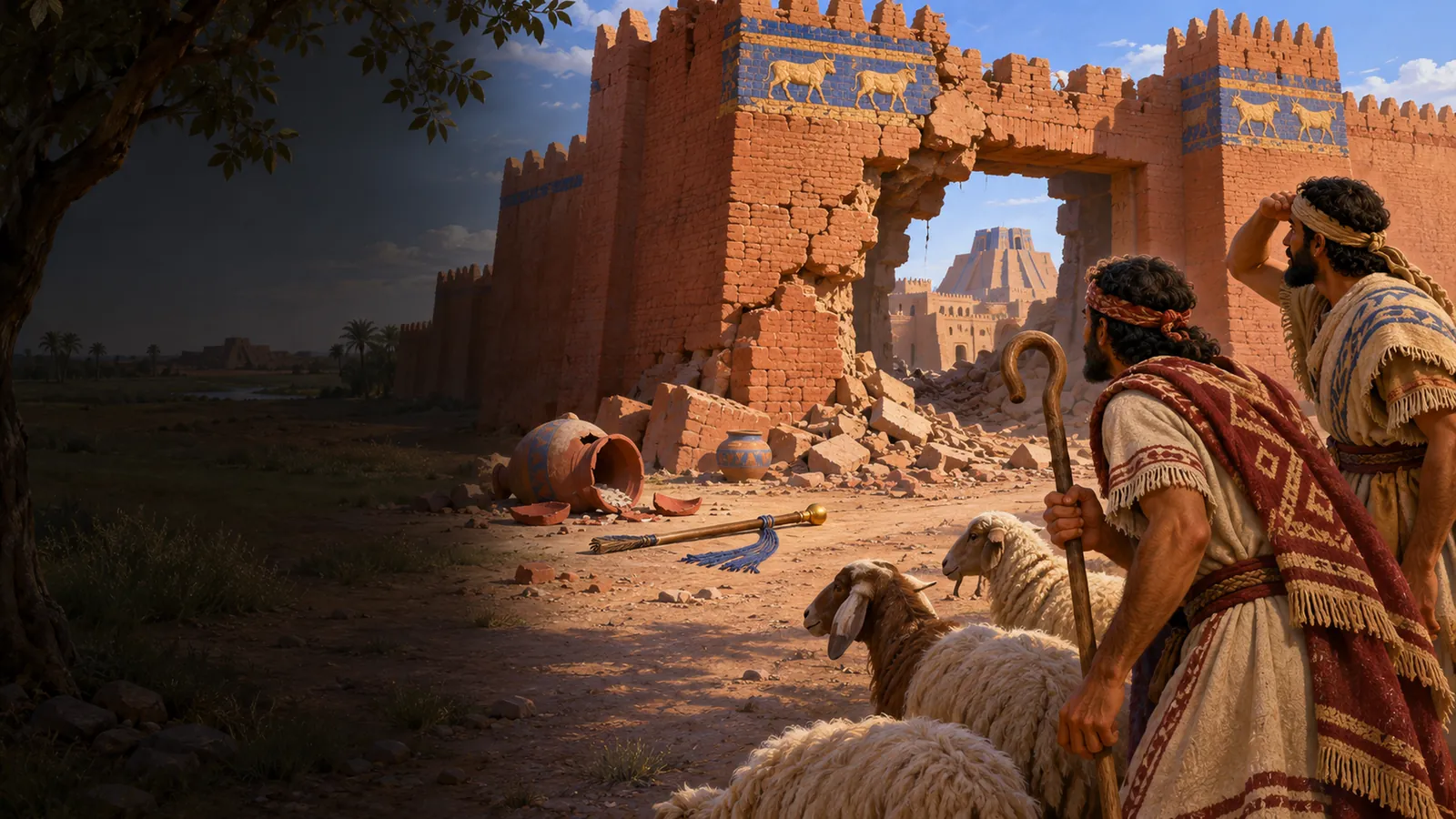
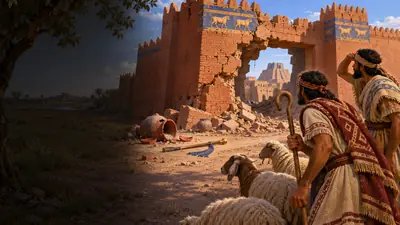
The poem tells of messengers killed, cities crushed and herders beaten and bound. The people cried out, cursing the day they had been born.
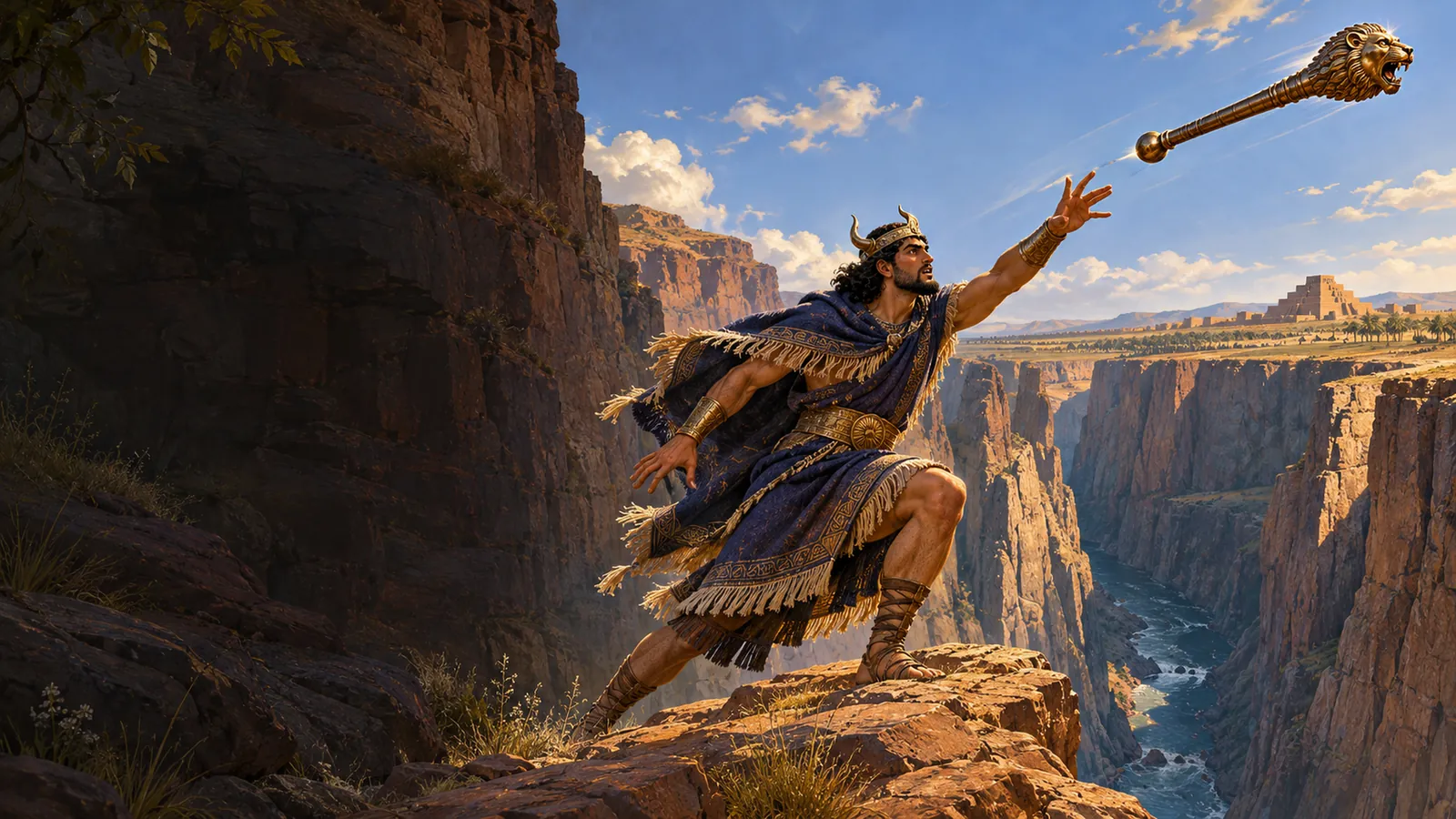
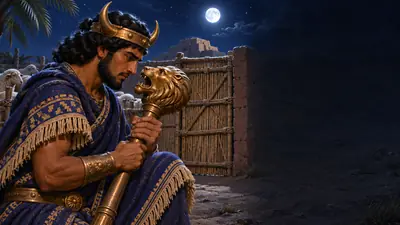
Ninurta went on like a river in flood. The lion-headed mace flew like a bird and brought back a warning about what lay ahead.
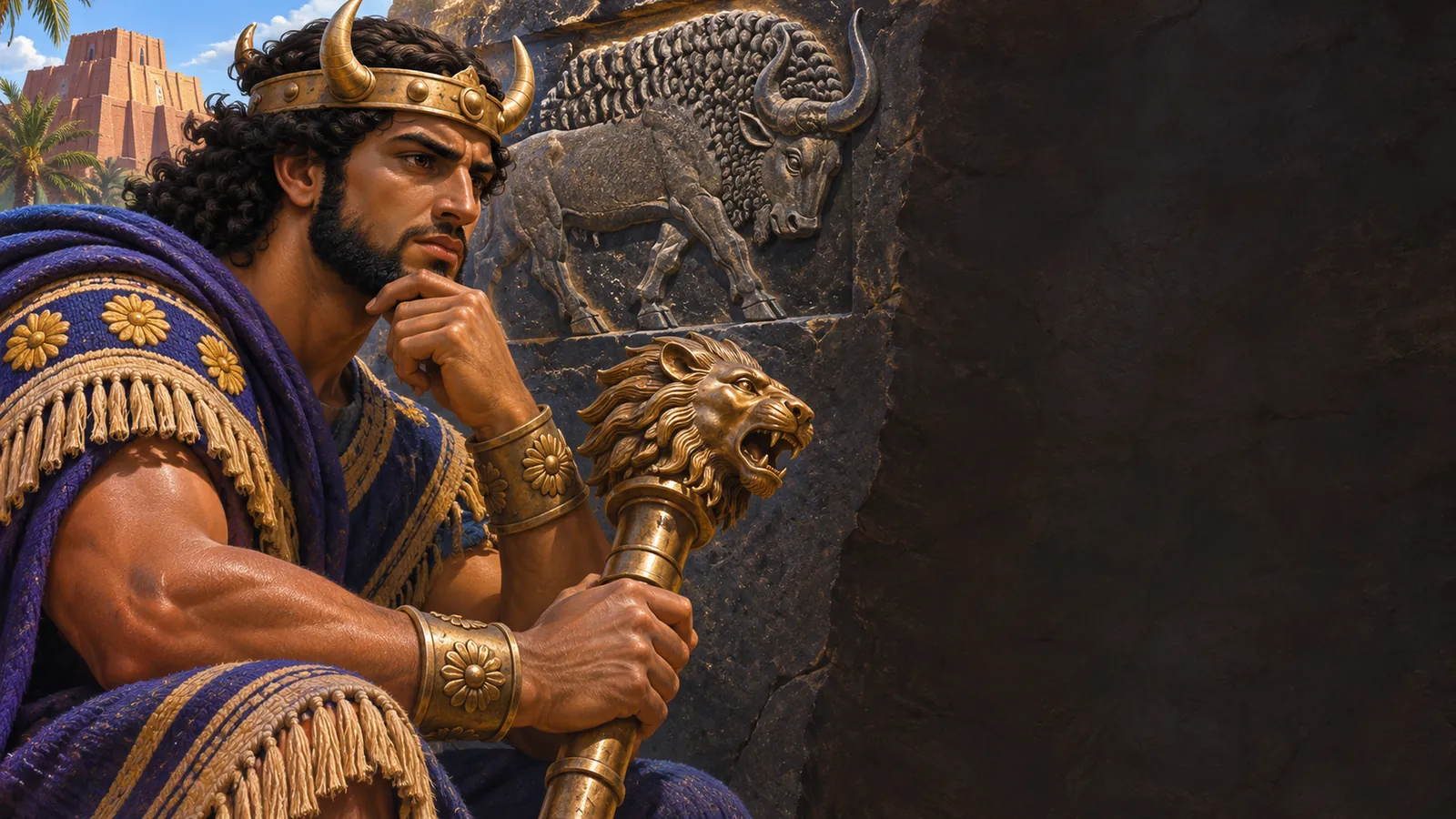
Šarur named old victories, from the mighty bison to the seven-headed serpent. The mace had seen enough of this new battle to beg Ninurta to wait.
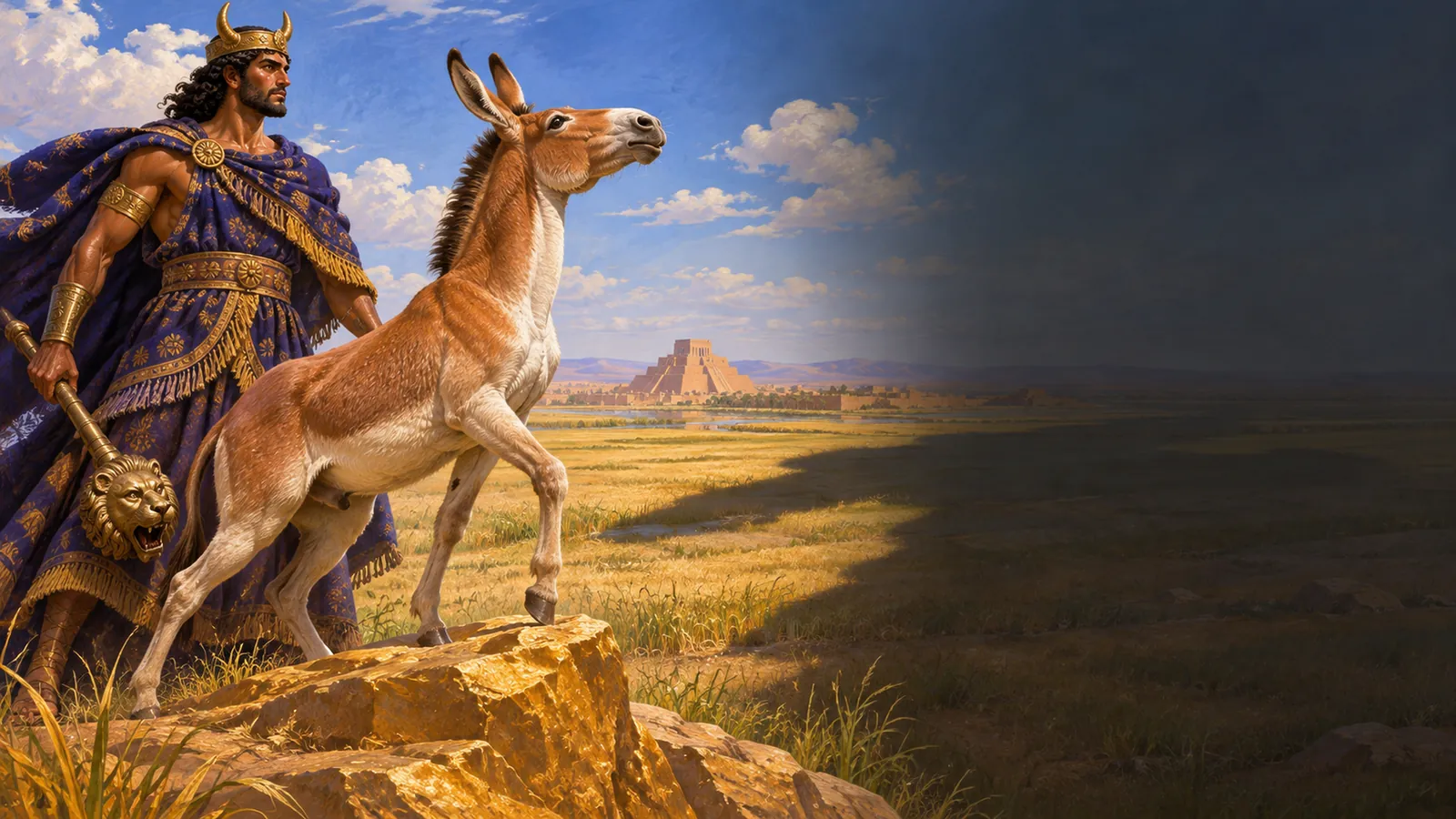
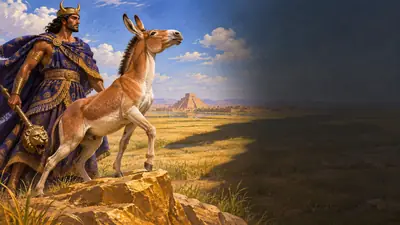
Here the old tablet is damaged. In the words that survive, a wild ass halts and the sun and moon go away.
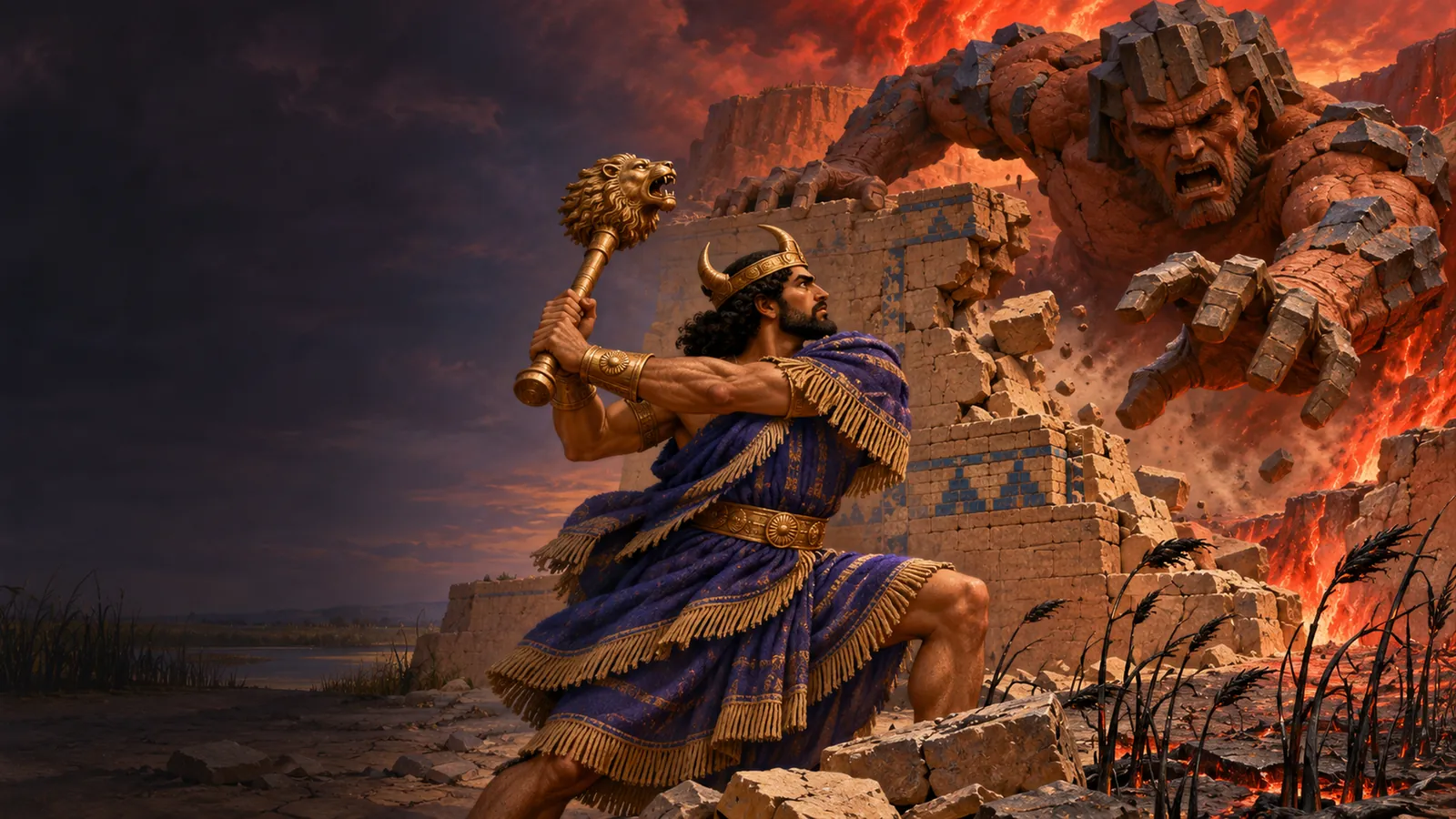
Asag came on like a collapsing wall. The song pictures the earth as a wounded body and the sky itself as stained with blood.
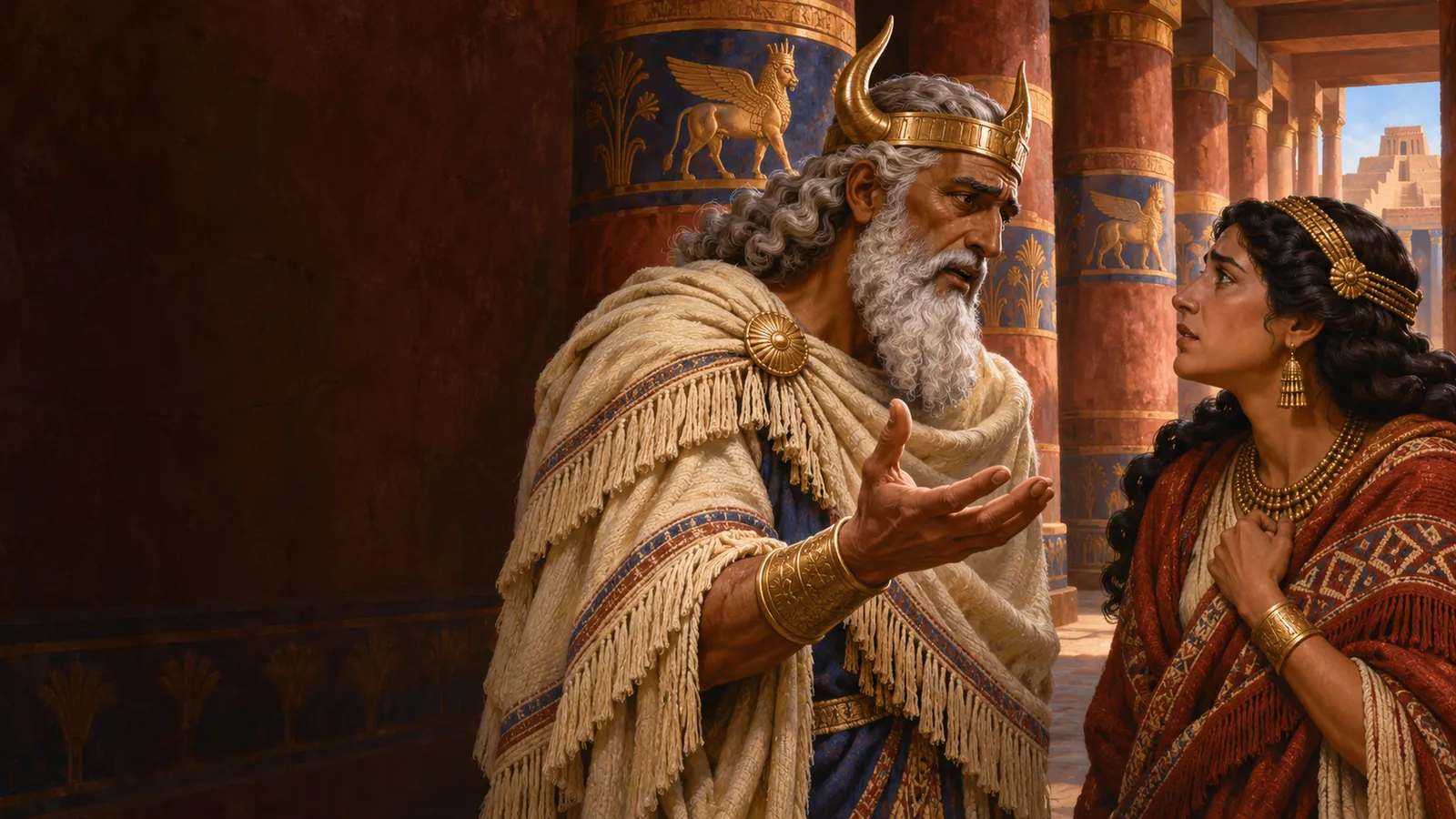
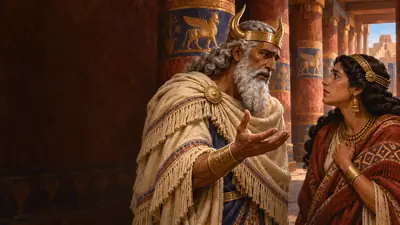
In Nippur, Enlil turned to Ninlil in distress. His son was away in the mountains. Who, he asked, would take him by the hand now?
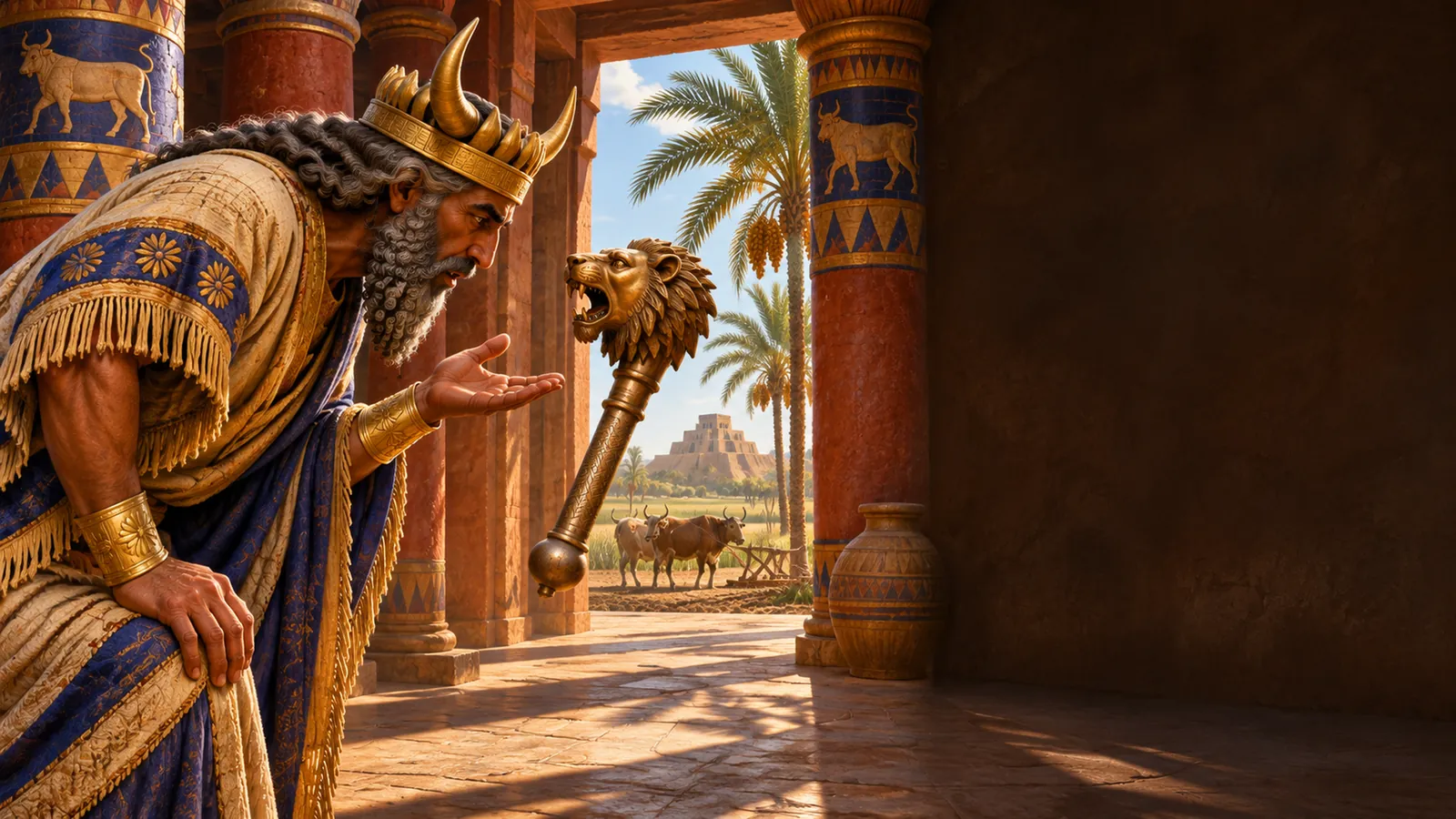
Šarur went to Enlil. Although much of their exchange is lost, one order survives clearly. Ninurta must preserve the kinds of living things that Enlil had set in the land.
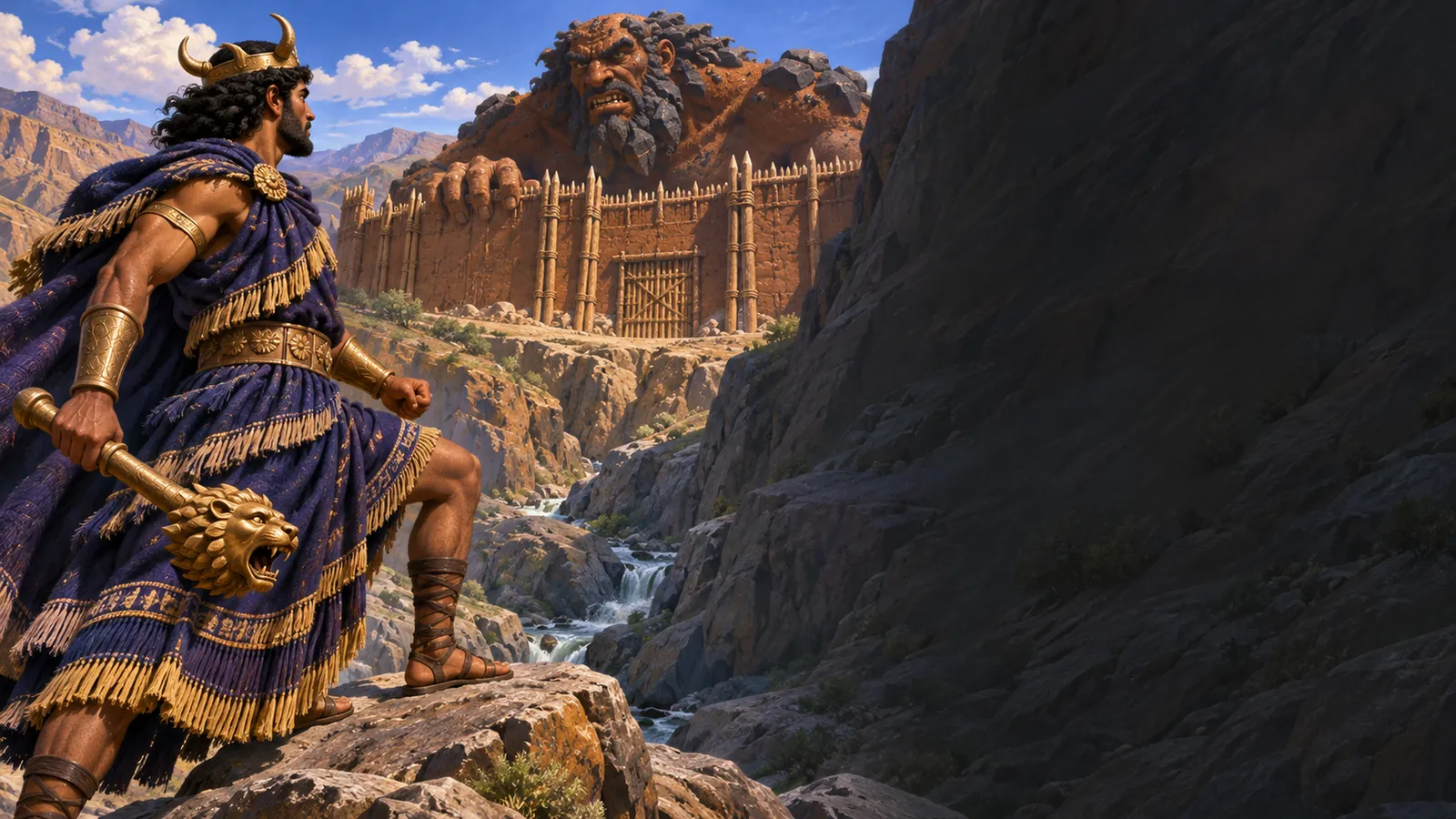
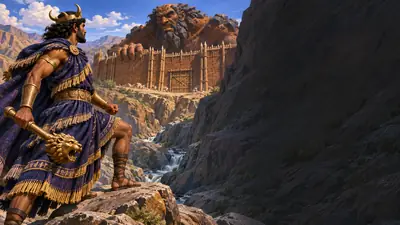
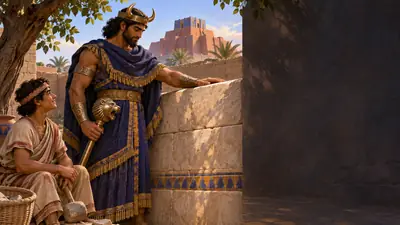
Šarur brought Enlil’s command to kill Asag and carry his liver back to the temple. It also warned that Asag’s fortress stood behind a high bank and wall of stakes.
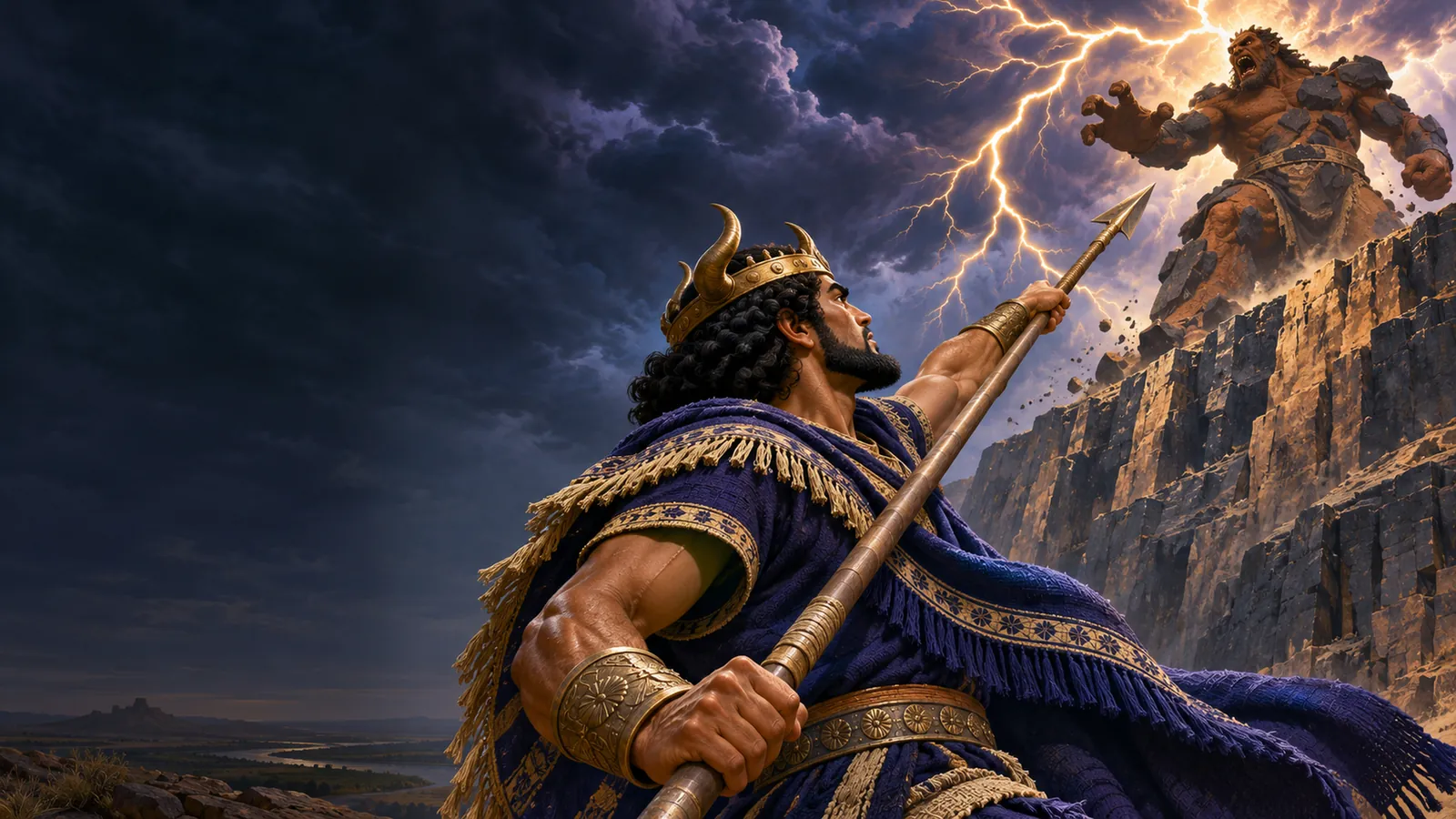
Ninurta aimed his spear at the mountains. He reached toward the clouds and shouted like a storm, and the day became as dark as night.
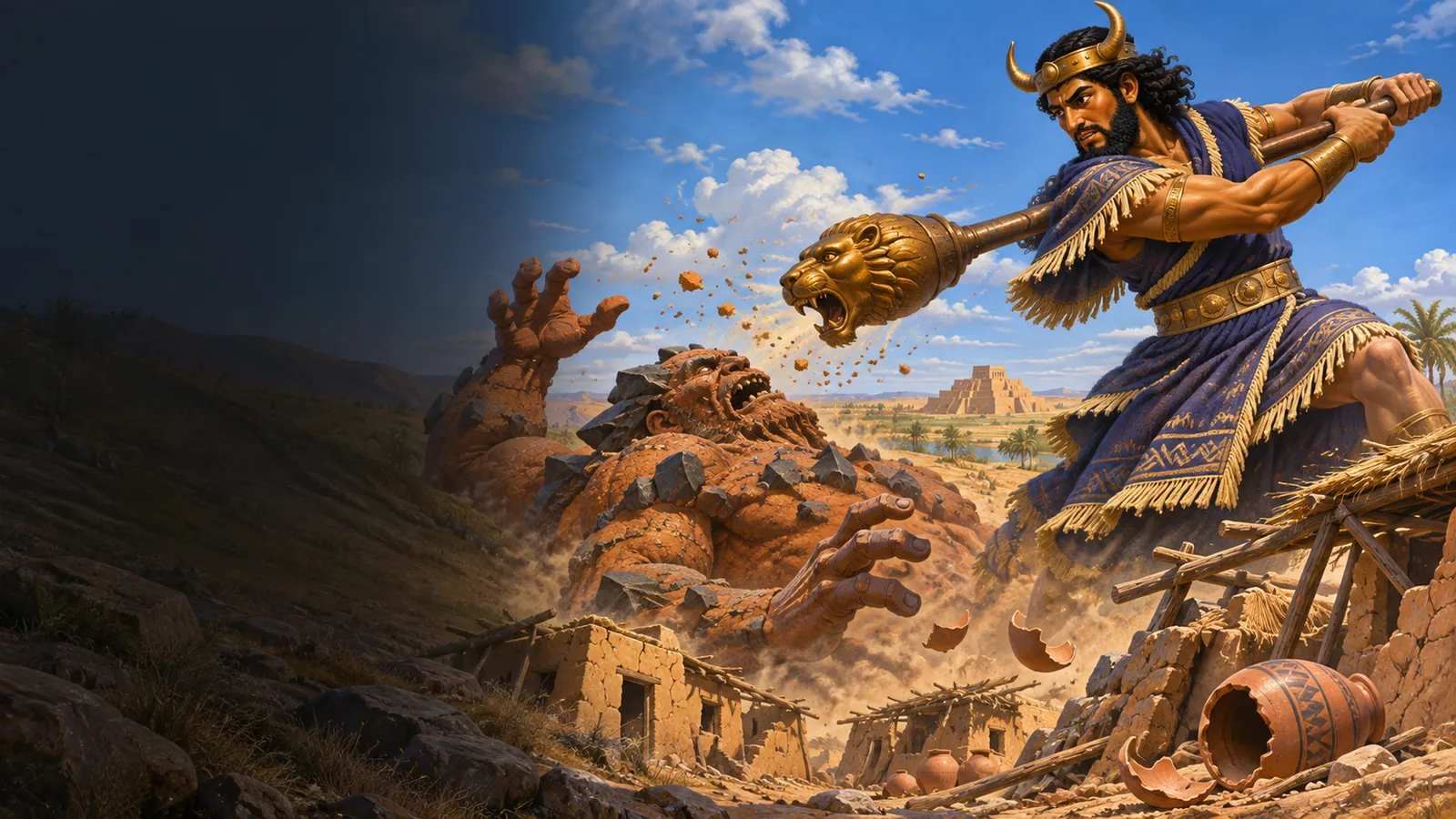
The mace raised a storm, set fire to the mountains and killed people in the towns. The dust rose high, but Asag still stood firm.
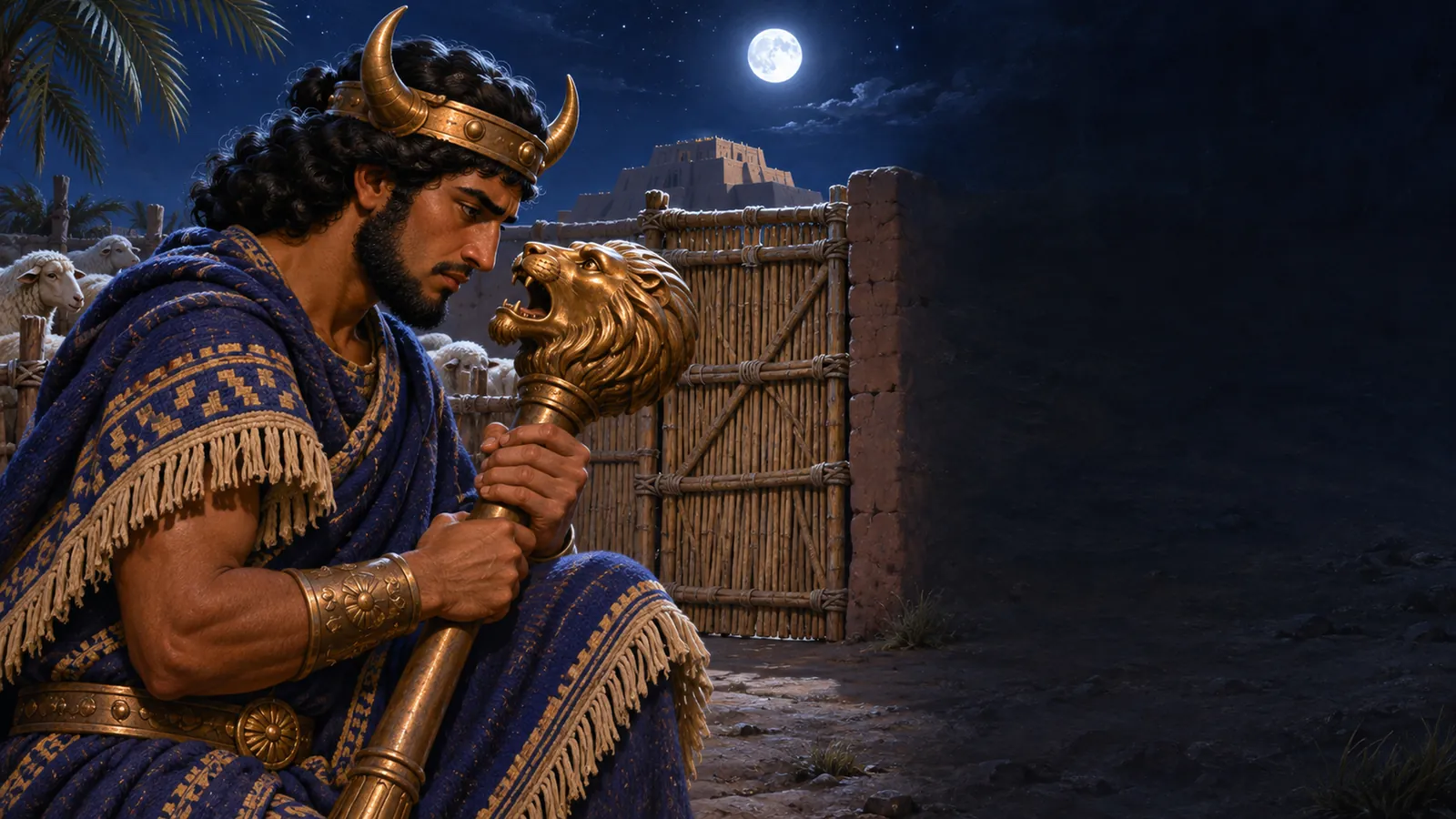
The mace spoke quietly this time. Asag had driven wild animals away and dried up the groundwater. It begged the hero to turn back.
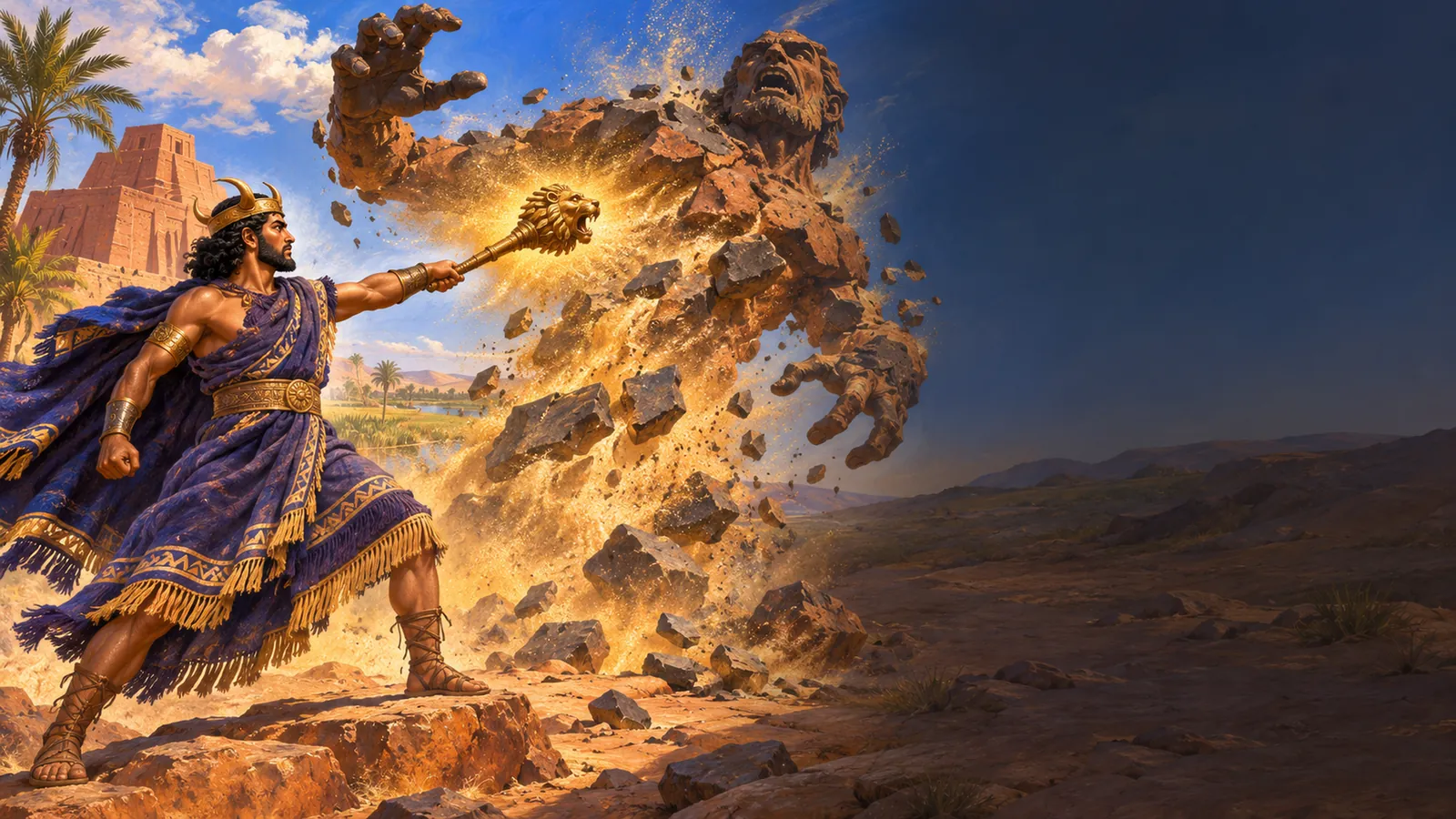
ASAG
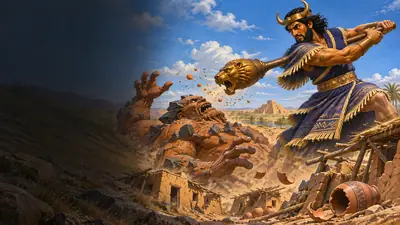
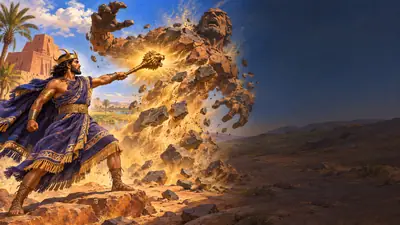
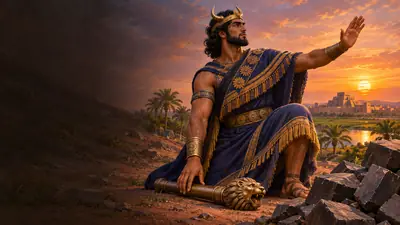
Ninurta went forward and killed Asag. The great radiance faded. The singer likens what was left of the mountain warrior to a heap of broken bricks.
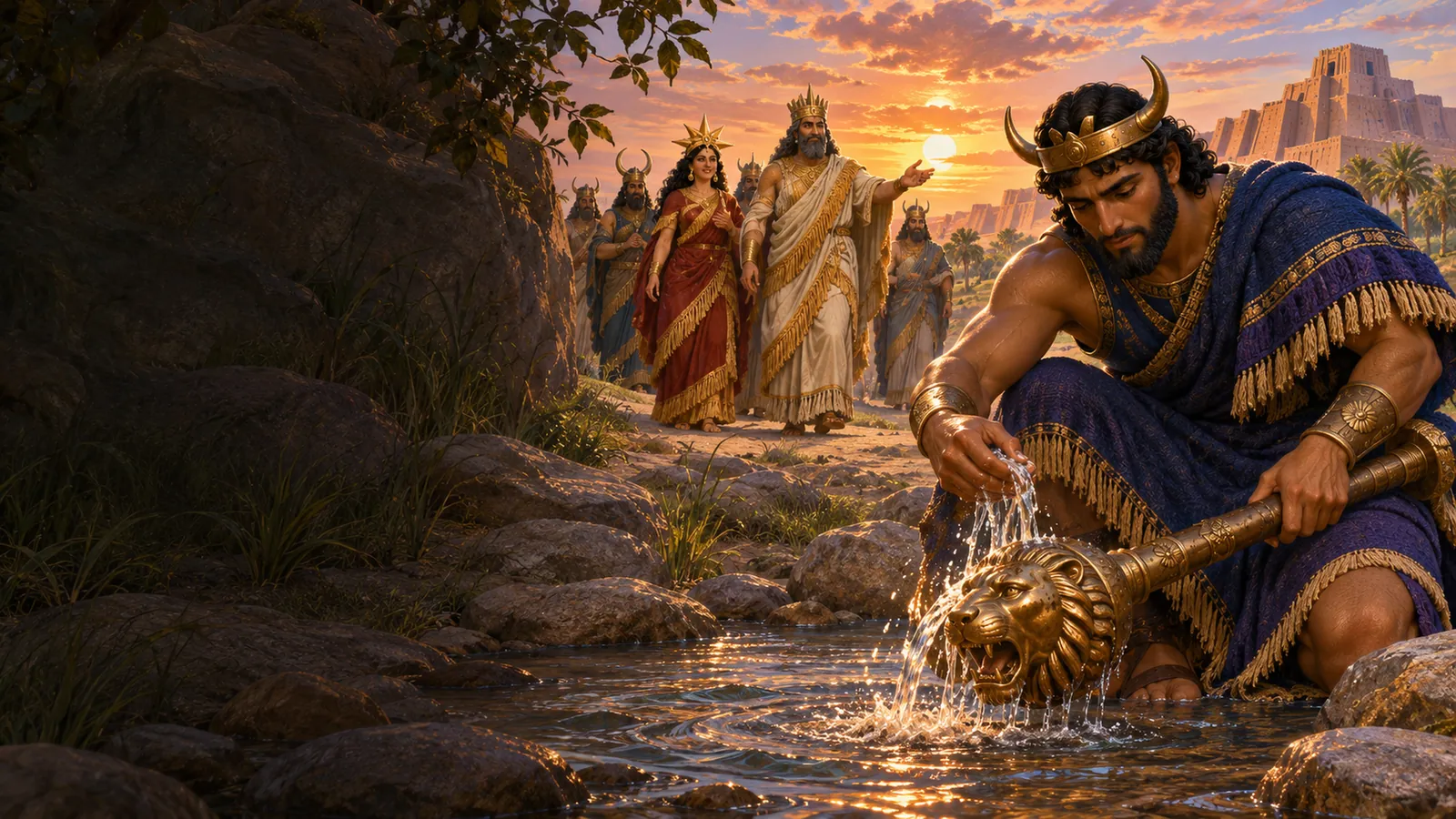
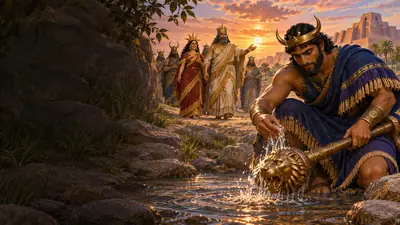
As the sun went down, Ninurta washed the blood from his clothes and sang over his fallen enemy. The gods came to greet him.
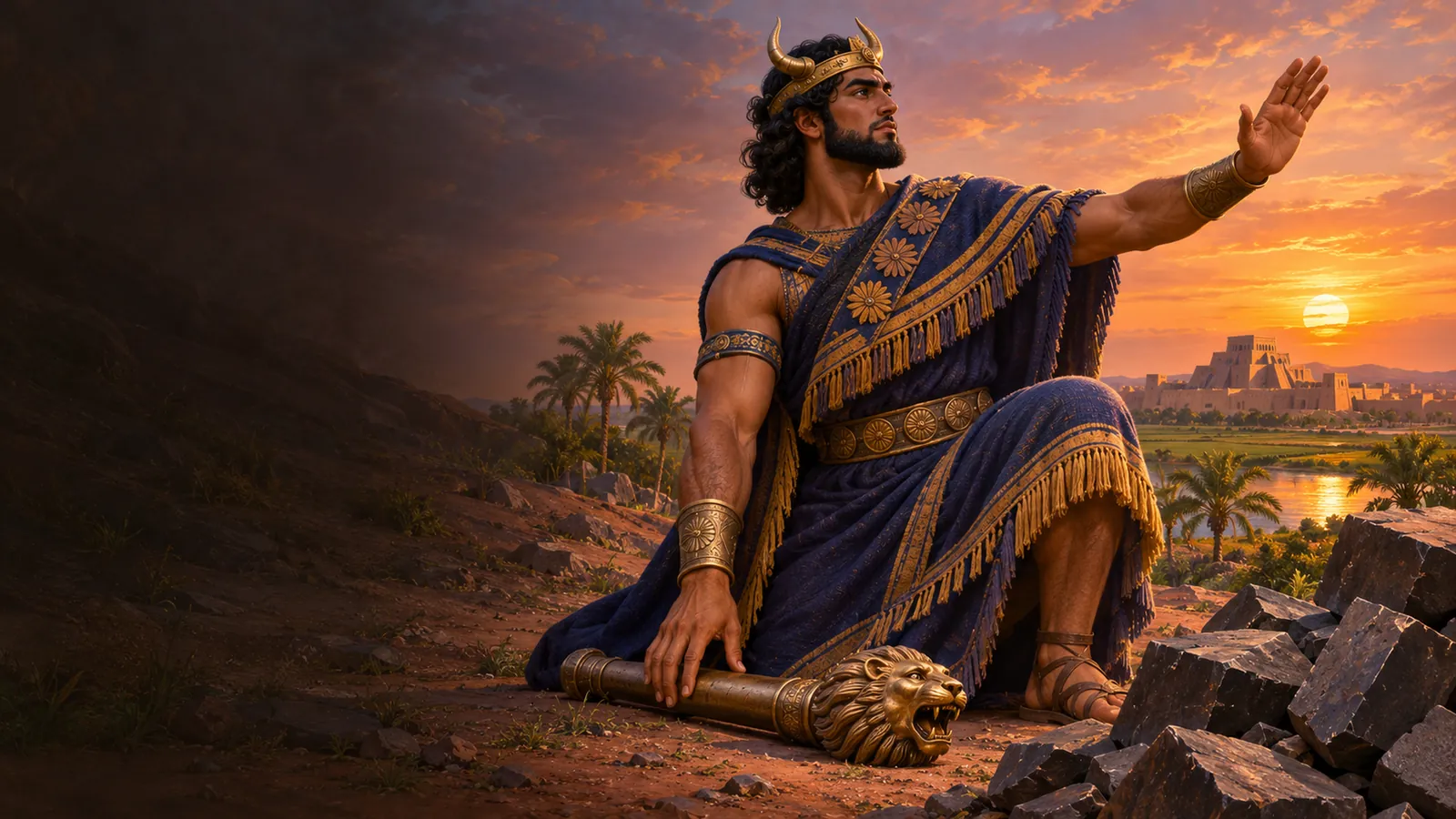
Šarur praised the victor. Ninurta declared that henceforth Asag would be called Stone. His strength would belong to the lord, and his innards would become the underworld.
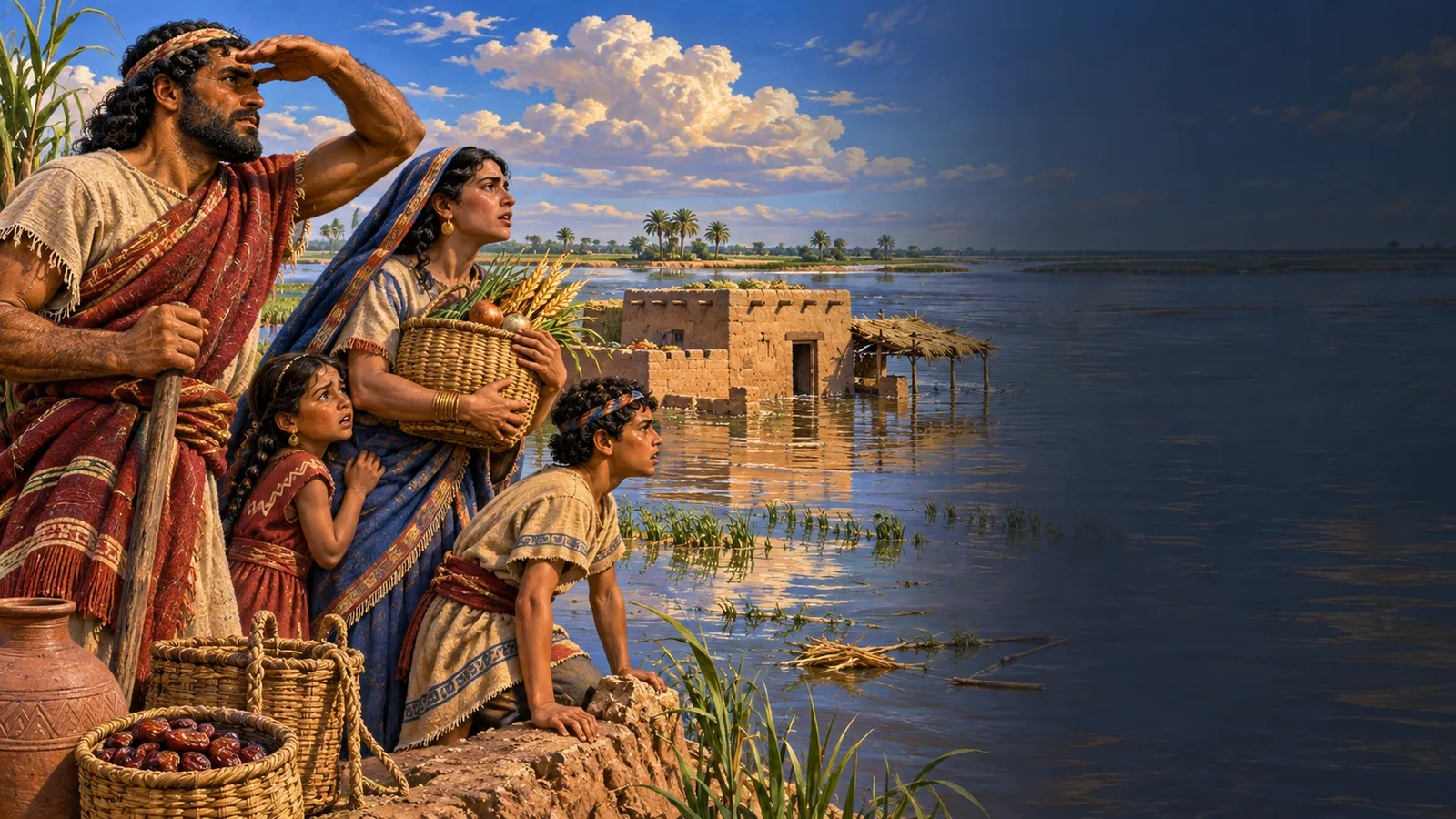
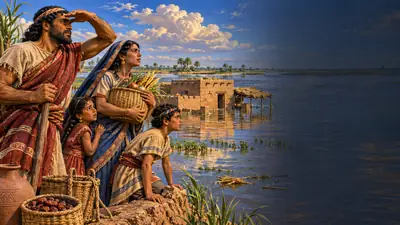
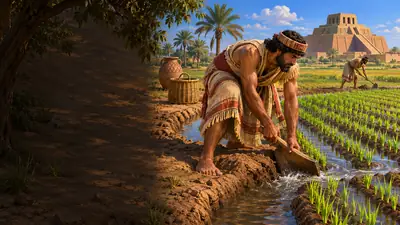
The land was hungry. Water pooled where no one could use it, the Tigris ran low, and the fields had no channels to bring them water.
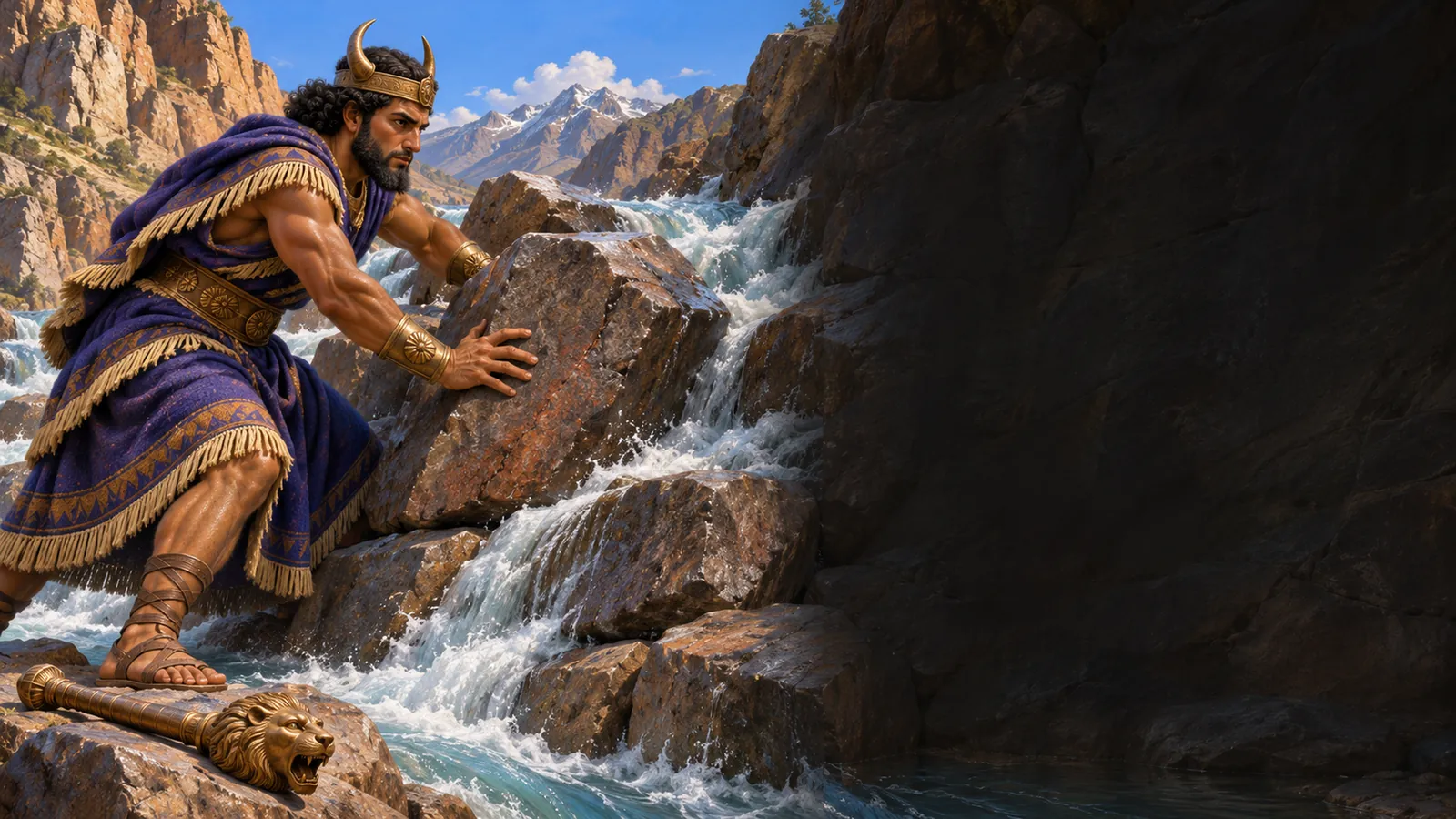
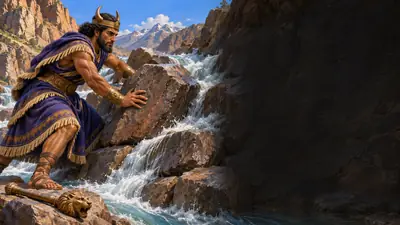
Ninurta heaped stones into a great barrier in the mountains. The water that used to disappear into the ground now gathered behind the wall.
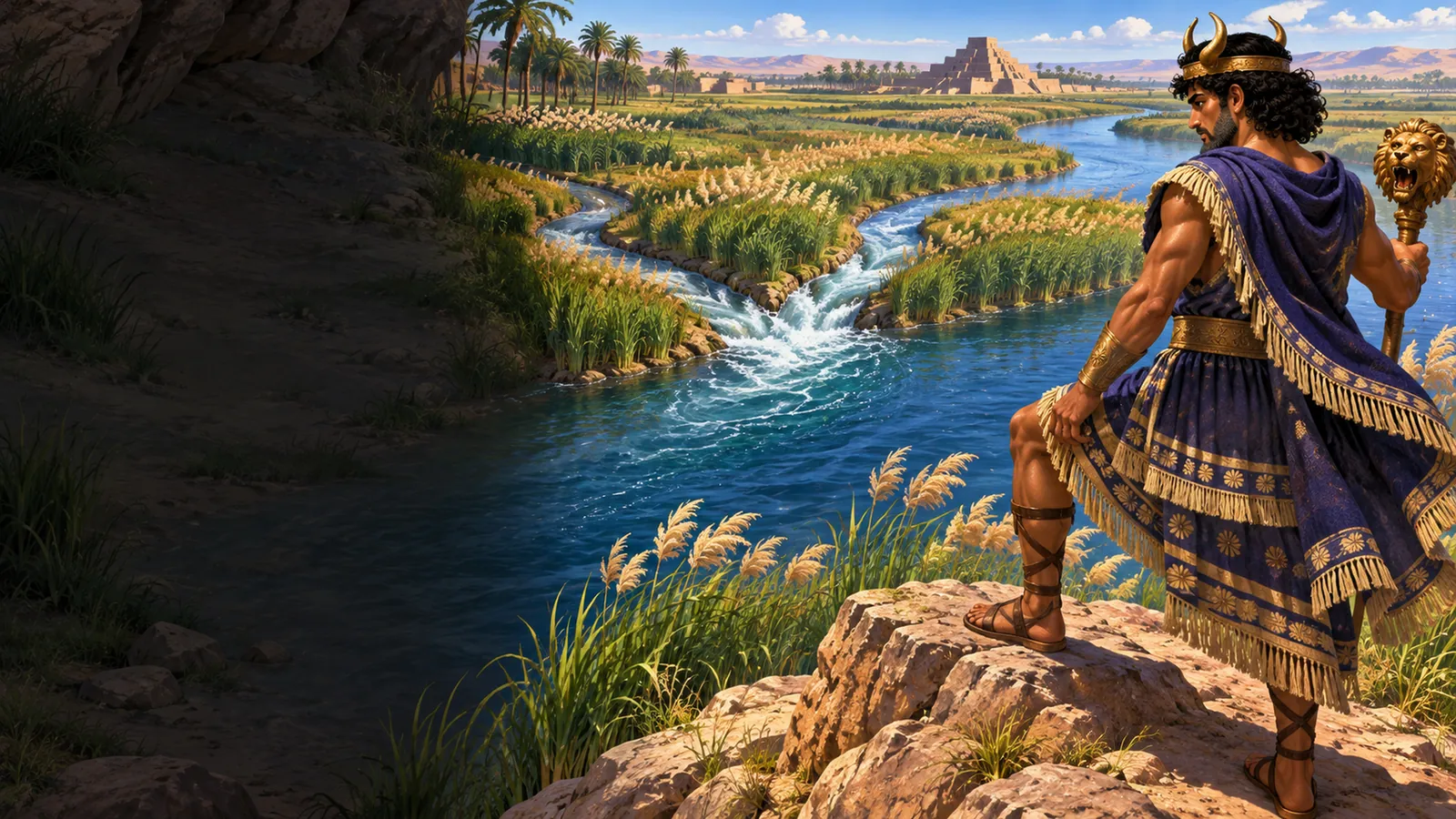
TIGRIS
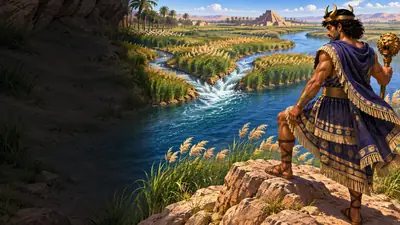
Up in the mountains, lakes had formed apart from one another. Ninurta joined their waters and led the current down into the Tigris.
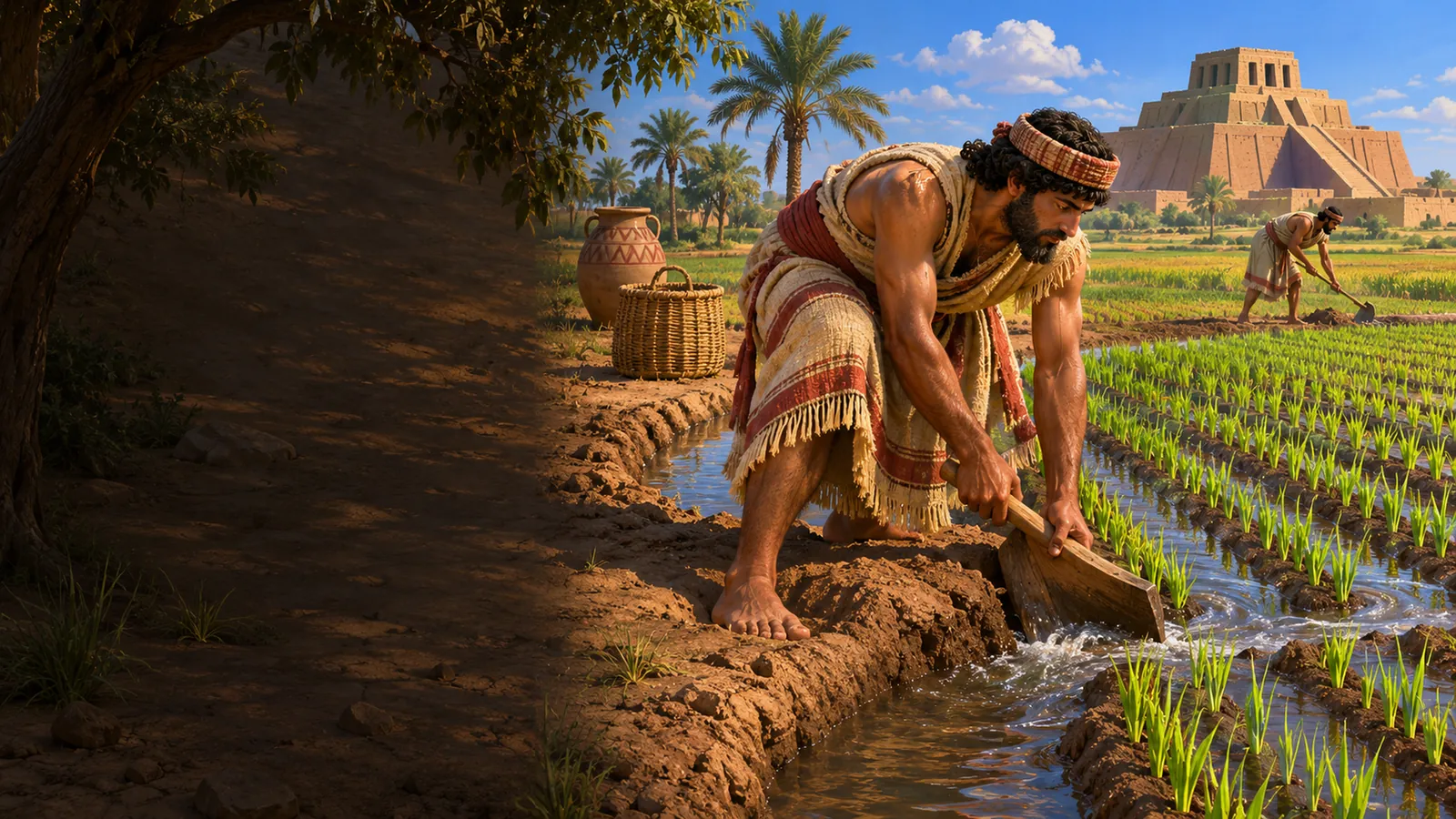
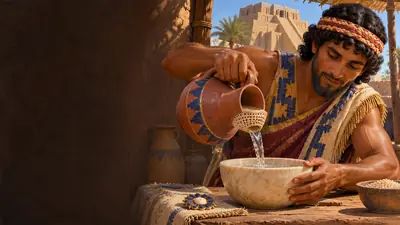
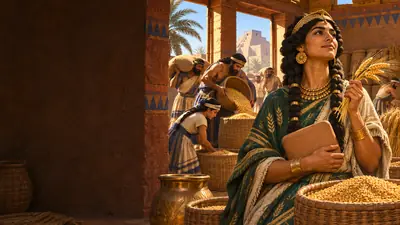
The water reached the barley and the orchards. Harvests filled the gardens and grain rose in mounds. The gods praised Enlil, father of the warrior.
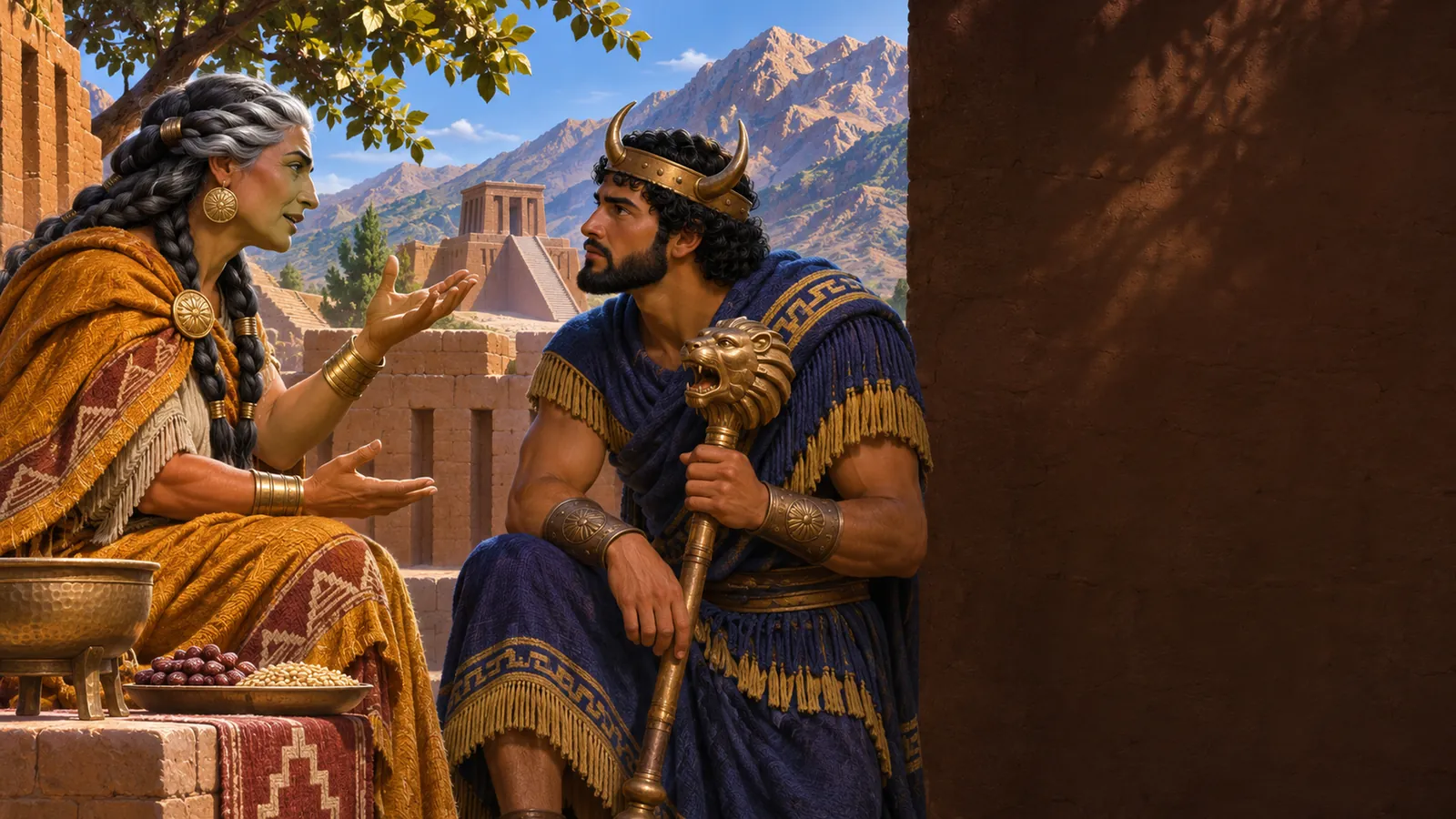
Ninmah remembered bearing her son and sang of how he had hurried past her in triumph. She went straight to his shrine and sang her complaint to him.
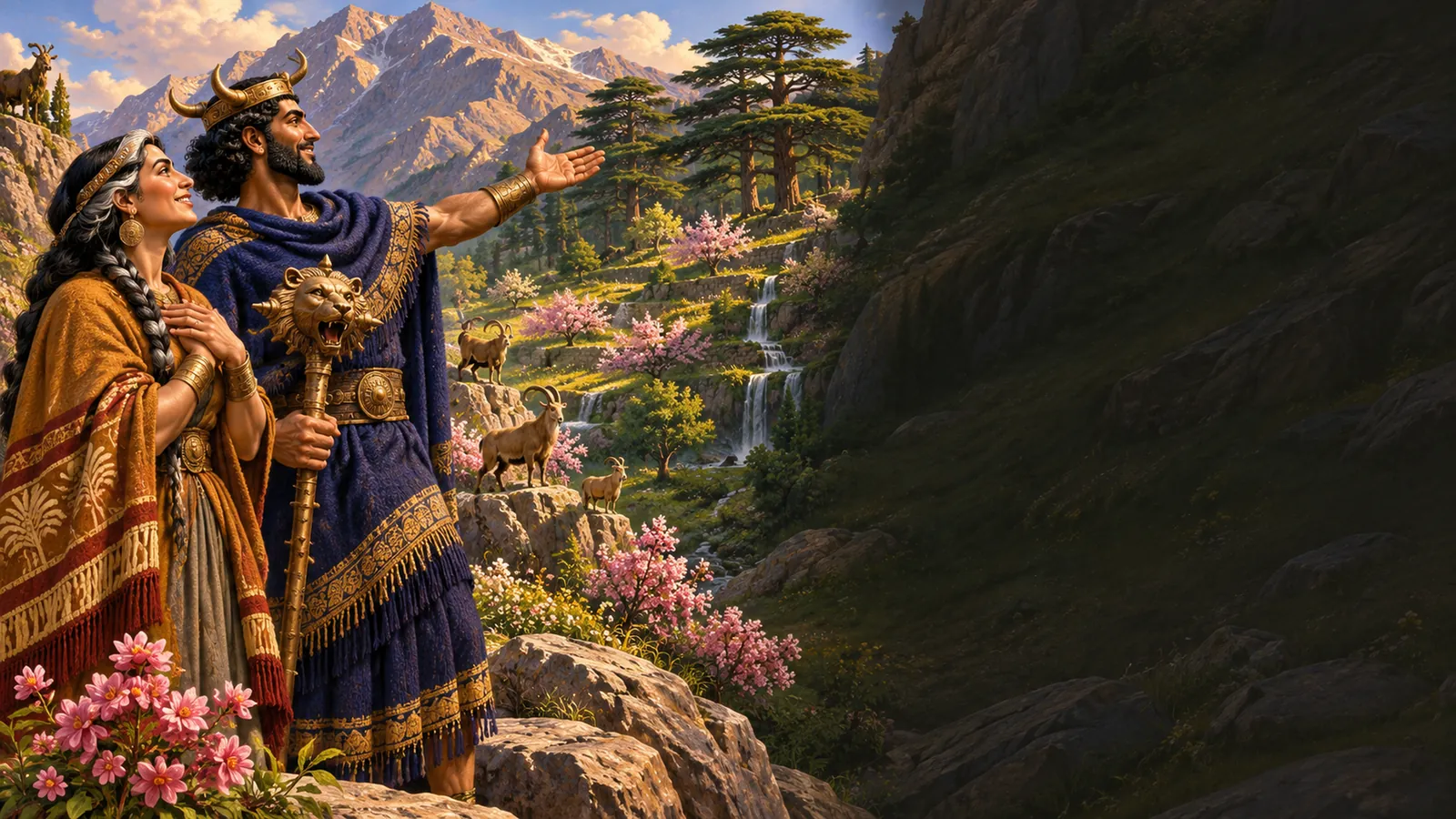
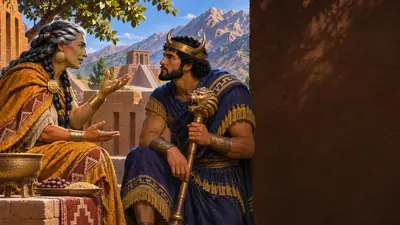
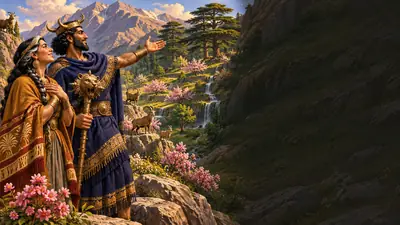
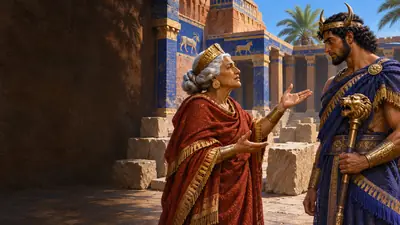
Ninurta honoured Ninmah for coming to him in the mountains. He made her Lady of the Mountain, Ninhursag, and bestowed on her its trees, honey and wild creatures.
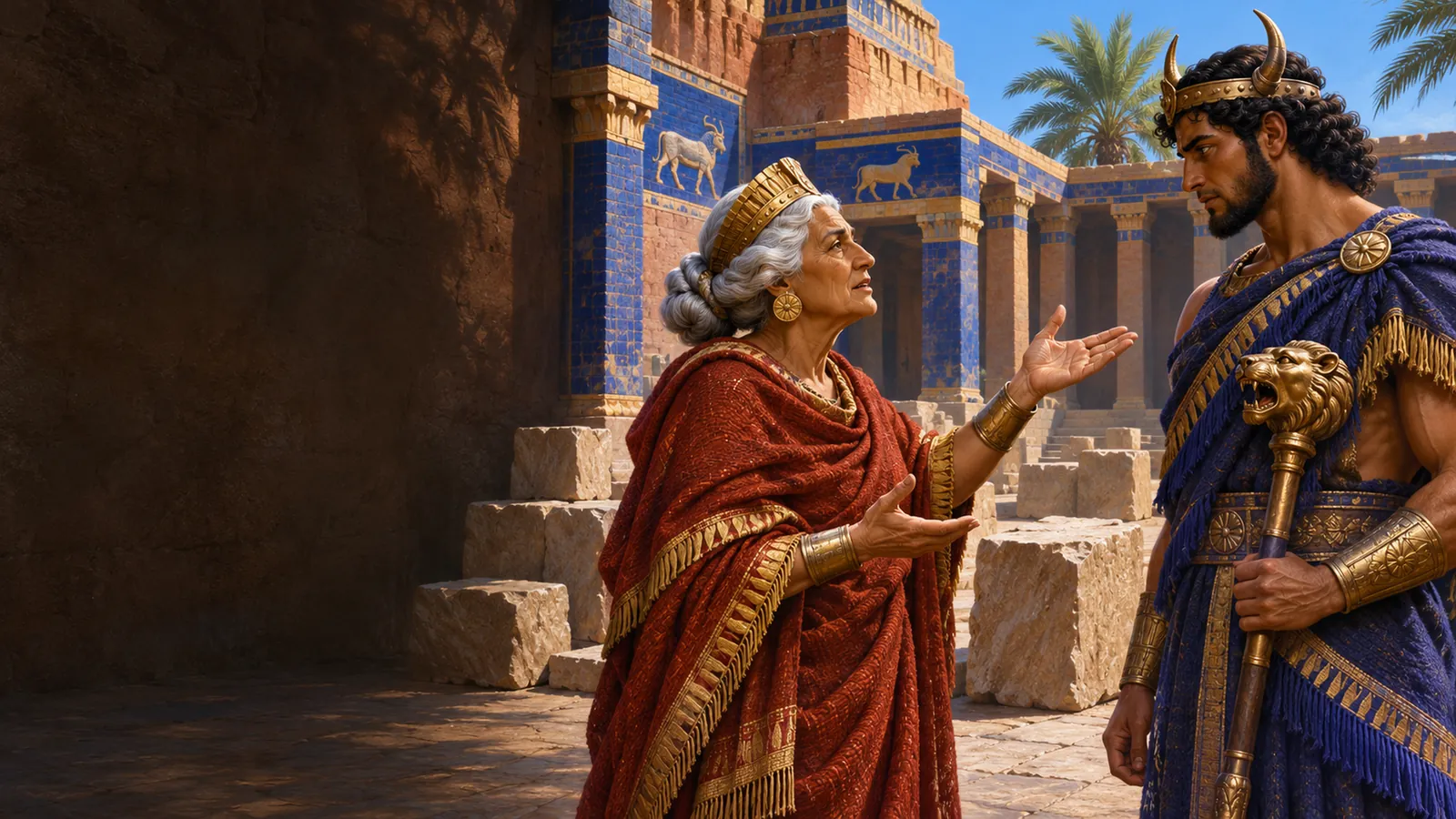
At the sanctuary in Nippur, Aruru stood before the hero. She reminded him that he still had to declare the fate of the warriors he had slain.
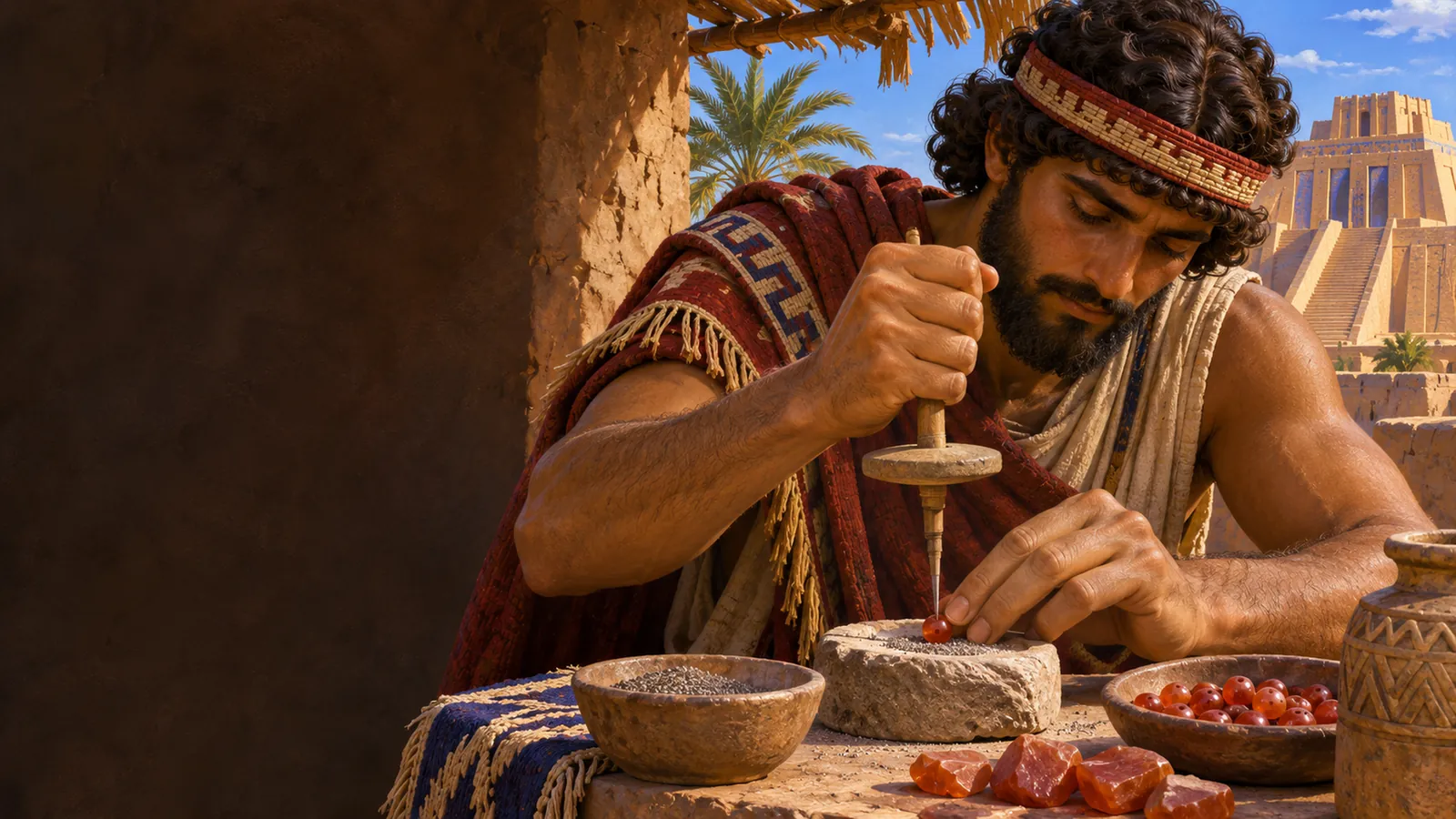
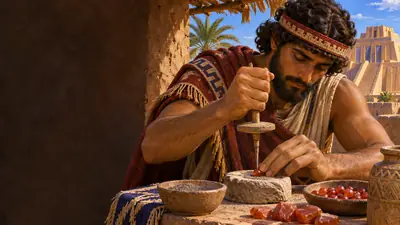
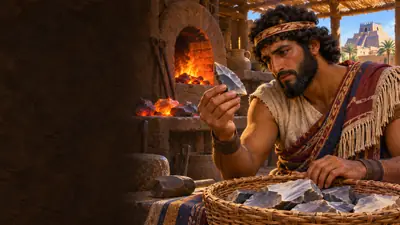
Emery had stood in Ninurta’s way. The hero sentenced it to be broken down and to give carnelian its polish and its holes.
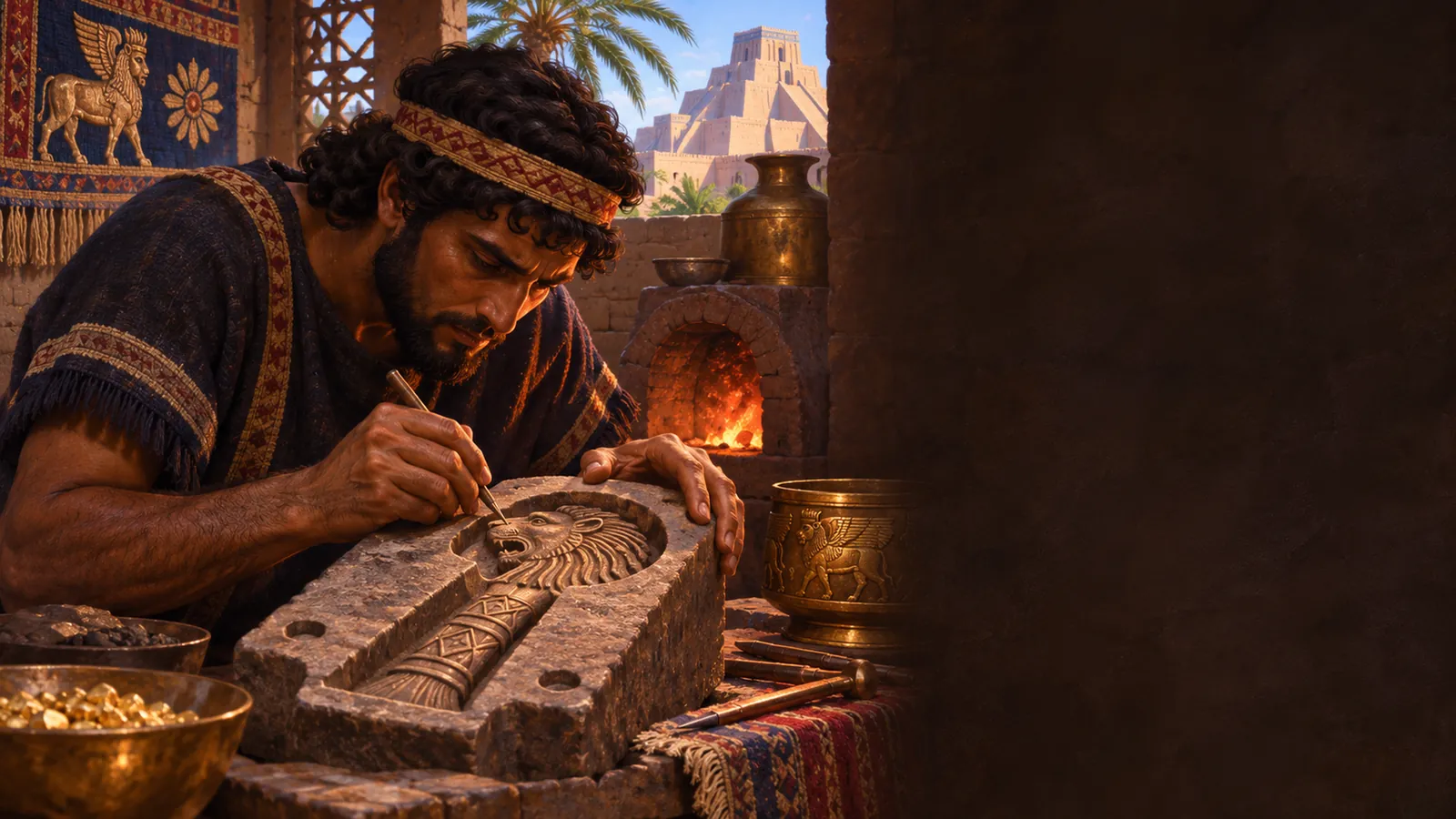
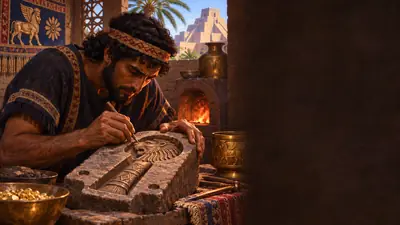
The šu and gasura stones had charged like fierce bulls. Now they would be shaped into moulds where the goldsmith could fashion his work.
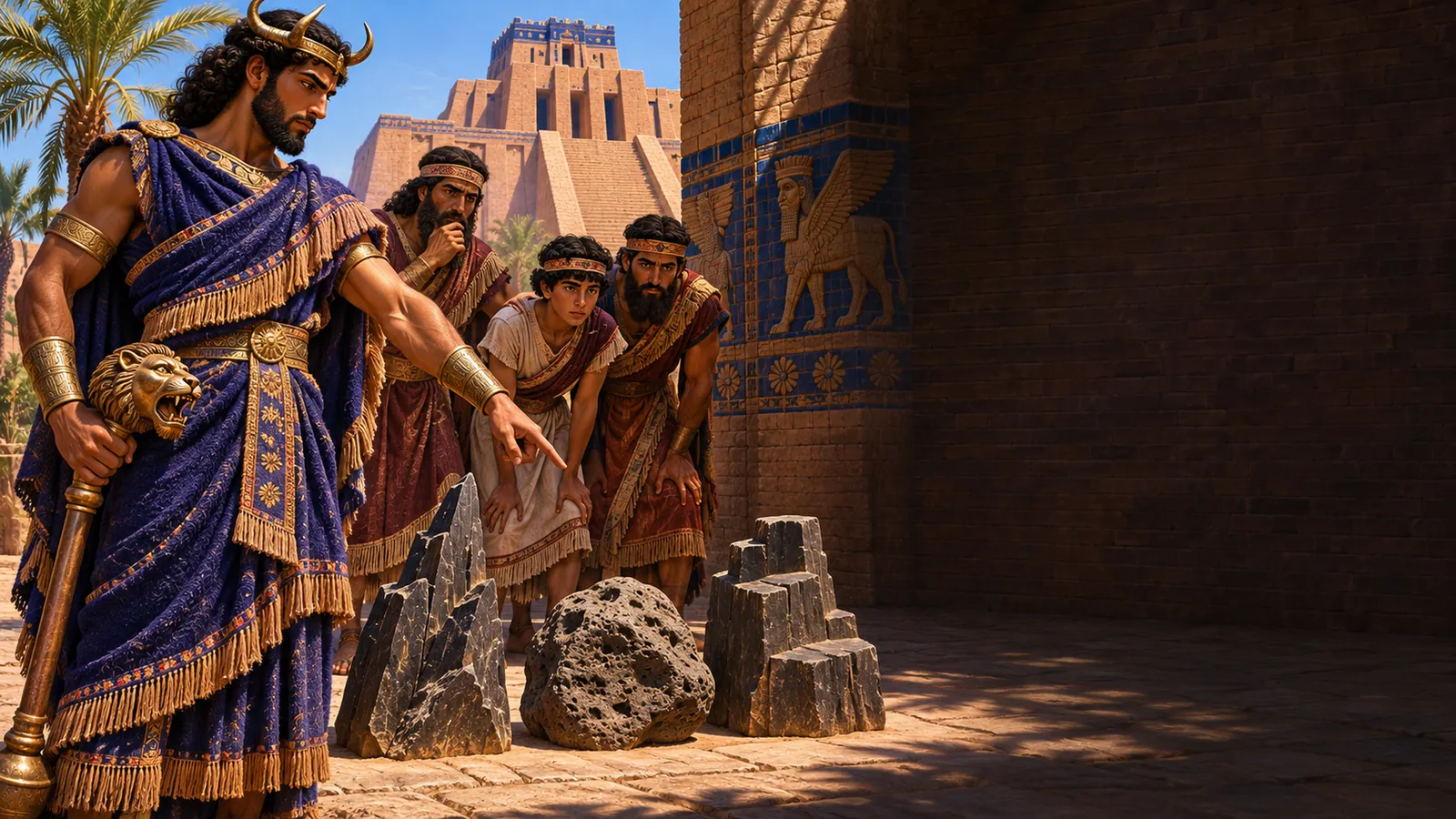
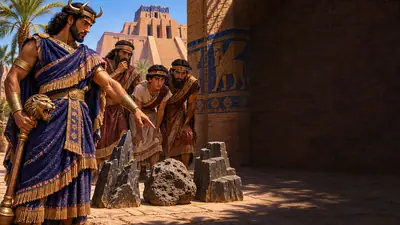
Other stones had hurled themselves or flashed like lightning against the hero. Ninurta set them against one another and condemned the saĝĝar stone to be cast away.
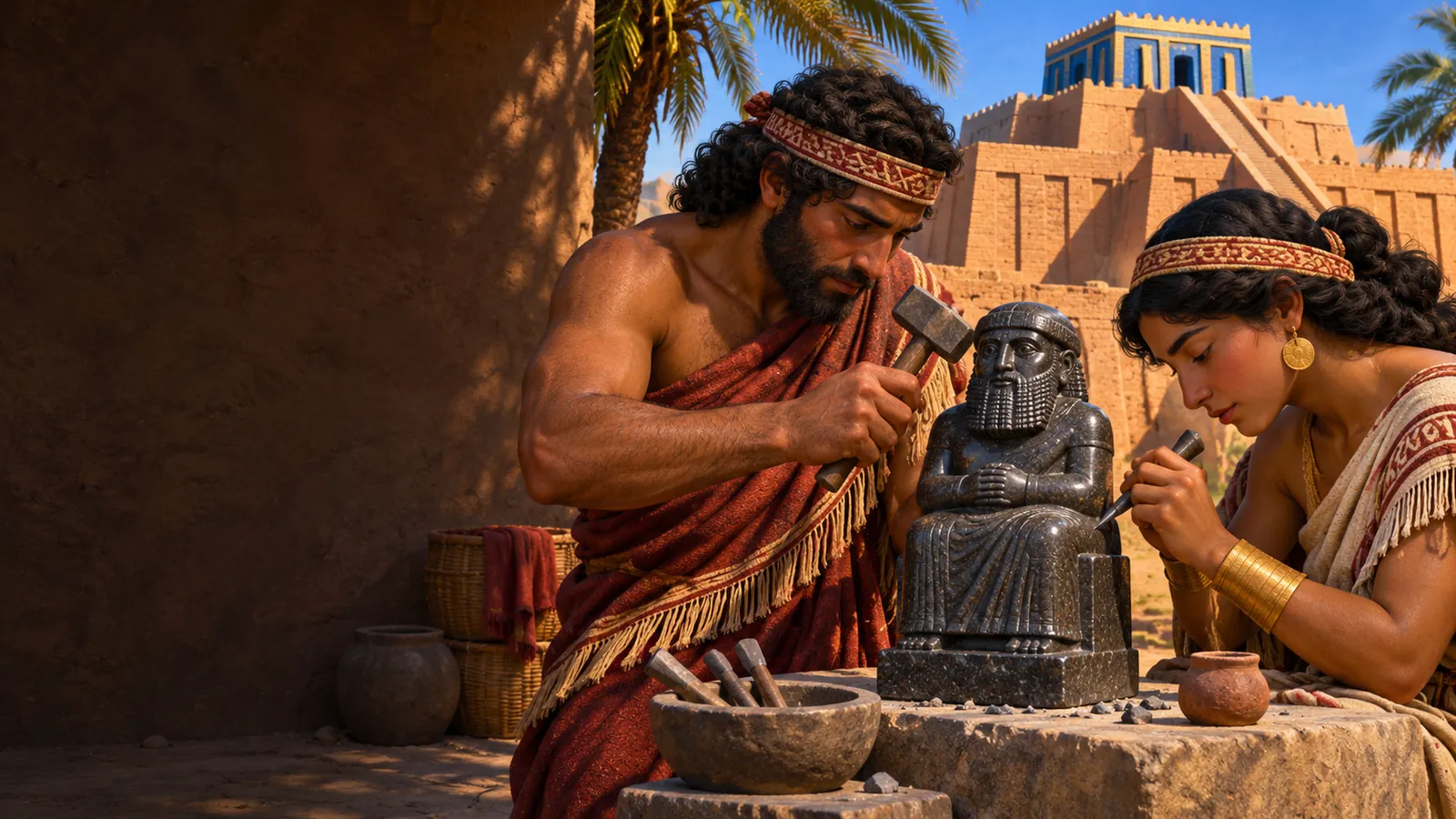
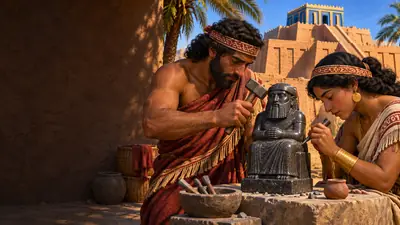
Diorite had held back its hand. It would be brought from Magan and carved into statues for kings. The stone that coveted the hero’s power was sentenced to crumble.
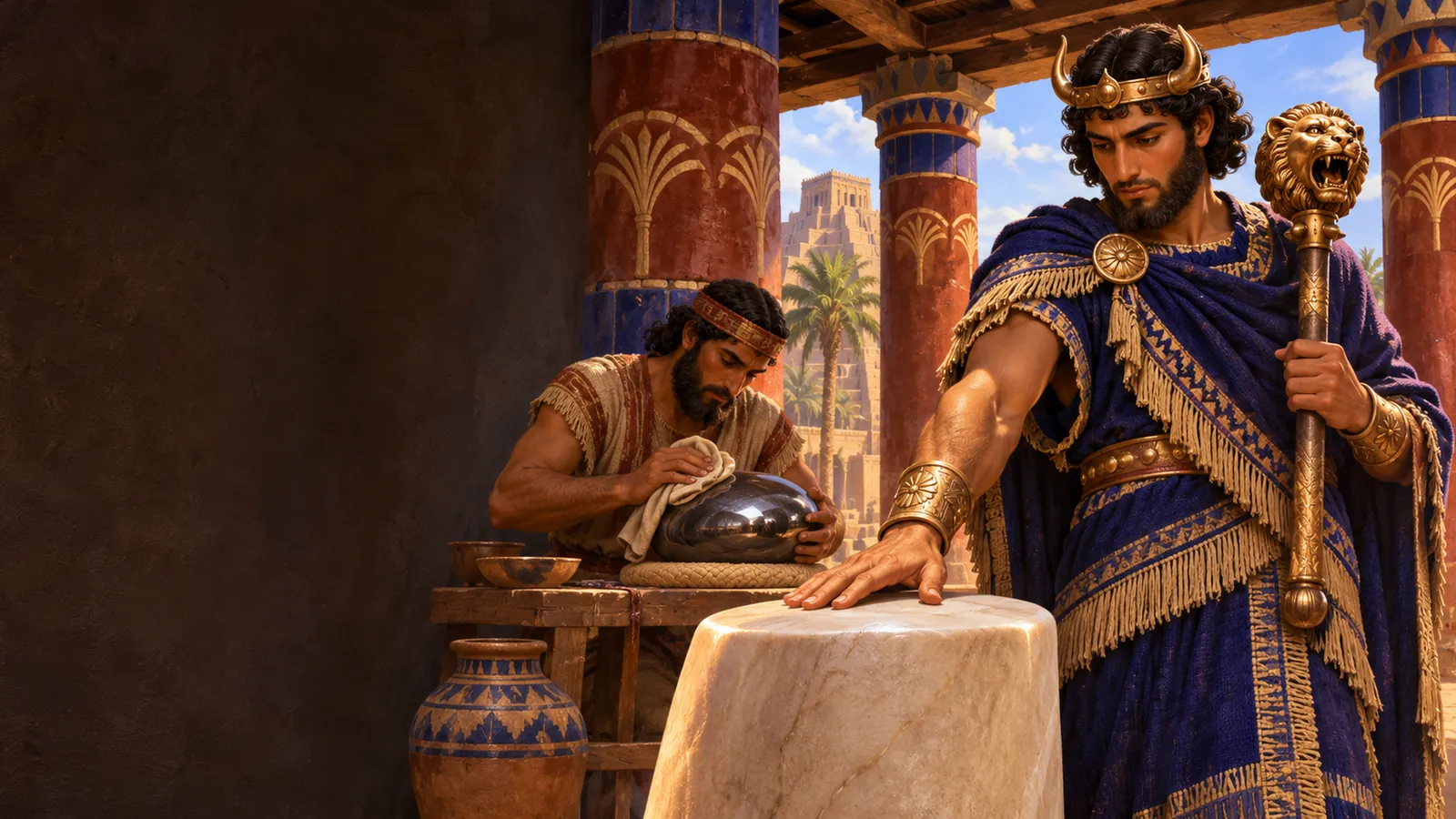
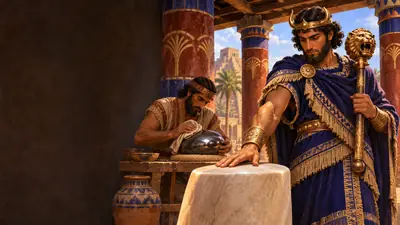
The stone that had proclaimed his name would stand on a pedestal. The shining hematite earned a judge’s powers and would be prized by artisans like gold.
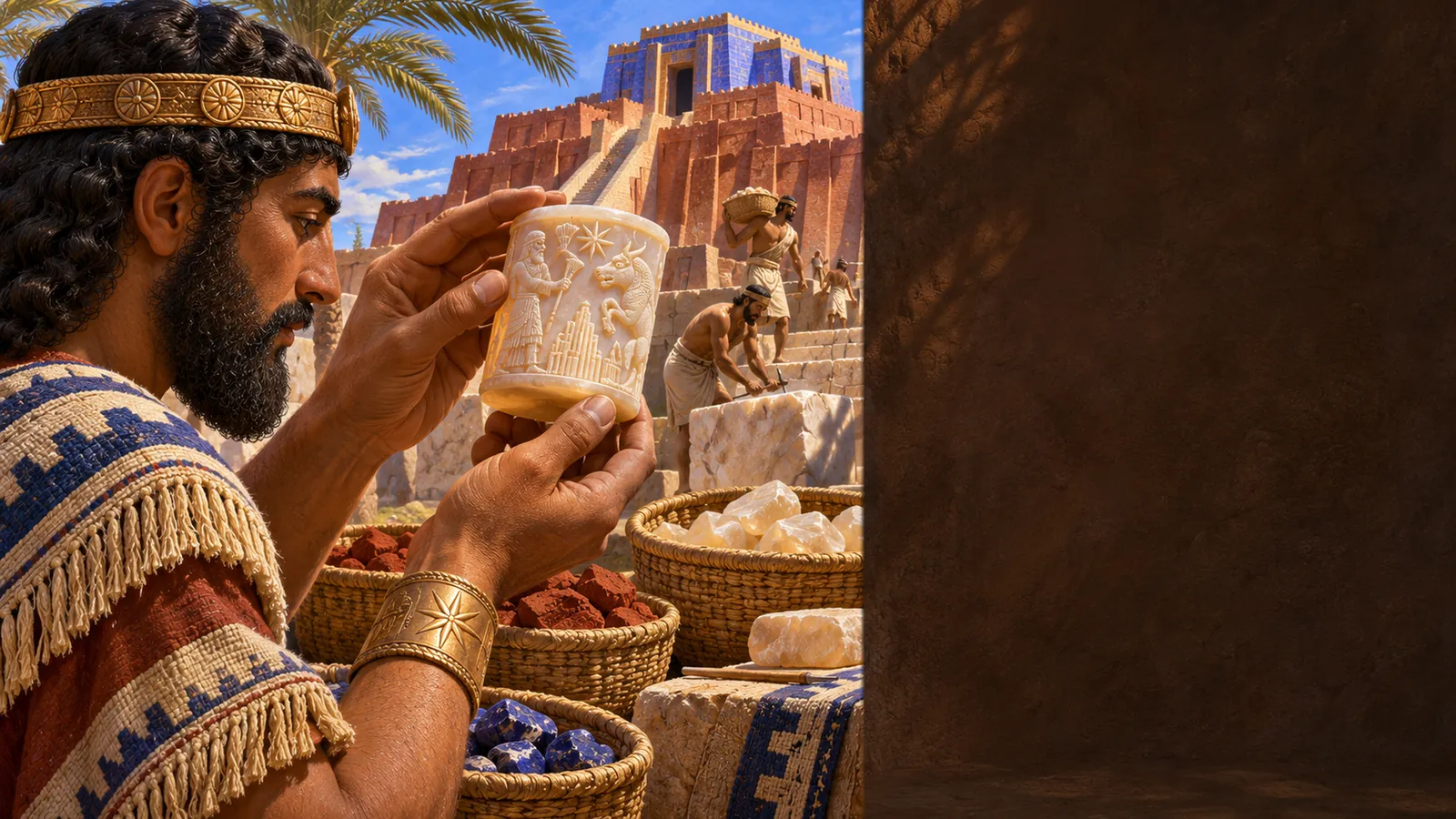
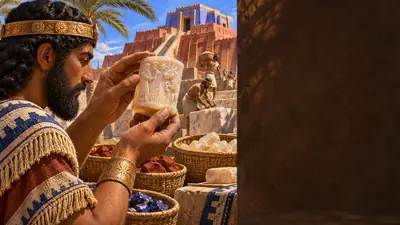
Alabaster had reached out to Ninurta and stayed by him when he cried out. It would keep the seal of the treasury. The algameš stone was assigned to the smiths’ forge.
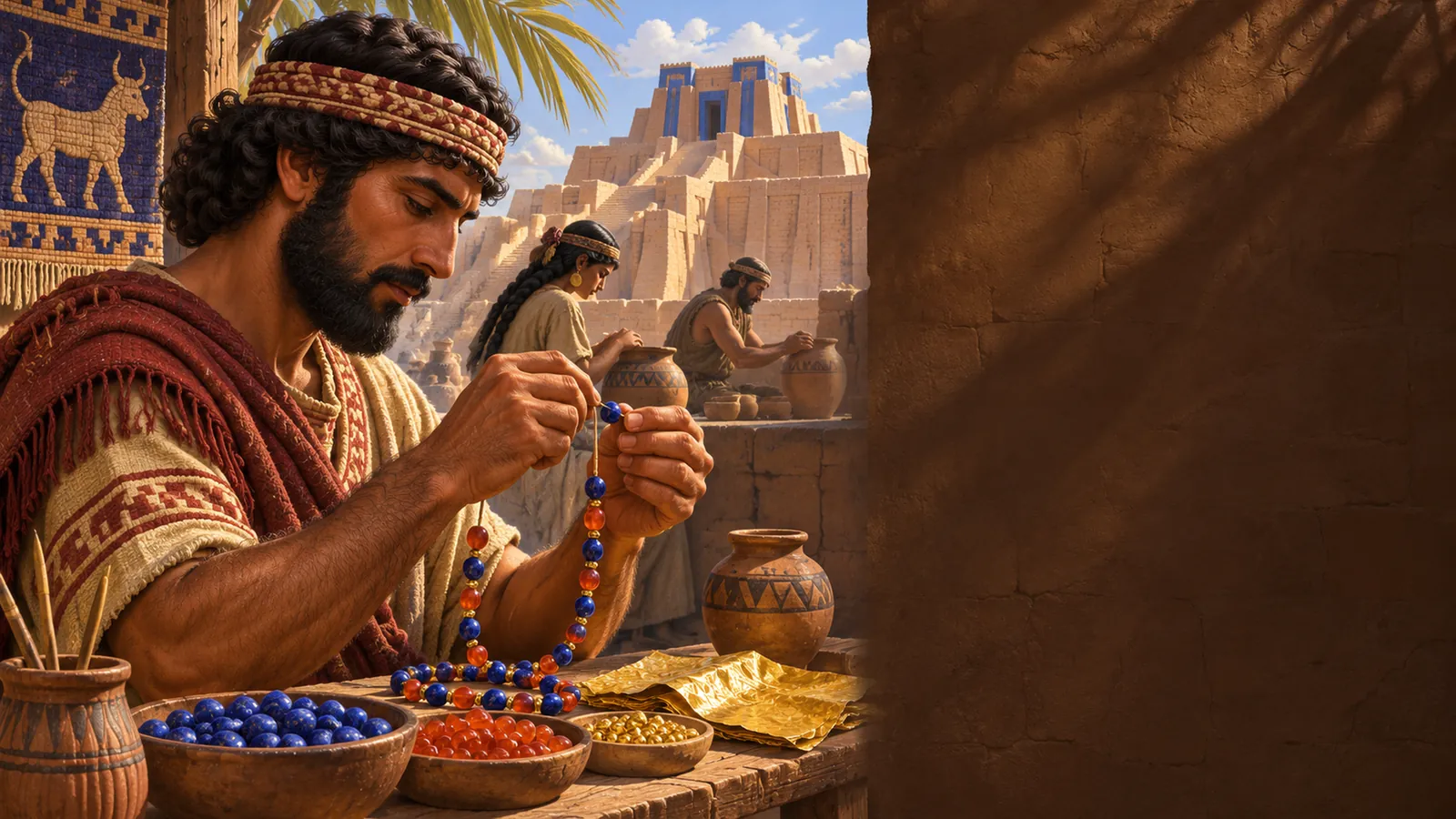
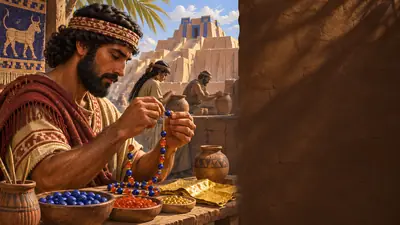
Carnelian, lapis lazuli and other stones had helped the hero. He gave them ornaments of precious metal and chose the stone that led them for syrup and wine.
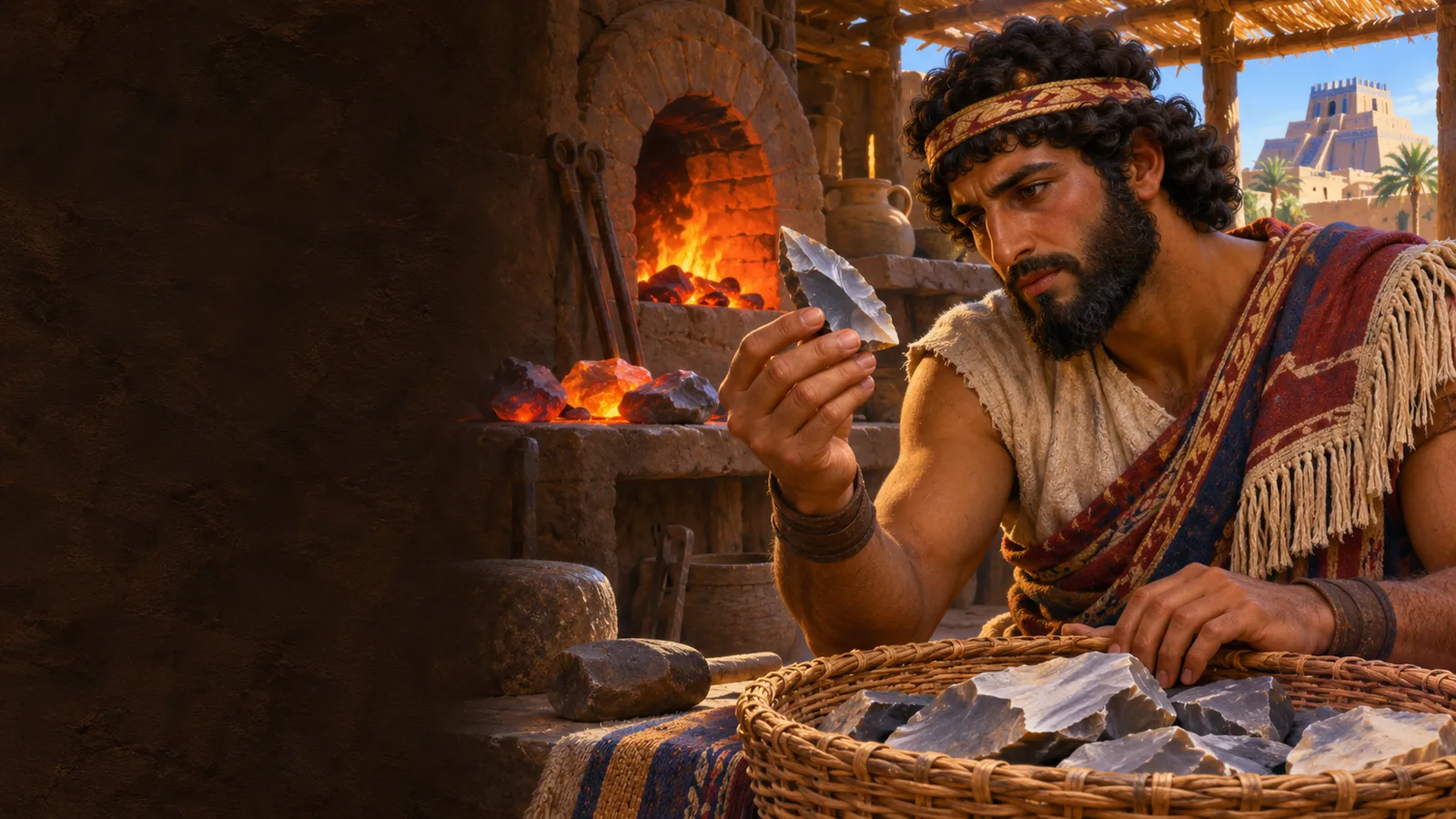
Flint would be shattered and put to work by craftsmen. Some stones that had cried out against Ninurta would never enter the palace. Others would be crushed or sharpened for weapons.
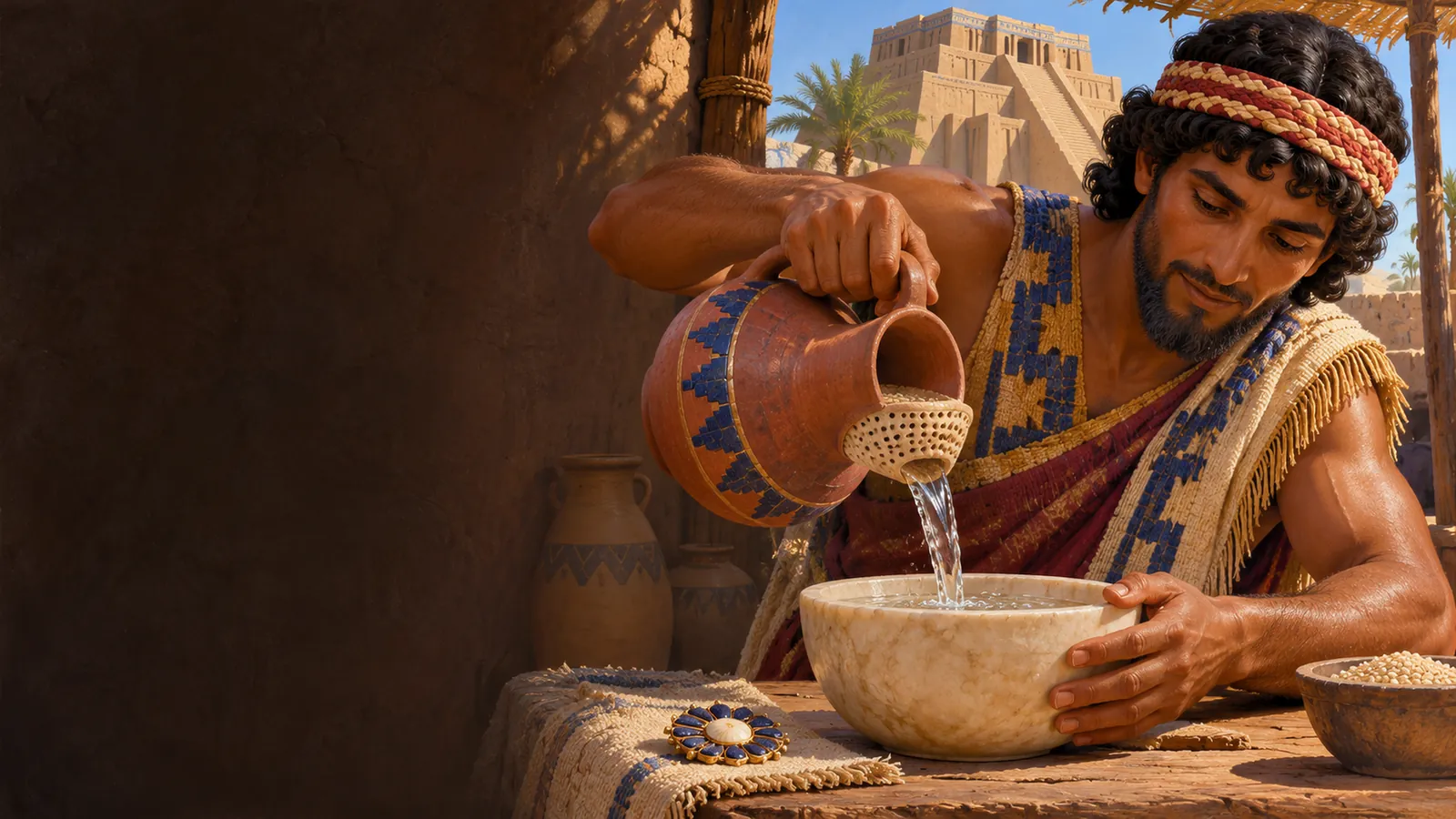
One stone was sent to the reed worker, another to the ditch. The stone that had stayed out of its city’s crimes would catch filtered water and adorn sacred brooches.
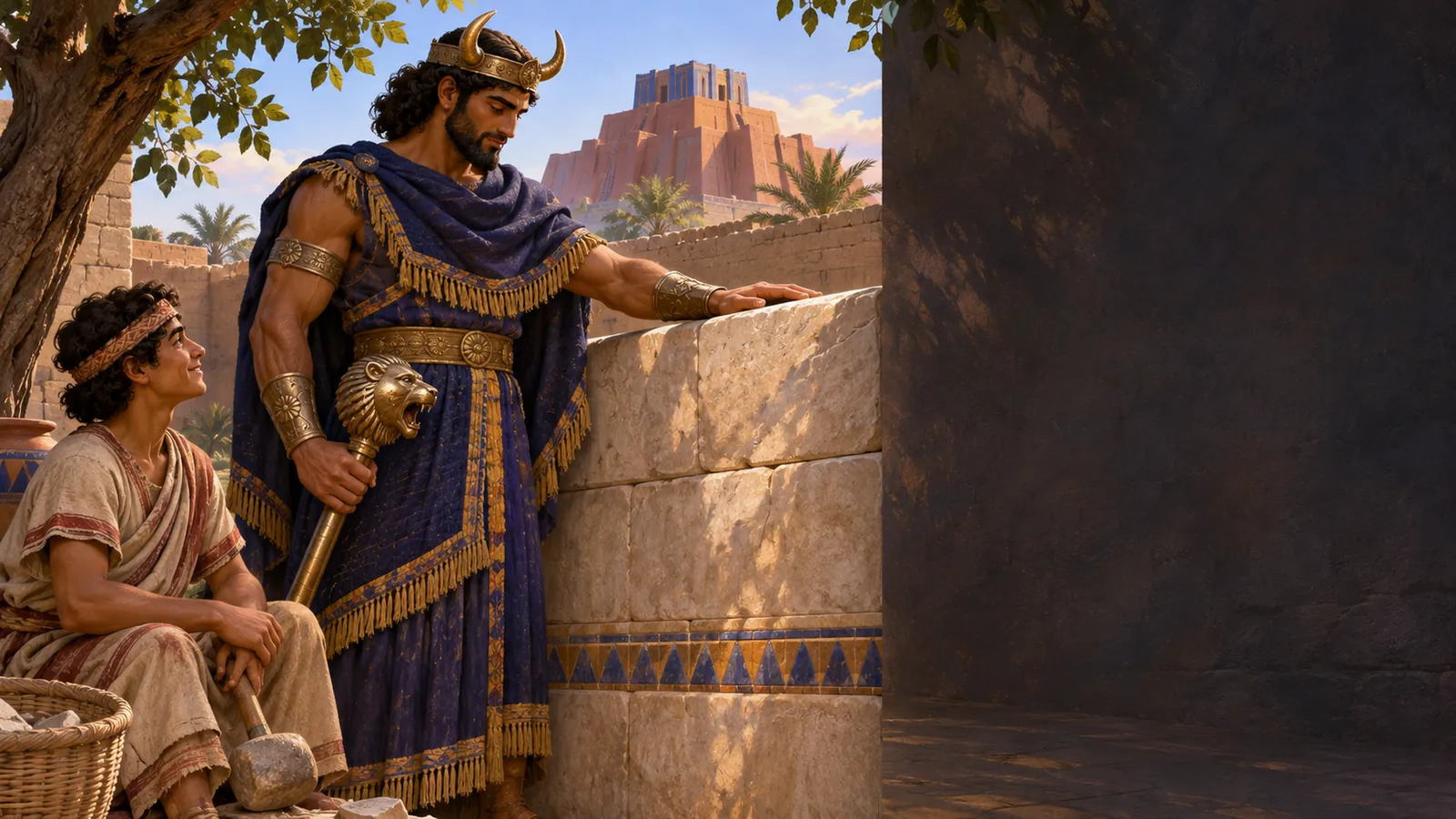
JUDGMENT
Ninurta gave fame to a stone that had offered its allegiance. He gave others a place in the worship of the Lady of the Mountain. The judgments were finished.
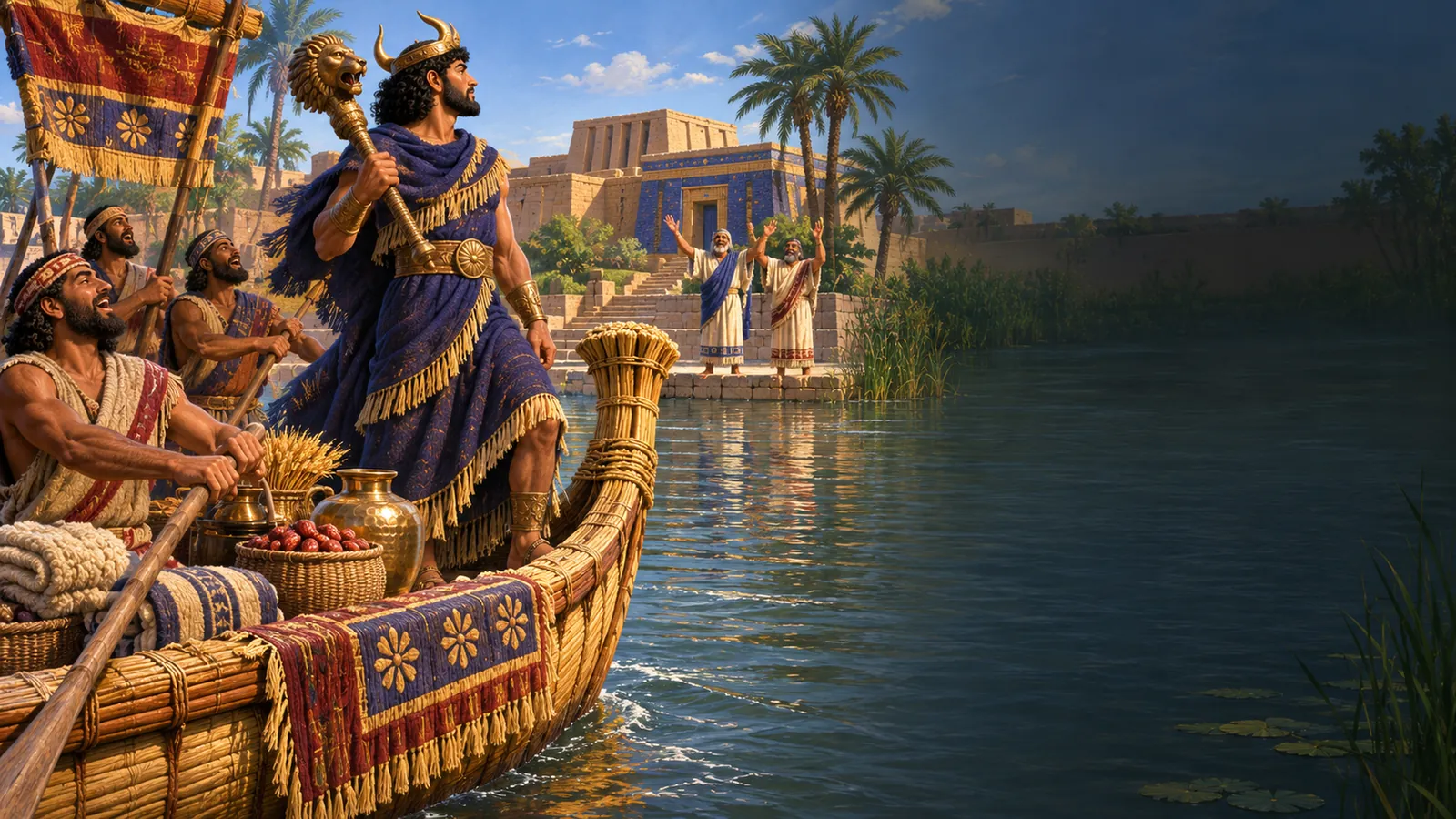
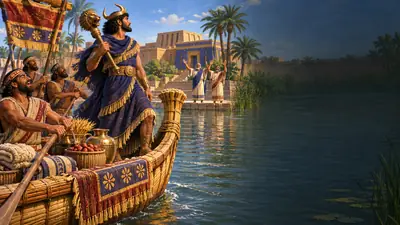
Ninurta boarded his beloved barge. The boatmen sang, the gods came to meet him, and Enlil blessed his son with the promise of lasting rule.
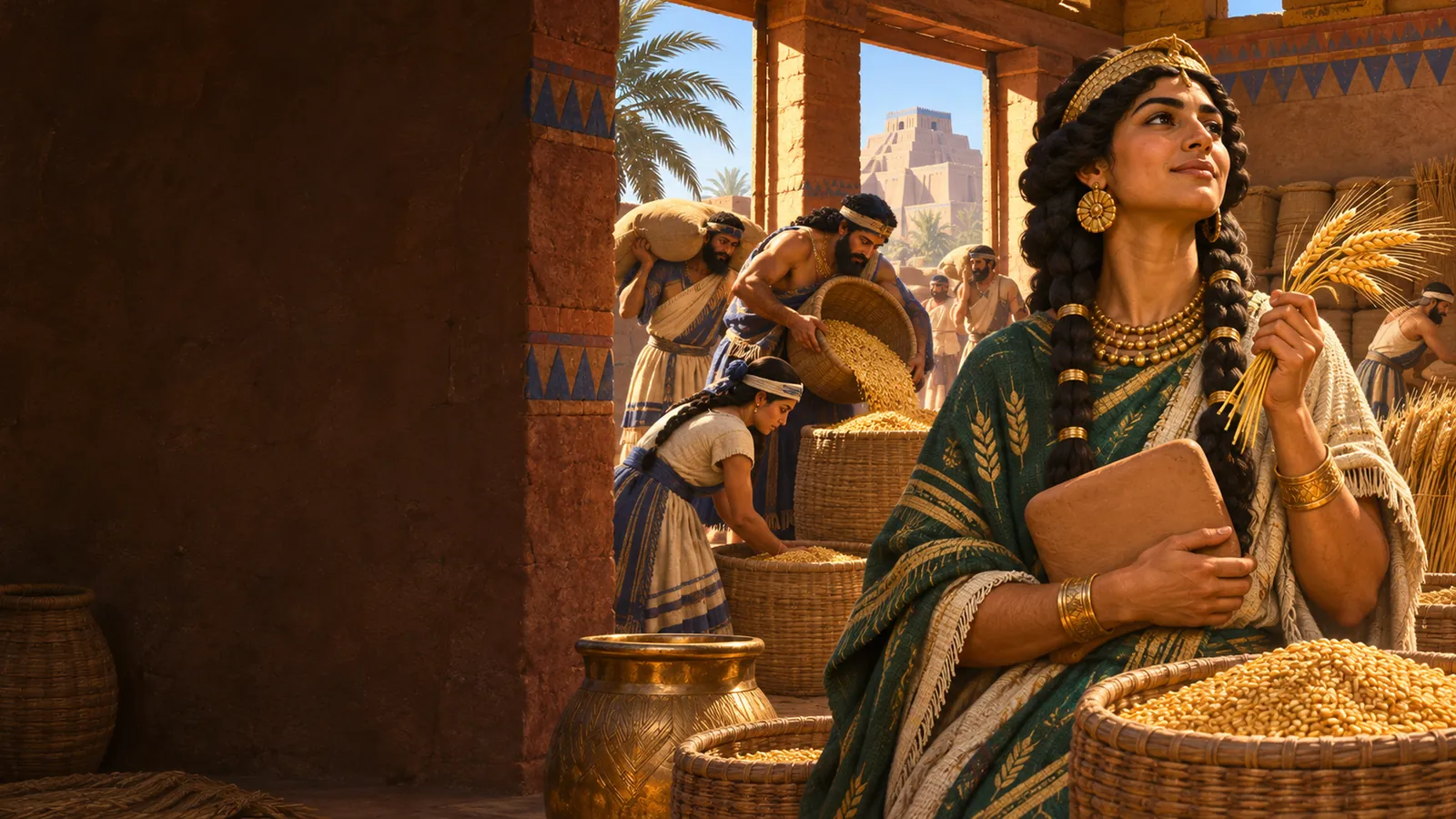
The fields had water and the storehouses held grain. Ninurta entrusted their keeping to wise Nisaba. The song closes by praising her and the son of Enlil.
End of chapter 1
All pages


Sources
Editions consulted
- Oxford ETCSL 1.6.2, English translation
- Oxford ETCSL 1.6.2, Sumerian composite
- CDLI, Nippur manuscript P343647
Ancient lines behind each page
- Page 1: Lugal-e, ETCSL 1.6.2, lines 1–16
- Page 2: Lugal-e, ETCSL 1.6.2, lines 17–23
- Page 3: Lugal-e, ETCSL 1.6.2, lines 24–37
- Page 4: Lugal-e, ETCSL 1.6.2, lines 38–47
- Page 5: Lugal-e, ETCSL 1.6.2, lines 48–69
- Page 6: Lugal-e, ETCSL 1.6.2, lines 70–82
- Page 7: Lugal-e, ETCSL 1.6.2, lines 83–95
- Page 8: Lugal-e, ETCSL 1.6.2, lines 96–106
- Page 9: Lugal-e, ETCSL 1.6.2, lines 107–125
- Page 10: Lugal-e, ETCSL 1.6.2, lines 126–150
- Page 11: Lugal-e, ETCSL 1.6.2, lines 151–167
- Page 12: Lugal-e, ETCSL 1.6.2, lines 168–182
- Page 13: Lugal-e, ETCSL 1.6.2, lines 183–190
- Page 14: Lugal-e, ETCSL 1.6.2, lines 191–224
- Page 15: Lugal-e, ETCSL 1.6.2, lines 225–243
- Page 16: Lugal-e, ETCSL 1.6.2, lines 244–251
- Page 17: Lugal-e, ETCSL 1.6.2, lines 251–264
- Page 18: Lugal-e, ETCSL 1.6.2, lines 265–280
- Page 19: Lugal-e, ETCSL 1.6.2, lines 281–299
- Page 20: Lugal-e, ETCSL 1.6.2, lines 300–309
- Page 21: Lugal-e, ETCSL 1.6.2, lines 310–333
- Page 22: Lugal-e, ETCSL 1.6.2, lines 334–346
- Page 23: Lugal-e, ETCSL 1.6.2, lines 347–355
- Page 24: Lugal-e, ETCSL 1.6.2, lines 355–359
- Page 25: Lugal-e, ETCSL 1.6.2, lines 359–367
- Page 26: Lugal-e, ETCSL 1.6.2, lines 377–389
- Page 27: Lugal-e, ETCSL 1.6.2, lines 390–410
- Page 28: Lugal-e, ETCSL 1.6.2, lines 411–415
- Page 29: Lugal-e, ETCSL 1.6.2, lines 416–434
- Page 30: Lugal-e, ETCSL 1.6.2, lines 435–447
- Page 31: Lugal-e, ETCSL 1.6.2, lines 448–462
- Page 32: Lugal-e, ETCSL 1.6.2, lines 463–486
- Page 33: Lugal-e, ETCSL 1.6.2, lines 487–511
- Page 34: Lugal-e, ETCSL 1.6.2, lines 512–527
- Page 35: Lugal-e, ETCSL 1.6.2, lines 528–542
- Page 36: Lugal-e, ETCSL 1.6.2, lines 543–578
- Page 37: Lugal-e, ETCSL 1.6.2, lines 579–608
- Page 38: Lugal-e, ETCSL 1.6.2, lines 609–644
- Page 39: Lugal-e, ETCSL 1.6.2, lines 645–697
- Page 40: Lugal-e, ETCSL 1.6.2, lines 698–726
Illustrations made with AI tools by IL Archive; the text is based on the ancient sources (see the sources at the end of each chapter).