Rhodopis and the Eagle Chapter 1
The Eagle and the Sandal
Herodotus follows Rhodopis from Thrace and Samos to Egypt, where she gains freedom and sends a gift to Delphi. Strabo and Aelian tell the later legend of her sandal, an eagle and a king hearing cases in Memphis.
SourcesTurn the pages with the arrows, the arrow keys or a swipe.
RHODOPIS
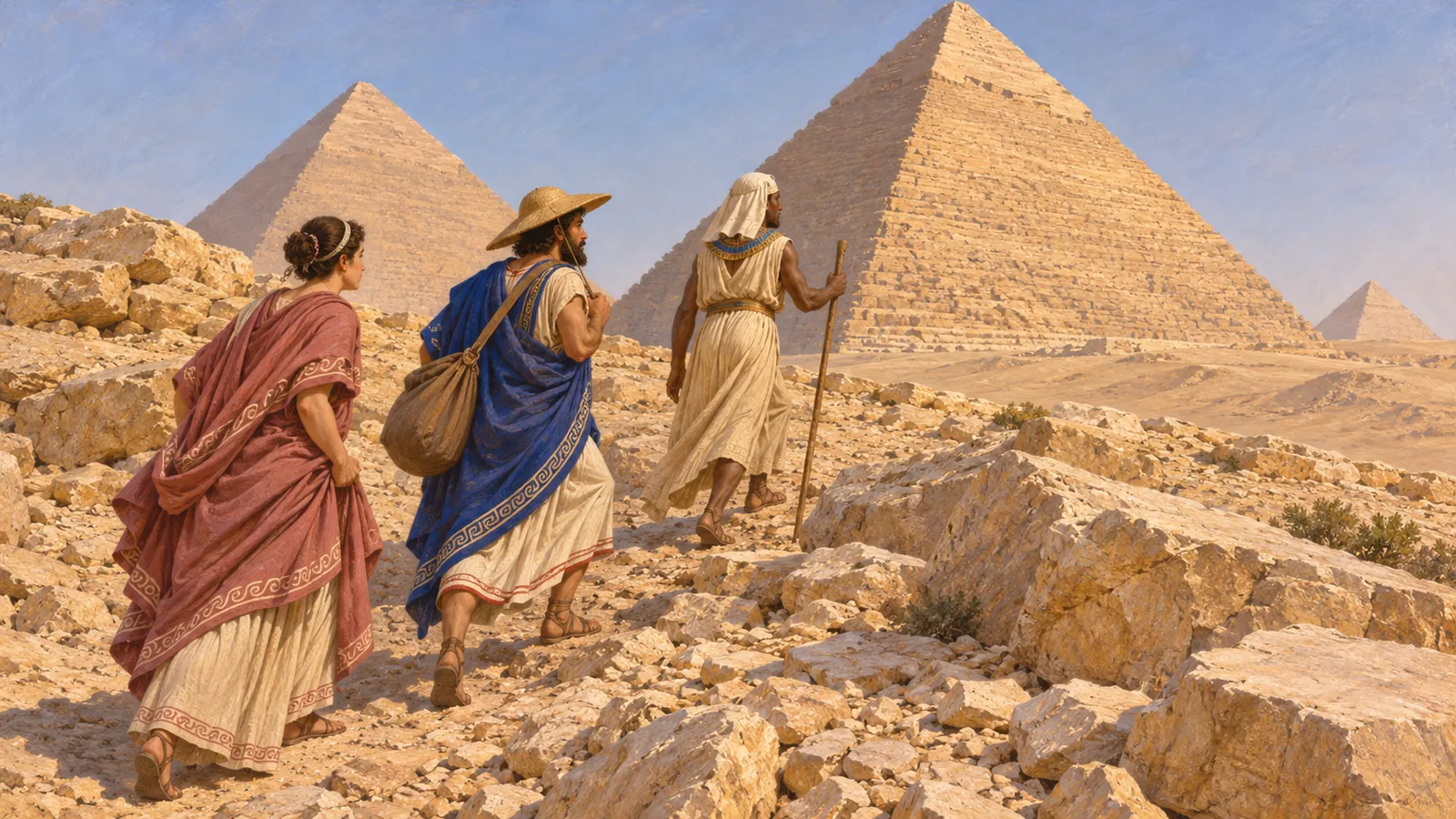
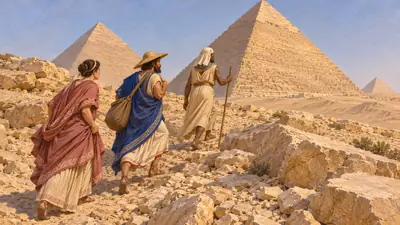
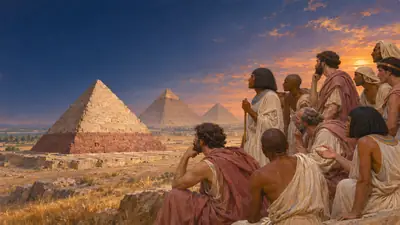
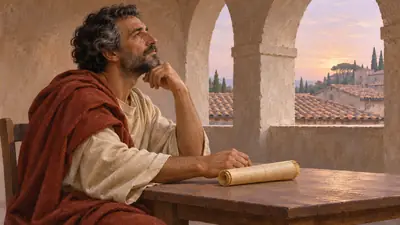
At Giza, Herodotus records a story some Greeks told about the smallest of the three great pyramids. They said a woman named Rhodopis had built it.
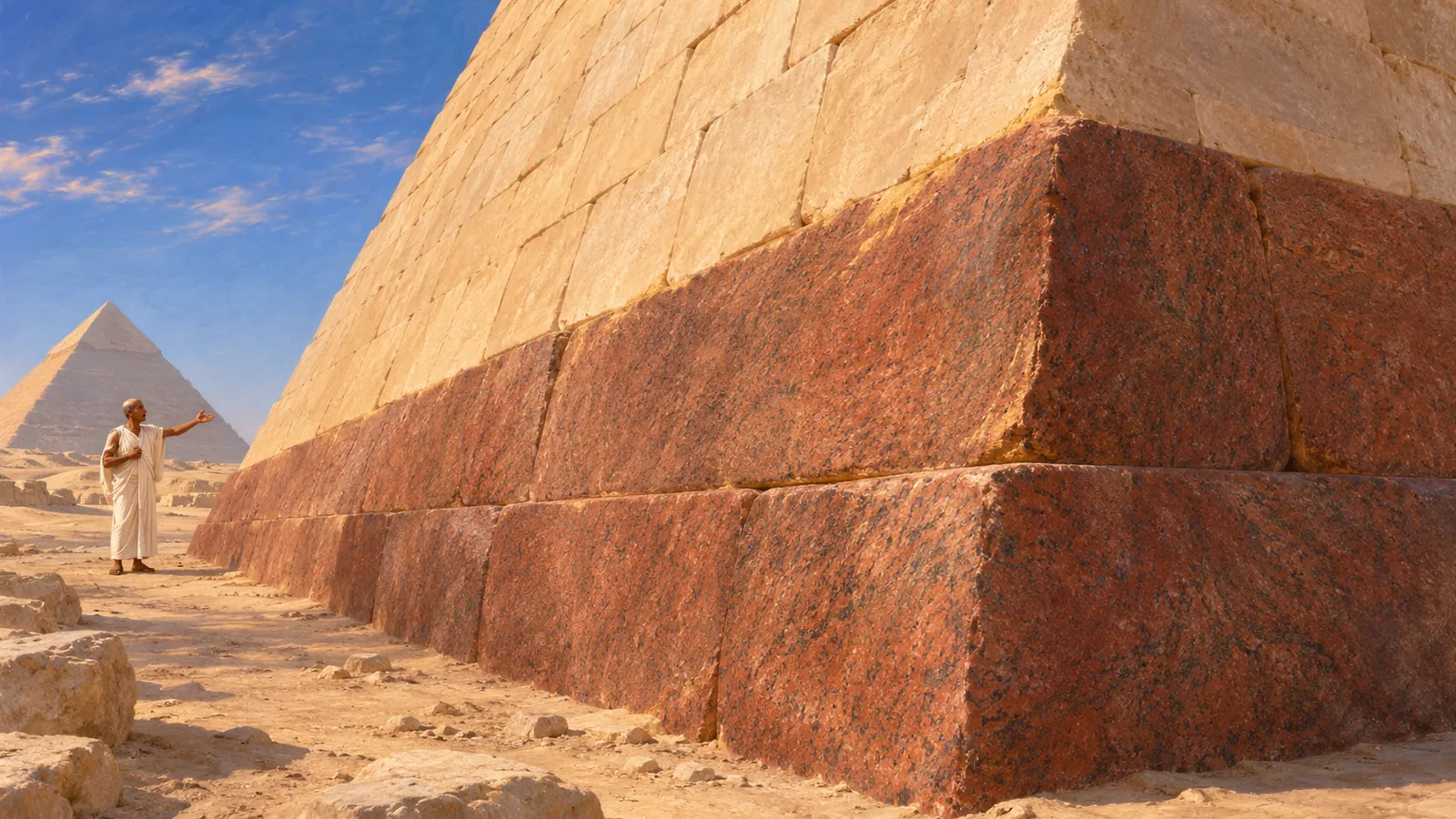
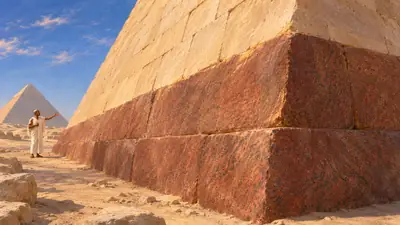
The pyramid belongs to Menkaure, whom Greek writers call Mykerinos. The reddish granite low on its sides came from Aswan, far up the Nile.
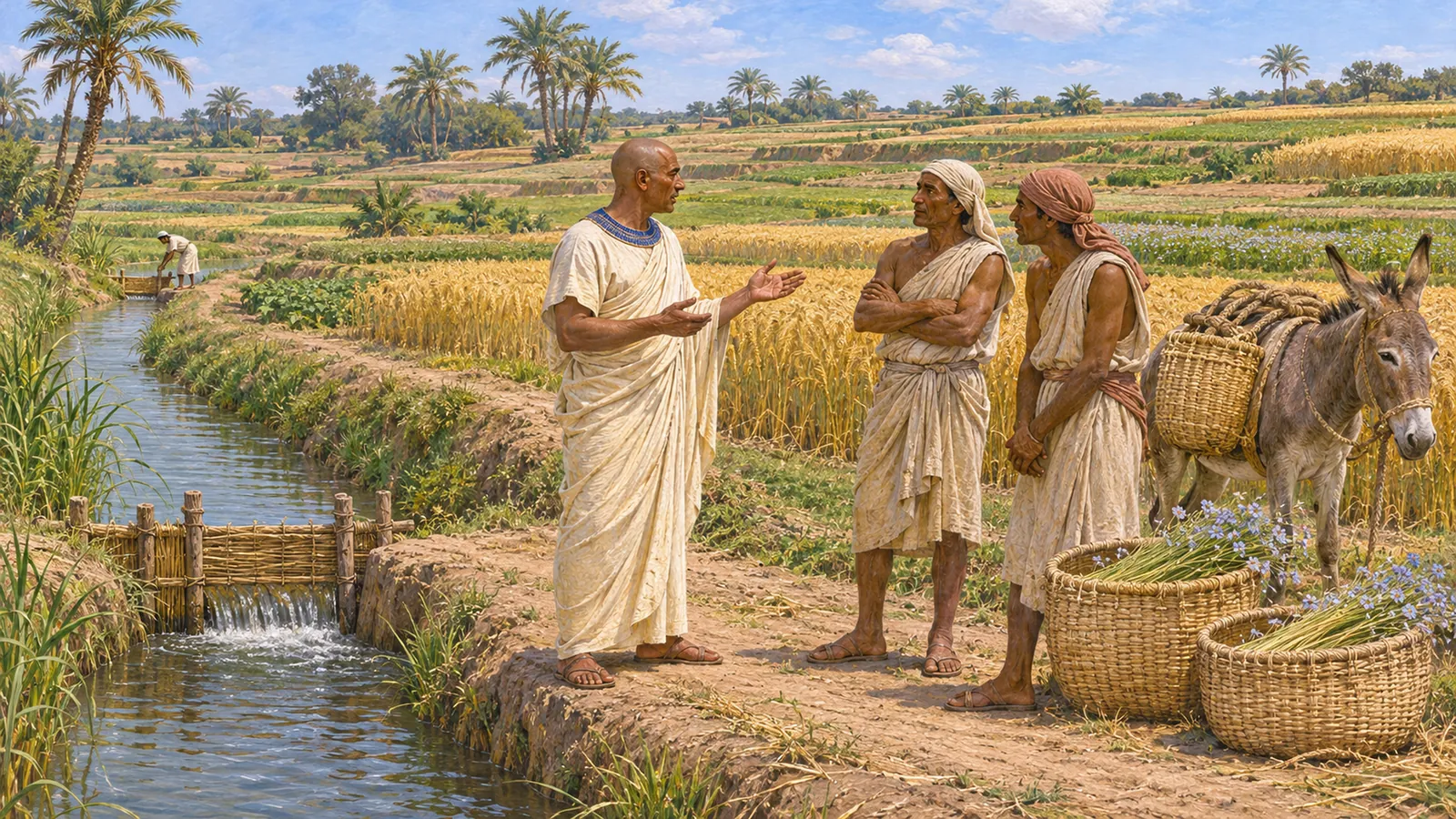
Herodotus puts Rhodopis in the reign of Amasis, many generations after the pyramid builders. The cost of the monument gives him another reason to doubt the claim.
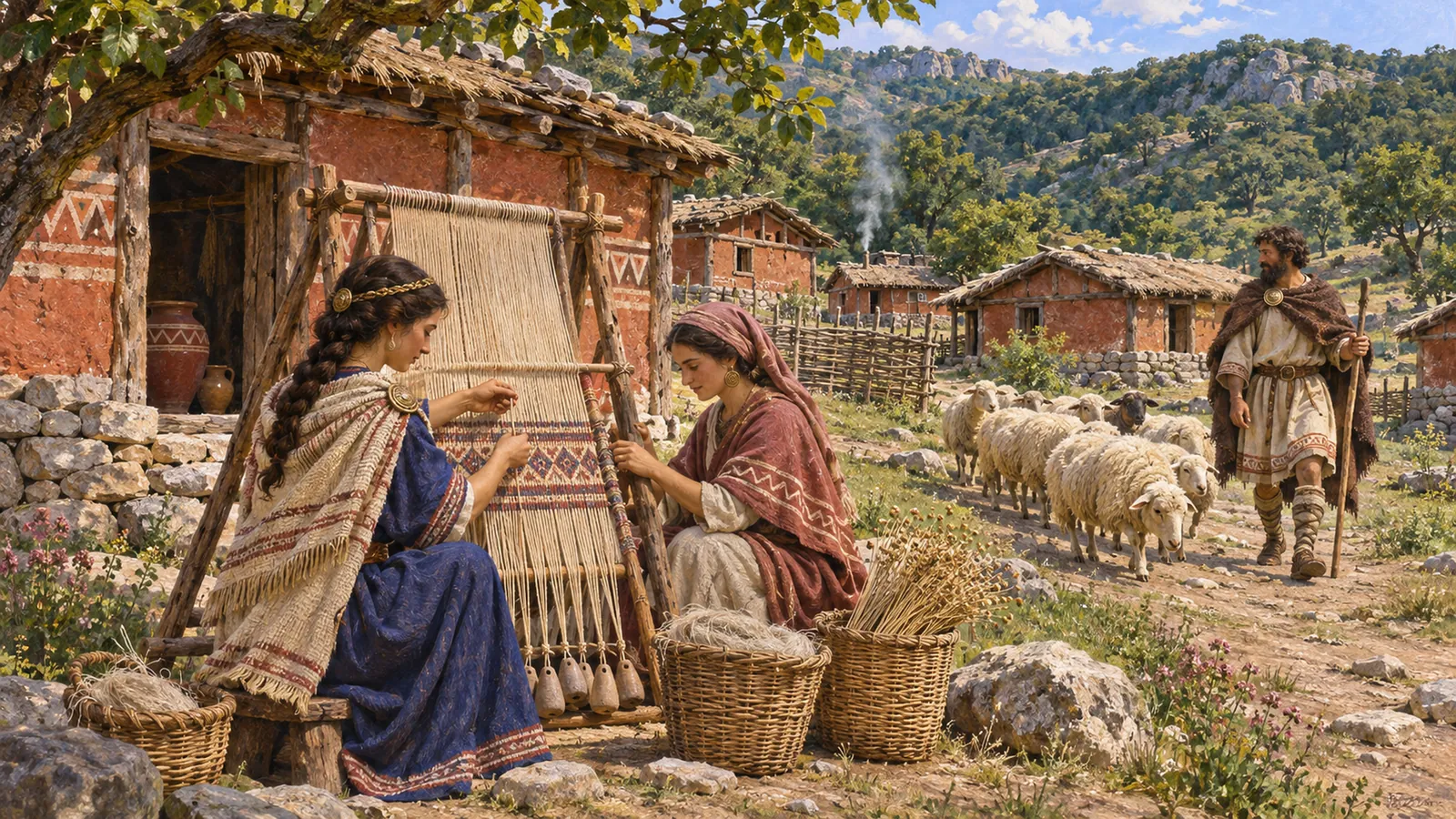
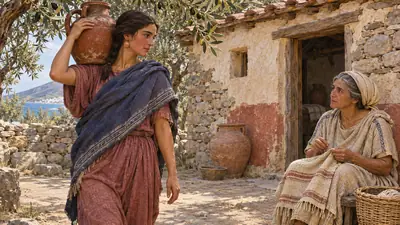
According to Herodotus, Rhodopis was Thracian by birth. His account starts with that name for her homeland and places the next part of her life on Samos.
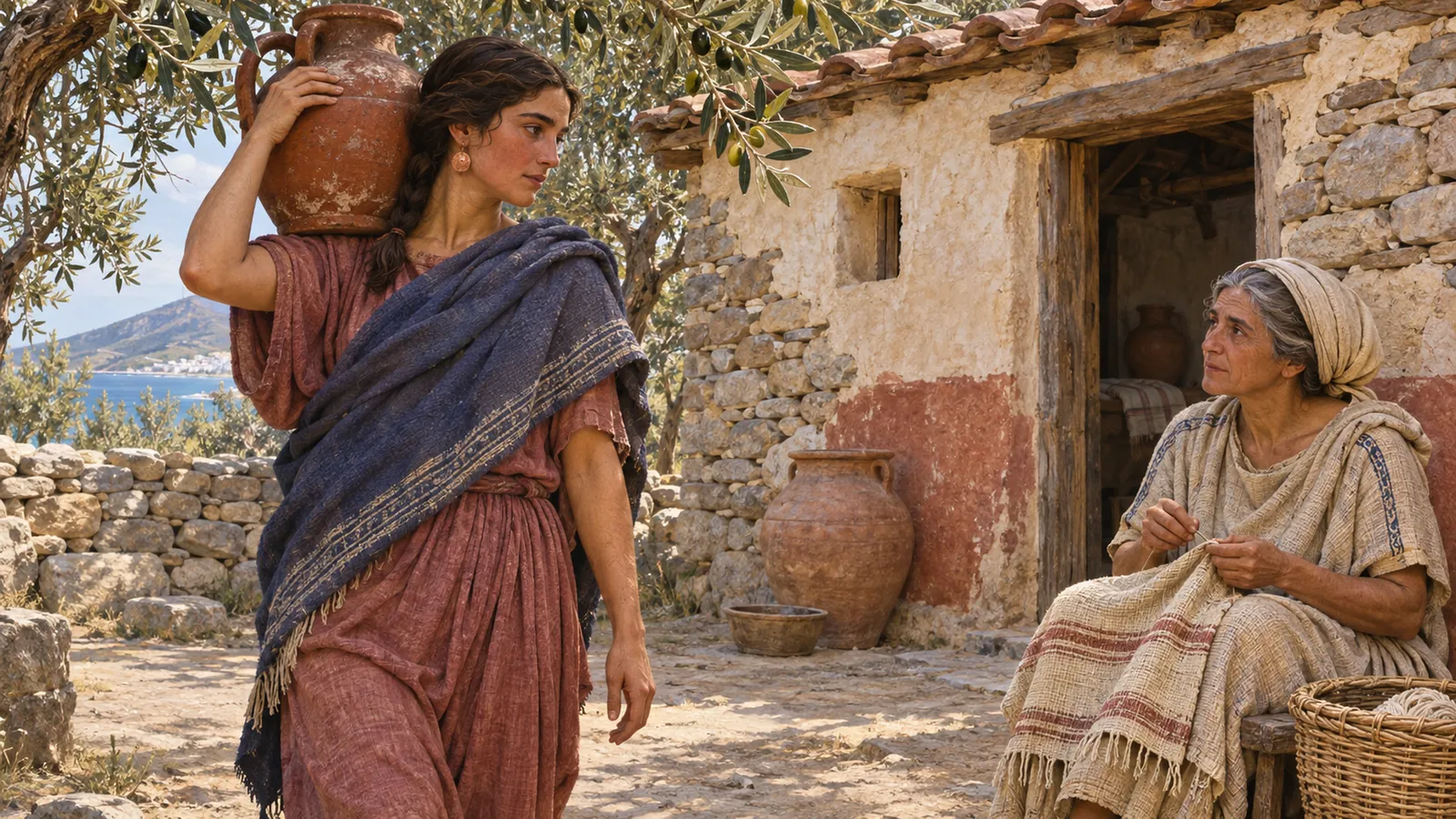
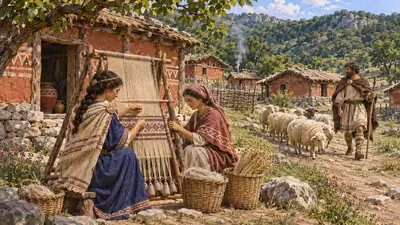
On the Greek island of Samos, Rhodopis was enslaved in the household of Iadmon, son of Hephaestopolis. Herodotus names another person enslaved there, the storyteller Aesop.
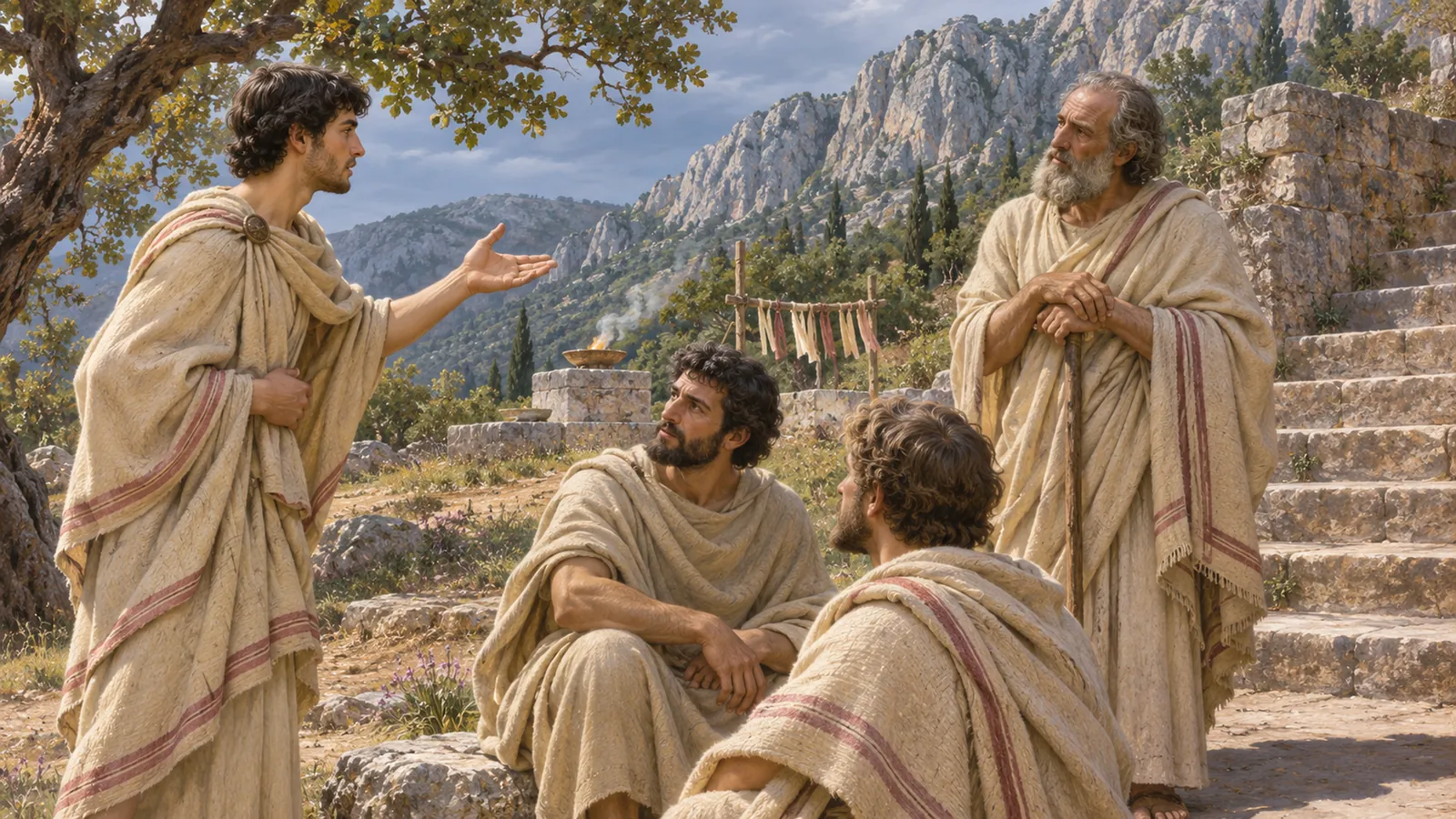
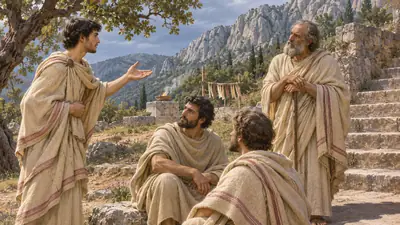
Herodotus explains how he connects Aesop to that household. Years later, when Delphi offered compensation for Aesop’s death, a grandson of the elder Iadmon came forward.
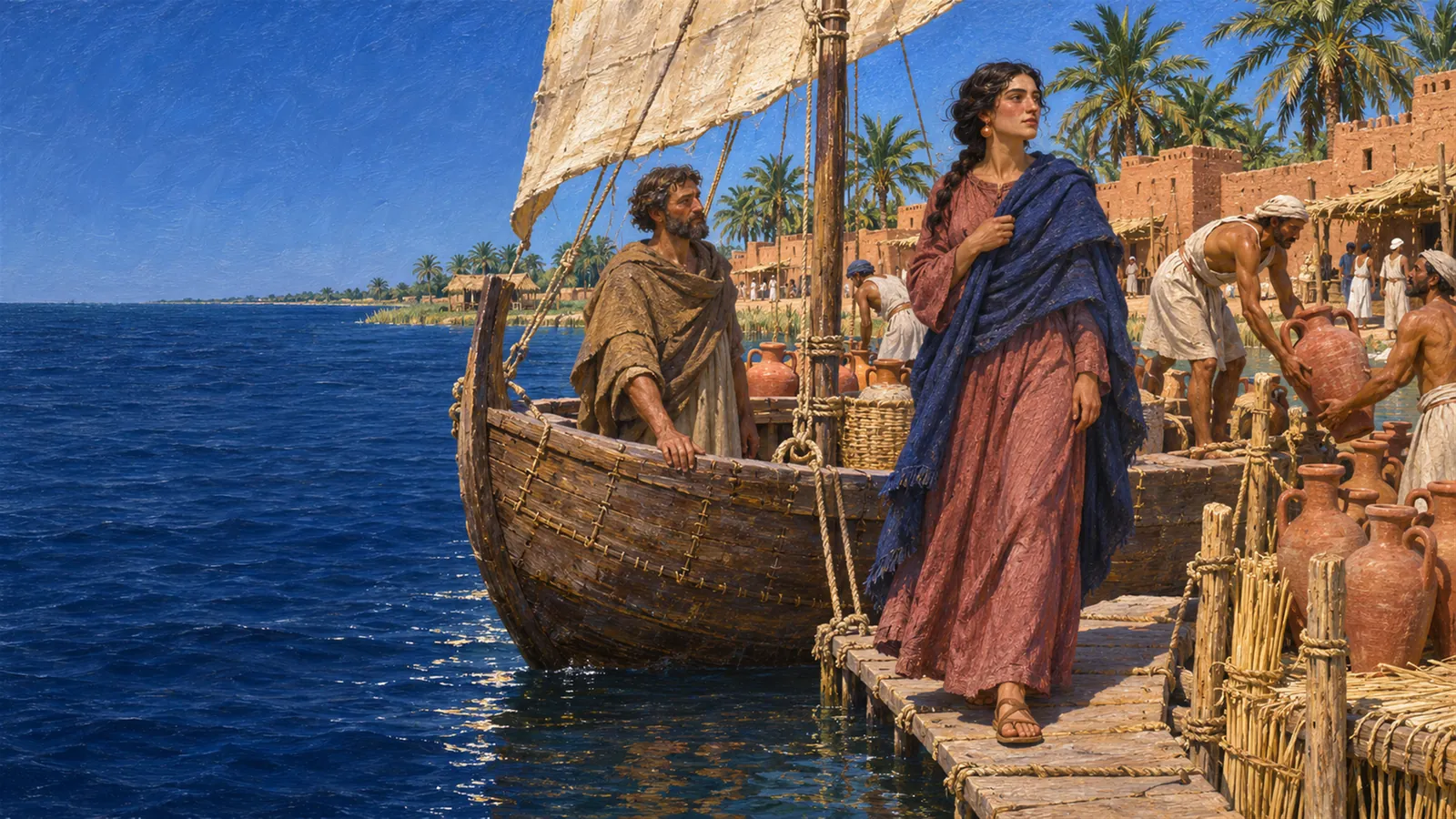
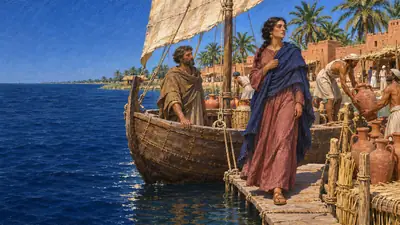
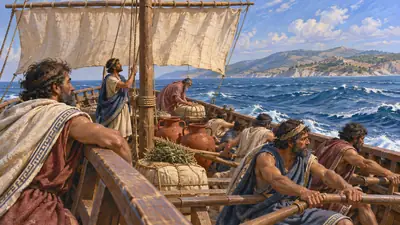
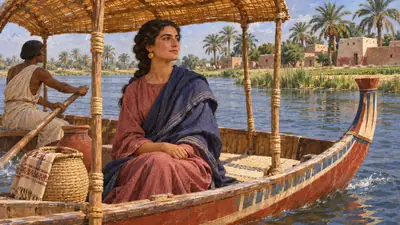
Xanthes, also from Samos, brought Rhodopis to Egypt while she was still enslaved. Herodotus recounts the journey in a few words and gives us the two names.
NAUCRATIS
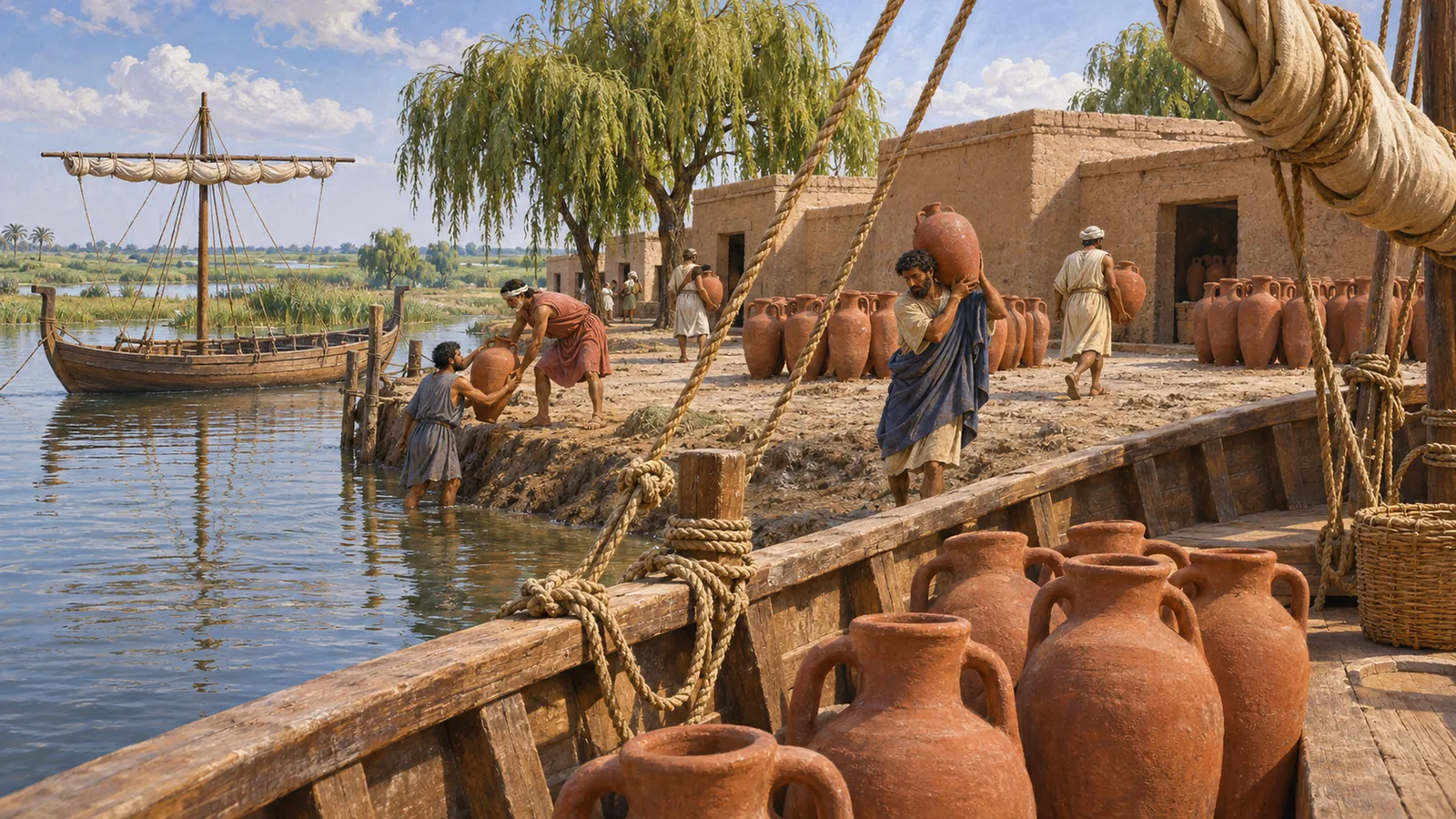
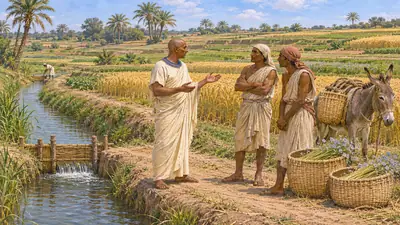
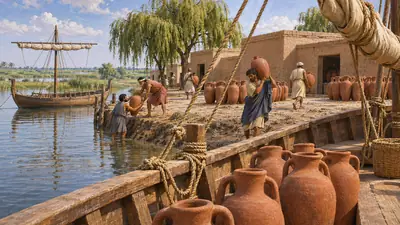
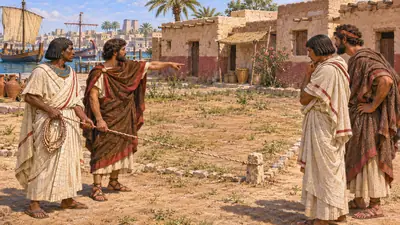
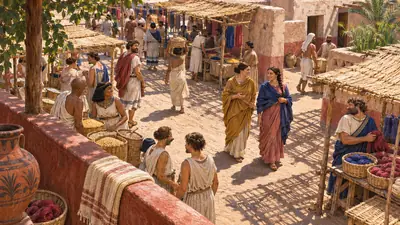
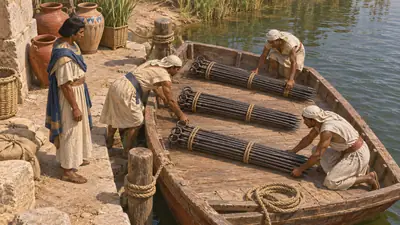
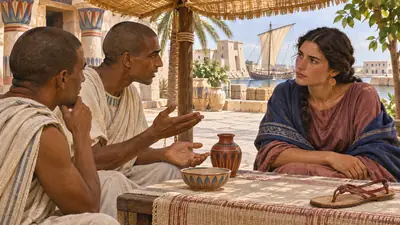
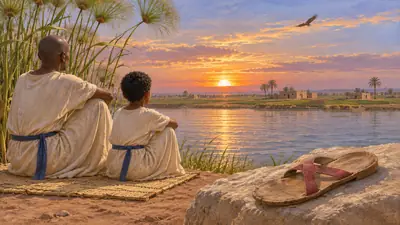
In Egypt the story comes to Naucratis, a port on the Canopic branch of the Nile. Its docks linked the Delta to ports across the Mediterranean.
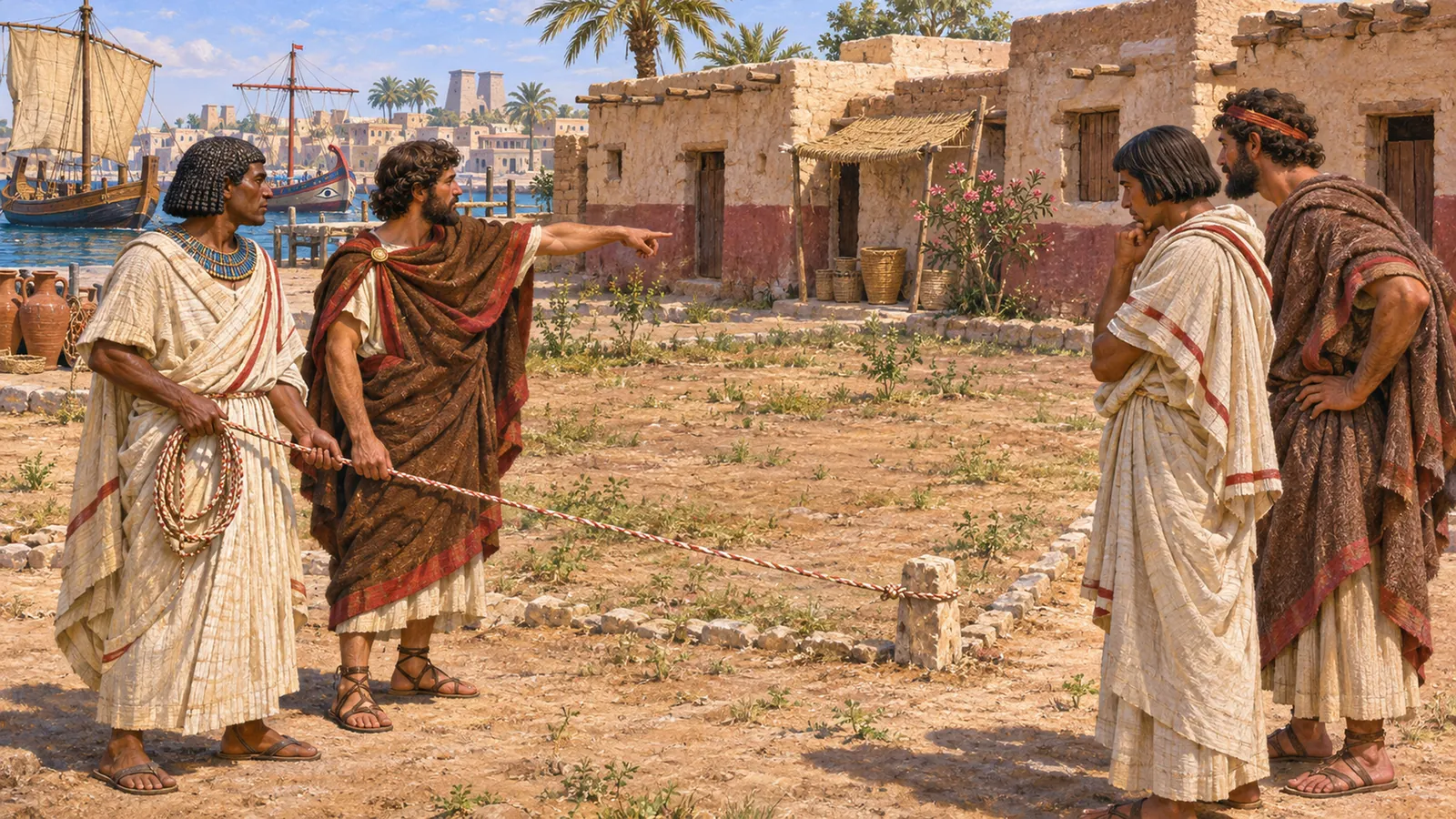
Herodotus says Amasis gave Greeks a place to live at Naucratis and set aside ground where merchants who came by sea could establish shrines of their own.
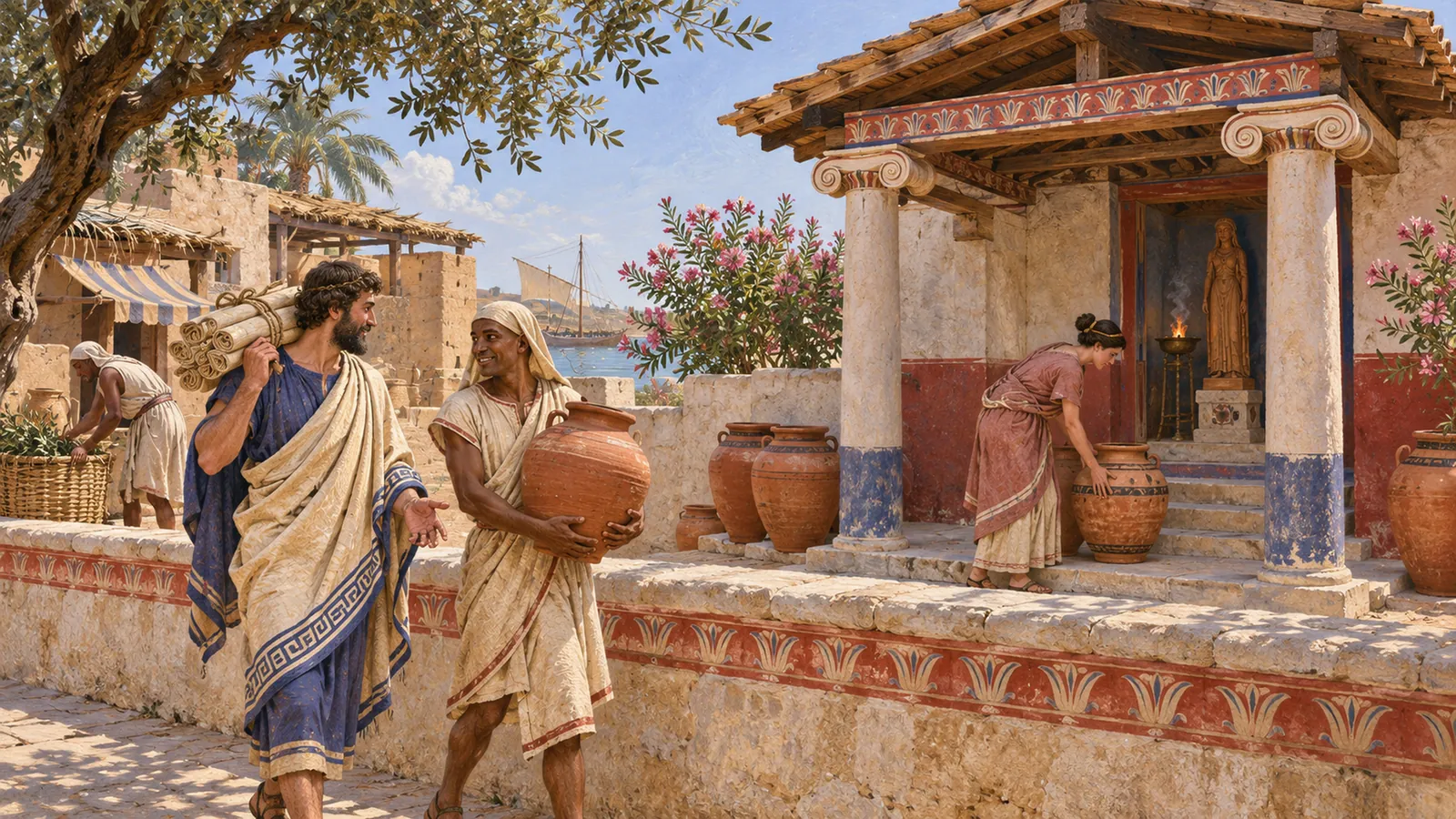
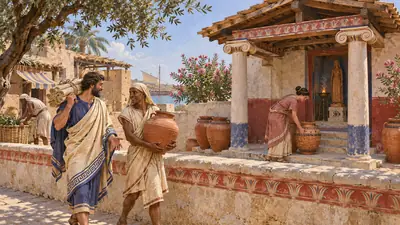
Several Greek cities shared the sanctuary called the Hellenion. Herodotus names Mytilene among them, the city on Lesbos from which the merchant Charaxus came.
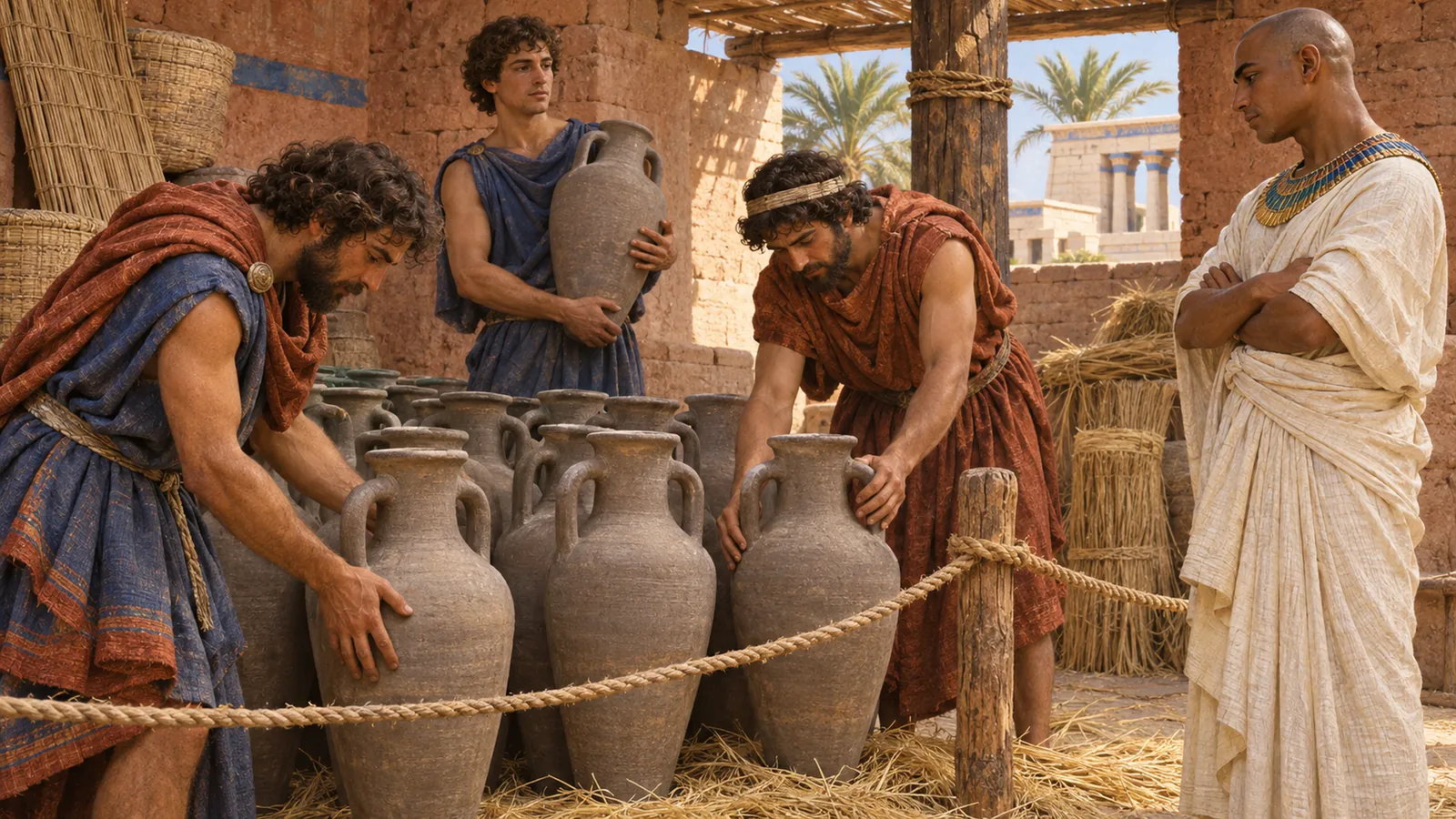
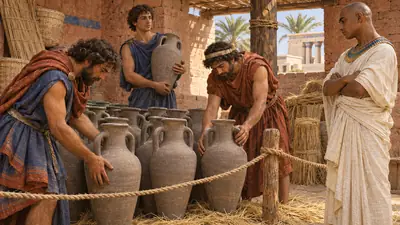
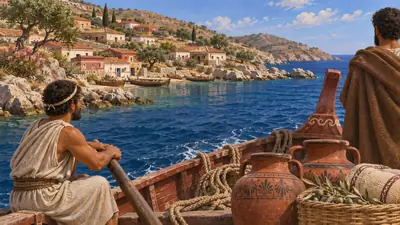
Strabo says that Charaxus brought wine from Lesbos to sell at Naucratis. Excavators have found imported jars from Lesbos and other regions in the old port.
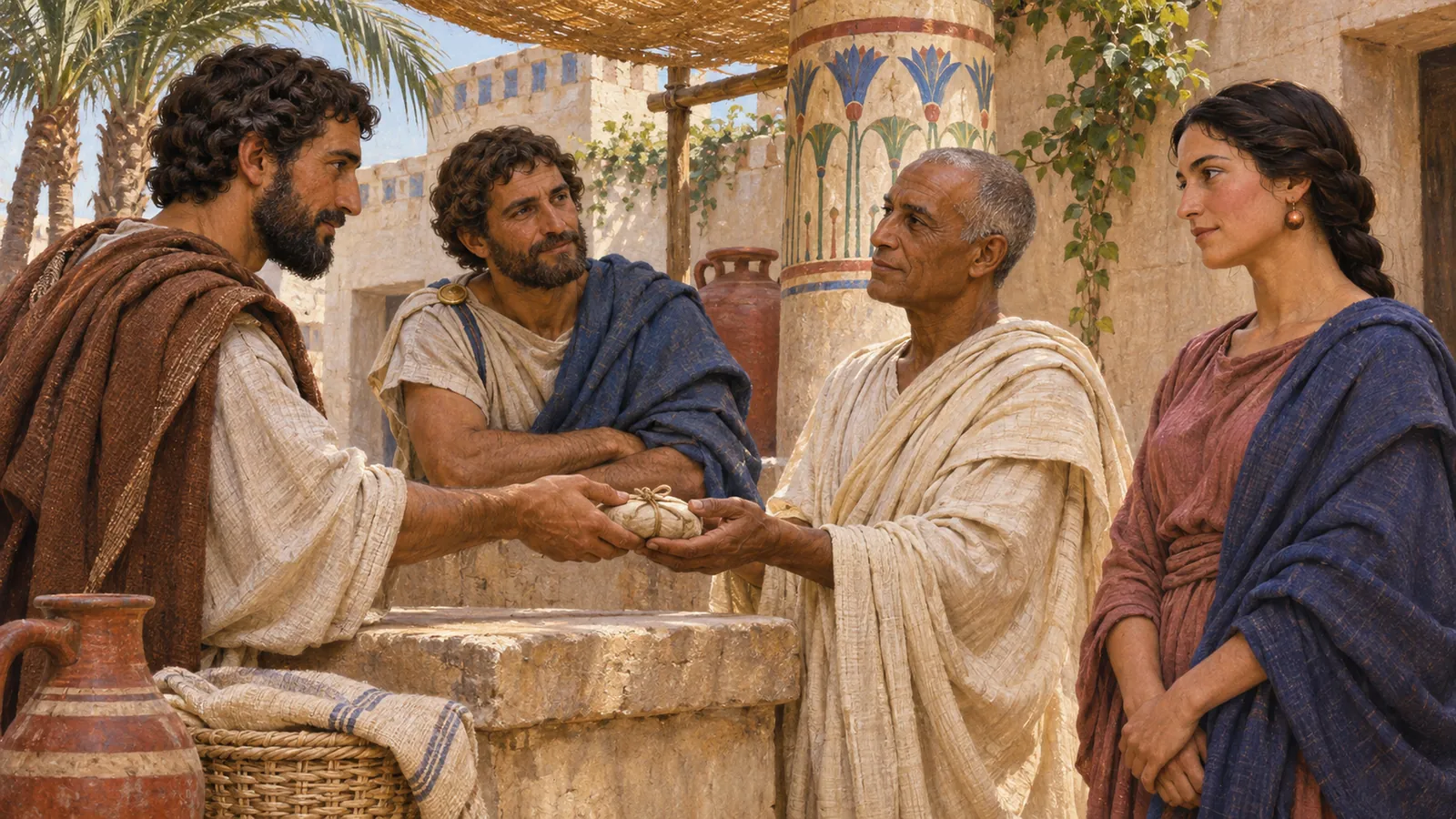
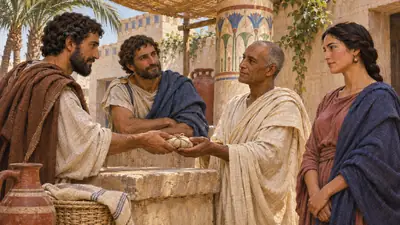
Herodotus says Charaxus paid a large sum for Rhodopis’s freedom in Egypt. He identifies Charaxus as the son of Scamandronymus and the brother of the poet Sappho.
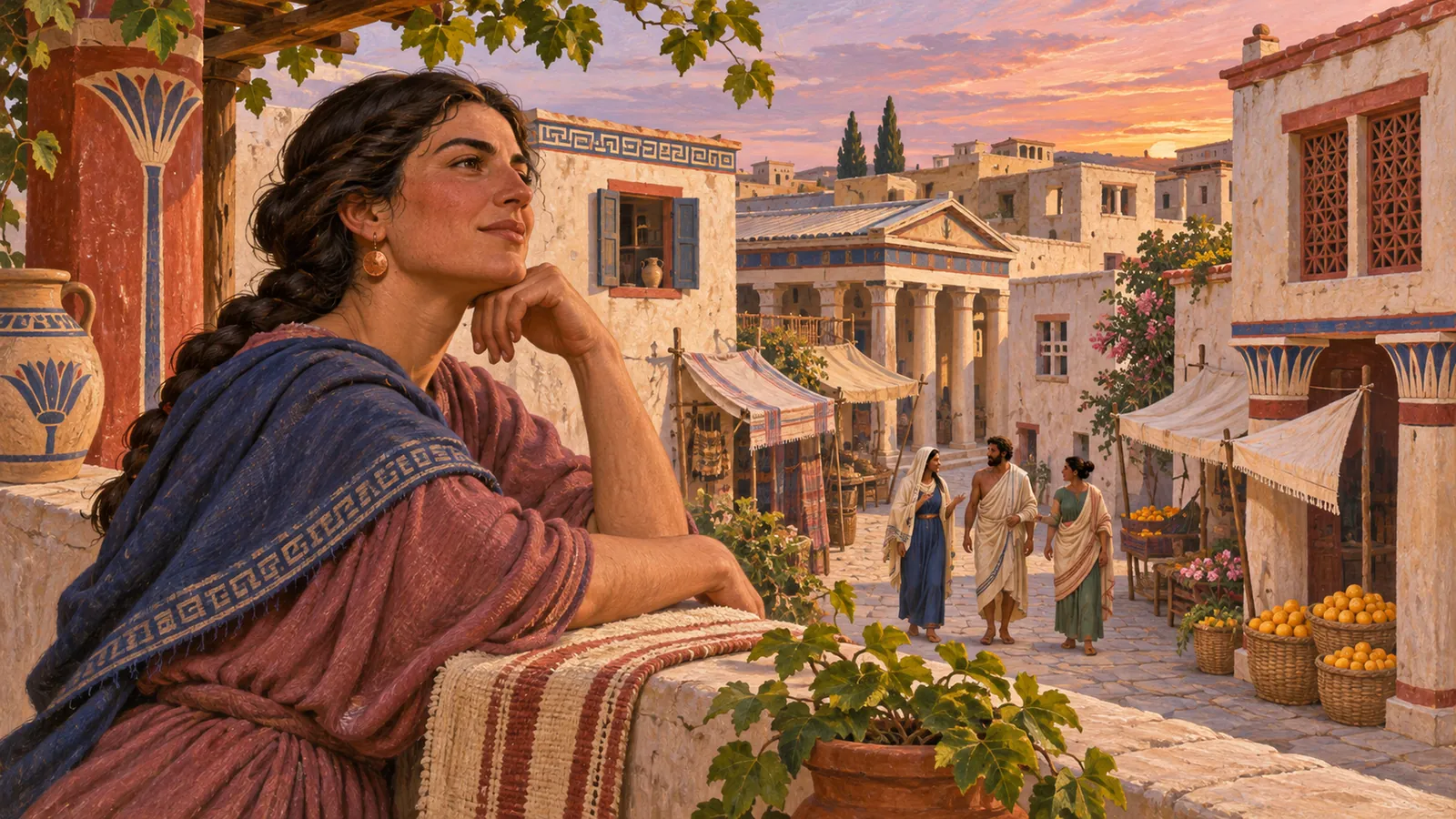
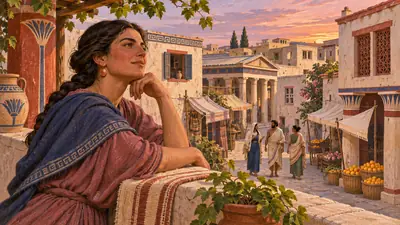
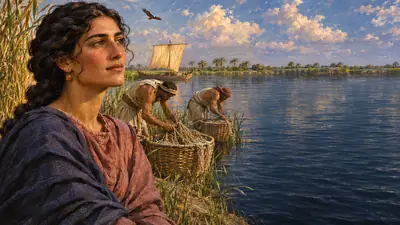
Rhodopis stayed in Egypt after she was freed. She worked as a courtesan in Naucratis, and Herodotus says she became wealthy and widely known among the Greeks.
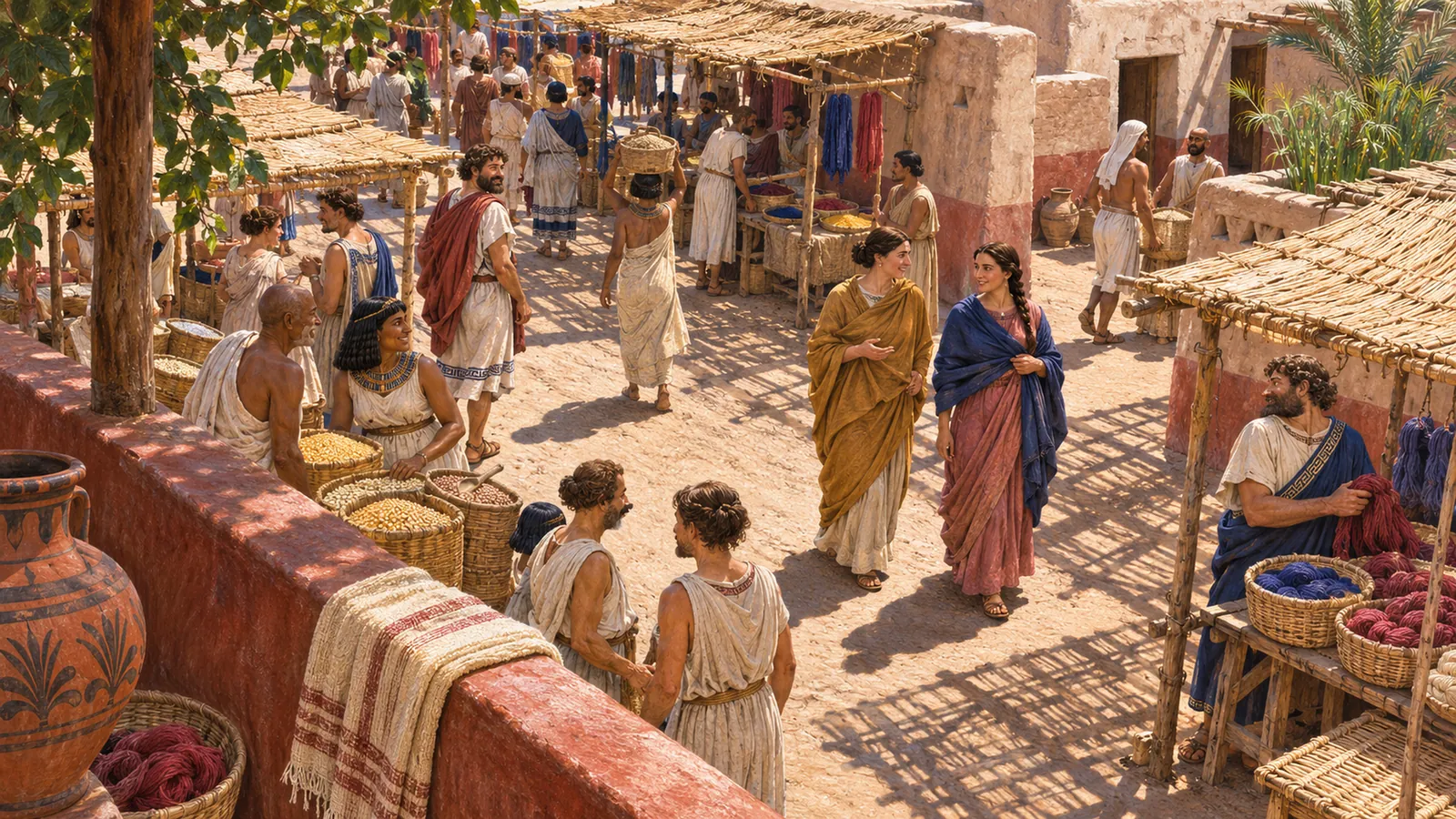
For Herodotus, Rhodopis was the best-known of the women of Naucratis. He names Archidice, another woman celebrated in Greek songs, whose fame he says was smaller.
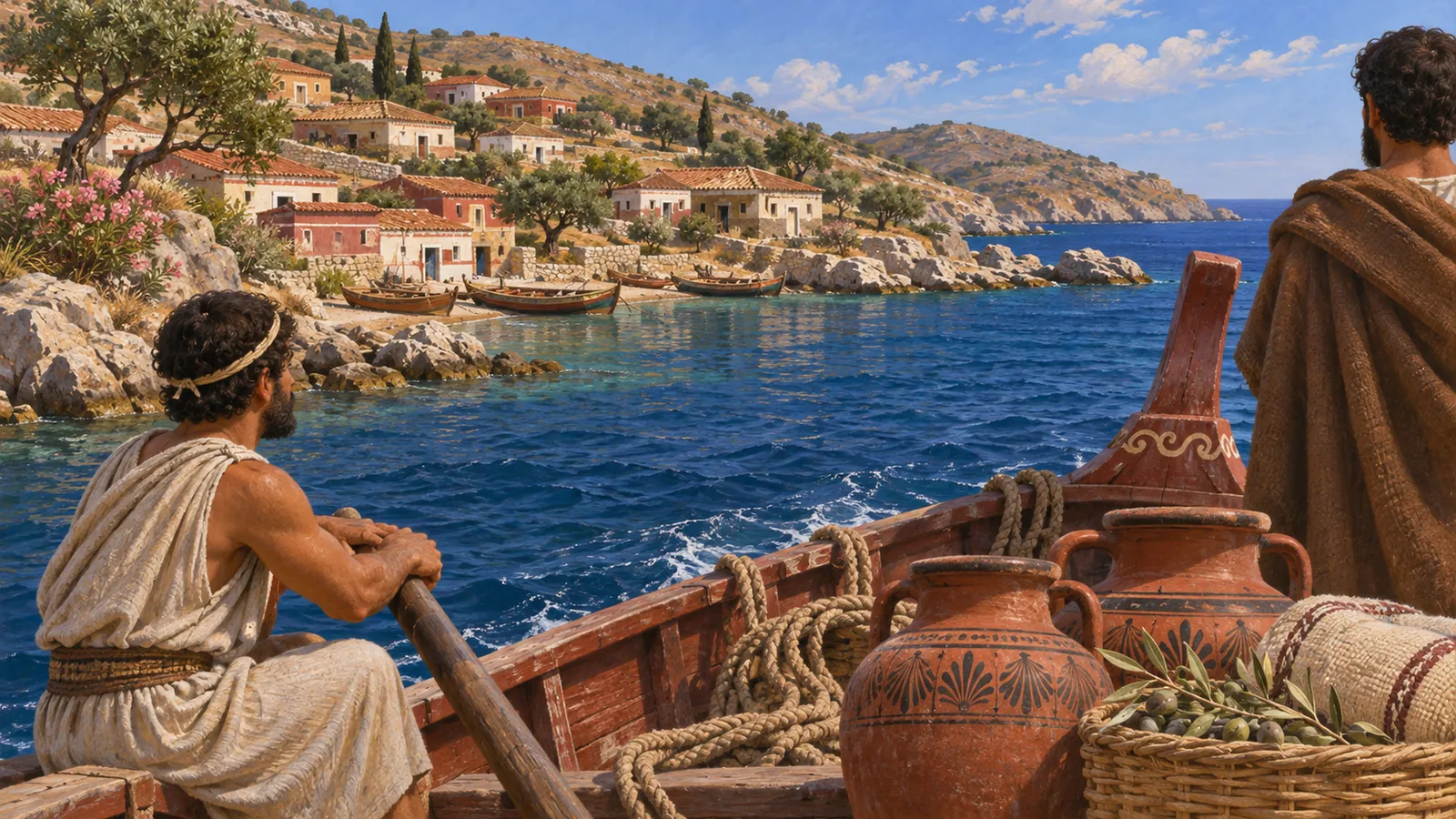
Charaxus went back to Mytilene after paying for Rhodopis’s freedom. In Herodotus’s account, his return brings the story of the merchant back to his sister.
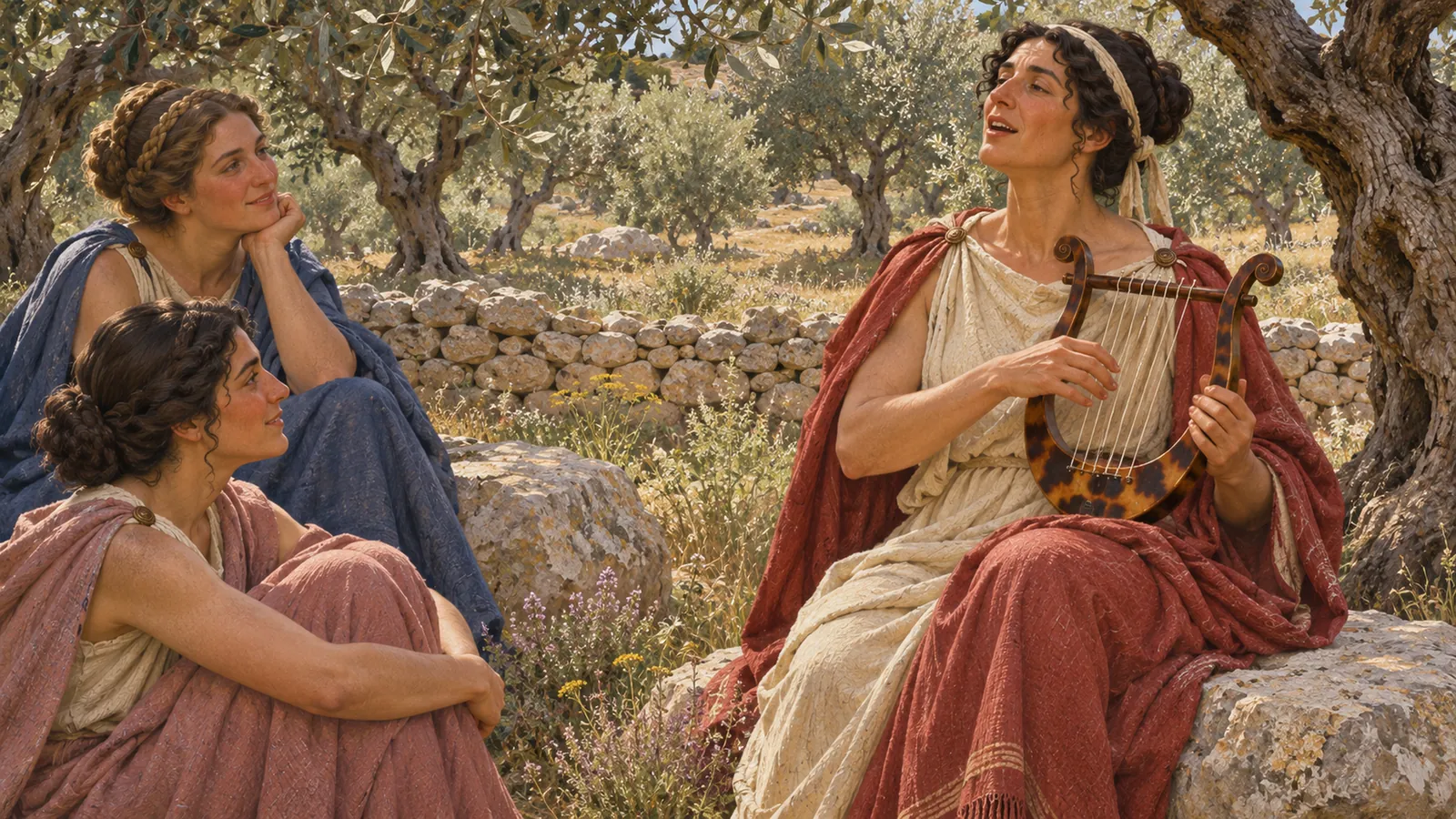
SAPPHO
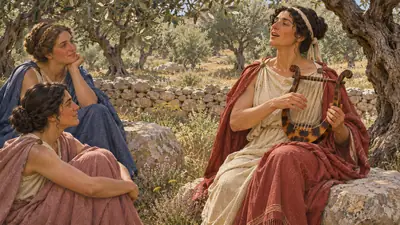
Herodotus says Sappho bitterly reproached Charaxus in a song. He gives no verses from it, and the surviving poems about the family come down in fragments.
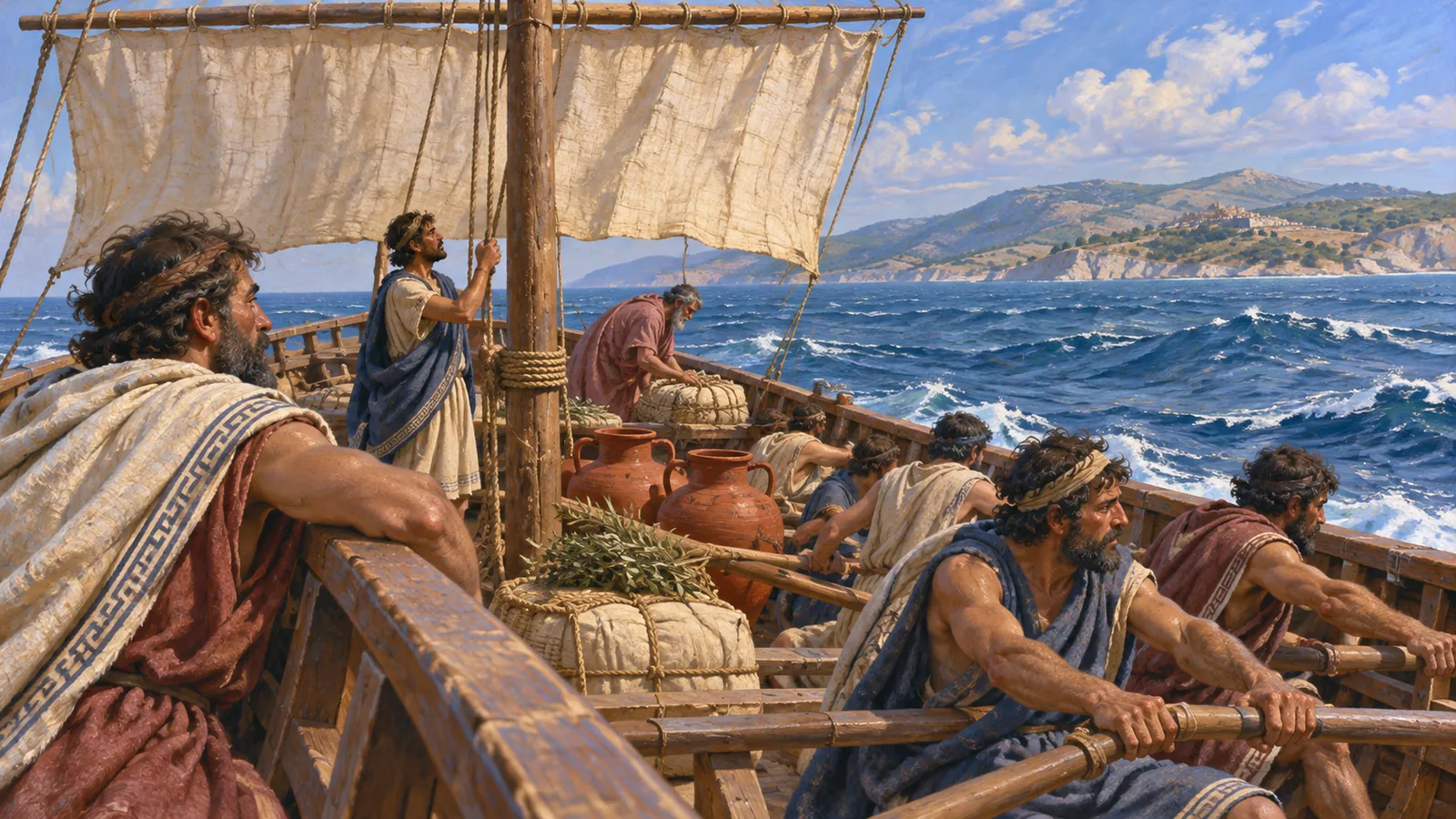
A surviving song by Sappho names Charaxus. Its speaker longs for him to return safely and wants to pray to Hera for the ship and those waiting at home.
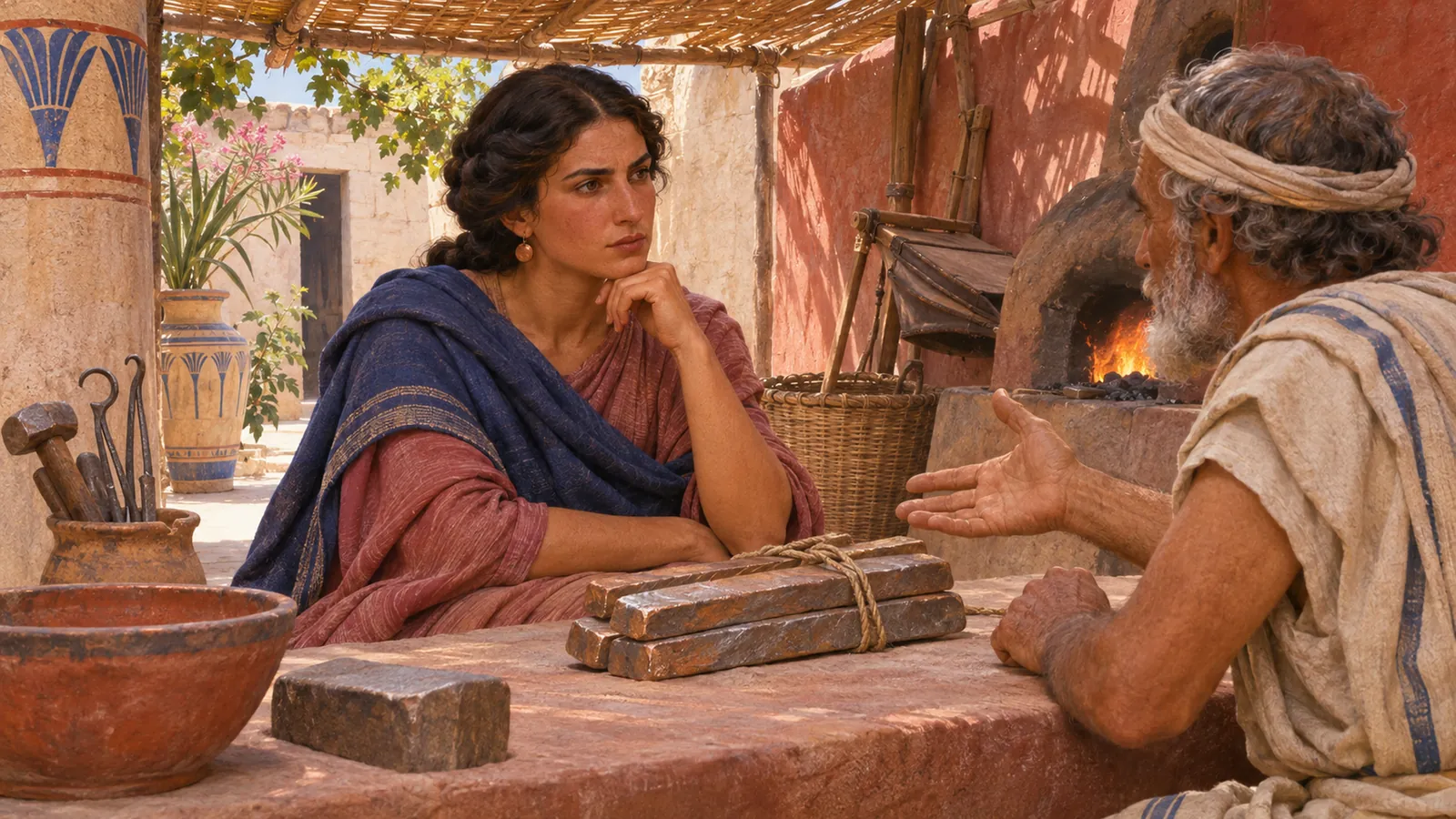
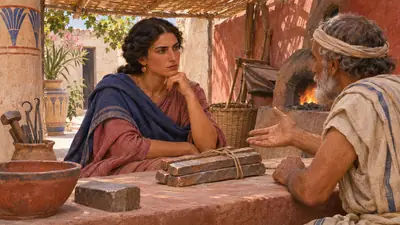
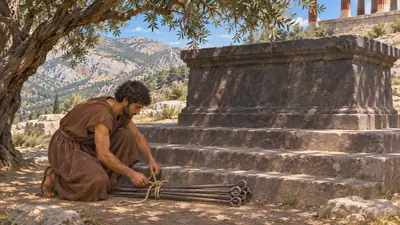
Rhodopis wanted to leave a memorial in Greece. Herodotus says she set aside one tenth of her wealth to commission a dedication unlike any already made at Delphi.
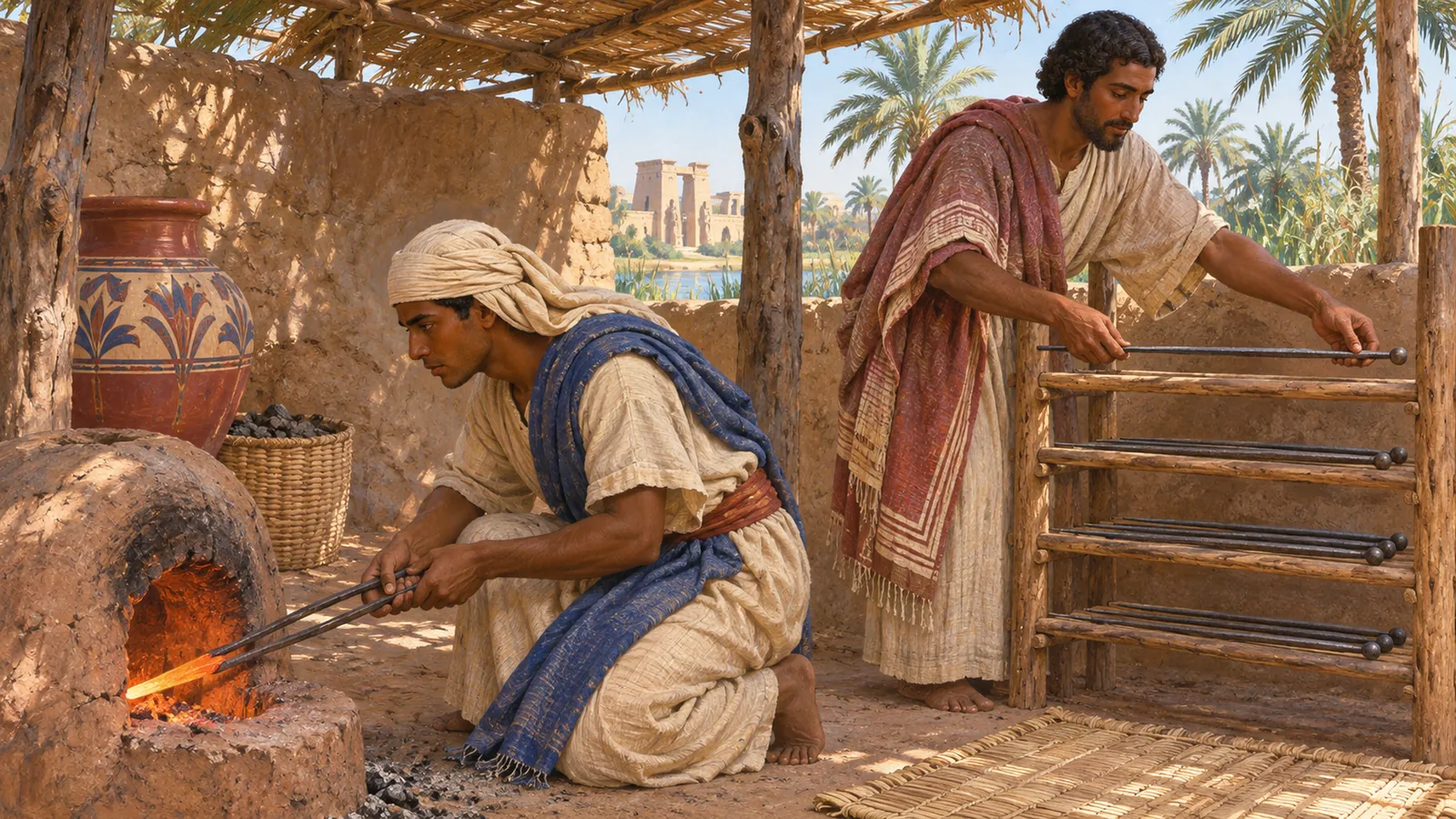
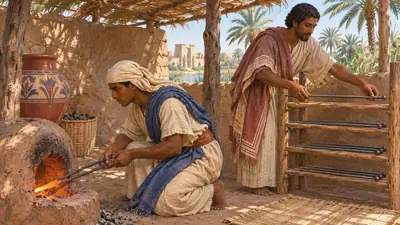
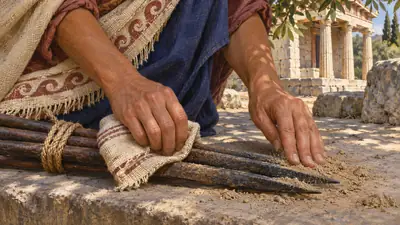
She bought as many iron spits as her tenth would pay for. They were roasting spits for oxen, large practical tools given to a sanctuary.
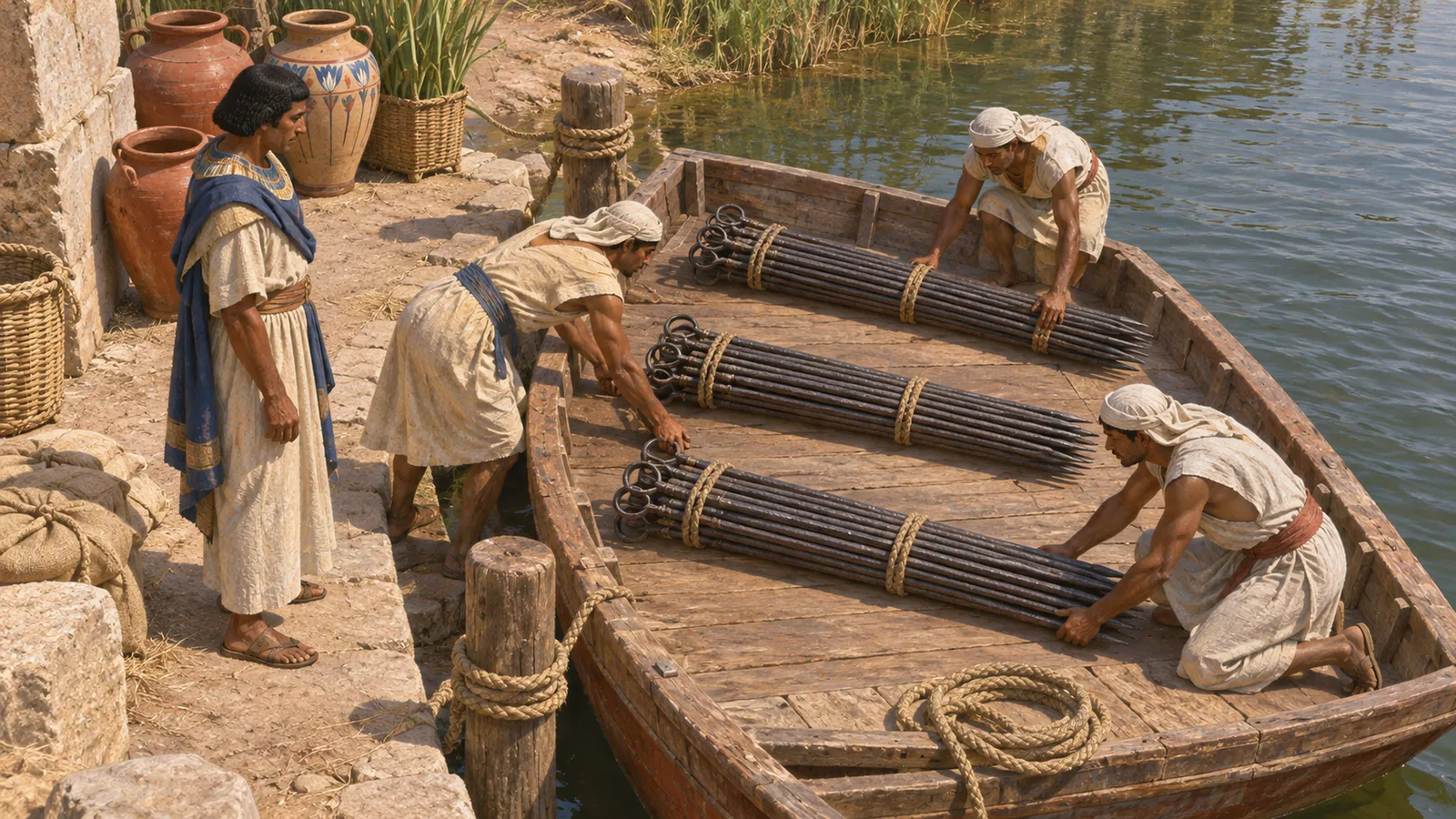
The dedication had to travel from Egypt to Greece. In Herodotus’s account the gift is Rhodopis’s own decision, and she sends it to Delphi.
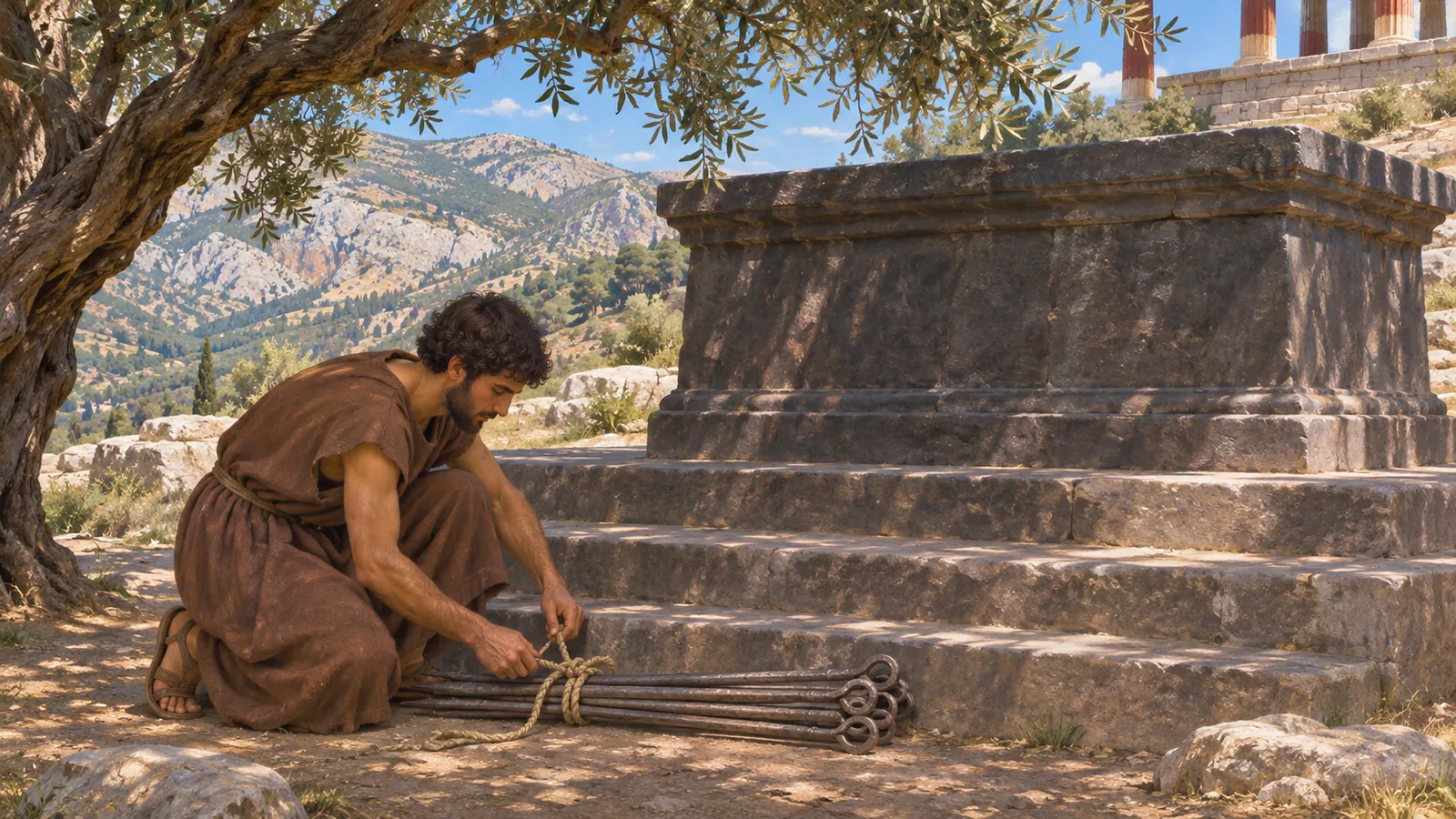
Herodotus places the spits near the Chian altar, in front of the shrine at Delphi. He says the heap was still there in his day.
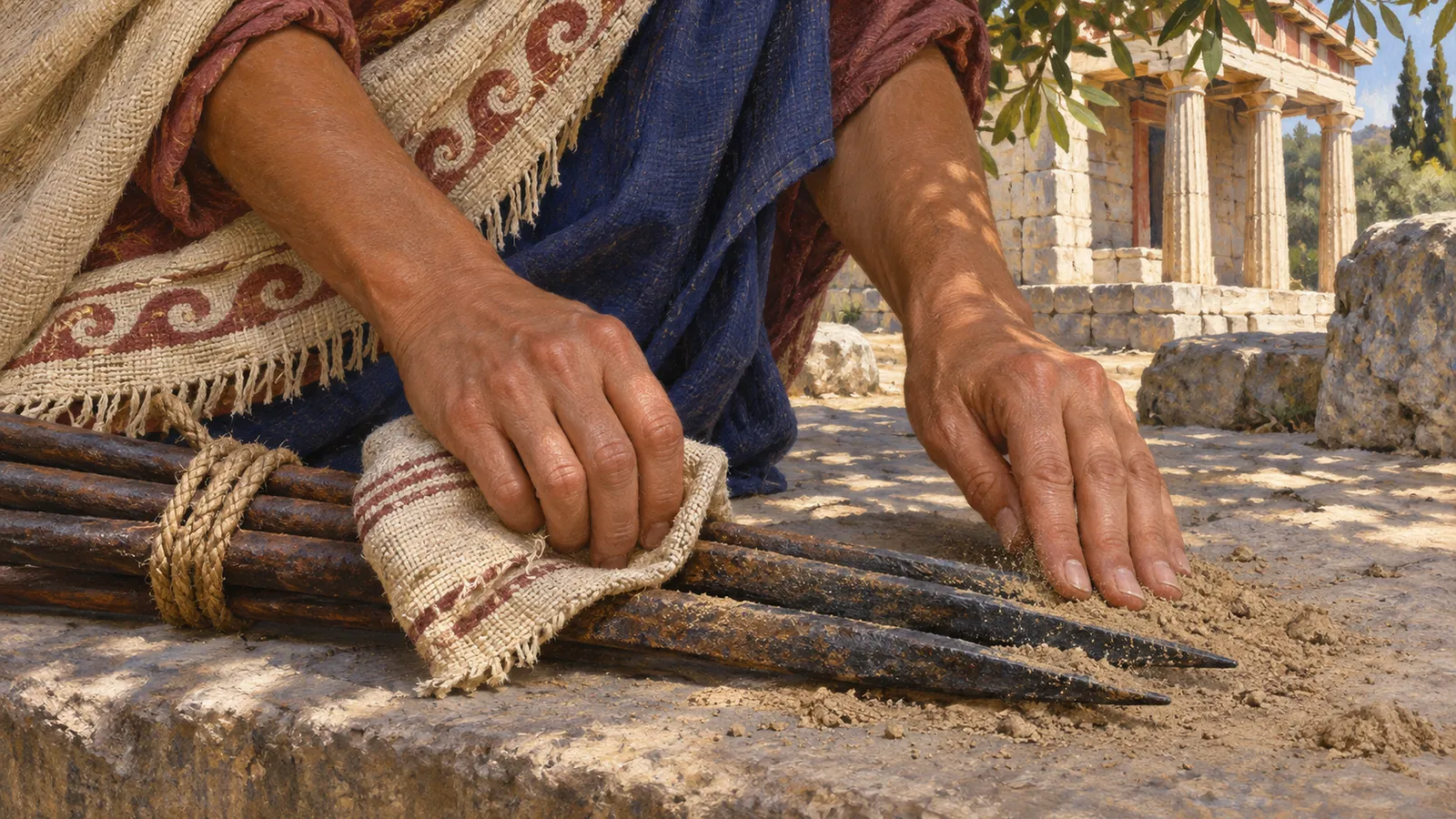
For Herodotus, anyone who knew what a tenth of her wealth bought could judge whether she might have built a pyramid. He points back to the spits.
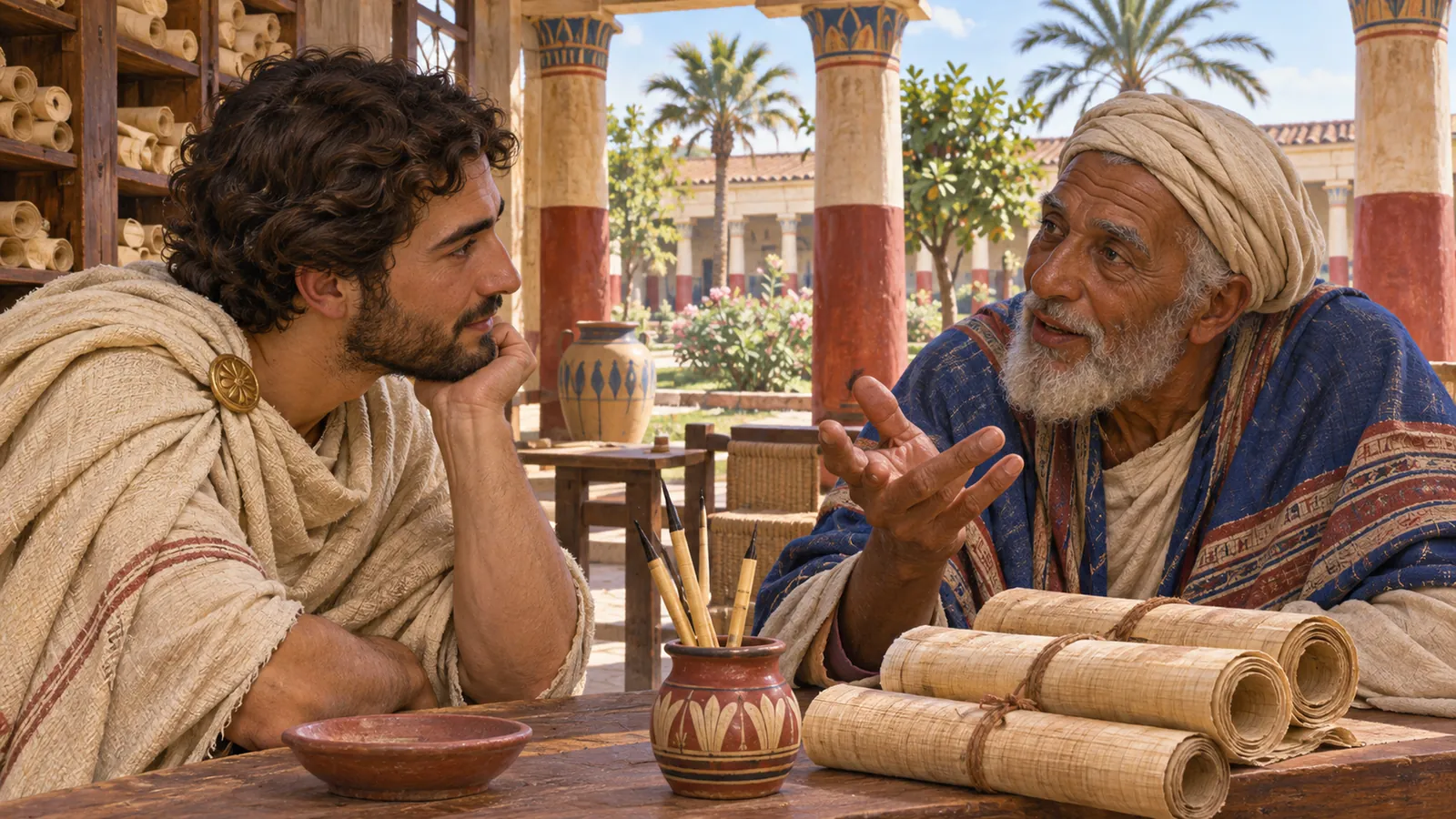
Strabo writes much later. He says Sappho knew the woman associated with Charaxus as Doricha, while others called her Rhodopis. Later, Athenaeus disputes that identification.
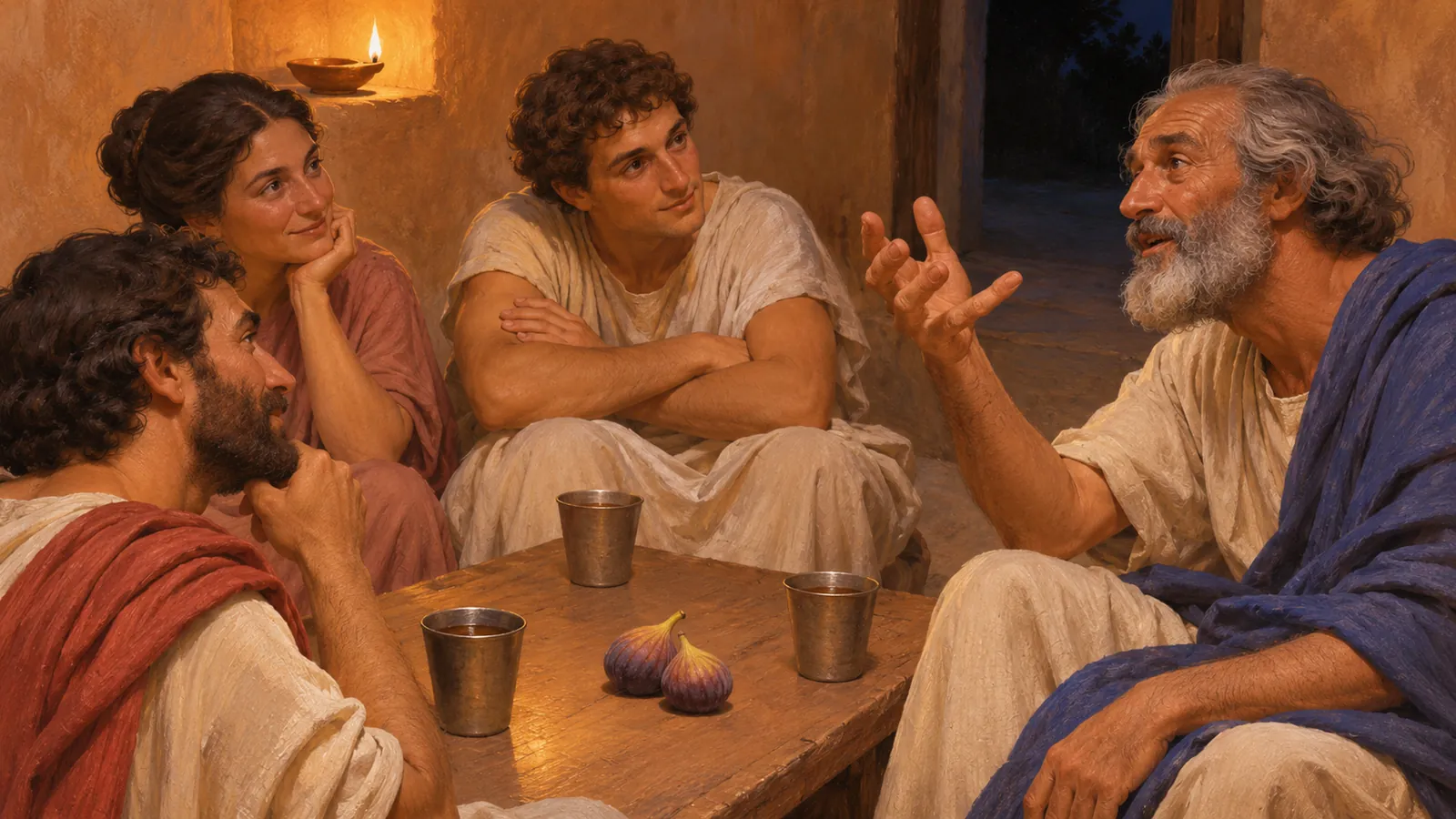
Athenaeus says Doricha and the woman who sent the spits to Delphi were two people. His objection shows that even ancient readers disagreed about the woman’s identity.
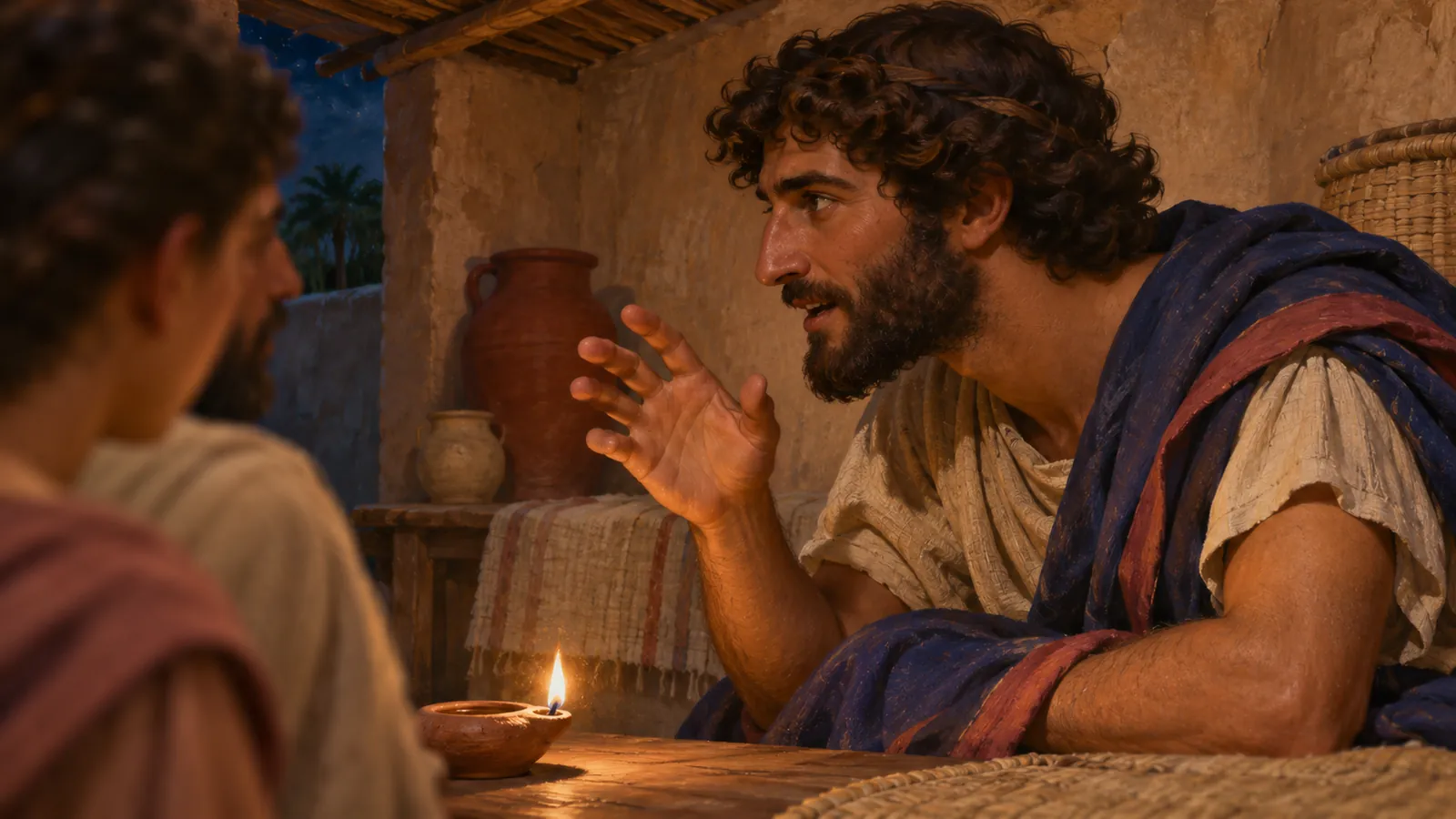
THE EAGLE
Strabo records the claim that admirers built the pyramid for the woman. He then tells a wonder tale that takes her from Naucratis to the royal court.
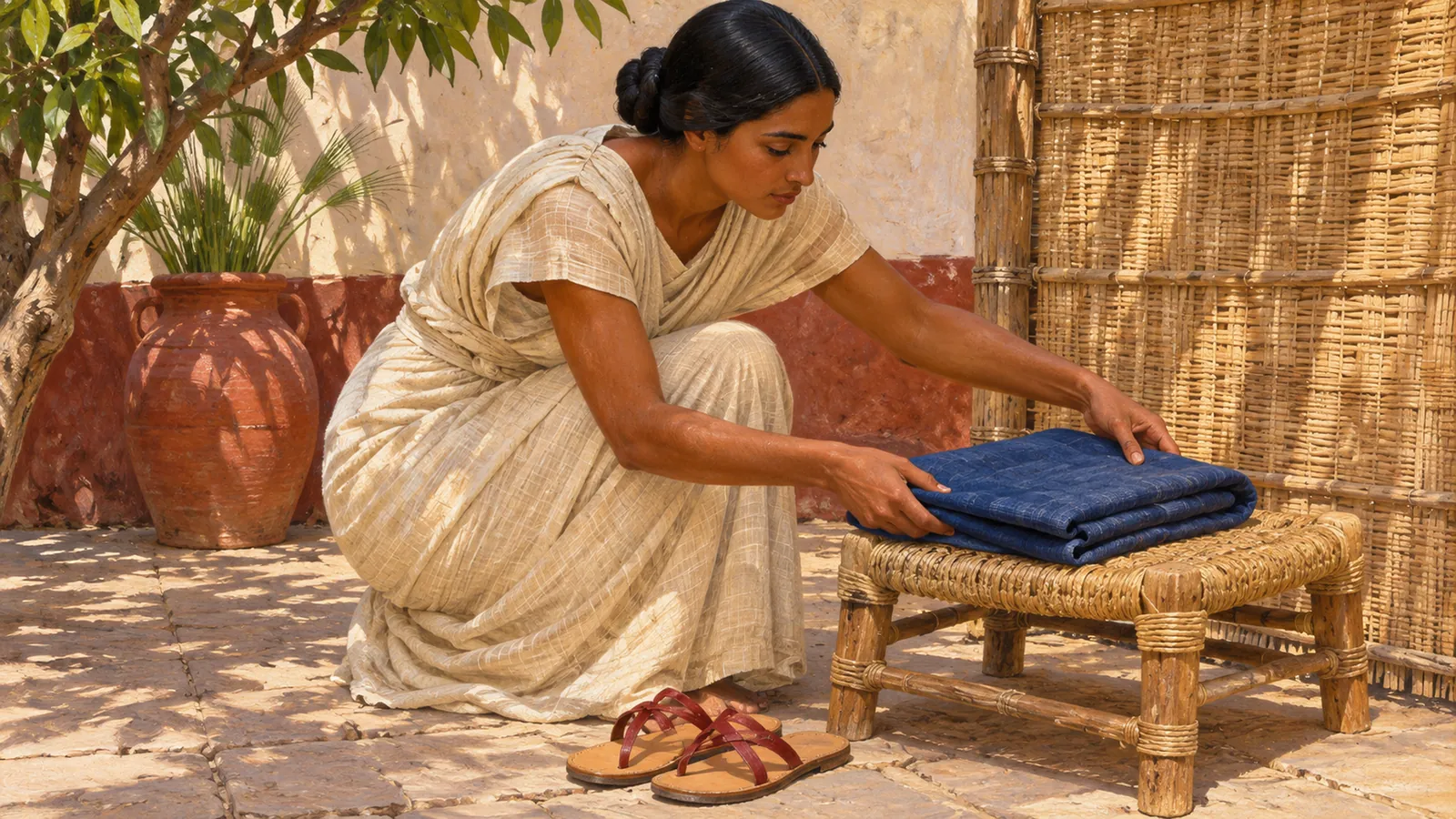
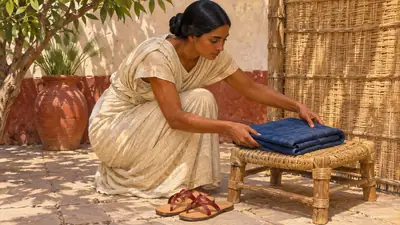
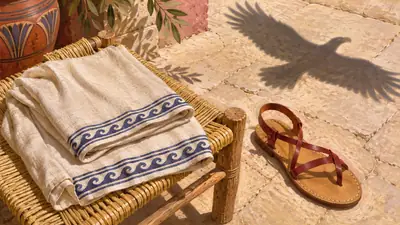
In Strabo’s tale, Rhodopis is bathing and a maid has her sandals. It is an ordinary moment beside the bath, before anything remarkable happens.
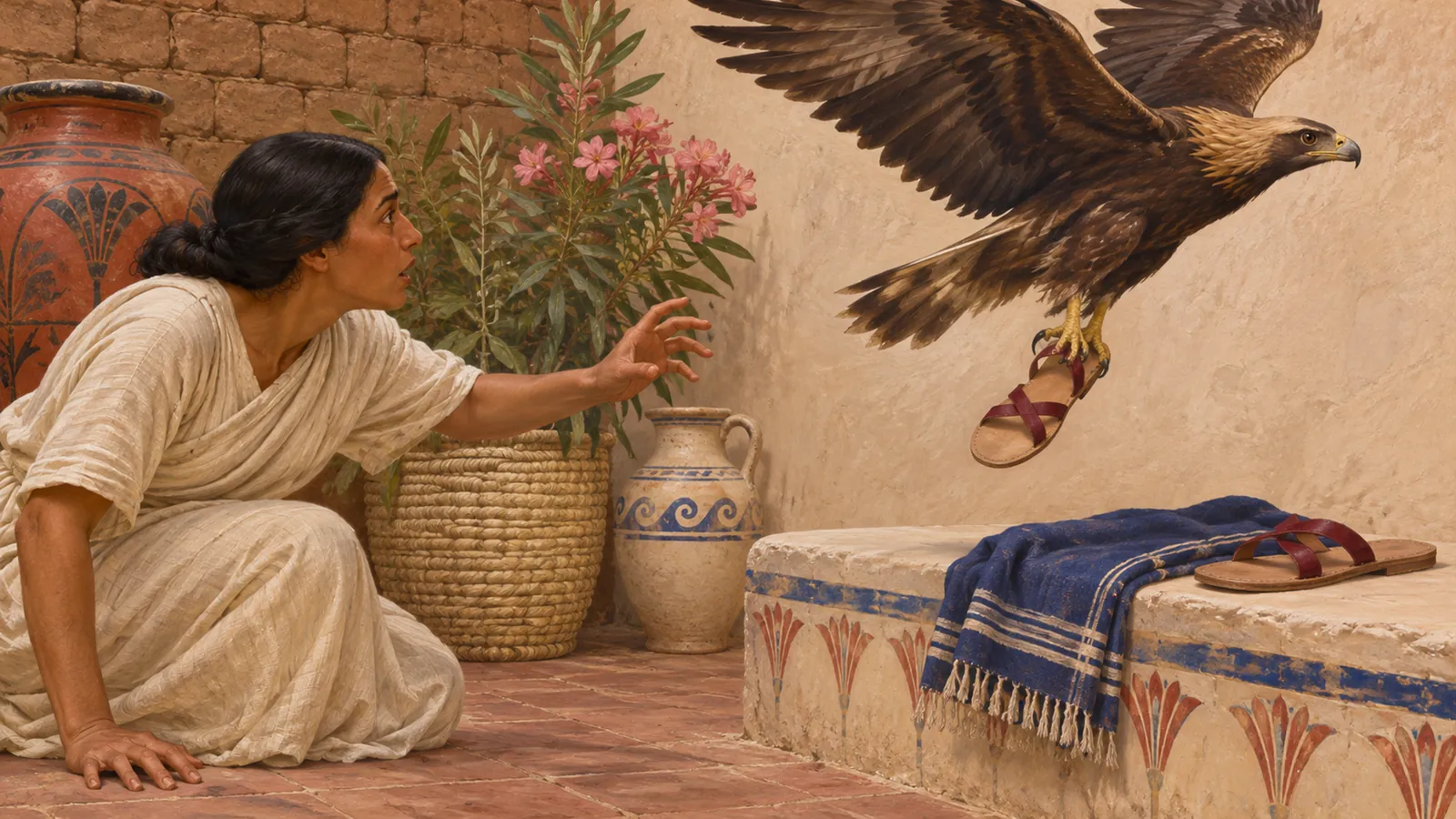
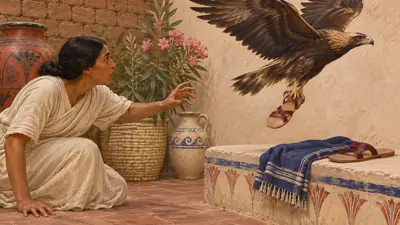
An eagle swoops down and snatches one sandal from the maid. The maid is left with its mate while the bird rises out of reach.
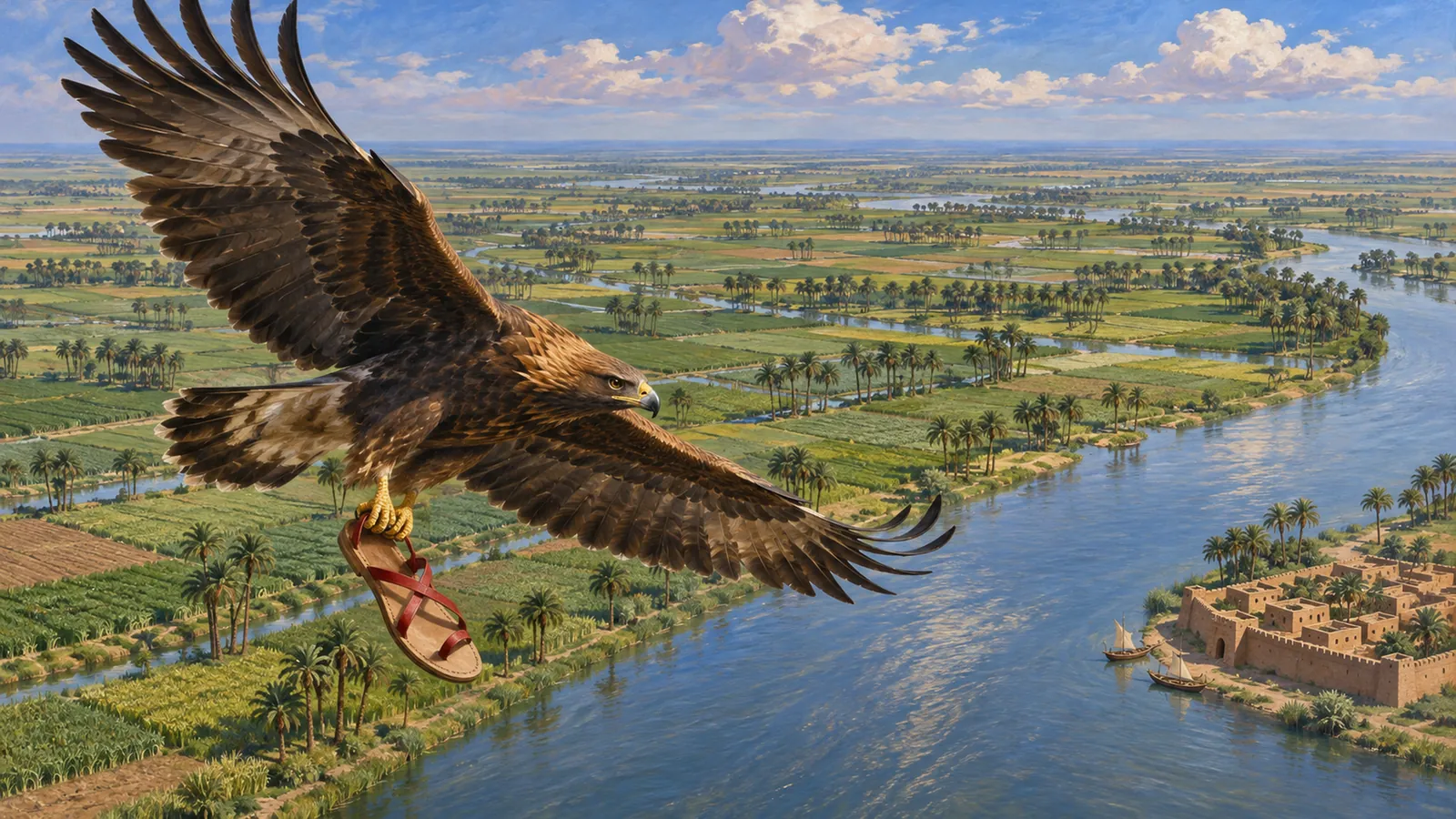
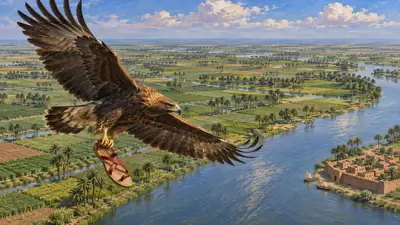
The eagle carries the sandal to Memphis. The tale spans the distance between a mercantile port in the Delta and a city near its southern tip.
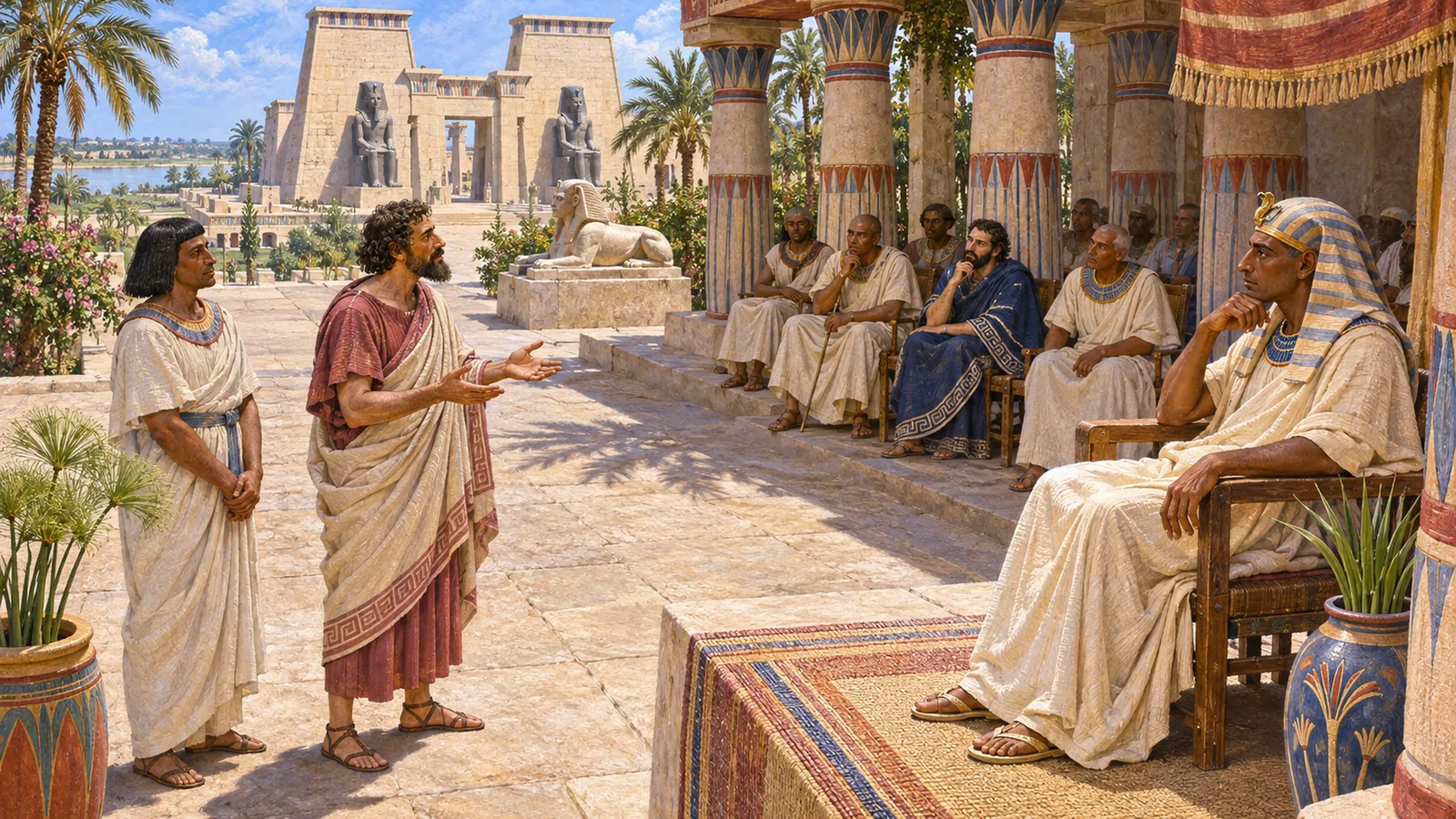
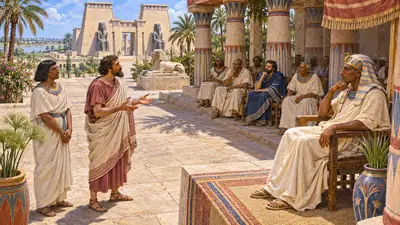
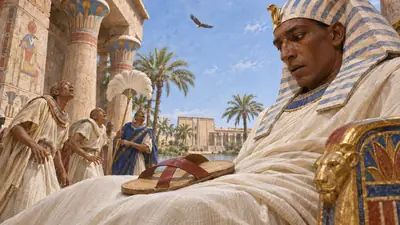
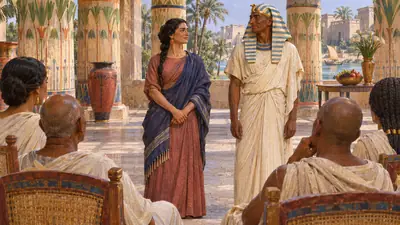
At Memphis the king is hearing cases in the open air. Strabo gives him no name and places the unexpected arrival in the middle of his ordinary work.
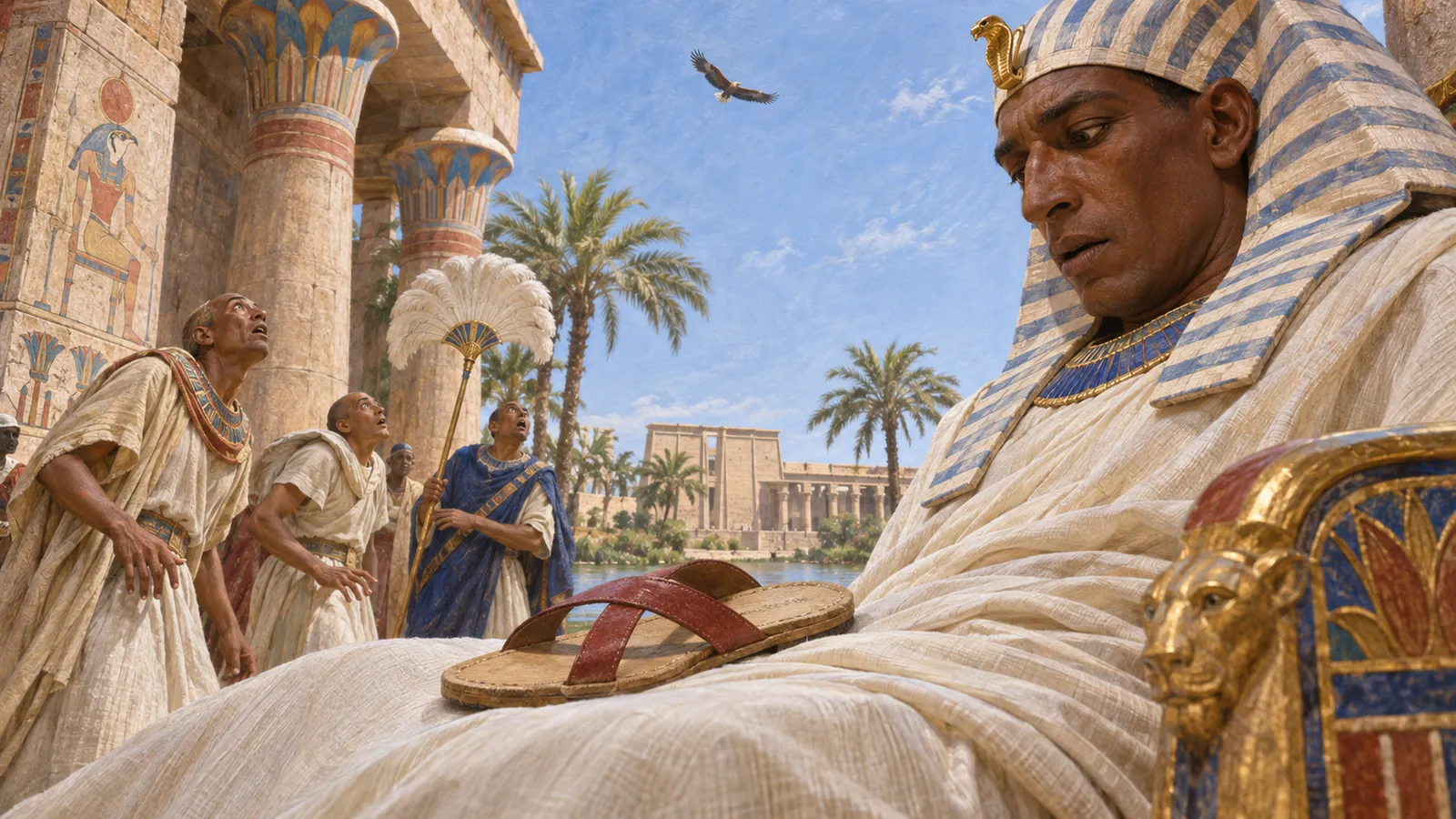
The eagle passes directly over the king and drops the sandal. It falls into his lap. The people at the audience suddenly have something else to look at.
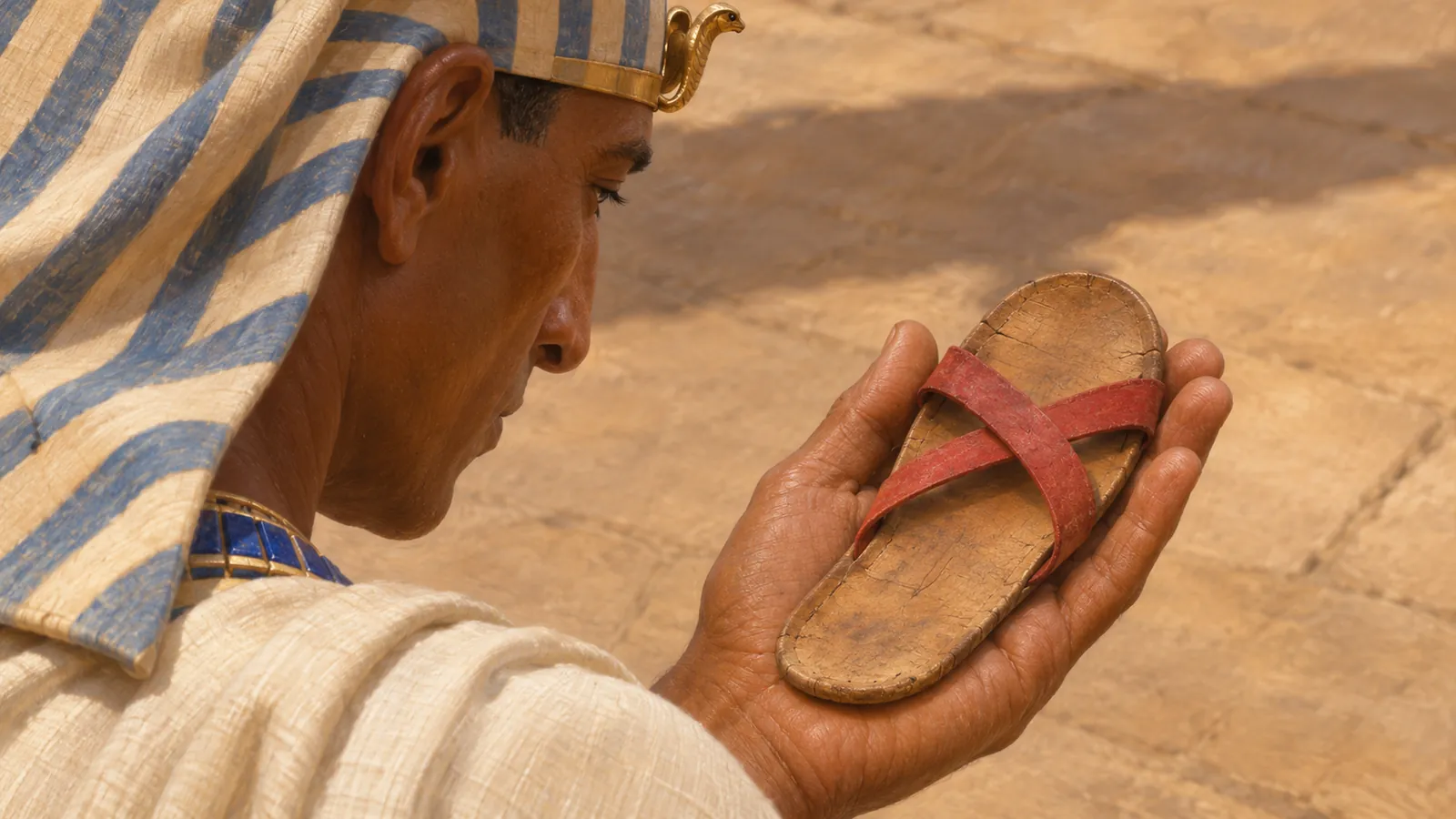
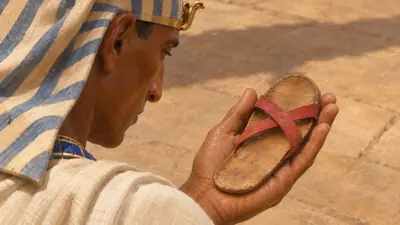
The king admires the sandal’s shape and wonders at the way it arrived. The old story gives both surprise and curiosity a part in what happens next.
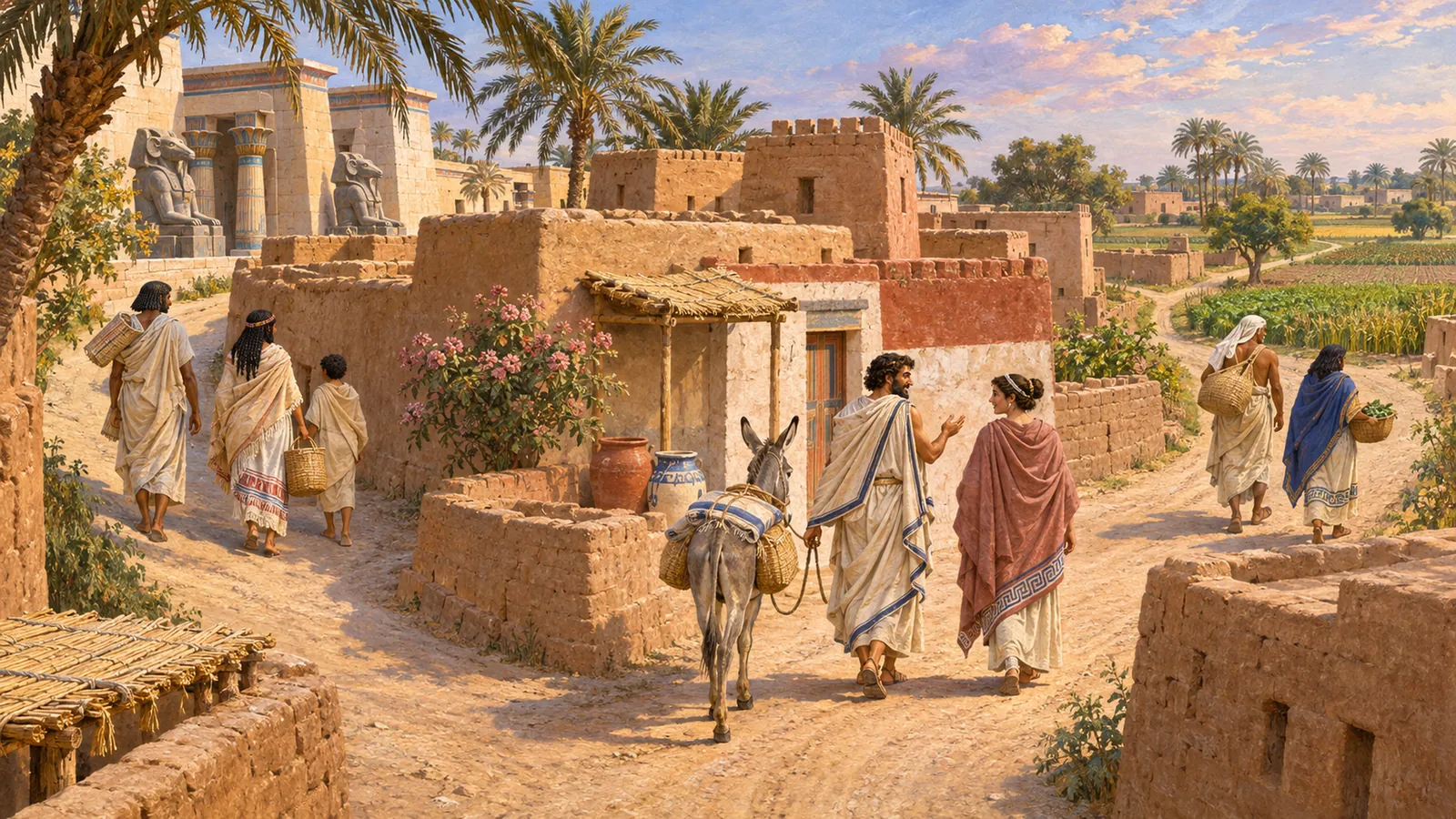
The king sends men in different directions to find the woman who wore the sandal. Strabo gives them the whole country to search before naming the place where they succeed.
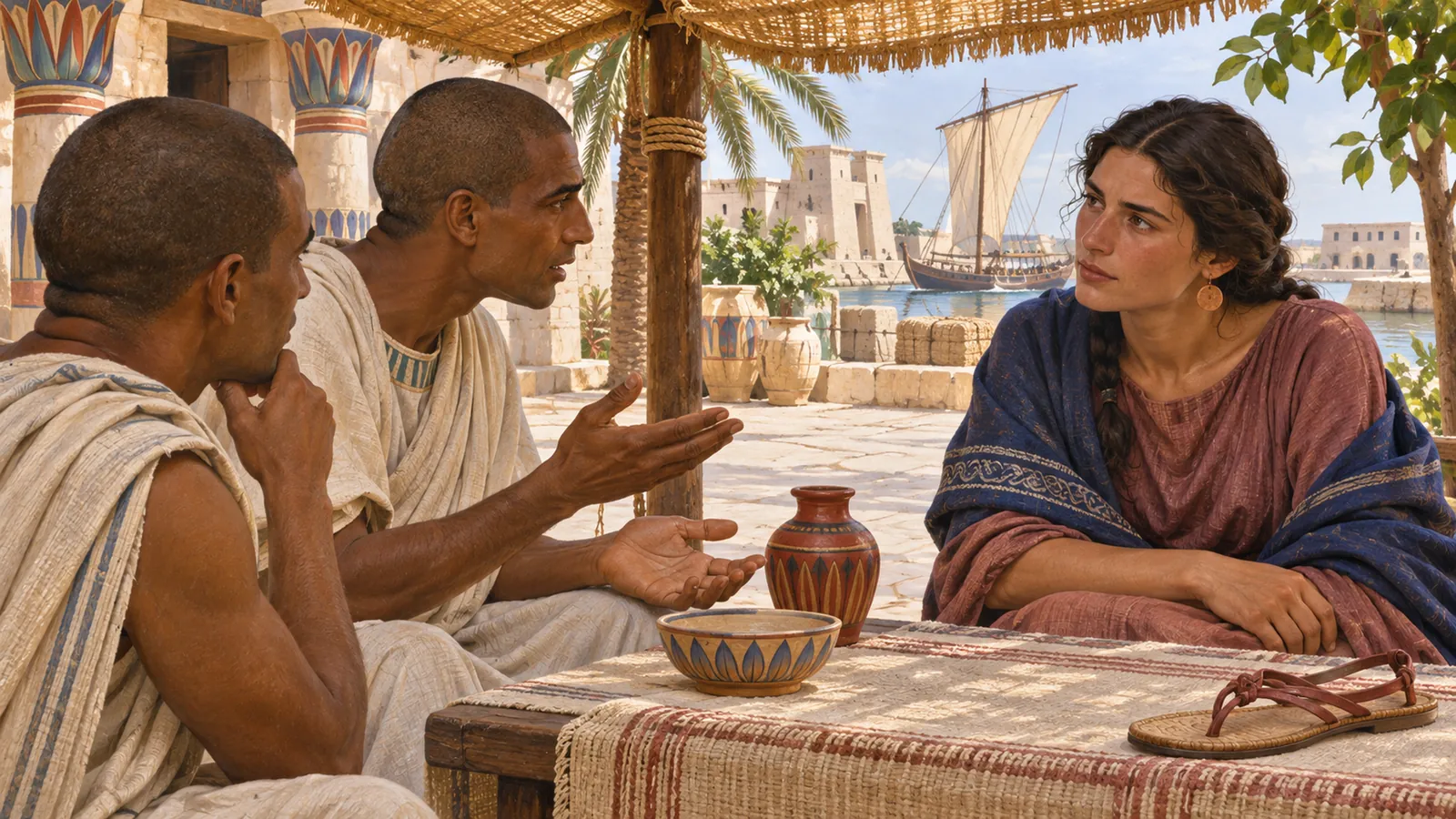
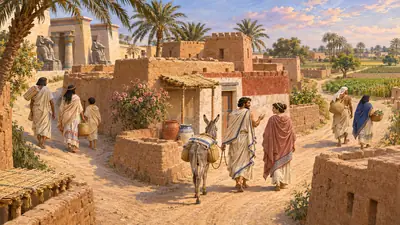
The search ends in Naucratis, where the men find Rhodopis. Strabo names the town and moves on to Memphis without saying how they established the sandal was hers.
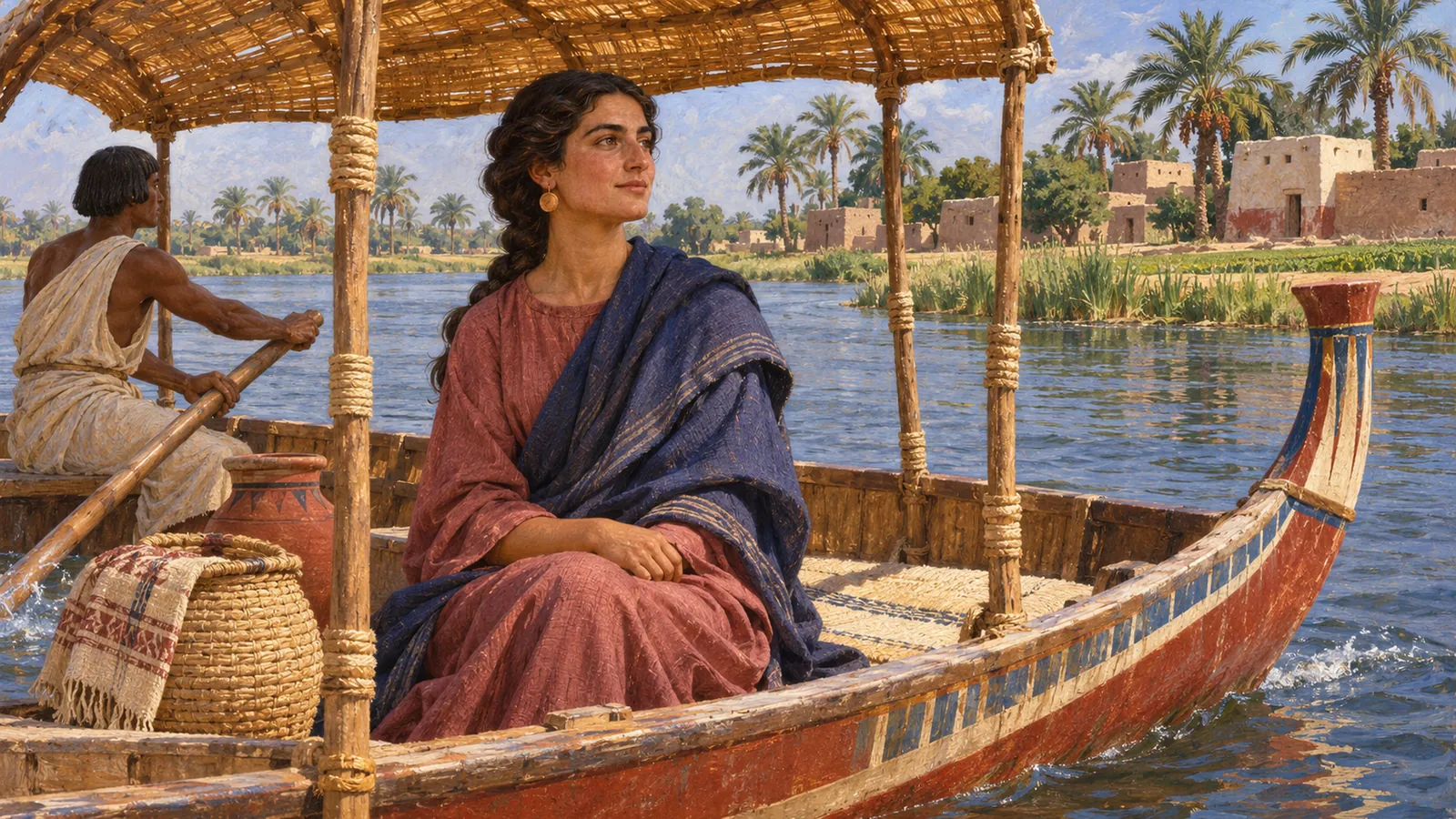
The men bring her to Memphis. In the tale, the journey connects her life at the Delta port with the appearance at the king’s court.
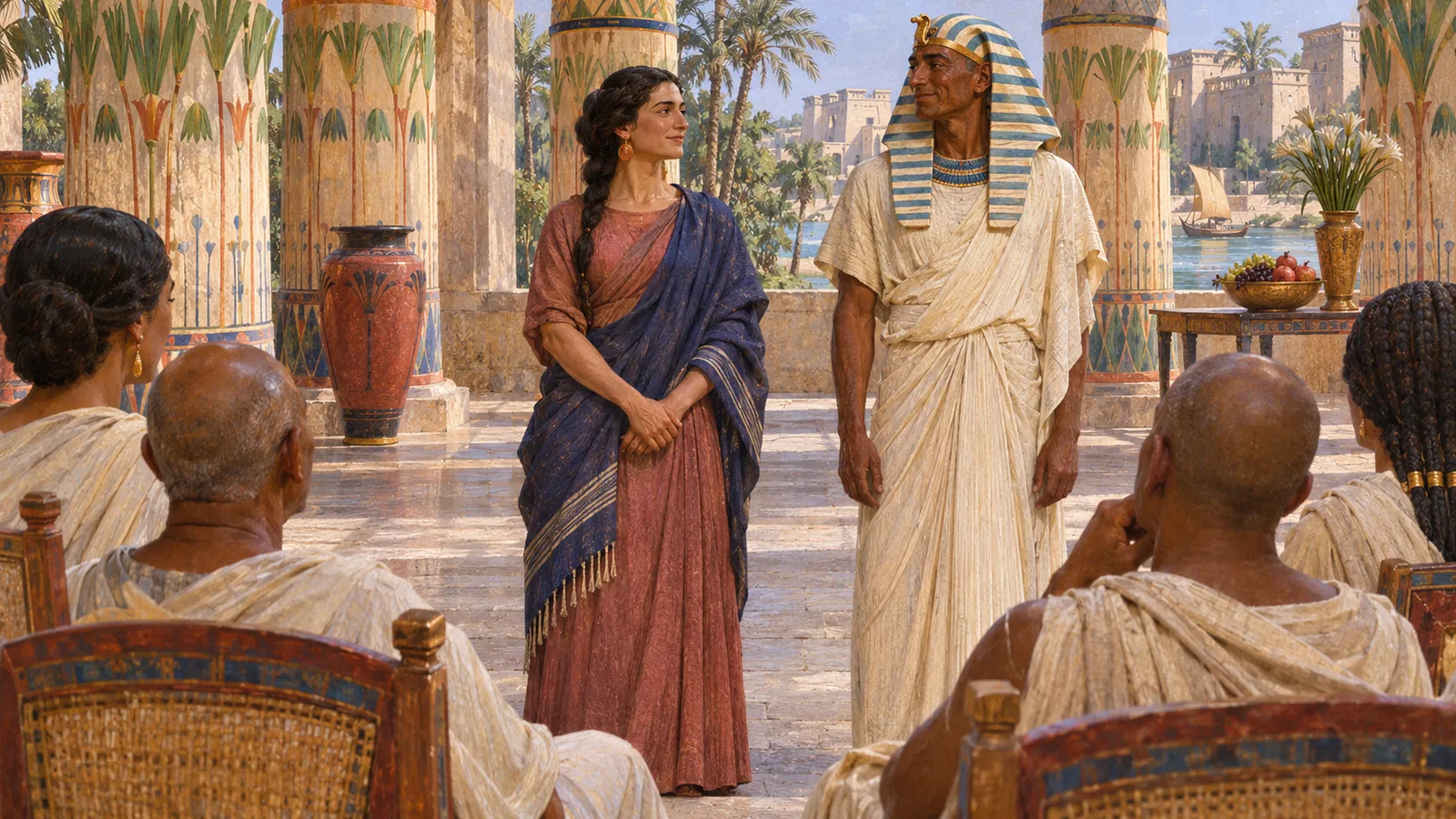
Strabo says she became the king’s wife. The story passes quickly from the discovery to marriage, leaving the sandal as the extraordinary beginning of her life at court.
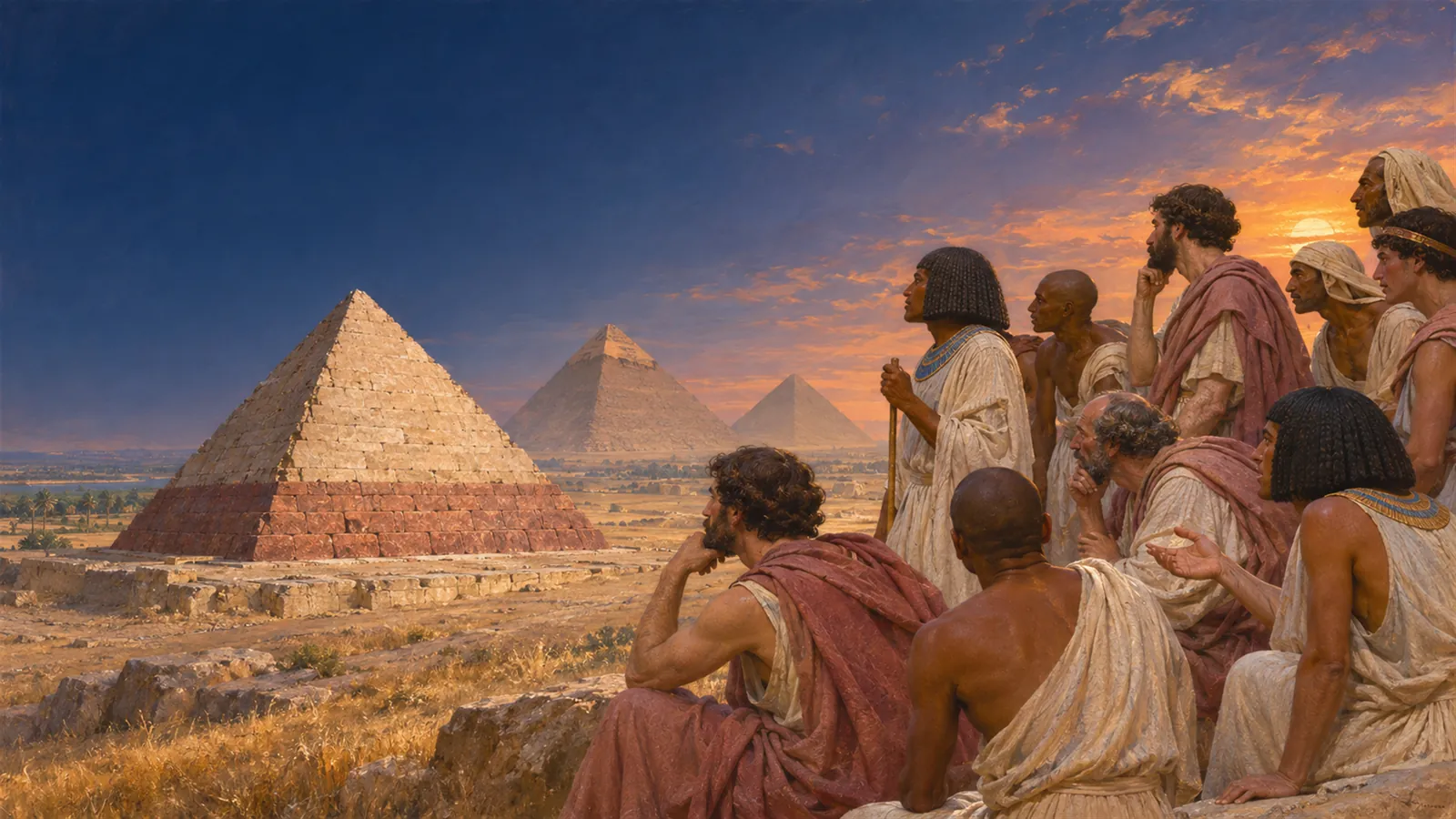
Strabo’s wonder tale also says the king’s wife was honored with the pyramid as a tomb after her death. The attribution belongs to the legend about Menkaure’s monument.
AELIAN
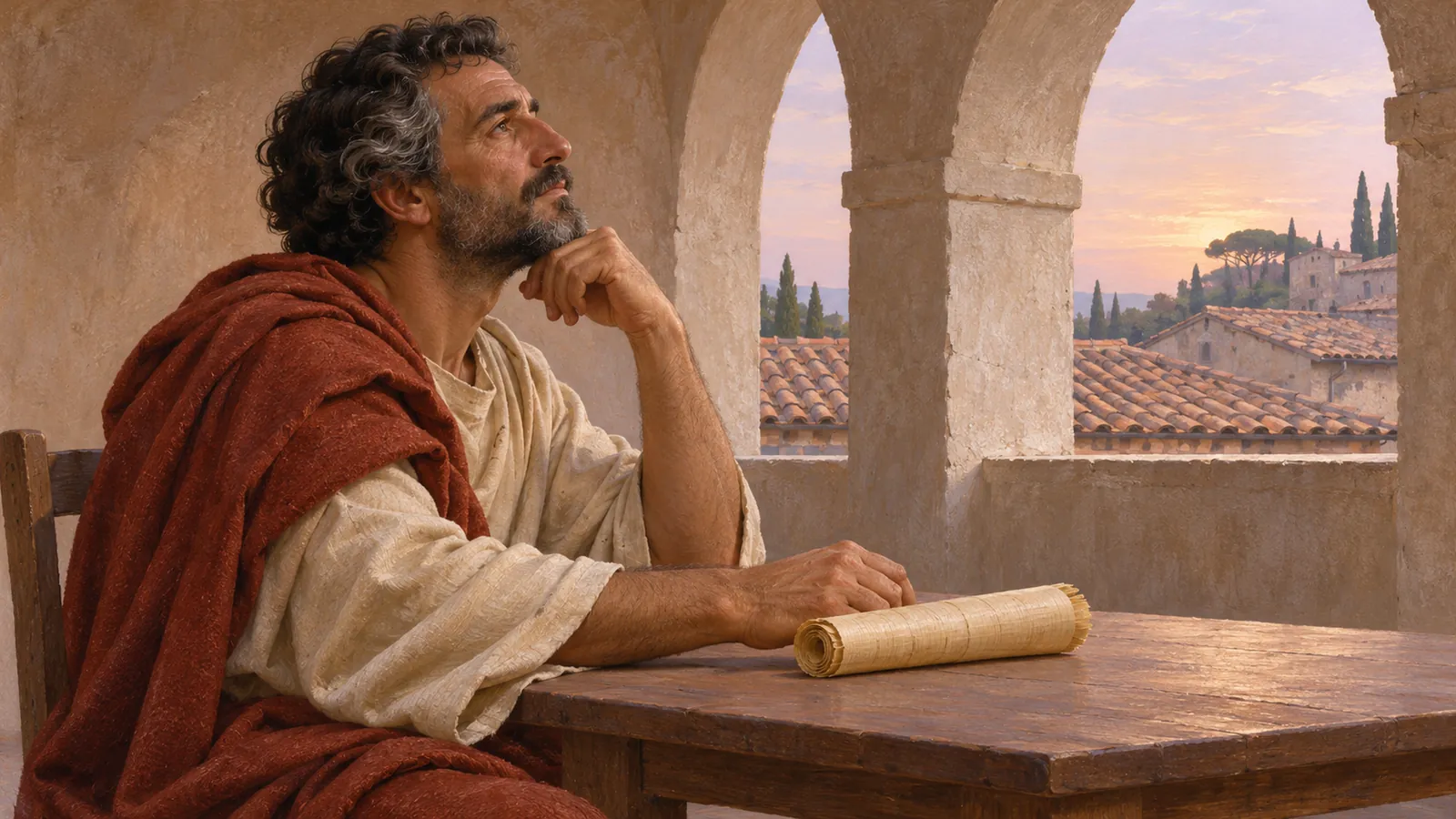
Aelian tells the wonder again and calls the king Psammetichus. He gives the name without a number. The tale leaves his place in the historical succession uncertain.
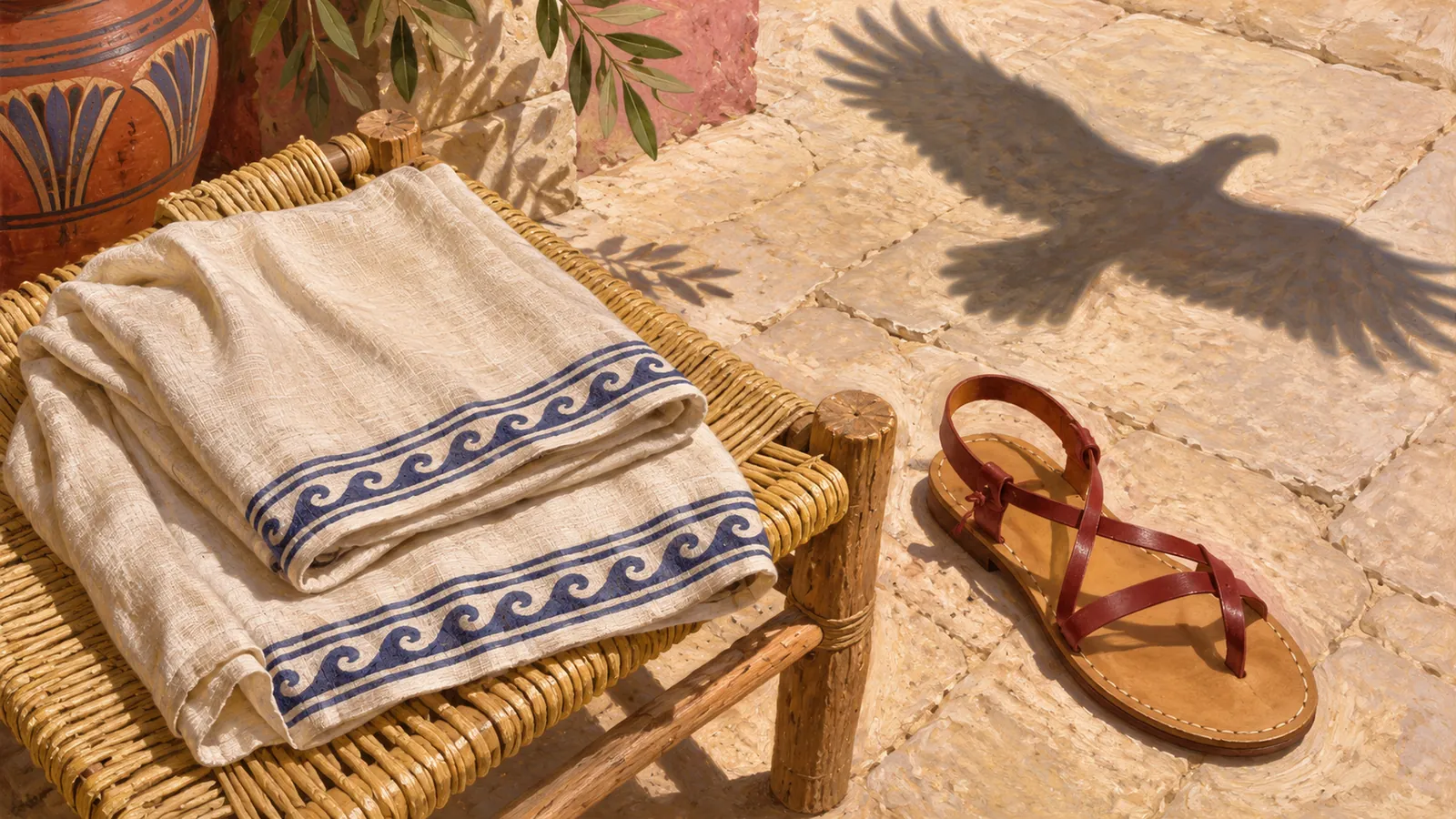
Aelian gives Fortune a part in the incident. His king wonders at the sandal’s workmanship and sends men across Egypt. The account ends with the marriage.
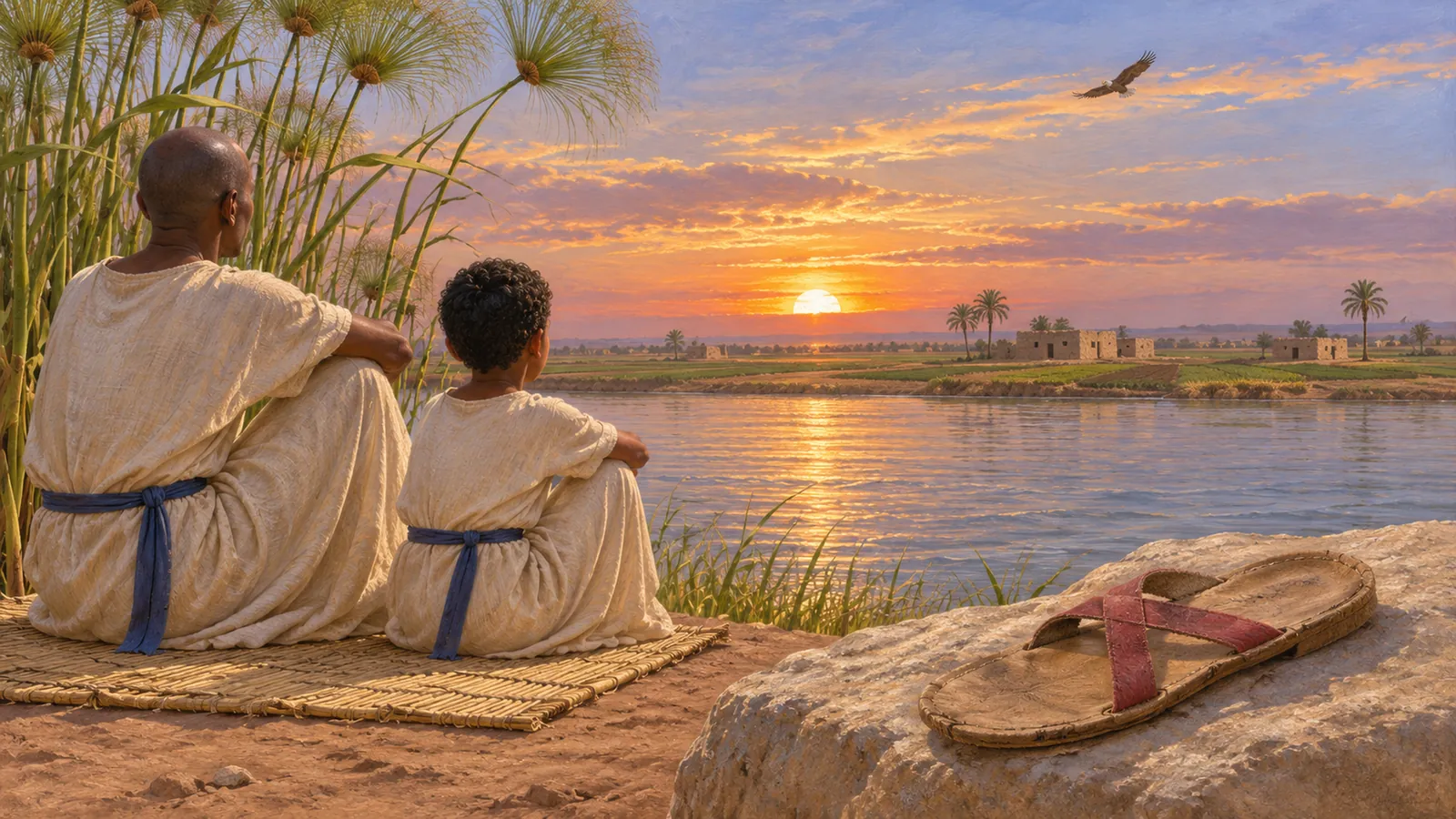
The lost footwear and royal marriage have often brought Cinderella to mind. The ancient story has its own bird and setting, and no established line of transmission connects the tales.
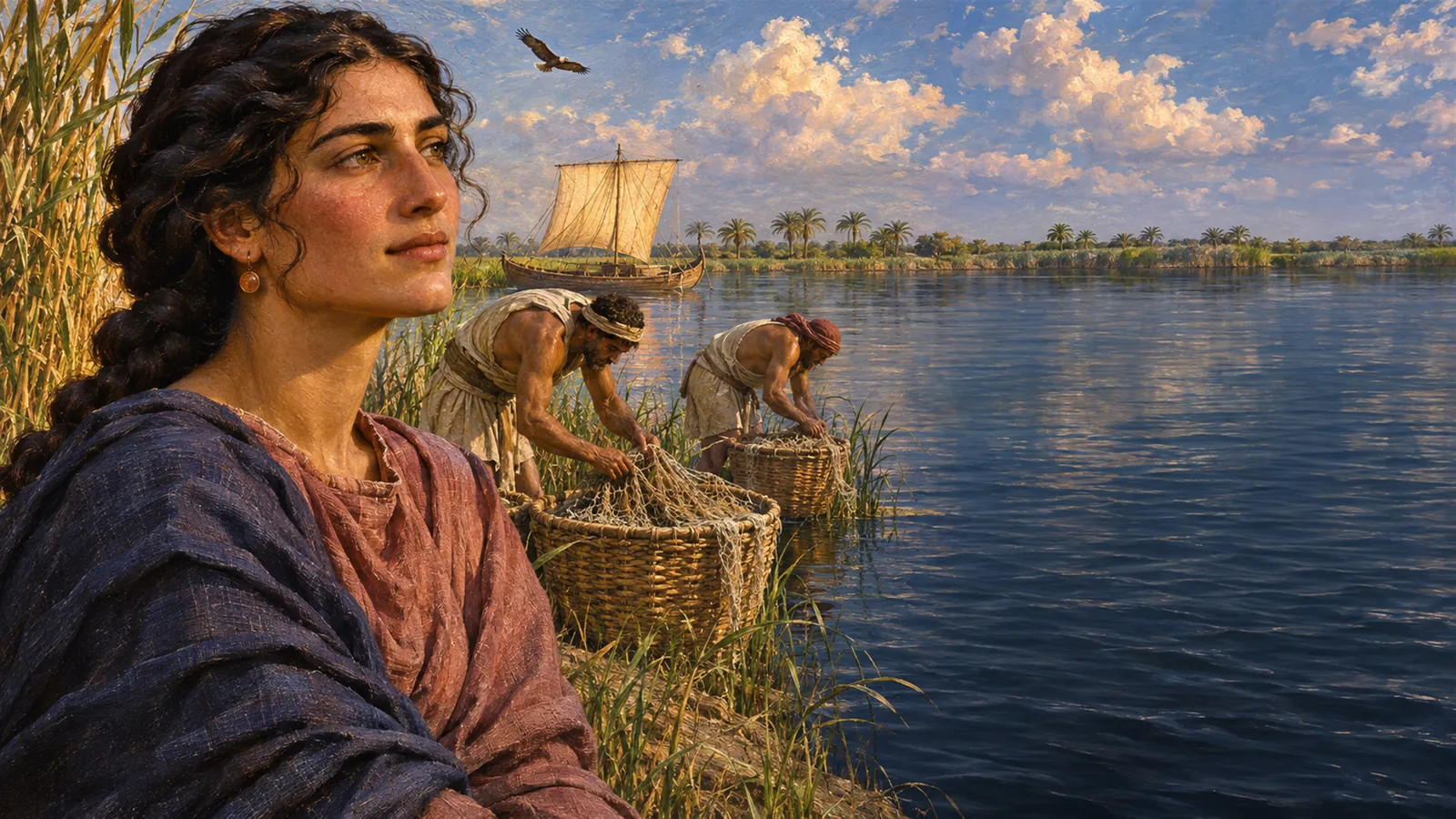
One version leads from a sandal to a palace. Herodotus tells of the years after Rhodopis gained her freedom and of the offering by which she chose to be remembered.
End of chapter 1
All pages
Sources
Editions consulted
- Herodotus, Histories 2.134–135, A. D. Godley’s translation at LacusCurtius
- Strabo, Geography 17.1.33, H. L. Jones’s translation at LacusCurtius
- Aelian, Varia Historia 13.33, Greek text
- Aelian, Historical Miscellany, N. G. Wilson’s edition
- Egyptian Ministry of Tourism and Antiquities, pyramid complex of Menkaure
- Dan Ben-Amos, “The Revolution That Was Not,” p. 439
- Herodotus, Histories 2.178–179, Amasis and Naucratis
- Sappho, Brothers Poem, Greek text and commentary at Dickinson College
- Sappho, Brothers Poem, Rachel Hadas’s translation
- Athenaeus, Deipnosophistae 13.596b–c, Greek text at UCLouvain
- Aelian, Varia Historia 13.33, Greek text and French translation at UCLouvain
- British Museum, Naukratis fieldwork and finds, 2019
Ancient lines behind each page
- Page 1: Herodotus, Histories 2.134
- Page 2: Egyptian Ministry of Tourism and Antiquities, Pyramid Complex of Menkaure
- Page 3: Herodotus, Histories 2.134
- Page 4: Herodotus, Histories 2.134
- Page 5: Herodotus, Histories 2.134
- Page 6: Herodotus, Histories 2.134
- Page 7: Herodotus, Histories 2.135
- Page 8: British Museum Naukratis excavation reports, 2017 and 2019
- Page 9: Herodotus, Histories 2.178–179
- Page 10: Herodotus, Histories 2.178–179
- Page 11: Strabo, Geography 17.1.33; British Museum Naukratis fieldwork
- Page 12: Herodotus, Histories 2.135
- Page 13: Herodotus, Histories 2.135
- Page 14: Herodotus, Histories 2.135
- Page 15: Herodotus, Histories 2.135
- Page 16: Herodotus, Histories 2.135
- Page 17: Sappho, Brothers Poem, surviving stanzas
- Page 18: Herodotus, Histories 2.135
- Page 19: Herodotus, Histories 2.135
- Page 20: Herodotus, Histories 2.135
- Page 21: Herodotus, Histories 2.135
- Page 22: Herodotus, Histories 2.135
- Page 23: Strabo, Geography 17.1.33; Athenaeus, Deipnosophistae 13.596b
- Page 24: Athenaeus, Deipnosophistae 13.596b–c
- Page 25: Strabo, Geography 17.1.33
- Page 26: Strabo, Geography 17.1.33
- Page 27: Strabo, Geography 17.1.33
- Page 28: Strabo, Geography 17.1.33
- Page 29: Strabo, Geography 17.1.33
- Page 30: Strabo, Geography 17.1.33
- Page 31: Strabo, Geography 17.1.33
- Page 32: Strabo, Geography 17.1.33
- Page 33: Strabo, Geography 17.1.33
- Page 34: Strabo, Geography 17.1.33
- Page 35: Strabo, Geography 17.1.33
- Page 36: Strabo, Geography 17.1.33
- Page 37: Aelian, Varia Historia 13.33
- Page 38: Aelian, Varia Historia 13.33
- Page 39: Strabo, Geography 17.1.33; motif comparison in Ben-Amos, p. 439
The motif comparison establishes no line of transmission. - Page 40: Herodotus, Histories 2.135; Strabo, Geography 17.1.33
Illustrations made with AI tools by IL Archive; the text is based on the ancient sources (see the sources at the end of each chapter).