Angim — Ninurta’s Return to Nippur Chapter 1
The Road to Ekur
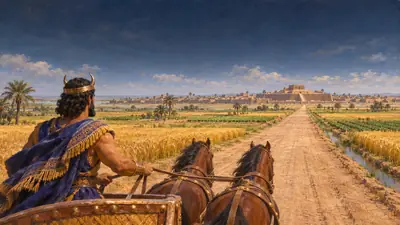
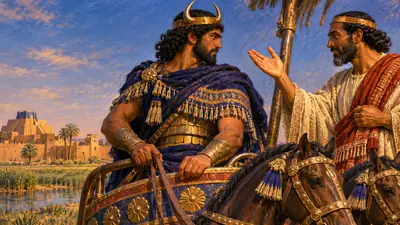
The mountain trophies tremble on Ninurta’s chariot as he rides toward Nippur. Nusku meets him on the road and asks him to think of his father before he enters the temple.
SourcesTurn the pages with the arrows, the arrow keys or a swipe.
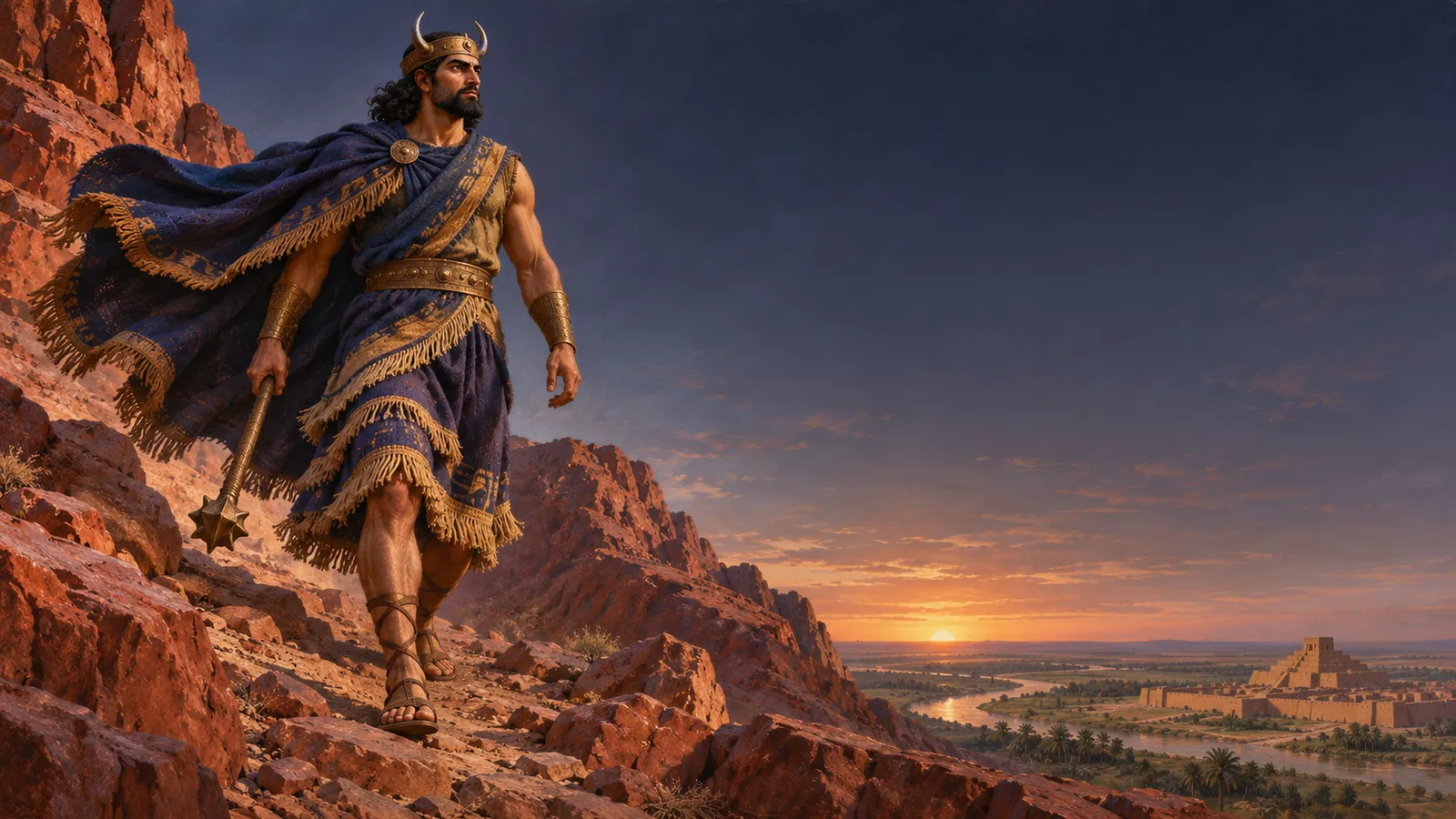
NINURTA
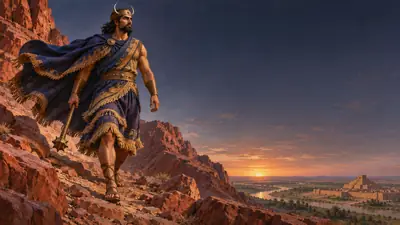
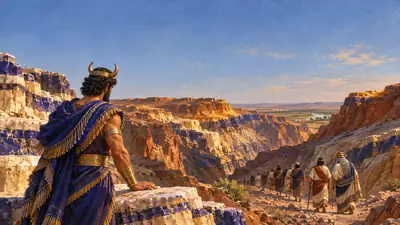
Out of the mountains came Ninurta, the warrior son of Enlil, born to Nintud. The old song begins with the awe that went before him.
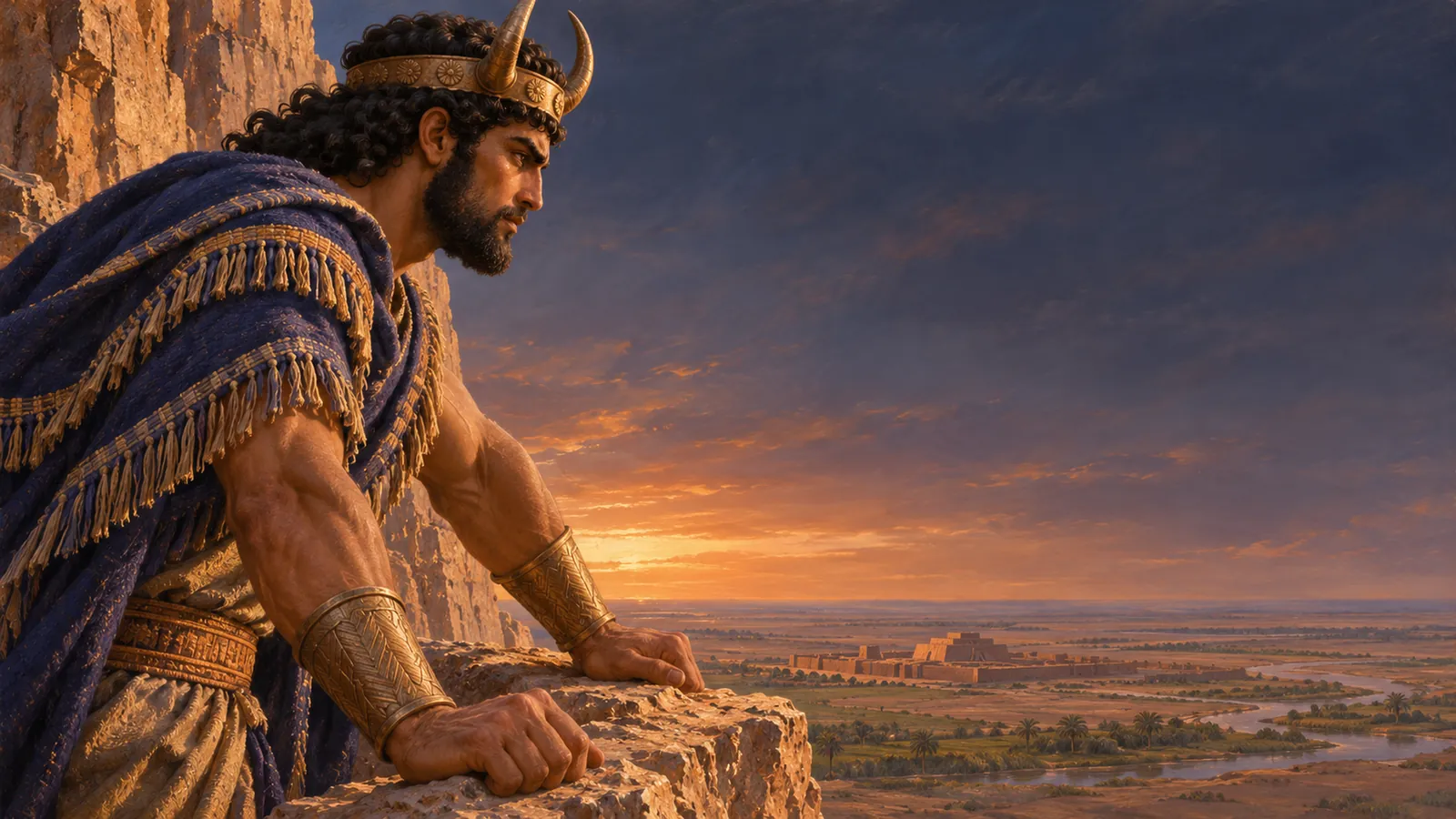
Ninurta took up the divine powers of the mountains and of Eridu. The song likens their weight to heaven and their vastness to the earth.
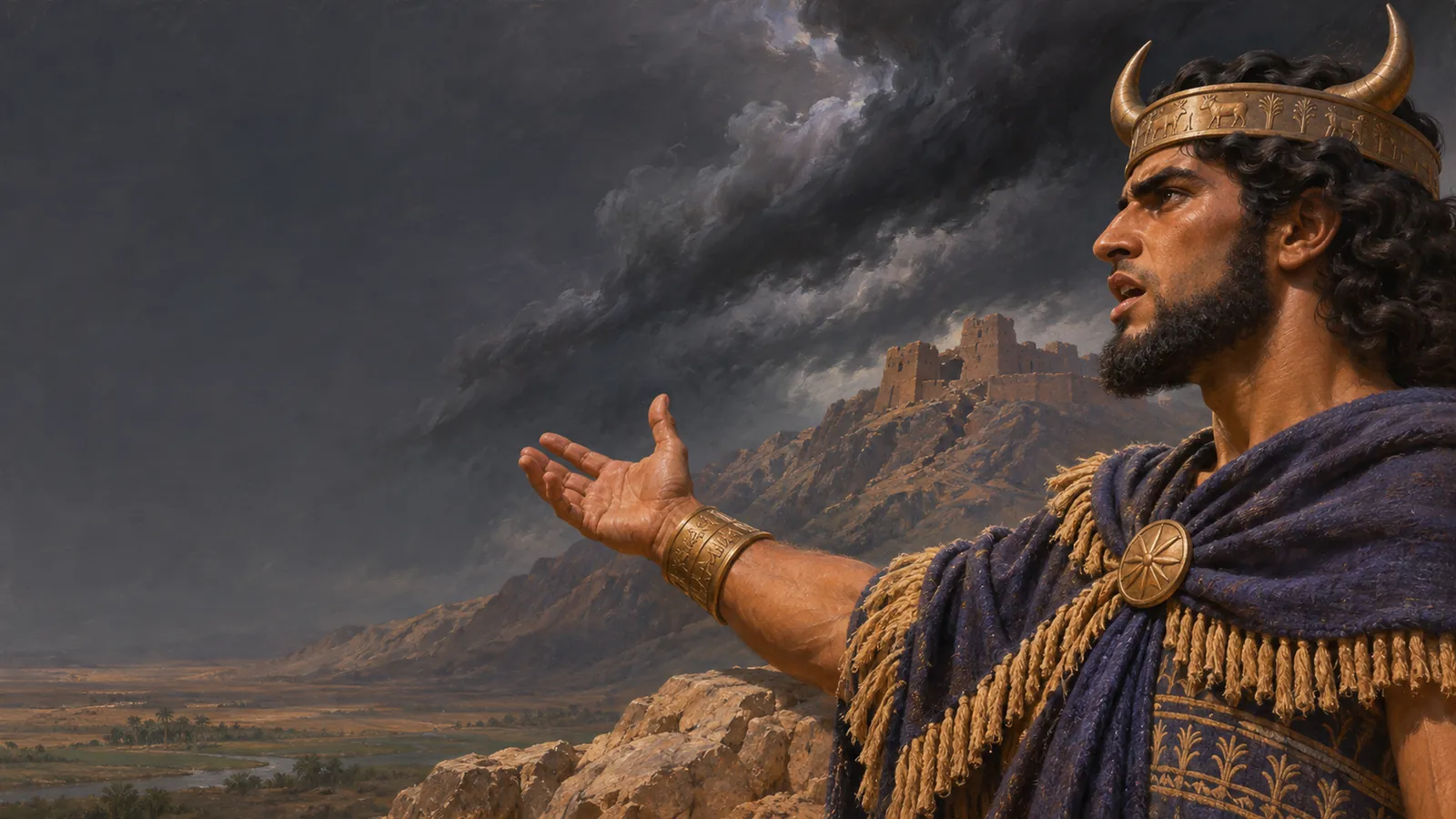
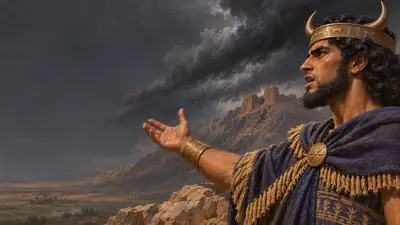
The gods acknowledged his strength. When he turned against the rebellious mountain land, his voice was like a storm and the mountains lay stricken.
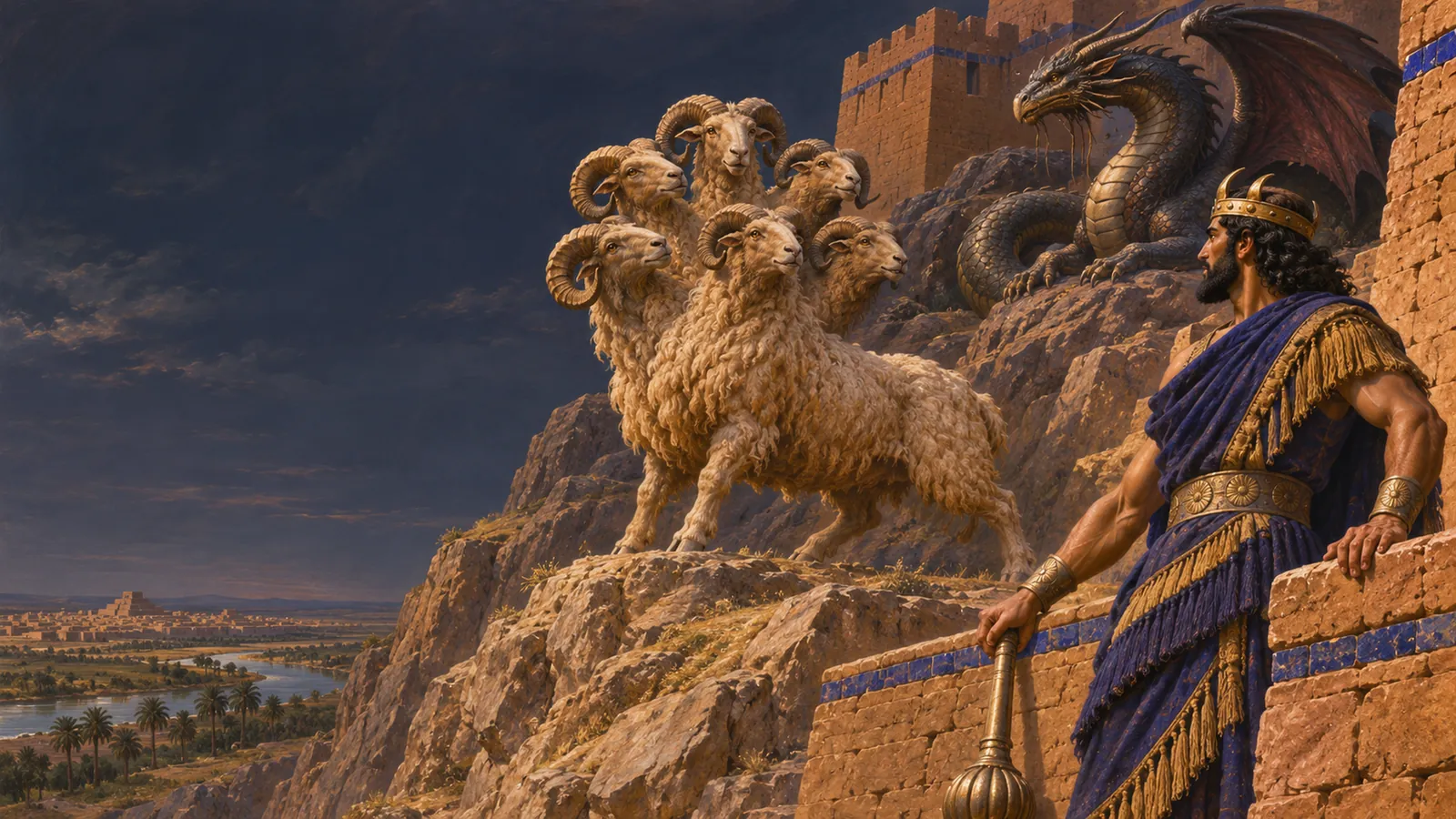
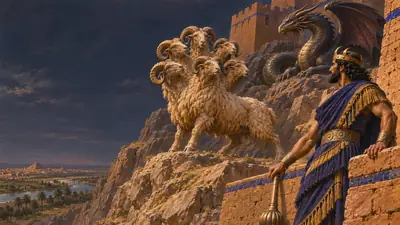
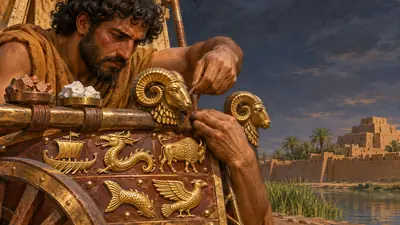
From a lofty dwelling Ninurta brought out a wild ram with six heads. From the great mountain fortress he brought out the warrior dragon.
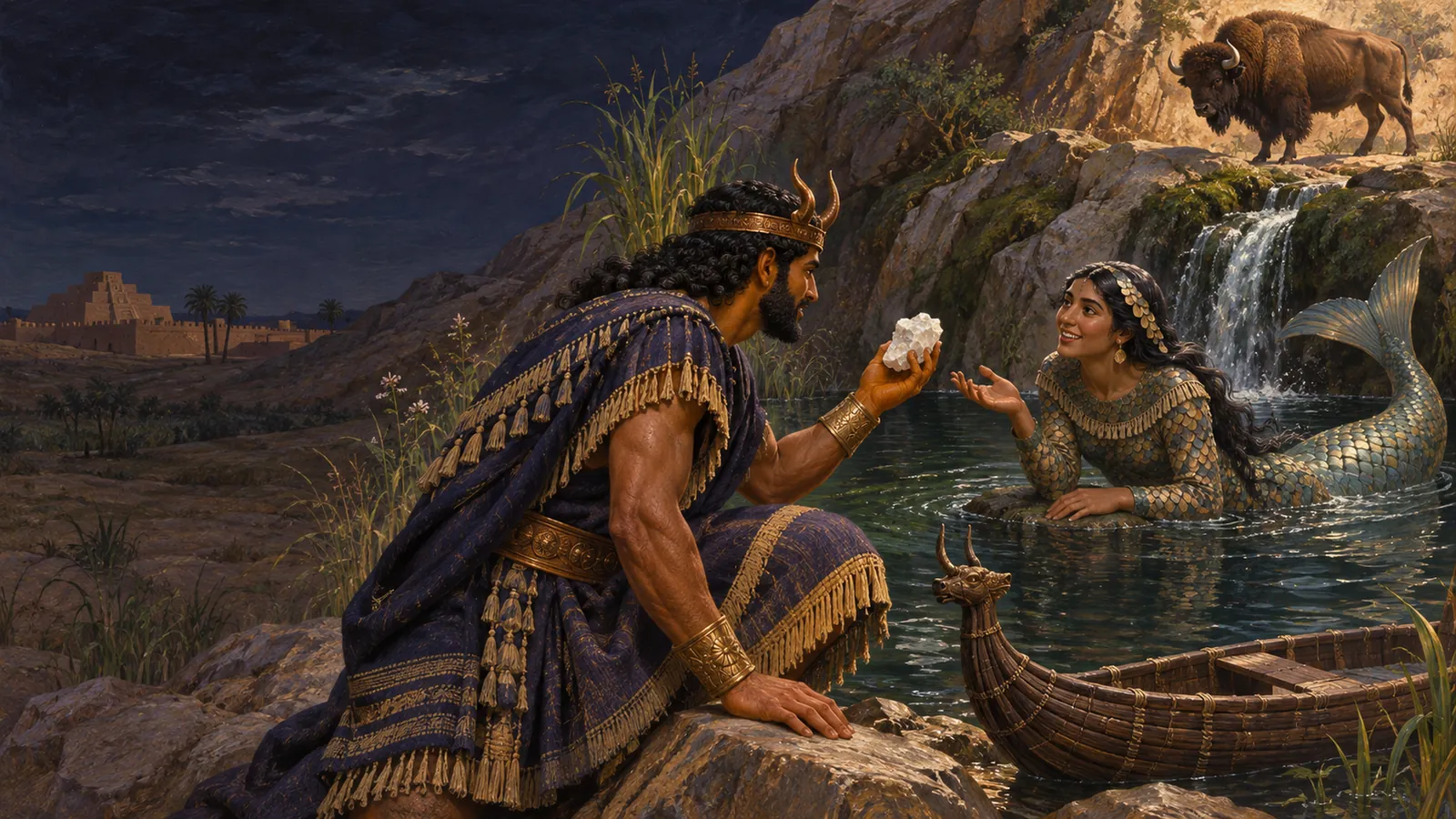
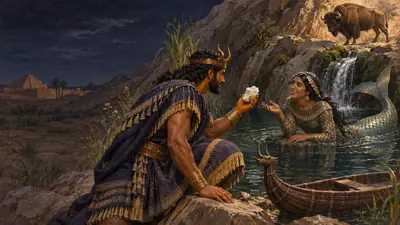
He brought forth the Magilum boat, the bison, and a creature of the waters. He brought up a white substance from the soil of the range.
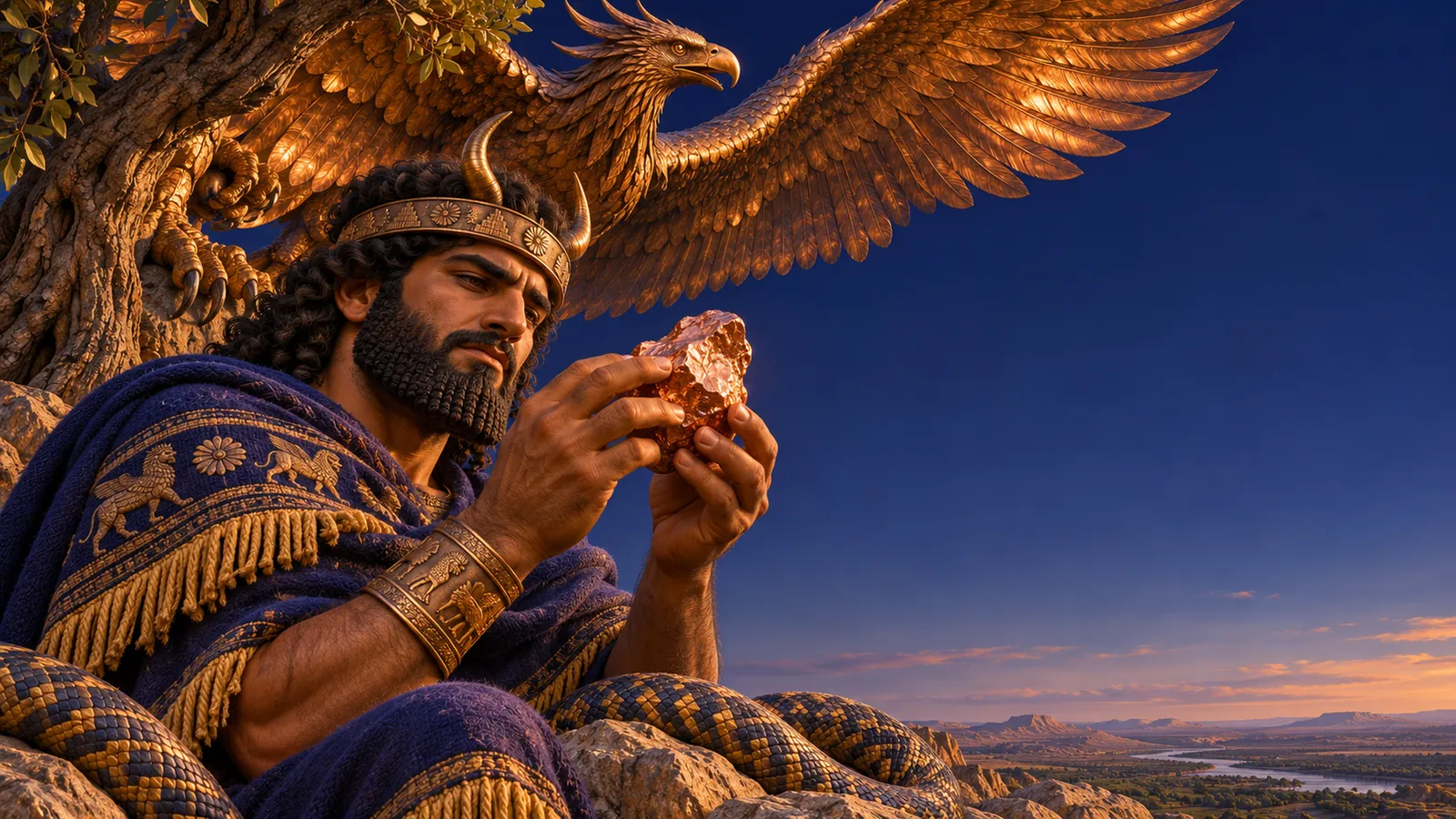
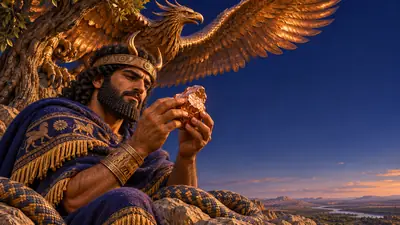
From the shattered range came strong copper. From the branches of a mountain tree came the Anzud bird, and from the mountains came the seven-headed serpent.
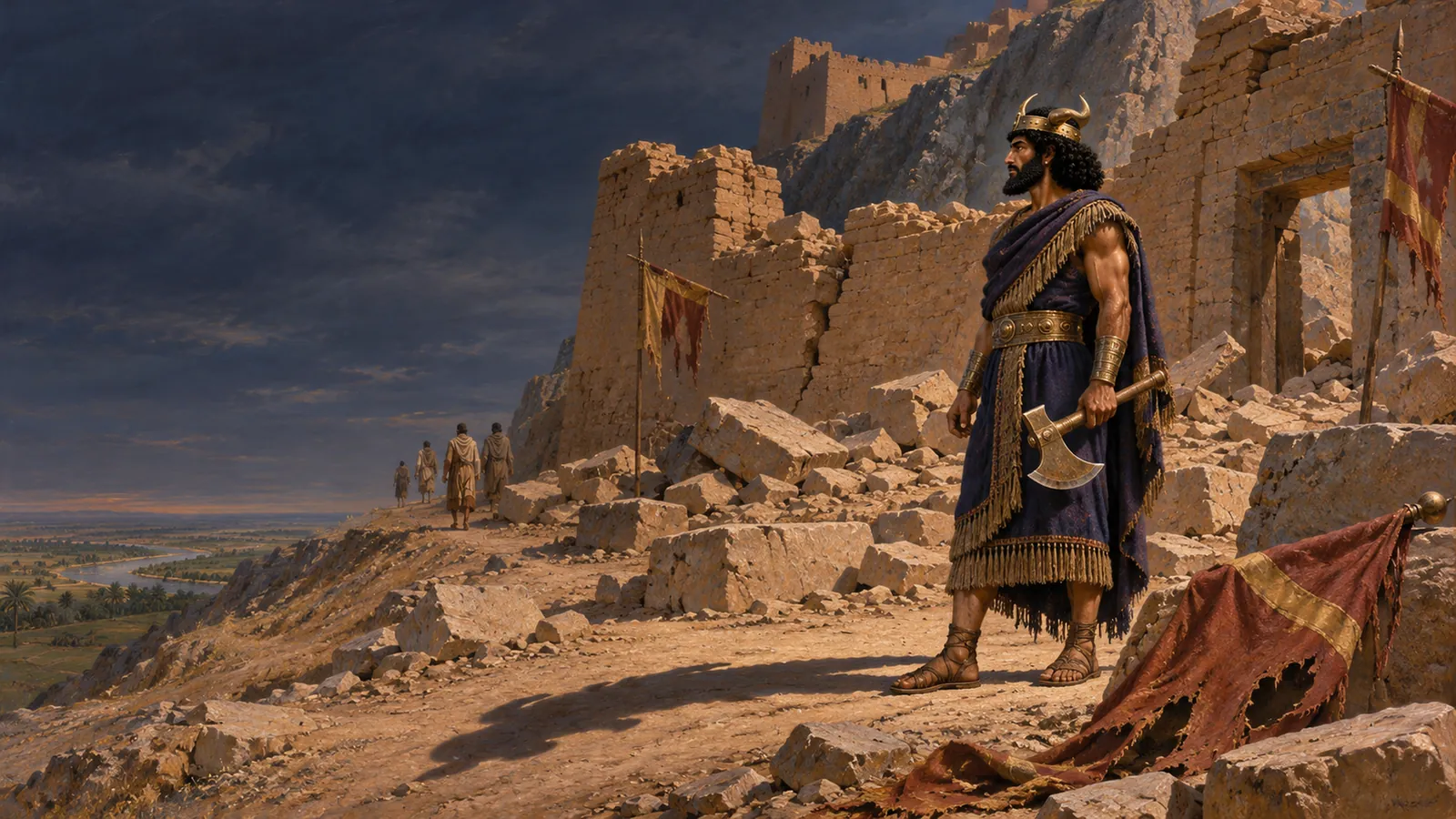
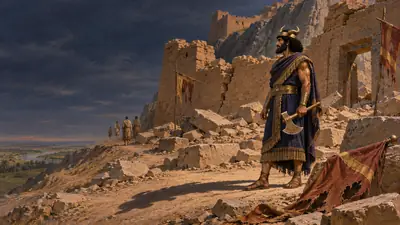
Ninurta gathered his prizes and seized his axe. The lines are damaged here, though they still tell how he laid waste to the mountains.
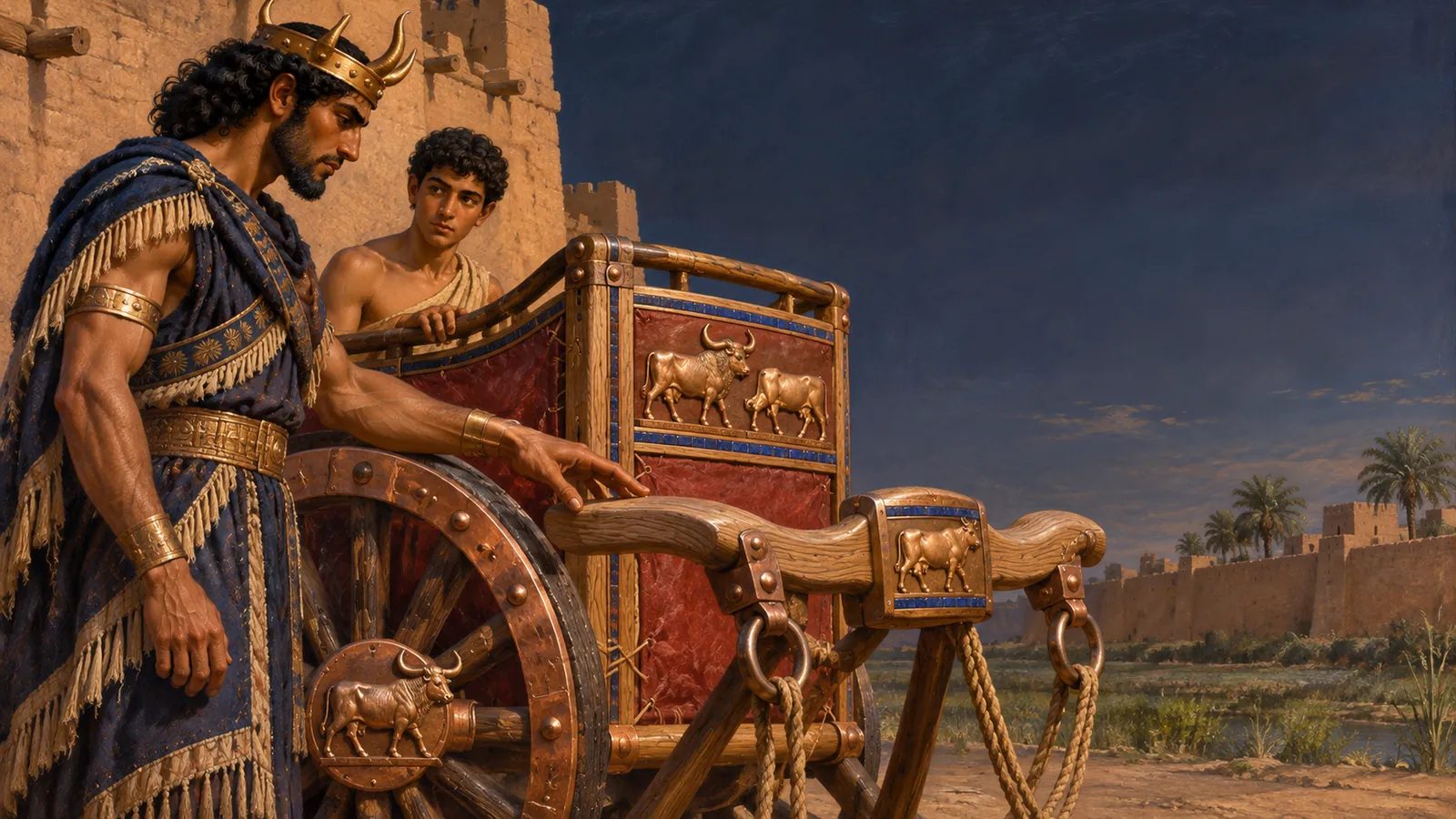
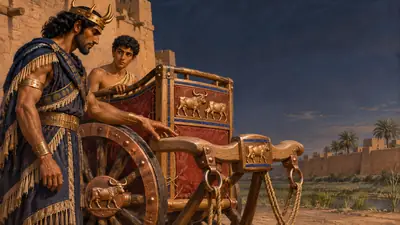
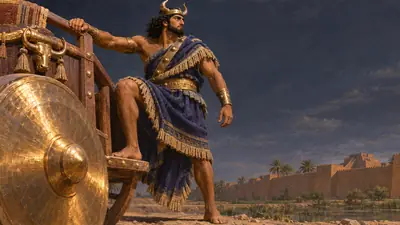
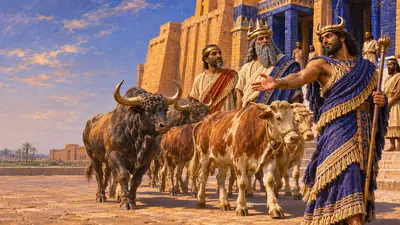
From his gleaming chariot Ninurta hung the captured wild bulls at the axle and the captured cows at the crosspiece of the yoke.
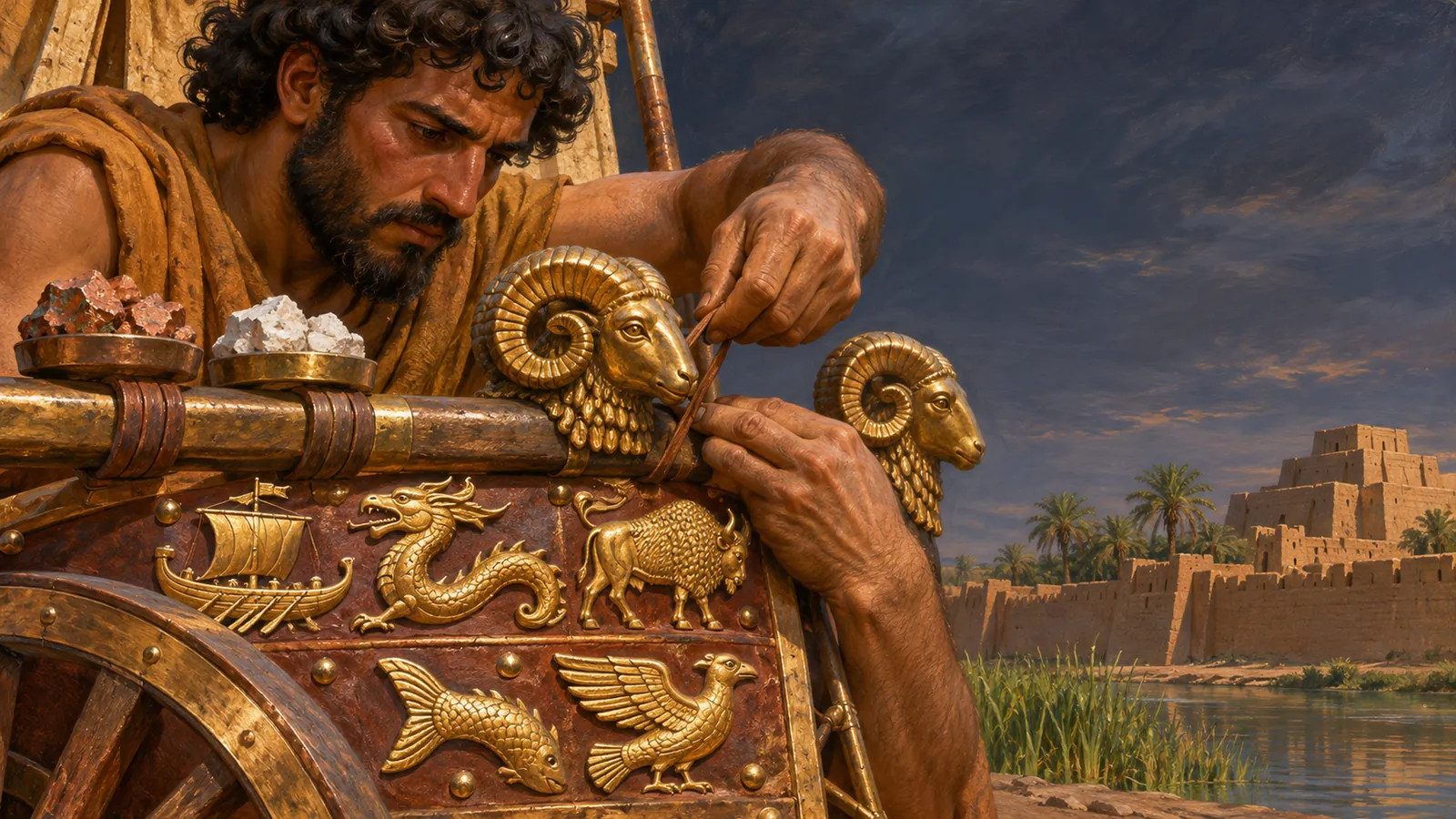
He fastened the ram, the dragon, the boat, the bison and the water creature to his chariot, along with the white substance, the copper, the bird and the serpent.
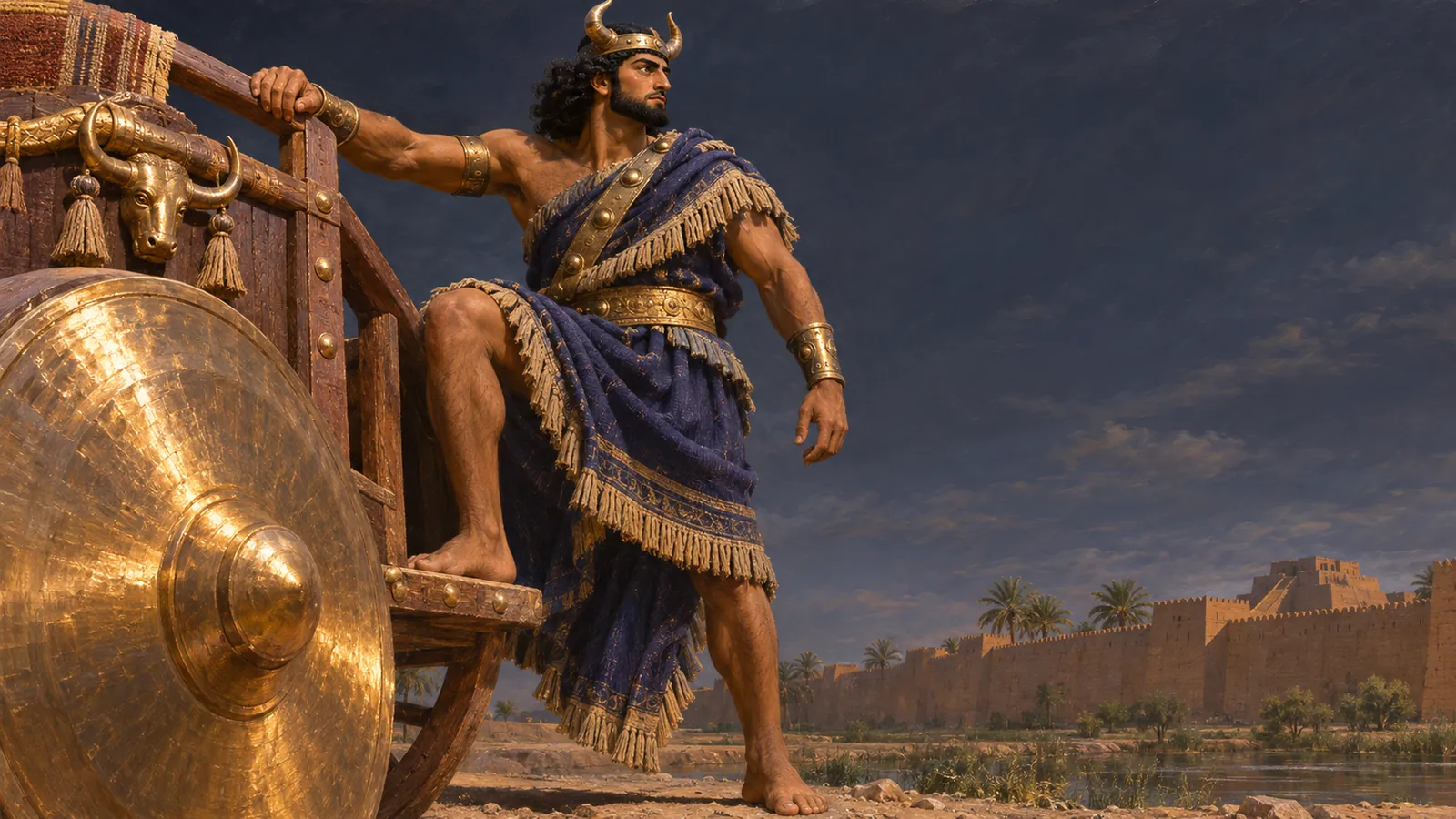
The chariot was ready for battle. With the trophies hung in their places, Ninurta planted his foot in it and stood aboard.
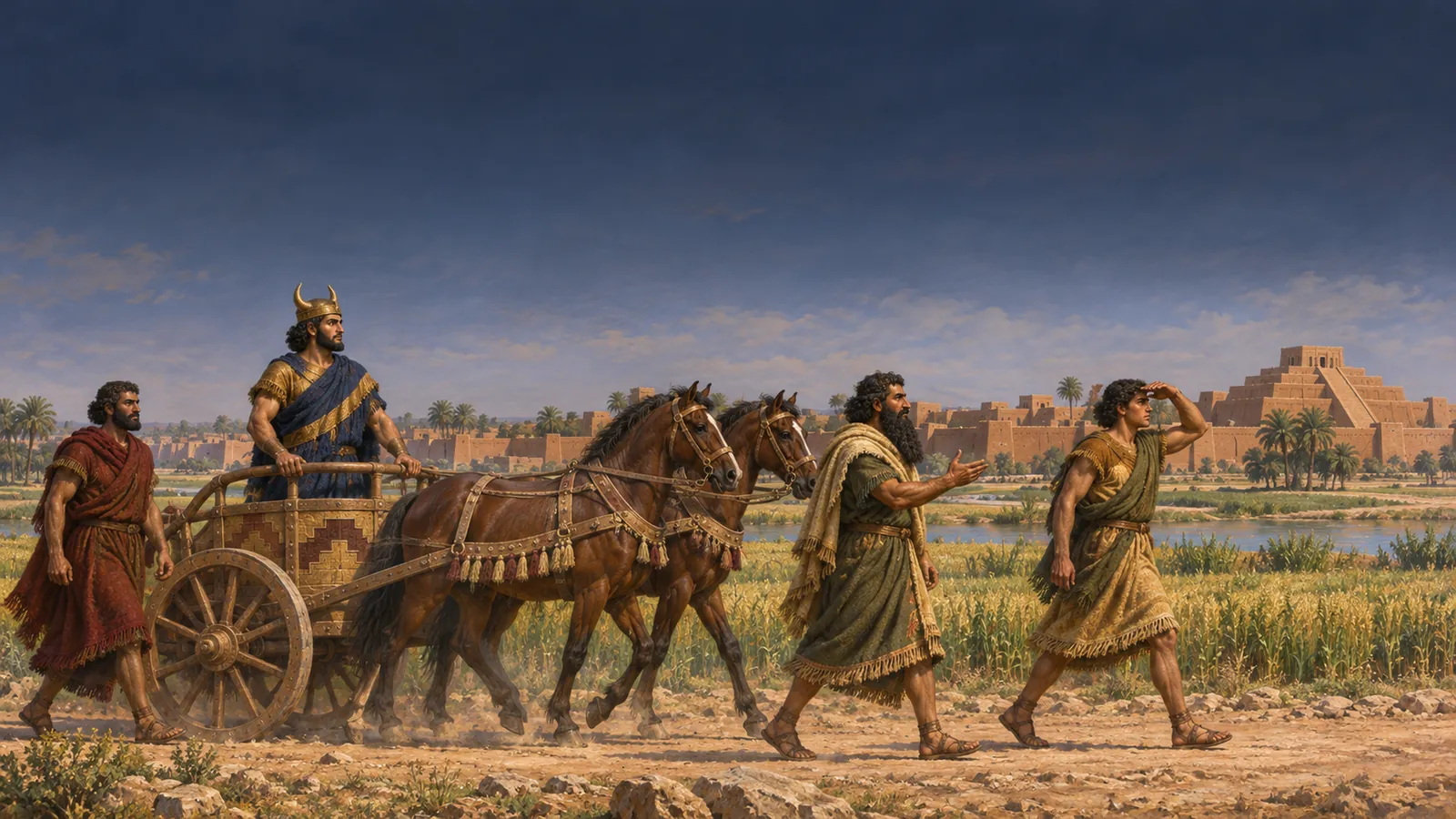
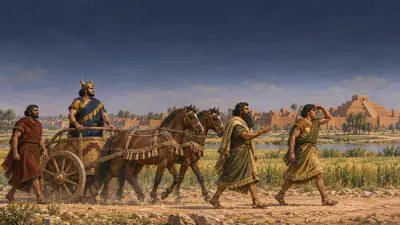
The all-seeing Ud-ane went before him beside Lugal-anbara. Lugal-kurdub, whom the song calls the terror of the mountains, walked behind the chariot.
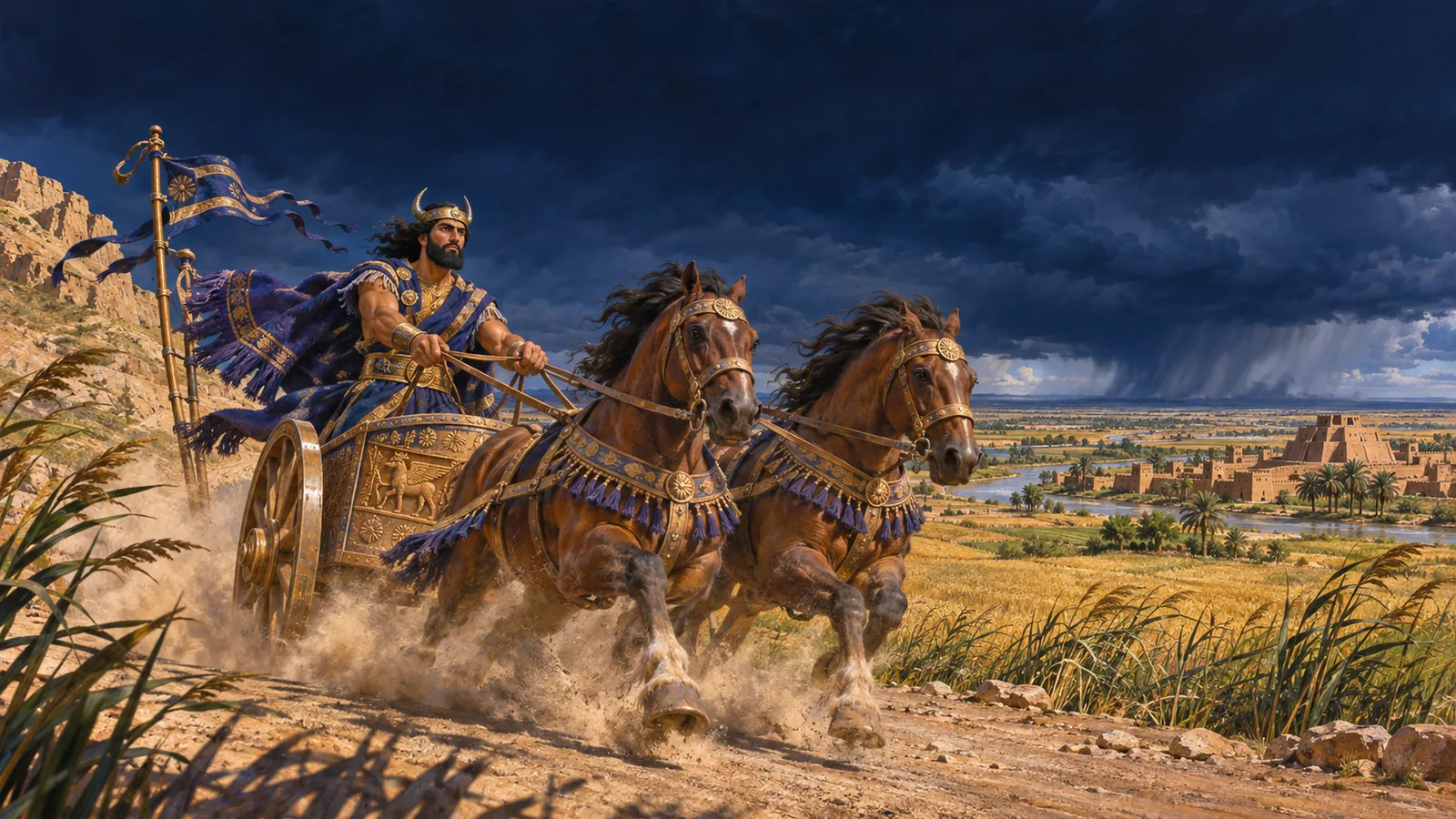
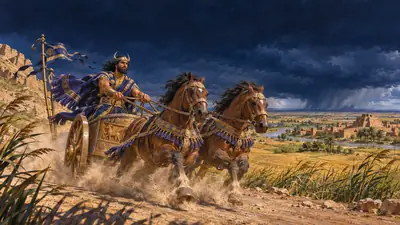
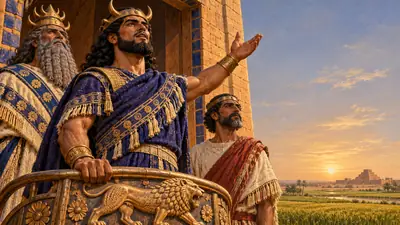
Onward swept Ninurta, like a flood in full force. Far away on the horizon, his approach was as loud as a thunderstorm.
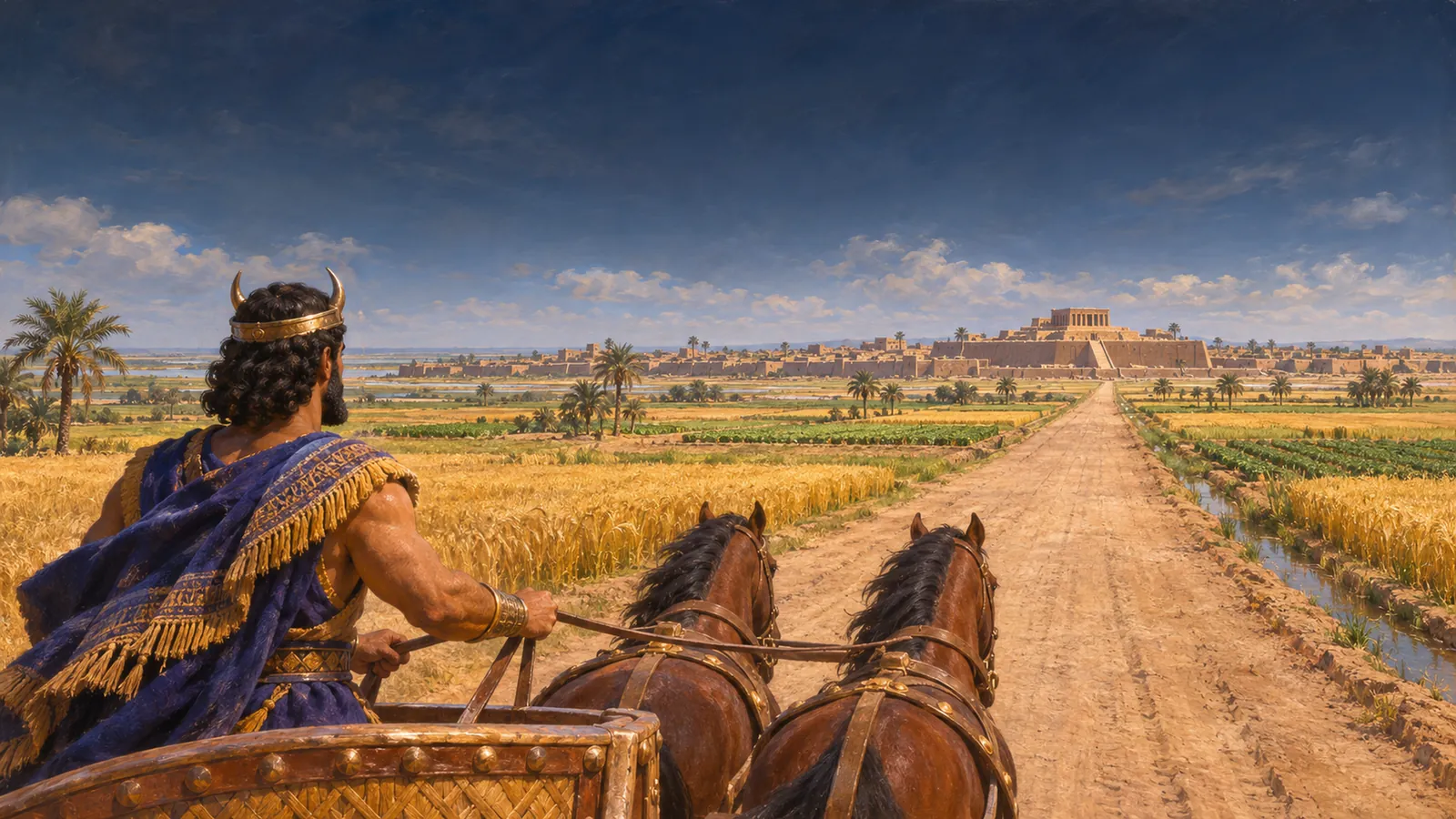
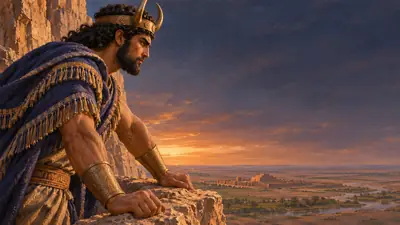
At Enlil’s command, the warrior came toward Ekur, his father’s temple. There was still some distance to go before he reached Nippur.
NUSKU
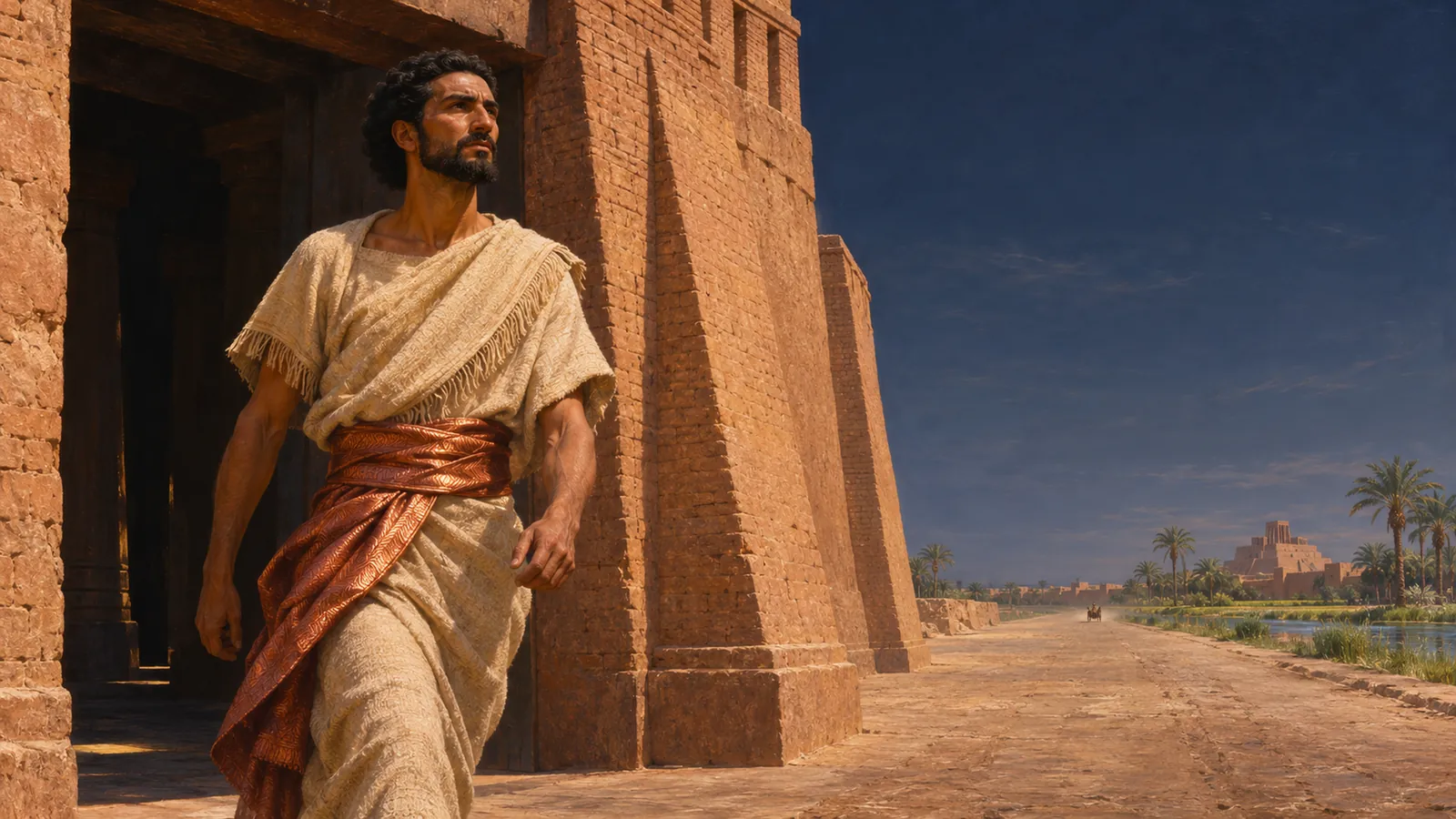
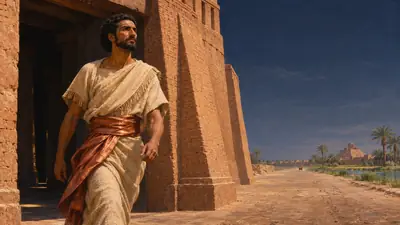
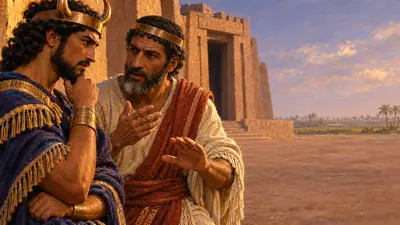
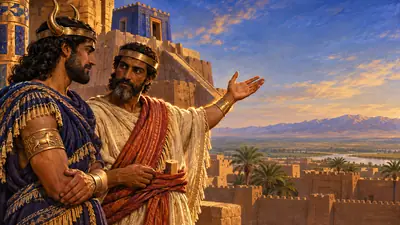
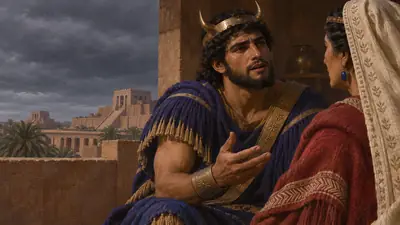
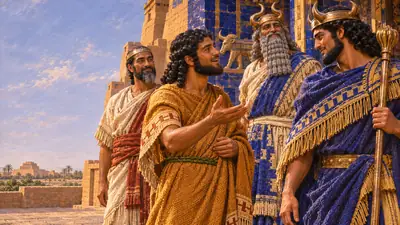
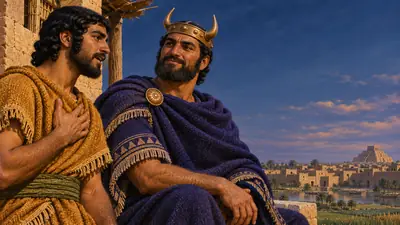
Before Ninurta drew near the city, Nusku came out from Ekur to meet him. Nusku was Enlil’s chief minister, and he came with a greeting.
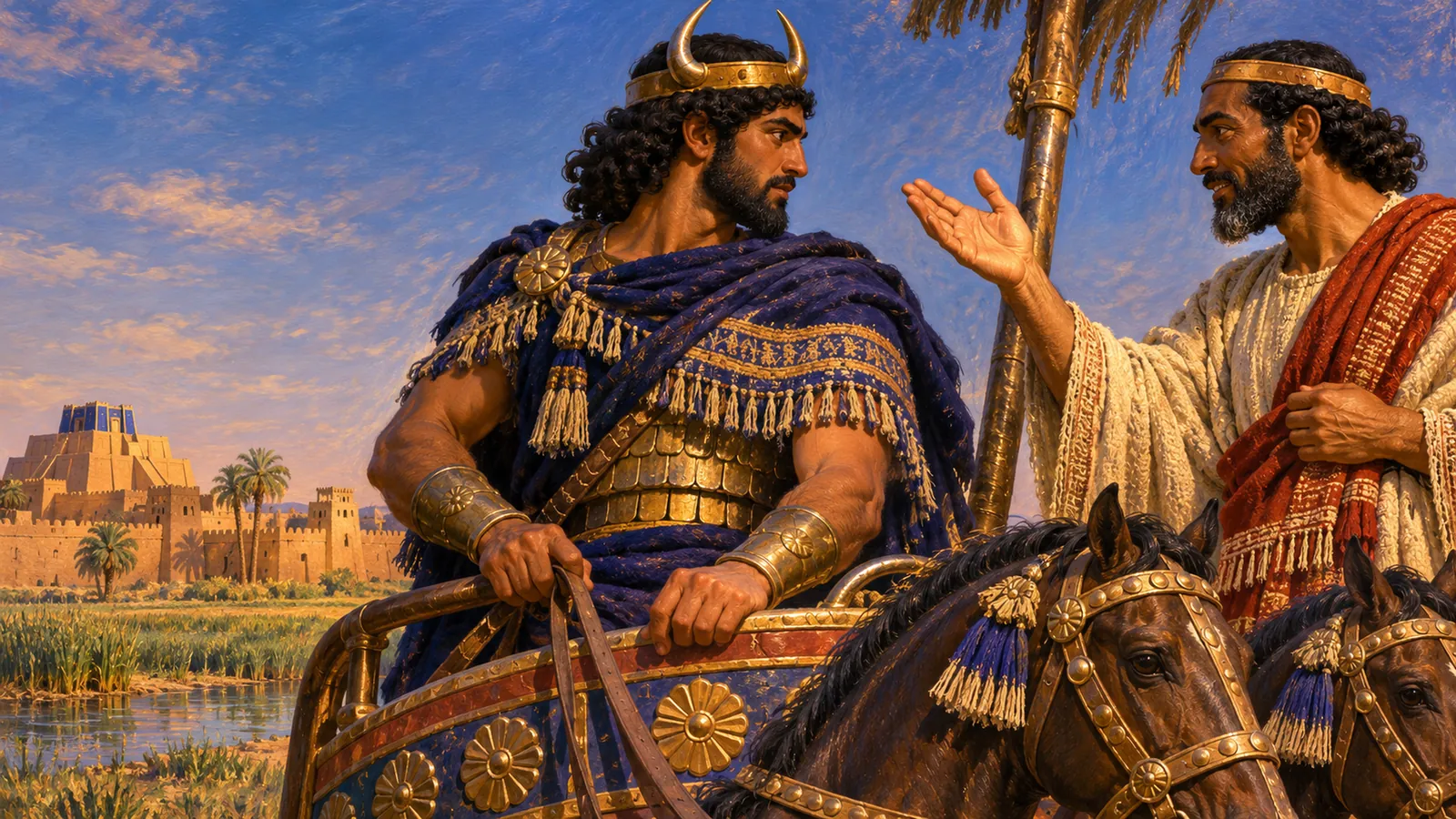
Nusku greeted the returning lord as a warrior without fault. Then came his first words of counsel, asking Ninurta to heed his own power.
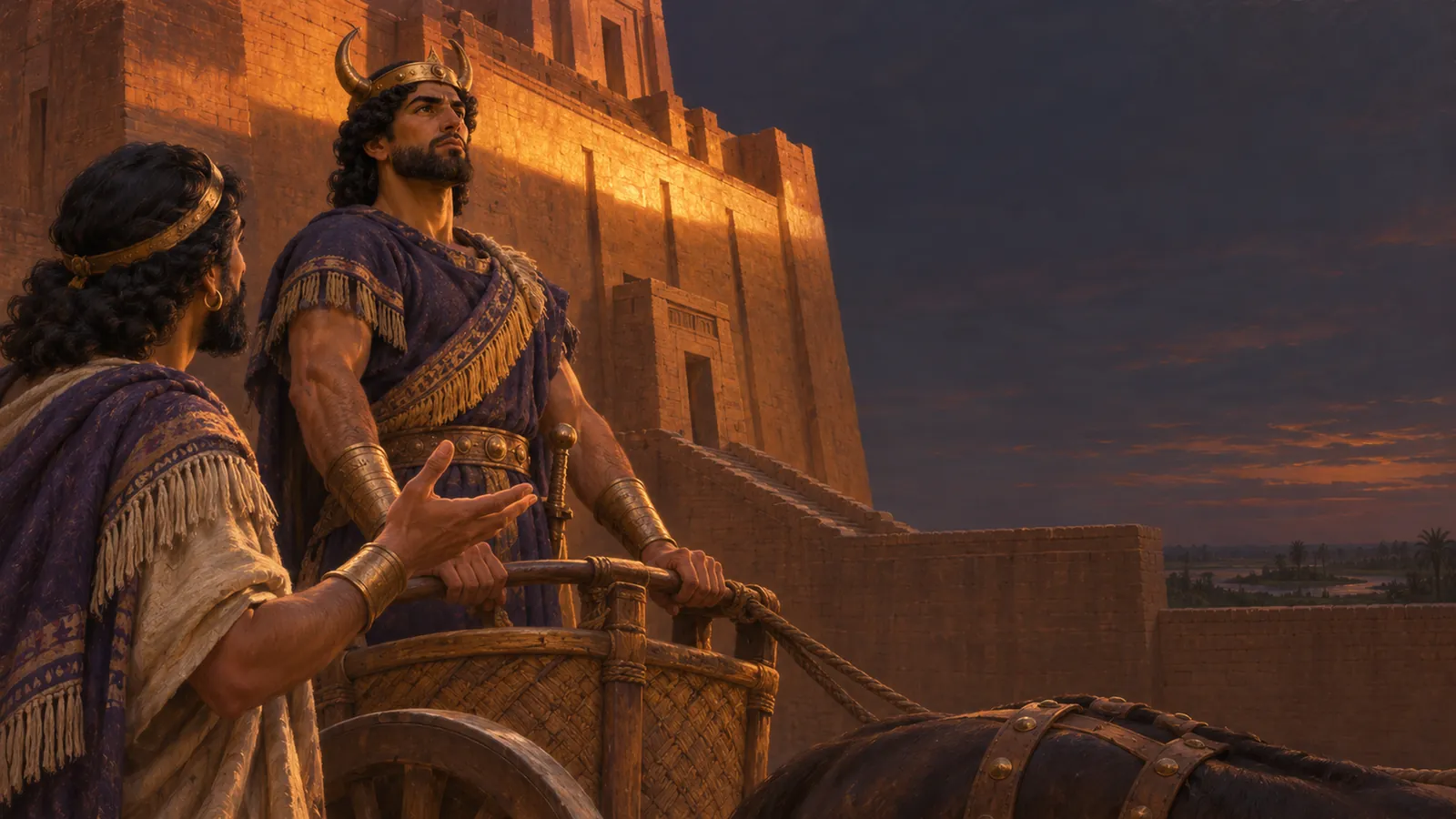
Nusku said that Ninurta’s radiance had already settled over the temple like a cloak. When he stepped into his chariot, heaven and earth trembled.
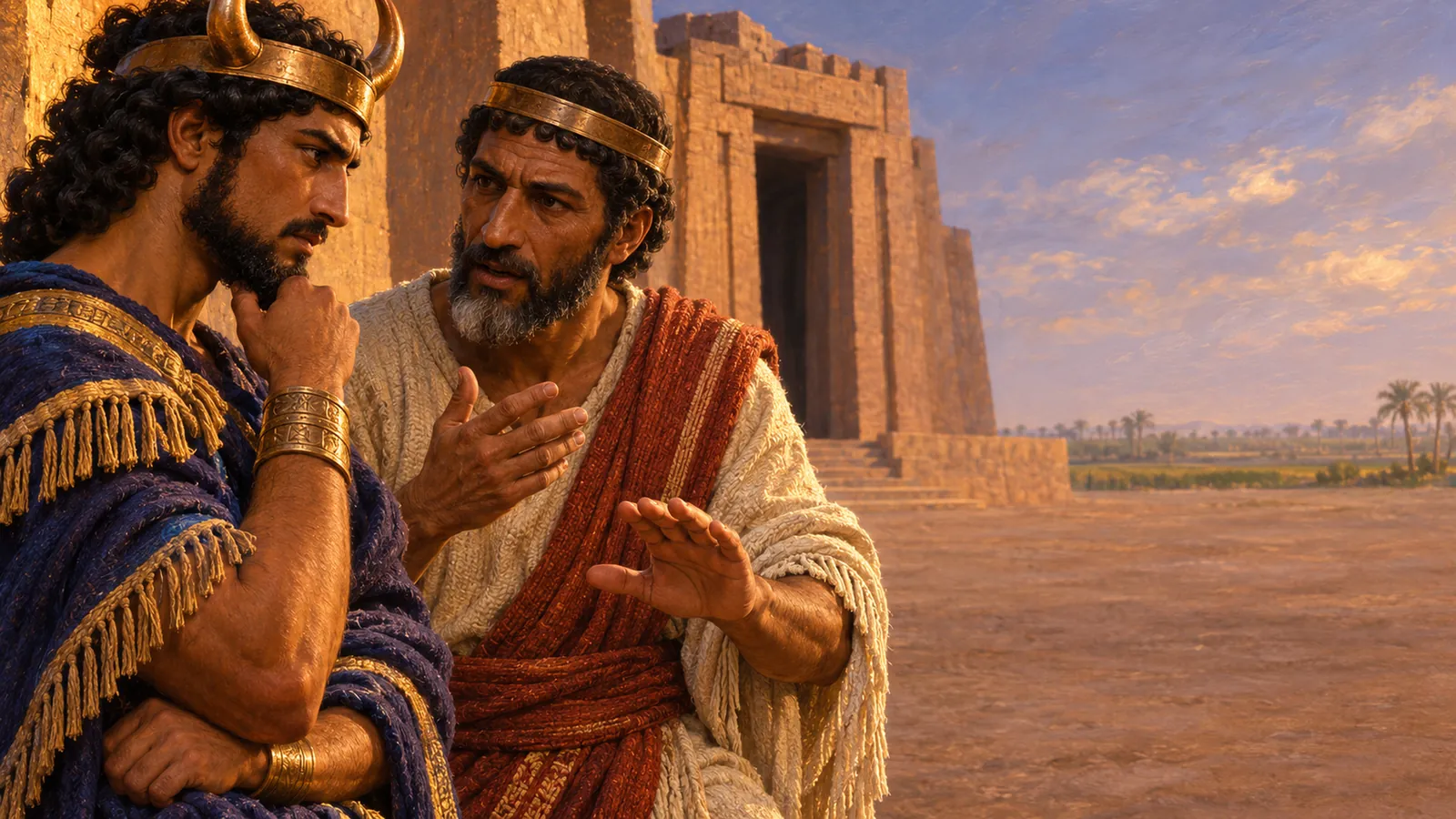
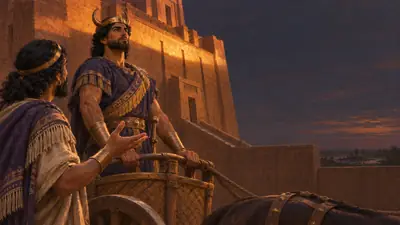
Nusku asked him to spare his father a fright in his own dwelling. May Enlil give you gifts, he said, in honour of your strength.
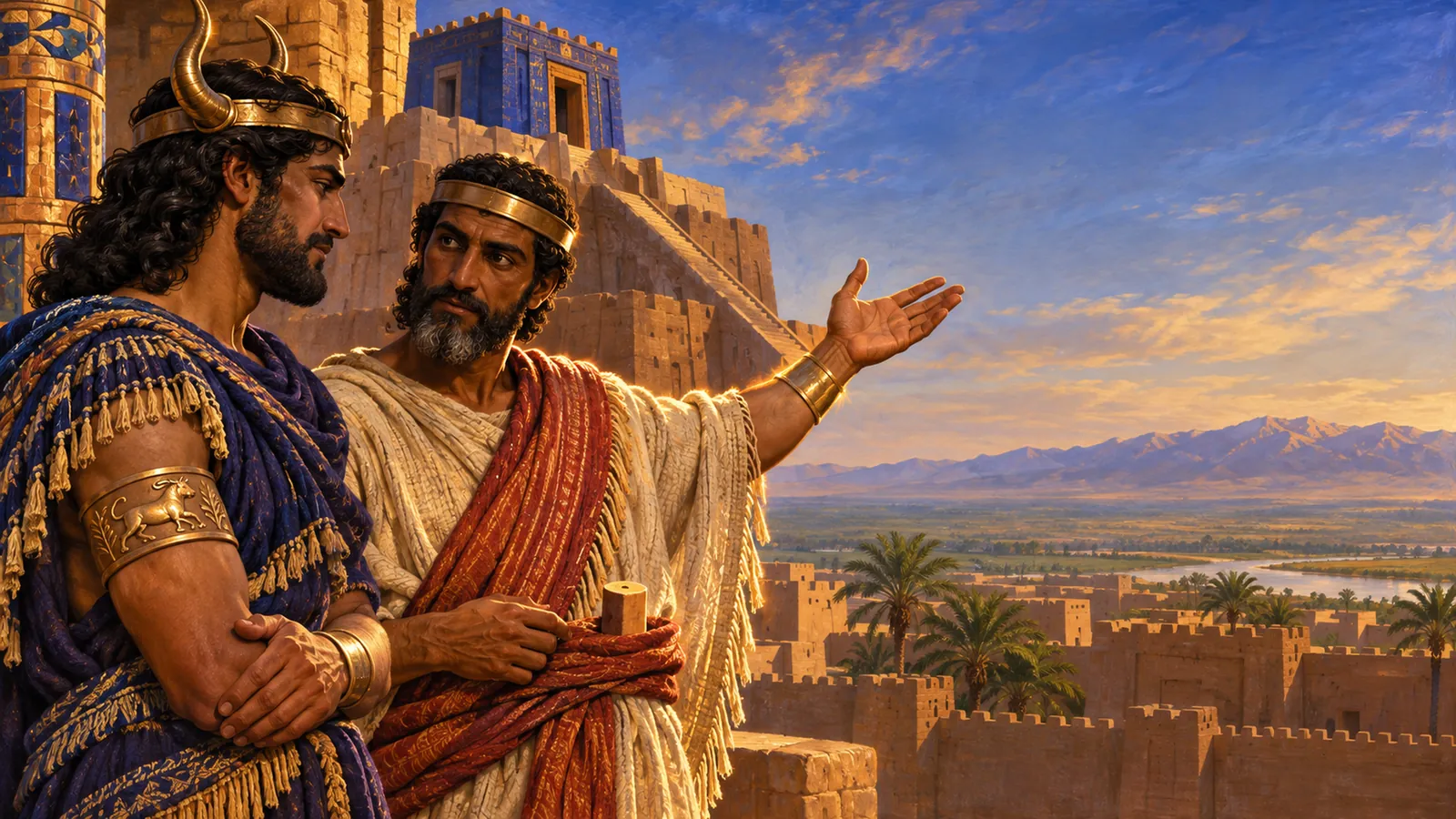
Nusku hailed him as the bearer of Enlil’s seal. After Ninurta had overcome the mountains, he said, Enlil had no need to send any other god.
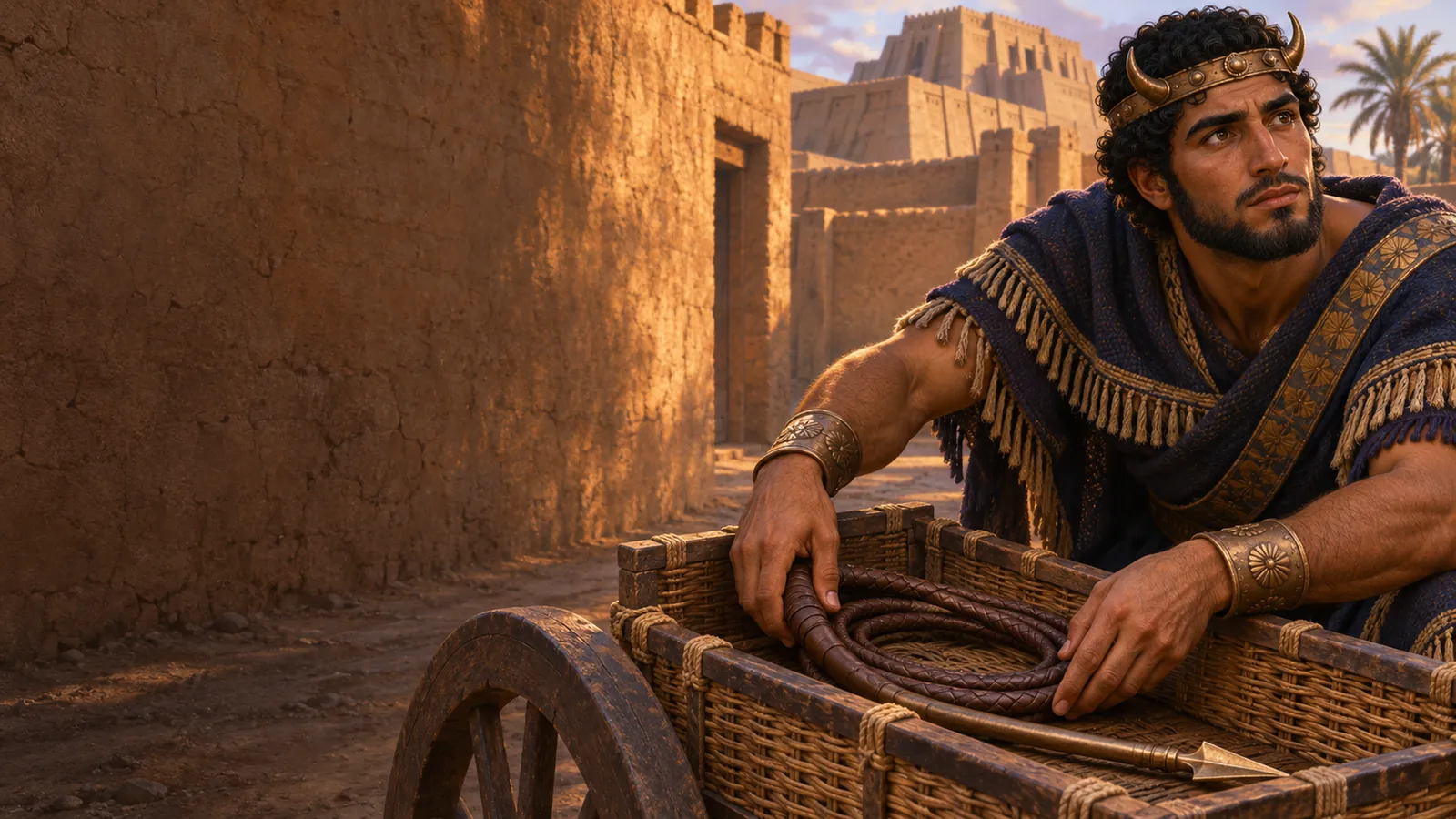
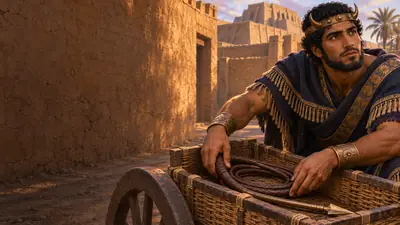
Nusku was still speaking when Ninurta put away his whip and goad. He laid them both in the chariot’s box for the ropes.
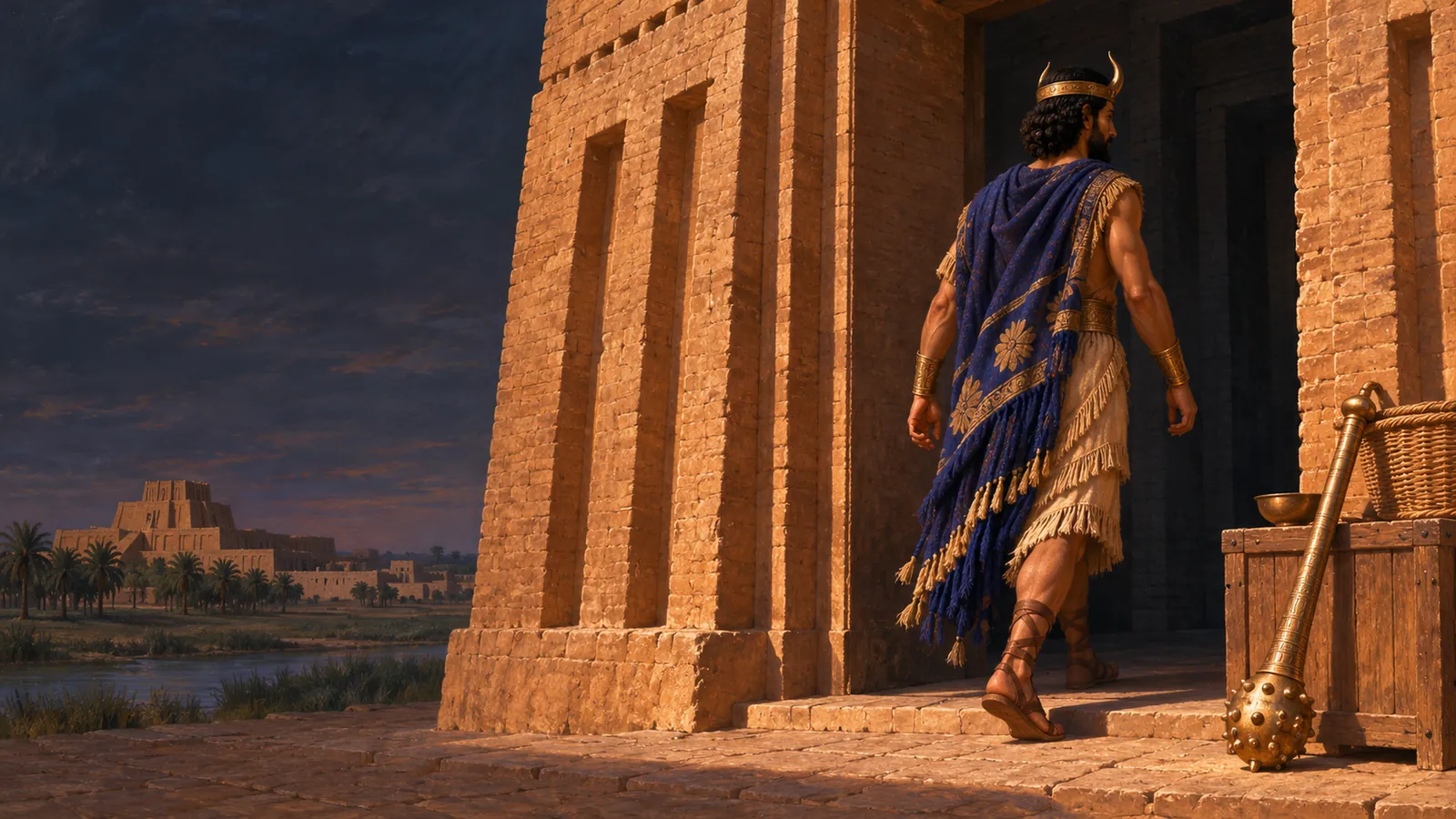
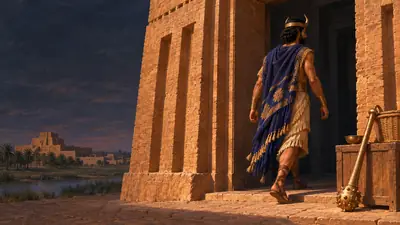
Ninurta set his mace, the strength of his arm in battle, against the box. Then he went into the temple of his father.
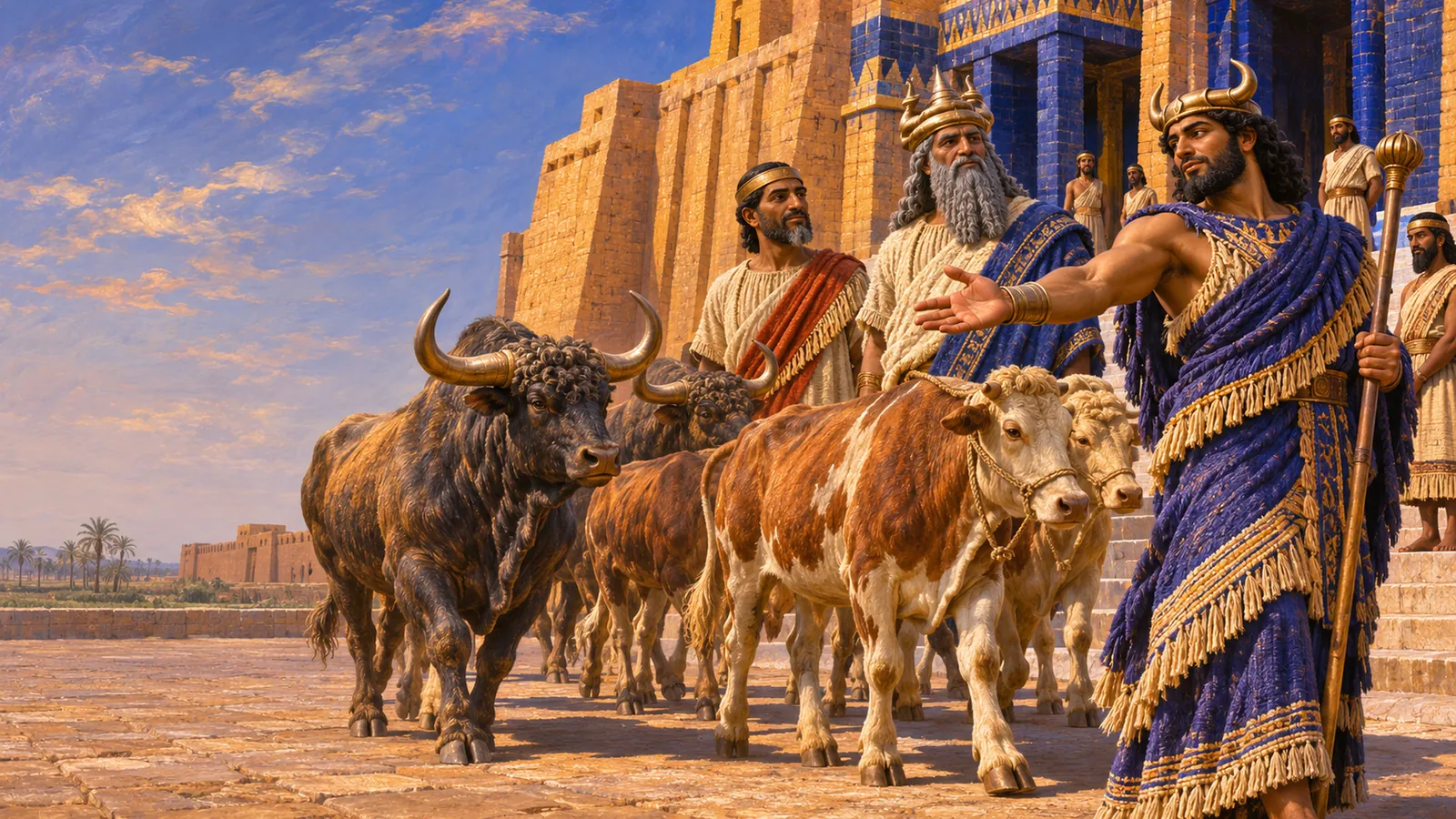
Ninurta drove his captive wild bulls into the temple. He sent in the cows he had captured as well, following the wild bulls.
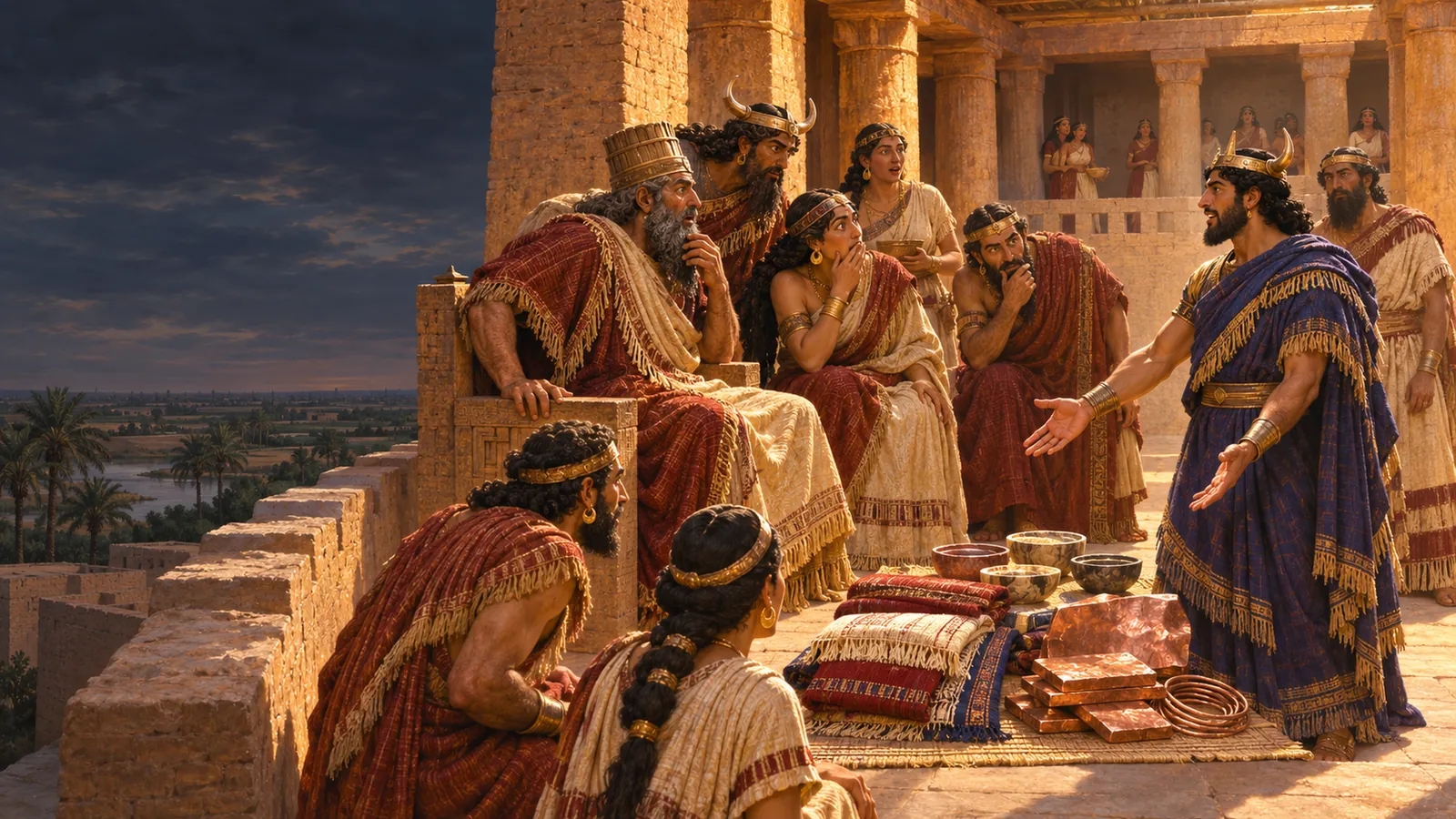
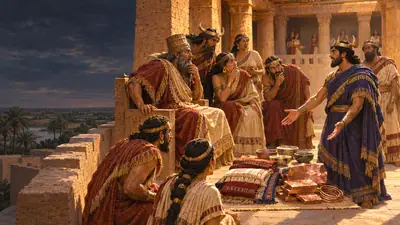
Then he laid out the spoils of the cities he had plundered. The Anuna, the great gods of the poem, looked on in astonishment.
ENLIL
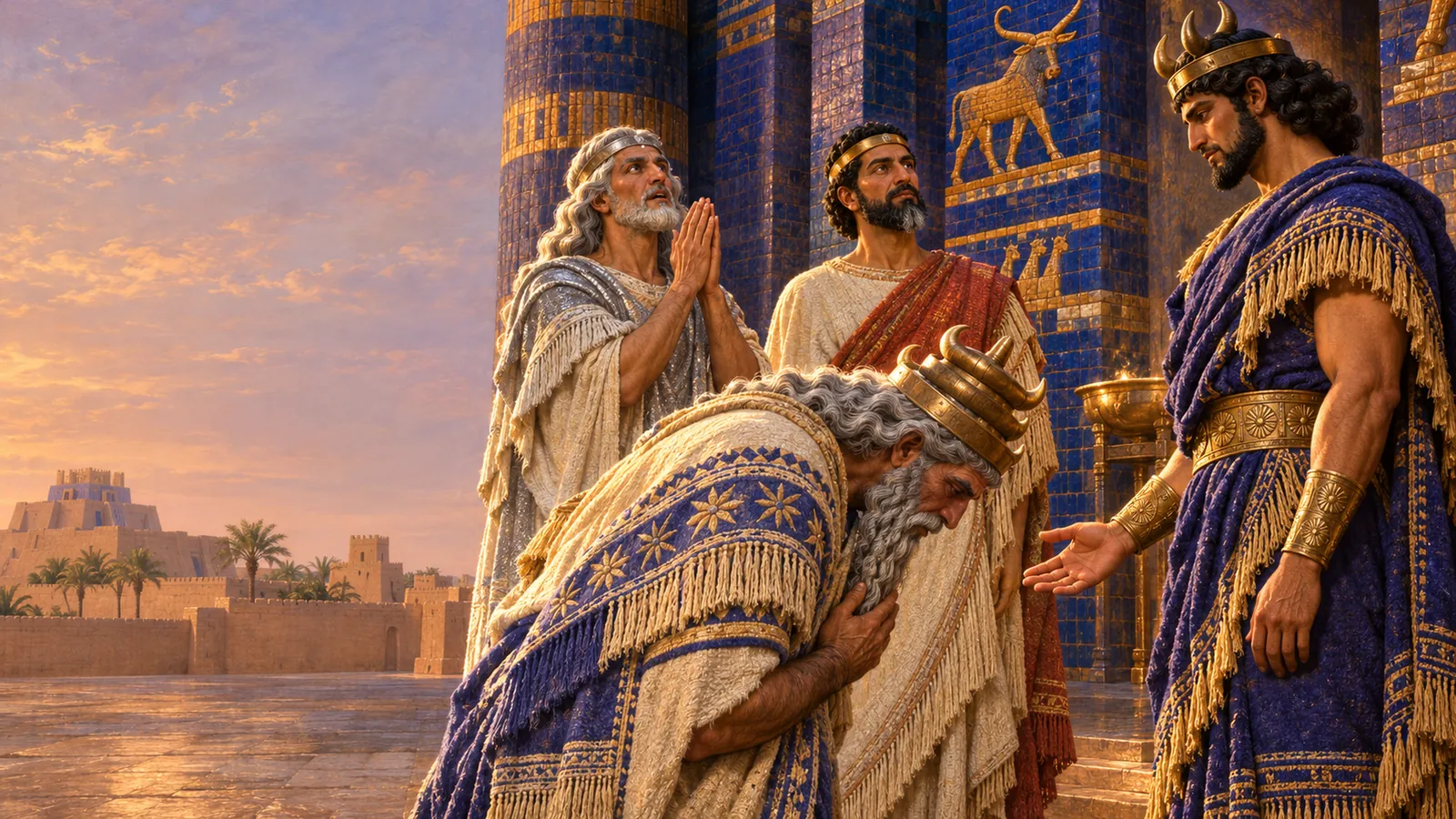
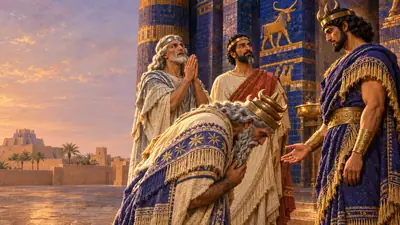
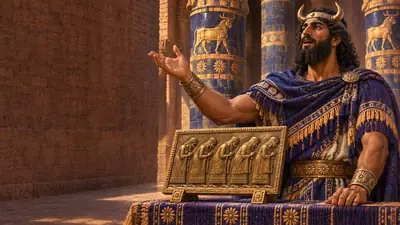
Enlil, whom the song calls the Great Mountain, bowed before his son. And Asimbabbar, the moon god, offered a prayer to the returning warrior.
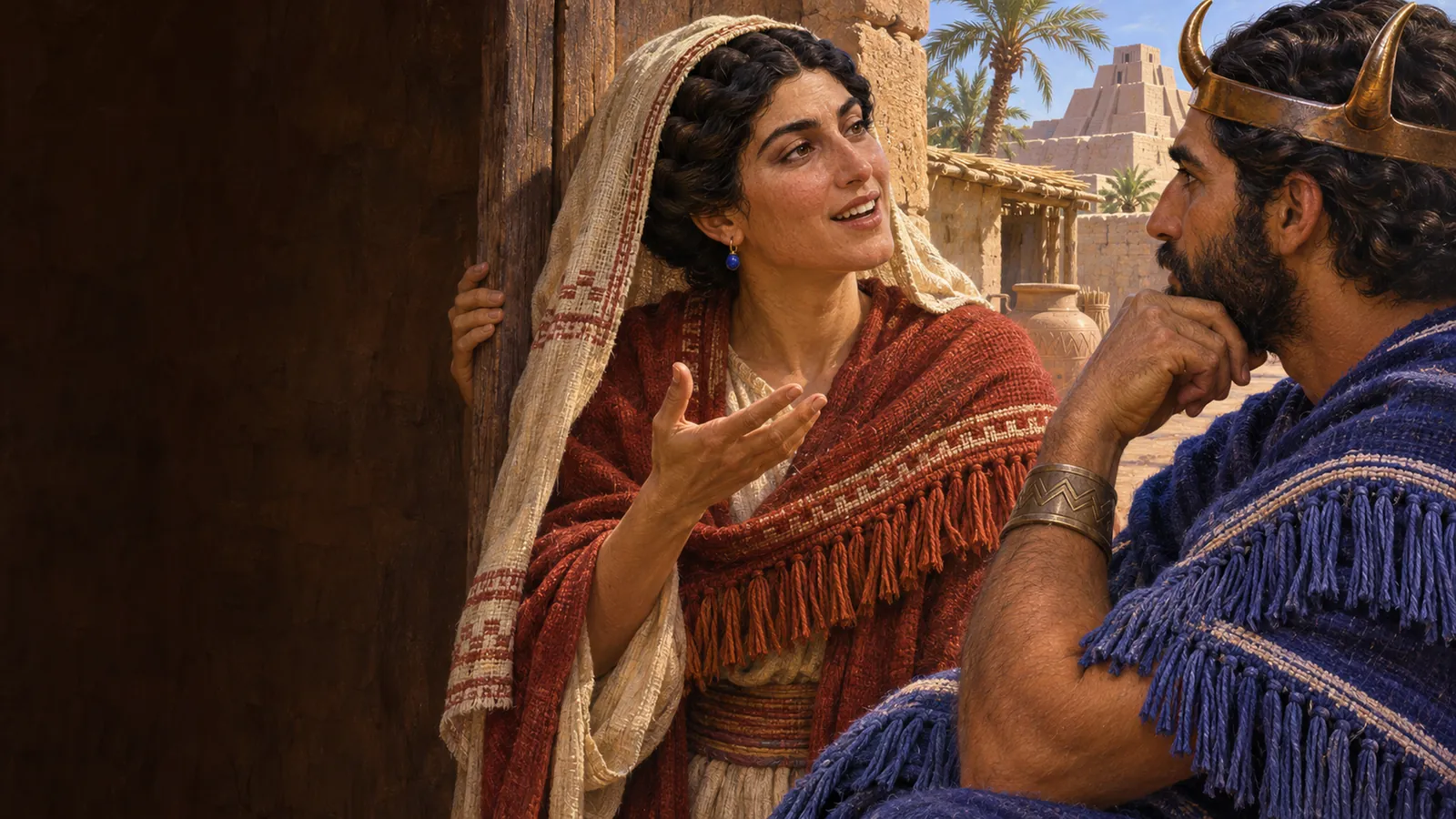
From within her shrine, Ninlil hailed him with admiration. She called him a wild bull with raised horns and recalled the blows he struck in the mountains.
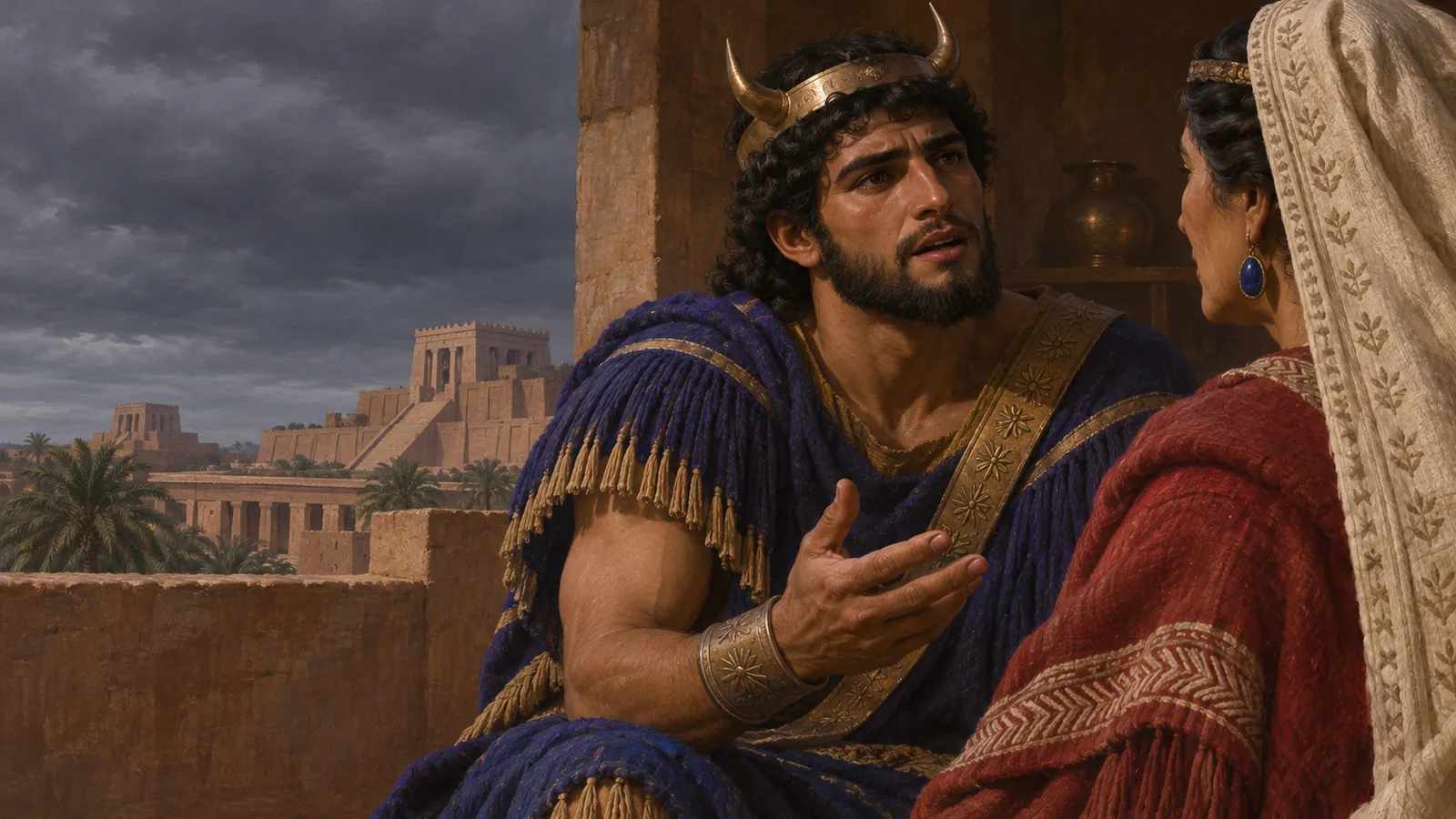
Ninurta answered Ninlil, calling her mother. Part of his answer is lost, but his boast survives. The mountains gave way like huts made of reeds.
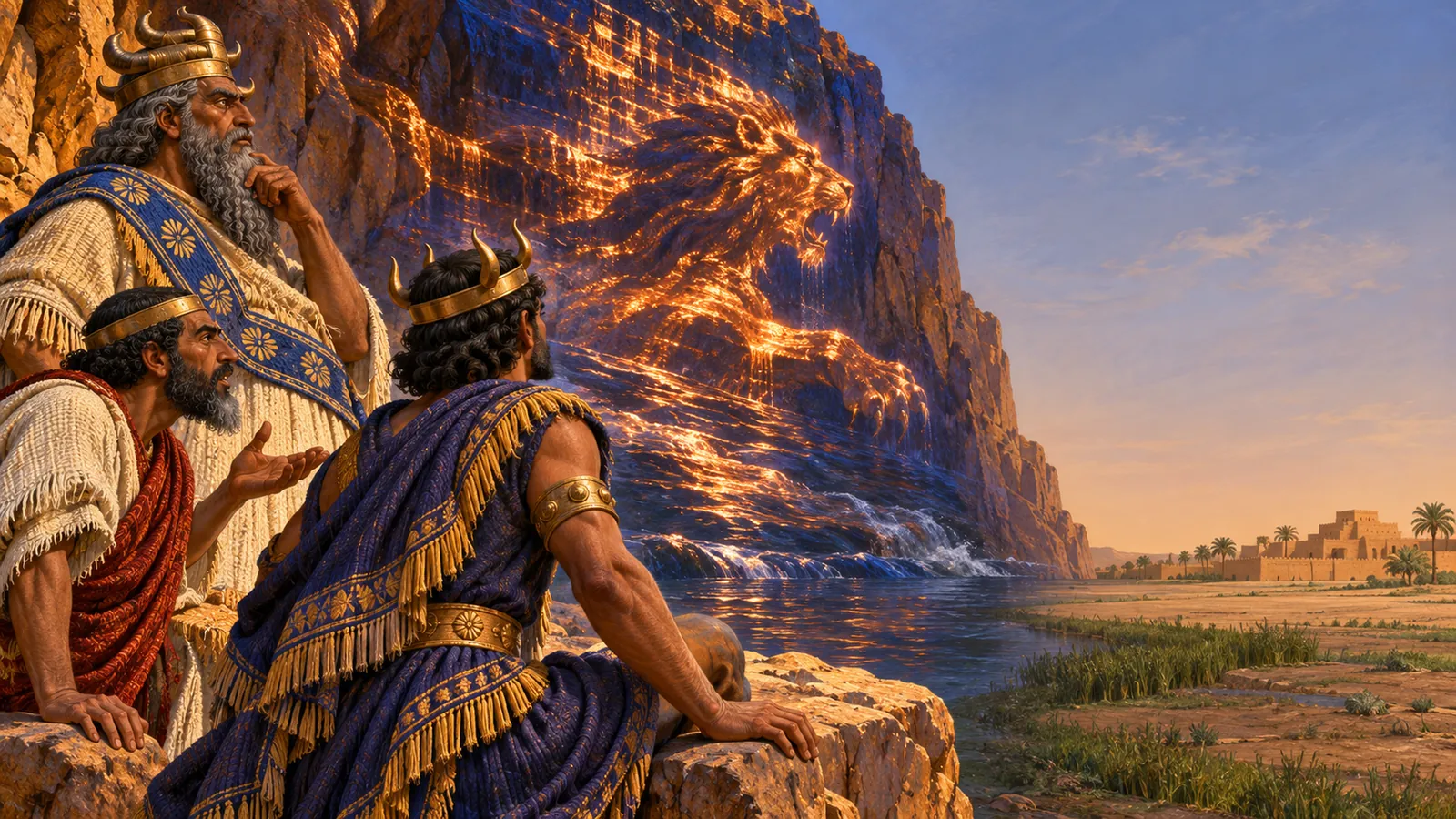
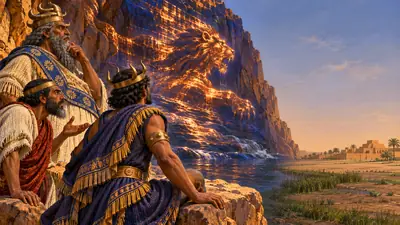
Ninurta said his battle rose like a lion and flooded the mountains. The other gods scattered like little birds before his terrible radiance.
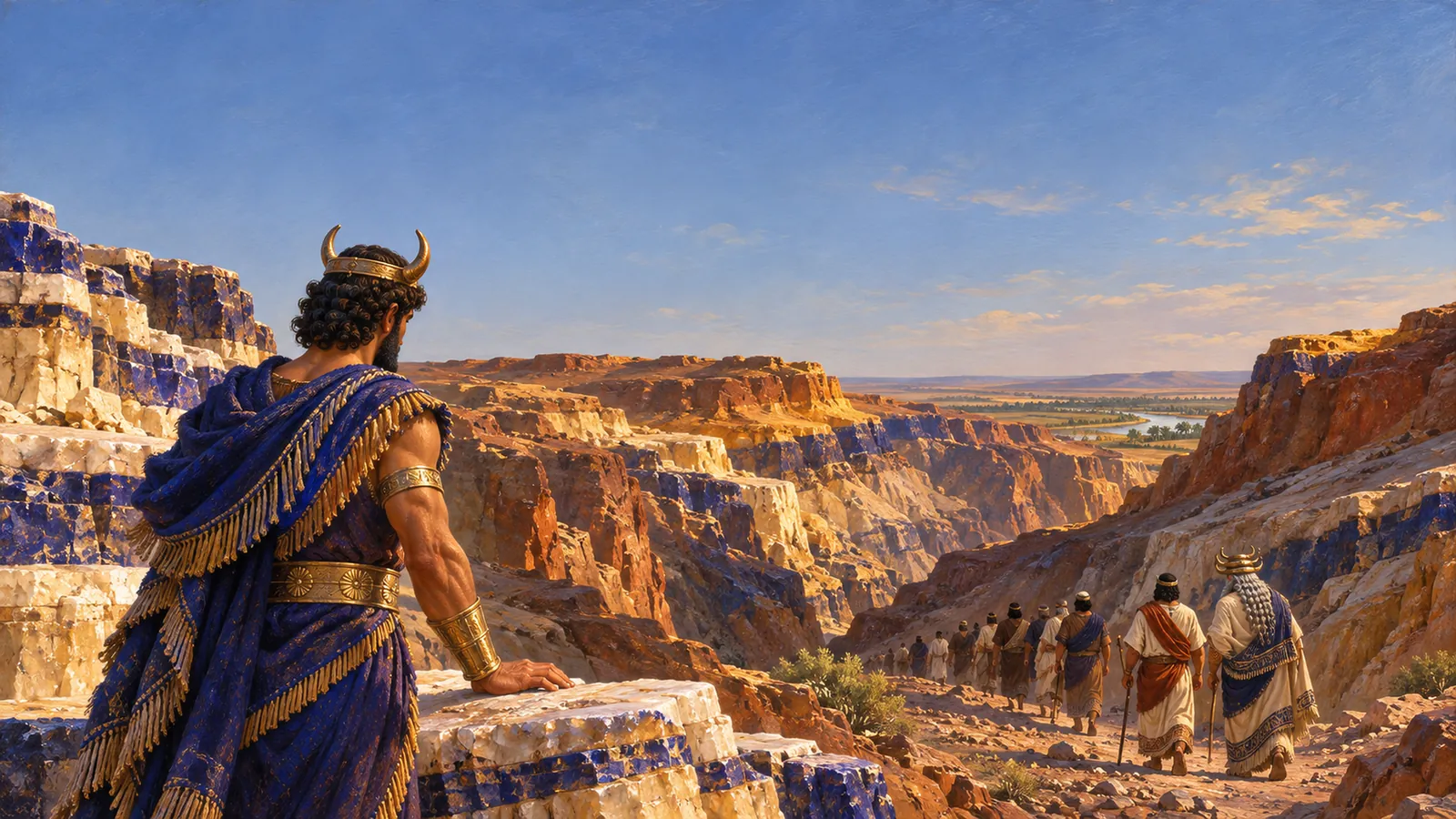
He called himself master of the terraced mountain ranges. He said he had subdued mountains of alabaster and lapis lazuli and made the Anuna hide.
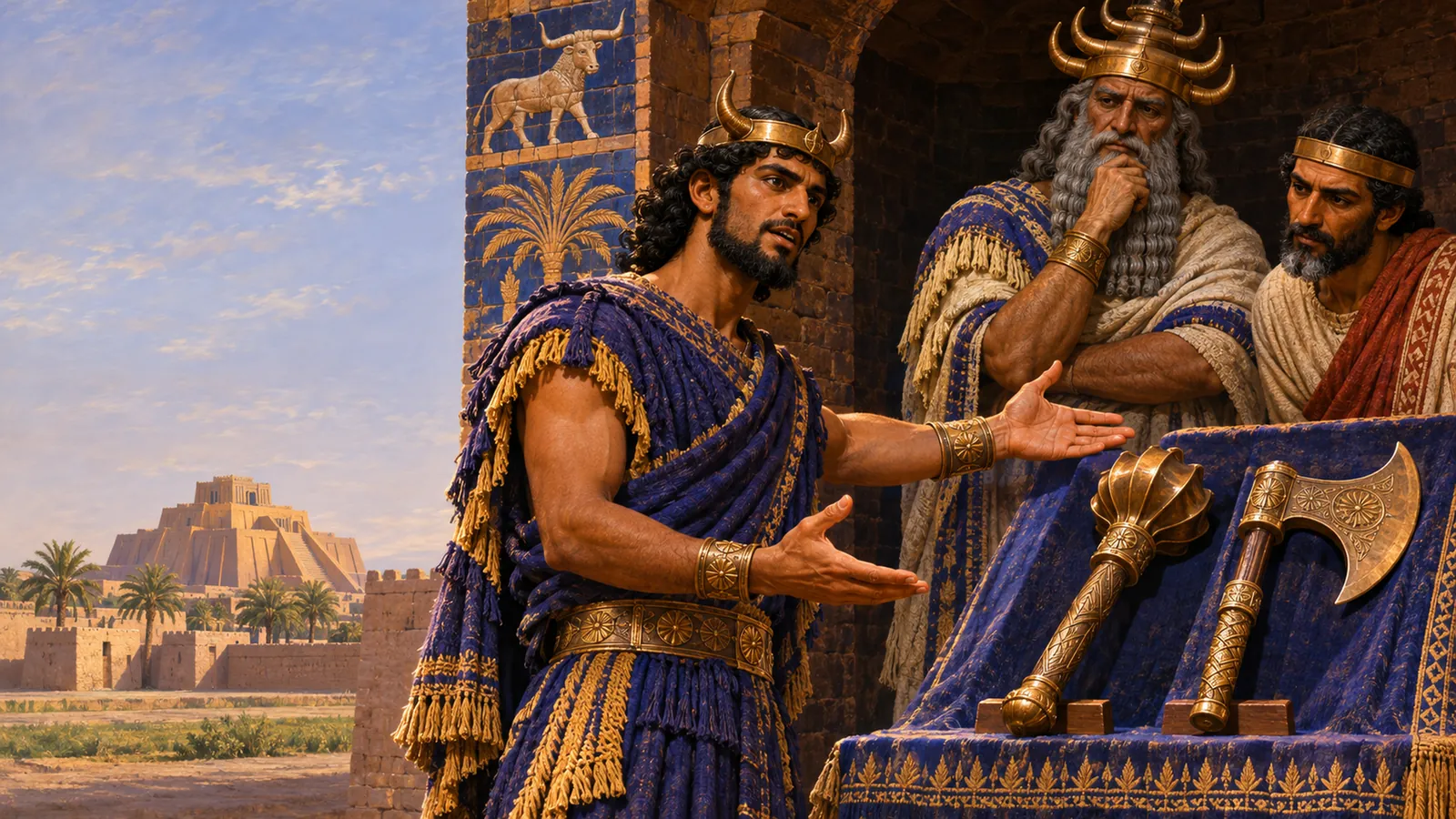
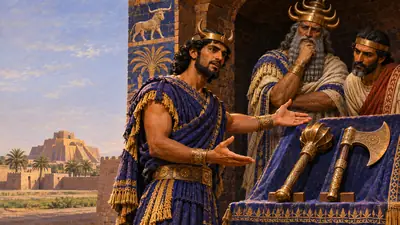
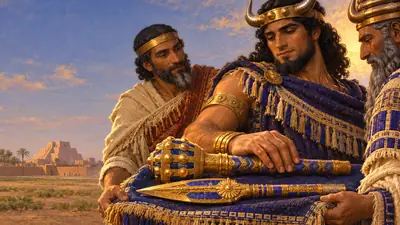
In his speech he named the weapons he bore. There was a heavenly mace, called Fifty-Toothed Storm, and a fearsome axe compared to a dragon.
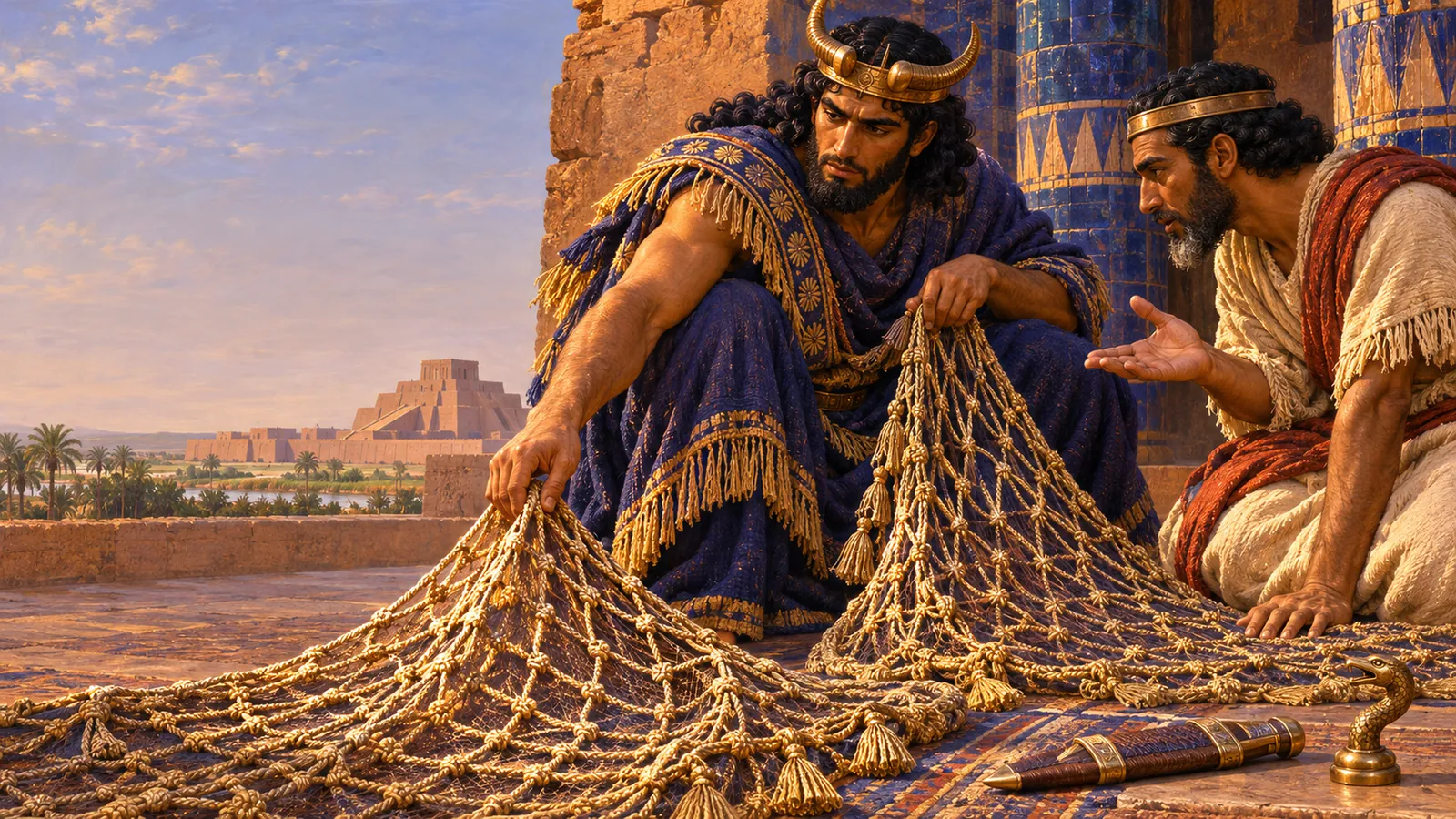
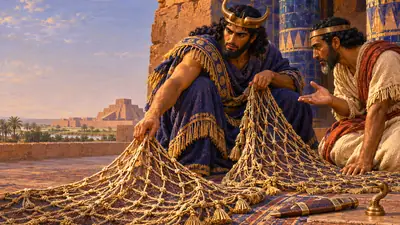
He named two nets, one from which the mountains could never escape. He named a seven-mouthed serpent among his weapons, and his heavenly blade.
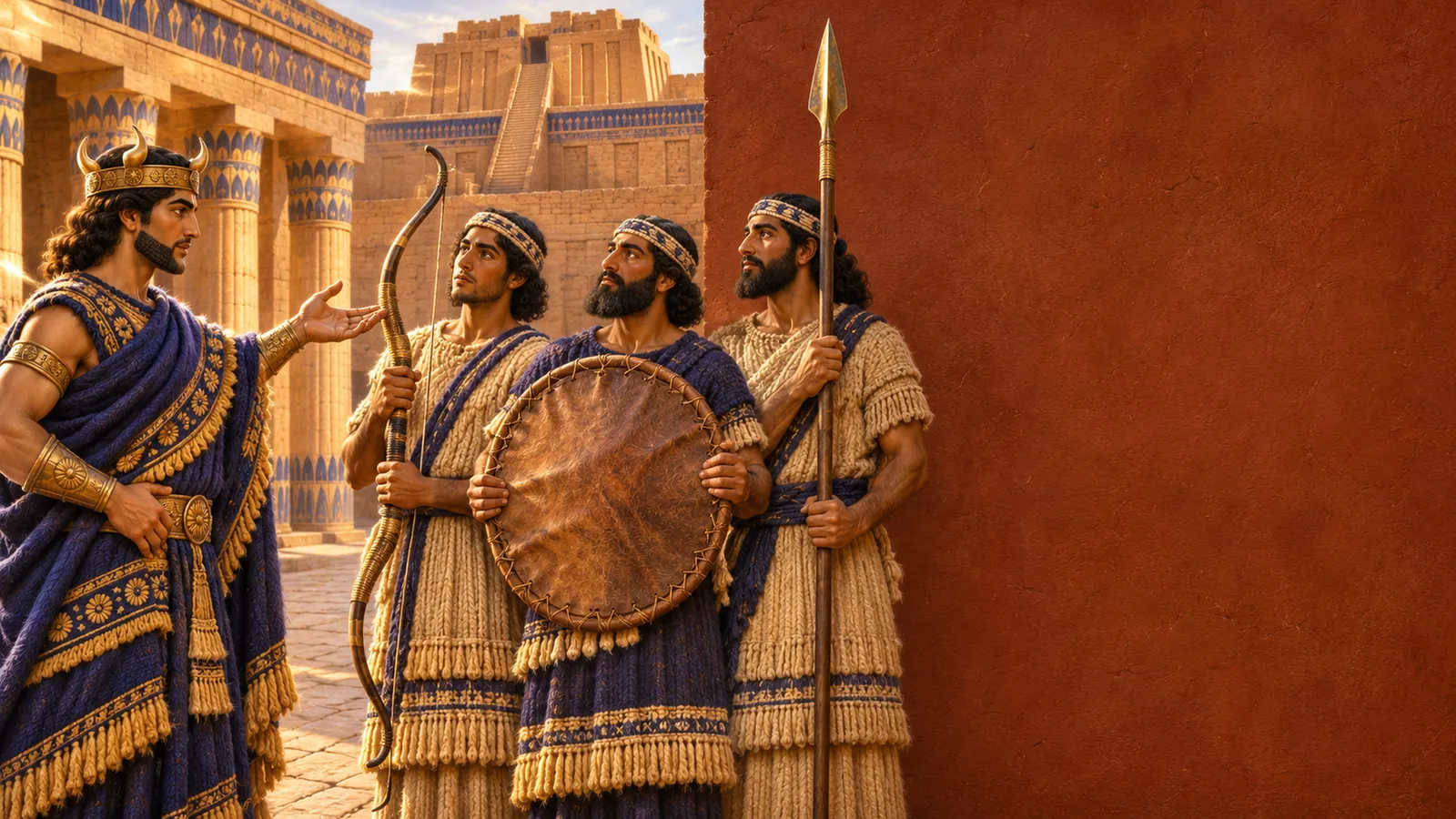
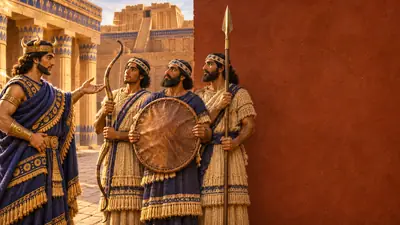
He spoke of his bow and quiver as a storm. His account also named a mace, a throwing stick, a shield and a spear.
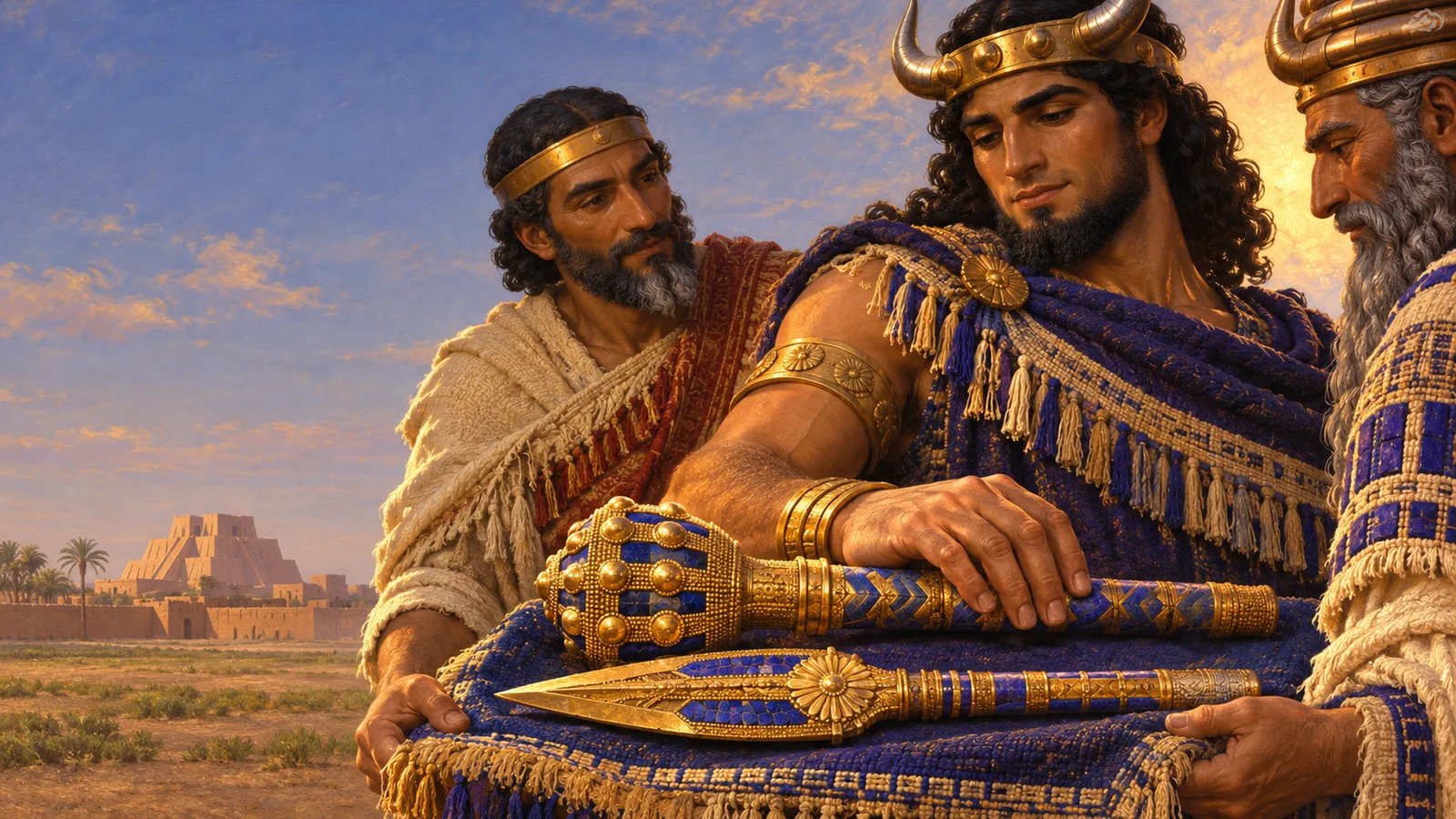
One weapon, fashioned in gold and lapis lazuli, was made for his right hand. It bore the name of the trust he placed in it.
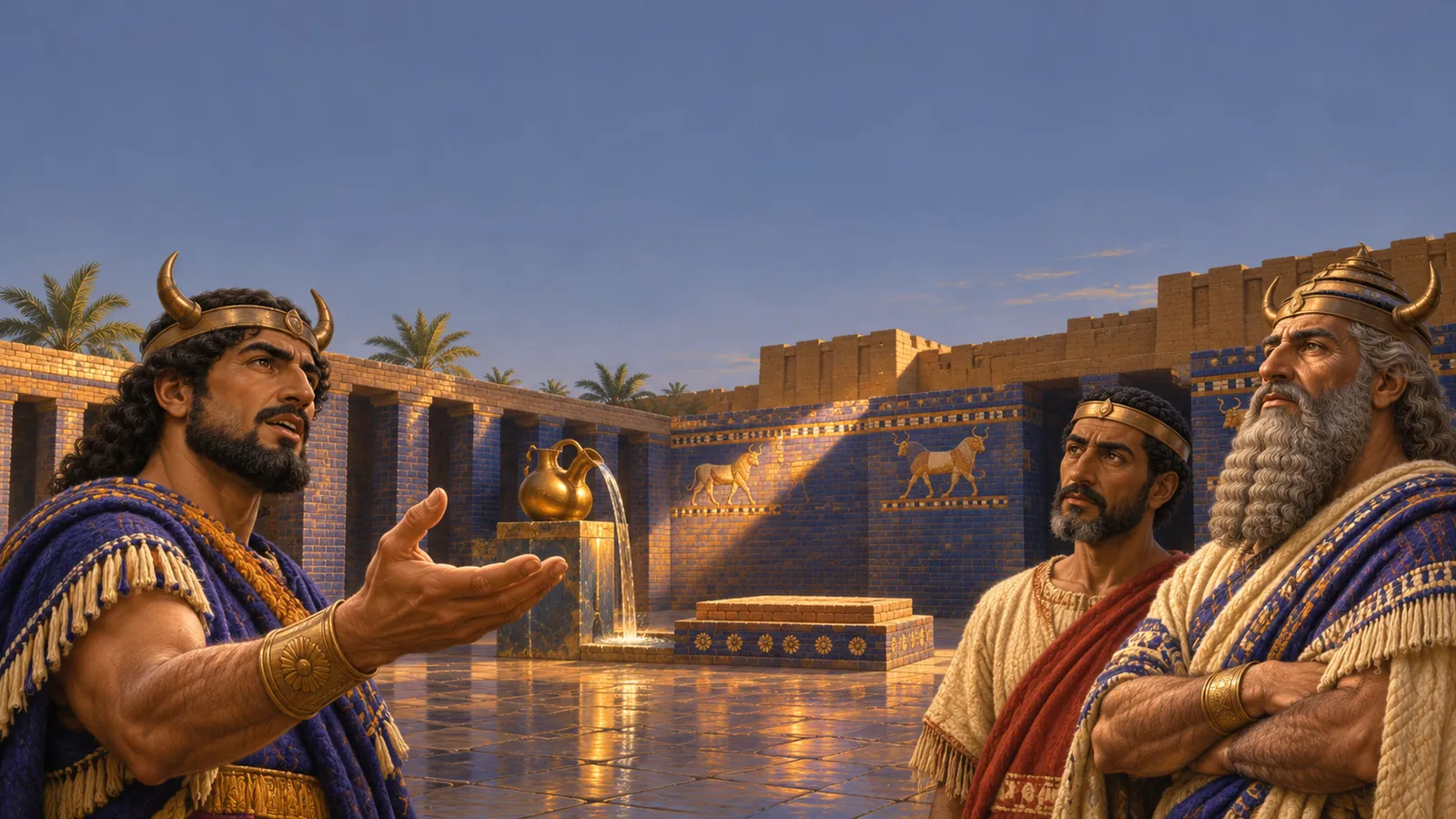
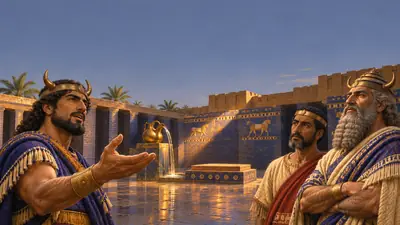
Ninurta asked his father to bring in his trophies and bathe his arms with holy water. He asked for a sacred dais and a pedestal for his chariot.
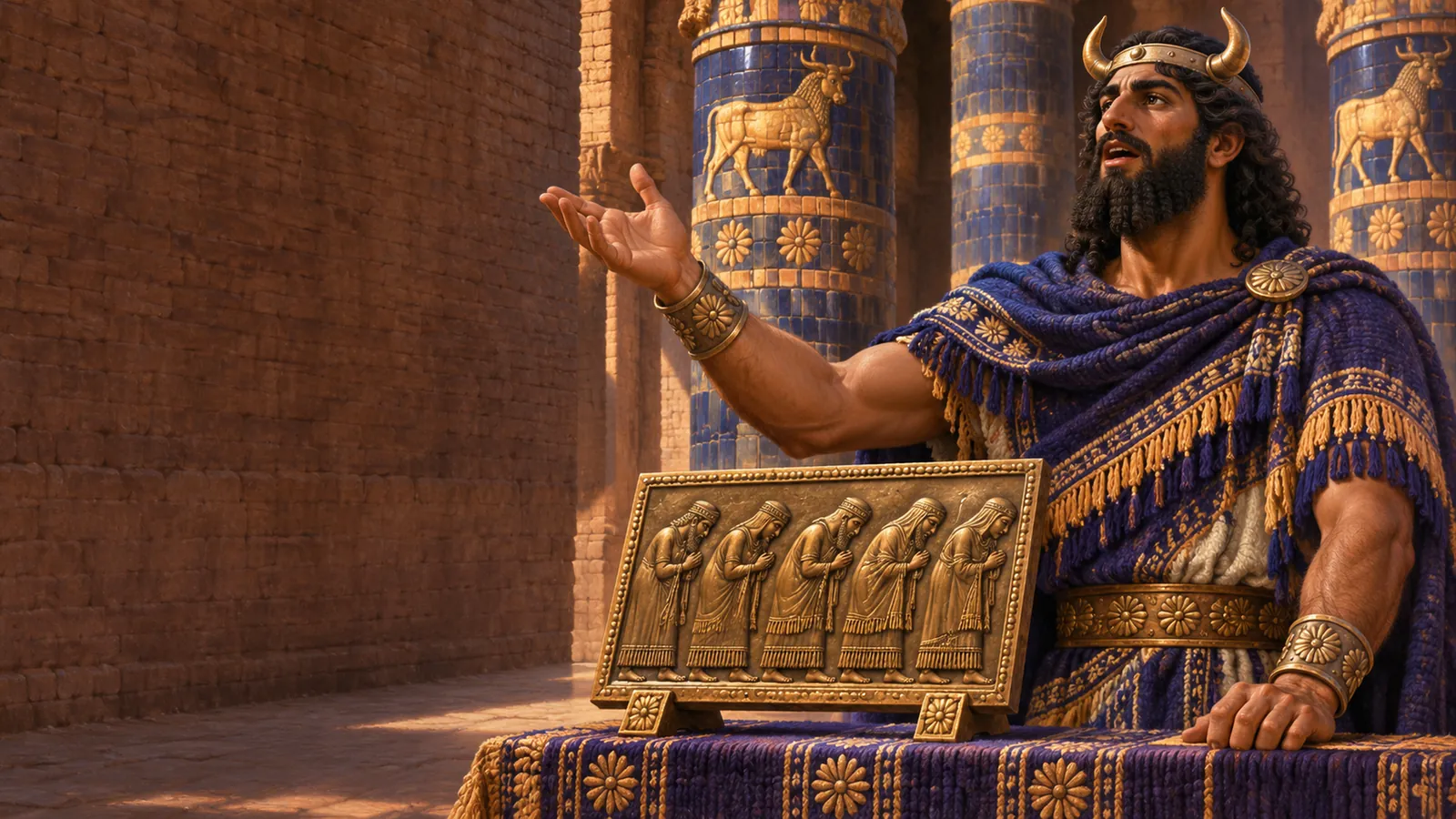
He asked that his captured warriors be tethered like powerful bulls. He wanted his captive kings brought before him to bow as before the light of heaven.
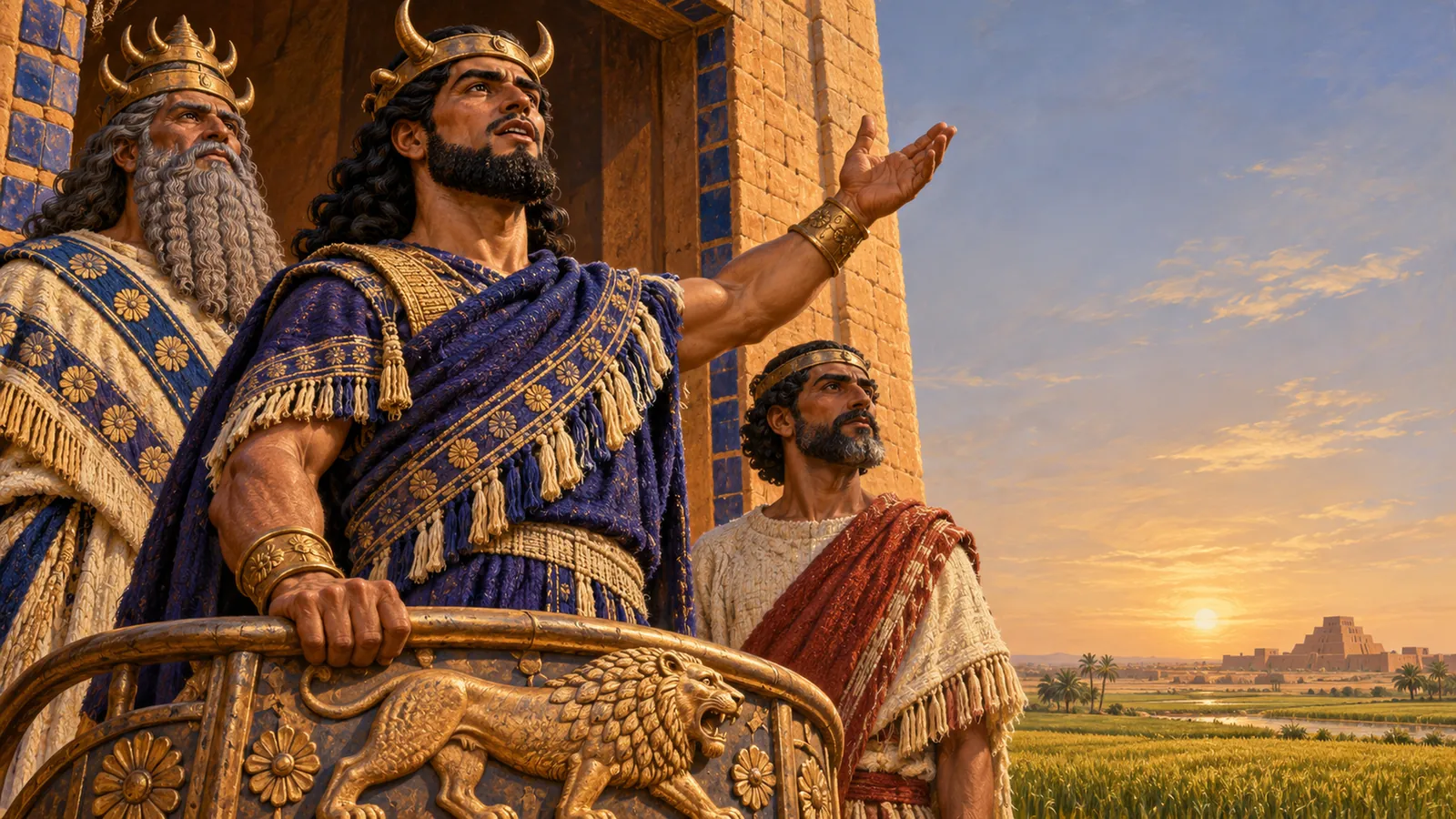
Ninurta declared that none had turned him back in the mountains. Chosen by An and destined with Enki for fearsome powers, he wanted his kingship known everywhere.
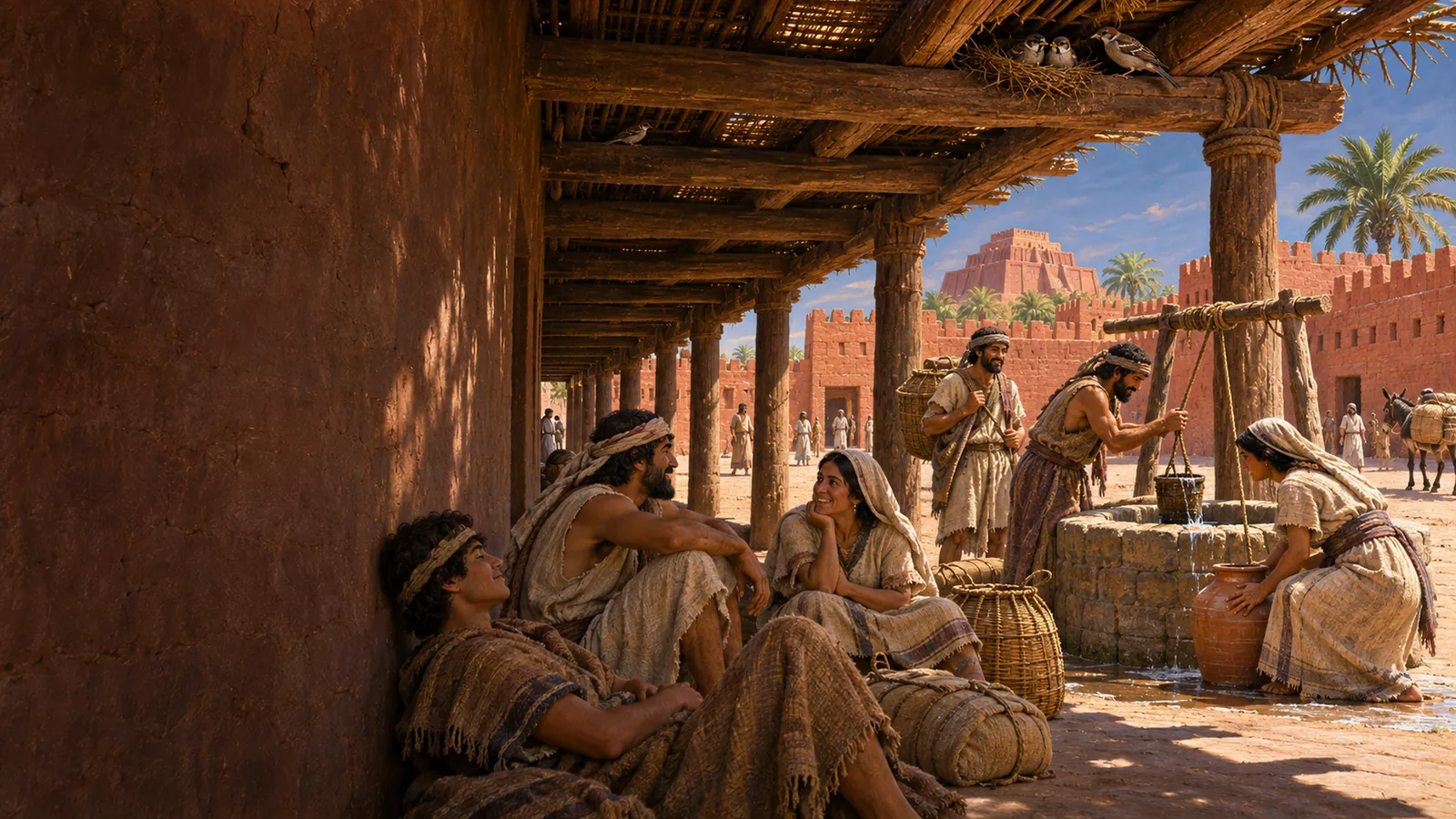
Let Nippur rise above its sister cities, he said, and become Sumer’s well of fresh water. May its birds find nests and its refugees find shade.
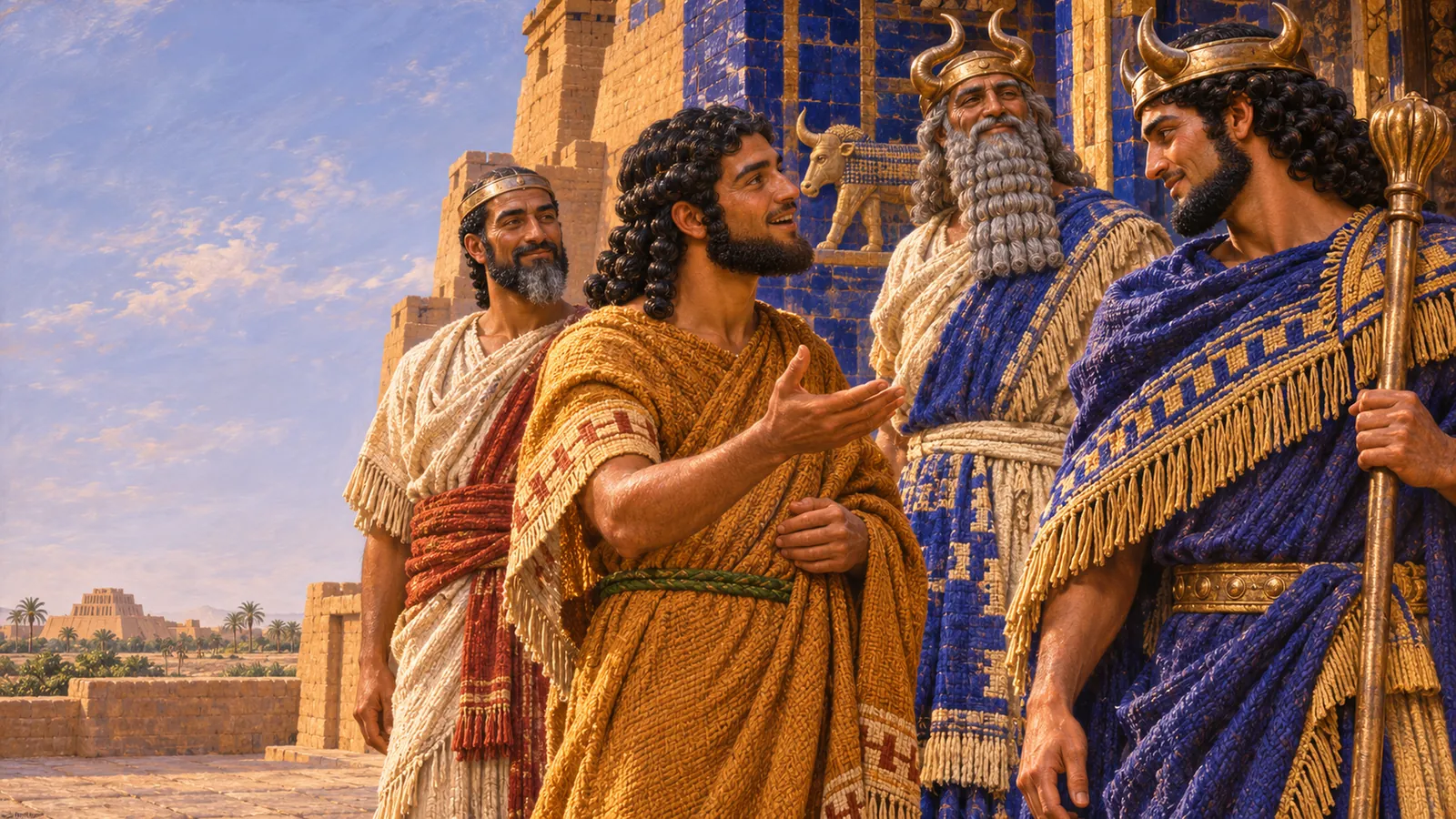
As Ninurta left his father’s temple, Ninkarnuna stepped before him. The bright-faced warrior had heard his promise for the city and now offered a prayer.
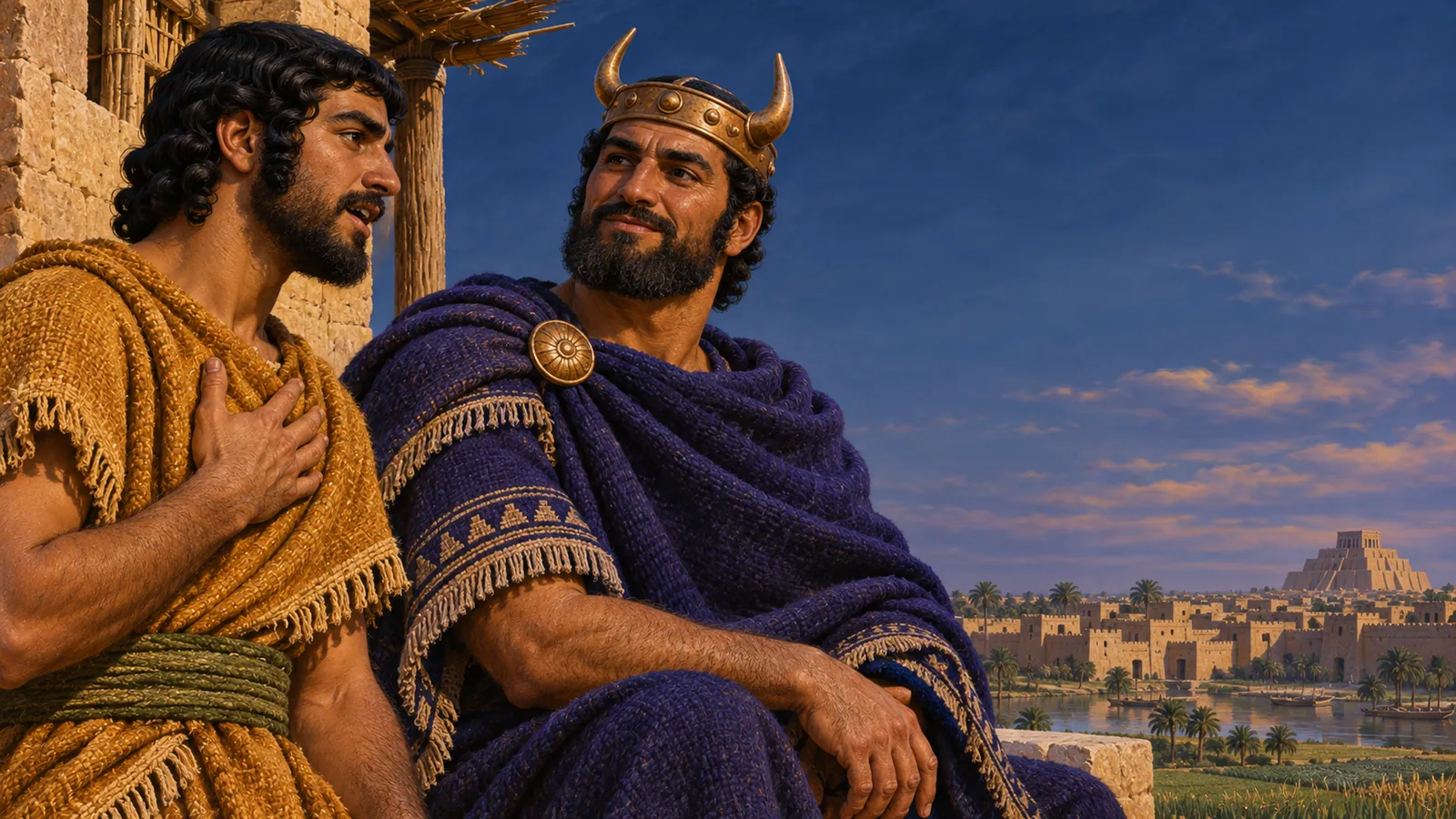
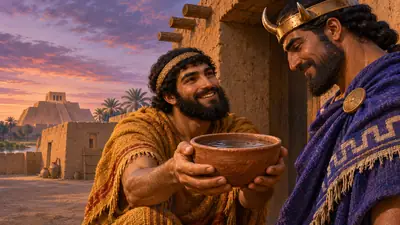
Ninkarnuna asked him to favour Nippur. When you enter your temple, he said, tell your wife what lies in your heart and speak a lasting blessing for the king.
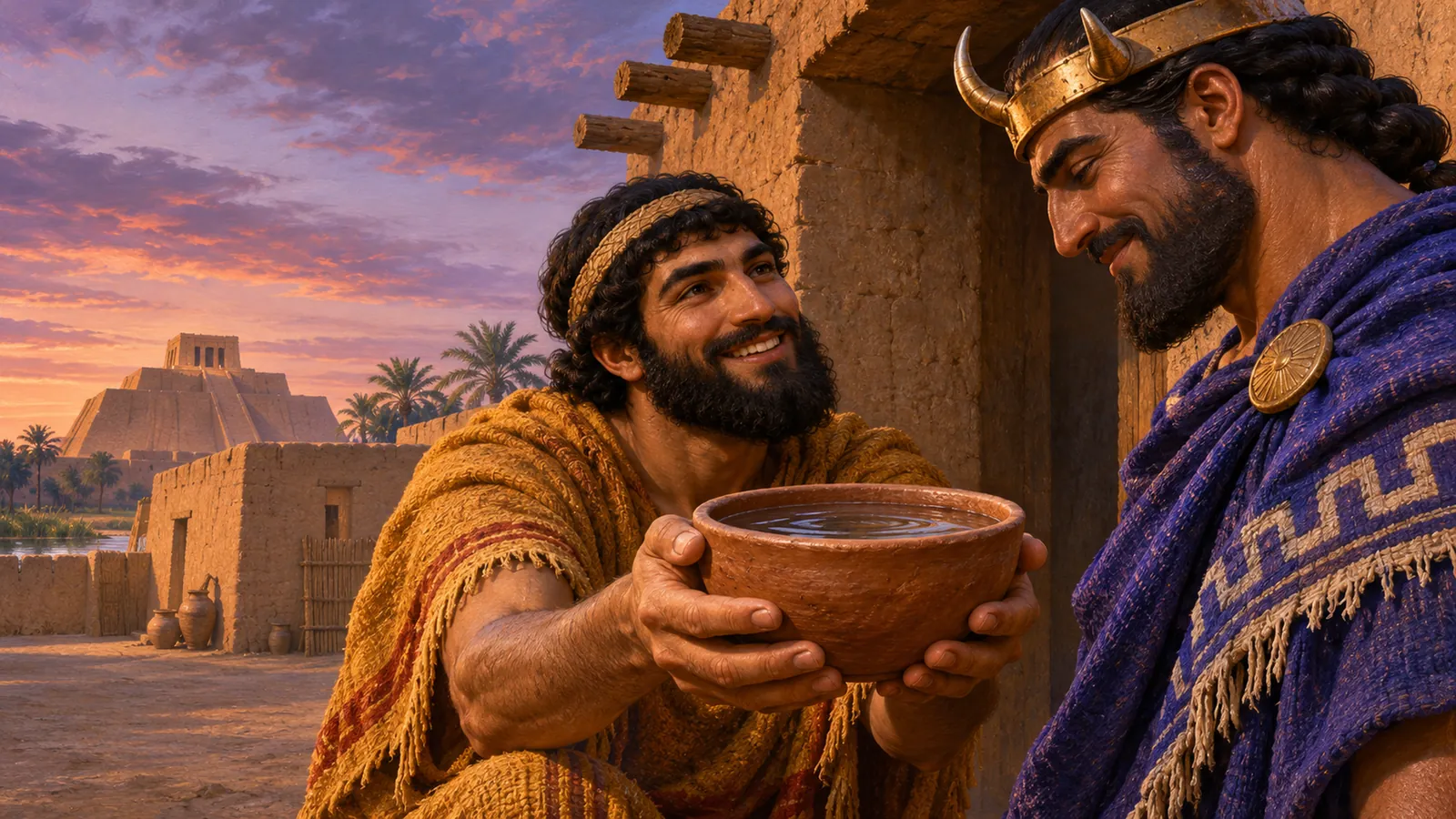
The prayer and the offering of cool water pleased Ninurta. As he went in procession to his own temple, he looked on Ninkarnuna with approval.
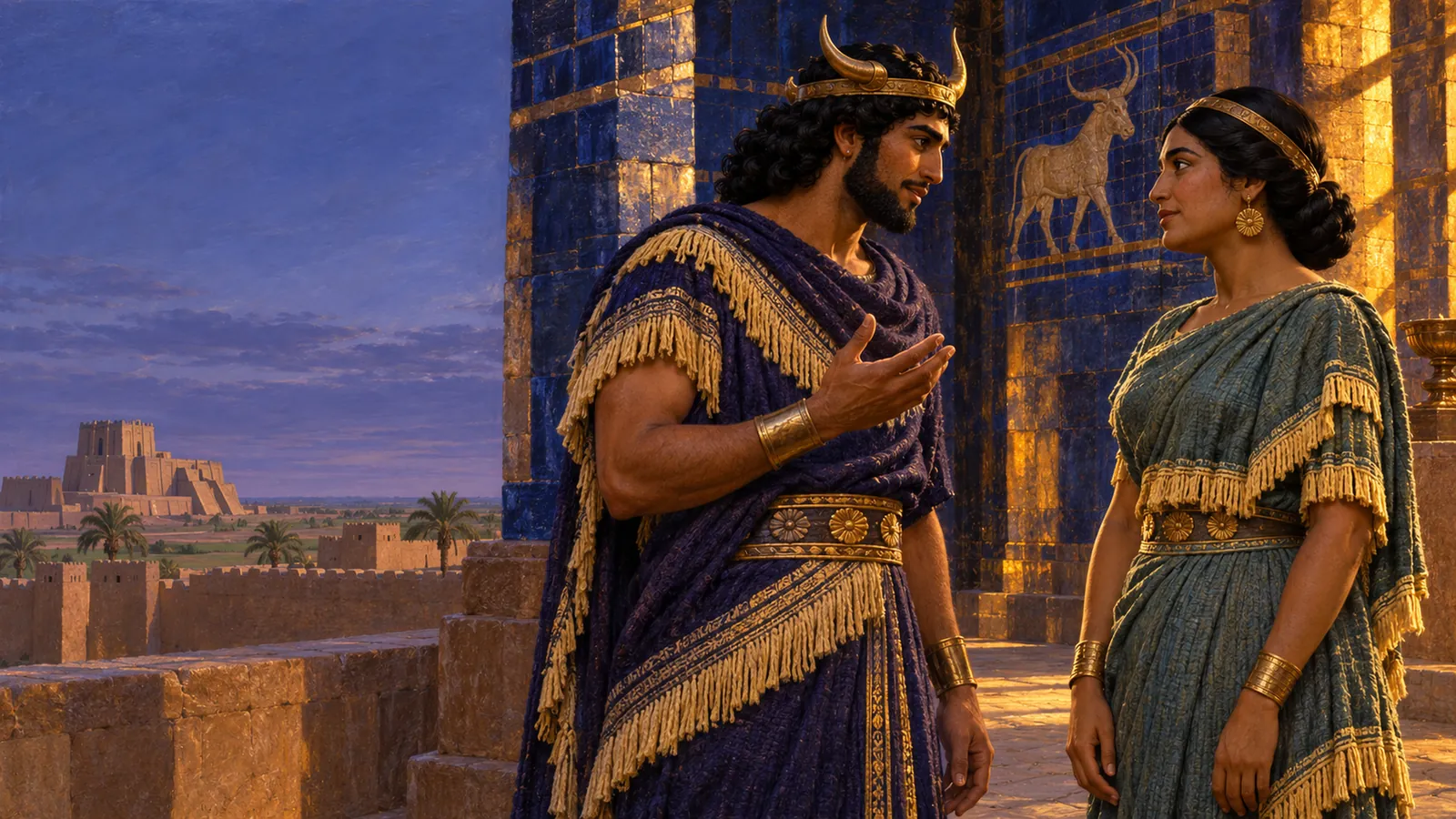
ESHUMESHA
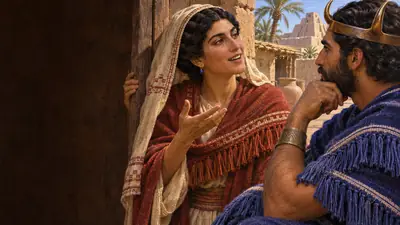
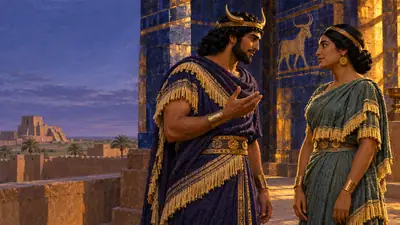
Ninurta entered Eshumesha alone and told his wife Ninnibru what was in his heart and on his mind. He spoke a lasting blessing for the king.
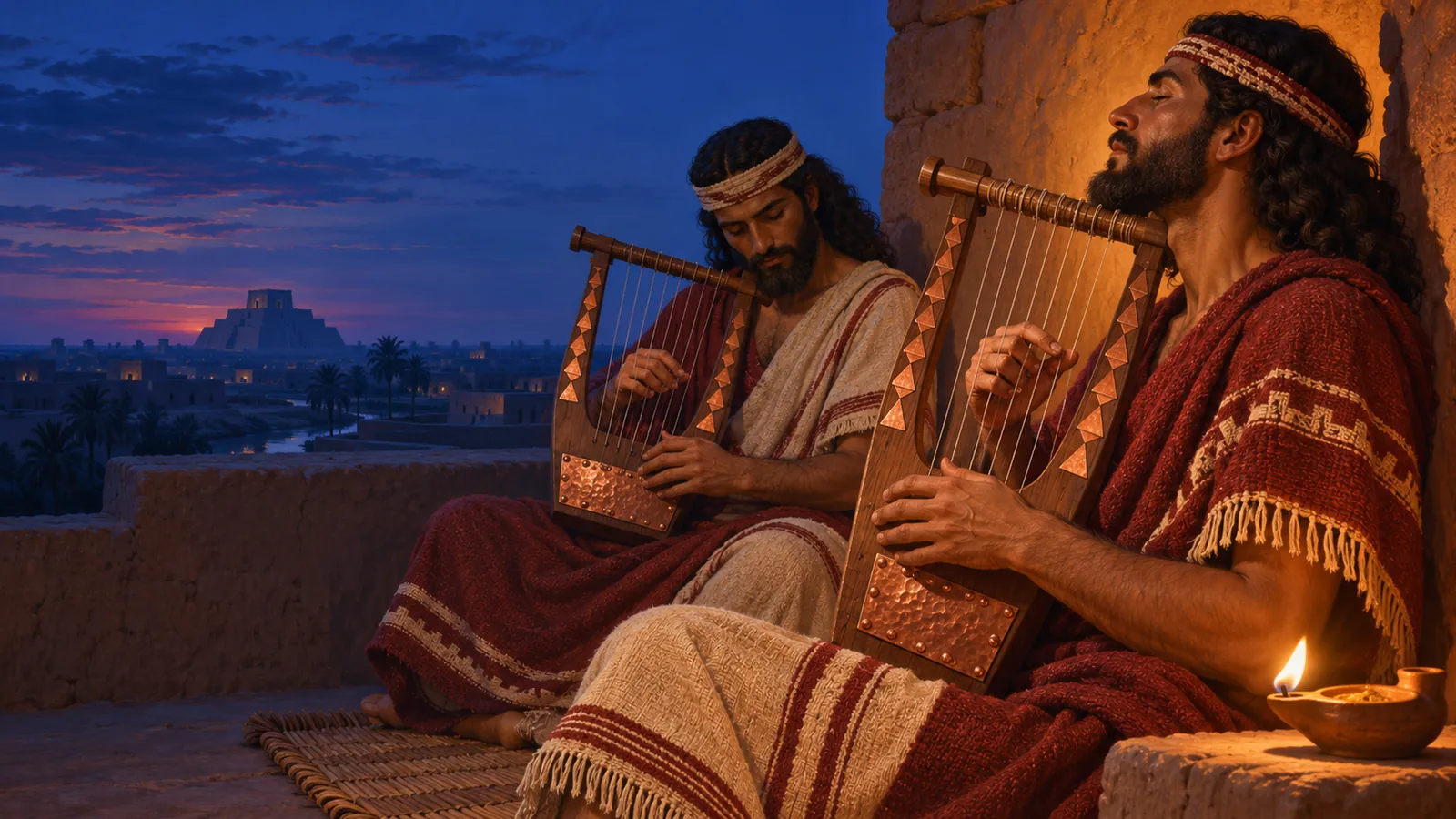
So the song ends with Ninurta’s greatness established in his father’s sanctuary. Its last words praise the warrior who came back to his city.
End of chapter 1
All pages
Sources
Editions consulted
- ETCSL 1.6.1, Oxford translation of *The Return of Ninurta to Nibru*
- ETCSL 1.6.1, Sumerian composite
- Jerrold S. Cooper, *The Return of Ninurta to Nippur: An-gim dím-ma*, standard edition, 1978
- CDLI Literary 000350, Old Babylonian witness composite
Ancient lines behind each page
- Page 1: ETCSL 1.6.1, 1–6
- Page 2: ETCSL 1.6.1, 7–12
- Page 3: ETCSL 1.6.1, 13–25
Several words describing the hostile mountain land are lost. - Page 4: ETCSL 1.6.1, 30–33
- Page 5: ETCSL 1.6.1, 34–37
- Page 6: ETCSL 1.6.1, 38–40
- Page 7: ETCSL 1.6.1, 41–51
The lines are damaged here. - Page 8: ETCSL 1.6.1, 52–54
- Page 9: ETCSL 1.6.1, 55–63
- Page 10: ETCSL 1.6.1, 64–65
- Page 11: ETCSL 1.6.1, 66–69
- Page 12: ETCSL 1.6.1, 70–75
- Page 13: ETCSL 1.6.1, 76–79
- Page 14: ETCSL 1.6.1, 76–79
- Page 15: ETCSL 1.6.1, 80–82
- Page 16: ETCSL 1.6.1, 83–86
- Page 17: ETCSL 1.6.1, 87–91
- Page 18: ETCSL 1.6.1, 92–97
- Page 19: ETCSL 1.6.1, 98–99
- Page 20: ETCSL 1.6.1, 100–101
- Page 21: ETCSL 1.6.1, 102–103
- Page 22: ETCSL 1.6.1, 104–105
- Page 23: ETCSL 1.6.1, 106–107
- Page 24: ETCSL 1.6.1, 108–112
- Page 25: ETCSL 1.6.1, 113–118
The beginning of the reply is damaged. - Page 26: ETCSL 1.6.1, 119–124
- Page 27: ETCSL 1.6.1, 125–127
- Page 28: ETCSL 1.6.1, 128–134
- Page 29: ETCSL 1.6.1, 135–139
- Page 30: ETCSL 1.6.1, 140–145
- Page 31: ETCSL 1.6.1, 146–151
- Page 32: ETCSL 1.6.1, 152–156
- Page 33: ETCSL 1.6.1, 157–158
- Page 34: ETCSL 1.6.1, 159–167
- Page 35: ETCSL 1.6.1, 168–174
- Page 36: ETCSL 1.6.1, 175–179
- Page 37: ETCSL 1.6.1, 180–186
- Page 38: ETCSL 1.6.1, 187–194
- Page 39: ETCSL 1.6.1, 195–198
- Page 40: ETCSL 1.6.1, 199–208
Illustrations made with AI tools by IL Archive; the text is based on the ancient sources (see the sources at the end of each chapter).