Etana Chapter 1
The Eagle and the Serpent
In Kish, the gods make Etana king. Near a mountain, an eagle and a serpent share a tree. When the eagle breaks their oath, its fate leads Etana to the edge of a pit.
SourcesTurn the pages with the arrows, the arrow keys or a swipe.
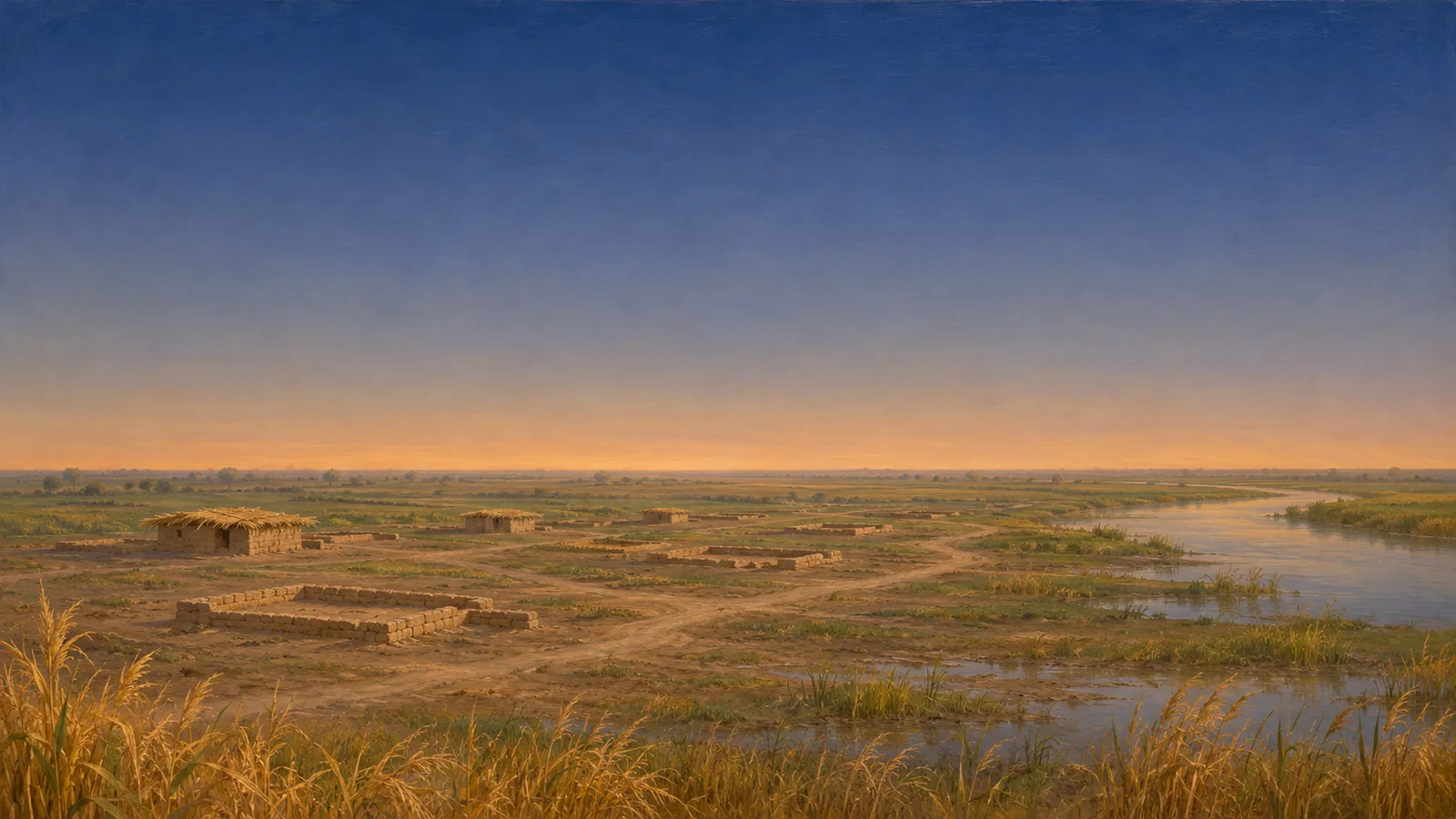
THE EAGLE AND THE SERPENT
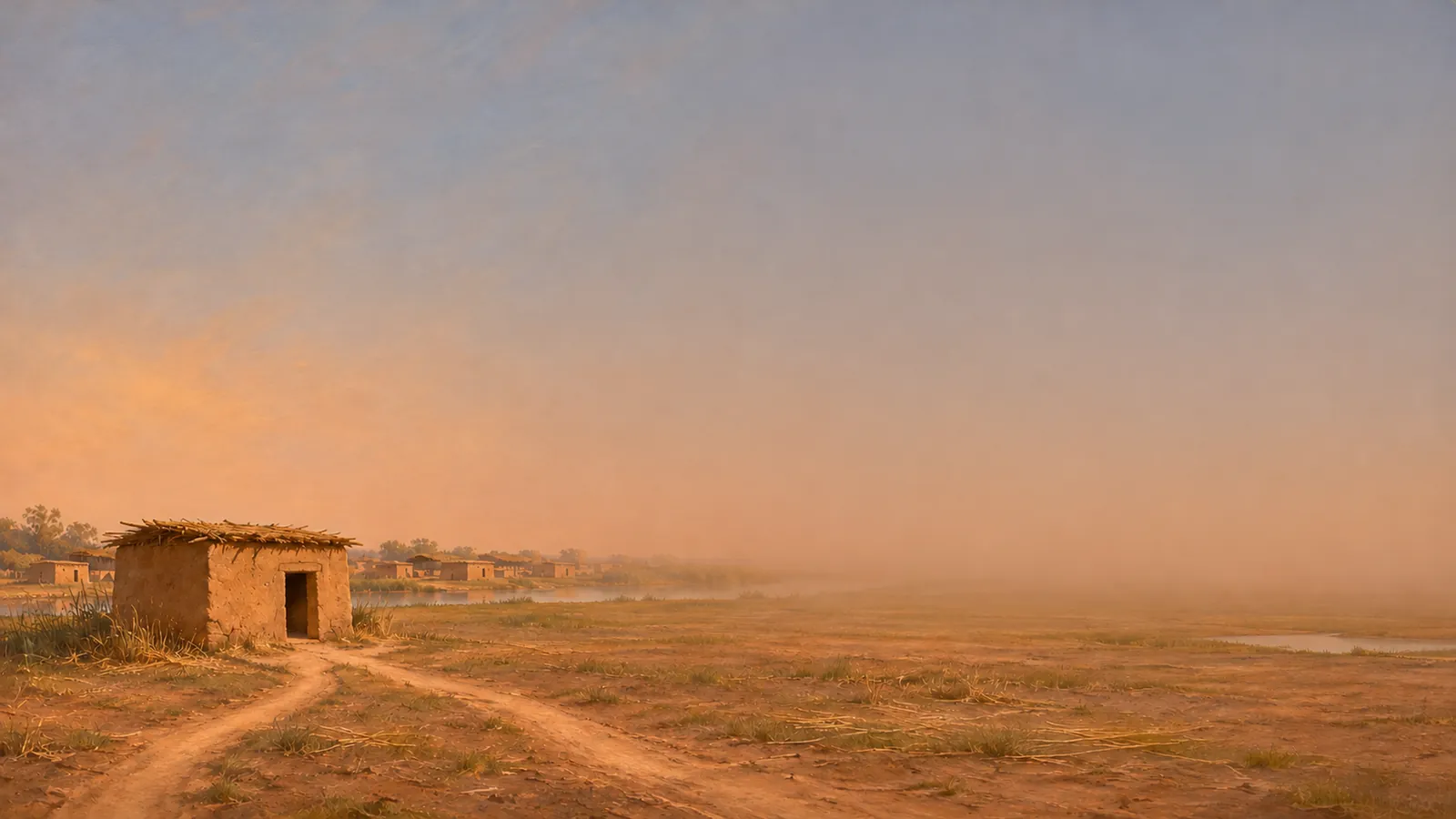
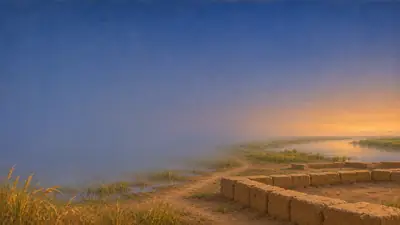
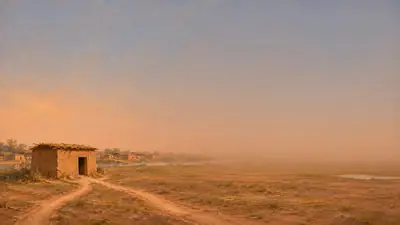
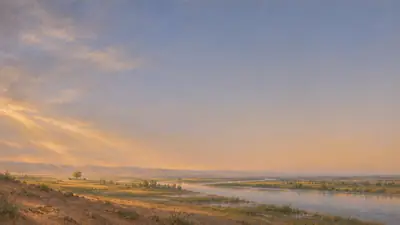
At the beginning of the story, the great gods laid out a city. The poem places it at Kish, where the gods set down its foundations.
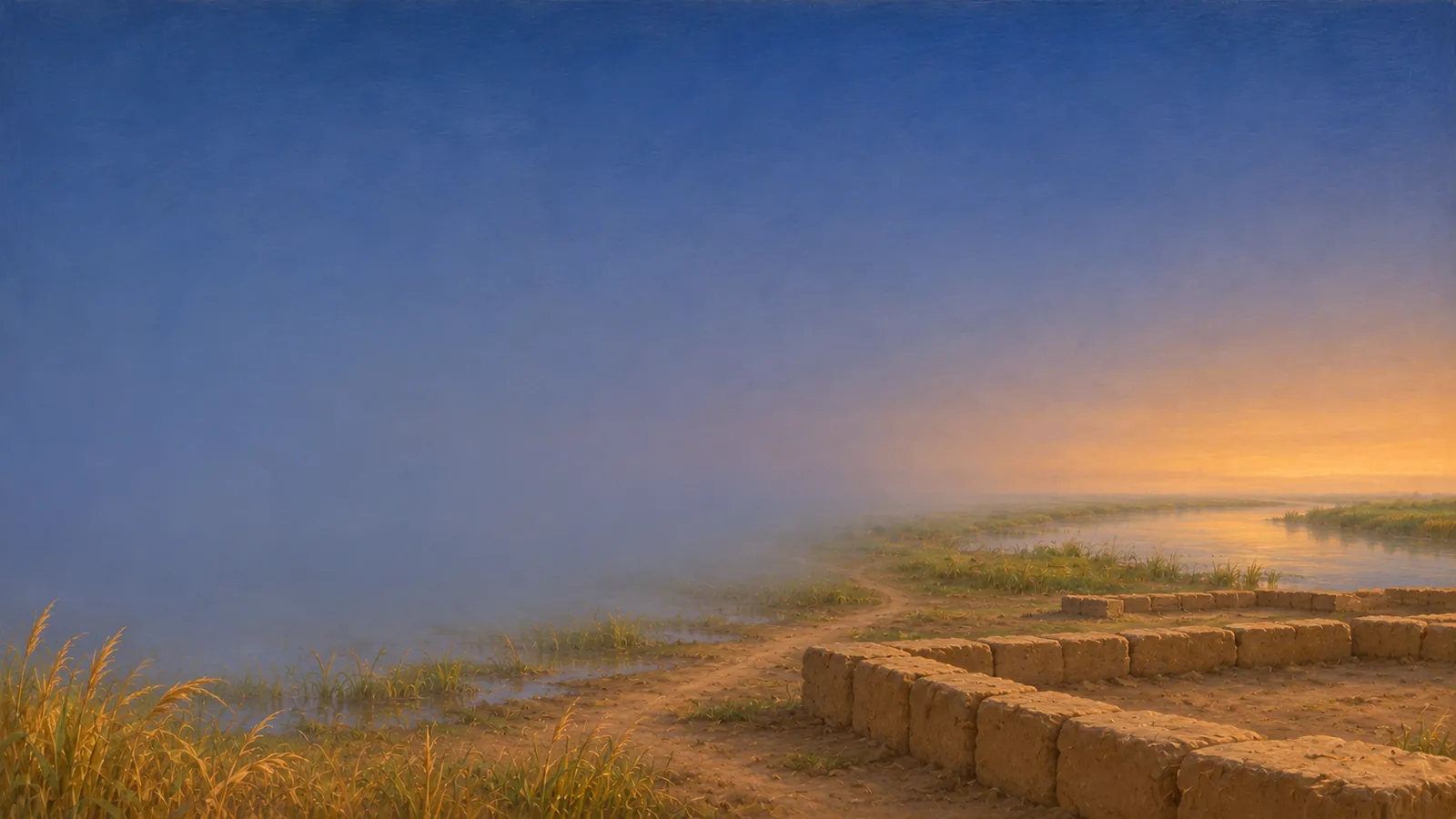
The great gods settled the city’s foundations, and the poem gives the Igigi a part in its making. Kish was coming into view.
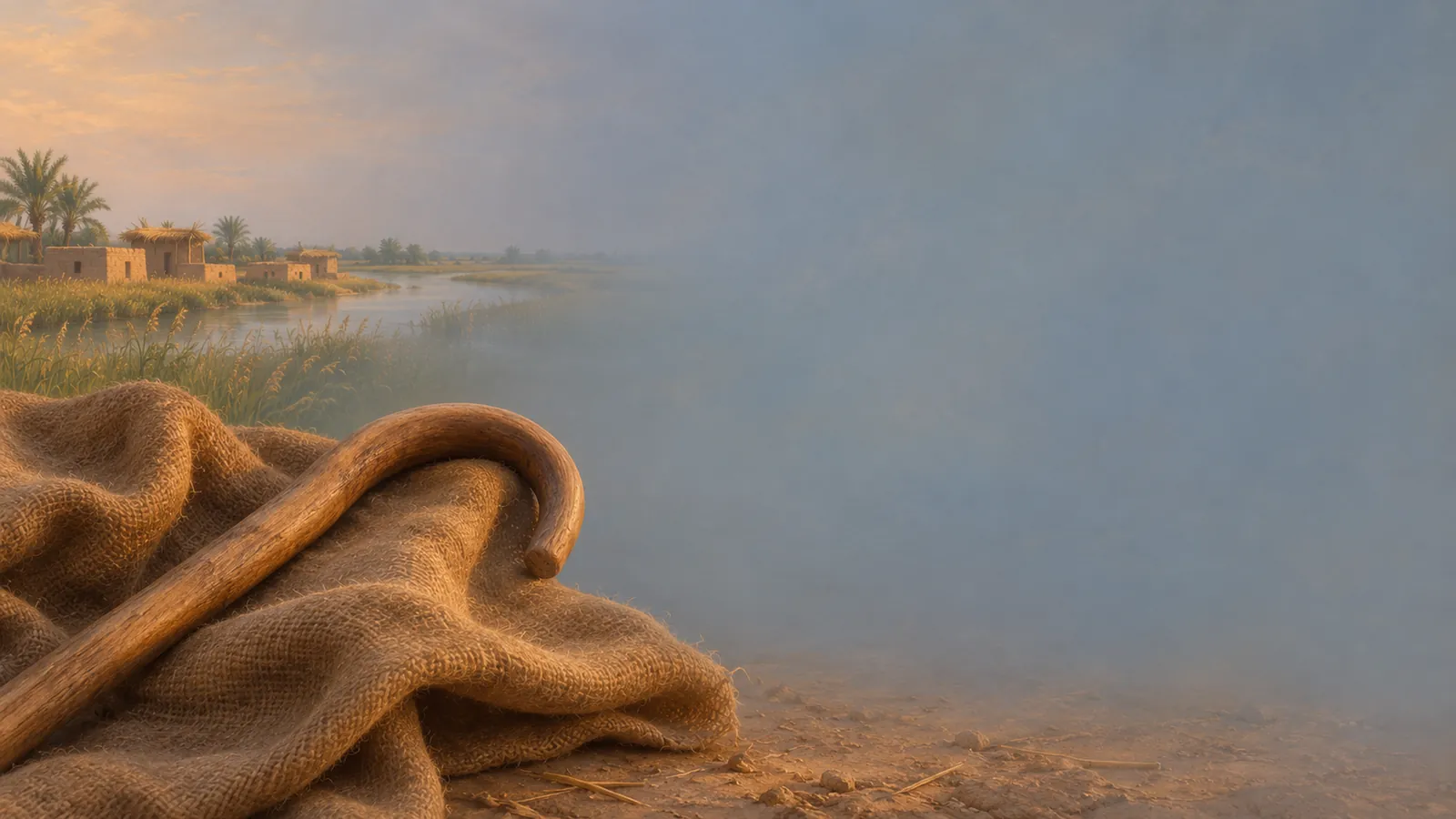
In the broken opening, the gods speak of a shepherd for the people. They are looking for someone who can care for them.
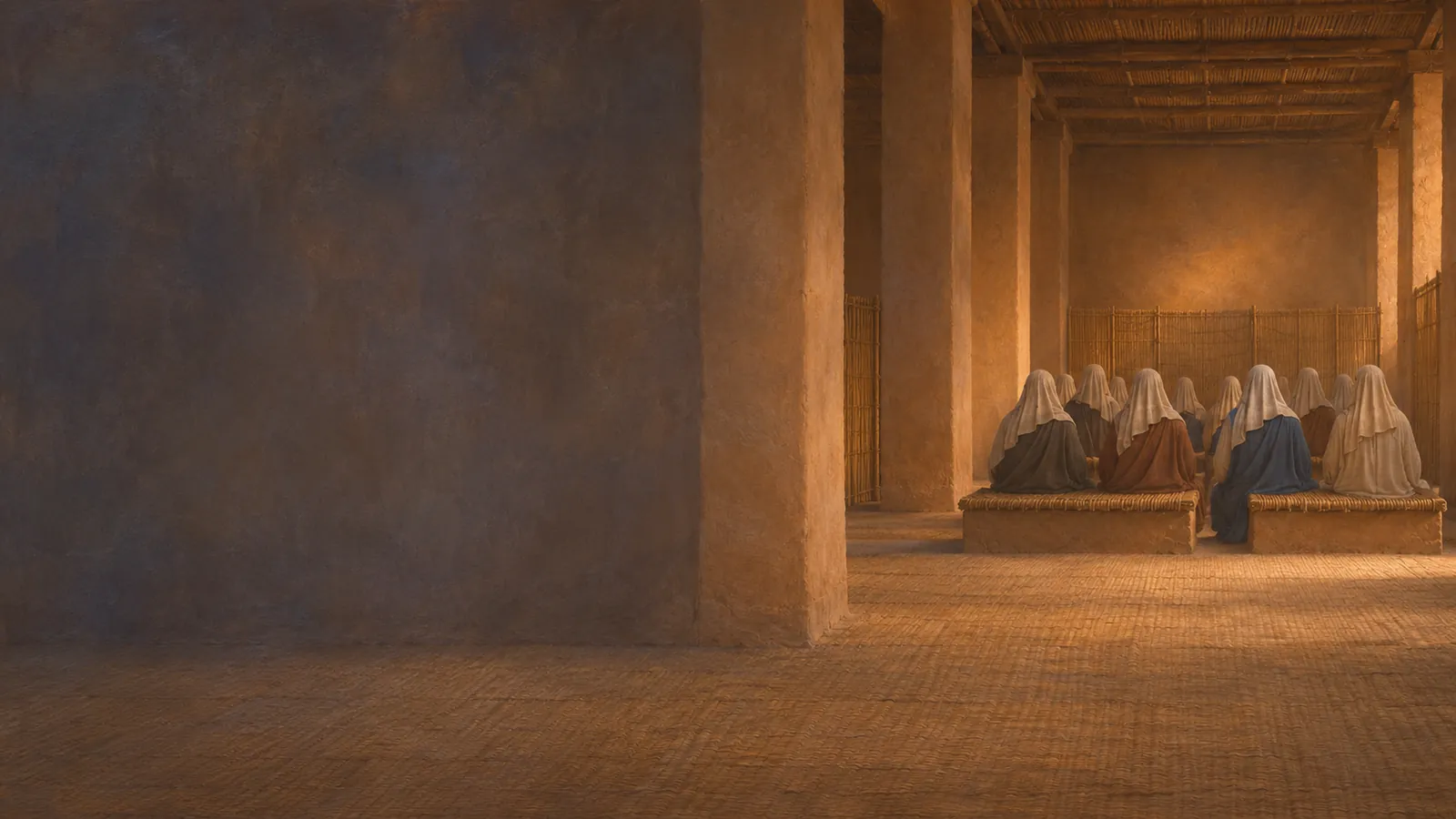
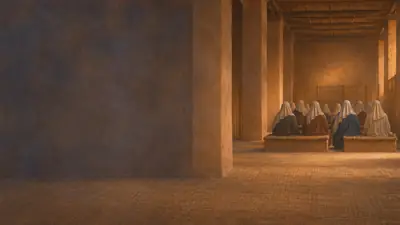
The great gods sat down to consider the fate of the land. The people were many, and there was still no king among them.
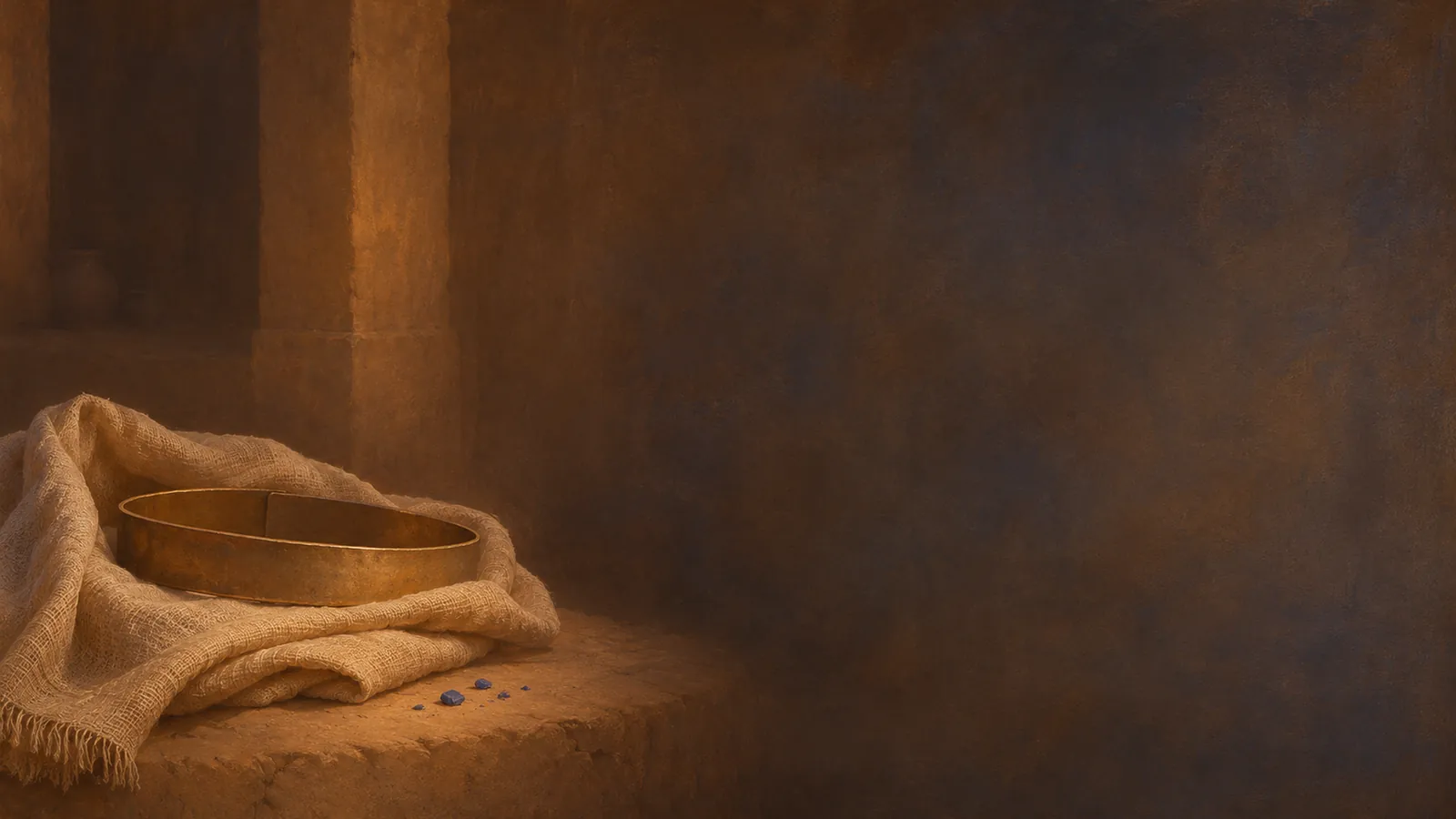
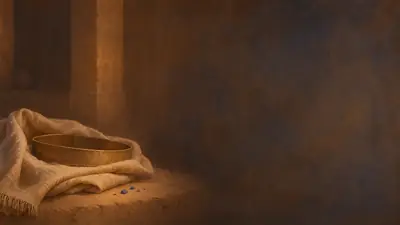
No brow had worn the royal headcloth or the crown. The scepter had yet to be set with lapis, and the daises stood unfinished.
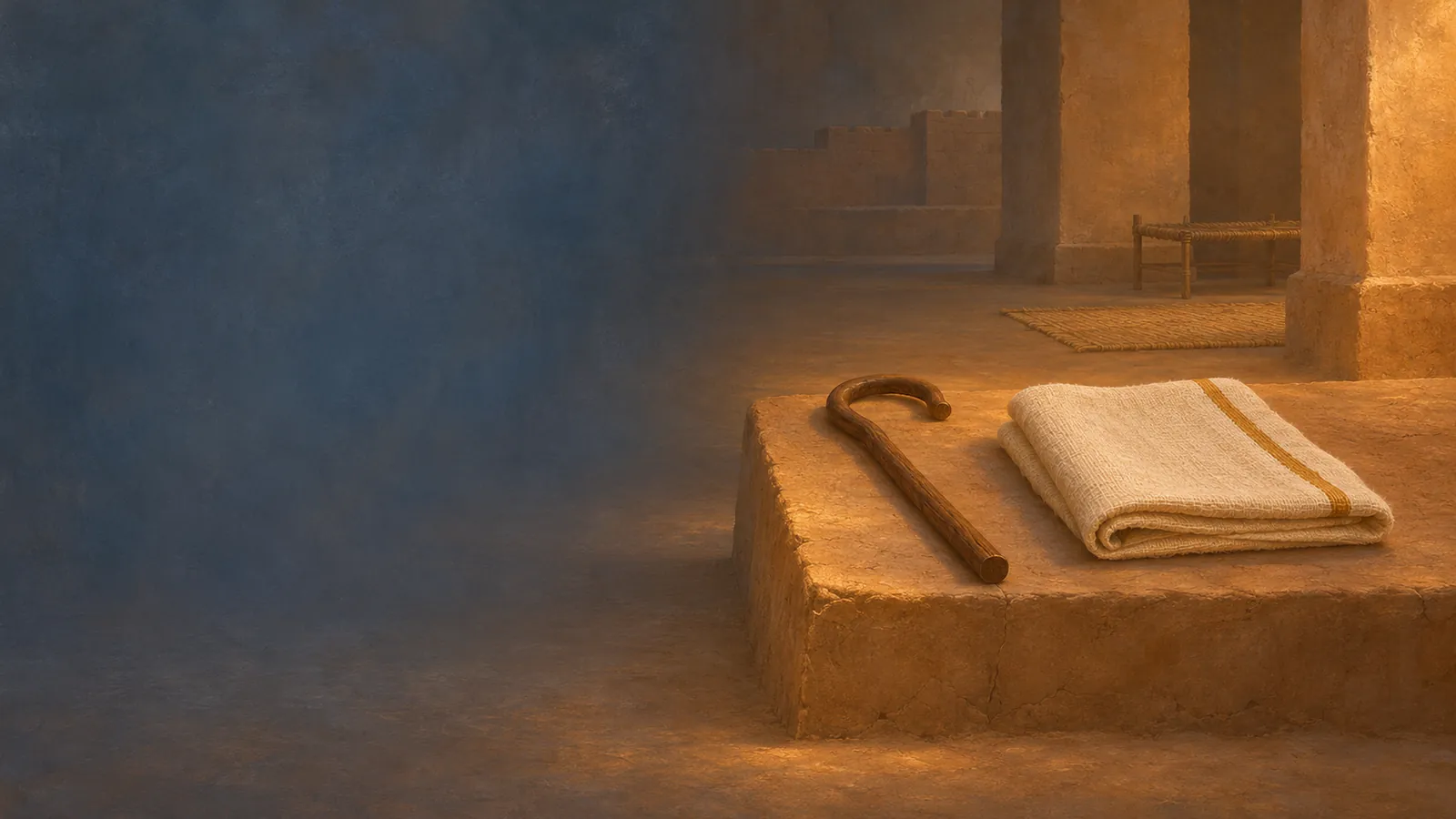
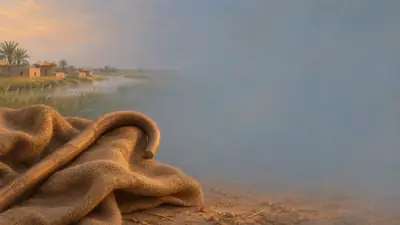
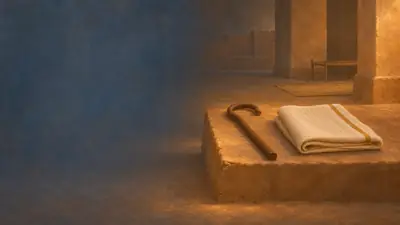
The older Babylonian tablet pictures the signs of rule waiting in heaven before Anu. Among them lay a shepherd’s crook, alongside the crown and scepter.
The broken lines speak of Ishtar and Enlil as the gods seek a ruler. The land is waiting for someone to take up the task.
KINGSHIP
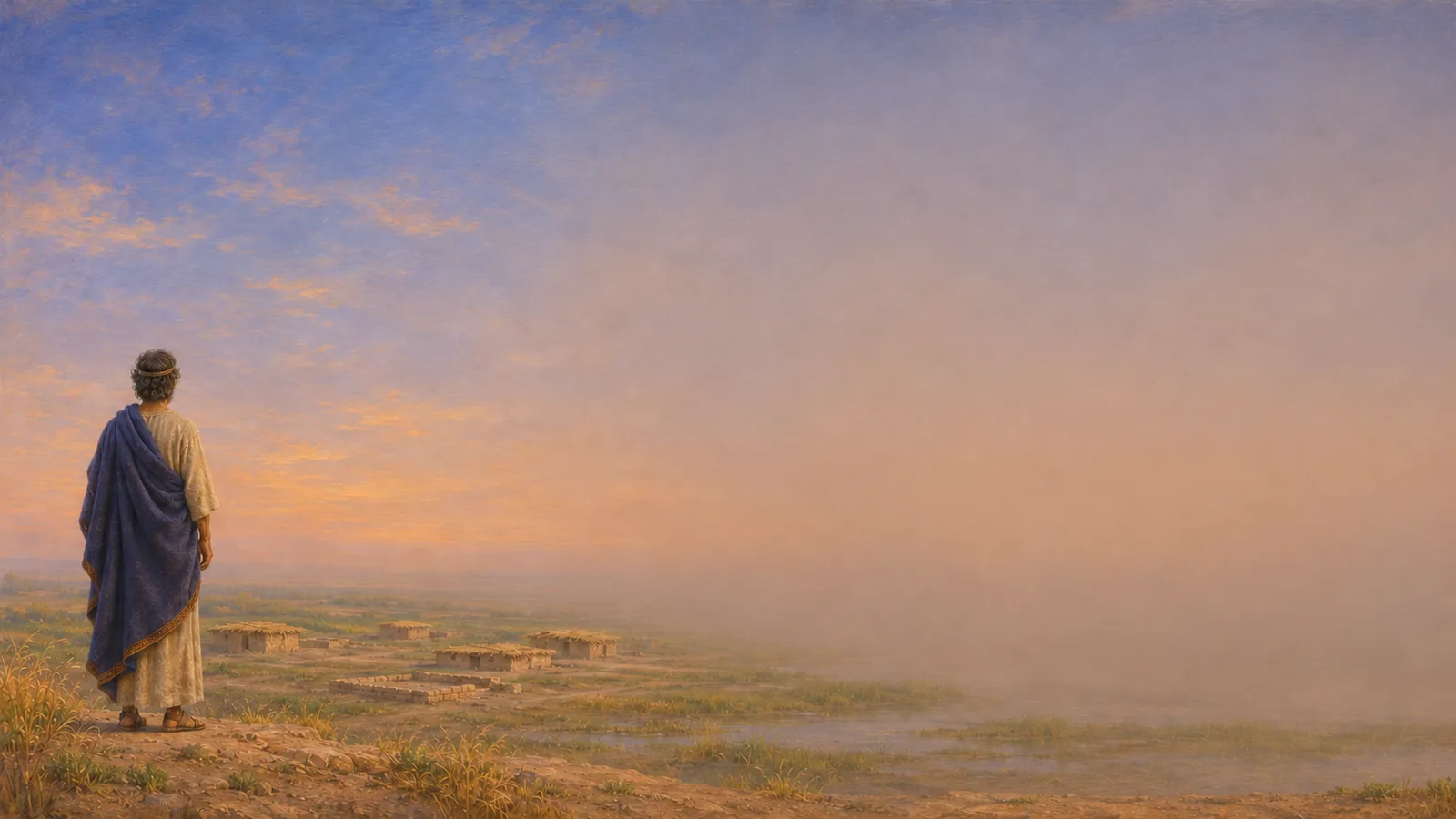
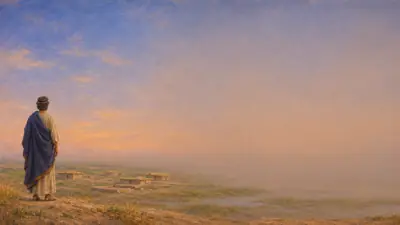
The poem names Etana as the shepherd of the people. In the surviving words, kingship comes down from heaven and the charge passes to him.
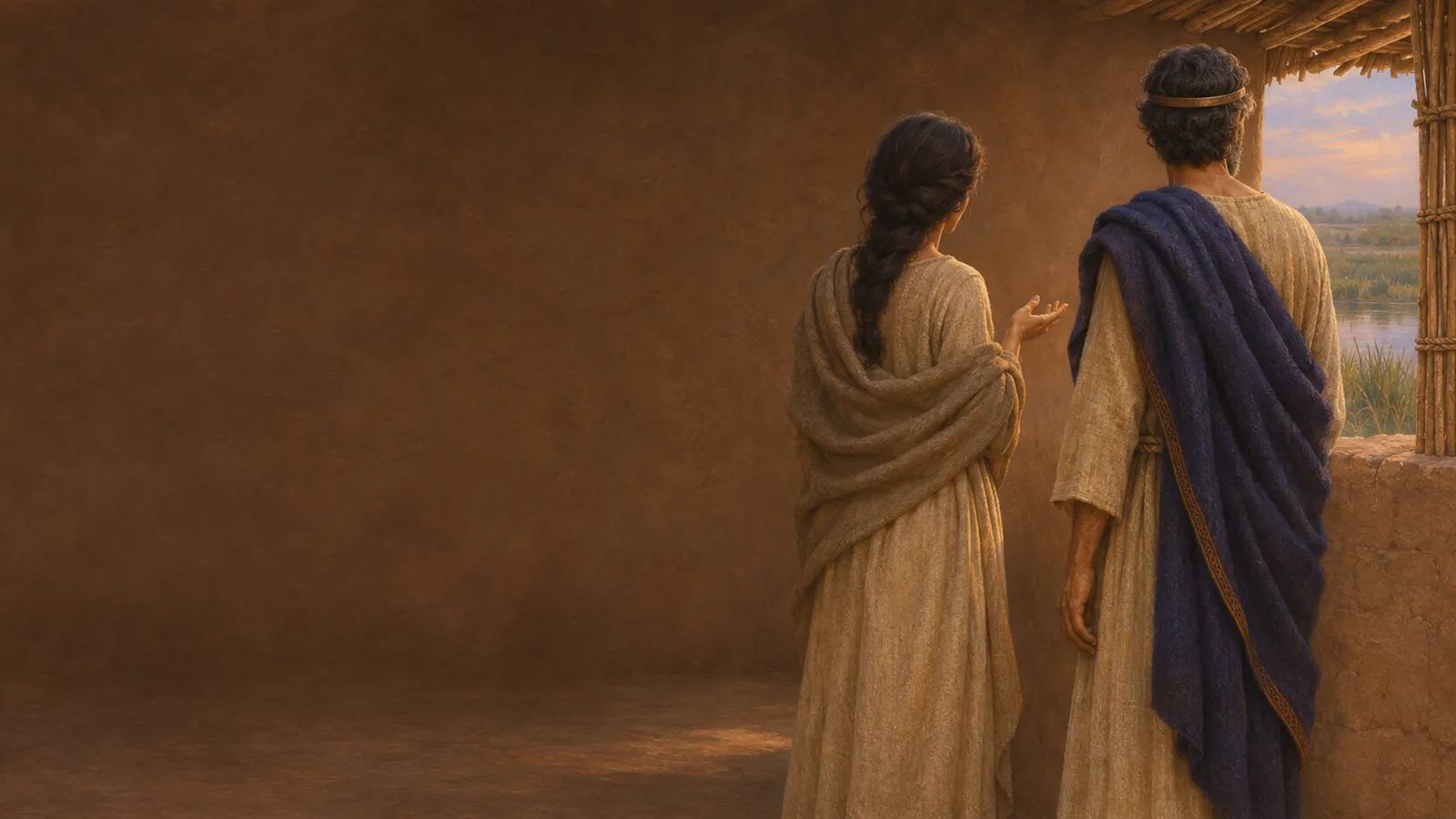
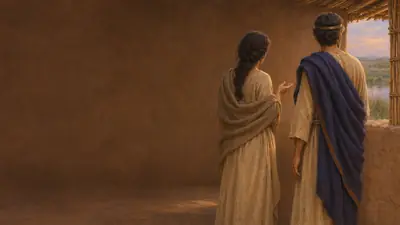
After a break in the tablet, Etana’s wife seems to tell him a dream. A few words survive before the tablet falls silent again.
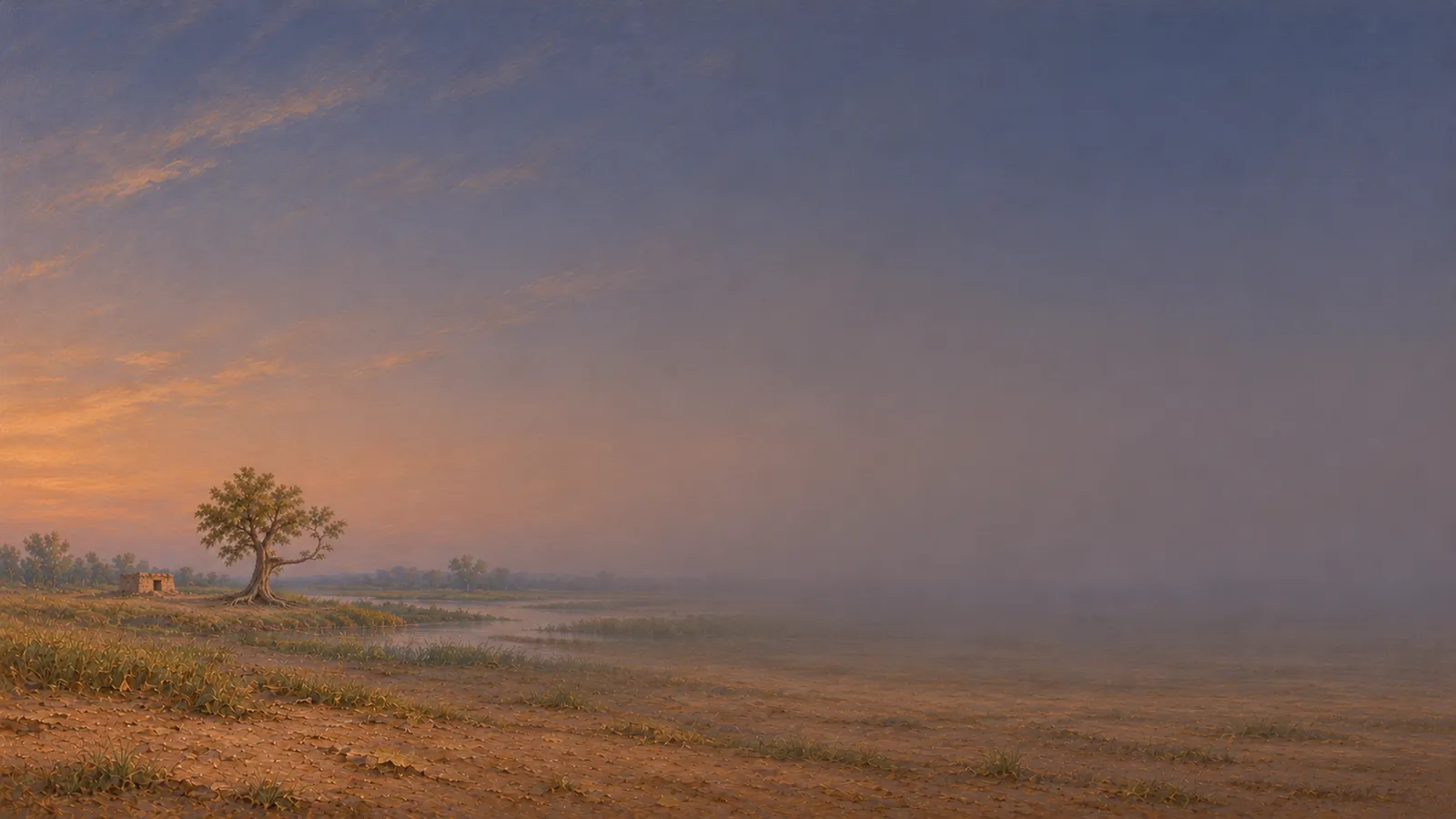
Much of the tablet is lost. When the story becomes clear again, it is telling of a tall tree where two creatures lived within sight of each other.
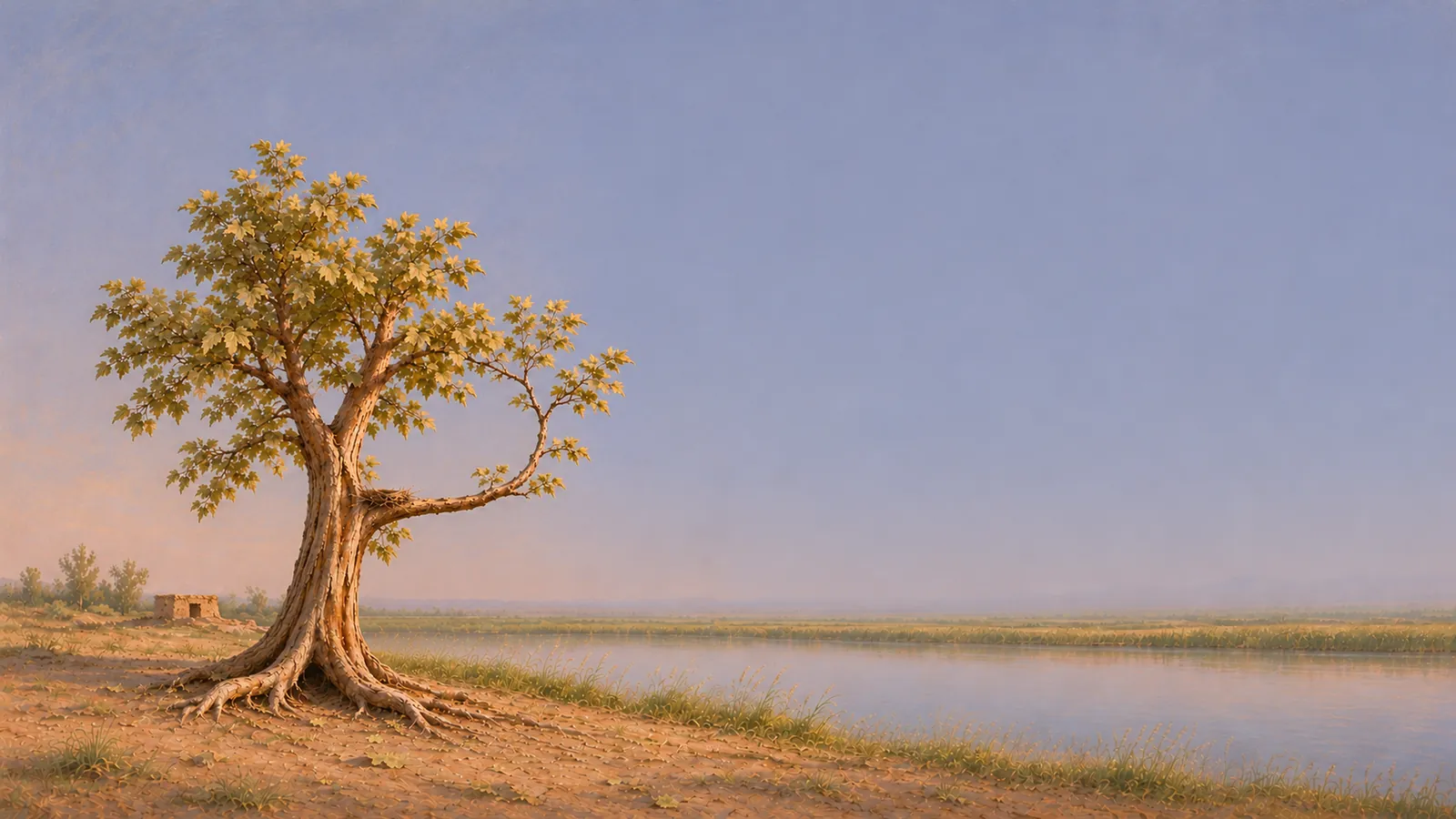
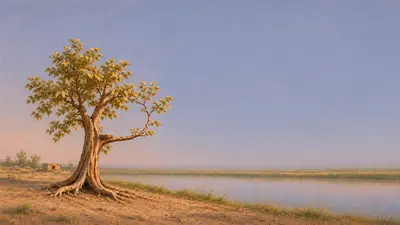
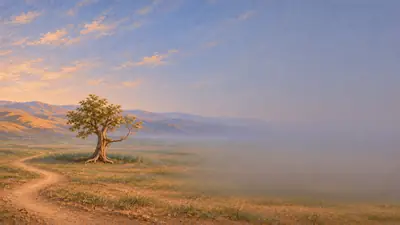
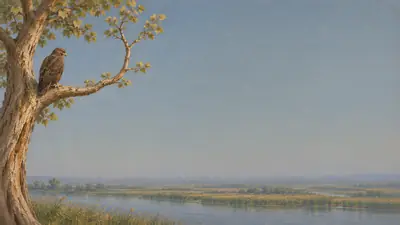
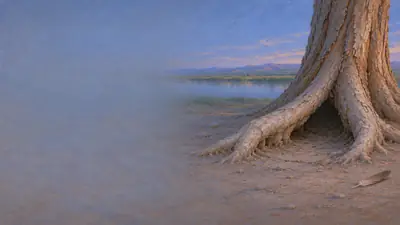
The next tablet brings us to a poplar by the shrine of Adad. Its crown spread high above the ground, and its roots held deep below.
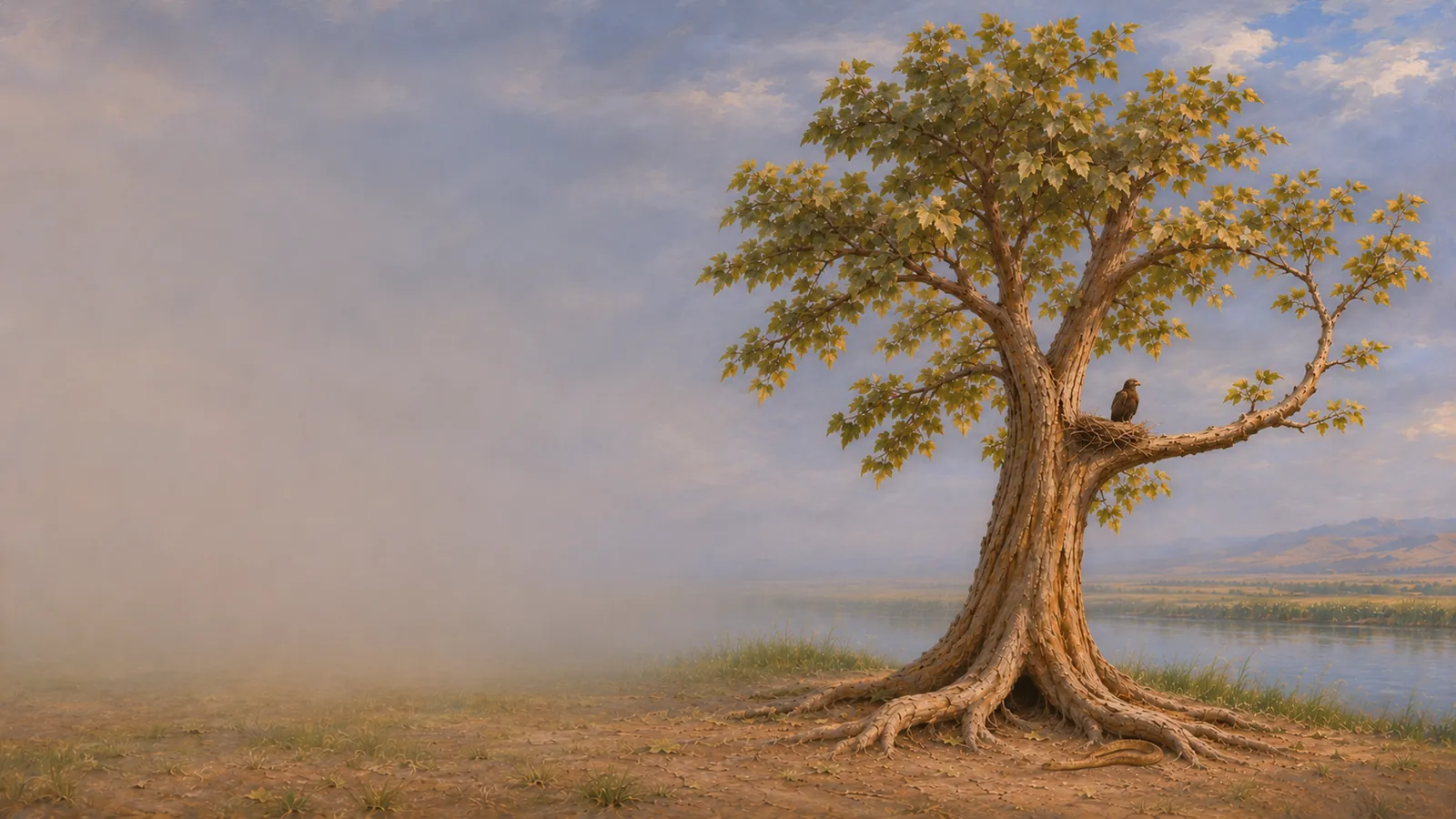
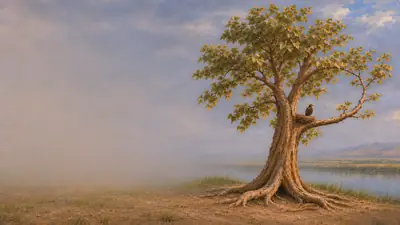
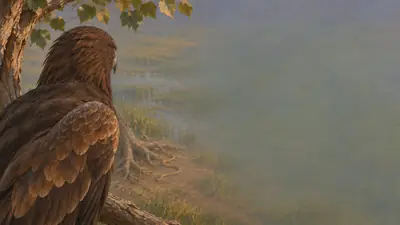
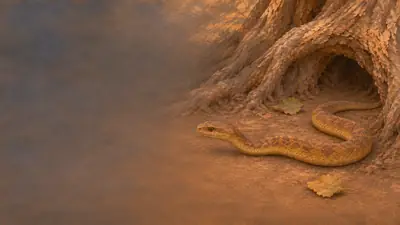
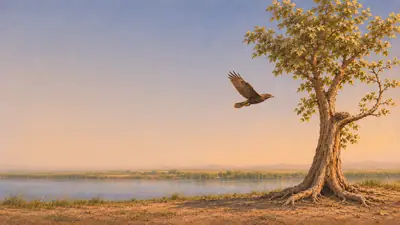
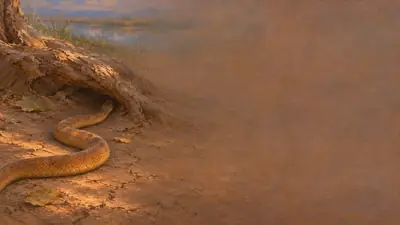
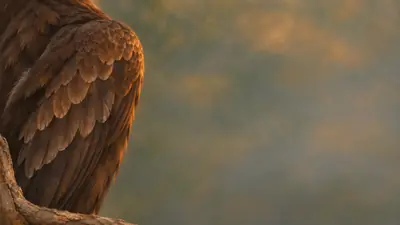
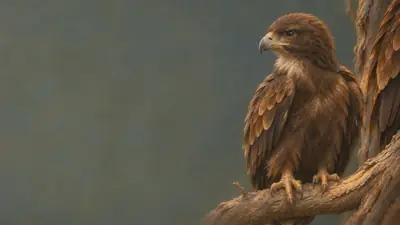
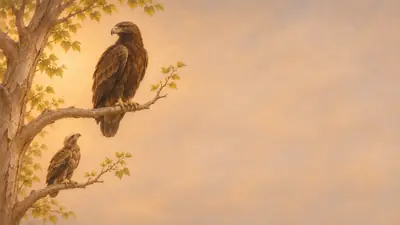
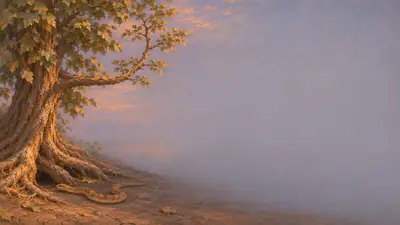
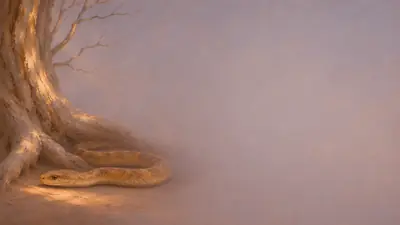
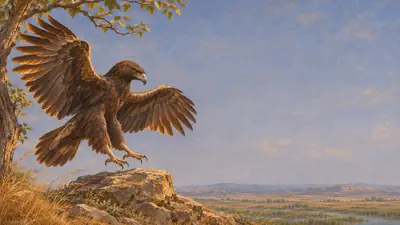
An eagle had its home at the top of the poplar. A serpent lived among its roots, and each kept watch on the other.
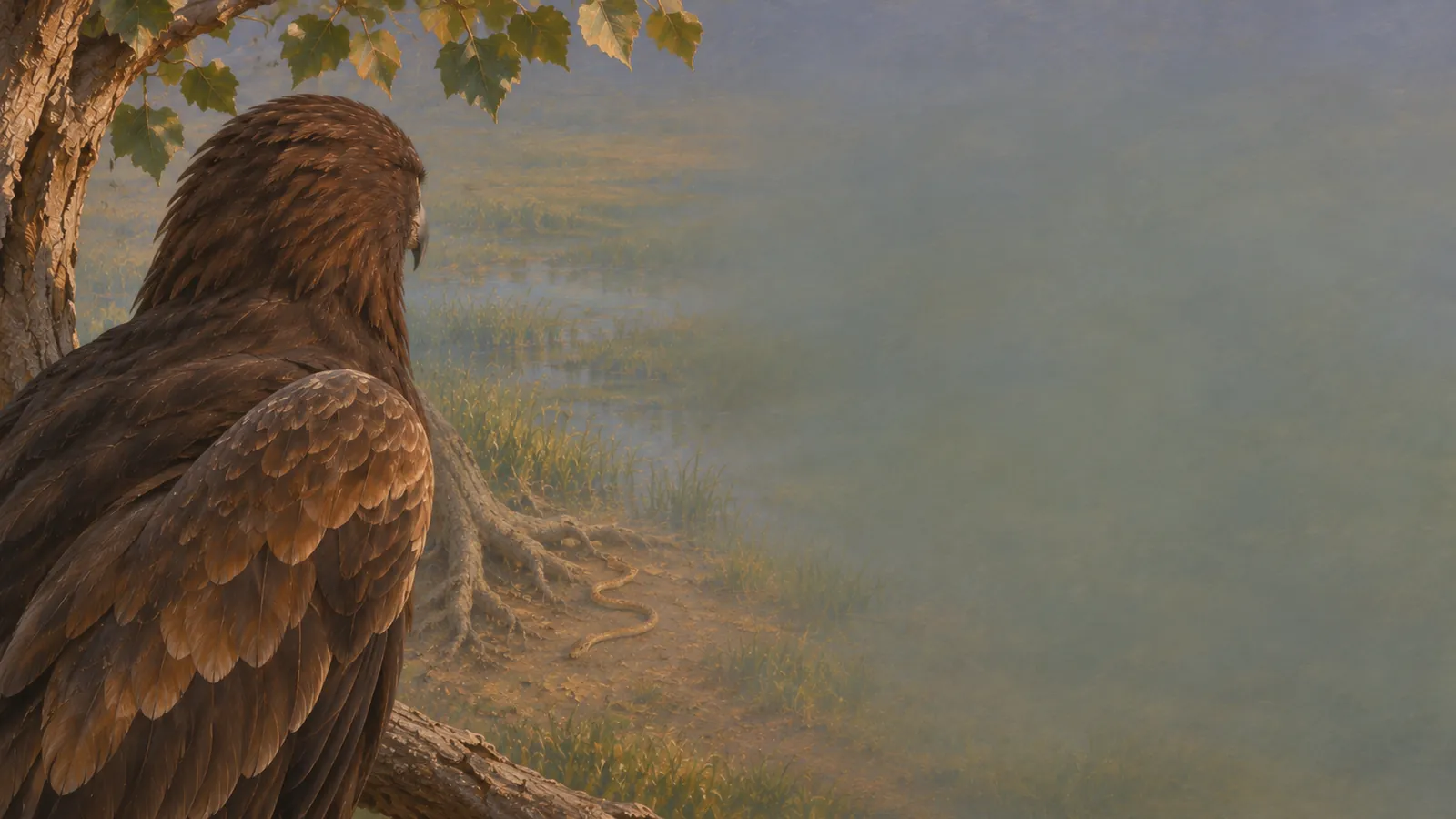
One day the eagle spoke down from the branches. We could live here as friends, it said, you beneath the tree and I above.
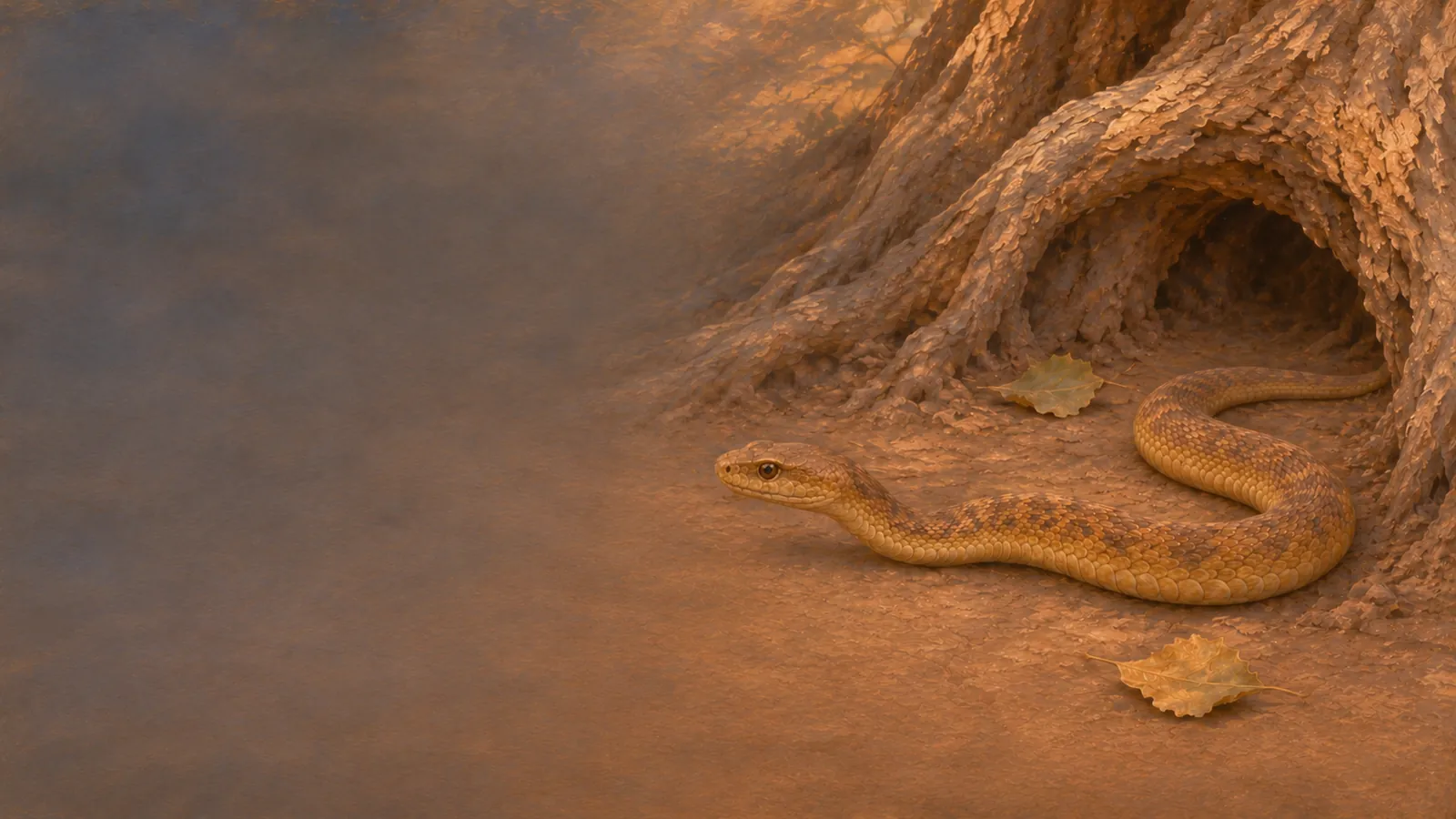
The serpent answered from among the roots. Friendship would ask something of them both, and the two neighbors agreed to bind their words with an oath.

THE OATH
The eagle and the serpent spoke their oath before Shamash, the sun god. They called on him to hold them to the words they had chosen.

If either broke the oath, the mountain would close its paths to the one who broke it. With those words spoken, they went up into the hills.
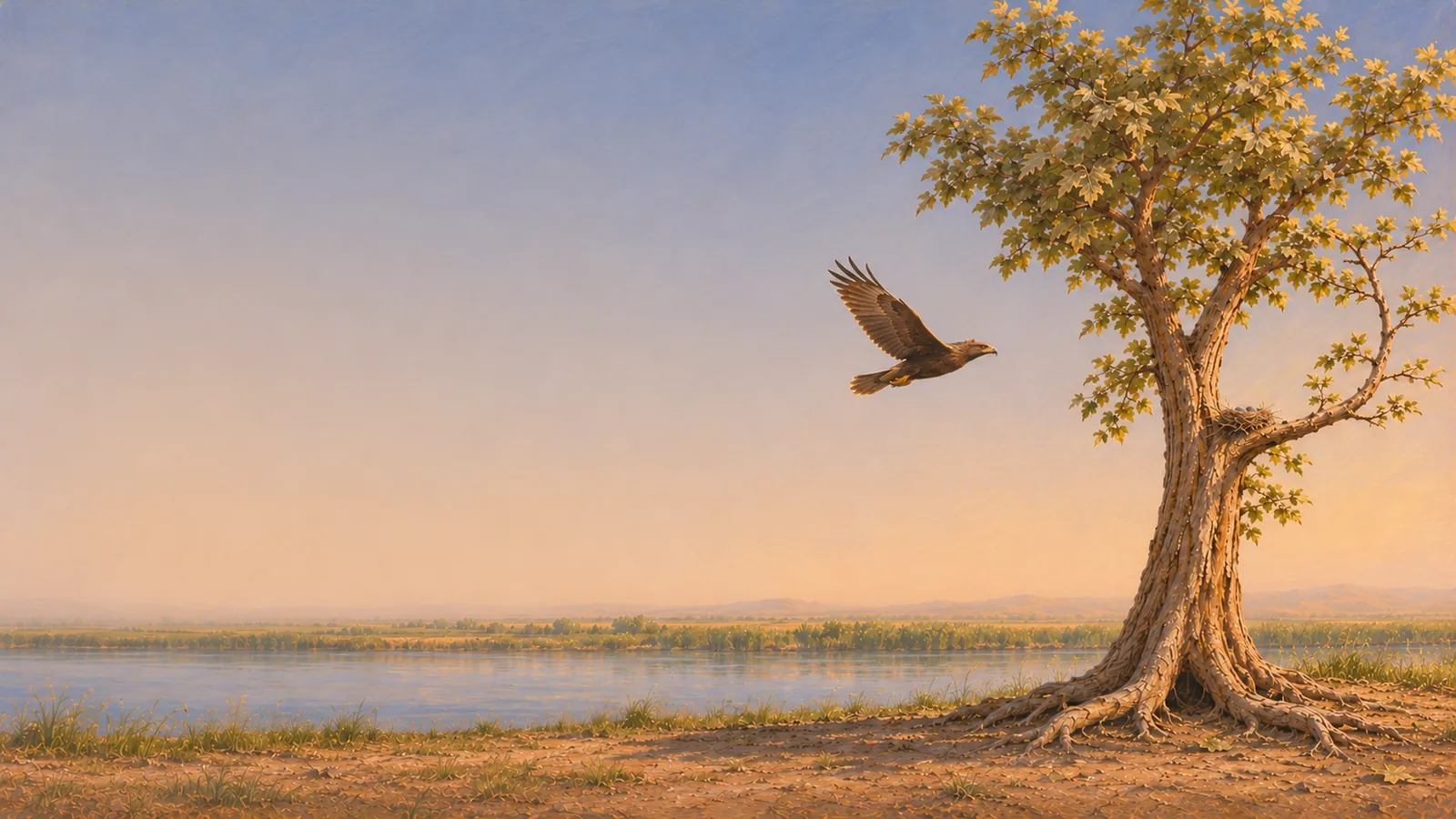
The eagle ranged out over the land in search of food. It brought back what it had caught, and the serpent and its young could eat.
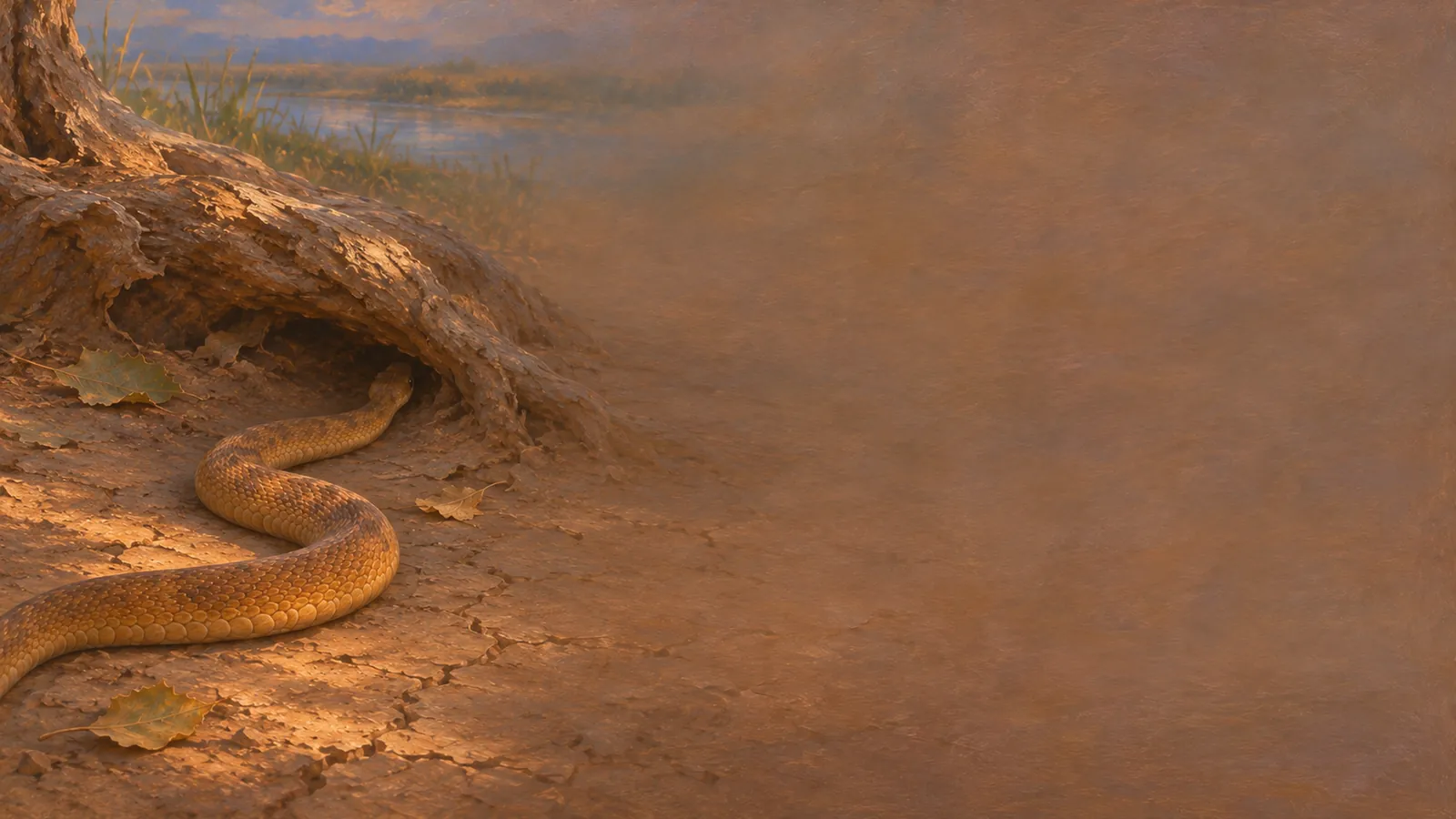
Then the serpent brought food in its turn. The eagle ate, and there was food for its young too. Their agreement fed both homes.
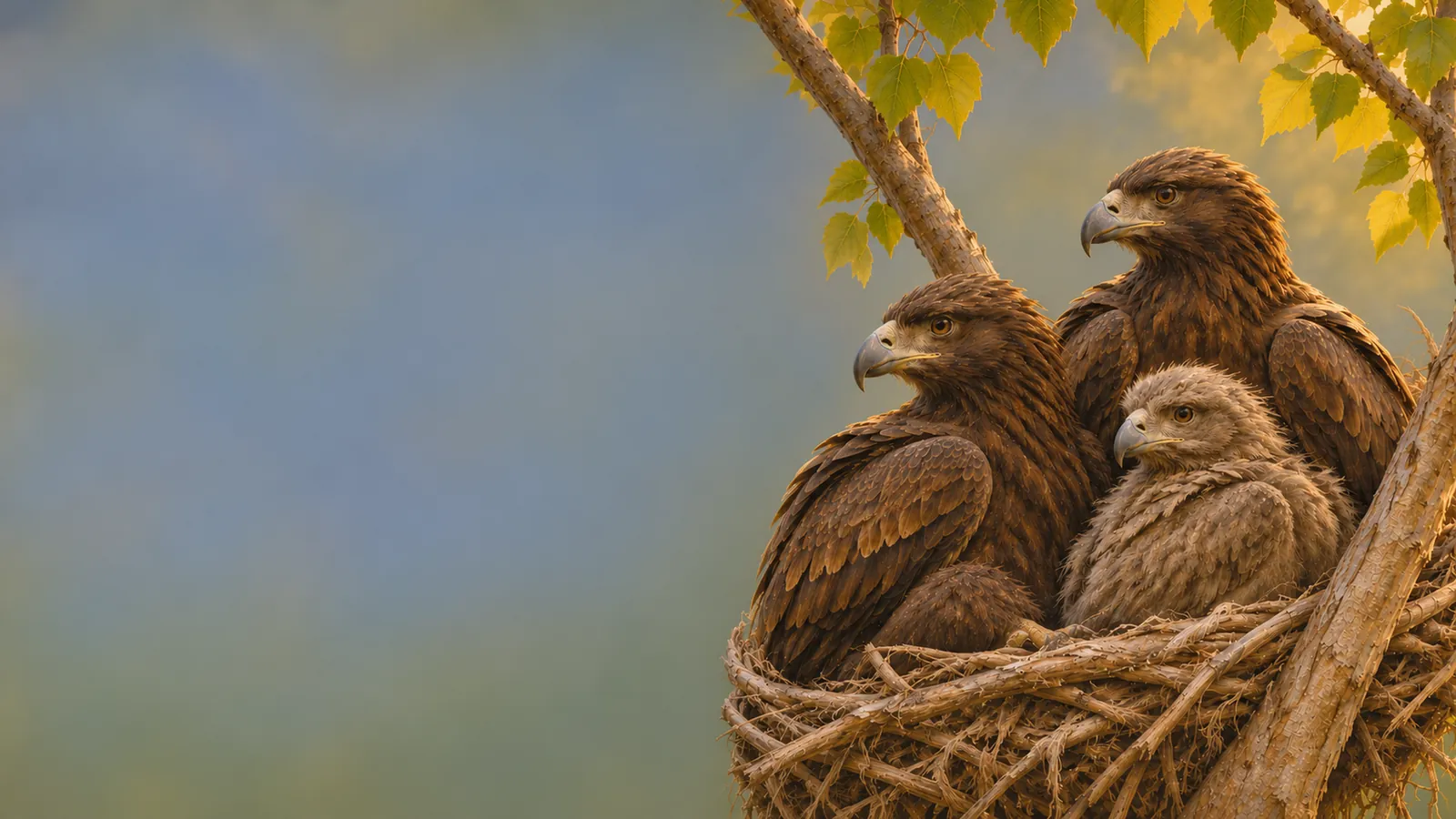
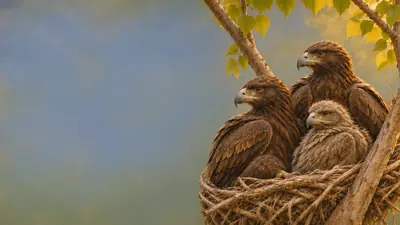
Day after day they shared the food they found. The eagle’s young grew in the crown of the tree, and their wings began to fill out.
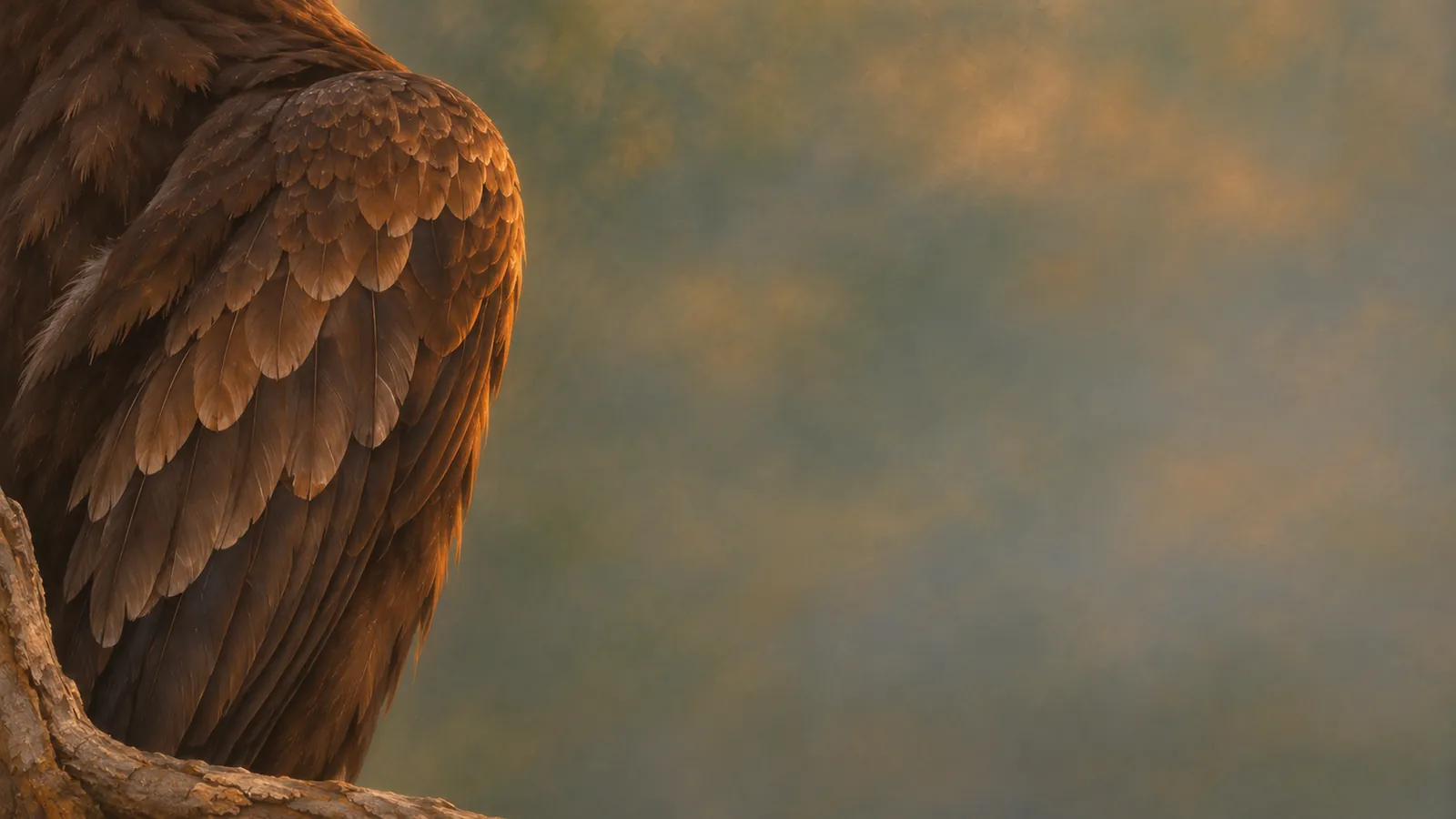
When its young had grown, the eagle began to plot against its neighbor. It told them that it wanted to eat the serpent’s young.
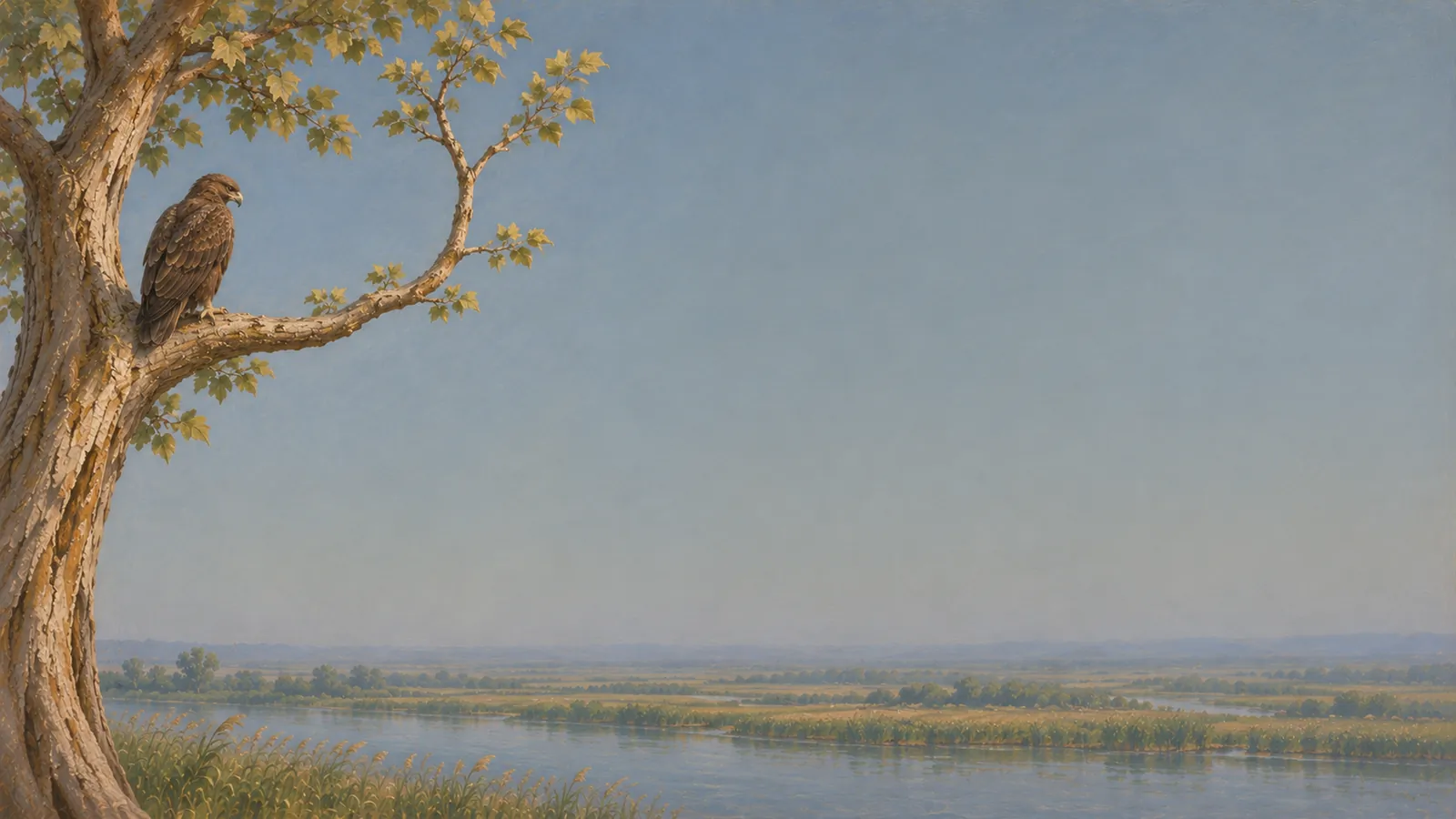
The eagle spoke of going high into the sky and then coming down. From the upper branches, its thoughts had turned to the home below.
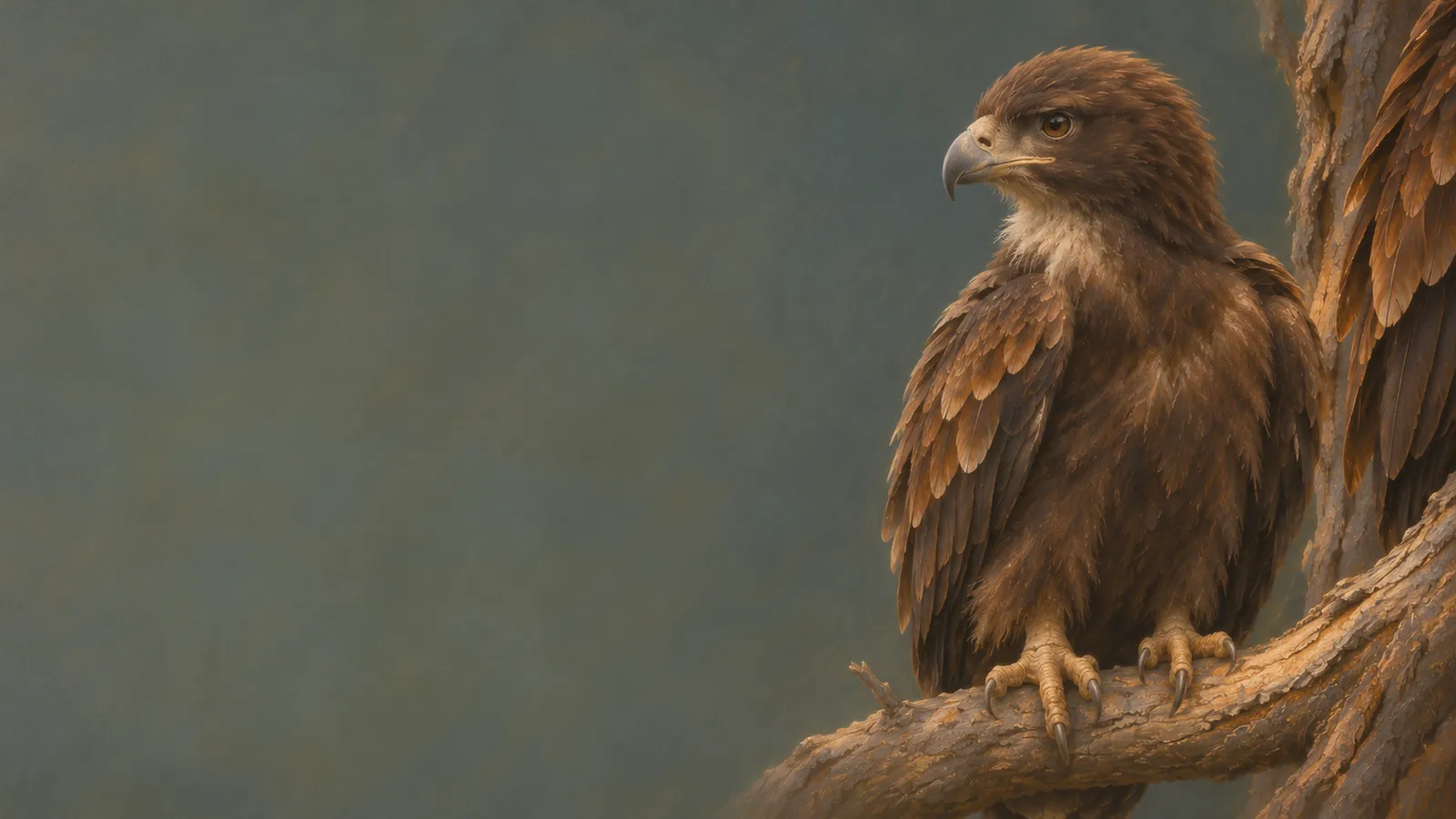
Then the youngest of the eagle’s fledglings spoke. The poem gives it the wisdom to say what its father did not want to hear.
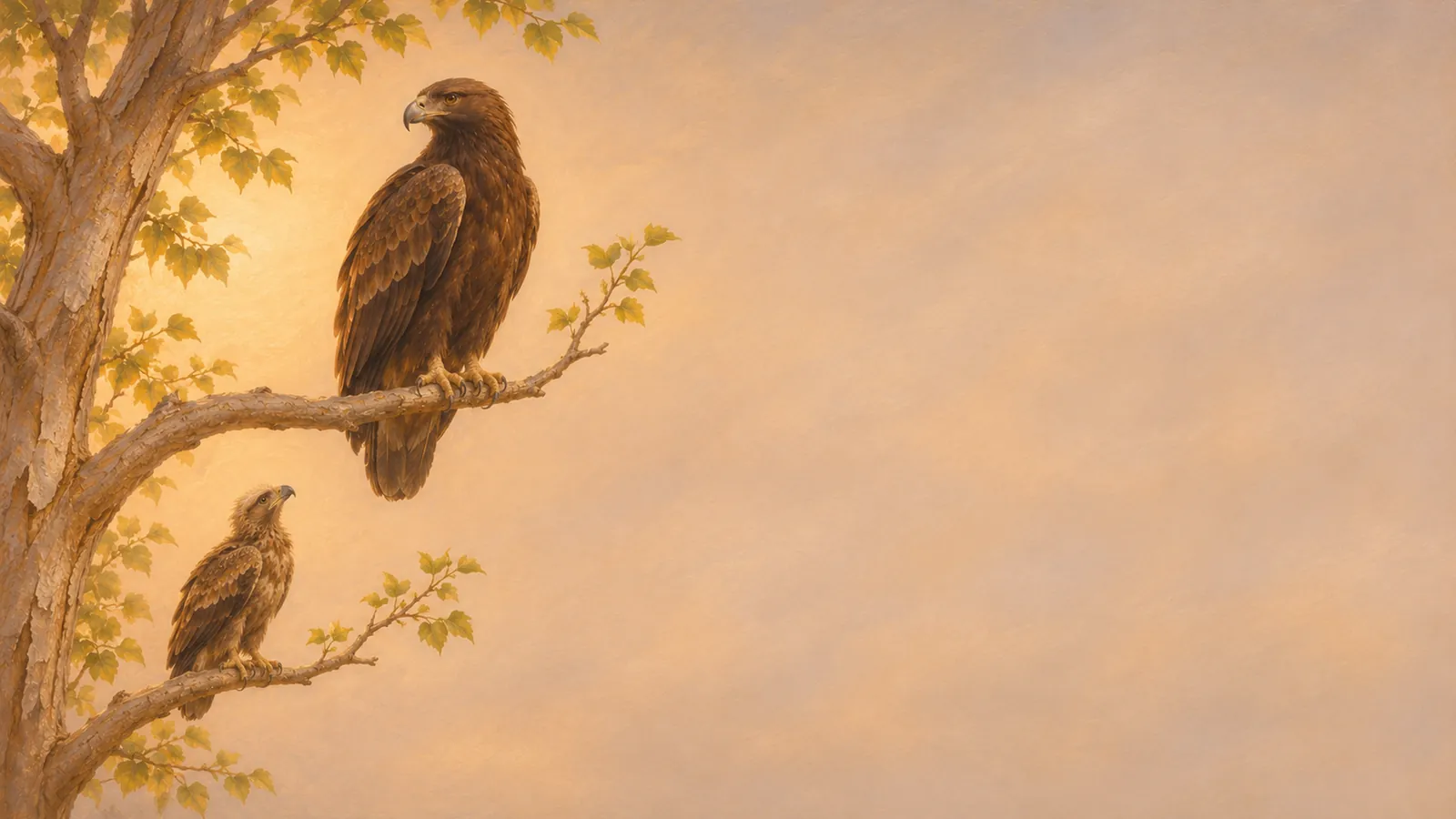
The fledgling warned its father to leave the young serpents alone. It reminded him of the oath and of Shamash, who would see it broken.
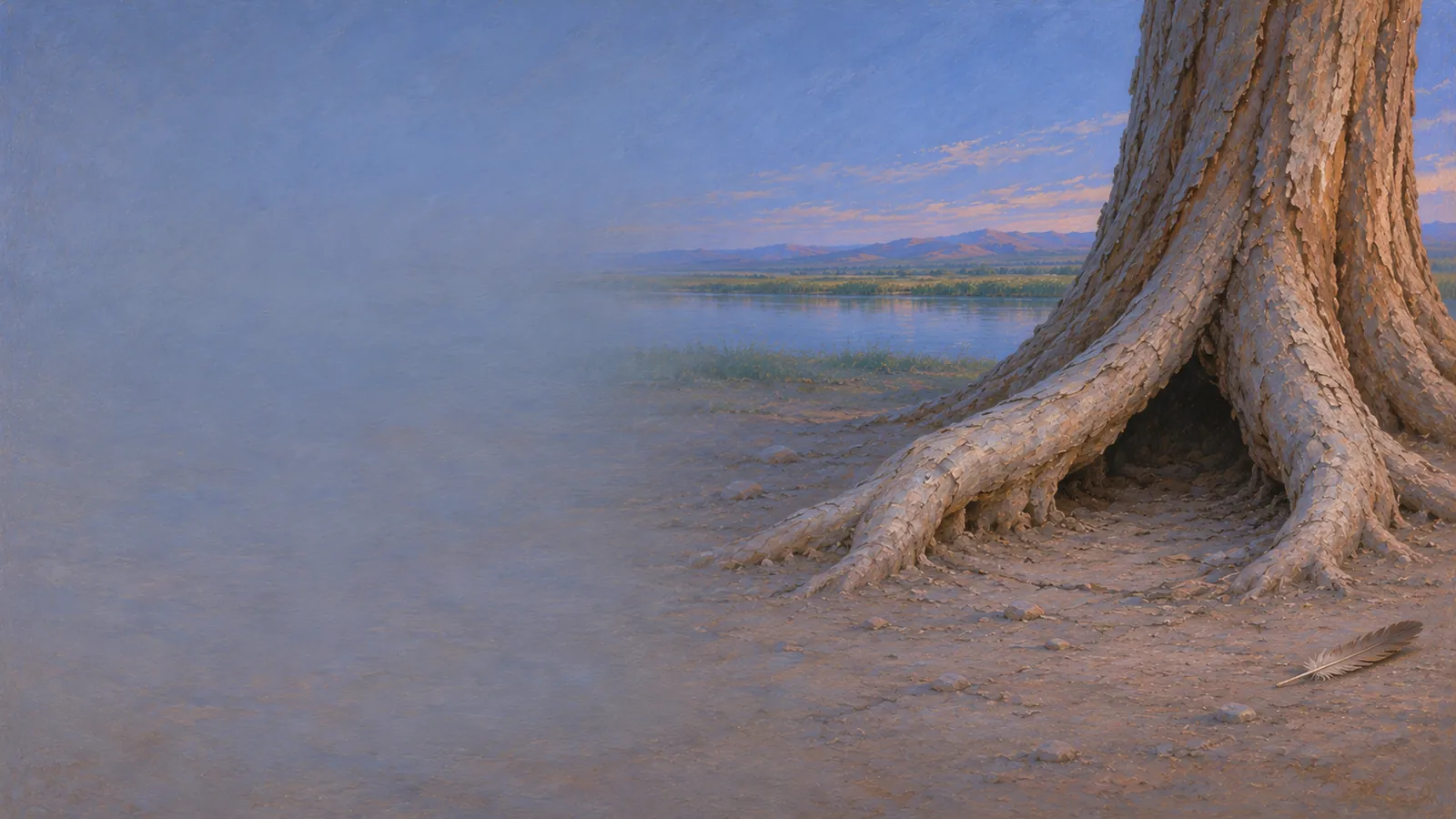
THE BROKEN OATH
The eagle ignored the warning and went down to the serpent’s nest. There it broke their oath and ate the serpent’s young.
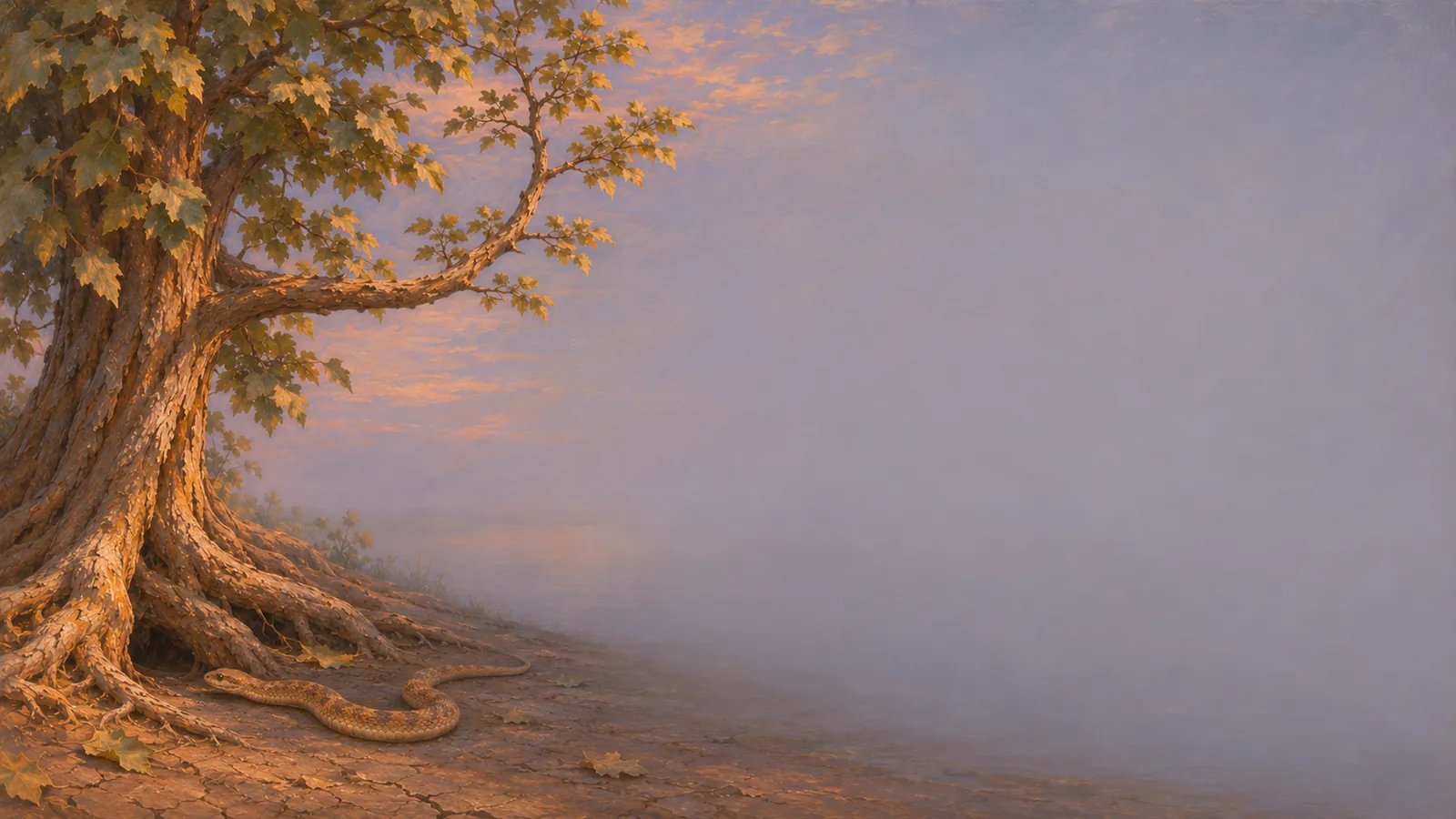
The serpent came back as daylight faded, carrying food for its young. It went to the place where it had always found them waiting.
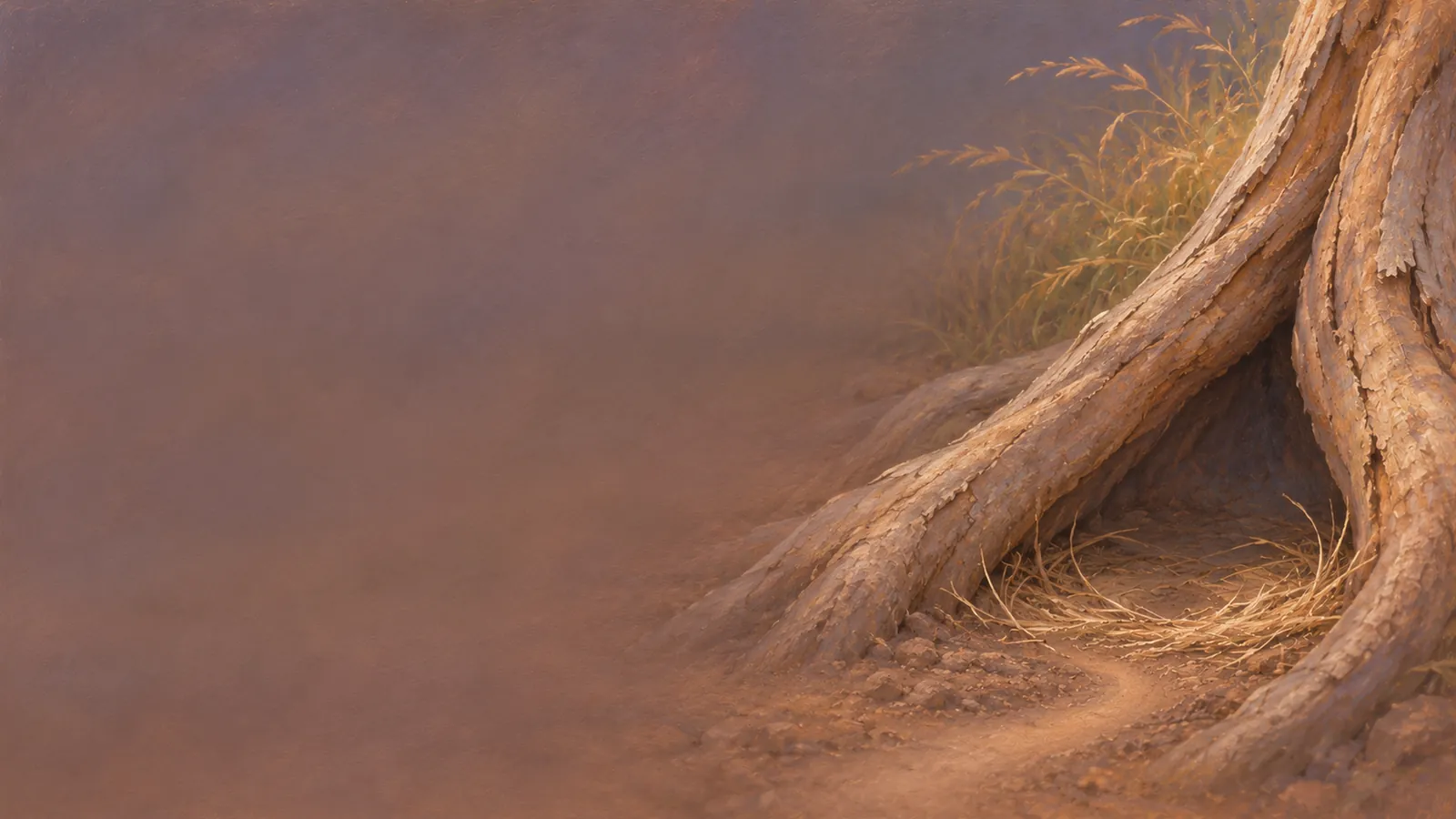
The serpent searched the roots and found the nest empty. It scratched at the ground and lifted a cry into the hills.
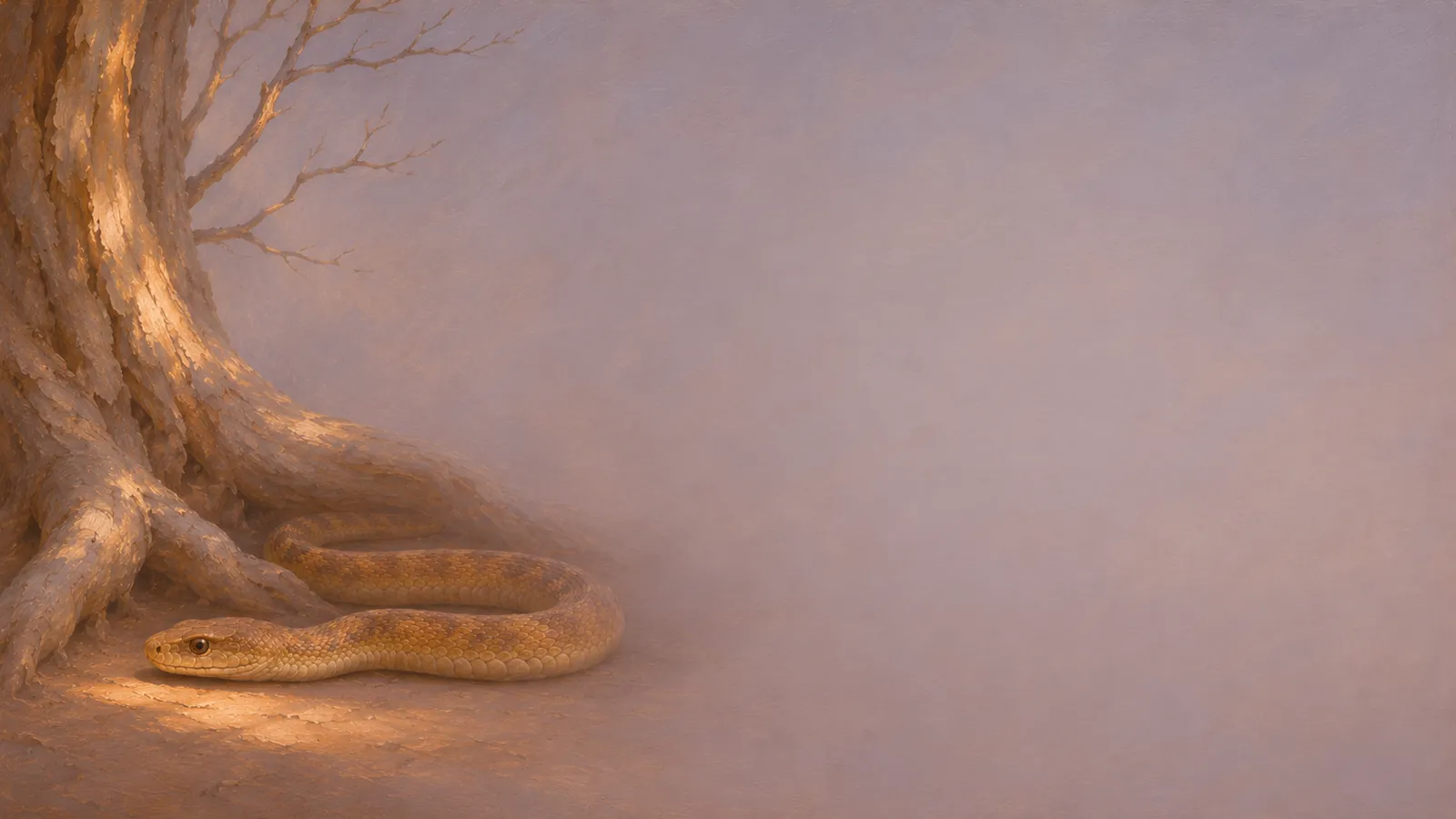
The serpent told Shamash how it had trusted the eagle. The eagle’s nest still held its young, it said, while the roots of the same tree stood silent.
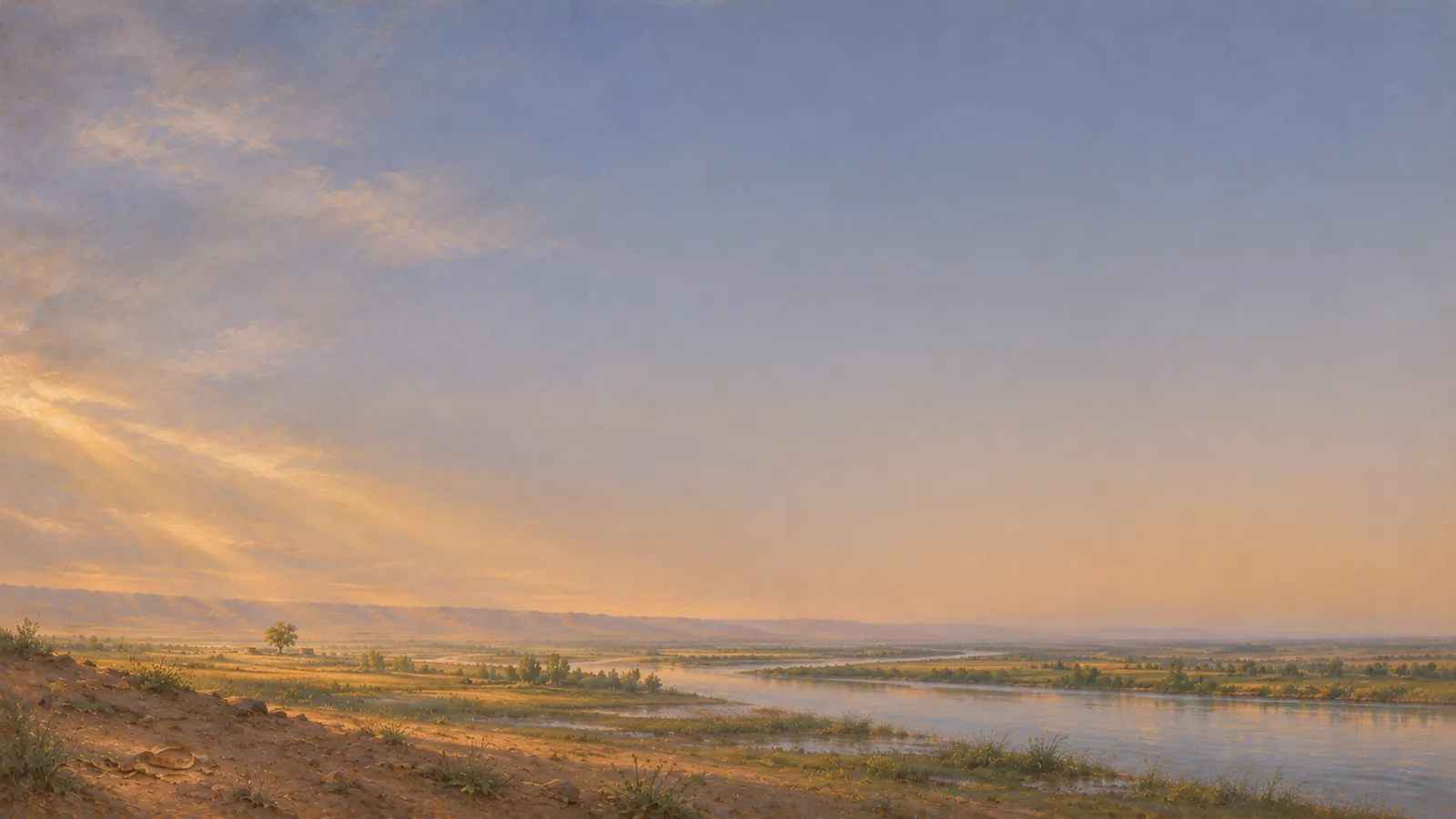
The serpent spoke of Shamash’s net, wide enough to reach across the earth and up into the heavens. It begged him to let the eagle answer for its deed.
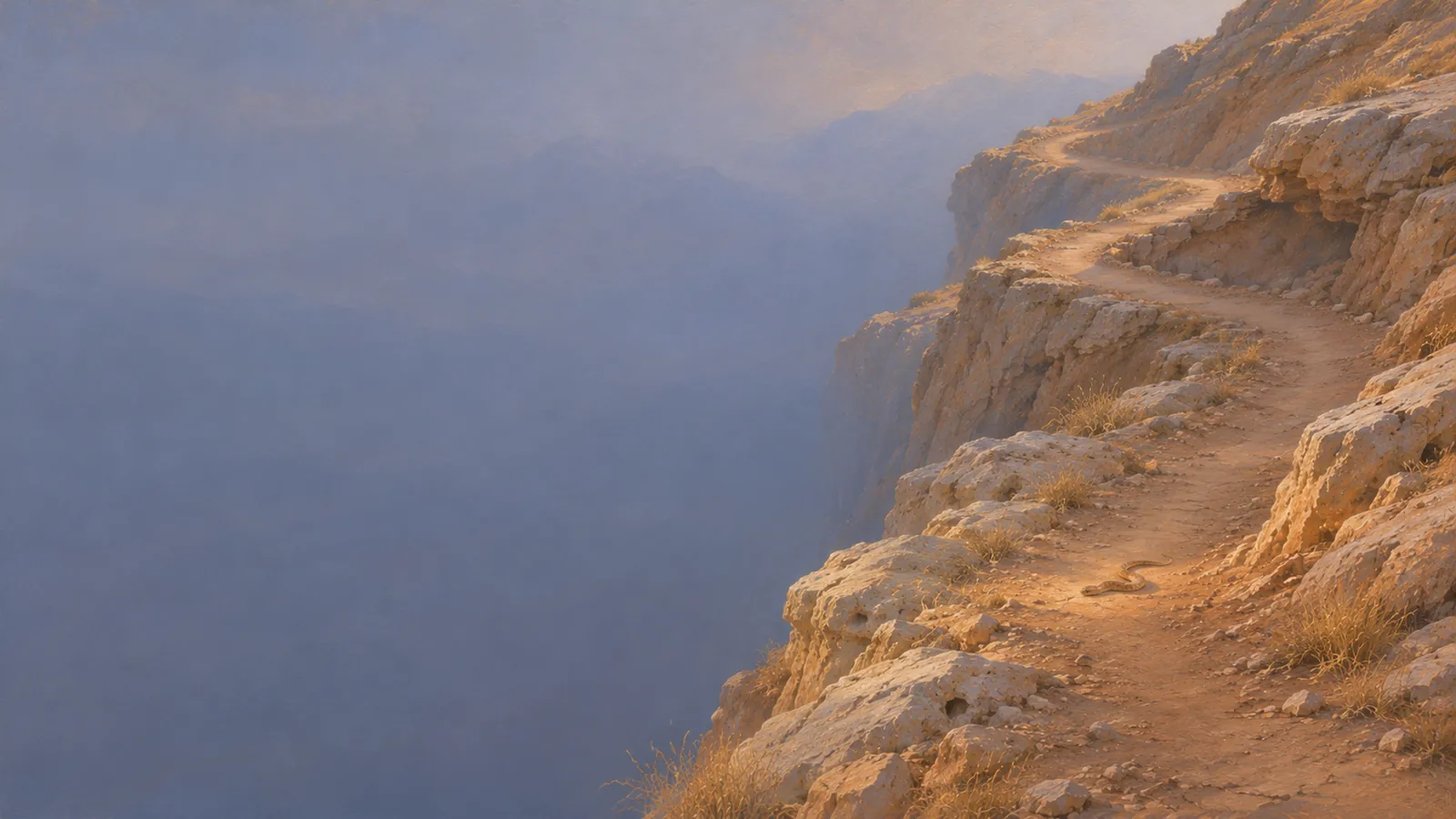
Shamash told the serpent to cross the mountain. On the far slope it would find a fallen wild bull, and near it the serpent was to wait.
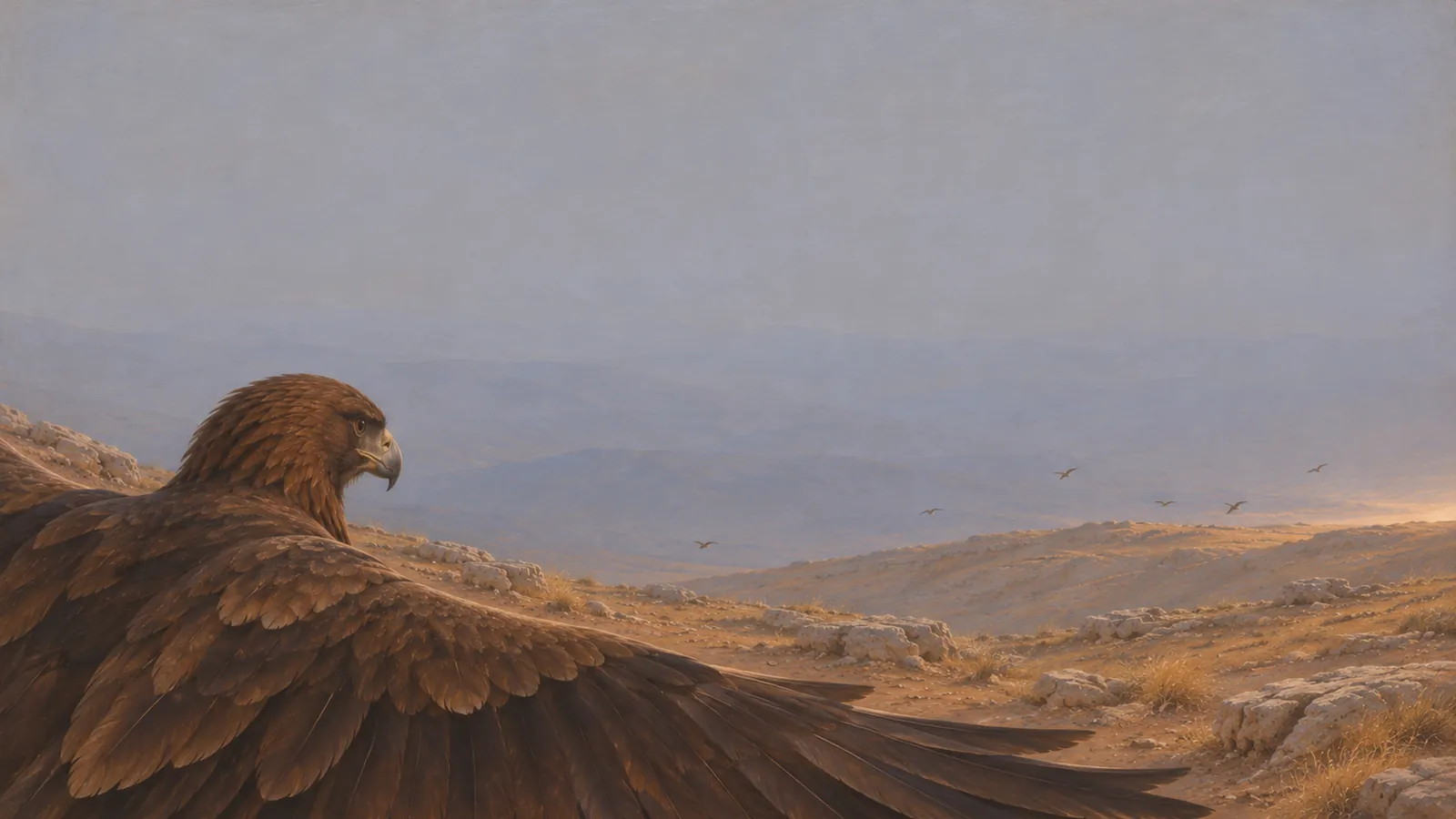
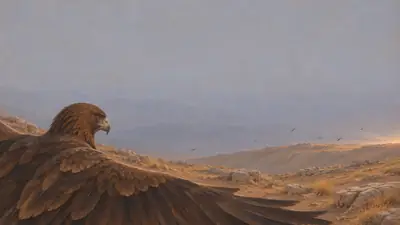
The serpent lay hidden as birds gathered to feed. The eagle saw the flock from above and kept watch on the slope while the others fed.
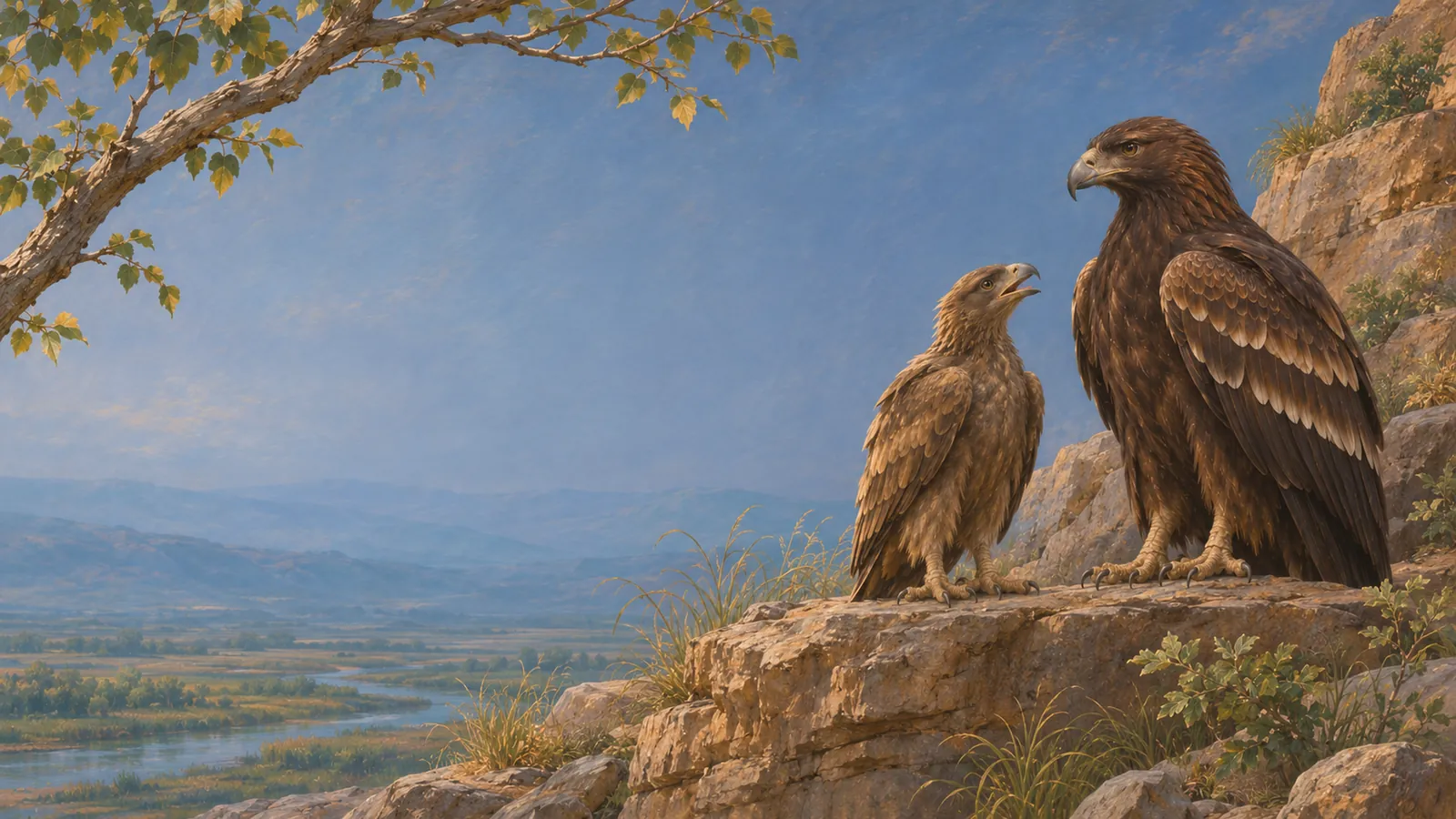
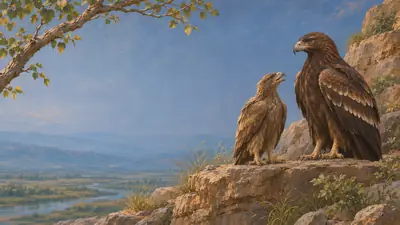
The hungry eagle called to its young. One of them warned that the serpent might be waiting on the slope and urged the eagle to stay where it was.
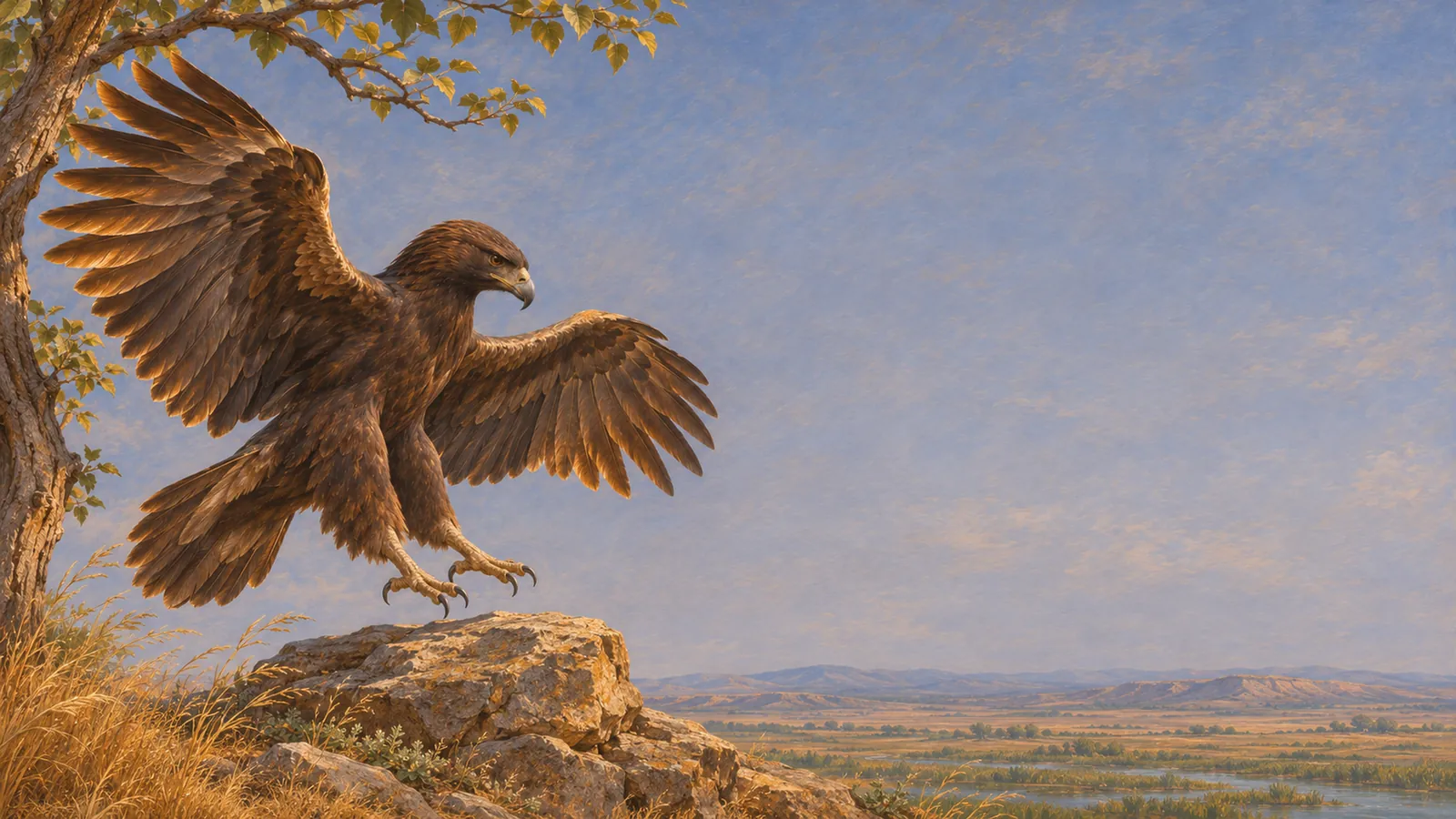
The eagle swept down to the slope and looked all around. Hunger drew it closer, past the place where the other birds had gathered.
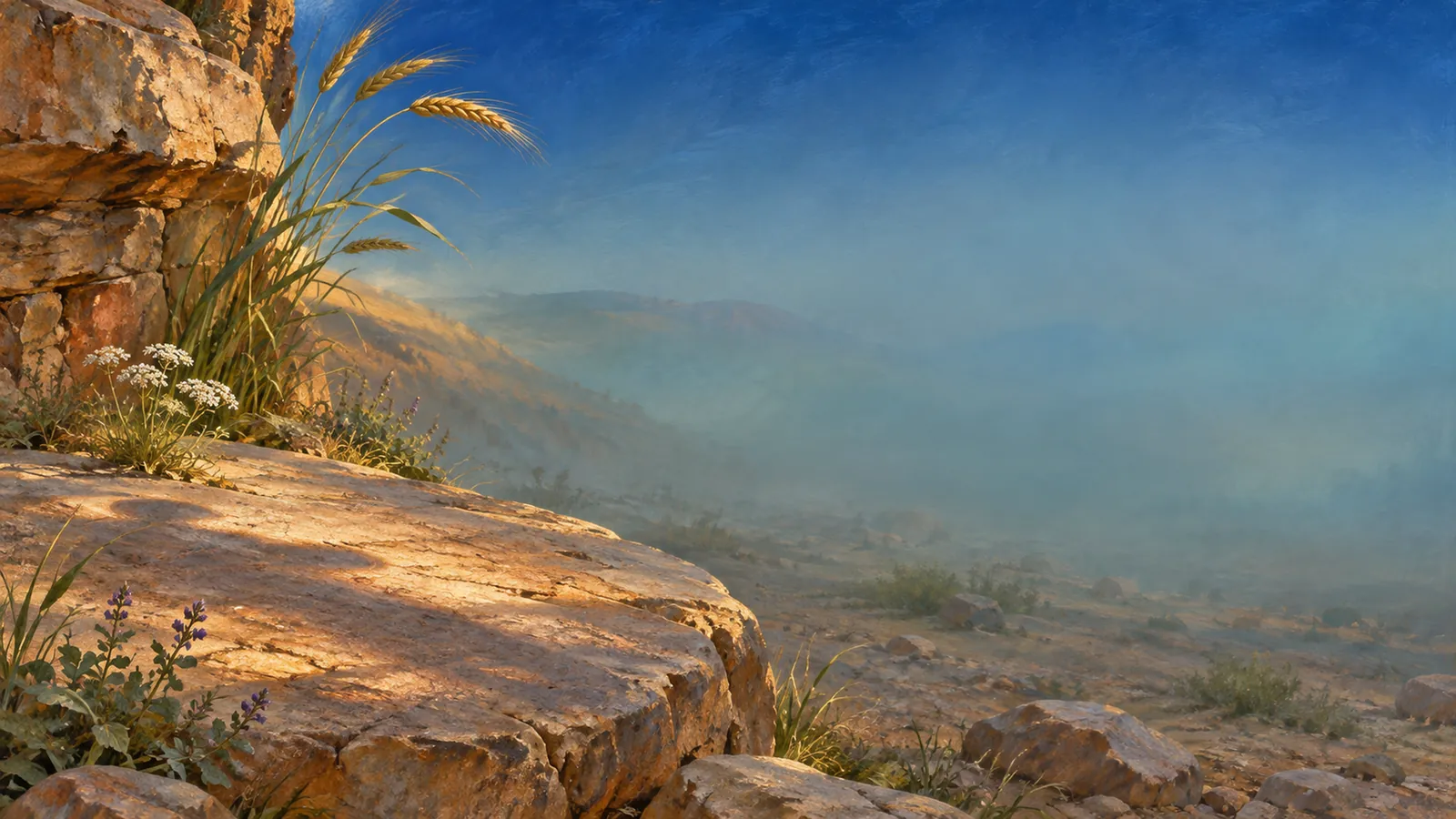
The serpent caught the eagle. The eagle offered a gift for its release, and the serpent spoke again of Shamash and the oath they had sworn.
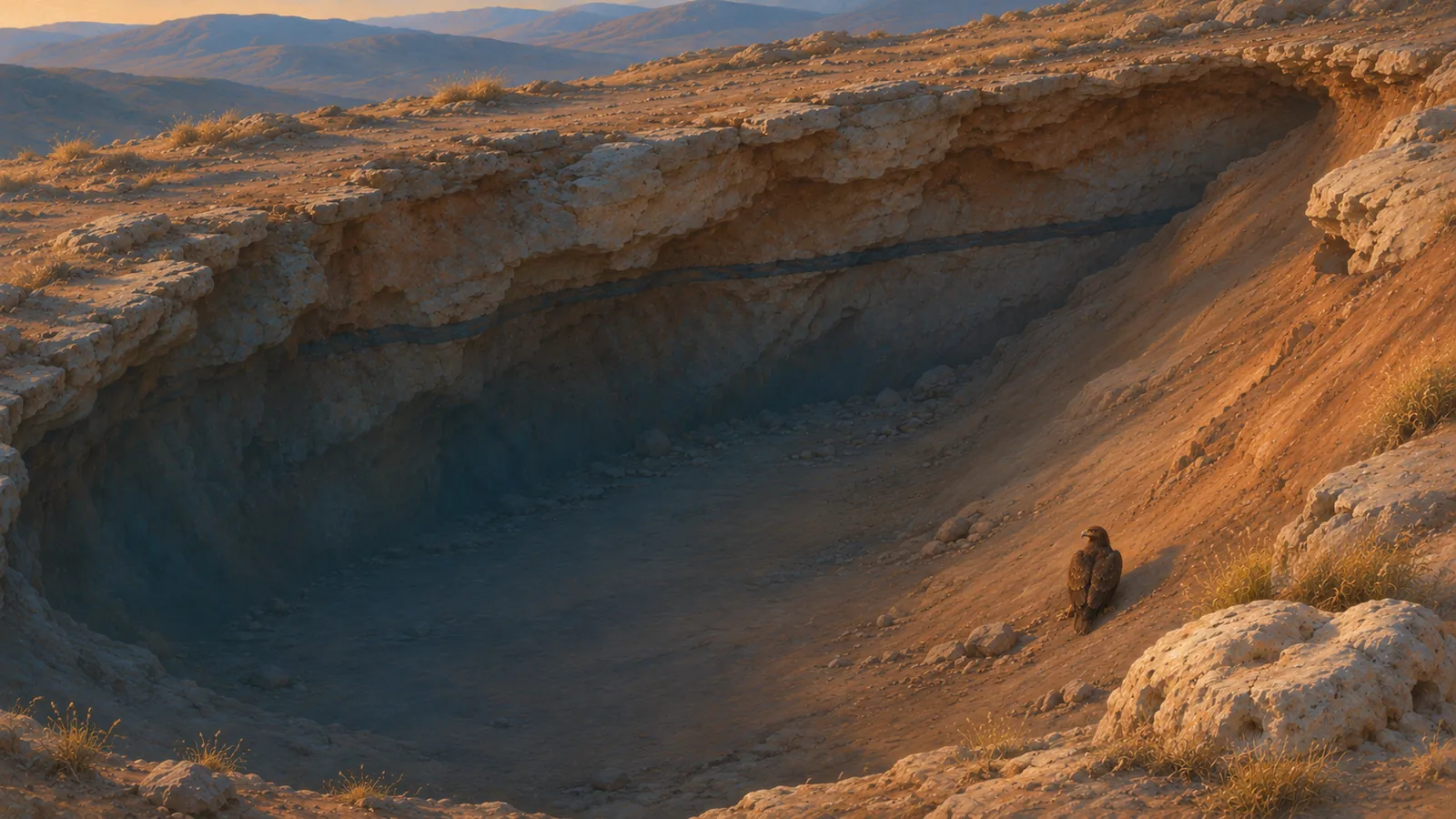
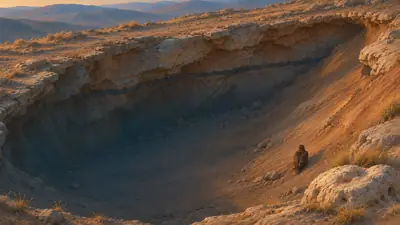
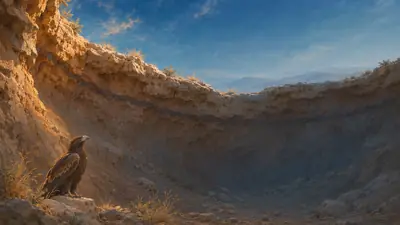
The serpent cut the eagle’s wings, plucked its feathers and threw it into a pit to die of hunger and thirst. Above the rock walls, the sky lay far away.
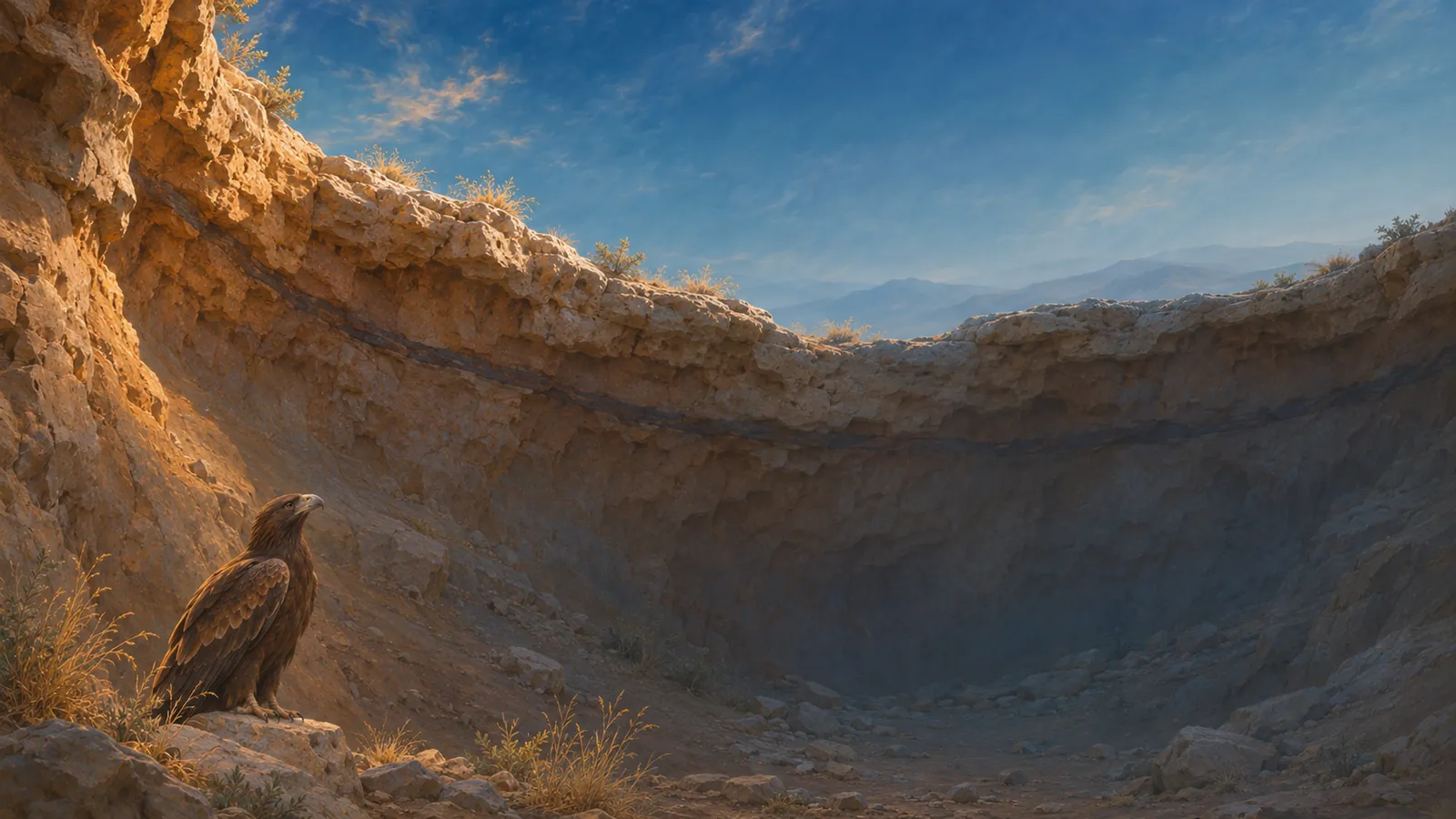
Day after day the eagle called to Shamash from the pit. It promised to speak his name for as long as it lived.
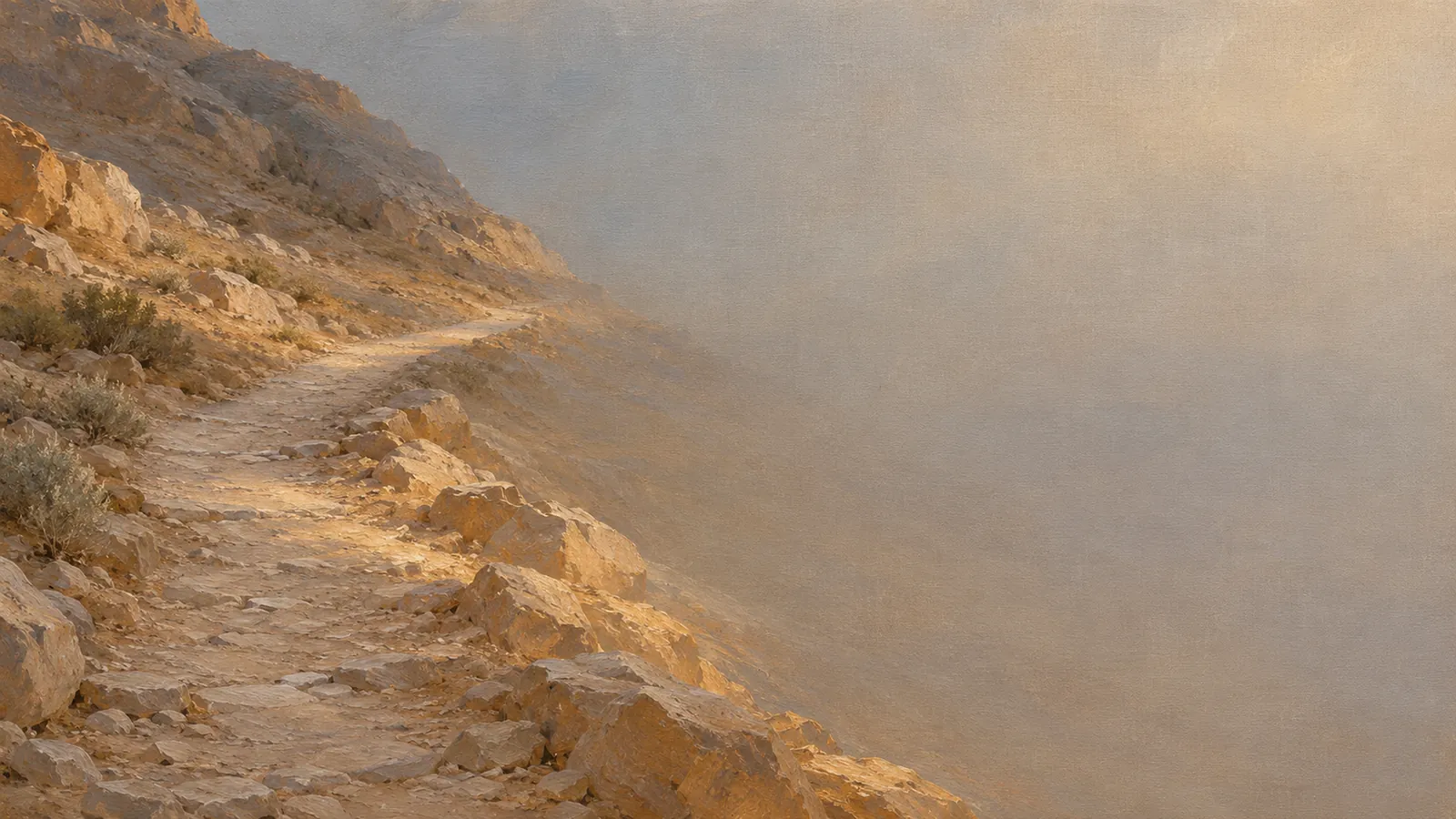
Shamash reminded the eagle of the oath it had broken. He told it to wait for someone he would send down that road.
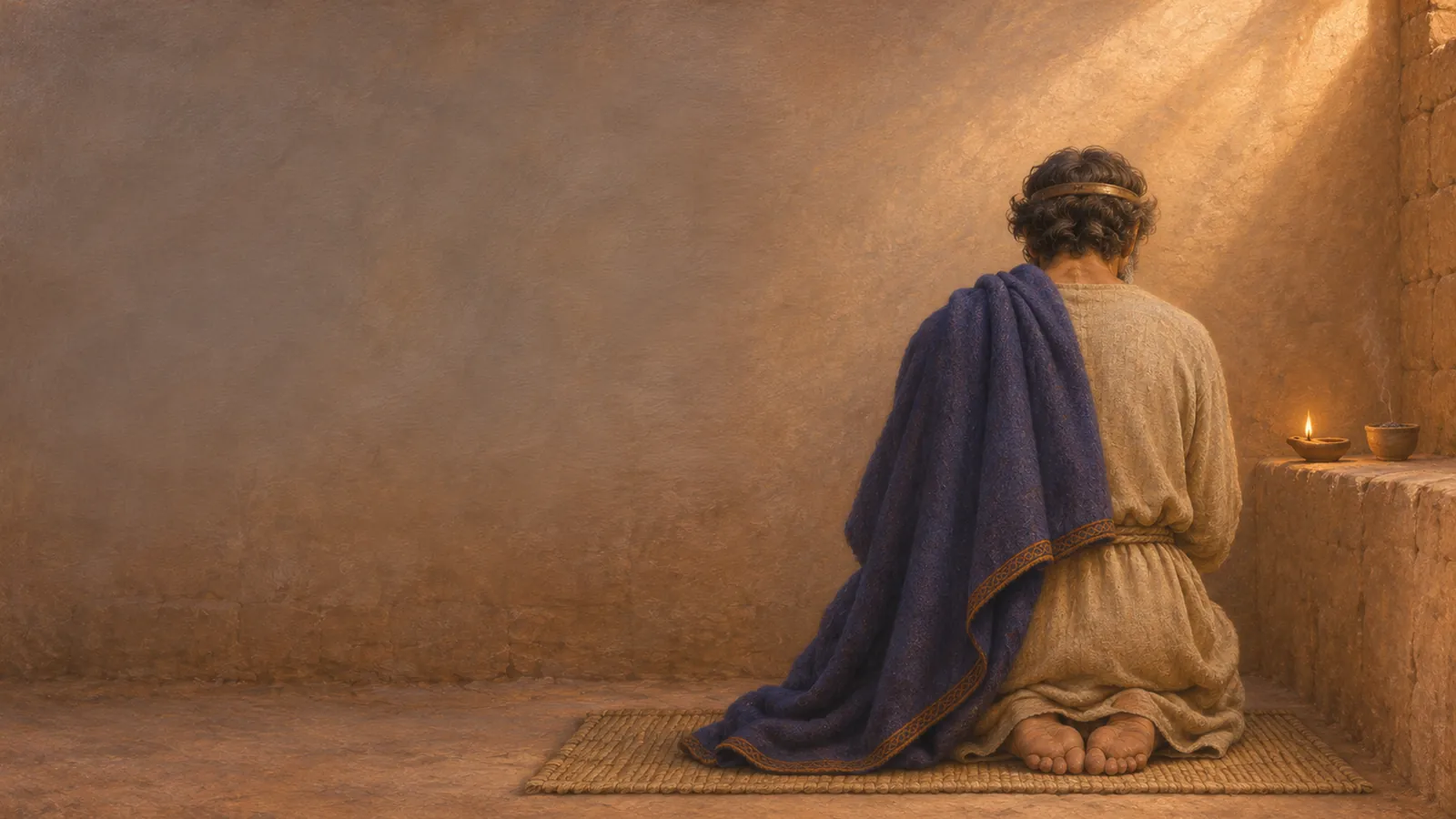
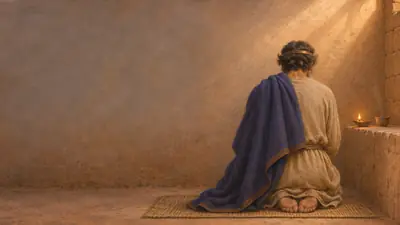
Each day Etana called to Shamash. He spoke of the offerings he had made for the gods and of the care he had shown the spirits of the dead.
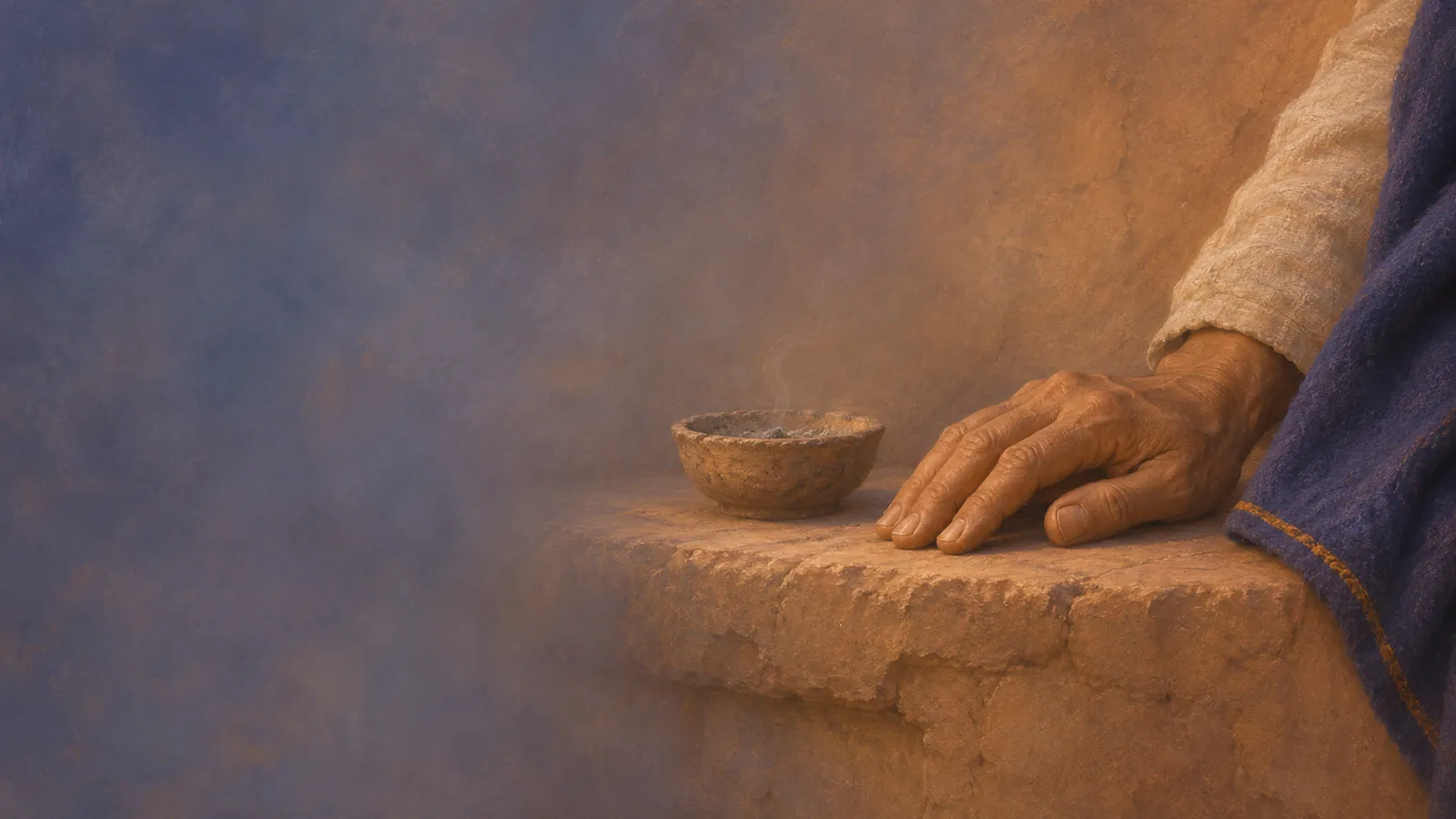
Etana asked Shamash to show him the plant of birth. He longed for a child who could carry his name after him.
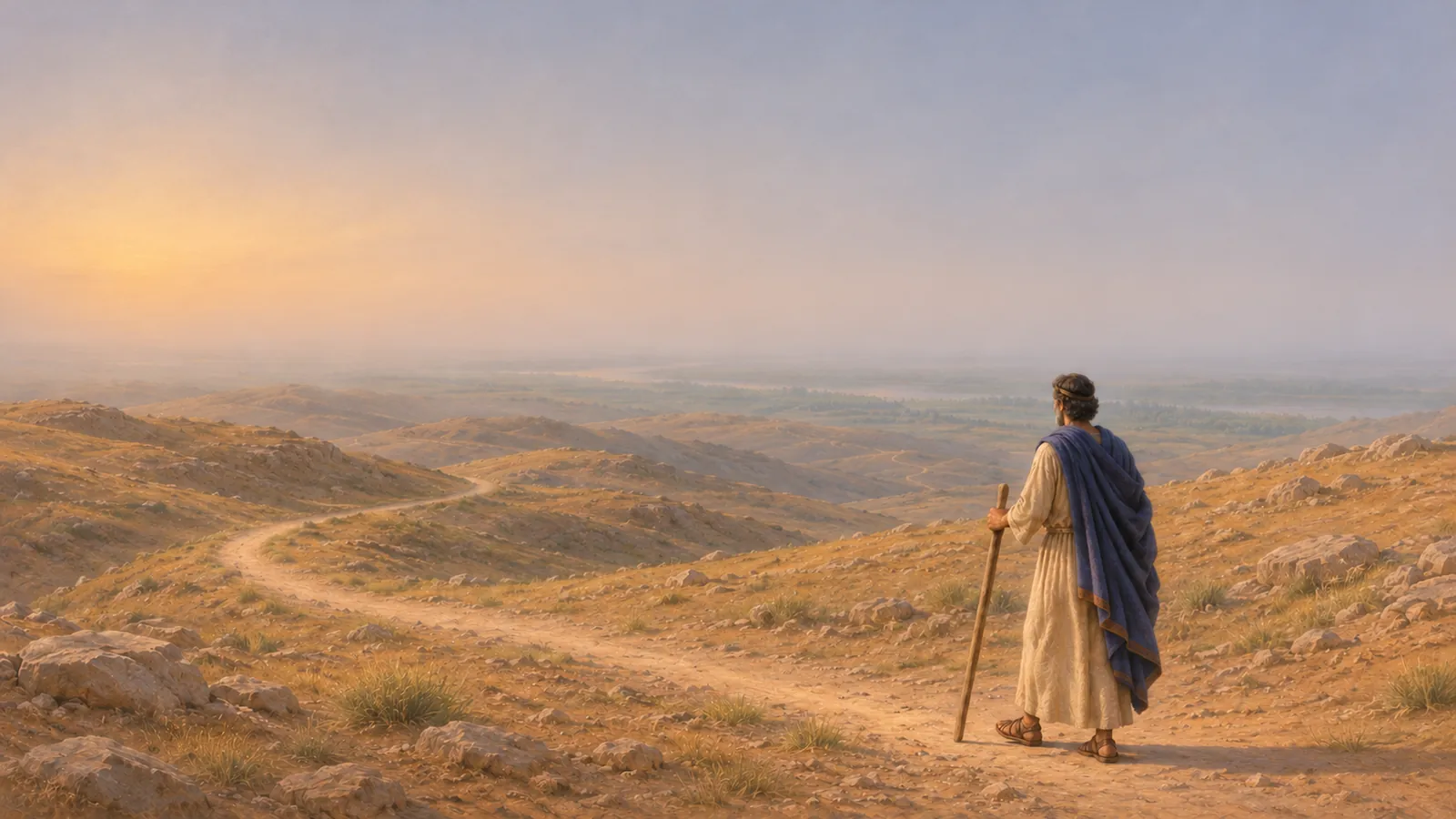
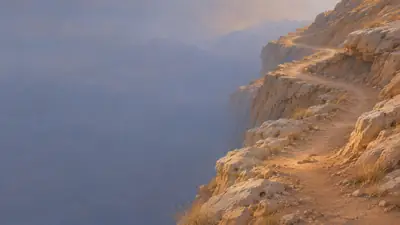
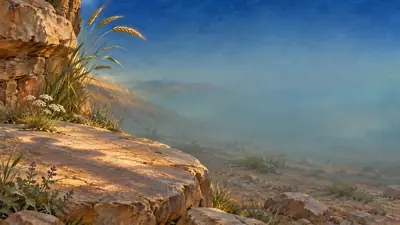
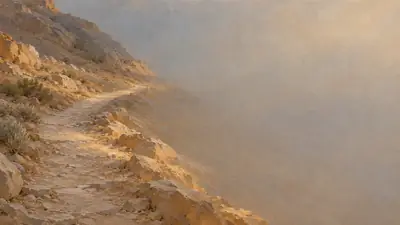
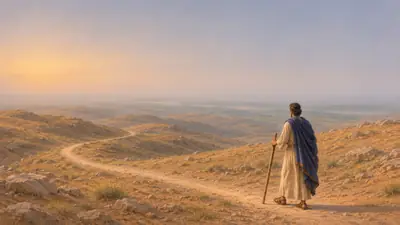
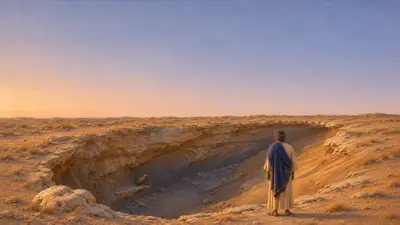
Shamash told Etana to take the mountain road and to look down into a pit. The eagle he would find there could show him the plant.
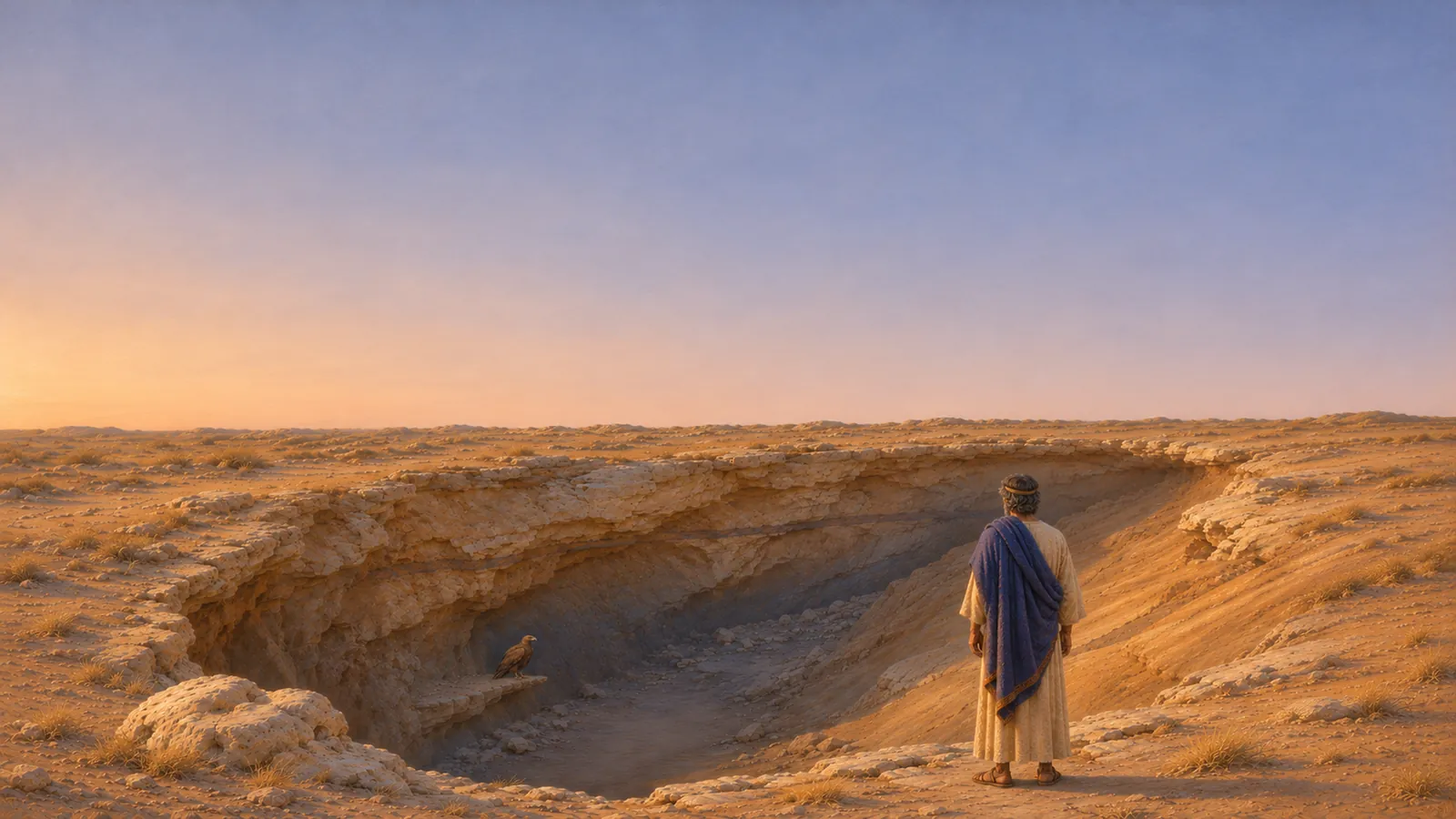
THE EAGLE IN THE PIT
Etana followed the road through the mountains. When he reached the pit and looked down, he saw the eagle Shamash had spoken of.
End of chapter 1
All pages


Sources
Editions consulted
- Novotny, The Standard Babylonian Etana Epic, SAACT 2, Tablets I–II, pp. 15–18 and 27–35
- Electronic Babylonian Library, Standard Babylonian Tablet I
- Electronic Babylonian Library, Standard Babylonian Tablet II
- SEAL, Old Babylonian Morgan and Susa witnesses
- SEAL, Old Babylonian Susa tablet, obverse and reverse
- Valk, the eagle and serpent epithets in Tablet II, pp. 889–900
Ancient lines behind each page
- Page 1: Etana SB I 1–4 (Novotny 2001)
The name of Kish is partly restored in the damaged opening. - Page 2: Etana SB I 3–5 (Novotny 2001)
- Page 3: Etana SB I 6–8 (Novotny 2001)
The shepherd lines are partly broken. - Page 4: Etana SB I 9–13 (Novotny 2001) · OB Morgan i 1–6 (SEAL)
Some of these words are restored from the Old Babylonian Morgan tablet. - Page 5: Etana SB I 14–17 (Novotny 2001) · OB Morgan i 6–10 (SEAL)
Some of the regalia lines use words from the Old Babylonian Morgan tablet. - Page 6: Etana SB I 14–19 (Novotny 2001) · OB Morgan i 11–13 (SEAL)
The Old Babylonian Morgan tablet places the emblems before Anu. - Page 7: Etana SB I 20–26 (Novotny 2001)
These lines are damaged around the search for a king. - Page 8: Etana SB I 6–8, 27–30 (Novotny 2001) · OB Morgan i 14–15 (SEAL)
The line about kingship descending is partly restored. - Page 9: Etana SB I 57–66 (Novotny 2001)
The woman’s dream survives in fragments. - Page 10: Etana SB I after 66 (Novotny 2001) · II 1–6 (SEAL)
The intervening lines are lost. The beginning of Tablet II is also damaged. - Page 11: Etana SB II 1–6 (Novotny 2001)
The opening of this tablet is partly broken. - Page 12: Etana SB II 4–6 (Novotny 2001) · OB Susa obv. 5′–7′ (SEAL)
- Page 13: Etana SB II 7–9 (Novotny 2001)
- Page 14: Etana SB II 10–14 (Novotny 2001)
- Page 15: Etana SB II 14–17 (Novotny 2001) · OB Susa obv. 4′ preserves the close of the oath (SEAL)
The Akkadian wording about the earth can also refer to the world below. - Page 16: Etana SB II 18–24 (Novotny 2001) · OB Susa obv. 1′–4′ (SEAL)
The Susa tablet preserves some of the oath’s penalties. - Page 17: Etana SB II 25–27 (Novotny 2001)
- Page 18: Etana SB II 28–29 (Novotny 2001) · OB Susa obv. 8′–11′ (SEAL)
The Susa tablet preserves examples of the serpent bringing food. - Page 19: Etana SB II 30–36 (Novotny 2001)
- Page 20: Etana SB II 37–42 (Novotny 2001) · OB Susa obv. 14′–21′ (SEAL)
The Akkadian name for the serpent in this passage has more than one possible reading. - Page 21: Etana SB II 43–44 (Novotny 2001)
The flight lines here are partly damaged. - Page 22: Etana SB II 45–46 (Novotny 2001) · OB Susa obv. 22′–24′ (SEAL)
- Page 23: Etana SB II 47–50 (Novotny 2001) · OB Susa obv. 23′–24′ (SEAL)
- Page 24: Etana SB II 51–52 (Novotny 2001) · OB Susa rev. 18′ recounts the deed (SEAL)
- Page 25: Etana SB II 53–55 (Novotny 2001) · OB Susa rev. 1′–5′ (SEAL)
- Page 26: Etana SB II 56–60 (Novotny 2001) · OB Susa rev. 6′–9′ (SEAL)
- Page 27: Etana SB II 61–68 (Novotny 2001) · OB Susa rev. 10′–18′ (SEAL)
- Page 28: Etana SB II 69–74 (Novotny 2001) · OB Susa rev. 19′–24′ (SEAL)
- Page 29: Etana SB II 74–78 (Novotny 2001)
- Page 30: Etana SB II 79–95 (Novotny 2001)
- Page 31: Etana SB II 96–103 (Novotny 2001)
- Page 32: Etana SB II 104–111 (Novotny 2001)
- Page 33: Etana SB II 112–119 (Novotny 2001) · OB Morgan v 4′–7′ preserves part of the reply (SEAL)
- Page 34: Etana SB II 119–123 (Novotny 2001) · OB Morgan v 8′–11′ (SEAL)
- Page 35: Etana SB II 124–128 (Novotny 2001) · OB Morgan v 12′–14′ (SEAL)
- Page 36: Etana SB II 129–133 (Novotny 2001) · OB Morgan v 15′–17′ (SEAL)
- Page 37: Etana SB II 134–139 (Novotny 2001)
- Page 38: Etana SB II 140–143 (Novotny 2001)
- Page 39: Etana SB II 144–149 (Novotny 2001)
- Page 40: Etana SB II 150–154 (Novotny 2001)
The final lines of this tablet are damaged.
Illustrations made with AI tools by IL Archive; the text is based on the ancient sources (see the sources at the end of each chapter).