Etana Chapter 2
The Gates of Heaven
Etana helps the eagle and rides with it in search of the plant of birth. They rise toward the gates of heaven, where the surviving poem breaks off.
SourcesTurn the pages with the arrows, the arrow keys or a swipe.
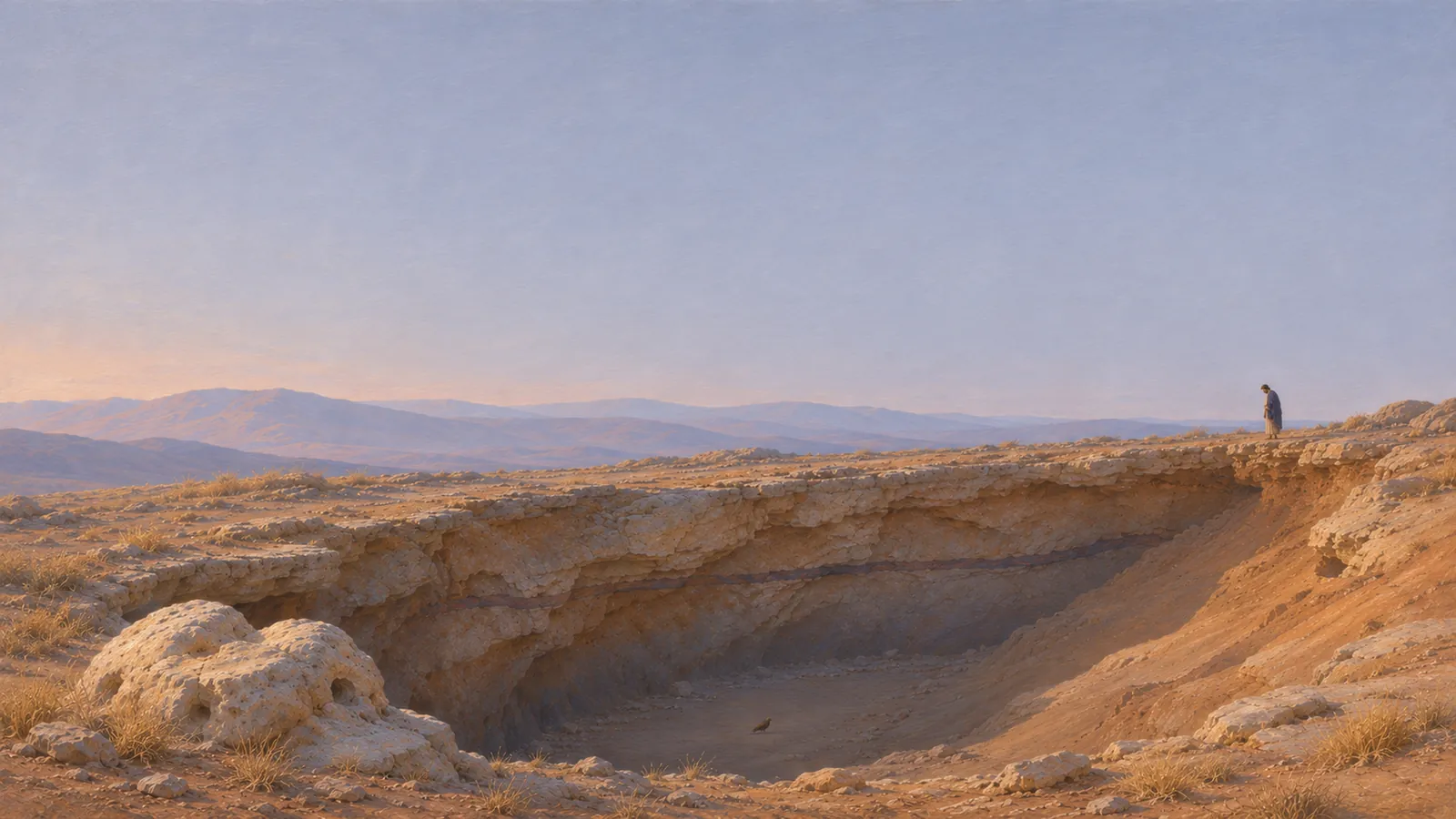
THE GATES OF HEAVEN
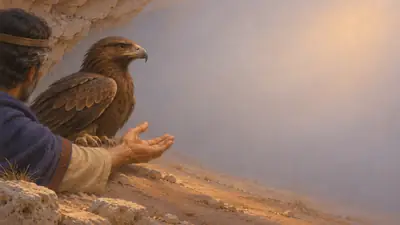
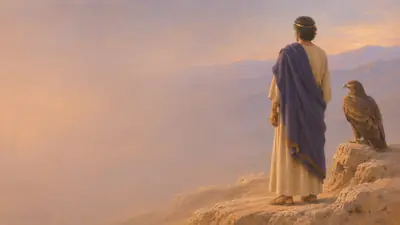
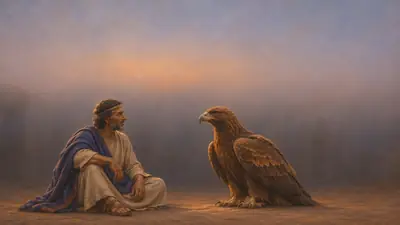
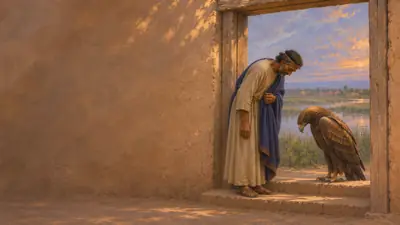
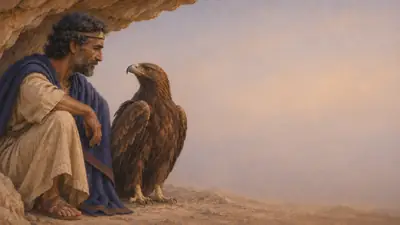
The eagle looked up from the bottom of the pit. It spoke to Shamash, wondering whether a bird and a man could understand one another.
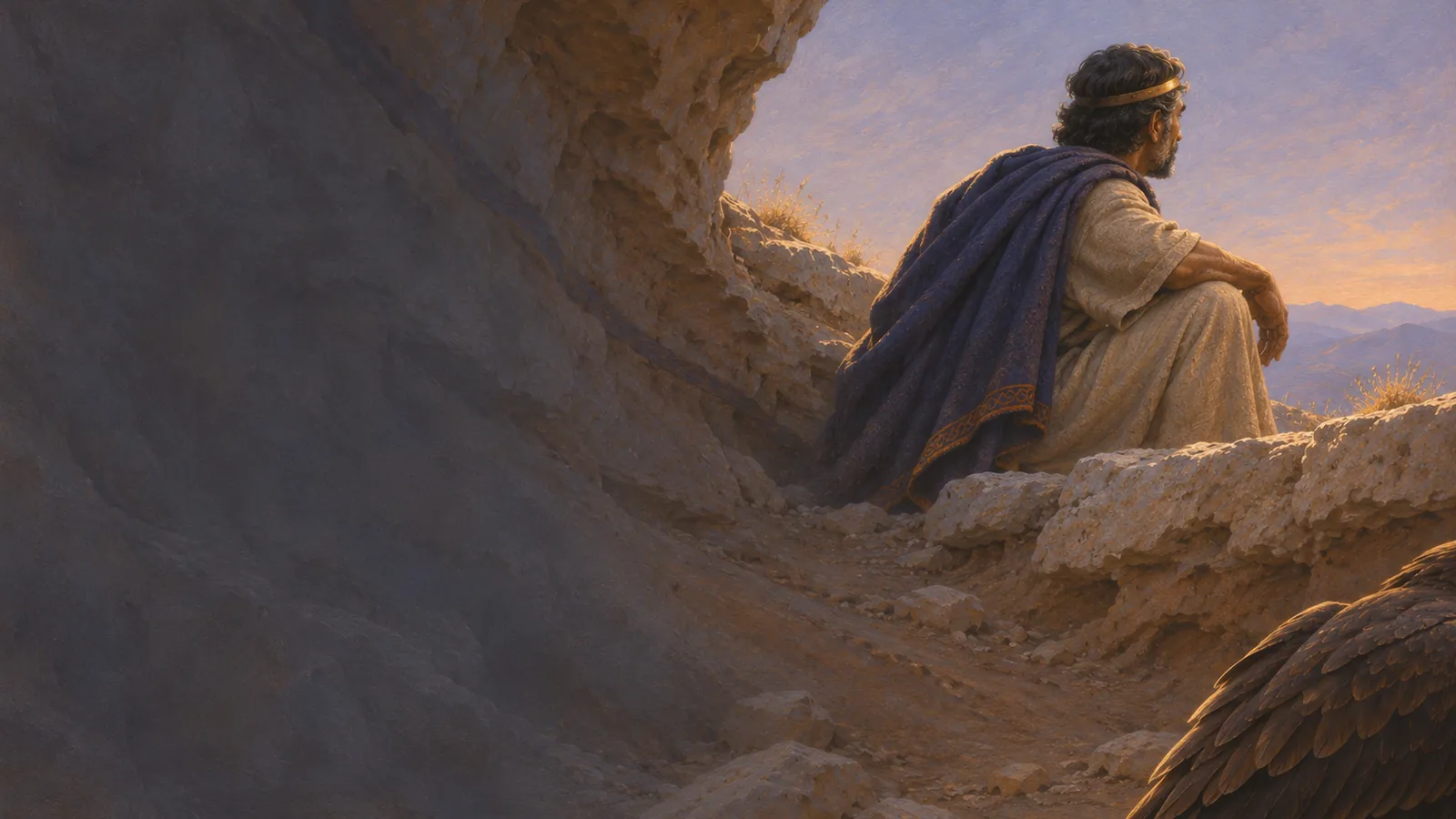
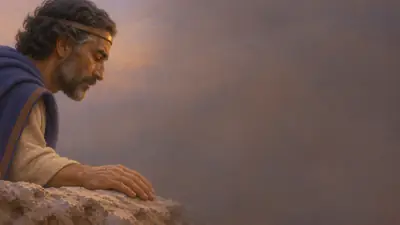
The man was Etana, whom Shamash had sent along the mountain road. From the pit, the eagle asked him what had brought him there.
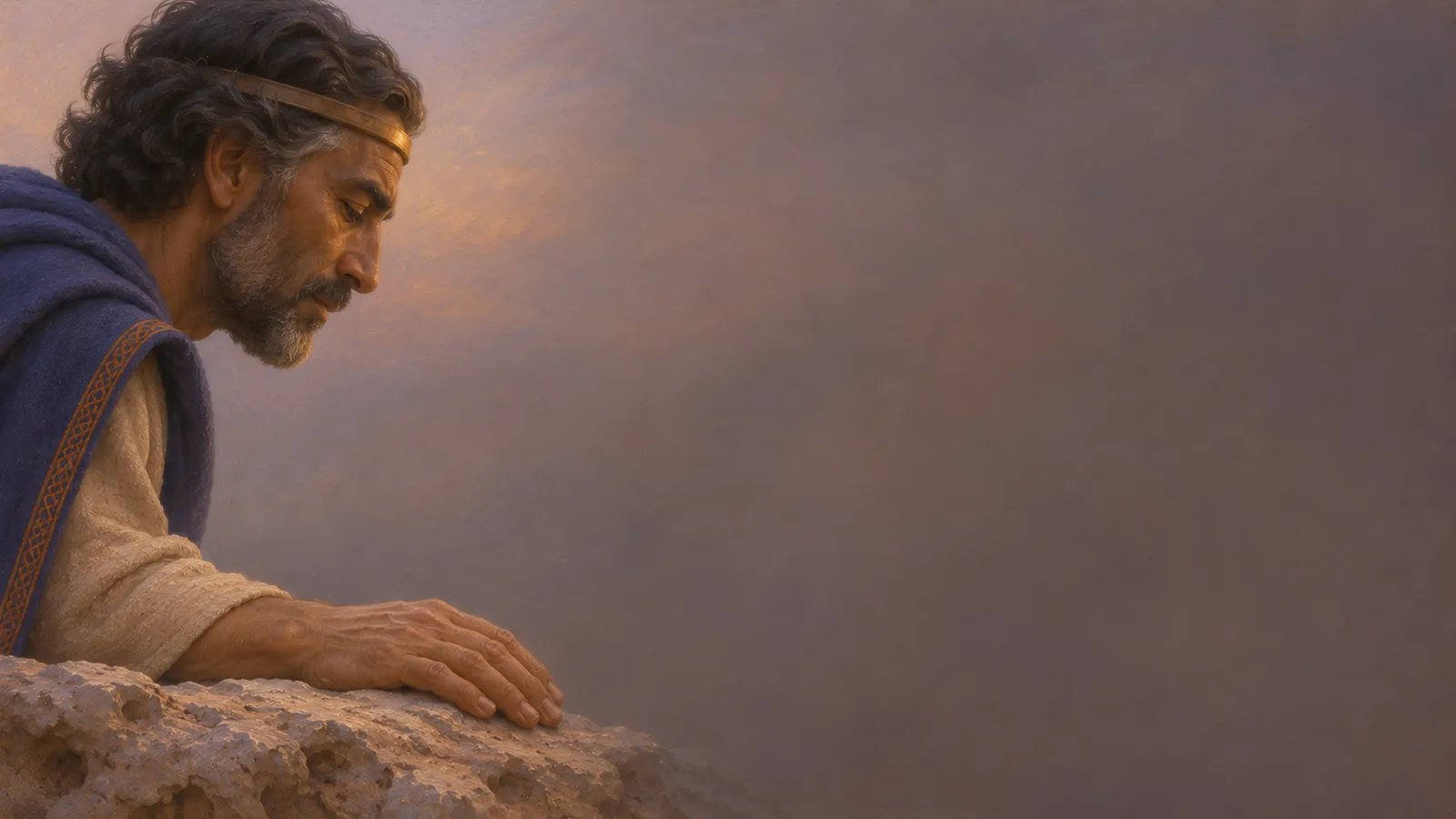
Etana asked the eagle to show him the plant of birth. He wanted a child who could carry on his name.
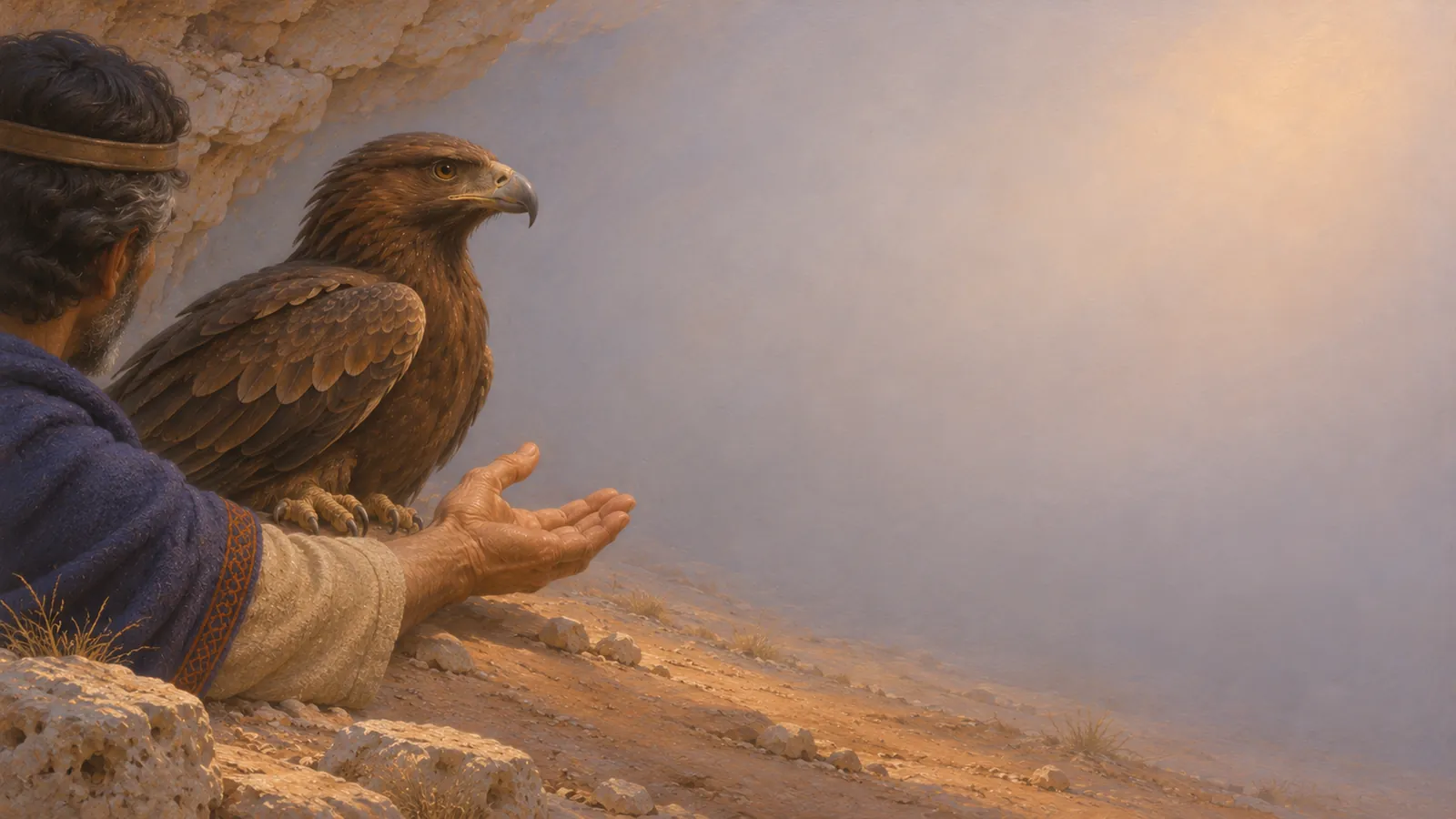
Part of their exchange is lost. In the older Babylonian copy, Etana takes hold of the eagle, and the next lines tell of its recovery.
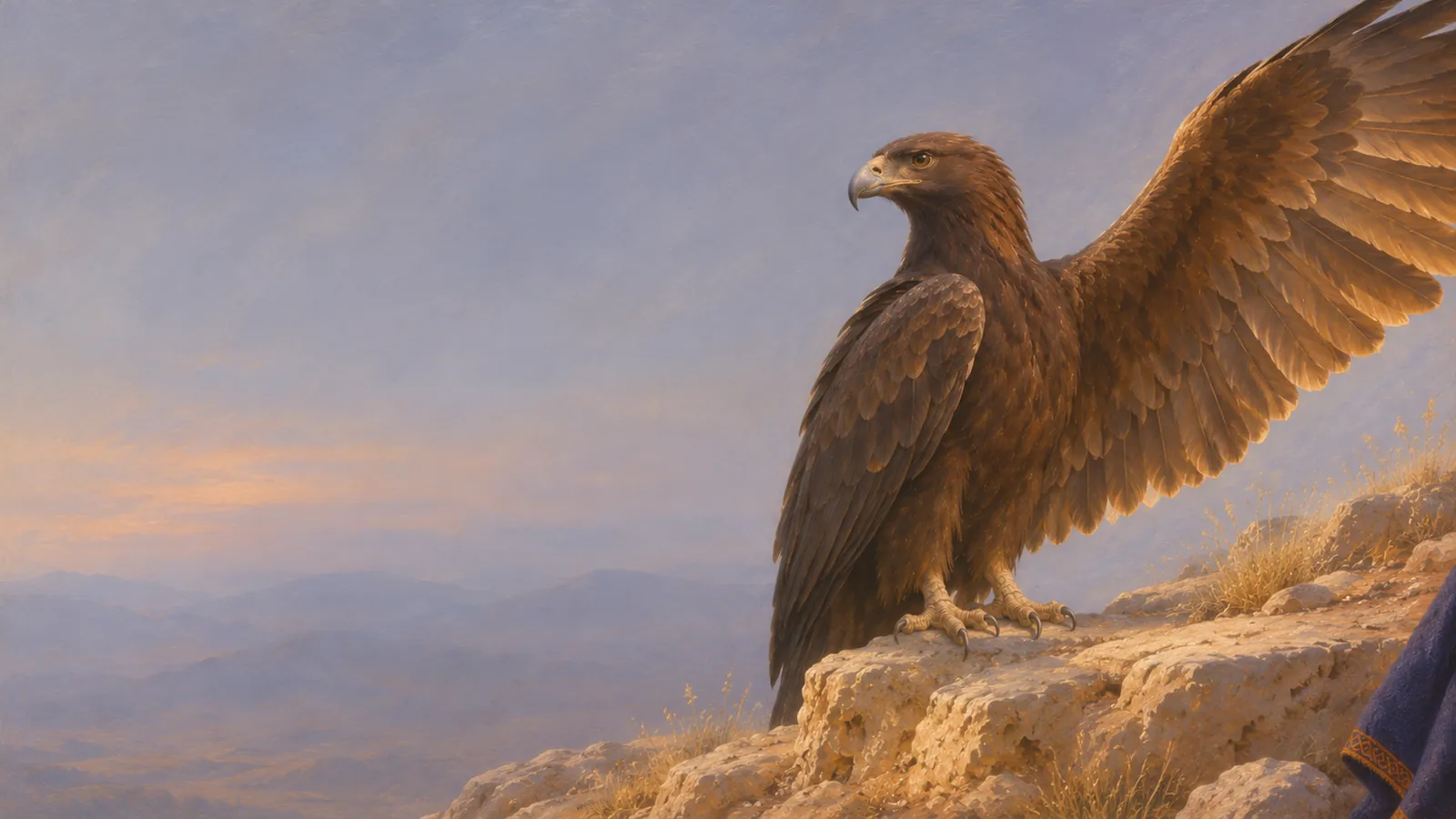
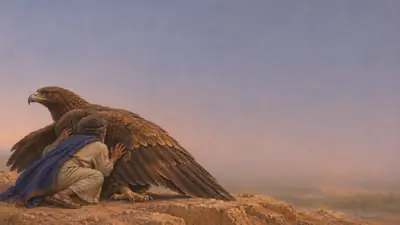
The older copy tells how the eagle ate and regained its strength. Bit by bit it could spread its wings again.
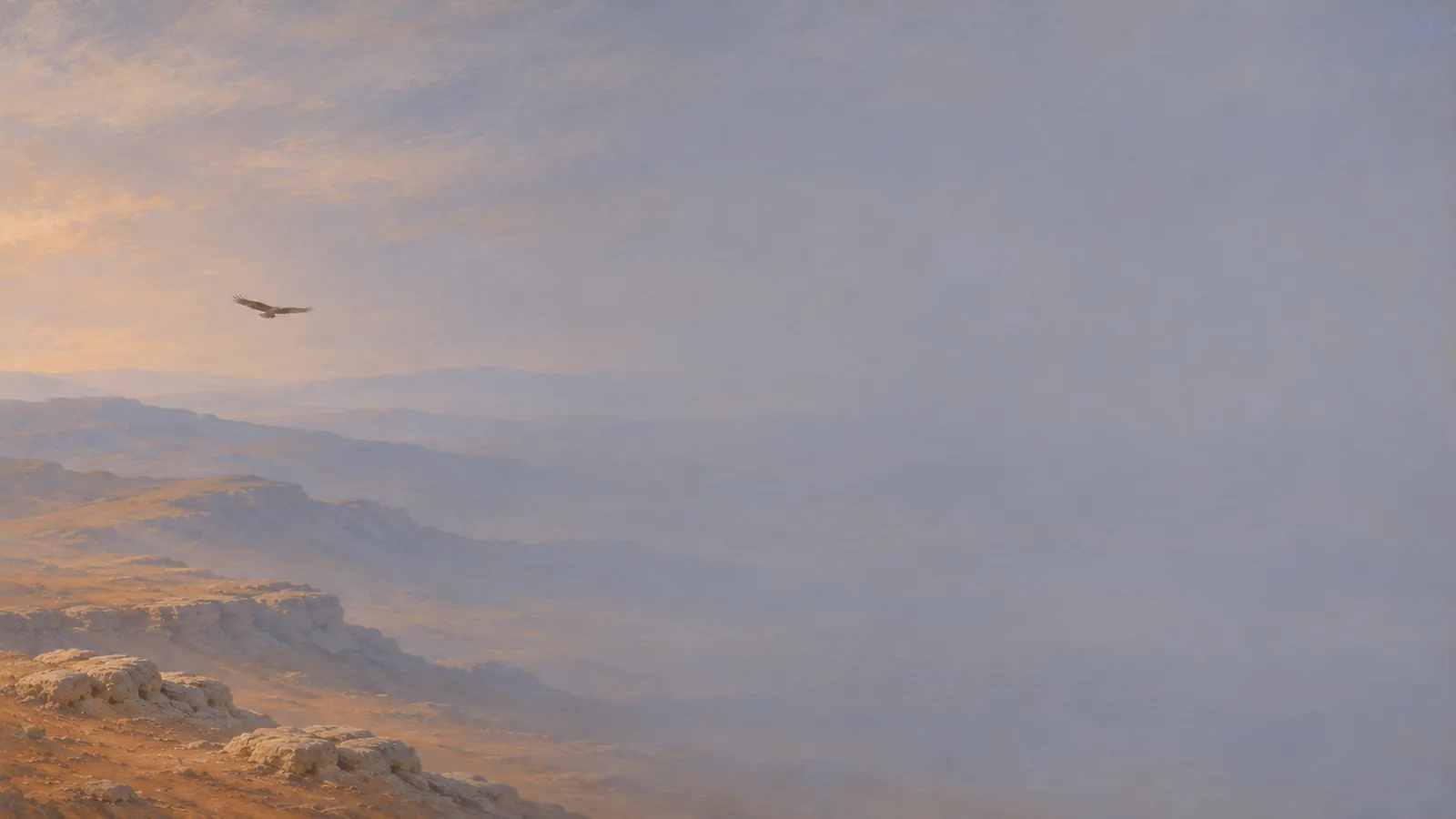
The eagle flew over the mountains to look for the plant. It searched beyond the ridges, then turned and flew back.
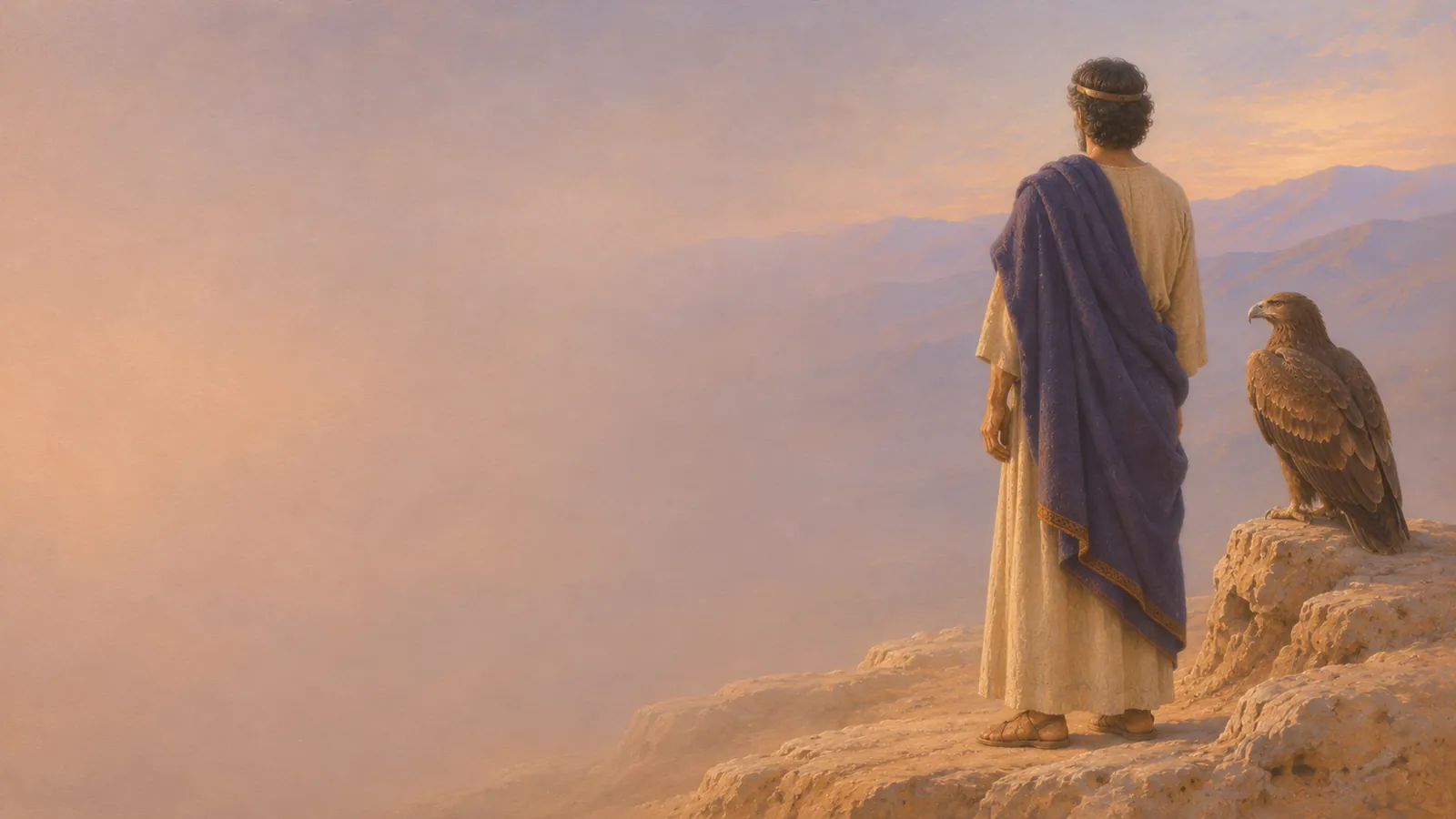
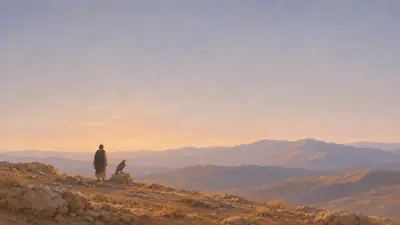
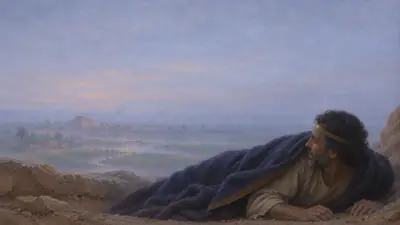
Etana waited among the rocks. When the eagle returned, it told him that the plant of birth was nowhere in those mountains.
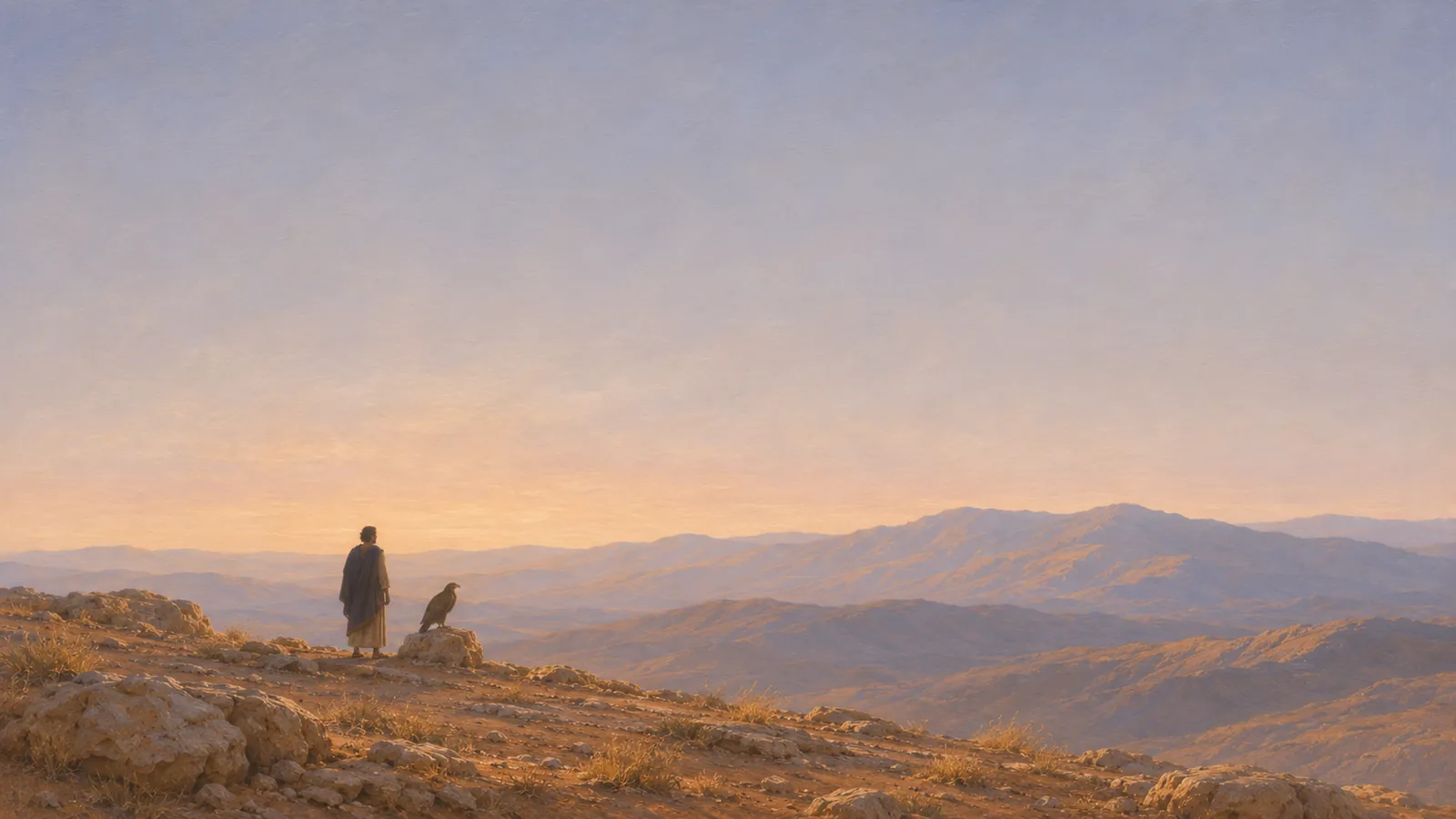
TOWARD ISHTAR
The eagle called Etana its friend. It proposed carrying him to heaven, where the plant might be found with Ishtar.
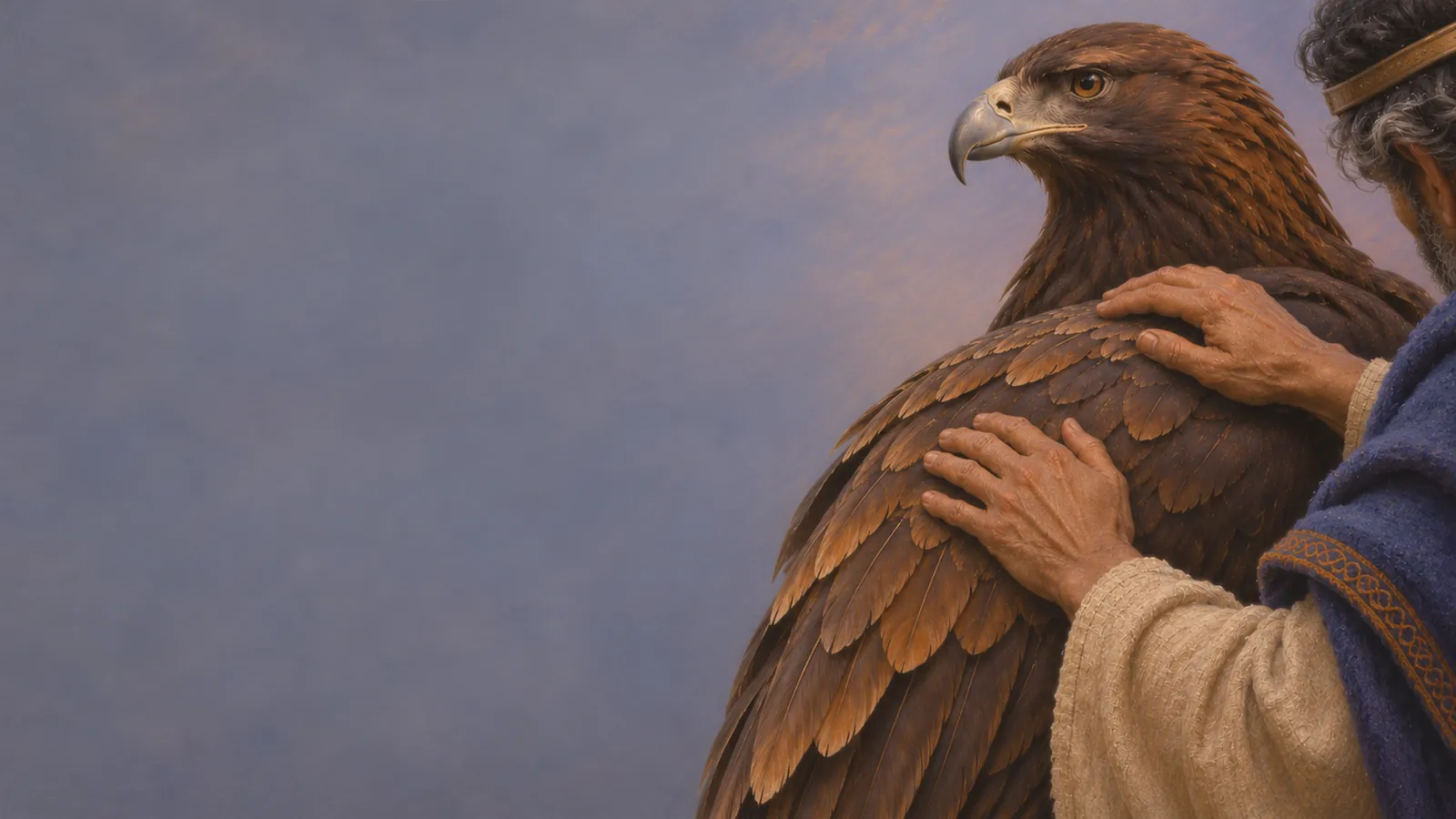
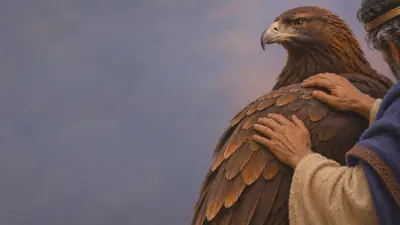
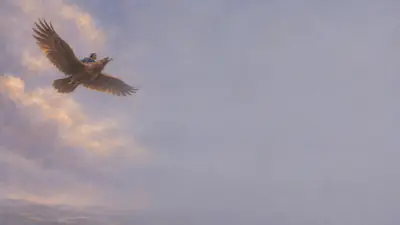
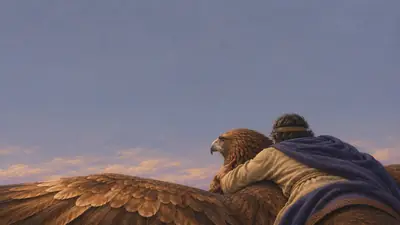
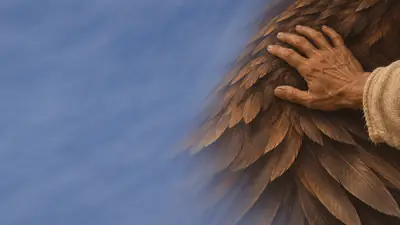
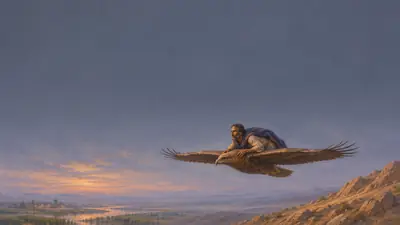
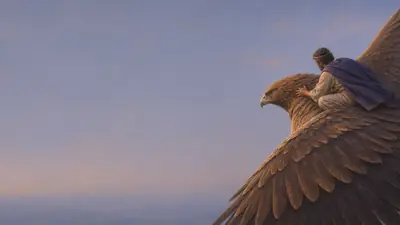
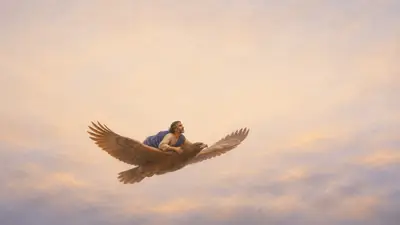
The eagle told Etana where to put his arms and hands. Etana pressed close and took hold among the long feathers of its wings.
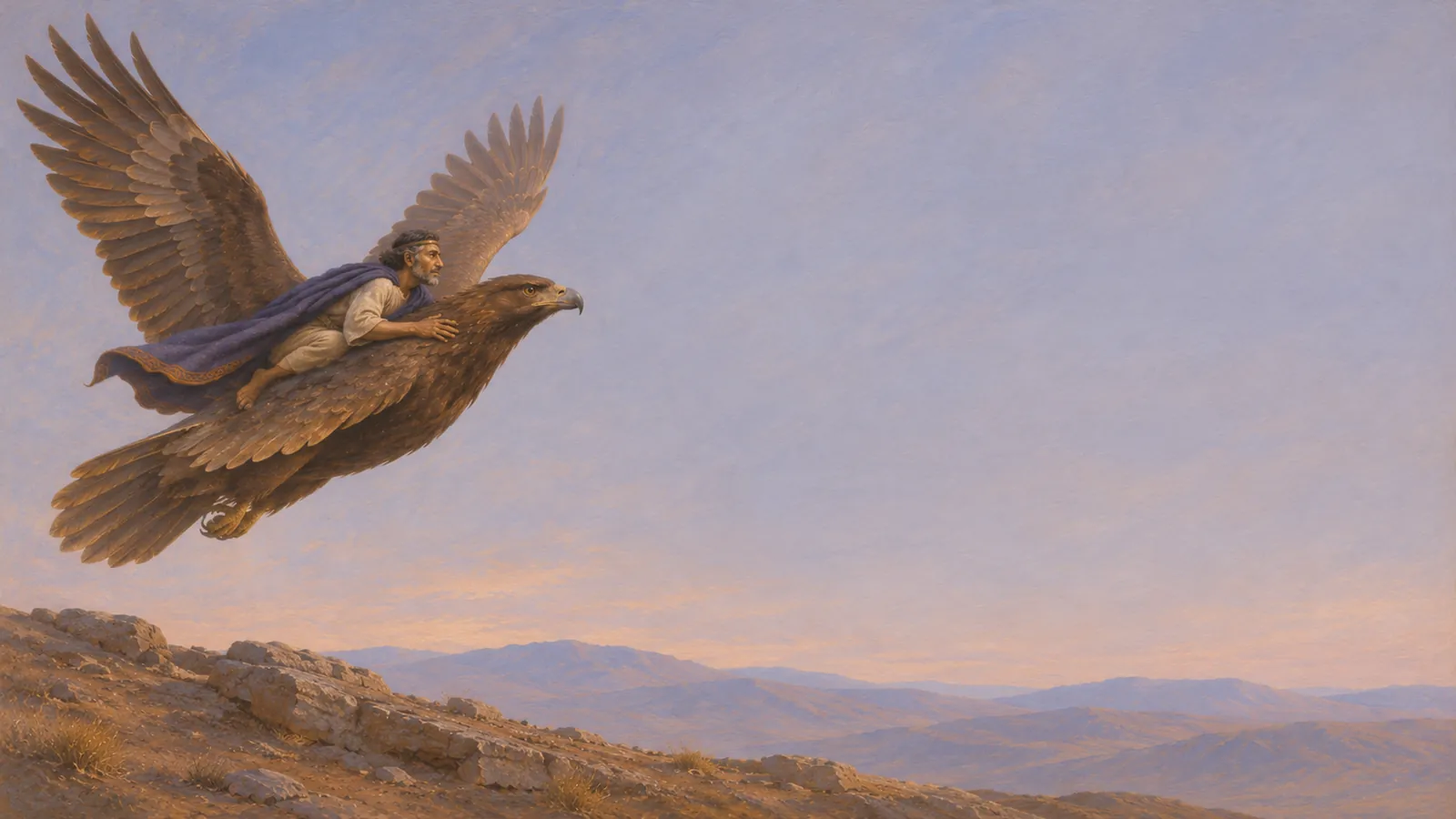
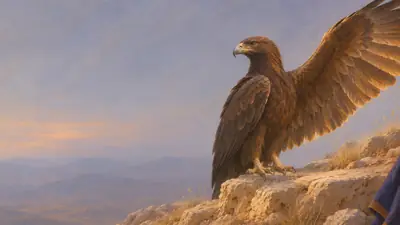
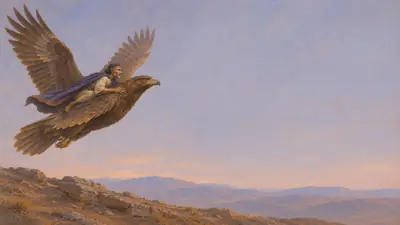
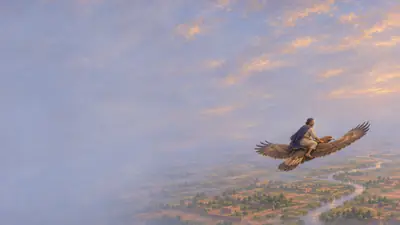
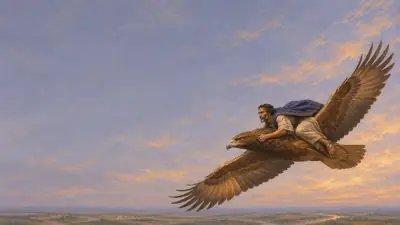
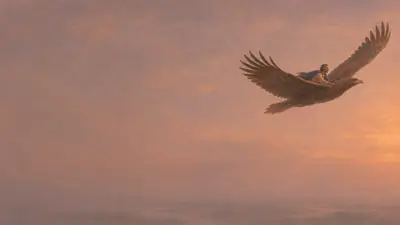
The eagle bore Etana up from the ridge. When they had risen a league, it asked its friend to look back down at the land.
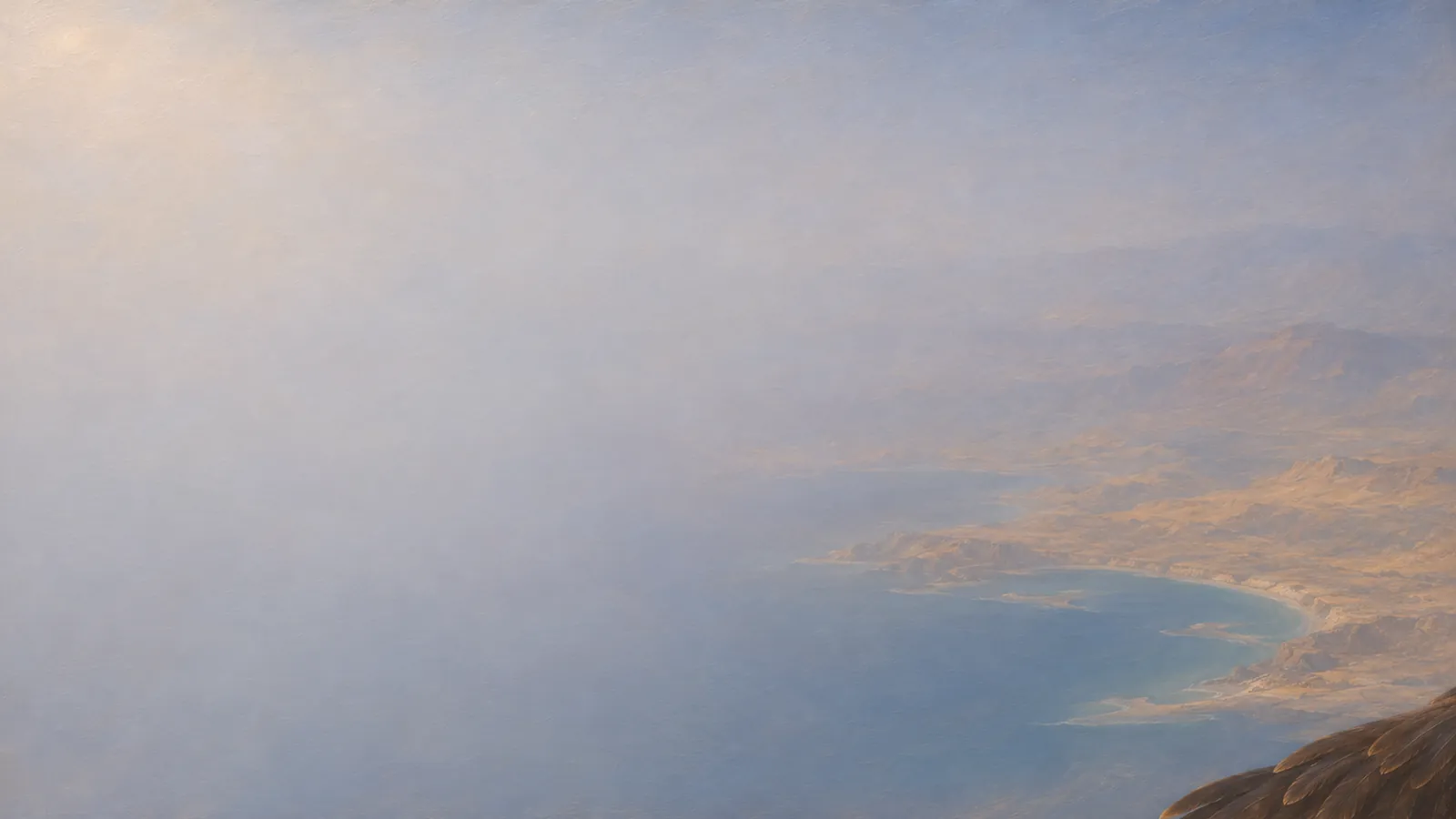
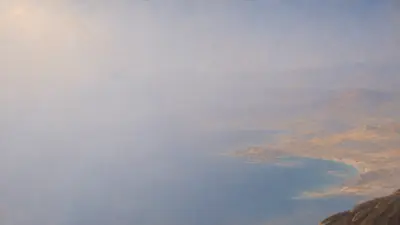
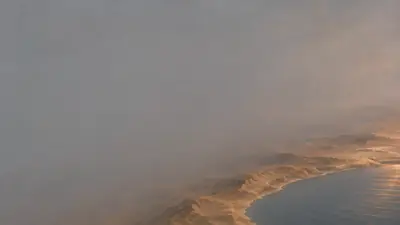
The land was already hard to make out. The great sea, so broad from below, looked no bigger than a sheepfold from where they flew.
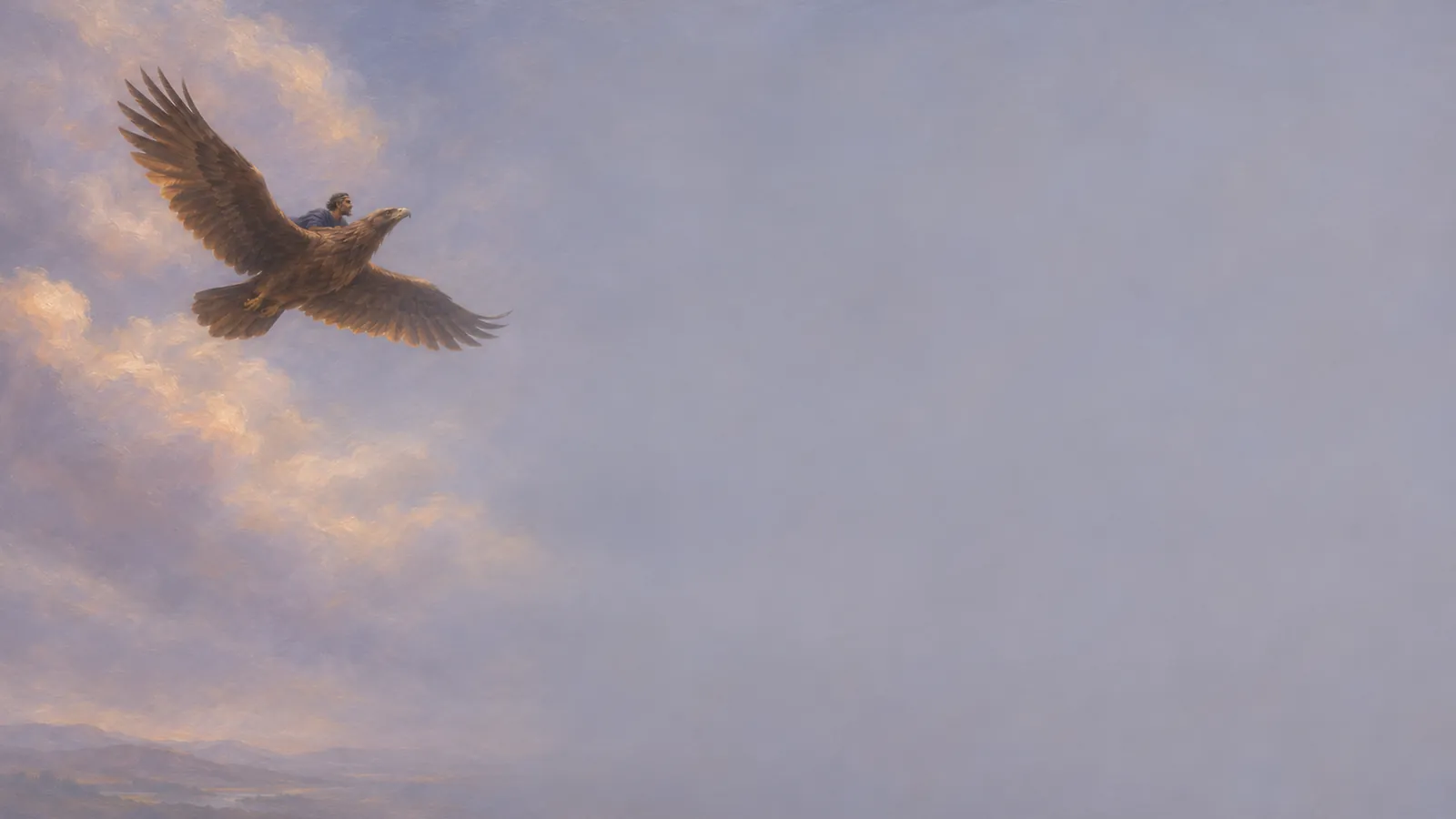
The eagle climbed to the second league and asked again what the land looked like. Far below them, its outlines were drawing together.
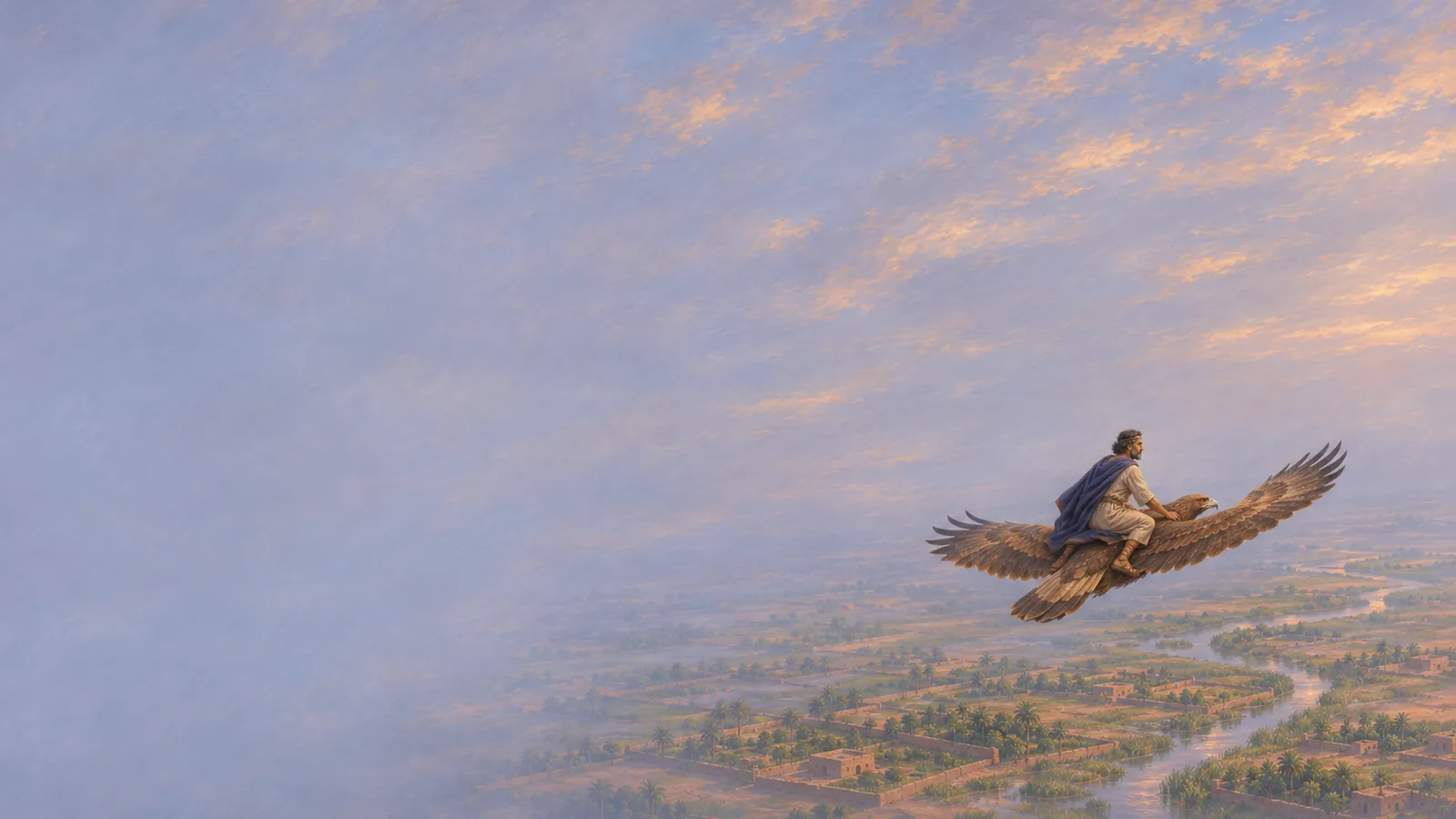
The land now looked as small as a bed in a garden. Beside it the wide sea seemed no bigger than a trough.
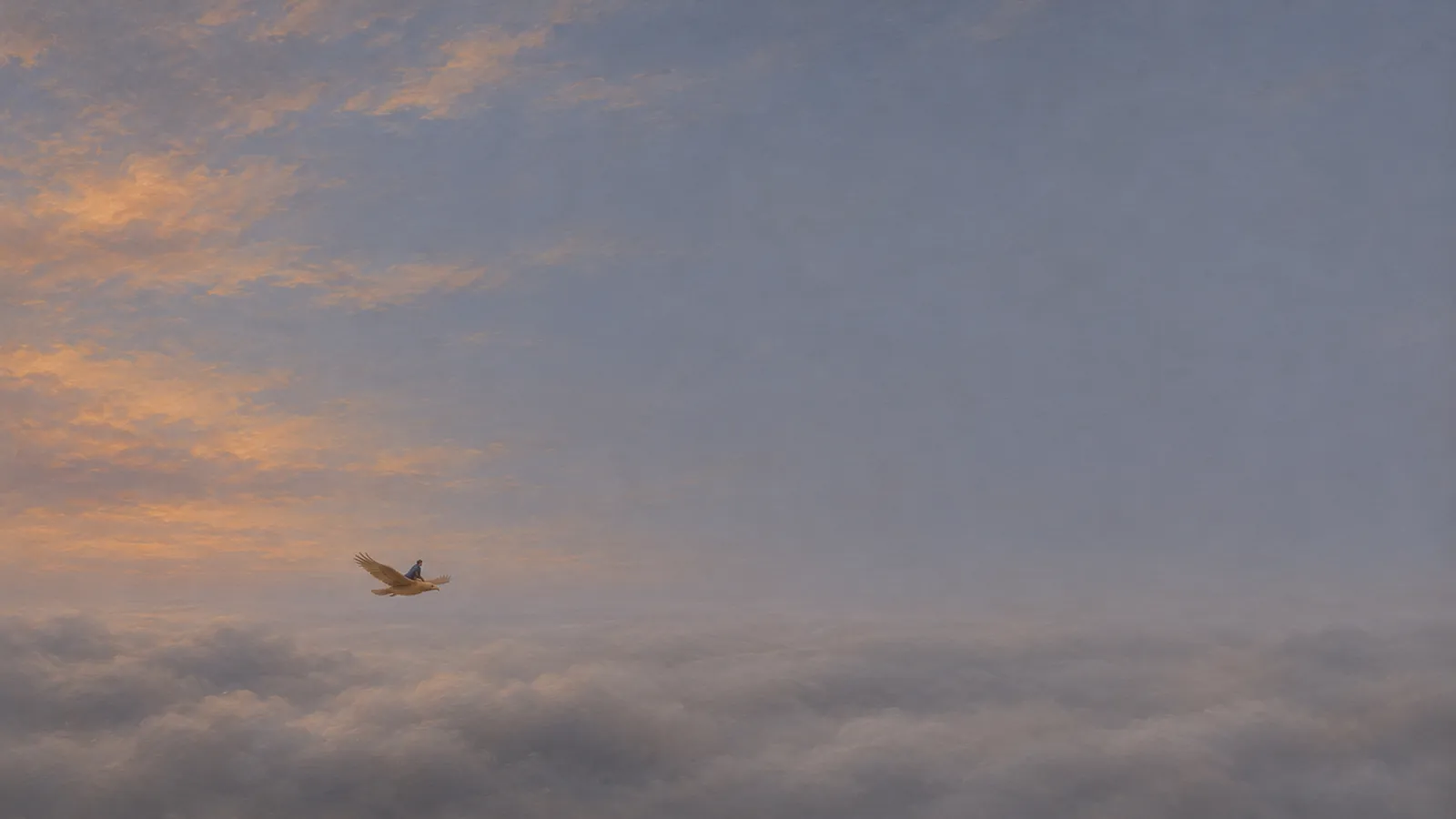
At the third league the eagle asked again. Etana strained his eyes for the land, and even the wide sea gave his gaze nothing to hold.
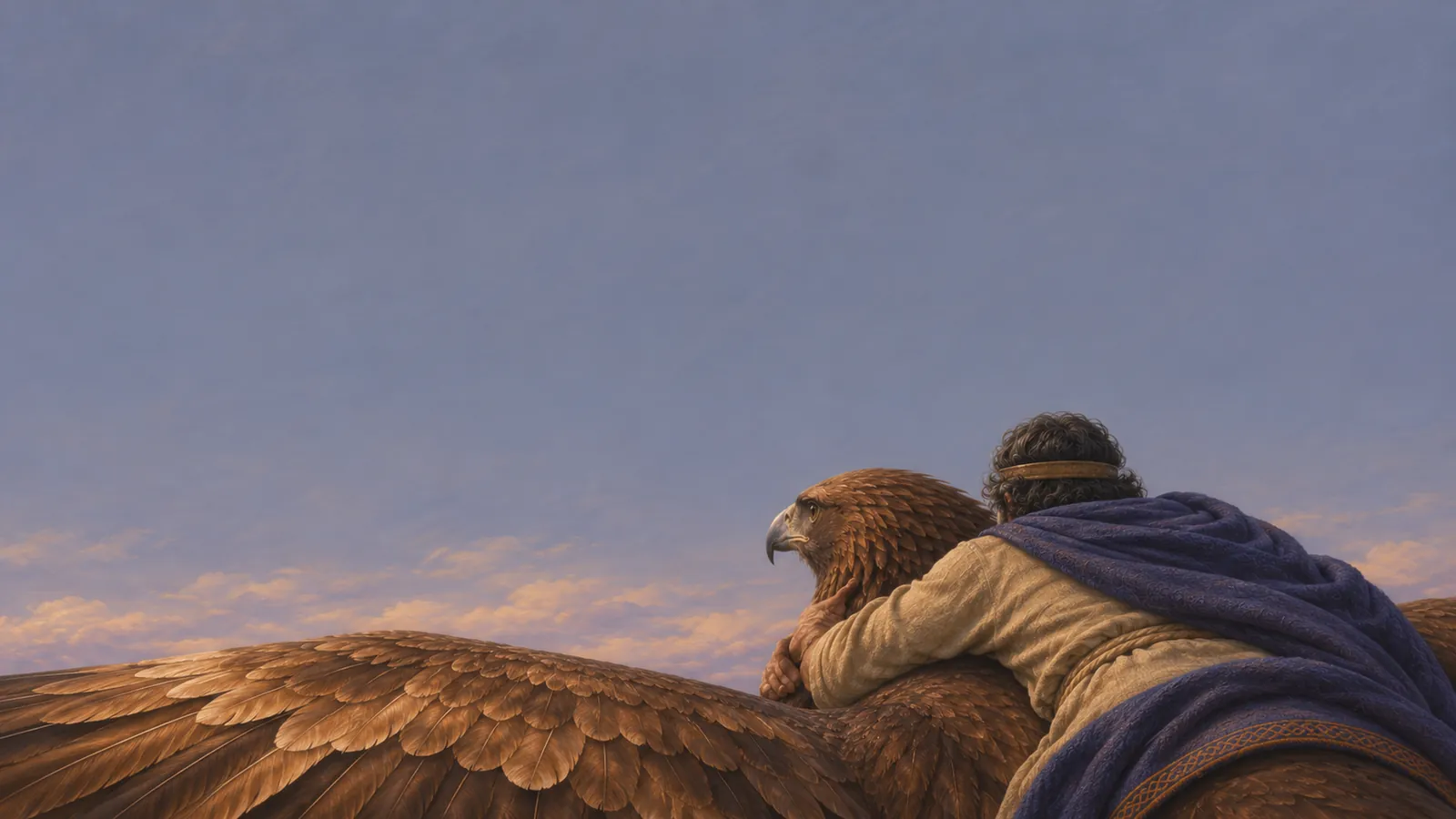
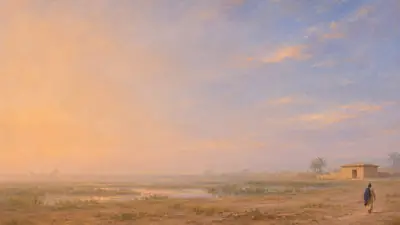
Etana told the eagle he had gone high enough. He asked to be taken down so he could find the road back to his city.
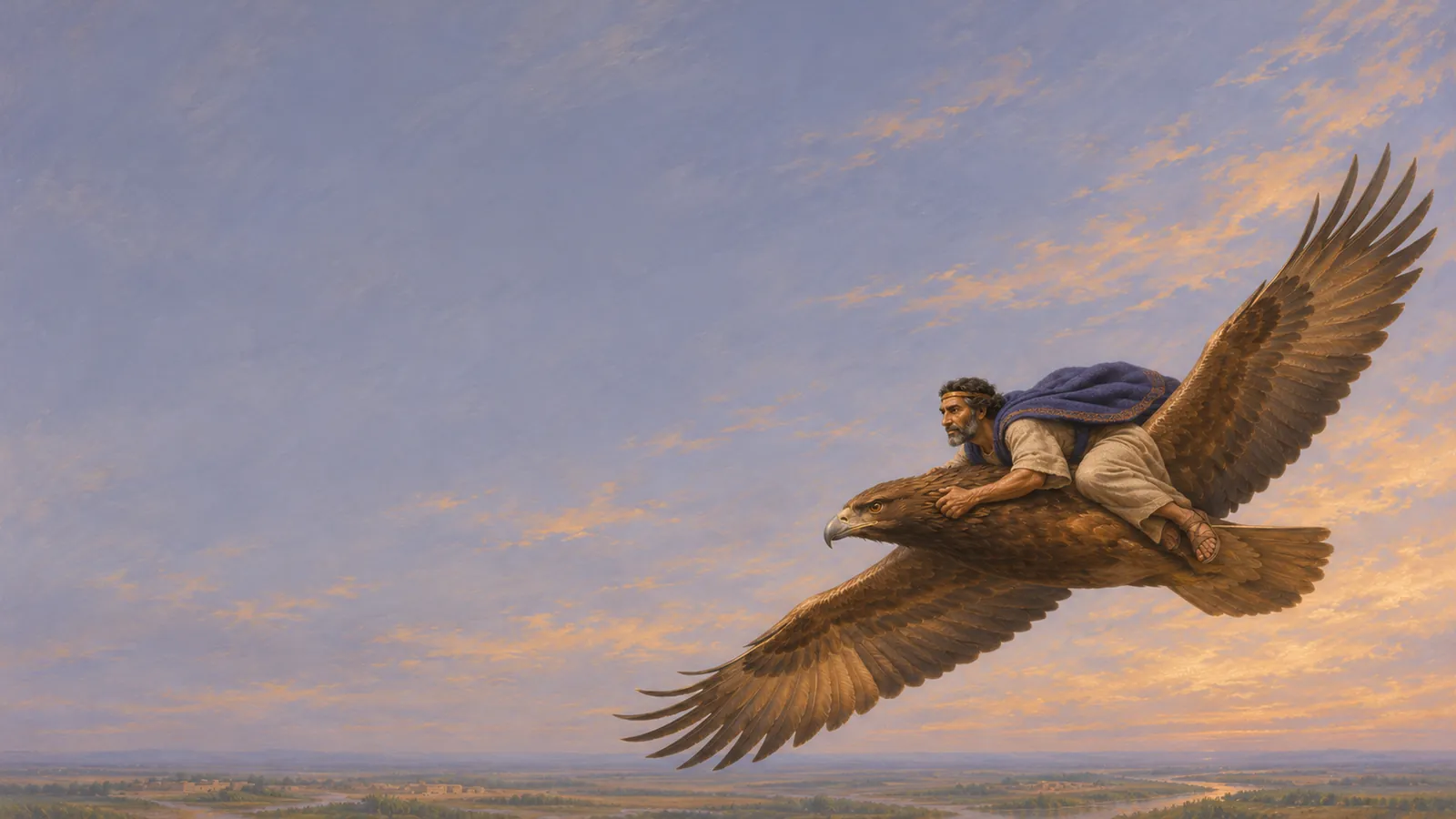
Etana dropped through the air. The eagle dived after him and caught him on its wings before he fell any farther.
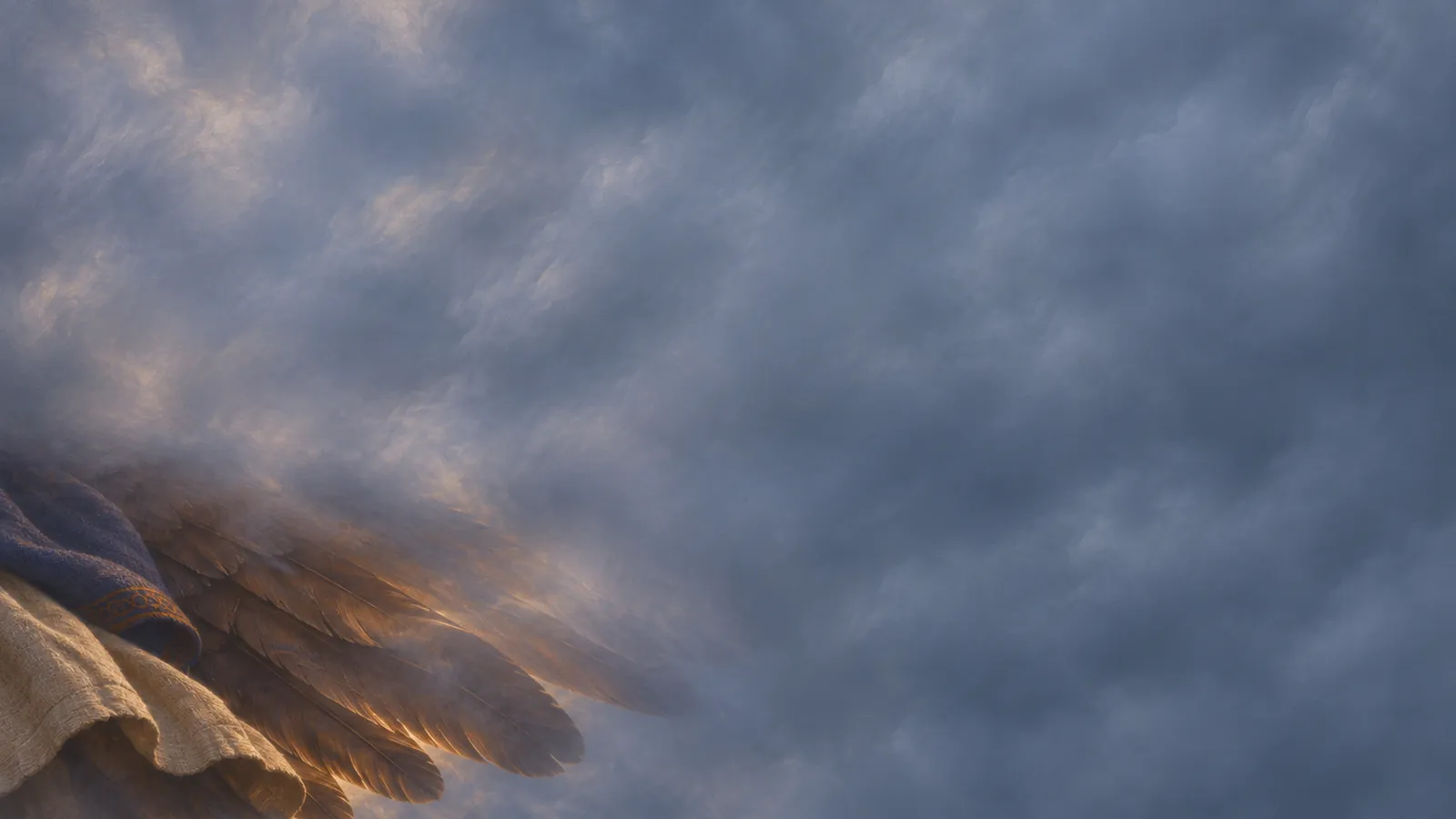
They dropped farther, and the eagle swept under Etana a second time. Its wings caught him again as they went down through the cloud.
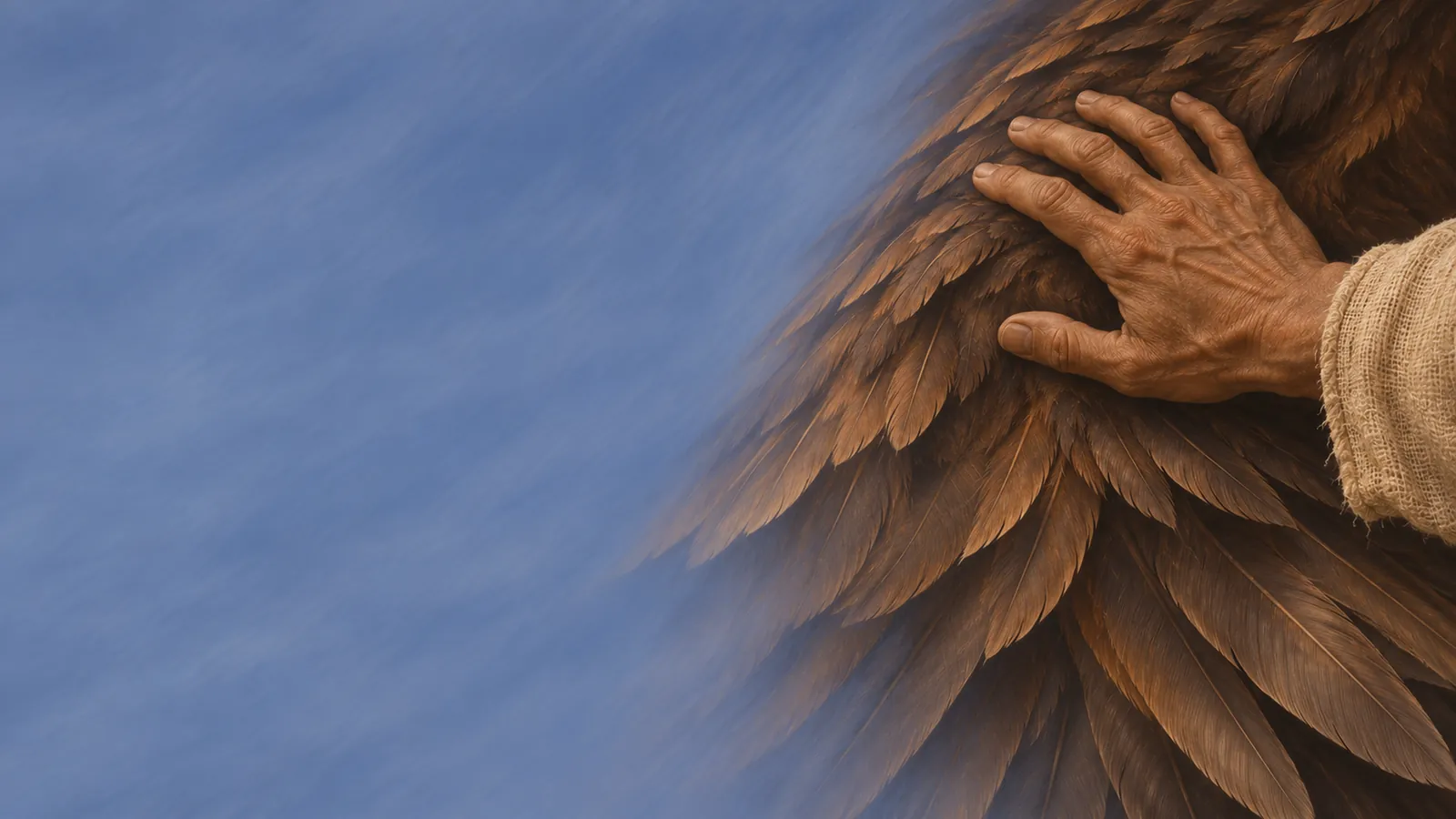
Farther down, the descent repeated itself. For a third time the eagle dived and caught Etana on its wings.
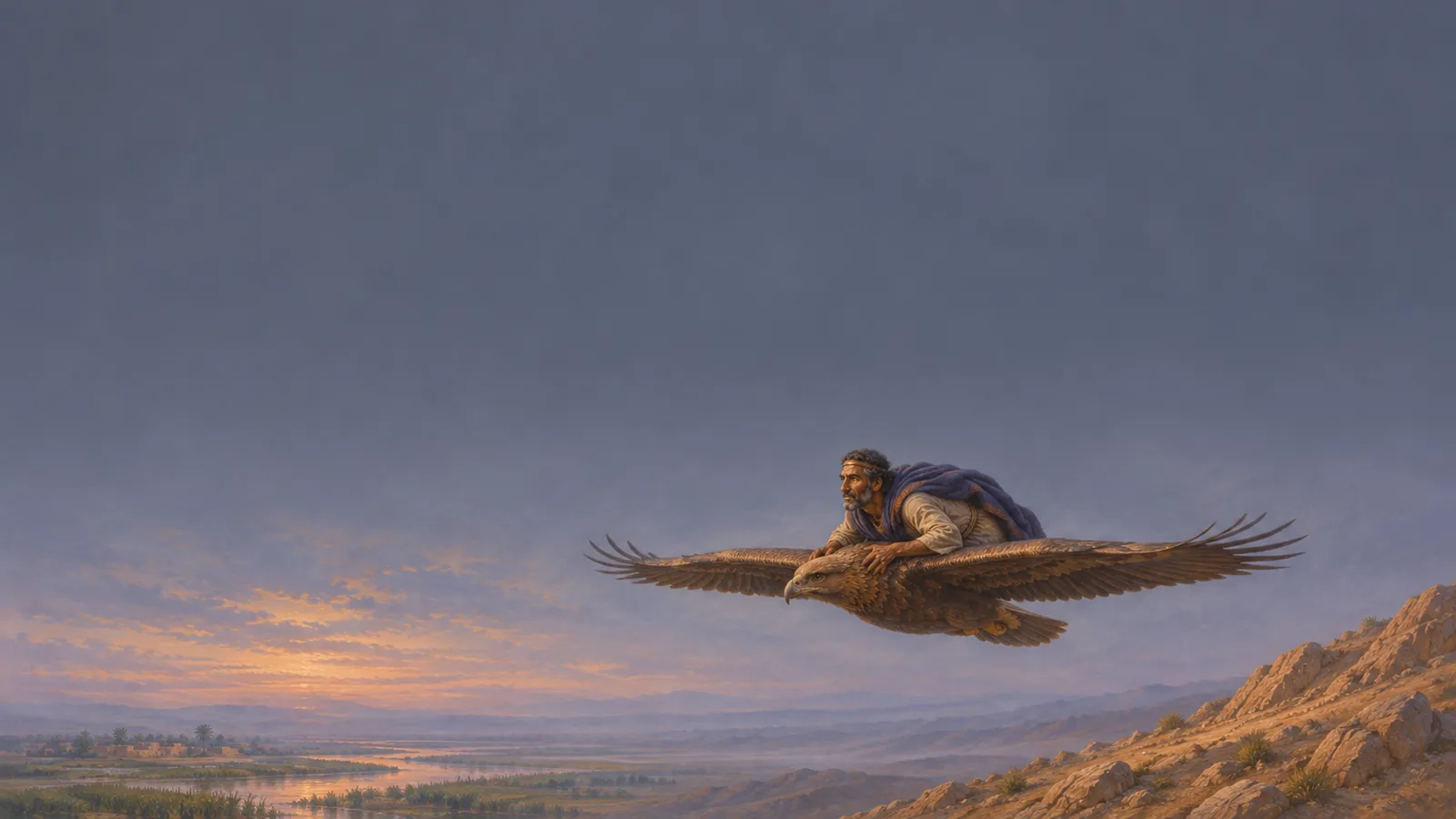
THE DESCENT
The ground came closer. The eagle caught Etana once more, and the lines break off while they are still coming down.
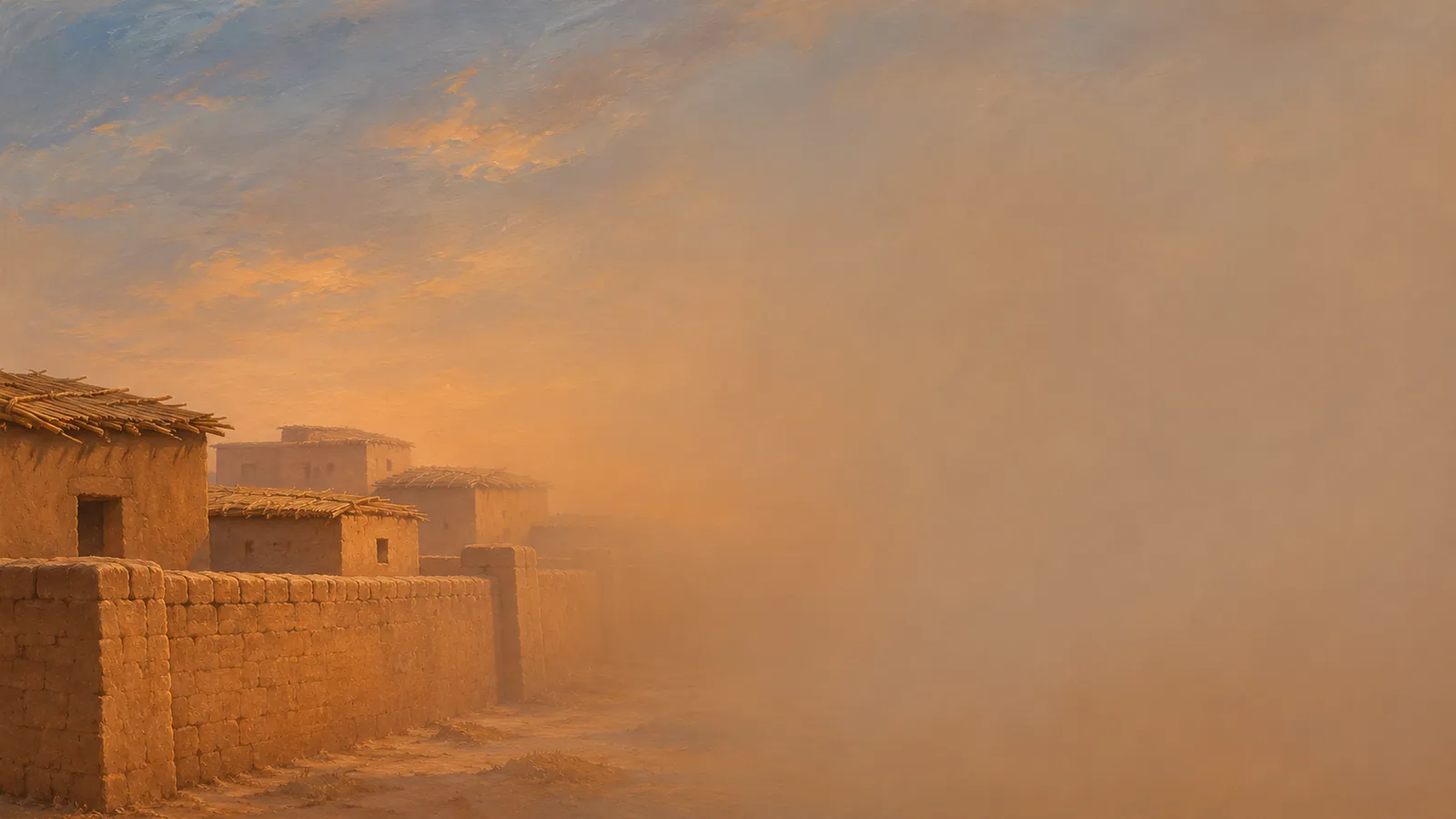
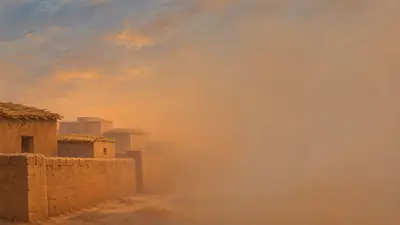
Many lines are missing. The city and a house appear in the passage that follows, but the broken words leave the descent untold.
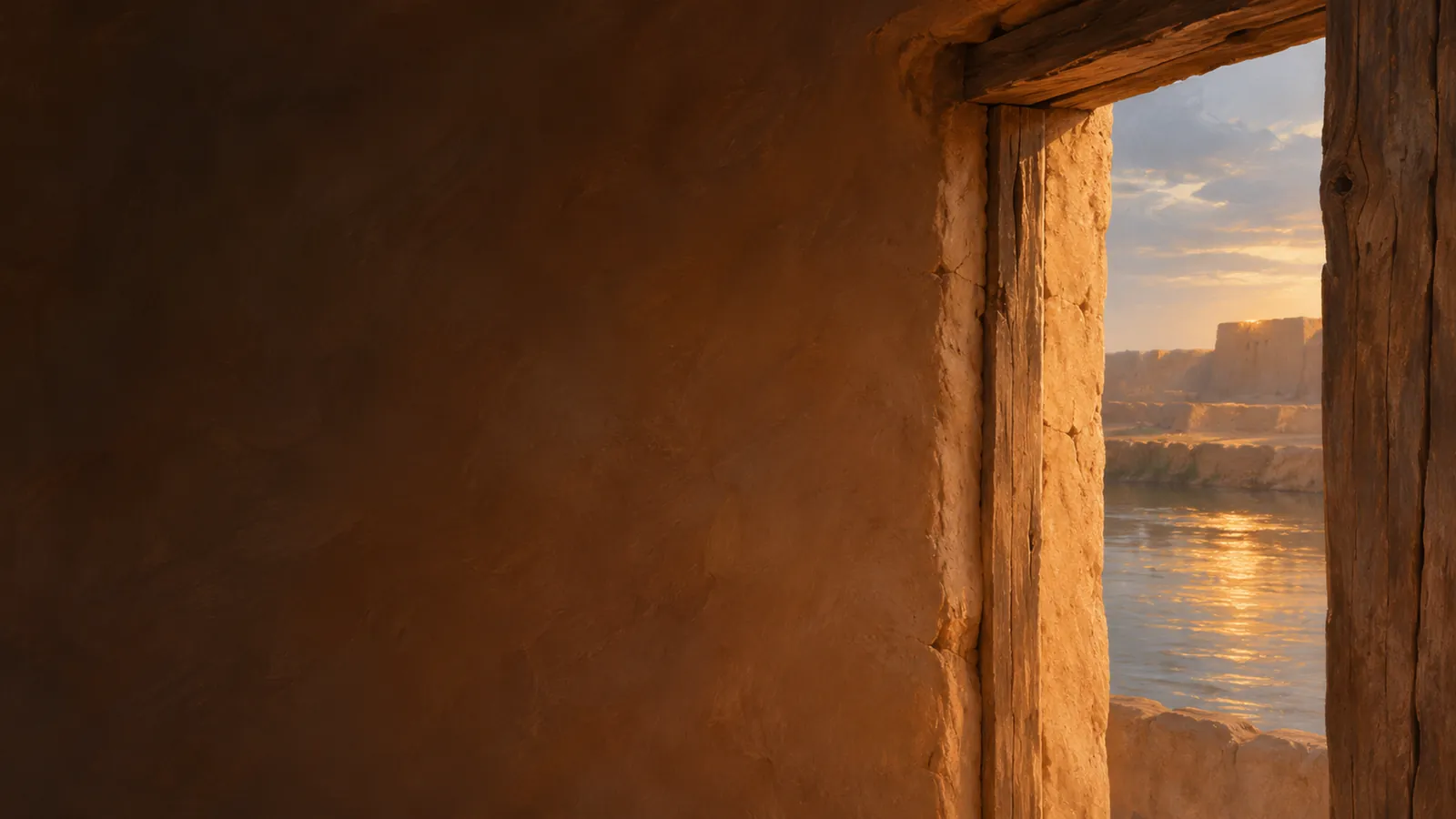
The next broken exchange mentions the plant of birth. Farther on there are words about the land and water before the tablet falls quiet again.
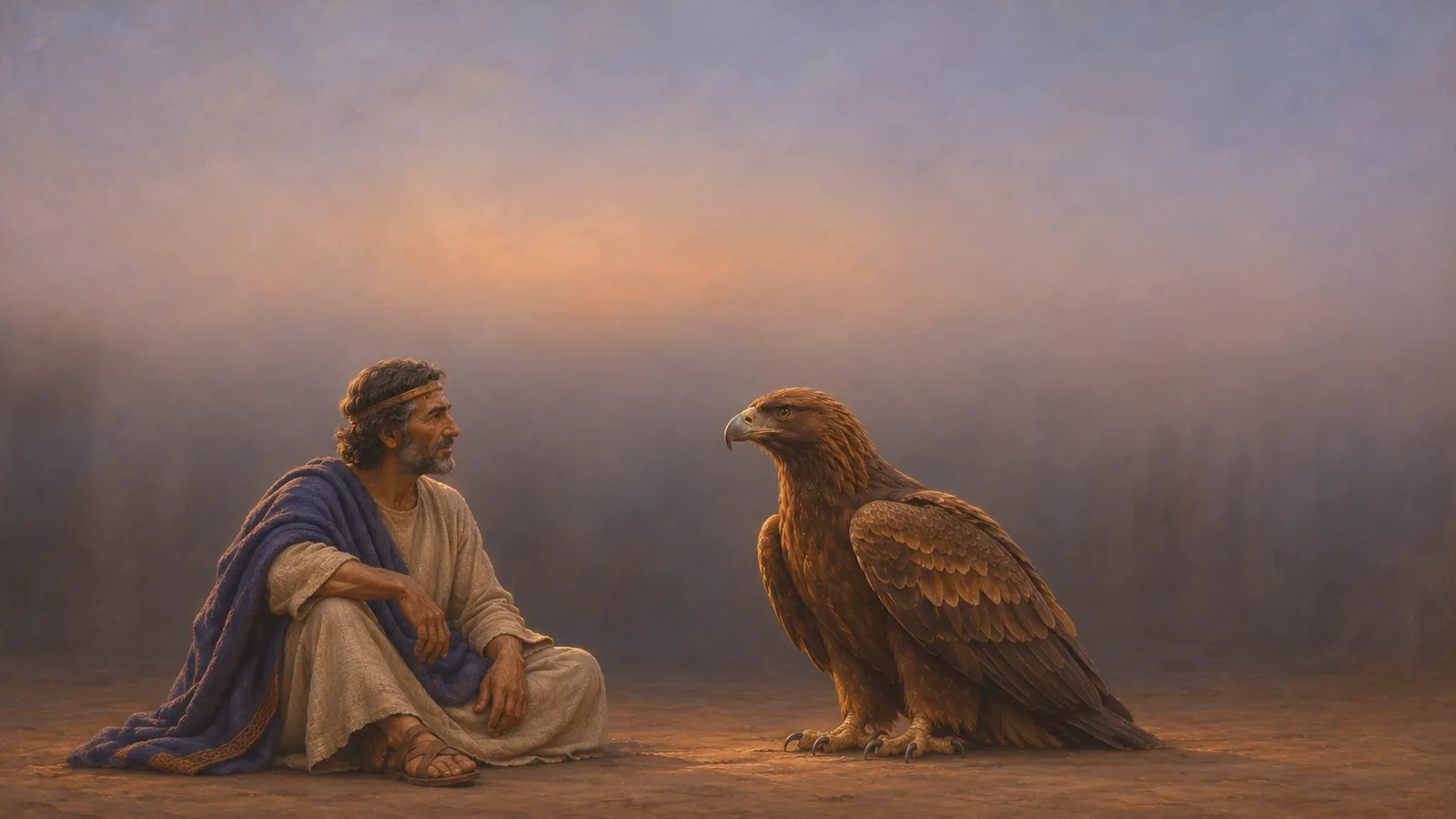
ETANA’S DREAM
When the poem comes back into focus, Etana has a dream to tell the eagle. In it, the two of them came before the gods.
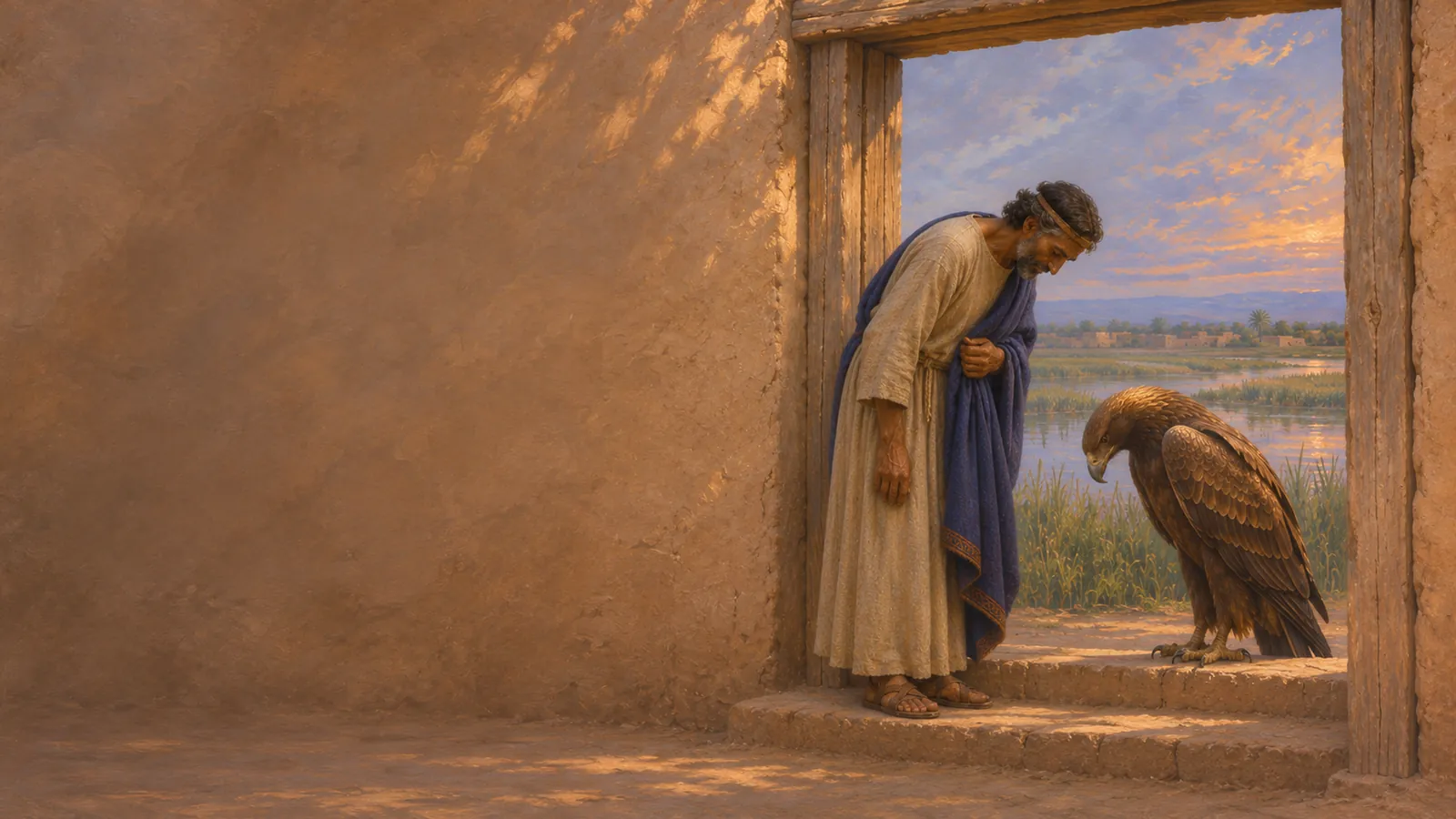
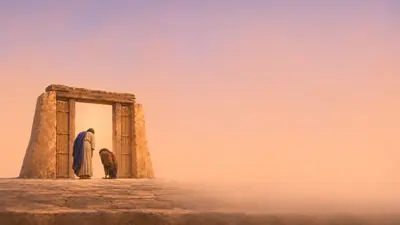
In the dream they reached a gate that belonged to Anu, Enlil and Ea. At its entrance Etana and the eagle bowed together.
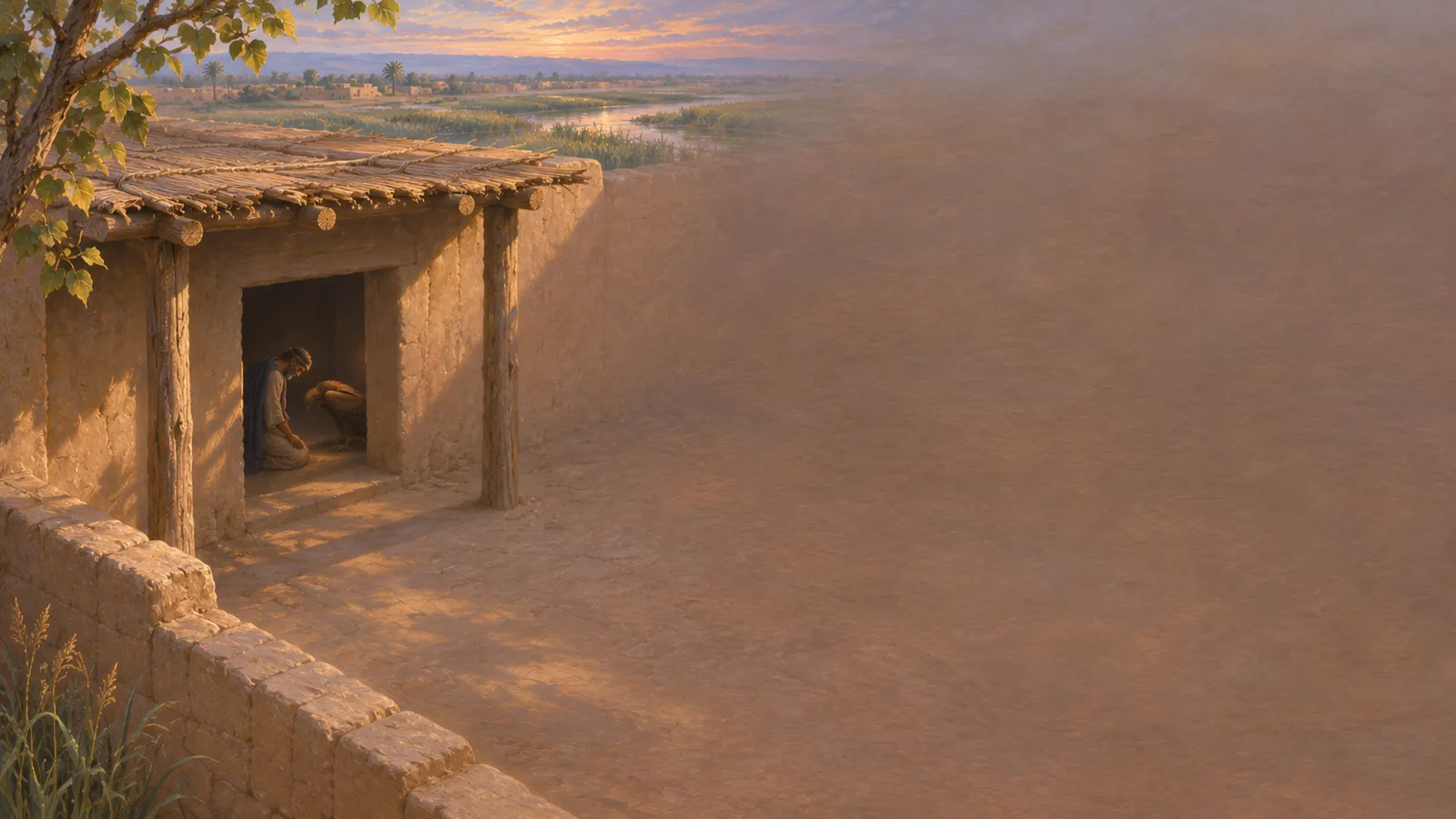
They reached another gate, the gate of Sin, Shamash, Adad and Ishtar. There Etana and the eagle bowed their heads again.
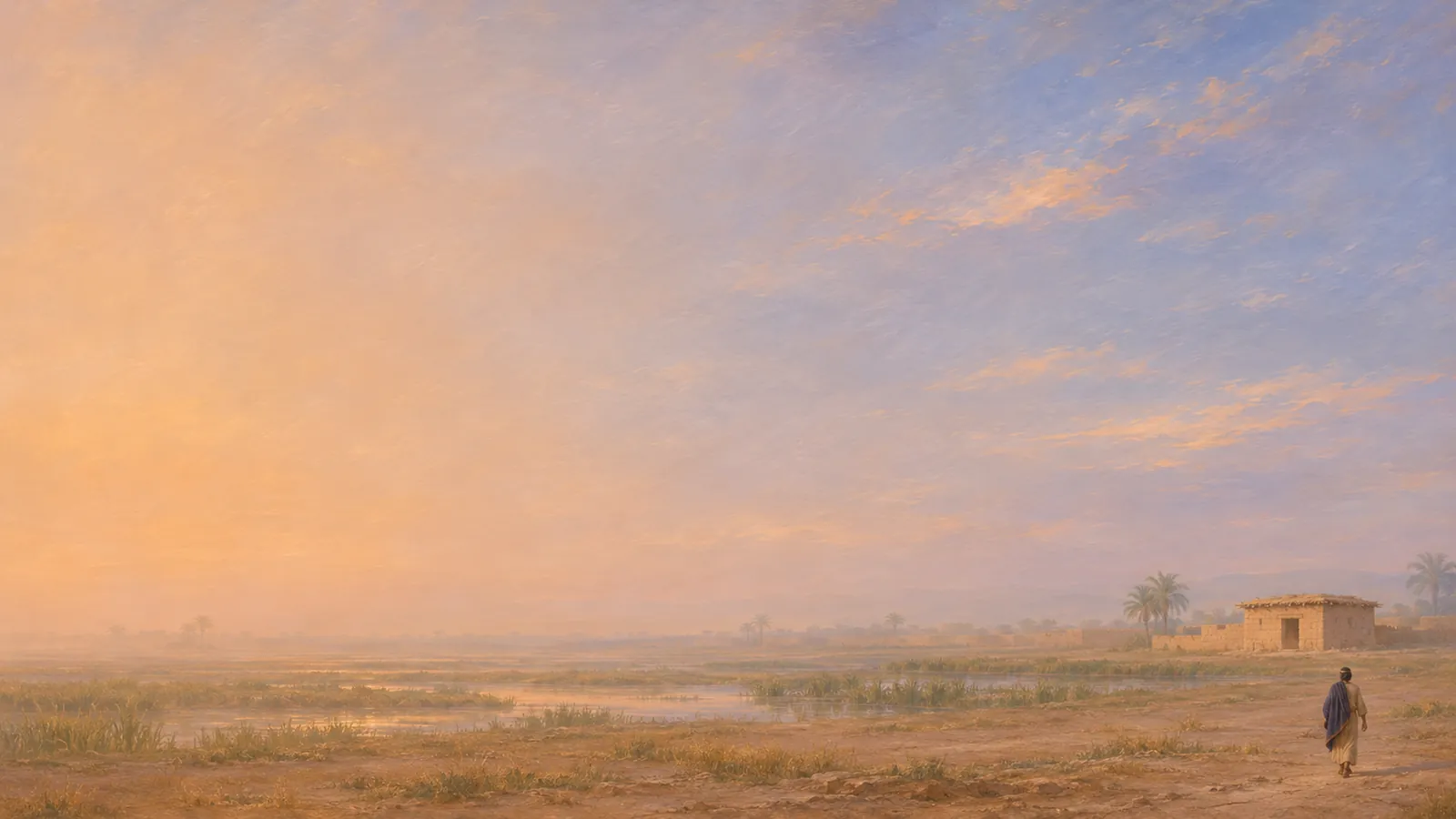
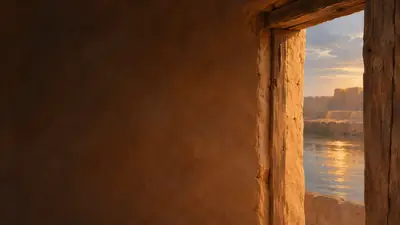
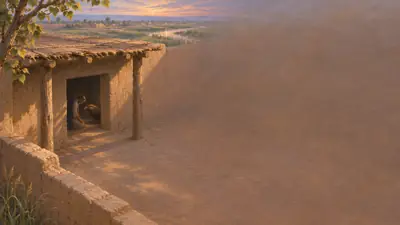
Beyond the gates Etana saw a house. Its walls stood quiet in the dream, and the broken line speaks of a window and a seal.
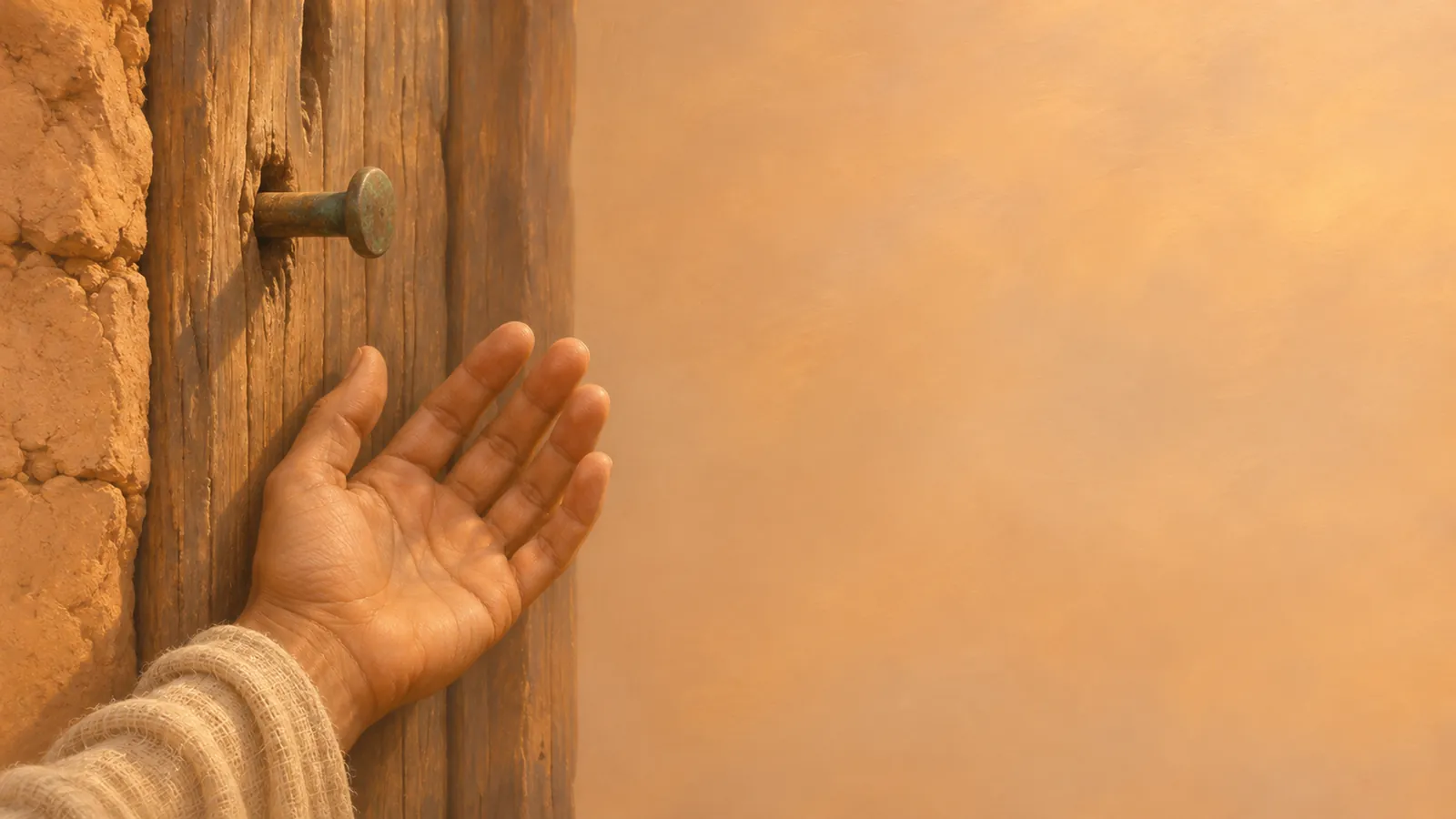
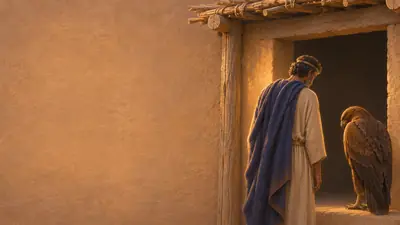
In the dream Etana pushed the door and stepped through. He went on into the courtyard, beyond the light at the threshold.
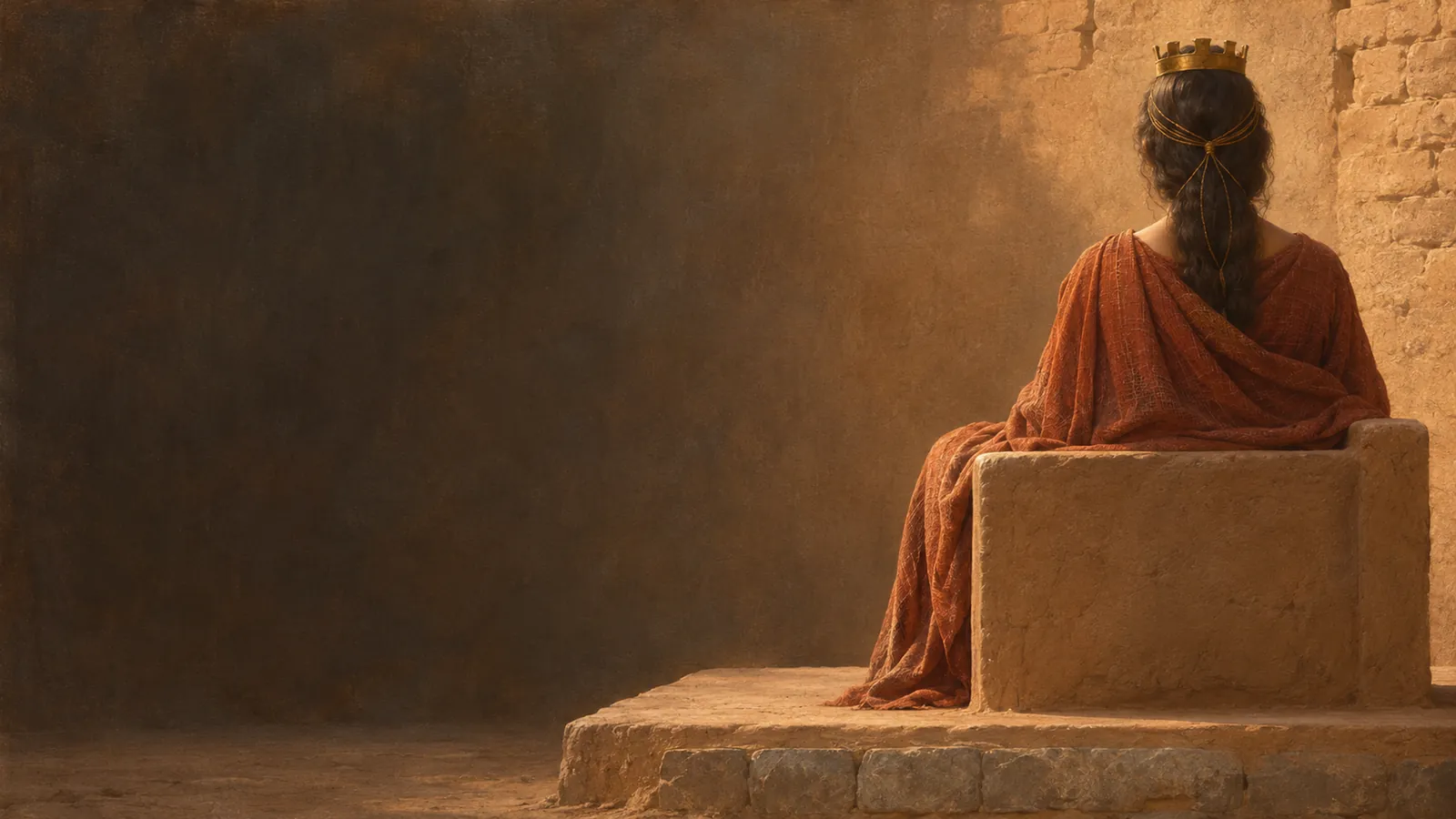
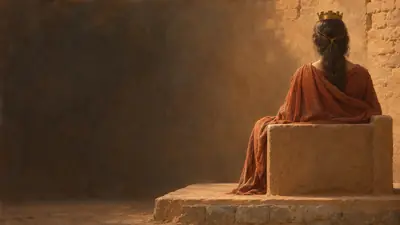
A woman sat in the courtyard, crowned and still. Etana saw her throne, and the broken words suggest that she was a goddess.
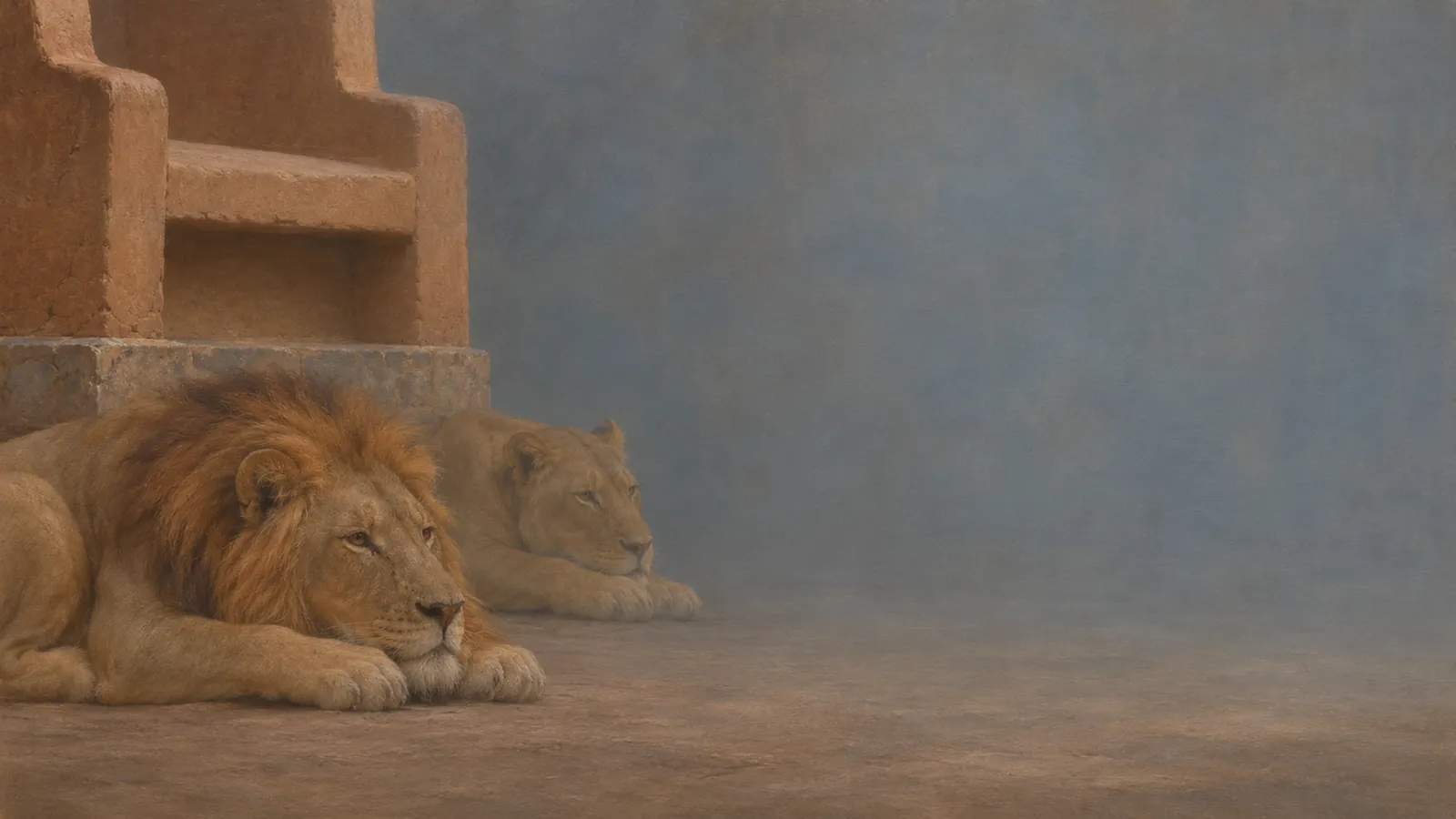
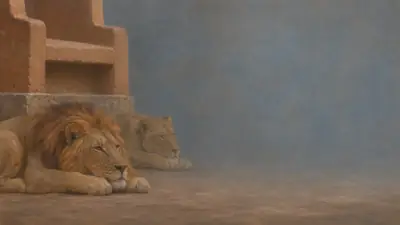
Below the throne, lions lay close to the stone. The courtyard was so quiet that Etana could see them resting there.
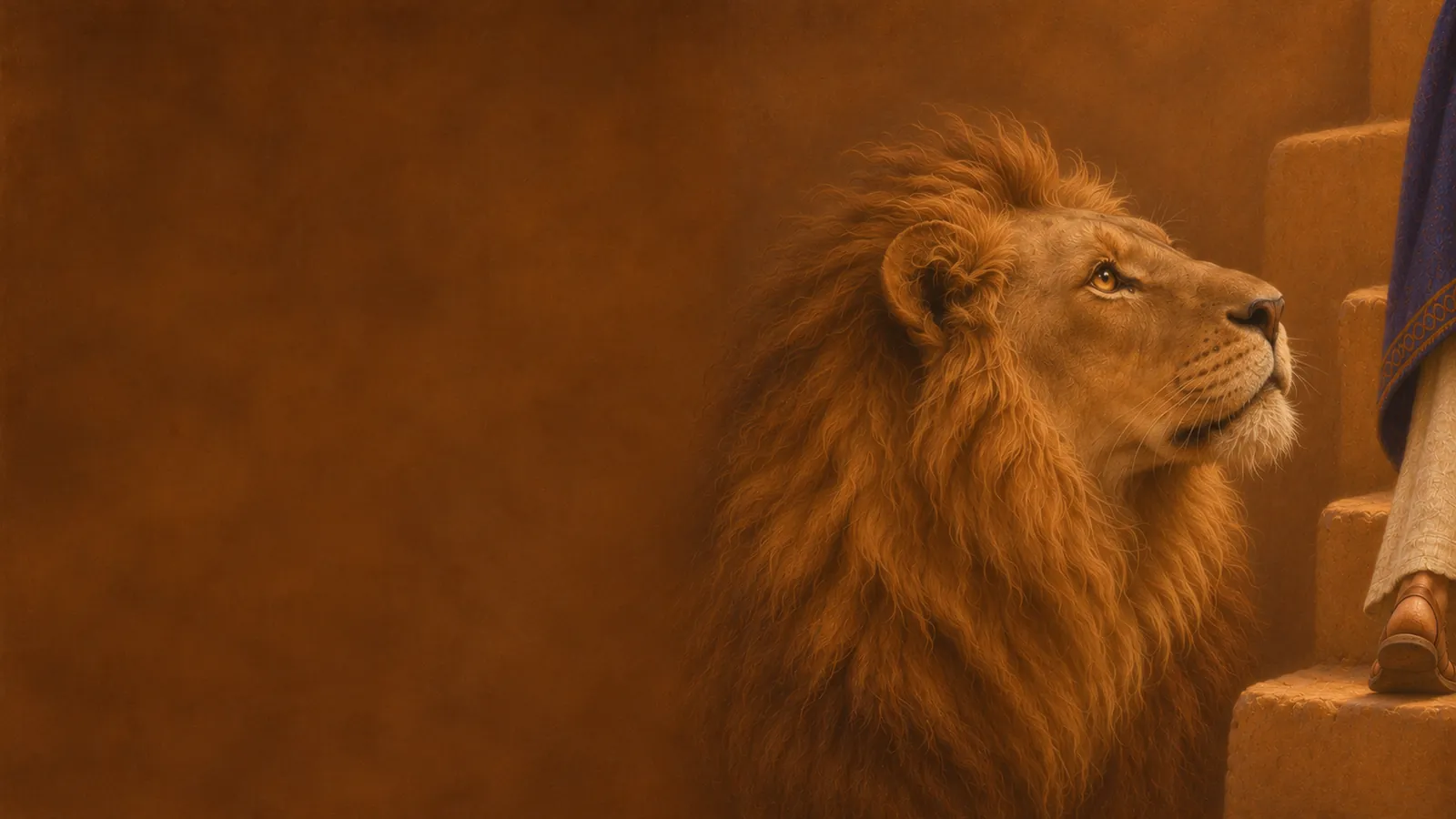
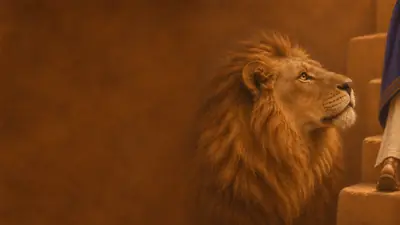
The lions stirred as Etana rose. For a moment he could see them looking his way, and then the dream fell away.
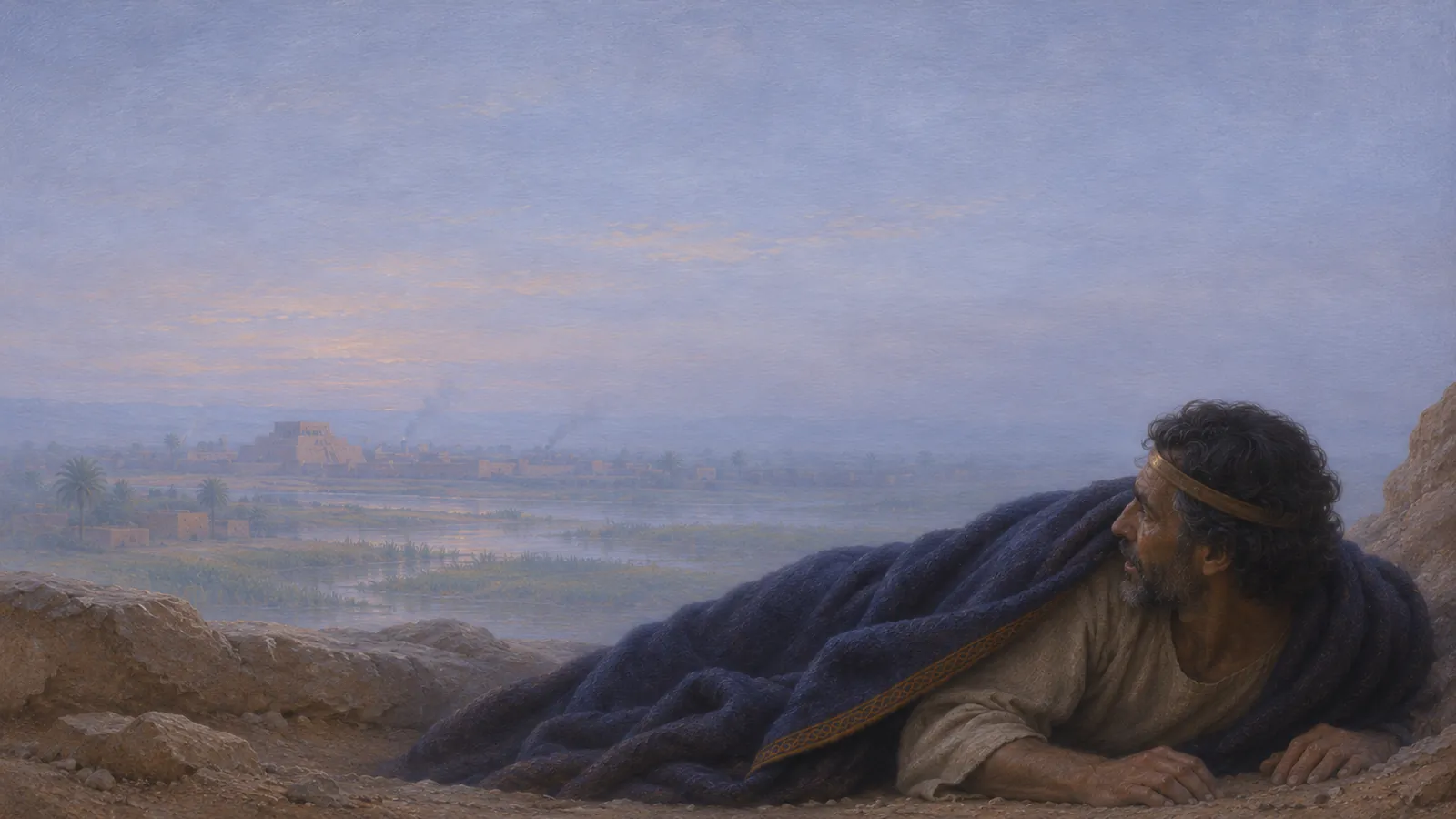
Etana shook with fright and woke. When he told the eagle about it afterward, the lions and the gates were still clear in his mind.
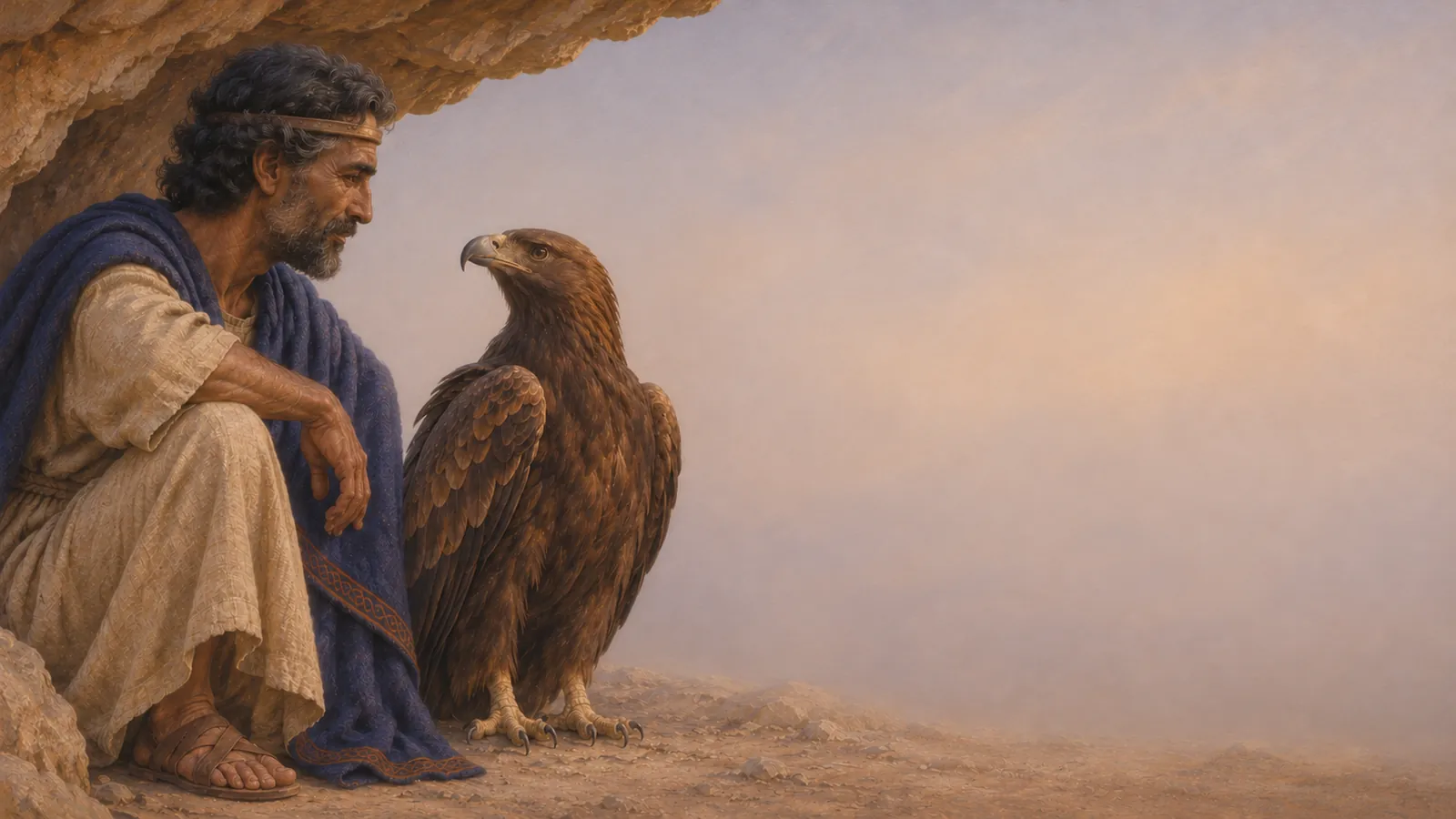
The eagle heard Etana out. To it the dream was clear, and it offered to carry its friend up to the heaven of Anu.
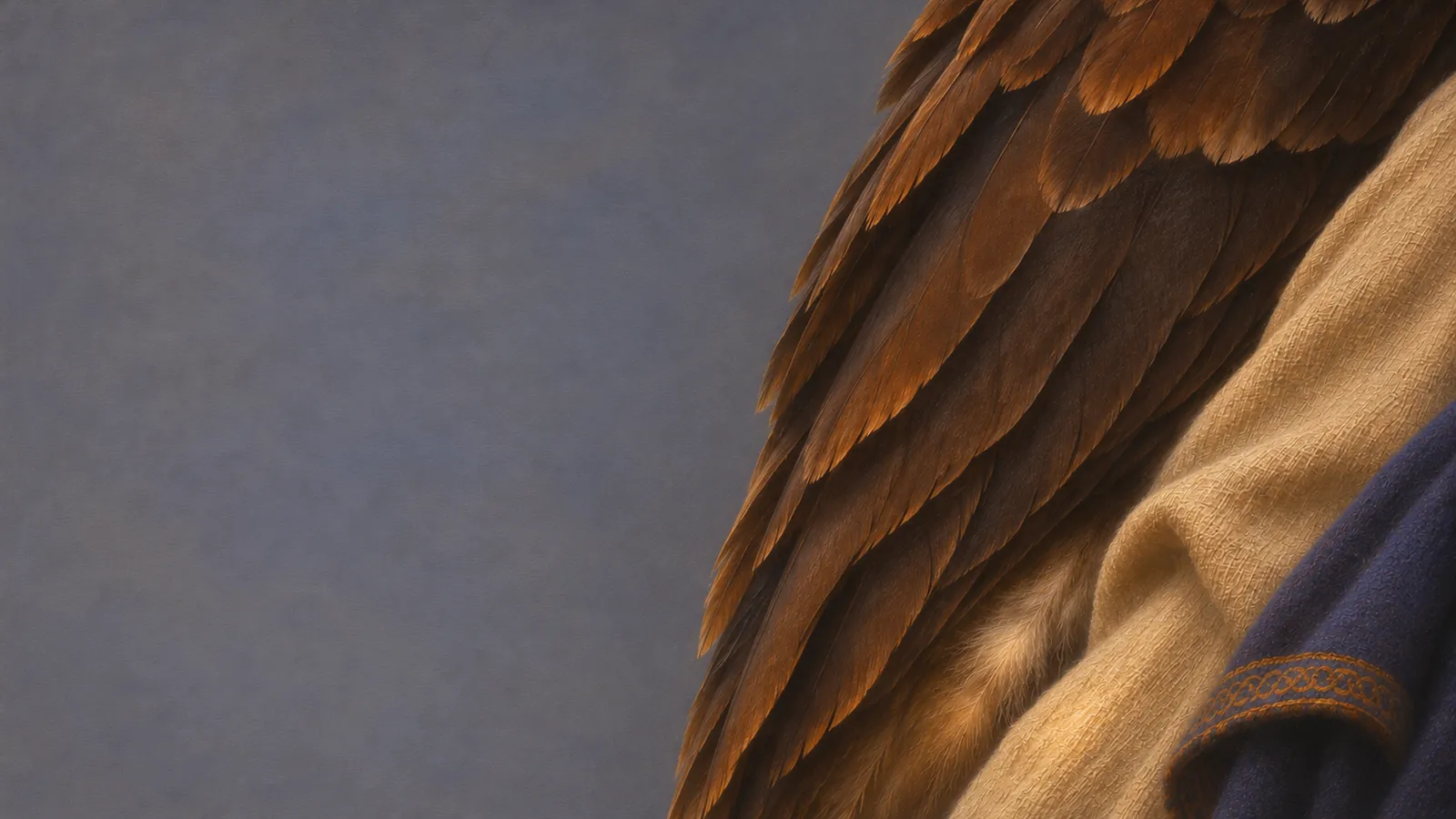
The eagle told Etana to lie close against its breast and side. His hands were to rest among its wing feathers.
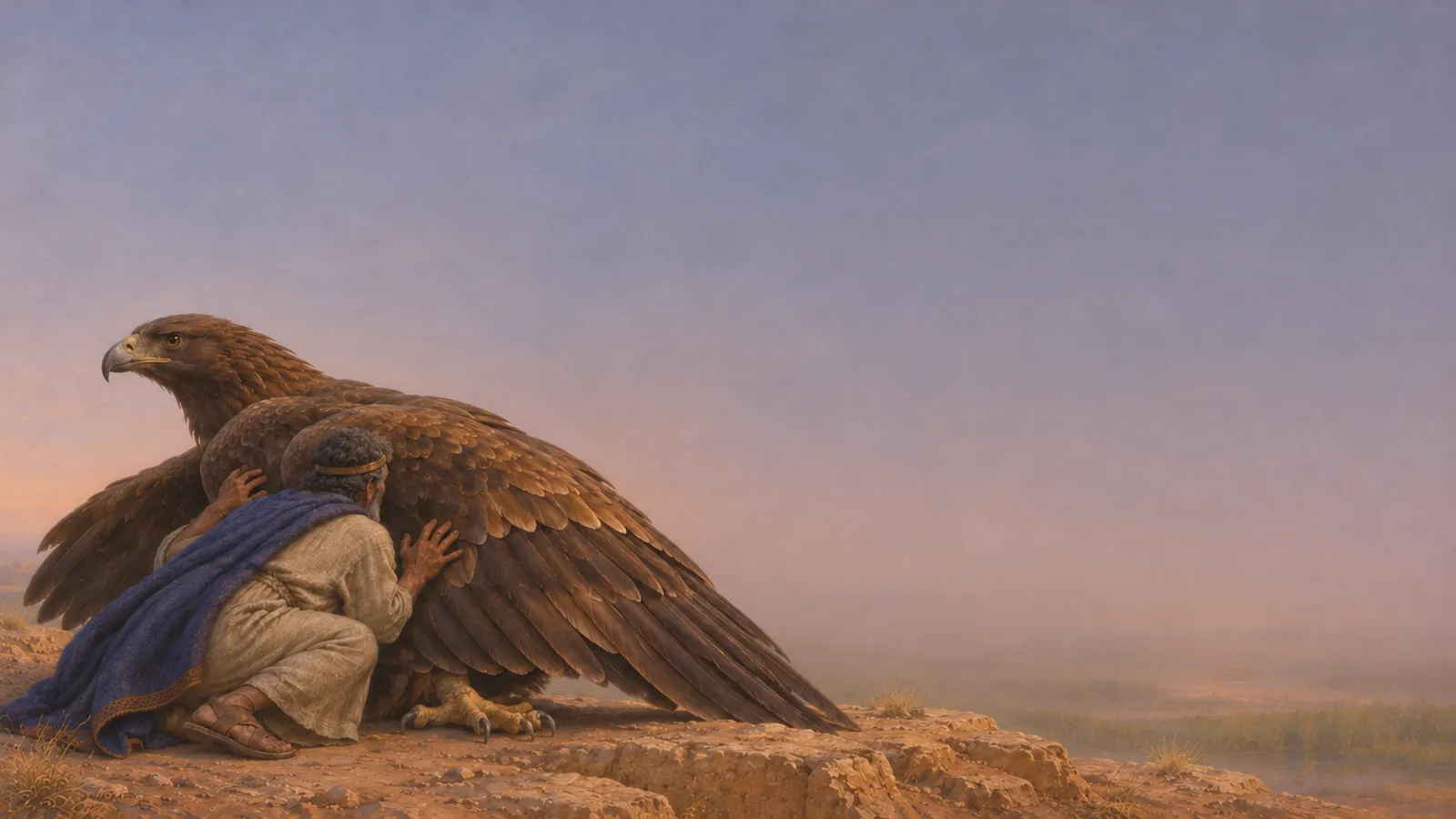
Etana pressed his body against the eagle and set his hands among the feathers. The eagle steadied itself under the weight of its rider.
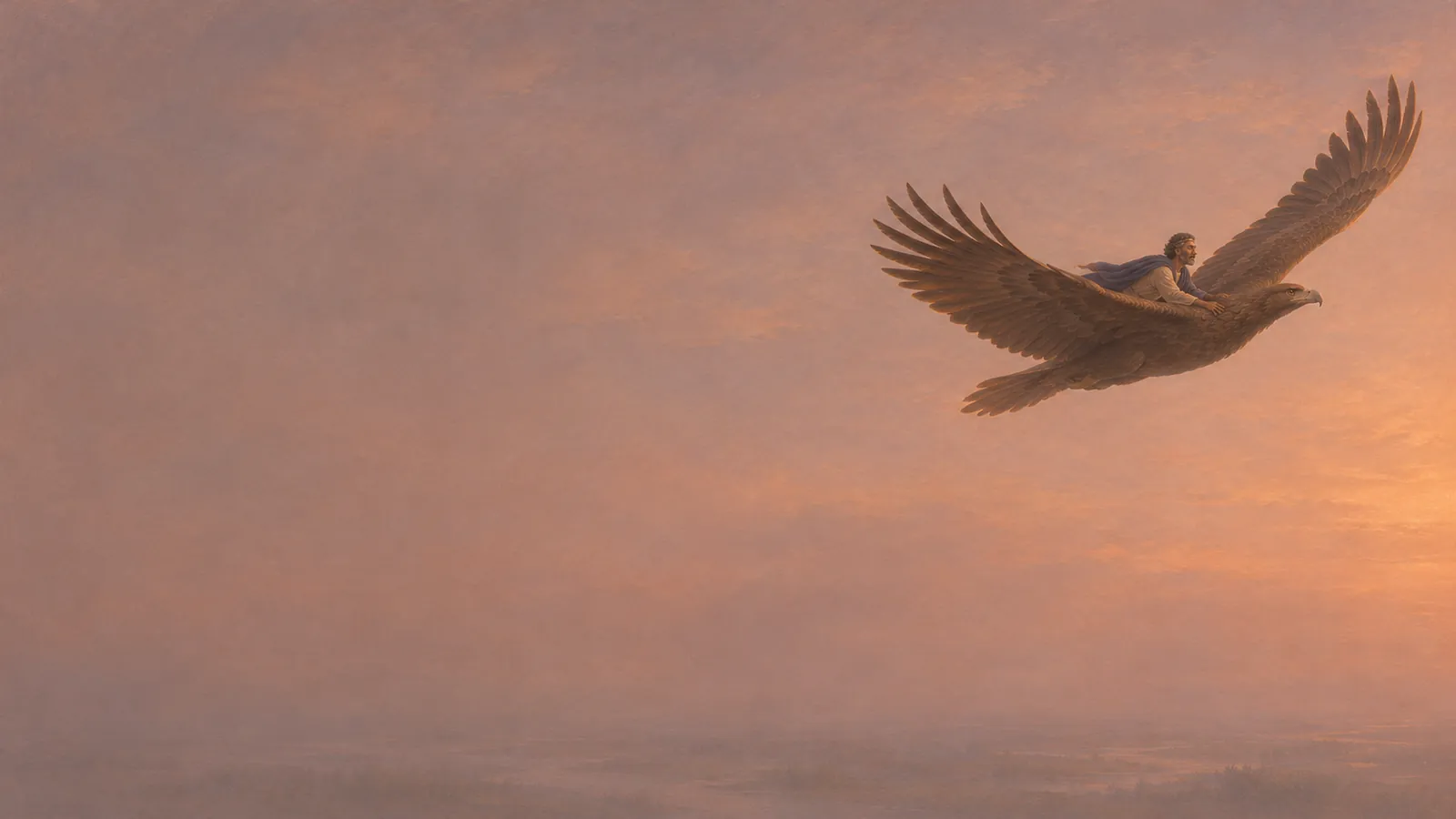
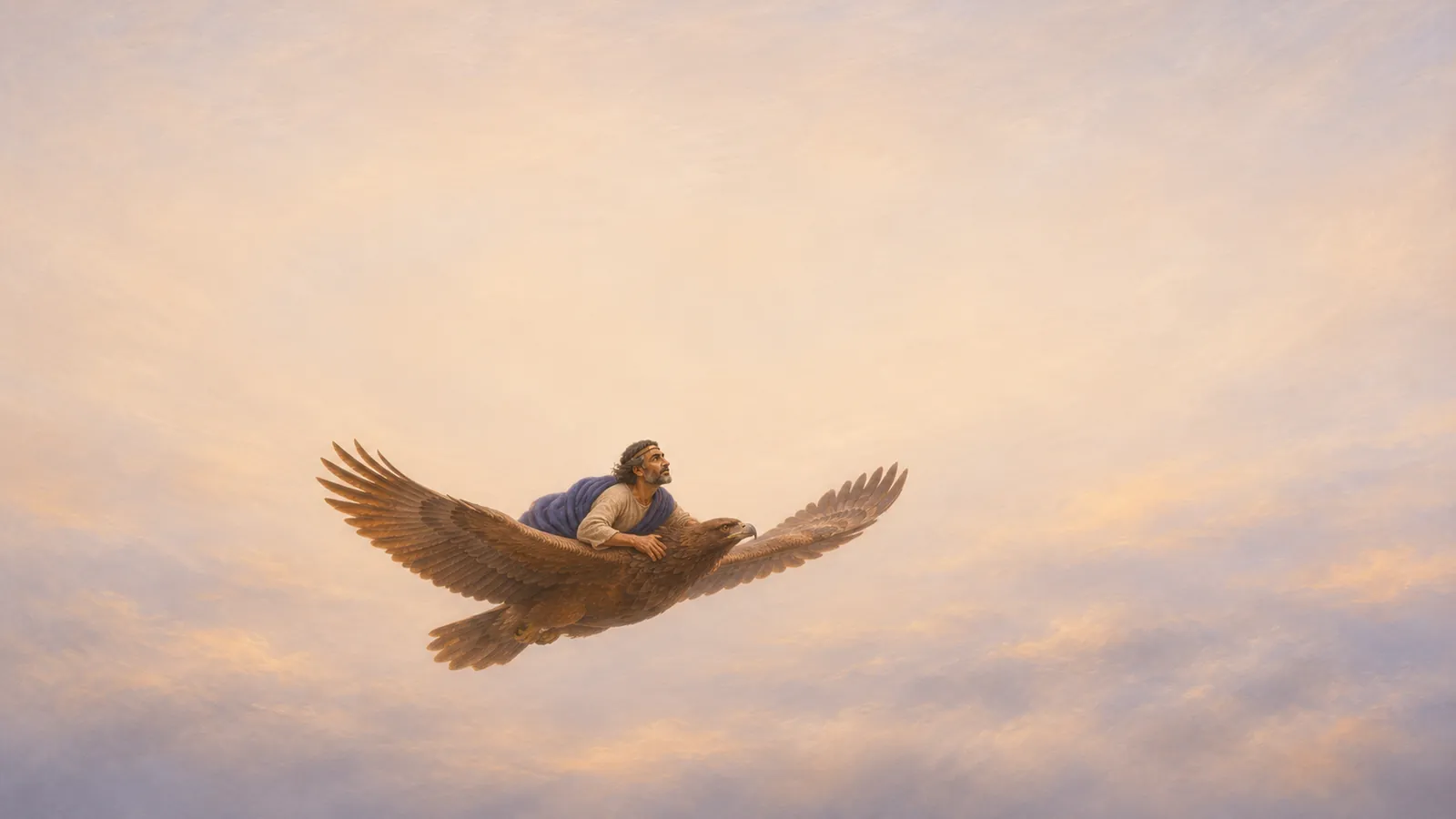
They rose another time. At the first league the eagle turned its words to Etana and asked what the land looked like now.
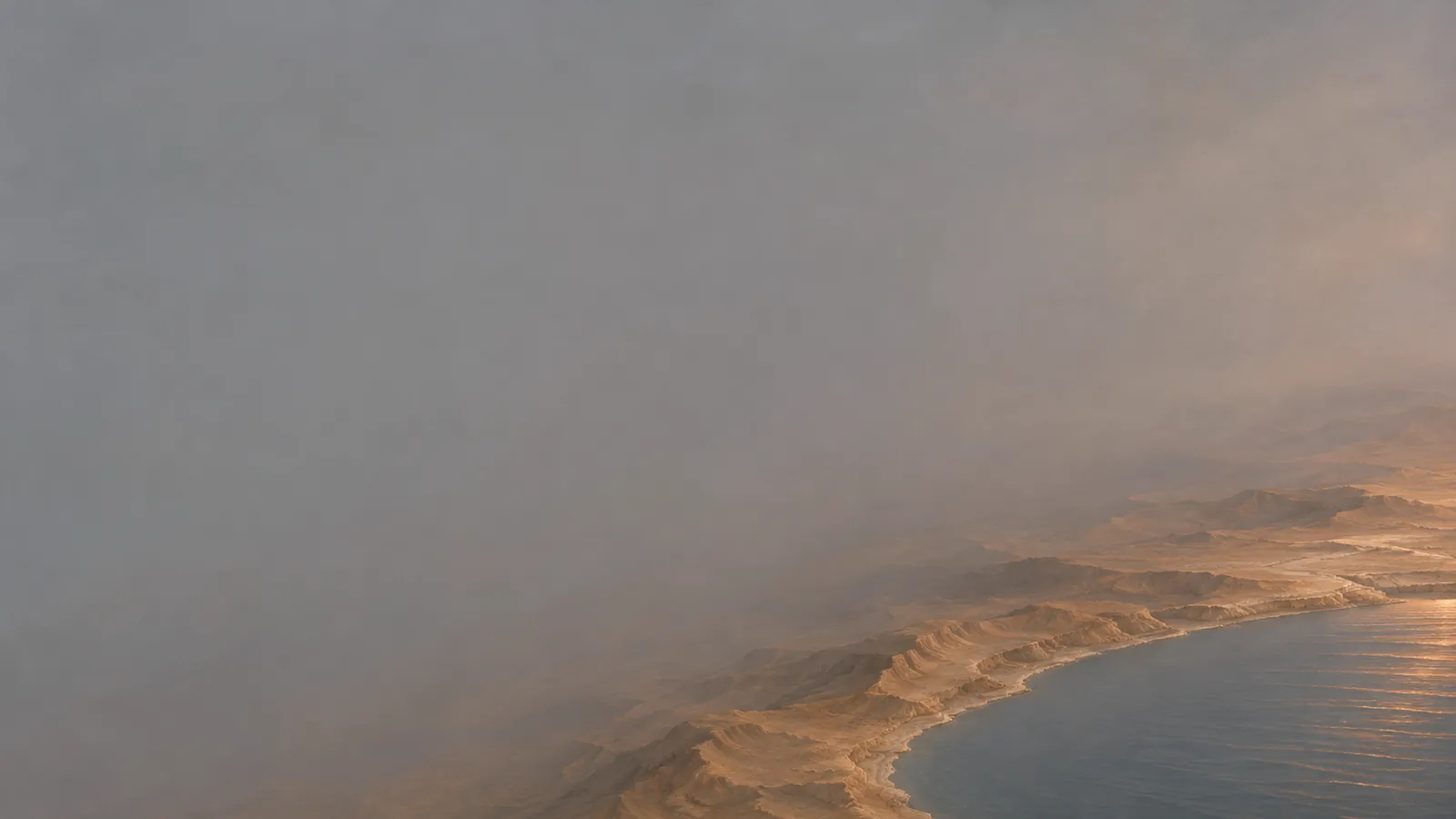
The eagle told Etana to look for the edges of the sea. From that height the sea below seemed like a small stretch of water.
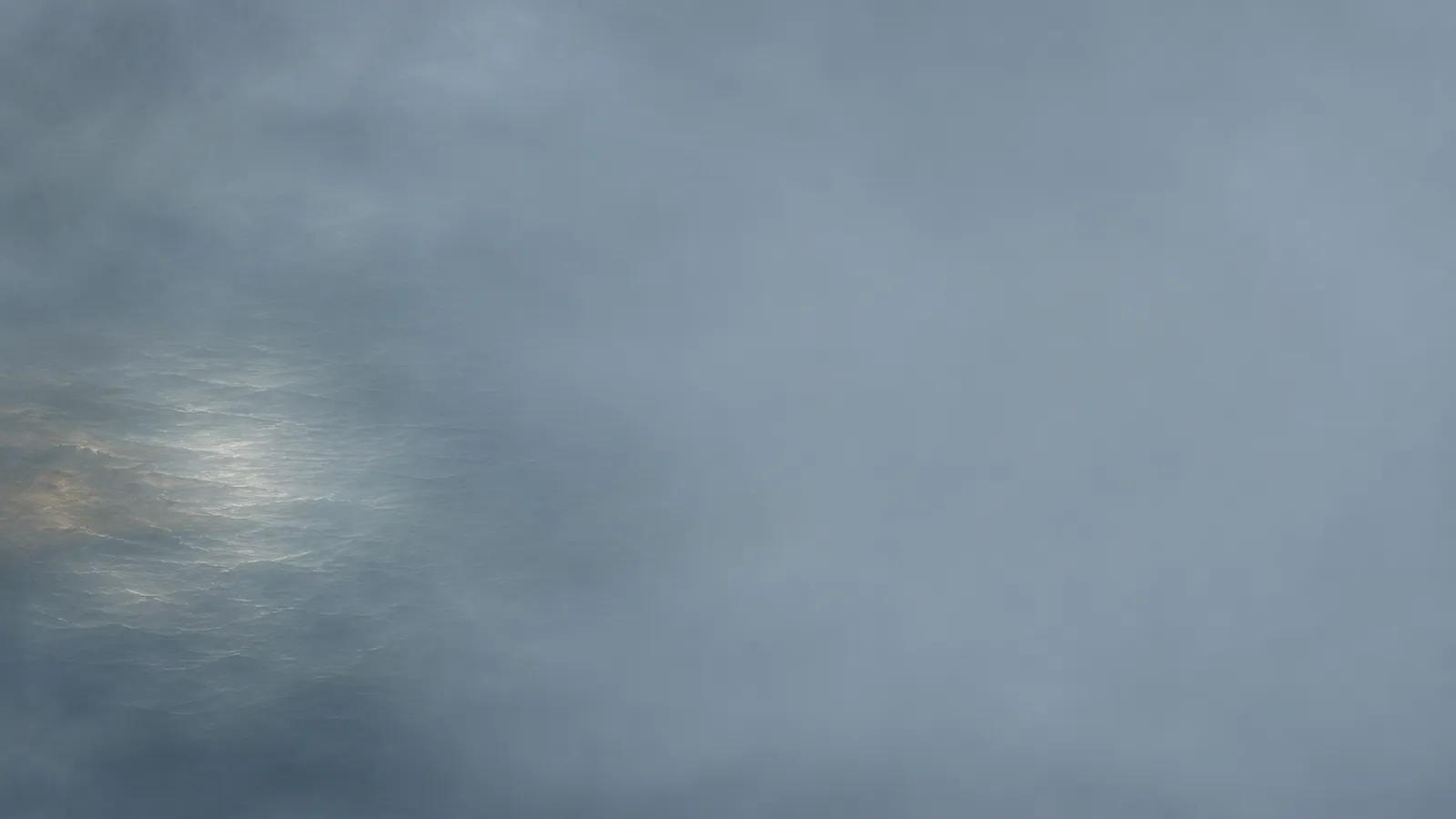
At the second league the eagle asked again. Below them the land was hard to pick out amid the wide glimmer of water.
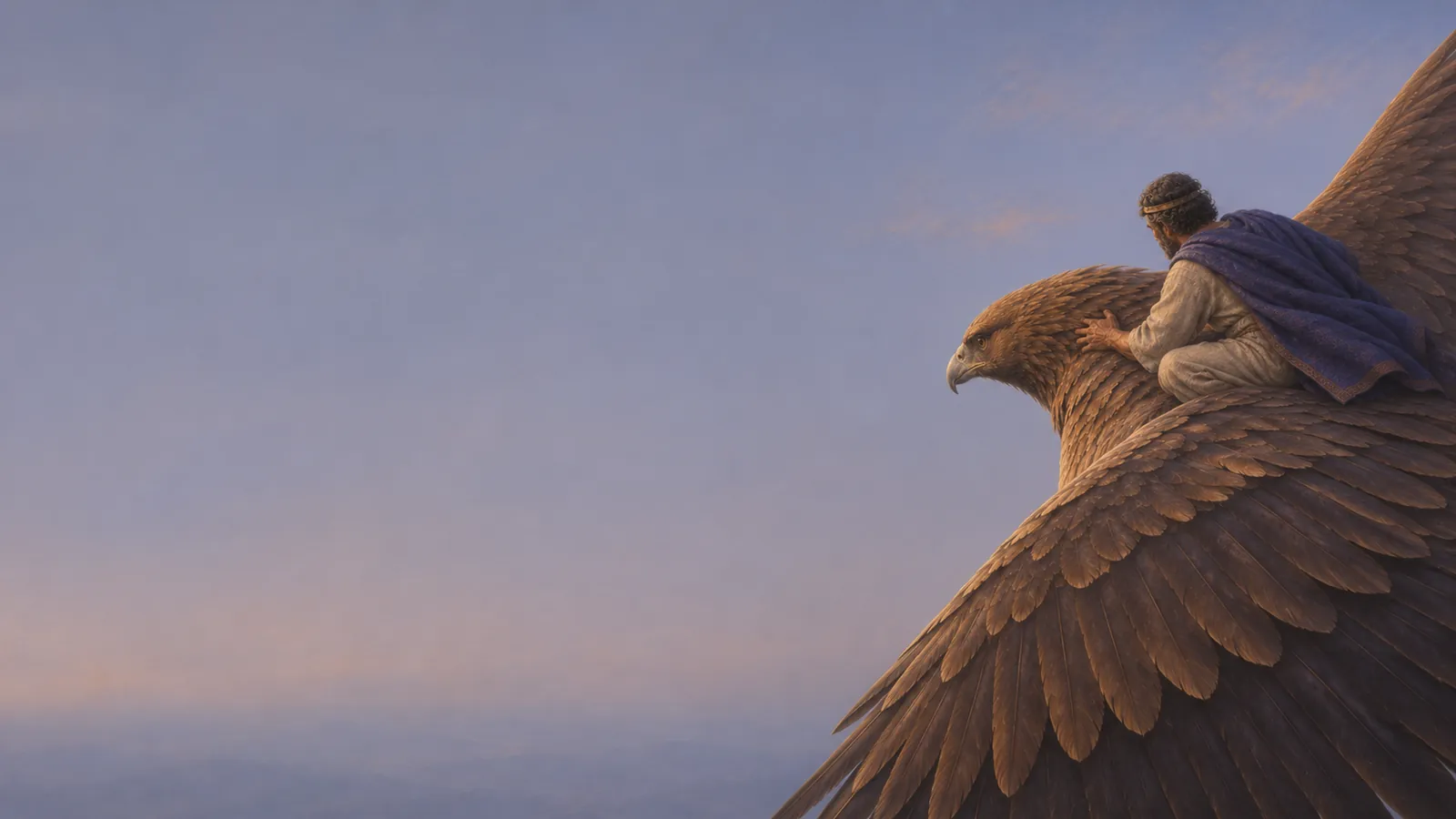
The eagle climbed to the third league. It asked Etana once more to look below and tell how the land appeared.
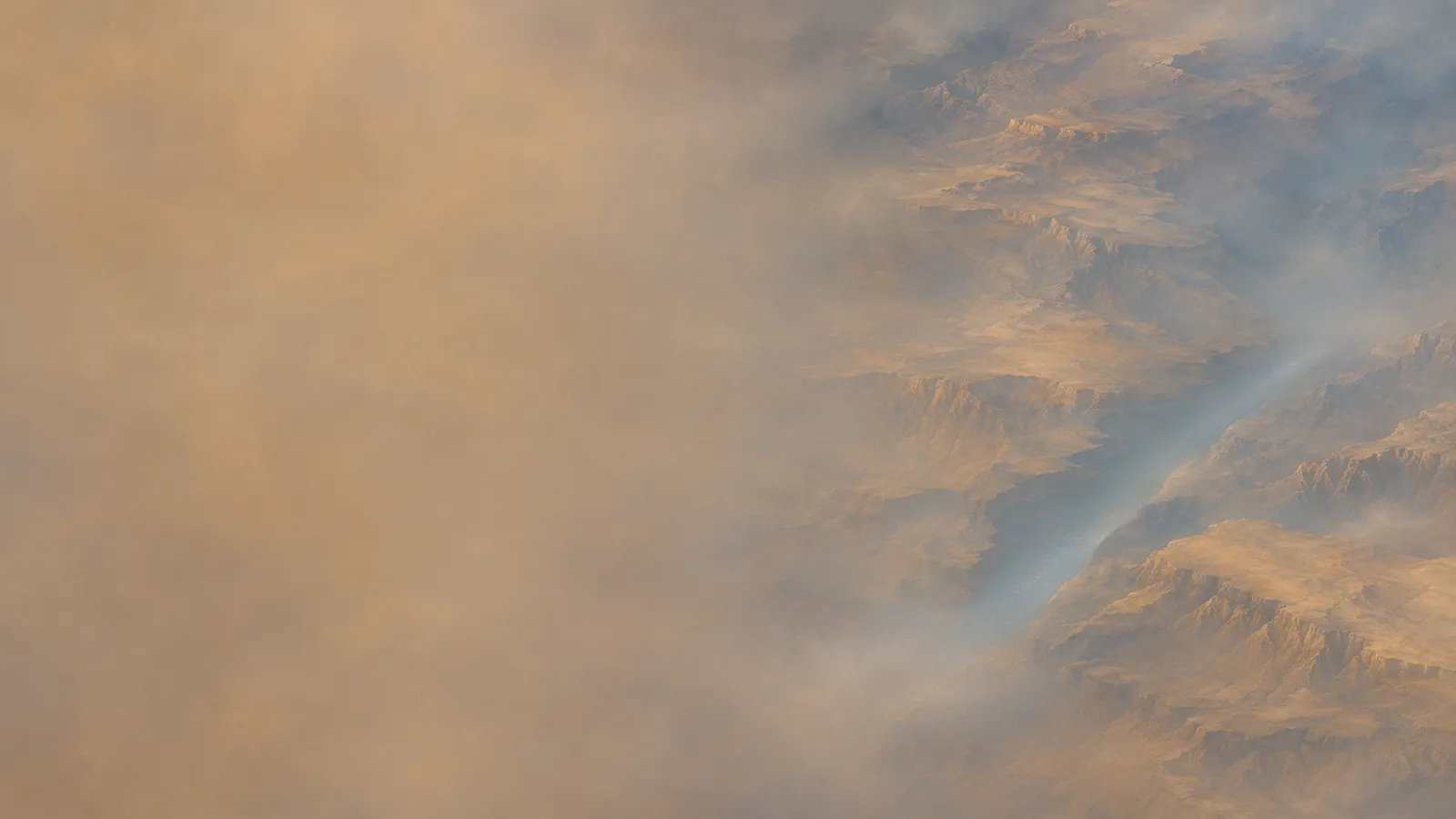
The sea now looked no wider than a gardener’s ditch. From so far above, its bright water was a narrow thread.
THE HEAVEN OF ANU
At last, the eagle and Etana reached the heaven of Anu. This was where the eagle had said it would carry him.
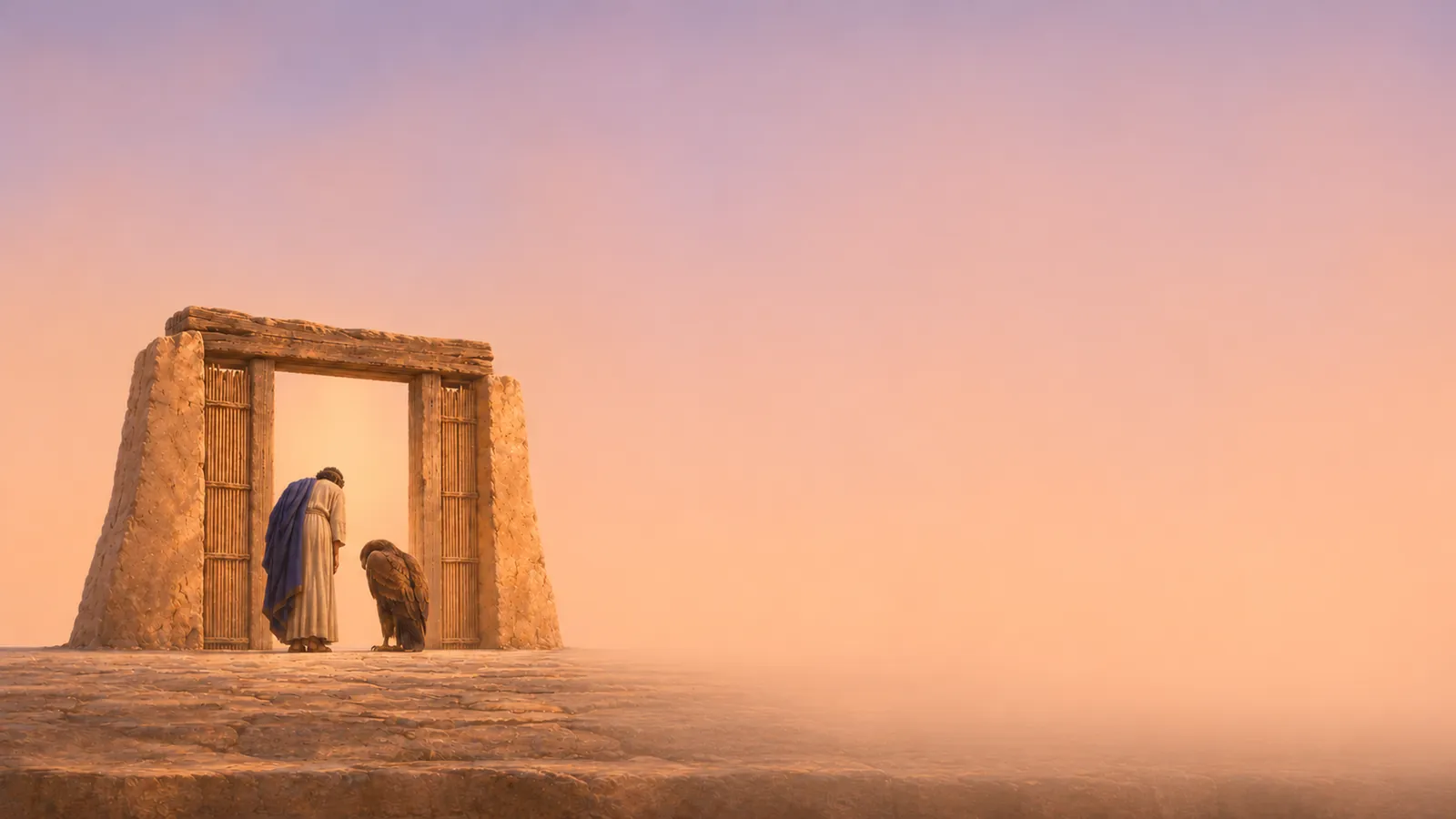
At the gate of Anu, Enlil and Ea, the dream seemed to come close. There the eagle and Etana bowed together.
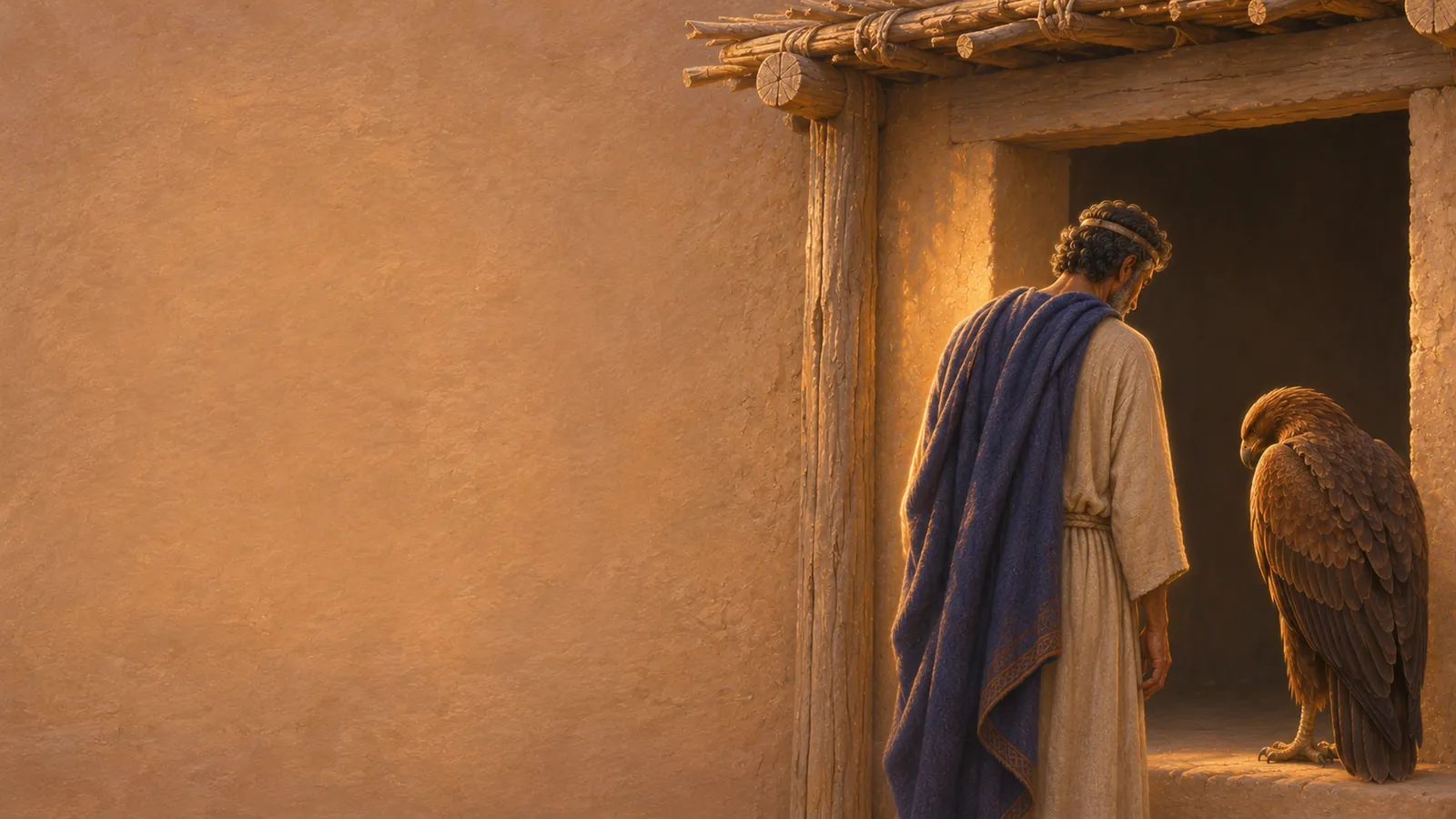
Then came the gate of Sin, Shamash, Adad and Ishtar. At that entrance Etana and the eagle bowed as they had in the dream.
WHERE THE WORDS END
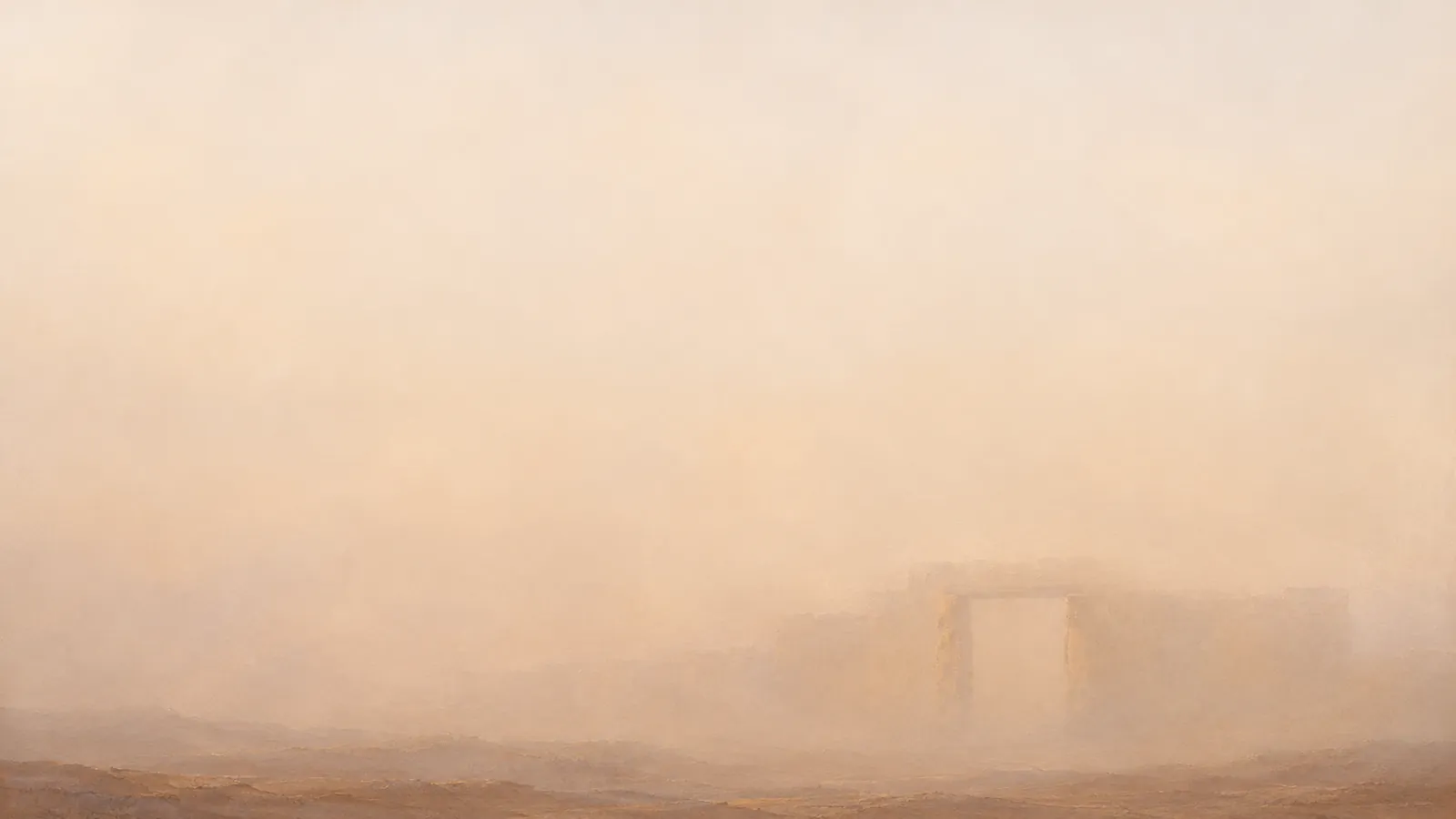
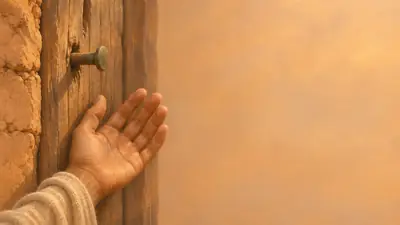
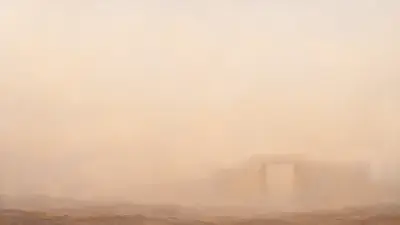
The last lines hint at a house and a door. The words are broken, and the poem leaves Etana’s search unresolved.
End of chapter 2
All pages
Sources
Editions consulted
- Novotny, The Standard Babylonian Etana Epic, SAACT 2, Tablet III, pp. 19–22
- Electronic Babylonian Library, Standard Babylonian Tablet III
- SEAL, Old Babylonian Morgan tablet, column vi
- SEAL, Middle Assyrian flight witness VAT 10137
- Selz, the versions of the Etana story and the flight comparisons
- Oxford ETCSL, the independent Sumerian King List, lines 64–70
Ancient lines behind each page
- Page 1: Etana SB III 1–6 (Novotny 2001)
- Page 2: Etana SB III 7–11 (Novotny 2001) · II 129–133, 144–152
- Page 3: Etana SB III 12–14 (Novotny 2001)
- Page 4: Etana SB III 15–17 (Novotny 2001) · OB Morgan vi 1′ (SEAL)
- Page 5: Etana SB III 17–21 (Novotny 2001) · OB Morgan vi 1′–5′ (SEAL)
- Page 6: Etana SB III 18–21 (Novotny 2001)
- Page 7: Etana SB III 21–22 (Novotny 2001)
- Page 8: Etana SB III 23–25 (Novotny 2001)
- Page 9: Etana SB III 26–29 (Novotny 2001)
- Page 10: Etana SB III 29–31 (Novotny 2001)
- Page 11: Etana SB III 30–33 (Novotny 2001)
- Page 12: Etana SB III 34–35 (Novotny 2001)
- Page 13: Etana SB III 36–37 (Novotny 2001)
- Page 14: Etana SB III 38–41 (Novotny 2001)
- Page 15: Etana SB III 40–43 (Novotny 2001)
- Page 16: Etana SB III 44–45 (Novotny 2001)
- Page 17: Etana SB III 46–47 (Novotny 2001)
- Page 18: Etana SB III 48–49 (Novotny 2001)
- Page 19: Etana SB III 50–56 and break after 56 (Novotny 2001)
- Page 20: Etana SB III 70–75 (Novotny 2001)
- Page 21: Etana SB III 74–92 and break after 92 (Novotny 2001)
- Page 22: Etana SB III 100–101 (Novotny 2001)
- Page 23: Etana SB III 102–103 (Novotny 2001)
- Page 24: Etana SB III 104–105 (Novotny 2001)
- Page 25: Etana SB III 106 (Novotny 2001)
- Page 26: Etana SB III 106–107 (Novotny 2001)
- Page 27: Etana SB III 108–110 (Novotny 2001)
- Page 28: Etana SB III 110–111 (Novotny 2001)
- Page 29: Etana SB III 111–113 (Novotny 2001)
- Page 30: Etana SB III 112–113 (Novotny 2001)
- Page 31: Etana SB III 114–116 (Novotny 2001)
- Page 32: Etana SB III 117–119 (Novotny 2001)
- Page 33: Etana SB III 120–123 (Novotny 2001)
- Page 34: Etana SB III 124–126 (Novotny 2001)
- Page 35: Etana SB III 127–129 (Novotny 2001)
- Page 36: Etana SB III 130–133 (Novotny 2001)
- Page 37: Etana SB III 134–136 (Novotny 2001)
- Page 38: Etana SB III 137 (Novotny 2001) · compare MA VAT 10137 (SEAL)
- Page 39: Etana SB III 138 (Novotny 2001)
- Page 40: Etana SB III 139–140 (Novotny 2001)
- Page 41: Etana SB III 141–142 (Novotny 2001) · compare III 104–105
- Page 42: Etana SB III 143–144 (Novotny 2001) · compare III 106–107 · break after 144
Tablet III, lines 143–144 are fragmentary. The edition restores a reference to a house and a door using the earlier dream.
Illustrations made with AI tools by IL Archive; the text is based on the ancient sources (see the sources at the end of each chapter).