Gilgamesh and the Bull of Heaven Chapter 1
The Bull Comes Down to Uruk
An gives Inanna the Bull of Heaven after Gilgamesh refuses her proposal. The animal ravages Uruk, and the Sumerian poem follows Gilgamesh and Enkidu’s confrontation through the distribution of the bull and the final praise of Inanna.
SourcesTurn the pages with the arrows, the arrow keys or a swipe.
HERO
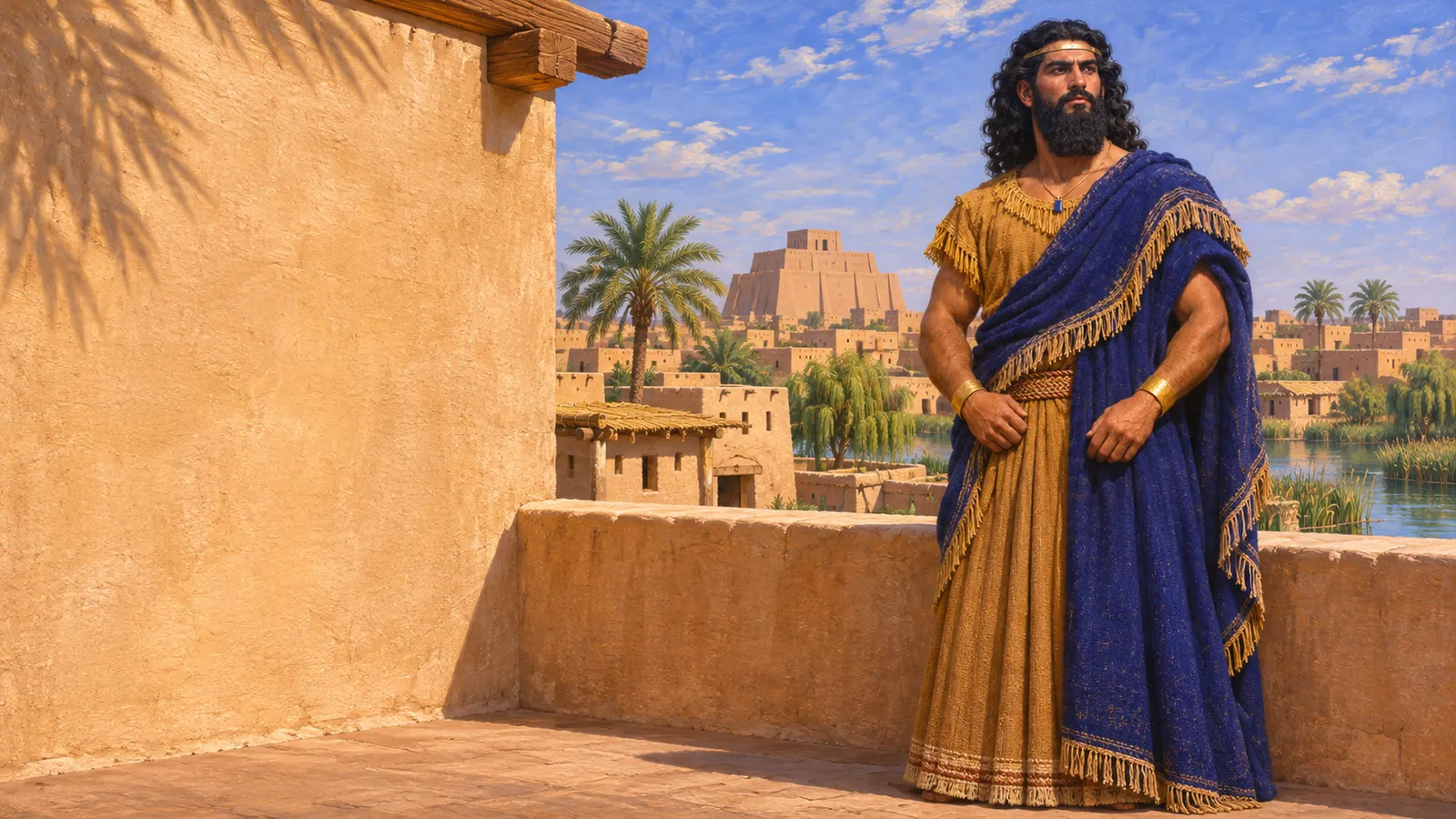
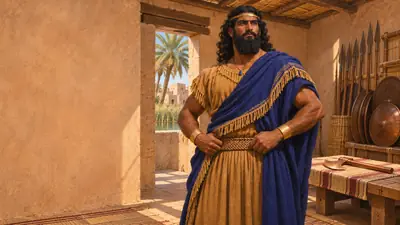
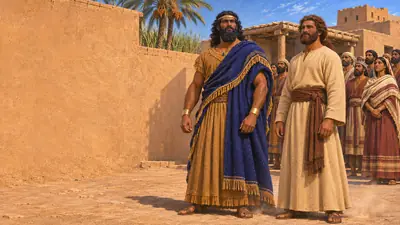
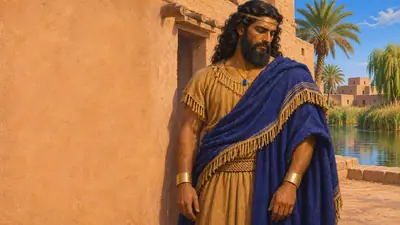
The singer opens with a song for Gilgamesh of Uruk. Line after line, the poem calls him a strong man of battle.
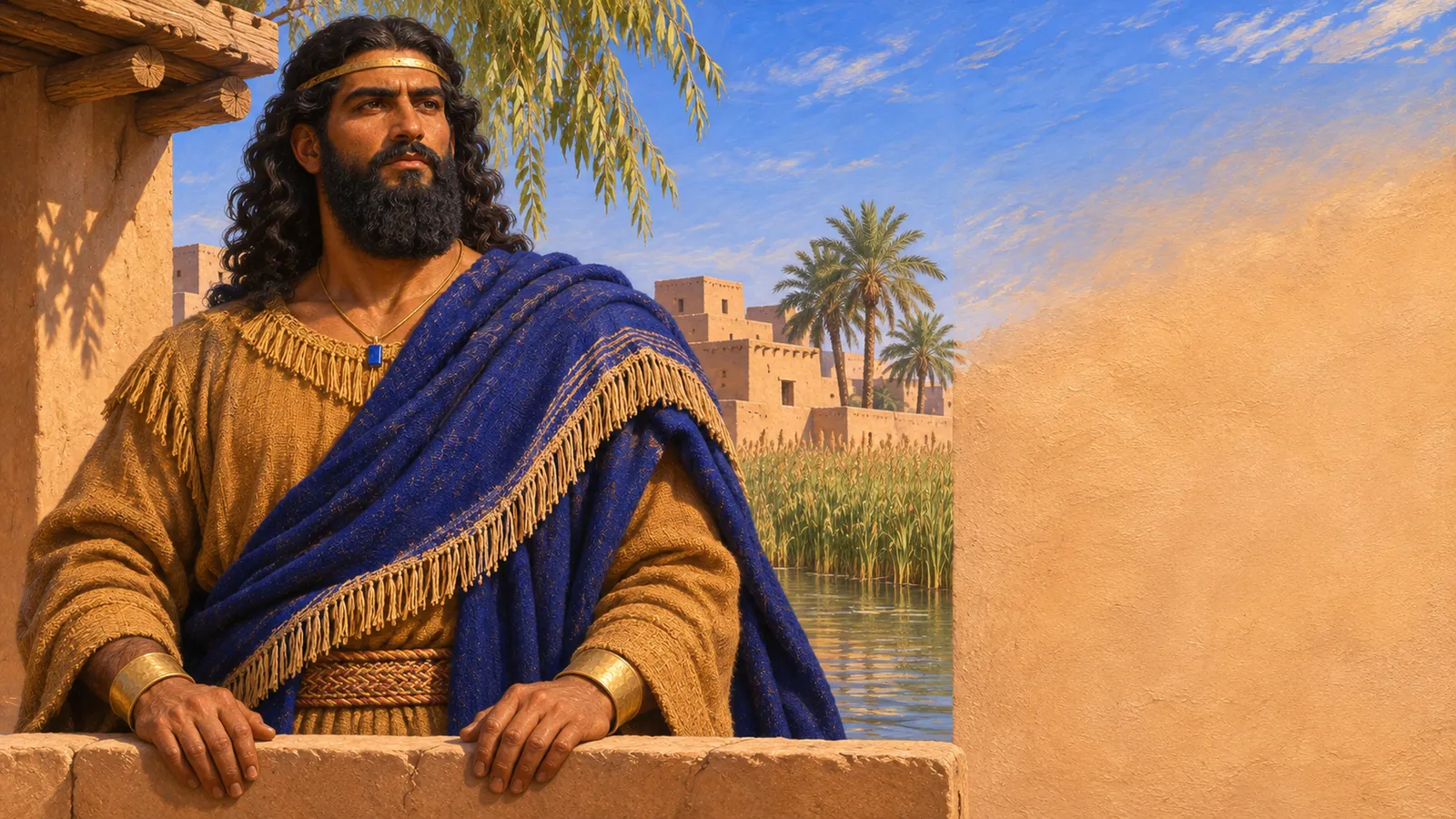
The song praises the king’s black beard, his well-built frame and his strength. It sings of him in the prime of his life.
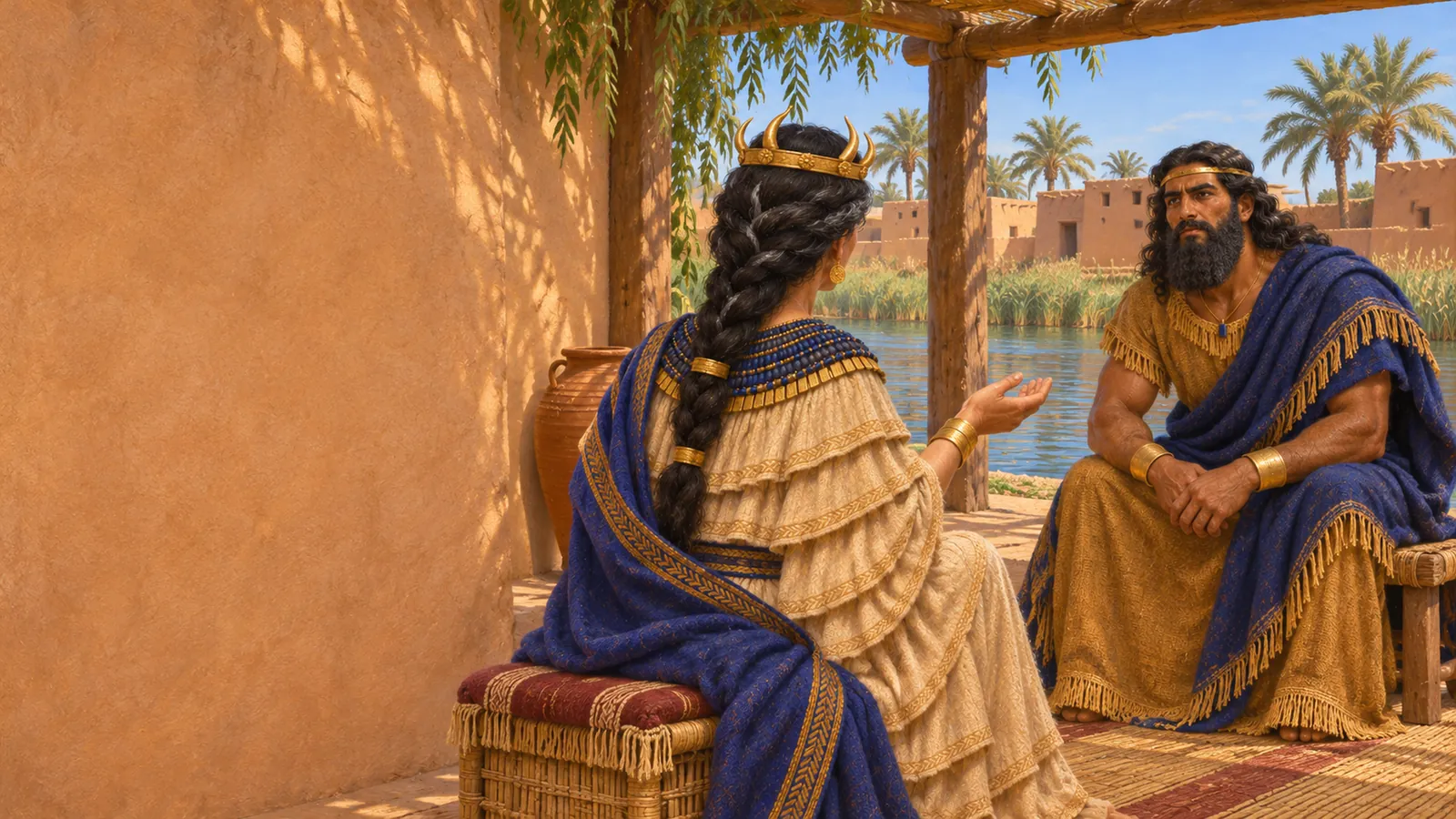
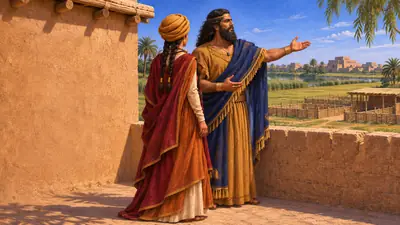
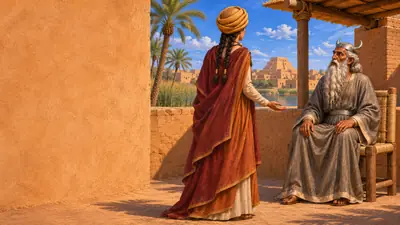
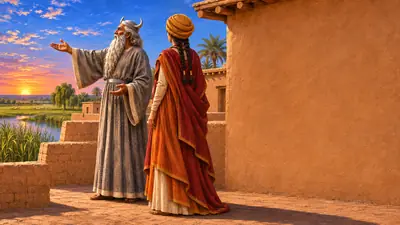
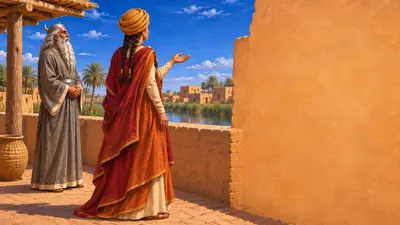
The opening tablets break in places. In a reconstruction of the surviving lines, Ninsun directs her son to the river and the juniper grove.
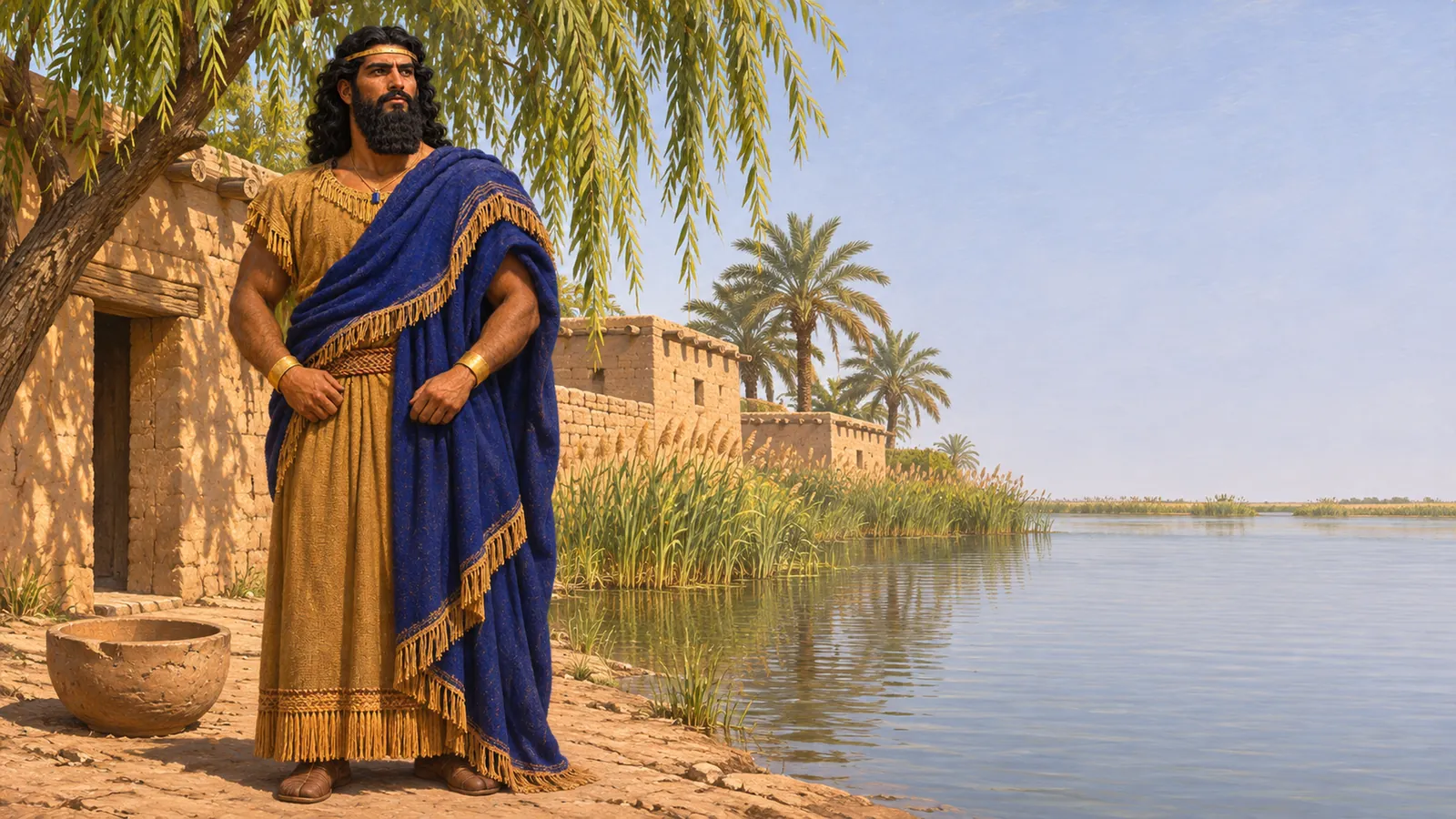
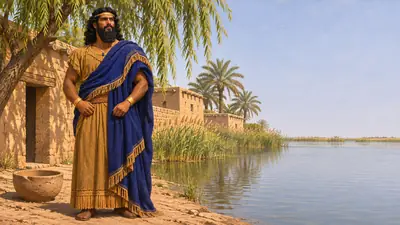
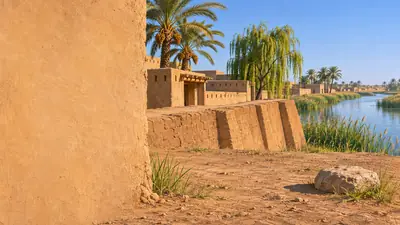
The river appears in several damaged copies of the opening. The surviving words suggest that Gilgamesh was to wash there.
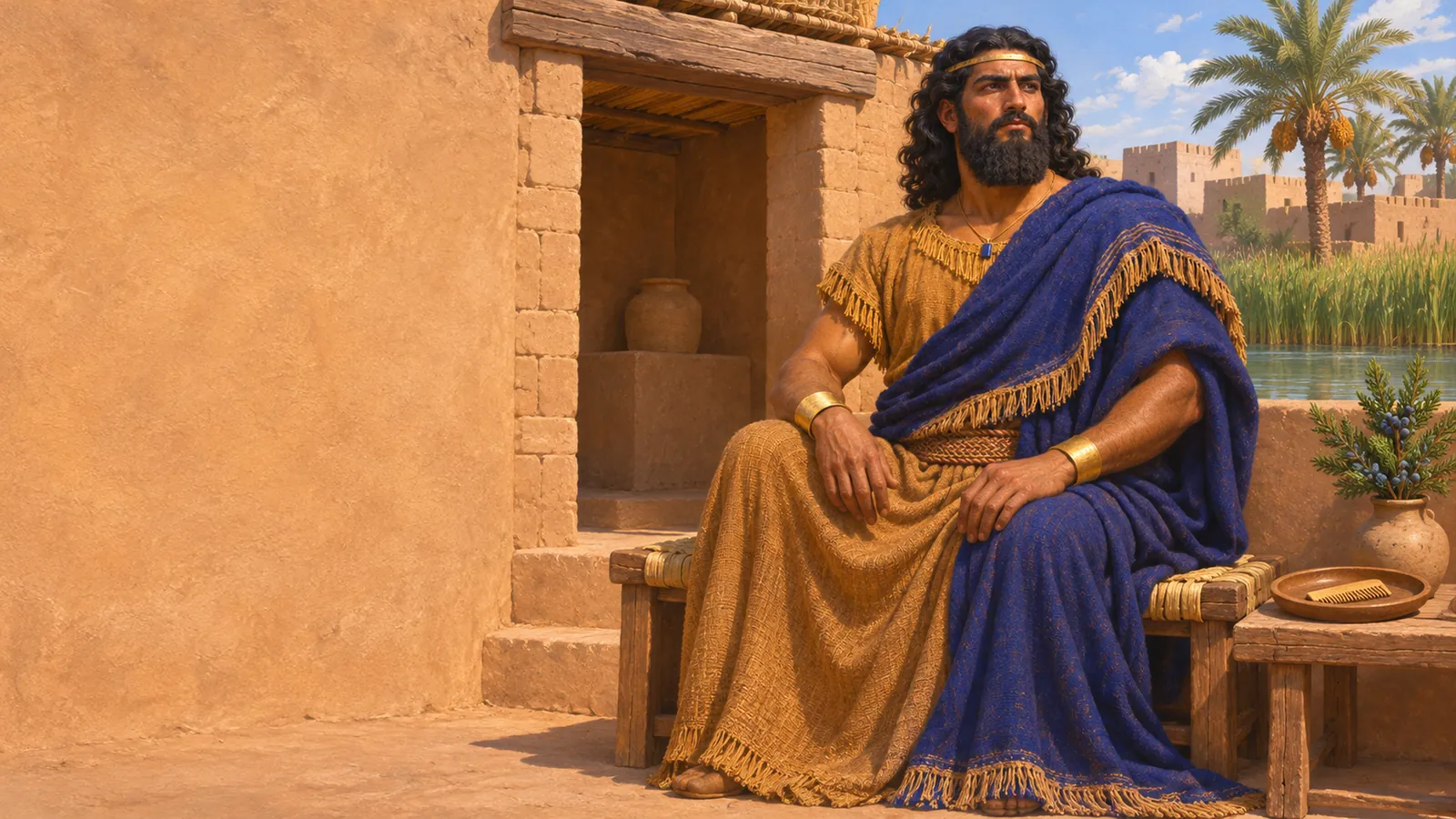
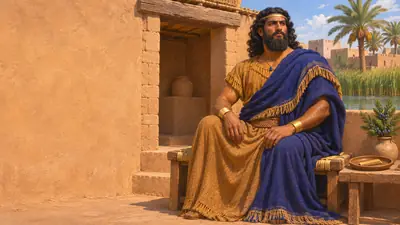
The next broken lines place Gilgamesh at a juniper grove and the Gipar house. One reading describes him being groomed there.
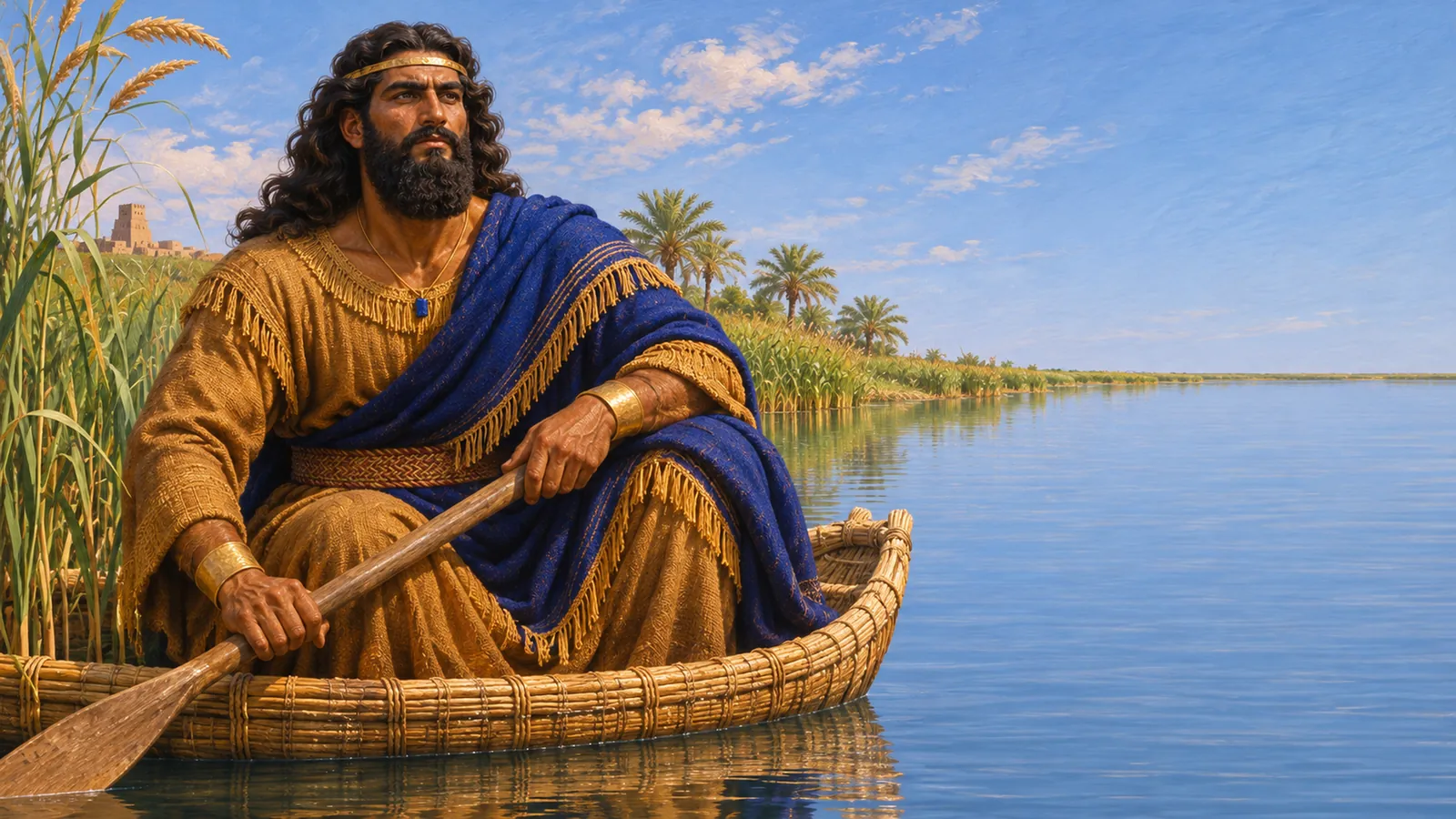
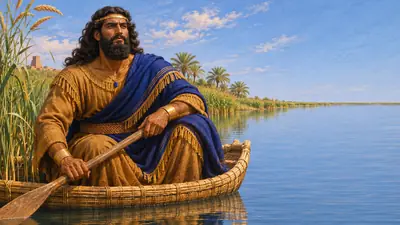
An oar moves through the marsh in the early lines. The poem compares the movement in the water to thick reeds, though parts are lost.
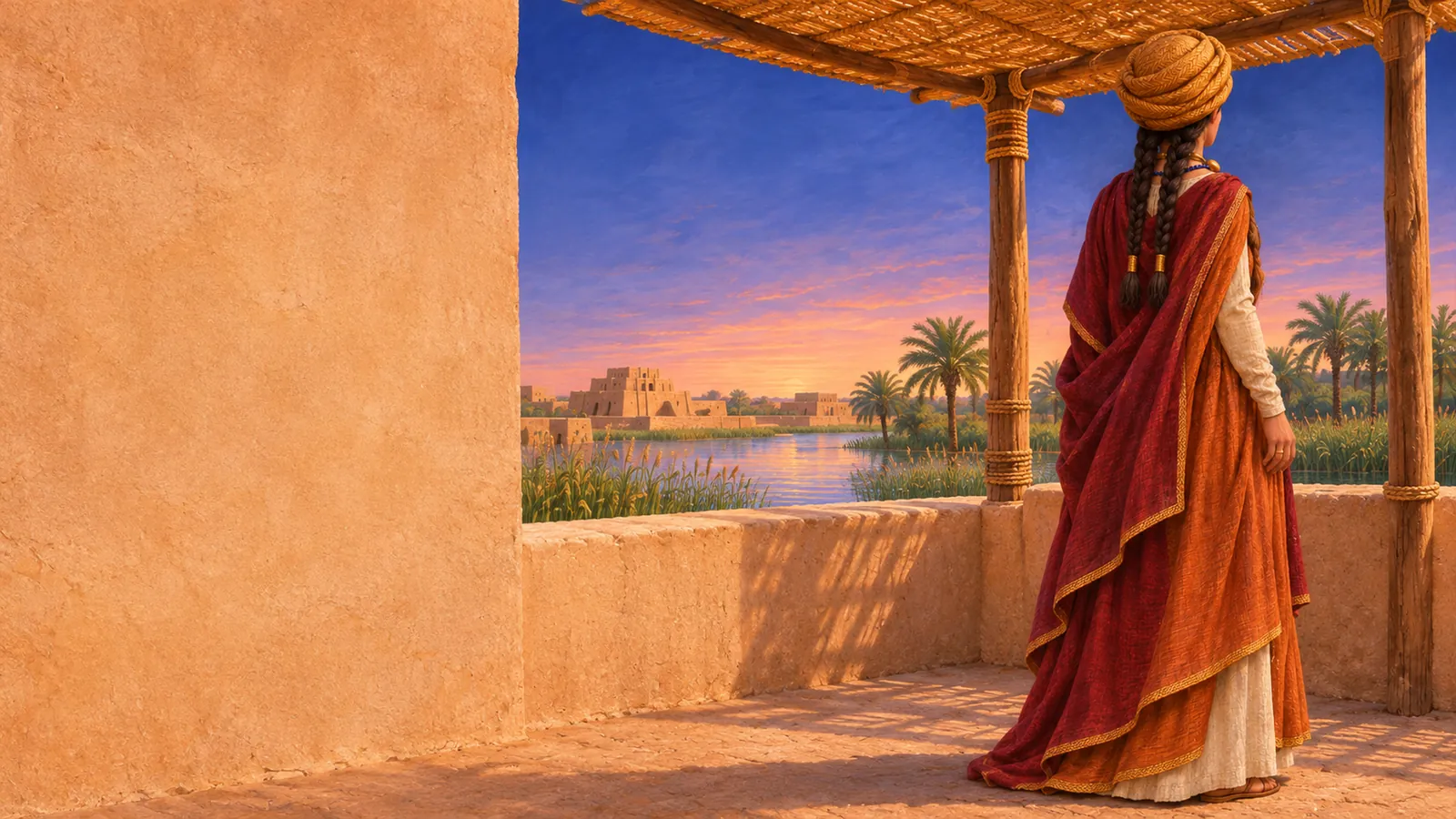
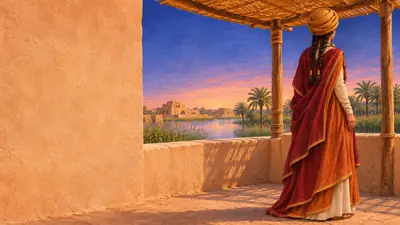
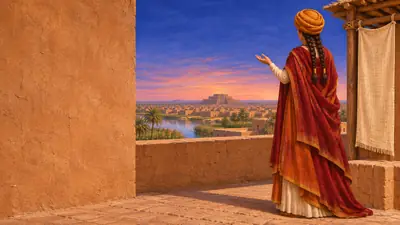
From the palace of the Abzu, Inanna casts her gaze outward. What catches her attention is uncertain in the surviving words.
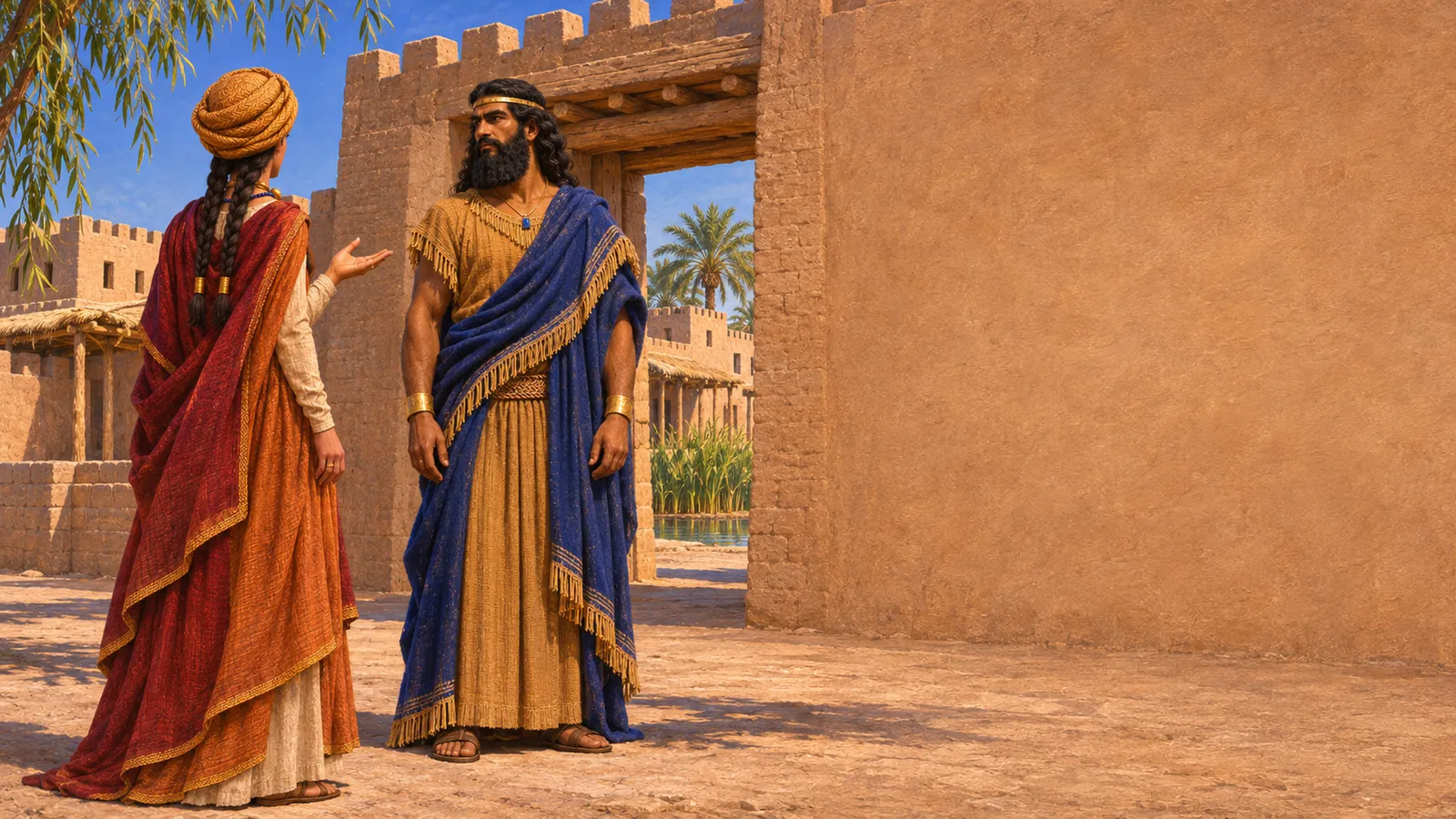
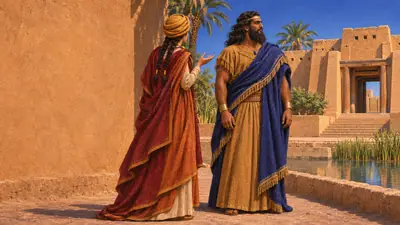
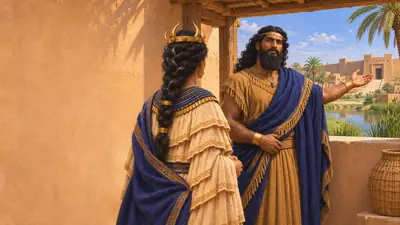
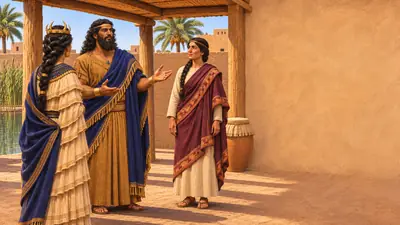
Inanna calls Gilgamesh her wild bull and tells him she means to keep him there with her. Her words open the dispute.
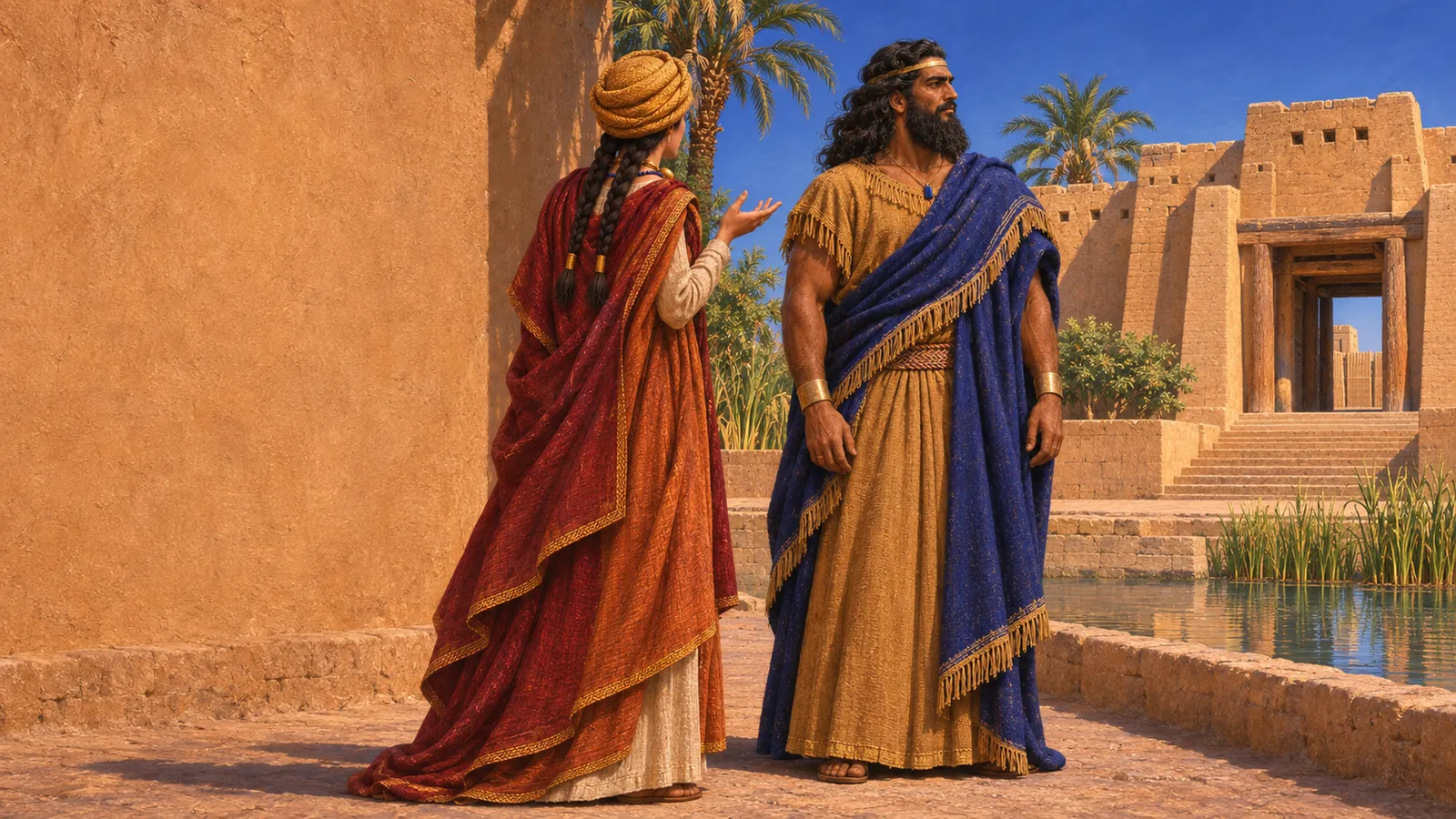
Inanna says she will keep Gilgamesh from giving judgment in Eanna, the house dear to An, and from pronouncing verdicts in the holy Gipar.
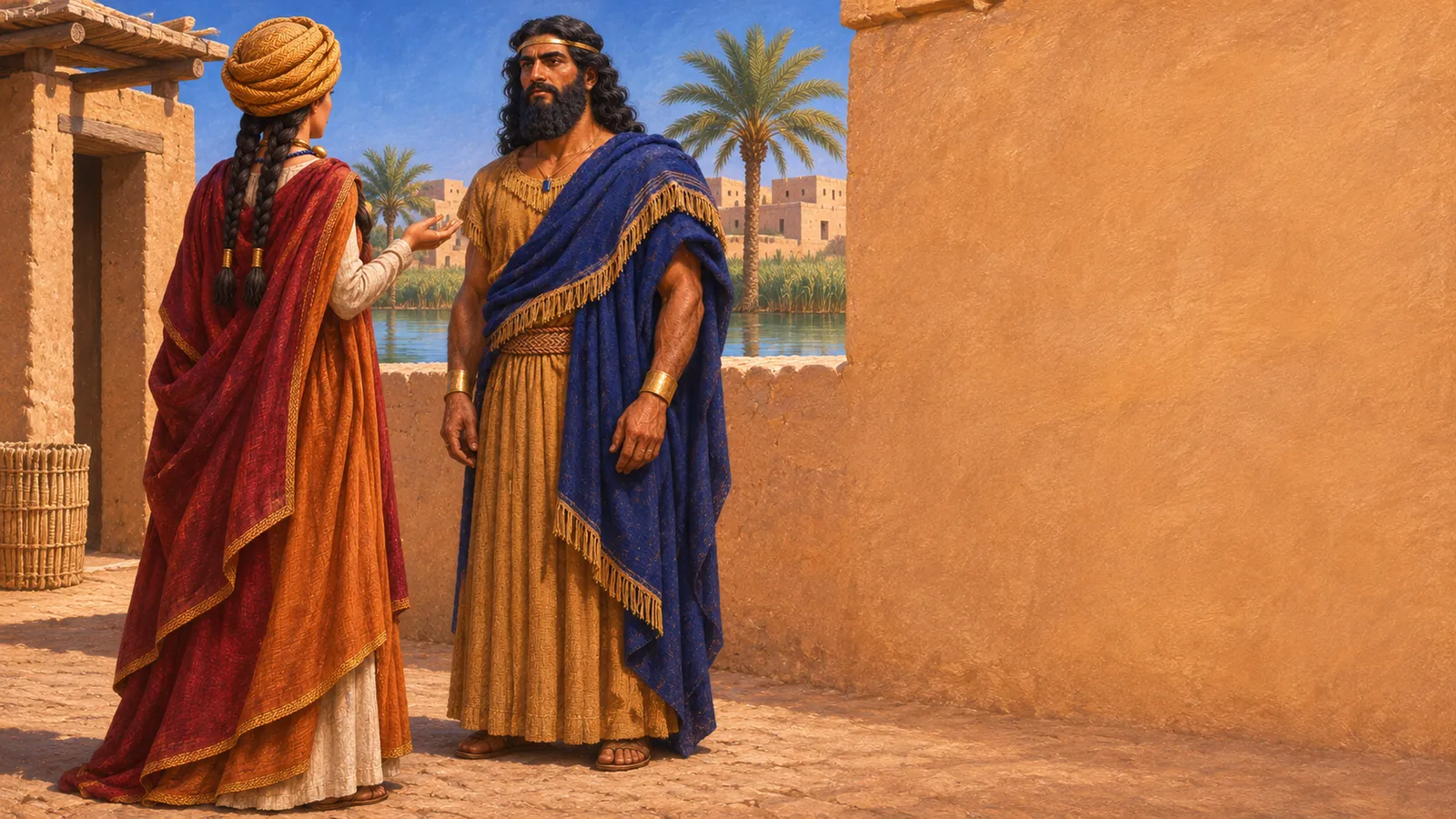
PROPOSAL
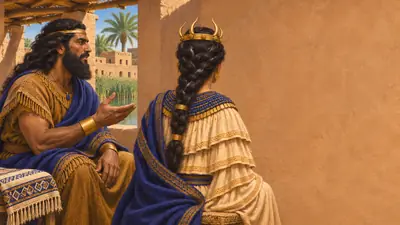
The last line of her speech is reconstructed across several copies. Inanna proposes that Gilgamesh become the house’s lord and that she be its lady.
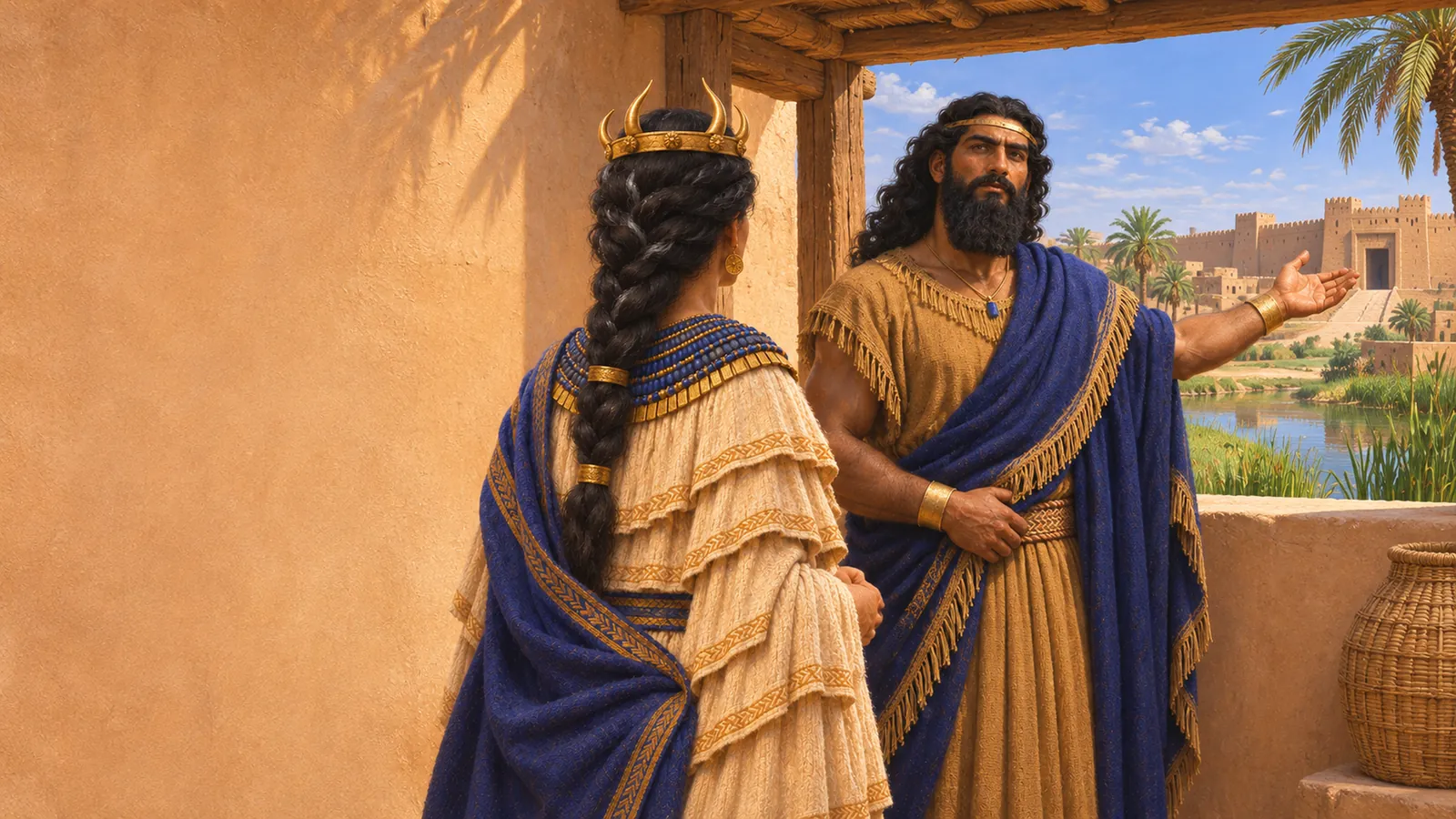
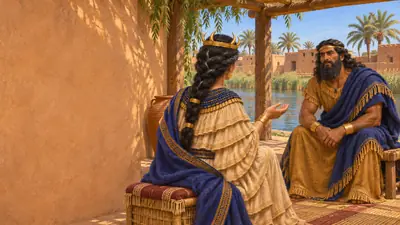
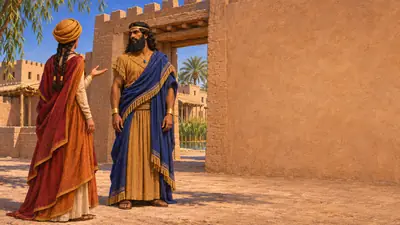
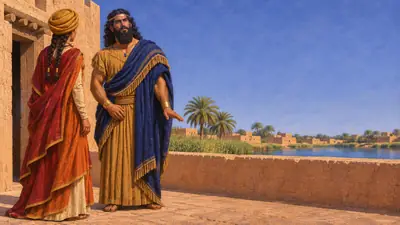
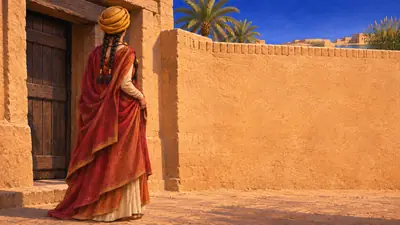
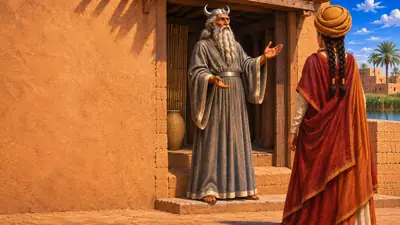
In the Me-Turan copy Gilgamesh goes to his mother, Ninsun. His account of meeting Inanna mentions the city gate and wall in damaged lines.
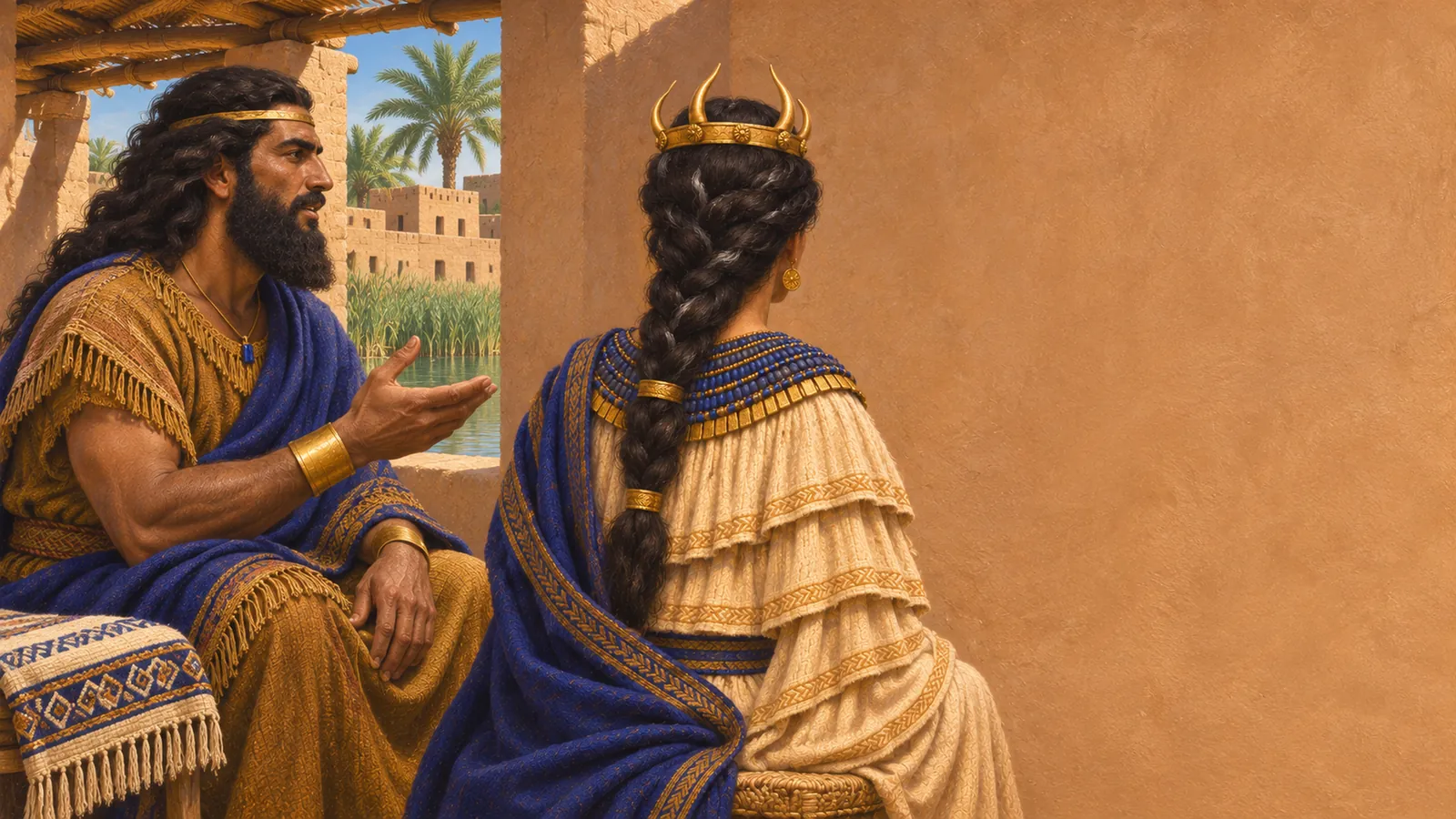
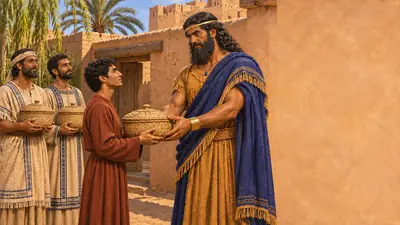
Before Ninsun, the king repeats what Inanna called him and what she asked of him. His report carries the proposal into his mother’s hearing.
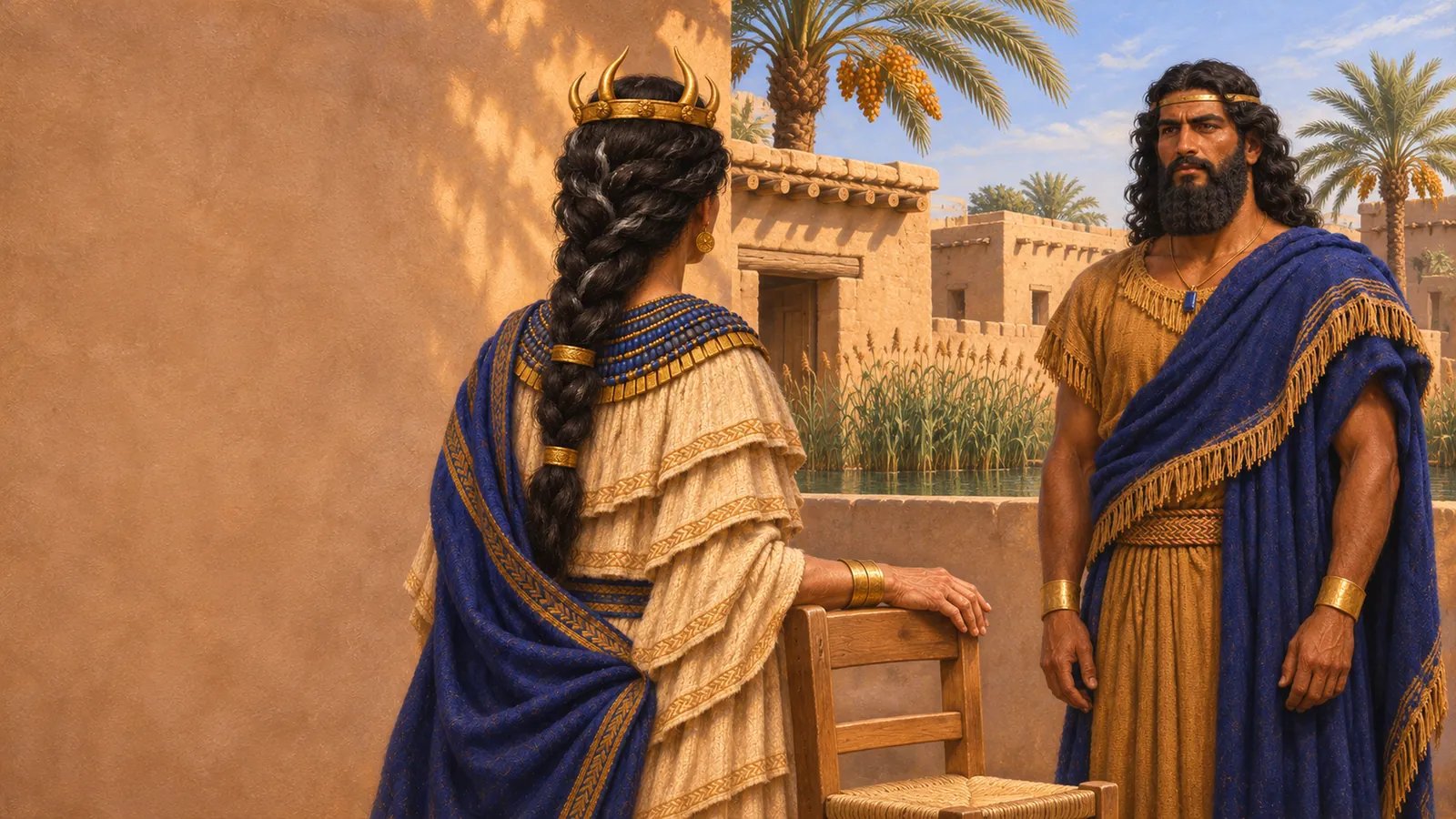
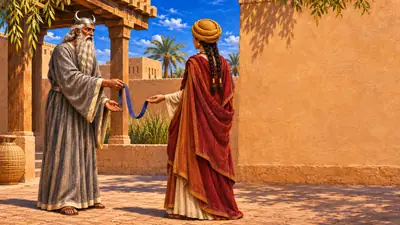
In the reconstructed reply, Ninsun tells her son to keep Inanna’s gifts out of his chamber. She fears that they will weaken his strength.
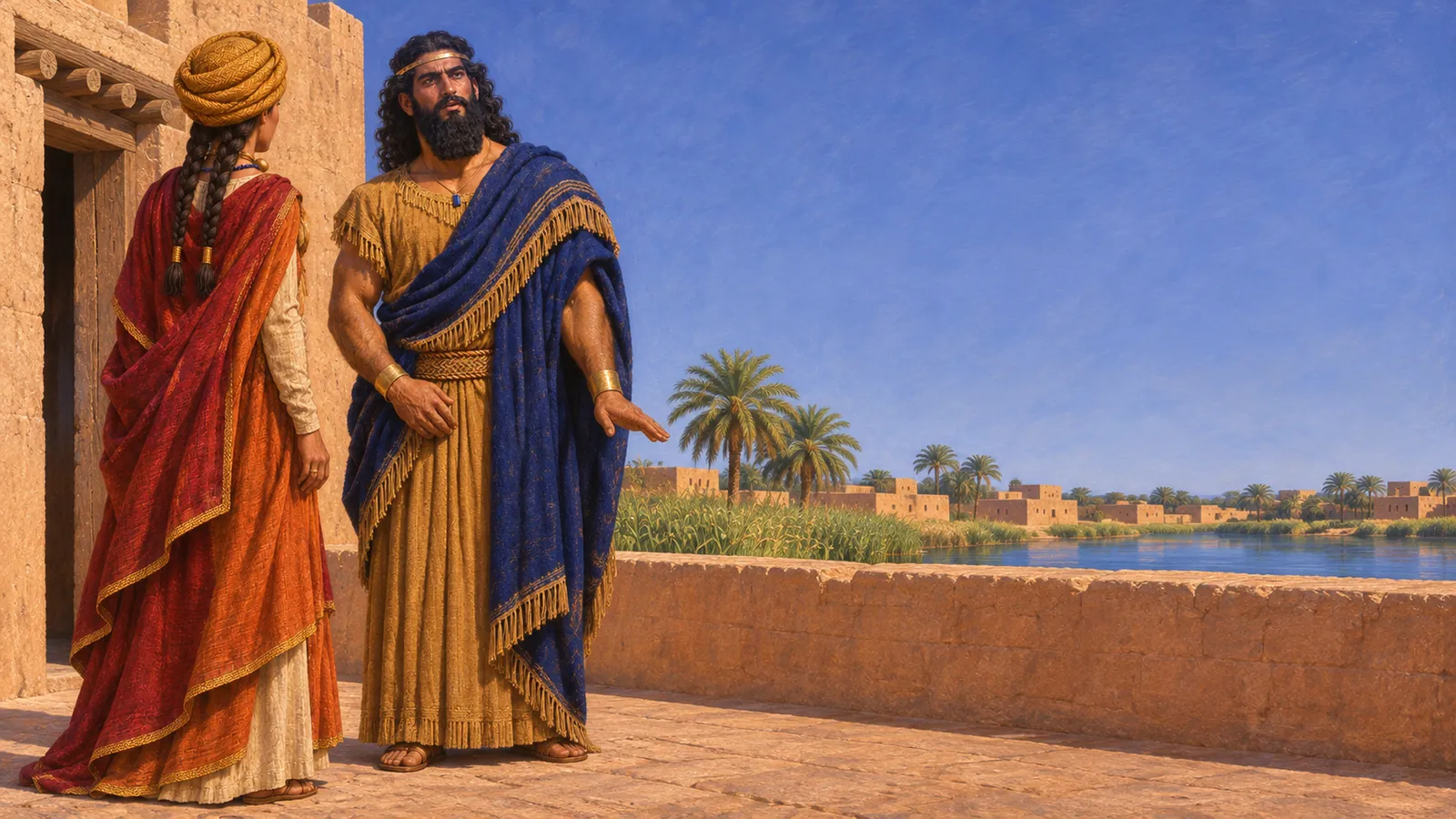
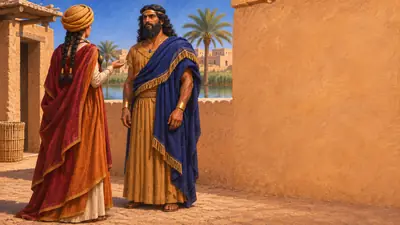
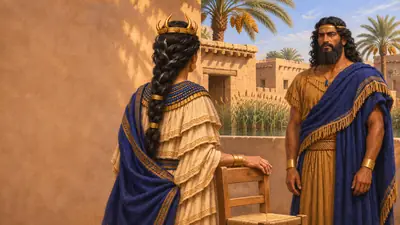
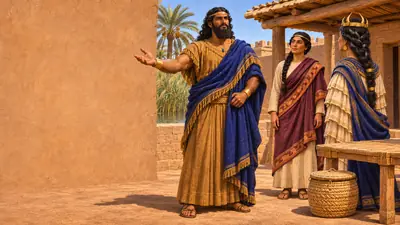
Gilgamesh tells Inanna he will leave her portion at the Gipar alone. He asks the goddess in turn to leave his path open.
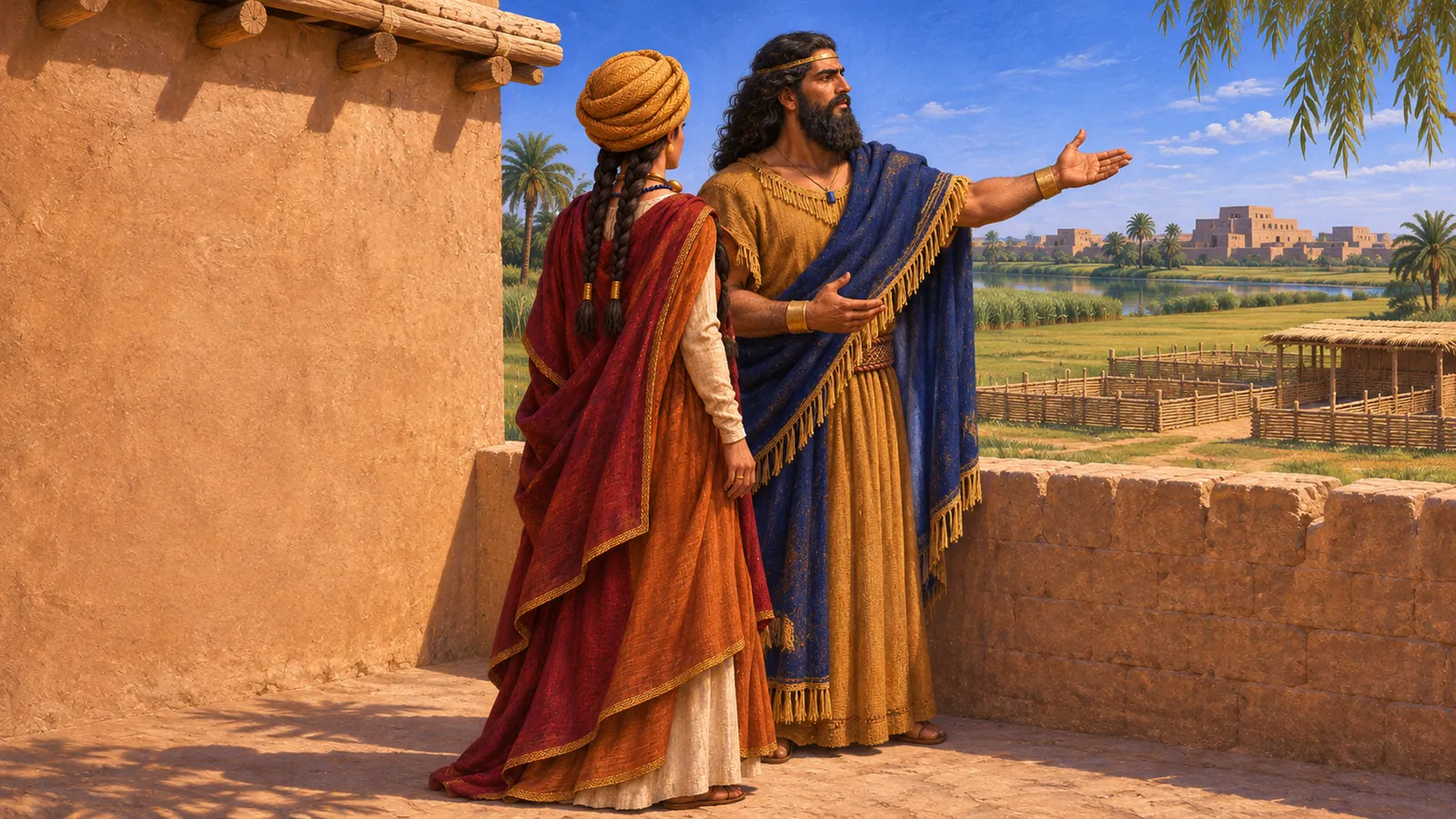
He speaks of obtaining mountain bulls and sheep to fill her pens. Silver and carnelian appear in the same speech as things he would bring.
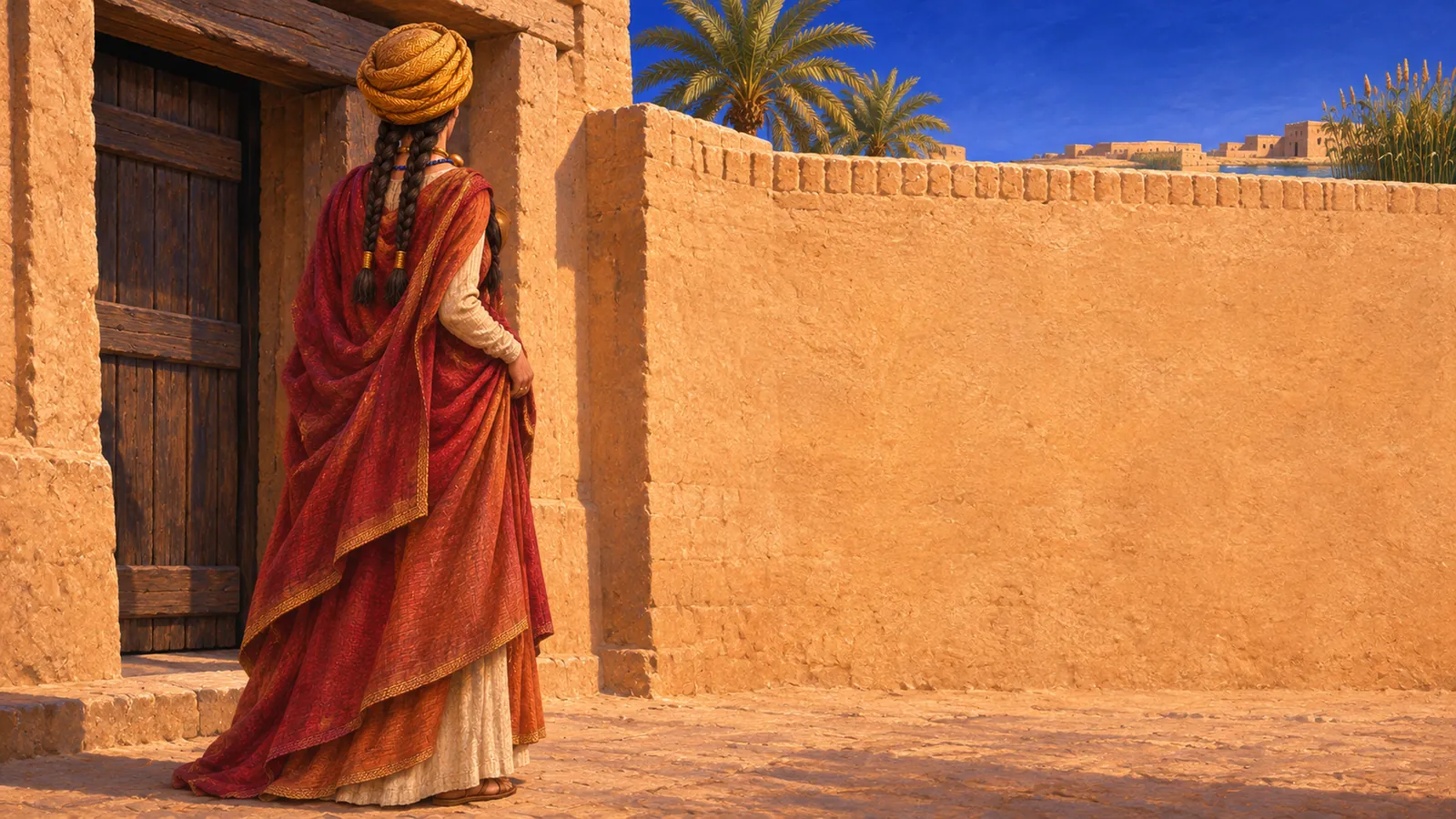
Inanna responds in anger. The words that follow break apart on the tablets, and the story next becomes clear in her exchange with An.
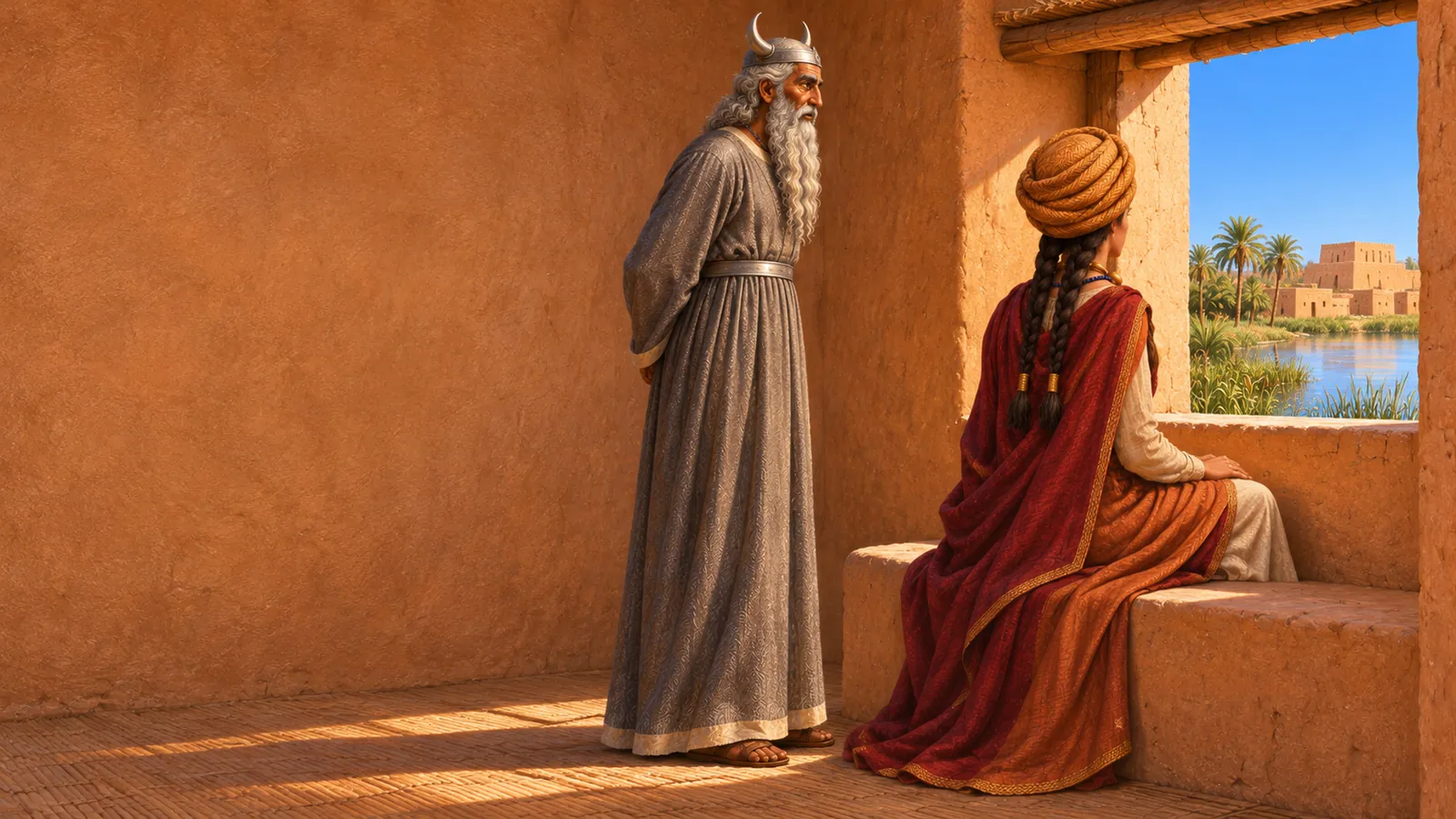
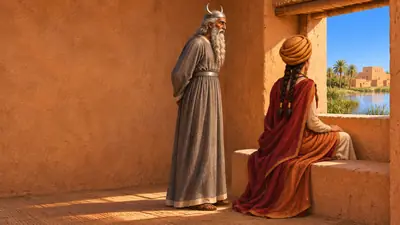
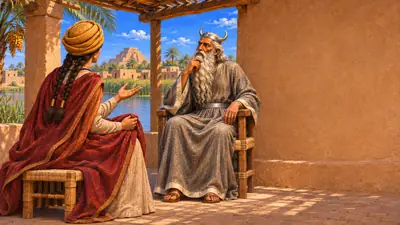
In one reconstruction of the damaged passage, An finds Inanna weeping in her chamber. He asks his daughter why she is crying.
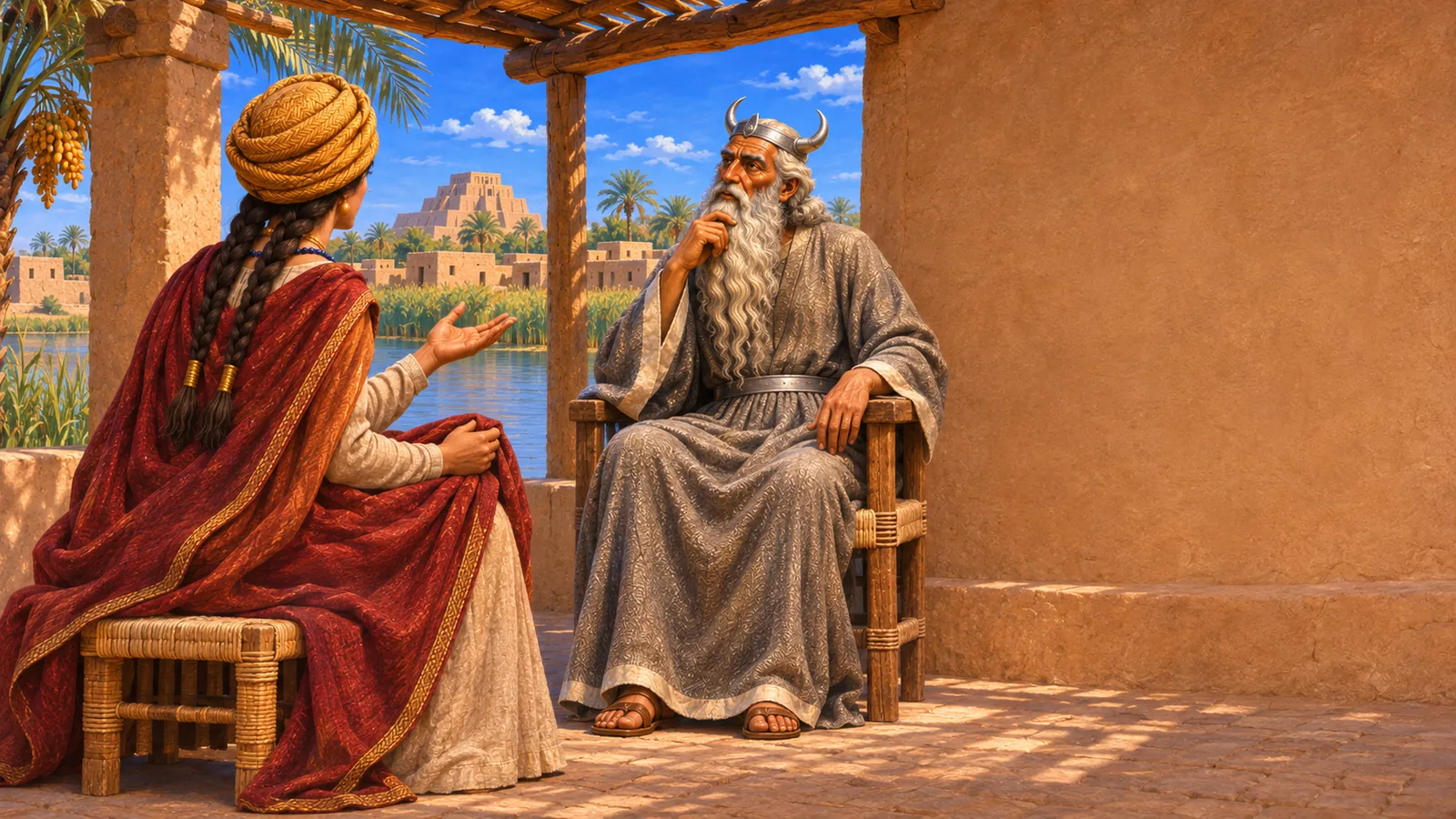
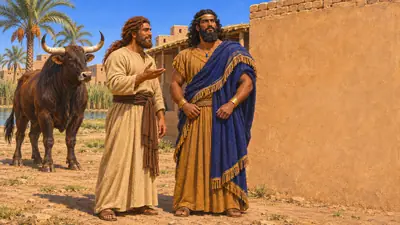
Inanna calls Gilgamesh the wild bull running loose in Uruk. Her answer says that he would not accept what she offered him.
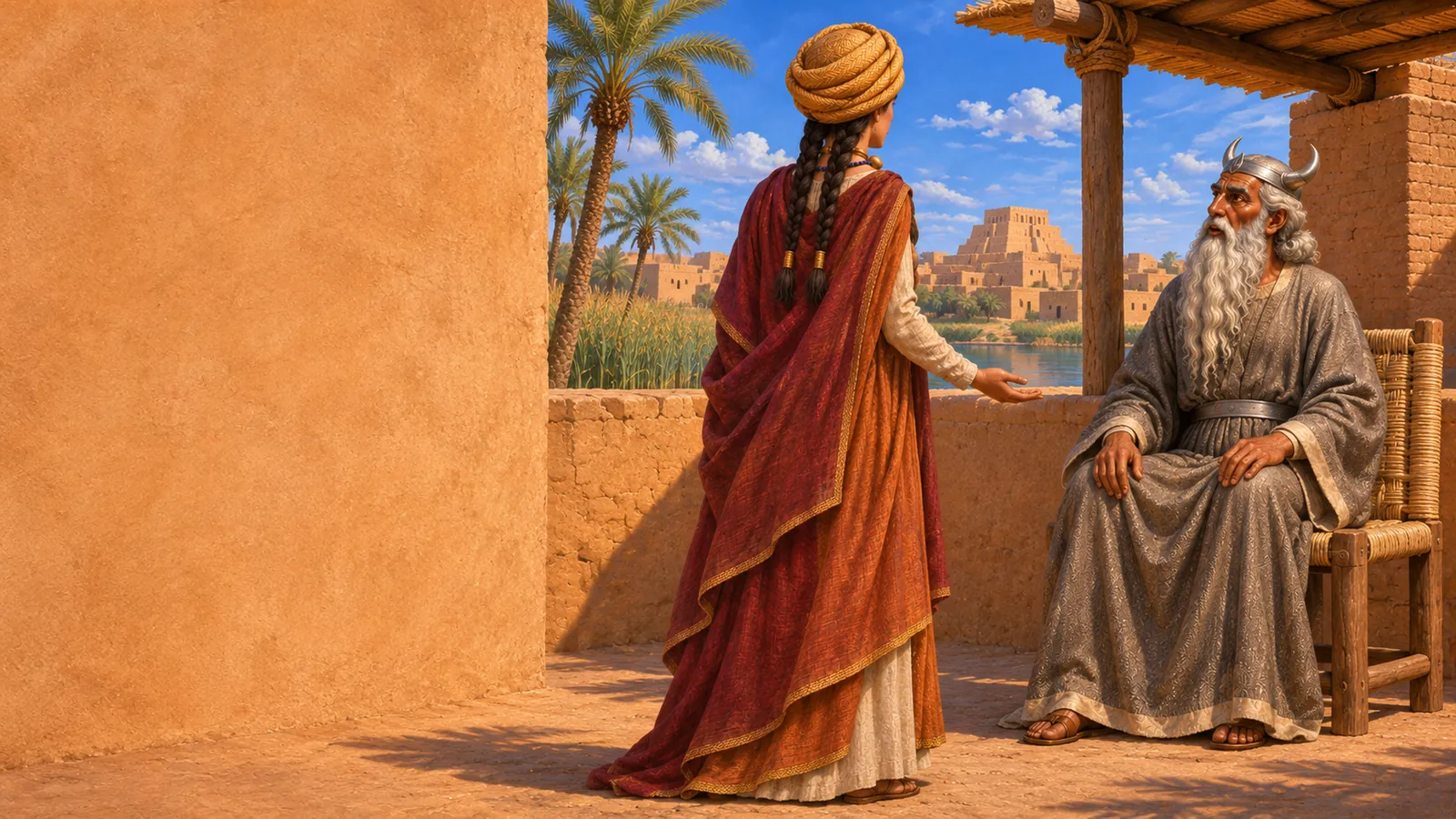
She asks her father to give her the Bull of Heaven. She says plainly that she means to kill Gilgamesh.
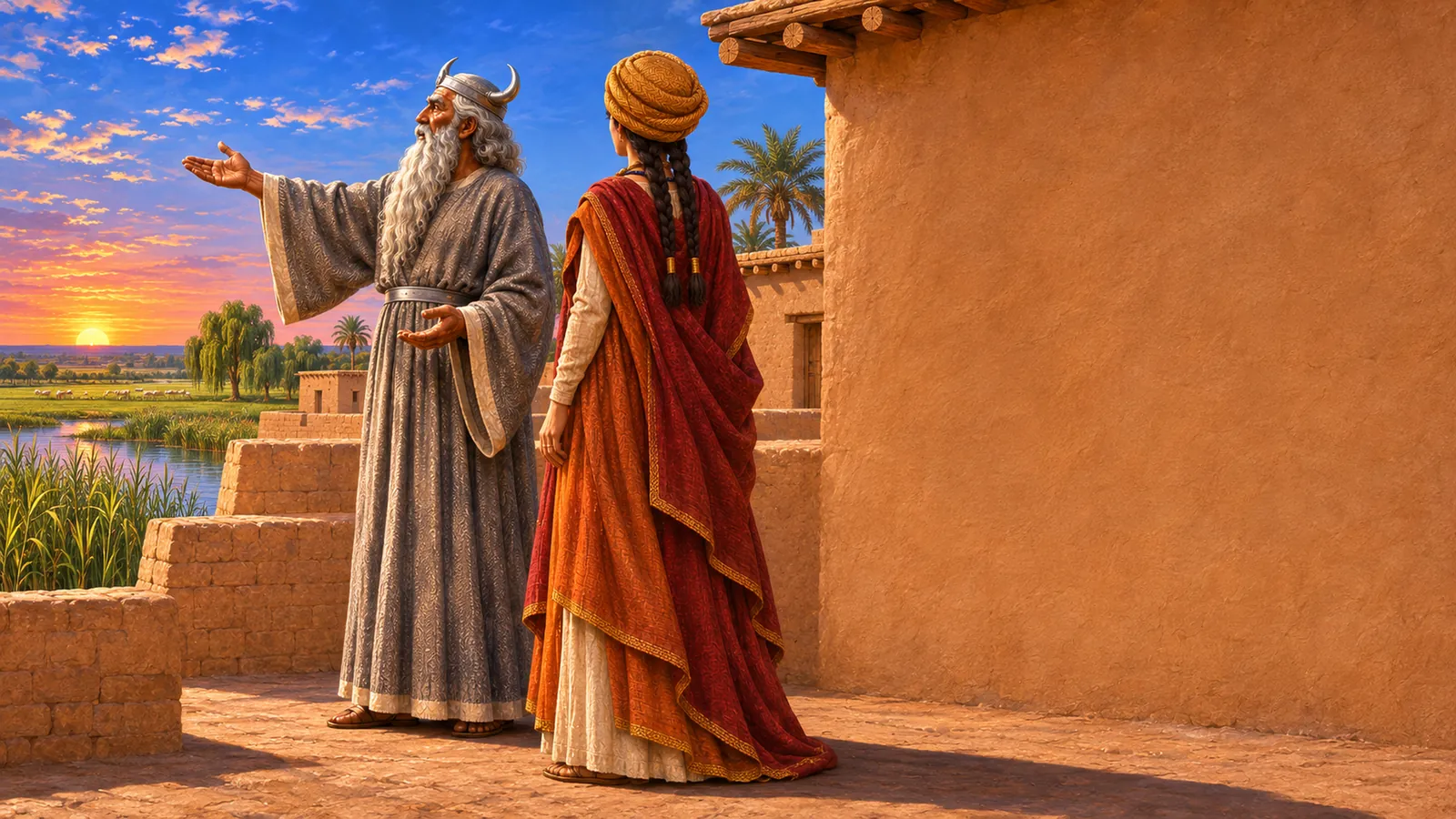
An tells her where the bull grazes. Its pasture lies at the horizon in the place where the sun comes up.
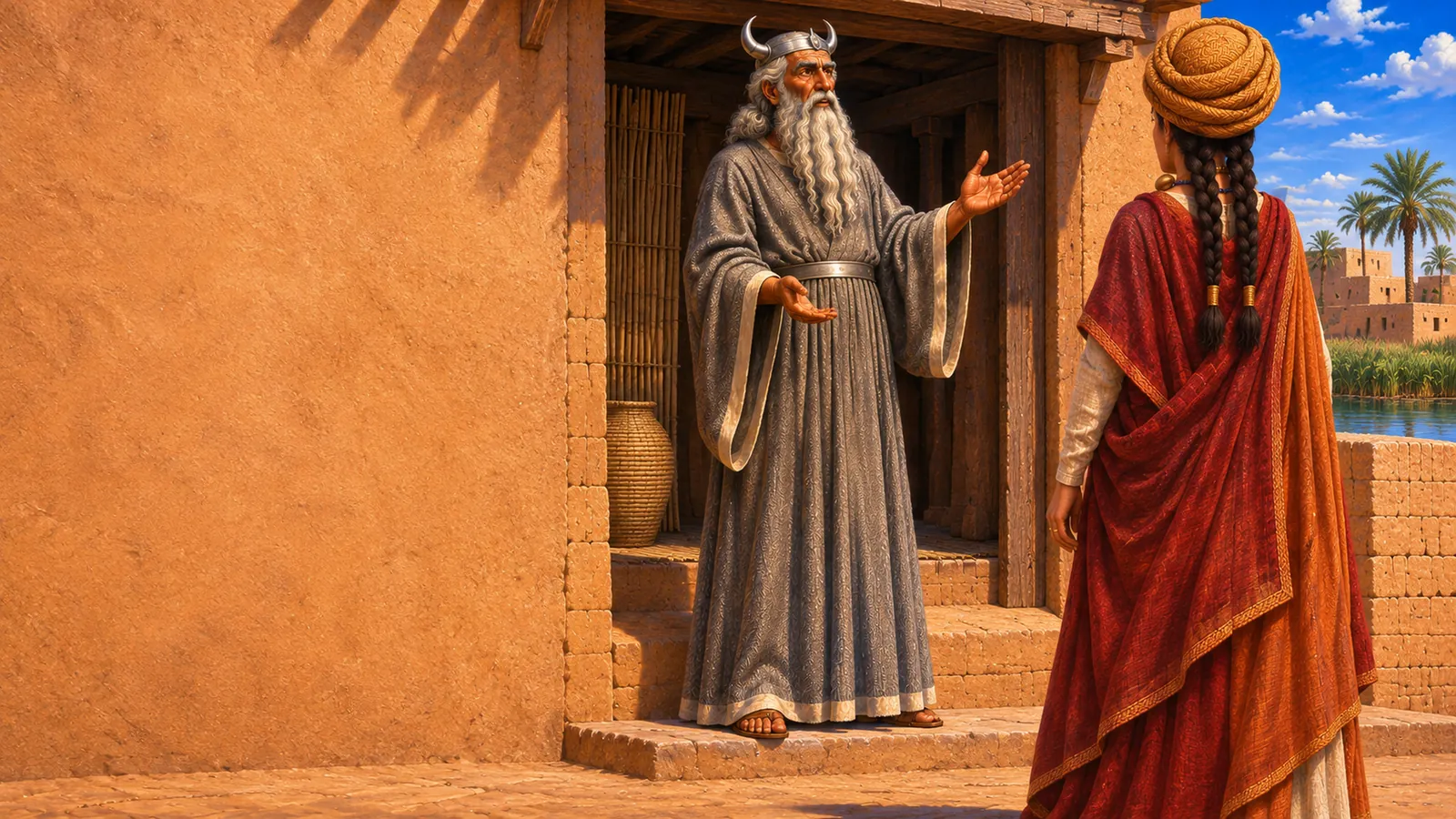
An says the bull would have no pasture away from the sunrise. He tells Inanna he will not give it to her.
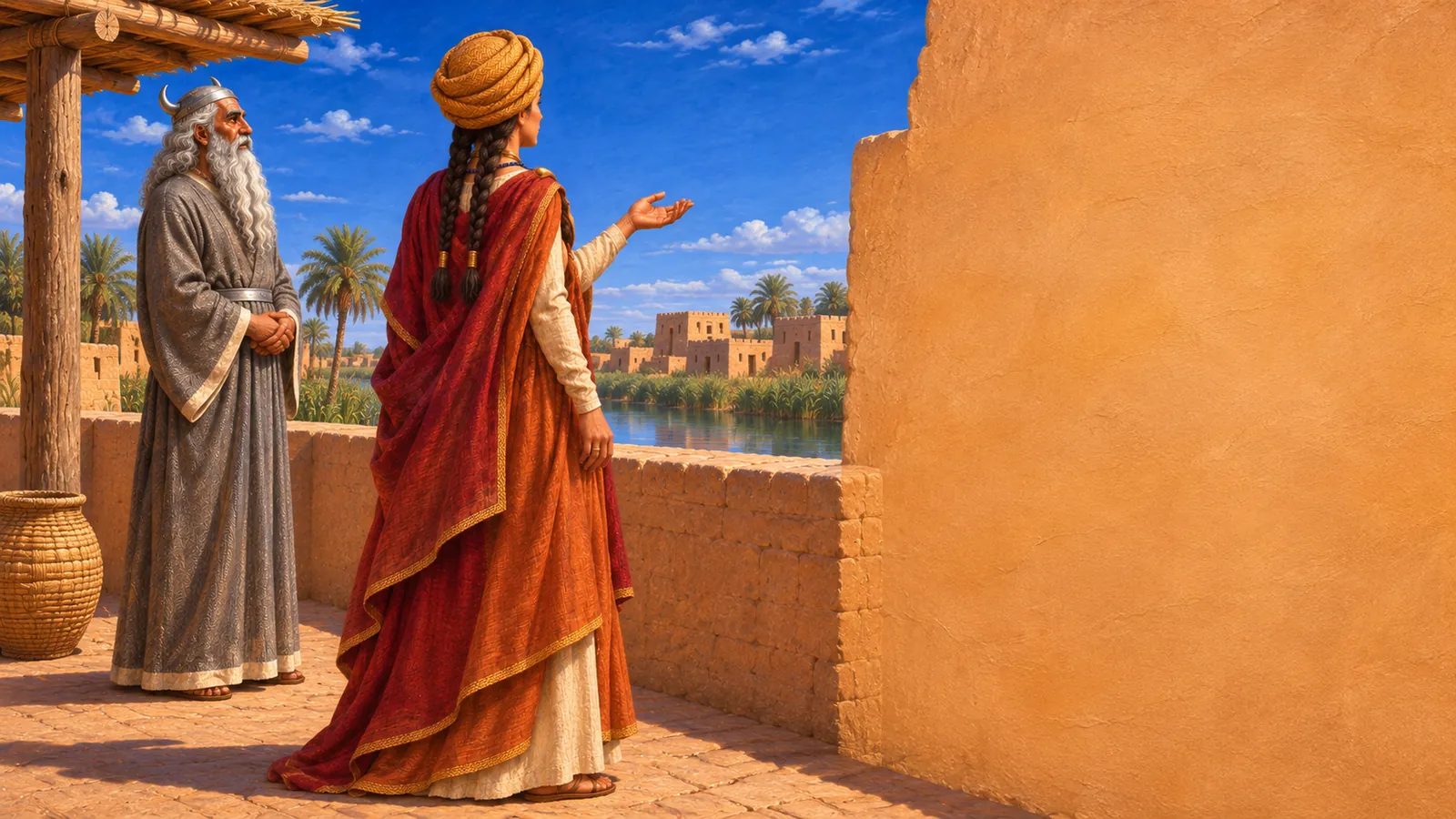
Inanna answers that she will raise her voice. Her cry, she says, will reach the heights of heaven and the earth below.
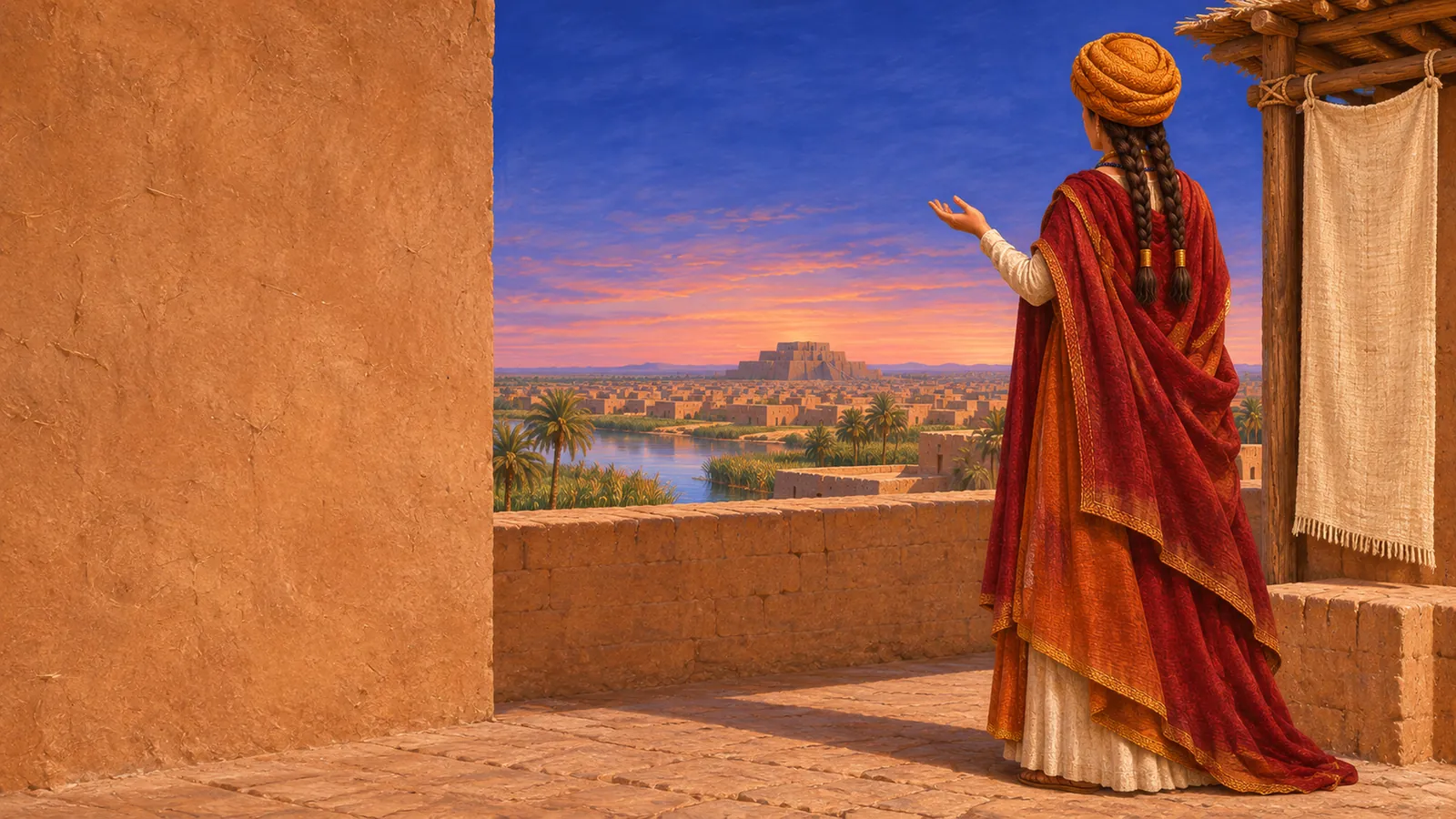
In one tablet’s telling, her cry reaches heaven and earth. The poem likens its spread to cloth laid across them both.
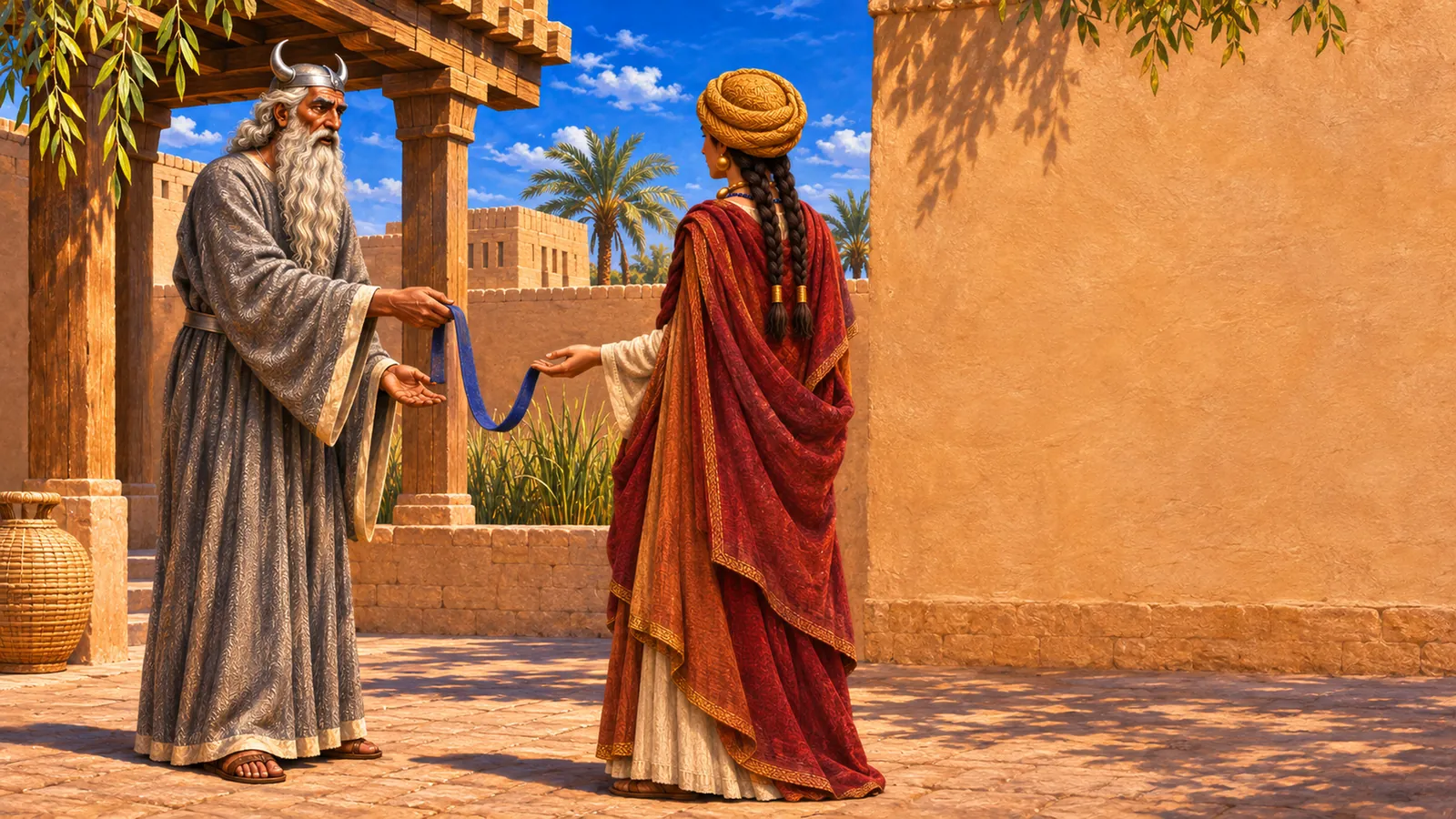
An gives way after hearing her. His answer turns the refusal into a grant, and Inanna receives the Bull of Heaven.
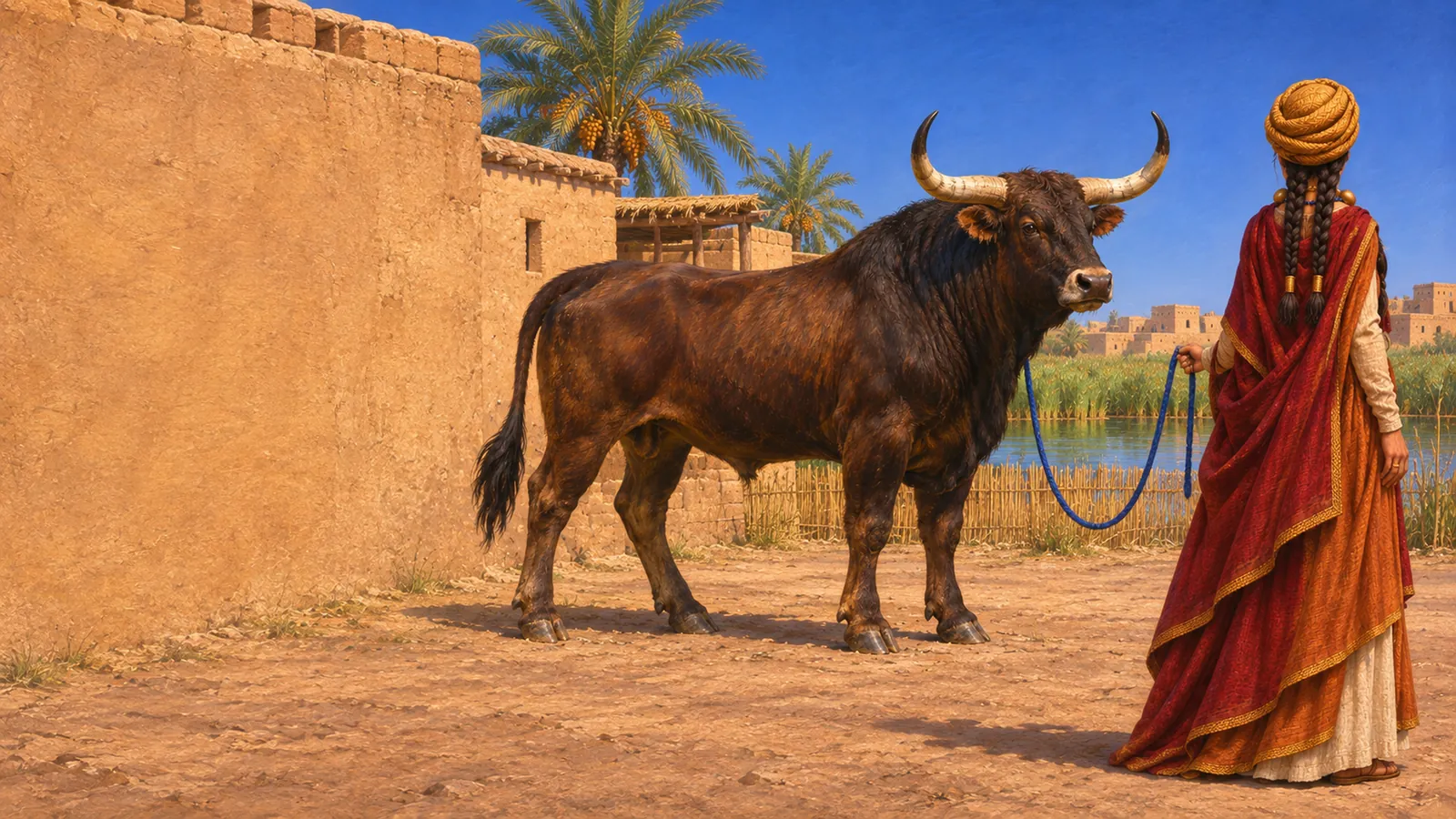
THE BULL
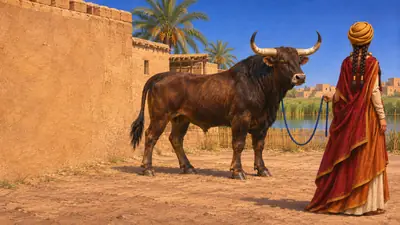
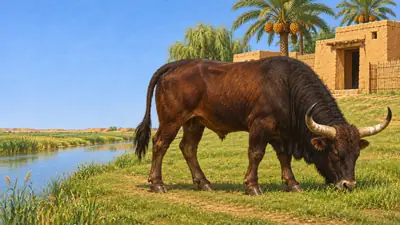
Inanna takes the bull’s lapis-blue lead in her hand. She holds it with the bearing of someone accustomed to leading cattle.
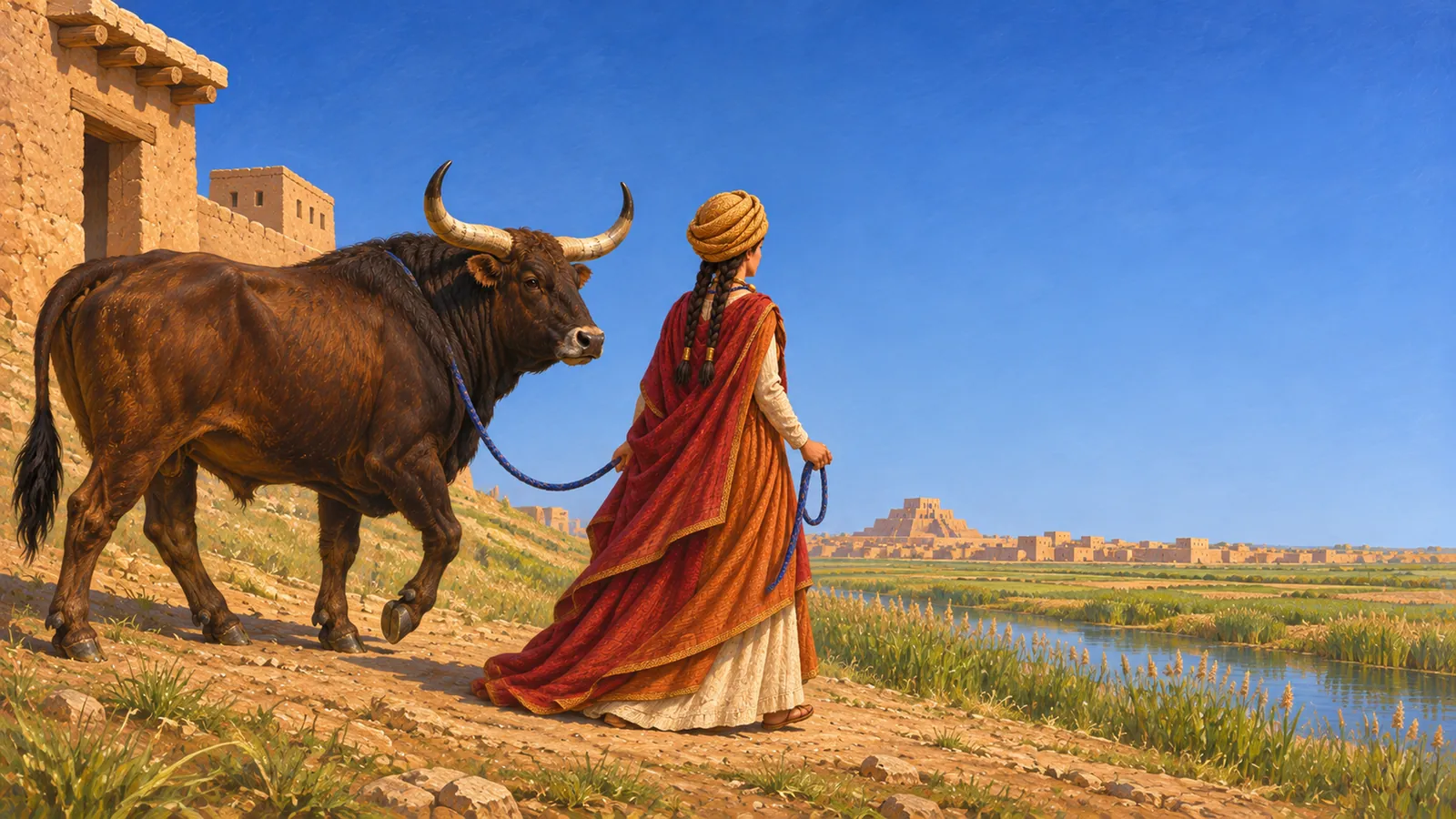
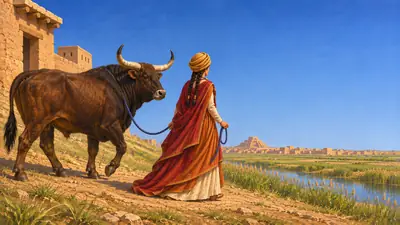
Inanna leads the Bull of Heaven down with her. The animal whose pasture lay at the horizon has reached the land of Uruk.
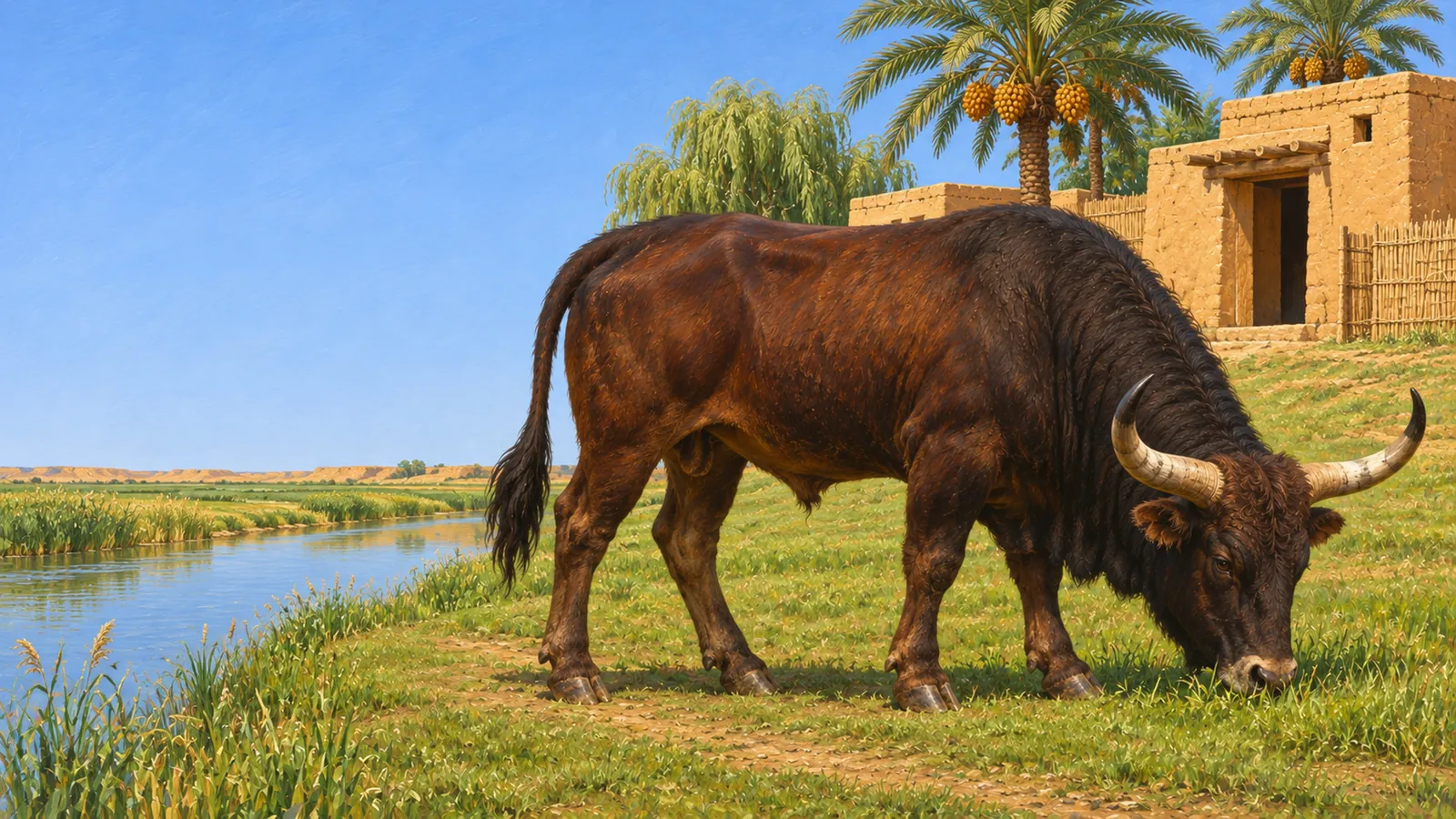
At Uruk, the bull devours the pasture. It eats through the grass until the ground is laid bare.
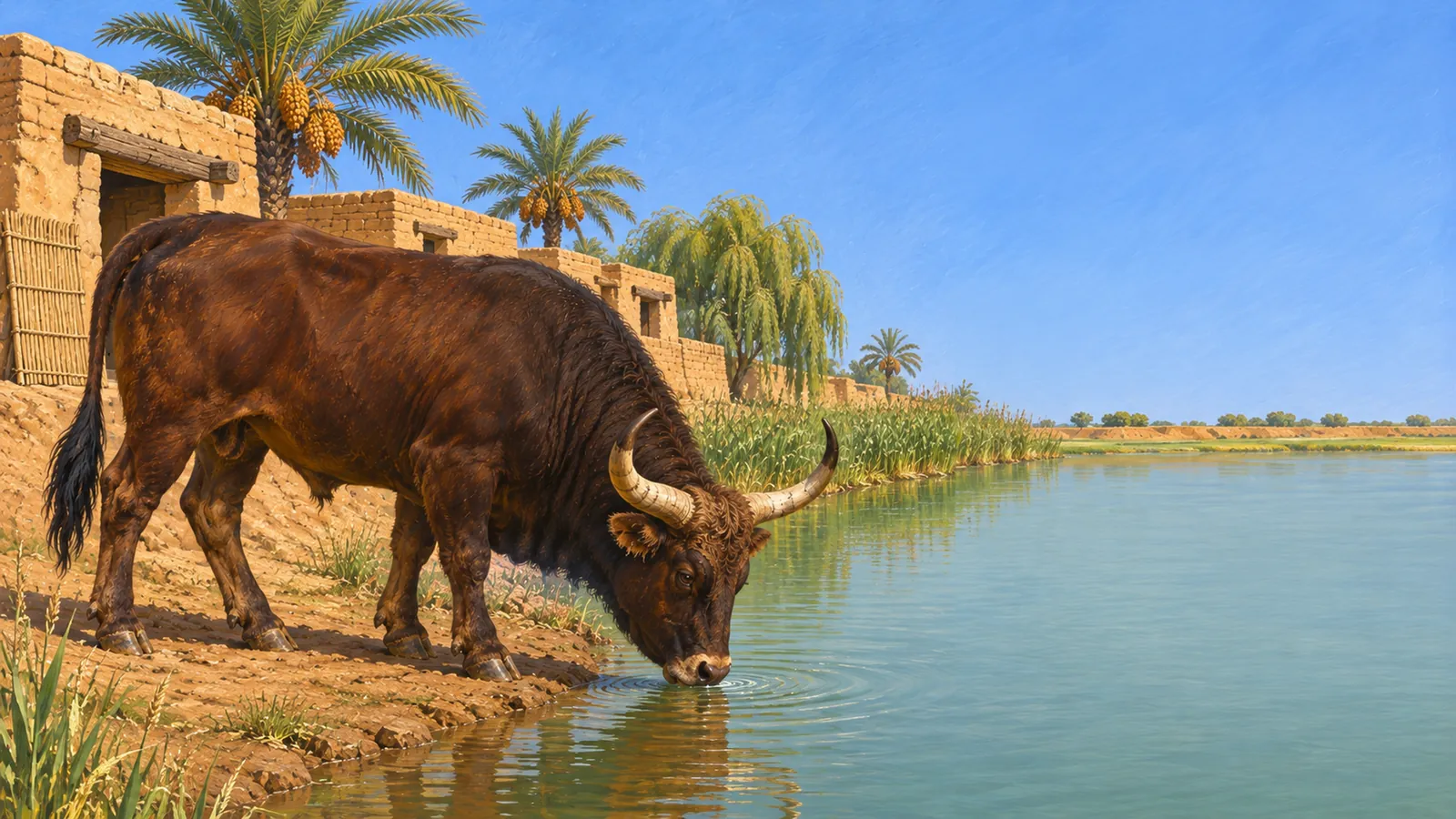
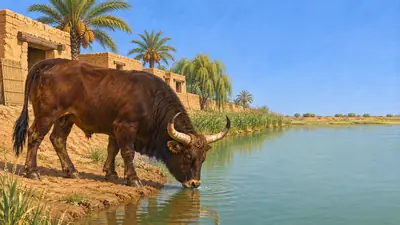
The bull drinks from the Angilu canal in great gulps. The poem measures its thirst by a league of water at a time.
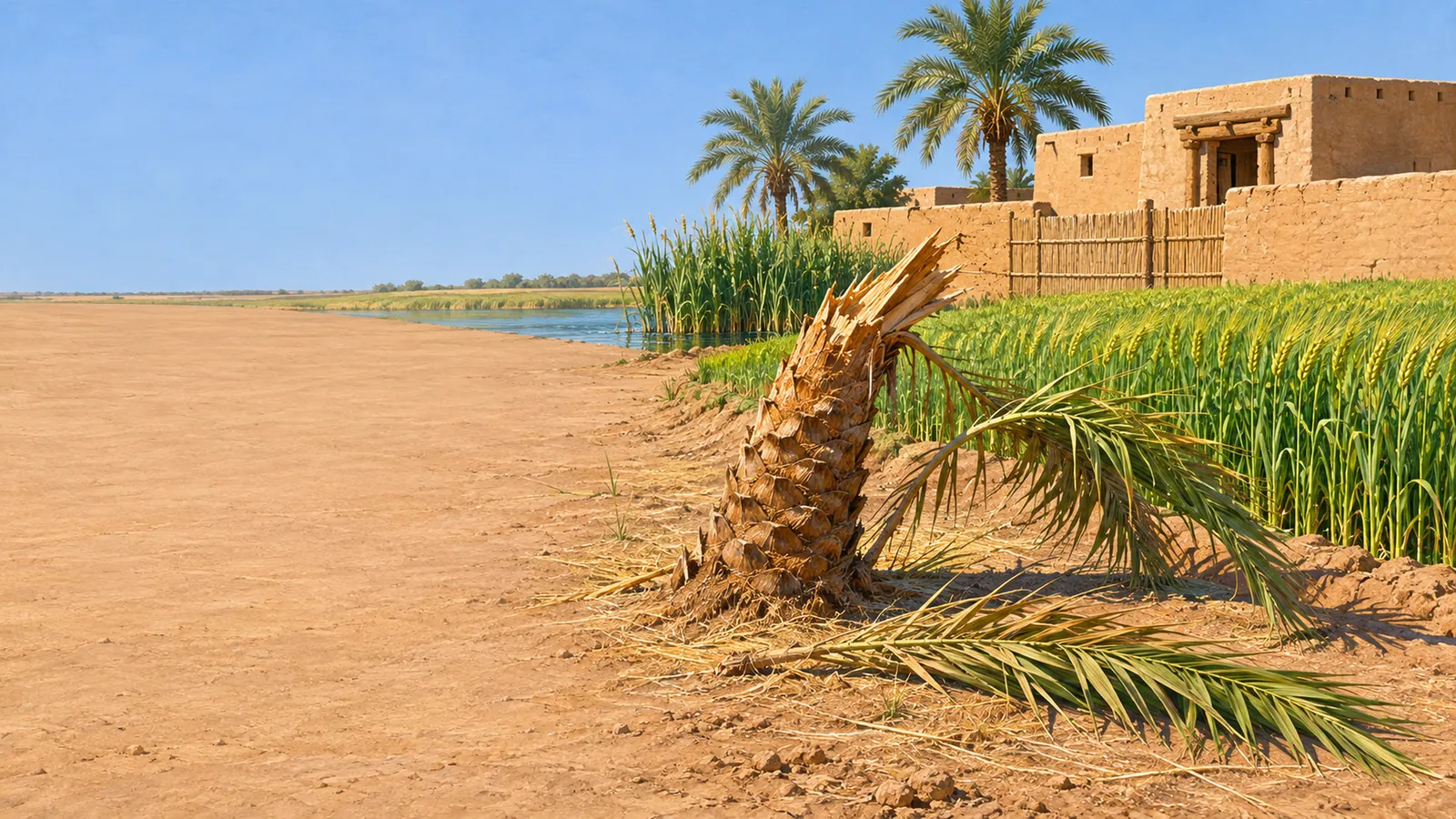
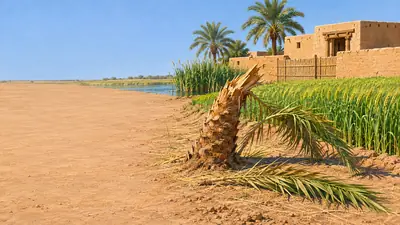
The bull bends the date palms of Uruk toward its mouth and breaks them. The damage reaches from the open ground to the trees.
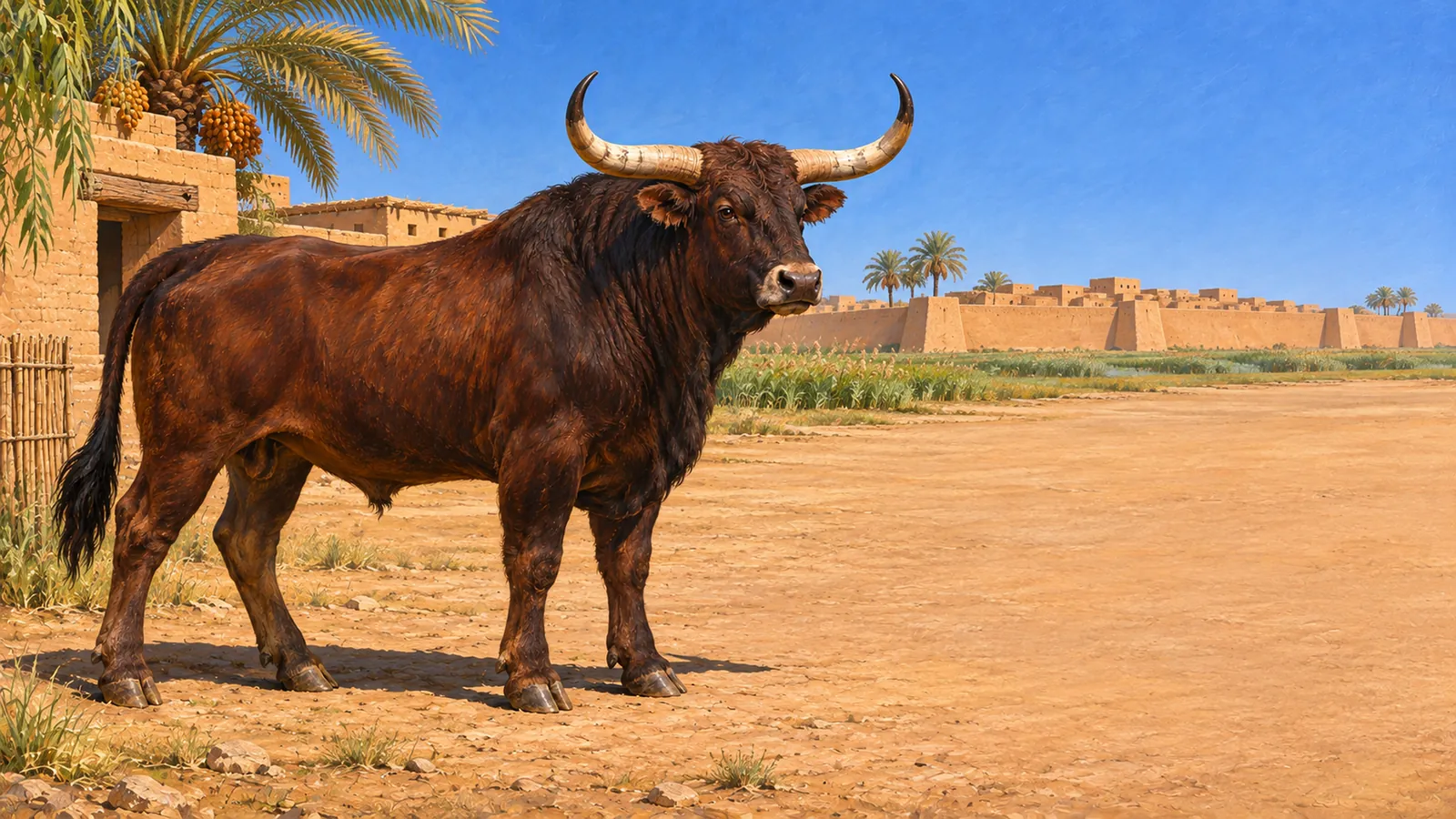
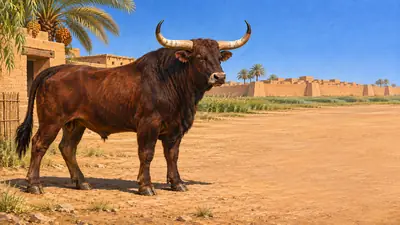
The poem makes the bull loom over all Uruk as it stands. Its presence fills Kullab as well.
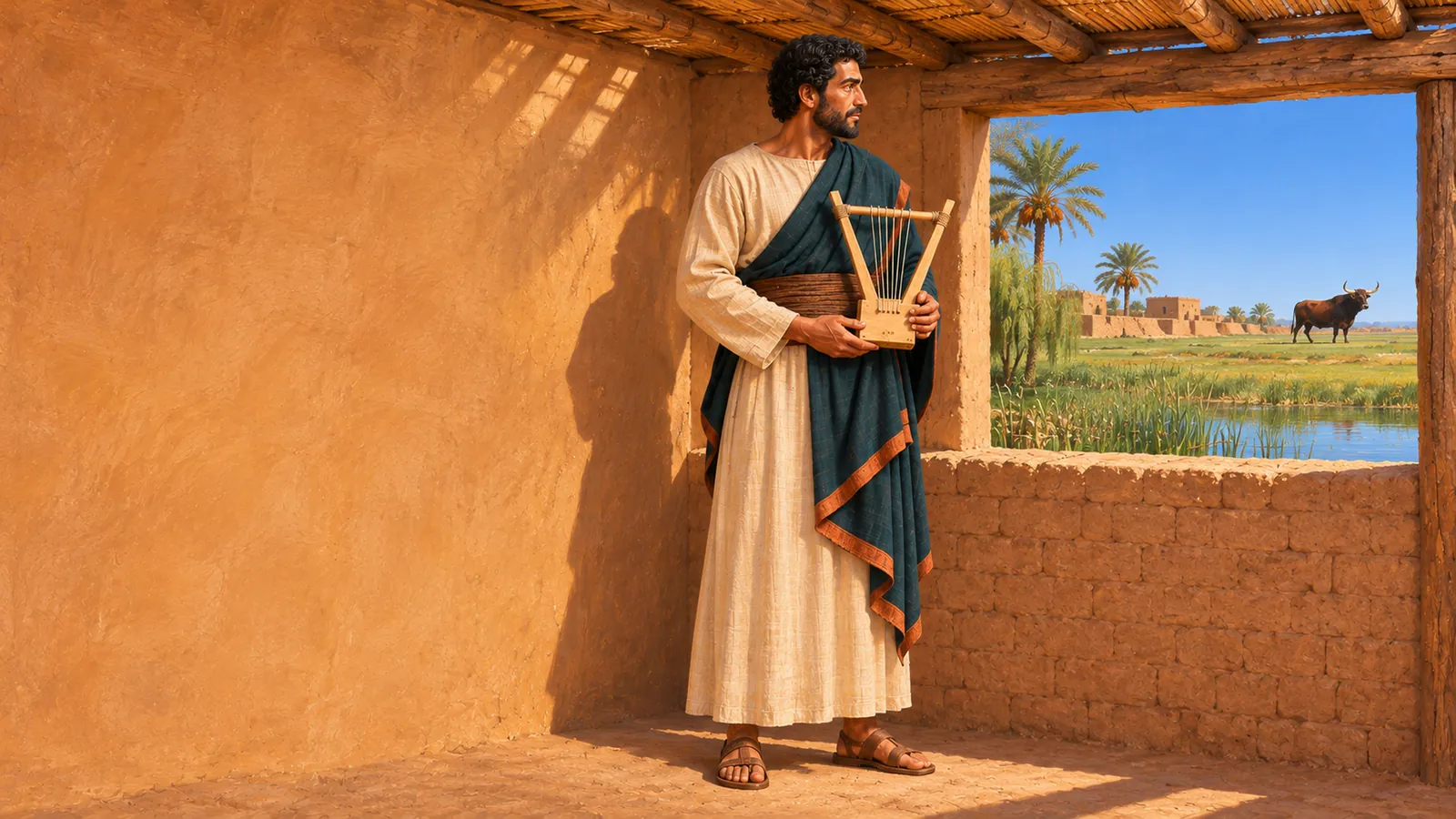
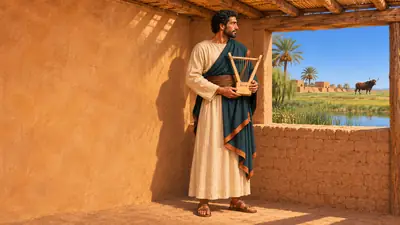
A reconstructed passage places Gilgamesh inside his god’s house. His minstrel Lugalgabangal, who has gone out feeling ill, sees the bull and goes back inside.
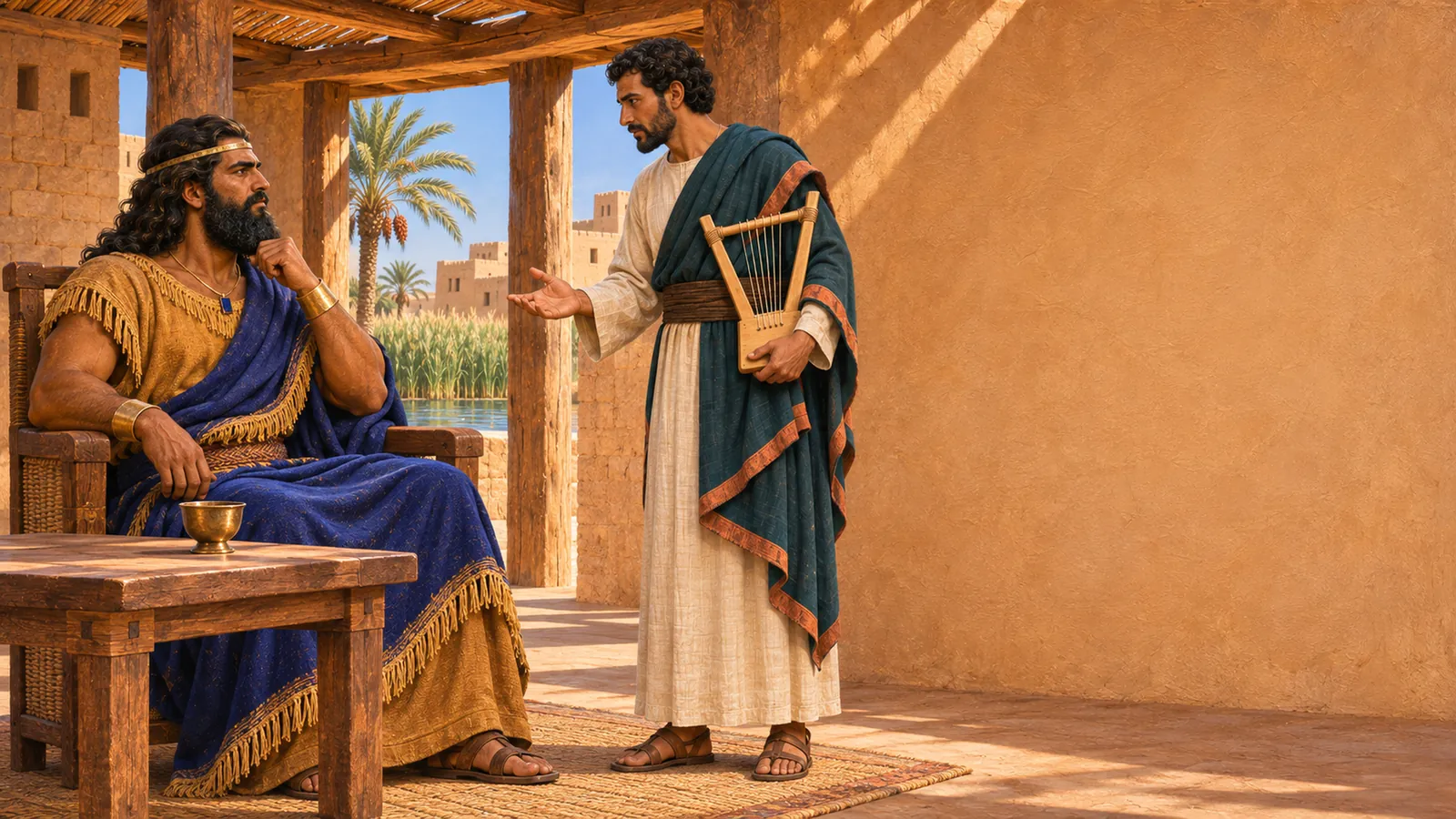
In this reading the minstrel asks how long Gilgamesh will keep drinking. He says Inanna brought the bull, and repeats what it has done to Uruk.
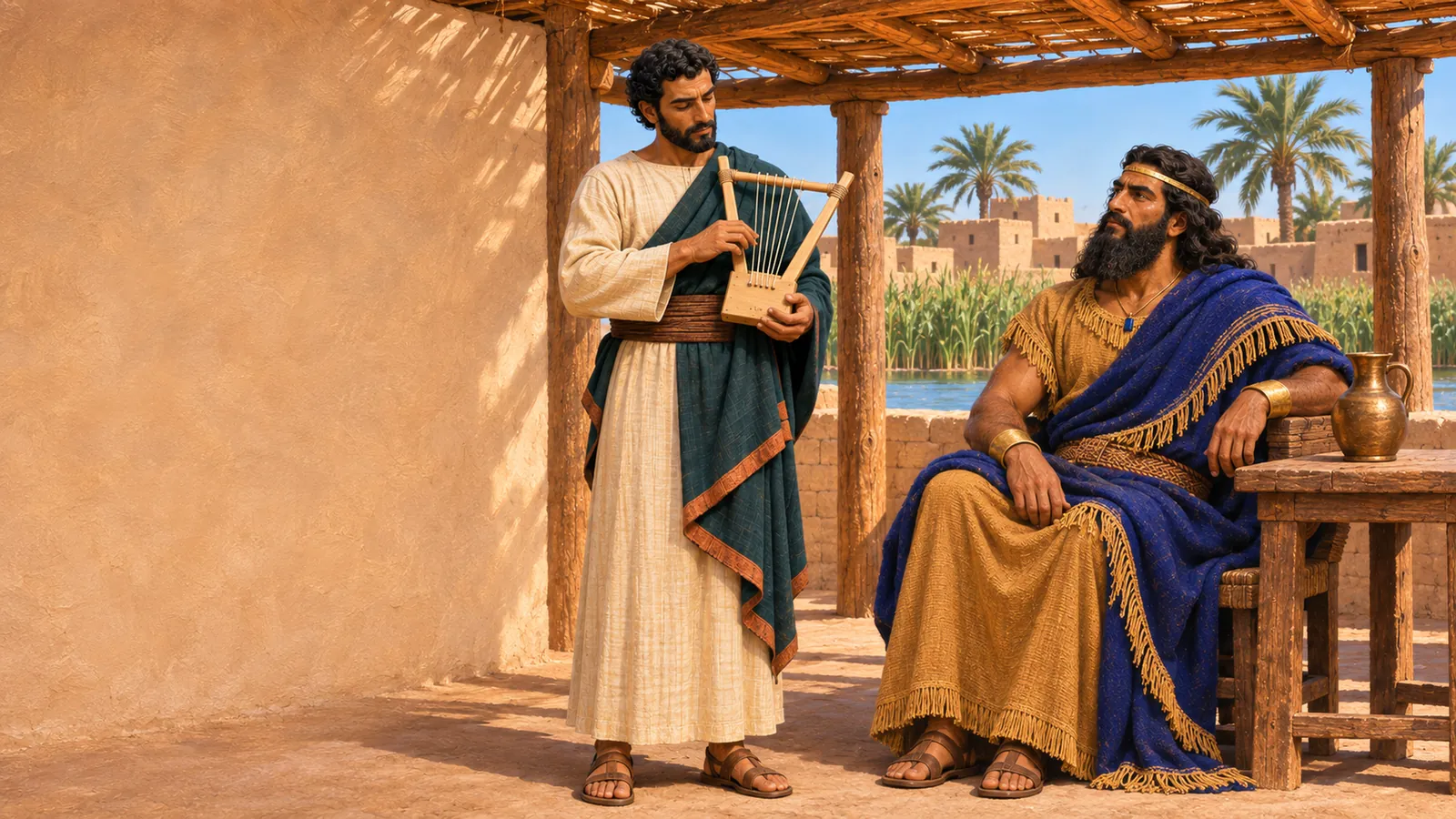
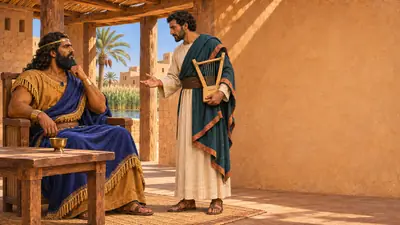
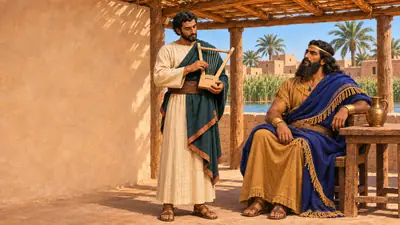
Gilgamesh asks his minstrel to sing and tune his strings. He also asks that his bronze vessel be filled again with beer.
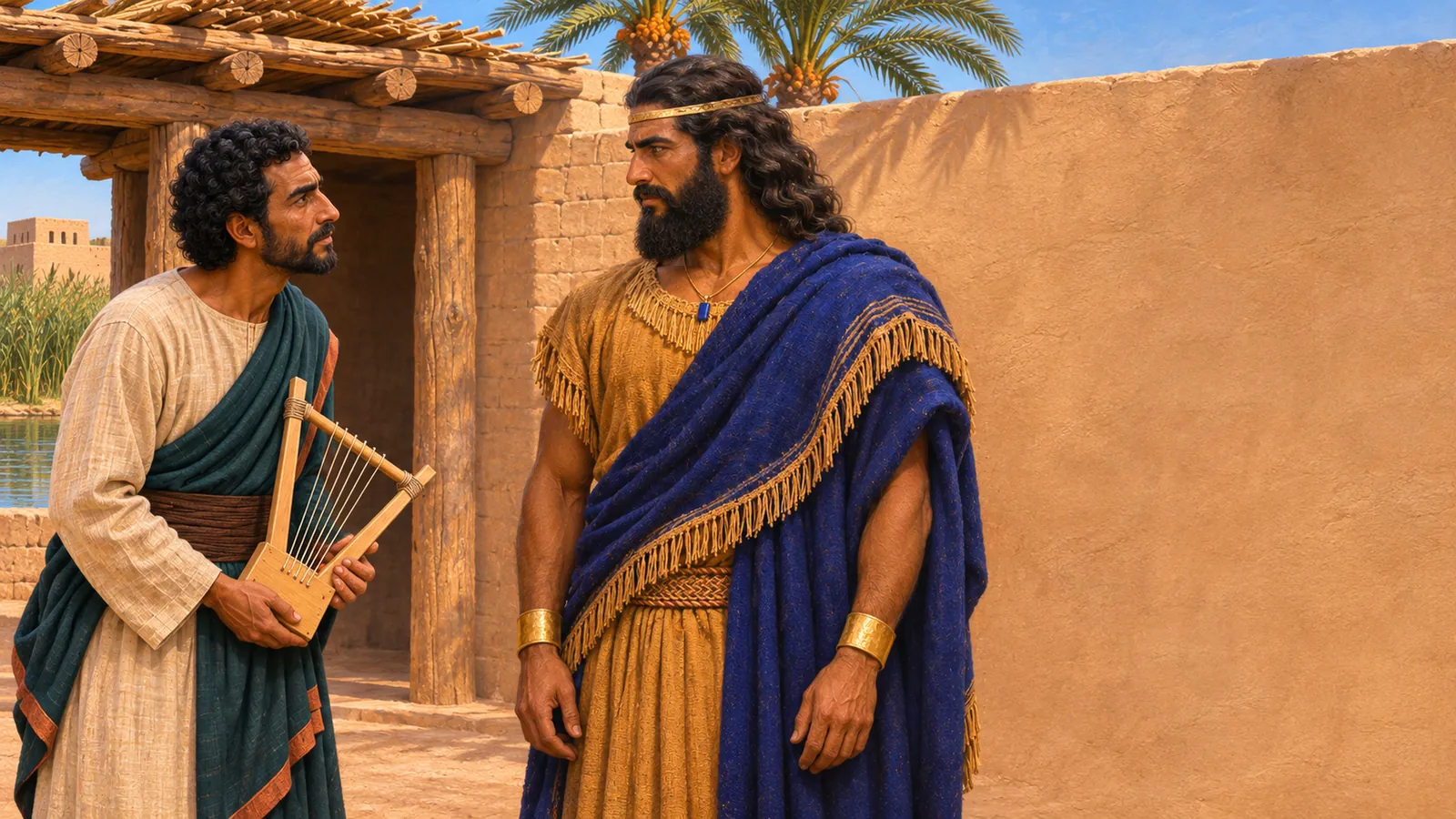
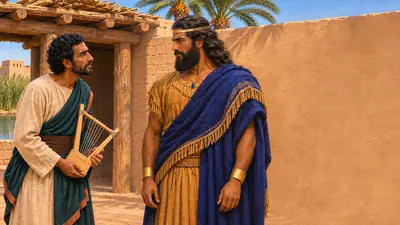
The minstrel’s reply is difficult to read. One version has him asking what concern it is of his, while another reading makes his words a challenge to the king.
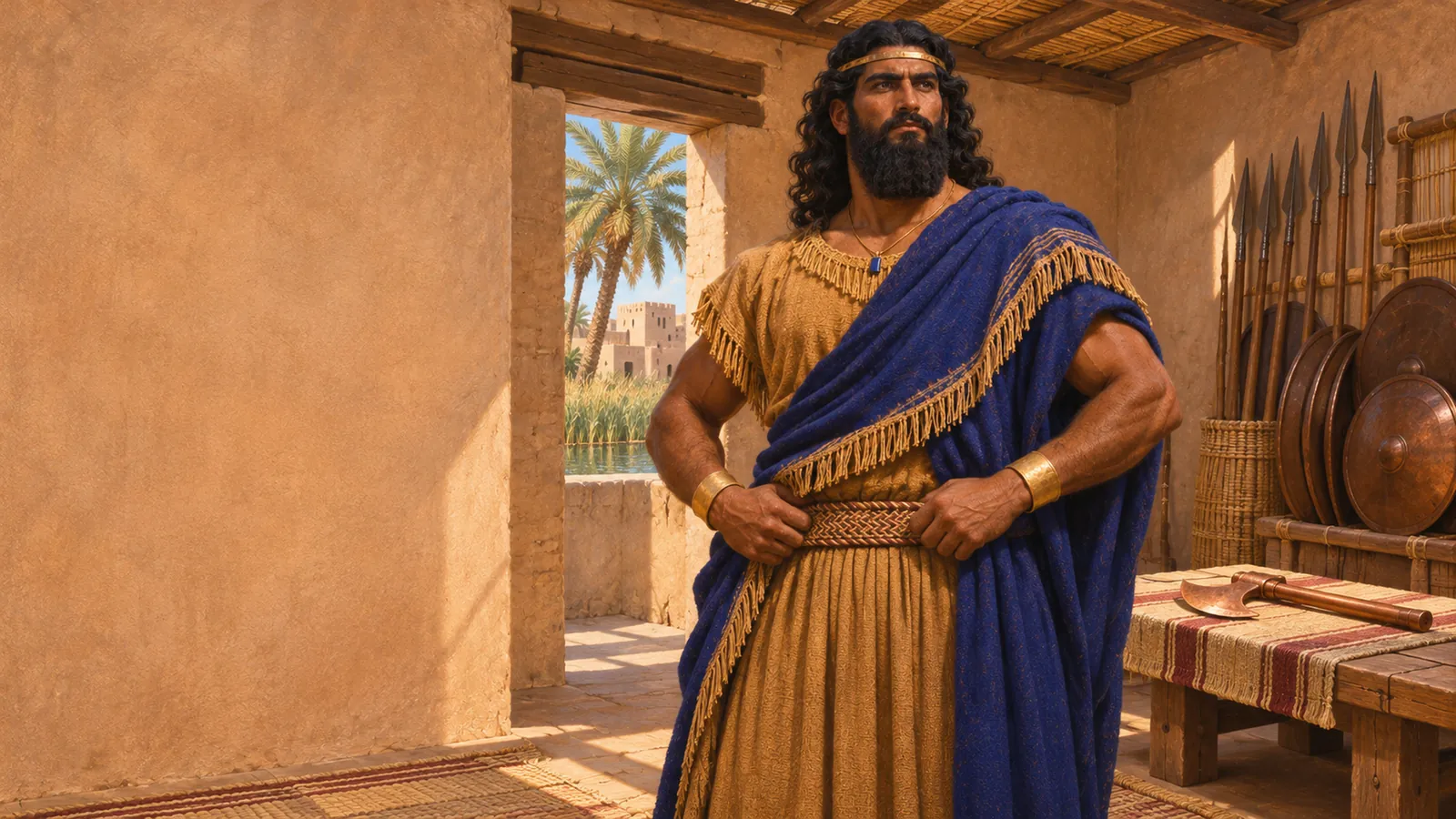
Gilgamesh prepares to meet the bull. The damaged lines name his heavy gear and weapons, and the axe appears in the action that follows.
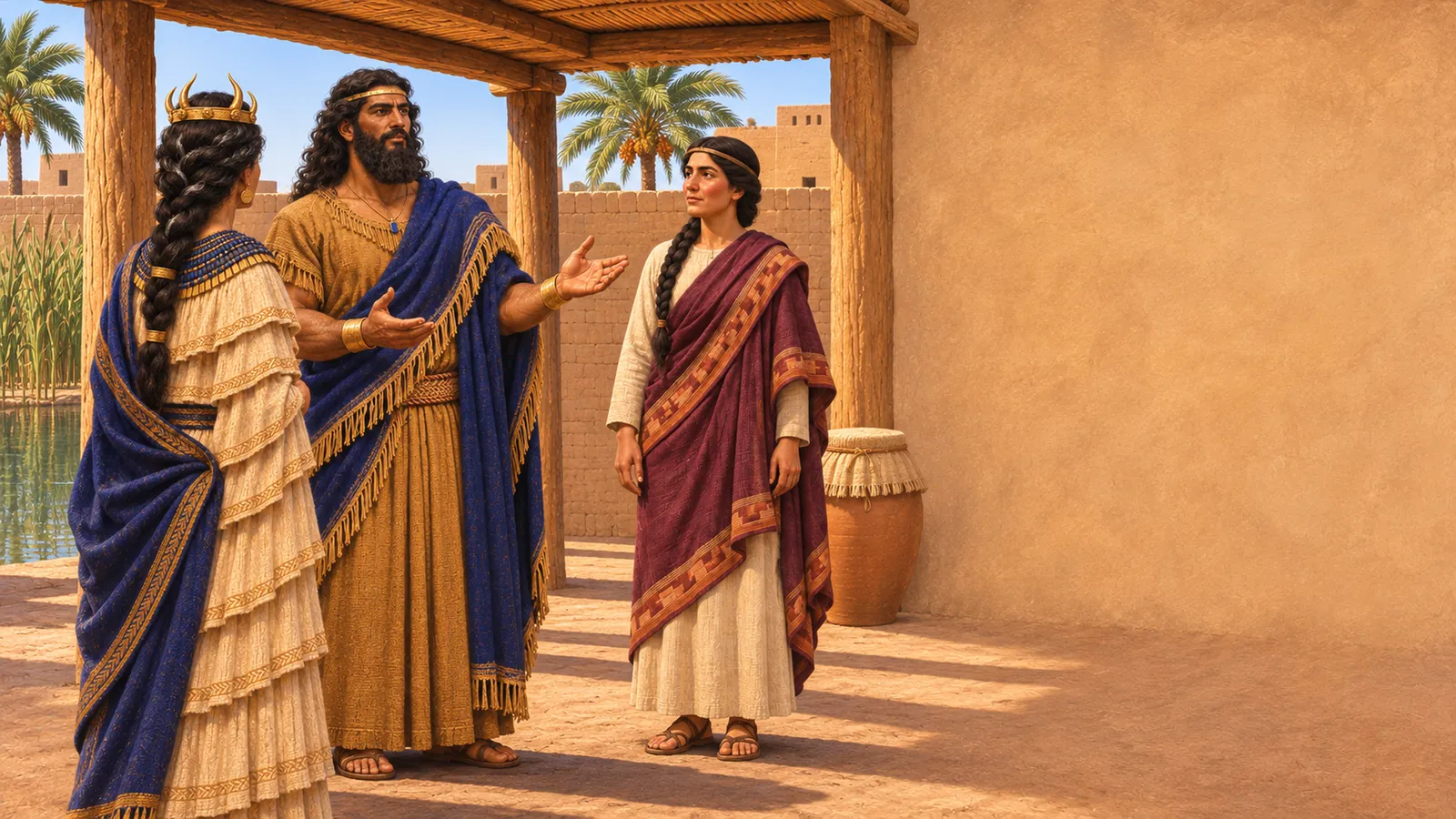
His mother and his younger sister Peštur appear in the next broken passage. In one reconstruction Gilgamesh asks them to make offerings at Enki’s temple.
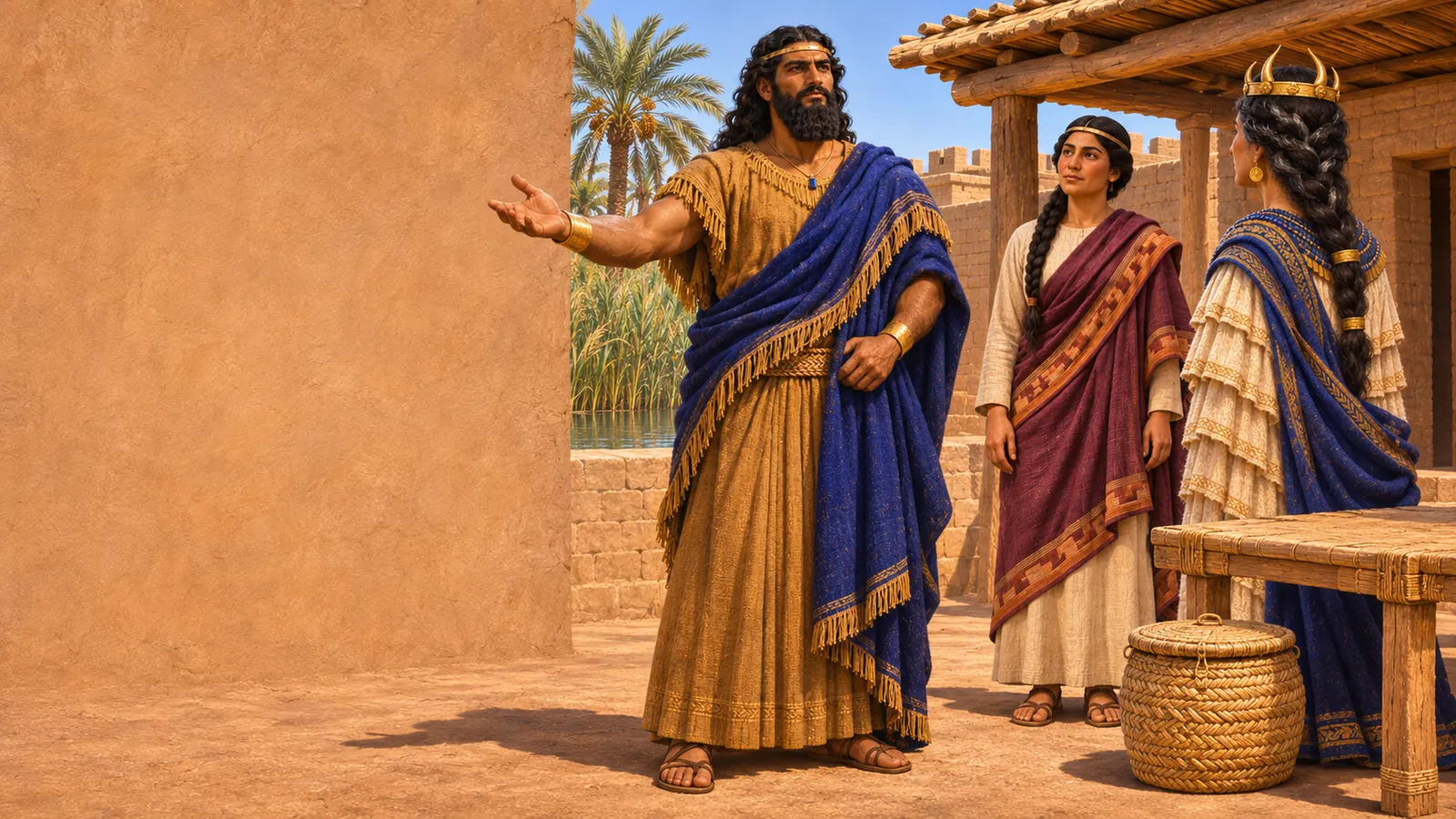
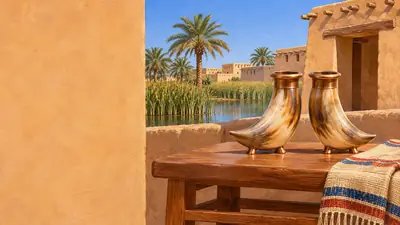
Gilgamesh vows to kill the bull and distribute its meat to the sons of widows. He promises two oil flasks made from its horns for Inanna.
THE WALL
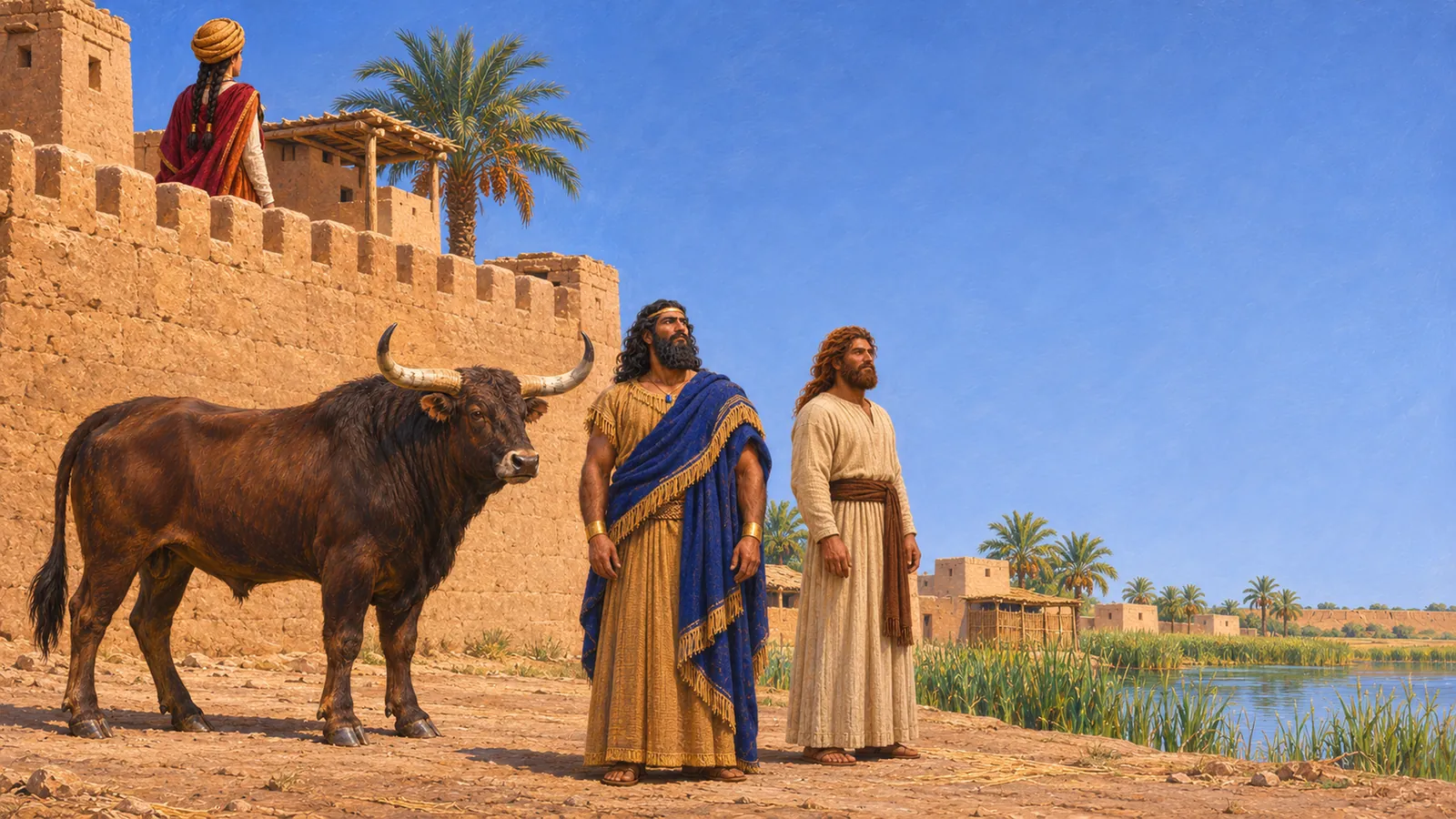
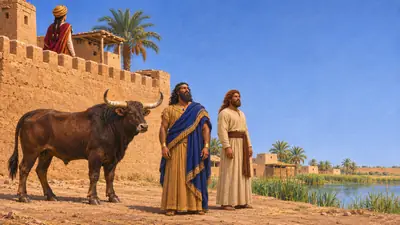
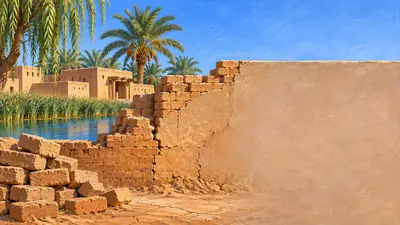
Inanna watches from the rampart as the bull bellows below. Gilgamesh and Enkidu come near the animal in a passage preserved with breaks.
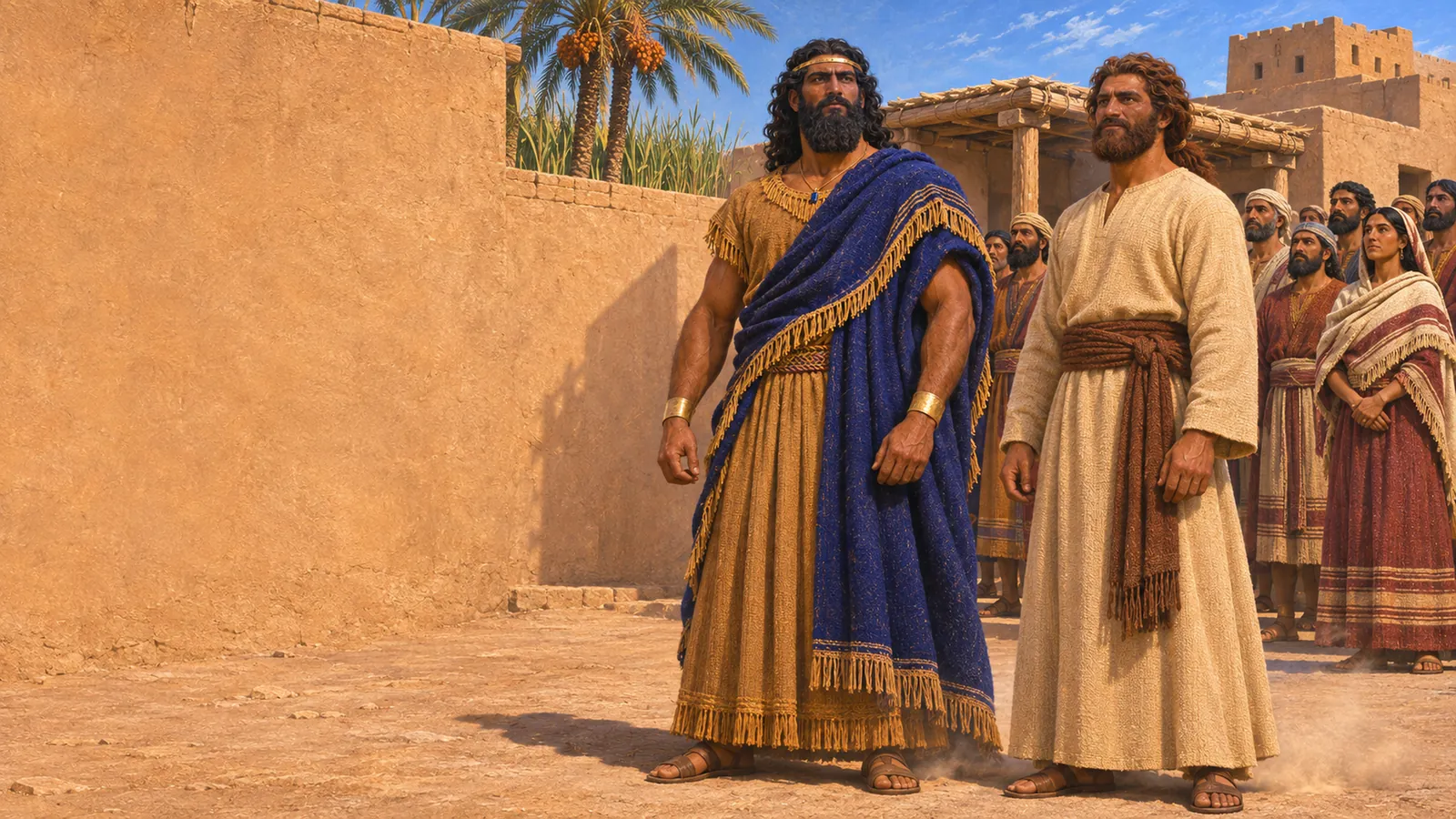
People of Uruk come along and are covered in dust. The poem compares the bull’s movements with those of a calf unused to a yoke.
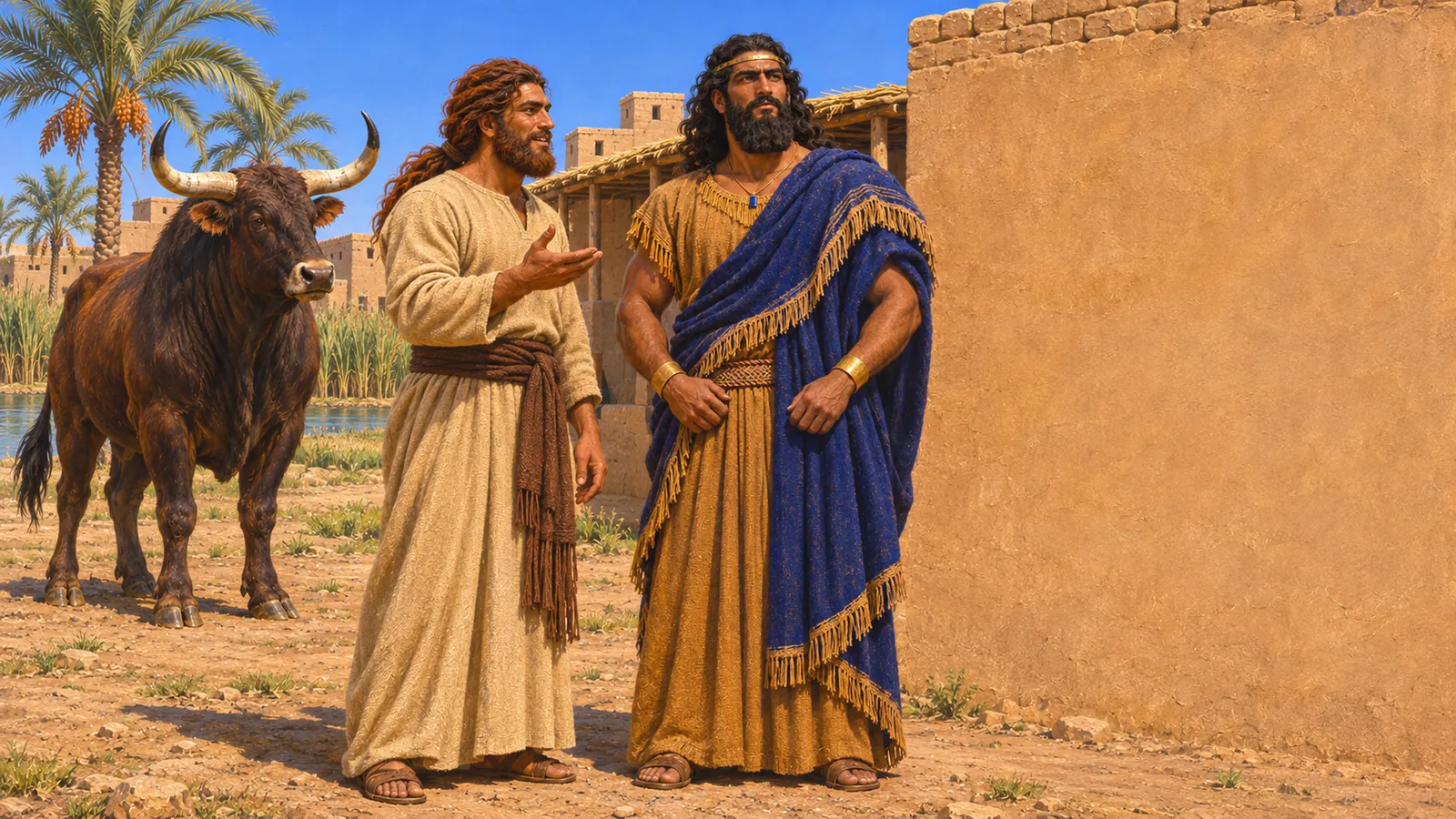
The copies place Enkidu near the bull in different ways. He calls on Gilgamesh to stand firm, praising his noble birth and the care he received as an infant.
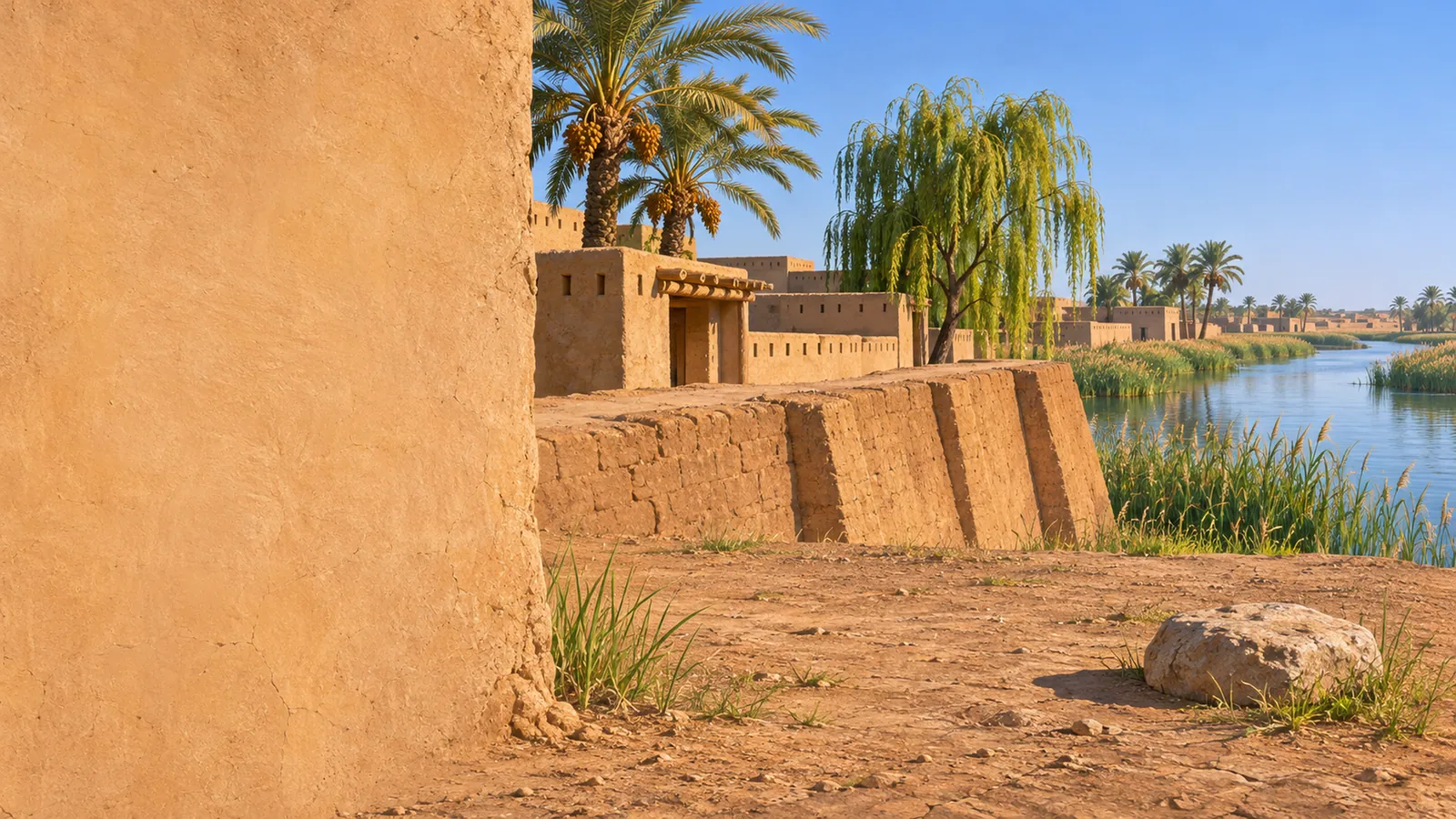
In the Me-Turan ending, Gilgamesh kills the Bull of Heaven with his axe. The animal rears and falls, and the poem compares its fall to a harvested crop.
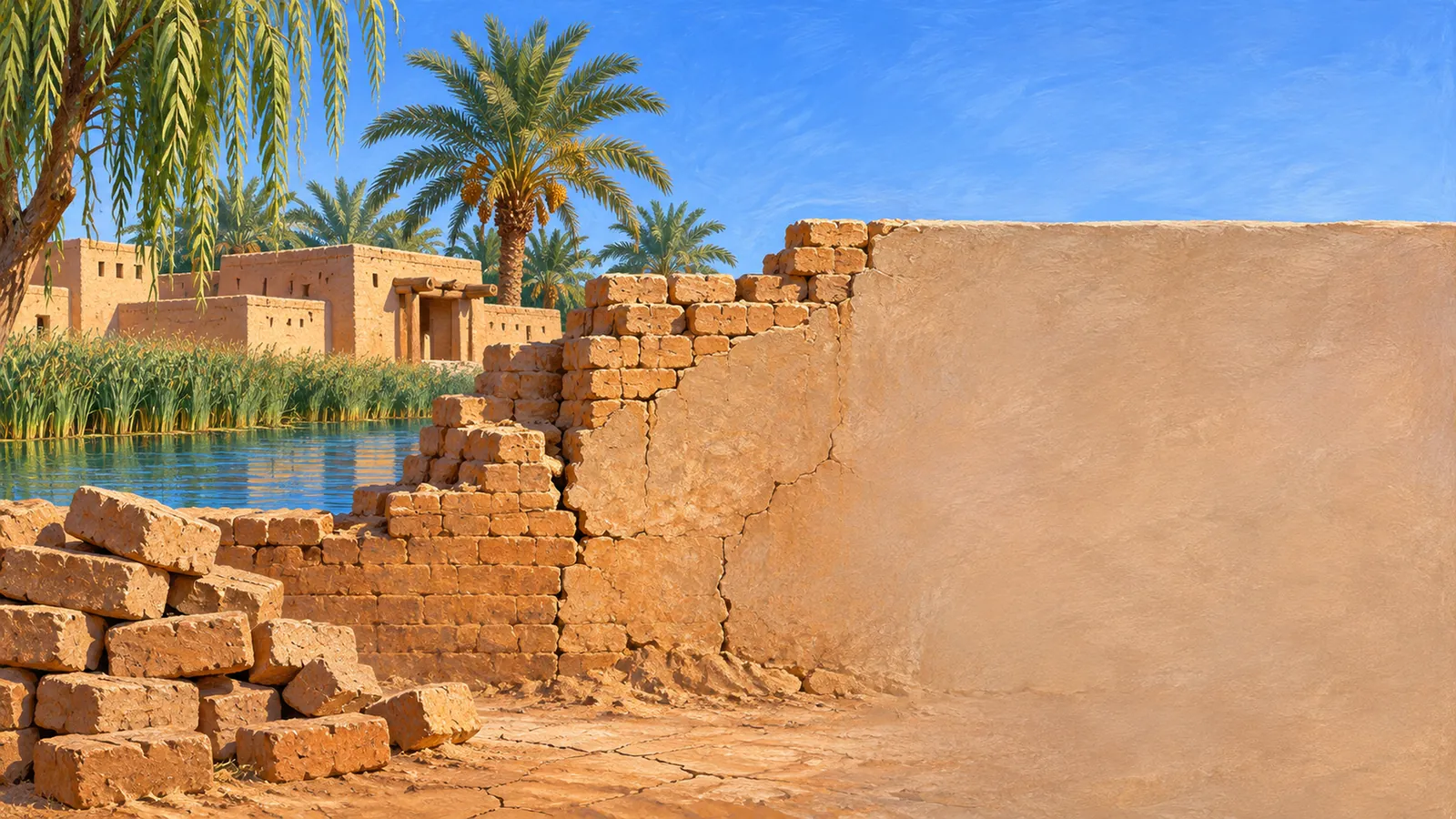
Gilgamesh throws part of the bull’s leg at Inanna, who flees like a pigeon as the rampart comes down.
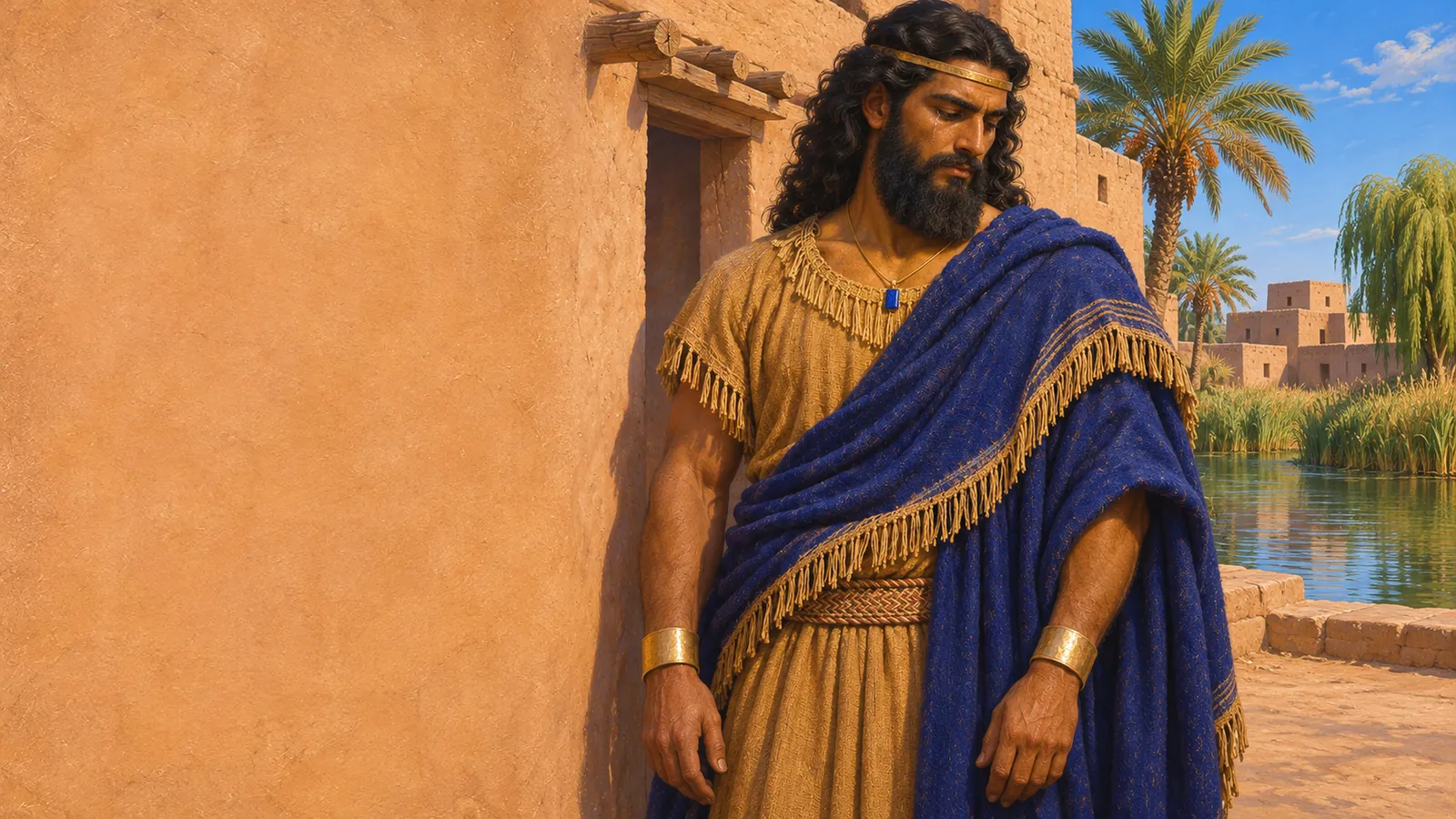
Gilgamesh sheds bitter tears. He speaks of what he could destroy, but the damaged wording leaves the object of his words uncertain.
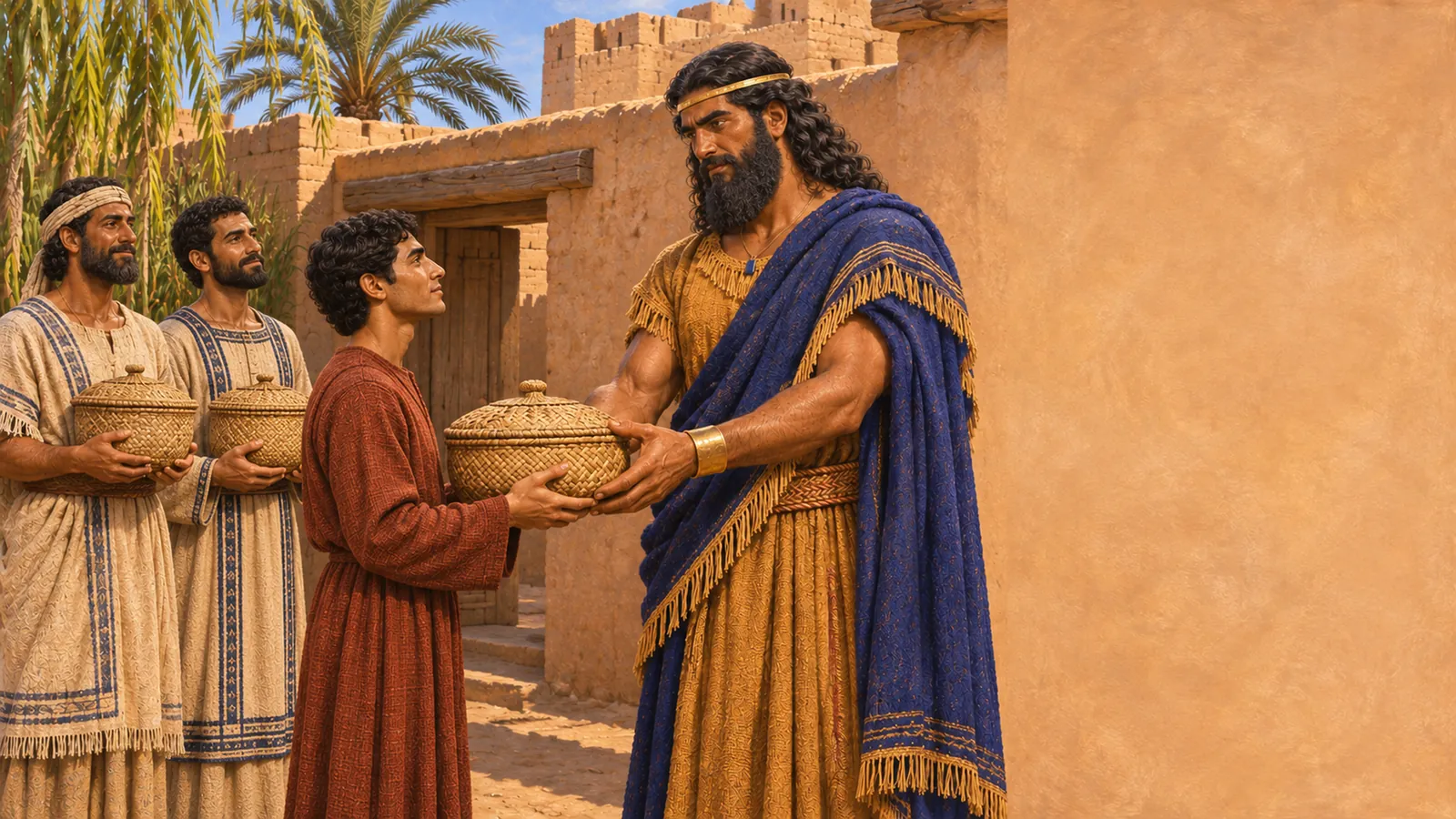
Parts of the remains are left in the streets and square, and the carcass goes to a hide worker. The sons of widows receive their shares in baskets.
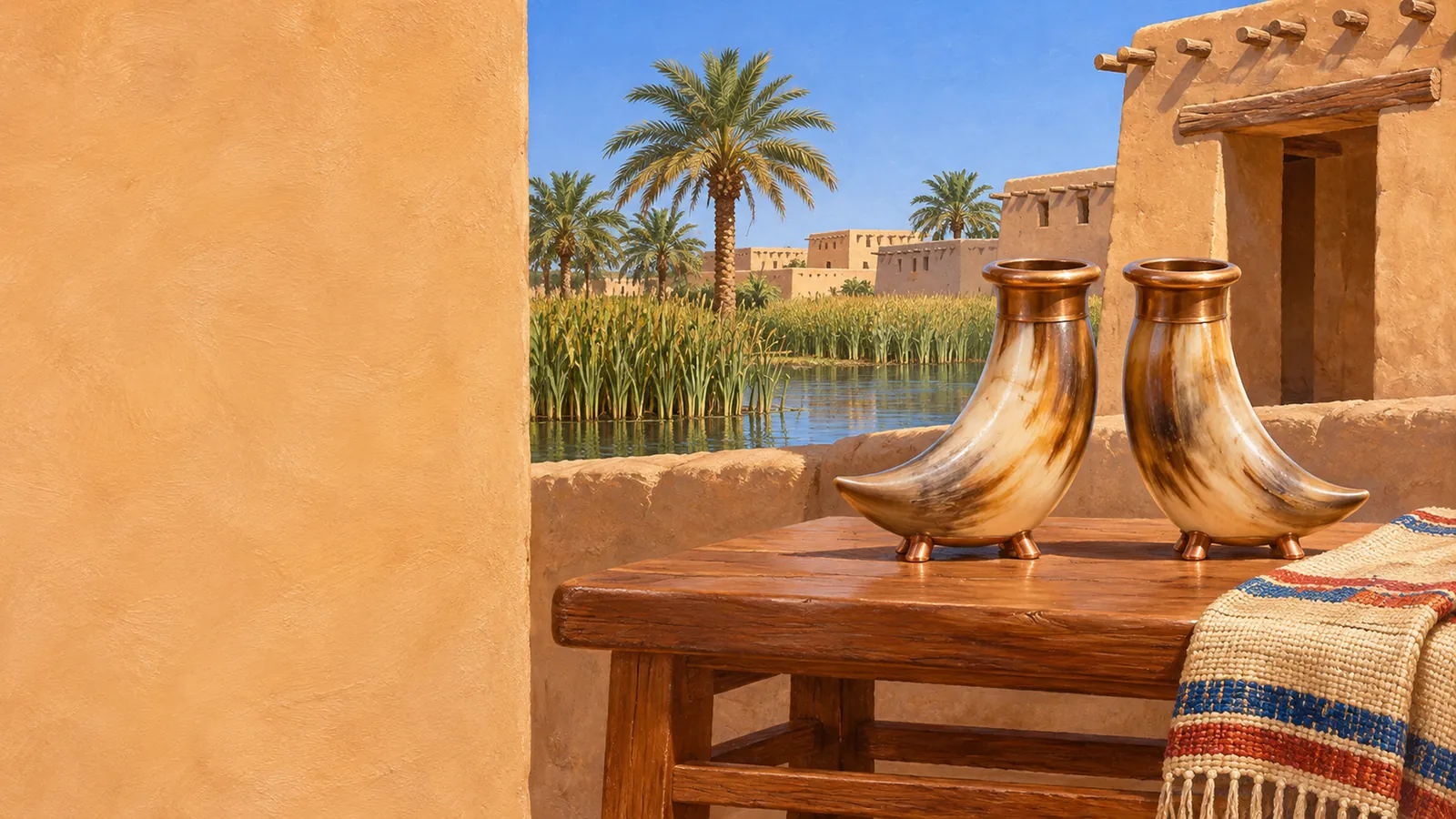
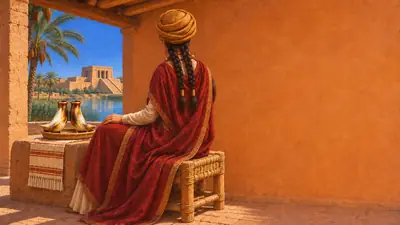
Gilgamesh has the bull’s two horns made into vessels for fine oil. The flasks are for Inanna at Eanna.
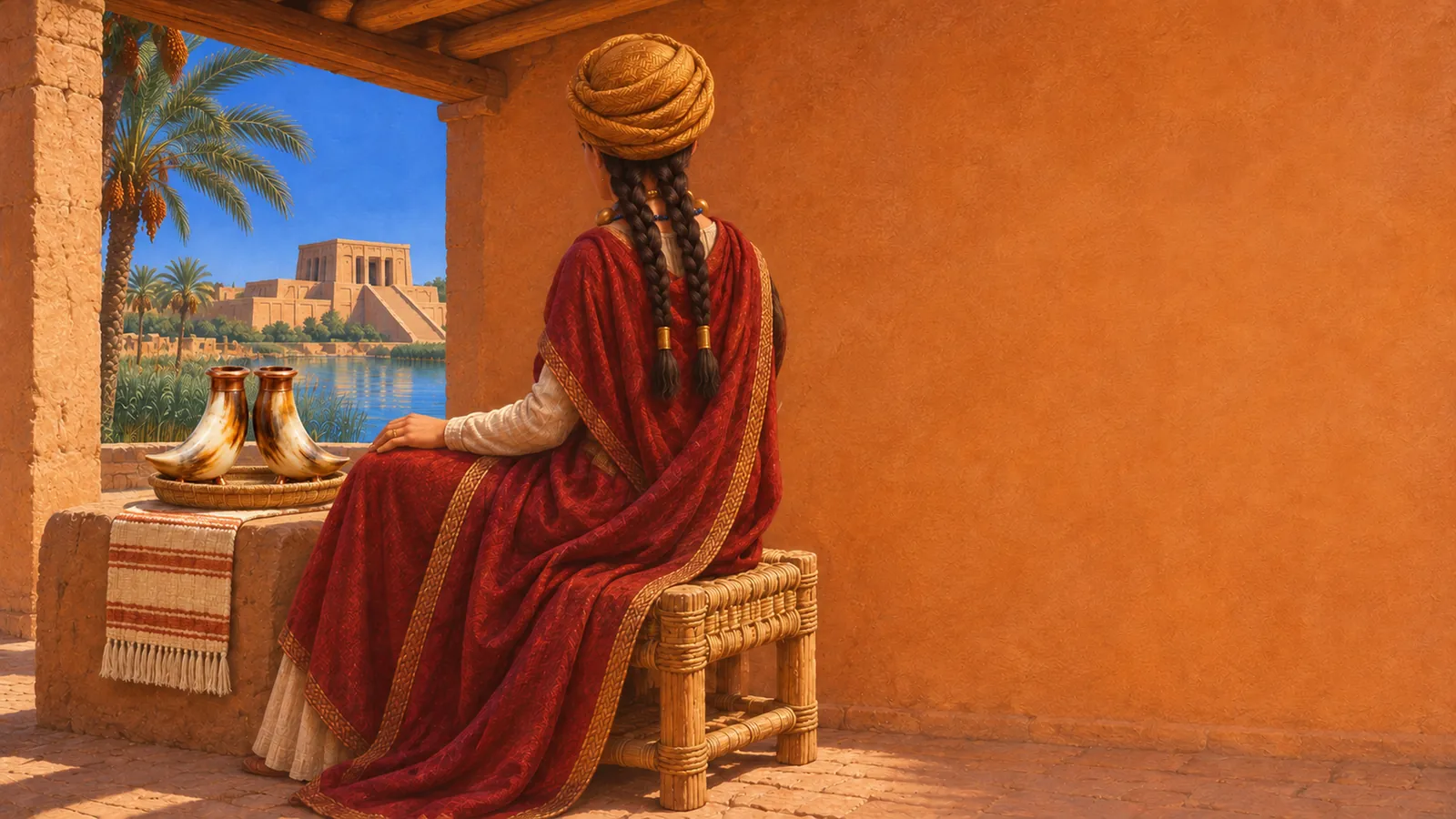
The oil vessels belong to Inanna’s house. The Sumerian singer closes the story of the bull’s death by praising Inanna.
End of chapter 1
All pages
Sources
Read Oxford ETCSL 1.8.1.2 in full across the Berlin/Nippur composite, the separate Me-Turan tradition and the Ur III fragment. Compared Andrew George’s complete 166–175 translation and his later textual studies of the proposal, the tears and the minstrel. This original retelling follows the reconstructed Sumerian arc with explicit gaps and the ending preserved at Me-Turan. The 2020 publication of an opening tablet is recorded in the source receipt with the limits of access.
Editions consulted
- Oxford ETCSL, complete English translation of all Sumerian witnesses
- Oxford ETCSL, Sumerian composite and variants
- Andrew George, The Epic of Gilgamesh, complete Sumerian Bull of Heaven, pp. 166–175
- Andrew George, Cuneiform Texts, Collations and Textual Reconstruction
- Andrew George, How women weep?
- Klein and Sefati, publisher description of the 2020 edition
Ancient lines behind each page
- Page 1: Sumerian Bull of Heaven, Me-Turan A 1–7 and Berlin/Nippur A 1–6
This edition uses a consistent reader-facing spelling. - Page 2: Sumerian Bull of Heaven, Berlin/Nippur A 2–6 and Me-Turan A 1–7
- Page 3: Sumerian Bull of Heaven, Me-Turan A 7–18, George pp.169–170
Me-Turan and Ur III Nippur preserve damaged opening parallels. - Page 4: Sumerian Bull of Heaven, Me-Turan A 7–18, George pp.169–170
The river washing is qualified as a reading of the broken passage. - Page 5: Sumerian Bull of Heaven, Me-Turan A 8–12 and Ur III Nippur A 9–13
The precise act and sequence are uncertain. - Page 6: Sumerian Bull of Heaven, Me-Turan A 10–16 and Ur III Nippur A 1–15
The object touched by the oar and some of the reed similes are damaged. - Page 7: Sumerian Bull of Heaven, Berlin/Nippur B 3–6 and Me-Turan A 19–21
The object of Inanna’s gaze is uncertain. The Oxford translation reads canopy, while George discusses other interpretations. - Page 8: Sumerian Bull of Heaven, Berlin/Nippur B 7–12 and Me-Turan A 22–27
- Page 9: Sumerian Bull of Heaven, Berlin/Nippur B 7–12 and Me-Turan A 22–27
Eanna and the Gipar are named in the ancient speech, which refers to giving judgments and pronouncing verdicts. - Page 10: Sumerian Bull of Heaven, Me-Turan A 22–27, George reconstructed lines 33–38
The last line is supplemented across the witnesses in George’s later reconstruction. - Page 11: Sumerian Bull of Heaven, Me-Turan A 28–33
The Me-Turan witness gives Gilgamesh’s report to Ninsun. The Berlin manuscript compresses the repeated proposal and report. - Page 12: Sumerian Bull of Heaven, Me-Turan A 34–39, George reconstructed lines 45–50
- Page 13: Sumerian Bull of Heaven, Me-Turan A 40–41 and George reconstructed lines 51–54
The mother’s answer is very damaged in Me-Turan. The warning about the gifts and the king’s strength is reconstructed using the other witnesses. - Page 14: Sumerian Bull of Heaven, Berlin/Nippur B 13–18 and George reconstructed lines 55–58
George finds traces of the earlier gift warning in the Ur III fragment. - Page 15: Sumerian Bull of Heaven, Berlin/Nippur B 15–18
The verbs for obtaining animals and the receiving container for silver and carnelian are uncertain. - Page 16: Sumerian Bull of Heaven, Berlin/Nippur B 19–30, damaged
Inanna’s audible response survives, then a gap. - Page 17: Sumerian Bull of Heaven, George pp.171 and How women weep, lines 1–4; compare Berlin/Nippur B 31–41
Follow George’s tablet collation for weeping and sobbing. The Oxford reading of the disputed phrases has a warning about muddy waters and dung. - Page 18: Sumerian Bull of Heaven, George How women weep, lines 5–8
- Page 19: Sumerian Bull of Heaven, Berlin/Nippur B 42–45 and George pp.171
- Page 20: Sumerian Bull of Heaven, Berlin/Nippur B 46–49
His first refusal stands in both main readings. - Page 21: Sumerian Bull of Heaven, Berlin/Nippur B 46–51
- Page 22: Sumerian Bull of Heaven, Berlin/Nippur B 50–51
- Page 23: Sumerian Bull of Heaven, Berlin/Nippur B 52–54 variant
One witness says An was frightened. - Page 24: Sumerian Bull of Heaven, Berlin/Nippur B 52–54
- Page 25: Sumerian Bull of Heaven, Berlin/Nippur B 55–56
The simile of a cattle driver follows George’s rendering of the manner of grasping. - Page 26: Sumerian Bull of Heaven, Berlin/Nippur B 55–57
- Page 27: Sumerian Bull of Heaven, Berlin/Nippur B 57–61
- Page 28: Sumerian Bull of Heaven, Berlin/Nippur B 57–59 and George later lines 123–125
George names the Angilu or Engilua canal. The literary distance has been rendered league or mile in different editions. - Page 29: Sumerian Bull of Heaven, Berlin/Nippur B 59–61
- Page 30: Sumerian Bull of Heaven, Berlin/Nippur B 62–63
- Page 31: Sumerian Bull of Heaven, George reconstructed lines 115–119, Berlin/Nippur B 64–67
George reconstructs the house, the minstrel’s sickness and his sight of the bull from overlapping manuscripts. Spelling variants for his name include Lugal-gabaĝal and Lugal-gabaĝar. - Page 32: Sumerian Bull of Heaven, George reconstructed lines 120–129 and Berlin/Nippur B 68–83
- Page 33: Sumerian Bull of Heaven, Me-Turan D 5–7 and George reconstructed line 131
- Page 34: Sumerian Bull of Heaven, Me-Turan D 8–9 and George pp.172–173
George reads a reproach and a broken reply in which the king rejects the prospect of fear. - Page 35: Sumerian Bull of Heaven, Me-Turan D 10–15
Damaged or hyperbolic weights vary by witness and are omitted from the retelling. - Page 36: Sumerian Bull of Heaven, Me-Turan D 16–23 and George pp.173
The source does not show the request being carried out. - Page 37: Sumerian Bull of Heaven, Me-Turan D 24–32 and Berlin/Nippur B 76–83
- Page 38: Sumerian Bull of Heaven, Berlin/Nippur B 84–90 and Me-Turan D 33–38
Inanna on the rampart and the bellowing bull are preserved in the Berlin/Nippur composite. The companions’ exact positions near the bull differ by tablet. - Page 39: Sumerian Bull of Heaven, Berlin/Nippur B 86–90 and Me-Turan D 35–38
- Page 40: Sumerian Bull of Heaven, Berlin/Nippur B 91–103 and Me-Turan D 39–44
Some witnesses place Enkidu behind the bull or speak of taking its tail. Me-Turan places him by the head in a damaged line. The encouragement praises birth and nursing while other words are lost. - Page 41: Sumerian Bull of Heaven, Me-Turan D 45–48
Me-Turan preserves the axe blow to the skull and the animal’s actual fall. - Page 42: Sumerian Bull of Heaven, Me-Turan D 49–51
- Page 43: Sumerian Bull of Heaven, Me-Turan D 51–52
The target of his last threat is uncertain in the surviving wording, and the poem gives no explanation for his tears. - Page 44: Sumerian Bull of Heaven, Me-Turan D 53–57
- Page 45: Sumerian Bull of Heaven, Me-Turan D 58–59
On George’s reading, Inanna pours oil from them at Eanna. - Page 46: Sumerian Bull of Heaven, Me-Turan D 58–59 and closing praise
The poem explicitly closes by praising Inanna after the bull’s death.
Illustrations made with AI tools by IL Archive; the text is based on the ancient sources (see the sources at the end of each chapter).