Gilgamesh, Enkidu and the Netherworld Chapter 1
The Tree at Uruk
A south wind uproots a tree by the Euphrates. Inanna brings it to Uruk and asks for help when three beings make it their home. Gilgamesh gives Inanna wood for a chair and a bed and makes two objects for a game. The objects fall into the netherworld.
SourcesTurn the pages with the arrows, the arrow keys or a swipe.

THE TREE AT URUK
The tale goes back to those far-off days, to those far-off nights, to those far-off years.
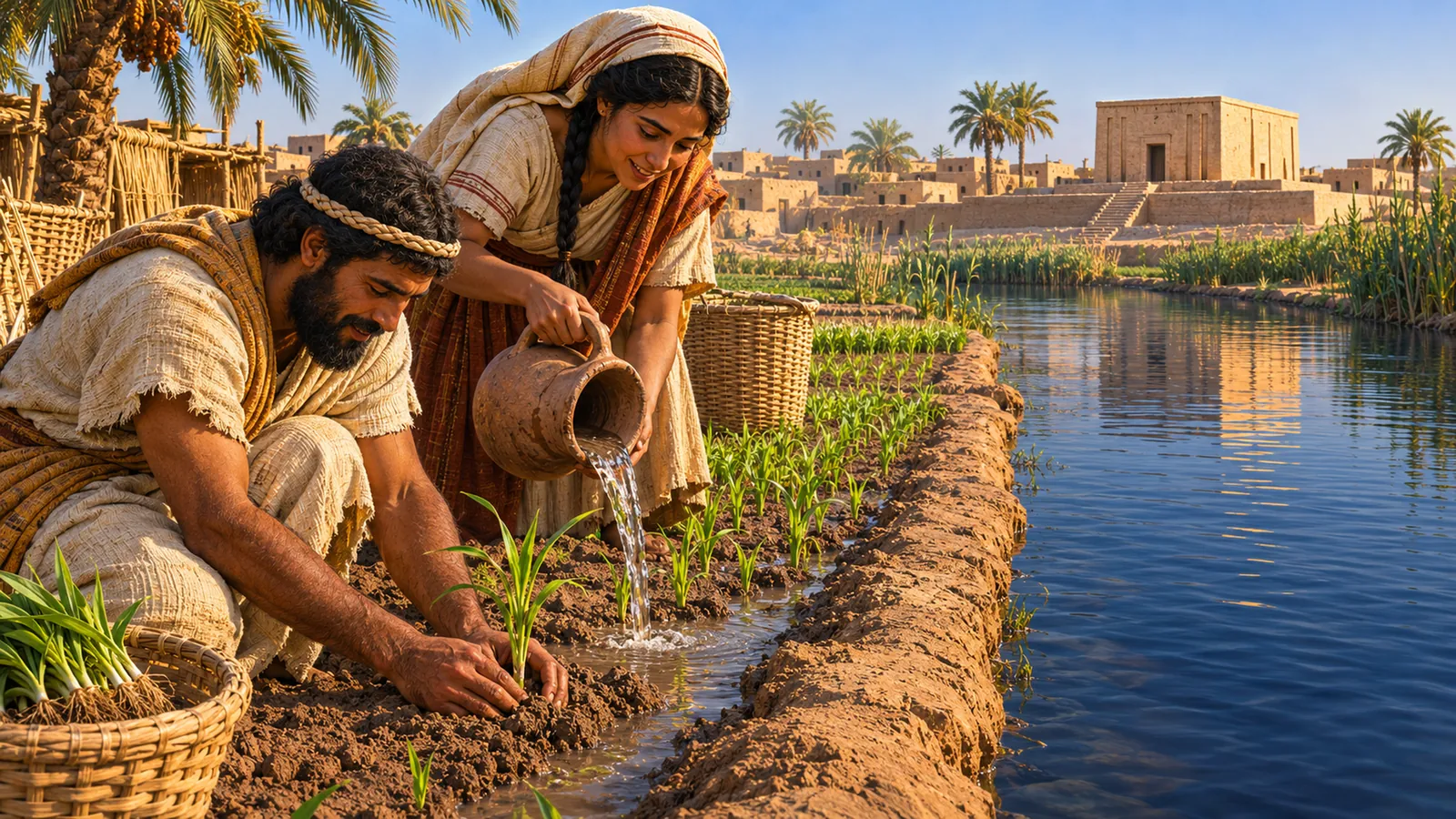
In those days, the things that were needed first came into being, and they were cared for as they should be.
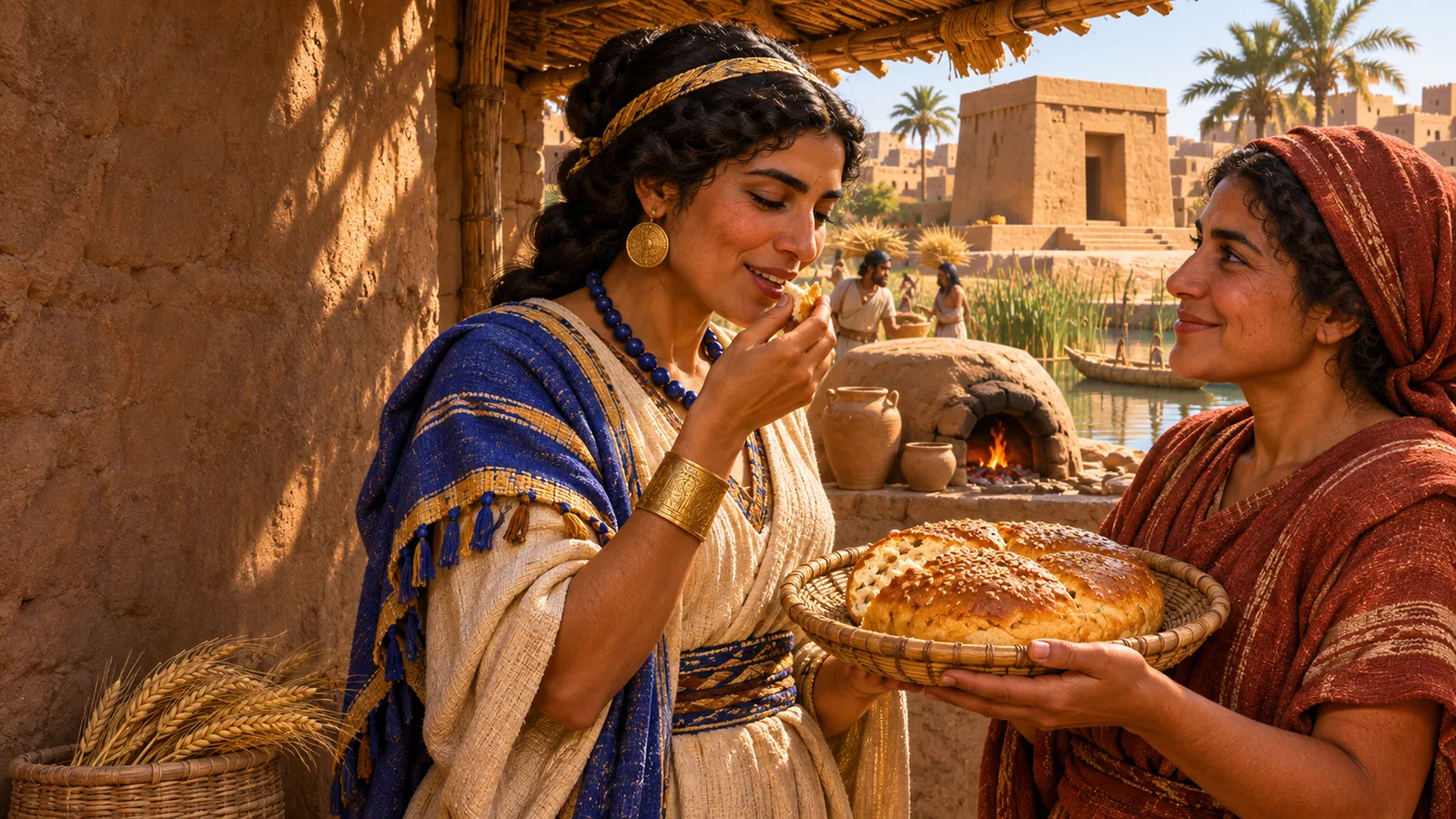
Bread was tasted in the shrines of the Land for the first time, the poem says.
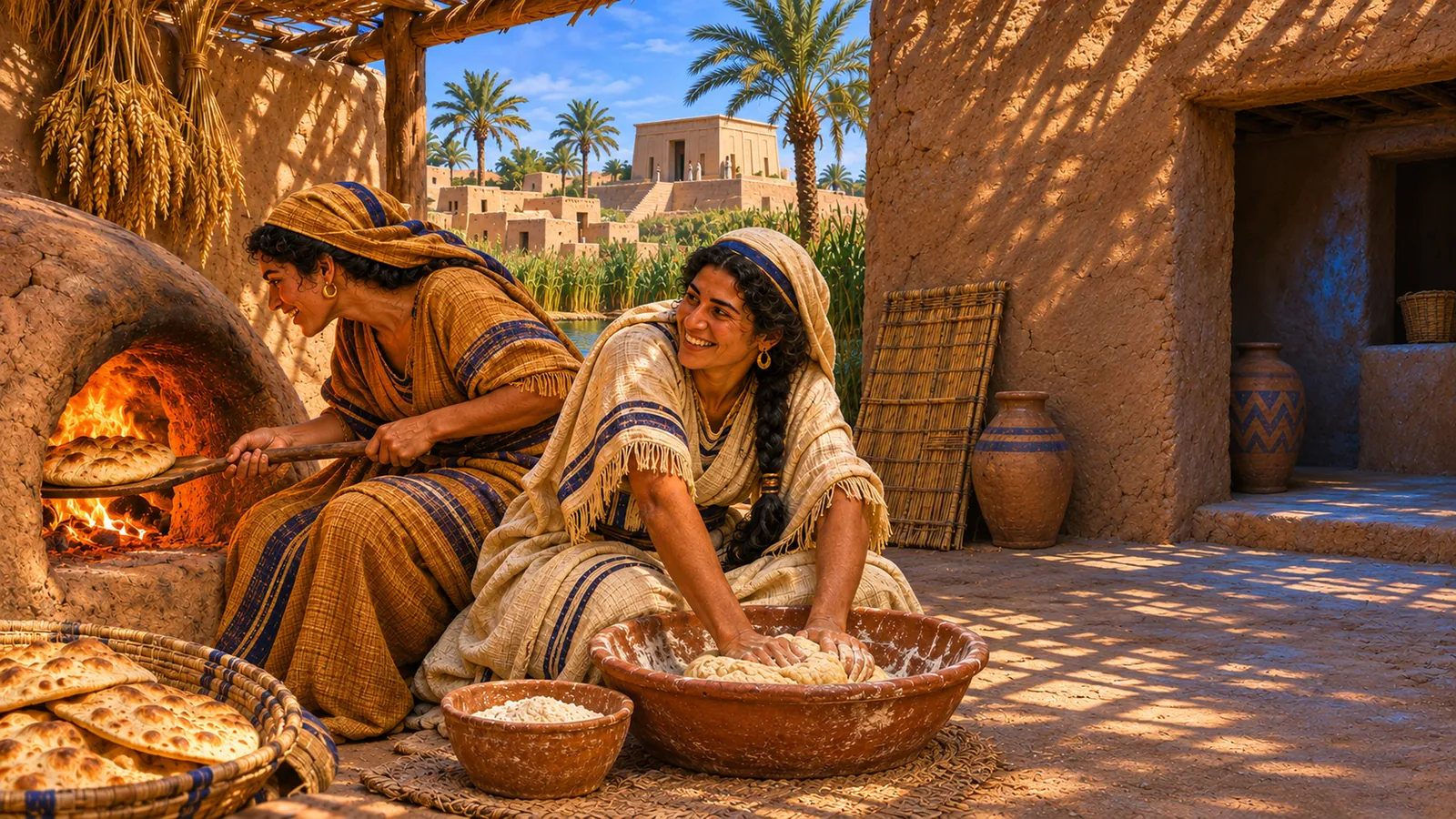
In those distant years, the ovens of the Land were set to work, as the poem remembers it.

The heavens were separated from the earth, and the earth was set apart from the heavens. The renown of humankind was established.
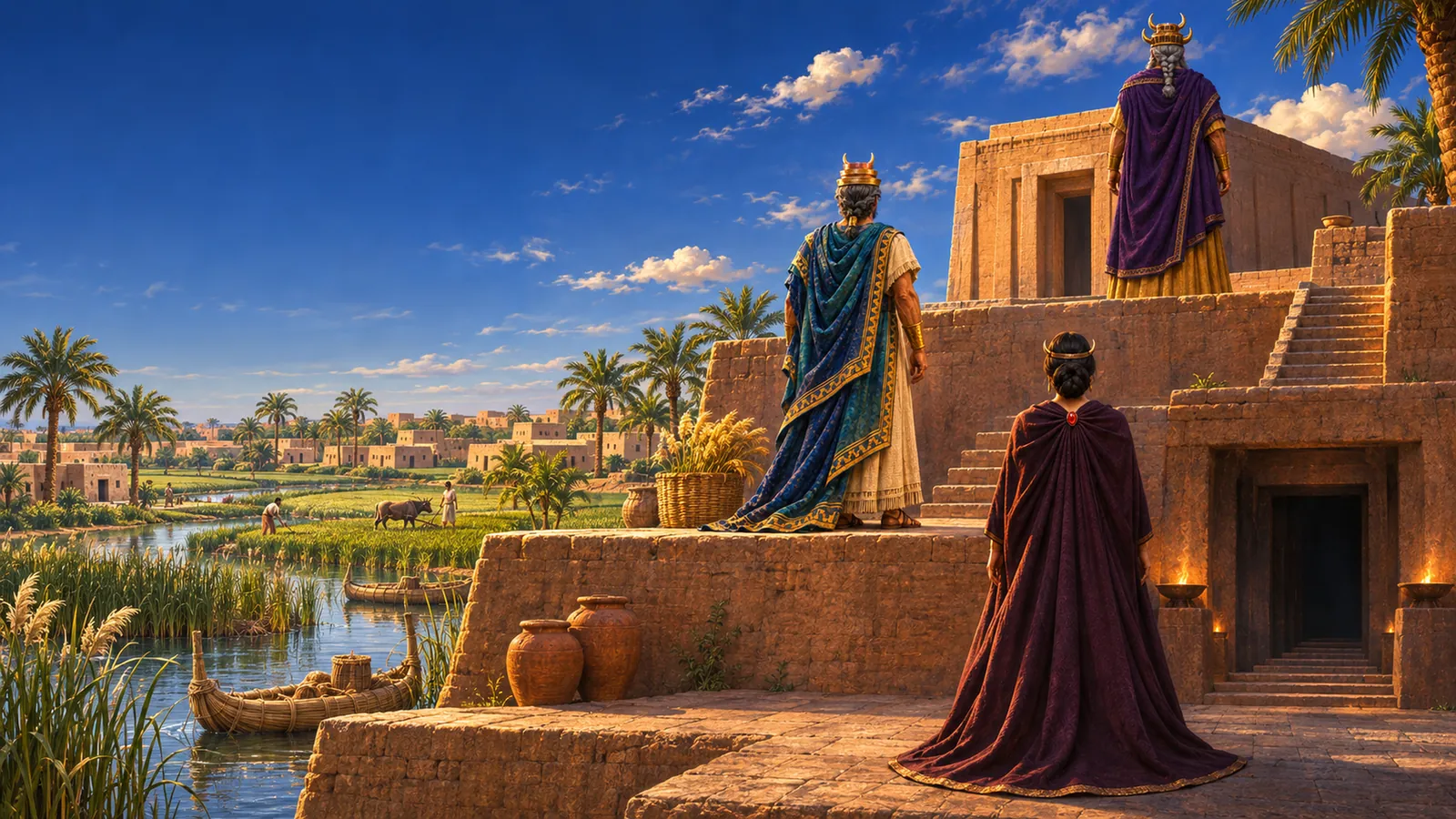
An took the heavens for himself, Enlil took the earth, and Ereshkigal received the netherworld as a gift.

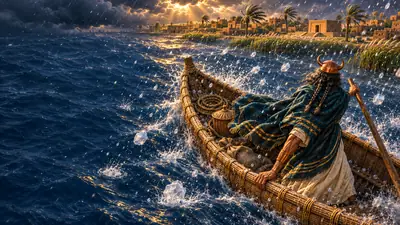
The father set sail for the netherworld. The poem names him as Enki as he sets out.

A storm of small and large hailstones rose against Enki. The poem compares the smaller ones to light hammers and the larger ones perhaps to stones from a catapult.

The keel of Enki’s little boat trembled in the storm, as if turtles were pushing against it.

The waves rose at the bow like wolves about to devour him, and struck at the stern like a lion.

THE HALUB TREE
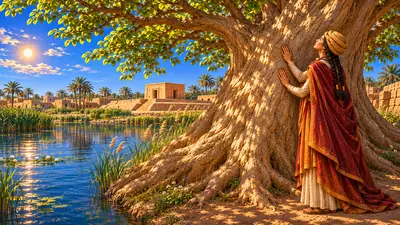
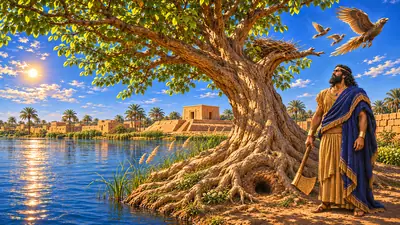
A single halub tree grew on the bank of the pure Euphrates, where it was watered by the river.

From the south came a wind so strong that it tore the halub tree from the bank of the Euphrates.

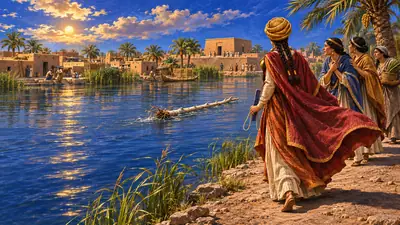
The south wind stripped away the branches. The Euphrates picked up the uprooted tree and carried it away.
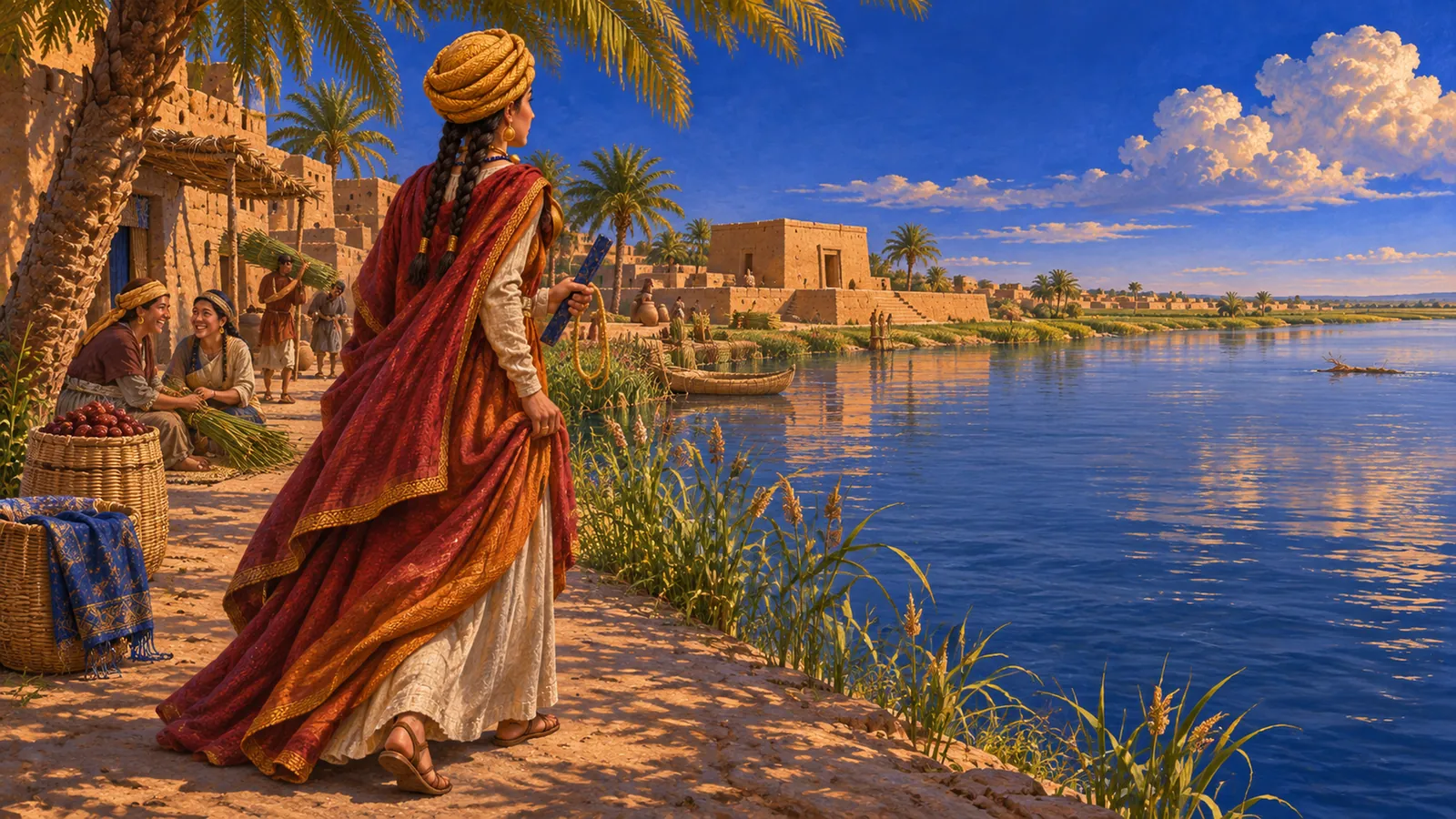
A woman was walking along, a woman who heeded the words of An and the words of Enlil.
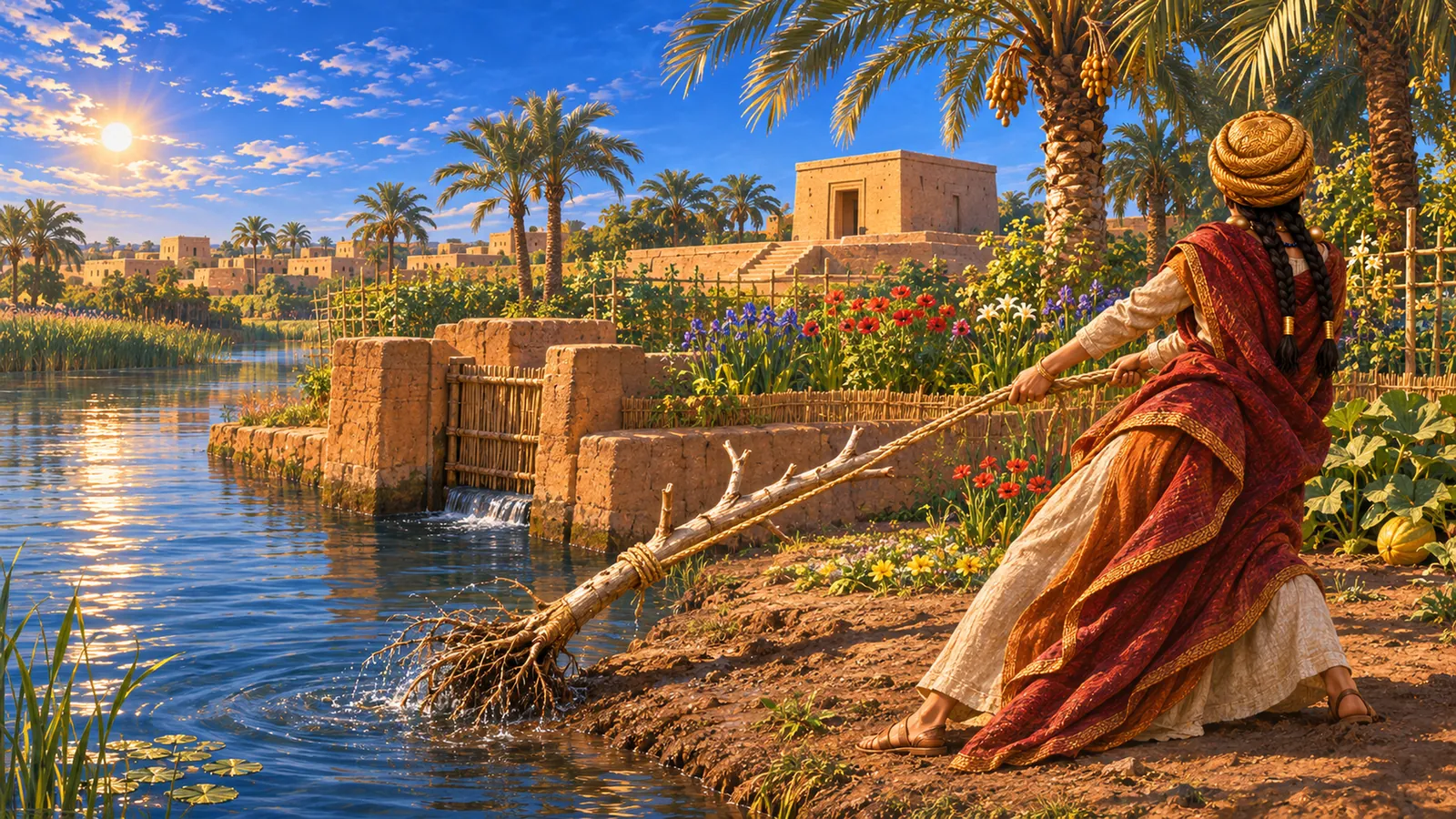
She took the tree into the city of Uruk and brought it into Inanna’s luxuriant garden.
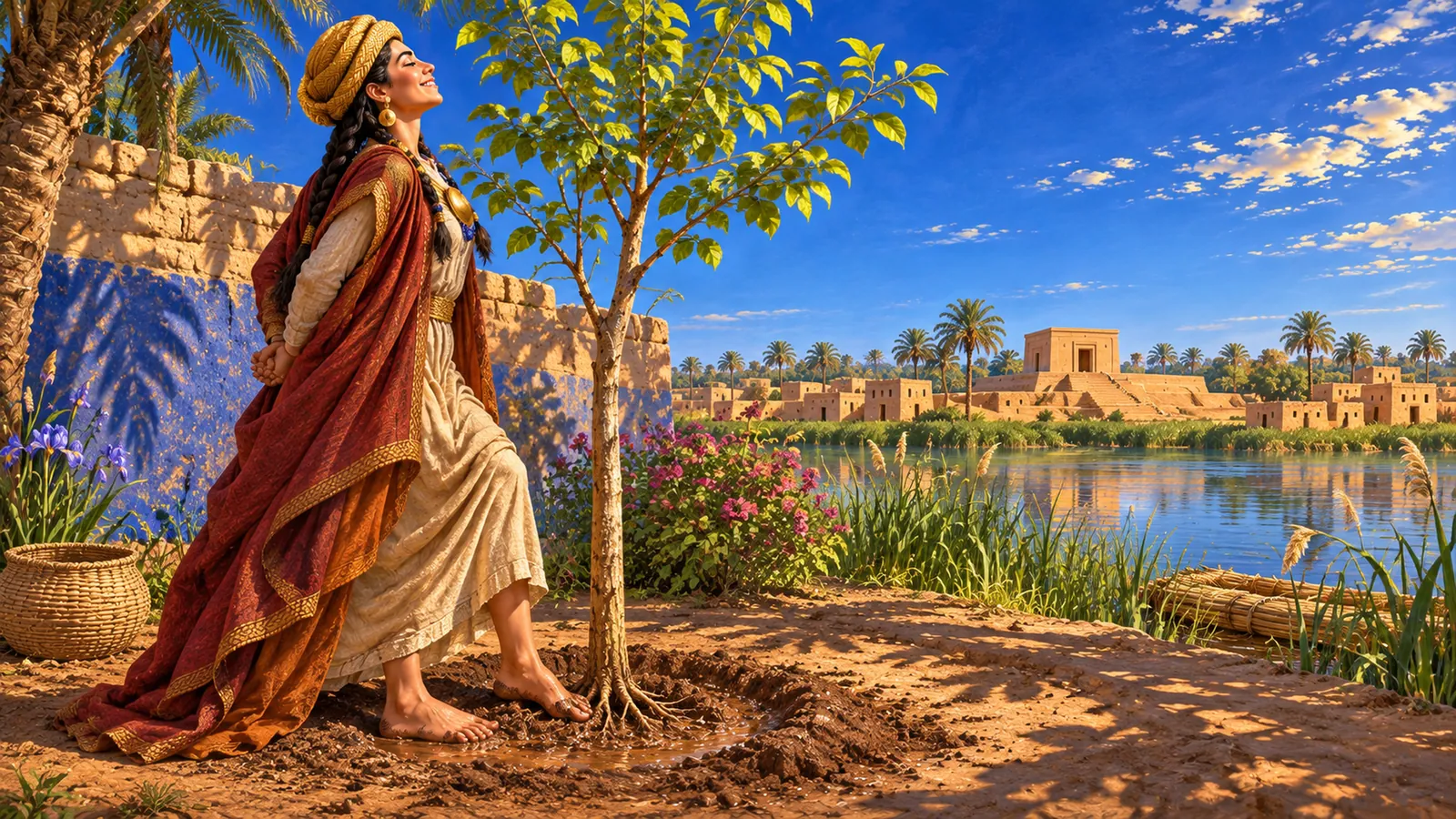
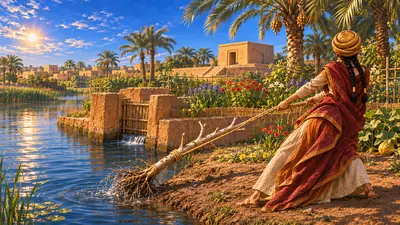
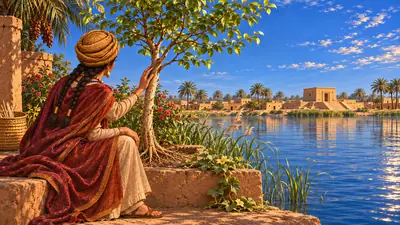
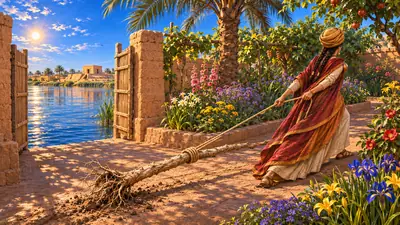
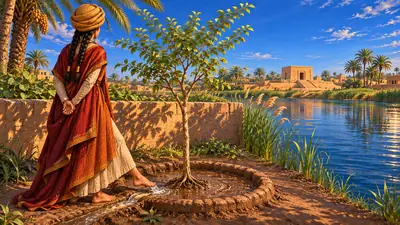
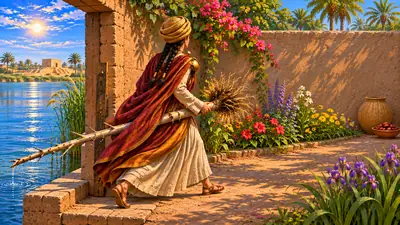
The woman set the halub tree in the earth of the garden. The poem says she planted it using only her feet.

The woman also watered the halub tree in the garden. She did this using only her feet.
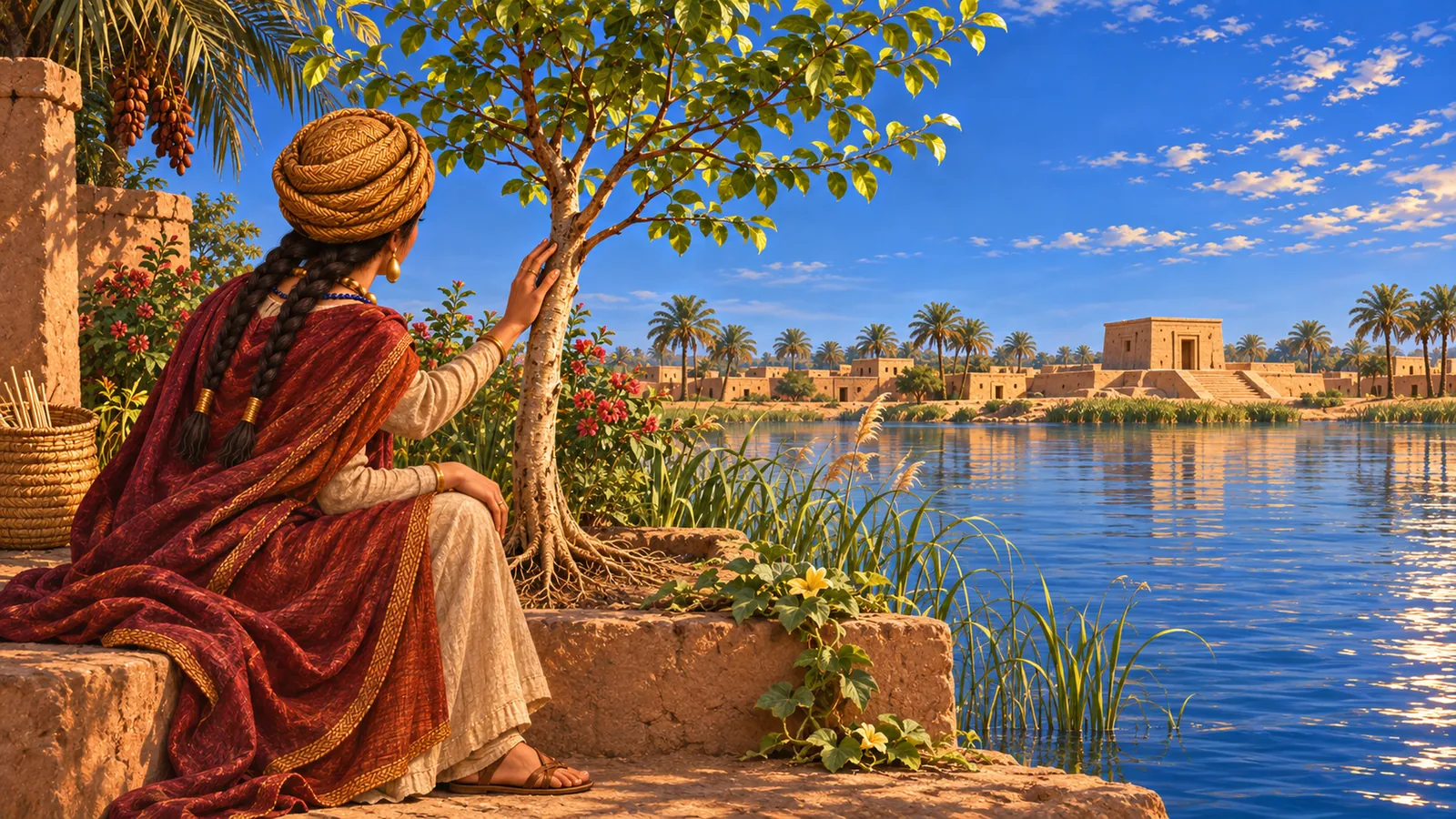
She asked when the tree would become a fine chair she could sit on. She asked when it would become a fine bed she could lie on.
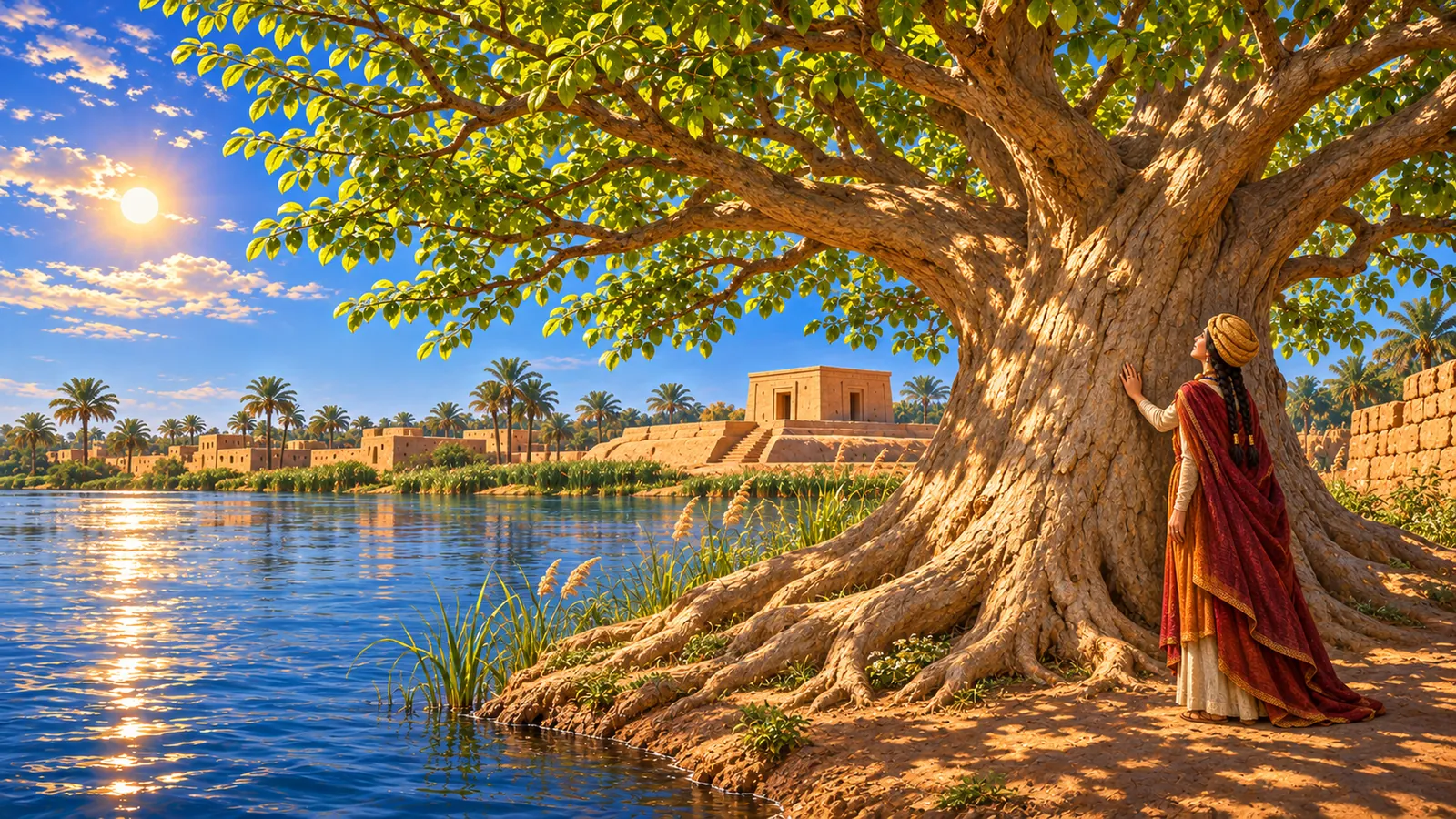
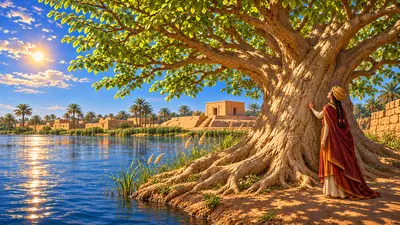
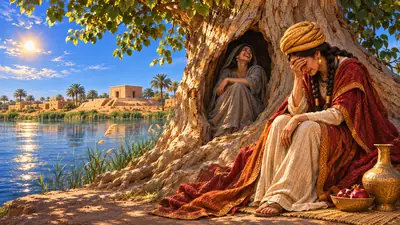
Five years passed, then ten. The tree grew massive during those years, and its bark stayed unbroken.
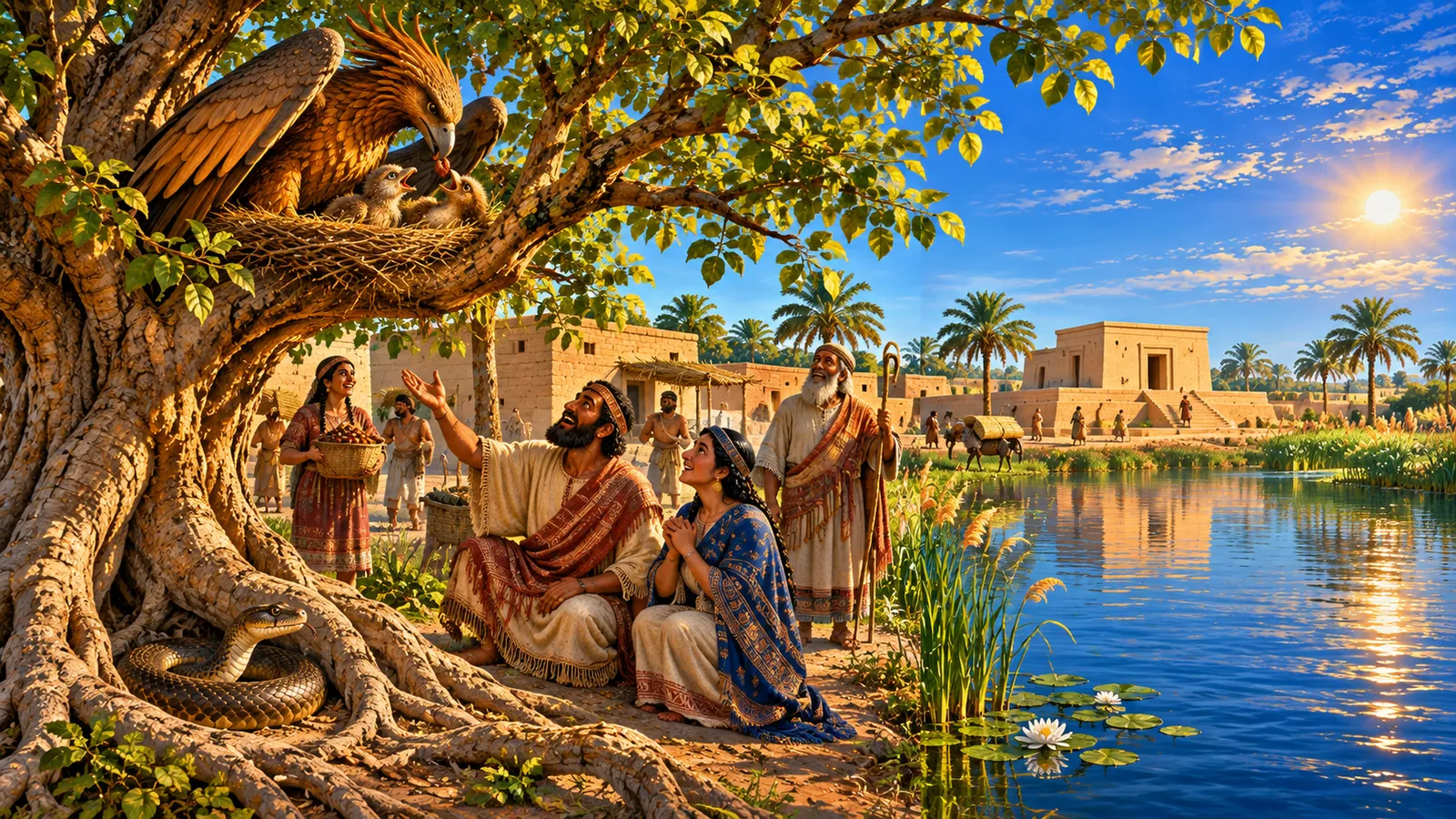
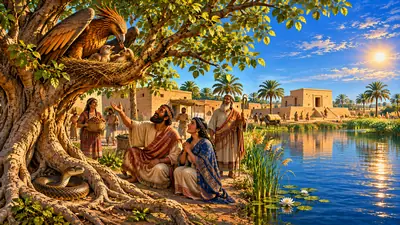
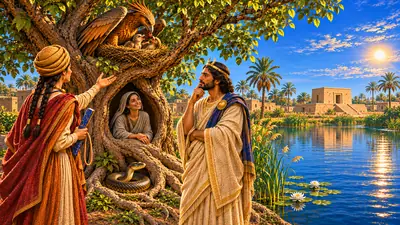
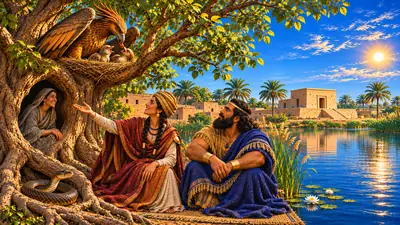
A snake that incantations could not affect made a nest at the tree’s roots. In its branches the Anzud bird settled its young.
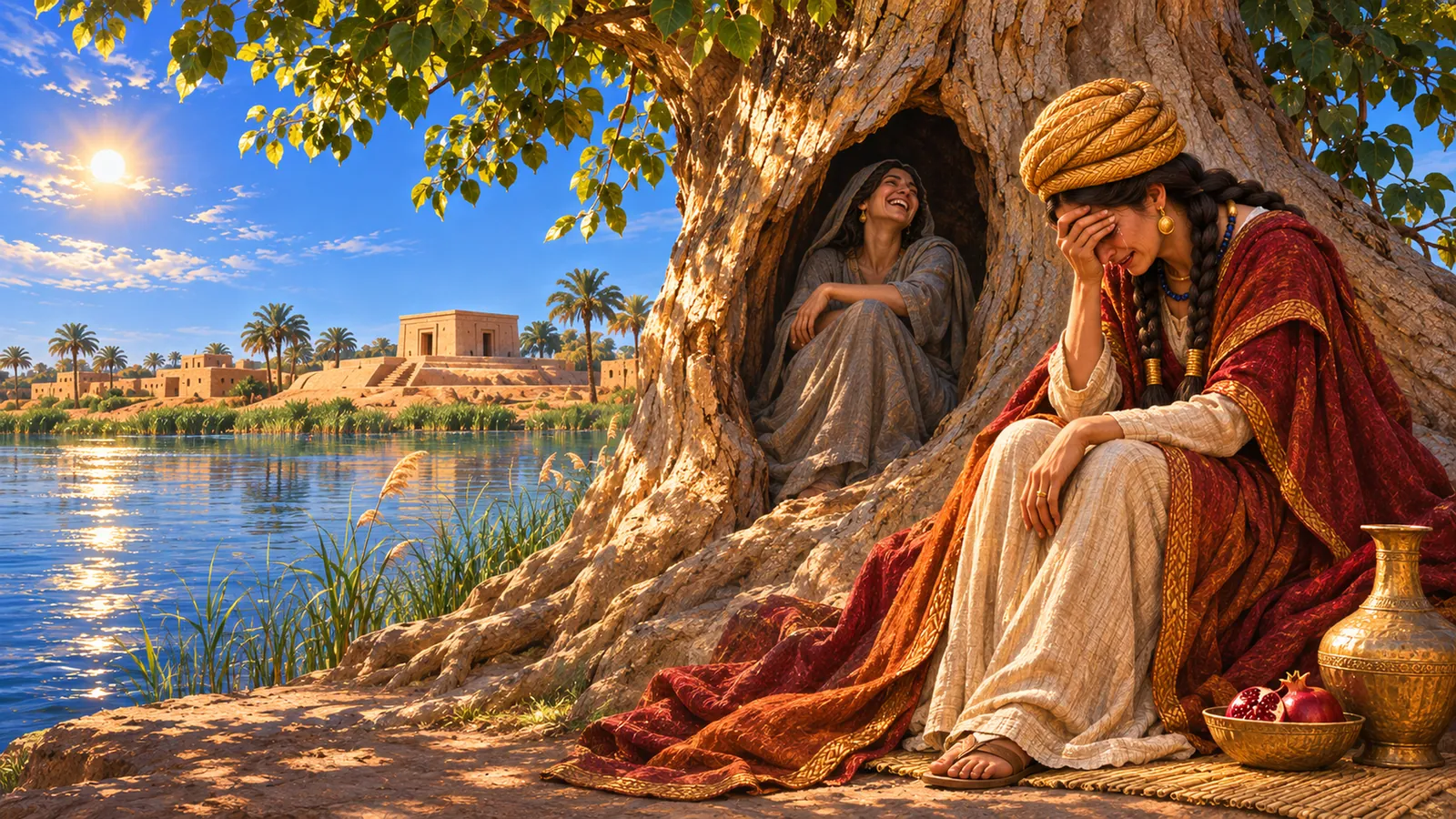
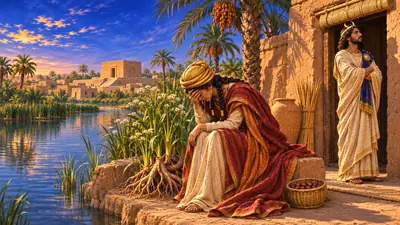
In the trunk a phantom maid made herself a dwelling and laughed with a joyful heart. Inanna cried.
DAWN
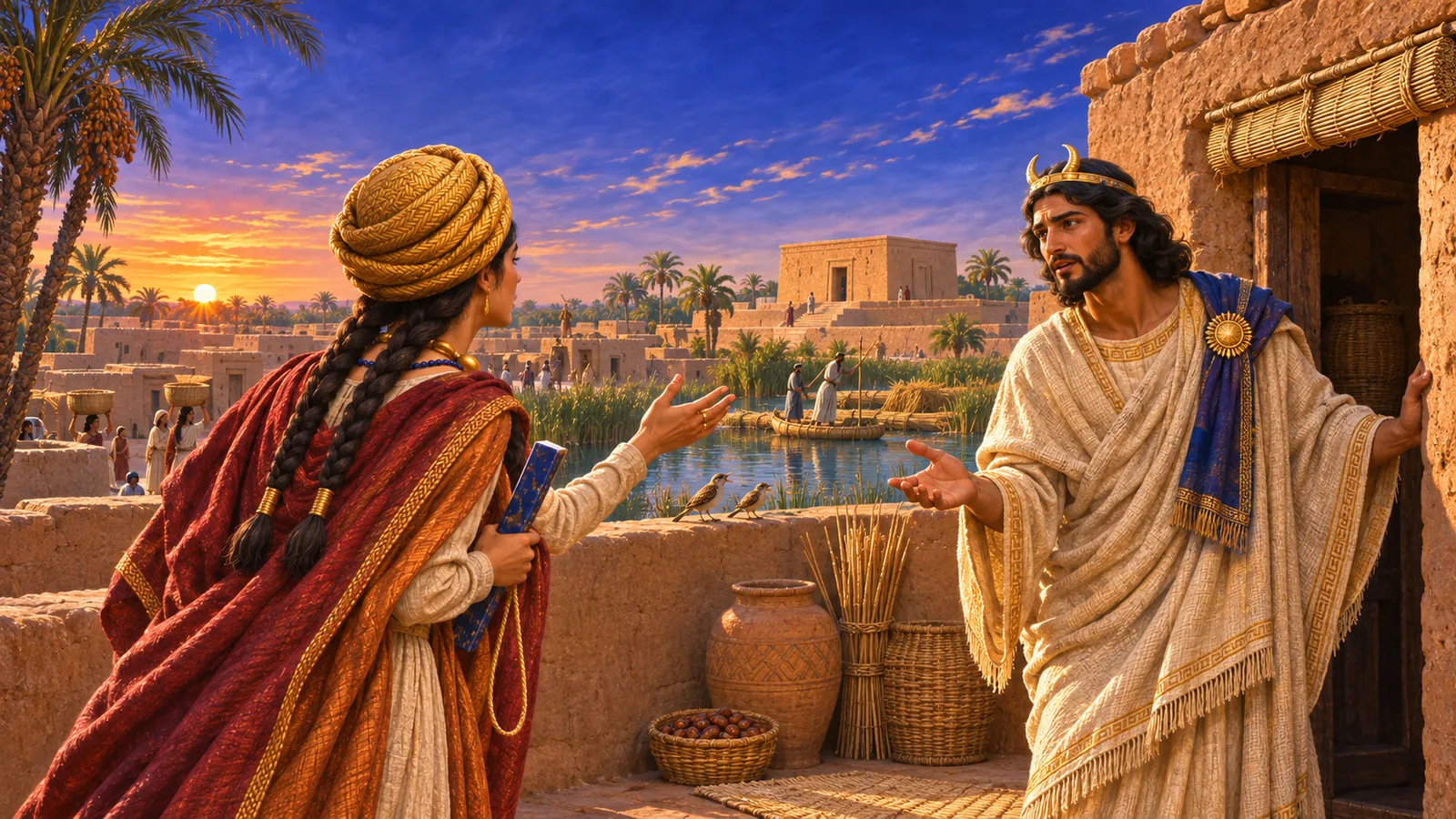
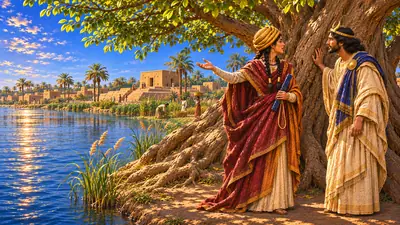
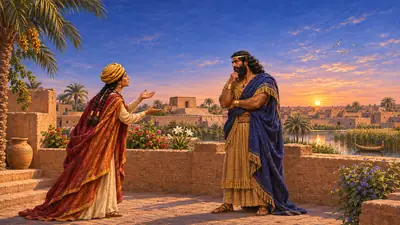
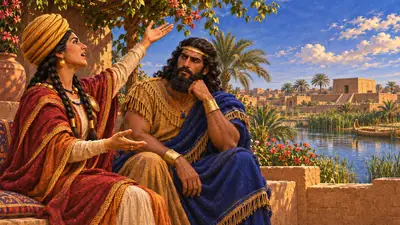
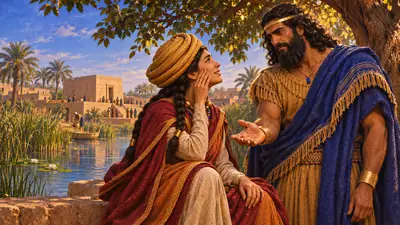
The horizon brightened and the little birds began to call. Utu had left his bedchamber when his sister Inanna spoke to him.
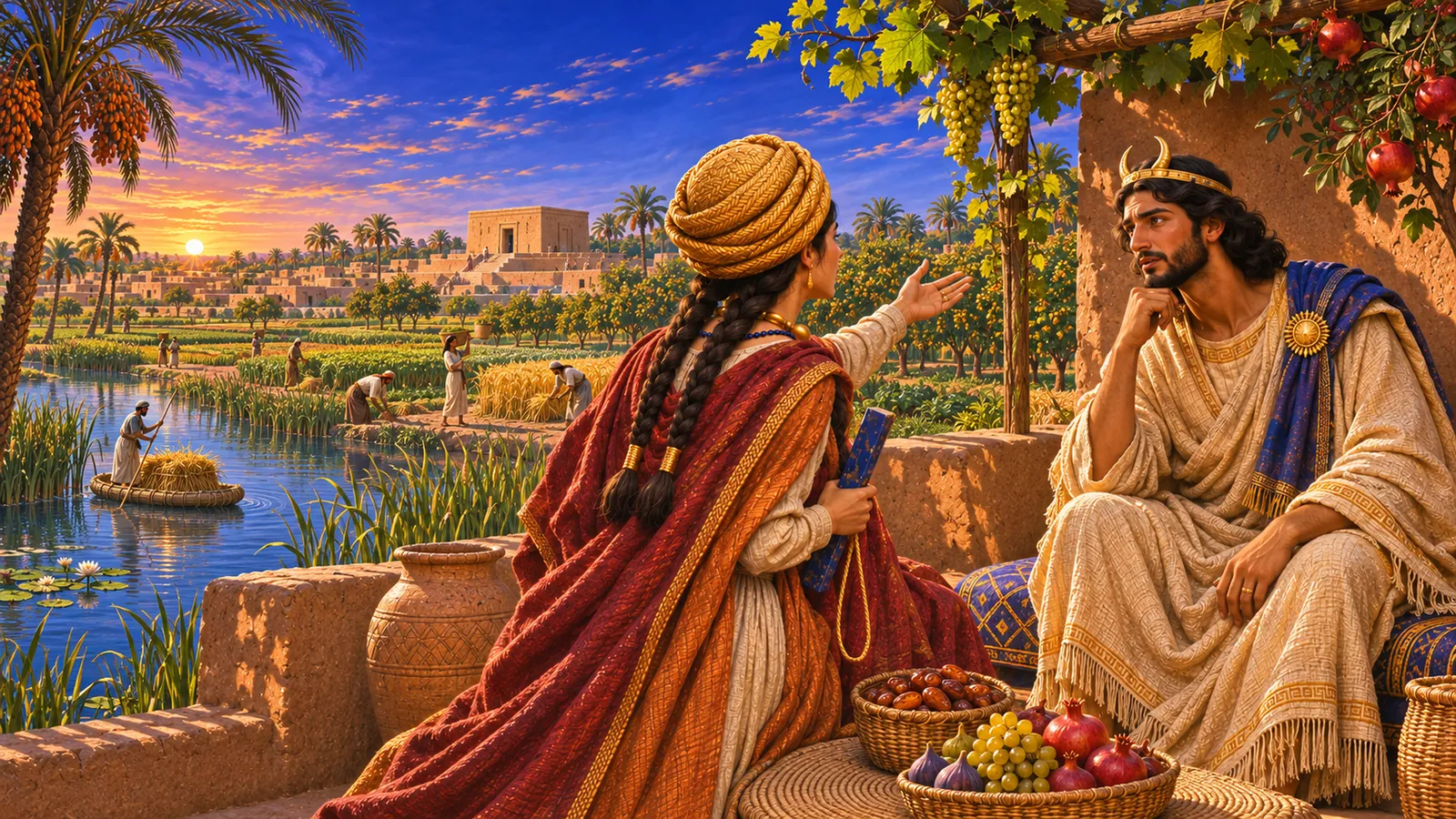
Inanna took her brother back to the days when destiny was determined. In those days, she told him, abundance overflowed in the land.
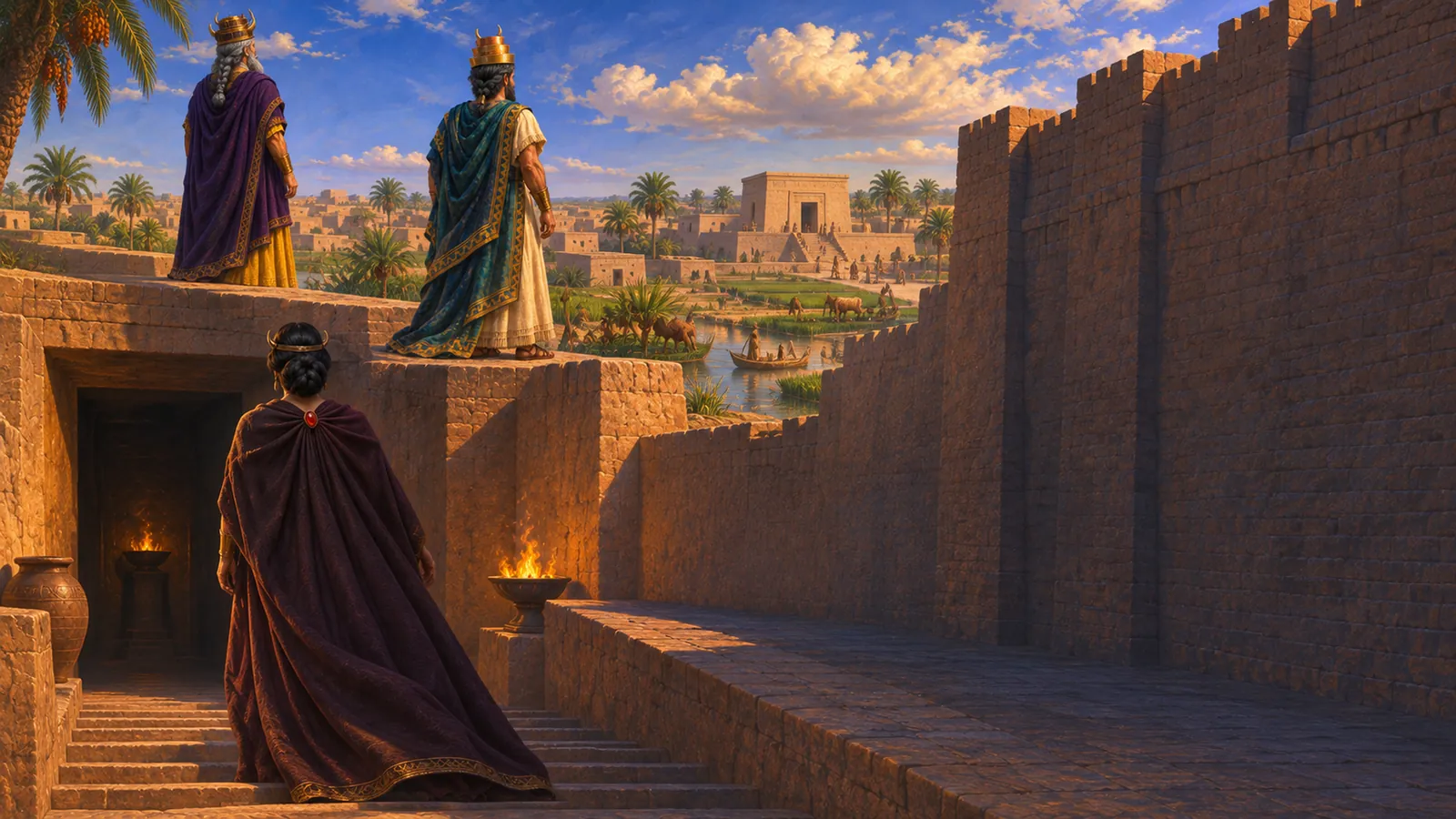
In her account, An had taken the heavens and Enlil the earth. The netherworld had been given as a gift to Ereshkigal.

She told how Enki set sail for the netherworld. A storm of small hailstones came against the lord, and large hailstones against Enki. The poem likens them to light hammers and perhaps catapult stones.

She said the little boat’s keel shook as if turtles had butted it. At the bow, waves rose like wolves to devour the lord. At the stern, they came at Enki like a lion.
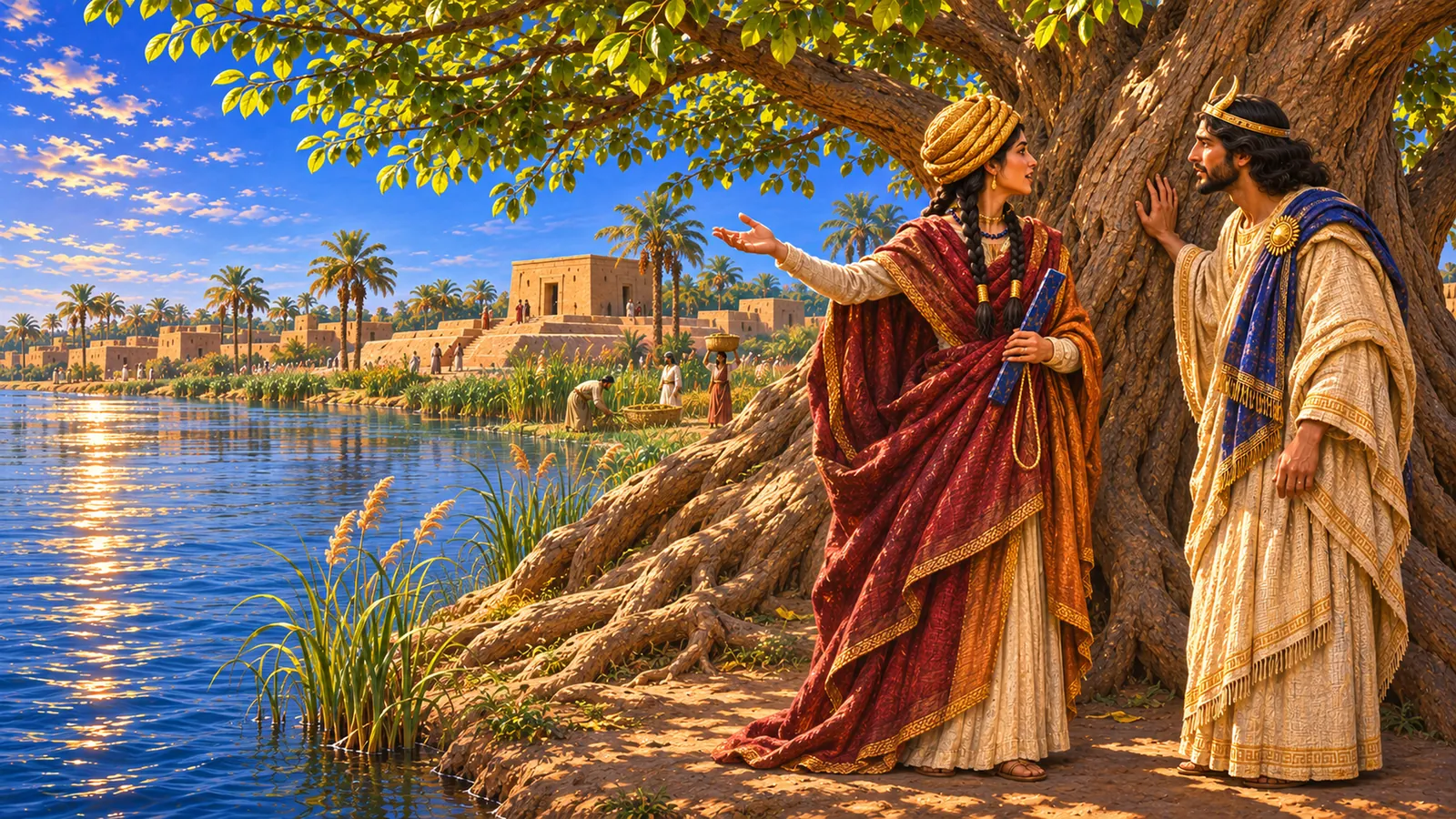
Inanna recalled the single halub tree growing on the bank of the Euphrates. She said that the Euphrates itself watered it.

A south wind uprooted the tree and stripped its branches. Inanna said the Euphrates picked up the tree and carried it away.
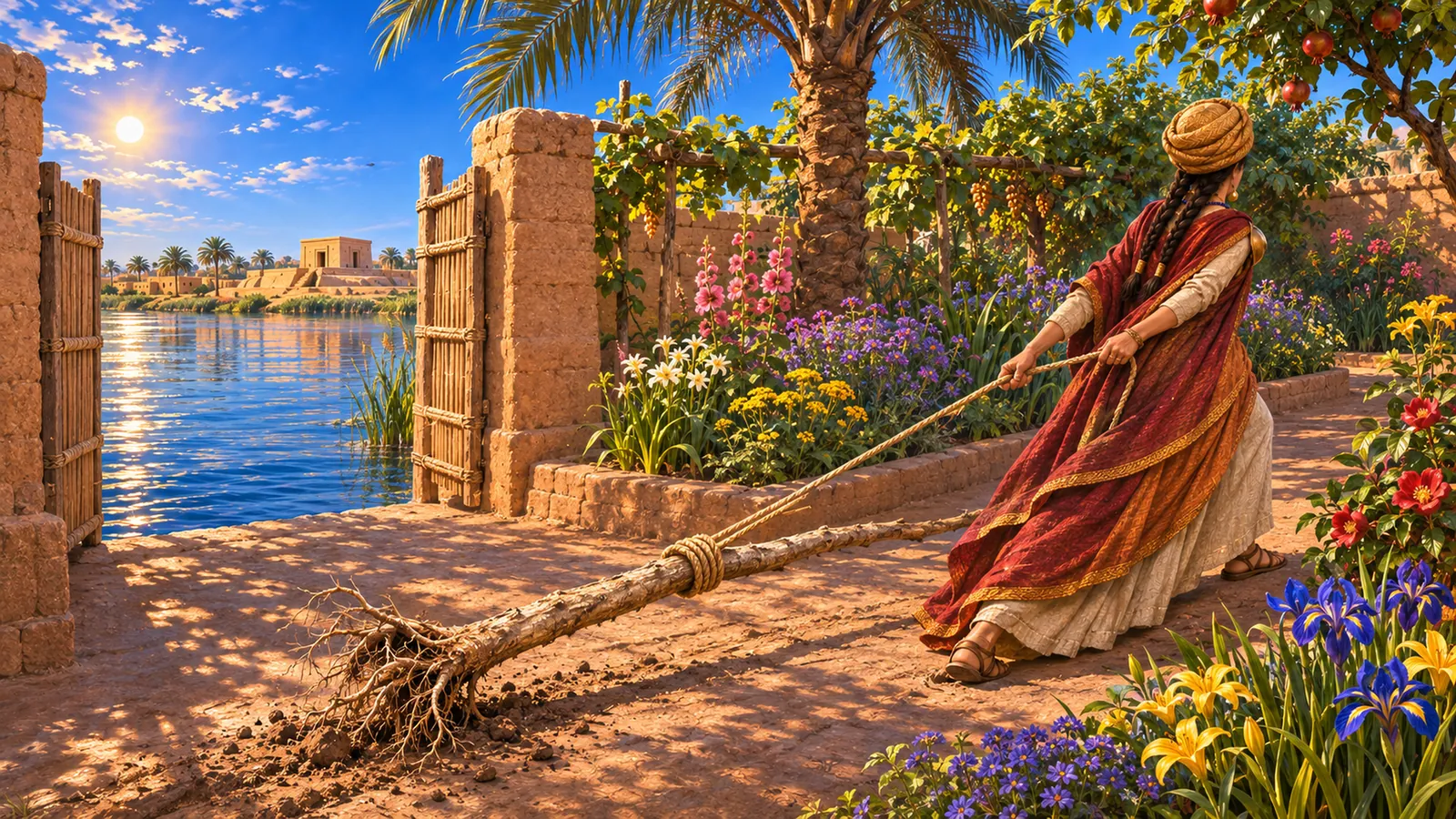
She told Utu that she was the woman who heeded the words of An and Enlil. She brought the tree to Uruk, to her own flourishing garden.
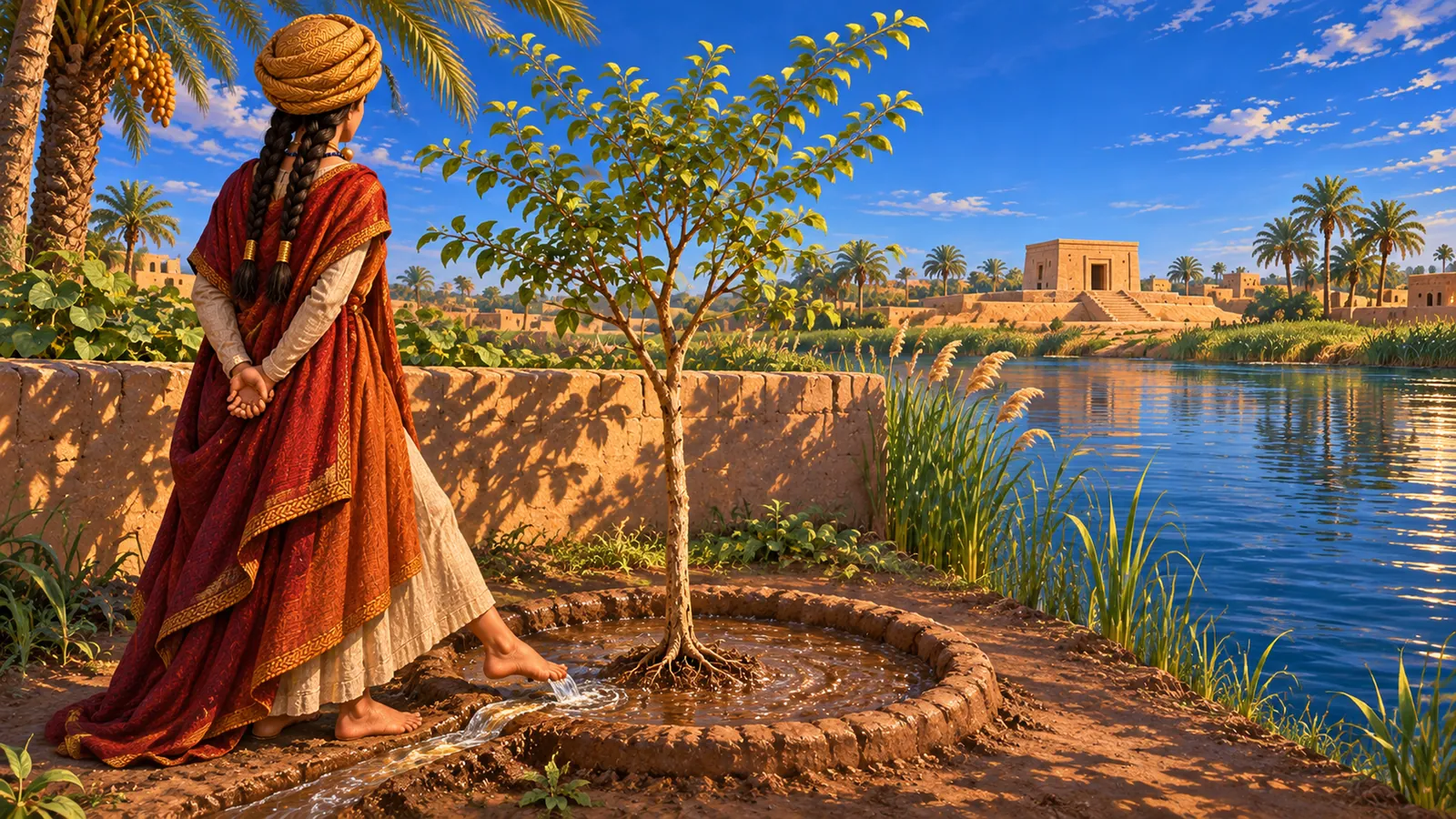
Inanna told Utu that she had planted the halub and watered it in her garden, both times using only her feet.
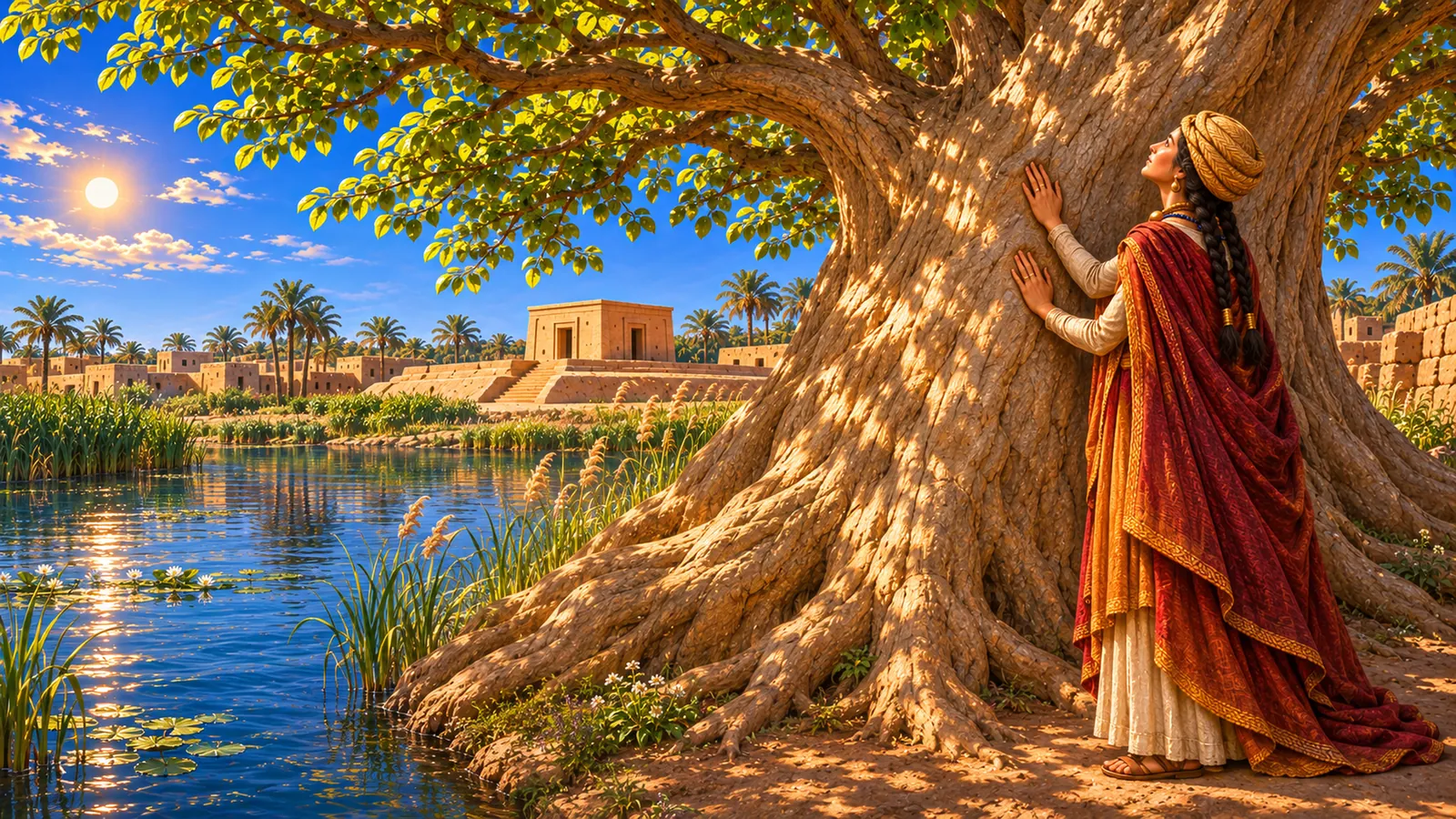
She recalled wishing for a fine chair to sit on and a fine bed to lie on. Five years passed, then ten. The tree became massive and its bark remained whole.
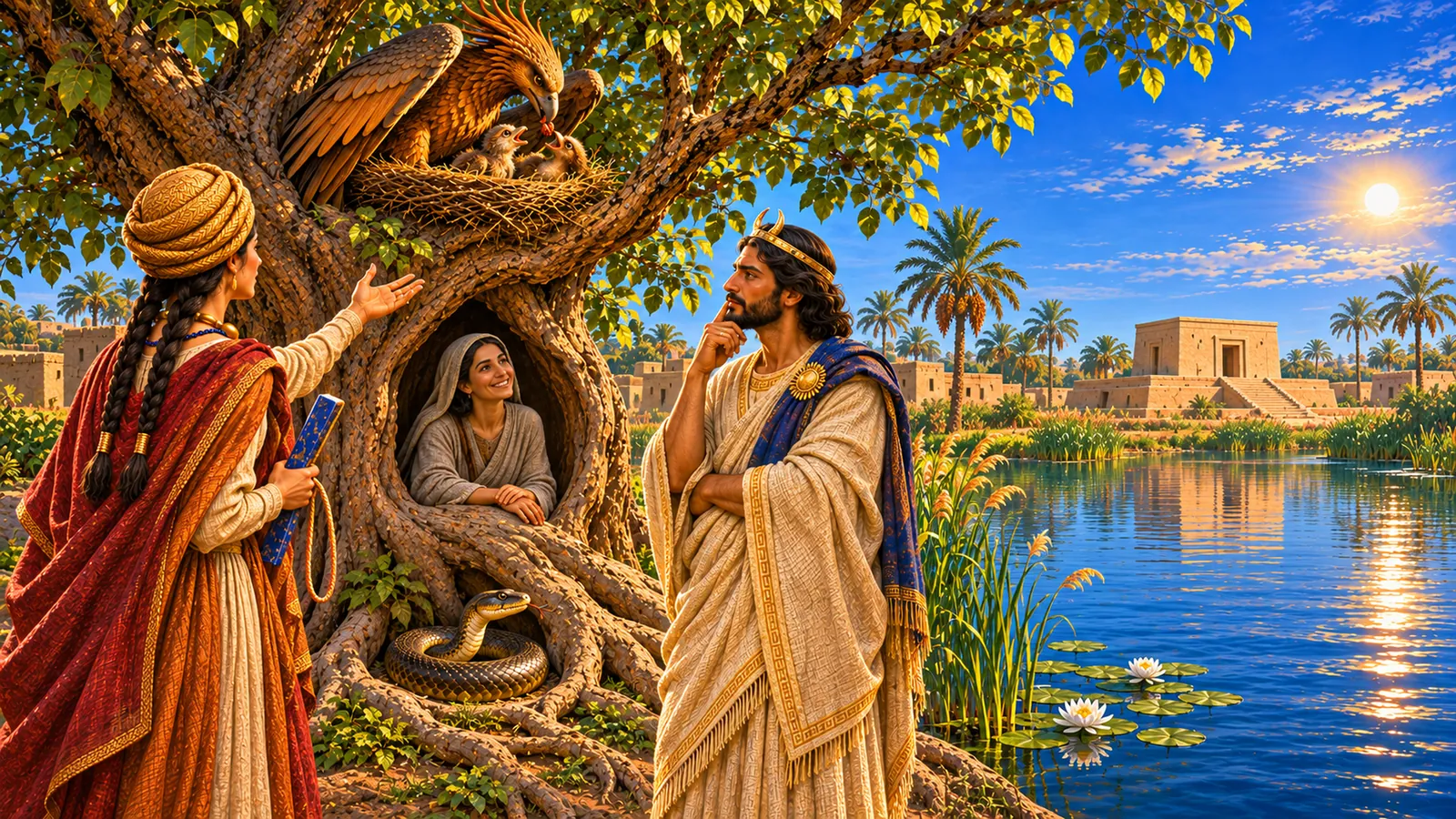
She told Utu about the snake that resisted incantations at the roots, the Anzud bird and its young in the branches, and the phantom maid who made a home inside the trunk and laughed with a joyful heart.
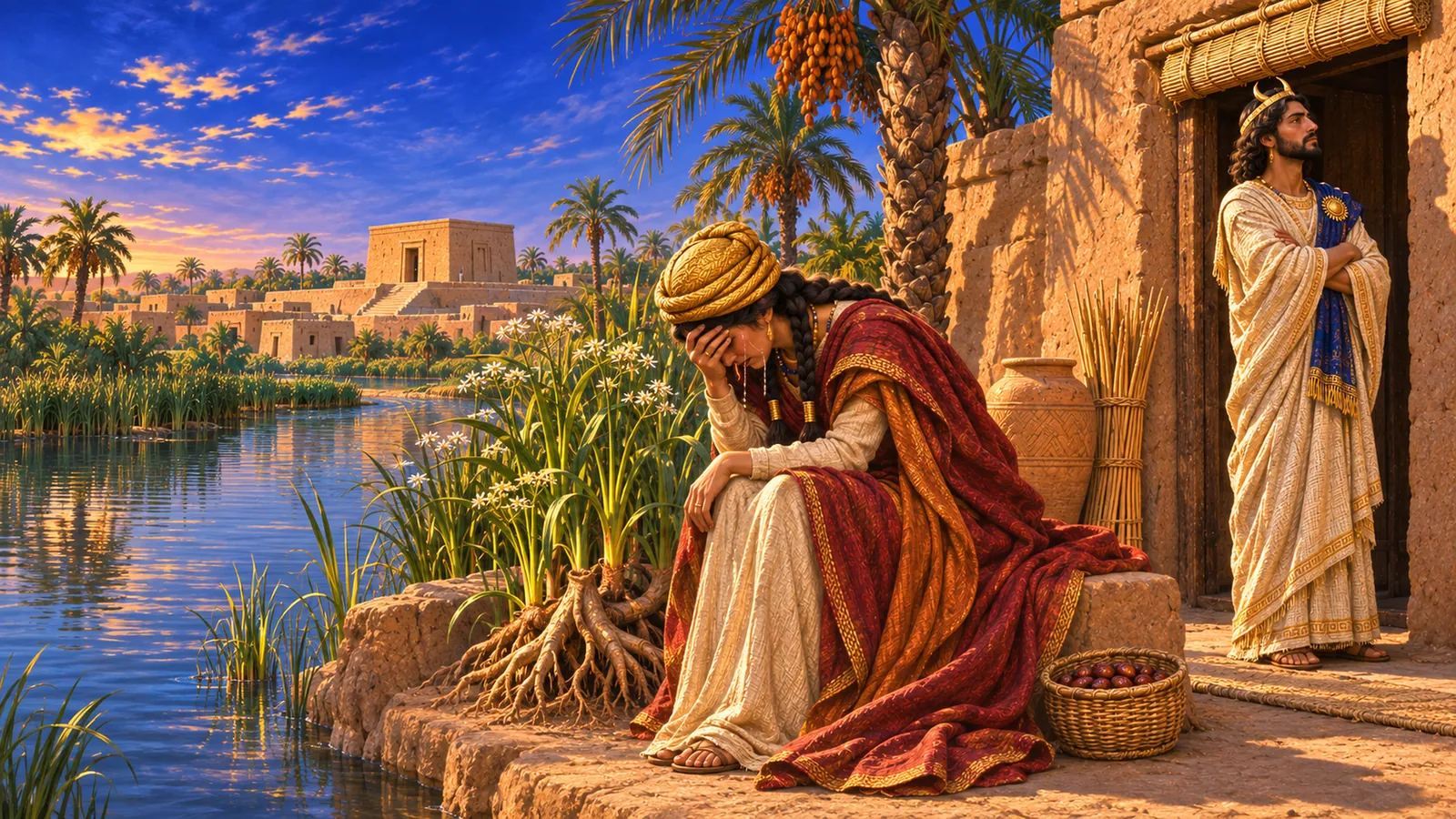
Her story ended with her own tears. The poem says her brother Utu, the young warrior, did not stand by her in the matter.
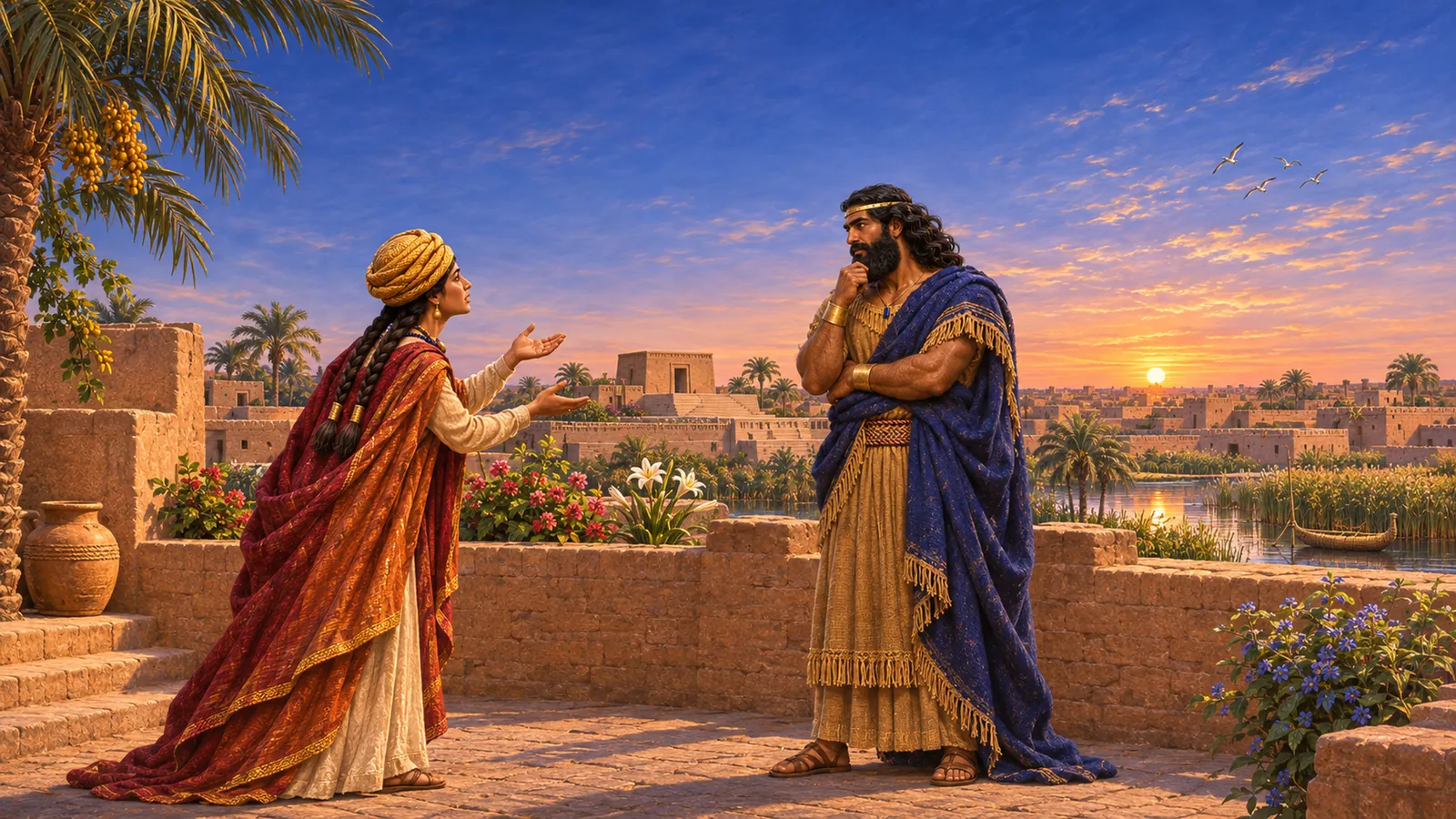
THE APPEAL
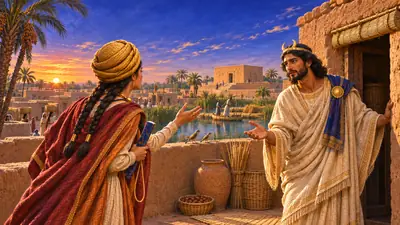
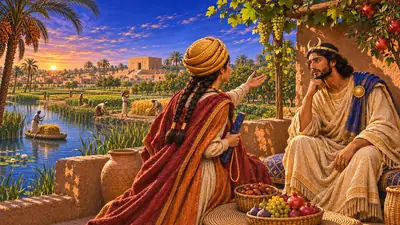
When dawn broke and the birds began to call, Inanna spoke to the warrior Gilgamesh. She addressed him as her brother.
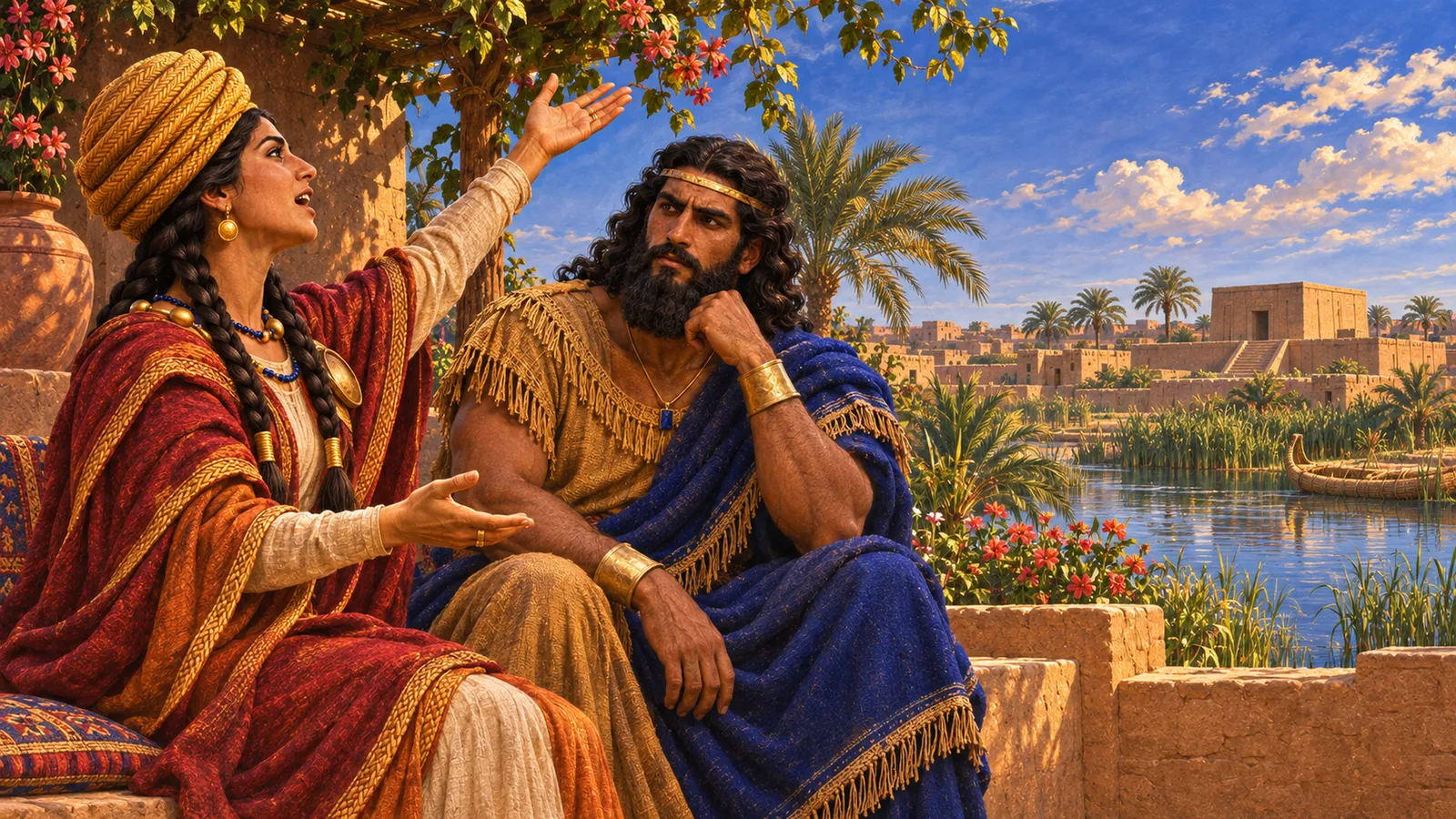
She remembered the days when destinies were set and the land overflowed with plenty. An had taken the heavens, Enlil had taken the earth and Ereshkigal had received the netherworld as a gift.

Inanna told how Enki set sail for the netherworld. In her account, small hailstones struck against the lord and large ones against Enki. She compared the small hailstones to light hammers.

She described the little boat shaking as though turtles struck its keel. The waves at the front were like wolves, and the waves behind it were like a lion.

Inanna recalled a halub tree that grew beside the Euphrates and drew water from it. The south wind uprooted it and stripped its branches. The river carried it away.
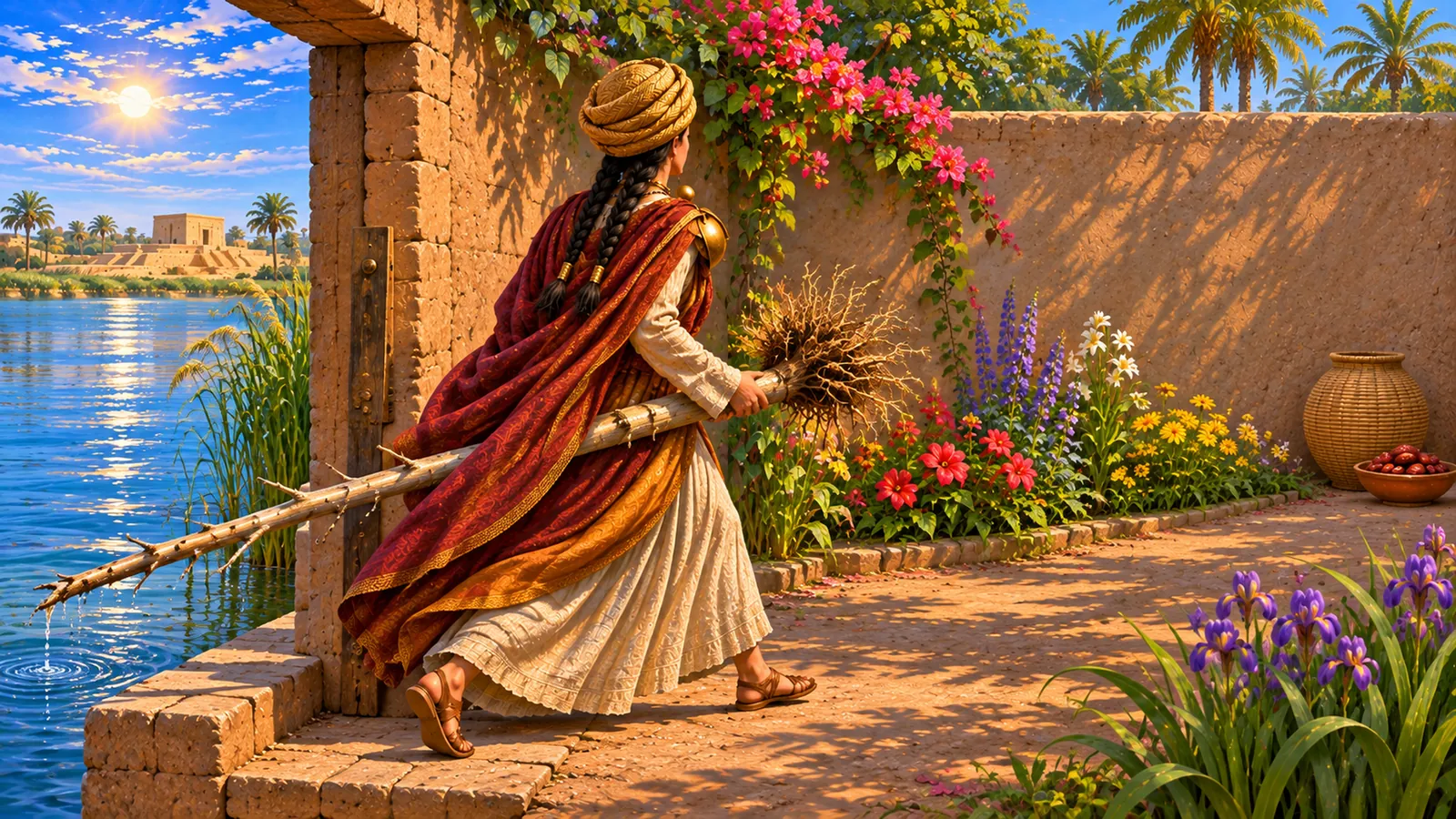
Inanna said she walked in respect for the words of An and Enlil. She took the tree and brought it to her garden in Uruk.
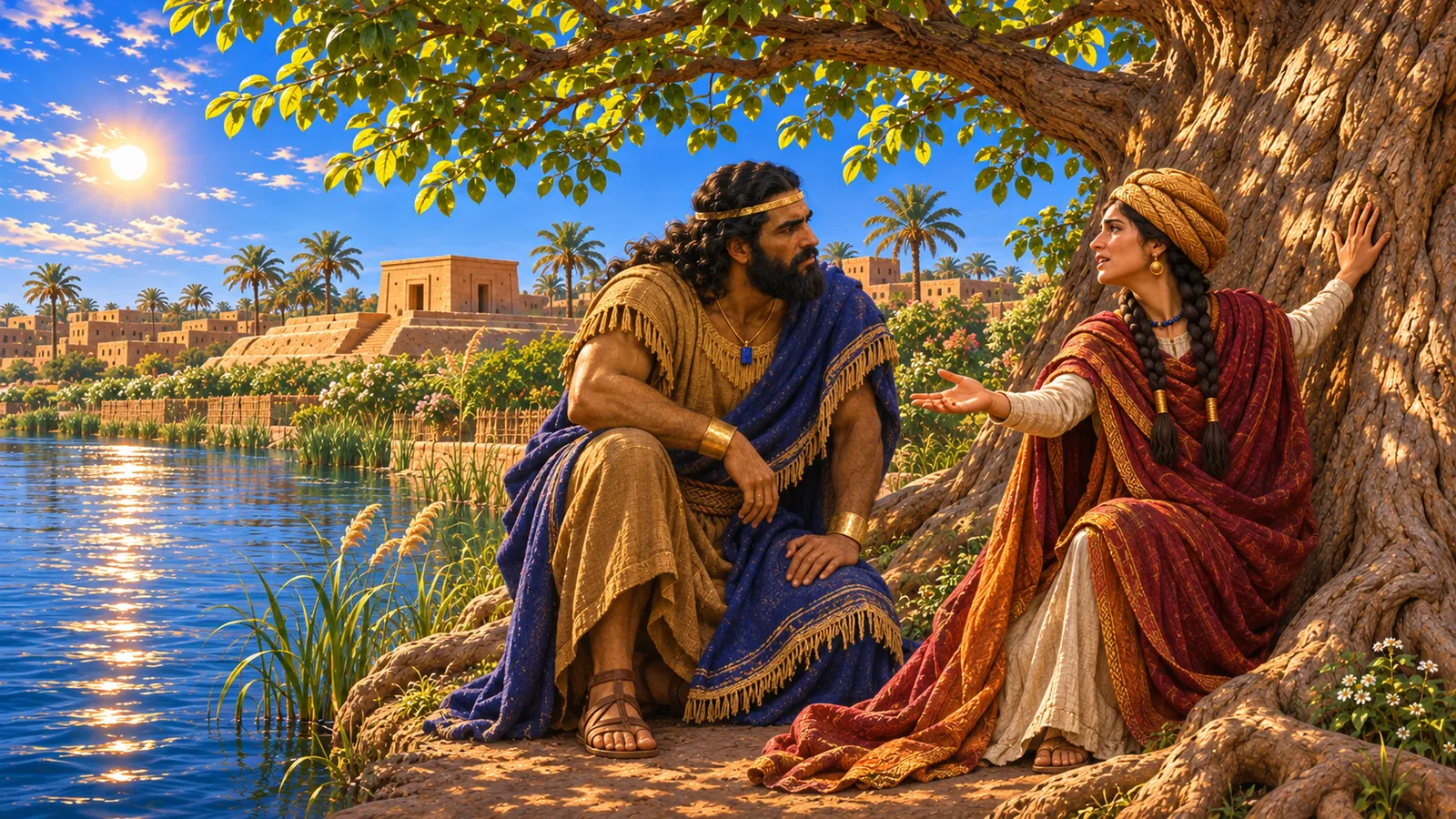
She told how she used her feet to plant and water the tree. She had hoped it would one day give her a chair and a bed.
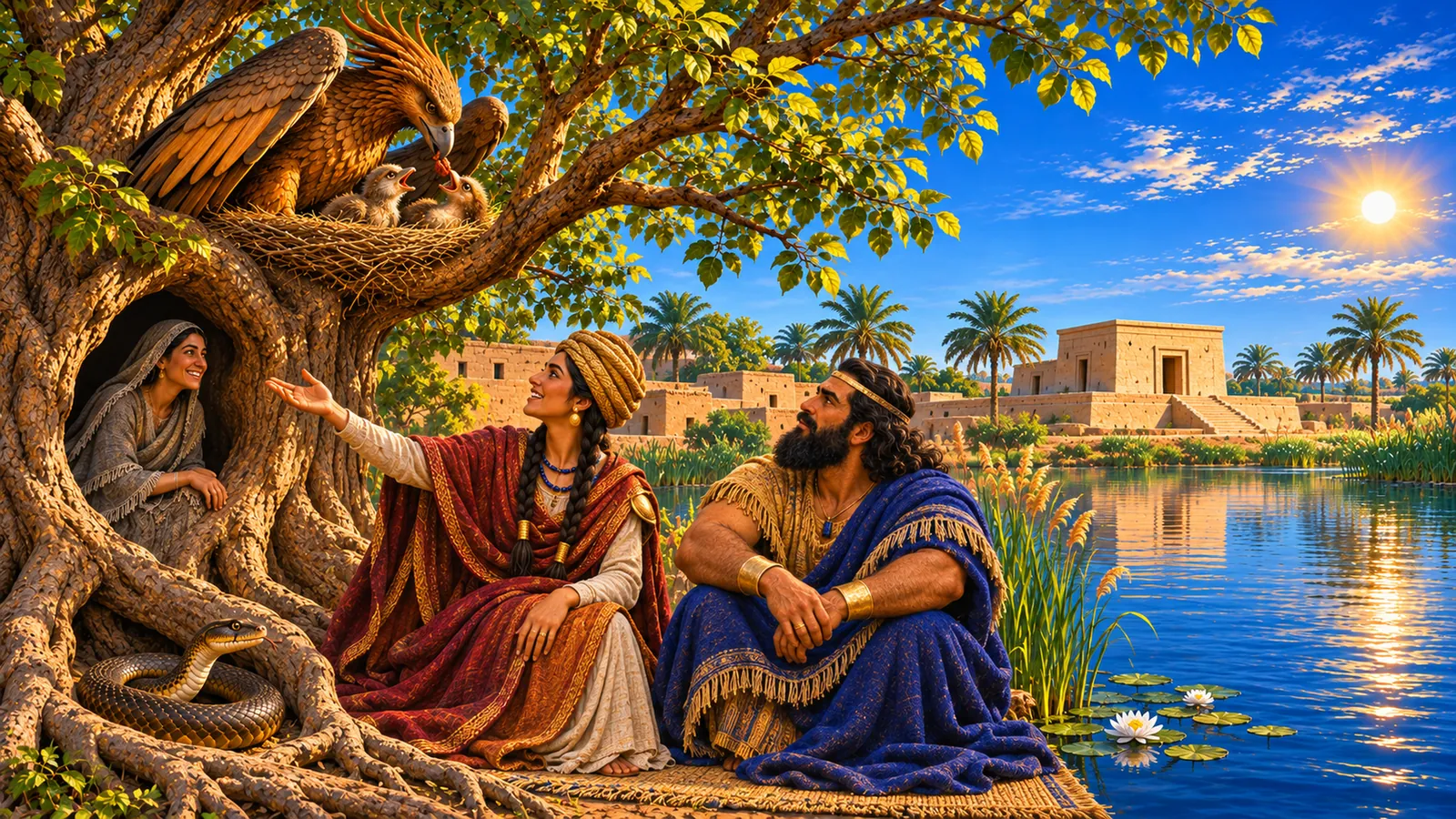
Five years and ten years passed, she said, and the tree grew massive. She recalled the snake immune to incantations at its roots, the Anzud bird and its young in the branches, and the phantom maid in the trunk.
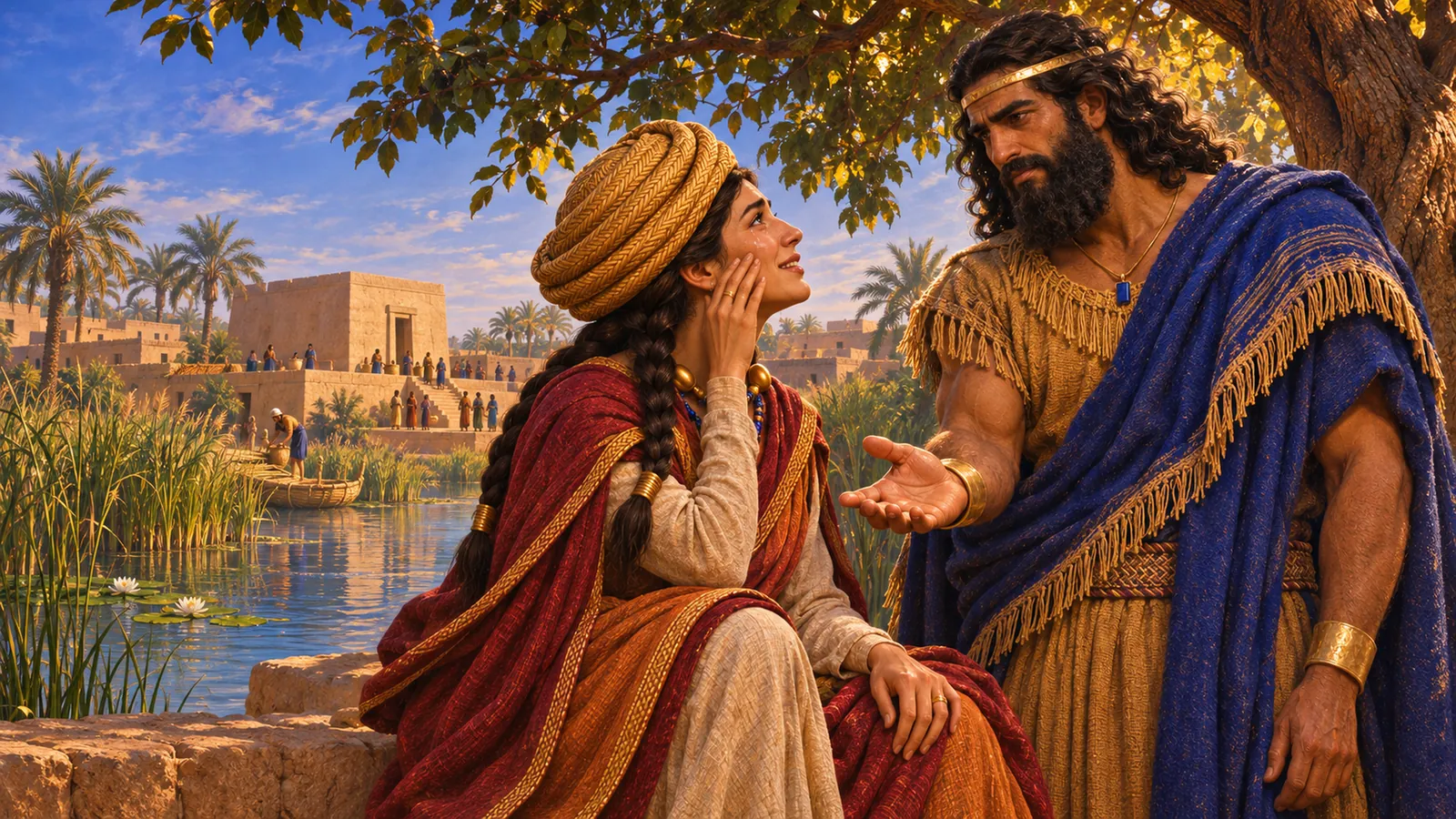
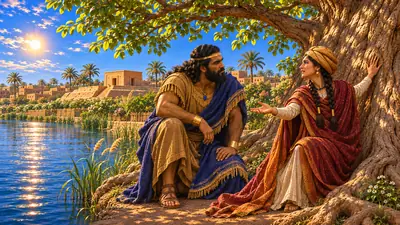
Inanna wept as her account ended. When he heard what his sister had told him, the warrior Gilgamesh stood by her.
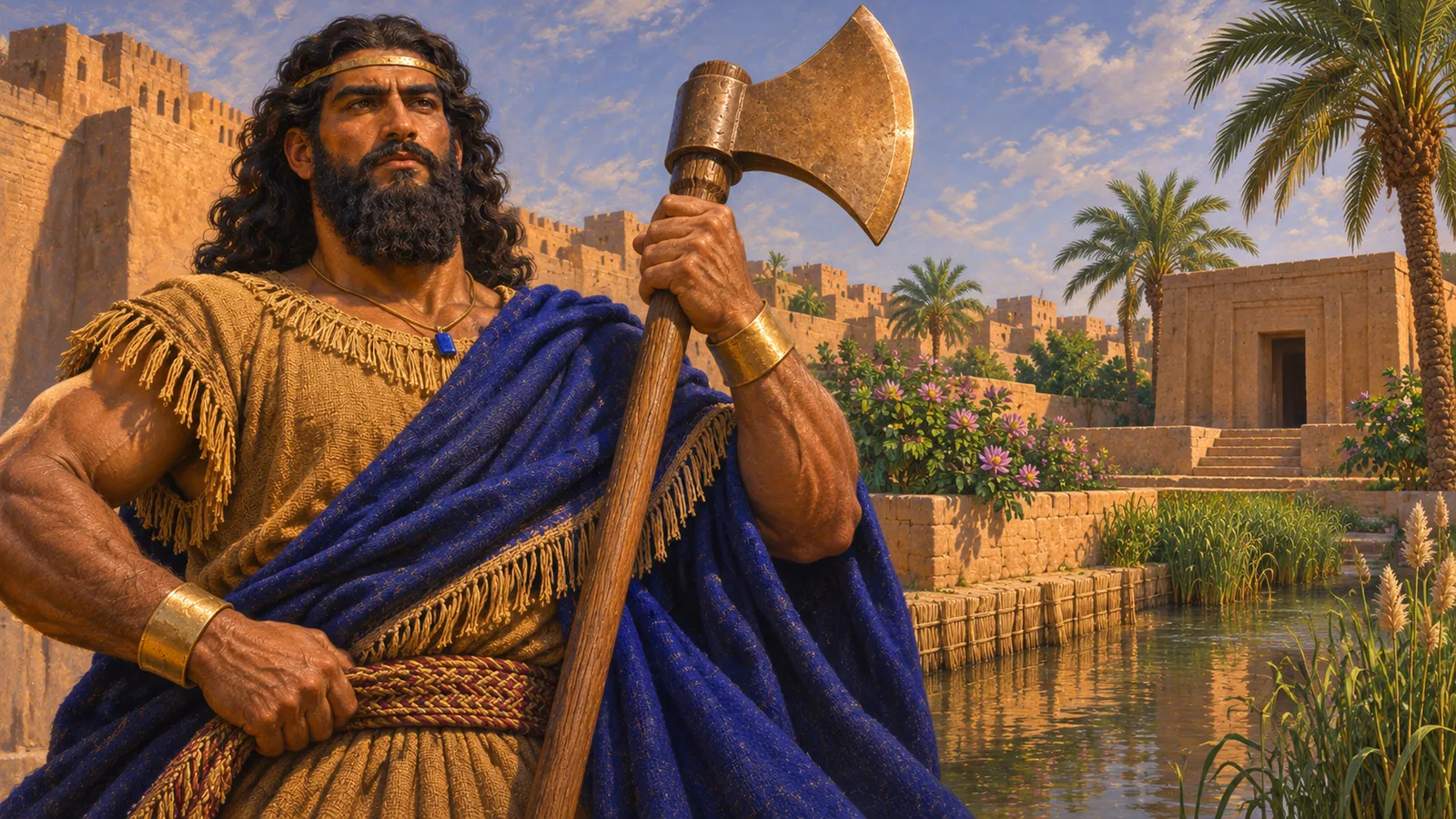
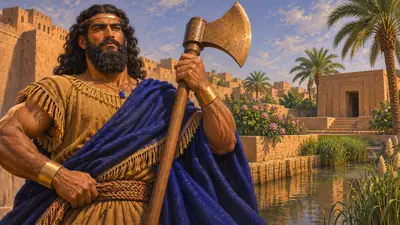
Gilgamesh fastened a heavy belt around his waist. He took up the bronze axe he used on expeditions. The poem gives extraordinary weights for both.
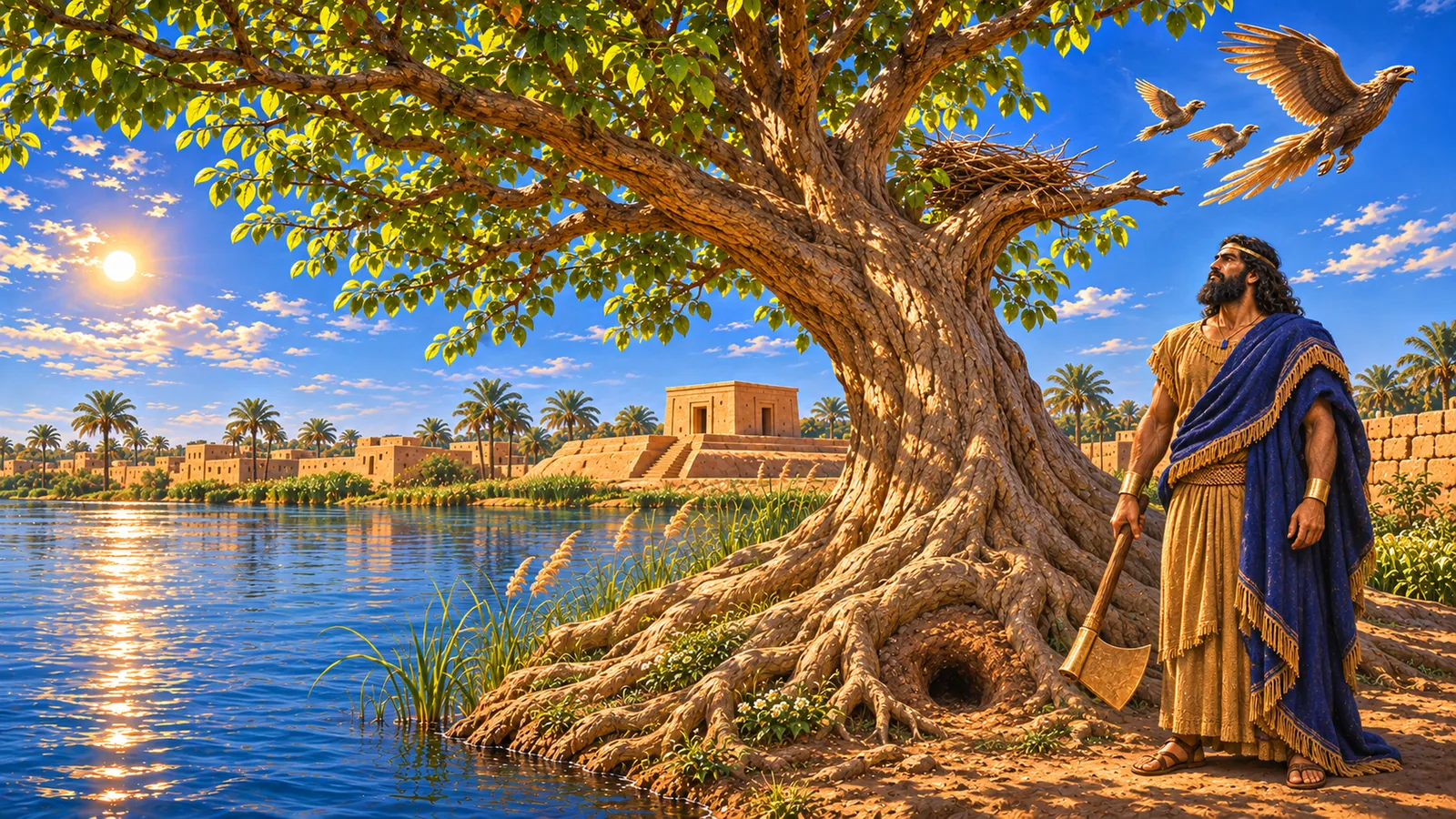
Gilgamesh killed the snake that lived at the roots and was immune to incantations. The Anzud bird took its young from the branches and went into the mountains.
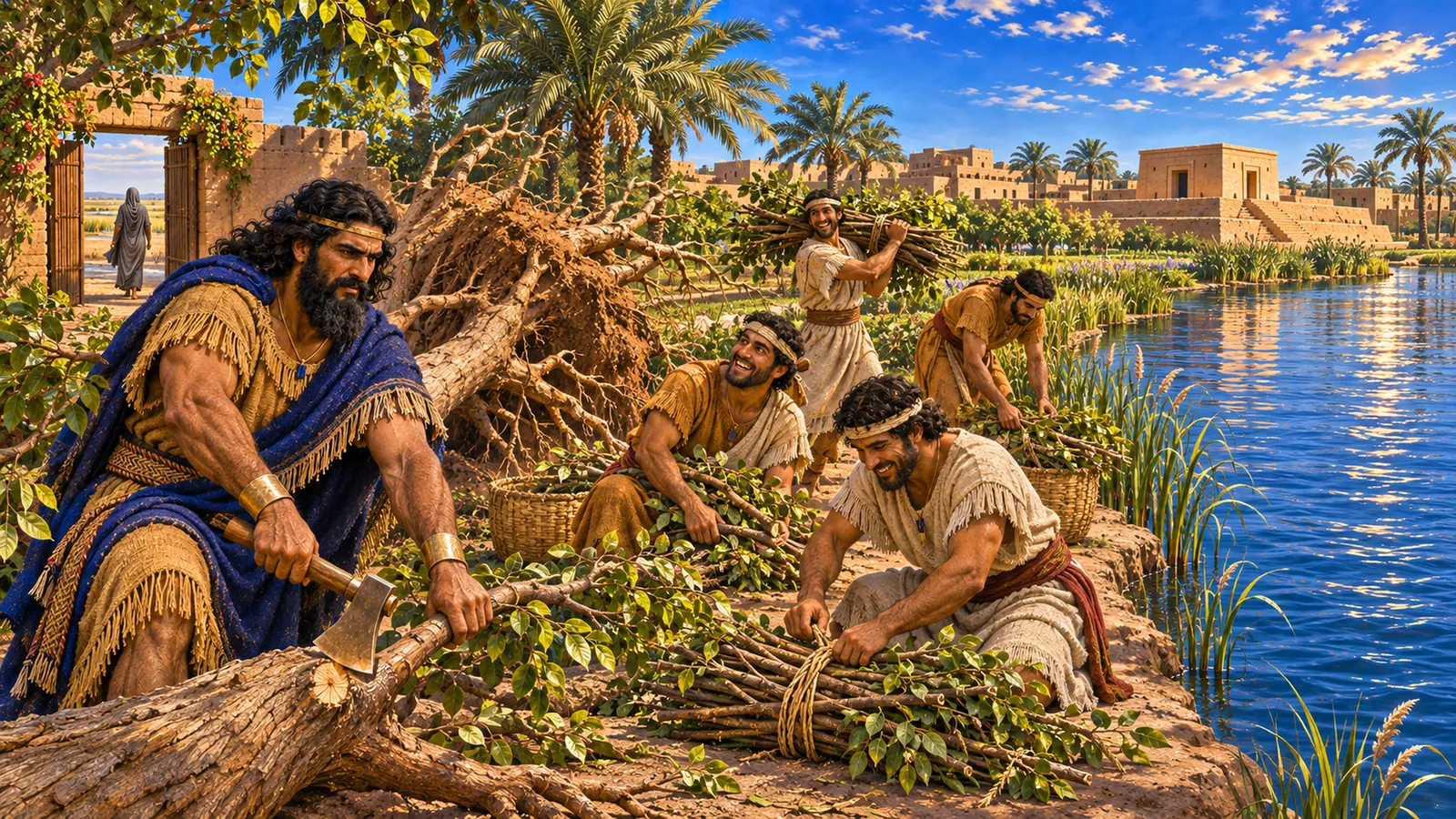
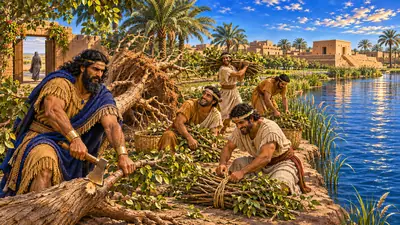
The phantom maid sought refuge in the wilderness. Gilgamesh uprooted the tree and stripped its branches. The young men of his city cut up the branches and bundled them.
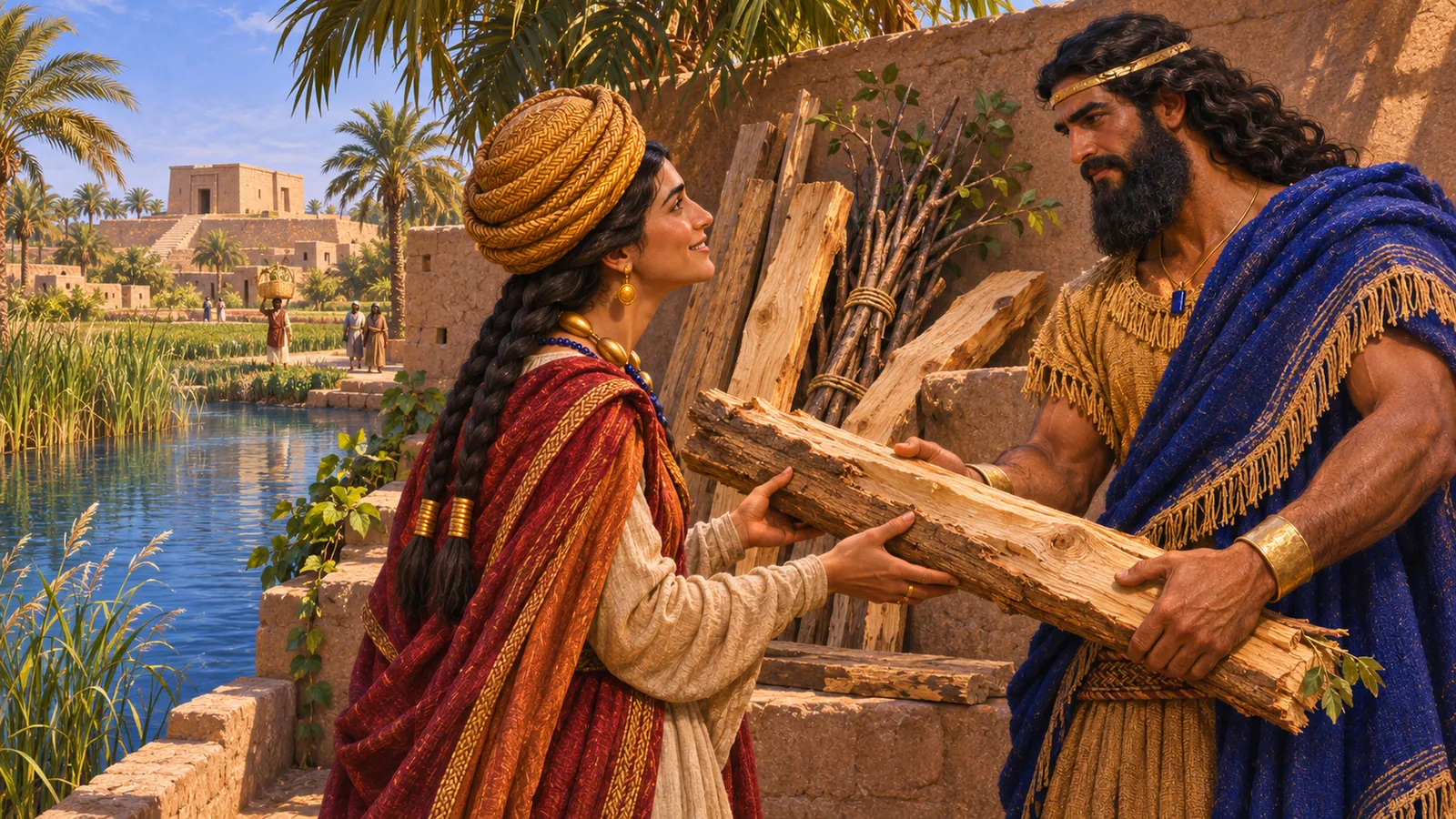
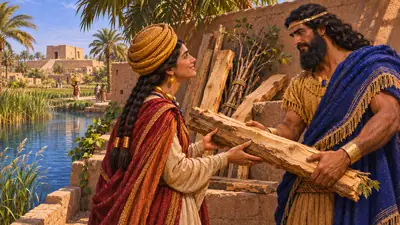
Gilgamesh gave the wood from the tree to Inanna for the chair in which she had hoped to sit and the bed she had hoped to lie on.
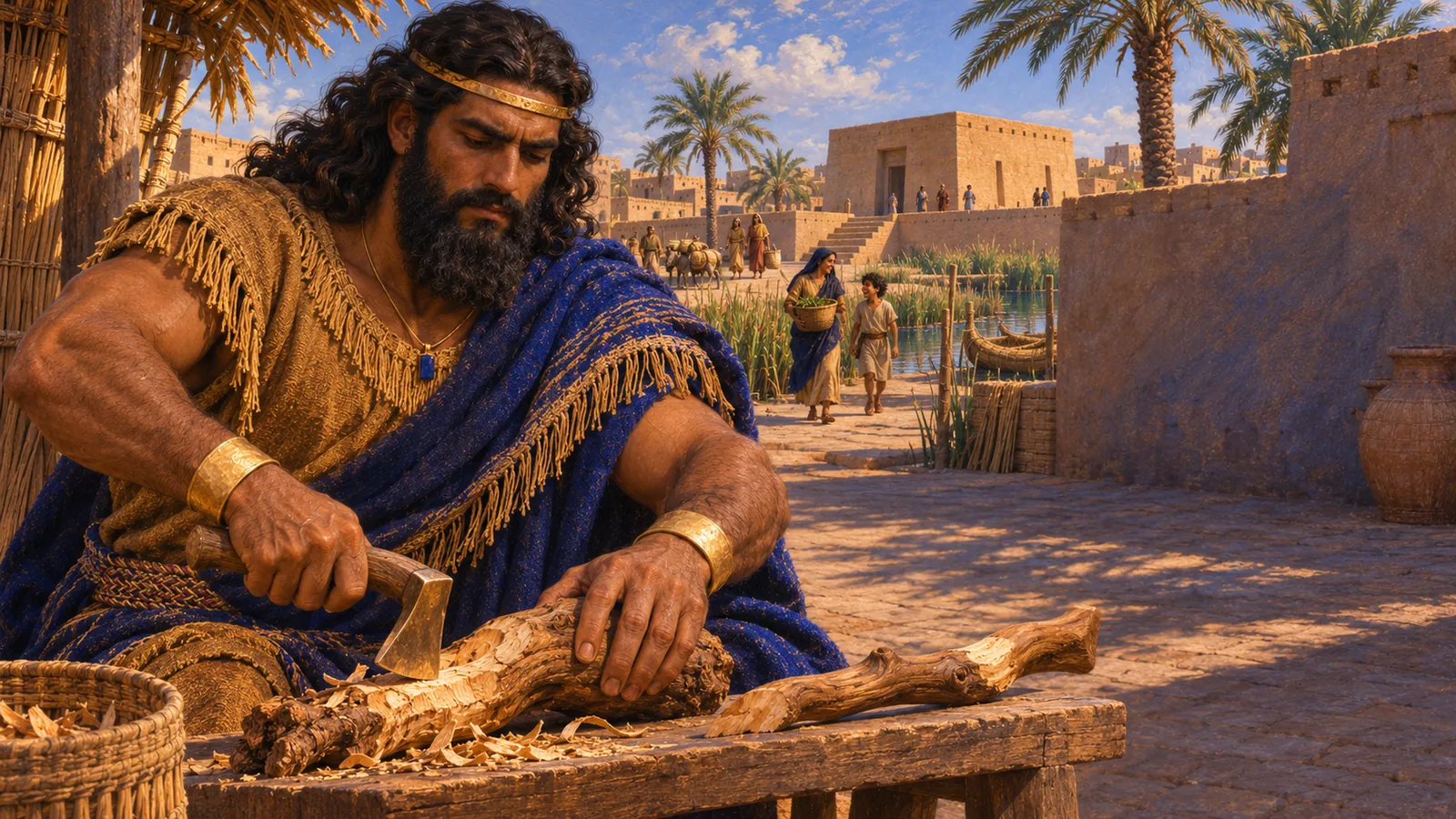
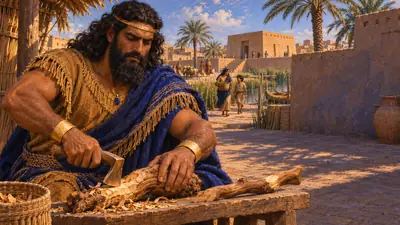
From the roots Gilgamesh made an ellag for himself. From the branches he made an ekidma. These were the two objects he would play with.
GAME
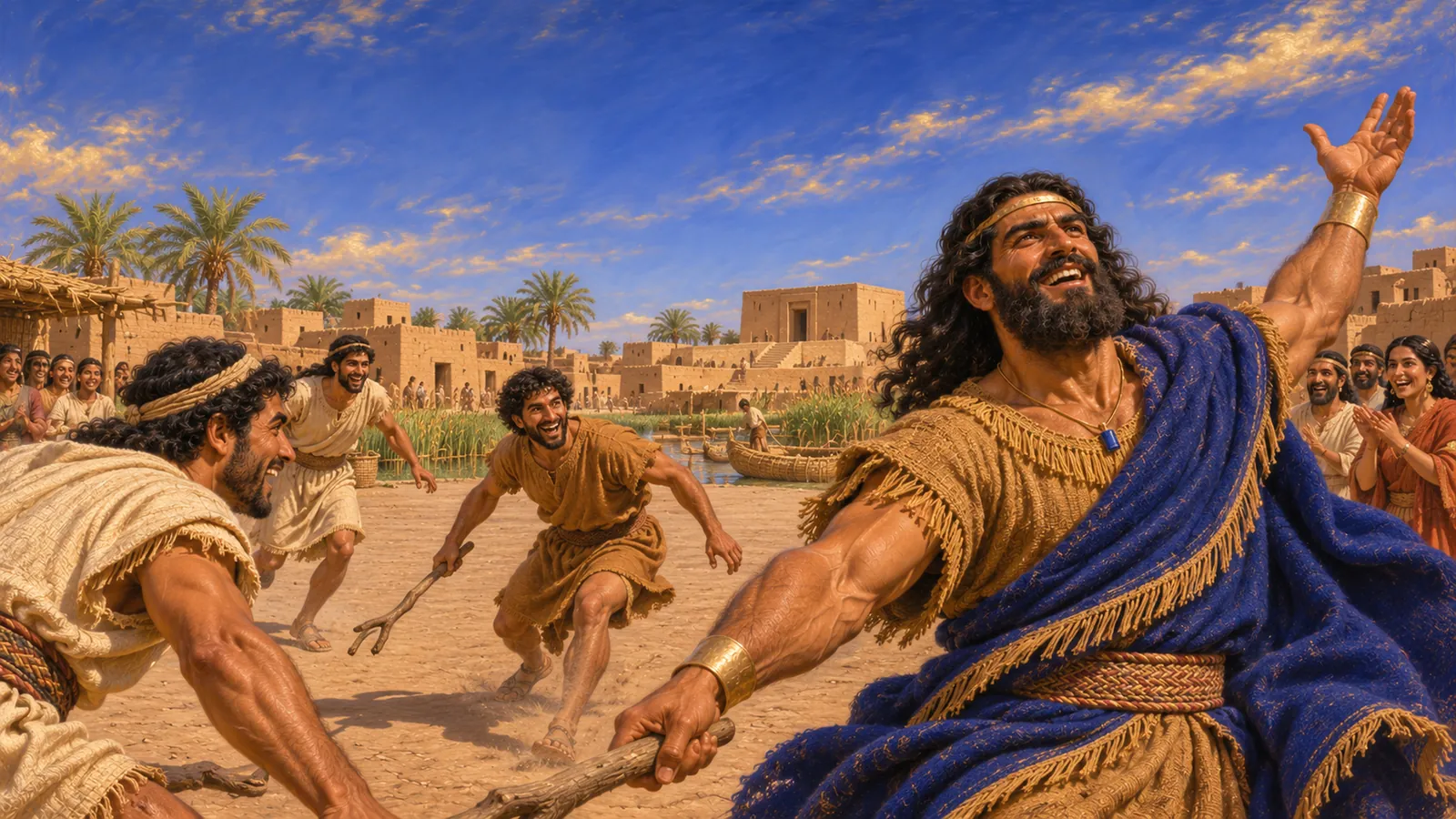
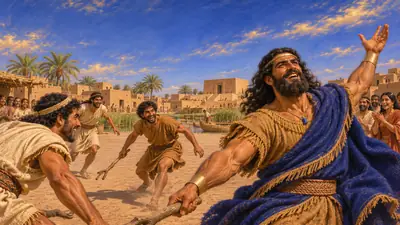
Gilgamesh played ellag in the broad square and praised himself there. He never wanted to stop the game. In the Ur manuscripts, the young men of the city play too.
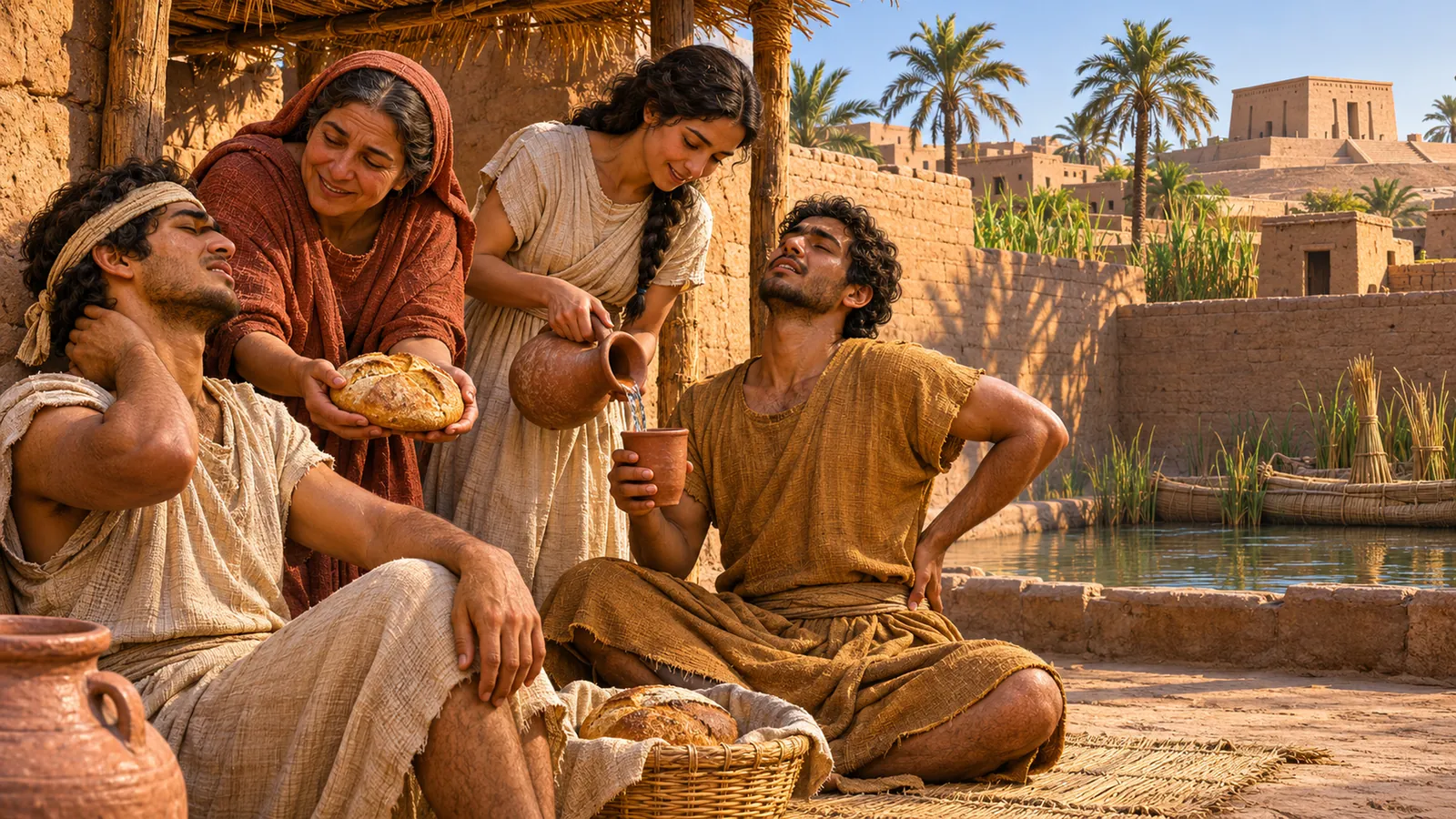
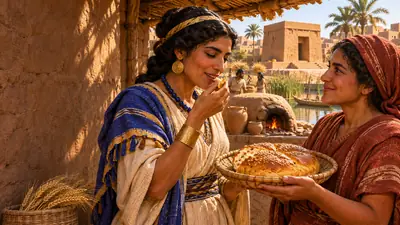
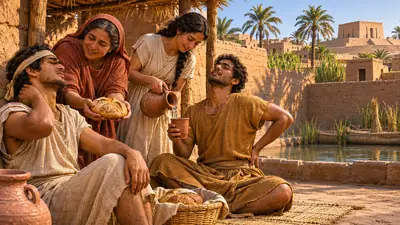
The players lamented that their necks and hips hurt. Mothers took bread to their sons, and sisters poured water for their brothers.
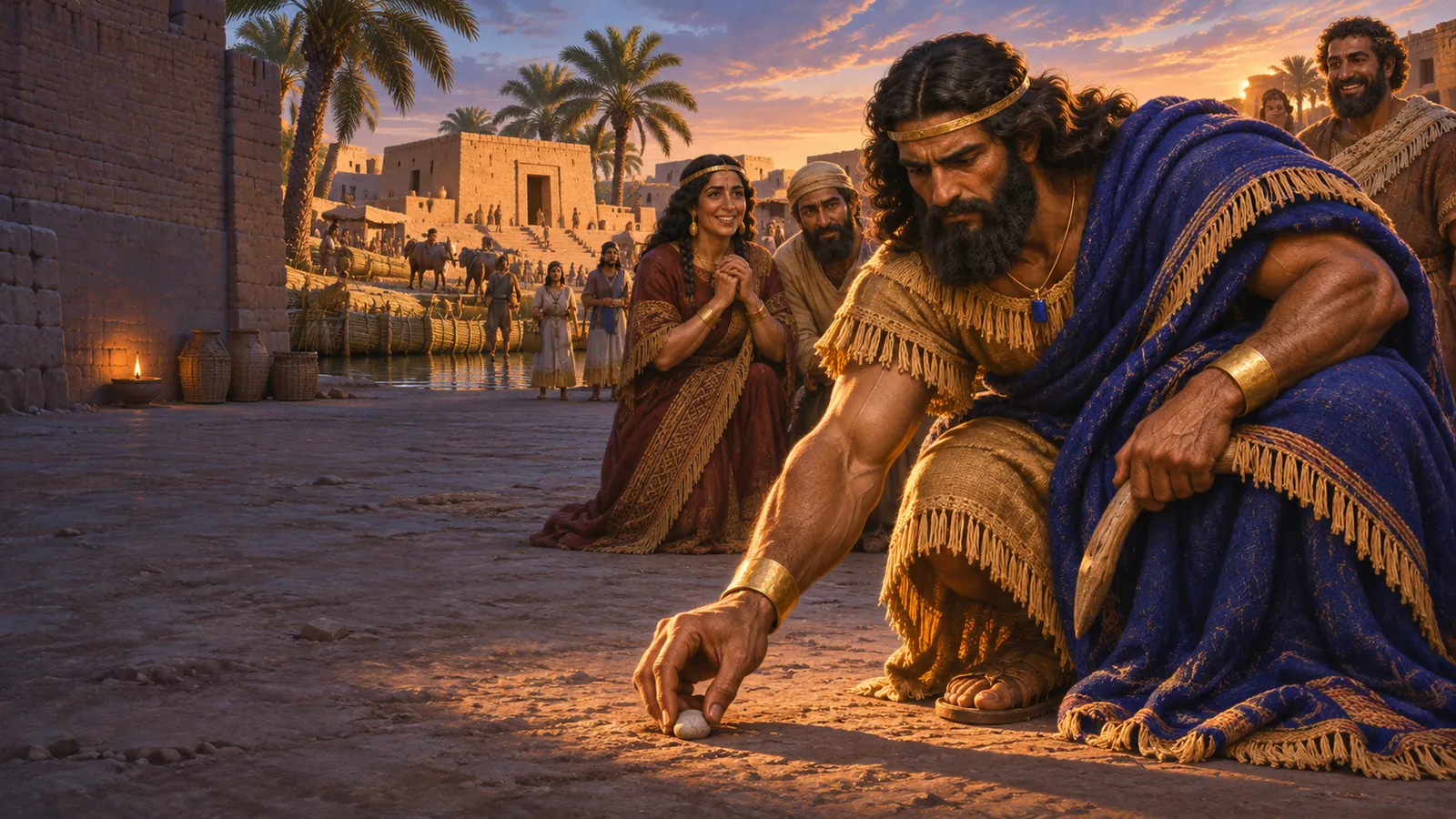
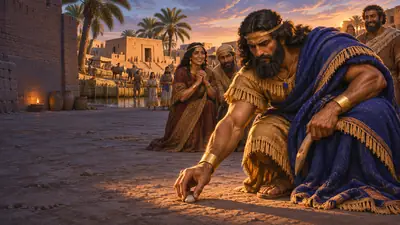
As evening came, Gilgamesh marked the spot where the ellag had lain. He picked it up and carried it home.
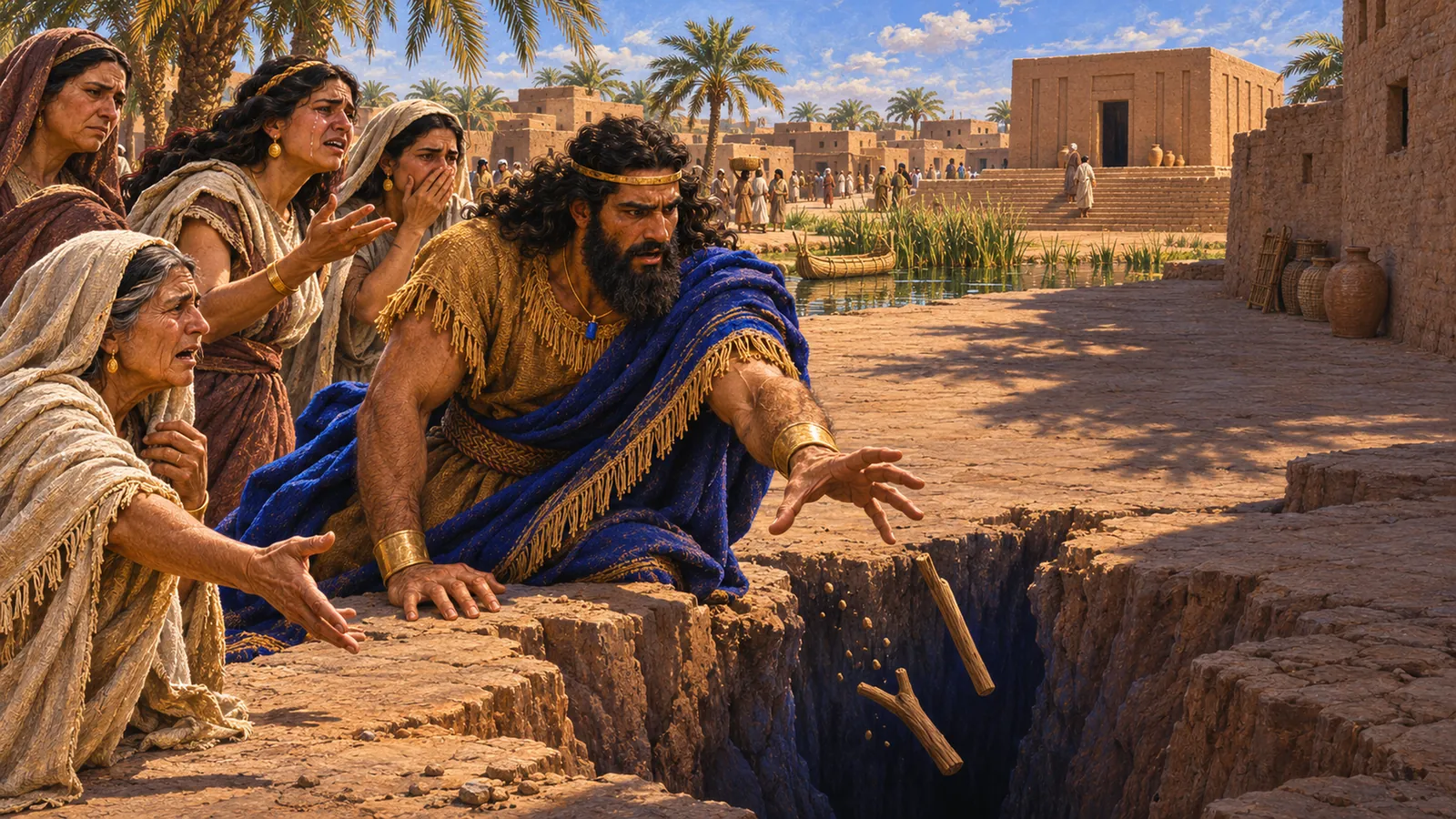
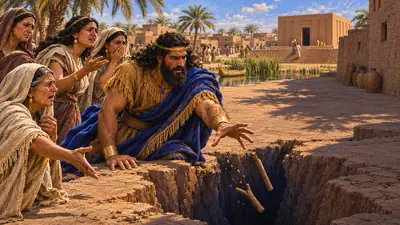
In the morning the widows accused him and the young women complained. Their words caused his ellag and ekidma to fall to the bottom of the netherworld.
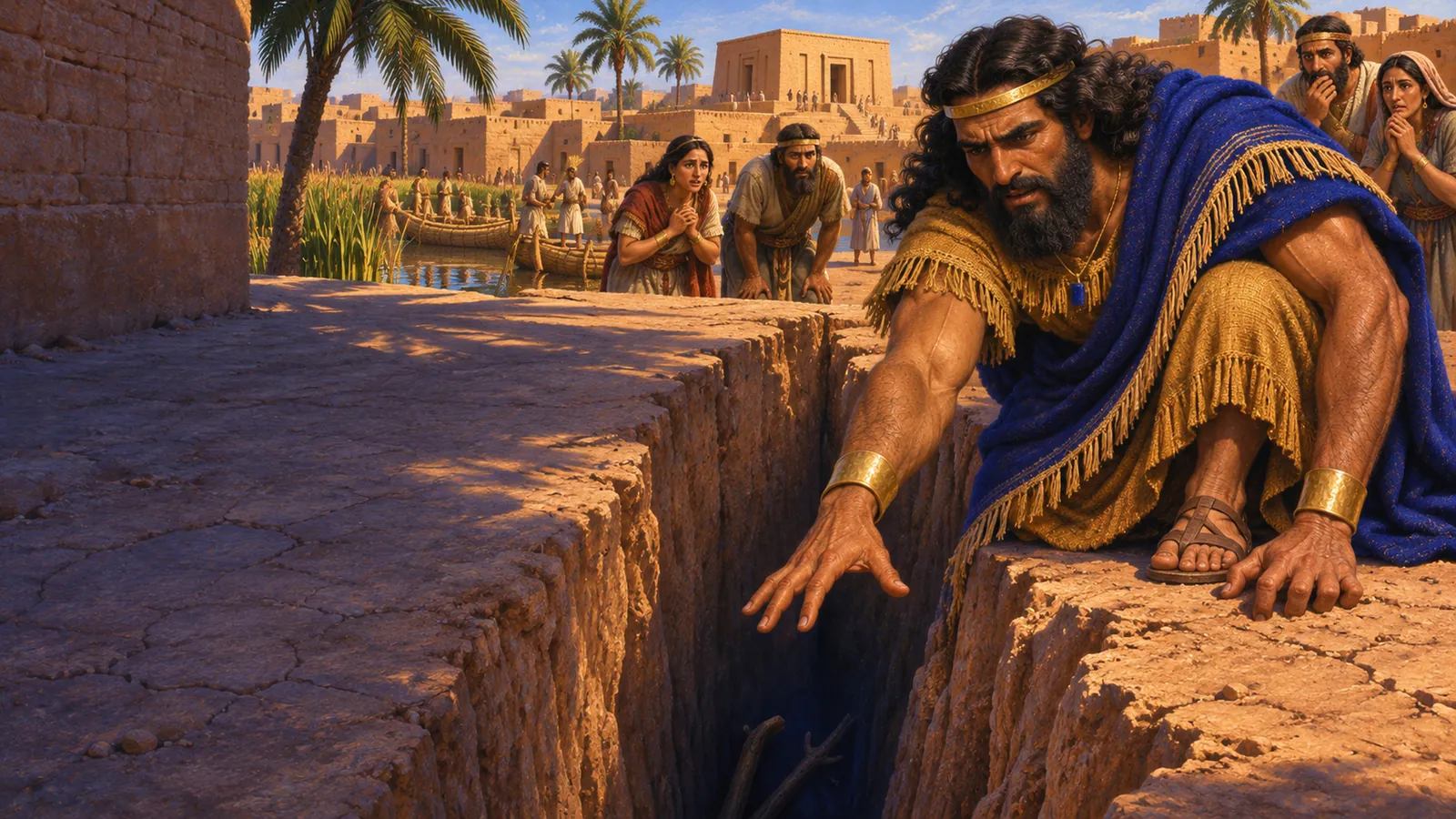
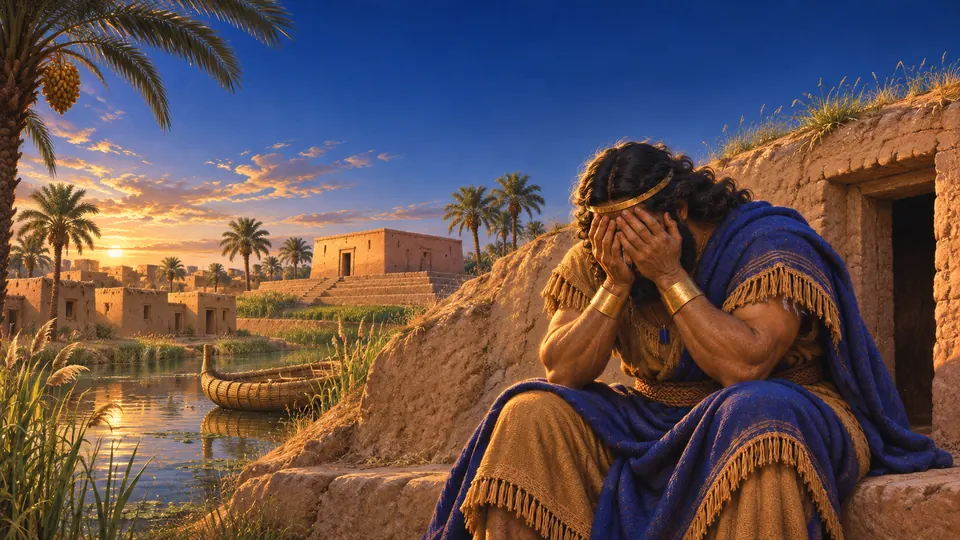
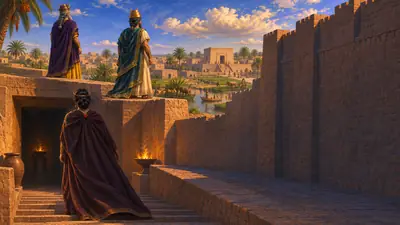
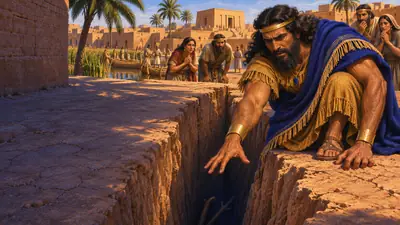
Gilgamesh tried to reach down with his hand and then with his foot. Neither gaming piece came within his reach.
End of chapter 1
All pages


















Sources
Oxford’s Version A groups lines in its English translation. Page notes identify the events within each printed group and mark readings from individual manuscripts. The names Gilgamesh, Inanna, Ereshkigal and Uruk appear as Gilgamec, Inana, Erec-kigala and Unug in the Oxford translation.
Editions consulted
Notes on this retelling
Pages 1–6, Version A 1–26. The retelling condenses the repeated formula and treats the assignments as part of the poem’s ancient account. Oxford prints Erec-kigala for Ereshkigal.
Pages 7–10, Version A 1–26. The repeated departure formula names the father and then Enki. The hail is small and large. The keel, bow and stern respectively carry the turtle, wolf and lion comparisons.
Pages 11–15, Version A 27–35. The poem says halub tree. The retelling preserves that name. The south wind uproots it and strips its branches, and the Euphrates carries it away. In this initial account a woman heeds the words of An and Enlil and brings the tree into Inanna’s garden at Uruk. In the later retelling to Utu the speaker says she was that woman. Oxford prints Unug and Inana.
16–21 · Version A 36–46. The woman plants the tree using her feet on page 16 and waters it using her feet on page 17. Her questions about the chair and bed are on page 18. Page 19 preserves the progression five years, ten years, the growth of the tree and its unsplit bark. Page 20 identifies the snake immune to incantations at the roots and the Anzud bird settling its young in the branches. Page 21 keeps Oxford’s designation of the phantom maid in the trunk, her joyful laugh and Inanna’s crying. The text gives the maid no proper name in this paragraph.
22–26 · Version A 47–69. The dawn formula presents little birds calling, Utu leaving his bedchamber and his sister addressing him. Pages 23–24 give Inanna’s account of destiny, abundance and the allotment of the realms. Page 25 follows her account of Enki setting sail and the small hail against “the lord” and large hail against Enki. Page 26 keeps the comparisons of the keel to a boat butted by turtles, the bow waves to wolves and the stern waves to a lion.
27–29 · Version A 70–78. Page 27 gives the rooted tree on the Euphrates, with the river watering it. Oxford queries the last occurrence of the repeated phrase “a single tree.” Page 28 gives the south wind, stripping of the branches and carrying away by the river. Page 29 gives Inanna’s account of herself as the woman who heeded An and Enlil and brought the tree into her garden in Uruk.
30–33 · Version A 79–90. Page 30 keeps the use of feet for both planting and watering. Oxford’s composite names Inanna in the first-person watering clause. One manuscript reads “the woman.” Pages 31–32 repeat her wishes for chair and bed, the elapsed years, growth and unsplit bark, and the three occupants in root, branches and trunk order. In this passage the quoted account shifts from first person to third person for part of the description. Page 33 places Inanna’s tears at the close of what she tells Utu. The narrative then says Utu did not stand by her in the matter.
Pages 34–37 (Version A 91–113). The dawn formula mentions Utu leaving his bedchamber. Here Inanna addresses Gilgamesh as her brother. She repeats the allotment of the realms and Enki’s voyage. The turtles, wolves and lion belong to the comparisons for the disturbed boat and water.
Pages 38–39 (Version A 114–122). Oxford places a question mark after the repeated phrase “a single tree.” She tells how the south wind uprooted it and stripped its branches, the river carried it away, and she brought it to her garden in Unug, the Sumerian name of Uruk. The term halub is left in the edition’s transliteration.
Pages 40–42 (Version A 123–135). The poem says the bark stayed unbroken after the tree grew. The root, branches and trunk are the homes of the snake, the Anzud bird with its young, and the phantom maid with her joyful laugh. One manuscript has Inanna say in the first person that she cried. In the composite her crying is recounted in the third person. The verse then says Gilgamesh stood by her.
Page 43 (Version A 136–150). The belt has damaged wording, and one manuscript has a break where the main reading describes fastening it. The belt weighs 50 minas, felt by Gilgamesh as 30 shekels. The bronze axe he took on expeditions weighs seven talents and seven minas. The two conspicuous weights belong to the poem’s description.
Pages 44–45 (Version A 136–150). Gilgamesh kills the snake at the roots. The Anzud bird takes its young to the mountains, and the phantom maid seeks refuge in the wilderness. Oxford marks the verb for her leaving the dwelling as uncertain. Gilgamesh uproots the tree and strips its branches. The men of his city cut the branches and bundle them, while one manuscript reads that they pile them up.
Pages 46–47 (Version A 136–150). Gilgamesh gives wood to Inanna for her chair and then for her bed. He makes the ellag from the roots and the ekidma from the branches. The following passage shows him playing, and the edition retains the names of the two implements. Oxford says that the pronunciation of ekidma is unknown. A modern reading aid for the name is only an approximation.
Page 48, ETCSL 1.8.1.4, Version A, lines 151–165. Gilgamesh plays ellag in the broad square and praises himself repeatedly. The Ur manuscripts add the young men playing too. The exact form of the game and its implements is uncertain.
Page 49, lines 151–165. The Oxford translation has a broken phrase involving a team and the widows’ children. The complaints name pain in the neck and hips. Mothers bring bread to sons and sisters pour water for brothers. The retelling keeps the pain and relief and leaves the broken assignment of the players open.
Pages 50–51, lines 151–165. He marks the spot at evening and takes the ellag home. His morning action at the spot is damaged. The widows’ accusation and the young girls’ complaint bring the fall of both objects.
Page 52, lines 151–165. He tries with his hand and his foot and cannot reach the pieces. A manuscript uses “touch” in both clauses, and one adds another fragmentary attempt. Continue at the gate of Ganzer in 166–175. Oxford notes at 136–150 that the correct pronunciation of ekidma is unknown.
Ancient lines behind each page
- Page 1: ETCSL 1.8.1.4, Version A, lines 1–26
- Page 2: ETCSL 1.8.1.4, Version A, lines 1–26
- Page 3: ETCSL 1.8.1.4, Version A, lines 1–26
- Page 4: ETCSL 1.8.1.4, Version A, lines 1–26
- Page 5: ETCSL 1.8.1.4, Version A, lines 1–26
- Page 6: ETCSL 1.8.1.4, Version A, lines 1–26
- Page 7: ETCSL 1.8.1.4, Version A, lines 1–26
- Page 8: ETCSL 1.8.1.4, Version A, lines 1–26
- Page 9: ETCSL 1.8.1.4, Version A, lines 1–26
- Page 10: ETCSL 1.8.1.4, Version A, lines 1–26
- Page 11: ETCSL 1.8.1.4, Version A, lines 27–35
- Page 12: ETCSL 1.8.1.4, Version A, lines 27–35
- Page 13: ETCSL 1.8.1.4, Version A, lines 27–35
- Page 14: ETCSL 1.8.1.4, Version A, lines 27–35
- Page 15: ETCSL 1.8.1.4, Version A, lines 27–35
- Page 16: ETCSL 1.8.1.4, Version A, lines 36–46
- Page 17: ETCSL 1.8.1.4, Version A, lines 36–46
The left is unbroken taupe clay with soft shade and no definite line, reflected object or branch. - Page 18: ETCSL 1.8.1.4, Version A, lines 36–46
- Page 19: ETCSL 1.8.1.4, Version A, lines 36–46
- Page 20: ETCSL 1.8.1.4, Version A, lines 36–46
- Page 21: ETCSL 1.8.1.4, Version A, lines 36–46
- Page 22: ETCSL 1.8.1.4, Version A, lines 47–69
- Page 23: ETCSL 1.8.1.4, Version A, lines 47–69
- Page 24: ETCSL 1.8.1.4, Version A, lines 47–69
- Page 25: ETCSL 1.8.1.4, Version A, lines 47–69
- Page 26: ETCSL 1.8.1.4, Version A, lines 47–69
- Page 27: ETCSL 1.8.1.4, Version A, lines 70–78
- Page 28: ETCSL 1.8.1.4, Version A, lines 70–78
- Page 29: ETCSL 1.8.1.4, Version A, lines 70–78
- Page 30: ETCSL 1.8.1.4, Version A, lines 79–90
- Page 31: ETCSL 1.8.1.4, Version A, lines 79–90
Left is the continuous low-contrast clay shade of a near wall, with no boundaries, furniture edges or bark lines. - Page 32: ETCSL 1.8.1.4, Version A, lines 79–90
- Page 33: ETCSL 1.8.1.4, Version A, lines 79–90
- Page 34: ETCSL 1.8.1.4, Version A, lines 91–113
- Page 35: ETCSL 1.8.1.4, Version A, lines 91–113
The right is a single low-contrast stretch of warm blue-grey air and distant ground, with no distinct line crossing it. - Page 36: ETCSL 1.8.1.4, Version A, lines 91–113
- Page 37: ETCSL 1.8.1.4, Version A, lines 91–113
Small broken water swells stay near it on the left. - Page 38: ETCSL 1.8.1.4, Version A, lines 114–122
- Page 39: ETCSL 1.8.1.4, Version A, lines 114–122
A low mudbrick garden wall and a plain open side entrance occupy the far lower-left, with a short curved line of wet ochre path. - Page 40: ETCSL 1.8.1.4, Version A, lines 123–135
- Page 41: ETCSL 1.8.1.4, Version A, lines 123–135
- Page 42: ETCSL 1.8.1.4, Version A, lines 123–135
- Page 43: ETCSL 1.8.1.4, Version A, lines 136–150
- Page 44: ETCSL 1.8.1.4, Version A, lines 136–150
- Page 45: ETCSL 1.8.1.4, Version A, lines 136–150
- Page 46: ETCSL 1.8.1.4, Version A, lines 136–150
- Page 47: ETCSL 1.8.1.4, Version A, lines 136–150
- Page 48: ETCSL 1.8.1.4, Version A, lines 151–165
- Page 49: ETCSL 1.8.1.4, Version A, lines 151–165
- Page 50: ETCSL 1.8.1.4, Version A, lines 151–165
- Page 51: ETCSL 1.8.1.4, Version A, lines 151–165
- Page 52: ETCSL 1.8.1.4, Version A, lines 151–165
Illustrations made with AI tools by IL Archive; the text is based on the ancient sources (see the sources at the end of each chapter).