Gilgamesh, Enkidu and the Netherworld Chapter 2
The Gate of Ganzer
Enkidu offers to retrieve Gilgamesh’s lost game pieces. After he breaks the instructions for his descent, the netherworld detains him. Gilgamesh appeals to Enlil and Enki. When Enkidu is brought up, Gilgamesh asks him what he saw below.
SourcesTurn the pages with the arrows, the arrow keys or a swipe.
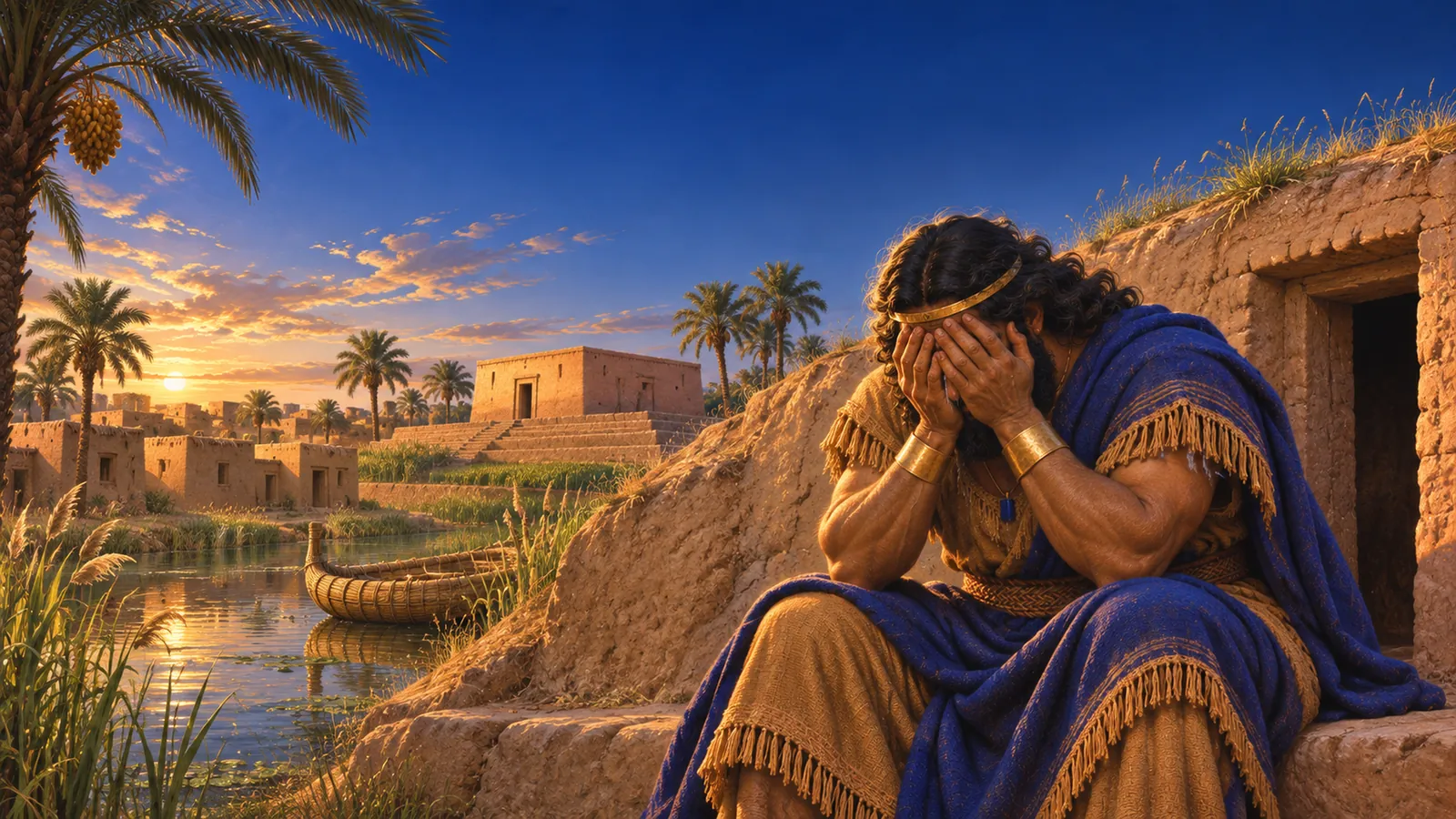
THE GATE OF GANZER
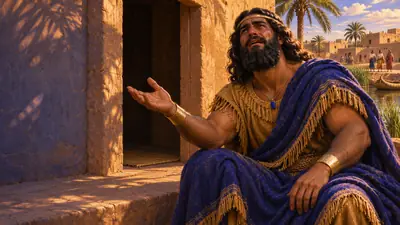
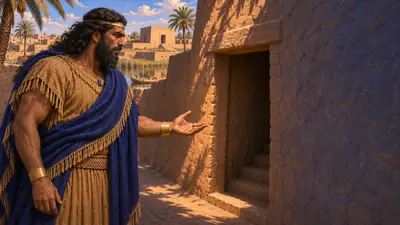
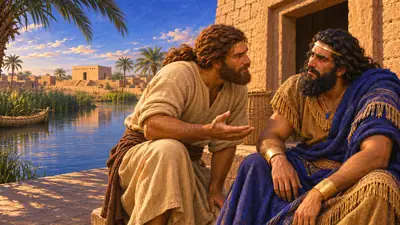
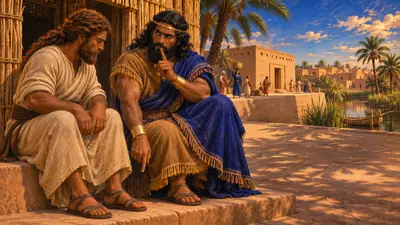
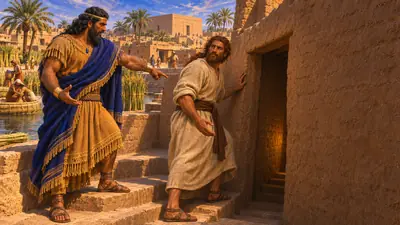
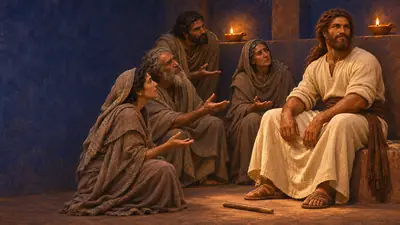
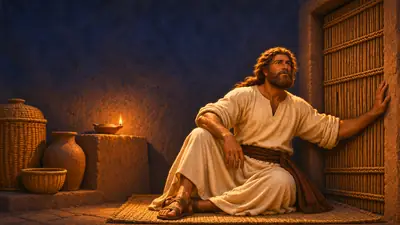
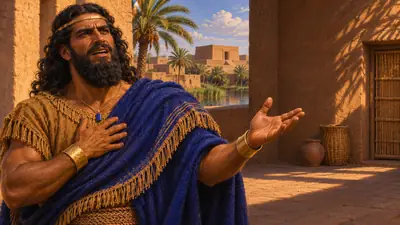
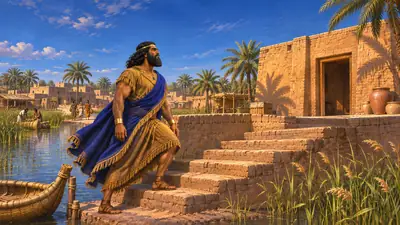
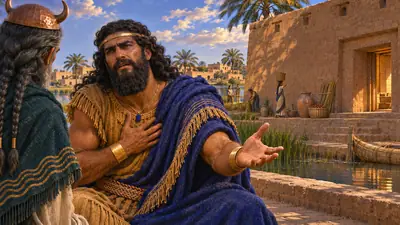
Gilgamesh sat at the gate of Ganzer, at the entrance to the netherworld, and wept bitterly.
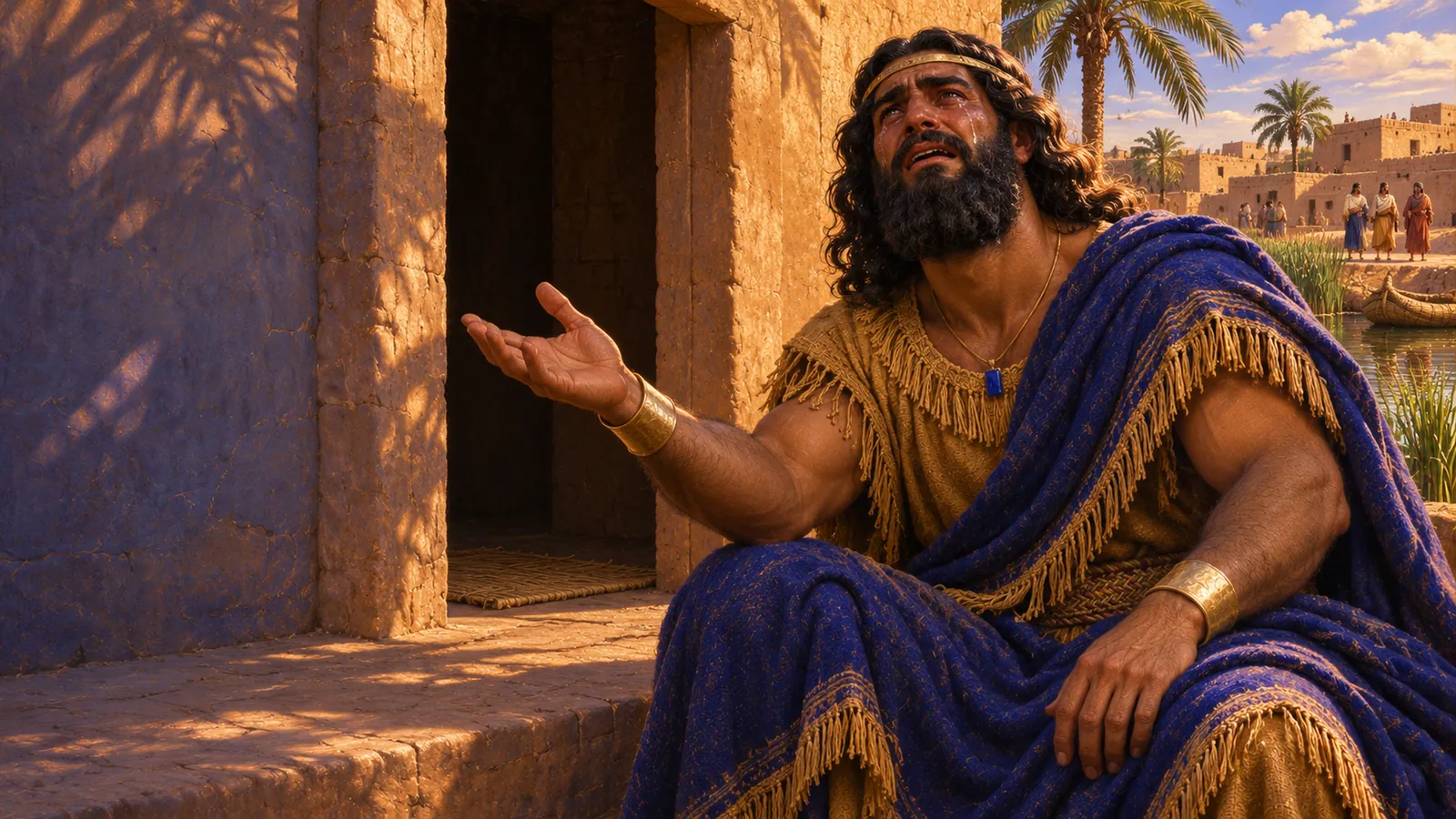
Gilgamesh lamented his ellag and his ekidma. He still took pleasure in the game and had not grown tired of playing.
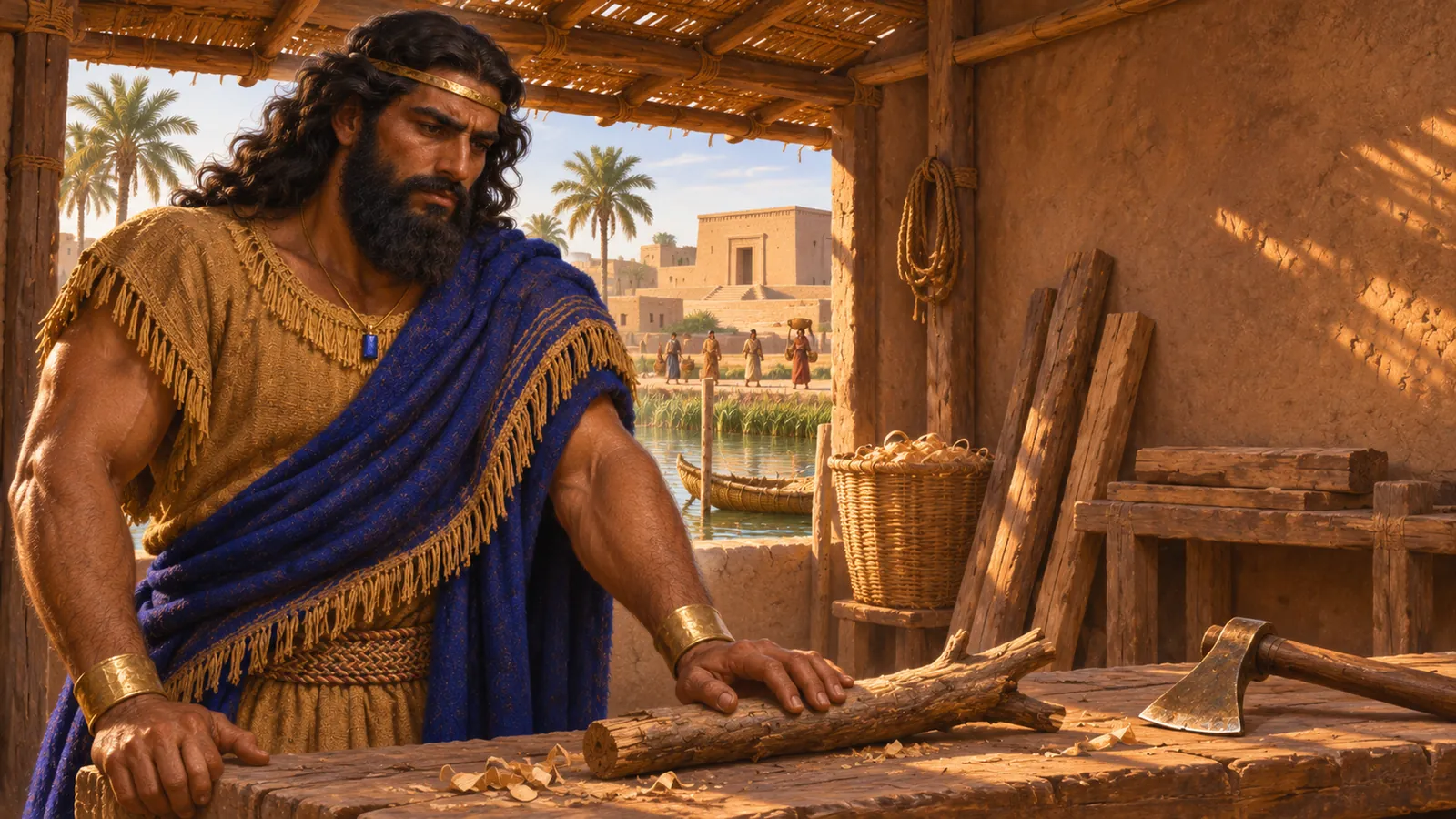
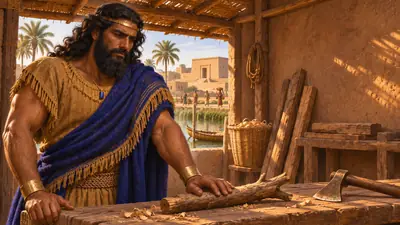
“If only the ellag were still waiting for me in the carpenter’s house,” Gilgamesh said as he lamented.
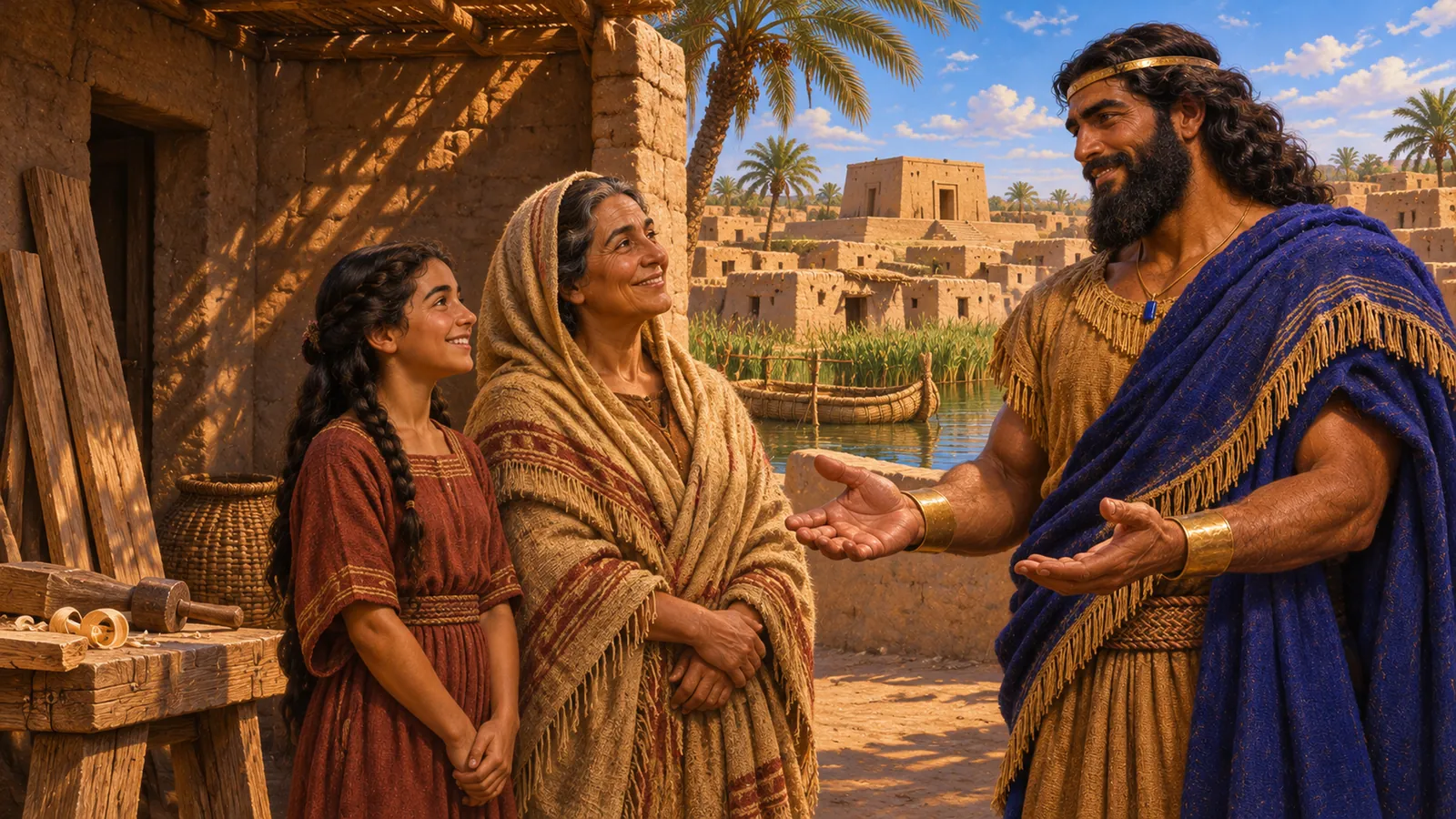
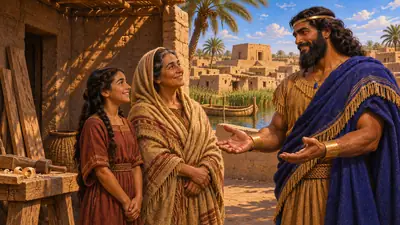
Gilgamesh said he would treat the carpenter’s wife like his own mother and the carpenter’s child like his little sister, if only the ellag were still there.
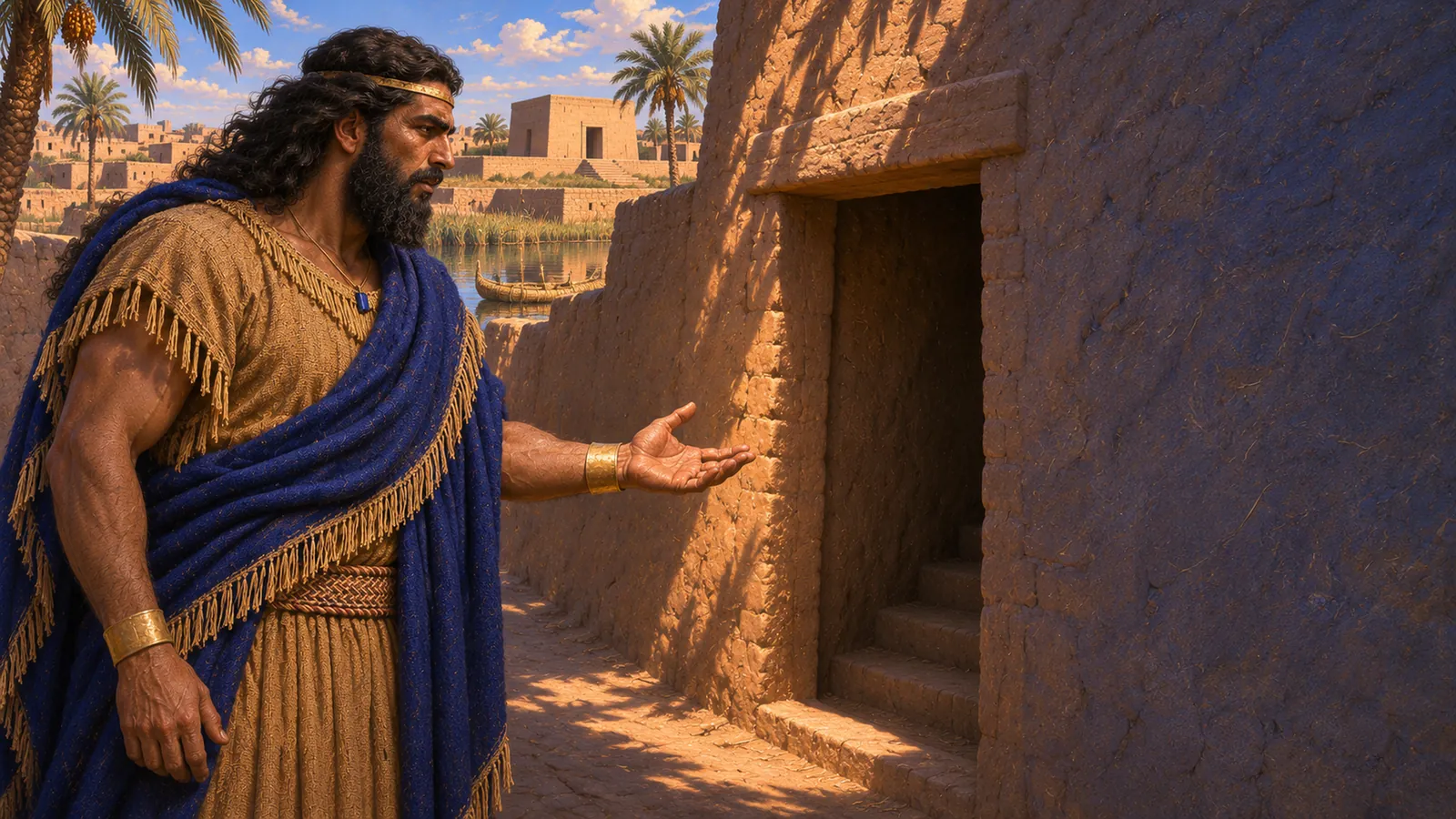
Gilgamesh asked who would retrieve his ellag from the netherworld. He asked who would bring back his ekidma from Ganzer.
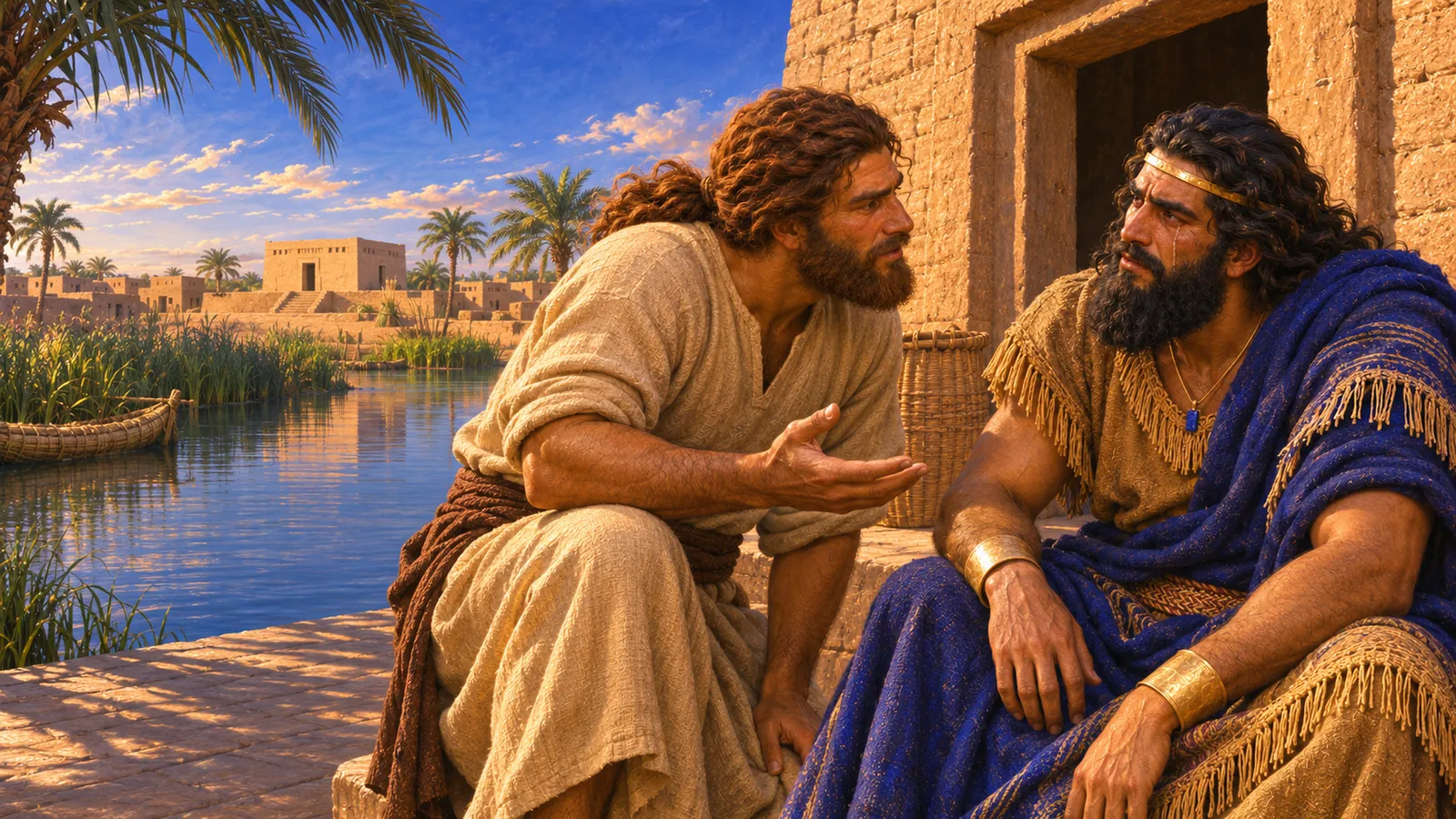
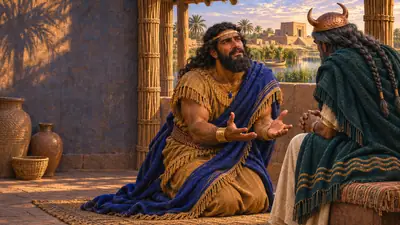
Enkidu, his servant, answered him. Since his king was weeping, he asked what weighed on his heart.
THE PROMISE
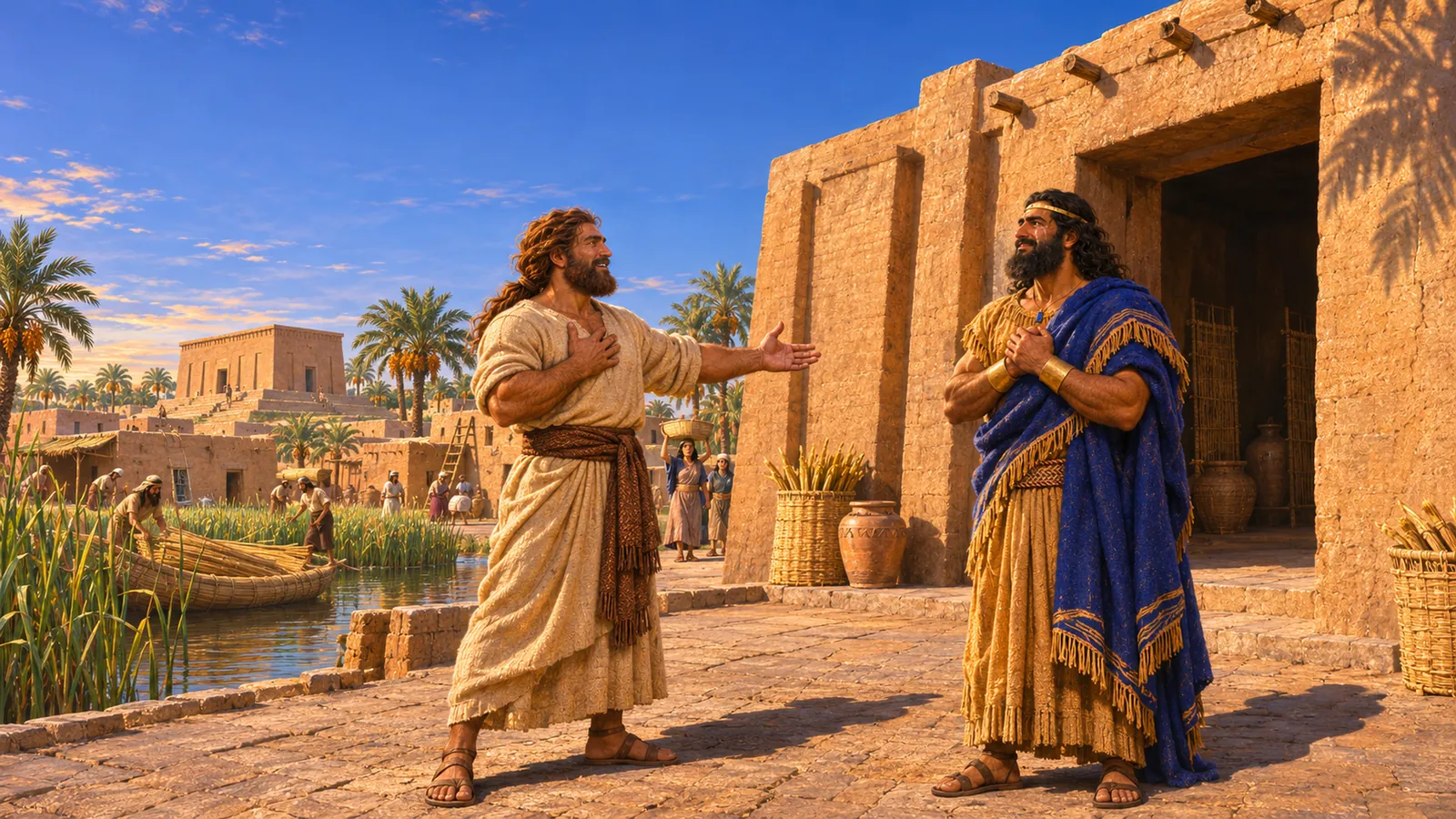
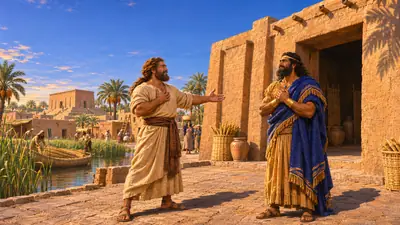
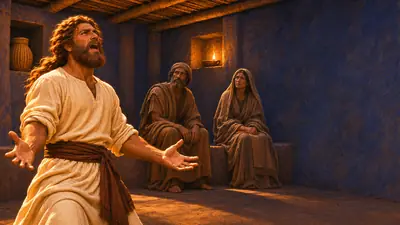
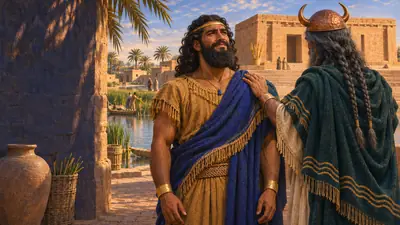
“Today I will bring your ellag back from the netherworld and your ekidma from Ganzer,” Enkidu promised.
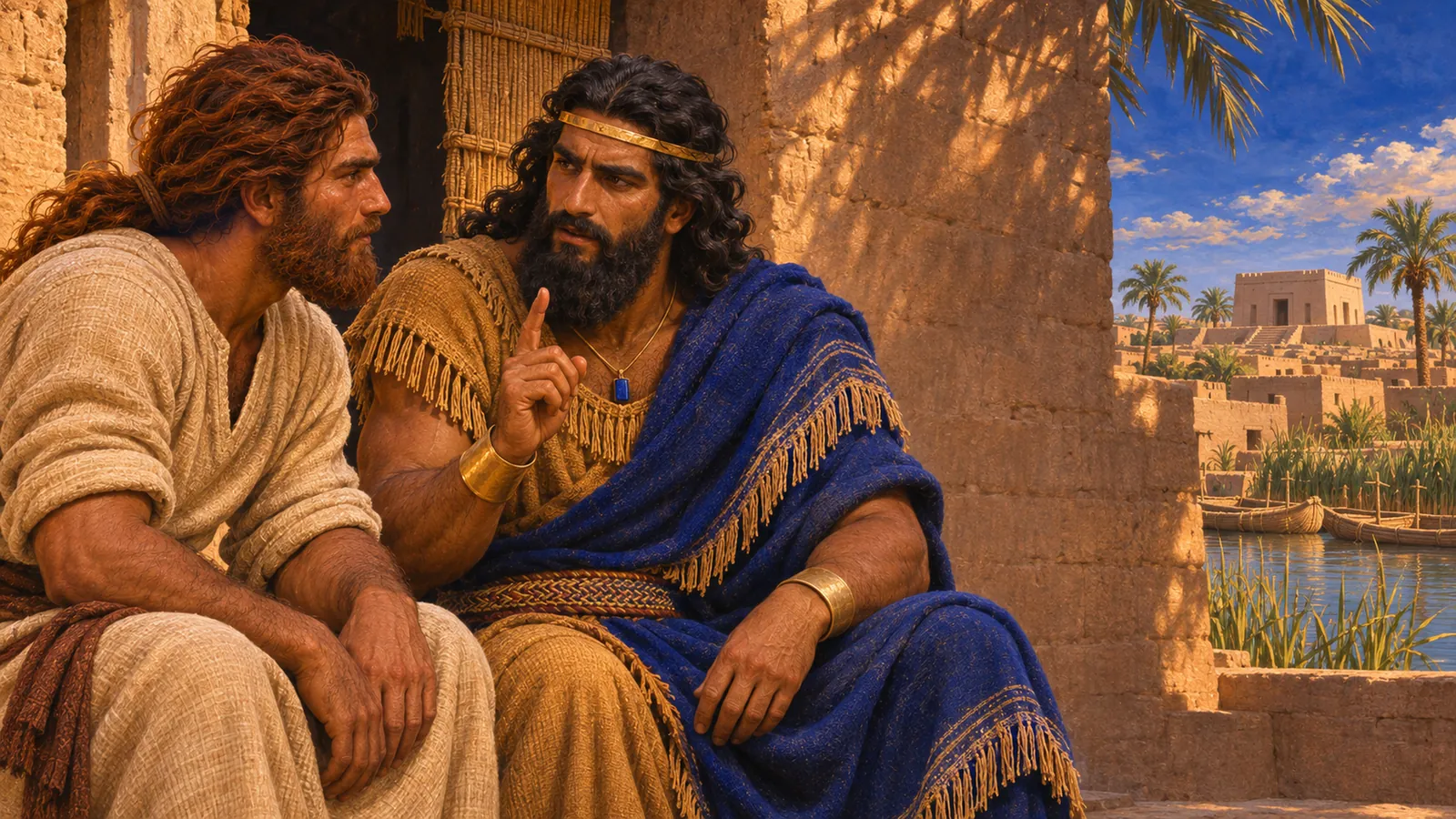
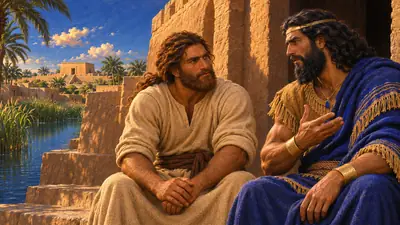
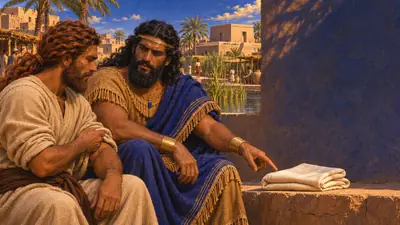
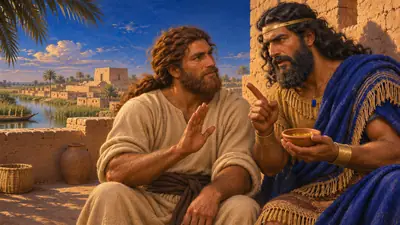
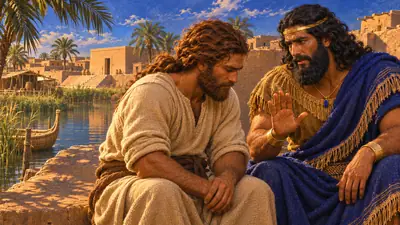
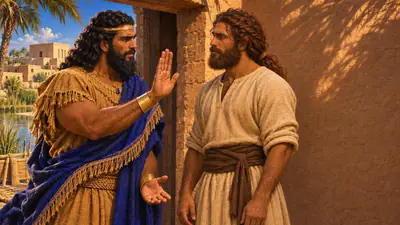
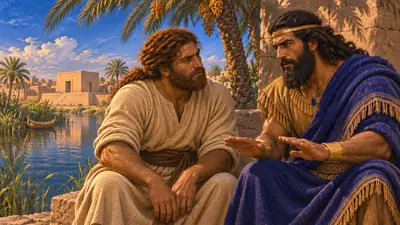
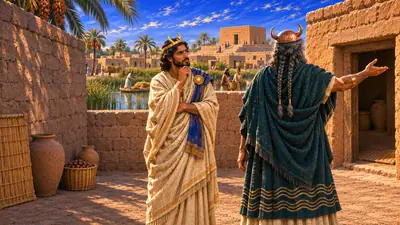
Gilgamesh answered that if Enkidu meant to go down to the netherworld that day, he had advice for him.
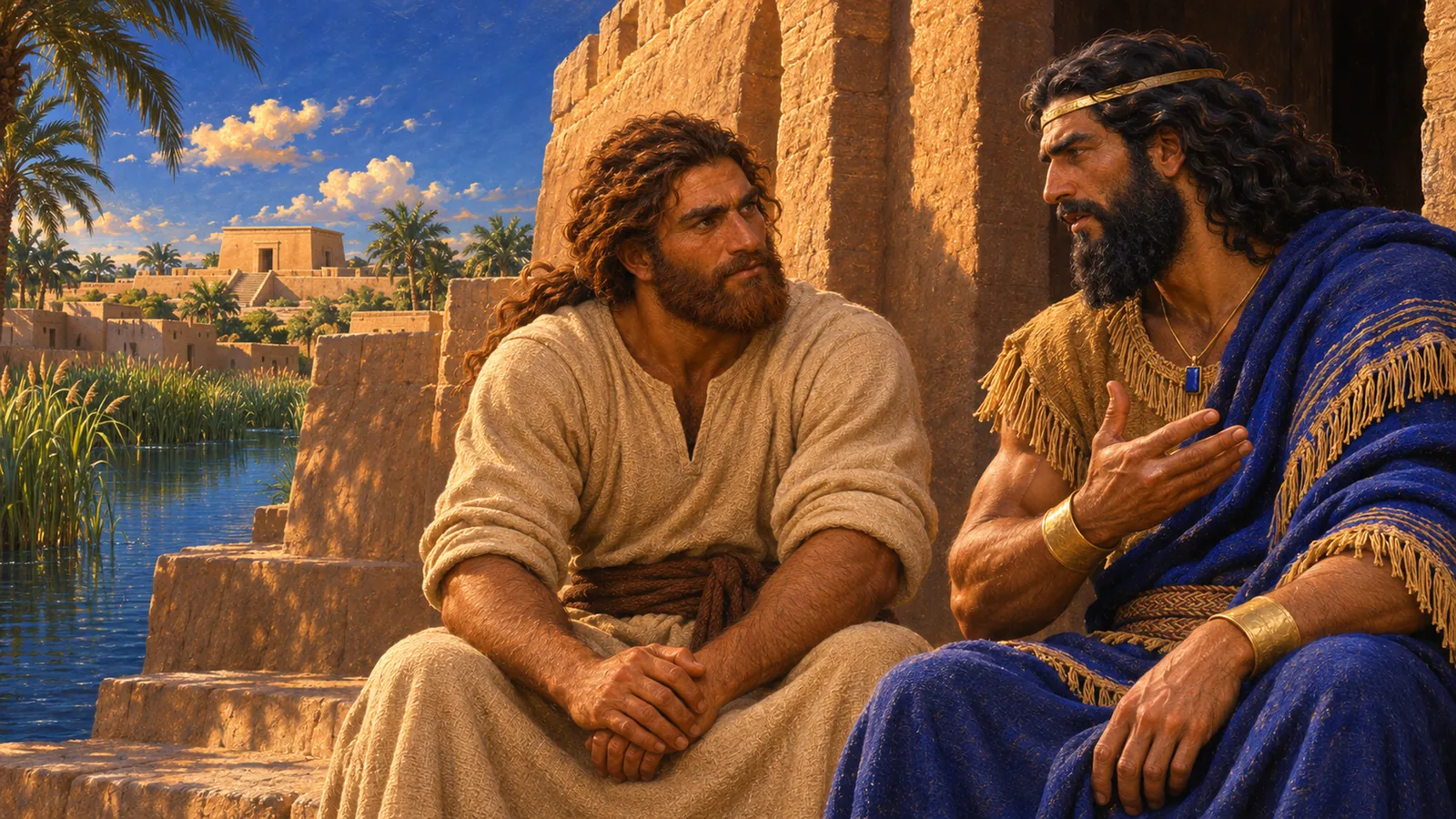
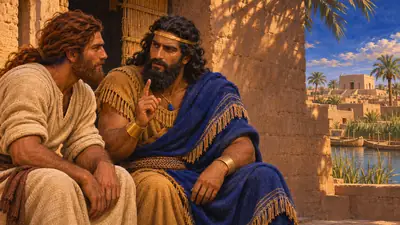
He told Enkidu to pay close attention to his words and to follow the instructions he was about to give.
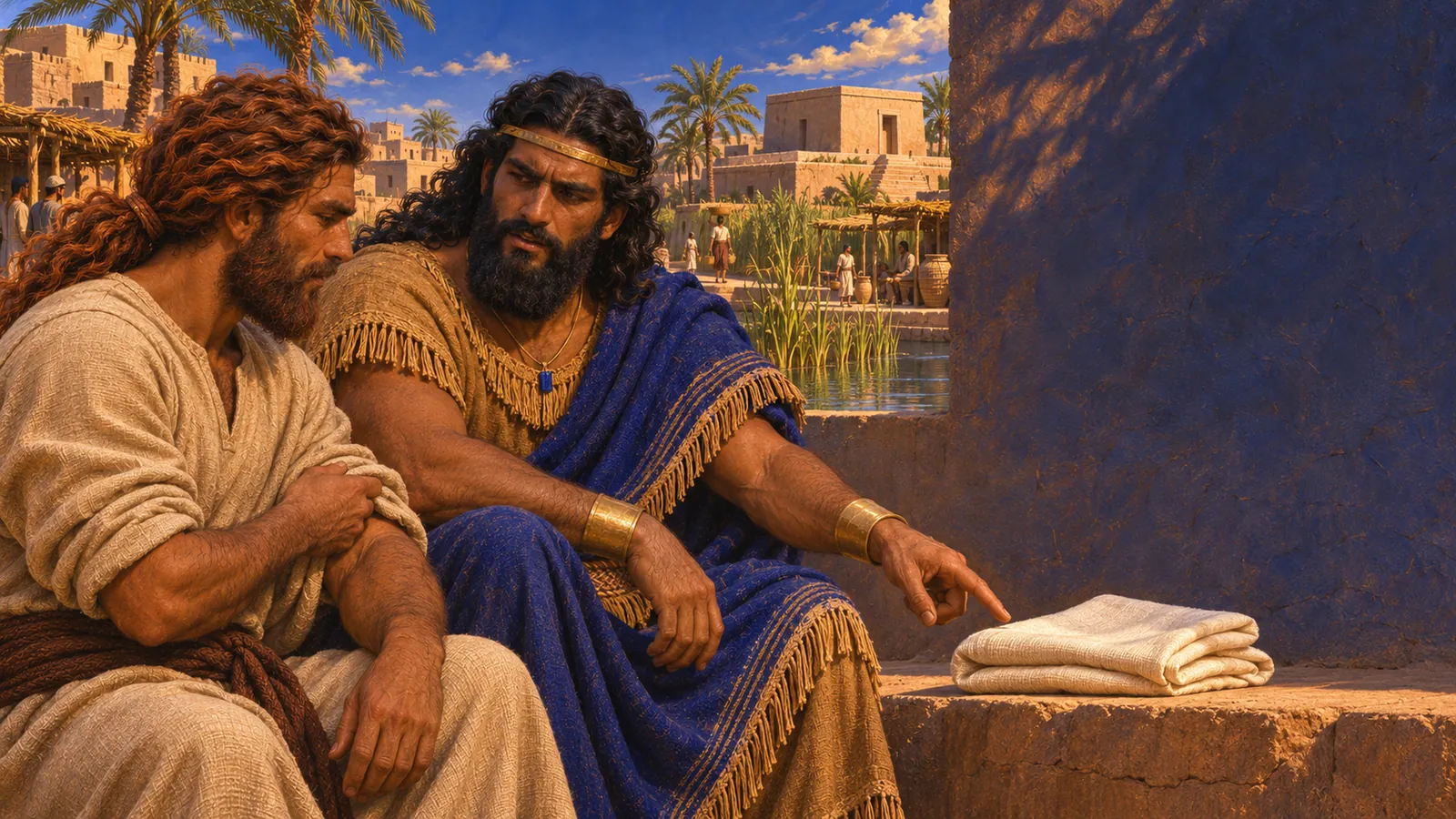
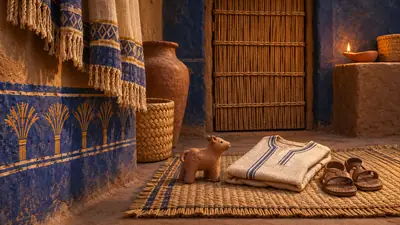
Gilgamesh warned Enkidu against wearing clean clothes below, because those there would immediately recognize him as an outsider.
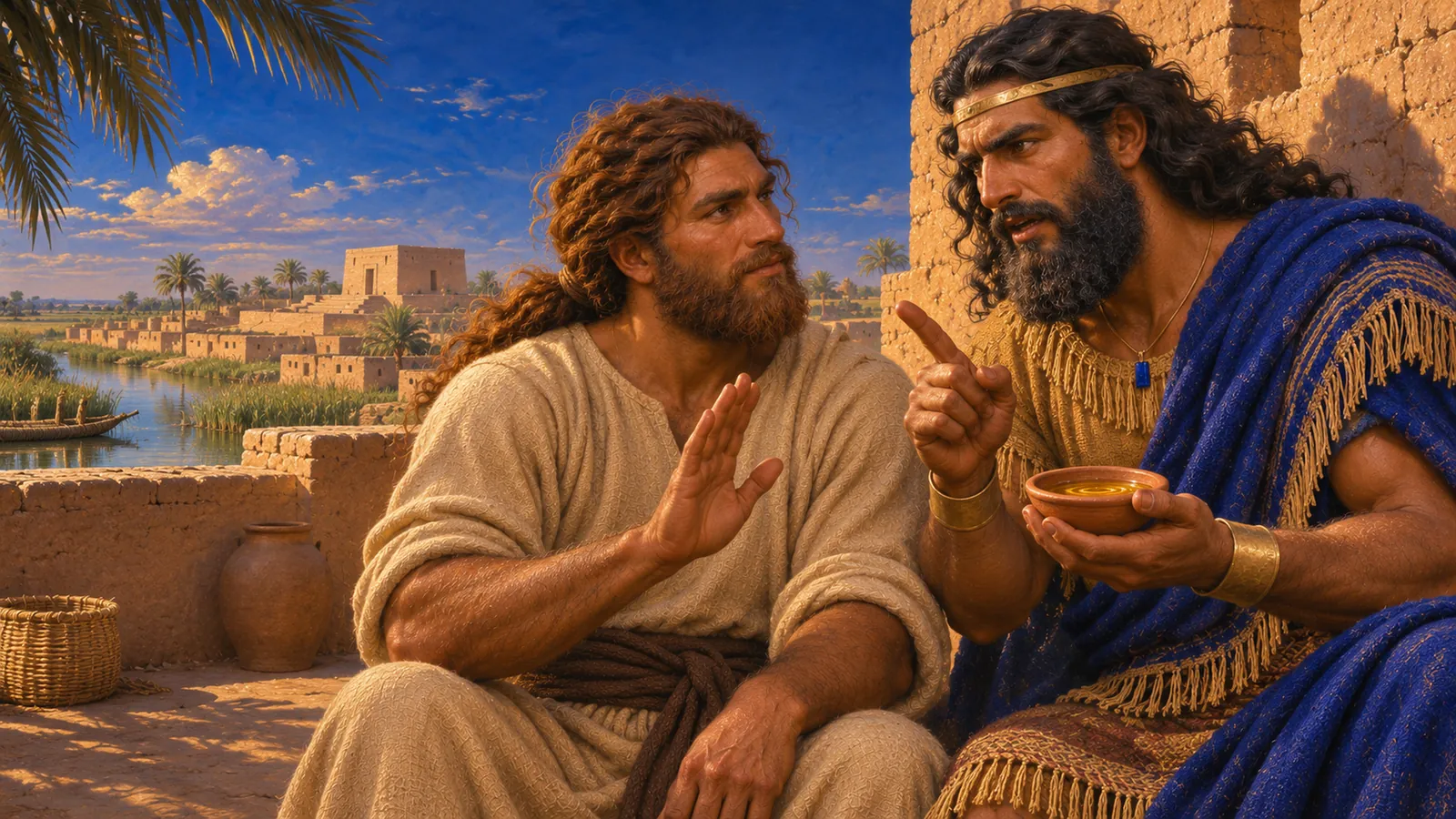
Gilgamesh told him not to anoint himself with fine oil from a bowl. Its scent would draw those below around him.
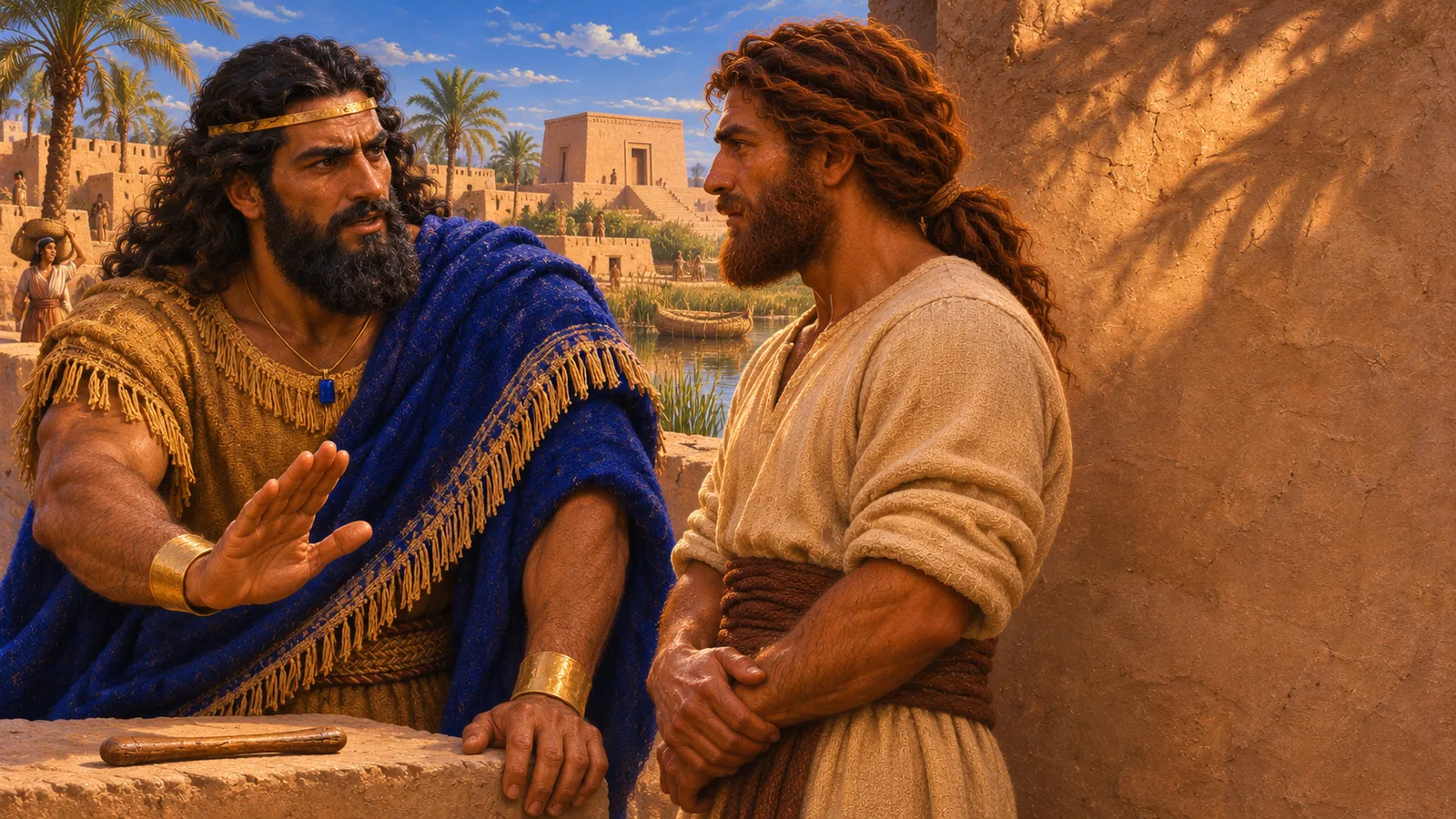
He told Enkidu not to hurl throw-sticks in the netherworld. Those struck down by the sticks would surround him.
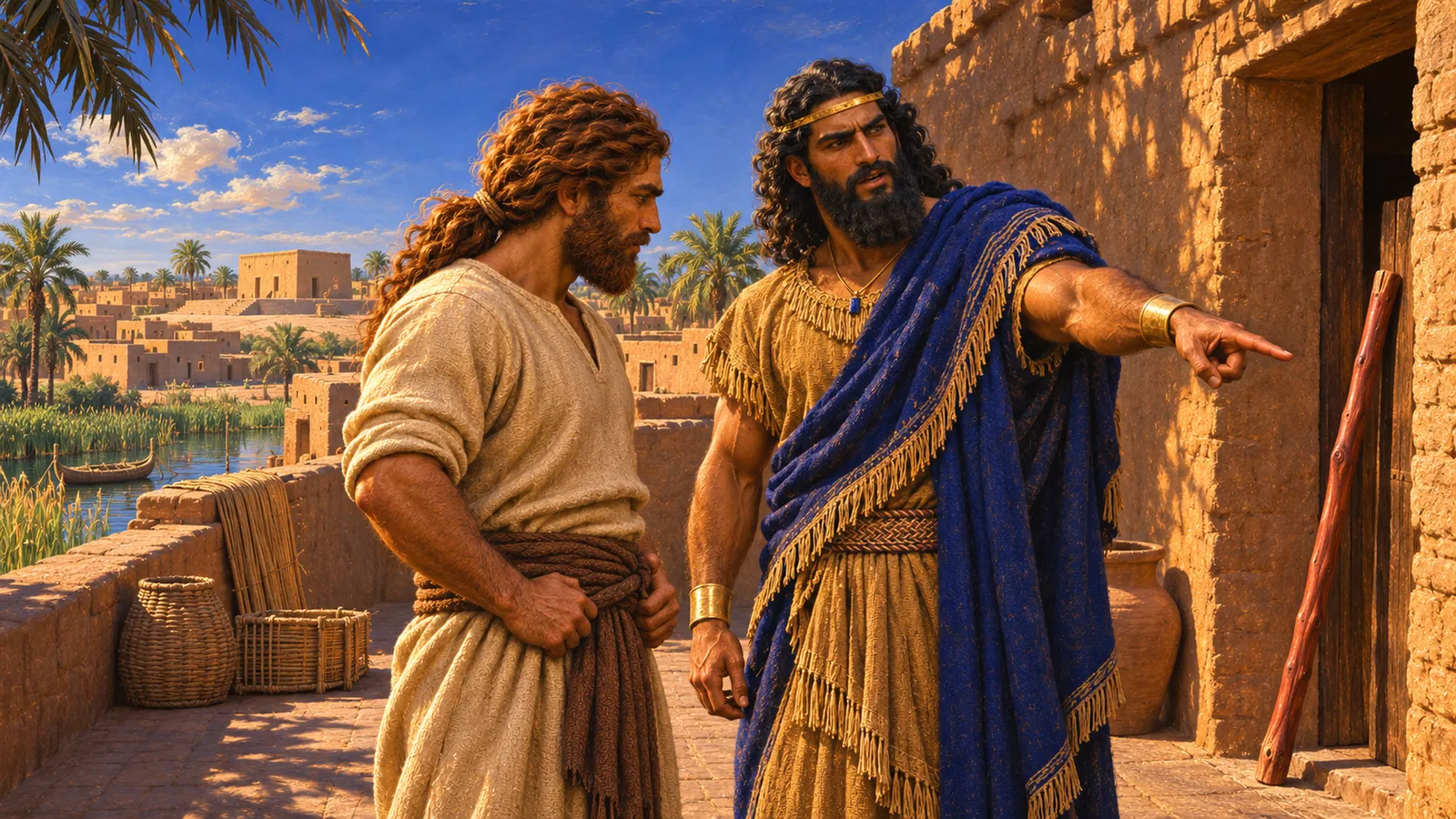
He said not to hold a stick of cornel wood down there. The spirits would take it as an insult.
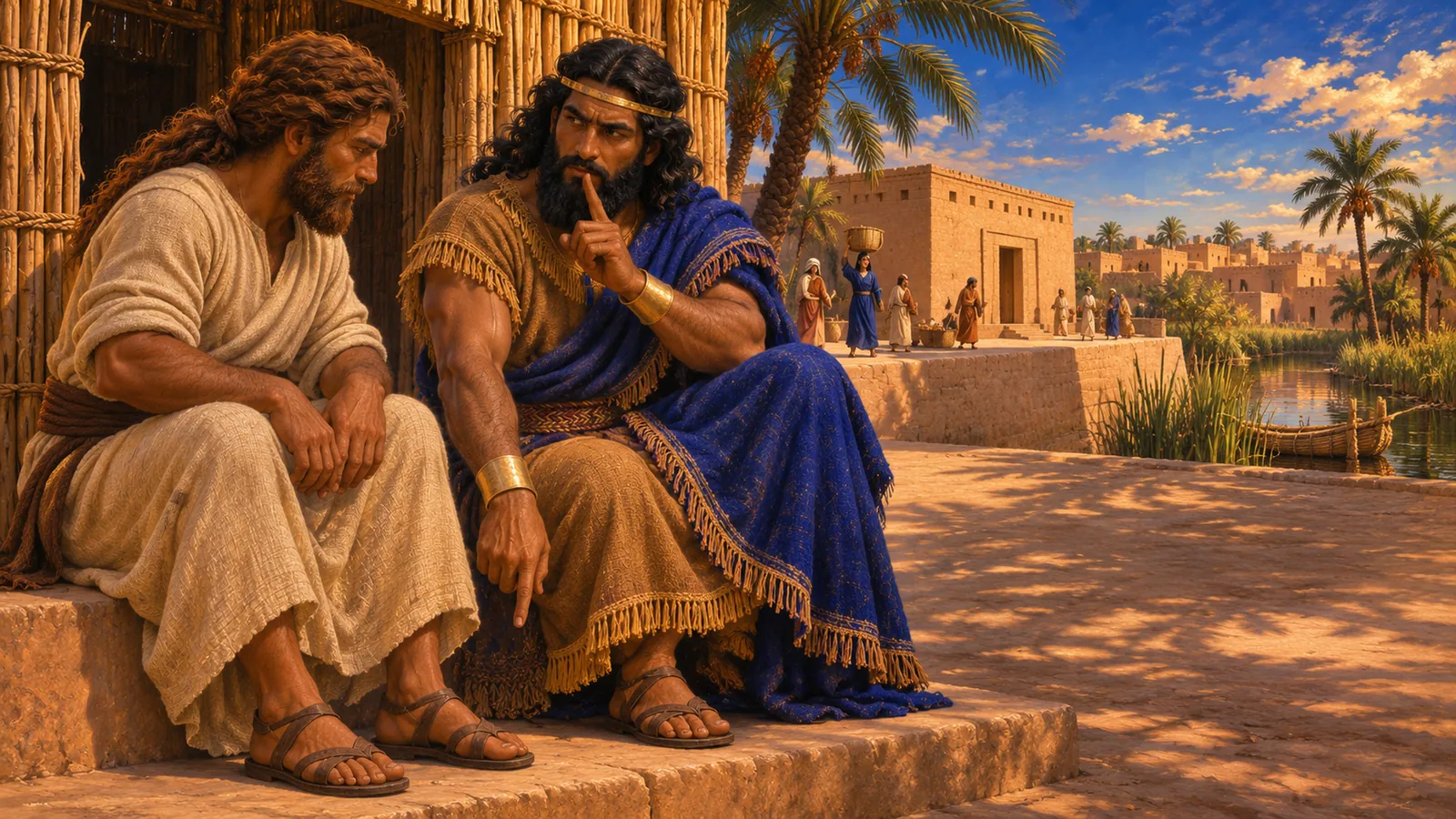
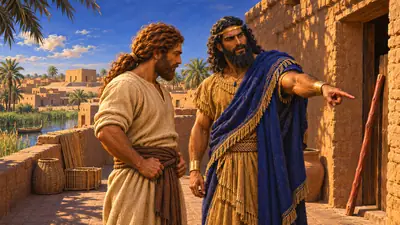
Gilgamesh gave him two more instructions for the netherworld. He was to put no sandals on his feet and to keep from shouting.
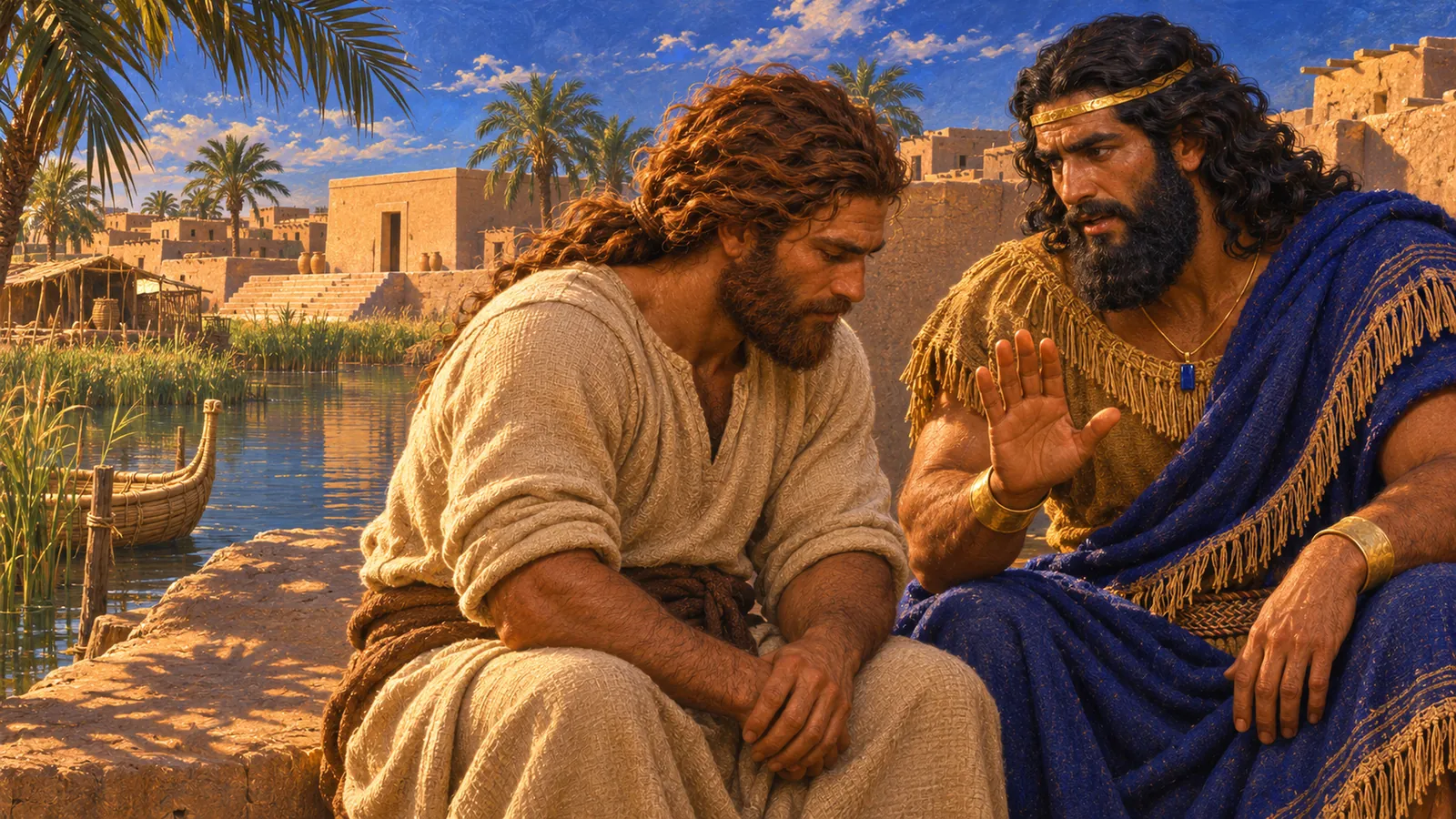
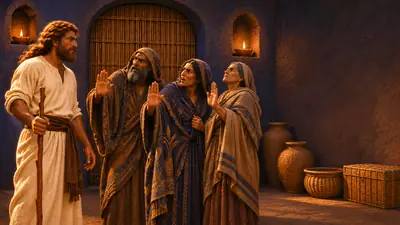
Gilgamesh told Enkidu that when he went down to the netherworld, he should not kiss his beloved wife.
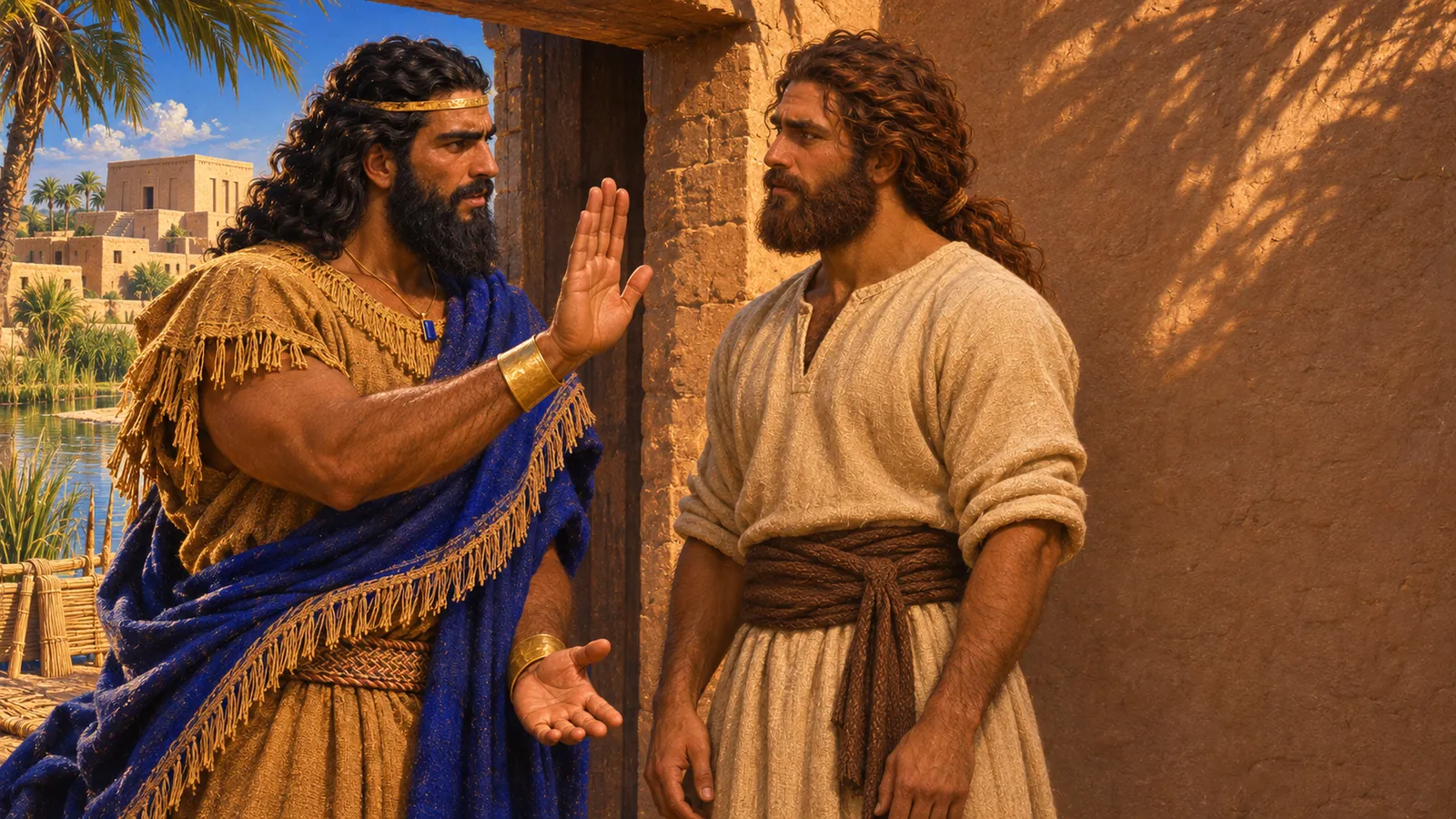
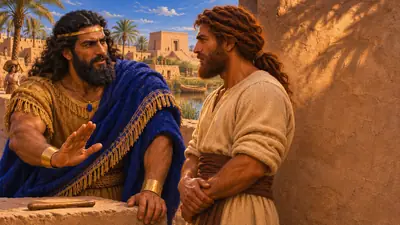
Gilgamesh told Enkidu that even if he became annoyed with his wife, he must not strike her.
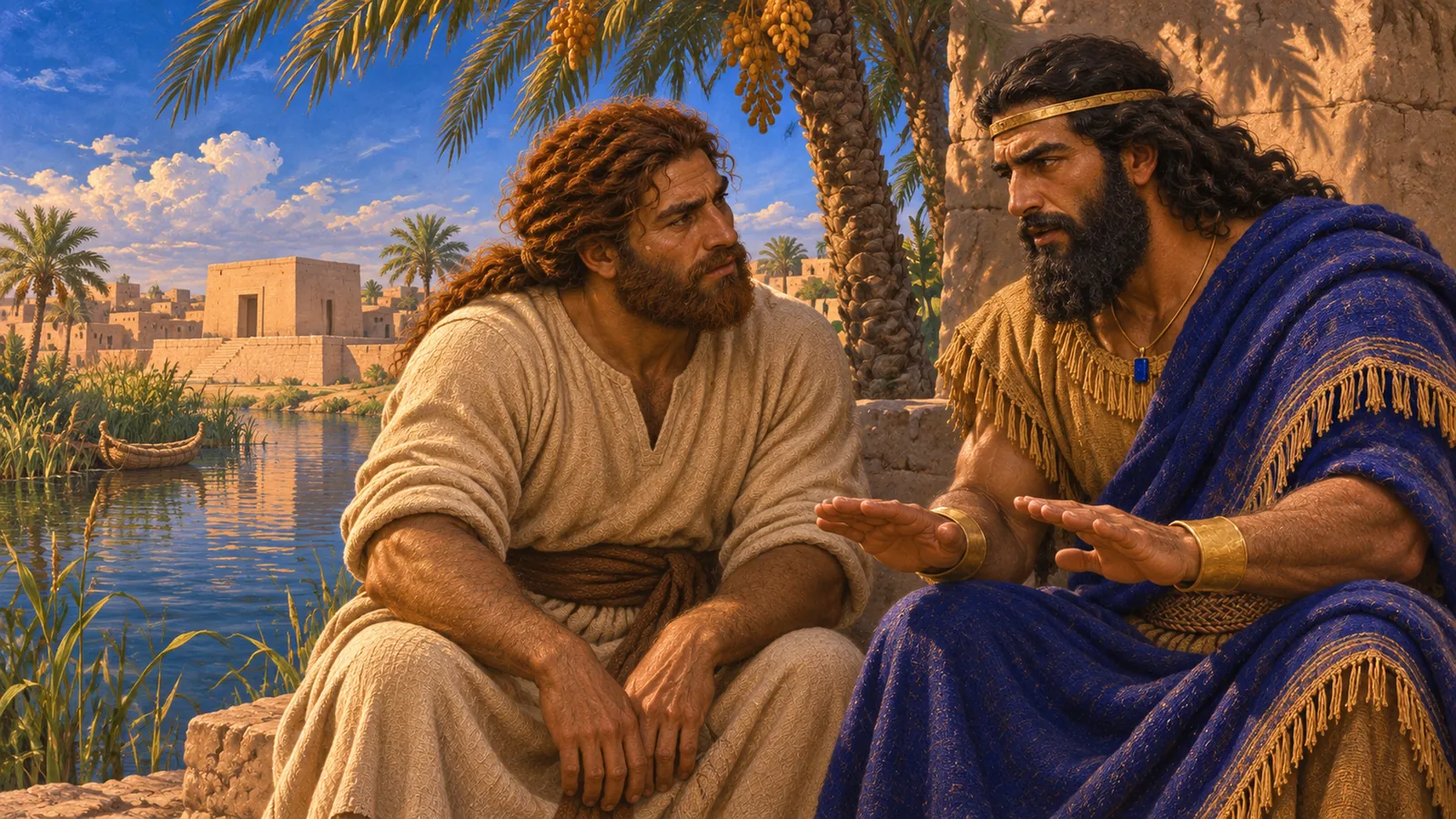
He also warned Enkidu against kissing his beloved child or striking his son, even if he was annoyed with him.
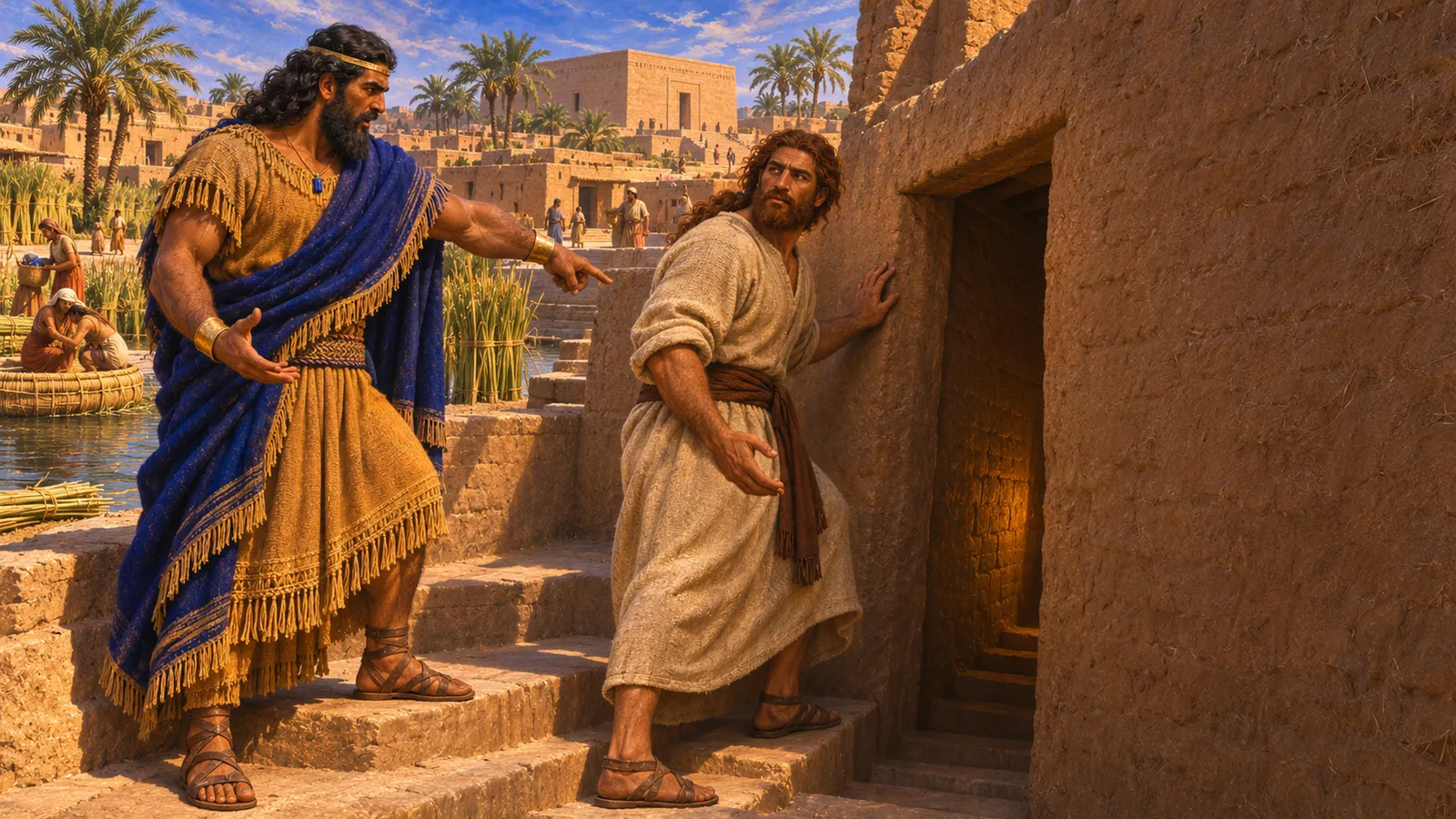
Gilgamesh warned Enkidu that if his actions raised an outcry, the uproar would keep him in the netherworld.
INSTRUCTIONS
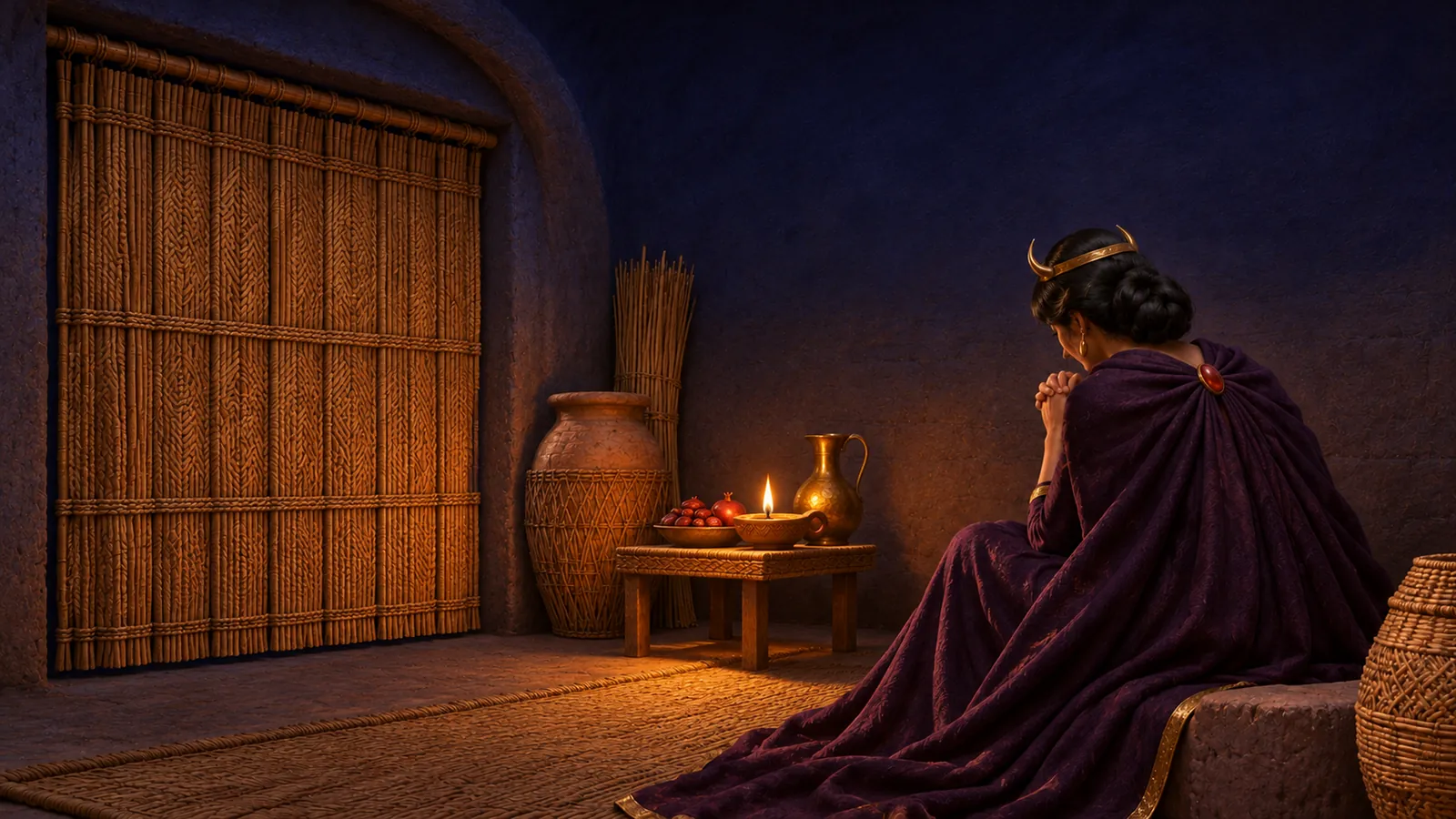
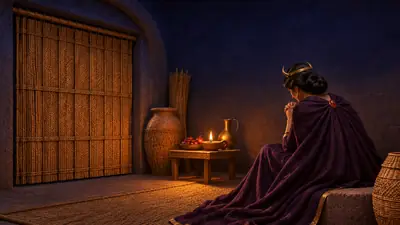
Gilgamesh spoke of a woman lying in the netherworld. He called her the mother of Ninazu.

He said no garment covered her pure shoulders and no linen lay over her pure breast.

In Gilgamesh’s account, the mother of Ninazu was lying there and pulling out her own hair in distress.
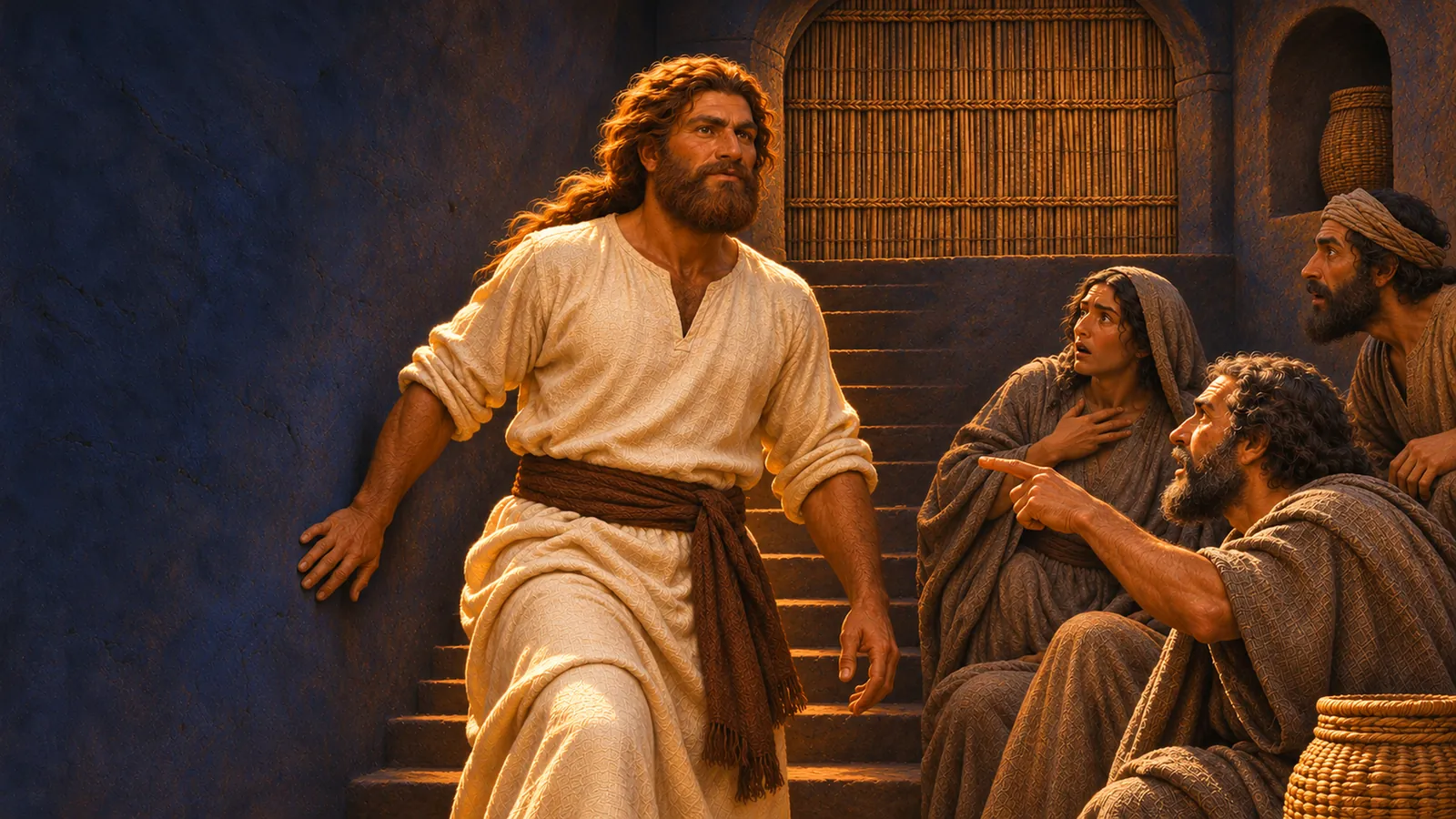
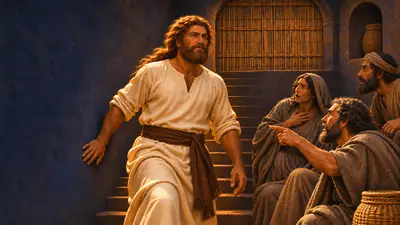
Enkidu failed to heed his master’s words. He put on his clean clothes, and those there recognized that he was an outsider.
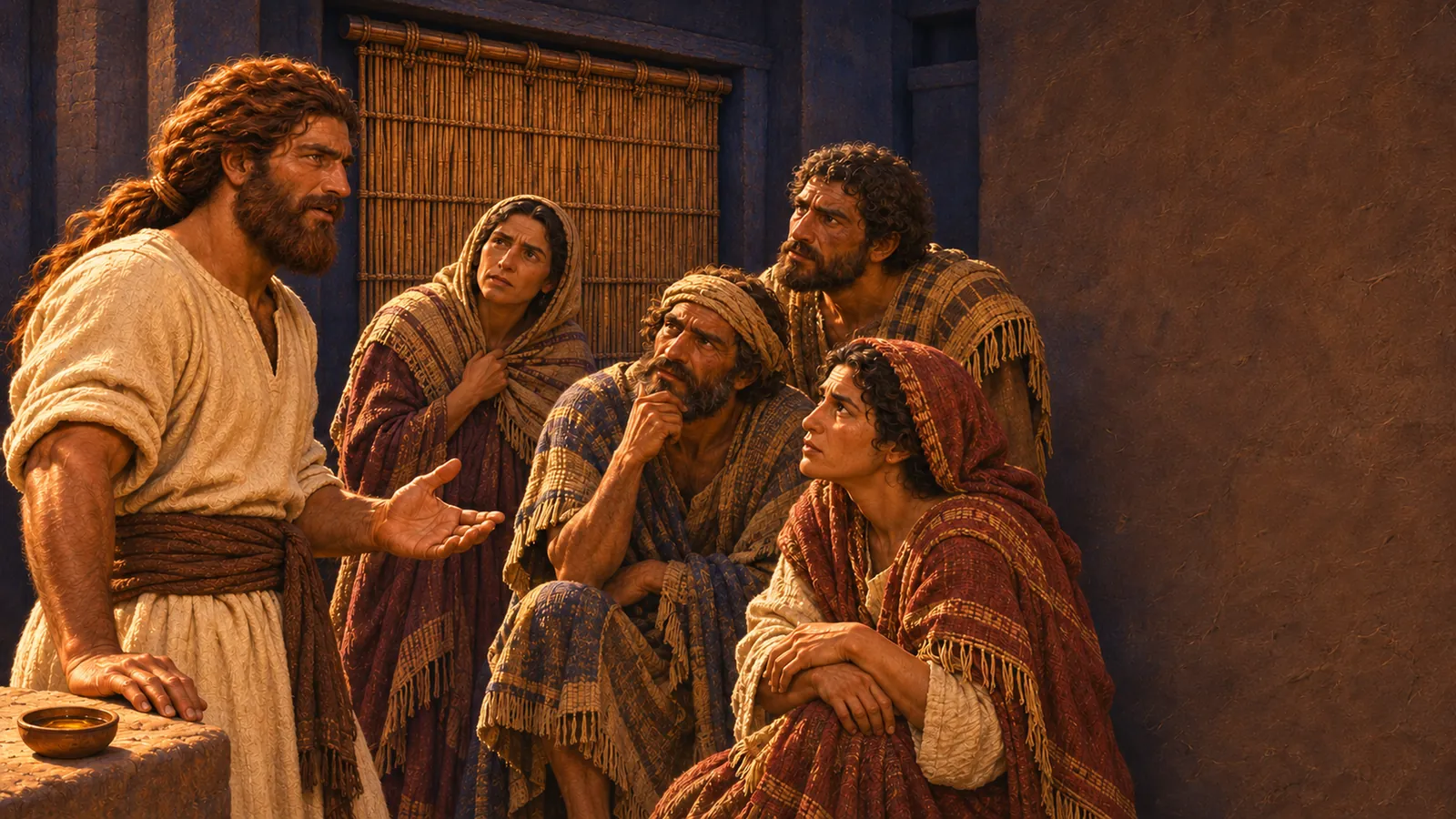
Enkidu anointed himself with fine oil from a bowl. Those in the netherworld surrounded him at the scent of the oil.
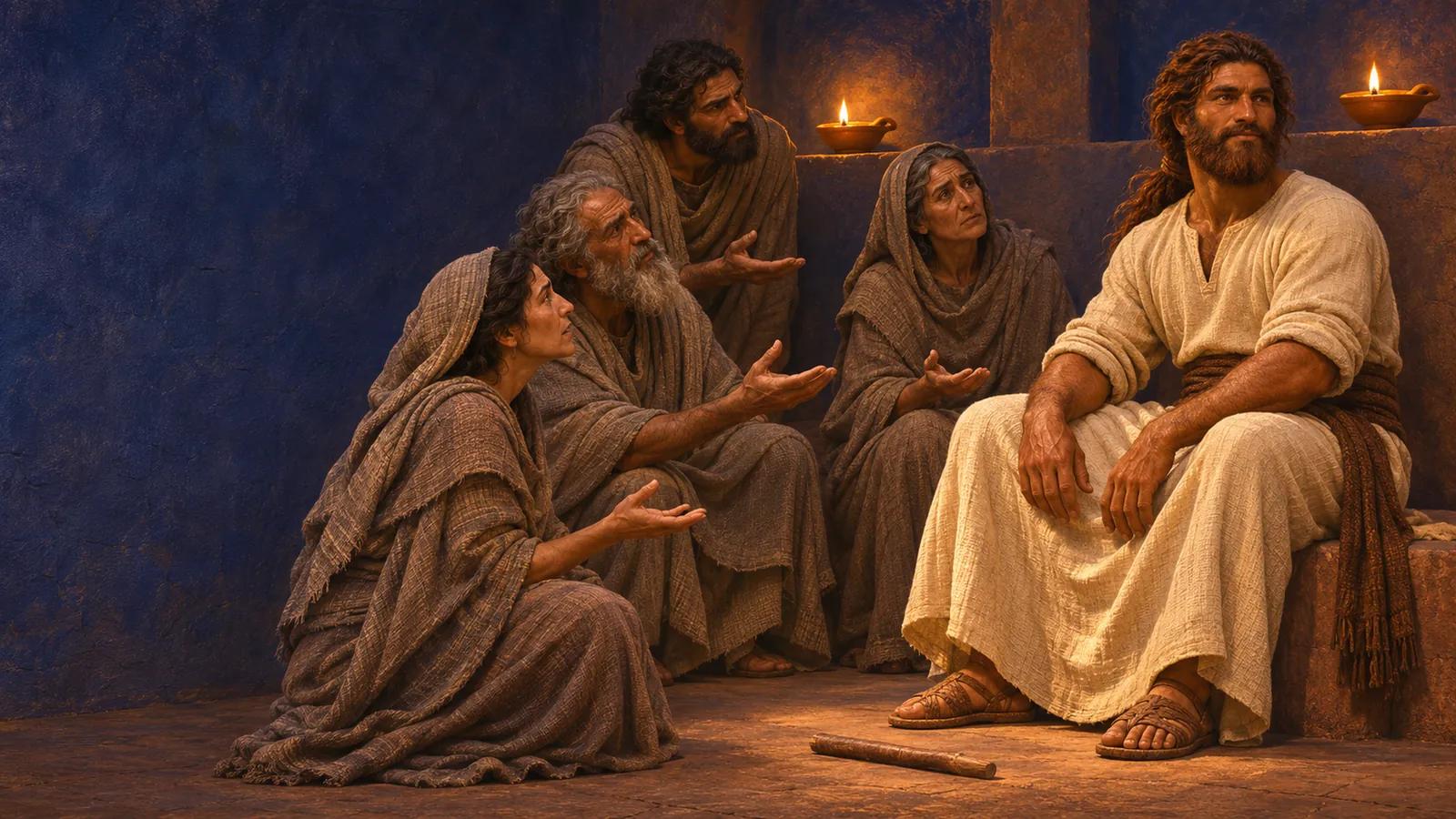
Enkidu hurled throw-sticks in the netherworld. Those struck down by the throw-sticks gathered around him.
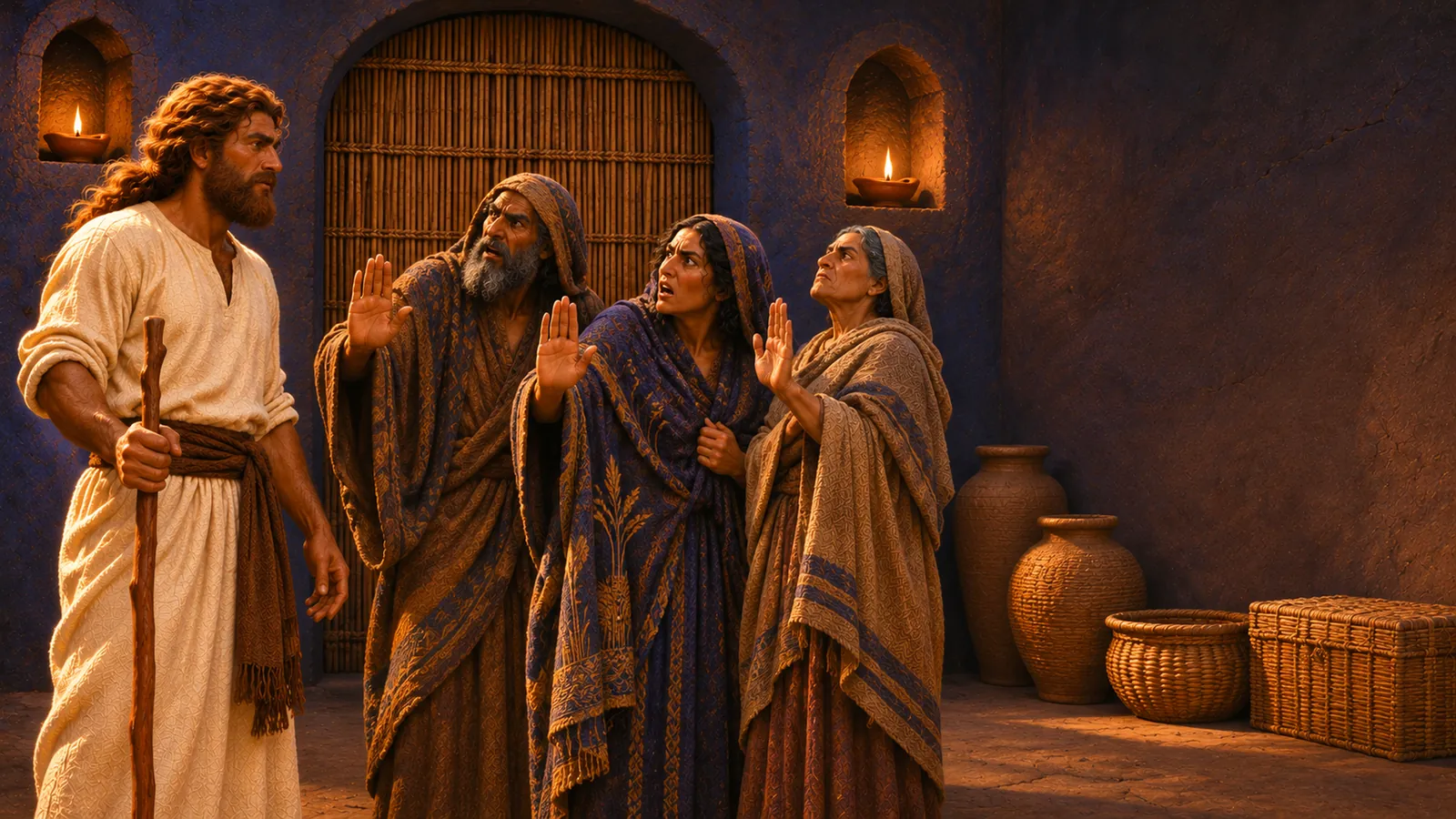
Enkidu held a stick of cornel wood in his hand. The poem says the spirits felt insulted by what he did.
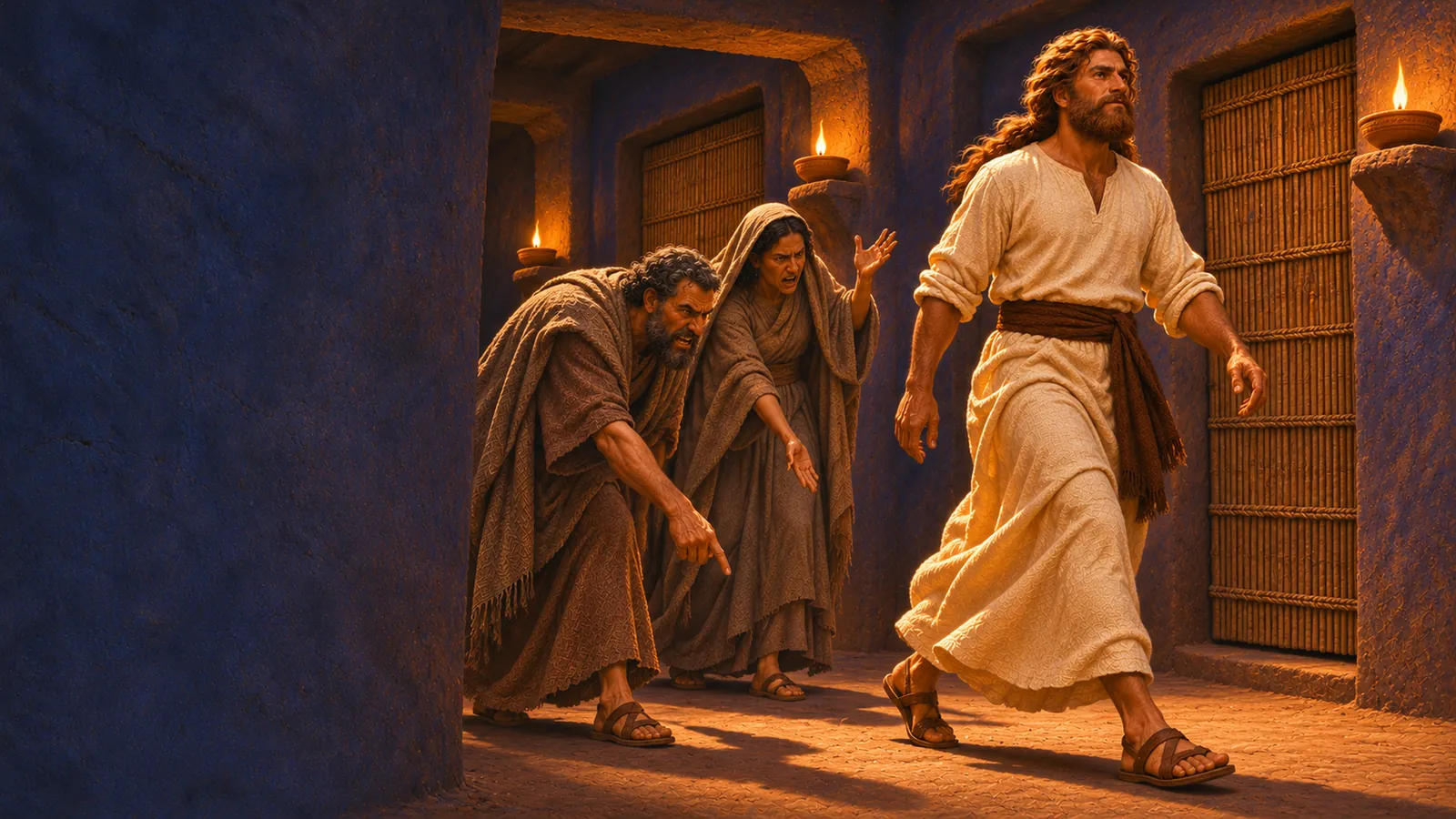
Then Enkidu put sandals on his feet. The poem says that he caused irritation in the netherworld.
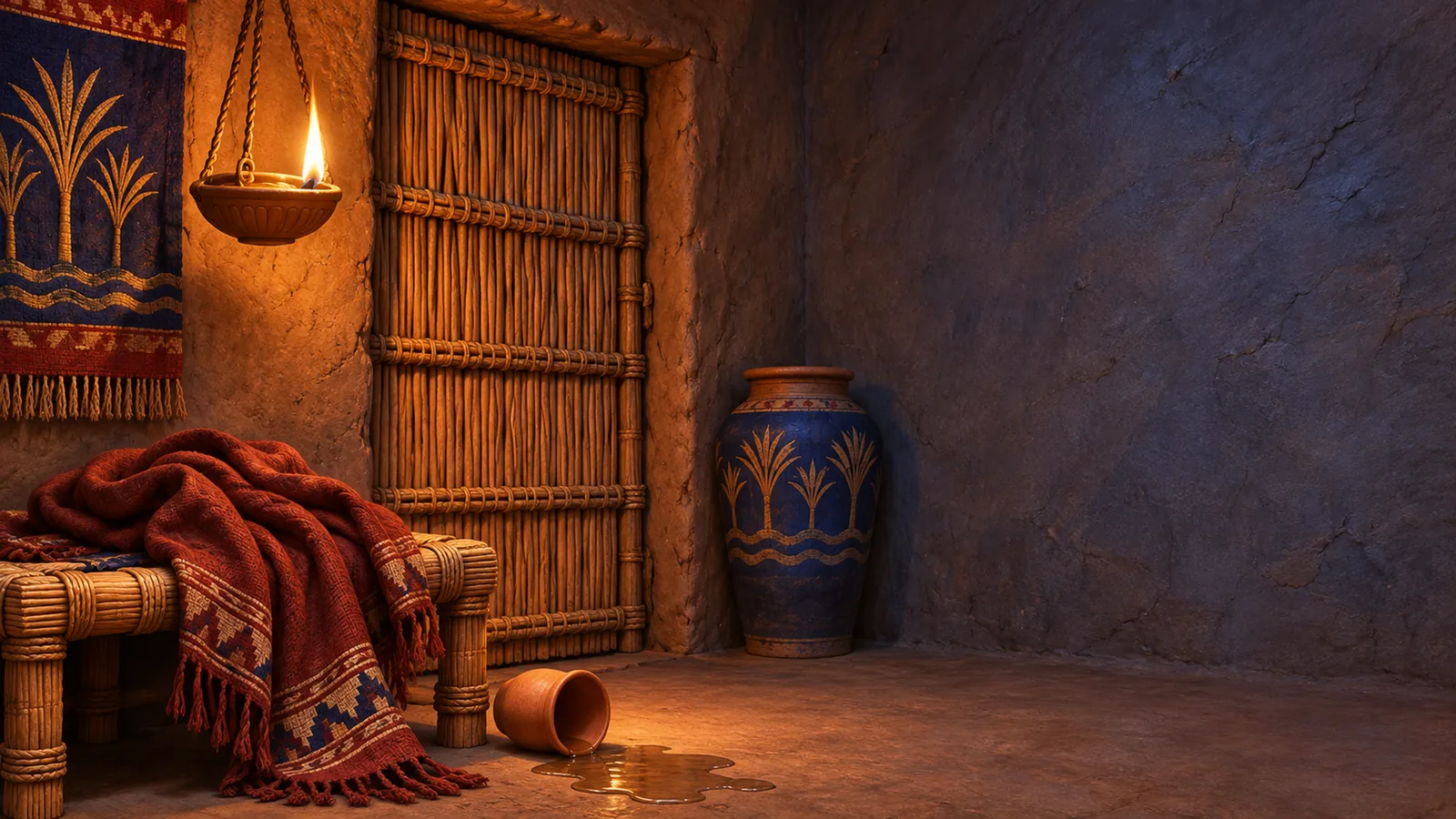
Enkidu kissed his beloved wife in the netherworld. He struck her when he was annoyed with her.
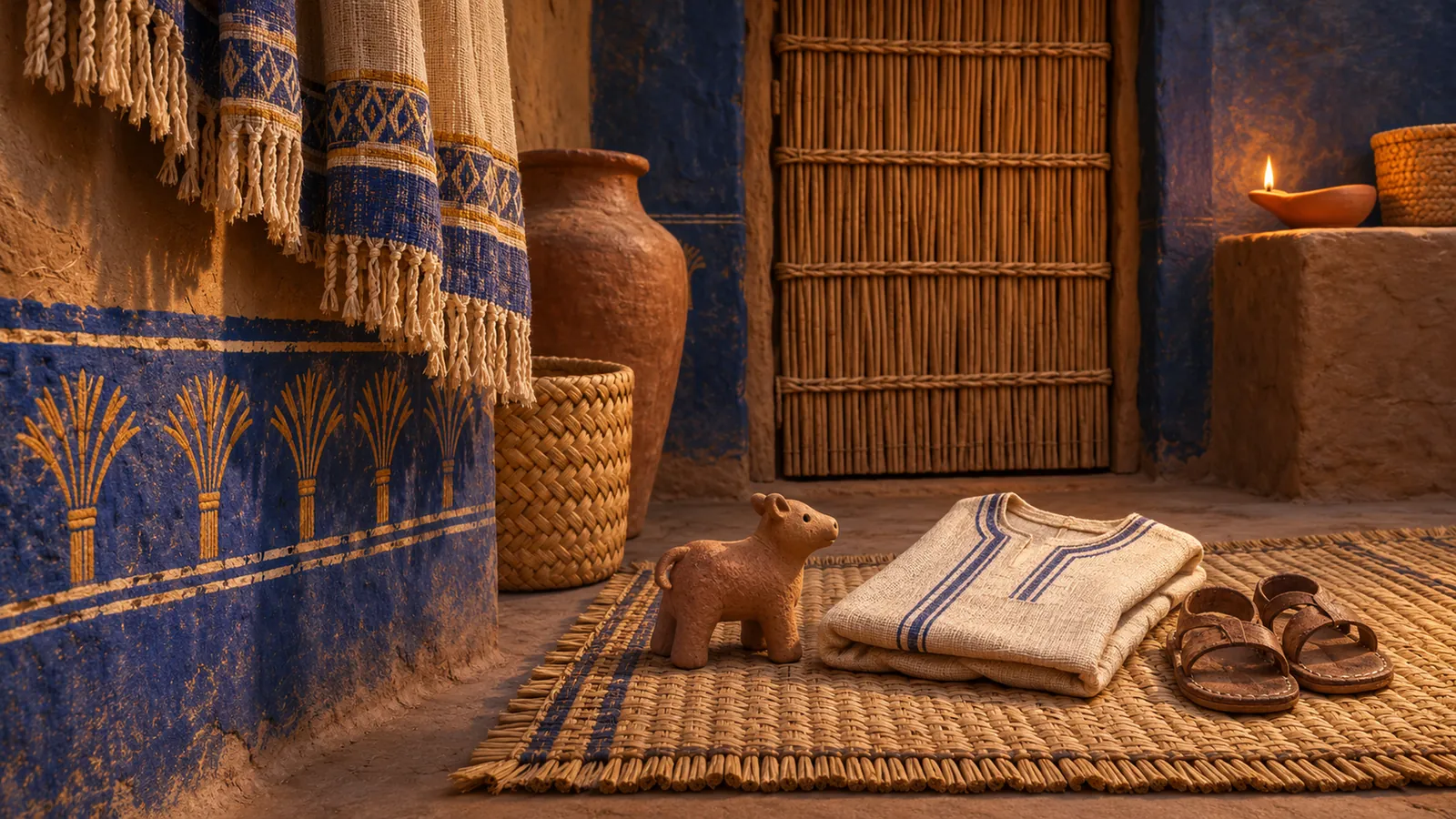
Enkidu kissed his beloved child. Then he struck his son when he was annoyed with him.
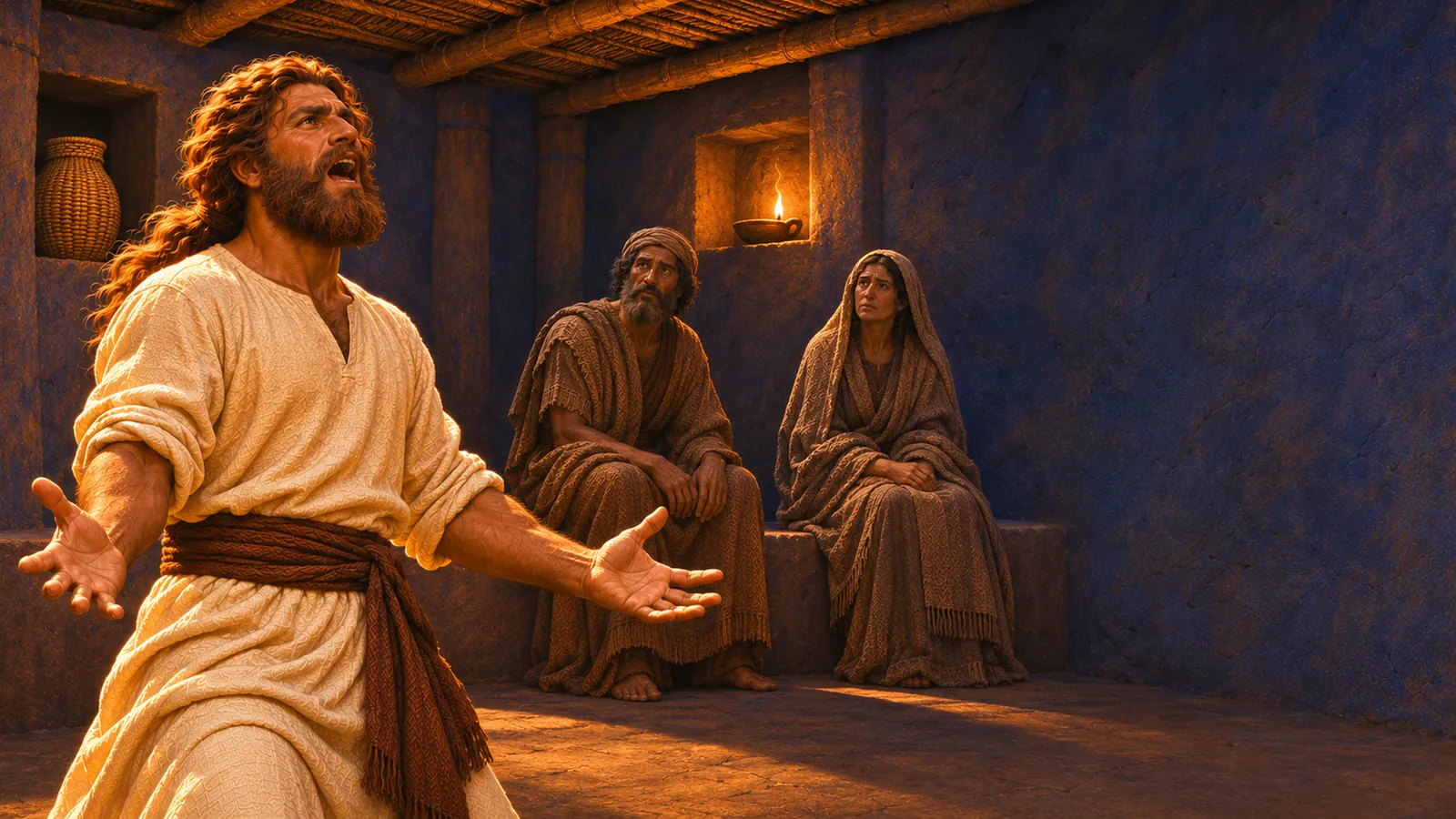
Enkidu’s actions raised an outcry in the netherworld, just as Gilgamesh had warned him they would.
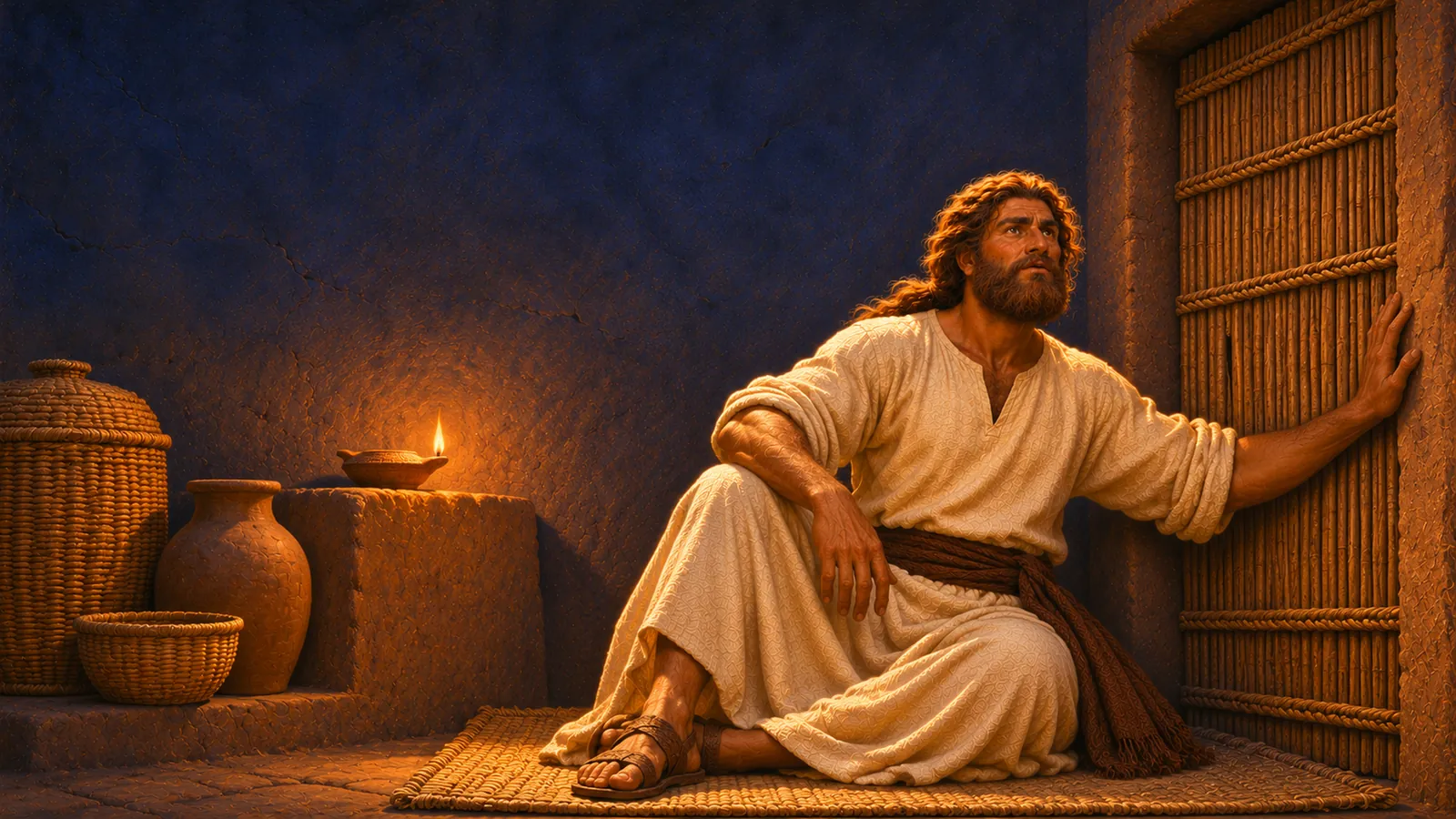
DETAINED
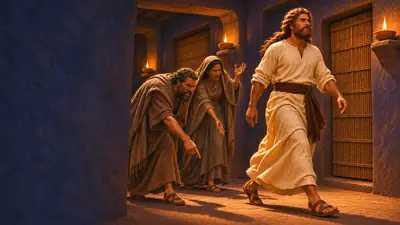
His actions had raised an outcry. The netherworld detained Enkidu, and he was kept below.
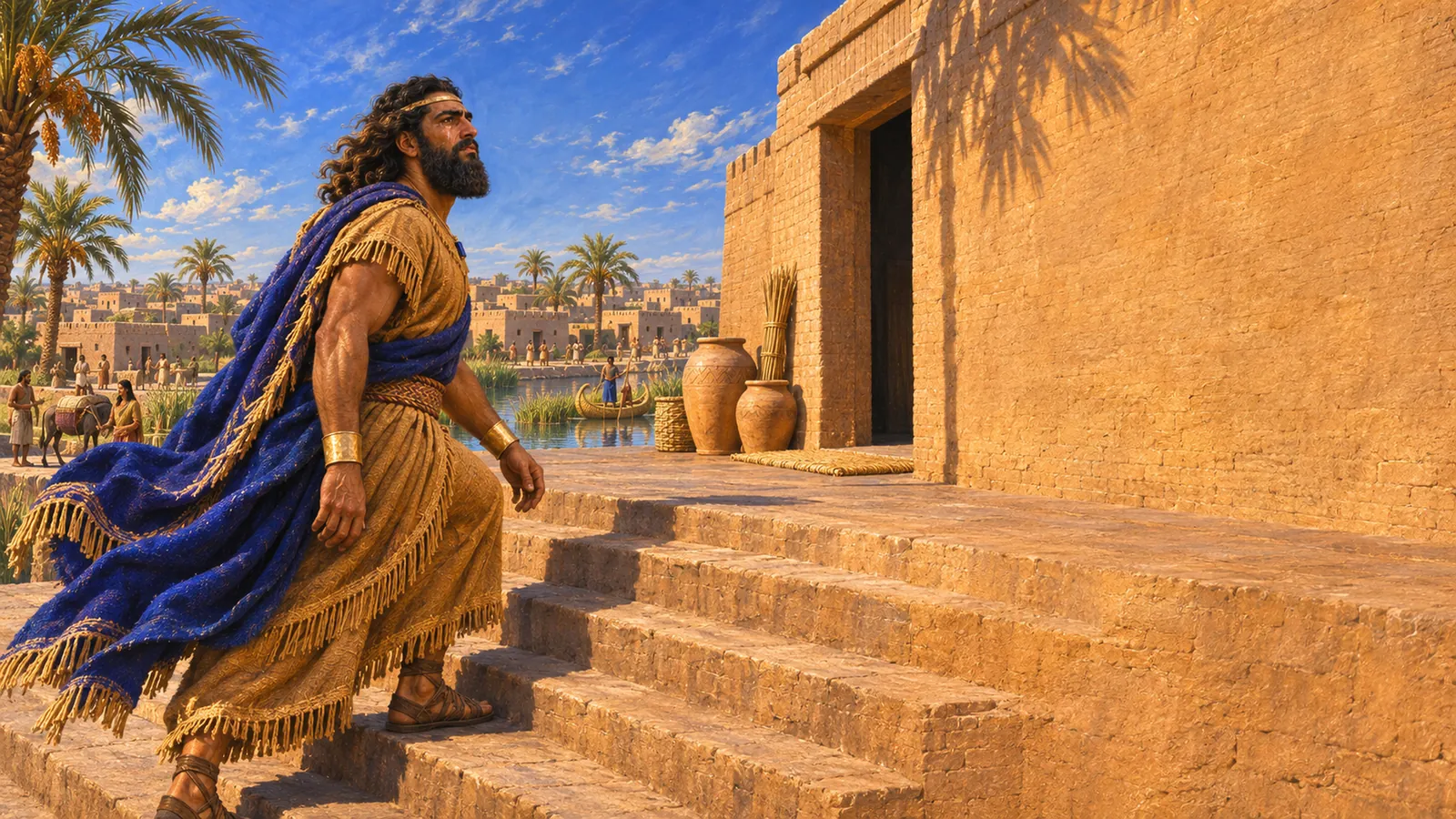
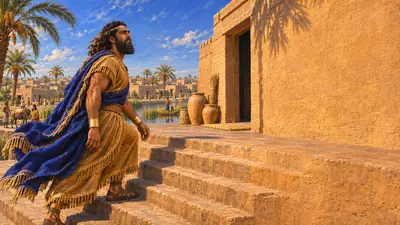
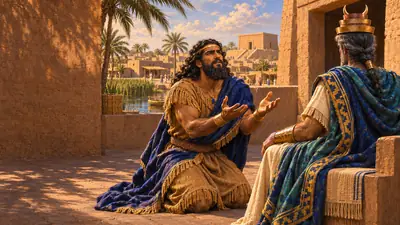
Gilgamesh, the warrior and son of Ninsun, went alone to Ekur, the temple of Enlil. He cried out before Enlil.
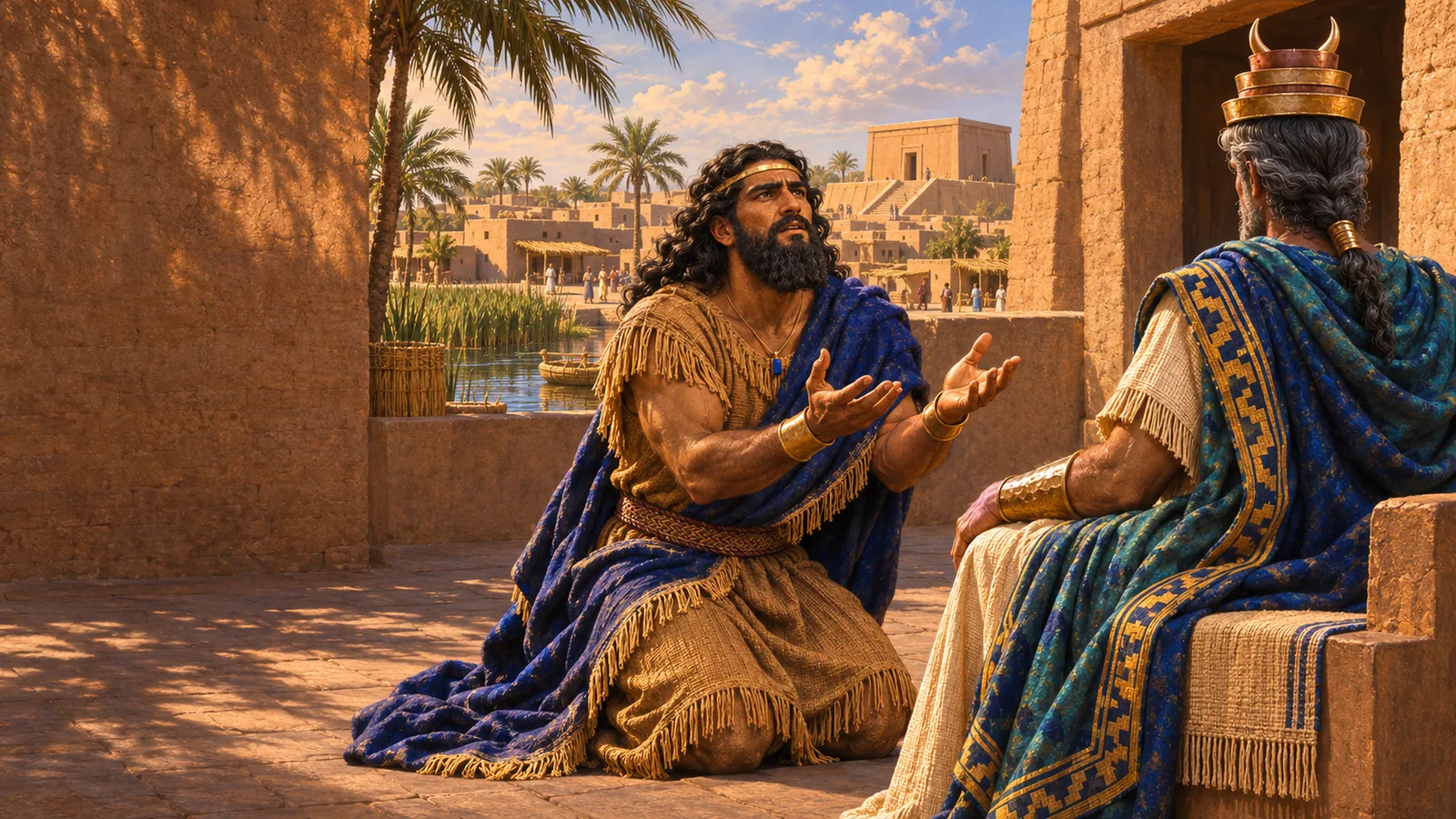
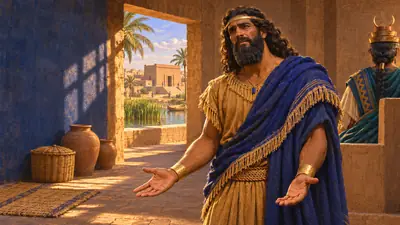
Gilgamesh told Enlil that his ellag had fallen into the netherworld and his ekidma into Ganzer. Enkidu had gone down to bring them back, and the netherworld had seized him.
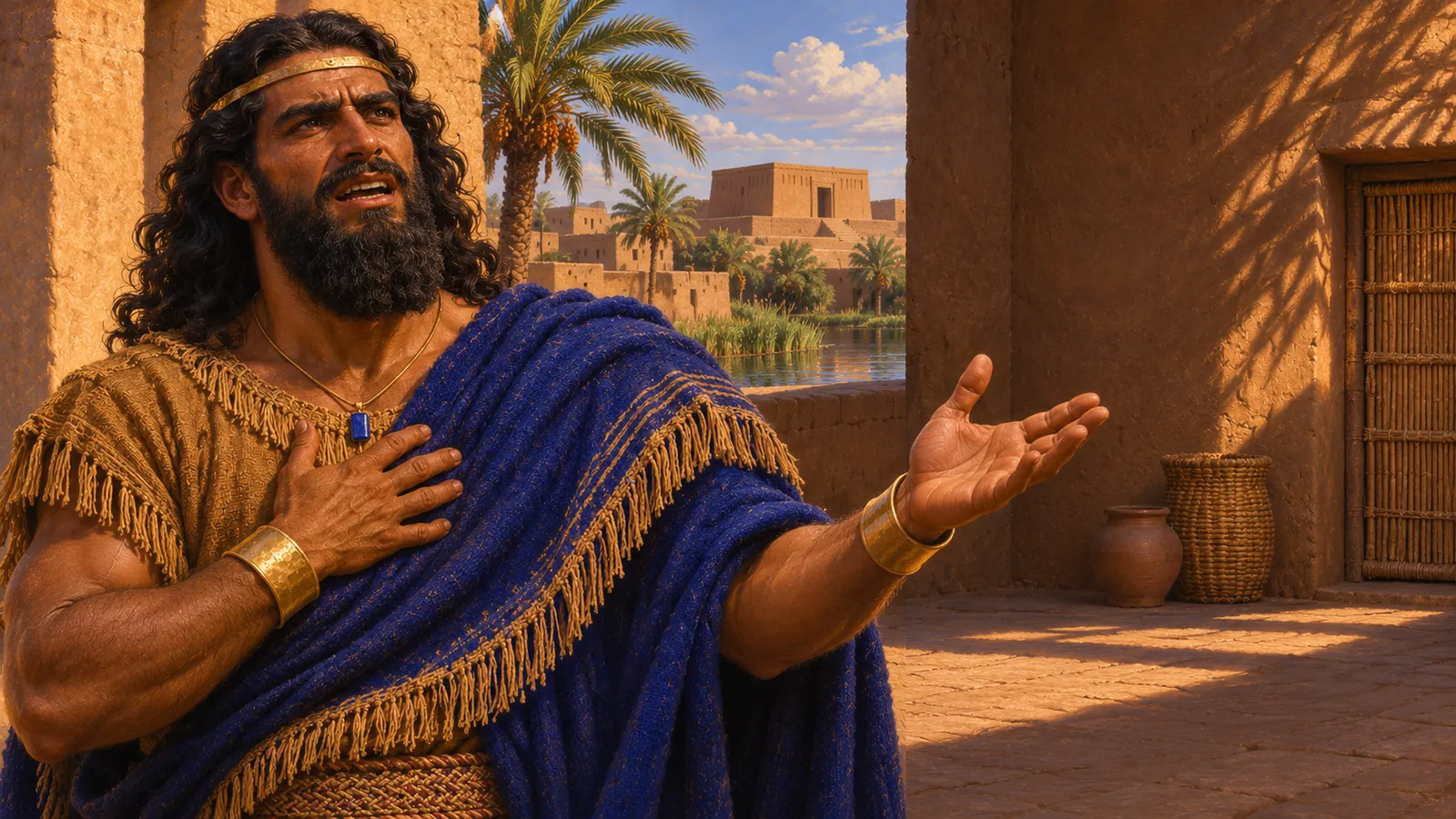
Gilgamesh said Namtar had not seized Enkidu, and neither had Asag. He repeated that the netherworld itself had seized him.
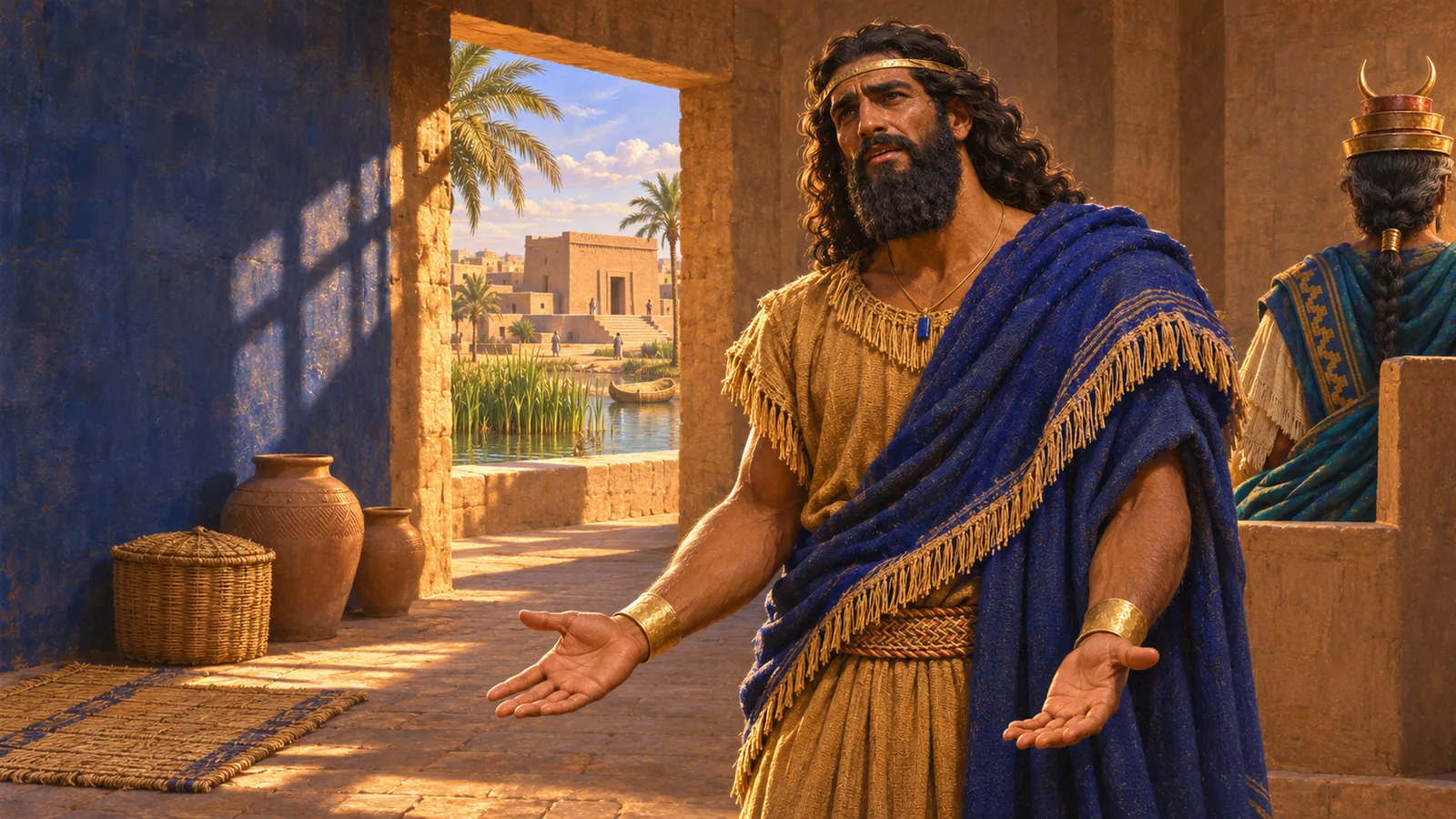
He said that Nergal’s udug demon, which spares no one, had not seized Enkidu. Nor had Enkidu fallen in battle. The netherworld had seized him.
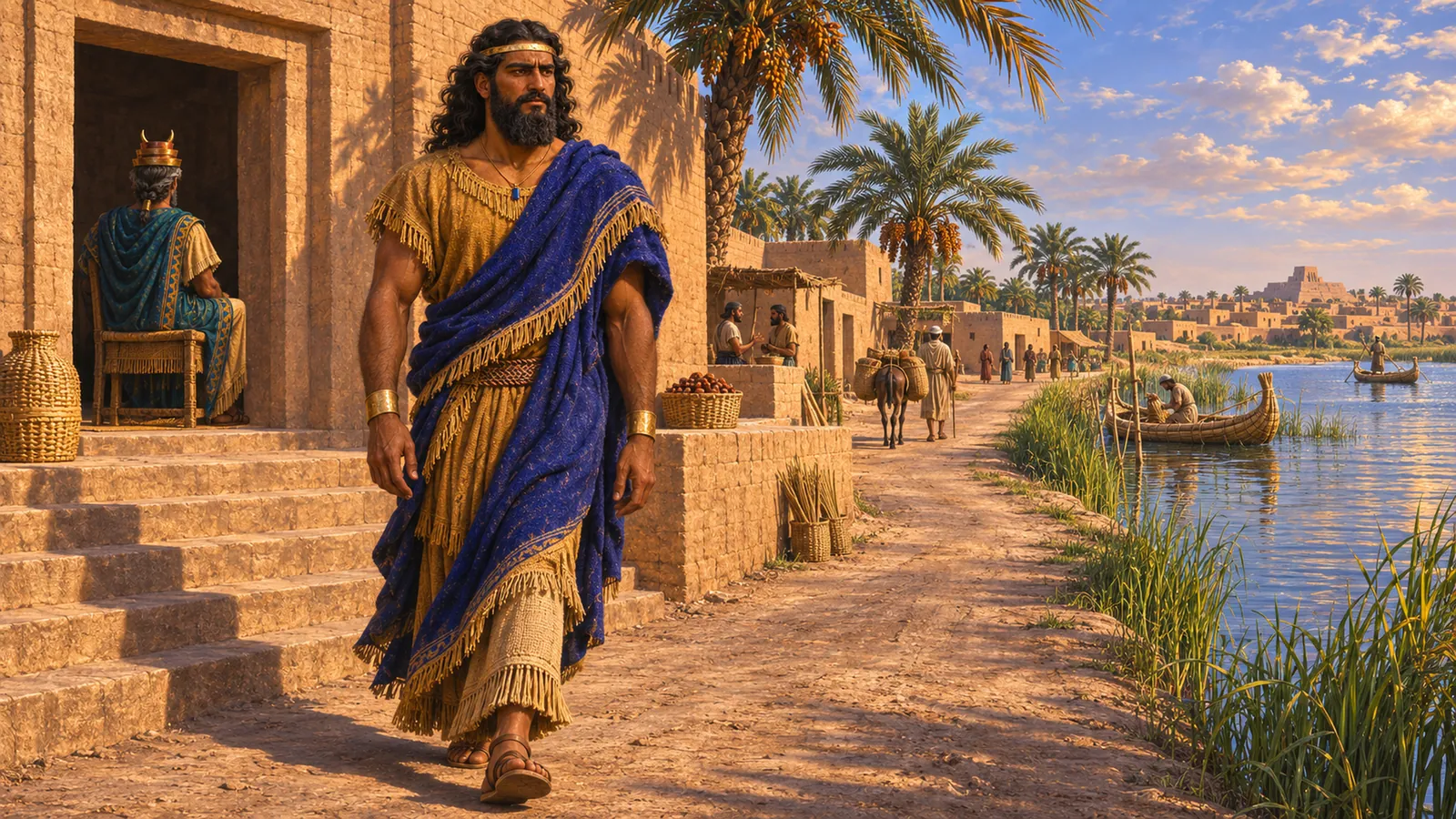
Enlil did not stand by Gilgamesh. So the warrior went on to Eridu, where he would make another appeal.
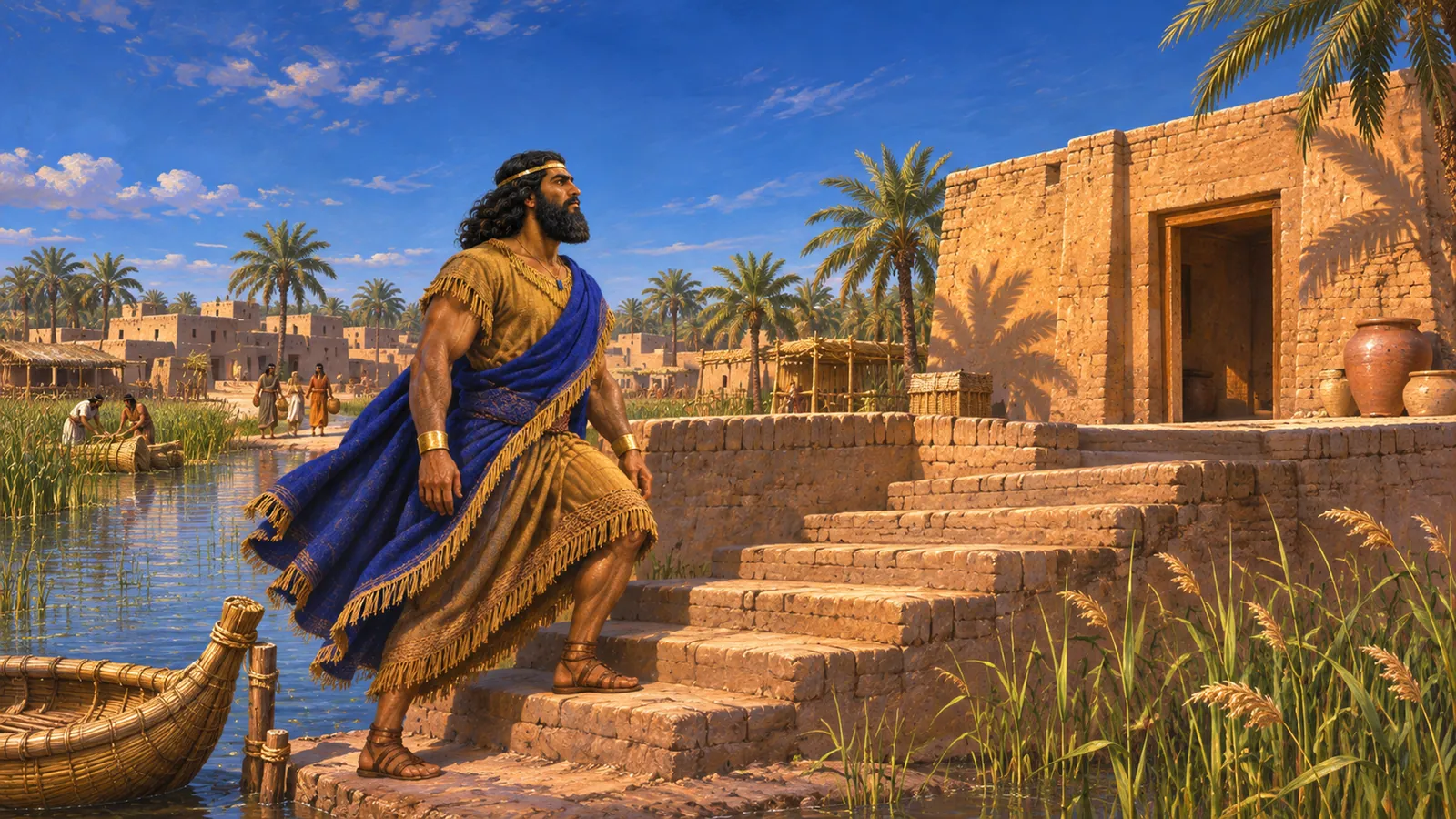
ERIDU
In Eridu, Gilgamesh went alone to the temple of Enki. There he cried out before Enki.
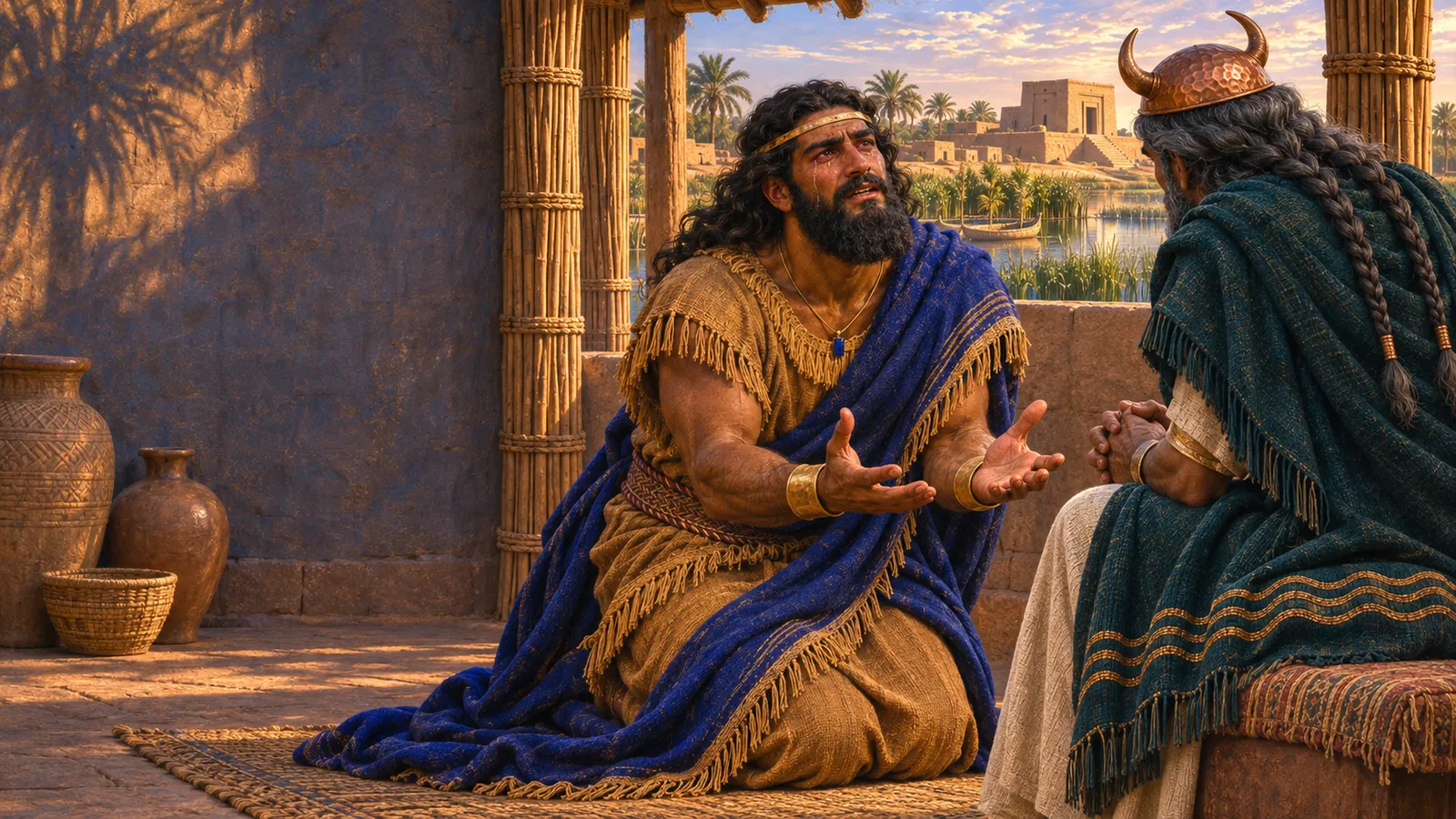
He told Enki that his ellag had fallen into the netherworld and his ekidma into Ganzer. Enkidu had gone down to retrieve them, and the netherworld had seized him.
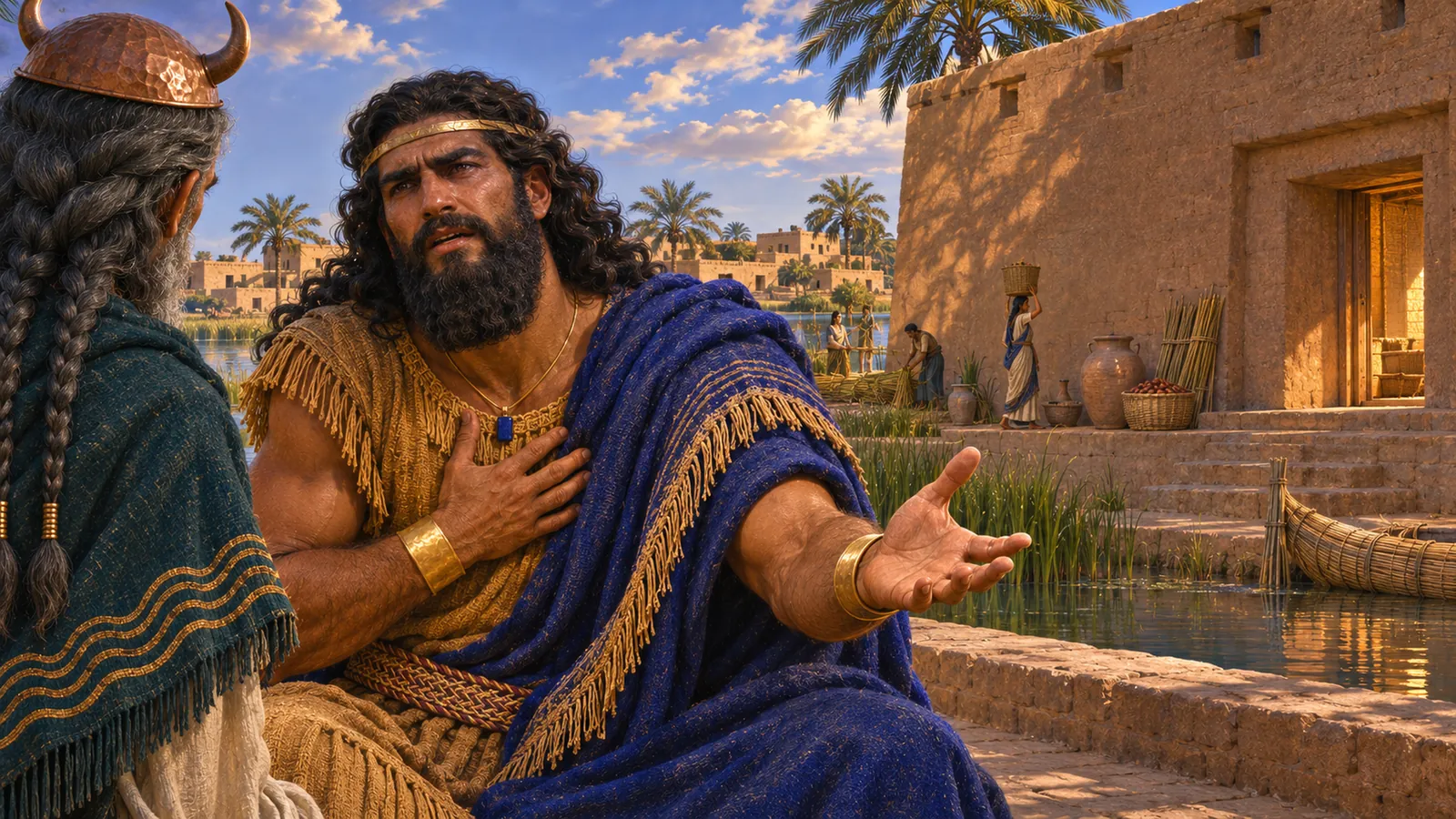
He named Namtar, Asag and Nergal’s udug demon, and said none had seized Enkidu. He said Enkidu had not fallen in battle either. The netherworld had seized him.
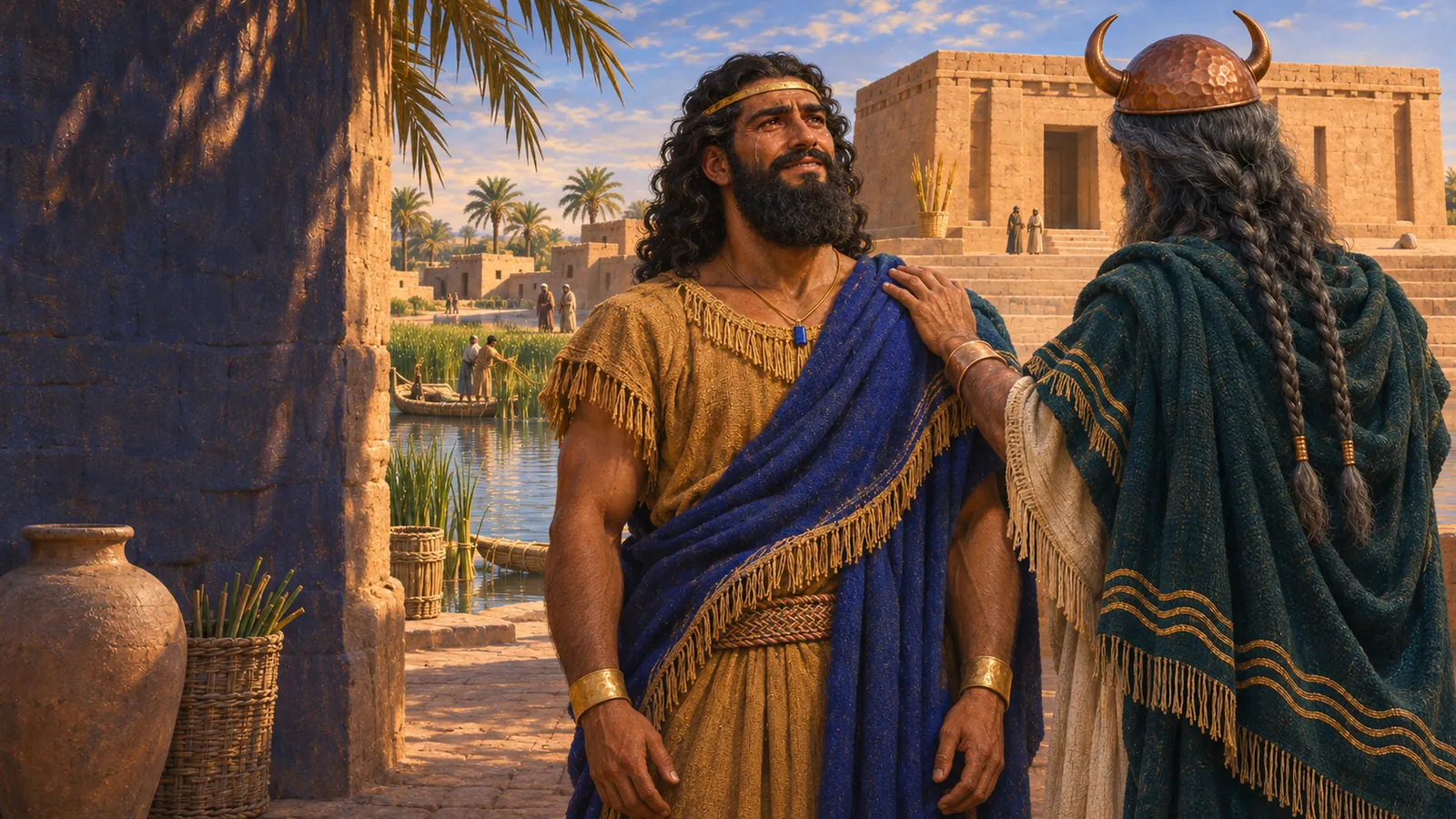
After Gilgamesh told him what had happened to Enkidu, Enki stood by him in the matter.
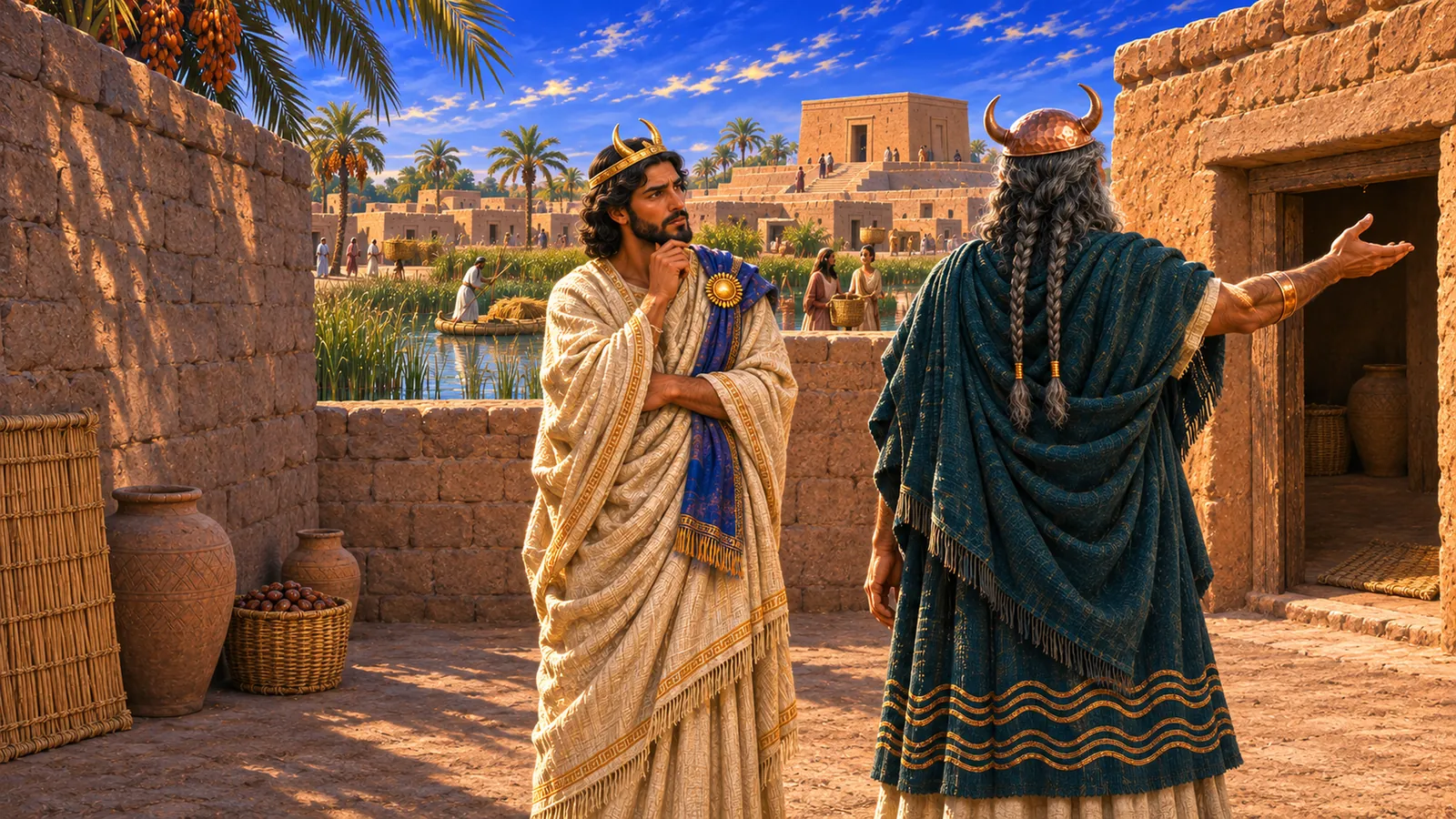
Enki spoke to Utu, the young warrior whom Ningal bore. He told him to open a hole into the netherworld at once and bring Enkidu up.
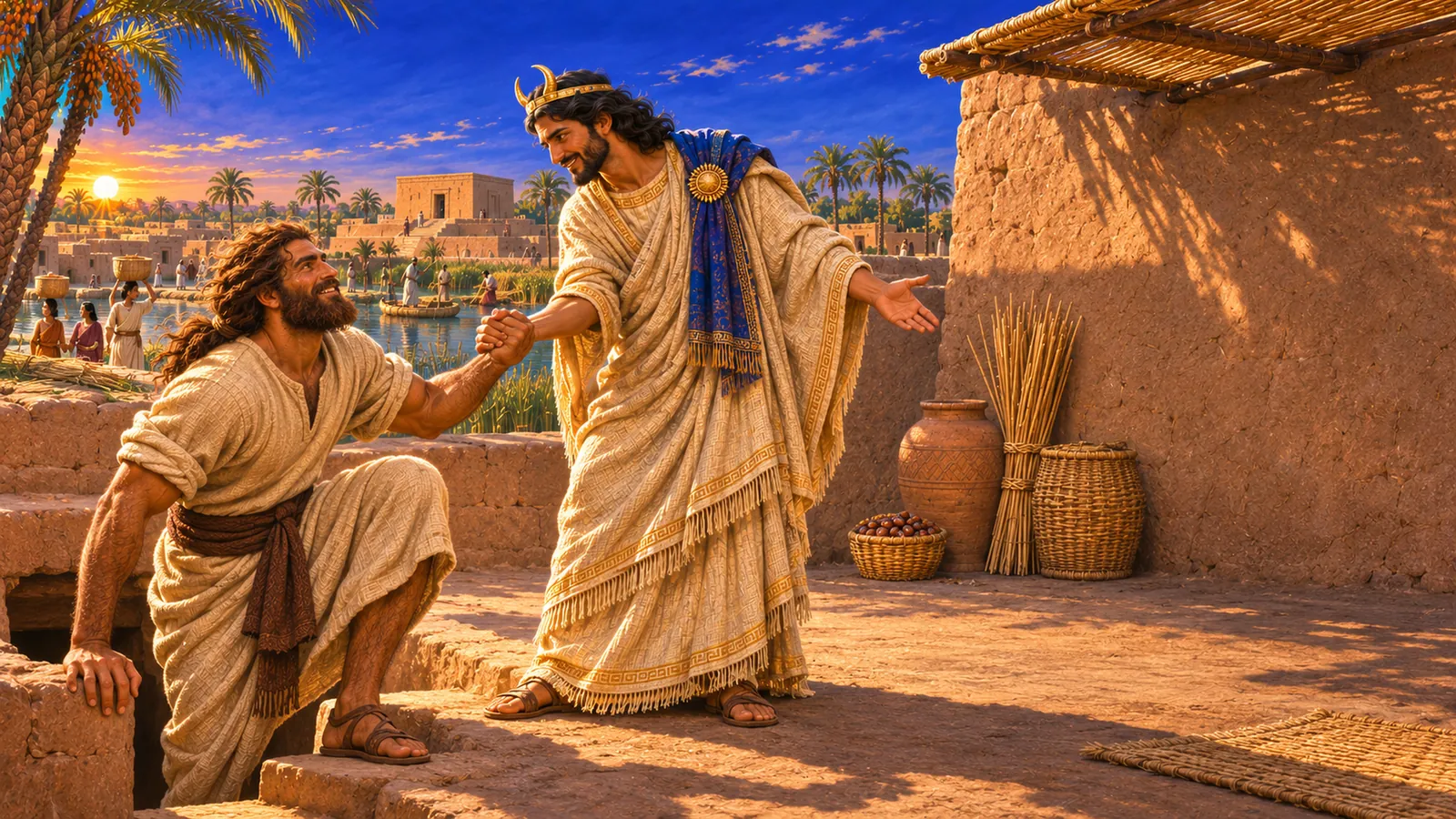
Utu opened a hole in the netherworld and brought Enkidu up. The old words may say that he carried him upward on a breeze.
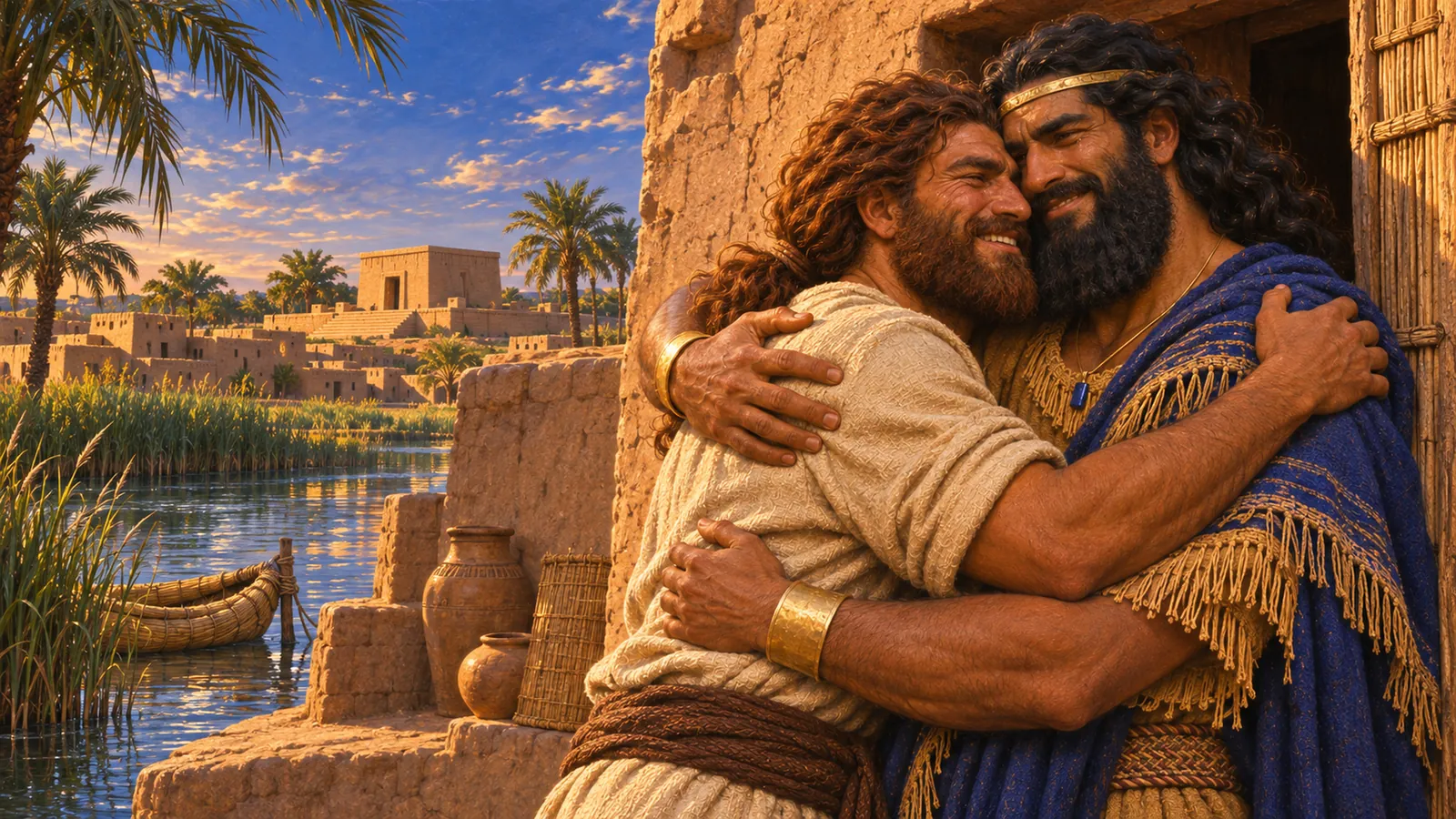
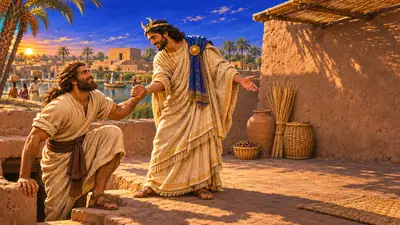
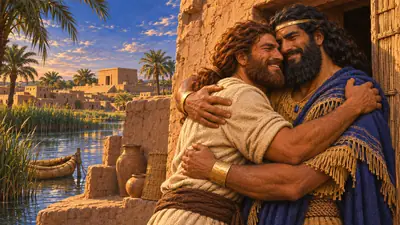
Gilgamesh and Enkidu embraced and kissed when they met again. Then they began to ask one another questions, one after another.
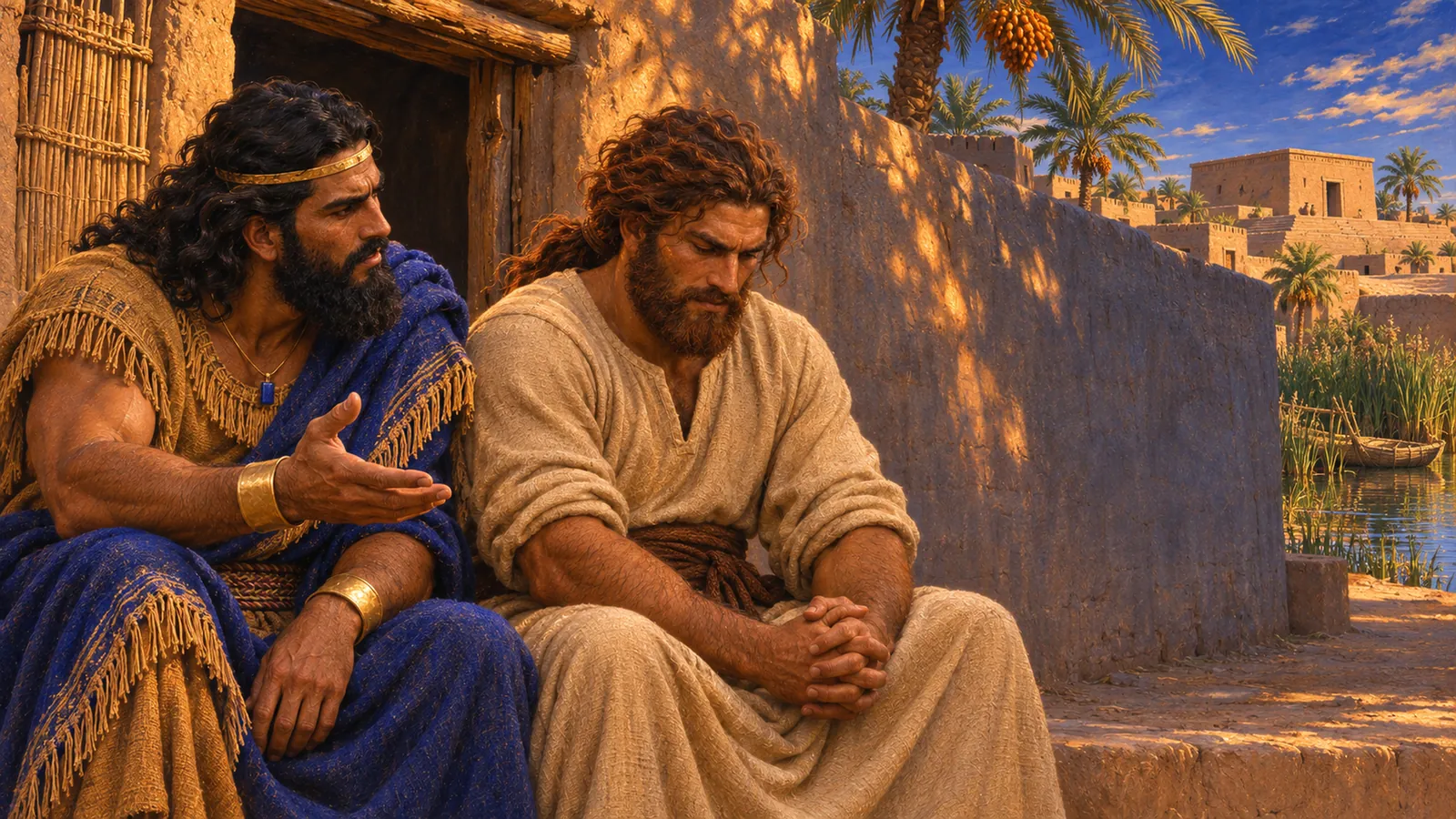
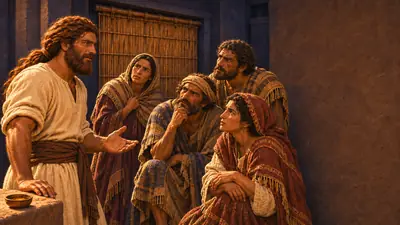
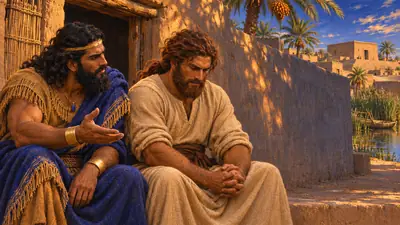
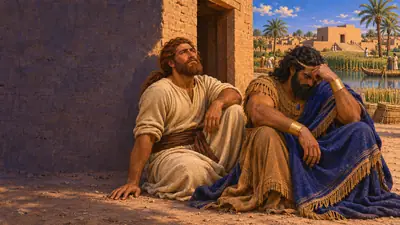
Gilgamesh asked his friend how things were ordered in the netherworld. Enkidu answered that if he told him, they would both have to sit and weep.
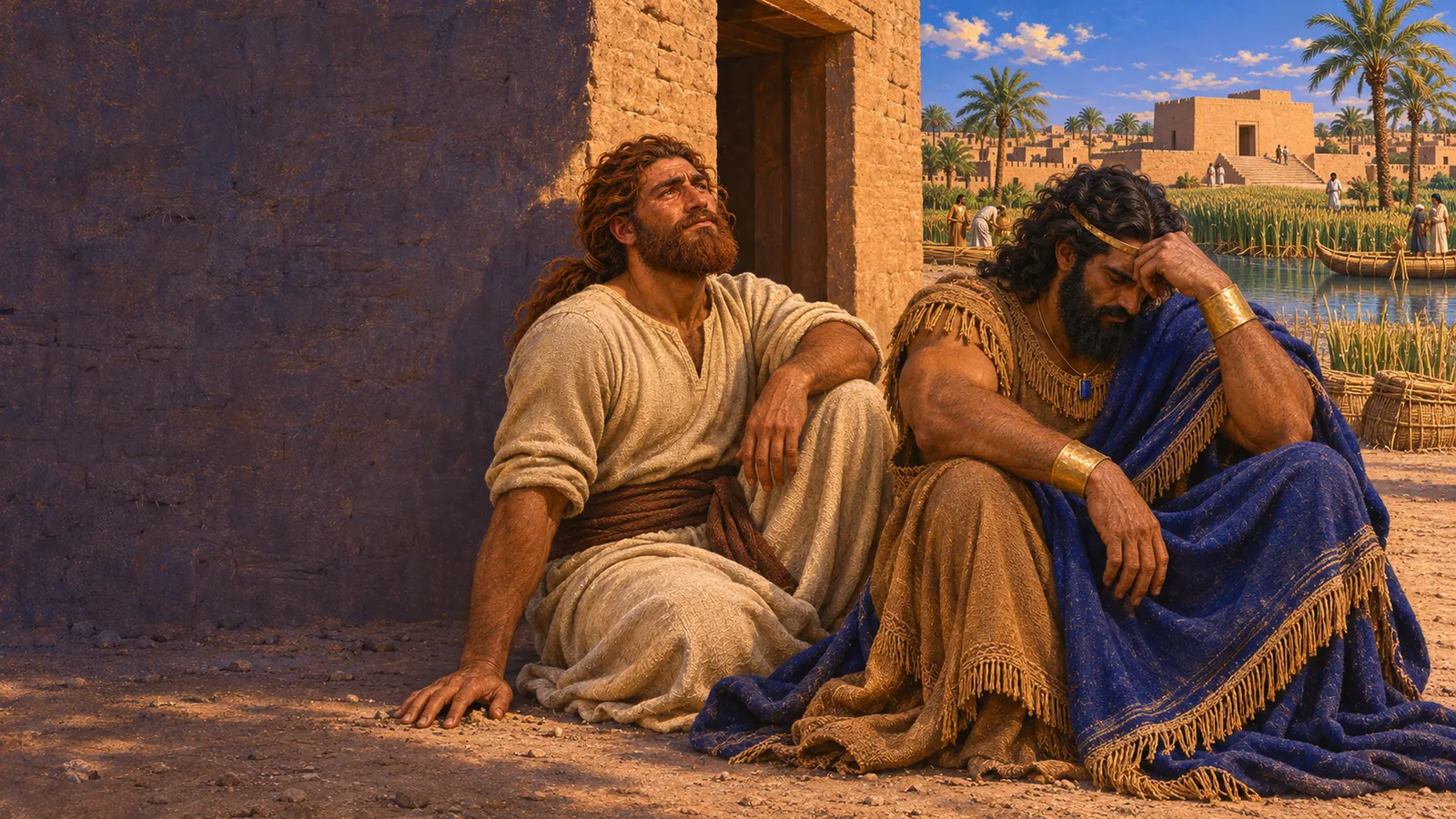
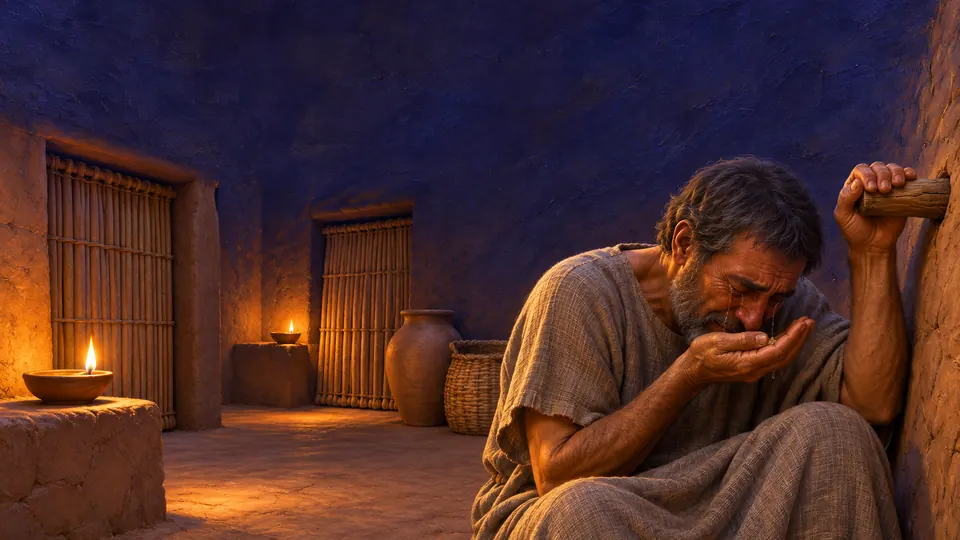
In Enkidu’s damaged reply, there are words for decay, an old garment and dust. The thing he describes is uncertain. Then comes a cry, and someone sits down in the dust.
End of chapter 2
All pages



Sources
The page references follow the printed groups in Oxford’s Version A. The parallel from Me-Turan has its own line numbering and supplies details specific to that witness.
Editions consulted
Notes on this retelling
Pages 1–5, Version A 166–175. Gilgamesh weeps at the gate of Ganzer. He laments both implements, wishes that the ellag were still waiting in the carpenter’s house and says how he would treat the carpenter’s wife and child. The translation gives manuscript variations for the wording of both retrieval questions. The retelling condenses the recurring wish and keeps the two questions distinct. Ellag and ekidma are the edition’s terms for the two game implements. The passage supplies no rules and the edition notes earlier that the pronunciation of ekidma is uncertain (Version A 136–150).
Pages 6–9, Version A 176–183. The composite calls Enkidu Gilgamesh’s servant and gives his promise to retrieve each implement. The wording of “answered,” the designation of his addressee and the formula urging attention vary across the witnesses. In Gilgamesh’s conditional instruction one witness omits “today.” The retelling follows the composite and condenses the final repeated appeals to heed the advice.
Pages 10–12, Version A 184–198. The clean garments would mark Enkidu as an outsider. A witness shifts the possessive in the phrase about scent from the oil to the person. The retelling uses the scent of the oil. Gilgamesh warns that those struck down by throw-sticks would surround Enkidu if he hurled them. These are his instructions and describe no action by Enkidu on these pages.
Pages 13–14, Version A 184–198. The Oxford English has a duplicated negative in the instruction about the cornel-wood stick. The sequence of prohibitions and the later description of the spirits’ reaction when Enkidu holds it (Version A 205–220) support reading the clause as a warning against holding the stick. The instructions against sandals and shouting finish this group of pages. The following pages continue the same Oxford passage.
Pages 15–18, Version A 184–198. Gilgamesh warns against kissing his beloved wife on page 15, striking his wife even if annoyed with her on page 16, and kissing his beloved child or striking his son even if annoyed on page 17. Page 18 gives his warning that the resulting outcry would detain Enkidu below. The warnings are part of Gilgamesh’s instructions.
Pages 19–21, Version A 199–204. This passage is still Gilgamesh speaking. The woman is identified as the mother of Ninazu who lies there. She has no proper name in this passage. The exact comparison gives fingers like a pickaxe, and says she plucks her hair like leeks. The artwork uses empty settings throughout.
Pages 22–26, Version A 205–220. The translation prints a duplicated negative in the sentence about whether Enkidu heeded his master. His ensuing actions establish the intended disobedience. Clean garments give him away, the smell of fine oil draws those below around him, those struck down by throw-sticks surround him, the spirits take offense when he holds the cornel-wood stick, and he puts on sandals and causes irritation. The earlier warning includes shouting. This paragraph describes irritation without specifying a shout.
Pages 27–29, Version A 205–220. The text says Enkidu kissed his wife and struck her when annoyed. It then says he kissed his child and struck his son when annoyed. The two assaults are reported separately. Page 29 gives the ensuing outcry. Detention belongs to the final clause, taken up on page 30.
Page 30 (Version A 205–220). The Oxford English translation prints a duplicated negative in the introductory phrase about heeding Gilgamesh. The actions, including striking his wife and his son when annoyed, give the result of breaking the prohibitions. The outcry and Enkidu’s detention close this source group.
Page 31 (Version A 221–229). The warrior Gilgamesh is identified as the son of Ninsumun, the name rendered here as Ninsun. He goes alone to Ekur, Enlil’s temple. The place name Nippur appears in the linked account of Ekur. In this passage the translation gives the sanctuary’s name.
Pages 32–35 (Version A 221–229). Gilgamesh says the ellag fell into the netherworld and the ekidma fell into Ganzer. In his appeal he distinguishes the netherworld’s seizure of Enkidu from seizure by Namtar, Asag and Nergal’s udug, and from falling in battle. Enlil does not stand by him. He then goes to Eridu, written Eridug in Oxford’s translation.
Pages 36–39 (Version A 230–237). Gilgamesh goes alone to the temple of Enki and repeats the loss of the objects and the distinctions concerning Enkidu’s seizure. This time Enki stands by him. The instruction to Utu starts in the following group, 238–242.
Me-Turan, Segment A 10–24. In this parallel the servant stays below for seven days, and the king calls Enkidu his beloved servant, faithful companion and counsellor. The witness repeats the appeal at Ekur with damaged wording. Oxford marks an unknown number of missing lines after Segment A 17–24. The seven days belong to this witness.
Pages 40–41, ETCSL 1.8.1.4, Version A, lines 238–242. Enki instructs Utu, the young warrior born to Ningal, to open a hole and bring Gilgamesh’s servant up. Utu opens it and brings him up. Oxford places a question mark after the reading about a breeze. The translation does not settle which form Enkidu took or whether the implements were recovered.
Pages 42–43, lines 243–253. The two embrace and kiss, then ask questions. Gilgamesh asks about the netherworld’s order. Enkidu says that if he tells him, both will sit and weep.
Page 44, lines 243–253. The referent of the damaged clause is unclear. The surviving description says worms infest it, with a questioned old-garment comparison, and speaks of dust. The translation ends the exchange with a lament and sitting in the dust, using a pronoun.
Ancient lines behind each page
- Page 1: ETCSL 1.8.1.4, Version A, lines 166–175
- Page 2: ETCSL 1.8.1.4, Version A, lines 166–175
- Page 3: ETCSL 1.8.1.4, Version A, lines 166–175
- Page 4: ETCSL 1.8.1.4, Version A, lines 166–175
- Page 5: ETCSL 1.8.1.4, Version A, lines 166–175
- Page 6: ETCSL 1.8.1.4, Version A, lines 176–183
The whole left text rectangle is continuous dull earth-clay shade. - Page 7: ETCSL 1.8.1.4, Version A, lines 176–183
- Page 8: ETCSL 1.8.1.4, Version A, lines 176–183
- Page 9: ETCSL 1.8.1.4, Version A, lines 176–183
- Page 10: ETCSL 1.8.1.4, Version A, lines 184–198
- Page 11: ETCSL 1.8.1.4, Version A, lines 184–198
- Page 12: ETCSL 1.8.1.4, Version A, lines 184–198
- Page 13: ETCSL 1.8.1.4, Version A, lines 184–198
- Page 14: ETCSL 1.8.1.4, Version A, lines 184–198
- Page 15: ETCSL 1.8.1.4, Version A, lines 184–198
- Page 16: ETCSL 1.8.1.4, Version A, lines 184–198
- Page 17: ETCSL 1.8.1.4, Version A, lines 184–198
- Page 18: ETCSL 1.8.1.4, Version A, lines 184–198
- Page 19: ETCSL 1.8.1.4, Version A, lines 199–204
- Page 20: ETCSL 1.8.1.4, Version A, lines 199–204
- Page 21: ETCSL 1.8.1.4, Version A, lines 199–204
- Page 22: ETCSL 1.8.1.4, Version A, lines 205–220
- Page 23: ETCSL 1.8.1.4, Version A, lines 205–220
- Page 24: ETCSL 1.8.1.4, Version A, lines 205–220
- Page 25: ETCSL 1.8.1.4, Version A, lines 205–220
- Page 26: ETCSL 1.8.1.4, Version A, lines 205–220
- Page 27: ETCSL 1.8.1.4, Version A, lines 205–220
- Page 28: ETCSL 1.8.1.4, Version A, lines 205–220
- Page 29: ETCSL 1.8.1.4, Version A, lines 205–220
- Page 30: ETCSL 1.8.1.4, Version A, lines 205–220
- Page 31: ETCSL 1.8.1.4, Version A, lines 221–229
- Page 32: ETCSL 1.8.1.4, Version A, lines 221–229
- Page 33: ETCSL 1.8.1.4, Version A, lines 221–229
- Page 34: ETCSL 1.8.1.4, Version A, lines 221–229
- Page 35: ETCSL 1.8.1.4, Version A, lines 221–229
- Page 36: ETCSL 1.8.1.4, Version A, lines 230–237
- Page 37: ETCSL 1.8.1.4, Version A, lines 230–237
- Page 38: ETCSL 1.8.1.4, Version A, lines 230–237
- Page 39: ETCSL 1.8.1.4, Version A, lines 230–237
- Page 40: ETCSL 1.8.1.4, Version A, lines 238–242
- Page 41: ETCSL 1.8.1.4, Version A, lines 238–242
- Page 42: ETCSL 1.8.1.4, Version A, lines 243–253
- Page 43: ETCSL 1.8.1.4, Version A, lines 243–253
- Page 44: ETCSL 1.8.1.4, Version A, lines 243–253
Illustrations made with AI tools by IL Archive; the text is based on the ancient sources (see the sources at the end of each chapter).