Inanna and Ebih Chapter 1
The Mountain That Did Not Bow
Inanna demands homage from Ebih and asks An to hear her. An warns her, but she brings the mountain low and repeats her victory in the closing song.
SourcesTurn the pages with the arrows, the arrow keys or a swipe.
INANNA
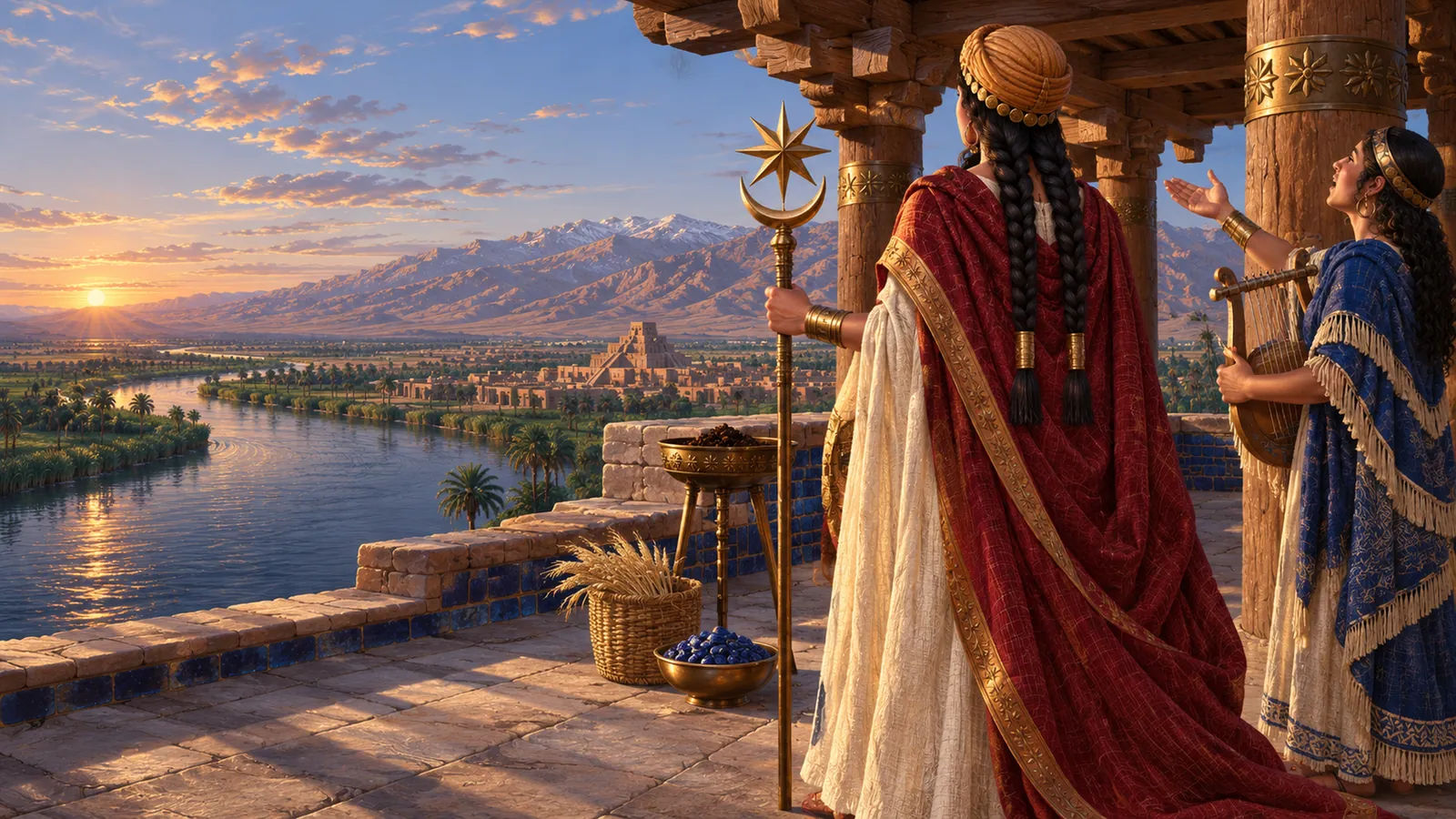
The singer calls on Inanna, the lady of formidable divine powers. The poem begins by describing the awe that she inspires.
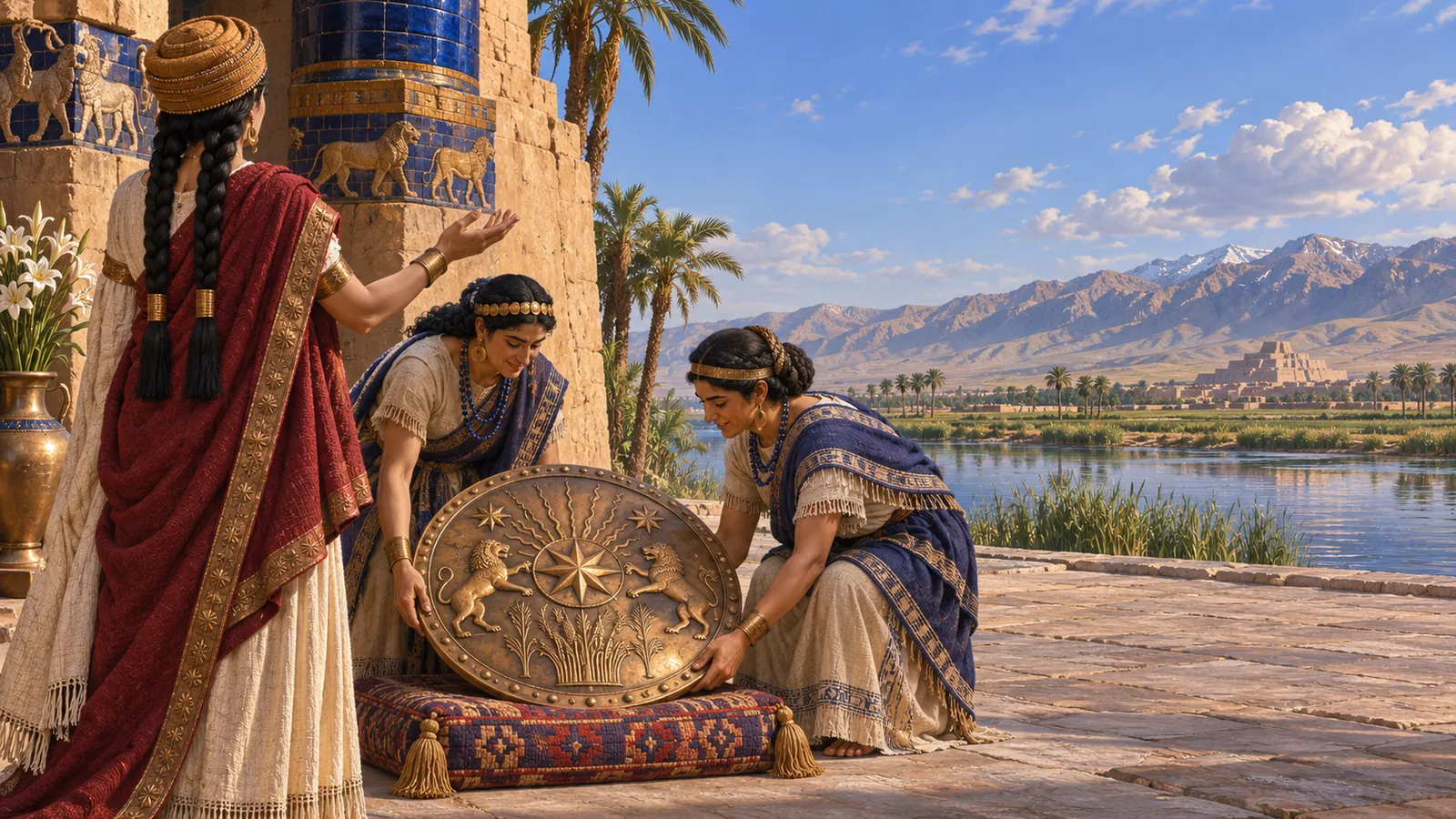
The opening hymn remembers Inanna’s weapons and her shield. It praises her prowess in battle and says she has overpowered hostile lands.
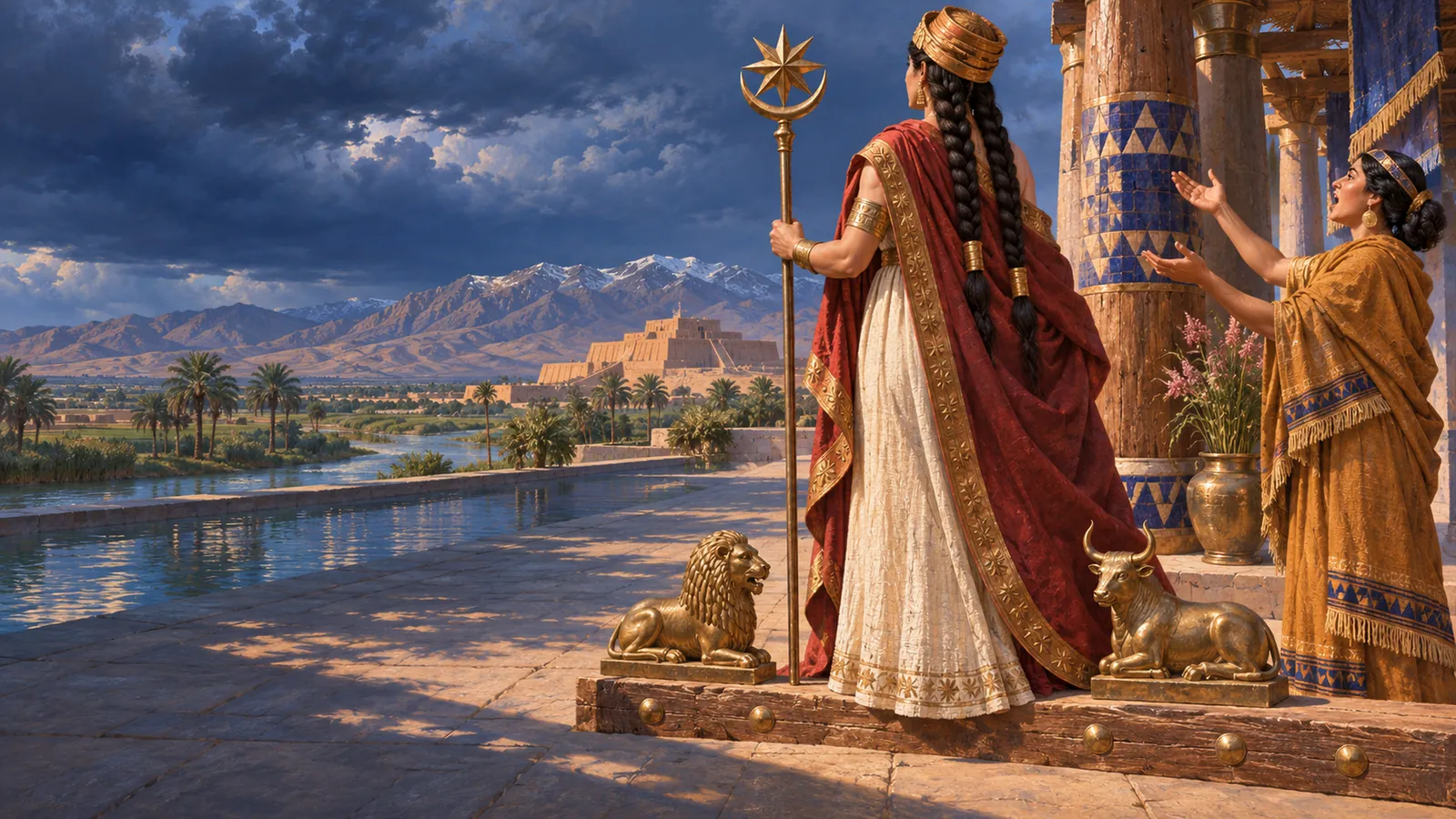
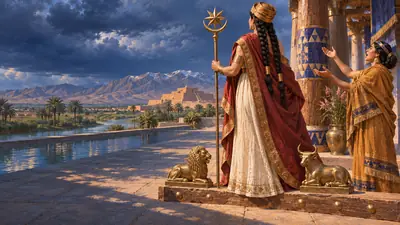
Her voice is compared to a lion’s roar across heaven and earth. Her strength is that of a wild bull before hostile lands.
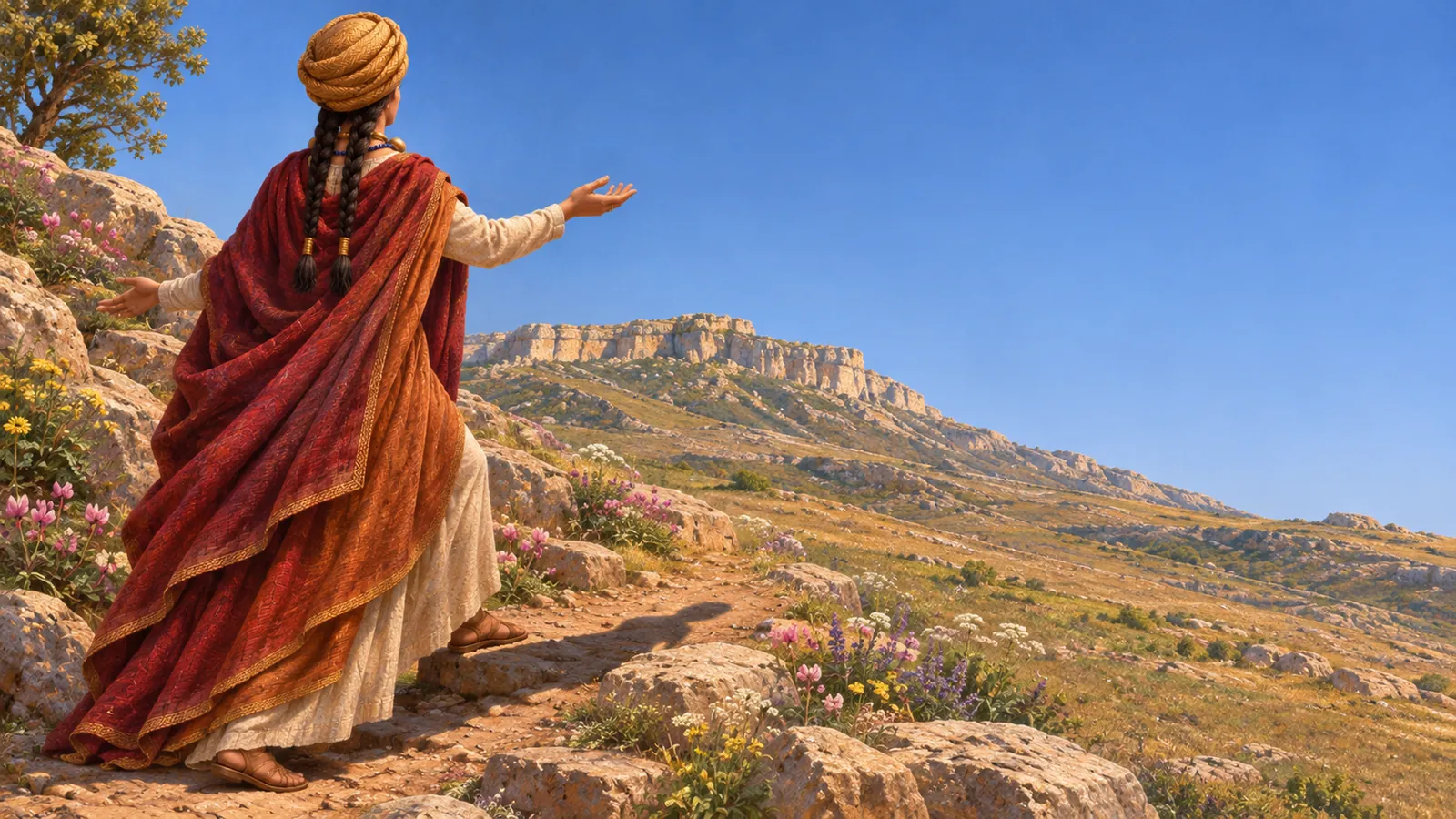
The song likens Inanna’s stature to heaven and her greatness to the earth. It compares her approach to sunlight falling on mountain plants.
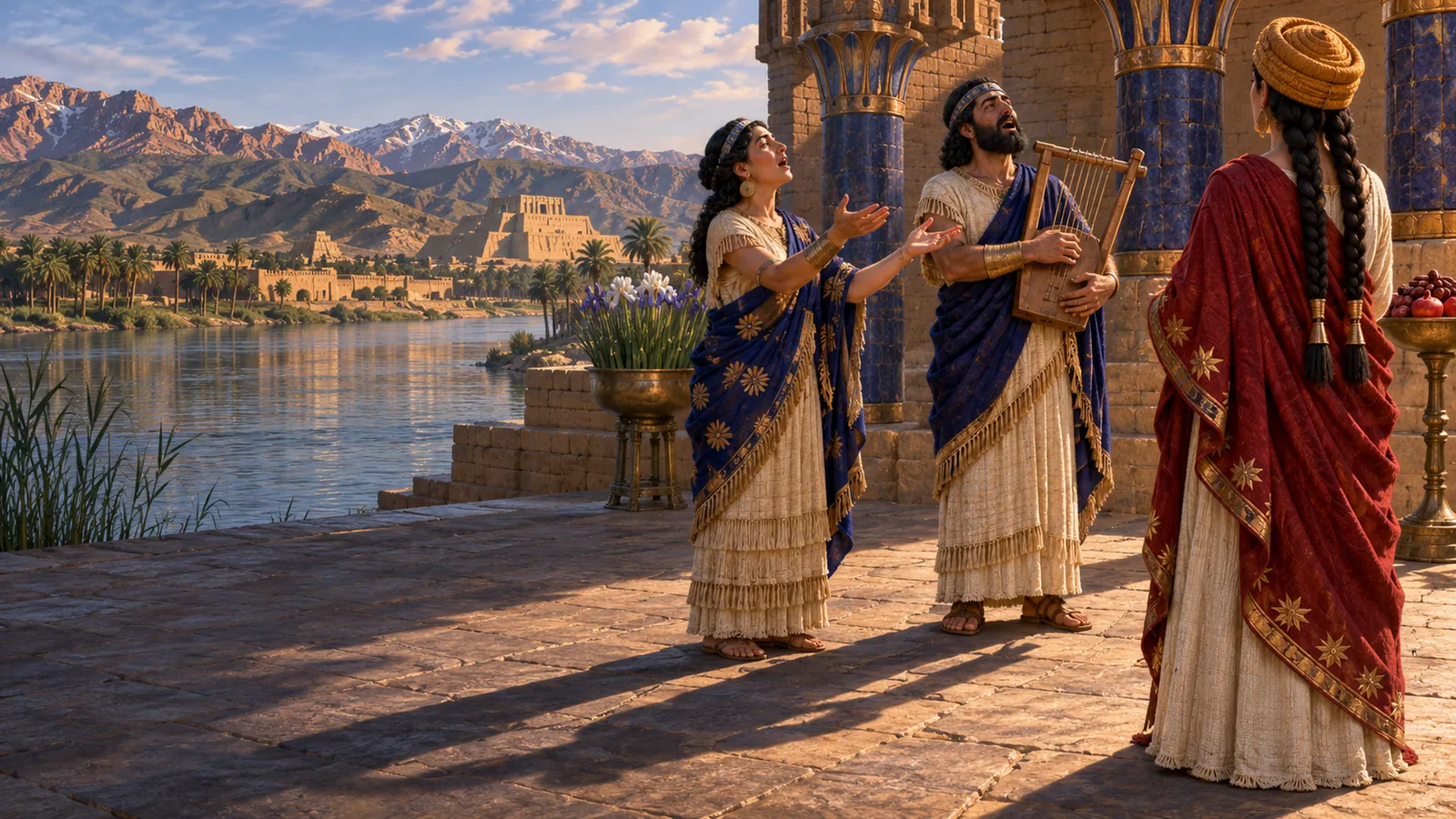
The lands raise their songs in praise. The singer announces his own praise for Inanna, lady of battle and great child of Suen.
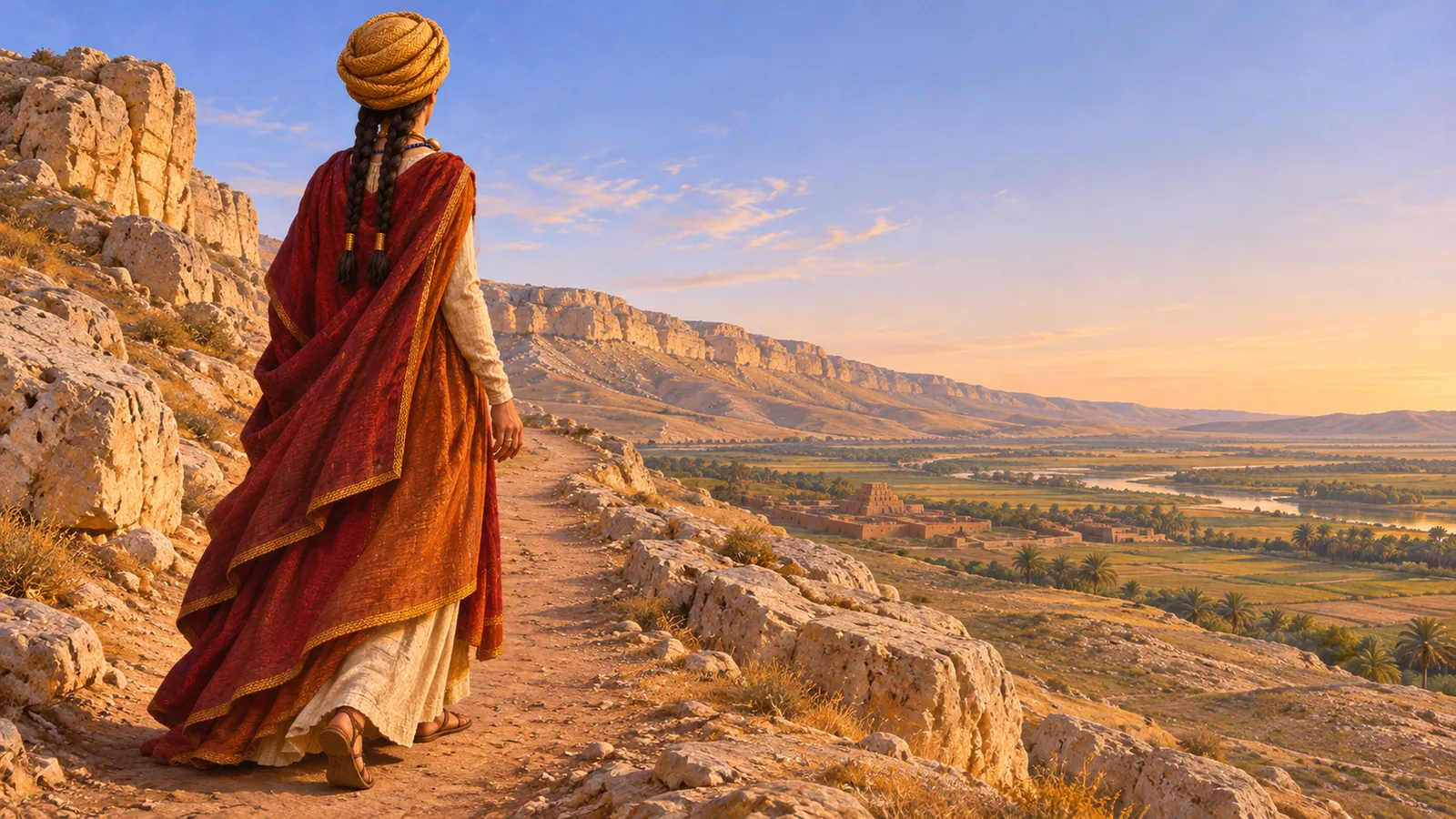
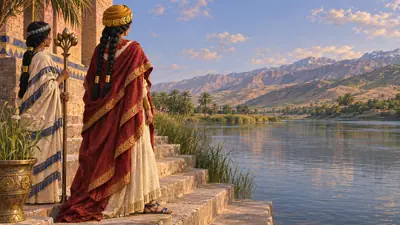
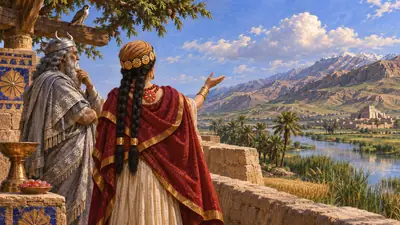
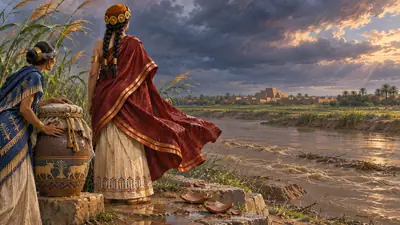
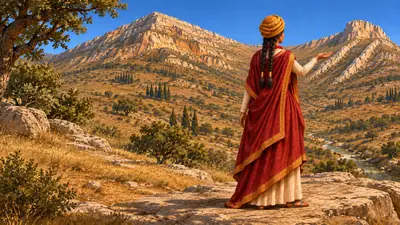
Inanna takes up the story in her own voice. She says she had traveled through heaven and earth, through Elam and Subir.
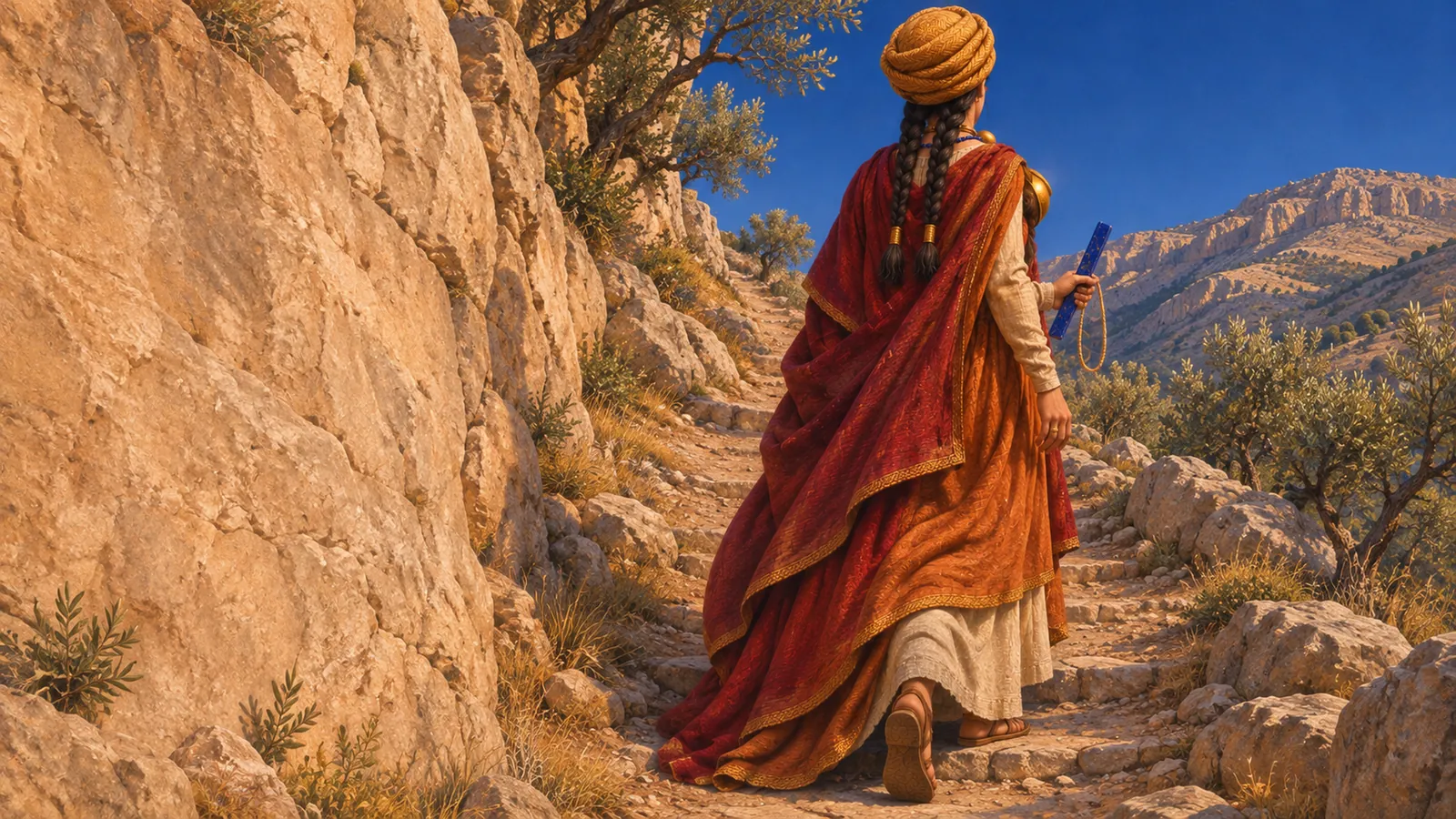
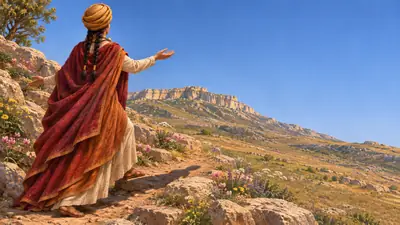
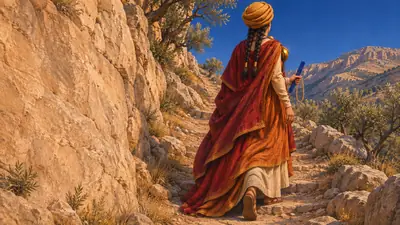
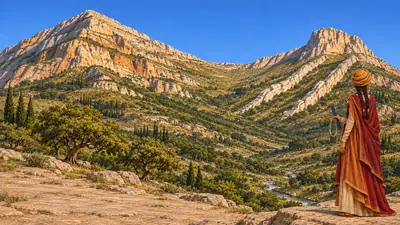
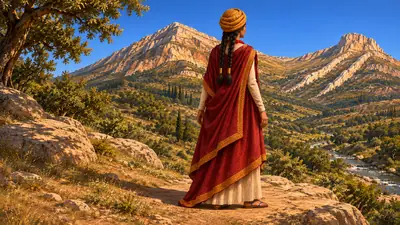
She recalls passing through the Lulubi country. From there, she says, she turned into the heart of the mountains.
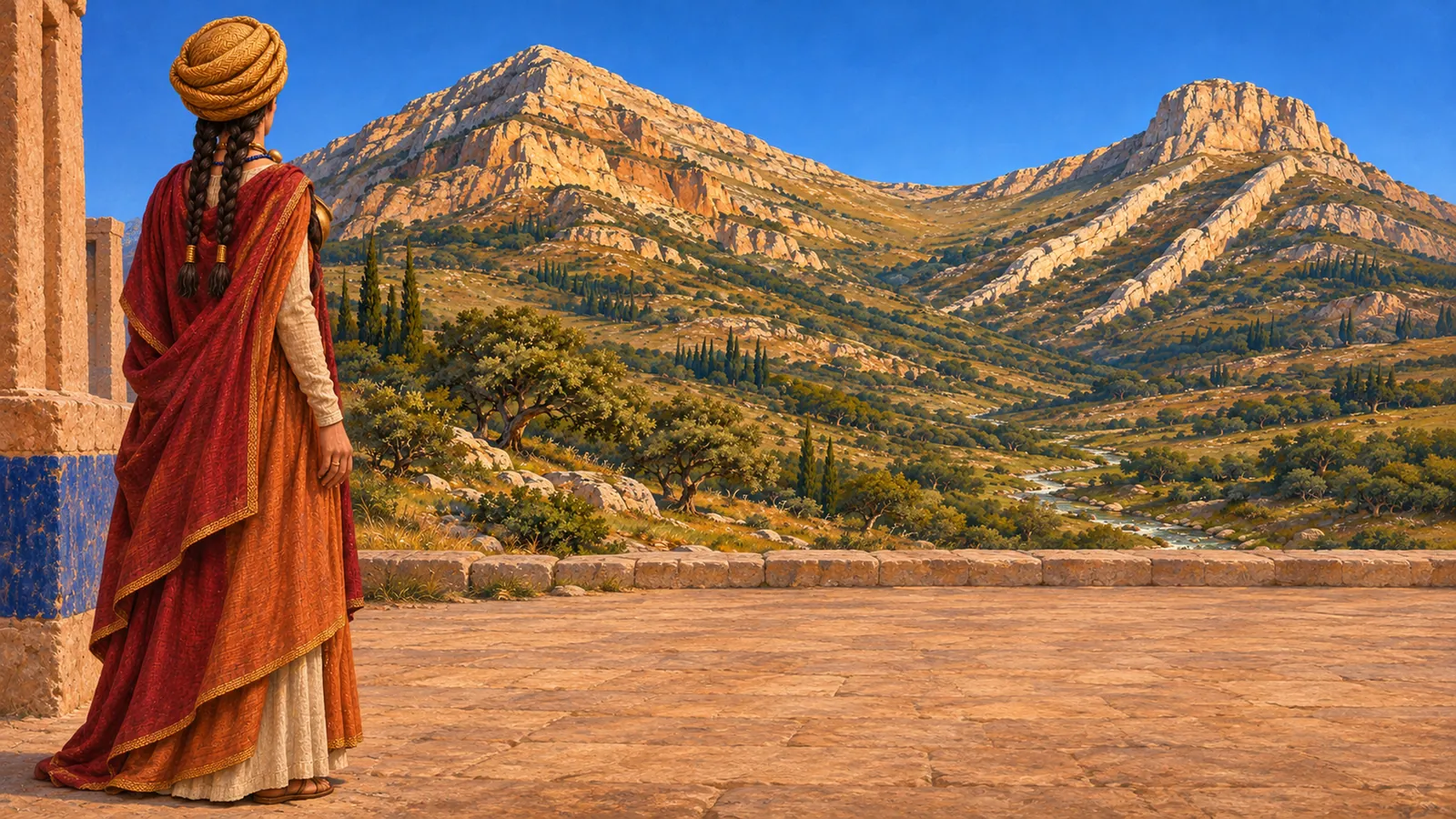
EBIH
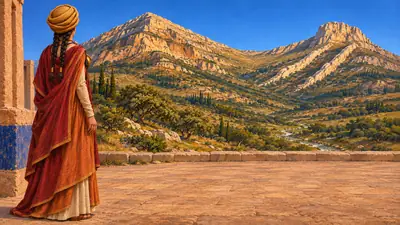
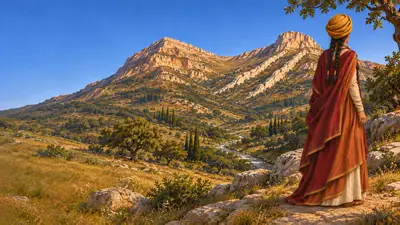
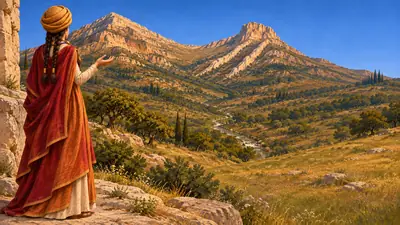
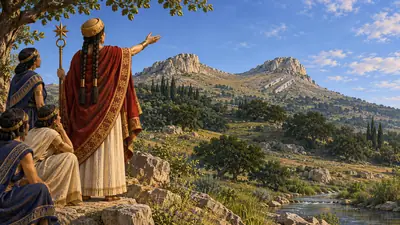
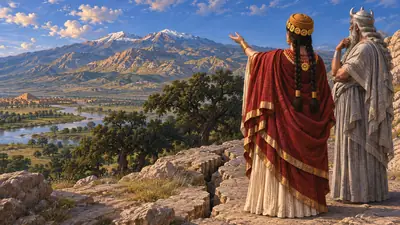
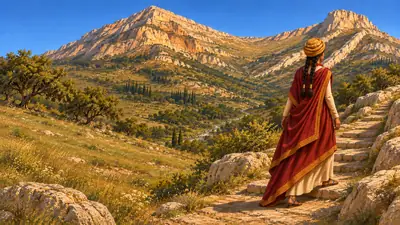
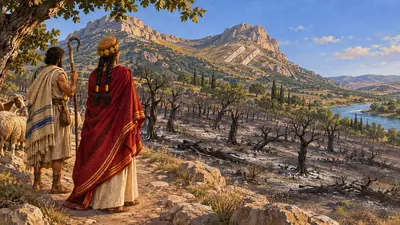
Inanna says she approached the mountain and received no homage. She repeats the complaint, this time naming the range of Ebih.
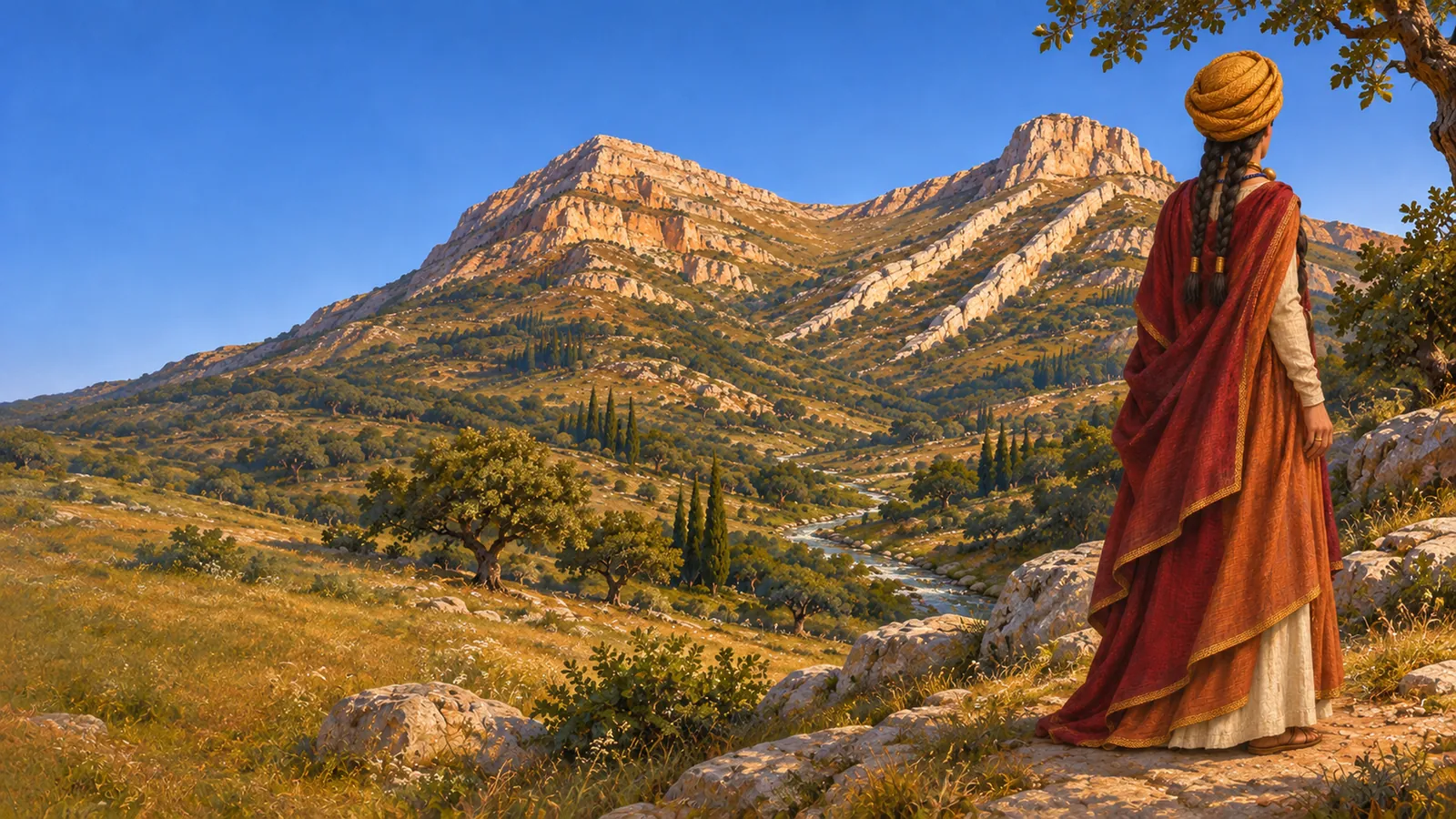
She speaks of Ebih as one who should bow. It brought no face to the ground and bent no lips to the dust.
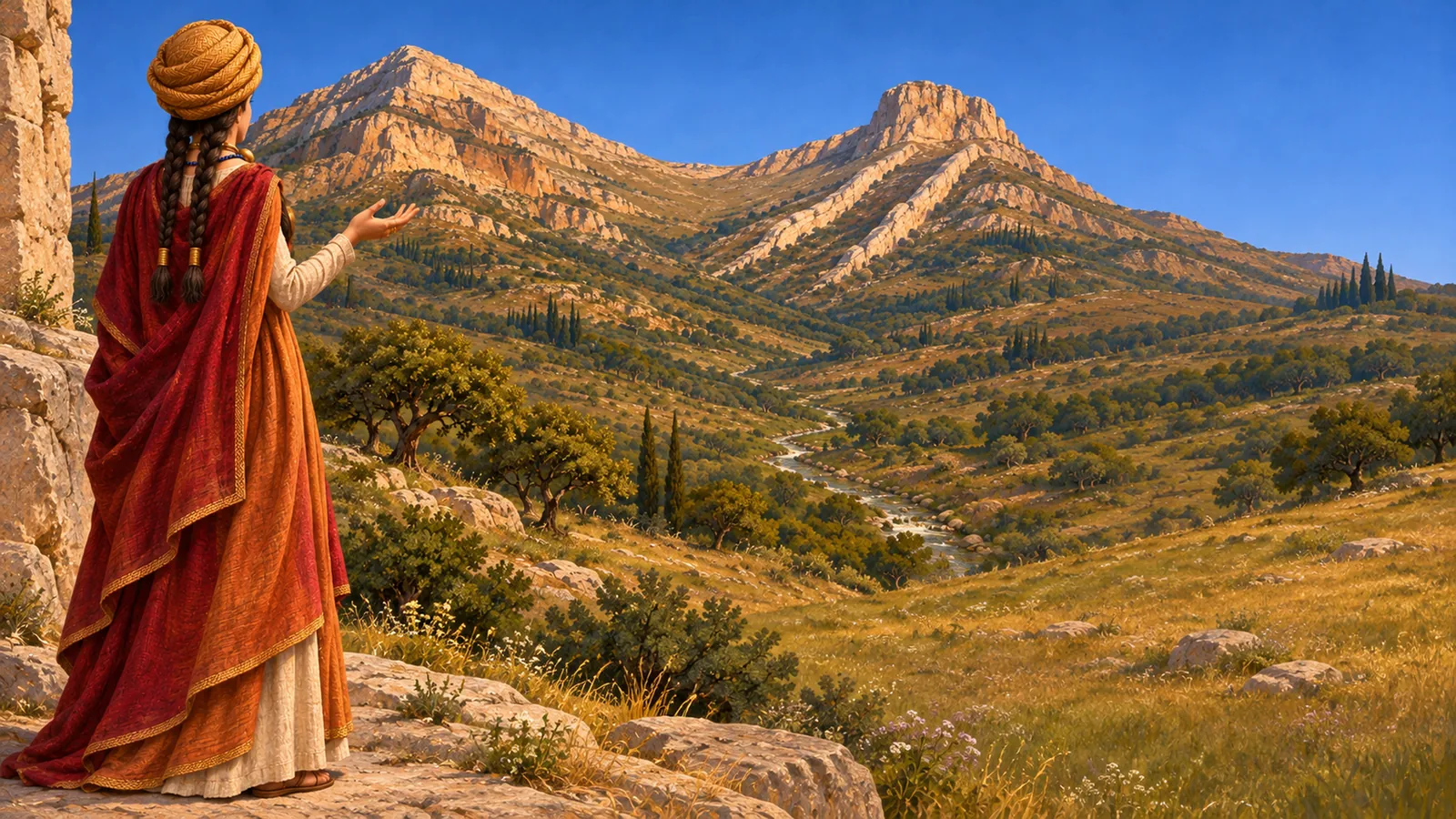
Inanna declares that she will take the soaring mountain in hand. She means to teach Ebih the regard she thinks it owes her.
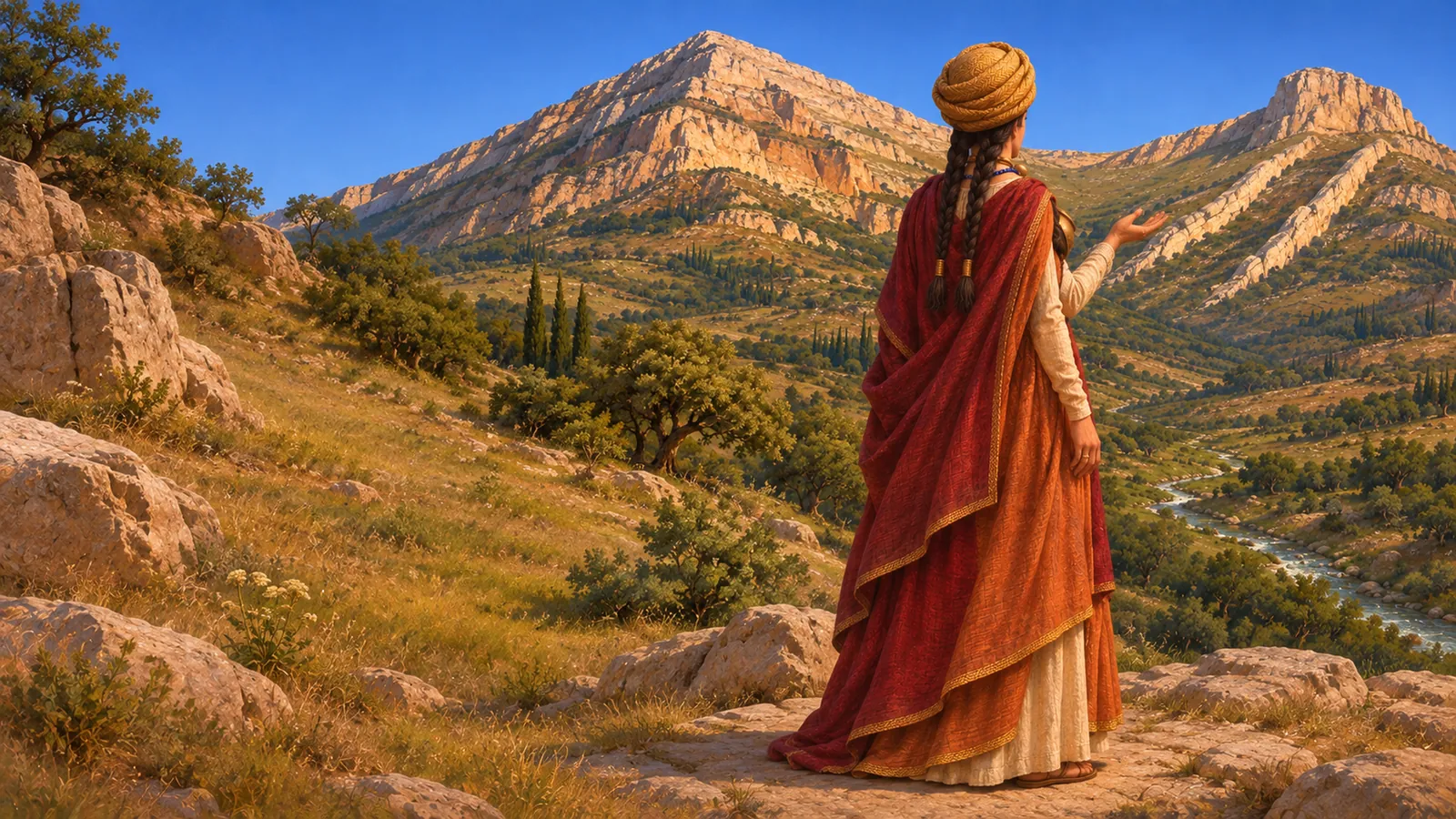
She speaks of bringing force against Ebih’s high and low slopes. The lines describe the conflict she wants to set in motion there.
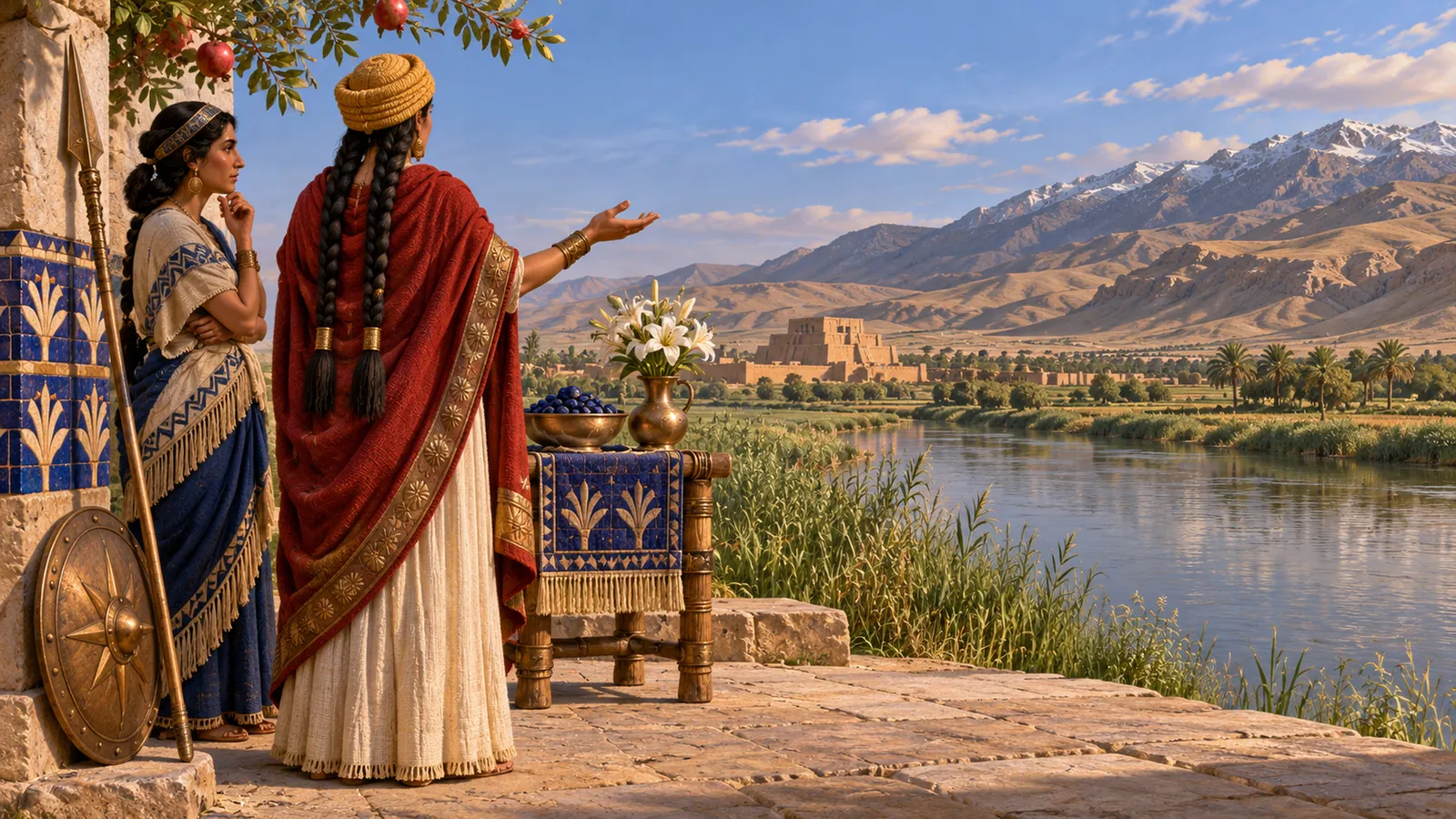
Inanna names the arrows, the lance and the shield she intends to prepare. The poem gives the armament here as part of her speech.
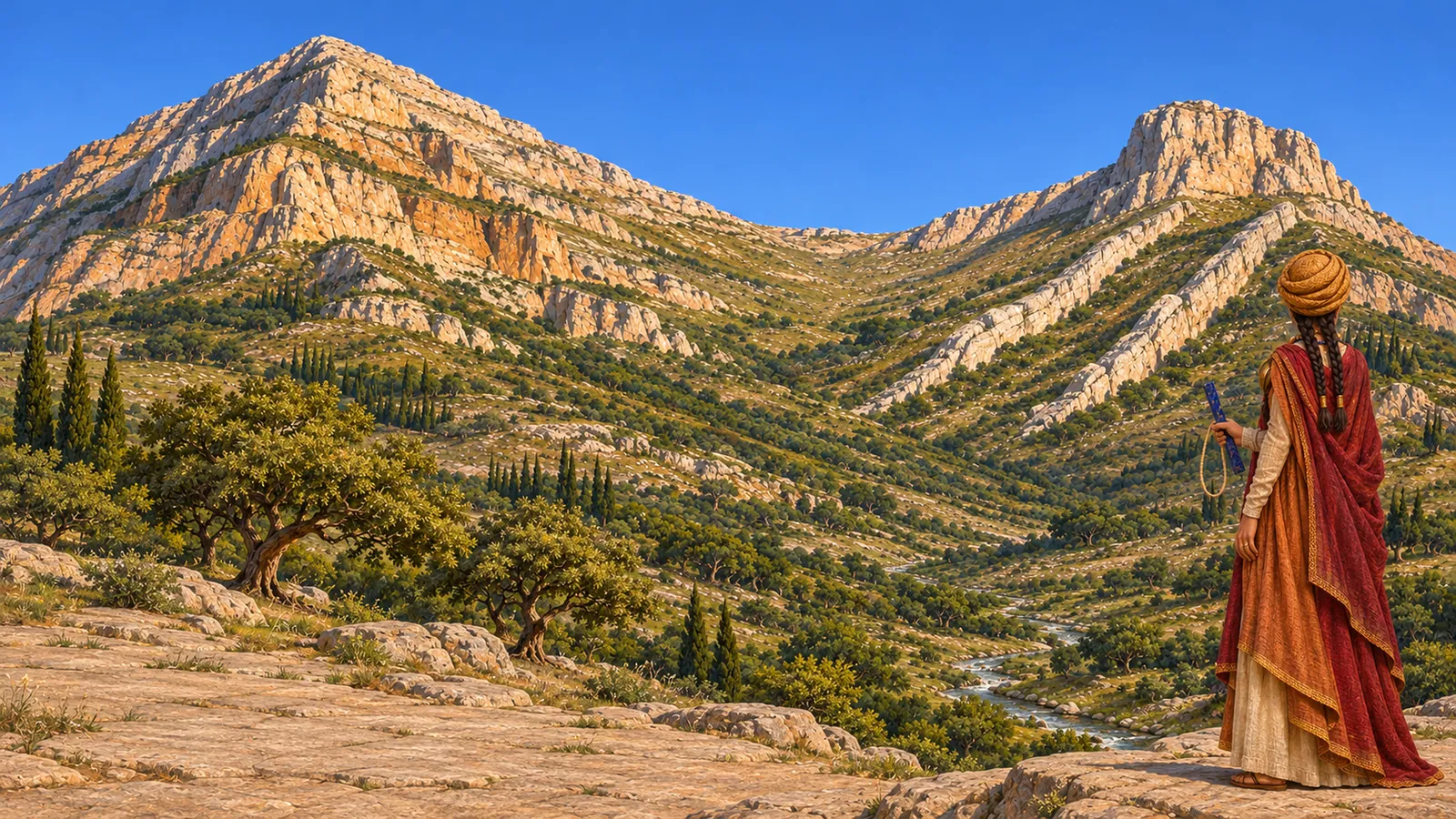
She threatens to burn thick woods and have Gibil work at the watercourses. Her speech also calls upon the fear associated with distant Aratta.
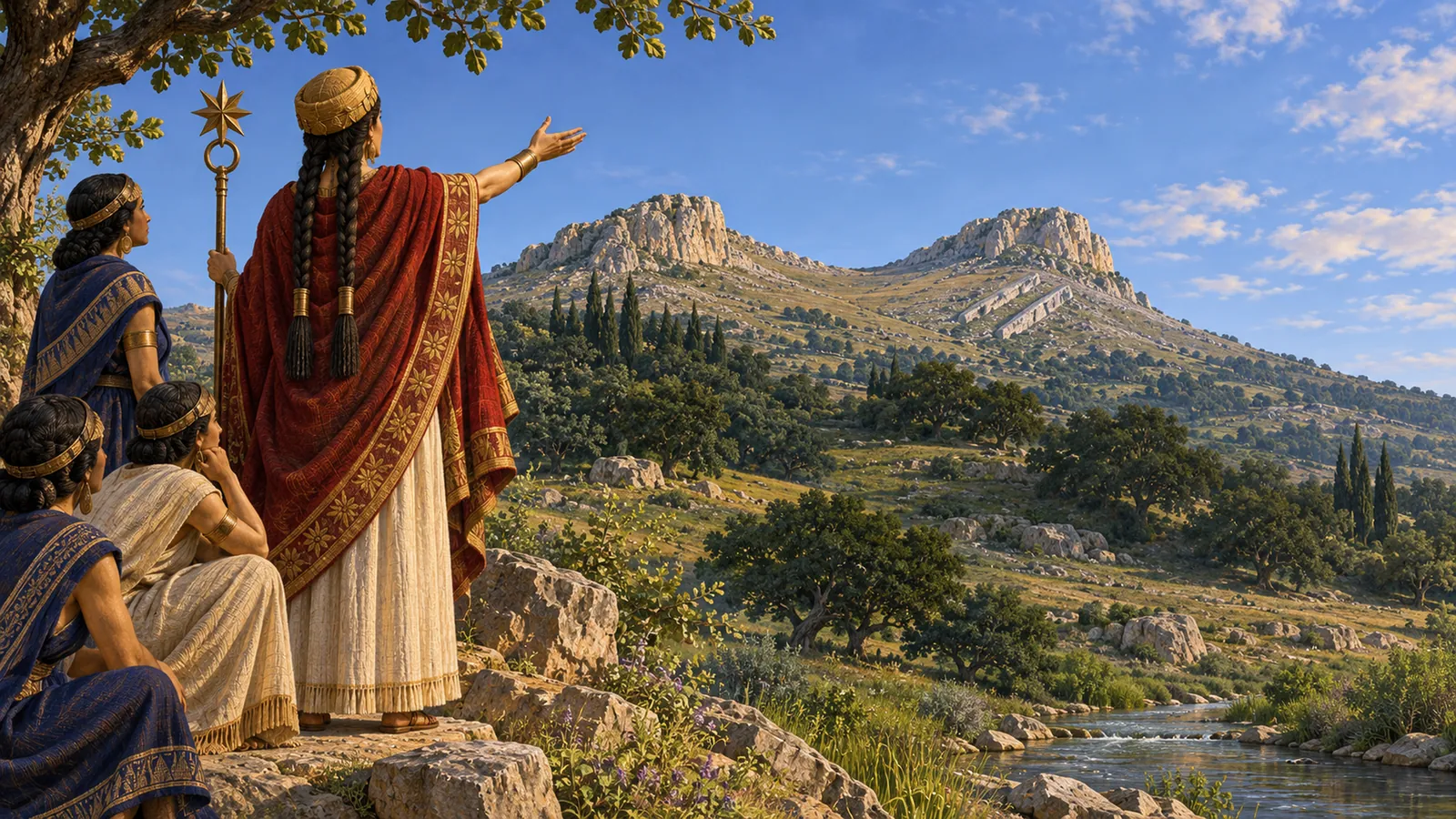
She wishes Ebih to be brought low like a city cursed by An or rebuked by Enlil. She demands the mountain’s praise.
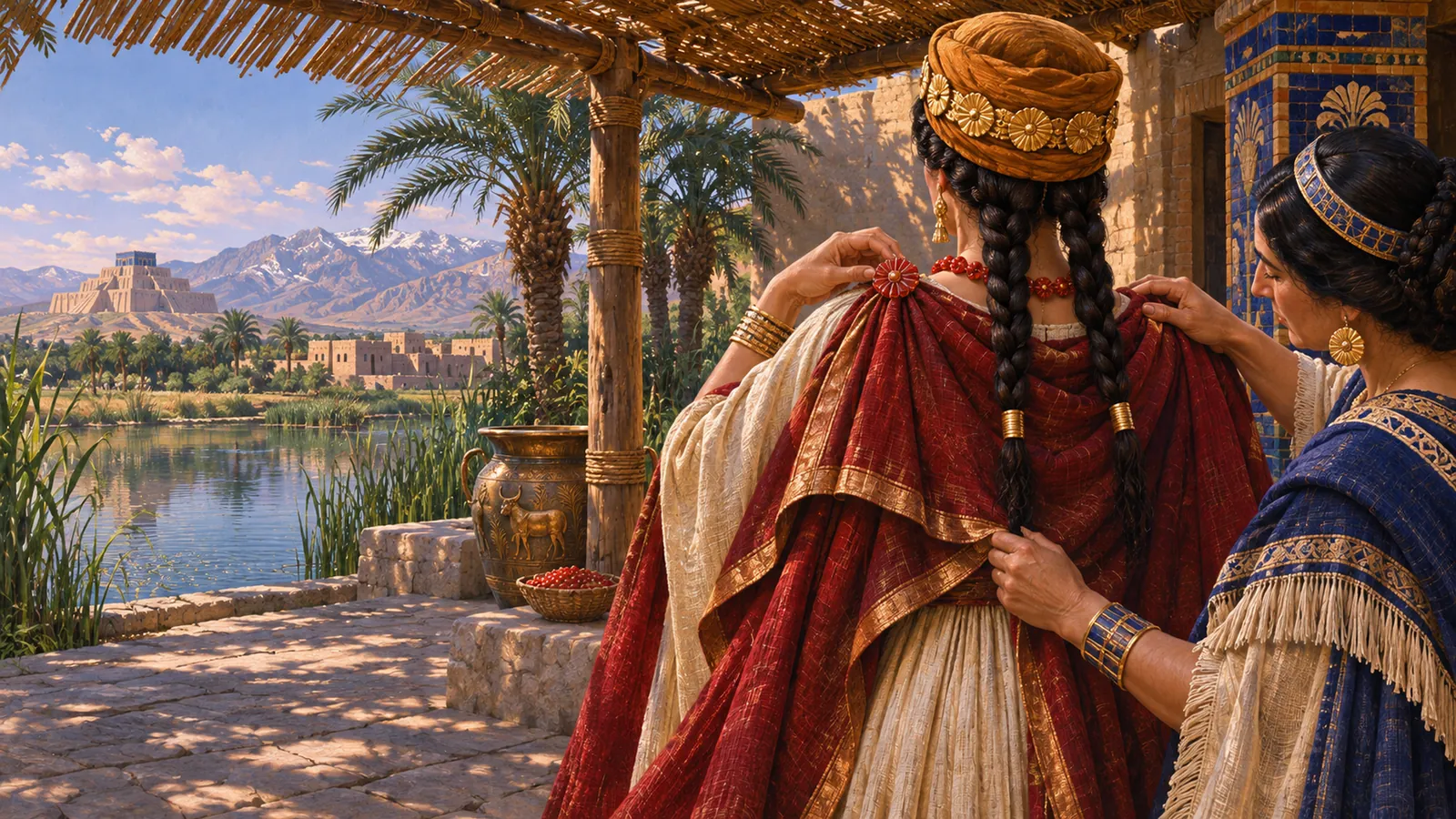
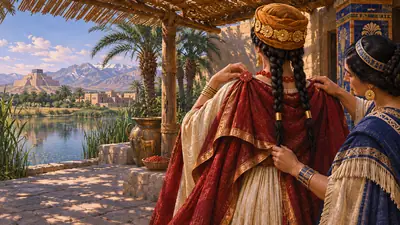
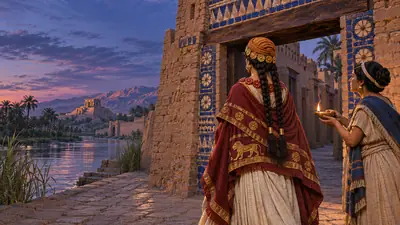
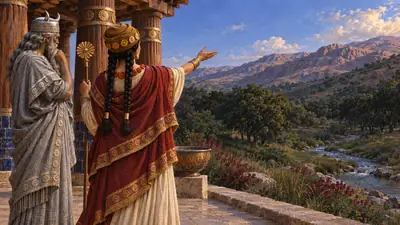
Inanna puts on her royal garment and adorns her brow. She arranges red carnelian rosettes around her neck before going to An.
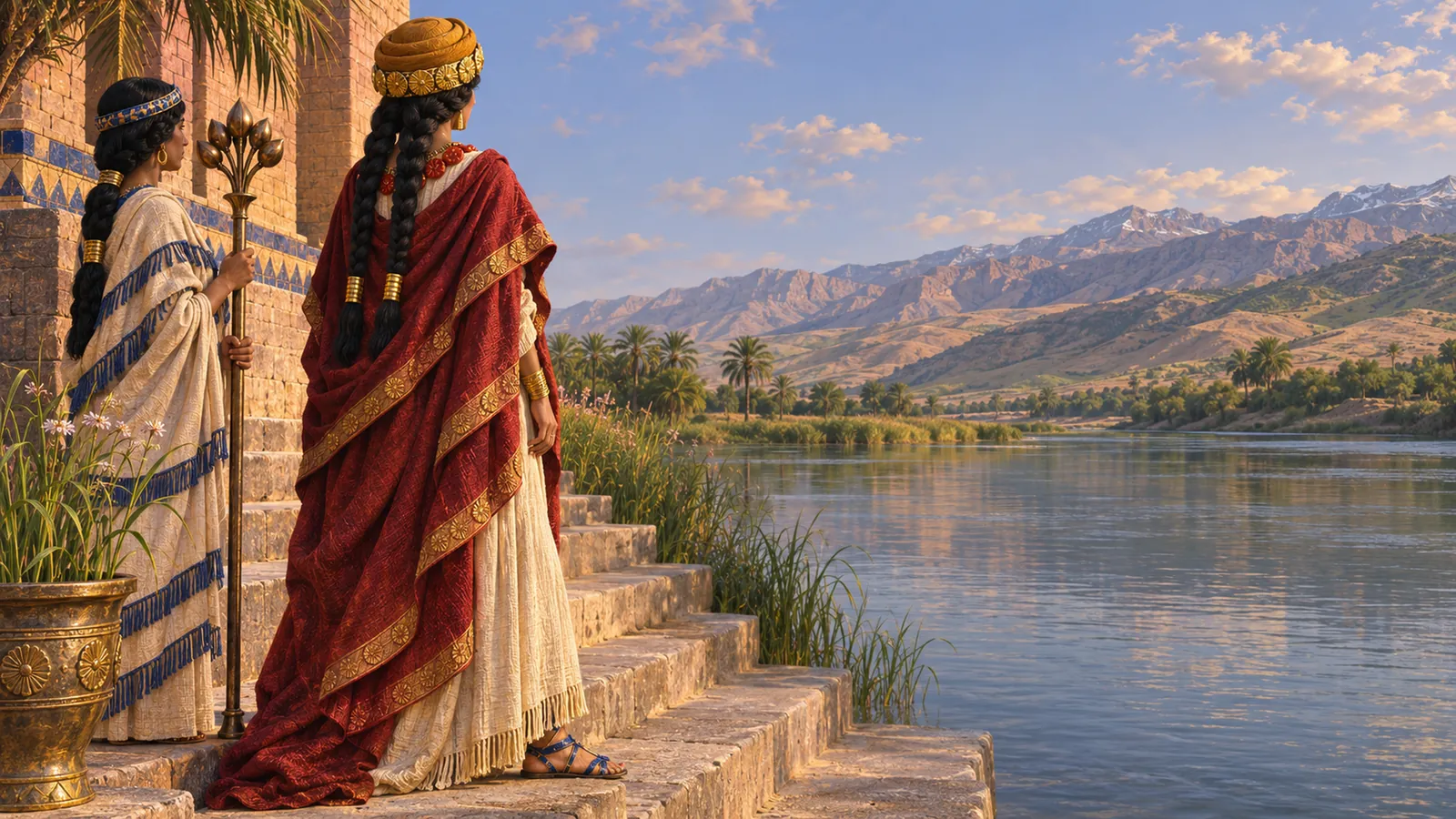
The poem gives Inanna a seven-headed weapon at her right. One reading has her fasten lapis-colored straps at her feet.
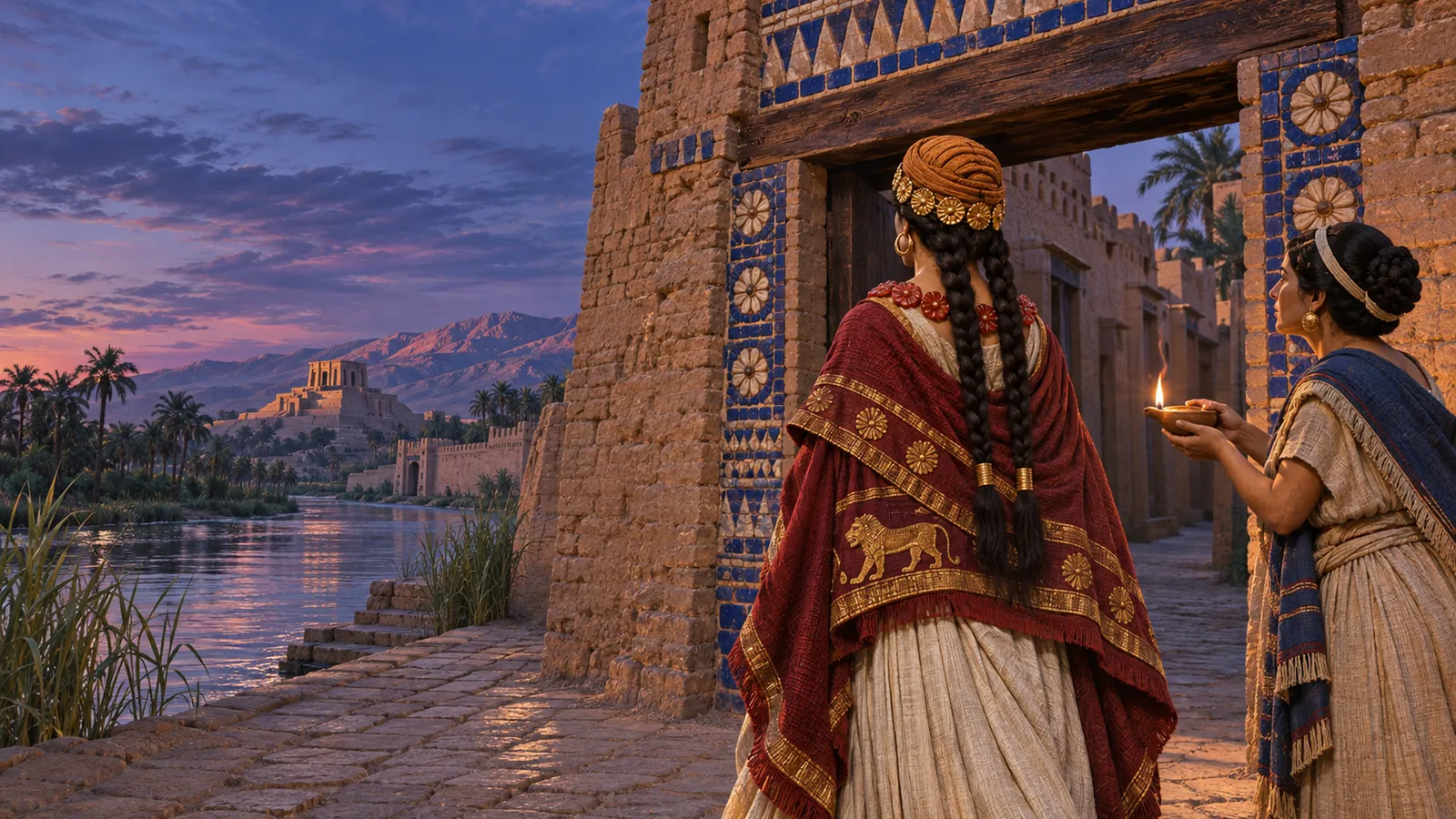
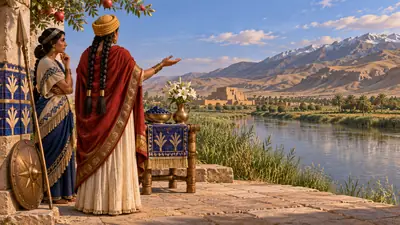
At dusk Inanna comes out in her royal attire. She stands in the street at the gate the poem calls the Gate of Wonder.
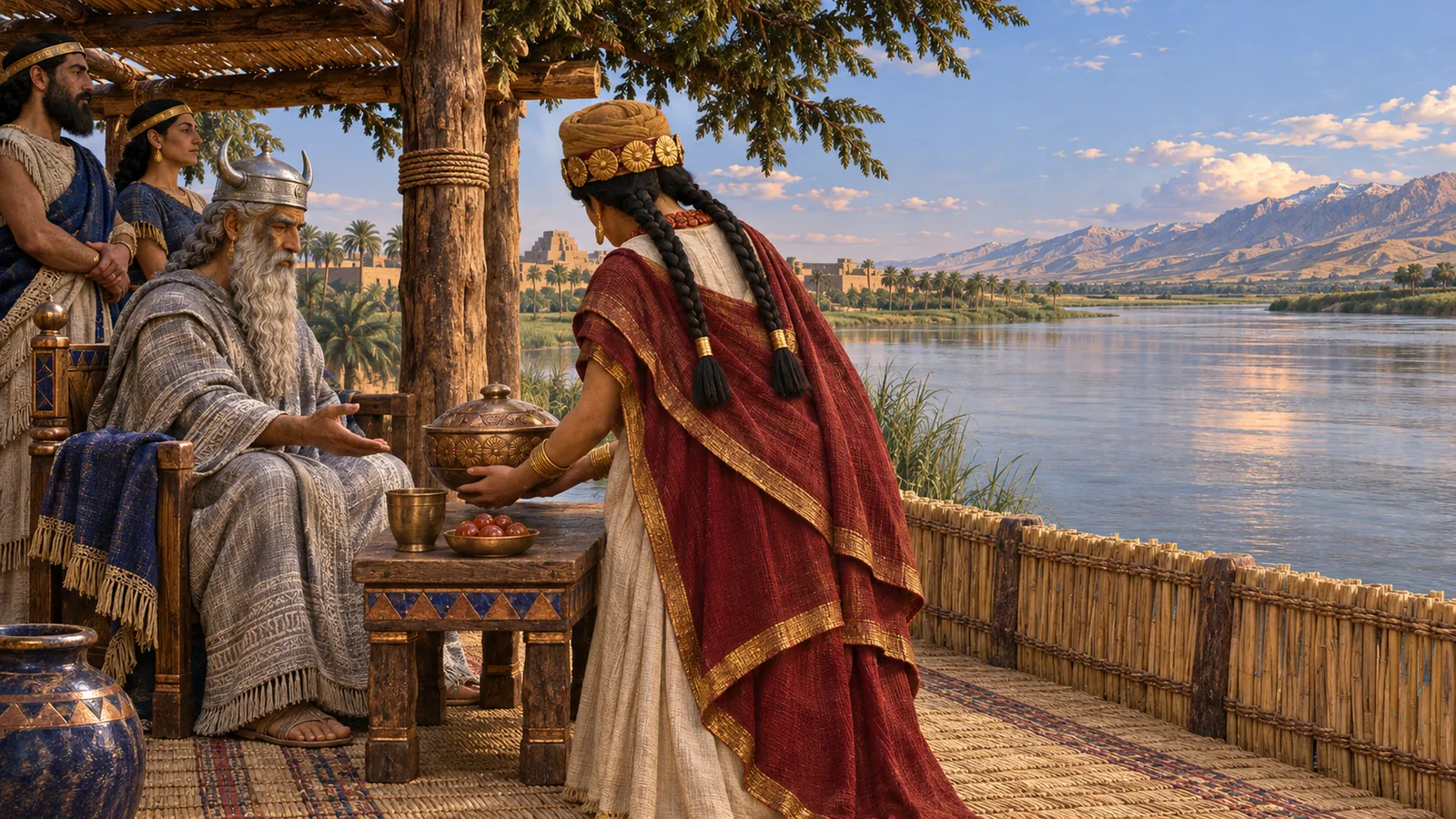
OFFERING
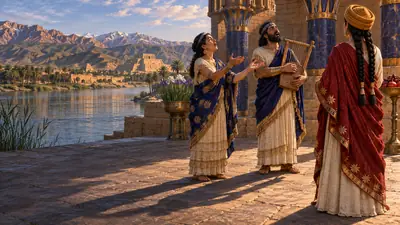
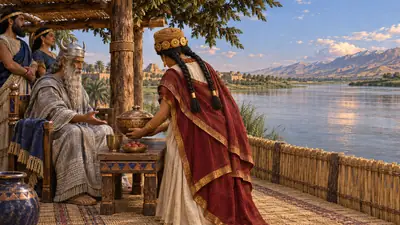
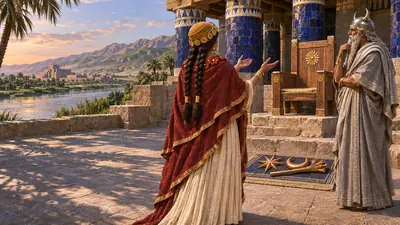
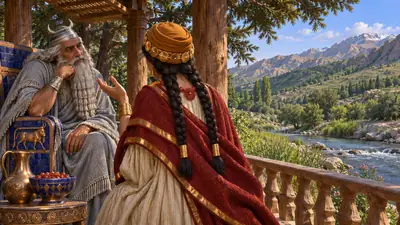
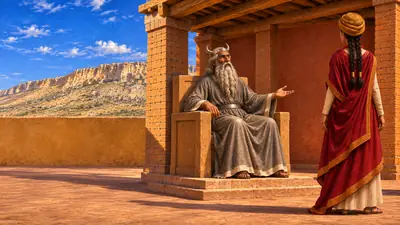
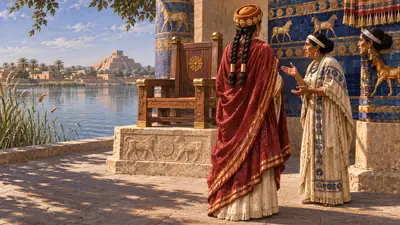
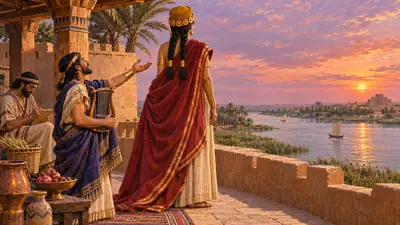
Inanna presents an offering before An. With the offering made, she addresses him and seeks a hearing for her words.
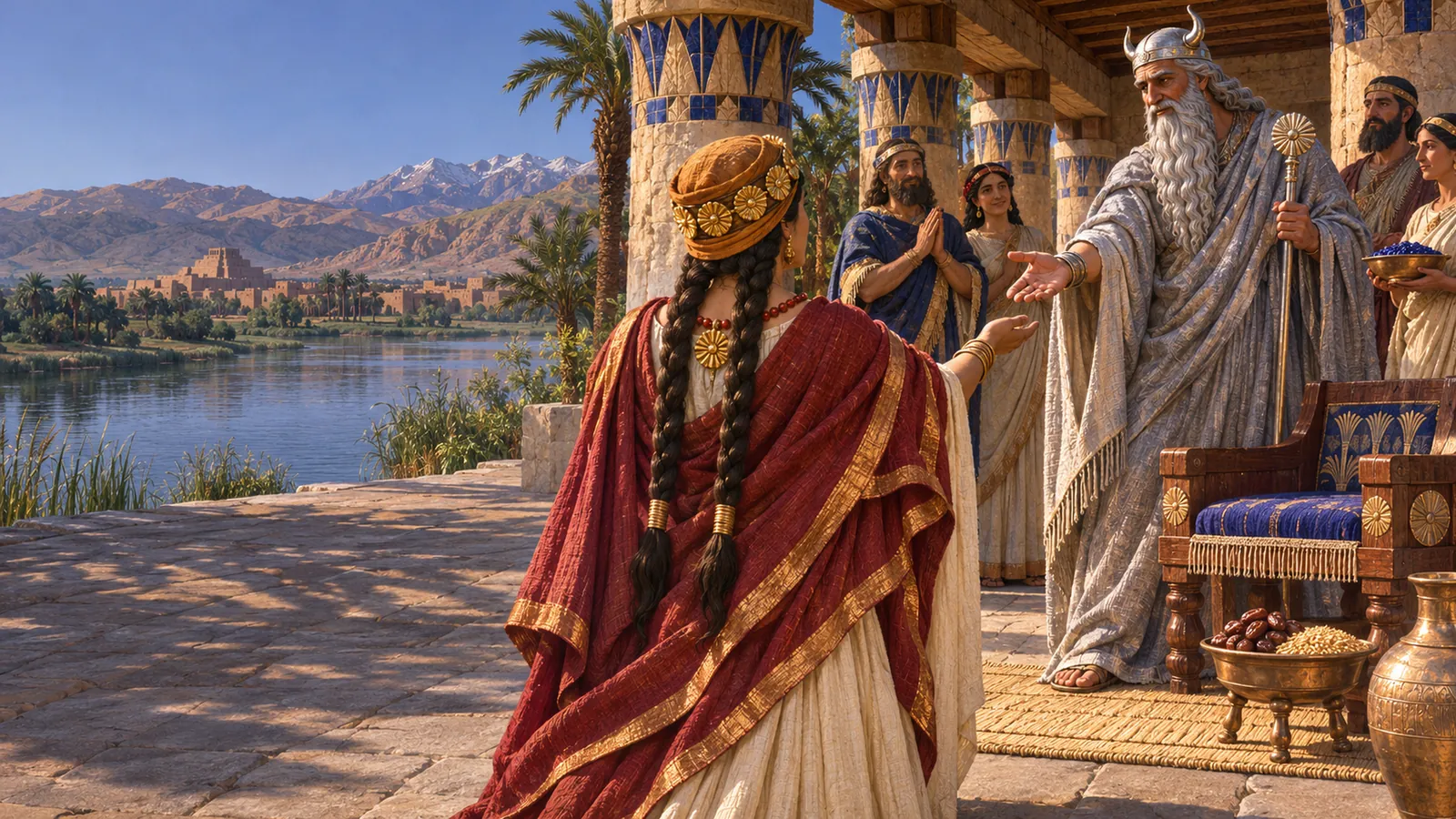
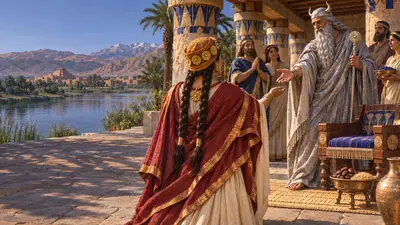
An is pleased to receive Inanna. He comes forward to his seat and the audience takes place in the honored court of heaven.
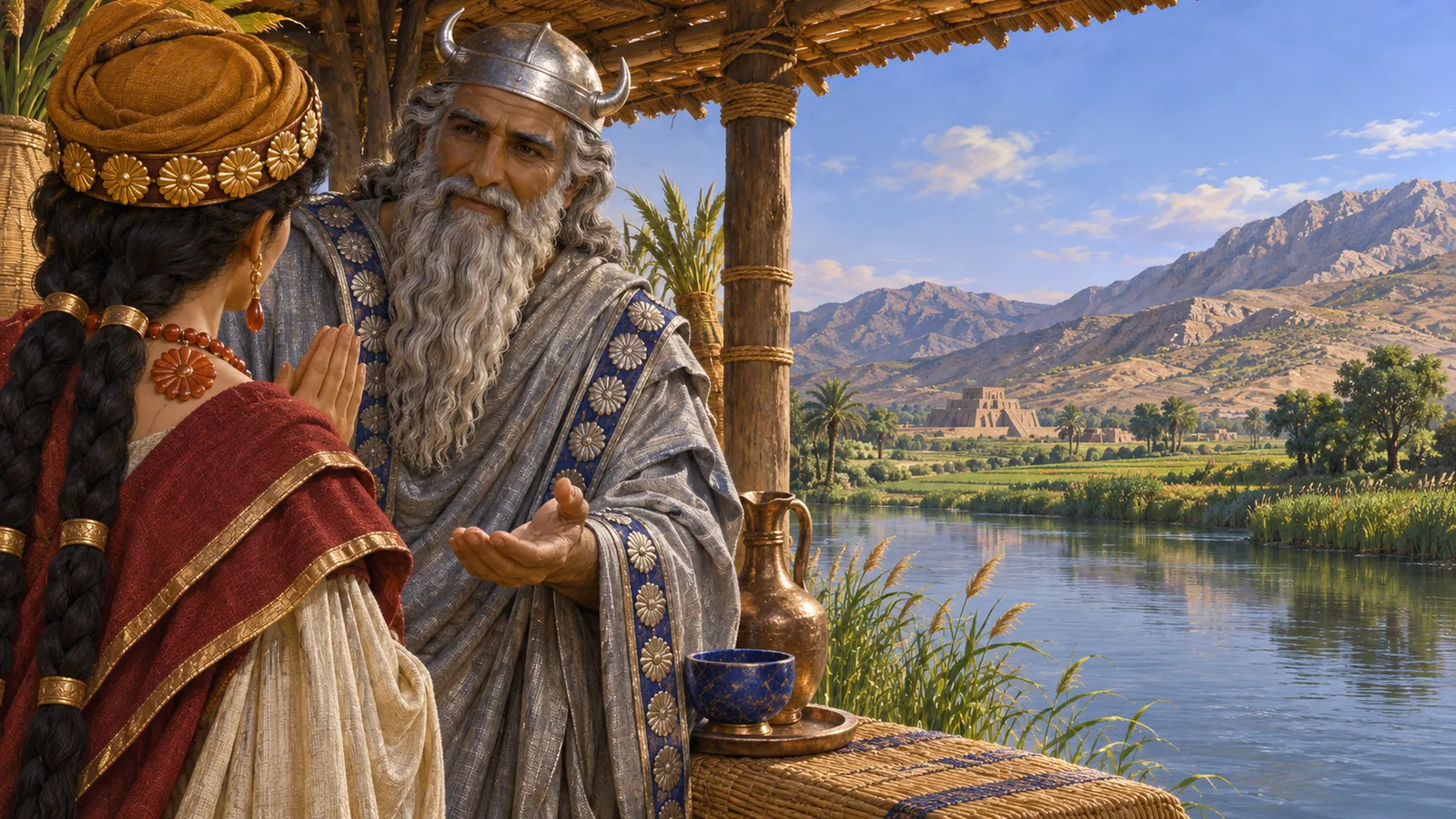
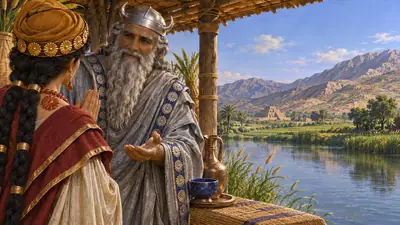
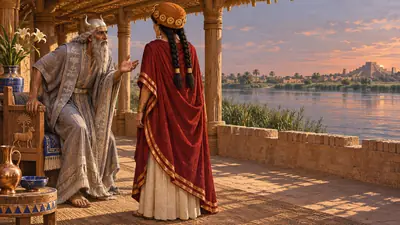
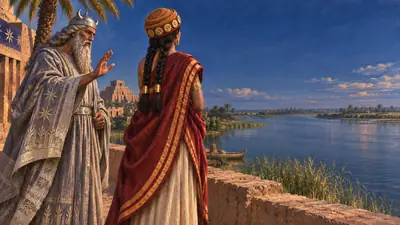
Inanna greets An as her father and asks him to listen. She says he gave her a command that carries through heaven and earth.
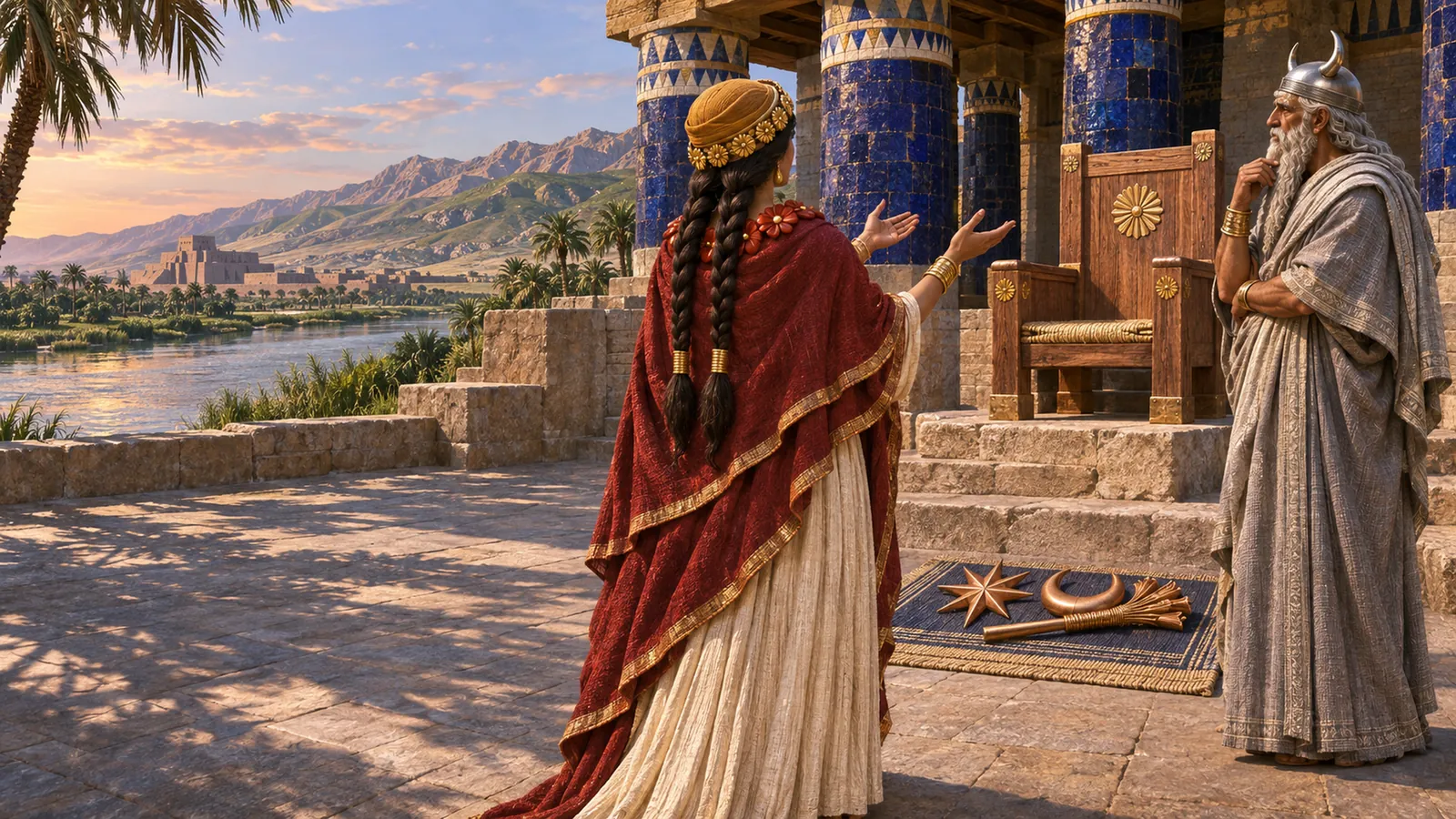
Her speech names a weapon and emblems at the limits of heaven. She adds the power to set a throne on firm foundations.
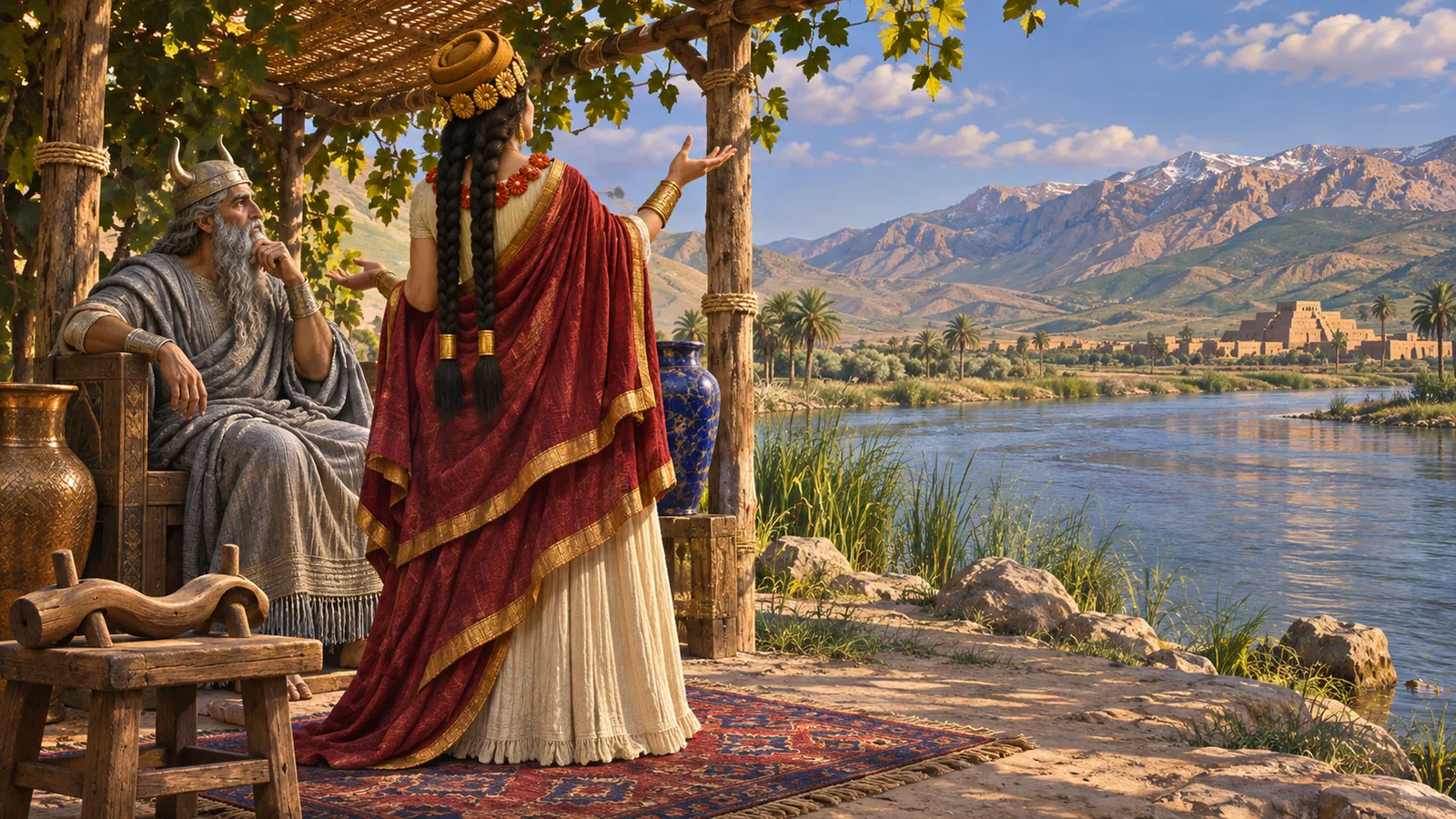
Inanna names great yokes and distant campaigns among the powers An assigned her. Some words and the kinds of yokes differ between readings.
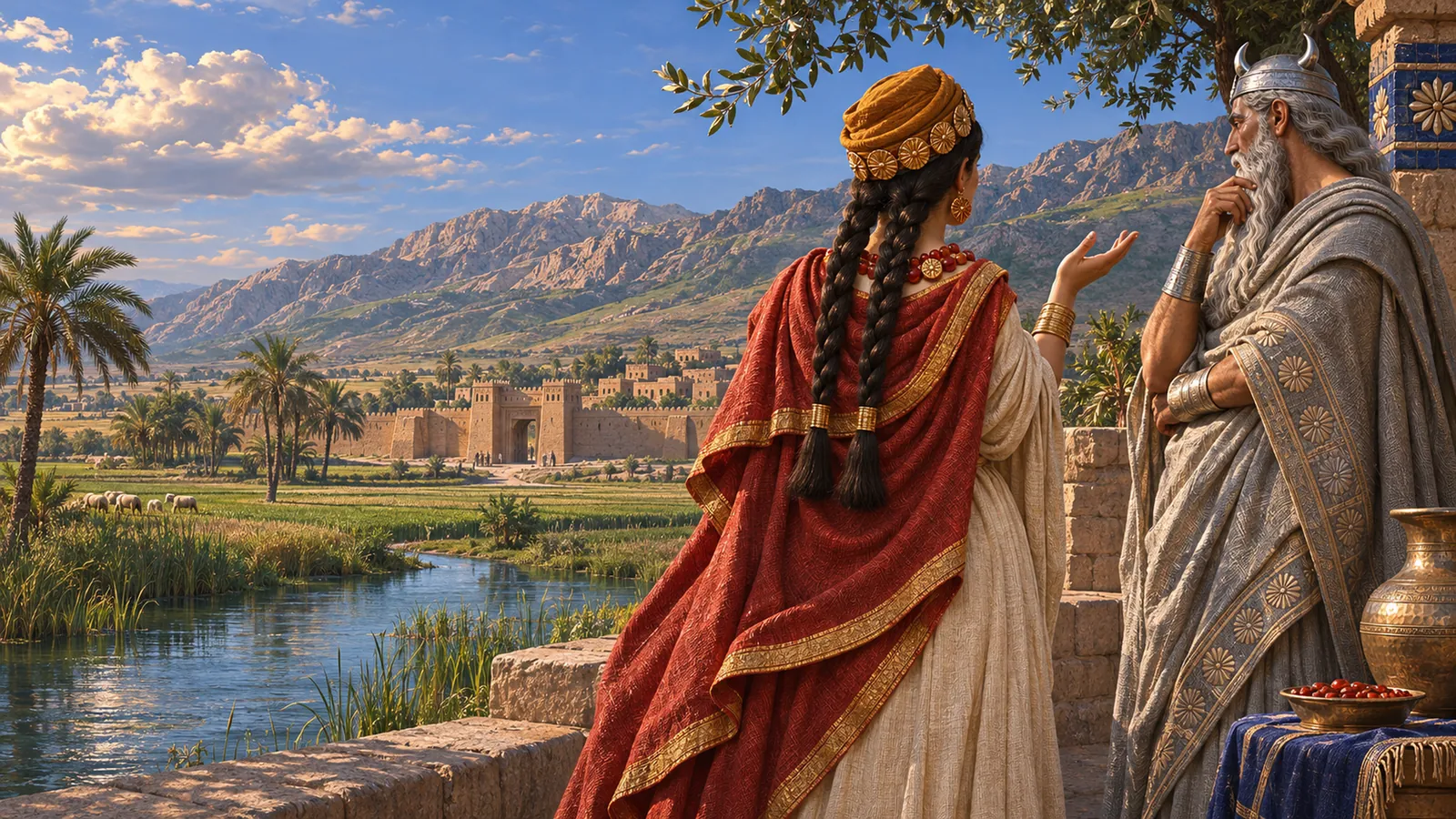
She compares the force she commands to locusts over fields and orchards. She includes the power to take the bars from city gates.
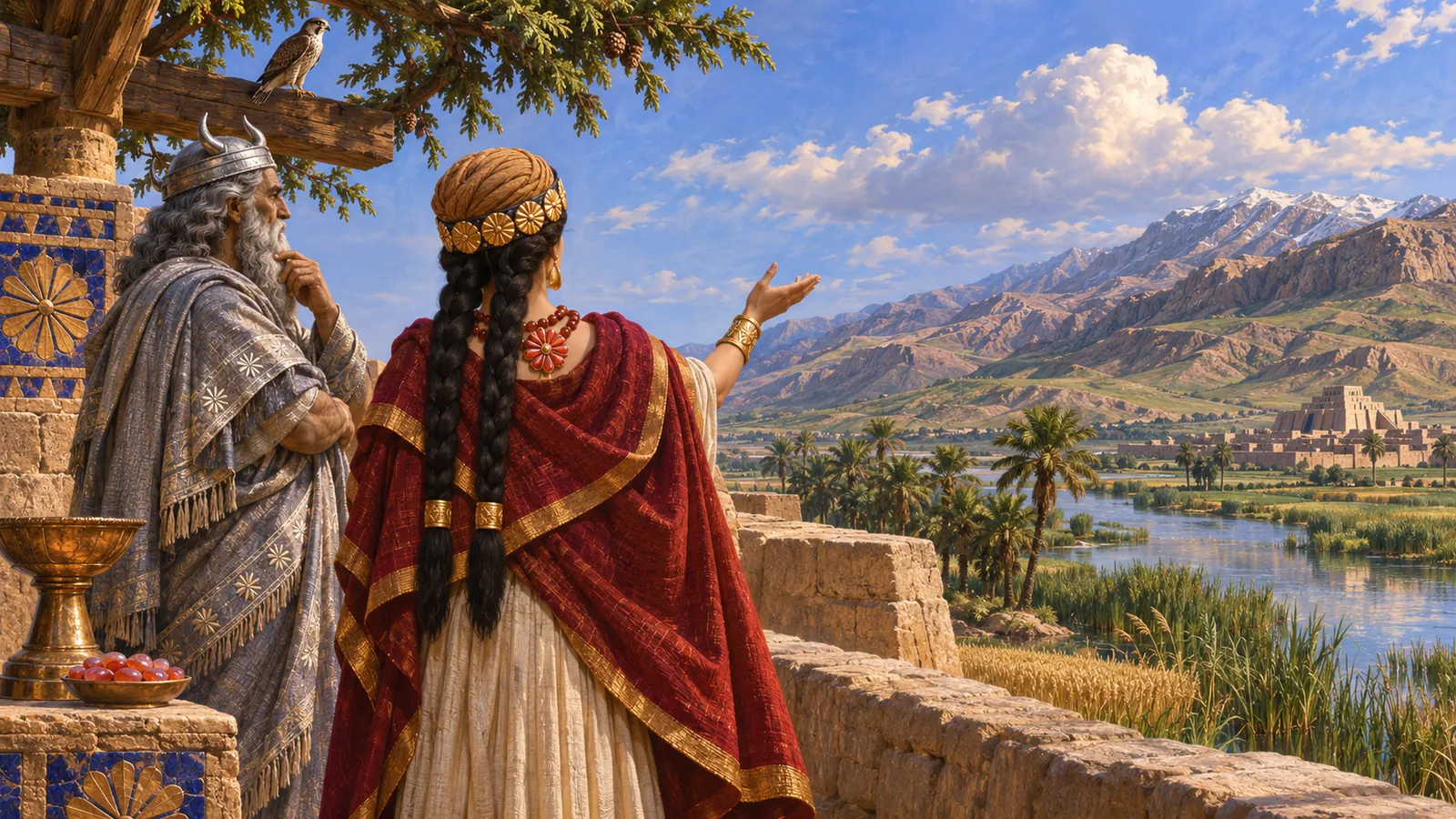
Inanna says she was placed at the king’s right to help him overcome rebellion. She compares the force she wants him to wield to a falcon.
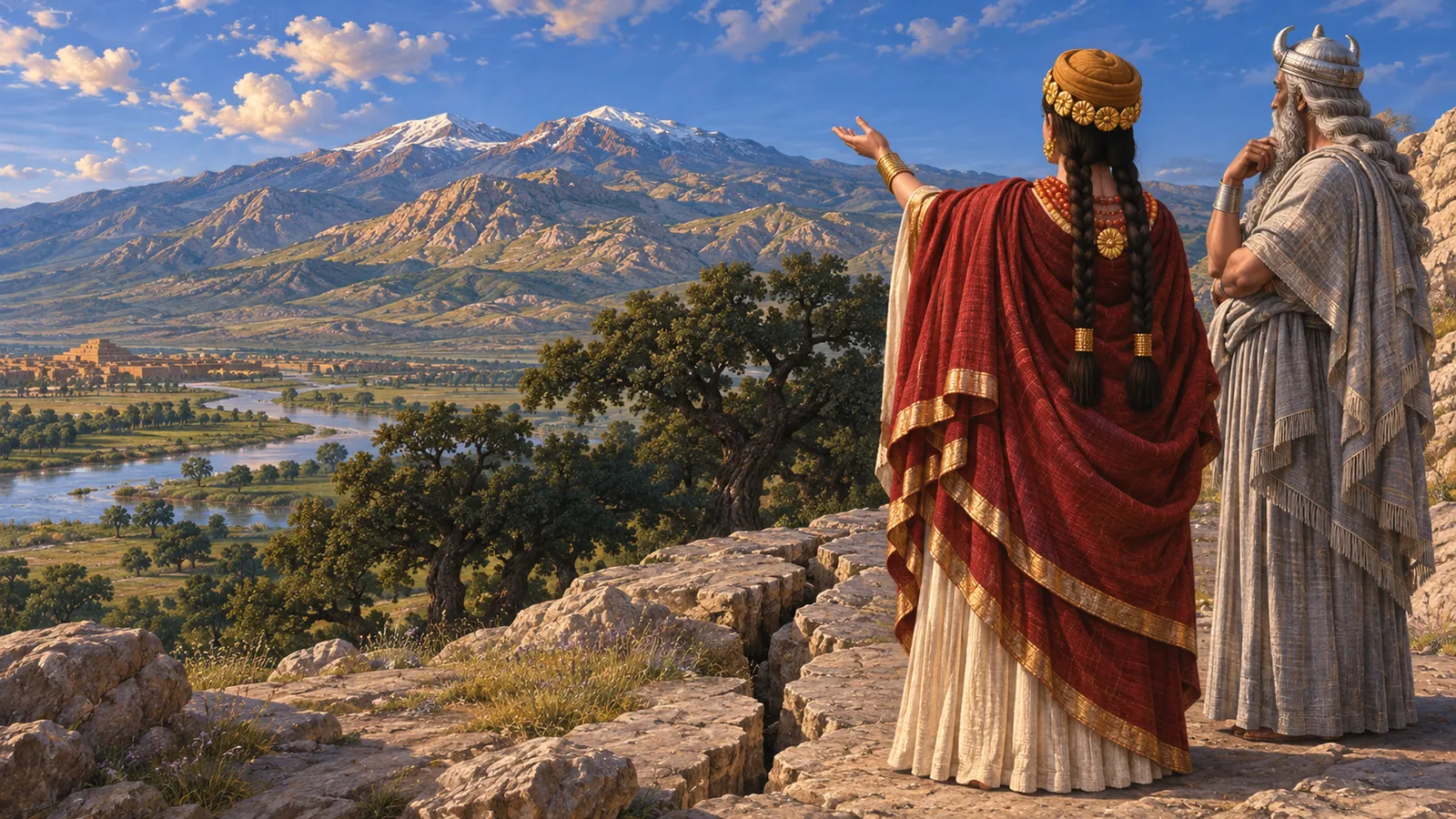
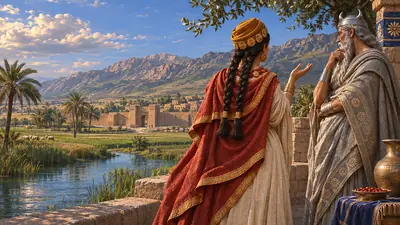
Her speech likens the power over the lands to a serpent in a cleft. She speaks of knowing Ebih’s extent and surpassing the other gods.
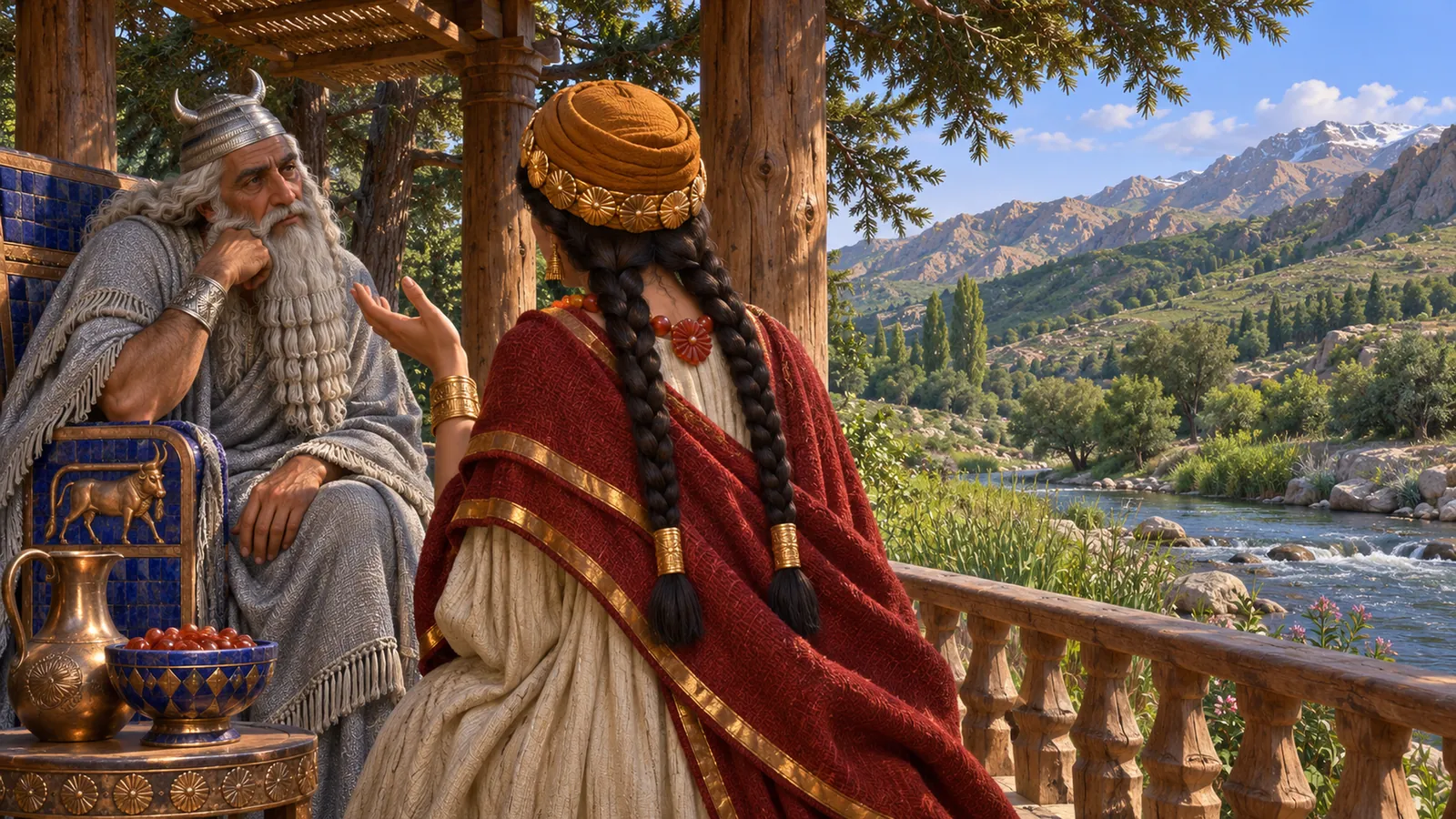
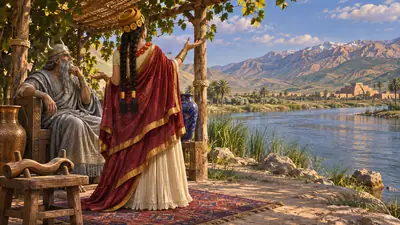
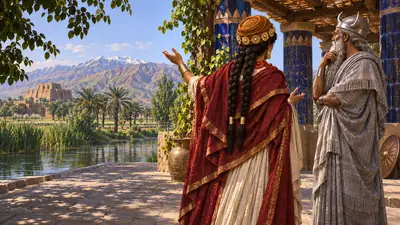
Before An she returns to her grievance. Ebih, she says, showed her neither fear nor homage in heaven or on earth.
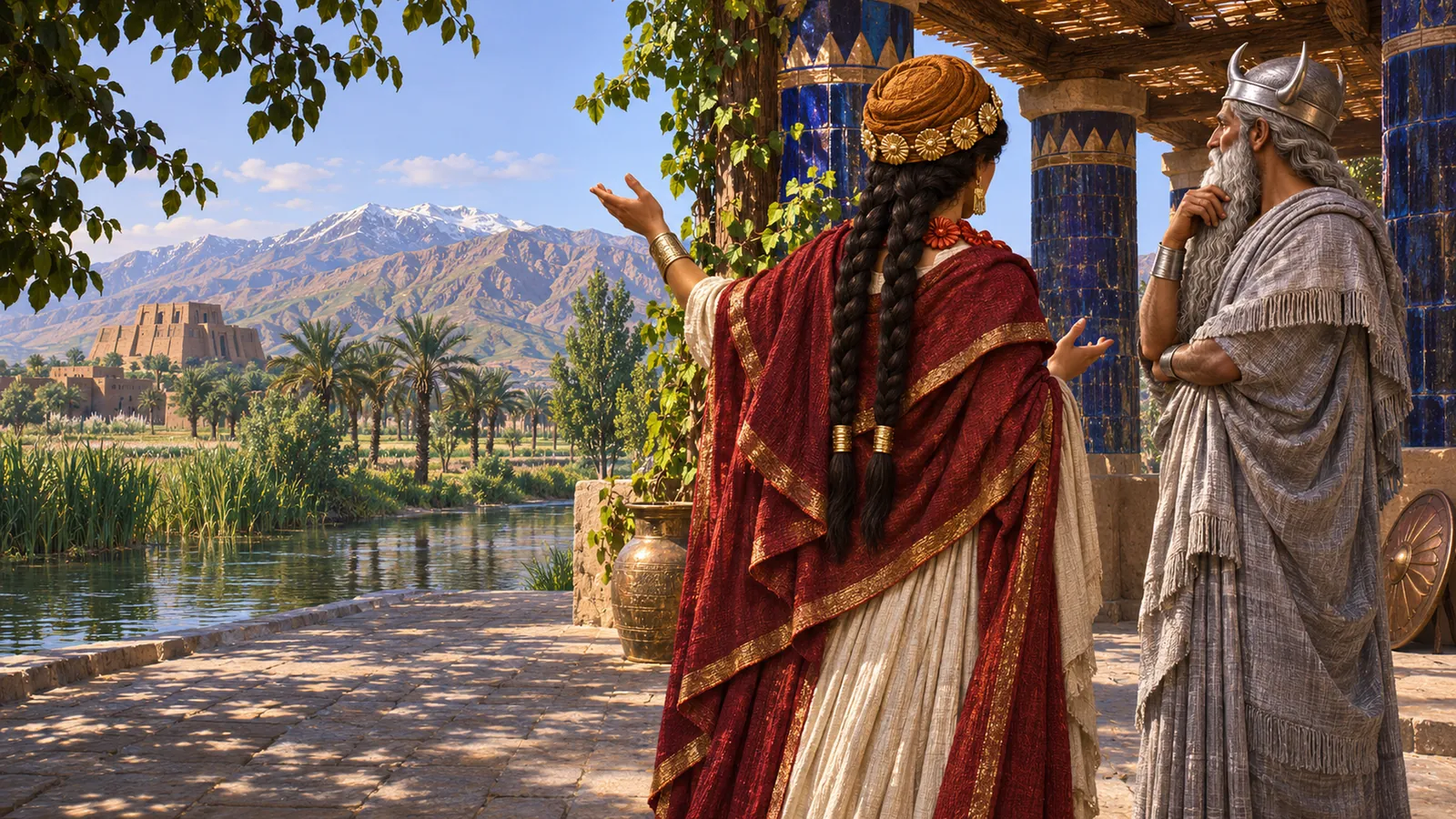
Inanna returns to the words of her first threat. Before An, she speaks again of confronting the slopes and preparing her weapons.
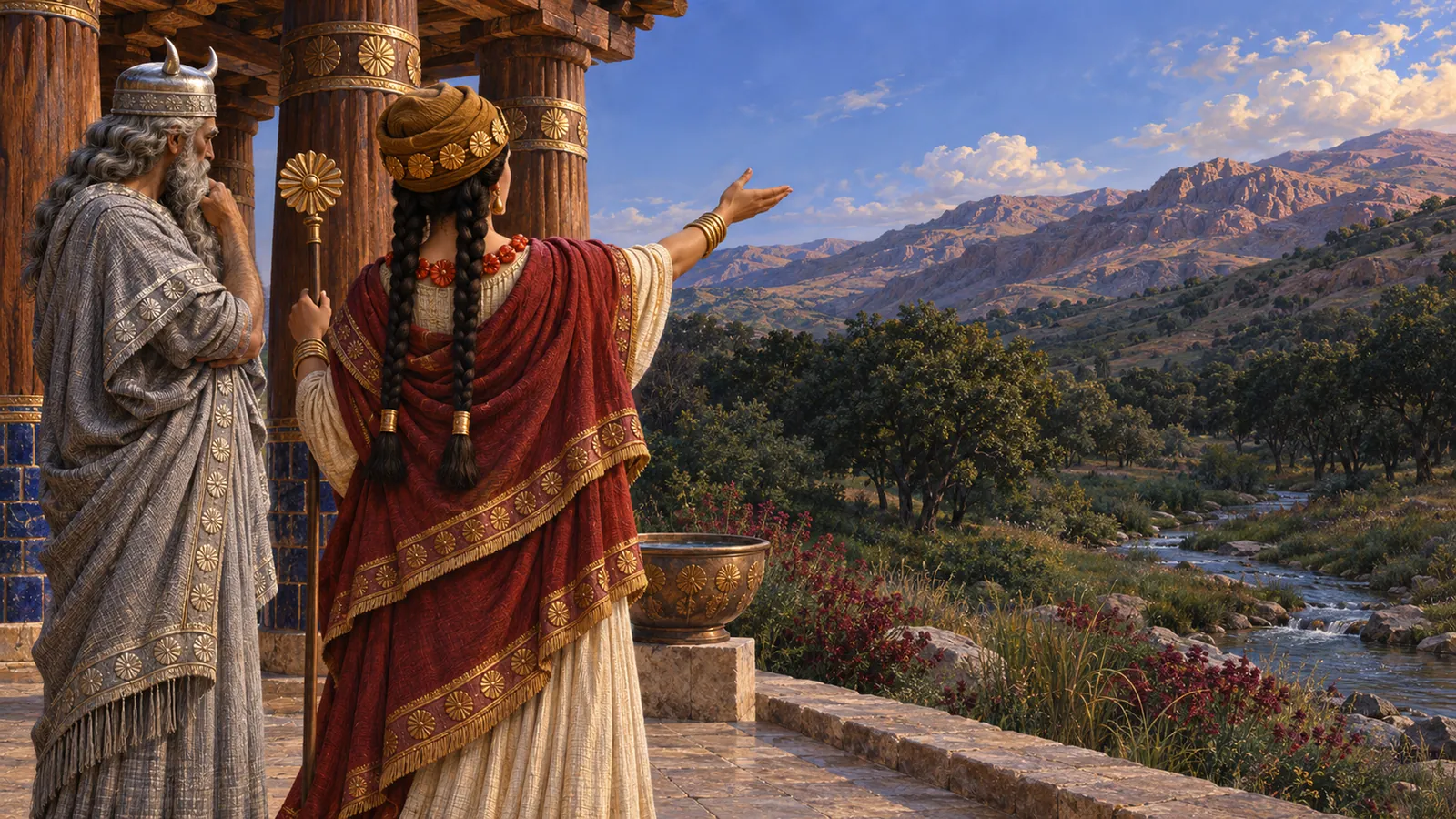
She repeats her threat to the forests and streams. Gibil and the terror associated with Aratta return in this second telling of her plans.
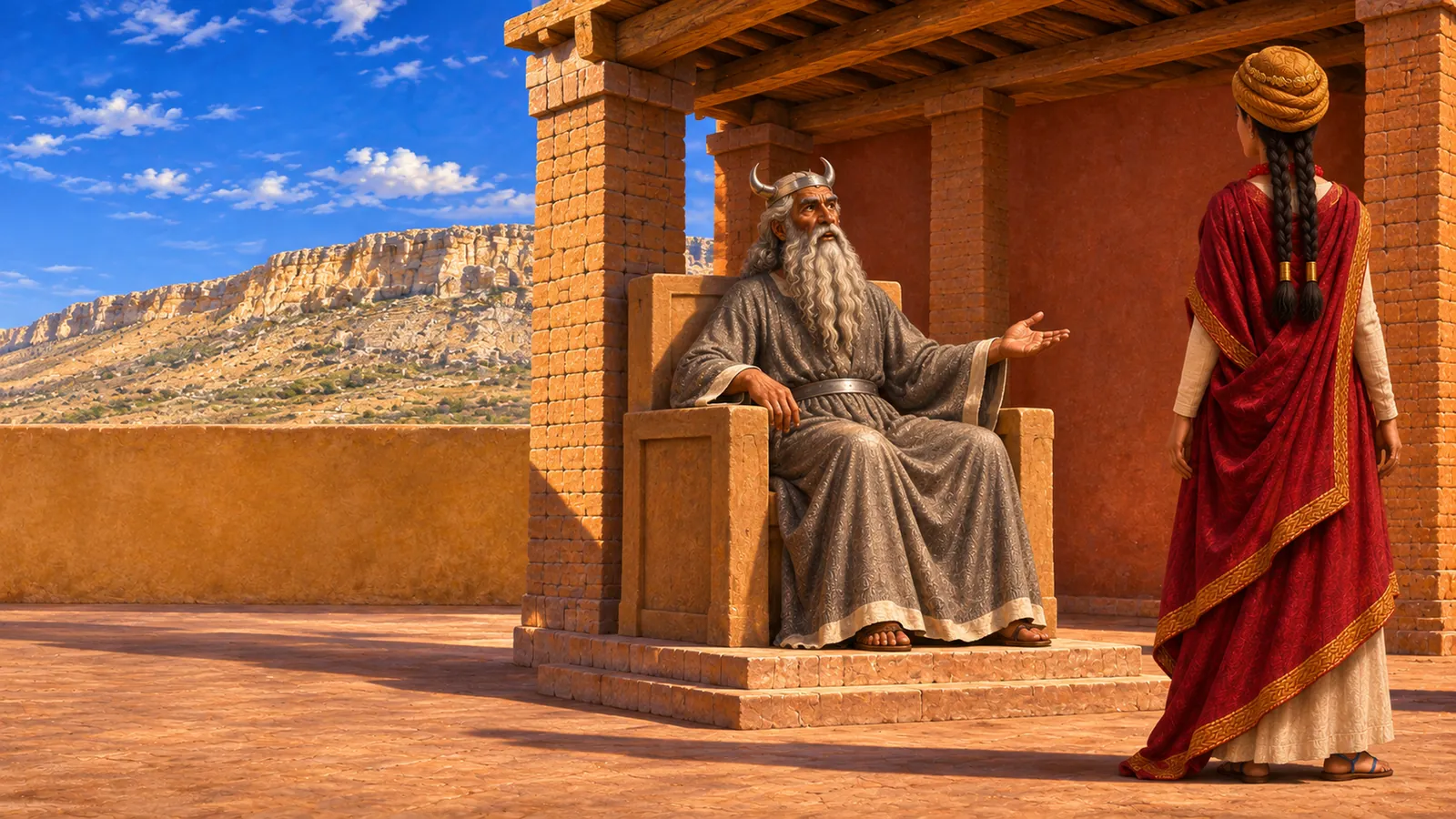
Inanna repeats the comparisons to cities brought low. She finishes her demand by asking that Ebih observe her conduct and praise her.
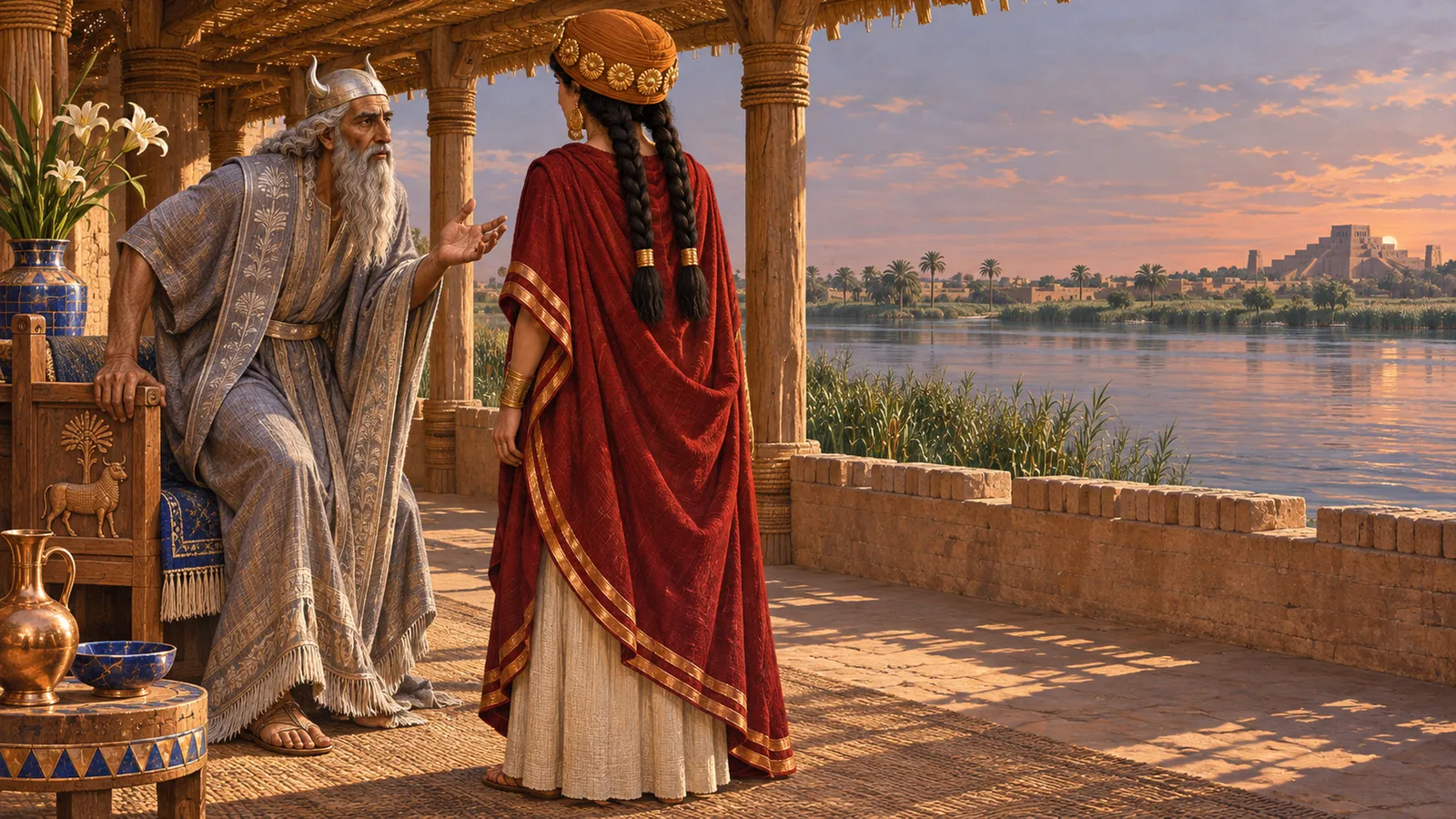
An asks Inanna what she means to take on in demanding the mountain’s destruction. The poem repeats his question before he gives his warning.
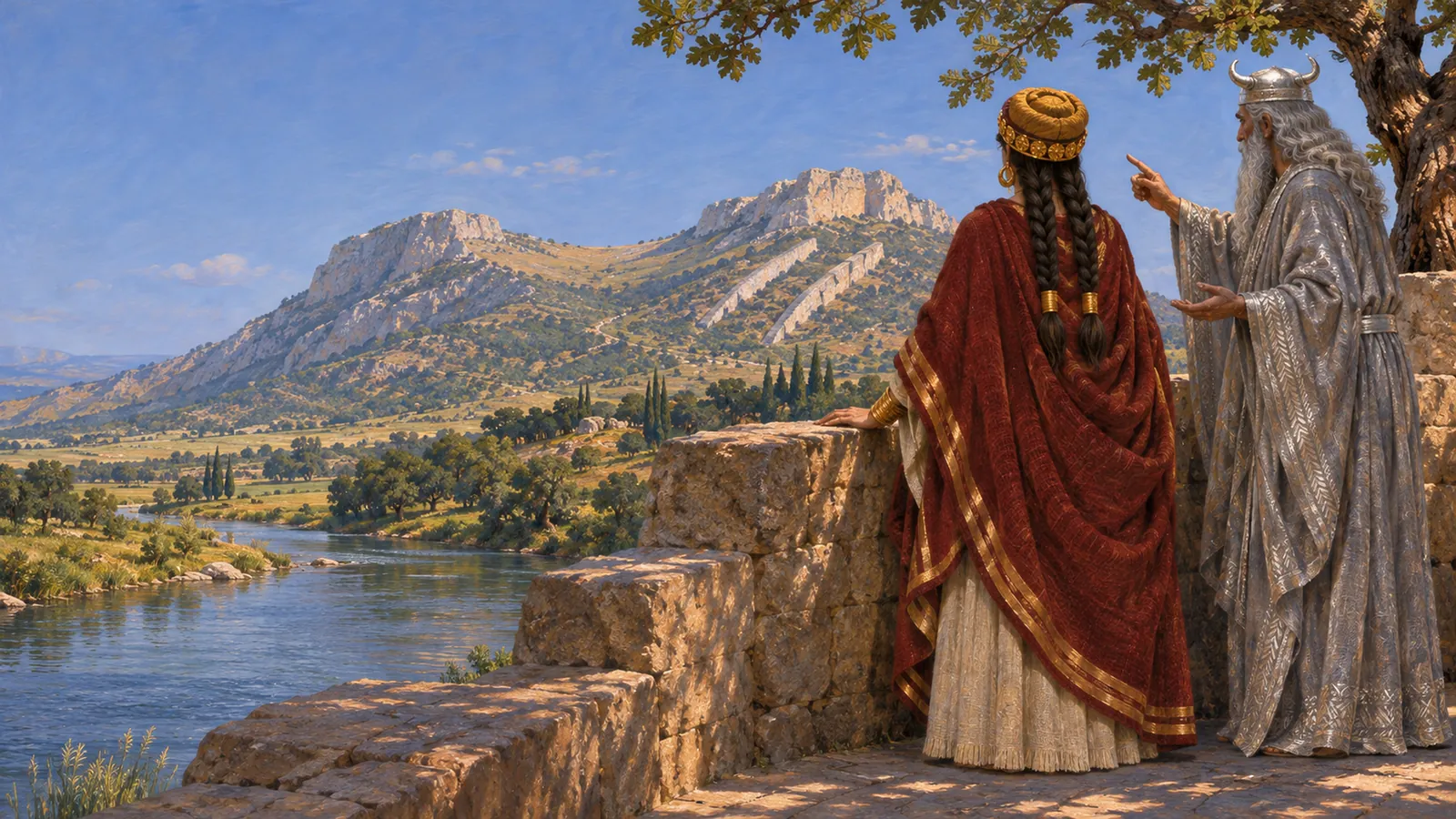
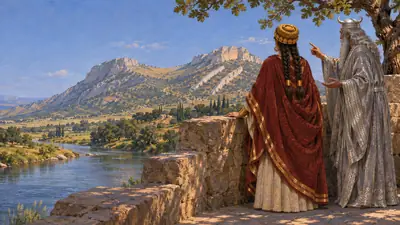
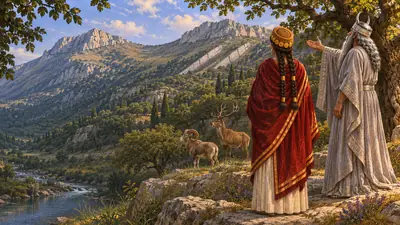
An tells her that Ebih casts fear over the dwellings of the gods. Its formidable splendor weighs on the lands and reaches toward heaven.
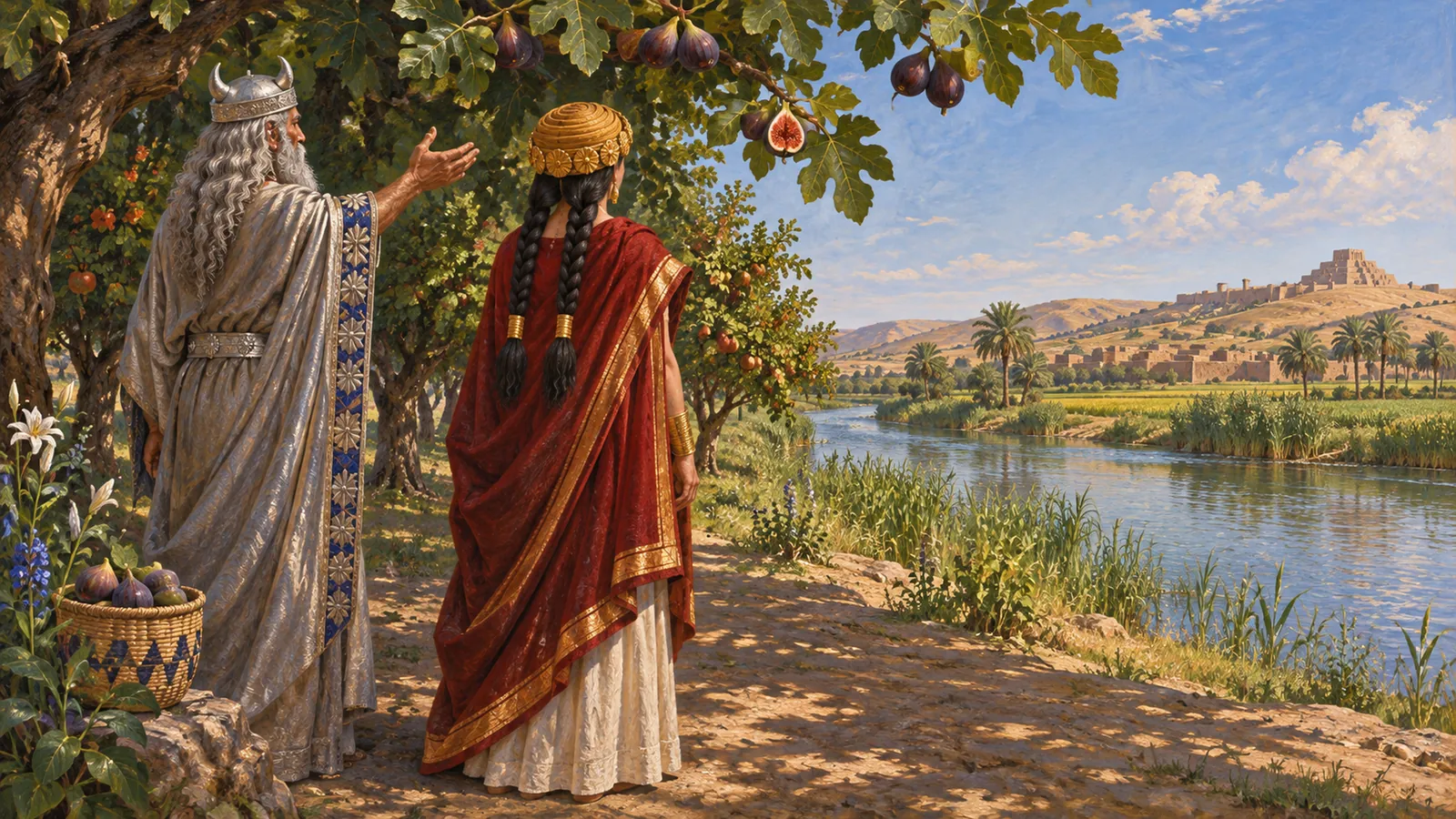
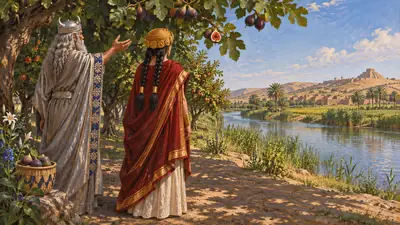
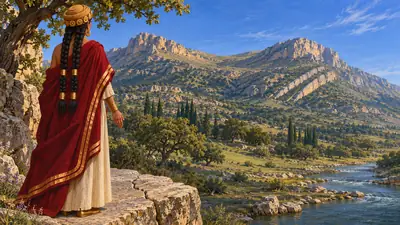
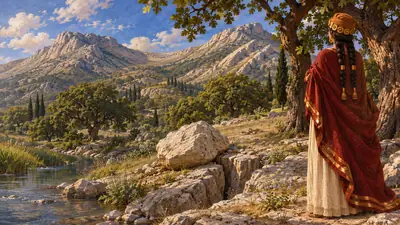
An speaks of fruit hanging in Ebih’s gardens. The mountain’s great trees spread luxuriant branches that rise like a crown.
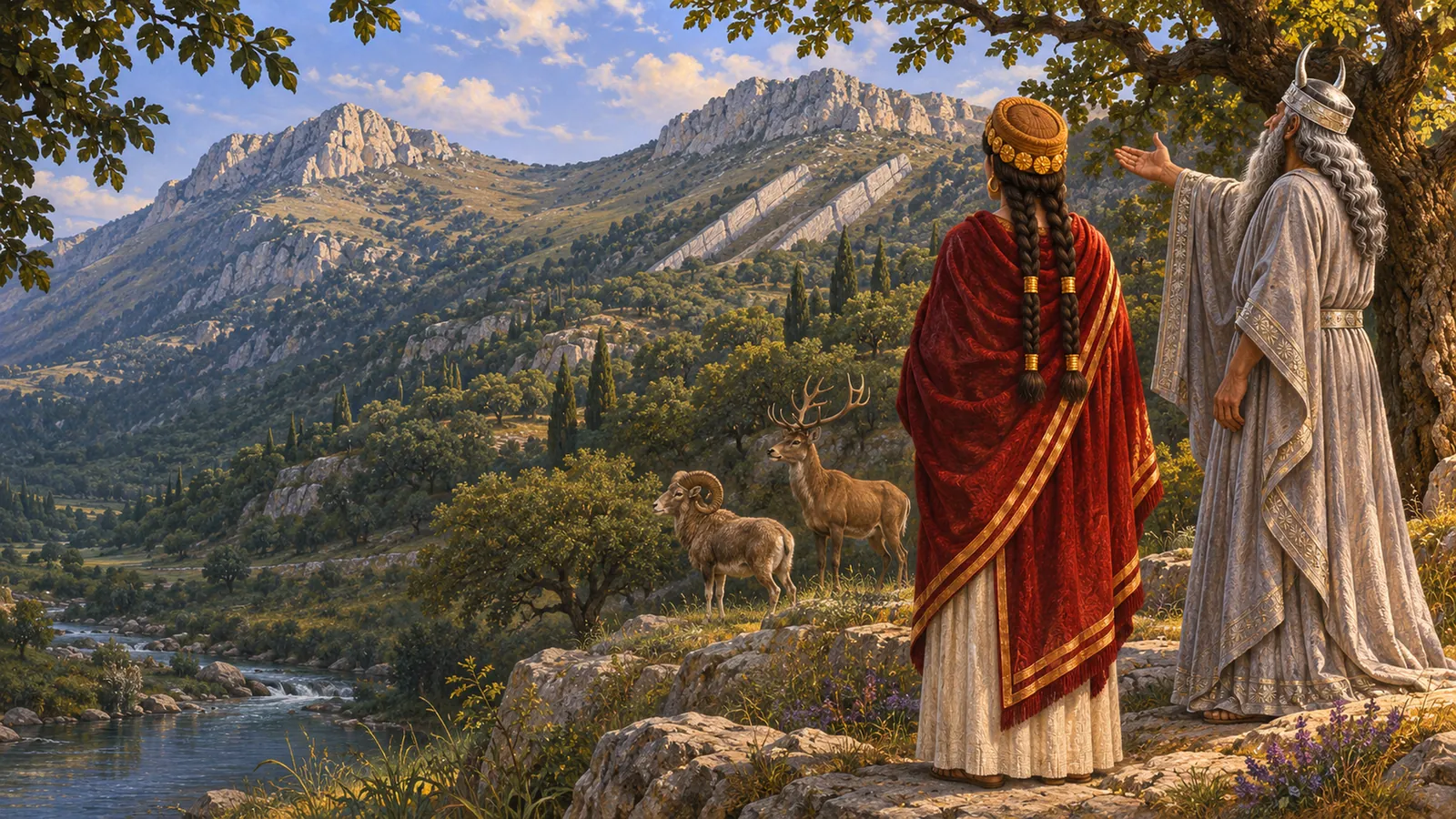
An names lions under the branches, wild sheep, deer and wild bulls in thick grass. The wooded mountain is full of life.
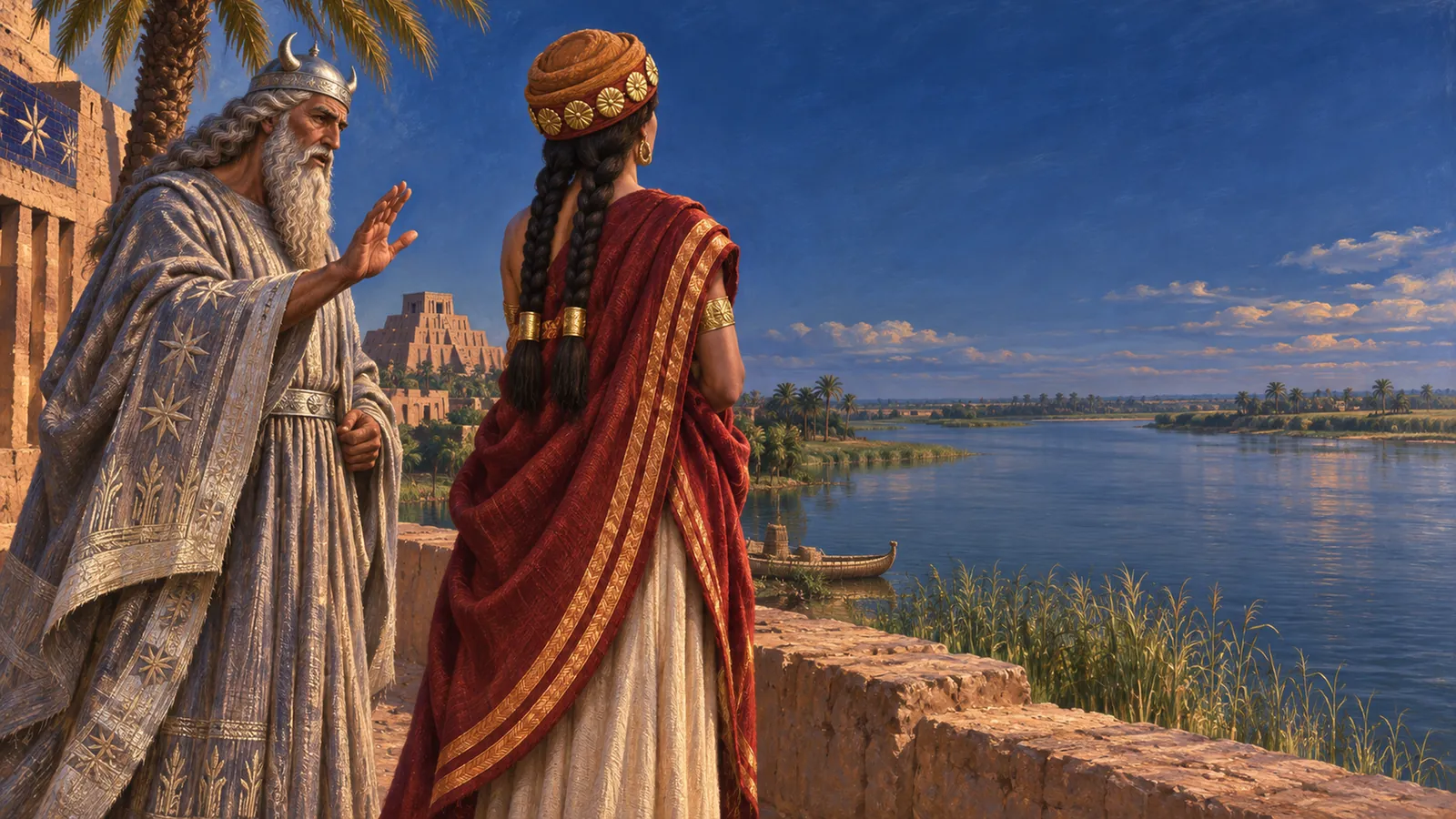
An finishes by warning Inanna that the mountain’s splendor is formidable. She will not be able to enter it or stand against it, he tells her.
ARSENAL
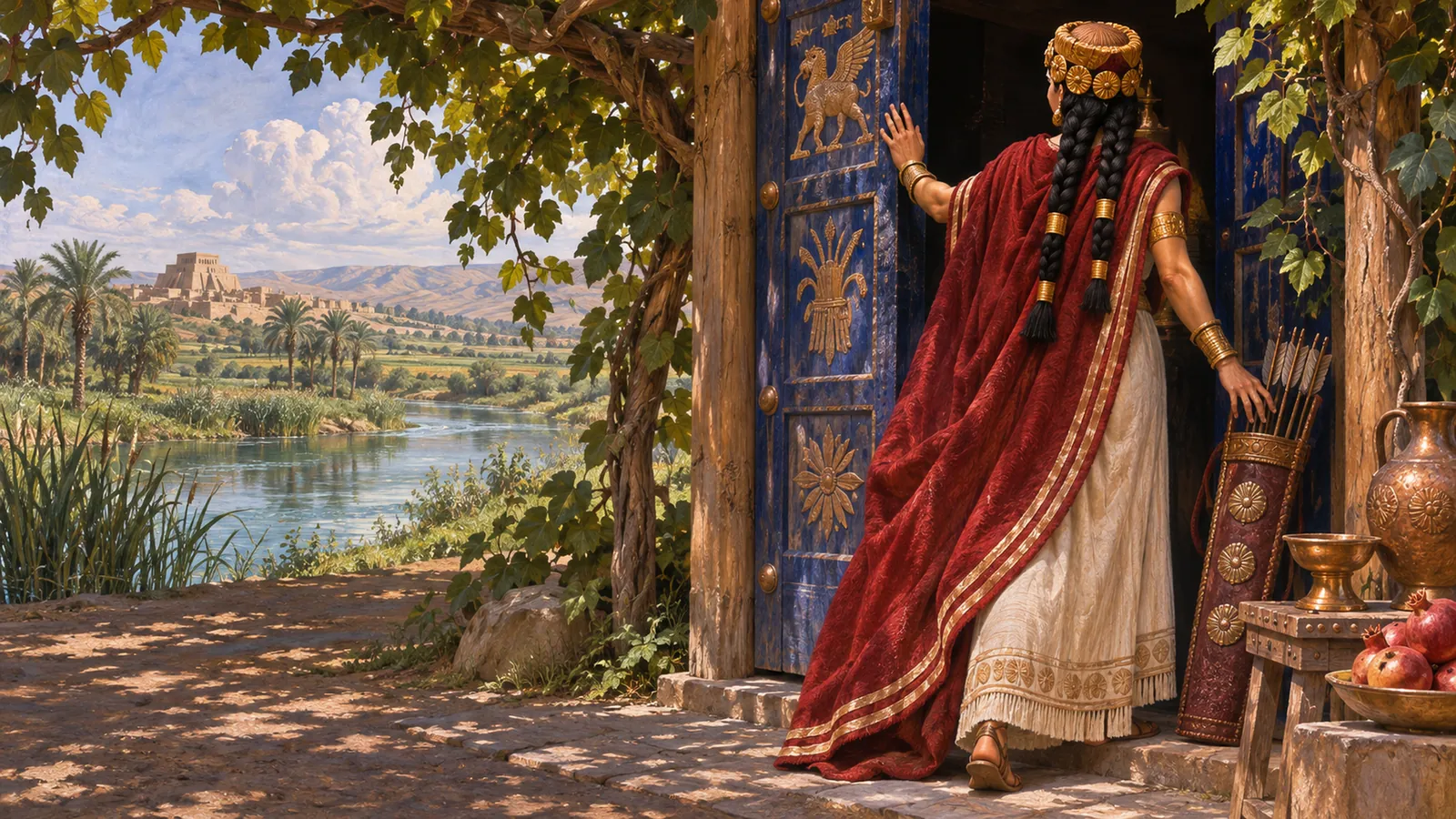
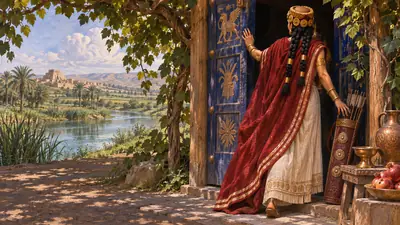
Inanna becomes angry at An’s words. She opens the arsenal, pushes the lapis-colored door and reaches for her quiver.
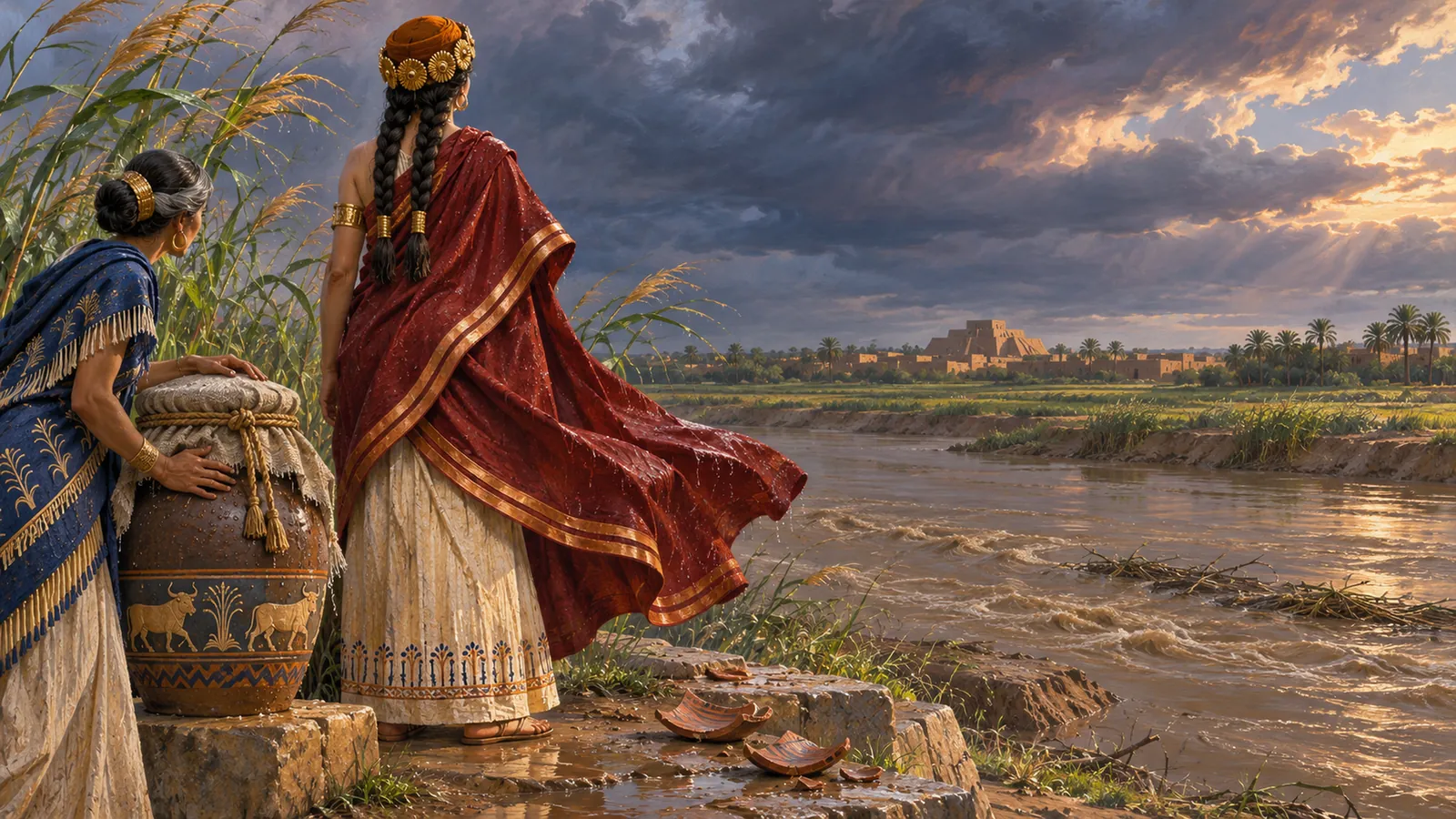
The poem says she calls up a great storm and raises a turbid flood. The wind carries shards of pottery.
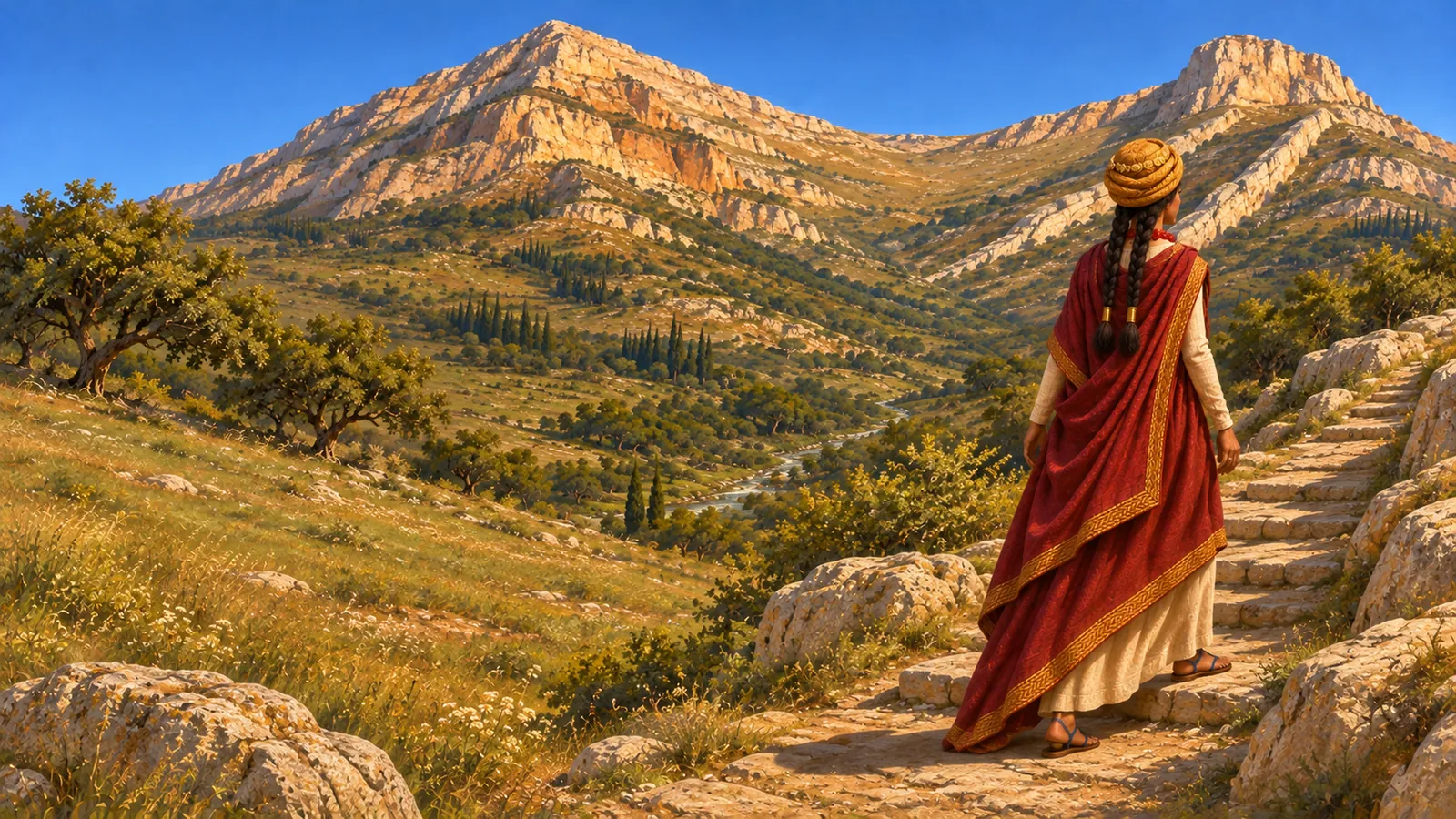
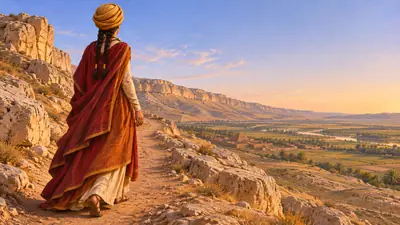
Inanna goes into the mountain country. The singer follows her step by step as she moves to confront Ebih.
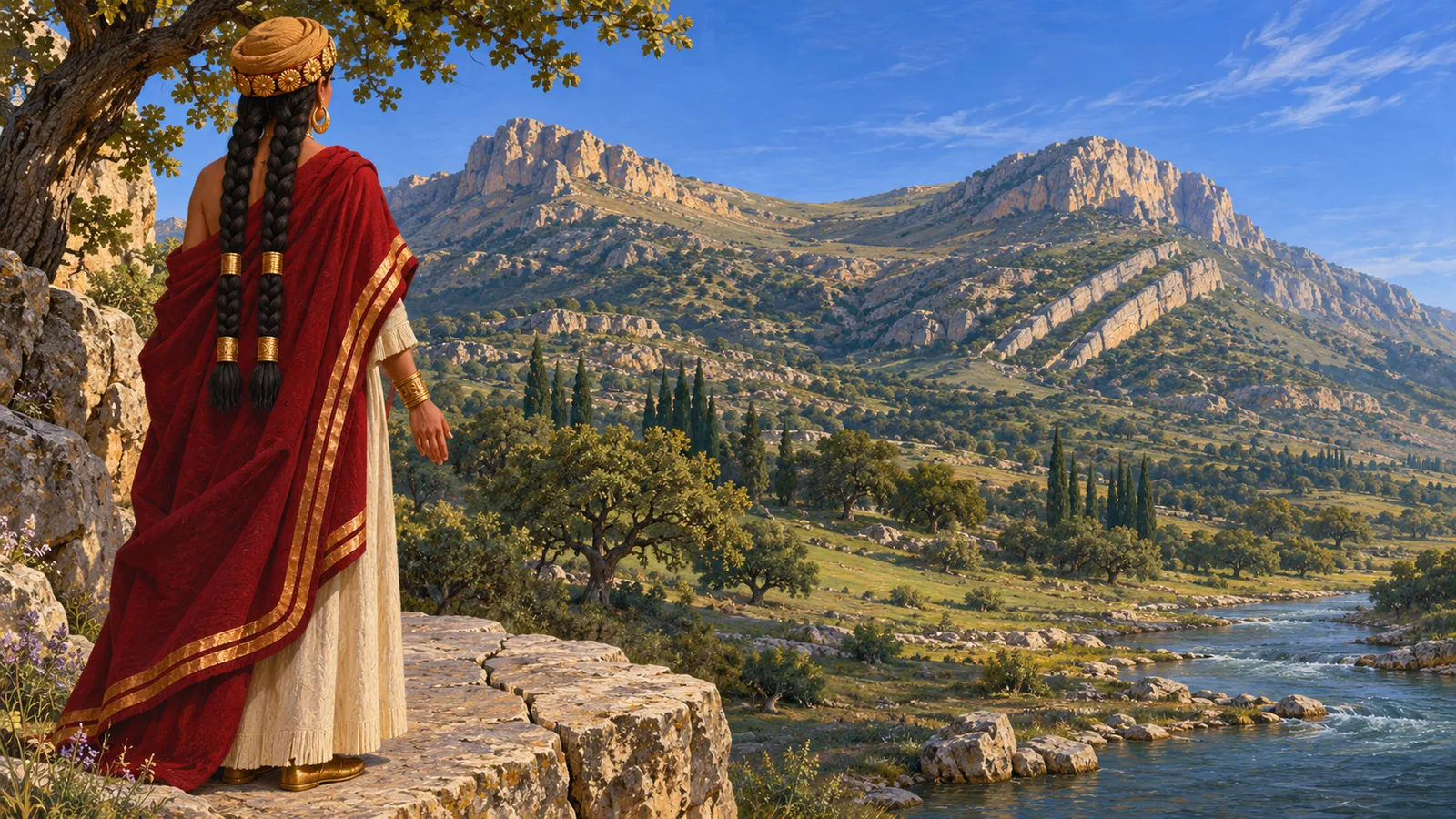
The poem describes Inanna seizing the mountain by its neck and striking it with a dagger. Her voice roars like thunder.
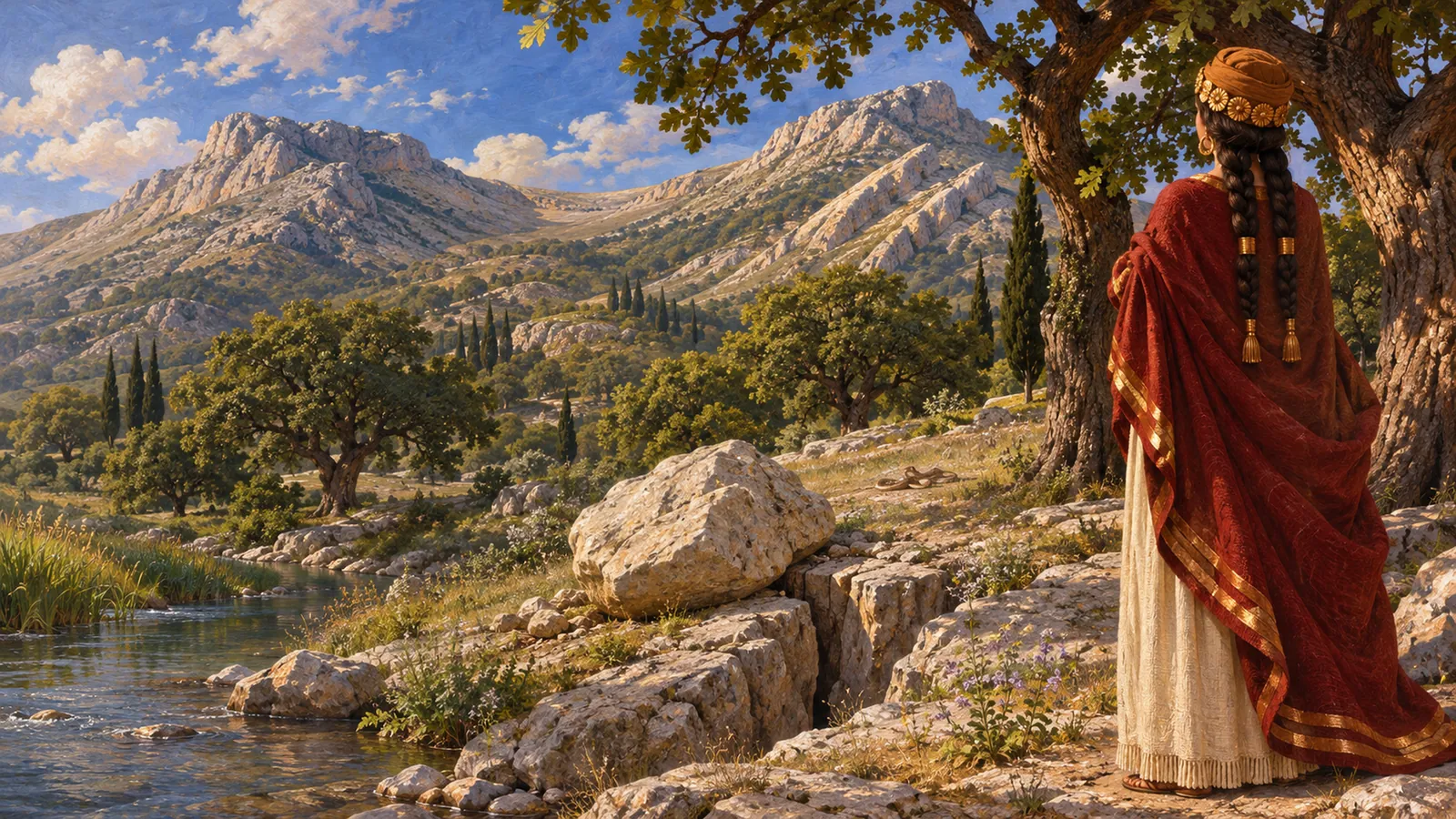
The rocks of Ebih clatter down its slopes. In one reading great serpents spit venom out from the crevices.
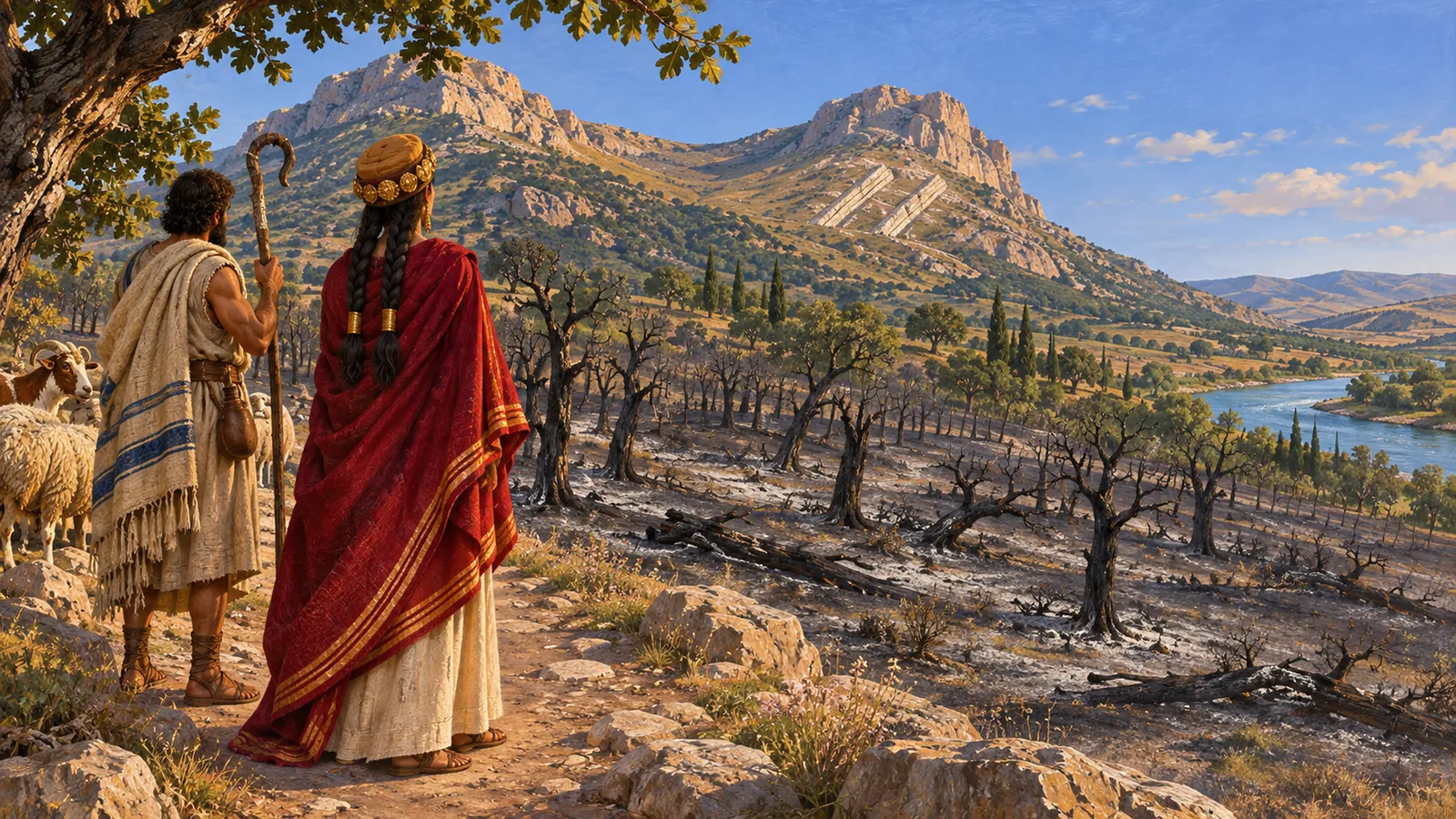
Inanna condemns the forests and withers the oaks. She sets fire to Ebih’s slopes, and the poem tells of thick smoke.
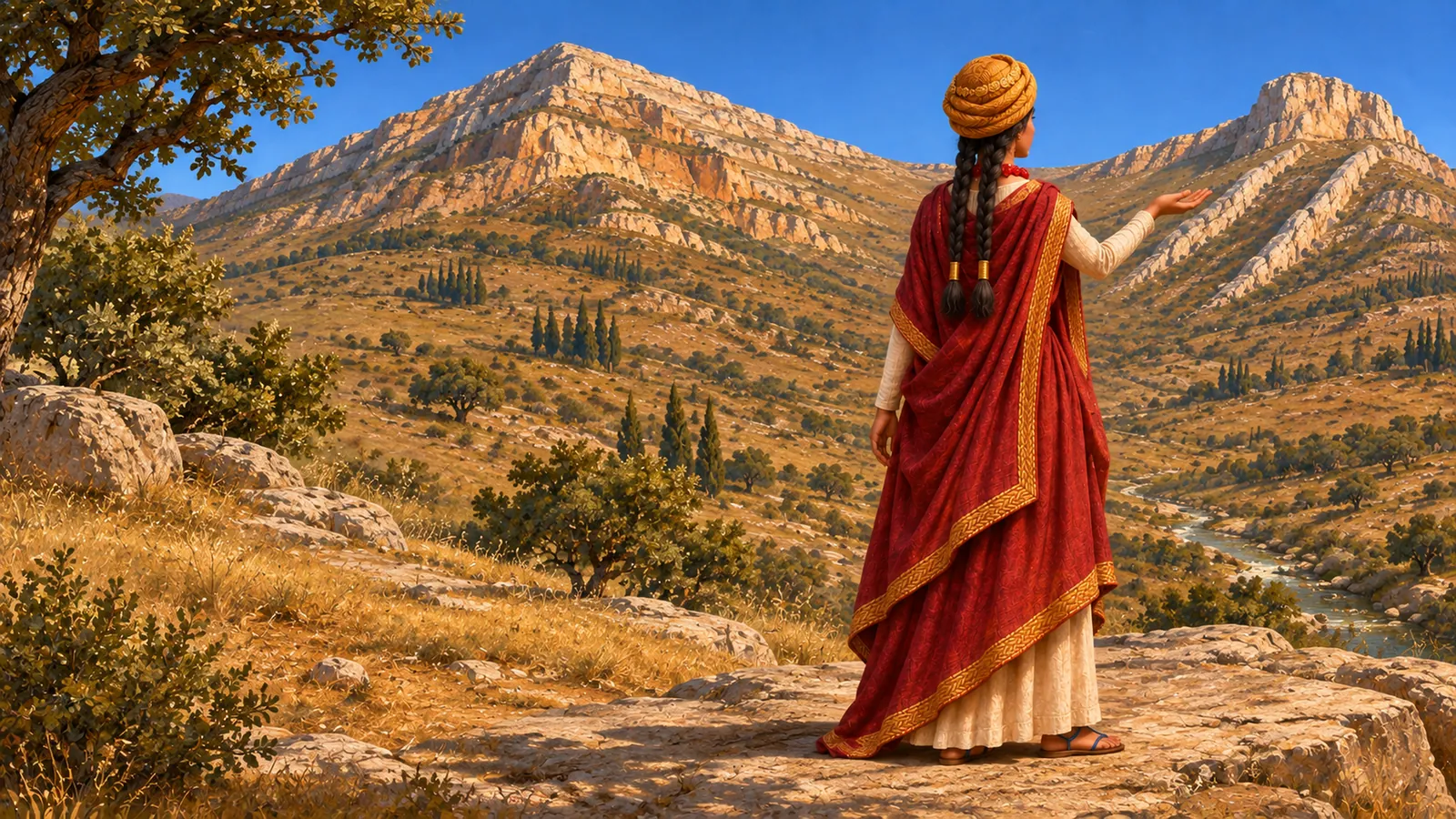
Inanna names the mountain’s height and beauty and recalls how it reached toward heaven. She says she killed it and brought it low because it would not bow.
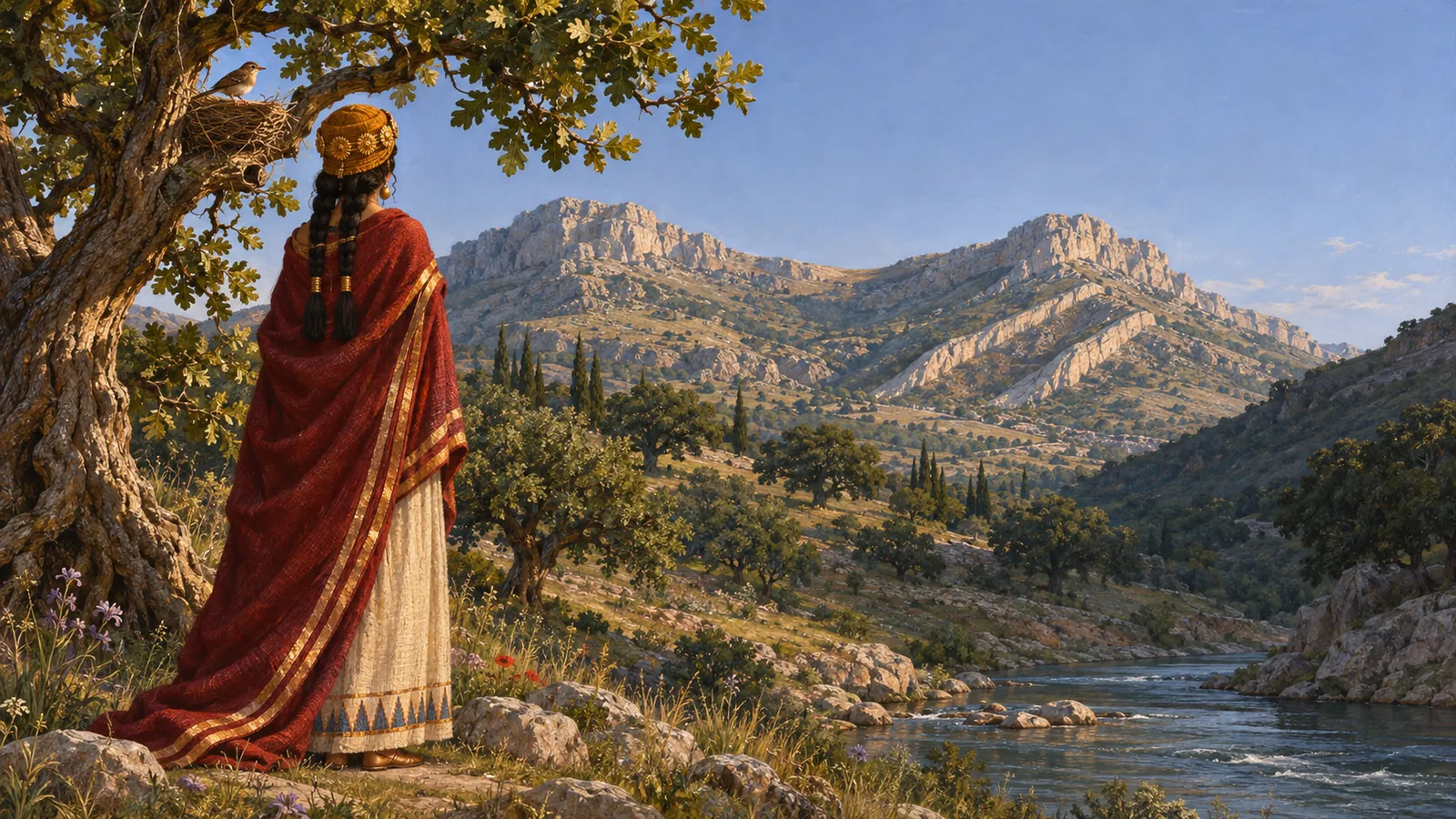
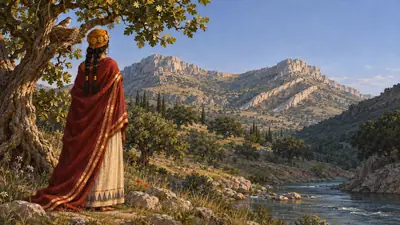
She compares the fallen mountain to a wild bull brought to the ground. The poem gives it tears and laments, and a bird of sorrow nests on its slope.
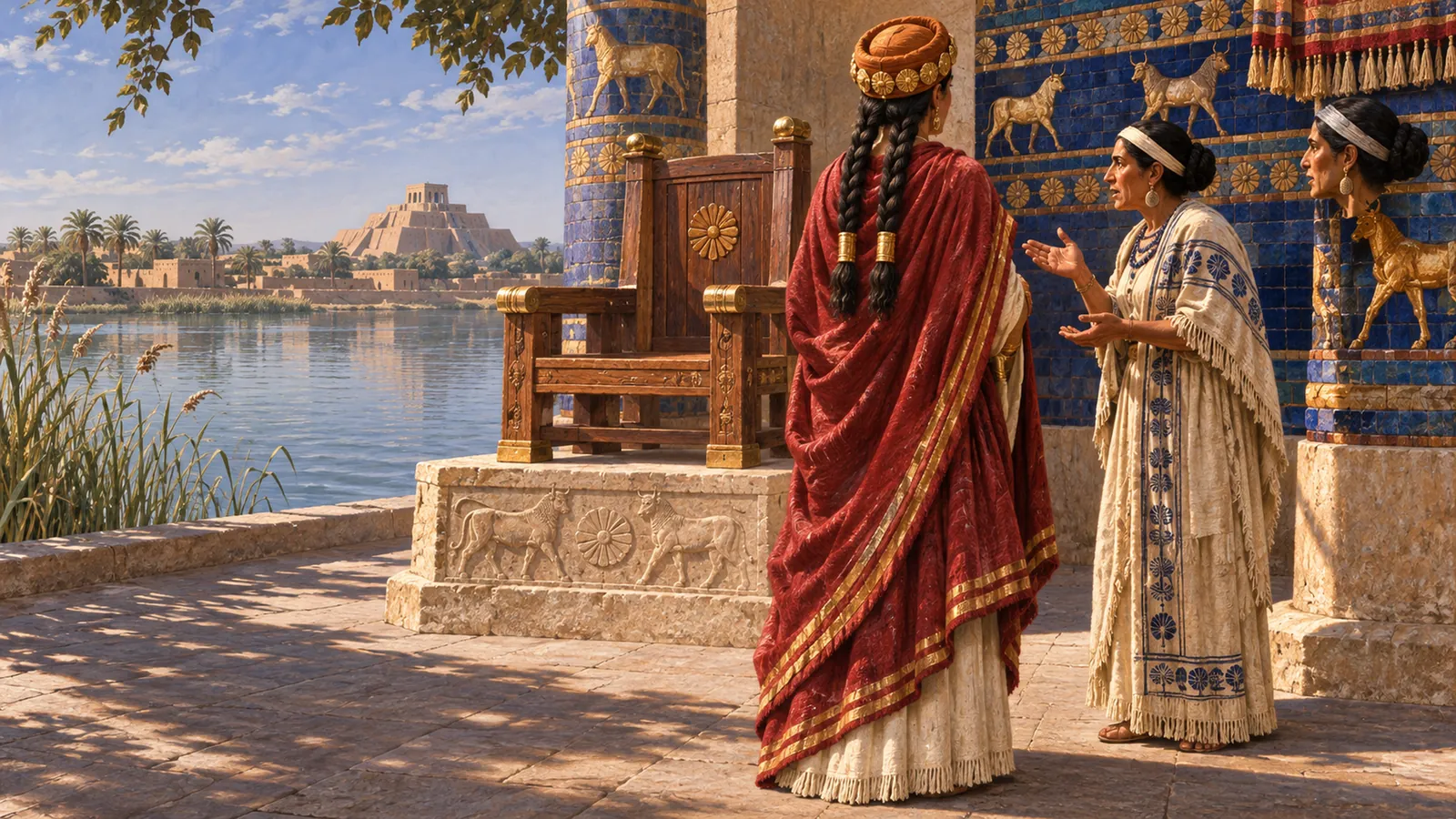
Inanna speaks again and names Enlil as her father. She recalls his gift of a weapon, then speaks of a palace and a throne set on firm foundations.
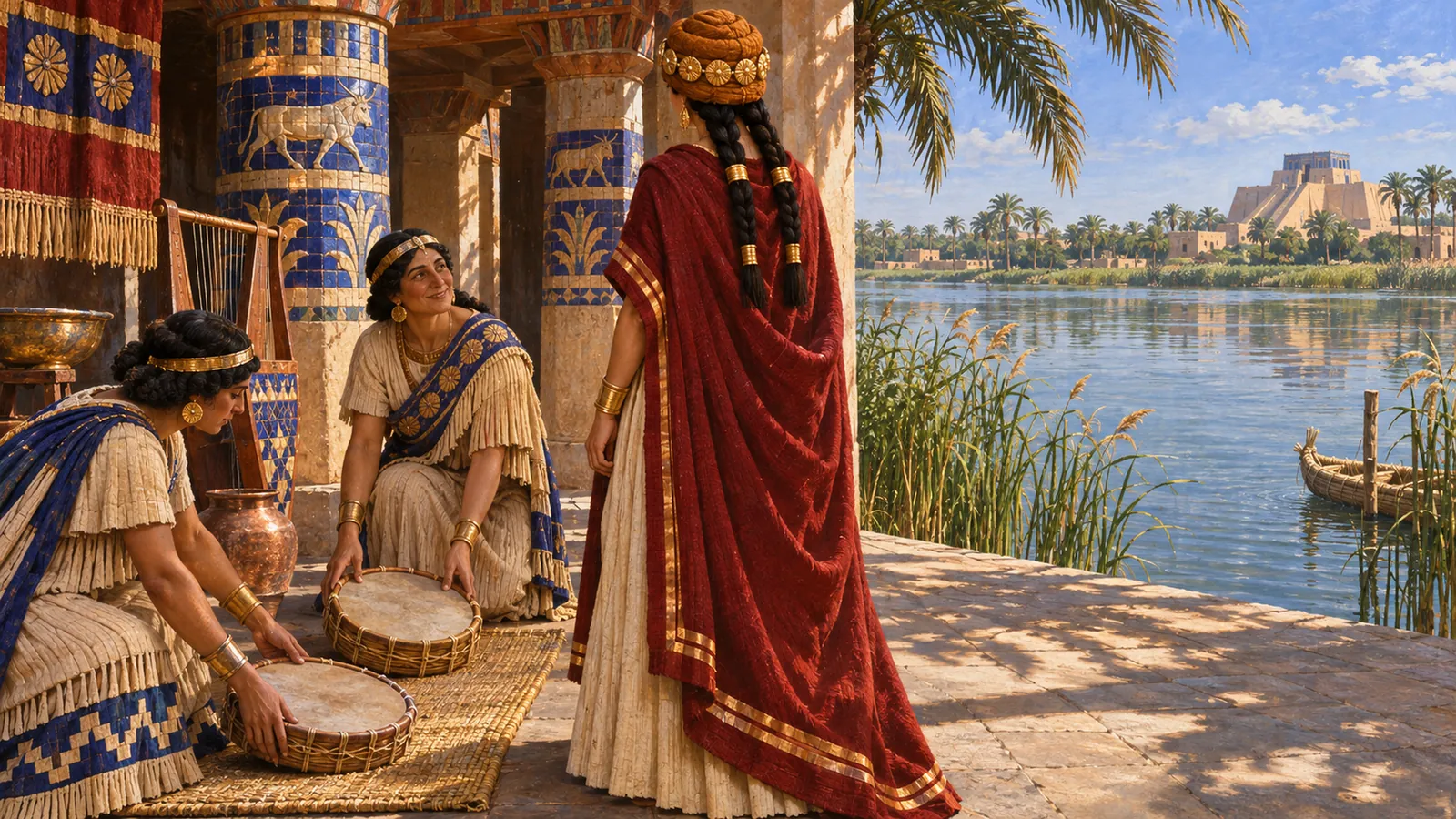
She speaks of implements for the kurgara and drums for the gala. A difficult line adds that the role of the pilipili was changed.
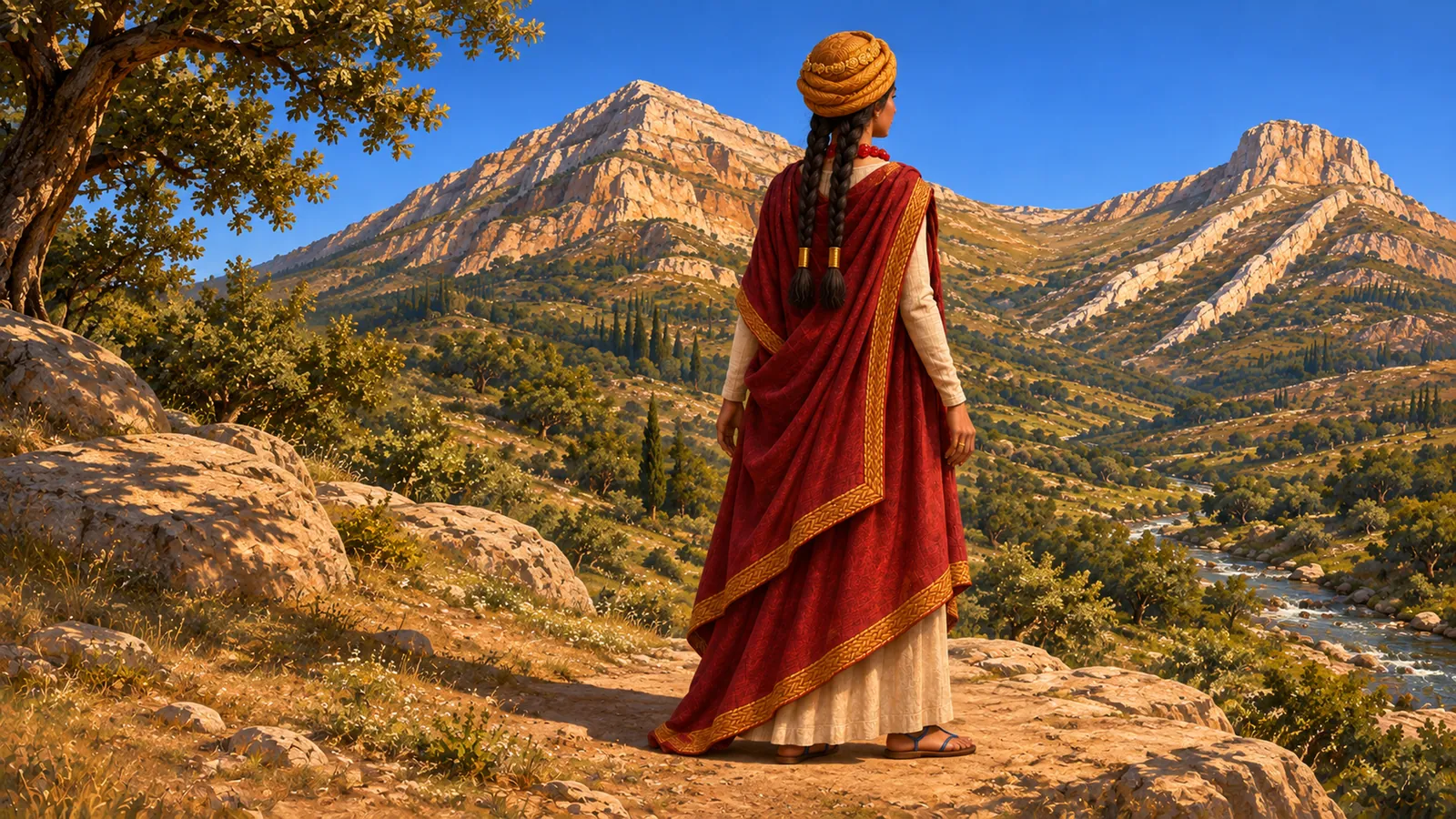
She recalls rushing toward Ebih like rising water. She repeats her claim of victory, first naming the mountain and then naming Ebih.
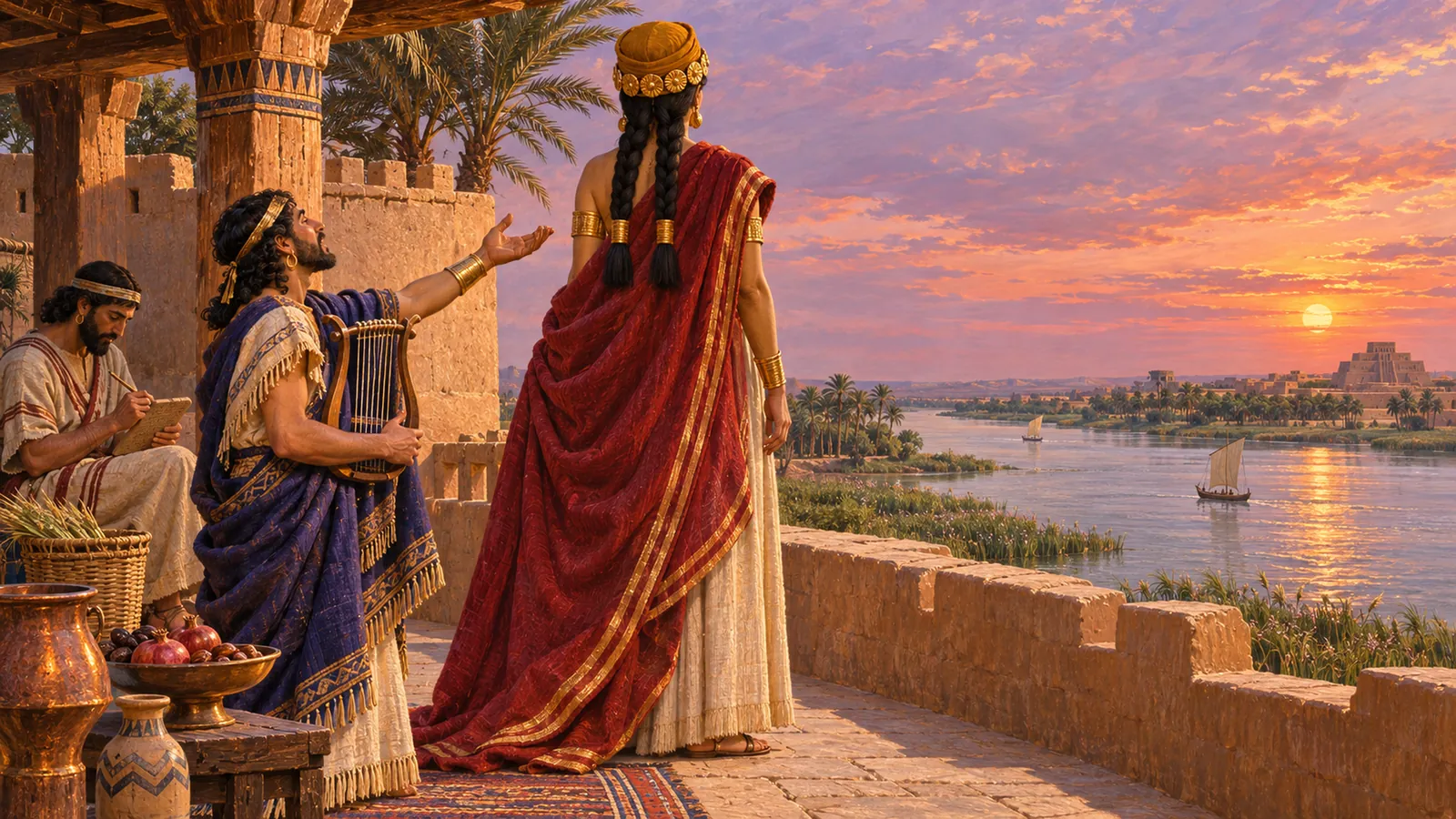
The singer praises Inanna, child of Suen, for the defeat of Ebih. The Oxford text closes with a brief praise of Nisaba.
End of chapter 1
All pages

Sources
The numbering here follows Oxford and the page notes identify substantial differences. The Ur tablet and Morgan exhibition provide witness and attribution context. The traditional attribution to Enheduanna rests on style and content. The setting is the ancient poem’s mythical world.
Editions consulted
- Oxford ETCSL, full English translation
- Oxford ETCSL, Sumerian composite
- Pascal Attinger, full French translation and notes
- CDLI P346097, Ur witness
- Morgan Library & Museum, attribution context
Ancient lines behind each page
- Page 1: Inanna and Ebih, ETCSL 1.3.2, lines 1–6
The poem begins with a hymn to Inanna’s fearsome authority. - Page 2: Inanna and Ebih, ETCSL 1.3.2, lines 2–6
The opening names the a-an-kar weapon and the shield, with stylized recollections of battle and blood. - Page 3: Inanna and Ebih, ETCSL 1.3.2, lines 7–9
- Page 4: Inanna and Ebih, ETCSL 1.3.2, lines 10–16
The rendering of girin plants and the bright mountain differs by edition. - Page 5: Inanna and Ebih, ETCSL 1.3.2, lines 17–24
- Page 6: Inanna and Ebih, ETCSL 1.3.2, lines 25–29
These are places named in Inanna’s account of her own journey. - Page 7: Inanna and Ebih, ETCSL 1.3.2, lines 29–30
- Page 8: Inanna and Ebih, ETCSL 1.3.2, lines 30–32
The poem makes repeated approach and failure of homage the origin of the quarrel. - Page 9: Inanna and Ebih, ETCSL 1.3.2, lines 33–35
- Page 10: Inanna and Ebih, ETCSL 1.3.2, lines 35–36
- Page 11: Inanna and Ebih, ETCSL 1.3.2, lines 37–40
- Page 12: Inanna and Ebih, ETCSL 1.3.2, lines 41–44
Attinger differs in some verbs and reads bearers of arms in one line. - Page 13: Inanna and Ebih, ETCSL 1.3.2, lines 45–48
- Page 14: Inanna and Ebih, ETCSL 1.3.2, lines 49–52
- Page 15: Inanna and Ebih, ETCSL 1.3.2, lines 53–56
The carnelian ornament is preserved across the readings. - Page 16: Inanna and Ebih, ETCSL 1.3.2, lines 57–58
The precise form of the seven-headed šita is uncertain. The lapis strap reading follows Oxford, while Attinger gives a shining step. - Page 17: Inanna and Ebih, ETCSL 1.3.2, lines 59–61
- Page 18: Inanna and Ebih, ETCSL 1.3.2, lines 60–62
- Page 19: Inanna and Ebih, ETCSL 1.3.2, lines 62–64
Attinger’s wording also gives Inanna the place of honor at An’s right. - Page 20: Inanna and Ebih, ETCSL 1.3.2, lines 65–69
The singer names her child of Suen, and her last address names Enlil father. - Page 21: Inanna and Ebih, ETCSL 1.3.2, lines 69–73
- Page 22: Inanna and Ebih, ETCSL 1.3.2, lines 70–76
Attinger describes yoking six or four equids and gives differing readings for the following verbs. - Page 23: Inanna and Ebih, ETCSL 1.3.2, lines 75–79
- Page 24: Inanna and Ebih, ETCSL 1.3.2, lines 80–82
- Page 25: Inanna and Ebih, ETCSL 1.3.2, lines 83–88
- Page 26: Inanna and Ebih, ETCSL 1.3.2, lines 89–95
- Page 27: Inanna and Ebih, ETCSL 1.3.2, lines 96–103
This repetition belongs to the poem’s speech structure. - Page 28: Inanna and Ebih, ETCSL 1.3.2, lines 104–107
- Page 29: Inanna and Ebih, ETCSL 1.3.2, lines 108–111
- Page 30: Inanna and Ebih, ETCSL 1.3.2, lines 112–115
- Page 31: Inanna and Ebih, ETCSL 1.3.2, lines 116–120
The type of link differs by translation. - Page 32: Inanna and Ebih, ETCSL 1.3.2, lines 121–123
- Page 33: Inanna and Ebih, ETCSL 1.3.2, lines 123–126
The text enumerates wildlife. Oxford’s deer among cypresses correspond to wild goats and ḫašur trees in Attinger’s final animal line. - Page 34: Inanna and Ebih, ETCSL 1.3.2, lines 127–130
- Page 35: Inanna and Ebih, ETCSL 1.3.2, lines 131–135
- Page 36: Inanna and Ebih, ETCSL 1.3.2, lines 134–137
- Page 37: Inanna and Ebih, ETCSL 1.3.2, lines 138–140
- Page 38: Inanna and Ebih, ETCSL 1.3.2, lines 140–143
The approach, double-edged dagger, neck grip and thunder rest on the Oxford reading. - Page 39: Inanna and Ebih, ETCSL 1.3.2, lines 144–146
- Page 40: Inanna and Ebih, ETCSL 1.3.2, lines 146–151
The text describes fire on the flanks and rising smoke. - Page 41: Inanna and Ebih, ETCSL 1.3.2, lines 152–159
- Page 42: Inanna and Ebih, ETCSL 1.3.2, lines 160–165
Attinger’s reading has several aurochs and ox comparisons. - Page 43: Inanna and Ebih, ETCSL 1.3.2, lines 166–172
Enlil is named father and gives a weapon. The palace and throne are named in Inanna’s own account. - Page 44: Inanna and Ebih, ETCSL 1.3.2, lines 173–175
The pilipili line is difficult, and Attinger discusses a possible change of role or gender. - Page 45: Inanna and Ebih, ETCSL 1.3.2, lines 176–181
- Page 46: Inanna and Ebih, ETCSL 1.3.2, lines 182–184
The concluding praise to Nisaba appears in Oxford line 184. Attinger’s translation ends with the praise of Inanna.
Illustrations made with AI tools by IL Archive; the text is based on the ancient sources (see the sources at the end of each chapter).