Inanna and Enki Chapter 1
The Boat of Heaven
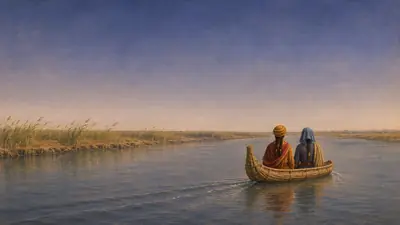
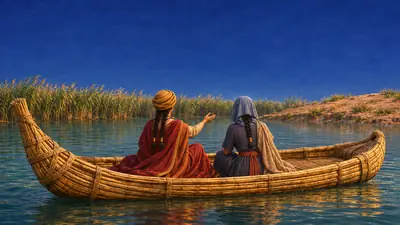
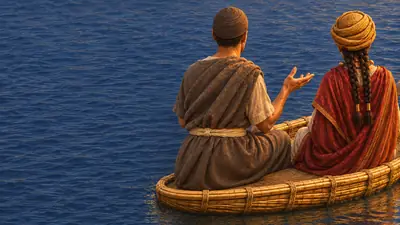
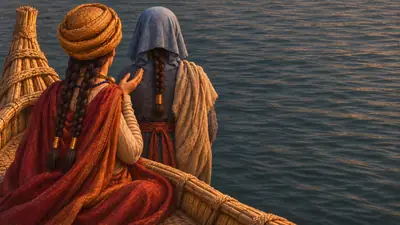
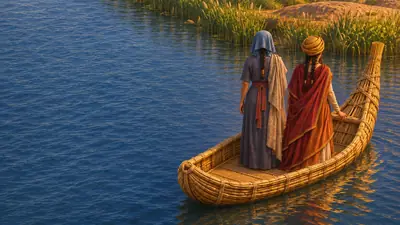
Inanna receives the divine powers from Enki and leaves Eridu aboard the Boat of Heaven. As Enki tries to recover the boat, Inanna and Ninshubur make for Uruk. The surviving poem breaks off after their arrival.
SourcesTurn the pages with the arrows, the arrow keys or a swipe.
CROWN
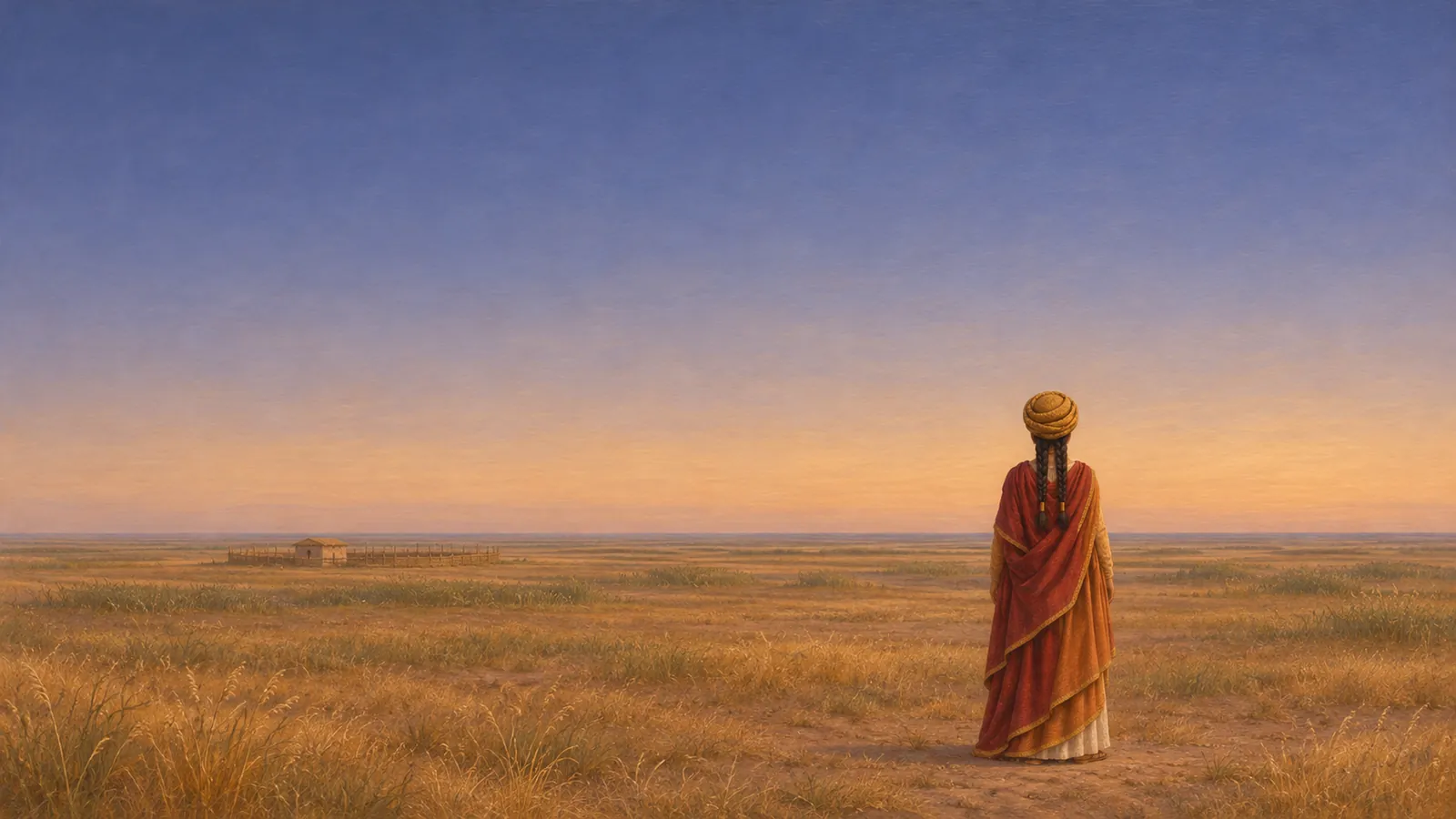
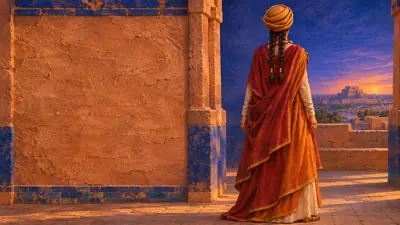
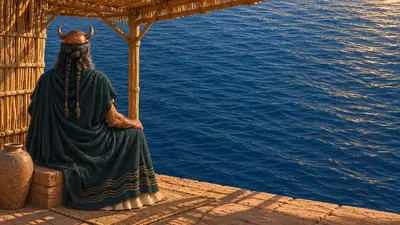
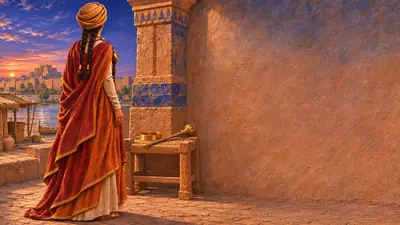
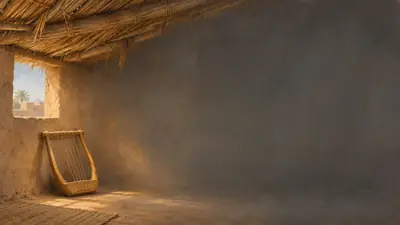
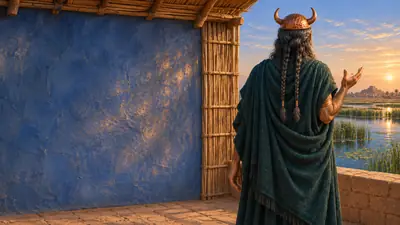
The surviving opening places Inanna in the open country, wearing her crown. The first words of the poem are missing.
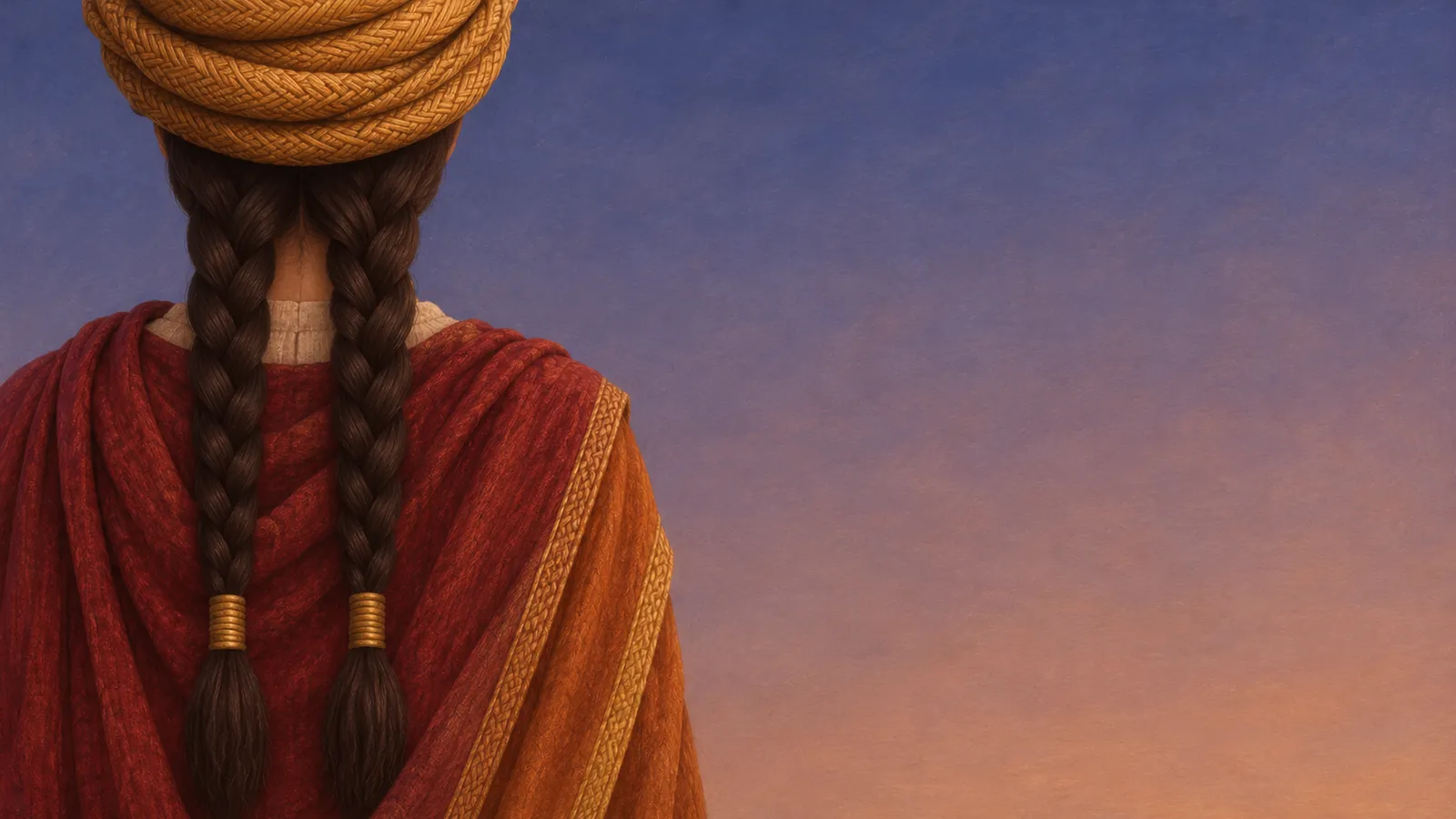
Inanna rejoices in her own bearing and speaks in praise of herself. Some of the images in her words are broken.

As her words become clearer, Inanna speaks of going to the Abzu. There she intends to lay her words before Enki.

A long gap interrupts Inanna’s words. After it, we hear that she wants to go to Enki and make a plea.
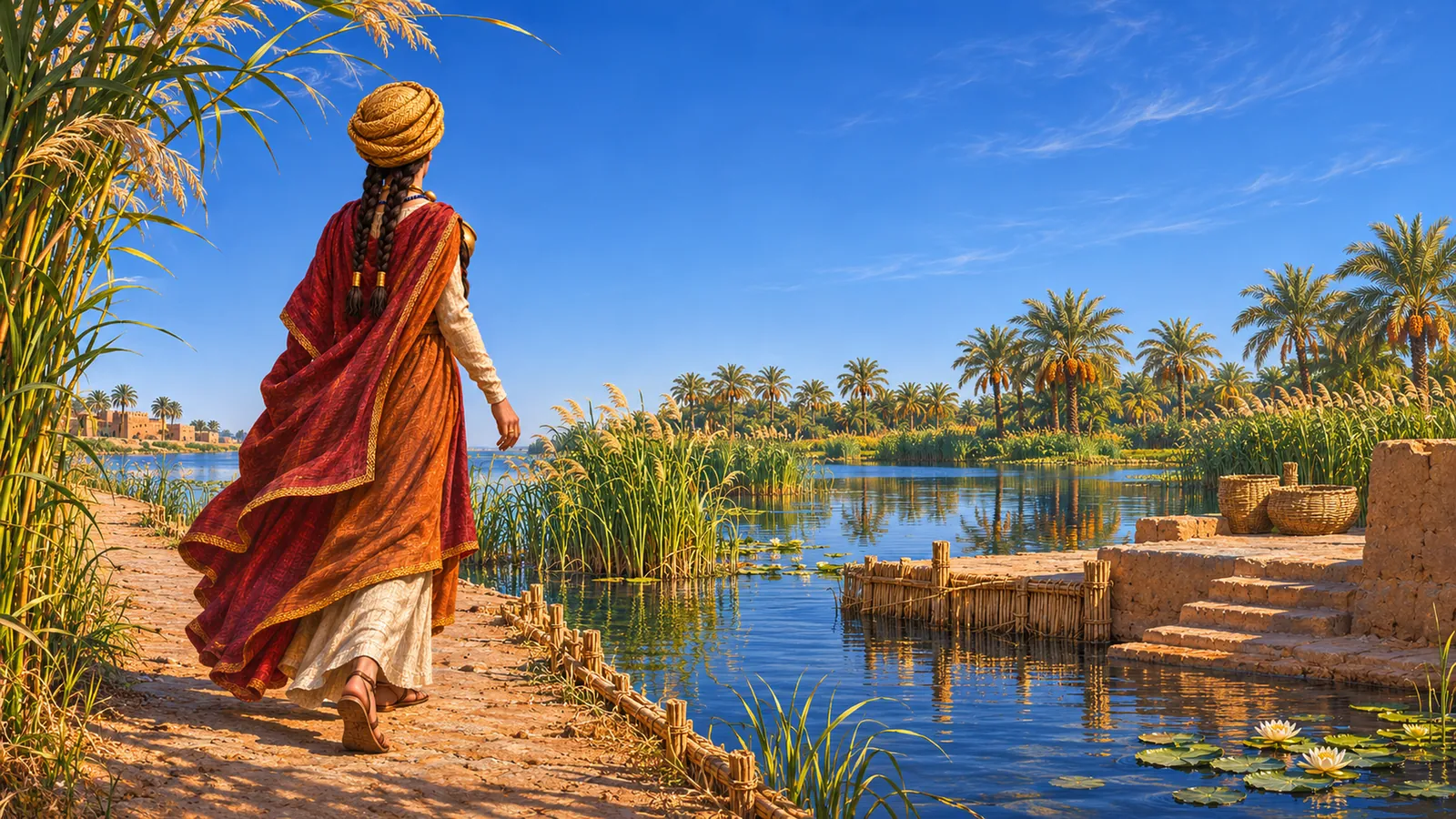
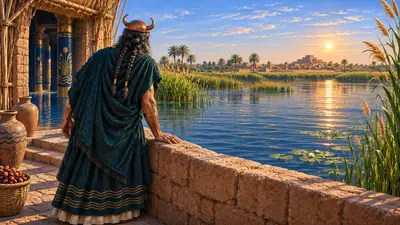
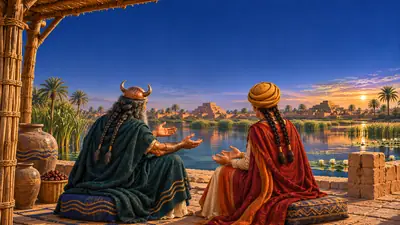
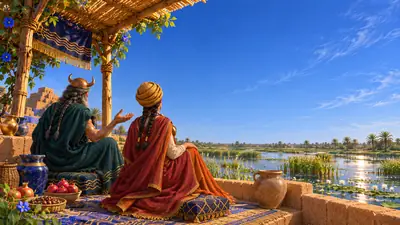
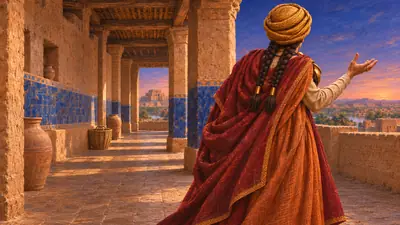
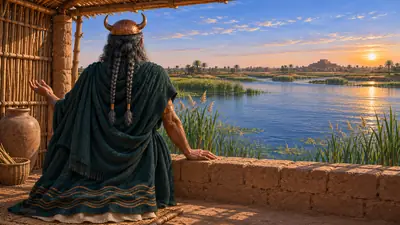
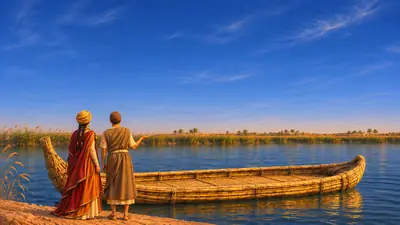
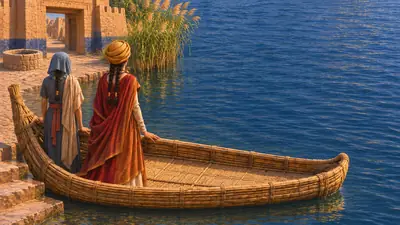
Inanna set out alone for Eridu, where Enki’s Abzu lay. She was on her way to speak to him.
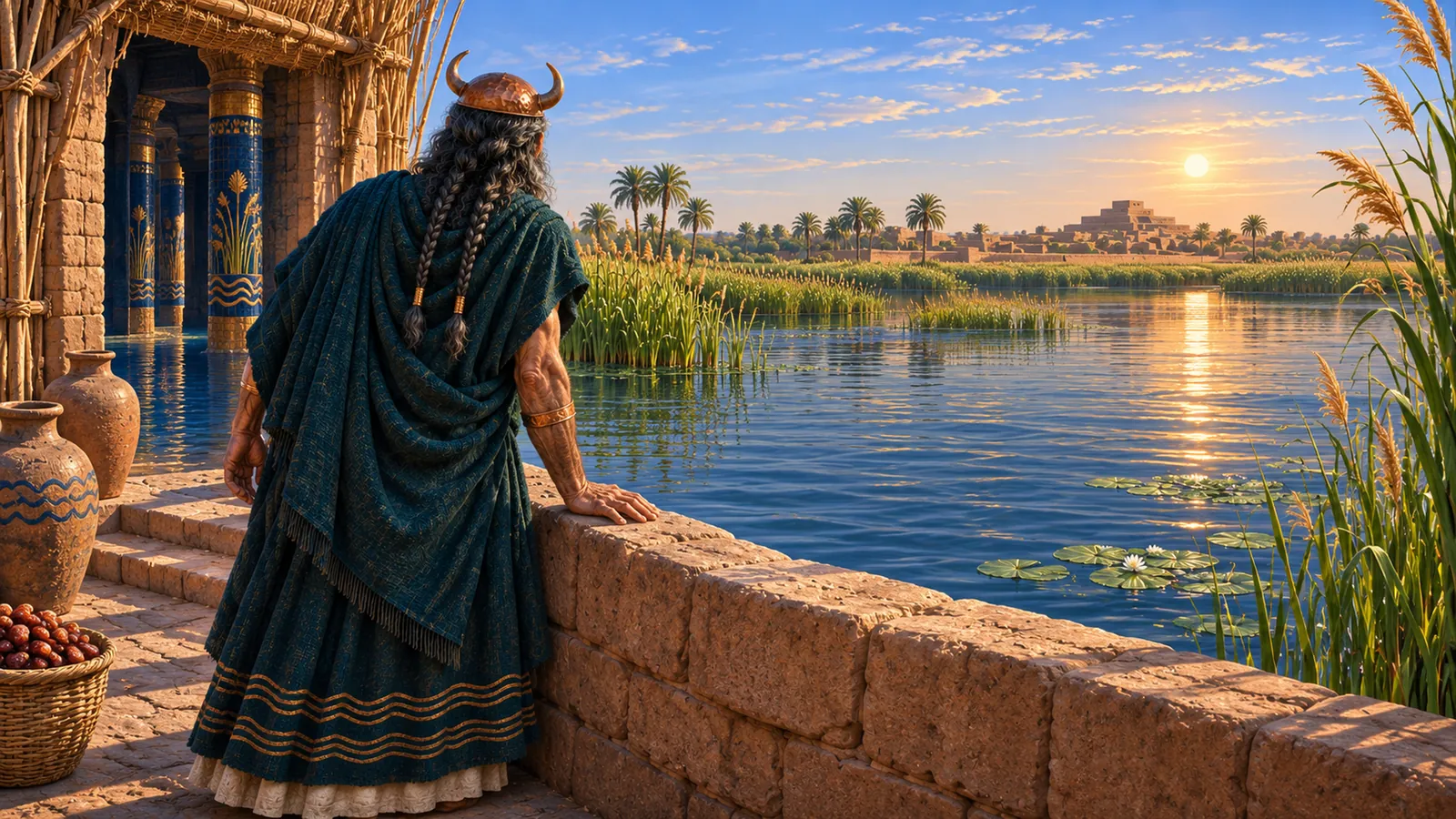
Before Inanna came near, Enki knew of her visit. The surviving copies name his place in slightly different ways.
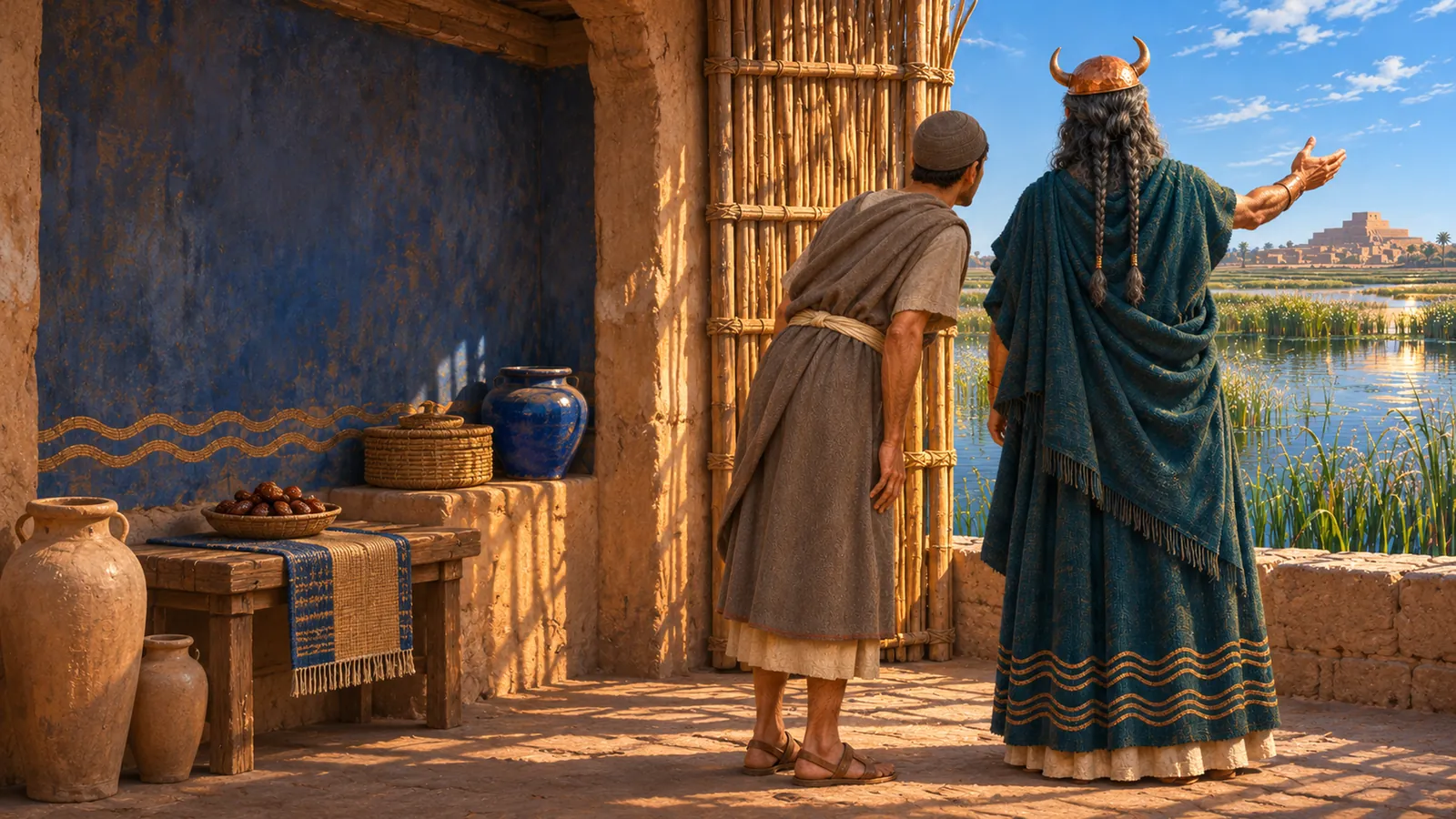
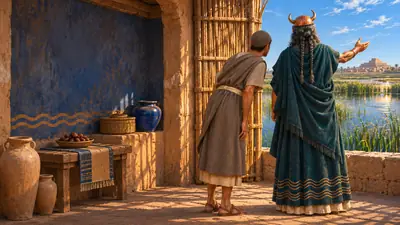
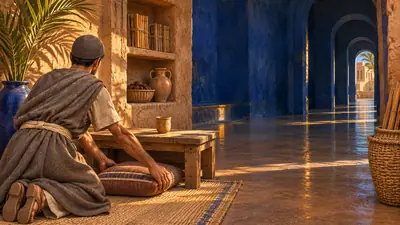
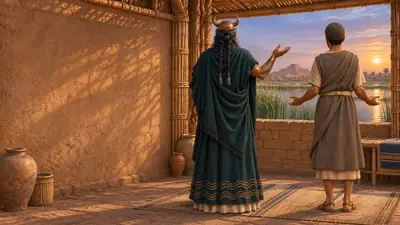
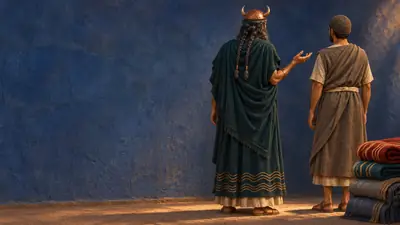
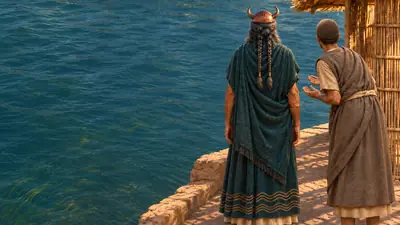
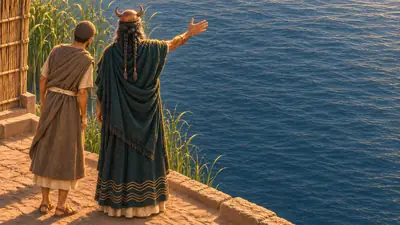
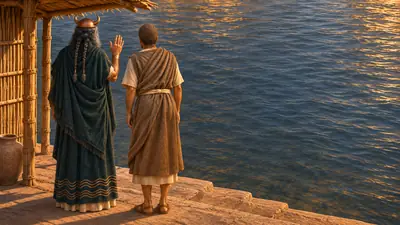
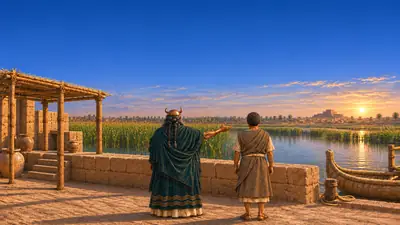
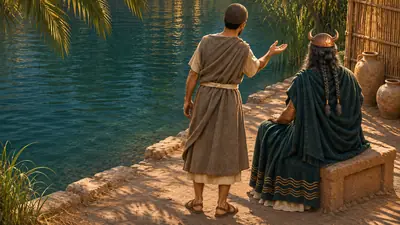
Enki called for the man who served him. The text breaks again just before we hear the instructions for Inanna’s welcome.
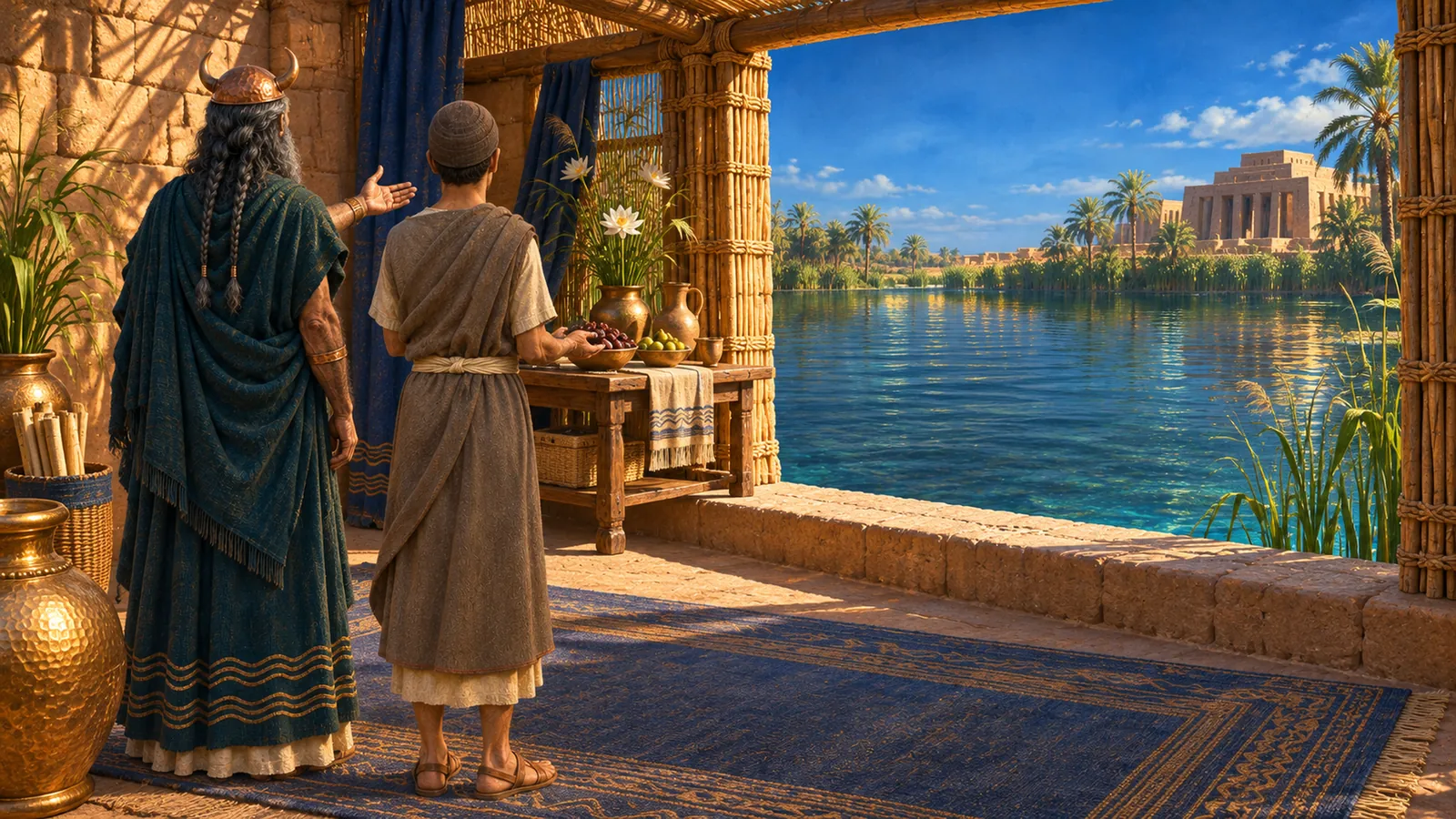
A few preparations are mentioned in broken lines. Then Enki gives instructions for Inanna’s arrival at Eridu and the Abzu.
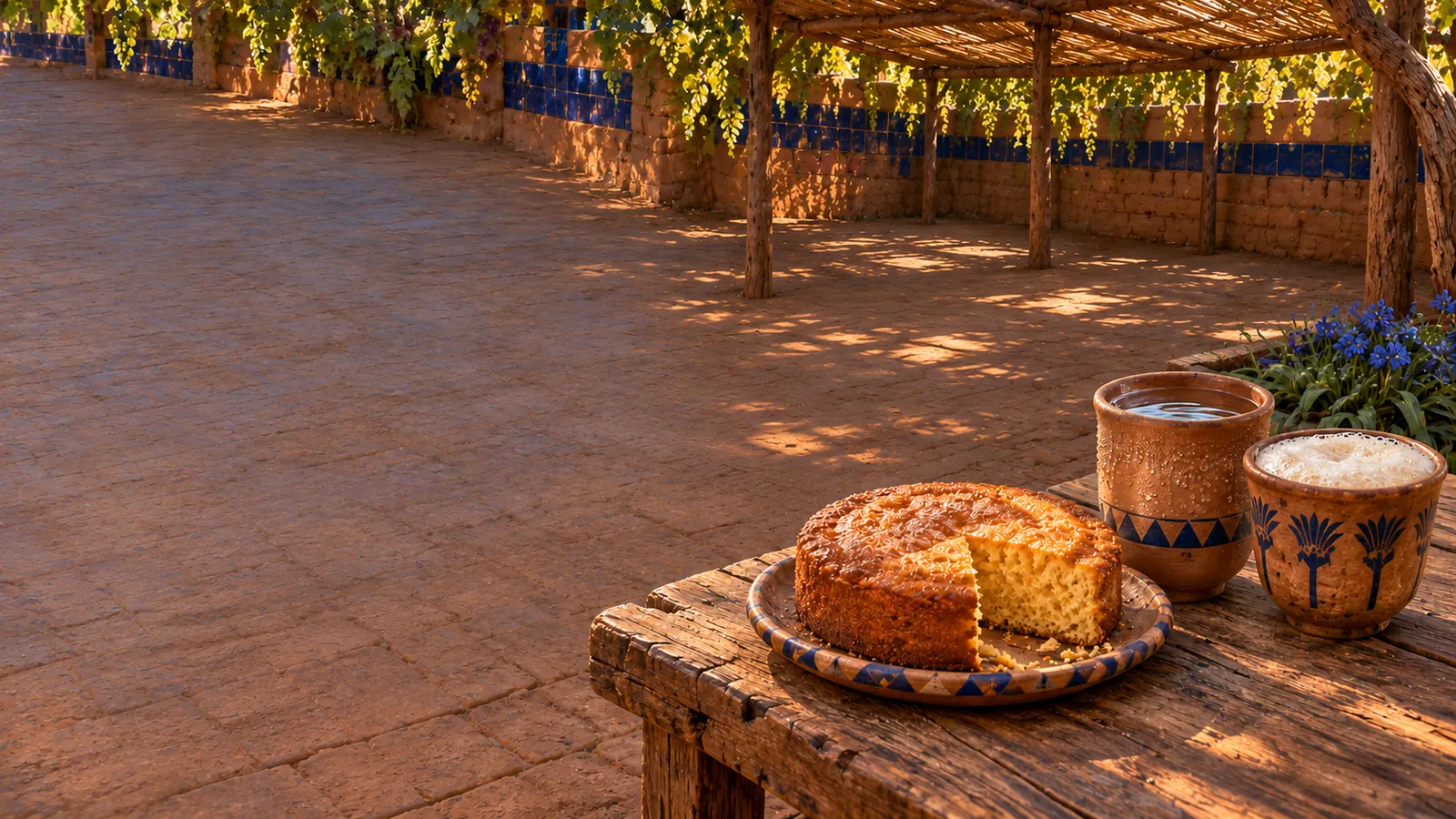
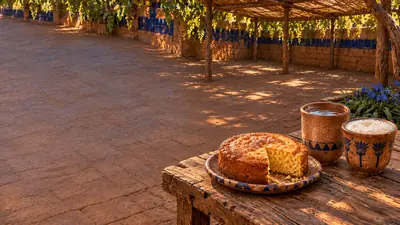
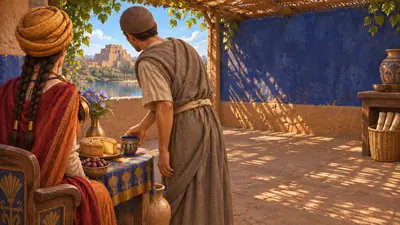
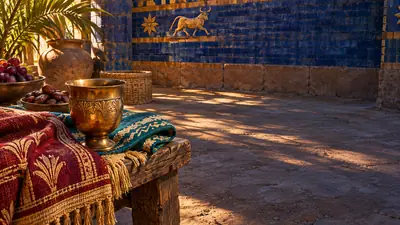
By the Lions Gate, Inanna was to be offered butter cakes, cool water and beer. These were among Enki’s instructions for her welcome.
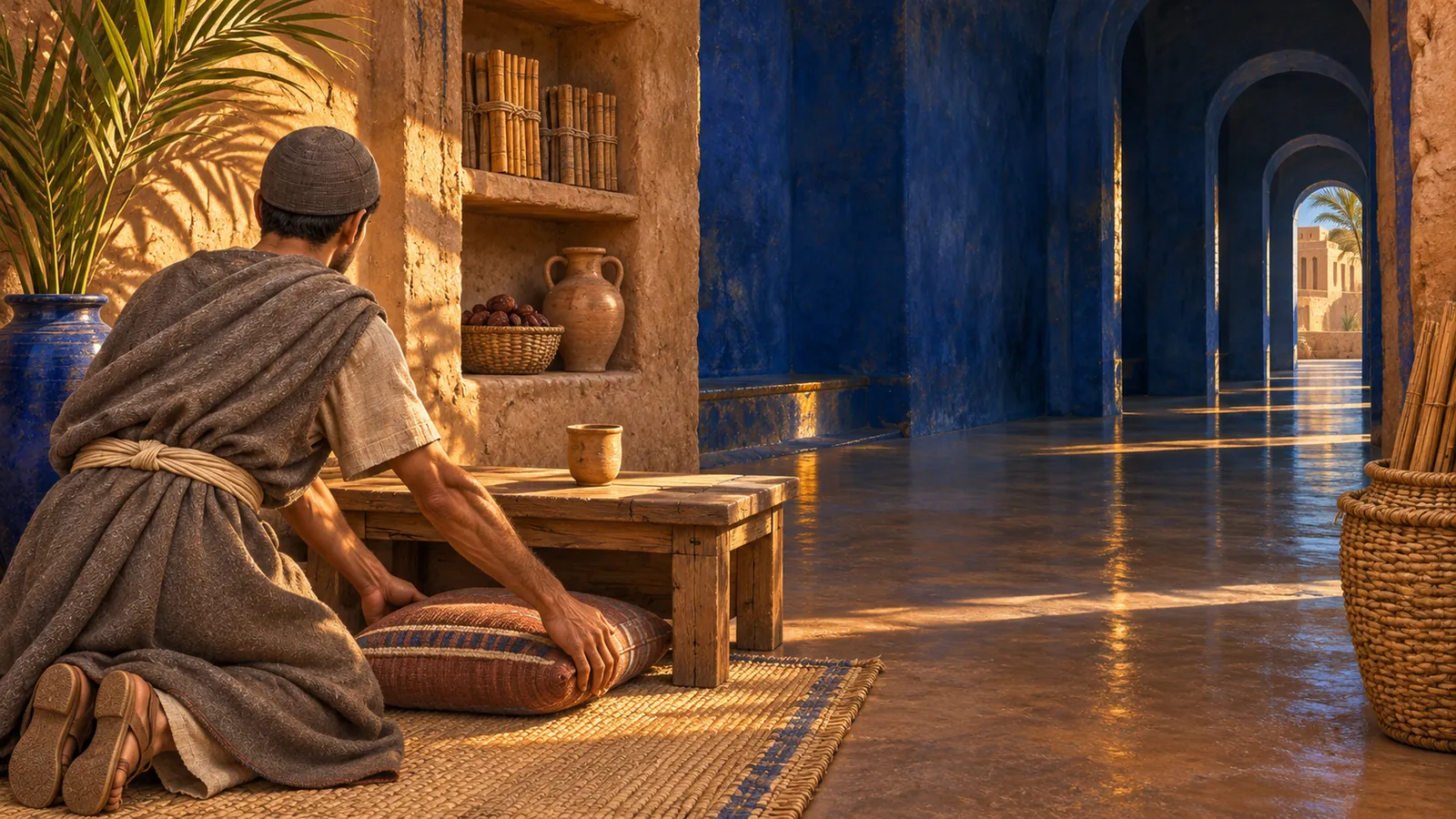
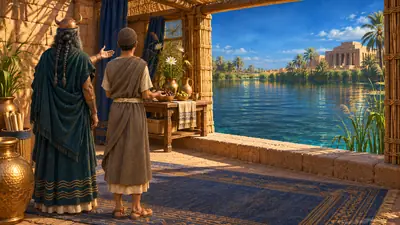
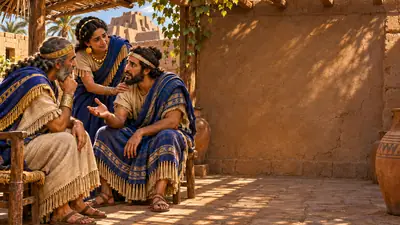
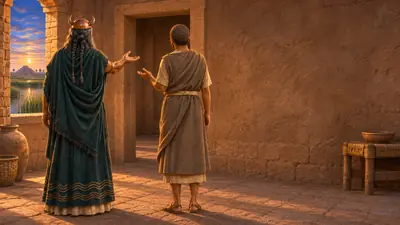
Enki told his attendant to welcome Inanna at the sacred table associated with An. There she would be treated as a guest.
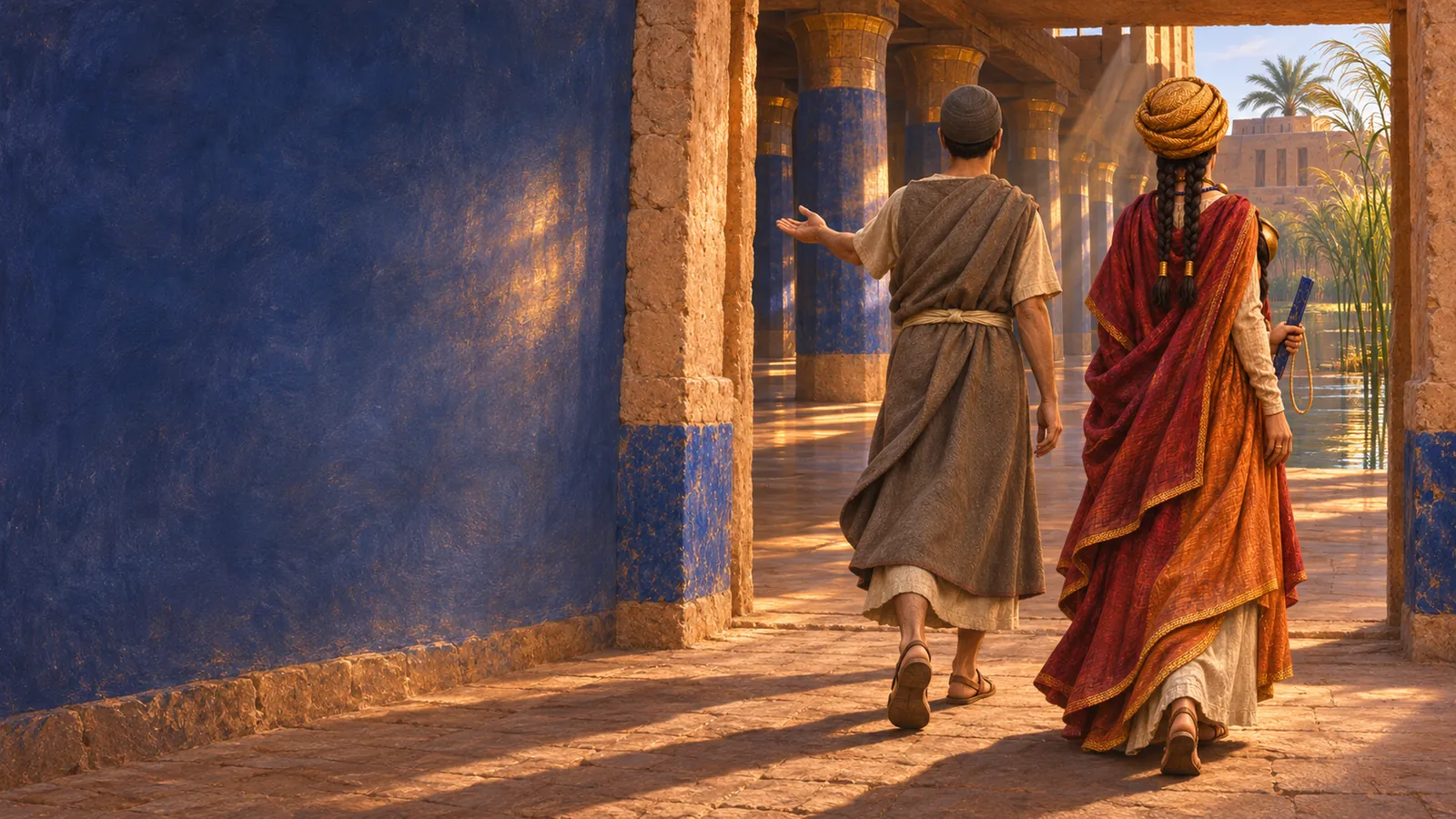
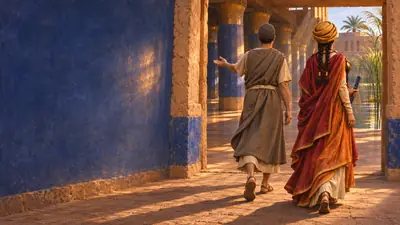
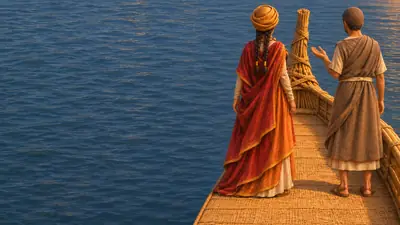
Isimud went to meet Inanna as Enki had asked. He brought her into the Abzu when she reached Eridu.
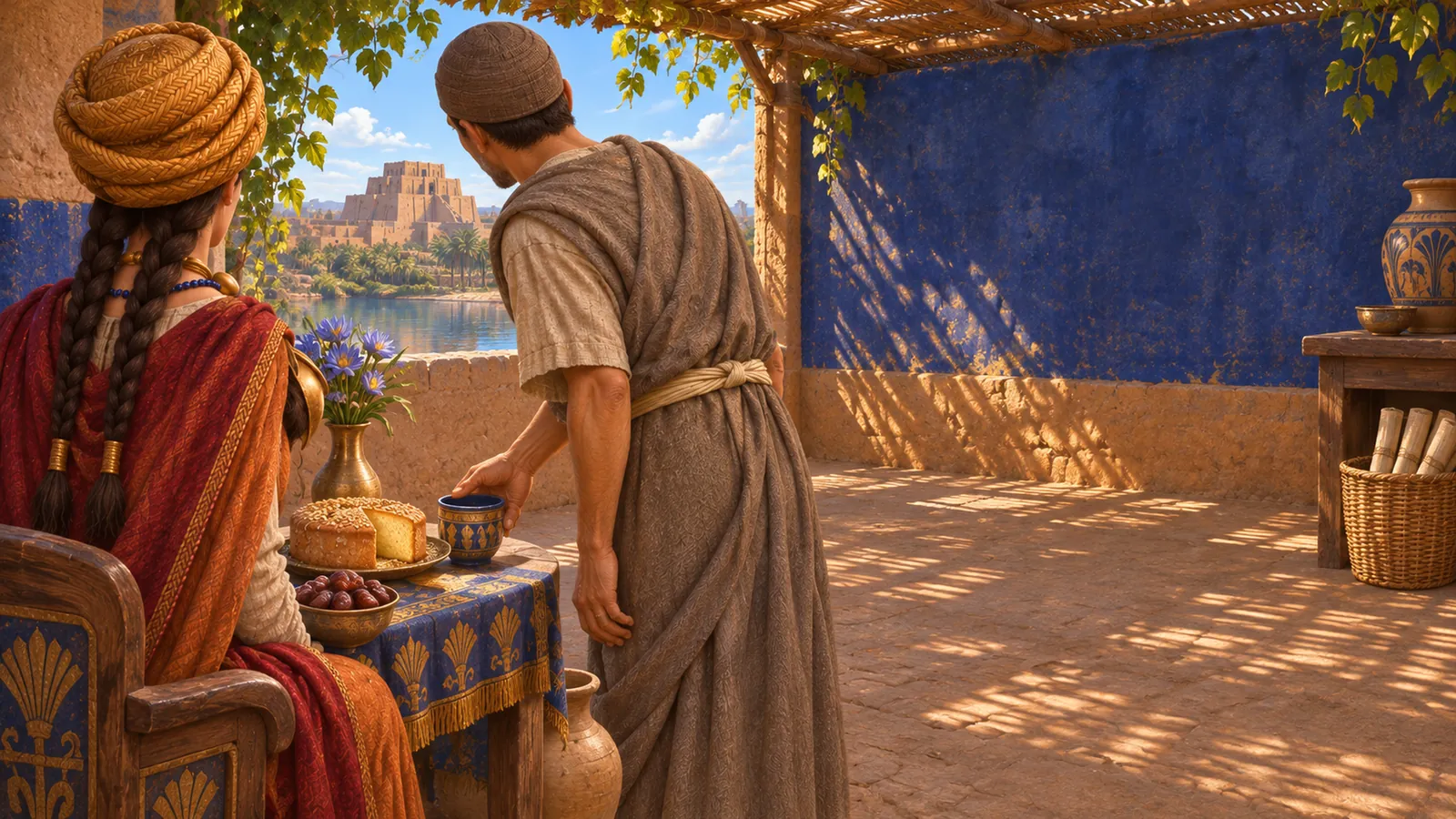
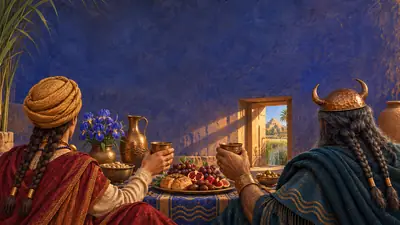
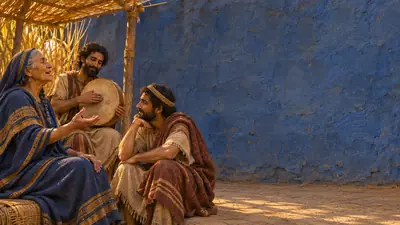
The welcome named in the instructions was given. There were cake, water and beer for Inanna, and a place for her at the table.
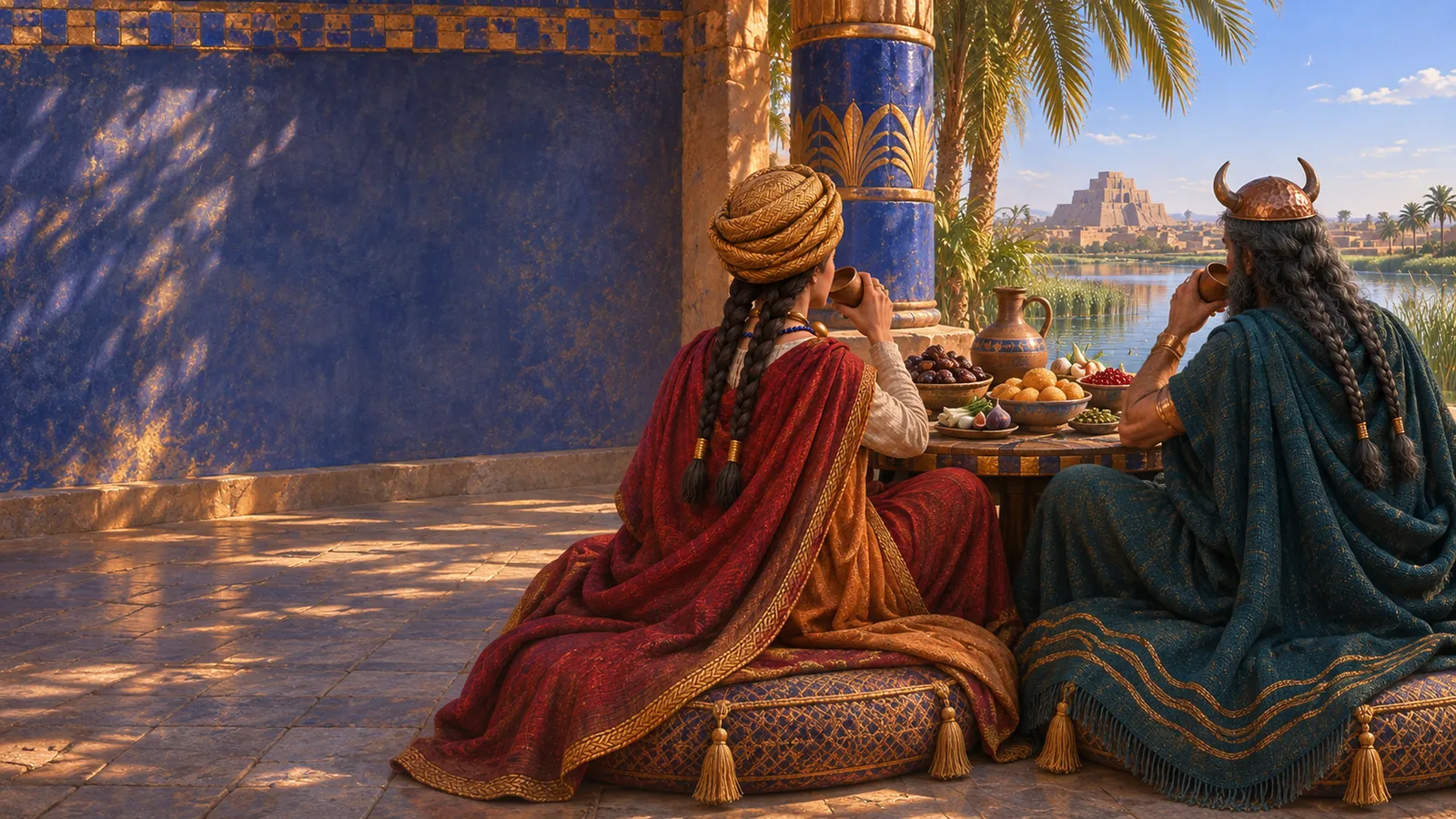
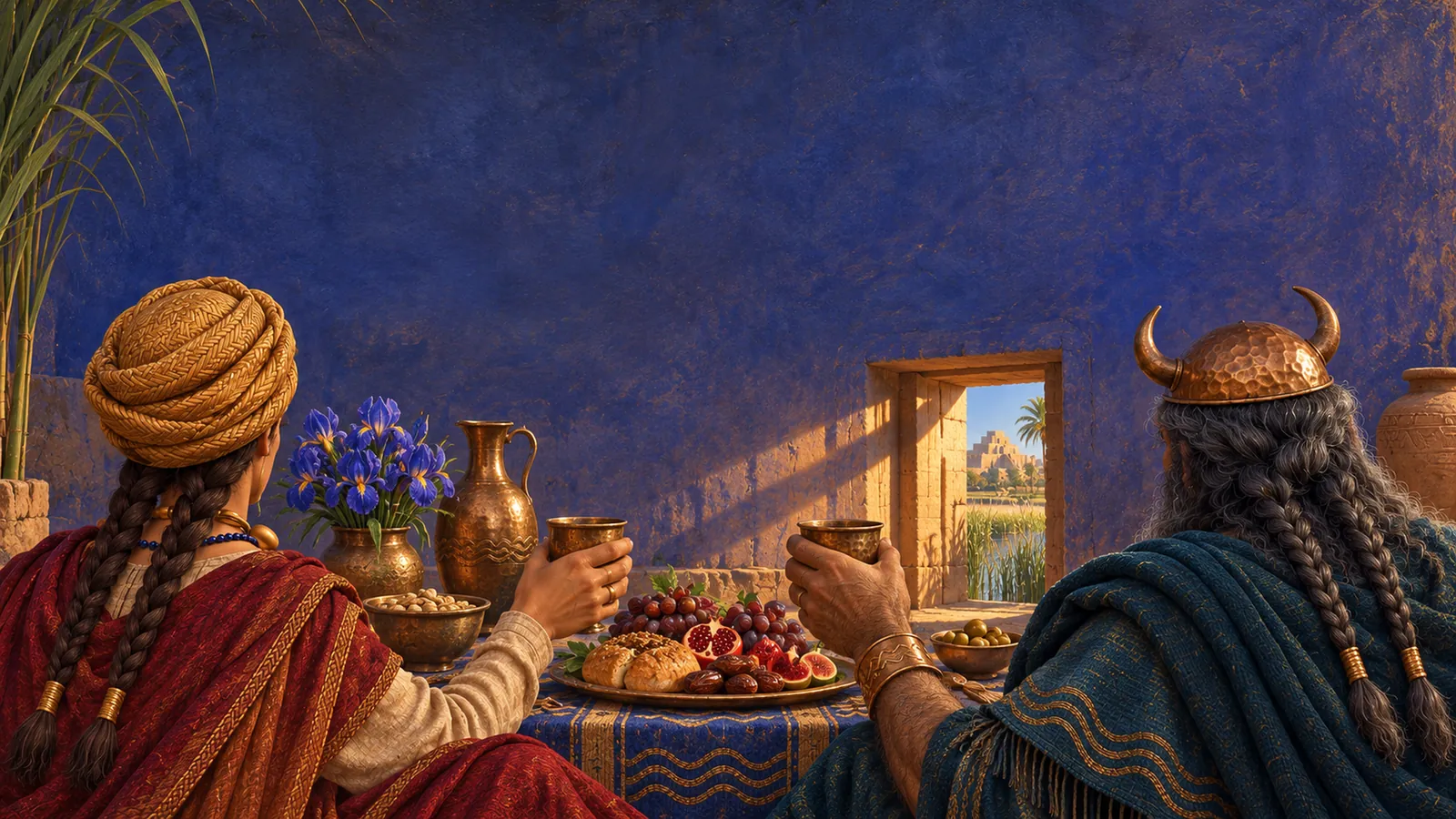
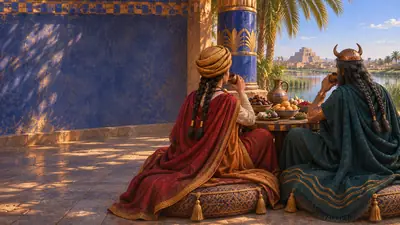
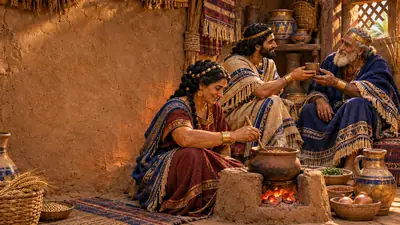
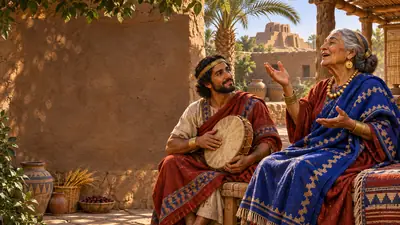
Inanna and Enki shared beer at the feast. The poem speaks of sweet wine as well, as the two drank together.
FEAST
The poem describes a contest in drinking and names bronze vessels. For a moment the feast is still the last thing we can clearly follow.
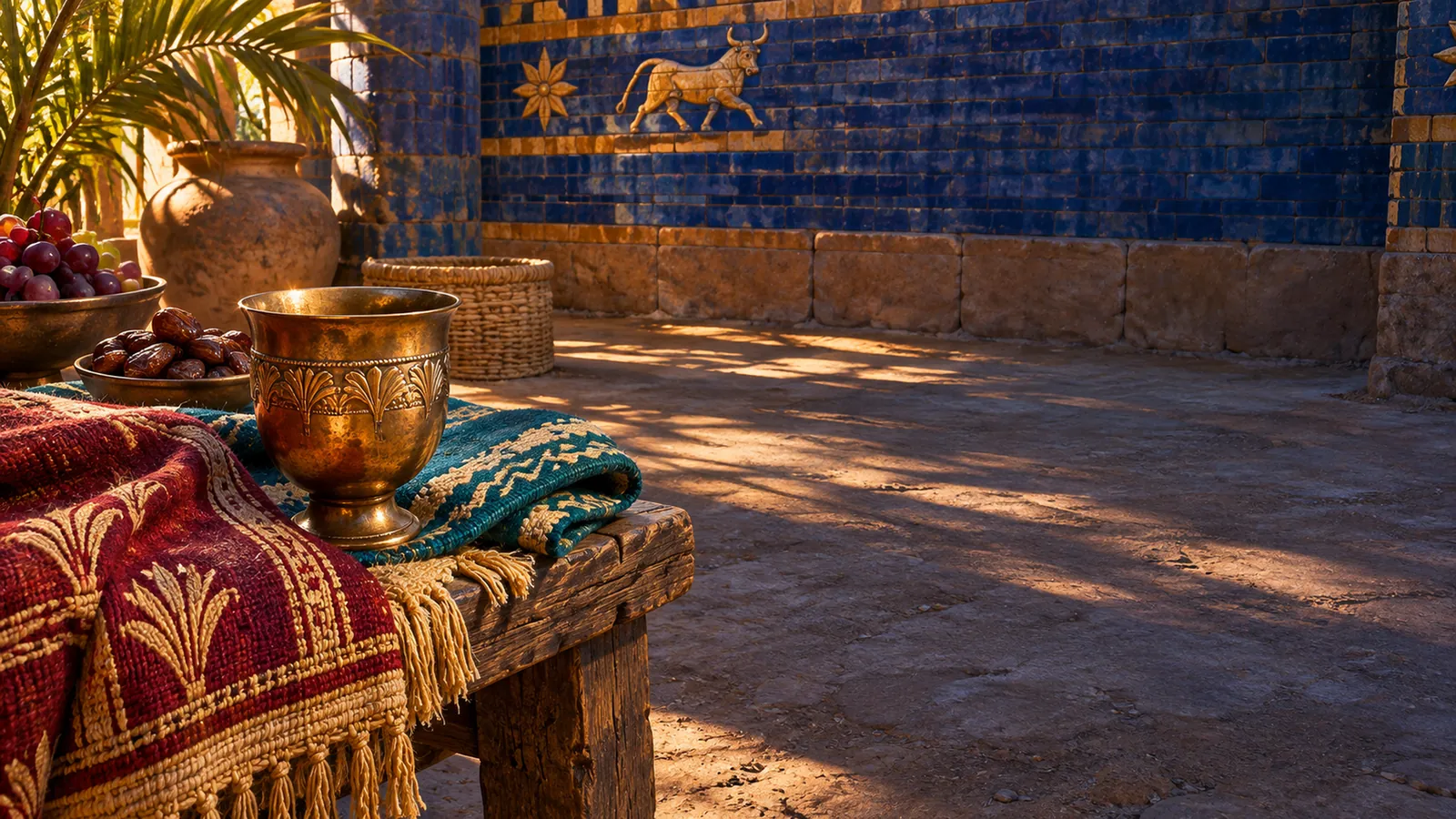
About thirty-five lines are missing after the contest. When the text becomes legible again, Enki is speaking words of gift.
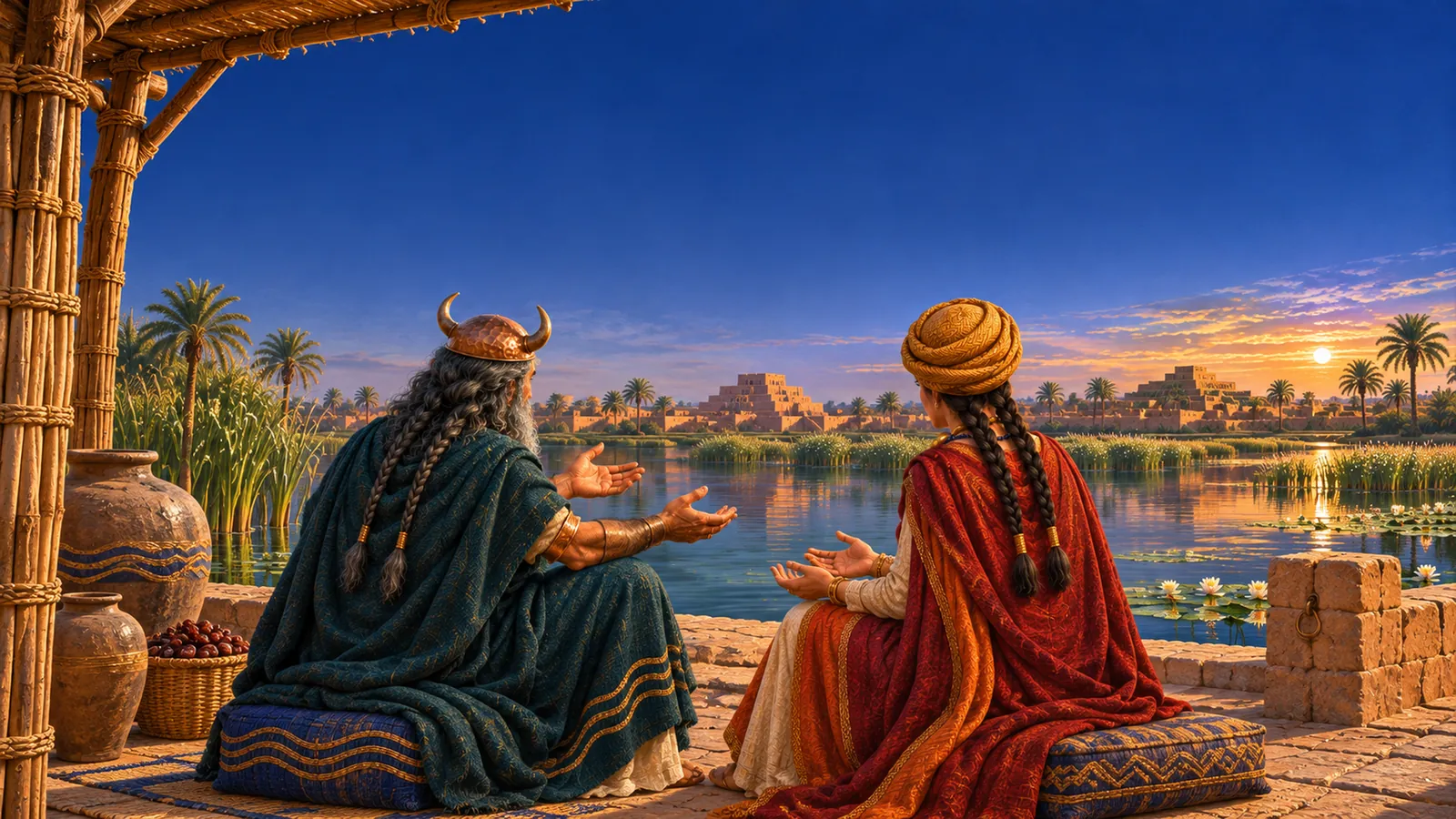
GIFTS
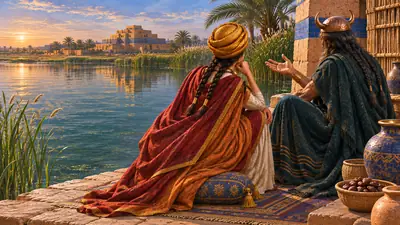
Enki swore by his power and his Abzu. He gave Inanna the divine powers called me, which include ways of living, offices and skills.
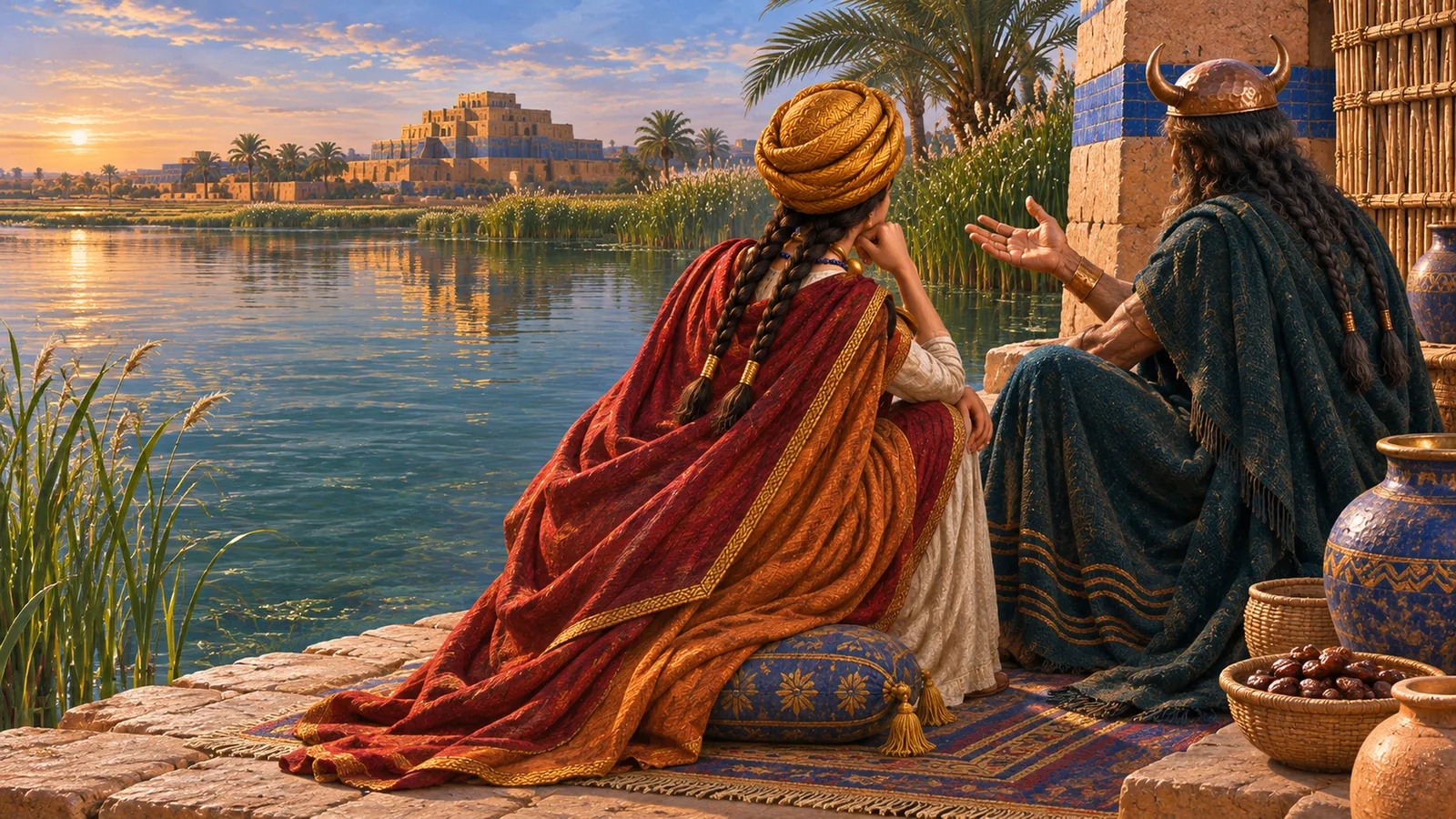
The gifts named in this passage include courage and strength, but also wrongdoing and plunder. Lament and rejoicing are named together.
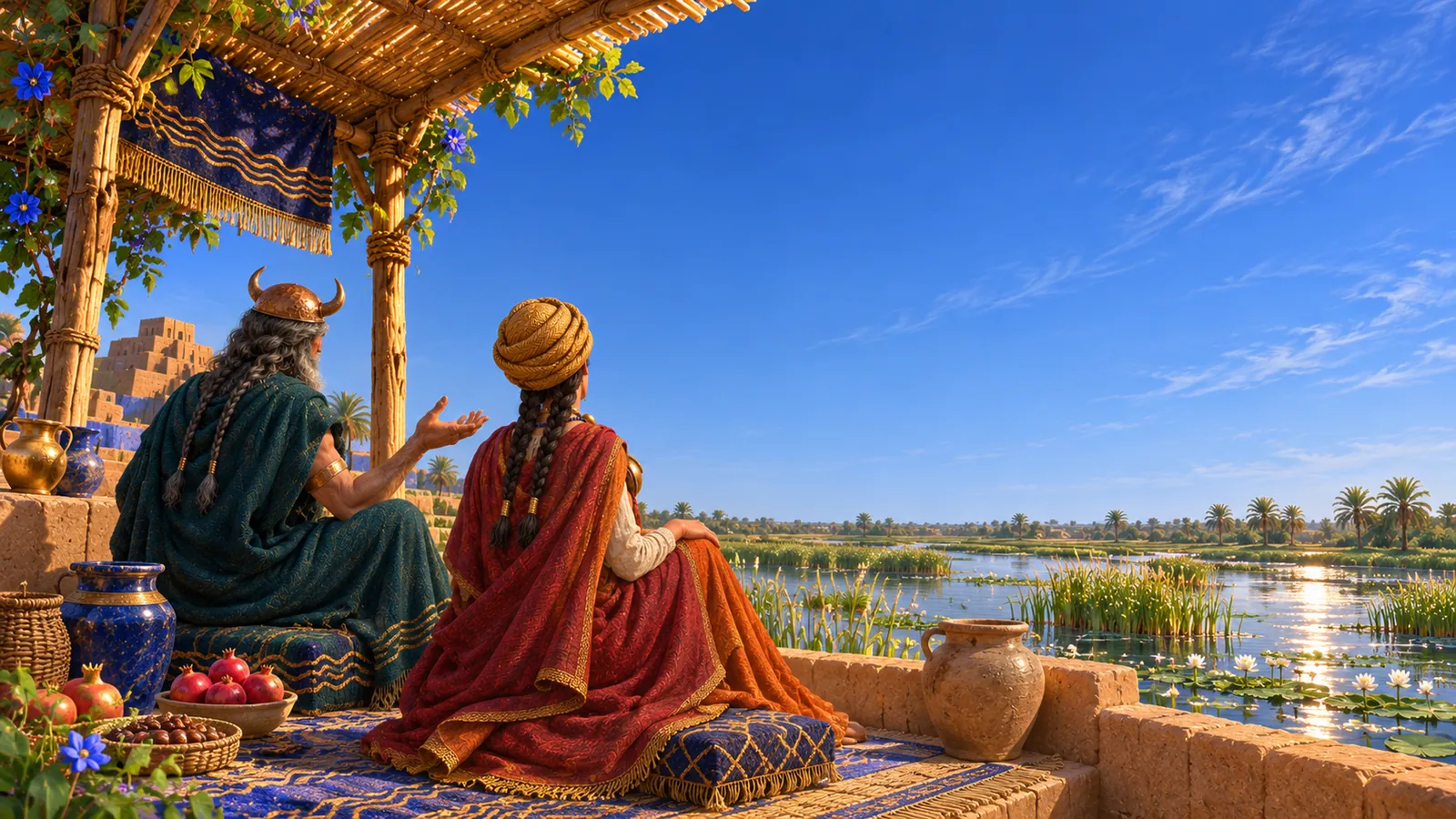
Kindness and deceit are named in the same gift. The list also evokes people who move from place to place and people who stay.
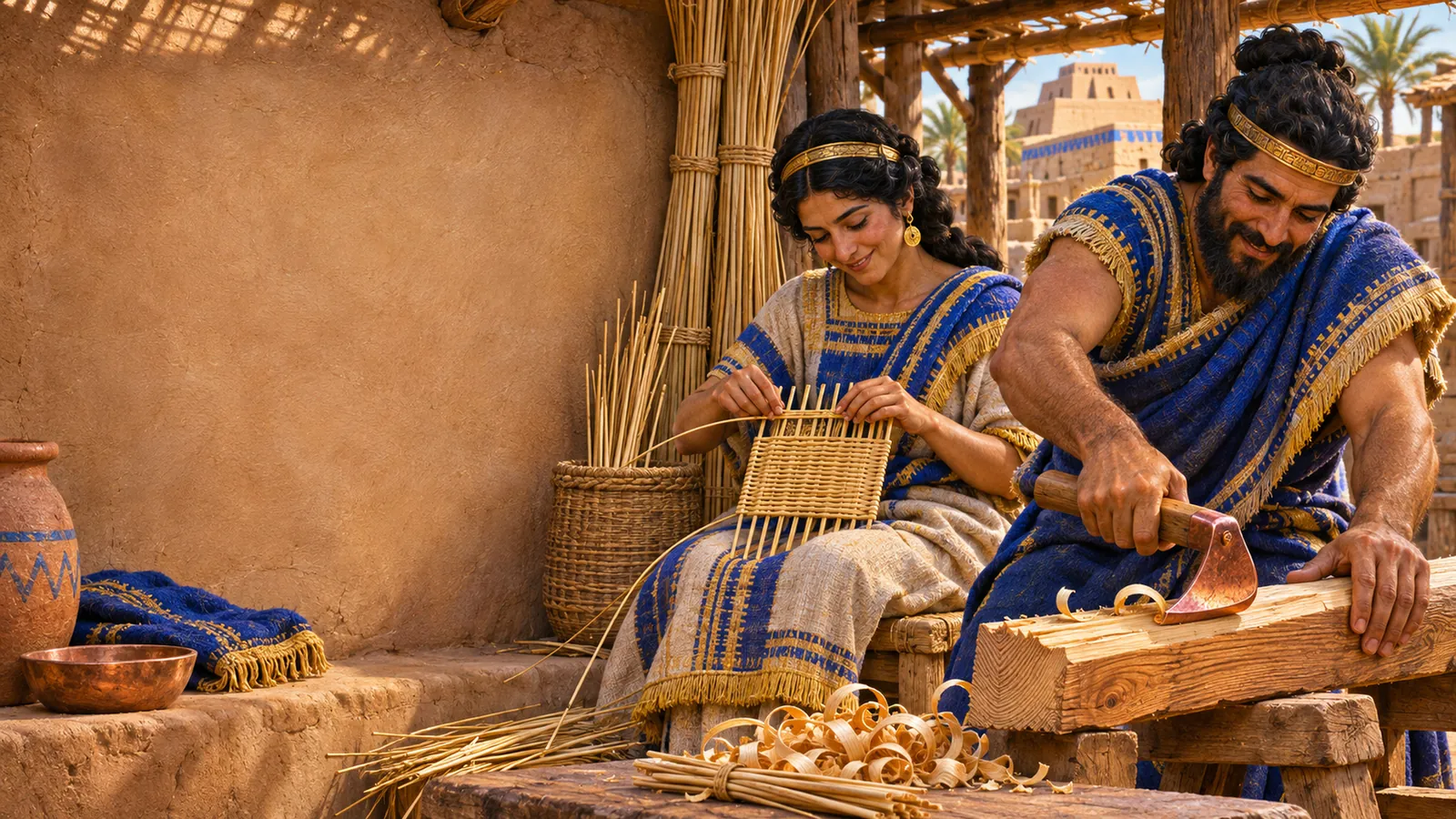
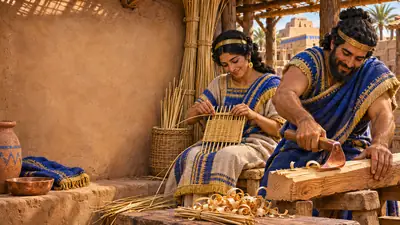
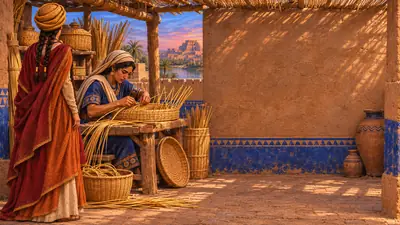
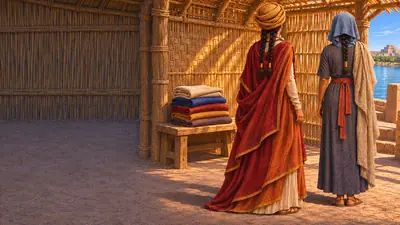
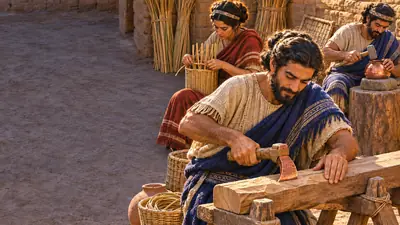
Enki’s list turns to the work of hands. Carpentry and reed work are among the skills he gives to Inanna.
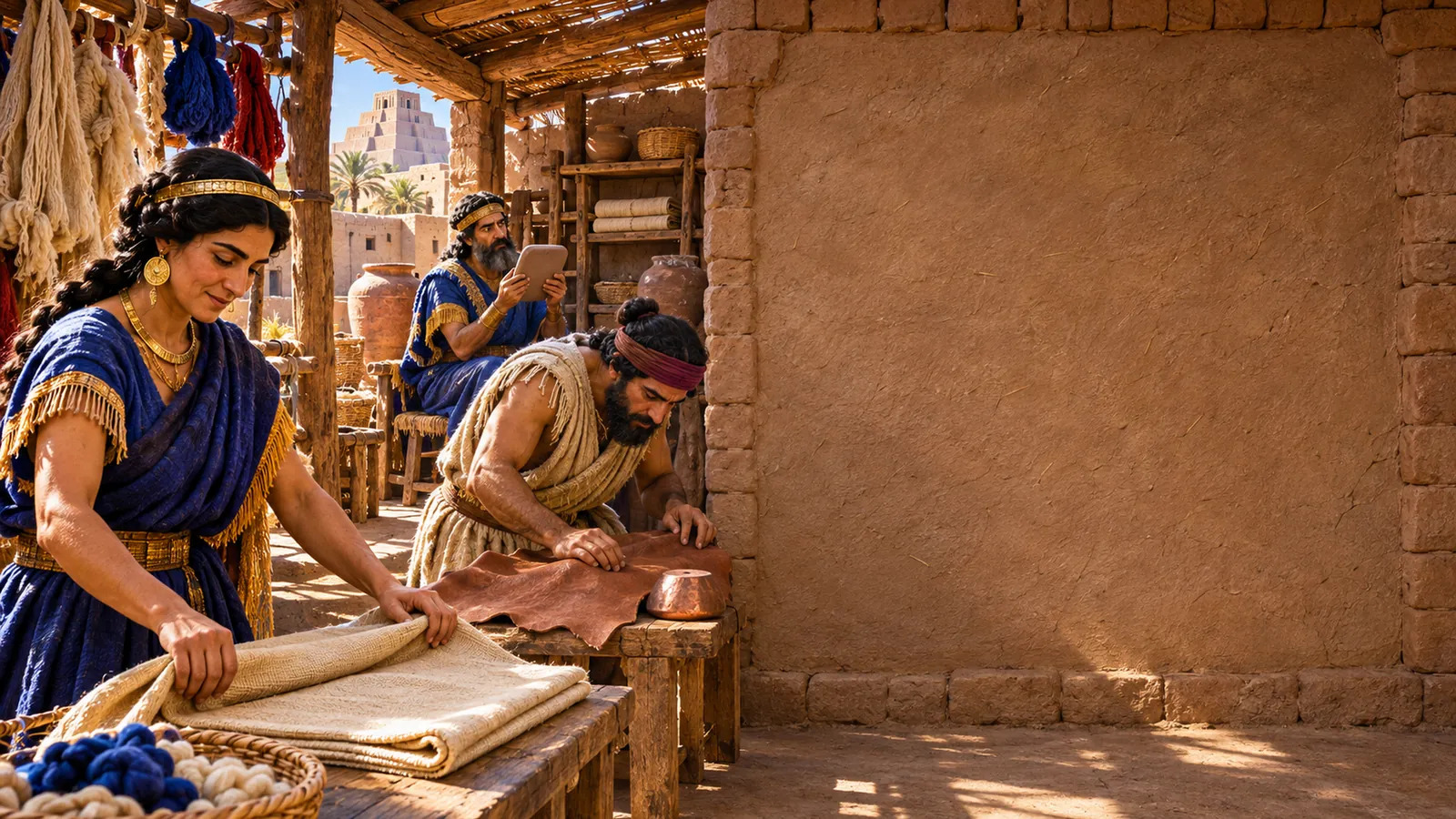
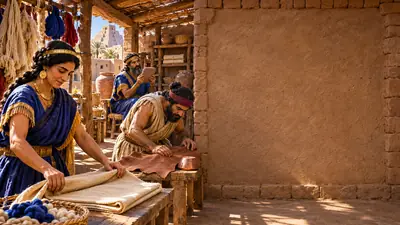
Metalworking, leatherworking, the finishing of cloth and building are also named. The list includes the work of scribes among these gifts.
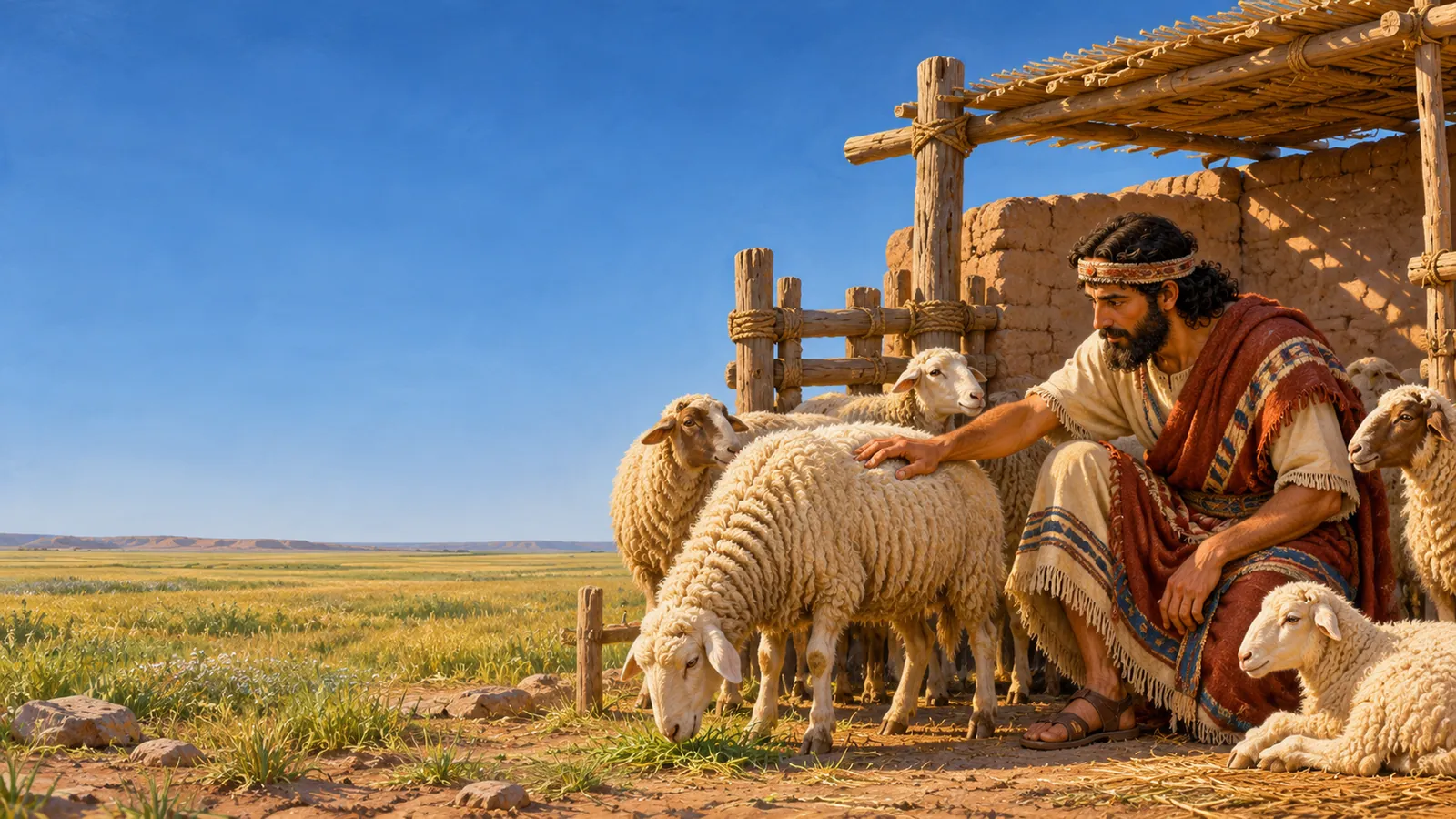
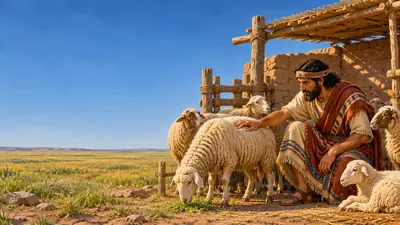
The poem names wisdom, care and purification. It places the tending of flocks and the keeping of reverent silence among the same gifts.
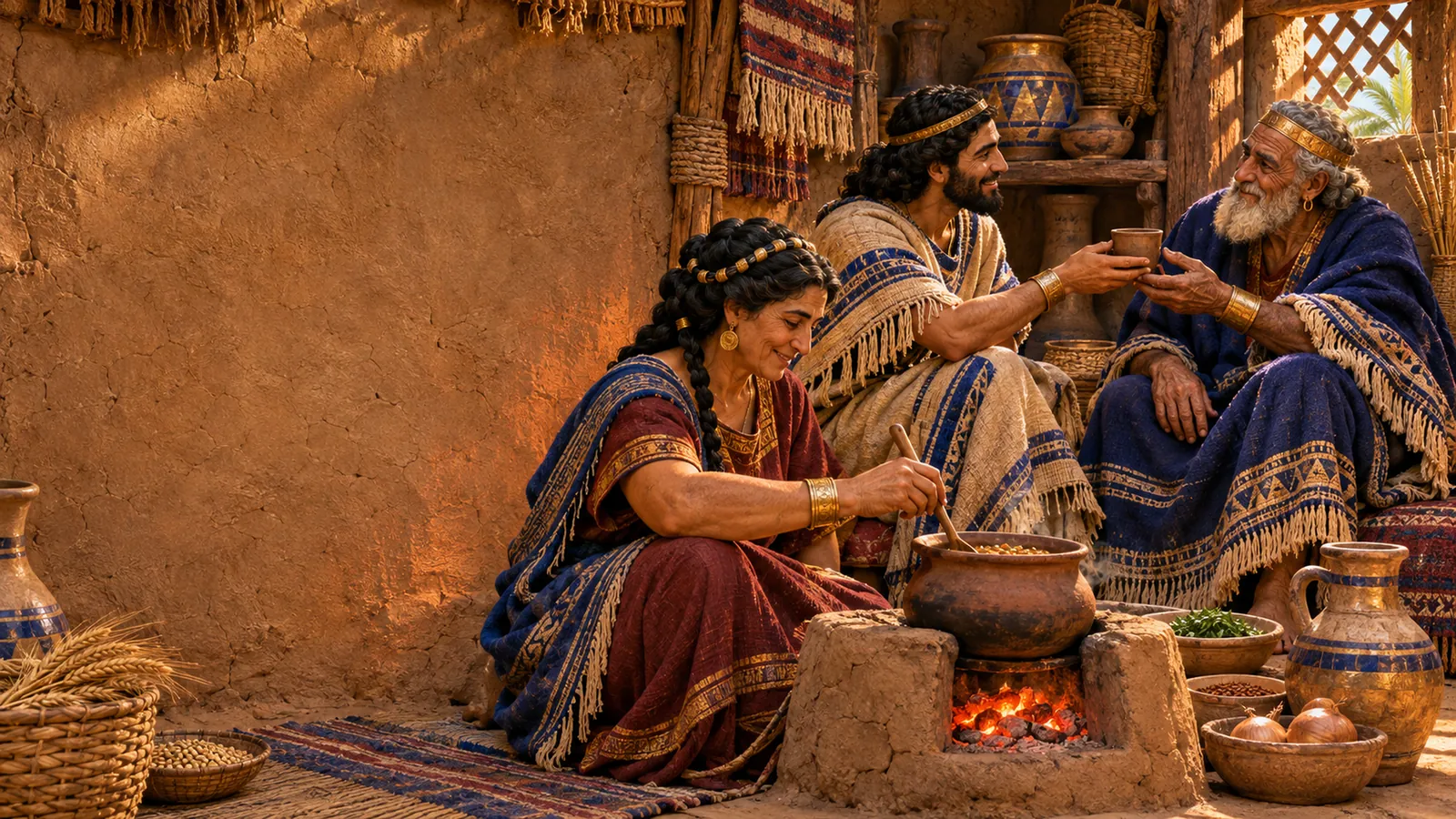
The list speaks of bringing fire to life and putting it out. Work, families gathering and the generations that follow also appear.
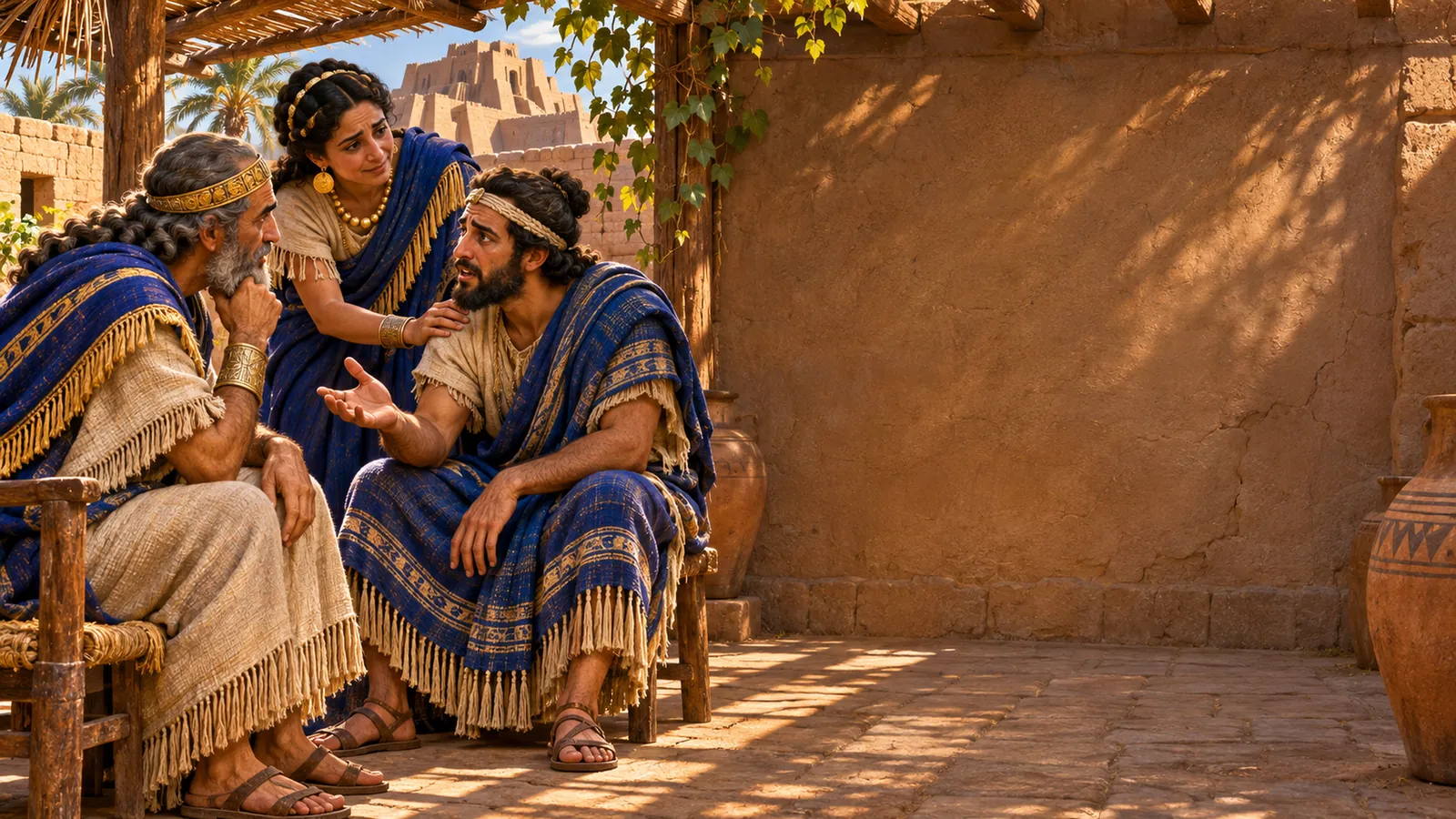
The list moves from strife and triumph to counsel, comfort and judgement. Then the surviving passage breaks off and many lines are missing.
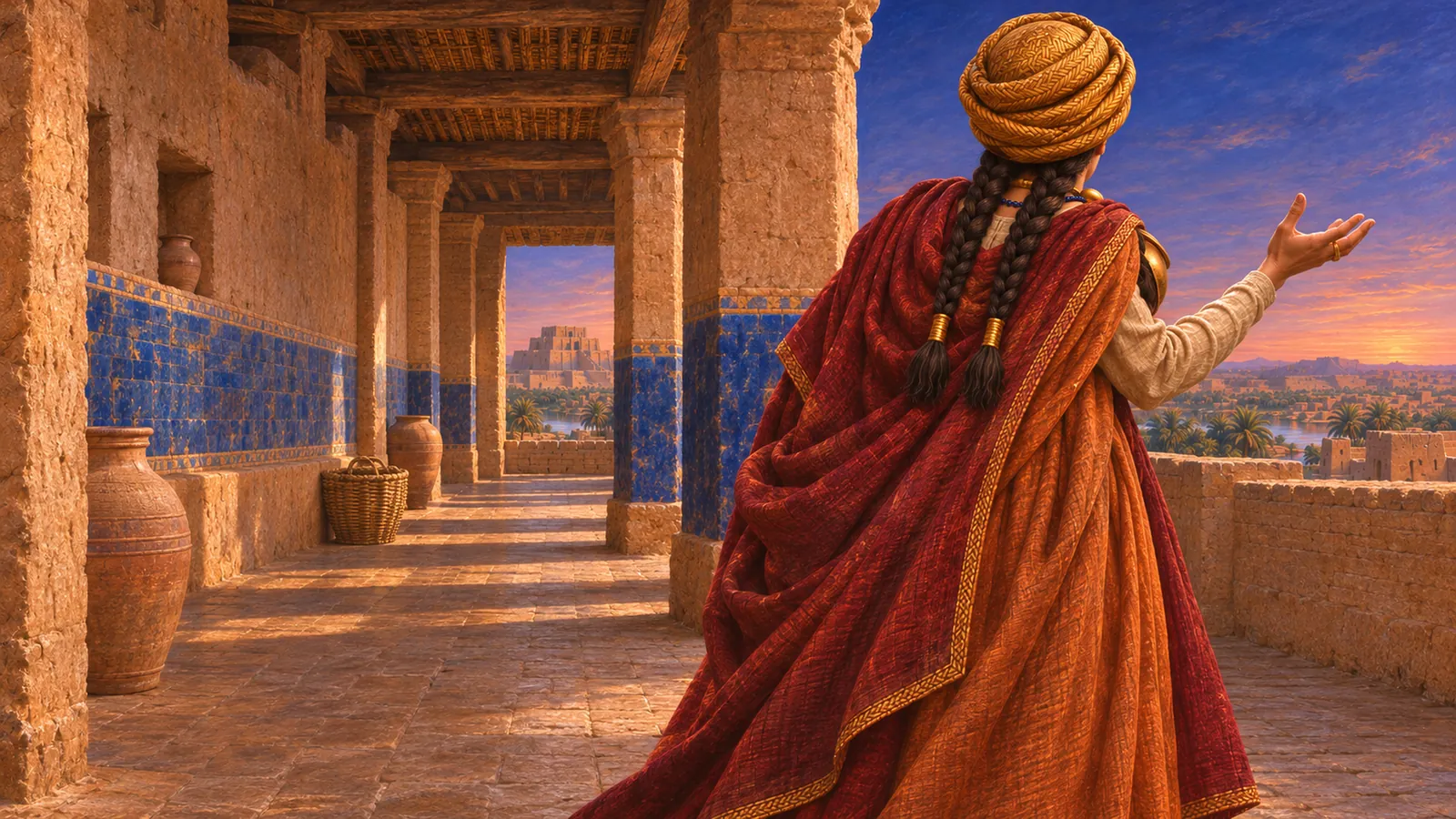
I received what Enki gave me. With the gifts I received justice and rejoicing, kindness and deceit.
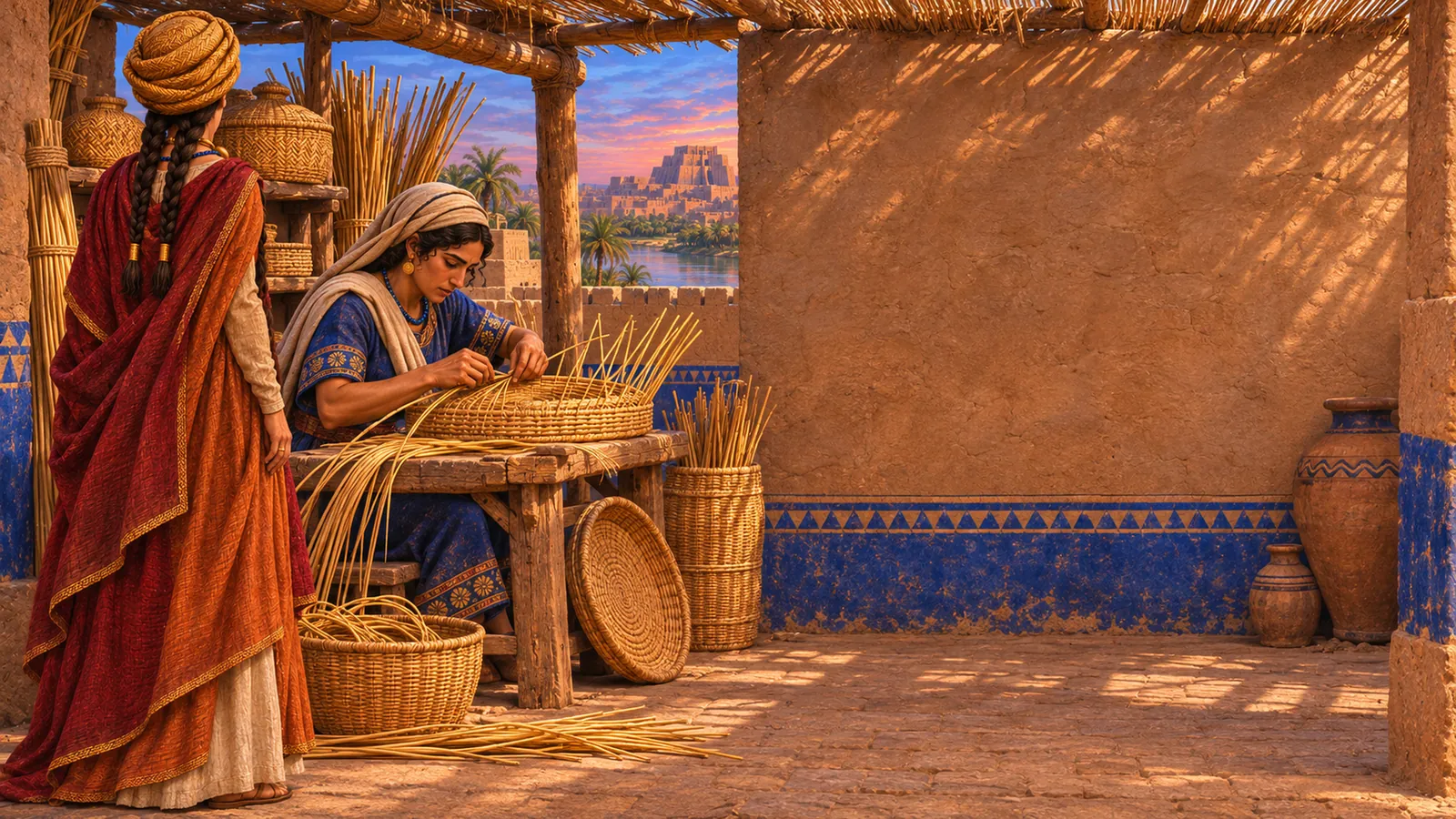
Inanna’s recollection returns to trades and skills. She also names wisdom, the tending of flocks and the silence kept in reverence.
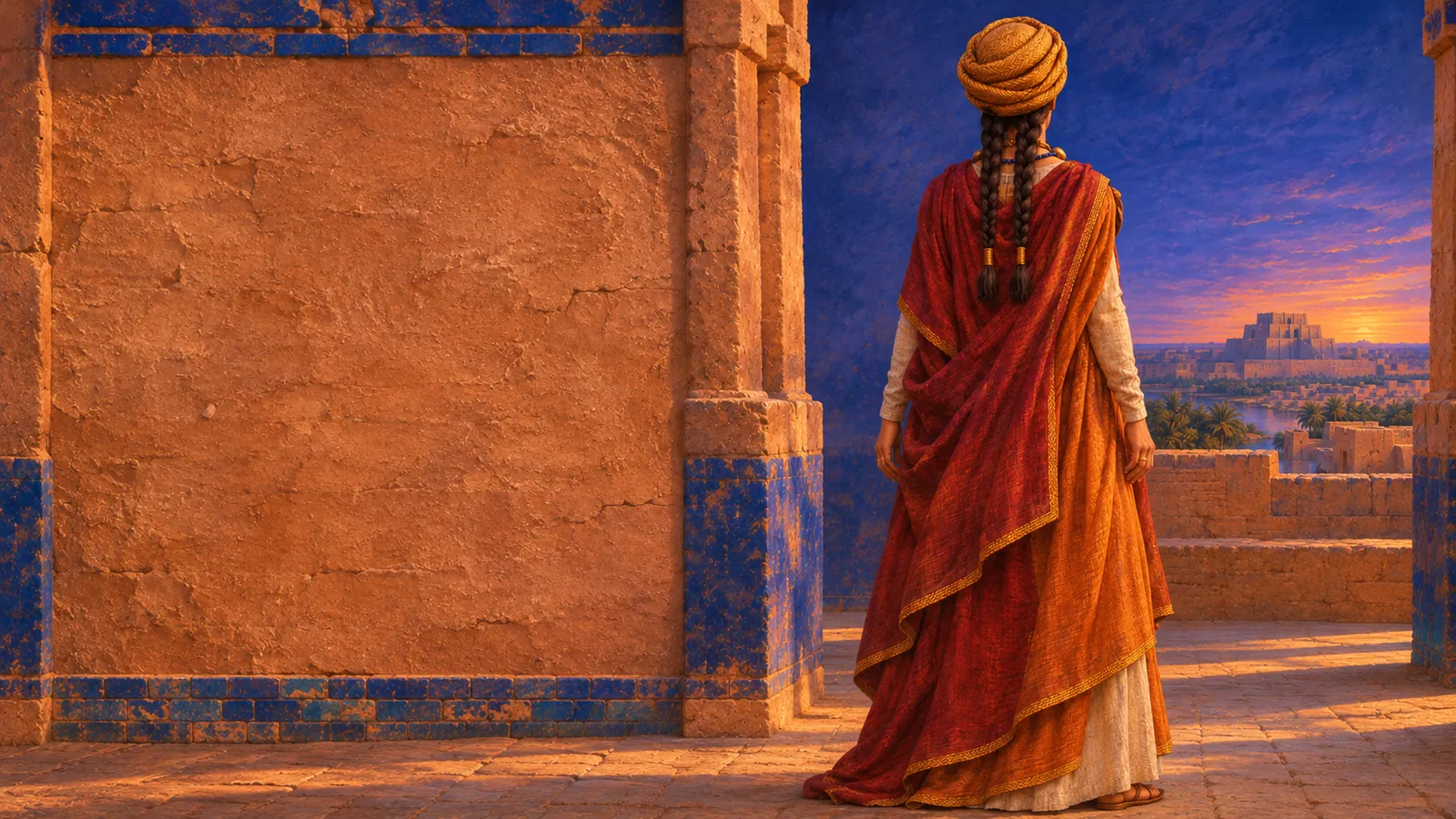
The words about fire, family, strife and counsel survive only in parts. After Inanna’s recollection, another long stretch of the poem is missing.
DEPARTURE
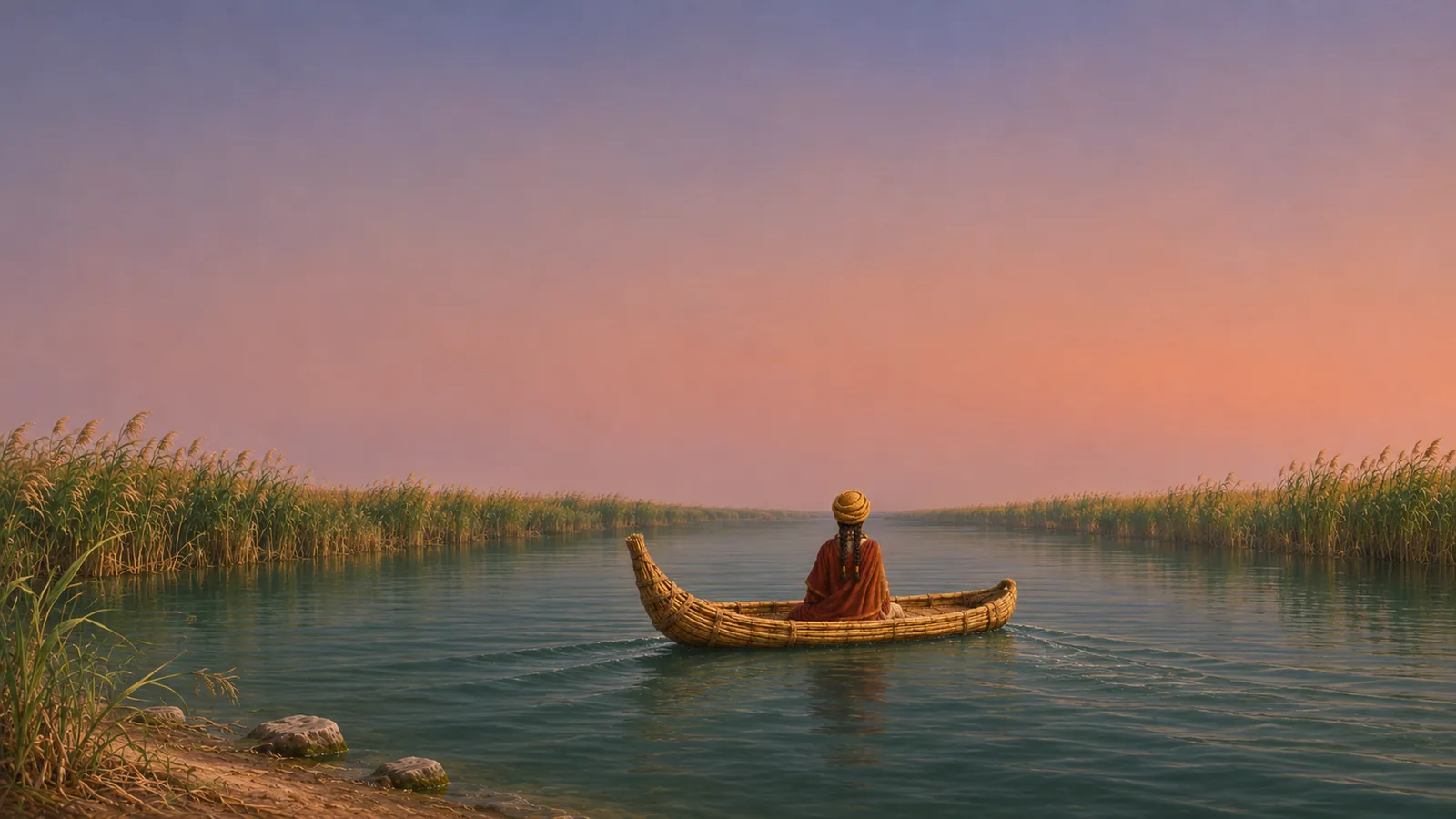
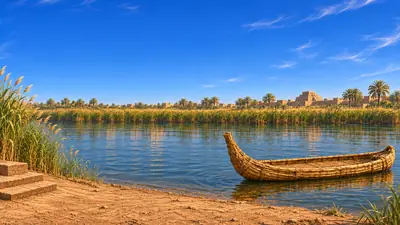
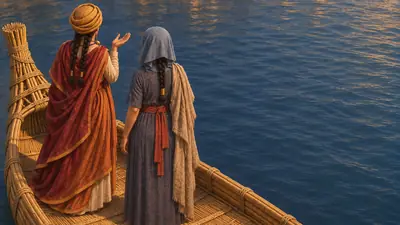
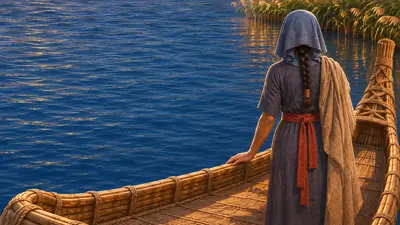
Enki asked whether Inanna could still be reached. She had already loaded the divine powers onto the Boat of Heaven and left the quay.
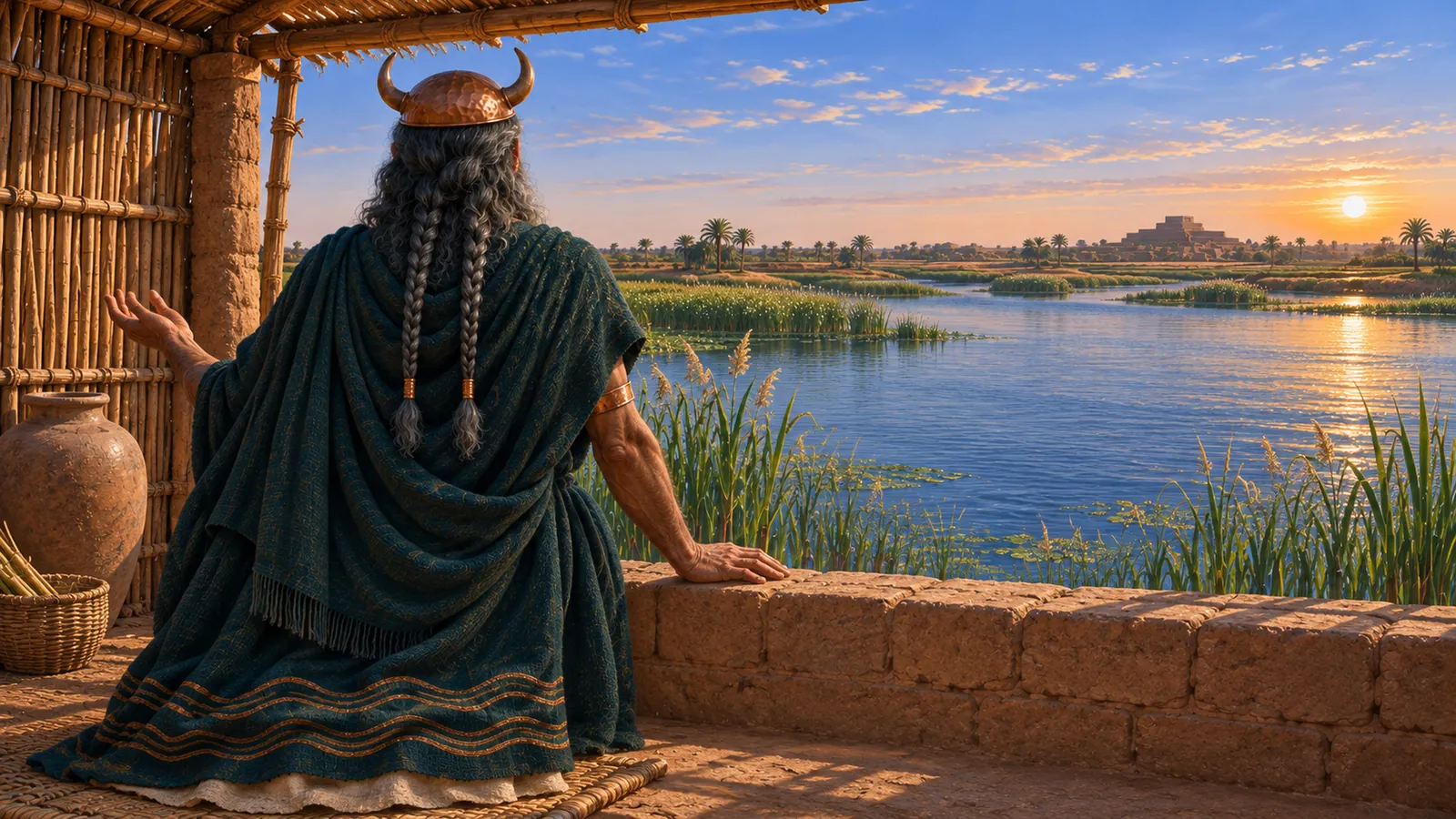
As the effects of the beer cleared, Enki turned his thoughts back to the Abzu and Eridu. His questions would follow.
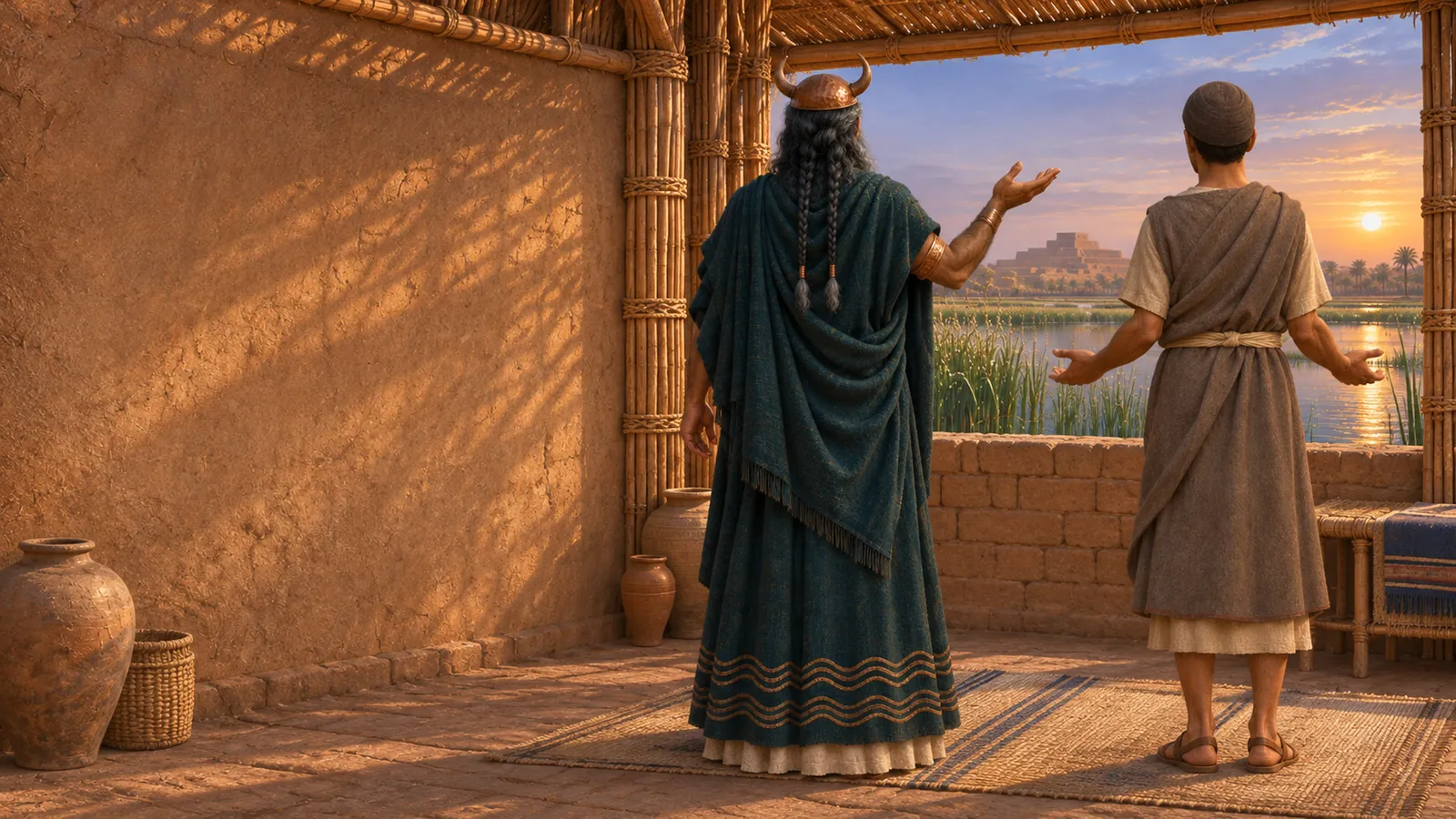
Enki asked after the offices, the crown and throne, the sceptre and kingship. Isimud reminded him that he had given them to Inanna.
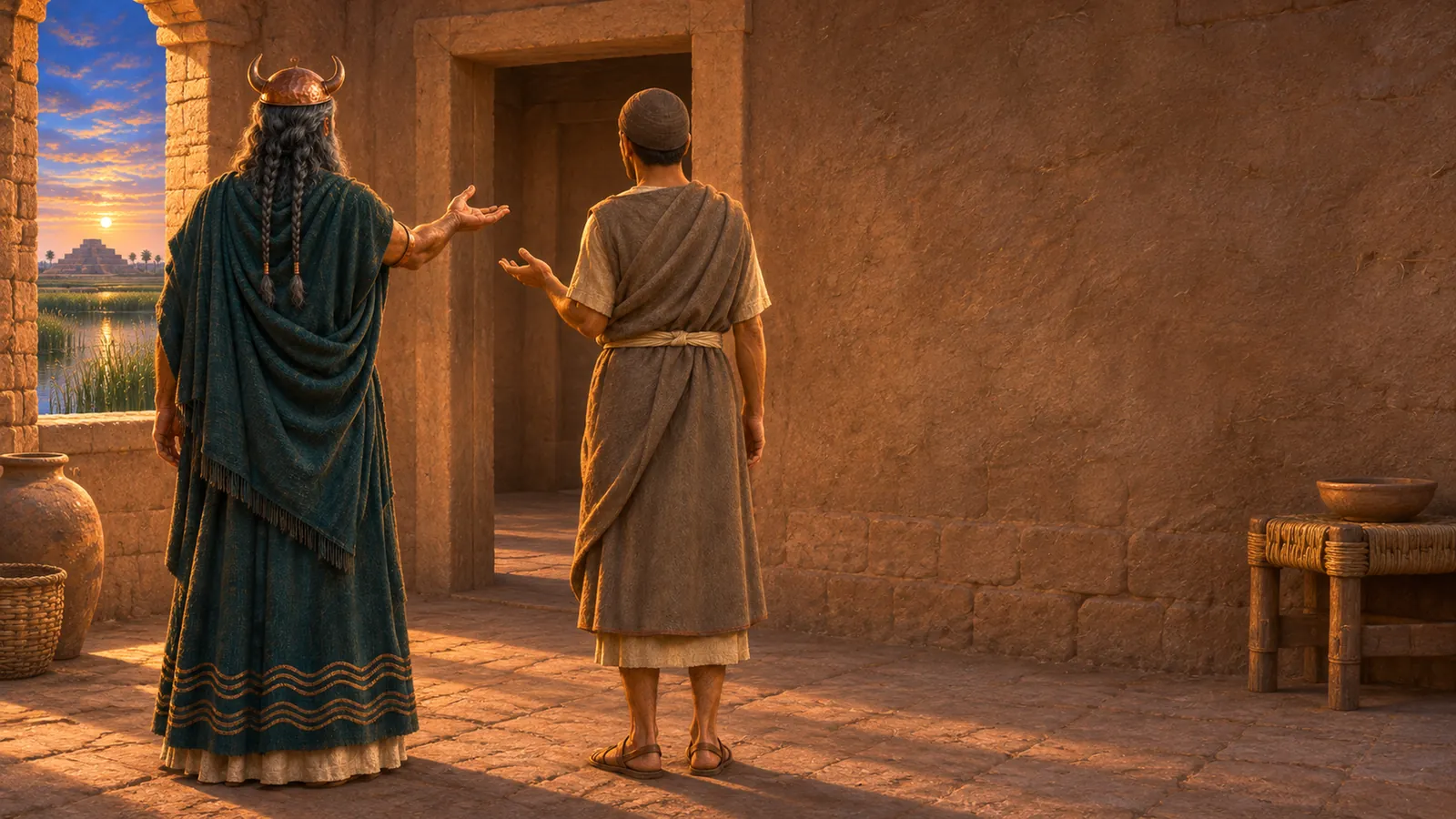
His questions turned to priestly offices and other powers. Among them were going down to the underworld and coming back from it.
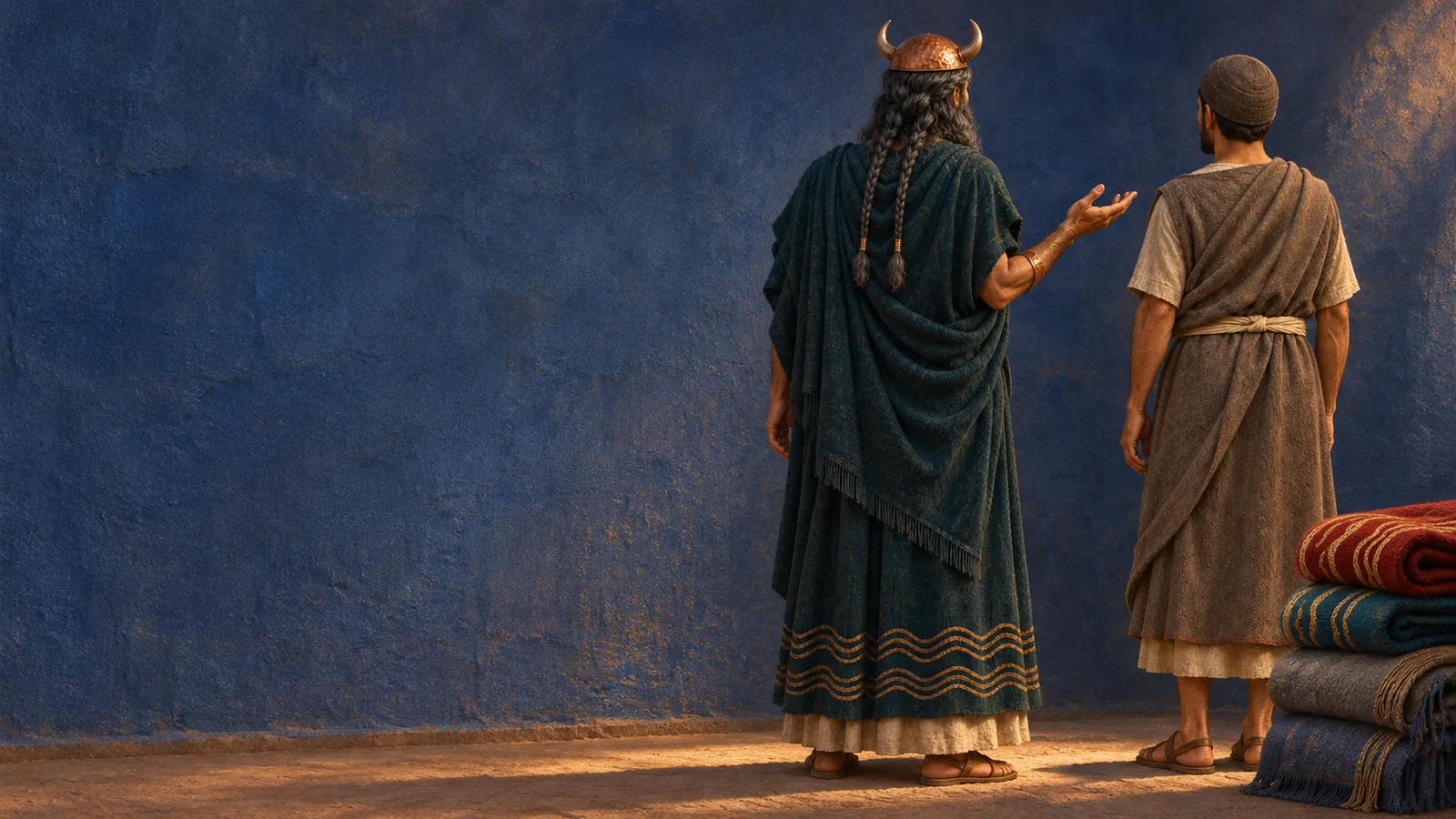
Garments and roles in sacred service are named in these lines. Much of one question is lost, and some of the other words are damaged.
The list names the standard and the quiver, sexual intercourse, kissing and prostitution. It also names forthright and deceitful speech, the cultic prostitute and the holy tavern.
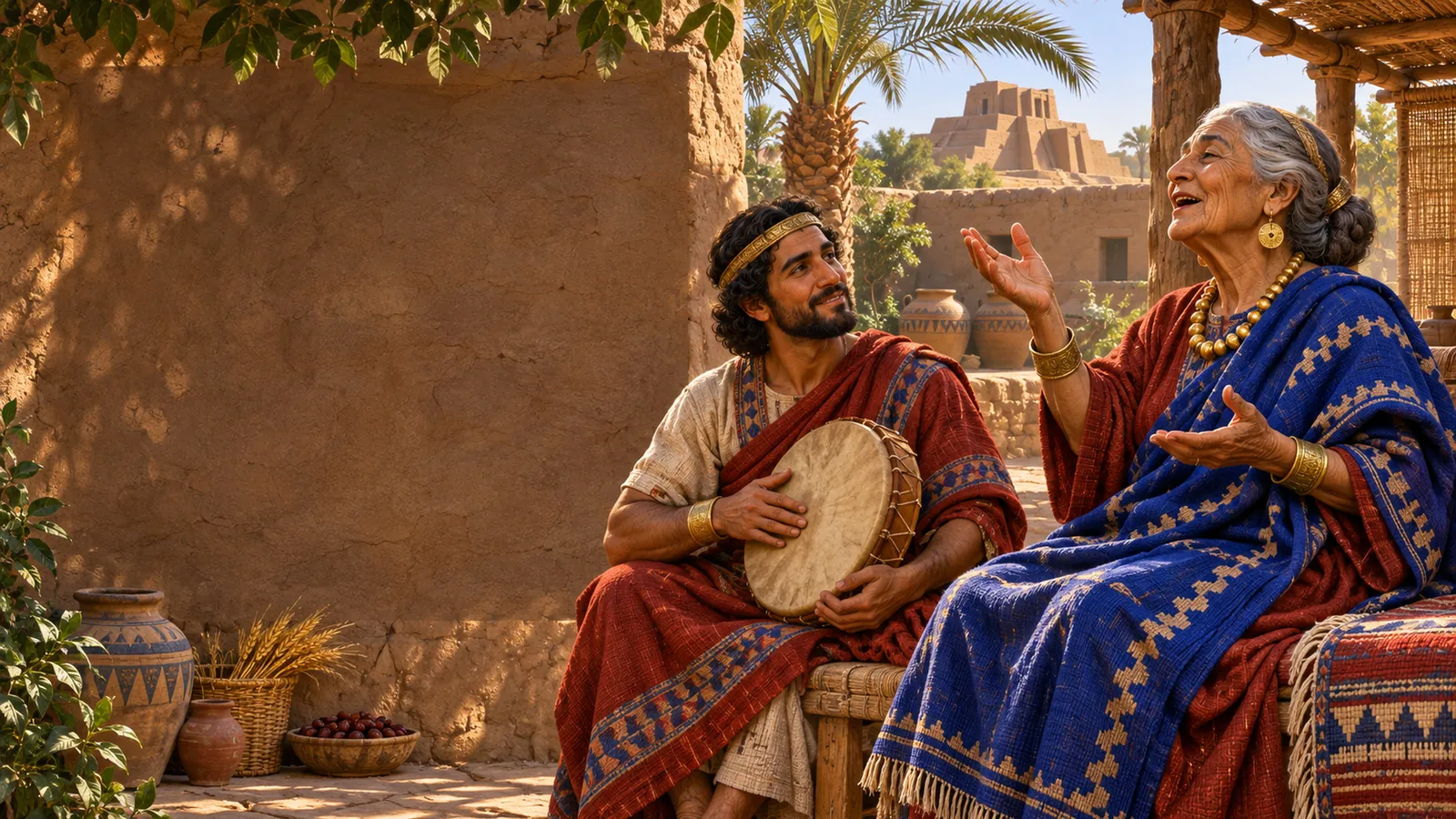
In the next broken lines we hear of a shrine, music and song. The given powers include the honor of reaching old age.
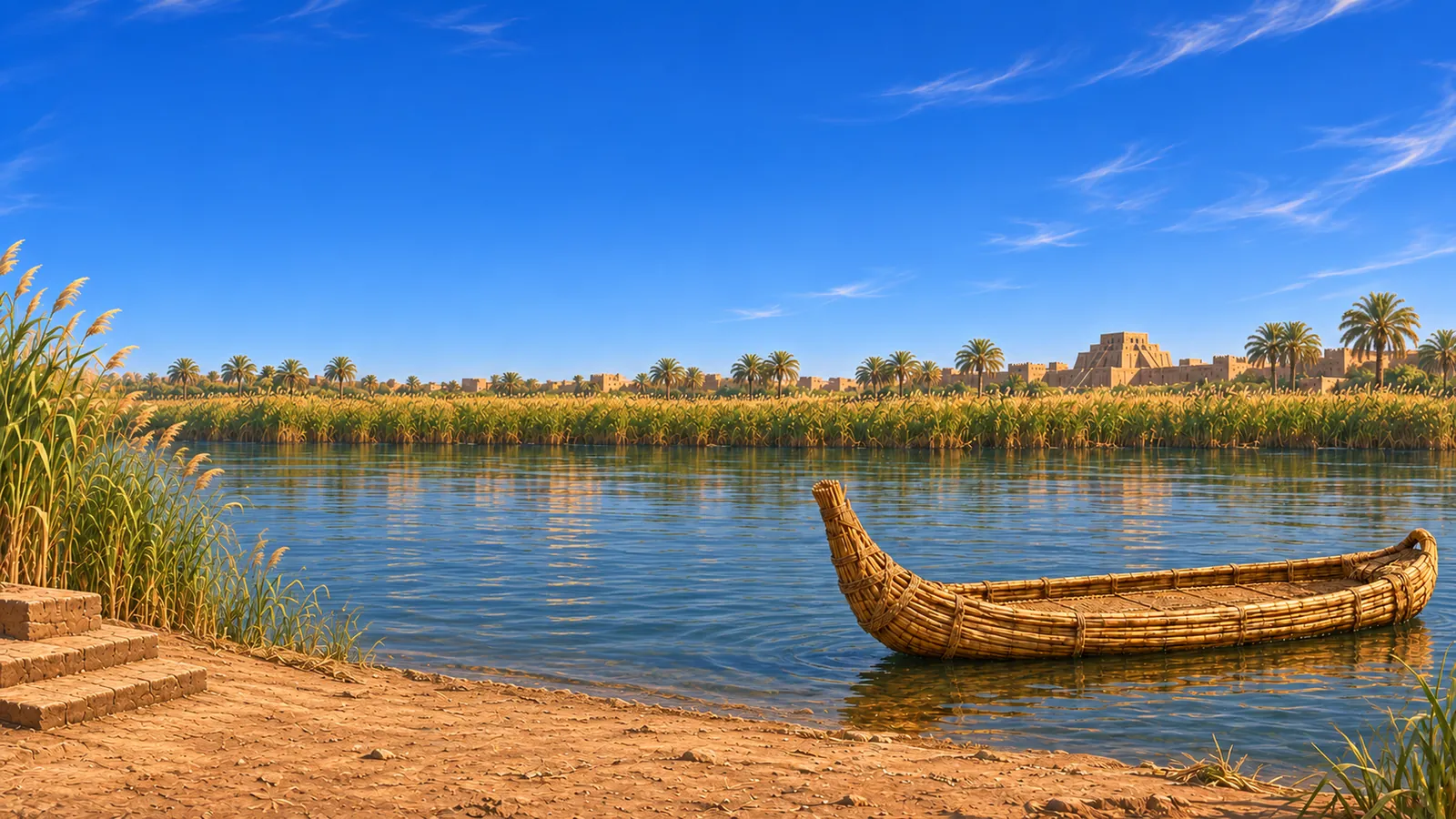
After the list, more than thirty lines are missing. There is a break before the next passage can be followed again.
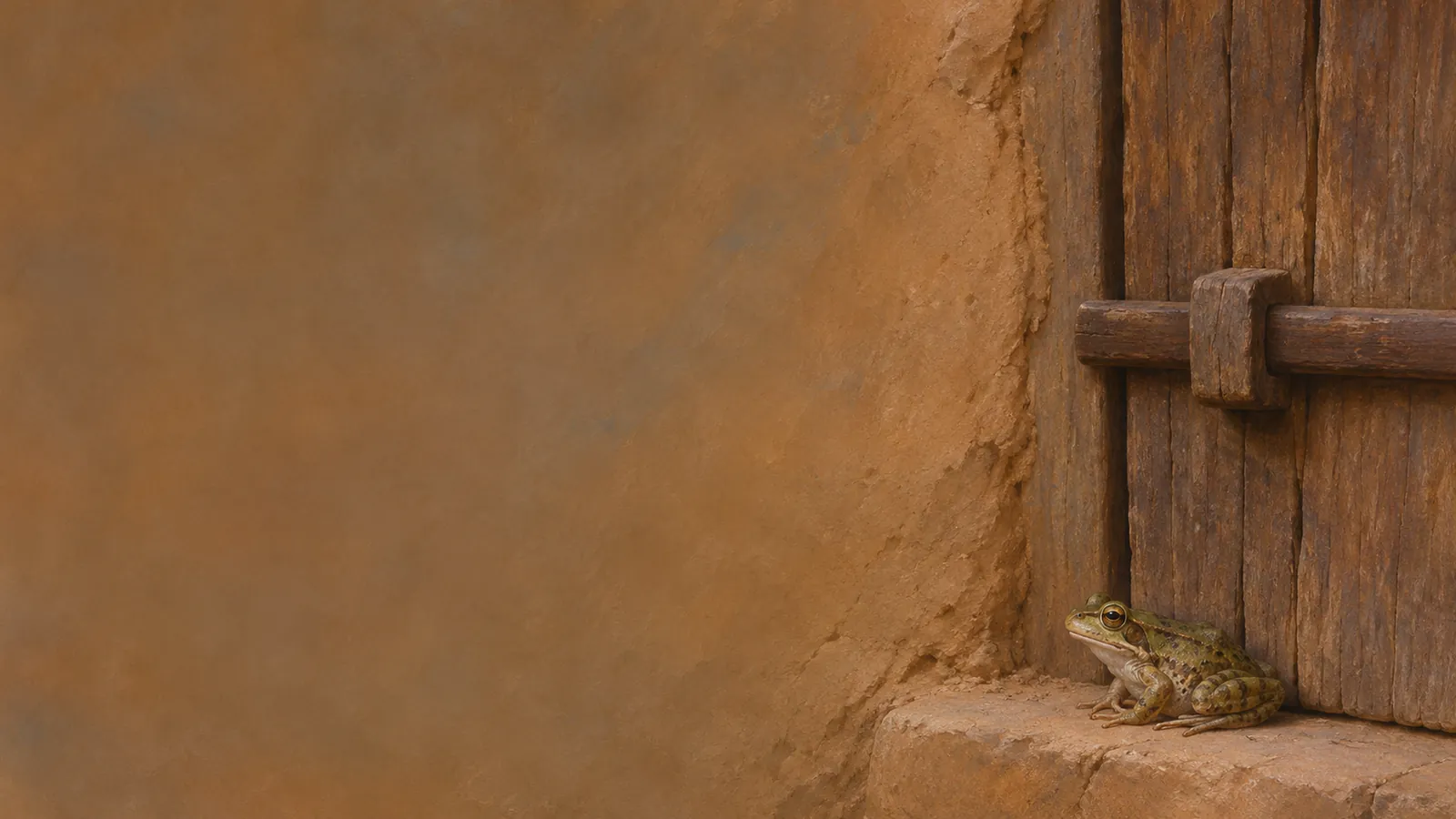
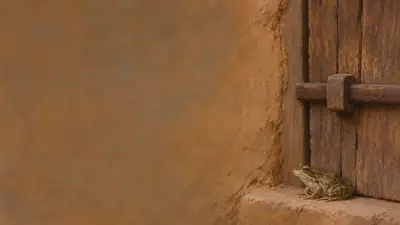
Broken words mention Enki’s house and a frog speaking beside a bolt. They also mention a bird, a fish and trees.
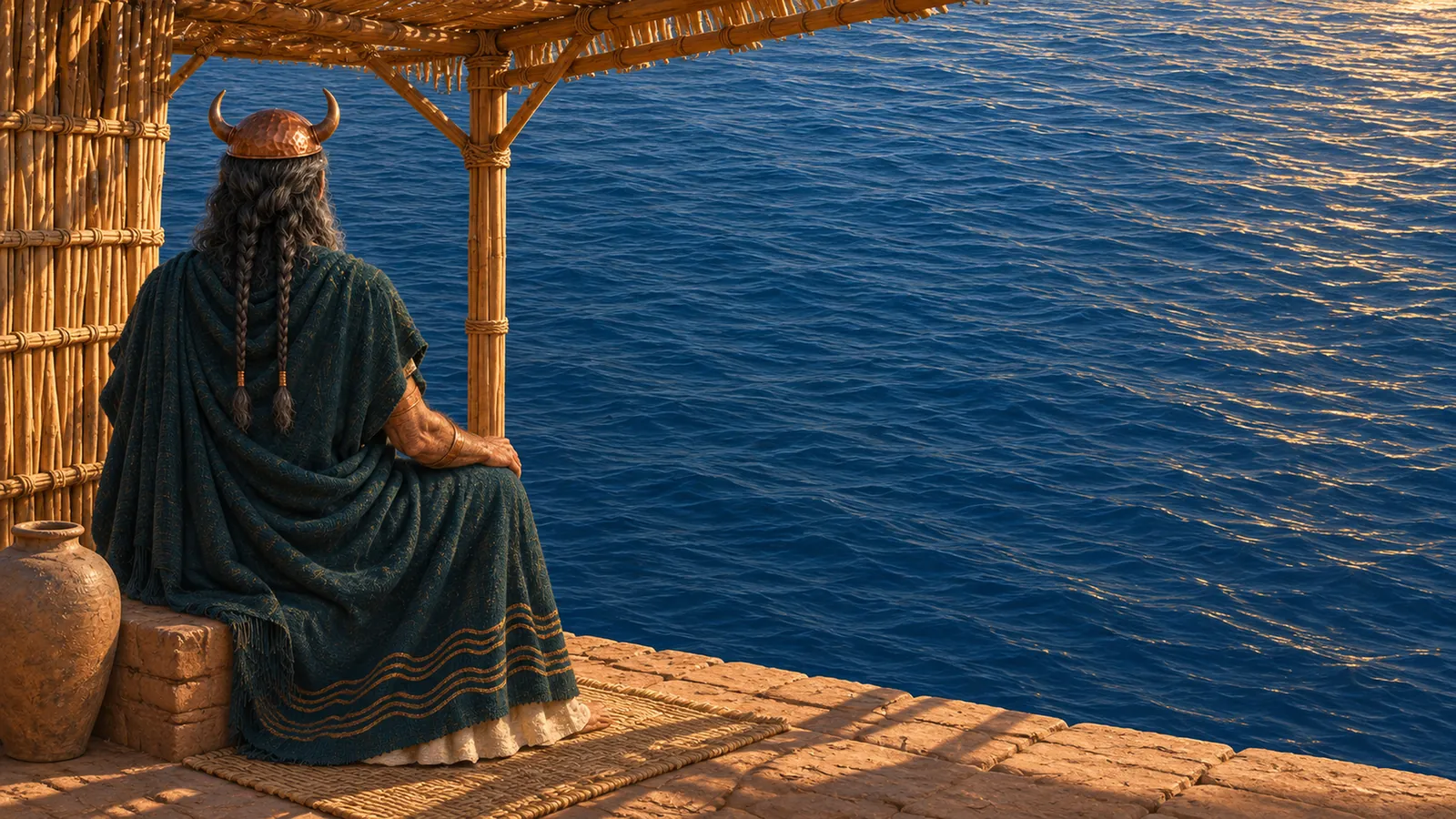
Only scattered words remain here, and then the text breaks again. We cannot hear how this passage led into what follows.
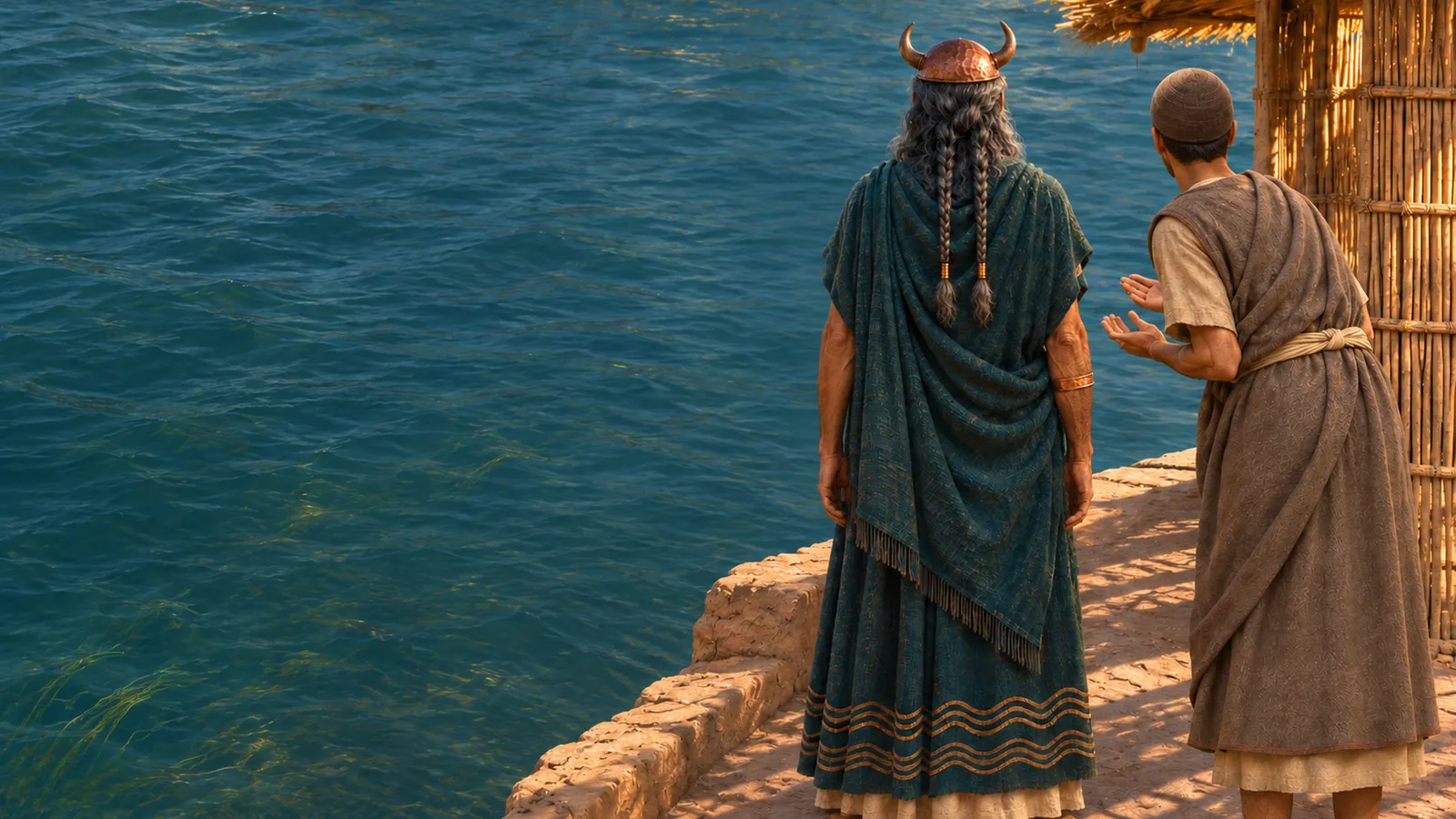
When the words return, Enki asks where the Boat of Heaven has reached. He sends Isimud to a quay whose name survives only in part.
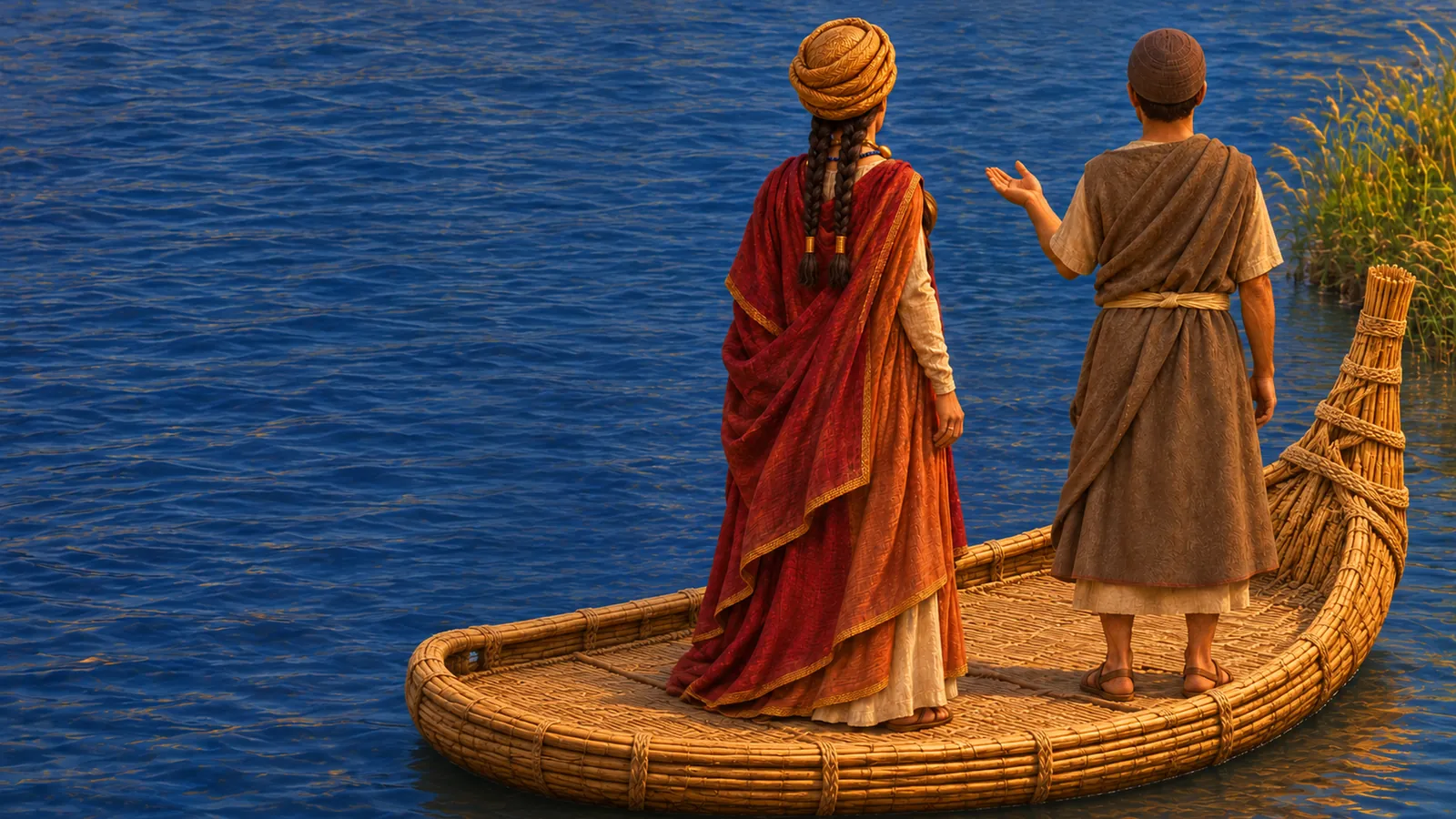
Isimud brought Enki’s order to Inanna. She could continue to Uruk, but the Boat of Heaven was to go back to Eridu.
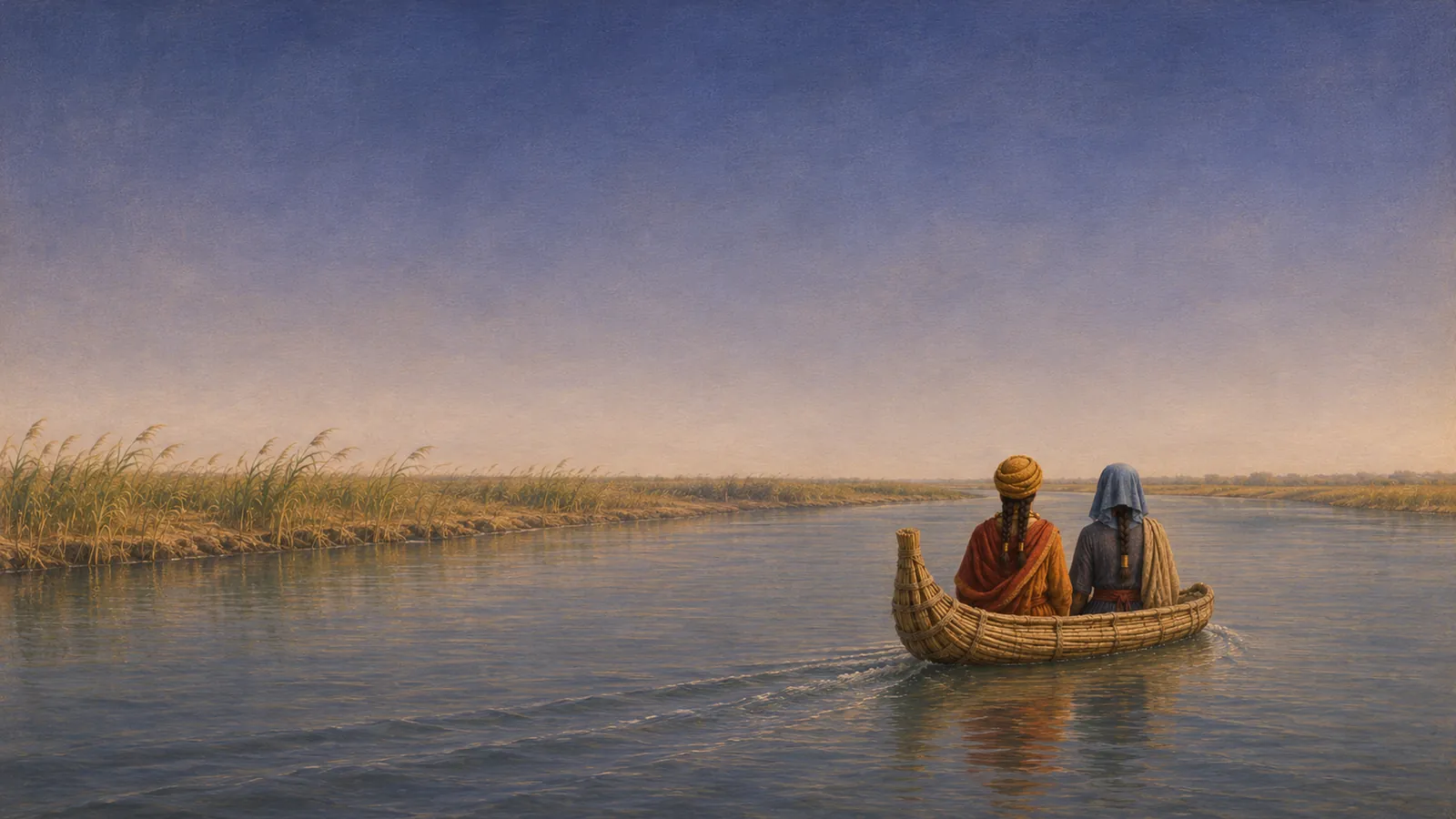
NINSHUBUR
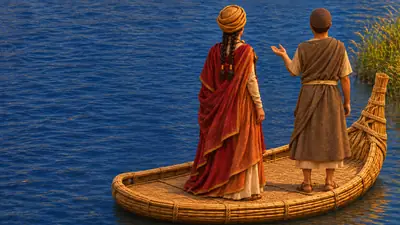
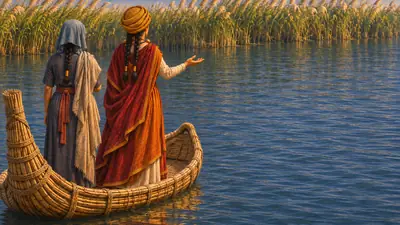
Inanna asked how Enki could change his word. As the enkum seized the boat, she called to Ninshubur. She regained the boat and the powers.
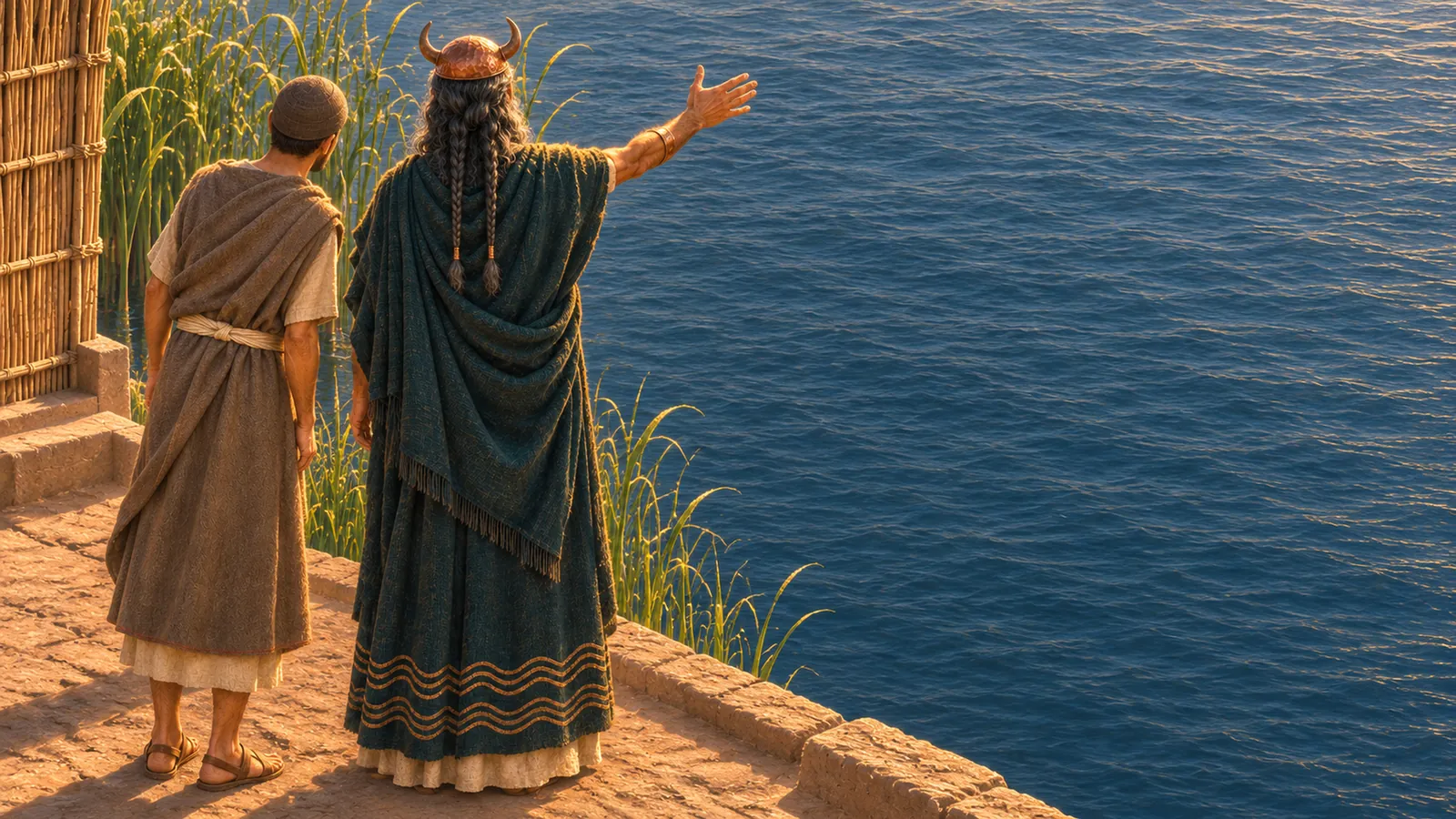
Enki asked after the boat a second time. The place is only partly named, but his order is clear. He sent the fifty giants of Eridu.
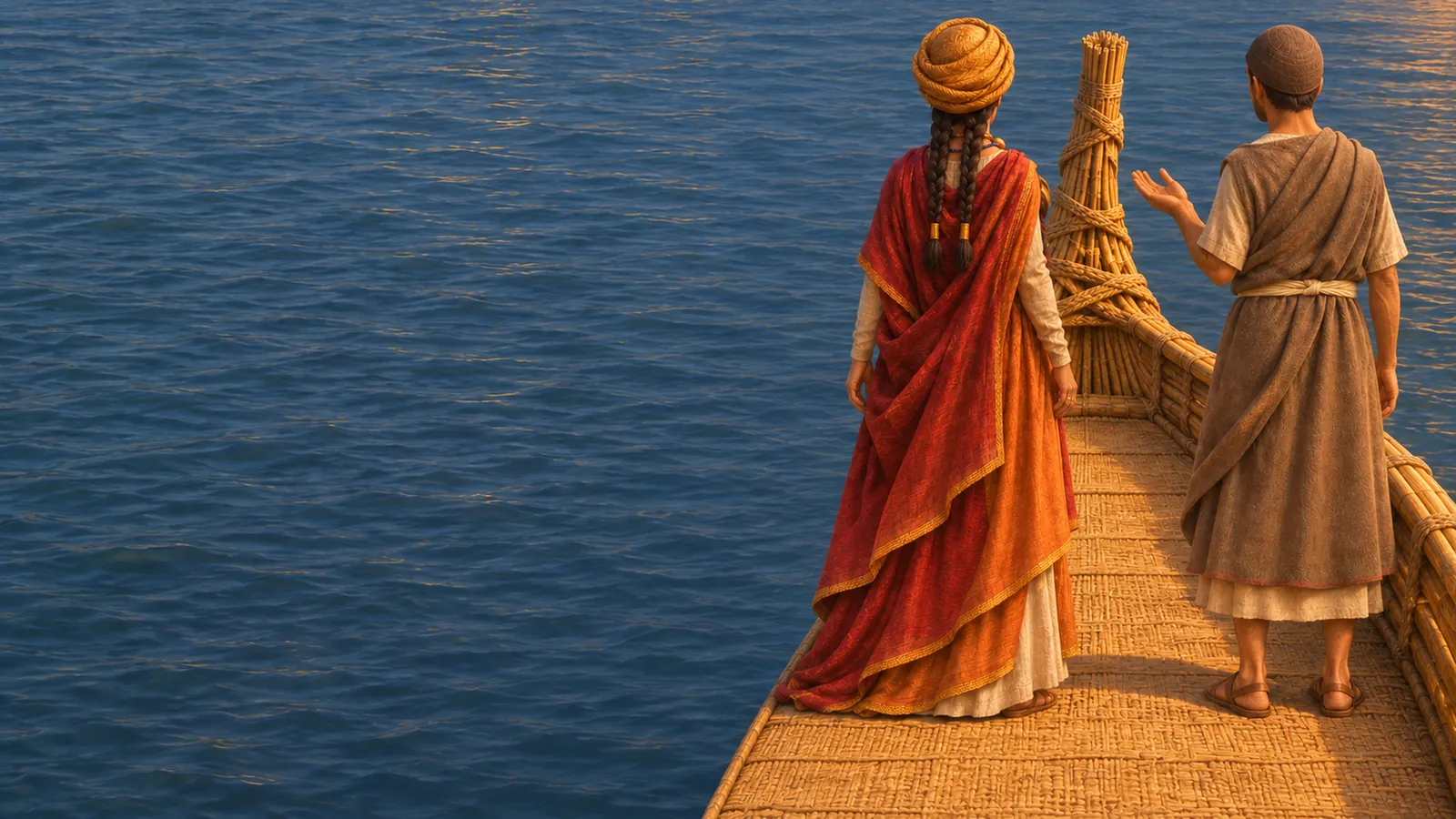
Isimud spoke to Inanna again. Enki would let her go to Uruk. He still wanted the Boat of Heaven brought back to him.
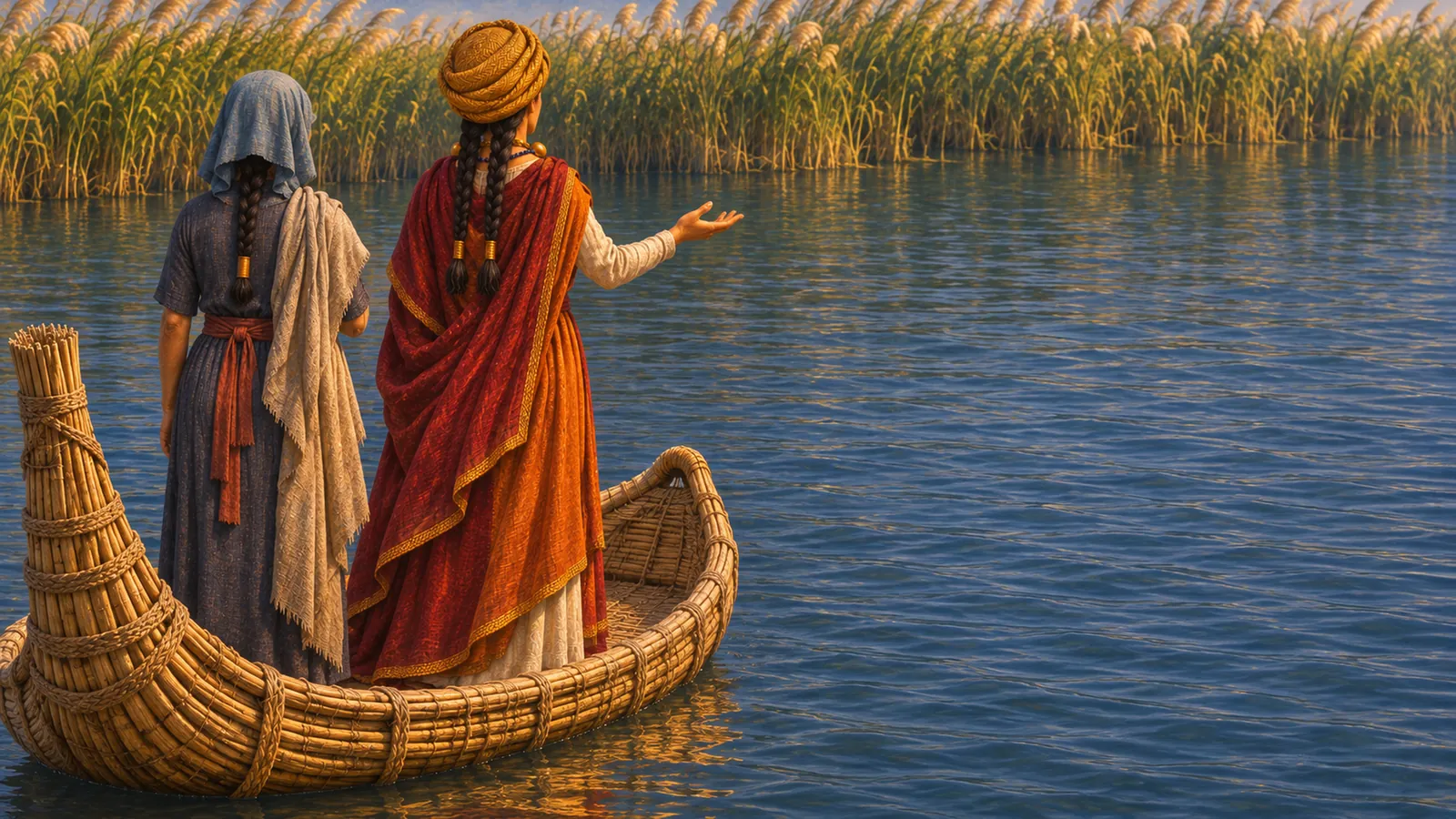
Inanna questioned Enki’s change of word. When the giants seized the boat, she called to Ninshubur. She regained both the boat and what she carried.
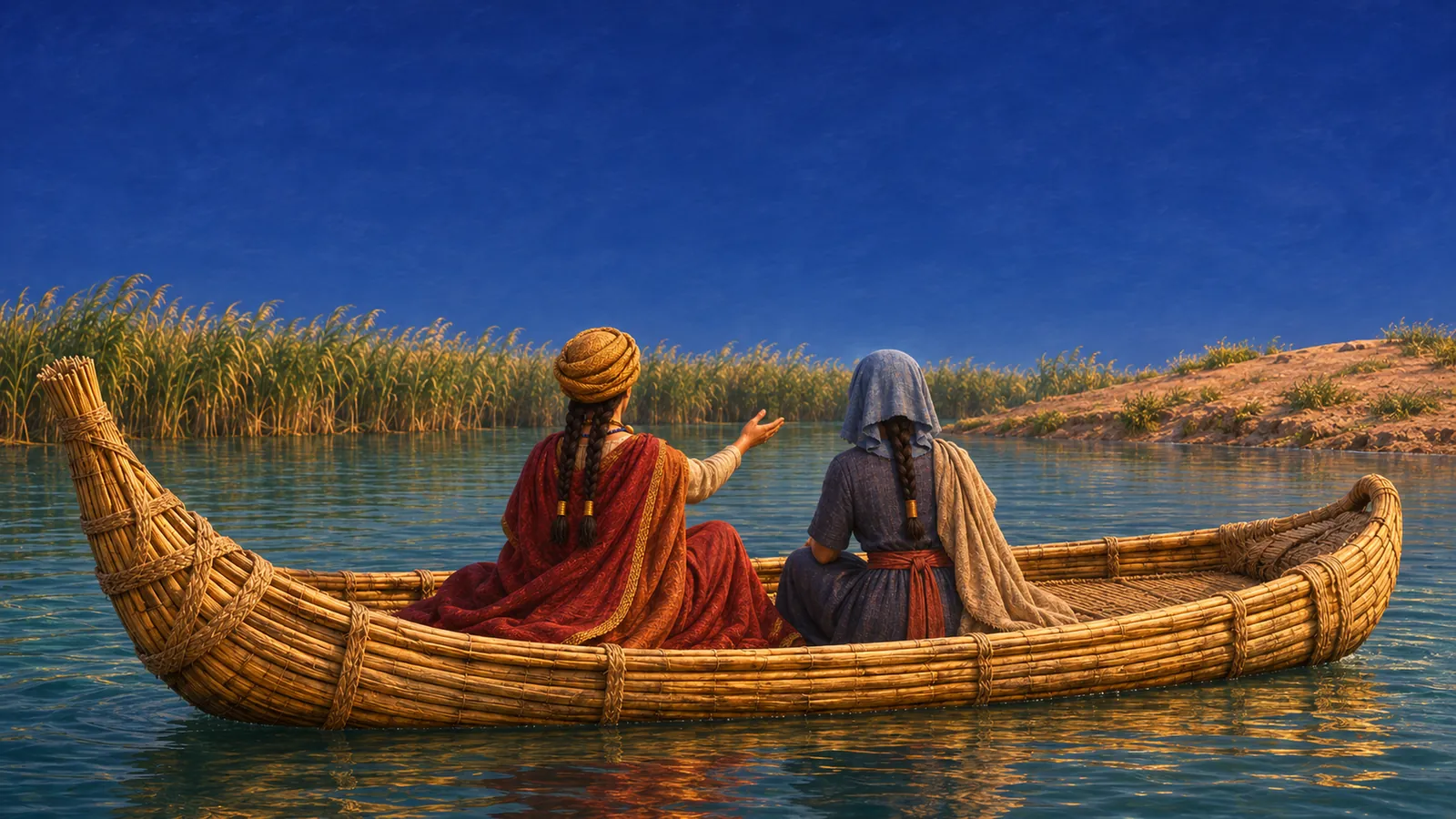
The third report places the Boat of Heaven at the hill named UL.MA. Enki sent the fifty lahama of the waters below.
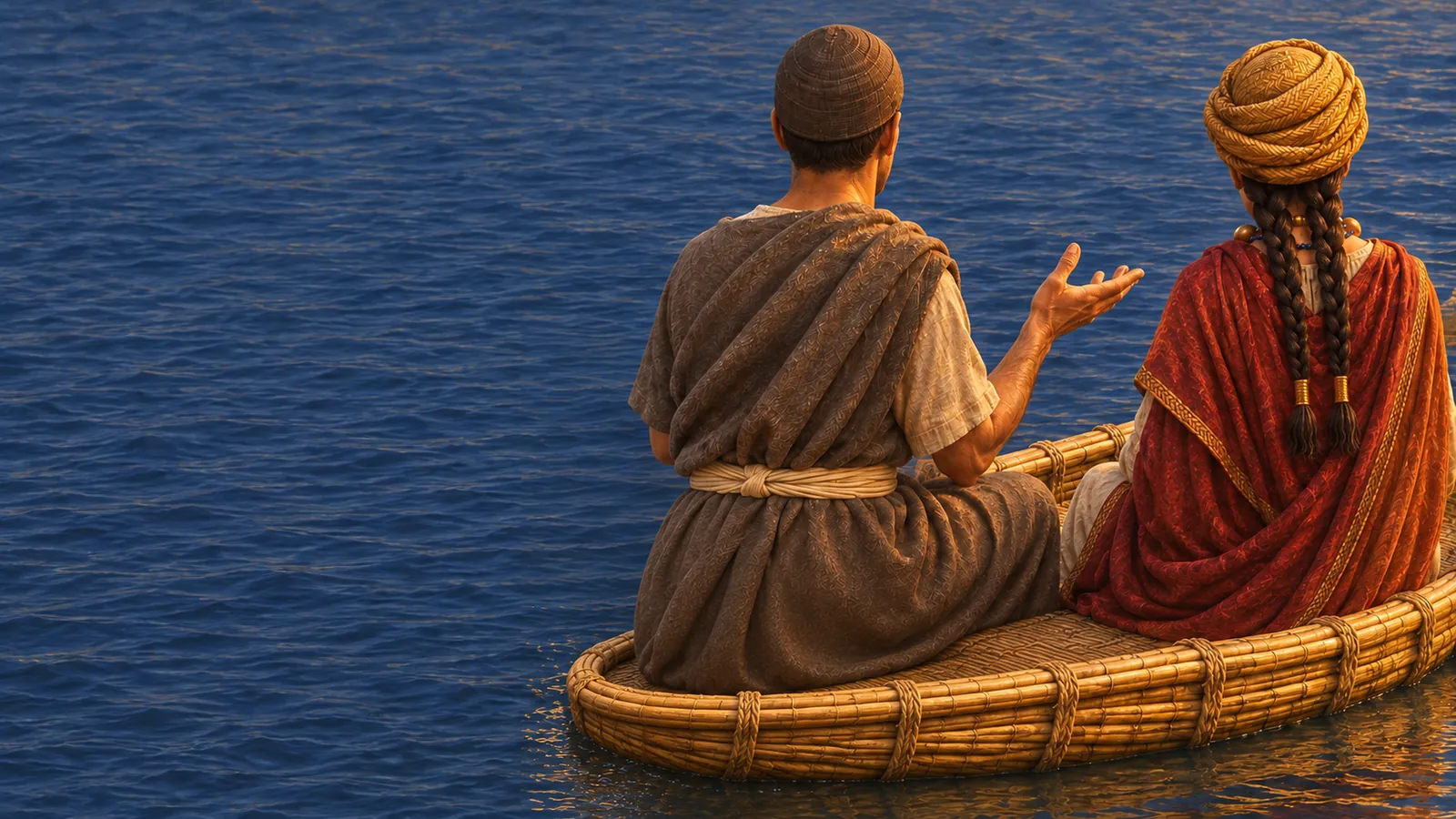
Isimud came to Inanna for the third time. She heard the same demand for the boat to be returned to Eridu.
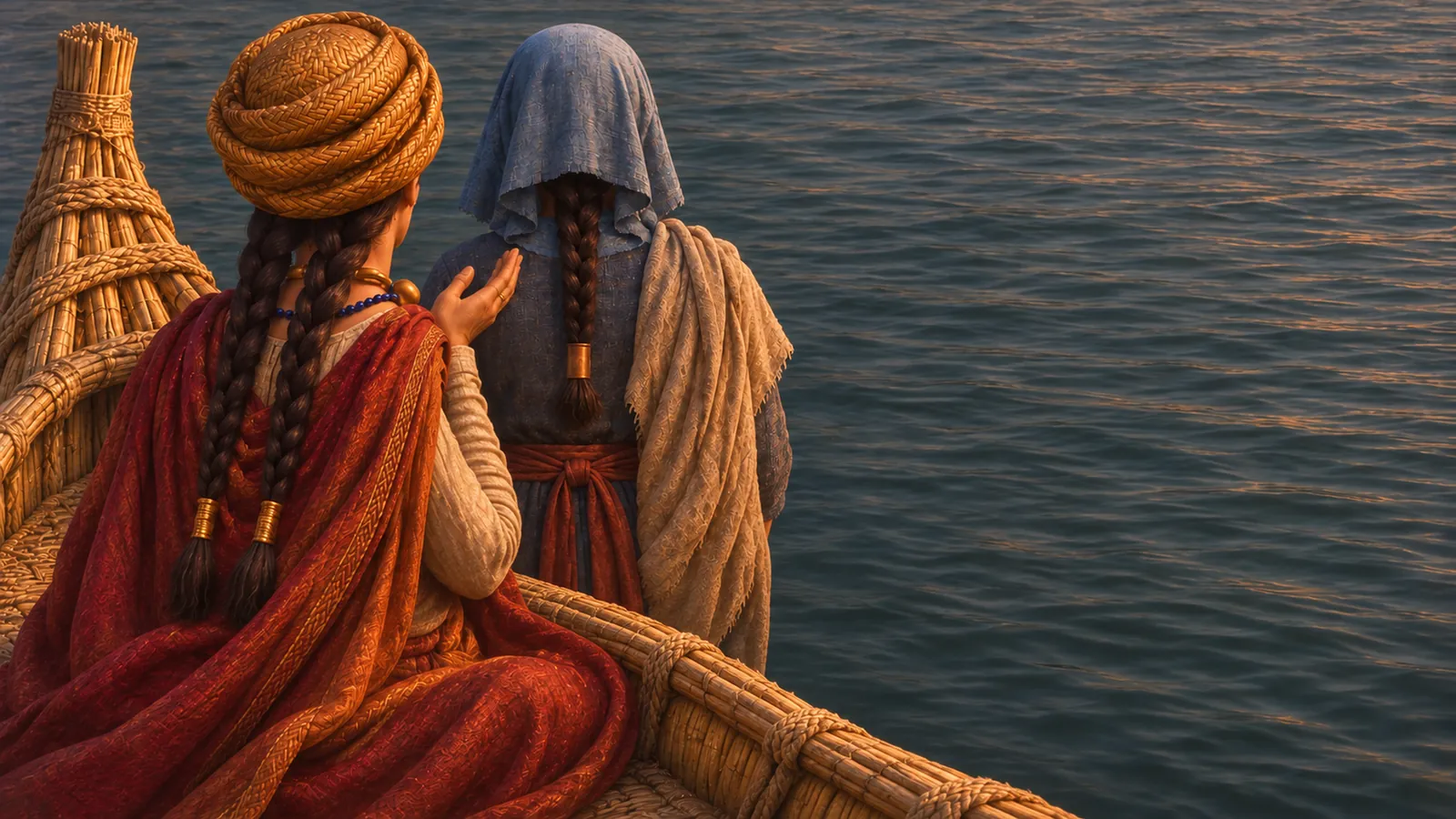
The lahama of the deep waters seized the boat. Inanna called again to Ninshubur, and the boat and powers were recovered.
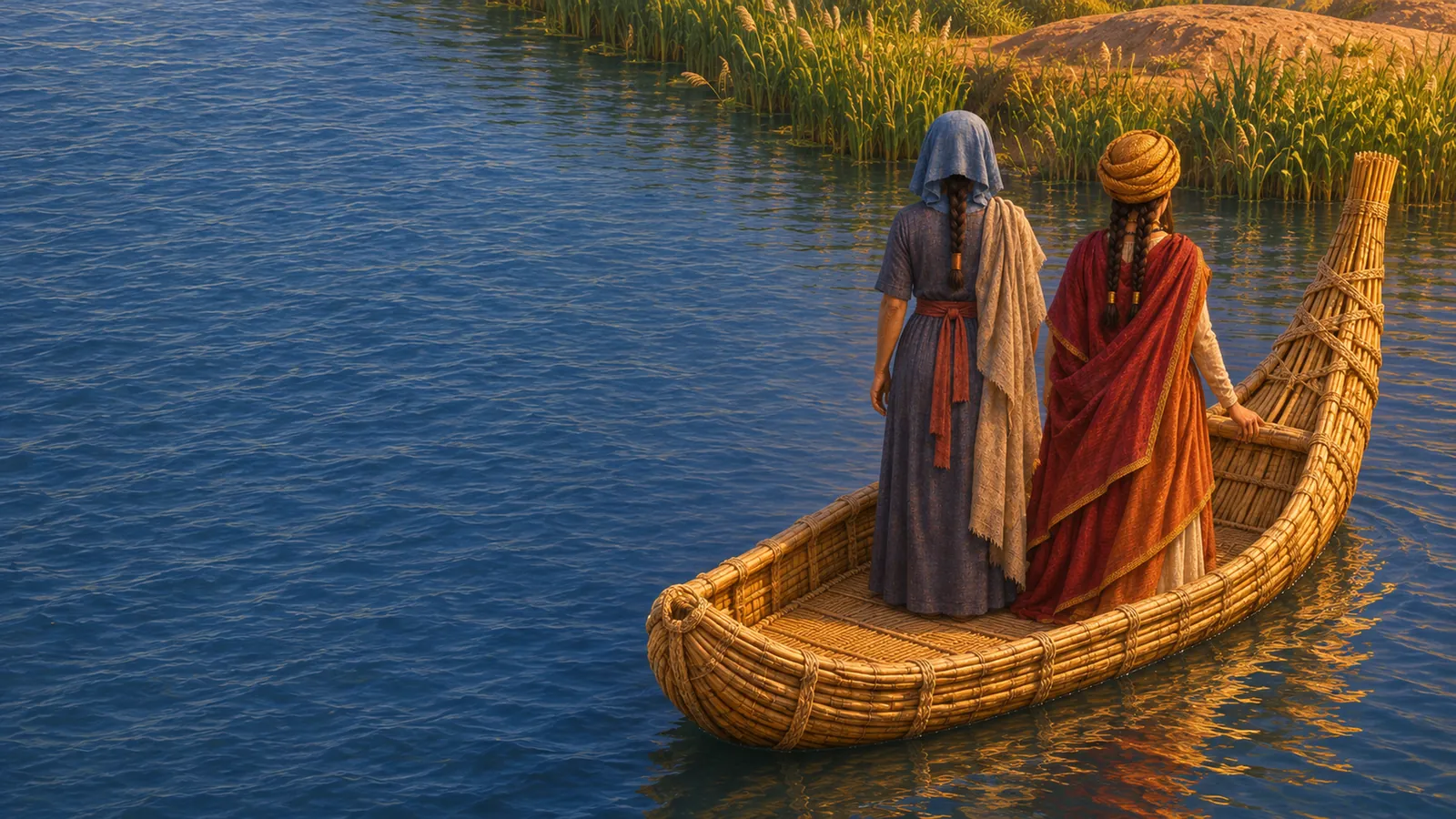
On the fourth report, the boat had reached Field Hill. In the damaged words of the order, Enki calls upon great fish.
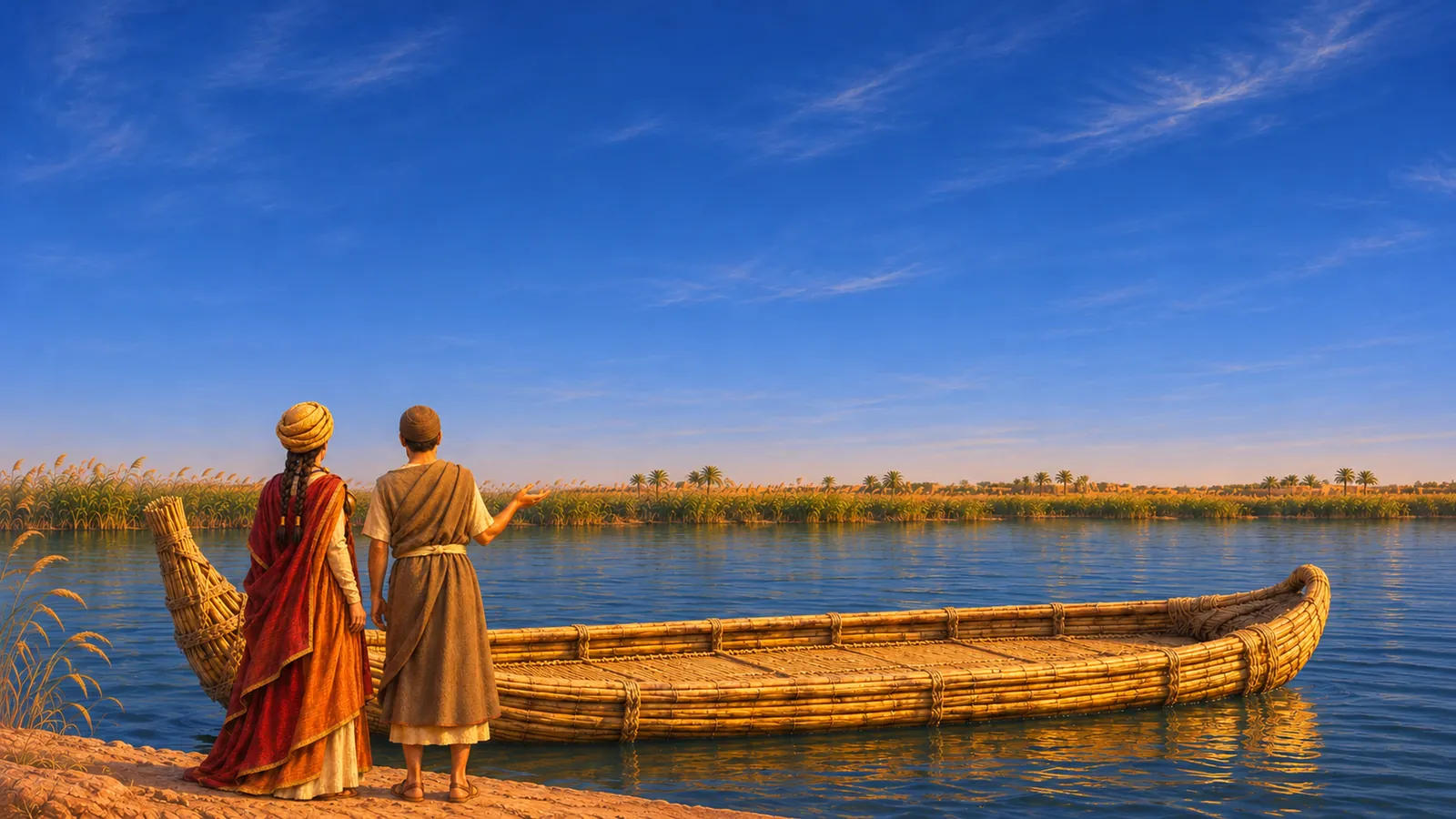
Even here Isimud brought the same order. Inanna could go on to Uruk. The Boat of Heaven was still wanted at Eridu.
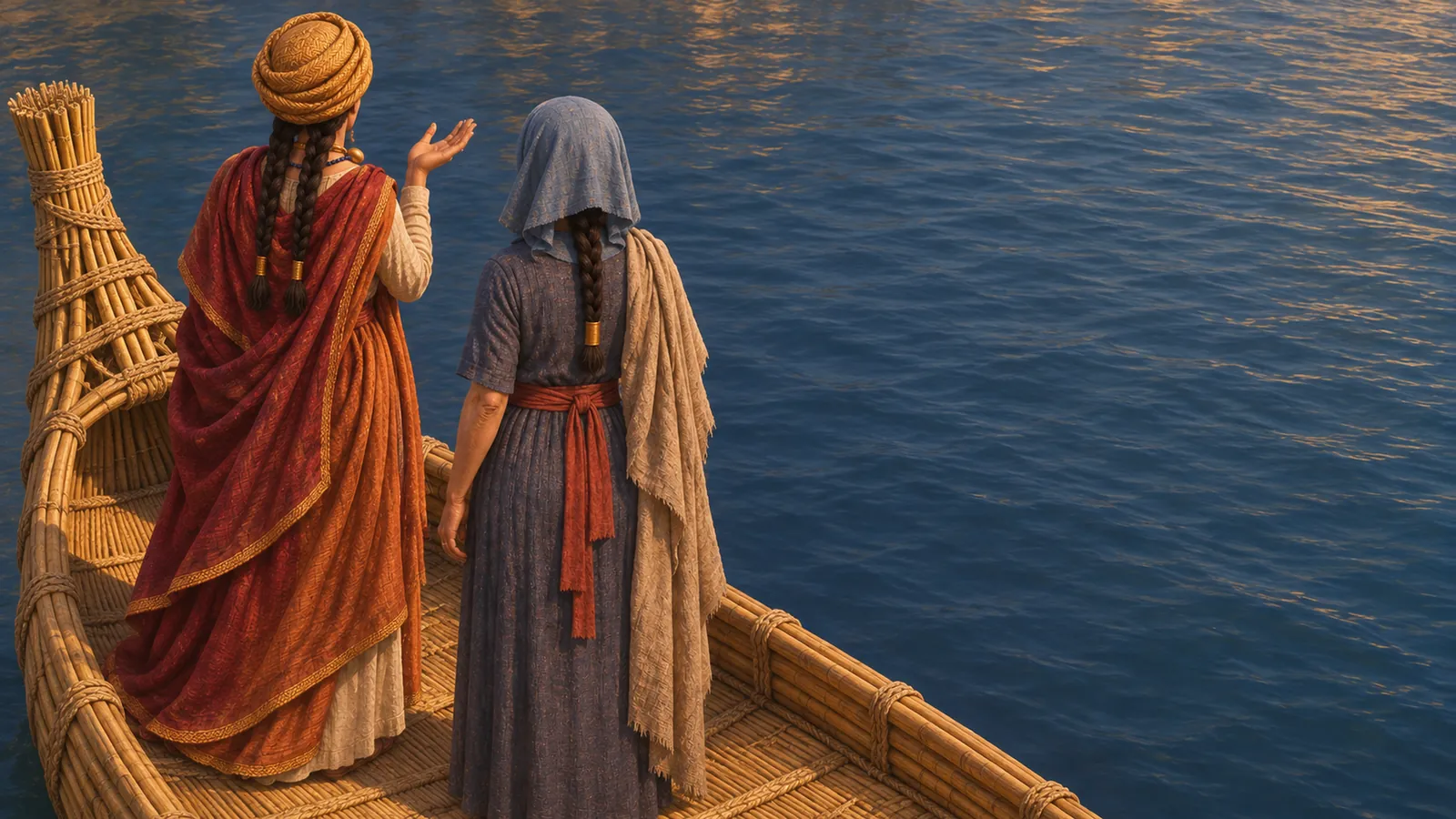
Inanna questioned the altered oath. When the great fish took hold of the boat, she called to Ninshubur and regained boat and powers.
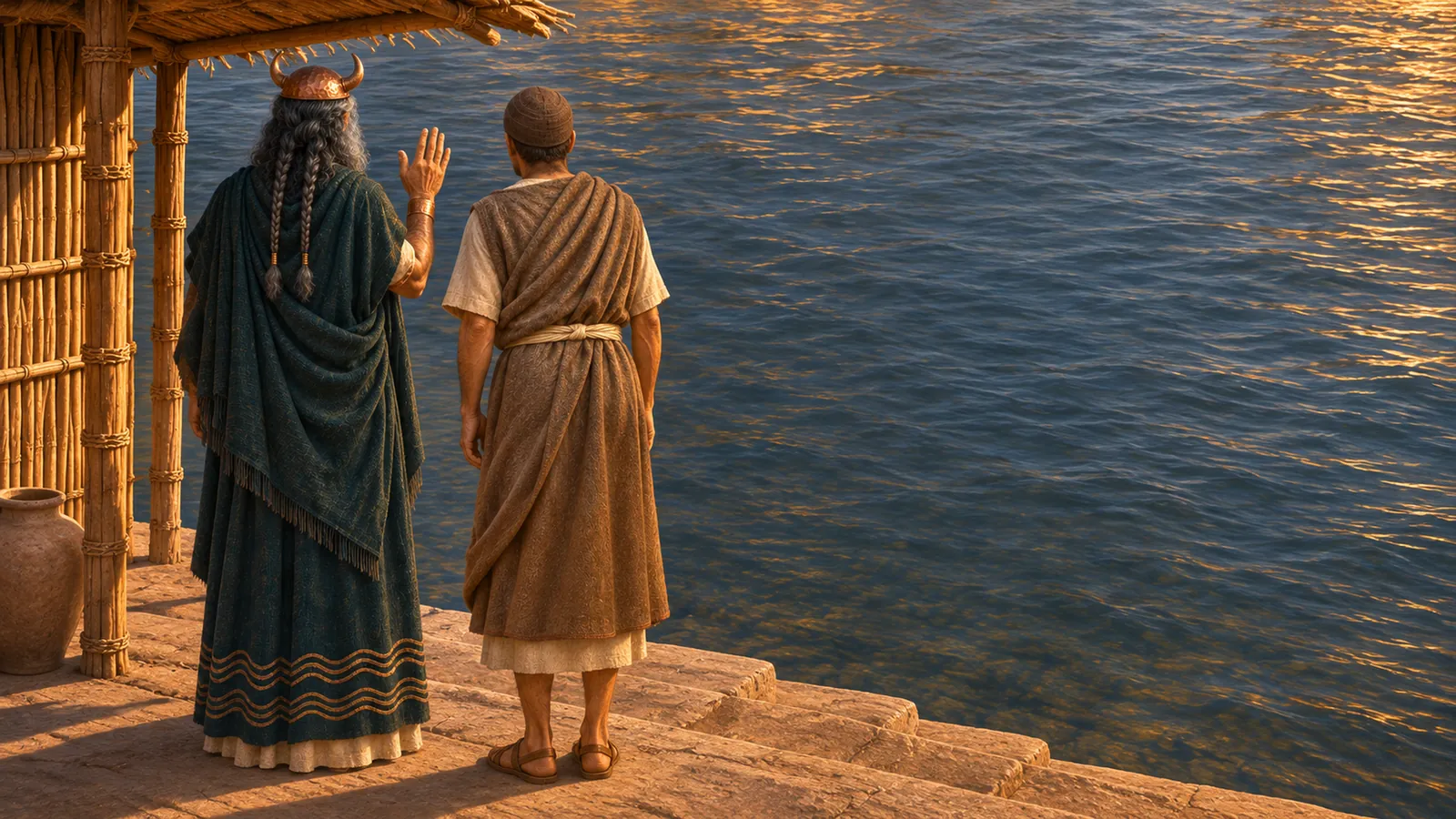
A fifth report comes, but the place name is broken. The order now calls on the guardians of Uruk to seize the boat.

Isimud repeated Enki’s words between Eridu and Uruk. The minister still asked for the Boat of Heaven to be taken back to its starting place.
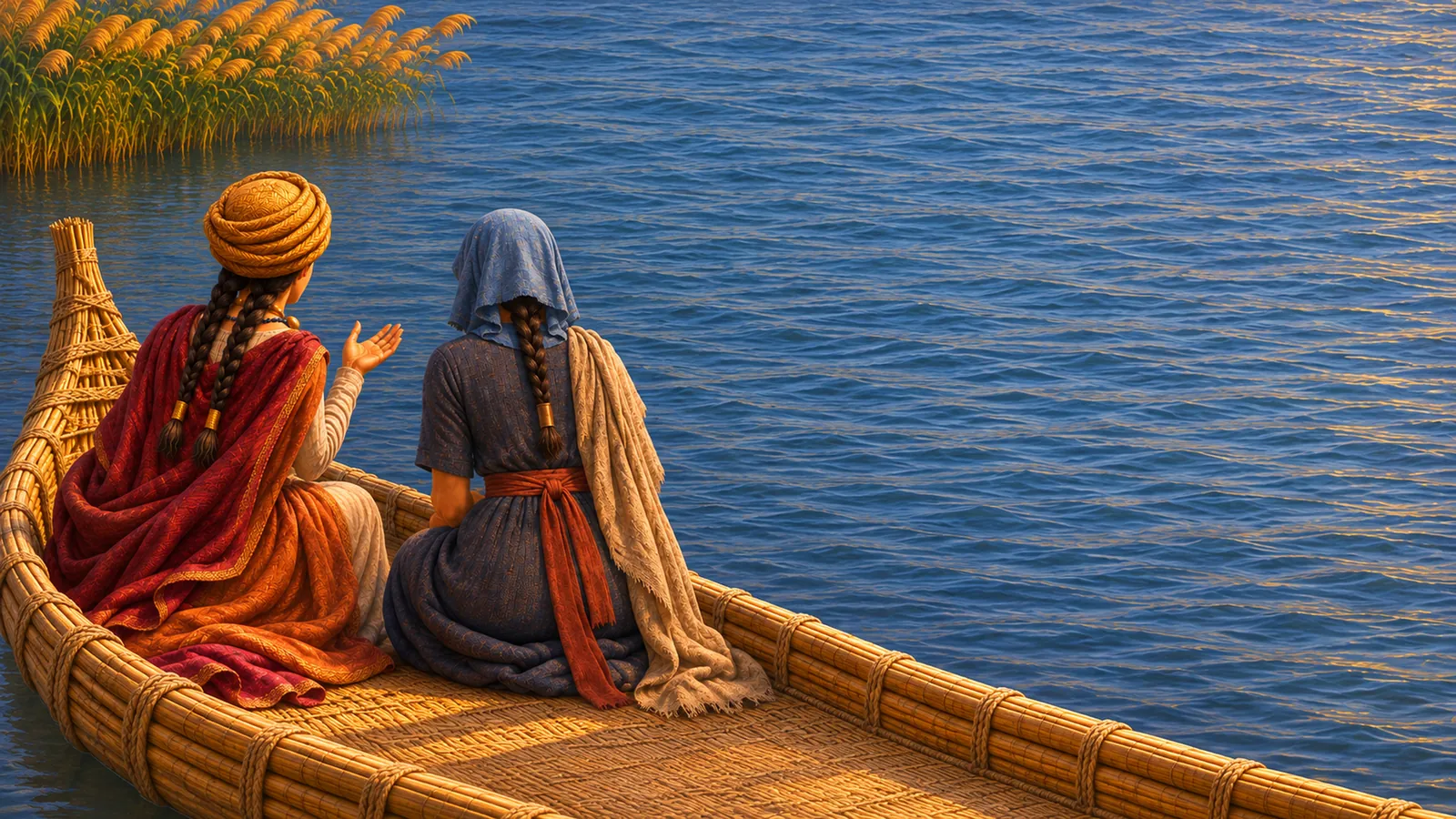
The guardians of Uruk took hold of the boat. Once more Inanna called to Ninshubur. The boat and powers were hers again.
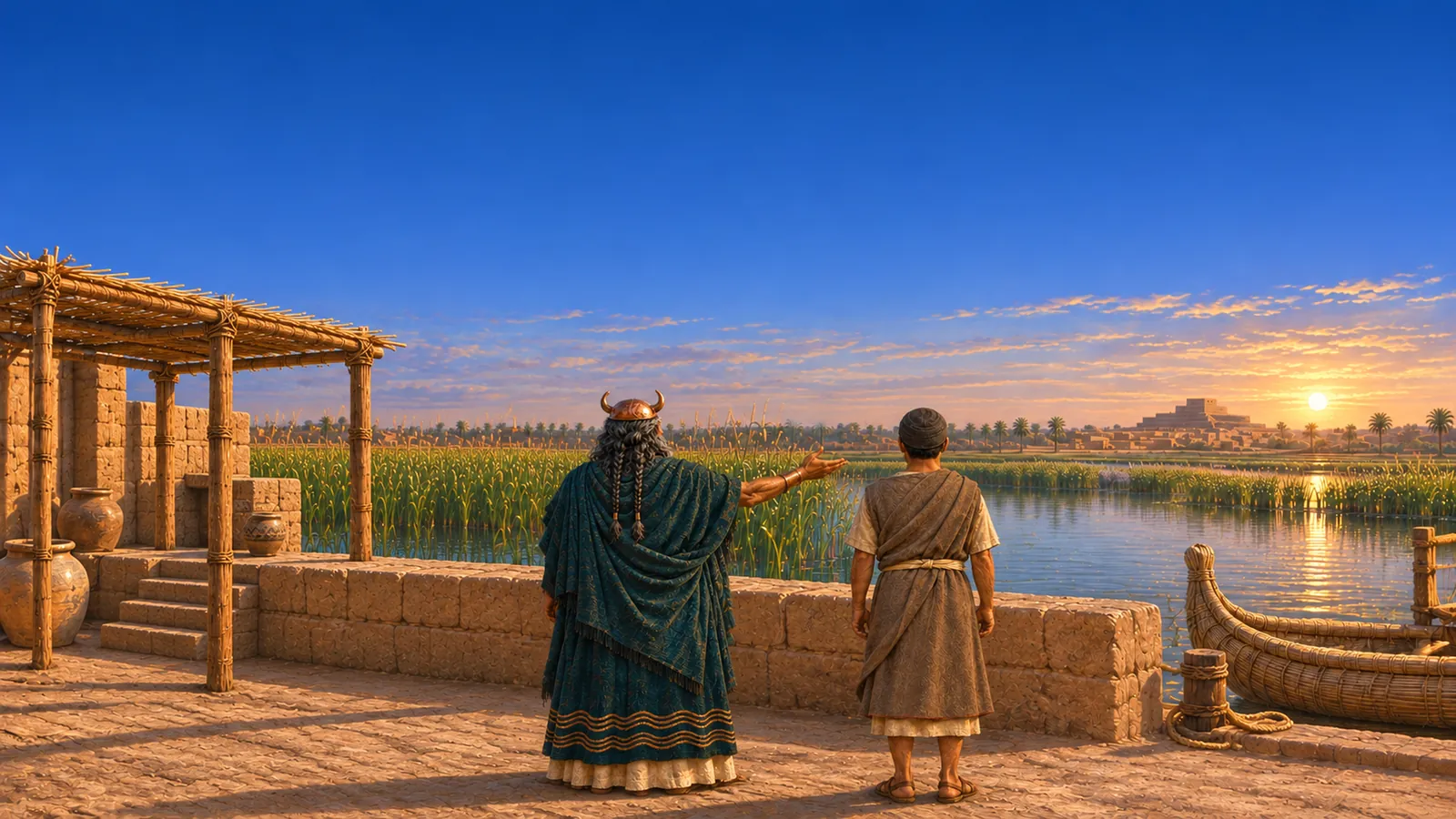
On the sixth report Isimud gives the name Id-surungal. The following command survives in pieces. The identities of those Enki sends are unclear.
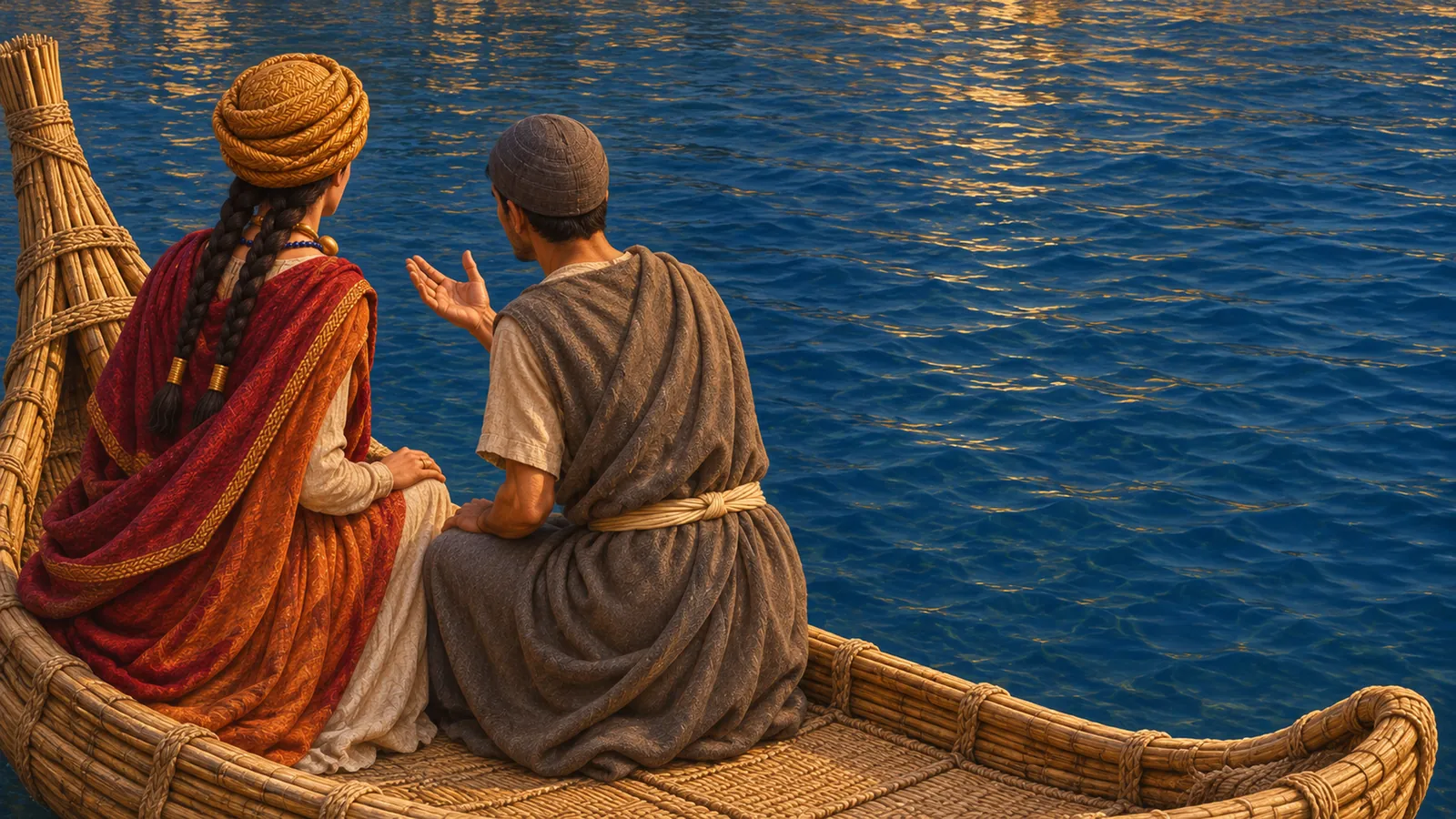
Once more Isimud spoke to Inanna. She might travel to Uruk, he said. Enki’s order for the boat was still to bring it back to Eridu.
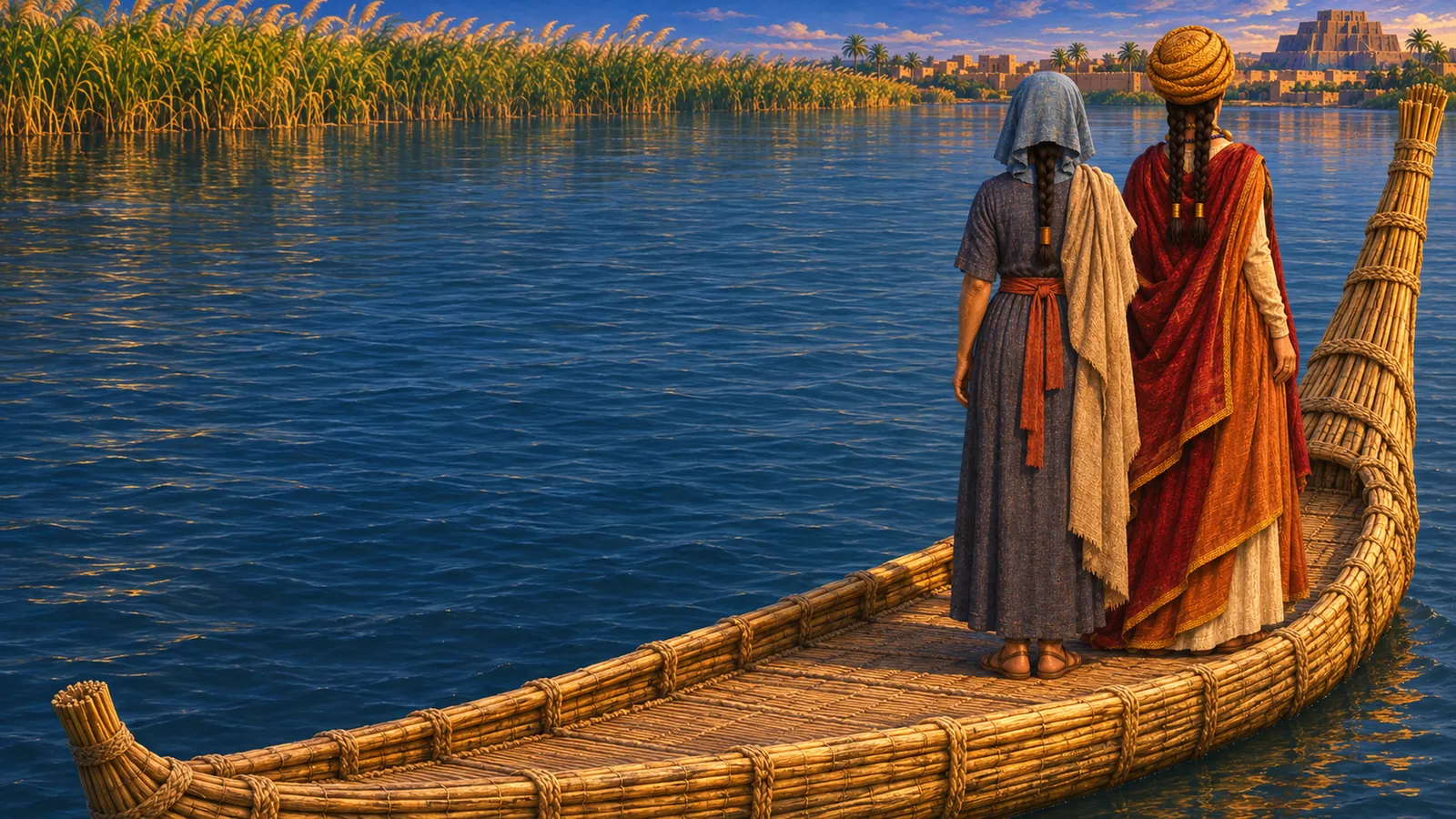
In the editor’s restoration, Inanna again questions the changed word and calls to Ninshubur. She regains the boat and the powers.
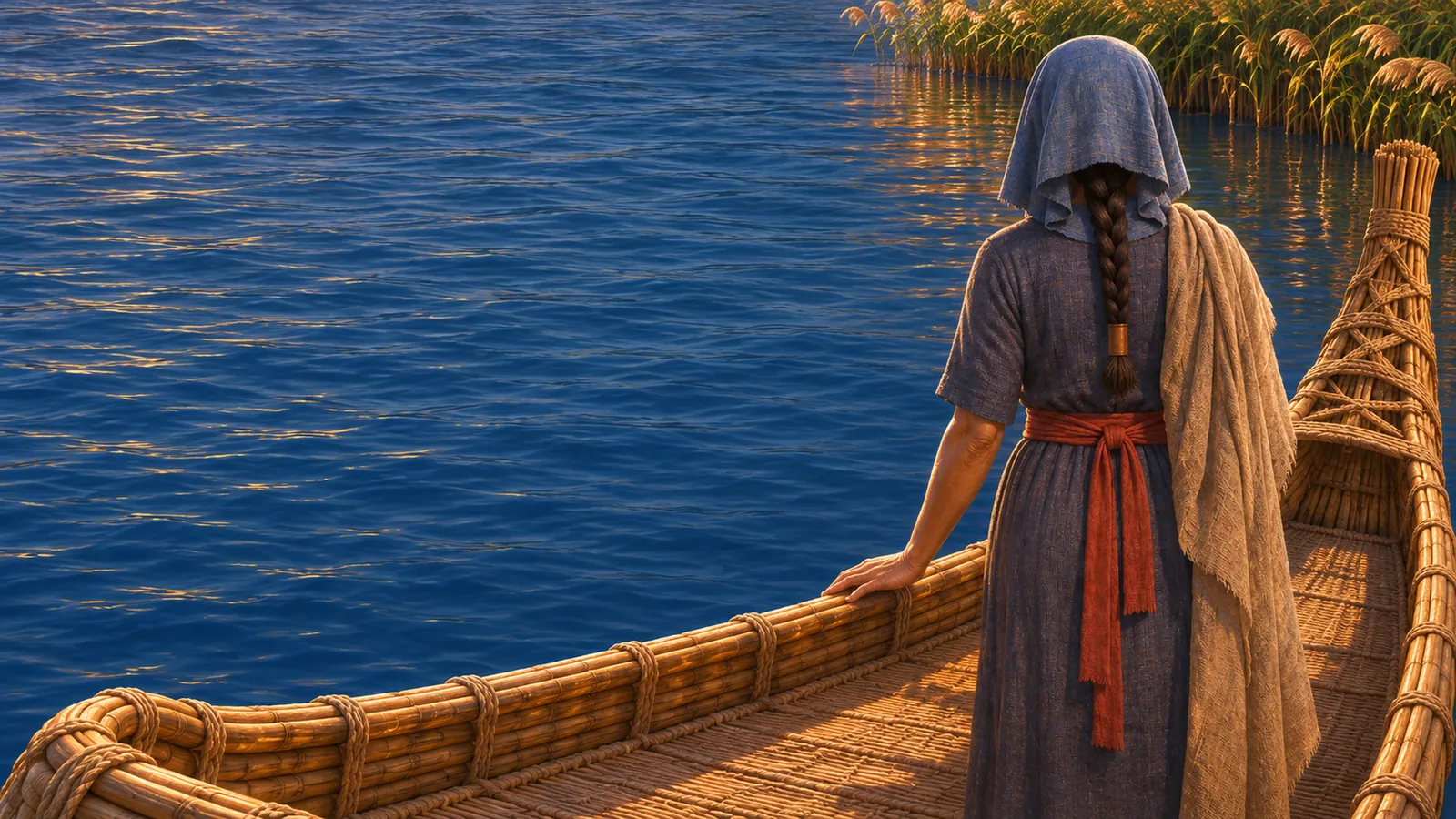
Broken lines name Ninshubur and the Boat of Heaven and speak of a seventh time. The details of what happened are lost.
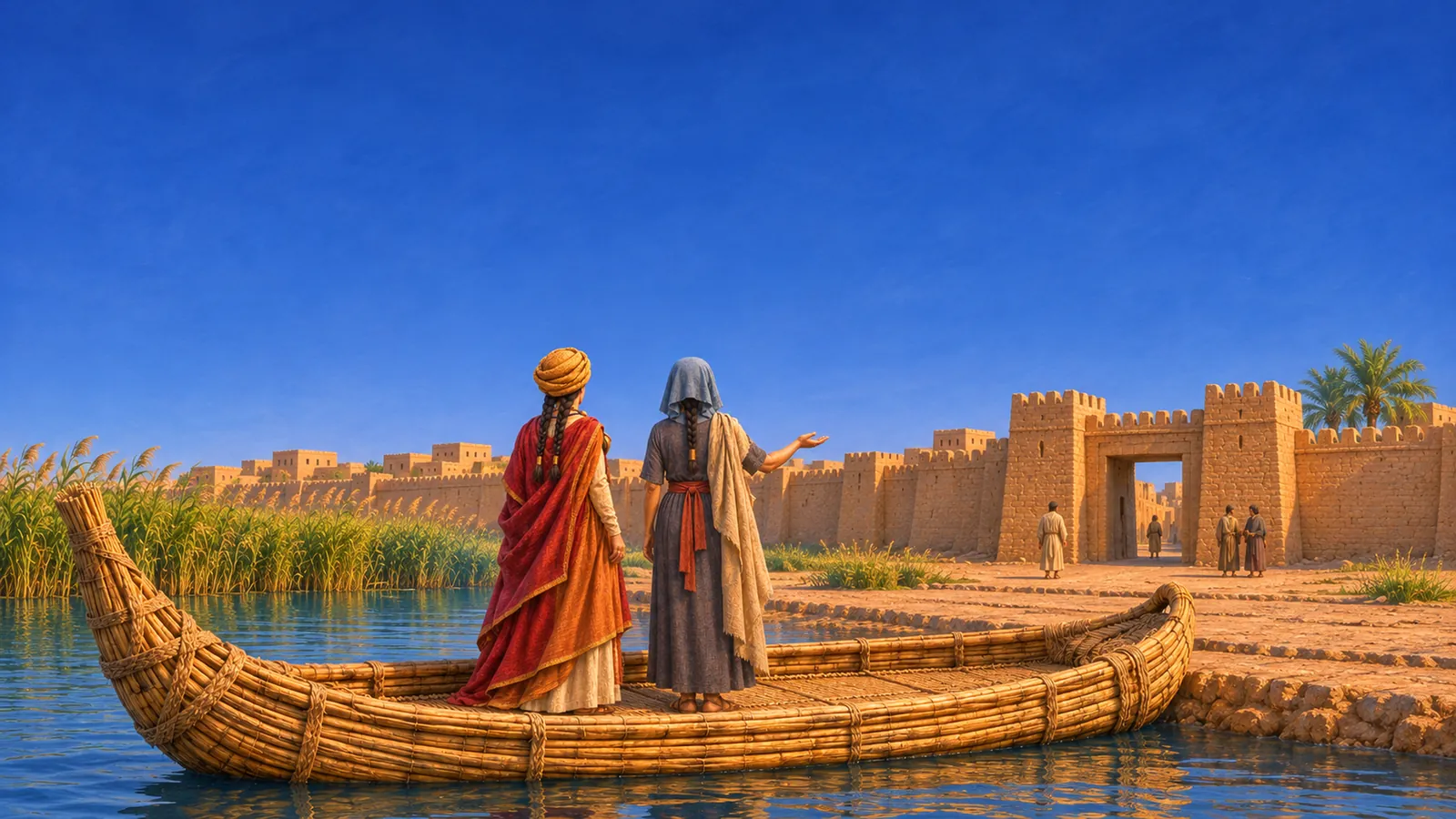
GATE OF JOY
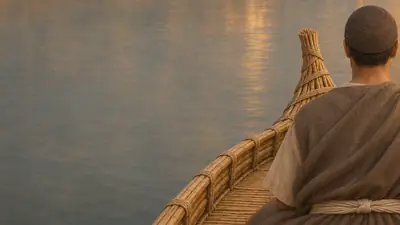
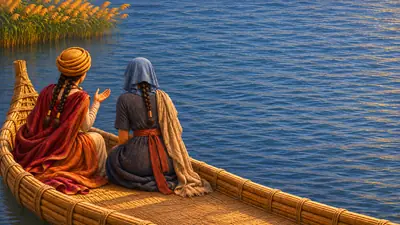
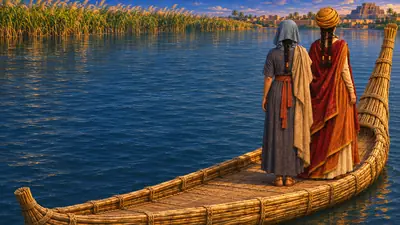
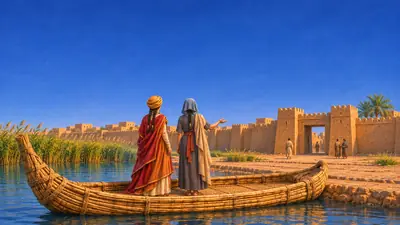
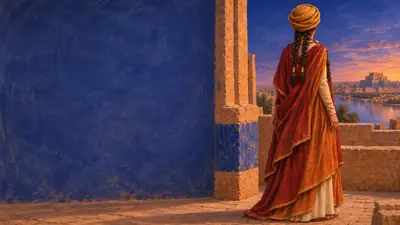
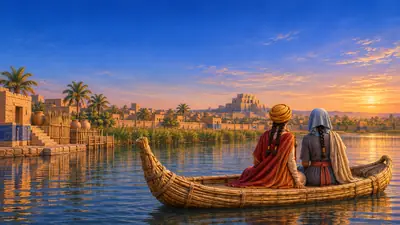
Ninshubur told Inanna that she had brought the Boat of Heaven to the Gate of Joy at Uruk Kulaba. She said the city would rejoice.
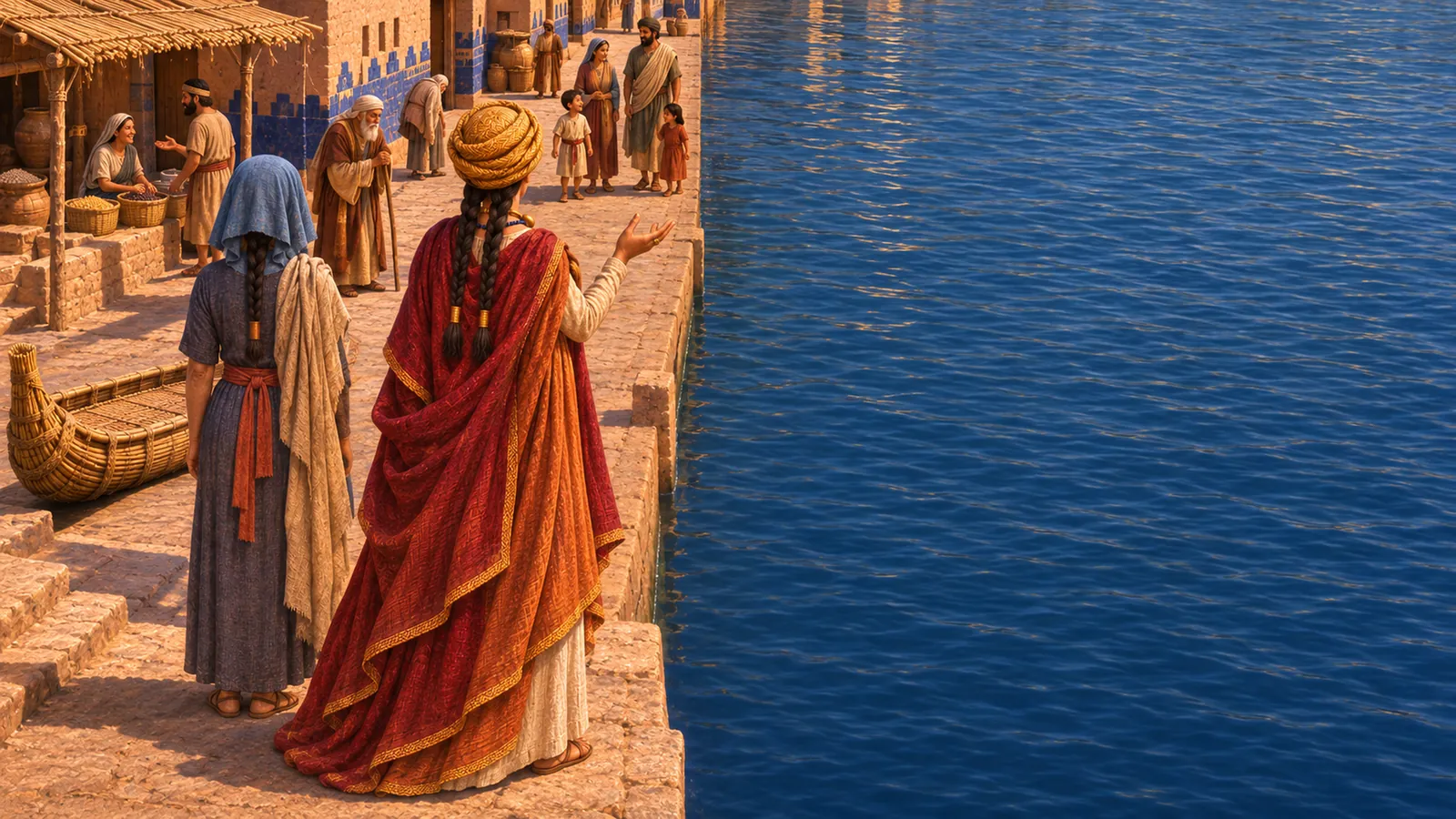
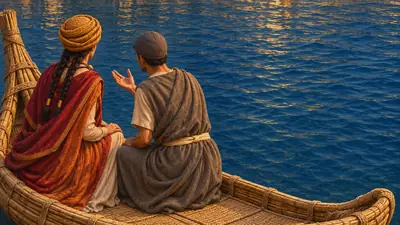
Inanna said the boat would pass through the street. In broken lines she spoke of the elders, the young people, and the joy of children.
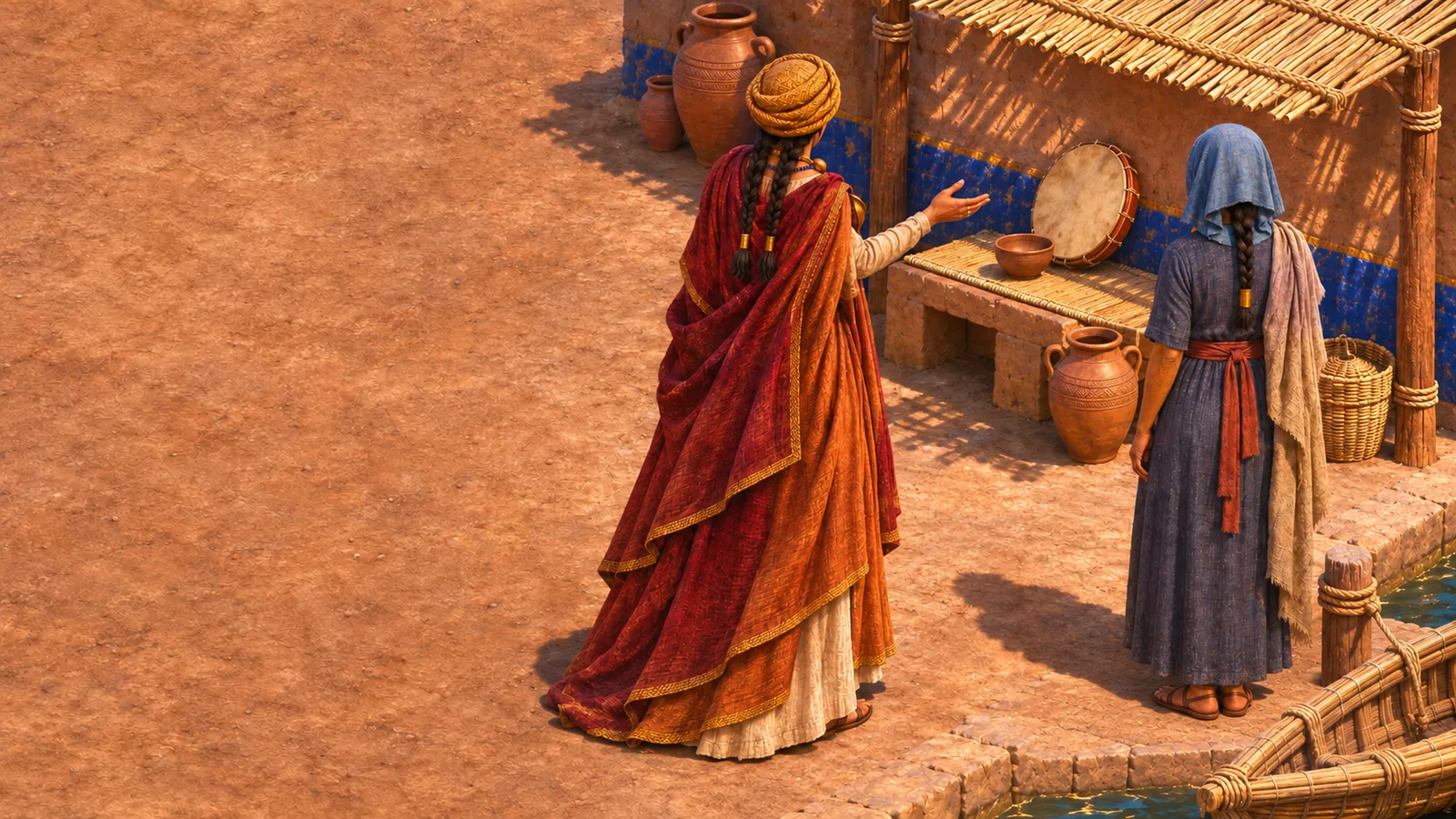
Inanna spoke of a festival for the Boat of Heaven. There would be prayers, beer poured from a bowl, and the sound of drums and instruments.
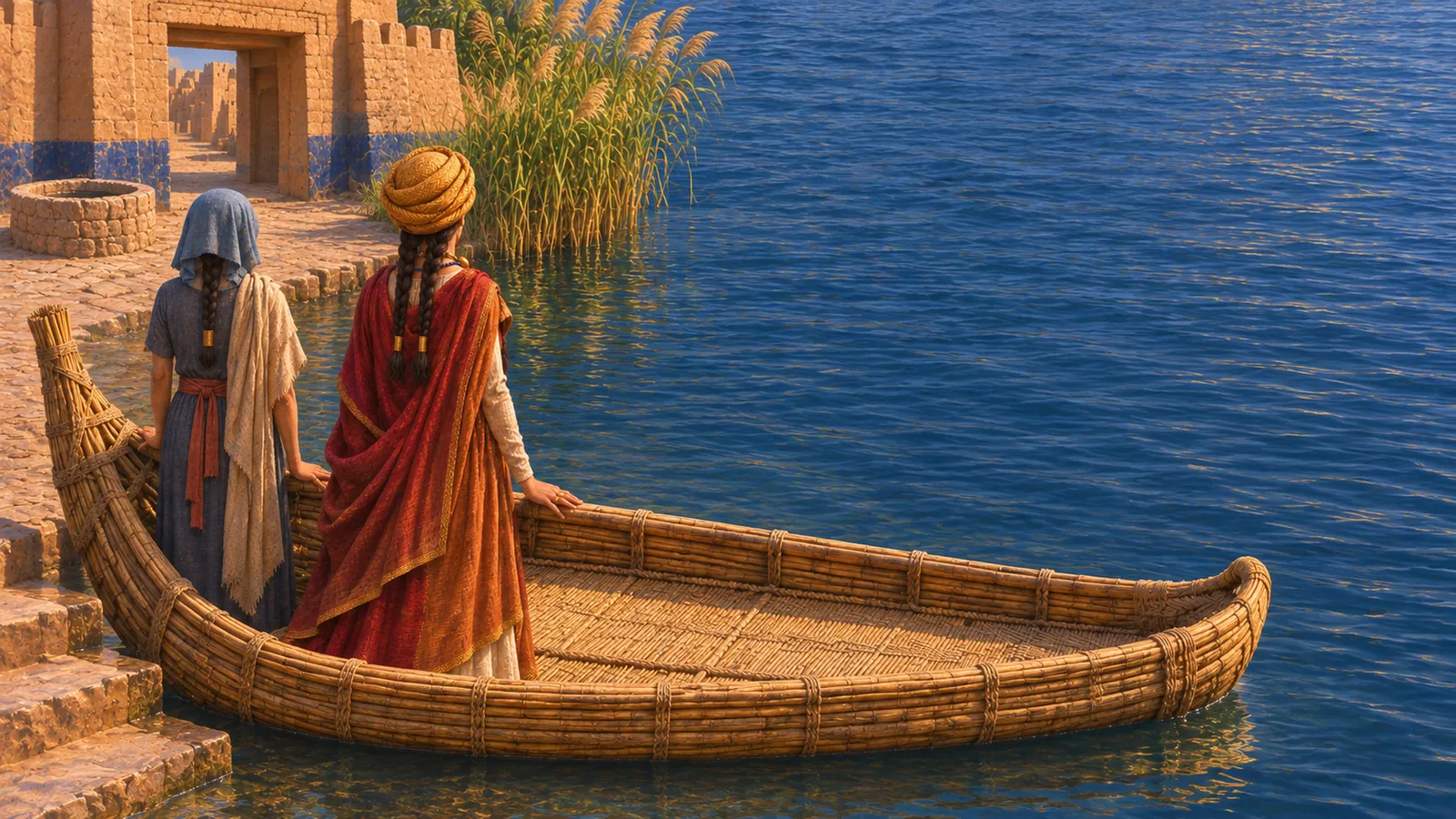
The poem tells how the boat passed along the street. It names a purified well and the Jipar Gate, though the actions there are partly lost.
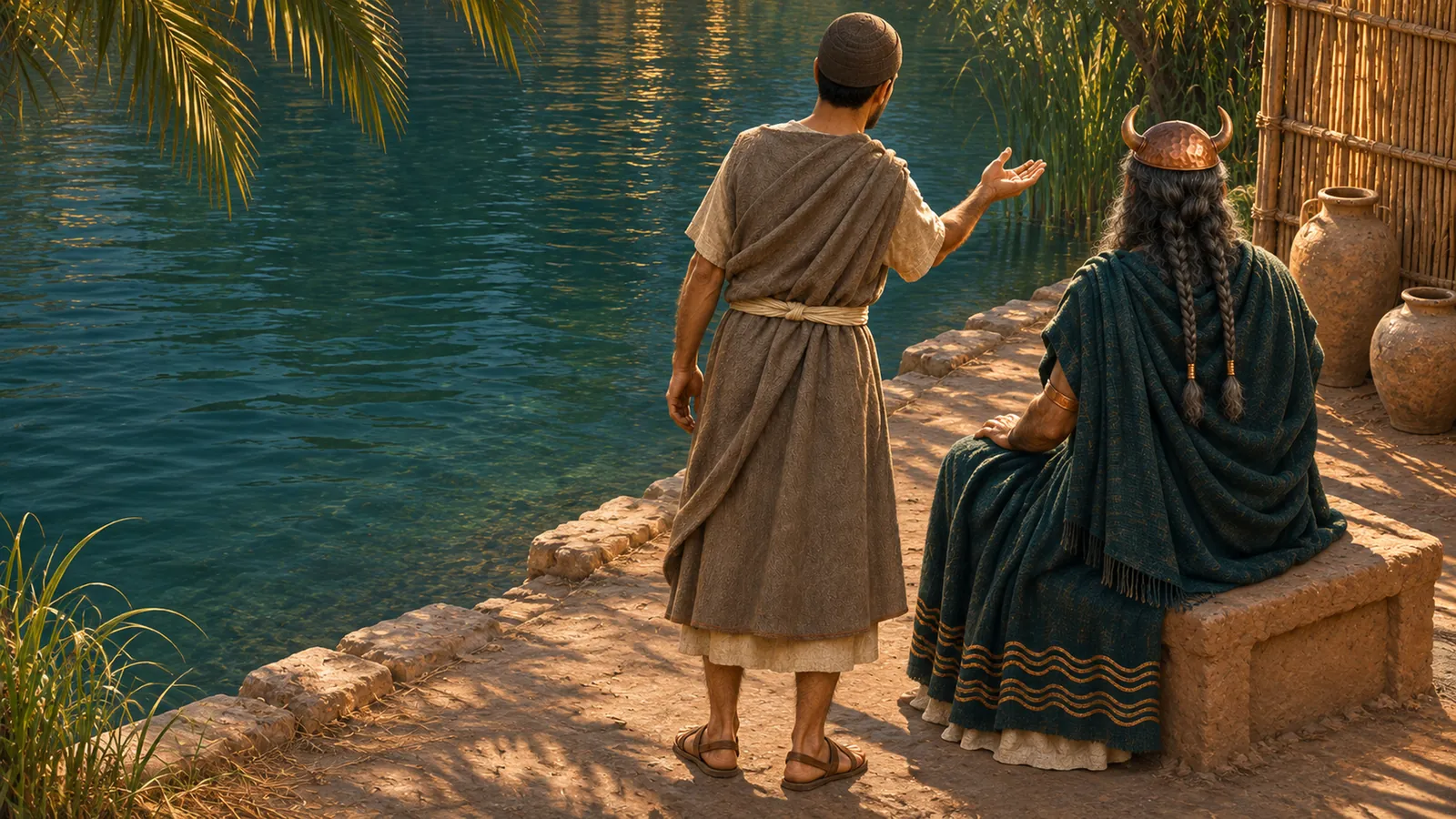
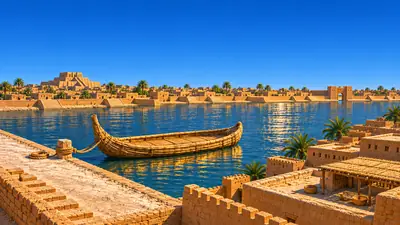
Isimud told Enki that the boat had reached the White Quay. The next instruction survives in pieces, with a few words about admiration.
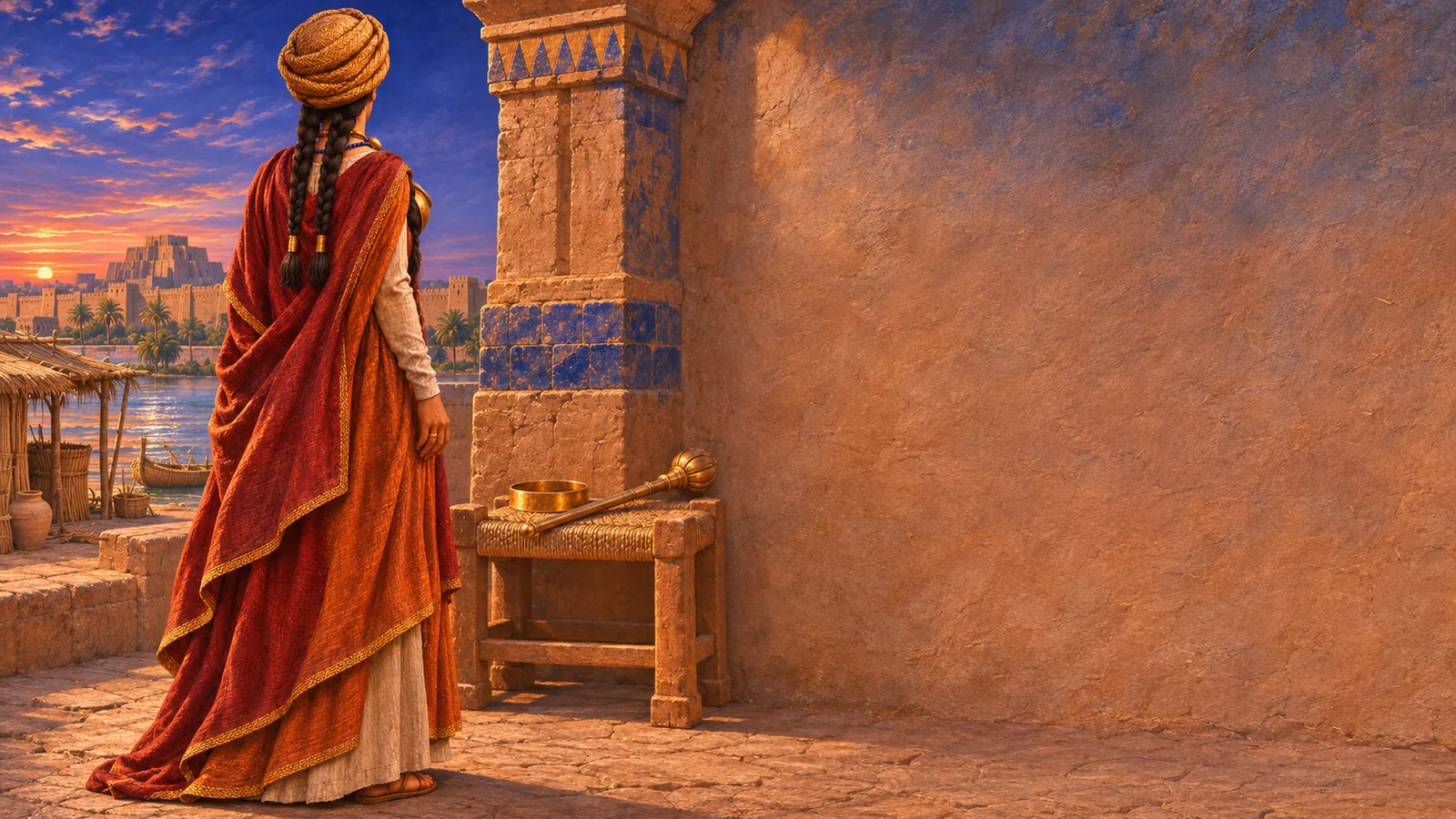
A voice now names what Inanna brought. Among those powers were sacred offices, a crown and throne, the sceptre, and kingship itself.
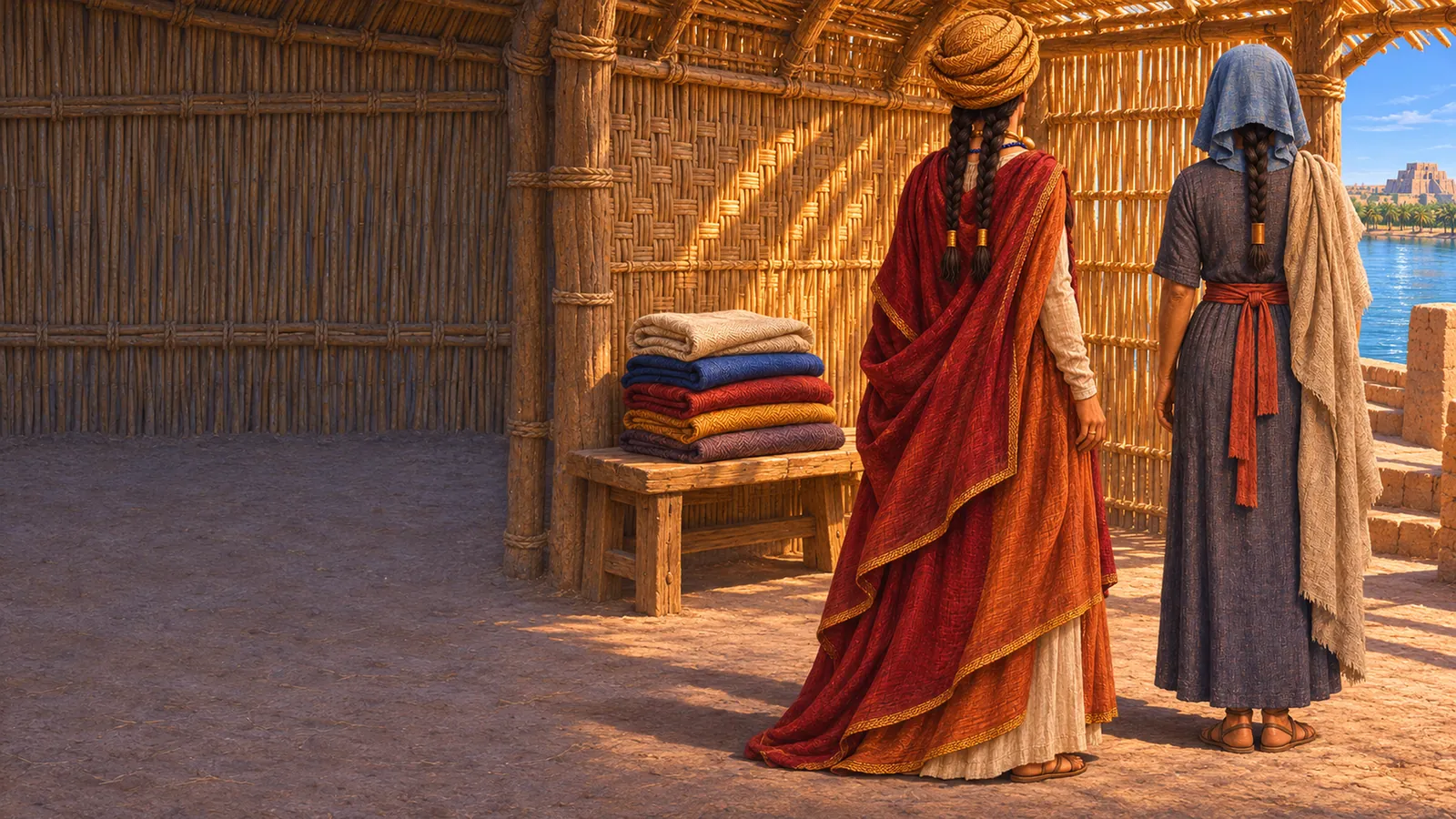
The list goes on. There are powers of going down to the underworld and coming up again, sacred roles, and garments. Other entries remain broken.
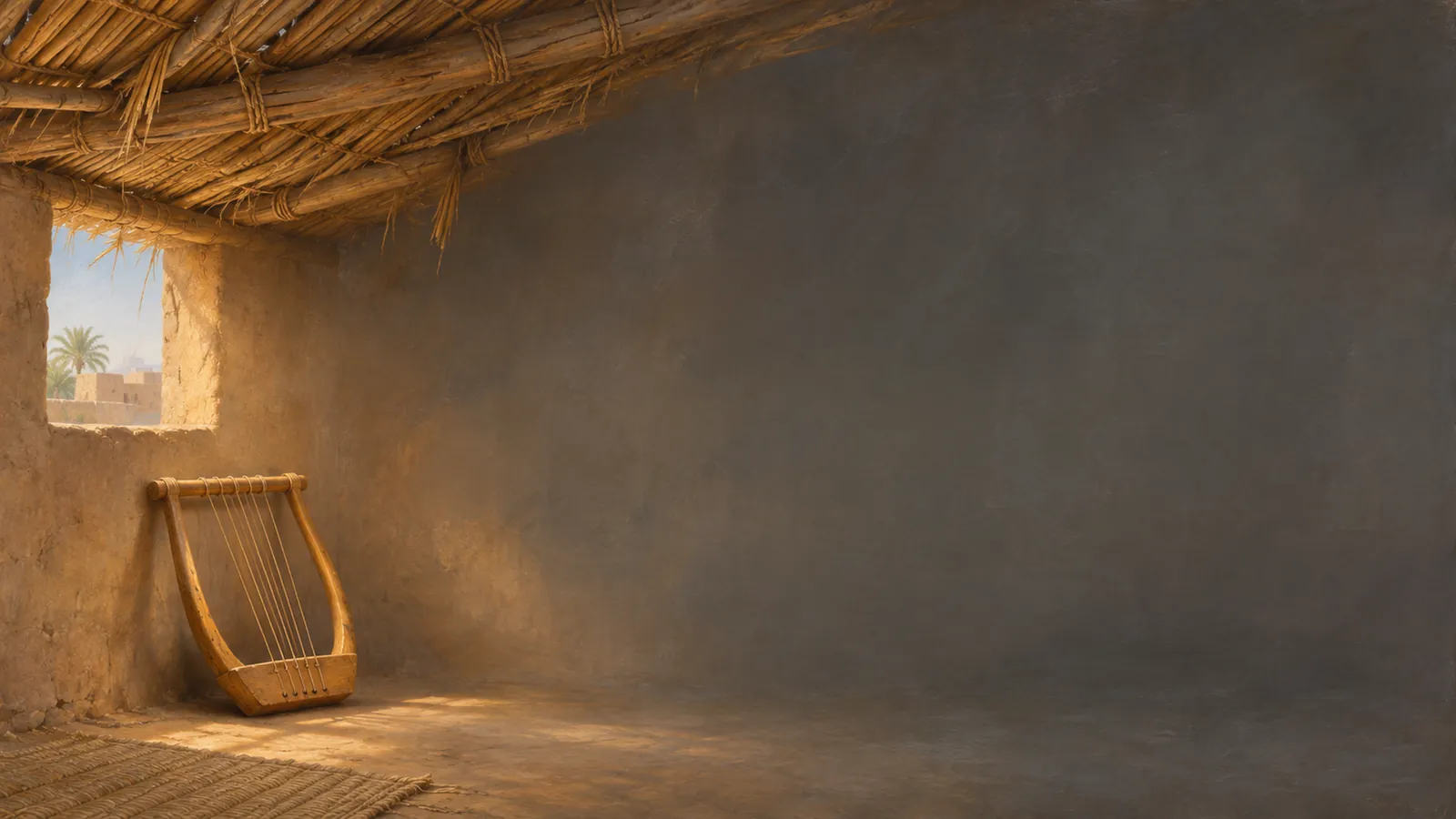
The voice names sexual intercourse, kissing, prostitution, the cultic prostitute, the holy tavern and the hierodule of heaven, alongside ways of speaking, song and venerable old age.
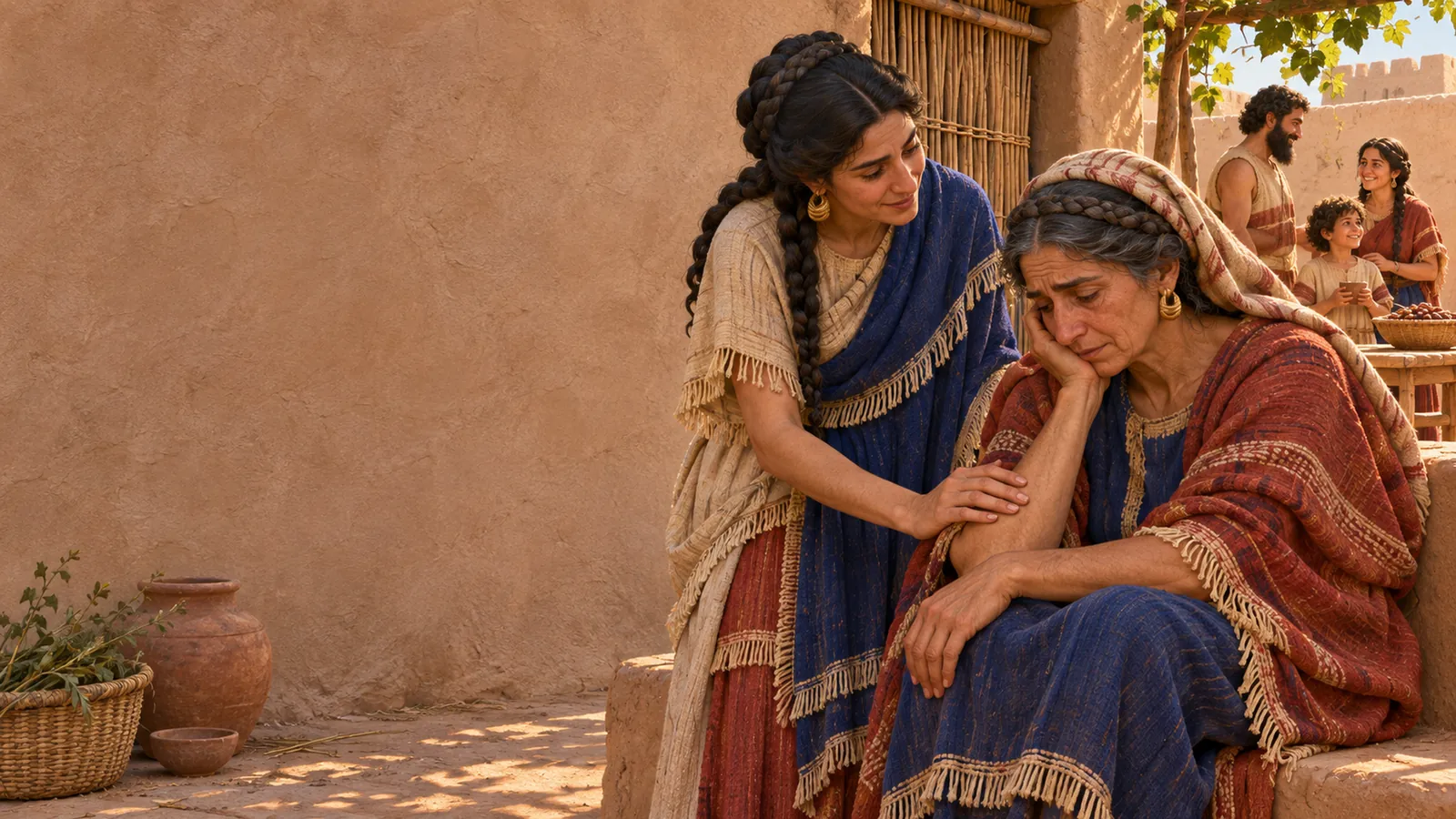
The powers touch many parts of life. Courage and wrongdoing are named, alongside kindness and deceit, and the ways people lament and rejoice.
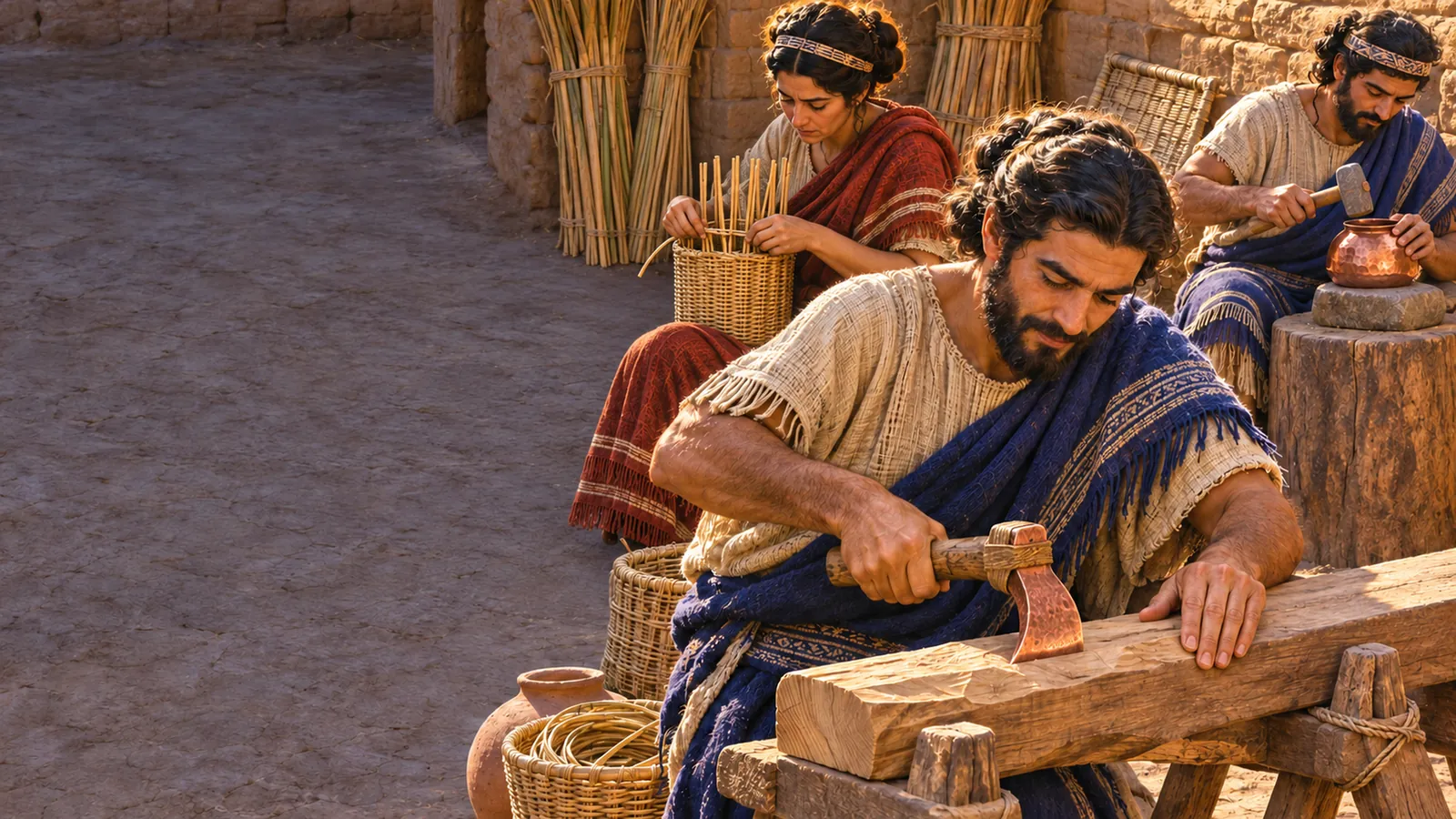
The crafts return in the list. We hear again of working wood and copper, of building, and of shaping things from reeds.
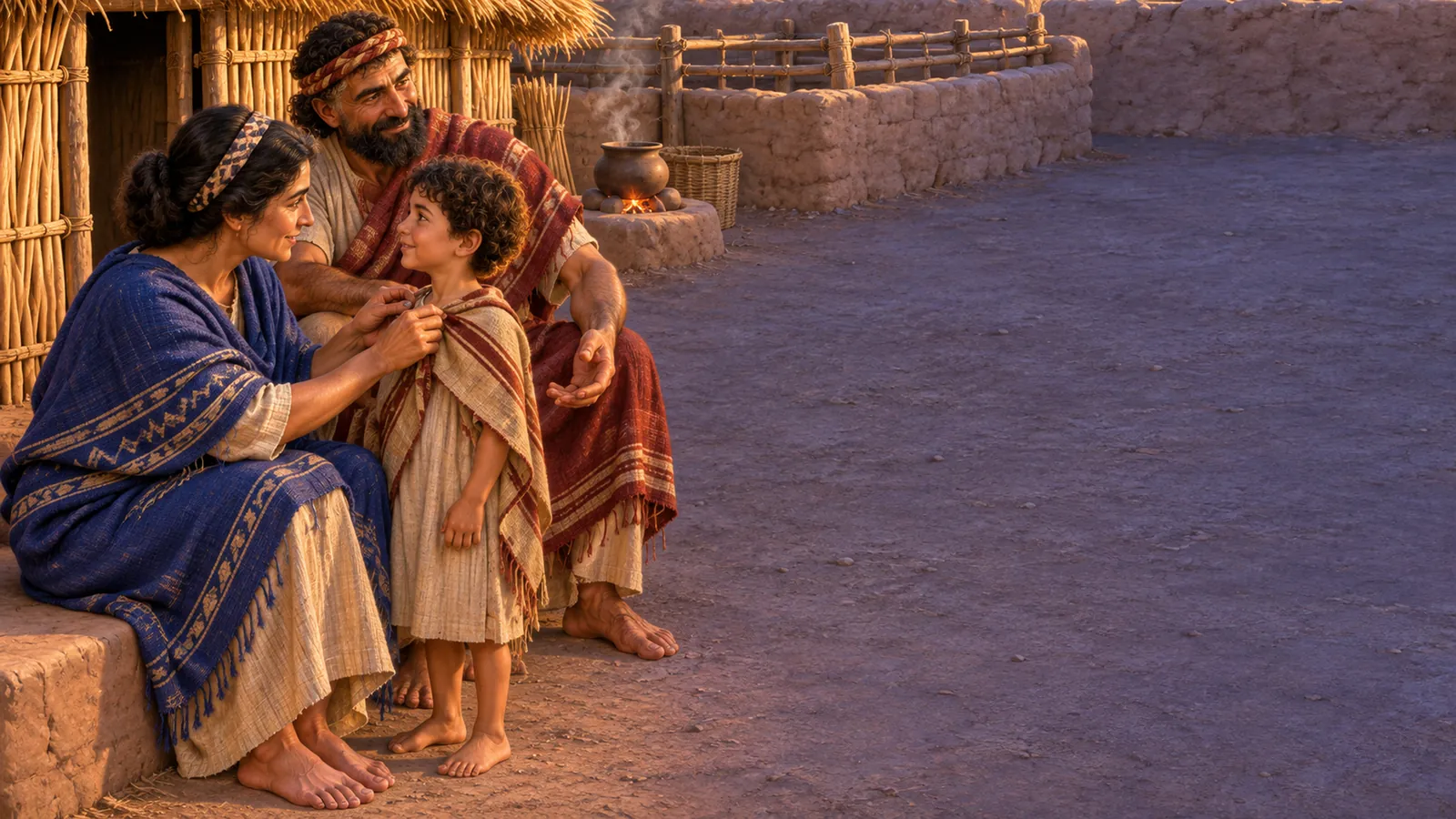
Wisdom and attention are named again, together with the shepherd’s hut and the sheepfold. The list also reaches to fire and family.
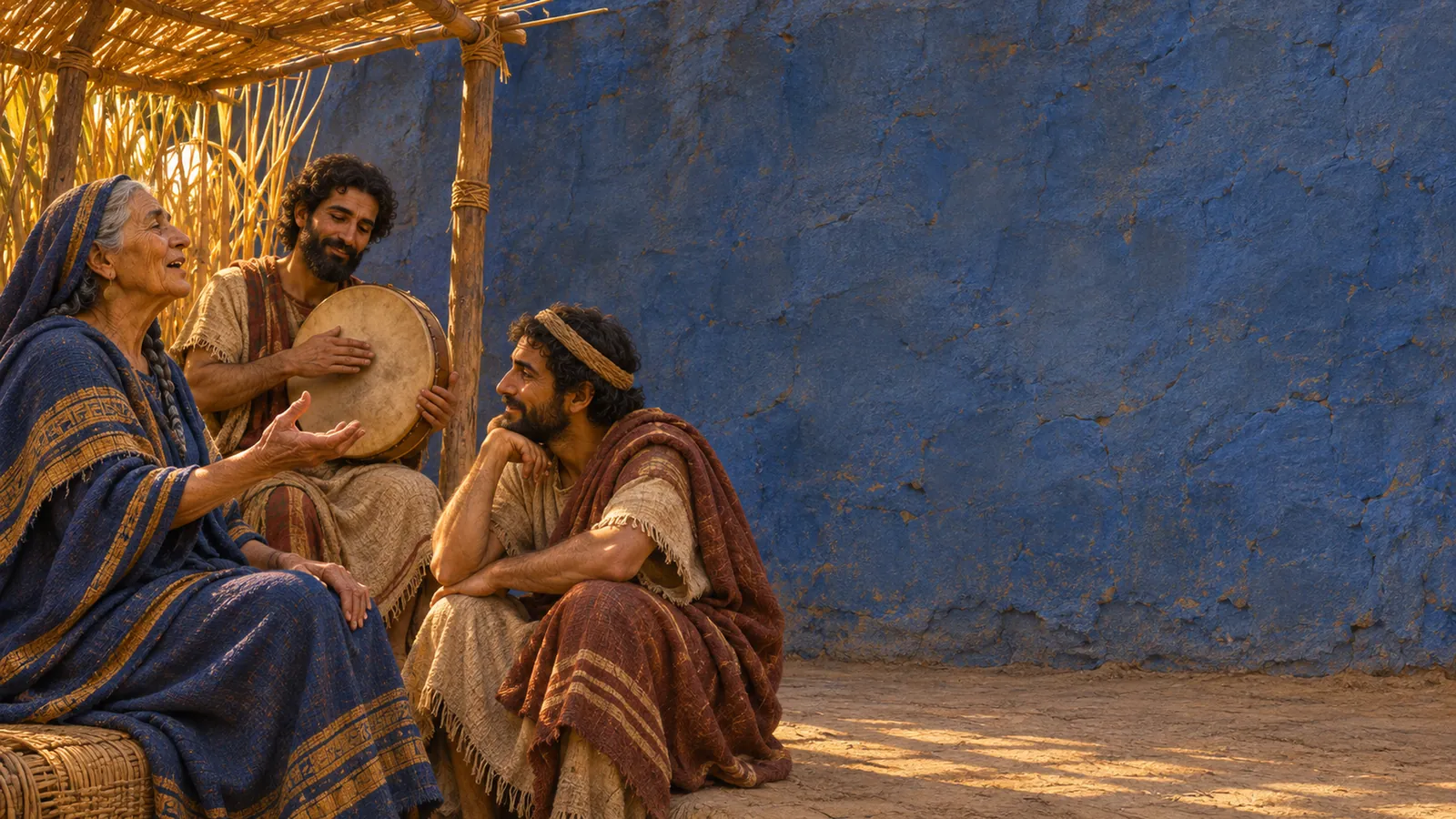
We can still read of counsel, comfort, and decisions, and of several sacred instruments. Then the last part of the list becomes harder to read.
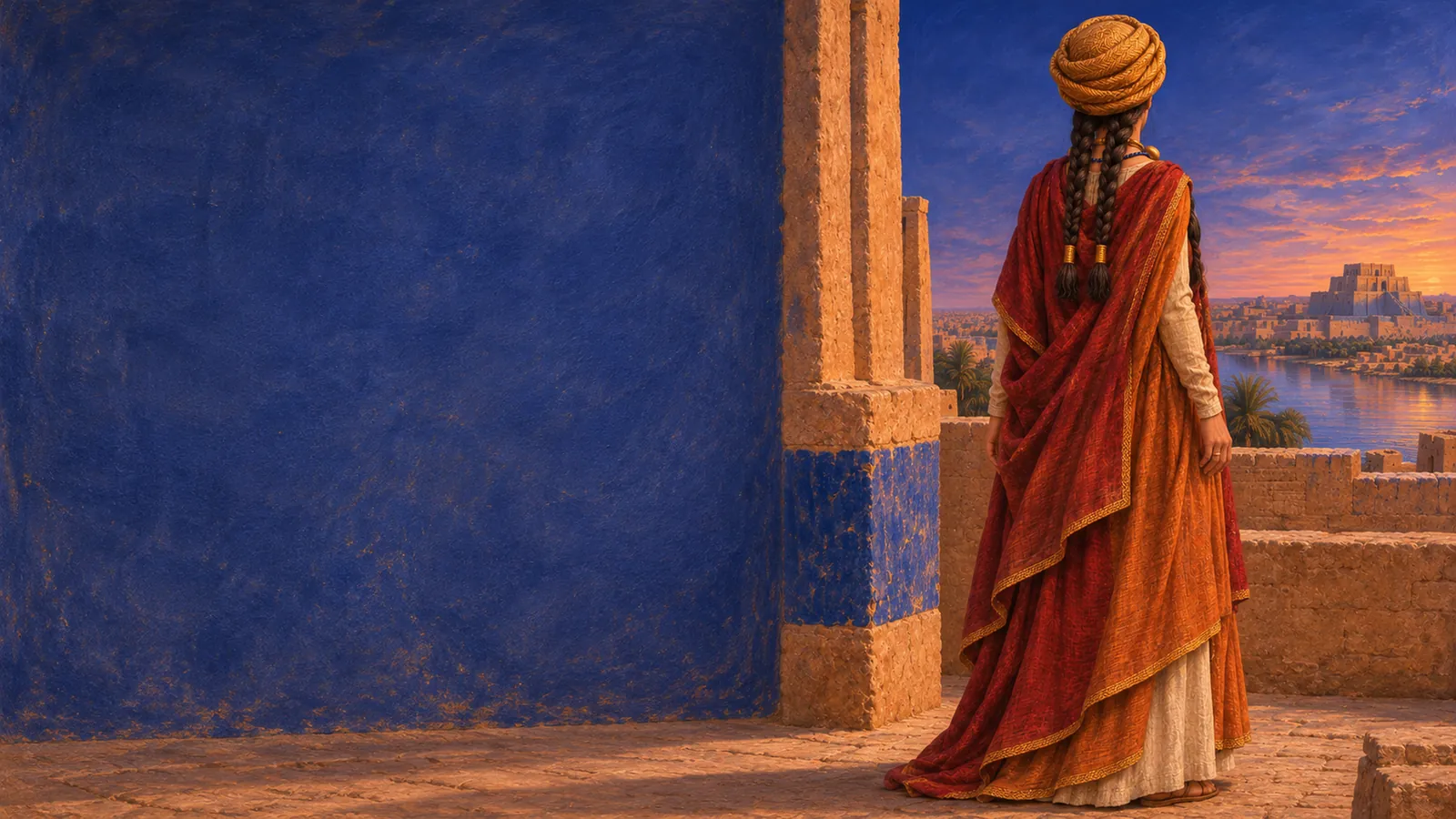
At the end of the long list, two fragmentary lines remain. Six more lines are missing before the poem resumes.
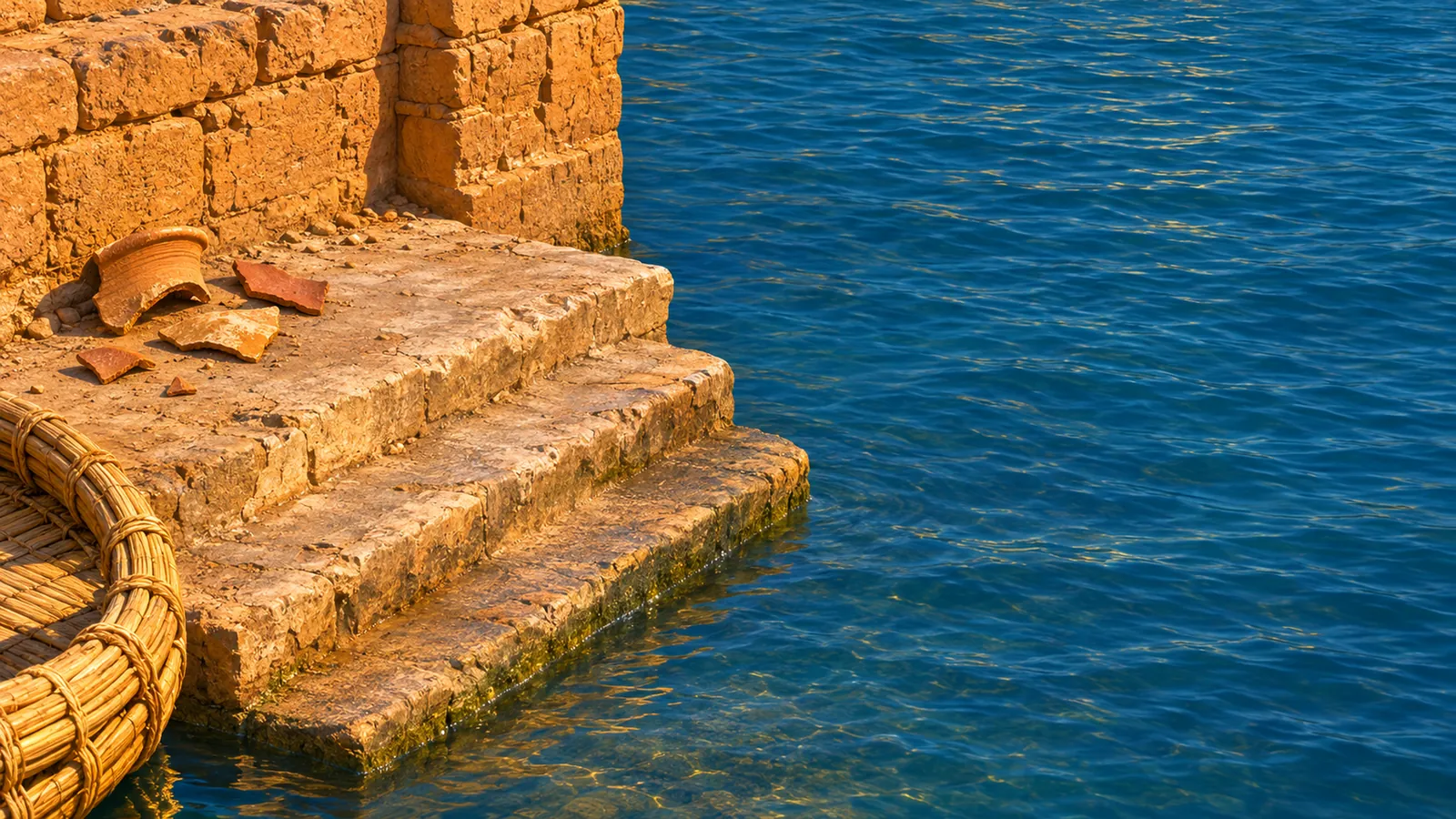
The broken poem tells of naming places. There are words about Ganzer, a trader and an amount, and a place whose name may mention potsherds.
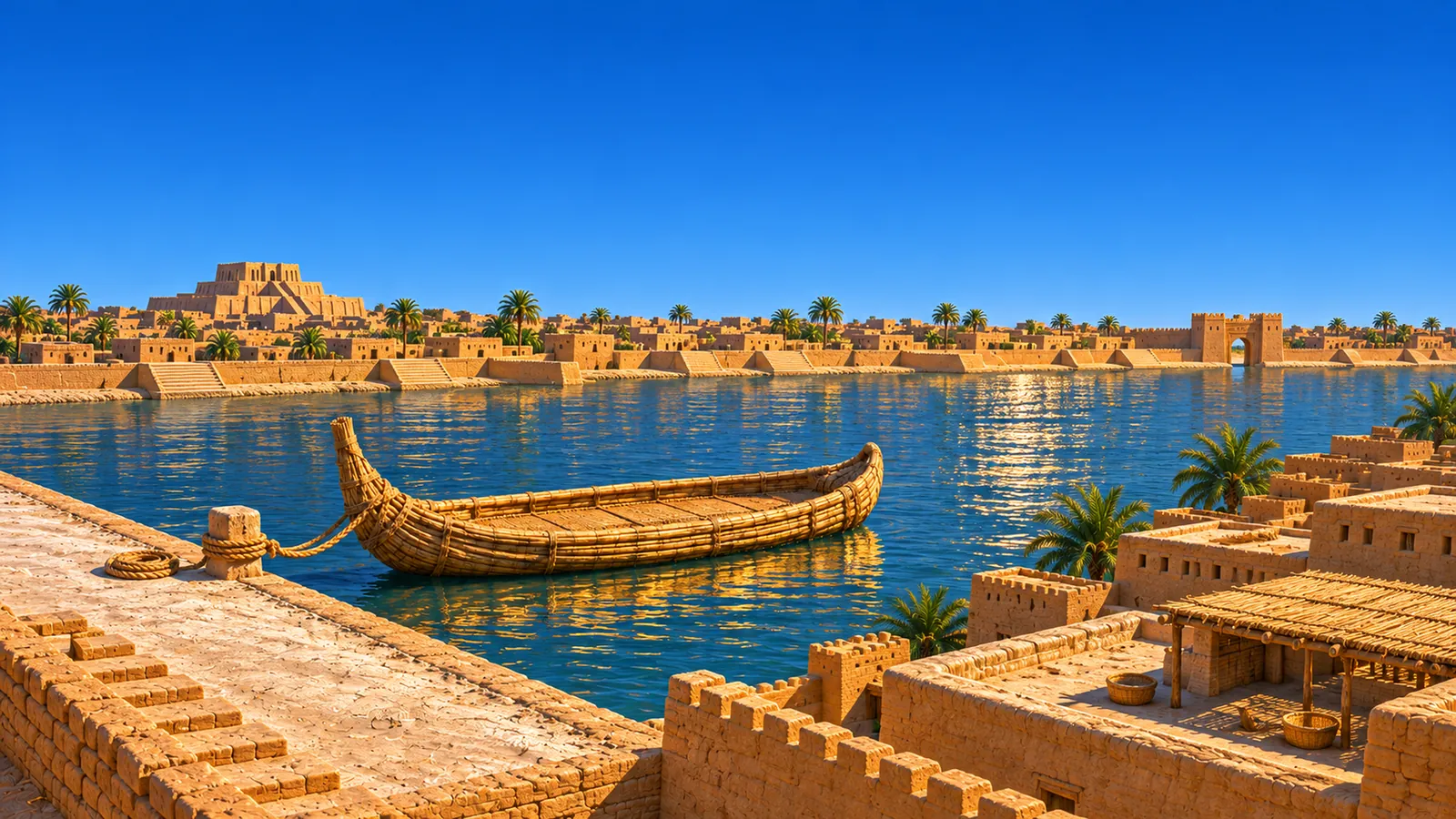
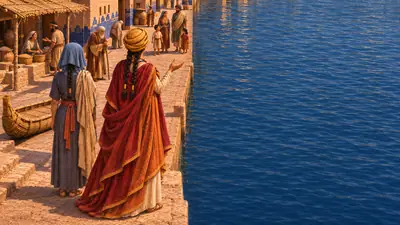
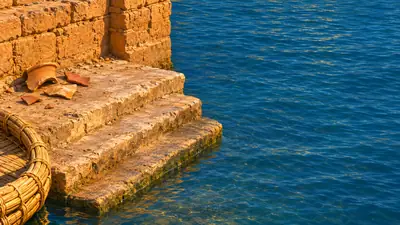
The place where the boat docked was named the White Quay. The Blue Quay is named too, although the words around it are broken.
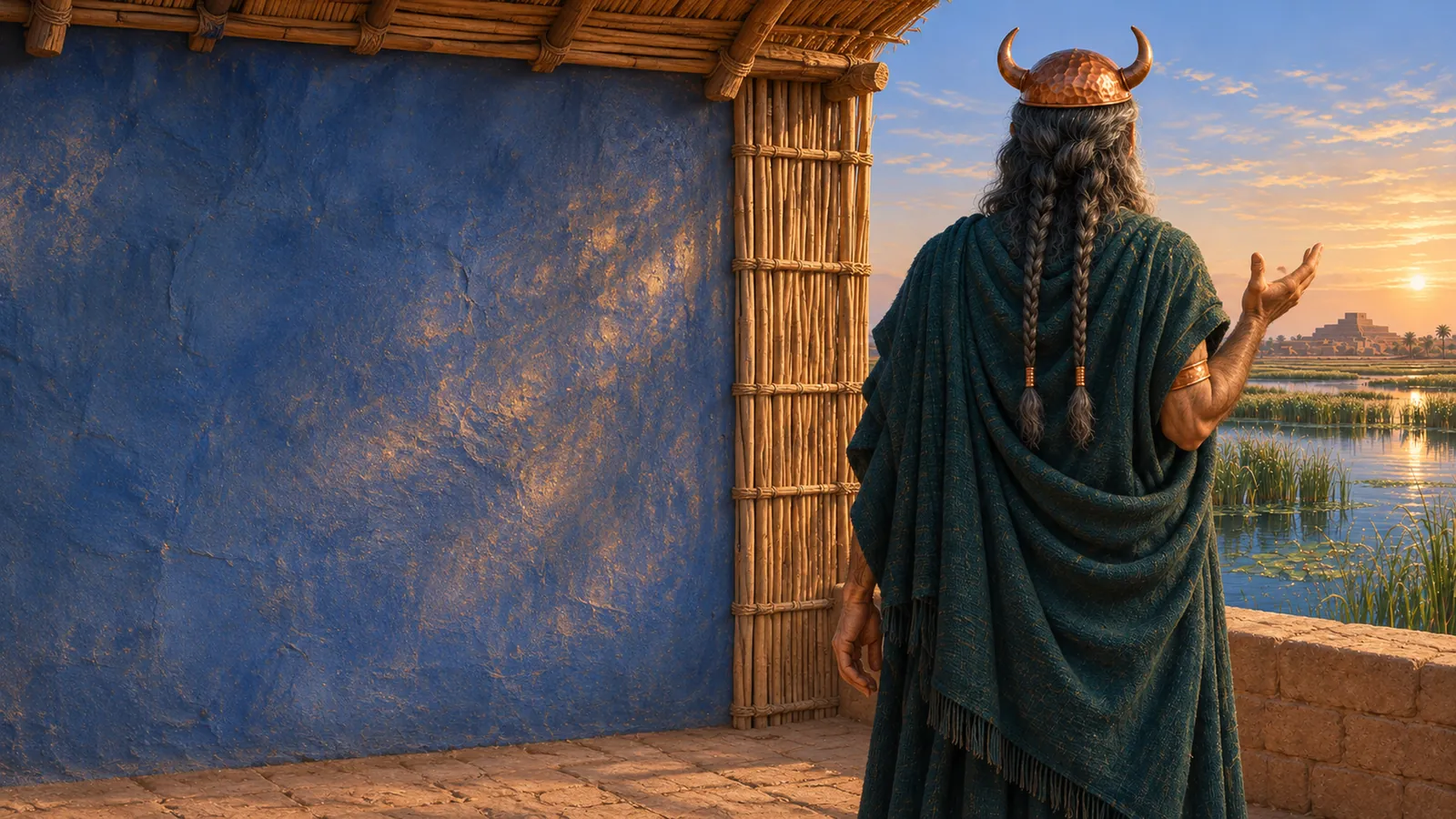
Enki speaks to Inanna again, with an oath and broken words about his Abzu. A question from Inanna survives in pieces.
THE LAST WORDS
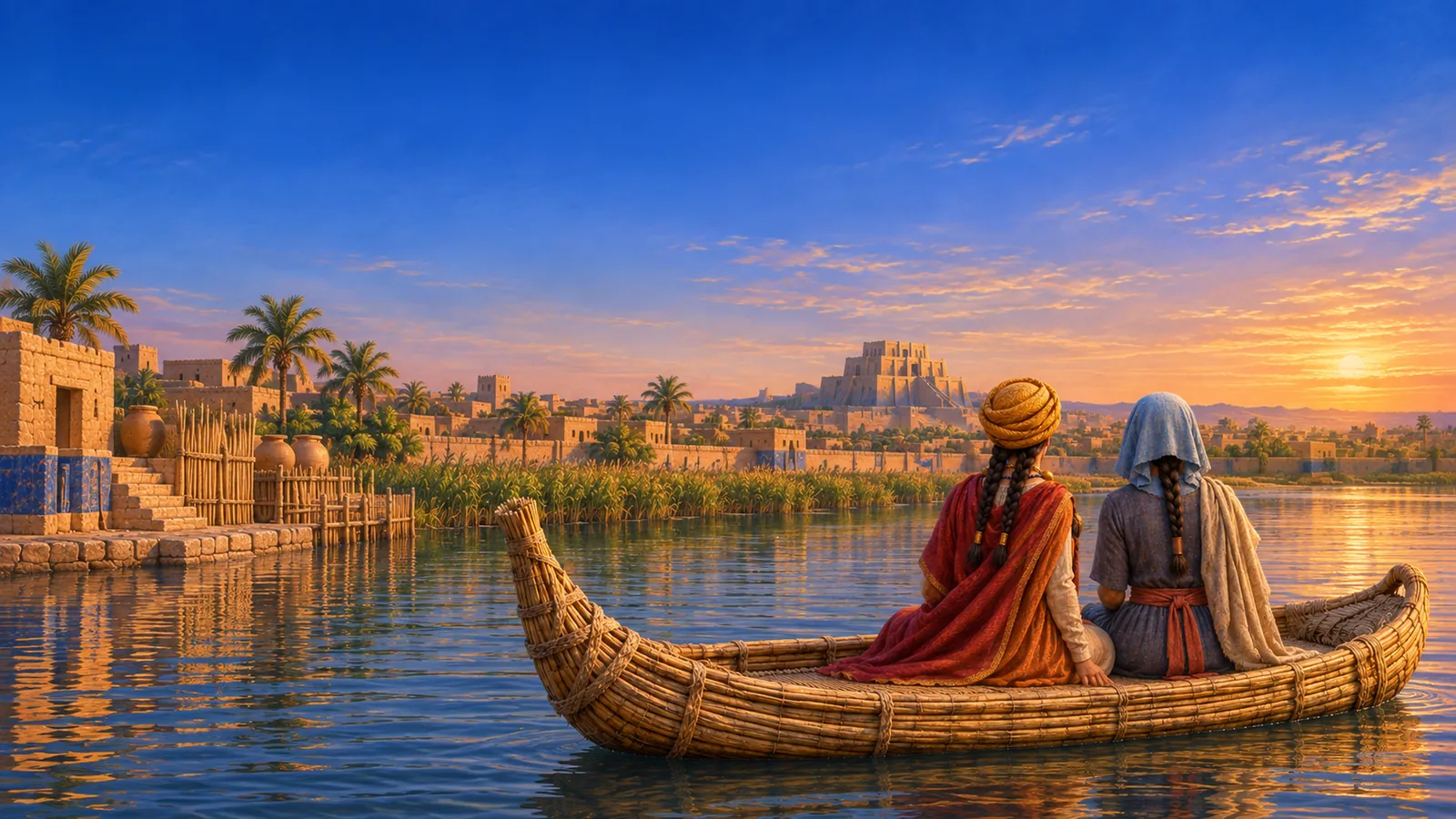
A third voice is heard in the broken ending. A festival and the cities of Uruk and Eridu are named. The final words are incomplete.
End of chapter 1
All pages



Sources
Page 33. The partially preserved list in Oxford ETCSL 1.3.1, F 33–34 names the hierodule of heaven alongside the holy nijin-jar shrine and musical instruments. [Oxford translation](https://etcsl.orinst.ox.ac.uk/section1/tr131.htm)
Editions consulted
- Oxford ETCSL 1.3.1, Inana and Enki, translation
- Oxford ETCSL 1.3.1, Sumerian composite
- Oxford ETCSL 1.3.1, manuscript bibliography
- Penn Museum, CBS 13571 and joins
- Penn Museum, CBS 15283
- CDLI, Geneva witness MAH 16127
- IL Archive, Ninshubur and the Boat of Heaven
- IL Archive, Enki and the divine powers
Ancient lines behind each page
- Page 1: ETCSL 1.3.1 A 1–10, opening lacuna
The opening has about six missing lines and remains fragmentary. - Page 2: ETCSL 1.3.1 A 1–10
The self-praise survives in damaged lines. - Page 3: ETCSL 1.3.1 A 11–27
Several parts of her intentions are broken. - Page 4: ETCSL 1.3.1 B 1–5, preceding lacuna
About twenty-one lines are missing between A and B. - Page 5: ETCSL 1.3.1 B 6–8
- Page 6: ETCSL 1.3.1 B 9–12
One witness reads temple where another reads Abzu. - Page 7: ETCSL 1.3.1 B 13–15, following lacuna
The last line is fragmentary before about two missing lines. - Page 8: ETCSL 1.3.1 C 1–8
Some of the preparations survive in broken wording. - Page 9: ETCSL 1.3.1 C 9–12
- Page 10: ETCSL 1.3.1 C 13–14
- Page 11: ETCSL 1.3.1 C 15–18
- Page 12: ETCSL 1.3.1 C 19–26
- Page 13: ETCSL 1.3.1 C 27–28
- Page 14: ETCSL 1.3.1 C 29–30
The passage names bronze drinking vessels. - Page 15: ETCSL 1.3.1 After C 30, lacuna
About thirty-five lines are missing before the surviving gift passage. - Page 16: ETCSL 1.3.1 D 1–5
The first surviving gift formula names Enki’s power and Abzu. He calls Inanna his daughter in this poem. - Page 17: ETCSL 1.3.1 D 1–5
- Page 18: ETCSL 1.3.1 D 6–9
- Page 19: ETCSL 1.3.1 D 10–13
- Page 20: ETCSL 1.3.1 D 10–13
- Page 21: ETCSL 1.3.1 D 14–17
- Page 22: ETCSL 1.3.1 D 18–21
Some of the terms are damaged. - Page 23: ETCSL 1.3.1 D 22–27, following lacuna
The end of D is damaged before about seventy-eight missing lines. - Page 24: ETCSL 1.3.1 E 1–9
- Page 25: ETCSL 1.3.1 E 10–26
- Page 26: ETCSL 1.3.1 E 27–36, following lacuna
The wording is damaged and about thirty-four to thirty-five further lines are missing. - Page 27: ETCSL 1.3.1 F 1–8
This quay is unnamed in the surviving lines. - Page 28: ETCSL 1.3.1 F 8–13
The beer has worn off by this point in the poem. - Page 29: ETCSL 1.3.1 F 14–20
- Page 30: ETCSL 1.3.1 F 21–24
- Page 31: ETCSL 1.3.1 F 25–28
One question is largely lost, and other words are damaged. - Page 32: ETCSL 1.3.1 F 29–32
- Page 33: ETCSL 1.3.1 F 33–34
The wording around these terms is partly broken. - Page 34: ETCSL 1.3.1 After F 34, lacuna
About thirty-three to thirty-six lines are missing. - Page 35: ETCSL 1.3.1 G 1–10
The frog and a bolt are legible, but their larger context is uncertain. - Page 36: ETCSL 1.3.1 G 11–21, following lacuna
These numbered lines are fragmentary, followed by about ten to fifteen missing lines. - Page 37: ETCSL 1.3.1 H 1–7
The name of the first quay is damaged. The poem calls on the enkum. - Page 38: ETCSL 1.3.1 H 8–19
- Page 39: ETCSL 1.3.1 H 20–34
- Page 40: ETCSL 1.3.1 H 35–41
- Page 41: ETCSL 1.3.1 H 42–53
- Page 42: ETCSL 1.3.1 H 54–68
- Page 43: ETCSL 1.3.1 H 69–75
UL.MA is a reading label for the hill’s name in the Oxford edition. - Page 44: ETCSL 1.3.1 H 76–87
- Page 45: ETCSL 1.3.1 H 88–102
The text names fifty lahama of the subterranean waters and repeats the call to Ninshubur. - Page 46: ETCSL 1.3.1 H 103–109
The command referring to the great fish is partly damaged. - Page 47: ETCSL 1.3.1 H 110–121
- Page 48: ETCSL 1.3.1 H 122–136
- Page 49: ETCSL 1.3.1 H 137–143
The name of the place is damaged. - Page 50: ETCSL 1.3.1 H 144–155
- Page 51: ETCSL 1.3.1 H 156–170
- Page 52: ETCSL 1.3.1 H 171–178
Words specifying its agents are damaged. - Page 53: ETCSL 1.3.1 H 179–190
- Page 54: ETCSL 1.3.1 H 191–206
Oxford restores much of the repeated wording in this passage. - Page 55: ETCSL 1.3.1 H 207–217
The seventh time is mentioned in broken lines. The details of the event remain uncertain. - Page 56: ETCSL 1.3.1 H 218–223
The arrival at the Gate of Joy is described in Ninshubur’s words. - Page 57: ETCSL 1.3.1 H 224–240
The words about the people of Uruk are partly broken. - Page 58: ETCSL 1.3.1 H 241–248
- Page 59: ETCSL 1.3.1 H 249–256
Further actions around the well, Jipar Gate and Agrun Chamber are damaged. - Page 60: ETCSL 1.3.1 H 257–266, following lacuna
The instruction after the White Quay report is damaged. Oxford marks about three missing lines after H 266. - Page 61: ETCSL 1.3.1 J 1–15
The speaker of the catalogue is unidentified in the surviving lines. - Page 62: ETCSL 1.3.1 J 16–34
Several entries in this part of the arrival catalogue are fragmentary. - Page 63: ETCSL 1.3.1 J 35–52
Some wording around the cultic roles and the types of speech is uncertain. - Page 64: ETCSL 1.3.1 J 53–64
- Page 65: ETCSL 1.3.1 J 65–72
- Page 66: ETCSL 1.3.1 J 73–88
- Page 67: ETCSL 1.3.1 J 89–106
Several entries late in the arrival list are fragmentary. - Page 68: ETCSL 1.3.1 J 107–114
J 107–108 are fragmentary. The subsequent six numbered lines, J 109–114, are missing. - Page 69: ETCSL 1.3.1 J 115–121
The name referring to potsherds and metal is a doubtful reading. The surrounding account is damaged. - Page 70: ETCSL 1.3.1 J 122–125
The White Quay is named where the boat docks. The wording around the Blue Quay is fragmentary. - Page 71: ETCSL 1.3.1 J 126–130
Enki’s proposal and Inanna’s response are both fragmentary. - Page 72: ETCSL 1.3.1 J 131–142
Illustrations made with AI tools by IL Archive; the text is based on the ancient sources (see the sources at the end of each chapter).