Inanna’s Descent to the Netherworld Chapter 2
The Price of Return
Ninshubur seeks help, and Enki sends two emissaries below to restore Inanna to life. The judges demand a substitute before Inanna can leave. The price falls on Dumuzid and eventually on his sister as well.
Watch the filmSourcesTurn the pages with the arrows, the arrow keys or a swipe.
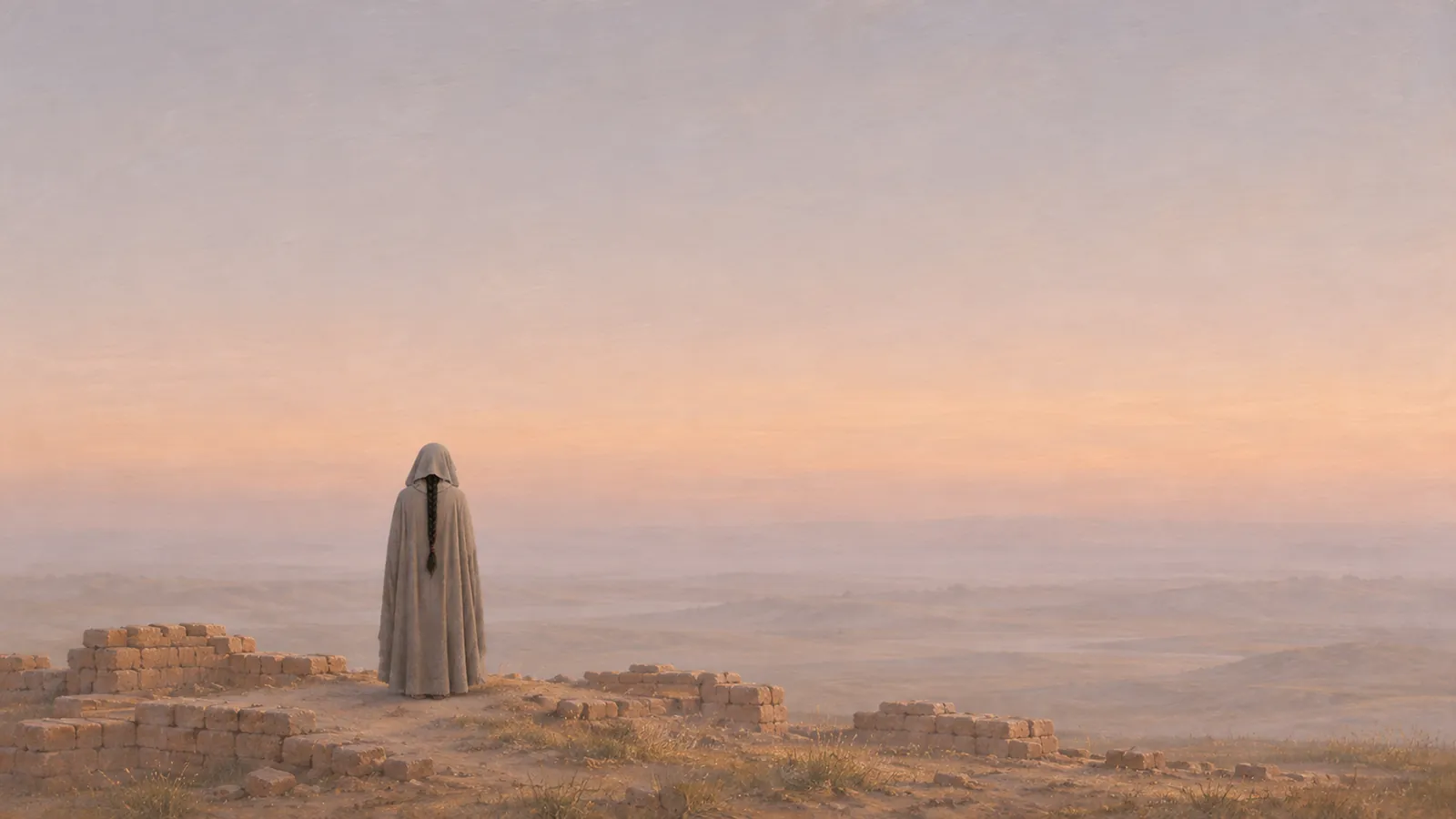
THE LAMENT
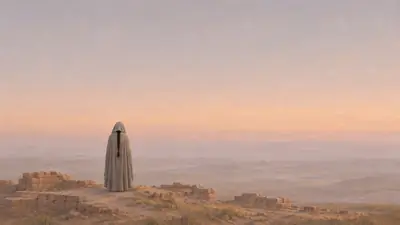
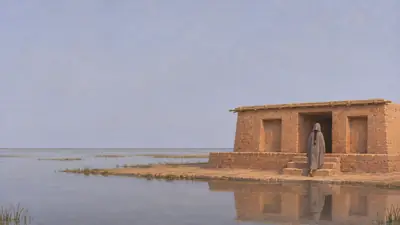
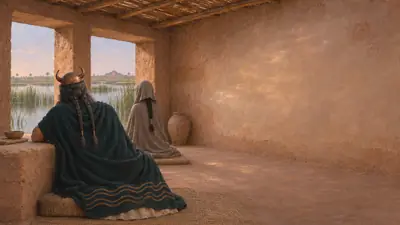
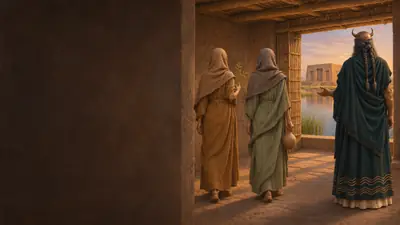
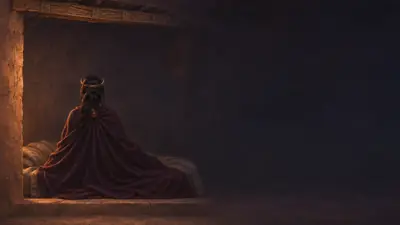
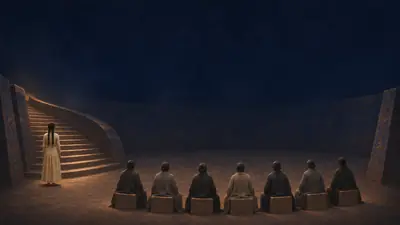
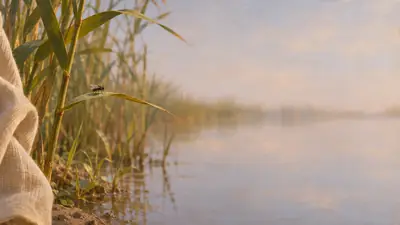
Among the ruined mounds, Ninshubur raised a lament for Inanna. Her mistress was still in the world below, and she began the work entrusted to her.
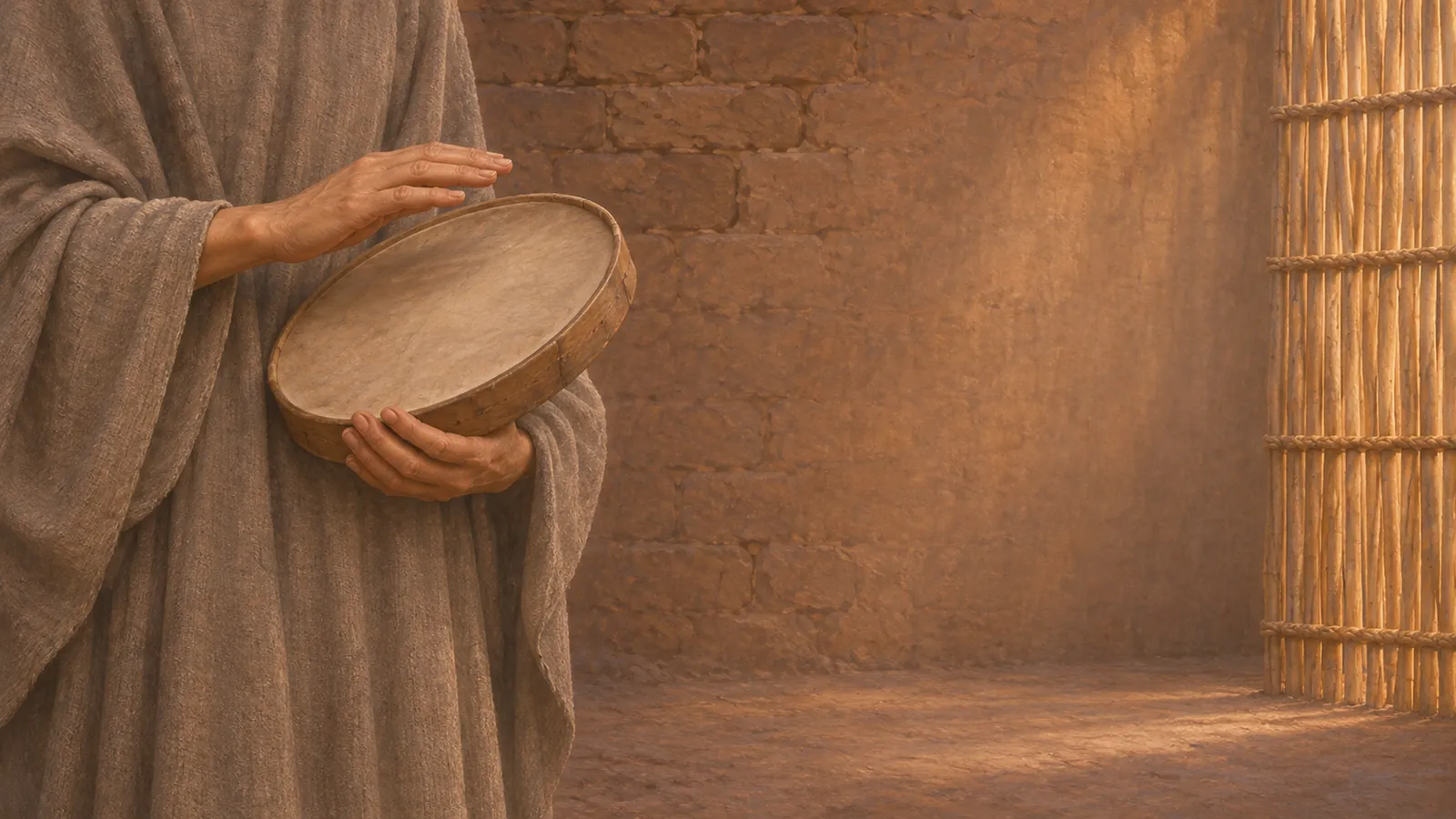
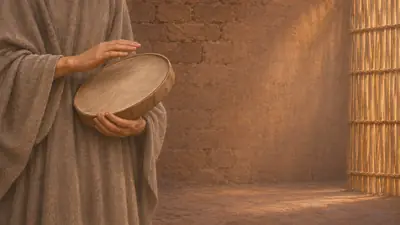
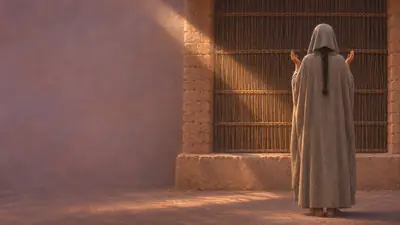
Ninshubur beat the drum in the sanctuary for Inanna. She gave the lament a sound that could carry beyond the place where she stood.
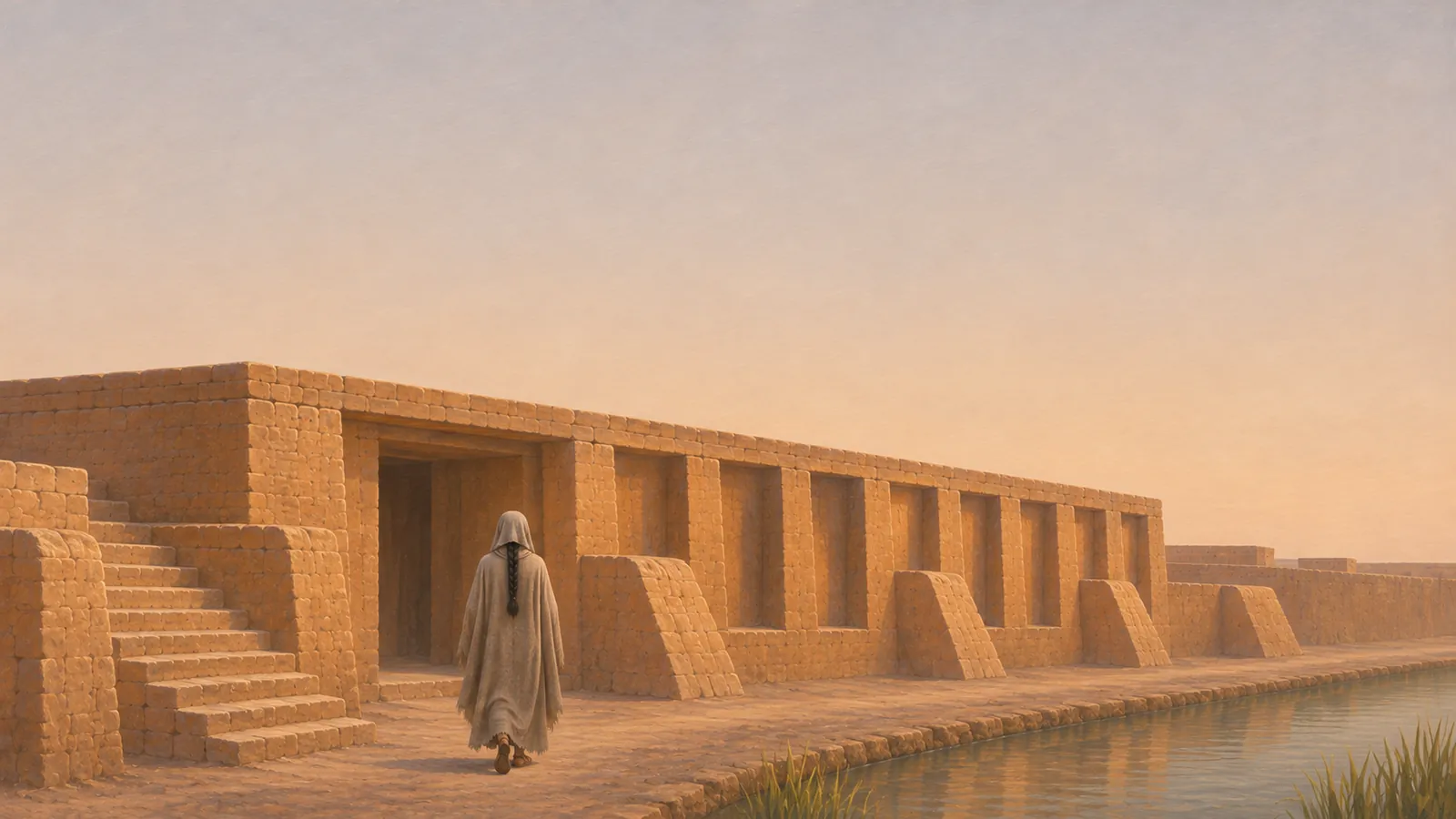
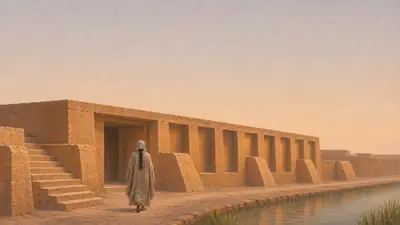
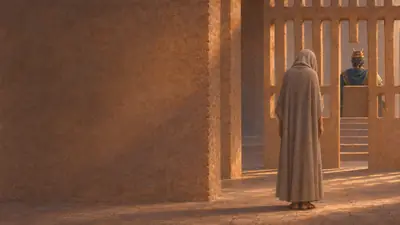
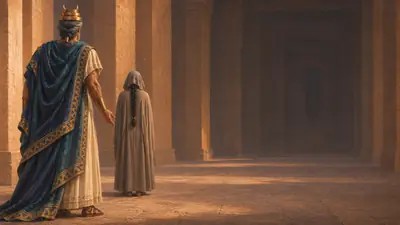
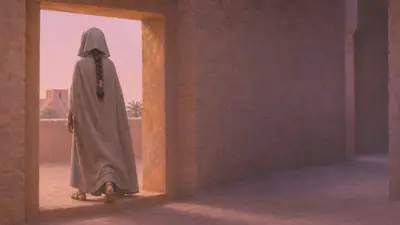
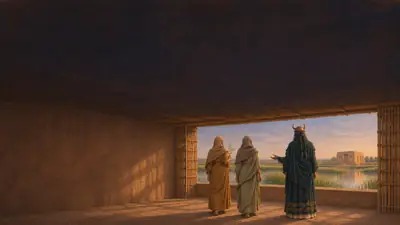
She went from one divine house to another and mourned for Inanna in public and in private. Dressed in a single plain garment, Ninshubur went alone into Ekur, the house of Enlil.
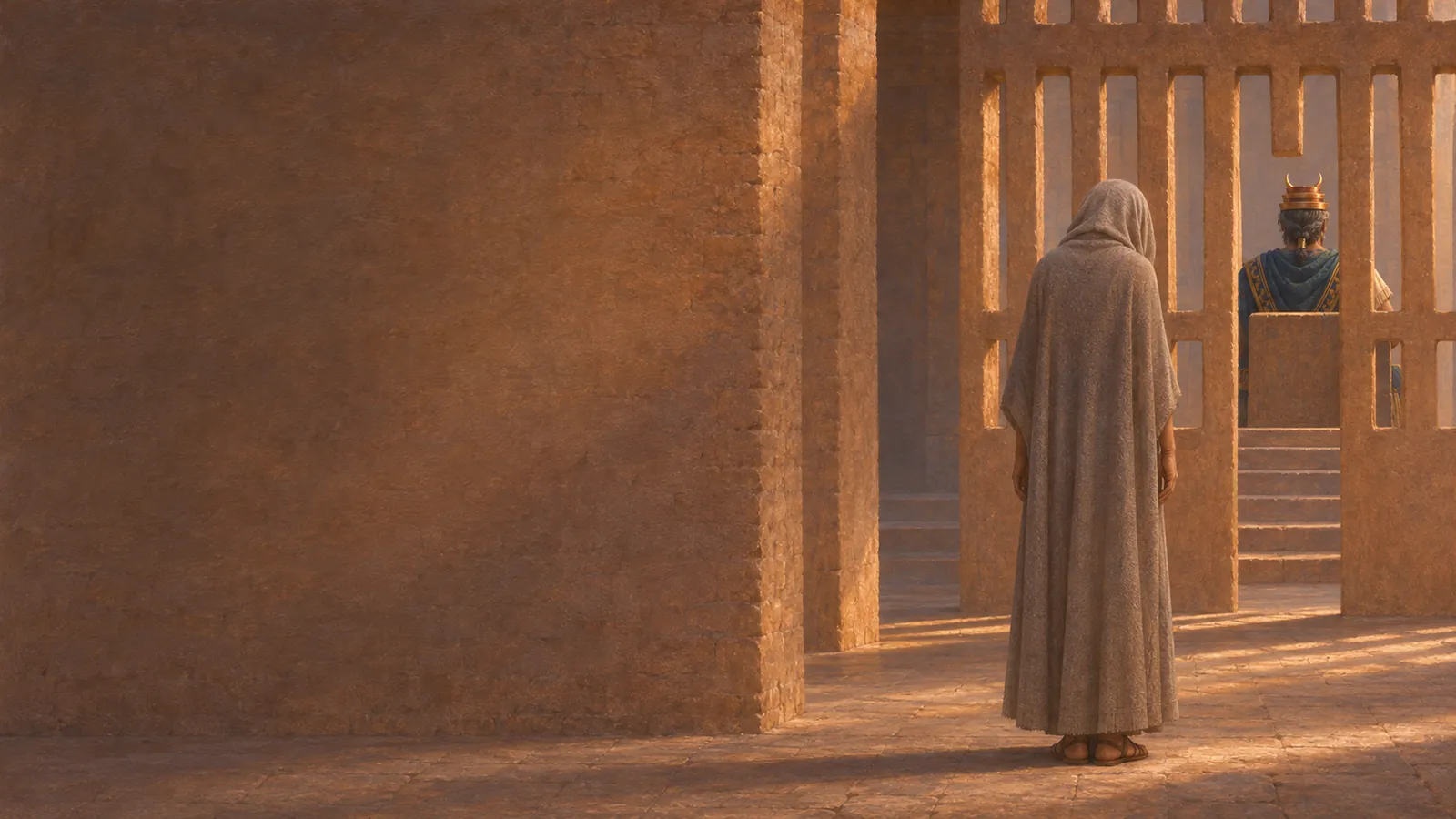
Ninshubur begged Enlil to spare his daughter in the world below. She spoke of fine metal, lapis and boxwood, precious things that should never be left to ruin.
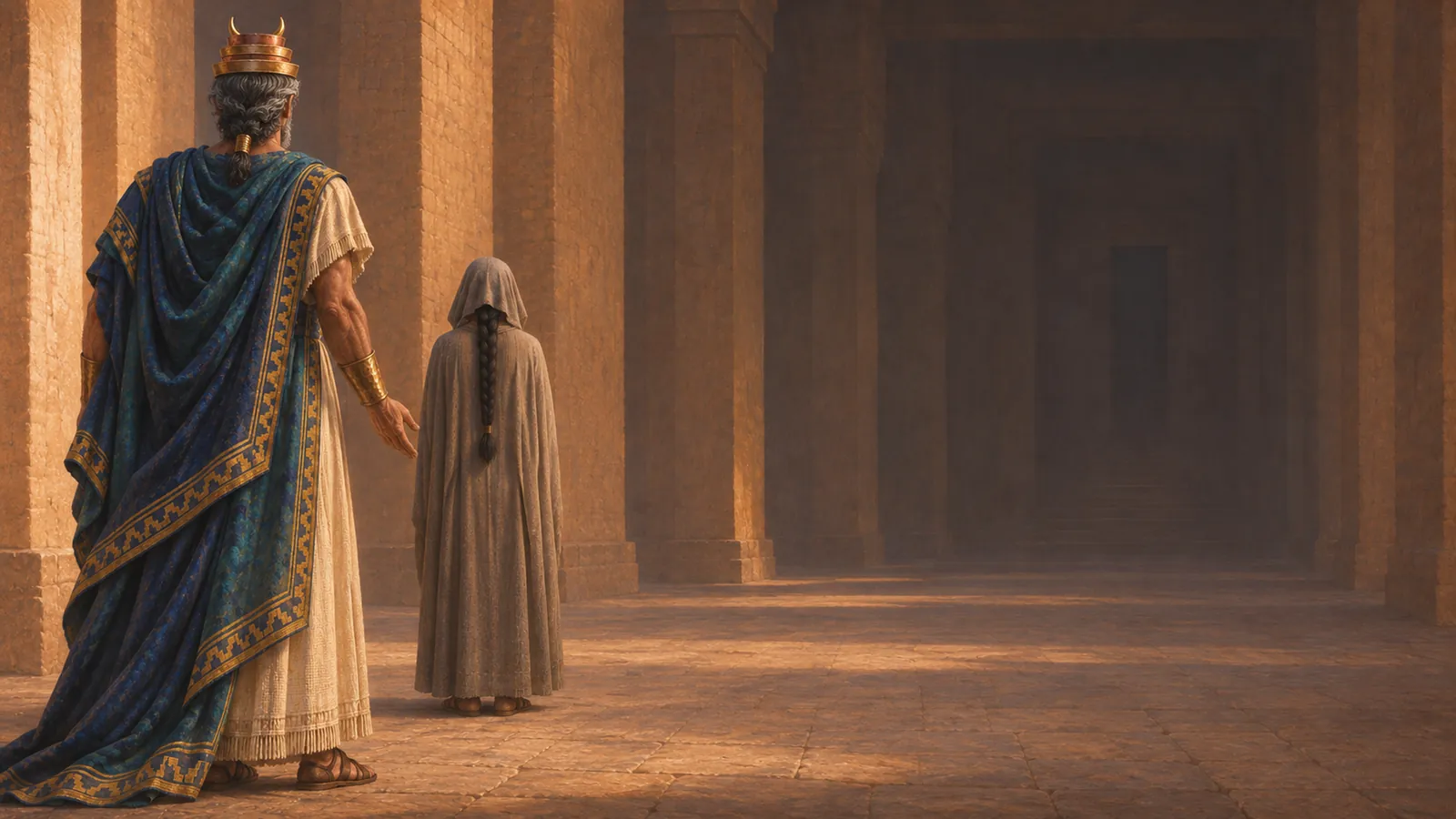
Enlil replied in anger that Inanna had wanted both the heights of heaven and the depths below. Whoever claimed the powers of the netherworld, he said, must stay there. He gave Ninshubur no help.
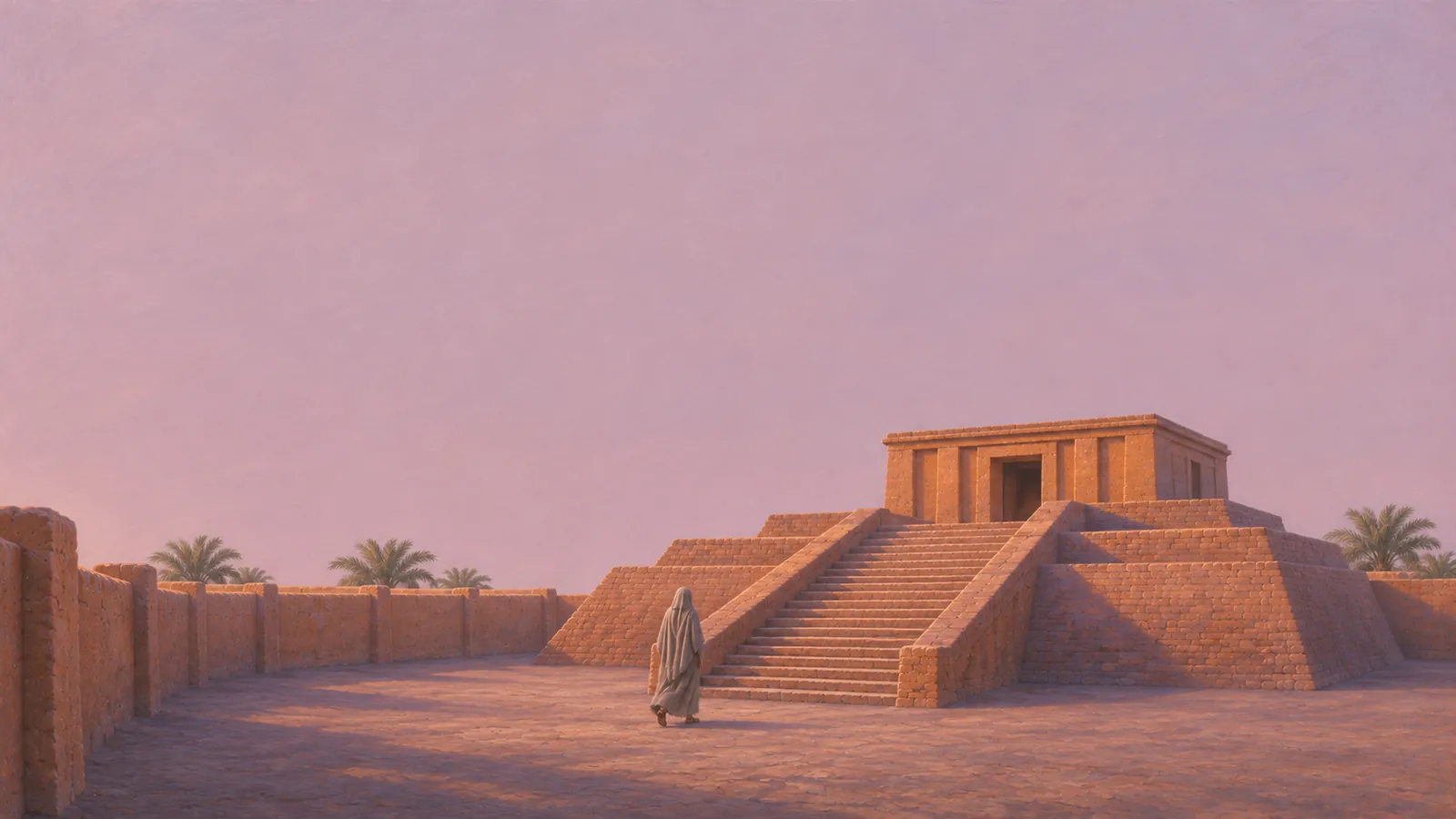
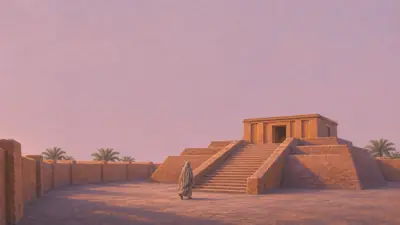
From Ekur, Ninshubur went to Ur. She entered the sanctuary of Nanna and brought her lament to him.
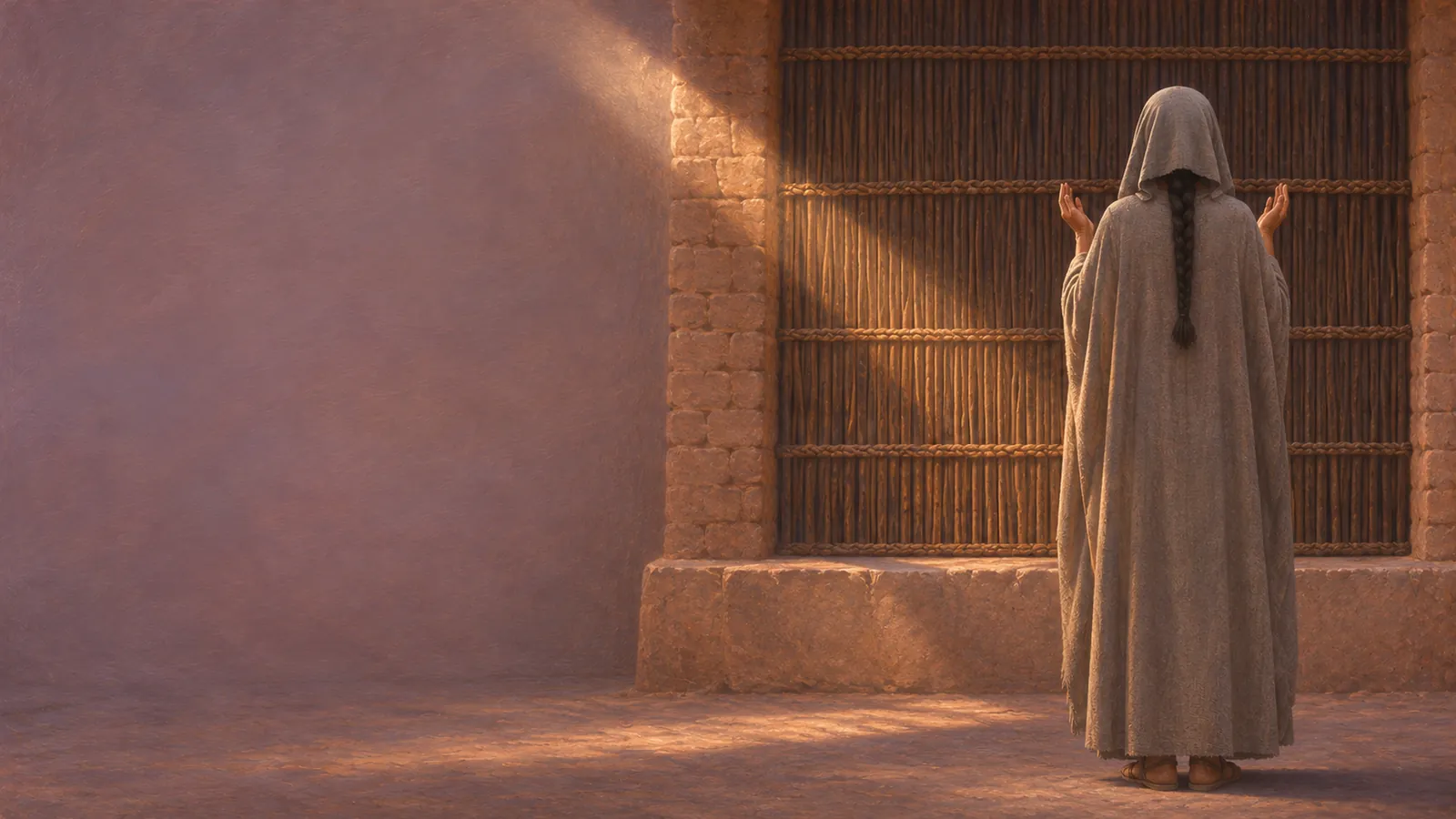
Ninshubur asked Nanna to save his daughter. Once more she named the metal, lapis and boxwood, and begged that Inanna’s life be spared in the netherworld.
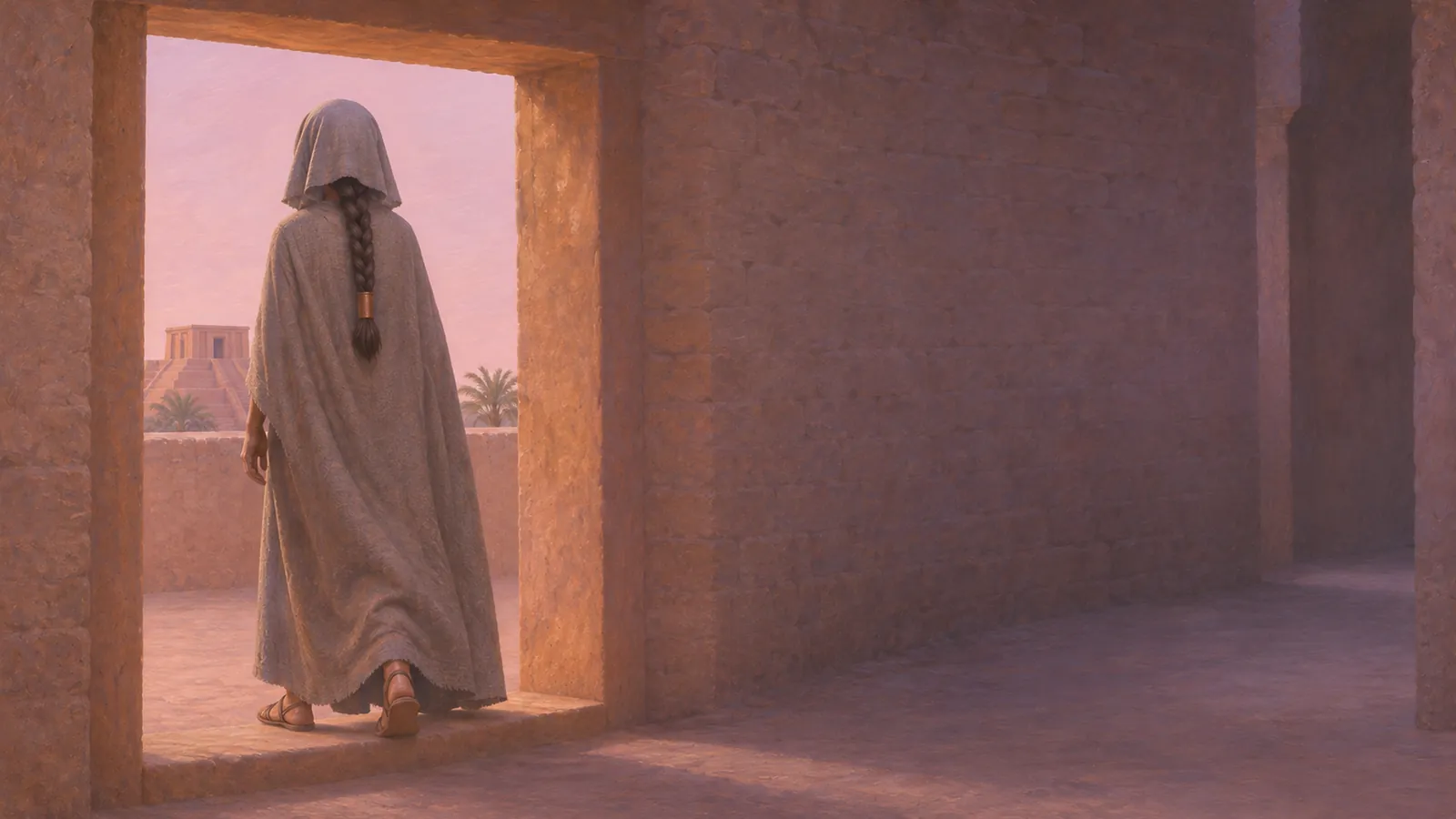
Nanna too answered in anger. Inanna had reached for both realms, he said, and those who took the powers below could hardly hope to rise again. Ninshubur found no help in Ur.
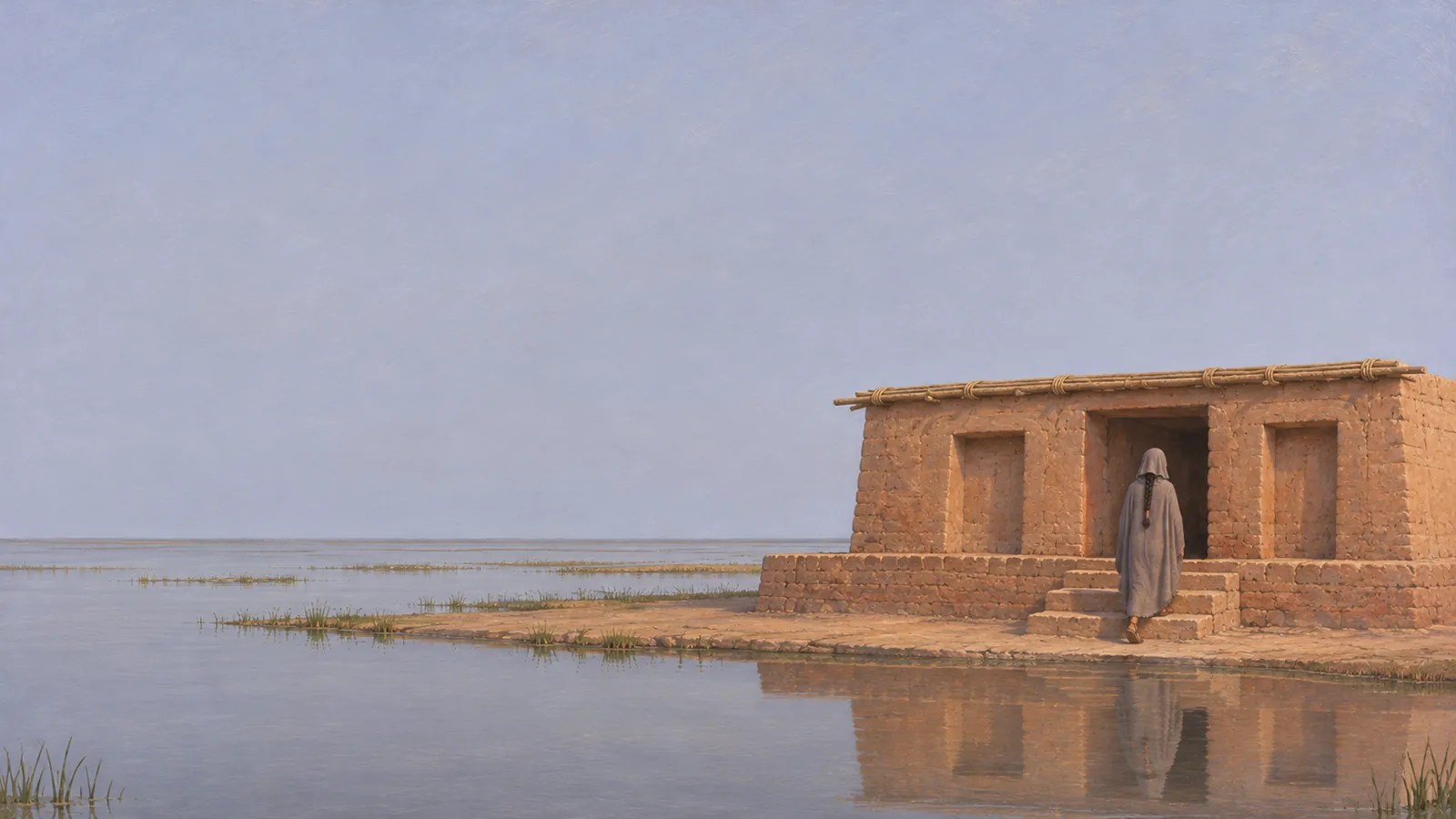
Ninshubur went on to Eridu and entered Enki’s house. She made her plea a third time, asking him to protect what was precious to him and to save Inanna’s life.
ENKI LISTENS
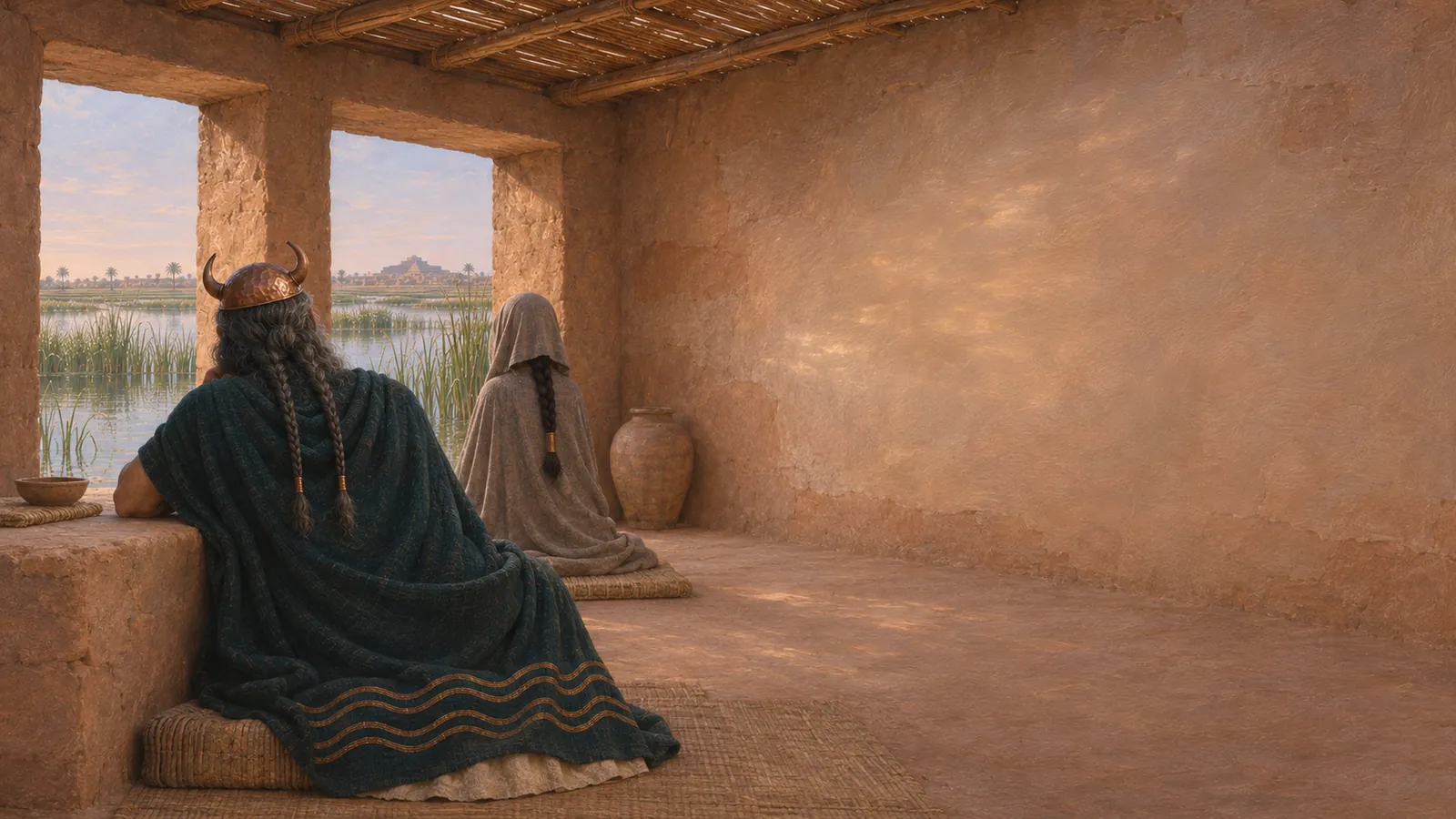
Enki asked what Inanna had done. He asked again, calling her his daughter and the lady of all lands. His words were full of concern for her.
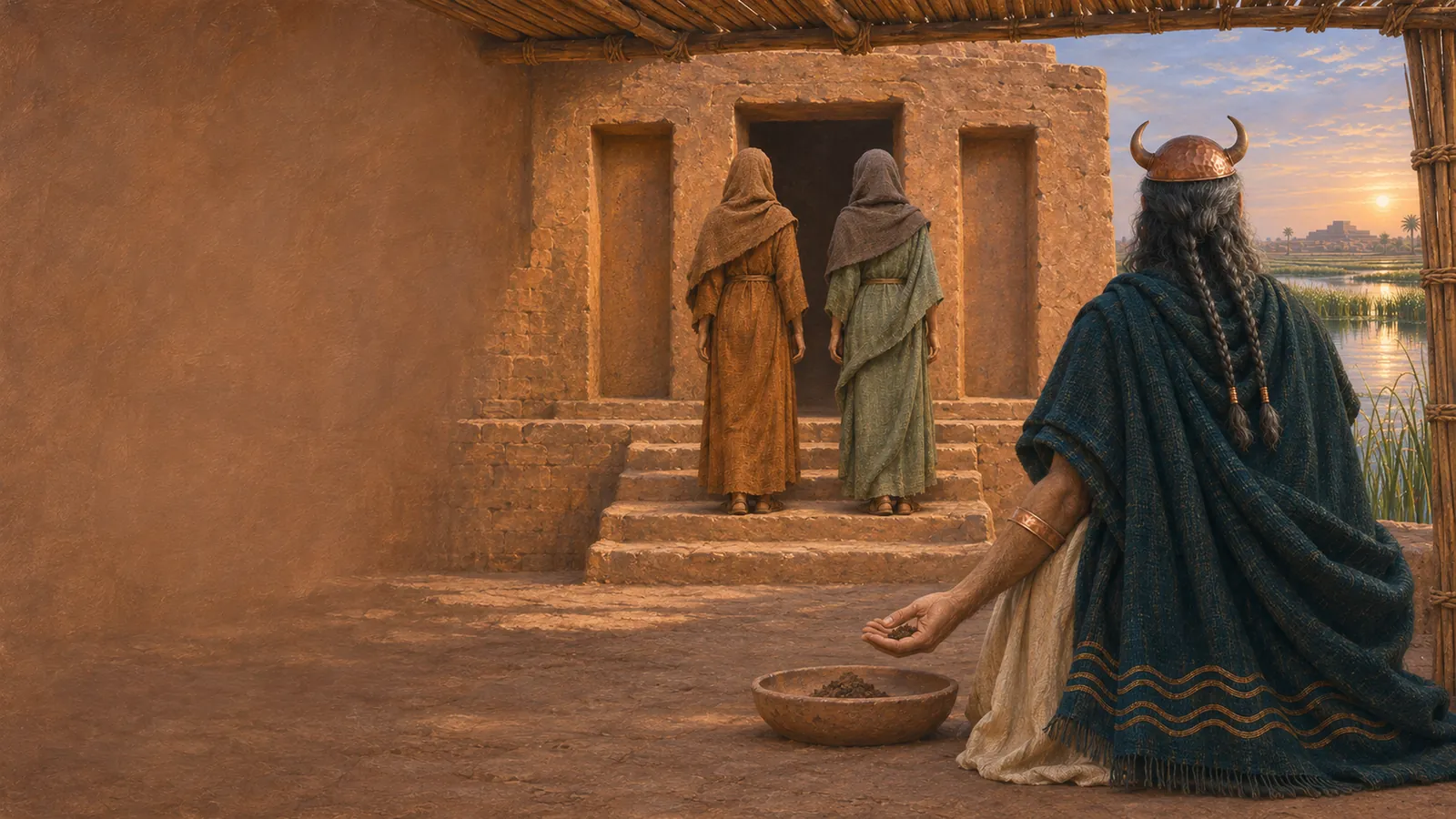
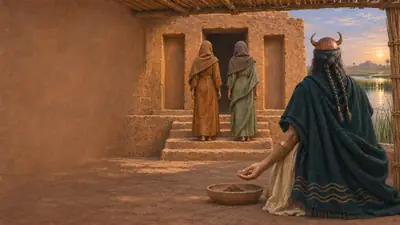
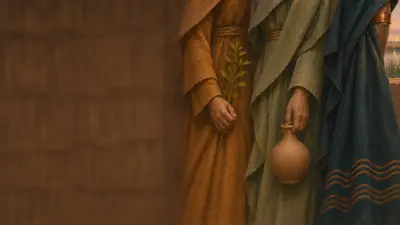
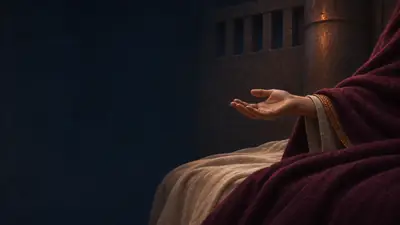
From a little earth at his fingernails, Enki made the kur-jara and the gala-tura. These were the two he would send into the netherworld.
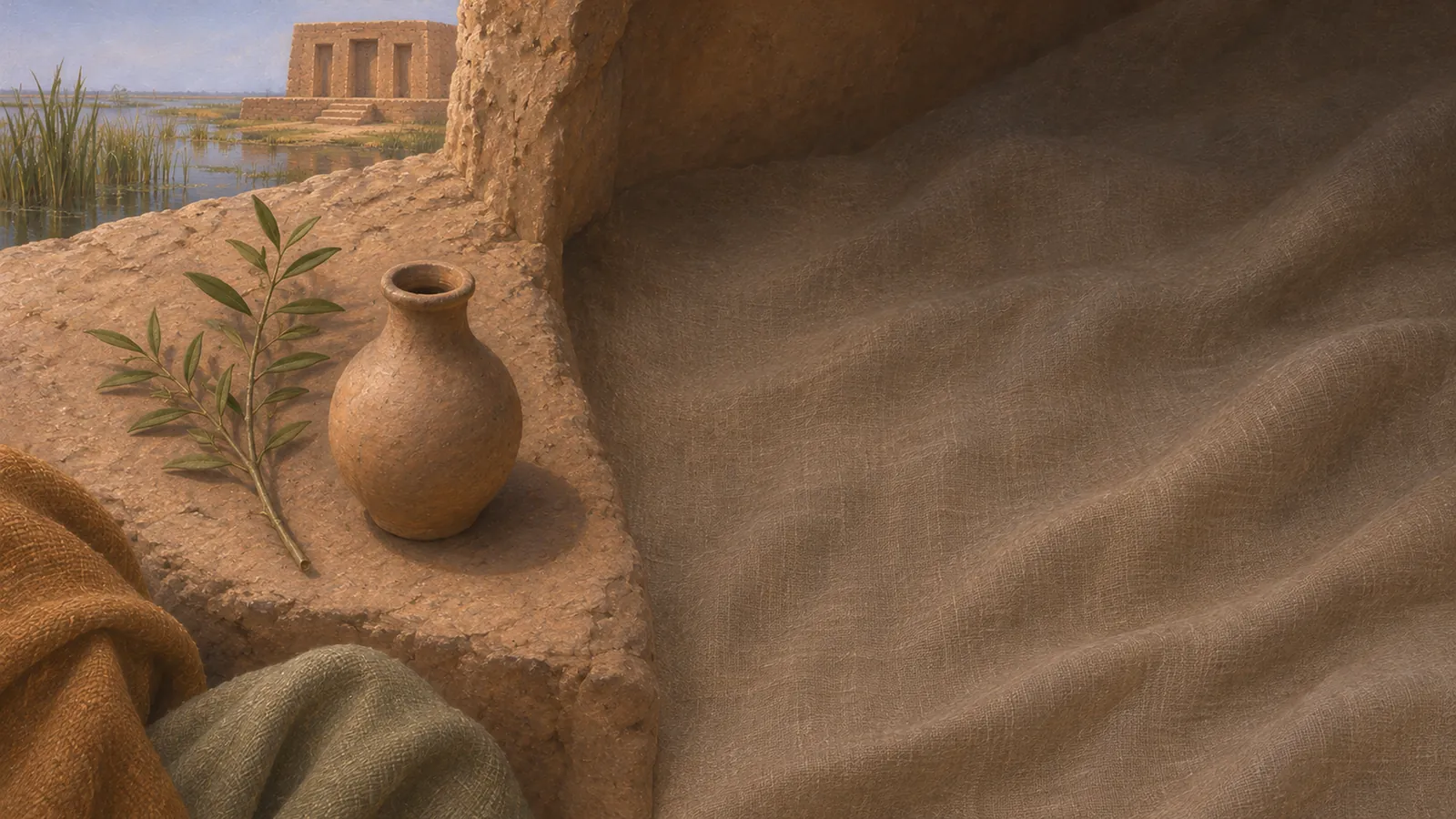
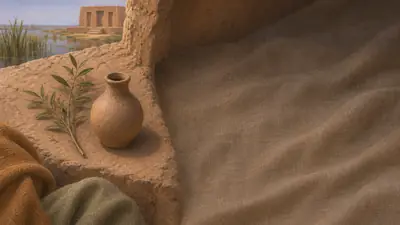
Enki gave the kur-jara the plant that brings life. To the gala-tura he entrusted the water that brings life.
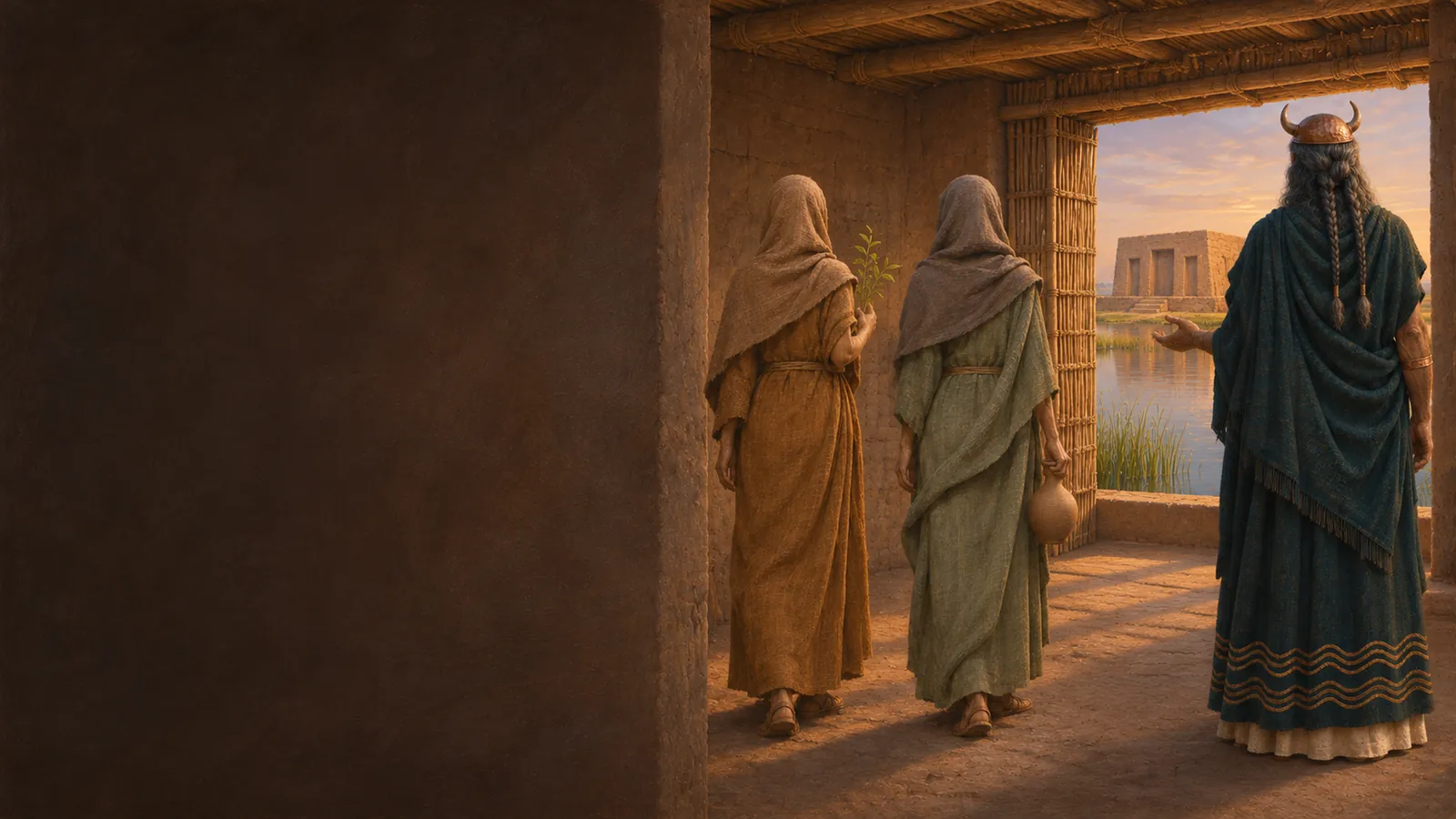
Enki told the two to head below and pass the door as lightly as flies. They were to slip past the pivots like shadows.
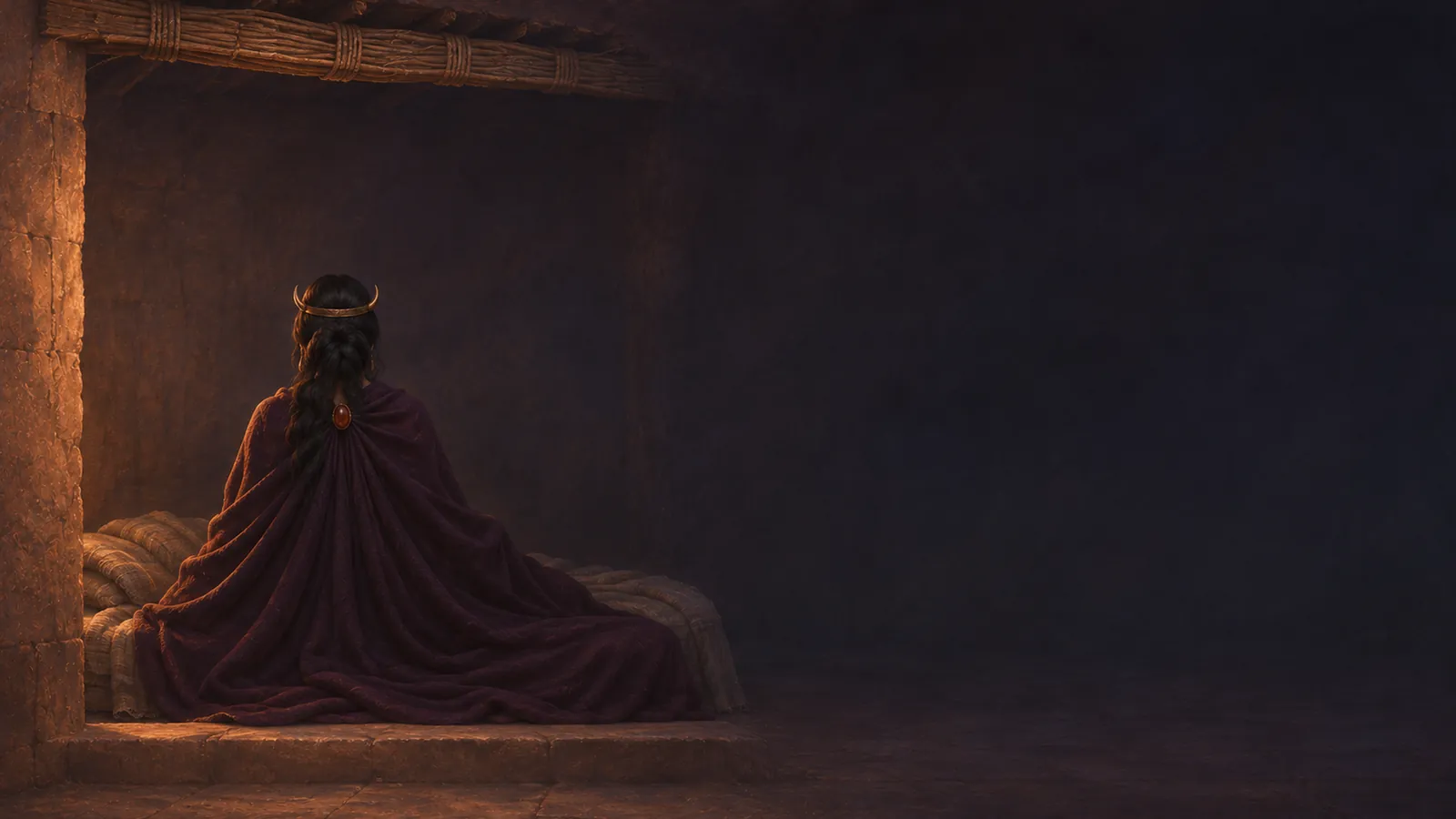
They would find Ereshkigal lying in distress on account of her children, Enki told them. She would be dishevelled and in pain.
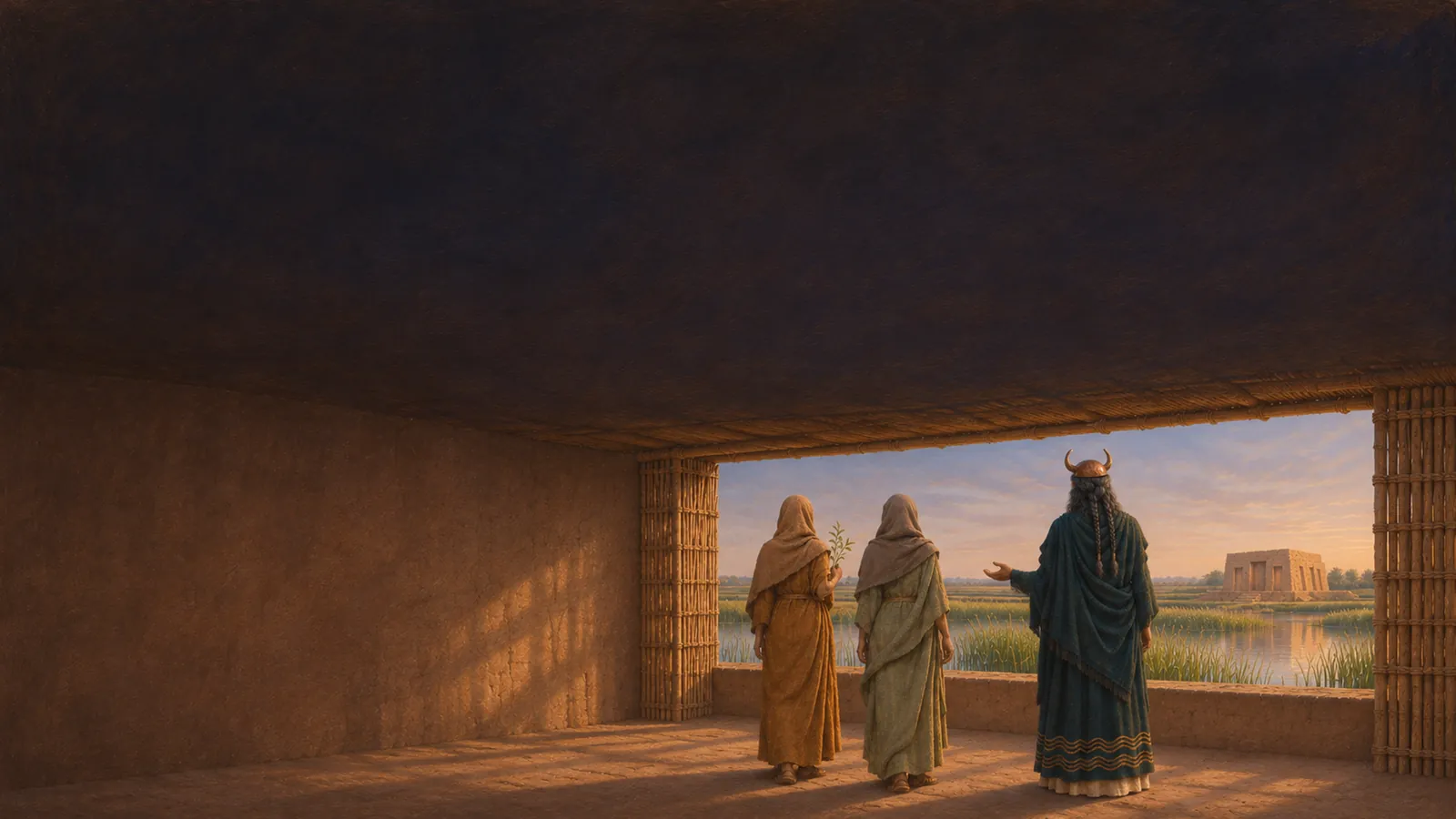
When Ereshkigal cried out about her heart or her liver, the two were to answer with the same words of pain. If she addressed them, they were to ask her to swear by heaven and earth.
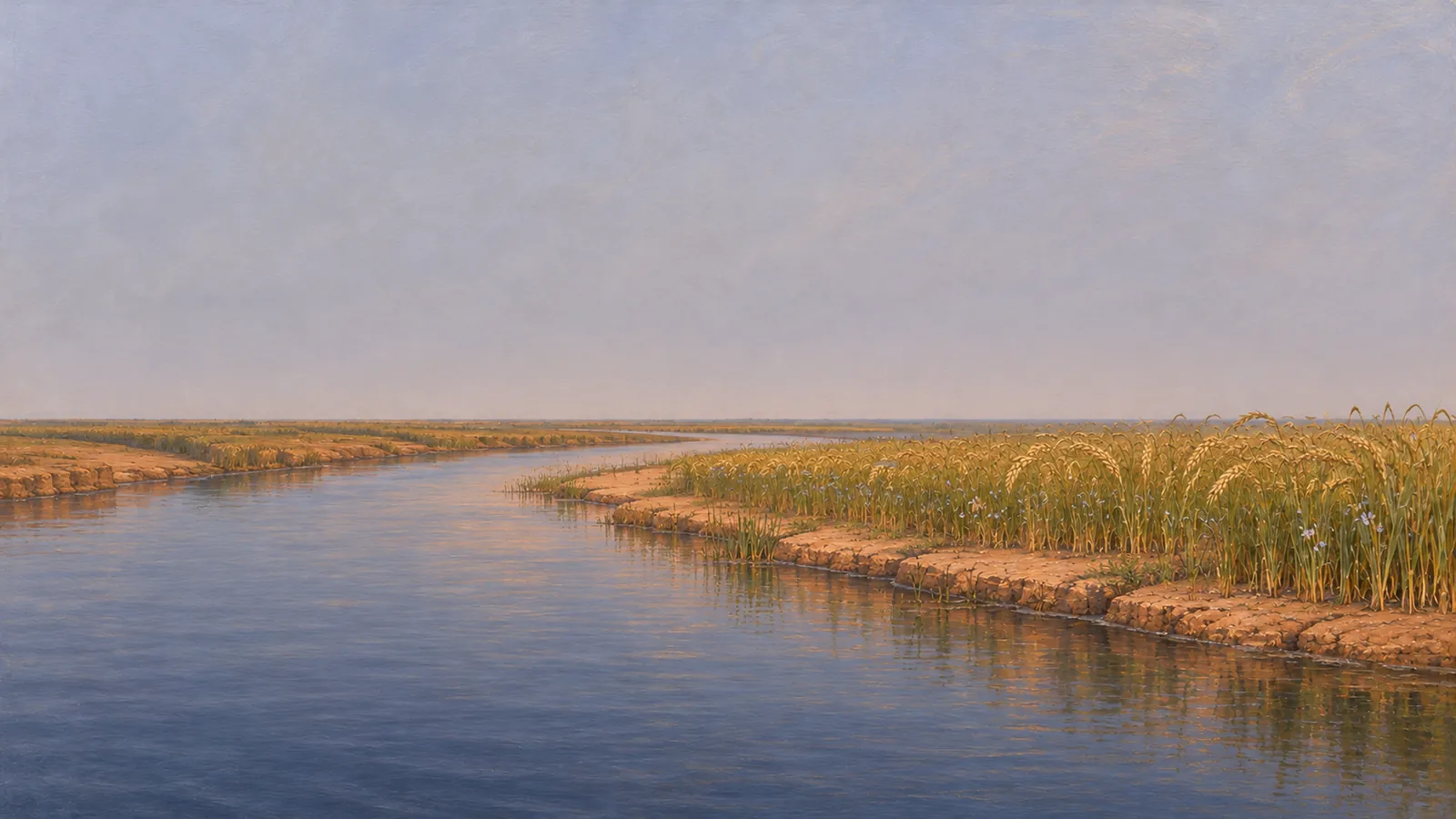
Enki told them they would be offered a river and its water, then a field and its grain. They were to accept neither gift.
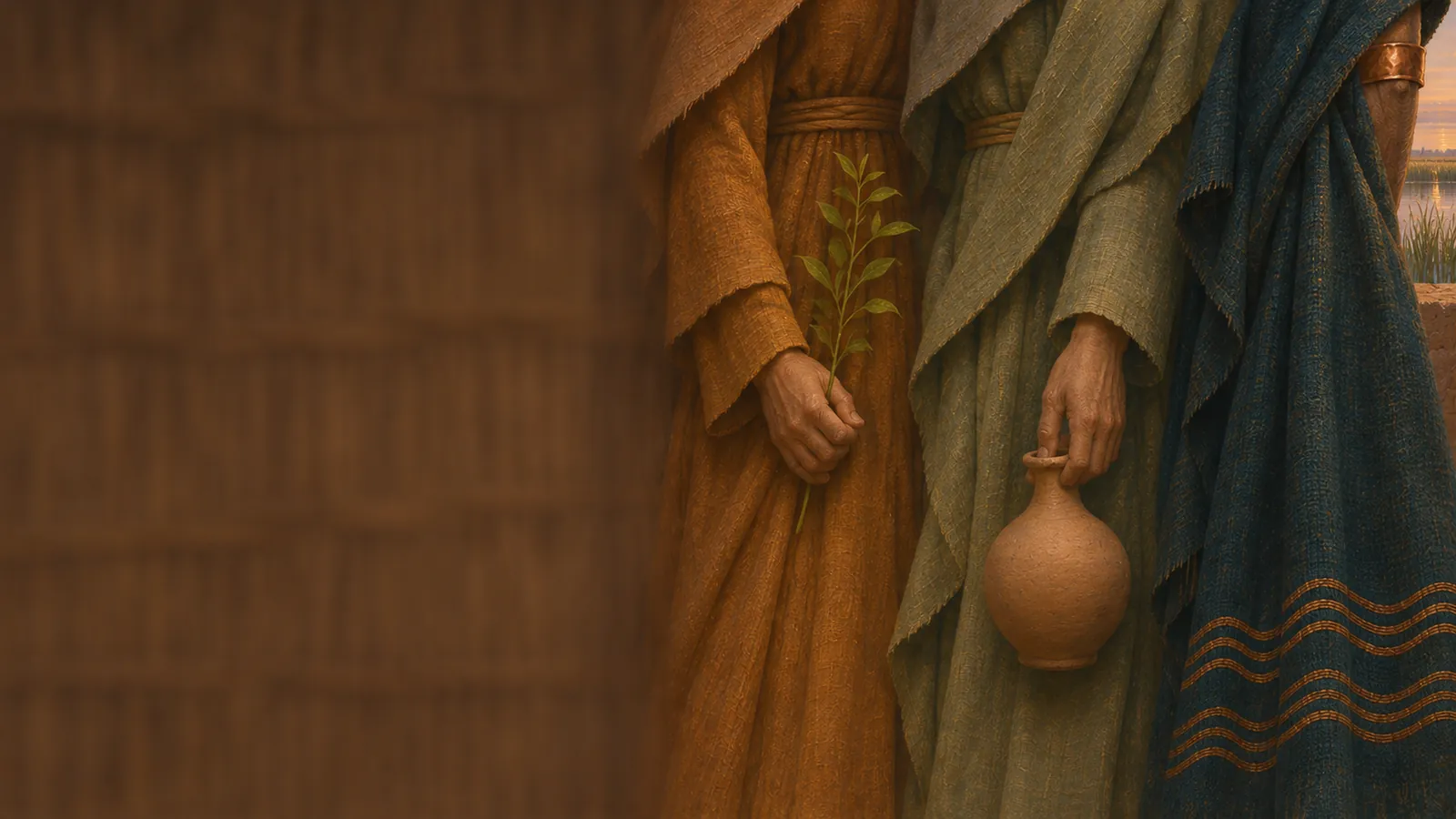
They must ask for Inanna’s body. When it was given to them, one was to sprinkle the plant and the other the water. Then Inanna would rise.
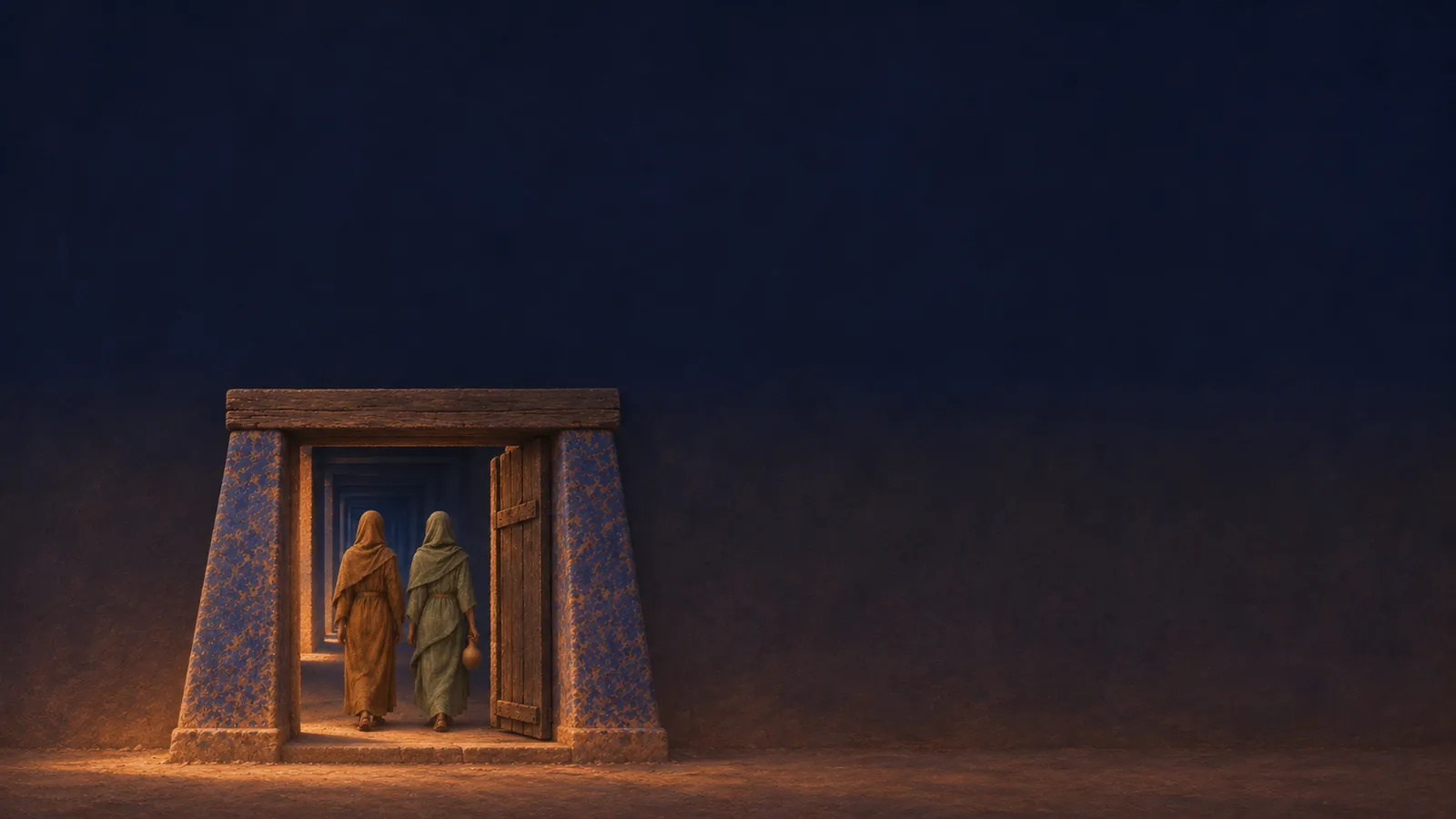
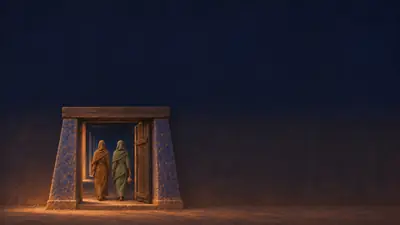
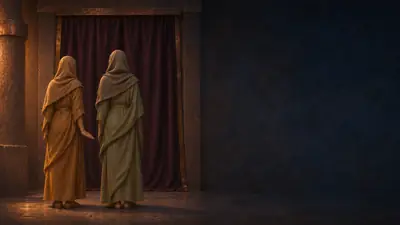
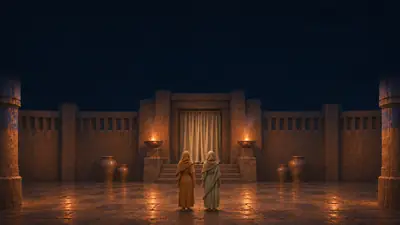
The kur-jara and the gala-tura did as Enki had said. As quick as flies and as quiet as shadows, they slipped into the land below.
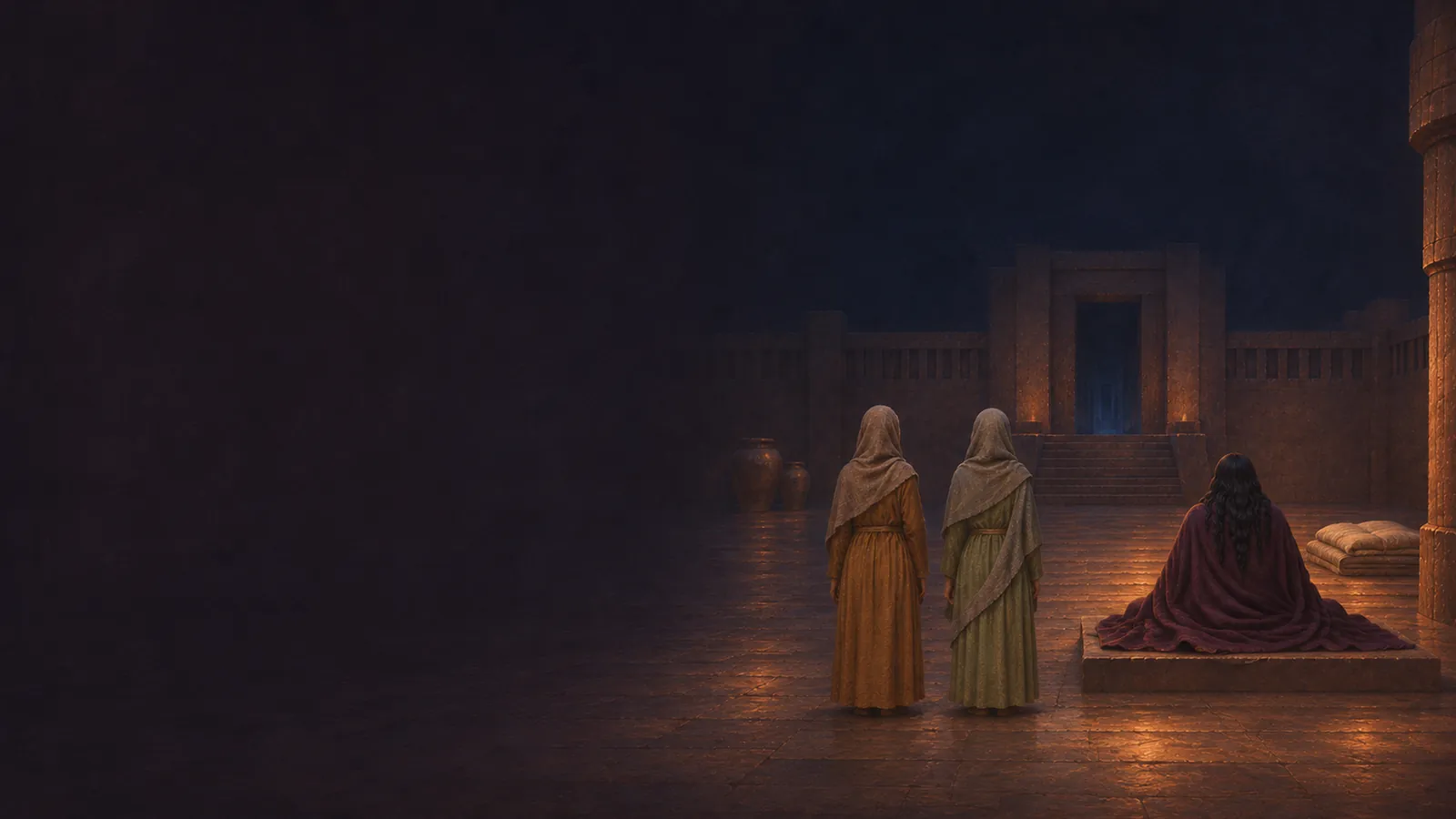
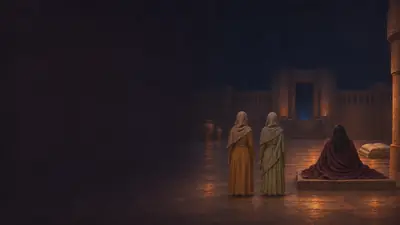
They found Ereshkigal lying where Enki had said she would be. Her hair was in disarray, and the distress he had spoken of was plain.
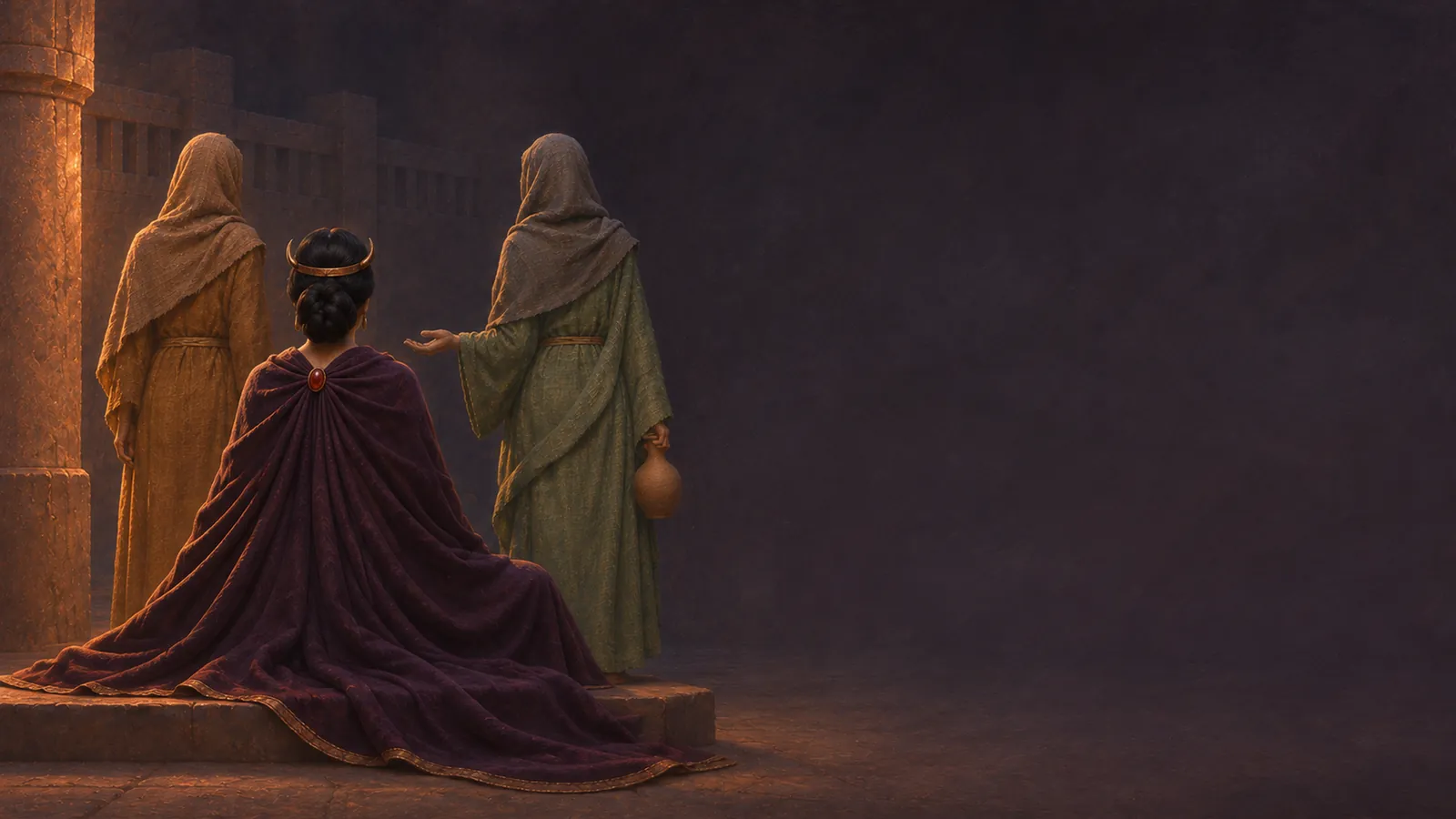
When Ereshkigal cried out about her heart, they answered with concern for her heart. When she cried out about her liver, they answered that she was in pain there too.
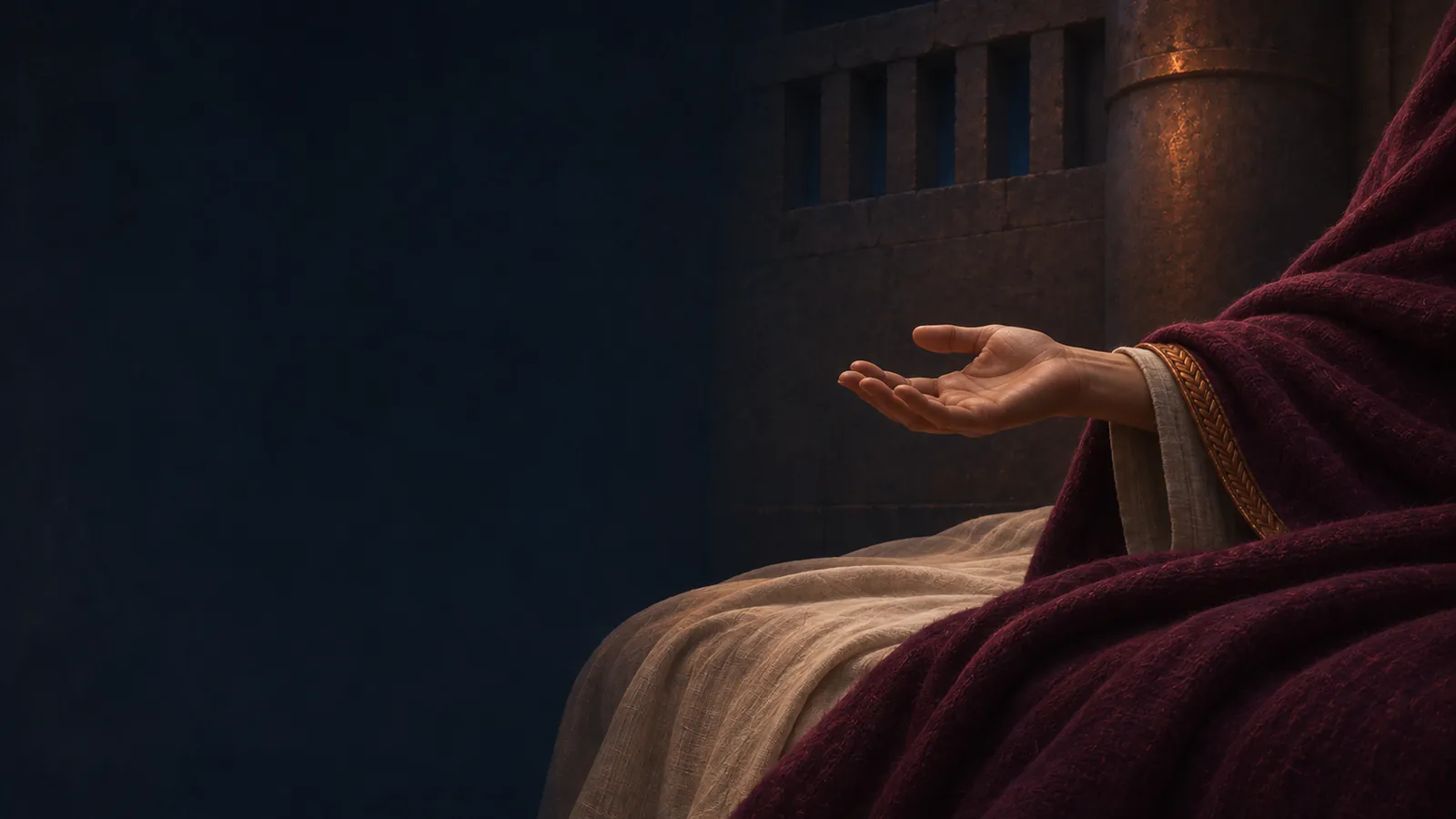
Ereshkigal asked the two who they were. She spoke from her own pain to theirs, and they asked her to pledge her word by heaven and earth.
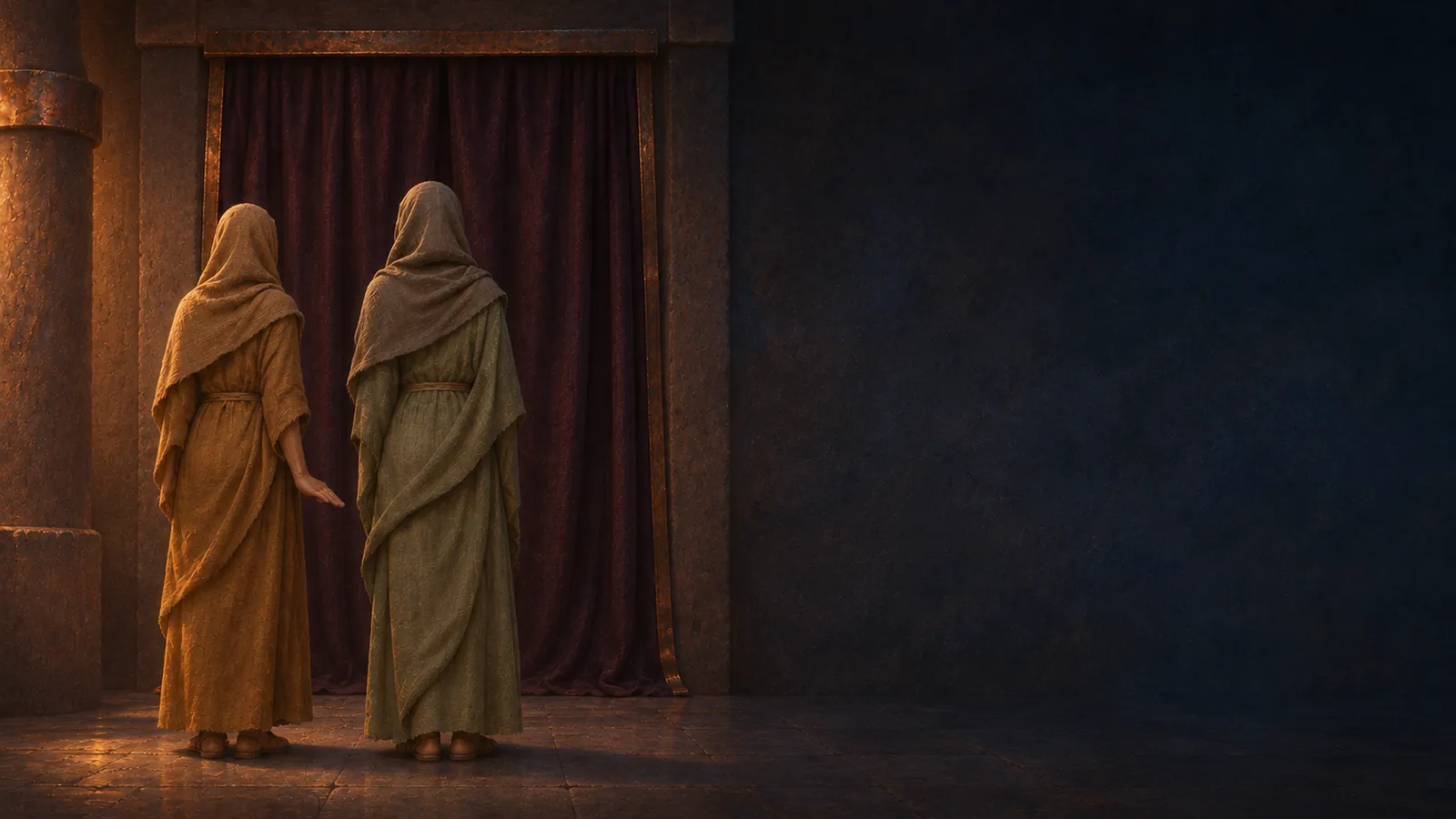
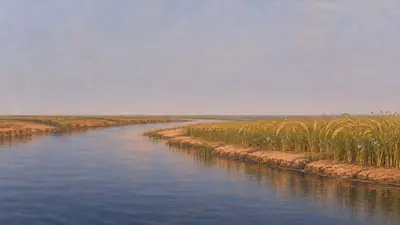
They were offered a river with its water and turned it down. They were offered a field with its grain and turned that down as well.
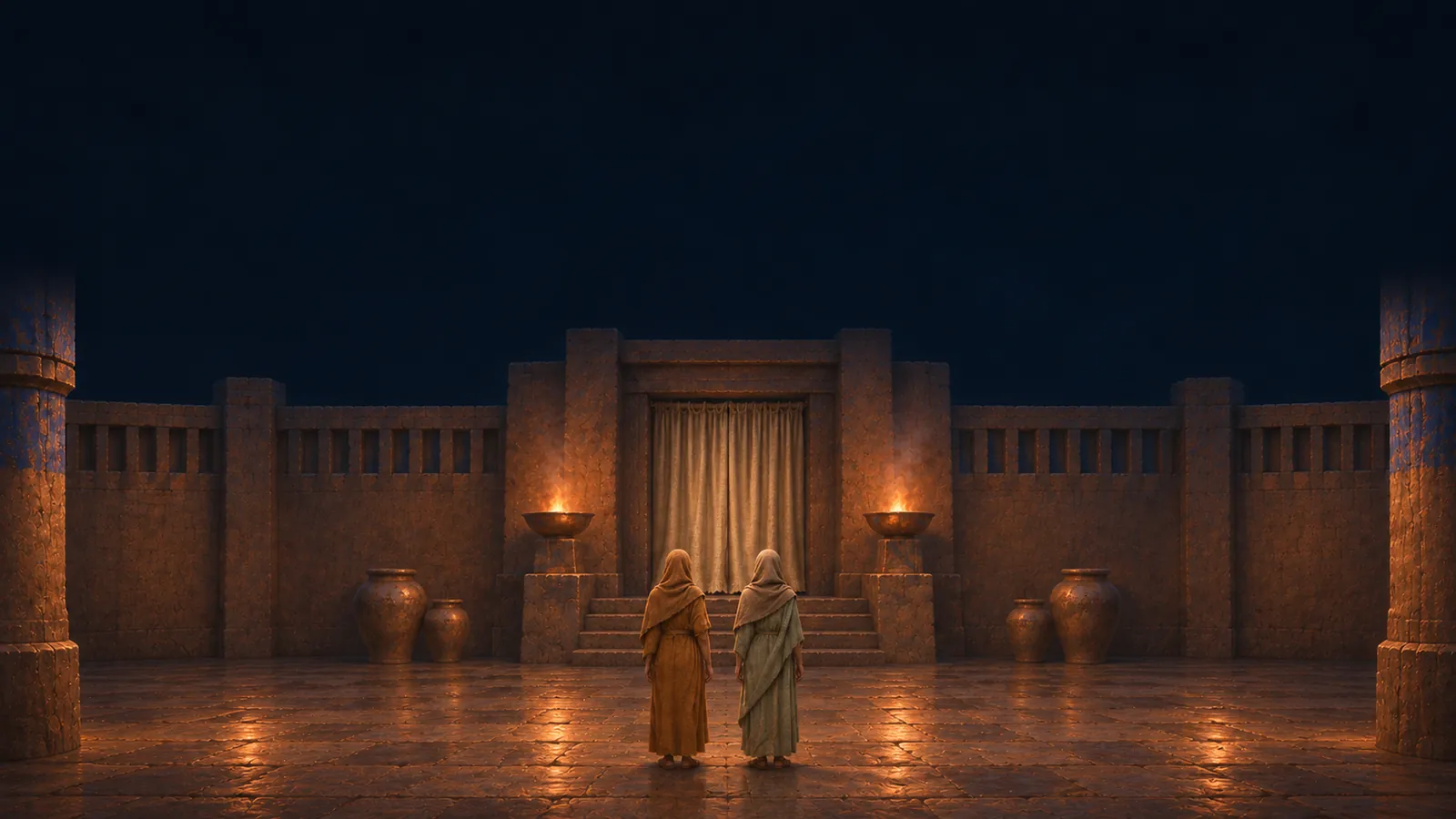
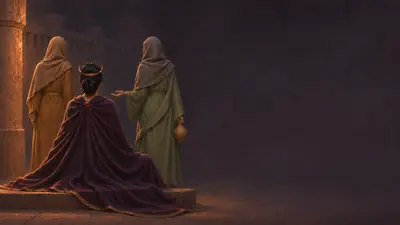
The two asked to be given the one who had died. Ereshkigal told them it was their queen. They held to their request, and Inanna was given into their care.
INANNA RISES
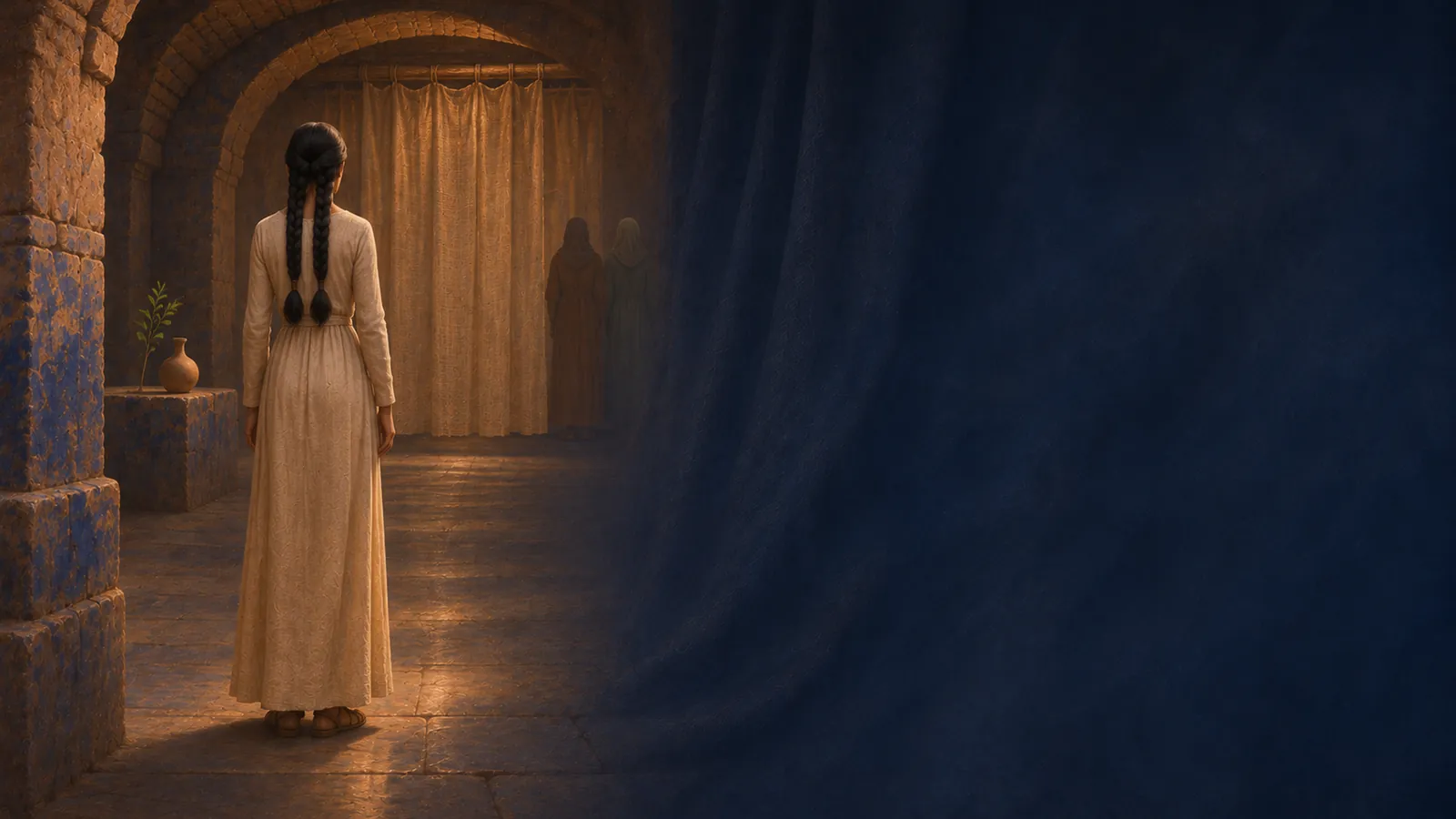
One sprinkled the life-giving plant, and the other sprinkled the life-giving water. Then Inanna rose again.
THE PRICE
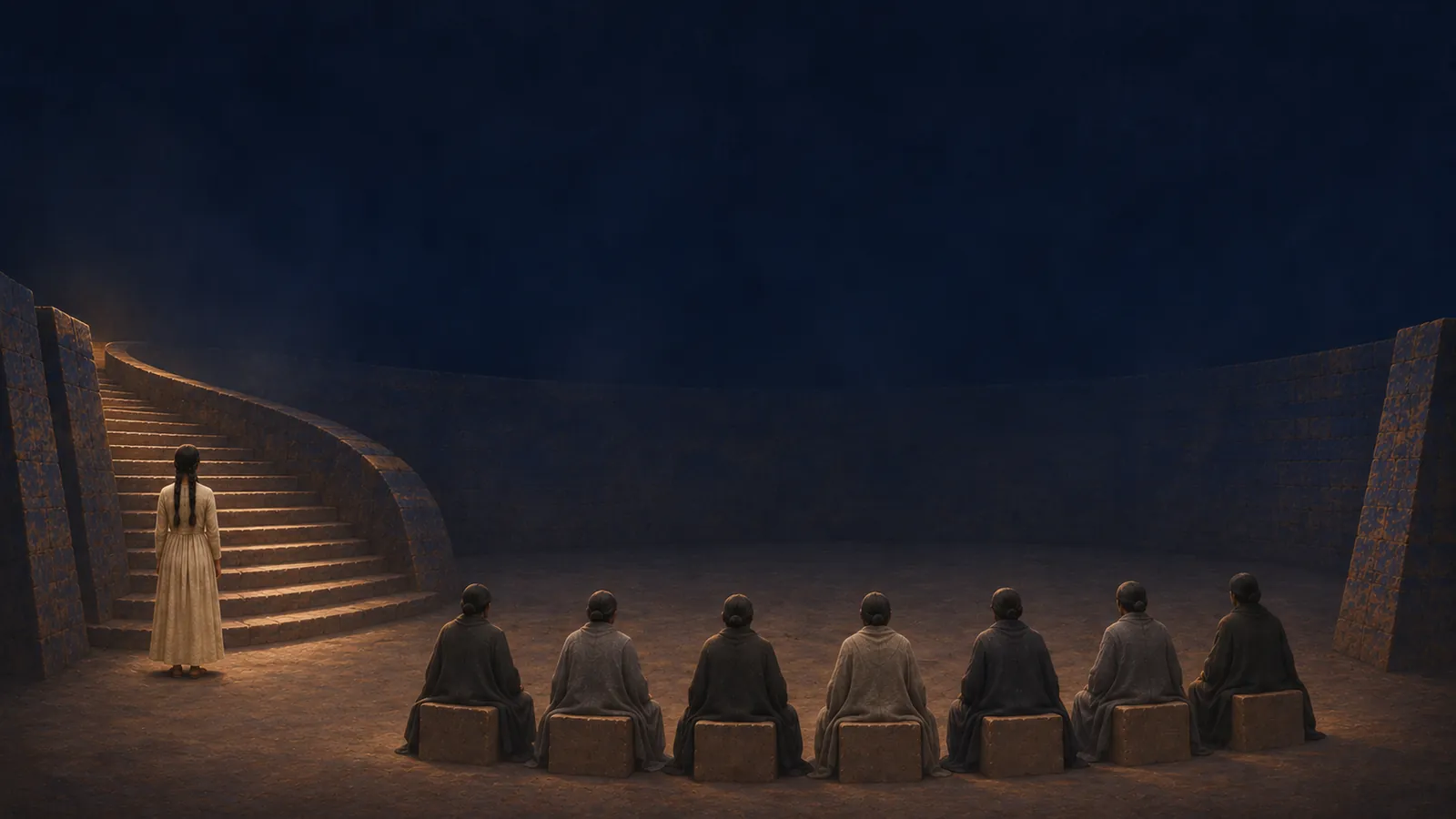
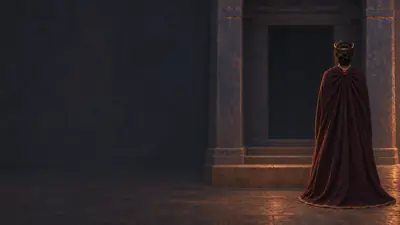
Inanna was about to leave when the Anuna stopped her. Who had ever come out of the netherworld without loss, they asked. Someone would have to go in her place.
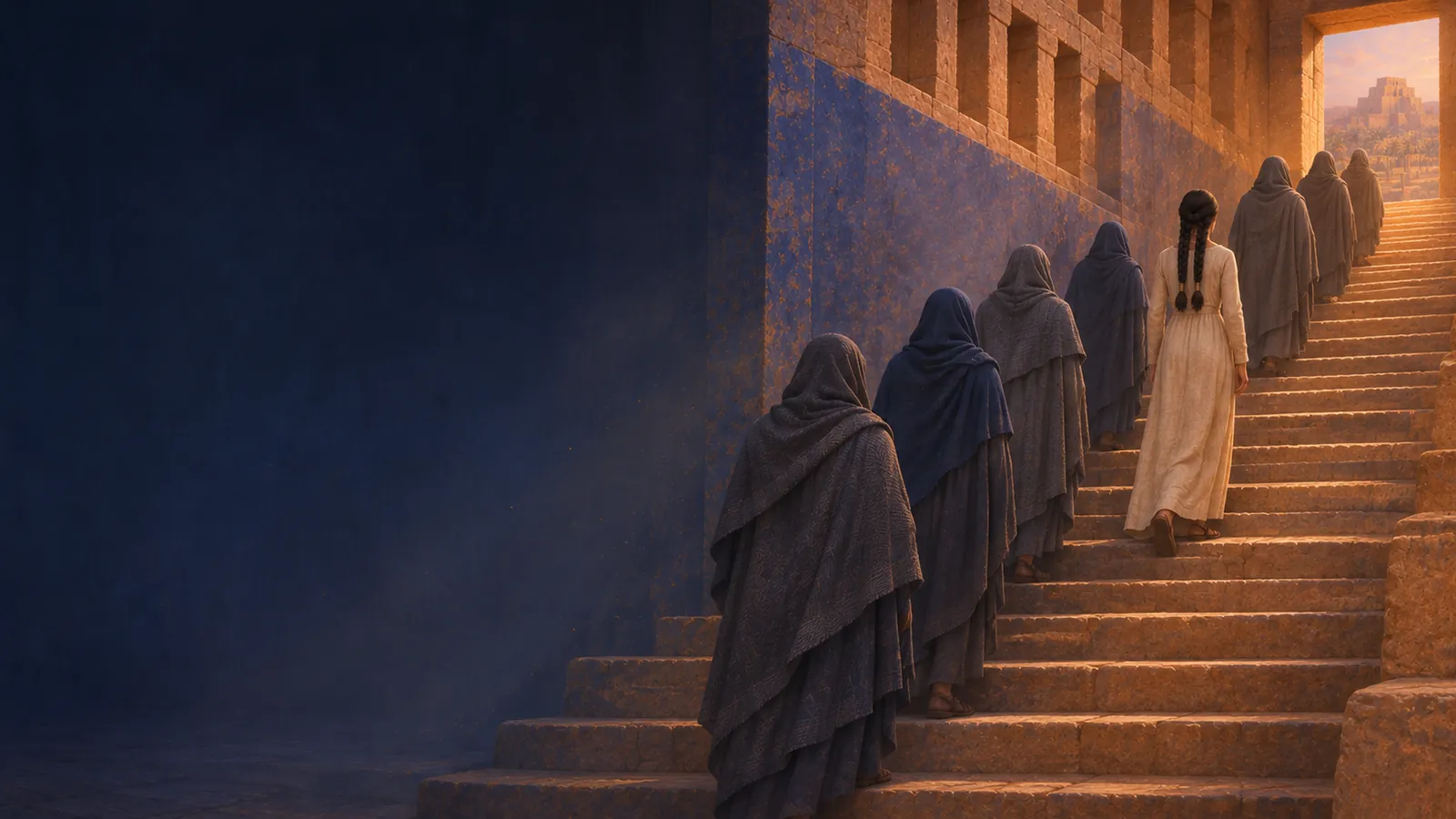
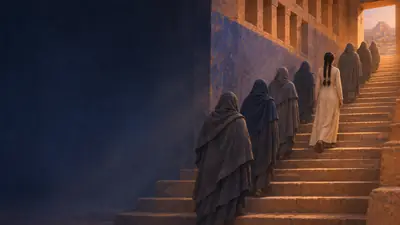
Inanna climbed with the escorts all around her, close as reeds in a fence. They took no food, drink or gift. These were the ones who could pull families apart.
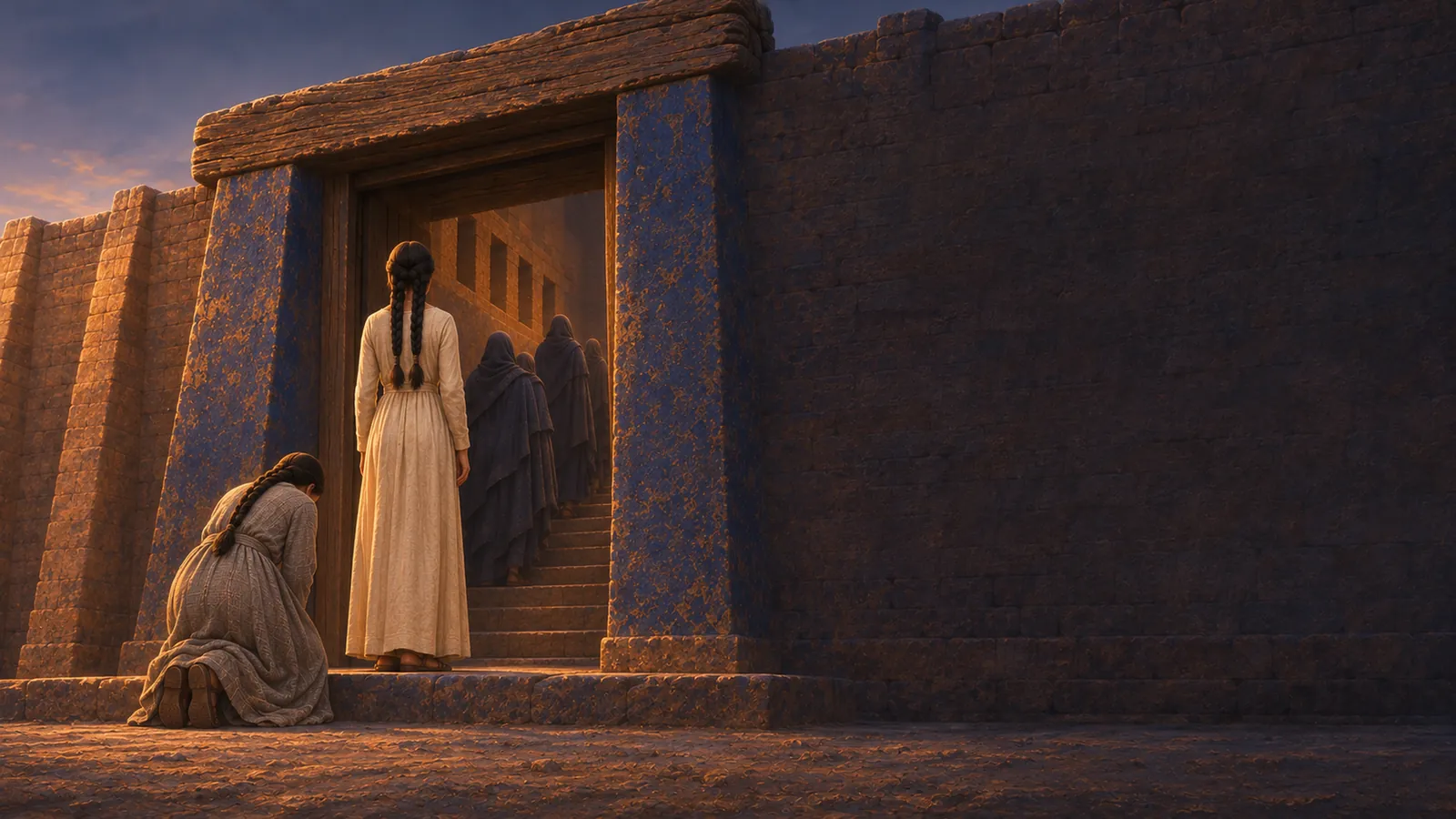
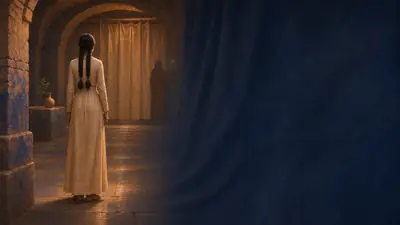
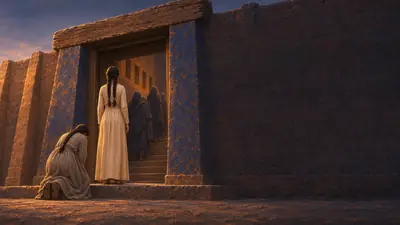
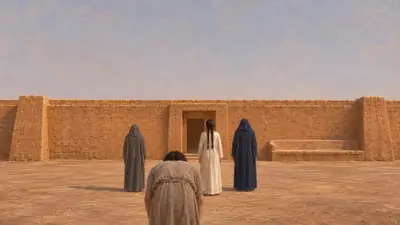
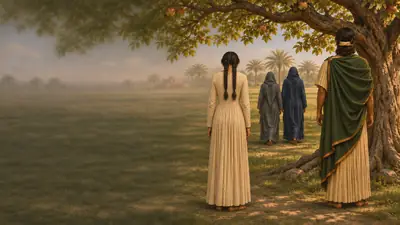
At the gate of Ganzer, Ninshubur threw herself at Inanna’s feet. Dust covered her plain garment. The escorts said they would take her and let Inanna go on.
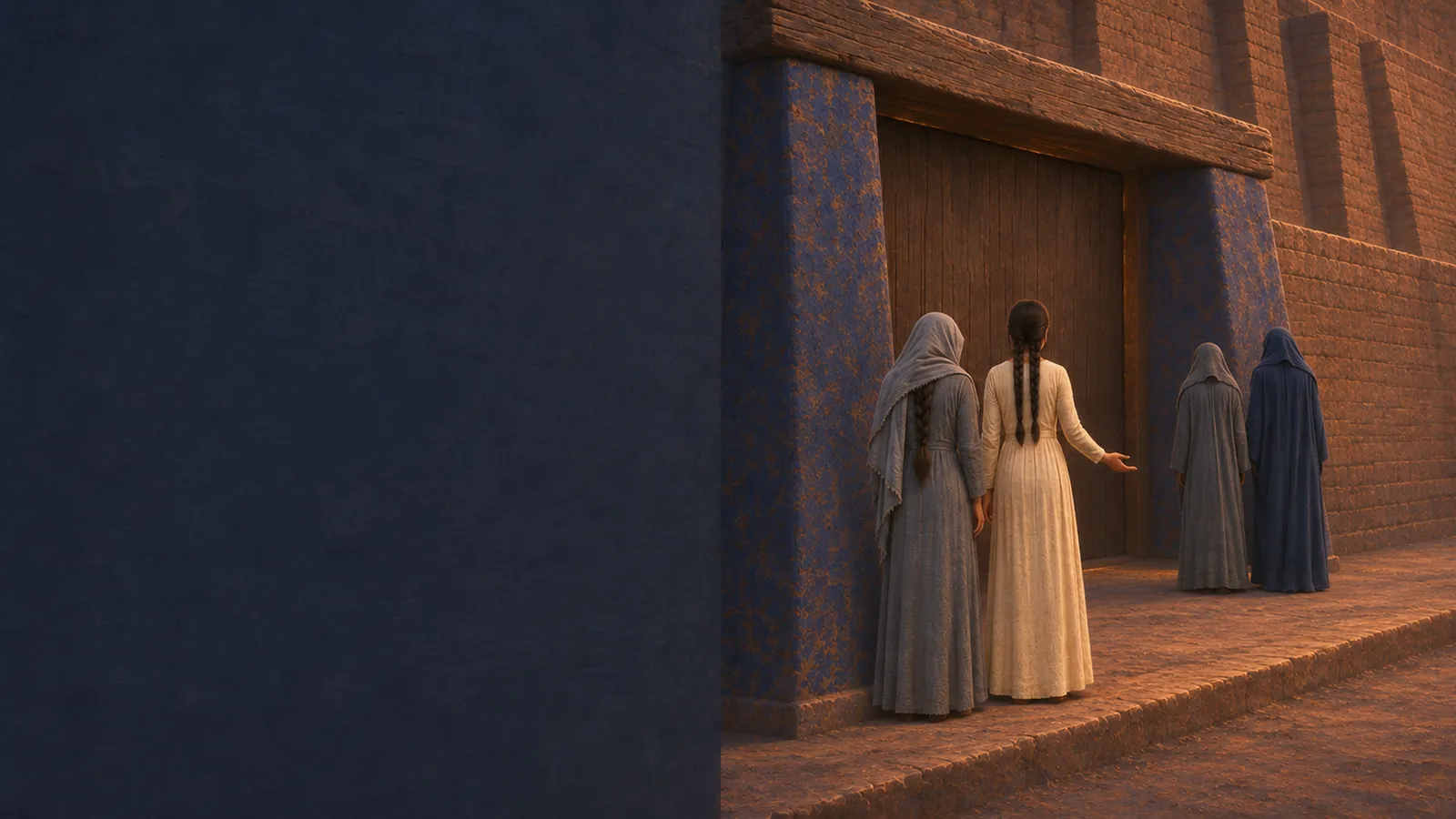
Inanna told them how Ninshubur had mourned, sounded the drum and sought help in three temples, all on her own. She had brought Inanna back to life. Inanna would never give her to them, and told the escorts to go on to Umma.
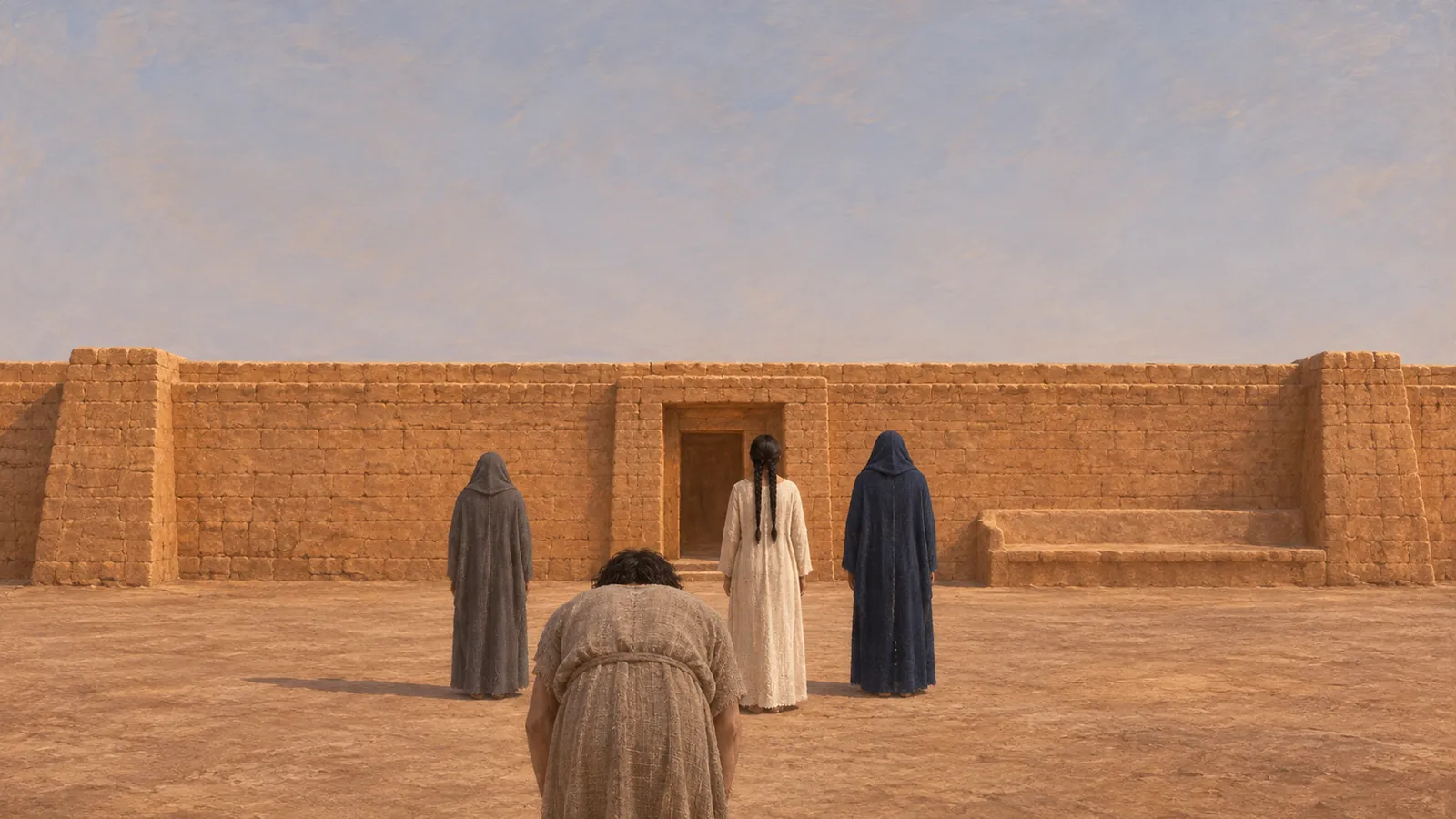
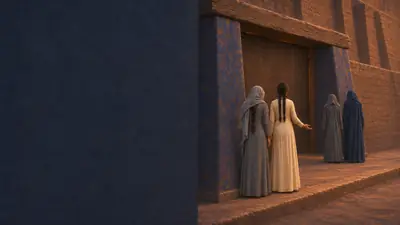
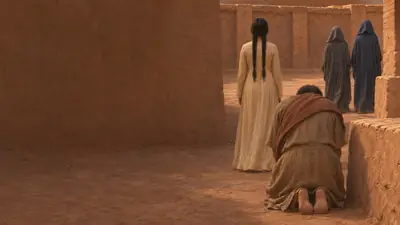
In Umma, Shara bowed before Inanna in dusty mourning clothes. The escorts would have taken him, but Inanna said he was her singer and cared for her hands and hair. She sent them onward to Bad-tibira.
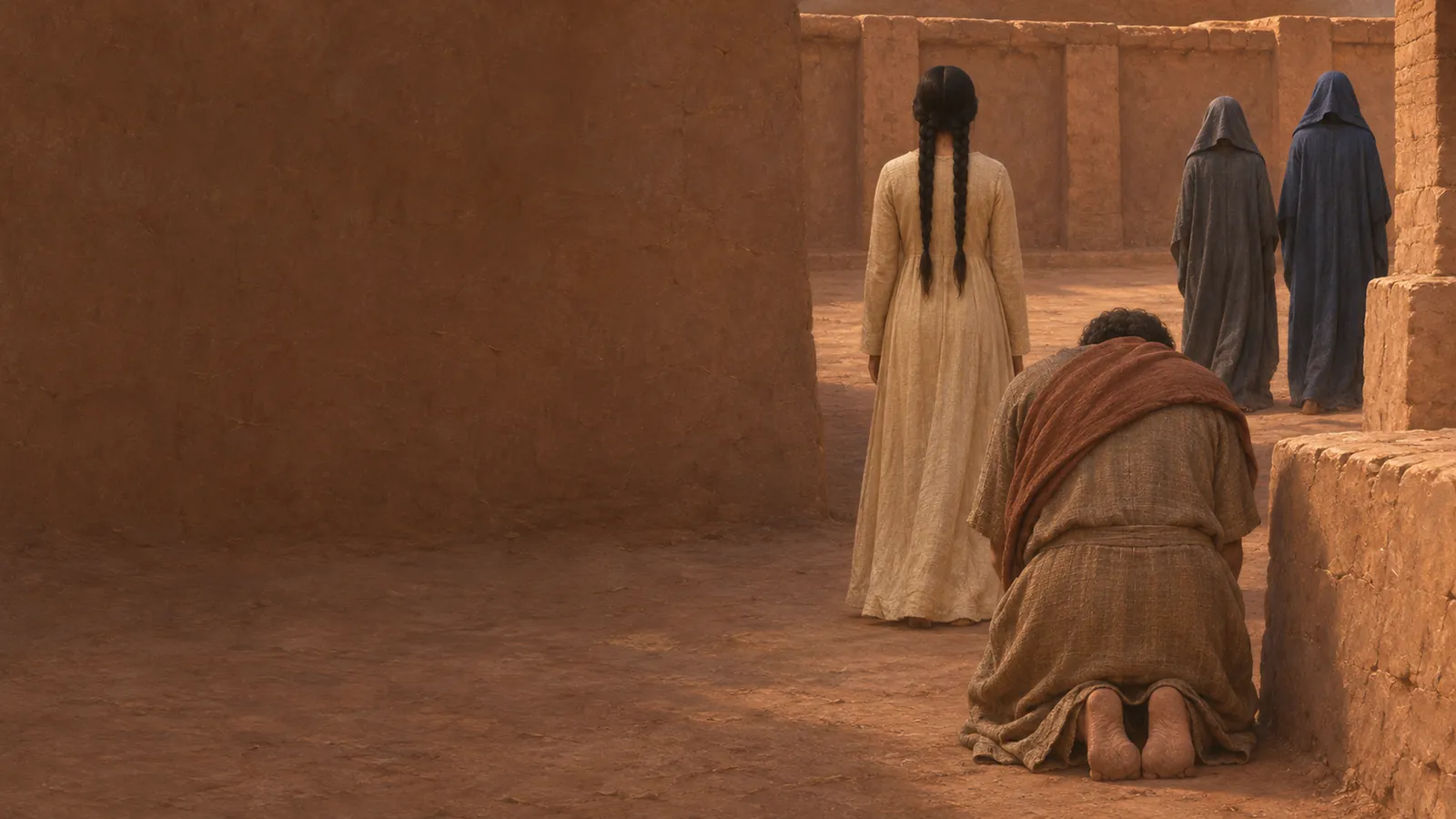
At Bad-tibira, Lulal too bowed in the dust in mourning clothes. Inanna told the escorts she would keep the one who had stood at her right and her left. They were to go on to the apple tree in Kulaba.
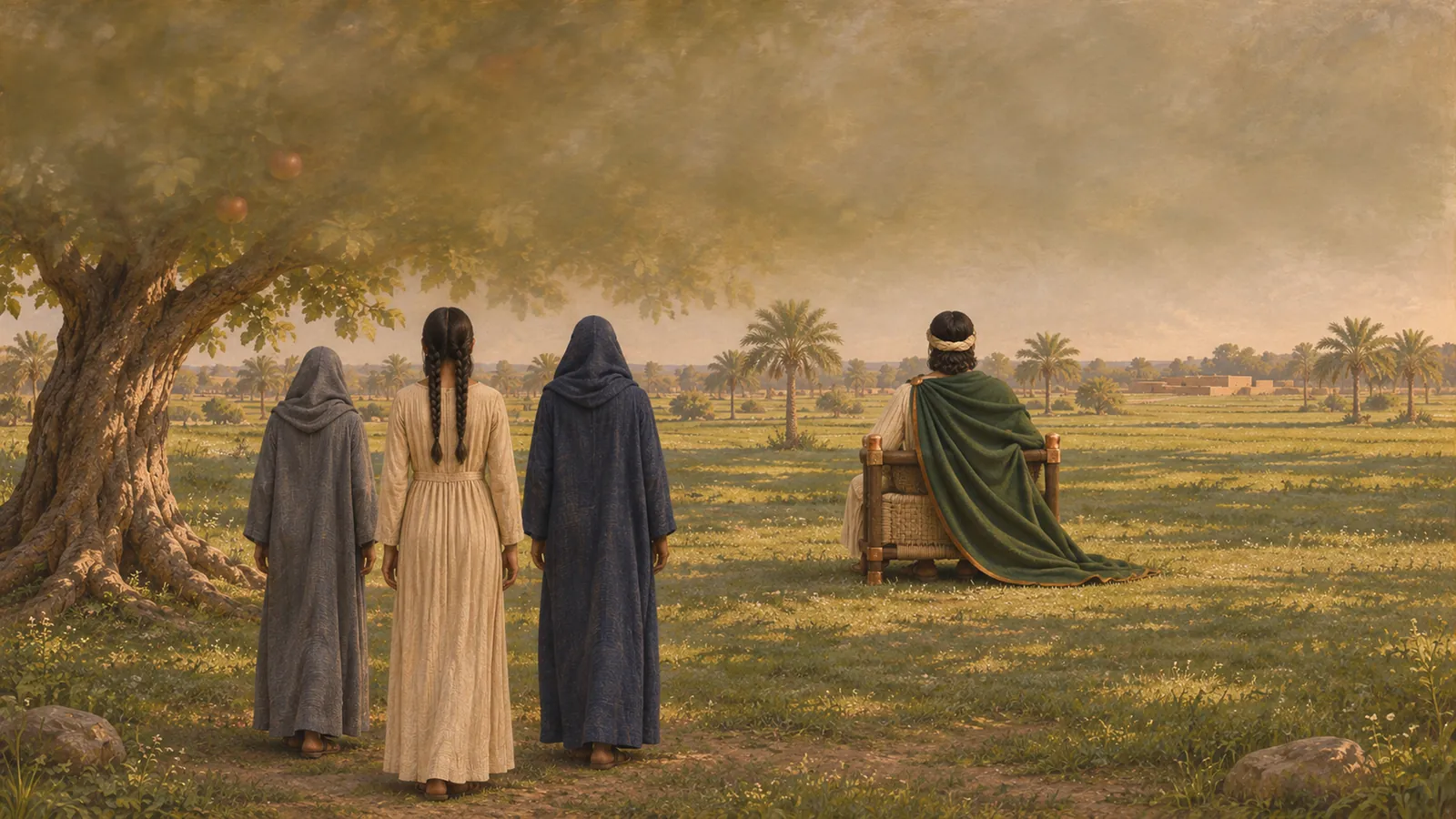
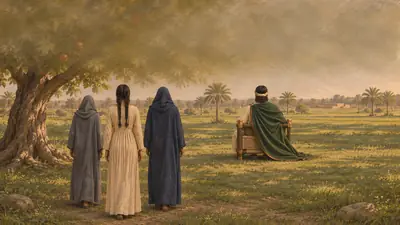
They came to the great apple tree on the plain of Kulaba. There sat Dumuzid on a splendid seat, wearing a splendid garment.
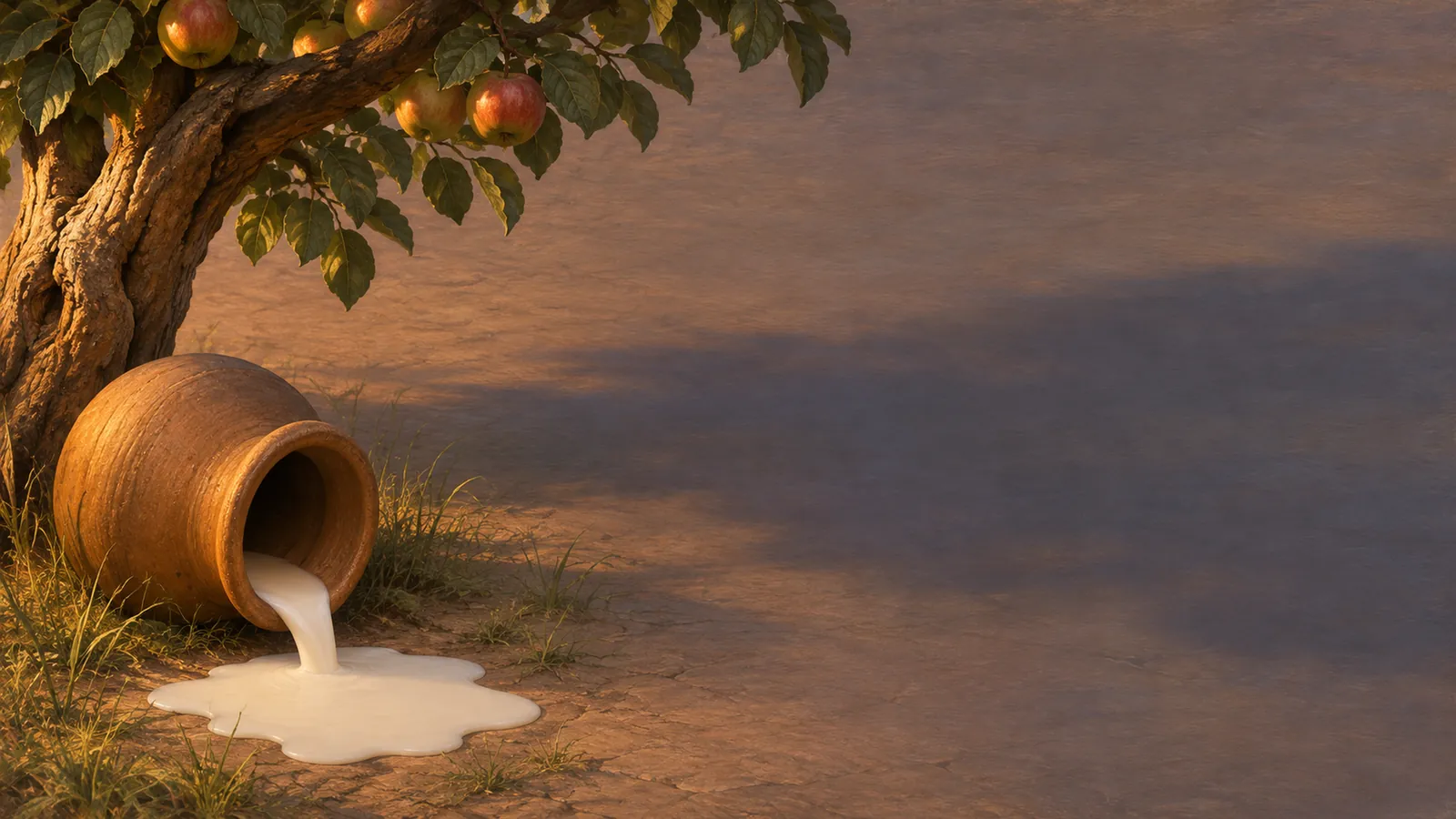
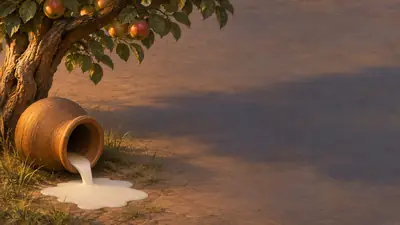
The escorts seized Dumuzid at the tree. They poured the milk out of his churns.
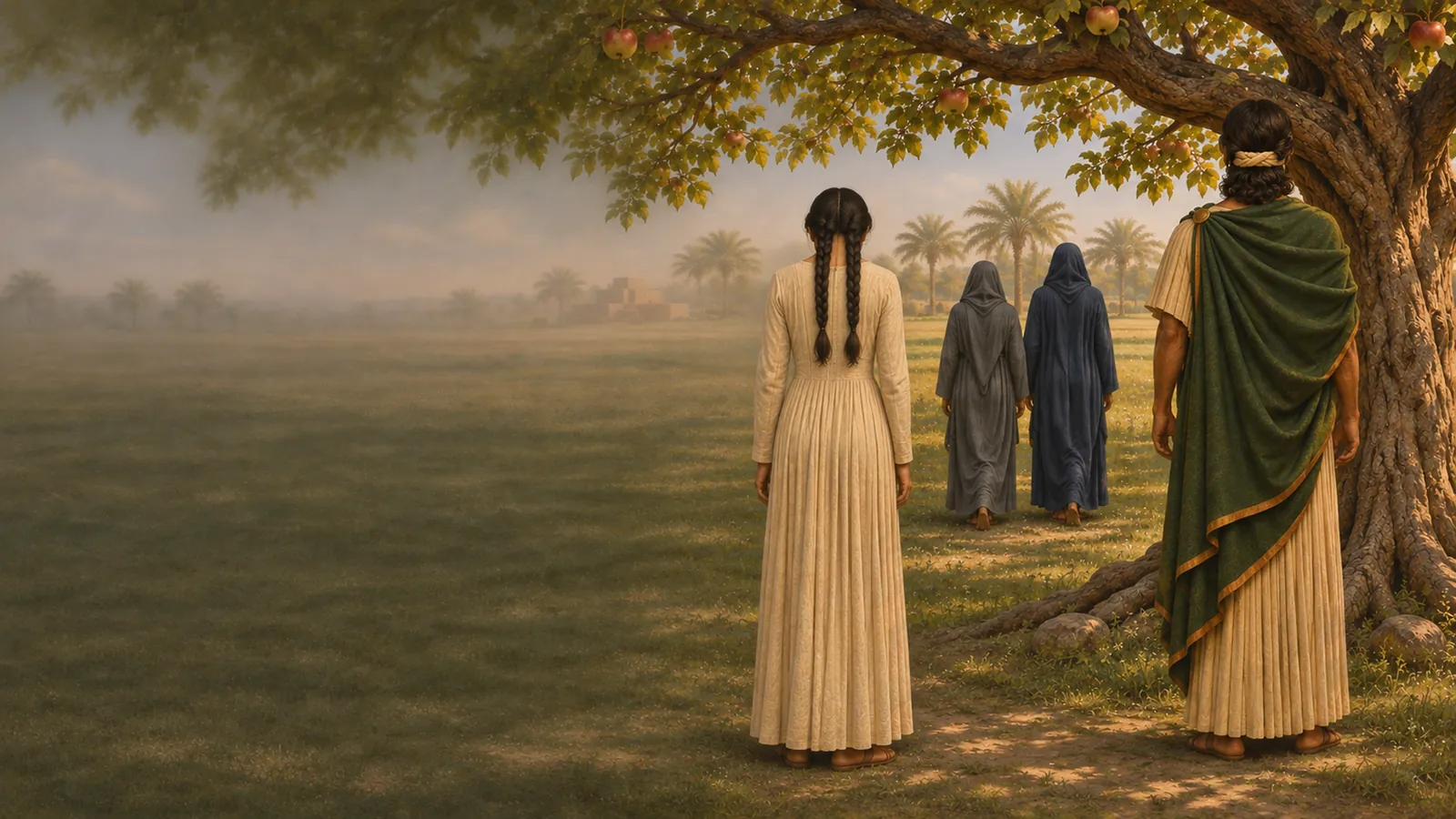
IN HER PLACE
Inanna turned on Dumuzid the deathly gaze she had faced below. She spoke in anger and gave the shepherd into the escorts’ hands. They were the ones who took people away from those they loved.
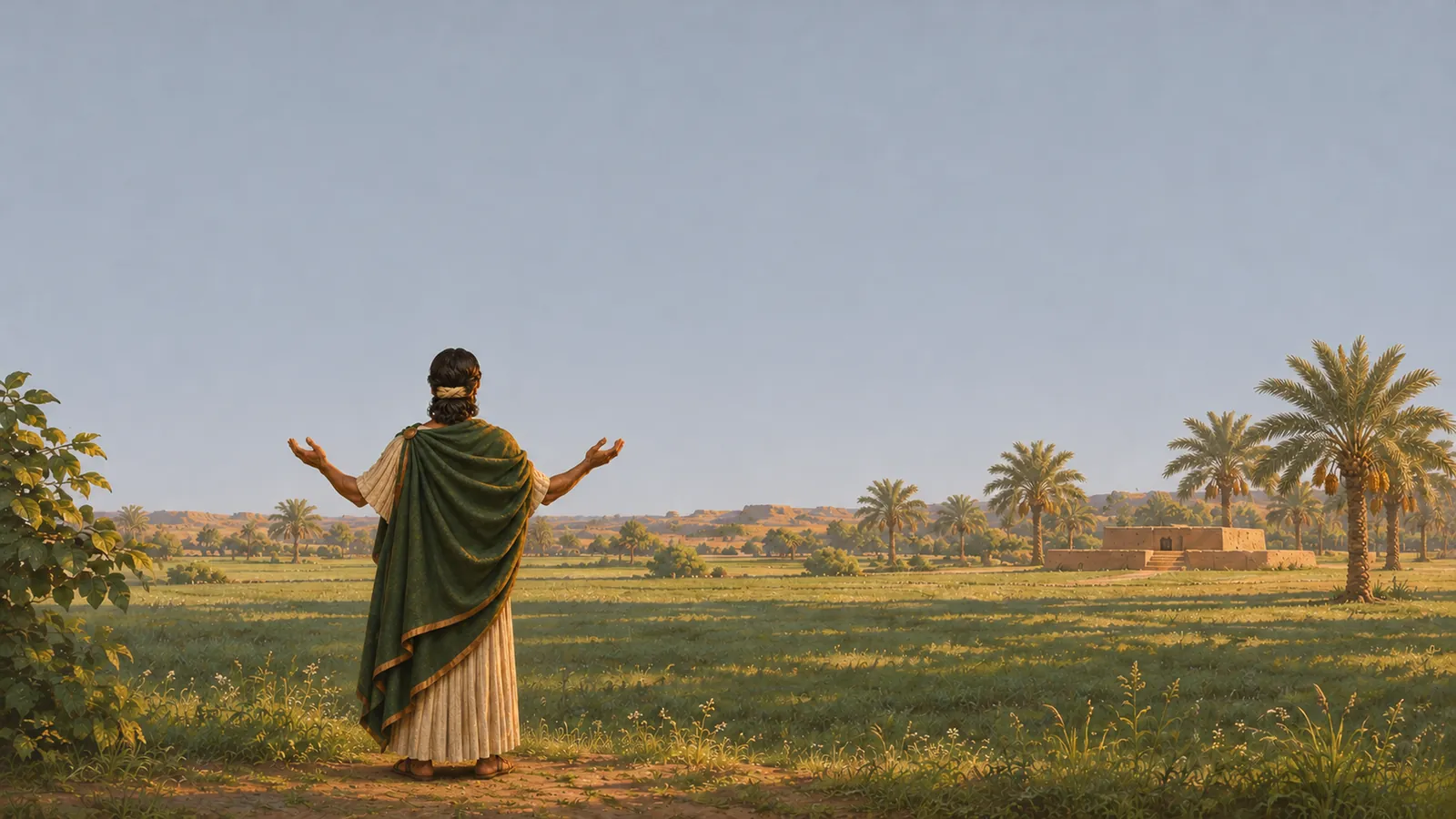
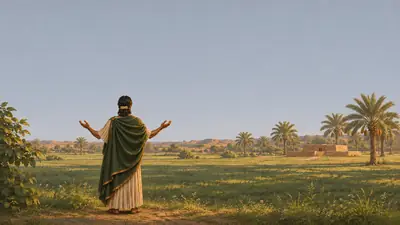
Dumuzid cried out and raised his hands to Utu, his brother by marriage. He recalled the butter and milk he had brought to Ningal’s house. Then he asked for hands and feet like a serpent’s, so he could slip away.
Utu took pity on Dumuzid’s tears. With hands and feet changed to a serpent’s, Dumuzid escaped his pursuers. The next lines break off before we can follow him farther.
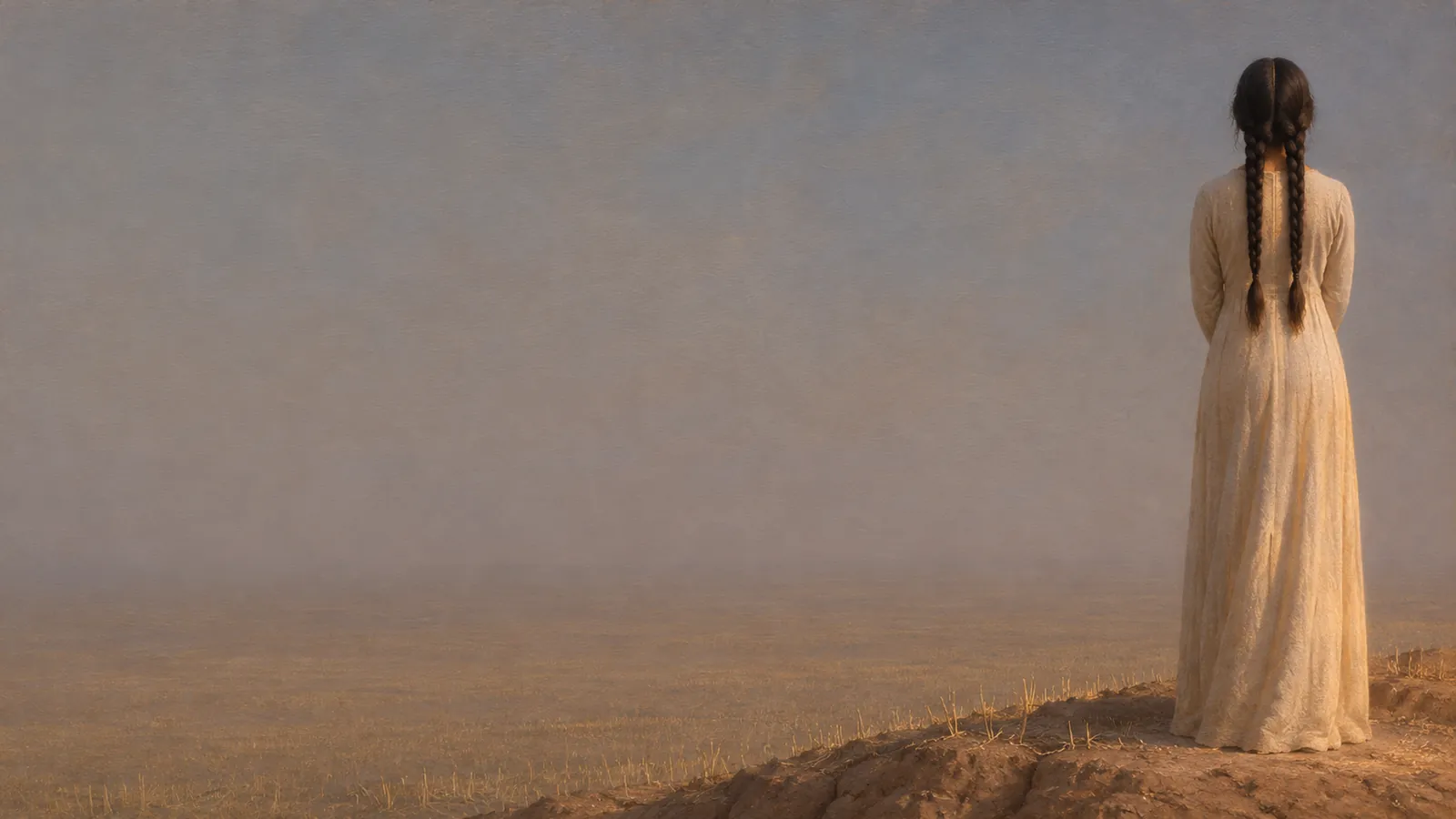
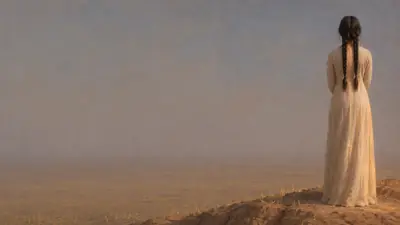
When the words can be read again, Inanna is weeping for her husband. She calls to those who have their loved ones close and asks where hers has gone.
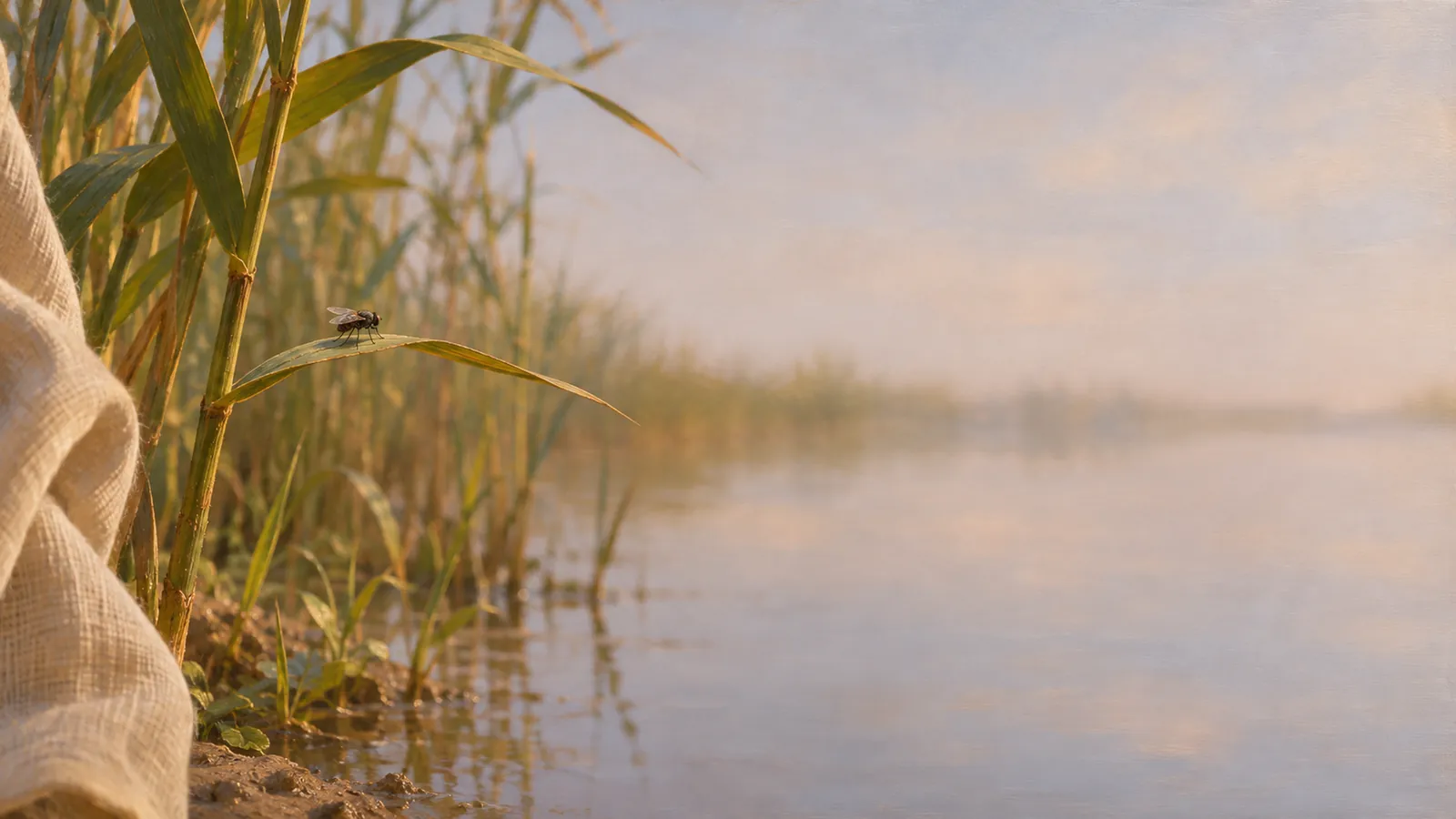
A fly offered to show Inanna where her husband was, if there were a reward. Inanna promised a gift. The words that describe it are broken.
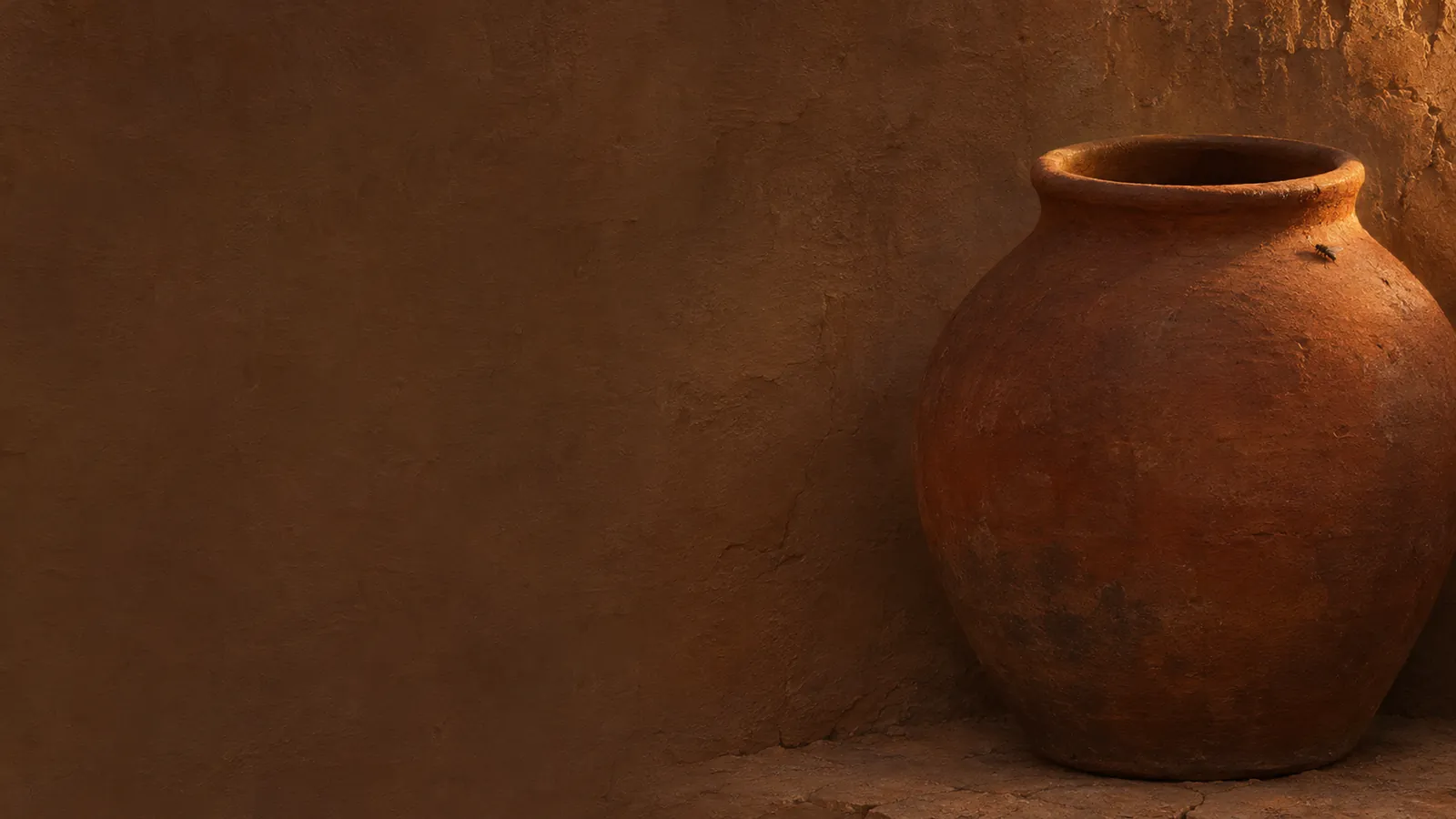
The poem seems to say that the fly helped her. Inanna gave it a fate of its own, though only parts of her words about it can still be read.
HALF THE YEAR
The broken lines still tell us the terms. Dumuzid would spend half the year below and his sister the other half, with his release coming when she was called. Inanna gave Dumuzid as her substitute.
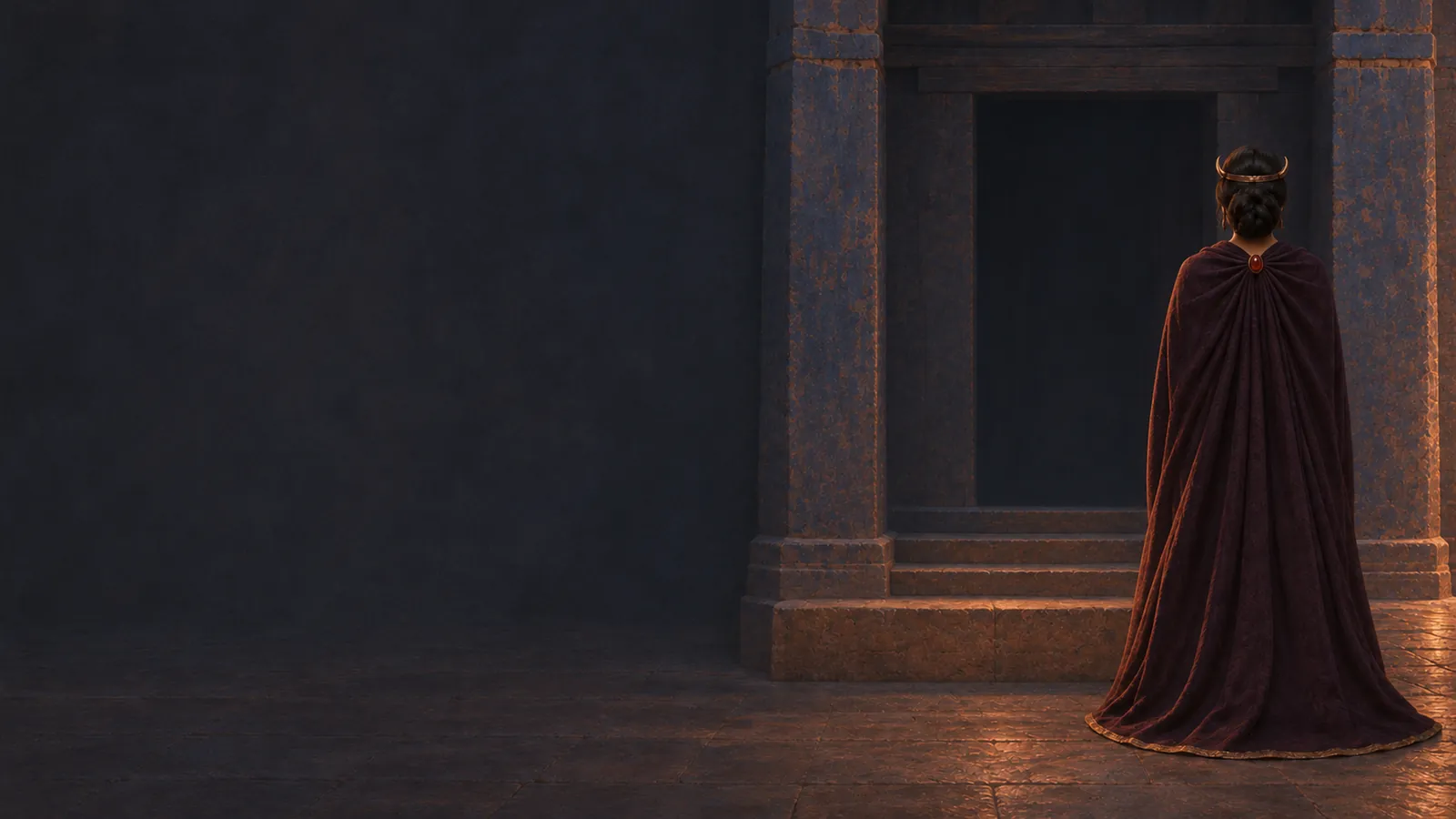
The poem closes with praise for Ereshkigal. The last words are for the lady of the realm below.
End of chapter 2
All pages
Sources
On page 3, Ninshubur cuts her eyes and nose in mourning and cuts her buttocks in private (Oxford ETCSL 1.4.1, lines 178–182). The retelling condenses these rites to public and private mourning.
Editions consulted
- Oxford ETCSL 1.4.1, translation: lines 176–412. Narrative source for this Sumerian version, with surviving gaps marked.
- Oxford ETCSL, Sumerian composite: the line sequence and witnesses.
Notes on this retelling
On pages 14 and 19, the poem describes Ereshkigal’s shoulders without linen, her breasts lacking fullness and her hair bunched like leeks (Oxford ETCSL 1.4.1, Enki’s directions and the messengers’ arrival, lines 228–235 and 257–262). The retelling condenses the description to her distress and dishevelment.
On page 36, Inanna tears out her hair as she grieves for her husband (Oxford ETCSL 1.4.1, line 385). The retelling gives her grief as weeping.
Ancient lines behind each page
- Page 1: ETCSL 1.4.1 176; follows 173–175
- Page 2: ETCSL 1.4.1 177
- Page 3: ETCSL 1.4.1 178–182
The source includes ritual laceration. - Page 4: ETCSL 1.4.1 183–189
- Page 5: ETCSL 1.4.1 190–195
- Page 6: ETCSL 1.4.1 195–198
- Page 7: ETCSL 1.4.1 199–203
- Page 8: ETCSL 1.4.1 204–209
- Page 9: ETCSL 1.4.1 209–216
- Page 10: ETCSL 1.4.1 217–221
- Page 11: ETCSL 1.4.1 222–223
- Page 12: ETCSL 1.4.1 224–225
- Page 13: ETCSL 1.4.1 226–229
- Page 14: ETCSL 1.4.1 230–235
- Page 15: ETCSL 1.4.1 236–245
Line 245 is fragmentary in the Oxford edition. - Page 16: ETCSL 1.4.1 246–247
- Page 17: ETCSL 1.4.1 248–253
Spoken instructions compressed. - Page 18: ETCSL 1.4.1 254–256
- Page 19: ETCSL 1.4.1 257–262
- Page 20: ETCSL 1.4.1 263–266
- Page 21: ETCSL 1.4.1 267–272
Line 272 is fragmentary in Oxford. - Page 22: ETCSL 1.4.1 273–274
- Page 23: ETCSL 1.4.1 275–279
The text says body on a hook. - Page 24: ETCSL 1.4.1 280–281
- Page 25: ETCSL 1.4.1 282–289
- Page 26: ETCSL 1.4.1 290–305
- Page 27: ETCSL 1.4.1 306–310
- Page 28: ETCSL 1.4.1 311–328
- Page 29: ETCSL 1.4.1 329–338
- Page 30: ETCSL 1.4.1 339–347
- Page 31: ETCSL 1.4.1 348–349
- Page 32: ETCSL 1.4.1 350–353
The comparison and musical clause in these lines are damaged or uncertain. - Page 33: ETCSL 1.4.1 354–367
- Page 34: ETCSL 1.4.1 368–375
- Page 35: ETCSL 1.4.1 376–383
The composite has the serpent, with a fragmentary variant at the next line. - Page 36: ETCSL 1.4.1 384–393
- Page 37: ETCSL 1.4.1 394–398
- Page 38: ETCSL 1.4.1 399–403
- Page 39: ETCSL 1.4.1 404–410
- Page 40: ETCSL 1.4.1 411–412
Illustrations made with AI tools by IL Archive; the text is based on the ancient sources (see the sources at the end of each chapter).