Inanna’s Descent to the Netherworld Chapter 1
The Seven Gates
Inanna descends to the netherworld and tells her faithful minister Ninshubur how to seek help. Her regalia are taken at seven gates, and the judges of the realm below sentence her to death.
Watch the filmSourcesTurn the pages with the arrows, the arrow keys or a swipe.
THE DEPTHS
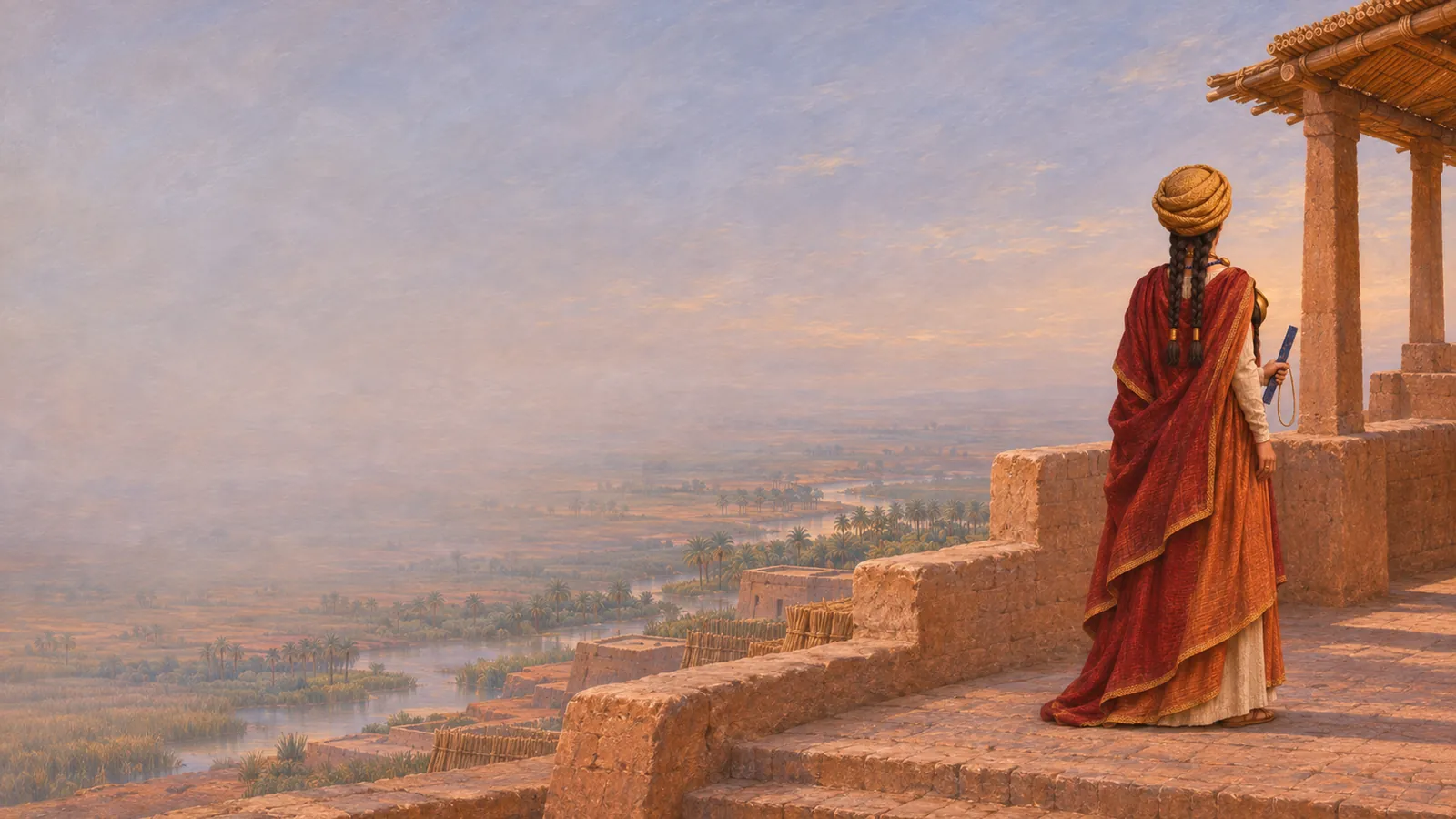
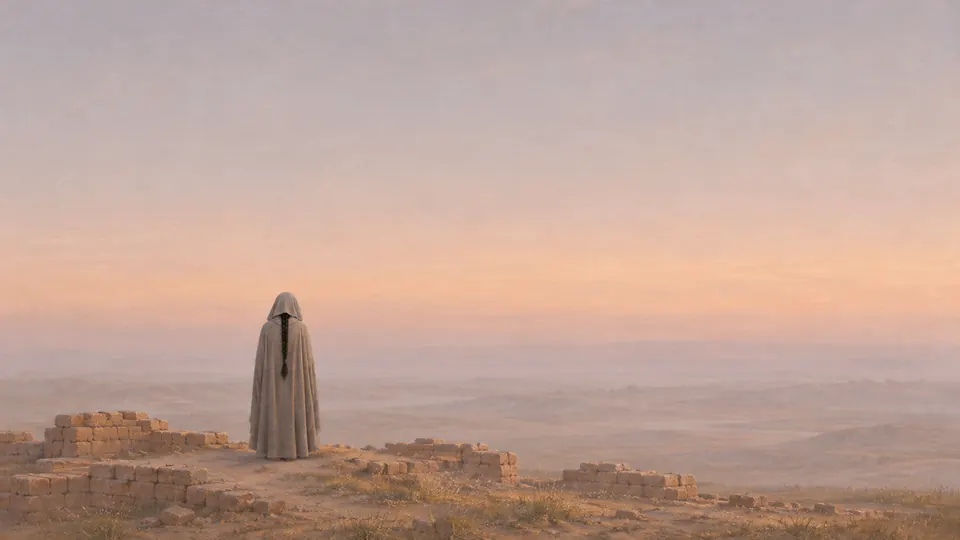
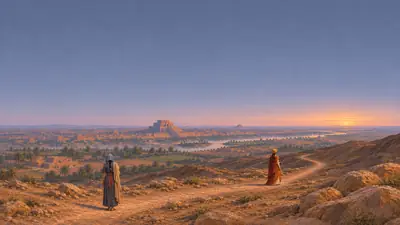
High above the world, Inanna set her heart on the depths beneath it. She left heaven and earth and began her descent.
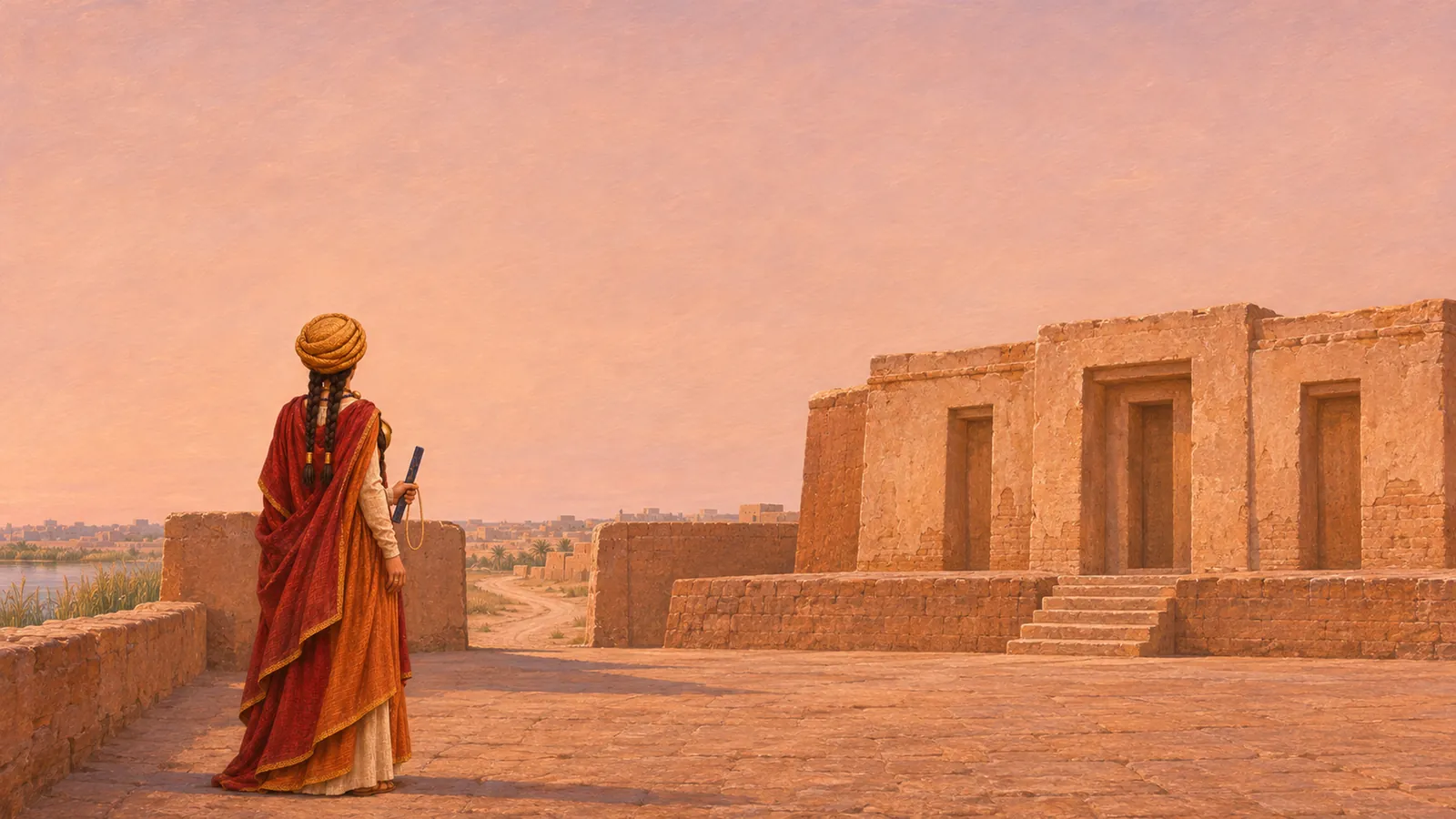
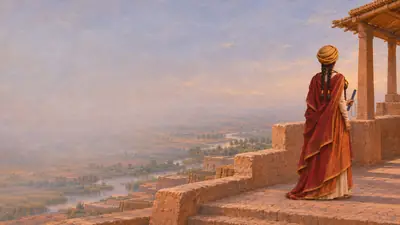
Inanna left the sacred offices she held and turned away from Eanna, her temple in Uruk. The poem names one sanctuary after another as she goes.
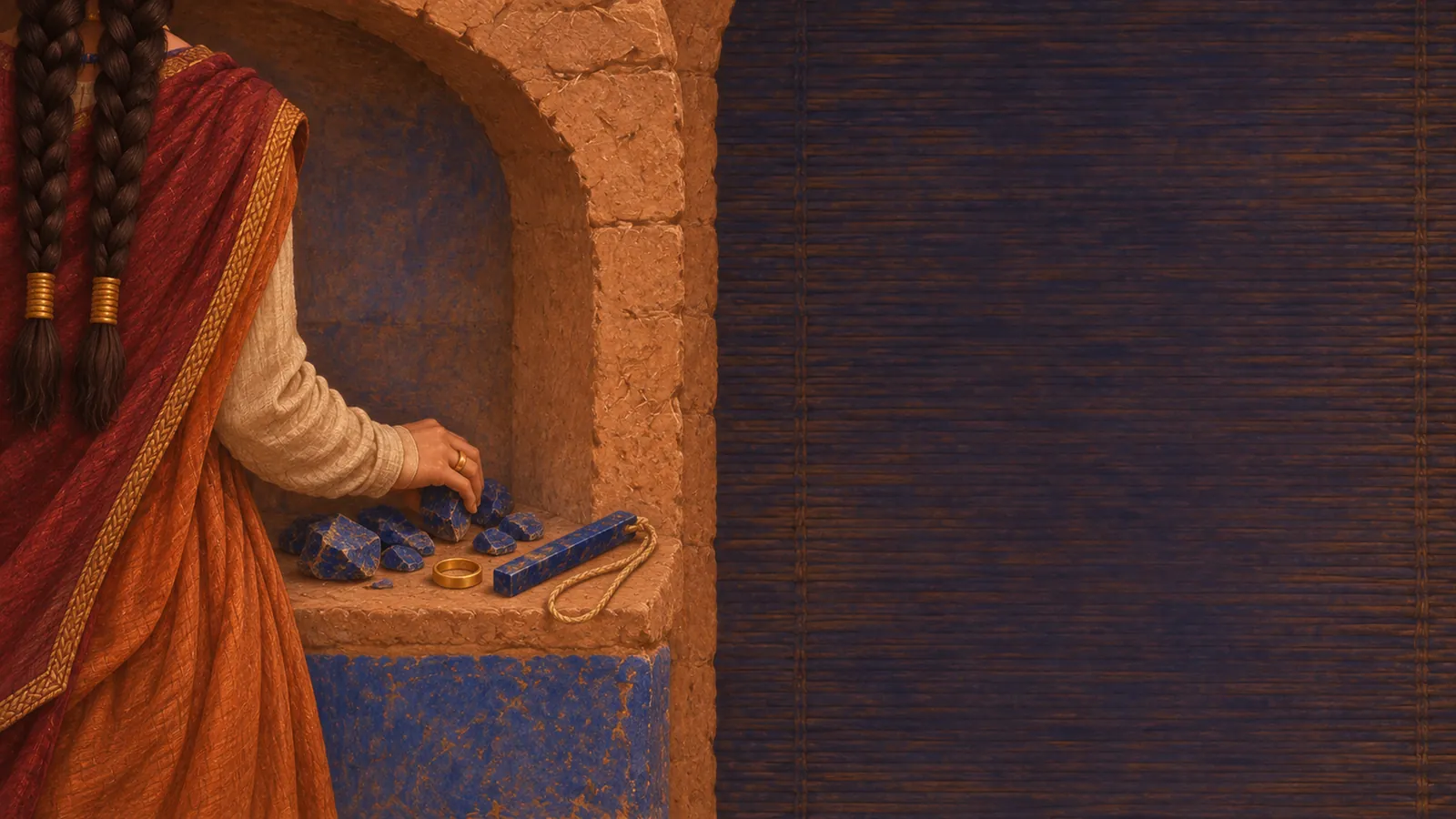
Inanna gathered the seven divine powers and took them with her. She carried those powers as she set out for the land below.
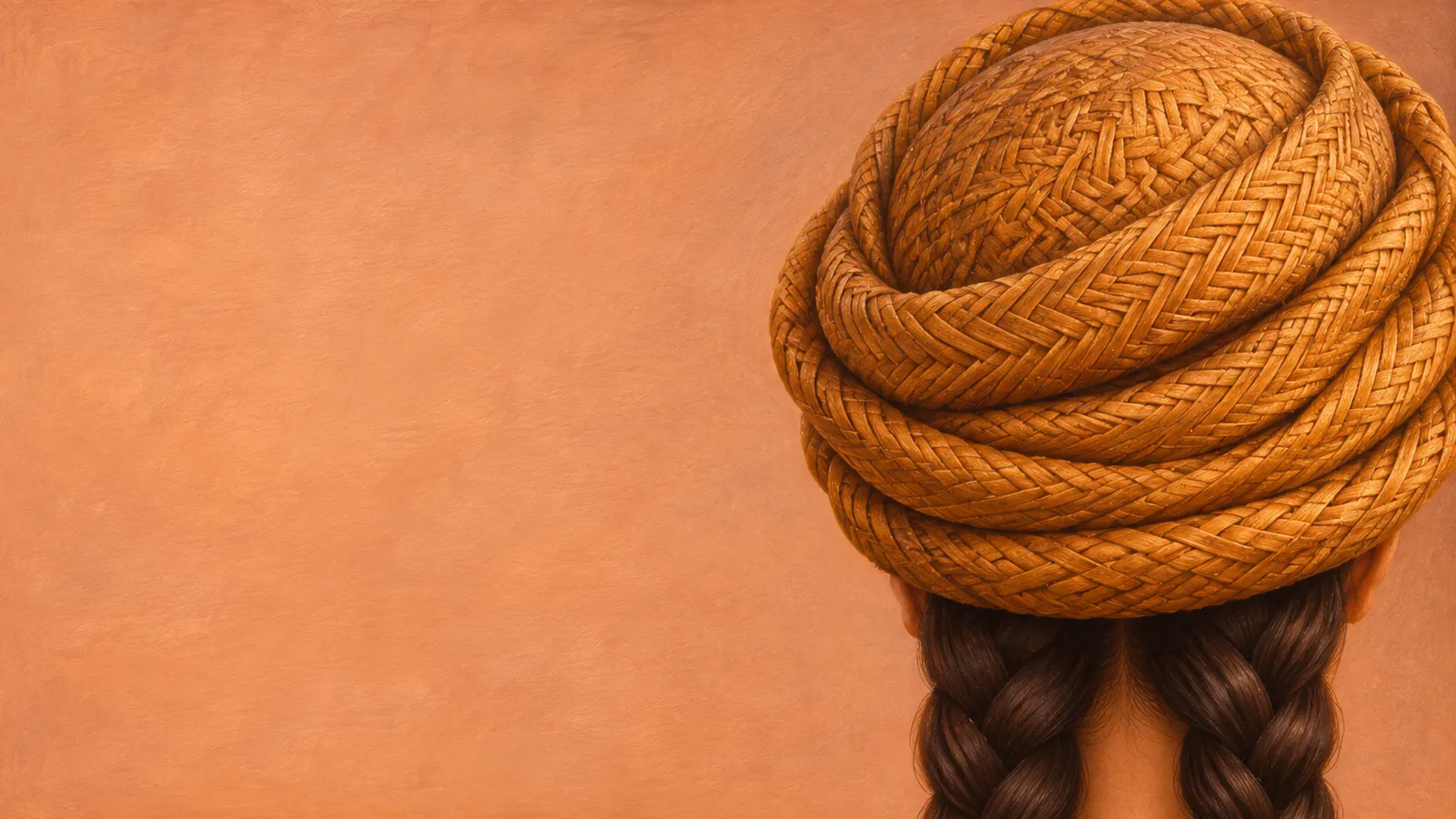
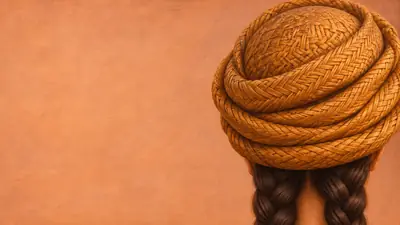
She wound a headdress for travelling through open country and set a wig at her brow. She was preparing to go beyond the places where she was known.
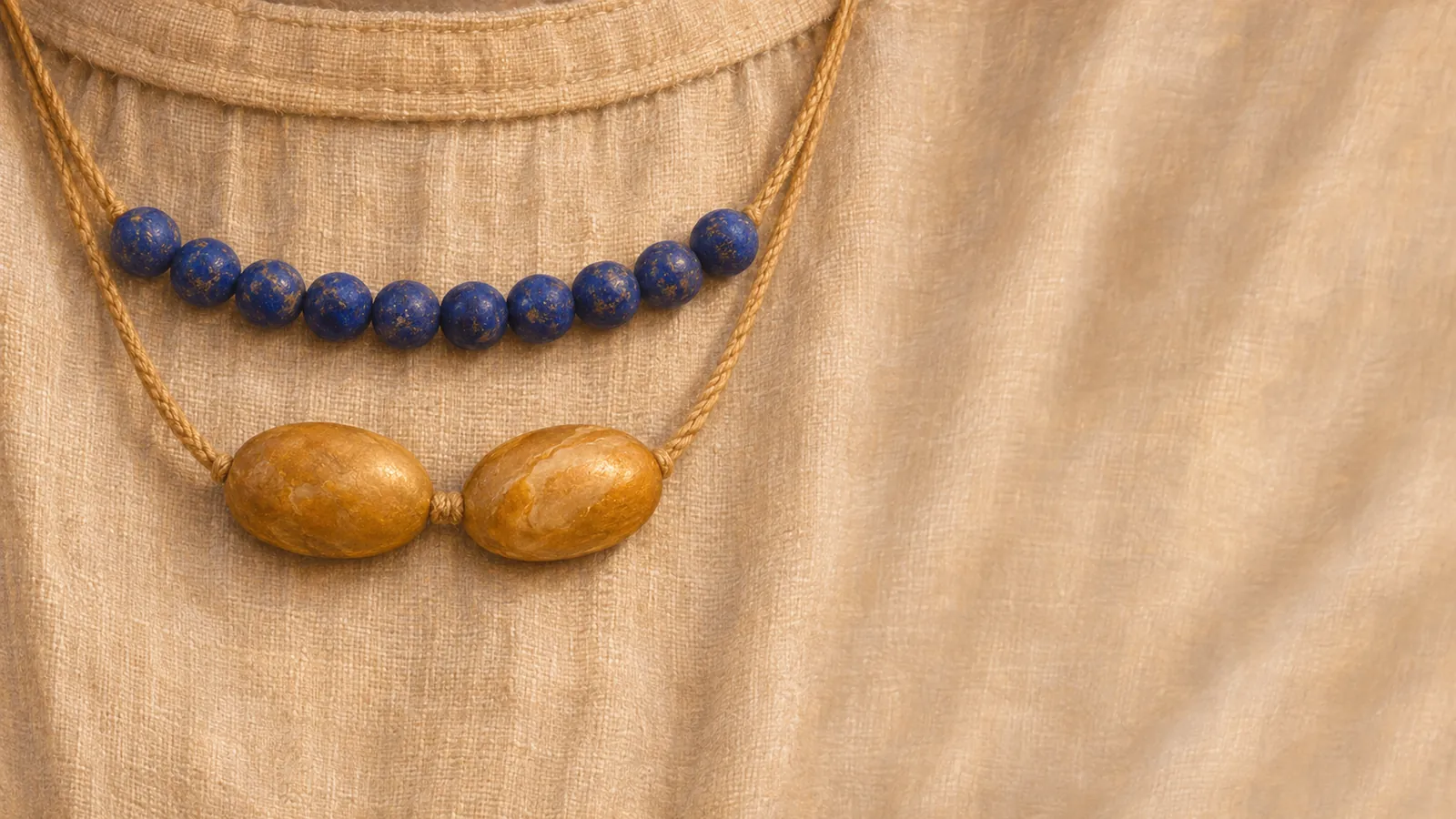
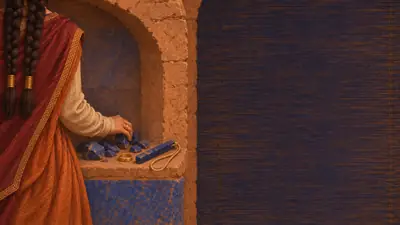
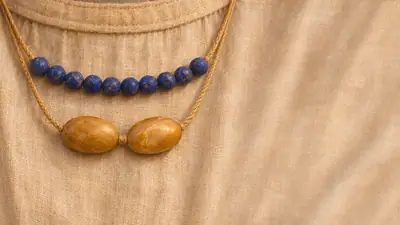
Around her neck Inanna hung small beads of lapis. Below them she placed a separate pair of beads shaped like eggs.
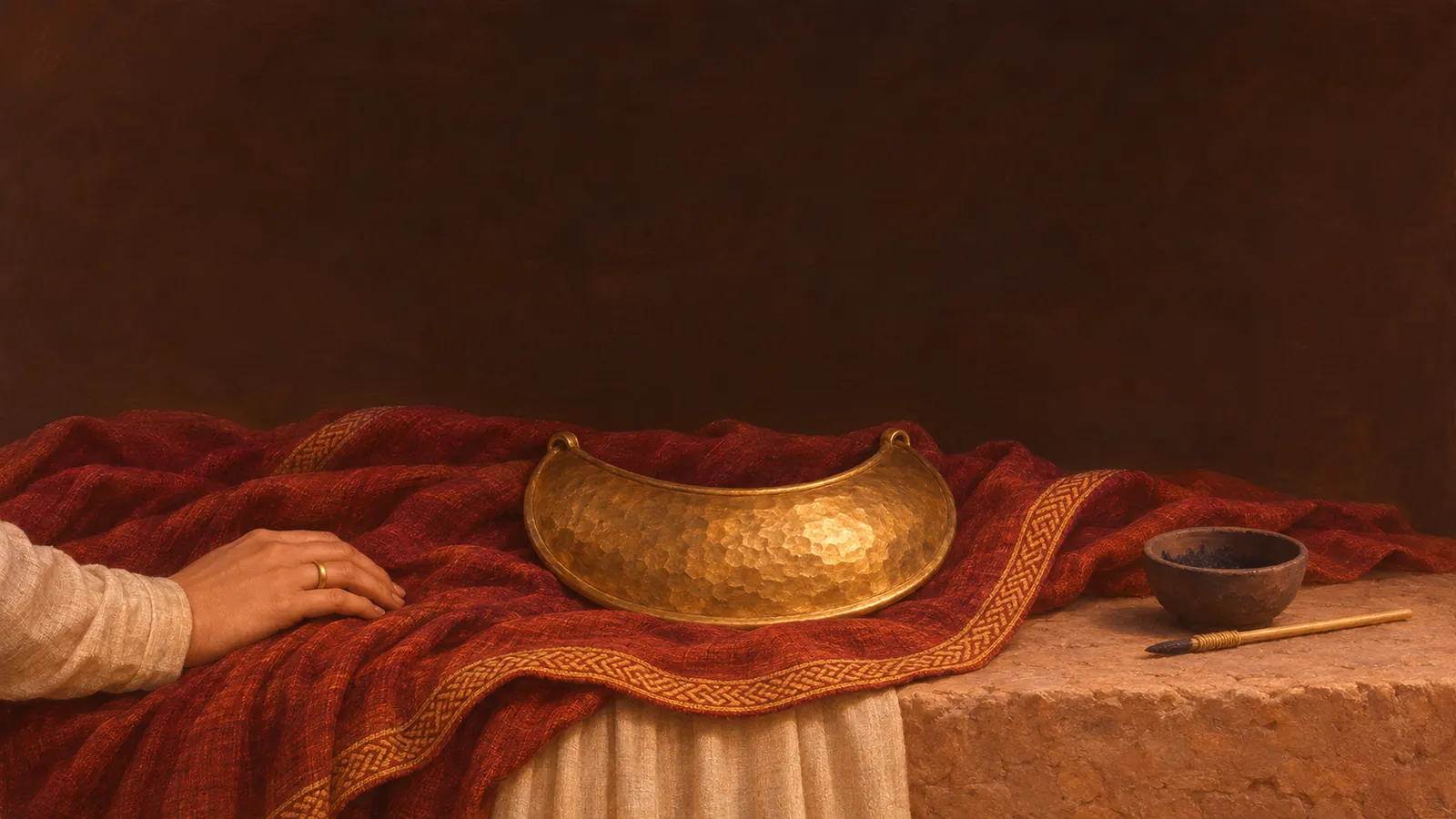
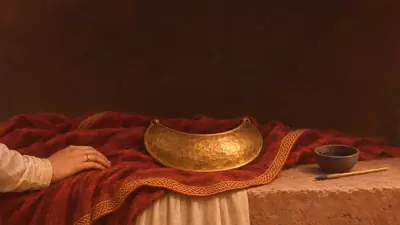
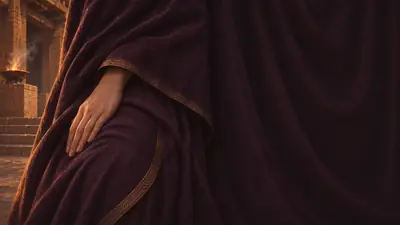
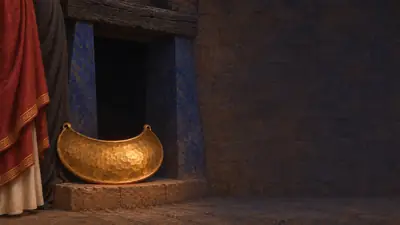
Inanna covered herself with the pala dress, the garment of her rank. She darkened her eyes and fastened a broad ornament over the dress.
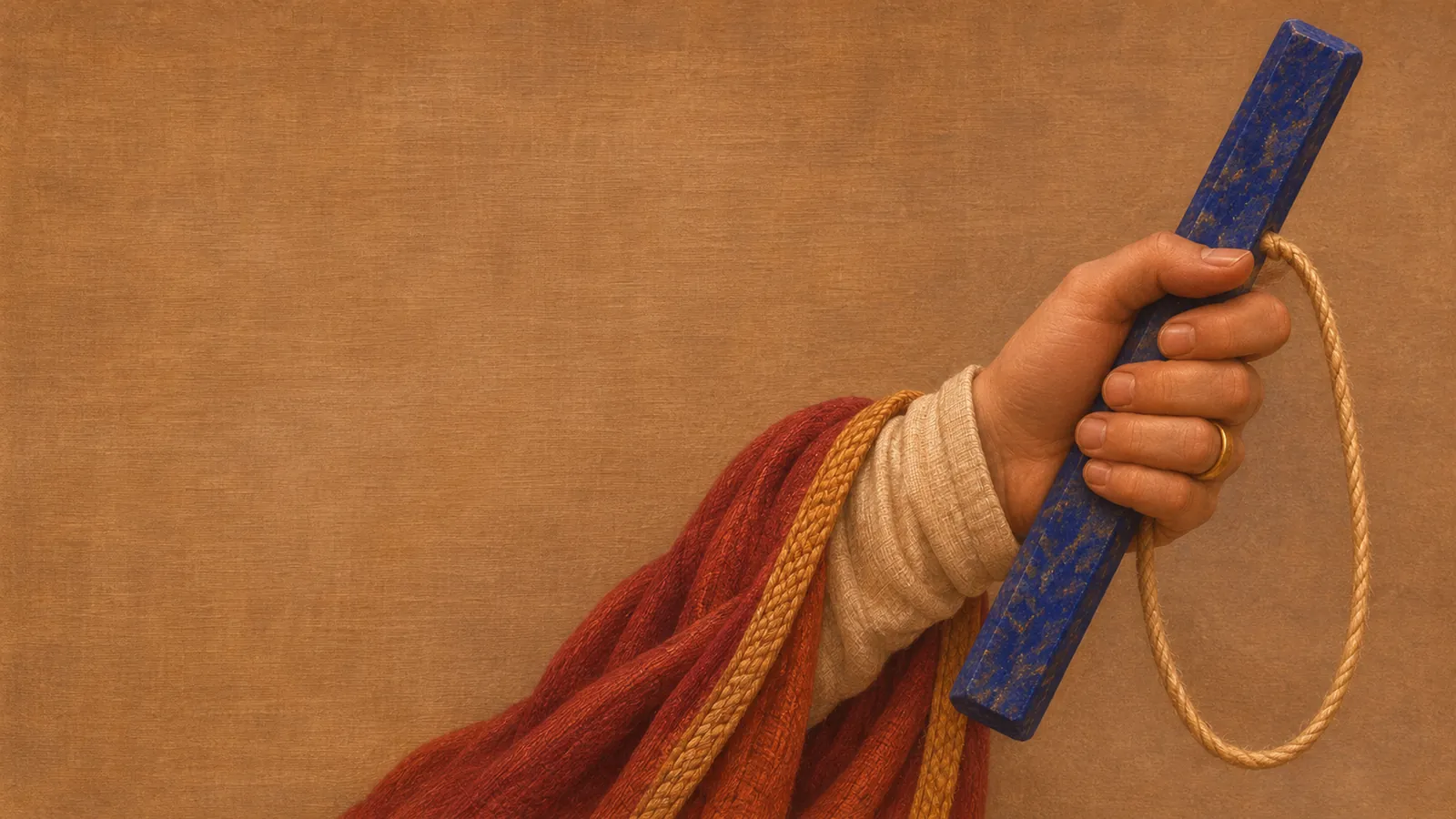
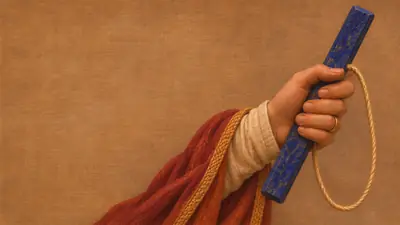
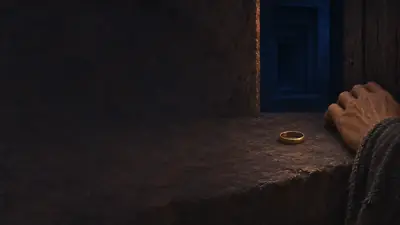
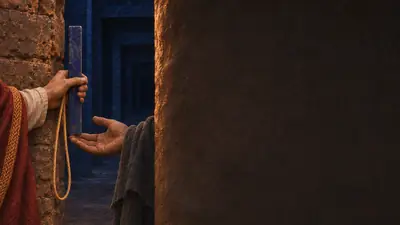
A gold ring went on Inanna’s hand. In it she carried a lapis measuring rod and its line as she prepared to leave.
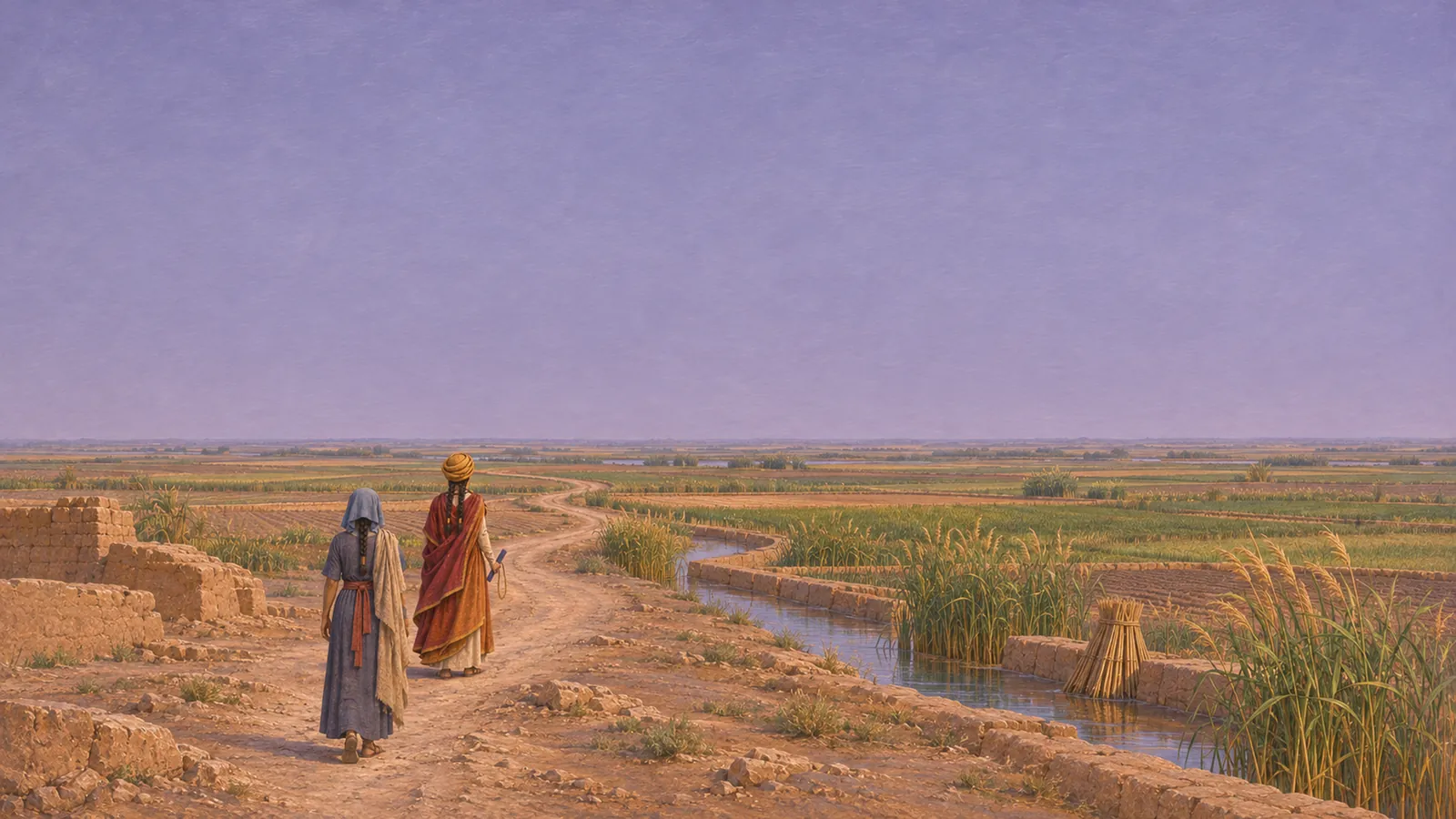
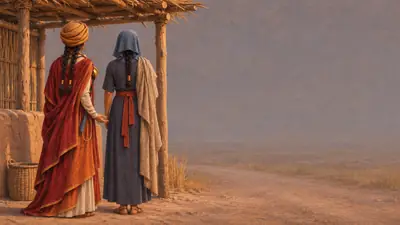
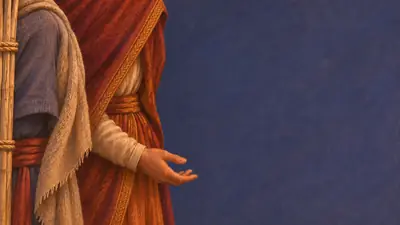
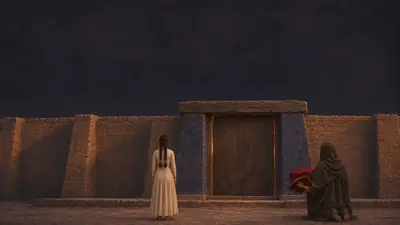
When Inanna set out for the netherworld, her minister Ninshubur followed. Inanna counted on her words to be true and her company to be faithful.
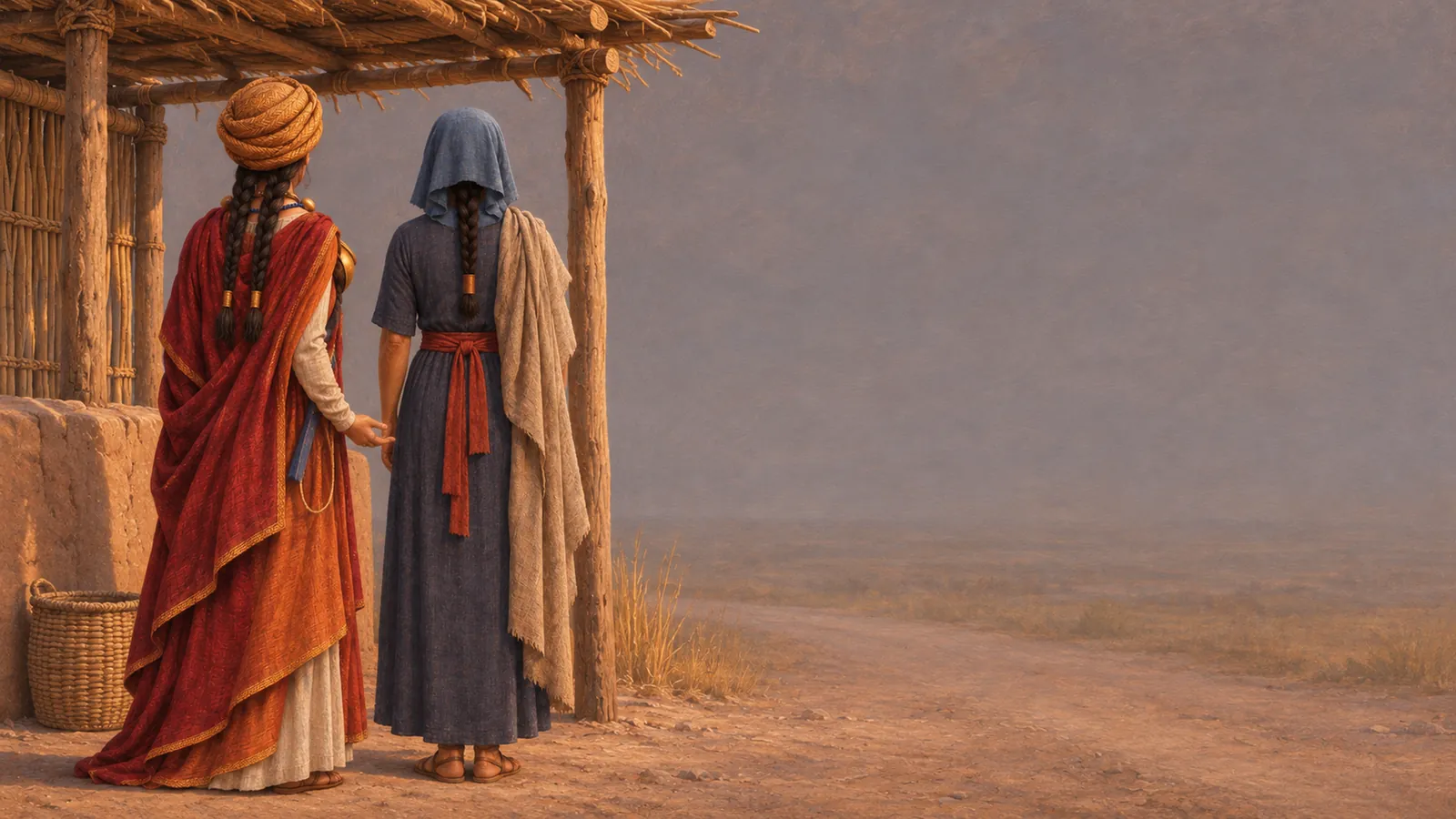
Inanna told her minister that she would go below that day. Once she was there, Ninshubur would have work to do in the world above.
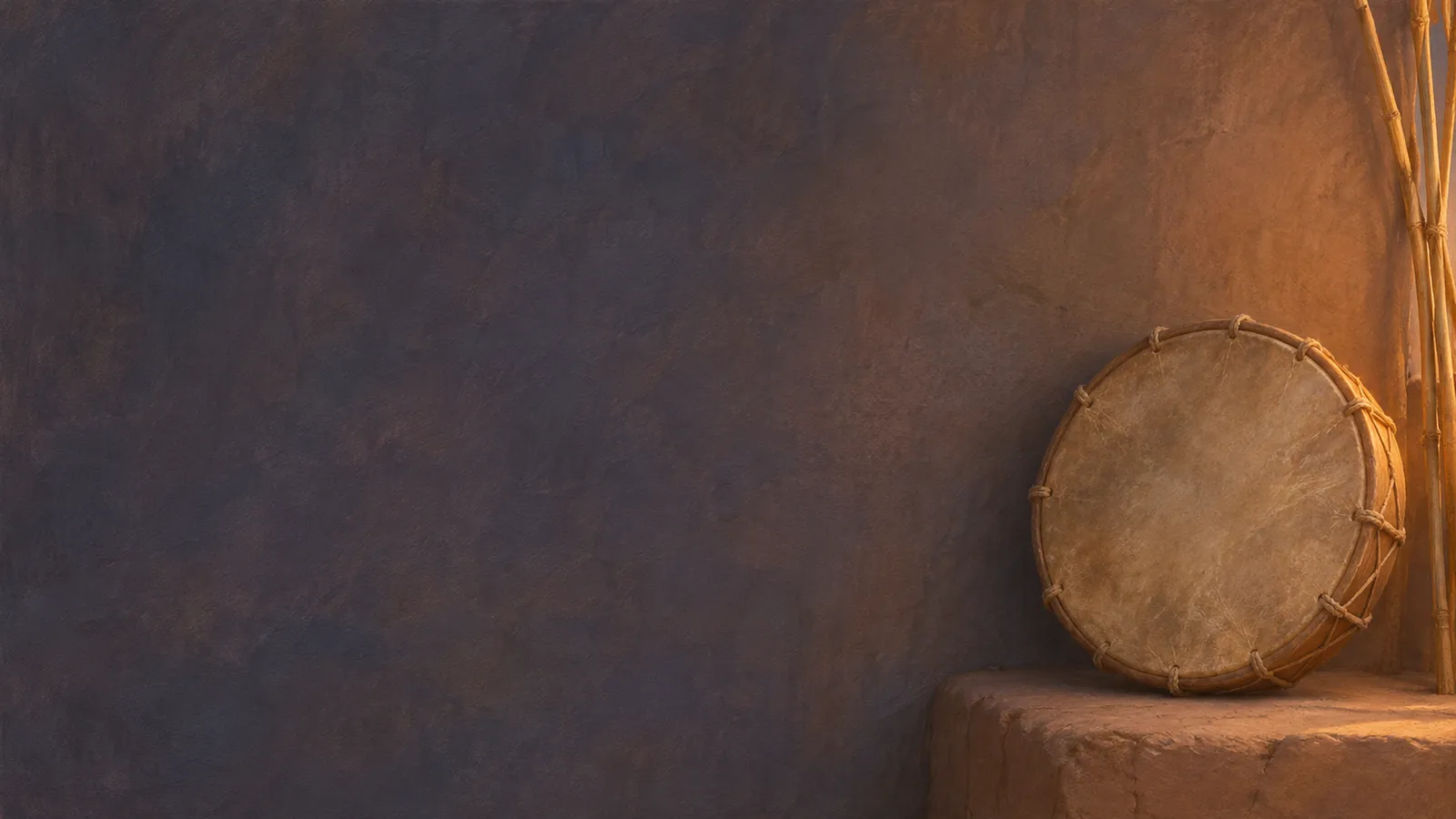
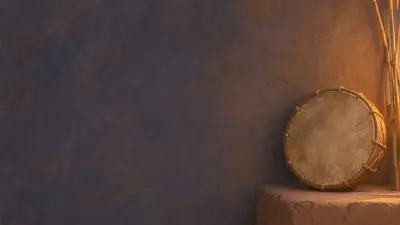
Inanna told Ninshubur to mourn for her on the ruined mounds, beat the drum in the sanctuary and go from one god’s house to the next.
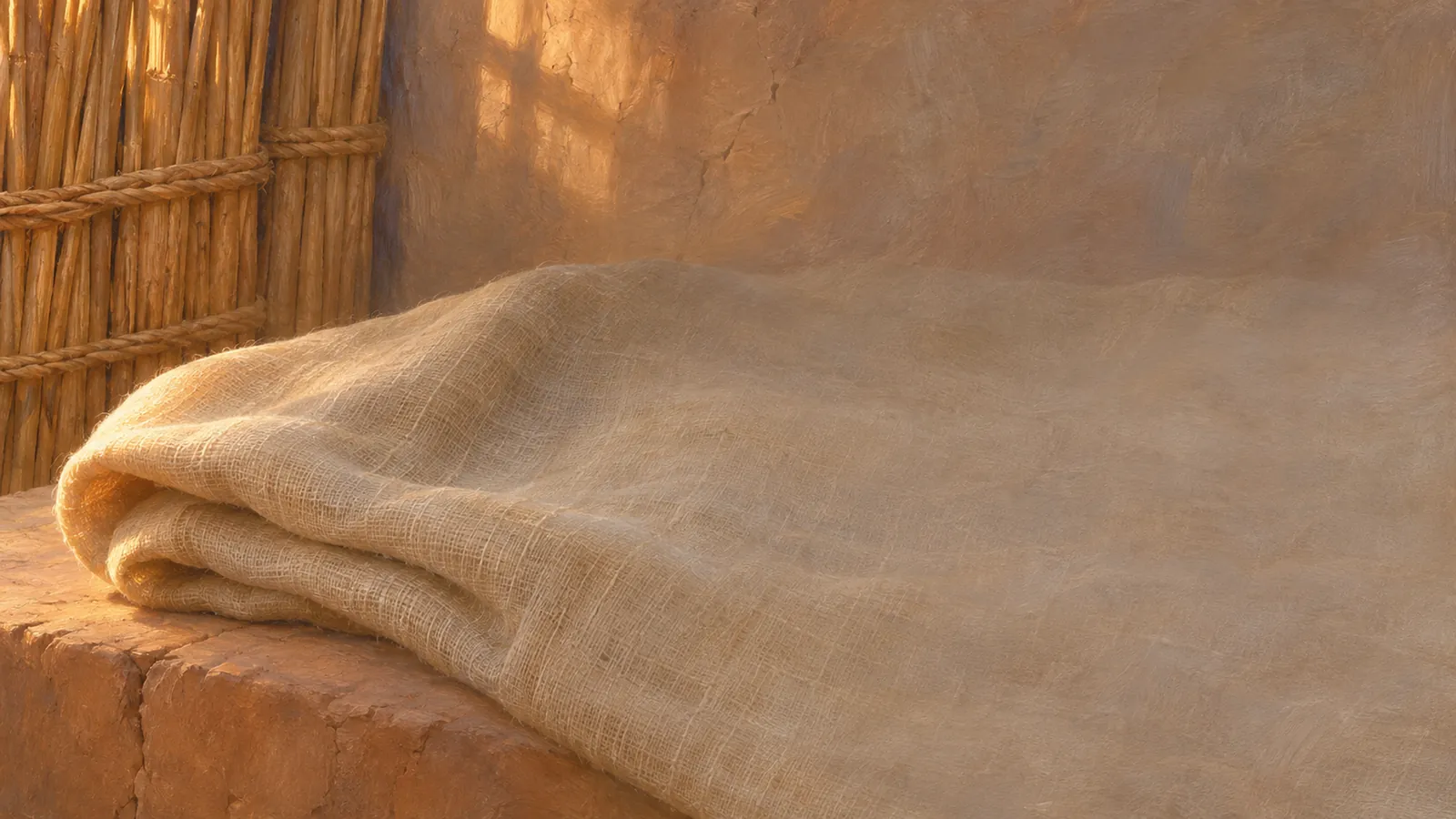
Ninshubur was to mourn publicly and in private. Then she was to go alone, dressed in a single plain garment, to Ekur, the house of Enlil.
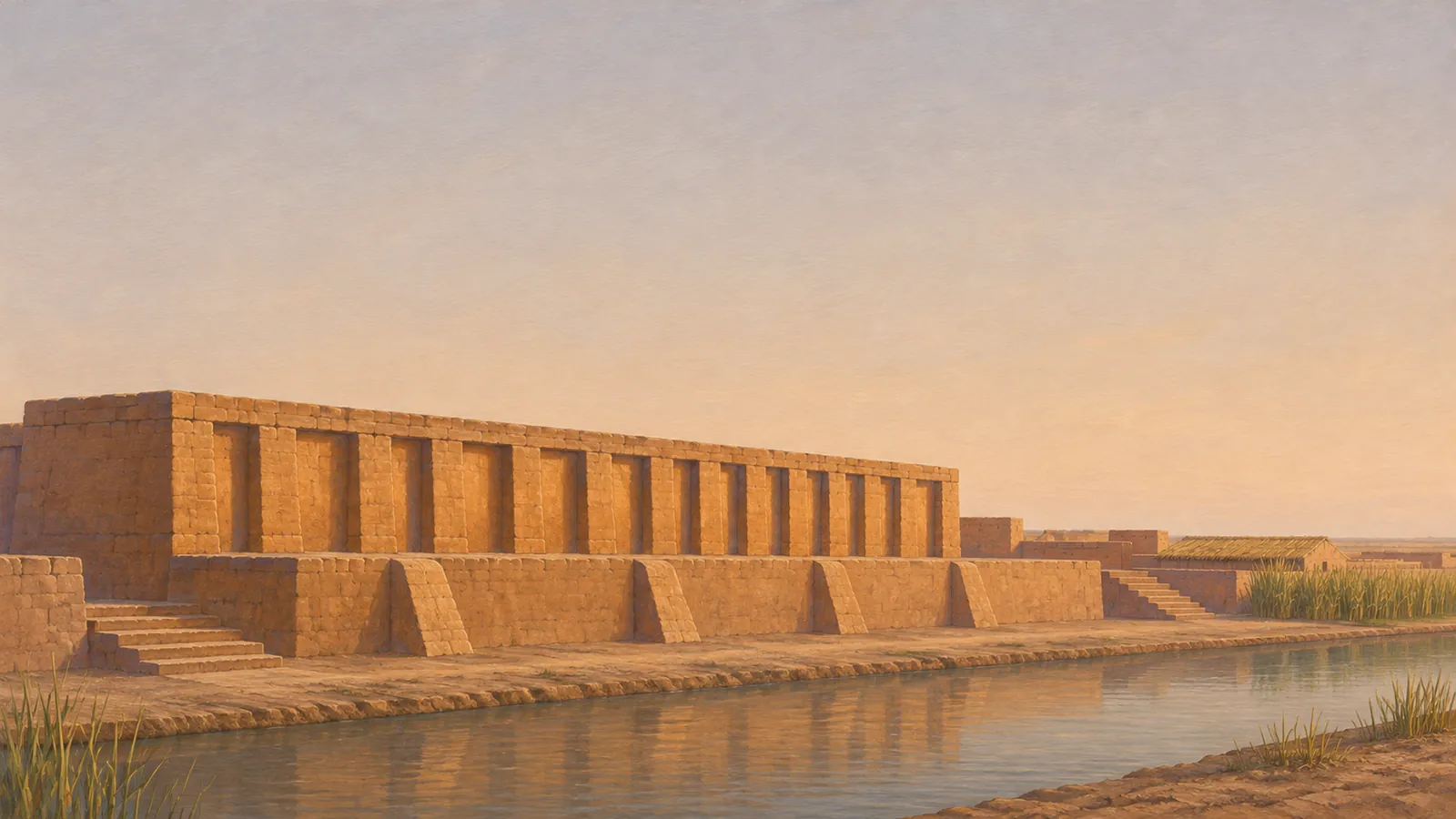
At Ekur, Ninshubur was to plead for Inanna’s life. She was to beg Enlil to spare what was precious to him from being ruined in the netherworld.
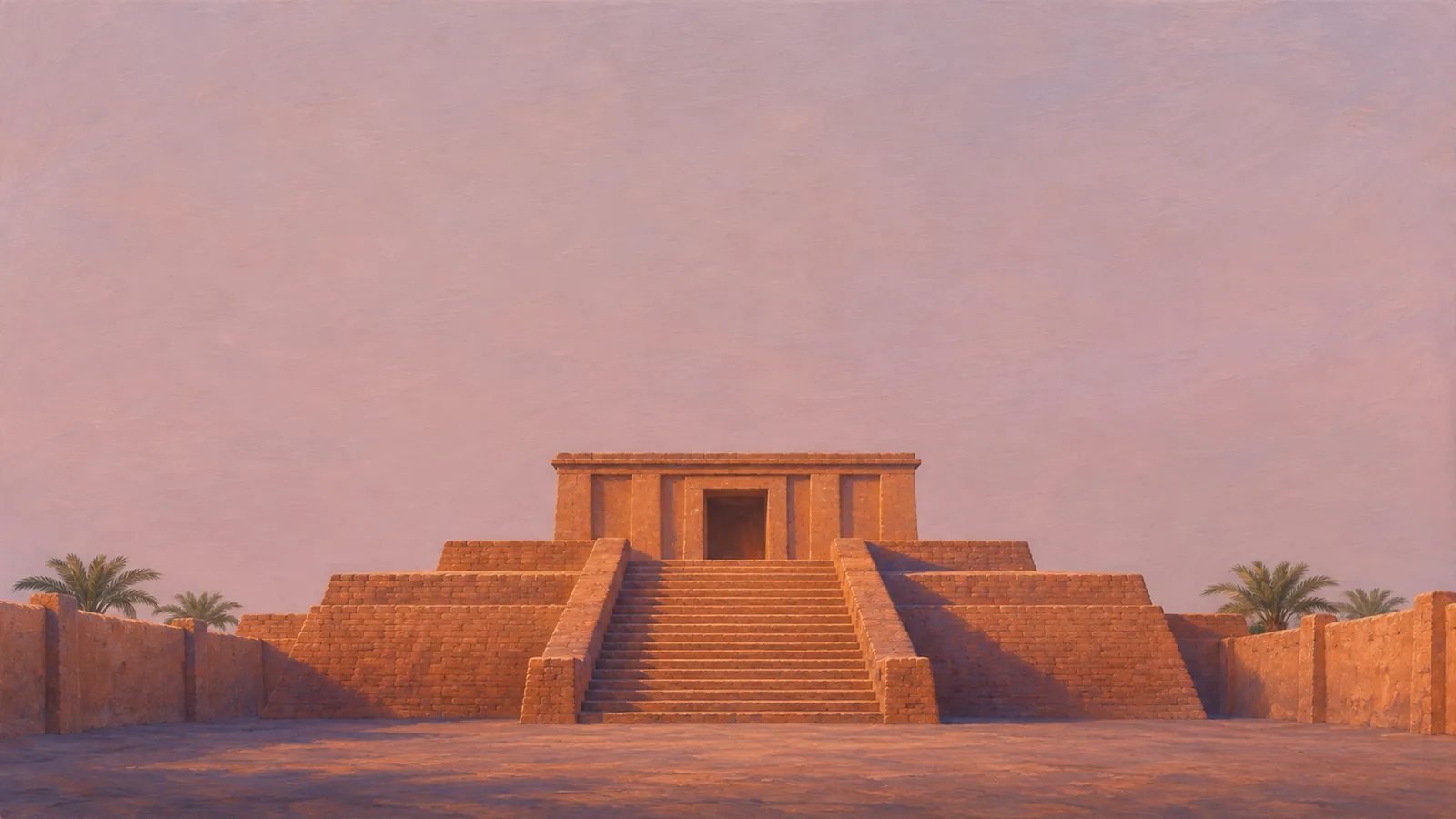
If Enlil offered no help, Ninshubur was to go to Ur and take the same plea to Nanna. Inanna told her to ask the god there to save his daughter’s life.
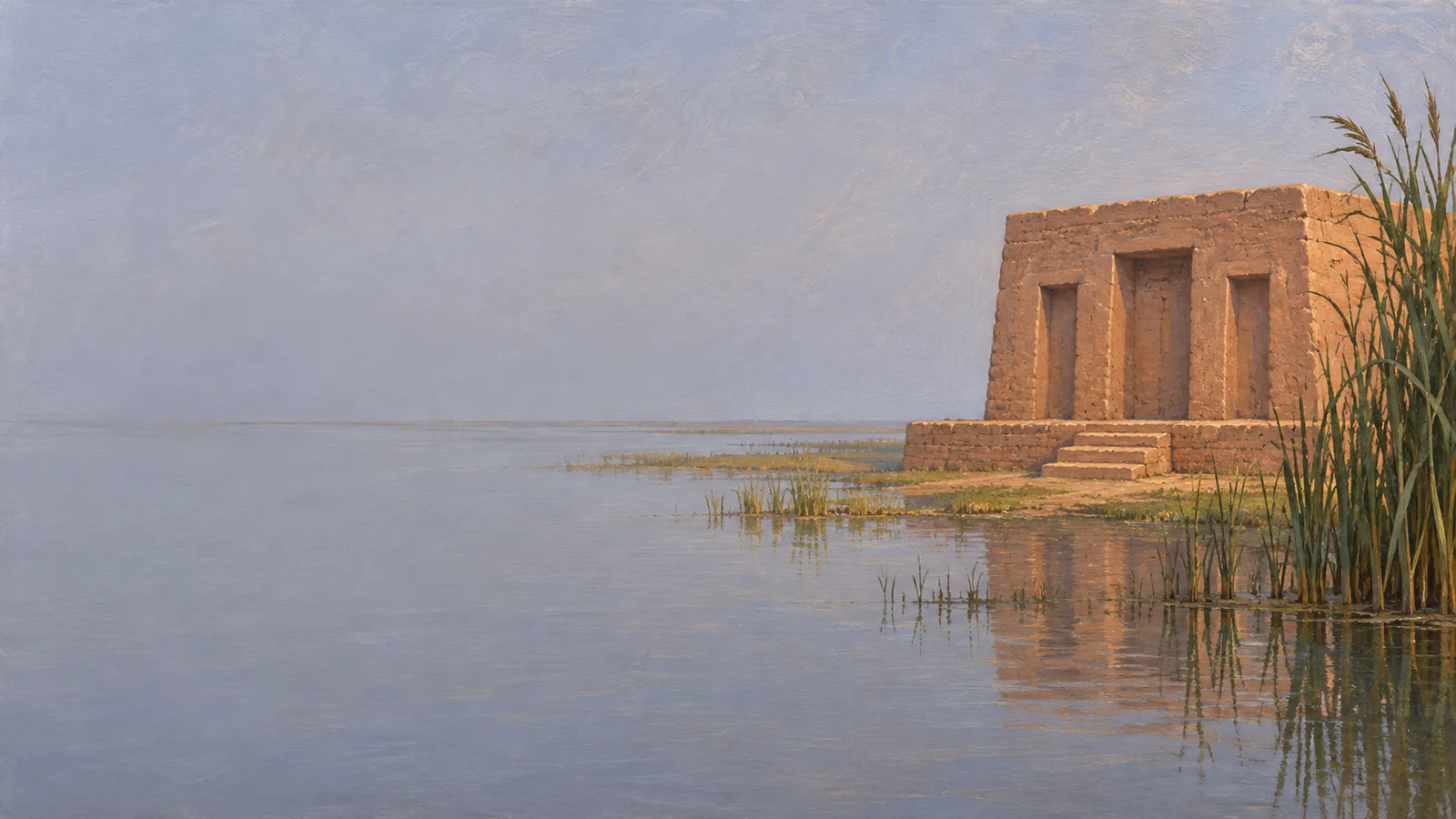
If Nanna offered no help either, Ninshubur was to go to Eridu. There she was to enter the house of Enki and plead again for Inanna’s life.
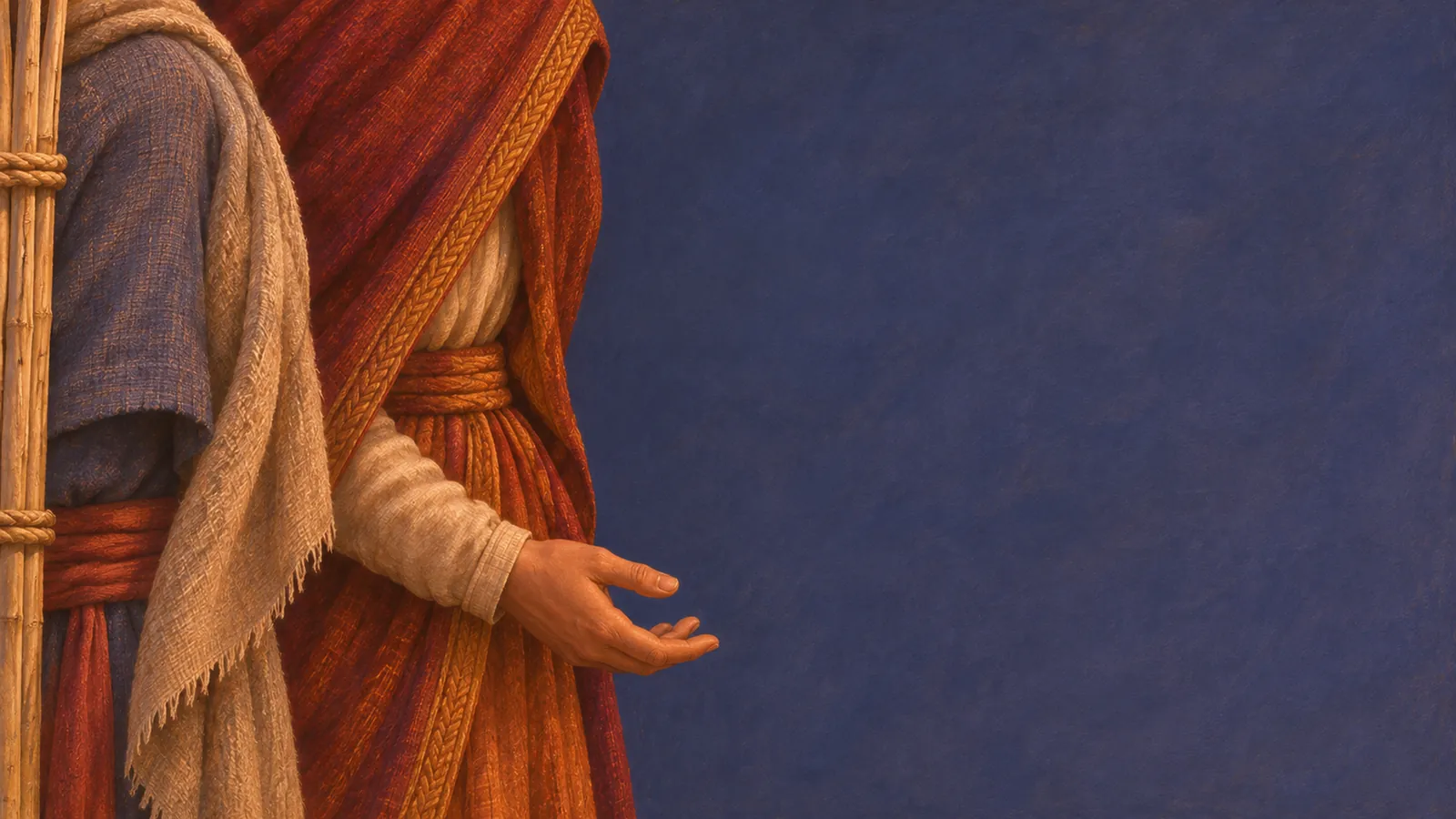
Inanna put her hope in Enki’s wisdom. He knew the plant and the water that give life, she said, and he could bring her back.
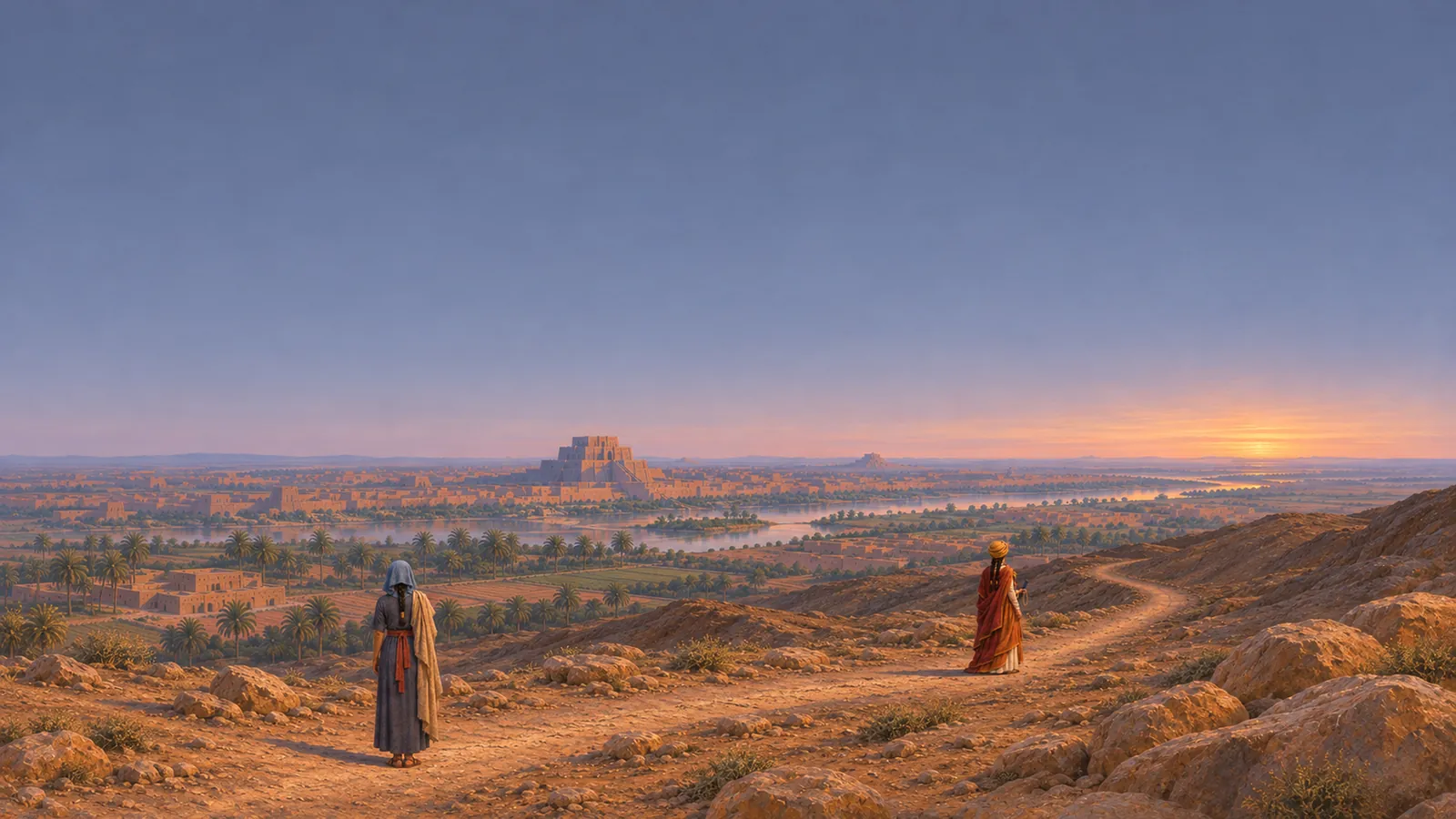
They went a little farther, Ninshubur following behind. Then Inanna told her to go and charged her to remember everything she had heard.
GANZER
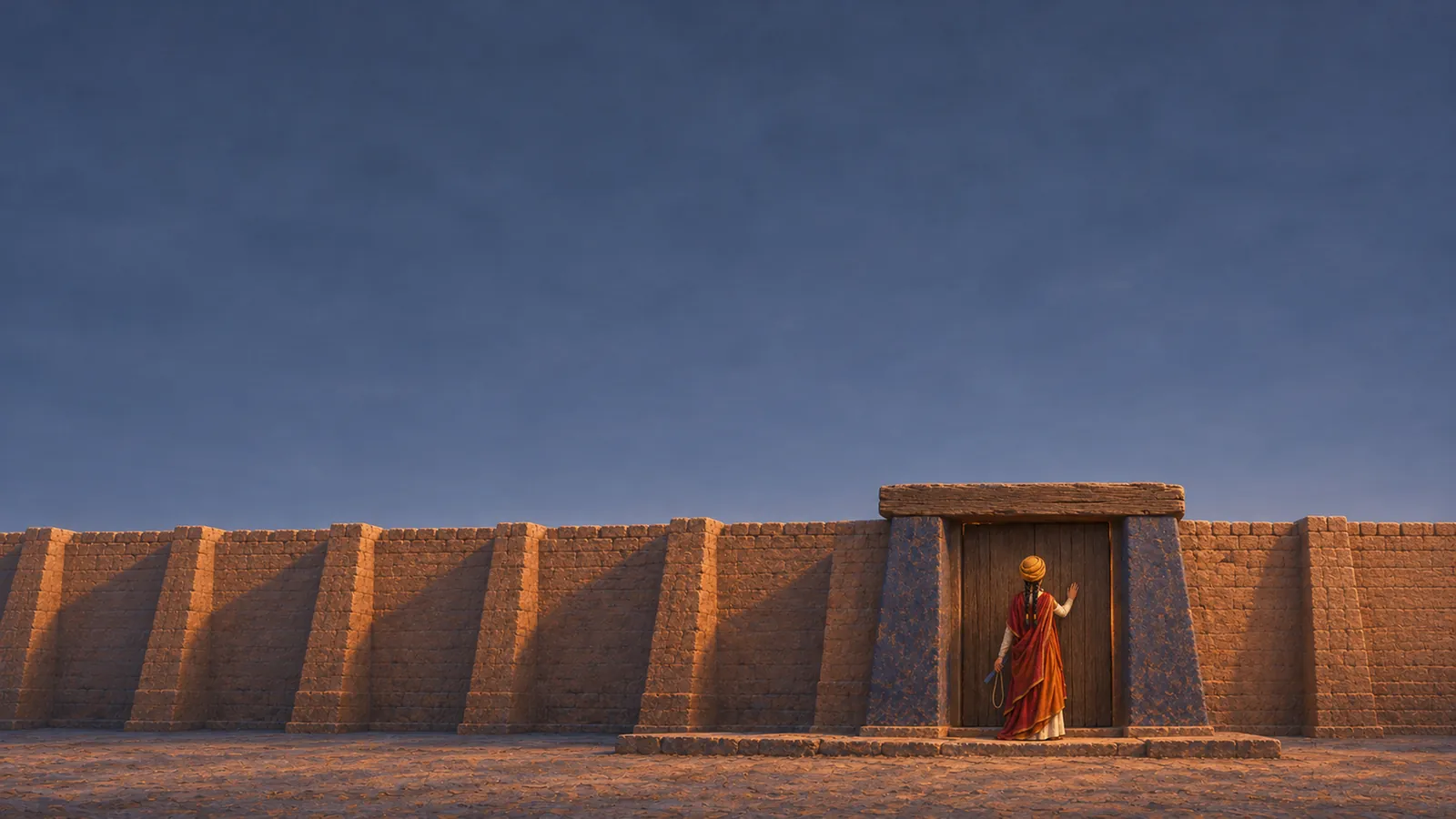
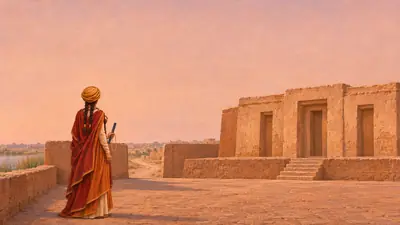
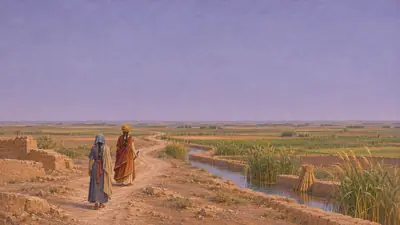
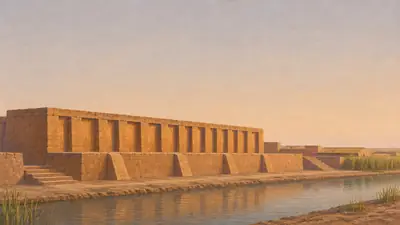
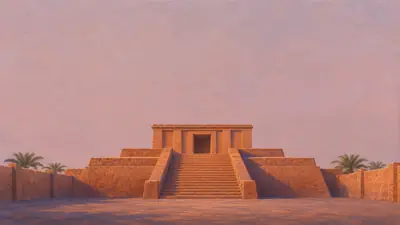
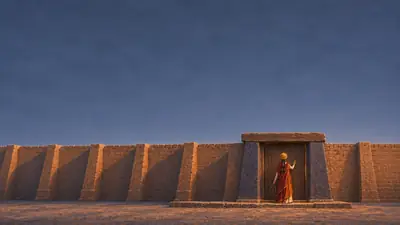
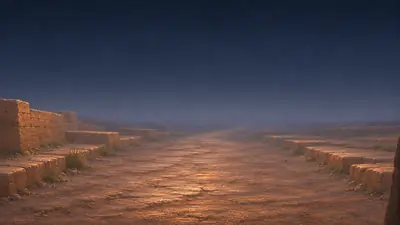
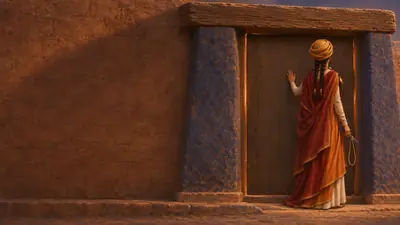
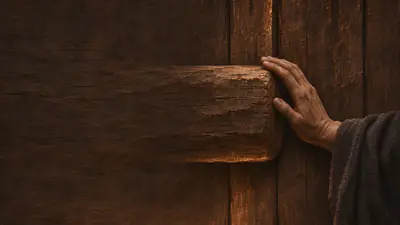
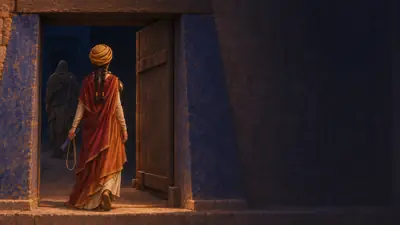
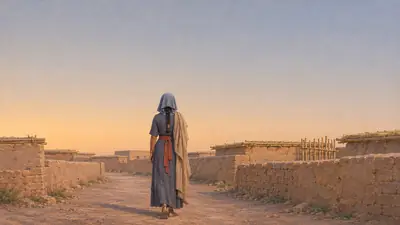
Inanna came alone to Ganzer, the palace at the entrance to the netherworld. She pressed hard against the door and called out at the gate.
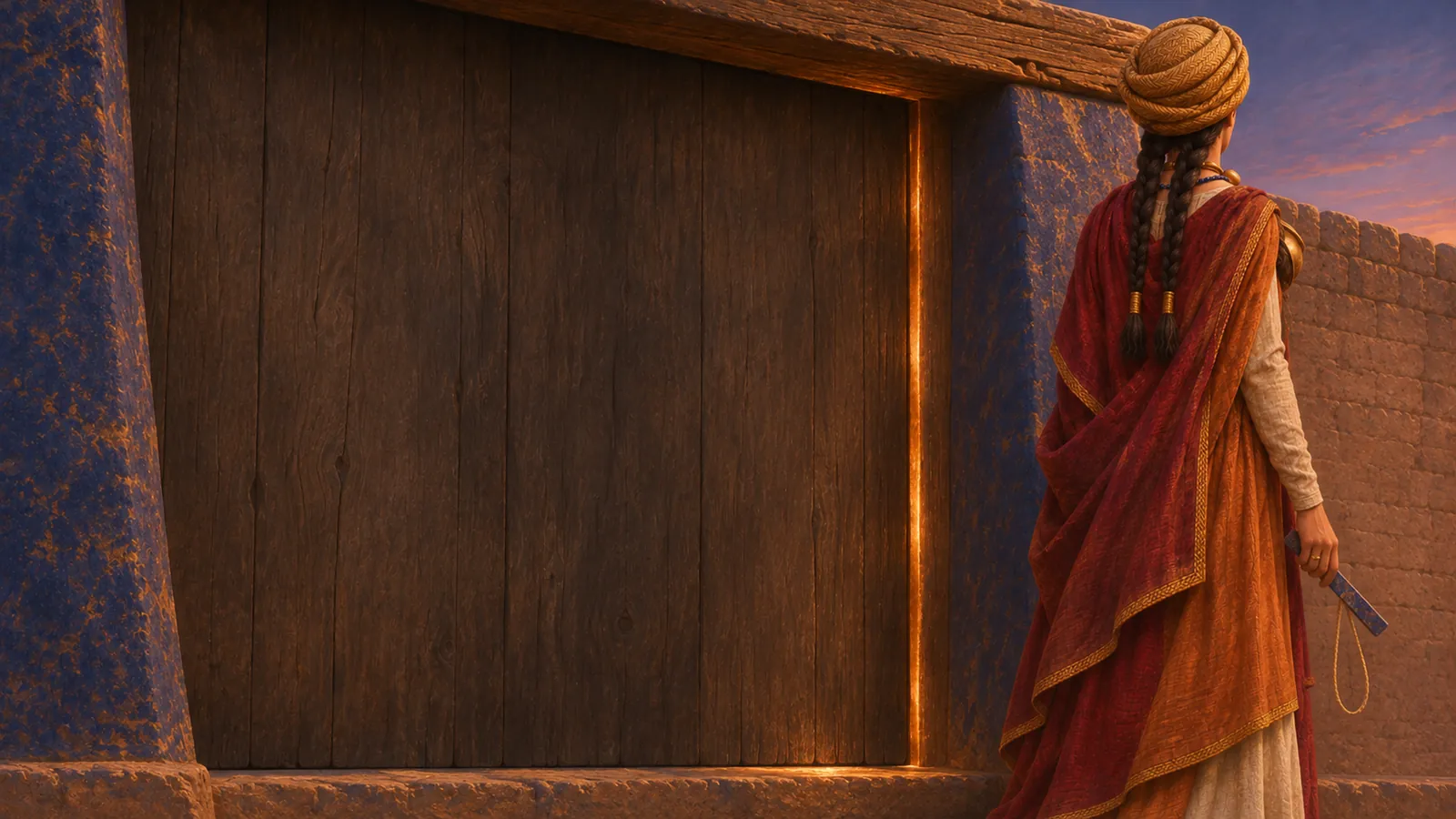
Inanna called for Neti to open the door. She made her request plainly. She had come alone and wanted to be let inside.
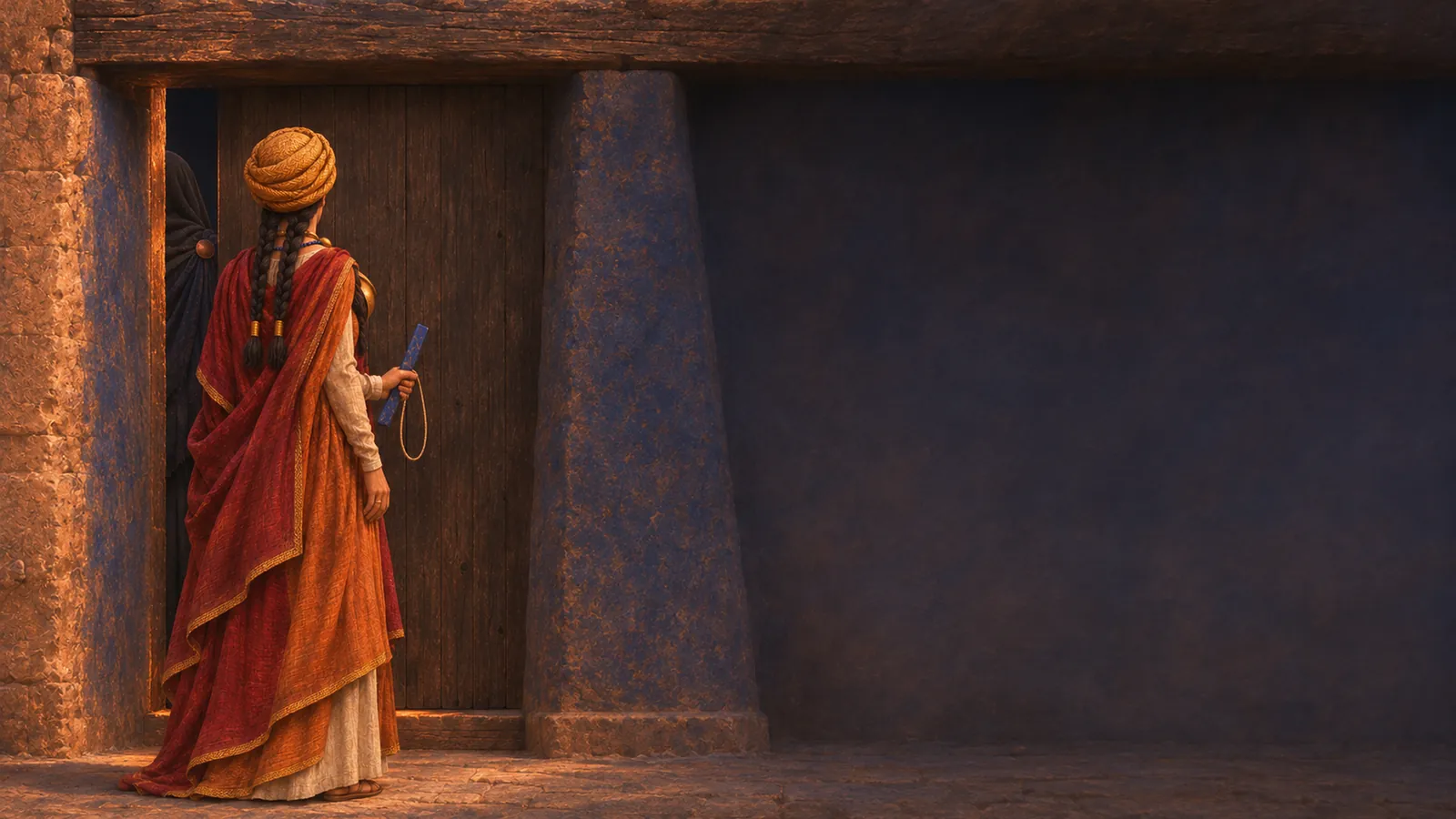
Neti, chief keeper of the gates below, asked who was there. Inanna gave her name and said she was heading east.
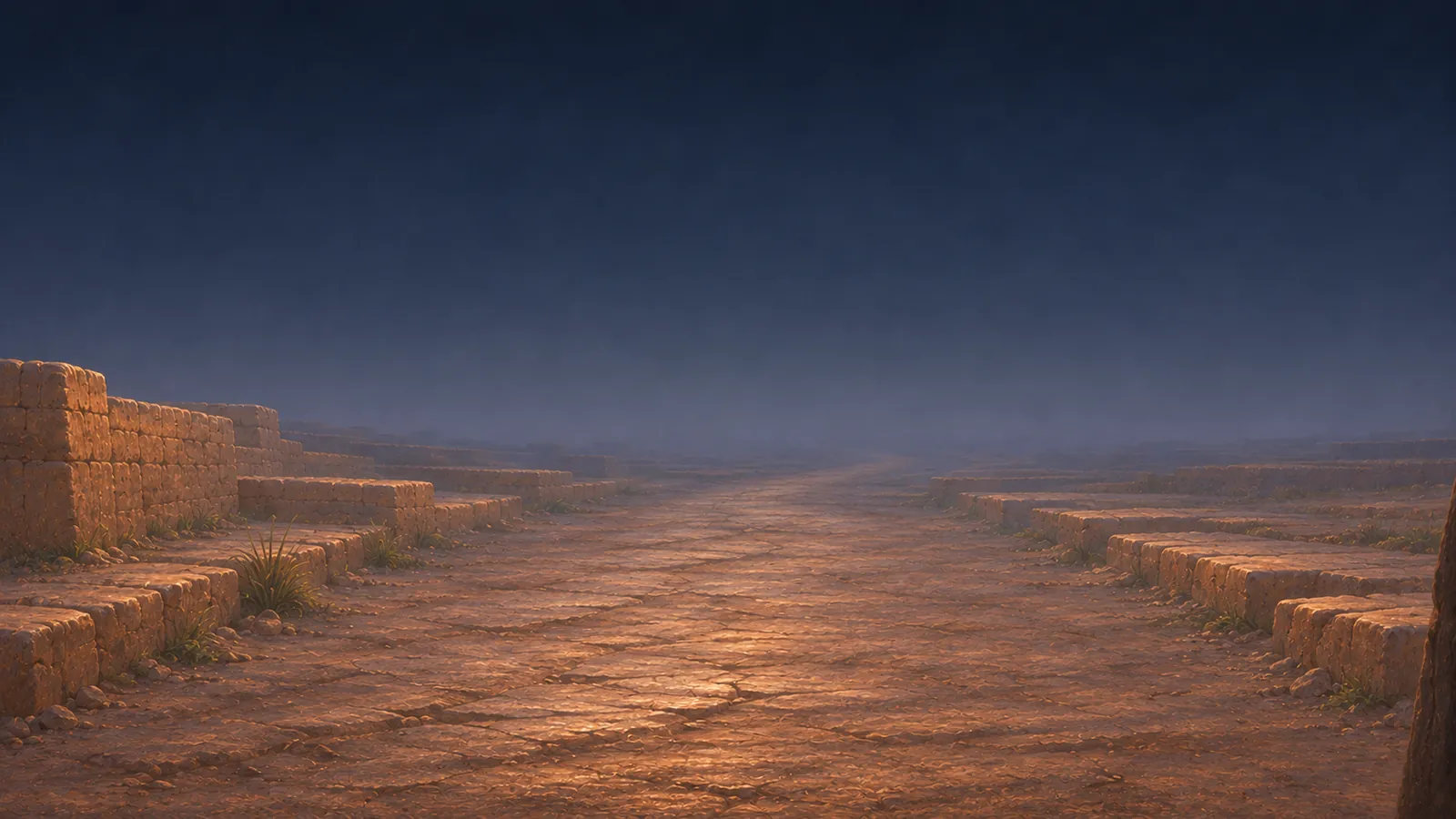
Neti asked how she had come to take this road. What brought her to a land from which no traveller came back?
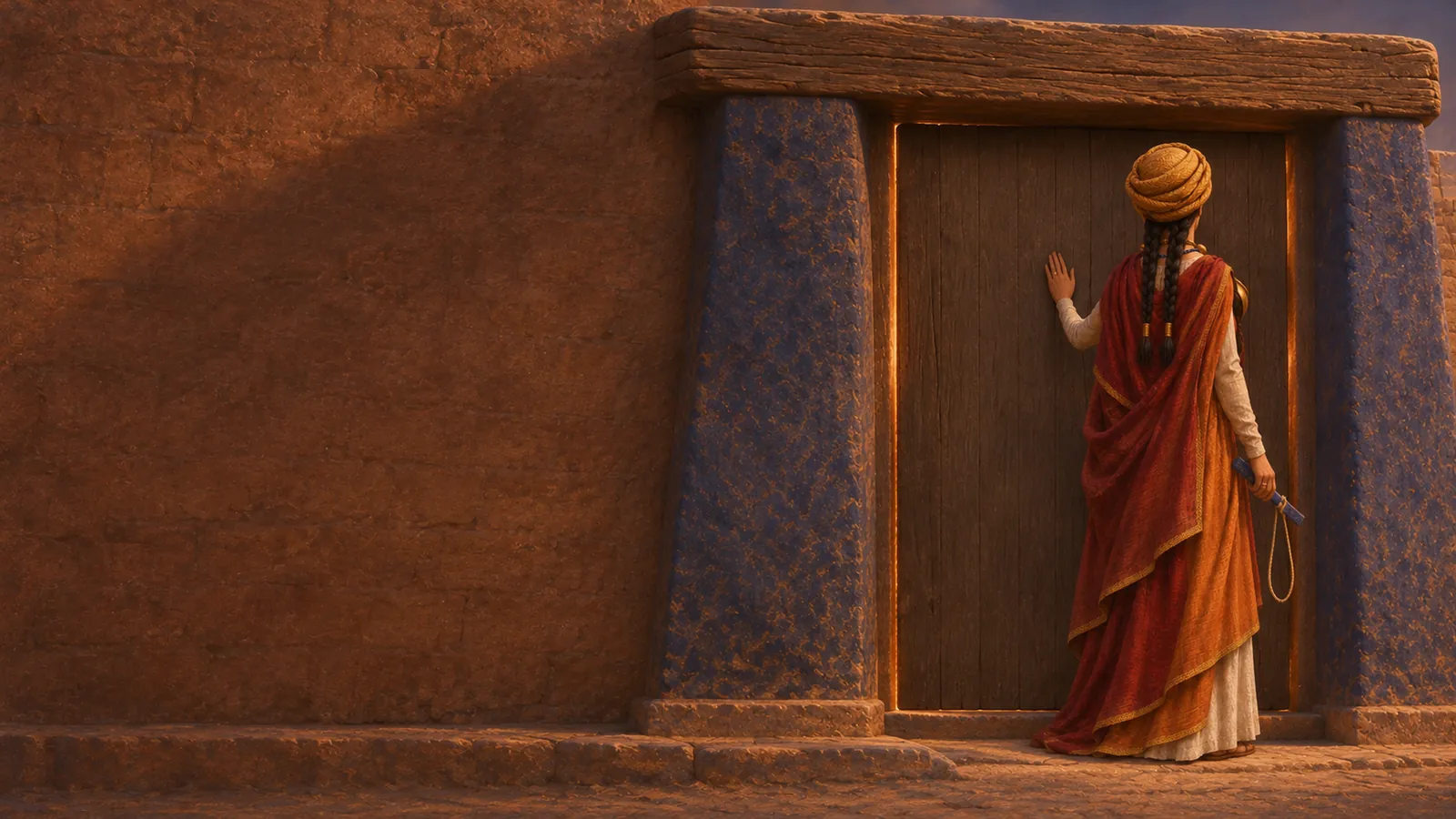
Inanna said that Gugalanna, the husband of her elder sister Ereshkigal, had died. She spoke of the offerings poured at his funeral and said she had come for those rites.
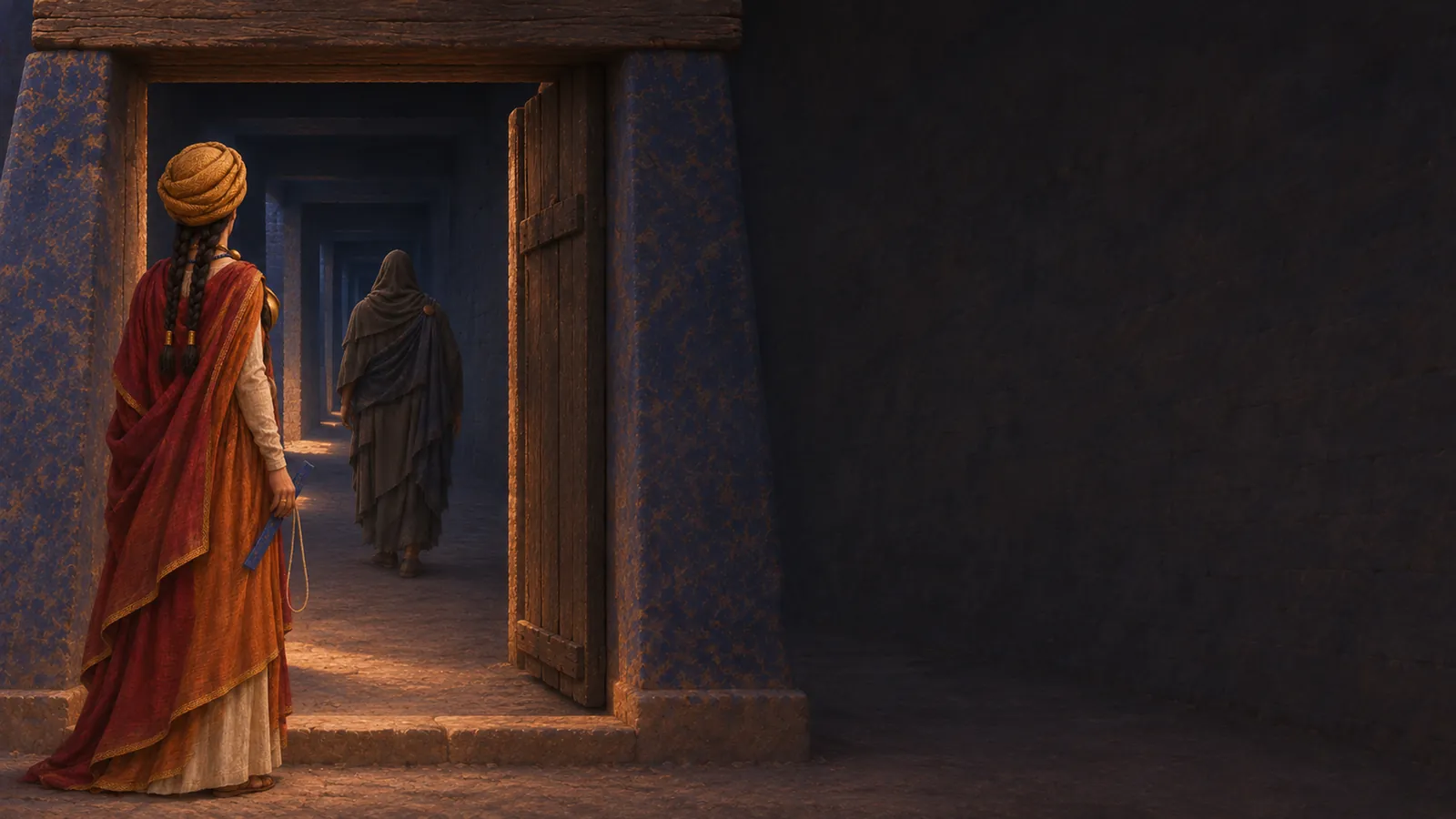
Neti asked Inanna to wait where she was. He would take her words to Ereshkigal, his mistress, before she was allowed to pass.
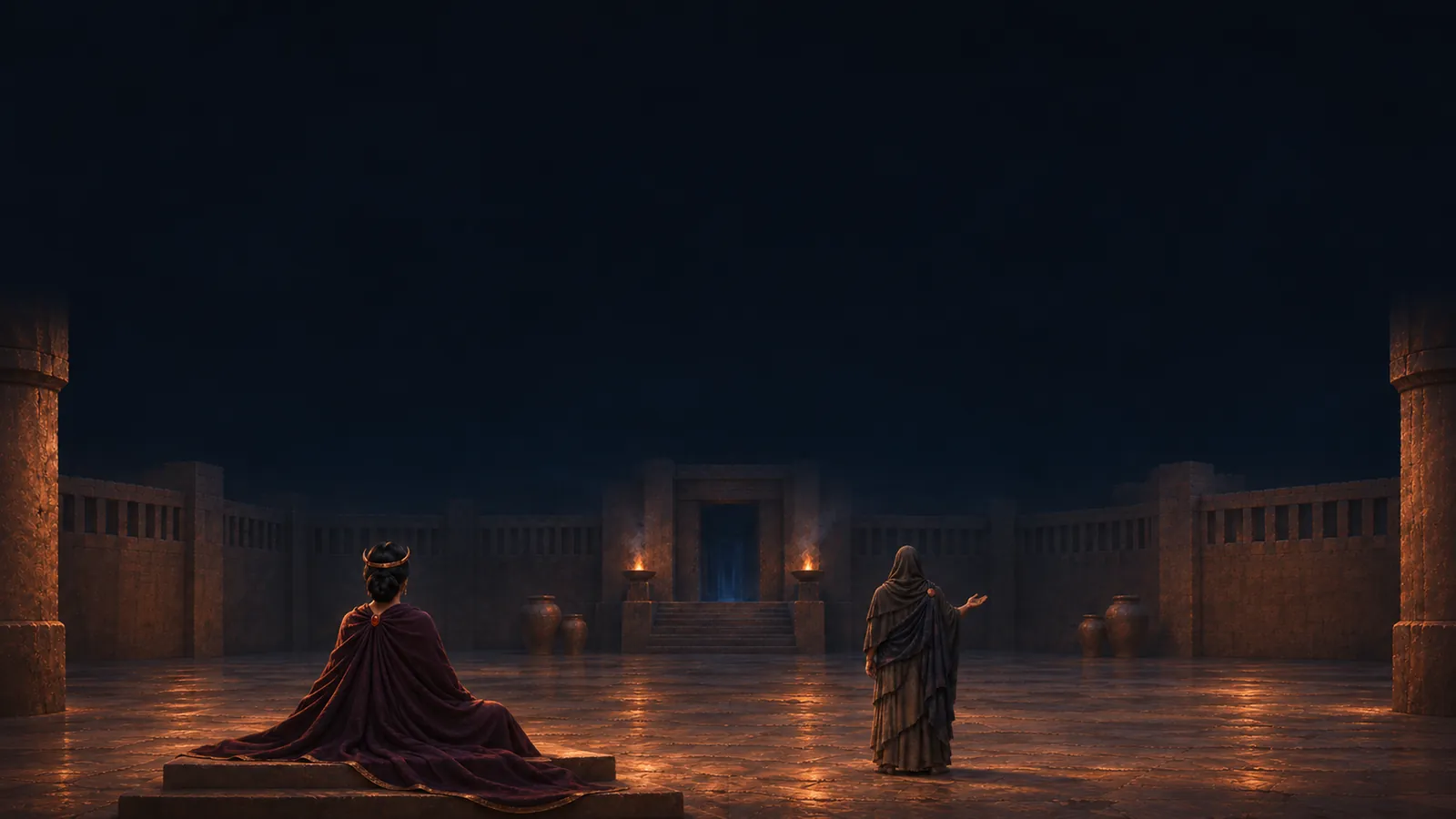
Neti told Ereshkigal that her sister was waiting alone at Ganzer. He described how Inanna had left Eanna and demanded to be let in.
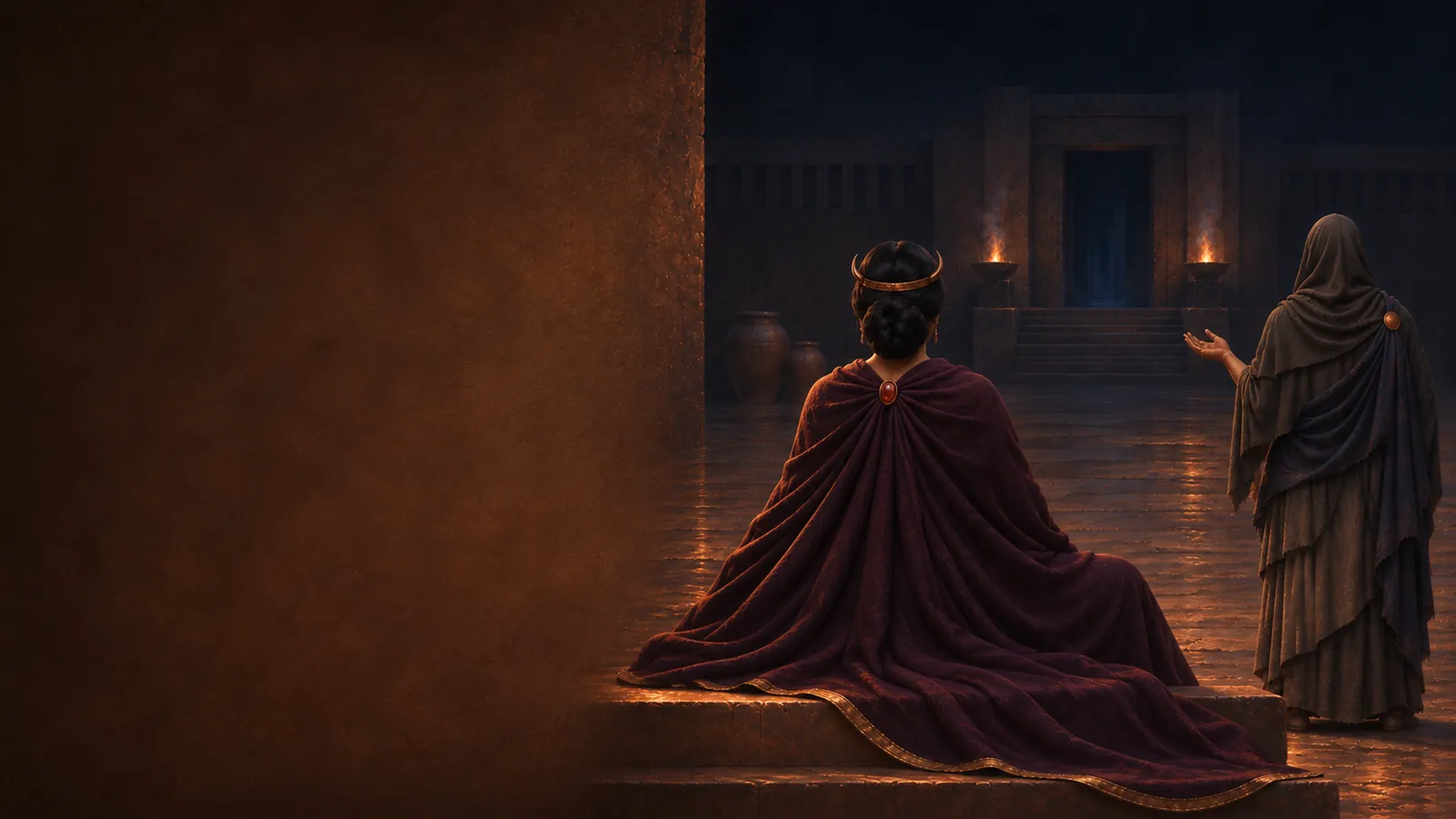
Neti said that Inanna had brought the seven divine powers. He listed what she wore and what she held, from the headdress on her head to the measuring line in her hand.
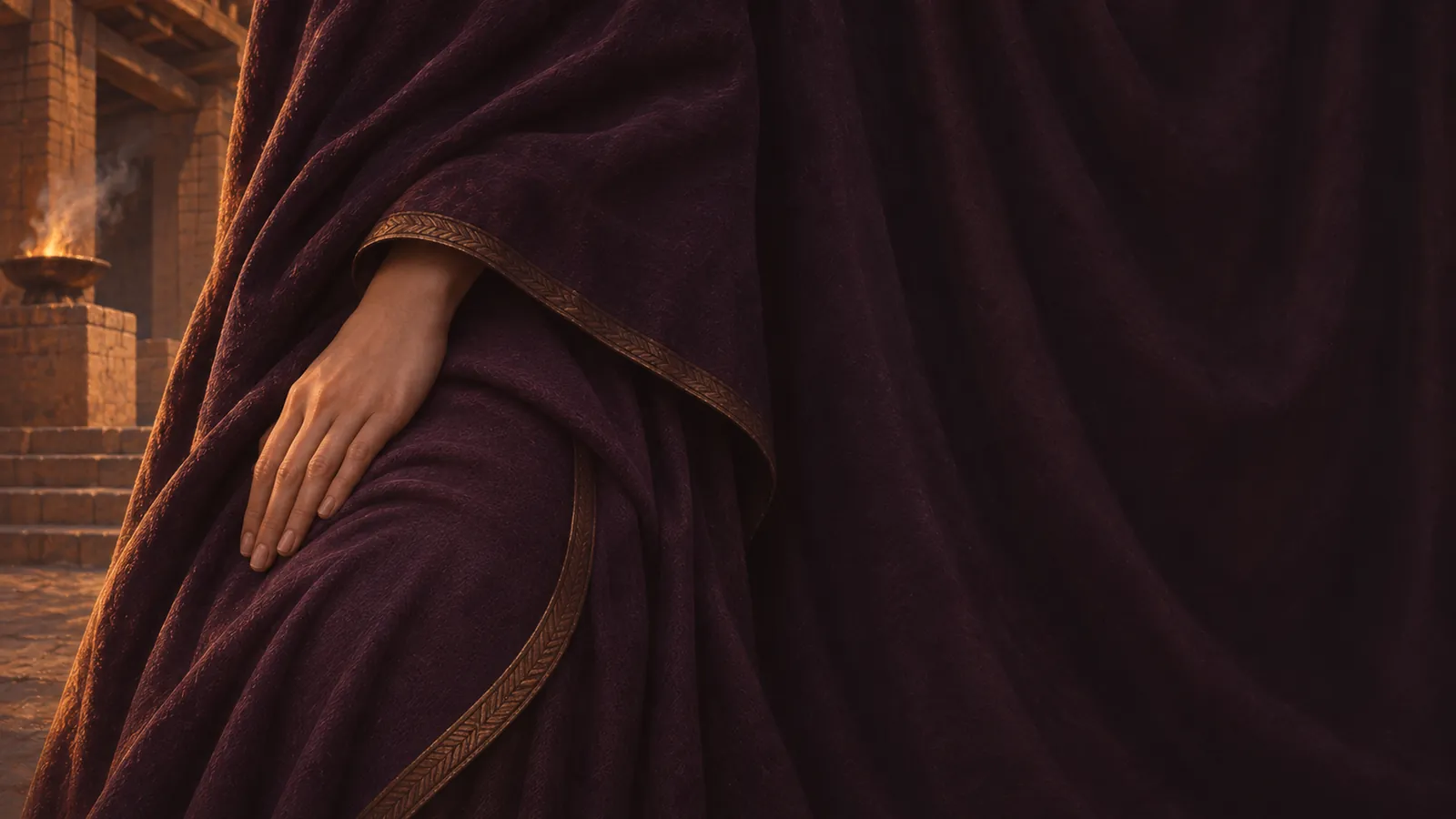
Ereshkigal struck her thigh as she heard the news. She took in what Neti had said, then called on him to follow her instructions closely.
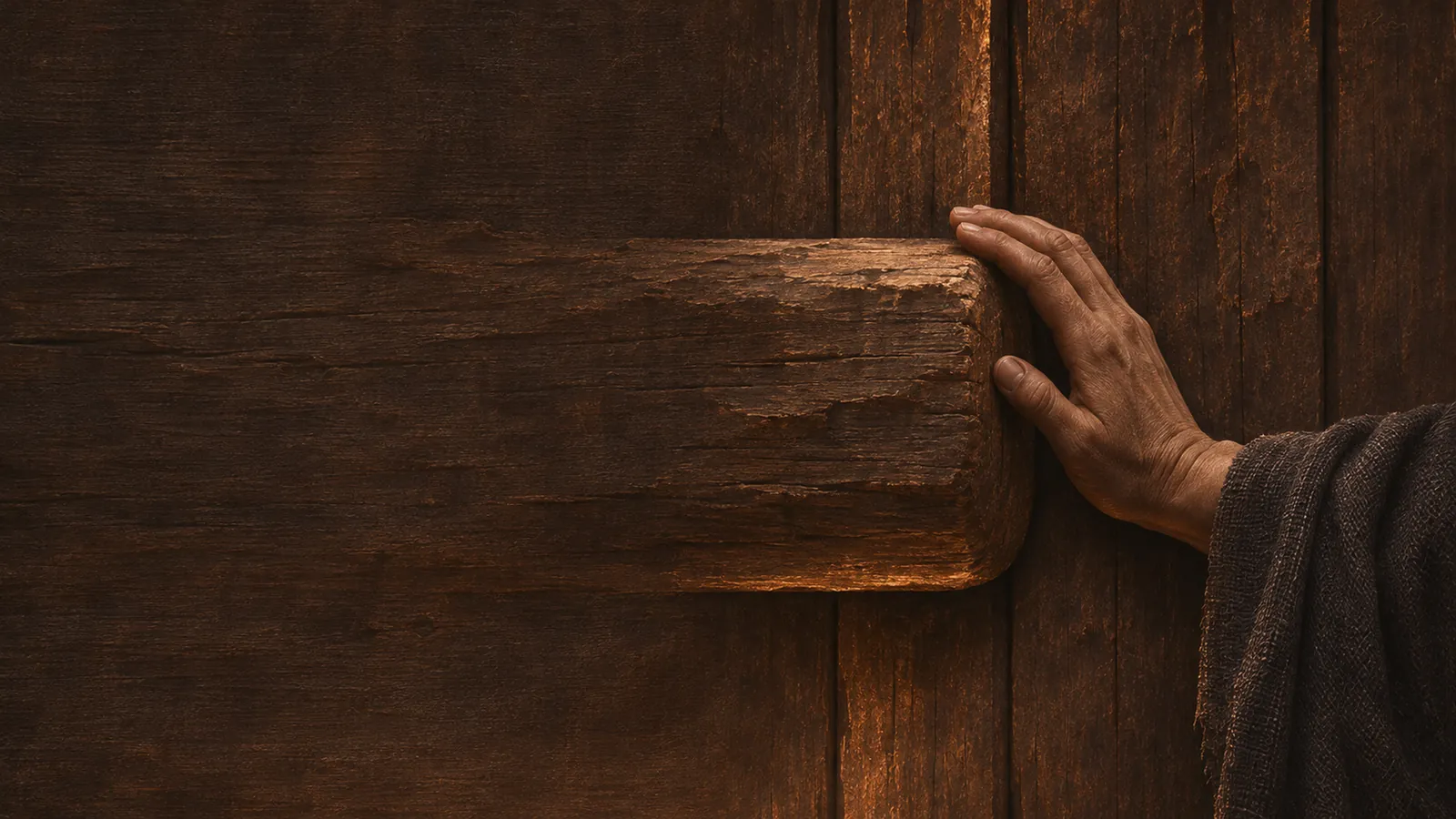
BAR THE GATES
Ereshkigal told Neti to bar all seven gates, then let each open separately. As Inanna bowed and passed through, her clothing and adornments were to be taken away.
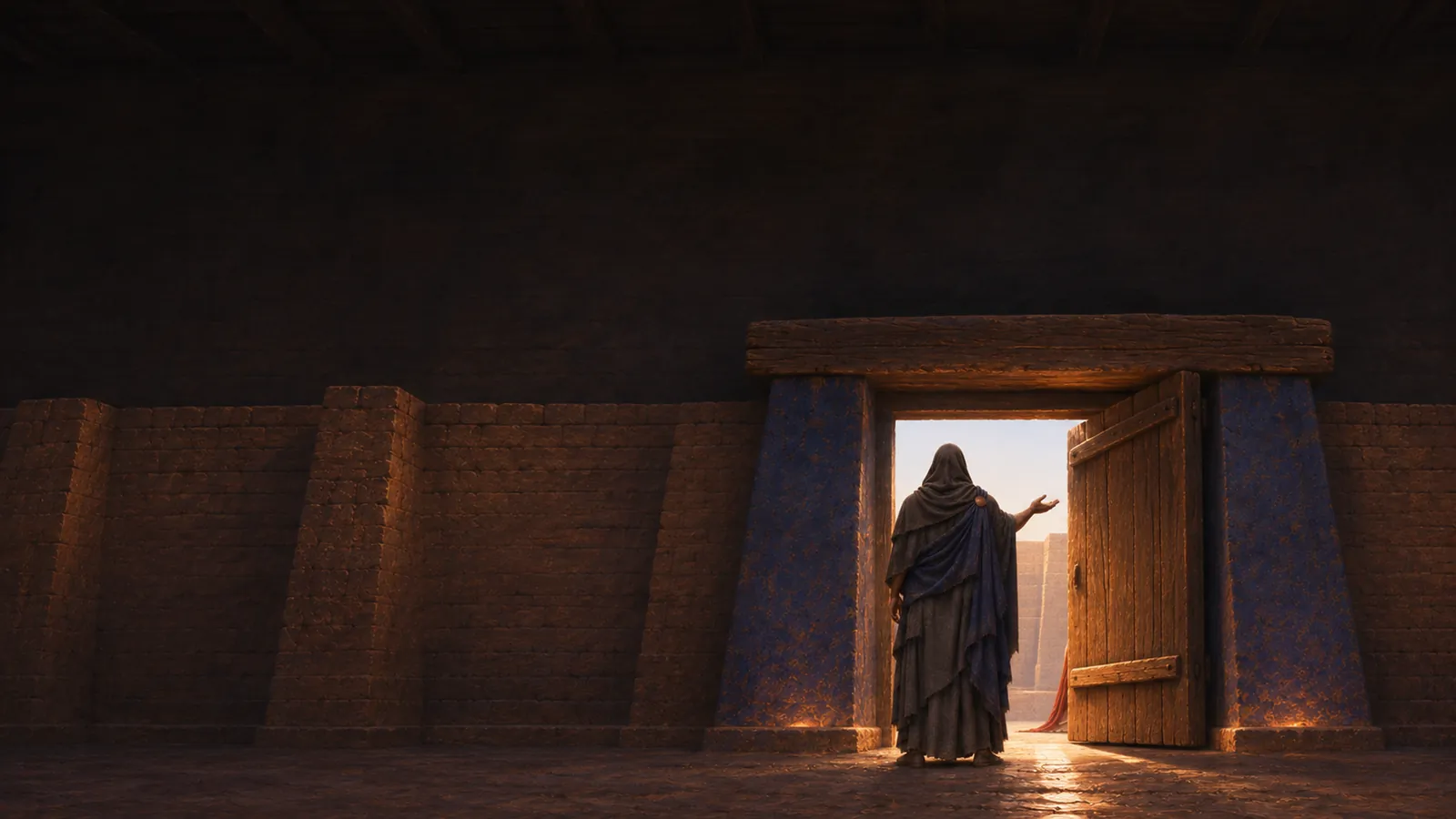
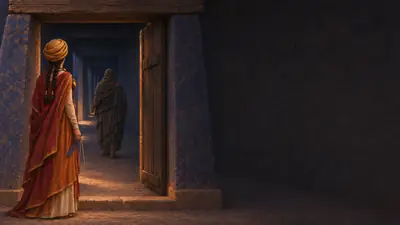
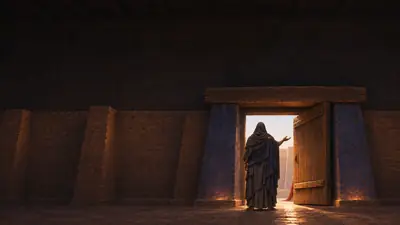
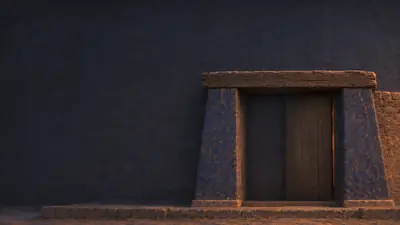
Neti secured the seven gates as Ereshkigal had ordered. He opened the doors separately, then called to Inanna to enter.
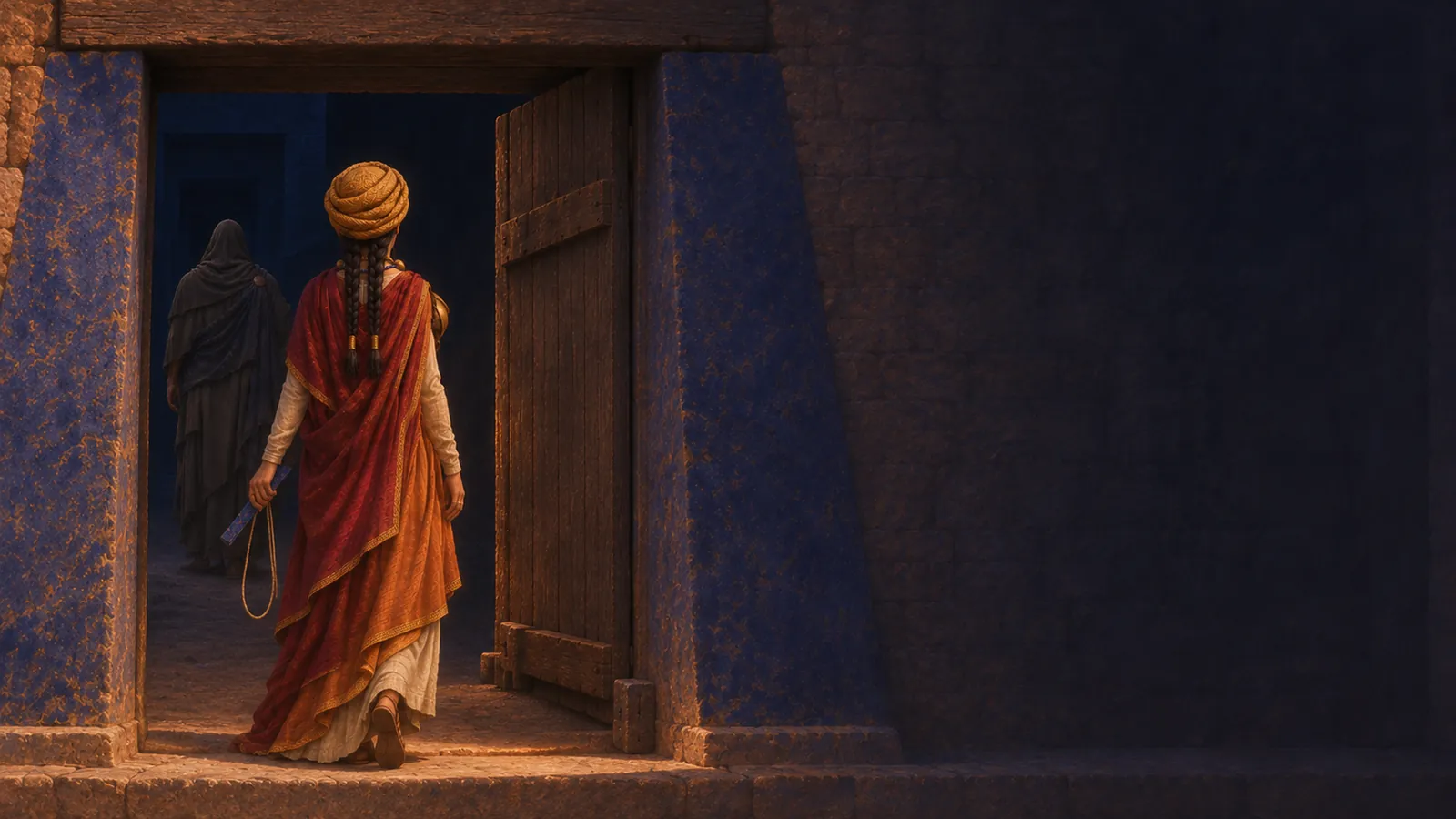
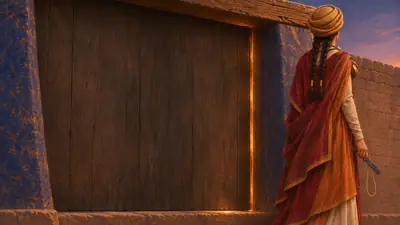
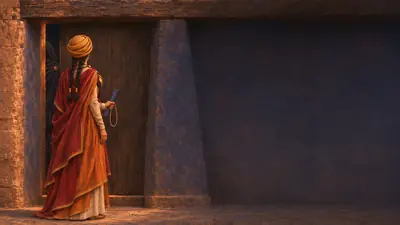
At Neti’s invitation, Inanna went in. She passed beneath the first lintel still wearing the headdress she had put on above.
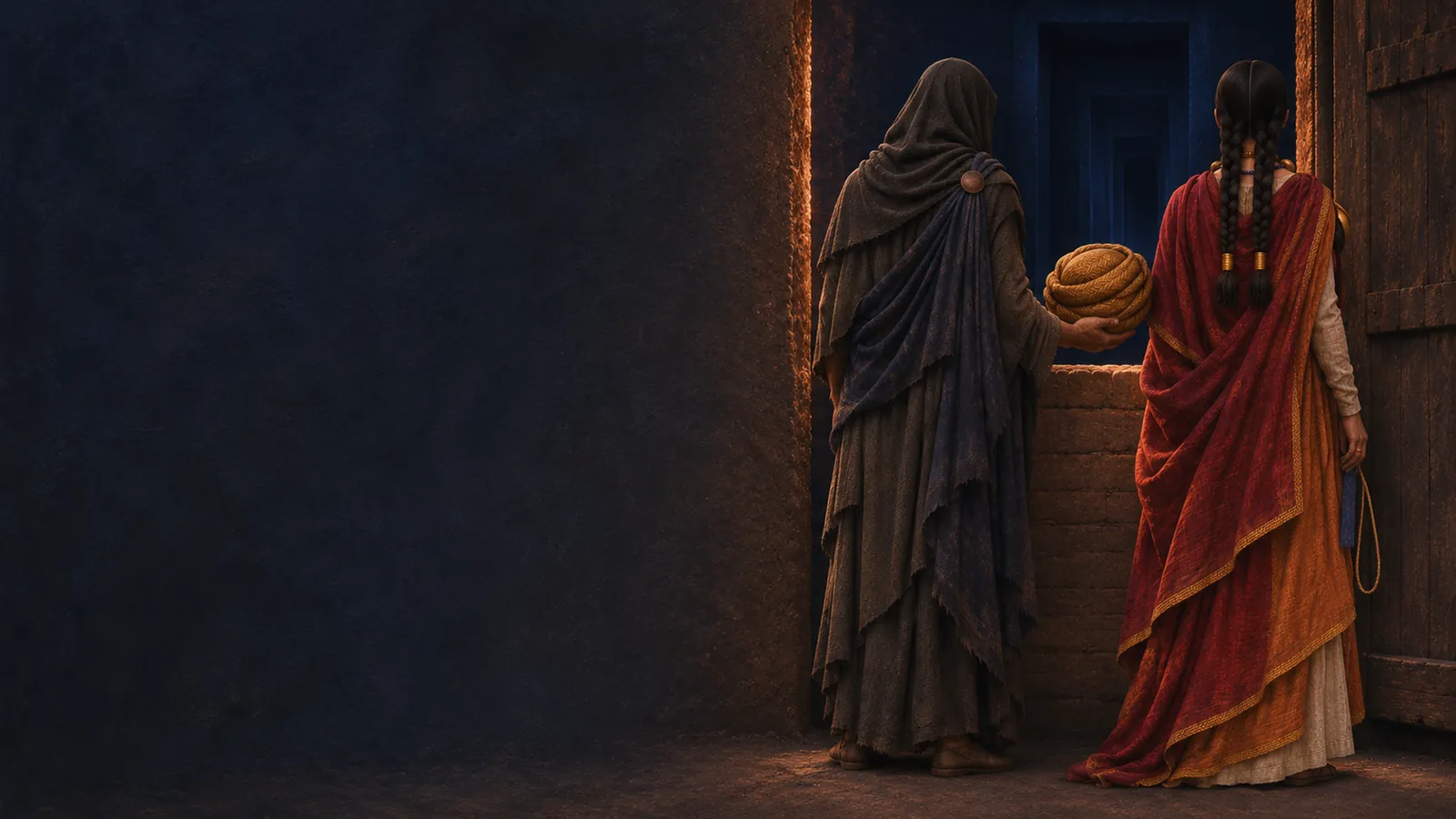
FIRST GATE
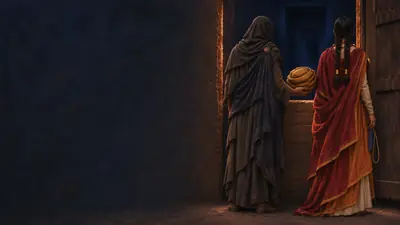
At the first gate, Inanna lost the headdress she had wound for the journey. When she questioned it, she was told to submit to the rites of the land below.
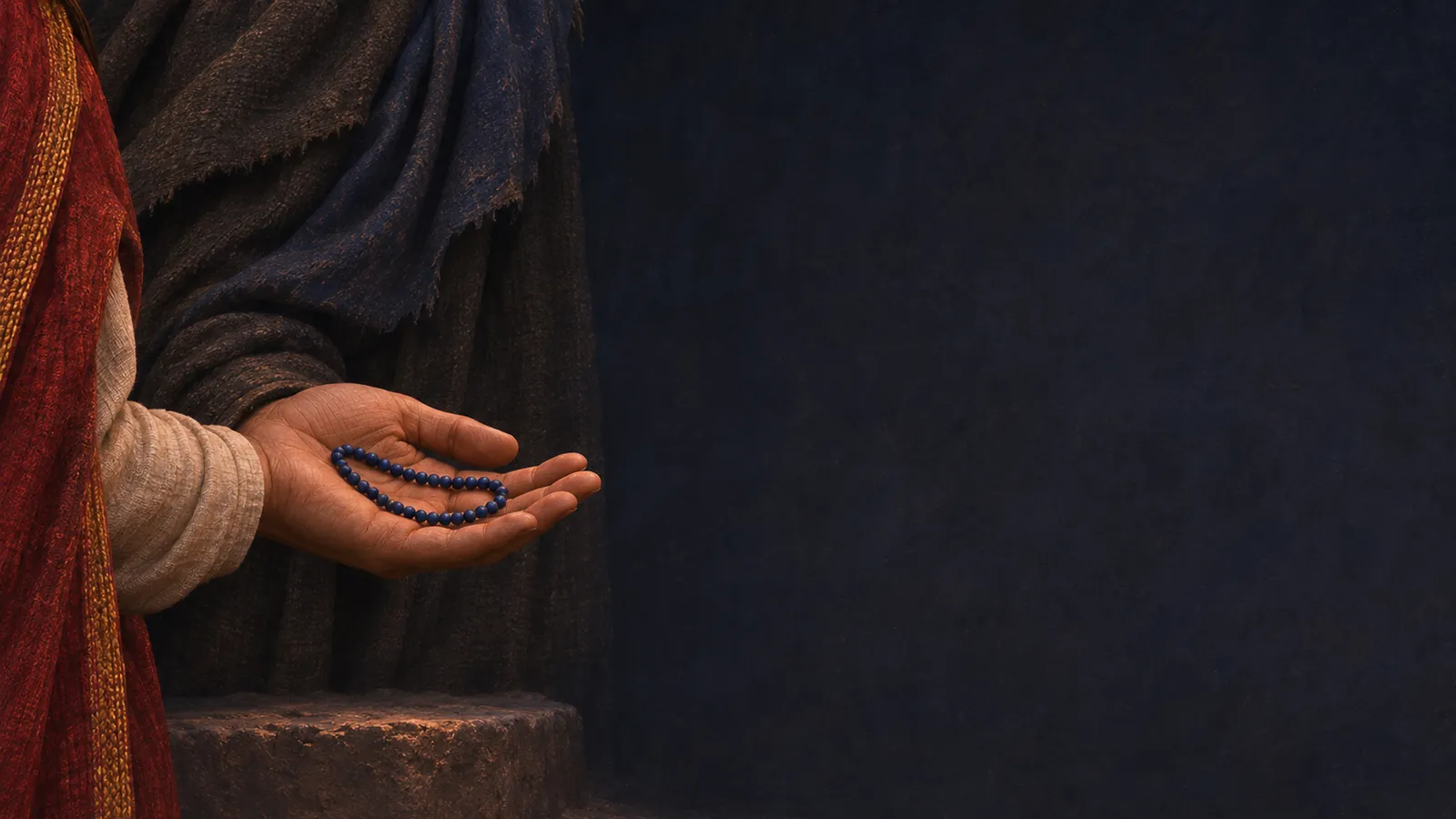
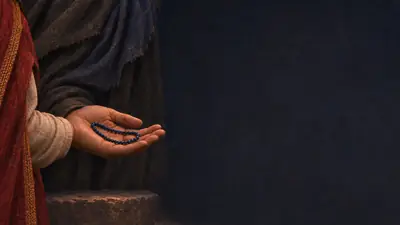
At the second gate, her small lapis beads were taken from her neck. Inanna asked again, and again came the answer that the rites below must be observed.
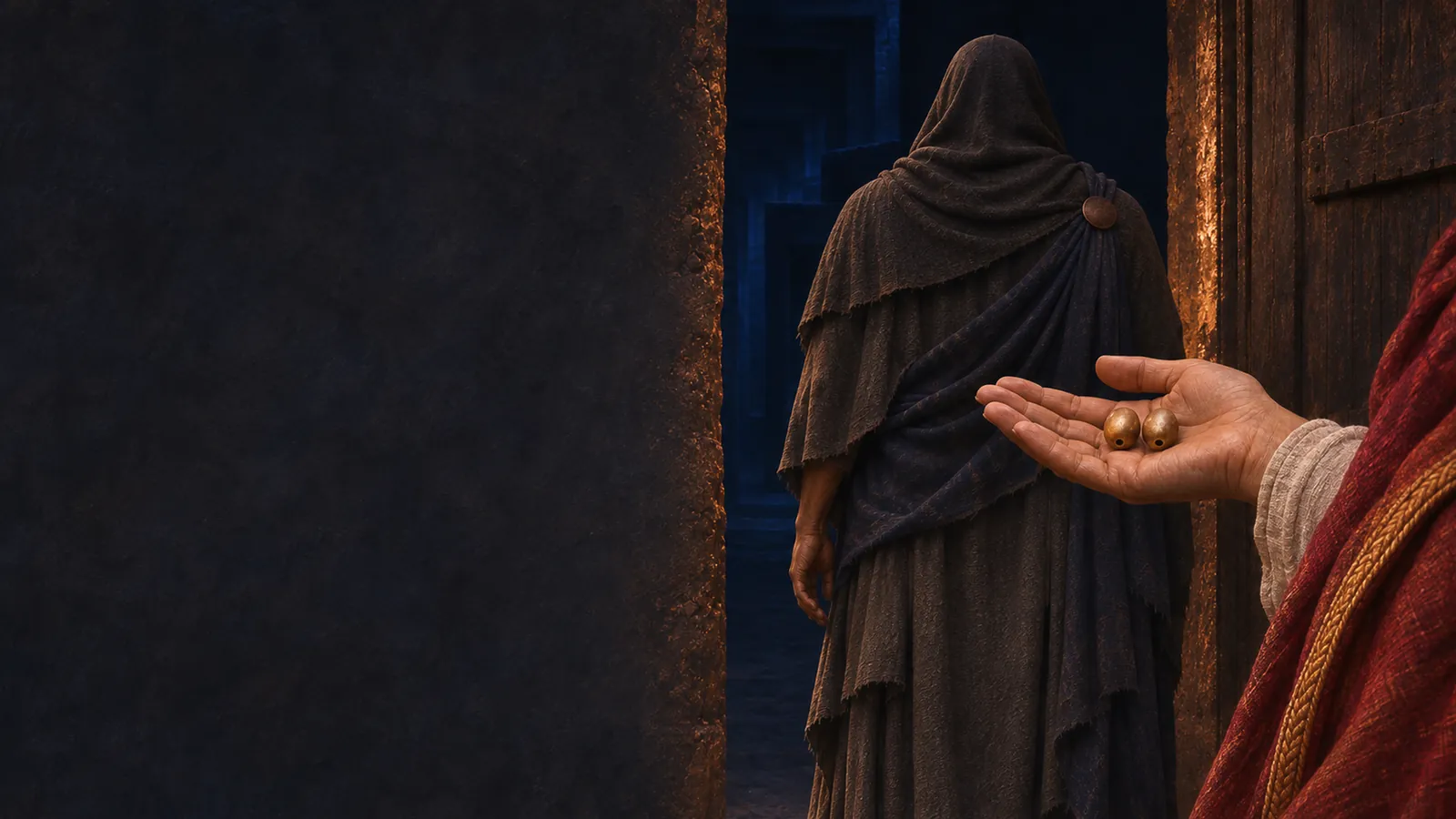
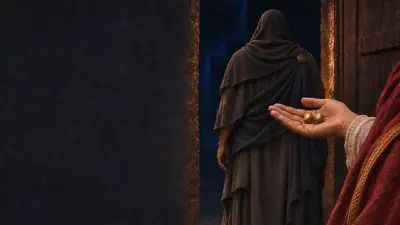
At the third gate, the two egg-shaped beads were taken from Inanna. She questioned the loss, and the same rule was given in reply.
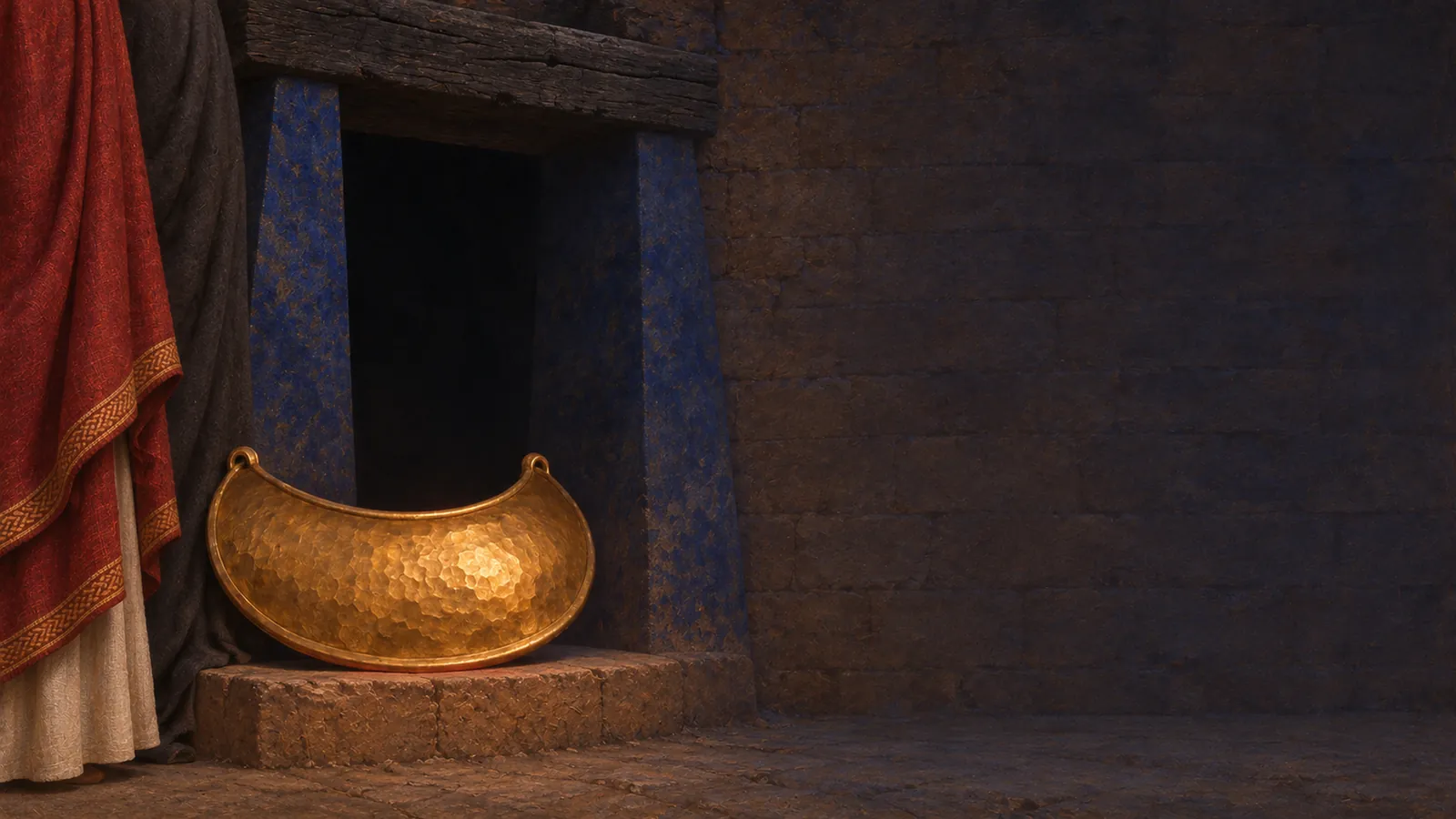
At the fourth gate, they took the wide ornament Inanna wore across her chest. Once more she was told to accept the custom of the country she had entered.
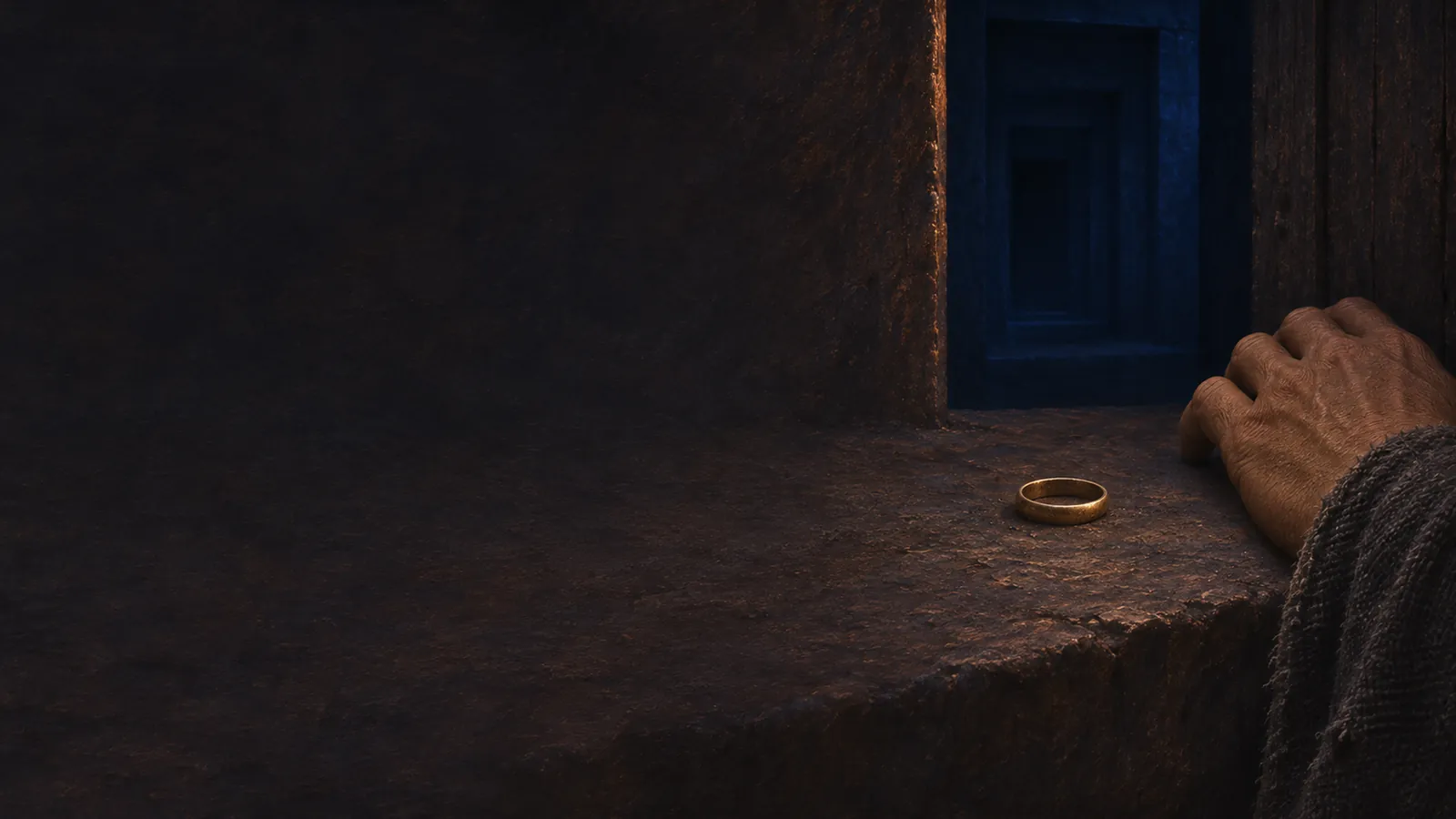
At the fifth gate, the gold ring was removed from Inanna’s hand. Again she asked what this meant, and again the answer spoke of the rites of the netherworld.
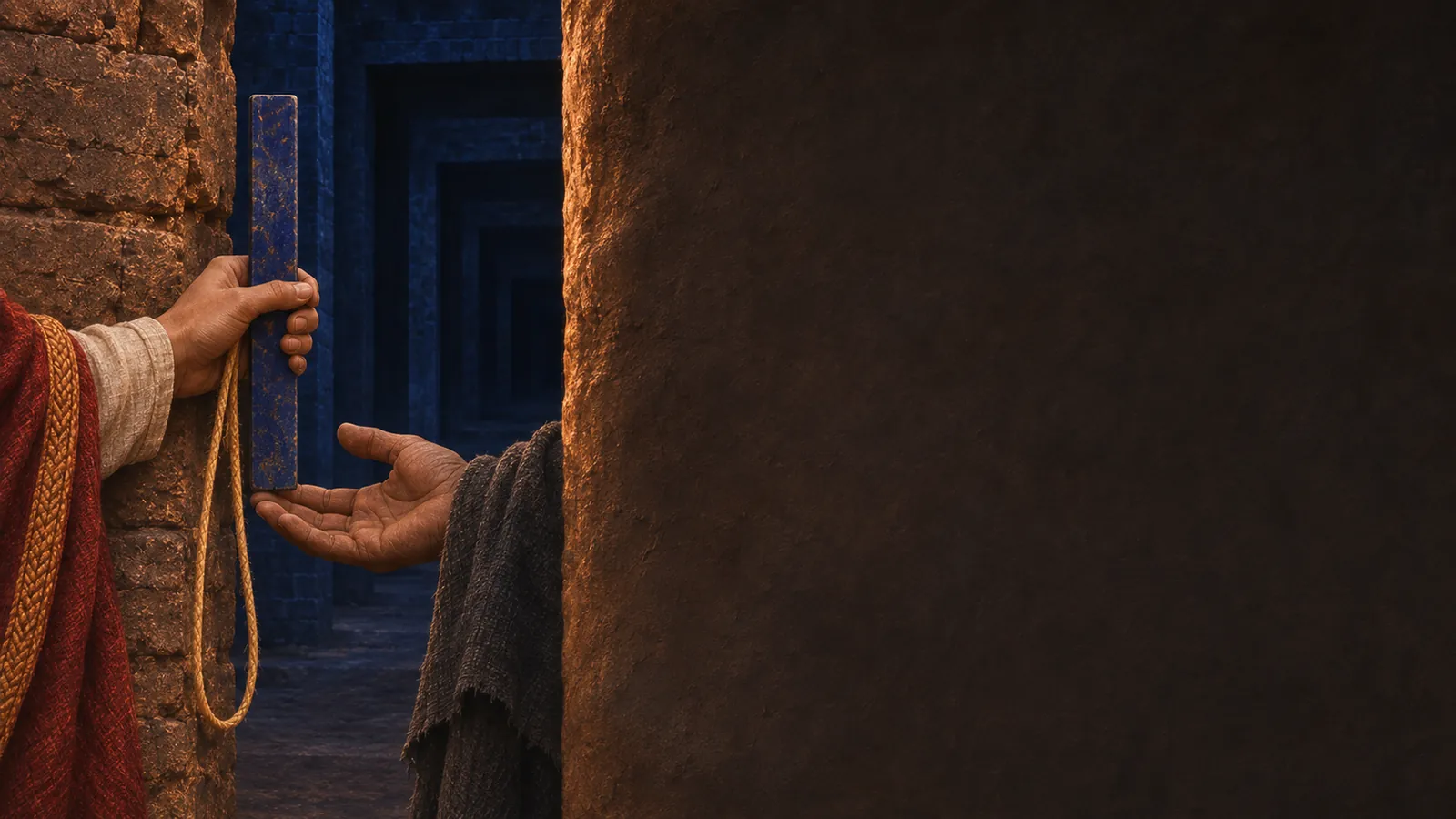
At the sixth gate, Inanna gave up the lapis measuring rod and its line. The rule that had met her at every door met her here, too.
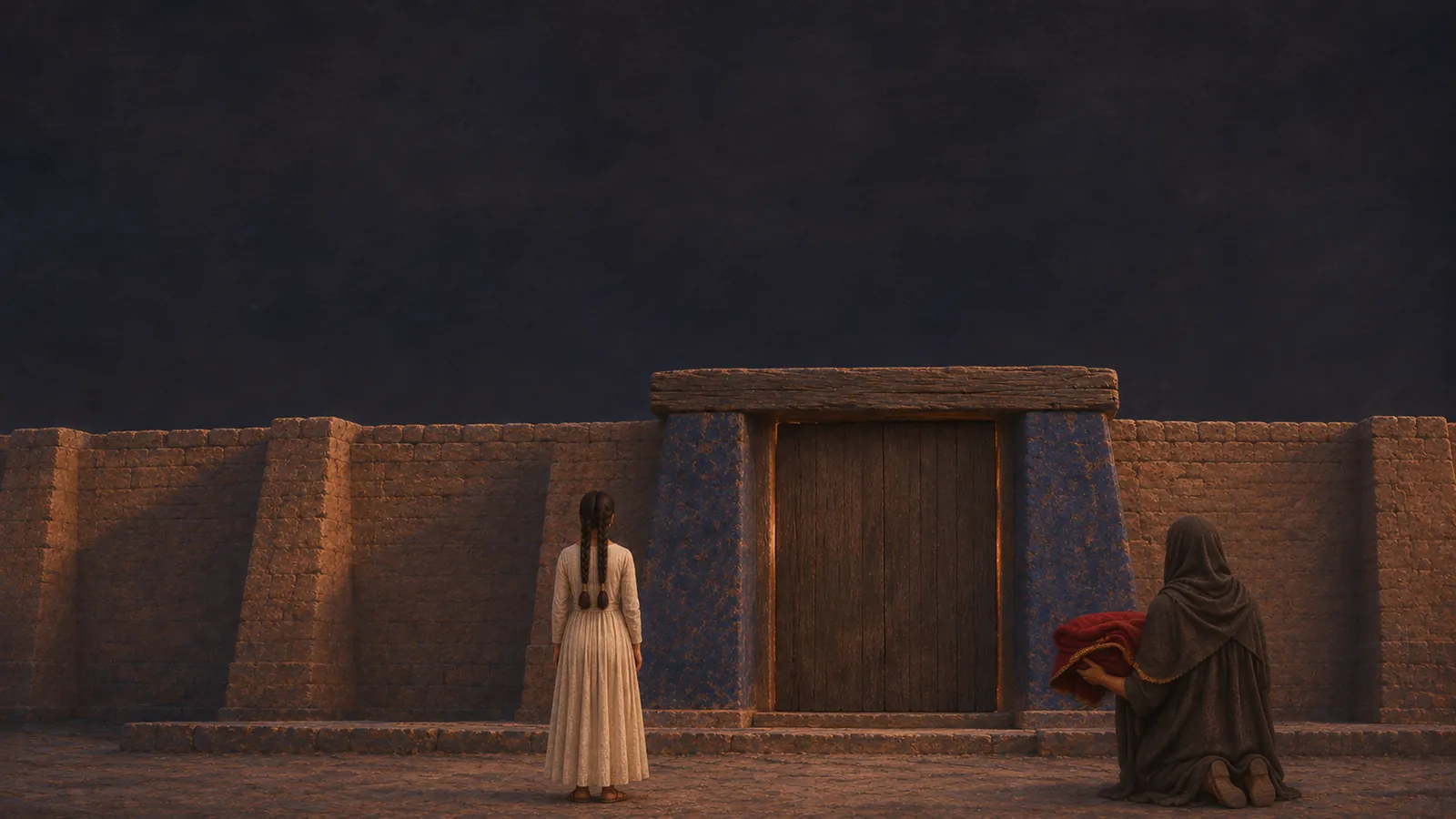
SEVENTH GATE
At the seventh gate, the pala dress that marked Inanna’s rank was taken away. The same answer came back to her, in the words of the netherworld’s rites.
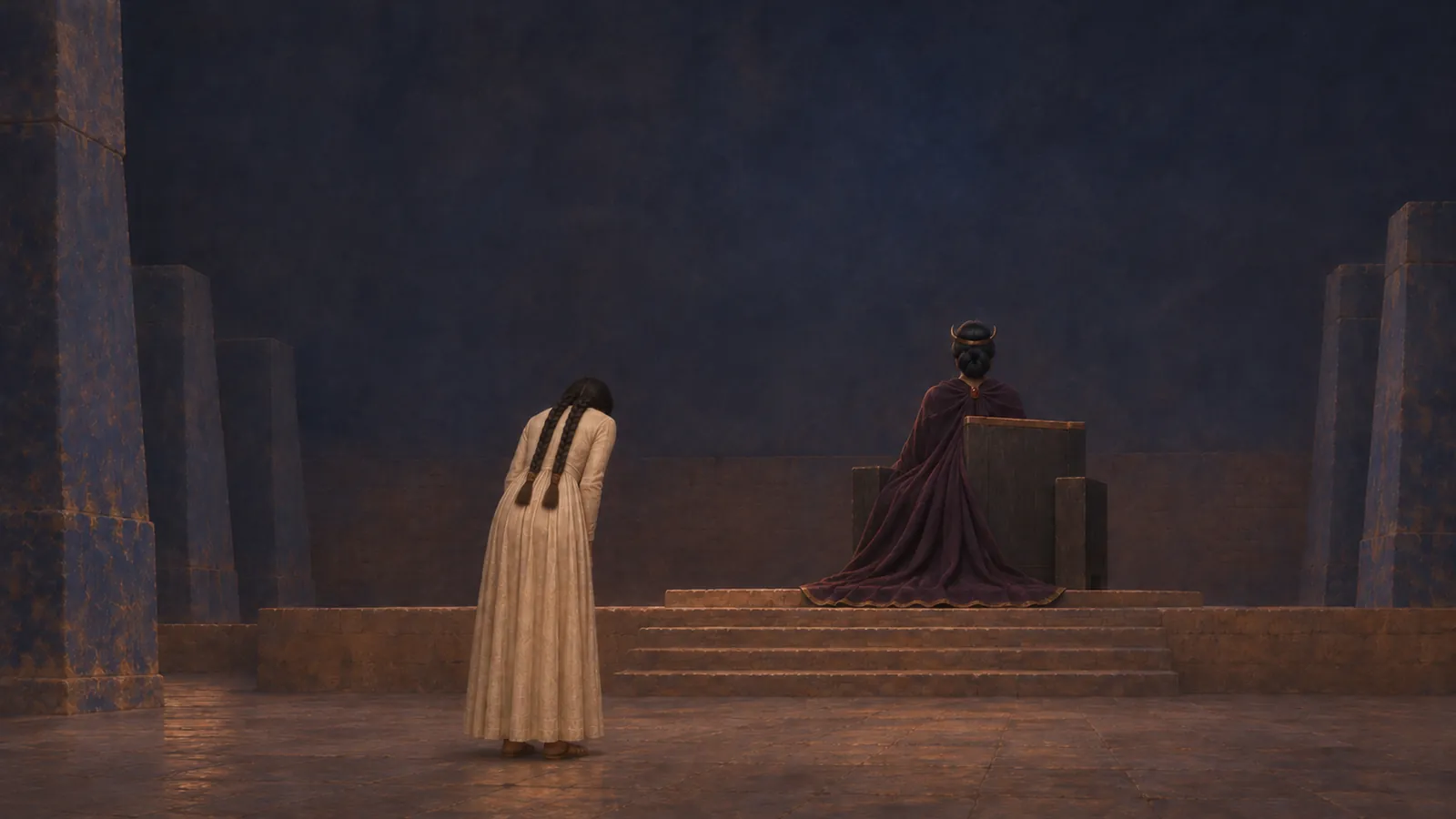
Inanna bowed low, and the garments that had been removed were carried away. Then she came before her elder sister.
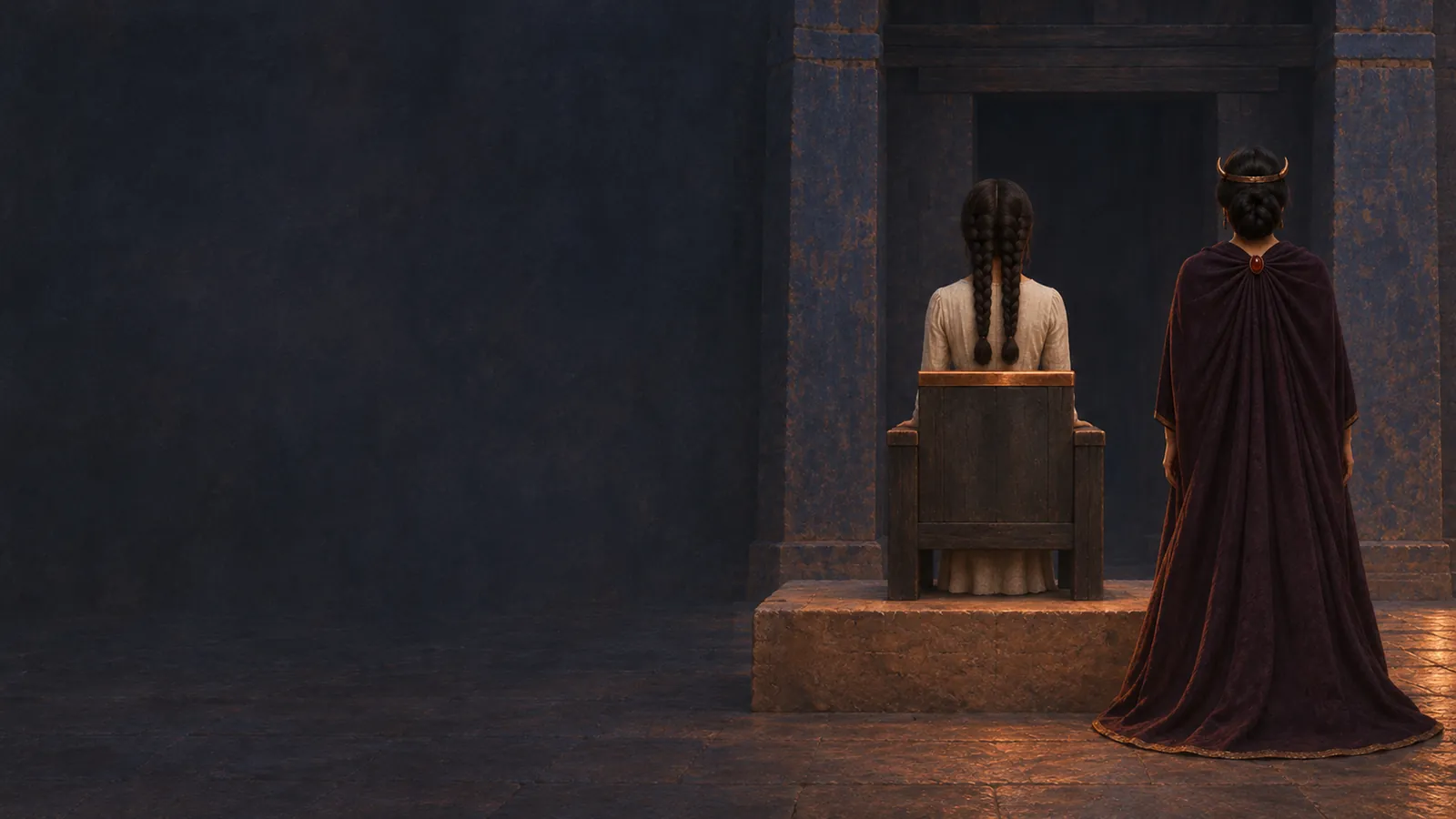
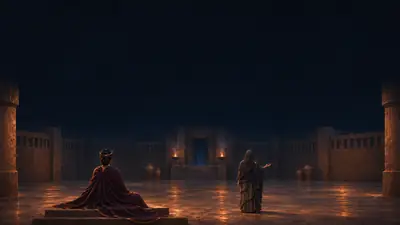
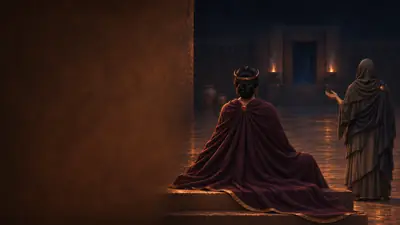
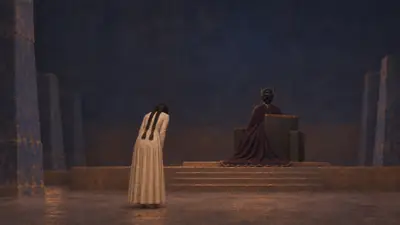
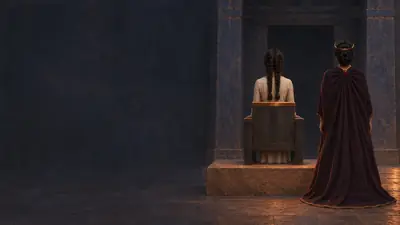
Inanna made Ereshkigal rise from her throne. She then took the seat herself, in the court of the netherworld.
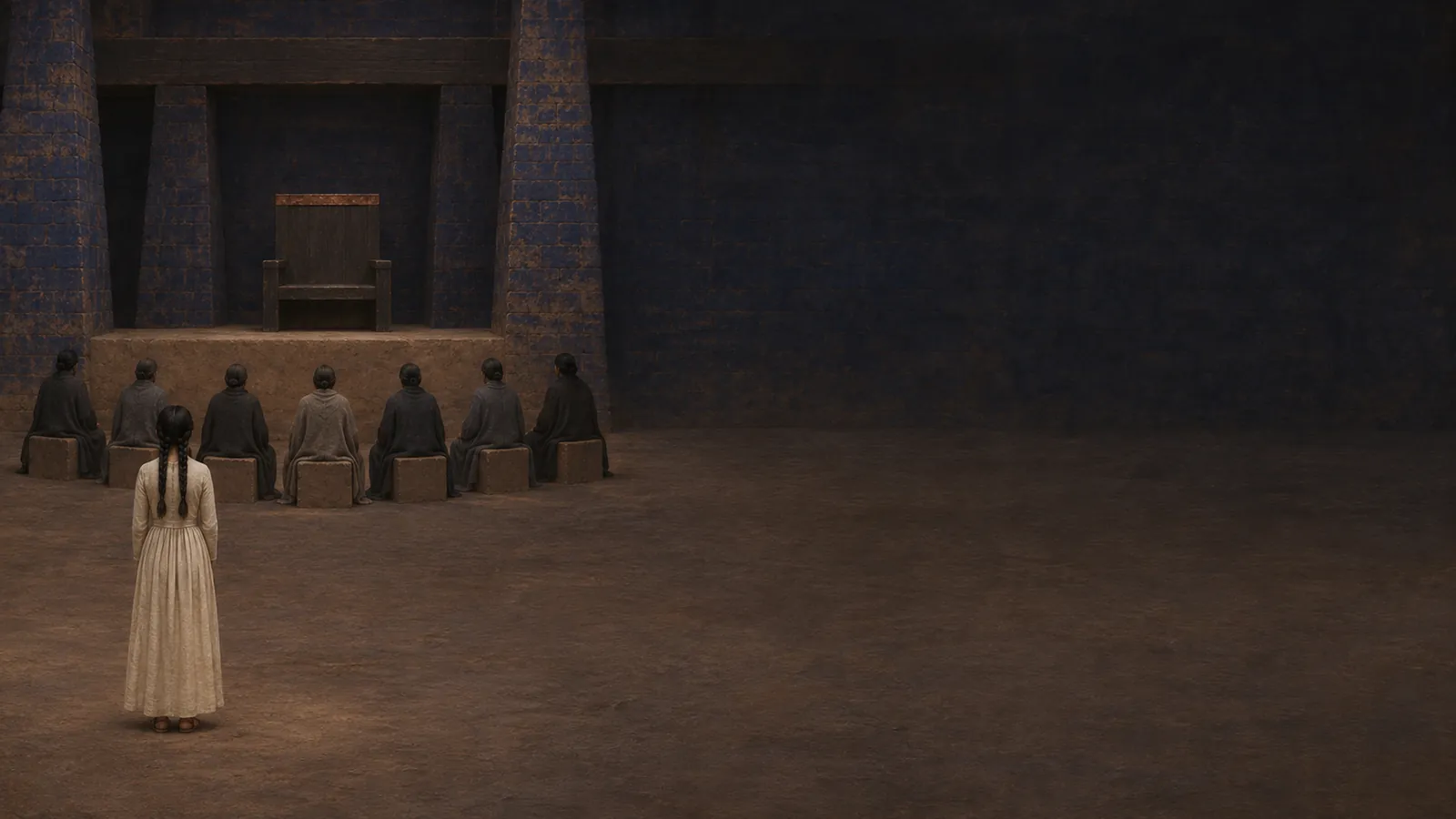
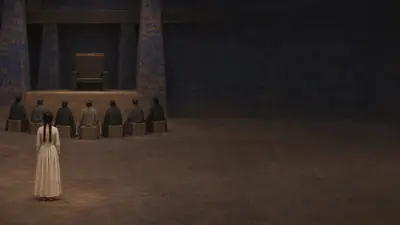
The Anuna, seven judges of the netherworld, gave their decision against Inanna. Their gaze brought death, their words carried anger, and their voices laid the blame on her.
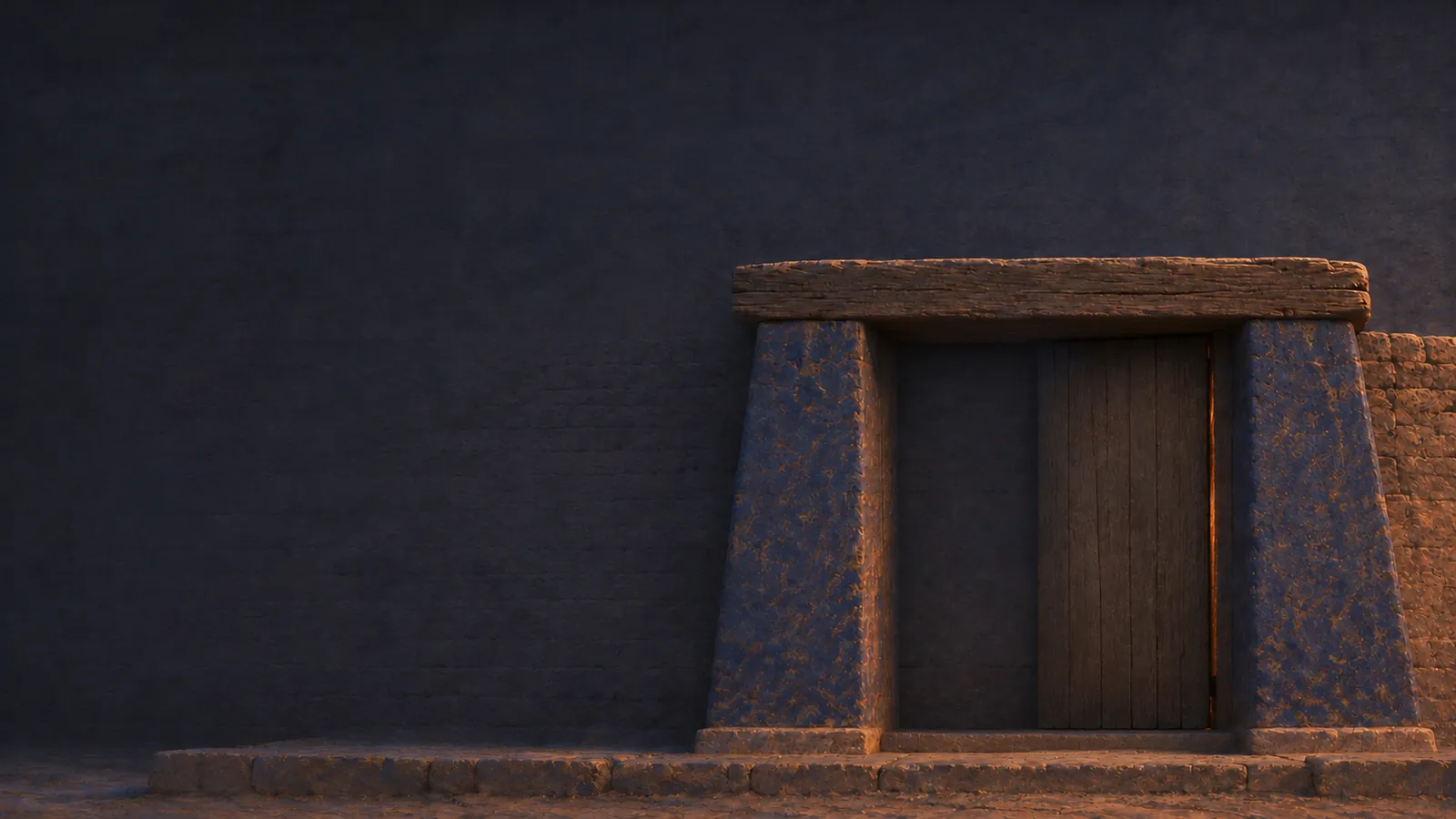
Inanna died under the judgment. Her body was hung from a hook in the realm below.
THREE DAYS
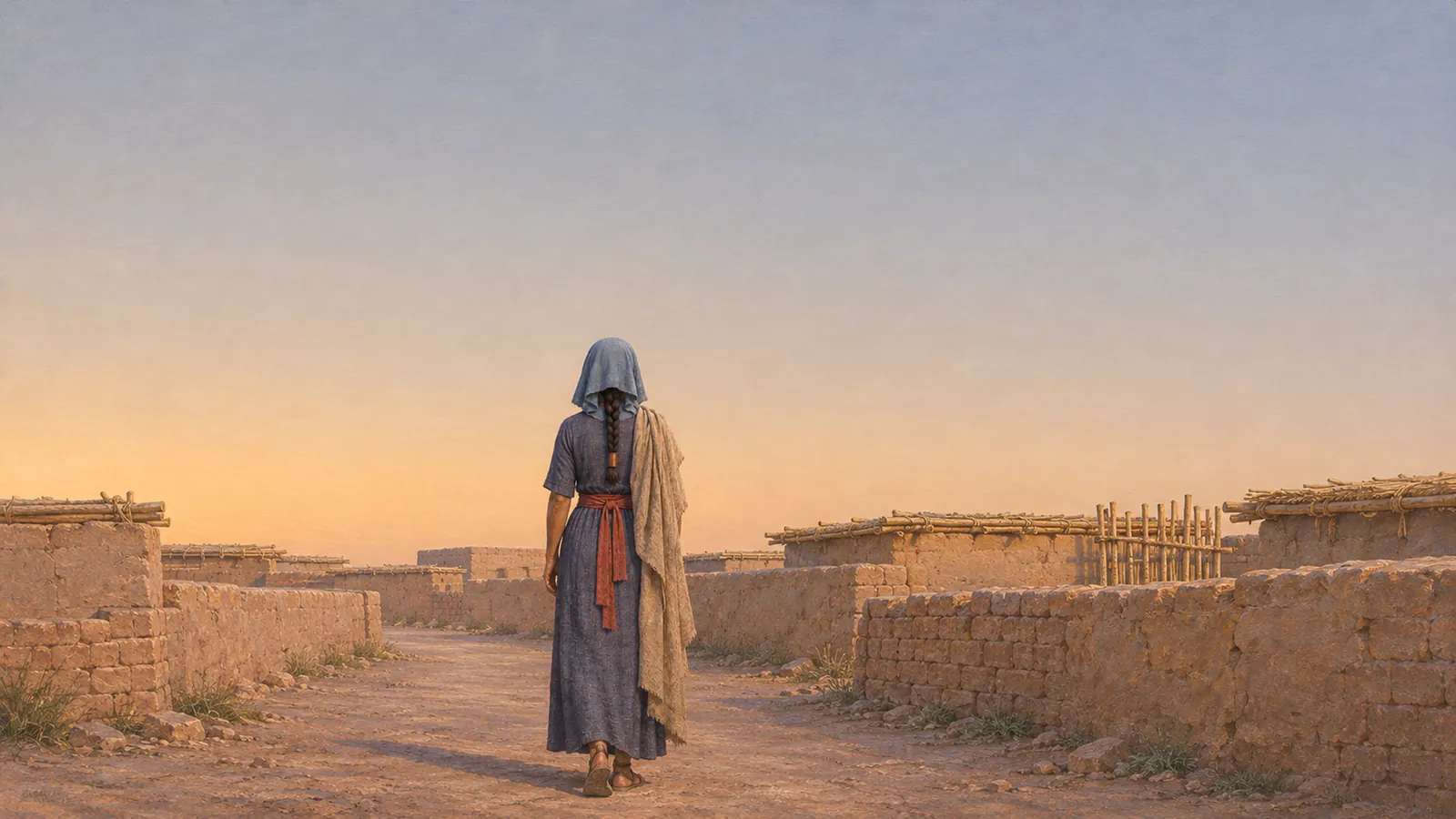
Three days and three nights went by. Then Ninshubur kept faith with Inanna and began to carry out her instructions.
End of chapter 1
All pages
Sources
On page 11, Inanna tells Ninshubur to cut her eyes and nose in mourning and to cut her buttocks in private (Oxford ETCSL 1.4.1, lines 37–40). The retelling condenses these rites to public and private mourning.
Editions consulted
- Oxford ETCSL 1.4.1, translation: lines 1–175. This is the textual basis for the narration.
- Oxford ETCSL, Sumerian composite: . Notes identify the extra measuring-rod lines in one Gate 1 manuscript. The main sequence places its removal at Gate 6.
Notes on this retelling
On page 25, Ereshkigal also bites her lip as she takes Neti’s report to heart (Oxford ETCSL 1.4.1, line 115). The retelling condenses her response to the blow to her thigh and her attention to his words.
Ancient lines behind each page
- Page 1: ETCSL 1.4.1 1–5
- Page 2: ETCSL 1.4.1 6–13
- Page 3: ETCSL 1.4.1 14–16
- Page 4: ETCSL 1.4.1 17–18
- Page 5: ETCSL 1.4.1 19–20
- Page 6: ETCSL 1.4.1 21–23
Source gives separate invitation-like names to the makeup and ornament. - Page 7: ETCSL 1.4.1 24–25
- Page 8: ETCSL 1.4.1 26–31
- Page 9: ETCSL 1.4.1 28–33
- Page 10: ETCSL 1.4.1 34–36
- Page 11: ETCSL 1.4.1 37–40
Text names ritual laceration. - Page 12: ETCSL 1.4.1 41–47
- Page 13: ETCSL 1.4.1 48–56
- Page 14: ETCSL 1.4.1 57–64
- Page 15: ETCSL 1.4.1 65–67
- Page 16: ETCSL 1.4.1 68–72
- Page 17: ETCSL 1.4.1 73–77
- Page 18: ETCSL 1.4.1 75–77
- Page 19: ETCSL 1.4.1 78–81
- Page 20: ETCSL 1.4.1 82–84
- Page 21: ETCSL 1.4.1 85–89
- Page 22: ETCSL 1.4.1 90–93
- Page 23: ETCSL 1.4.1 94–101
- Page 24: ETCSL 1.4.1 102–113
- Page 25: ETCSL 1.4.1 114–118
The source also mentions biting her lip. - Page 26: ETCSL 1.4.1 117–122
- Page 27: ETCSL 1.4.1 123–128
- Page 28: ETCSL 1.4.1 127–130
- Page 29: ETCSL 1.4.1 129–133
Composite order. One witness adds rod and line here. - Page 30: ETCSL 1.4.1 134–138
- Page 31: ETCSL 1.4.1 139–143
- Page 32: ETCSL 1.4.1 144–148
The poem gives the object an invitation-like name. - Page 33: ETCSL 1.4.1 149–153
- Page 34: ETCSL 1.4.1 154–158
- Page 35: ETCSL 1.4.1 159–163
- Page 36: ETCSL 1.4.1 164–165
- Page 37: ETCSL 1.4.1 165–166
- Page 38: ETCSL 1.4.1 167–170
- Page 39: ETCSL 1.4.1 171–172
- Page 40: ETCSL 1.4.1 173–175
Illustrations made with AI tools by IL Archive; the text is based on the ancient sources (see the sources at the end of each chapter).