Entity · Contextual definition
The Heliopolitan Ennead, the Nine Gods of Atum
A reference page linking a name, group, or concept to the materials that discuss it.
- Names
- Big Ennead in Heliopolis · Great Ennead · Heliopolitan Ennead
- Region
- Egypt
A recitation in Pepi II’s pyramid names nine gods, starting with Atum. Their family ties explain the group, and the spell asks them to protect the king and his monument.
Estimated reading time: 5 min Published Last reviewed:
Share article
Text
Introduction
In the Pyramid Texts of Pepi IIPepi IIPepi II was an Egyptian king of the Sixth Dynasty in the late third millennium BCEGlossary · Click to read the explanation, a speaker calls on nine gods by name and asks them to stand with AtumAtumAtum is an Egyptian creator god associated with HeliopolisGlossary · Click to read the explanation as he protects the king and his pyramid. James P. AllenJames P. AllenEgyptologist and Brown professor emeritus, studying ancient Egyptian language, literature and religion, including the Pyramid Texts.Glossary · Click to read the explanation translates their title as the Big Ennead in HeliopolisHeliopolis, ancient IunuHeliopolis is the Greek name of Egyptian Iunu, at Matariya in northern present-day CairoGlossary · Click to read the explanation. The same nine are often called the Great Ennead. Their names follow the order of a divine family, from Atum to the youngest generation in the list. [1][2]
An ennead is a group named for the number nine. Egyptian funerary texts also refer to other groups by that name. For this particular group, Pepi II’s inscription gives a clear list and a reason for addressing the gods together. The Greenfield Papyrus supplies a different kind of evidence. Its picture shows one episode in the history of the same family, when Shu lifts the sky goddess Nut above the earth god Geb. [1][2][3]
The nine names on the pyramid wall
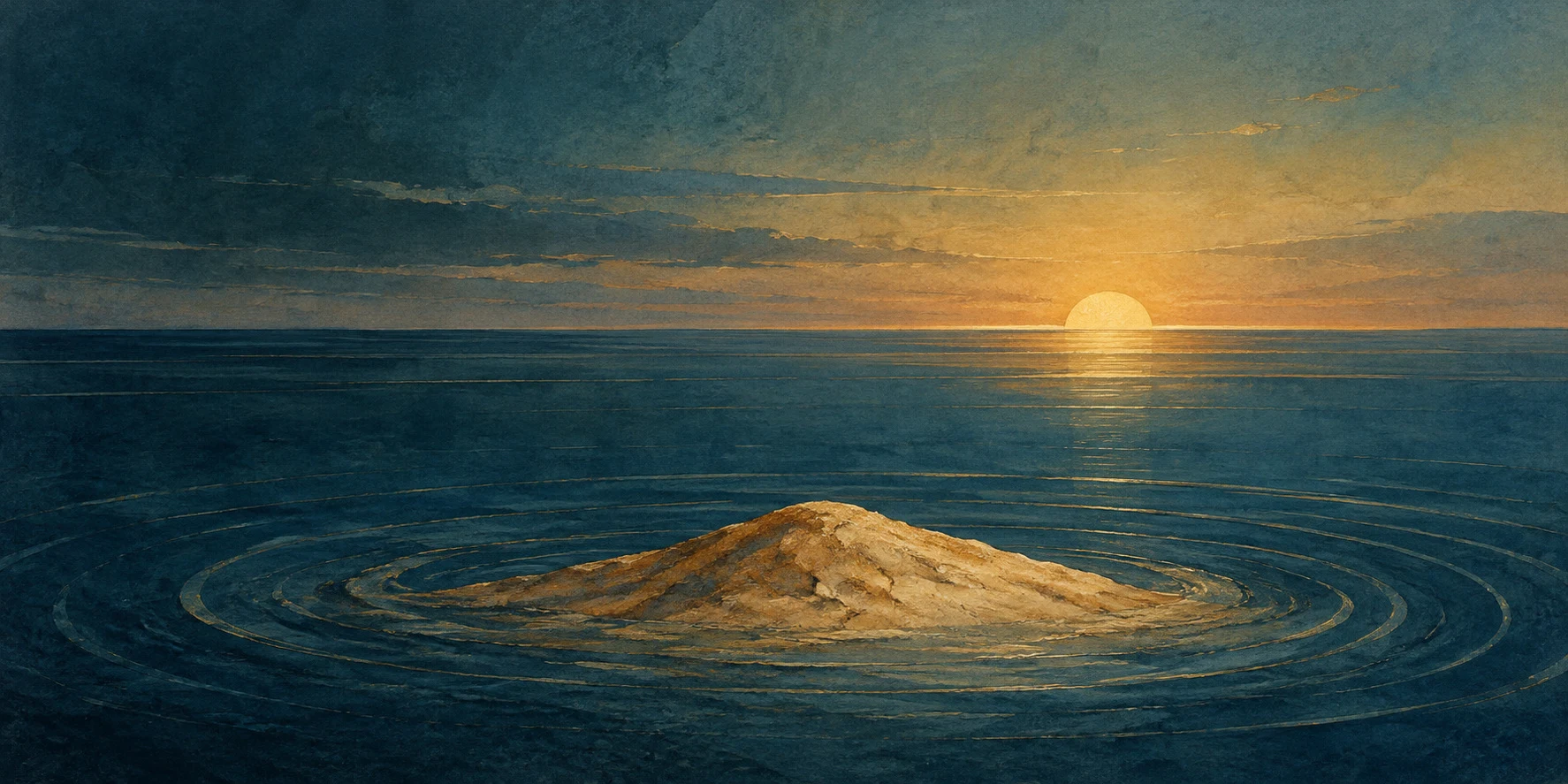
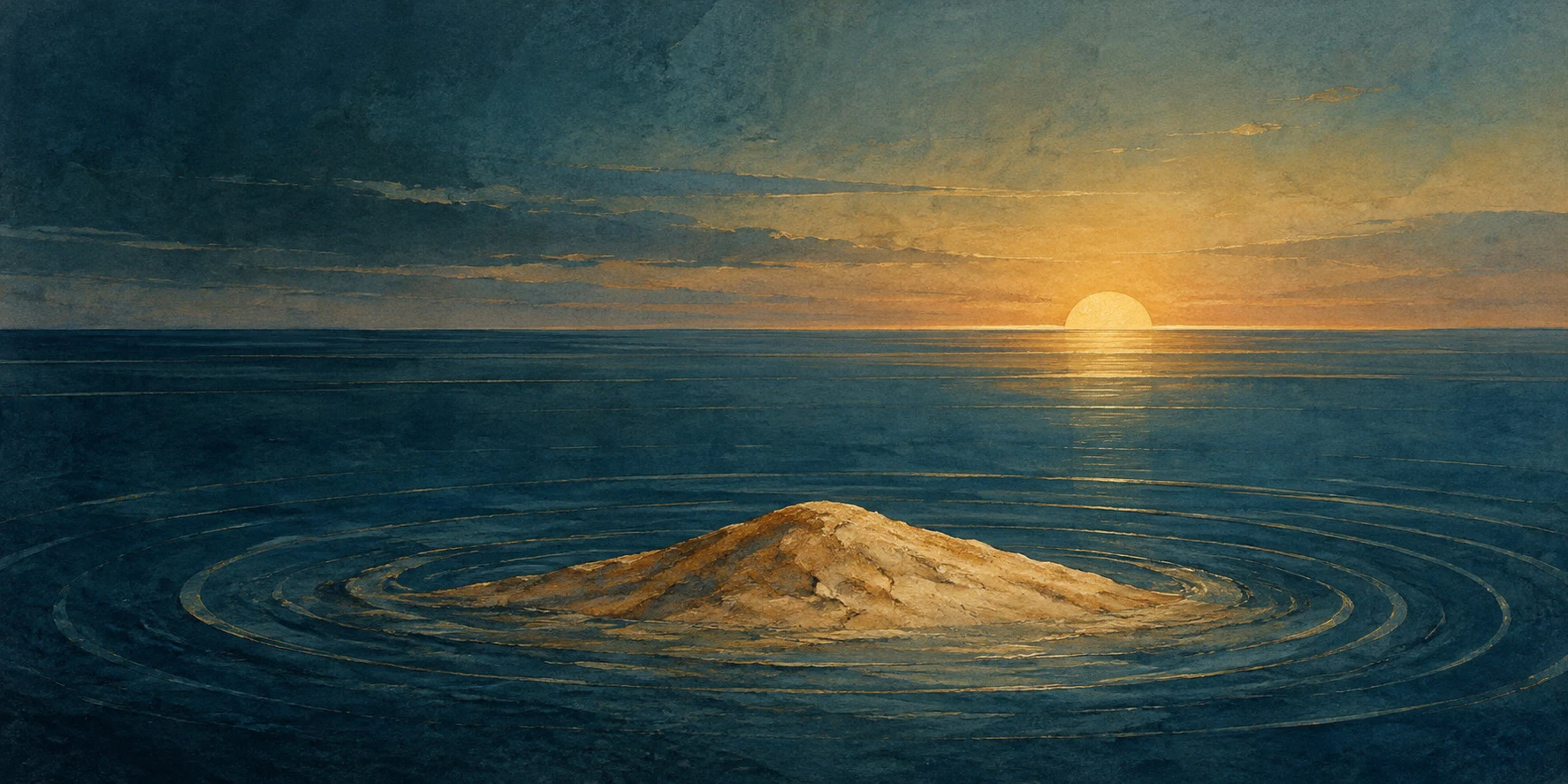
Allen’s spell 600 in the pyramid of Pepi II begins with Atum rising as the primeval hill at Heliopolis. Atum brings forth Shu and Tefnut and puts his arms around them. The speaker asks Atum to extend the same protection over him and over the pyramid. He then calls on Atum, Shu, Tefnut, Geb, Nut, OsirisOsirisOsiris was an ancient Egyptian deity associated with the dead, life after death, renewal, and kingship. His roles appear in changing funerary texts, rituals, and judgment scenes, notably the weighing of the heart.Glossary · Click to read the explanation, Isis, Seth and Nephthys in that order. He asks the gods to stand with Atum as Atum keeps the king, the pyramid and the work that went into it safe. [1]
The next recitation returns to the group. It asks that the king and his pyramid endure in the same way that the names of the gods endure. The spell begins with Atum and names Shu, Tefnut, Geb and Nut in turn. It then mentions other gods, including a form of Horus, as models of lasting names. Horus is also addressed just after the nine names in spell 600. In that particular list, Seth is among the nine and Horus receives a separate address. This distinction follows from where the names occur in the inscription. [1]
The family in a funerary picture
The British Museum identifies Atum and three generations of his descendants as the Great Ennead in its account of the Greenfield Papyrus. Atum brings forth Shu and Tefnut. Their children are Geb and Nut, whose children are Osiris, Isis, Seth and Nephthys. The papyrus vignette focuses on the middle of the family. Shu raises his daughter Nut over his son Geb, holding the sky above the earth. The museum reads the separation as a step in the creation of the world. [2]
UCL’s Digital Egypt describes the family as part of a set of episodes known from different sources. It notes that Egyptian ritualRitualAn organised or distinguished practice meaningful to a community; it may leave traces, but its form alone does not reveal an associated doctrine.Glossary · Click to read the explanation writings distinguish a Great and a Small Nine. In discussing one way to count the gods in a broader account from the sun god through Horus, it suggests that the nine might include Horus and omit Seth. That proposed grouping addresses a wider sequence. Pepi II’s spell provides the names for its own appeal, while the date and place where the related creation episodes first developed remain uncertain. [1][3]
The Ennead in a text from Memphis
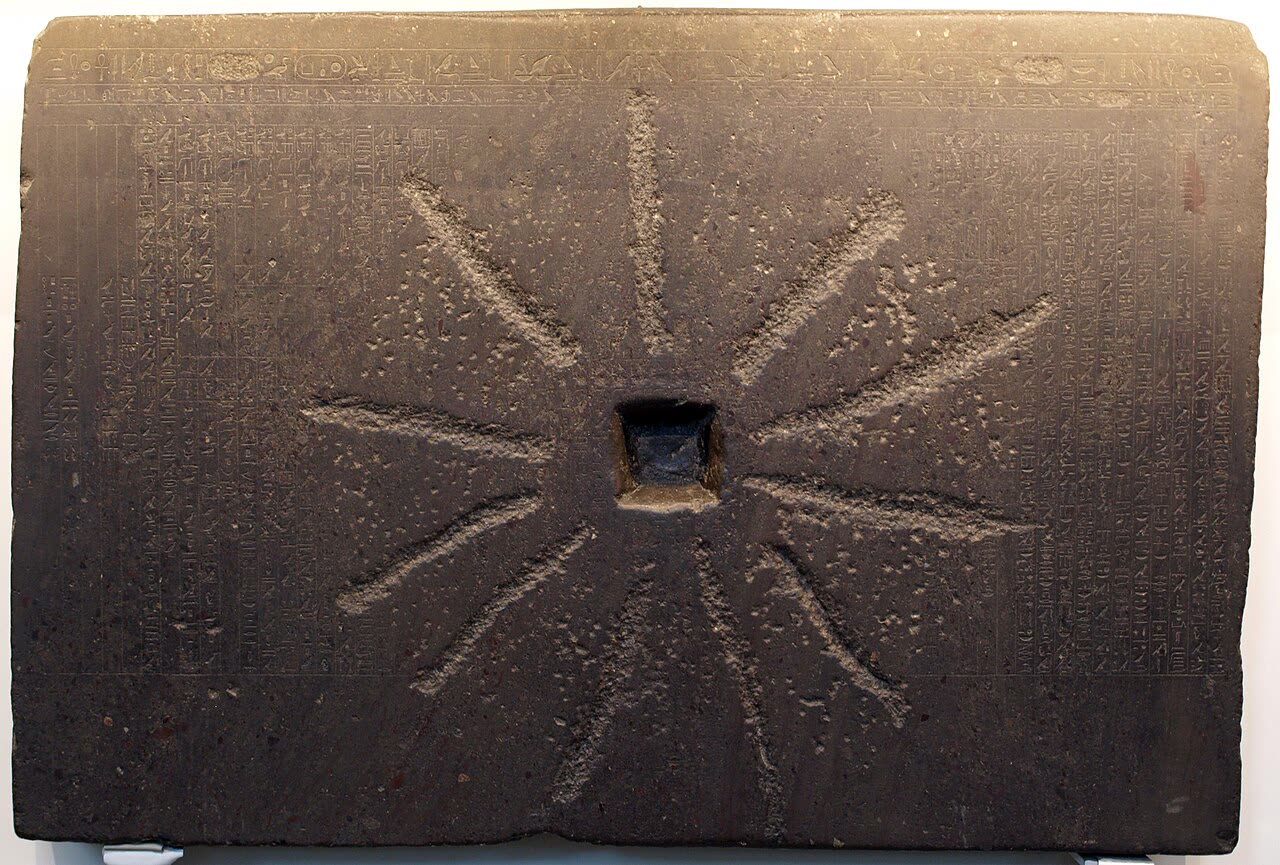
On the Shabaka StoneShabaka StoneThe Shabaka Stone (British Museum EA498), inscribed c. 710 BCE, links Ptah, heart, speech, creation, and kingship; its damage, textual readings, and alleged older papyrus remain central questions.Glossary · Click to read the explanation, Geb calls the Nine Gods together before settling the dispute between Horus and Seth. Later, the text describes the Ennead in the account of PtahPtahPtah is an Egyptian god associated with Memphis, craftsmanship and creationGlossary · Click to read the explanation bringing things into being through thought and speech. In Miriam Lichtheim’s translation, the words spoken by Ptah’s mouth bring forth Shu and Tefnut. The text uses their familiar family relationship to explain creation in terms of the heart and tongue of Ptah. The British Museum identifies this stone as an inscription from Memphis dated to 710 BCE. [4][5]
What the group is asked to do
Another recitation, from Pepi I’s pyramid, assigns the Ennead a role in receiving the king. In PT 468 the speaker bids Pepi stand up and says the Big Ennead in Heliopolis has allotted him a seat. He is to sit at the head of the group in the position of Geb. The address continues with other divine roles that Pepi may occupy, including those of Osiris and Horus. This is an act the text performs for the dead king. In Pepi II’s recitation, the gods are called together to guard a monument. In Pepi I’s, they give a ruler standing in their assembly. [1]
Two other recitations in Pepi I’s pyramid put the group near an offering. One names the Dual Ennead as the giver of water and has a speaker ask for bread and beer. The next calls on the Big Ennead in Heliopolis as mistress of the Enneads before naming the places where meals are set out. The changing titles matter. An editor can identify the nine precisely when a passage supplies their names, as Pepi II’s text does. A text that calls on an Ennead to give water or receive an offering supplies a different kind of evidence. It shows what was asked of such a group and it may leave its membership unstated. [1][3]
The Memphite inscription extends the idea of a group acting together beyond offerings and royal protection. Its comparison of Ptah’s Ennead with the teeth and lips of his mouth explains how the god’s utterance could produce what his heart conceived. There the relationships among the gods help explain how creation happens. [4]
References and notes (5)
- James P. Allen, The Ancient Egyptian Pyramid Texts, 2nd ed. (2015) Read Pepi II’s PT 600–601 on invoking the named gods for the pyramid and its king, and Pepi I’s PT 468 and PT 494–495 on enthronement, offerings and references to the Big and Dual Enneads. Return to the text ↑
- British Museum, Vignette from the Book of the Dead of Nesitanebtashru, 1910,0509.1.87 Read the full vignette description on Google Arts & Culture, including the museum’s genealogy, definition of the Great Ennead and explanation of Shu separating earth and sky. Return to the text ↑
- UCL Digital Egypt for Universities, Gods and goddesses in ancient Egypt: creation Read the Heliopolitan Theology discussion, On myth, the first generations and the section on the children of Geb and Nut, including the Great and Small Nine and the proposed grouping that includes Horus. Return to the text ↑
- Miriam Lichtheim, trans., The Shabaka Stone, hosted by Attalus Read the introduction and opening judgment scene, and the sections on the gods who came into being in Ptah, including the descriptions of the Ennead, heart, tongue and speech. Return to the text ↑
- British Museum, Hieroglyphs: Unlocking Ancient Egypt, large print guide Read A message from the past, printed pp. 156–157, entry EA498. Checked identification of the monument, Memphis, its date and the museum’s interpretation of Ptah’s creation through speech. Return to the text ↑
Suggest a correction · Suggest a source for this record
Cite this record
IL Archive, «The Heliopolitan Ennead, the Nine Gods of Atum», https://ilarchive.com/en/entities/heliopolitan-ennead
Continue reading