Enmerkar and the Lord of Aratta Chapter 1
The Road to Aratta
Enmerkar sends a messenger across the mountains to demand treasures for Uruk and its sanctuaries. The lord of Aratta refuses to bow and answers with a challenge of his own.
SourcesTurn the pages with the arrows, the arrow keys or a swipe.
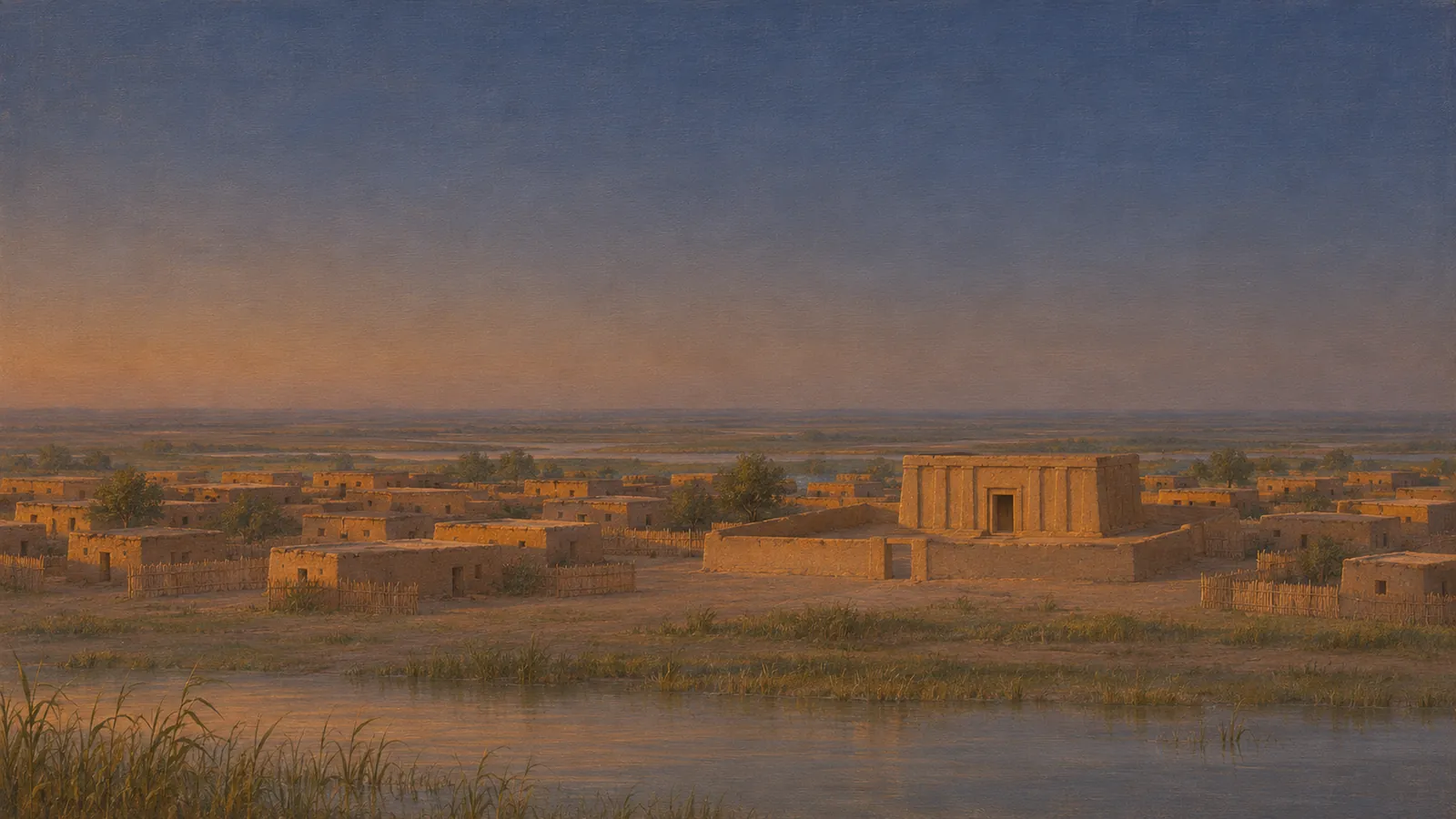
URUK
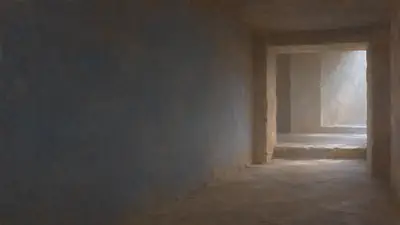
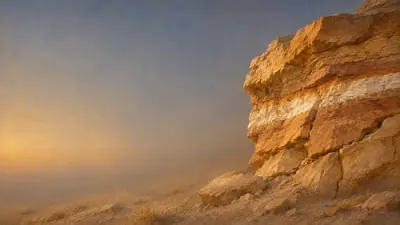
In the old days, Uruk rose from the plain. The poem praises its splendor and the sanctuary of E-ana.
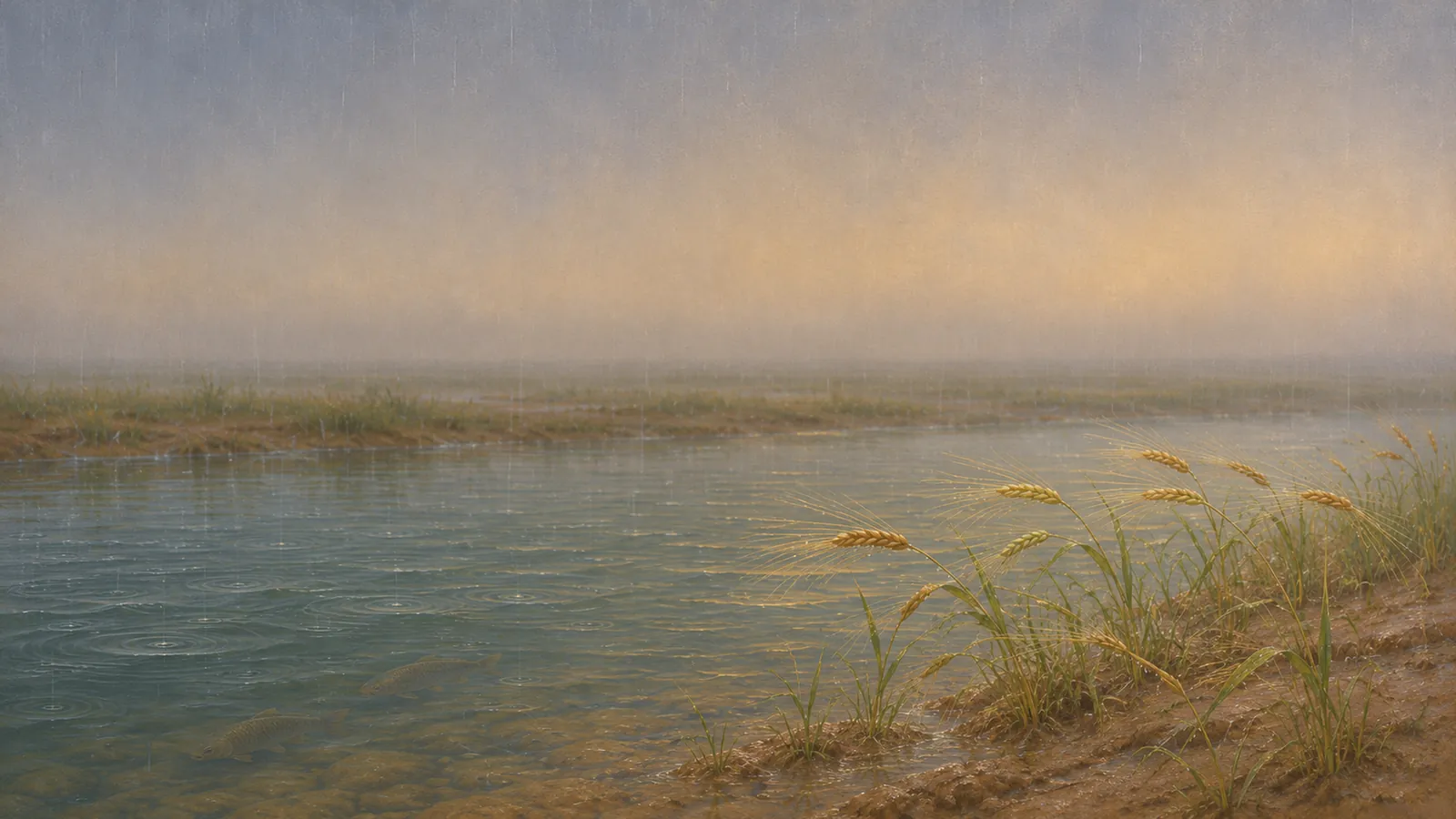
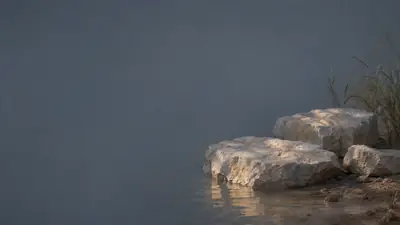
Water teemed with carp, and rain brought forth barley. In the poem’s opening, there was plenty in Uruk.
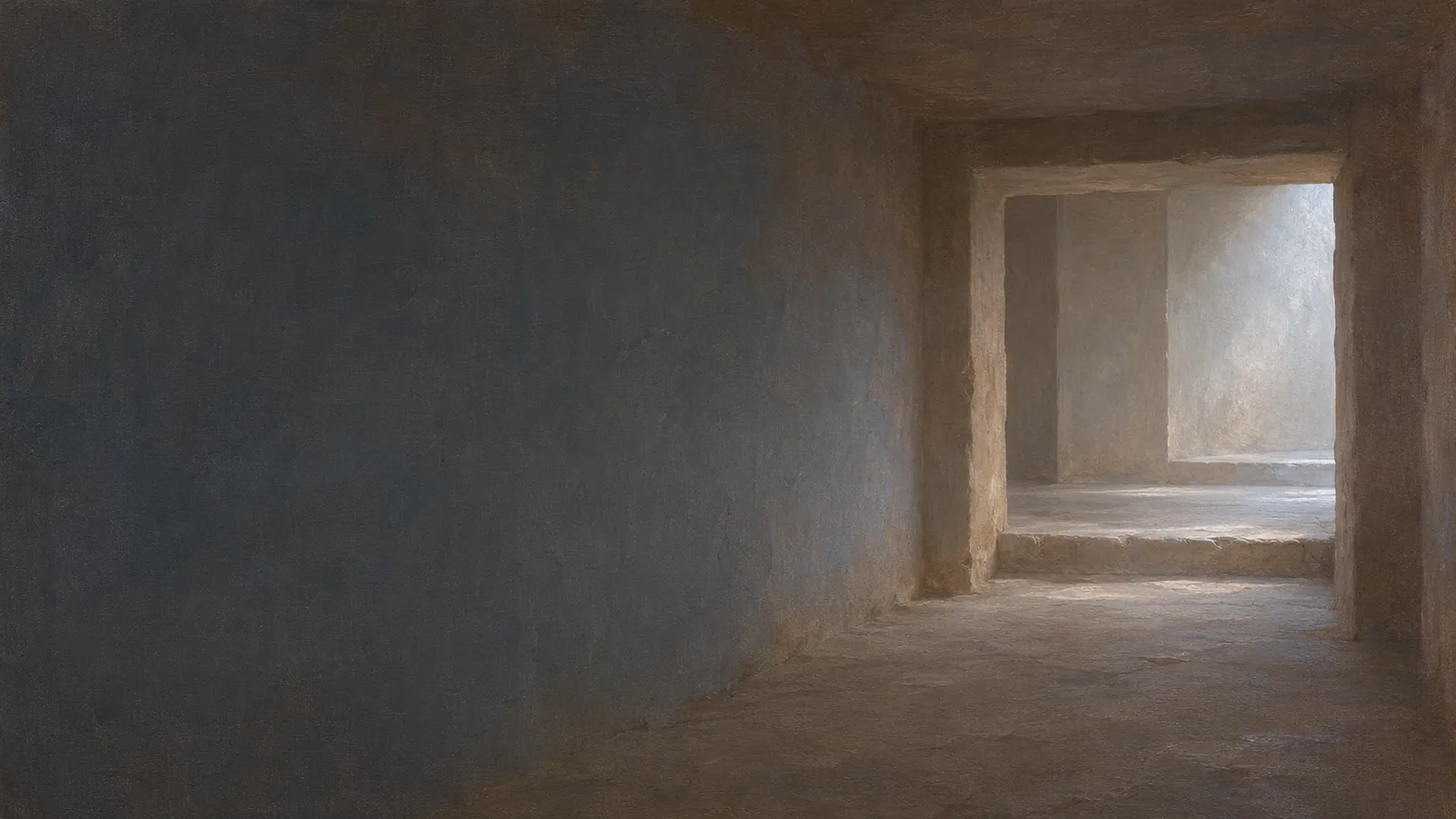
The poem places the founding of E-ana in a distant age. Inanna’s dwelling already gleamed like silver in the rock.
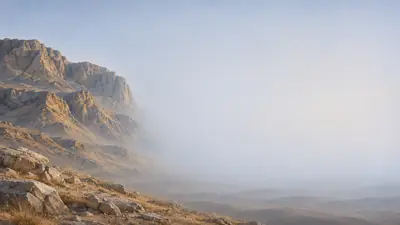
Gold, silver and blue lapis are named among the treasures of the mountains. Then the opening falls into a gap.
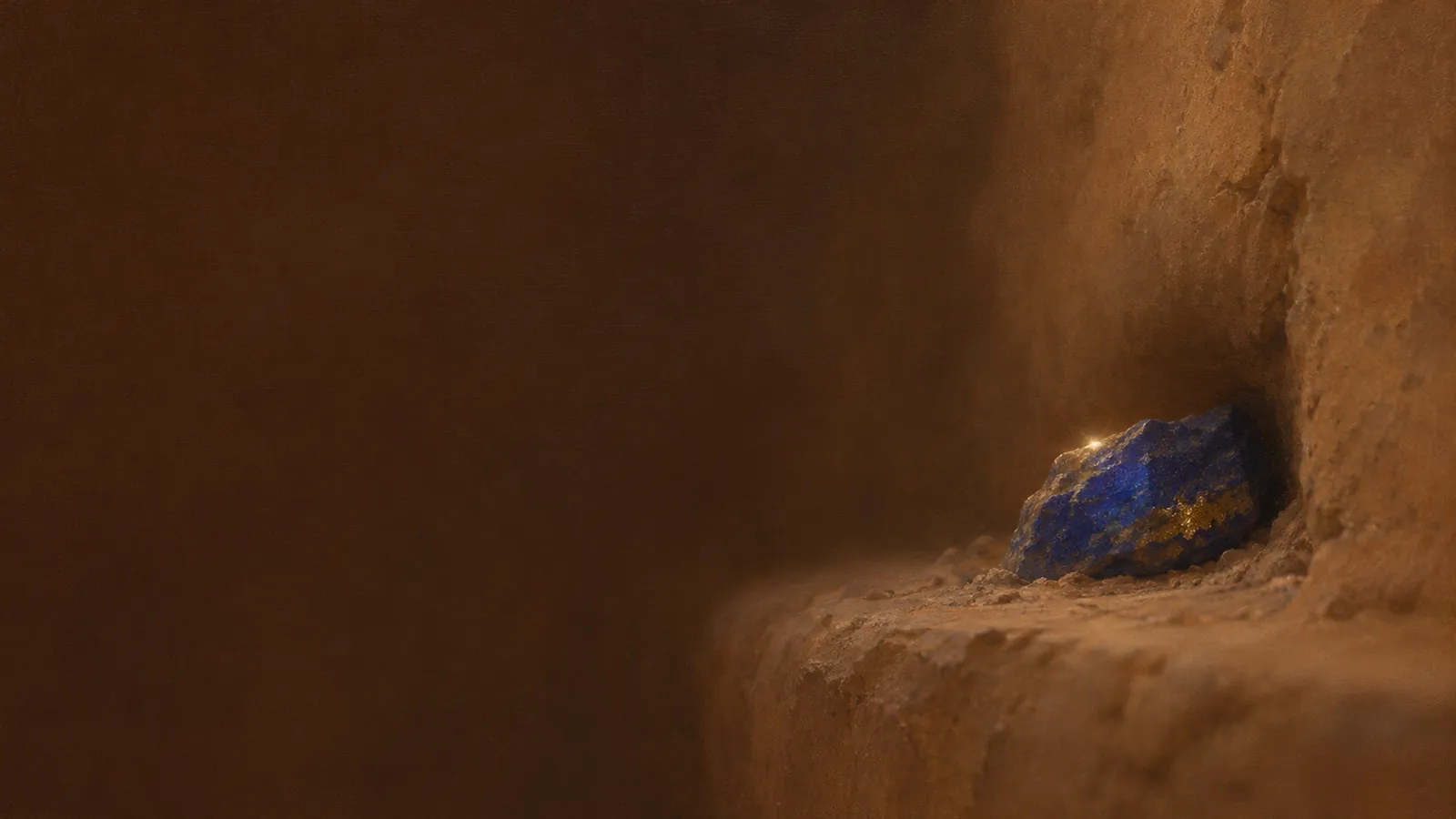
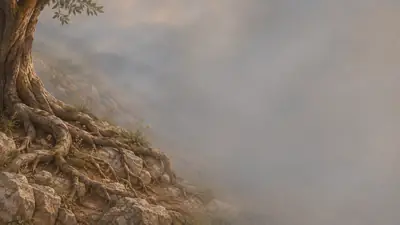
A few words return. They recall a holy place gleaming with lapis and a pale tree heavy with fruit.
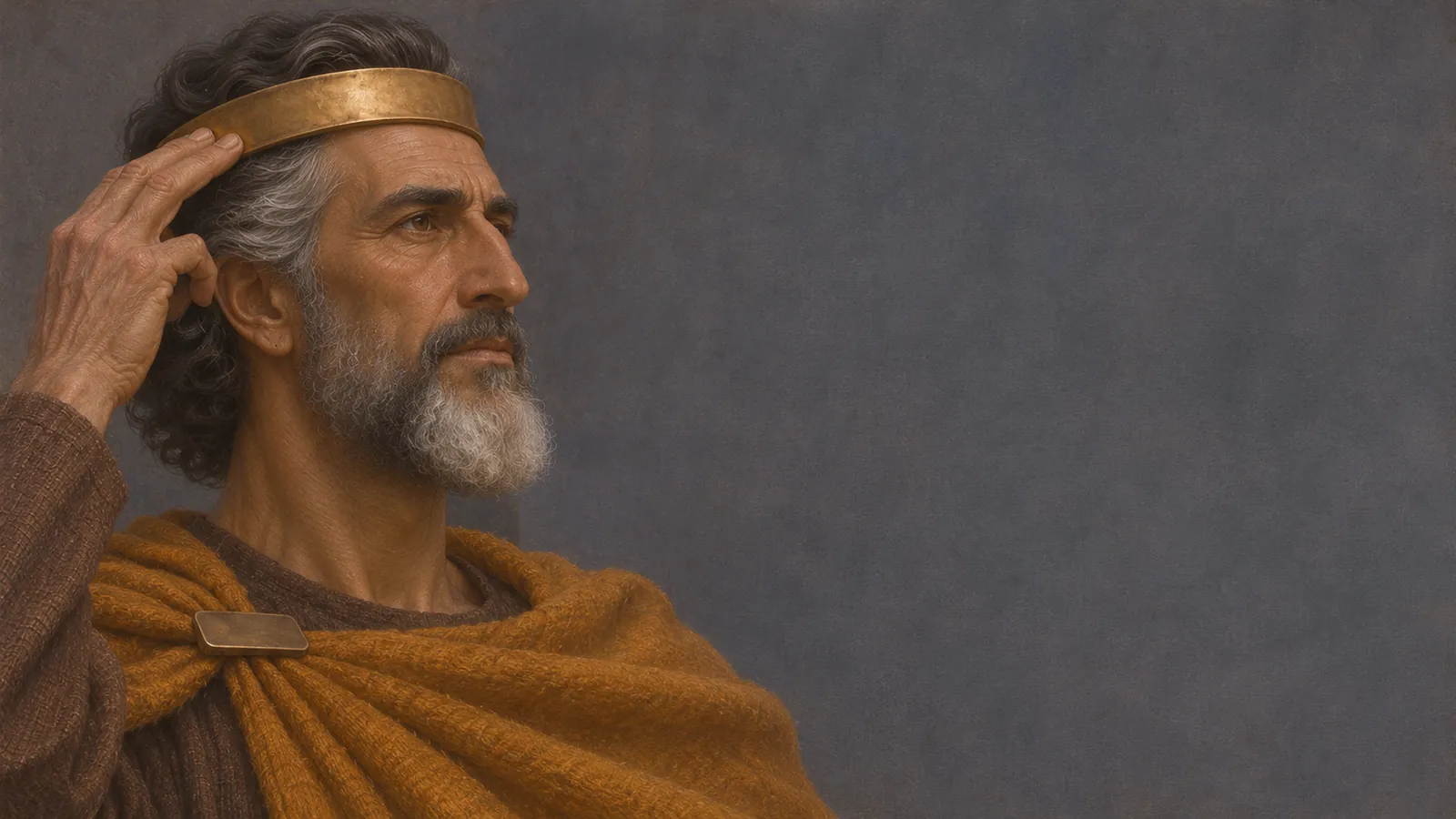
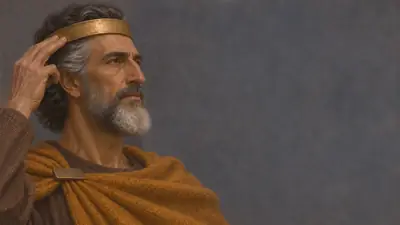
The lord of Aratta put on a crown of gold for Inanna. Her favor lay more with Kulaba’s lord.
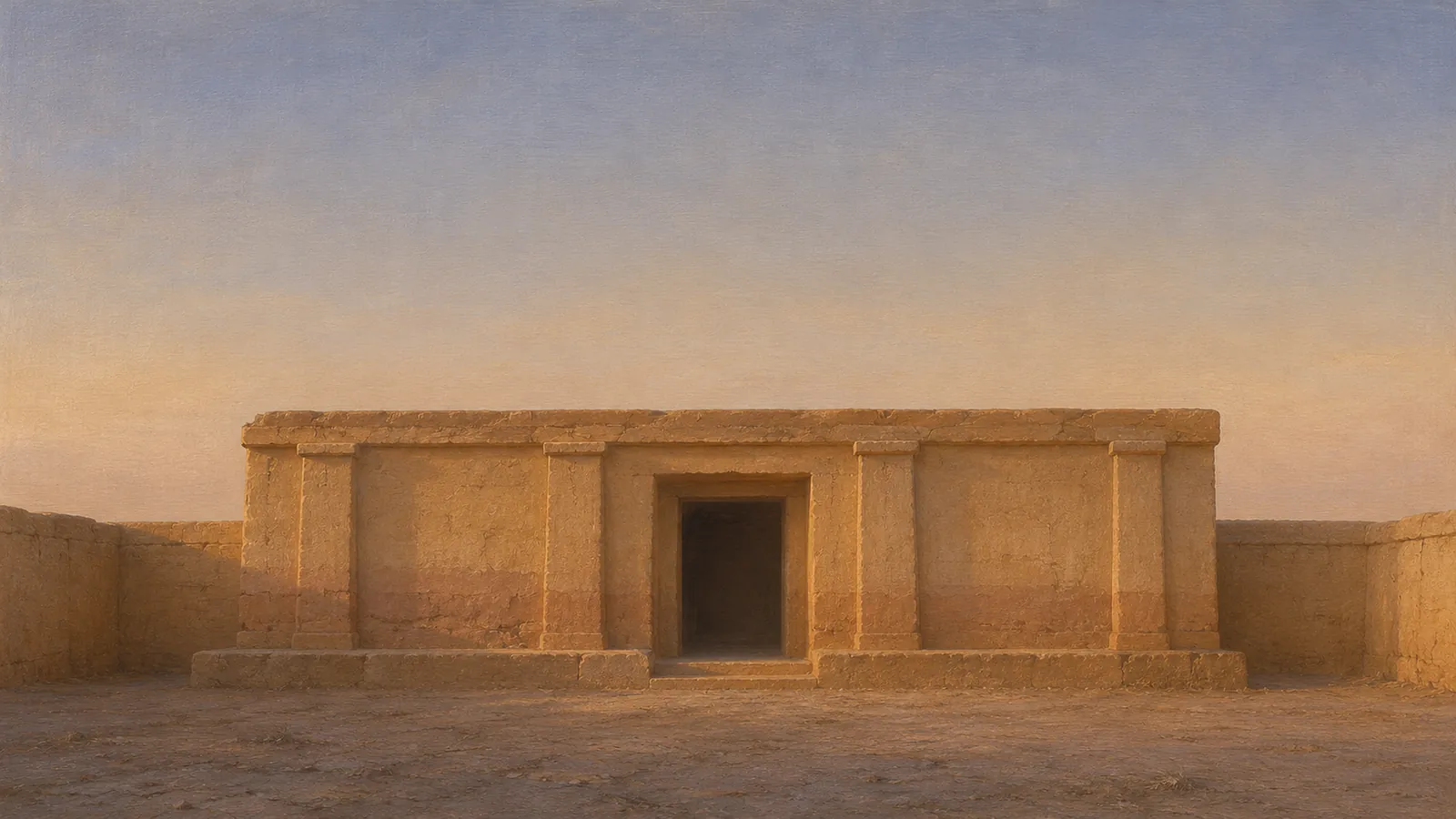
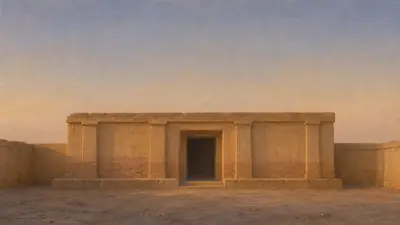
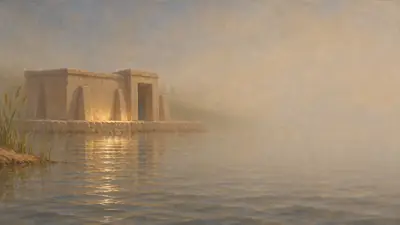
In brick-built Kulaba stood the shrine of E-ana and Inanna’s dwelling. Aratta had built her no sanctuary like that one.
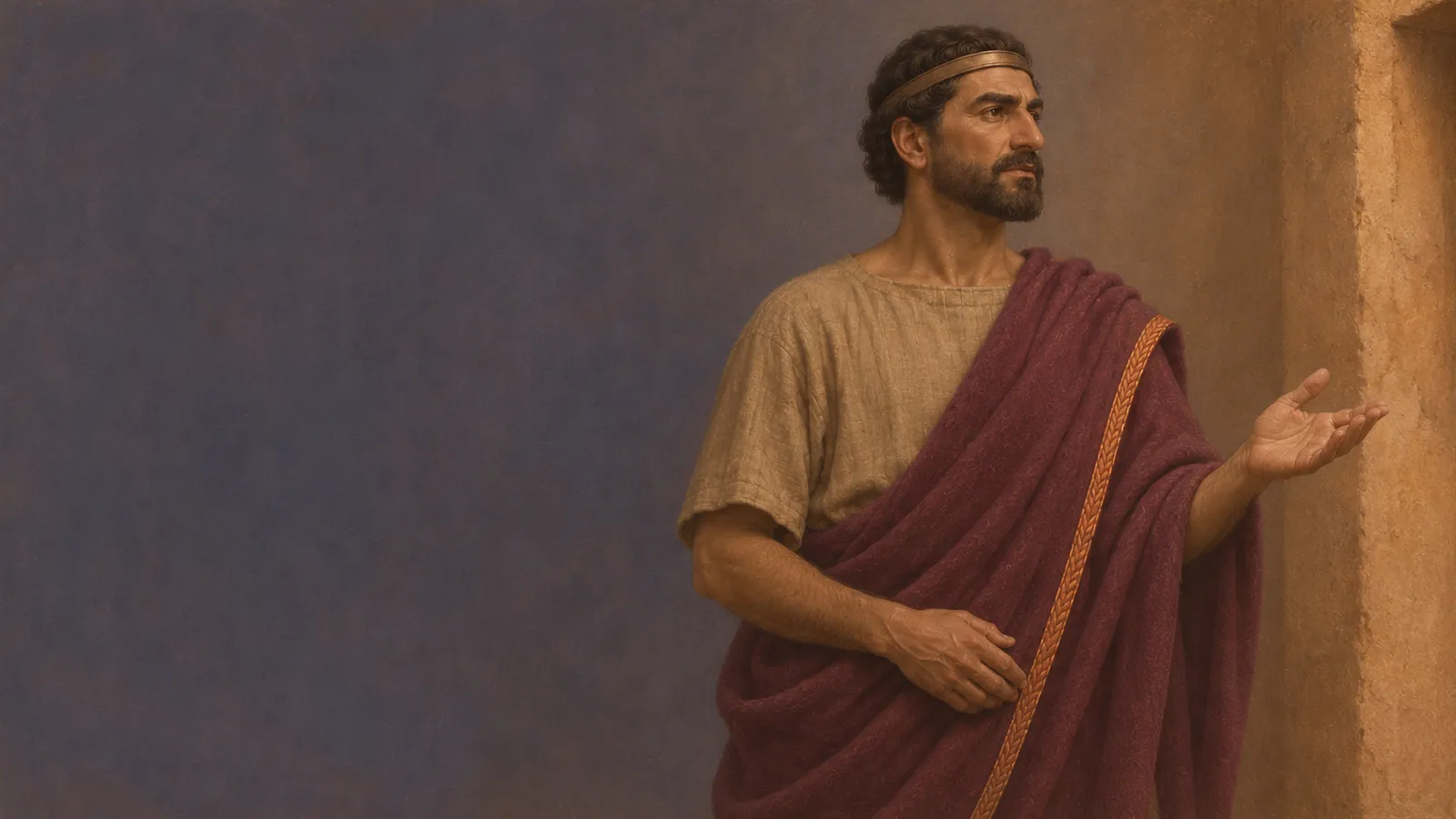
ENMERKAR
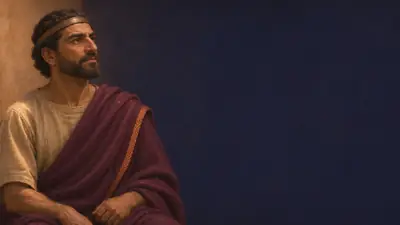
Inanna had chosen Enmerkar, whom the poem calls the son of Utu. He turned to her, calling her his sister.

Enmerkar asked that Aratta work gold and silver for Uruk, and cut fine blue lapis from its rough blocks.
He asked that Aratta build for Inanna. Let its people make the shrine of E-ana and fashion her dwelling with skill.
Enmerkar wished to bring Aratta under Uruk’s rule. He asked for mountain stone and the building of a great shrine.
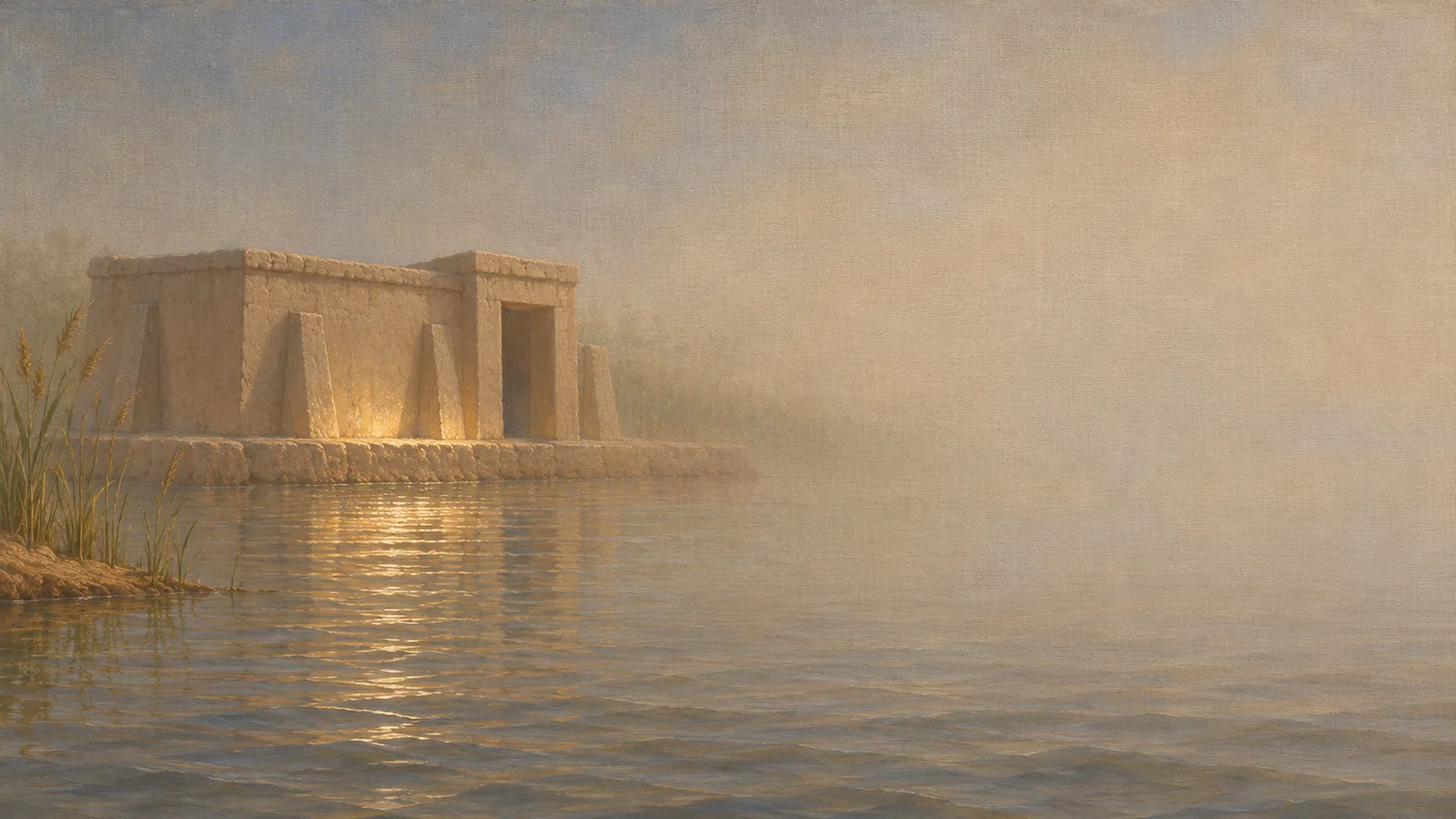
He pictured the Abzu rising in splendor. In his plea, the shrine at Eridu would shine like silver in a vein.

Enmerkar hoped to sing praise at the Abzu and wear the holy crown in Kulaba. He wished his people to marvel.
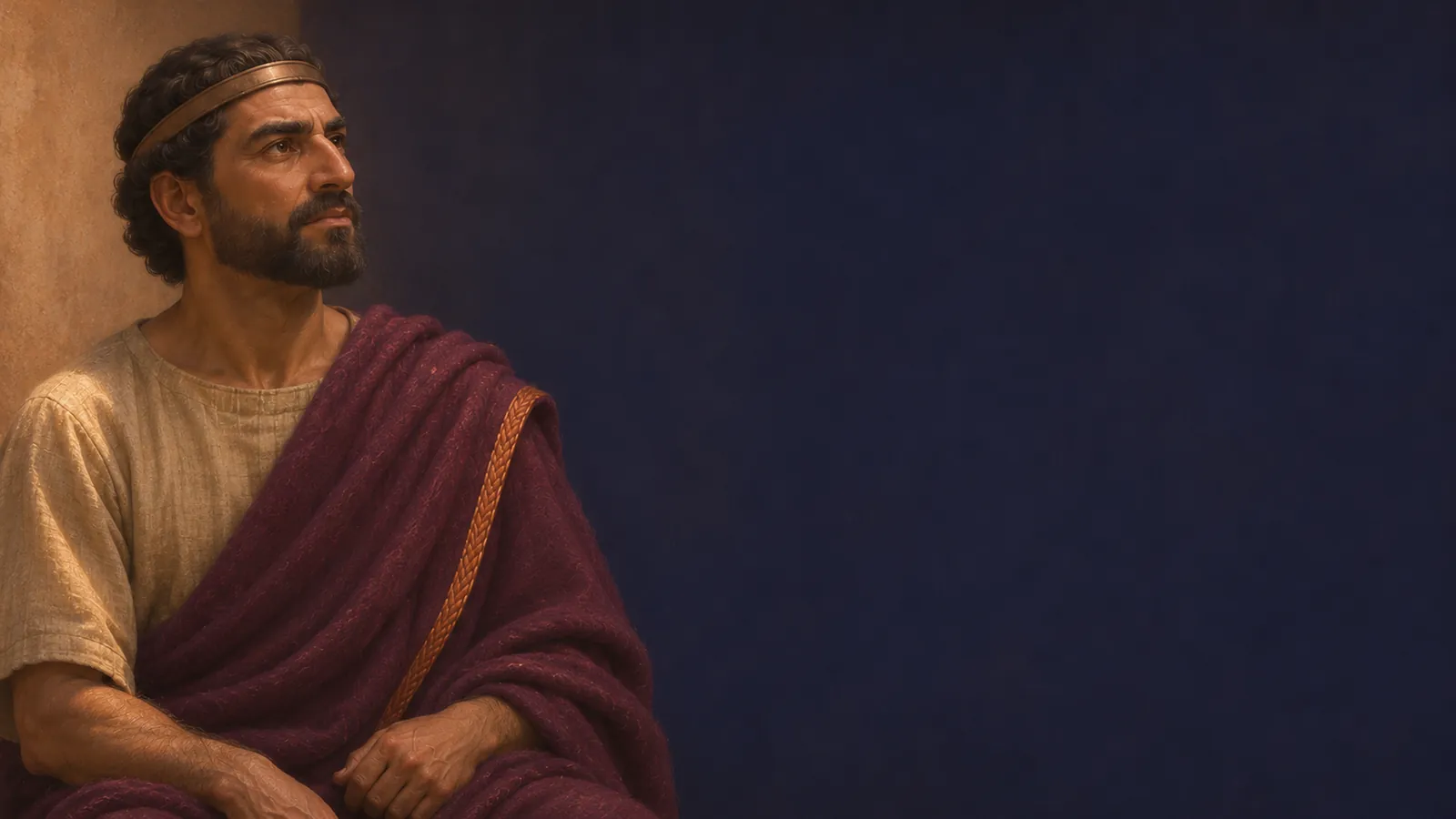
Then Inanna called to Enmerkar. She had counsel to give him, if he was ready to hear her words.
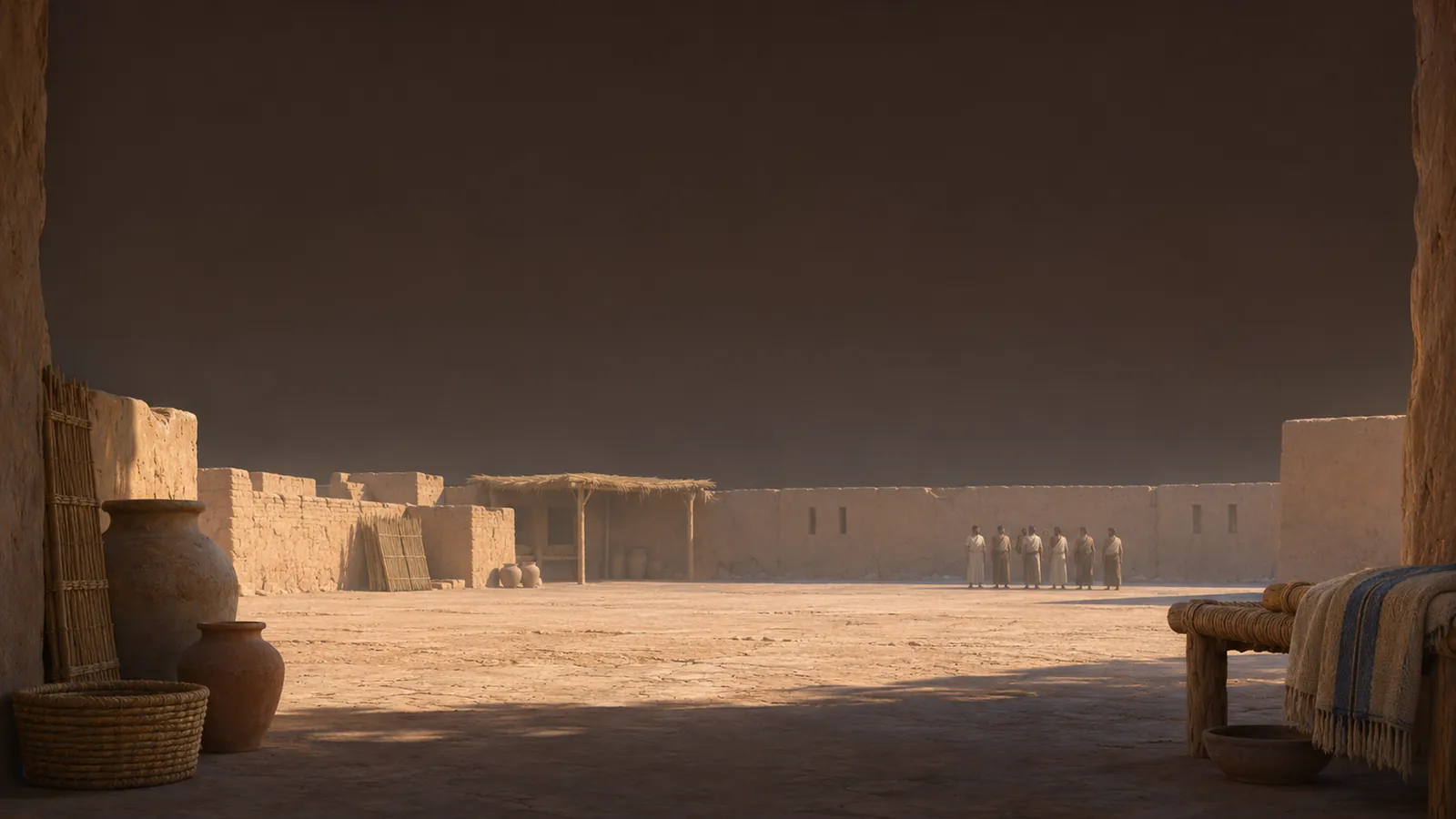
She told him to choose a messenger from his troops, a man who spoke well and could endure the journey.
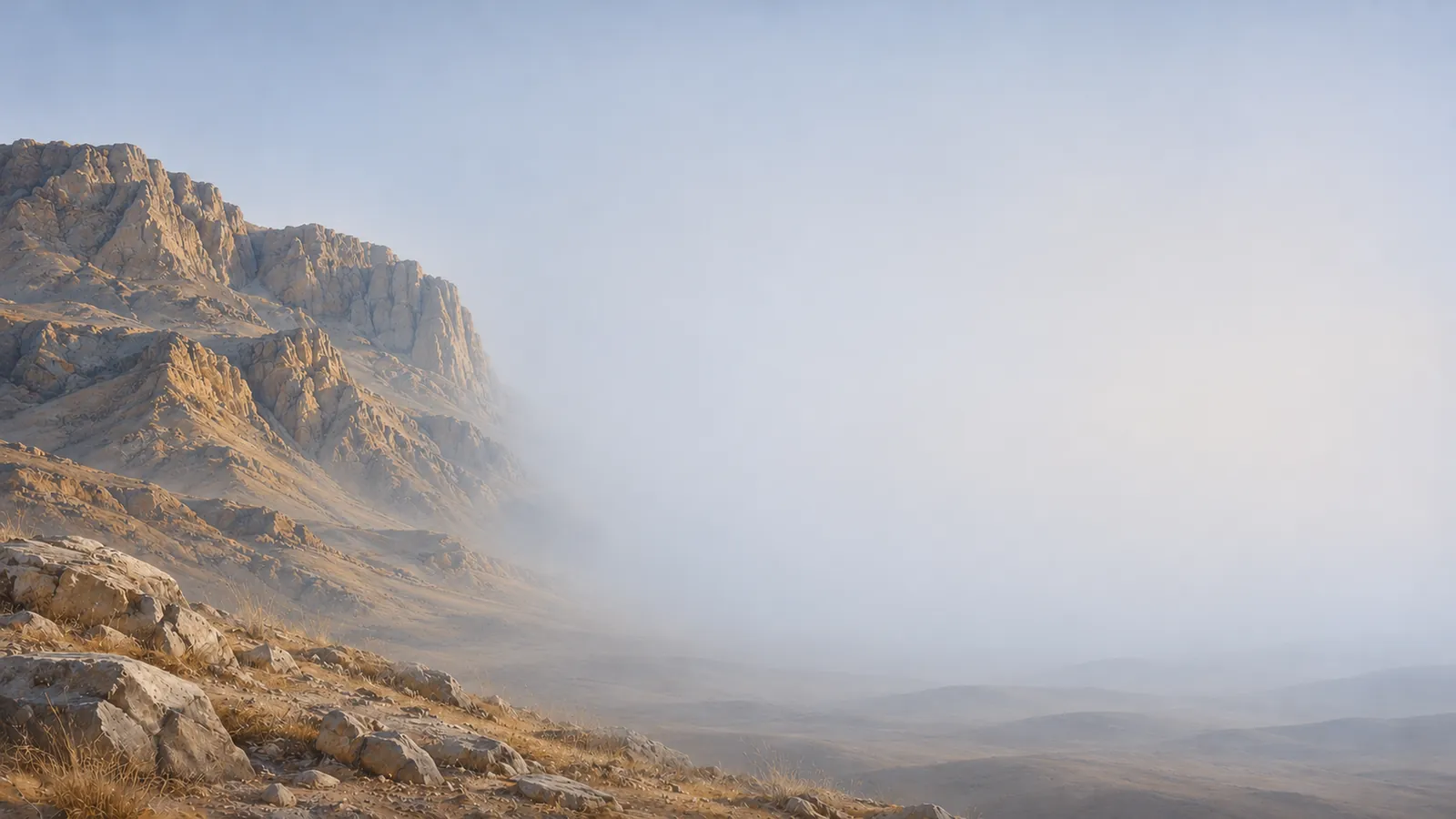
The messenger was to go up into the Zubi Mountains and down again. Inanna told Enmerkar that Aratta would yield.
Inanna said that the people of Aratta would bring stone down from their mountains. The sanctuary at Eridu would gleam.
Inanna spoke of a crown, and of the people looking on in wonder. Then parts of her promise fall away.
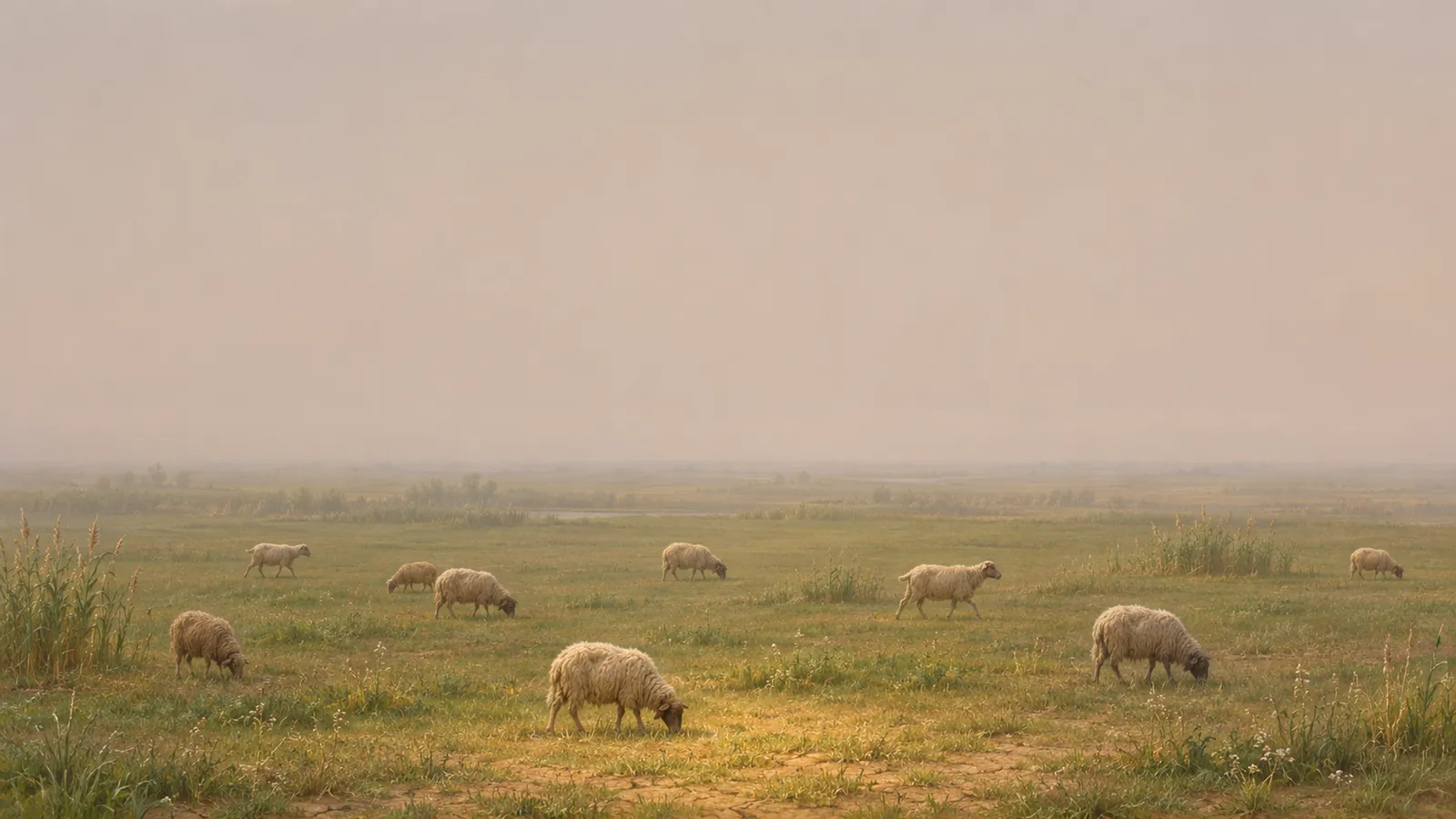
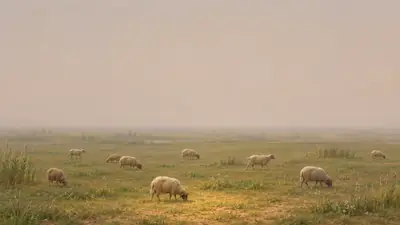
Inanna pictured the people of Aratta running about for Enmerkar like mountain sheep in Dumuzid’s fields. She ended by praising him.
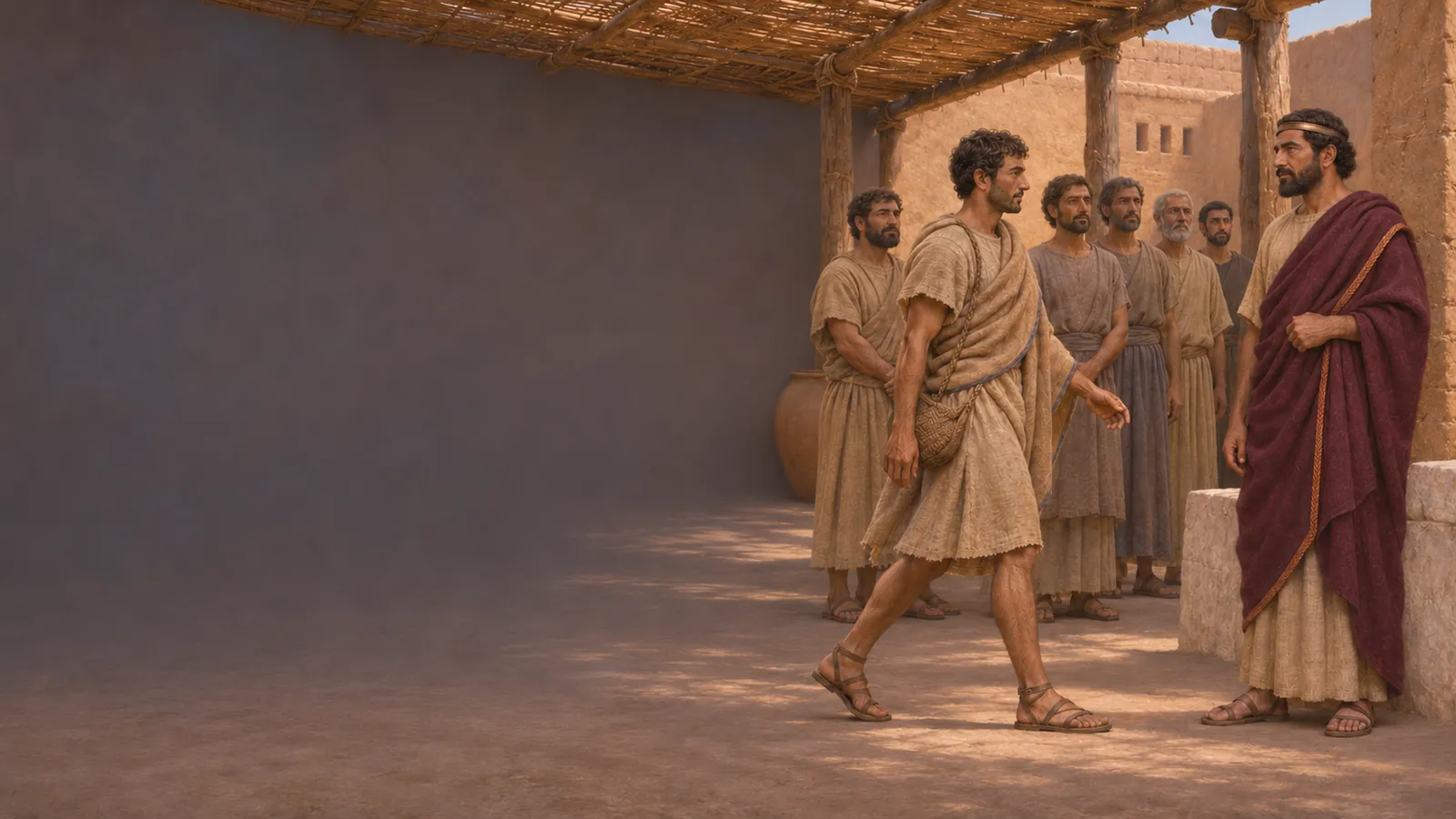
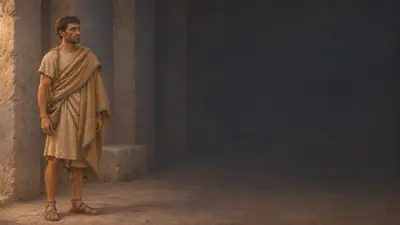
Enmerkar heeded Inanna. From among his troops he chose a man with the words and the strength for the journey.
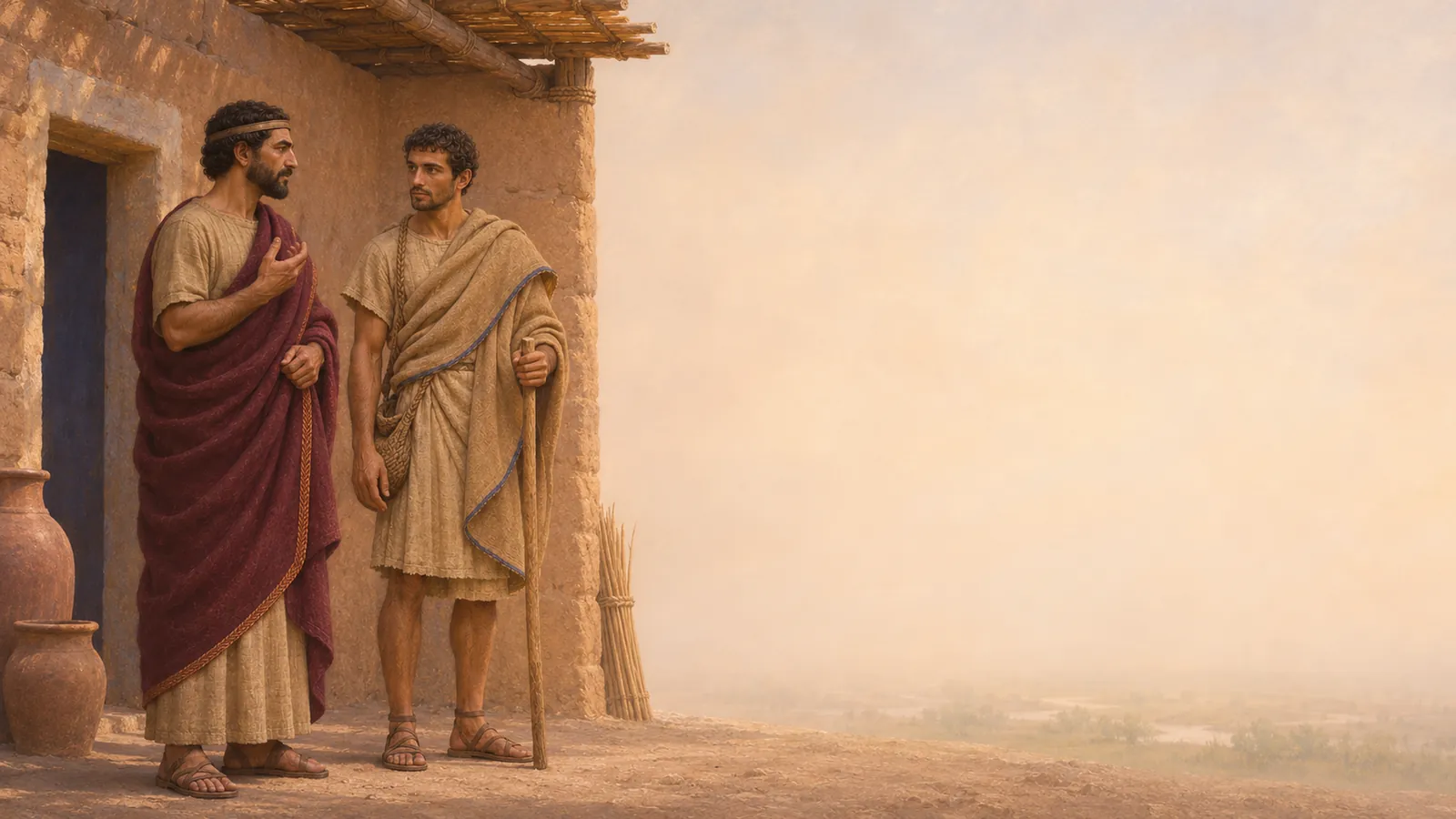
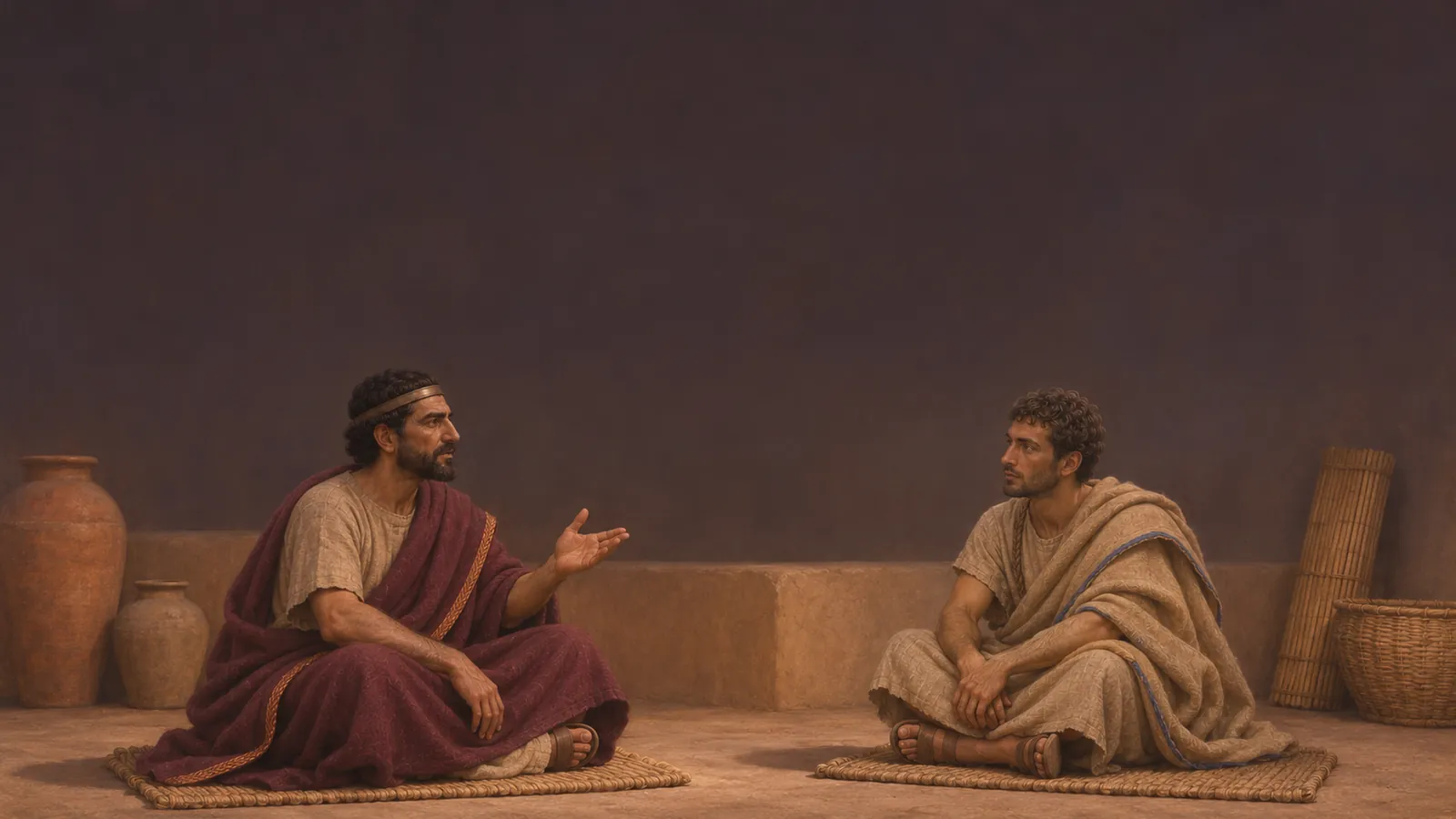
Enmerkar told the messenger to cross the Zubi Mountains. On the far side, he was to speak to the lord of Aratta.
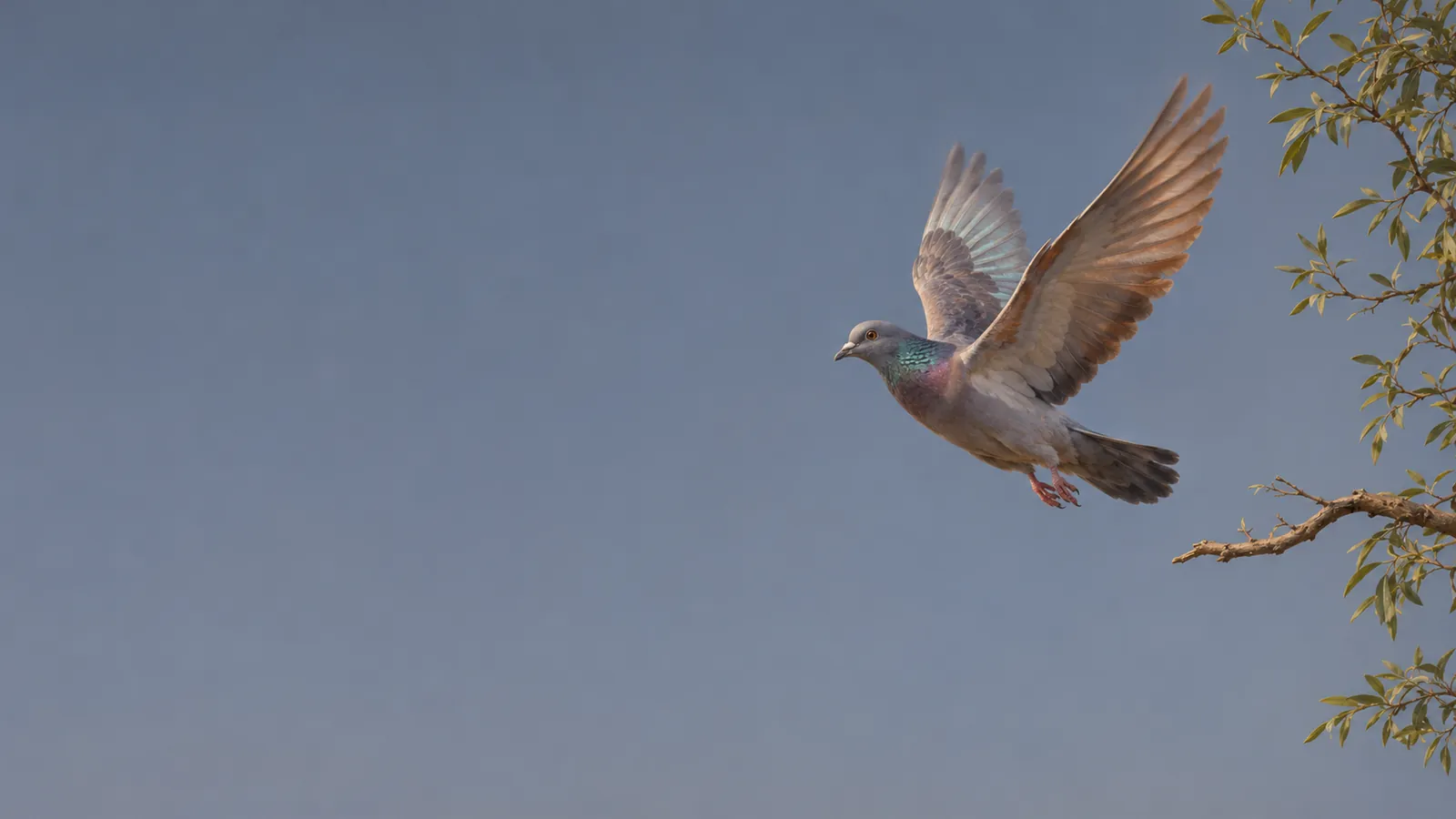
Enmerkar threatened to scatter the people of Aratta like birds driven from a tree, and to leave their city in dust.
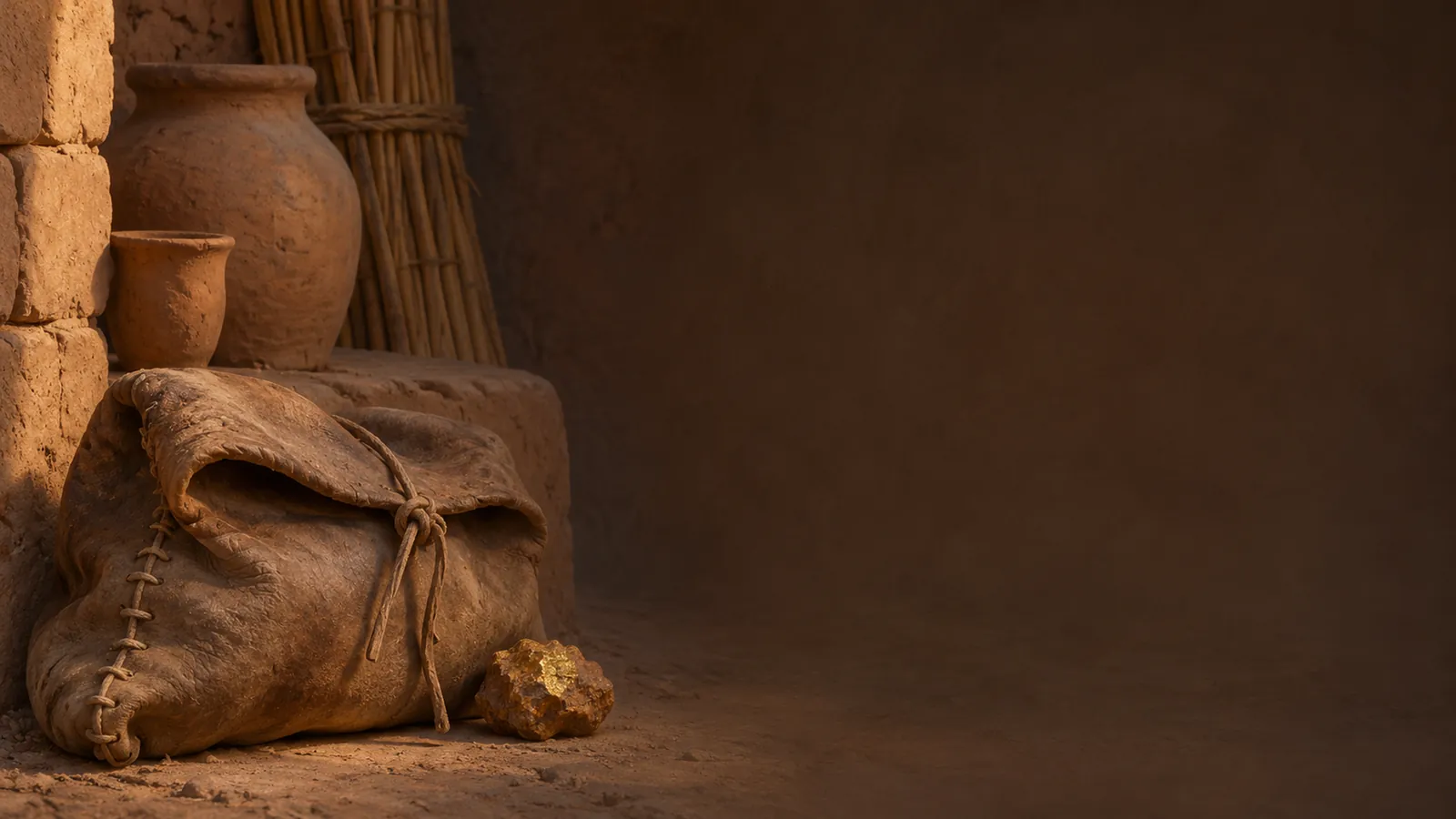
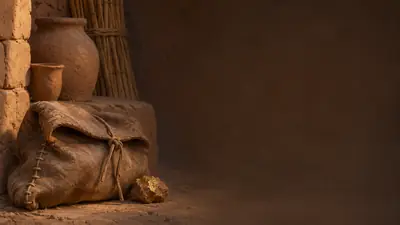
He told Aratta to pack gold and precious ore in leather sacks and send them on the donkeys of the mountains.
NUDIMMUD
Among the words he entrusted to the messenger was a sacred song. He told him to recite the Incantation of Nudimmud.
The song looked to a day without the snake, the scorpion or the lion, when people would have no cause to tremble.
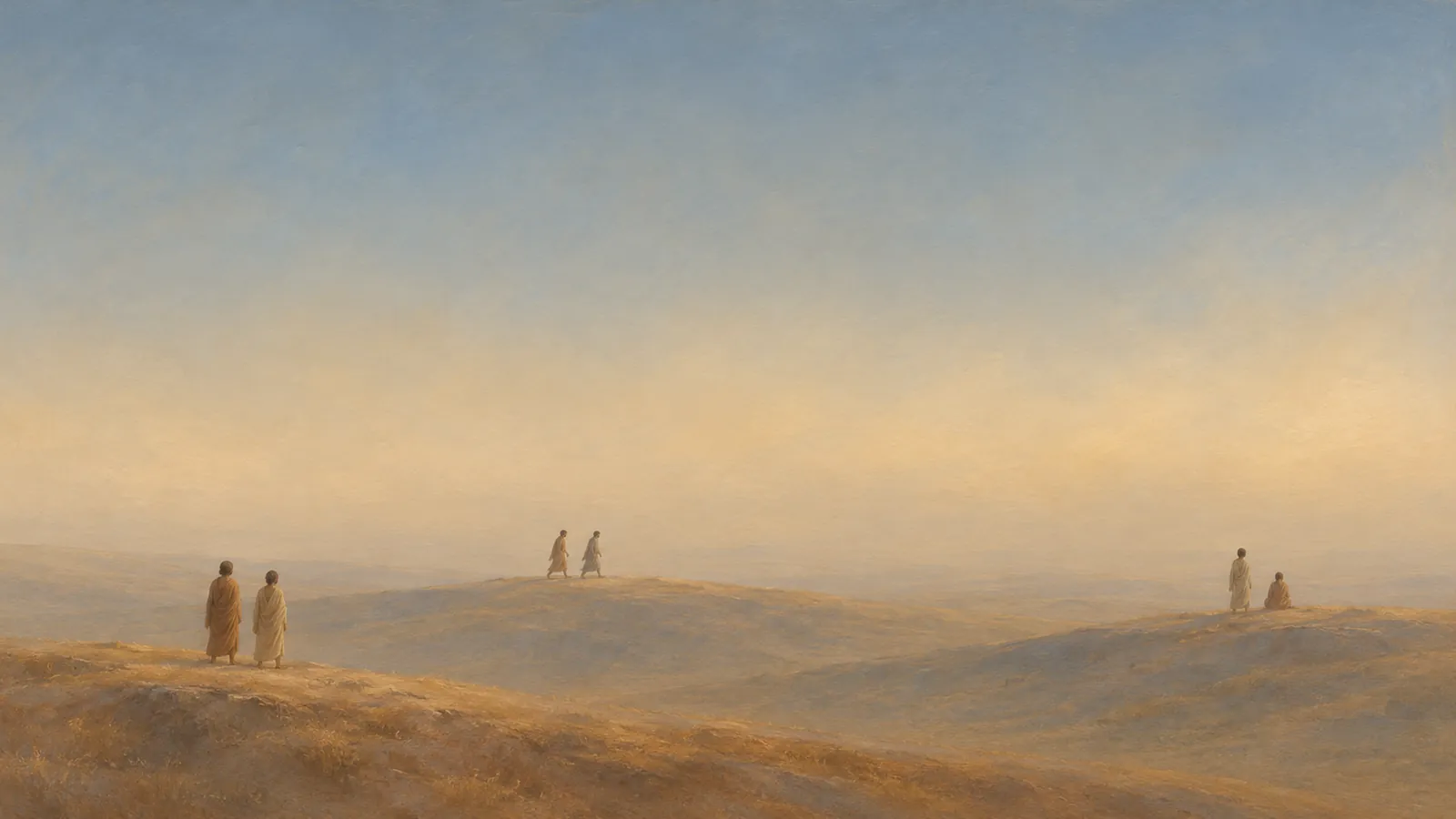
The song named lands with many tongues. It asked that their people might one day speak to Enlil in a single language.
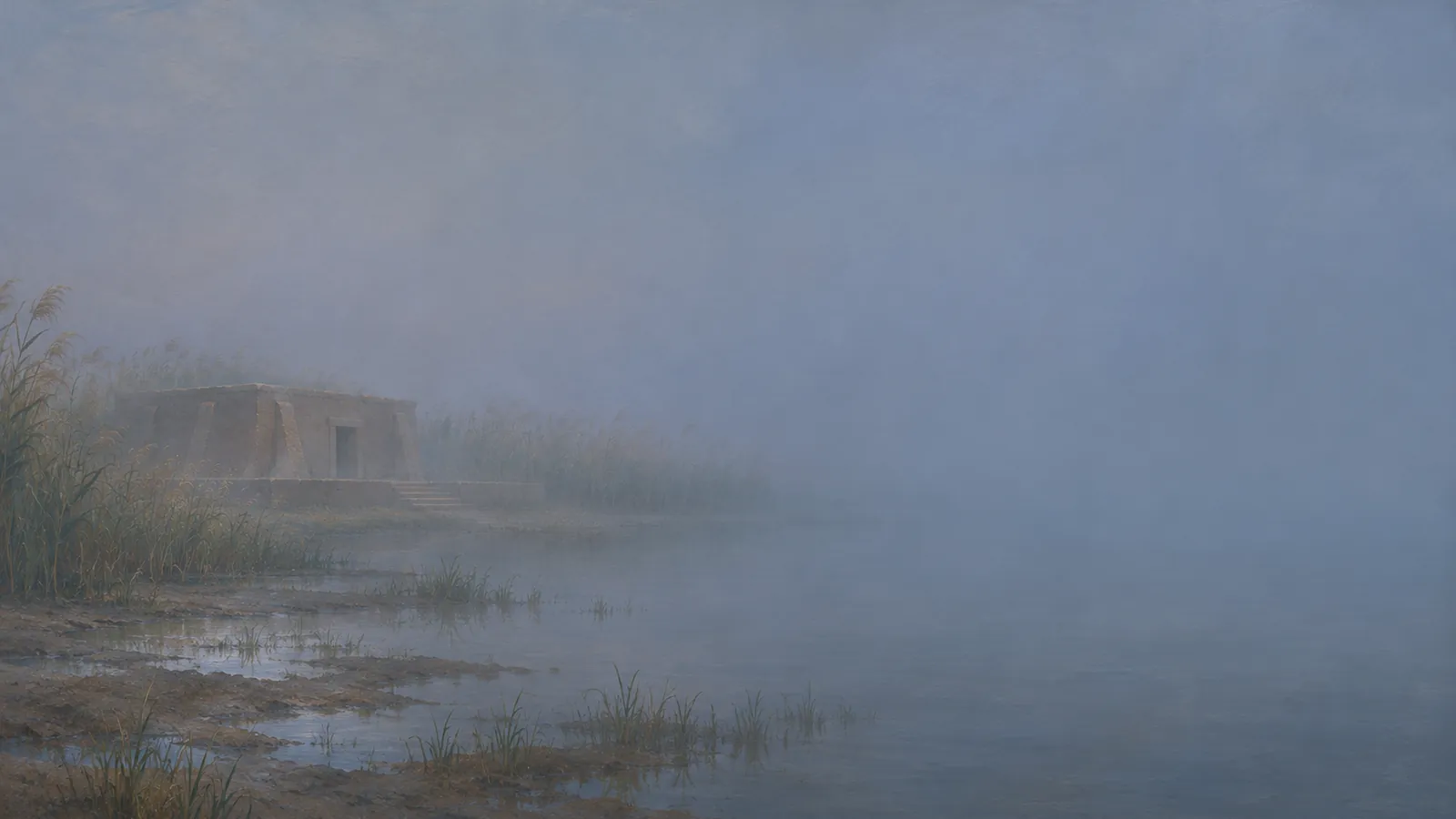
The song called on Enki, wise lord of Eridu, to change the speech in people’s mouths until all spoke one language.

Enmerkar gave him one last instruction. At night he was to press on like the south wind. At daybreak he was to rise like dew.
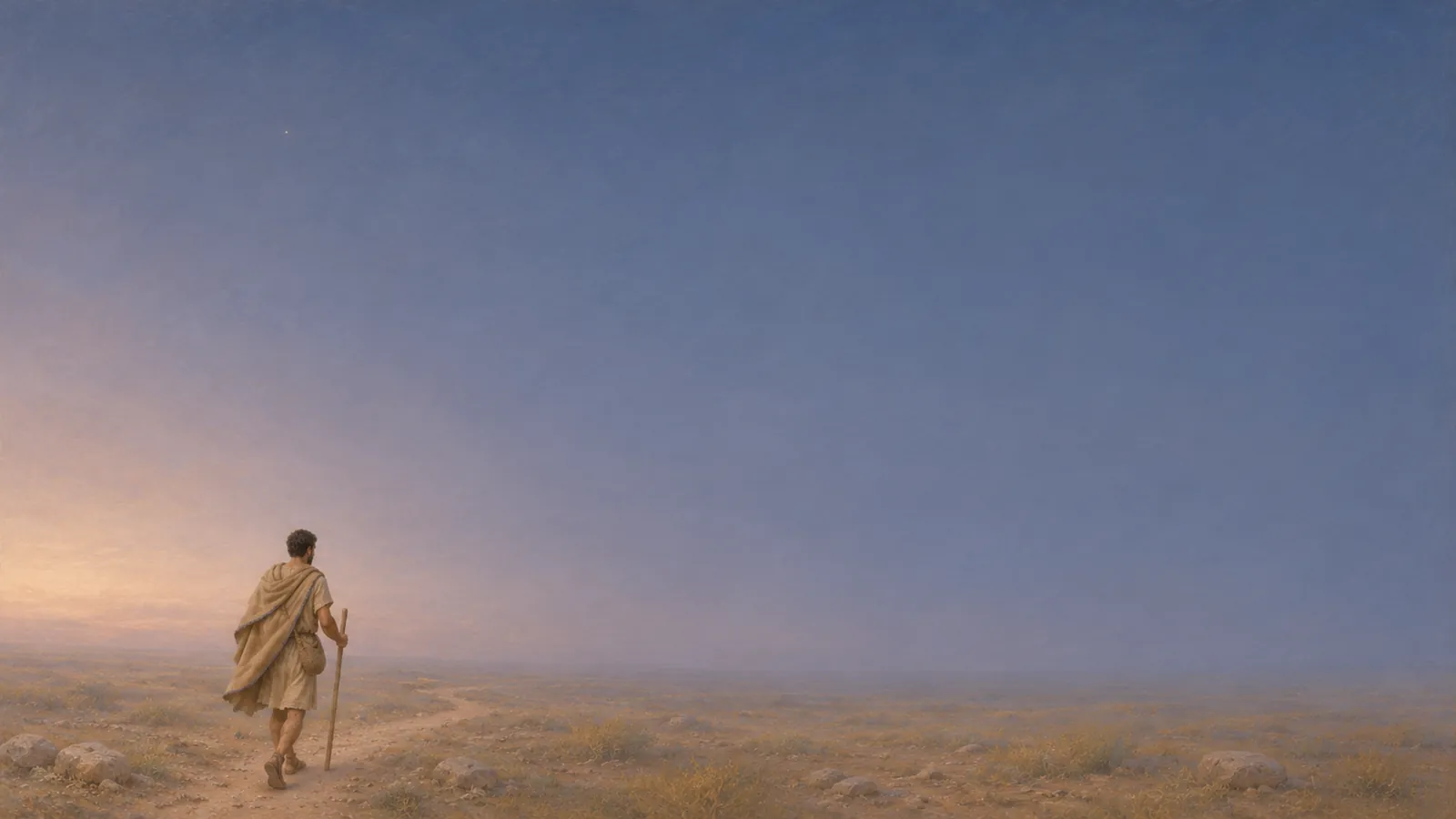
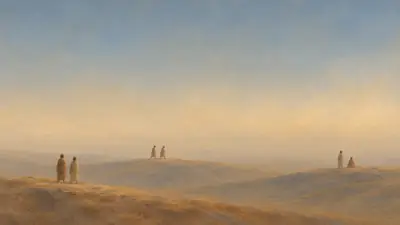
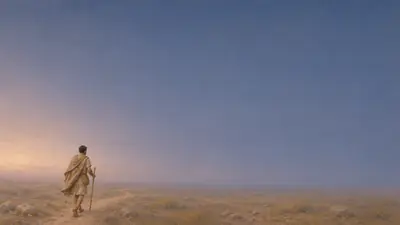
The messenger obeyed his king. He travelled under the stars at night and by day beneath the light of Utu.
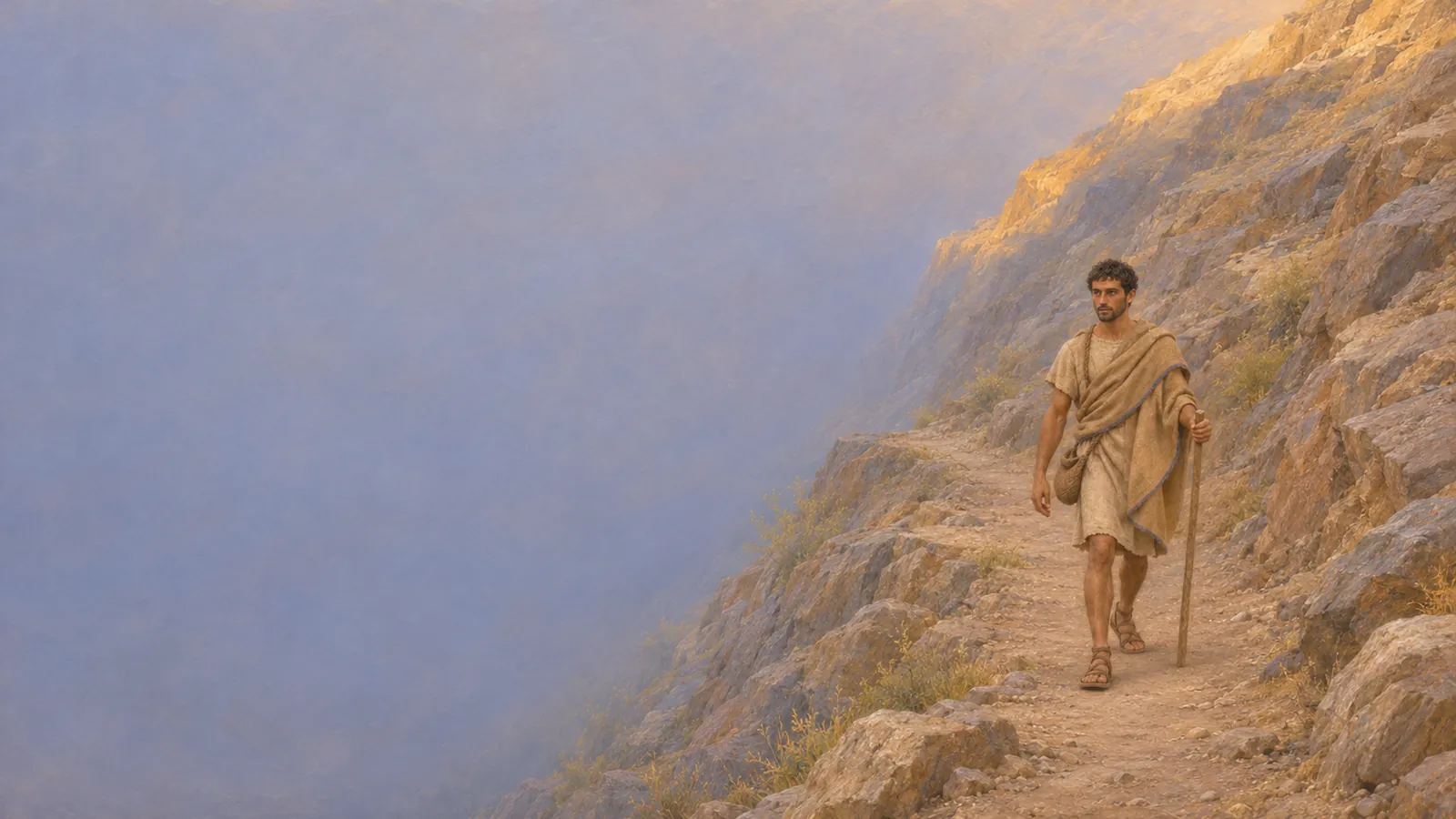
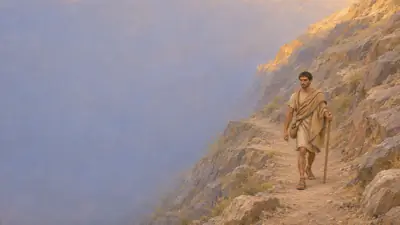
He carried Inanna’s sharp message up into the Zubi Mountains. He kept the words with him as he came down again.
ARATTA
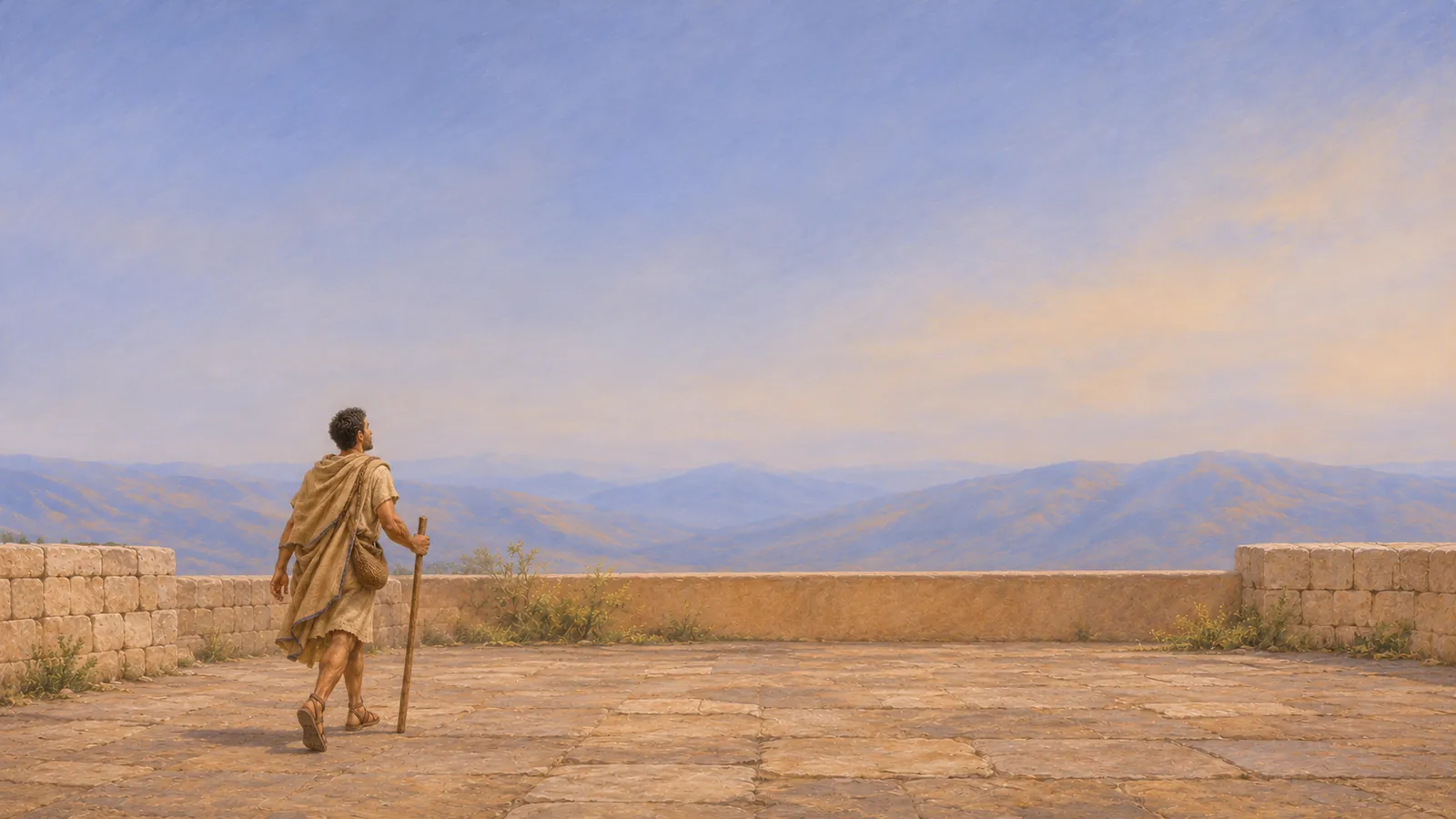
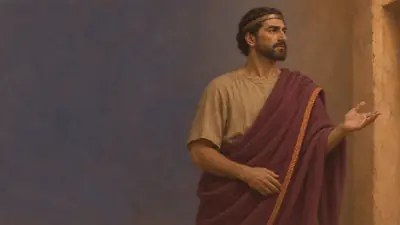
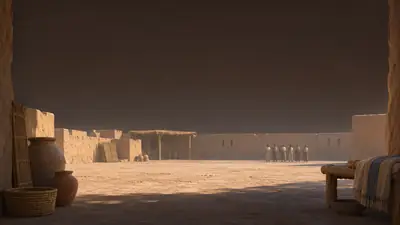
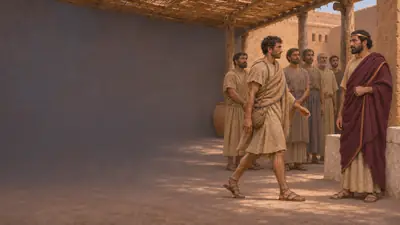
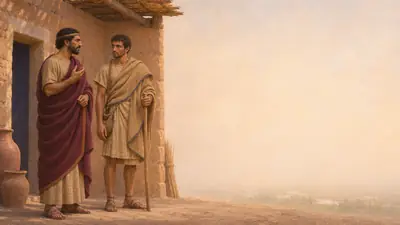
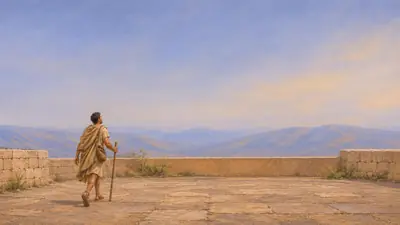
Over five mountains, then six, then seven, the poem says. The messenger raised his eyes and stepped gladly into Aratta’s courtyard.
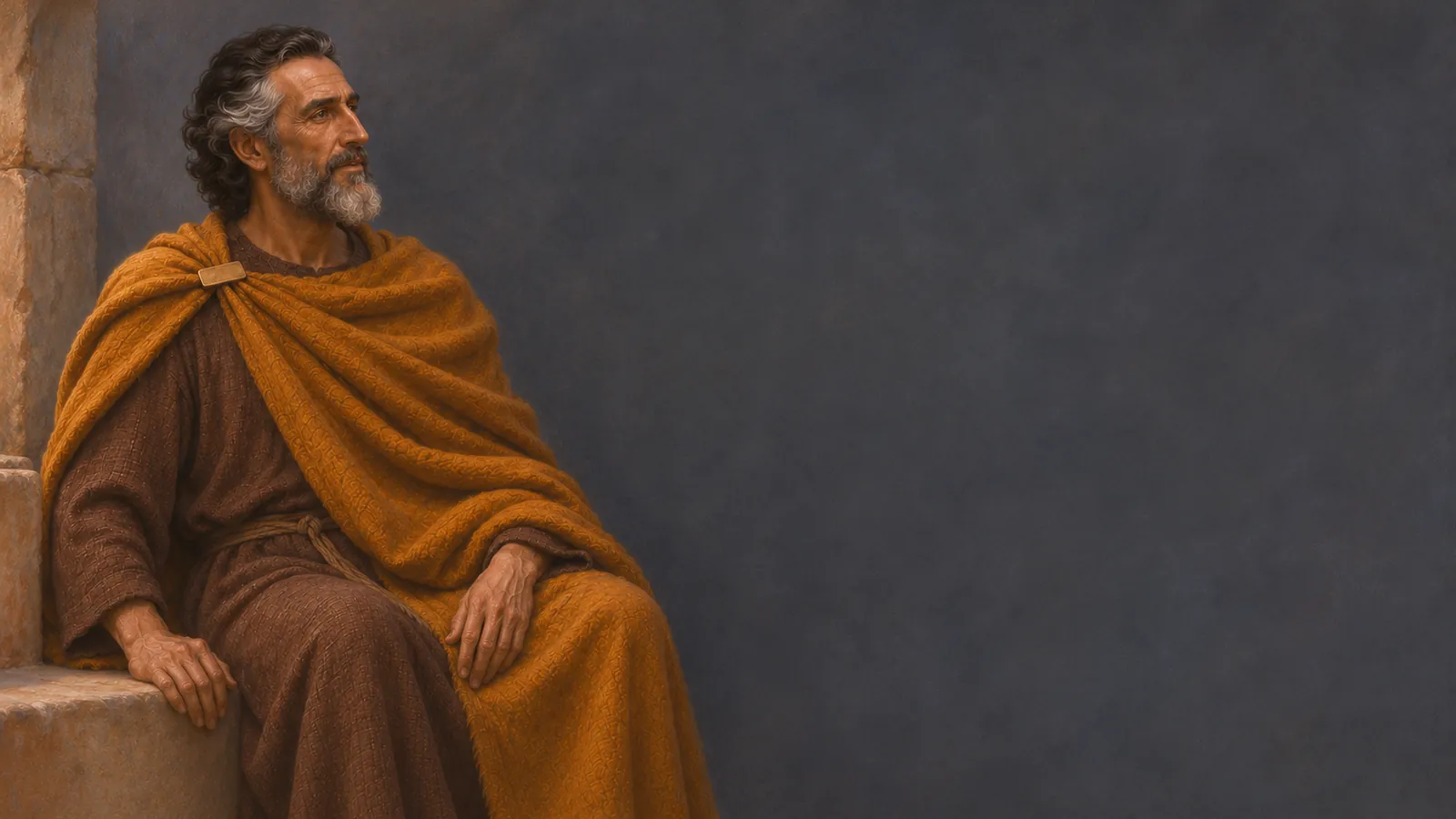
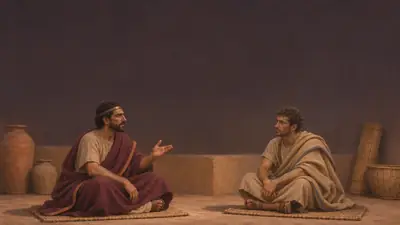
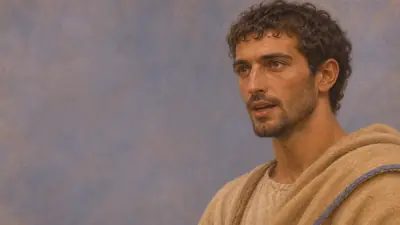
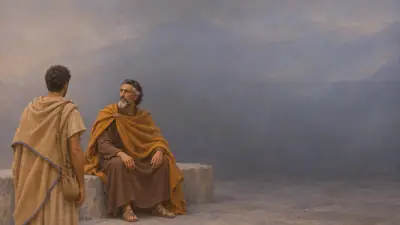
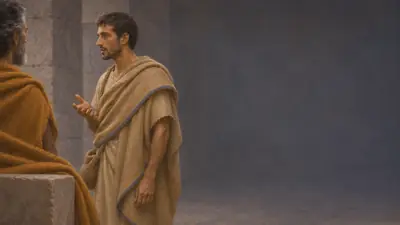
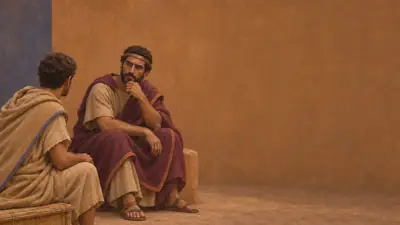
The messenger said that the lord of Uruk and Kulaba had sent him. The lord of Aratta asked what his master had said.
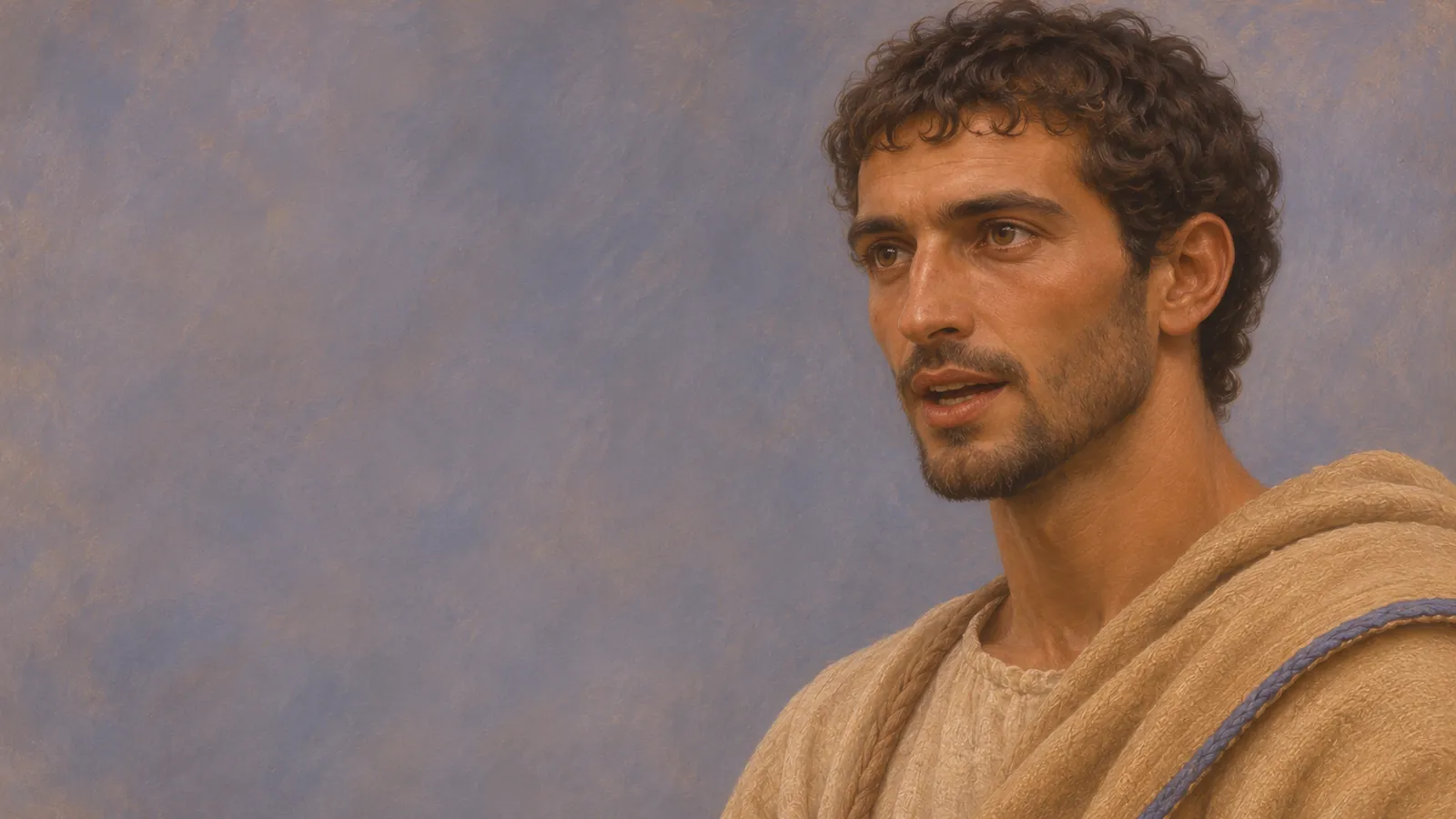
He called Enmerkar a man born for rule. Like a stag on the high mountains, his king carried the strength of a prince.
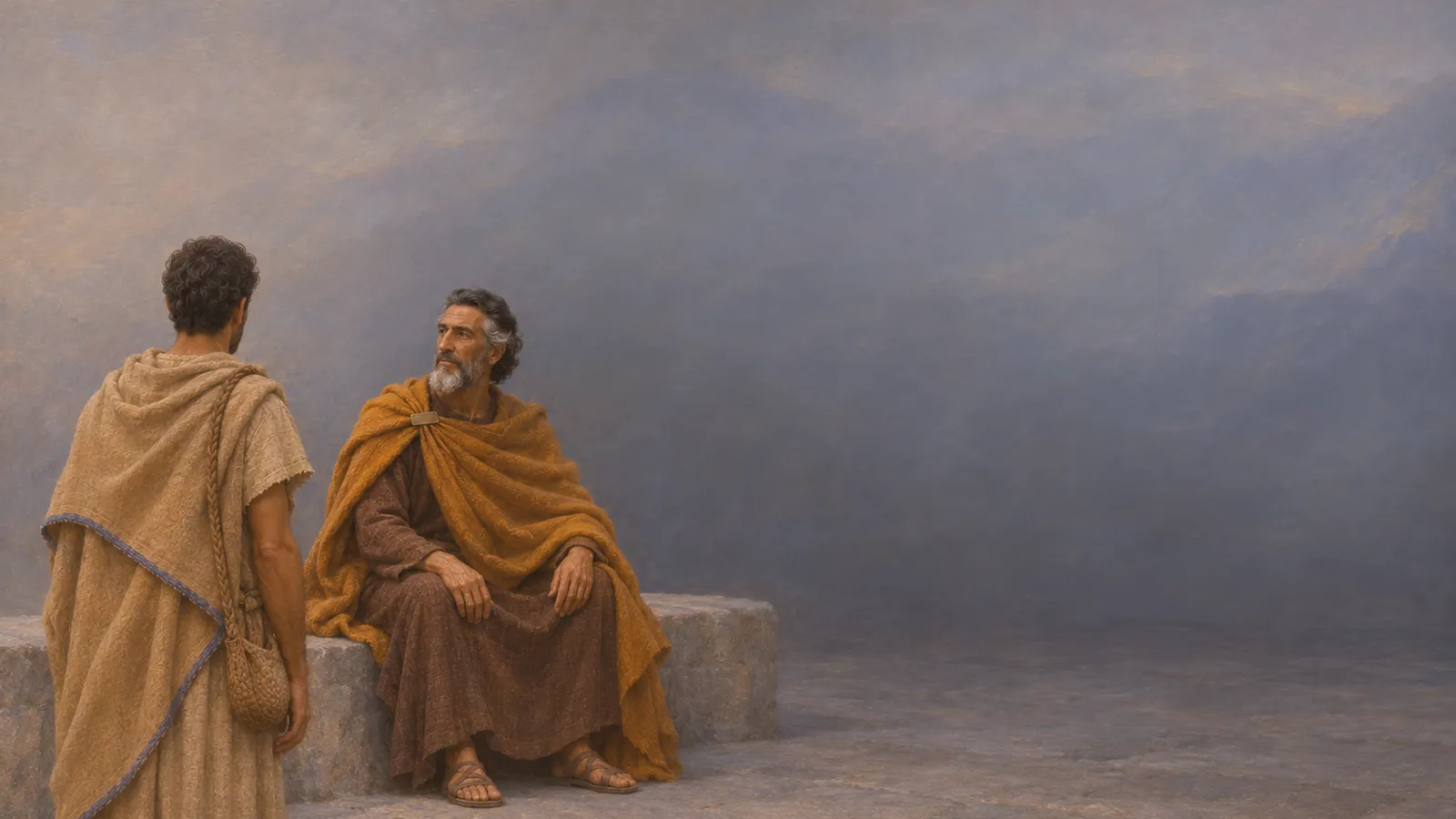
Then he repeated his master’s warning. Aratta was to send gold and precious ore on pack donkeys or risk the ruin of its city.
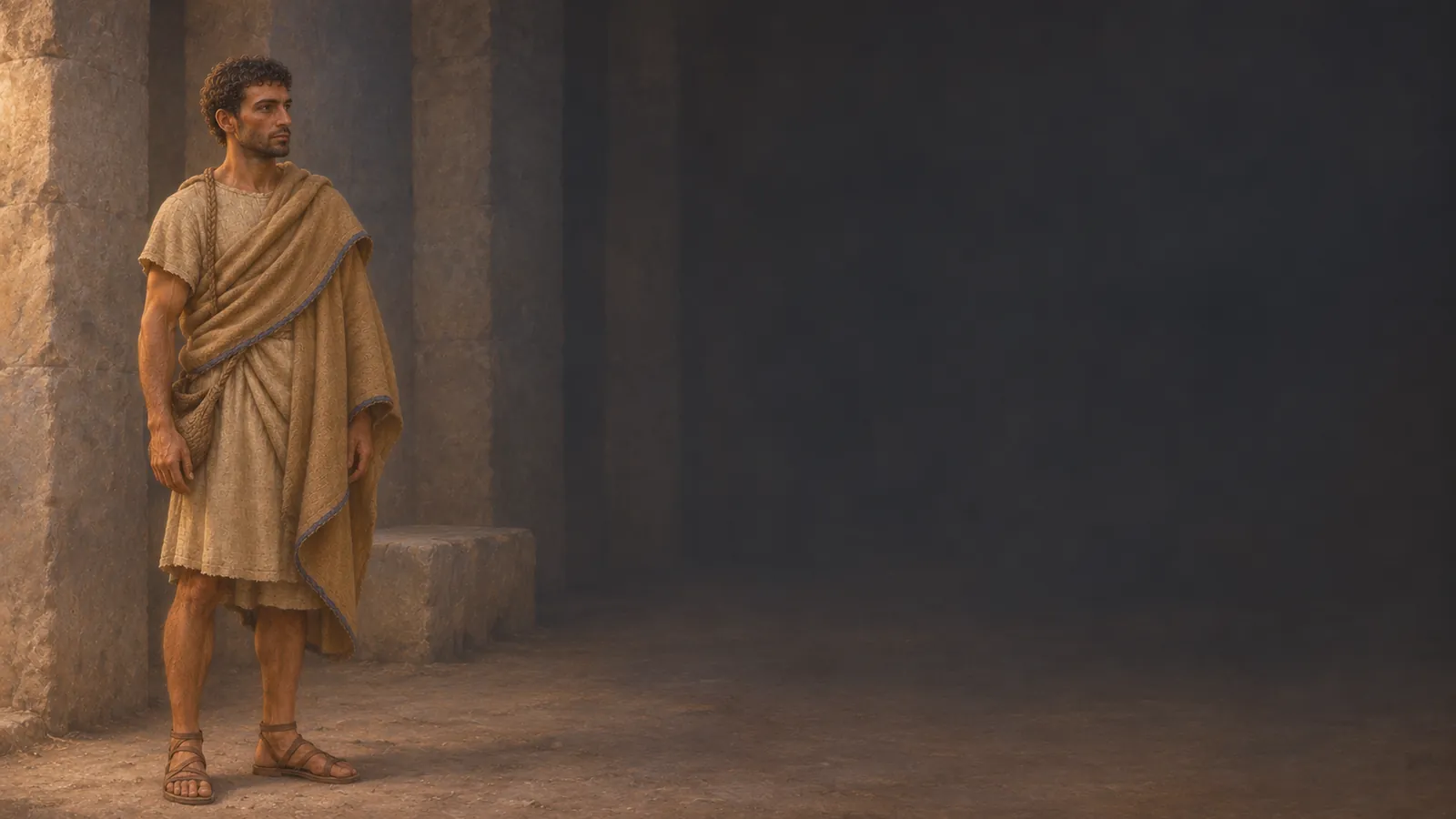
The messenger asked for an answer. Whatever the lord of Aratta said, he would carry those words back to his king at E-ana.
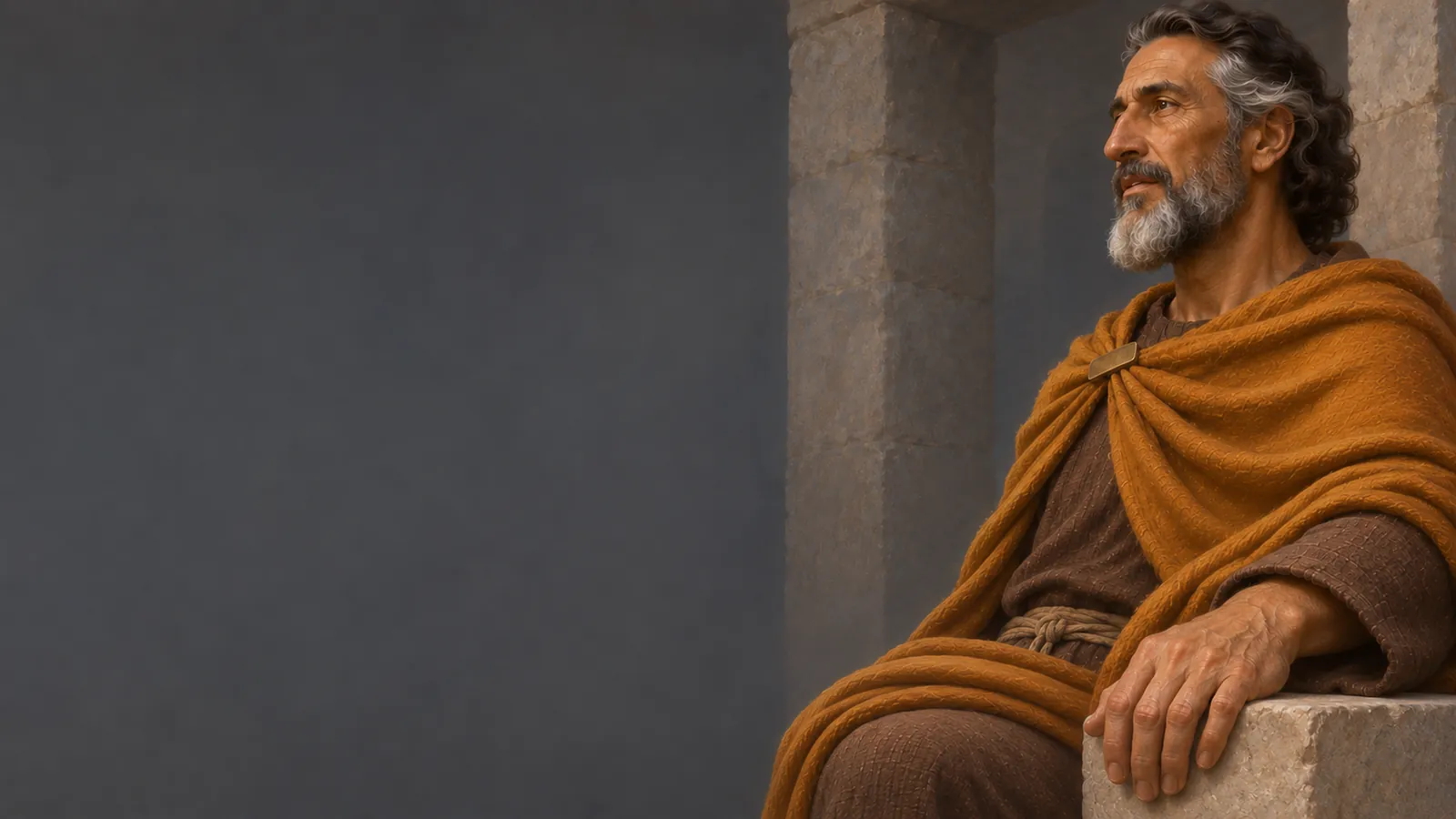
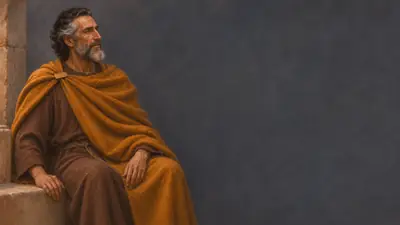
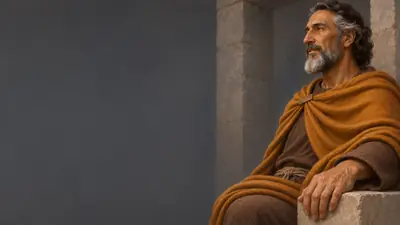
The lord of Aratta said that Inanna herself had brought him to the mountains. How could Aratta bow to Uruk?
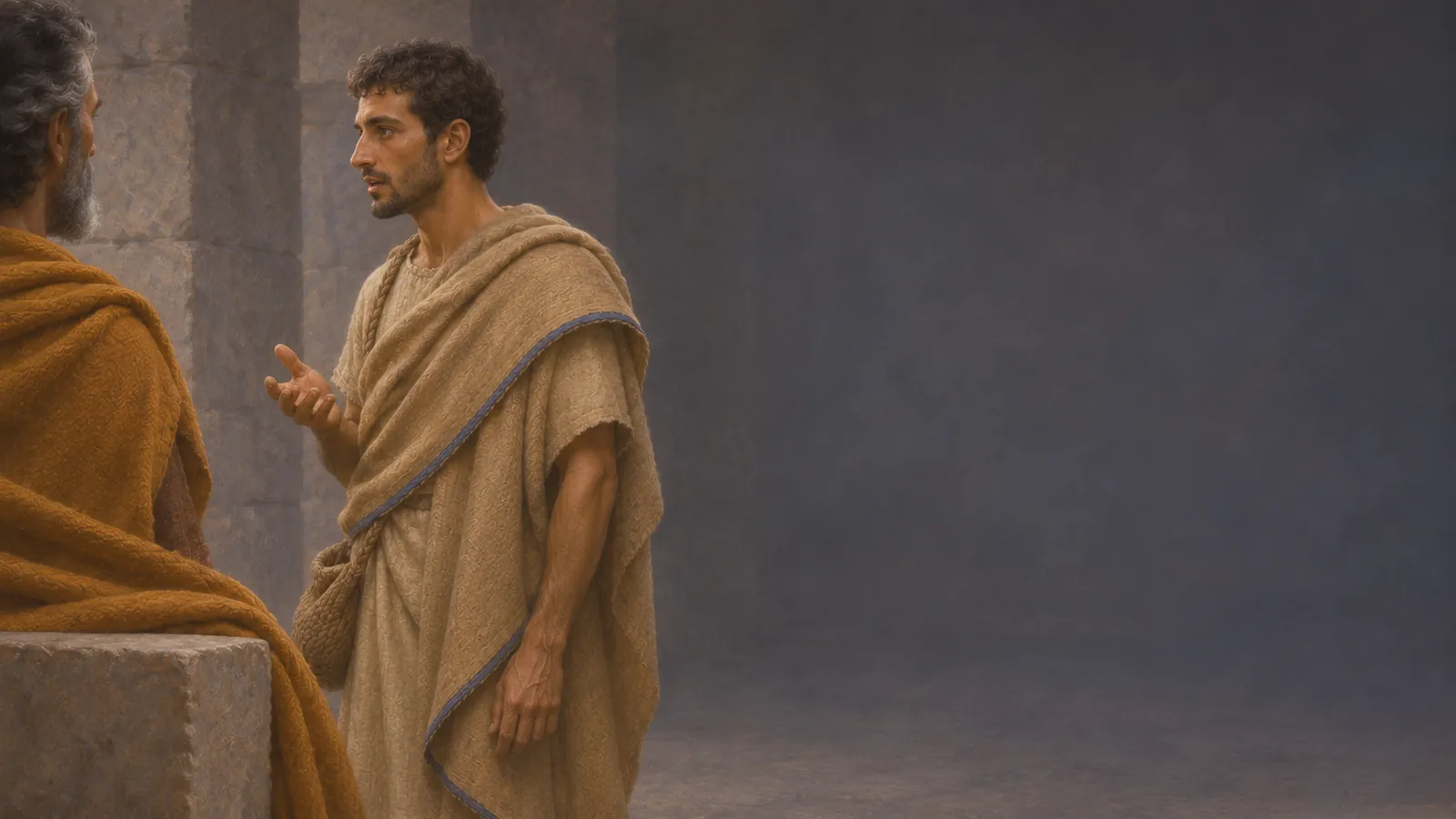
The messenger answered that Enmerkar had made Inanna queen of E-ana, and that in Kulaba she had said Aratta would bow.
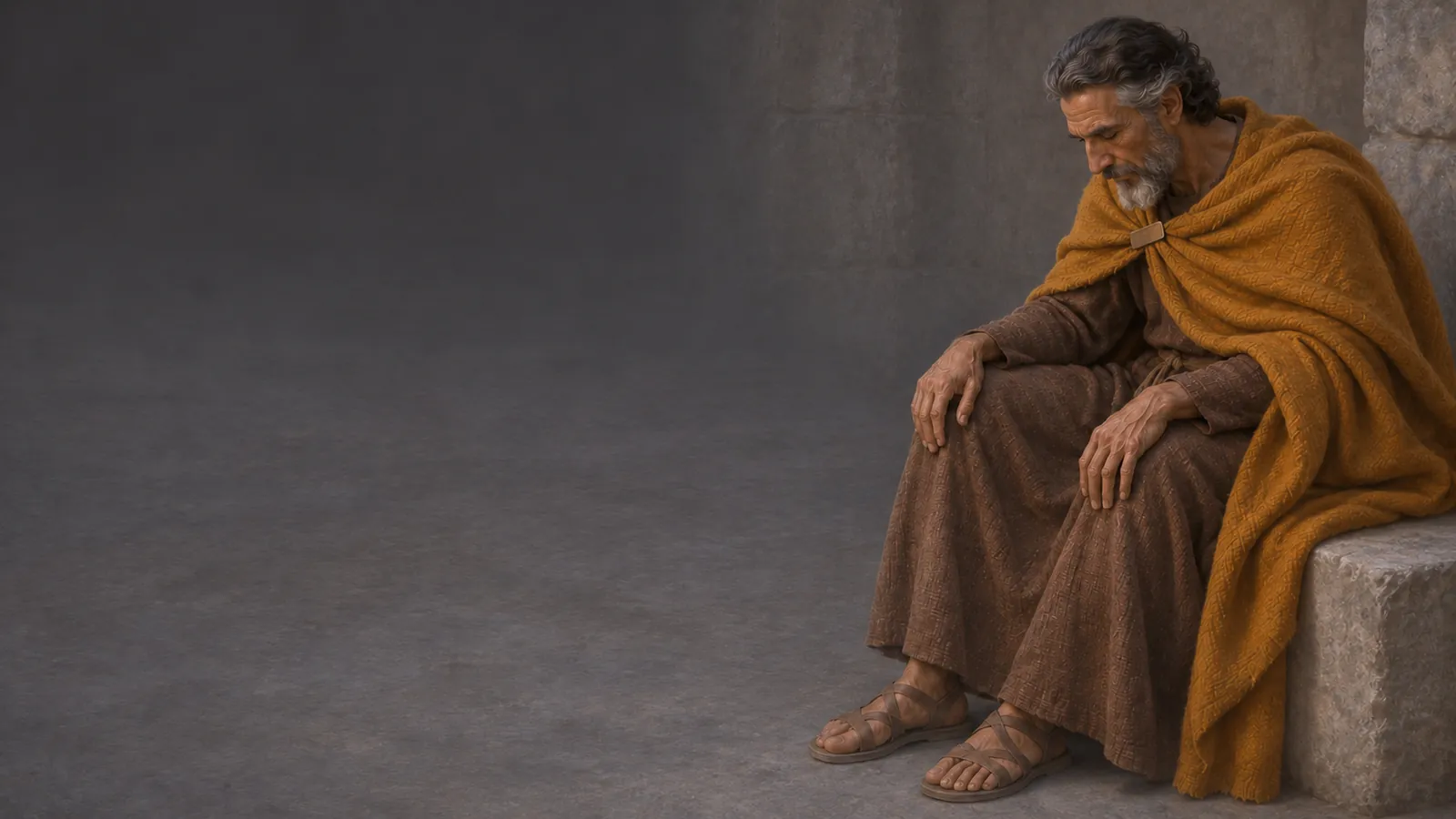
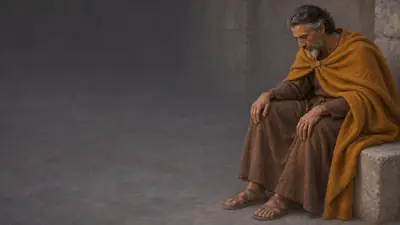
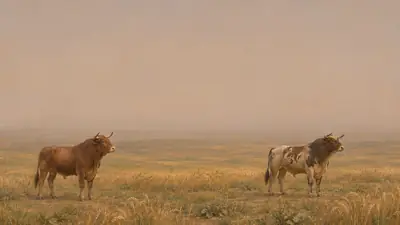
The lord of Aratta stared at his feet, searching for an answer. When he found one, his voice rose like a bull’s.
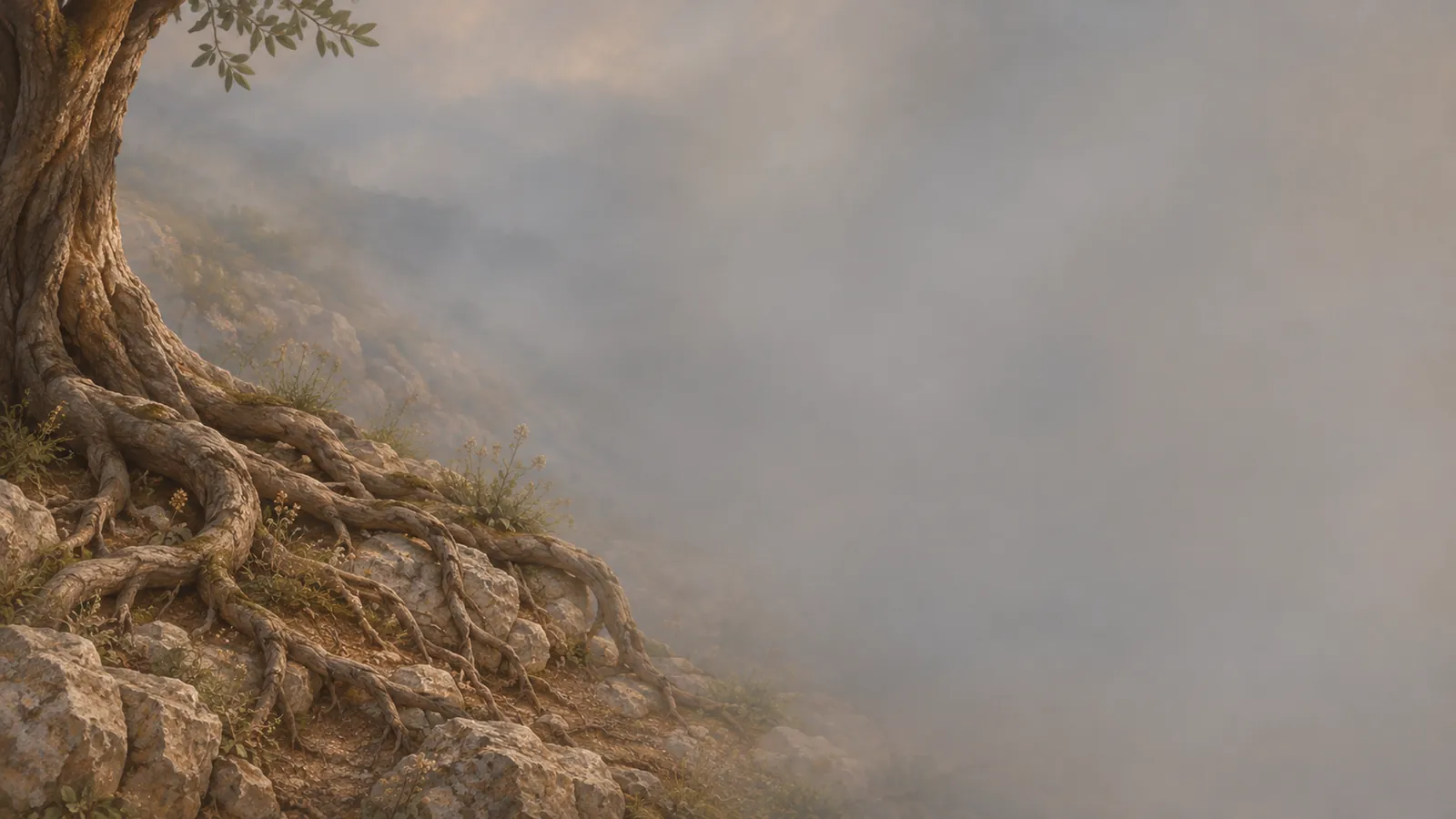
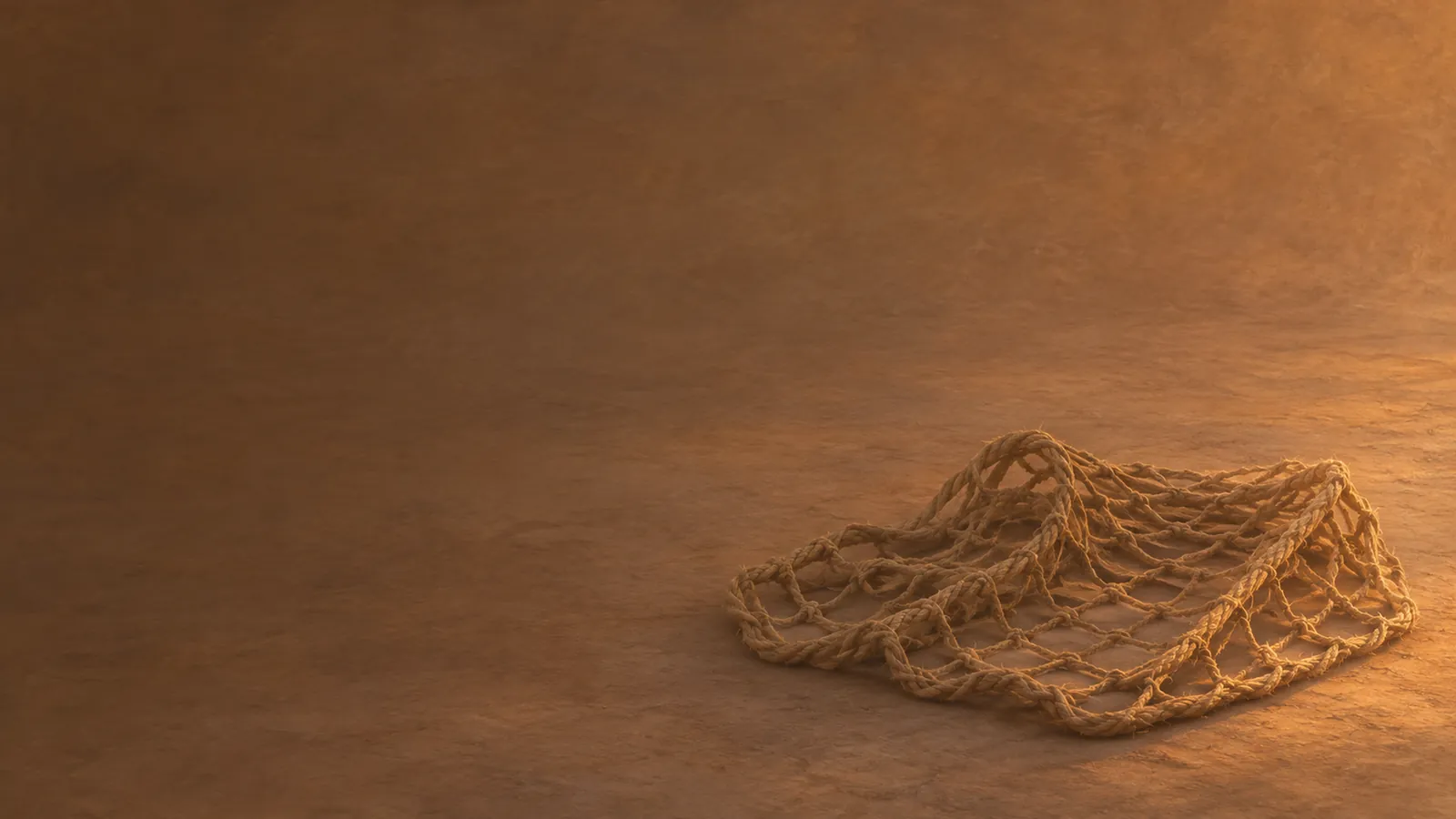
He likened the mountains to a tree whose roots were a net, whose branches were a snare. How would Uruk pass through?
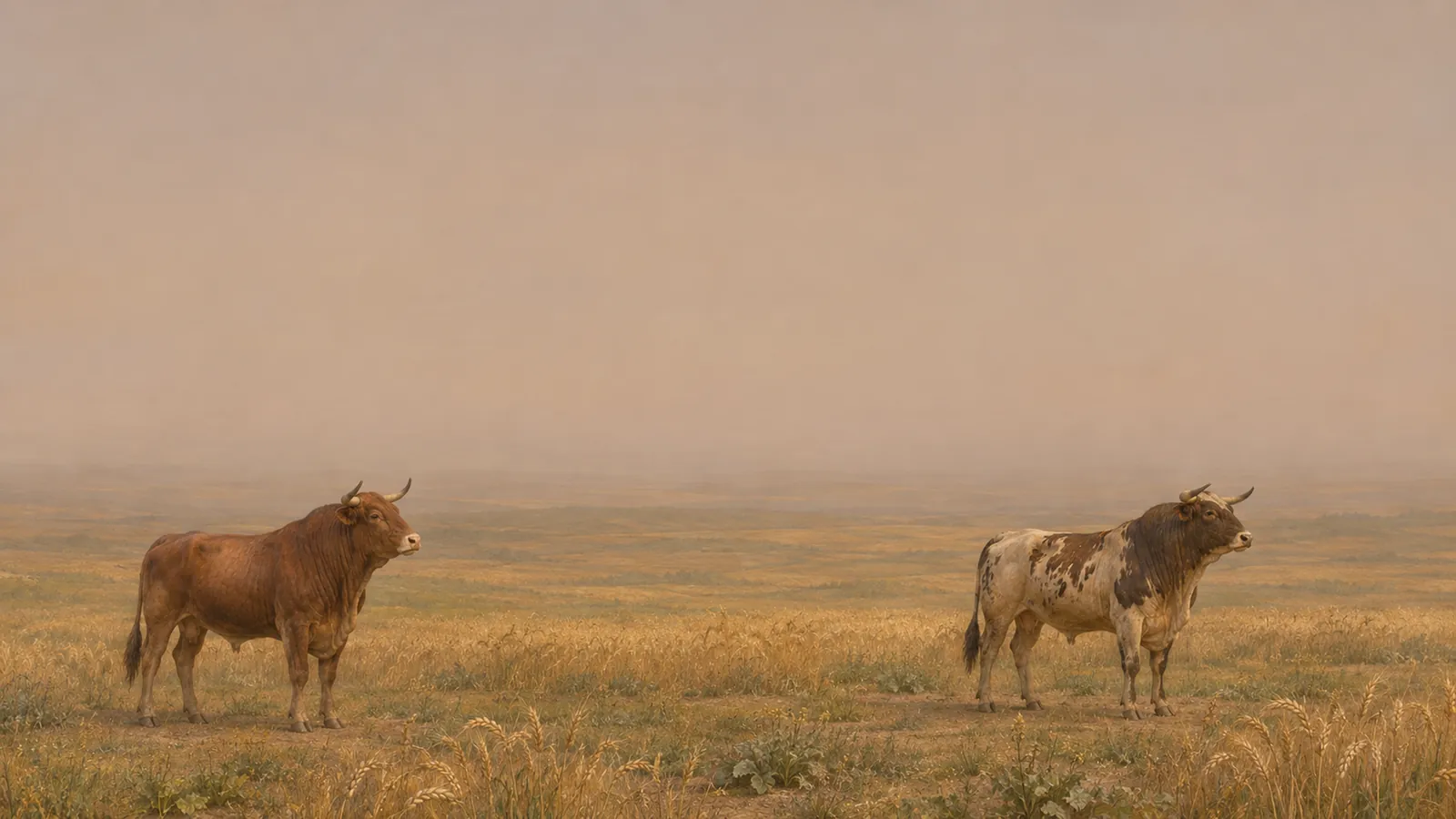
The lord said he was as eager for a contest as his rival. A bull that ignores the bull beside it wins nothing.
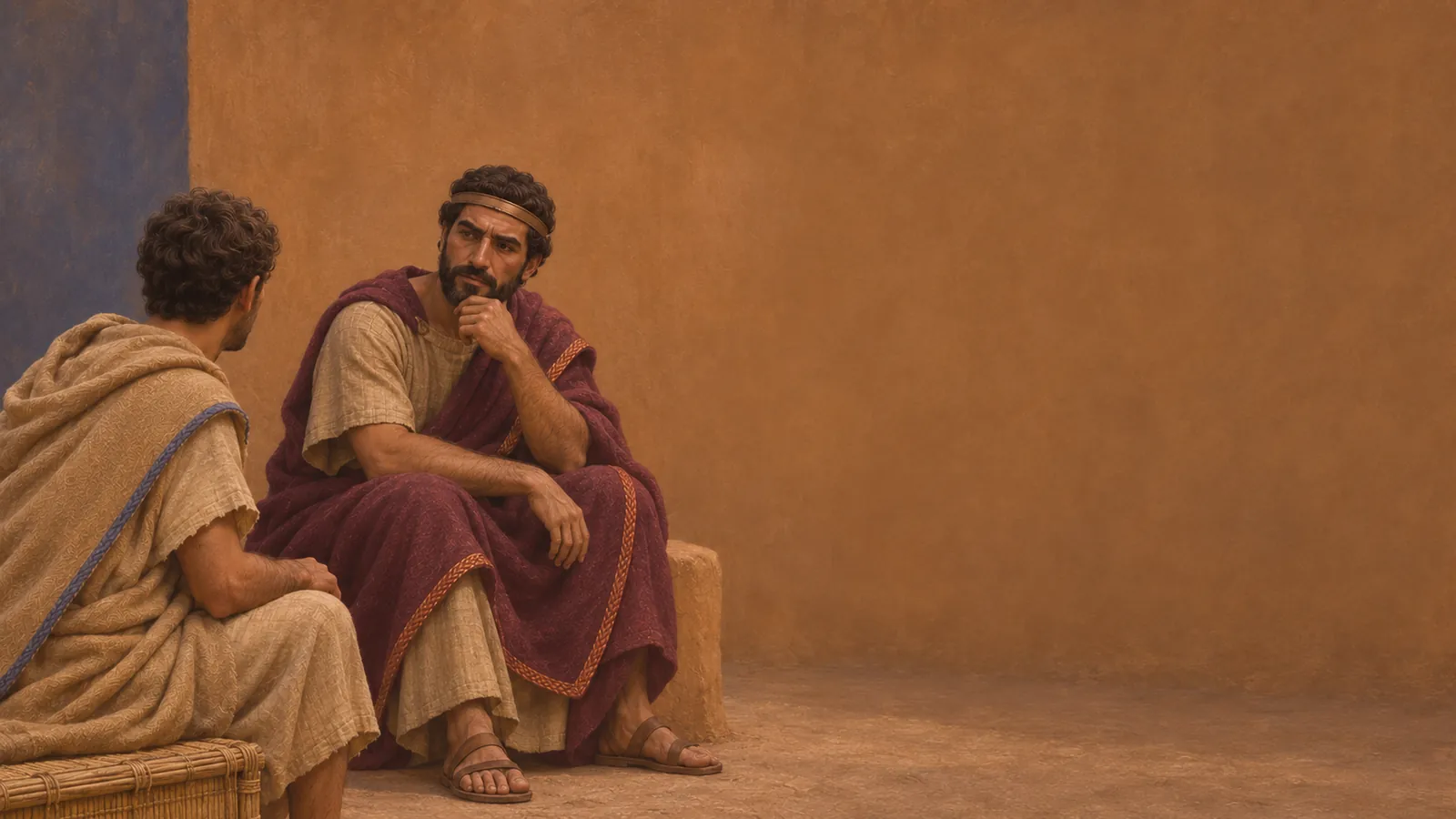
Heap barley in my courtyard, the lord said. If Inanna then turned away from Aratta, its lord and its people would bow.
BARLEY
The messenger brought the answer back to Kulaba, word for word. Enmerkar listened and wondered whether Aratta knew what it had proposed.
End of chapter 1

All pages










Sources
Editions consulted
- Oxford ETCSL 1.8.2.3, translation, lines 1–307
- Oxford ETCSL 1.8.2.3, Sumerian composite
- IL Archive, Enmerkar and the Lord of Aratta
- Penn Museum, the Nippur witness N2822
- W. G. Lambert, The Classification of Incantations, pp. 94–95
Ancient lines behind each page
- Page 1: ETCSL 1.8.2.3 1–8
Parts of the prologue are damaged. - Page 2: ETCSL 1.8.2.3 9–11
- Page 3: ETCSL 1.8.2.3 12–15
- Page 4: ETCSL 1.8.2.3 16–24
The opening list is damaged. Two lines, 23–24 in the Oxford composite, are missing. - Page 5: ETCSL 1.8.2.3 25–27
The sacred place survives in a fragmentary description. - Page 6: ETCSL 1.8.2.3 28–30
- Page 7: ETCSL 1.8.2.3 31–32
- Page 8: ETCSL 1.8.2.3 33–37
- Page 9: ETCSL 1.8.2.3 38–42
Some details of the work on lapis are damaged. - Page 10: ETCSL 1.8.2.3 43–47
- Page 11: ETCSL 1.8.2.3 48–53
- Page 12: ETCSL 1.8.2.3 54–56
- Page 13: ETCSL 1.8.2.3 57–64
- Page 14: ETCSL 1.8.2.3 65–70
- Page 15: ETCSL 1.8.2.3 71–72
- Page 16: ETCSL 1.8.2.3 73–79
- Page 17: ETCSL 1.8.2.3 80–87
- Page 18: ETCSL 1.8.2.3 88–98
The words connecting the two parts of Inanna’s promise are broken. - Page 19: ETCSL 1.8.2.3 99–104
- Page 20: ETCSL 1.8.2.3 105–107
One manuscript adds a fragmentary line after line 106. - Page 21: ETCSL 1.8.2.3 108–114
- Page 22: ETCSL 1.8.2.3 115–123
- Page 23: ETCSL 1.8.2.3 124–133
- Page 24: ETCSL 1.8.2.3 134–135
Nudimmud is a name for Enki in the poem. - Page 25: ETCSL 1.8.2.3 136–140
- Page 26: ETCSL 1.8.2.3 141–146
The Sumerian wording admits another interpretation. - Page 27: ETCSL 1.8.2.3 147–155
An alternative reading places the change in the past and takes it as a change from one language to many. - Page 28: ETCSL 1.8.2.3 156–159
- Page 29: ETCSL 1.8.2.3 160–162
- Page 30: ETCSL 1.8.2.3 163–169
Zubi is named in the poem. - Page 31: ETCSL 1.8.2.3 170–175
The count of mountains is a repeated phrase in the poem. - Page 32: ETCSL 1.8.2.3 176–178
- Page 33: ETCSL 1.8.2.3 179–185
The manuscripts vary in the description of Enmerkar and two add a repeated question and answer after line 185. - Page 34: ETCSL 1.8.2.3 186–207
The text repeats the instruction to recite the incantation. A separate performance does not survive in the text. - Page 35: ETCSL 1.8.2.3 208–217
- Page 36: ETCSL 1.8.2.3 218–226
- Page 37: ETCSL 1.8.2.3 227–235
- Page 38: ETCSL 1.8.2.3 236–241
- Page 39: ETCSL 1.8.2.3 242–252
The offerings appear in broken wording. - Page 40: ETCSL 1.8.2.3 253–273
Several phrases after the bull comparison are damaged. - Page 41: ETCSL 1.8.2.3 274–293
- Page 42: ETCSL 1.8.2.3 294–307
Illustrations made with AI tools by IL Archive; the text is based on the ancient sources (see the sources at the end of each chapter).