Enmerkar and the Lord of Aratta Chapter 2
Words in Clay
Enmerkar sends barley to Aratta, and the rivalry grows into a contest of riddles and demands. When the messenger can no longer repeat the king’s words, Enmerkar puts them into clay. The poem’s ending survives only in fragments.
SourcesTurn the pages with the arrows, the arrow keys or a swipe.
DAYBREAK
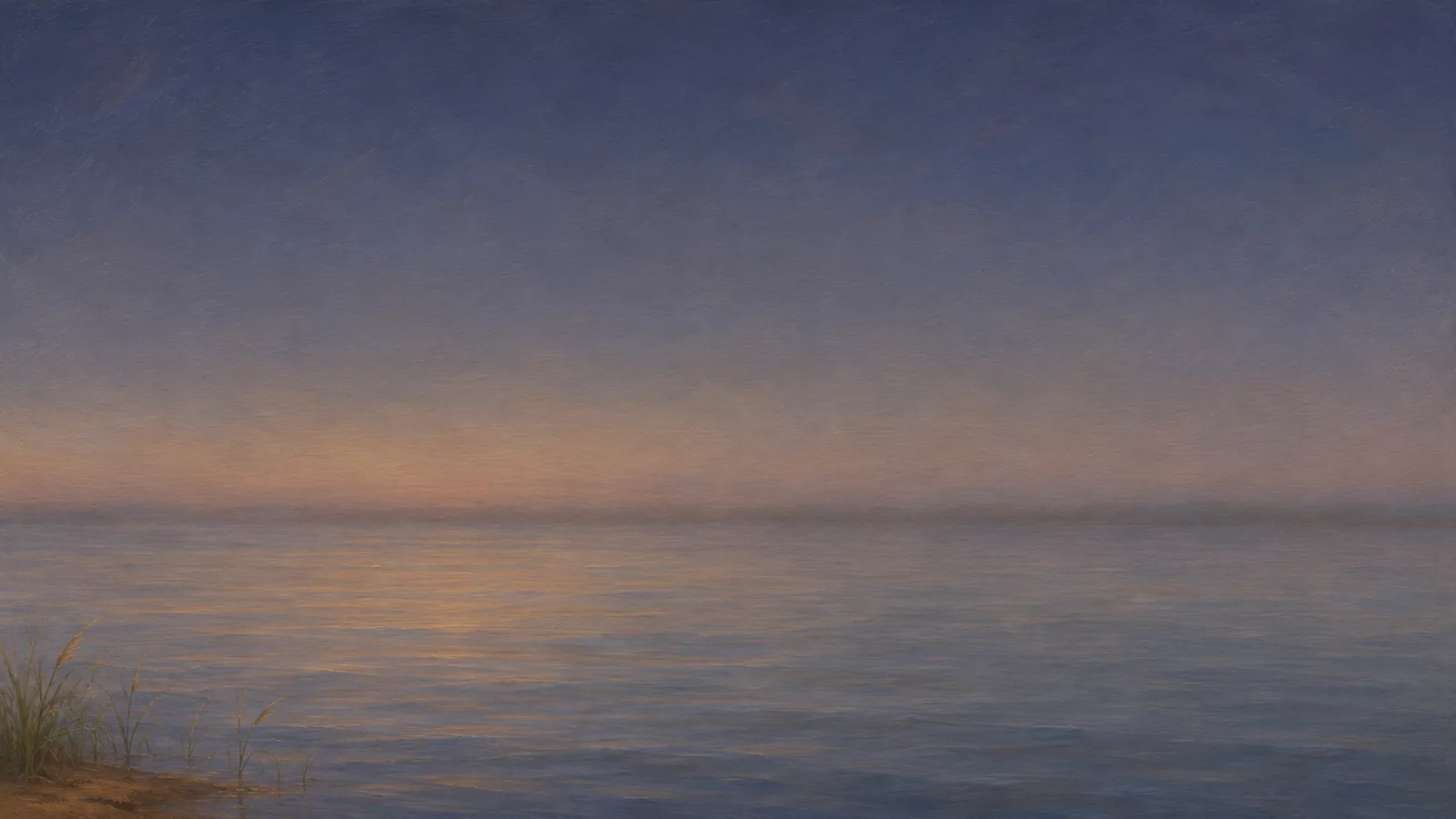
Day broke and Utu rose. In the poem’s image of that morning, Enmerkar joins the waters of the Tigris and the Euphrates.
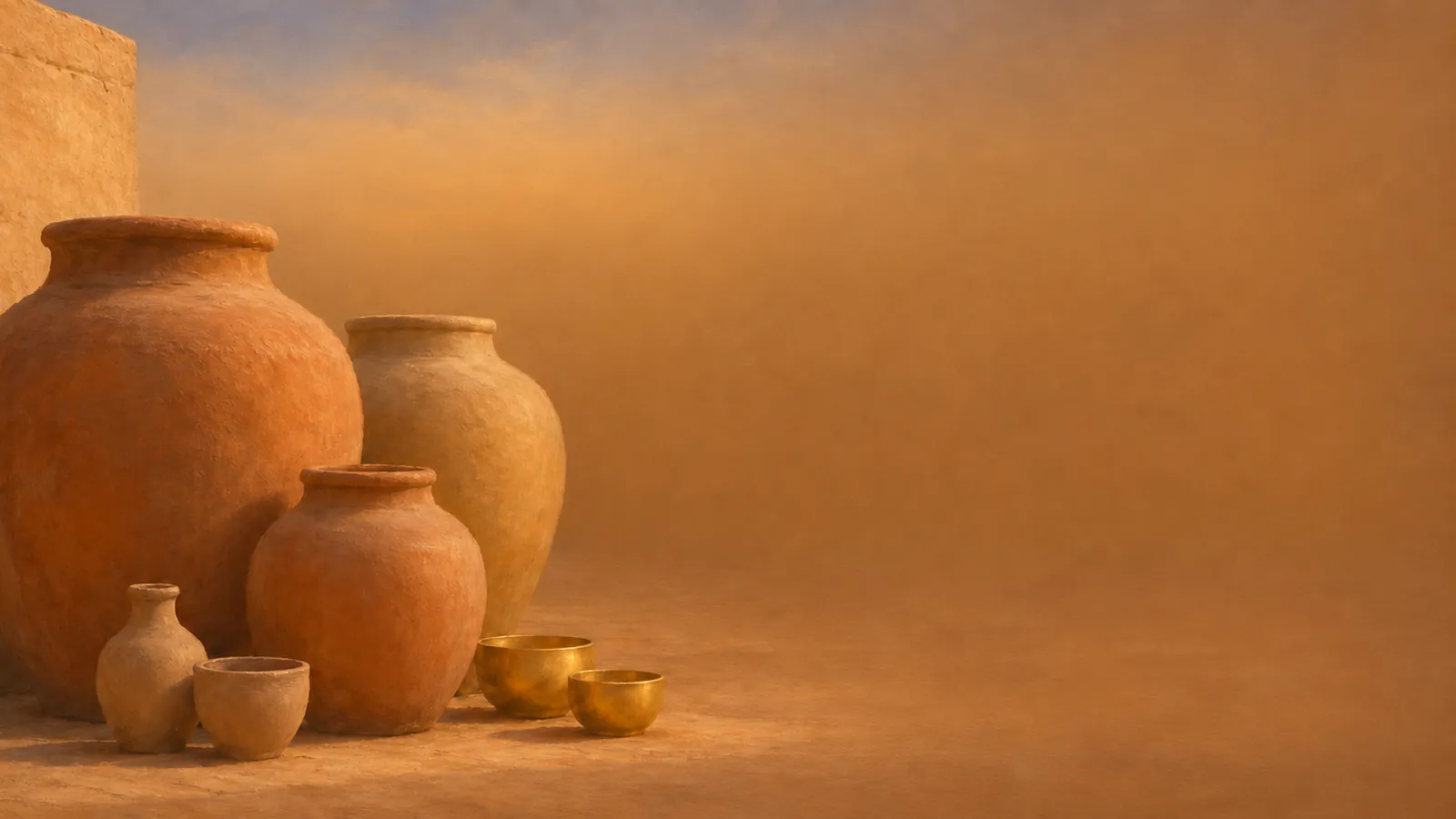
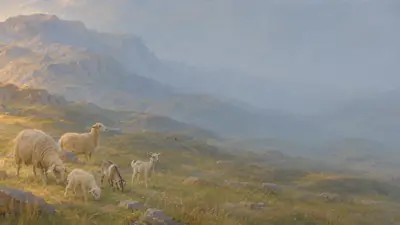
Large vessels stood in the open air, with small ones set beside them like lambs in the grass. Enmerkar set the golden vessels apart.
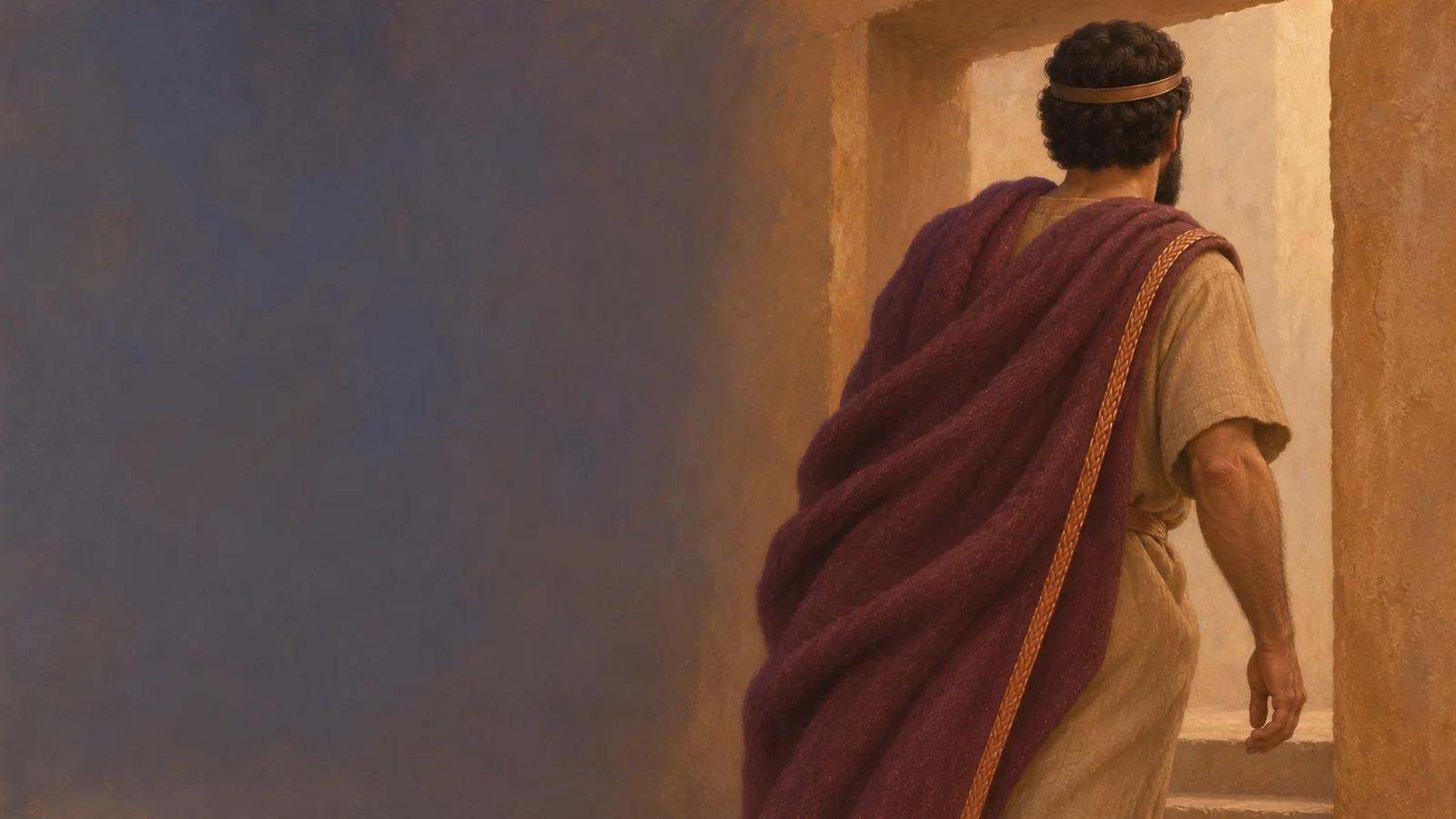
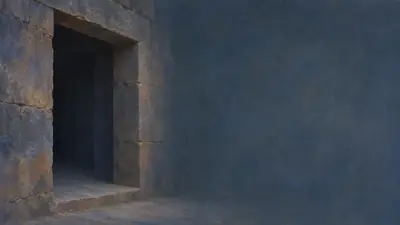
In a passage that has come down to us in pieces, Nisaba opens her house of wisdom. Enmerkar goes in and attends closely.
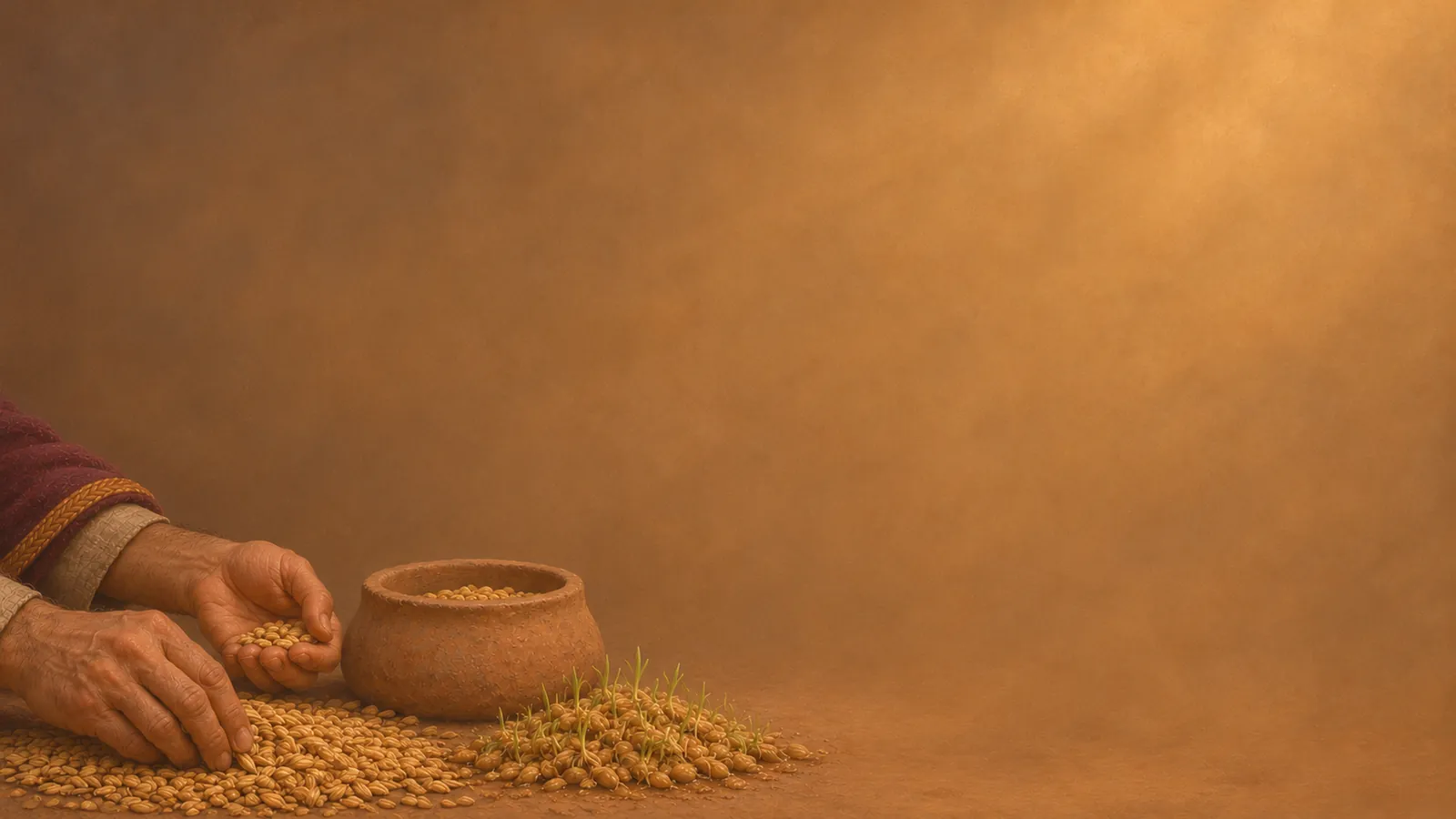
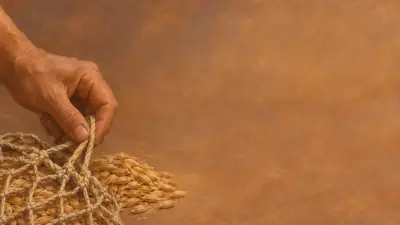
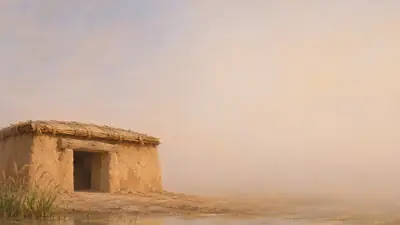
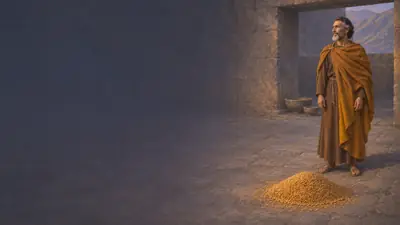
Enmerkar opened his storehouse and set a great measure on the ground. He separated the old barley and soaked the green malt.
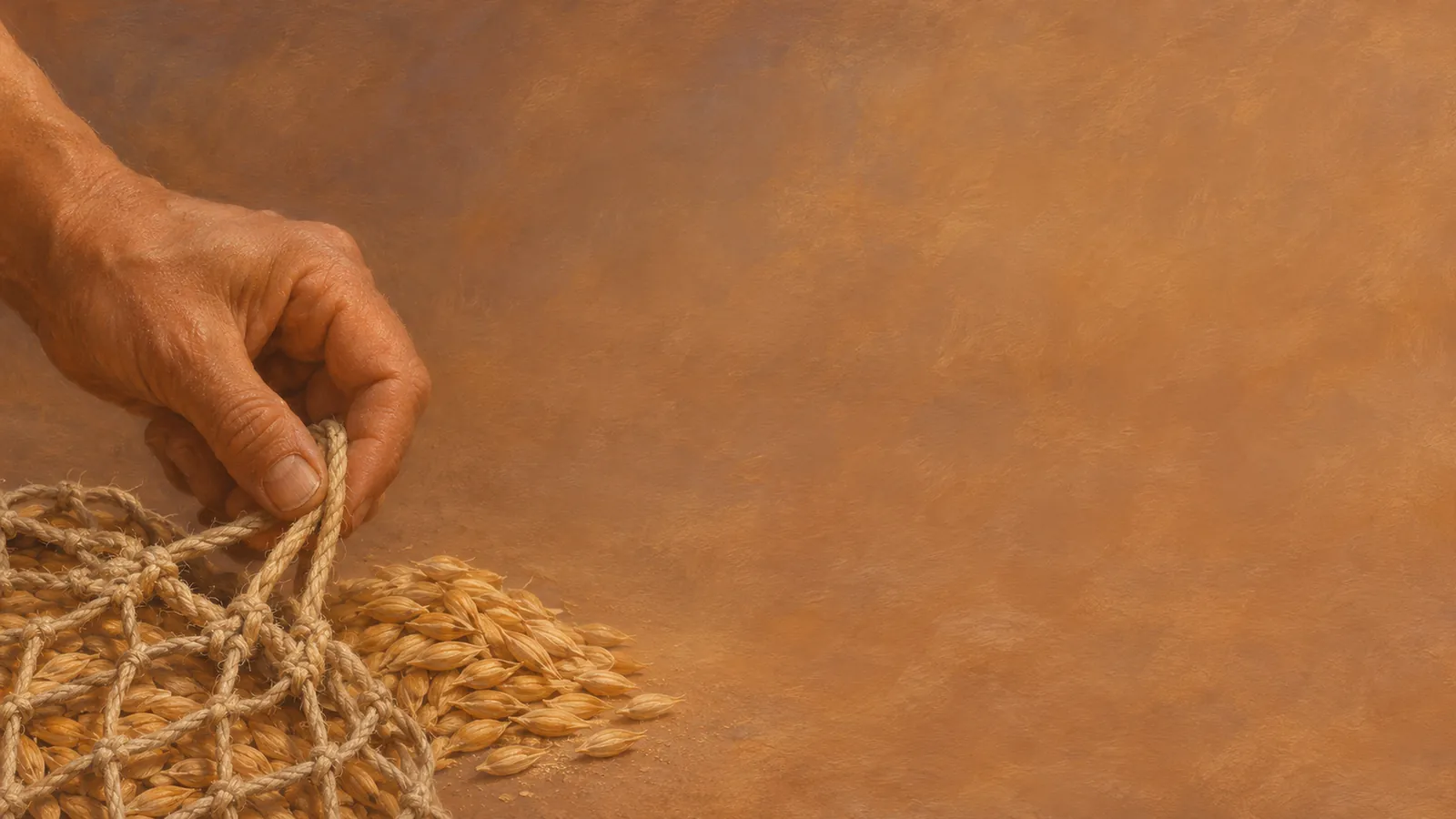
He tightened the mesh of the carrying nets. When he measured the barley, he set aside a little extra for the locusts.
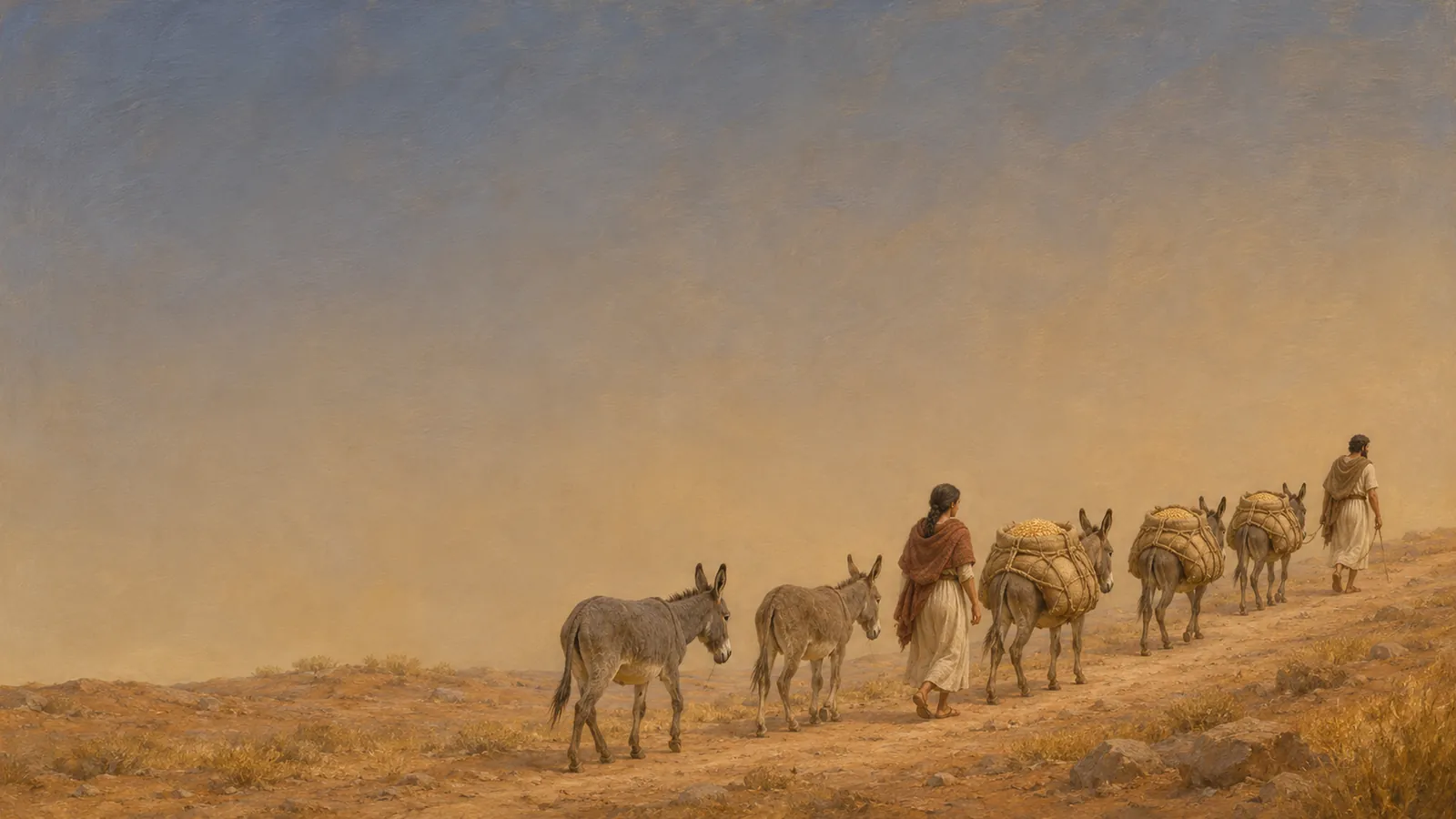
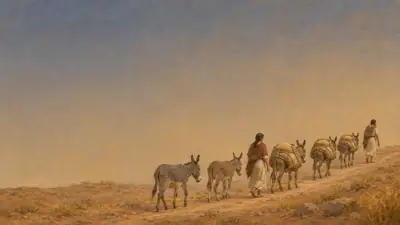
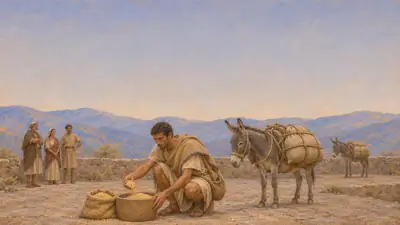
The barley went onto pack donkeys, with reserve animals beside them. Enmerkar sent them toward Aratta, and people streamed out like ants.
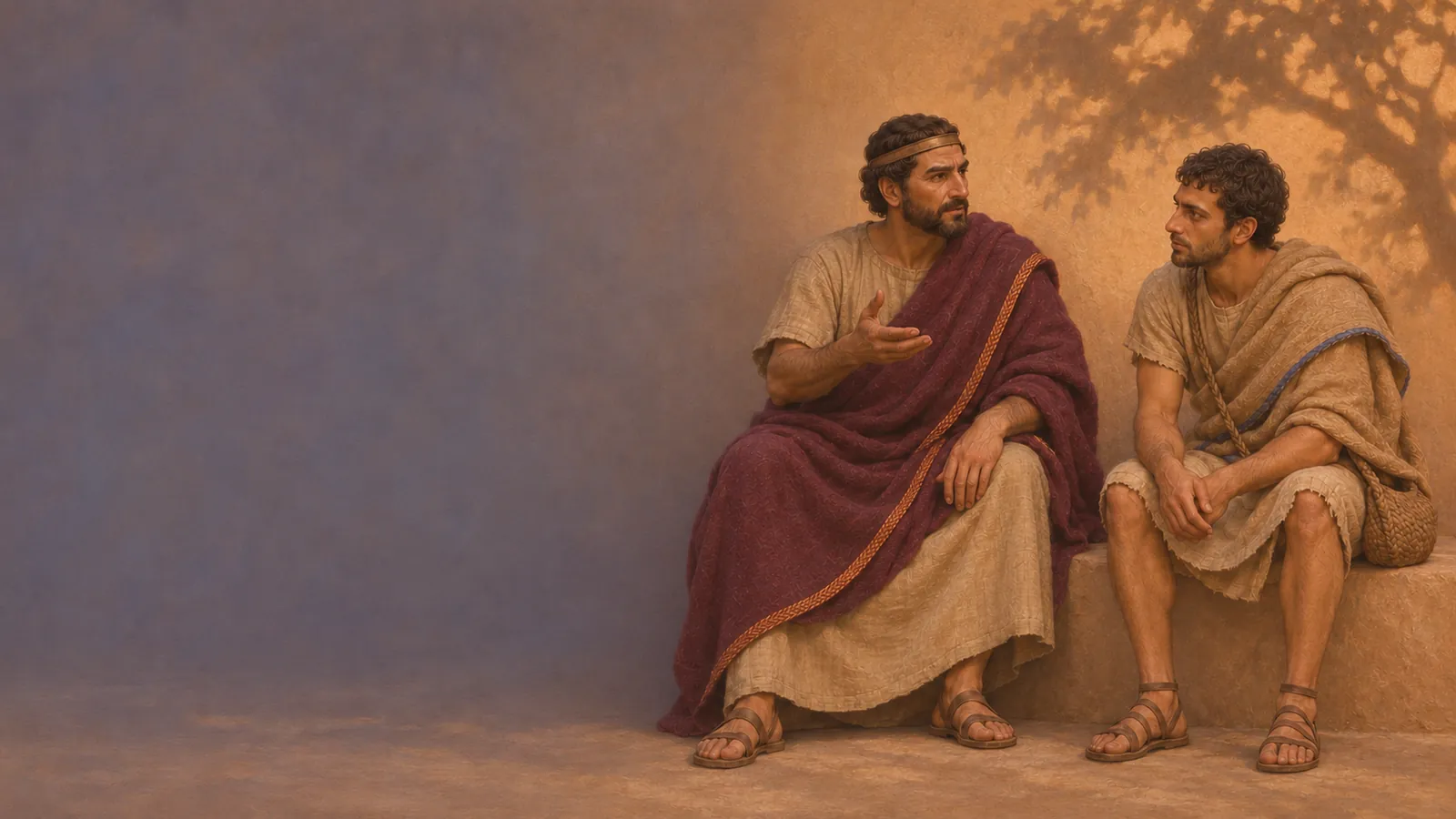
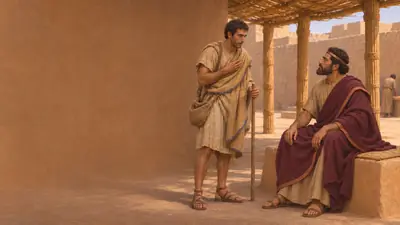
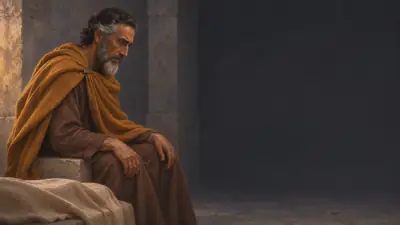
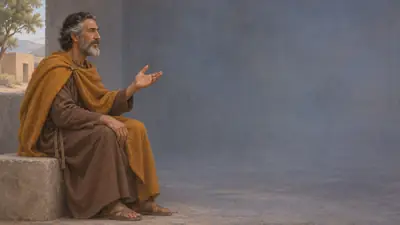
Enmerkar gave the messenger another message. He likened his sceptre to a spreading tree whose shade sheltered Kulaba and reached Inanna at E-ana.
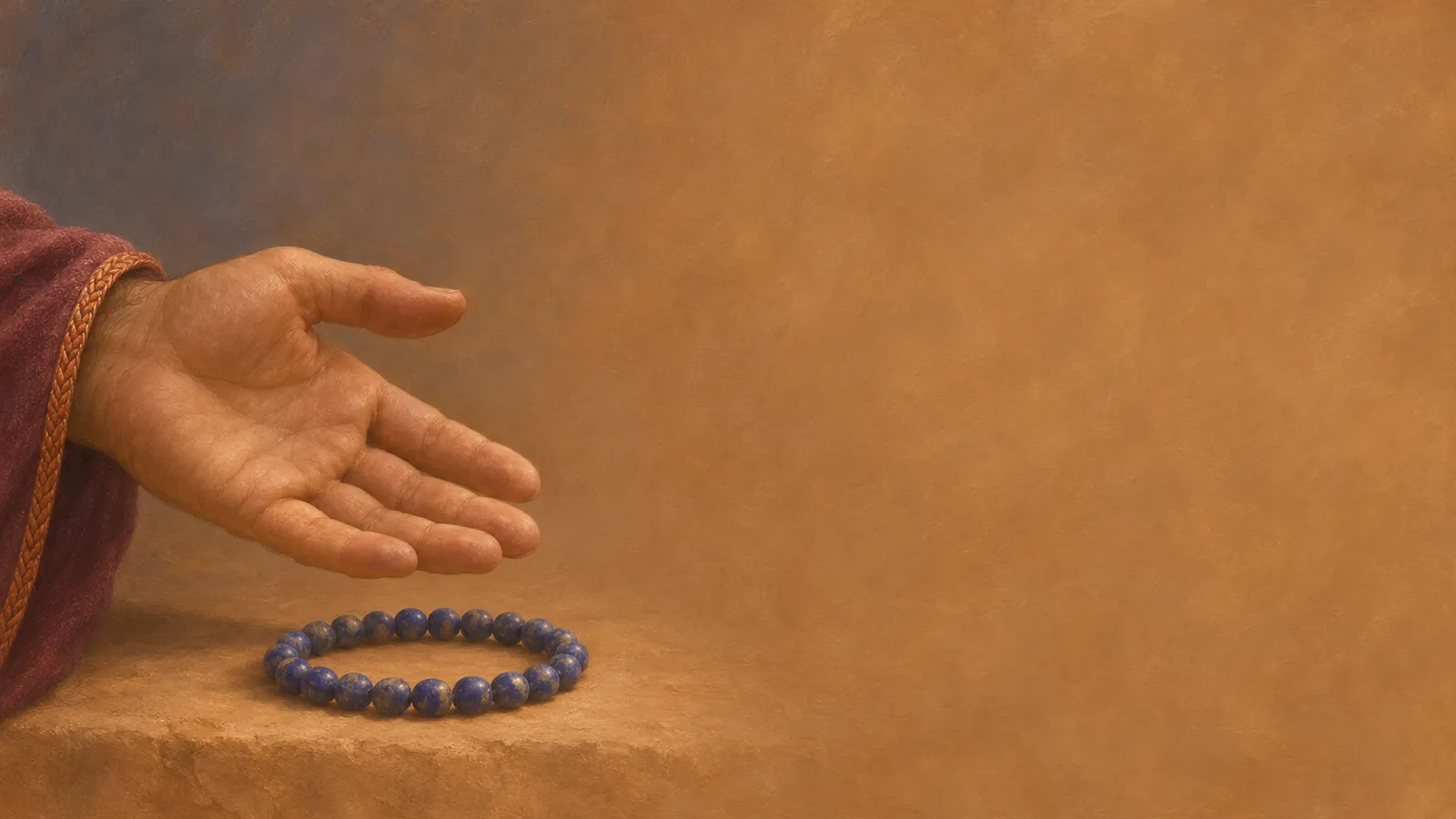
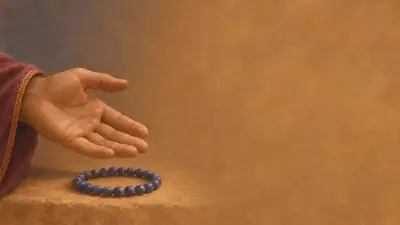
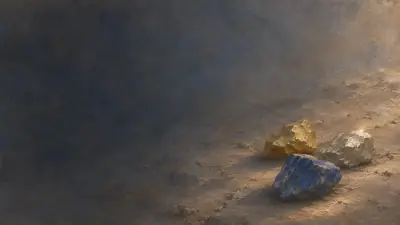
Let the lord of Aratta break off a splinter, Enmerkar said. Let him hold it as carefully as a string of lapis beads and bring it to me.
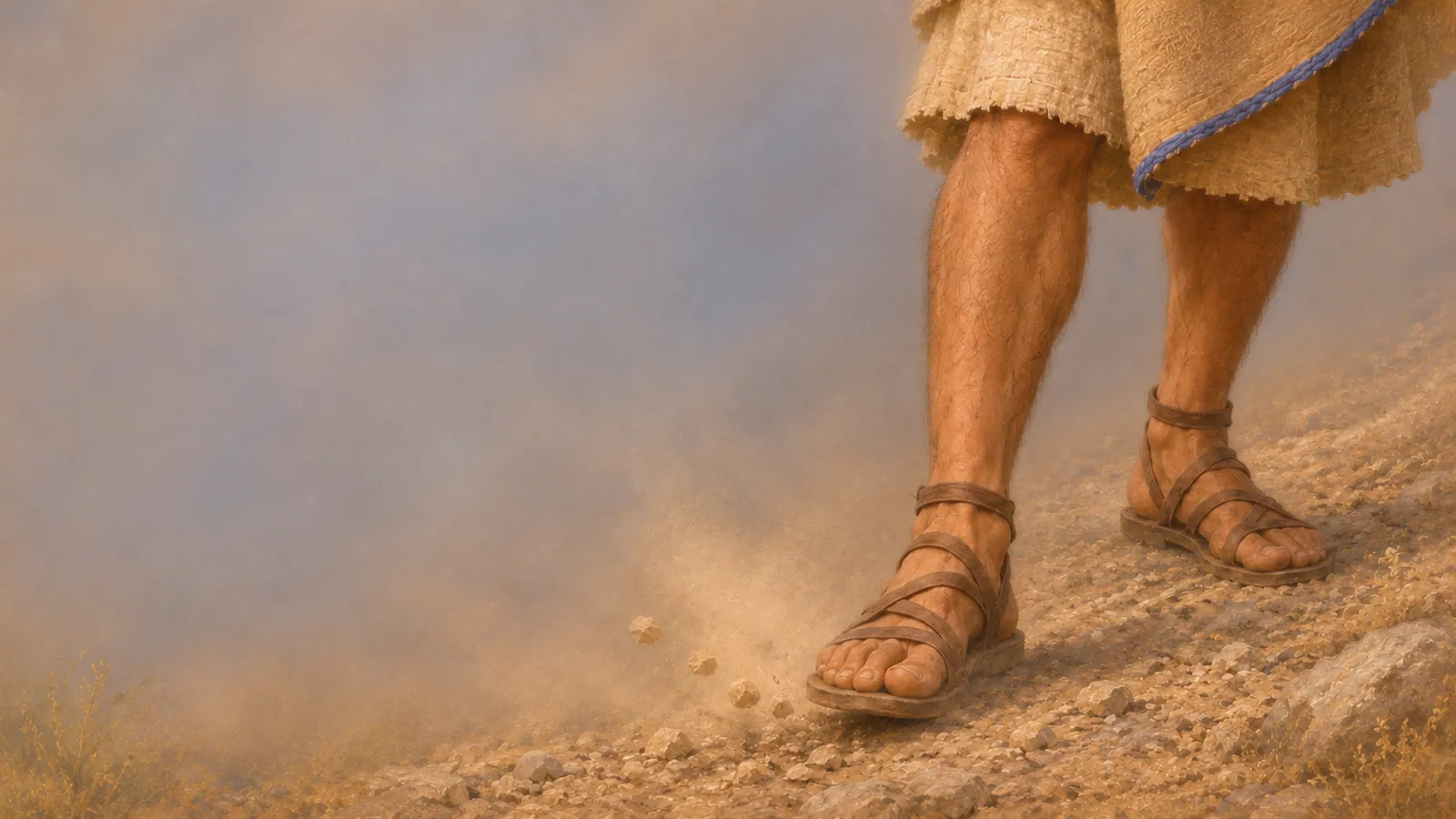
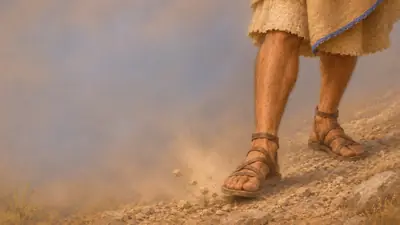
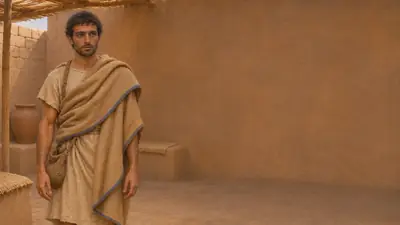
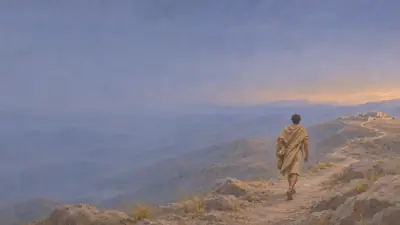
The messenger took the road to Aratta. His feet raised the dust of the road and sent little stones clattering on the hills.
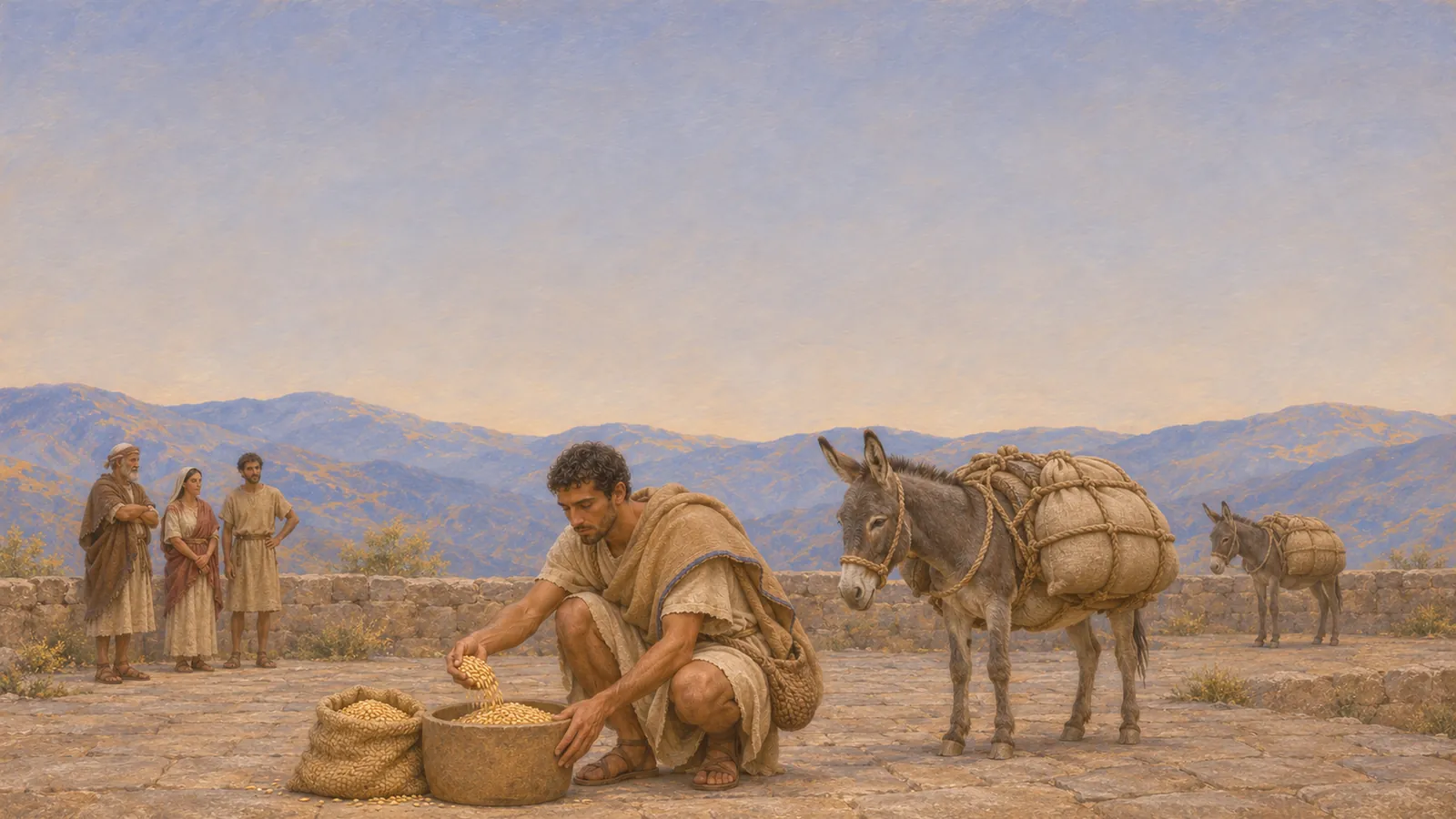
People came forward to see the laden donkeys. In Aratta’s courtyard, the messenger measured barley for the granary, with an extra share for the locusts.
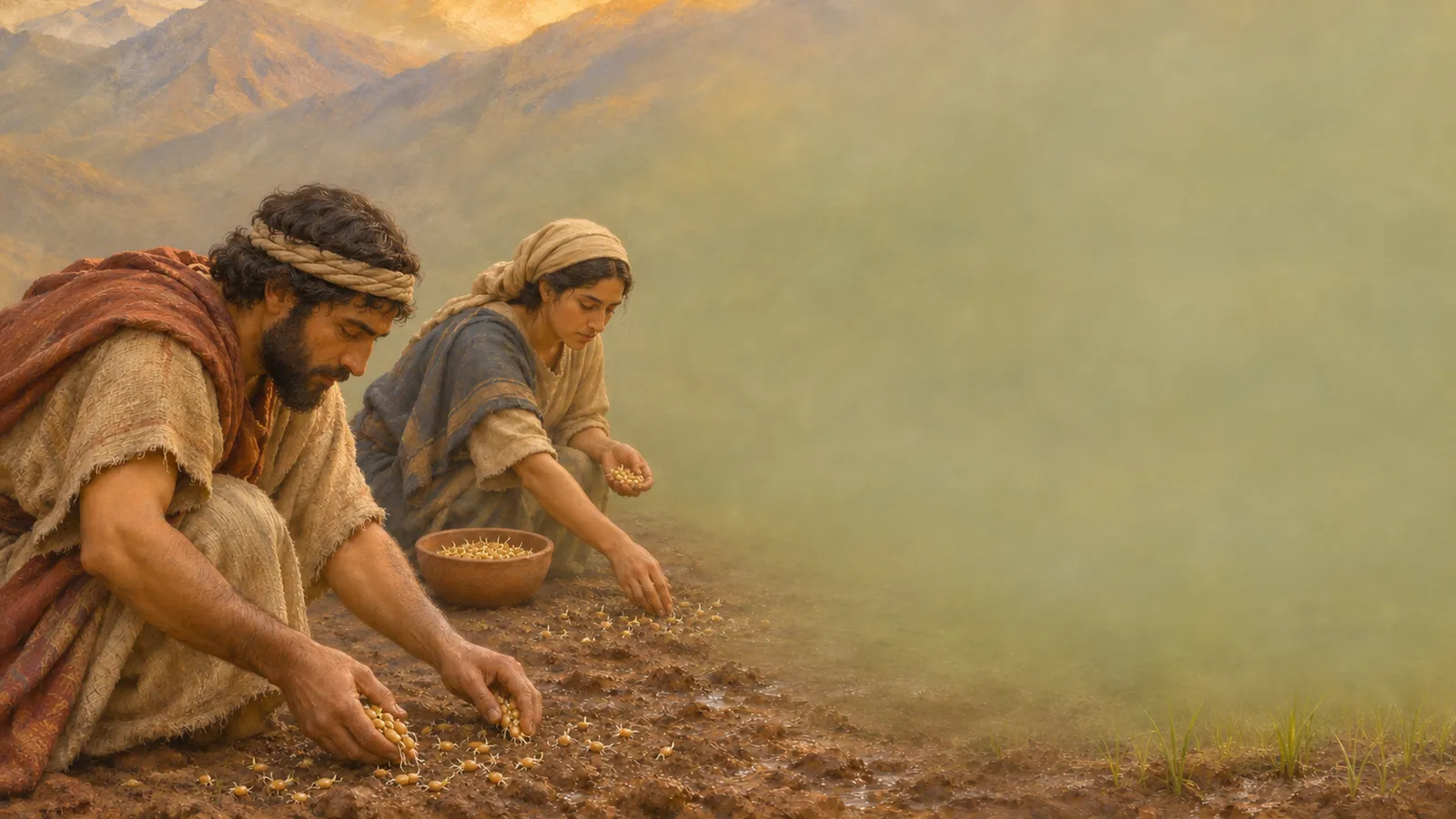
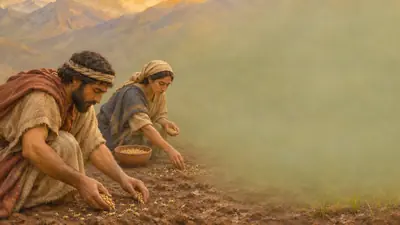
Food came to Aratta as welcome as rain and sunshine. The people’s hunger eased, and they spread soaked green malt over their fields.
The words break around the couriers and officials. The people of Aratta are still named, but only scraps of the exchange remain.
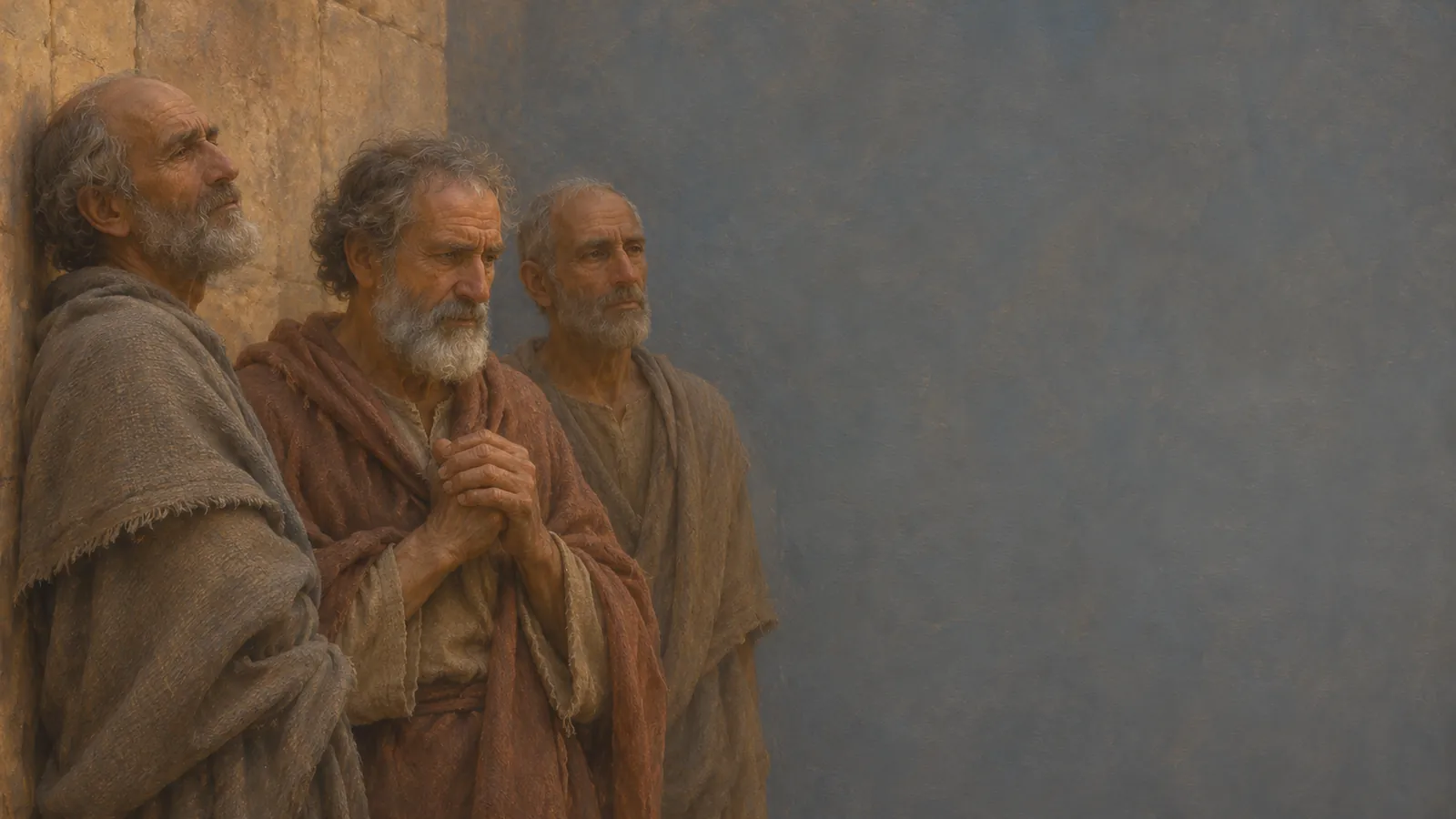
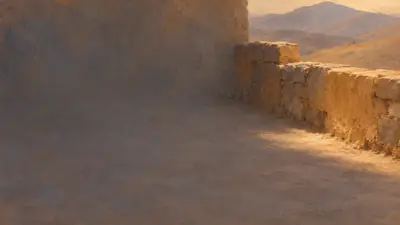
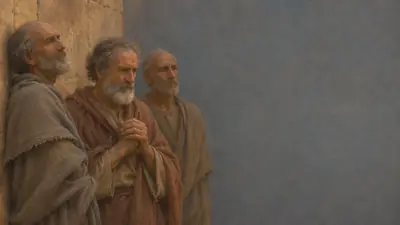
A voice in the damaged passage asks whether the starving people should bow to Kulaba. The elders lean against the wall, wringing their hands.
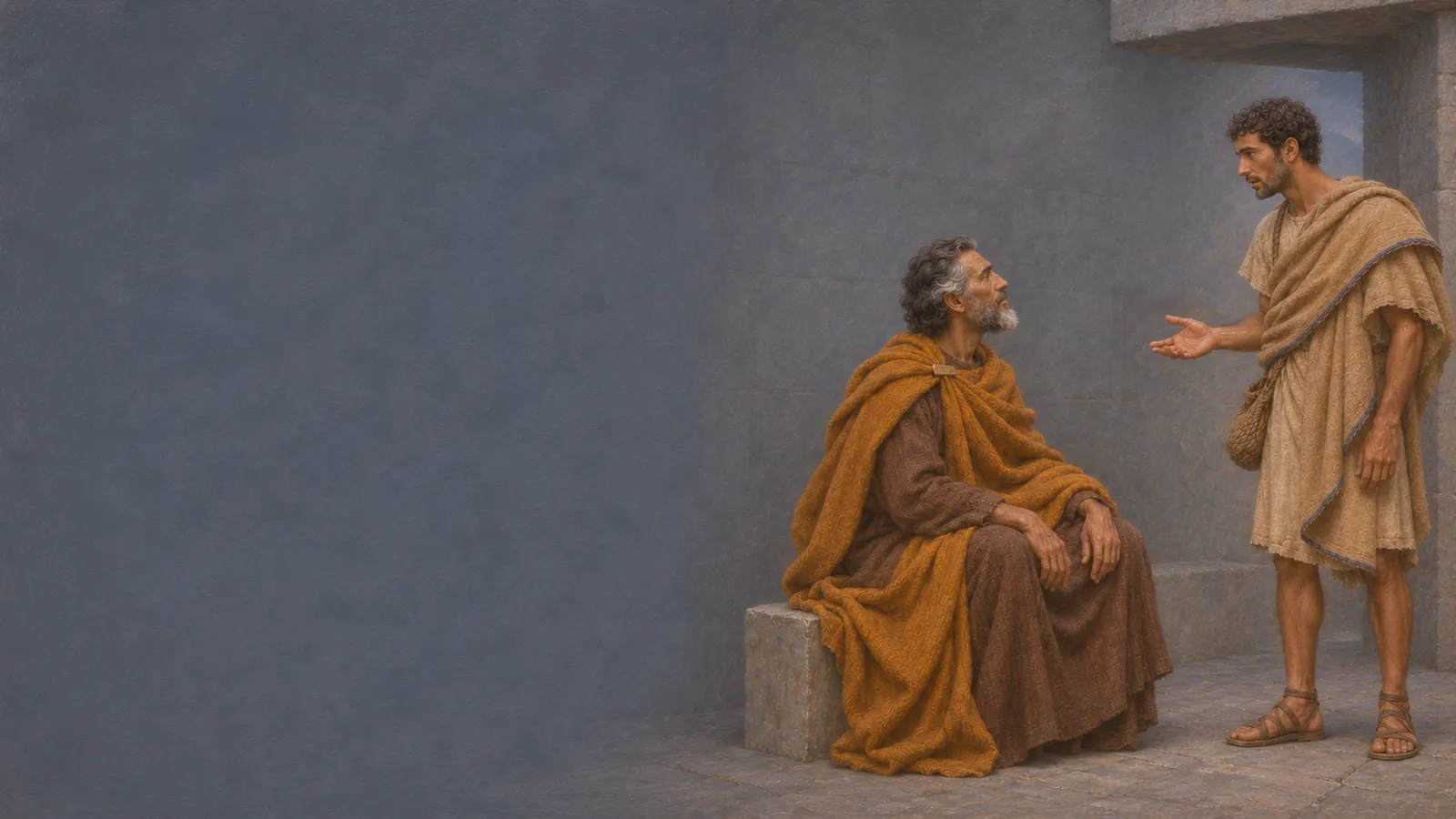
The messenger named Enmerkar, son of Utu, and repeated his words about the sceptre. The lord of Aratta was to bring back a splinter.
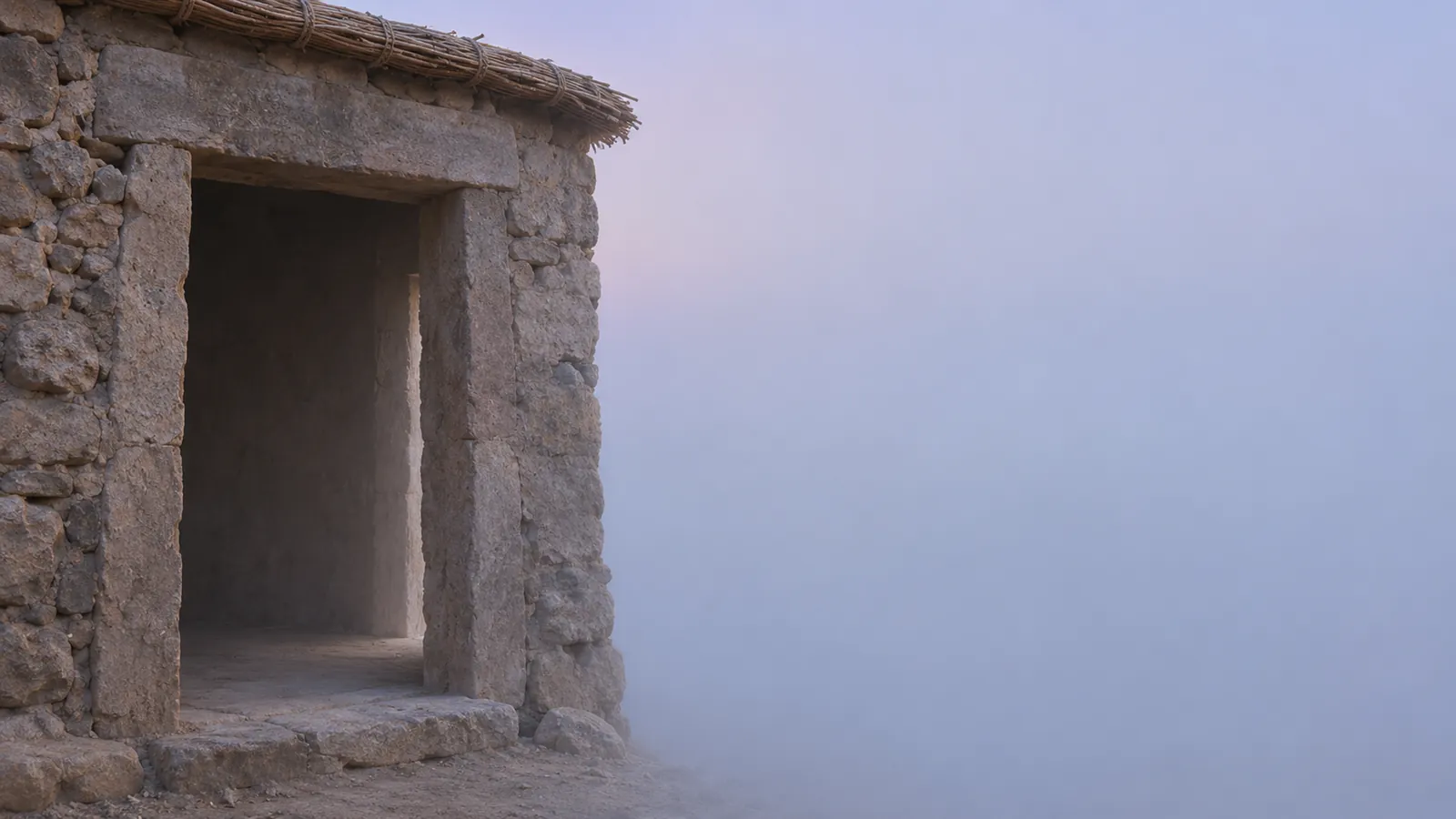
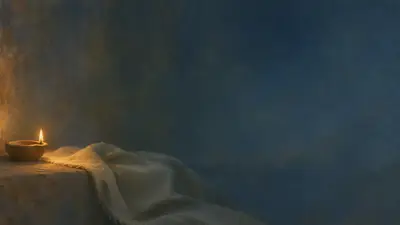
The broken account tells of someone going into the sanctuary and lying down to fast. Day broke before the words between them are heard again.
The lord sent Enmerkar a challenge in return. Bring a sceptre made without cedar, cypress, palm, or any of the other woods he named.
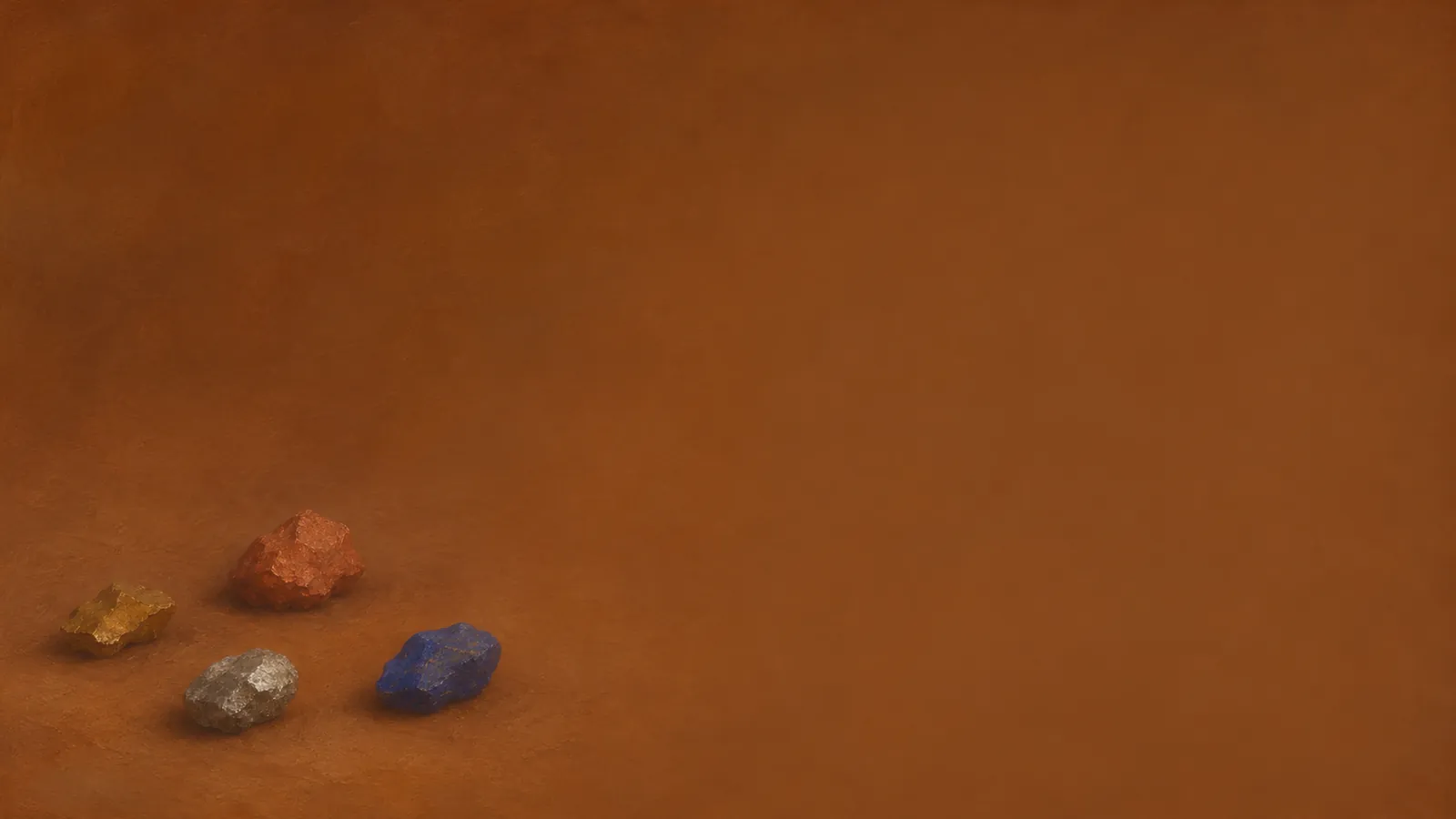
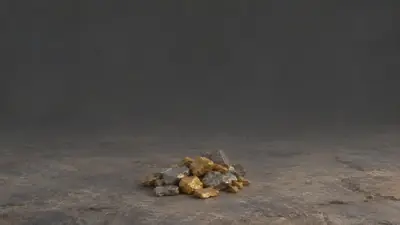
The lord ruled out gold, silver, copper and precious stones as well. From what was left, Enmerkar must send him a splinter.
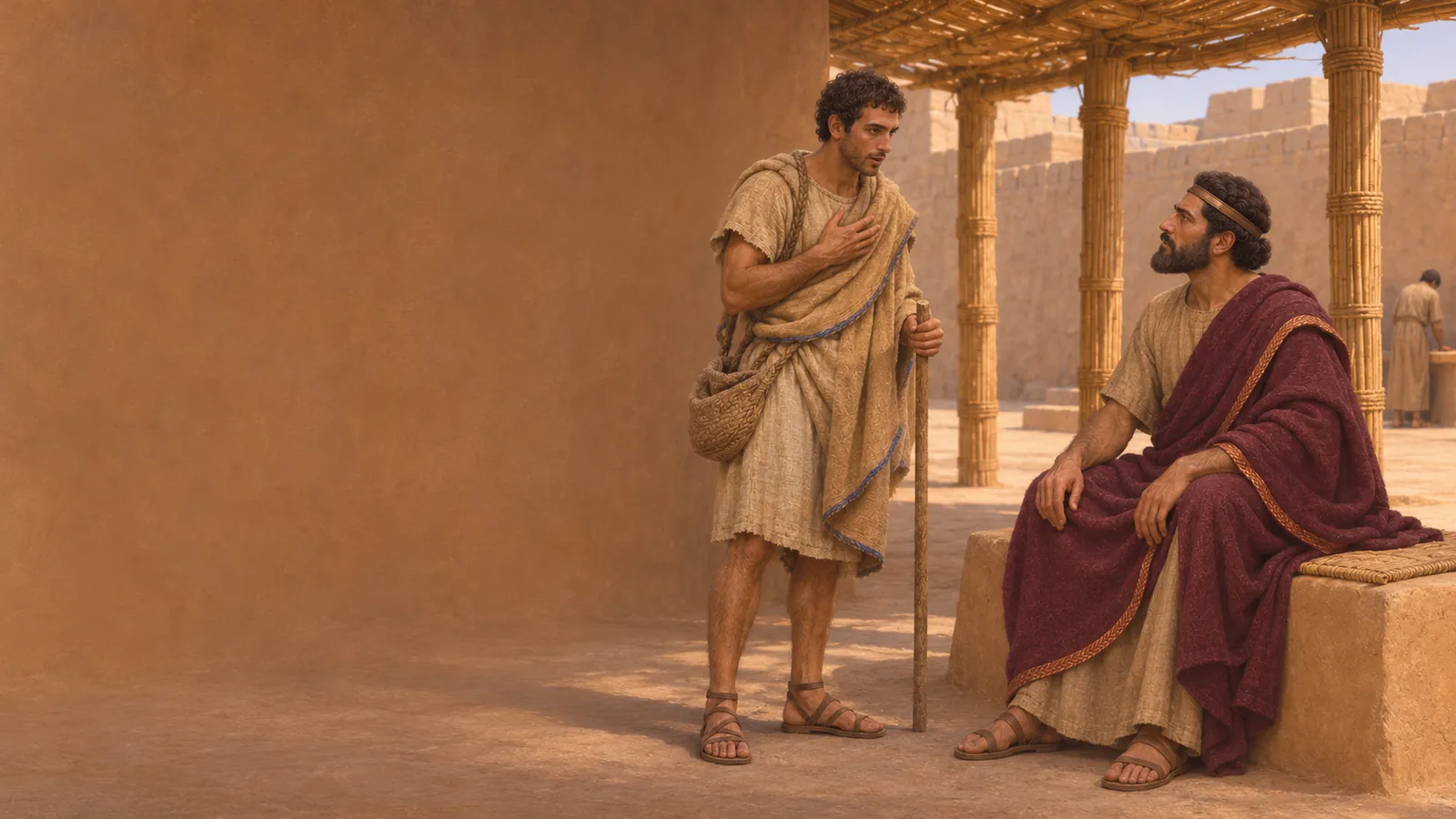
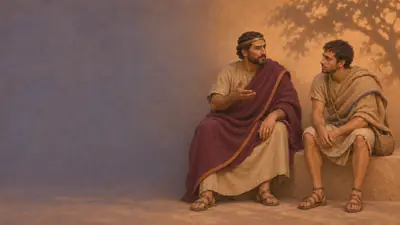
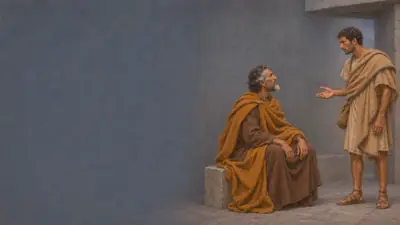
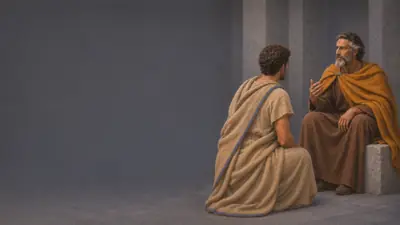
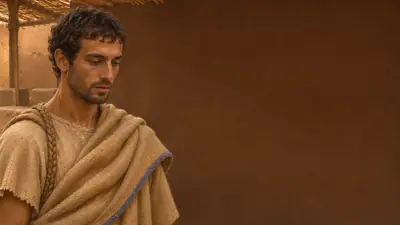
The messenger hurried back to Kulaba and repeated the challenge word for word. Enki gave Enmerkar wisdom, and the king instructed his steward.
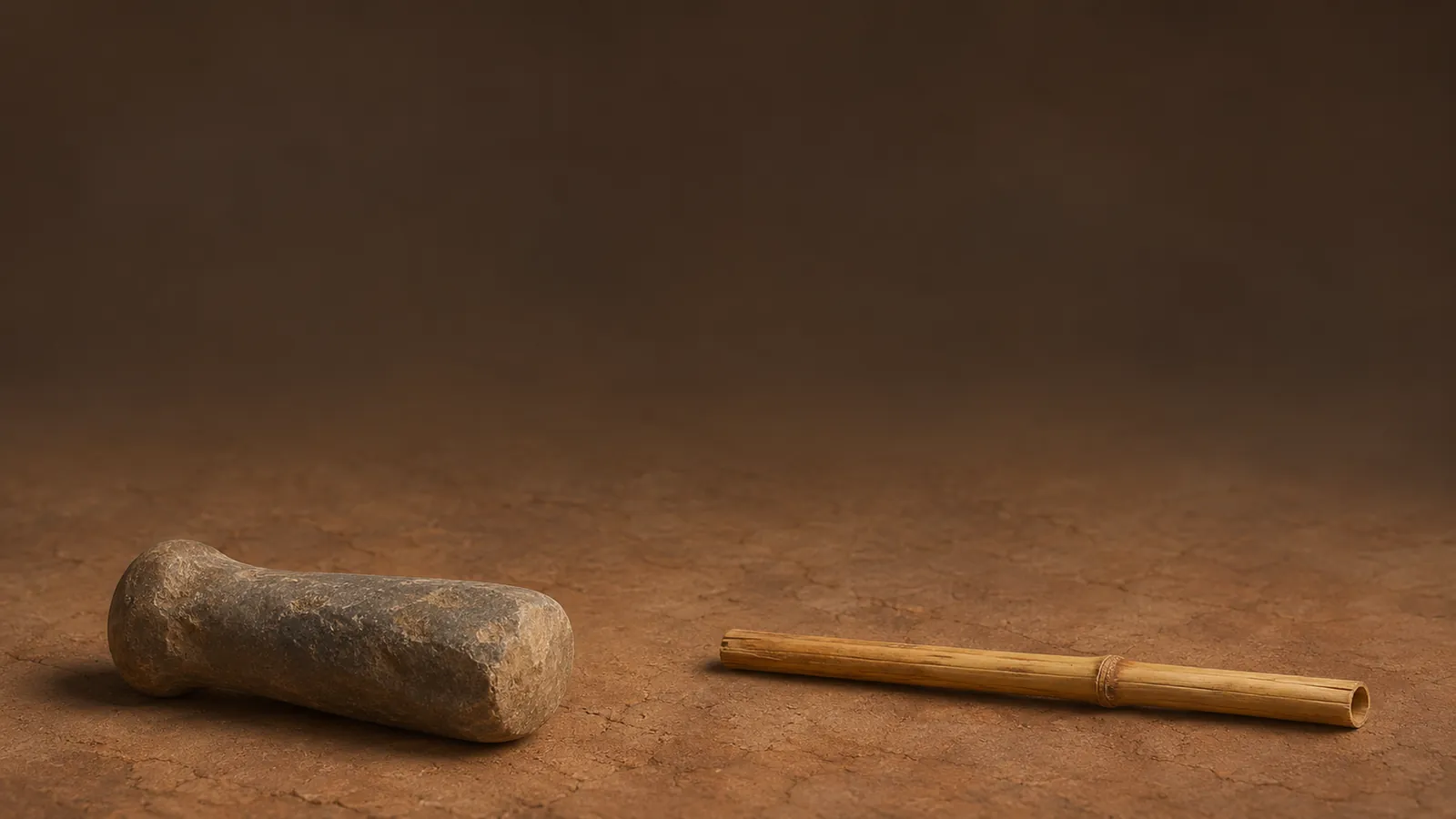
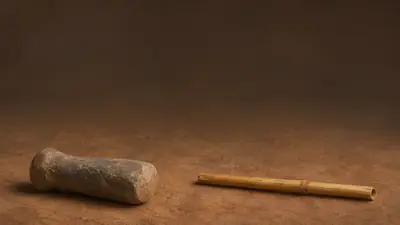
The account of his work survives in pieces. We can still make out a pestle, a reed, and something poured like oil.
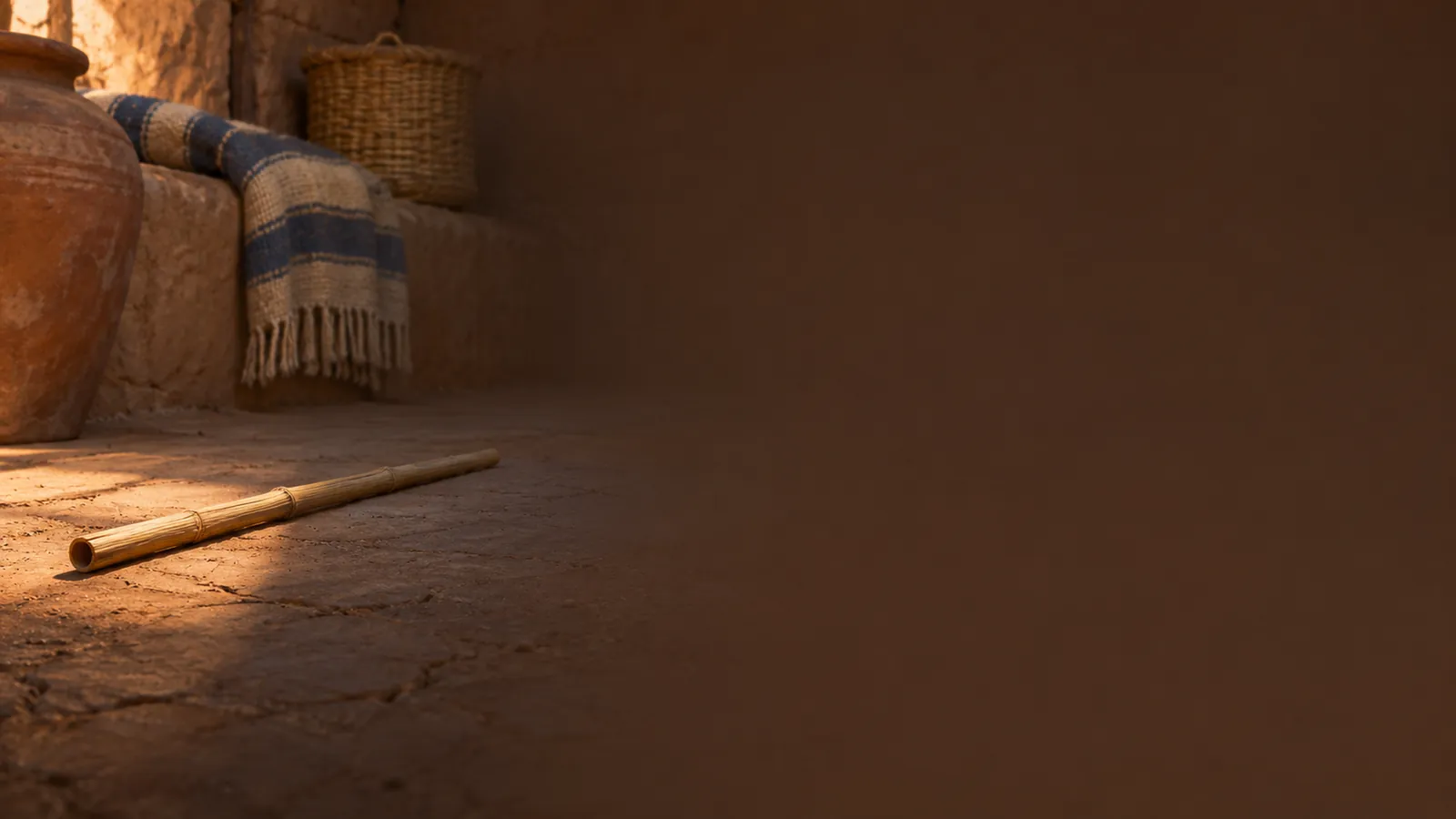
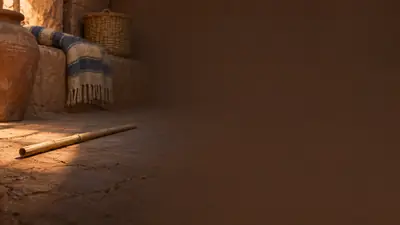
The reed passed from sunlight to shade and back. The poem counts five years, then ten, before telling how the reed was split.
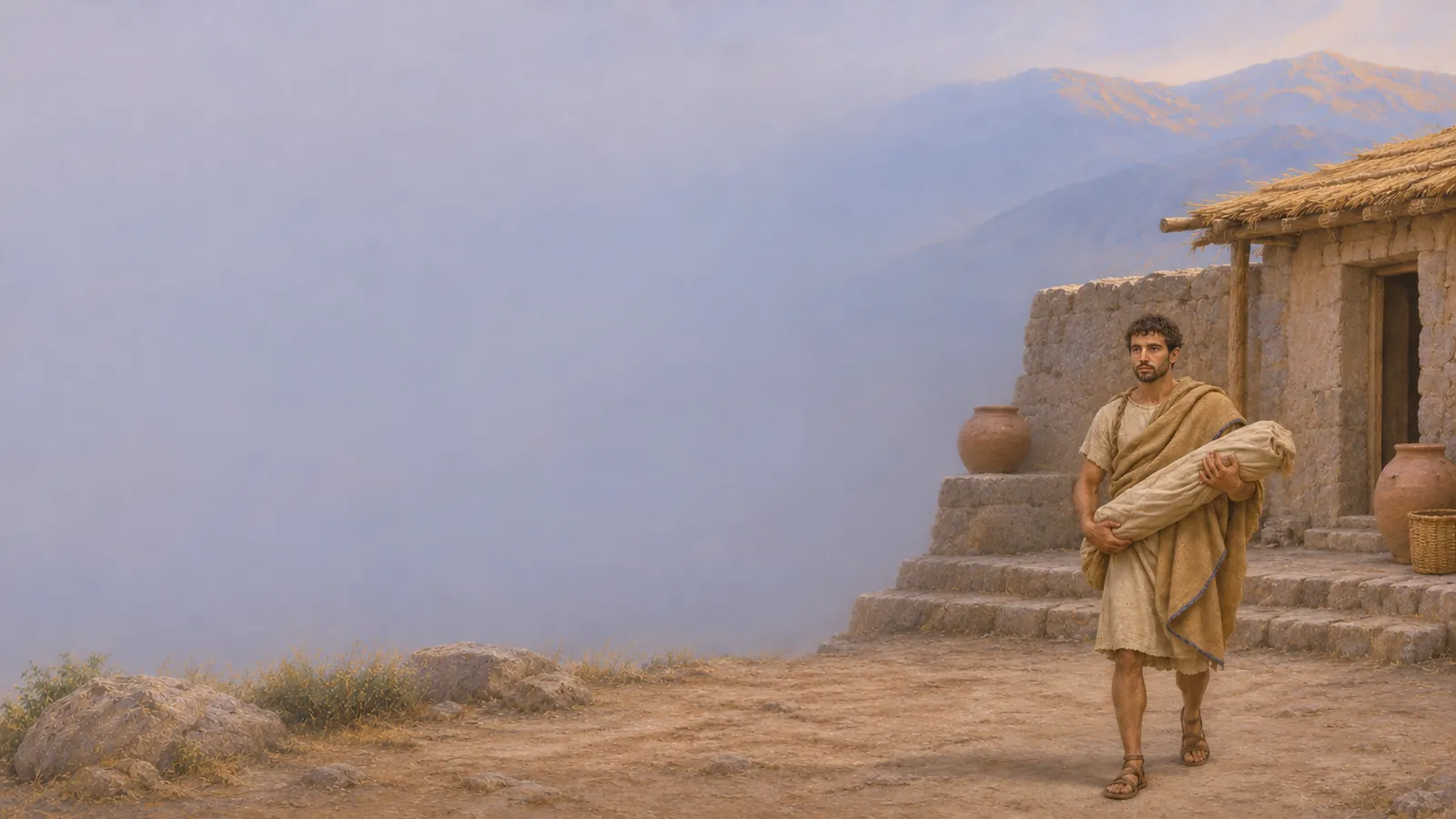
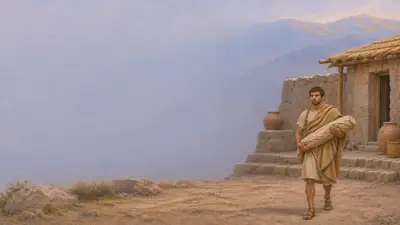
Enmerkar placed the sceptre in the messenger’s hands. The man sped through the mountains and came once more into the courtyard of Aratta.
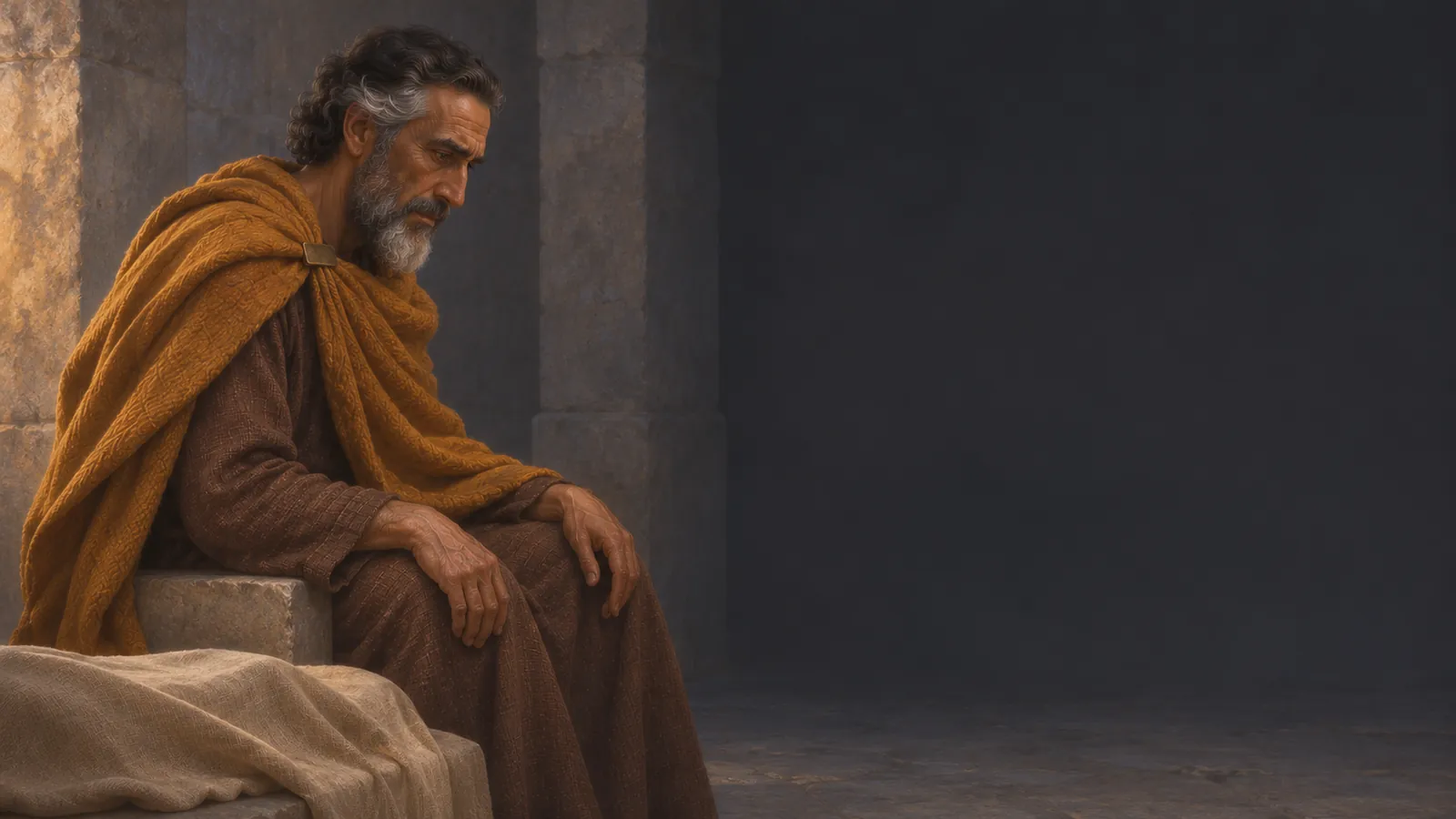
The lord looked at the sceptre in his sanctuary. He feared that Inanna now favored Kulaba, and spoke again of famine and submission.
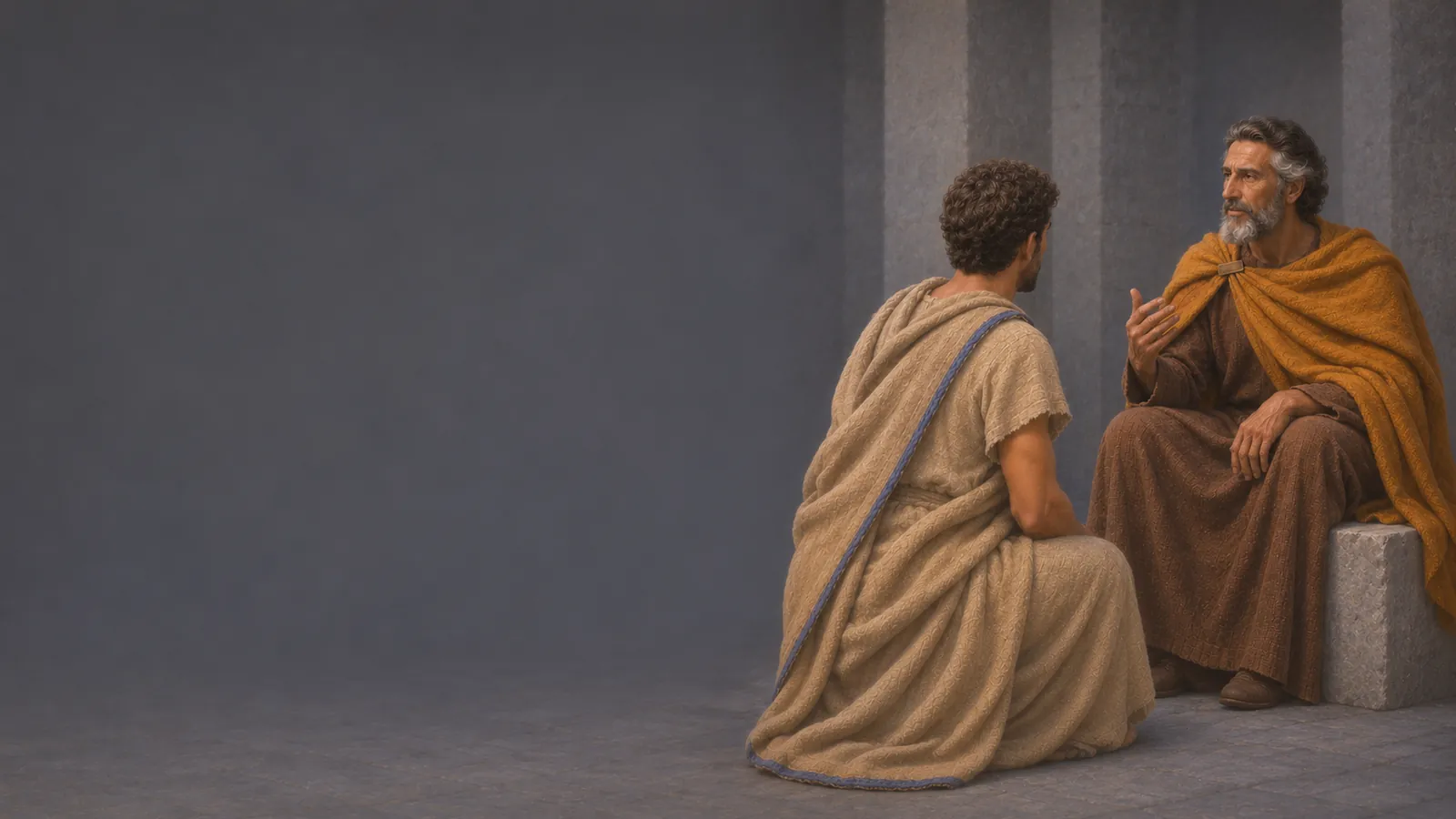
The lord of Aratta demanded a champion. He named color after color to rule each one out, then called for the two champions to compete.
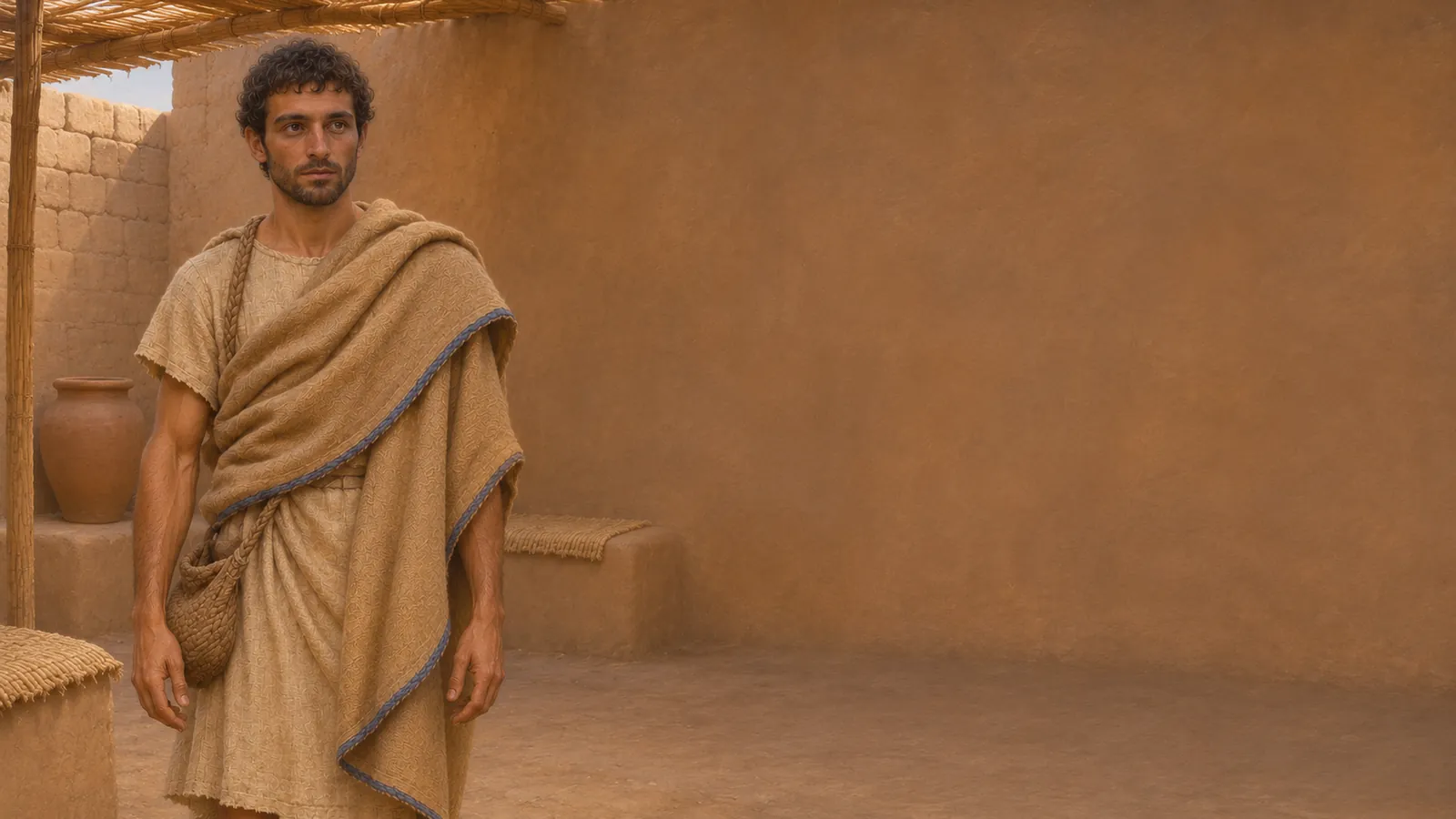
The messenger set out and reached brick-built Kulaba. The lines break around his return, but we hear a voice rising like a torrent.

Enmerkar said that he would send a garment outside that list of colors. He accepted the contest and claimed Enlil’s favor for his champion.
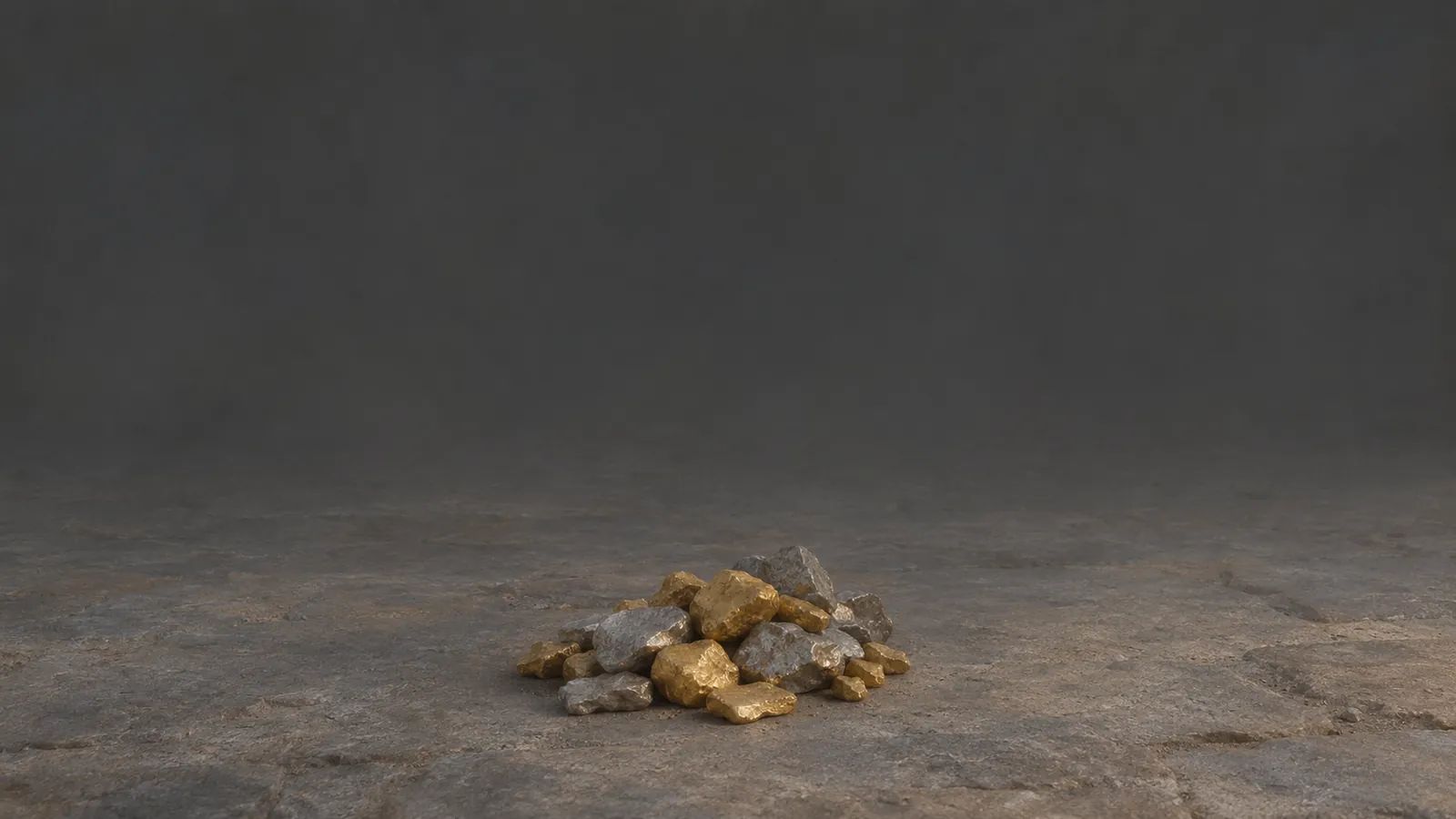
Enmerkar added another demand for the messenger to carry. Let them pile up their gold and silver in Aratta’s courtyard for Inanna.
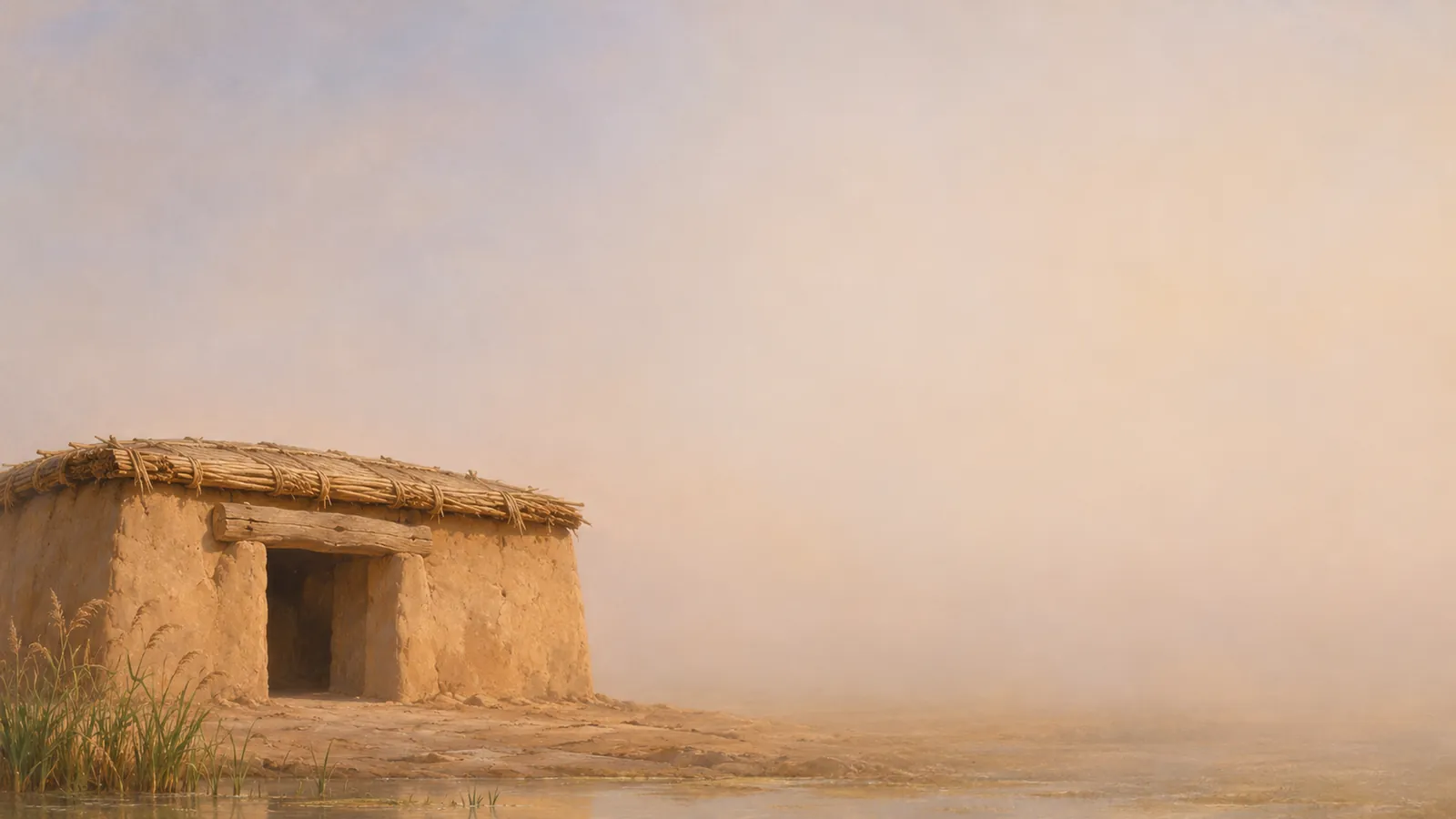
He demanded mountain stone to rebuild the great shrine at Eridu. The threat and some of the following words have come down to us in pieces.
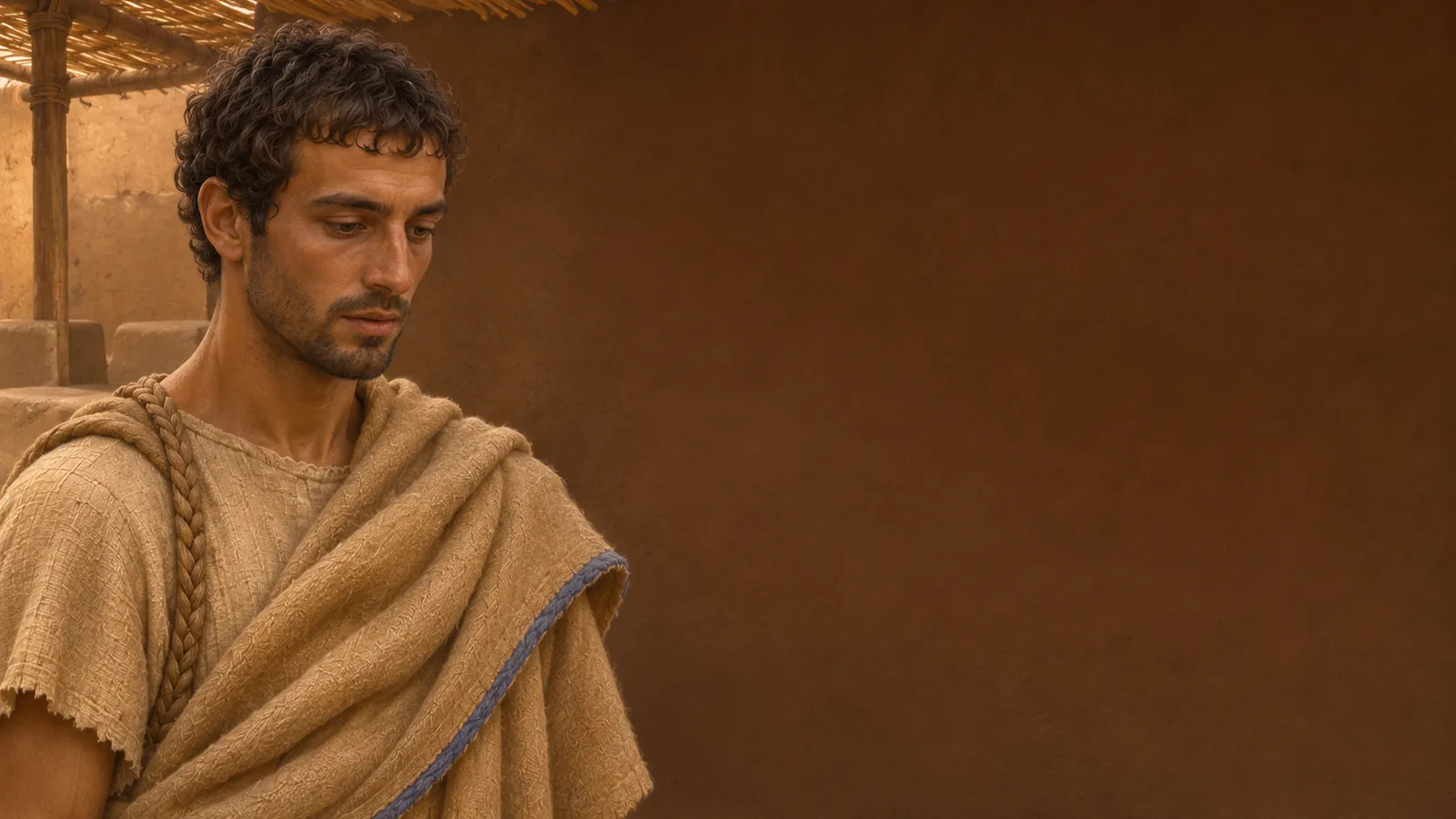
The king’s words came one after another. The message had grown so long that the weary messenger could no longer repeat it.
CLAY
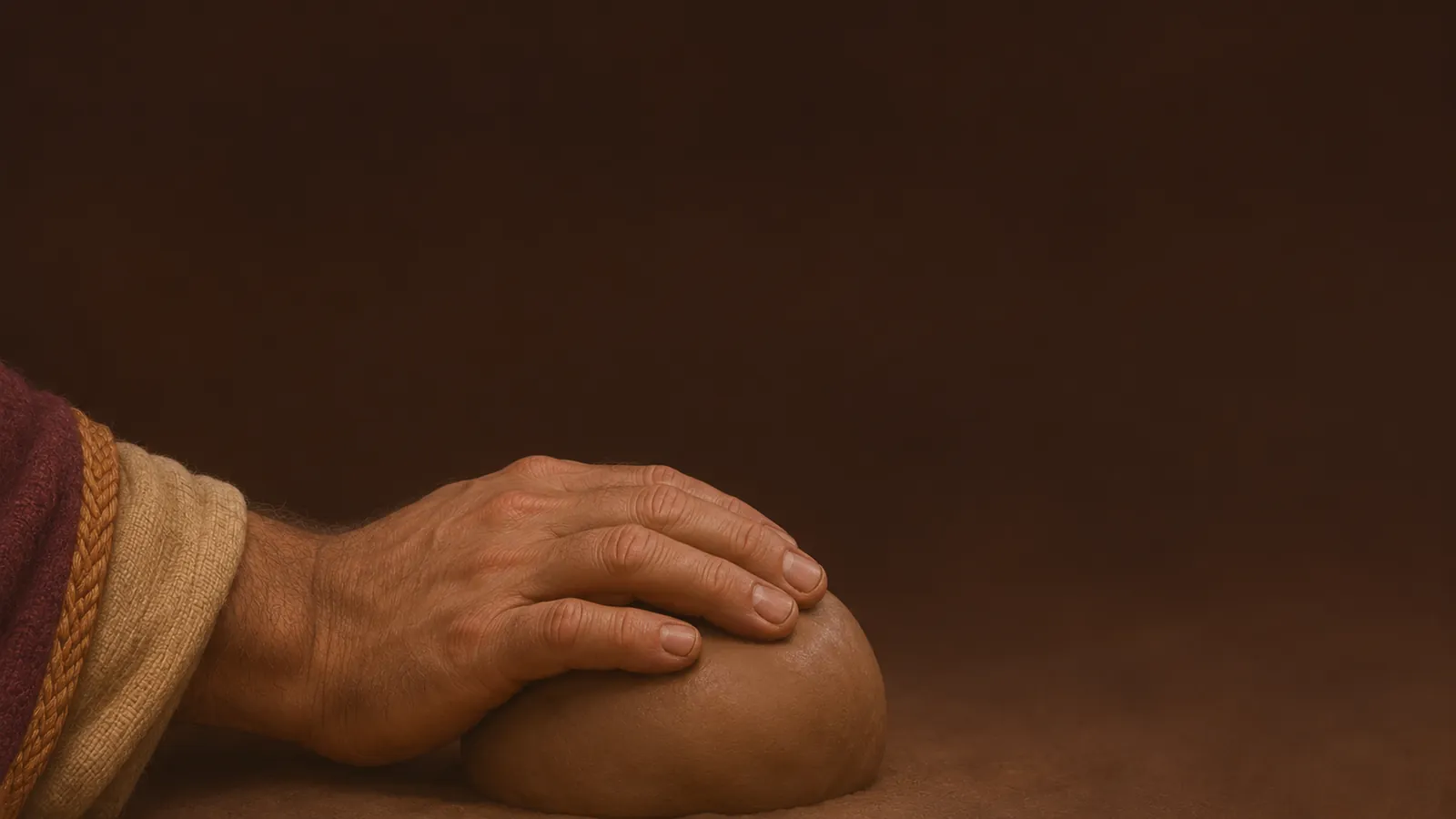
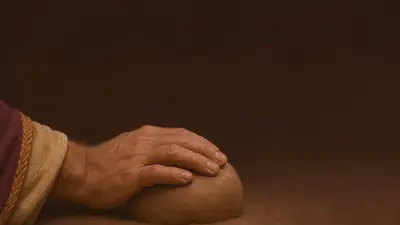
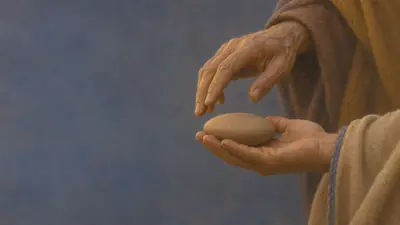
Enmerkar pressed a piece of clay and set the message into it. In the poem, from that day a message could travel on clay.
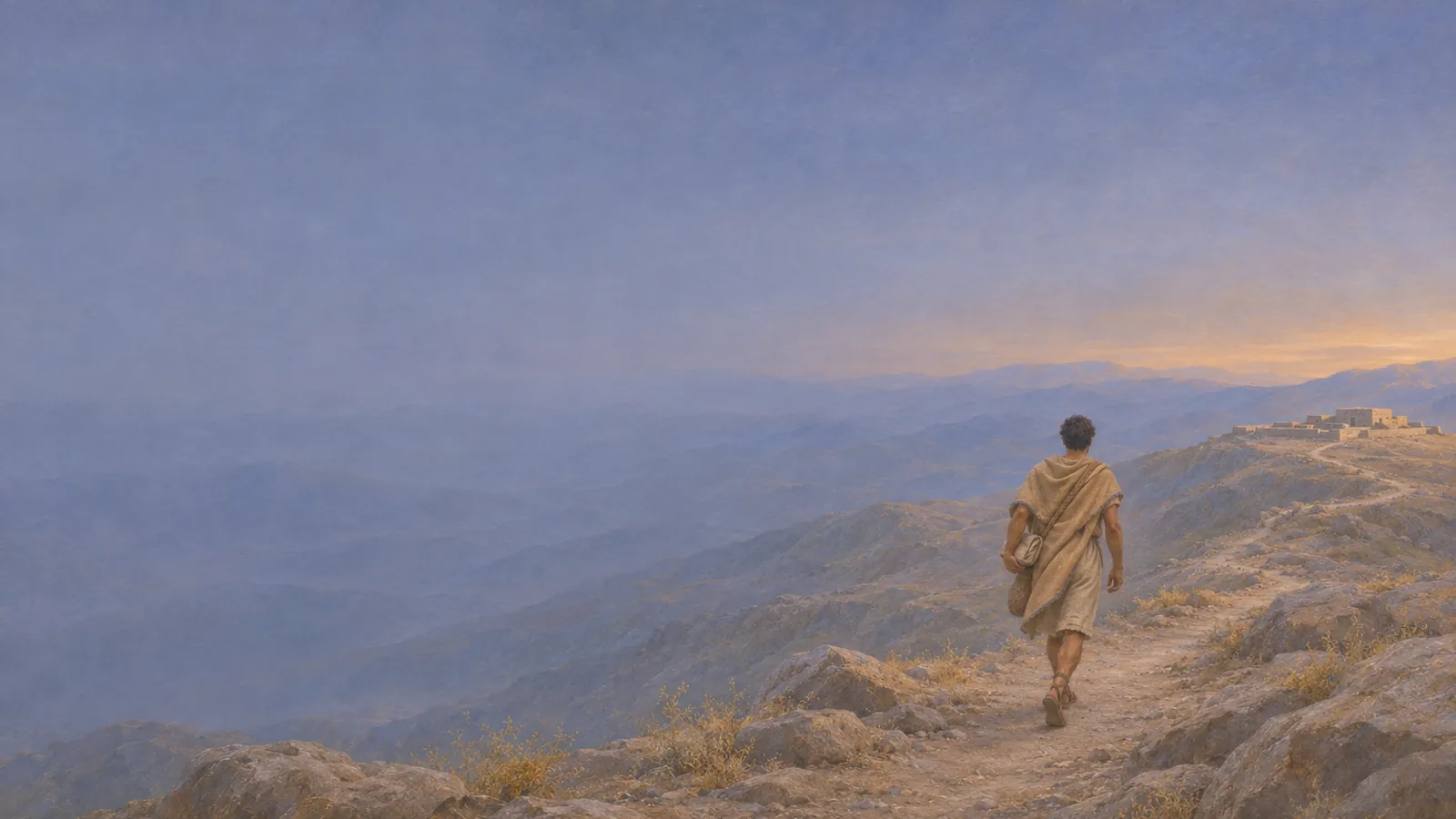
Over five mountains, then six, then seven, the messenger went again. He looked up at Aratta and stepped gladly into its courtyard.
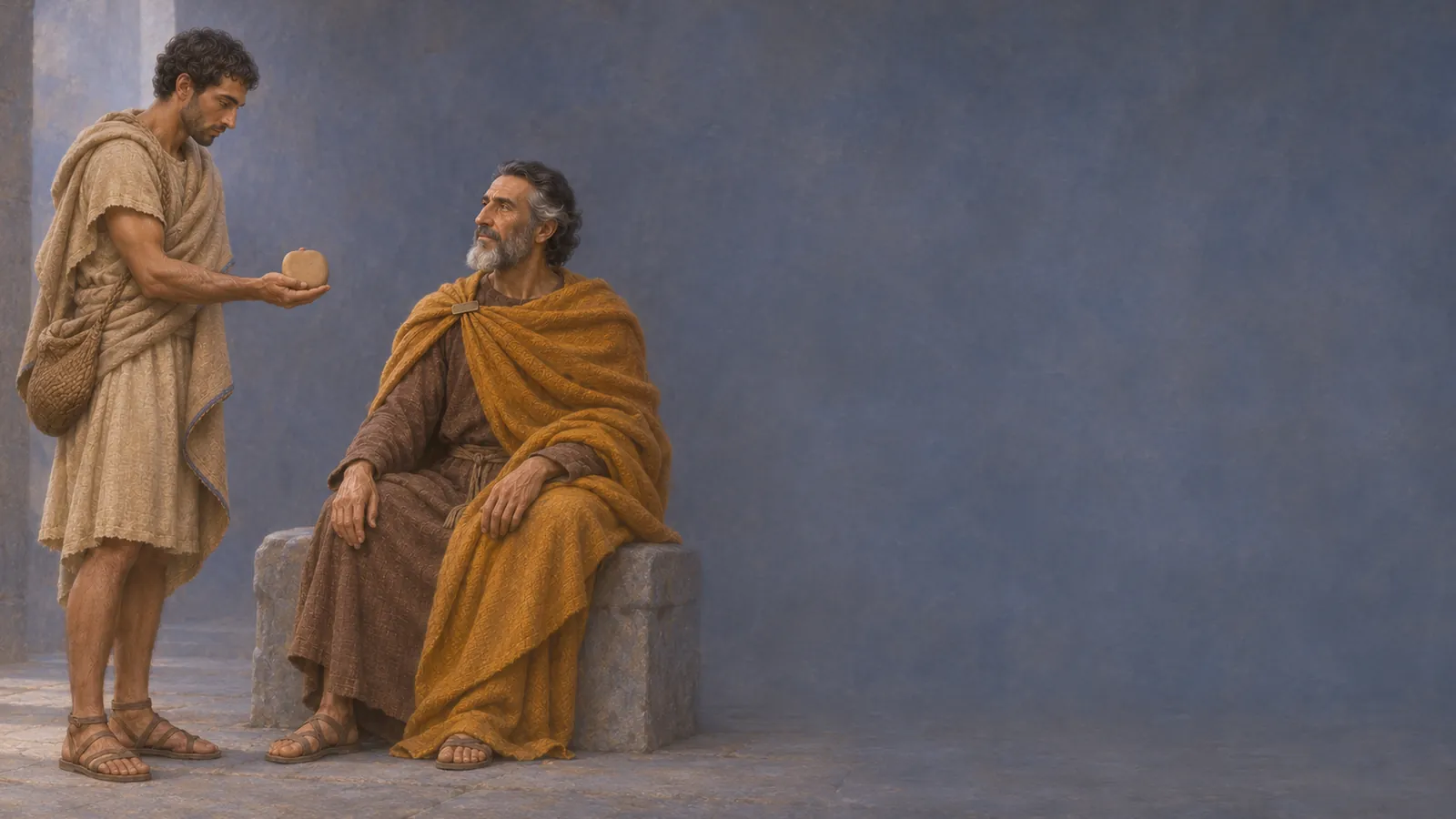
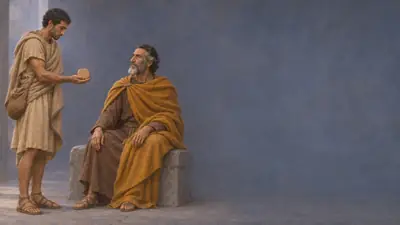
The lord asked again what his visitor’s master had said. This time, the messenger told him that Enmerkar had given him a clay tablet.
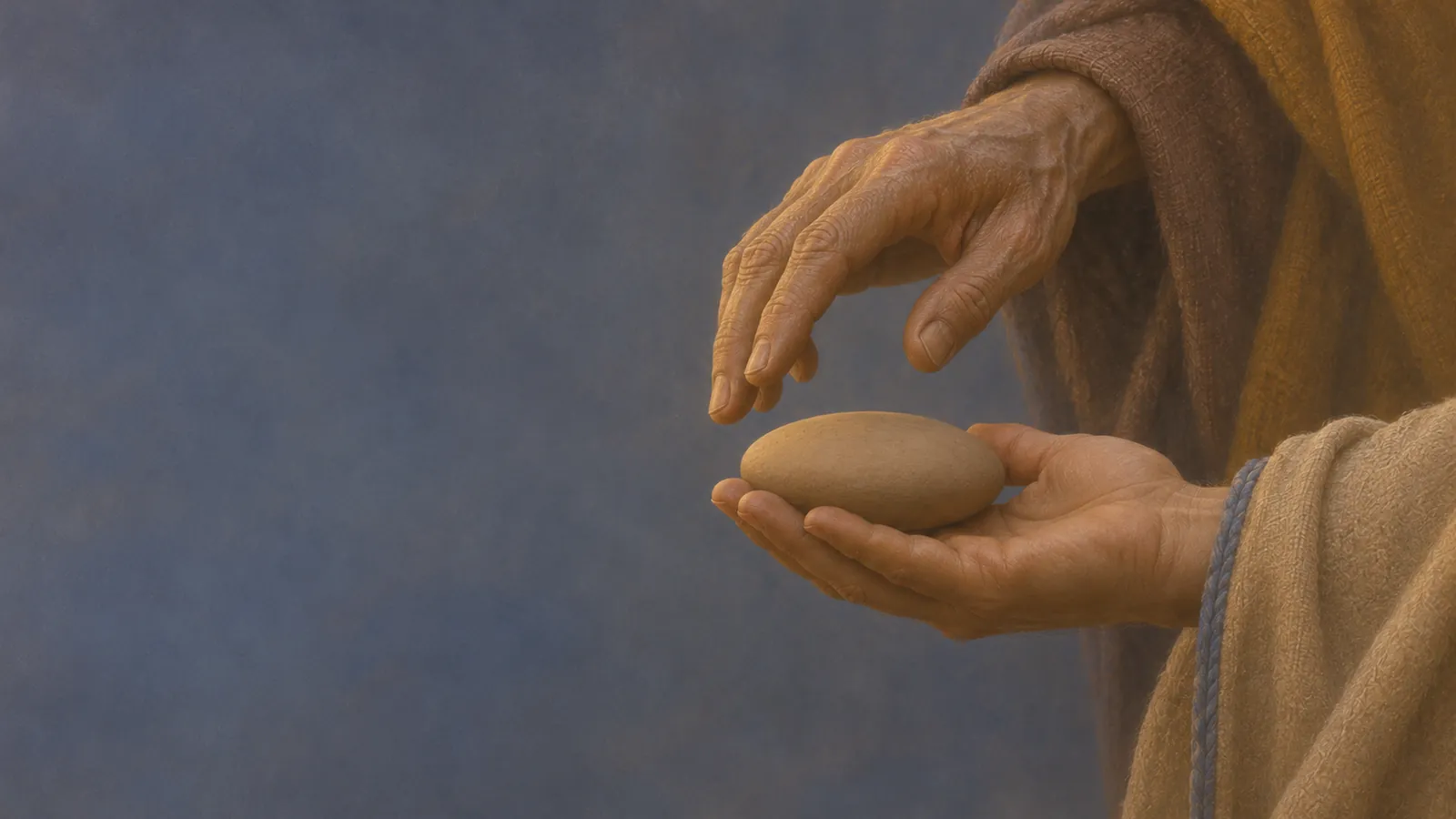
The messenger asked the lord to examine the clay and learn what it said. Then he would carry the answer back to E-ana.
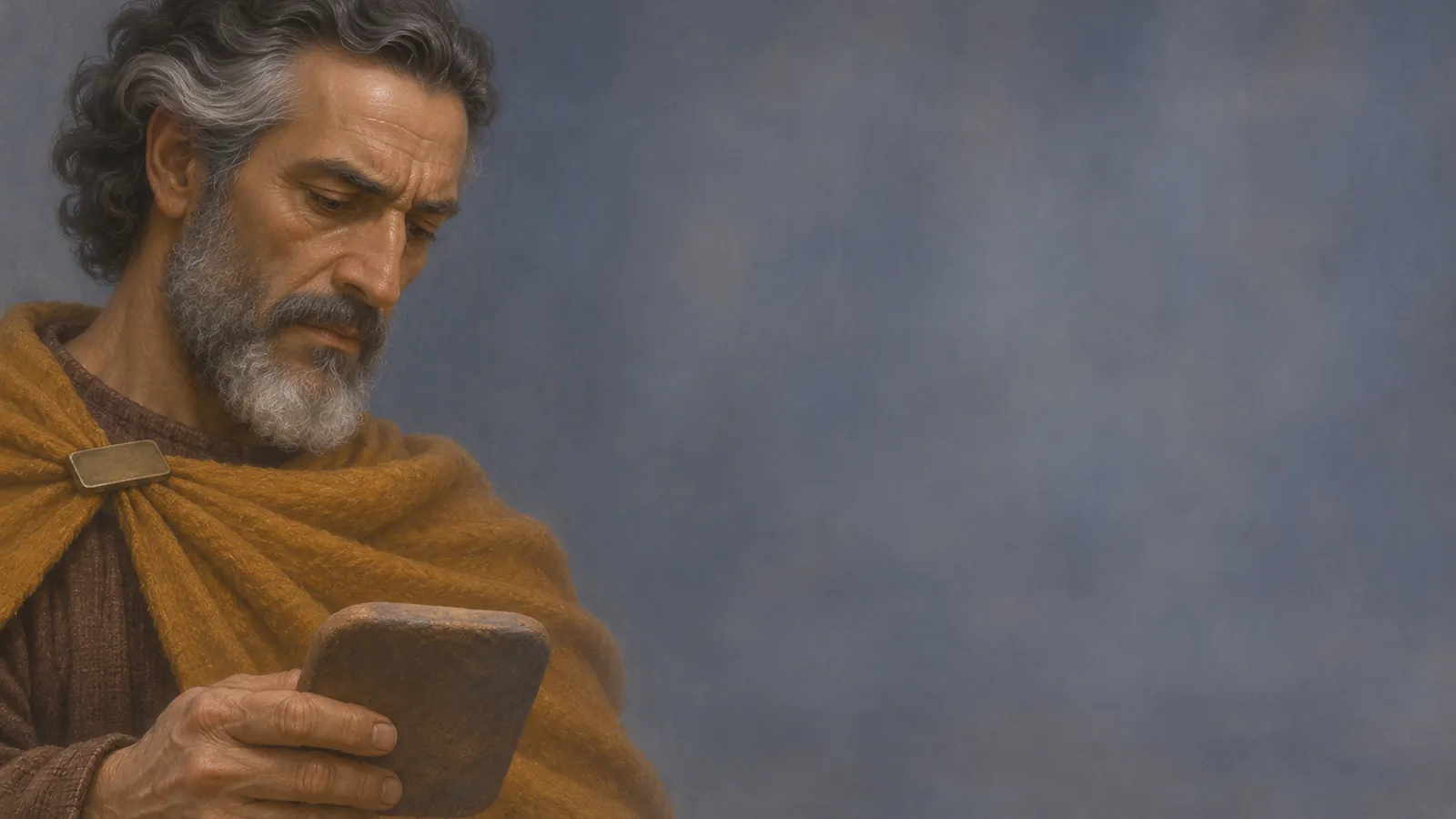
The lord of Aratta took the fired clay tablet and looked at it. The poem likens the message to nails, and he grew angry.
STORM
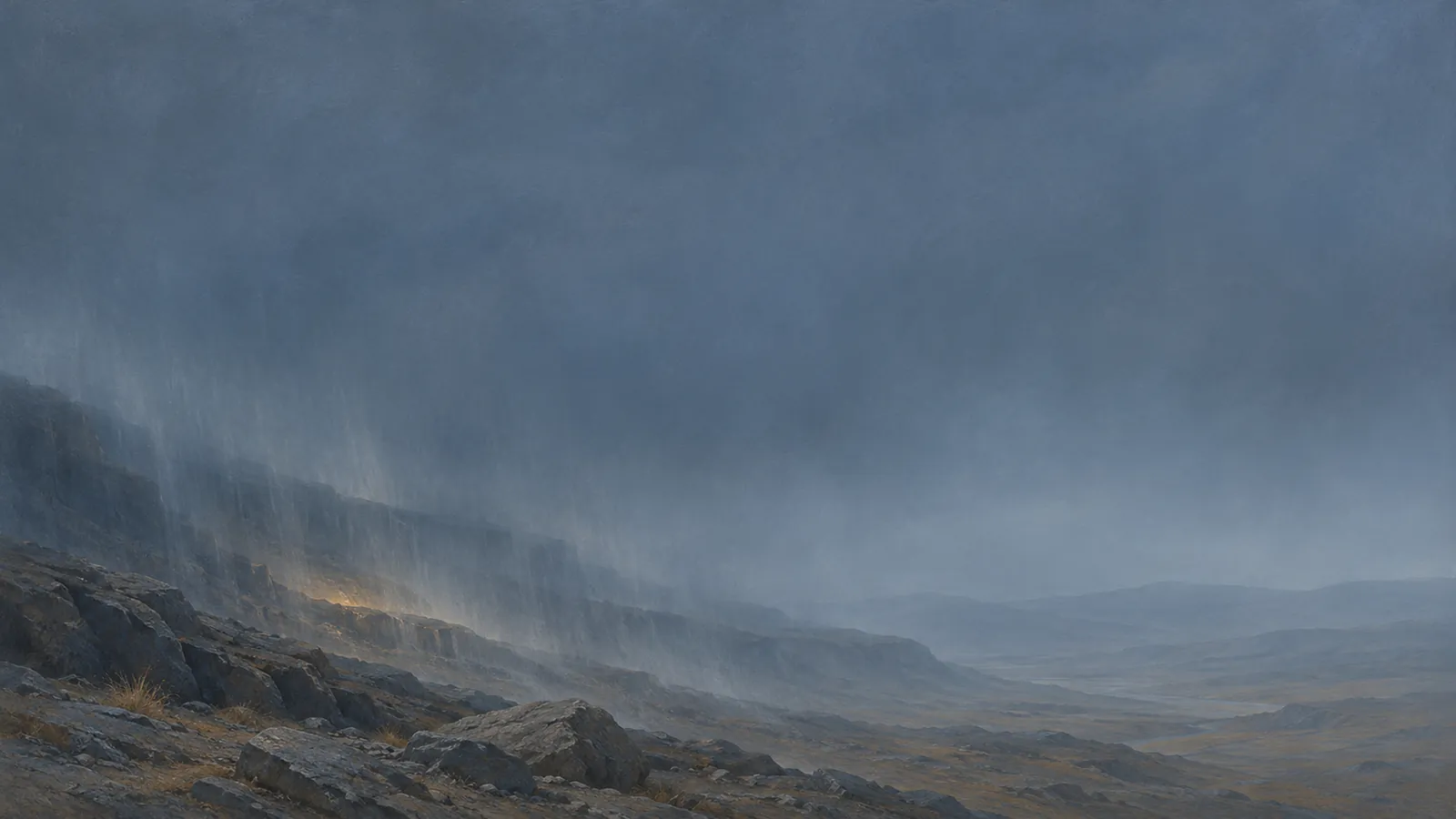
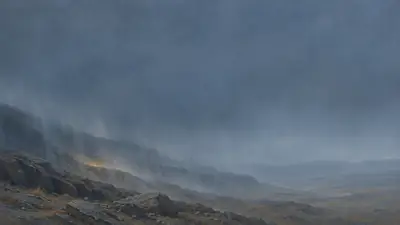
Then Ishkur brought a storm. Thunder rolled across heaven and earth, and the mountains shook. Even in broken lines, the storm is fierce.
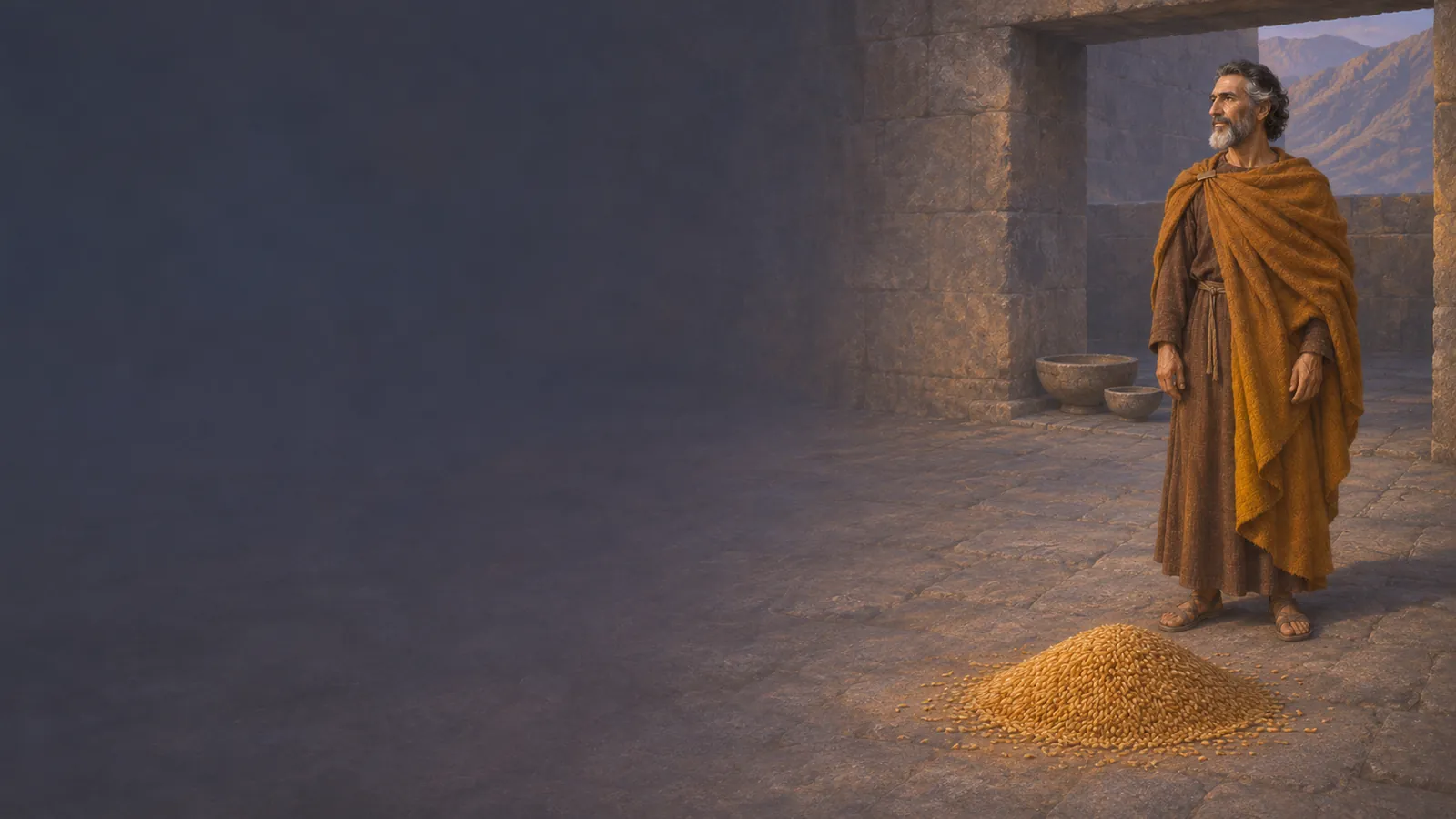
On Aratta’s dry slopes, wheat and chickpeas grew of their own accord. They brought the wheat to the lord and piled it in his courtyard.
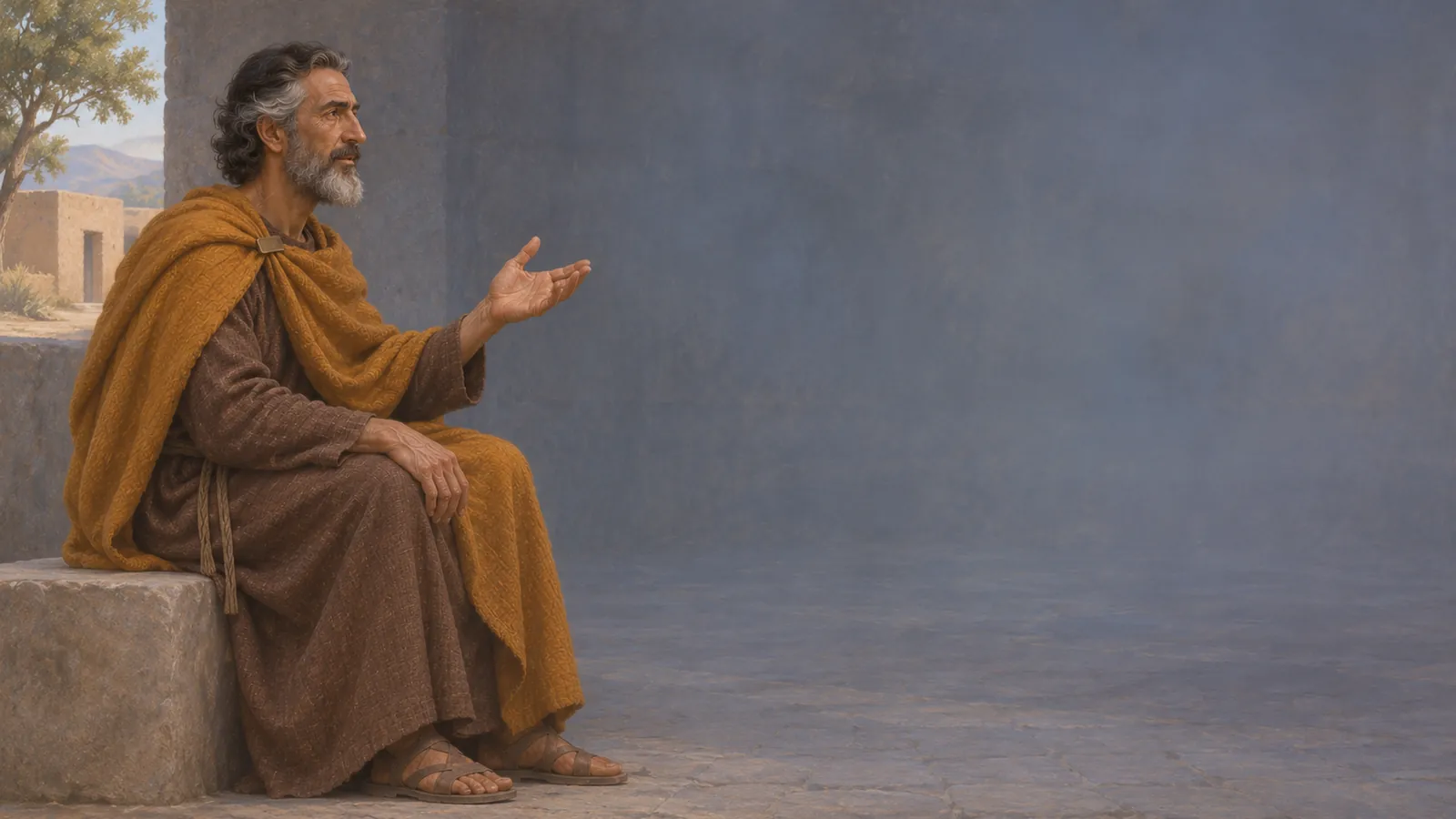
The lord now said that Inanna had kept faith with Aratta. She had stayed with her shrine of E-zagina, he said, and his city still held the place of honor.
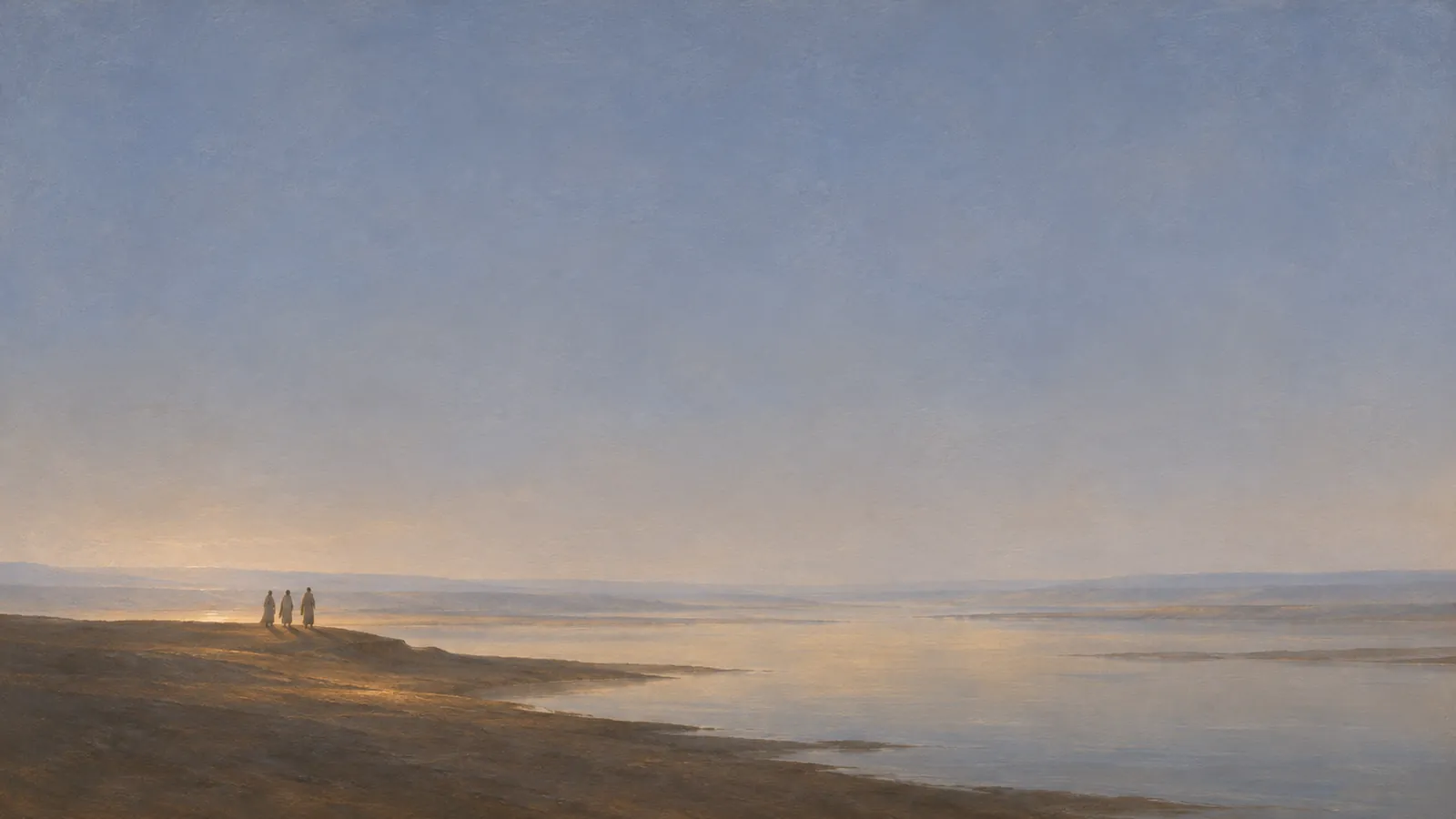
The lord recalled the people who had faced a flood. For the love of Dumuzid, he said, Inanna had sprinkled them with the water of life.
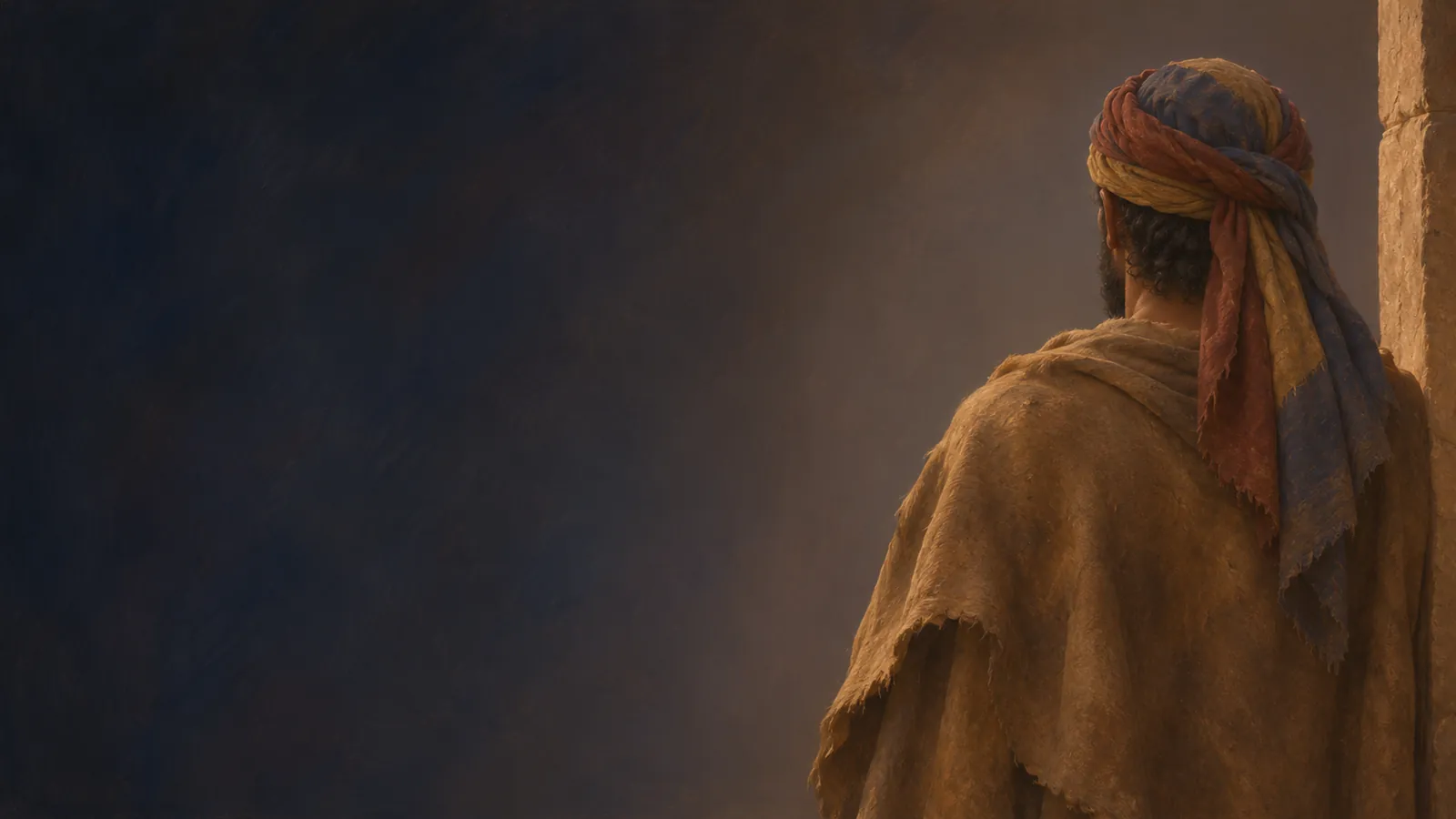
The champion came in a many-colored turban and a garment of lion skin. Four unclear lines follow, and the contest’s outcome escapes us.
The damaged lines name Inanna and speak of a song. They tell us that she sang for Dumuzid and that the song pleased him.
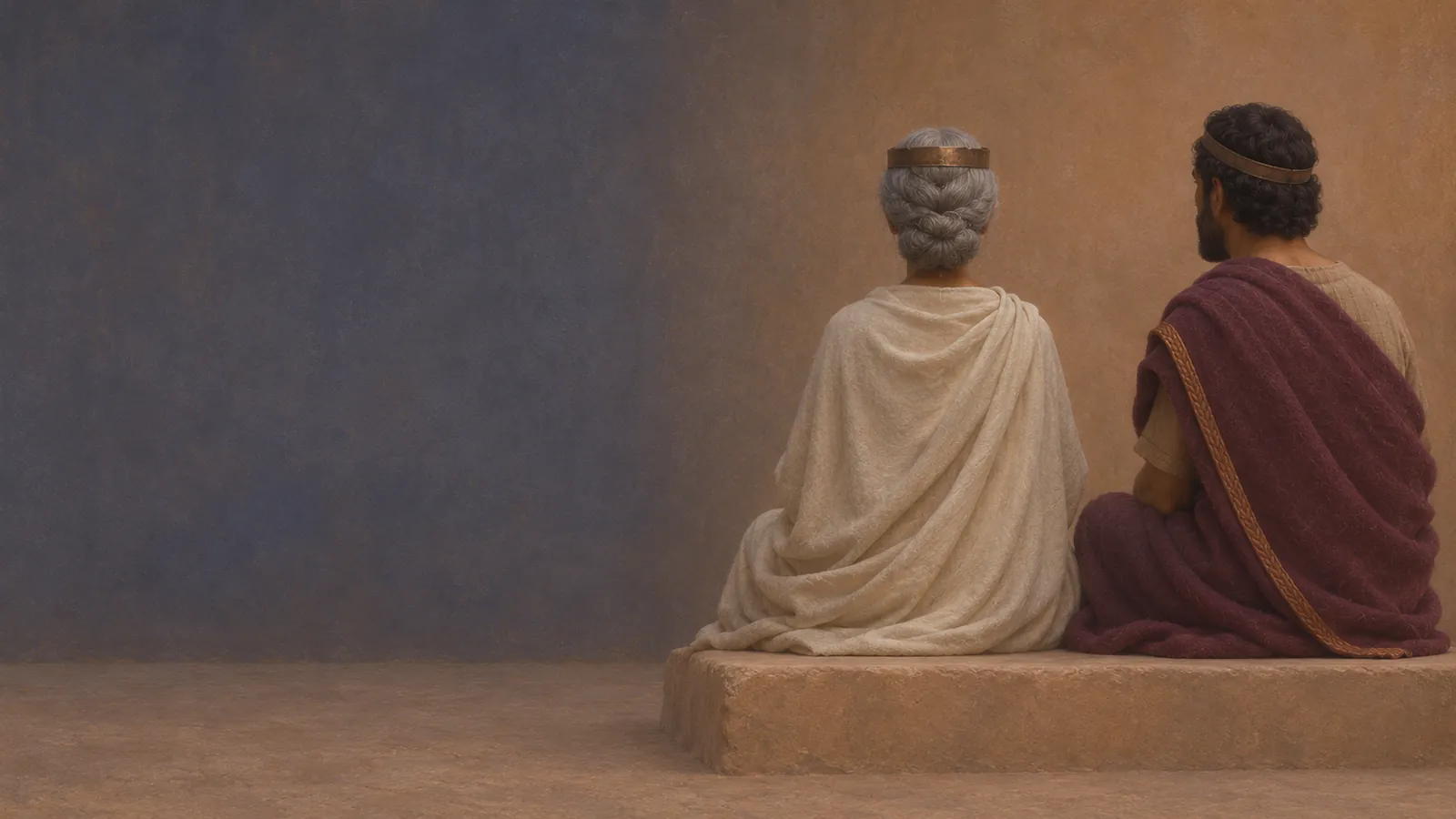
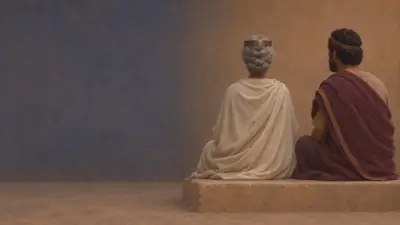
An older woman comes in white, with a crown like moonlight. She seats Enmerkar beside her on the dais. The poem leaves her unnamed here.
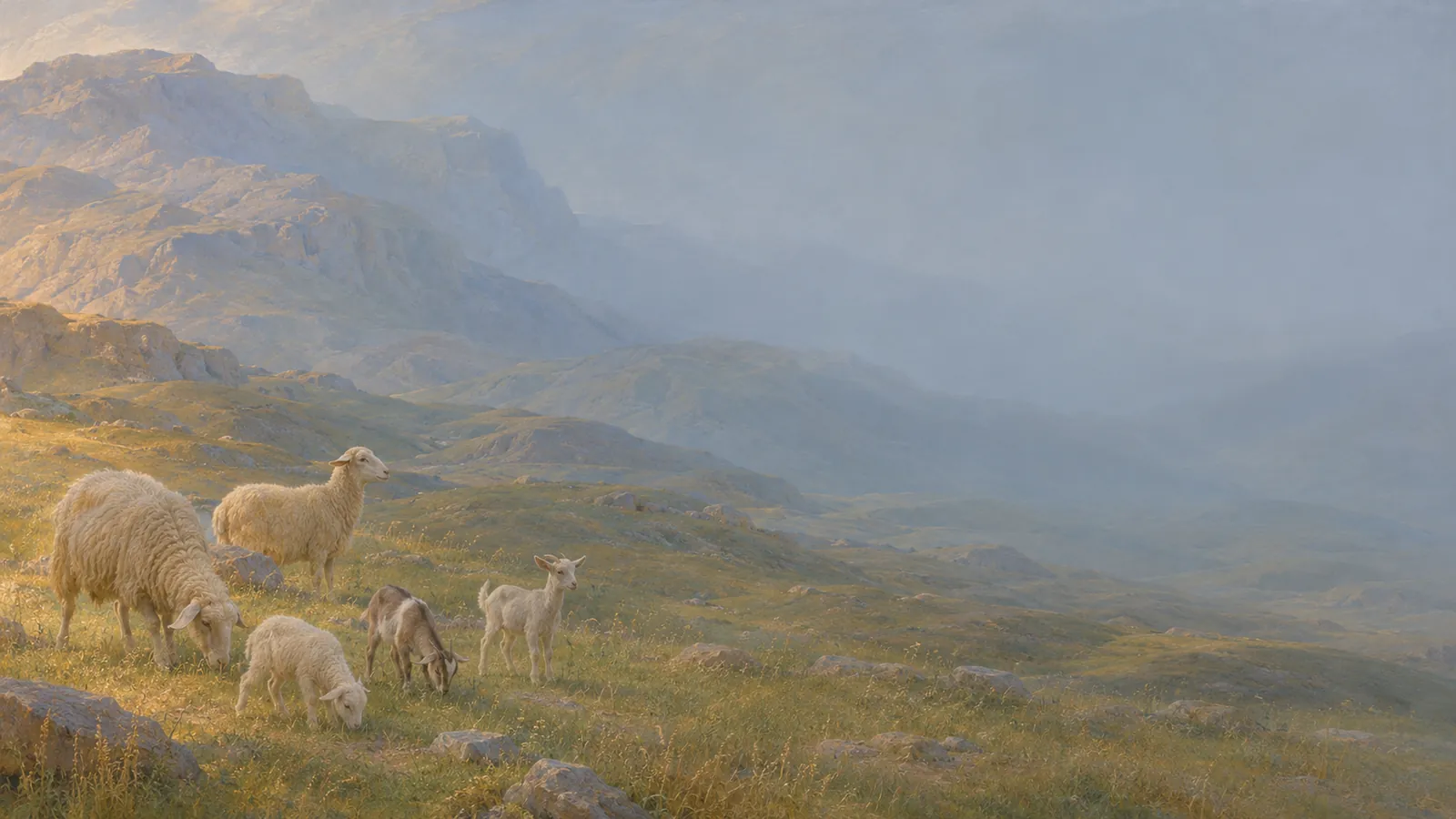
The poem speaks again of abundance in Aratta. Lambs, kids, calves and swift dark foals grow in number, and the people call for heaps of grain.
The lord of Aratta is mentioned again, but the actions around him are broken. Then three lines are missing from the surviving text.
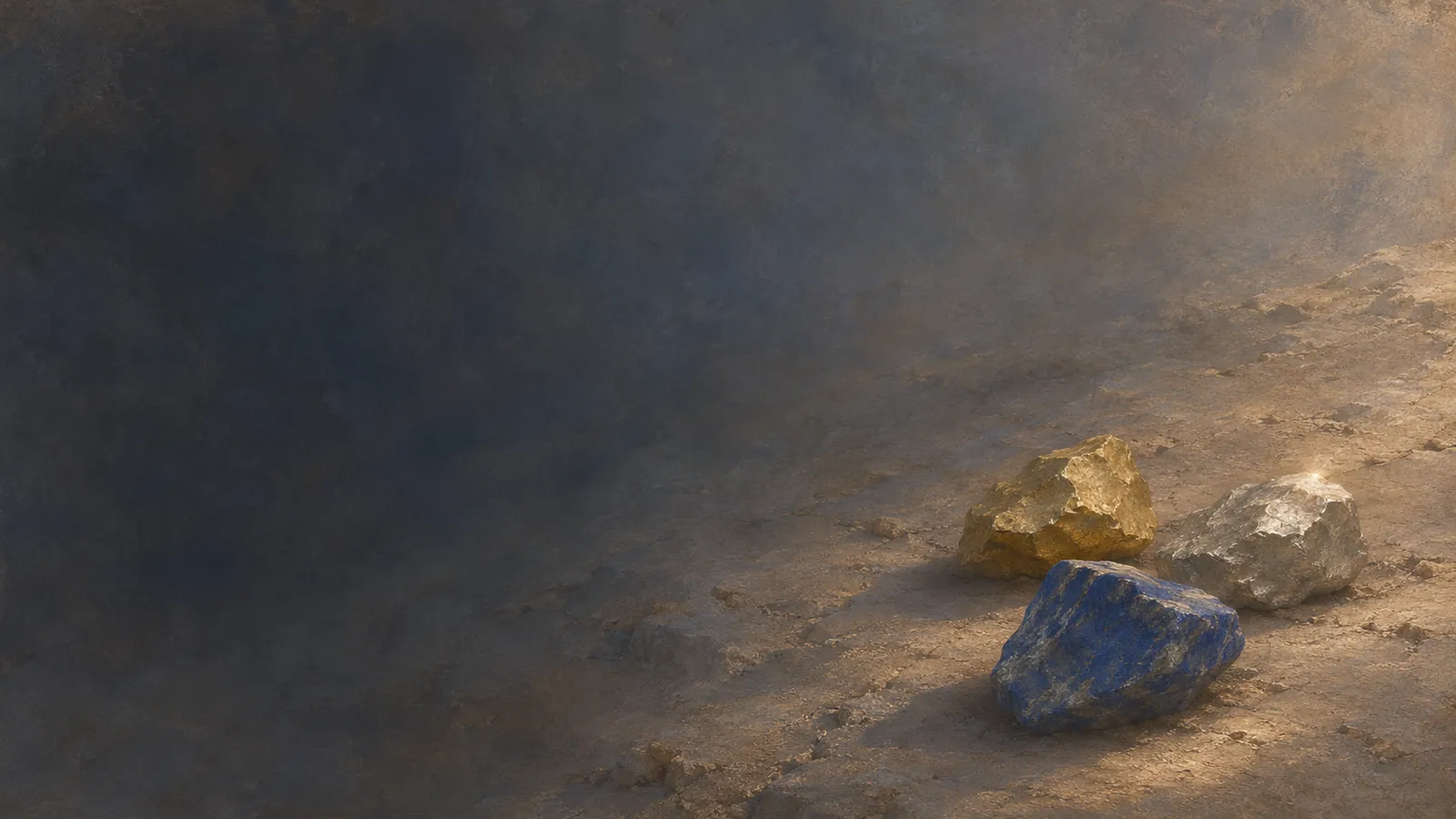
A voice speaks in the fragments, though we cannot name the speaker. Enlil is mentioned, along with work in gold, silver and lapis.
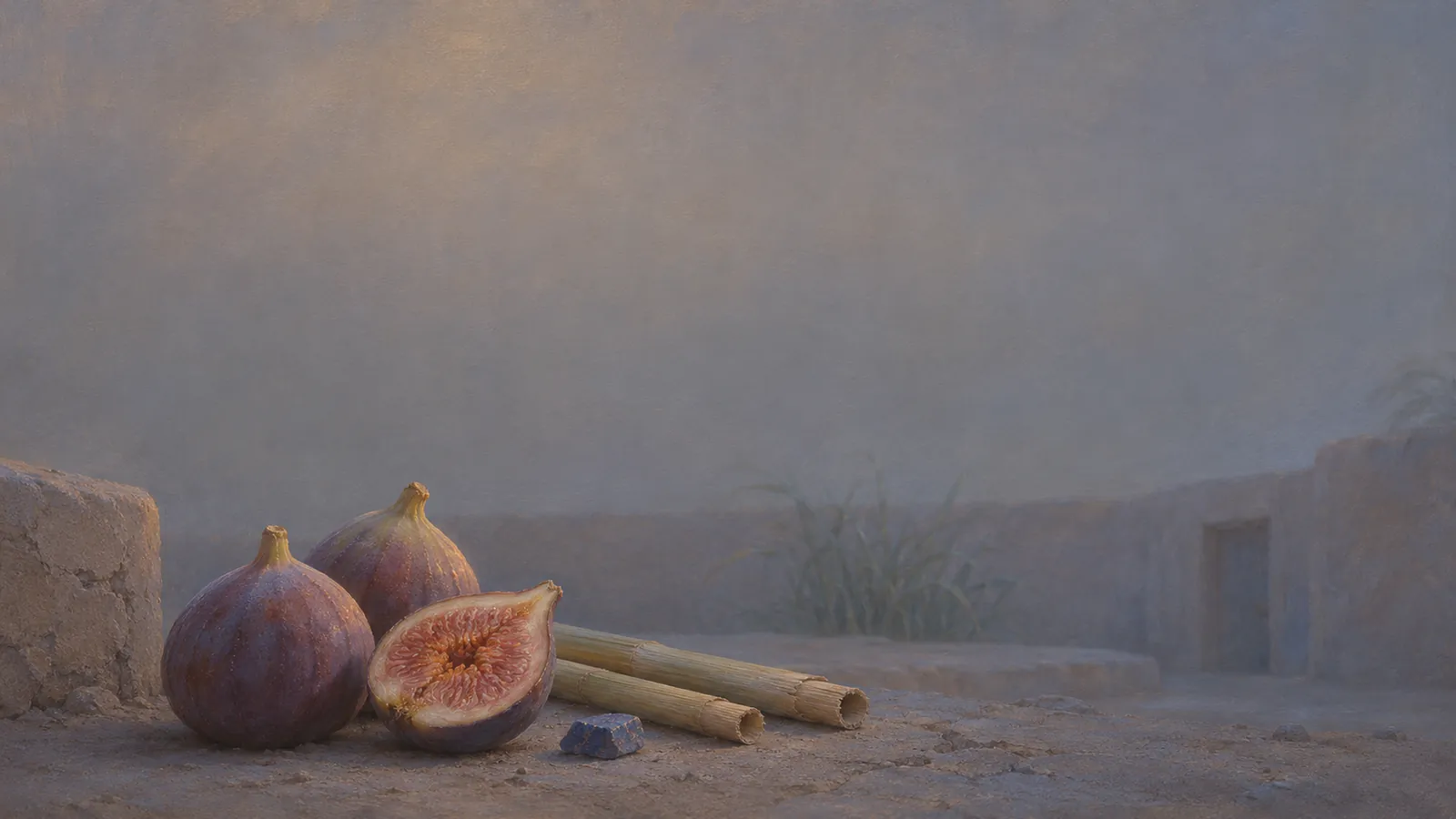
Fruit, reeds and lapis appear in the closing verses. We can still glimpse the courtyard of E-ana, where heaps are called for in Inanna’s honor.
Among the last words we can read are an offer of advice, a claim to kingship, and the name of Geshtinanna.
THE LAST LINES
Here the surviving poem breaks off. About six lines are missing, and the words we have leave the rivals’ final outcome unknown.
End of chapter 2
All pages



Sources
Editions consulted
- Oxford ETCSL 1.8.2.3, translation, lines 308–636 and the final lacuna
- Oxford ETCSL 1.8.2.3, Sumerian composite and manuscript variants
- CDLI, written witnesses to the poem
- IL Archive, Enmerkar and the Lord of Aratta
- Metropolitan Museum of Art, administrative tablet from early Uruk
Ancient lines behind each page
- Page 1: ETCSL 1.8.2.3 308–311
- Page 2: ETCSL 1.8.2.3 312–316
One of the vessel names is damaged. - Page 3: ETCSL 1.8.2.3 317–322
The text mentions a tablet and stylus amid broken wording. - Page 4: ETCSL 1.8.2.3 323–326
- Page 5: ETCSL 1.8.2.3 327–329
The preceding plant phrase and the wording of the barley measure are uncertain. - Page 6: ETCSL 1.8.2.3 330–338
- Page 7: ETCSL 1.8.2.3 339–343
- Page 8: ETCSL 1.8.2.3 344–346
- Page 9: ETCSL 1.8.2.3 347–351
- Page 10: ETCSL 1.8.2.3 352–356
The exact wording of the barley measure is uncertain. - Page 11: ETCSL 1.8.2.3 357–362
- Page 12: ETCSL 1.8.2.3 363–370
Oxford marks two lines around the officials as unclear. Much of the nearby exchange is damaged. - Page 13: ETCSL 1.8.2.3 371–377
The speaker’s identity and what the elders offered are uncertain. - Page 14: ETCSL 1.8.2.3 378–388
- Page 15: ETCSL 1.8.2.3 389–396
The fasting person’s identity and some details of the exchange are uncertain. - Page 16: ETCSL 1.8.2.3 397–405
The surviving copies give different orders for some of the woods. - Page 17: ETCSL 1.8.2.3 406–411
- Page 18: ETCSL 1.8.2.3 412–421
- Page 19: ETCSL 1.8.2.3 422–426
The account of the work is damaged and leaves the substance and actions uncertain. - Page 20: ETCSL 1.8.2.3 427–432
The poem gives the sequence five years, then ten. The intended duration and the material of the resulting sceptre remain uncertain. - Page 21: ETCSL 1.8.2.3 433–440
The lines describing what happens to the sceptre on arrival are damaged. - Page 22: ETCSL 1.8.2.3 441–453
The lord’s words about Inanna report his own fear at this point in the poem. - Page 23: ETCSL 1.8.2.3 454–461
The expression and the significance of the colors remain uncertain. - Page 24: ETCSL 1.8.2.3 462–469
Several phrases around the messenger’s return are broken. - Page 25: ETCSL 1.8.2.3 470–478
- Page 26: ETCSL 1.8.2.3 479–487
- Page 27: ETCSL 1.8.2.3 488–499
Part of the threat and the following speech are damaged. - Page 28: ETCSL 1.8.2.3 500–502
- Page 29: ETCSL 1.8.2.3 503–506
Archaeological evidence for the beginnings of writing comes from other sources. - Page 30: ETCSL 1.8.2.3 507–514
The series of five, six and seven mountains repeats the poem’s travel formula. - Page 31: ETCSL 1.8.2.3 515–524
- Page 32: ETCSL 1.8.2.3 525–535
- Page 33: ETCSL 1.8.2.3 536–541
- Page 34: ETCSL 1.8.2.3 542–548
The description of the storm has several broken phrases. - Page 35: ETCSL 1.8.2.3 549–556
The granary phrase is damaged. - Page 36: ETCSL 1.8.2.3 557–562
- Page 37: ETCSL 1.8.2.3 563–576
Part of the nearby summons is damaged. - Page 38: ETCSL 1.8.2.3 577–583
Four lines after the champion’s arrival are unclear. An outcome for the contest does not survive in the text. - Page 39: ETCSL 1.8.2.3 584–587
The text mentions the song without preserving its words here. - Page 40: ETCSL 1.8.2.3 588–594
Oxford’s translation leaves the woman unnamed. Her identity is uncertain. - Page 41: ETCSL 1.8.2.3 595–602
- Page 42: ETCSL 1.8.2.3 603–610
Three lines numbered 608–610 are missing in the Oxford composite. - Page 43: ETCSL 1.8.2.3 611–619
- Page 44: ETCSL 1.8.2.3 620–625
The wording is fragmentary around the materials, their preparation and the heaps. - Page 45: ETCSL 1.8.2.3 626–636
Several phrases in the last surviving passage are broken. The speaker’s identity remains uncertain. - Page 46: ETCSL 1.8.2.3, final lacuna after 636
Oxford marks about six lines missing after line 636.
Illustrations made with AI tools by IL Archive; the text is based on the ancient sources (see the sources at the end of each chapter).