Lugalbanda Chapter 2
Lugalbanda and the Anzud Bird
Alone in the mountains, Lugalbanda cares for Anzud’s young and asks the great bird for endurance. The gift carries him back to his companions and on foot to Kulaba, where he brings Enmerkar’s message to Inanna.
SourcesTurn the pages with the arrows, the arrow keys or a swipe.
ZABU
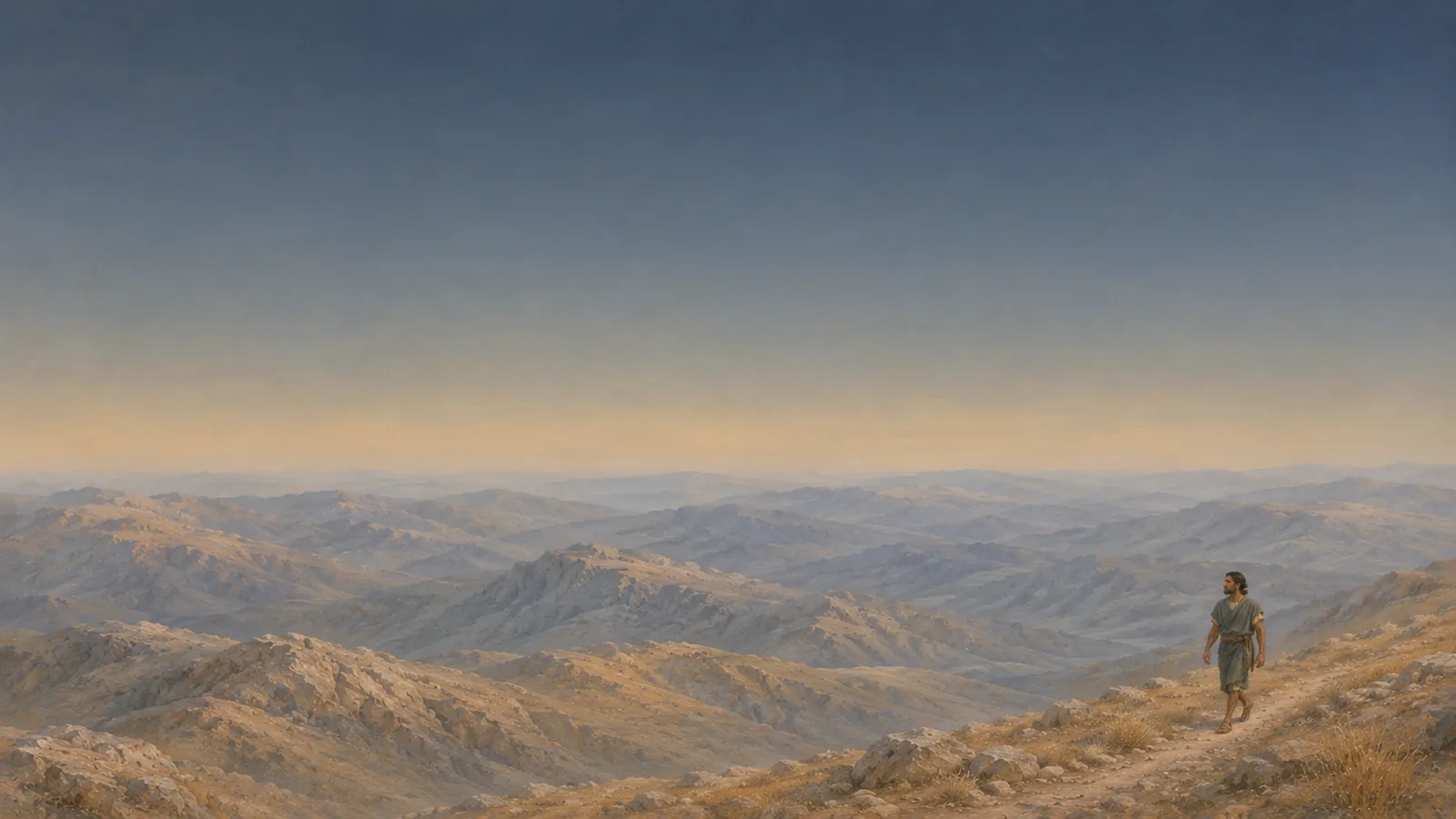
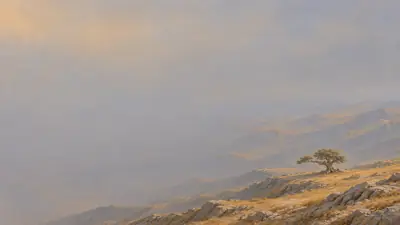
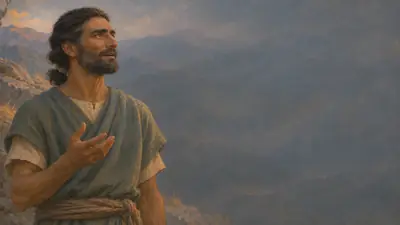
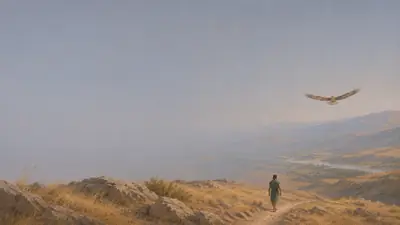
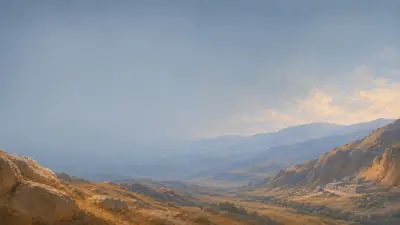
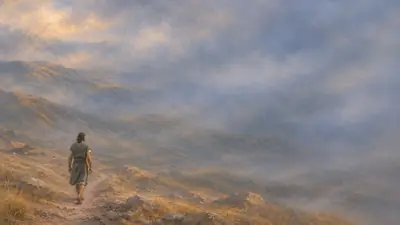
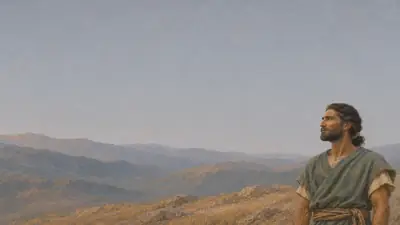
Lugalbanda was alone in the Zabu mountains. Somewhere beyond the slopes were the men he had come with.
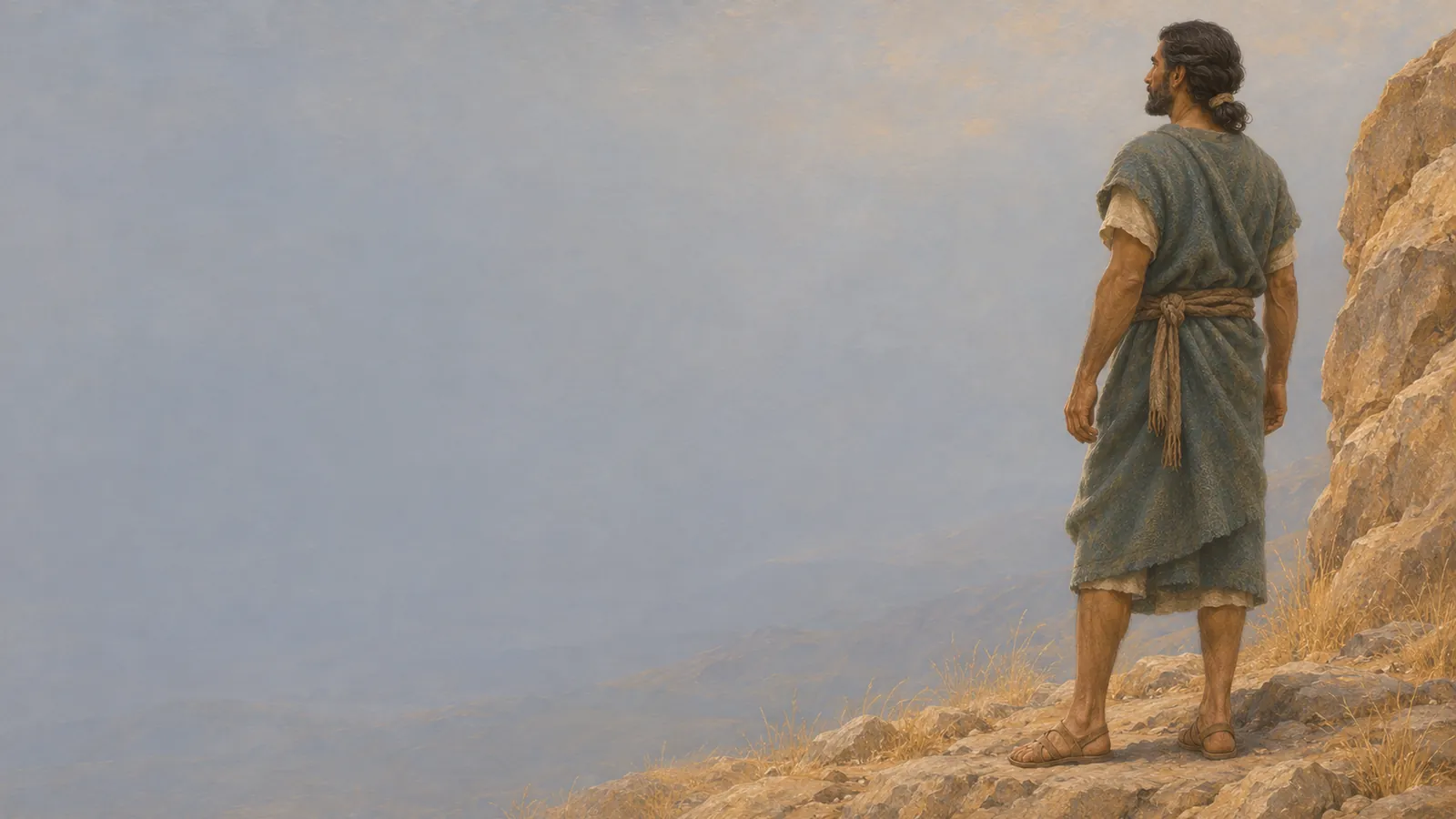
Lugalbanda thought of Anzud. If he welcomed the great bird’s family with kindness, the bird might help him find the army.
He decided to bring food to Anzud’s young. Perhaps a gesture of hospitality would bring him an answer in these mountains.
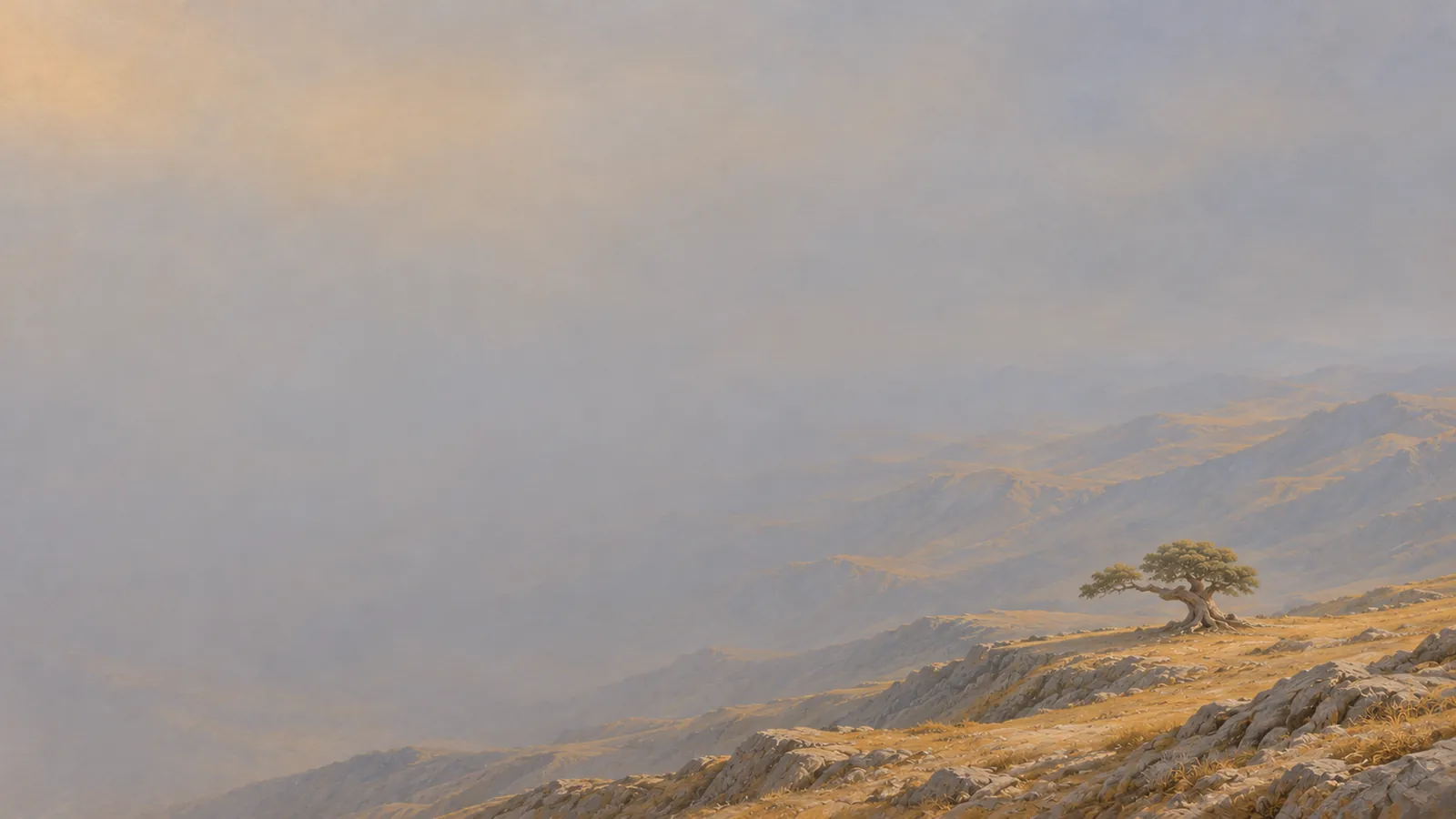
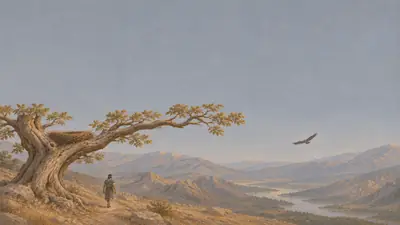
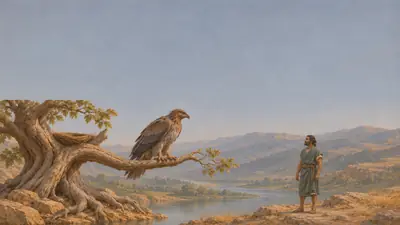
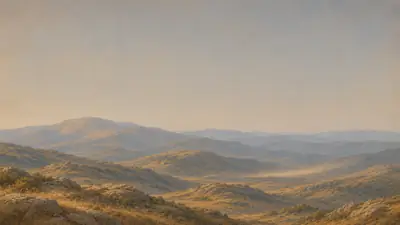
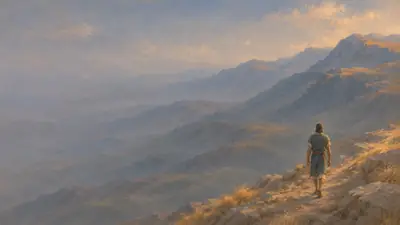
High ridges rise around the place the poem describes. Among them stands the tree where the great bird has its nest.
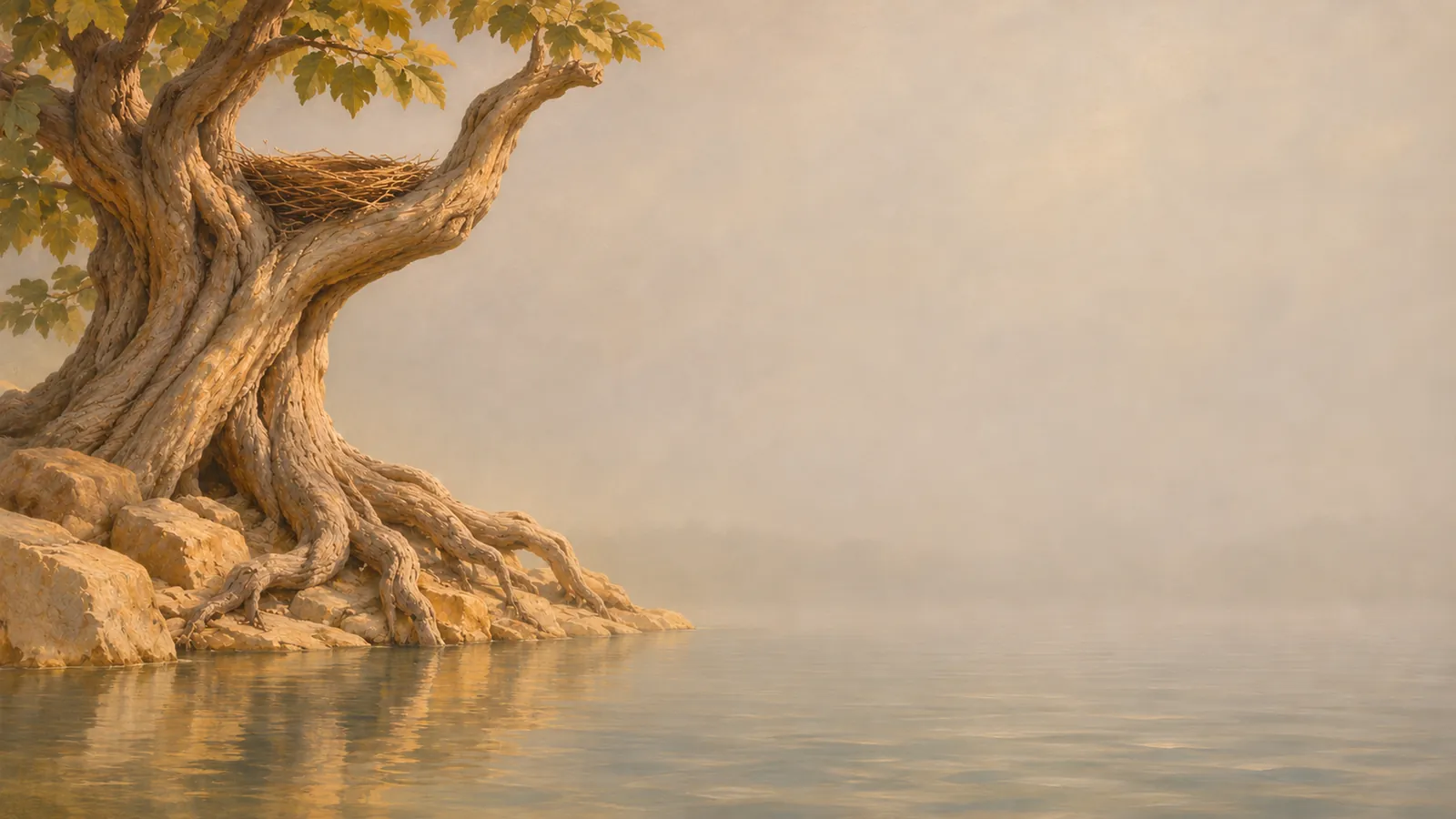
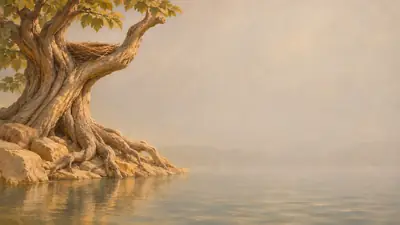
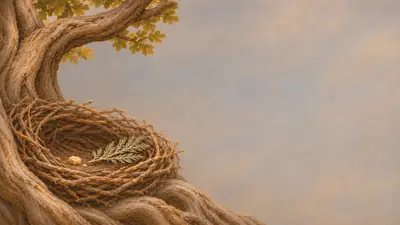
The great tree stood above the water. Its high branches held the home of Anzud and the young bird.
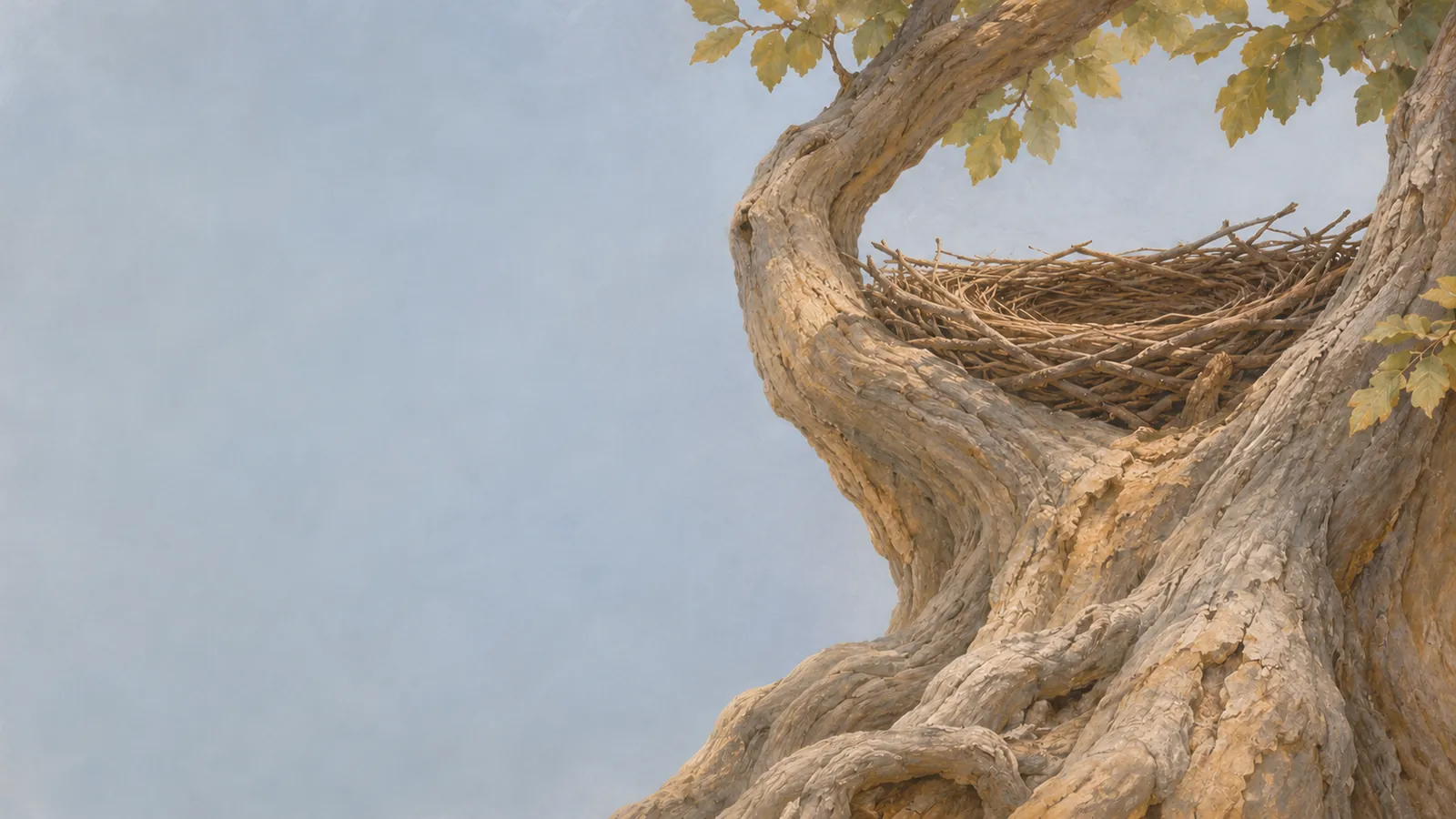
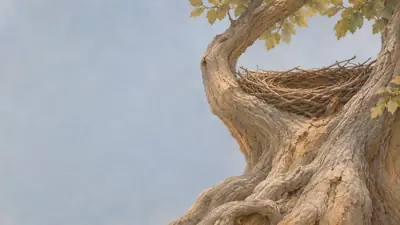
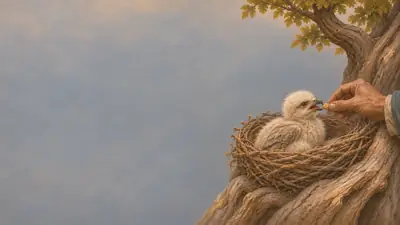
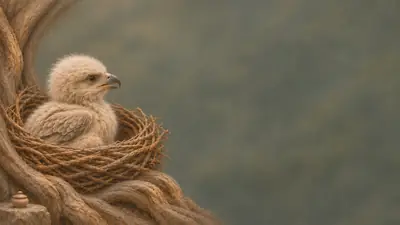
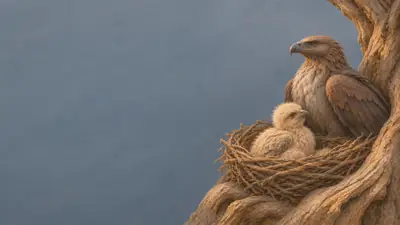
Twigs held together high in the branches. In that nest, above the ground and water, Anzud’s young bird waited.
ANZUD
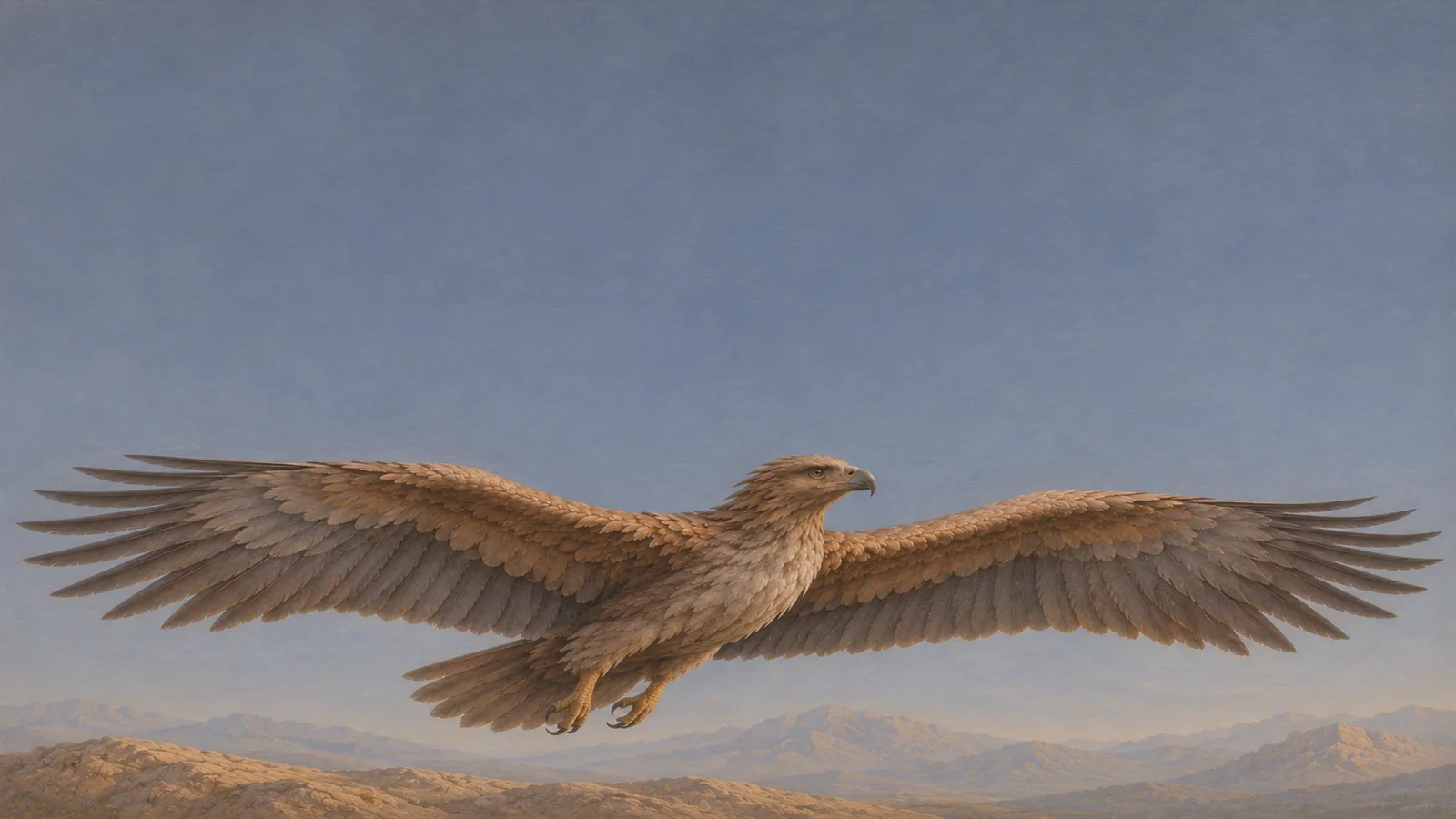
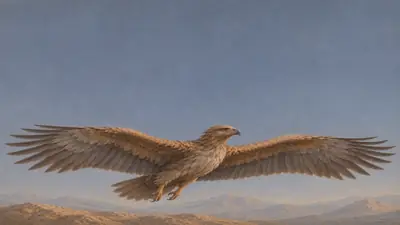
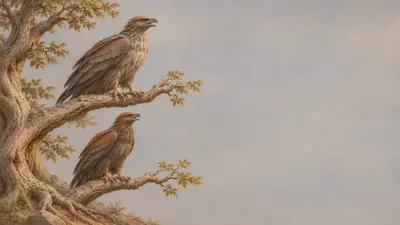
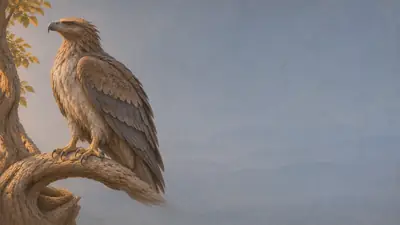
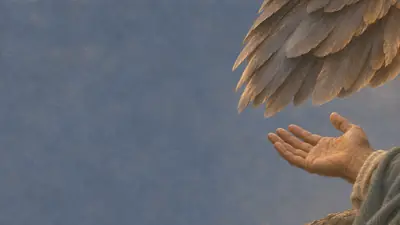
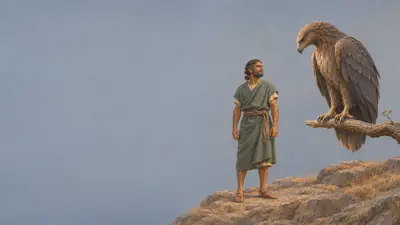
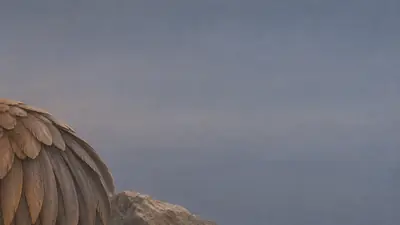
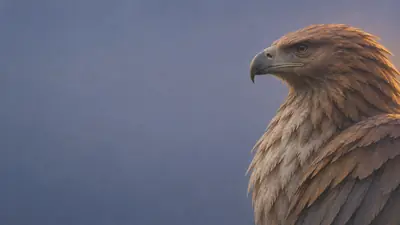
The poem gives Anzud the talons of an eagle and wings vast enough to match the scale of the mountains.
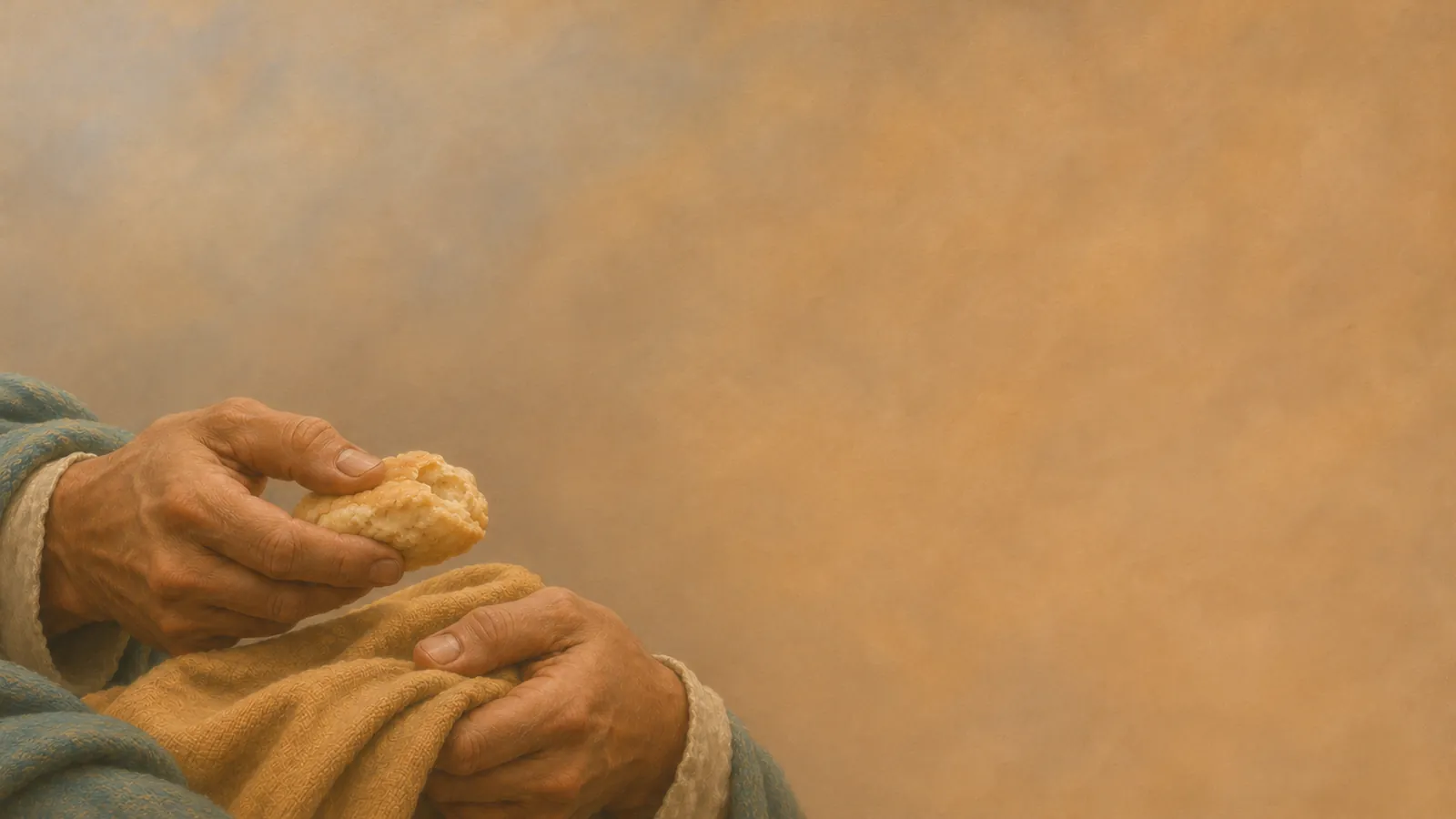
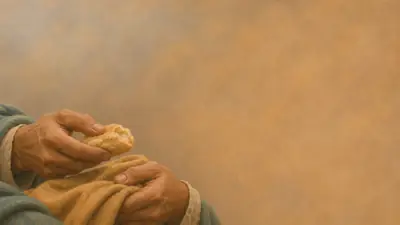
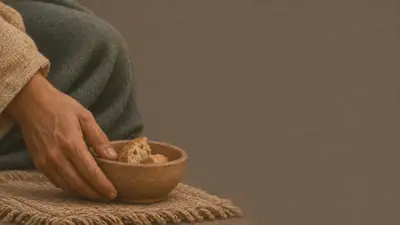
Lugalbanda readied dough with honey. This was the food he would offer to the young bird waiting in the nest.
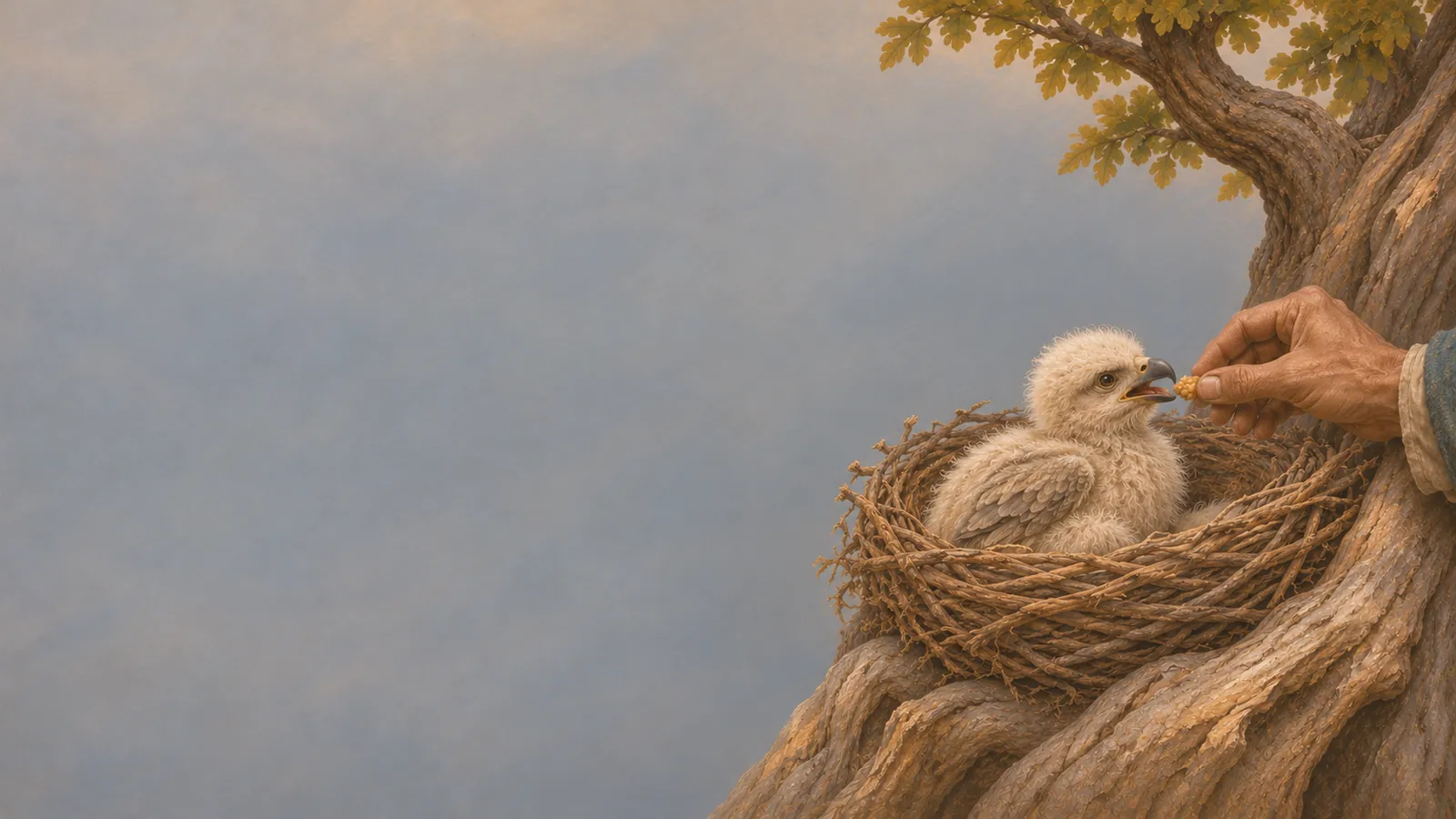
He offered the sweet food to the young bird. The small nestling took what Lugalbanda had prepared for it.
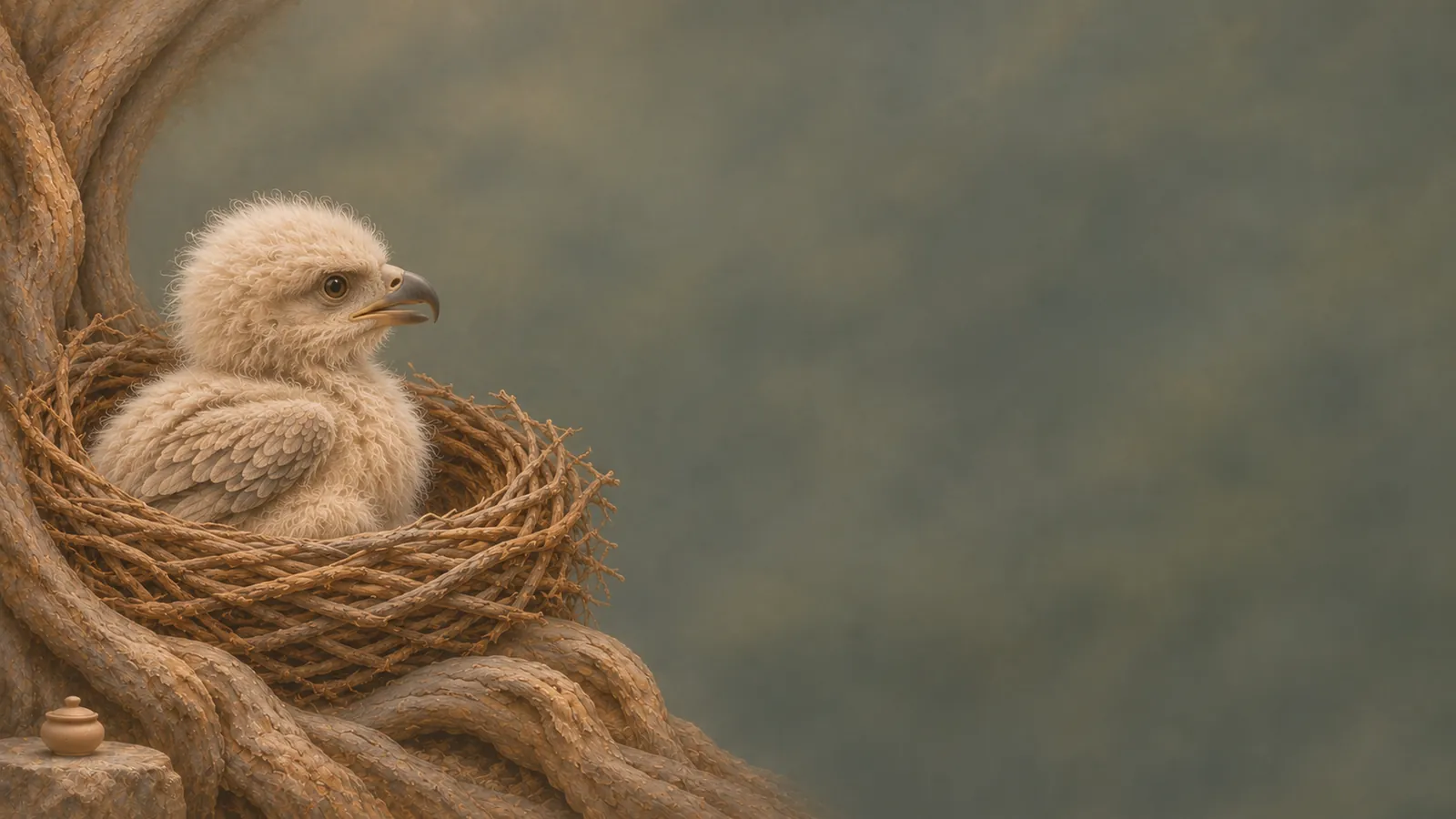
The poem tells how Lugalbanda darkened the young bird’s eyes with kohl. He cared for it as one cares for a guest.
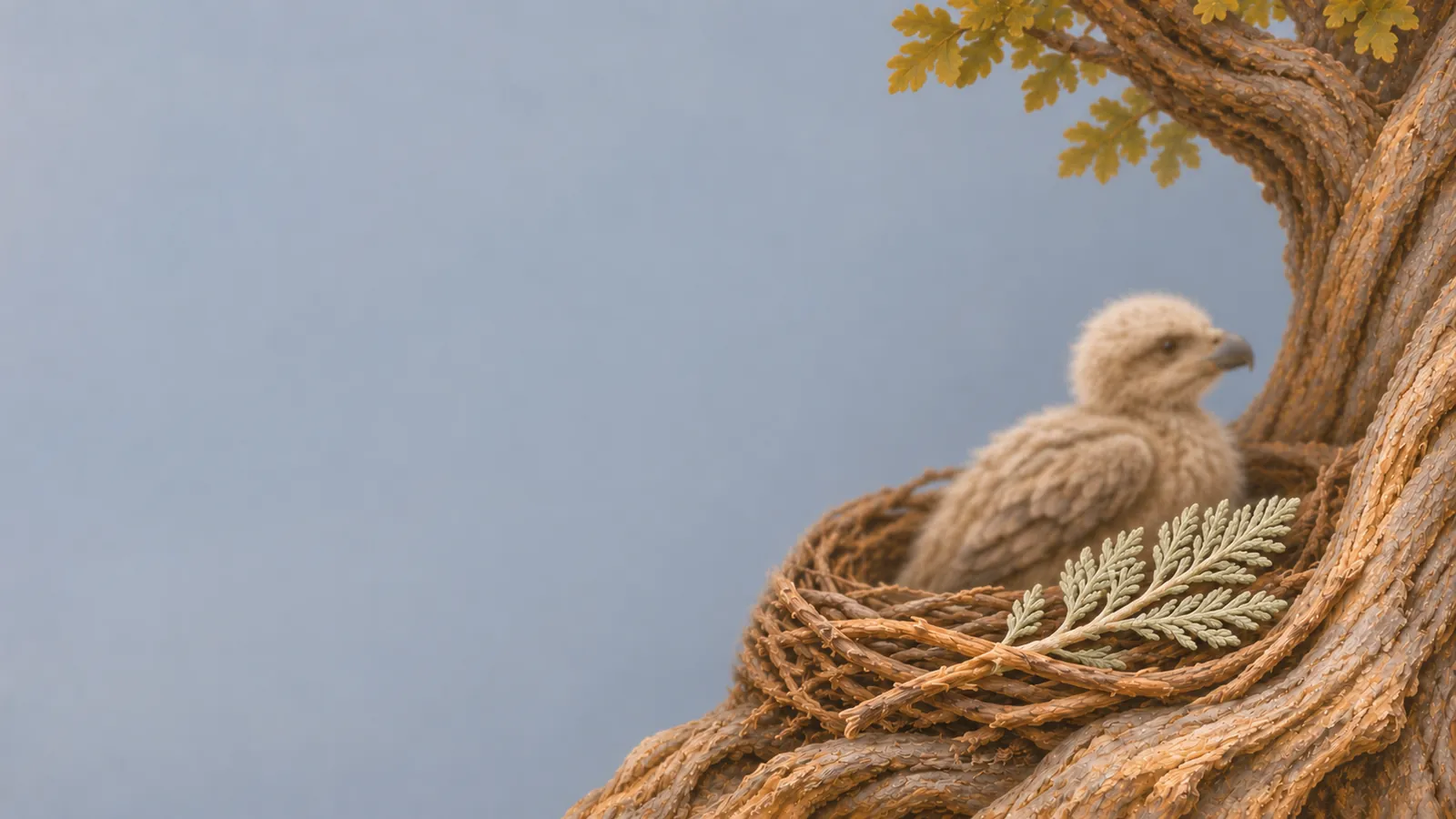
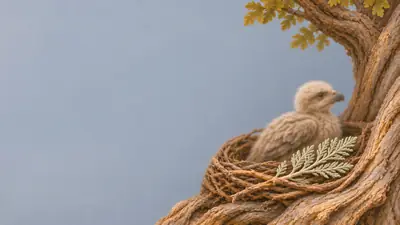
Lugalbanda tended the nest as well as the young bird. The poem names white cedar among the things he brought there.
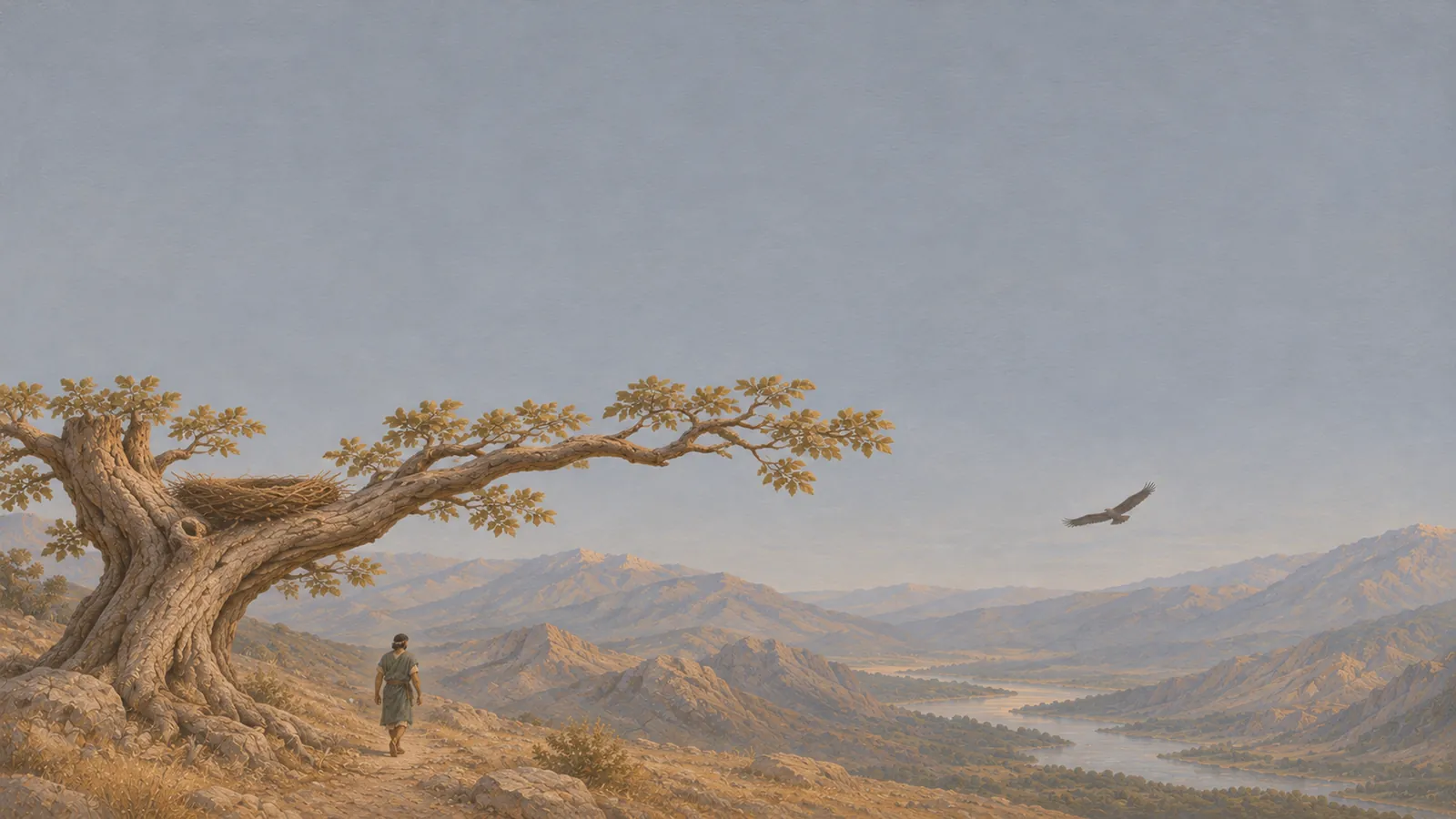
Lugalbanda withdrew from the nest. Out among the mountains, Anzud was still away, his great wings carrying him over the slopes.
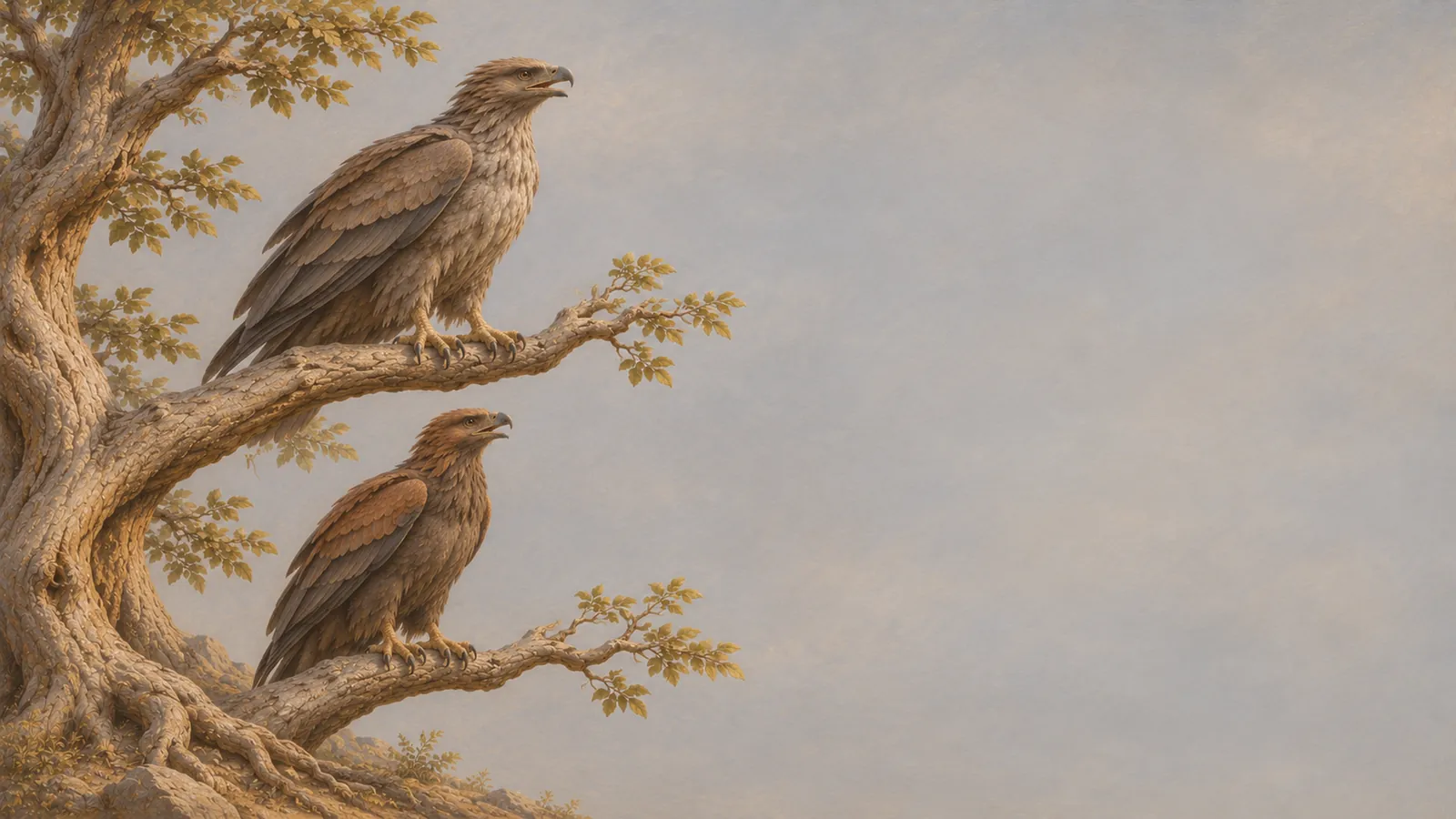
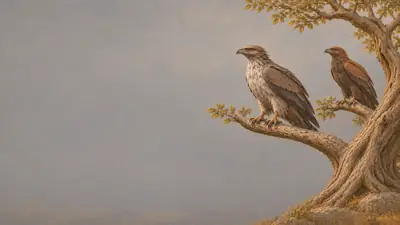
The great birds called toward the nest. They could hear no reply from the place where their young should be.
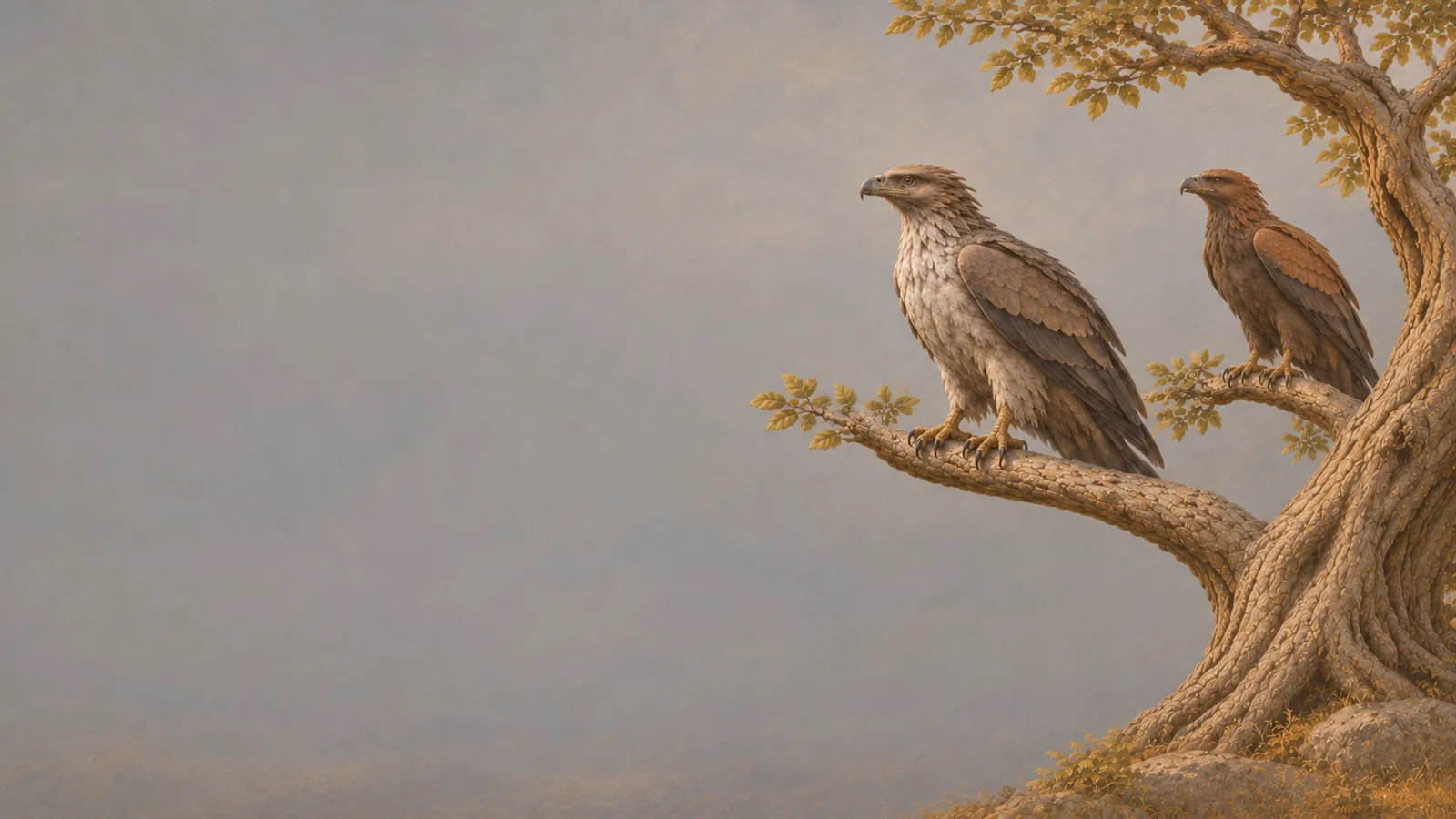
The calls went unanswered, and both parents feared for their young. At first the great nest gave them only silence.
SAFE
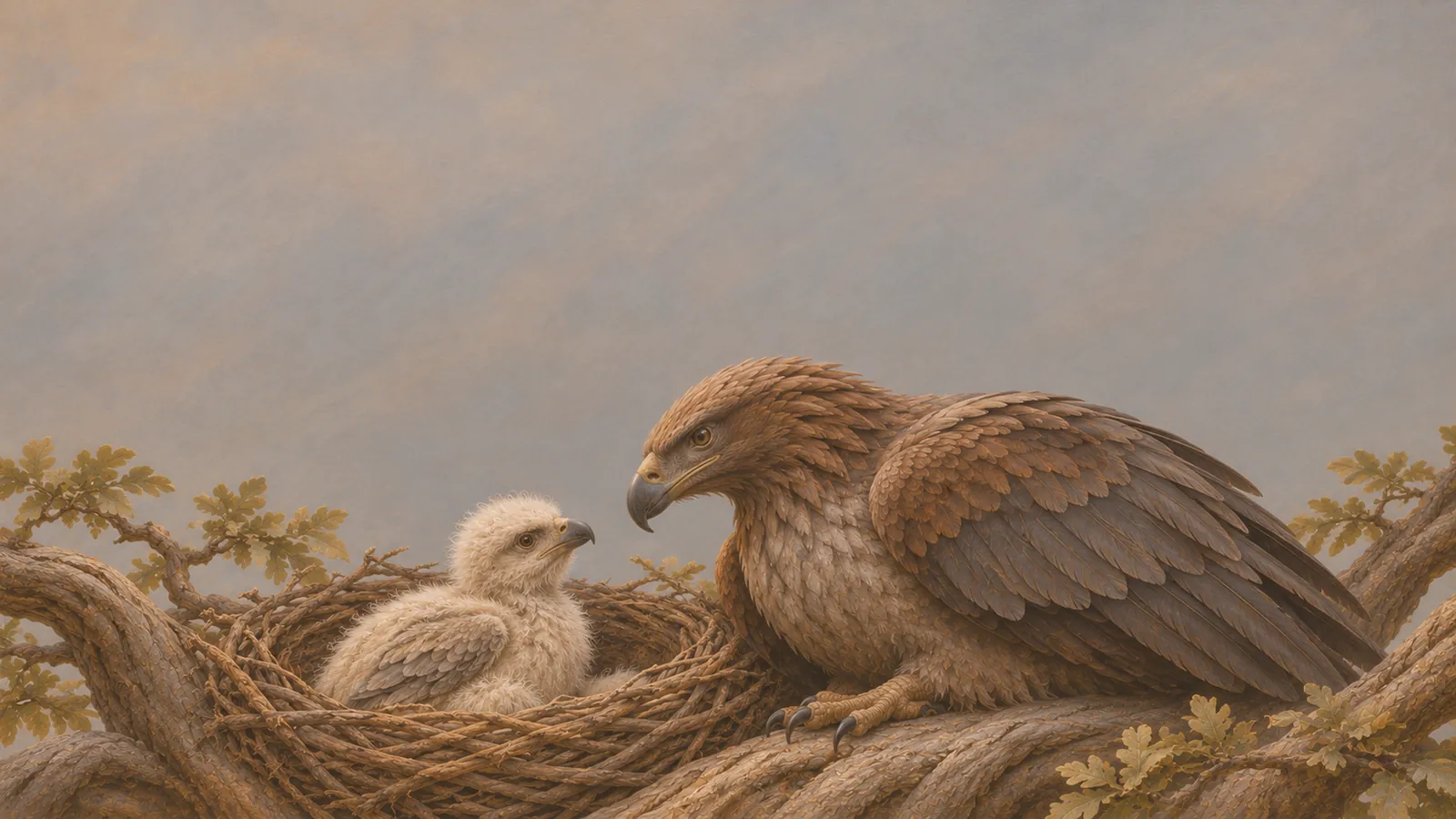
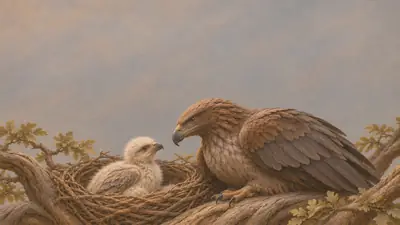
When the birds reached the nest, they found their young there. The chick they had feared for was safe.
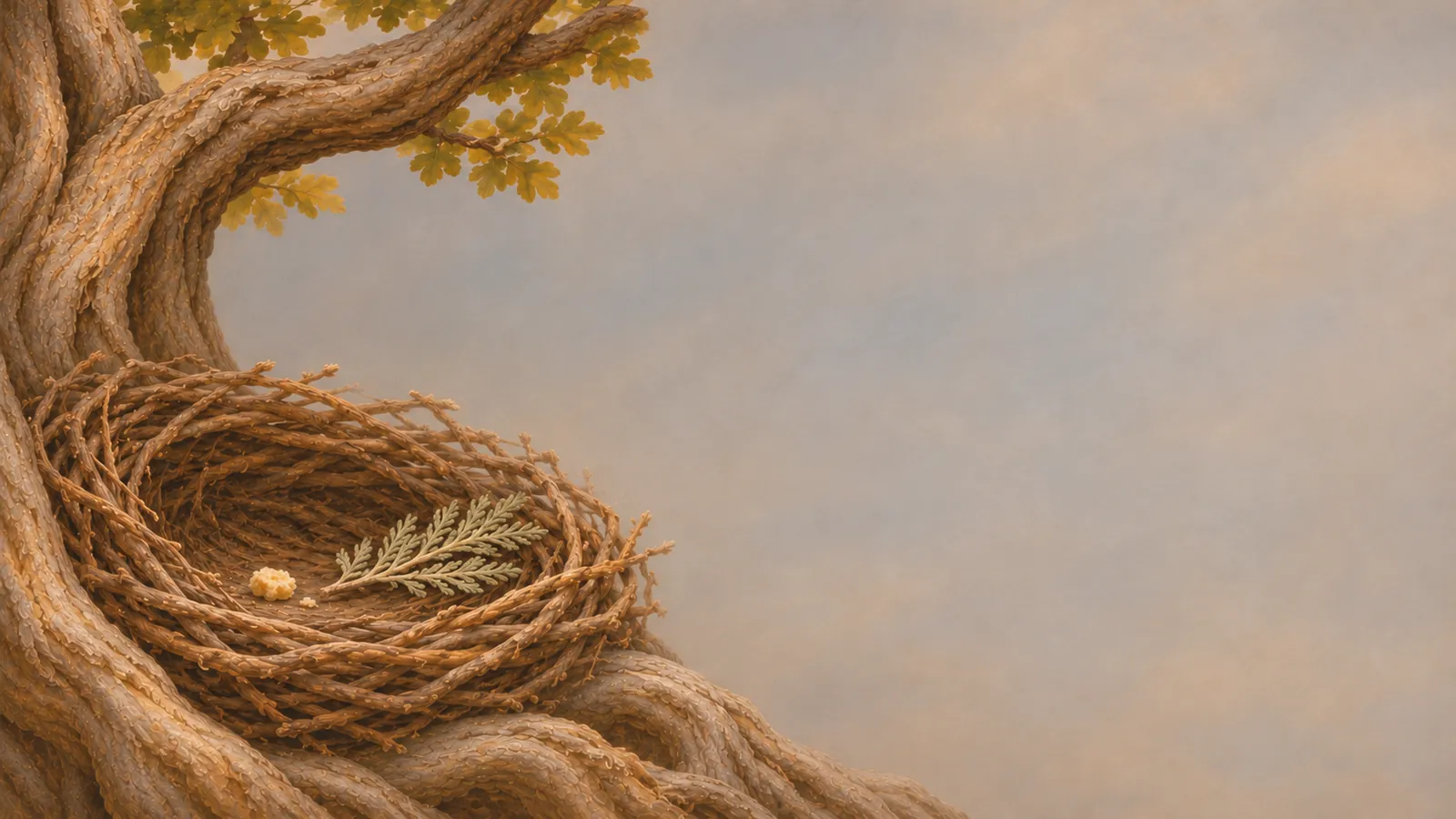
They saw what had been done for their young. The food and the adorned nest showed that a visitor had cared for it.
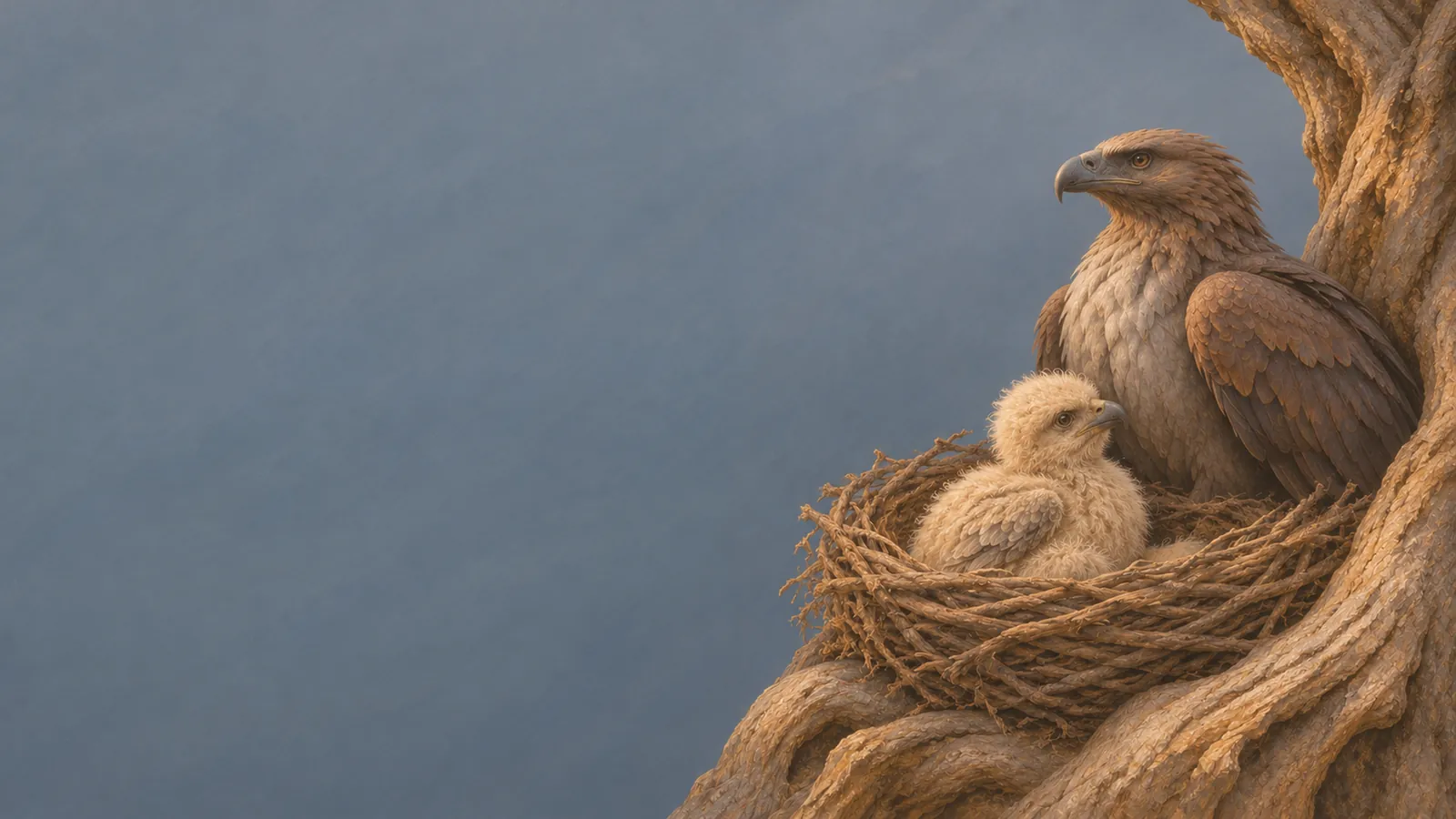
Anzud saw the young bird safe in the nest. The fear of those unanswered calls gave way to joy.
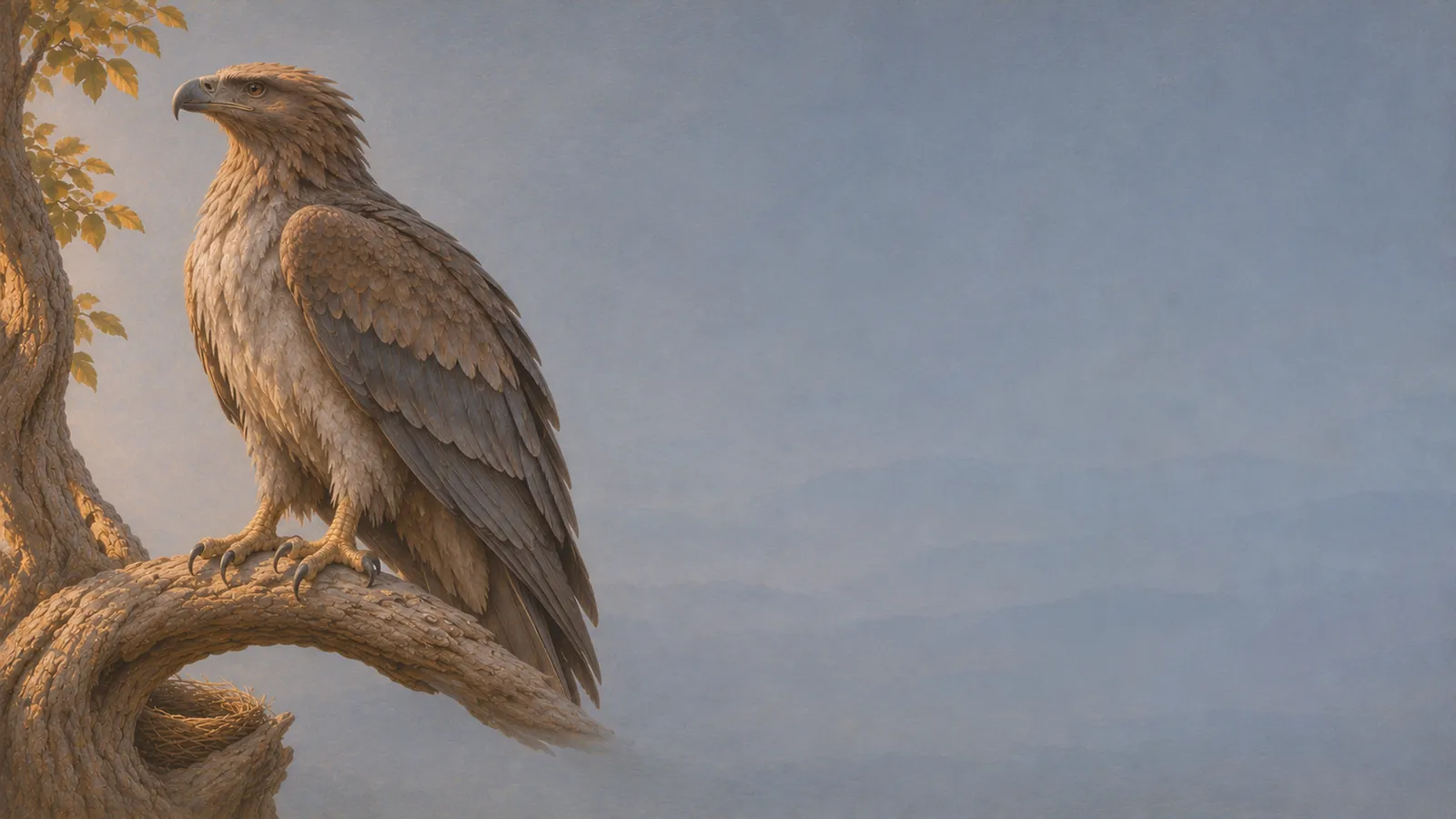
Anzud called out a promise for the one who had cared for his family. The visitor’s kindness would be repaid.
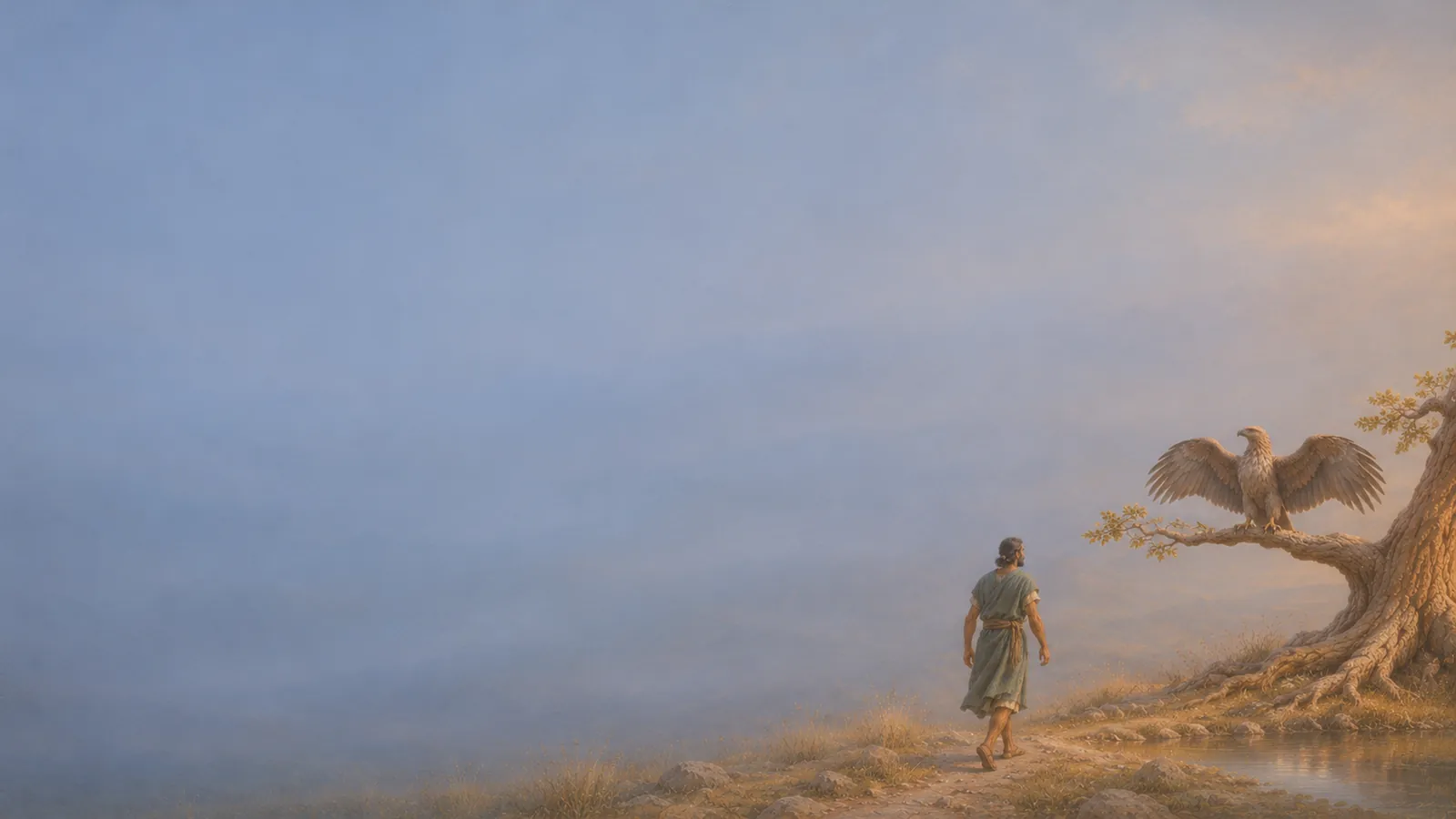
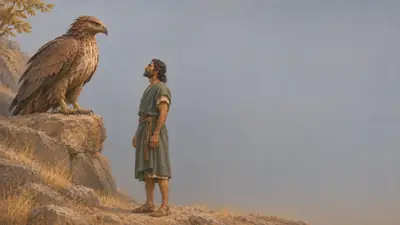
Lugalbanda heard the great bird and came forward. Now he could speak to the family he had come to help.
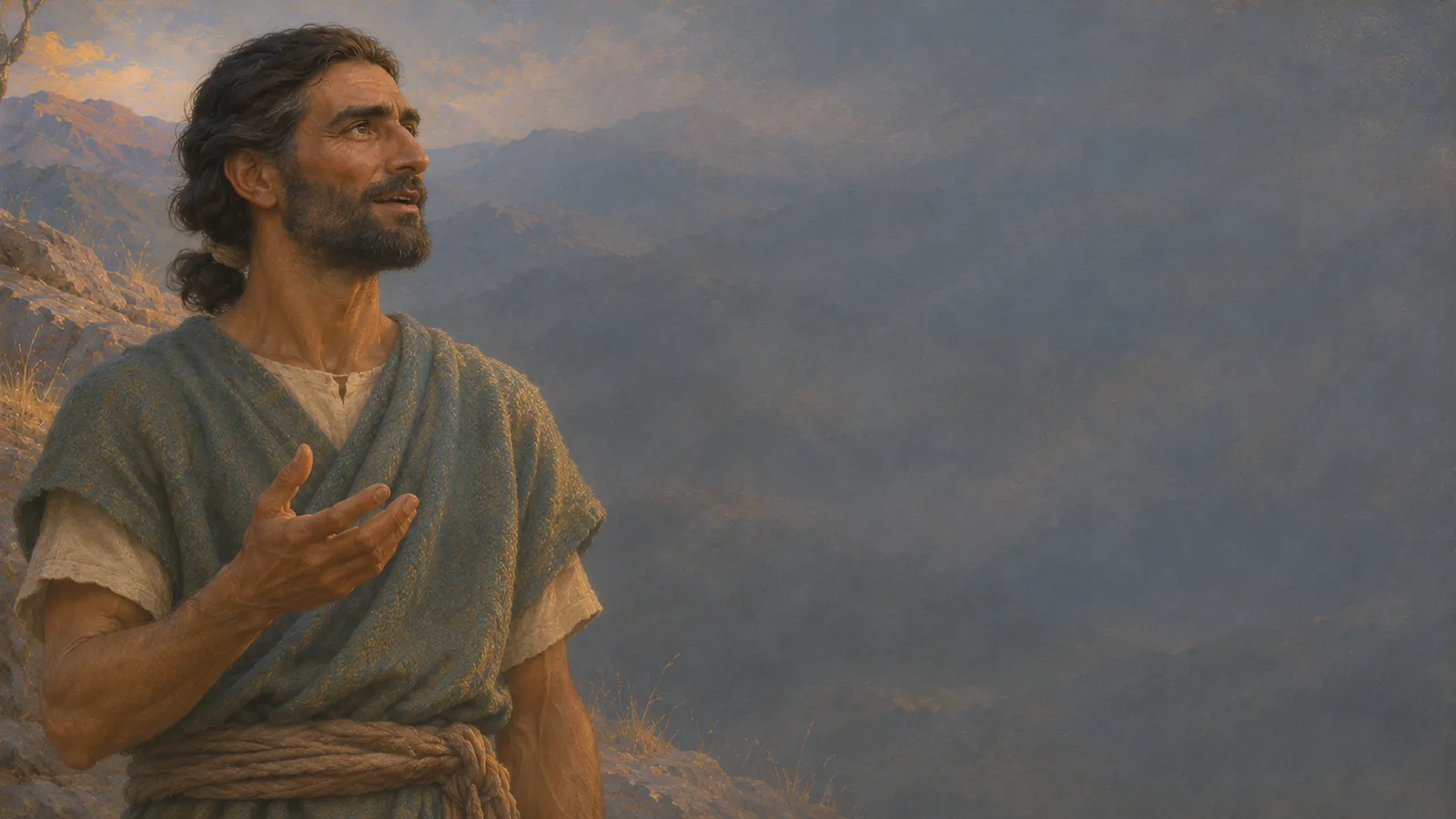
He spoke in praise of Anzud. Some of those words are broken, but his greeting to the great bird can still be heard.
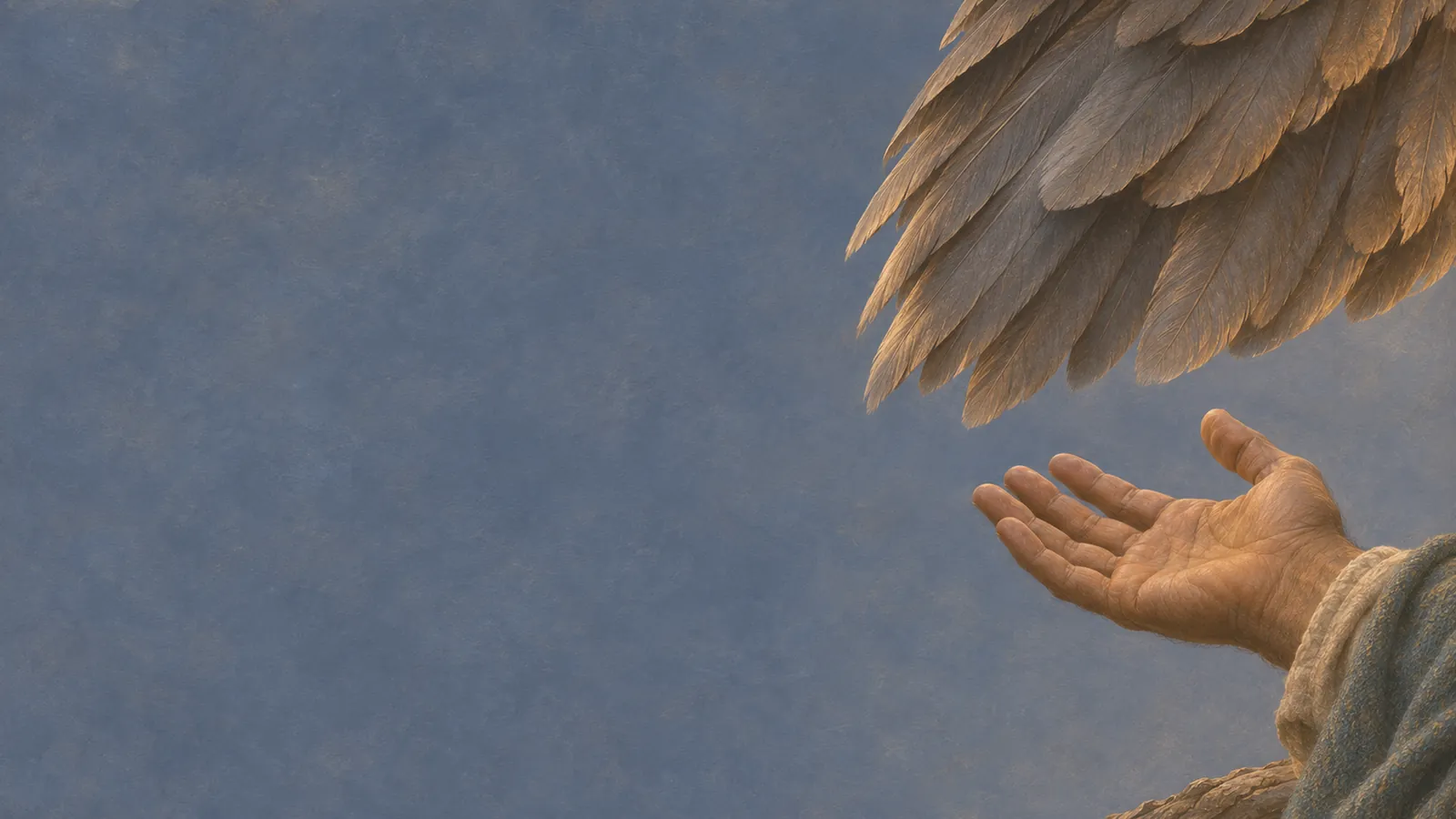
Lugalbanda spoke to Anzud and his family as to kin. He offered them his trust as they stood by the nest.
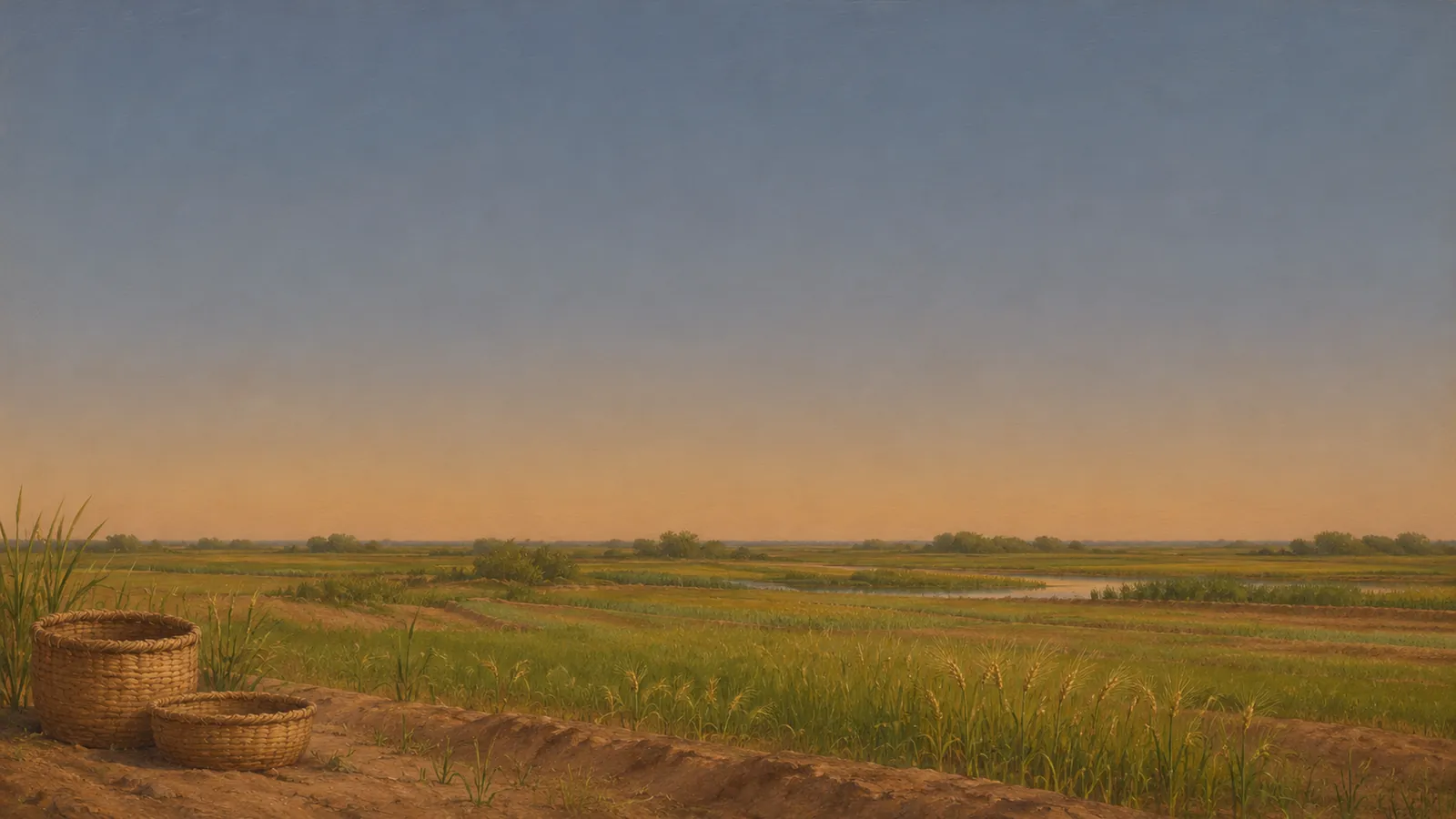
Anzud offered to make Lugalbanda’s return a prosperous one. The man listened, but this was not the gift he sought.
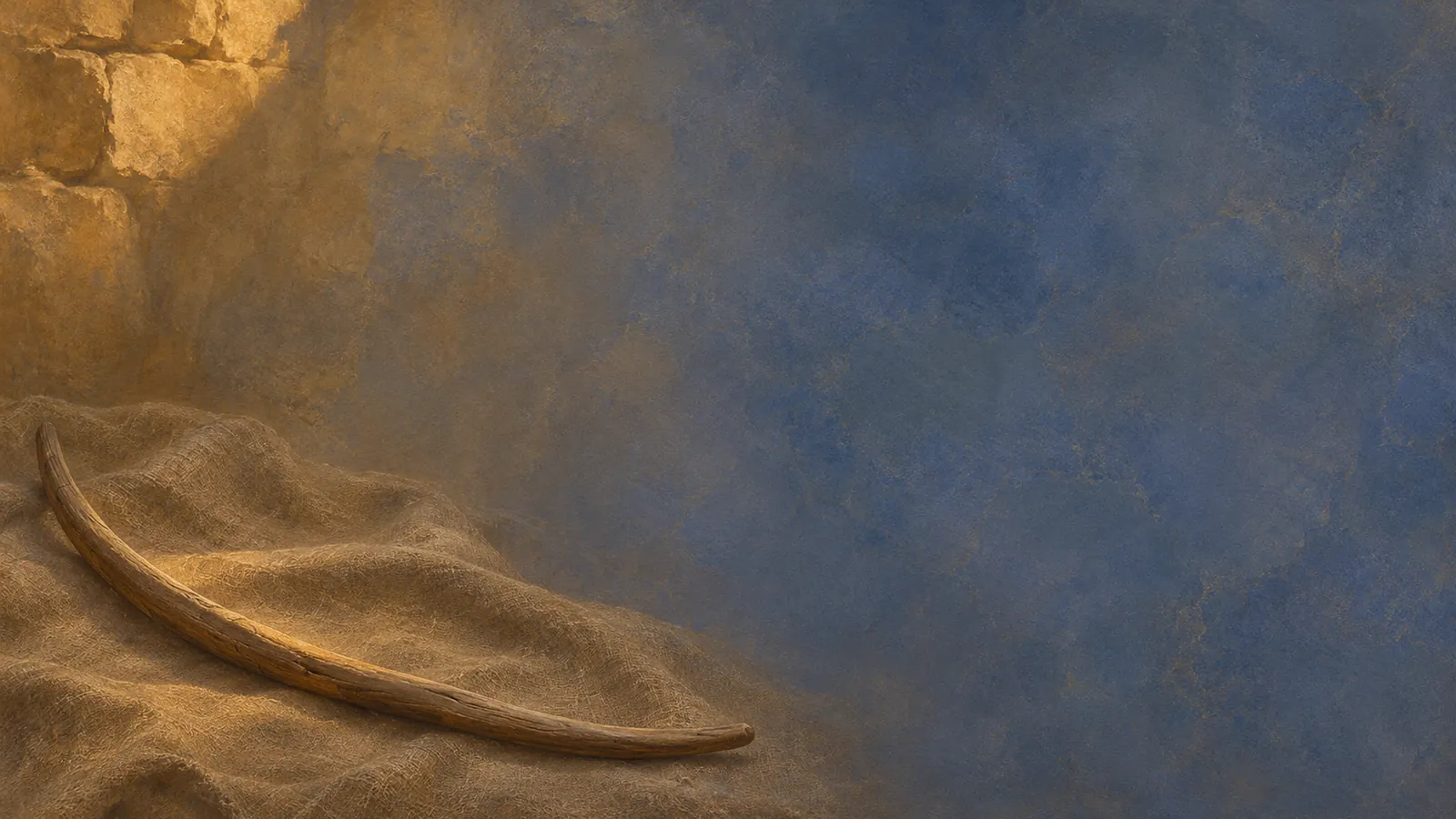
The bird then offered Lugalbanda the skill of an archer. Lugalbanda turned down that gift as he had the first.
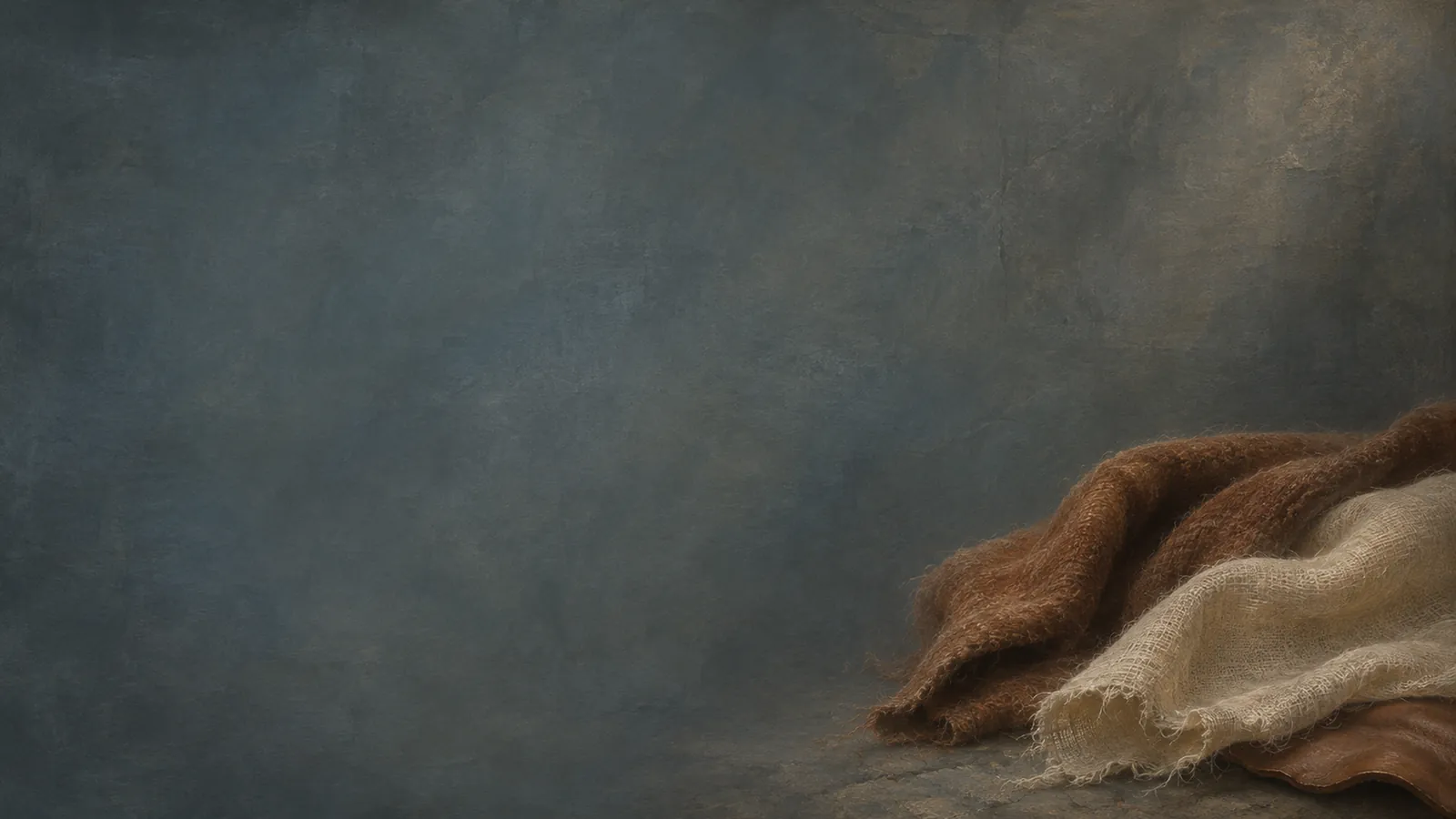
Anzud spoke next of battle gear. Some details of the offer are unclear, but Lugalbanda turned that gift down, too.
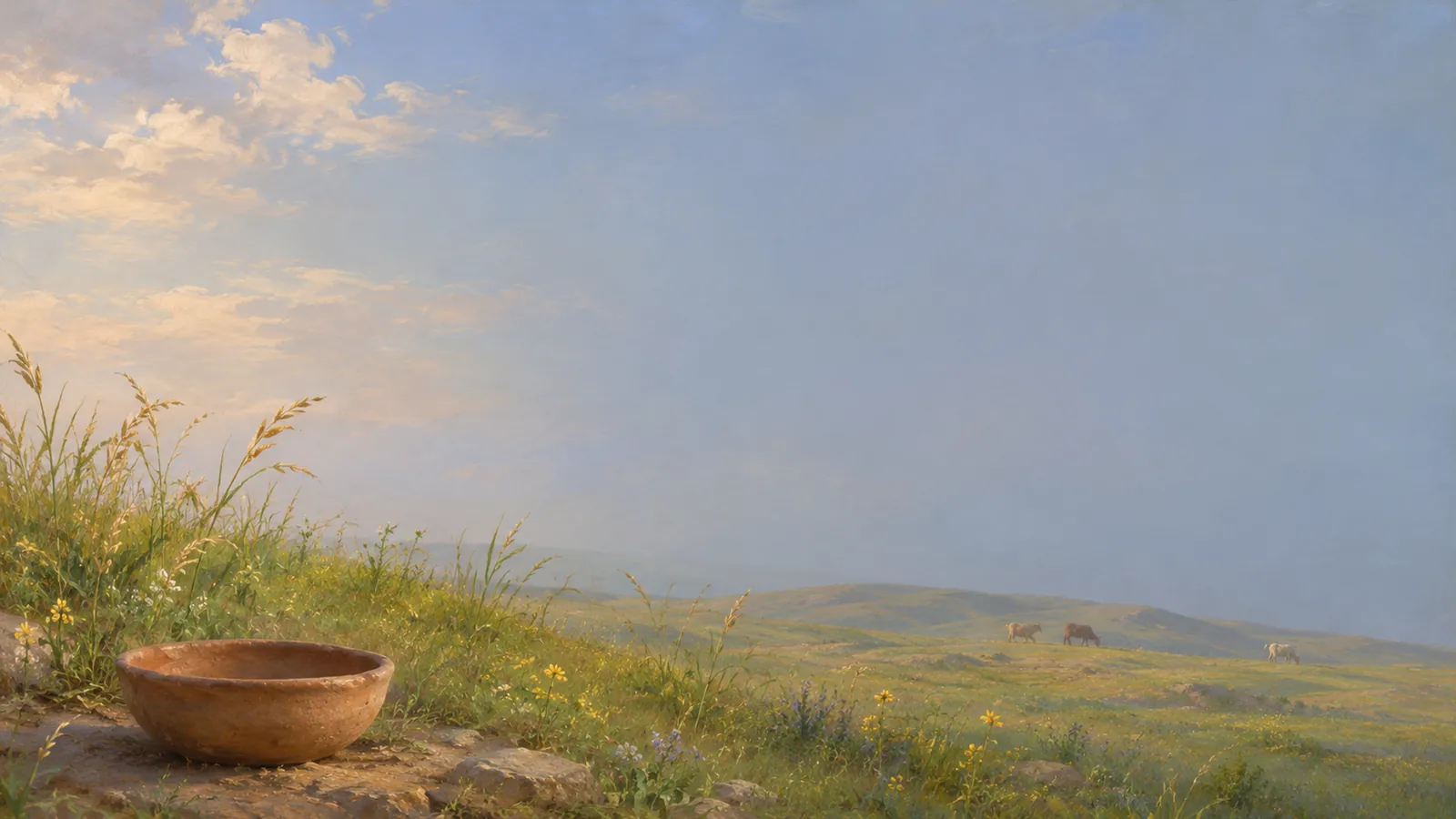
The bird offered plenty from the herds and their milk. Lugalbanda passed over that offer as he had the others.
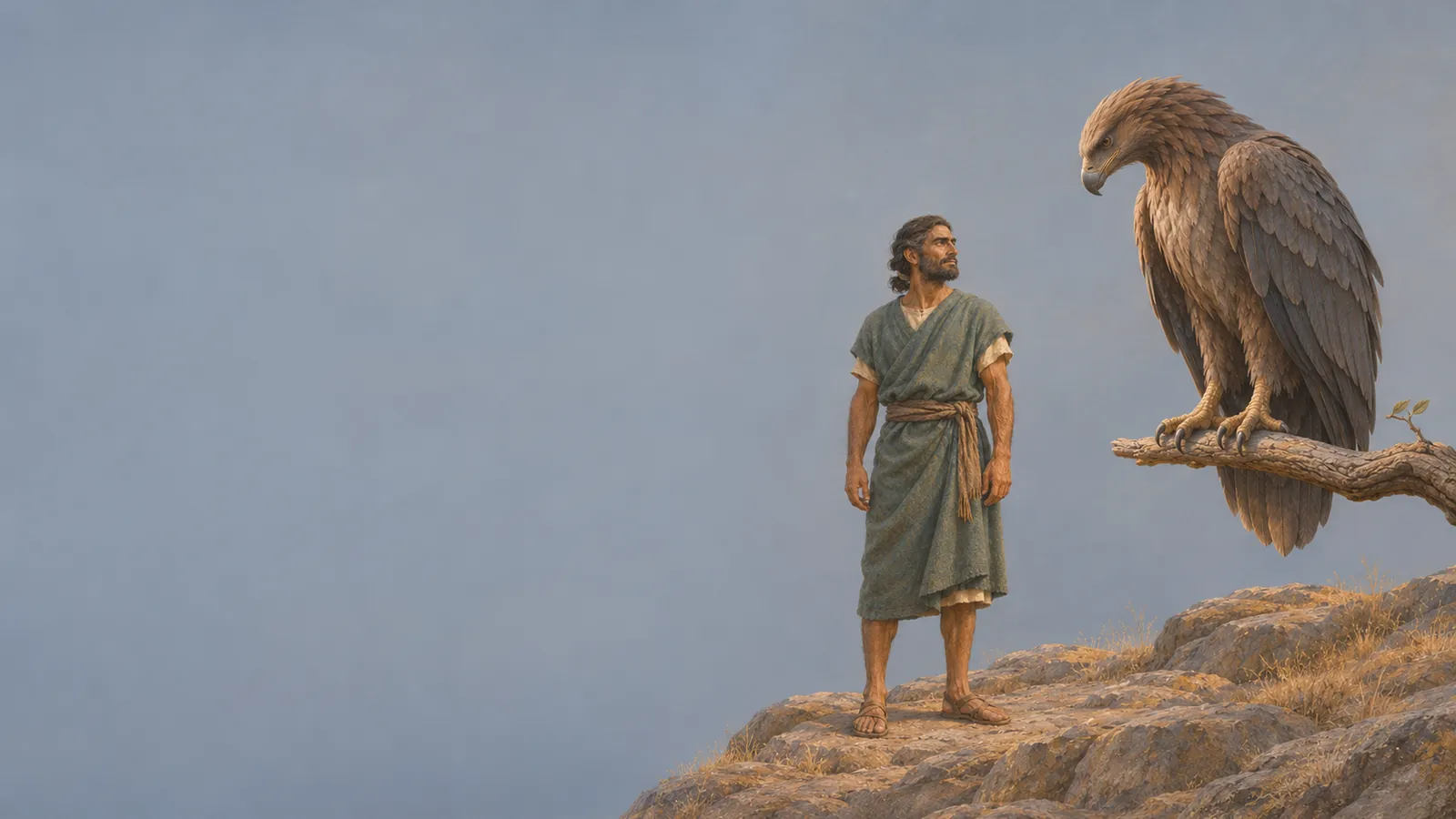
Anzud let Lugalbanda name his own gift. Now the man could ask for the thing he had most need of.
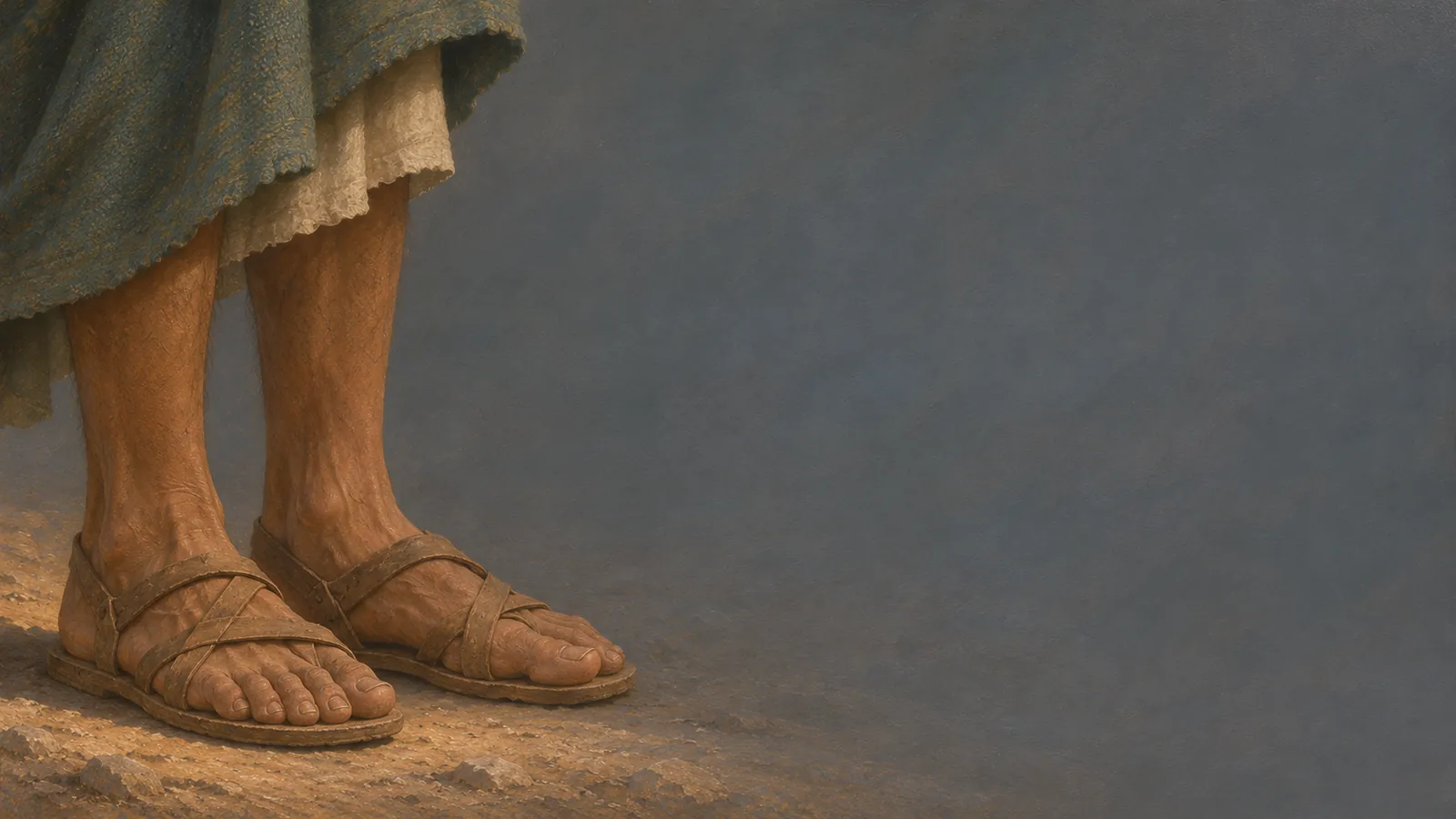
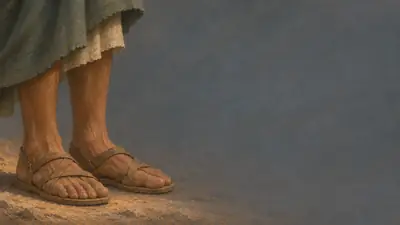
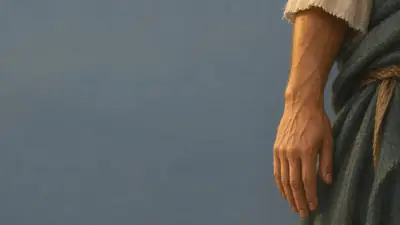
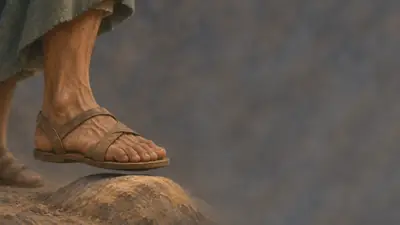
Lugalbanda asked for feet that would carry him without tiring. That was the gift he wanted for the road ahead.
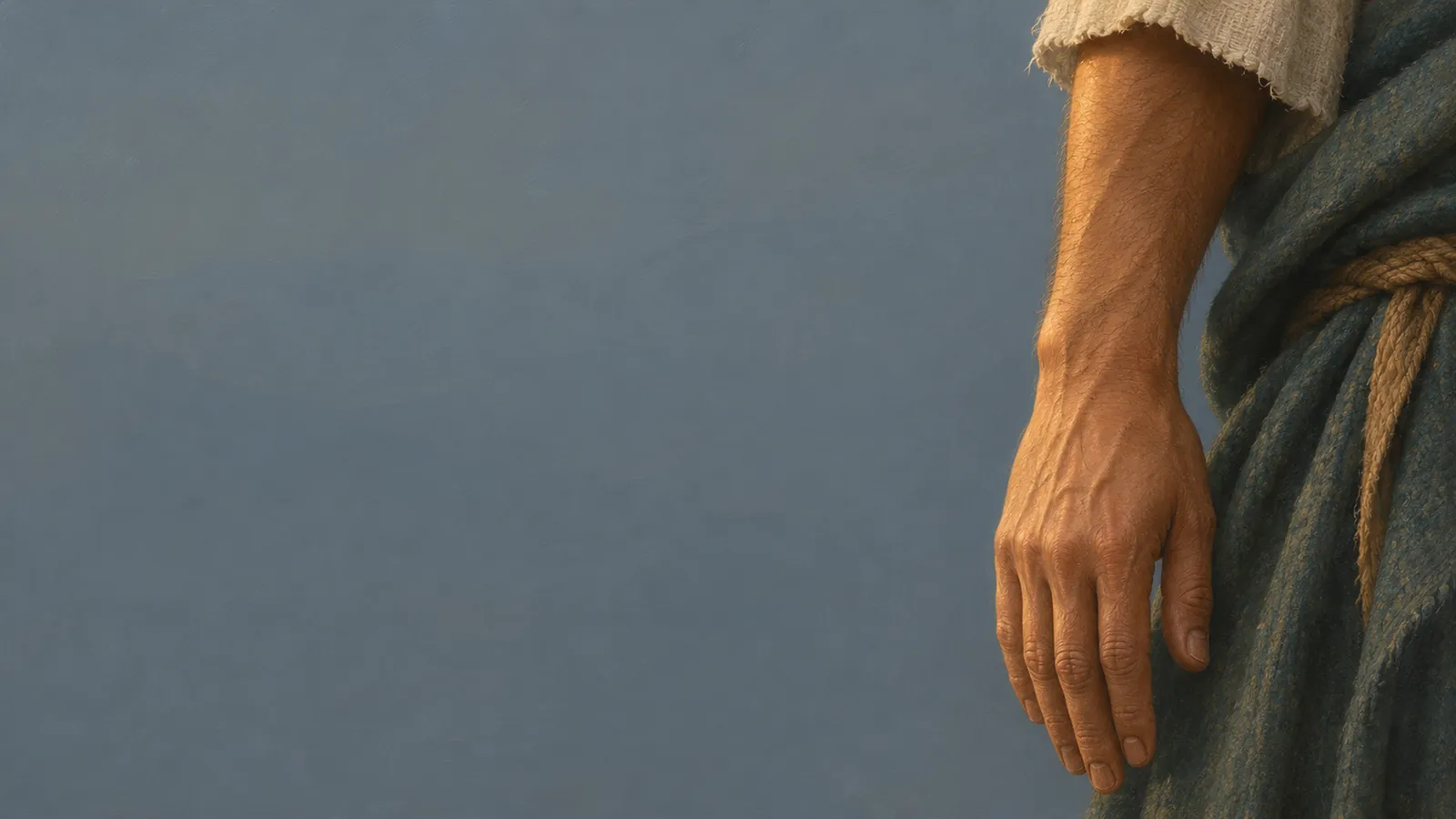
He asked for strong arms as well as tireless feet. Let his body have the strength to hold out on the journey.
Lugalbanda made a promise of his own. He would have likenesses of the great bird carved in honor of Anzud.
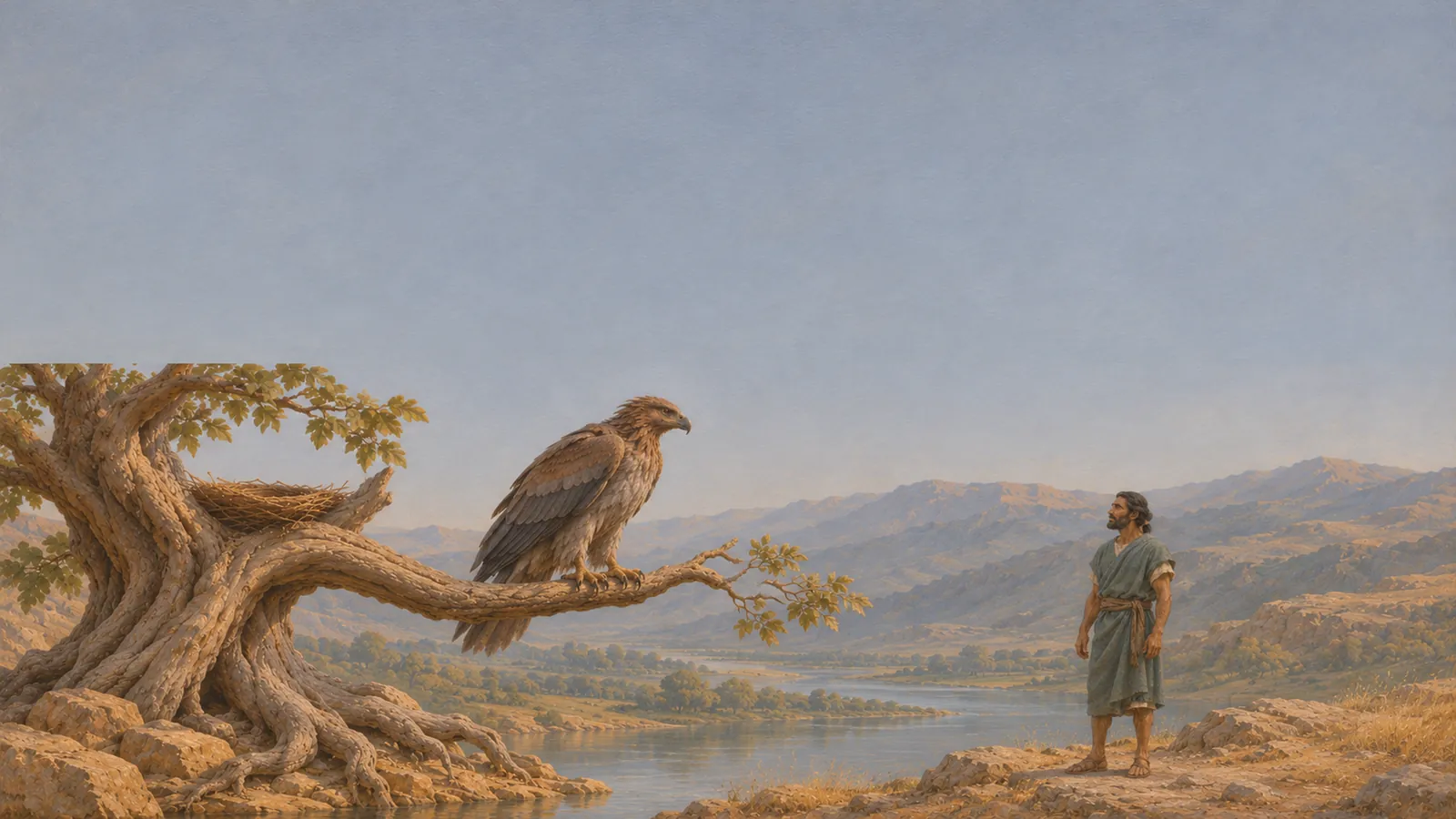
ENDURANCE
Anzud agreed to give Lugalbanda what he had asked for. The man would have endurance for the journey on his own feet.
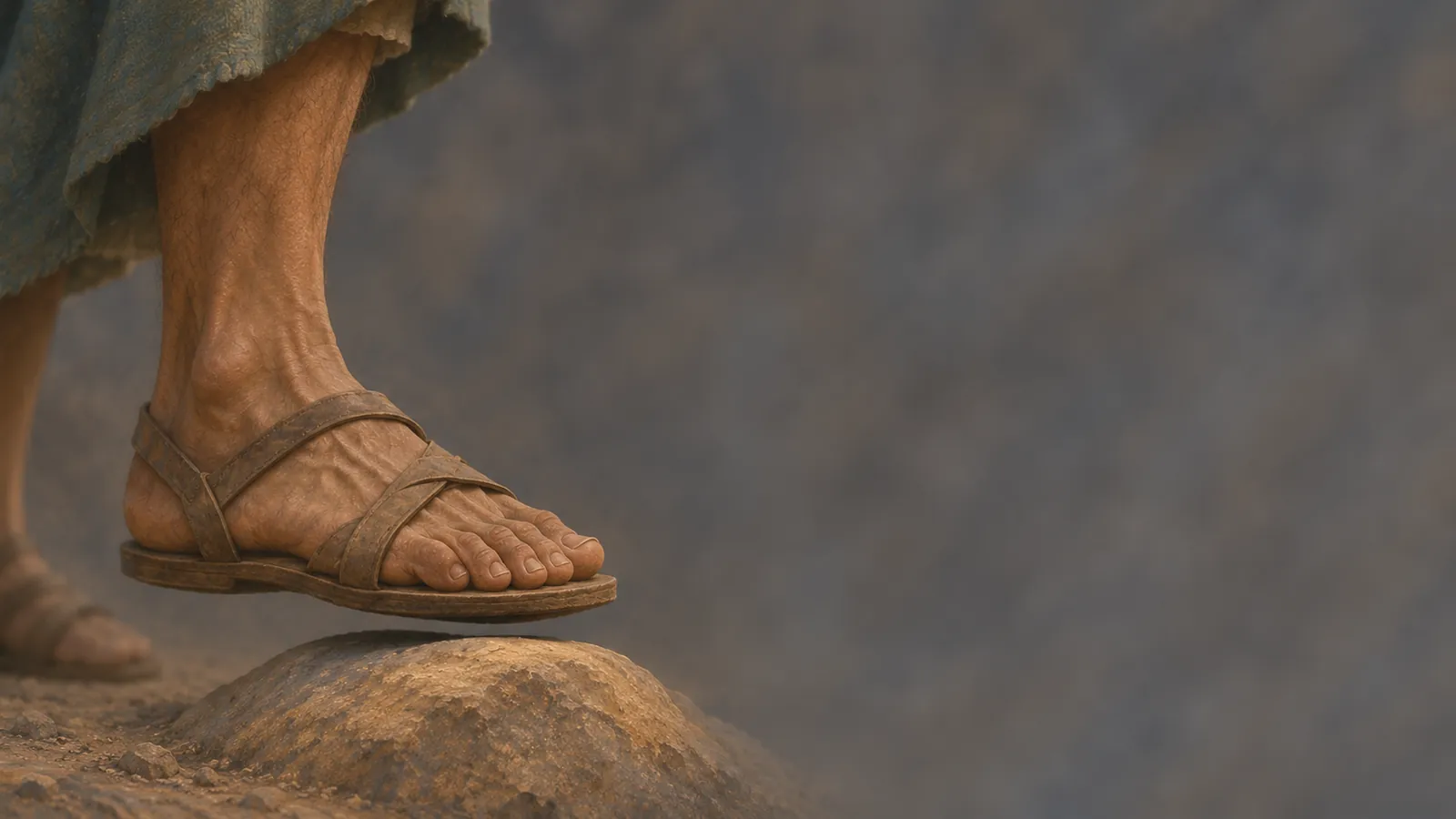
The bird spoke of the strength Lugalbanda would have. His feet would carry him on when the road grew long.
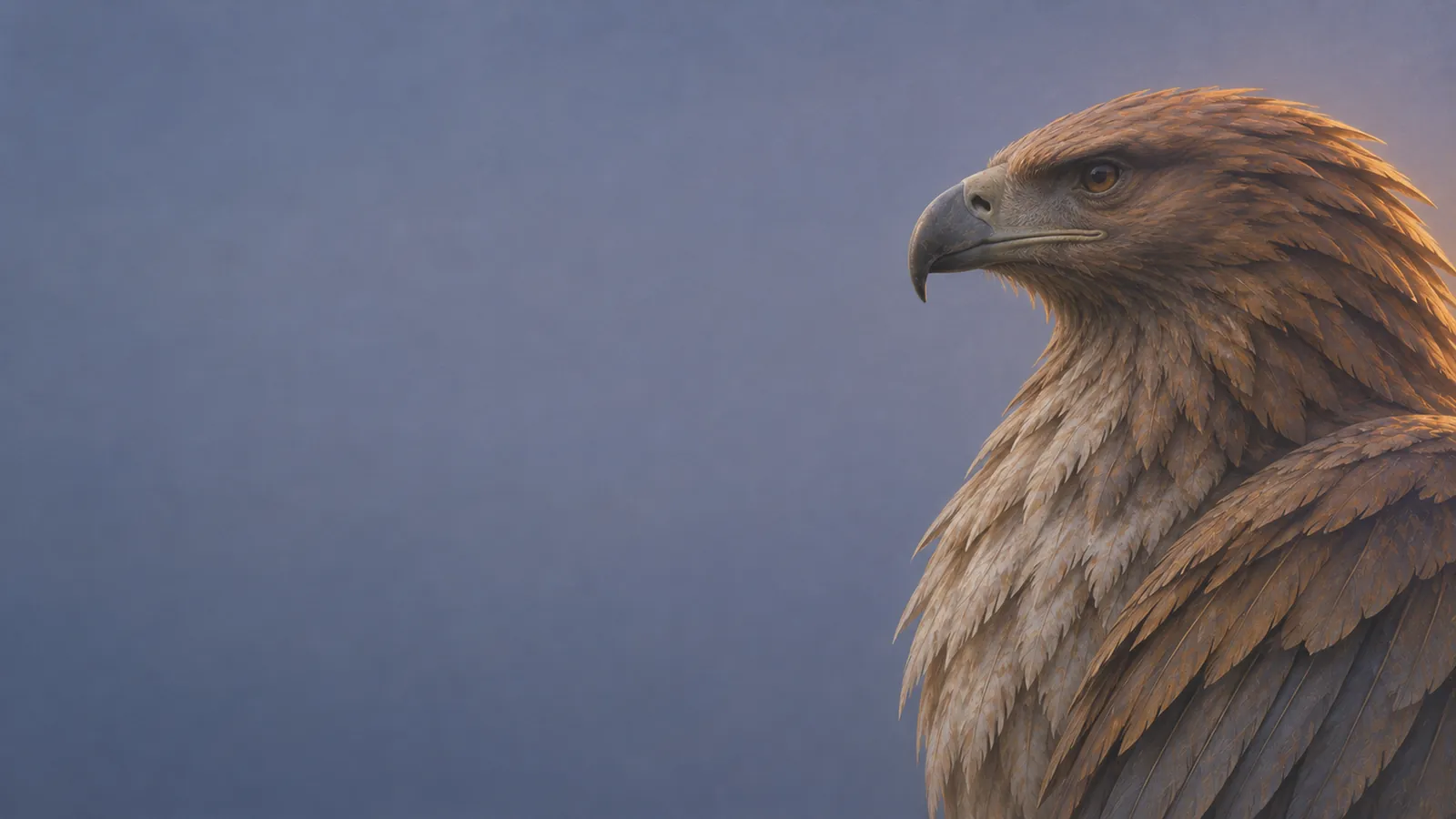
Parts of the bird’s last words are broken. What survives is enough to hear the gift Anzud made to Lugalbanda.
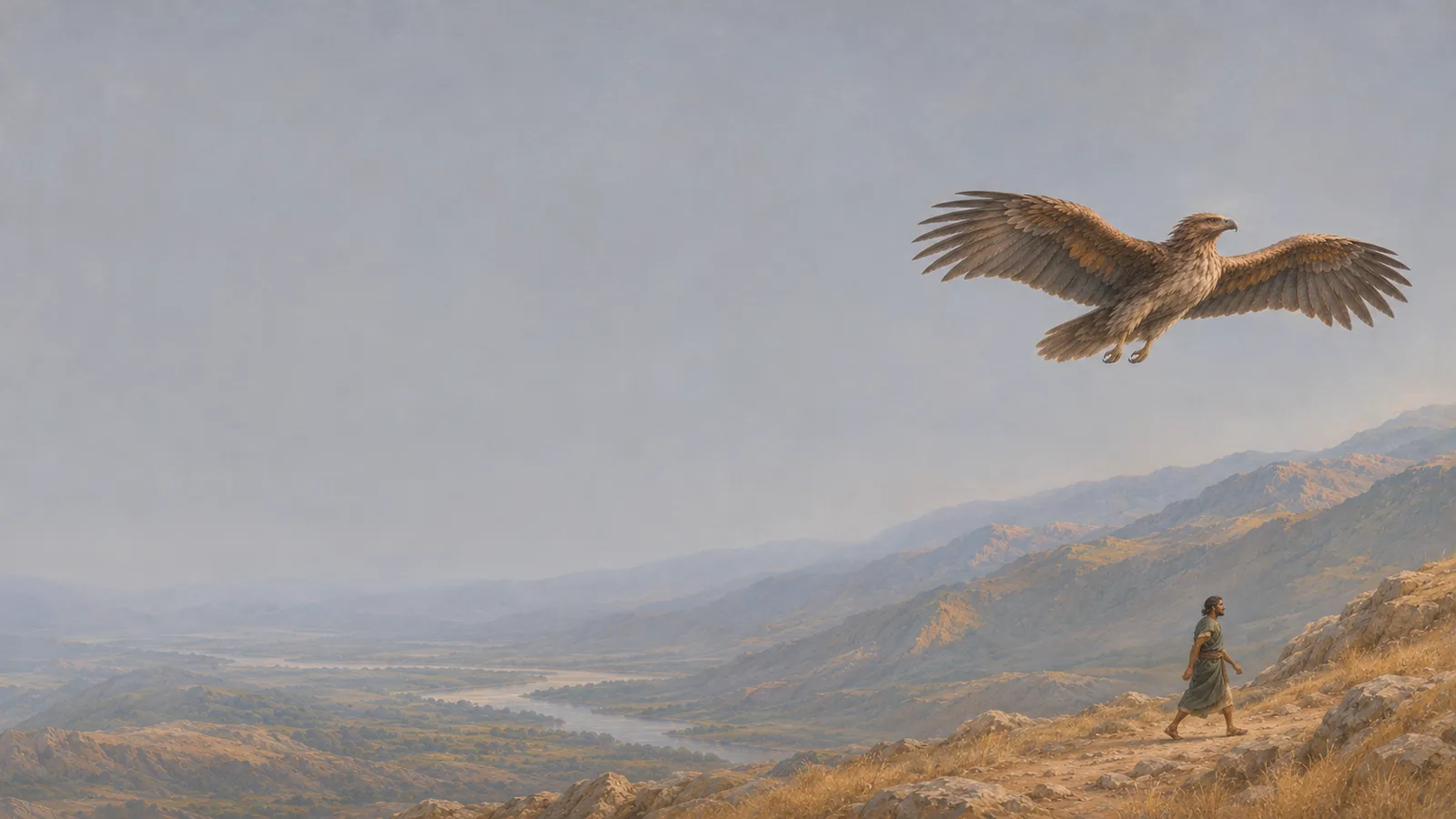
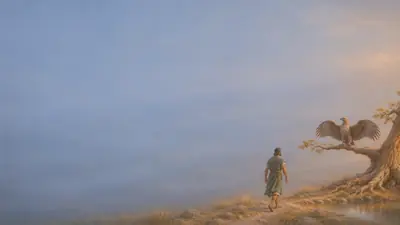
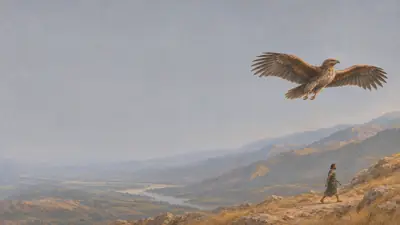
Anzud went up into the air to look out over the mountains. Lugalbanda went on below him, on foot.
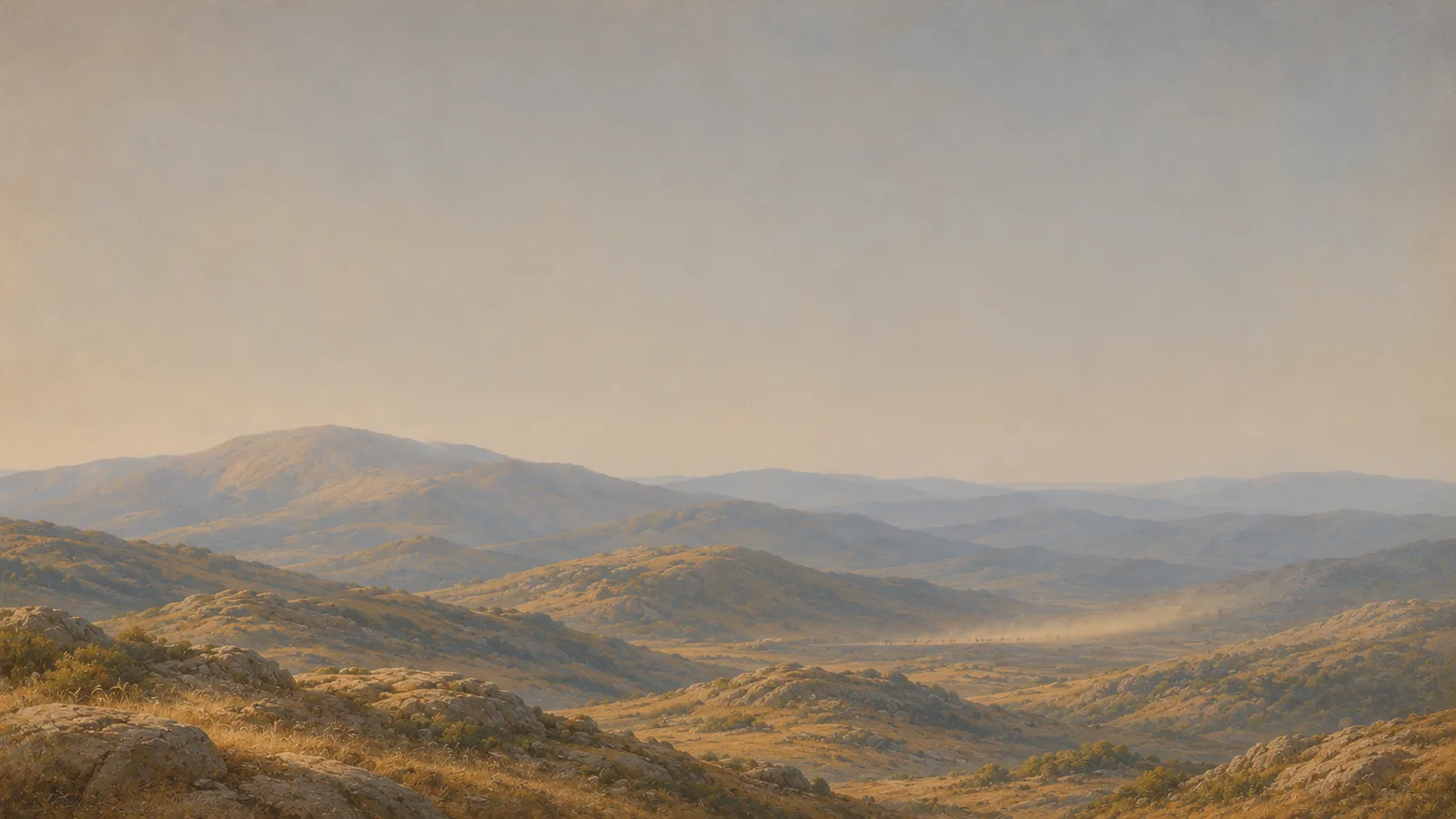
There was dust far off among the mountains. Out there, at last, lay the army Lugalbanda had set out to find.
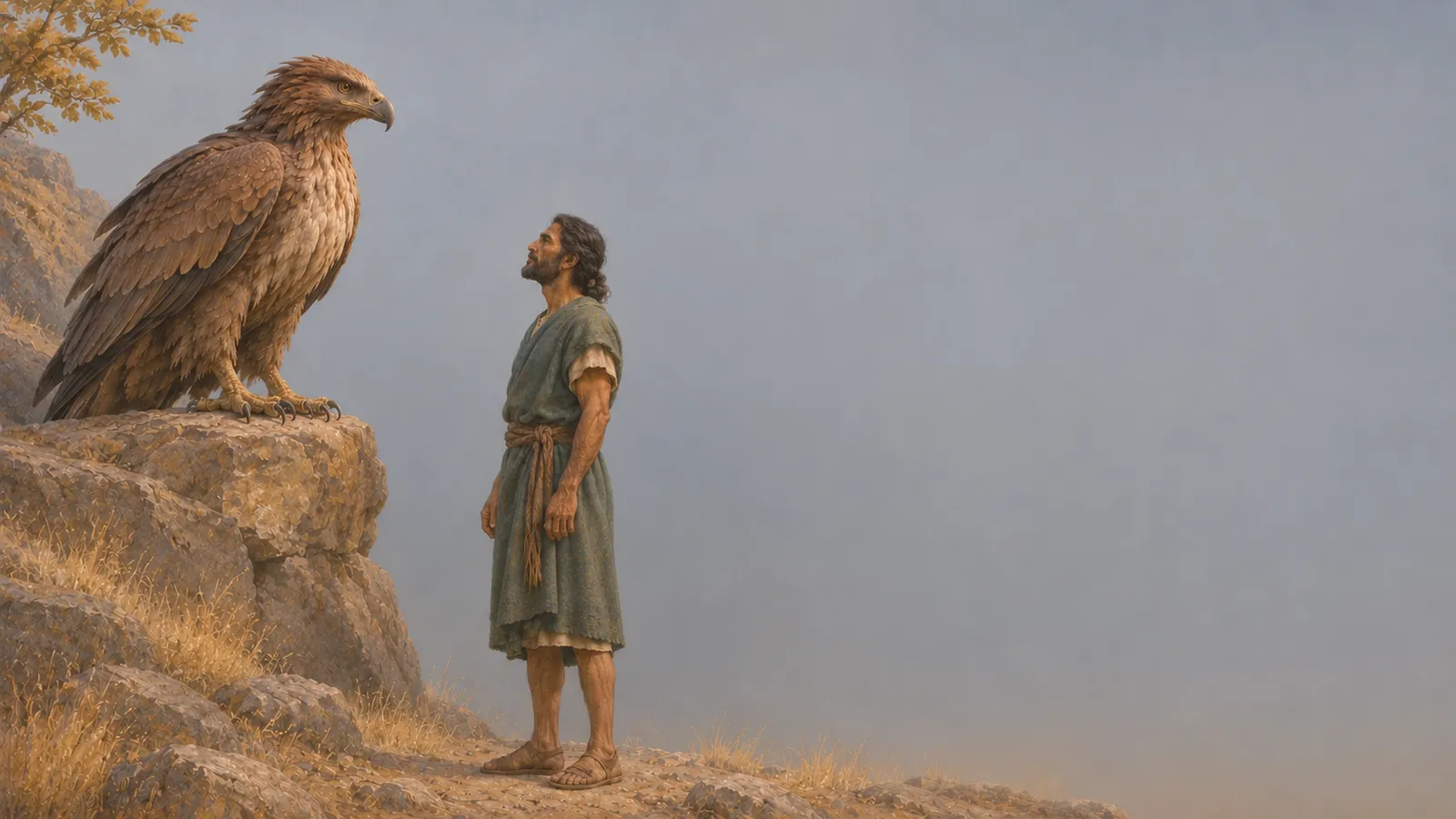
Before they parted, Anzud told Lugalbanda to keep what had passed between them secret. The army was now within reach.
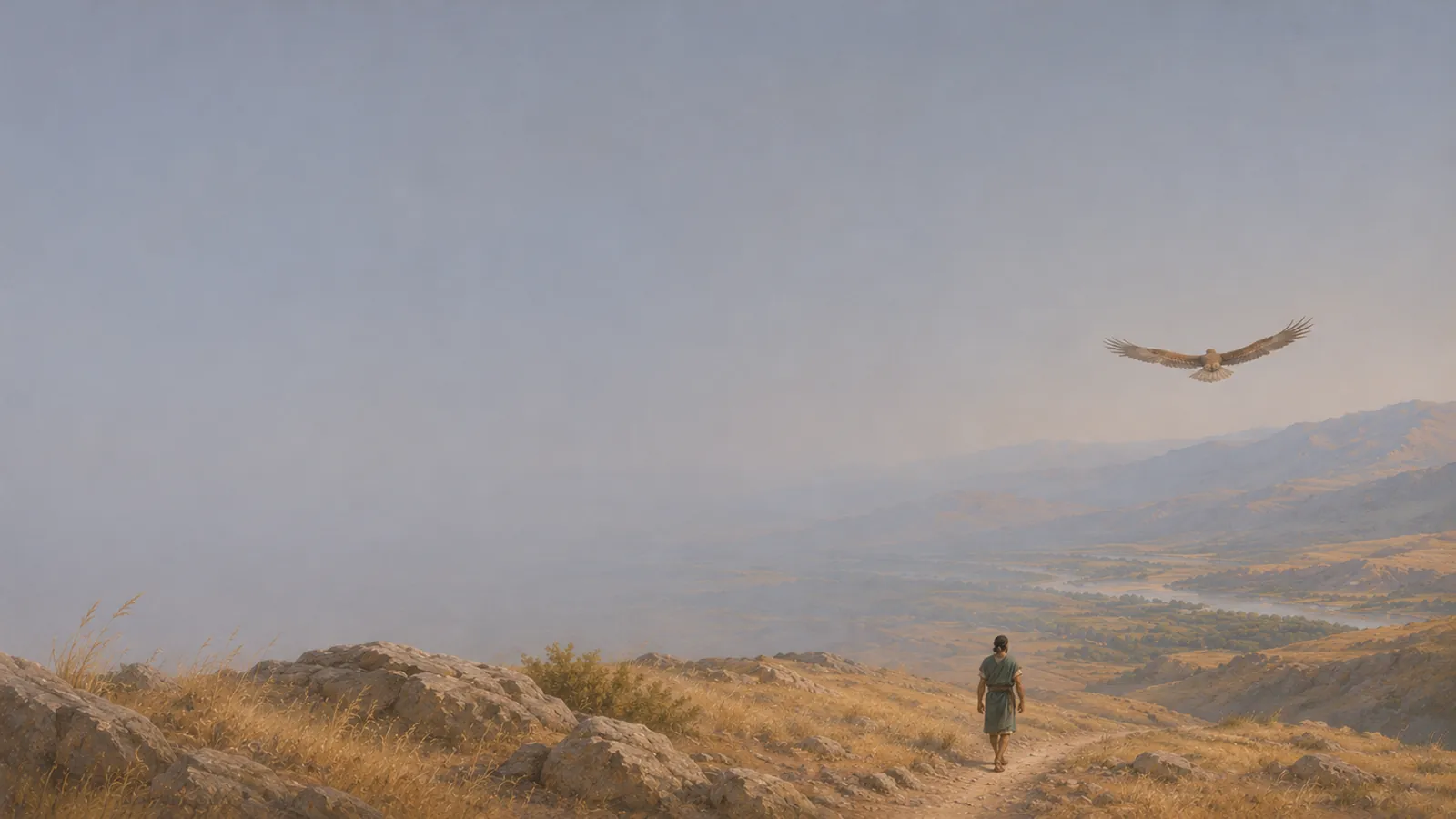
Anzud turned back toward the nest and his family. Lugalbanda went on alone to the men whose dust he had seen.
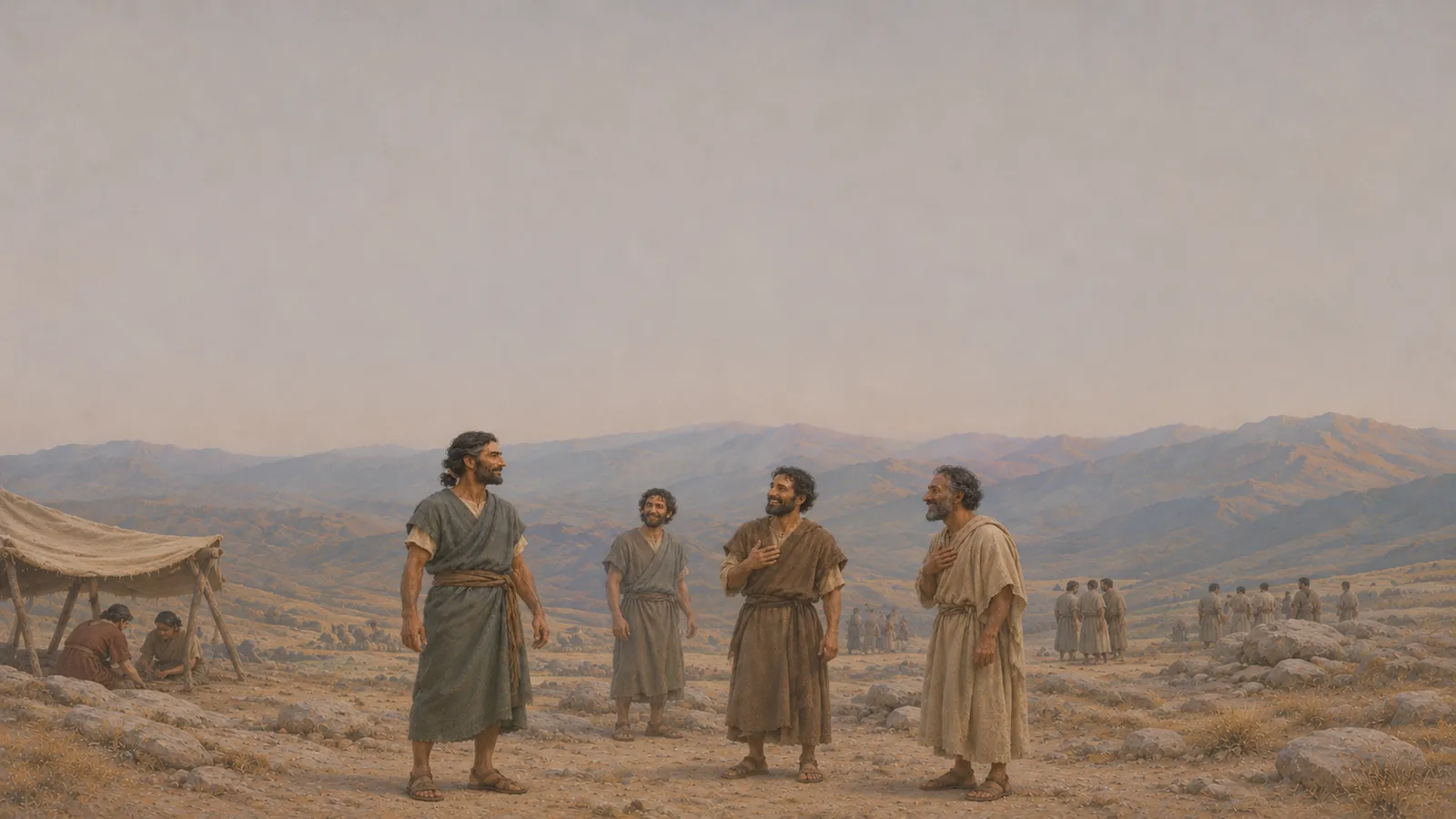
REUNION
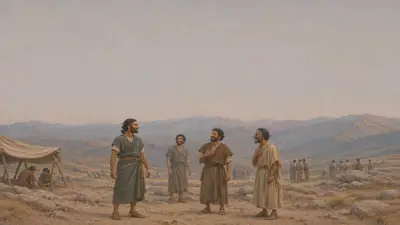
Lugalbanda came among the men he had lost. They saw him again after the days when he had been alone.
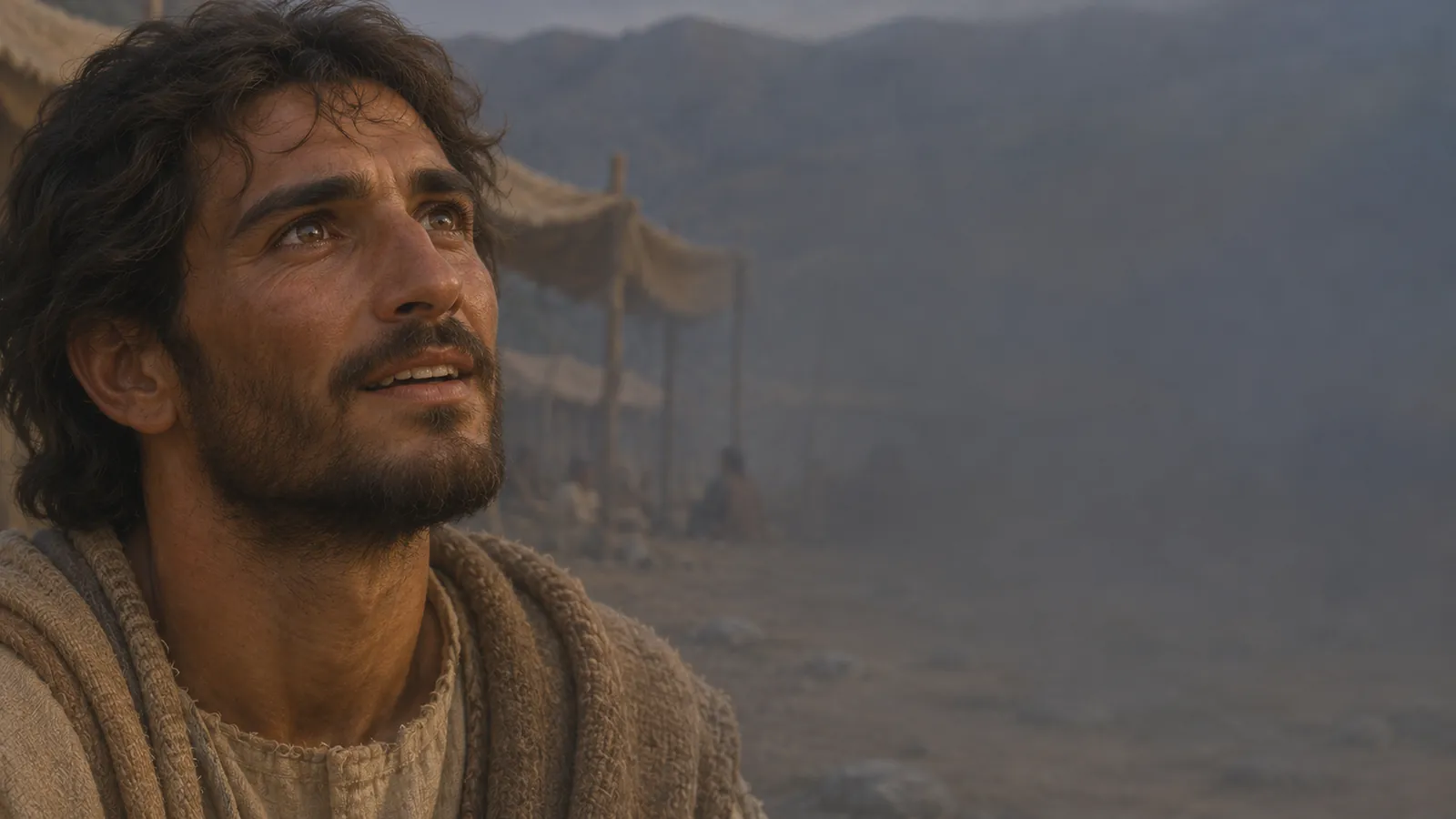
His companions looked at him in disbelief. How had he found his way through those mountains and come back among them?
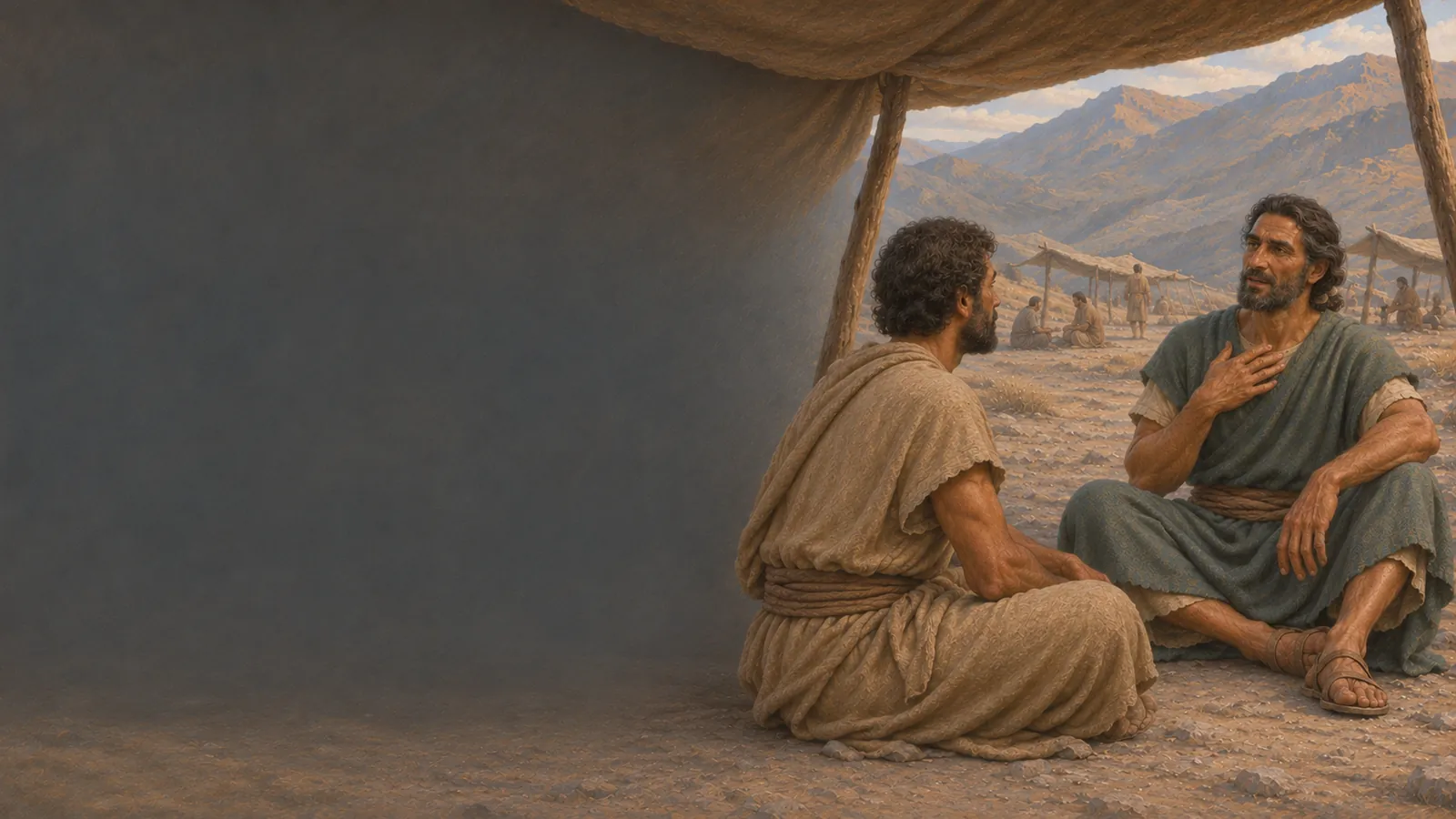
Lugalbanda answered with the story of his survival. He told his companions how he had managed to hold out in the mountains.
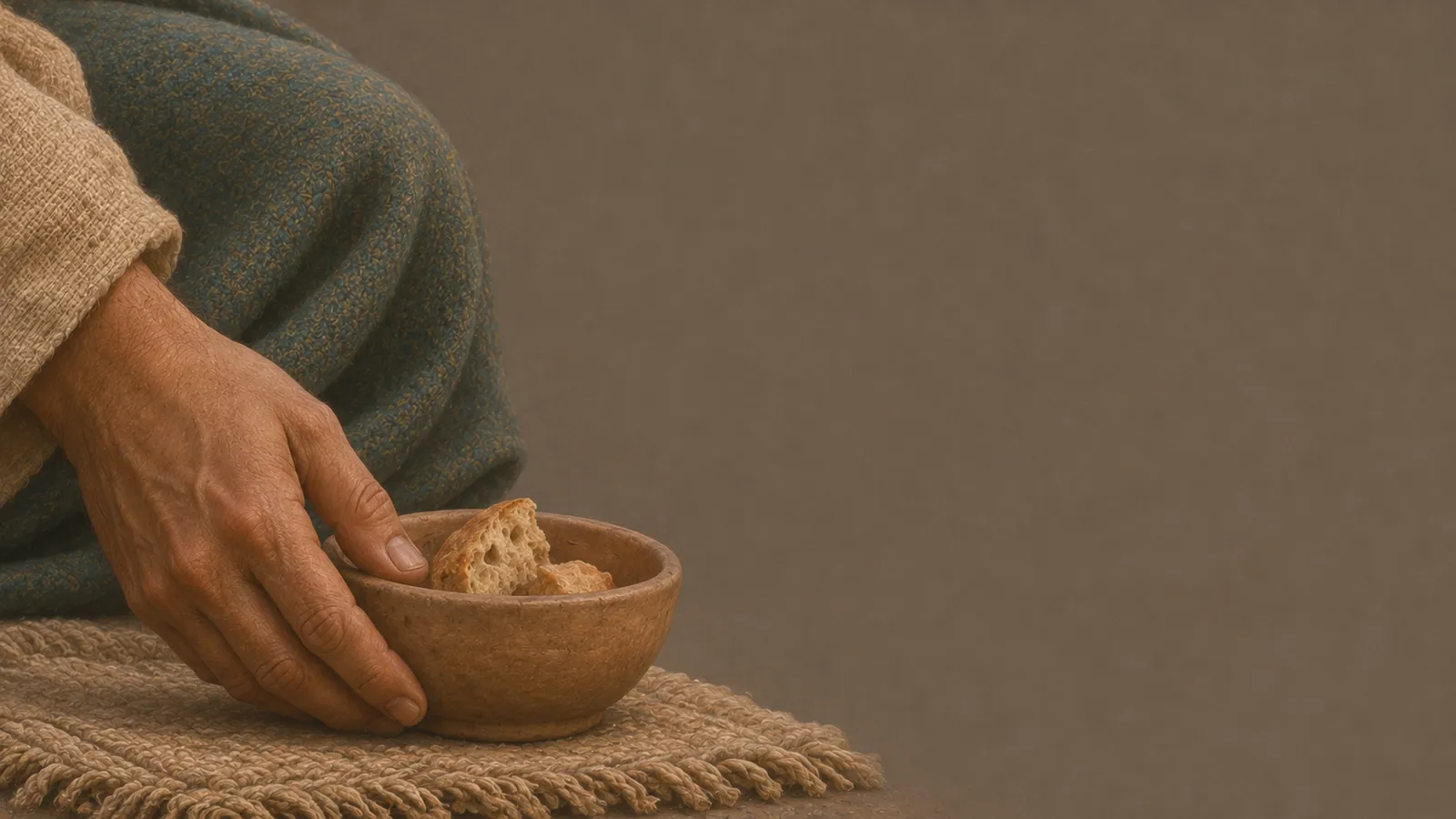
The men took Lugalbanda back among them and offered him food. His companions could care for him again at last.
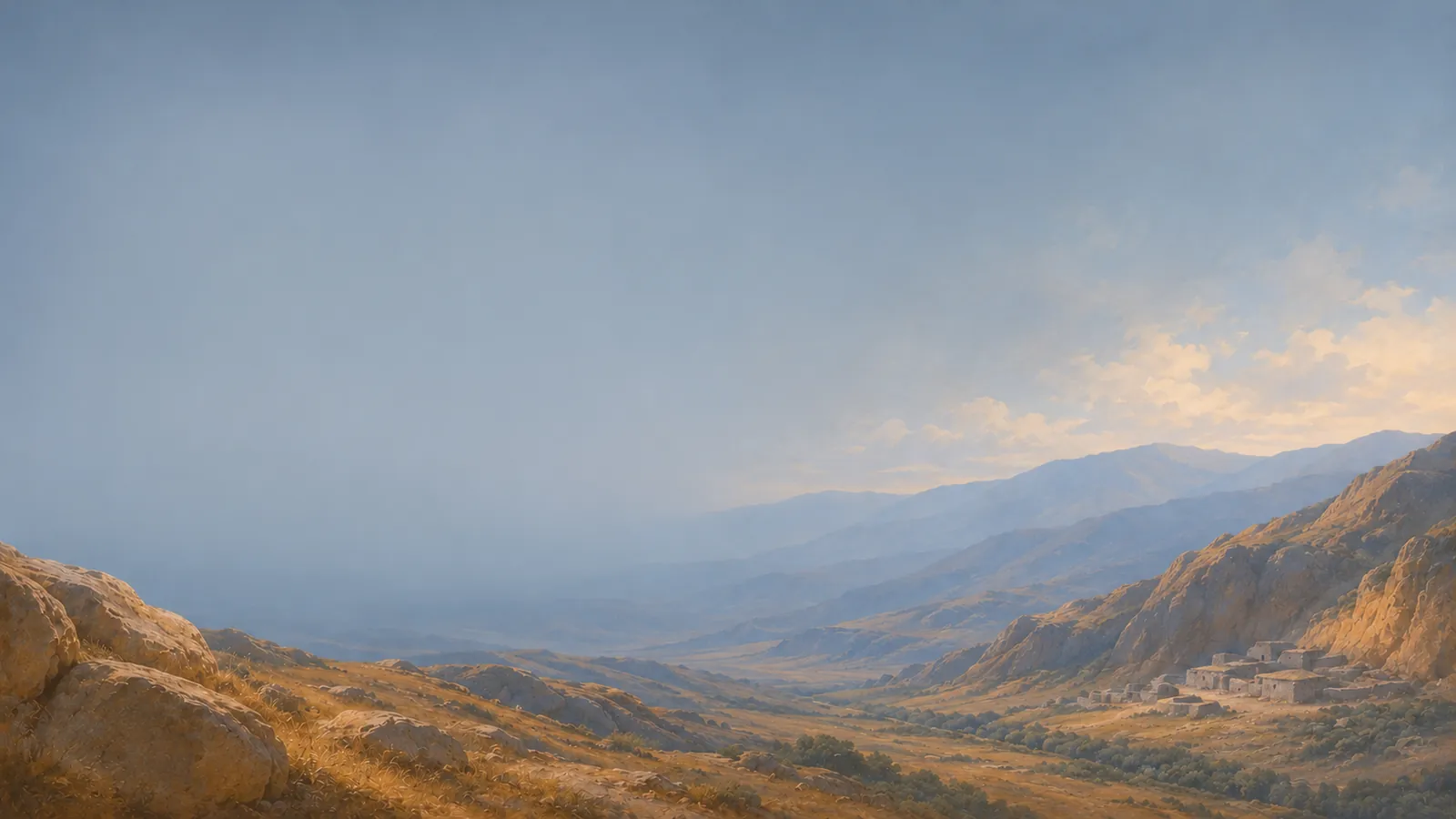
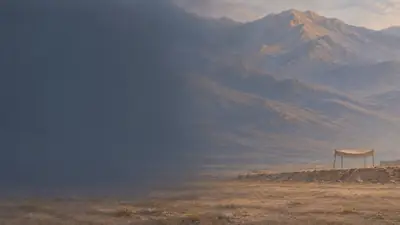
The poem turns again to Aratta. In the mountains ahead lay the city where Enmerkar’s long campaign would hold his men.
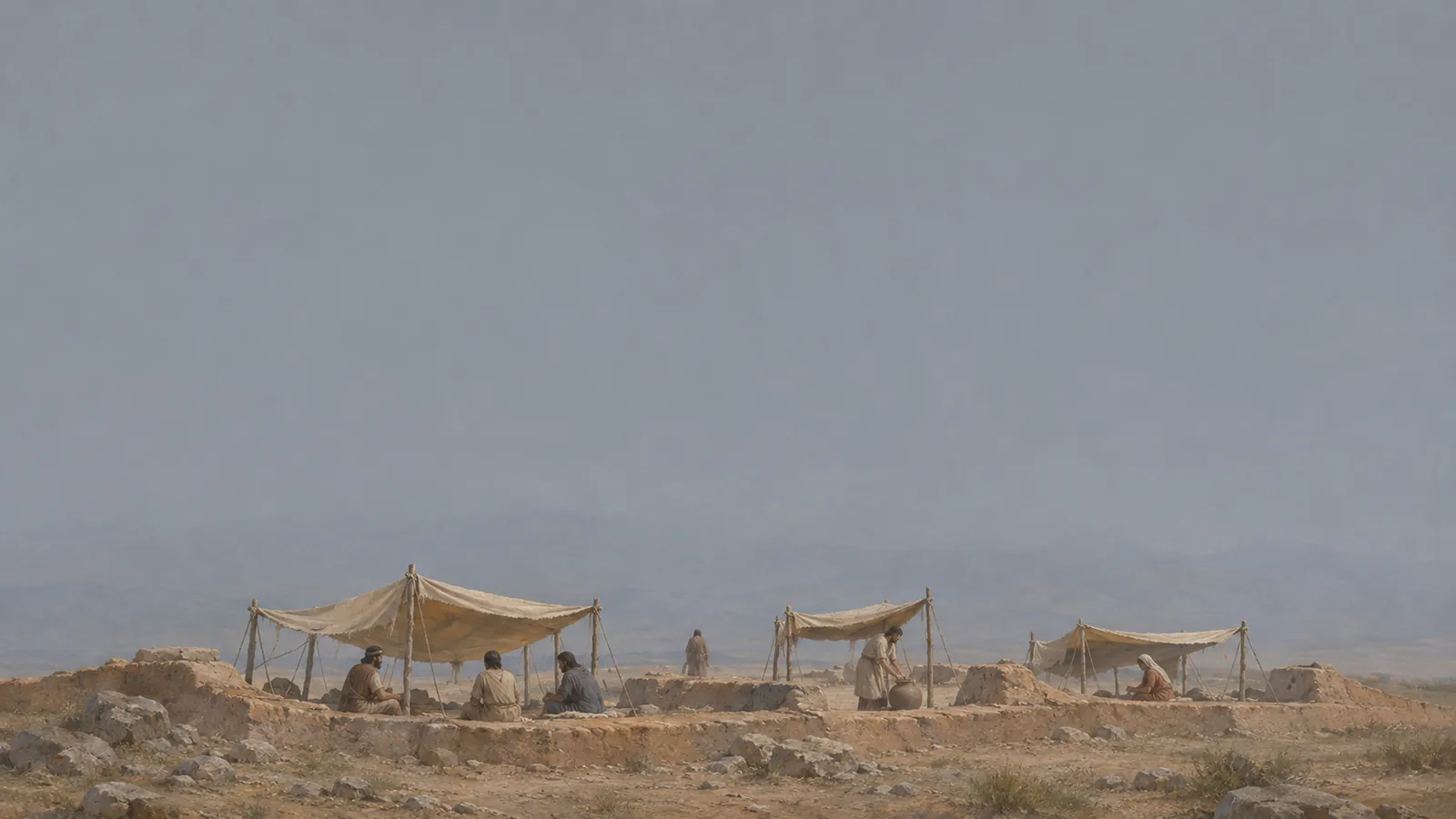
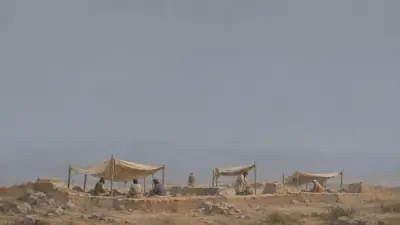
The men stayed outside Aratta in an entrenched camp. The city remained ahead of them as the siege went on.
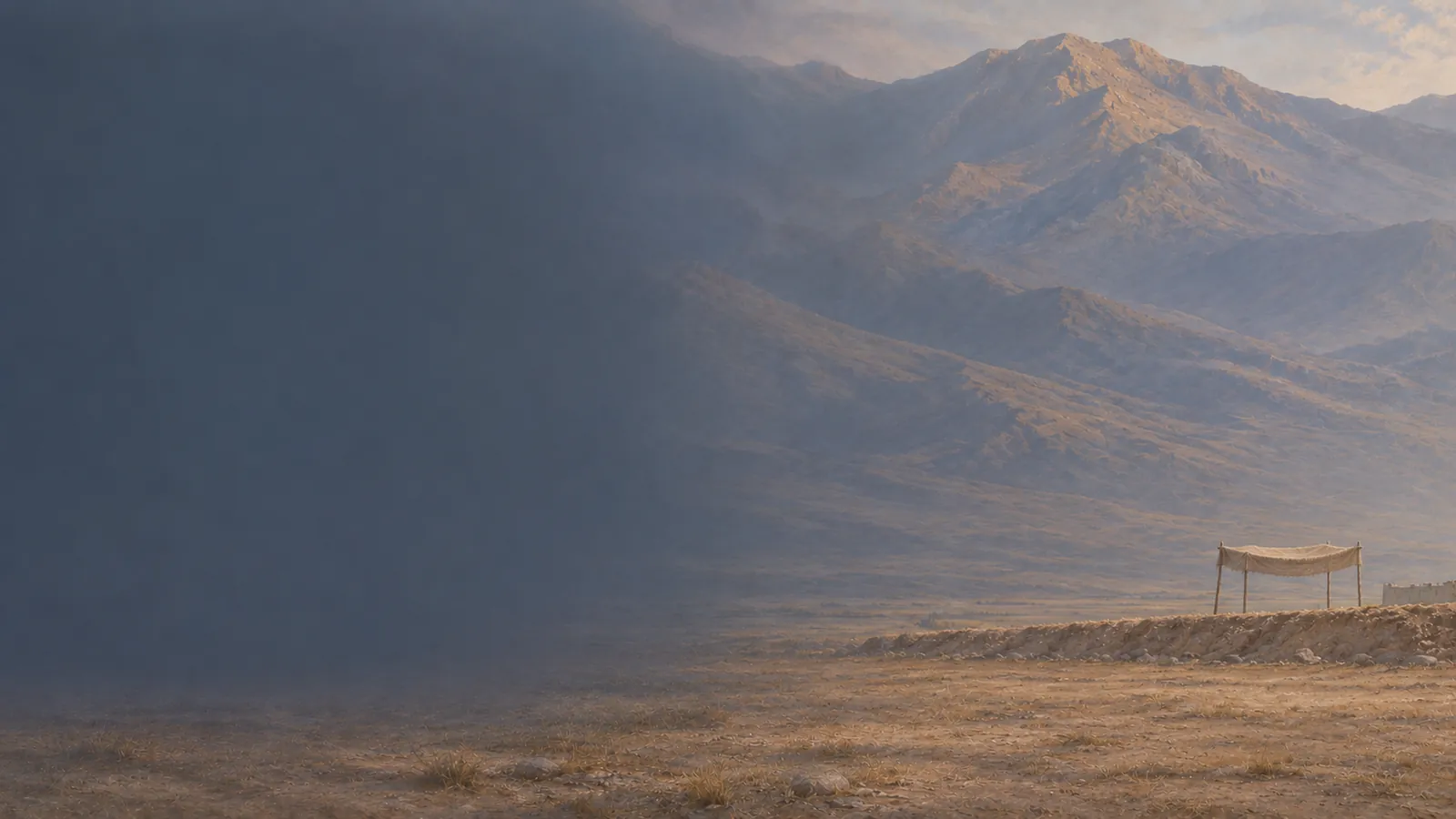
From the camp, the men faced a city under siege. The poem speaks of missiles, and the fighting went on.
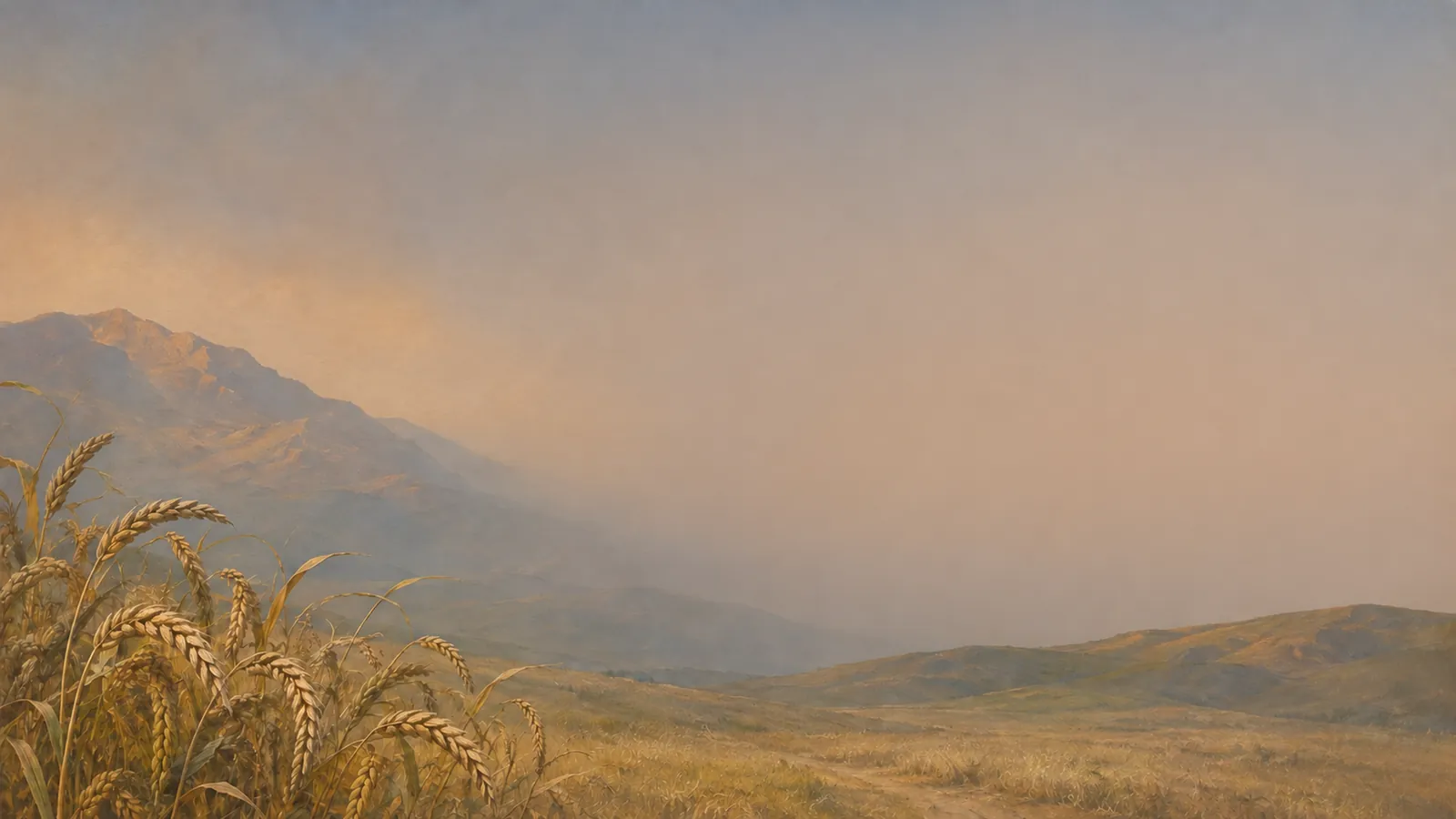
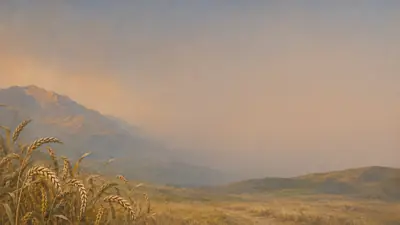
The poem measures the passing time by the harvest. The season changed while Enmerkar and his men stayed at Aratta.
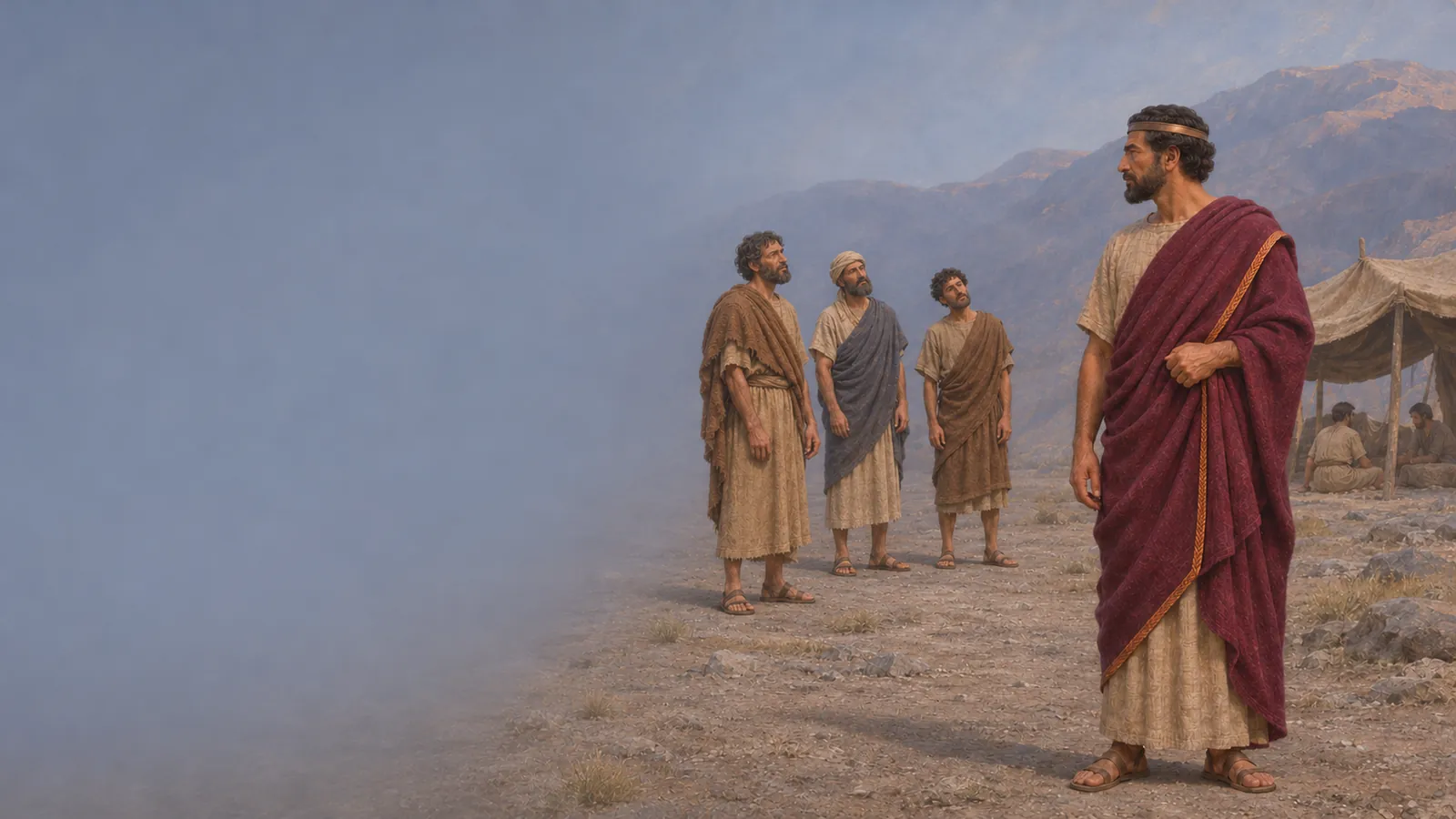
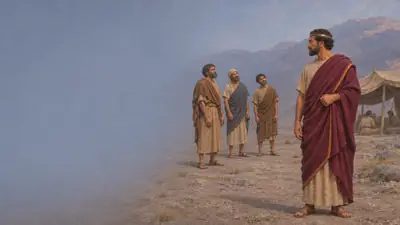
Enmerkar needed someone to carry a message to Inanna. He looked among his men, and at first nobody stepped forward.
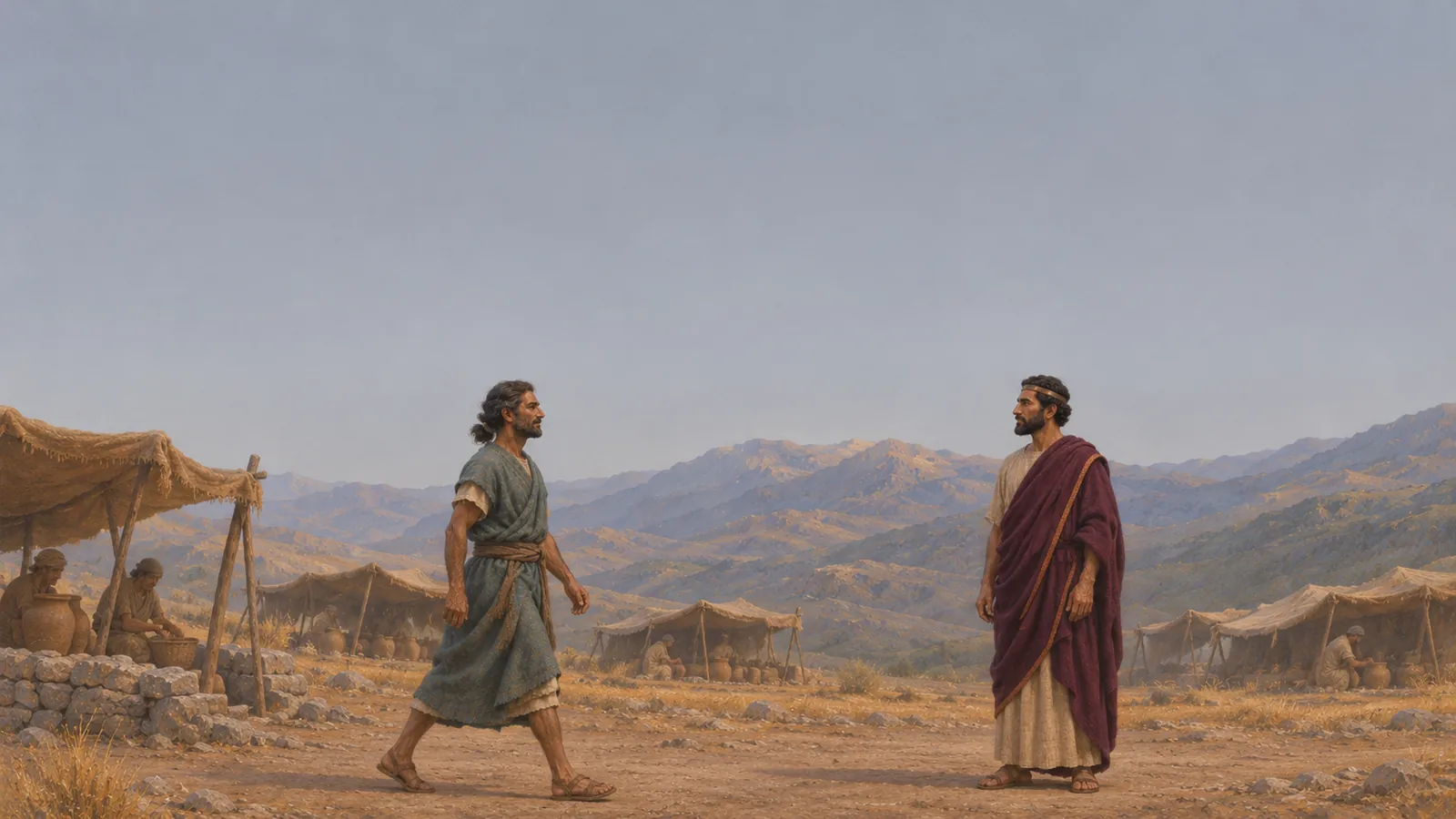
THE MESSENGER
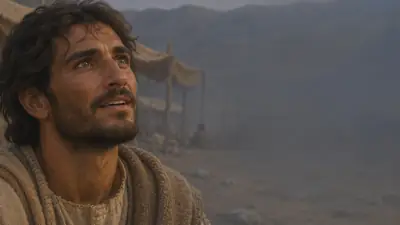
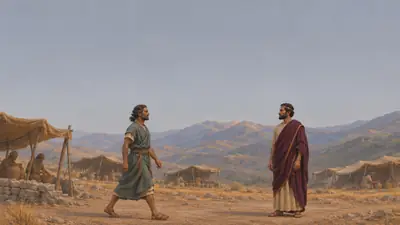
Then Lugalbanda stepped forward before Enmerkar. He was willing to leave the men and carry the ruler’s words himself.
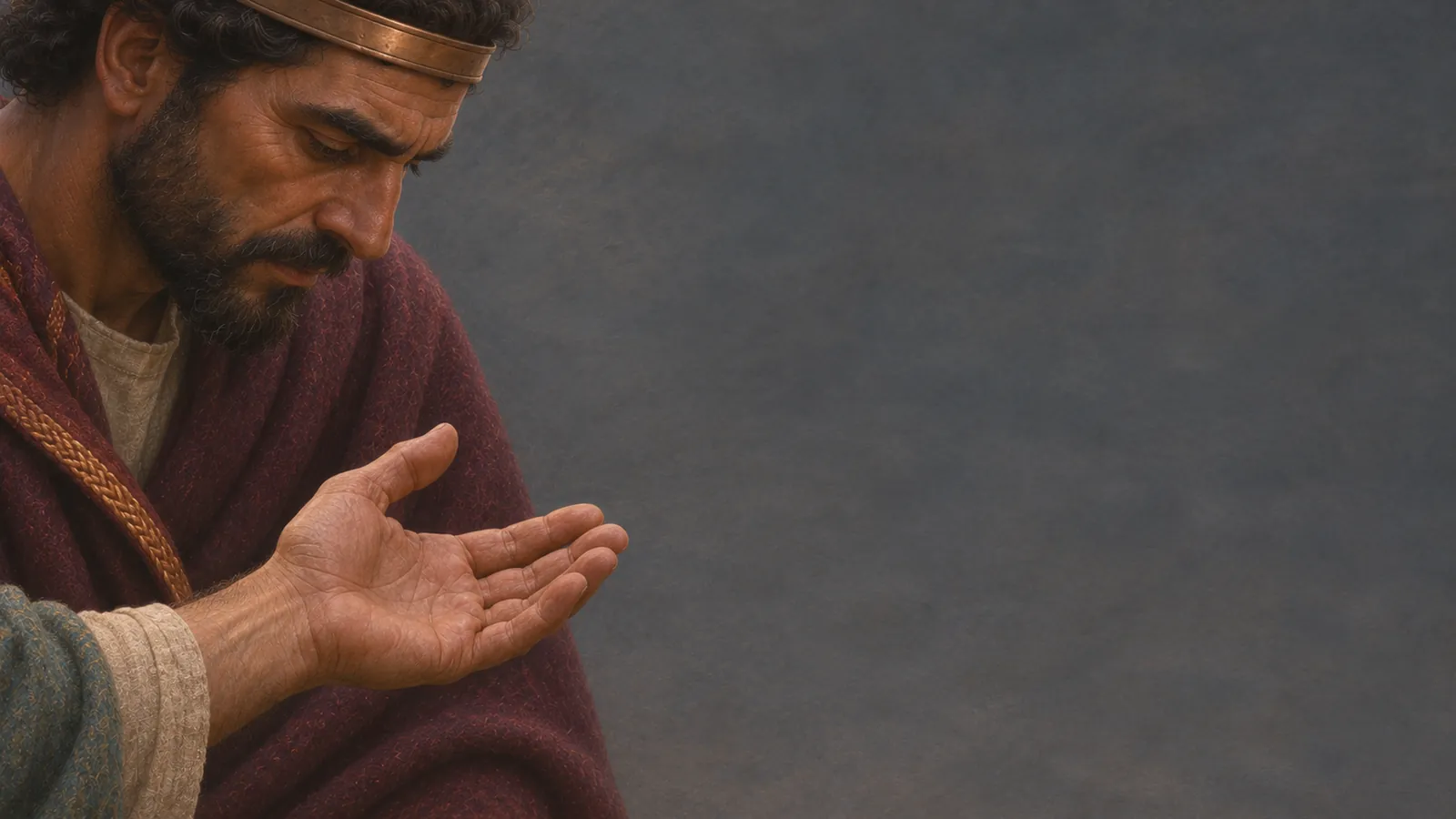
Lugalbanda gave his word to Enmerkar. He swore that he would carry the emblems of Kulaba on the journey.
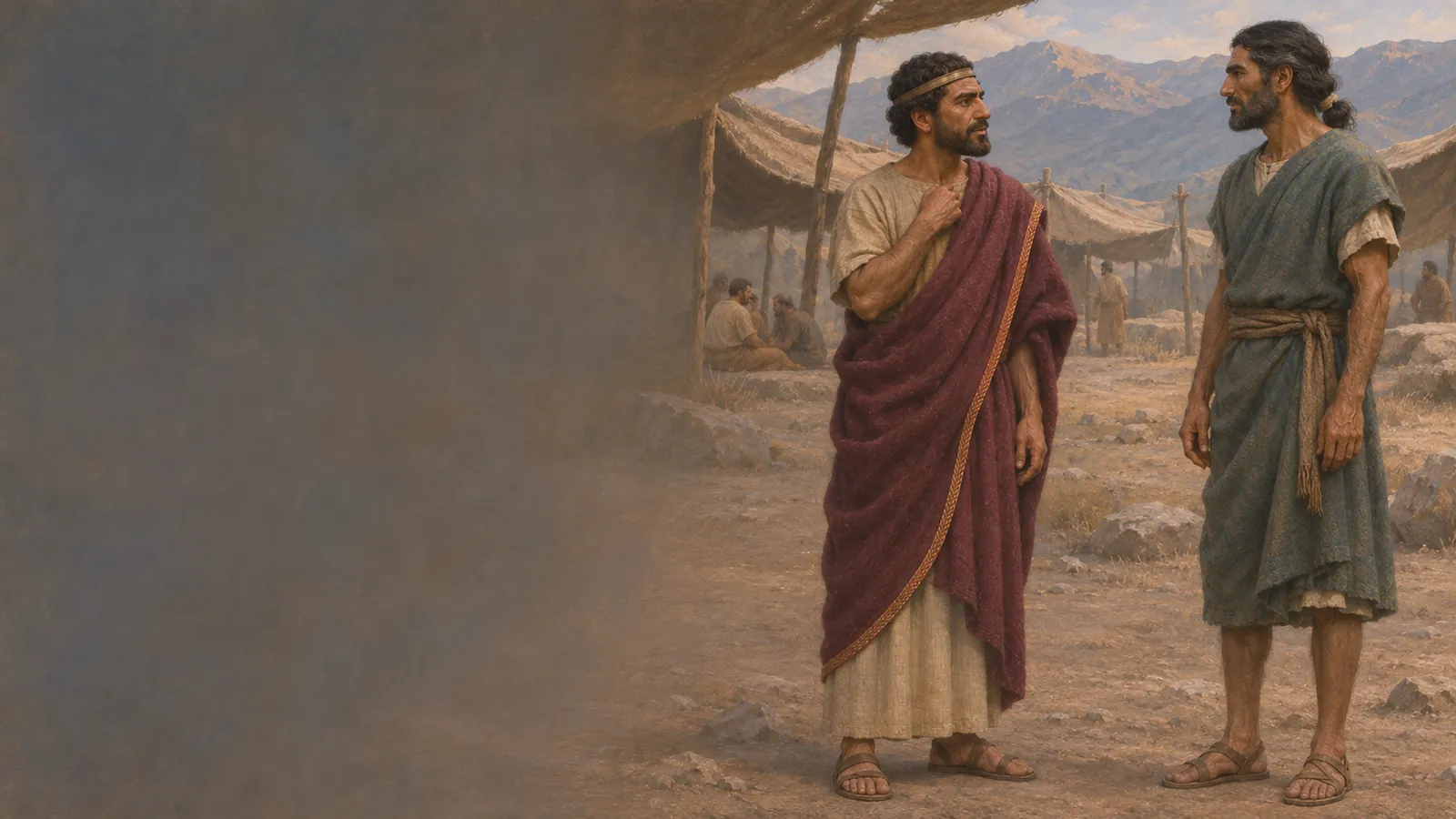
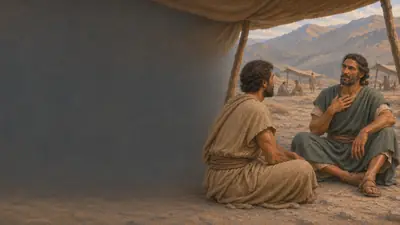
Enmerkar entrusted Lugalbanda with his words for Inanna. The man listened in the camp, where his journey was to begin.
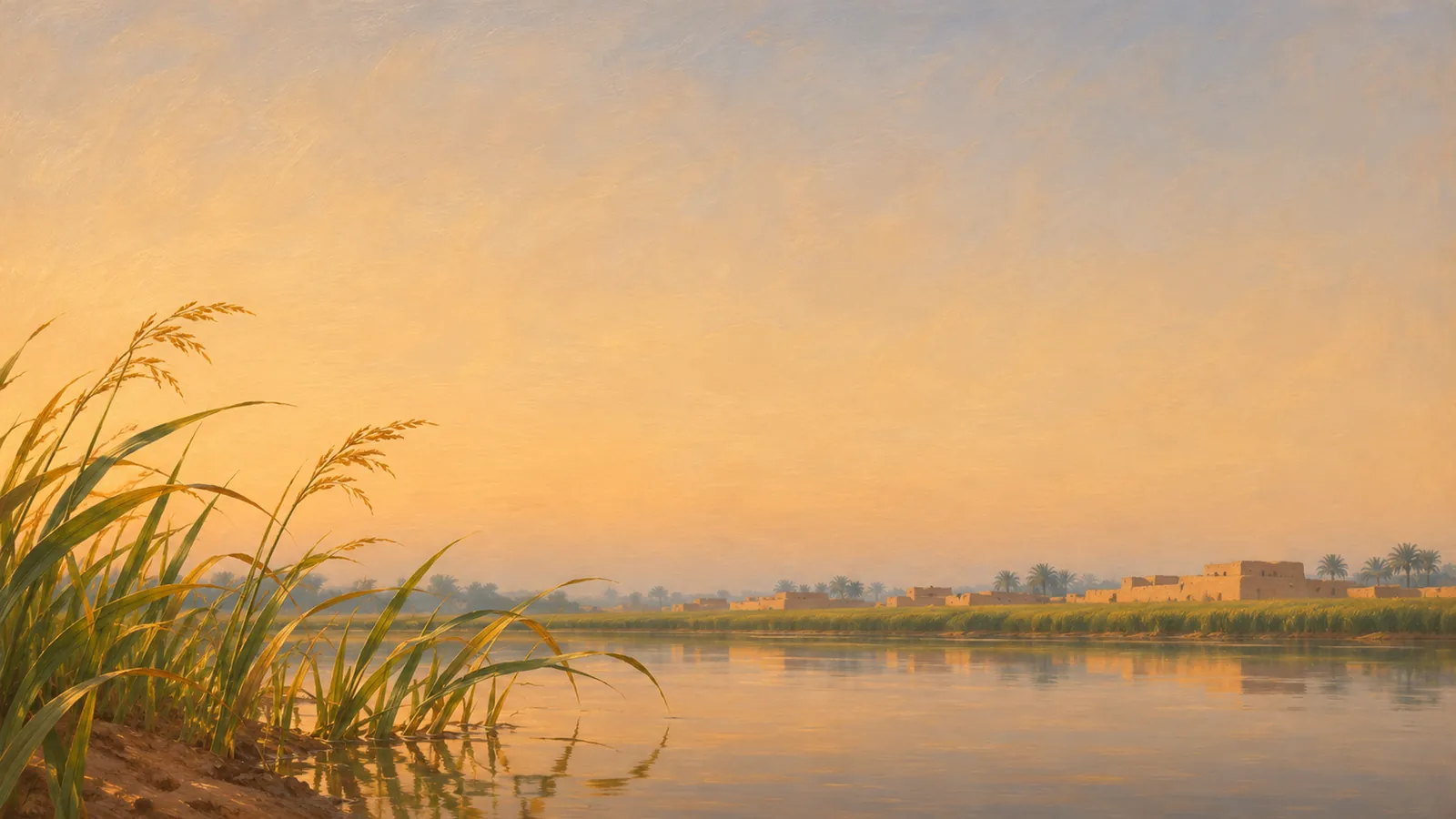
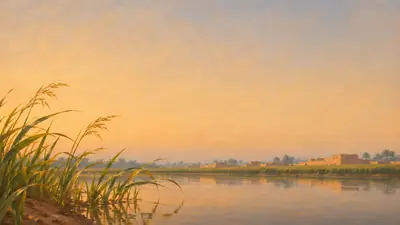
As Enmerkar spoke, his words turned to Uruk. The reeds of home returned to him there in the distant camp.
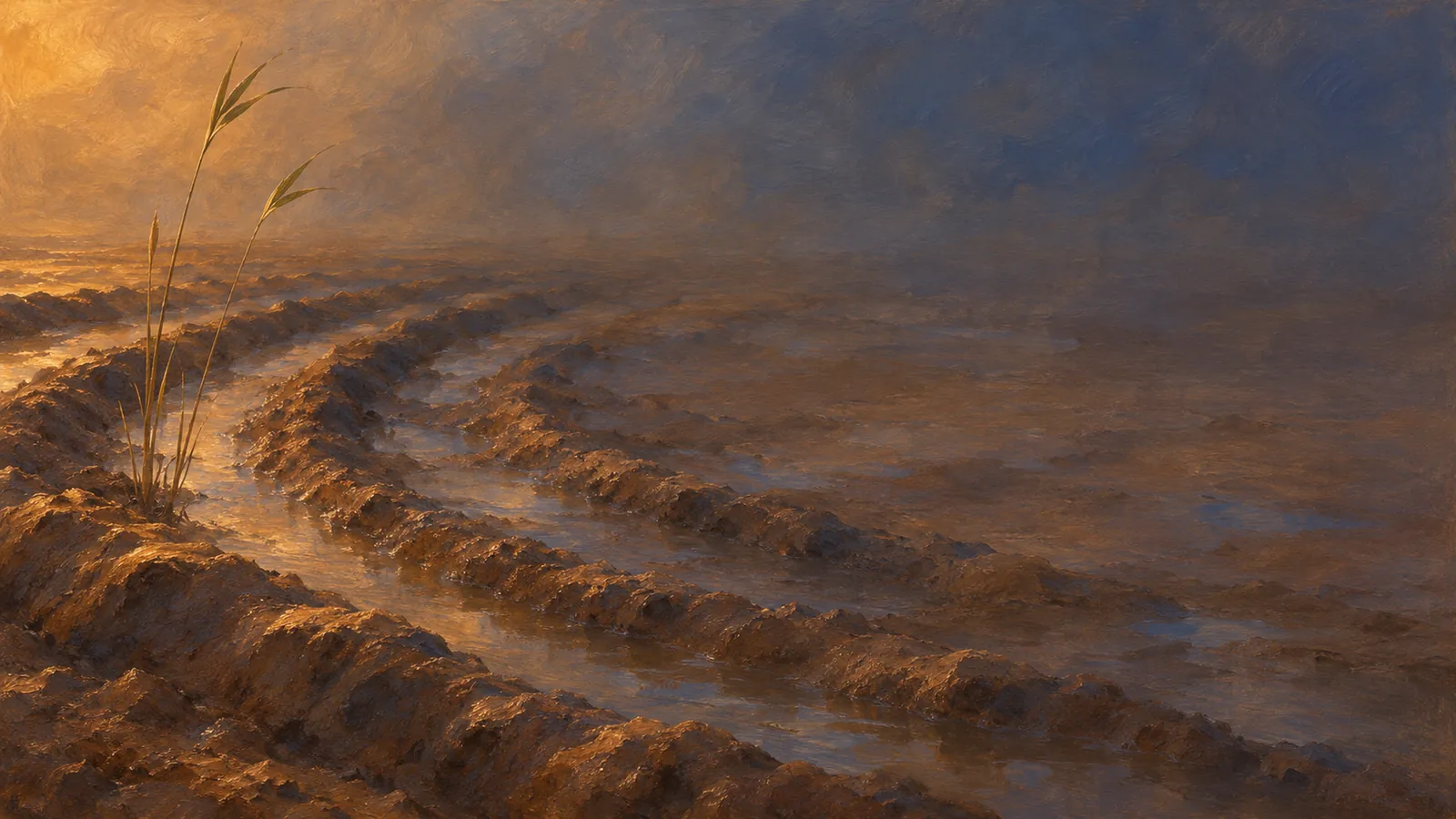
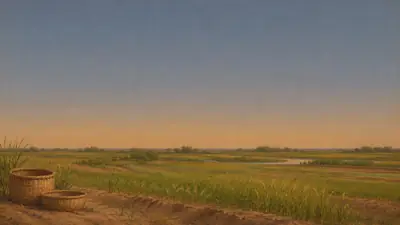
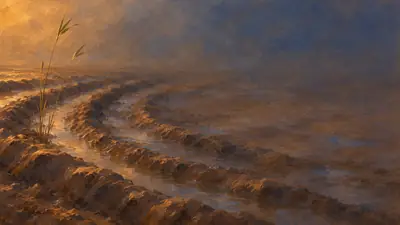
Enmerkar spoke of the ground people had worked at home. Lugalbanda listened to the words he would have to repeat.
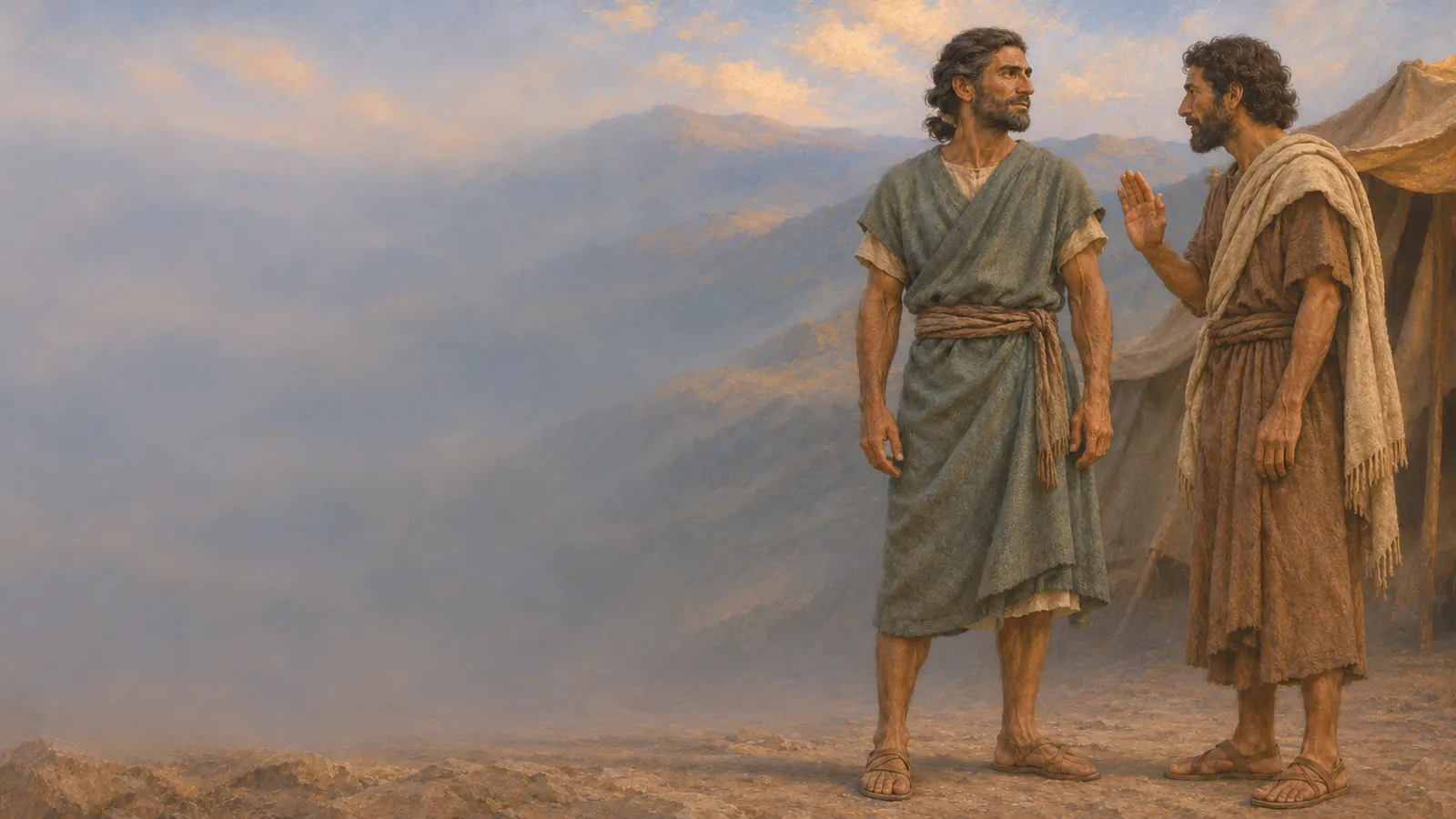
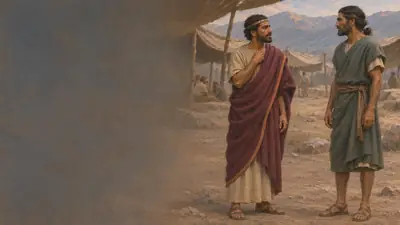
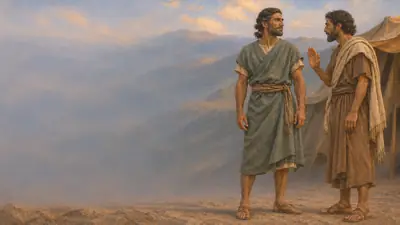
Lugalbanda’s companions objected when they heard he would go alone. The journey would take him back across the mountains.
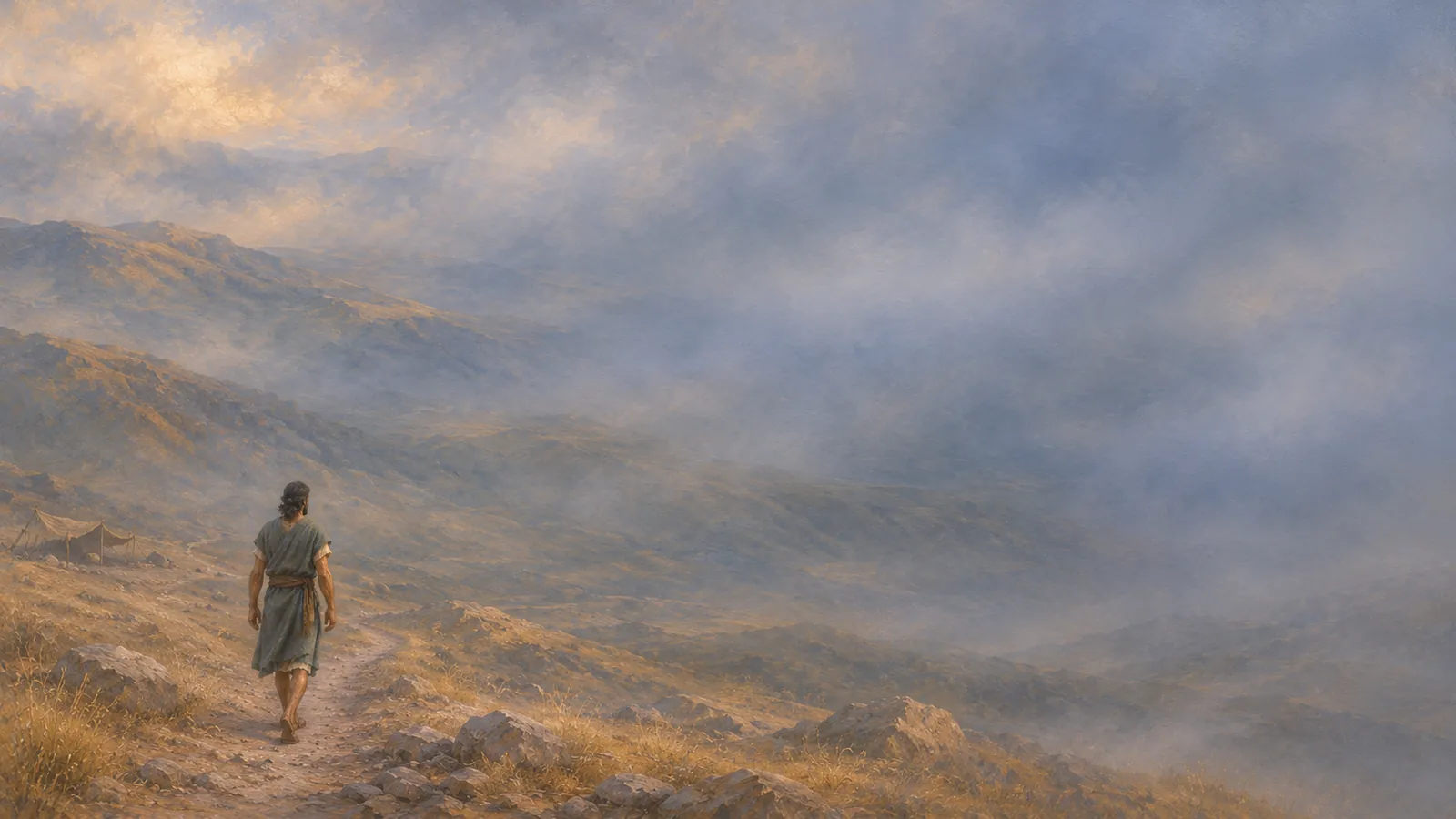
He left the camp by himself. On his own feet he set out for Kulaba, carrying Enmerkar’s words with him.
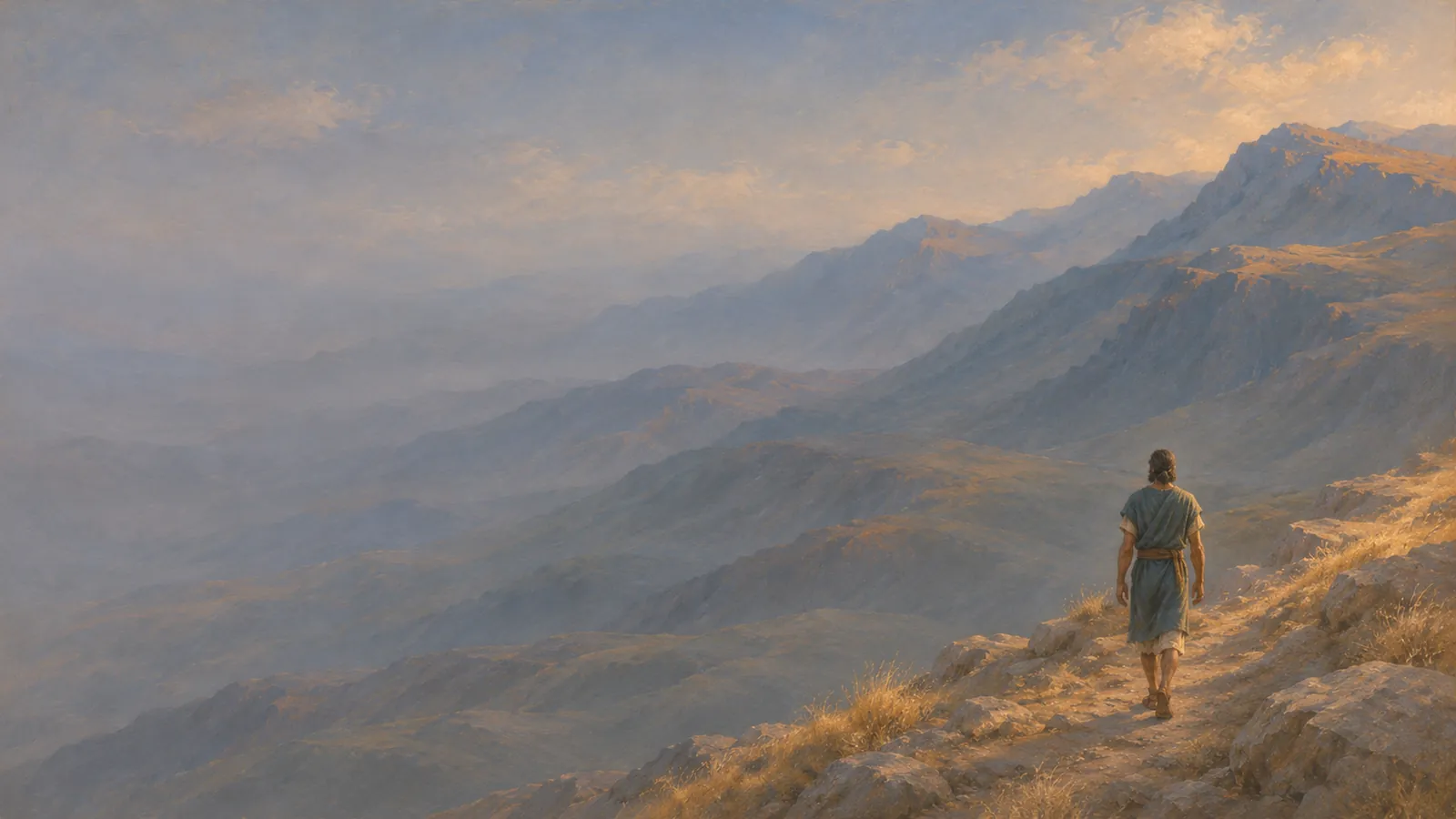
The poem counts five mountains, then six, then seven. On foot, Lugalbanda kept going from one ridge to the next.
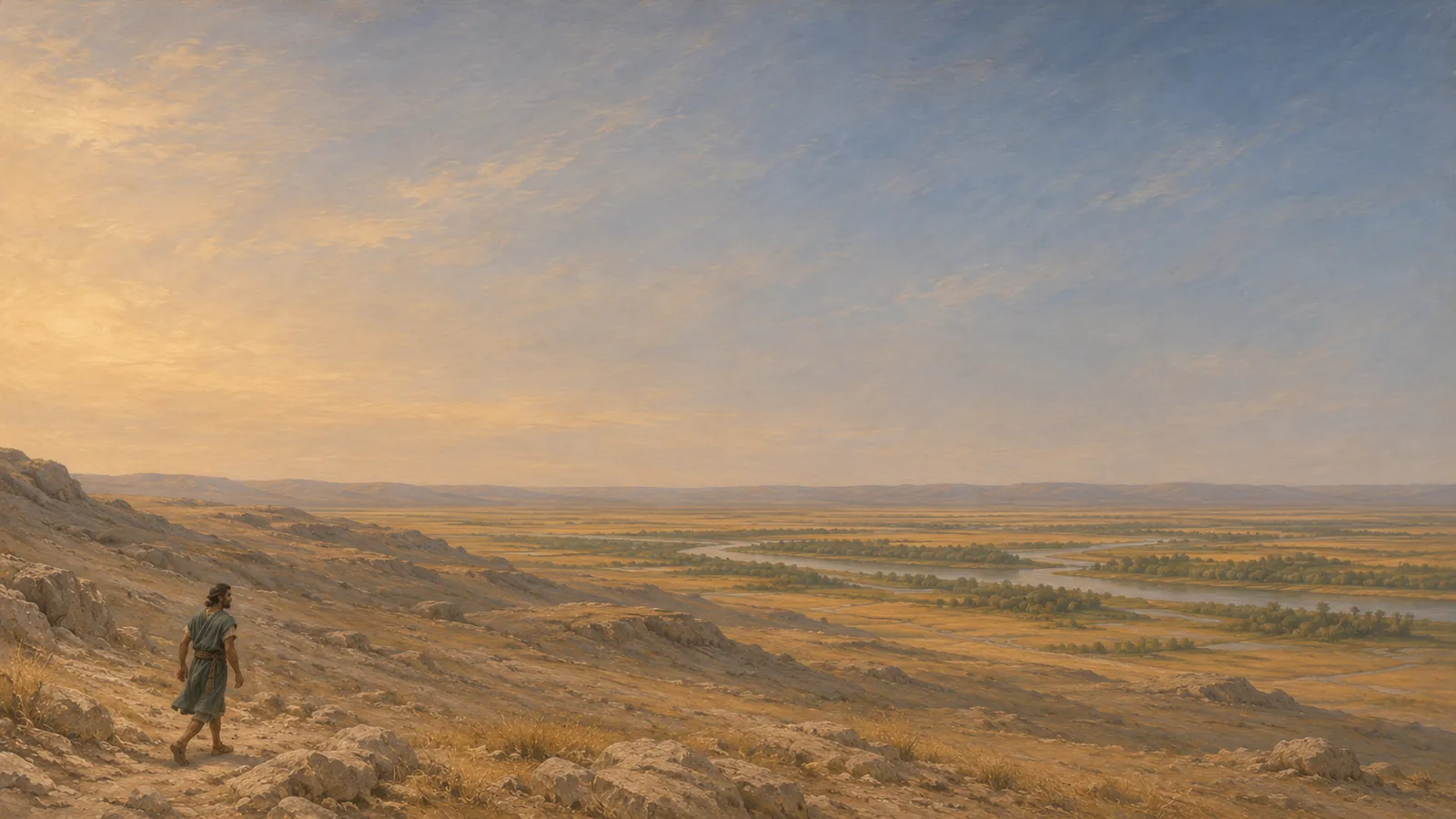
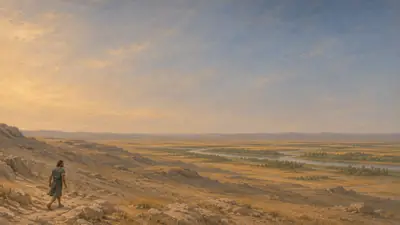
The mountains gave way to flat land. Lugalbanda continued toward Kulaba with the words he had promised to carry.
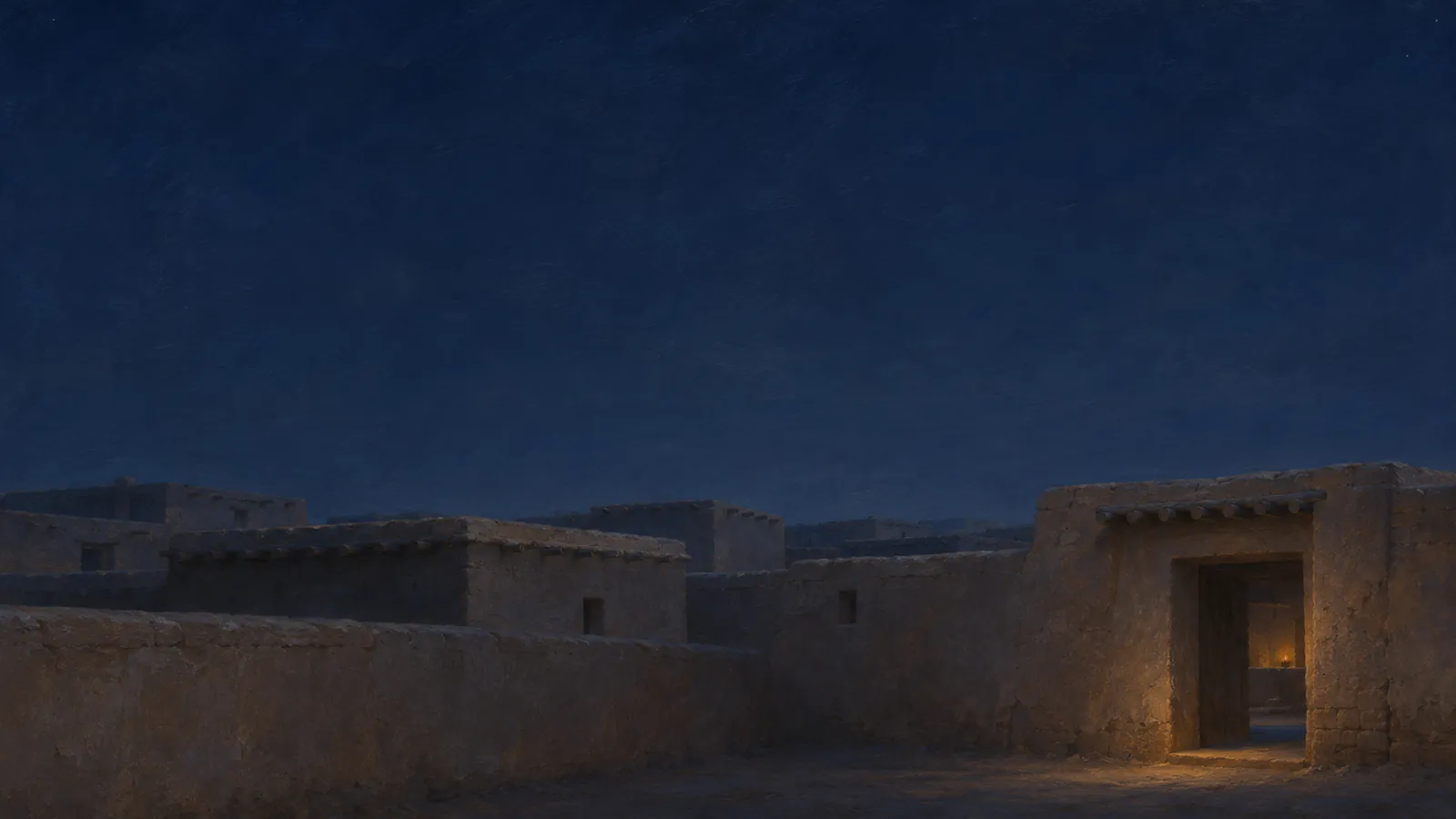
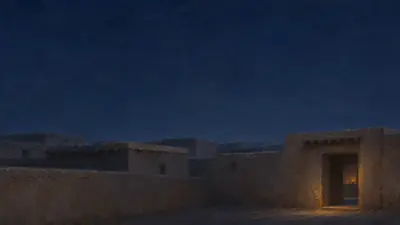
It was midnight when Lugalbanda reached Kulaba. The man who had left the camp alone had come to the city.
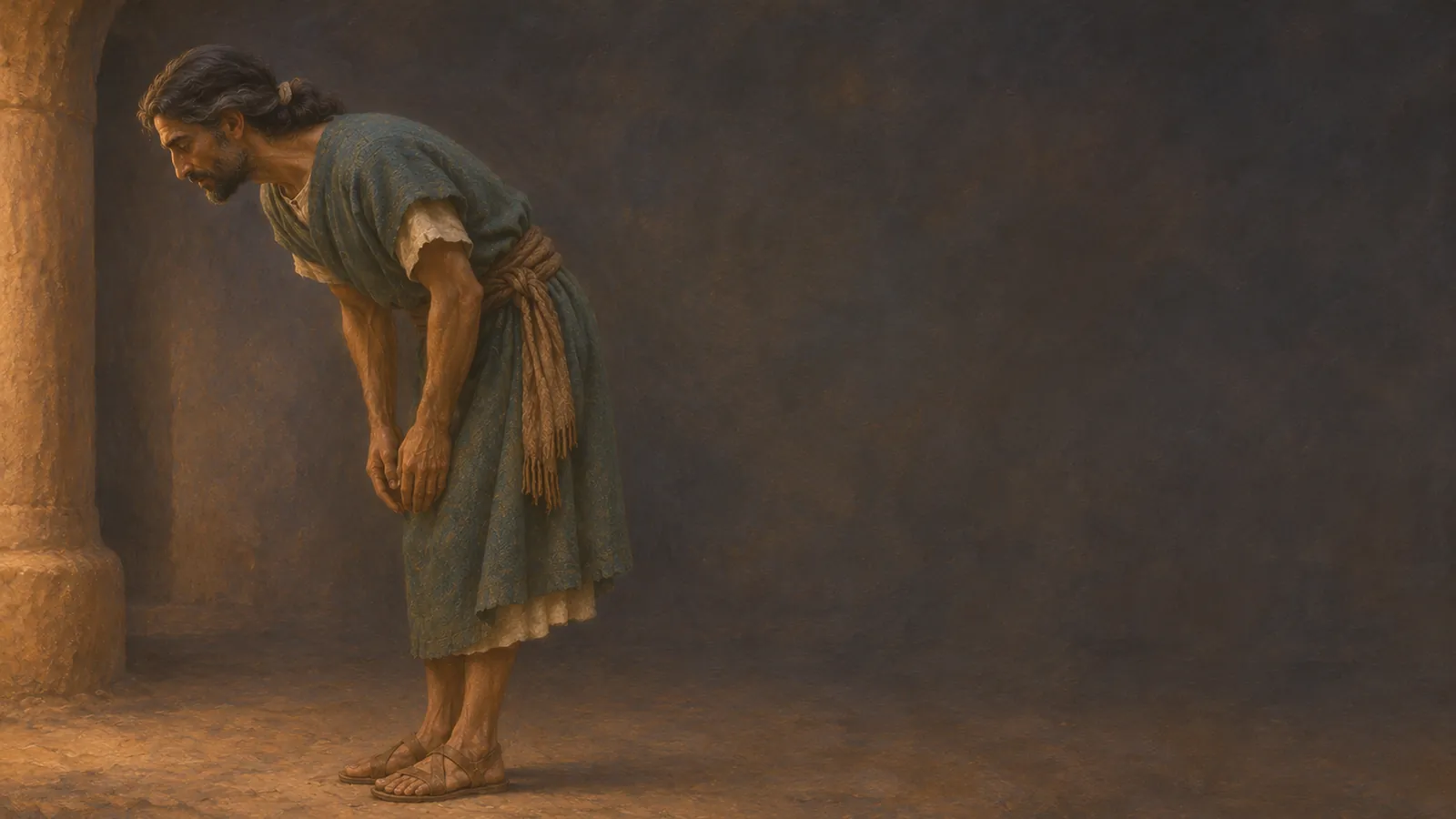
INANNA
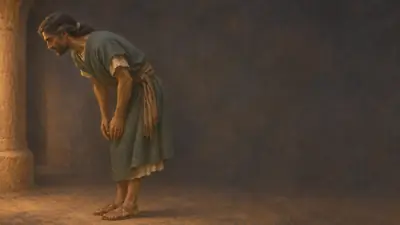
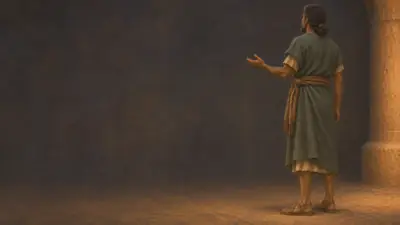
Lugalbanda came before Inanna and bowed. He had carried Enmerkar’s words all the way from the camp to her presence.
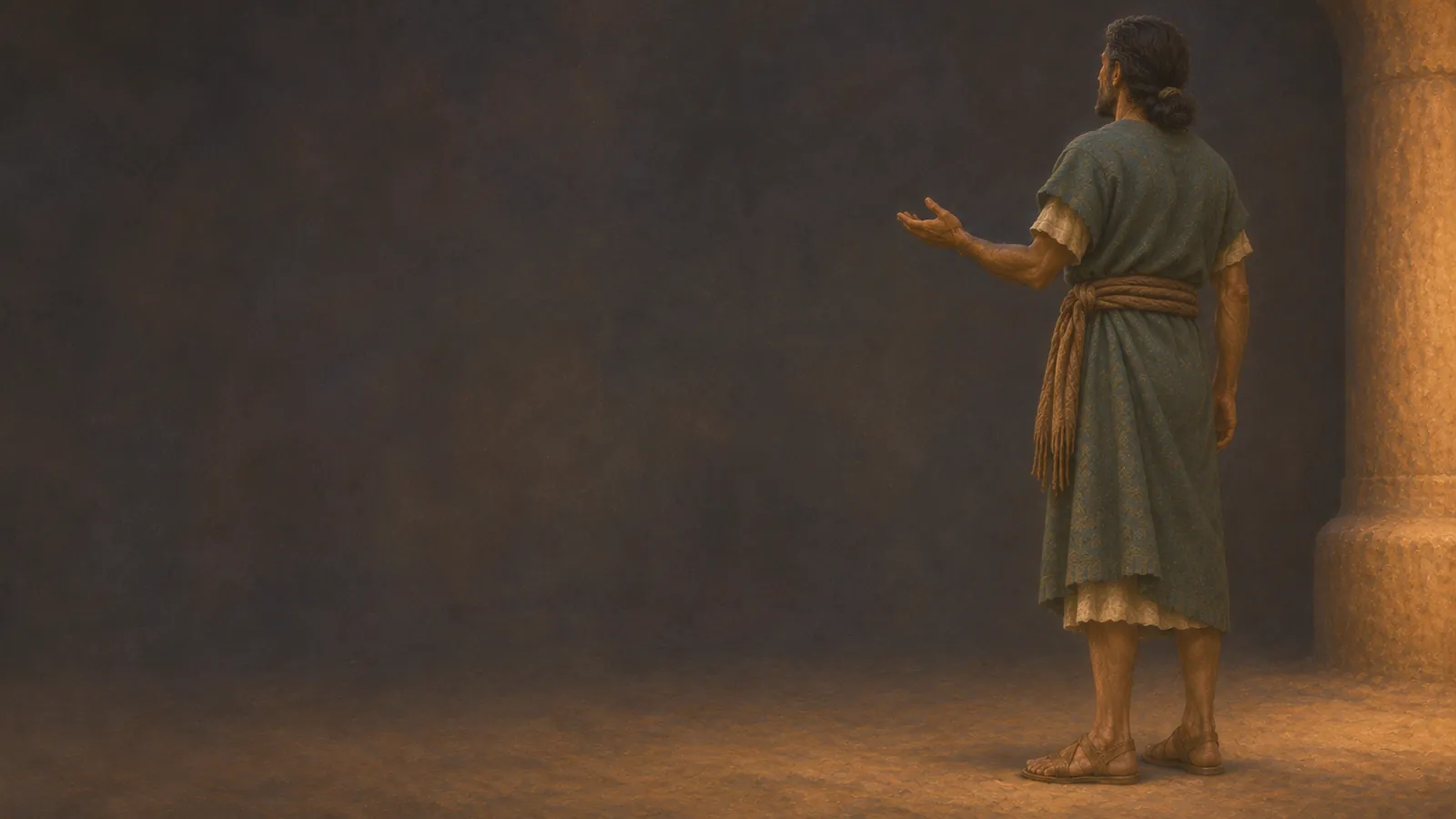
Inanna heard the words Enmerkar had entrusted to him. Lugalbanda repeated the message he had heard far away at the siege.
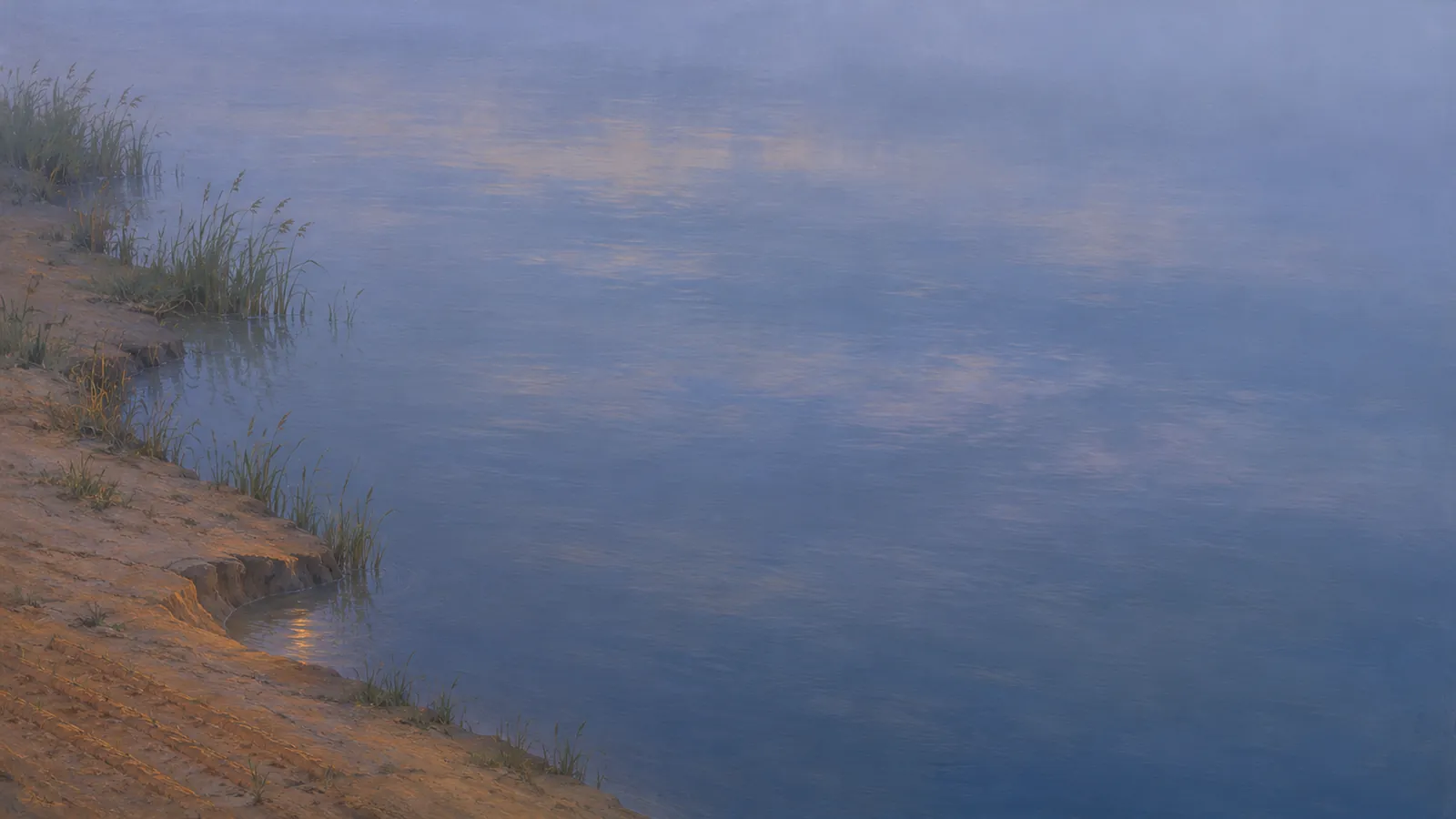
The reeds and the land worked by hand were in the message again. This time, Inanna heard of them from Lugalbanda.
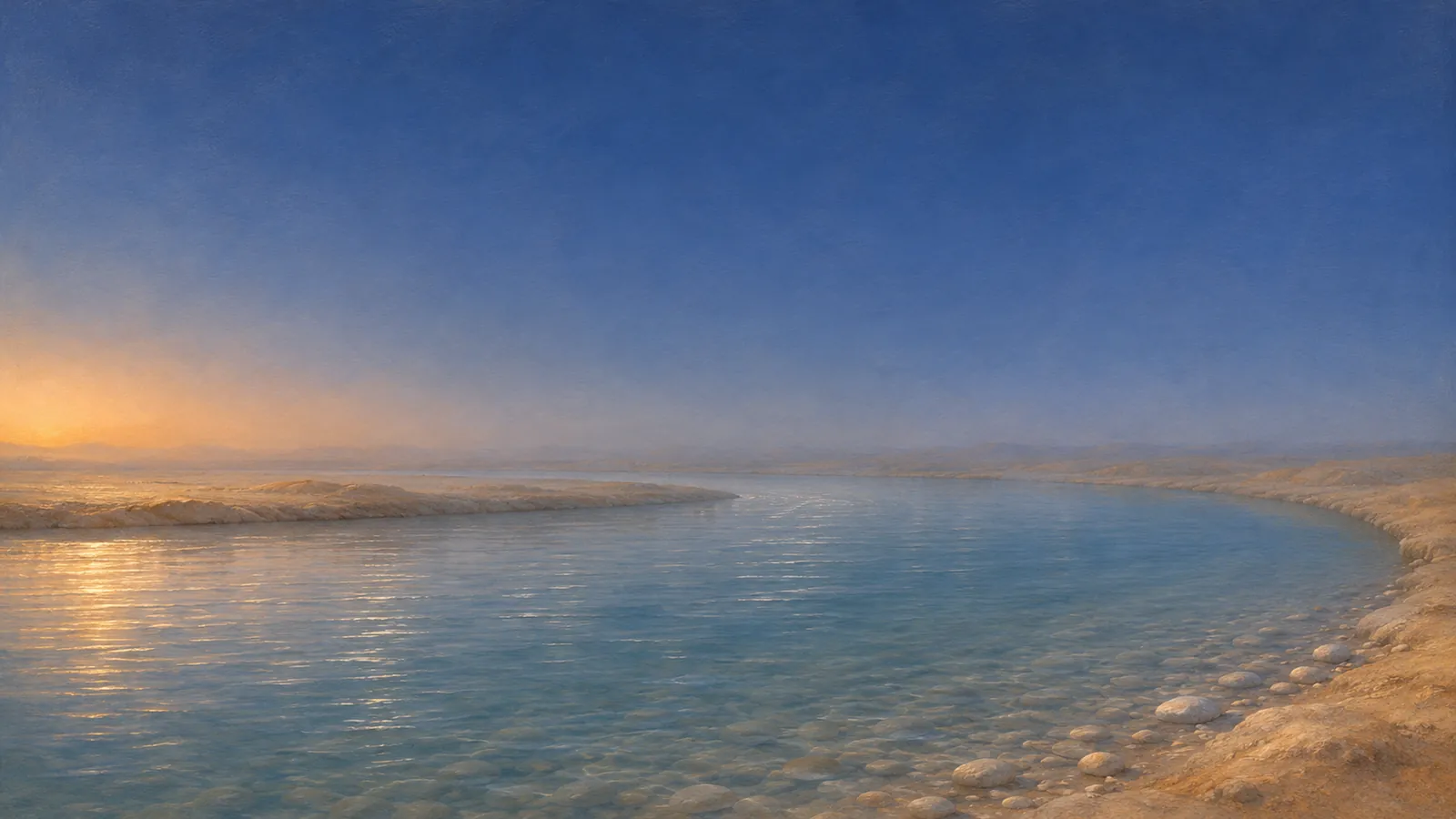
Inanna answered Lugalbanda. In the words she gave him to carry, she spoke of a river with clear water.
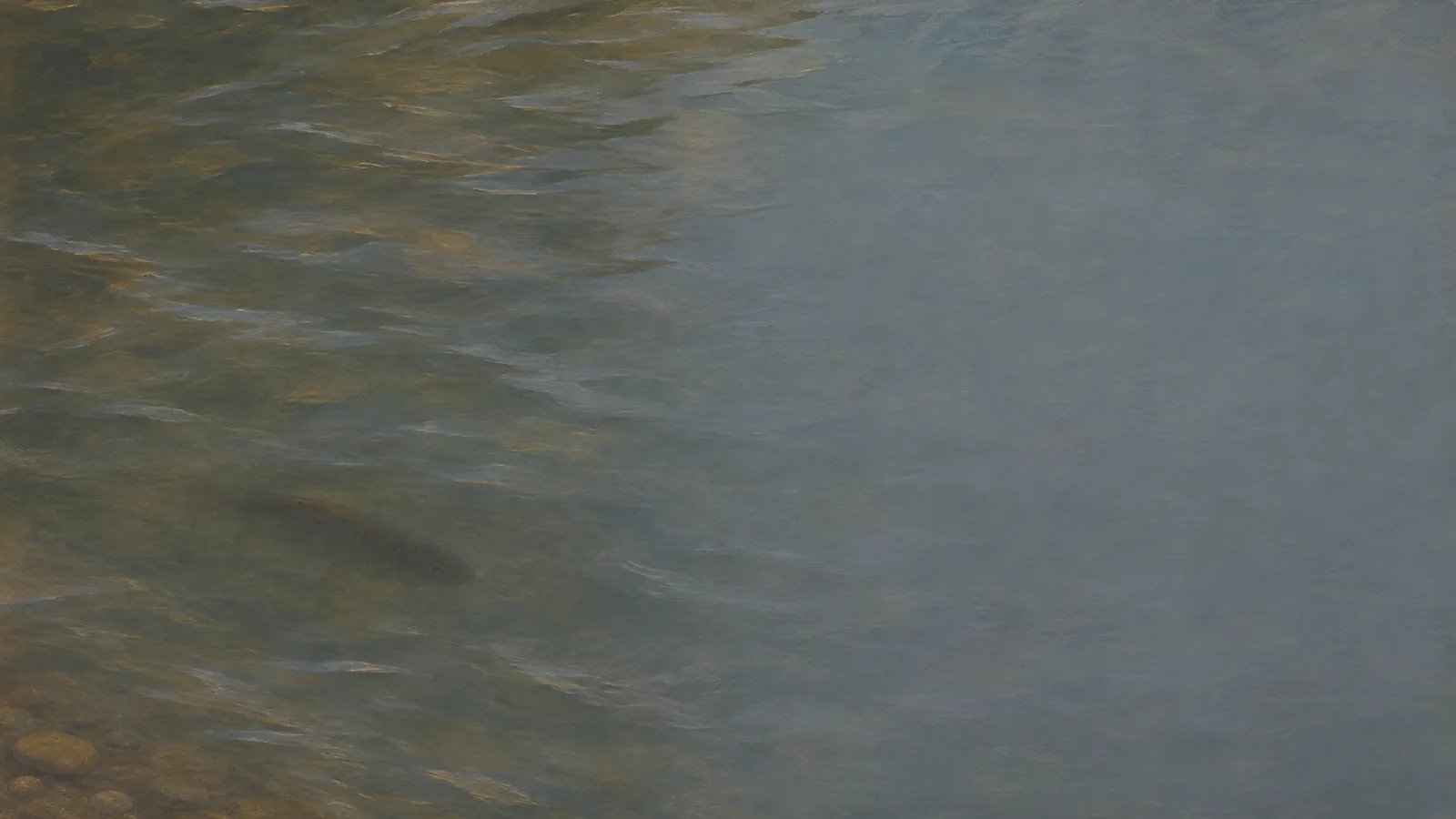
There was a fish in Inanna’s reply. The name in the ancient text is uncertain, but the fish belongs to her instructions.
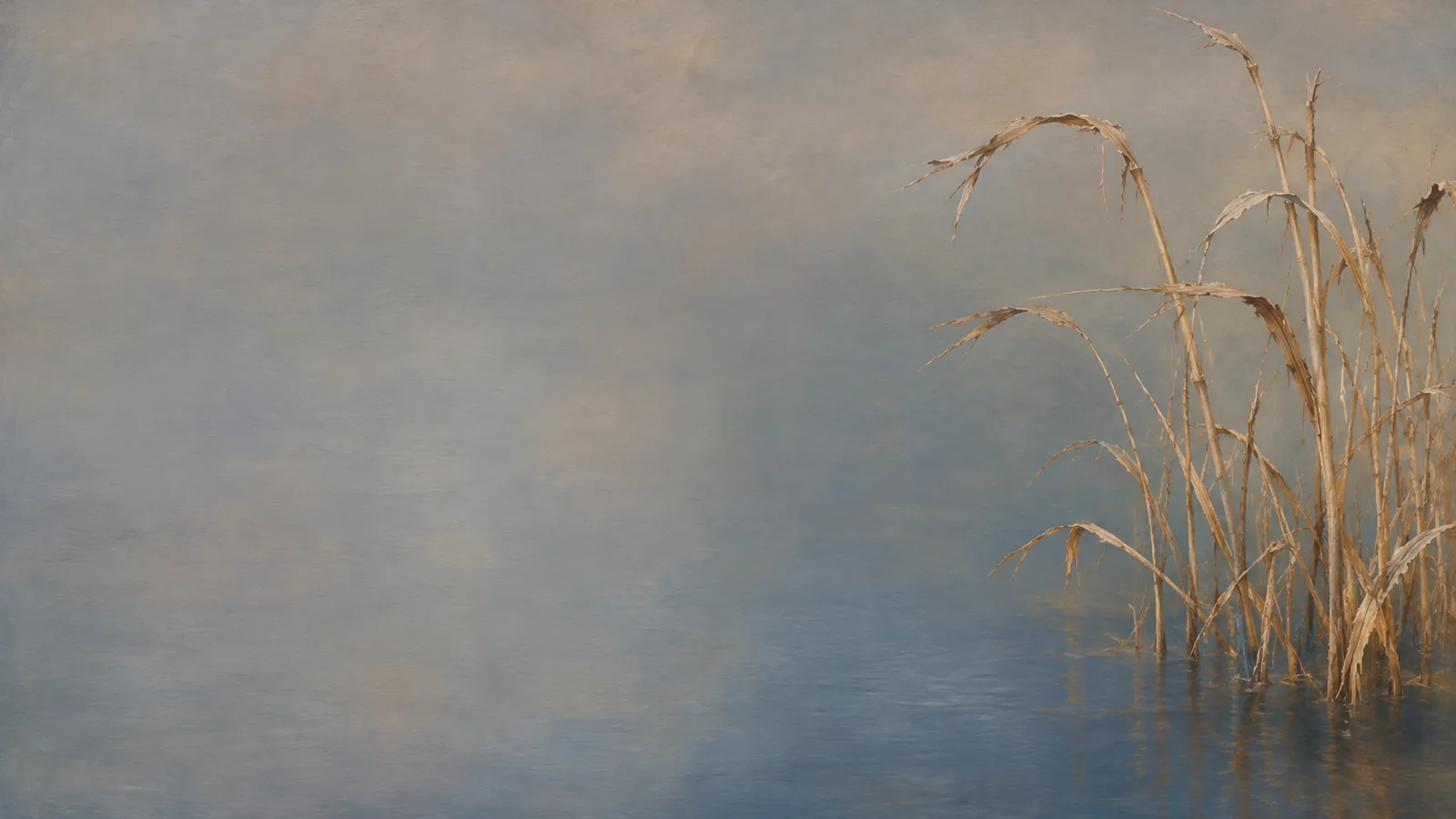
Inanna’s reply also named old reeds. The reeds appear in her words as part of what she tells Lugalbanda to carry back.
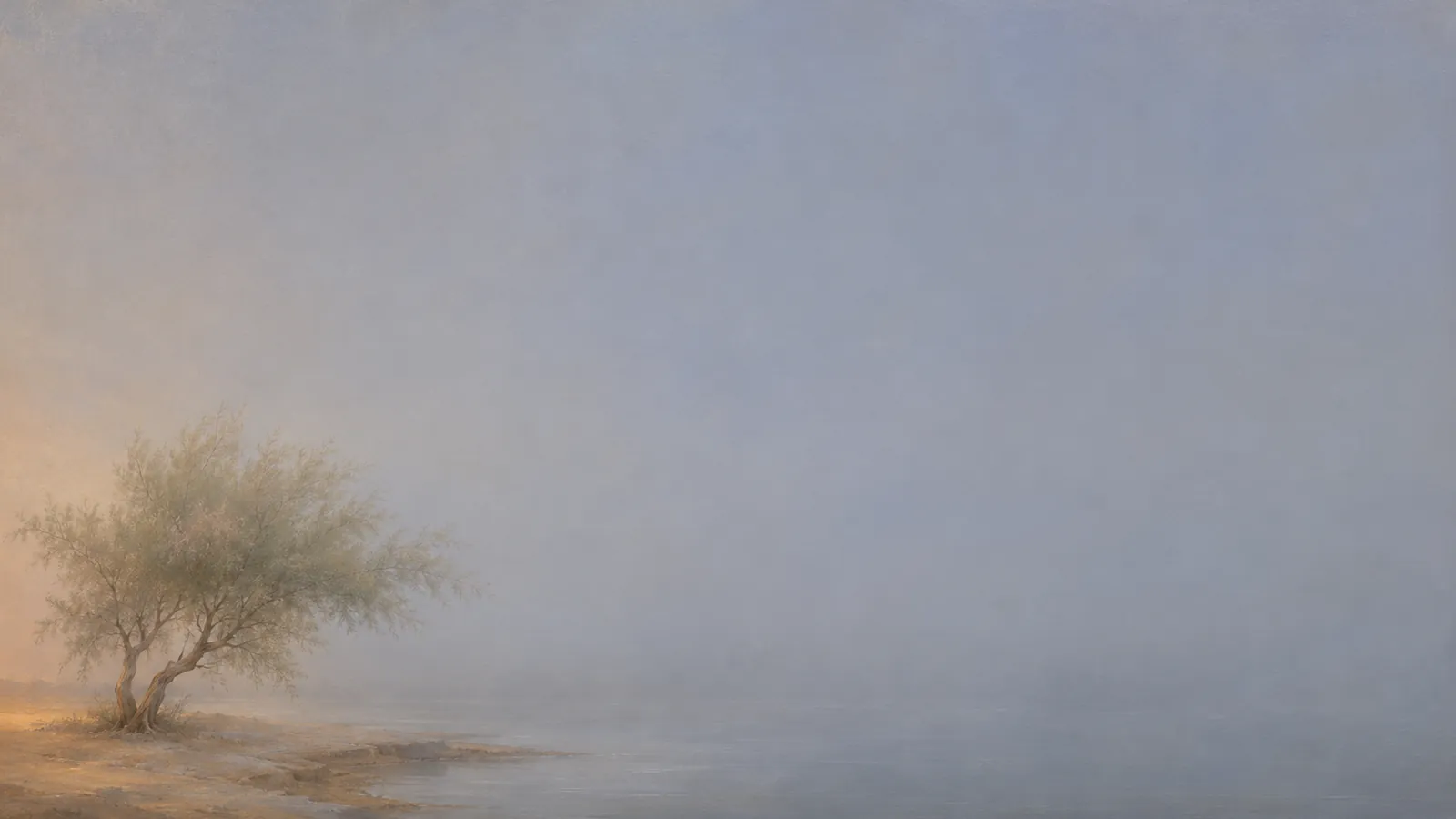
She spoke of a tamarisk standing alone. Some nearby words remain uncertain, but the solitary tree is clear in her reply.
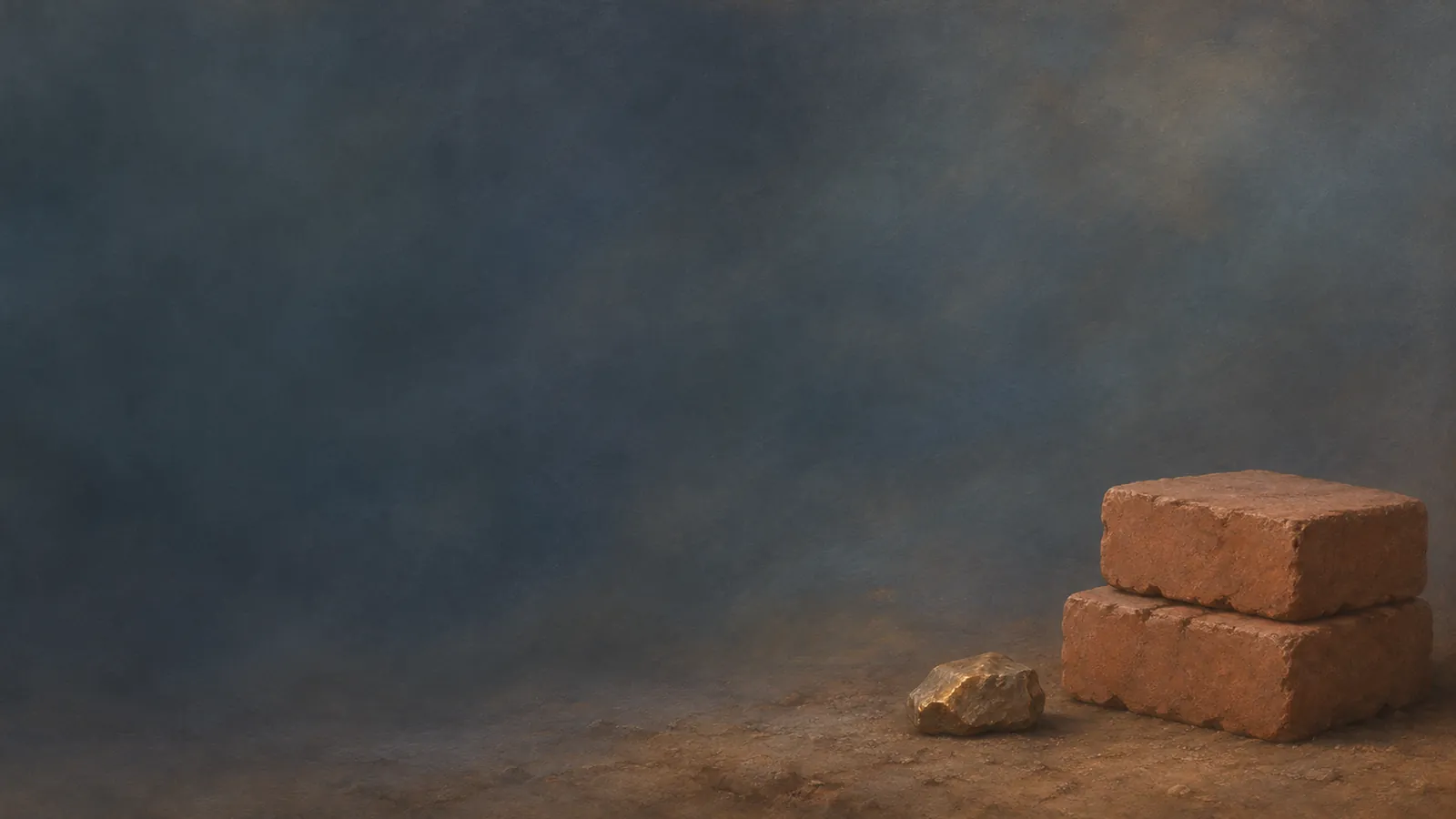
Inanna’s reply spoke of smiths and masonry. If her instructions were carried out, she said, Enmerkar would have what she promised.
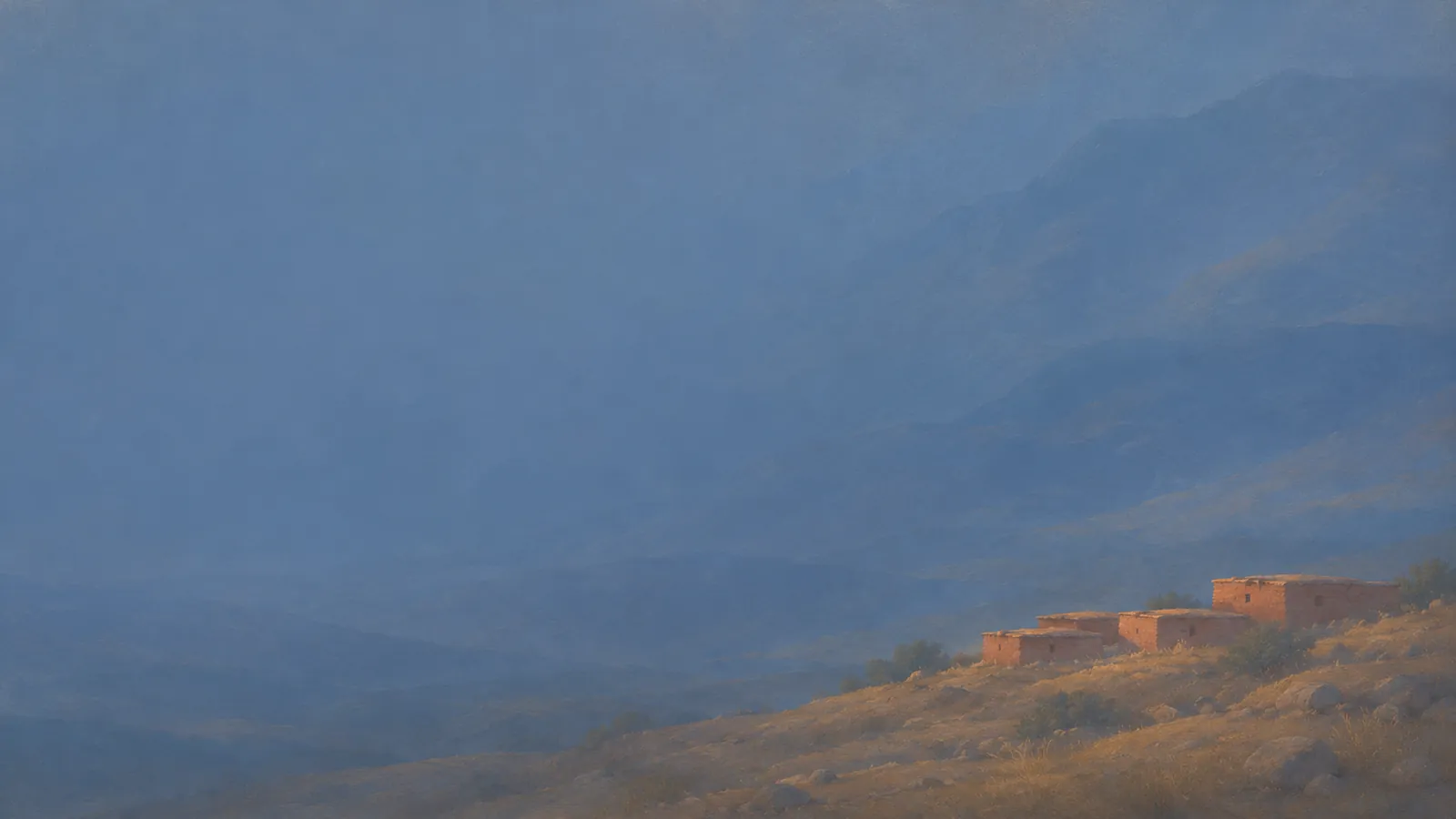
The poem turns once more to Aratta. In its closing description, the city is a place of red brick and lapis.
PRAISE
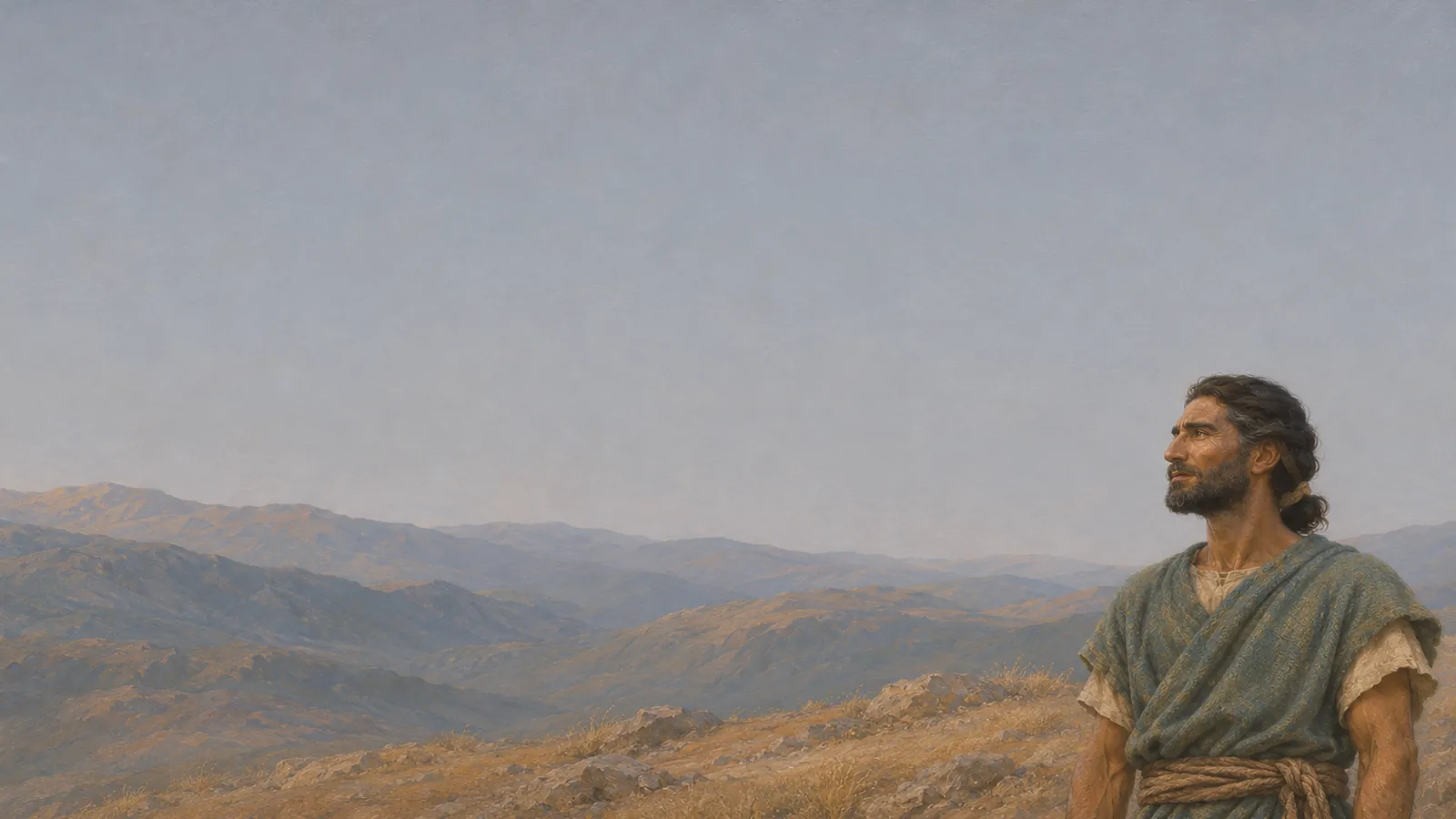
The campaign’s outcome remains open. What the poem gives us at the close is its praise for the man who carried the message, Lugalbanda.
End of chapter 2
All pages
Sources
Editions consulted
- Oxford ETCSL 1.8.2.2, translation, lines 1–417
- Oxford ETCSL 1.8.2.2, Sumerian composite and variants
- Oxford ETCSL Aratta cycle catalogue
- Penn Museum, Old Babylonian Lugalbanda witness CBS14151
Ancient lines behind each page
- Page 1: ETCSL 1.8.2.2 1–27
The previous poem is broken at its conclusion. This poem opens with Lugalbanda already in the mountains. - Page 2: ETCSL 1.8.2.2 1–27
These lines give Lugalbanda’s hopes for what the bird might do. - Page 3: ETCSL 1.8.2.2 1–27
- Page 4: ETCSL 1.8.2.2 28–49
- Page 5: ETCSL 1.8.2.2 28–49
- Page 6: ETCSL 1.8.2.2 28–49
- Page 7: ETCSL 1.8.2.2 28–49
The poem gives the bird eagle talons and immense wings. - Page 8: ETCSL 1.8.2.2 50–60
- Page 9: ETCSL 1.8.2.2 50–60
- Page 10: ETCSL 1.8.2.2 50–60
- Page 11: ETCSL 1.8.2.2 50–60
- Page 12: ETCSL 1.8.2.2 61–69
- Page 13: ETCSL 1.8.2.2 70–89
- Page 14: ETCSL 1.8.2.2 70–89
- Page 15: ETCSL 1.8.2.2 90–110
- Page 16: ETCSL 1.8.2.2 90–110
- Page 17: ETCSL 1.8.2.2 90–110
- Page 18: ETCSL 1.8.2.2 90–110
- Page 19: ETCSL 1.8.2.2 111–131
- Page 20: ETCSL 1.8.2.2 111–131
The words of praise are partly damaged. - Page 21: ETCSL 1.8.2.2 111–131
- Page 22: ETCSL 1.8.2.2 132–141
- Page 23: ETCSL 1.8.2.2 142–148
- Page 24: ETCSL 1.8.2.2 149–154
- Page 25: ETCSL 1.8.2.2 155–159
- Page 26: ETCSL 1.8.2.2 160–166
- Page 27: ETCSL 1.8.2.2 167–183
- Page 28: ETCSL 1.8.2.2 167–183
- Page 29: ETCSL 1.8.2.2 167–183
- Page 30: ETCSL 1.8.2.2 184–202
- Page 31: ETCSL 1.8.2.2 184–202
- Page 32: ETCSL 1.8.2.2 184–202
The end of Anzud’s grant is damaged. - Page 33: ETCSL 1.8.2.2 203–219
- Page 34: ETCSL 1.8.2.2 203–219
- Page 35: ETCSL 1.8.2.2 203–219
- Page 36: ETCSL 1.8.2.2 203–219
- Page 37: ETCSL 1.8.2.2 220–237
- Page 38: ETCSL 1.8.2.2 220–237
- Page 39: ETCSL 1.8.2.2 220–237
The poem gives Lugalbanda’s own account of how he survived. - Page 40: ETCSL 1.8.2.2 238–250
- Page 41: ETCSL 1.8.2.2 251–283
- Page 42: ETCSL 1.8.2.2 251–283
- Page 43: ETCSL 1.8.2.2 251–283
The poem’s description includes missiles. - Page 44: ETCSL 1.8.2.2 251–283
- Page 45: ETCSL 1.8.2.2 251–283
- Page 46: ETCSL 1.8.2.2 284–289
- Page 47: ETCSL 1.8.2.2 284–289
- Page 48: ETCSL 1.8.2.2 290–321
- Page 49: ETCSL 1.8.2.2 290–321
- Page 50: ETCSL 1.8.2.2 290–321
- Page 51: ETCSL 1.8.2.2 322–344
- Page 52: ETCSL 1.8.2.2 322–344
- Page 53: ETCSL 1.8.2.2 322–344
The numbers are part of the poem’s repeated travel language. - Page 54: ETCSL 1.8.2.2 322–344
- Page 55: ETCSL 1.8.2.2 345–356
- Page 56: ETCSL 1.8.2.2 345–356
- Page 57: ETCSL 1.8.2.2 357–387
- Page 58: ETCSL 1.8.2.2 357–387
- Page 59: ETCSL 1.8.2.2 388–398
- Page 60: ETCSL 1.8.2.2 388–398
The fish named in the reply is uncertain. - Page 61: ETCSL 1.8.2.2 399–409
The name or form of one item in this part of the reply remains uncertain. - Page 62: ETCSL 1.8.2.2 399–409
Some of the nearby words are uncertain. - Page 63: ETCSL 1.8.2.2 410–412
The surviving poem does not narrate their enactment. - Page 64: ETCSL 1.8.2.2 413–416
The red brick and lapis belong to the poem’s closing description. - Page 65: ETCSL 1.8.2.2 417
Illustrations made with AI tools by IL Archive; the text is based on the ancient sources (see the sources at the end of each chapter).