Lugalbanda Chapter 1
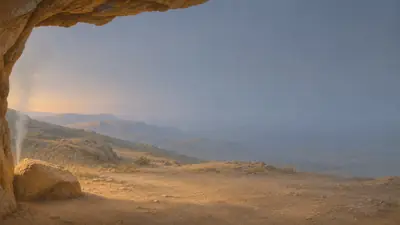
The Mountain Cave
Lugalbanda falls ill on the mountain march and his companions leave him in a cave with food and drink. As his strength returns, he sets out alone, dreams of an offering and carries it out at dawn.
SourcesTurn the pages with the arrows, the arrow keys or a swipe.
BEGINNINGS
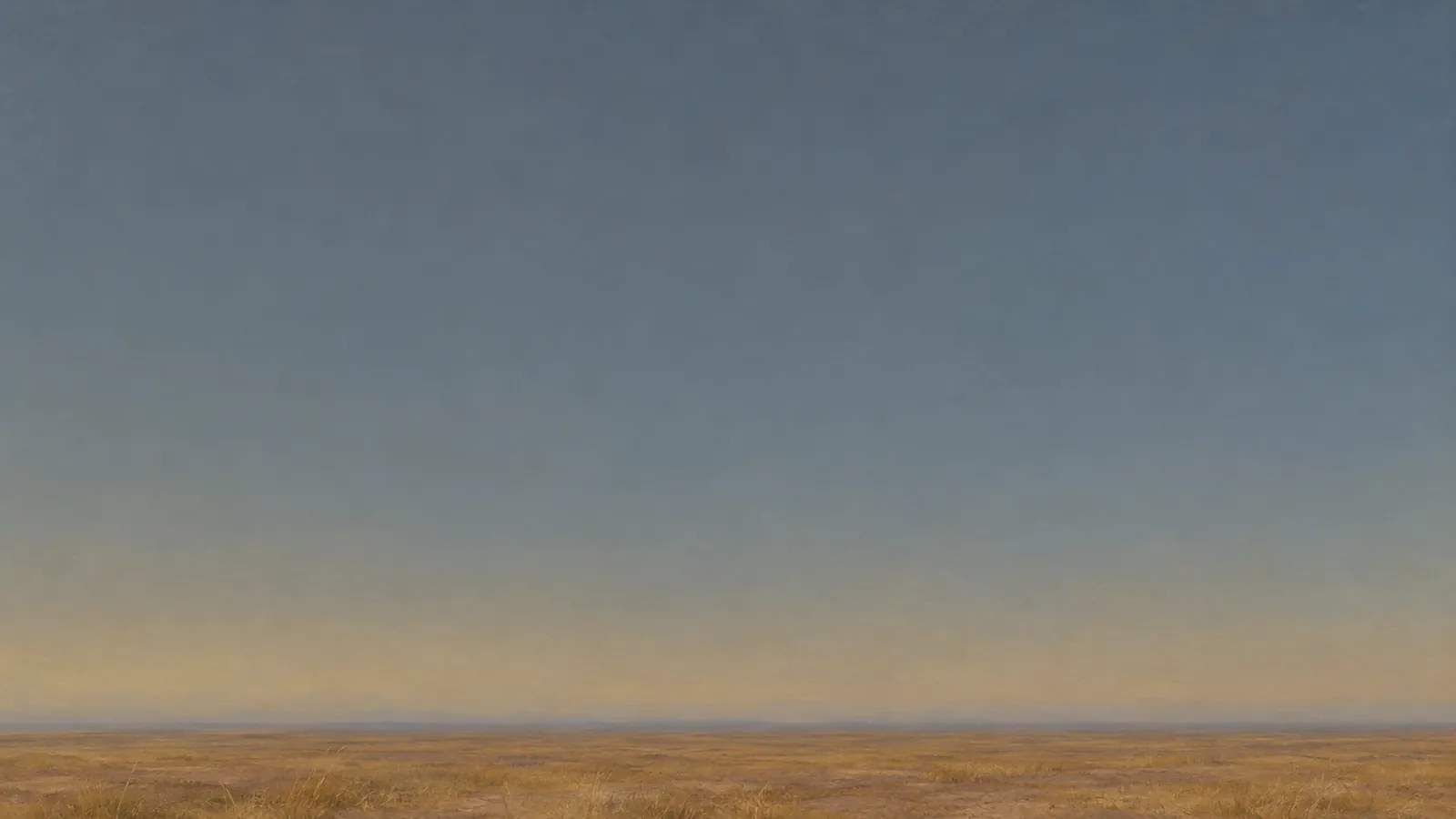
The poem opens in the distant age when heaven and earth parted. Only pieces of its first words survive.
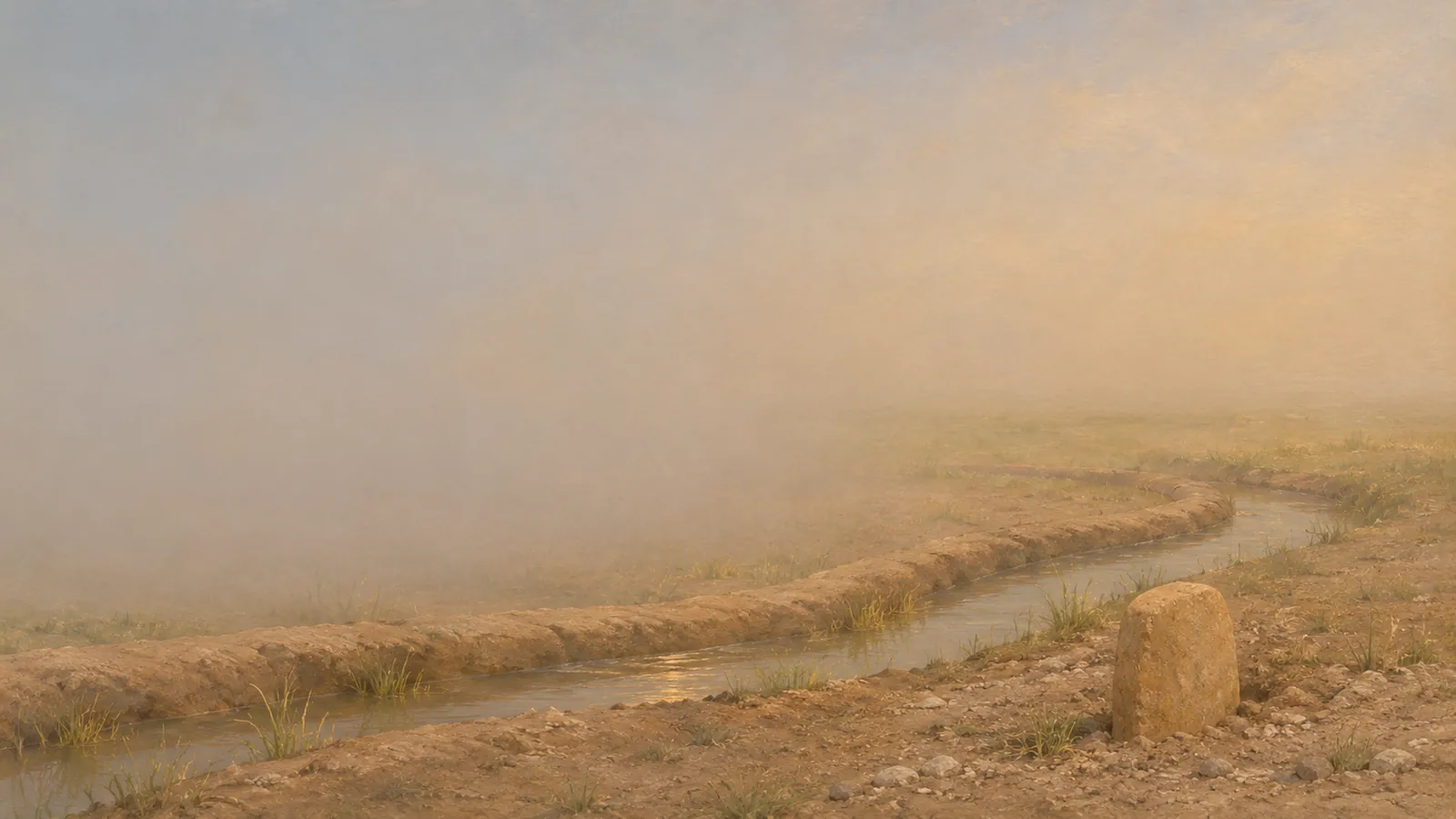
The old lines remember people setting stones in place to mark their bounds. They tended the dykes and canals.
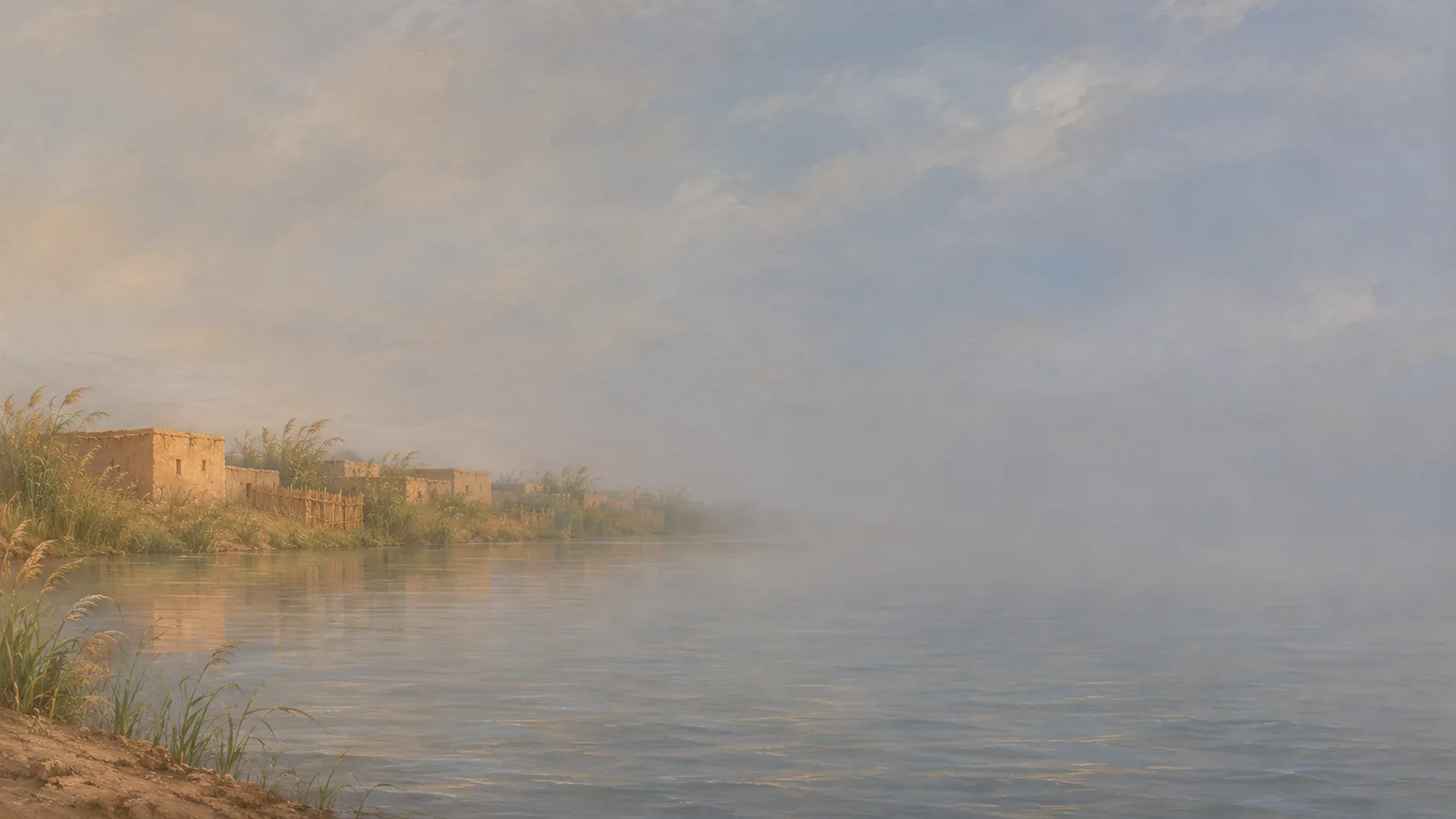
The Euphrates was the river that sustained Uruk. In the years evoked by the poem, the royal staff of Kulaba was held high.
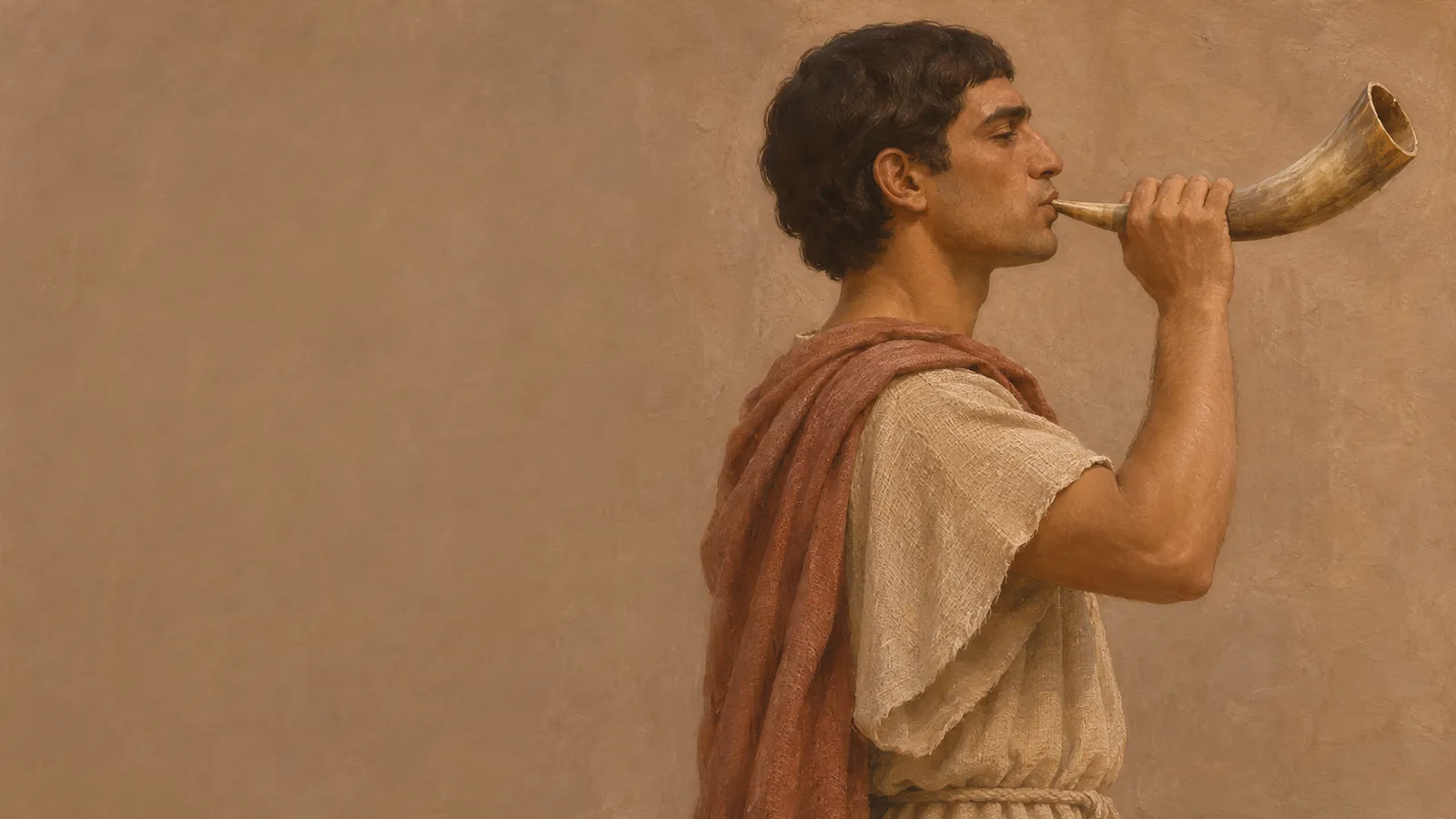
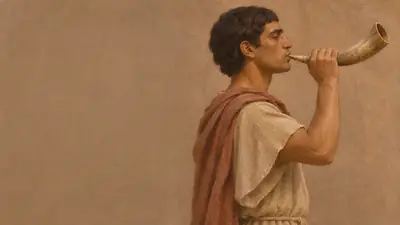
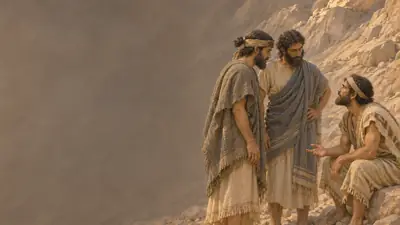
Enmerkar prepared to march against Aratta, a city in the mountains. At his command, the herald sounded the horn to call the people out.
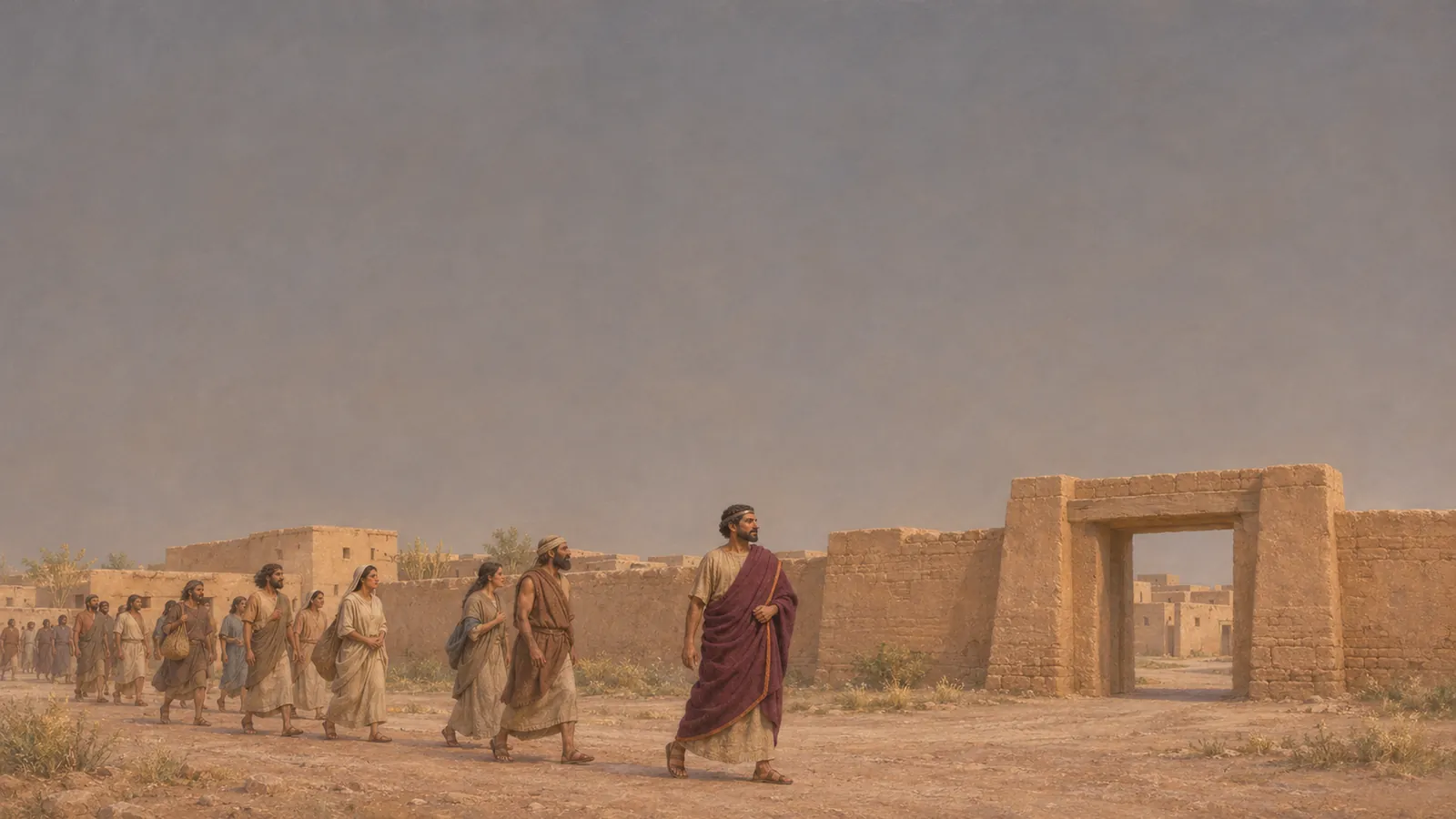
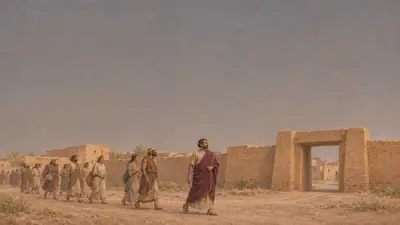
The men of Uruk took the field, and Kulaba followed Enmerkar. The poem likens the gathering to a flood under a clouded sky.
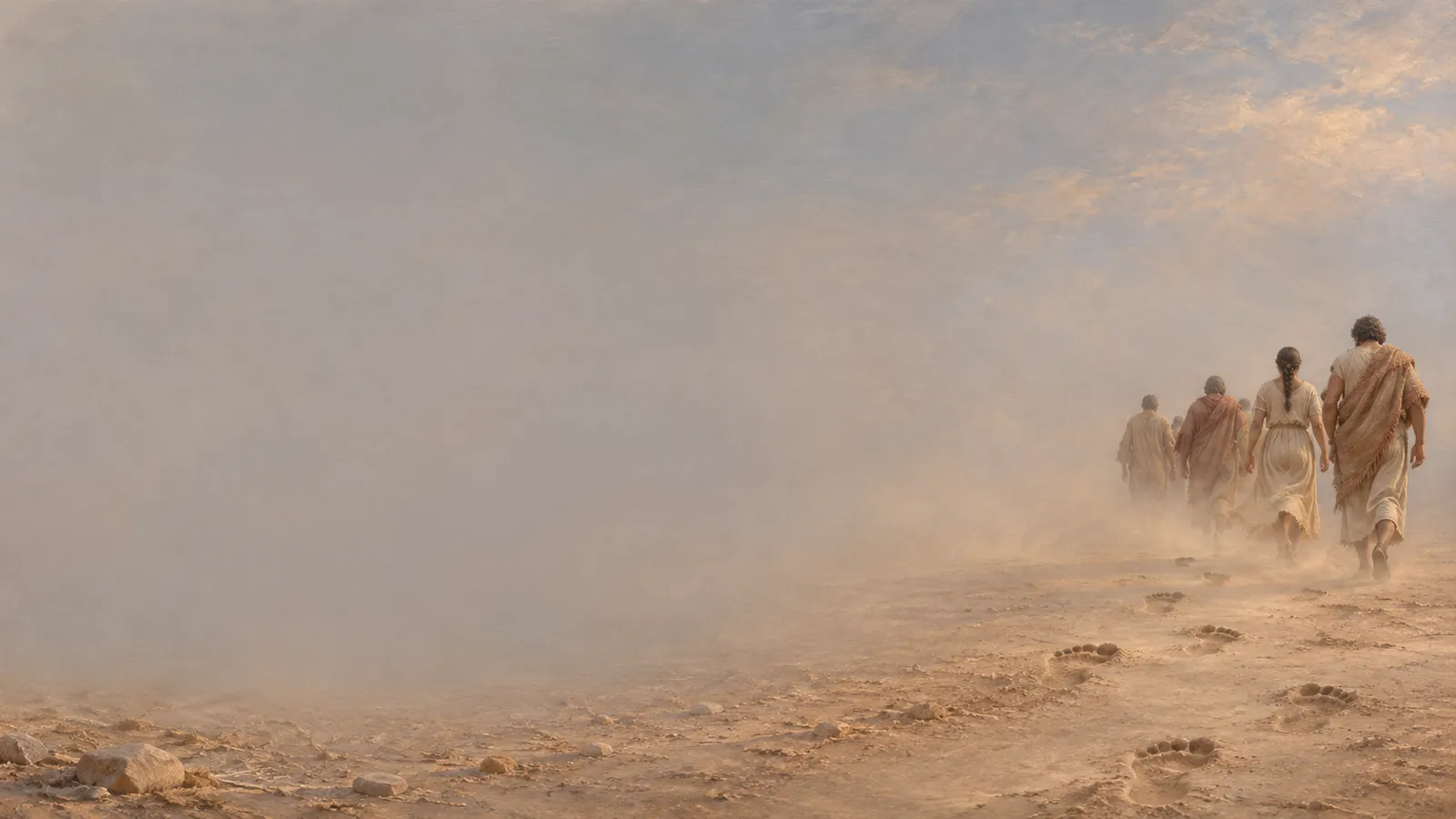
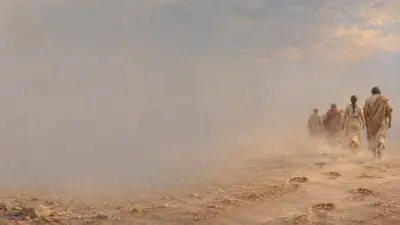
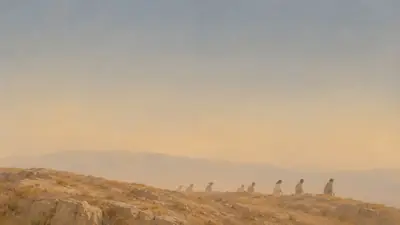
The departing host covered the ground like low mist. Dust climbed high while one man passed the signal to the next.
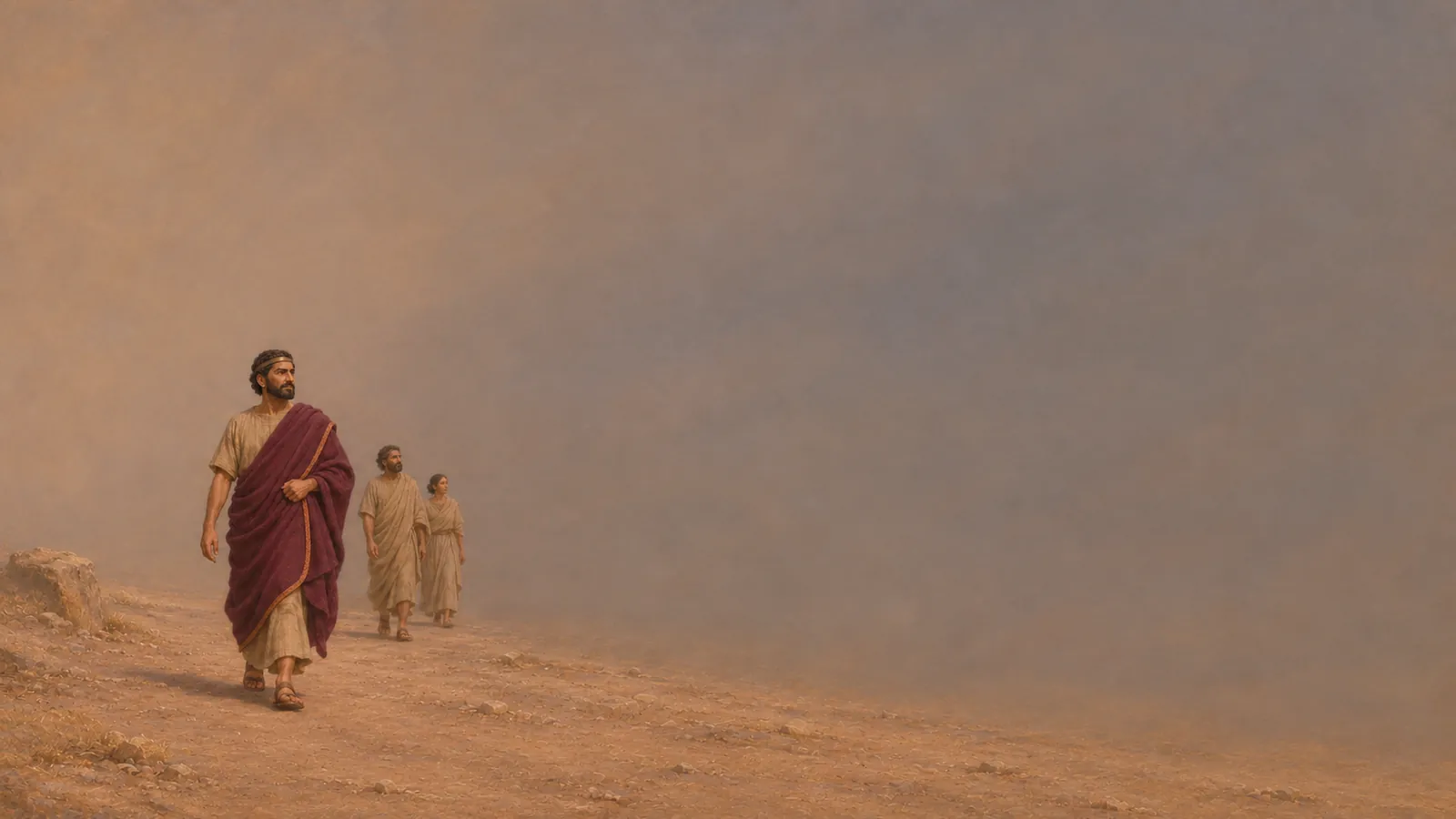
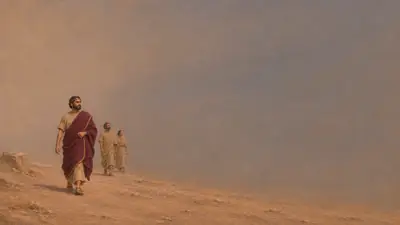
Their king walked at the head of the army. The words that follow in the account of his march are damaged.
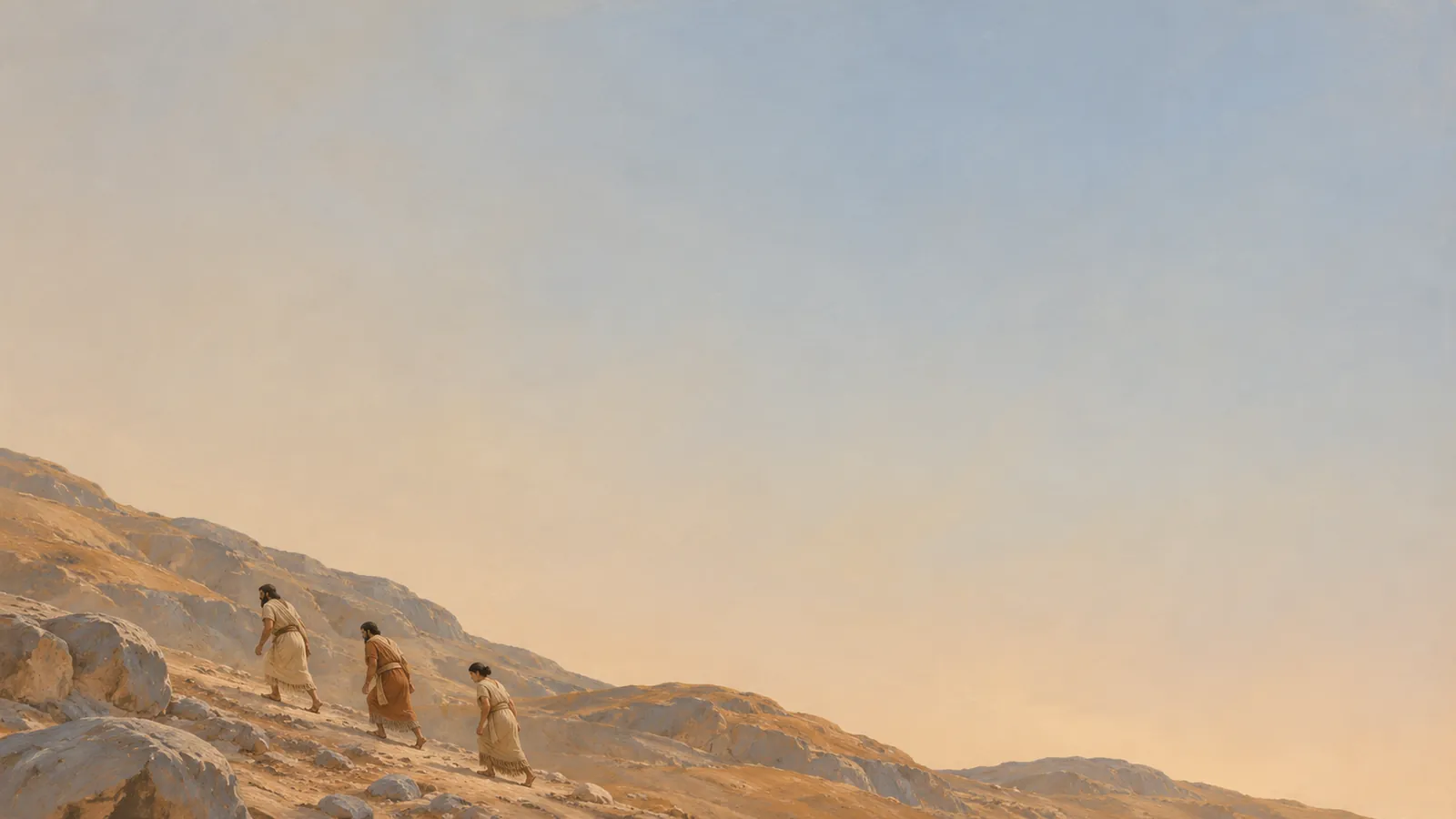
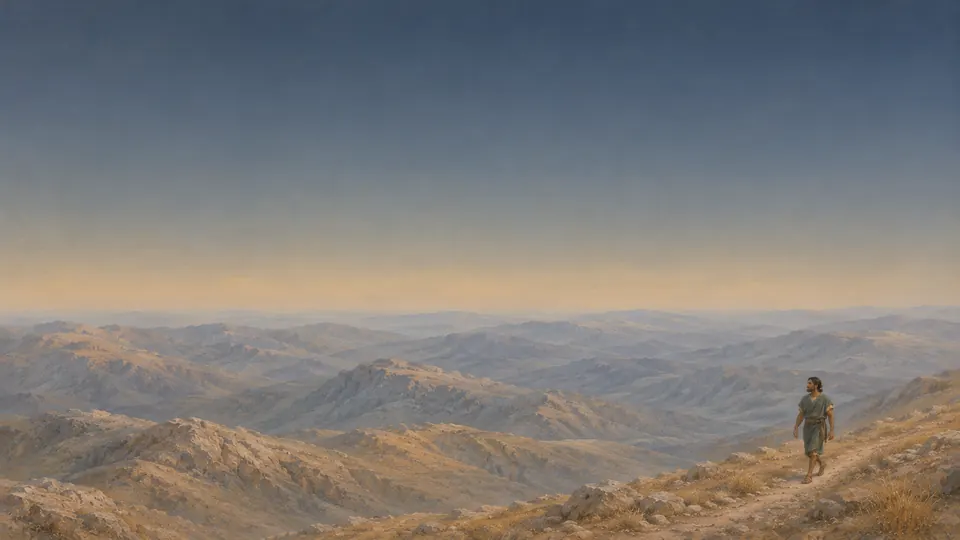
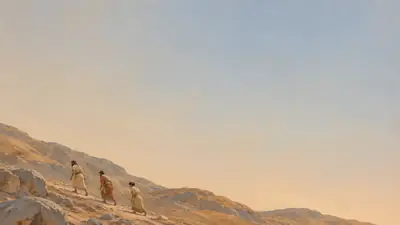
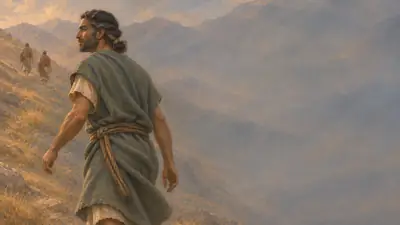
The slopes grew steeper as the company went on. The broken account still shows the men bending to the climb like sheep on a hillside.
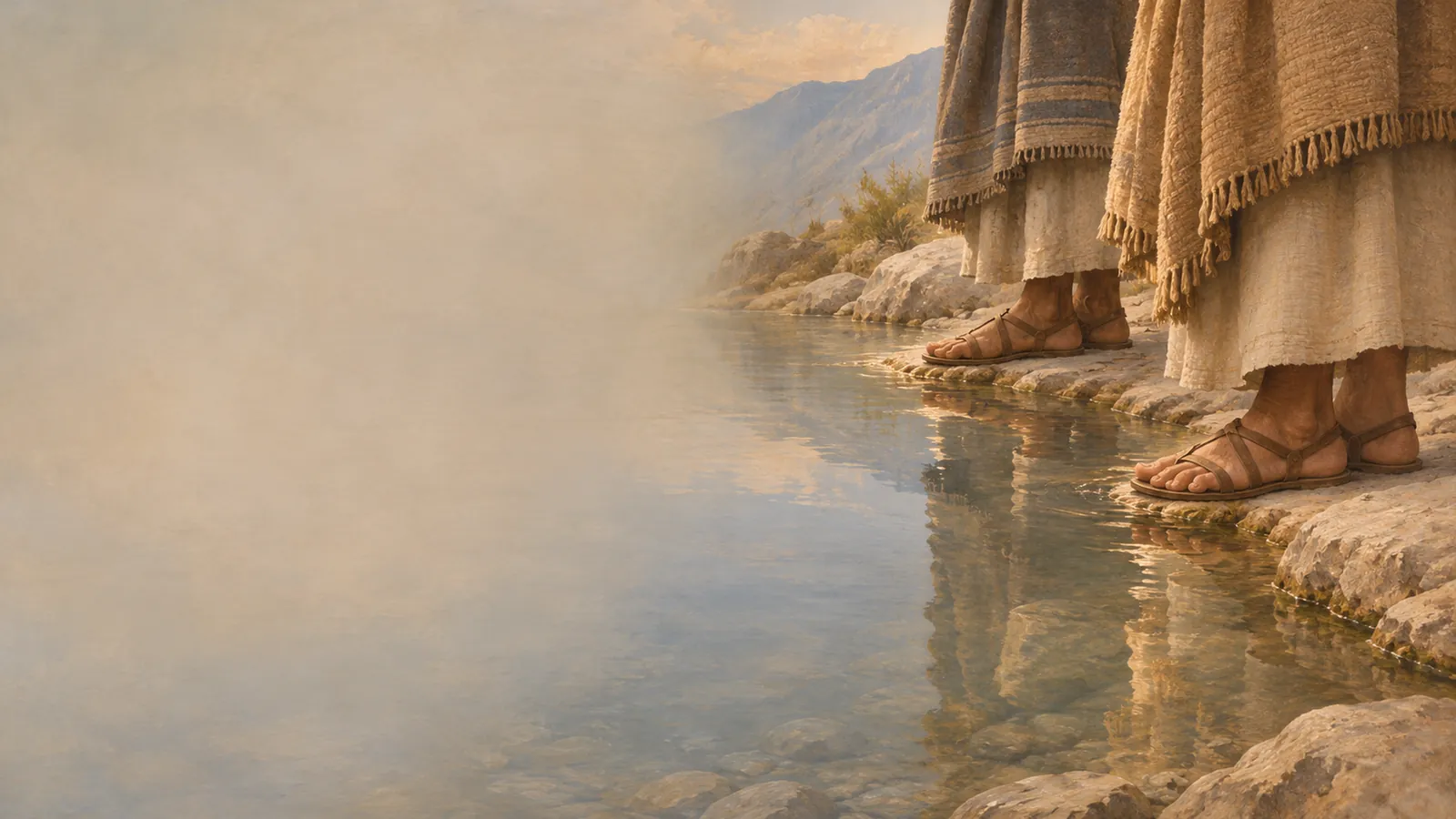
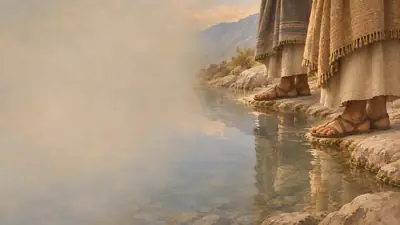
Five days passed, and the men bathed on the sixth. The next day took them from the approaches into the mountains.
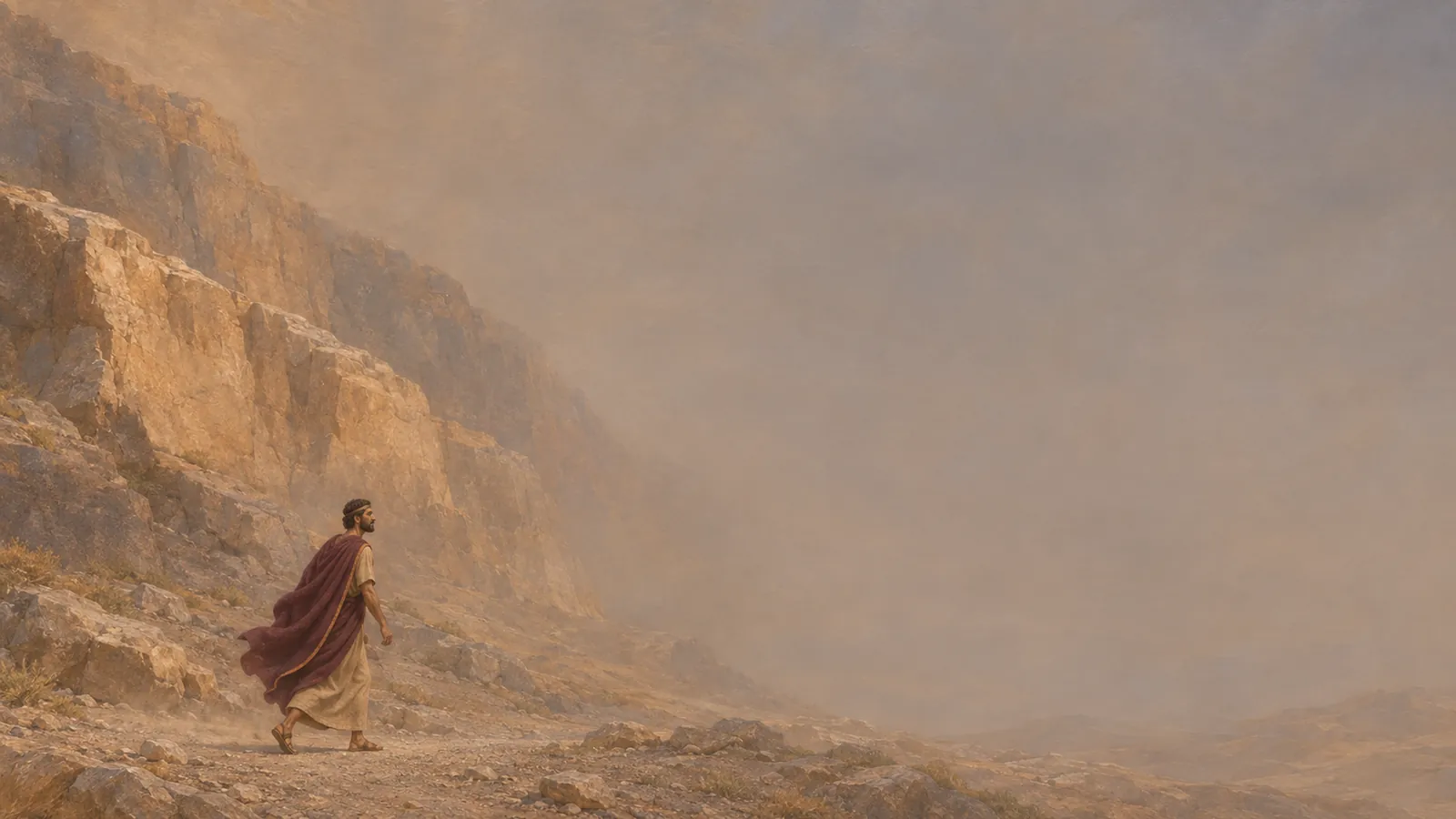
Some words of the crossing are lost. In those that remain, Enmerkar comes through the high country with the brightness and force of a storm.
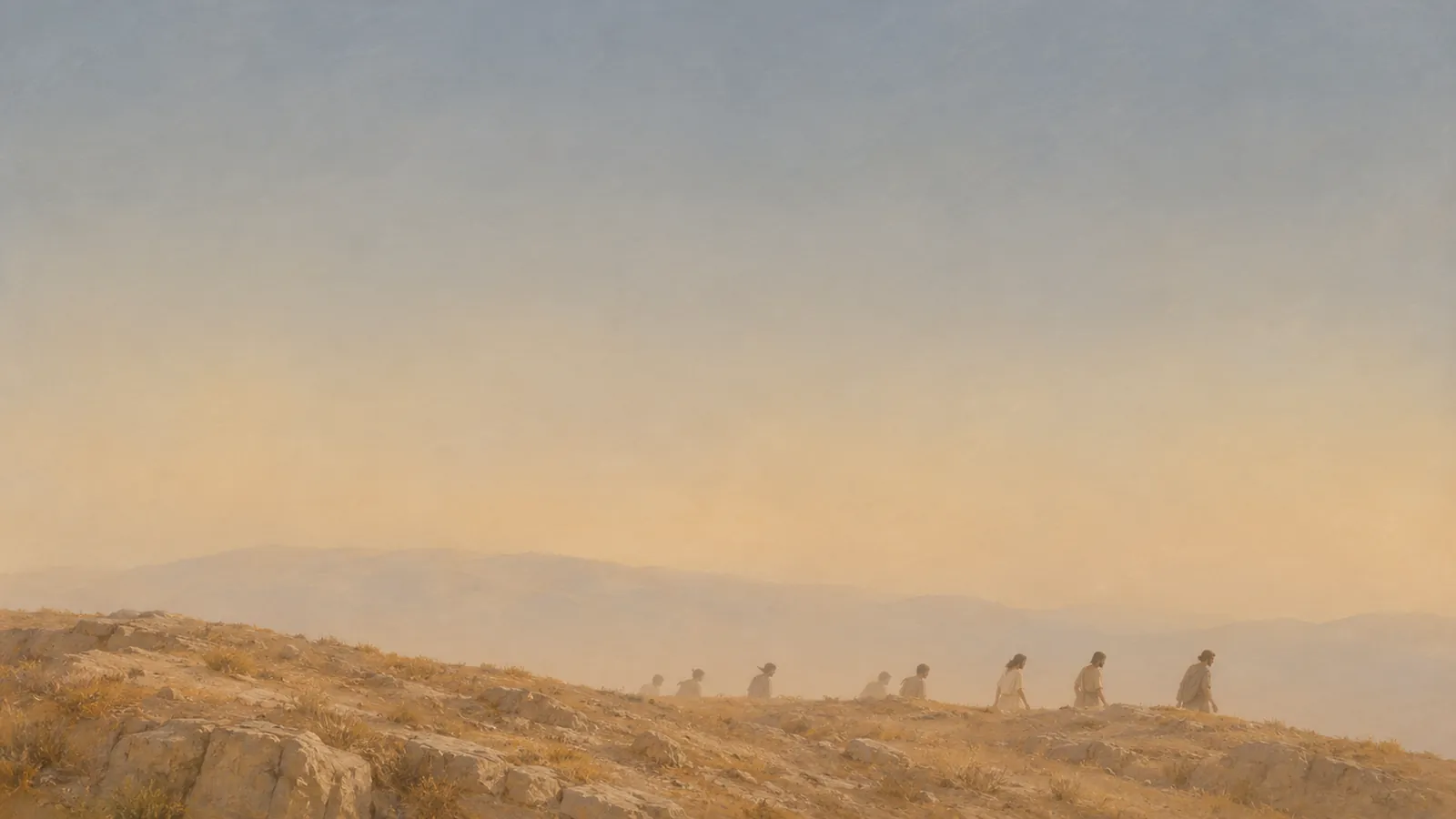
Seven young men from Kulaba were among the company. The poem praises them as heroes in the full strength of their youth.
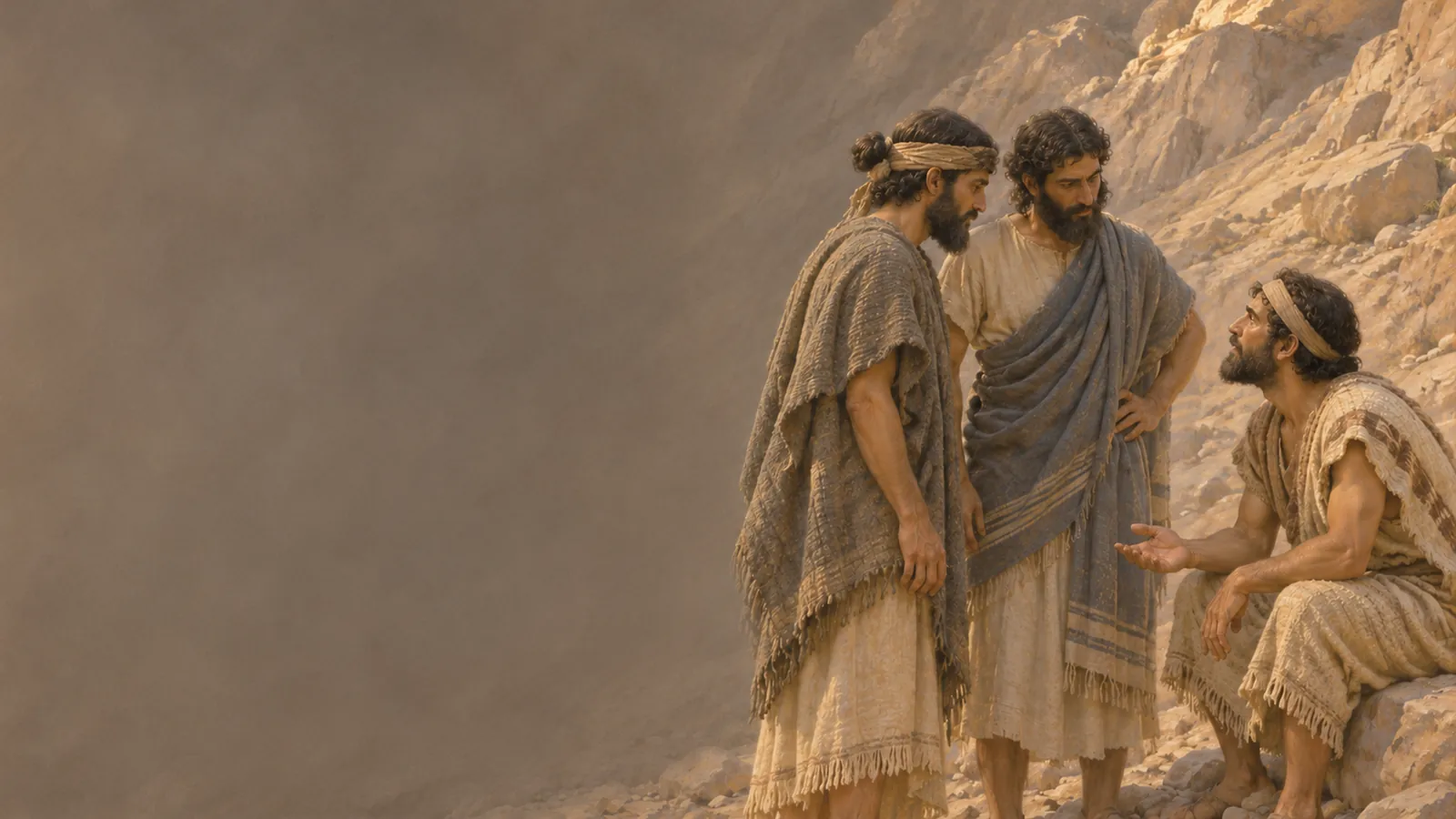
The seven served Enmerkar as his chosen men. Captains and overseers answered to them as the levy went into the mountains.
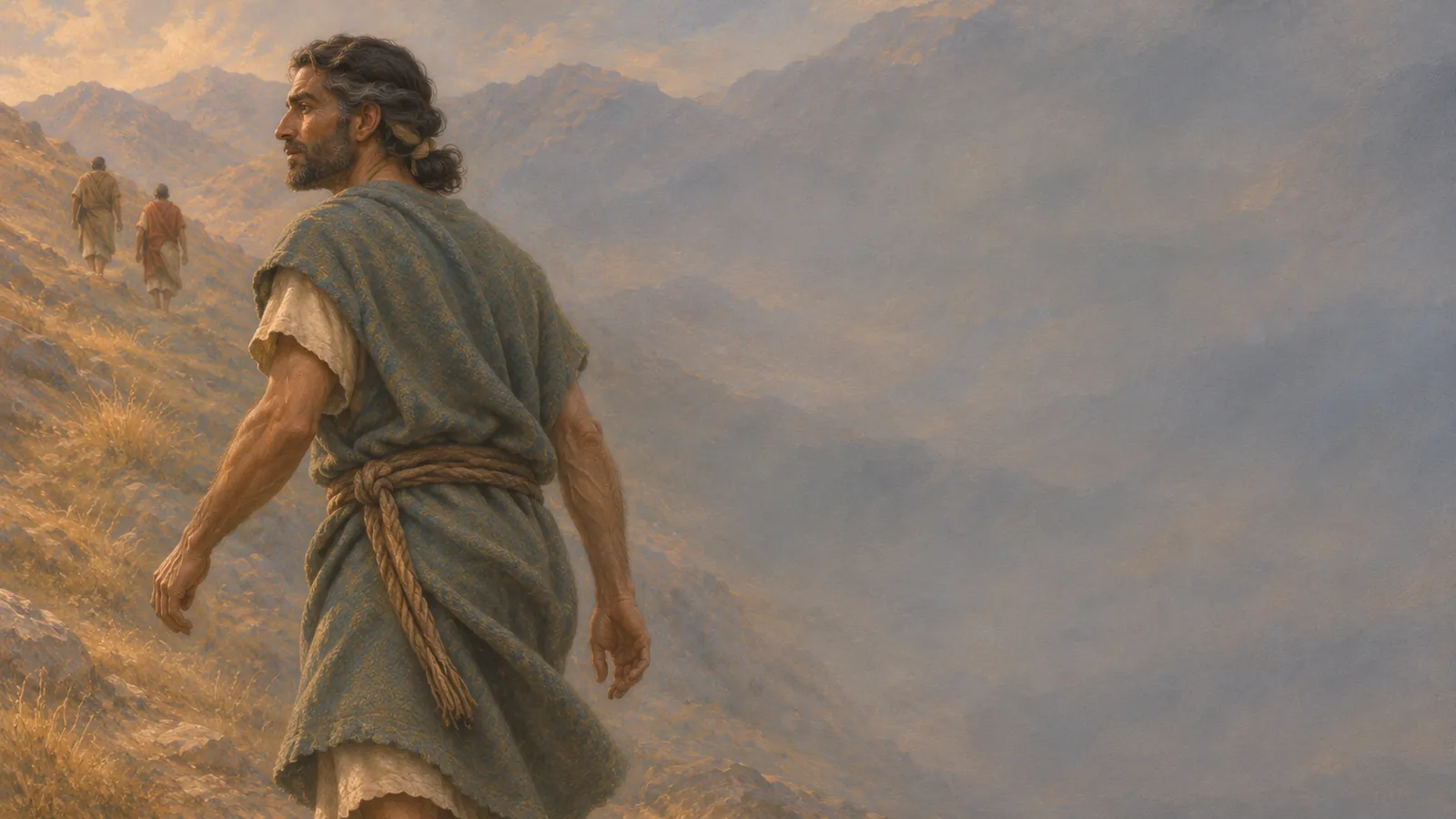
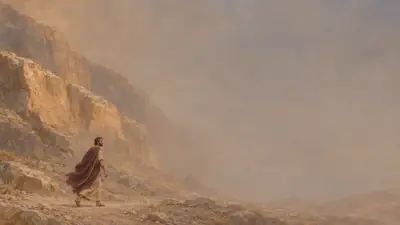
Lugalbanda marched with the company as the eighth of them. He went forward in silence while the others climbed ahead.
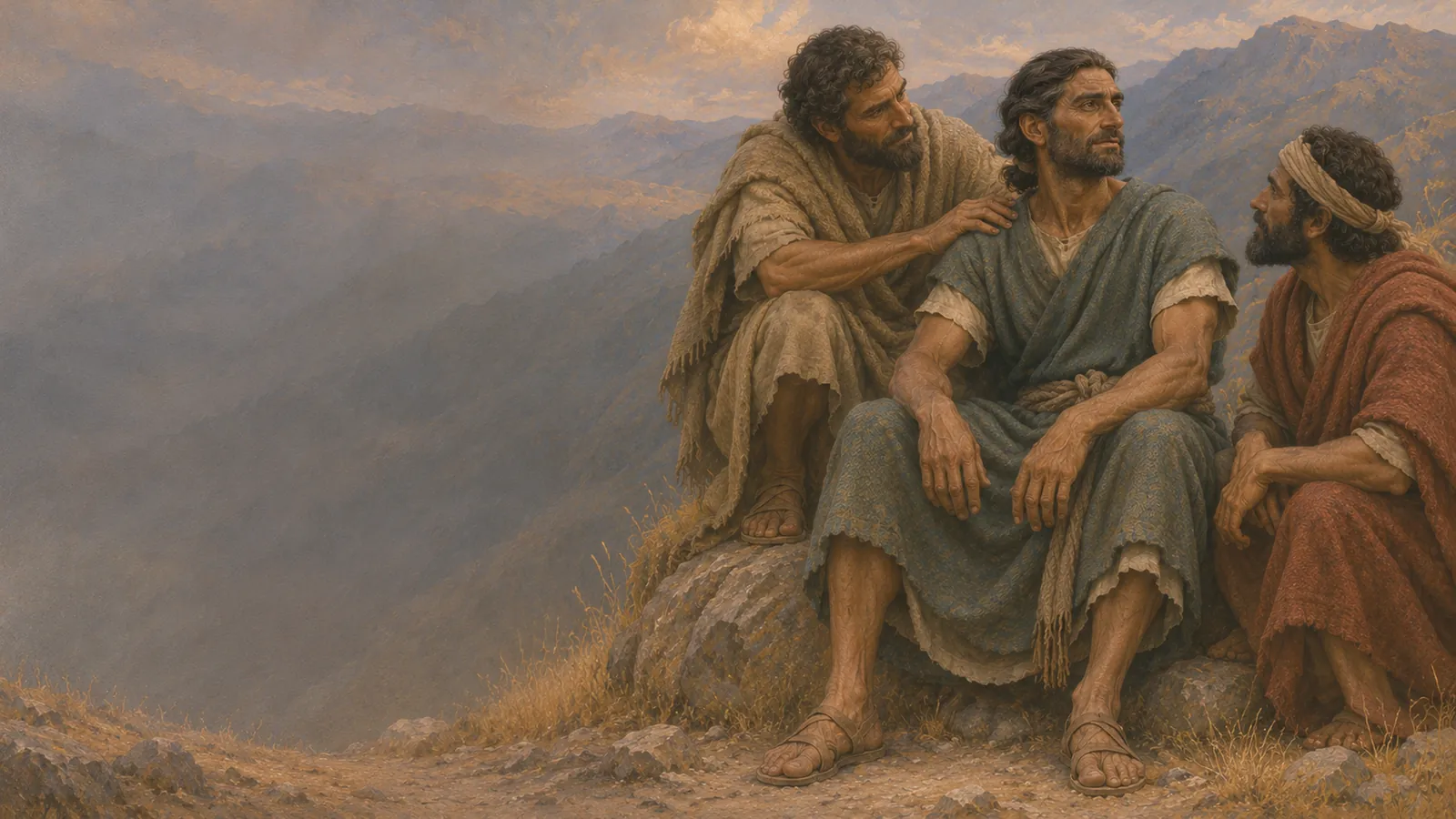
Halfway through the journey, illness came over Lugalbanda. He could scarcely lift his feet, and no one knew how to get him back to Kulaba.
SHELTER
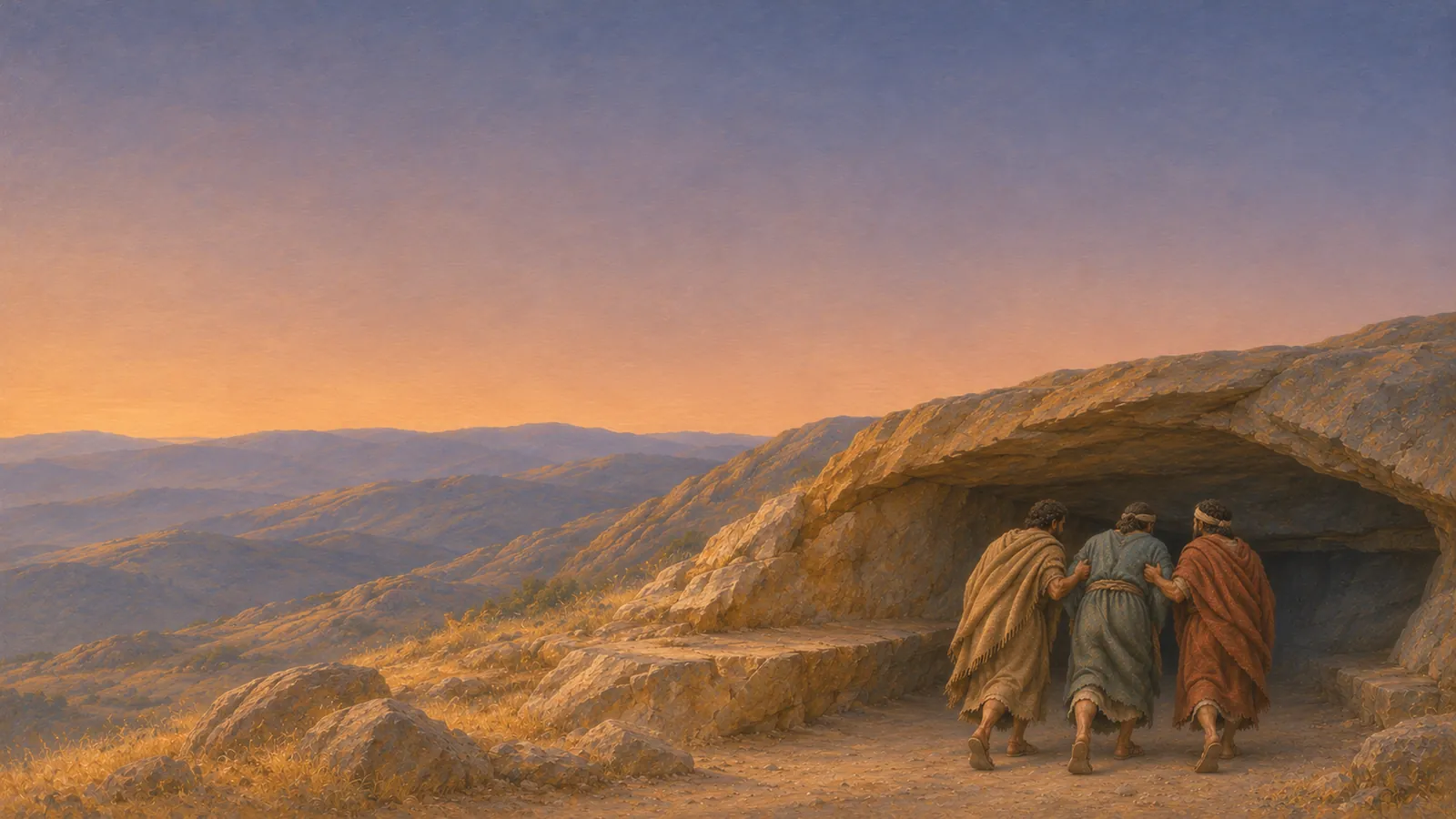
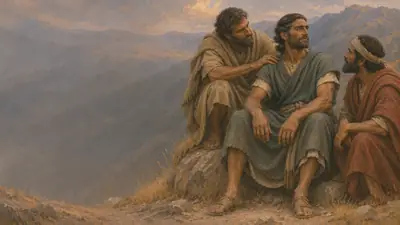
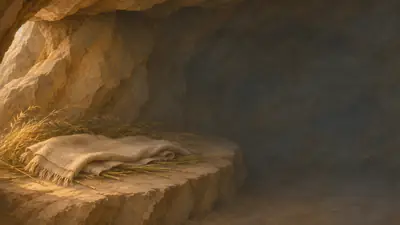
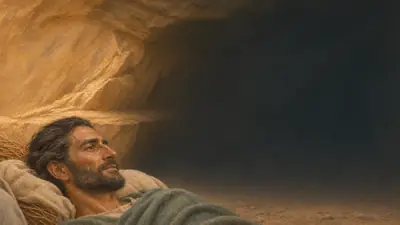
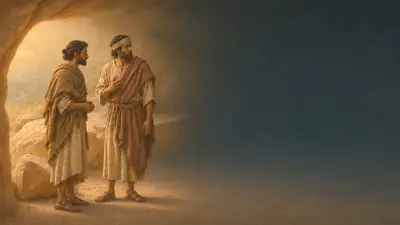
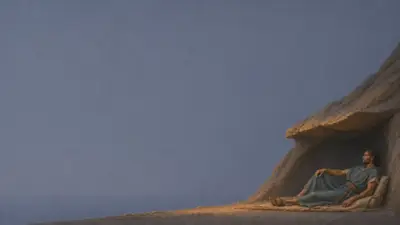
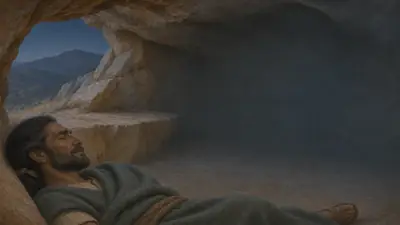
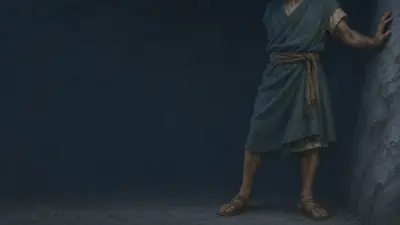
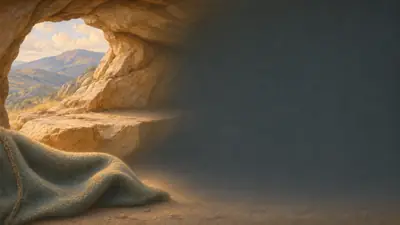
The mountain air was cold where he lay. His companions took him into shelter, looking for a place where he could be warm.
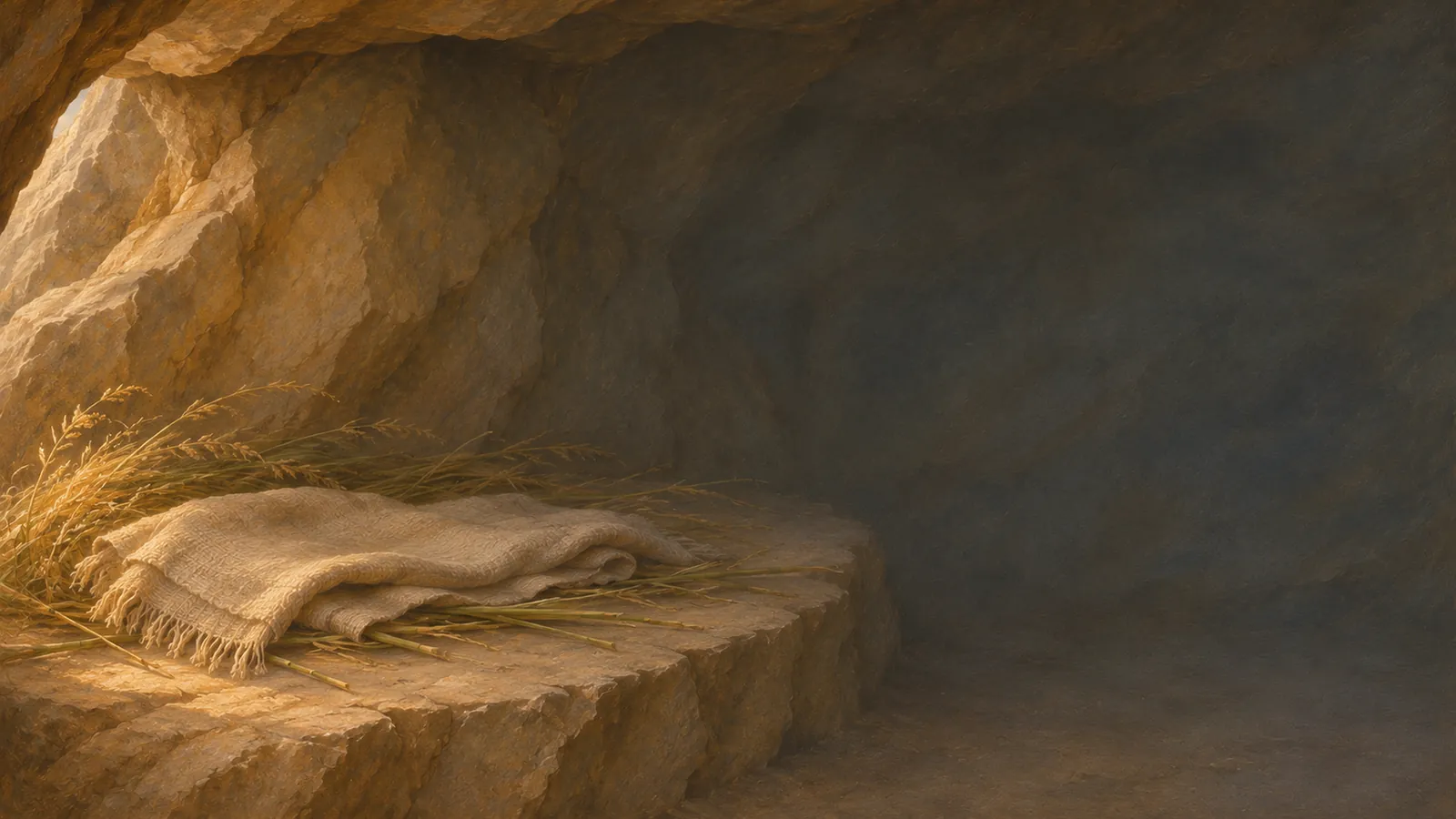
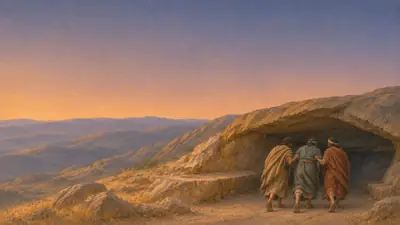
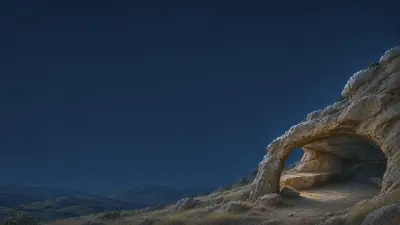
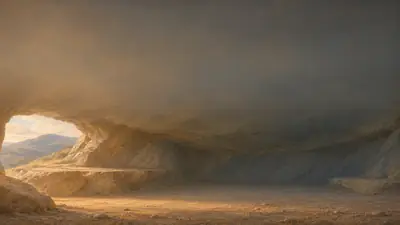
Inside the mountain cave they made him a place to rest. What remains of the verse compares the shelter to a bird’s nest.
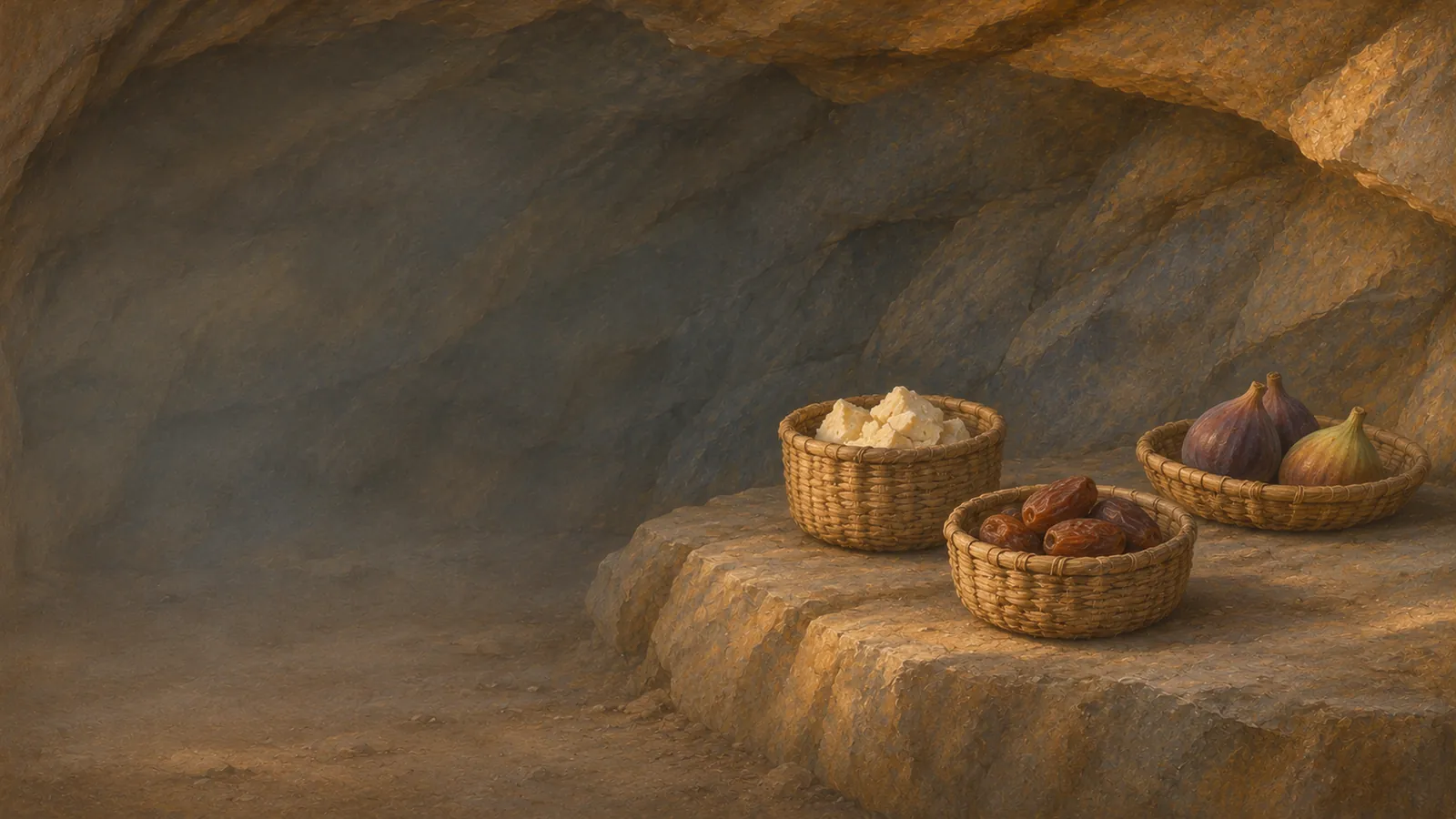
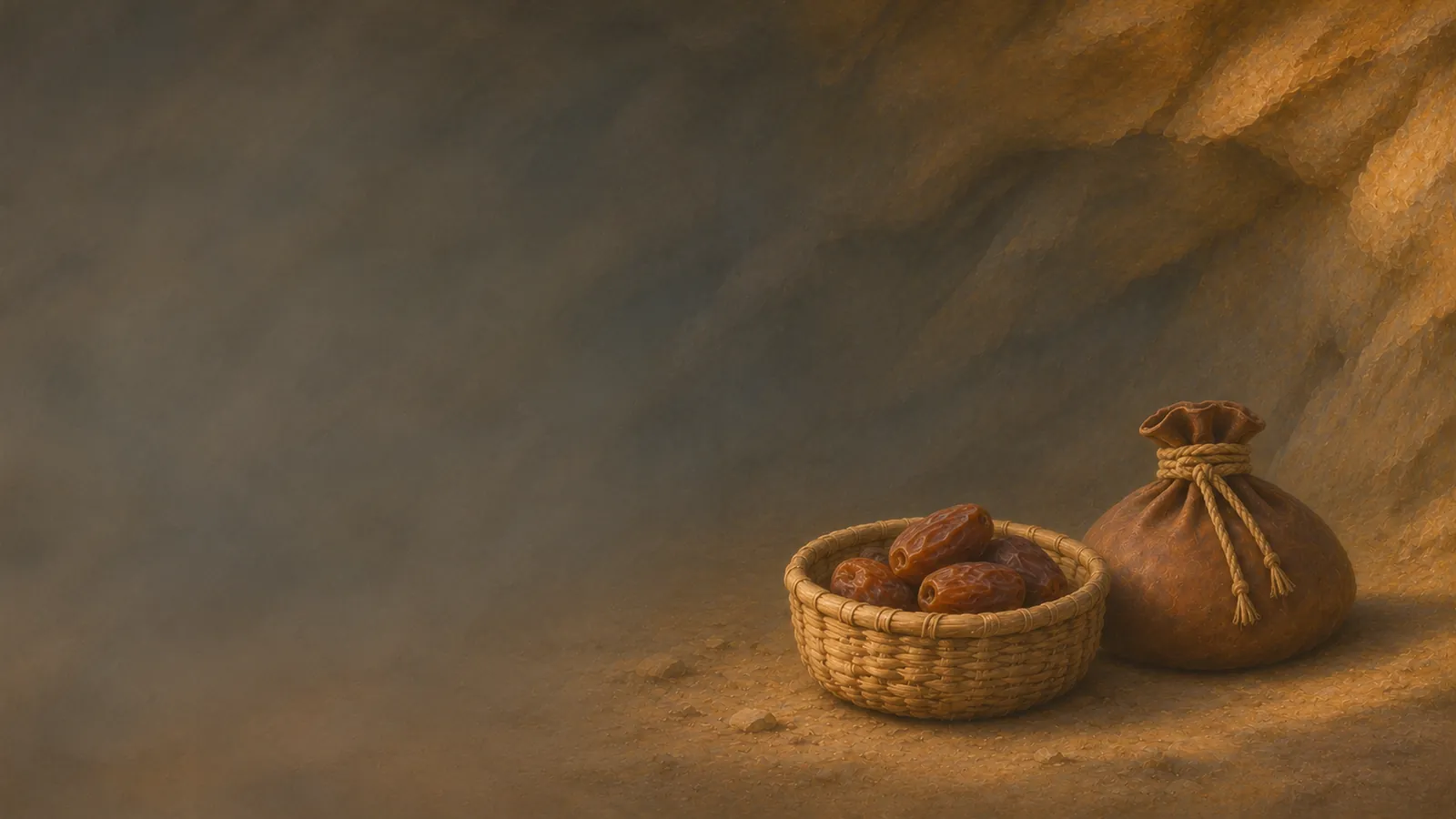
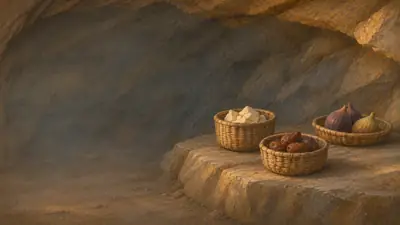
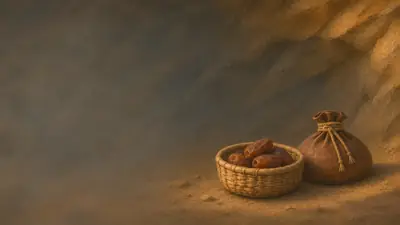
They set out figs, dates, and cheeses, with other food a sick man might eat. Everything lay within reach if he could sit up.
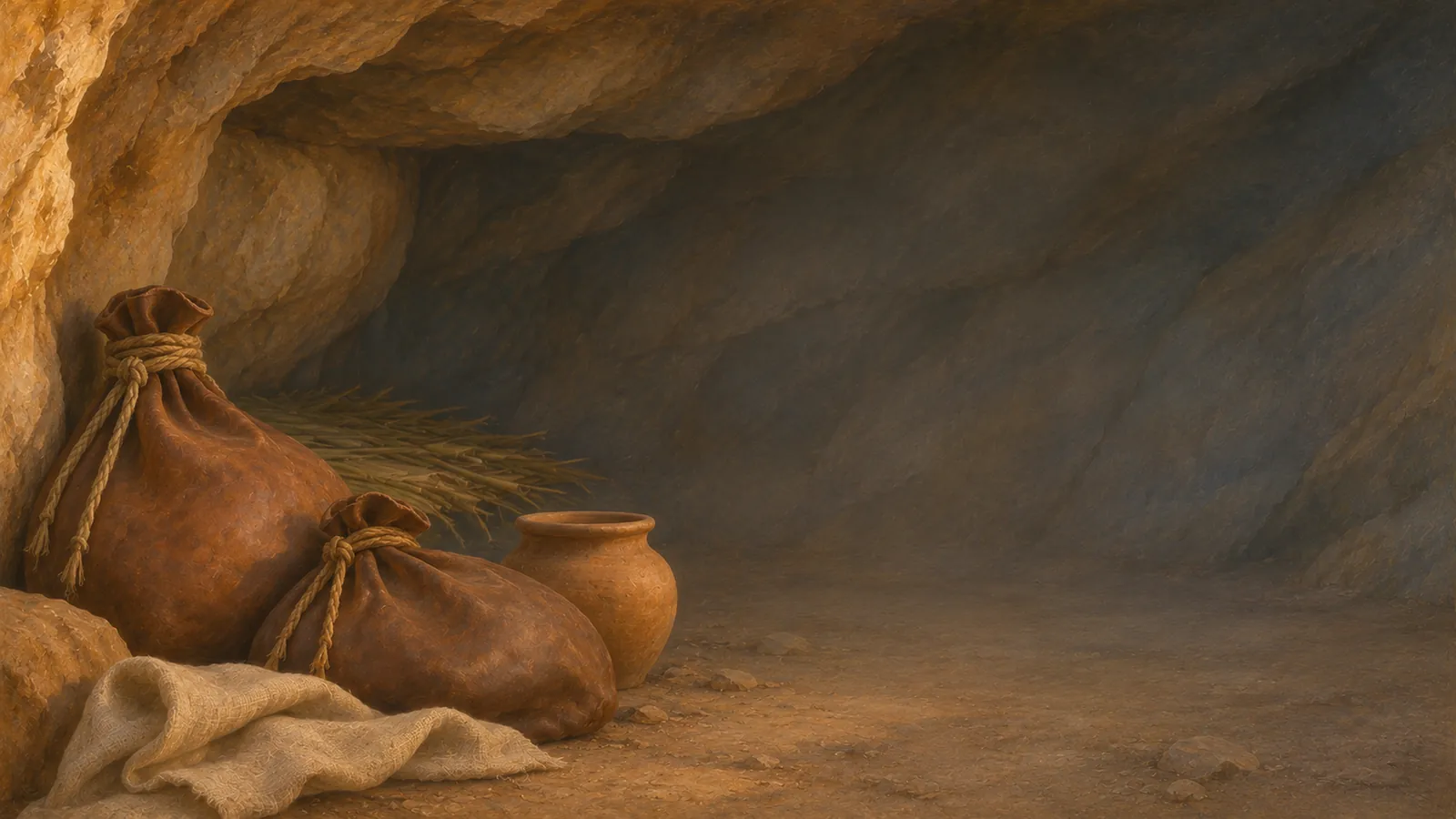
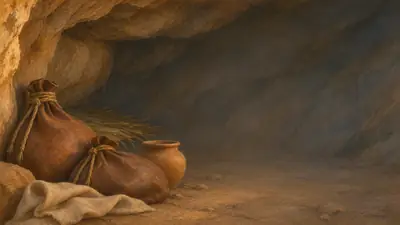
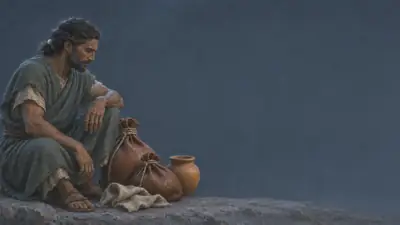
His companions set leather bags and vessels by his head. They left drinks and the supplies they had brought with them on the march.
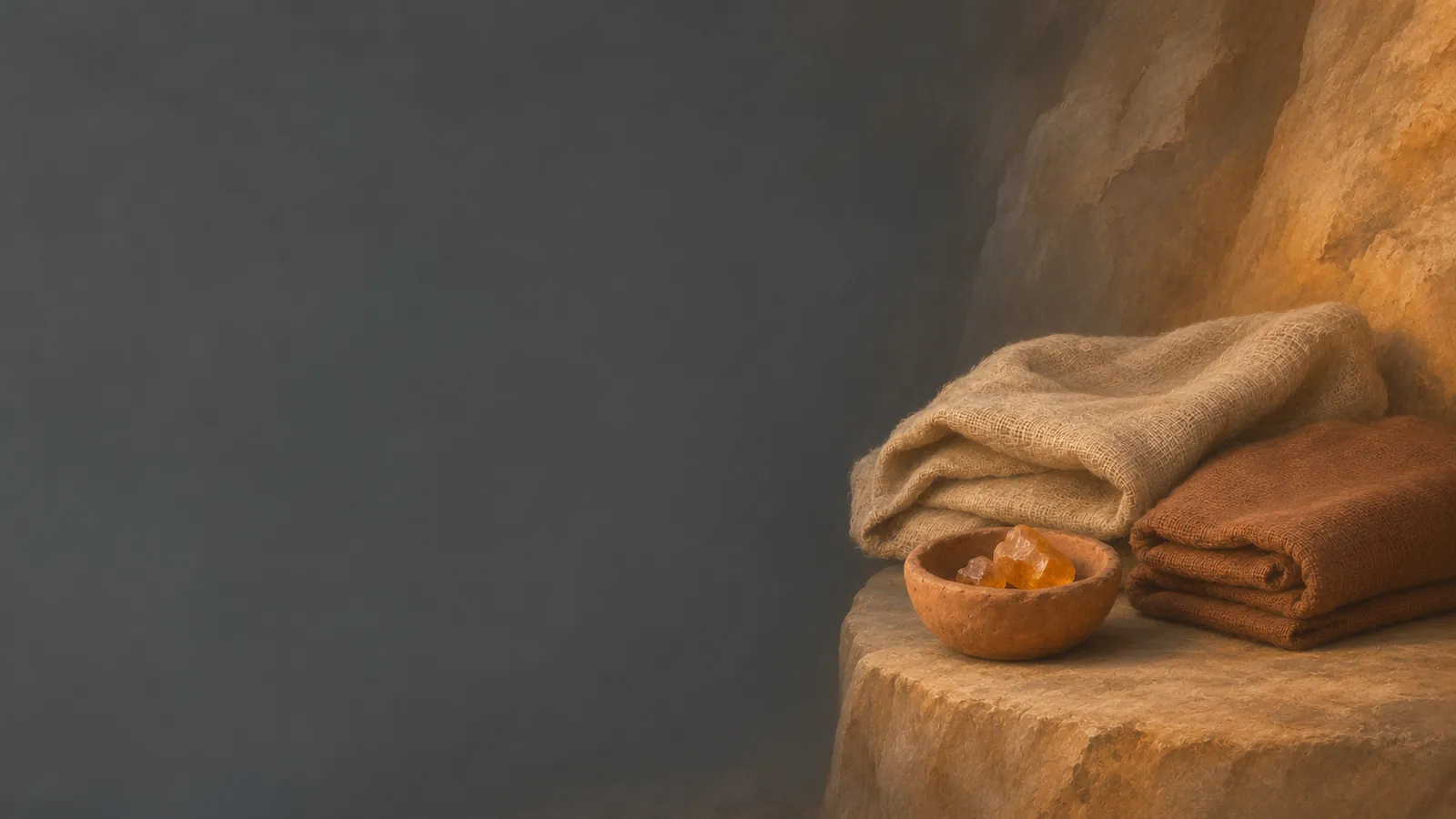
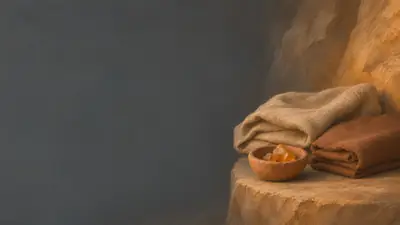
They prepared fragrant resin and left his belongings beside him. The men watched him in the stillness of the mountain cave.
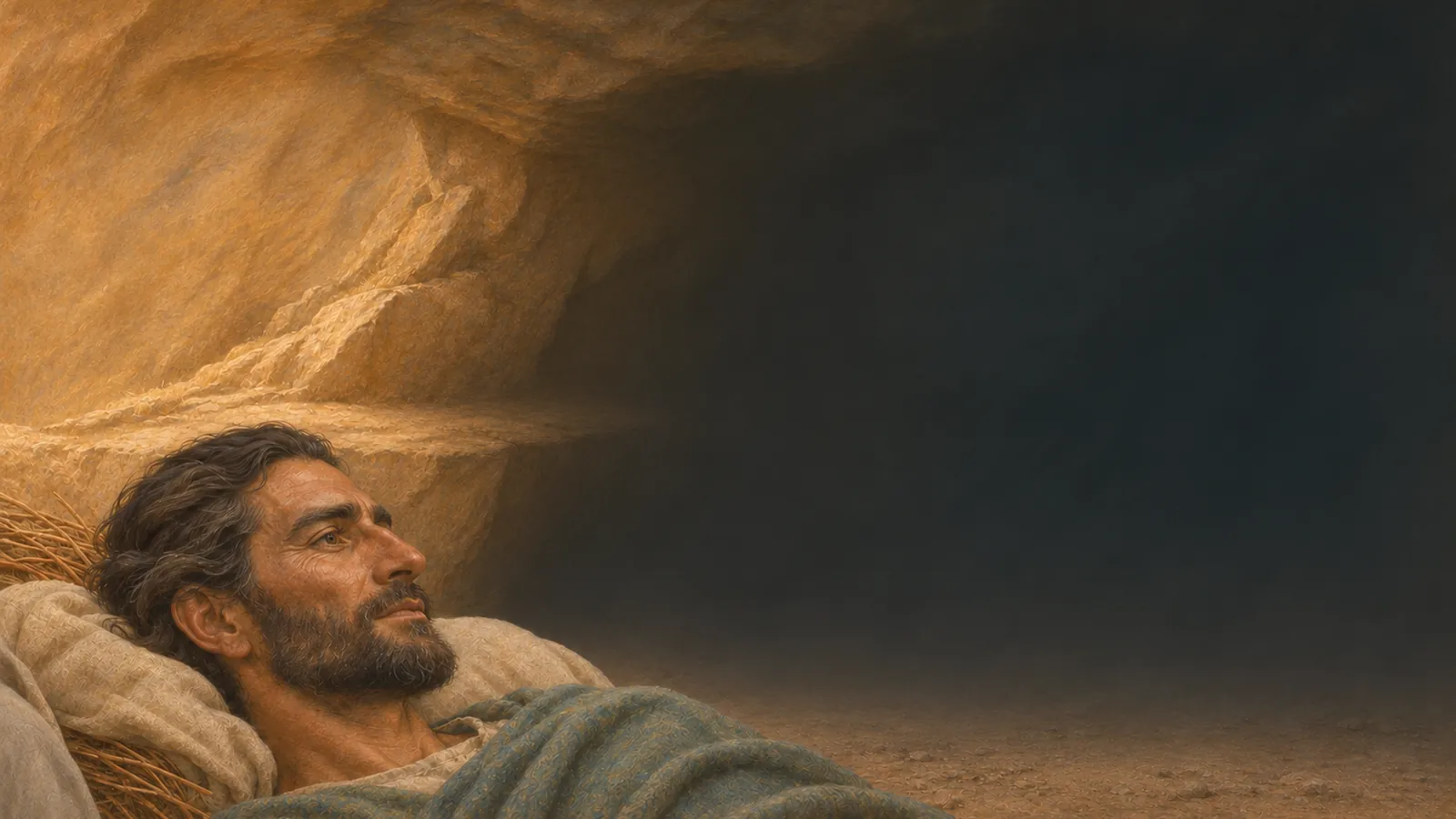
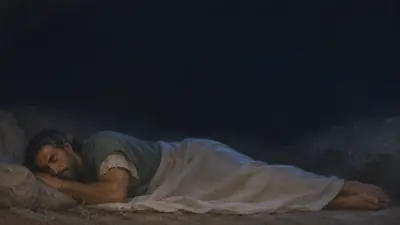
Lugalbanda kept his eyes open, but he could give his brothers no answer. When they lifted his head, they could scarcely find his breath.
If he rose again, they hoped the food and drink would help him stand. Perhaps he would make his way home to Kulaba.
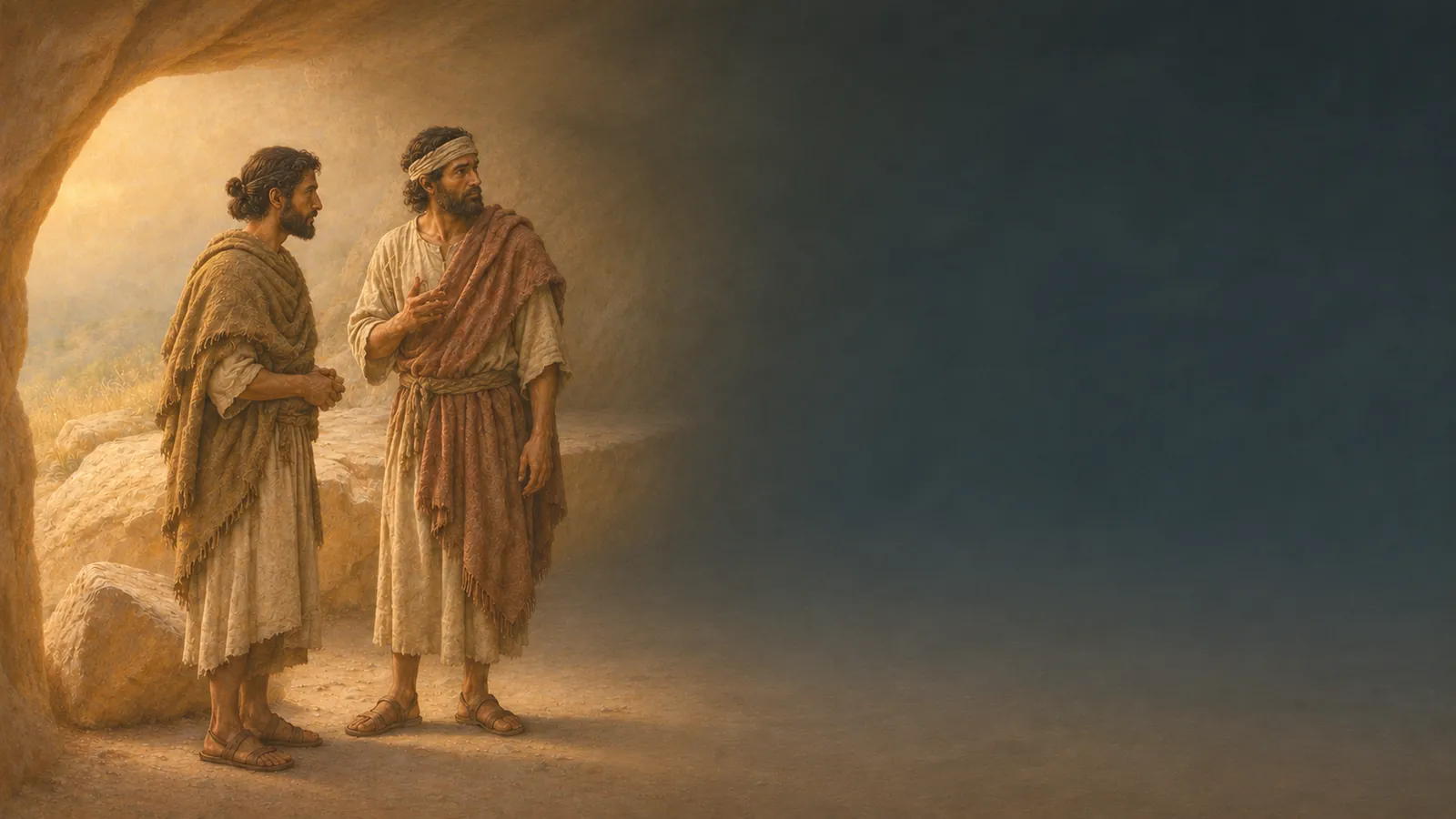
If he died, they said, they would return for him after the march to Aratta. They would carry him home to Kulaba.
ALONE
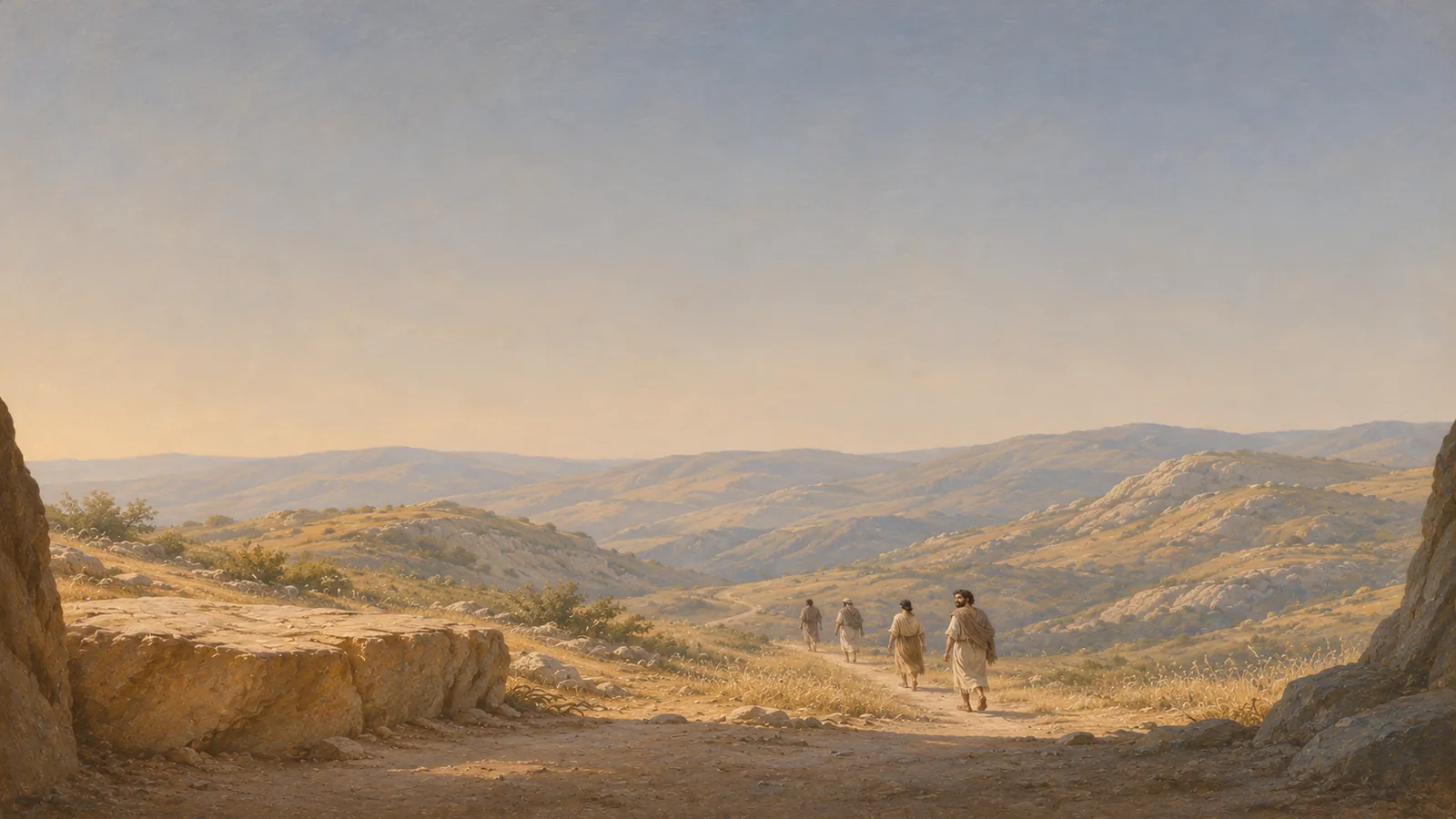
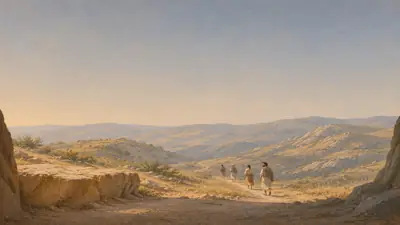
His brothers and friends wept as they left him in the cave. Their march continued into the mountains, and Lugalbanda remained behind.
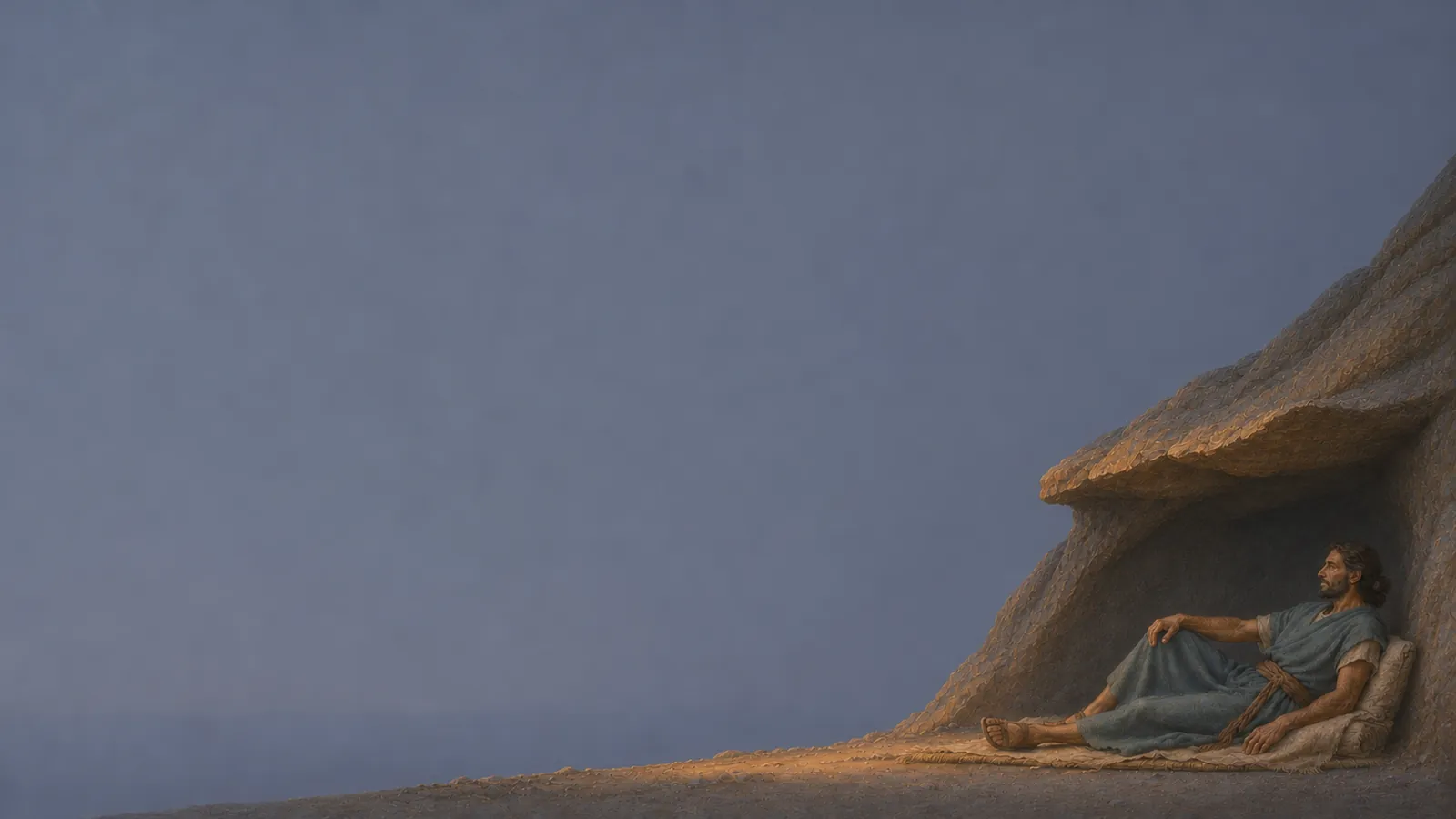
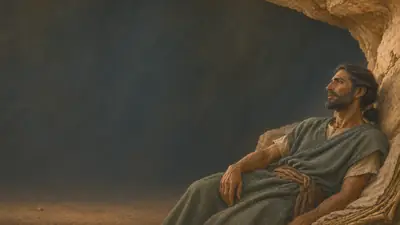
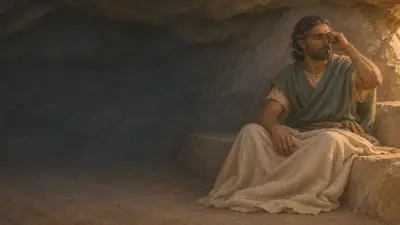
Two days passed, and half a day more. In the evening cool, Lugalbanda felt some relief, but the sickness had yet to leave him.
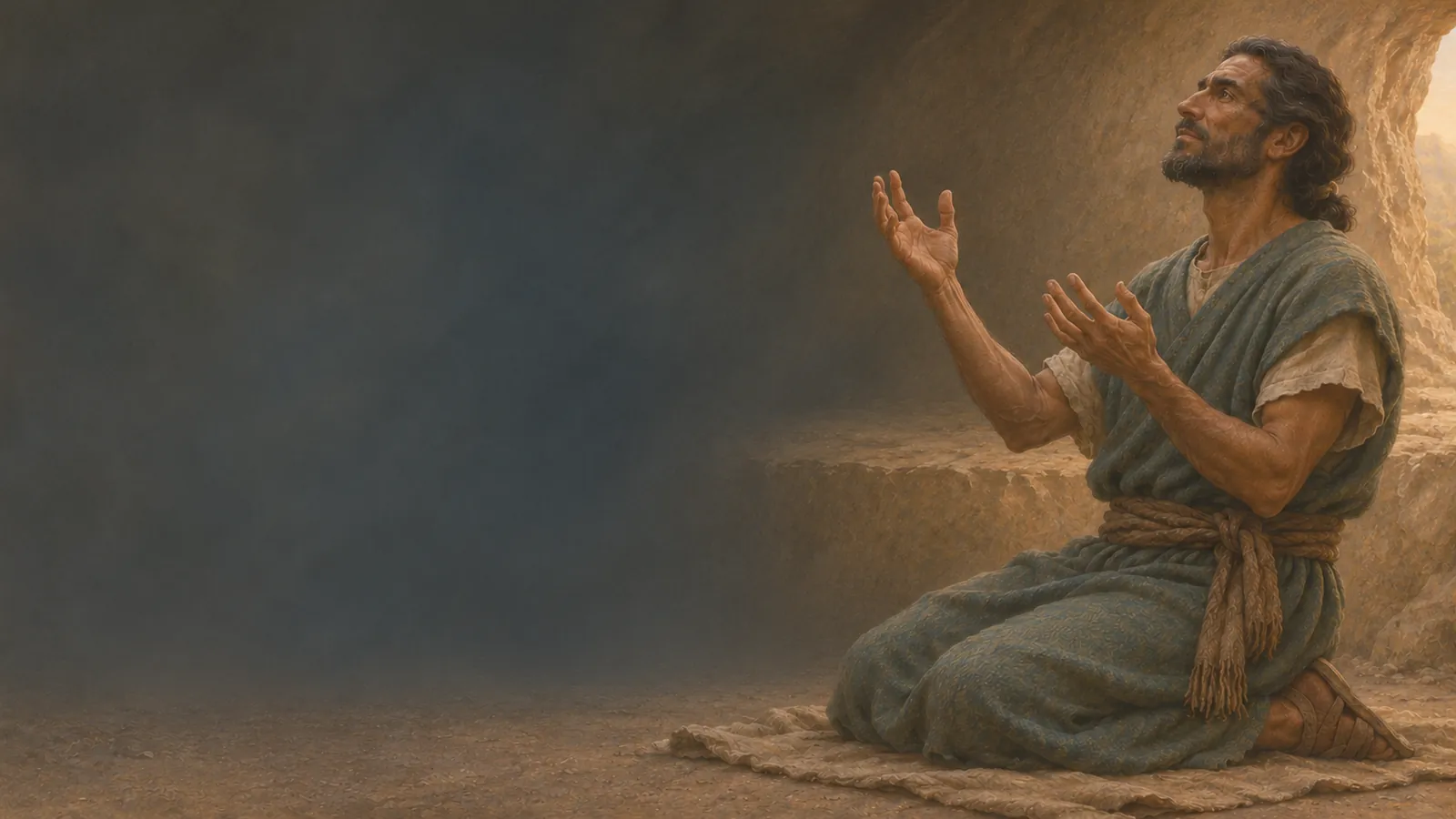
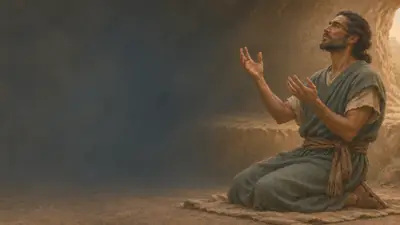
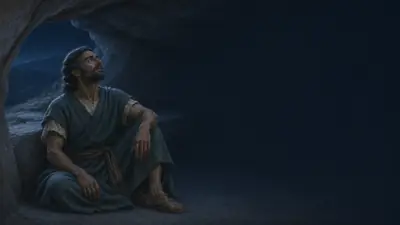
Lugalbanda looked up and lifted his hands. In his loneliness he cried to Utu as he would have cried to his own father.
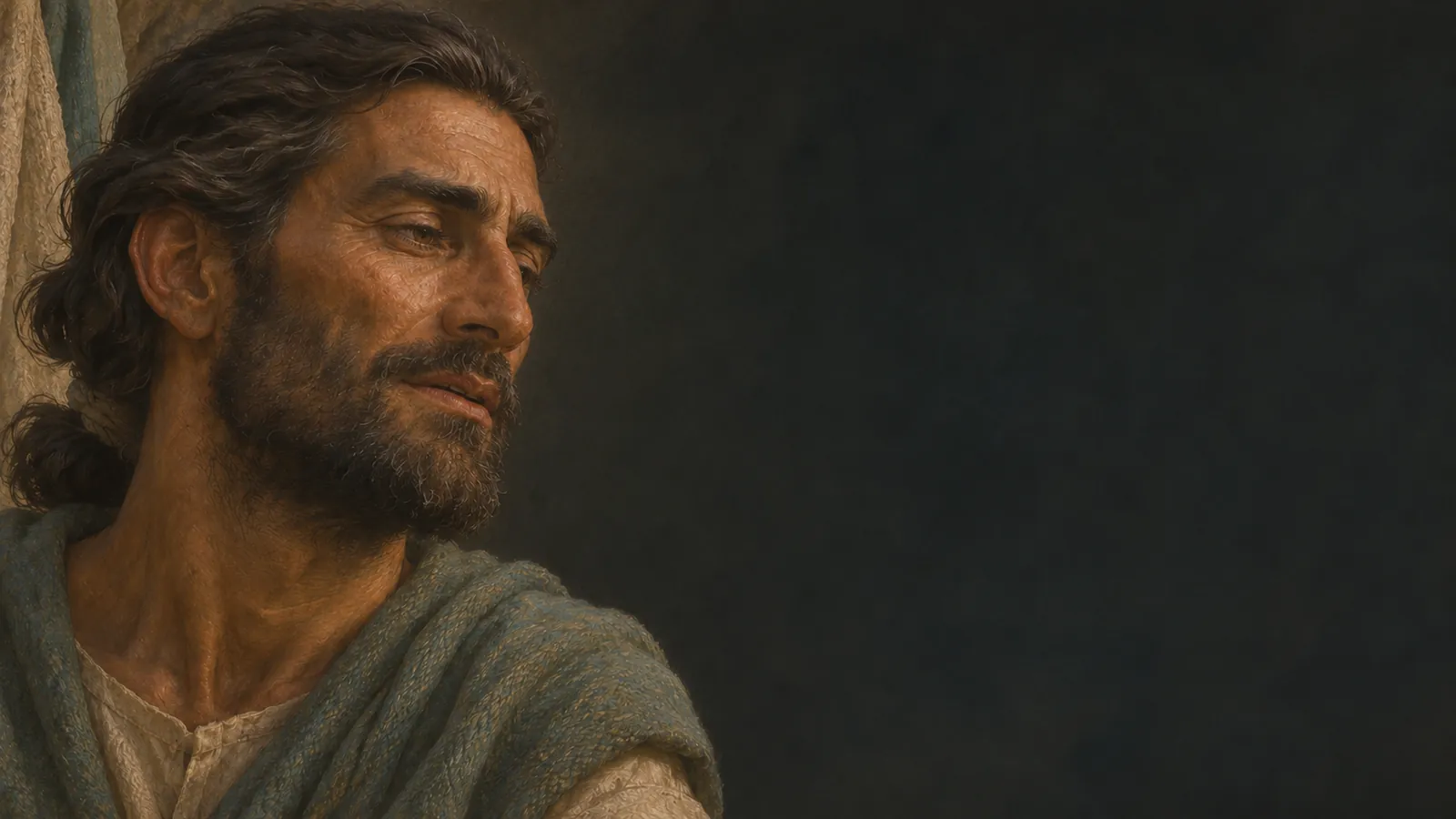
He asked Utu to take away the illness. With no one he knew beside him, he feared he would perish in an unknown place.

Utu received his tears and sent encouragement to the cave. In the evening silence, Lugalbanda had been heard.

Then Inanna appeared in the evening sky as a star. Her brightness reached the mountain cave, and Lugalbanda raised his hands again.
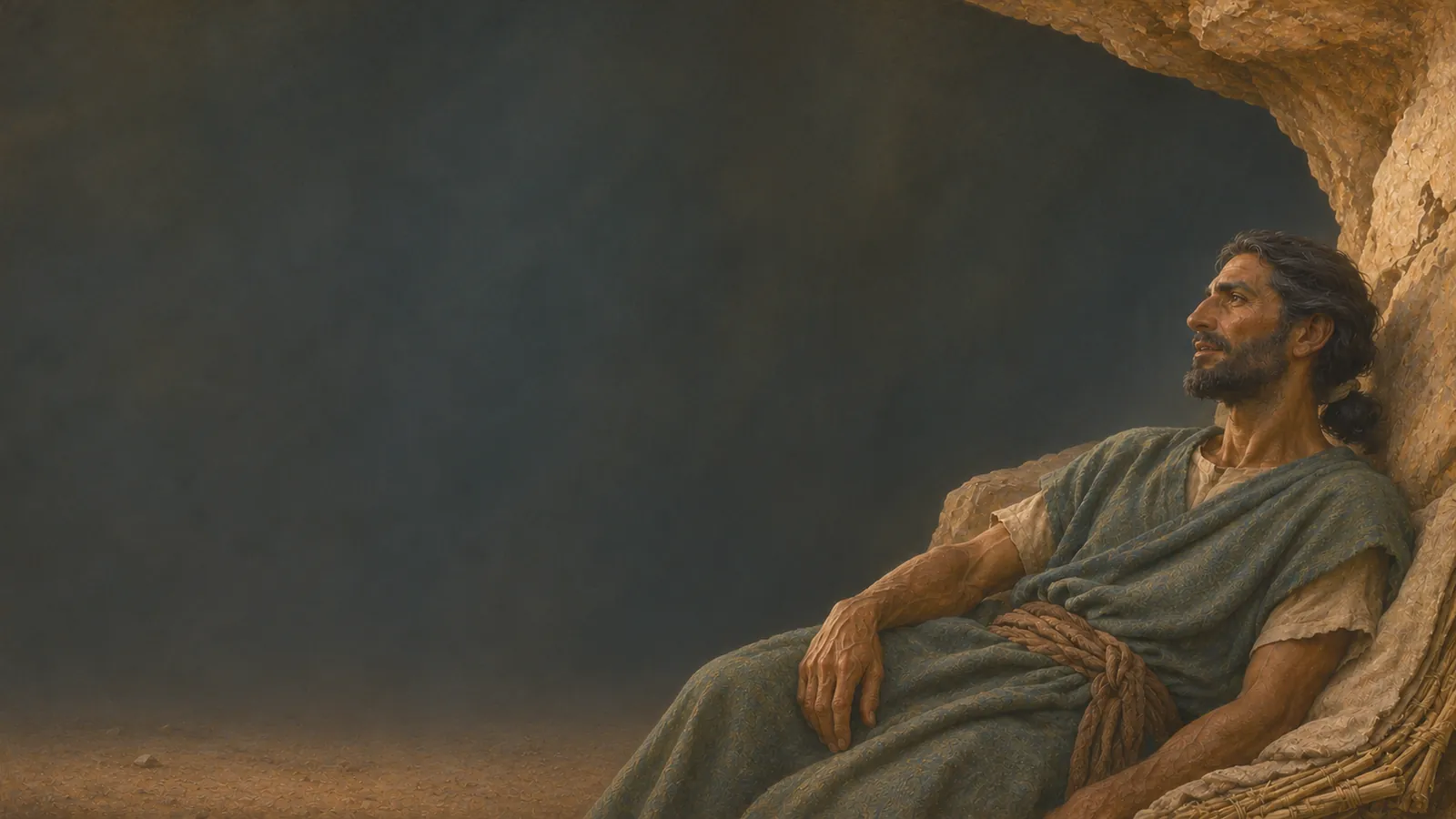
He wished the place where he lay were Kulaba, the city where his mother had borne him. He longed for the people he knew.
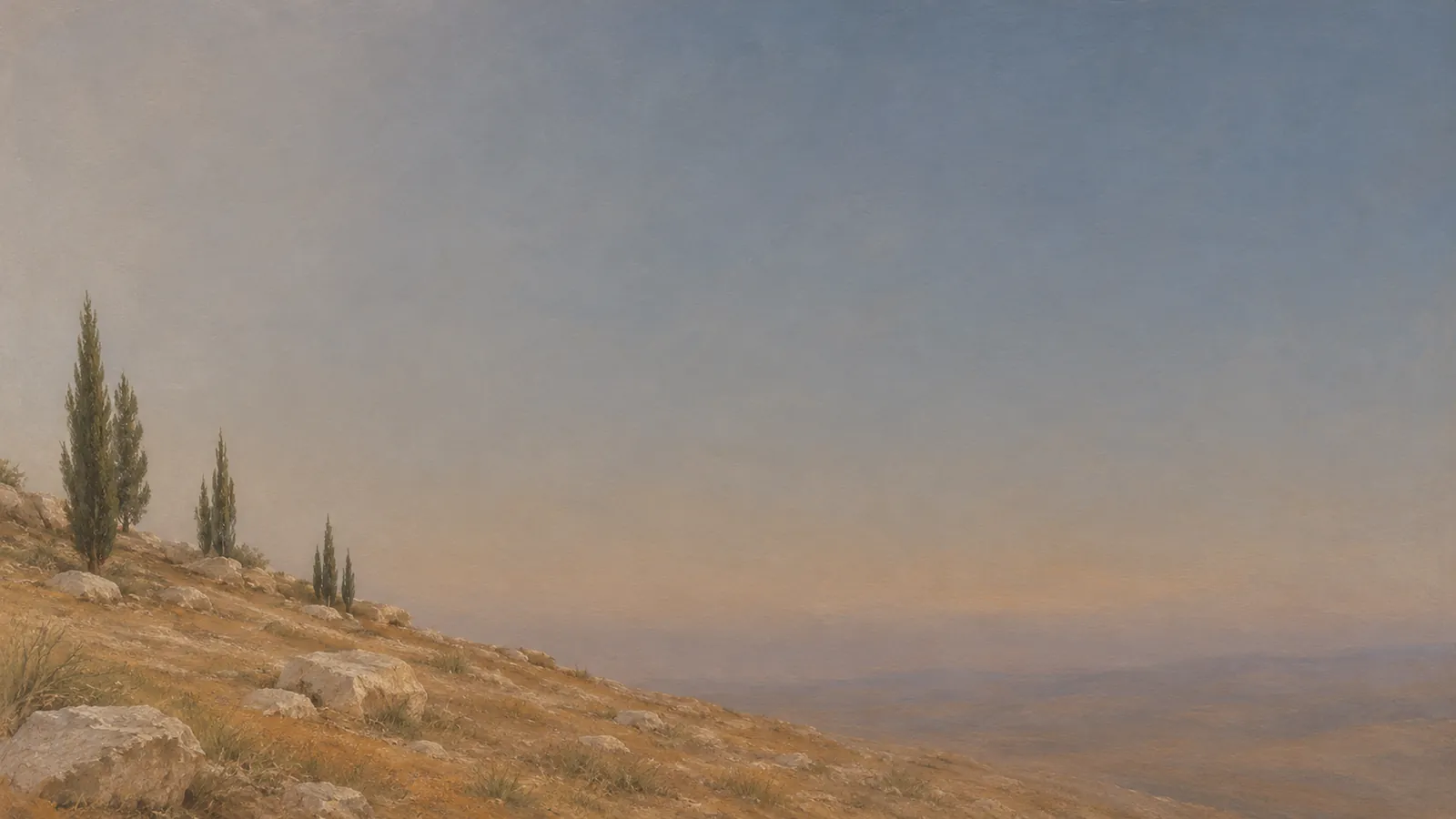
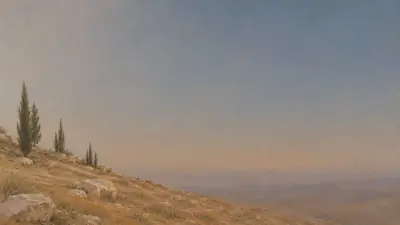
Parts of his prayer are hard to read. In the words that remain, he asks to live through the mountains where the cypresses grow.
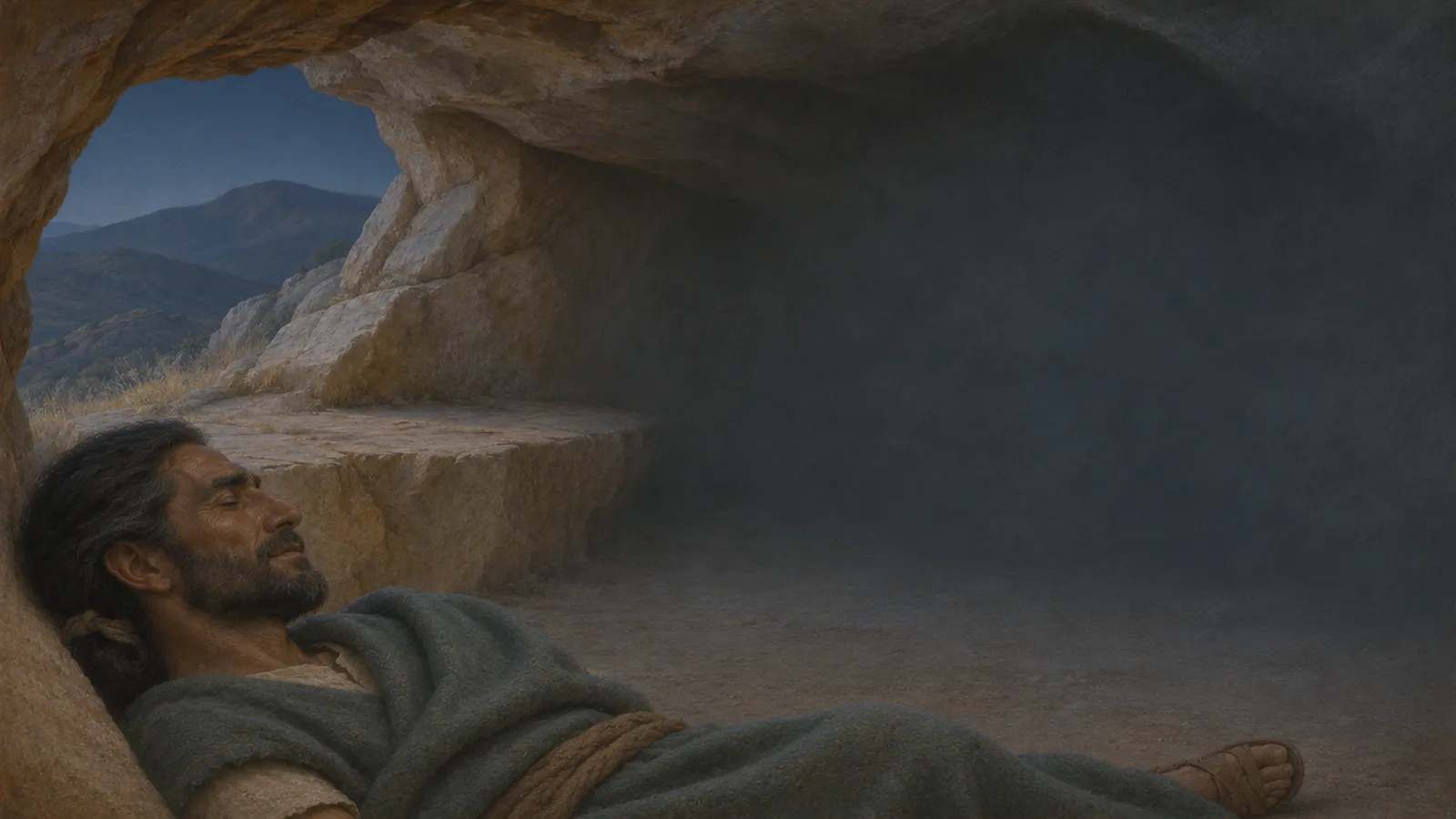
Inanna received his tears and let him sleep. The poem says that relief wrapped around him like a garment of wool.
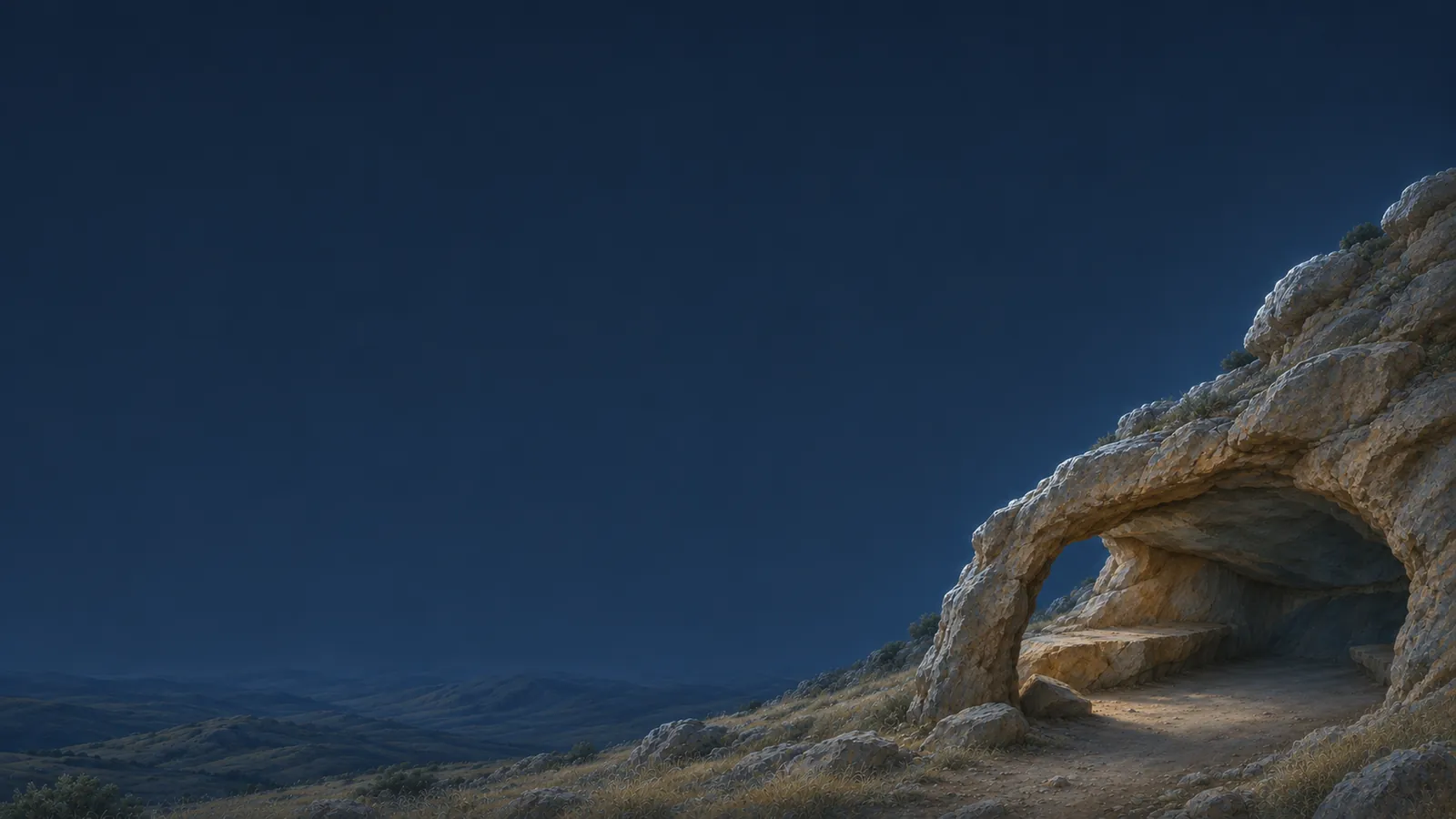
During the night, the light of Suen reached the cave. Lugalbanda looked up to the moon and lifted his hands again.
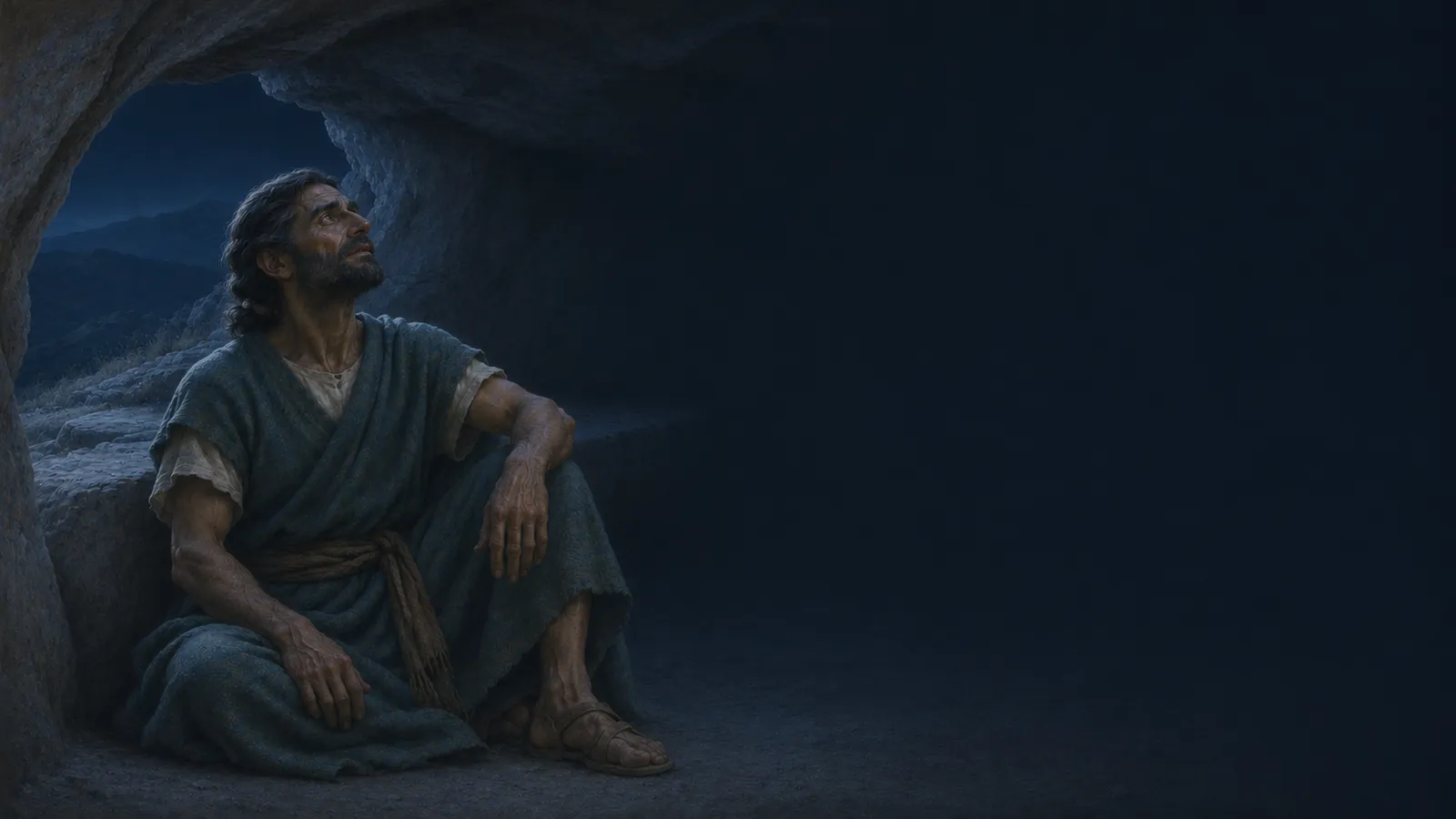
Lugalbanda called to Suen in the far sky. He praised the one who loves justice, and some words of his prayer are damaged.
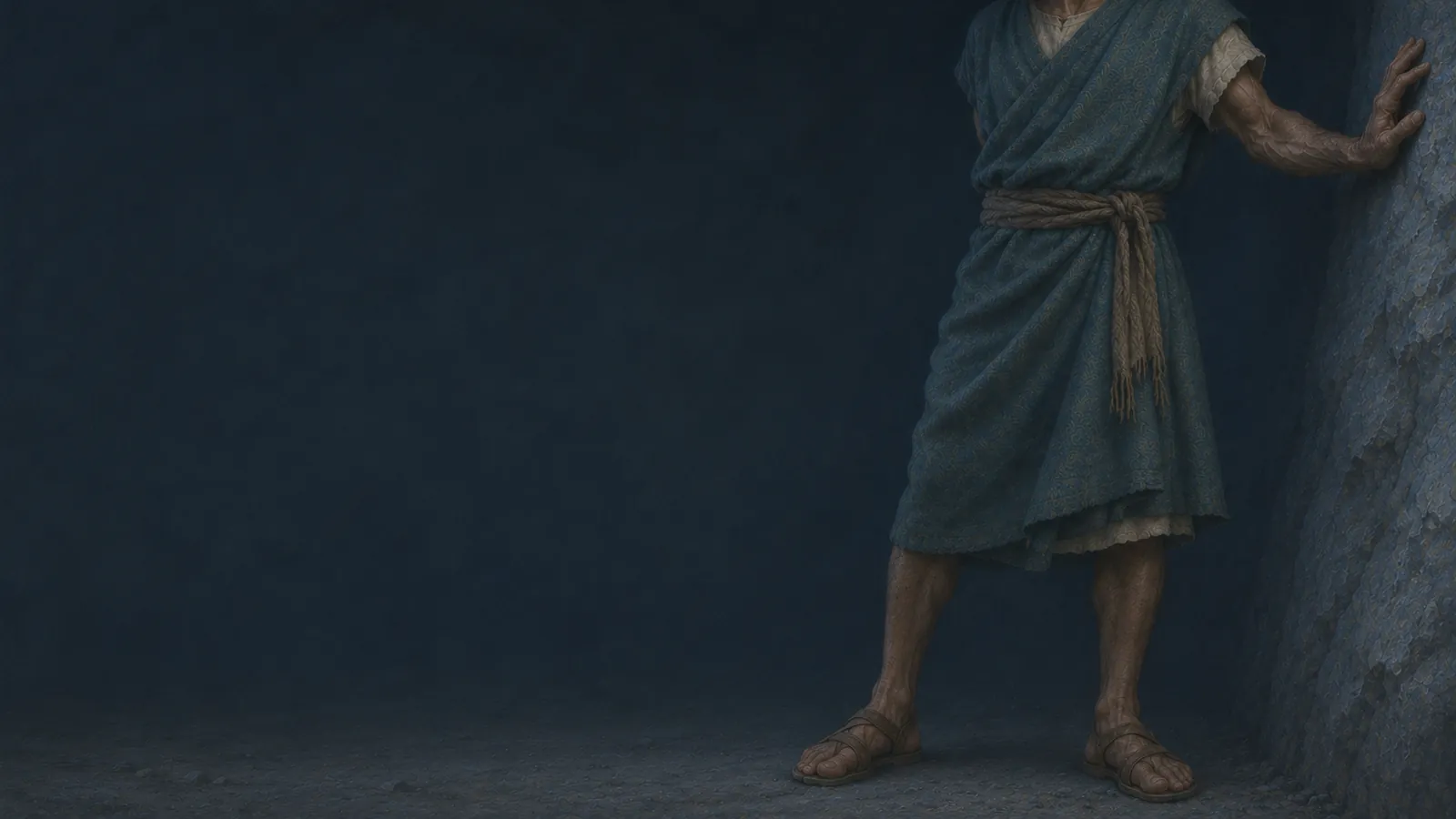
STRENGTH
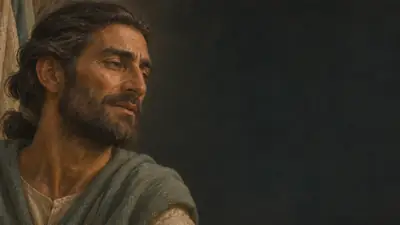
Suen received his tears and gave him strength. At last Lugalbanda could put his feet beneath him and stand upright.
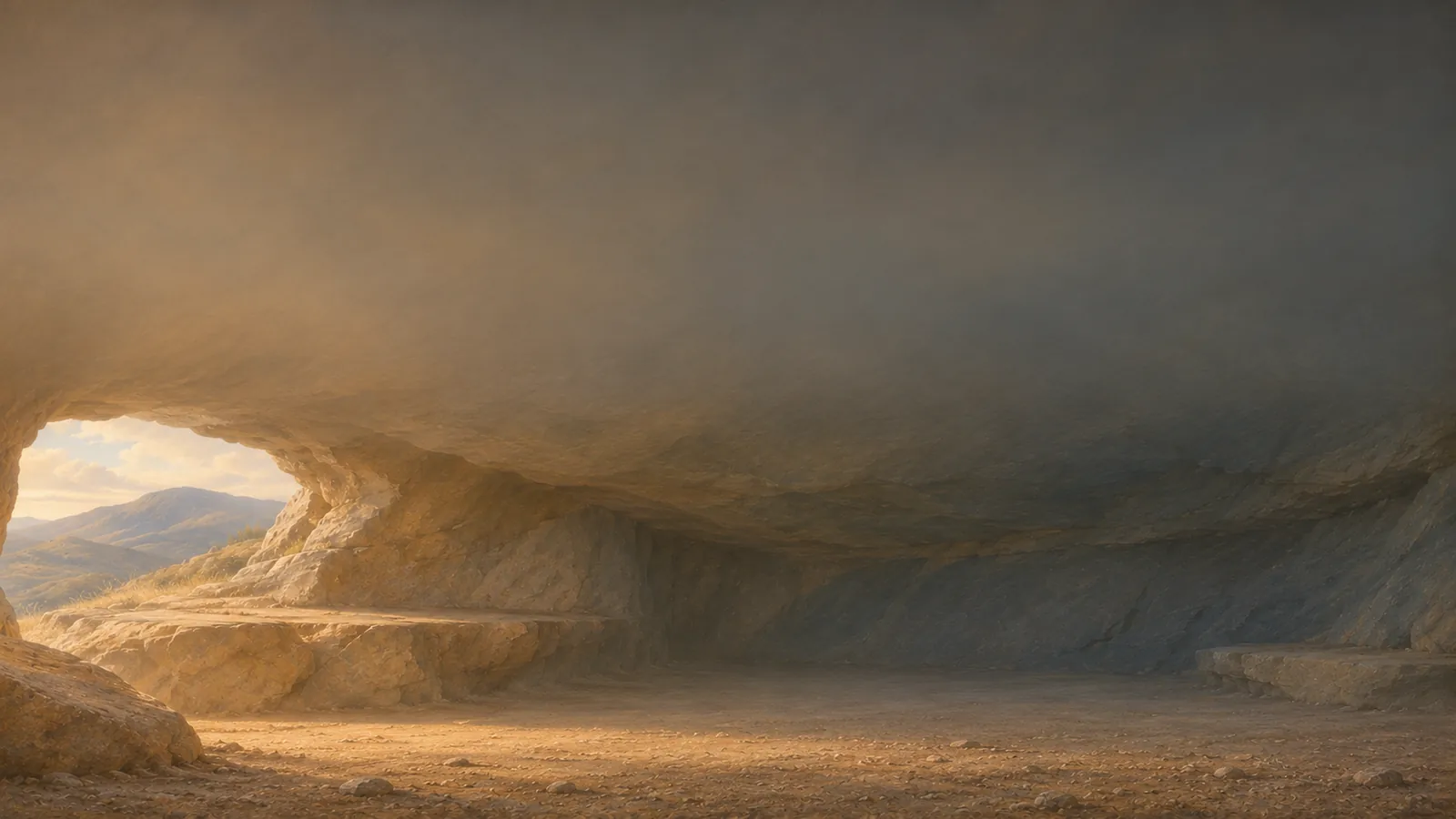
With the next sunrise, the light of Utu came into the cave again. Brightness reached Lugalbanda where he had spent the night.
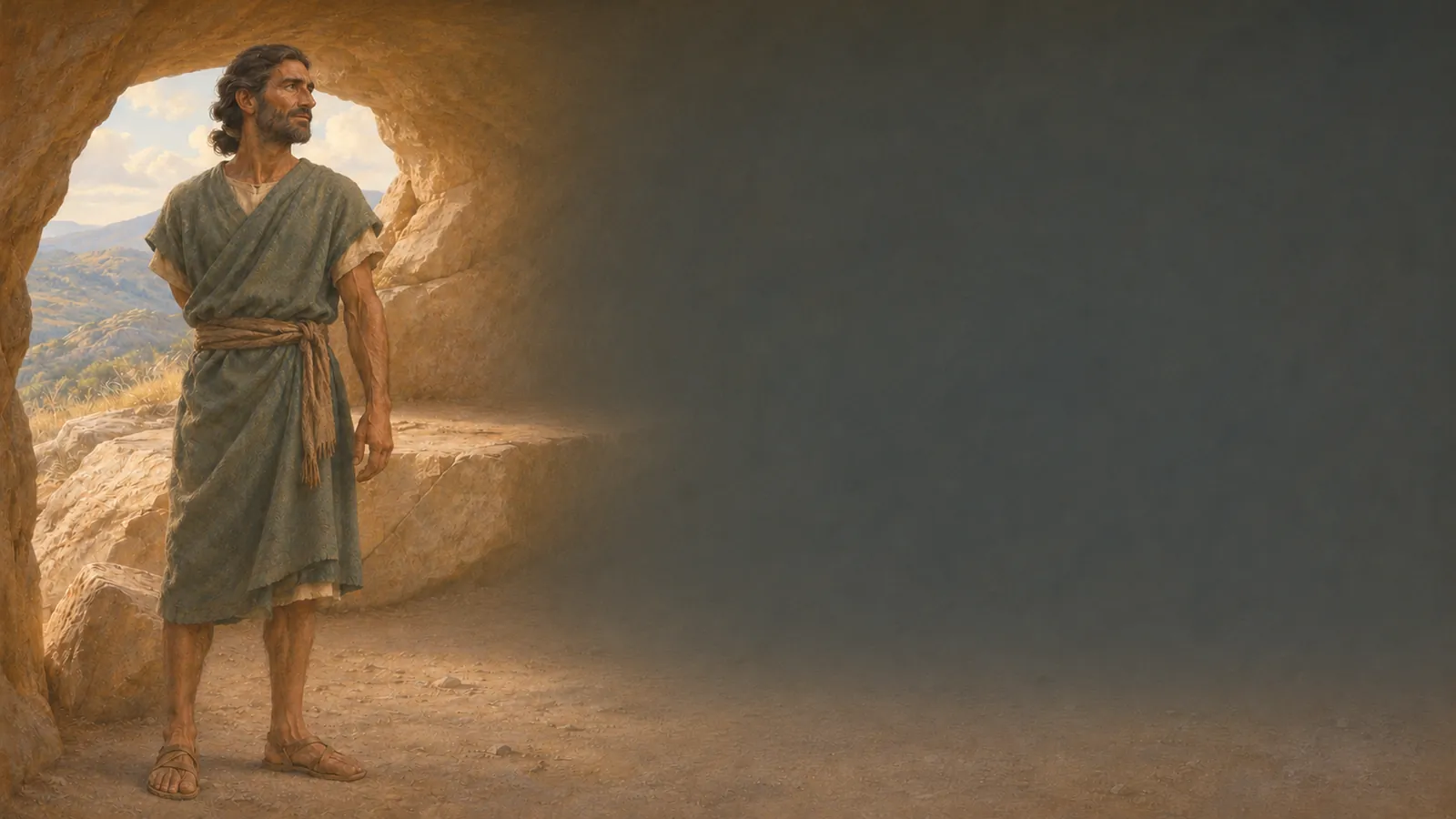
The poem speaks of protection ahead of him and protection behind him. It says the power that brought his illness stepped aside.
Lugalbanda praised Utu in the morning light. In his prayer, Utu is a brotherly companion to the person who walks alone.
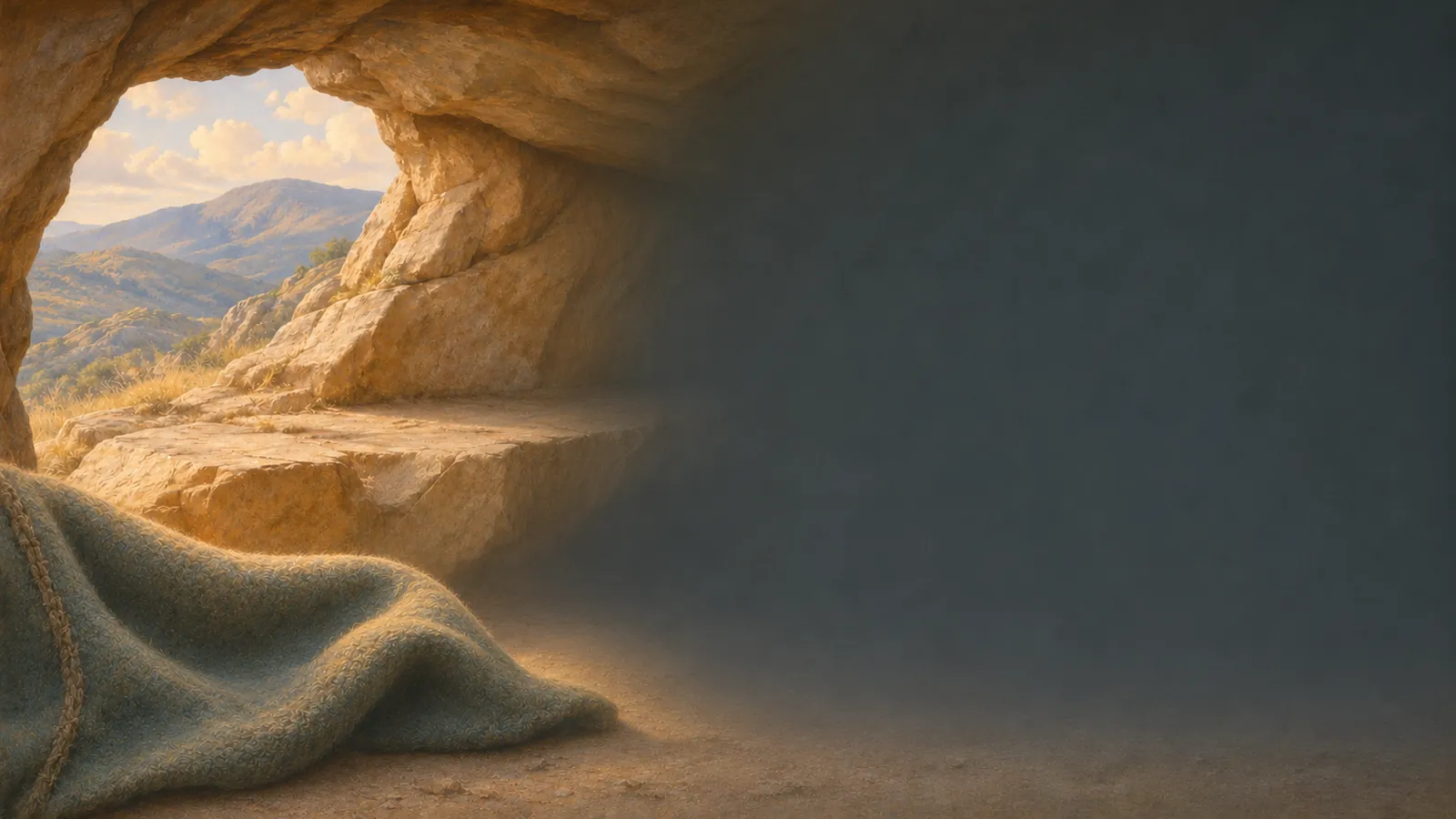
In the prayer, sunshine clothes the poor as gently as wool. Some of the final words of Lugalbanda’s praise are unclear.
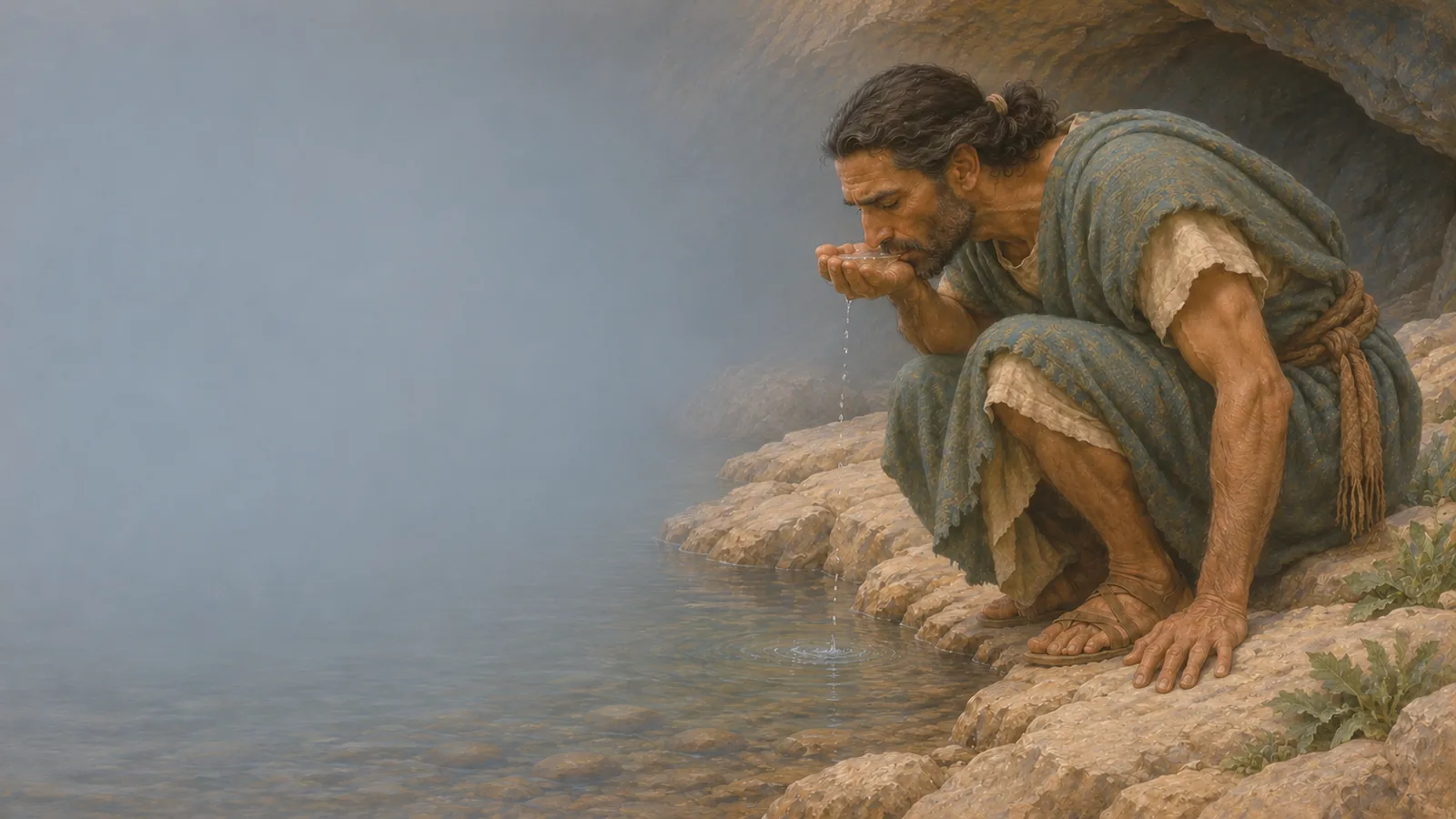
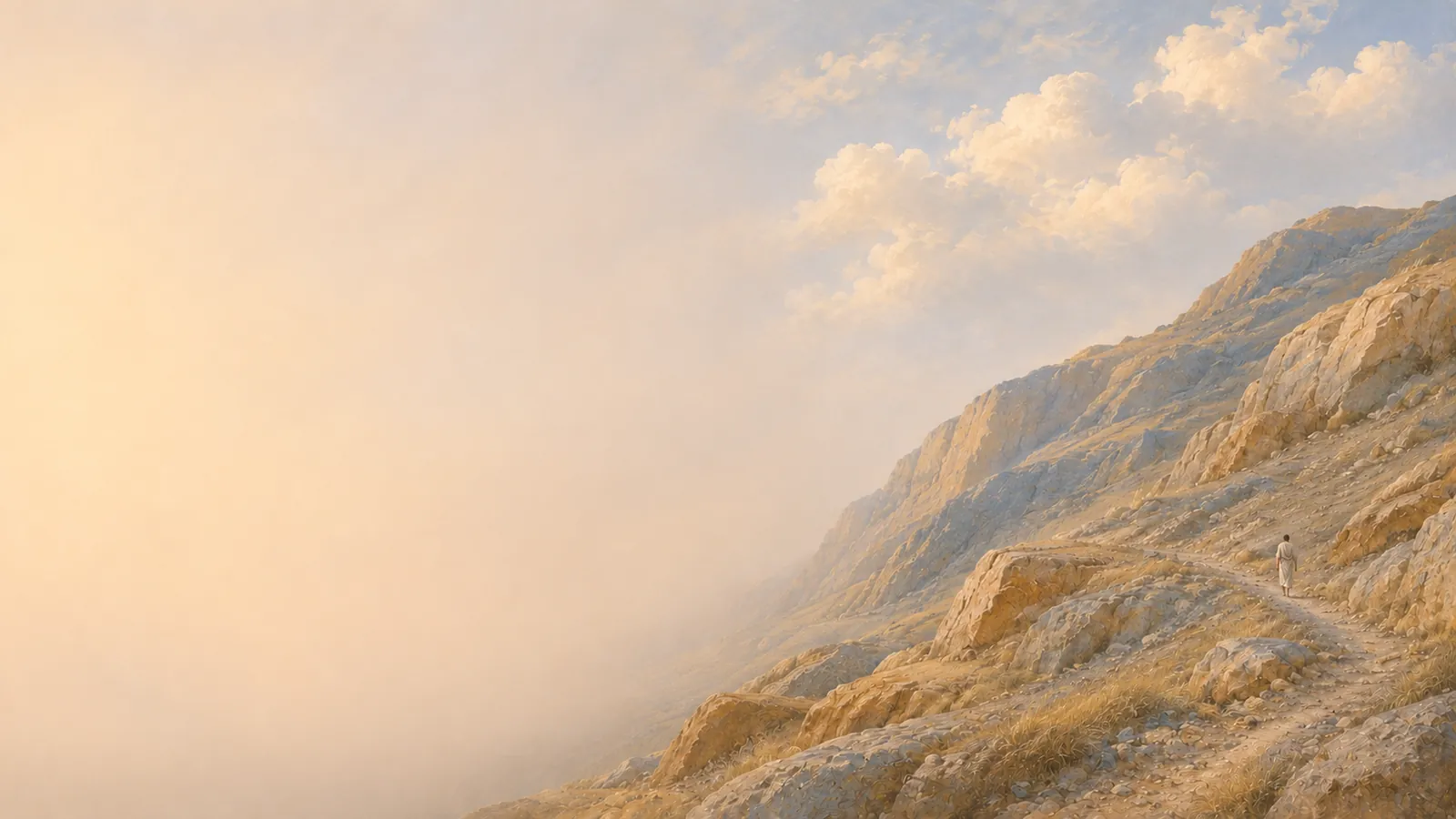
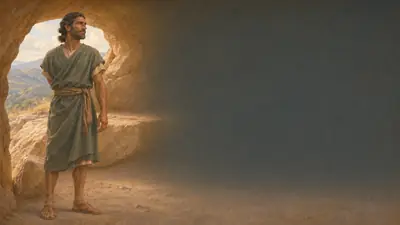
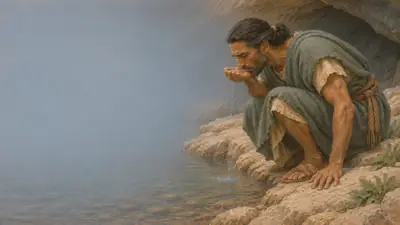
Lugalbanda came out of the cave. He tasted plants the poem calls life-giving and drank water brought down from the hills.
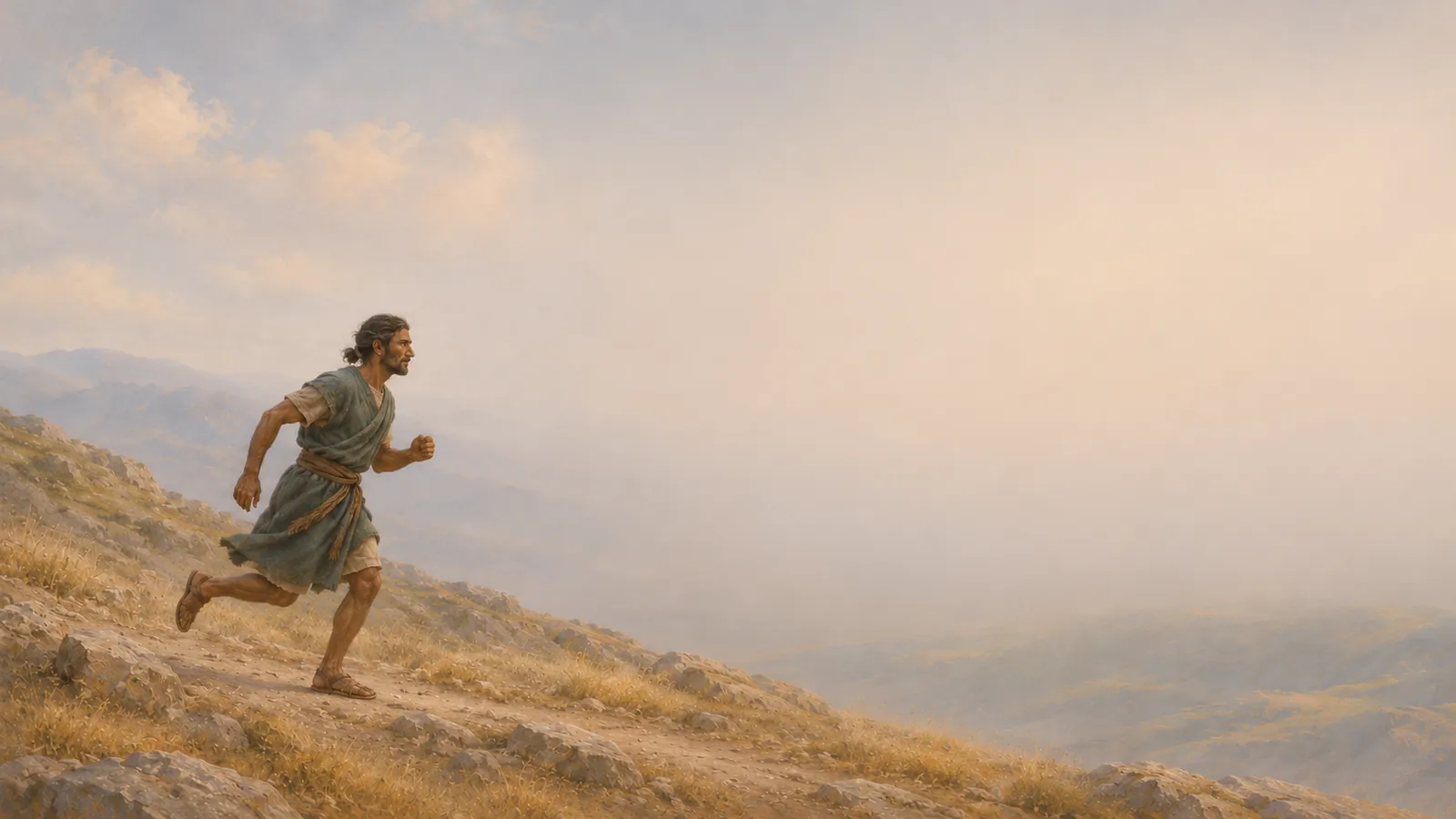
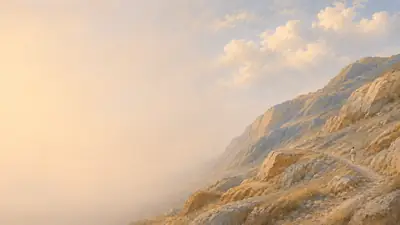
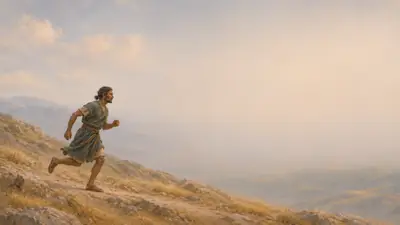
With his strength returning, he ran over the mountains. The poem likens his quick feet to those of a wild donkey.
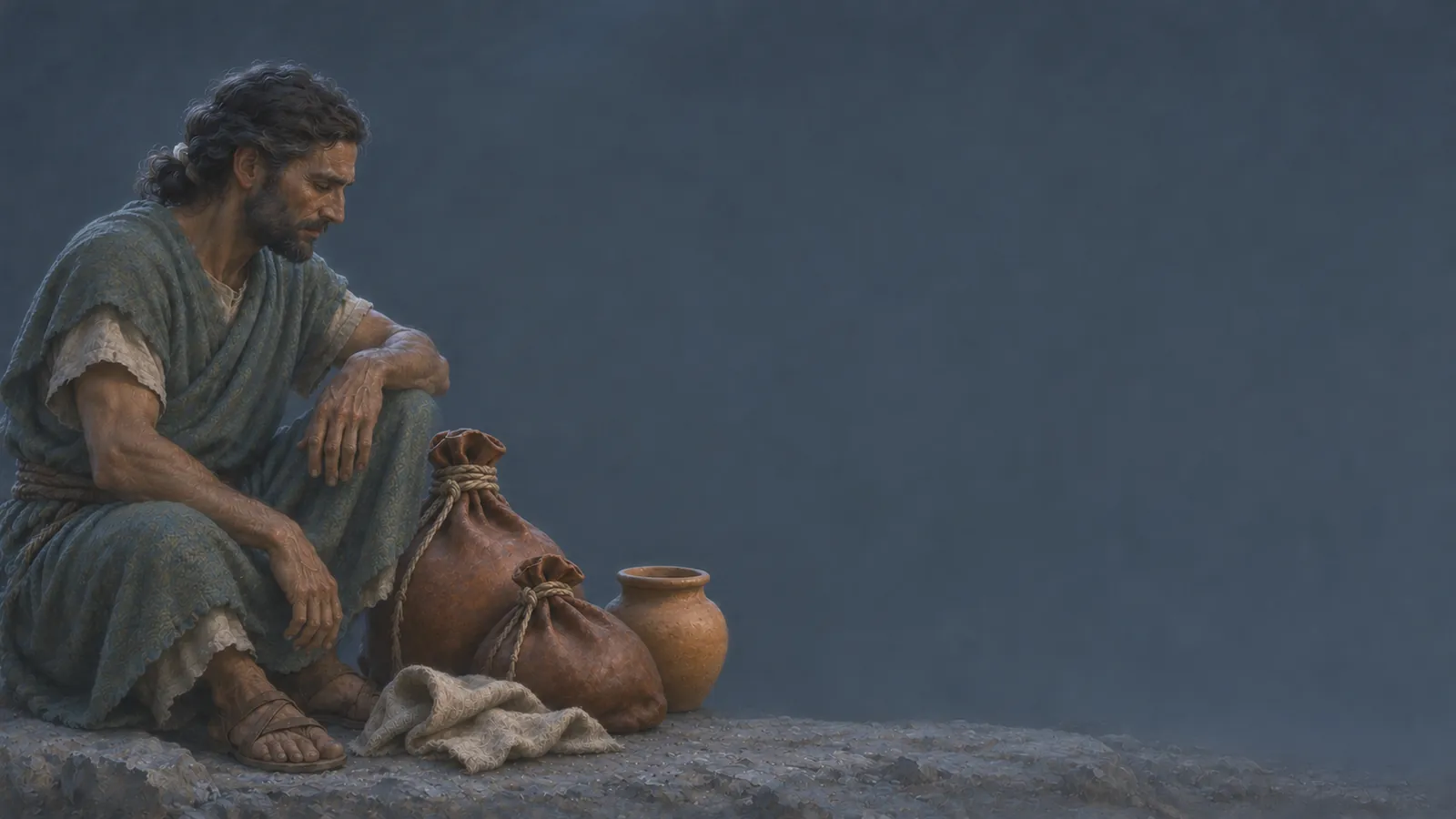
That evening he travelled alone across the moonlit waste. He set down the provisions and vessels that he had carried from the cave.
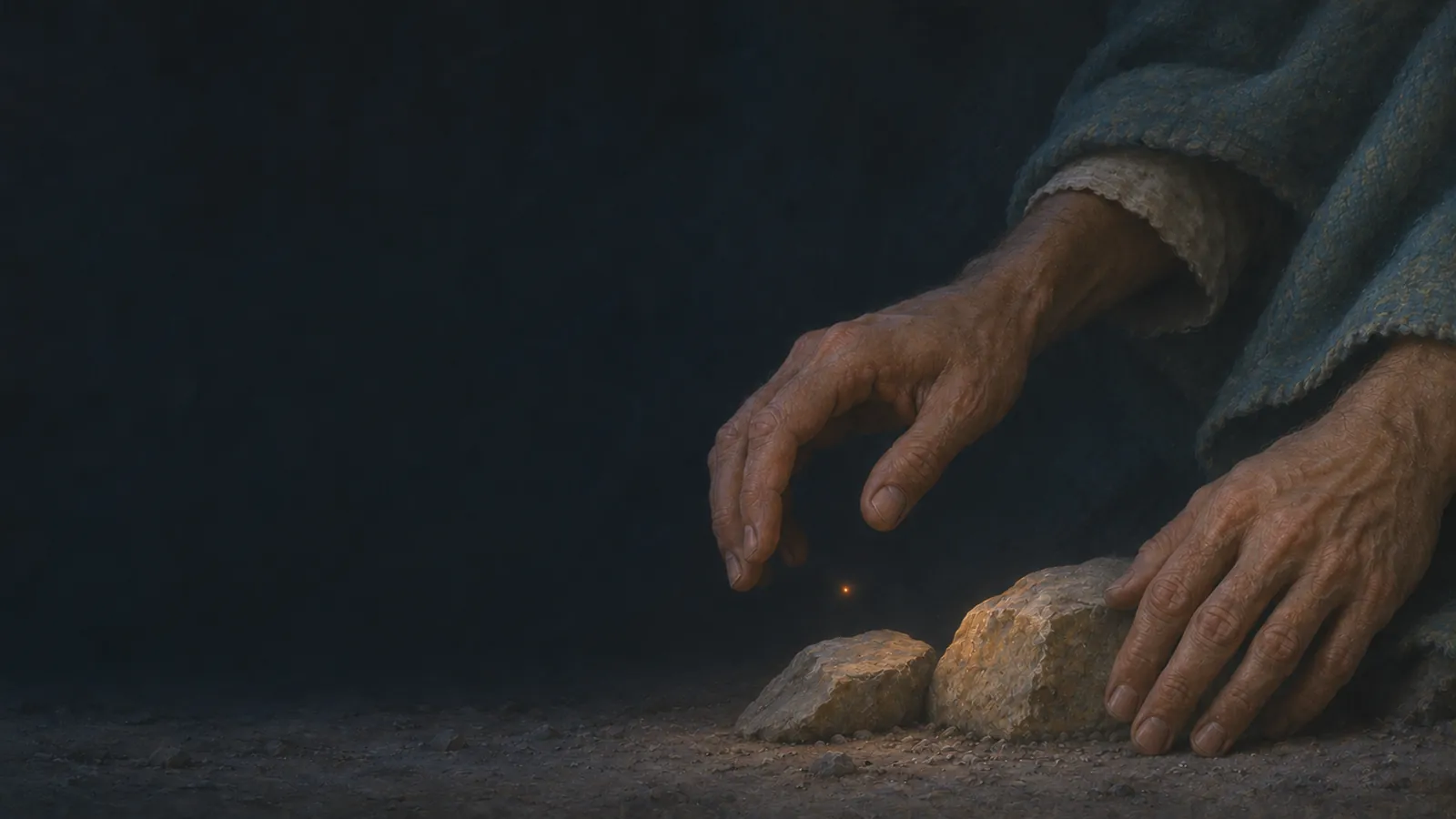
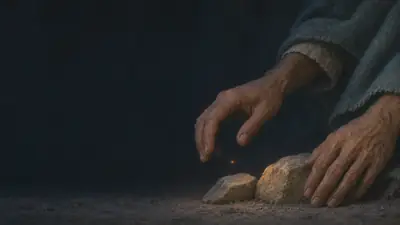
He struck stones together, and a flint spark caught. A little fire lit the waste land where he could see no other person.
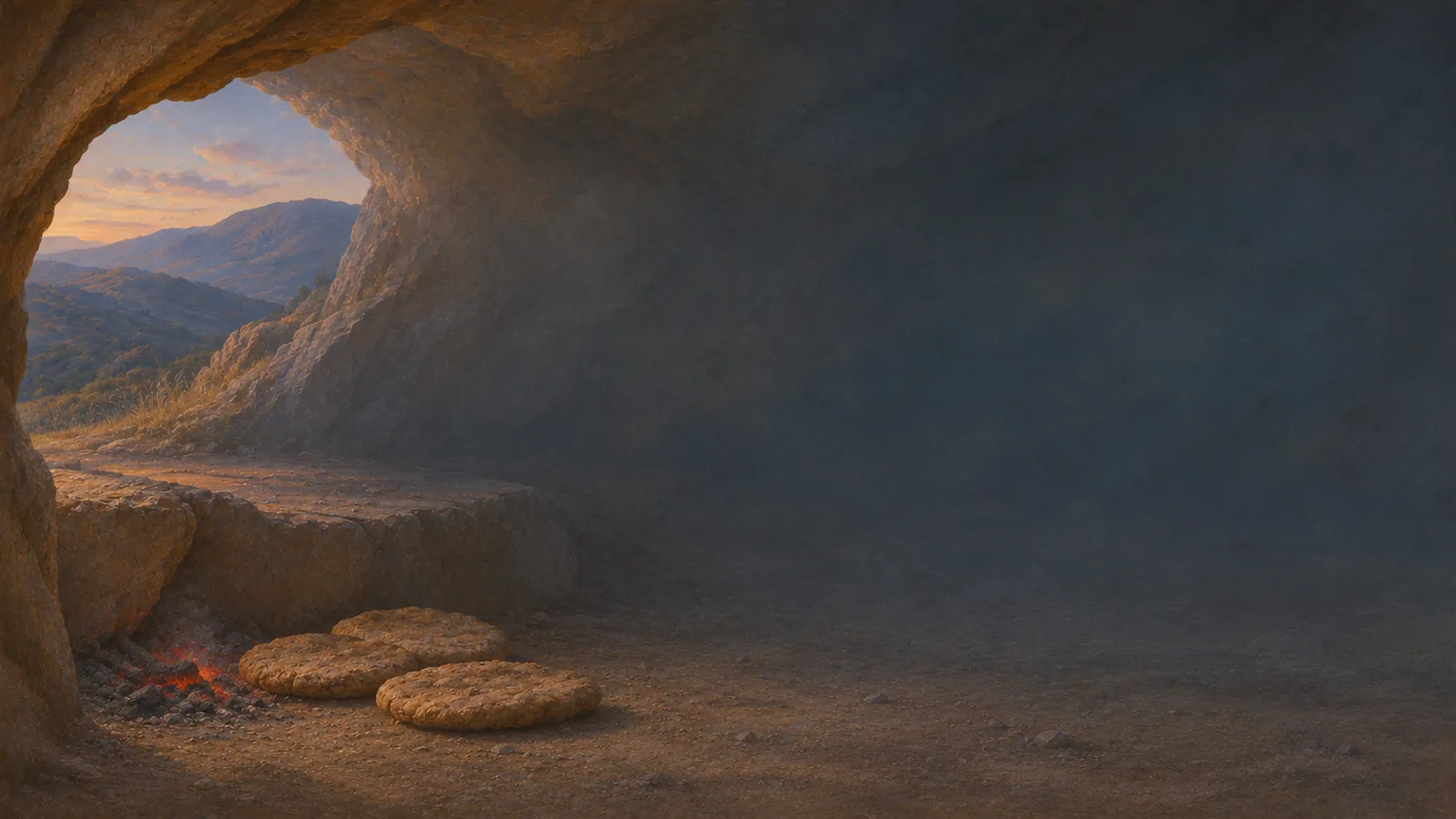
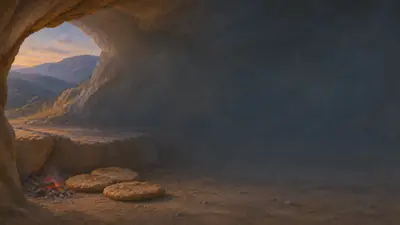
With a few coals and no oven, Lugalbanda baked his cakes. He sweetened them with date syrup and kept them for the journey.
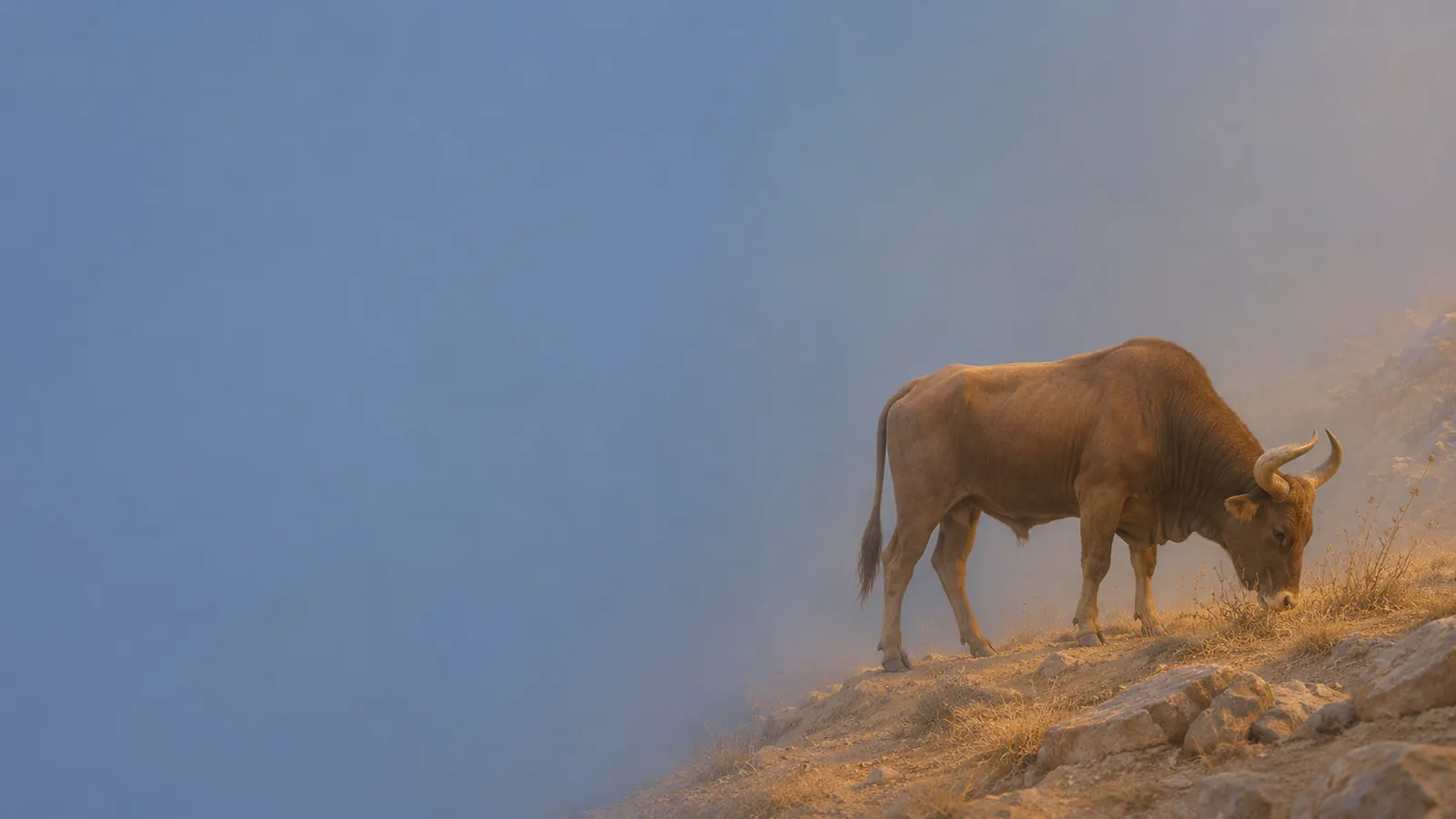
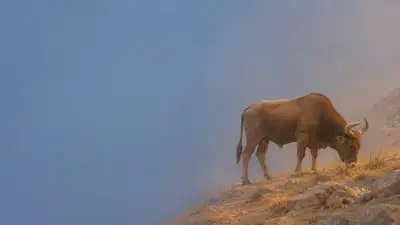
A brown wild bull browsed among the plants and drank from the mountain waters. The poem says Lugalbanda caught the animal.
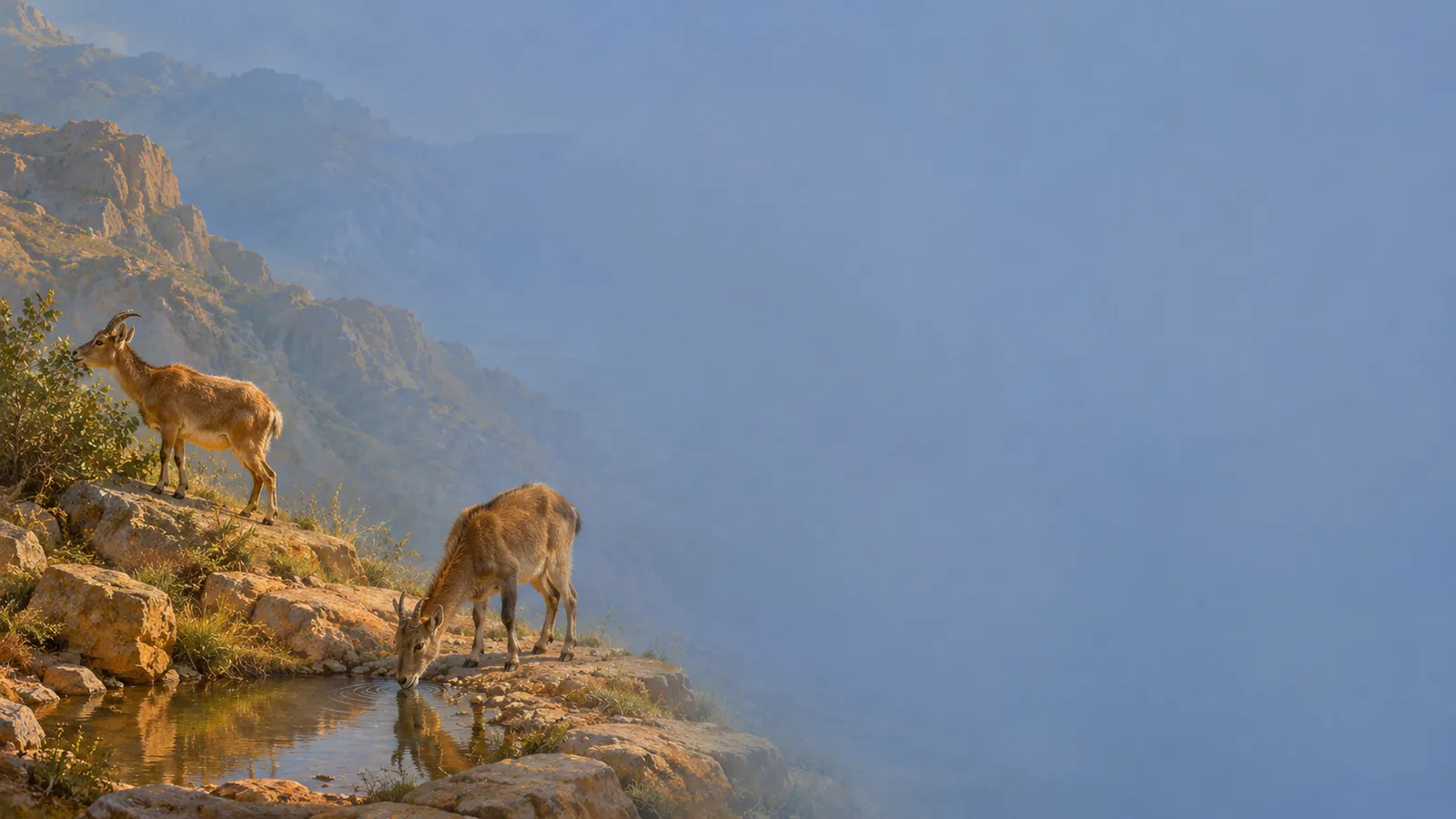
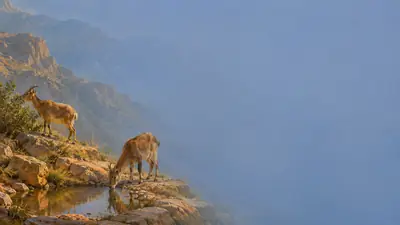
Two goats were browsing on the mountain plants as well. The poem tells how Lugalbanda caught them, though the way he took them is uncertain.
DREAM
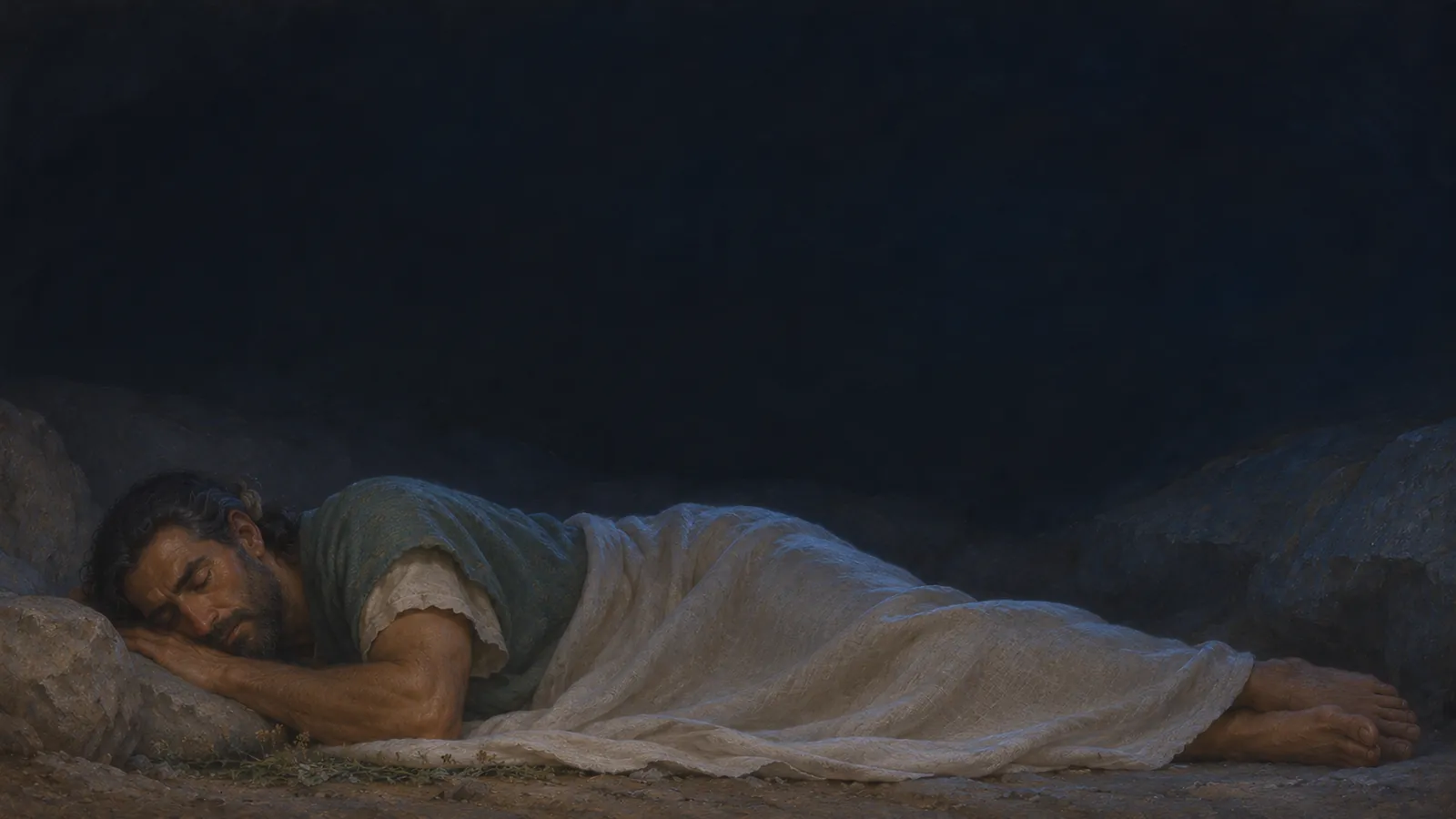
He laid mountain herbs beneath a cloth and spread out a white linen sheet. Then he lay down, ready to dream.
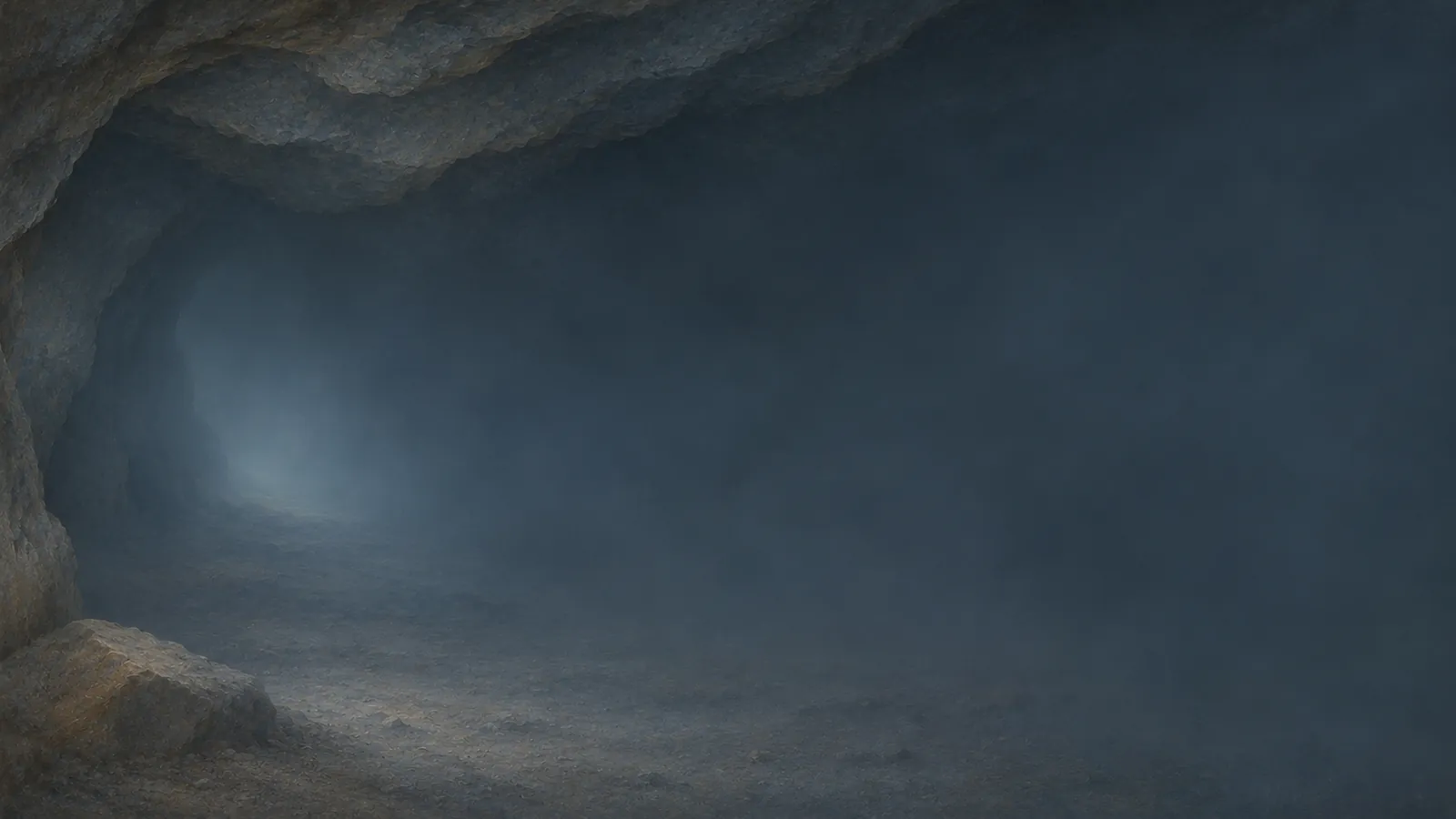
In the dream a voice like a bellow spoke to him. Zangara, the god of dreams, called for an offering before the rising sun.
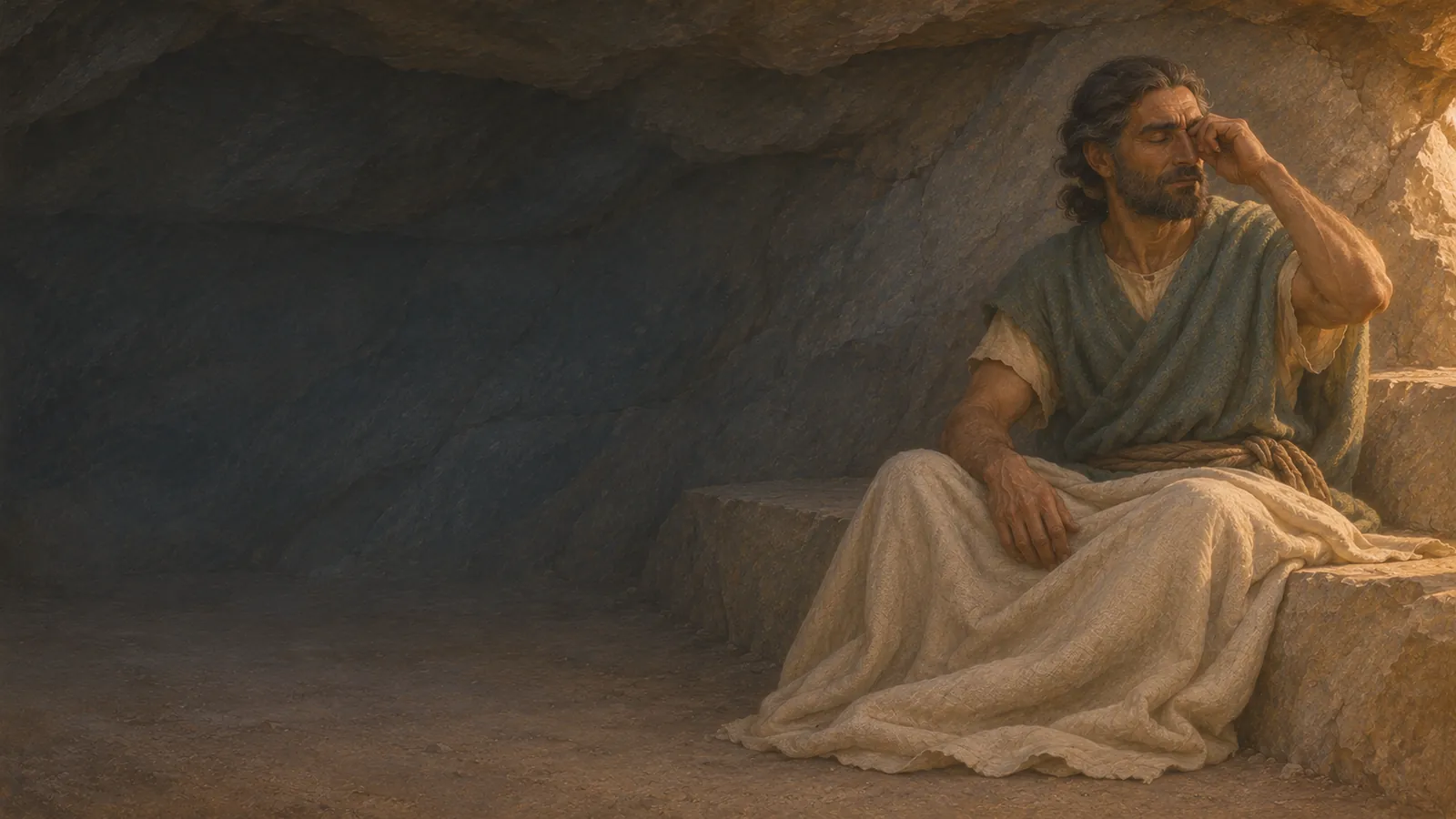
Lugalbanda awoke trembling. When the sun rose, he sacrificed the wild bull and the two goats, as the dream had asked.
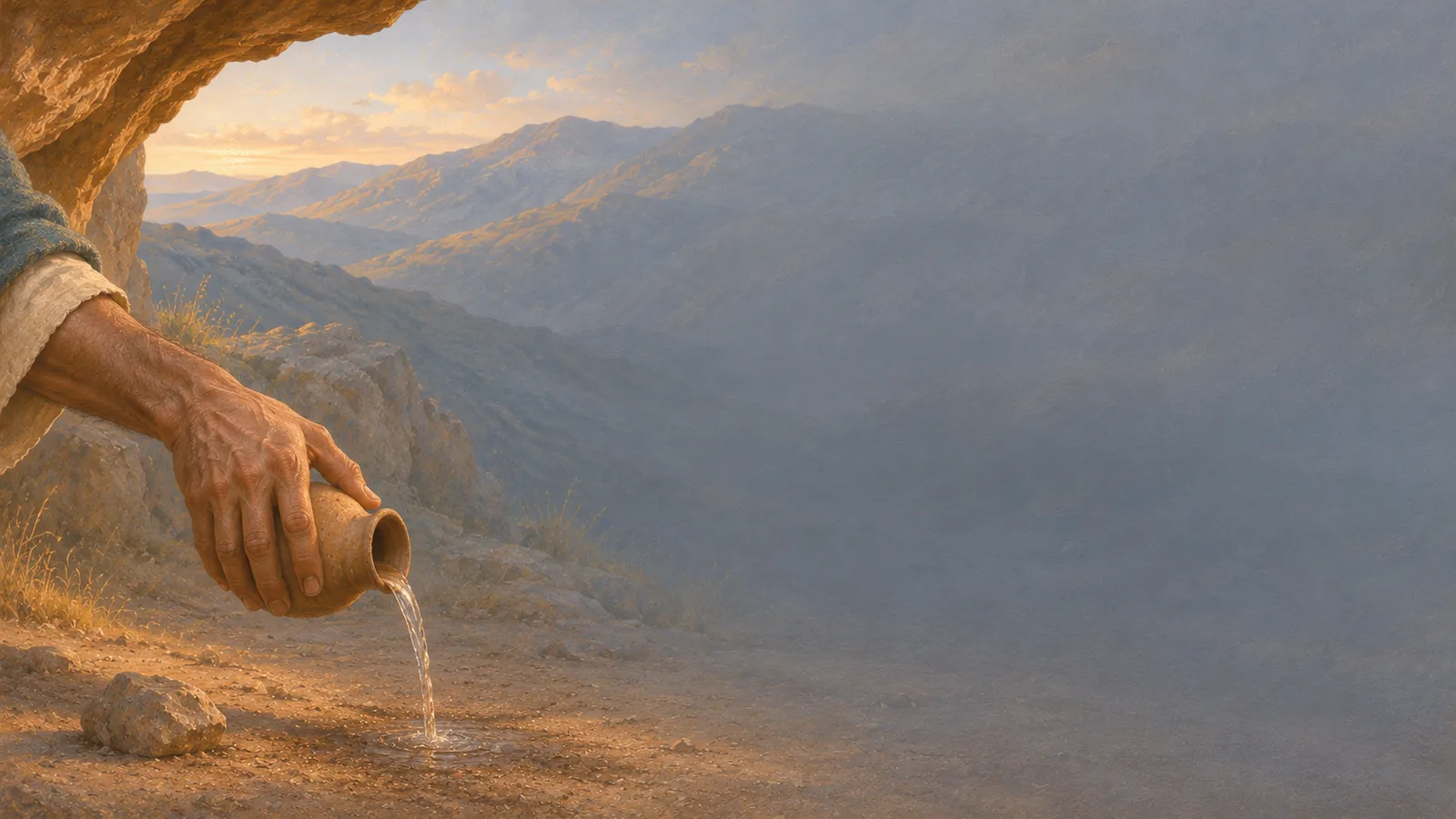
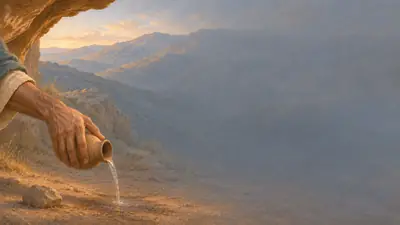
He prepared a place for the offering in the mountains. He poured cool water on the open ground as a libation.
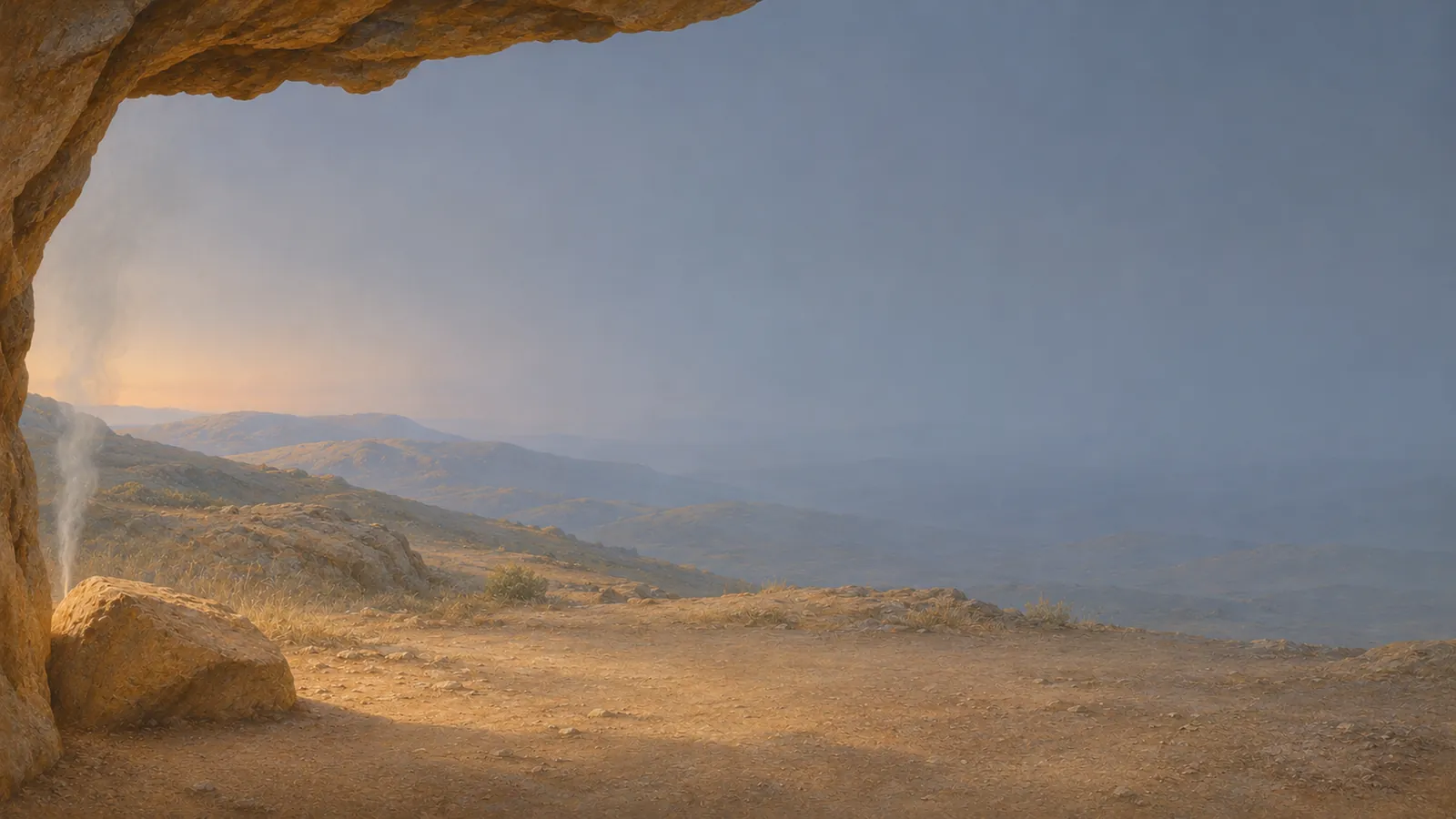
The smoke went up in the morning air. The poem names An, Enlil, Enki and Ninhursaja among the guests of the offering.
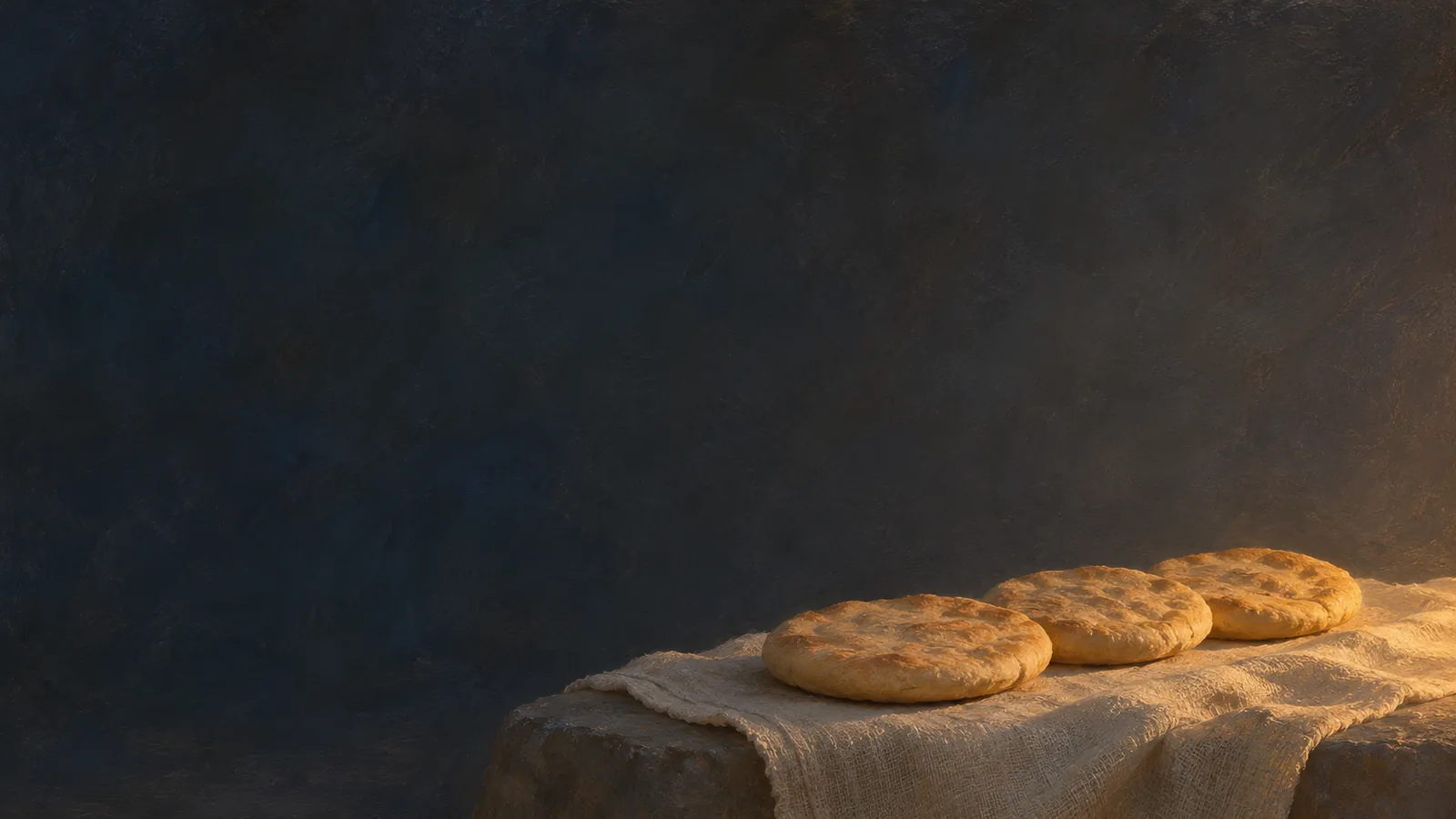
Several phrases about the sacred objects are damaged. What is clear is that Lugalbanda set the cakes in order at the place of offering.
In the broken passage that follows, there are voices at night and figures at doors. Many words about these presences are lost.
A few surviving words liken figures to torches and a sudden flash in a storm. Much of what follows and precedes them is unclear.
SILENCE
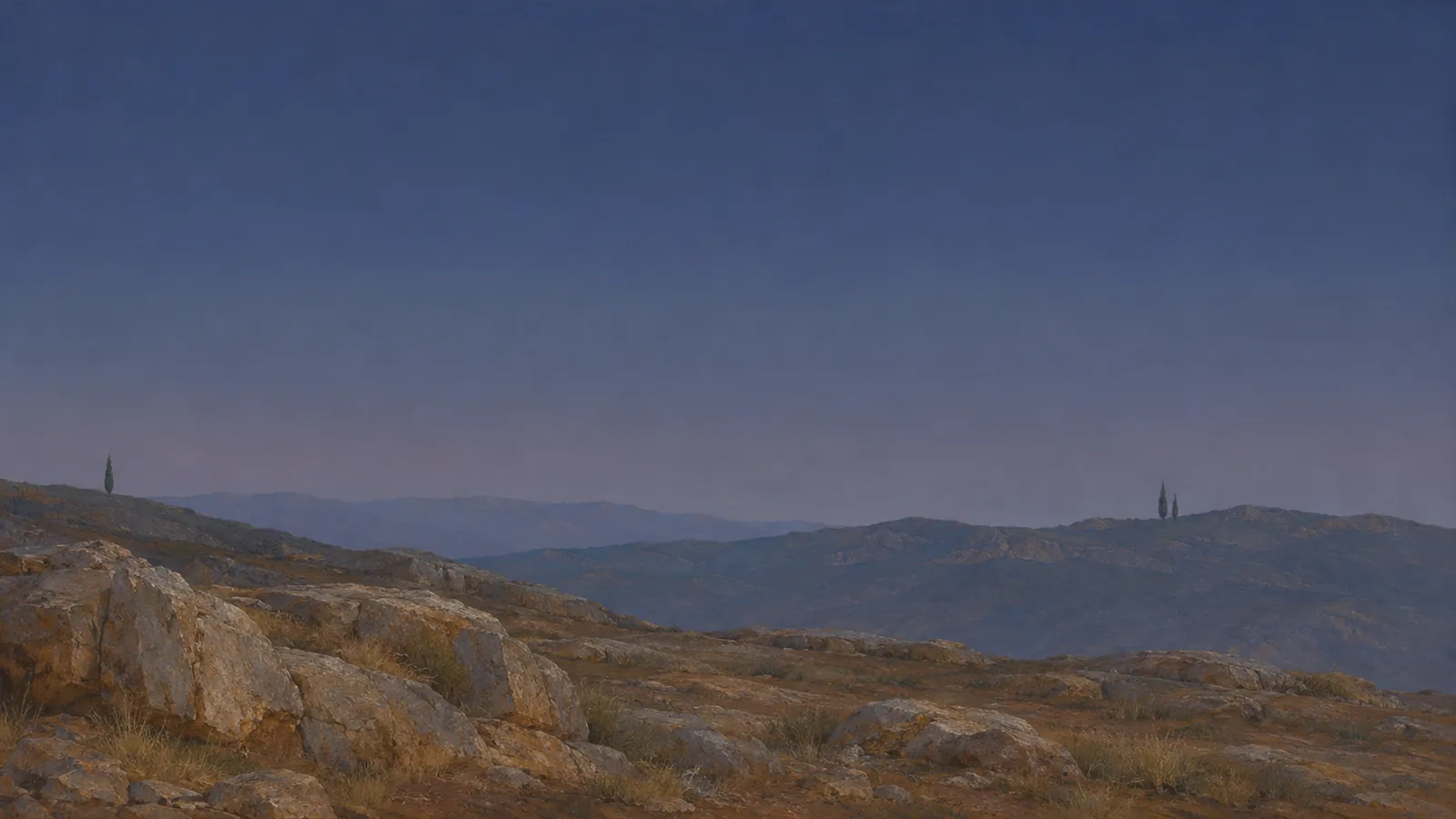
A faint image of cypresses in the mountains remains near the end. After that, the surviving text of this part of the story breaks off.
End of chapter 1
All pages






Sources
Pages 48–51: Oxford’s ETCSL translation describes Lugalbanda pouring the animals’ blood into a pit, roasting the livers and heaping up the goats’ heads (ETCSL 1.8.2.1, approximately 361–393).
Editions consulted
- Oxford ETCSL 1.8.2.1, translation, Segment A 1–499
- Oxford ETCSL 1.8.2.1, Sumerian composite
- Oxford ETCSL 1.8.2.2, the separate Anzud poem
Ancient lines behind each page
- Page 1: ETCSL 1.8.2.1 A 1–3
The first line is restored and the following words are damaged. - Page 2: ETCSL 1.8.2.1 A 4–7
The opening remains fragmentary. - Page 3: ETCSL 1.8.2.1 A 8–19
Some clauses are broken. - Page 4: ETCSL 1.8.2.1 A 20–25
- Page 5: ETCSL 1.8.2.1 A 26–29
- Page 6: ETCSL 1.8.2.1 A 30–34
- Page 7: ETCSL 1.8.2.1 A 35–38
The words after the king goes at the head are unclear. - Page 8: ETCSL 1.8.2.1 A 39–46
Several journey details are damaged. - Page 9: ETCSL 1.8.2.1 A 47–49
The bathing is mentioned and the next clause is damaged. - Page 10: ETCSL 1.8.2.1 A 50–58
- Page 11: ETCSL 1.8.2.1 A 59–63
- Page 12: ETCSL 1.8.2.1 A 64–70
- Page 13: ETCSL 1.8.2.1 A 71–75
- Page 14: ETCSL 1.8.2.1 A 76–84
- Page 15: ETCSL 1.8.2.1 A 85–86
The reading of the cold detail is uncertain. - Page 16: ETCSL 1.8.2.1 A 87–88
The beginning of this passage is broken. - Page 17: ETCSL 1.8.2.1 A 89–94
- Page 18: ETCSL 1.8.2.1 A 95–106
Some details of the liquids are uncertain. - Page 19: ETCSL 1.8.2.1 A 107–117
The text names weapons among the possessions. - Page 20: ETCSL 1.8.2.1 A 118–122
- Page 21: ETCSL 1.8.2.1 A 123–127
- Page 22: ETCSL 1.8.2.1 A 128–132
- Page 23: ETCSL 1.8.2.1 A 133–140
- Page 24: ETCSL 1.8.2.1 A 141–147
- Page 25: ETCSL 1.8.2.1 A 148–150
- Page 26: ETCSL 1.8.2.1 A 151–170
- Page 27: ETCSL 1.8.2.1 A 171–172
- Page 28: ETCSL 1.8.2.1 A 173–182
- Page 29: ETCSL 1.8.2.1 A 183–196
Several clauses in Lugalbanda’s prayer are damaged. - Page 30: ETCSL 1.8.2.1 A 183–196
Two lines and some surrounding words remain unclear. - Page 31: ETCSL 1.8.2.1 A 197–200
The poem compares his inward relief to a garment. - Page 32: ETCSL 1.8.2.1 A 201–214
- Page 33: ETCSL 1.8.2.1 A 215–225
The prayer’s end is partly damaged. - Page 34: ETCSL 1.8.2.1 A 226–227
- Page 35: ETCSL 1.8.2.1 A 228–239
- Page 36: ETCSL 1.8.2.1 A 228–239
Manuscripts vary in how the affliction withdraws. - Page 37: ETCSL 1.8.2.1 A 240–263
- Page 38: ETCSL 1.8.2.1 A 240–263
The last part of the hymn includes unclear lines. - Page 39: ETCSL 1.8.2.1 A 264–275
- Page 40: ETCSL 1.8.2.1 A 264–275
The possible trap is uncertain. - Page 41: ETCSL 1.8.2.1 A 276–299
- Page 42: ETCSL 1.8.2.1 A 276–299
- Page 43: ETCSL 1.8.2.1 A 276–299
- Page 44: ETCSL 1.8.2.1 A 300–313
The method of catching the bull is uncertain. - Page 45: ETCSL 1.8.2.1 A 314–325
The method remains uncertain. - Page 46: ETCSL 1.8.2.1 A 326–350
The poem uses a royal epithet here. - Page 47: ETCSL 1.8.2.1 A 326–360
The preceding lines name the dream god Zangara. - Page 48: ETCSL 1.8.2.1 A 361–370
- Page 49: ETCSL 1.8.2.1 A 371–379
This part of the offering also names other drinks and leaves some phrases broken. - Page 50: ETCSL 1.8.2.1 A 380–385
The text identifies the guests of the offering. - Page 51: ETCSL 1.8.2.1 A 386–393
This part of the offering is damaged. - Page 52: ETCSL 1.8.2.1 A 394–432
Several lines here are damaged or unclear. - Page 53: ETCSL 1.8.2.1 A 433–484
Multiple lines are unclear. - Page 54: ETCSL 1.8.2.1 A 485–499, break after 499
The edition records an unknown number of missing lines after A 499. Segment B is unclear and of uncertain attribution.
Illustrations made with AI tools by IL Archive; the text is based on the ancient sources (see the sources at the end of each chapter).