Shachar and Shalim Chapter 1
From the Shore to the Sown Land
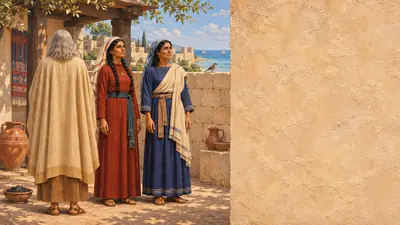
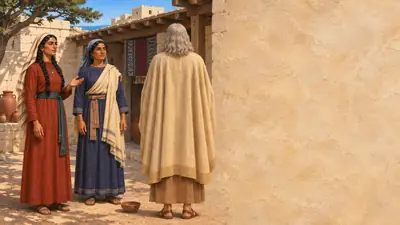
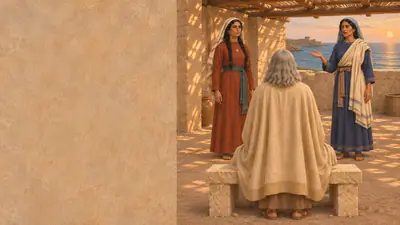
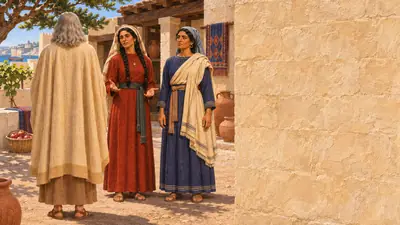
Following the invocation, El meets two women by the sea. The poem first announces Dawn and Dusk and then recounts the birth of the gracious gods. A long journey ends with an opening in the field wall and the offer of wine.
SourcesTurn the pages with the arrows, the arrow keys or a swipe.
THE FEAST
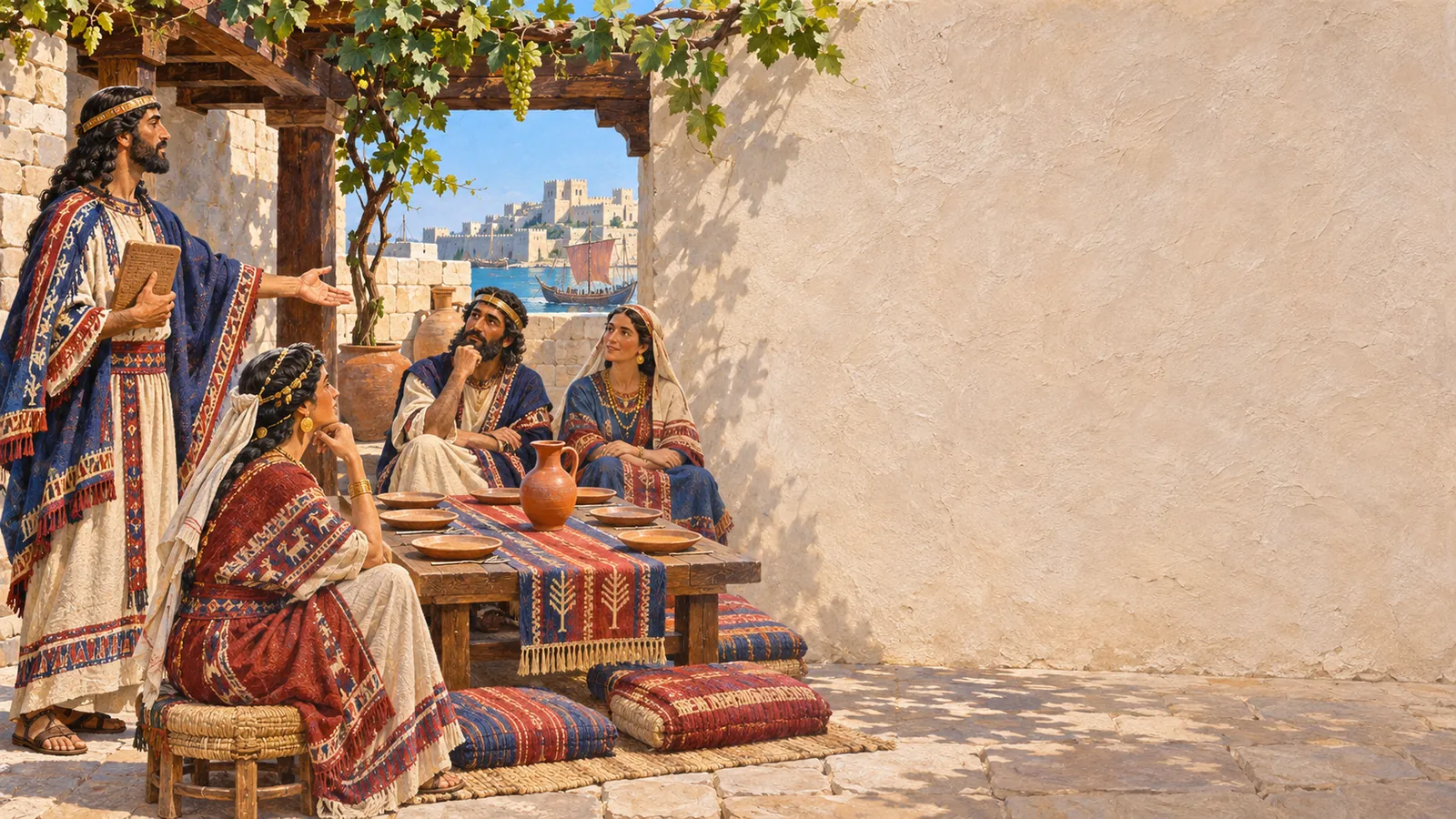
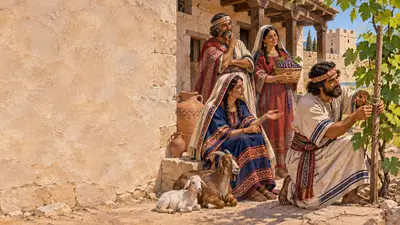
A voice calls the gracious gods to a feast. The words that survive greet them as beautiful and prepare the way for their arrival.
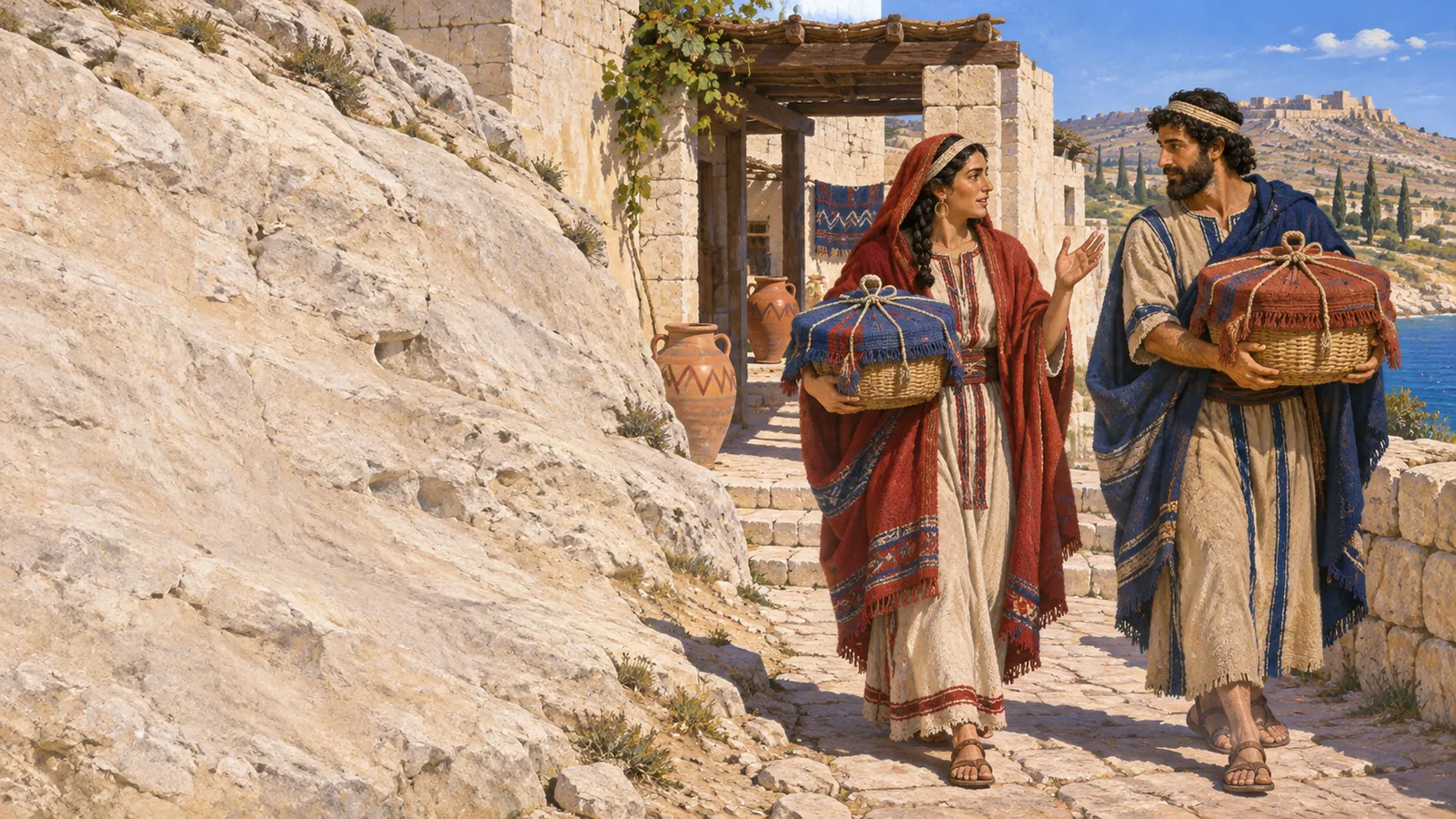
The opening verses are broken in places. They speak of gifts and of high ground in the wilderness outside the settlement.
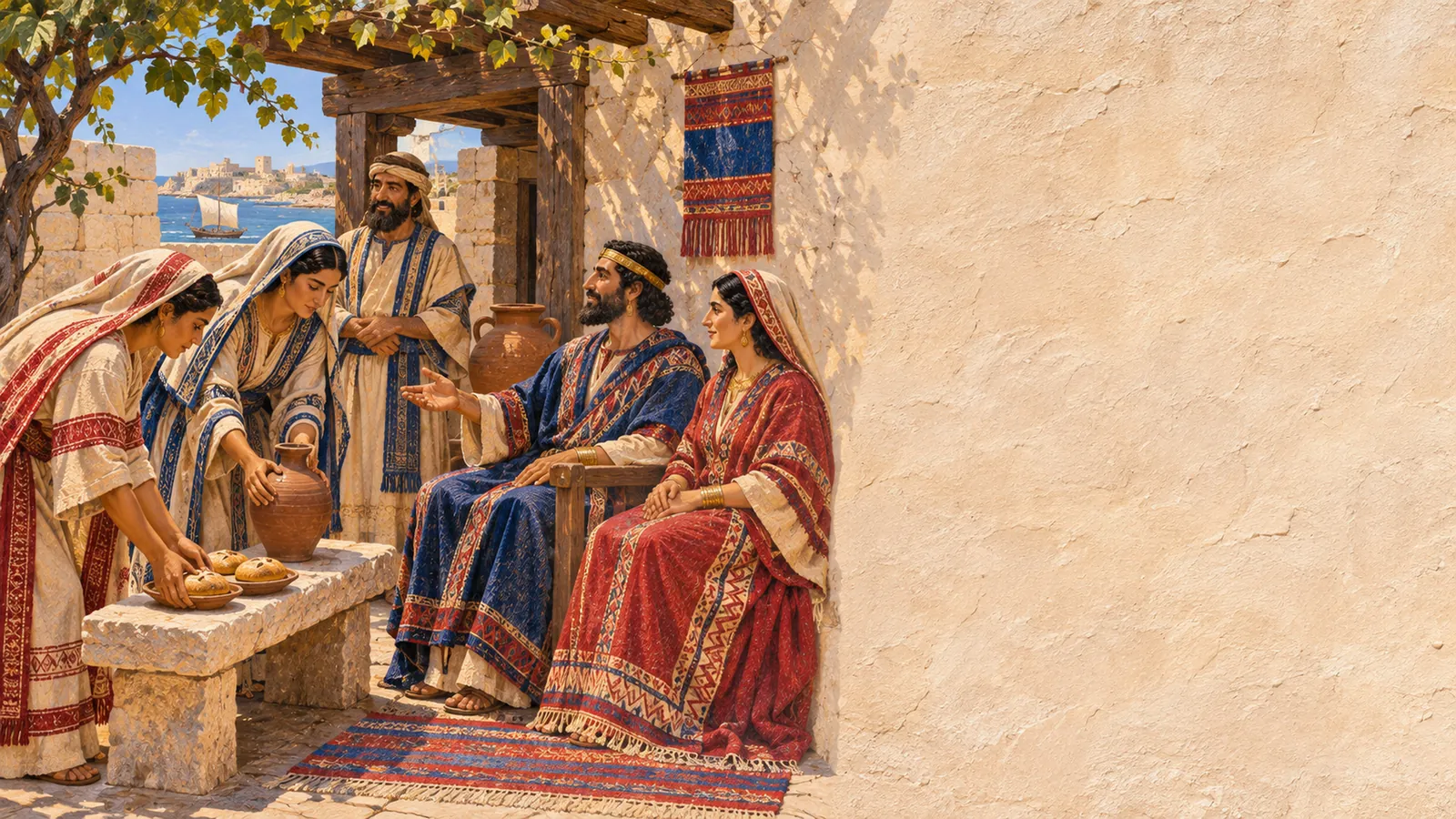
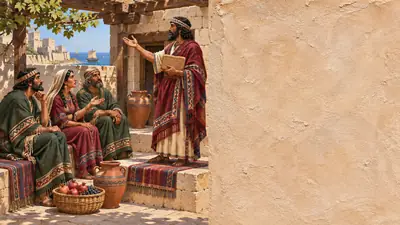
The invitation asks the gods to eat from every kind of food and drink from every vintage of wine.
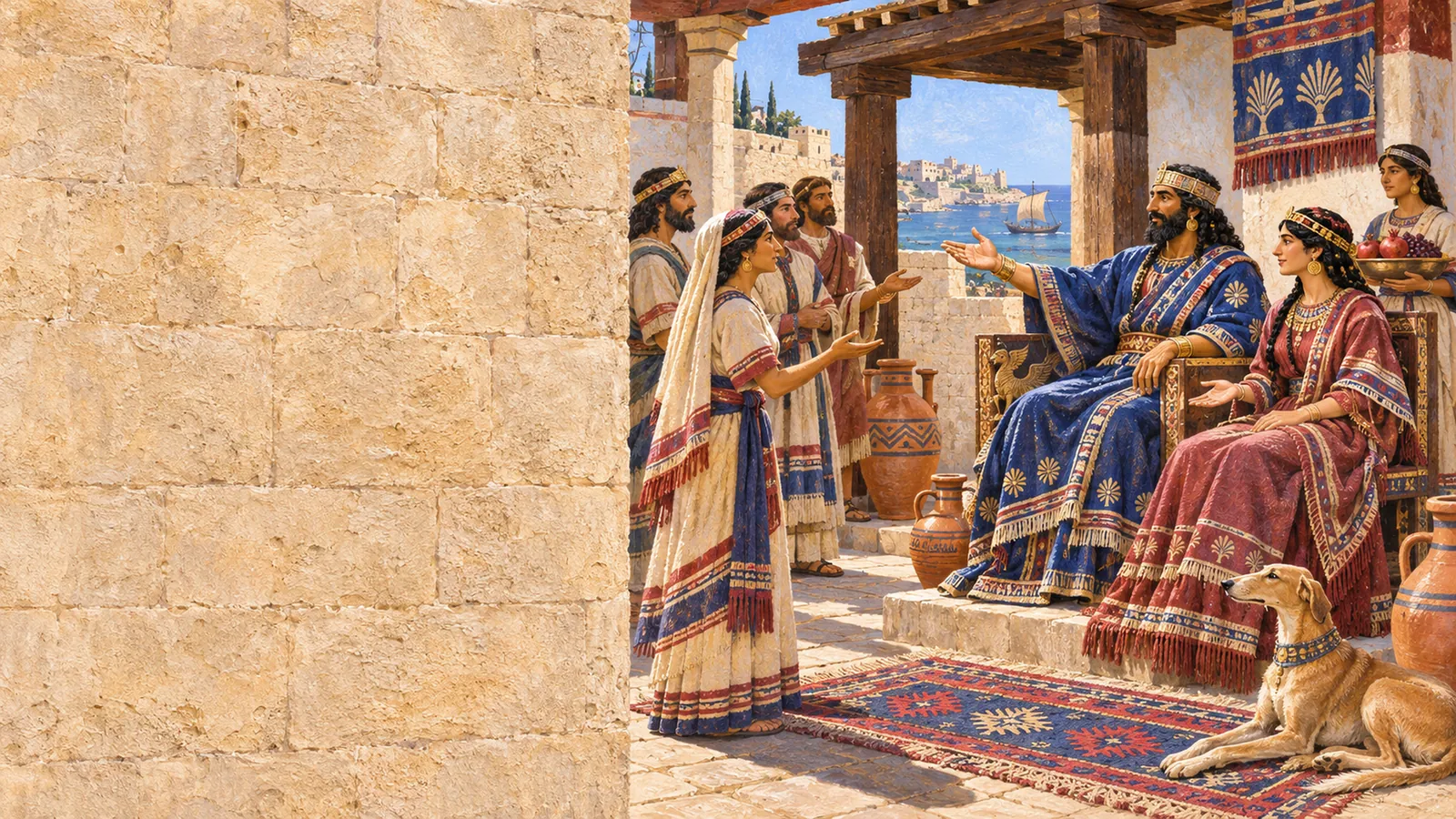
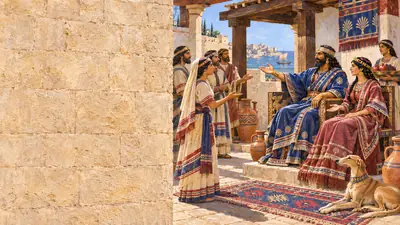
The voice wishes peace to the king and queen. It also greets the attendants who enter and the guards who stand nearby.
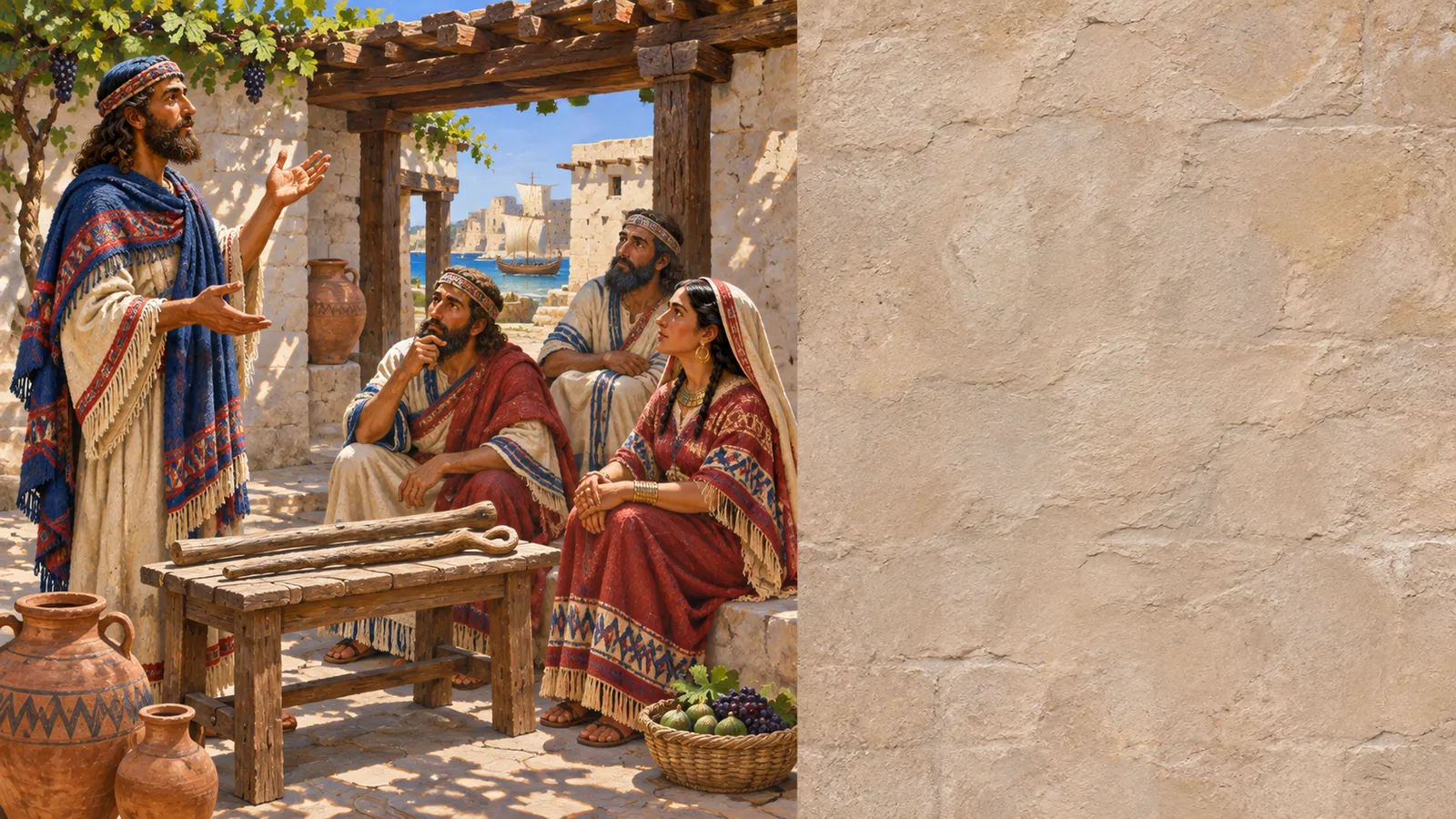
A recited passage names Death as a ruler. It puts a staff of bereavement in one hand and a staff of widowhood in the other.
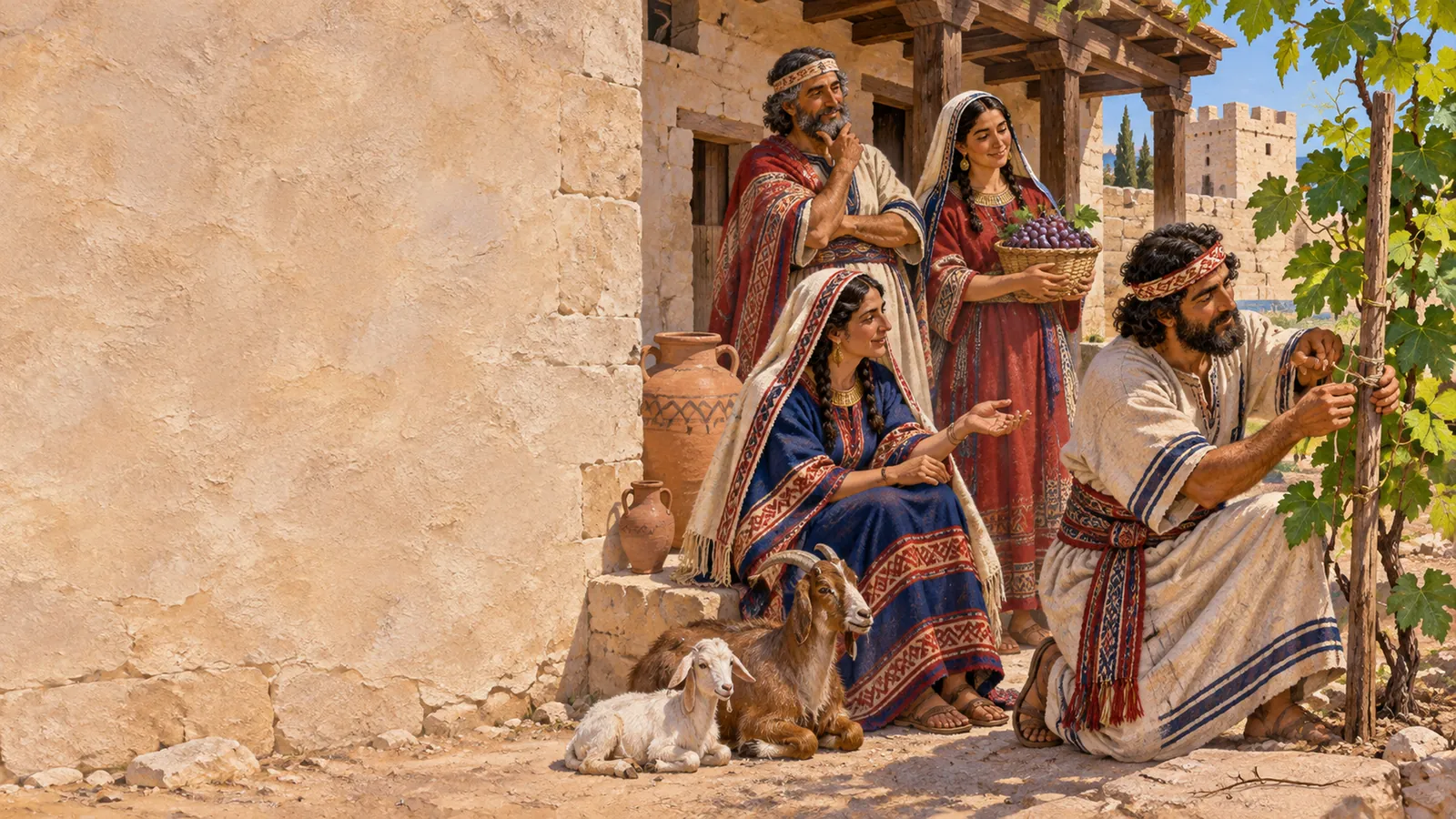
The recitation compares what happens to Death with tending a vine. The figure is pruned, bound and brought down to the terrace.
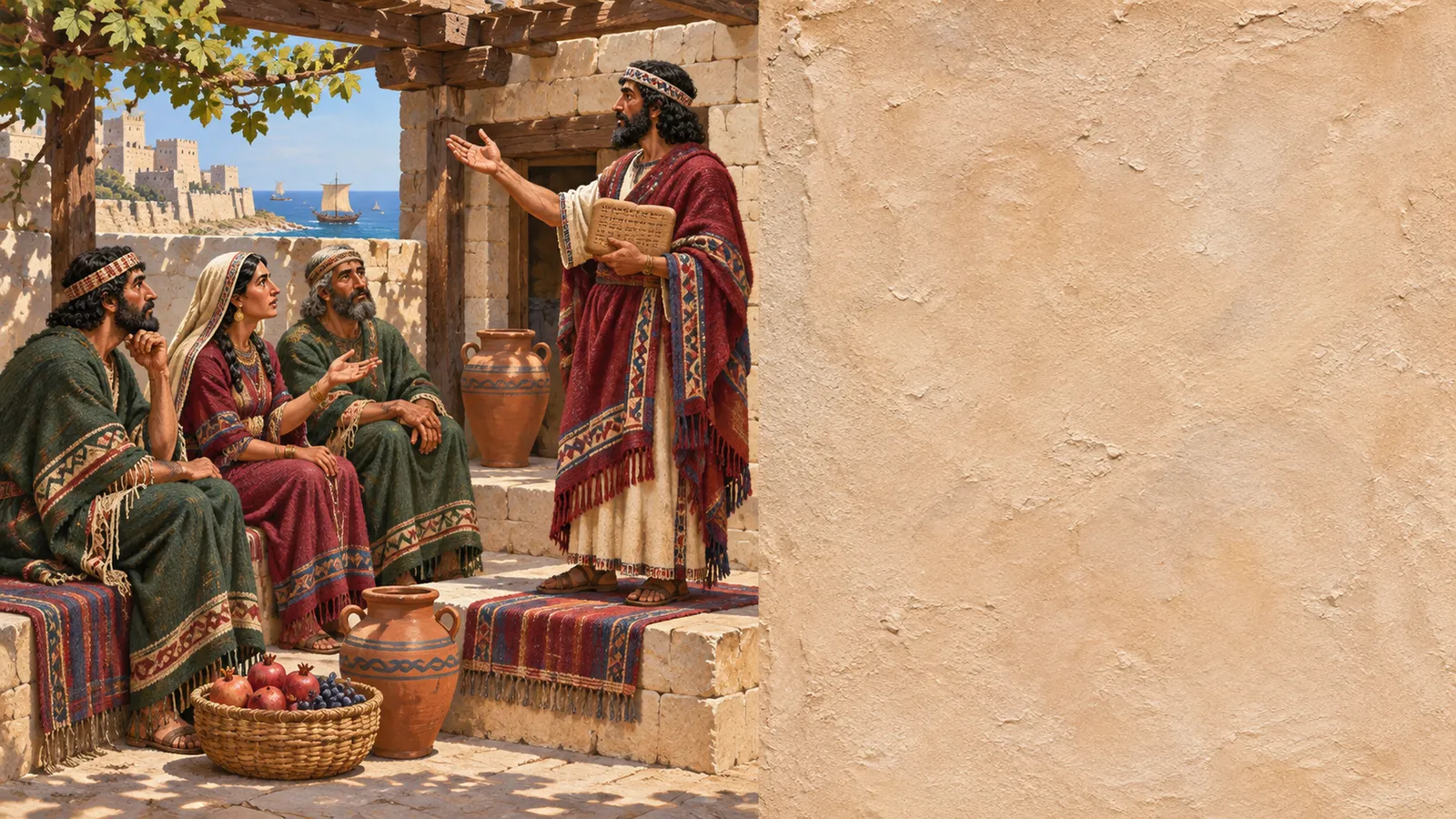
The directions call for a recitation seven times. Those who have entered the gathering are to answer the words.
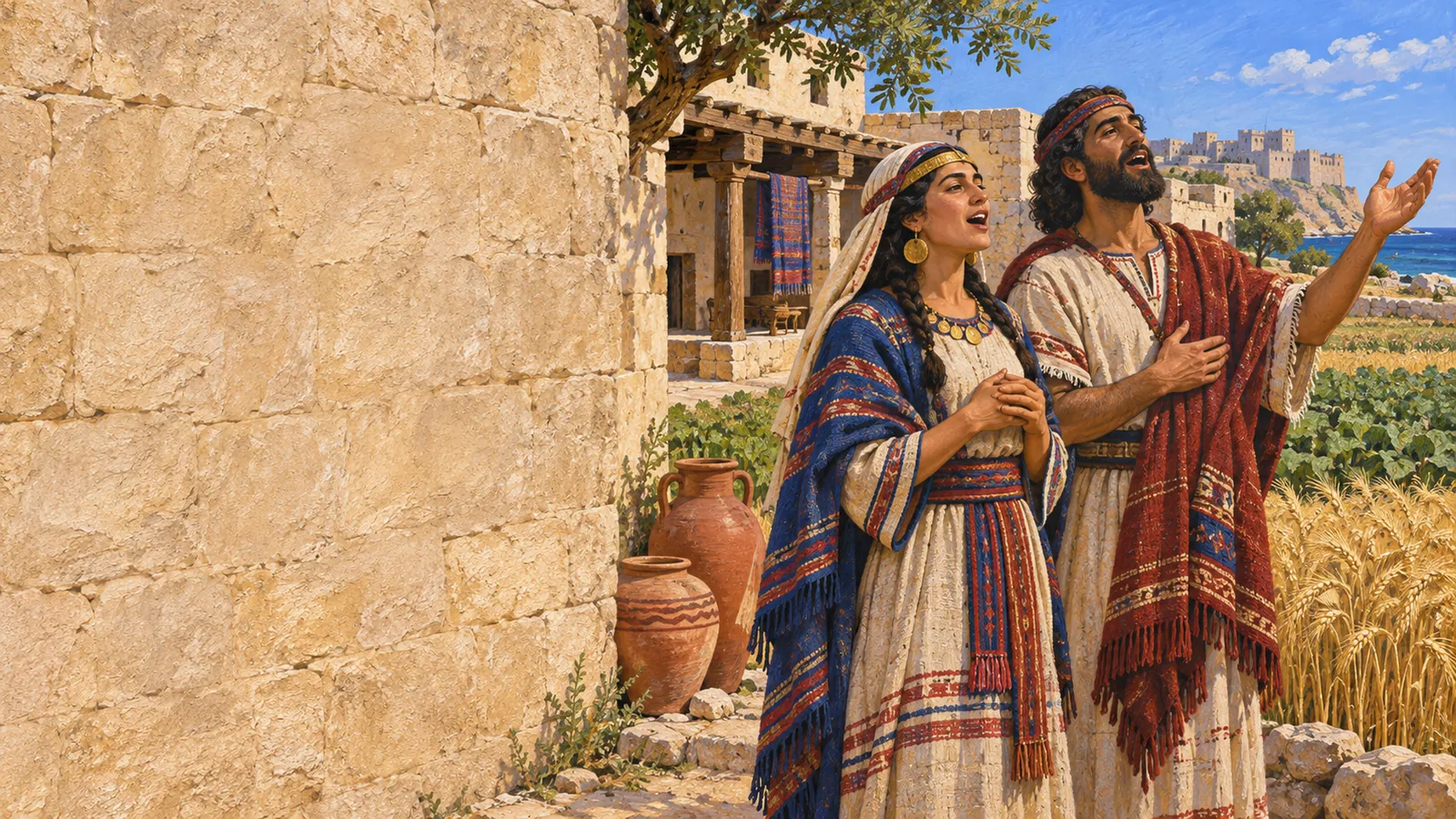
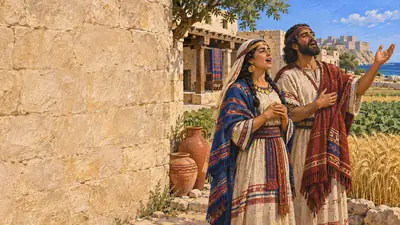
The song names a divine field. In the next breath it calls the same place the field of Athirat and Rahmay.
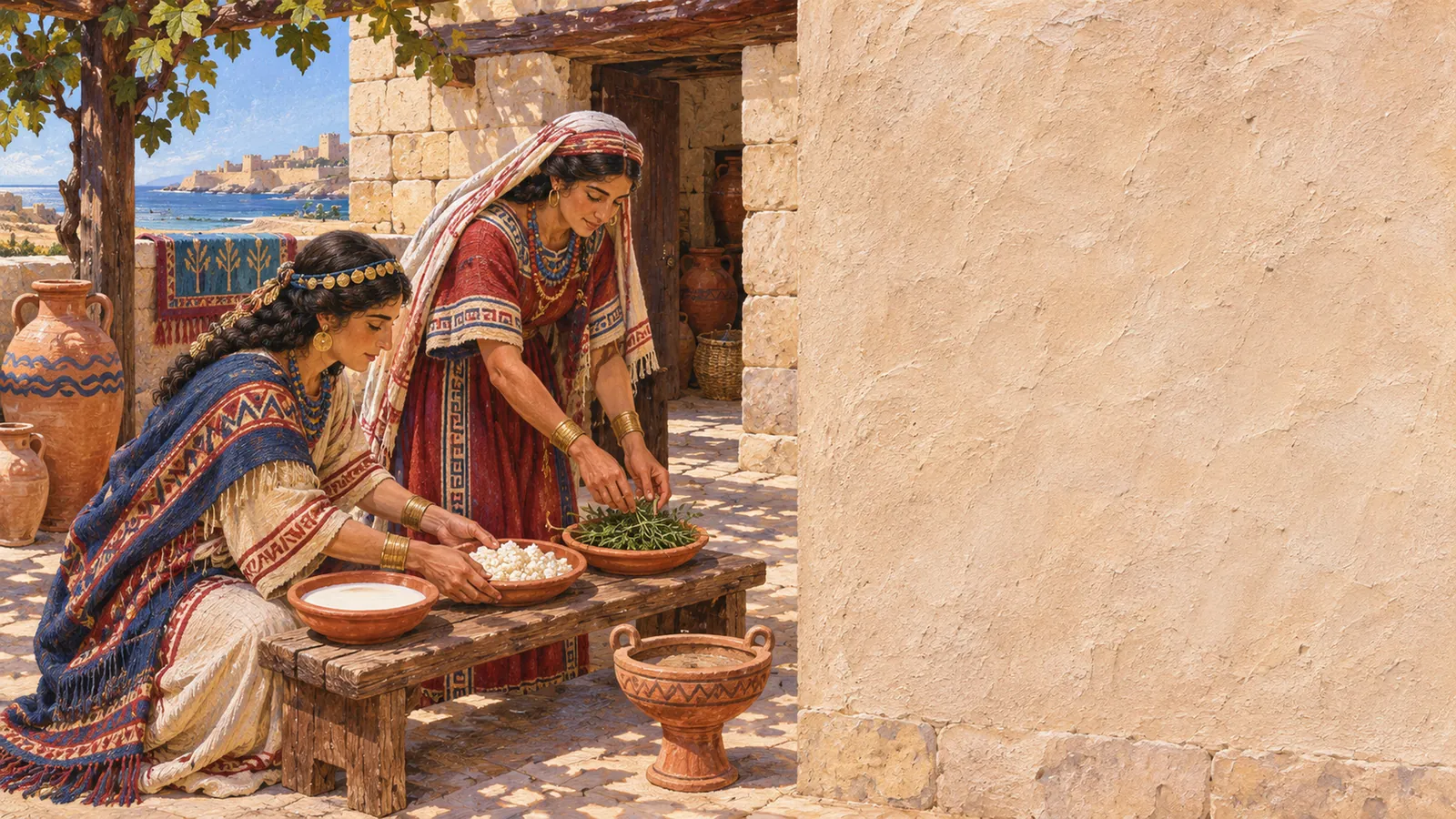
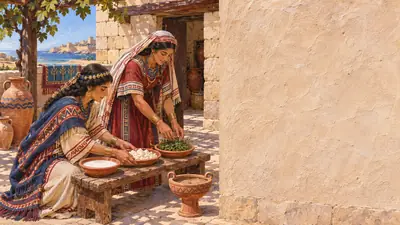
The singers name herbs in milk and curds. The directions also call for incense at a basin in a sevenfold action.
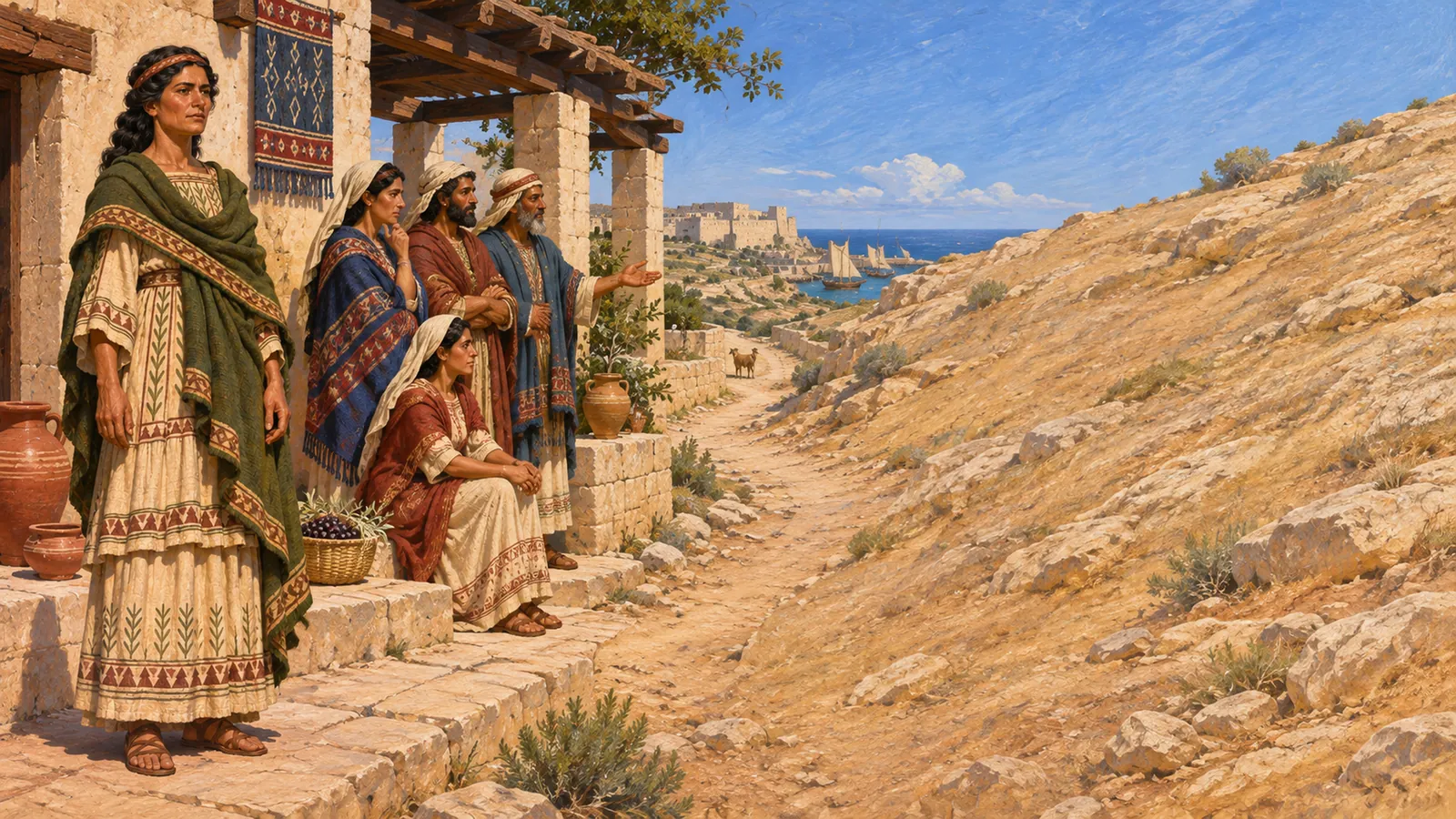
A broken song says that Rahmay goes hunting. The words that follow mention figures preparing themselves, but some of the details are lost.
The ritual names eight dwellings of the gods and refers again to an action done seven times. The words between are damaged.
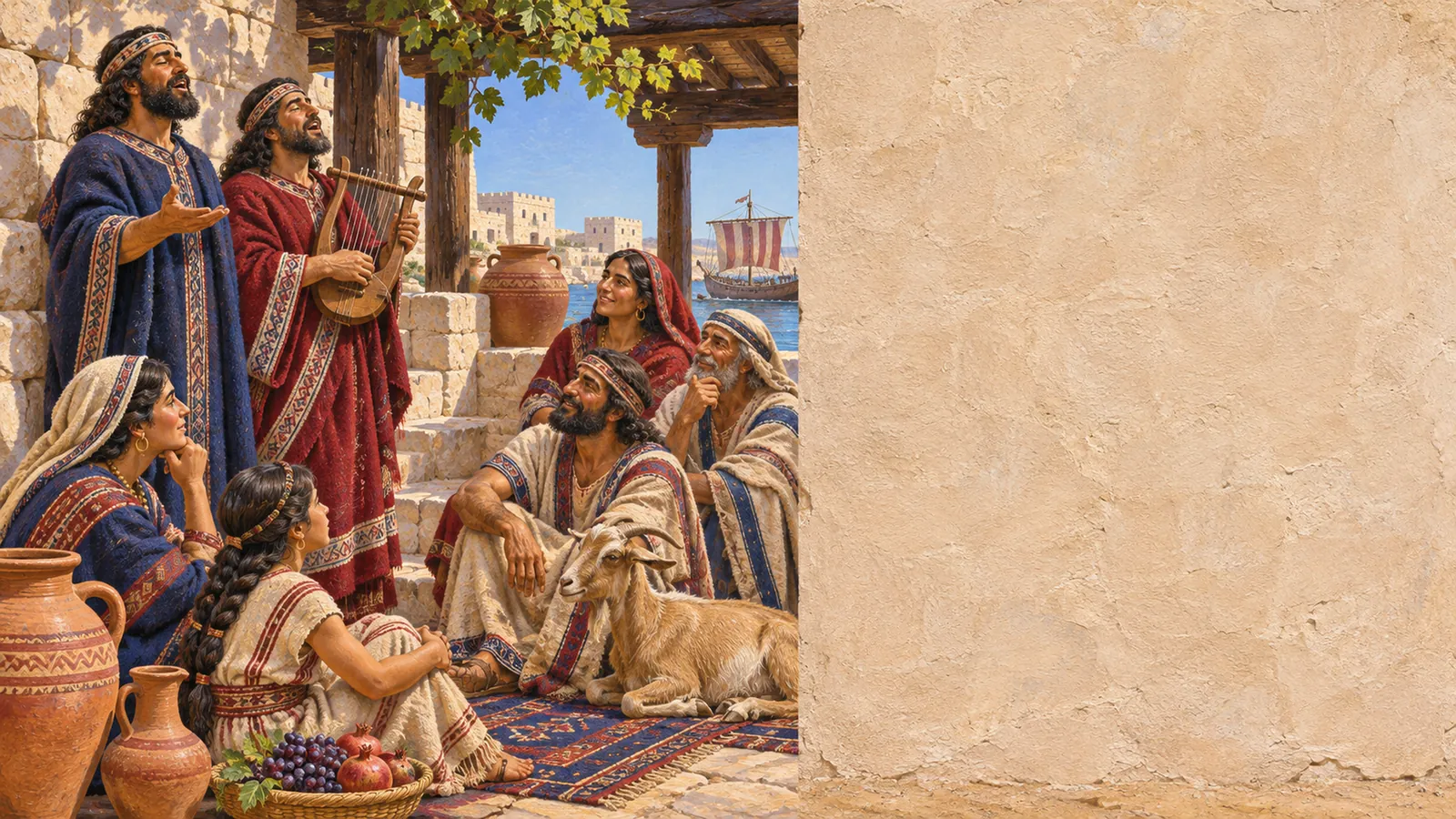
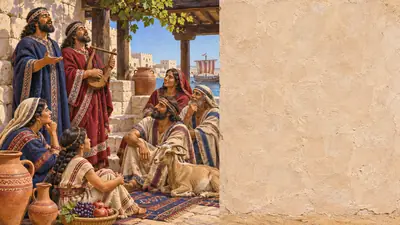
The next short passage brings singers into view. It names blue and shades of red in connection with their dress.
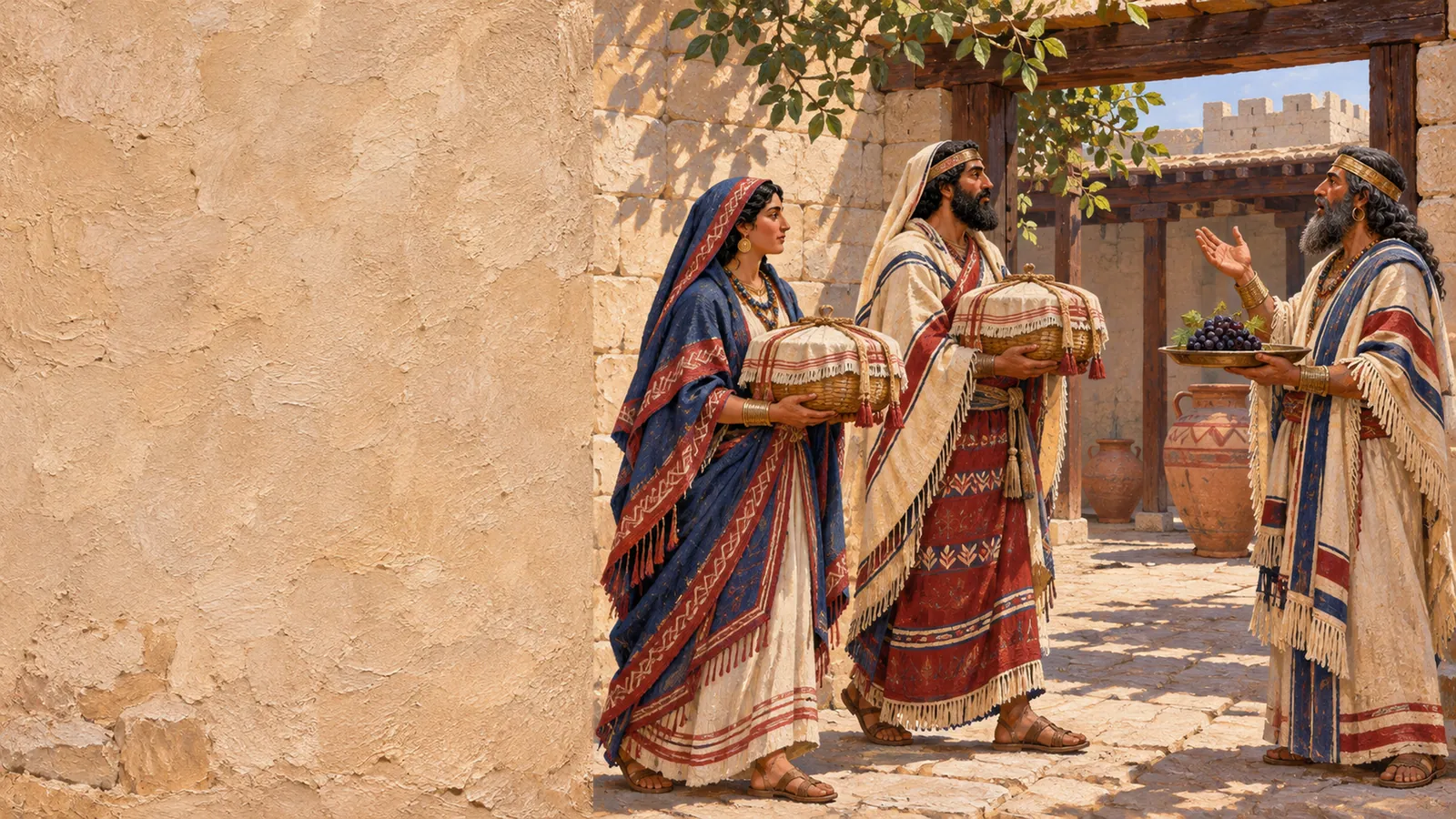
The voice invites the gracious gods again and names Athirat as their nurse. It mentions grapes and greets those who carry the offerings.
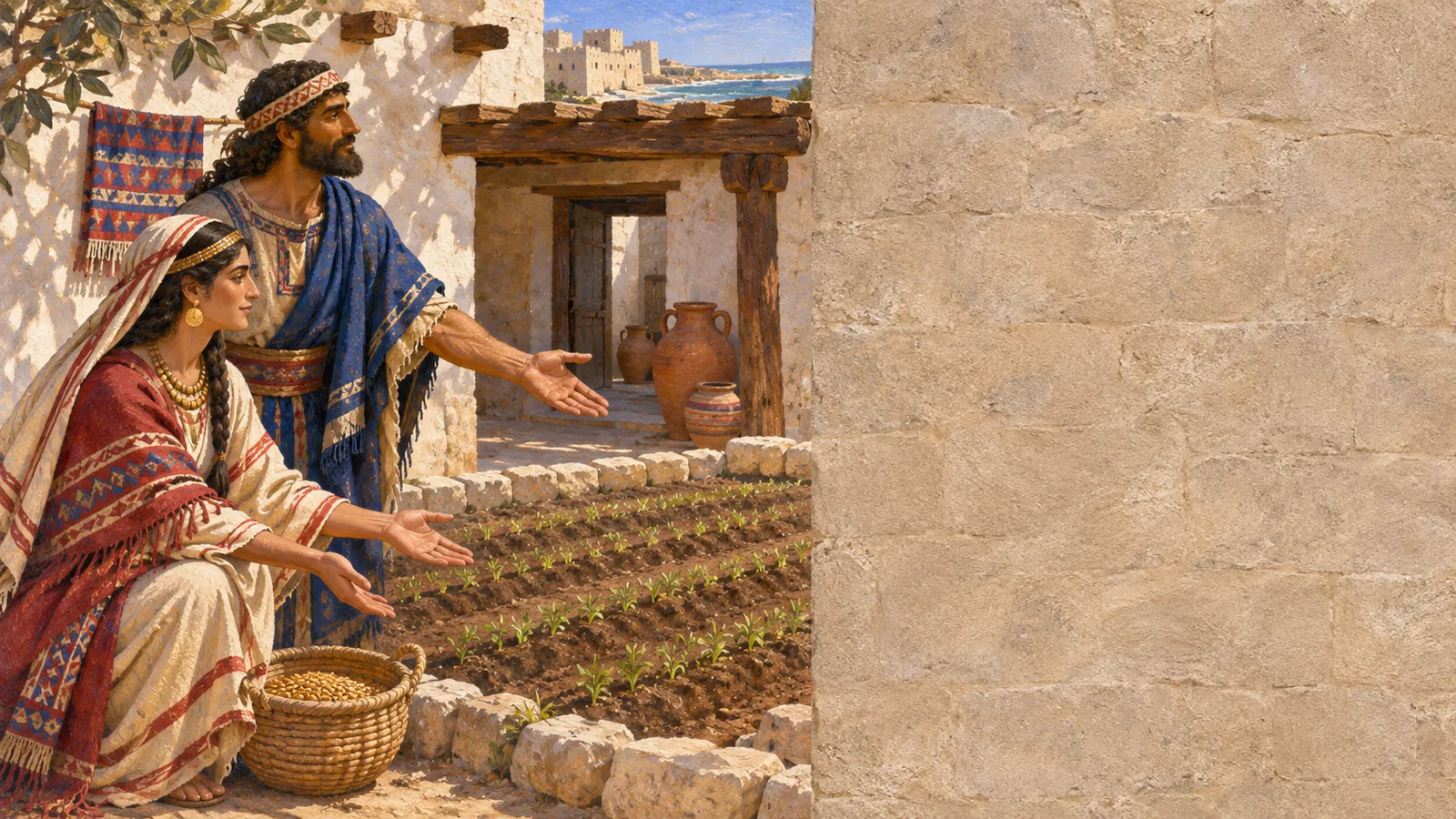
The song returns to the field of Athirat and Rahmay. The ritual section ends with part of its repeated words lost.
THE SHORE
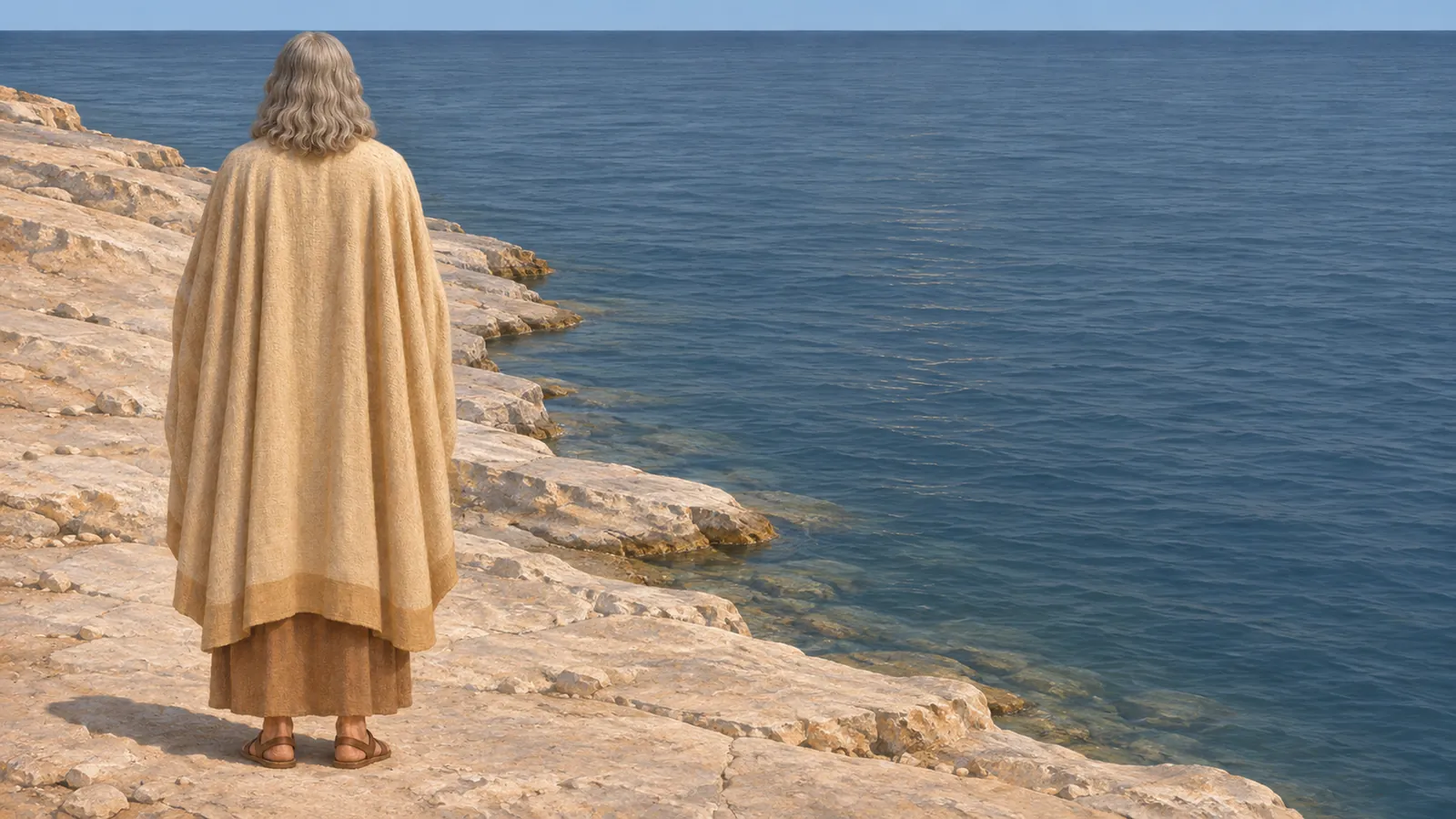
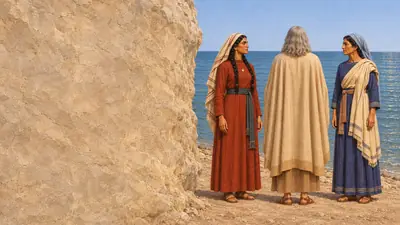
The story turns to El and the shore. In the first surviving action he goes to the edge of the deep.
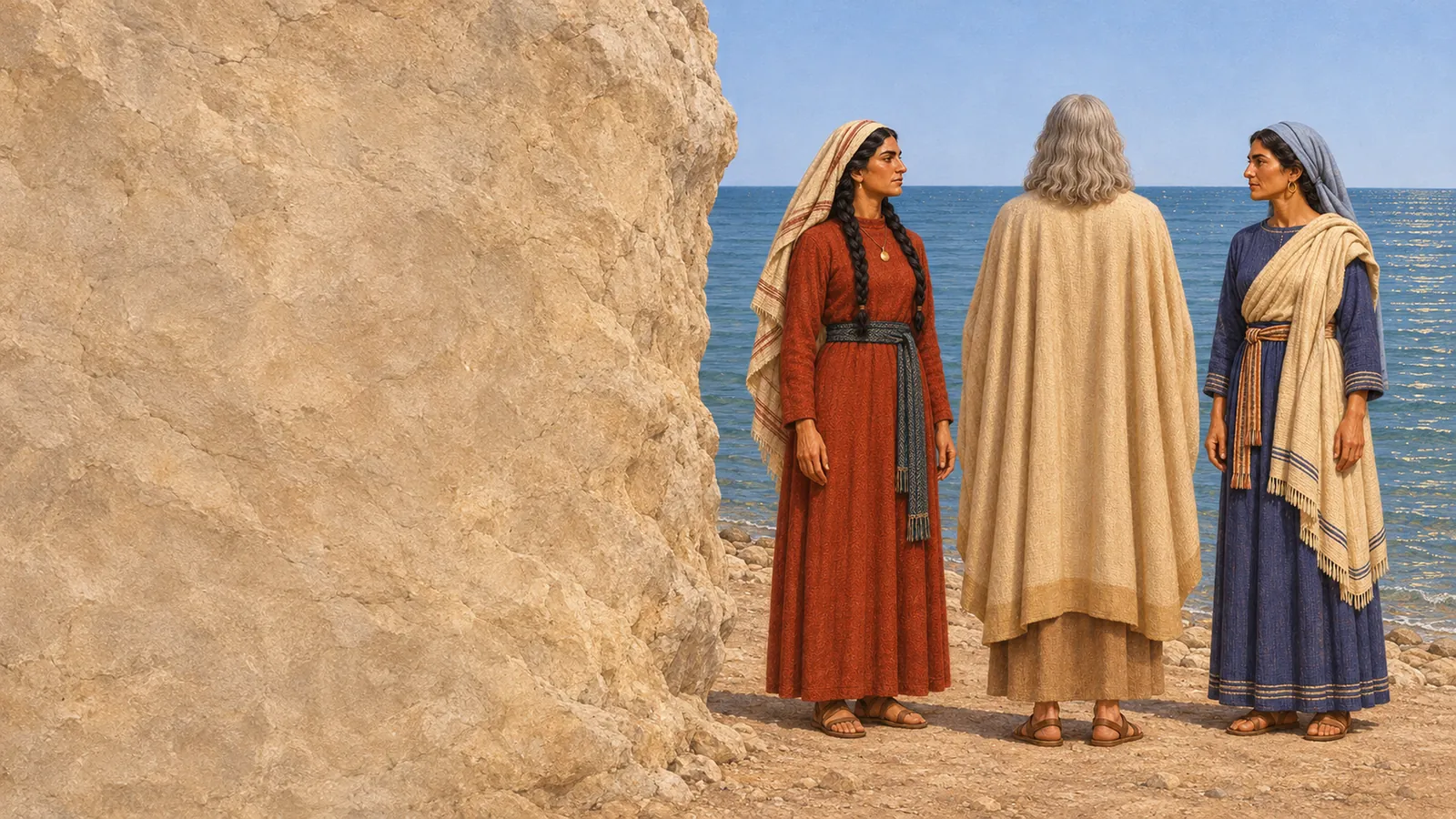
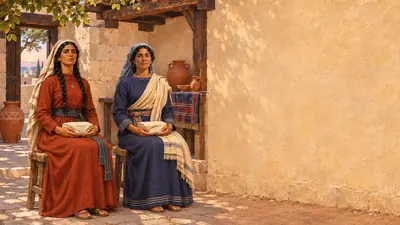
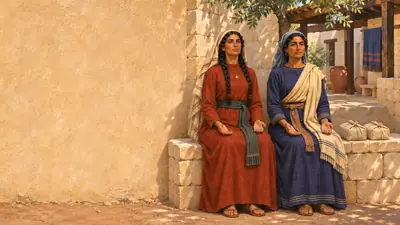
Two women enter the shore scene with El. The damaged verses describe calls and movements whose exact relation to the action is uncertain.

The recitation repeats a comparison with the sea and the flood. These are the images it uses for El’s desire.
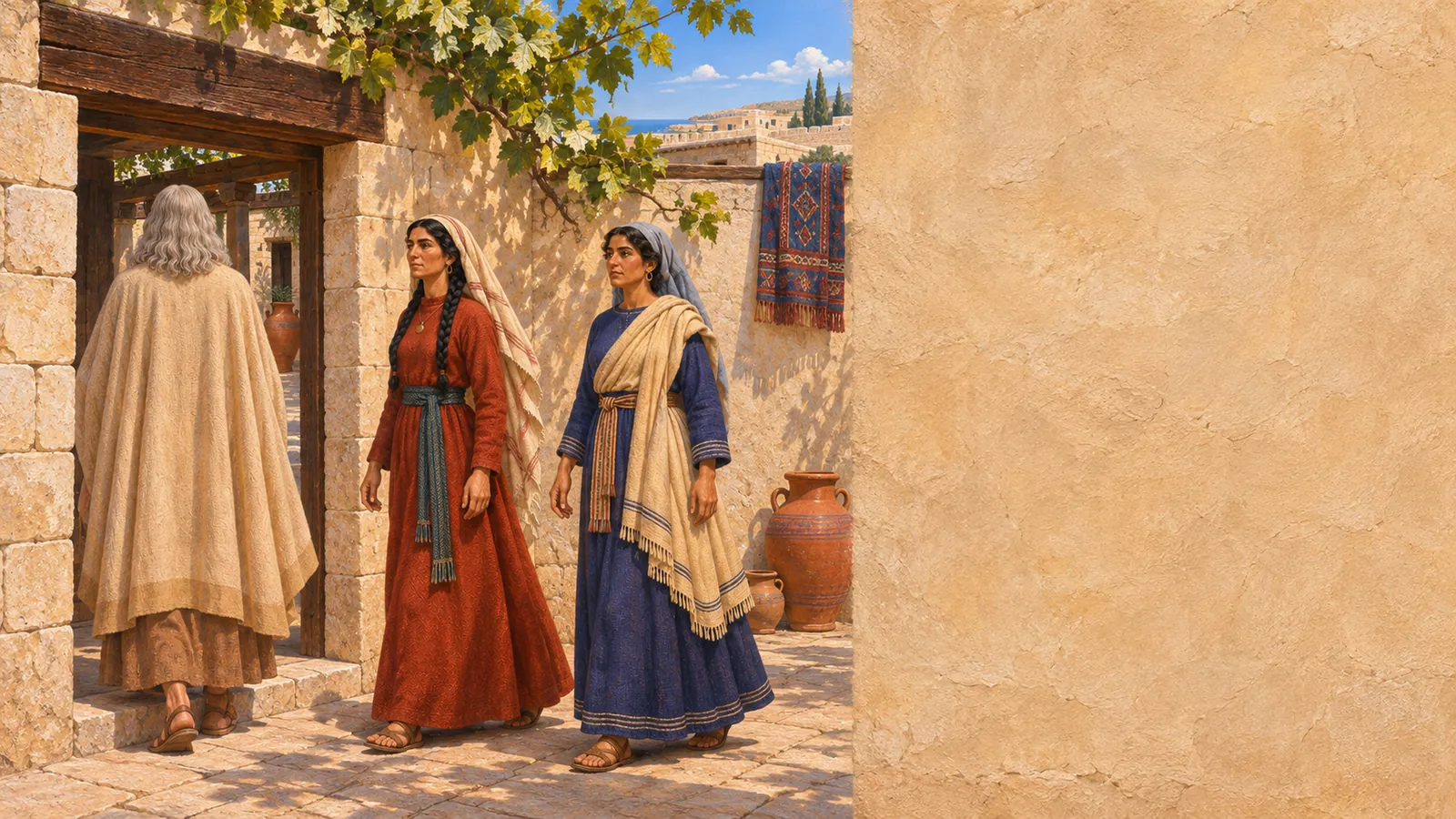
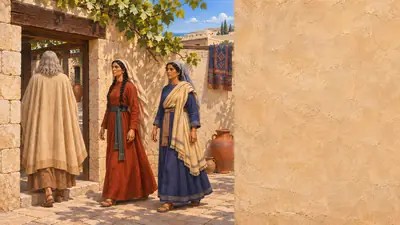
El brings the two women from the shore into his house. The poem repeats a difficult term for them near a vessel.
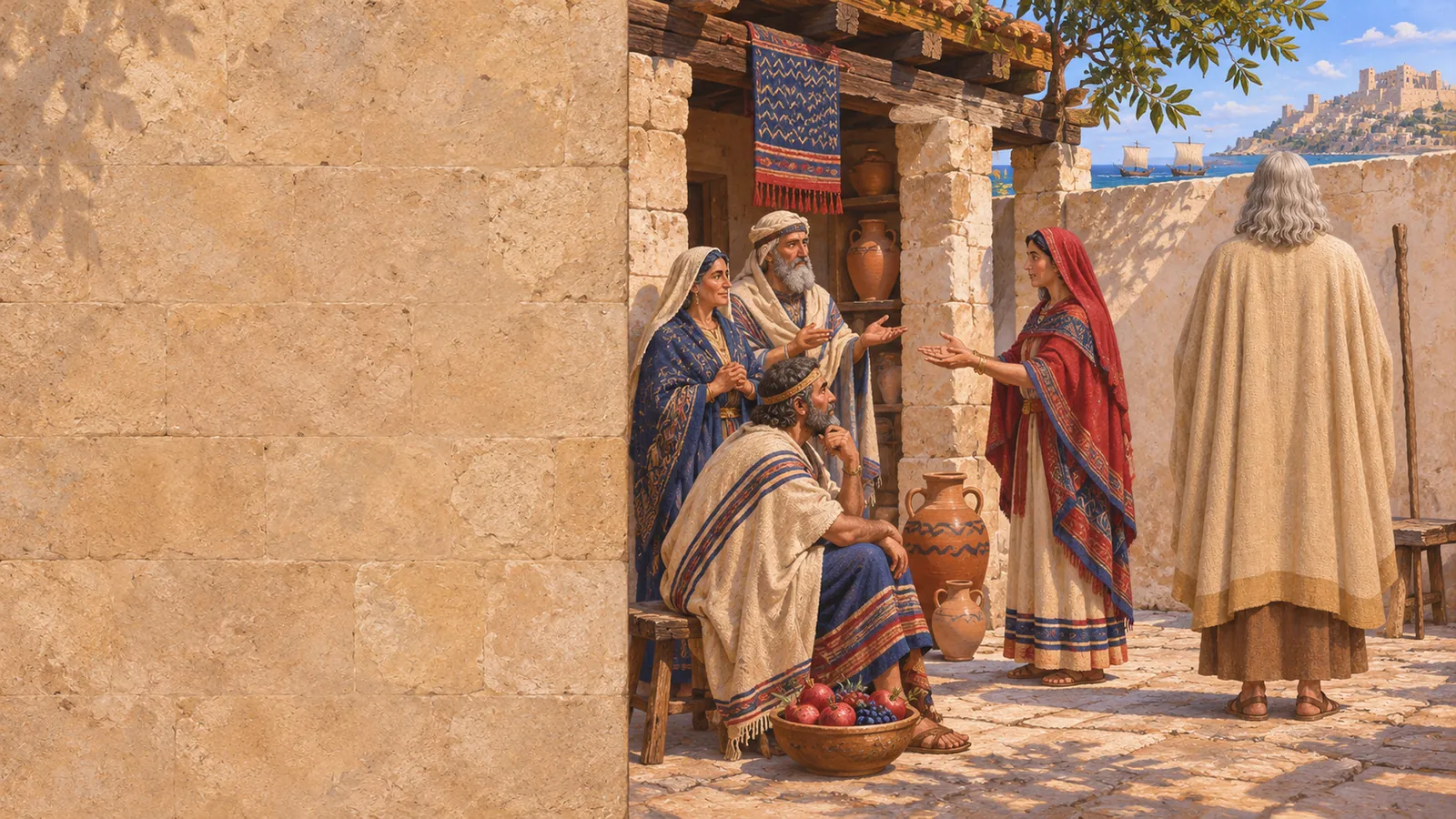
In the house, two short lines speak of El’s staff. The wording is difficult and the passage moves on to a bird.
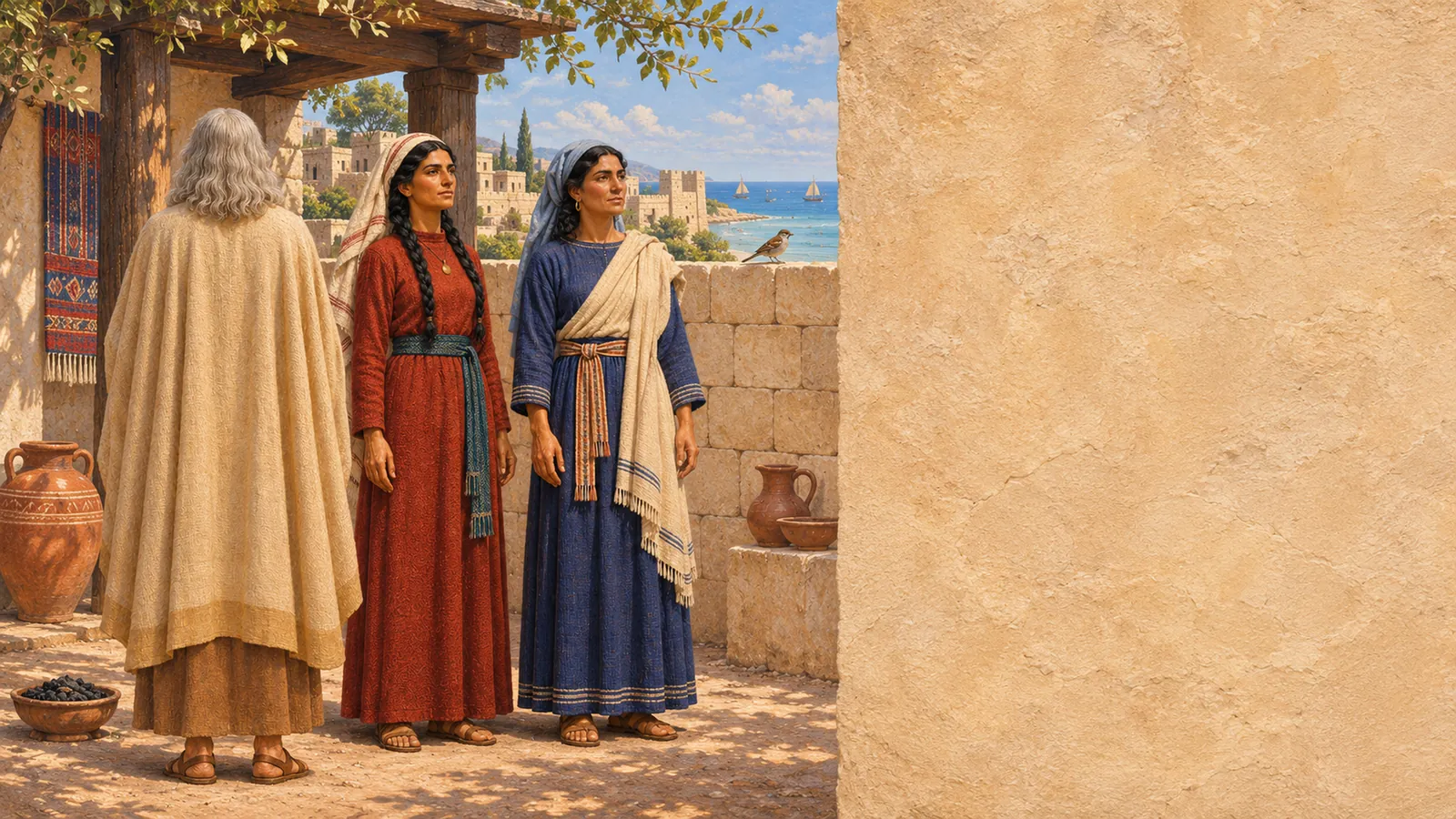
El brings down a bird and prepares it over coals. The bird and the fire become part of the words spoken next.
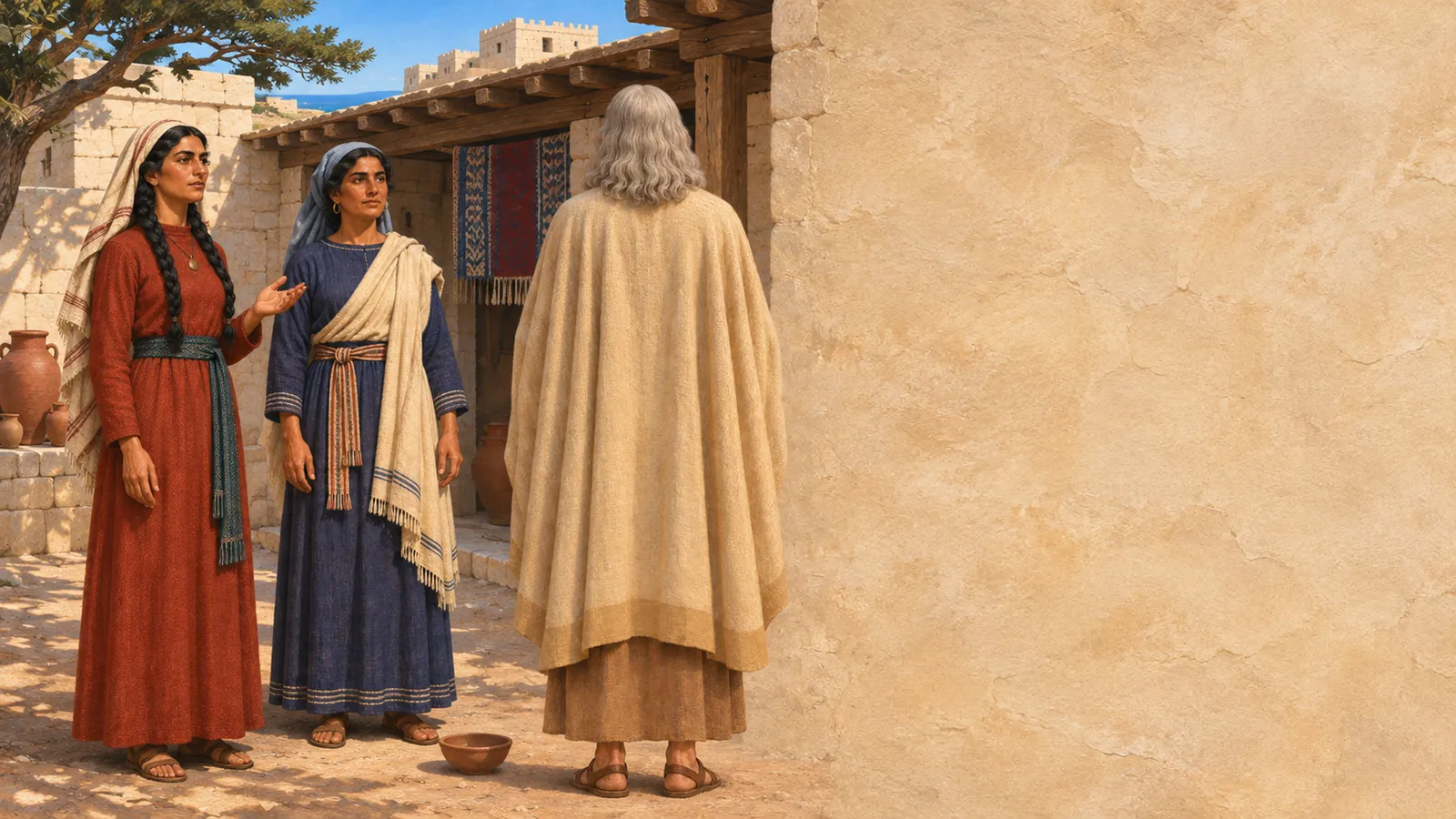
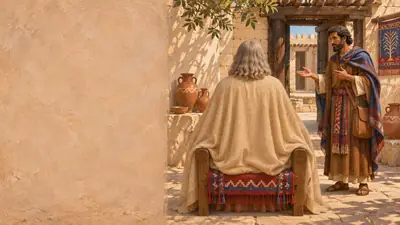
El considers how the women will address him. If they call him man as they speak of the bird, they will become his wives.
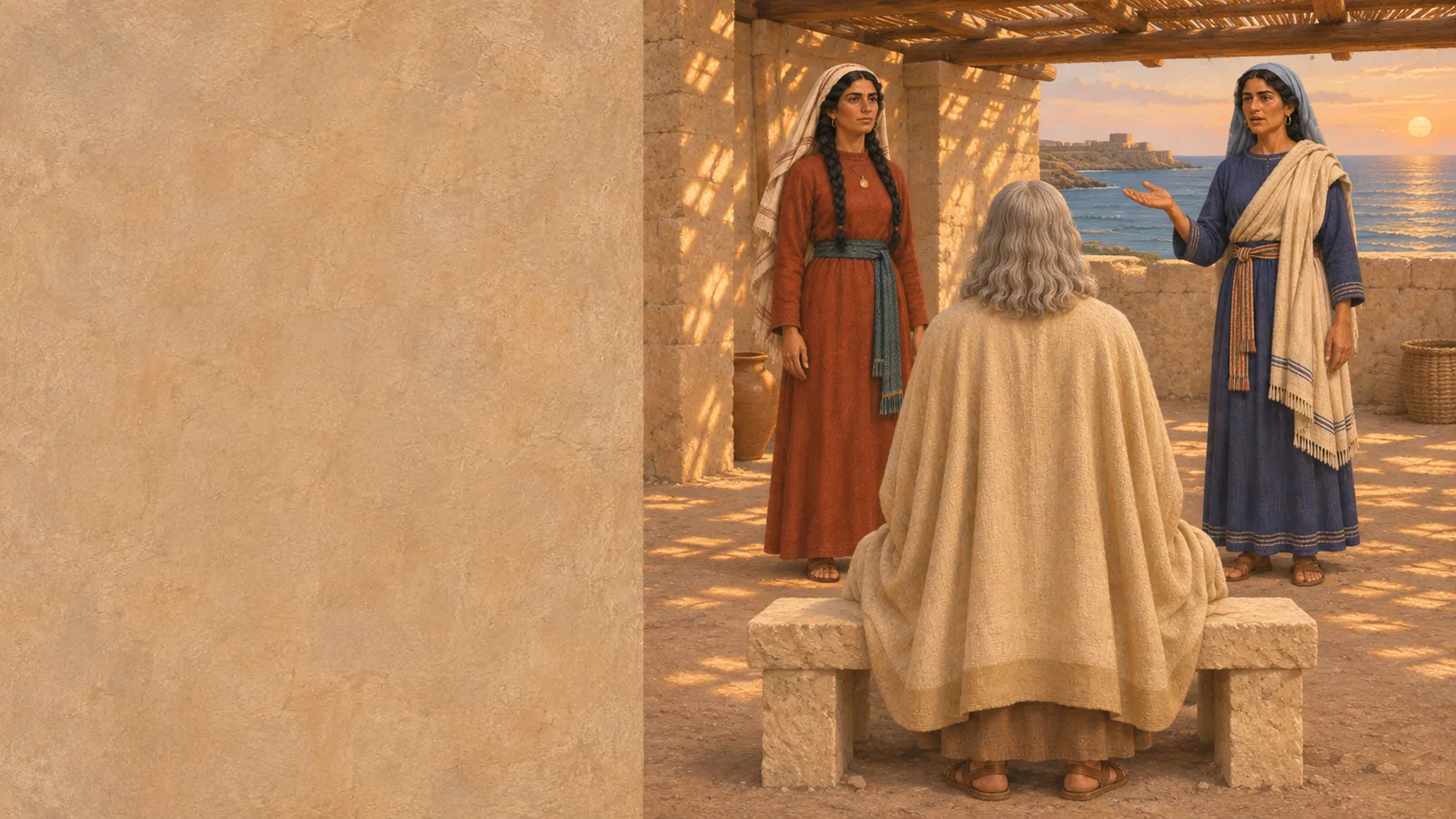
He gives the other possibility in a parallel speech. If the women address him as father, he says they will be his daughters.
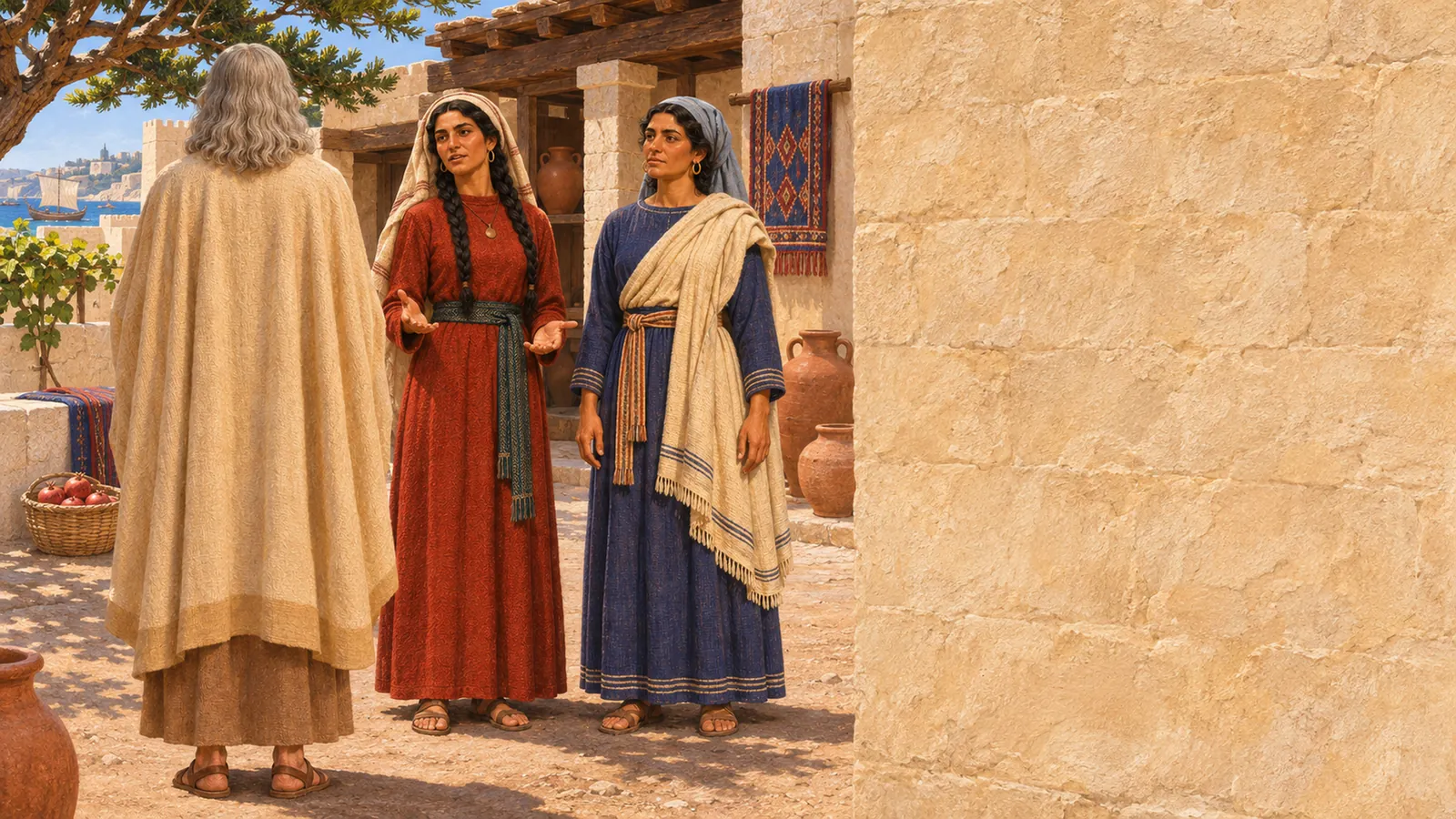
THE ANSWER
The women call him man and speak of the bird over the coals. The next line calls them the wives of El.
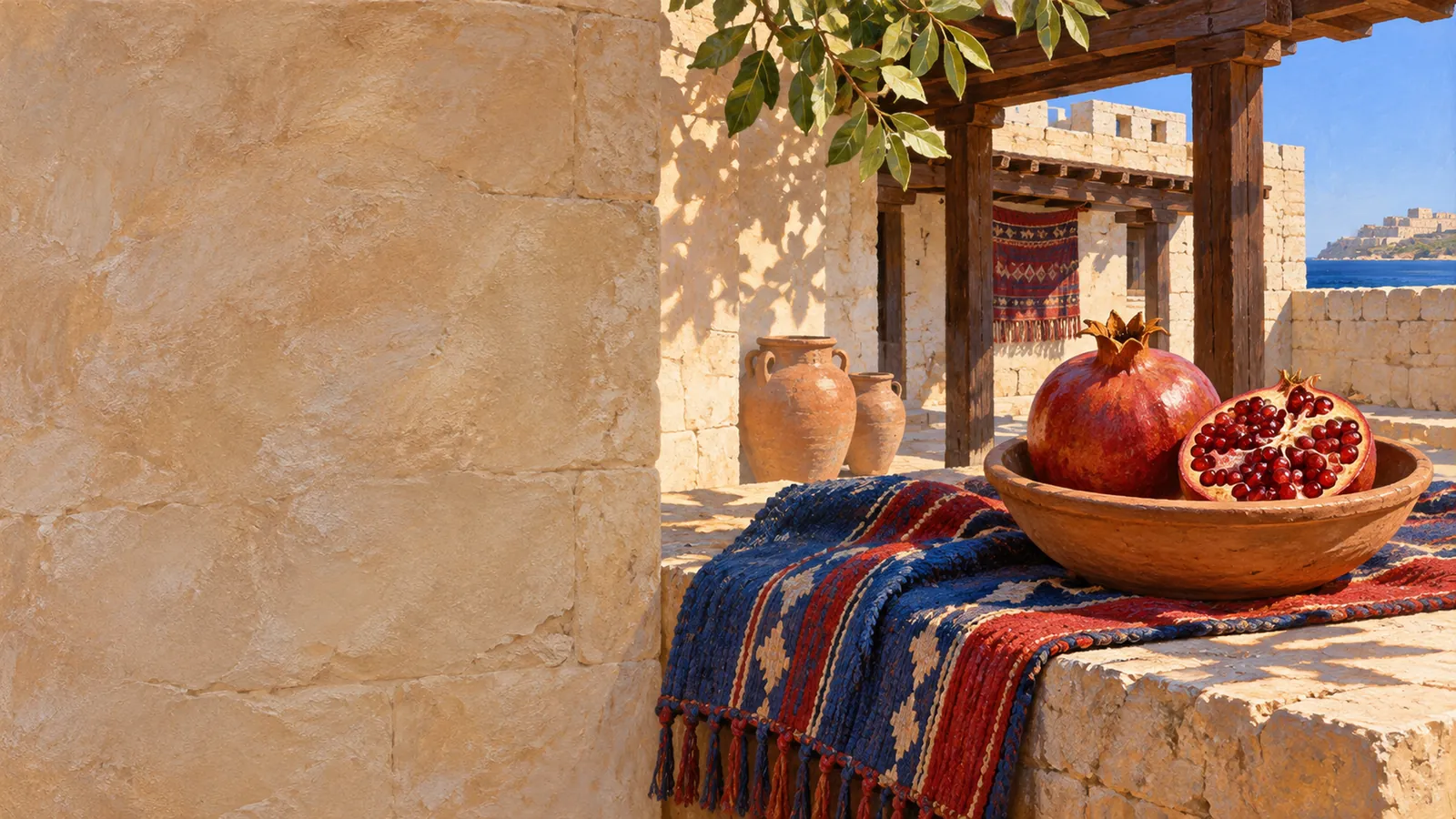
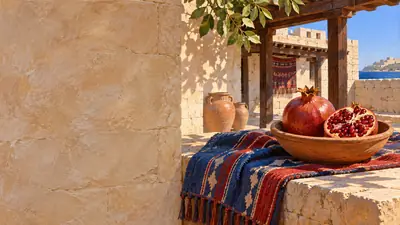
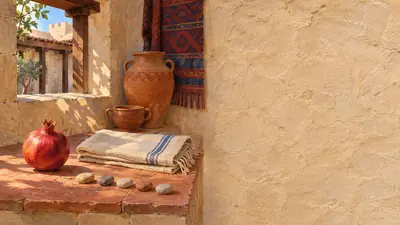
The poem compares the sweetness of the women’s lips to pomegranates. It speaks of kisses and then of conception.
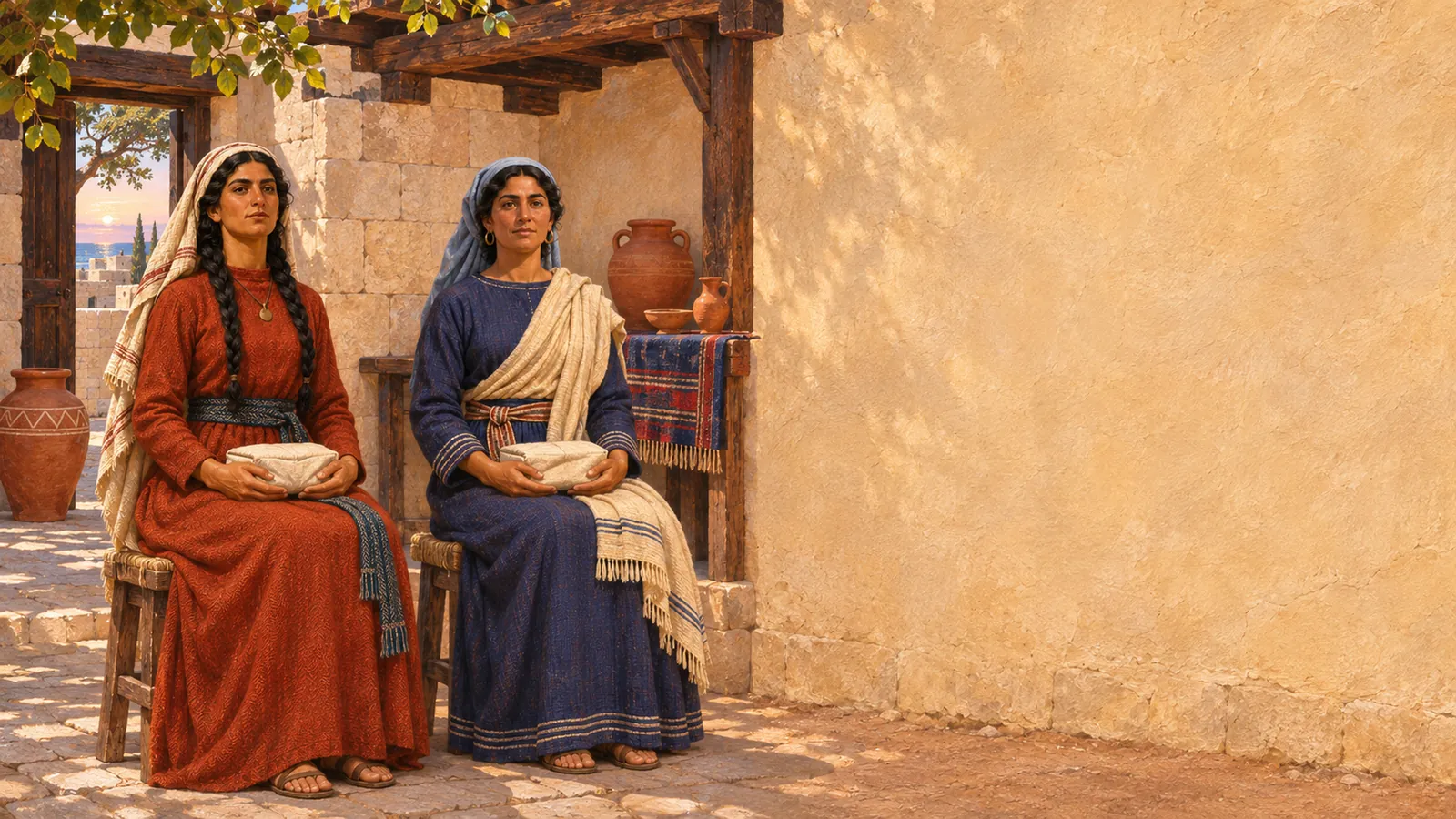
The two women give birth. The recitation names the pair Shachar and Shalim, whose names mean Dawn and Dusk.
DAWN AND DUSK
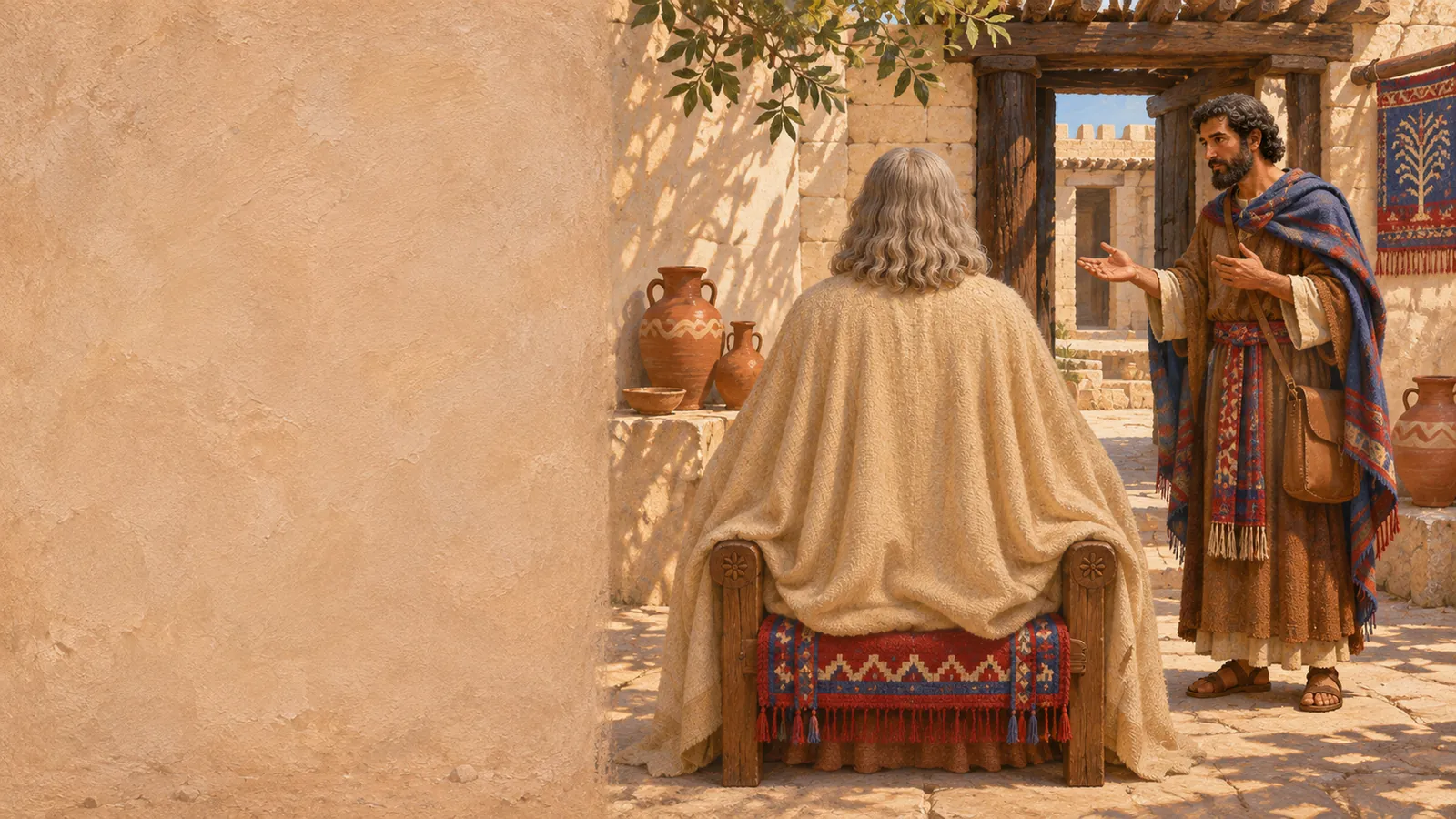
A messenger tells El that his wives have given birth. He asks what they have borne, and the answer names Dawn and Dusk.
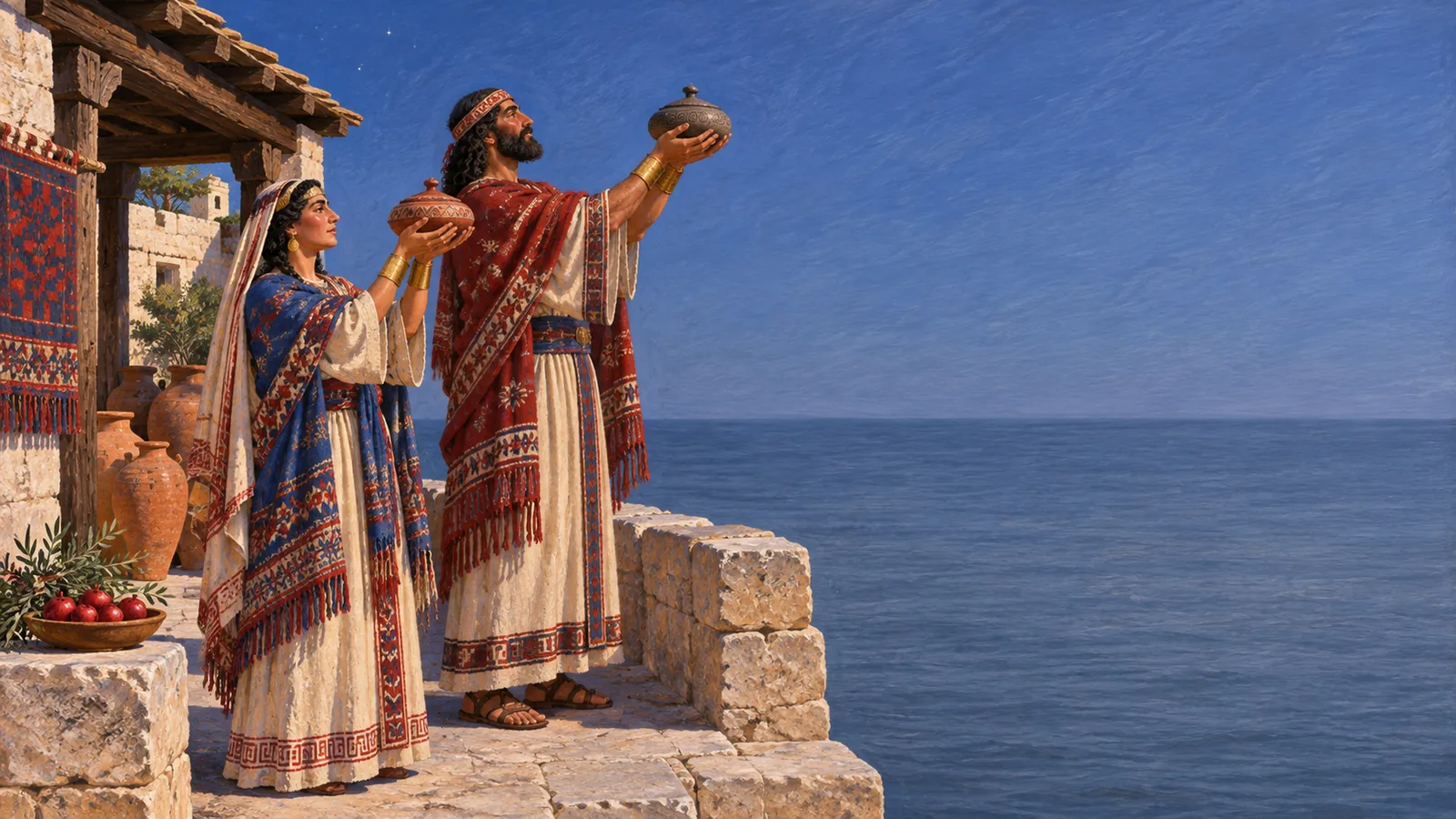
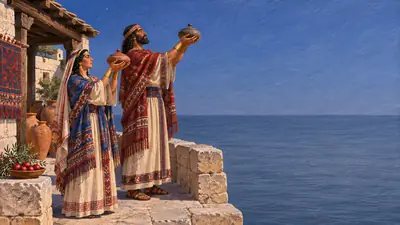
El orders an offering after hearing the names. It is for Shapshu, the Lady Sun, and for the fixed stars.
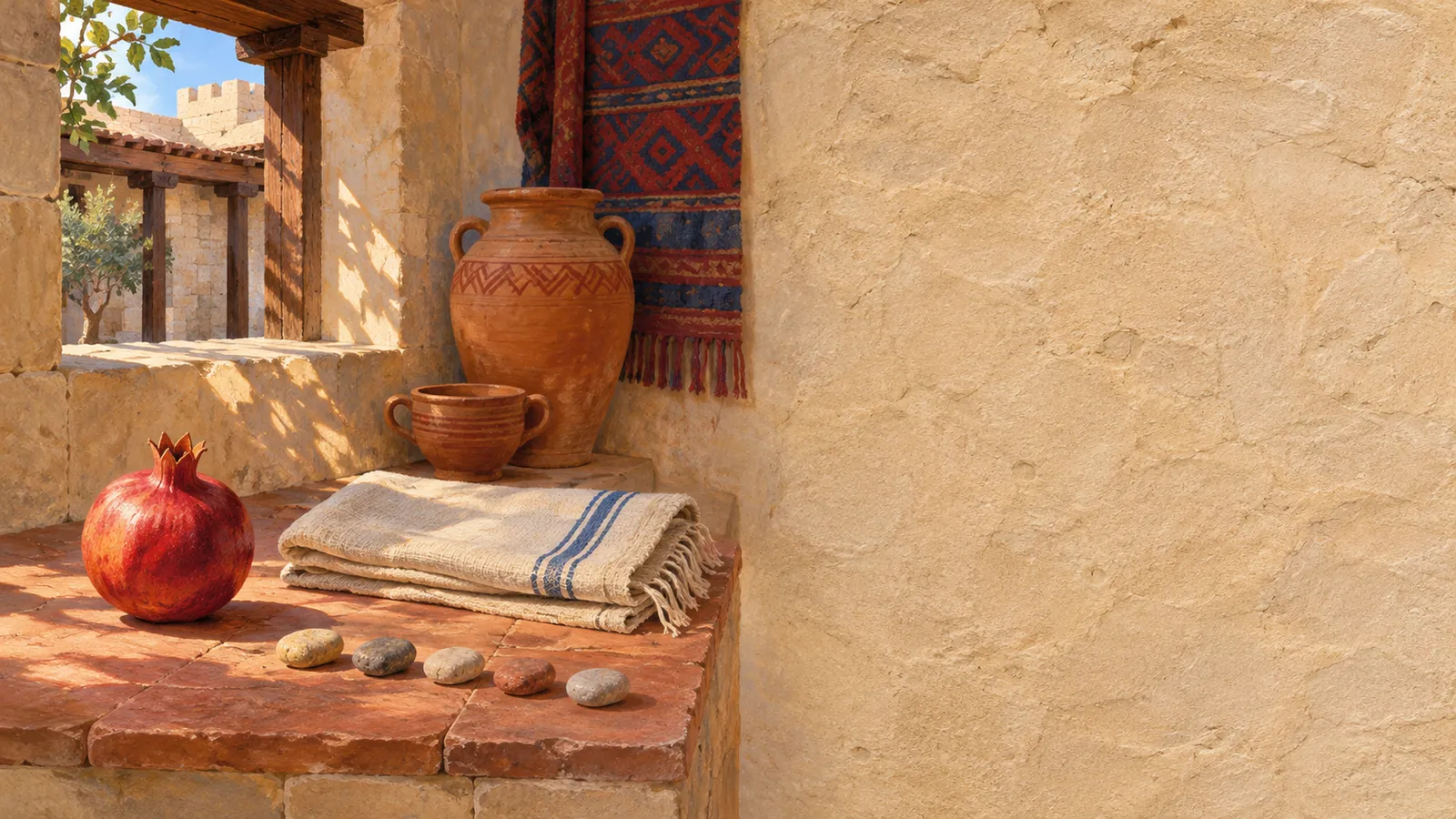
The poem returns to the words of conception. Then it speaks of counting to five, before a damaged passage about the assembly.
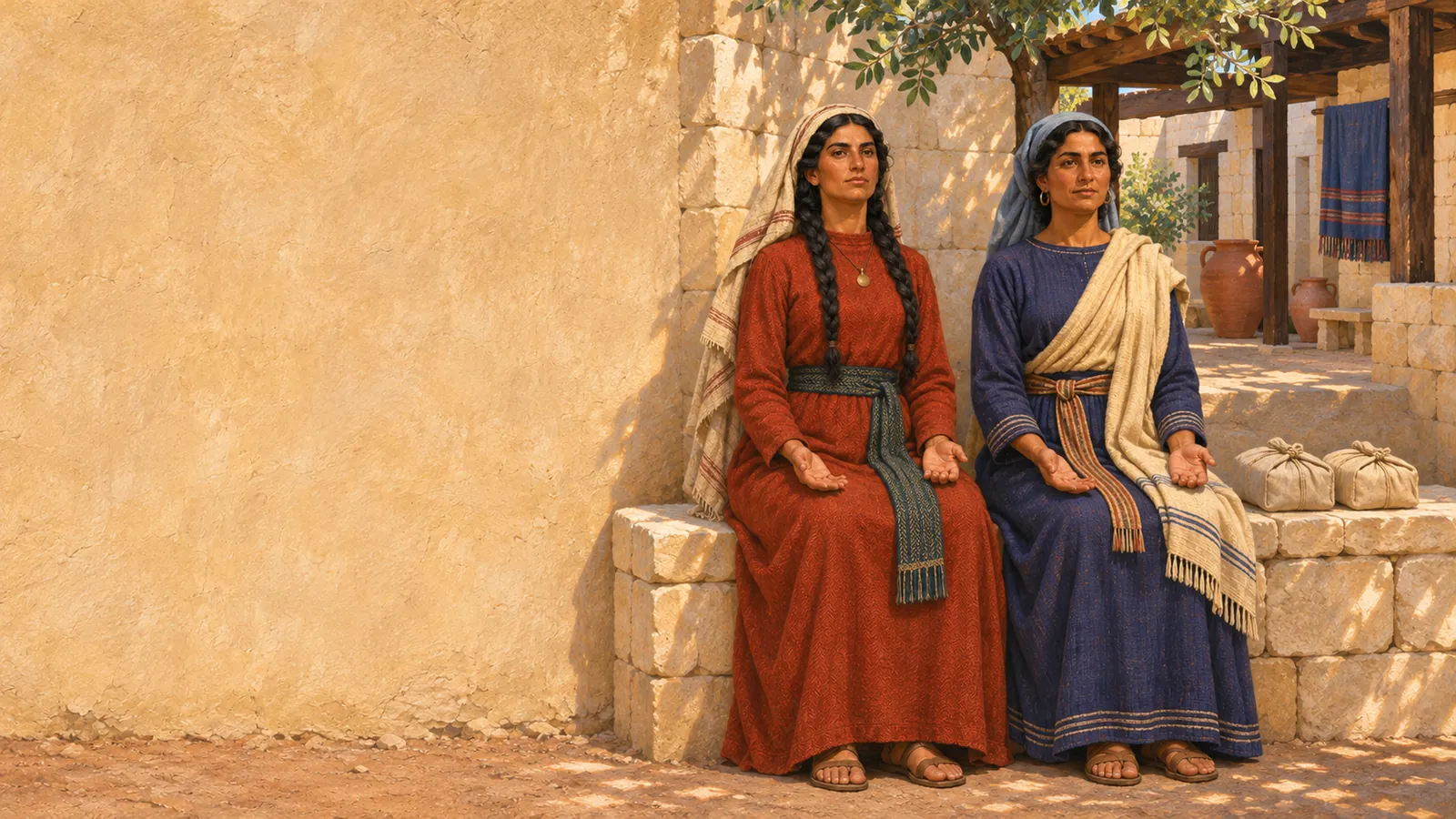
The two women give birth in the next passage. The poem now calls those born the gracious gods and speaks of their first feeding.
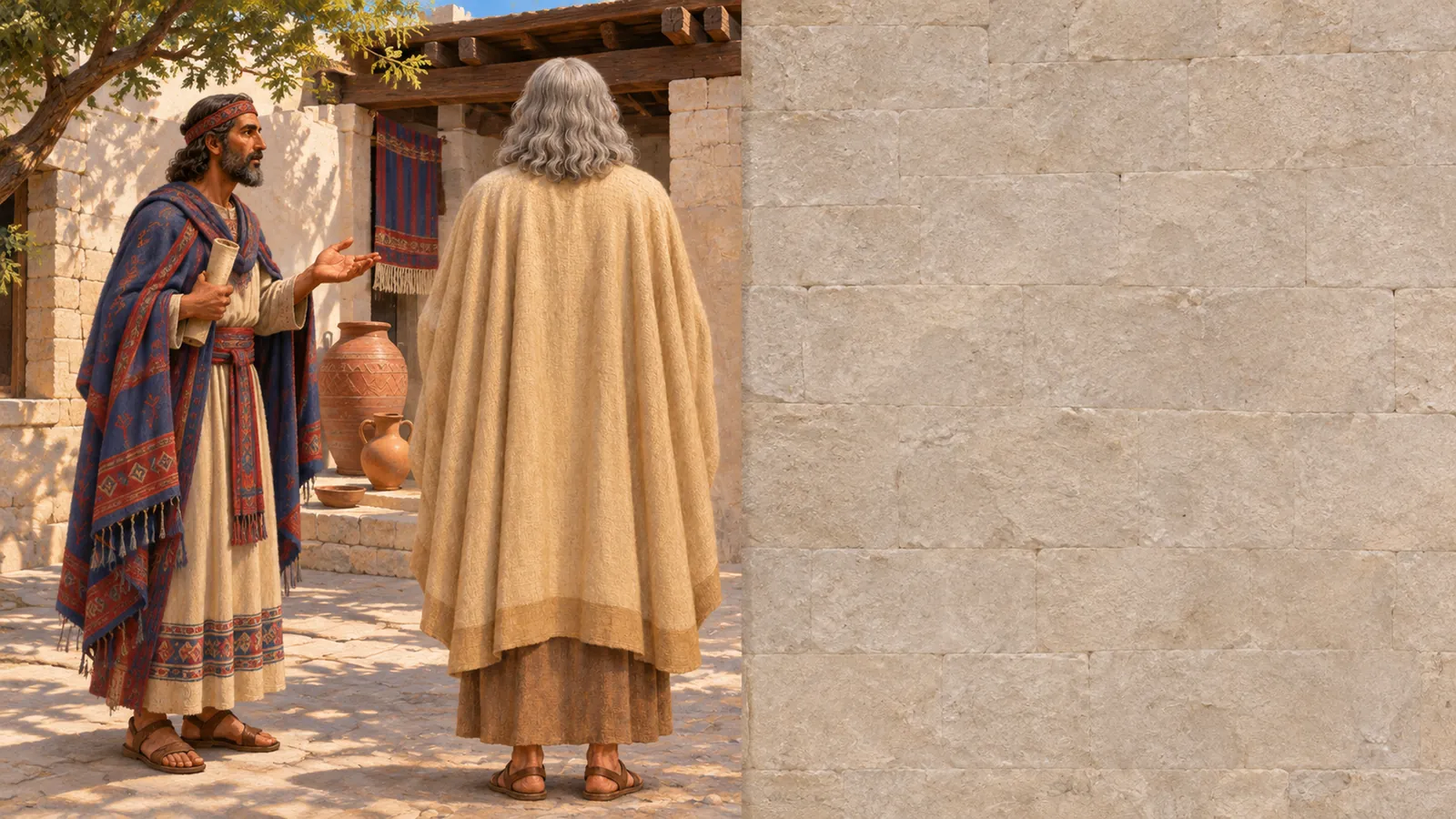
Word reaches El again. In answer to his question, the messenger describes the gracious gods as ravenous from their first day.
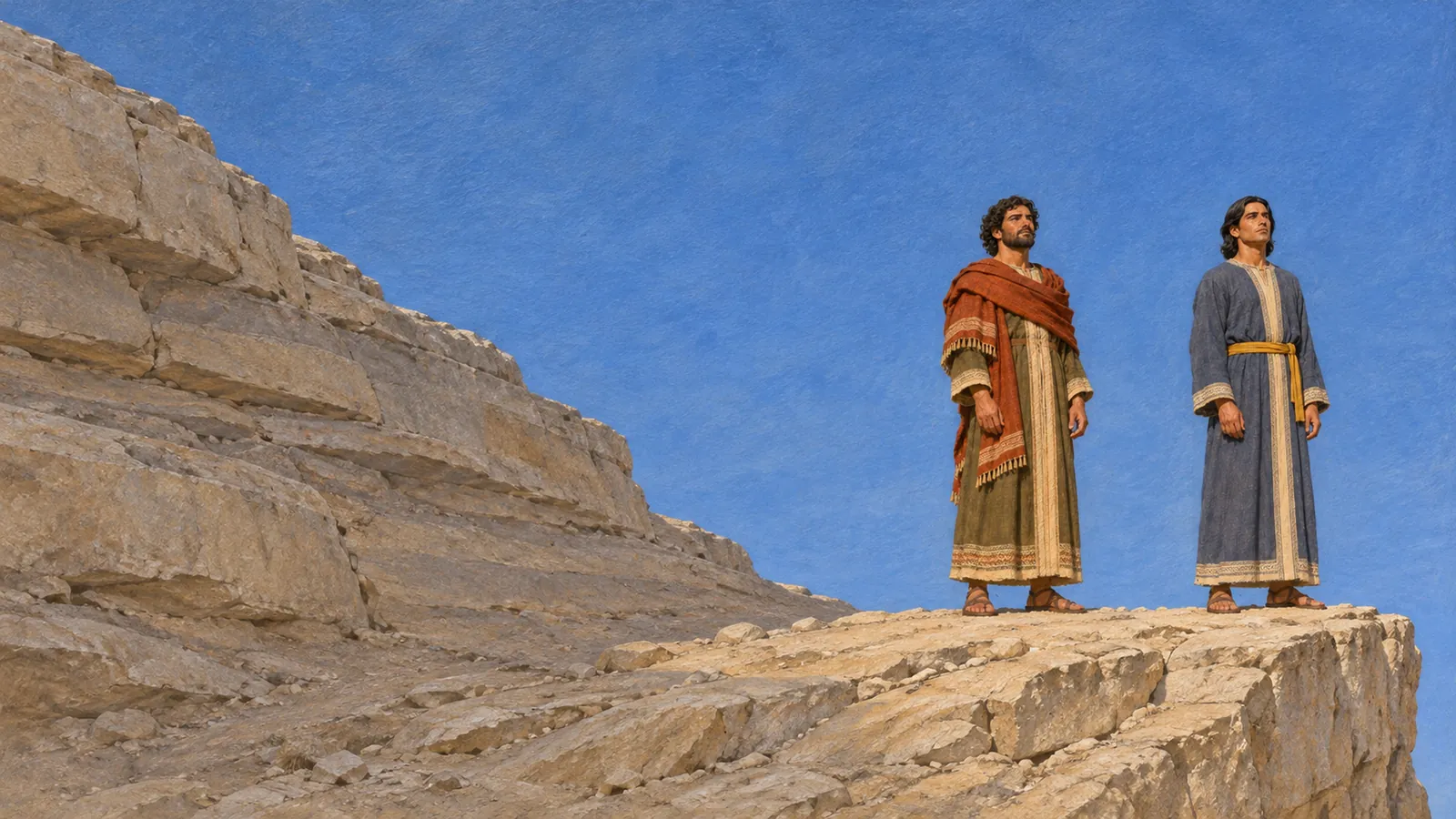
The poem gives their hunger a vast shape. Their lips reach to earth below and to the heavens above.
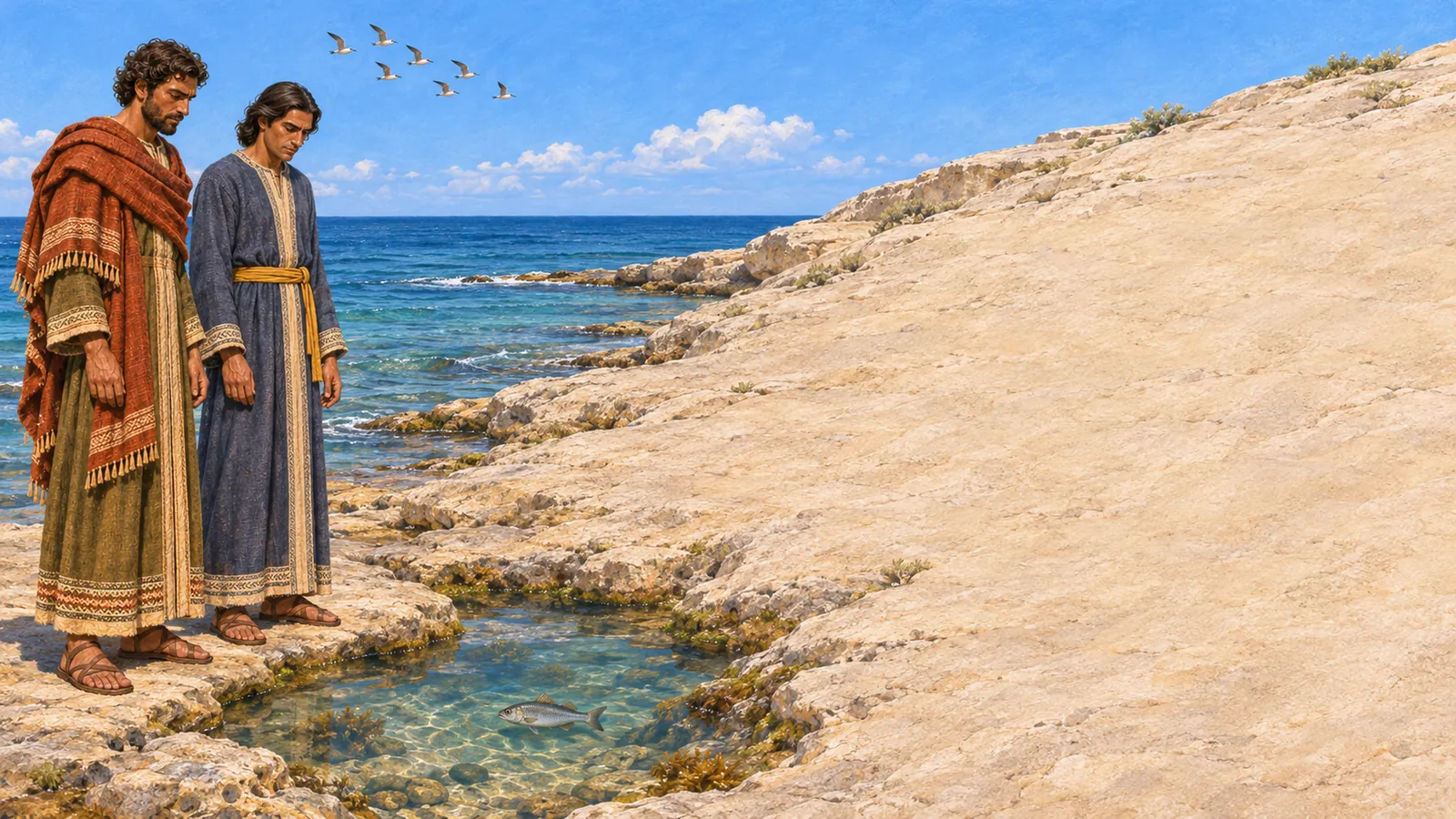
The gracious gods swallow birds from the sky and fish from the sea. They continue to eat, and their hunger remains.
THE WILDERNESS
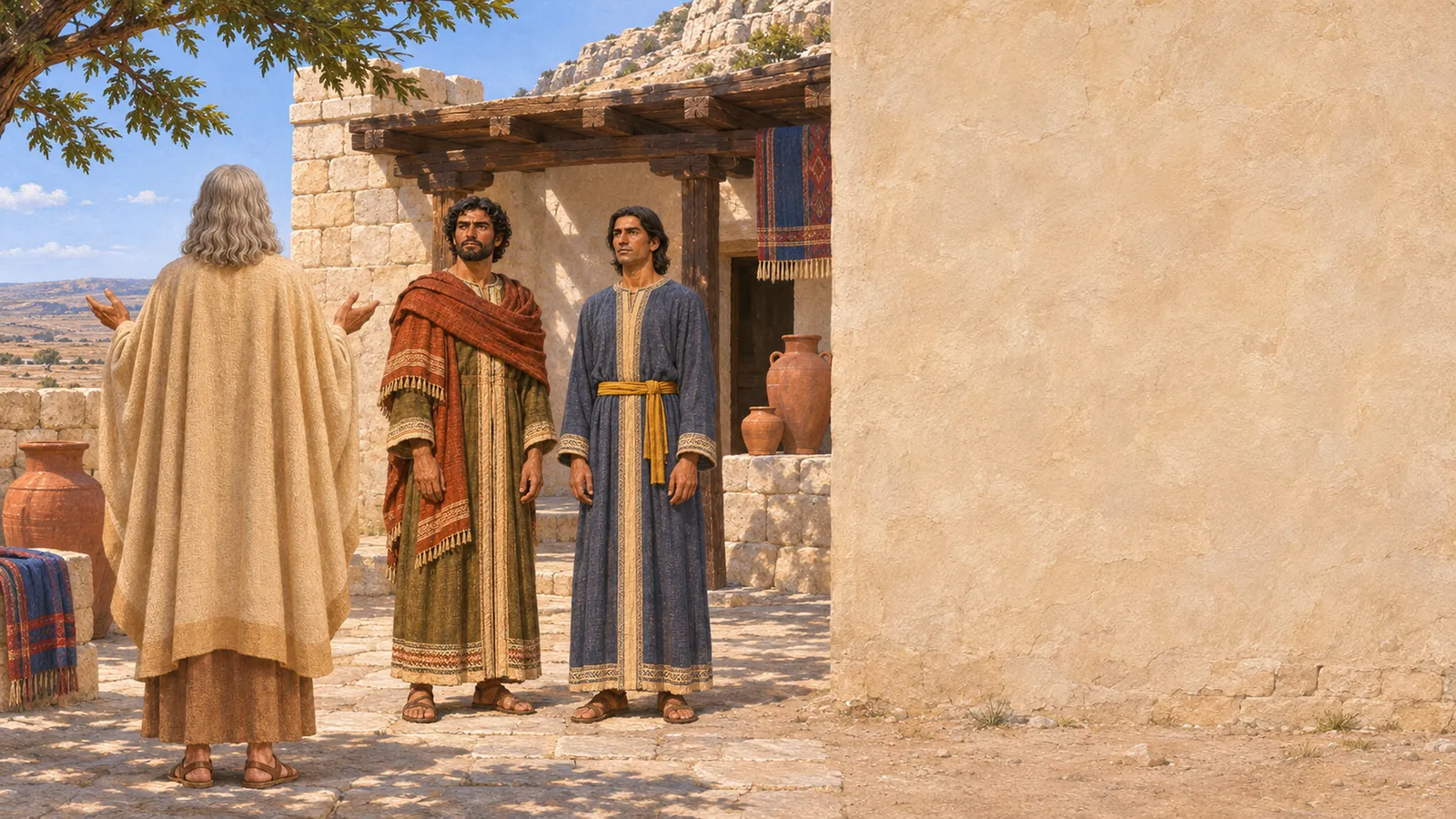
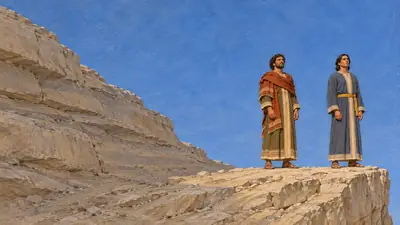
El addresses his wives and the sons they have borne. He calls for an offering in the holy wilderness and a stay among the rocks.
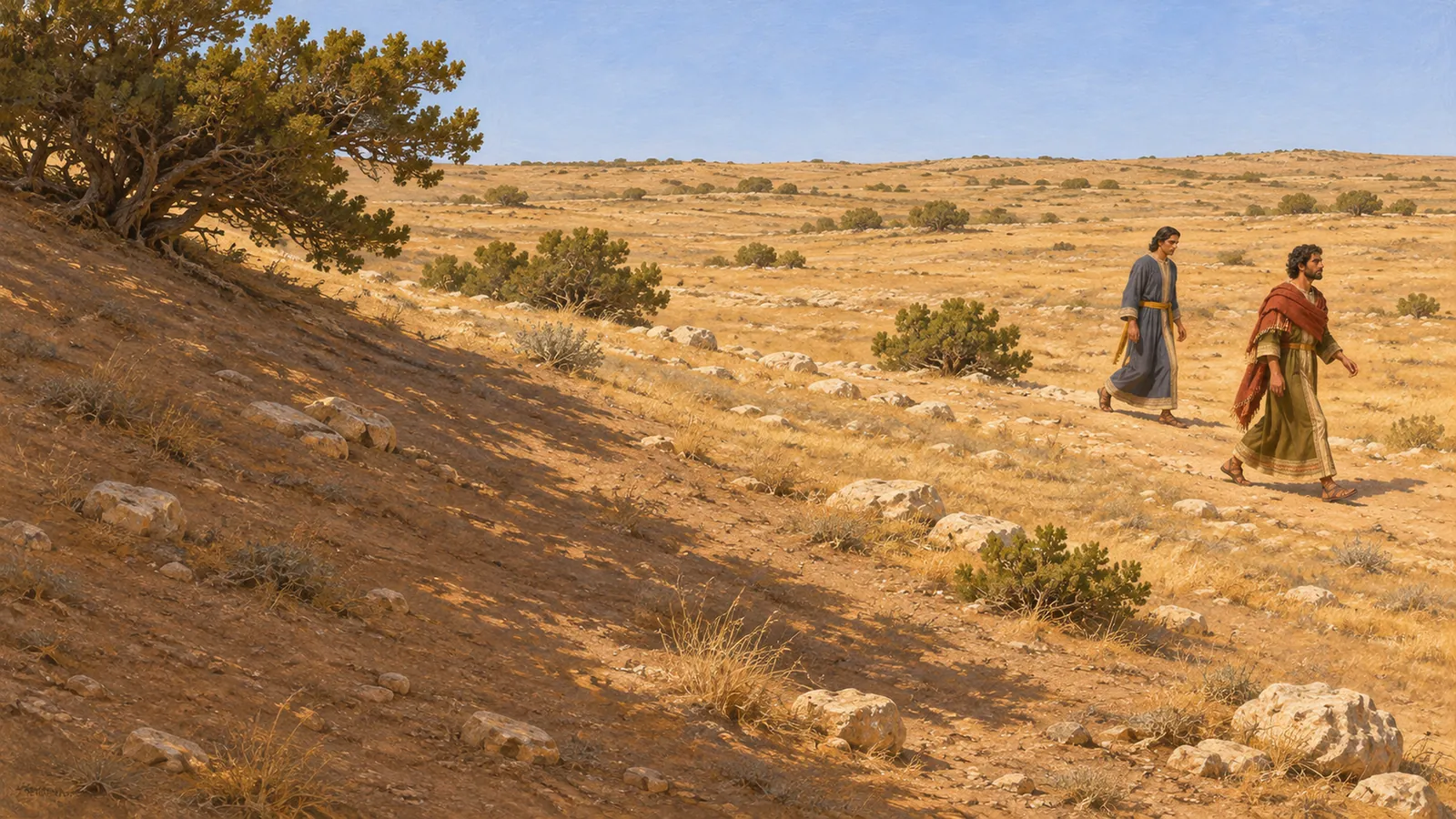
The poem measures their long stay in two ways. It says seven full years, and then eight cycles.
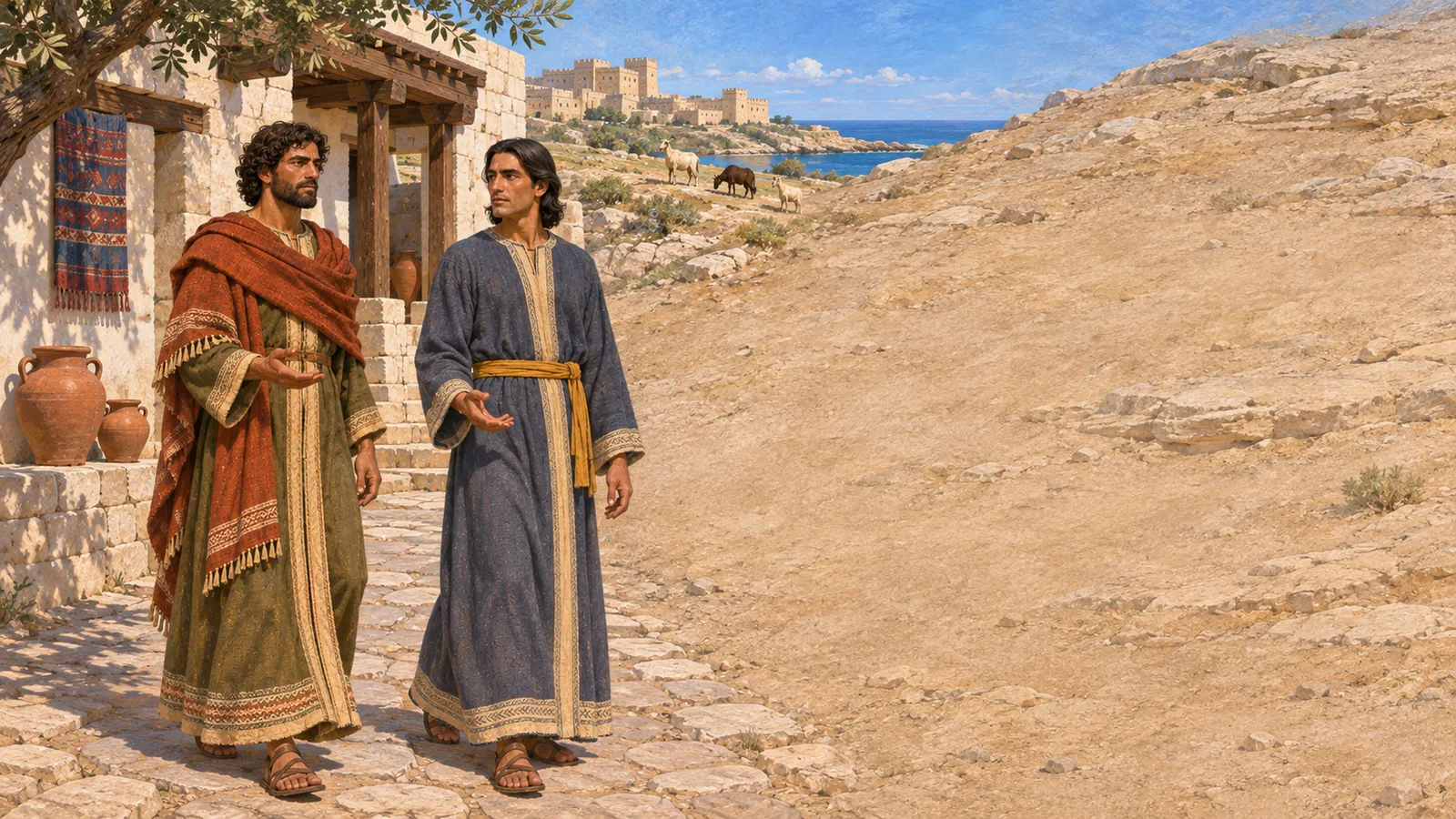
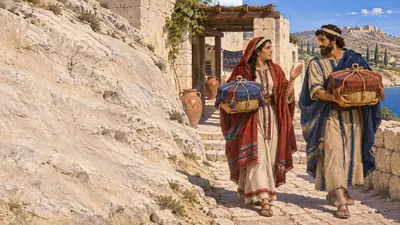
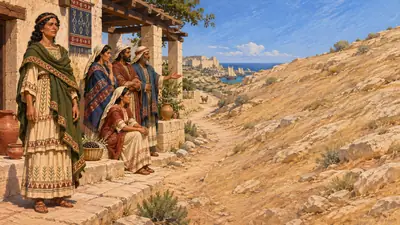
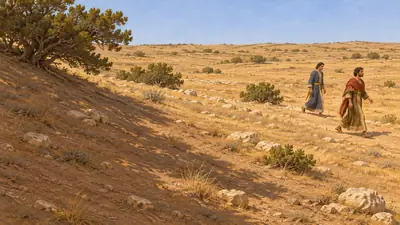
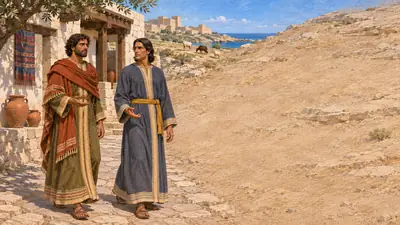
The gracious gods roam over the steppe and hunt to the edge of the wilderness. Their path brings them to cultivated land.
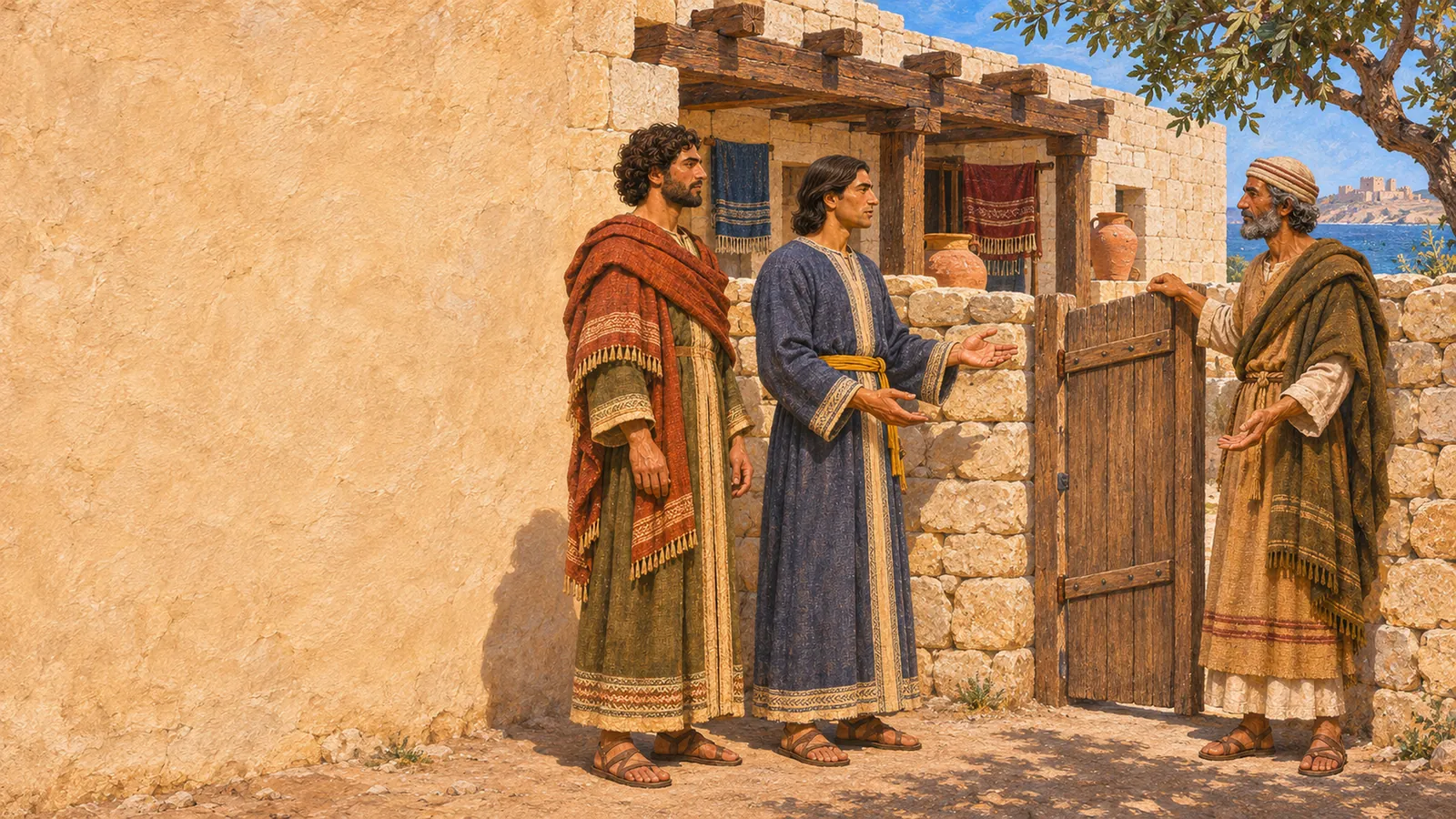
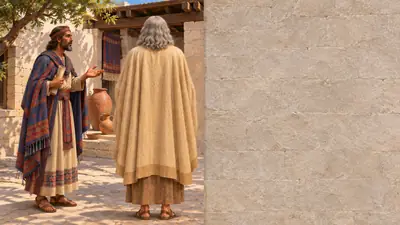
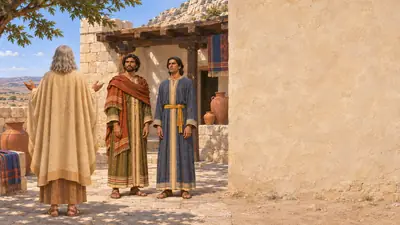
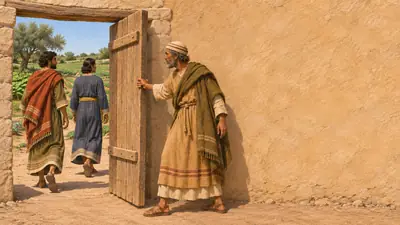
The two gods approach the guard of the sown land. They call out to him and ask him to open.
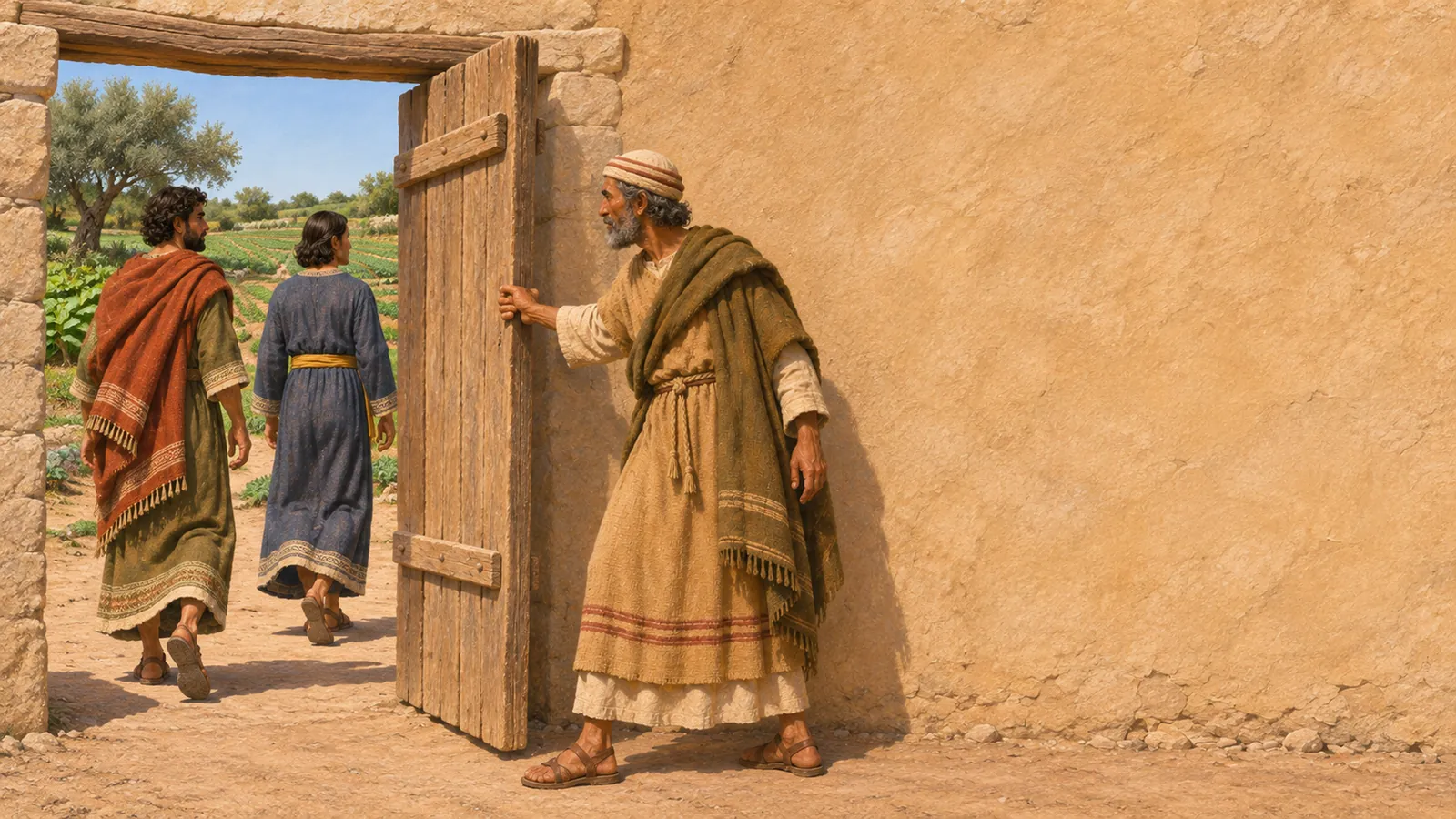
THE SOWN LAND
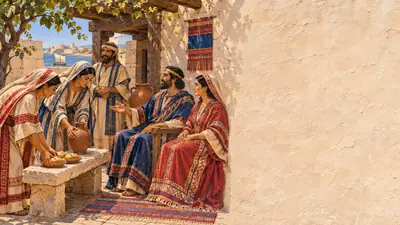
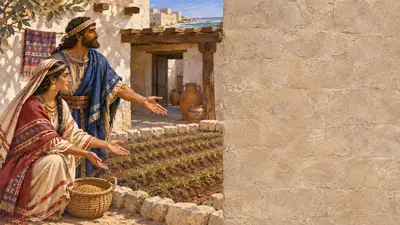
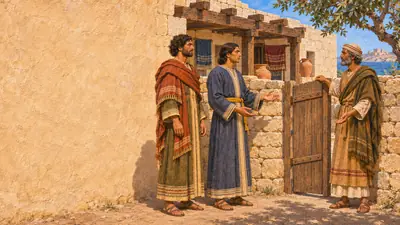
The guard himself makes an opening for them. The two gods pass through it and enter the sown land.
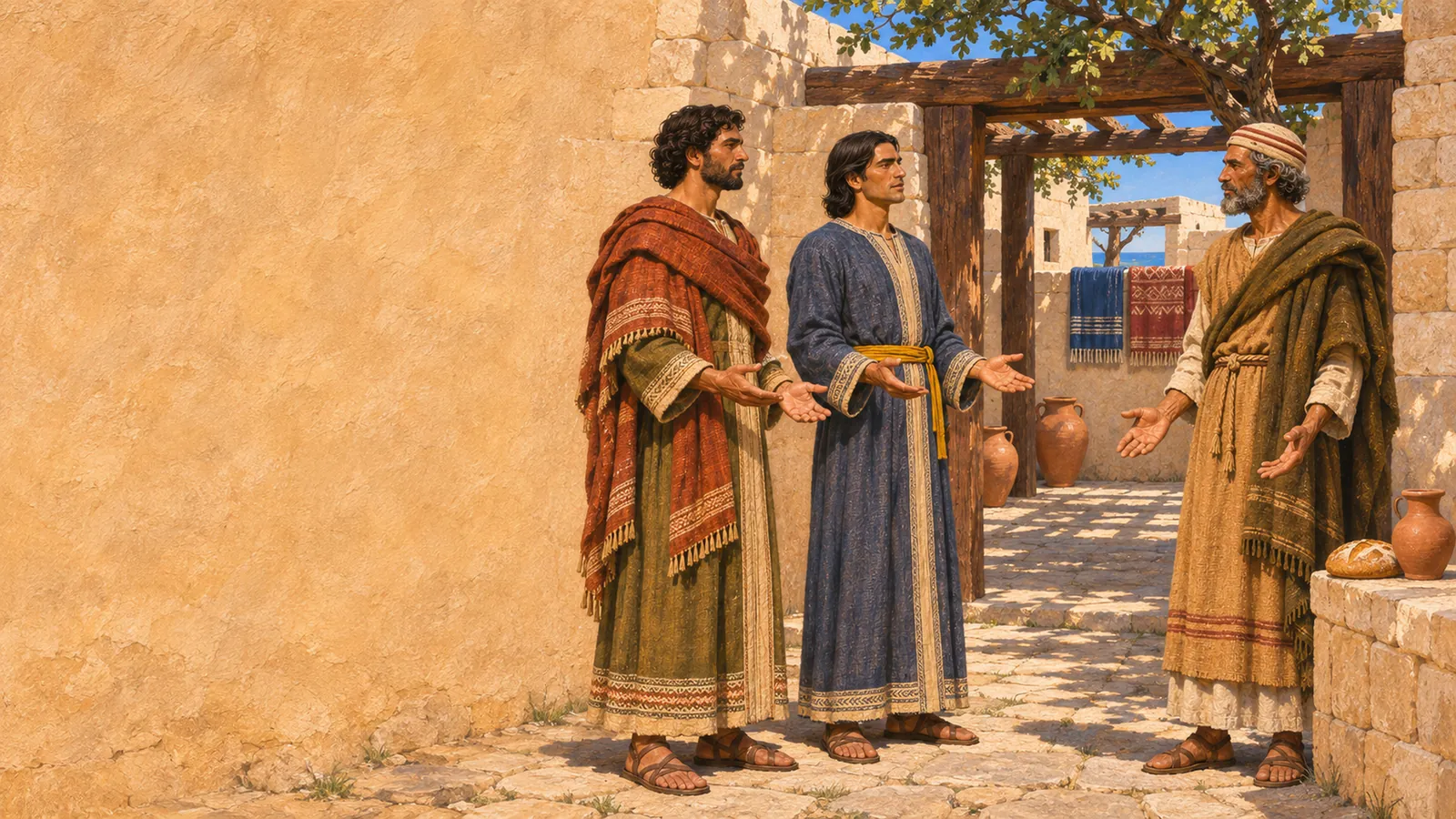
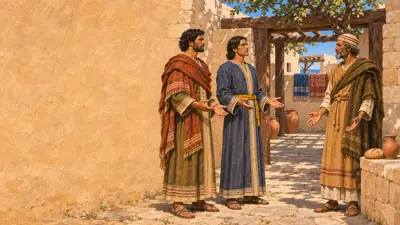
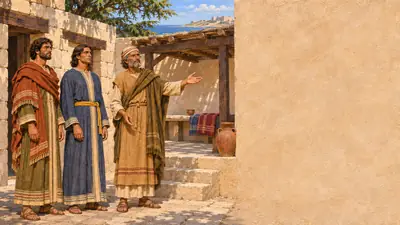
The two gods ask whether there is food for them to eat. They also ask for wine to drink.
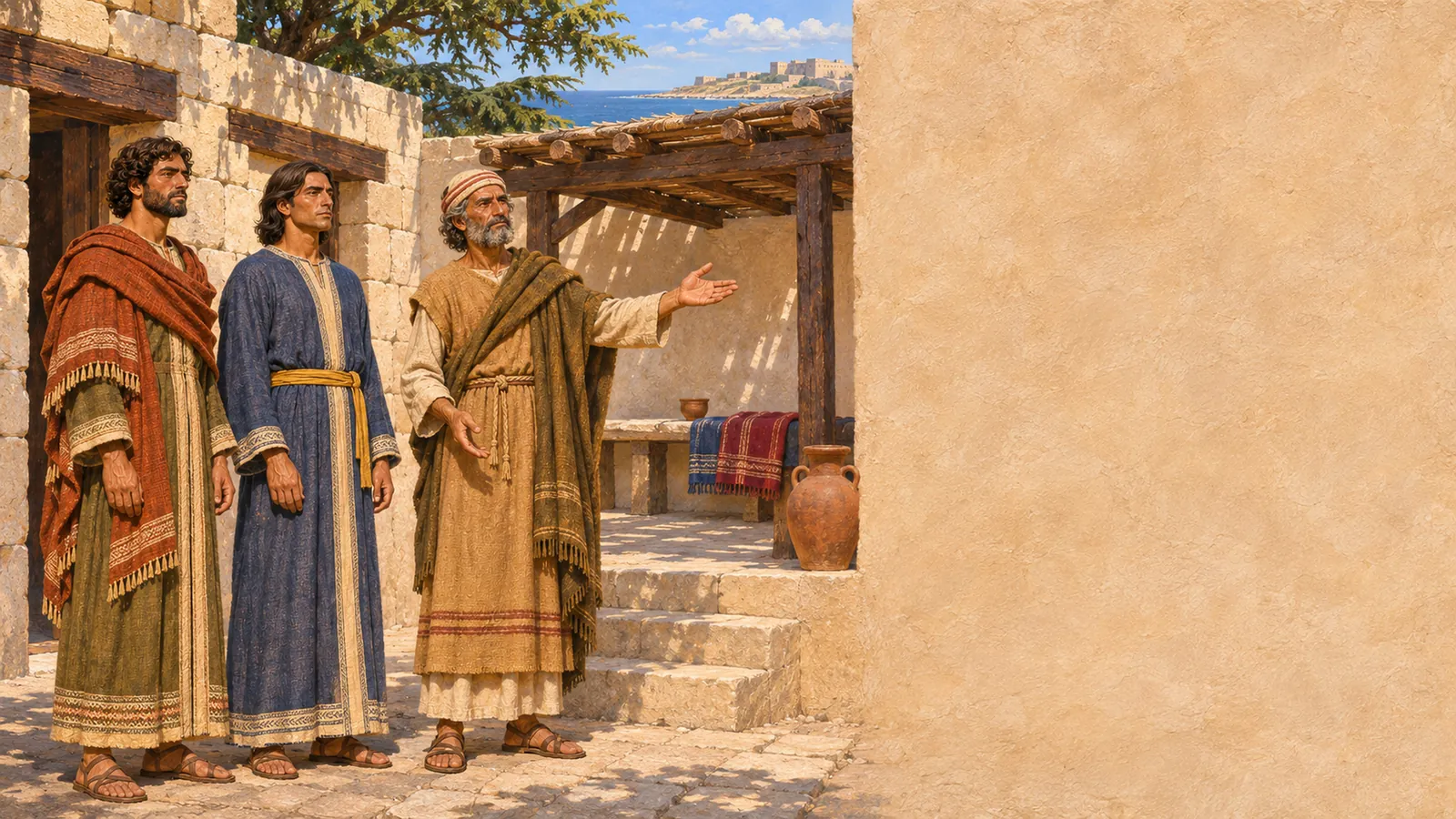
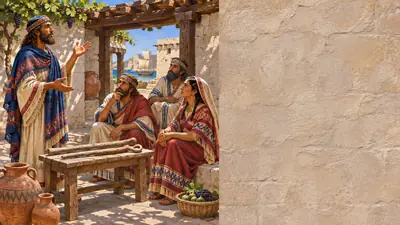
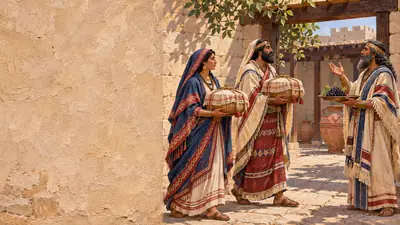
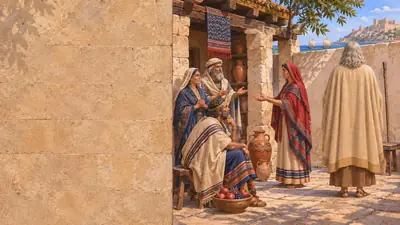
The guard responds. Part of his reply about food is damaged, and the surviving words offer wine to those who enter.
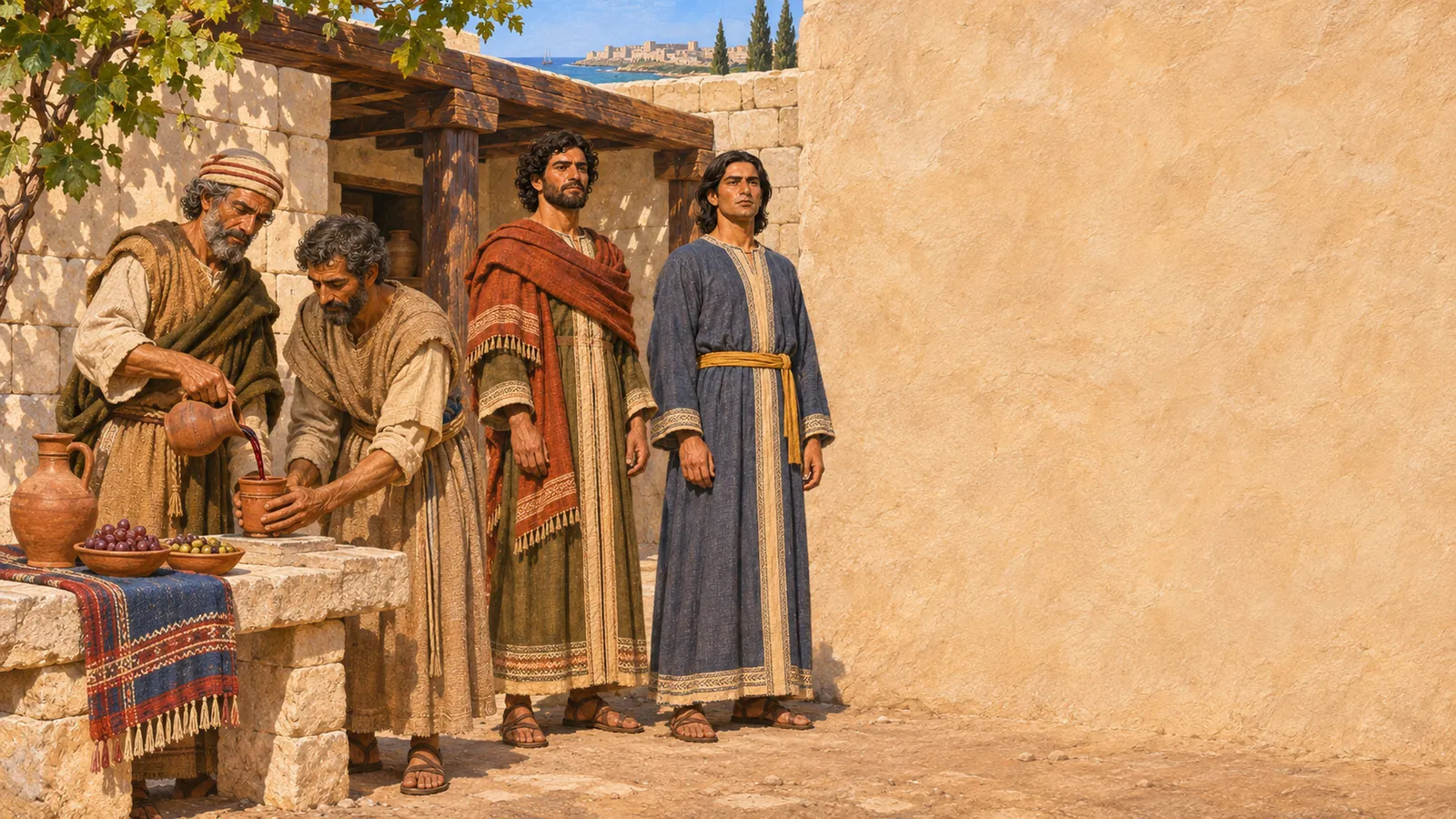
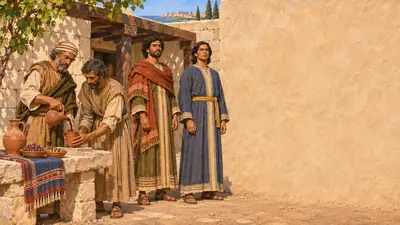
In the damaged close, the guard comes forward with a measure of wine. His companion also fills a vessel.
End of chapter 1
All pages



Sources
Adapted from all 76 lines of Mark S. Smith’s edition and translation of KTU 1.23, compared with the physical witness and the analyses of Theodore J. Lewis and Stanislav Segert.
Editions consulted
- Mark S. Smith, The Rituals and Myths of the Feast of the Goodly Gods, pp. 19–28
- Musée du Louvre, AO 17189 / RS 2.002
- Theodore J. Lewis, God (Ilu) and King in KTU 1.23, SAOC 73
- Stanislav Segert, An Ugaritic Text Related to the Fertility Cult, 1986
Ancient lines behind each page
- Page 1: RS 2.002, KTU 1.23, 1–2
RS 2.002 begins with an invitation, and several words in the opening lines are damaged. - Page 2: RS 2.002, KTU 1.23, 3–5
The offerings, heights and outback occur in incomplete lines. - Page 3: RS 2.002, KTU 1.23, 6
- Page 4: RS 2.002, KTU 1.23, 7
The names of the ruler and court are absent. - Page 5: RS 2.002, KTU 1.23, 8–9
- Page 6: RS 2.002, KTU 1.23, 9–11
- Page 7: RS 2.002, KTU 1.23, 12
The reading of the ritual object as a dais is tentative. - Page 8: RS 2.002, KTU 1.23, 13
The first field phrase may be read as the field of El or of the gods. The names Athirat and Rahmay are both preserved in the accompanying formula. - Page 9: RS 2.002, KTU 1.23, 14–15
- Page 10: RS 2.002, KTU 1.23, 16–18
Rahmay is named at line 16. - Page 11: RS 2.002, KTU 1.23, 19–20
Eight dwellings and seven repetitions are named. - Page 12: RS 2.002, KTU 1.23, 21–22
The words for blue and red survive. Whether the text means exactly two singers remains uncertain. - Page 13: RS 2.002, KTU 1.23, 23–27
Athirat is named in a nursing formula. Shapshu, possibly intertwined branches, grapes and the offering procession appear in the partly broken ritual lines. - Page 14: RS 2.002, KTU 1.23, 28–29
The repetition of the field phrase links two sections on the front of the tablet. The final words of line 29 are damaged. - Page 15: RS 2.002, KTU 1.23, 30
The coast and the deep are named. - Page 16: RS 2.002, KTU 1.23, 31–33
The word applied to the two women before their marriage is uncertain. The calls of father and mother remain fragmentary here. - Page 17: RS 2.002, KTU 1.23, 34–35a
The source uses an anatomical metaphor with sea and flood. - Page 18: RS 2.002, KTU 1.23, 35b–36
- Page 19: RS 2.002, KTU 1.23, 37
The description of the staff is difficult and has also been read as an erotic metaphor. - Page 20: RS 2.002, KTU 1.23, 38–39a
- Page 21: RS 2.002, KTU 1.23, 39b–42
The same words about the staff and bird recur. - Page 22: RS 2.002, KTU 1.23, 42–46a
- Page 23: RS 2.002, KTU 1.23, 46b–49a
They have no given names in this section. - Page 24: RS 2.002, KTU 1.23, 49b–51a
The pomegranate is the source’s comparison. - Page 25: RS 2.002, KTU 1.23, 51b–52a
The names are Ugaritic šḥr and šlm. - Page 26: RS 2.002, KTU 1.23, 52b–53
The text repeatedly uses the indirect formula that word reached El. - Page 27: RS 2.002, KTU 1.23, 54
- Page 28: RS 2.002, KTU 1.23, 55–57
The intervening wording is damaged. - Page 29: RS 2.002, KTU 1.23, 57–59a
The relationship of the gracious gods to the named pair Dawn and Dusk is debated. - Page 30: RS 2.002, KTU 1.23, 59b–61a
- Page 31: RS 2.002, KTU 1.23, 61b–62
The words imagine their mouths spanning the cosmos. - Page 32: RS 2.002, KTU 1.23, 62–64a
- Page 33: RS 2.002, KTU 1.23, 64b–66
The brief address names wives and sons before the offering and the command to sojourn. - Page 34: RS 2.002, KTU 1.23, 66–67
- Page 35: RS 2.002, KTU 1.23, 67–68a
The text speaks of roaming and hunting. - Page 36: RS 2.002, KTU 1.23, 68b–70a
- Page 37: RS 2.002, KTU 1.23, 70b–71a
- Page 38: RS 2.002, KTU 1.23, 71b–72
Some of the request’s wording is restored. - Page 39: RS 2.002, KTU 1.23, 73–74
The surviving reply situates the welcome within the cultivated land. - Page 40: RS 2.002, KTU 1.23, 75–76
Illustrations made with AI tools by IL Archive; the text is based on the ancient sources (see the sources at the end of each chapter).