Entity · Deity
Shapshu
A reference page linking a name, group, or concept to the materials that discuss it.
Shapshu, the Ugaritic sun goddess, helps mourn Baal and warns Mot under El’s authority; her links with the dead and drought remain debated.
Estimated reading time: 3 min Published Last reviewed:
Share article

Video
The Baal Cycle: The Sea, a palace and the meeting with Death
The Sea, a palace and the meeting with Death. The whole story in three illustrated chapters, told from the ancient clay tablets; where the tablets are broken, the narration says so. Illustrations, narration voice and visual effects were created with AI tools by IL Archive; the text is a faithful retelling based on the ancient tablets.
The YouTube player loads only when you press play. Watch on YouTube
Text
Introduction
How does the sun goddess Shapshu act in Ugaritic literature, and where does textual evidence end and scholarly inference about death and drought begin? This entry separates passages, contexts and interpretive limits without presenting imagined imagery as an artifact.
Name and Ugaritic evidence
Shapshu (Šapšu, also written Shapash) is the sun goddess in Ugaritic texts from the city on the northern Syrian coast. In this context she is not a male sun deity or another name for Baal. Alphabetic-cuneiform tablets from approximately the Late Bronze AgeLate Bronze AgeAn archaeological period around 1600–1200 BCE in much of the Near East, with international diplomacy, exchange and religious diversity; its endpoints vary by region.Glossary · Click to read the explanation preserve mythological and ritualRitualAn organised or distinguished practice meaningful to a community; it may leave traces, but its form alone does not reveal an associated doctrine.Glossary · Click to read the explanation references, but do not by themselves date the beginnings of her cult. A reference to the named goddess differs from a generic solar sign, which cannot securely identify every depicted figure.[3]
Baal’s absence: mourning and carrying the body
In the Baal CycleBaal CycleA group of Late Bronze Age Ugaritic religious texts recounting Baal’s conflicts, relationships with the gods and the building of his palace.Glossary · Click to read the explanation, Shapshu does more than watch the crisis involving BaalBaalUgaritic storm god and warrior king who defeats Yamm, builds his palace with El’s consent and confronts Mot. References to El and Dagan as fathers do not define a single genealogy.Glossary · Click to read the explanation and MotMotGod of death in the Baal Cycle; an adversary who returns even after a violent attack.Glossary · Click to read the explanation. KTU 1.6 I describes her descent and mourning; she helps lift Baal’s body so that AnatAnatAnat is an ancient Near Eastern goddess attested at Mari, Ugarit and in Egypt. In Ugaritic narratives she is a warrior, Baal’s ally and a mourner for him; her roles vary by tradition and context.Glossary · Click to read the explanation can carry it to Mount Ṣaphon for burial. This is a literary mythical scene, not a report of a historical event. The verb “descend” alone does not prove that its location is the fully constituted underworld: scholars disagree over the setting.[1][4]
The warning addressed to Mot
After Baal’s return and the renewed conflict, Shapshu addresses Mot in KTU 1.6 VI, approximately lines 26–29. She invokes the authority of ElElEl is a senior deity in Late Bronze Age Ugaritic texts, portrayed as father of the divine family and a council authority, alongside his consort Athirat. This entry does not cover every linguistic use of El.Glossary · Click to read the explanation, warning of a threatened throne and broken sceptre. The passage places a divine political warning in her speech; it does not narrate an actual deposition of Mot at this point. The distinction between threatened punishment and accomplished action matters.[2][5]
Daylight and the path of the dead
Other texts connect Shapshu with the dead and the passage between realms. Especially relevant are the mortuary-commemorative ritual KTU 1.161 and the hymnic close of the Baal Cycle at KTU 1.6 VI. These passages warrant discussion of her relation to the netherworld, but do not establish an uncontested universal role as “guide of souls”; some scholars specifically dispute drawing that conclusion from the Baal Cycle alone.[4][6]
Heat and drought: an interpretation, not a consensus
Sunlight need not be beneficent in every passage. Ola WikanderOla WikanderScholar of ancient Near Eastern texts and the Hebrew Bible at Lund University, studying Ugaritic and shared poetic imagery.Glossary · Click to read the explanation argues that Shapshu’s searing heat in parts of the Baal Cycle expresses Mot’s temporary ascendancy and drought. This is a philological interpretation, not an independent measurement of UgaritUgaritAncient city and kingdom at Ras Shamra on the Syrian coast, flourishing between the fourteenth and early twelfth centuries BCE and preserving multilingual archives.Glossary · Click to read the explanation’s climate. Disagreement over seasonal interpretations cautions against treating the whole epic as a straightforward agricultural calendar.[7]
Other ritual witnesses
Scholars also consider KTU 1.100 and KTU 1.107, discussing Shapshu in settings linked to horses and snakebite healing, and KTU 1.161 in a funerary setting. These tablets are neither equally preserved nor equally clear; nor should their ritual concerns simply be read back into the plot of the Baal Cycle. Each text has its own genre, context and interpretive difficulties.[8]
Identity and the limits of imagery
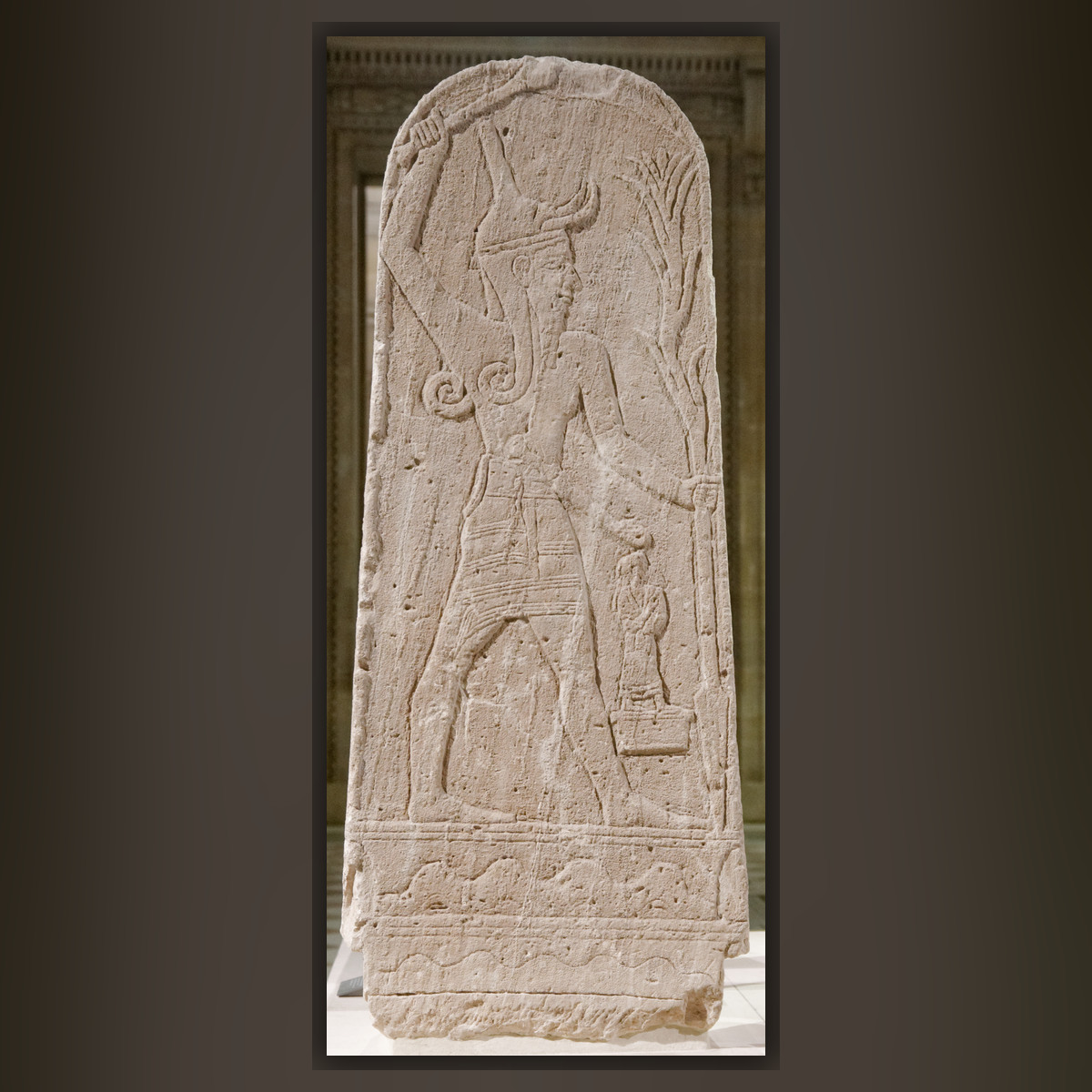
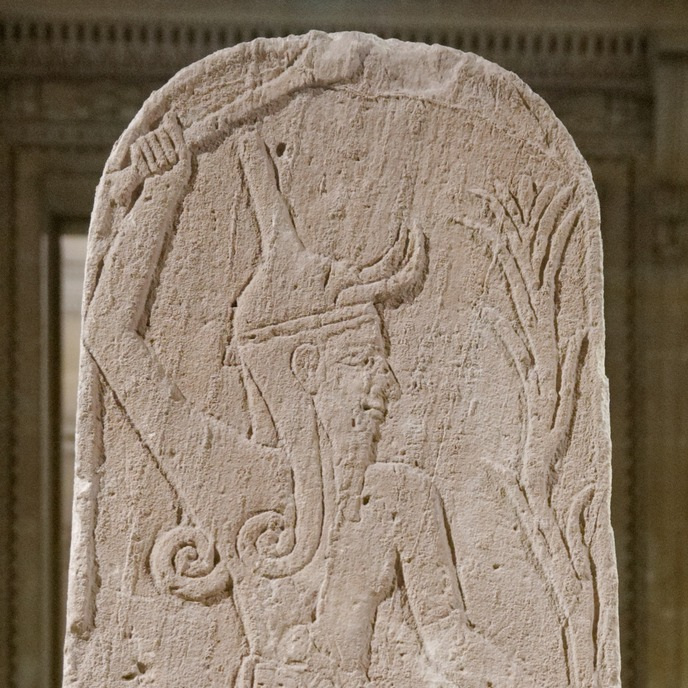
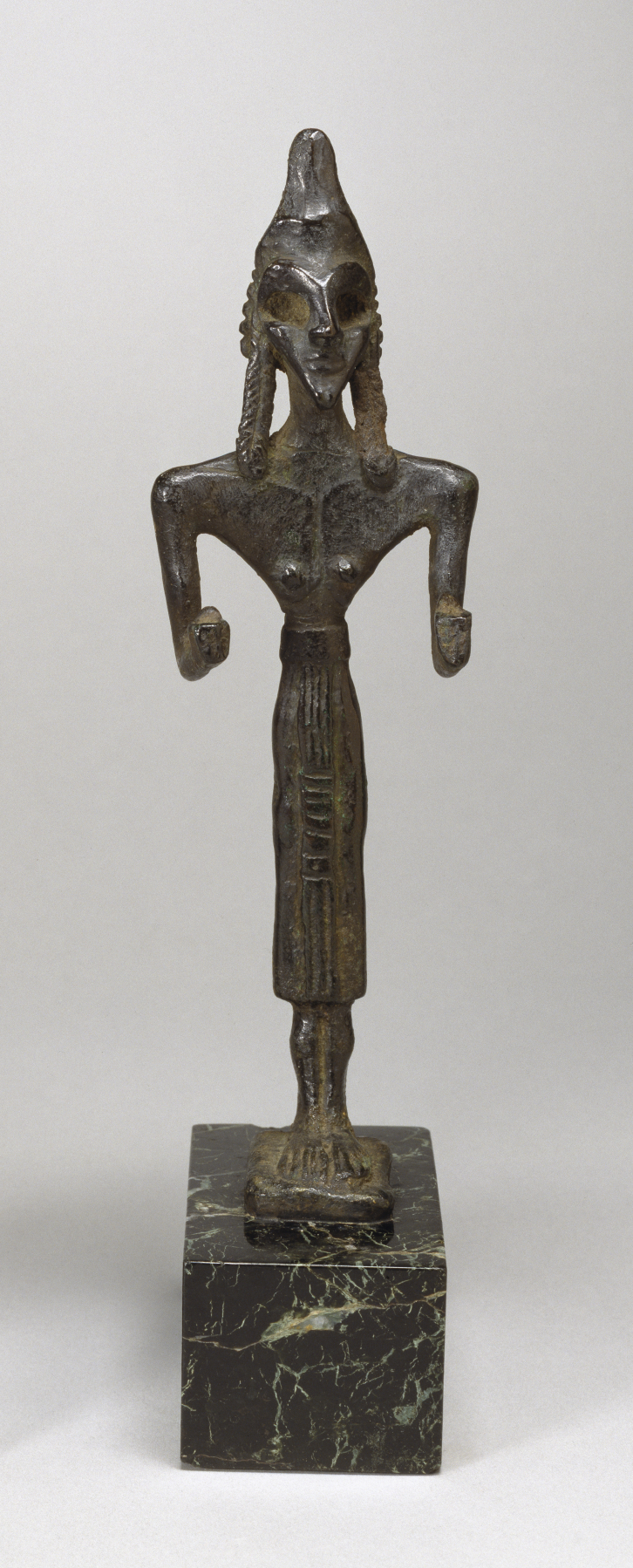
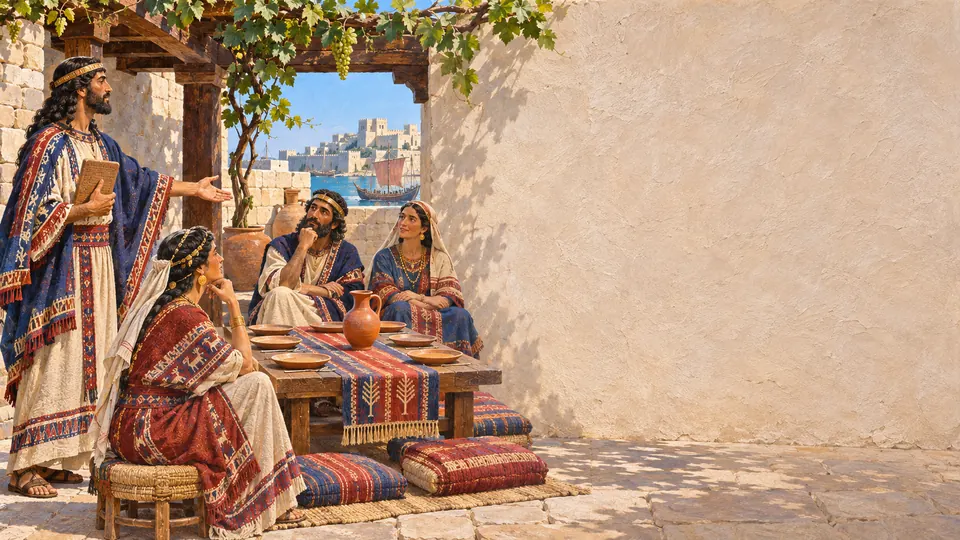
The diversity of Shapshu’s roles calls for distinguishing a named goddess from broader ancient Near Eastern solar symbols. A sun disk or winged emblem cannot confidently be assigned to her without an identifying inscription or strong contextual evidence; cognate Semitic words for “sun” do not prove that all sun gods are the same being. The cover is therefore a modern conceptual illustration of a luminous horizon and a dark passage, not an Ugaritic object or historical reconstruction.
What the evidence permits
The texts directly support Shapshu as a sun goddess who speaks and acts in Ugaritic narrative, particularly in mourning Baal and warning Mot. Her purported universal role as psychopomp and a decisive seasonal reading of her heat remain debated. This account relies on published translations, research and specified passages, not on independent inspection of all the original Ugaritic tablets.
References and notes (8)
- Lloyd (1994), The Goddess Anat, doctoral thesis, selected Baal Cycle discussion. KTU 1.6 I; source inherited from the earlier note, selected pp. 197–208 as reported there; thesis not reread in full. Return to the text ↑
- Theodore J. Lewis (2022), God [ʾIlu] and King in KTU 1.23, SAOC 73. p. 34 n. 18 on KTU 1.6 VI 27–29; locator preserved from the earlier note, not a new full-volume read. Return to the text ↑
- Kateřina Rýdlová (2024), Lantern of the Gods, Charles University thesis. University repository abstract only; Baal Cycle, KTU 1.100, 1.107, 1.161 identified; full thesis not read. Return to the text ↑
- Israel’s Beneficent Dead, Oxford repository dissertation. Searchable document excerpt at section discussing KTU 1.6 I 7–18 and alternative views of the netherworld; full dissertation not read. Return to the text ↑
- Lauren K. McCormick (2009), “Ba’al’s Guiding Light”, SBL annual-meeting abstract. Conference abstract only, on KTU 1.2 III 17–18 and 1.6 VI 26–29; not a full published study. Return to the text ↑
- Tracking the Rephaim Through Place and Time (2025), Religions 16(6), article 726. Web article paragraph on KTU 1.161, the chthonic deities and debated role of Shapshu; selected section read, not all references. Return to the text ↑
- Ola Wikander, Drought, Death and the Sun in Ugarit and Ancient Israel, Lund University. Institutional abstract only: interpretation of Shapshu’s burning rays and drought; monograph not read. Return to the text ↑
- Kateřina Rýdlová (2024), Lantern of the Gods, Charles University. Institutional English abstract only, descriptions of horses (KTU 1.100), snakebite (1.107), dead (1.161); not primary text verified. Return to the text ↑
Media
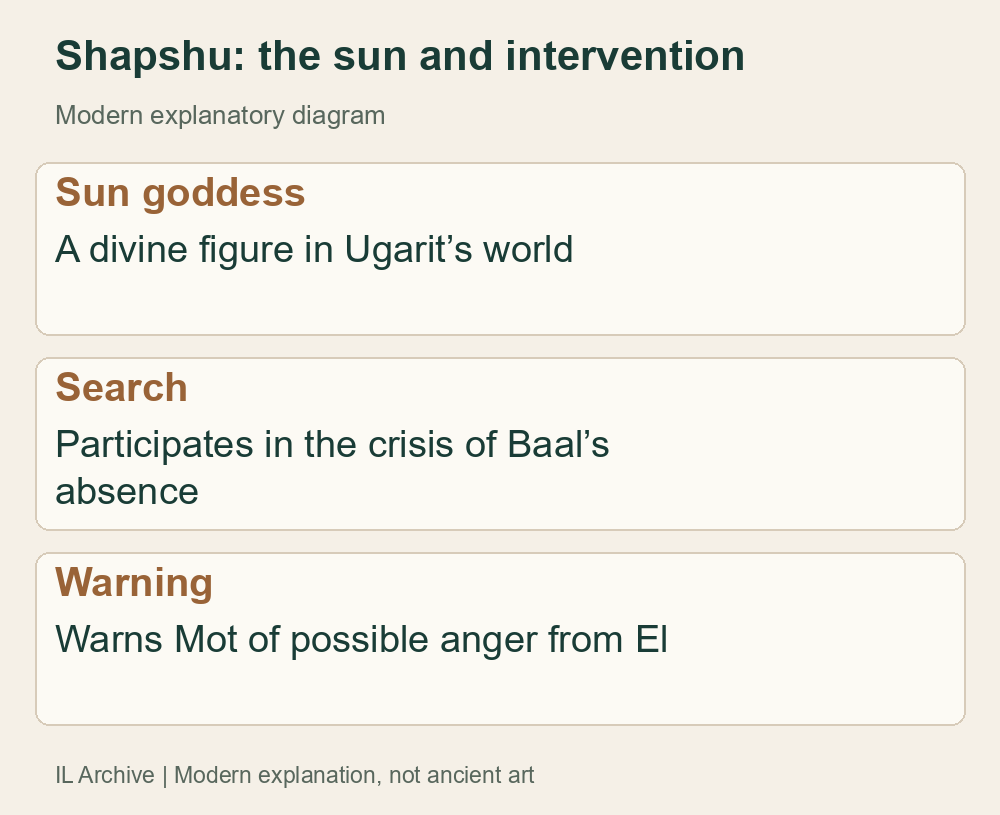
Illustration — not a photograph of the original object
Modern explanation of Shapshu’s roles in the passages consulted; her warning does not mean El actually deposed Mot in the scene
IL Archive · original diagram · CC BY 4.0
Image sourceSuggest a correction · Suggest a source for this record
Cite this record
IL Archive, «Shapshu», https://ilarchive.com/en/entities/shapshu
Continue reading
Related readings